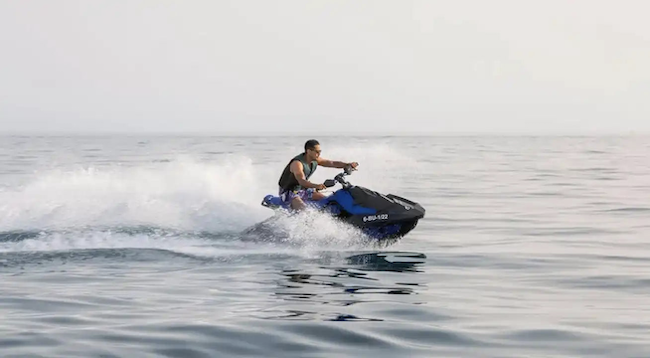
 Whenever you come across coverage of PWC in mainstream news outlets, the stories tend to fall into one of two general categories. There are the kinds of stories we like to cover here at The Watercraft Journal—featuring exciting races, stunts, rescues, and local events—which highlight some of our favorite aspects of the PWC lifestyle. Then there are the stories of accidents and injuries—the dark side.
There’s no denying that this sport (like any) comes with its fair share of risk, and it often seems like the only coverage afforded to safety concerns in the community is the typical set of safety tips: wear a life jacket, be aware of your surroundings, etc. It’s precisely because of this that we were so thrilled to come across a recent article published in The Conversation which actually seeks to consider how we, as a community, can go about reducing the risk of PWC injuries.
The article is a collaborative effort between two Australian academics: Milad Haghani, a professor of Urban Risk & Resilience at The University of Melbourne, and Clara Zwack, who lectures in Physiotherapy at Swinburne University of Technology. They begin by highlighting the growth of PWC popularity since the start of the pandemic in Australia, before presenting striking statistics:
Most accidents occur close to shore, often in crowded areas, with the risk doubling on weekends and peaking in warmer months. Across several Australian states, the annual toll can reach up to three deaths and as many as 26 serious injuries per 100,000 license holders—figures that may understate the true picture, as many incidents go unreported.
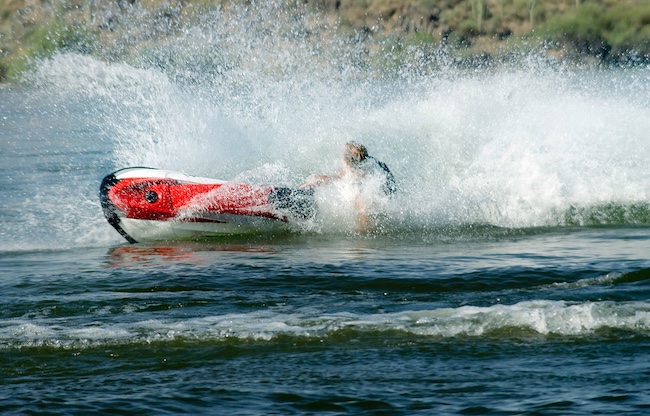 The data also reveal patterns in who is most at risk: the majority of injuries involve male riders, younger or inexperienced operators, and a concerning portion involve alcohol consumption. They also go out of their way to describe the particular risks associated with injuries in female passengers.
However, what truly struck us about the article was their well-thought-out proposals to improve PWC safety. They write:
- We need public education campaigns to remind riders of the risks and to promote better behavior. This would remind riders to slow down in congested areas, avoid reckless turns, and be especially careful with passengers. As alcohol is a common factor in crashes, drinking in moderation before riding should also be stressed
- Women are recommended to wear neoprene protective shorts, or wetsuits, instead of ordinary swimwear. A growing number of medical professionals are now backing this as essential safety gear, not optional, to reduce the risk of perineal injuries from water jets
- Manufacturers can redesign handlebars to reduce the severity of impact injuries. They can also build in safeguards that reduce jet pressure when no one is seated at the rear (to safeguard the health of a passenger who falls off backwards)
- States also need consistent rules on minimum rider age, training and licensing. The laws vary widely. These inconsistent regulations create confusion and loopholes, especially when riders cross borders.
If you’re interested in reading the full article, you can check it out here.