



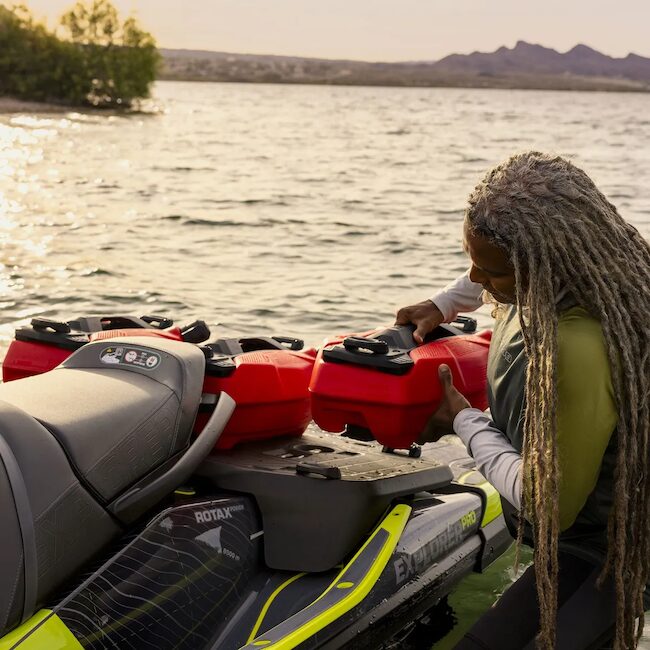
 Some of our favorite content lately has come from riders taking on long-form, open-water PWC journeys. In part, this is because these trips tend to come loaded with beautiful scenery, epic wildlife encounters, and fresh perspectives on some of the world’s top destinations. At the same time, we love these trips even more because they show off just how great of a tool the PWC can be for people around the world, enabling some of the coolest adventures imaginable. But there’s no denying that this kind of open-water travel comes with its own risks and difficulties—and the biggest of these is obvious: fuel.
Whether you’re traveling around the islands of Fiji, visiting the Bahamas from Miami, or just looking for some good open-water fishing, having access to extra fuel for your journey isn’t just important—it can be the difference between life and death. On top of that, refueling on open water brings its own set of challenges: balancing on a moving PWC, contending with waves and wind, and avoiding spills that could harm the environment or even leave you without fuel. The key is to choose the right combination of storage, transfer, and securing methods so your adventures stay safe and uninterrupted.
 Perhaps the most important consideration here is fuel storage. While basic gas cans can work in a pinch, we highly recommend opting for an option better suited for water refuels. We’ve covered options like the SureCan gas tanks before, and they remain one of the best solutions on the market for ensuring a safe and spill-free refuel on the water. There’s also the Sea-Doo LinQ caddy, available in 3.8– and 5-gallon sizes, featuring a spill-free spout and easy installation with their secure LinQ system.
If you’re going to be using one of the standalone gas cans, knowing how to keep it connected to your PWC is a key issue. DIY racks made from straps, baskets, or PVC are inexpensive, but they can be unstable in rough conditions and may impact your warranty or performance. Purpose-built PWC racks are designed to keep fuel stable, resist corrosion, and make it easier to handle cans in less-than-ideal weather. Many also double as gear carriers, giving you more storage space for safety equipment or a portable pump.
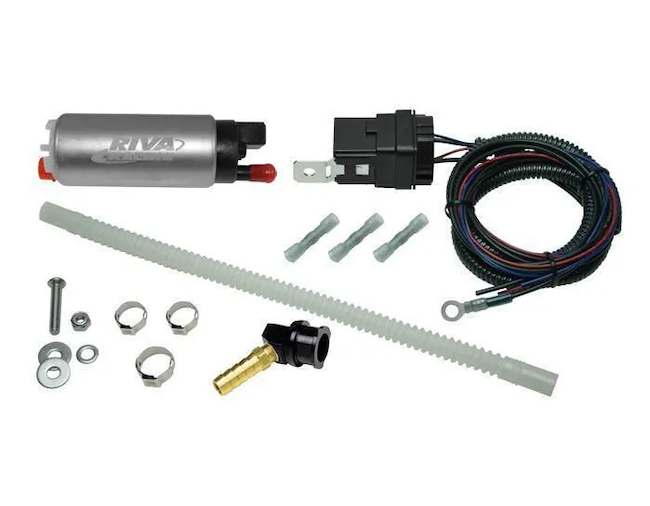
For those looking for a more involved setup for consistent long journeys, an auxiliary fuel tank can be a worthwhile investment. These connect directly into the PWC’s original tank, allowing for extended capacity without needing to manually refill from an external container.