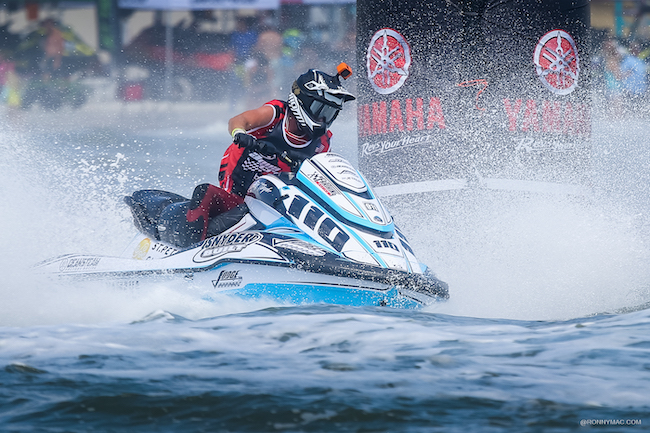
Pro Watercross, under the leadership of AJ and Jennifer Handler, is celebrating 30 years of racing this year, and marking the anniversary with a new racing format and some impressive announcements.
First, looking at the race schedule for Pro Watercross’ 2025 season, it continues with last year’s significant shift from tradition where Pro Watercross kicked off a 6-7 round season in early May with Pensacola and Panama City beach races. While there has been a slow drift away from that intensive and wide-ranging National Tour schedule, last year’s three-race Triple Crown series – repeated this year for the 2025 season – shows Pro Watercross settling into a new era and a new format.
One thing that will be familiar to many long-time Pro Watercross participants and fans is the support from Liqui Moly – this year’s title sponsor. Liqui Moly banners have been seen flying at Pro Watercross race sites for years, including standing behind Pro Watercross’ 2023 journey to Lake Havasu for the Liqui Moly Pro Watercross International Cup.
Last year’s introduction of the Triple Crown season format featured scheduled races at Sebring and Keystone, Florida, capped off by a final showdown at long-time tour favorite stop, on Lake Hartwell in Georgia. The Keystone site was later changed to Tavares, Florida.
Also new in 2024 was the implementation of a new starting system for Pro Watercross. As announced in March of last year, “The traditional rubber band start will be replaced by a cutting-edge lighting system, making it a safer and more effective race experience. This innovative approach eliminates the potential for rubber bands to wrap around racers’ necks during the start, a known safety concern.”
In early March of this year, Pro Watercross revealed the schedule for their 30th Anniversary season, with a shift to an all-Florida lineup kicking off in Sebring at the end of April, moving to Keystone Heights in mid May and closing out in Tavares in early June. .
Pro Watercross is proud to celebrate 30 years of excellence and growth in the watercross community. As the dominant force in the sport, Pro Watercross has revolutionized watercross racing, bringing thrilling competitions and fostering a passionate community of athletes, fans, and enthusiasts.
Pro Watercross is proud to be the oldest watercross promotion company in the United States, with a legacy that spans over three decades. As the second oldest watercross sanctioning body in the country, we’ve been a cornerstone of the sport, evolving from a small regional race series into the longest-running national tour in U.S. history.
Since our humble beginnings, we have remained committed to serving the watercross community, our sponsors, host cities, and, most importantly, the incredible individuals who have been instrumental in helping Pro Watercross achieve success year after year. Together, we have created a dynamic and thriving sport that continues to captivate racers and fans alike.
April 26-27 | Sebring, Florida; May 17-18 | Keystone Hts, Florida; June 7-8 | Tavares, Florida
Waters Edge Photography
Late in March, Pro Watercross updated the class list for the 2025 Triple Crown to include 17 classes (see list at end of article), and announced a new race registration savings program and some prize money announcements.
Double Round Weekends: Double Round Weekends: Experience twice the action with double round weekends, offering racers more opportunities to compete and fans more thrilling races to watch. In the 1990s, Pro Watercross pioneered the “Double Round” weekend format, with Saturday featuring one round of racing and Sunday hosting the second. In honor of our 30th anniversary, we’re bringing back this beloved tradition, allowing for even more intense competition and fan excitement.
Reduced Classes: Pro Watercross has updated and reduced its class structure to create more opportunities for racers of all skill levels to compete. These changes ensure greater competition and fun for everyone!
$30 Per Class Per Round: $30 Per Class Per Round: Competitors must enter one class at full price and sign up for additional classes at just $30 per class per round. It’s the perfect opportunity to test your skills in multiple categories without breaking the bank!
$30 Weekend Membership: For only $30, racers can get a weekend membership, granting them access to all the thrills and action of a weekend Pro Watercross event.
Onsite Cash Discount: Enjoy a discounted rate when you sign up online or onsite by paying with cash!
Prize Money: Up to $1,750 per weekend… If a Pro-Am or Sport Stock classes have 10 or more riders, the following contingencies will be paid: 1st – $500, 2nd – $250, 3rd – $125
As March rolled into April, Pro Watercross announced that a familiar name to many in the PWC world – Miami Jet Ski & Watercraft Service – was not only sponsoring the Sebring stop on the 2025 series, but would be hosting a BBQ dinner for racers – and almost anyone in PWC racing knows that BBQ from Sebastian Lezcano is simply not to be missed.
Hosting a BBQ dinner for all racers on Saturday night…Miami Jet Ski & Watercraft Service is proud to sponsor the Liqui Moly Triple Crown Tour on April 26,27, 2025, in Sebring, Florida. As dedicated supporters of the sport and its competitors, Miami Jetski is showing its commitment to the racing community by hosting a BBQ dinner for all racers on Saturday night.
This sponsorship underscores Miami’s passion for growing the sport and supporting both seasoned pros and up-and-coming talent. Their involvement ensures a welcoming and competitive atmosphere, reinforcing the camaraderie that makes jet ski racing special.
“We’re excited to be part of this amazing event and to give back to the racers who make it all possible,” said Sebastian Lezcano of Miami Jet Ski & Watercraft Service.
Don’t miss an action-packed weekend in Sebring, with Miami Jet Ski making it even better! Join in the fun
Waters Edge Photography
In the latest announcement from the Pro Watercross series, the advantages of decades in the industry, and the connections forged and cemented shows itself as CBS Sports signs on to broadcast the Pro Watercross 2025 season.
We’re thrilled to announce that CBS Sports is officially on board to broadcast the Pro Watercross Triple Crown Tour this year! This partnership is a game-changer for the Liqui Moly Pro Watercross Tour, bringing our high-speed, adrenaline-packed action to a wider audience than ever before. For Racers – More exposure, more sponsorship opportunities, and the chance to showcase their skills on a national stage. For Fans – Bigger, better coverage, bringing every intense turn, jump, and battle straight to your screen!
Get ready for an unforgettable season of world-class racing! Stay tuned for broadcast schedules and event details.
025 LIQUI-MOLY Pro Watercross Triple Crown Classes: Beginner Runabout Box Stock; Beginner Ski Stock; Junior Ski Stock 10-12 Yr; Junior Ski Stock 13-15 Yr; Runabout Stock; Ski Stock; IROC Stock; IROC1100; Ski 4-Stroke Stock; Ski 4-Stroke Stock-Superjet; Novice Sport Stock/Spec; Vintage Ski – Run What You Brung; Women’s Ski 4-Stroke; Pro-Am Ski GP; Pro-Am Ski Stock; Sport Stock/Spec; Freestyle.
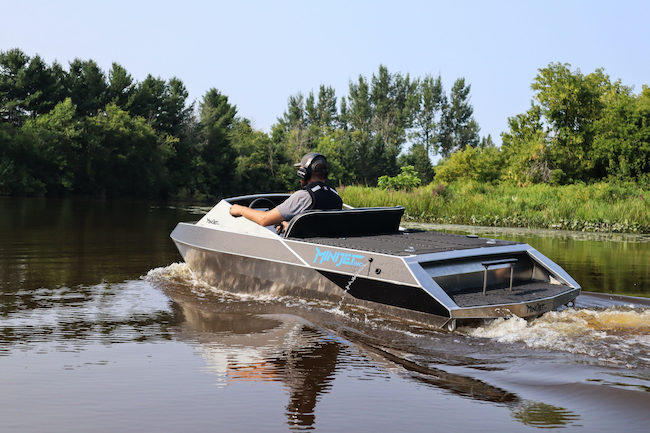
It’s a boat. It’s a plane. No, it’s… well, we’re not really sure what it is.
It’s kind of like Goldilocks couldn’t make up her mind between a jet boat and a jet ski, and hired Geppetto to work his magic and, well, you get the idea…
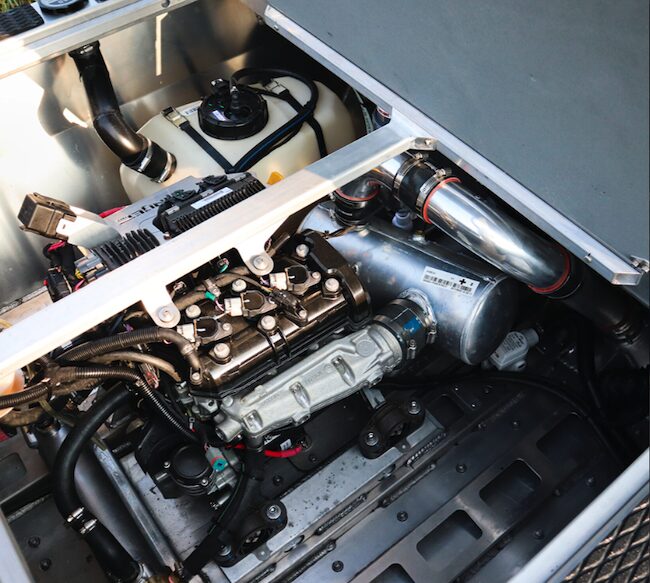
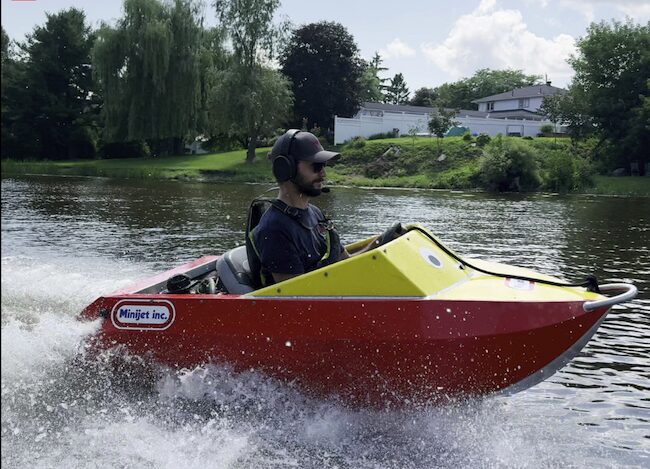
But, jokes aside, what “it” is, is the MiniJet Cub – all of 11 ft from tip to transom, a 90hp Rotax ACE 900 4-stroke engine, a 140 mm pump with fixed trim nozzle, bench seating for 2, Hydro-Terf EVA foam decking, an integrated LCD screen and more.
The Cub, is only one of several models from Minijet – which, in addition to a series of turnkey boats, also offers DIY kits that revolve around “selecting and purchasing a ‘donor’ PWC with the engine and driveline you want to morph with a Miniet Hull Kit.
For the turnkey models, in addition to the Cut, MiniJet offers the Frontier, with standard features like a; 12 degree deadrise angle, reinforced reverse chines, lifting strakes, integrated rear transom flotation, pump protection bars, and an improved delta pad bottom that make the Minijet Frontier perfect in aerated whitewater and shallow rivers alike; the Rover, with a wider nose and front deck area providing more storage space for gear, or ample space for a front mounted fishing seat and casting station, as well as larger rear engine cover accommodates extra seating and storage space; and the Defender, the largest model at 16 feet.
And, just to ratchet up some instagram-worthy cuteness, there is the MiniJet A2-6 – a micro jet boat kit with an integrated intake assembly suited for a wide variety of engines, two protective intake grate options, rear transom flotation to increase displacement and buoyancy, reverse chines and lifting strakes for sharp handling – all at 6 feet from tip to transom.
Check out the company website to find out more about the MiniJets, purchase one for yourself, or talk with company representatives about becoming a MinJet retailer.
To find out more specifically about the MiniJet Cub, follow along as company officials give a rundown of the model’s features and abilities in this detailed video.
2025 certainly seems to be the year to have a good time down on the bayou.
Ok now that we’ve trotted out the most basic – and requisite – cajun phrases, we’ll get down to business. Just this week, The Watercraft Journal received the official press release for P1-AquaX’s inaugural New Orleans Powerboat Grand Prix.
Racking up several “firsts” all at once, P1’s first race of the 2025 season is also its first New Orleans Powerboat Grand Prix, and though, like most, we’ve heard the mutterings of racers missing – pro-actively – the surf-racing pandemonium provided by frequent series-starter Daytona, there is also a good deal of excitement being bandied about in social media circles about the New Orleans venue.
WCJ will be providing further information as the event gets closer and we learn more details of the foray into Louisians, where, as Remy said, “This is the Big Easy. Folks have a certain way o’ doin’ things down here.”
You can find out more details in the full press release below
The inaugural New Orleans Powerboat Grand Prix, presented by Harvey Gulf International Marine, Councilman Hans Liljeberg, Jefferson Parish Council District 5, and Visit Jefferson Parish, is set to take place June 25-29.
Councilman Hans Liljeberg, shared, “We are proud to host the inaugural New Orleans Powerboat Grand Prix right here in District 5. This event not only promises thrilling racing and family-friendly activities but also provides a unique opportunity to boost our local economy. We look forward to welcoming visitors from across the nation for an unforgettable weekend in Jefferson Parish during our Bicentennial year!”
The event is the season opener for the P1 Offshore Triple Crown race series held in various cities across the United States, featuring four days of high-energy fun and excitement. The weekend includes a boat poker run, kilo run speed trials, a parade of boats, and a party in the pits featuring vendors, great local food, live entertainment, and an opportunity to see power boats up close and meet the race teams. High-speed racing occurs on Saturday and Sunday (June 28-29). Thomas Covington from Powerboat P1 states, “We are thrilled to kick off our racing season in Metairie, LA, and we anticipate fierce competition as teams push their limits to claim the trophy at this prestigious race.”
The event site is located on the levee between Bonnabel Boat Launch and Bucktown Harbor Park. Admission is free. However, VIP Hospitality tickets will soon be available for the best viewing area of all the racing action. Shane Guidry, CEO of Harvey Gulf, expressed, “We are enthusiastic about the partnership with Powerboat P1 to deliver an exceptional event at Lake Pontchartrain. I had the opportunity to attend two of these races, and the energy and enjoyment they bring is an unparalleled experience.”
RonnyMac.com
Net proceeds from the event will benefit the P1 Marine Foundation, with proceeds earmarked to benefit Bucktown Harbor Park & Marina Foundation and the Lake Pontchartrain Basin Foundation. After launching the P1 Offshore Triple Crown powerboat race series in New Orleans, races will be held in Sheboygan, WI, and St. Petersburg, FL.
For more information and updates on the event, visit: P1OFFSHORE.COM
When it comes to buying a new PWC, the sheer number of options can make the decision-making process feel overwhelming. While having a wide variety to choose from is great for enthusiasts, even the most dedicated PWC expert can struggle with certain key questions. One of the biggest considerations for buyers is whether to go for a supercharged or non-supercharged model—an issue WatercraftZone tackles in an informational video.
The 2023 video, titled “Should You Buy a Supercharged or Non-Supercharged Jet Ski? | Watercraft Zone,” compares the performance of a supercharged 2022 Yamaha FX SVHO to its non-supercharged equivalent. Using highly accurate GPS-based timing equipment in their VBox, they put both models to the test. The video also breaks down the pricing differences, making it useful not just from a technical perspective but also for potential buyers weighing their options.
While the 2022 models may no longer be the latest, the supercharged vs. non-supercharged debate is still highly relevant. WatercraftZone clears up key differences right away, explaining that non-supercharged PWCs offer better fuel economy, while supercharged models prioritize acceleration and speed.
Before diving into the data, the video provides a thorough comparison of the Yamaha FX SVHO and Yamaha FX HO, covering riding styles, engines, display screens, ride plates, weight, and jet pumps. Then comes the performance testing and data analysis, the most valuable part of the video, as the results apply to a wide range of Yamaha PWCs. We won’t spoil the final verdict here, so be sure to check out the full video on the WatercraftZone YouTube channel to get all the details!
We’ve covered WatCon’s John Zigler before for his fascinating collection of vintage PWC, but that’s just the beginning of what’s available on the Watercraft Talk YouTube channel. His channel is packed with engaging and useful videos designed to teach viewers the ins and outs of PWC care, maintenance, and upgrades, making it a valuable resource for any watercraft owner looking to expand their knowledge.
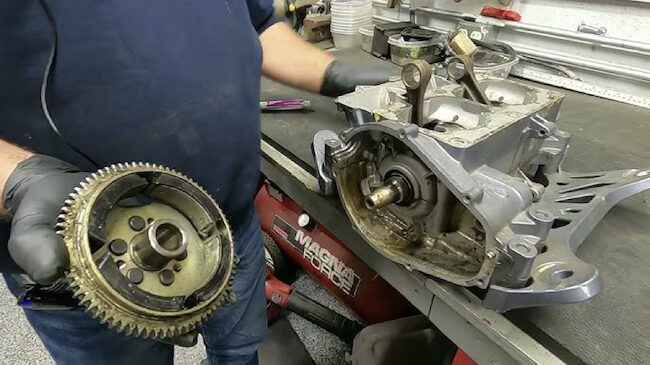
One great example is the recent video titled “Lapping a Flywheel to a Crankshaft: 2-Stroke PWC Jet Ski WaveRunner Engine,” which covers an important yet often overlooked aspect of PWC maintenance. John walks viewers through each step of lapping a flywheel on a sample engine, whose crankshaft was particularly dirty before the process. The only material required for this task is regular valve grinding compound, which can be found at any automotive store, making this a simple and stress-free way to care for your PWC’s engine.
Throughout the video, John’s advanced knowledge of PWC engines shines through as he clears up common misconceptions about these components and explains the process in great detail. The results speak for themselves—the difference before and after lapping the crankshaft is night and day!
If you think it might be time to lap the flywheel on your PWC or just want to explore the wealth of knowledge available on the WatCon channel, be sure to check out John’s videos on YouTube now!
Late yesterday, speaking beachfront from Mar-a-Lago, President Donald Trump has announced an Executive Order decommissioning the U.S. Coast Guard – a move recommended late last week by Elon Musk’s Department of Government Efficiency, as Musk’s efficiency experts cited millions of dollars in wasteful spending on what Trump termed the “Cub Scouts of the Military.”
Of note to PWC owners, the dismantling of the Coast Guard will eliminate the US Coast Guard Boating Safety Division, which has traditionally been responsible for marine vessel safety checks, PFD requirements, safety courses and BUI regulations, among other watercraft-related laws and regulations, as well as navigation rules.
Trump announced that, in keeping with efforts to reduce government overreach, the majority of marine safety practices will now be voluntary, however, owners of all motorized vessels must register their PWC with the newly created U.S. Safe and Beautiful Waterways Taskforce.
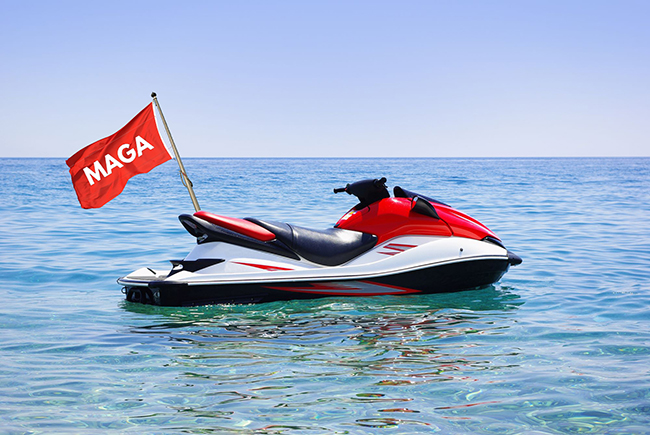
All registered vehicles will be required to display the official Task Force registration code, and must carry approved safety equipment, including mandatory walkie talkies and American-made first-aid kits. All watercraft must also fly a Task-force approved visibility enhancement flag of no less than 3’ x 4’, consisting of a safety-red background emblazoned with a white, reflective MAGA symbol to enhance visibility in both daylight hours and at night. During any watercraft operation after dusk and before dawn, the visibility enhancement flag must be lit by the provided battery-operated mini-spotlight.
According to new U.S. Safe and Beautiful Waterways Task Force Commander Chase Elliot, implementation of the safety equipment requirements will go into effect on April 15, while Task Force Registration Chief Kid Rock advised The Watercraft Journal that a new website would be launched within the week to allow marine craft owners to register their vessel online.
The Watercraft Journal will continue to monitor these new requirements and the impact of the elimination of the U. S. Coast Guard Boating Safety Division, and will provide pertinent updates as new changes to policy are announced.
For more information, or to pre-register your PWC, visit the Task Force website.
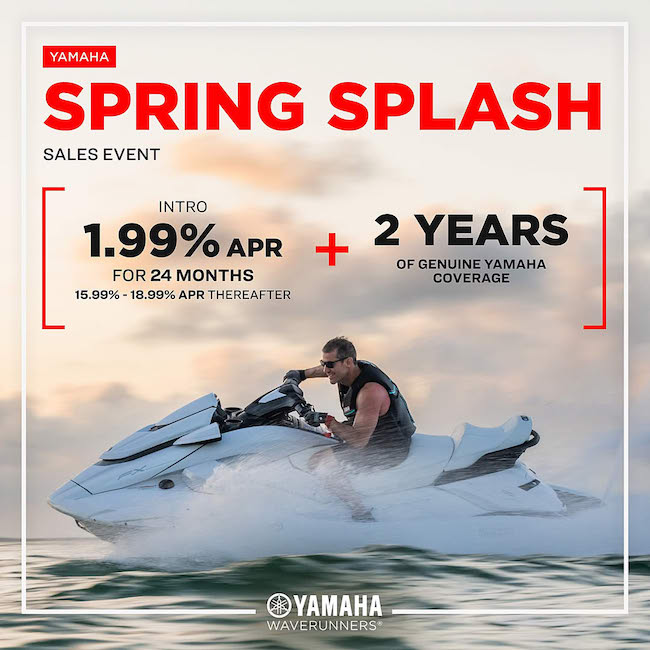
If you like cutting things close – the Yamaha Spring Splash Sale is perfect for you – because it ends TODAY!
For the past several weeks Yamaha has been offering four different savings packages with comprehensive protection plans and flexible financing options on New new 2019 – 2025 Yamaha WaveRunners, including 1.99 APR for 24 months for those who have achieved solid credit scores, plus 2 years of Yamaha coverage (that’s one whole extra year). Other financing plans are available, with slightly higher rates, but for a longer period of time – but at the end of the day today, March 31, those springtime sales disappear.
So, if you are looking to dive into the world of owning a PWC or looking to upgrade, now is the time to do so. You can see full details on each of the four promotions in the original Yamaha press release, below.
Although these deals are manufacturer offers, good across the board, having a reliable dealer who can walk you through the process, be there when you have questions, and offer there own deals to sweeten the pot is always a good idea – and when you’re talking reliable, Cycle Springs Powersports fits right into the discussion.
Cycle Springs has been a long time Yamaha dealer and takes pride in giving you the best deal possible. They have a huge inventory and knowledge to answer any of your questions.
LET’S HELP GET YOU ON THE WATER
With a wide array of offers, comprehensive protection plans and flexible financing options offered directly through Yamaha, there’s something for everyone. We make it simple.
Financing offer can be combined with Warranty offer
INTRO 1.99% APR FOR 24 MONTHS, 15.99% – 18.99% APR THEREAFTER Offer available on approved purchases of new 2019 – 2025 Yamaha WaveRunners made on the Yamaha Credit Card issued by WebBank. Offer valid 1/22/2025 – 3/31/25. Account must be open and current to be eligible for this offer. Introductory 1.99% APR tier 1 & 2 financing with minimum payments of 1.18% of the purchase price balance are effective for initial 24 months. After the 24-month introductory period, standard APR 15.99%, 18.99% with minimum monthly payments shall be due equal to the greater of 1% of existing balance plus standard interest charges based on creditworthiness, late fees and late payment amounts, or $25 until the purchase price is paid in full. Minimum interest charge $2 per month.
**12-month Factory Limited Warranty plus a complimentary 12-month Yamaha Extended Service (Y.E.S.) Contract for a total of 24-months (2 years) of geniune Yamaha coverage. Complimentary 12-month coverage offered by Florida dealers is a Yamaha Extended Limited Warranty in lieu of Y.E.S. Available with approved purchases of new (unused and not previously warranty registered) 2019 – 2025 Yamaha WaveRunners. Offer valid 1/1/2025 – 3/31/2025. In Florida, the Yamaha Extended Warranty is administered by Automotive Warranty Services of Florida, Inc. 175 W. Jackson Blvd. Chicago, IL 60604. License #60023. See participating dealer for complete details. Offer good only at partcipating dealers. Yamaha Motor Finance Corporation, U.S.A., dba Yamaha Financial Services, is an affiliate of Yamaha Motor Corporation, U.S.A. offering financing solutions to support Yamaha Dealers and loyal Yamaha Customers nationwide.
2 YEARS OF GENUINE YAMAHA COVERAGE Available with approved purchases of new (unused and not previously warranty registered) 2019 – 2025 Yamaha WaveRunners. 12-month Factory Limited Warranty plus a complimentary 12-month Yamaha Extended Service (Y.E.S.) Contract for a total of 24-months (2 years) of genuine Yamaha coverage. Complimentary 12-month coverage offered by Florida dealers is a Yamaha Extended Limited Warranty in lieu of Y.E.S. Offer valid 1/1/25 – 3/31/25. In Florida, the Yamaha Extended Warranty is administered by Automotive Warranty Services of Florida, Inc. 175 W. Jackson Blvd. Chicago, IL 60604. License #60023
5.99% APR FOR 36 MONTHS Available for well qualified tier 1 credit customers who finance through Yamaha Motor Finance Corporation, U.S.A. Offer valid 1/1/2025 – 3/31/2025. 5.99% APR financing for 36 months at $30.42 per month per $1,000 financed regardless of down payment. Must take delivery from retail stock by 3/31/2025 on purchases of new 2019 – 2025 Yamaha WaveRunners. Available on approved credit through Yamaha Financial Services. Not all buyers will qualify. Higher financing rates apply for buyers with lower credit ratings. See dealer for qualifications and complete details. Yamaha Motor Finance Corporation, U.S.A., dba Yamaha Financial Services, is an affiliate of Yamaha Motor Corporation, U.S.A. offering financing solutions to support Yamaha Dealers and loyal Yamaha Customers nationwide. \
AS LOW AS 6.99% APR FOR 60 MONTHS Offer available on approved purchases of new 2019 – 2025 Yamaha WaveRunners made on the Yamaha Credit Card issued by WebBank. Offer valid 1/1/2025 – 3/31/2025. Account must be open and current to be eligible for this offer. Promotional 6.99%, 8.99%, 14.99%, 23.49% APR with minimum payments of 1.98%, 2.08%, 2.38%, or 2.85% based on creditworthiness. Standard APR 15.99%, 18.99%, 20.99%, 23.99% with minimum monthly payments shall be due equal to the greater of 1% of existing balance plus standard interest charges based on creditworthiness, late fees and late payment amounts, or $25 until the purchase price is paid in full. Minimum interest charge $2 per month. See dealer for qualifications and complete details. Yamaha Motor Finance Corporation, U.S.A., dba Yamaha Financial Services, is an affiliate of Yamaha Motor Corporation, U.S.A. offering financing solutions to support Yamaha Dealers and loyal Yamaha Customers nationwide.
We’ve all been there – you wait anxiously for the rollout the new models each year, ogling the bright shiny ads and binge-watching The Watercraft Journal Galleries announcing the new manufacturer lineups, you plot and plan and daydream about the coming season on the top-of-the-line, brand-spanking new ski with all the fancy doodads… and then Johnny needs braces, the water heater needs replacing, the spouse wants to redo the kitchen that still has harvest-gold appliances, and you’re standing here headed into April with empty pockets and pipe dreams.
So, ok, maybe a brand new model is not in the cards for this year…but never fear, there Are options. Dozens and dozens and dozens of options – you just have to look for them – well, look for them, and be willing to be realistic about your limitations and your needs. But realistic doesn’t have to end up being the PWC version of the real-estate “fixer-upper” – in fact, you’re better off doing your research, knowing your facts before you jump into the used PWC market, and having some guiding principles at hand before you dive into the search for your new-to-you PWC.
Diving back several years to one of our most popular articles at the time, and pooling wisdom from dozens of PWCers with decades of experience, we are taking a fresh look at the advice from our Ultimate Used Watercraft Buyers Guide. While PWCs have changed over the years, and technology has advanced, the baseline process for selecting just the right used PWC for your riding style, skill level, interests and time commitment remains essentially unchanged, as does the checklist of things to look for, things to avoid, and questions to ask.
The main concerns in buying used are what to look for in order to not end up buying someone else problems, and how to avoid buying a lemon.
While searching online sources like dealer inventory, Craigslist PWC trader and Facebook sales/ swap groups, there are many skis to choose from, but which one is the right one?
Buying and owning a jet ski comes down to 3 basic costs. You have initial cost, maintenance cost and service cost. That cheap ski may have a low initial cost, but may need some work or maintenance to bring it to proper running condition. That may make it more expensive in the long run than buying a running ski. We also know that condition is everything and previous maintenance or lack of maintenance could spell disaster in the long run, but what to look for to avoid buying a nightmare?
Finally, a buyer must be realistic. You usually get what you pay for and if the deal is way too good to be true, chances are there’s a reason why and that may not be good for you. The group chimed in and this basic guide should help you along in your buying process:
Presale
Do your homework! Look online and find out what everyone else is riding or staying away from. Check ride groups, local riders, forums like Greenhulk.net, Google searches and even YouTube to get as much info under your belt as possible. Keep an open mind and check out brands and models. Keep an eye on the year ski as manufacturers may have changed engine configuration, features or hull design that may affect the value and performance. Have a good grip on the KBB and NADA values as to not overpay and to have a good idea on what it’s actually worth. Don’t be afraid to ask questions now as it may save you from problems down the line.
The Seller Private Seller
After you’ve found a ski, the seller can be just as important as the ski itself. How it was maintained, what’s the reason for the sale, maintenance records and potential issues can help or hurt the ski sale. Find a seller that is open, honest, fair, and who’s willing to work with you in the sale and the transfer of ownership. Make sure to get a proper working contact number. They should have the proper paperwork like clear title, registration, trailer registration, manuals, warranty info, service or repair records, and bill of sale on hand to complete the sale. Set a location that is public and convenient for the sale. A public boat ramp is great as lots of traffic and a place to provide the water test portion of the sale.
Dealer Pre-owned
This is a great option if you’re able to get one that has warranty or has been dealer inspected or certified. There will be tax, title and registration fees upfront, but it’s a one stop shop. Some manufacturers like Yamaha have certified pre-owned skis and you may even be able to buy a 2-year used warranty if purchased from an authorized dealer. You should still know what you’re buying and especially the KBB or NADA trade in, average and dealer retail values to know what deal you may be getting.
Inspection Check the Hull
Is it as pictured and in overall good condition for the year? Are the hull or plastic moldings badly sunfaded? Is there anything hiding damage marked under excessive dirt, WD-40 spray or large decals? Is it missing parts? Any deep scratches or gouges to the fiberglass on the hull and especially on the belly? Are there signs of recent repair? Does the display gauge work and does it show any codes, maintenance alerts or weird beeps? Does the jet pump area look pitted or corroded? Do you see heavy rust or corrosion that can give an idea on how it was maintained? Is there anything in the pump intake, chips on the impeller or excess wear/ clearance on the wear ring? Are the seats in good condition as well as the foot mats?
Screenshot
Check The Functions
Is the steering, throttle, choke or reverse easy to operate? Do features like trim, RiDE or IBR function properly? Does the hood strut work? If it has a bilge pump, does it work? Does the key fob properly operate the modes or are the proper function keys there for the performance modes? Does the display reflect the correct hours?
Check the Engine Bay
Are there signs of recent or undisclosed repair like greasy hand or fingerprints or is everything in overall good order? Check the engine bolts for missing or damaged paint that may be a sign of previous disassembly. Does the wiring seem in order? Are there signs of corrosion or rust on engine parts, clamps or terminals? Check the engine oil to see if it’s at the proper level and also note the color. Do you see any waste oil or water inside the hull? Do the function cables have frays or rust splits? Do you see sloppy aftermarket sealant? Do you smell gas? Do you see any loose parts? Are the hoses and cables all attached?
Water Test
It’s very important in a “AS IS, NO REFUNDS” sale. A water test can show more than just a start up or an idle/ revving on a water hose. It can reveal engine issues, cavitation issues, overheating issues, water leaks and other running problems. You should check the hull for water prior to water testing and make sure the drain plugs are in.
Does it seem to start and idle properly? Make sure cooling water is exiting the proper outlets. Does it accelerate properly or hesitate? Does it cavitate? Meaning does the engine rev up to the appropriate rpm, but the ski doesn’t have the take off or get on plane properly. Does it feel sluggish? Does it sound weird? Does it stall?
Does it hit the right top speed and the right top rpm? Download an app that gives GPS readings to be sure that you are hitting top speed. A proper top speed can mean the engine and jet pump are operating properly. Make sure that you test ride for an adequate amount of time so that the engine is at proper operating temperature and performing as expected. After the test ride, check the hull again for signs of excessive water. Water now coming out the drain plugs is a bad sign!
Paperwork
Double check the title or registration card to the HIN plate. A clear title, especially in a title state like Florida, is a deal breaker. The HIN plate should be on the hull of the ski and should not look tampered with. There should be no name in the buyer fields and the seller information should be correct and properly filled out.
Check for liens and make sure there are no correction attempts that could void the title. Make sure the Bill Of Sale reflects the information on the title as well as selling price, signatures and sale date. You usually have 30 days to transfer the ski and trailer. If a trailer is involved, make sure the trailer registration also matches the trailer registration plate, the buyer field is clear and the seller info is properly filled out.
Have your +1 count the cash and payment is made as the Bill Of Sale and the paperwork is finalized as well as the ski transferred in whatever order comfortable to everyone. Make sure to get whatever maintenance records, repair records, general ski info, warranty if applicable, registration cards possible at the time of sale as failure to do so may lead to potential delays or future expenses.
It’s a terrible idea to pay a seller and not get a proper title or paperwork. It’s best to wait or walk before losing your money on a ski or trailer that you can’t legally register. Things can happen and sellers disappear while waiting on a title, bill of sale or trailer registration. You don’t want to be stuck with a ski or trailer that you can’t transfer in your name and enjoy. A bill of sale only will not work especially in Florida. A properly filled out title is a must have.
Post Sale
Have the ski and trailer transferred/registered in your name asap. You have 30 days, but sooner the better. Make sure the ski is in proper working order prior to riding with any maintenance or repair done. A small issue can become a major problem if left unattended.
Make sure you are water legal with the proper registration numbers and decals, support gear and accessories. Tickets on the water are expensive! Find a great group of guys n gals and ride! A major reason for skis being sold is from a lack of use. Find like minded people and ride! Don’t make it a major event to get out and enjoy the water. The more you get out, the easier it becomes and the more areas you ride, the better the experiences!
Project/Non-Running Skis
Last but definitely not least is buying that non running gem. That cheap price is an eye catcher and maybe it could be a simple fix! More likely than not, it isn’t and may end up costing more to repair it than to buy one running. The key is to buy cheap expecting the worst, but hoping for the best. Find out was the worst case scenario repair cost is and make an offer from there.
Remember you are fixing two issues, what caused the failure and the results of that failure to get it back in running condition. Chances are the dead battery, bad starter or whatever other too simple to be true explanation may be a sellers ploy to get the most for a busted ski. If it was that simple, they could have probably fixed it and kept it or sold it for more. If you can’t prove it in an inspection, don’t believe it!
You’re already buying someone else’s problem to some degree. Do your homework on what repair costs and factor in labor if you aren’t comfortable doing the repairs yourself. Get the service manual that properly outlines the repair process for that ski and don’t skimp on a repair. Do what is called for as to not be doing it again in the future.
When possible, check the engine compression if it turns over. If it doesn’t, see if it’s possible to turn the driveshaft. Check the sparkplugs for signs of piston contact, excessive rust or signs of wear. Look in the sparkplug hole for signs of seizure. Check the whole ski over for missing parts and to make sure it’s as whole as possible. Skis that have been to a shop or previously torn down but not reassembled may be missing bolts and other critical parts.
Everything adds up in a project. A bad display gauge, stiff steering or reverse cables, ripped seats or mats all add up and may push that repair cost over the value of the ski. Don’t pay more to fix a ski than it’s worth! Check the pump for obstructions like rope, rocks or corrosion that could prevent the engine from turning over. Check the engine bay for metal chunks, spent oil or greasy smears. Also keep an eye for loosely replaced parts or mismatched bolts which is a sign of an engine thrown back together hastily for resale.
And don’t forget these tips from The Worldwide Stolen PWC Database. The last thing you want when buying a used ski is to purchase a stolen one. We have a list of precautions and procedures to check for when buying to make sure that does not happen:
Check the HIN Every watercraft comes from the factory with a HIN (Hull Identification Number). This number is unique to each ski. When purchasing a used watercraft, it is a good idea to look for evidence of tampering, as this may mean the PWC you’re looking into has been stolen. Look for signs of scratches as well as any oddities in the number itself. For example, the year of the ski is normally the last two numbers in the HIN. If you know the ski you’re looking at is a 2010, but the last two numbers of the HIN are 12, then you should probably steer clear of this PWC and the seller.
Get to Know the Seller It would also be a good idea to get to know the seller as much as possible. A visit to his/her house to look at the ski is generally a good way. While it may be tempting to simply ask to meet on the water so you can go for a test ride, it would be best to go visit the seller’s address, then ask if you could go to the water to test it.
Use an Independent HIN Checking Service There are several sites that hold marine watercraft history and reports that contain information about many different types of marine vessels. From our experience, though, this information varies substantially from site to site. It would be a good idea to make sure you are using a reputable source for your info, such as the Worldwide Stolen PWC Database. They work with many different agencies to gather up the most accurate information they can provide you with.
Commit with a Written Agreement If all the prior check out and you’re ready to make a purchase, then try to get a simple contract for the both of you to sign, just to show the agreement of sale. It does not need to be a 20 page document full of legal terms, just a simple contract stating the facts of the sale (where you both live, what is being sold, the seller is the rightful owner, etc.).
With this signed by both of you, you will have a formal agreement between you and the seller as well as an extra layer of protection for yourself. Don’t forget, verify the seller’s identity by means of an ID, driver’s license, passport, etc.
Use Common Sense While the Worldwide Stolen PWC Database is able to quickly and accurately inform you if the PWC you’re looking to purchase is registered on their database, it should only be used as another tool in your buying arsenal. Remember, unfortunately not everyone reports it to them right away when their PWC has been stolen, so we can’t pass on the warning. If the deal you’re being offered is too good to be true, it probably is.
Check if the service/repair work looks legitimate. If possible, contact the dealer who serviced it to confirm the work.
Keep in mind, sellers will expect you to be a bit skeptical when making a high value purchase. A legitimate seller will be much more comfortable answering any questions you have than somebody who has something to hide.
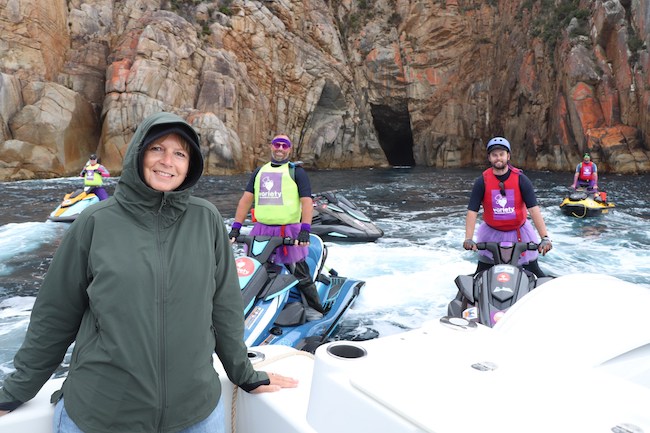
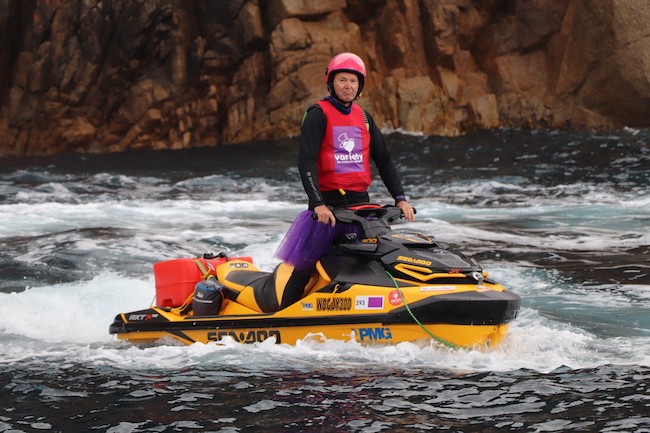
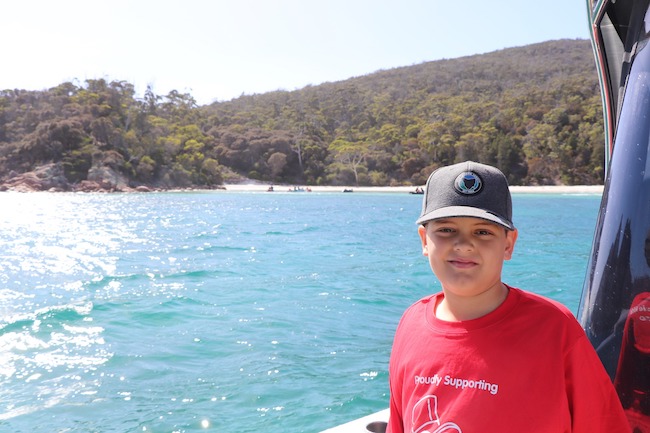
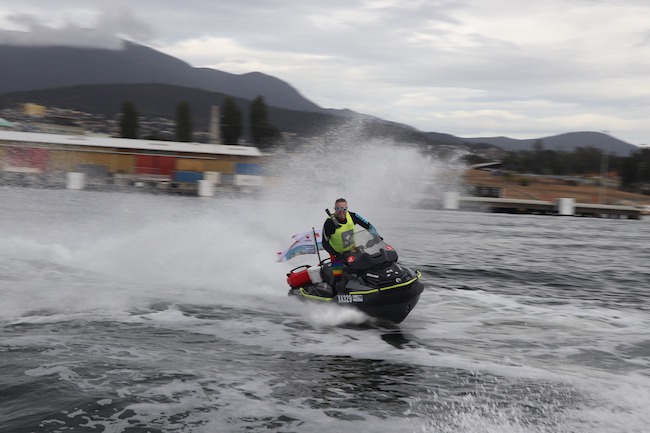
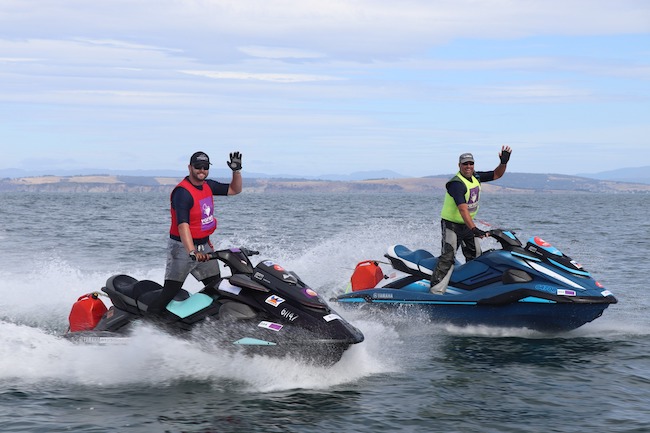
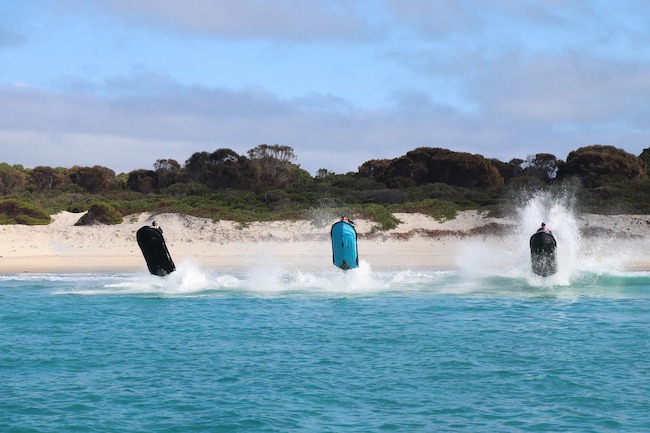
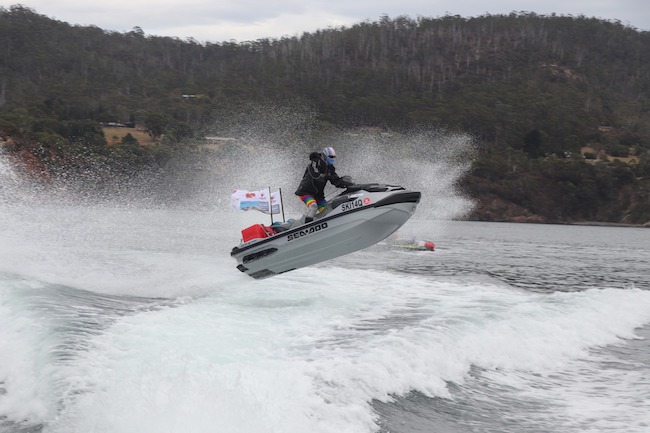
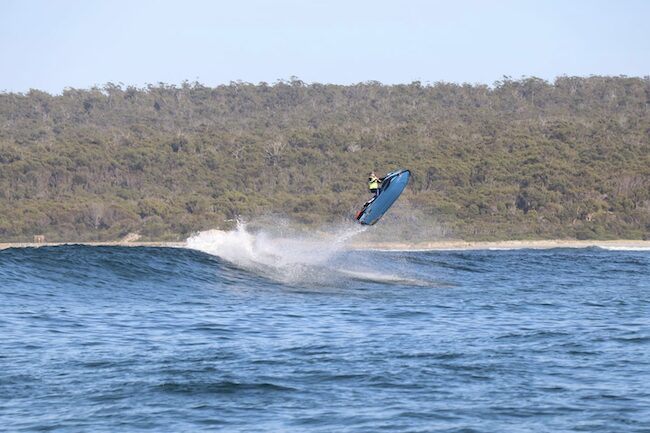
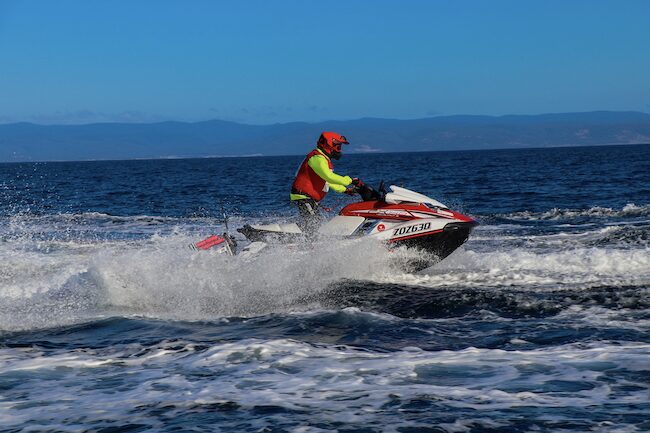
Earlier this month, one of the most exciting PWC events of the year took place — but this time, it wasn’t just the adrenaline that had us following along! While the Yamaha Variety Jet Trek is certainly an adventure in its own right, the reason behind this trek is just as compelling, showcasing both the thrill and the community spirit that make our sport so rewarding.
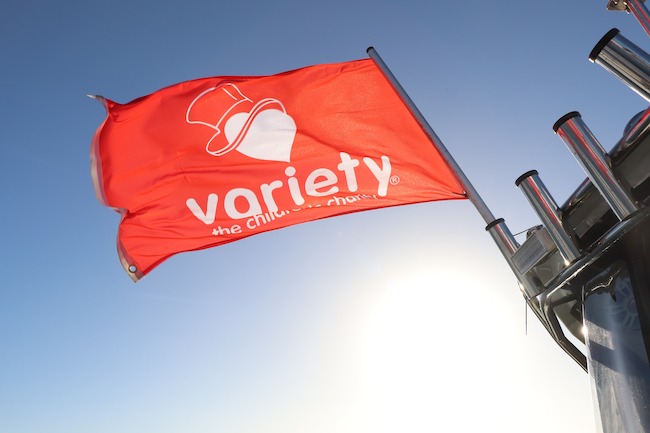
The Yamaha Variety Jet Trek is a collaboration between Variety — the Children’s Charity of Queensland — and Yamaha WaveRunners Australia, making it the largest PWC charity event in Australia! This year, Jet Trekkers traveled for six days along the coast of Tasmania, from Hobart to Devonport, taking in some of Australia’s most breathtaking coastal scenery.
The photos captured throughout the event, which ran from March 3rd to March 8th, are absolutely stunning. But even more impressive is the impact — funds raised by the Jet Trekkers will help 277 children in Tasmania! This event has been held annually for more than 27 years, bringing together teams of PWC enthusiasts for a ride along incredible coastlines, encounters with marine life, and stopovers at some of Tasmania’s most picturesque beaches. This year, their cameras caught trekkers riding alongside seals, dolphins, and even flying fish.
Each participant must raise a minimum of $3,000 for the charity to take part, but that hasn’t stopped plenty of passionate riders from joining this incredible fundraising event. Plus, once registered, event staff handle all the details, including meals and accommodations, so participants can focus on the ride.
While this year’s trek is over, be sure to check out the incredible photos on their Facebook page — and if you’re interested in next year’s fundraiser or want to donate to help sick, disadvantaged, or differently abled children in Queensland and Tasmania, visit their website today!
A lot of time and attention is spent – not only in the PWC world, but in just about any outdoor adventure or adrenaline sport – on towing; instructions, tips, what-not-to-do’s and, of course, the inevitable jokes about those who struggle to back a trailer up. This is especially relevant when you start hanging out at boat launches, watching the sometimes comedic show of the multitudes trying to back their jet ski – strapped on what is apparently a fleet of rouge trailers immune to the well-rehearsed maneuvers of novice and pros alike – into the water without taking out the dock, a half dozen nearby trucks, and a couple fishermen.
But this article is not about that.
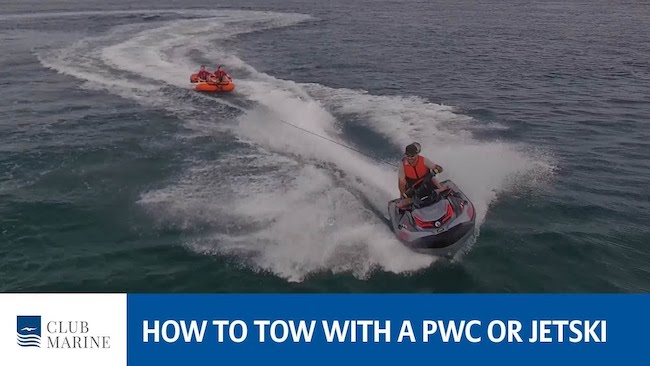
Today we’ll take a look at the flip side of that towing equation, and focus on what your jet ski can tow behind it on the water – and the best and safest way to do so.
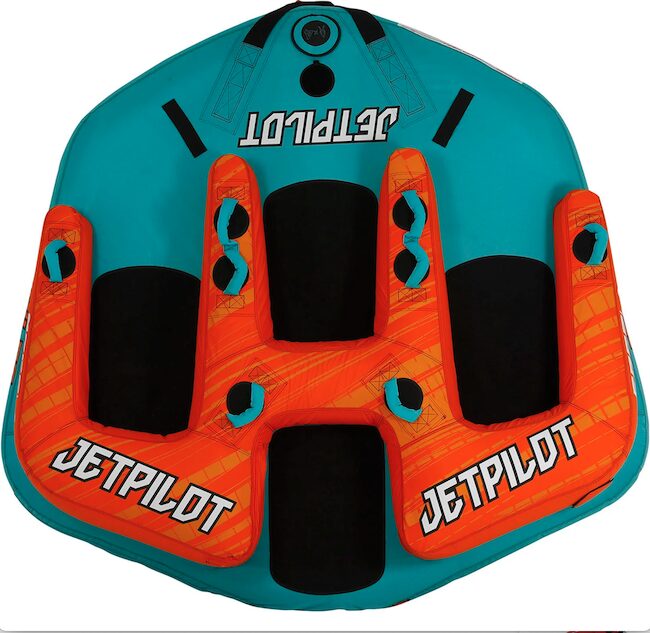
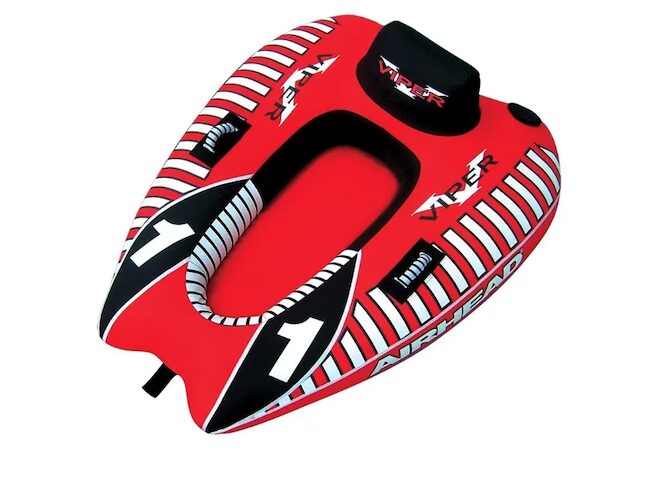
From traditional, standard-looking tubes, to multiple-person “sofas” to “flying” designs that briefly “catch air” with one or more people aboard, inflatable towables are the most common items to be towed behind PWCs.
For example, Brisbane Kawasaki carries the Jet Pilot JP4, designed for up to four riders, with built-in angle side wings, double webbing foam handles with padded knuckle guards, pull-up straps for re-boarding and a self-bailing drain vent, for $479. Be sure to check out all Brisbane Kawasaki’s inflatables, as well as tow ropes and pumps.
GreenHulk’s inflatables and accessories include the Yamaha Rock ‘n’ Tow Tube that is a tube and recliner in one, with a curved deck that delivers a wild ride as the front lifts up and the rounded back dips down, taking your feet into the air while you glide across the water. This tube whips through turns and hurdles over the wake.
And over at Broward Motorsports, their towable offerings include the Sea-Doo Three-Person Two-Way Sit-in Tube for $459.99 and the Tow Pro – a versatile accessory that is not just a tow pylon – it’s also a spotter handle and equipment rack all in one, allowing you to pull wakeboarders, wakeskaters, and tubers with ease thanks to the higher tow point, while giving your spotter added confidence with ergonomic grab handles.


 Pro Watercross, under the leadership of AJ and Jennifer Handler, is celebrating 30 years of racing this year, and marking the anniversary with a new racing format and some impressive announcements.
  In early March of this year, Pro Watercross revealed the schedule for their 30th Anniversary season, with a shift to an all-Florida lineup kicking off in Sebring at the end of April, moving to Keystone Heights in mid May and closing out in Tavares in early June. .