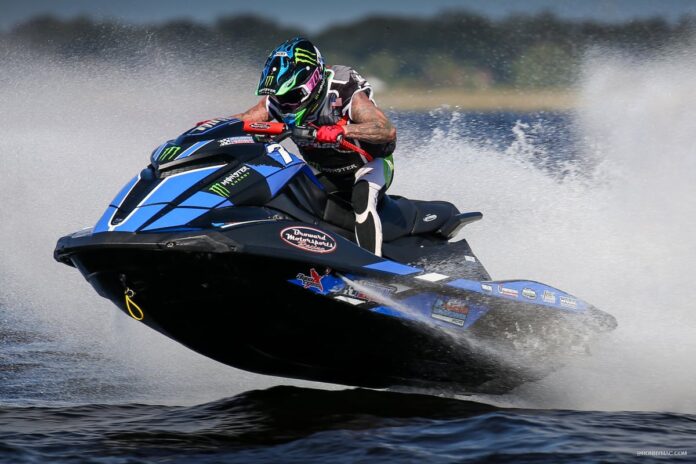
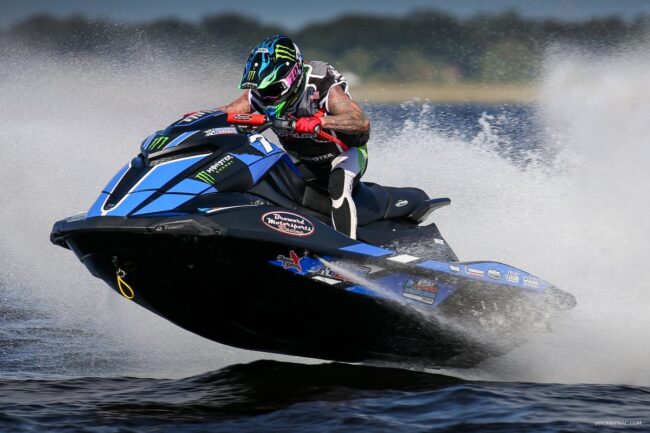
I certainly may be biased, but I doubt there is any better combination in the world than that of high adrenaline and good music. When I think of carving down a mountain on my skis, I only want to imagine it paired with some driving techno or house music filling in the space around me. When I think of the best nights celebrating with my friends, after weddings or birthdays or whatever it may be, the delight is always matched by the bouncing reggaeton or pop that drive the energy in the room. And, of course, when I think of the best moments I’ve had out on the water, there’s always been some upbeat country music holding it all together.
That’s why I found myself genuinely excited when I saw the latest RIVA Racing / Wet Sounds collaboration product, an audio system product designed for Yamaha PWC promising “world-class highs & mids along with awesome bass performance.” It’s one more exciting project in RIVA’s catalog, which boasts the “Largest Selection of PWC Performance Parts in the World!”
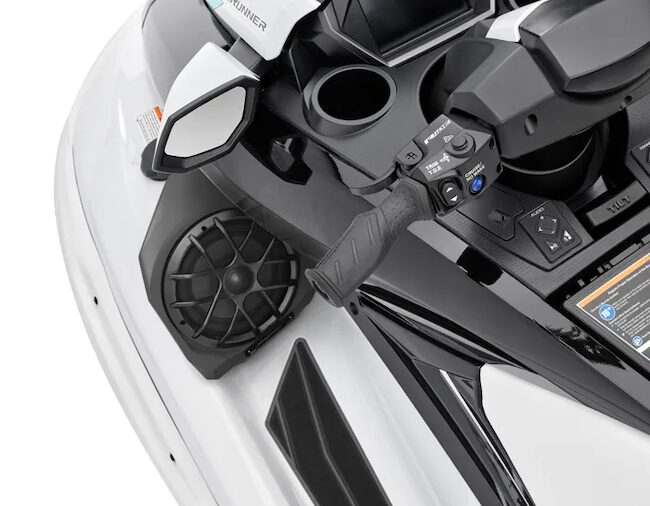
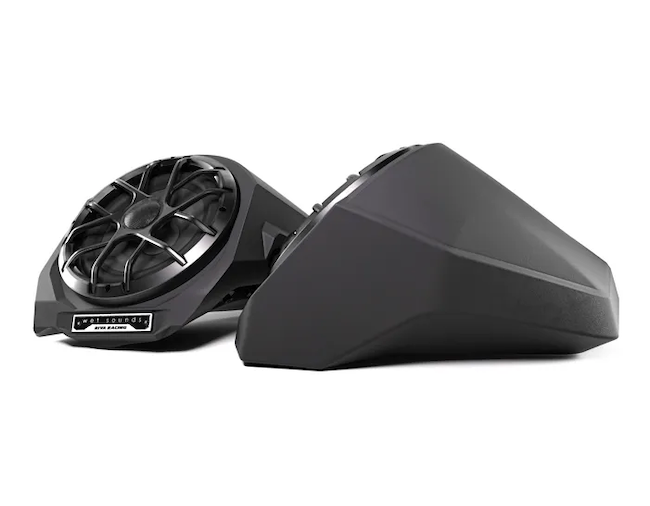
Available in March, 2025, The RIVA/Wet Sounds Yamaha 2022+ FX Audio System will bring powerful, high-quality sound to your personal watercraft with easy installation. Equipped with a 400-watt amplifier integrated into the speaker pods, this system is designed to deliver clean, full-range audio with increased volume. Its 8” marine-grade coaxial speakers, featuring 1” dome tweeters, provide fantastic sound quality. Plus, the system is saltwater-rated and made with corrosion and UV-resistant materials to withstand marine environments.
For Yamaha FX models from 2022 onward, installation is plug-and-play, utilizing the factory wiring harness for seamless integration with Yamaha Bluetooth and controls. If your model doesn’t have factory audio, an upgrade kit (RY11170-AUIK) is available. This audio system also fits perfectly with OEM watercraft covers and comes with a 2-year limited warranty, making it a solid investment for any watercraft enthusiast.
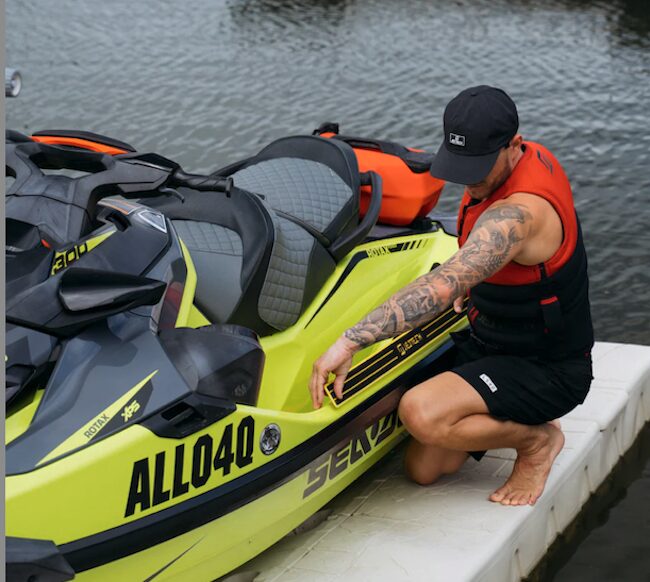
If you’ve ever gone through the embarrassment of slipping off or onto your PWC, you surely know the importance of traction pads. Luckily, if you’re looking for the ultimate upgrade to enhance safety and style on the water, you will have to look no further than Jet Tech’s Gunnel Traction Pads, which are finally back in stock! These pads provide the perfect grip for anyone looking to surf, fish, or hop on and off their watercraft without a worry.
Screenshot
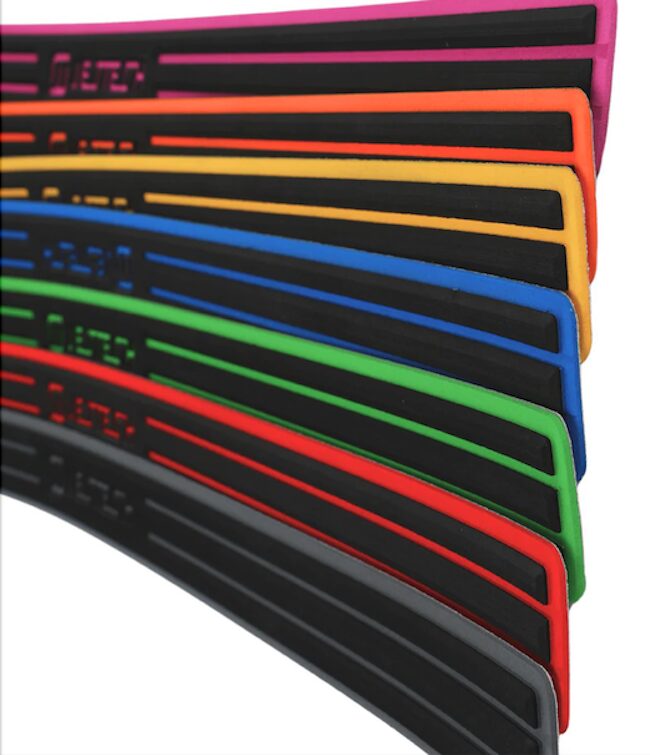
With their marine-grade foam construction, you can trust that these pads won’t slip off. Installing Jet Tech Gunnel Traction Pads is a breeze. The custom self-adhesive backing allows you to simply peel and stick, giving you extra grip in just minutes! Not only do they improve safety by preventing slips, but they also protect your jet ski from unsightly scratches during docking or when boarding. Plus, with grooved lines designed to wrap around radius edges, they fit perfectly on your gunnels for a seamless look.
Available in a vibrant range of colors—Grey, Yellow, Red, Blue, Green, Pink, and Orange—you can customize your ski to match your style. Plus, at an affordable price for the set of strips, they’re a smart investment for any watercraft enthusiast. And don’t forget to use the code “TRACTION10” at checkout for an additional 10% off your order!
So, why wait? Grab your Jet Tech Gunnel Traction Pads today and ride with confidence! Get yours while supplies last!
Regarded as a world leader in performance PWC parts and components – as well as a major vendor of all OEM replacement parts – Greenhulk spares no part of the PWC on their quest to upgrade, improve and enhance the functionality of your ride, whether that is major mechanical or minor accessories.
And this week, Greenhulk is focusing on an item that often goes overlooked when trying to squeeze every ounce of performance out of your machine.
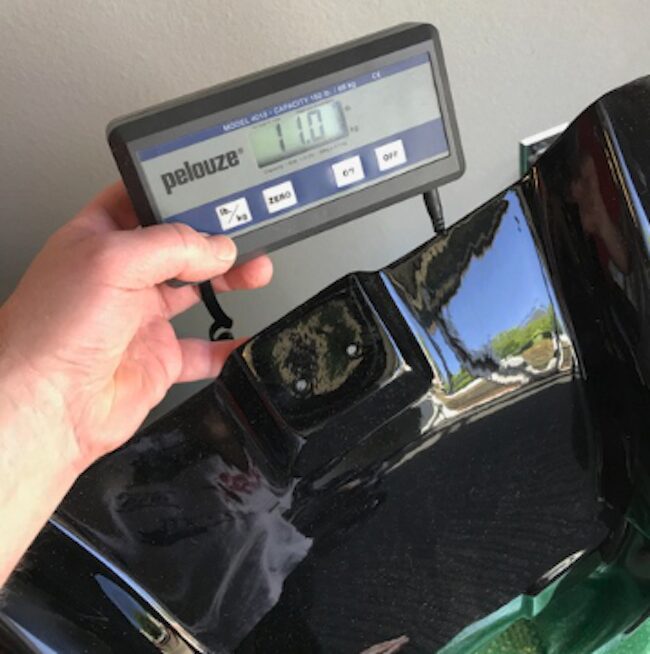
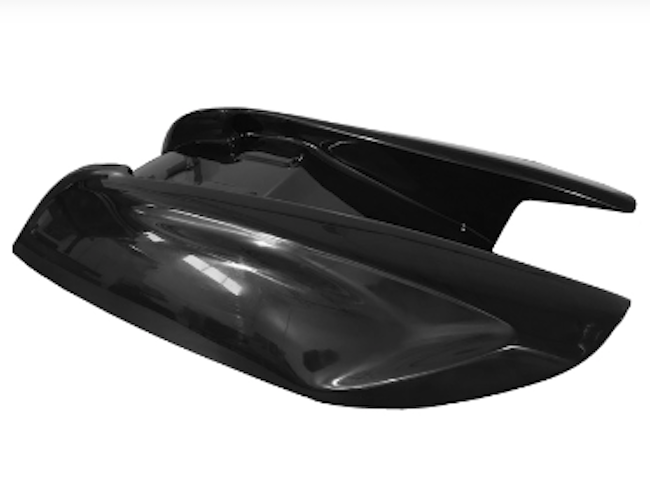
The TBM Kawasaki SX-R 1500 Lightweight Hood, priced at $999.95, may not improve combustion, increase horsepower, or finetune your steering, but what it does do is significantly Increase air flow to the engine while evacuating hot air. What it does do is improve handling characteristics by lowering the center of gravity. What it does do is noticeably improve acceleration and add 1+ mph top speed gain on a stock SX-R. All while providing the fit and quality of an OEM hood.
The lightweight hood from Greenhulk only weighs in at 11 lbs, nearly 15 pounds shaved off the OEM hood. The TBM hood comes pre-drilled for rear latch and reinforced for front hood latches, with drilled and tapped backing plates intestreated into the hood, and comes with a pre-installed hood seal. Stainless hardware is included in the package.
The TBM hood is designed and manufactured wholly in the US and is available in black, or white, and is compatible with the following:
BRP, Inc., has announced that the new Design & Innovation Center in Palm Bay Florida – a part of the brand’s regional expansion – has now opened.
Funneling more than $15 million into the facility, the Palm Bay site will now not only provide R&D support for the Sea-Doo, Ski-Doo and Lynx power sport brand, but will work to provide design advancements across the marine industry at the new Center.
Denys Lapointe, chief design officer of BRP, Inc., explained, “By combining design and advanced concepts with R&D, we are able to explore new possibilities and create products that offer unique, innovative and exciting adventures for our riders.”
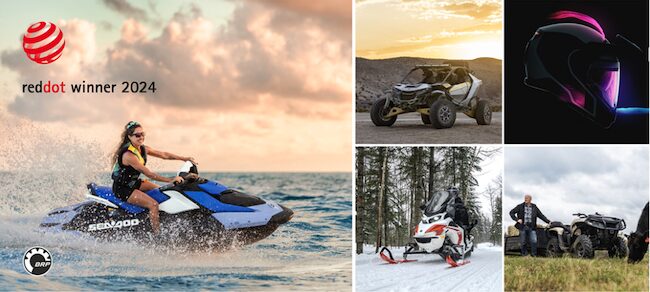
BRP Inc’s dedication to continual design innovation is recognized throughout the industry, and earlier this year, with the help of advancements made across the BRP lines, the company was awarded five Red Dot awards.
The Red Dot Design Award is one of the world’s largest design competitions and is established internationally as one of the most sought-after marks of quality for good design. Five BRP products were recognized by the Red Dot jury: the Sea-Doo Spark personal watercraft; the Advex snowmobile helmet, the Lynx Adventure Electric snowmobile, and the Can-Am Outlander Pro and Can-Am Maverick R off-road vehicles. The Sea-Doo Spark was also awarded an iF Design Award, which stands as one of the most prestigious in the world with over 10,000 submissions from around 70 countries.
You can read the full press releases below:
Palm Bay, Florida, September 20, 2024 – BRP Inc. (TSX : DOO; NASDAQ : DOOO), a global leader in powersports and marine products, is proud to announce the official inauguration of its Design & Innovation Center in Palm Bay, Florida, as part of its on-going expansion in the region. This cutting-edge Center, dedicated to advanced concepts and designs for on-water products, should bring significant innovation to the marine industry.
Over the past few years, BRP has also invested in its Research & Development (R&D) and testing facilities in Palm Bay, including the acquisition of additional land that offers access to diverse playgrounds. Today, with the establishment of its Design & Innovation Center and the enhancement of its R&D capabilities, BRP is establishing itself as a key player in the Palm Bay community, contributing to the economic and social fabric of the region.
“At BRP, innovation runs deep in our DNA and we are passionate about delivering outstanding riding experiences to our customers all over the world,” said José Boisjoli, President and CEO of BRP. “Our Palm Bay site plays a pivotal role in our innovation journey and this is why, over the last few years, we have invested more than 15 million US $ in this facility.”
“One of our greatest strengths as a company is the profound collaboration that exists between the design team, and the engineering and product teams. The Palm Bay site is the perfect illustration of this synergy,” said Denys Lapointe, Chief Design Officer of BRP. “By combining design and advanced concepts with R&D, we are able to explore new possibilities and create products that offer unique, innovative and exciting adventures for our riders.”
Palm Bay, a multi-generational and family-oriented community close to the ocean offers the perfect playground for BRP’s 60 employees to create and design marine products as well as push the boundaries of technology for both on-water and powersports products. This unique location enables the teams to stay on top of trends and identify emerging consumer needs and desires, as well as test products on the right playgrounds Global Network of Innovation
On a global scale, BRP continually invests in research and development to build on its culture of innovation. With the resources of its state-of-the-art facilities around the world, the Company is committed to maintaining its leadership position in its industries. In Palm Bay, the R&D team focuses on the engineering of jet propulsion systems and powerpacks as well as calibration and testing to demonstrate product performance and durability.
The Palm Bay Design & Innovation Center is one of BRP’s three Design Centers worldwide. It acts as an extension of the Laurent Beaudoin Design and Innovation Centre in Valcourt, Québec—the largest design center in Canada—where the team creates designs for all of BRP’s existing product lines and explores advanced vehicle concepts. The third center, located in Sophia Antipolis in the south of France and inaugurated in 2023, focuses on advanced concepts for sustainable urban mobility.
The Palm Bay design team collaborates closely with its counterparts in Canada and Europe, leveraging BRP’s global footprint to share advanced concepts and ideas from around the world, catering to consumers across diverse markets and geographies.
Among the notable products designed by the Palm Bay team are the all-new Manitou Cruise and Explore pontoons, the Alumacraft Trophy and Competitor aluminum boats, and the Quintrex Freestyler boat.
Mastering Design & Innovation
in June of this year, Sea-Doo announced five new Red Dot Design Awards:
Valcourt, Quebec, June 18, 2024 – BRP inc. (TSX : DOO; NASDAQ : DOOO), a global leader in powersports and marine products, is awarded five Red Dot Design Awards.The Red Dot Design Award is one of the world’s largest design competitions and is established internationally as one of the most sought-after marks of quality for good design. Five BRP products were recognized by the Red Dot jury: the Advex snowmobile helmet, the Lynx Adventure Electric snowmobile, the Can-Am Outlander Pro and Can-Am Maverick R off-road vehicles, and the Sea-Doo Spark personal watercraft. The Sea-Doo Spark was also awarded an iF Design Award, which stands as one of the most prestigious in the world with over 10,000 submissions from around 70 countries.
“Recognitions like these highlight BRP’s commitment to innovate relentlessly and push the boundaries of design to offer the best and most transformative experiences to our riding and boating communities,” said Denys Lapointe, Chief Design Officer at BRP. “We are incredibly proud to see the work of our talented and dedicated teams recognized once more by our peers in the design and innovation communities.”
More on BRP’s Award-Winning Products
Advex Helmet The Advex helmet is designed for comfort and functionality. Its advanced safety features and innovative communications system has created a design that allows trail riders to have a seamless experience and feel the synergy with their vehicle, gear and accessories. Adventurers can enjoy long days on the trail with a lighter helmet with a flexible face fitting ergonomic barrier, including cutting-edge humidity management for greater visibility and comfort. The contemporary design also offers an immersive and wide field of view. The Vibe communication system is fully integrated, allowing riders to interact with passengers or fellow riders and follow GPS instructions, greatly enhancing the experience and providing an increased sense of safety.
Lynx Adventure Electric In 2024, Lynx introduced its first electric snowmobile: the Adventure Electric. This model enables an emissions-free winter adventure and offers a unique ride that is inviting for first timers to experience the world of snowmobiling and enjoy winter like never before. Powered by proprietary Rotax E-Power technology, this snowmobile is designed and purpose-built exclusively for Uncharted Society experience outfitters and tour operators, with features, power and range optimized for guided snowmobile excursions of up to 50 km.
Can-Am Outlander Pro The new Can-Am Outlander Pro redefines what it is to be a true workhorse. Built on a solid foundation, the design teams worked tirelessly to integrate the needs of all riders by optimizing the vehicle for durability, power and most of all, storage flexibility. The Outlander Pro acts as a blank canvas, whereupon riders can integrate as many accessories as their needs require. Every nook and cranny in the vehicle can be used to add or remove accessories with ease, allowing drivers to use the Outlander Pro for the full range of tasks they need to complete in their day, and this, in all conditions and seasons. The powerful Rotax engine makes the vehicle fun to ride and improved ergonomics make the ride more comfortable for those long work days. Removable components make the vehicle easy to maintain, giving drivers a greater sense of confidence and safety when on a job site.
Can-Am Maverick R Every detail of the new Can-Am Maverick R was thoroughly scrutinized in the design and engineering process to ensure an unmatched rider experience. The result is balance, comfort, quality, practicality and performance. Its cutting edge interior creates an immersive driver-centric experience with precision ergonomics and 10.25in digital touchscreen display for maximum visibility and control. The tall-knuckle suspension design prioritizes rider comfort and performance. The unique aerospace aluminum configuration reduces stress on components, providing superior bump absorption, increased torsional rigidity, improved stability and handling. Beyond performance, its interior was ergonomically designed with creativity and durable aesthetics.
Sea-Doo Spark The 2024 Sea-Doo Spark is fitted with wider seats, more legroom and optimized inner leg protection compared to the previous models first launched in 2014. The improved maneuverability complemented with the new dynamic features allows riders to challenge themselves to new levels of fun. The design has also incorporated several ergonomic improvements for reboarding such as strategically placed and textured grips. The new Spark has improved cargo solutions with a larger front storage area and a watertight phone compartment for convenience and peace of mind. Moreover, the Spark is built entirely from recyclable materials such as Polytec™ and powered by the low-emission Rotax 900 ACE.
About BRP BRP Inc. is a global leader in the world of powersports products, propulsion systems and boats built on over 80 years of ingenuity and intensive consumer focus. Through its portfolio of industry-leading and distinctive brands featuring Ski-Doo and Lynx snowmobiles, Sea-Doo watercraft and pontoons, Can-Am on and off-road vehicles, Alumacraft and Quintrex boats, Manitou pontoons and Rotax marine propulsion systems as well as Rotax engines for karts and recreational aircraft, BRP unlocks exhilarating adventures and provides access to experiences across different playgrounds. The Company completes its lines of products with a dedicated parts, accessories and apparel portfolio to fully optimize the riding experience. Committed to growing responsibly, BRP is developing electric models for its existing product lines and exploring new low voltage and human assisted product categories. Headquartered in Quebec, Canada, BRP has annual sales of CA$10.4 billion from over 130 countries and a global workforce of close to 20,000 driven, resourceful people.
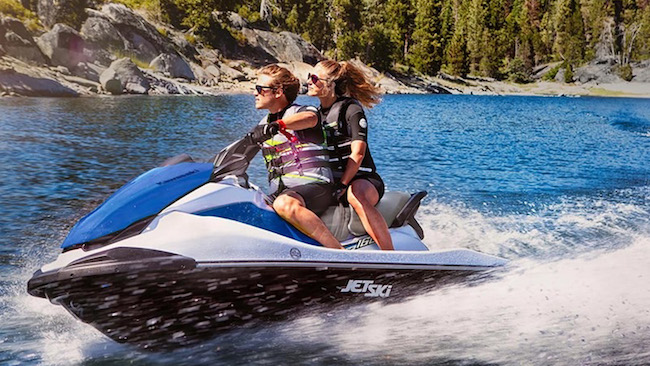
First in the lineup of slashed prices is a 2024 Kawasaki STX 160, only $10,491 after Cycle Springs cut $1,508 from the retail price. The Crystal White/Vibrant Blue 2024 Kawasaki STX 160 is the perfect personal watercraft for anyone looking for an exhilarating ride on the water. With its powerful 1,498cc engine, class-leading acceleration and top speeds up to 62 mph, and agile handling, the STX 160 is the perfect personal watercraft for those who want a combination of power, performance, and comfort. Whether you’re looking to cruise around the lake with friends and family, tow a wakeboarder or tubers, or explore the open water, the STX 160 has you covered. It also features a number of rider-friendly features, such as an adjustable electronic cruise control and a reboarding step, making it easy to operate and enjoy. Plus, the STX 160 has three-person seating, so you can bring your friends and family along for the fun.
Next up is a couple Ebony/Neon Red 2024 Kawasaki STX® 160LXs, only $12,491 after $1,808 is slashed off the retail price. The 2024 Kawasaki STX 160LX is a powerful and versatile personal watercraft designed to deliver exhilarating performance and exceptional comfort. Whether you’re cruising along calm waterways or carving through choppy waves, the STX 160LX will exceed your expectations, with a 1,498cc inline four-cylinder engine that delivers class-leading acceleration and responsive handling, and as well as 3-blade, oval-edge stainless steel Impeller and 20.6 gal fuel capacity. Luxury features include a luxury seat with enhanced bolsters and a gripped texture for all-day comfort, 5-way adjustable handlebars to customize your riding for optimal comfort and control, and a JETSOUND Bluetooth audio system and a digital displays to provide essential information like speed, fuel level, and clock.
Cycle Springs also has three 2024 Kawasaki STX® 160Xs in stock, all priced $10,991, $1,608 off the retail price.
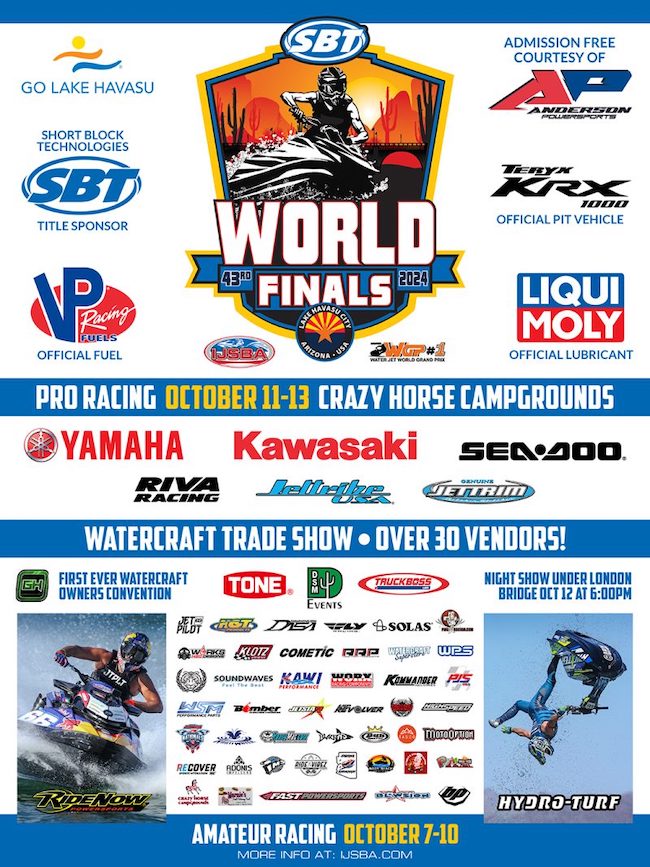
With the 2024 Short Block Technologies WGP-1 World Finals officially opening tomorrow, Oct. 5, for general check in and placement in the pits, and 2024 Young Guns Youth Jet Ski Racing Development Day, honoring Nedra Atwood, set for Sunday, IJSBA has posted several updates and informational briefs for those attending the event.
REGISTRATION: Online registration closed at 11:59 p.m. on Wednesday, October 2. Today, Oct. 4, online registration will resume, and online registration made before 6 p.m. each day will be available for credential pickup the following day. For example, registrations made today will be available tomorrow. Also, credential pick up for fully paid competitors will begin today, October 4. On site registration with immediate credential pickup begins tomorrow, October 5, and continues through Sunday, October 6. Beginning October 7, the racing part of the event is live. You must register and pick up credentials the day before your race. IJSBA will post check-in locations once finalized.
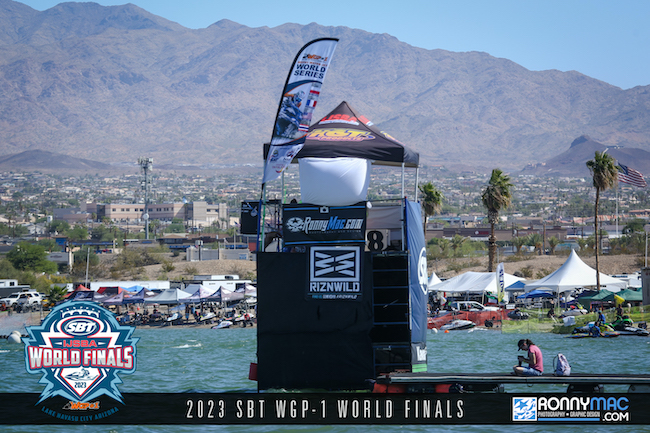
FREESTYLE The Fall Round of the 2024 U.S. Freestyle Championship will take place under the London Bridge in Lake Havasu City tomorrow, October 5. This is an annual event in Lake Havasu City after the freestyle only tour crossed over from Europe where it started in 2012. The main freestyle competition will be held in the Bridgewater channel under the London Bridge and will start at 1:30 p.m. Jettrim Best Trick competition is scheduled to start at 3:00 p.m. The event is free to spectators.
Competition classes are Freestyle Beginner, Freestyle 800, Freestyle 900, Freestyle 1200, Best Trick Freestyle Beginner, Best Trick Freestyle 800, Best Trick Freestyle 900, Best Trick Freestyle 1200.
Freestyle sub-classes include Junior Freestyle – maximum age limit is 15 years old; Ladies Freestyle – women only; Veteran Freestyle – minimum age limit is 45 years old. Competitors should register for the competition via the official website, and view the official teaser video here.
Photo Credit: RonnyMac.com
MEETING TIMES IJSBA has also posted notification of important meeting dates during World Finals Week, including IJSBA Staff Dinner and Calibration Meeting – Sunday, October 6, 6:30 p.m.; US Promoters Meeting – Thursday, October 10, 90 minutes past the end of the last race of the day; Aftermarket Hull Manufacturers Meeting – Thursday, October 10, 8:30 p.m.; Freestyle Competitor And Industry Meeting – Saturday, October 11 – 1 hour after Pro Freestyle; and International Affiliate, Club, and International Team Leaders Meeting – Saturday, October 12.
EARLY TECH & CREDS Local business and former World Finals title sponsor Jettrim is hosting early technical inspection and credential pickup today, Oct. 4, for the 2024 SBT WGP-1 World Finals. Anyone who has not registered for the event will not be able to do so at Jetrim. Those who have registered can collect credentials, complete waivers, and get race watercraft teched from 1 p.m. to 5 p.m. at Jettrim, located at 1024 Aviation Dr Ste 101 in Lake Havasu City.
ONSITE CHECK-IN AND REGISTRATION Studio 6 hotel will serve as the host location for registration and check in for the opening of the 2024 Short Block Technologies WGP-1 World Finals. Studio 6 is also the host hotel for the event. Registration and check in will be available on Saturday, October 5 and Sunday, October 6 from 10:30 a.m. to 4 p.m. in the lobby. Studio 6 is located at 1300 McCulloch Blvd N, right across the street from Crazy Horse Campground and Resort.
TECH Q&A On Oct. 1, IJSBA posted the most recent update of the Tech Questions and Answers release:
IJSBA is alerting the Personal Watercraft Racing Community of all technical and general clarifications that have been made prior to the 2024 Short Block Technologies WGP-1 World Finals so that such clarifications are general public knowledge. IJSBA will reissue this bulletin weekly regardless of whether there are any new clarifications. If you have any questions or comments about this message or any World Finals related subject, please email [email protected]. Questions received as of 9/30/24 REVISED:
Is the Riva Free Flow Exhaust Legal For Stock Class: -Answer: No, for Runabout, yes for Ski Four Stroke Lites. This product modifies the exhaust in a way that is not allowed in Runabout Stock nor Rec Lites classes. However, this product was previously approved in Four Stroke Ski Lites as a method to remove the sound resonator. Maybe this is something for us to look at after World Finals.
Are any 2025 units allowed for competition at 2024 World Finals? Answer: A 2025 unit that is an exact replica of a homologated 2024 unit is allowed to be used. For example, no 2025 Jet Blaster has a 2024 identical counterpart. However, all other Yamaha units are believed to be identical to 2024 models other than colors or graphics. Where this is the case, 2025 units are allowed.
Are MSD replacement coil with MSD wires and caps allowed in Runabout Limited for two stroke powered watercraft? Answer: Yes. The better question is: who still has one of these? Anyway, the answer is yes.
Can Junior 13-15 1100 Modified Class Use 1500cc Displacement Engines When A Restrictor Plate Is Used? -Answer: Pending. IJSBA plans to release data supporting allowing Junior 13-15 1100 Modified Class will not be impacted if 1500cc engines are utilized with the same restrictor plates as used in Junior Ski Stock.
Can Ski Stock and Four Stroke Ski Lites legal Ski be used in Ski Modified Classes. -Answer: Yes. So long as displacement limits are not exceeded Stock and Four Stroke Ski Lites legal Ski may be used in Ski Modified Classes.
Is the Yamaha 1.9 Liter Engine Legal for competition: |-Answer: Yes in limited circumstances. This engine CANNOT be equipped with even an OEM Yamaha supercharger system in Stock Class. This unit may run in Naturally Aspirated class and Stock Class as furnished by the Manufacturer. The unit may run in Limited Class but no forced induction may be added. The unit may be used in Open/GP class as any other unit eligible for this class.
Can the Zeel ignition model NY62T-R be used for Sport Spec: -Answer: Yes with clarification. IJBSA has received manufacturer information that the Zeel NY62T-R is produced with reprograming disabled due to the programming input being removed. Thus, the ignition module is initially programmed but cannot be reprogramed by the end user as furnished by the manufacturer. IJSBA accepts this product description from Zeeltronic but if the Technical Inspector determines that a unit is tampered with or has been constructed in a way that reprogramming is possible then the rider may be disqualified absent compelling proof that the unit cannot be reprogramed.
Are aftermarket driveline dampeners legal in Stock Classes: -Answer: Yes, IJSBA determines these to be wear and tear items subject to replacement by an aftermarket alternative. Please note that the aftermarket dampener must only perform the original function.
Are aftermarket fuel tanks allowed in Runabout Endurance: -Answer: Yes. Since aftermarket fuel systems have been allowed and some of the allowed quick fill mechanisms may not be compatible with all OEM tanks, Approved aftermarket fuel tanks, approved by IJSBA, will be allowed for Open Runabout solely in Endurance.
TRADE SHOW The 2024 SBT World Finals And Watercraft Trade Show begins tomorrow, Oct. 5, and runs through Oct. 13. The Trade Show will be a full grounds trade show for all things Personal Watercraft, a PWC owners convention, and a Saturday evening night show competition (October 12) under Lake Havasu City’s London Bridge. Questions regarding the event should be directed to the International Jet Sports Boating Association by emailing [email protected] or by calling +1-714-751-8695 on Monday through Thursday’s from 9:00 am to 5:00 pm, Pacific Standard Time.
Photo Credit: RonnyMac.com
SCHEDULE The latest posted schedule for World Finals week, posted on Aug. 5, is as follows:
Monday – 10/7/24 Practice for all Monday/Tuesday classes These Classes Race Monday: Novice Ski Stock Novice Runabout Stock Amateur Women Ski Lites Master Ski GP Amateur Runabout Rec Lites Amateur Veterans Ski Lites Amateur Ski Four Stroke Lites Amateur Ski Modified 1100
Wednesday – 10/9/24 Pro Am Runabout Limited Pro Am Ski Modified 1500 Junior Ski 10-12 Four Stroke Lites Junior Ski 13-15 Four Stroke Lites Pro Am Ski Modified 1500 Amateur Runabout 1100 Limited Expert Veterans Ski GP
Thursday – 10/10/24 Pro Am Ski Lites Expert Ski GP (Qualifying, Moto 1) Pro Am Runabout Superstock Masters Ski Stock Junior Ski Modified 1100 Pro Am 1100 Stock
Friday – 10/11/24 Amateur Freestyle Pro Sport GP Pro Am Ski Four Stroke Lites Expert Ski GP (moto 2, 3) Pro Am Ski Stock Pro Am Runabout 1100 Open Women’s Runabout 1100 Stock Pro Am Runabout Limited Junior Ski 13-15 Modified 1100
Saturday – 10/12/24 Runabout Endurance Moto 1 GP Ski Qualifying Moto 1, Moto 2 Pro Am Women’s Ski Modified Pro Freestyle Pro Am Runabout Stock Vintage Ski Junior Ski 10-12 Stock Junior Ski 13-15 Stock
Sunday – 10/13/24 Endurance Runabout Moto 2 Grandmasters Ski Stock Pro GP Ski Moto 3, Moto 4 Pro Runabout GP Moto 1, Moto 2, Moto 3 Pro Am Women’s Ski Stock Pro Freestyle Vintage X2 Junior Ski 10-13 Lites Junior Ski 13-15 Lites
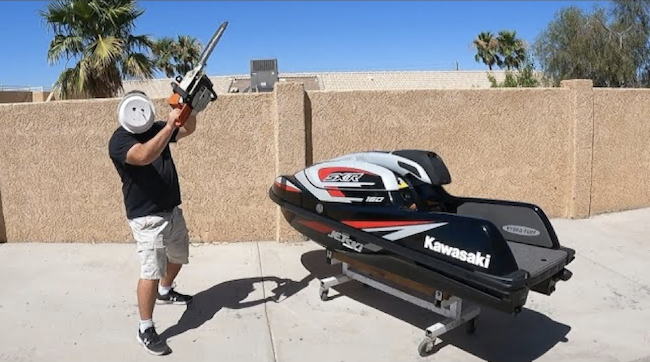
Jet Ski Jim is back with another entertaining and informative video to show you the ins and outs of PWC repairs!
In his latest upload, “SXR Fuel Pump Replacement,” Jim guides viewers through the inner workings of an SXR jet ski using a detailed cutaway model to show the otherwise hidden parts of this Kawasaki model. Whether you’re looking to repair a jet ski or just curious about how these machines work, Jim’s unique blend of humor and technical expertise makes this video a must-watch.
In classic Jet Ski Jim style, he balances his expert knowledge with hilarious skits, ensuring that even complex mechanical topics stay engaging and fun. This time, Jim dives into the nitty-gritty of removing a fuel pump and gauging the pump shoe location. His step-by-step explanations are easy to follow, even for those new to jet ski repairs. Along the way, Jim shares handy tips for ensuring everything is done correctly, keeping things casual and relatable for his audience.
And while Jim receives many requests for personal jet ski repair advice, he encourages fans to ask detailed questions in the comments section, allowing him to give specific, helpful answers to whatever issues may arise.
If you’ve been wanting to learn more about jet ski mechanics—or if you just need a good laugh while picking up some valuable tips—this video is for you! Head over to Jet Ski Jim’s channel and catch his latest adventure in jet ski maintenance.
The all-new Impros SXR 1500 Competition Pump is a high-performance upgrade designed for serious jet ski enthusiasts looking to maximize their watercraft’s efficiency and power. Custom-made by Impros, this advanced pump features a 14-vane setback setup for 148/75 and 148/83 configurations, specifically built to enhance water flow and thrust. One of its standout features is the dual cooling system, which provides optimal temperature regulation, making it ideal for high-speed racing or extended use in challenging conditions.
This pump package comes complete with all the essential components for a smooth installation and performance upgrade, including bearings, seals, a bushing, pump shaft, and tailcone. However, it does not include the impeller, which is available separately.
For those looking for the ultimate performance combination, Impros offers an optional Hooker impeller and extended driveshaft, ensuring you get a full performance boost and push your ski to the max out on to the water.
The Impros SXR 1500 pump is built for riders who demand reliability, durability, and maximum power on the water. It’s engineered for seamless integration with your jet ski and is a perfect addition to competitive racing setups or anyone looking to optimize their ride.
If you’re ready to get the latest in PWC performance technology and take your SXR 1500 to the next level, consider ordering one of these epic Impros Competition Pumps now!
Oftentimes, our most impactful childhood memories shape our lives in ways we could never have imagined. A kid who loved the smell of his grandmother’s biscuits may end up starting a bakery, a girl who falls in love with a single novel may pursue a career in writing, or a chance encounter with a sport may turn into a lifelong hobby. Here at The Watercraft Journal, we embrace any opportunity to see kids enjoying their family’s watercraft activities. So, when we came across a recent video from Adam Szyfman on Facebook, we seized the chance to interview him for a story.
The video, which has been shared in several watercraft Facebook groups, shows Adam taking his son, Max, to his first day of school on their Sea-Doo. Max is starting third grade, and based on footage from their Facebook post, along with their other videos on YouTube and Facebook, it’s clear he’s developing a love for jet skis through his bond with his dad.
We reached out to Adam and Max for an exclusive interview to learn more about their unique experience.
WCJ: What inspired you to take your son to school on a jet ski for his first day? How did the idea come about? Adam: We have been taking the Sea-Doo to school the first week of school and last week of school for 6 years now. We are fortunate to live on the water and when realizing his Elementary School at the time was across the street from the lagoon we came up with the idea. I asked Max if he would go to school by jet ski and without hesitation he loved the idea.
WCJ: How did your son react when you first told him you’d be dropping him off at school on your Sea-Doo? Adam: Max was absolutely stoked. What kid wouldn’t want to attend school by Sea-Doo? Any opportunity to go out on the skis Max is totally excited about so going to school was just another opportunity to ride and a cherry on top.
WCJ: Can you walk us through the logistics? How did you manage to bring your son all the way to school on the water? Also, what safety measures do you take while making such an unconventional trip? Adam: While attending Avalon Elementary School in Pre-K3 and Pre K4 it was less than a mile trip and was all in a no wake zone. We were grateful for the owner of one of the houses across the street granting us permission to park there.
Now that Max is in Stone Harbor Elementary school (grades Kindergarten-4th grade the trip is approximately 5 miles. The time to get there is tide dependent. Mid to high tide it’s a 15 minute ride and in low tide can be a 30 minute ride. We park at the Reed’s which is a boutique hotel and restaurant in downtown stone harbor then walk about a block to Wawa (for breakfast sandwiches of course). Then right across the street is his school.
The real logistics are making sure that Max does not get wet. This would be immediate grounds for divorce lol. We try and choose a day where the tides are mid to high and usually in the early morning the water is glass if not pretty flat. The Sea-Doo rides to school are very weather dependent. On the trips to school we do not go crazy on the turns as the object is to stay relatively dry. We keep the crazy wet and wild turns for our other adventures not involving school trips.
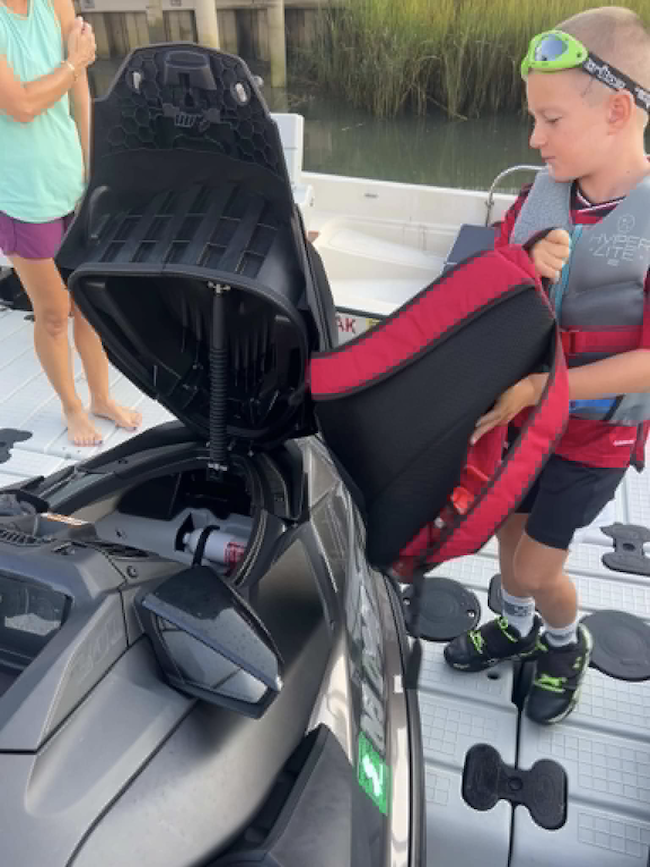
Of course we are wearing life jackets as required by coast guard law. We also make sure the Max’s backpack is in the storage compartment nice and dry in the front of the ski. We always have safety devices on board like fire extinguishers, ropes, etc.
WCJ: What was the best part of the experience for you? Adam: We are so fortunate to live on the water and have all of our toys in our backyard. We are uniquely blessed to live in an area of not only New Jersey but the world with all sorts of marsh trails and wetlands that interconnect and are always finding new windy ways to get to new destinations and old. Plotting and planning GPS routes and finding new marsh trails is something I can now pass on to my son Max as he has found so much interest in this which is not only a great GPS skill but a ton of fun. If high tide is early we got the surfing Pig in Wildwood which by Sea-Doo we always take the long way. If it’s high tide in the afternoon we can make our way to H&H Seafood in cape May or head over to the Deauville in Strathmere. Mid to high tide allows us to take the long windy trails back by the Parkway and explore.
WCJ: Do you think this will become a regular thing, or was it just for a special occasion? Adam: Max and I have set a goal to do this the first and last week of school and so far has been 6 years going on strong.
WCJ: How do you hope this experience impacted your relationship with your son and his view of adventure or fun? Adam: Max is always looking forward to our wave runner adventures. He will never say no to a trip and loves exploring new marsh trails, terrain and destinations. As he got older it is pretty cool being able to go on longer and longer rides and seeing his reaction to some of the new to him trails is so enjoyable. It makes me never take these opportunities and time together for granted. On our longer trips Max always has a great story for mom or our neighbors of something that happened. For example when we lead groups that are not familiar with the trails Max keeps tally of who crashed into the sea grass off the trail and we had to rescue with a rope. Or there are the times where we have got stuck at lower high tides and had to push out of the mud. We have sure made a lot of memories on the Sea-Doo together and plan on making a lot more.
We have lived here year round in Avalon, NJ for over 10 years now and have been studying the march trails since 2004 when I first started coming down here just weekends in the summer. Our friends and neighbors here are only summer residents and mostly weekends so when it’s high tide during the day on a weekend we get lots of requests to go on group rides. As Max and I know all the trails (which are easy to get lost on) I think Max loves being the line leader and really enjoys showing everyone what our unique landscape has to offer. Sometimes we are leading groups of 6-10 skis in marsh trails that are maybe 1-2 feet wider than the ski. He is always up for adventure as well.
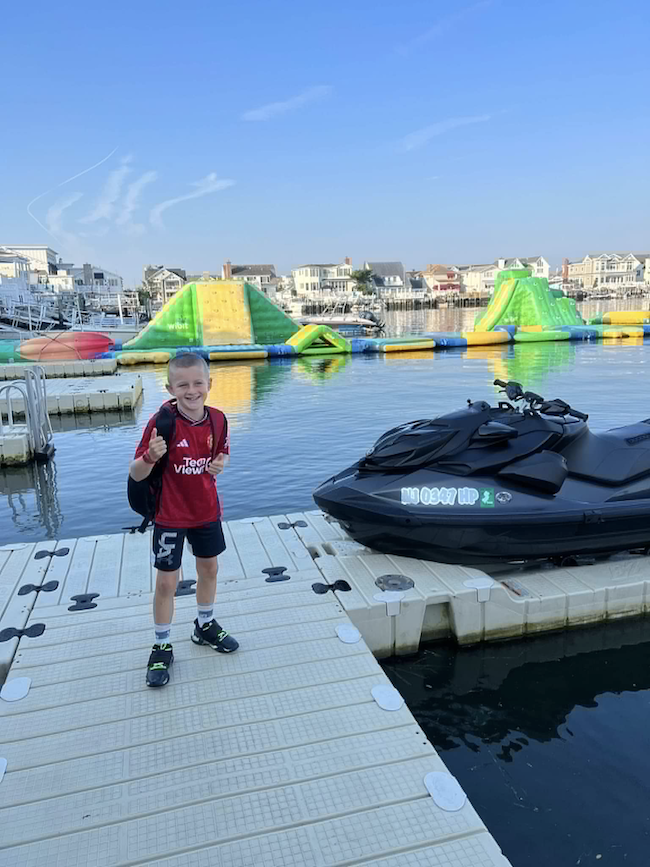
WCJ: Now we wanted to ask a few questions for Max. What did people at your school think when they heard that your dad brought you to school on a jet ski? Did any of your friends or teachers ask you about it? Max: They were all very surprised when they heard about it. They have never heard of anyone going to school on a jet ski before.
WCJ: I’ve seen that you have gone on quite a few cool jet ski adventures with your dad, like your 90-mile trip to pick up a watermelon! Do you have any favorite memories out on the water? Max: The 90 mile trip was probably my favorite. We did all the trails from Ocean City to Cape May in about 6-7 hours. Our last stop was our favorite seafood place on the water, H&H Seafood in Cape May, NJ. We always try to bring some sort of large fruit or vegetable home for Mommy and this time we were able to bring the giant watermelon.
WCJ: What was the best part of this experience for you? Max: I like going on jet ski adventures so going to school is another cool ride we get to go on but this time to school.
WCJ: Is there anything else you’d like to share with us about your jet ski adventure? Max: It is a great time hanging out with my dad.
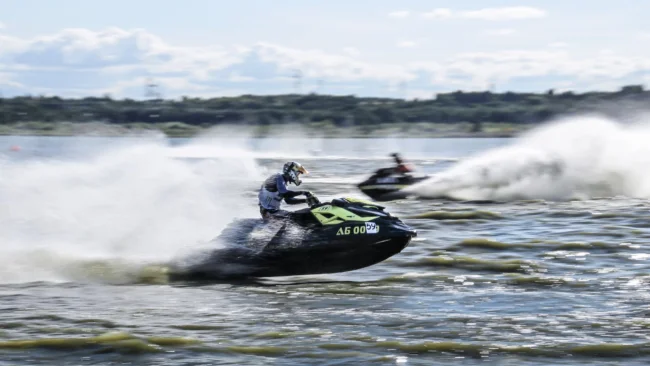
It was a heck of a shuffle this past weekend at the Kissimmee, Florida stop of the P1 AquaX tour as spectators witnessed two of the sport’s most seasoned – and winningest – racers of all time battle it out in the Pro Enduro. Dustin Farthing, who not only retains his leadership position on the points board, but also captains the Factory Yamaha WaveRunners race team, held back Chris MacClugage long enough to maintain his lead but first place on the podium. MacClugage slipped in at a solid second place, with Farthing’s son, Deven securing third.
All three piloted SVHO-powered WaveRunners (both GP and FX models) and proved whether conditions were ideal or blown out with 25mph winds, that Yamaha has what it takes to bring home the checkered flag. The final two motos really shook out the men from the boys as weather proved just as much of a factor as the other racers on the field. In addition to including the press release from Yamaha Motor Corp. USA below, we’ve also inserted the latest video of the race’s exploits from Farthing Racing’s YouTube channel to enjoy below too:
Here’s the original press release: Kissimmee, Florida, played host to another dominant weekend for Yamaha WaveRunner racing at the P1 AquaX Pro Enduro, where Yamaha riders swept the podium, showcasing the unparalleled performance of the Yamaha GP SVHO® WaveRunner. Leading the charge was Monster Energy®/Farthing Racing’s Dustin Farthing, the reigning P1 AquaX Pro Enduro World and National points leader. Farthing clinched two out of three moto wins with a strong 1-1-2 result, securing 1st overall for the weekend. This latest victory not only cemented his weekend dominance but also extended his lead in the championship point standings with just two rounds remaining. With the title now firmly in his sights, Farthing is poised to clinch the championship.
Farthing wasn’t the only one in top form. His son, Deven Farthing, also put on a solid performance, landing 3rd overall with a 2-3-5 finish. Meanwhile, Yamaha veteran Chris MacCluggage rounded out the podium with a 2nd-place overall finish, marking yet another impressive outing for Yamaha’s GP SVHO and FX SVHO® WaveRunners, which continue to assert their supremacy in the series. The competition kicked off in ideal conditions for Moto 1, but riders were soon forced to battle 25 mph winds in the final two motos. Yet, Yamaha’s team proved more than up to the challenge, with all of their athletes pushing through the harsh conditions to secure a sweep of the top five finishes overall. “We couldn’t be more proud of the team’s performance this weekend in Kissimmee,” said Yamaha WaveRunner Racing Manager Bryce Parker.
“Dustin, Deven, and Tory [Snyder] all showed the world why Yamaha WaveRunners continue to lead the sport. The Yamaha GP SVHO is unmatched in power, handling, and reliability, and this weekend’s podium sweep is a testament to that.” As the season winds down, Yamaha WaveRunner racing holds a commanding lead in the P1 AquaX Pro Enduro series and shows no signs of letting up. All eyes will be on the final two rounds as Dustin Farthing looks to bring home the championship.


 I certainly may be biased, but I doubt there is any better combination in the world than that of high adrenaline and good music. When I think of carving down a mountain on my skis, I only want to imagine it paired with some driving techno or house music filling in the space around me. When I think of the best nights celebrating with my friends, after weddings or birthdays or whatever it may be, the delight is always matched by the bouncing reggaeton or pop that drive the energy in the room. And, of course, when I think of the best moments I’ve had out on the water, there’s always been some upbeat country music holding it all together.
 For Yamaha FX models from 2022 onward, installation is plug-and-play, utilizing the factory wiring harness for seamless integration with Yamaha Bluetooth and controls. If your model doesn’t have factory audio, an upgrade kit (RY11170-AUIK) is available. This audio system also fits perfectly with OEM watercraft covers and comes with a 2-year limited warranty, making it a solid investment for any watercraft enthusiast.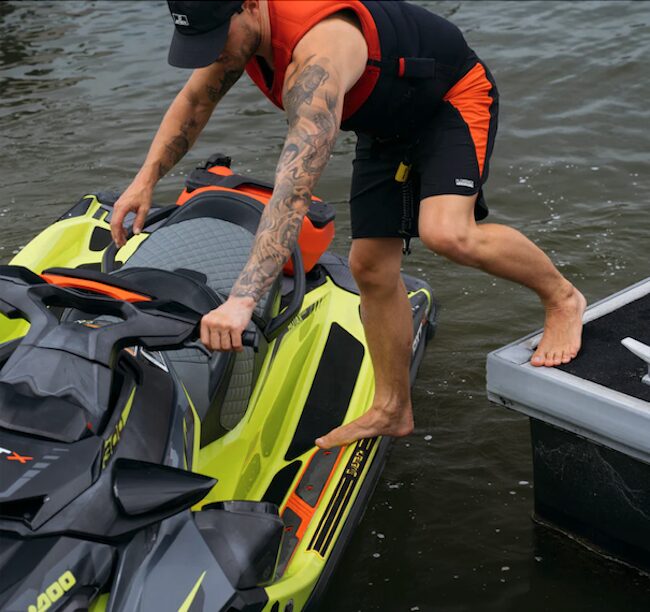
 The Red Dot Design Award is one of the world’s largest design competitions and is established internationally as one of the most sought-after marks of quality for good design. Five BRP products were recognized by the Red Dot jury: the Sea-Doo Spark personal watercraft; the Advex snowmobile helmet, the Lynx Adventure Electric snowmobile, and the Can-Am Outlander Pro and Can-Am Maverick R off-road vehicles. The Sea-Doo Spark was also awarded an iF Design Award, which stands as one of the most prestigious in the world with over 10,000 submissions from around 70 countries.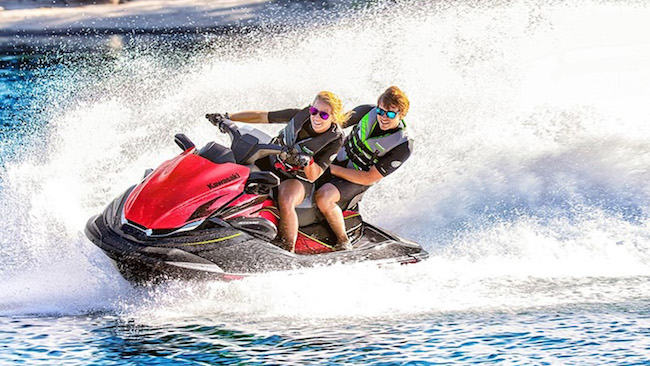
 Cycle Springs of Clearwater, FL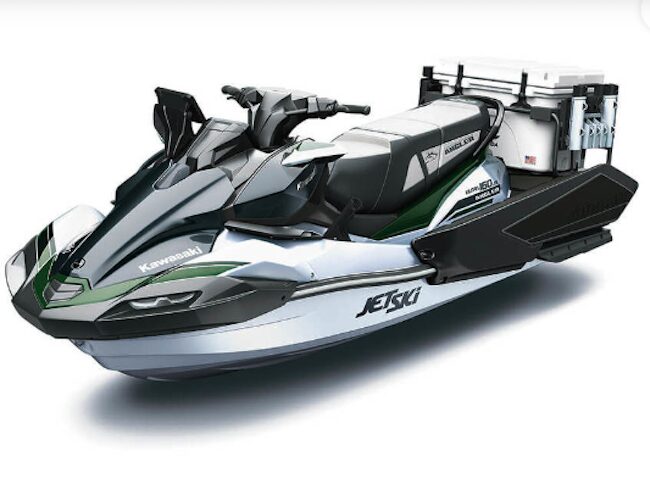
 And while Jim receives many requests for personal jet ski repair advice, he encourages fans to ask detailed questions in the comments section, allowing him to give specific, helpful answers to whatever issues may arise.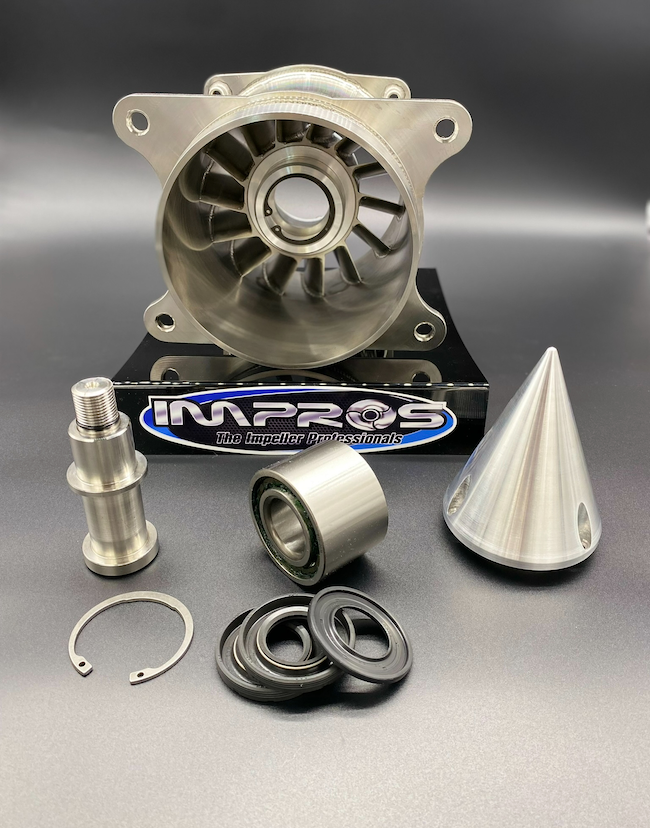
 The Impros SXR 1500 pump is built for riders who demand reliability, durability, and maximum power on the water. It’s engineered for seamless integration with your jet ski and is a perfect addition to competitive racing setups or anyone looking to optimize their ride.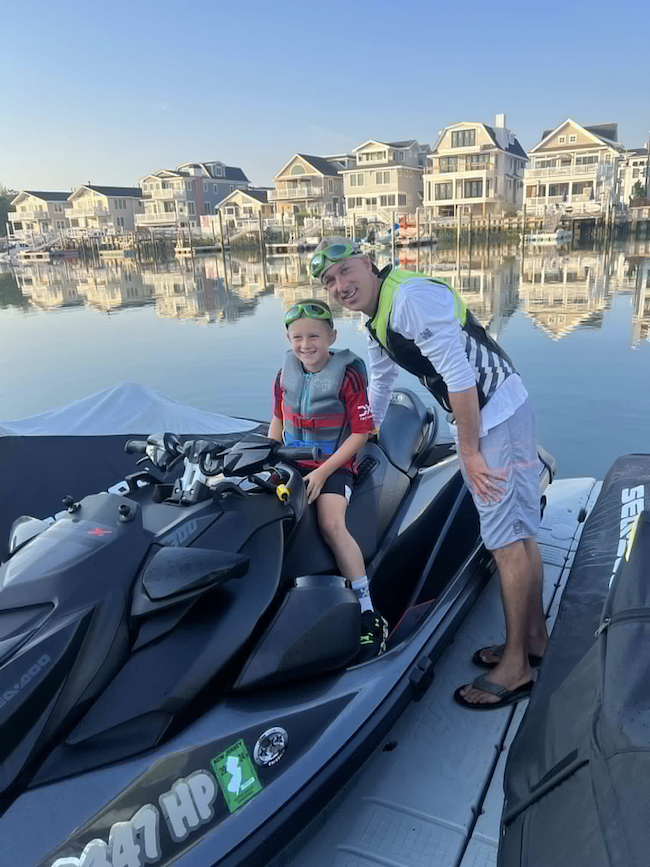
 WCJ: Can you walk us through the logistics? How did you manage to bring your son all the way to school on the water? Also, what safety measures do you take while making such an unconventional trip?
 WCJ: Now we wanted to ask a few questions for Max. What did people at your school think when they heard that your dad brought you to school on a jet ski? Did any of your friends or teachers ask you about it?