
Home Blog Page 434

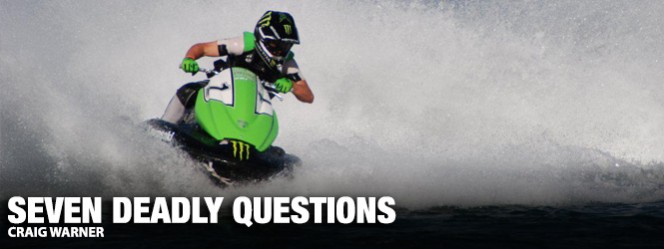
Seven Deadly Questions With Craig Warner

2

The Watercraft Journal: Craig, thanks for the chance to talk. Clearly 2013 has been a big year for change for you and your family. So what brought you to move from Southern California to the Good ol’ South?
Craig Warner: Yes, 2013 has been a crazy decision-making year on a lot of notes. Dustin [Farthing] and I had been joking around for a year or two about me getting out of California. One day in August an opportunity arose and Dustin, Ryan [Hardwick] and I had a really great conference call. I talked it over with the wife, and we decided to fly out to Georgia and spend four days there with the Farthings and a realtor. We immediately fell in love with Georgia! Everything was exactly what we talked about, and it was a great opportunity for myself and family to make a change, and get into a business that is growing everyday.

WCJ: What a great opportunity. Working with Dustin and the Mountain Motorsports crew is sure to be a fun experience. Now, it’s hard to know you without knowing you’re biggest fan, your mom, Debbie. Is she mad you whisked the grandkids off to Georgia?
CW: Exactly, what a great opportunity is correct! I cannot thank Dustin and Ryan enough for making this whole deal happen. These two guys are great people to be around and learn from everyday. I wouldn’t usually take such a big risk moving my family 2,100 miles away from home, but there is no growth unless you willing to take risk. Mom is having a bit of a hard time, but thank God for our evolved electronic world. Facetime one or two times a month helps.
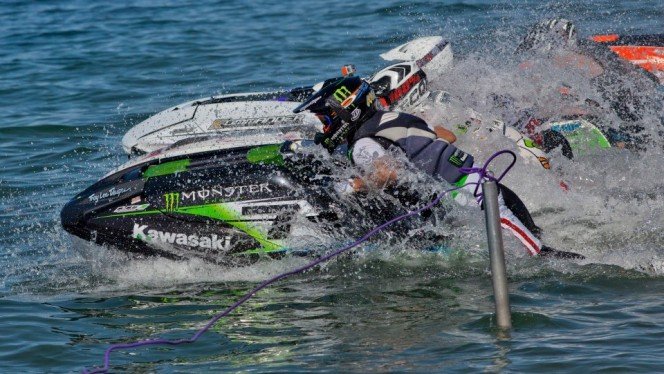
As part of the stellar Mountain Motorsports Marrieta, GA team, specialty-built Craig Warner-Edition offshore/close course runabouts and four-stroke standup skis will be made available.

WCJ: On a more serious note, what does this career change (and moving across the nation) mean for your program with Kawasaki, and by extension, PWCOffshore.com and your other sponsors?
CW: There is no change except for shipping! I will fly home for my offshore races and Finals. I will be contracted with Monster Energy and Kawasaki for the 2014 year.

WCJ: Many of us were sad to see Dustin back out of the National Tour this year. Now that you’re closer to more closed course events (UWP-IJSBA National Tour, Pro Hydro-X Tour), will we see you on the water more in 2014 or lose another great racer to their career as well?
CW: You know, it sucks that the top guys don’t really do the tour anymore. Reason being is it ends up costing money even when you win every moto. If there were bigger purses to pay for each round, then myself and Dustin would most likely do the tour. I may do a couple rounds, it just depends on my sponsors and what my schedule is going to be for 2014.

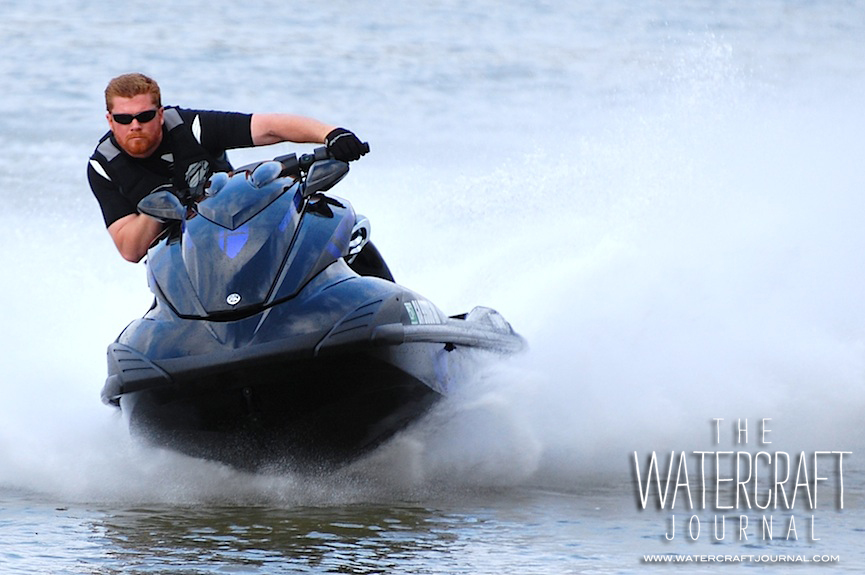
Warner will return to attempt to topple current record-holder Billy Womack’s four-time championship record of the annual Long Beach-to-Catalina Offshore Enduro.

WCJ: You’re readily hailed as one of the United States’ most successful offshore racers, will we see you competing in any offshore events in 2014? The Long Beach-to-Catalina won’t be the same without you!
CW: I will be there! I have one more win to beat the famous Billy Womack. I want that title and record. He has held it for way to long!

WCJ: Dustin and the Mountain Motorsports, Marrieta, GA, have churned out some seriously cool custom skis. Can we expect some limited-edition Mountain Motorsports Craig Warner Signature Offshore Series Ultras in the future?
CW: Yes, and they are already available! Offshore/Closed Course Craig Warner-signature series, plus in 2014, there will be limited addition 4-stroke stand-ups available also.

Although far from his Southern California roots, Warner and family have found a new home in Georgia and look forward to a prosperous future within the PWC industry.

WCJ: Now that you’re on the other side of the PWC industry (transitioning from racing to retail/service), what new insights have your gained?
CW: It’s really amazing to say the least! I’m very competitive with everything I do so it has been a little overwhelming the first couple weeks, because we carry 12 different manufactures, and each one has many different units you have to know in order to sell them. The sales and closing part comes really easy to me, and I am very aggressive with word tracks and reading the person on what they are really here to do.

WCJ: OK, here’s your chance for some blatant shout outs and thanks:
CW: I would just like to thank my wife Jesika Warner for believing in me and trusting me on this new beginning we have started in the South. I want to thank Dustin Farthing for making all this happen! I couldn’t do this on my own or even try. Dustin, you are the man, bro! Ryan Hardwick, thank you for helping with my decision and all the great ideas you have that just make so much sense to me. You are one of the smartest guys I know! Joe Heim at Kawasaki also has helped me with the decision if we could keep a race team going without me being in Kawasaki’s backyard anymore. Joe believes in me and he has figured out a way for everything to make sense. To all my sponsors and friends, thanks for always being there and having my back with every good and bad decision I have made! Let the good times roll! I love this state!

Now You Can Find All The Watercraft Journal Updates On GreenHulk.net

3

It’s pretty exciting news when the largest, most active forum in the personal watercraft industry reaches out and offers to help grow your publication. That is why we’re so honored to announce the partnership between The Watercraft Journal and Greenhulk.net, the premier PWC performance forum.

As The Watercraft Journal continues to deliver on its promise of daily news, full-length features, product and vehicle reviews, in-depth interviews, technical how-to stories and basically everything else it takes to make you keep coming back for more, every single update will be made accessible through Greenhulk.net.

Greenhulk.net owner and founder Jerry Gaddis stated, “We are proud to announce our partnership with The Watercraft Journal. You can find all the latest news and stories from The Journal right here on the forum in the news section. Enjoy!”

So if you’re a regular or a first time member to Greenhulk.net, you’ll have first-hand access to every story that comes rolling off of The Watercraft Journal’s digitalpresses. Just as Jerry said, check out the Greenhulk PWC News and Information section and look out for future feature-length articles on some of the best top vehicle builds from the sport’s biggest performance forum!
Vicious Rumors and Vile Gossip: The Engine to Recrown Sea-Doo The Horsepower King

6

While its detractors are taking to their keyboards and smartphones to hammer out the latest criticisms of the new Spark, there’s one thing that can’t be denied, and that’s Sea-Doo’s willingness to “put it all out there.” Seemingly untethered by the same cautious legal departments that shackle its competitors, Sea-Doo has a habit of sticking their neck out to prove a point. It’s a bold corporate philosophy, and although maybe a little foolhearty at times, you have to admire their bravery.

That’s why its with great aplomb that we spill the beans as to how the horsepower wars are going to escalate.

The Sea-Doo Spark reveals more about the brand’s future plans than many would believe. The employ of the ACE 900 is central to this, as BRP’s satisfaction with the advanced four-stroke hints at the future of PWC engines. Low emissions, light rotating mass, and excellent power delivery are only the tip of the iceberg.

If there’s one truth, it’s that Sea-Doo hates to be on the bottom of any heap. Be it on safety features, weight savings, or performance, the company has a tendency to push and shove its way to the top by introducing innovative, if not totally unique features. Watertight storage bins, suspended seats, cruise control, no wake modes, removable access panels, fly-by-wire throttle controls, multiple tunes, and brakes are only a few.

So here we are, looking at 2014 and Sea-Doo is the caboose of the horsepower train. Despite improvements to its centrifugal supercharger, intercooler and oiling over the past four years, the single-cam Rotax 4-Tec 1.5L has remained churning out an advertised 260 horsepower (although private dyno testing would reveal a more realistic 253HP).

Meanwhile, Kawasaki’s commitment to HP domination has placed them at the top of the food chain with a staggering 310 horsepower. This most recent gain didn’t come out of merely dialing up the boost, but after a sequence of intelligent and masterfully engineered improvements to the current 1,498cc powerplant.

Major changes to the engine’s oiling system, including secondary under-piston oiling jets, a baffled oil pan, new oil rings on redesigned pistons, and larger oil journals also accompany a redesigned intake manifold, and pump for improved fuel delivery. Thicker water jackets, a knock sensor and a new pump impeller design round out the key changes translating to more horsepower and faster acceleration.

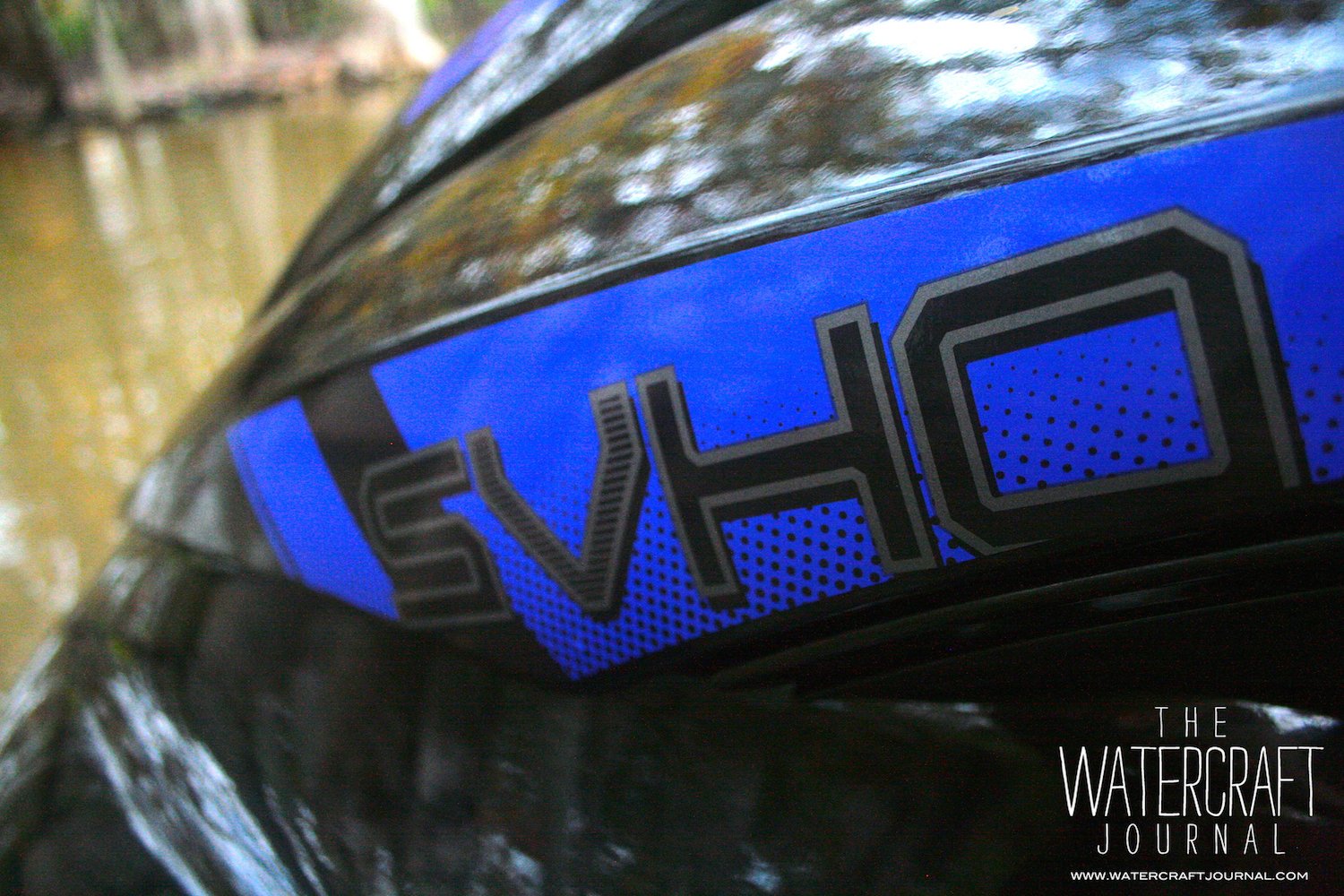
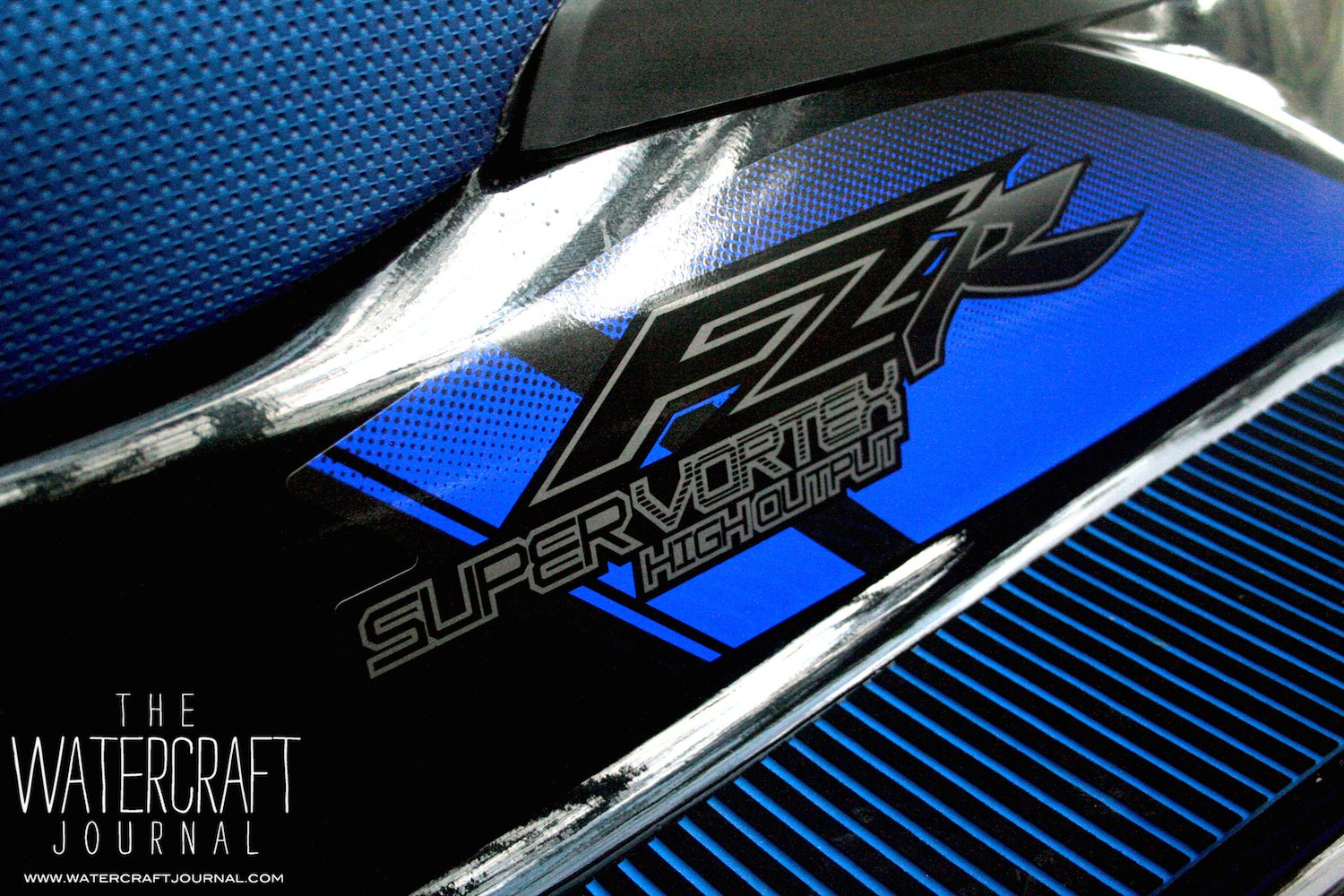
Likewise, Yamaha’s SHO (Super High Output) 1.8L has been reborn as the SVHO (Super Vortex High Output) dishing out an estimated 258-to-262 horsepower on the dyno. New pistons, a larger supercharger and 6-vein impeller wheel cranks out 60-percent more boost. A revised oiling system and larger intercooler drastically tempers internal temperatures and improves efficiency. With a redesigned 8-vein pump and 160mm impeller, the SVHO’s new power is delivered better than ever before.

So what is Sea-Doo to do? The answer is not what you might think.

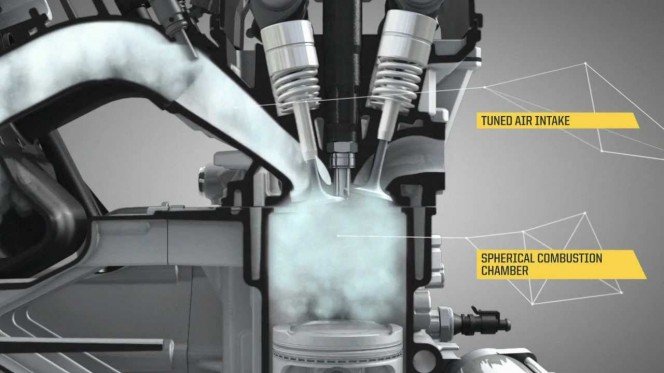
The inside of the ACE’s combustion chamber illustrates how superior cylinder head, valvetrain and intake and exhaust runner design translates to superior performance, even in the current 900cc package.

Many would claim that Rotax is sitting on a 2,000cc four-cylinder four-stroke, similar in design and appearance as the current 4-Tec, but just with one extra cylinder. Unfortunately, Rotax has no such engine in production nor in development according to our sources. But what they do have is far more intriguing:

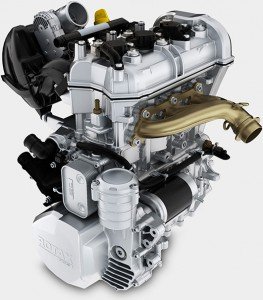
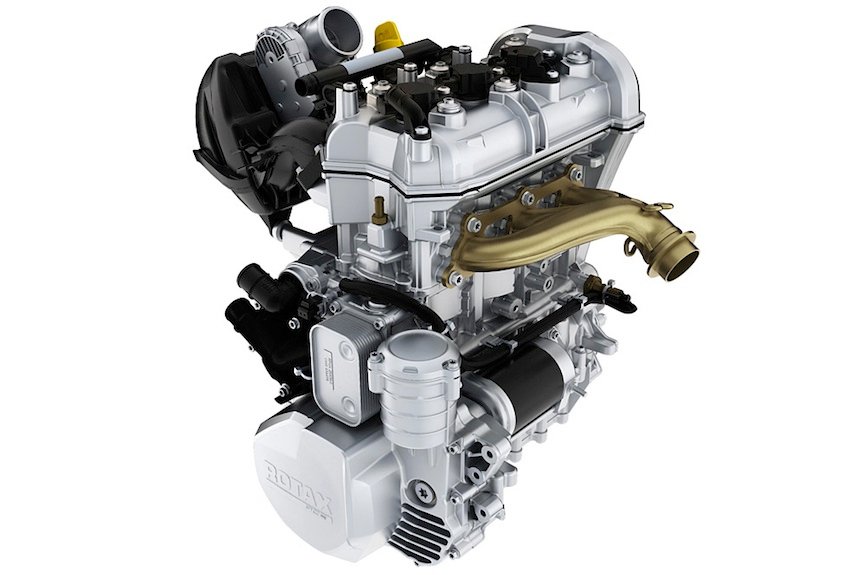
Part of the Rotax Advanced Combustion Efficiency (ACE) family of engines, the ACE 900 engine was designed for maximum efficiency. While 90 horsepower might not sound like much, in its design holds the potential of future Sea-Doo engines. The ACE engines employ the brand’s electronic Intelligent Throttle Control (iTC), dual overhead cams (DOHC) with four valves per cylinder, dry sump lubrication and a king’s ransom in innovations.

While the largest of this engine family, the Rotax 4-Tec 1200 is slightly different from its ACE 900 sibling, the four-valve-per-cylinder DOHC cylinder head allows for extreme rpms. Clearly changes will be made for PWC applications.

For both the ACE and larger Rotax 4-TEC 1200 engines found in Ski-Doo snowmobiles, Rotax engineers strove to maximize “thermodynamic efficiency” by employing a semi-spherical combustion chamber, a tuned intake manifold featuring long runners, and minimizing mechanical friction by using hydraulic lifters, pinpointed dry sump oiling and improved engine cooling.

Taking from these innovations, the future Rotax will remain a 1,494cc three-cylinder but will feature a completely redesigned top end with dual overhead camshafts, domed “hemi” combustion chambers (with accompanying redesigned pistons) with four valves per cylinder, a single spring-tensioned, self-adjusting timing chain, a long-runner intake manifold, a water-jacketed header-like exhaust manifold, and by dramatically reducing valvetrain friction and mass, will greedily spin up to 9,000rpm in factory trim.

At 9,000 peak rpm, this engine will thrive on additional boost, making its power potential well over that of Yamaha and well within Kawasaki’s 300-plus range. Not only will Sea-Doo firmly fix itself as a contender within the unpublished horsepower wars, but will also find itself boasting its new-found “Sea-Doo Sound” as new high-revving BRP watercraft will shriek across the water like AMA sport bikes.

Get Your 2013 Long Beach to Catalina Offshore National Championship DVD

1

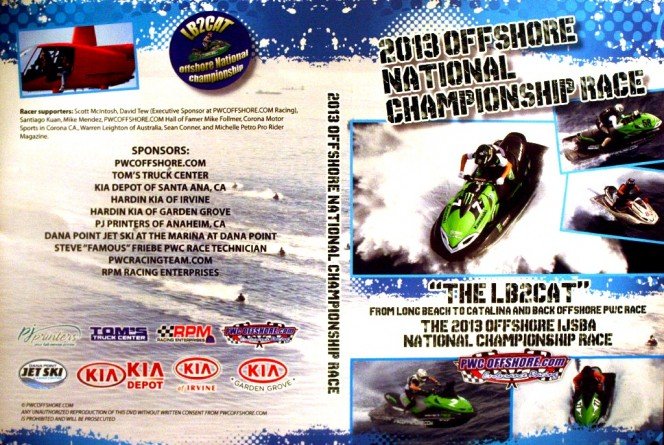
It’s the most grueling offshore personal watercraft race in the United States and it’s now the full-length event coverage is available on DVD for your enjoyment. Produced by the crew at PWCOffshore.com, the 2013 IJSBA LB2CAT Offshore National Championship Race DVD not only includes all of the play-by-play action but also interviews with some of the most talented endurance athletes in the States as well as tricks and tips on how to come out on top.

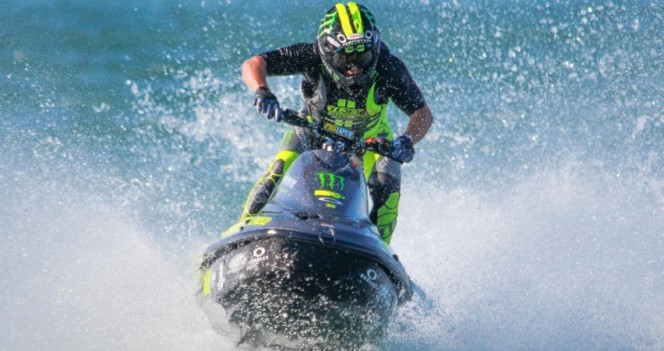
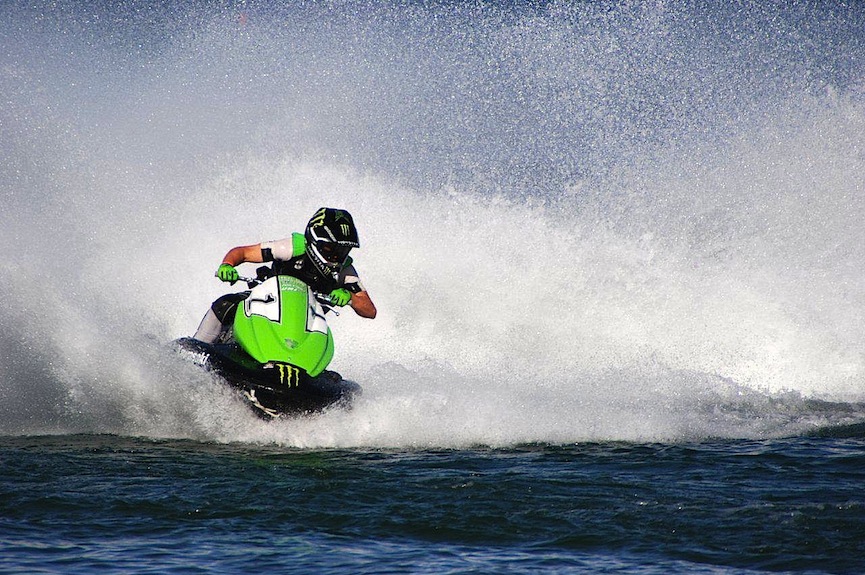
This year, Monster Energy Kawasaki racer Craig Warner wowed all by coming in several minutes ahead of PWCOffshore.com team leader Mark Gerner. Gerner, congratulating Warner on his third consecutive win and noting his feat over rough conditions, stated, “About halfway through the channel, the wind kicked up the north-bound swell creating 4-to-6 foot whitecaps with very little space in between. It was challenging to say the least.”

Including this past year’s DVD race recap, which is available for 19.99 plus 3.00 shipping and handling (plus sales tax for California Residents), previous years’ DVDs are also available. Just visit HERE to find the video you’d like.

Big thanks go to Mark Gerner PWCOFFSHORE.COM, KC Heidler TOM’s Truck Center, KIA Depot of Santa Ana, CA., Jared and Eric Hardin of Hardin KIA Garden Grove and Irvine, CA., Jeff Lane of PJ Printers.com of Anaheim, CA., Dana Point Jet Ski at the Marina at Dana Point, Steve “Famous” Friebe PWC Race Technician for sponsoring the 2013 LB2CAT Offshore National Championship Race DVD!

Excessive Force: 2014 Yamaha FZR SVHO

17

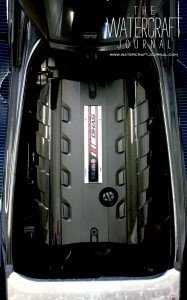
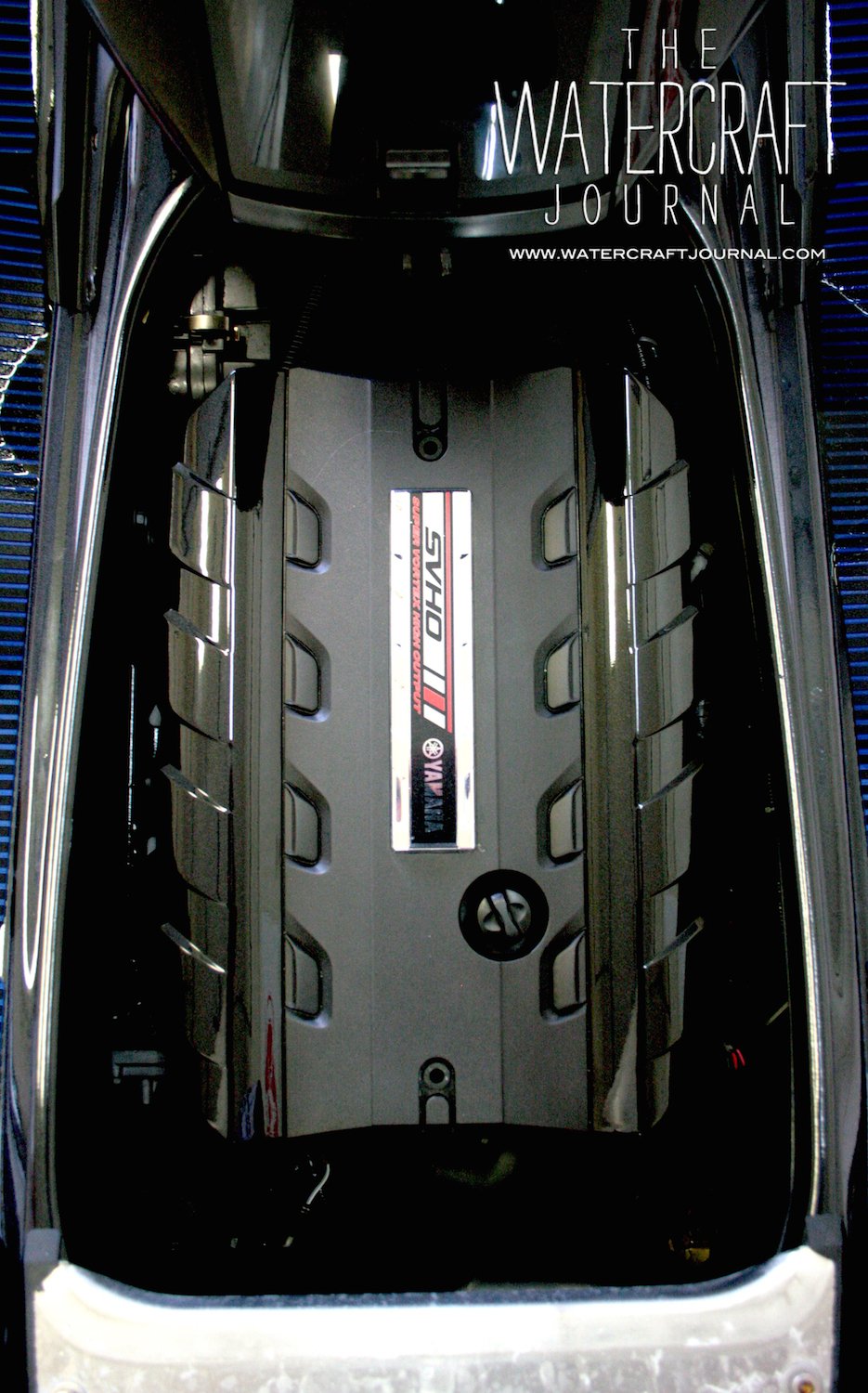
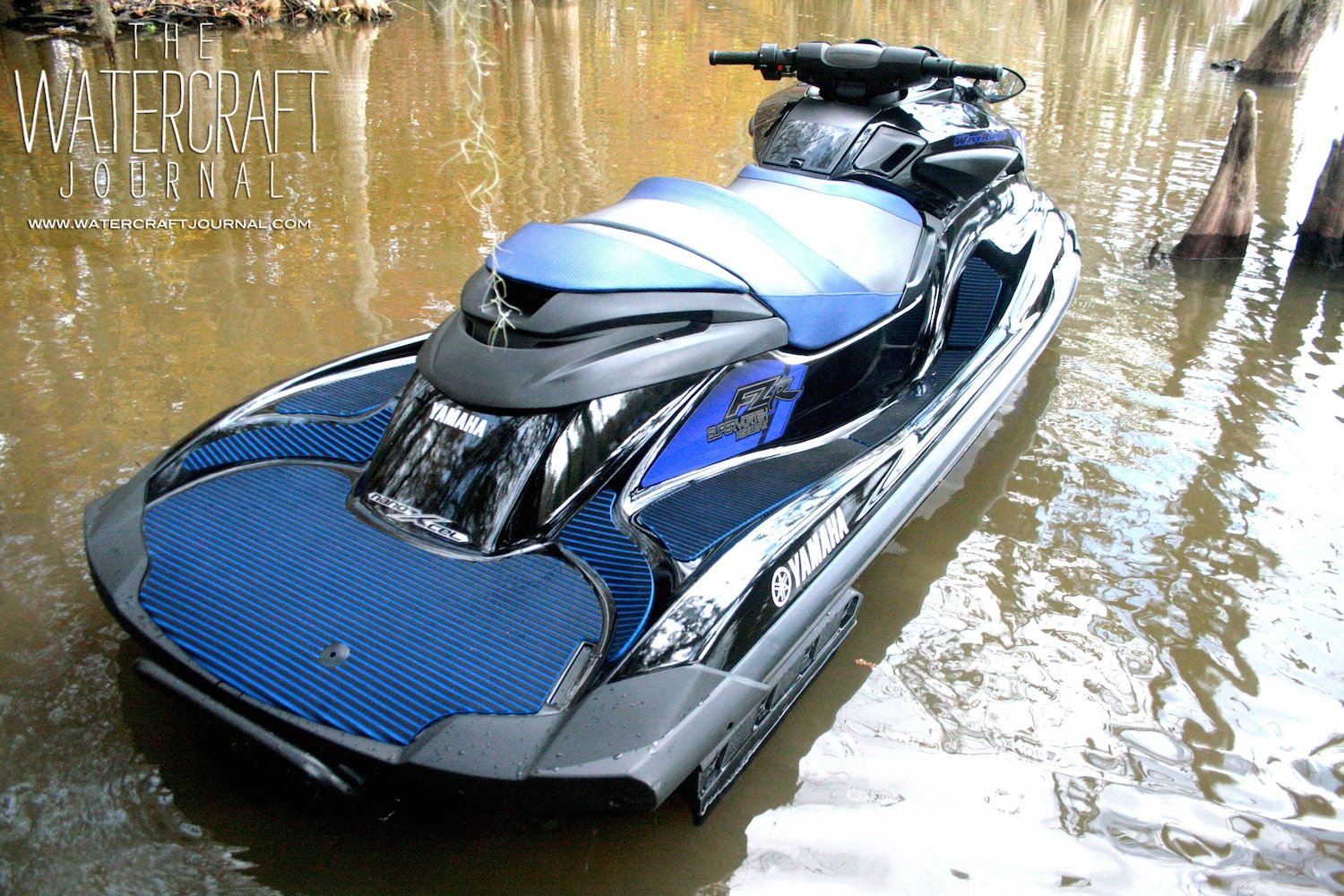
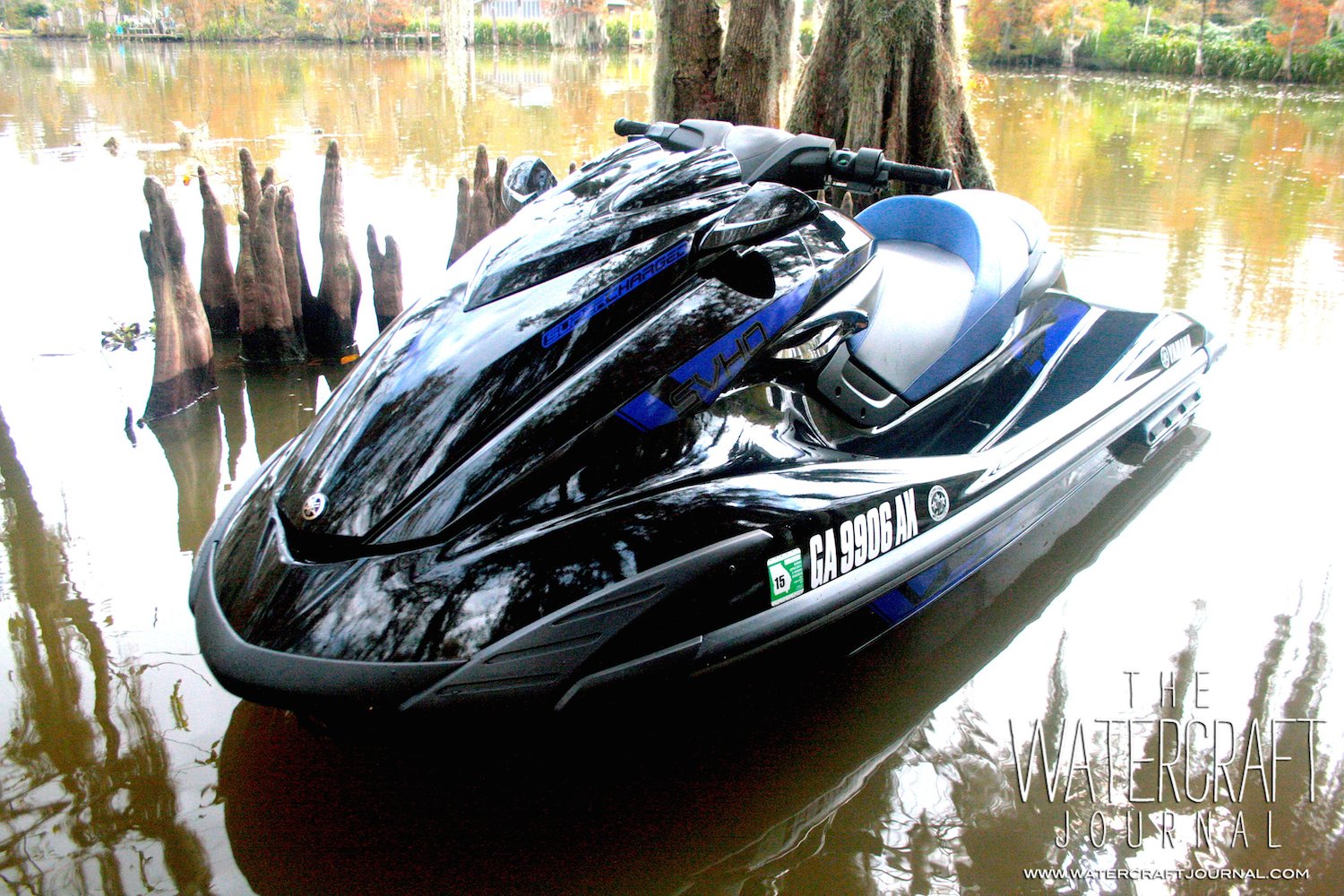
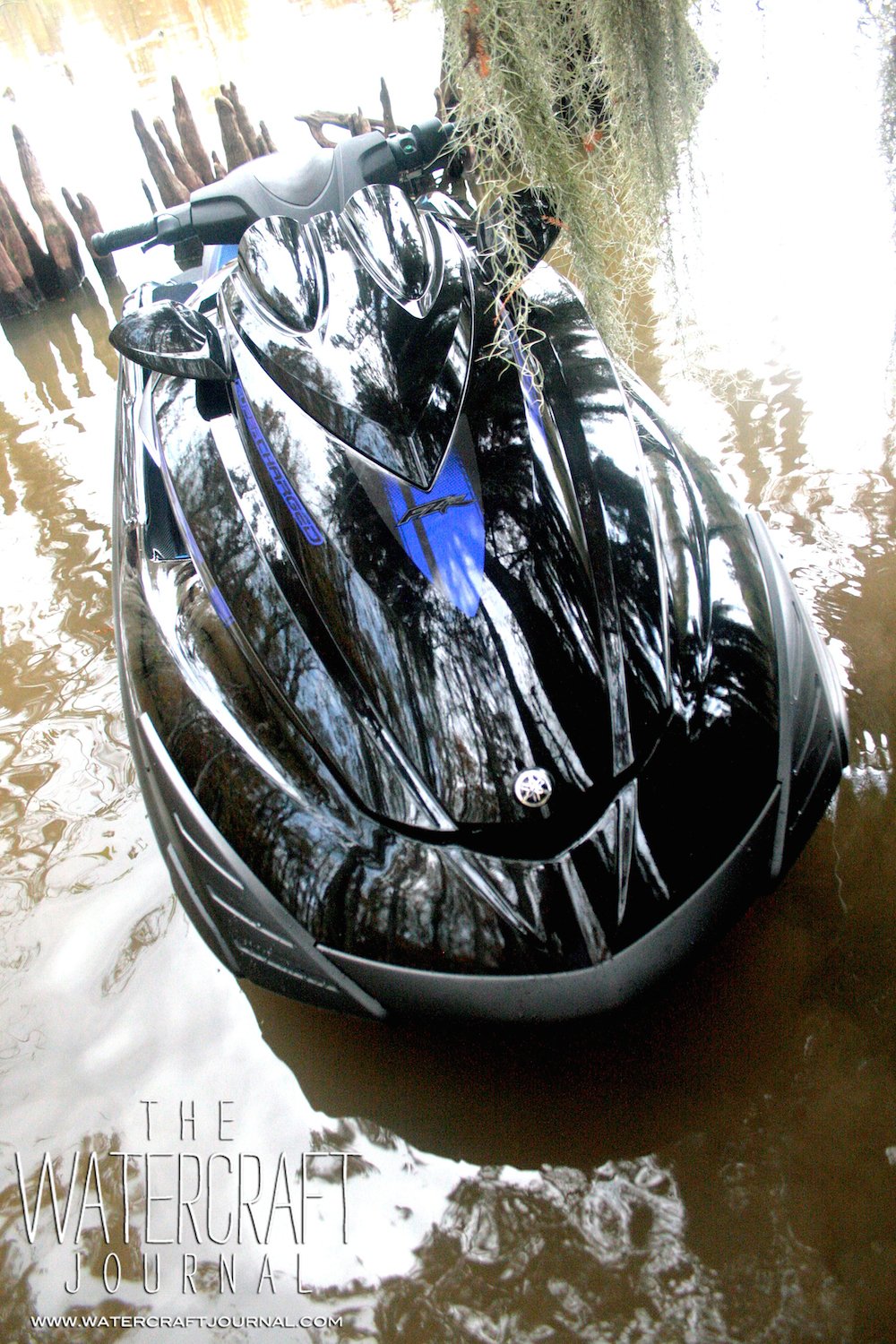
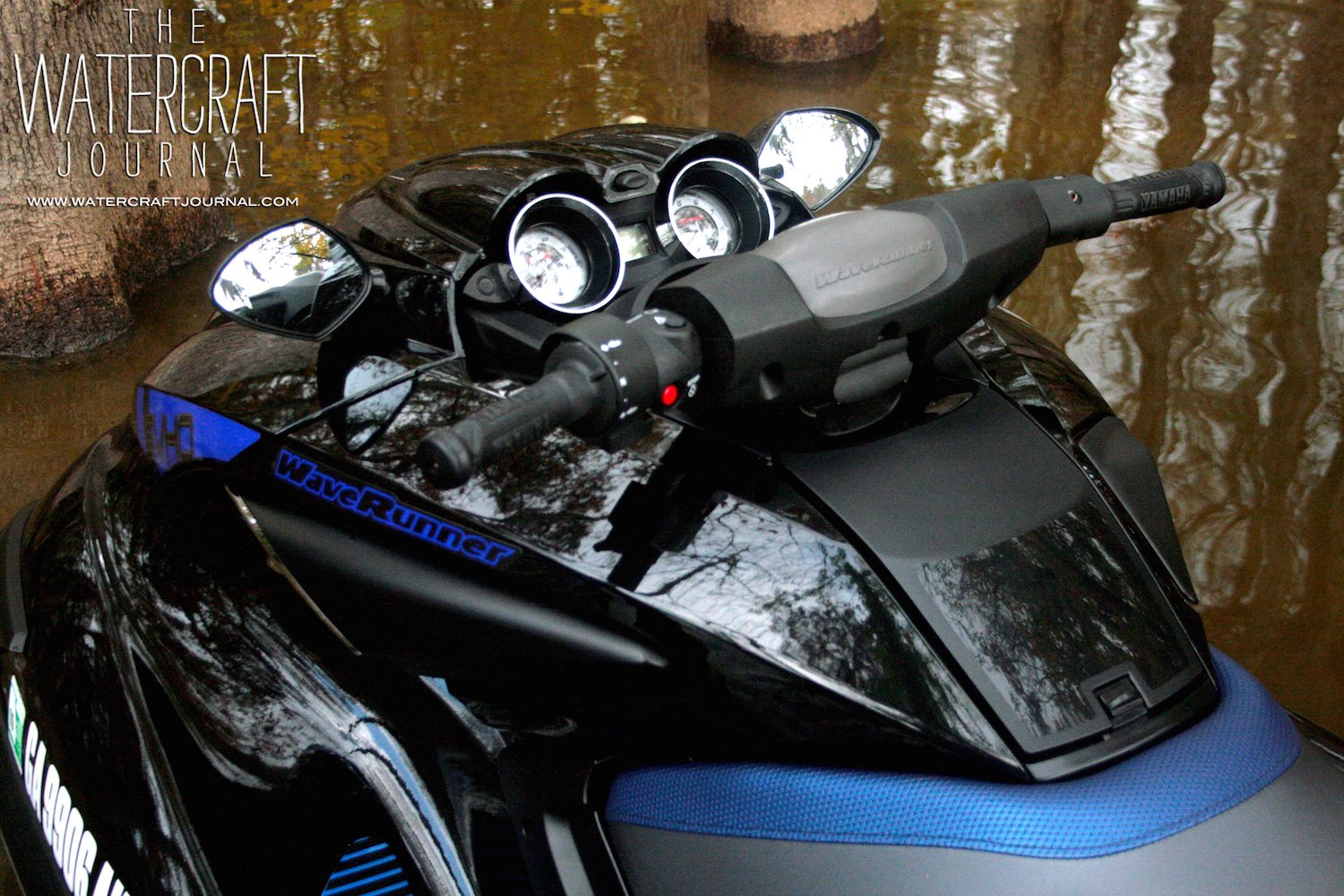
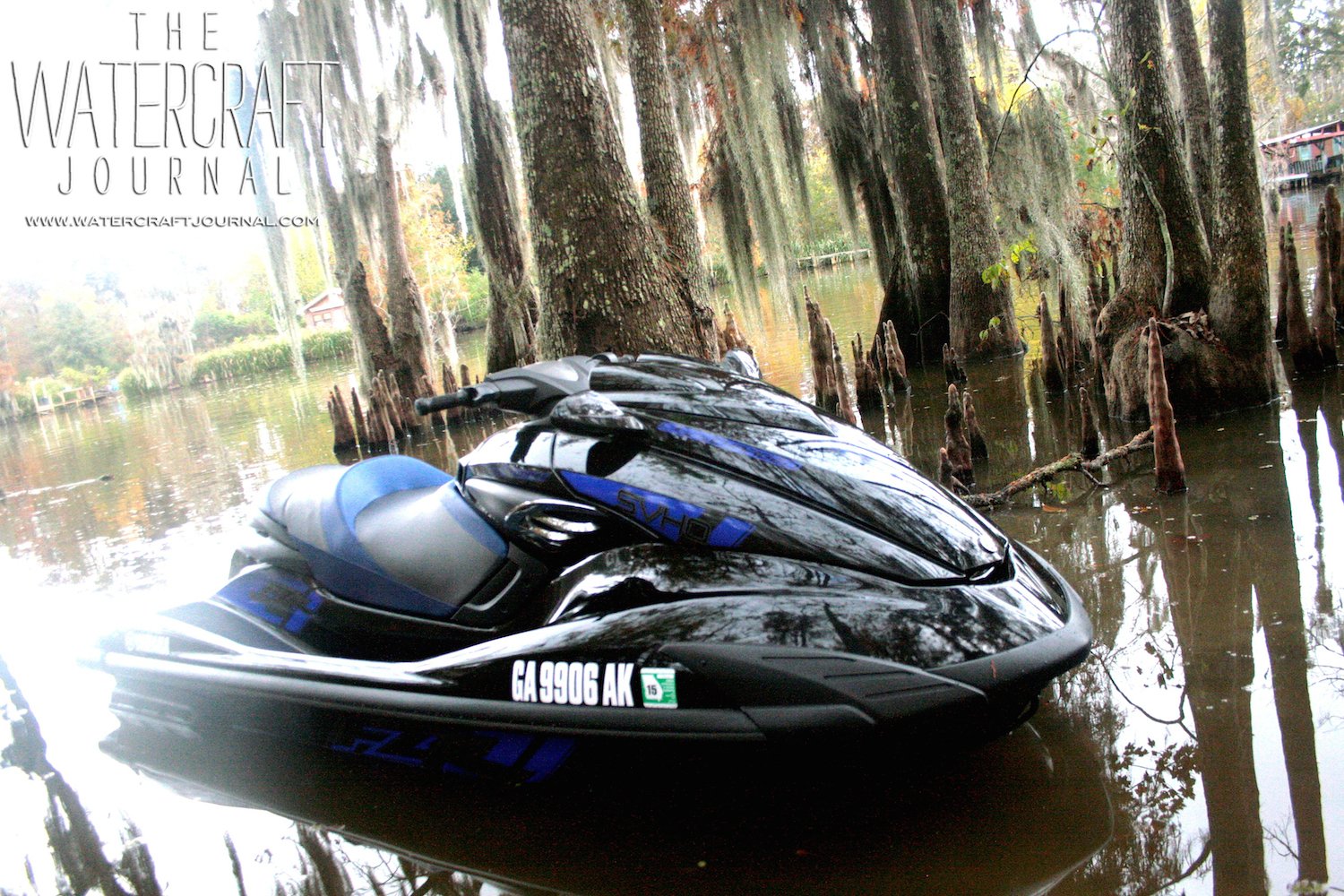
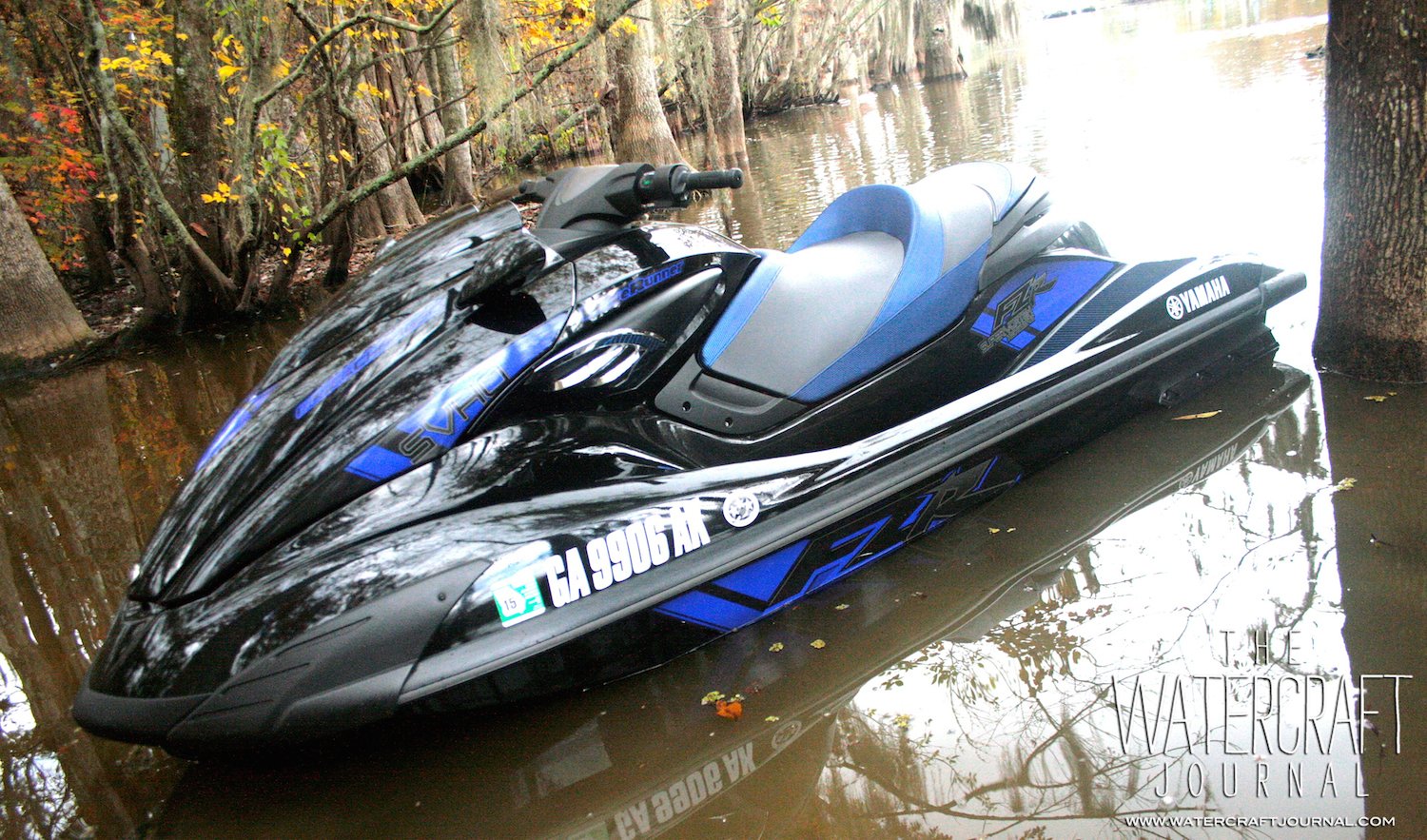
Beauty is more than skin-deep. The Super Vortex High Output 1.8L touts larger injectors, improved oil cooling, and a larger supercharger.

Let me begin by saying that Yamaha is listening. They’ve read your emails, your posts on the forums and social media. They’ve looked over your pictures and are watching the videos you publish.

While this might sound kinda scary, it’s actually really, really good news. Why? Because they just built the two-seater personal watercraft we’ve all been asking for.

When I first looked over the 2014 Yamaha FZR SVHO, I joked, “Well, it looks like Yamaha just slapped on a RIVA Stage 1 kit on a SHO.” The reply I got was, “It’s a lot more than a Stage 1 kit.”

And as truth would have it, there’s a lot more to the ’14 SVHO than some rudimentary mods. While the previous FZ Series skis can be tuned to keep up with the new SVHO, it’ll cost you double in aftermarket parts and tuning than the difference in trading in your current Yamaha. Frankly put, save yourself the time and money and trade up.

Changes to the FZ Series are far more extensive than new colors, two-tone mats or contoured seats. Yamaha completely overhauled the pump setup and finally unleashed the largest displacement engine in the industry for an estimated (yet unofficial) 256-to-264 horsepower.
Larger fuel injectors, lightweight forged pistons, a larger supercharger and redesigned impeller, a revised oil cooler and a larger intercooler improve cooling, efficiency and boost.

Arguably, the greatest crime committed by Yamaha was offering its stellar 1,812cc supercharged Super High Output engine with such an anemic horsepower rated – an estimated 208-to-216 horsepower. After a great deal of aftermarket wizardry to unlock the SHO engine, even slightly modified 1.8-liter Yamahas are running deep into the 70s and even the mid-80s without breathing hard.

Yet, horsepower wasn’t the previous FZ’s only issue. The initial pump setup worked great on glass – but to an extent. Tuners soon discovered the pump’s limitations at high speeds. Tuners blamed the small 155mm 6-vein pump, open intake grate and 5-degree nozzle for over-stuffing. Likewise, racers fingered the short sponsons and stubby ride plate for unloading the tail in rough cornering despite the FZ’s stellar rounded outer chine, multi-strake hull.

I am excited to say that all of the above pratfalls have not only been addressed, but have been made into significant strengths.

Replacing the prior Super High Output (SHO) engine is the new Super Vortex High Output (SVHO) plant. Internally, cast pistons have been replaced with stronger 8.5:1 compression forged slugs.

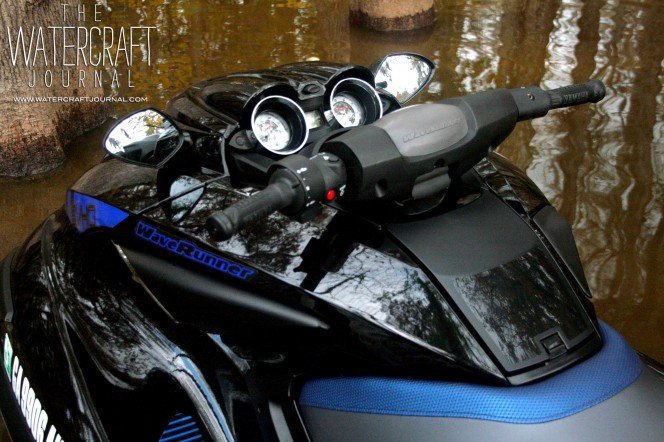
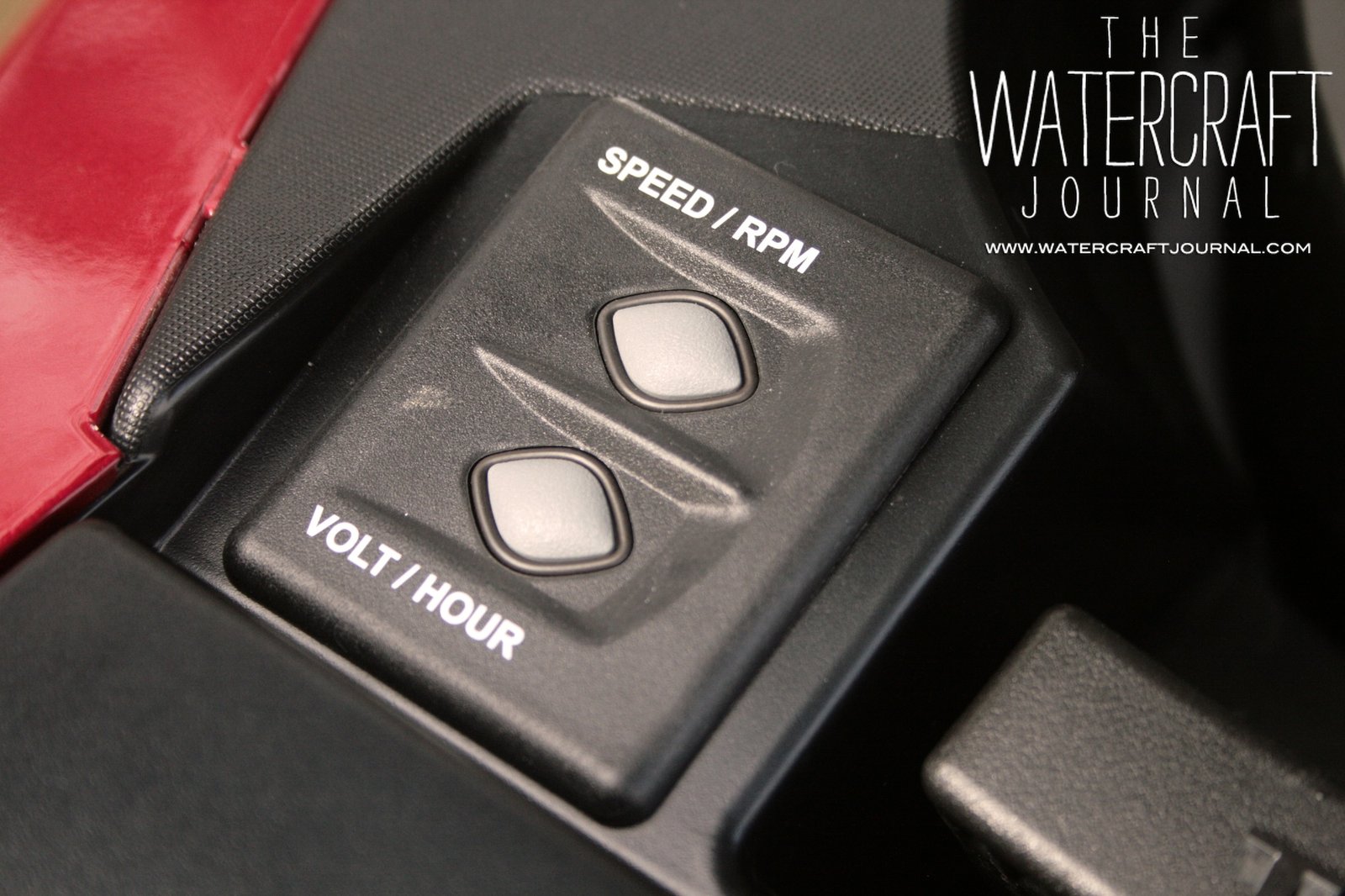
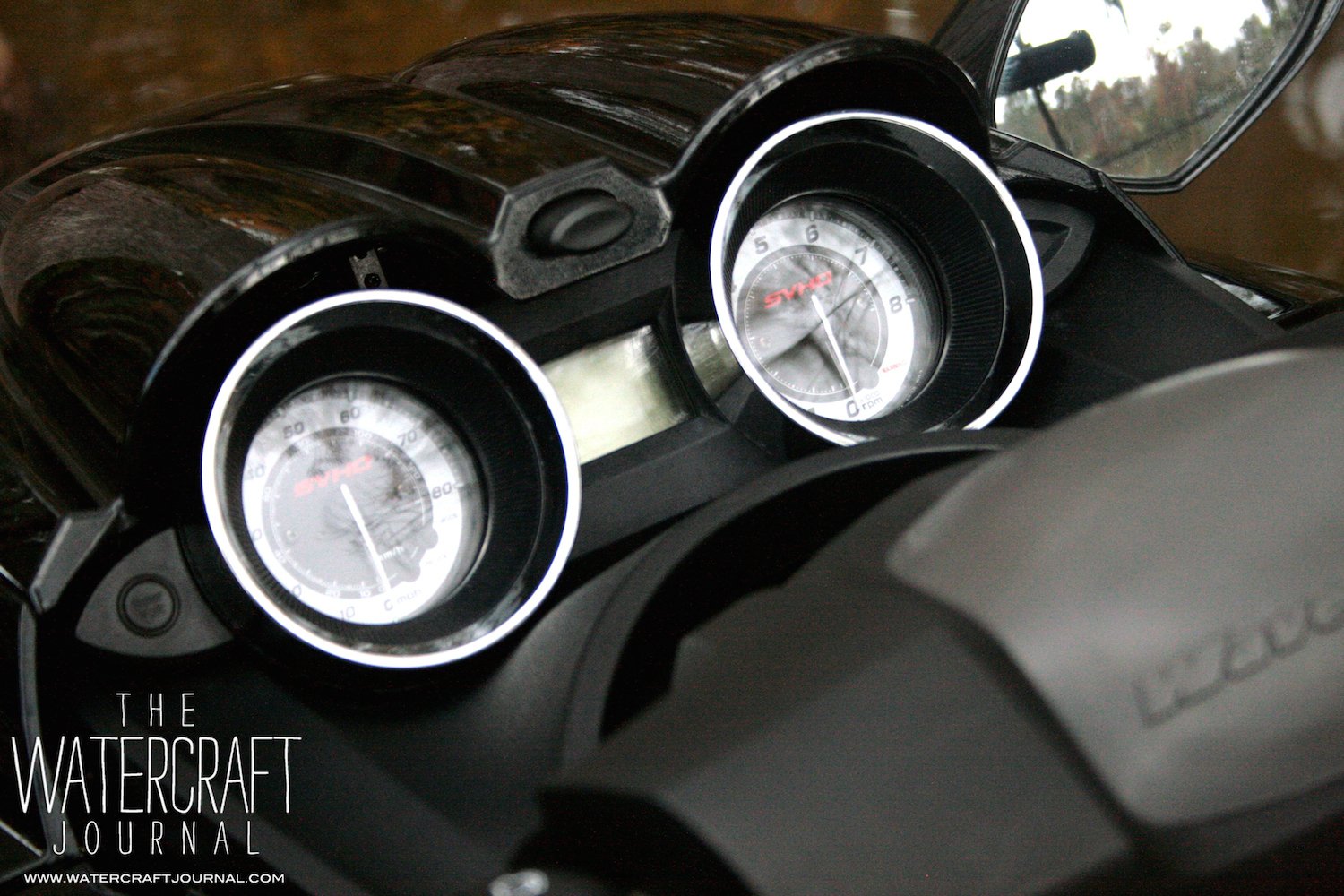
The FZR and FZS still feature the industry’s only telescoping steering column. Clear white-faced analog gauges read off the speed and RPMs while the small LCD screen registers fuel and hours.
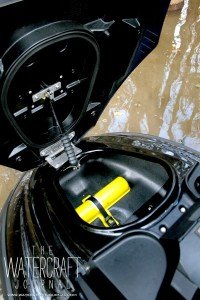
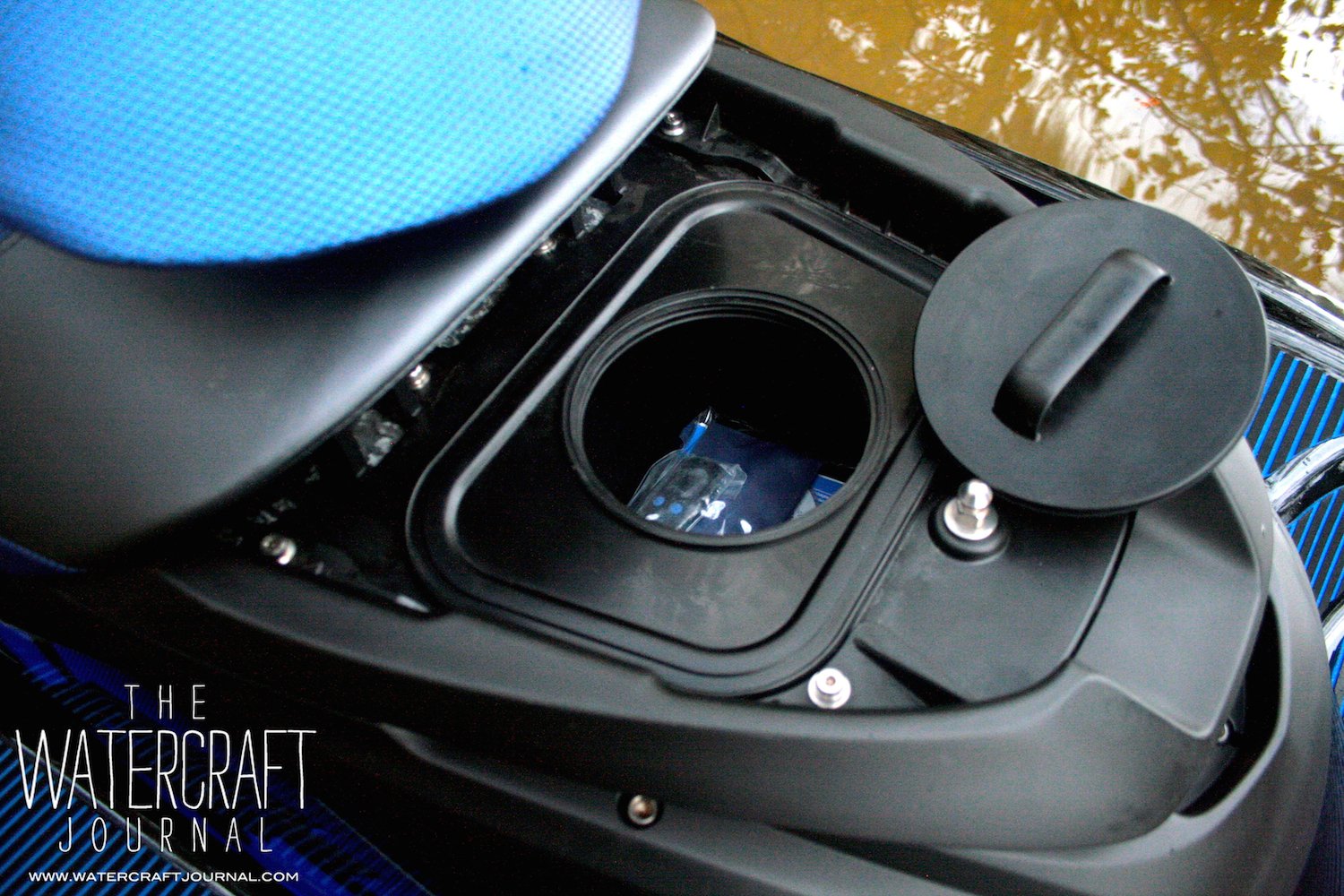
The Yamaha’s storage is modest, with only 21 gallons of total space split between the forward compartment and dash glovebox, with a screw-tight watertight bin beneath the rear passenger seat.

The earlier oil cooler has been swapped for a new unit boasting 110-percent more efficiency. Previous 42-pound injectors have been traded for larger 60-pound sprayers, and a larger and 22-percent-more efficient intercooler rounds things off. Oh, and don’t forget a larger (86mm versus 82mm) HKS supercharger presses out 60-percent more boost thanks to a new 6-vein impeller.

Like the engine, the pump is equally revised. From the intake grate to the nozzle, the SVHO has been patterned after the most aggressive race-ready Yamahas on the water. A performance-bred 8-vein pump – using a 160mm impeller – greatly opens it up for additional thrust. A new 3-degree nozzle features diffuser veins and a large 85mm exit diameter.

The aforementioned intake grate is now a top-loader design and is reinforced with a second row of fastening bolts. The ride plate is patterned expressly after the successful extended plates offered by those in the aftermarket. Surprisingly, the new longer 4-bolt SVHO’s sponsons are from the current FX Series runabouts, and are set further back on the hull.

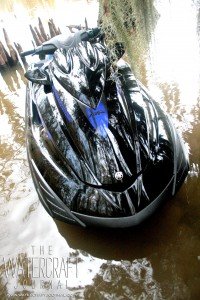
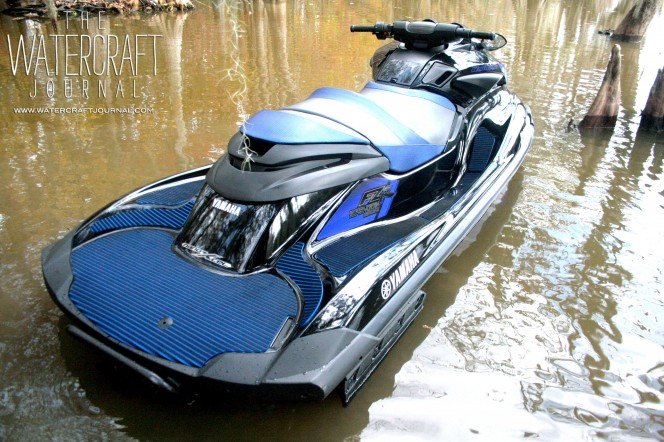
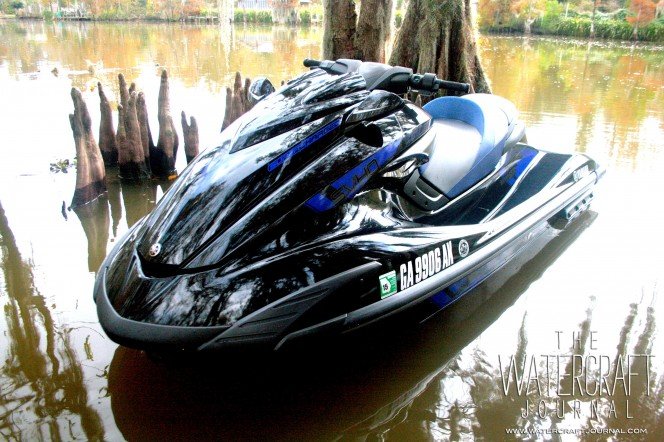
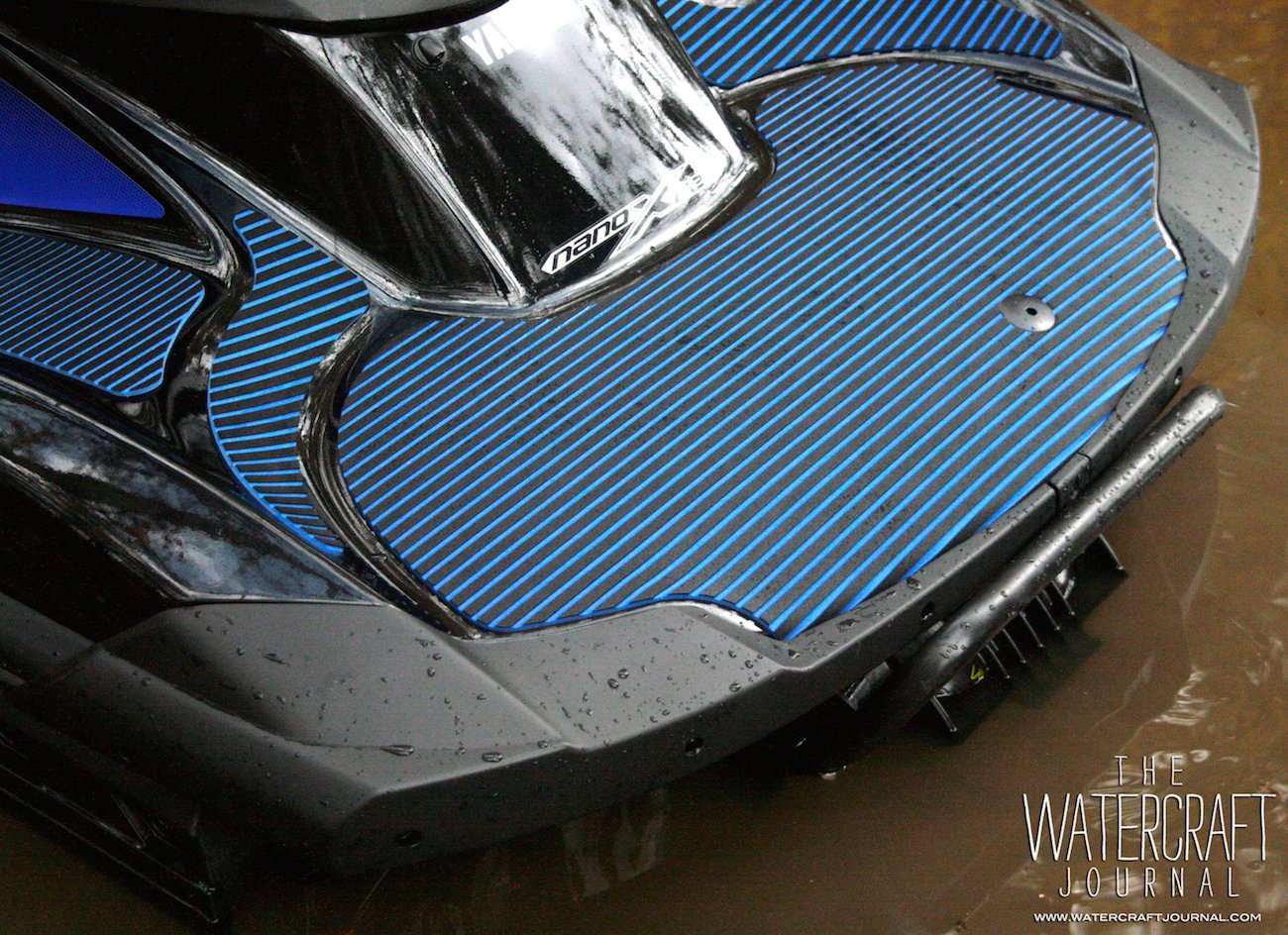
The stunning combination of glossy Black Metallic and Yamaha Racing Blue is no more evident than in the use of the Hydro-Turf two-tone mats and bolstered seats.
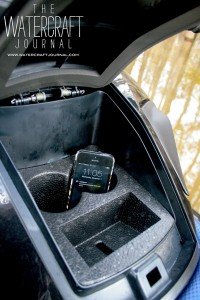
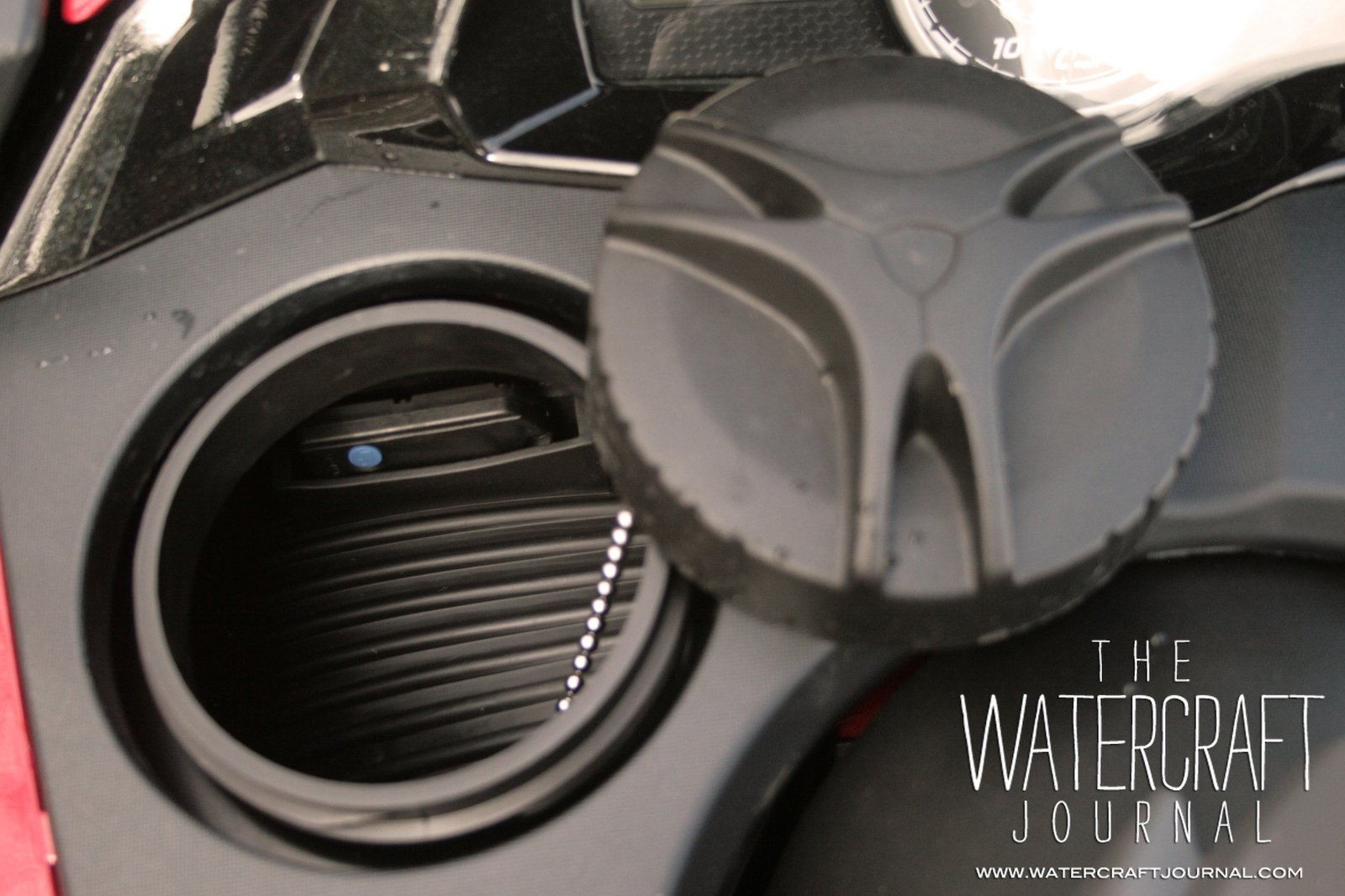
The hinged glovebox offers some padded storage for phones, keys and a pair of drinks. The Styrofoam insert is easily removed for additional storage for larger items like goggles or a watertight case.

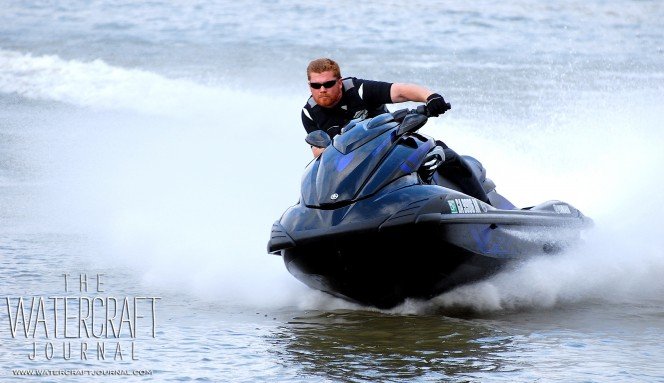
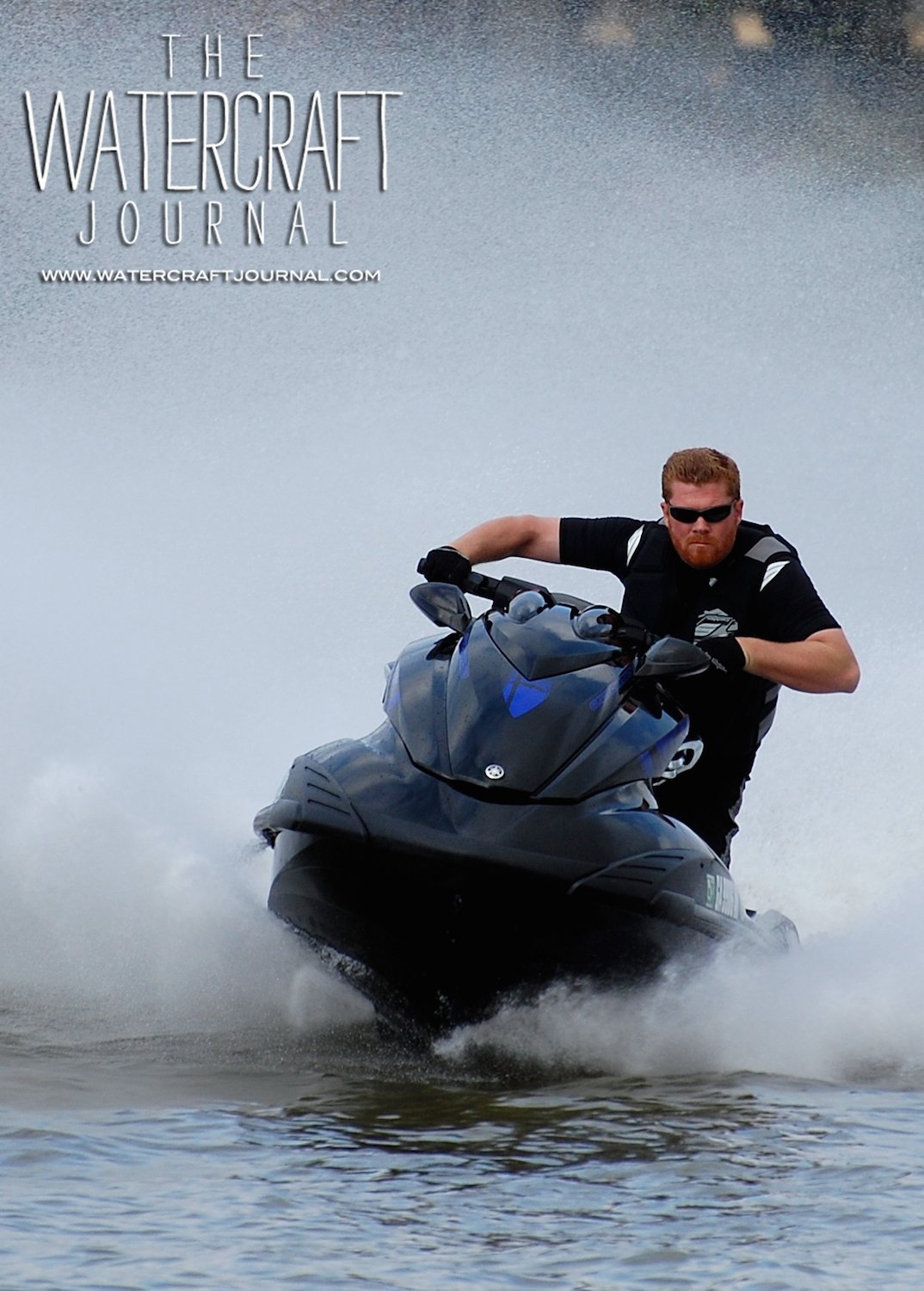
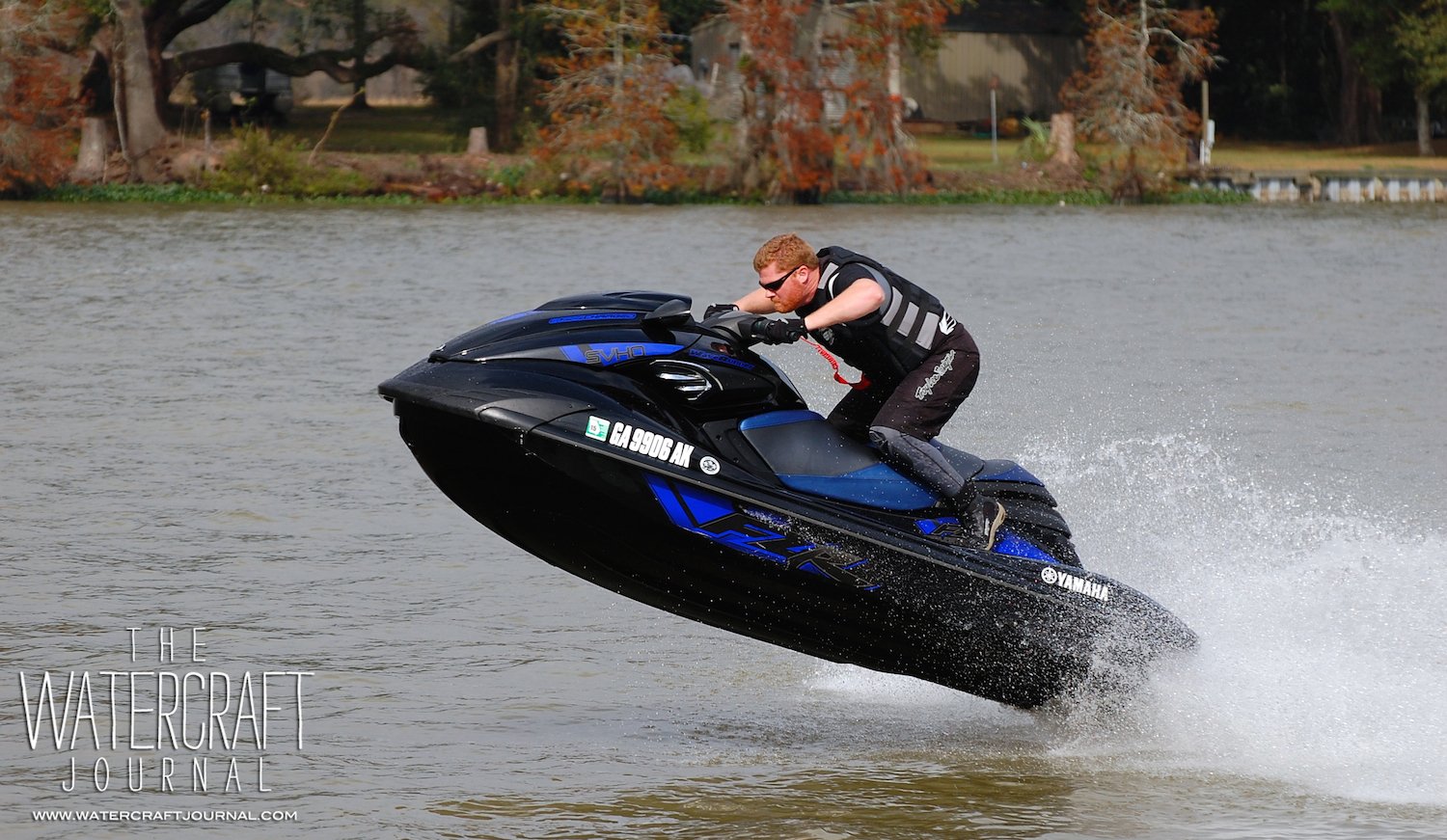
All of this translates to a performance-bred Yamaha that the likes of which no dealership showroom has seen since the GP1200R. Out of the hole, the SVHO pulls with excessive force, launching from 0-to-30 in a breakneck speed of 1.3 seconds. With the mechanical trim set nose-down, the new FZR slices through the turns with the equal precision of a surgeon’s scalpel.

The NanoXcel hull feels like a set of low profile Pirelli PZero Rosso tires; a little unforgiving over rough surfaces but completely responsive and ridiculously grippy. Because of the rigidity of the innovative hull material and the lack of goopy glue and clunky blocks of Styrofoam insulation, aggressive riders might feel some chattering over chop – it’s minor, and no different from riding a race-prepped PWC that’s been stripped of all of that excess weight, which on the FZR, comes like that stock.

Even in chop, never once did I manage to offload the pump or break the tail free. The rolled edges of the FZR’s hull respond best to body lean. The more you lean, the more the FZR lays into the turn. Emulating the best FZ racers, I found resting my inside knee completely down in the tray and leaving little else on the seat rendered the best results.

The Yamaha FZR SVHO shows unequivocally that racing and performance tuners directly effect the development of future PWC. Keep up the good work, guys!
Unlike teetering on the RXP-X’s deep keel, the FZR naturally rolls in response to the rider’s body weight. With the trim set completely nose-down, the FZR sticks the turn at any speed.

I regularly tickled just under 70mph (69.3mph at 7,800rpm) on my Garmin GPS but knew the machine had more in it. In fact, we watched the tachometer conspicuously bounce back to 7,300rpm after a few beats at 7,800. Blipping the throttle brought us back to near 8,000rpm. Undoubtedly, a V-Tech Tuned ECU will allow the FZR solid mid-70 speeds with zero other mods.

As unabashedly as I can state it, the 2014 Yamaha FZR SVHO is worth the price of admission. It’s one of the few models that gets a full “trade up” recommendation from The Watercraft Journal. Seriously. If you’re a loyal Yamaha owner, you need to add this to your arsenal.

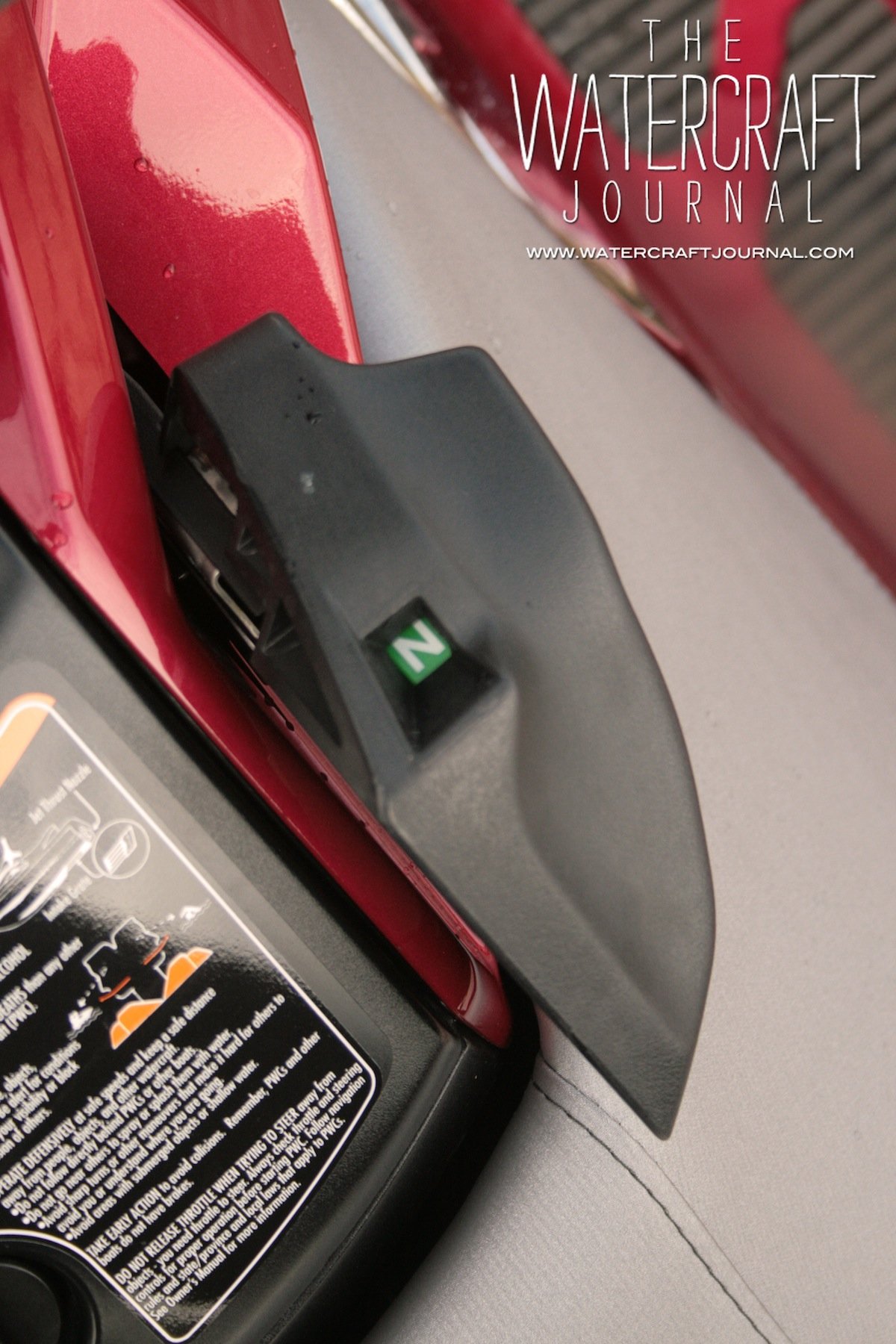
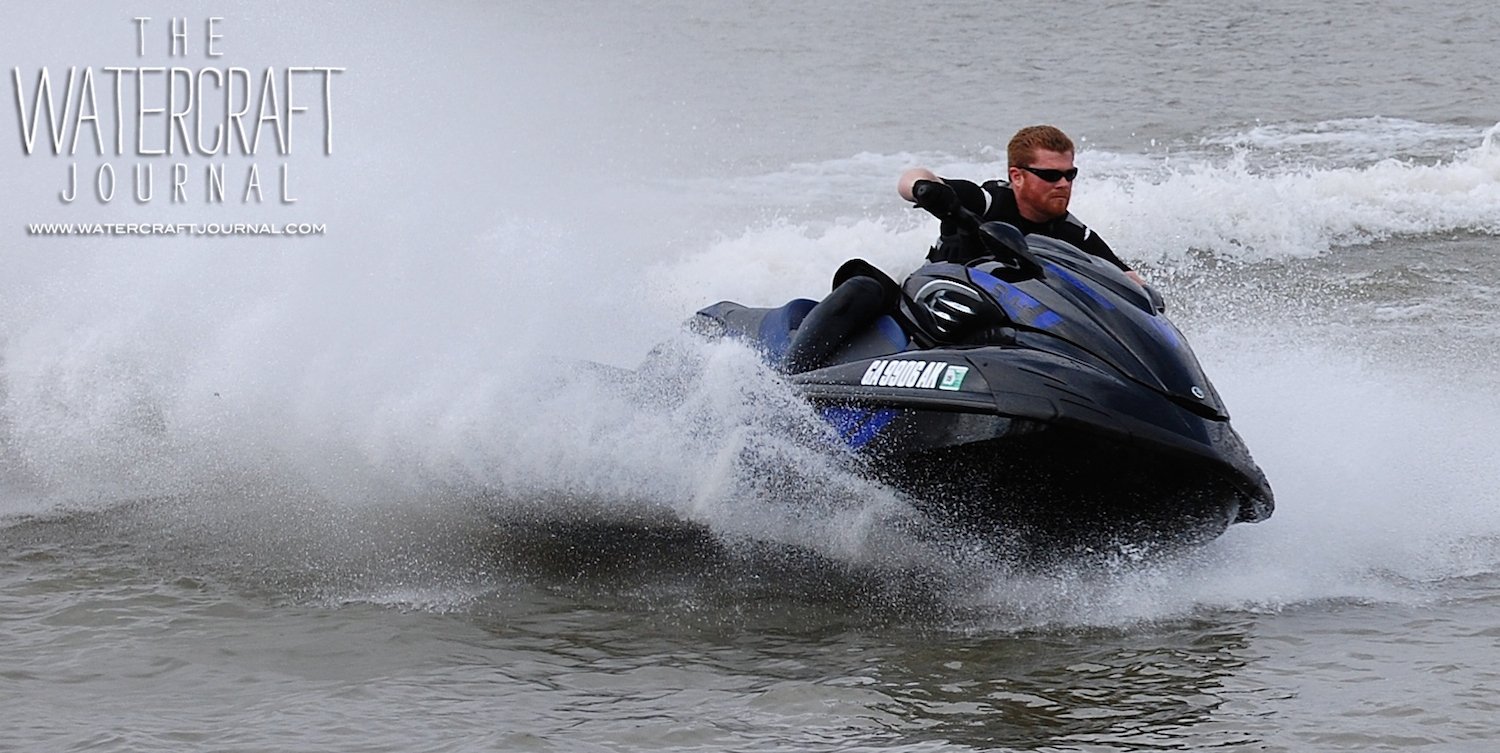
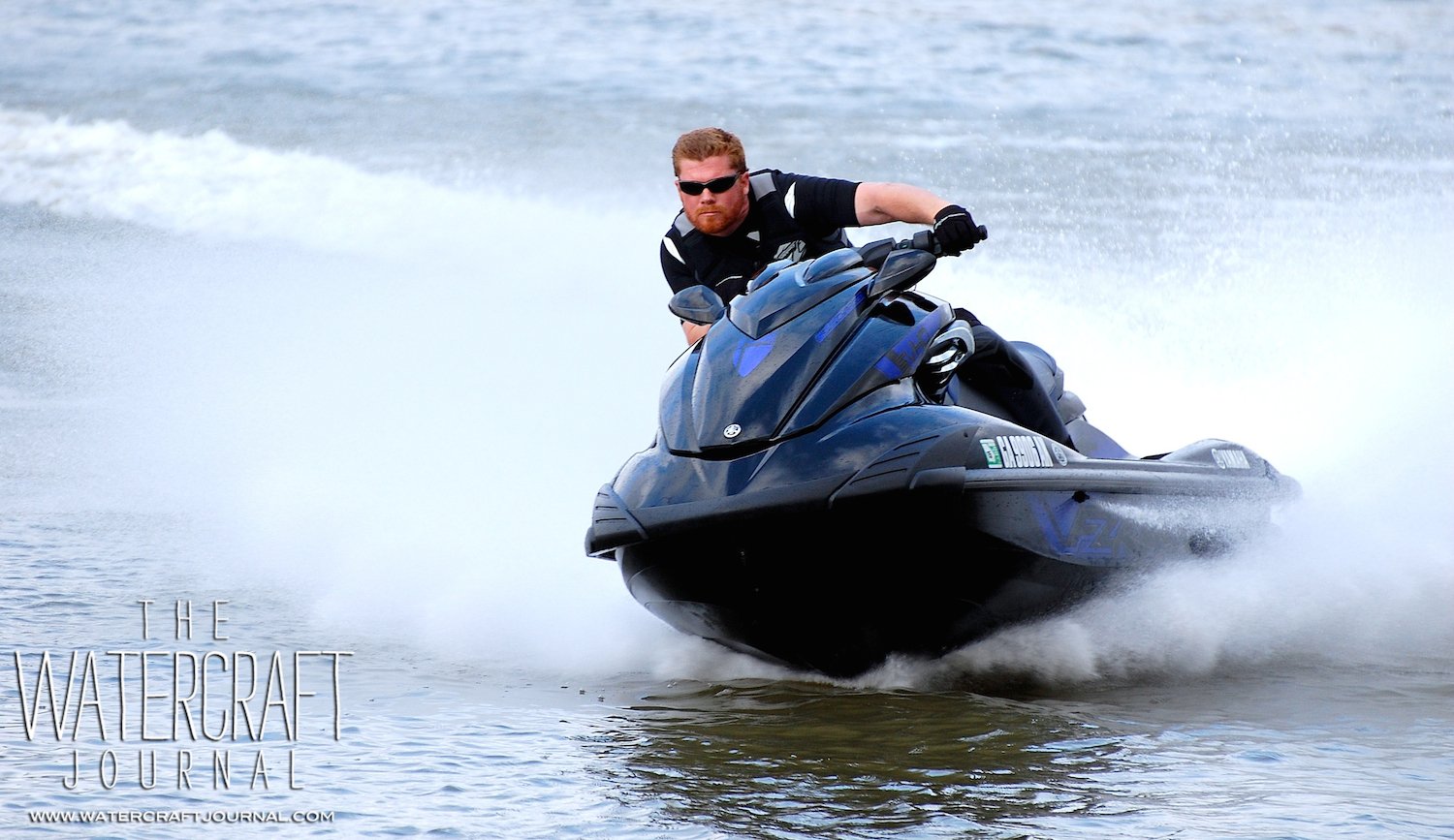
What minor qualms I might harbor towards the archaic right-hand reverse or the Yamaha rooster-tail (notice it was disconnected for our photoshoot. Sorry guys, that was my decision. – Ed.) fall by the wayside when evaluating the new SVHO FZR as a whole. Lightweight and powerful with intuitive, responsive handling, the FZR is the best performance runabout Yamaha has built.

Whether you bleed Yamaha Blue or not, the SVHO will get your heart racing – even at a standstill.
IMG_2685 IMG_3187 IMG_2674 IMG_3176 IMG_2783 IMG_3175 IMG_2745 IMG_3172 IMG_2729 IMG_2718 IMG_2710 IMG_2701 IMG_2678 IMG_2659 IMG_2651 IMG_2642 IMG_2632 IMG_2628 IMG_2623 IMG_2605 fzr2 DSC_0293 DSC_0188 DSC_0055
<
>

Videos: V-Tech’s Turbo-Powered Spark Makes 140HP

3

From the moment that it was announced that Sea-Doo’s new entry-level runabout, the Spark would tout the 900 ACE four-stroke familiar to those who power Can-Am snowmobiles, tuners started dreaming of new and inventive ways to wring far more power than ever intended.

The Swedish tuning company – V-Tech Tuned – wasted little time pulling the 30-plus screws and opened up their project Spark. With breakneck speed, they dyno tested the stock HO Spark (claiming 90 horsepower) and garners a close 87 ponies at 7,800 rpm. But that simply wasn’t enough…

Yup, that’s an uncorked turbo kit on an uncapped Spark hull. Although details to the internals of the ACE motor are still unknown, what is known is that on the dyno, the boosted Spark twisted out 140 horsepower – or 53 horsepower over stock. Below you can see it spinning the dyno first hand while below it you can check out the results sheet.

Video: Denmark’s Royalty Rides a RXT at The “Cold Hawaii” PWA World Cup

0

Everybody wants to surf the epic waves breaking off of the Pacific islands of the Great State of Hawaii. But considering the locals will likely kill you if the megaton waves crashing down on you or razor-sharp coral reefs doesn’t, Hawaii might not be the most accessible place for a burgeoning big wave surfer.

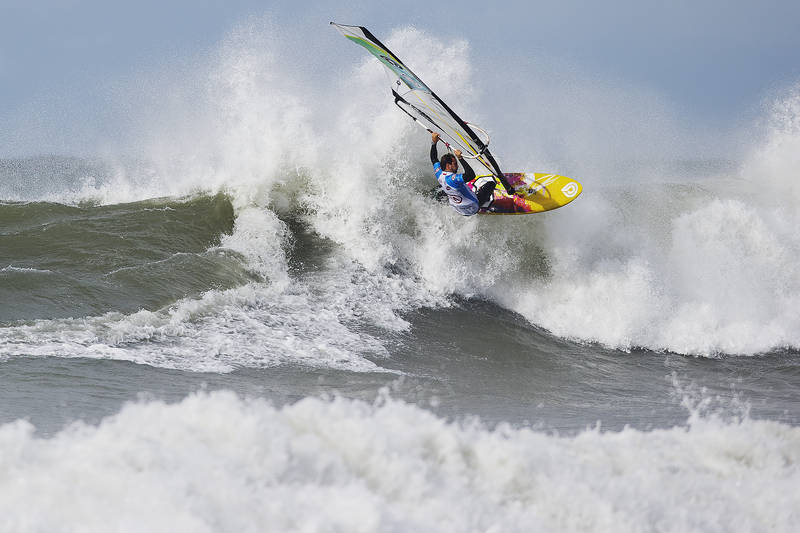
Thankfully, Mother Nature has plopped plenty of choice waves equal to Hawaii’s famous breaks all across the globe. One of those is in the tropical paradise of Klitmoeller, Denmark. A small fishing village is just inland of some of the most impressively epic cold water surf in the world, and windsurfers from around the world converge to ride.

Launched just four years ago, the Cold Hawaii PWA World Cup is put on with big thanks to over 100 volunteers (mostly consisting from the local surf club), this year got a huge dose of legitimacy as Royal Highness Crown Prince Frederik came on as the patron of the event.

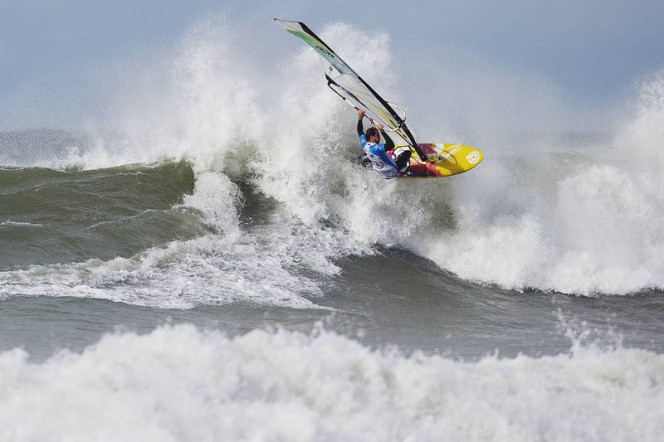
Prince Frederik happily hobnobbed with professional surfers and spectators and even took up the challenge of windsurfing against 10 local young guns. Frederick ventured into the breaks aboard a Sea-Doo RXT-X 260 to observe the surfers up close at the famous spot, The Reef, in Klitmoeller.

Watch the recap of this year’s KIA Cold Hawaii PWA World Cup below:

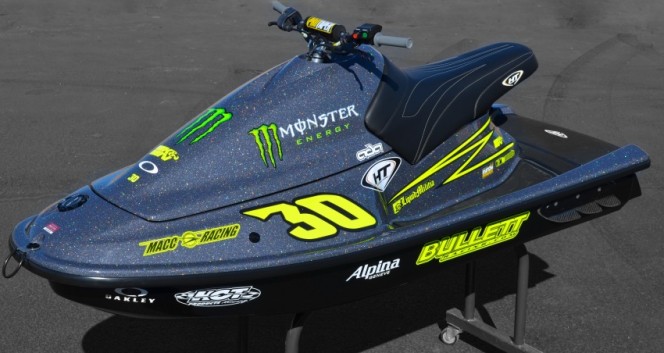
Here’s Your Chance to Own Macc’s ’13 IJSBA Sport GP World Champ WaveBlaster

0

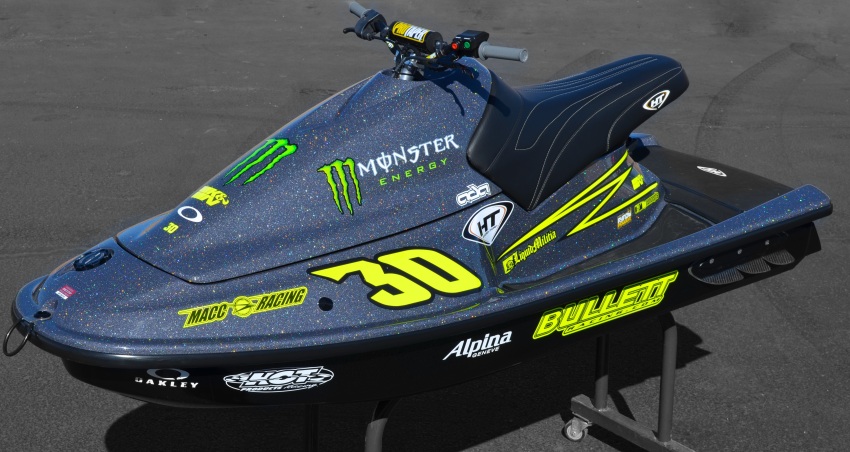
Let’s face it. You’re not Chris MacClugage. You’ll probably be as good of a rider as Chris MacClugage, either. ‘Dems the breaks. But hey, don’t let that keep you from wanting to push yourself to improve and be a better rider. That’s what makes this sport so challenging! And while you’re not Macc, you can now own the 2013 Macc Racing Edition Bullett V2 WaveBlaster that Chris rode to a World Championship at this past IJSBA World Finals.

For a crisp $30,000, you’re gonna get possibly the most bad ass WaveBlaster ever built by human hands. Comprised of a Bullett Racing Wave Blaster V2 hull and hood, the race-ready ‘Blaster is powered by a 1,200cc fully ported race engine stuffed with 84.5mm pistons and a trued and welded crankshaft, all fueled by touting Mikuni 46mm race carbs with VForce reeds and fed air by a DASA manifold and K&N Filters.

Spark is supplied via a Bullett Racing Ultra 150 ignition box and Advent Ignition as the spent gases are passed through a modified exhaust system and a Bullett Racing water box. The rest of the parts list is extensive, so we’re just gonna cram ’em all here: a Bullett Racing driveshaft, ADA racing couplers, a Macc Racing fuel fill and cap, a Skat-Trak HD steering cable and a Kawasaki throttle cable and SS switch.

The thrust is delivered via a Skat-Trak 145mm pump and nozzle kit and a Skat-Trak propeller. Superior handling was made possible thanks to a manual trim kit, a Bullett Racing ride plate, intake grate and hull extensions, not to mention a UMI Racing steering kit, Pro Taper handle bars, and ODI Grips. Oh yeah, and you can’t forget the Hydro-Turf seat cover and mat kit.

Video: Jetski World Cup Thailand 2013 Teaser

0

Wait, did you think that the racing season was over? Pfft! Not a chance buddy. Racers from across the globe are swarming Pattaya City, Thailand to compete in 2013 Jet Ski World Cup Grand Prix, happening tomorrow! That’s right, starting December 4th and running until the 8th, some of the world’s best riders will be on hand to test their mettle, all vying for a shot at a World Championship.

For the past 14 years, the Jetski World Cup has been welcoming racers from Thailand and neighboring Malaysia and Singapore, as well as the US, European Union and Middle East. First taking place in 1996 and expanding to cover the Asia Pacific region the following year, and racers from around the world in 1999, the Jetski World Cup has hosted racers hailing from more than 18 countries.

According to the event’s own site, “‘the World Cup Grand Prix System’ was introduced and acknowledged by the International Jet Sport Boating Association (IJSBA), with the objective to allow an equal opportunity to racers worldwide, which is in line with the standards of other international sports.”

So before the book finally closes on 2013, make sure not to miss any of the awesome international racing action happening at the Jetski World Cup!

If You’re Not Already, You Need to Follow Vintage Jet Ski

3
Image: Tom Soto

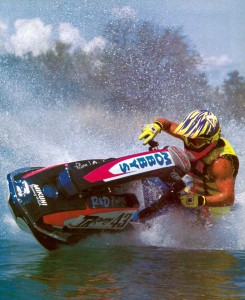
There’s really no less direct way of saying that we are addicted to the Vintage Jet Ski page on Facebook. Nearly every single day, the diehard lovers of old school jet skis are publishing some of the best vintage pics on the web. Seriously, it’s massive collection of pics swells daily. We’ve dedicated hours of our lives to perusing its albums and we still haven’t seen them all.

As was explained to The Watercraft Journal, “VJS is a labor of love. We are old school freaks from way back. We try very hard to find out who took what pics [we publish] and add that to the pic because we feel the photographer is just as important as the racer.”

Part of the Vintage Jet Ski museum that Jettrim‘s Gary Hart and crew put together at each World Finals, VJS is “for all of you who love the history and the glory days of jet skiing and jet ski racing culture. This page was created with a genuine appreciation for the sport of jet skiing and all it once was, and all it could be again. We share this with you to remember the good old days. Remembering our heroes of the sport, cheering them on to win. The smell of race fuel and 927. The high rev’s of race engines and the crashing of the waves as our heroes and sheroes bang rails into the first turn. The 80’s and 90’s were the golden years. The highlight of many of our lives and careers. Vintage Jet Ski was designed to celebrate that era.”

We couldn’t have said it better ourselves.