
Home Blog Page 50

P1 AquaX USA Announces Sponsors For 2024 Race Season

0
P1 AquaX racing at Daytona Beach. Photo credit David Lando.

There can be little argument that the first race of the P1 AquaX  race season is a much-anticipated event each year. Any one-upmanship between promotors, tours or sanctioning bodies aside, it is an accepted fact in the PWC race world that some of the best racers from around the country, and beyond, nose up to the start line for round one of AquaX. It is an even more widely-acknowleged fact that Daytona is, in turns, one of the most challenging, demanding, fun, wild, adrenaline-boosting race venues on the schedule.  

And this year, the opening race of the season, only one day away now, has upped the ante with the announcement earlier this month of the Celebrity Challenge, sponsored by Monster Energy and Yamaha.

And, continuing the recent string of news releases, P1 AquaX announced today that not only will Yamaha Motor Corporation continue their partnership with AquaX this year, but Short Block Technologies (SBT) and Hydro-Turf have signed sponsorship agreements with the race series. 

Other tour supporters onboard for the 2024 season include FLY Racing, Jetpilot, Exotic Signs, RIVA Racing, Icom America, Monster Energy and MYCO Trailers, not to mention the latest P1 AquaX sponsor, Abyss Battery – a leader in next-generation lithium marine batteries.

Staged in front of the Daytona Beach Hard Rock Hotel, the enduro race format will feature 35 amateur and 30 pro racers from the United States, Italy, Australia, New Zealand, Canada, Puerto Rico, and Columbia, all competing for a spot on the podium.  All the racing action will take place on Saturday, April 20, and on Sunday, April 21, from 10 am – 4 pm and is free to the general public.

Monster Energy will be onsite offering free samplings and Yamaha will also have their demo truck on display. 

Jason Williams riding a Yamaha FX SVHO Photo-David-Lando.

You can read the full press release below:

Ahead of its season-opening event this weekend (April 20-21), international personal watercraft promoter P1 AquaX has unveiled sponsorship and partnership agreements for its 2024 National Championship. Featuring both Pro and Am endurance racing, the six-event series gets underway in Daytona Beach and will then visit venues in Indiana, Central Florida and on the Gulf coast.

 P1 AquaX USA and Yamaha Motor Corporation have jointly announced that they will be continuing their watercraft racing partnership for an eighth year, and AquaX has also unveiled sponsorship agreements with Short Block Technologies (SBT) and Hydro-Turf for the new season.  

 Founded in 1997 and now the largest personal watercraft aftermarket parts company in the world, SBT (Small Block Technologies) will continue as the title sponsors of the AquaX series – to be called the 2024 SBT P1 AquaX National Championship – with Hydro-Turf, a leader in the performance traction industry for more than 30 years, returning as an official supporting sponsor. Speaking from its headquarters in Clearwater, Florida, SBT President Cj Lammers commented:

“SBT is excited to continue our title sponsorship with the premier PWC racing series – P1 AquaX.  Having been involved for a number of years with Powerboat P1 and having been in the industry for over 25 years, we continue to grow into a bright future together. We can’t wait for the exciting 2024 season to start! Hydro-Turf has been a part of jet skiing for 34 years and we’re proud to be a sponsor of the hottest racing series. Hydro-Turf has always been there for our community, and will continue to develop innovative and premium products for racers, freestyle, and jet ski enthusiasts.”

The relationship with Yamaha is an outstanding example of leading manufacturers using the AquaX race series as a marketing and promotional platform. P1 USA Operations Director, Michelle Petro said:

“Strategic partnerships are at the heart of our business and being supported by a world class manufacturer like Yamaha since 2017 speaks volumes for our AquaX race series, which will receive national television coverage on Bally Sports Regional Sports Networks. Yamaha’s support includes providing our safety marshals with watercraft and they play a key role in the success of our championship.”  

P1 AquaX also receives backing from FLY Racing, Jetpilot, Exotic Signs, RIVA Racing, Icom America, Monster Energy and MYCO Trailers.

 Founded in 1998 and part of Western Power Sports, FLY Racing, a leading apparel brand offering a wide range of high-quality products that are known for their innovative designs, style and cutting-edge technology, returns as a supporting sponsor for the ninth season. 

Jetpilot has been the leading manufacturer of wetsuits in the watercraft racing world since 1986, producing iconic custom suits for top racers, and all the AquaX marshals will be wearing their suits this season. The company has made a name for itself by creating the most technically advanced wetsuits, vests and apparel for personal watercraft racing and has used competition as the driving force in its continual search for innovative discoveries. 

Exotic Signs specialize in custom graphics and produce banners, backdrops and buoy branding for all AquaX events. Based in Palm Beach County in South Florida, it has been serving the PWC Industry for nearly three decades, earning a reputation as the go-to place for outstanding graphics for both racers and recreational riders.  

Based just north of Fort Lauderdale on Florida’s Atlantic coast and recognized worldwide as the premiere source for the highest quality personal watercraft performance parts and accessories, RIVA Racing has supported the P1 AquaX series for the past decade.  

 A partnership agreement with Icom continues, with the international, advanced communications company being the official marine radio communications of P1 AquaX for a fourth season. Icom has a long record as a trusted manufacturer of land mobile radio, amateur radio, marine and aviation radio and communications receivers that are sold in more than 80 countries. Ray Novak of Icom America said:

“As pioneers in marine and aviation communication technology, we’ve found a kindred spirit in P1 racing, where precision and safety are paramount. Our collaboration ensures that cutting-edge Icom radios remain an integral part of the P1 racing circuit, providing reliable communication and peace of mind to competitors and racers alike.”

Announced in April last year, a multi-year partnership between Powerboat P1 and Monster Energy includes personal watercraft racing, with the brand becoming the Official Energy Drink of the SBT P1 AquaX National Championship.

The latest P1 AquaX sponsor is a leader in next-generation lithium marine batteries. Abyss Battery has been revolutionizing the marine battery industry by designing and manufacturing the most advanced, innovative, high-performance marine lithium batteries. Nicholas Vasilaros, founder and CEO of the Florida-based company, and P1 will  jointly be announcing details of the sponsorship later this month.    

A total of almost sixty riders will be competing on the Atlantic coast this weekend in front of the Hard Rock Hotel Daytona Beach, with Clearwater hosting the final event of the season in early November.  

Yamaha Receives Patent for Built-In PWC Emergency Transmitter/Receiver Network

0

It would probably be fair to say that one of the last things Yamaha wants to see is a PWC rider panicking or being in distress. But according to the latest list of U.S. patents issued, Yamaha is working on being prepared for that eventuality – just in case.

According to a US Patent for a “Rescue Network System for Watercraft,” filed for in February 2021 and granted last month, Yamaha is working on a system of receivers and transmitters that would be built into PWCs, allowing emergency communications between PWCs. 

In stating the issue the Rescue Network System attempts to resolve, the patent states, “An operator of a watercraft, when encountering some kind of trouble during navigation, informs another watercraft navigating nearby of the occurrence of an emergency by using a tool such as a whistle, a smoke marker, or so forth. Alternatively, the operator calls for a rescue service by using a communication means such as a mobile phone. However, in order for the operator of the troubled watercraft to successfully inform the other watercraft of the occurrence of the emergency by using the tool, it is premised that the other watercraft is located at a distance nearby enough to fall within the field of view of the troubled watercraft. 

“Because of this, the method of informing the other watercraft of the occurrence of the emergency by using the tool is not suitable for a place with low marine traffic or a place with poor visibility due to complicated terrain. In calling for a rescue service, the operator of the troubled watercraft is supposed to wait for the arrival of a rescue team from a far-away base, which takes a considerable time for the operator to be rescued. Incidentally, when a watercraft of an acquaintance happens to pass nearby, the operator of the troubled watercraft can be quickly rescued by making a phone call for rescue to the acquaintance watercraft. However, such a situation seldom occurs.”

The patent information continues, stating that the patented system will be able to transmit and receive distress signals  between watercraft such that the troubled watercraft is able to be quickly rescued even without another watercraft being located close enough to be within field of view of the transmitting watercraft.

In preliminary proposals of the system as patented, Yamaha describes a network that would include transmitters and receivers built into PWC. Once a “panic button” or other mechanism is activated on the watercraft experiencing an emergency, a signal is activated that is received as a sound or voice alert by any nearby PWC equipped with the network receiver. The initial alert would be followed by a digital message or GPS-based location of the transmitting PWC. A responding PWC operator would also be able to transmit a message to the transmitting PWC advising that assistance is on the way.

There was no apparent designation of the range of the emergency transmission/reception, other than to specify that it was beyond sight distance.  

A review of the diagrams and notations included in the patent file suggest that the network would also be able to detect if a PWC came to an abrupt stop or capsized, indicating a crash, and would then send out an automatic distress call without the direct activation of the panic button by a rider. The system, as described and diagrammed in the patent, includes a position sensor to provide the transmitting watercraft’s GPS data to the receiving PWC.

No indication of a proposed timeline for the production of the patented system was included in the patent documentation on file with the US Patent and Trademark Office and no press release on the proposed system has been issued by the company. 

Inflatable Collars: A Primer On PWC Stability, Safety

0

In the evolution of Personal Watercraft, inflatable collars, also known as sponsons, experienced their share of waves of popularity. The first use of these inflatable or rigid extensions on PWCs can be traced back to the 1980s. Back in the day, PWCs lacked stability compared to other watercraft. This deficiency led to safety concerns and constrained their performance potential. To tackle these challenges, engineers and enthusiasts began experimenting with modifications, including adding inflatable or rigid collars to the sides of PWC.  For the most part, enthusiasts would add a short section of floatation starting from the stern and measuring 3-4 feet.

It’s important to dissociate PWC collars and PWC-boat conversions.  A PWC-Boat conversion is a full-size boat that utilizes the insertion of a full-size PWC in its hull, acting as a source of propulsion.  You can bring several people on board, and you can usually decide to separate the PWC from the boat and use the PWC independently.   

In the case of inflatable collars, these are a simple yet permanent add-on to your PWC that provides the following enhancements:

  • Stability
  • Flotation
  • Impact Protection
  • Smoother ride in rough conditions
  • Reduced bow spray
  • Ability to carry more equipment
  • In the event of a water infiltration emergency, the inflatable collar will ensure that your PWC remains buoyant and afloat.

In the past three years, the use of inflatable collars has experienced a significant surge in popularity. Originating from the big wave surfing scene, athletes and rescue teams utilizing PWCs in challenging ocean conditions swiftly recognized the remarkable benefits of inflatable collars for their aquatic endeavors.  When I first saw inflatable collars appearing in the big wave scene in Hawaii, I was skeptical. Even though I’d been using PWCs in big surf for over 18 years, I wasn’t convinced that this zodiac-looking device was a game changer.  

Back then, the brand I designed for, called Ride Engine, was already manufacturing PWC rescue sleds. These sleds, which you attach behind your PWC, not only increase the available space on your vessel, but make Search and Rescue (SAR) operations and water patrol rescues easier.  I suggested the company start building some inflatable collar samples and see what it was all about.

When I first observed inflatable collars being introduced for PWC, I noticed that some brands didn’t seem to have an optimized fit. It was understandable, because with Sea-Doo, Yamaha, and Kawasaki each having different hull designs, it would be impossible for one or two collar designs to fit all perfectly. That’s why I knew we had to 3D scan the hulls of the watercraft to design bespoke inflatable collars for each hull shape. To ensure a perfect fit, the collar had to match the exact outline of the hull.  It’s crucial to acknowledge that, by these pioneering brands developing early inflatable collars, even if they weren’t perfect at the time, they played a significant role in shaping how collars look and function today. Their efforts helped pave the way for the advancements we see in collar design and performance.

Once I had the first Ride Engine inflatable collar built, I installed it on my Sea-Doo GTX. You’re probably aware that the ST-3 hull of the Sea-Doo GTX is already one of the most stable on the market, being one of the longest with a lower center of gravity. I was amazed at how much the installed collar transformed the feel of the GTX. When I took it out into heavy waters in Hawaii—essentially big open seas with 30-40 miles per hour front-facing winds—I instantly noticed how much drier the ride was. I could finally take my ski goggles off!  After using the GTX in rough water for two weeks straight, I decided to take the collar off to compare the difference. I was stunned by how much rougher the ride was without the collar. I found myself pounding the hull down on most of the choppy waves and getting constantly sprayed in the face. Additionally, I noticed that I had to be more cautious while navigating over small walls of whitewater now that the collar was gone.

With the impressive results seen on the Sea-Doo GTX, I promptly set out to design a collar for the Sea-Doo Spark. Back home in Canada, we frequently use the Spark to access surfing river waves. As much as I truly love the dirt bike-like experience of the Spark on calm water, navigating the Spark through R1-R2 rapids often feels more like a rodeo than a joy ride. We’ve had moments where we end up rolling the Spark into the rapid, requiring us to chase it down the river. While it makes for great evening stories, we always hoped the Spark would be a bit more stable. Due to the intricate triple-stage Spark hull shape, 3D scanning the hull was crucial to designing the perfectly fitting inflatable collar. Once the first Spark collar was made and installed, my friend Yannick and I took it down a serious river rapid section, which was likely a class R2-R3 rapid at the time. With the two of us on the Spark, we were blown away by how stable it became with the inflatable collar. It was as if we could now have full confidence in the unit, especially when used in rough waters.

While the benefits of the inflatable collar are impressive, there are important considerations to keep in mind. Firstly, your watercraft’s turning ability will be affected. With the collar installed, you won’t be able to cut buoys as sharply as before. To execute sharp turns, you’ll need to perfect your techniques and start leaning far aside to initiate sharp turns. Additionally, the installation process can be tricky. It’s a fun project for DIY enthusiasts, but it might be challenging for those unfamiliar with using tools like drills and vice grips. Installing your first inflatable collar typically takes approximately three hours. The upside is that, for Yamaha and Sea-Doo models, you’ll need to remove the front bumper and side railing to install the collar. This means that when you’re ready to resell your PWC, you can simply remove the collar, reassemble the front bumper and railing, and it’ll be as if the collar was never there. There will be no exposed hull or permanent markings.

foresee the market for inflatable collars growing significantly. Anyone using their personal watercraft on rough water stands to benefit from the added stability and safety provided by the collar.  I personally know several fishing enthusiasts who love using the inflatable collar for their open sea fishing trips on PWCs.   The potential applications extend beyond recreational use—I could write several pages about PWC rescue techniques for SAR agencies. There are numerous advantages for single PWC operator rescuers when dealing with in-water victims.

Now, I know many of you may be wondering about the cost. Currently, there are four major brands: Ride Engine, Waterman Unlimited, One Hawaii and Wings Inflatable. The price range for most of their collars falls between $2,000 and $2,500. It’s important to consider that a significant portion of this investment, around $1,000, directly contributes to the residual value of your vessel. The collar helps prevent your PWC from getting scratched or damaged on the bumpers and railings.

It’s important to emphasize that I’m not recommending anyone venture into big waves or river rapids using Personal Watercraft. Most PWC operators navigating these conditions have honed their skills over many years, taking incremental steps and learning from experienced operators. If you’re interested in learning more about Big Wave Risk Assessment, I’m associated with a group called BWRAG, a non-profit organization with the sole mission of teaching Big Wave Risk Assessment to water enthusiasts. You can check them out for more information.  

Seven Deadly Questions: 2024 Mark Hahn Memorial 300 Champion Michael Maniscalchi

0

For 20 years, the Mark Hahn Memorial 300 has brought some of the biggest names in PWC racing to Havasu. They come for the challenge; they come out of respect for, and in memory of, Mark Hahn; they come for bragging rights and brother (and sister) hood. Some drive hundreds of miles, others fly thousands. And there are very few races that are spoken of with the affection and enthusiasm as this race that is often seen as the flip side of the Havasu race coin – playing opposite to the IJSBA World Finals. 

And it could be said that endurance racing is seen as the bailiwick of the young. After all, the strength, stamina and energy, not to mention physical conditioning, that is required by the 300-mile benchmark would seem to favor the young. But that’s not always the case; some of PWC racing’s legends have taken home Hahn hardware, and those lined up on the start line – and the podium – often span decades.

Case in point: Two months ago, when Mike Maniscalichi and Jon Ford, with a Dean’s Team tuned Sea-Doo,  not only topped their class, but staked claim to the champion title with a record-setting time of 4 hrs, 9 min & 29 seconds.

The Watercraft Journal recently had the opportunity to get Manischallichi’s take on the race and the win. 

The Watercraft Journal: Michael, you recently brought home some impressive hardware from the 2024 Mark Hahn Memorial Havasu 300, not only acing the R/A Vet Masters Open division, but claiming the overall win and walking away Mark Hahn Champion. Could you please begin by introducing yourself to those readers who do not know you, and tell us about your decision to race the Mark Hahn 300 this year.

Michael Maniscalchi: Certainly, I’m 58 years old and co-own a Commercial Real Estate Company with my brother here in Southern California. I’m fortunate to be able to fulfill my racing goals and have a business partner that is supportive of that. I remain very active by cycling (Mountain Bike, Gravel and Road riding) 300-400 miles per month. Been a racer most of my life between motocross, watercraft and mountain bikes. I’ve always owned Jet Skis and used them as a form of summer cross training when I was racing Motocross.

In 1994 I started racing watercraft and qualified for World Finals my first year of racing and in 1996 won an IJSBA National Championship in the Sport class. In 1997, I moved over to the watercraft endurance racing side of the sport and raced the expert class with much success. I turned pro in 1998 and won a number of notable races and series in the pro runabout open, long course and grand prix classes as well as the Pro-Am Sport class.

WCJ: How did you team up with Jon Ford? What is your race history together, if any?
MM: I met and competed against both Jon and his wife Robin from 1996 through 2000 while endurance racing. Both of them were accomplished, professional racers and fierce competitors. They moved from California to Texas to start a family, but we always kept in touch through social media. 

Ironically, we all used to race with Mark Hahn and what an honor it is to win this race on the 20th anniversary of its running. He was a good man and made a big impact on everyone he came in contact with. 

I know Jon had raced the 300 before and finished second once. I, too, was away from the sport raising a family and this was one race I had not had the pleasure of doing. Jon reached out to me in early January by sending the race flyer photo in instant messenger with the question “Would you be interested in racing this with me?” 

I have a ton of respect for Jon as not only a racer, but a friend. In true racer fashion I responded with “What boat? What modifications are done to it? What is the top speed? Has it been tested for a 5 hour race? 

Knowing Jon and how serious he is about winning and him knowing I’m cut from that same cloth, he and I were motivated to win. He picked up 2 new 2024 Sea Doo’s and was coming into this with a full effort. He was candid and said “I know you’re in shape. I see all of your training and racing on Facebook.” I knew Jon would be prepared so I did the same and showed up ready to win.

WCJ: What went into the decision to race the 2024 Sea Doo RXT-X, and what part did that play in your and Jon’s success this year?
MM: Jon made available to us two identically prepared Ford Brother’s Racing/Team Dean’s 2024 Sea Doo RXP-X and RXT-X crafts. We were hoping and expecting the race to get rough, so we opted for the RXT-X. Jon is an exceptional rough water racer and very efficient on the boat and I’ve got plenty of rough water races under my belt so we were hoping for wind. That did not happen so we had a relatively flat water race for at least the first half. We were 3-4 miles per hour off the Yamahas in the flat water and came around in P-10 after the first lap. That did not rattle us as we knew the day was going to be long and not won in the first hour. 

Where we had an advantage was in the first fuel stop, all the Yamahas came in for fuel at lap 4 and we stayed out and did not pit until lap 5. That moved us from P-10 to P-4 after the first 50 miles. Our pit crew, who were simply incredible, fitted our craft with GPS units so we were able to track our lap times with pinpoint accuracy. 

Jon and I were within 1-3 seconds of each other every lap, so we knew it was on. At that point, we were just clicking off laps and getting in and out of the pits as quickly as we could. While the race looked completely flat from the shore, it would chop up and have some rollers between turns one and four. That is where the RXT-X began to shine.

WCJ: What was it like to work with Dean Charrier, and how important is that tuning to the performance of a race ski, especially in an endurance race like the Hahn.  
MM: This was my first time working with Dean. Obviously, he has a well-respected name in the industry and I have heard his name over the years, but because he was predominantly a Yamaha tuner and I raced Sea Doo’s my entire time racing, we had not crossed paths until the 300. 

He built the Ford Brother’s Racing Yamaha’s and they were ridiculously fast. He performed his custom remapping of the ECU’s on our Sea Doo race boats and together with the Ford Brother’s Racing Team, replaced all of the intake and exhaust clamps, added oil catch cans and outside Jet Trim doing the seats and installing custom graphics, our race winning platform was predominantly OEM. 

Dean has indicated that he was so impressed with what Sea Doo have done with the 325 engine, he intends to do a lot more work with them. I believe this platform can easily go another 5 miles per hour faster and still be reliable.

WCJ:  This year’s race conditions were a bit different than normal. How did the flat water affect the ski, your endurance and the strategy for the race?
MM: The flat water definitely consumes more fuel and we played with the trim in the open water during the race to find the best combination of top speed and forward drive. The fortunate part was no matter what the water conditions were, we were all racing the same course. If we were consuming more fuel, so were the Yamaha’s and the Kawasaki’s. Our attitude was just to put in the time, know where our closest competitors were on the course and grind it out. 

Our pit crew included Ford family members and friends, racers, former racers, mechanics and engineers that simply love the electronics and analytical side of the racing. The engineers were housed at a table under a canopy at the shore with GPS units situated in our race boats, multiple laptops tracking lap times, multiple stopwatches on the top 5 boats recording lap times for us and our competitors. We also had our crew driving the mules pulling the boats in and out of the water, the fueling crew. It truly is a team effort and we are grateful to have all of these crew members in this effort.

WCJ:  When it came down to the end, and you guys were trailing behind  Kawasaki’s Brandon Warner, was there a strategic plan for that last lap, or was it just about pinning it open and going for the pass?
MM: Going into the final 5 laps, we knew it was down to the 21 Kawasaki (Brandon Warner), who was on a 4-stop fuel strategy and our team, which we were on a 5-stop strategy. When we were in the pits fueling and doing the final rider change, we thought we had them covered, but they must have snuck past when we were fueling. 

Jon said to me, “Put 4 good laps in and bring this thing home.” When I got going, I laid down the first 2 laps and was going through a fair amount of lappers. When you come up to lap a fellow racer, they will typically look back once or twice then ultimately concede as you pass. As I got closer and began to see the 21 up ahead, he kept looking back. So much so, I thought to myself “He has to be on the lead lap.” 

It was starting to chop up between turns 2 and 4 and when I got out into open water, it took me a lot longer to close on him. We now had finished lap 3 and were coming up on finishing lap 4. As we came through the finish line area, I got a little concerned because there was no white flag and I knew I only had 5 laps in this tank of fuel. 

I started planning my pass, so we went through turn 1 and I could now clearly see it was him. I closed on him between turns 1 and 2 and continued to get closer by staying in his wake as he was flattening down the first round of chop for me and that was allowing me to close. We got through turn 3 on our way to 4 and now I was beginning to feel some of his spray. I made a run on him right before the turn 4 buoy, jumped out of his wake and got next to him right as we were going through turn 4. I looked over my right shoulder and he was right there. I now knew we had been racing for over 4 hours and it was going to come down to this last mile. 

In my mind I was saying “pin it for the next mile and run the 3 yellow buoys so tight there will be no way for him to get under you” and that is exactly what I did. I never looked back at any point through that last mile, just kept it pinned and got through the 3 yellow right hand buoys, then the 2 red left hand buoys, got across the line, glanced over at the flag and the gun went off. Then I knew we had it and threw my fist in the air. Brandon was 2 seconds behind me.

WCJ: To win what can be a 10+hour, 300 mile race, by a mere 2 seconds – there had to have been an overload of adrenaline on that last lap, What was the mental process to keep your head in the game when you were behind, and what was the first thing through your mind when you guys took the lead? 
MM: I was most happy for Jon and our crew because I know they have been close to winning this race before and I really wanted to get this win for them. 

Next, I was greeted by my 19 year old son, who made the trip with me – which immediately made me tear up. Next, our whole crew came running over and it was unreal. I’ve won a lot of races in my life, but nothing compared to the feeling of winning this race. I kept somewhat reserved, because the Kawasaki Team had thought they won too and were celebrating at the same time as us. I kept asking Jon “Are you sure we won?”. He looked at me and said “We won.” 

I never even had time to think once taking the lead. I just wanted to get it to the flag and then see how things were going to shake out. It wasn’t until we loaded everything up, went back to the Ford house, got some food in us, got showered and ready for the awards party and then showed up and saw our name in print as the winners – that’s when the overload of adrenaline set in. From that point for me it was all smiles. 

I cannot thank enough, Jon and Robin Ford, Ford Brother’s Racing, Dean’s Team Racing, Allen Lopa Racing, Walt Cadman, Dan Fitzgerald and Jet World Powersports, Andrew Buck, Buckshot Racing and everyone that has helped us over the years. Getting to race is the fun part. All of the people behind the scenes are what really make it happen. My son and I drove back to Southern California that night and while he fell asleep about the halfway point, I was smiling and re-running the whole race over in my head thinking of the ways and places I and we could be better. Racers are always thinking!!!

WCJ: So what’s next for you this season? Will you be racing at all this season? And Do you plan on taking on the Mark Hahn Havasu 300 again in 2025?
MM: Jon asked me if I’d like to come back and defend in 2025 and I said ‘if your son elects to race against you and not team up with you, I will be happy to come out of retirement again and do it.’ 

I’m currently preparing to build a race RXP-X, as I’ve now been bitten by the bug again. Is there a limit for being too old to race and win on these things? While my fitness was good for this race, going 75-77 miles per hour for three 40 minute motos exposes where you need work. As light as my FXR moto helmet is, my neck was a bit sore from holding that forward at speed and in the chop for that period of time. This has motivated me to be in a better fitness position than I was this year and hope for some seriously rough water. That’s when it gets fun!

Preorders Available For the Revolutionary Trident ES1 Sustainable eWatercraft

0

While sustainability might not be the first thing many of us think about when we hop on our PWC for a day out on the water, the folks over at eSki have made it their mission to change that. The Massachusetts-based startup has been getting major attention this year for their ambitious goal of bringing a fully electric PWC to the market by the end of next year.

In fact, they are the winners of Lever’s 2024 Berkshire Sustainability Challenge, along with its $40,000 prize. The Berkshire Sustainability prize goes to award sustainable companies with “fundable and scalable business models,” as a way to support sustainable economic growth.

While the Trident ES1 eSki wouldn’t be the first electric jet ski to hit the market, its developers boast a number of features that could offer a major improvement to the currently available options. Among these are their patented “hot-swapping battery system,” which would allow for a longer run-time than is currently possible on eWaterCraft.

They are also promising a “radical electric motor” which should offer 190 horsepower continuously, with a peak of 230 horsepower. This, along with the near-instant throttle reaction, would offer a speedy and responsive ride for enthusiasts. Another prominent benefit of an electric watercraft is the reduced motor sound and smooth ride that an electric engine can provide.

If you’re looking to get in on the action, you can put a down payment on their Trident ES1 now for only $100 for preorders.


Bringing Home a New Sea-Doo Just Got a Bit Easier

0

For most, forking over cash on the barrelhead is just not an option when looking to buy a new PWC. And theses days, with prices still climbing upward on everything from milk and eggs to gasoline and rent, the likelihood of having enough cold hard cash stuffed under the mattress or in a piggy bank to bankroll even a  new Spark, much less something like an Explorer Pro or RXP-X 325 is about as likely as getting a holeshot after a dead engine start – possible, but highly improbable.

Now, however, with a new partnership between BRP and consumer finance company Synchrony, bringing home a brand new Sea-Doo even without cash on hand just got easier. 

BRP dealers in the U.S. can now offer buyers several installment financing options on PWCs, as well as other powersport lines, such as the snowmobiles, pontoons and Can-Ams, as well as off-road vehicles. 

With a streamlined and easy application process, either in-store or online, anyone with approved credit who is looking to bring home a new Sea-Doo now has a new set of flexible financing options with up to 84-month terms. 

You can read the full press release below:

Synchrony Partners with BRP to Provide Retail Financing Options in the United States

Synchrony to Offer Consumers Flexible Financing on Powersports Products

STAMFORD, Conn. – April 8, 2024 – Synchrony (NYSE: SYF), a premier consumer financial services company, today announced a new partnership with BRP US Inc., a global leader in powersports and marine products. Synchrony will now provide BRP’s U.S. dealers with installment financing options on its line of powersports products.

 Synchrony will allow BRP dealers to offer secured installment loan products, which includes an online or in-dealership application process, as well as flexible financing terms up to 84 months. As a result, BRP will further expand its consumers’ ability to access their preferred products. Specific products available for financing include:

  • Ski-Doo and Lynx snowmobiles
  • Sea-Doo personal watercraft and pontoons
  • Can-Am on and off-road vehicles

 “Consumers nationwide enjoy BRP powersports products, and we hope to aid in maintaining their loyalty while attracting new buyers,” said Darrell Owens, Senior Vice President, Synchrony. “This partnership will make it even easier for outdoor adventurers to follow their passions and purchase their preferred unit, whether it’s Ski-Doo, Lynx, Sea-Doo or Can-Am products.”

“Our goal is to continuously provide more ways for consumers to own BRP products and create unforgettable experiences in the great outdoors”, said Sandy Scullion, President, Powersports and Marine, at BRP. “We are pleased to expand our consumers’ retail financing options by welcoming Synchrony, who has a wide selection of proven financing options and a deep understanding of the powersports market.”

All U.S. BRP dealers will have access to Synchrony’s fast credit decisioning, dealer and customer support, rapid response to financing questions, loan contract preparation, and expedited loan funding processes as part of Synchrony’s Business Center. 

About Synchrony
Synchrony (NYSE: SYF) is a premier consumer financial services company delivering one of the industry’s most complete digitally enabled product suites. Our experience, expertise, and scale encompass a broad spectrum of industries, including digital, health and wellness, retail, telecommunications, home, auto, outdoor, pet, and more. We have an established and diverse group of national and regional retailers, local merchants, manufacturers, buying groups, industry associations, and healthcare service providers, which we refer to as our “partners.”  We connect our partners and consumers through our dynamic financial ecosystem and provide them with a diverse set of financing solutions and innovative digital capabilities to address their specific needs and deliver seamless, omnichannel experiences. We offer the right financing products to the right customers in their channel of choice. For more information, visit www.synchrony.com.

About BRP
BRP Inc. is a global leader in the world of powersports products, propulsion systems and boats built on over 80 years of ingenuity and intensive consumer focus. Through its portfolio of industry-leading and distinctive brands featuring Ski-Doo and Lynx snowmobiles, Sea-Doo watercraft and pontoons, Can-Am on and off-road vehicles, Alumacraft and Quintrex boats, Manitou pontoons and Rotax marine propulsion systems as well as Rotax engines for karts and recreational aircraft, BRP unlocks exhilarating adventures and provides access to experiences across different playgrounds. The Company completes its lines of products with a dedicated parts, accessories and apparel portfolio to fully optimize the riding experience. Committed to growing responsibly, BRP is developing electric models for its existing product lines and exploring new low voltage and human assisted product categories. Headquartered in Quebec, Canada, BRP has annual sales of CA$10.4 billion from over 130 countries and a global workforce of close to 20,000 driven, resourceful people. www.brp.com @BRPNews

Ski-Doo, Lynx, Sea-Doo, Can-Am, Rotax, Alumacraft, Manitou, Quintrex, and the BRP logo are trademarks of Bombardier Recreational Products Inc. or its affiliates. All other trademarks are the property of their respective owners.


Don’t Be A Drag: Snag A Sea-Doo Towable

0

Spending a day out on your Sea-Doo is always a blast, but if you’re wanting an exciting way to change up your watercraft bliss this summer, look no further than Sea-Doo’s line of towable inflatables!

Picture it: a day out on the water with friends or family, riding close to the water while the wind whips through your hair… It doesn’t get any better than that.

Sea-Doo has a wide array of towable tubes, fitting as many as three riders, so that the whole family, from the kids to the grandparents, can join in on the fun. What’s more, models vary from sit-in models, for those looking for a more comfortable ride, to the classic deck tubes which let you get low-down to the water and really feel the centrifugal force.

For example, their “Three-Person Sit-On-Top Tube” measures in at 79″ x 88” and has premium features like a supportive backrest, a chafe-free neoprene sitting area, an d knuckle-guard-equipped soft foam handles which allow for a luxury trip out on the water. On the other hand, the “Two-Person Deck Tube” (69″ x 72″) boasts a flat surface and low profile to keep you rushing across the surface of the water, mere inches from the spray. They also offer tube ropes which can handle loads of up to 4,100 pounds.

The Sea-Doo towables are made to last, with robust PVC bladders, durable nylon covers, and double webbing foam handles to ensure that you’ll have a blast year after year! So, if you’re looking to get your hands on one of these delights, check out their full line of inflatables and towables at the Sea-Doo website.

P1 AquaX USA Kicks Off Season in Daytona Beach Area on April 20-21

0

The band is about to snap on the 2024 SBT P1 AquaX race season, and even now, racers from around the world are beginning to head to iconic Daytona Beach for the first stop in the six-venue series that promises the speed, adrenaline and competitiveness that has become synonyms with the AquaX brand, but as the saying goes, Wait, There’s More!

Lining up with some of the best racers in the world at the SBT P1 AquaX Daytona Beach Grand Prix on April 19-22 will be Five Monster Energy athletes from other extreme sports, who will compete in AquaX racing for the first time as part of the AquaX Celebrity Challenge, presented by Monster Energy and Yamaha. 

Staged in front of the Daytona Beach Hard Rock Hotel, the enduro race format will feature 35 amateur and 30 pro racers from the United States, Italy, Australia, New Zealand, Canada, Puerto Rico, and Columbia, all competing for a spot on the podium.  All the racing action will take place on Saturday, April 20, and on Sunday, April 21, from 10 am – 4 pm and is free to the general public.

Monster Energy will be onsite offering free samplings and Yamaha will also have their demo truck on display. 

Read the full press release from P1 AquaX below:

DAYTONA BEACH, Fla., –  April 9, 2024 – P1 AquaX USA is returning to Daytona Beach for its season-opening event on April 19-22. The SBT P1 Aqua X Daytona Beach Grand Prix will take place in the beautiful waters of the Atlantic Ocean located in front of the Hard Rock Hotel Daytona Beach.

 This race marks the first stop in the six-venue series for 2024 that will also include events in Indiana and competitions on Florida’s Gulf Coast and Central Florida.  New to the event this year is the AquaX Celebrity Challenge, presented by Monster Energy and Yamaha.  Five Monster Energy athletes from other extreme sports will compete in AquaX racing for the first time. 

Daytona Beach has hosted a P1 AquaX USA event every year dating back to the inaugural event of the series in the United States in 2013.  “P1 AquaX USA events have been a fixture in Daytona Beach and we’re looking forward to welcoming them back in 2024,” said Brandon Little, Sports Business Development Manager for the Daytona Beach Area Convention & Visitors Bureau. “We anticipate an exciting competition and adding another chapter in the storied racing history on the World’s Most Famous Beach. We hope the competitors and all attendees have a wonderful experience in the Daytona Beach area and enjoy all the activities and attractions that the destination has to offer.”

“We love racing in Daytona Beach, and we are very excited to be coming back this year as our season opener,” said Michelle Petro, P1 USA Director of Operations.  “Daytona is such an iconic beach, rich in race history and the water always presents a challenge for our racers. It is an AquaX favorite venue, and we would like to thank the City of Daytona Beach and the Daytona Beach Convention and Visitors Bureau for the support and warm welcome back. April 20 & 21 is going to be an exciting weekend!

This year’s enduro racing format will feature 35 amateur and 30 pro racers all competing for a spot on the podium from the United States, Italy, Australia, New Zealand, Canada, Puerto Rico, and Columbia.  All the racing action will take place on Saturday, April 20, and on Sunday, April 21, from 10 am – 4 pm and is free to the general public.  Monster Energy will be onsite offering free samplings and Yamaha will also have their demo truck on display for the public to enjoy.

For updates and more information visit: https://p1aquax.com/About the Daytona Beach Area | #LoveDaytonaBeach

Often called home of the world’s most famous beaches, Daytona Beach, Florida, continues to delight and surprise visitors with its diverse and growing array of attractions. The Daytona Beach area includes several cities and towns including Ormond Beach, Daytona Beach, Daytona Beach Shores, Ponce Inlet, Holly Hill, and South Daytona. The destination has long been known for its iconic beaches and rich auto racing history but today a slate of exciting new attractions, upscale lodging, a vibrant arts scene, and an amazing collection of parks, preserves, and outdoor activities are all part of Daytona Beach’s year-round appeal.

To receive a complimentary Daytona Beach Destination Guide, find a place to stay, or book your next adventure, visit DaytonaBeach.com. #LoveDaytonaBeach.

Yamaha WaveRunners Perfect Choice Event: Dive into Spring with Unbeatable Deals

0

If you caught our recent piece about financing a jet ski, you know the difficulties that can be involved with figuring out the best way to pay for a new PWC. 

Luckily, the good folks over at Yamaha have just announced a promotion that will make it a whole lot easier to get your hands on a top-of-the-line watercraft this spring! 

The “Yamaha WaveRunners Perfect Choice Event” is making PWC purchasing more accessible than ever by offering not only great pricing on a wide array of Yamaha Waverunner models, but a reduced interest rate and free warranty coverage as well.

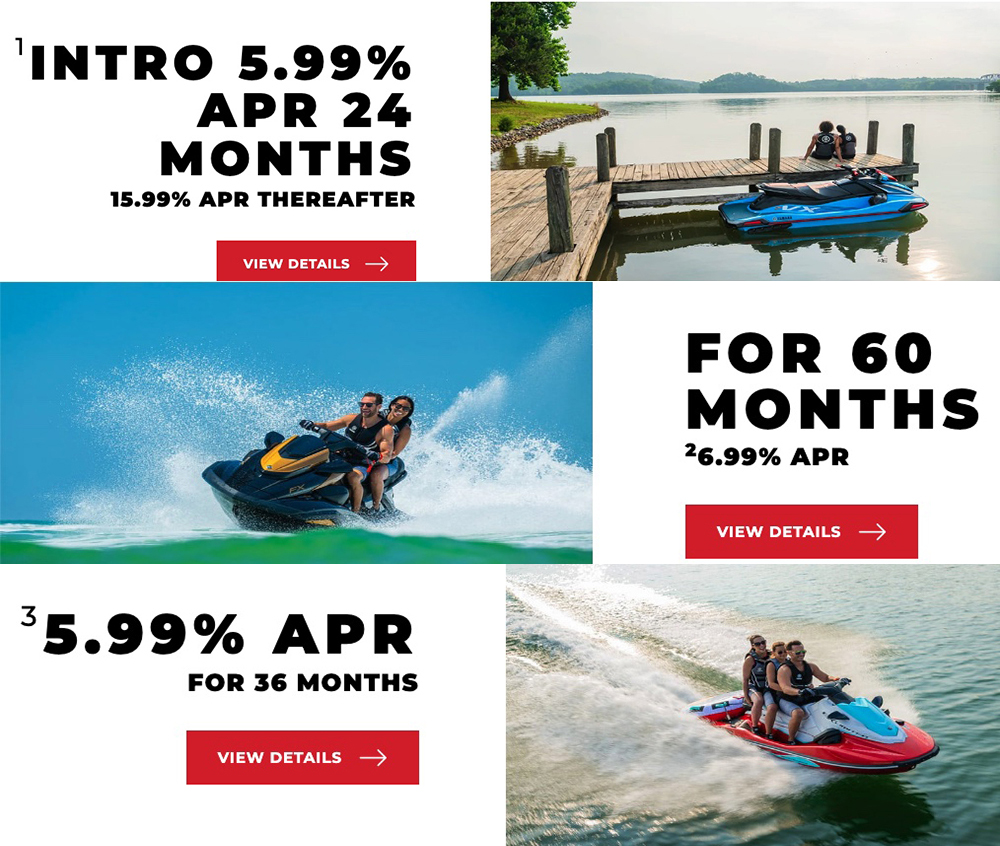
The main draw of the Yamaha sales event is their offer of reduced APR for their jet ski financing options. For example, they’re offering introductory 4.99% APR financing for the first 36 months, at which point it would raise to 15.99%. If you’d rather take the no down payment route, they’re offering a no payment for 90 days financing route, which only goes up to 10.99% APR for an 84-month period. Another option is to go with a straight 6.99% APR for 60 months.

Along with these helpful APR options, they’re throwing in a free 2-year “Genuine Yamaha Coverage” warranty on any model from the 2024 line.

If, however, you’d rather save even more still, you can opt for a $500 discount on their non-current models. Any way you cut it, these deals give you the opportunity to get your hands on some high-quality watercraft at a fraction of the normal price!

Check out the options for financing your Yamaha Waverunner while this Spring Sale lasts!

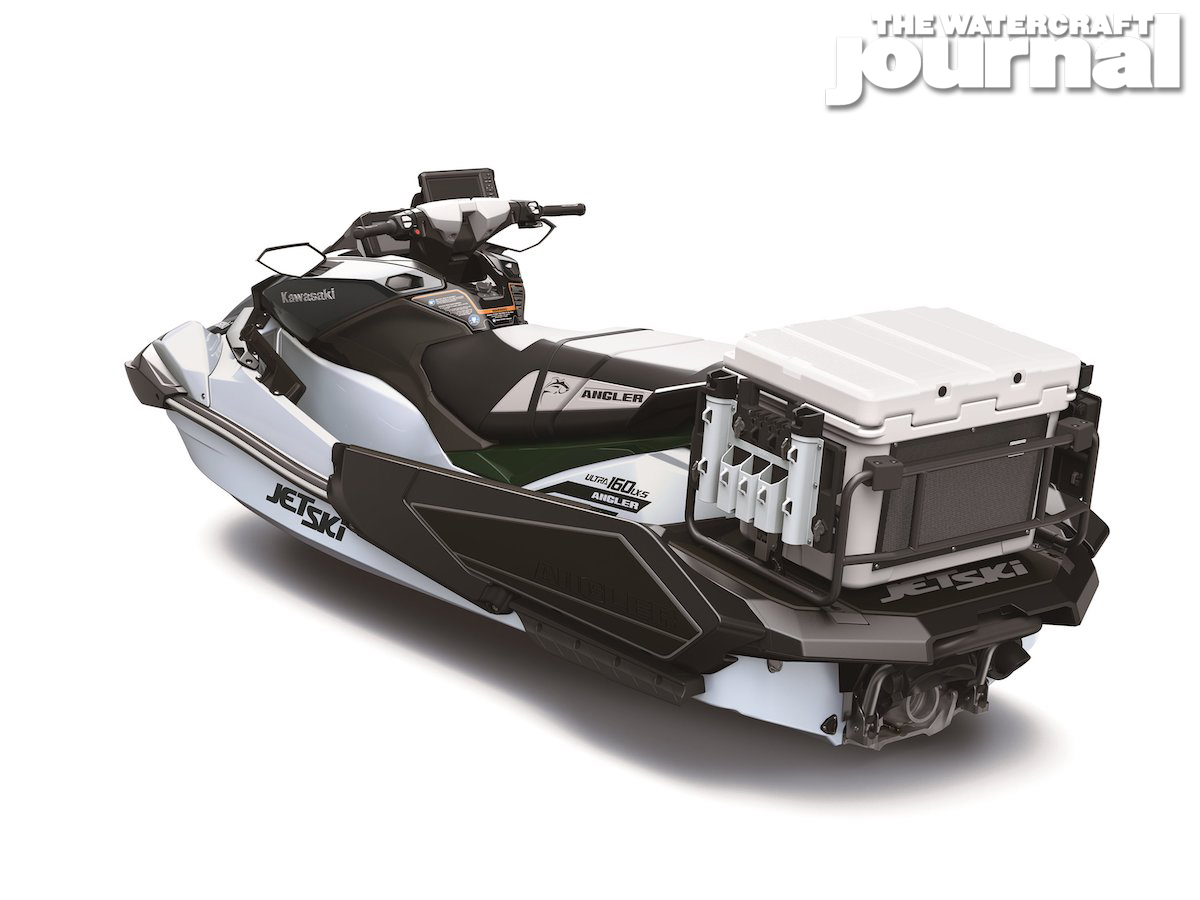
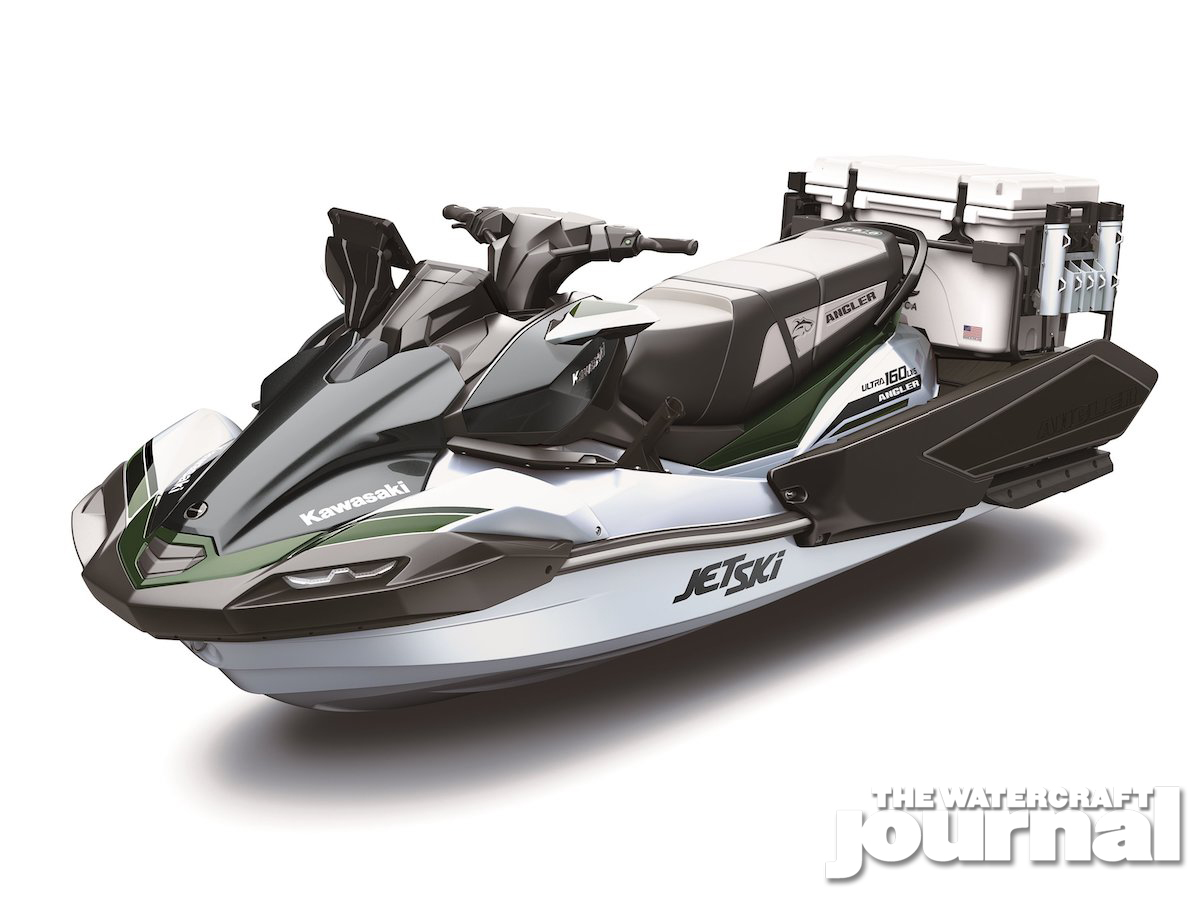
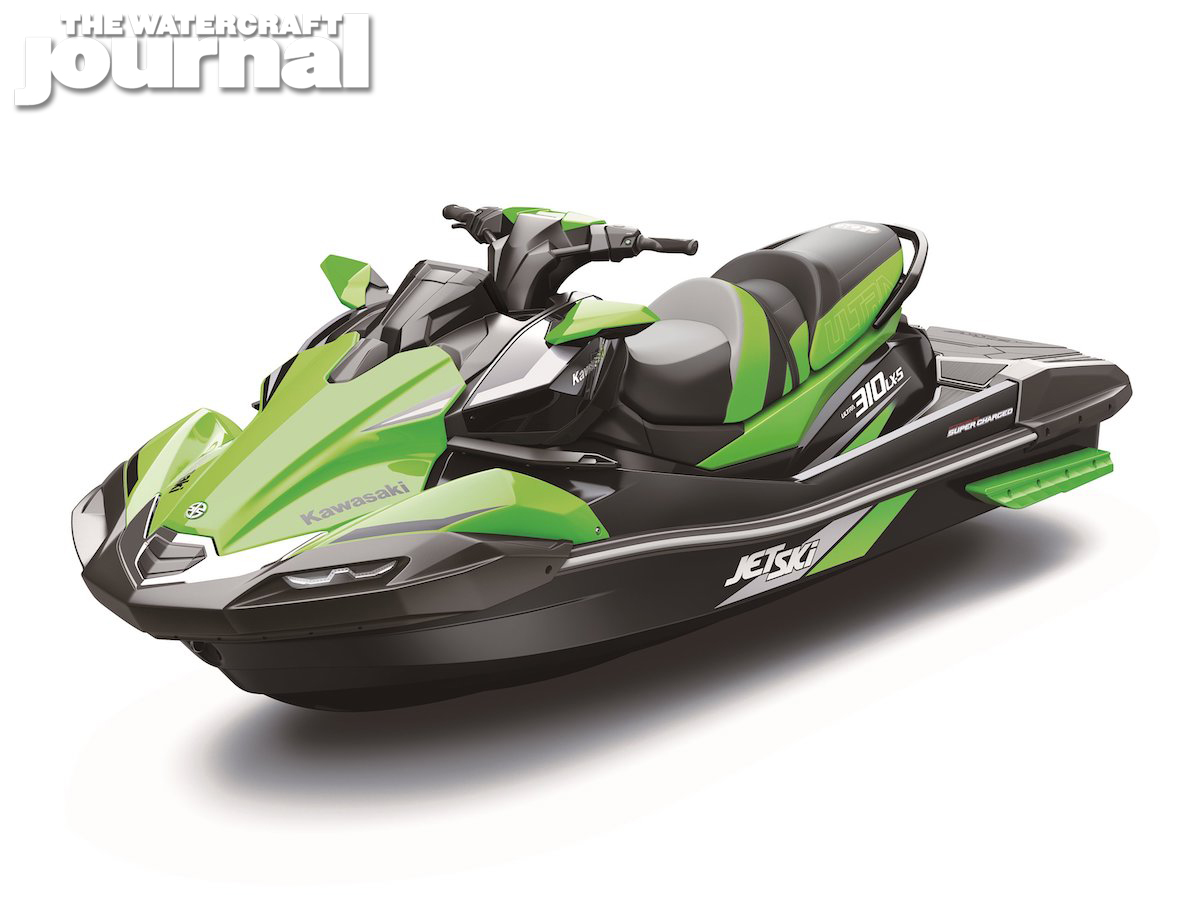
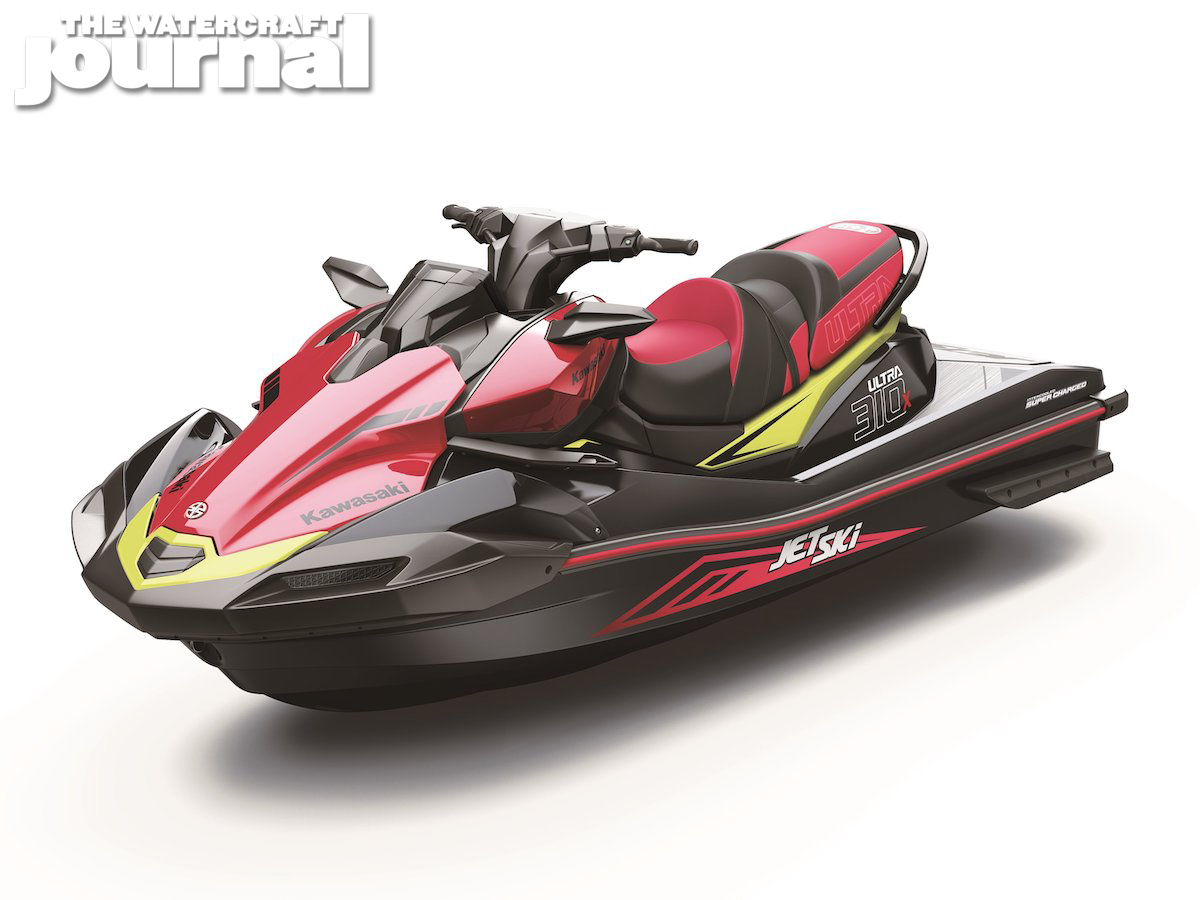
Kawasaki Motors Corp., USA Appoints Naoki Kawaguchi as President

0

For those paying attention, it will feel a little bit like Kawasaki Motors Corp. USA just appointed a new president, but that was just a little less than five years ago. Then president Eigo Konya guided Kawasaki through a global pandemic,which happened to see some of the highest sales in powersports in the last 15 years resulting in the company achieving record retail sales. With this recent announcement, Mr. Konya will return to Kawasaki Motors, LTD. in Japan.

This positions 30-year Kawasaki veteran Naoki Kawaguchi to take the helm as President of Kawasaki’s USA operations. Coming from a successful stint as the Executive Vice President, 4-Wheel Business, Kawaguchi steps into the role immediately, and looks to further expand Kawasaki’s foothold in the motorcycle, side-by-side and watercraft marketplaces.

Here’s the original press release from Kawasaki Motors Corp. USA:
Kawasaki Motors Corp., U.S.A. welcomes Naoki Kawaguchi to the role of President effective immediately. Mr. Kawaguchi has a long history with Kawasaki most recently serving as the Executive Vice President, 4-Wheel Business at Kawasaki Motors Corp., U.S.A. where he oversaw continued sales growth and the highly successful launches of both the Kawasaki Teryx KRX®4 1000 and Kawasaki RIDGE® side x side vehicles.

Mr. Kawaguchi started with Kawasaki 30 years ago as an engineer and has built a diverse background in a variety of roles including Vice President (Factory Manager) at Kawasaki Motors Enterprise Co., LTD in Thailand, various roles within Marketing & Sales as well as Business Planning divisions with Kawasaki Motors, LTD in Japan, and President of Kawasaki Motores do Brazil Ltda. all prior to coming to the United States in 2022.

After leading Kawasaki’s U.S. operations through a global pandemic and helping the company achieve record retail sales, Mr. Eigo Konya will return to Kawasaki Motors, LTD. in Japan where he will serve as Deputy General Manager of Sales & Marketing, Senior Manager of Sales Planning Division, and Manager of Accessories Section.

“This is a very exciting time for Kawasaki,” said Mr. Kawaguchi. “My time dedicated to growing our 4-wheel business culminated with the successful launch of the Kawasaki RIDGE and we have big goals to continue to grow our side x side business along with building on our successful 2-wheel and Jet Ski® heritage. Kawasaki is fortunate to have the best dealer network in the industry and the future is looking very bright.”