



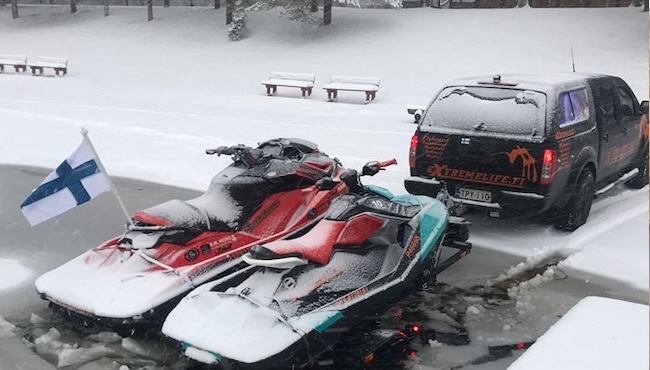
 For a lot of riders, this winter has been more stop-and-go than a clean shutdown. Mild stretches kept skis in play longer than usual, and in some parts of the country, personal watercraft never really went into “winter mode” at all. Then came the sudden cold snap — sharper, colder, and more disruptive than what many owners are used to seeing.
If your ski spent that stretch sitting outside on a trailer, at a dock, or simply exposed because you don’t have indoor storage, you’re not alone. And while cold weather plus watercraft is never ideal, a surprise freeze doesn’t automatically mean the season ended with damage. With a few smart steps now, there’s still plenty you can do to protect your ski and set it up for an easier spring.
What You Can Do Right Now
While temperatures are still hovering at or below freezing, there are a few simple but important steps you can take now.
- Get standing water out — wherever you can
If your ski is sitting on a trailer, make sure drain plugs are removed and the hull is tilted so any rainwater or meltwater can escape. Standing water is the biggest risk during extended freezes, and getting it out now helps reduce ice expansion in places it doesn’t belong. - Keep water from getting back in
If the ski is outdoors, a properly fitted cover is better than nothing — and a cover plus a tarp is better still. The goal isn’t perfection; it’s keeping additional rain, sleet, or meltwater from pooling inside while cold weather continues. - Don’t start it just to “warm it up”
It’s tempting, but repeatedly starting a ski in freezing temperatures — especially without flushing or antifreeze — can do more harm than good. Unless you’re actively purging water or completing winterization, it’s usually best to leave the engine off until conditions allow you to do it properly. - Pull the battery if you can
If access allows and the ski is stored outside, removing the battery and storing it somewhere dry and above freezing is one of the easiest wins right now. Cold and moisture are hard on batteries, and this step alone can save a headache come spring. - A quick visual check goes a long way
Take a few minutes to look for obvious ice buildup around the jet pump, intake grate, steering nozzle, and controls. You’re not trying to chip ice aggressively — just making sure nothing is bound up or holding pooled water that will refreeze overnight.
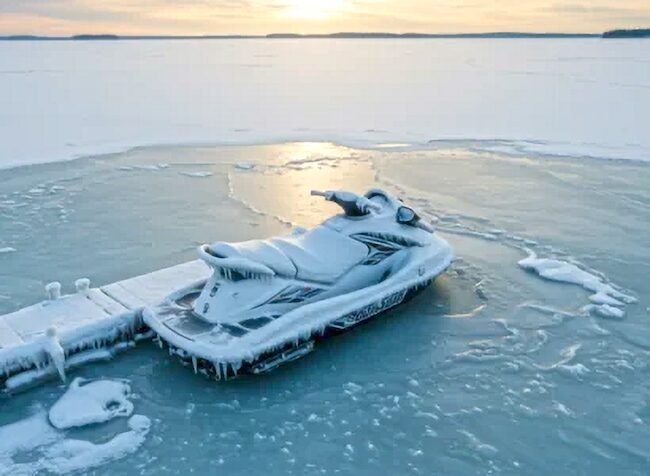 If Your Ski Was Left in the Water
It’s not common, but in some cases riders weren’t able to reach their marina or dock before the cold set in. If your ski remained in the water during freezing conditions, the priority is limiting further exposure and avoiding actions that could make things worse.
If access is possible, do not start the engine until the ski can be properly removed from the water and inspected. Ice forming around the pump intake, steering nozzle, or inside the cooling system can create restrictions that aren’t always visible from the surface.
If the ski is still floating, check that it’s sitting level and not taking on additional water. Once conditions allow, the safest move is to get the ski out of the water as soon as possible, allow ice to melt naturally, and then begin draining and winterizing from there.
In most cases, brief exposure to freezing temperatures doesn’t automatically mean severe damage — problems typically arise when water is trapped and repeatedly freezes and expands. A careful, methodical approach once temperatures rise can help prevent turning a bad situation into a worse one.
Once temperatures climb back above freezing and you can safely spend time working on your ski, it’s a good moment to slow things down and take stock. Before jumping straight into a full winterizing (or-rewinterizing) routine, a quick check of a few key areas can help identify lingering moisture, ice damage, or issues caused by the sudden cold — and prevent small problems from becoming springtime surprises.
First Things to Check Once Temperatures Rise
When conditions allow you to work comfortably and safely, start with a slow walk-around. You’re not looking for worst-case scenarios — just confirming that water hasn’t settled where it shouldn’t.
- Hull interior and bilge
Open the seat and check for standing water inside the hull. If water is present, drain it completely and leave drain plugs out for a short time to let moisture escape. This is also a good moment to look for signs of ice expansion, like cracked hoses or fittings that look stressed or out of place. - Cooling system and exhaust
Cooling passages, exhaust components, and waterboxes are some of the most vulnerable areas during a freeze. Make sure water has been fully drained, then flush or fill the system with RV-safe antifreeze as part of winterization. If anything looks swollen, cracked, or weepy, address it before storage. - Jet pump and intake area
Check the intake grate, pump tunnel, and steering nozzle for ice residue, debris, or anything that may have frozen in place. Everything should move freely once thawed. If it doesn’t, don’t force it — thaw and inspect first. - Controls and cables
Throttle, steering, reverse, and trim controls should all move smoothly. Freezing rain and sleet can leave moisture inside cable housings, so now is the time to lubricate exposed linkages and confirm nothing feels stiff or gritty. - Battery and electrical connections
If the battery was left installed during the cold snap, inspect terminals for corrosion or moisture. If it hasn’t already been removed, now is the time to pull it, fully charge it, and store it in a dry, above-freezing location. - Seals, hatches, and covers
Look over storage bin seals, engine bay gaskets, and the seat base. Ice can temporarily deform seals, and water intrusion often shows up here first. Dry everything thoroughly before covering the ski for storage.
If you discover cracked components, leaking fittings, or anything that doesn’t look right once the ski has fully thawed, this is the point where it makes sense to stop and seek professional guidance. A trusted dealer, service center, or experienced PWC technician can help assess whether damage is cosmetic or something that should be addressed before storage or spring launch. Catching issues now is far easier — and often less expensive — than discovering them once riding season returns.
If your ski was already winterized before the freeze — fuel stabilized, cooling system treated, battery stored — most of that protection is still doing its job. That said, a few quick follow-ups can’t hurt. Top off fuel stabilizer if water may have gotten into the tank, check cooling passages for any leftover ice or water, give the battery a charge and inspect terminals, and touch up plastics or gelcoat protectants on exposed surfaces. You’re not starting over; think of it as a quick safety check to make sure last year’s prep is still holding strong.
 Caring for Plastics and Gelcoat After Extreme Cold
Even if the mechanical side checks out, extended exposure to freezing temperatures and frozen precipitation can be hard on a ski’s exterior. Taking a little extra time here can help prevent long-term cosmetic wear.
Wash and dry thoroughly
Once temperatures allow, rinse away road salt, grime, and residue left behind by melting ice and sleet. Pay attention to seams, footwells, and under-seat areas where moisture can linger. Drying the ski completely before covering it helps prevent staining and mildew.
Condition exposed plastics and rubber
Cold weather can dry out trim pieces, intake grates, and rubber components. Applying a plastic- and rubber-safe protectant can help restore flexibility and reduce fading or cracking over time.
Inspect gelcoat and painted surfaces
Look for new scuffs, stress marks, or dull areas — especially if ice sat against the hull for extended periods. While most cosmetic issues can wait until spring, noting them now helps you plan repairs instead of being surprised later.
Cover smart, not tight
Make sure covers aren’t trapping moisture against the hull. A breathable cover with airflow is better than sealing everything up while damp, especially after a freeze-thaw cycle.
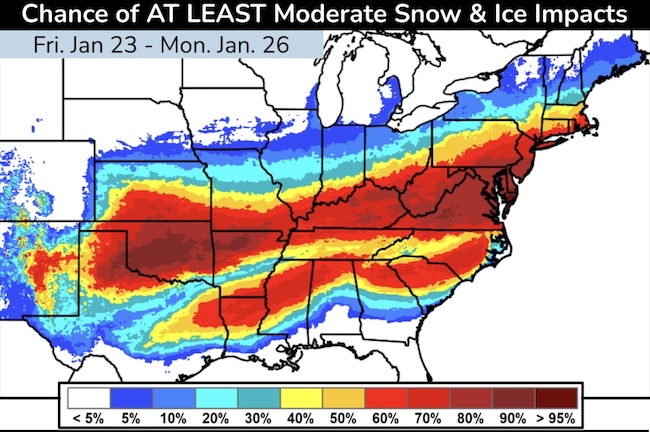
Not every winter follows the same script, and this one certainly didn’t. Winter storms like Fern can catch even the most prepared riders off guard. If your ski spent more time exposed than you planned, a little patience, a careful look-over, and some basic protection now can go a long way toward keeping small issues from becoming bigger ones later. Take your time checking over your ski, address any lingering water or ice, and touch up protectants where needed. Winter will eventually loosen its grip, and when it does, the goal is simple: have your ski ready to pick up where you left off, not playing catch-up.