



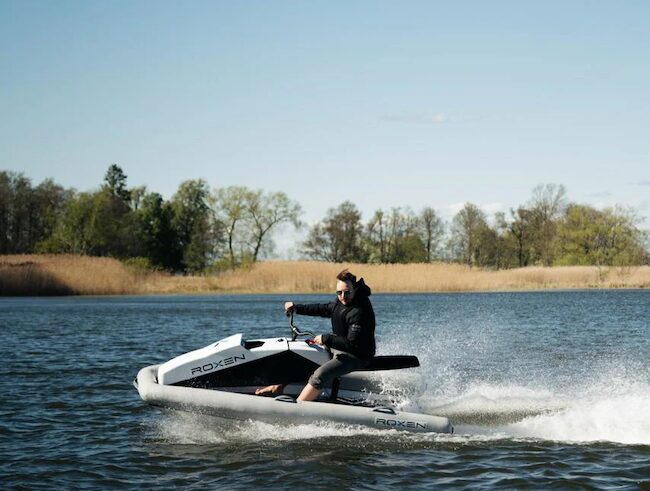
 As one company pushes toward certification, electric PWCs are starting to carve out a space of their own.
Electric PWCs have spent years living in the same category: almost ready.
Not quite production. Not quite widespread. Not quite something the average rider expects to see at the ramp on a Saturday morning.
They show up as concepts. Sleek renderings. Maybe a prototype or two. Promises about performance, range, and a quieter future on the water. And then, more often than not, they disappear before ever reaching the point where any of it has to hold up in the real world.
Because this isn’t about unveiling something new. It’s about proving something works.
But that space between “idea” and “real product” is starting to narrow: Certification is where that shift becomes visible, and that’s what makes what ROXEN is doing right now a little different.
The step beyond conception
ROXEN is currently working through certification under the EU Recreational Craft Directive (RCD), a process that—while not particularly flashy—is one of the most important hurdles any new watercraft has to clear in Europe.
Unlike the U.S. market, where compliance is handled through a mix of federal standards and manufacturer certification, the EU system places a formal approval step between concept and commercial availability.
Certification is what separates an idea from a product.
It means meeting standards for safety, construction, and performance. It means the craft can legally operate across European waterways. And maybe most importantly, it means the company behind it is preparing for something beyond prototypes and early demos.
It’s the part of the process most people never see—and where a lot of projects quietly stall out.
ROXEN, at least for now, is still moving forward.
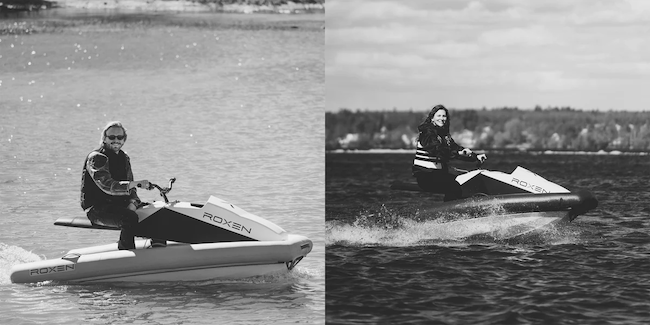 Building for Production, Not Just Attention
That direction shows up in the company’s latest moves.
Recent hires include an industrialisation manager with a background in electronics and lean manufacturing, alongside a marketing lead who previously helped build the brand at X Shore—one of the more recognizable names in electric marine.
That combination matters.
It’s one thing to design an electric PWC that works. It’s another to figure out how to build it consistently, bring it to market, and actually reach riders. These are the kinds of hires that suggest ROXEN is thinking beyond the prototype phase.
The Numbers Look Compelling — On Paper
Like most electric platforms, ROXEN leans into the operational cost advantage.
The company estimates running costs at around €1.10 per hour (about $1.20 USD), compared to roughly €25 per hour (around $27 USD) for a comparable gas-powered watercraft. Over the course of a season, that’s the kind of gap that’s hard to ignore. But numbers like that don’t tell the whole story.
Upfront cost, charging infrastructure, and ride duration still shape the real-world experience. And while performance differences are narrowing, traditional gas-powered PWCs still hold the advantage in top speed and extended ride time.
Even ROXEN acknowledges that.
For a lot of riders, those differences aren’t minor details—they’re the point.
The sound, the responsiveness, the feel of a gas-powered watercraft is part of the experience. It’s not something that needs to be “fixed” – and it’s not something electric is trying to replicate.
That’s where the conversation around electric PWCs tends to get stuck.
It’s often framed as a direct replacement. One versus the other. Which one wins.
But that comparison misses what’s actually happening.
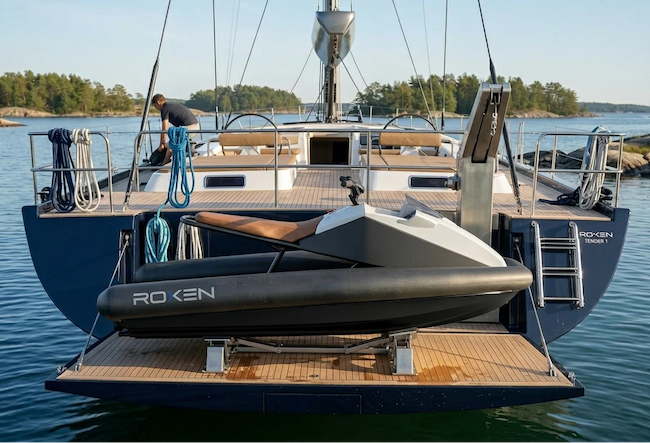 A Market That’s Starting to Split
Electric watercraft aren’t replacing gas. They’re carving out their own space.
Gas still defines the core of the sport—performance riding, racing, freestyle. The areas where sound, power, and tradition carry weight.
Electric, on the other hand, is starting to make sense somewhere else entirely.
- Noise-restricted waterways
- Urban and residential areas
- Rental fleets and first-time riders
- Regions with tighter environmental regulations
These are places where gas-powered PWCs face increasing limitations—and where electric doesn’t just compete, it fits.
That’s where certification becomes more than a checkbox. It becomes access.
Different Machines for Different Days
Comparing electric and gas-powered watercraft as direct competitors is a bit like comparing a Harley-Davidson and a Schwinn. They’re both technically “bikes,” but they’re built for completely different experiences—and rarely compete for the same rider.
Some riders will always gravitate toward the loud, aggressive, high-performance side of the sport.
Others may be looking for something quieter. Simpler. Easier to live with day to day.
And over time, some will probably end up with both.
What ROXEN Is Really Chasing
ROXEN isn’t trying to outdo the most powerful machines on the market.
It’s aiming for something more practical—and in some ways, more attainable.
A watercraft that’s inexpensive to run. Low on maintenance. Usable in places where traditional PWCs may not be welcome. And now, potentially, one that meets the regulatory requirements to actually operate in those environments.
That’s a different kind of goal. But it’s one that reflects where part of the market is already heading.
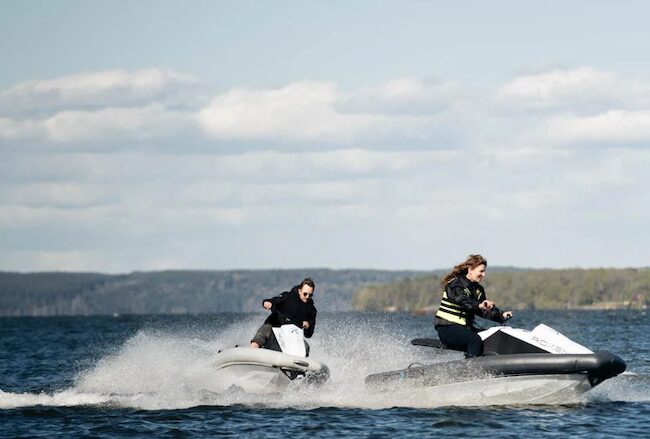 The Water Is Changing — Just Not All at Once
Electric watercraft have been “almost here” for years.
What ROXEN is working toward is something more grounded: proving that an electric PWC can move beyond the concept phase and into something riders can actually use.
That doesn’t mean the end of gas-powered machines. Not even close.
But it does suggest the future of personal watercraft may not be about one replacing the other.
Instead, it may be about a wider range of options—each built for a different kind of ride, and a different kind of rider.
And in that kind of market, there’s room for more than one way to get out on the water.