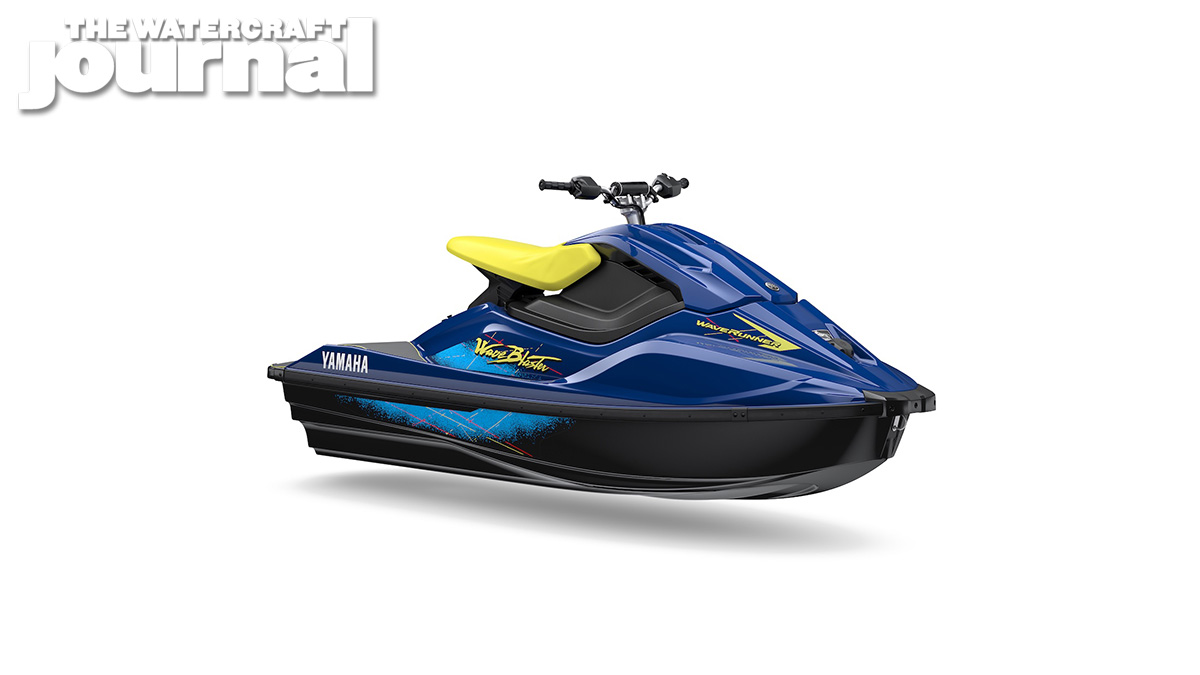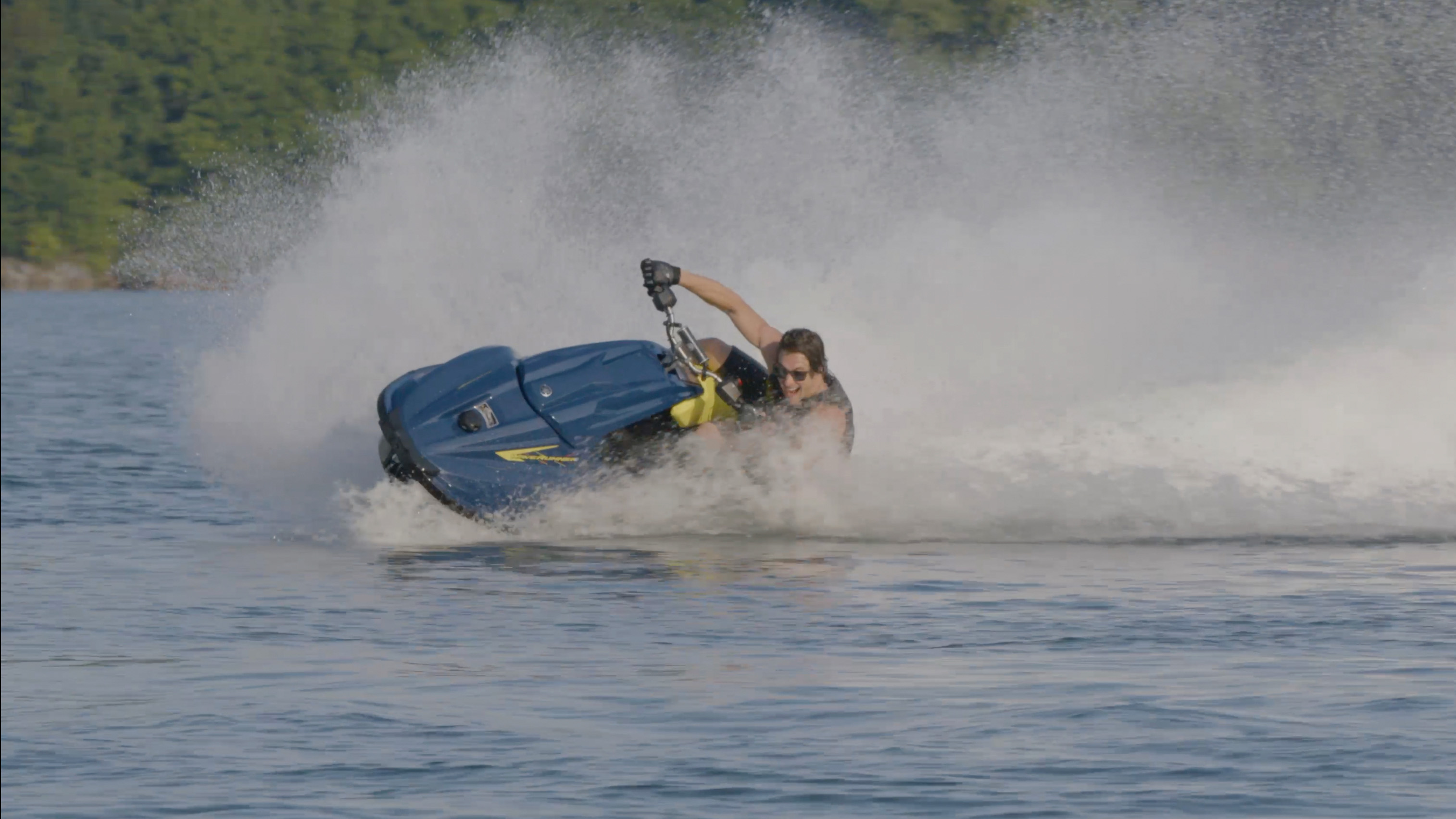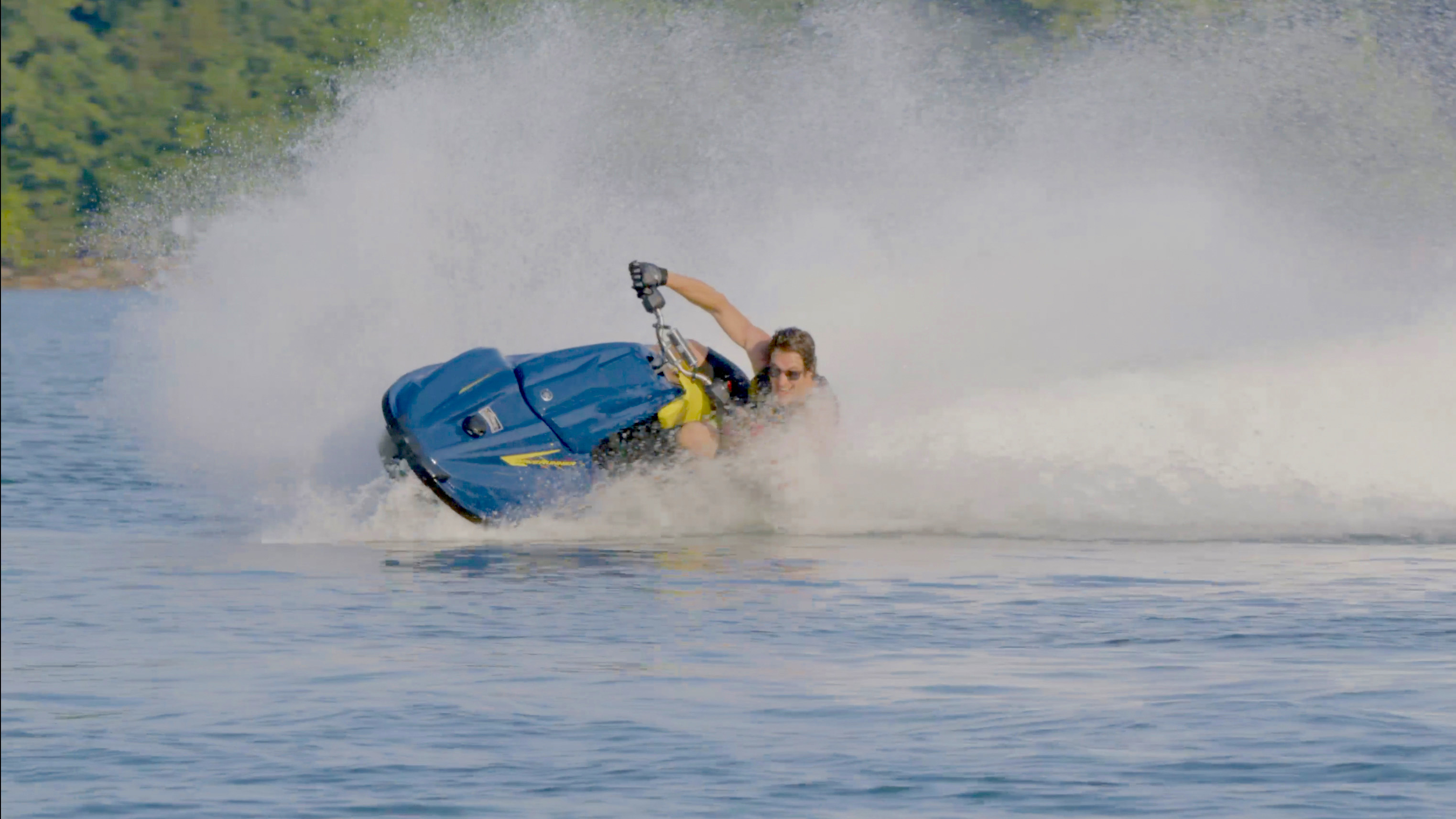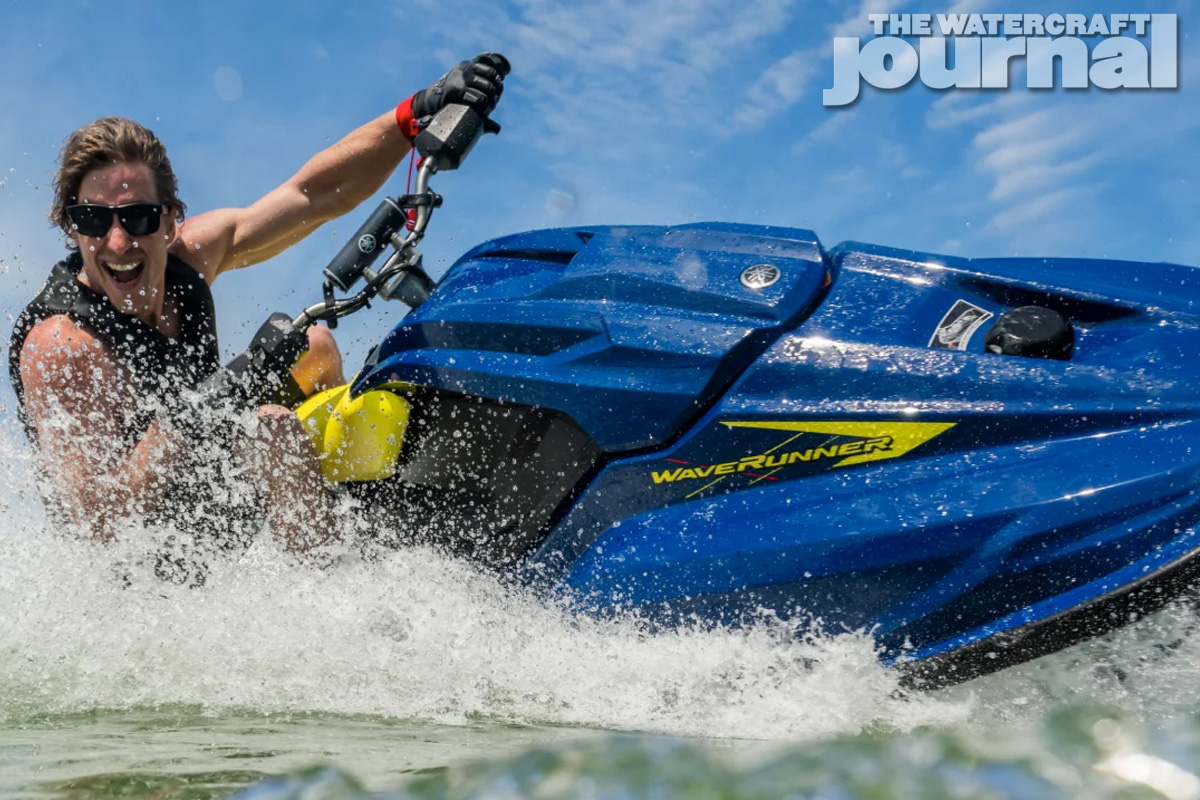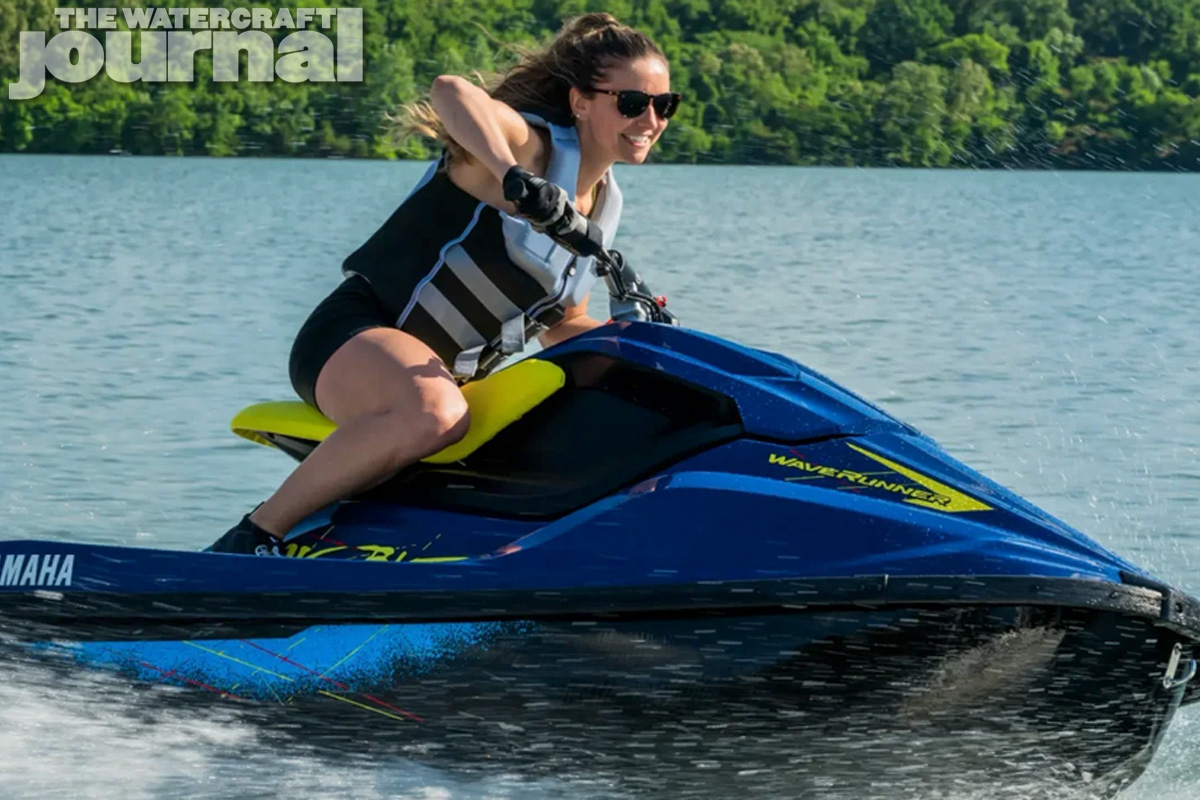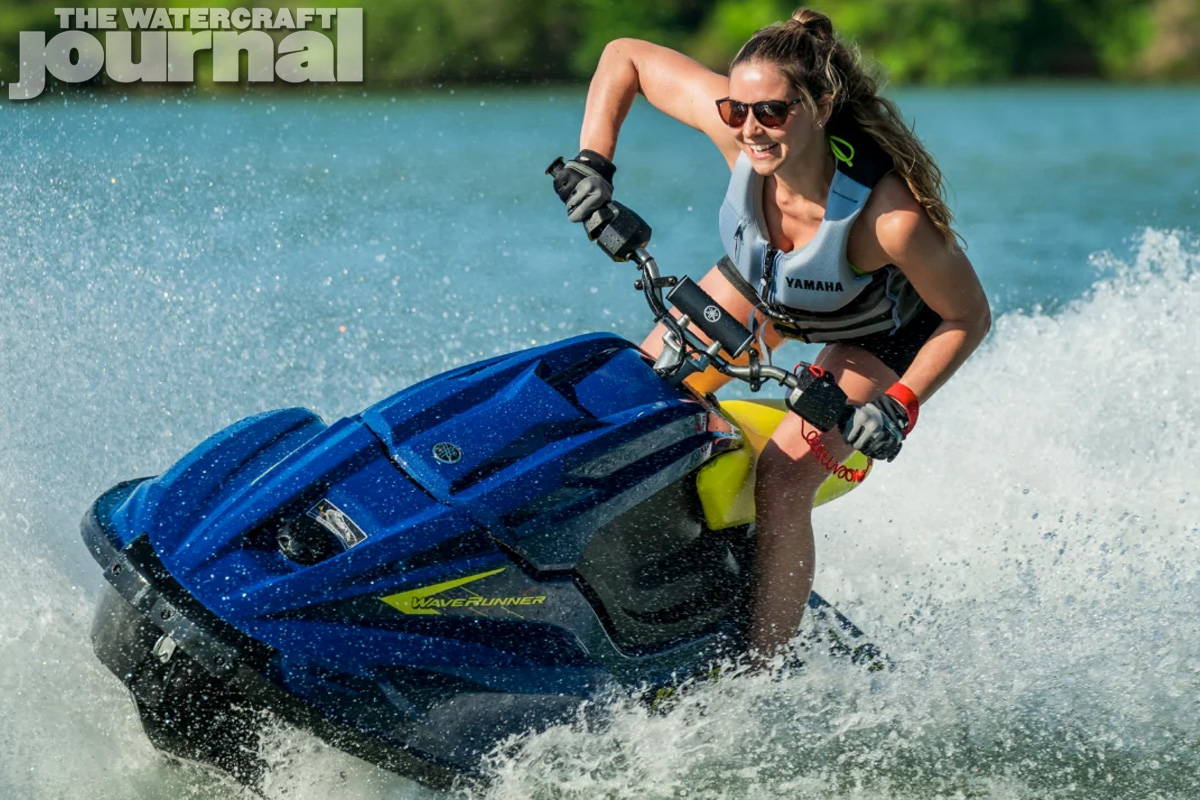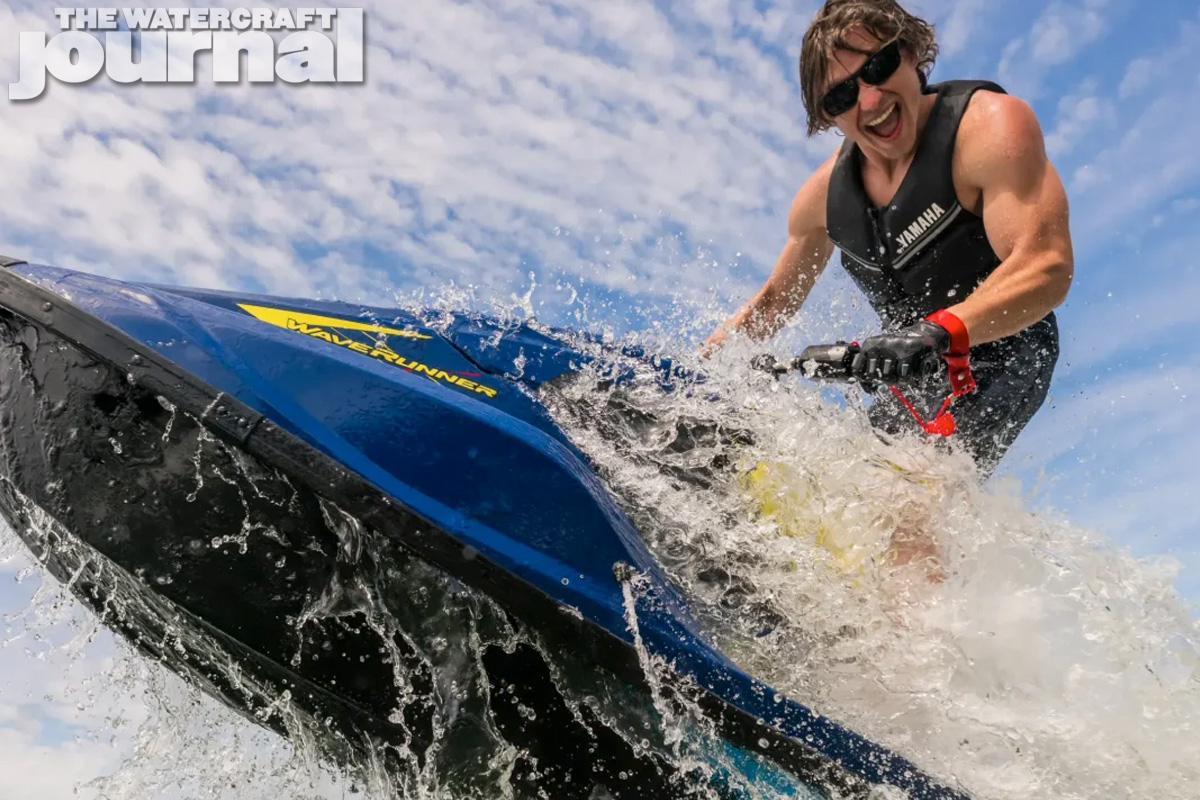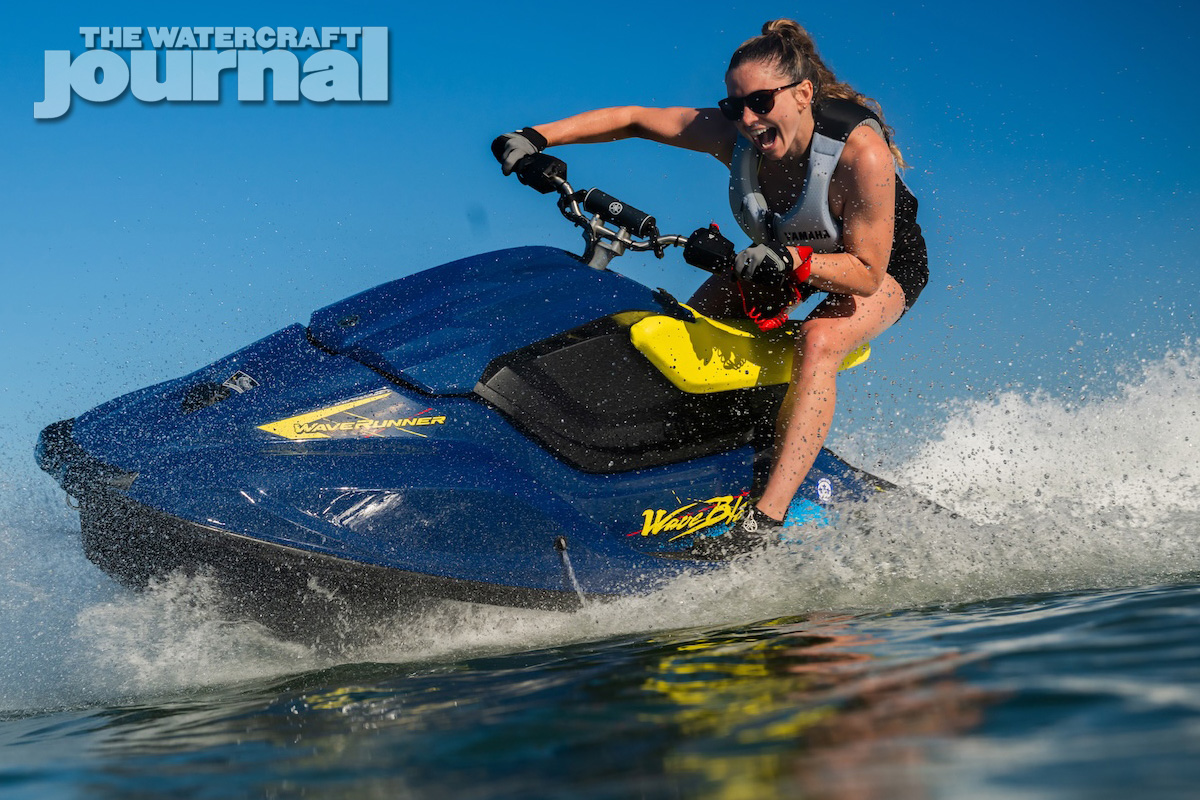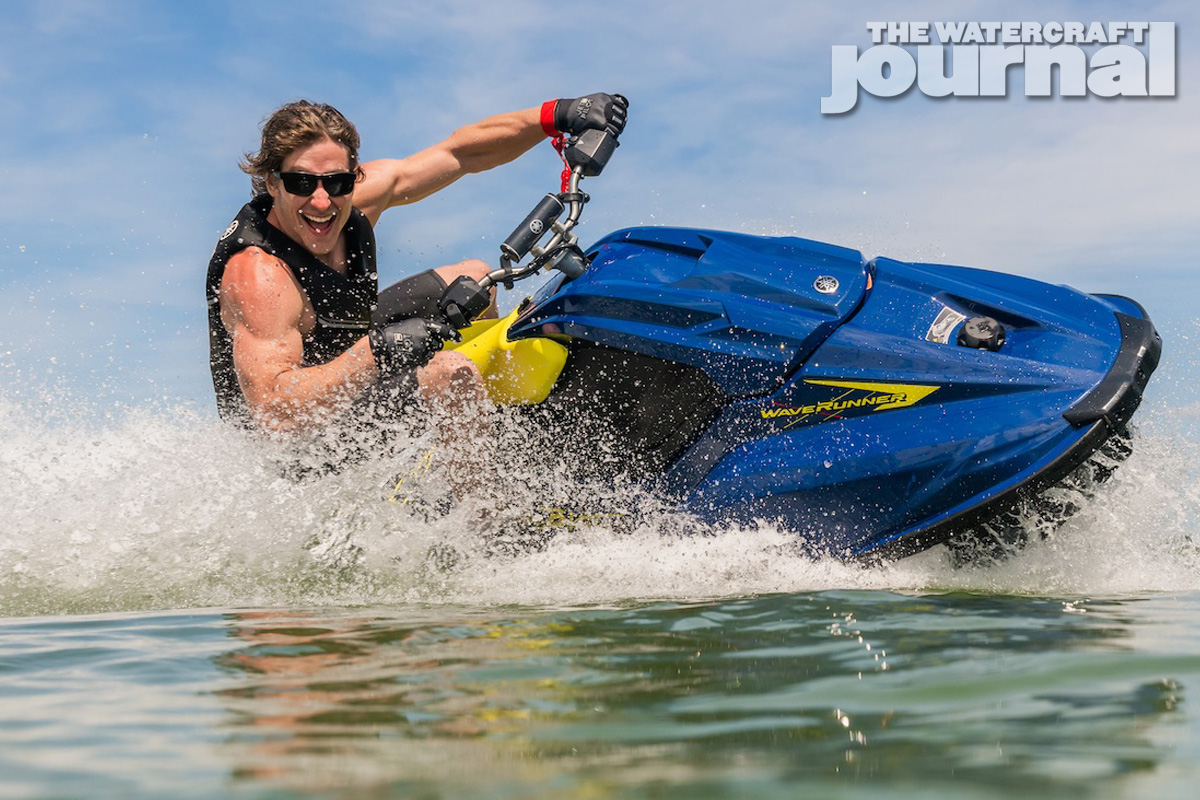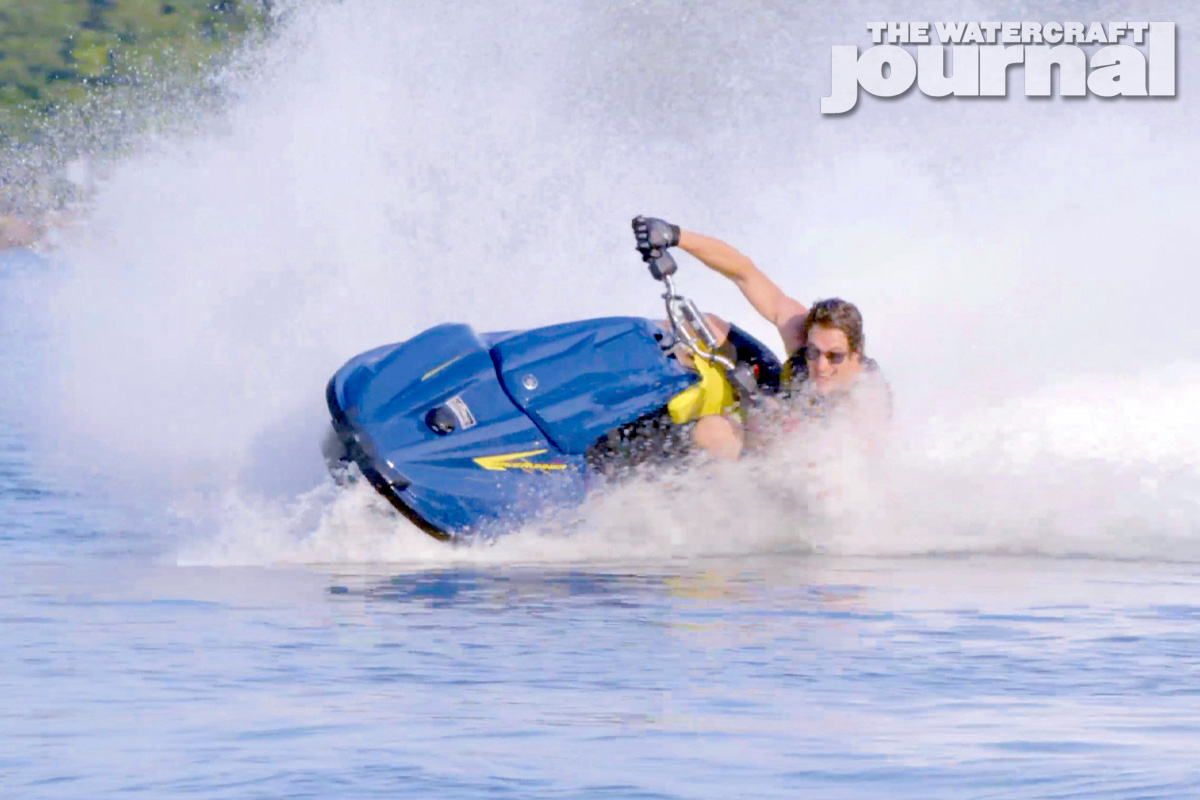



This article is not a review. It cannot be as we haven’t been able to ride a production unit yet – or any unit, for that matter. Equally, this isn’t the typical “introducing Yamaha’s newest line of WaveRunners” article either because frankly, everything else is just BNG (inside industry speak for “bold new graphics” and colors). Rather, this is strictly an introductory overview of the 2027 Yamaha WaveBlaster and a perspective on its potential impact on the PWC industry as a whole.
Out of the gate, we’ll happily admit that we did not see this one coming. We had heard rumblings of “a big ol’ barge and a little one-seater” a year or two ago, and saw that fulfilled with the arrival of the CrossWave and what we thought was the JetBlaster Pro. Most wouldn’t blame us for making such a safe assessment. But no, the JetBlaster certainly wasn’t it and what did appear at this recent dealer meeting was far, far more significant to riders, vintage enthusiasts and the industry itself.
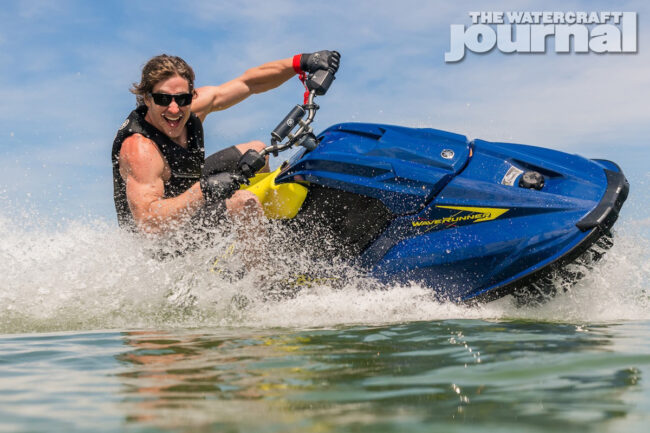
In a reel published by SoFla Nick, WaveRunner Product Manager Martino Ruggiero detailed Yamaha’s awareness of vintage watercraft’s explosive sales on Facebook Marketplace – particularly of original B1 and B2 WaveBlasters – and identified a “cult following” that would be receptive to a modern iteration only as far as it remained a true spiritual successor to the original. It would need to be “a runabout that is playful, deliberately aggressive and rewards skill,” Ruggiero states.
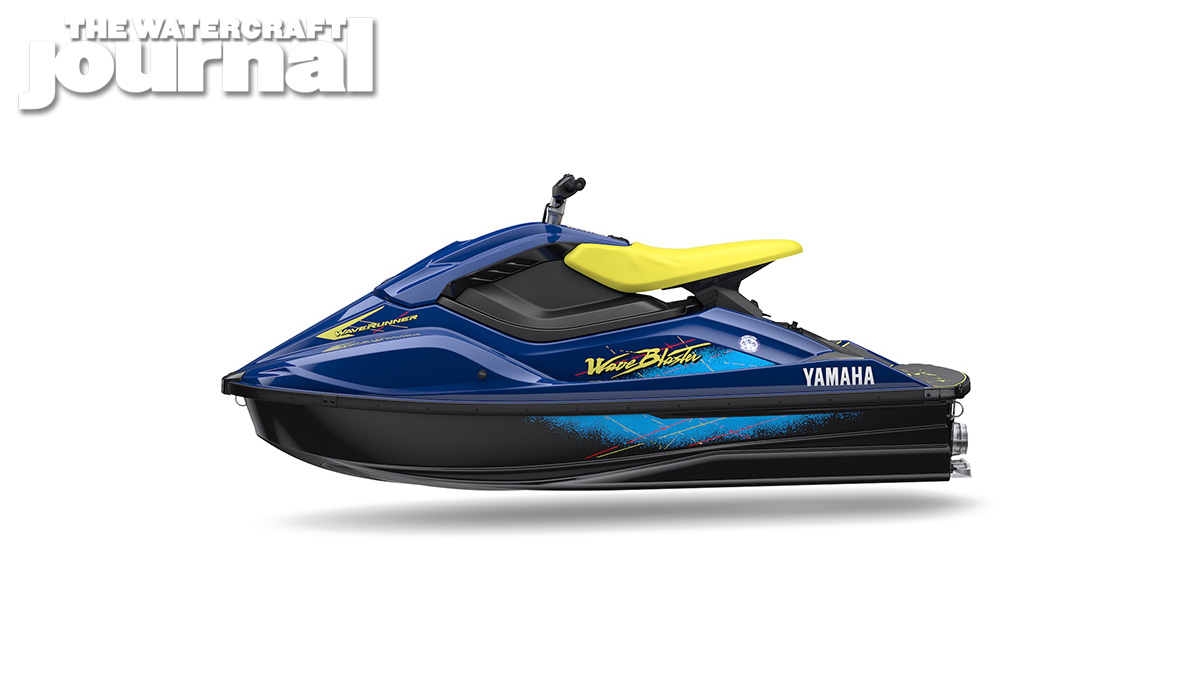
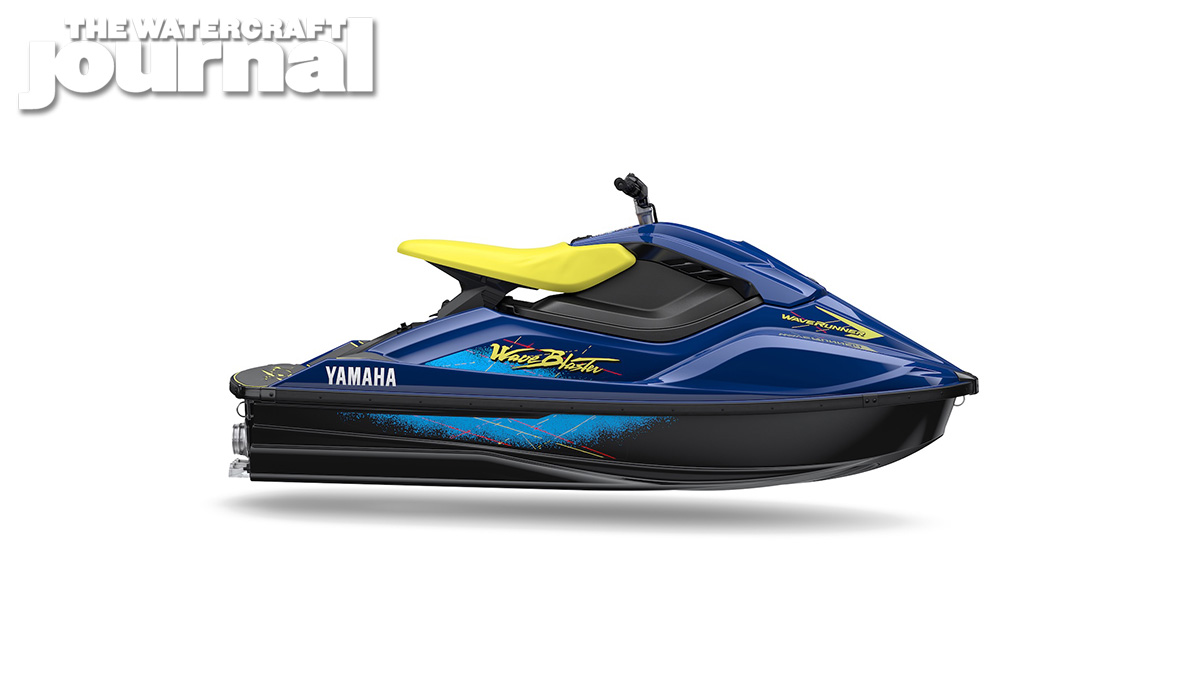
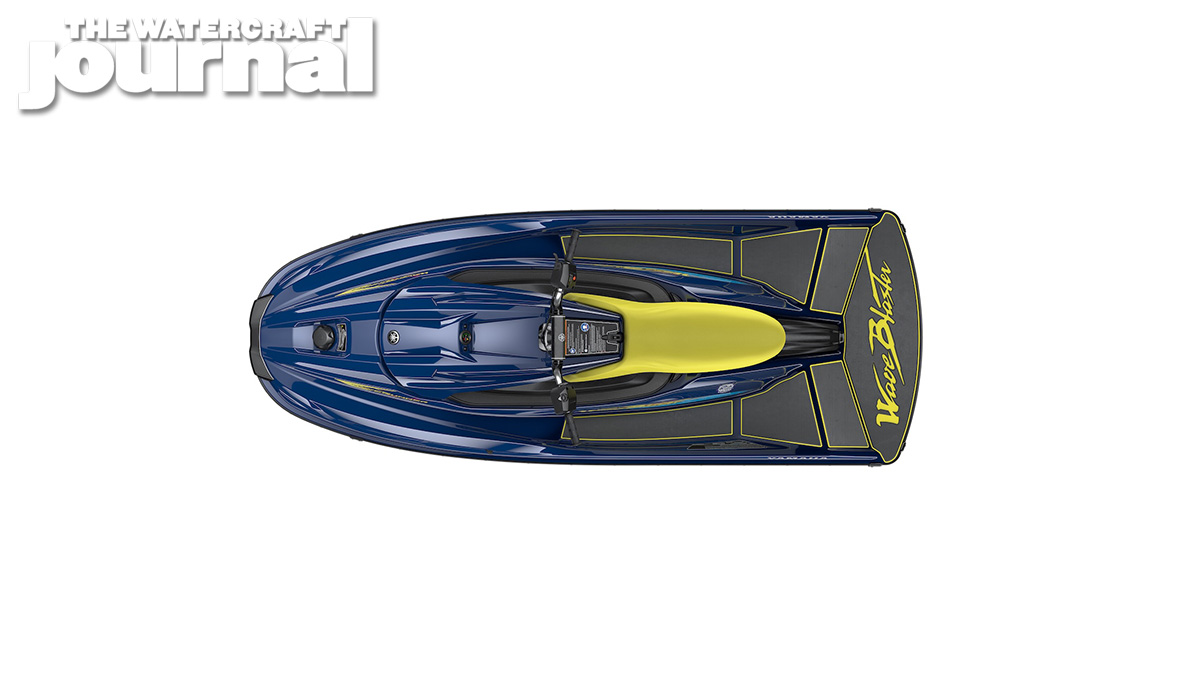
Gambling big on this potential audience, Yamaha invested heavily in the WaveBlaster; sculpting both a new mold for the deck as much as for the hull. Fairings, cowling, seat structure…it’s all unique to this one unit. The 2027 WaveBlaster is 99-inches long, 38.6-inches wide and 42-inches tall; making it 6-inches longer, over a foot wider, and 6-inches taller than the existing 4-stroke SuperJet. And pound-for-pound, the new ‘Blaster comes in at an even 50-pounds over the standup at 425lbs.
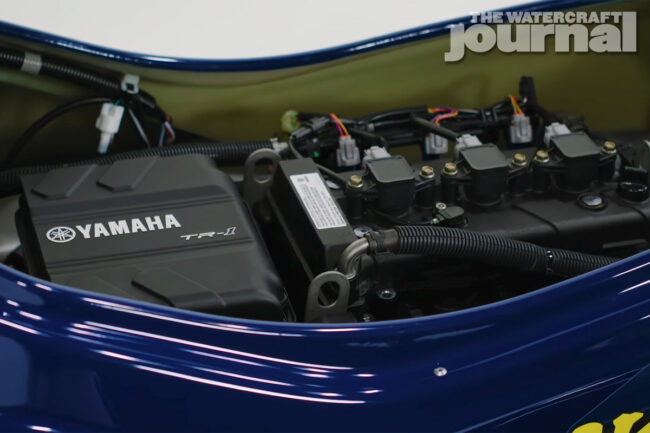
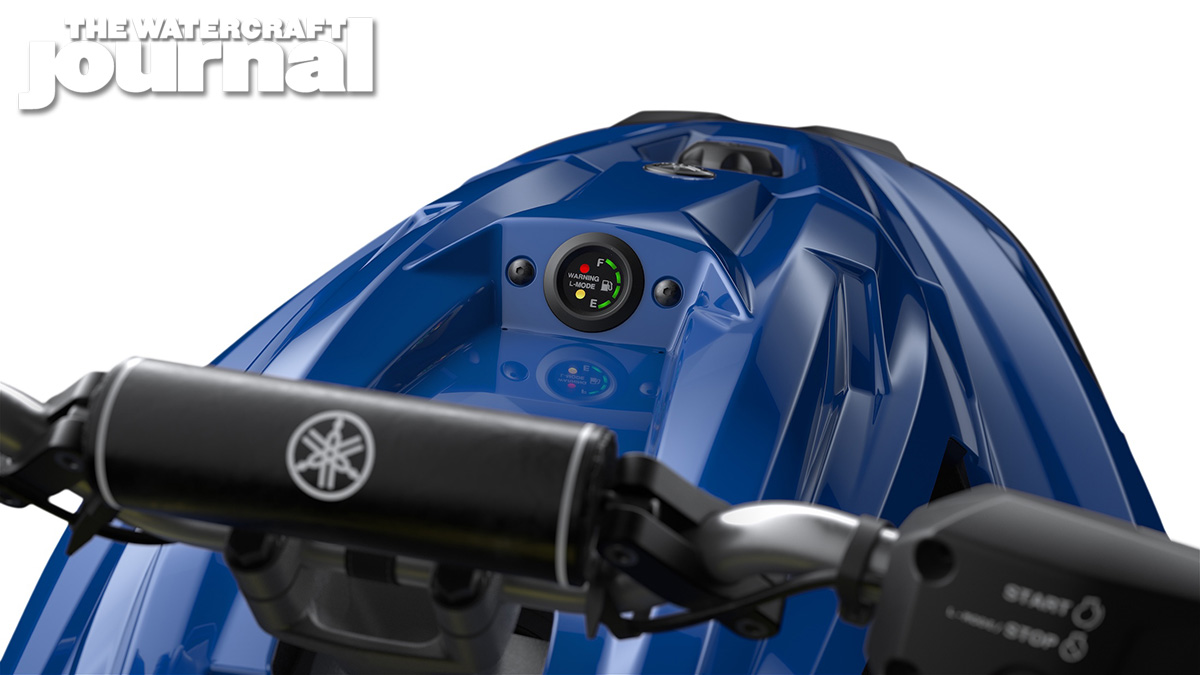
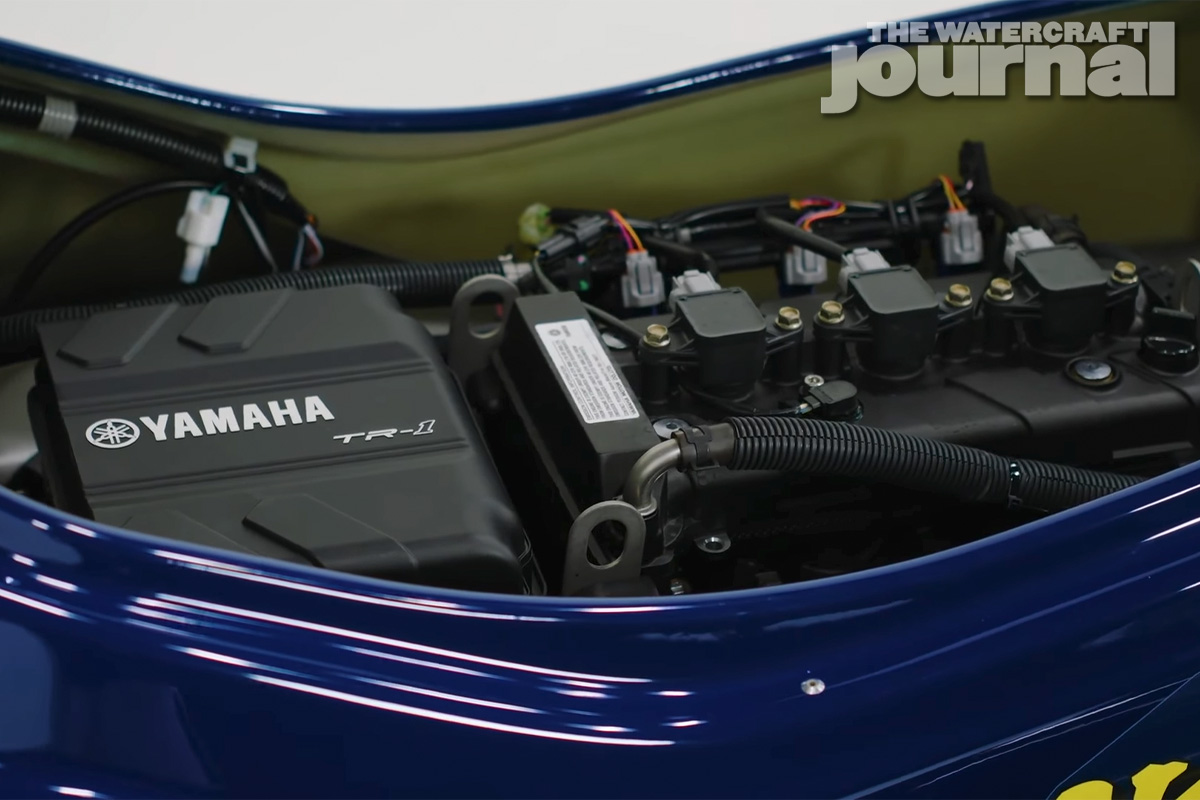
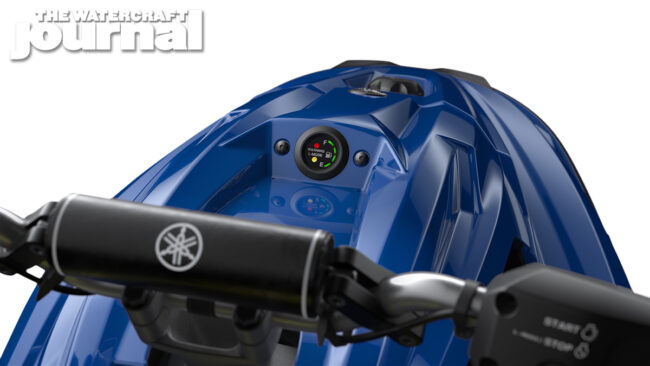
So what do the SuperJet and WaveBlaster have in common? The powertrain for one. Yamaha’s 1,049cc 3-cylinder four-stroke TR-1 propels both units – the ‘Blaster producing 110-horsepower over the SuperJet’s 100. They also share the same 5-gallon fuel cell, simplified throttle/ignition controls, axial-flow 144mm jet pump and bare-bones digital gauge reading the fuel level and whether L-Mode (“Learning Mode”) is active or not. There’s also a red “idiot light” alerting the rider of a malfunction or other alert.
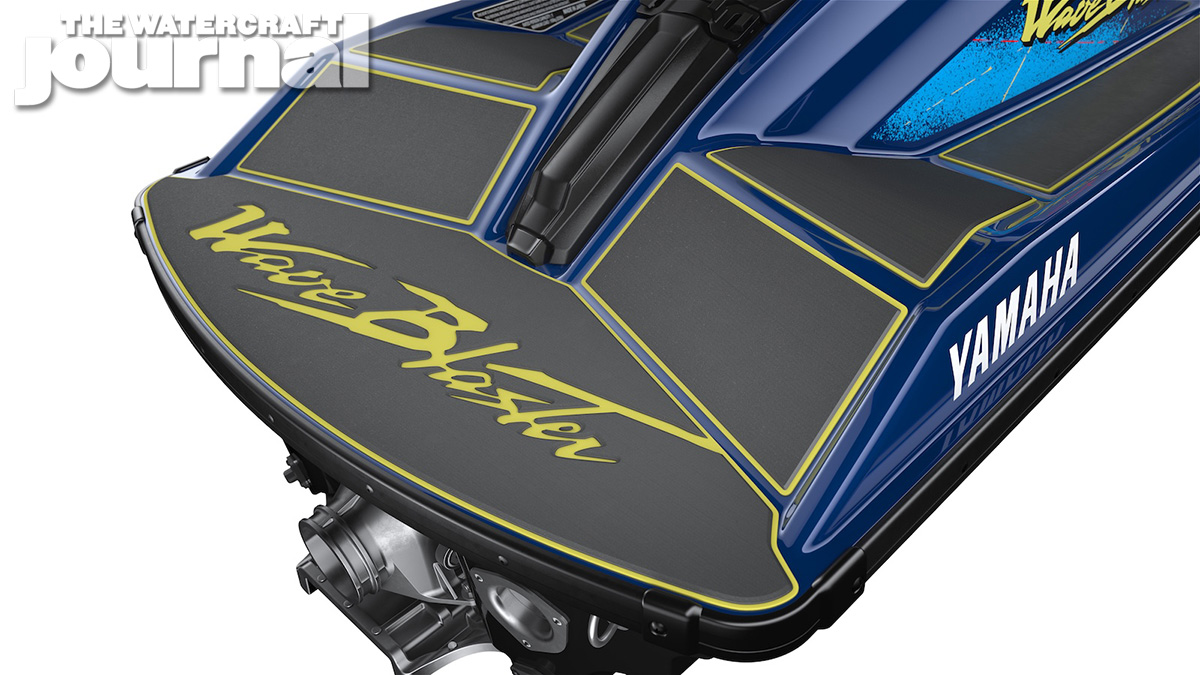
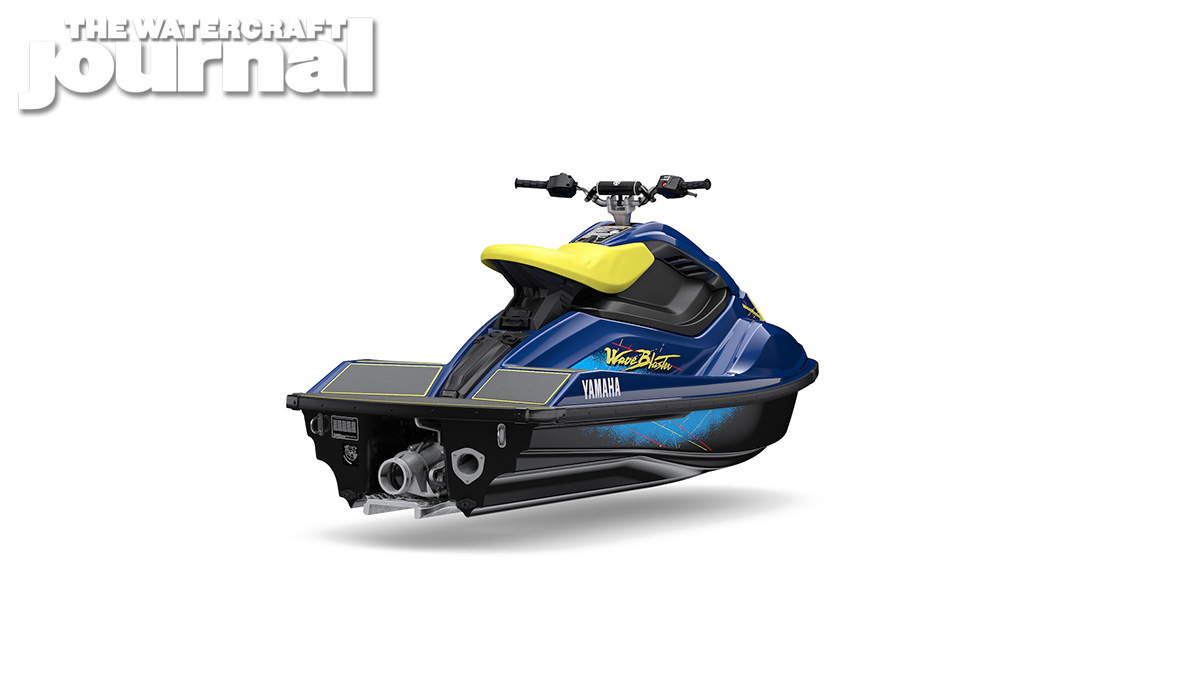
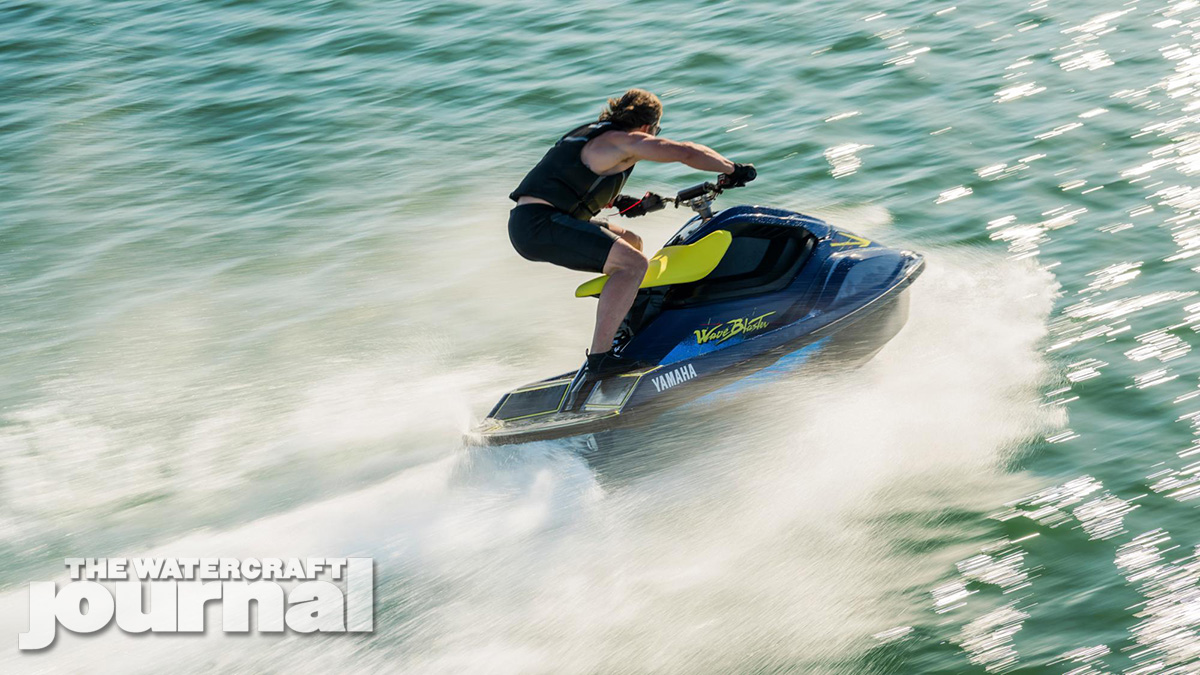
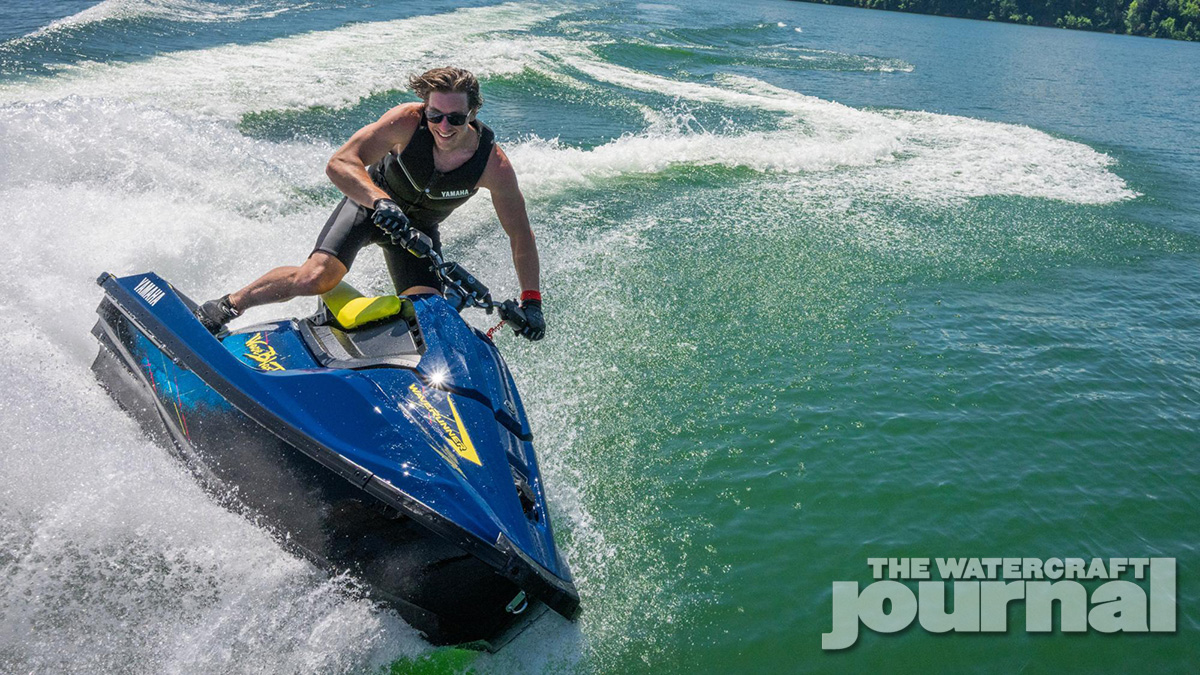
The bright yellow “banana seat” is narrow and minimalist. Don’t expect the same level of cushiness from your FX Cruiser. The footwells are purposefully angled to put the rider forward in the saddle, up and over the bars. The ‘Blaster – like its namesake – relies on body English to execute sharp turns as the hull is devoid of side sponsons. Rather, the hull is tapered like a teardrop with “tubbies” sculpted into the factory design. This ski is meant to turn on its nose, not on the tail. The uniquely smooth ride plate keeps things loose.
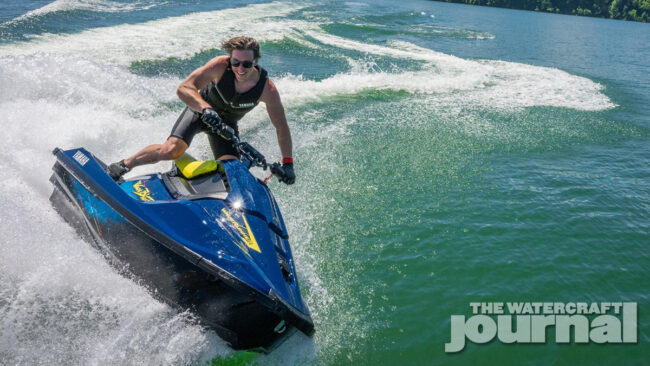
Speaking of which, the ride plate features an elongated running surface intentionally pitched to bring the nose up. If seated, the ‘Blaster will feel off balance as its nose angles sky-high. Only when throttle is applied and the rider gets up over the bars will the ‘Blaster come to plane, even out, and really begin to play. This is a rider’s ride. Today’s more casual riders will find this machine exhausting, physically taxing and mentally challenging. More athletic riders will embrace this ski like a long lost friend.
Now a little bit about the hull construction: both the hull and deck are made via a Vacuum-Assisted Resin Transfer Molding process (VARTM). This method stacks layers of composite sheets of fiberglass within a sealed bladder that is heated and pressed into a mold. Then resin is extruded through the material, filling the negative atmosphere left by the vacuum process first pioneered for carbon fiber paneling. The result is a durable, bubble-free media that is surfaced and painted.
During its dealer presentation, Yamaha identified who this machine is aiming for. First, the older “nostalgic” rider who remembers the original WaveBlaster and has been anticipating this exact machine. The other, and far more important, target demographic is the young, athletic rider otherwise unfamiliar with the original but is looking for a challenging, thrilling and sporty WaveRunner giving them a true “dirt bike on the water” experience.
To galvanize this point, Yamaha had 6-time champion Monster Energy racer Haiden Deegan ride the new WaveBlaster on camera. To quote Deegan, “it’s the closest thing to riding a dirt bike on the water. Same instincts. Body English through the corners. Throttle control off the chop. Weight forward, pin it, let the hull do what the rear tire does.” Again, it’s a dirt bike for the water. Just be prepared for a new wave of “boatercycle” and “waterscooter” jokes from your friends.
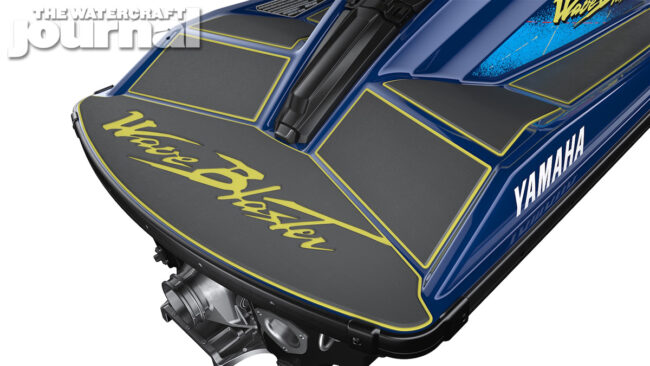
Bathed in Midnight Blue and Black (with iridescent yellow decals, seat and “splatter” graphics featuring the original logo unchanged since 1993), the 2027 Yamaha WaveBlaster retails for $11,999. Unfortunately, the projected limited run of only 400 units for its initial year all but ensures predatory dealers and private vendors will surely mark up what units they can get to capitalize on public demand. Alas, “if you want the rainbow, you gotta put up with the rain,” opined the late Dolly Parton.
Nevertheless, there is zero denying the crater-sized impact the reveal of the new Yamaha WaveBlaster has made in such a short time. The Watercraft Journal paired up with Greg Gaddis of Greenhulk Performance for a special podcast just to gush about it and the potential influence this single ski could have on the course of future PWC (see video below). Massive unrestrained kudos go out to Yamaha for taking such a bold move – and we think they’ll be handsomely rewarded for it.