


 The chill has arrived in North Georgia like Dumbo on a hang glider — unexpected, hard, fast and somewhat painful.
And right about this time every year, we here at The Watercraft Journal, along with approximately 99.999999999 percent of the powersports, automotive, home maintenance and personal care publications in the hemisphere, start talking about the W-word.
You know the one. It rhymes with it’s-too-damn-cold-to-ride-anymore.
(Bet you didn’t know “winterize” had such a spectacular rhyming partner, did you?)
Well, this year, we’re breaking with tradition. We’re going to delay our annual winterization tutorial just a little longer.
We know. Shocking.
But here’s the thing. Winter is coming. The days are getting shorter, the temperatures are dropping, and Jack Frost is already eyeing your favorite riding spot like he’s got a reservation.
But are you really ready to put your ski away?
Yeah. Neither are we.
So, instead of immediately surrendering to the inevitable, we’re going to explore a different question. What can we do, what can we buy, what can we change and what can we prepare for to squeeze just a little more riding out of the season?
We’re talking cold-weather riding gear, practical upgrades, smarter planning and a few creature comforts that might make the difference between another weekend on the water and another weekend staring longingly at your ski in the garage.
And because cold-weather riding comes with risks that summer riding doesn’t, we’ll talk about those, too.
Don’t worry. We’ll get to How to Winterize Your Jet Ski, Edition 4,872 soon enough.
But first, let’s see if we can’t wring the last little bit of summer out of our skis before we surrender to Jack Frost.
 Dress for the Water, Not the Calendar
Let’s start with the obvious. That lightweight riding gear that served you perfectly in July may not be nearly enough when October turns into November.
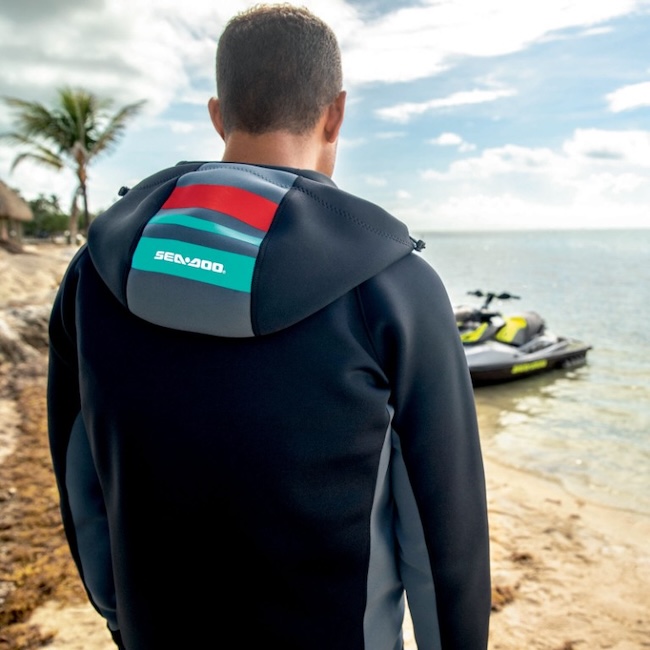
The first investment worth considering is proper thermal protection. Depending on the water temperature, air temperature, conditions and type of riding, that might mean a full wetsuit of appropriate thickness or a drysuit designed for PWC use, worn with suitable insulating layers.
A sleeveless John-style wetsuit might be perfectly adequate in warmer conditions, but when temperatures start dropping, exposed arms become considerably less appealing. A full wetsuit provides additional coverage, although thickness and construction matter just as much as coverage.
Neoprene boots, gloves and a hood can also make a tremendous difference. Cold fingers aren’t merely uncomfortable. They can affect your ability to operate the throttle, maintain your grip and respond quickly when something unexpected happens.
A wind-resistant touring jacket or coat can help reduce exposure to wind and spray, provided it’s appropriate for PWC riding and doesn’t interfere with your PFD or movement. Rash guards and base layers have their place, too, particularly for comfort beneath other gear, but don’t mistake a lightweight rash guard for meaningful cold-water insulation.
And if your cold-weather wardrobe could use an upgrade, this might be a good time to do a little shopping. RIVA Racing currently has a clearance sale on a selection of JetPilot riding gear, including ride socks, gloves and several styles of jackets. It’s worth checking out before paying full price elsewhere, particularly if you’re looking to add a few warmer layers without spending a fortune. Just remember that choosing the right equipment is about matching protection to conditions, not simply finding the warmest-looking jacket on the rack.
And here’s the most important part. Dress for the possibility of ending up in the water, not just sitting comfortably above it.
Cold-water immersion can quickly become dangerous, even when the air temperature feels reasonably pleasant. Your thermal protection needs to account for that possibility, and your properly fitted PFD remains essential.
And don’t overlook one of the simplest safety precautions of all: the old-fashioned phone-a-friend plan. Before heading out, let someone know where you’re going, your intended route and when you expect to return. A quick “Hey, buddy, I’m heading out to the point. Should be back around 3” could make an enormous difference if something goes wrong — particularly if you’re riding solo.
Give Your Ski a Little Cold-Weather Love
Now that we’ve addressed the rider, what about the machine?
No, we’re not suggesting you install a fireplace beneath the seat — or invest in electrically heated underwear. Something about mixing electrical wiring, undergarments and large bodies of water strikes us as an experiment best left untested.
Although somewhere, somebody has probably considered both.
There are, however, some practical upgrades that can make cooler-weather riding more comfortable.
Heated grips are one option worth investigating, particularly for riders who regularly venture out when temperatures fall. Sea-Doo has offered heated grip accessories for certain models, and retailers such as RIVA Racing are worth checking for compatible equipment.
Handlebar wind deflectors can also help reduce direct exposure to wind and spray. They won’t replace proper gloves, but anything that reduces the wind battering your hands on a chilly morning deserves consideration.
And while we’re talking about maintaining a secure grip, don’t forget what’s beneath your feet.
GreenHulk PWC Performance offers SeaDek traction mat kits designed to provide grip on wet or dry surfaces, with cushioning that can improve comfort underfoot.
Wet decks, neoprene boots and colder conditions make reliable footing particularly important. Traction mats aren’t specifically winter equipment, but they’re the kind of practical upgrade that can improve the riding experience year-round.
Of course, no amount of aftermarket equipment can compensate for hands that are too cold to function properly. If you’re losing dexterity, it’s time to get warm, not add another accessory to the shopping cart.
Keep the Battery Ready for the Next Warm Weekend
One of the nice things about extending the riding season is that you don’t necessarily have to ride every weekend.
Perhaps the forecast calls for a miserable stretch of cold, rain and wind, followed by an unexpectedly beautiful afternoon.
Wouldn’t it be nice if your ski were ready?
Unfortunately, batteries don’t always appreciate extended periods of inactivity, particularly in colder weather.
A compatible smart battery maintainer can help keep your battery charged during those longer breaks between outings.
Broward Motorsports Racing offers a selection of Battery Tender products for riders looking to keep their machines ready between adventures.
Choose a maintainer compatible with your battery’s chemistry and specifications, and follow the watercraft and battery manufacturers’ recommendations for charging and storage.
It’s a relatively simple bit of preparation that could save you from spending the first beautiful Saturday in November staring at a ski that refuses to start.
One important reminder, though. Keeping a battery charged isn’t the same thing as protecting an engine or water system from freezing temperatures. If a freeze is possible, follow the manufacturer’s procedures for protecting the watercraft between rides, even if you’re not ready for full seasonal storage.
Change Your Riding Habits Along With Your Wardrobe
Here’s something that won’t cost you a dime.
When the temperatures drop, change the way you ride.
Those long summer excursions that seemed perfectly reasonable in July may deserve a little reconsideration in November.
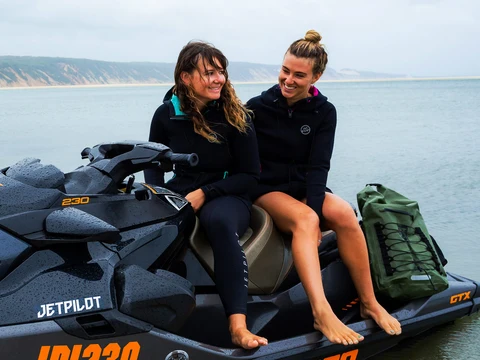
Plan shorter routes. Stay closer to shore and accessible launch points. And ride with another properly equipped watercraft whenever possible.
Keep an eye on daylight, too. Shorter days can catch you off guard, particularly when you’re accustomed to lingering on the water until late evening.
And don’t forget the weather. Fall conditions can change quickly, making it especially important to check the forecast before launching and keep an eye on changing conditions throughout your ride.
Sea-Doo riders with compatible BRP Connect displays may be able to access AccuWeather forecasts through their watercraft’s connected technology. Yamaha’s Connext and Kawasaki’s RIDEOLOGY systems offer their own combinations of navigation, smartphone connectivity and vehicle information, although comparable integrated weather forecasting hasn’t been confirmed.
Regardless of what’s on your dashboard, check a reliable marine forecast before heading out, particularly for wind and changing water conditions. And don’t assume you’ll have cellular service everywhere you ride.
A waterproof means of communication, appropriate signaling equipment and a reliable way to navigate become even more important when fewer people are out enjoying the water.
Cold-water conditions also leave less room for mechanical problems or unexpected delays. A breakdown that might be an inconvenience in August can become an emergency when the water is cold enough to rapidly impair your ability to function.
And perhaps most importantly, know when to call it a day.
Shivering, numbness, loss of coordination, unusual fatigue or difficulty concentrating aren’t signs that you’re becoming a more dedicated rider. They’re warnings that you need to get warm and, depending on severity, seek help.
Make the Boat Ramp Part of the Adventure
Now we’re getting to the fun stuff.
Because there’s one aspect of cold-weather riding that doesn’t receive nearly enough attention.
Getting off the ski.
More specifically, getting out of wet riding gear when the temperature has dropped, the wind has picked up and your fingers have decided they’re no longer participating in the operation.
This is where a little advance planning can transform the end of a ride from an exercise in misery into something considerably more civilized.
Start with a complete change of dry clothes, including socks and footwear, packed somewhere they’ll actually stay dry.
Add a couple of towels, an insulated container of something warm to drink and perhaps a portable changing shelter if your favorite launch ramp offers absolutely no privacy.
A changing robe or oversized hooded changing poncho can be a surprisingly useful addition. It gives you some privacy while wrestling your way out of a wetsuit and into dry clothing without treating the entire boat ramp to an impromptu performance.
And because we firmly believe practical equipment should occasionally be ridiculous, we’d like to nominate a cosmic goat-print changing poncho for consideration.
Yes. Cosmic goats.
After all, this is a sport with its share of GOATs, and even the Greatest Of All Time occasionally need to change their clothes.
Just remember that a towel-style changing poncho isn’t the same as an insulated changing coat, and neither replaces appropriate protection during cold-water riding.
Once you’re safely back at the truck, a heated seat cushion or heated seat can feel like a luxury beyond description. A vehicle-compatible heated blanket, dry boots and a warm drink can make the trip home considerably more pleasant.
And if you’re considering a portable shower or other warming accessories, remember that someone experiencing suspected hypothermia needs appropriate medical care, not simply a blast of hot water.
But First, Coffee
Speaking of warm drinks, we’re going to pause here to recognize one of the most important accessories in the cold-weather rider’s arsenal.
Coffee.
Or tea. Or hot chocolate. We’re not judging.
Broward Motorsports Racing lists a Sea-Doo LinQ cup holder for $34.99, providing a convenient place for a compatible beverage container on certain LinQ-equipped watercraft.
Is a cup holder going to extend your riding season?
Not by itself.
But there’s something undeniably appealing about taking a break on a calm, chilly morning and enjoying a warm drink while watching the mist rise off the water.
Just make sure the beverage is secured, keep hot liquids covered and save the sipping for when you’re safely stopped. Nobody needs a lap full of scalding coffee halfway through a sharp turn.
And no, coffee doesn’t prevent hypothermia. It’s a creature comfort, not cold-water safety equipment.
Don’t Confuse Riding Longer With Ignoring Winter
Before we wrap up, there’s one distinction worth making.
Delaying your annual winterization routine doesn’t mean ignoring the possibility of freezing weather.
Depending on the model, its cooling and exhaust systems, the manufacturer’s instructions and local temperatures, your watercraft may require freeze protection even if you plan to ride again next weekend.
That might mean performing specific post-ride procedures or taking other precautions before the next overnight freeze.
Consult your owner’s manual and follow the manufacturer’s recommendations. Don’t assume that because your ski survived one cold night, it’ll survive the next.
And remember that colder conditions don’t automatically make riding unsafe, but they do make preparation, appropriate equipment and good judgment more important.
Summer Isn’t Over Until We Say It Is
Eventually, of course, the day will come.
The forecast will turn ugly, the water will get colder, and even the most determined among us will finally admit that perhaps it’s time to put the ski away for a while.
When that day arrives, we’ll be here with our annual winterization guide, ready to walk through the steps necessary to protect your investment until warmer weather returns.
But until then?
Maybe there’s another beautiful afternoon waiting around the corner. Maybe that new pair of neoprene boots will buy you another weekend. Maybe the heated grips, better riding gear and a little smarter planning will make those cooler outings more enjoyable than you expected.
Or maybe you’ll simply decide that a quiet autumn ride, followed by a hot cup of coffee and a warm truck seat, is worth a little extra preparation.
Whatever the case, don’t let the first chilly morning convince you that the season is necessarily over.
There’s still riding to be done.
And somewhere out there, a psychedelic goat is waiting to help you do it.