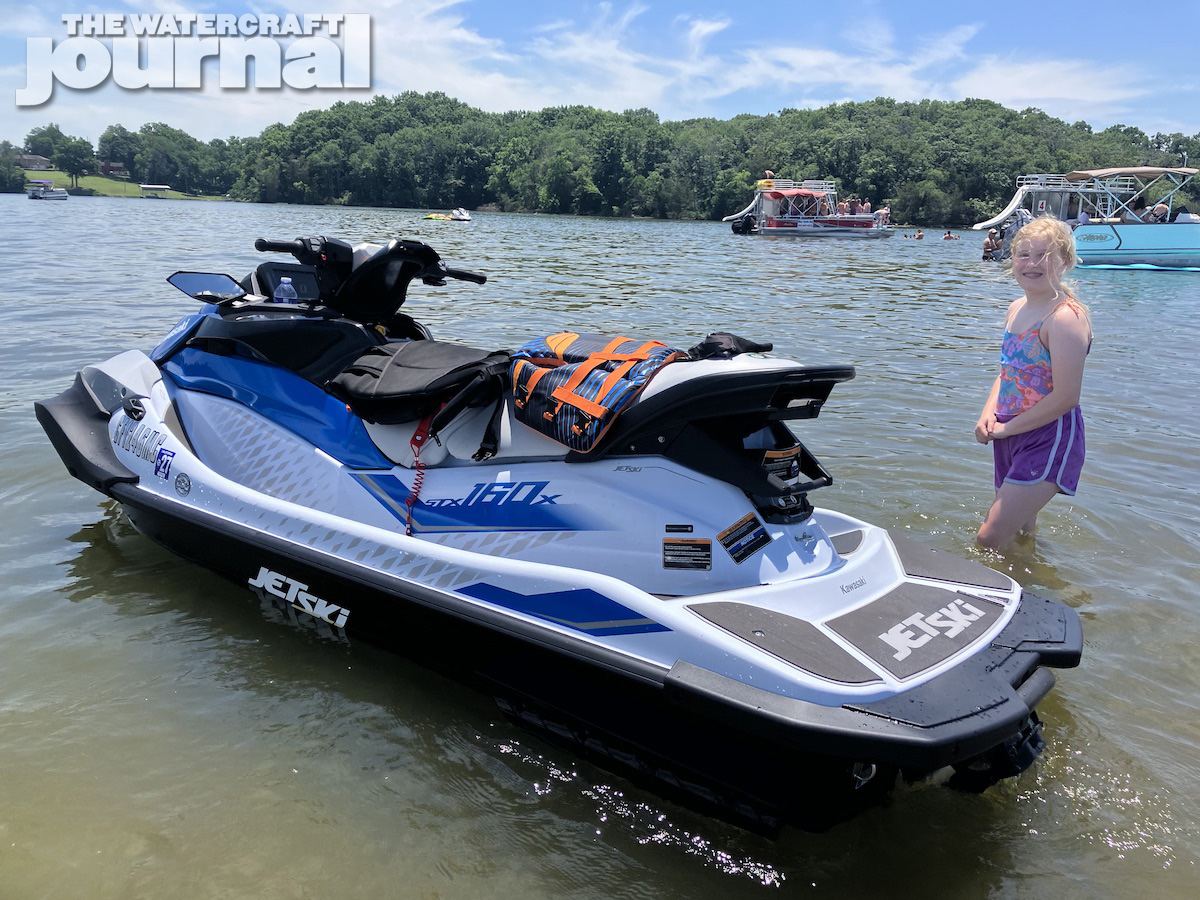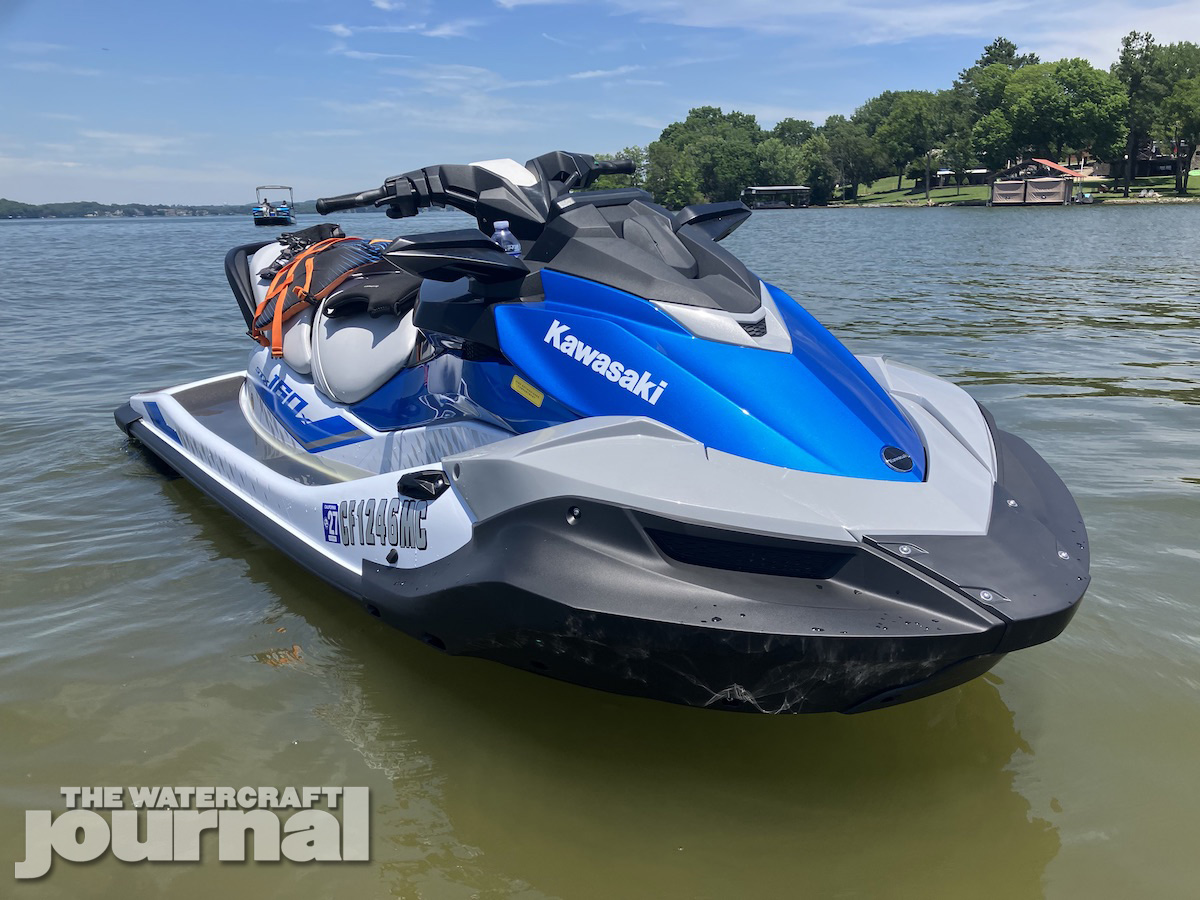



Admittedly, this review feels a little superfluous given the reveal of the vastly expanded STX lineup from Kawasaki Motor Corp. USA for 2027. When released late last year, the 2026 STX 160X was only one of three JetSkis available in the competitive Recreation segment here in the States; namely, the STX 160, STX 160X and STX 160LX.
All three units shared the identical 1,498cc four-cylinder 4-stroke engine and the nearly-identical hull first employed back in 2004; the fiberglass-and-gel coat combination proving to be the strongest, most durable combination despite Kawasaki’s competitors’ many budget-breaking efforts to reinvent the wheel.
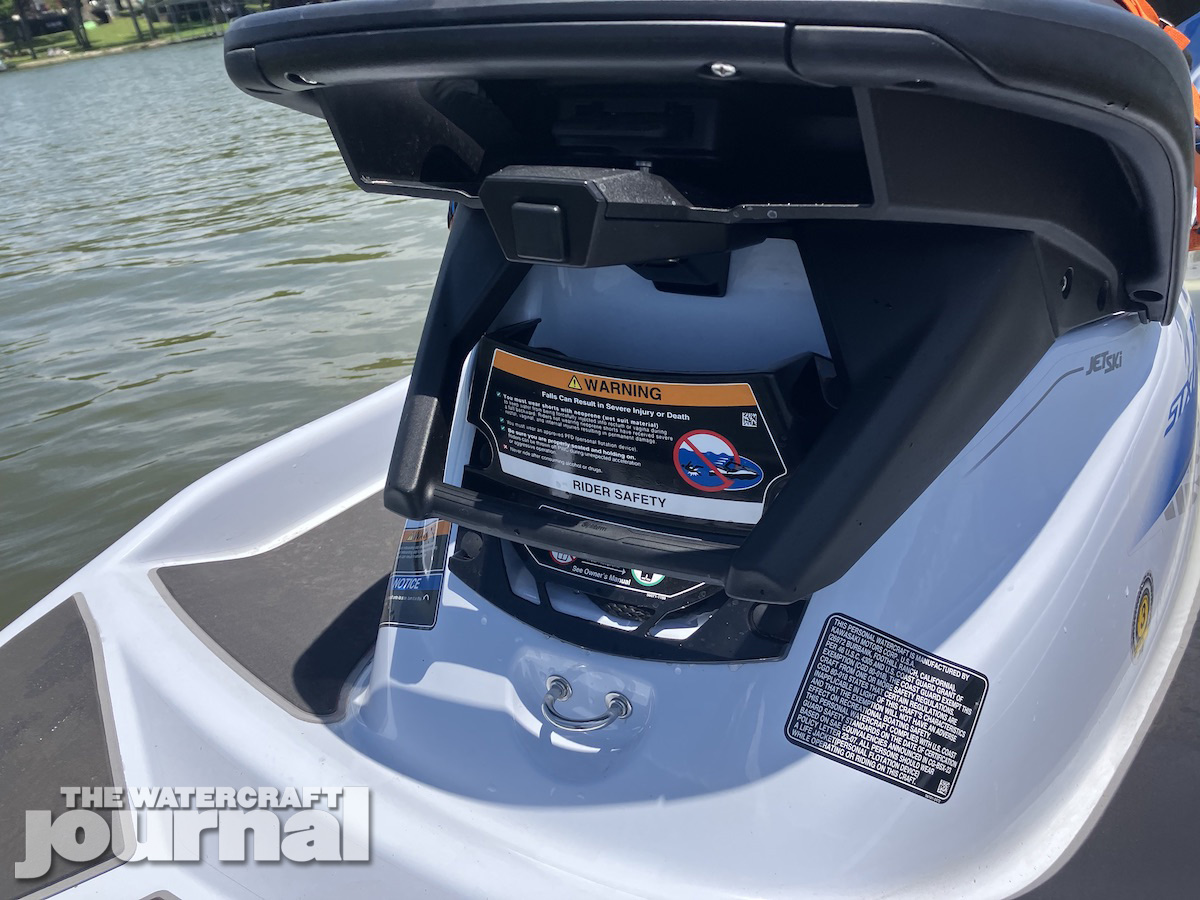
Equally, all shared the same deck (made in the same process) redesigned for model year 2020, giving riders deeper footwells; a taller posture in the saddle; a wider tiered swim platform; and a voluminous glove box. And to correct a previous misstatement in the above video, a fully electronic throttle trigger.
For 2020, Kawasaki used a DC motor in the trigger, eliminating the cable-operated actuator used on the first generation Ultra 310 models. The old actuator had more physical resistance as it featured more contact points making it far more precise. Many noticed that the new trigger lost some precision but was way easier on the fingers.
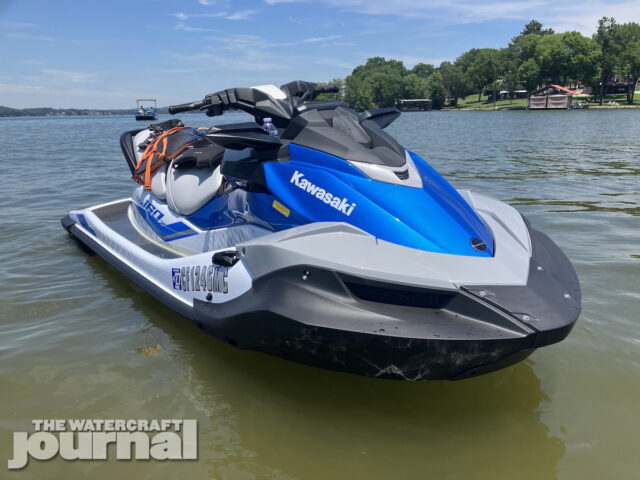
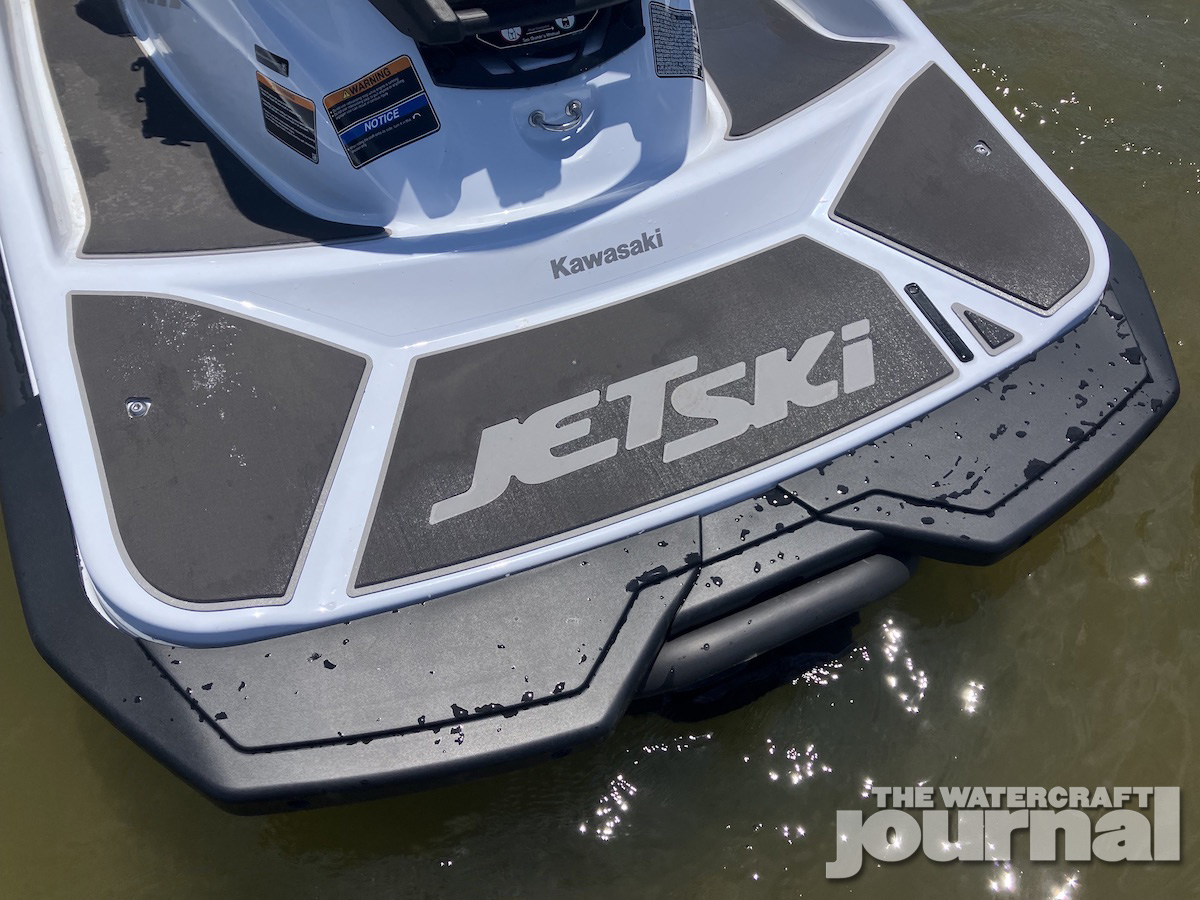
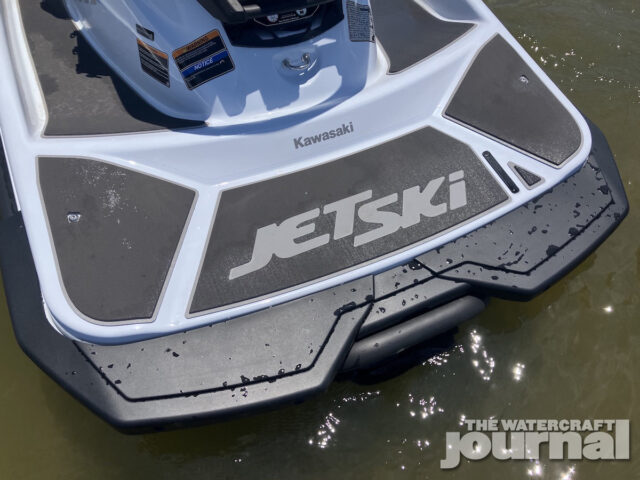
Of the three, only the 160X and 160LX featured completely redesigned splash deflecting bumpers, a redesigned hood, console and upper deck fairings. (The 2026 STX 160 remained relatively unchanged since its debut in 2020.) These aesthetic changes not only gave the 160X and 160LX a striking new look but served a purpose:
Being relatively unchanged since late 2004, the STX had earned a reputation with less experienced riders for low speed “plowing” in No Wake Zones. The race-bred hull tended to plow and even submerge when traveling at speeds below 7-8mph, causing water to flood the footwells and if prolonged, spill into the bow storage.
Despite adding electronic trim controls, a dedicated Low Speed mode and even altering the ride plate, riders couldn’t correlate the submarining with bringing the bow up by traveling at planing speed. Ergo, the 2026 STX 160X and 160LX received an entirely redesigned nose that fans the wake outward and deflects wash.
Yet, this redesign didn’t come without a cost: The STX 160X swelled in total length by 6-inches (124.1-inches to 130.3-inches); and gained a corpulent 72.7-pounds between a single model year (937.1 lbs. versus 864.4 lbs.). This of course is all curb weight numbers; dry weights estimate at 798.2 lbs., still a hefty gain over 2025’s 725.4 lbs.
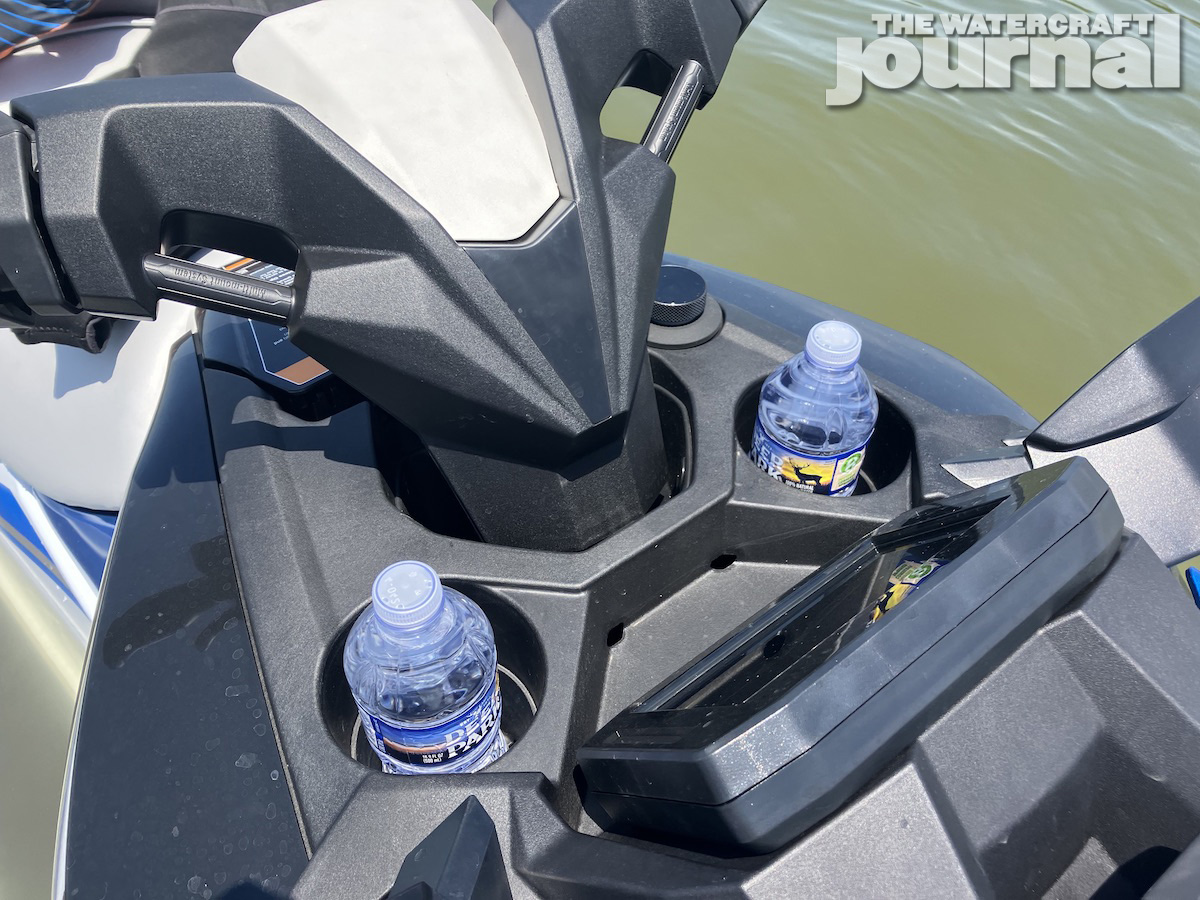
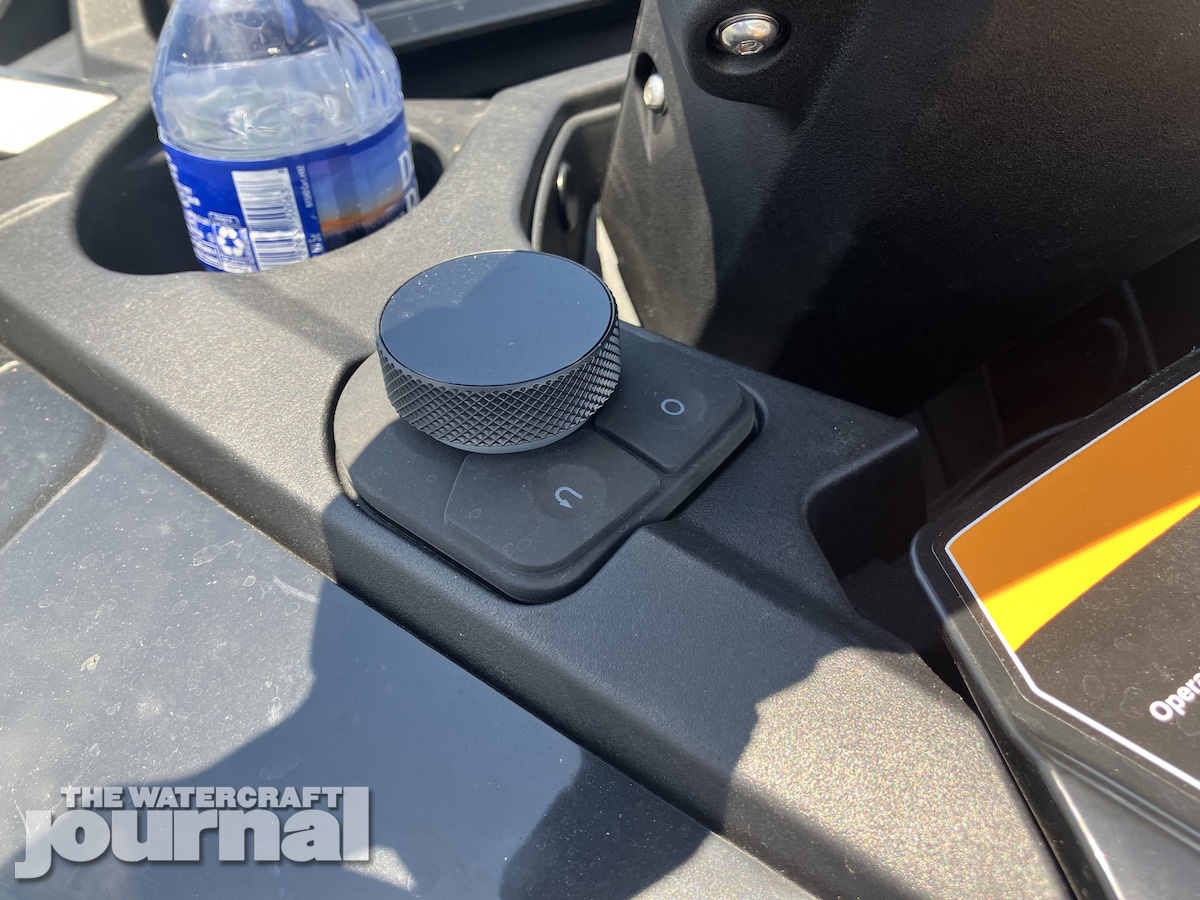
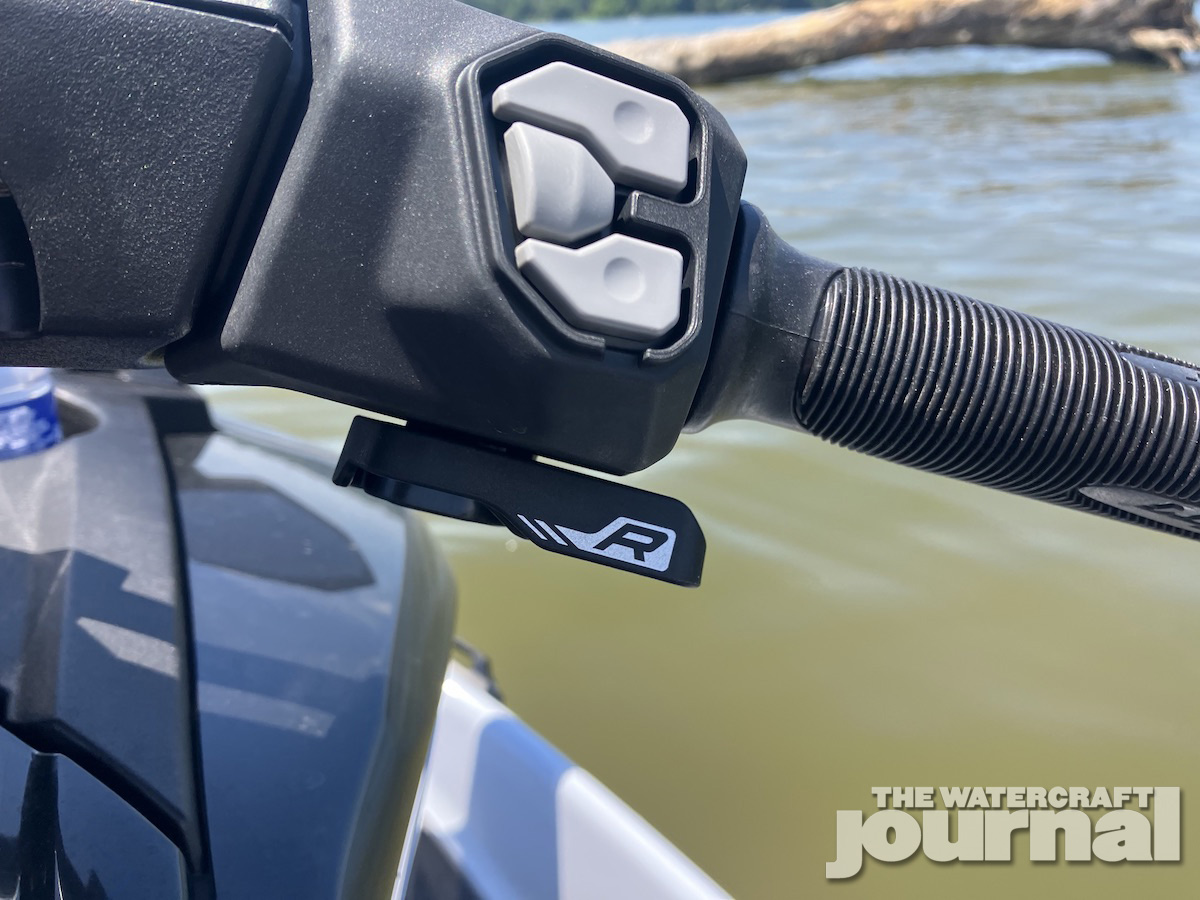
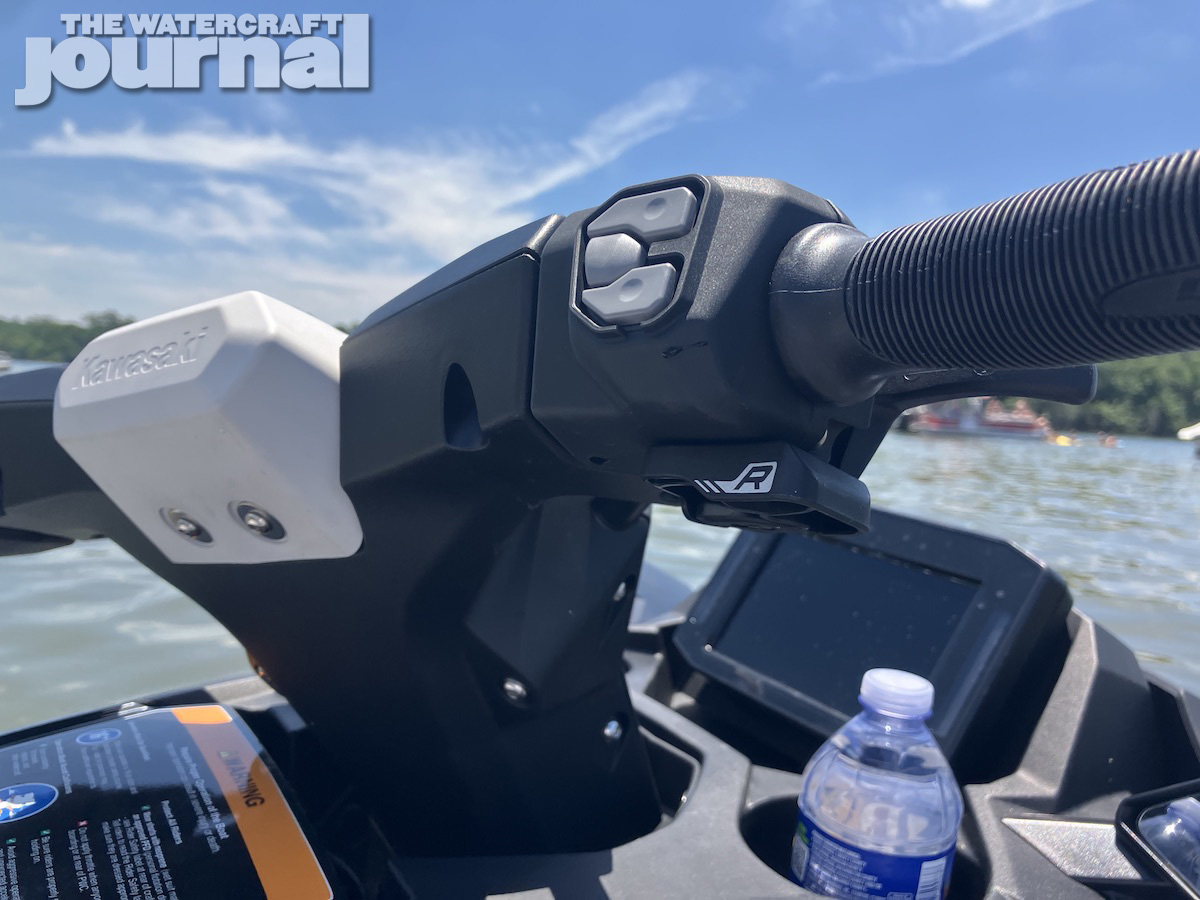
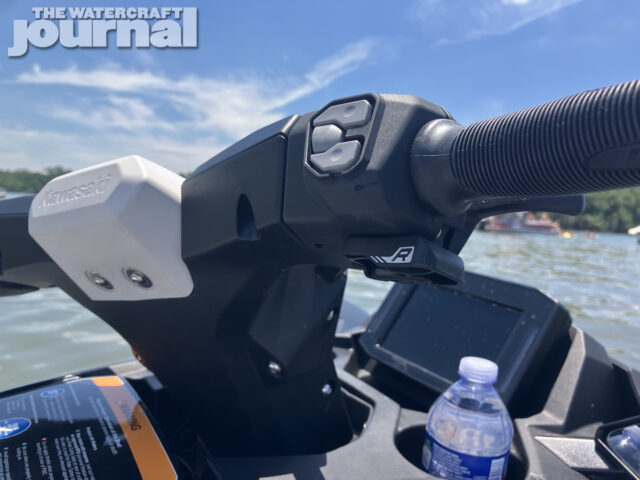
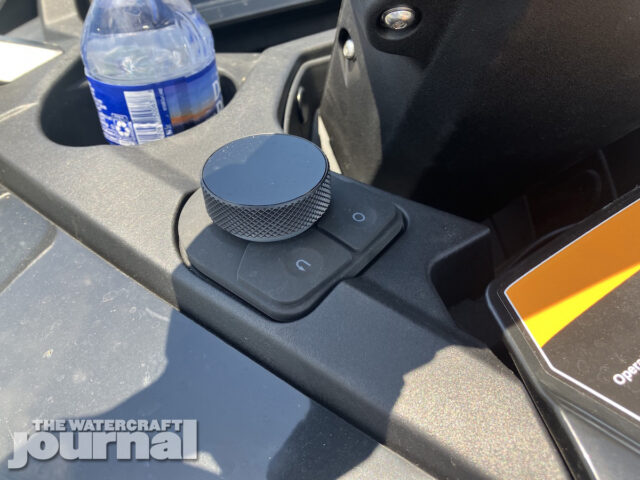
Gratefully, fuel capacity remains as the industry leader at 20.6-gallons as did total storage at 35-gallons. For 2026, the STX 160X picked up the Ultra’s full-color TFT 6-inch screen operated via a jog dial and dual buttons located just off to the left of the fixed steering neck. And yes, the STX received the Ultra’s satisfying thumb controls on the handlebars.
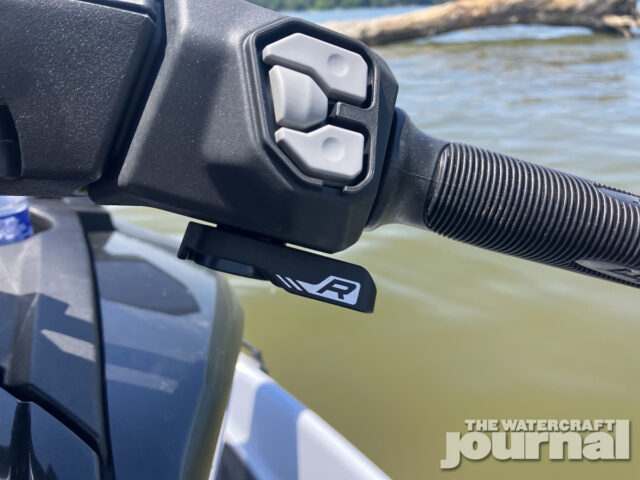
Speaking of which, each button confirms with a tactile *click* whether you’re selecting your Mode settings (SLO, Medium or Full); adjusting trim or setting your cruising speed. It’s a small detail, but one you’ll come to appreciate. And this year also marks the introduction of Kawasaki Smart Reverse with Deceleration (KSRD) to the STX.
Kawasaki’s engineers are adamant that the right-hand-thumb control is not a brake in the same vein as iBR and RiDE, but that’s exactly how people are using it. It’s sorta like Johnson & Johnson telling folks that Q-Tips are not for cleaning your ears despite everybody using them exactly for that purpose.
And to this point, as more people come to use KSRD as a high speed brake, it would behoove Kawasaki to accept this outcome and properly adjust the system’s coding to begin to deploy the bucket sooner when engaged. KSRD is dreadfully slow to respond in this regard and struggles to quickly shuffle between Reverse, Neutral and Forward.
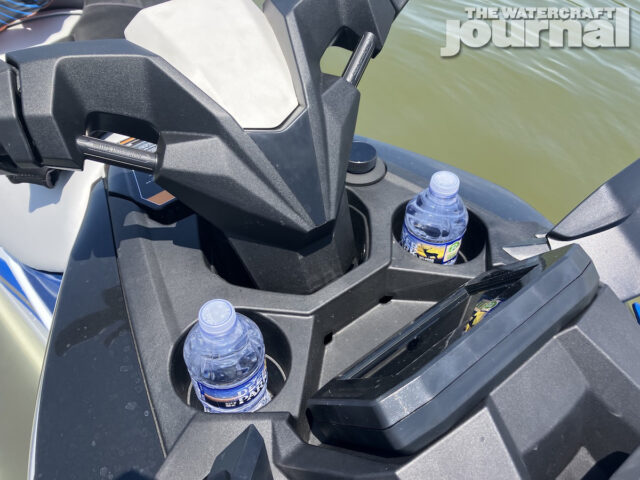
The STX includes a smattering of peculiar additions that continue to confound: the action camera “multi-mount” bars on the steering; the incomprehensible clear access door beneath the passenger seat; the awful flip-up rear seat track (with kickstand); etc. All of these wouldn’t be missed and, in the very least, could shave a few bucks off of the asking price.
Something which gets lost in the accessory soup is just how good this ski is at being a fun little performer. Buried beneath all of the marketing bluster and unnecessary features is a ski that just wants to rip around the lake. The STX 160X is just a whole lot of fun. It’s well balanced and doesn’t wander or track weirdly in chop.
In fact, it’s ability to hold a straight line in white-capped offshore chop is what earned this hull its street credibility so many years ago. Moreover, the STX hull can do something most Recreation-segment hulls can’t do: it can play both good cop/bad cop depending upon the driver. Allow me to elaborate:
A casual rider can comfortably ride high in the padded saddle and leisurely meander alongside their lake’s shoreline as smoothly and effortlessly as could be imagined. But when coaxed by a superior rider, the STX can aptly break stride and snap a corner as tightly as a sportbike riding on the outermost edge of their tires’ tread.
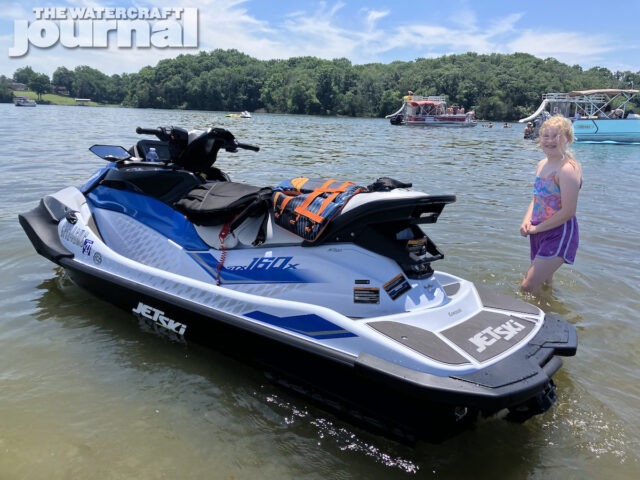
Yes! All one needs to do is slide their butt out over the edge of the seat, drop a knee deep into the footwell, vise the throttle and snap the handlebars to their stop – and you’ll experience something that most jet skis don’t dare today’s insulated riders to do: a ski that directly responds to body English.
This ski – despite its added bloat and layers of creature comforts – still has the heart of a closed course contender buried underneath. It feels a little like a retired athlete shedding his business suit and taking to the track again. The muscle memory is still hard wired into this machine.
At the time of its release, the 2026 Kawasaki STX 160X JetSki came with an MSRP of $13,899, which is on par with Yamaha’s VX Deluxe ($13,499) and Sea-Doo’s GTI 170 SE ($13,899). While down 10HP than the Sea-Doo, the STX wields 50-ponies over the Yamaha and five more gallons of storage; not to mention more fuel capacity than either PWC.
Sure, the fetching Metallic Surf Blue & Crystal White livery, padded swim step, laser-cut carpets and docking cleats might lure in the showroom lookie-loos; but to the sharpened eye, they’ll see a former world champion athlete whose enjoying a little quieter lifestyle outside of the ring but that can still rip it up on the water.