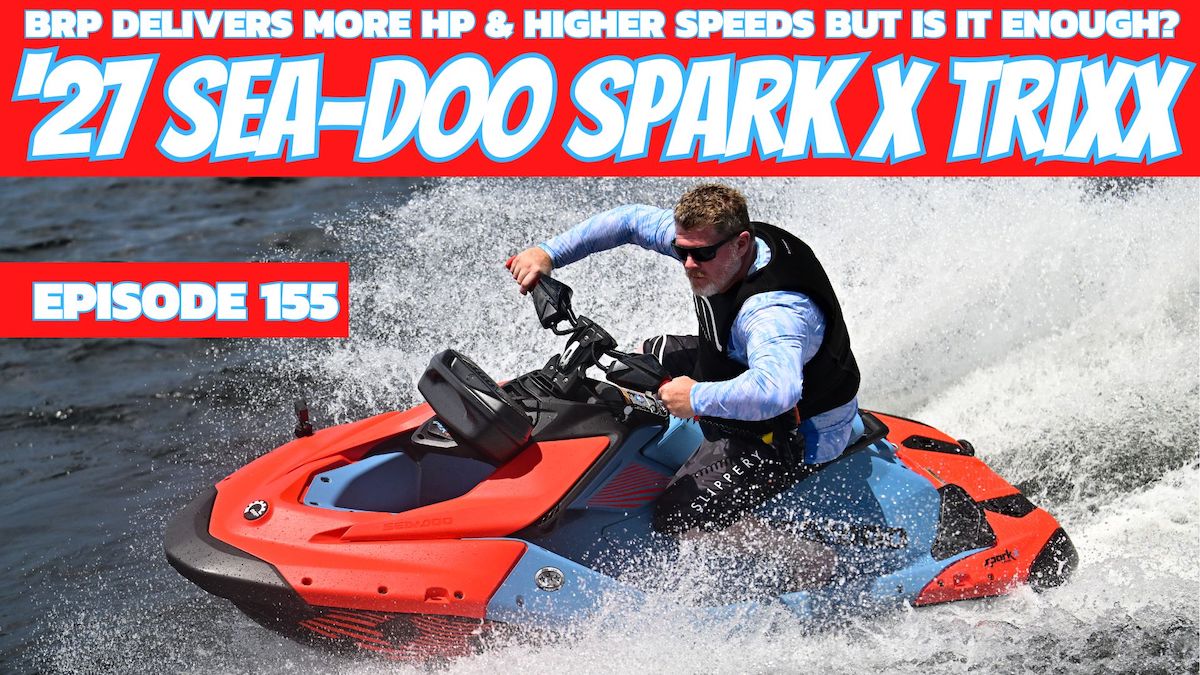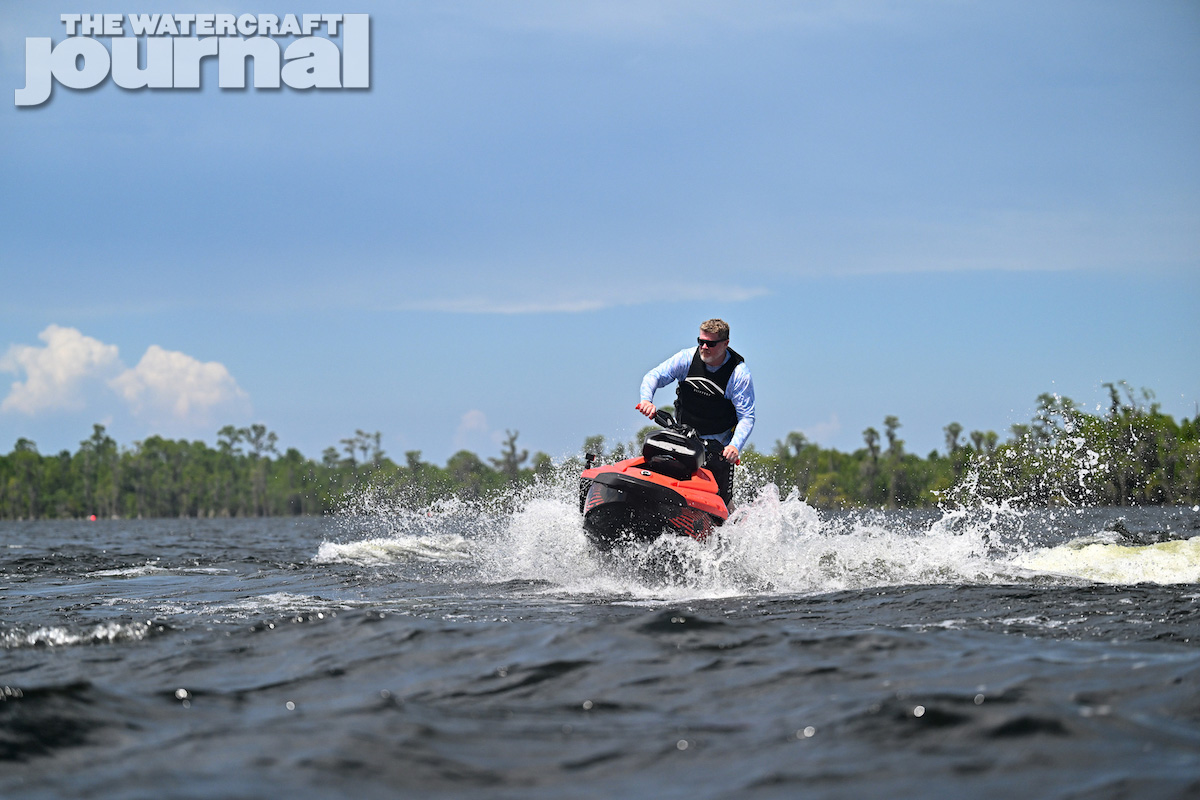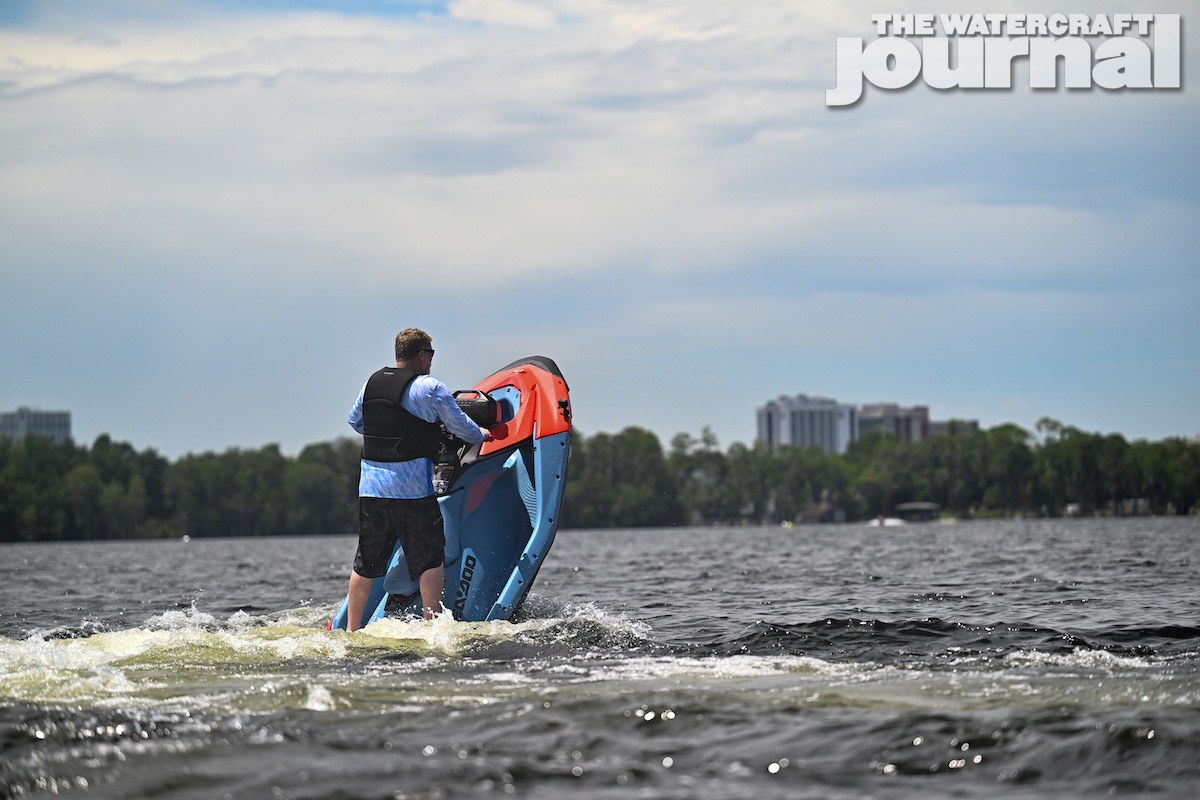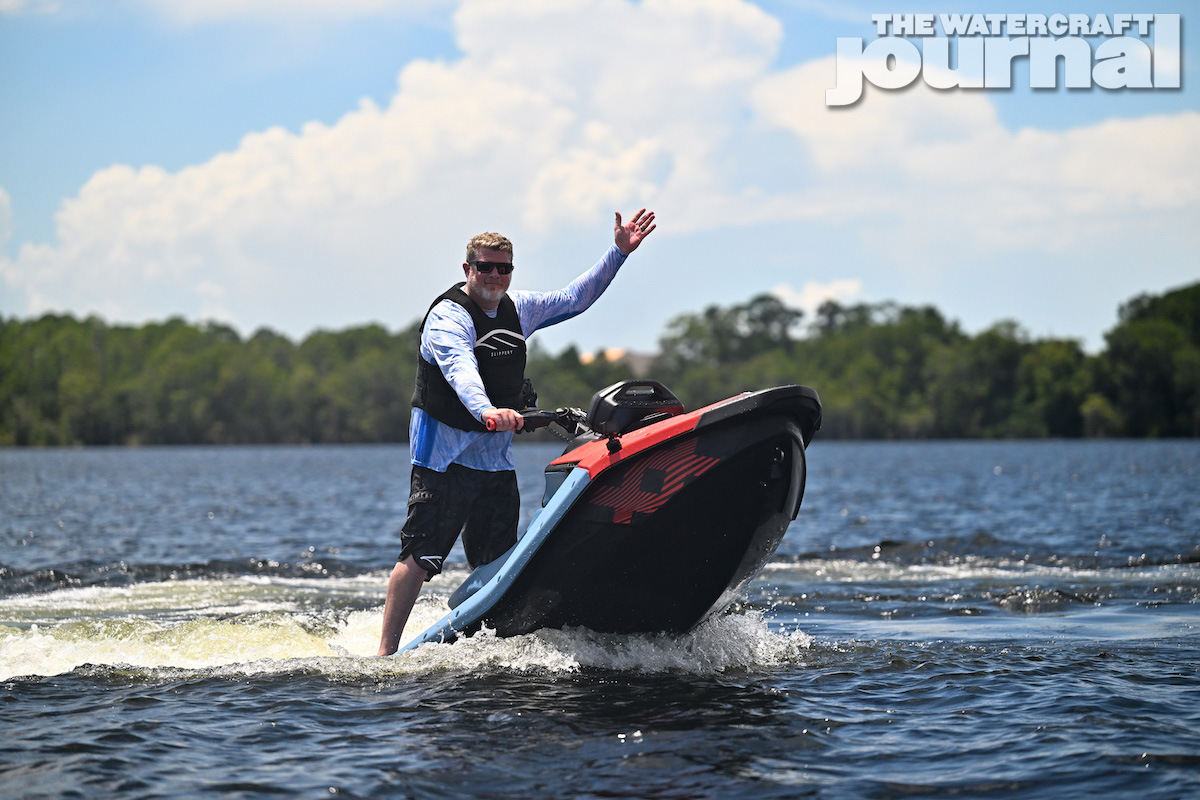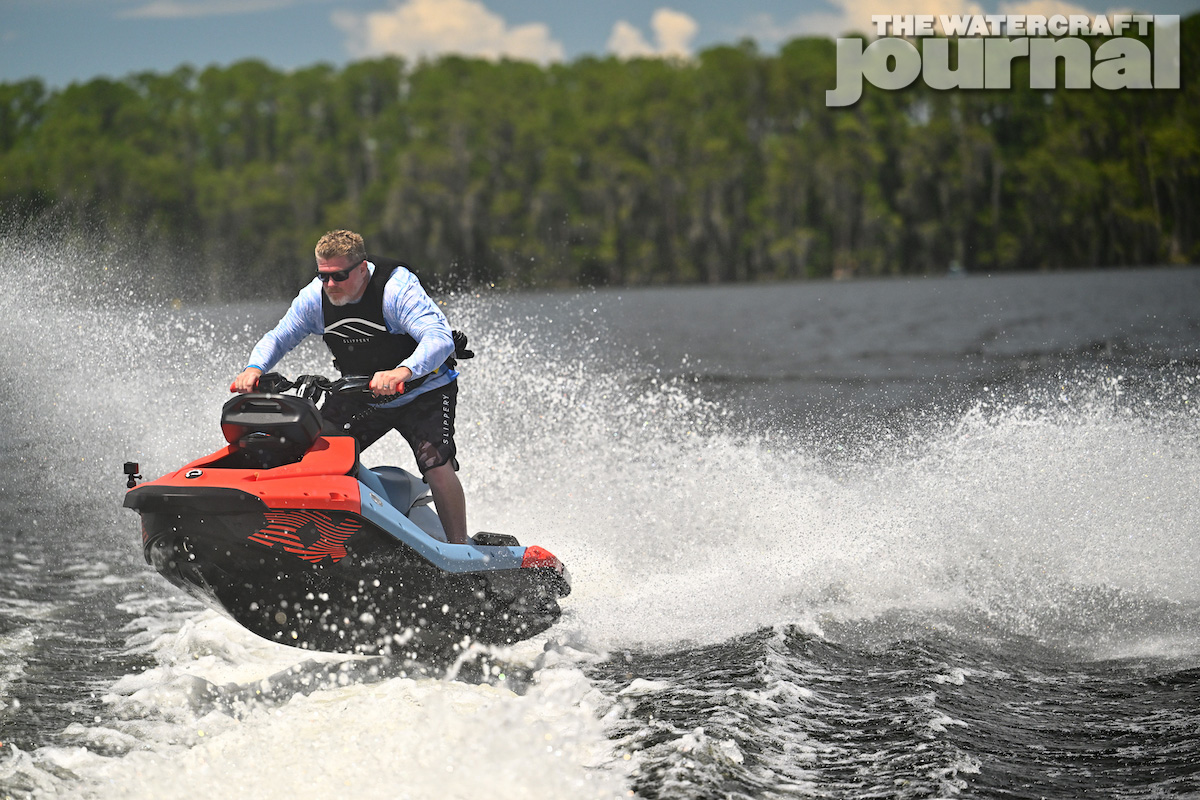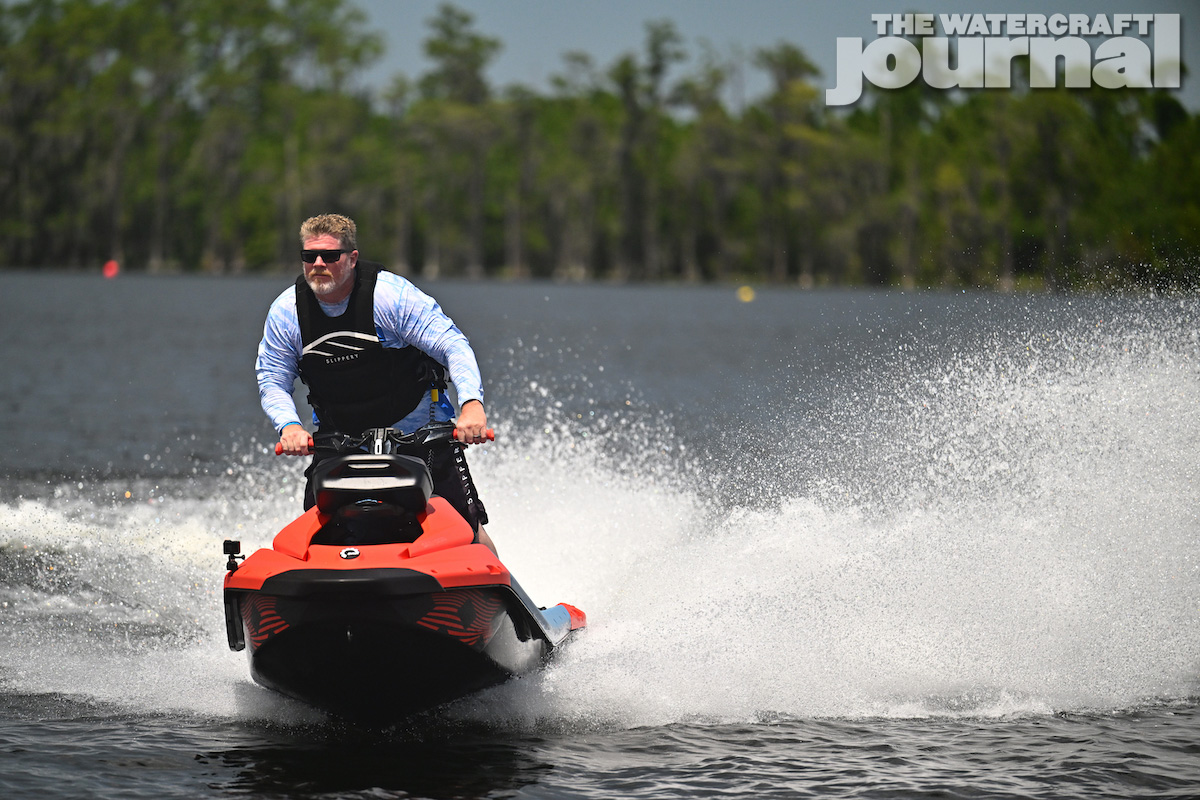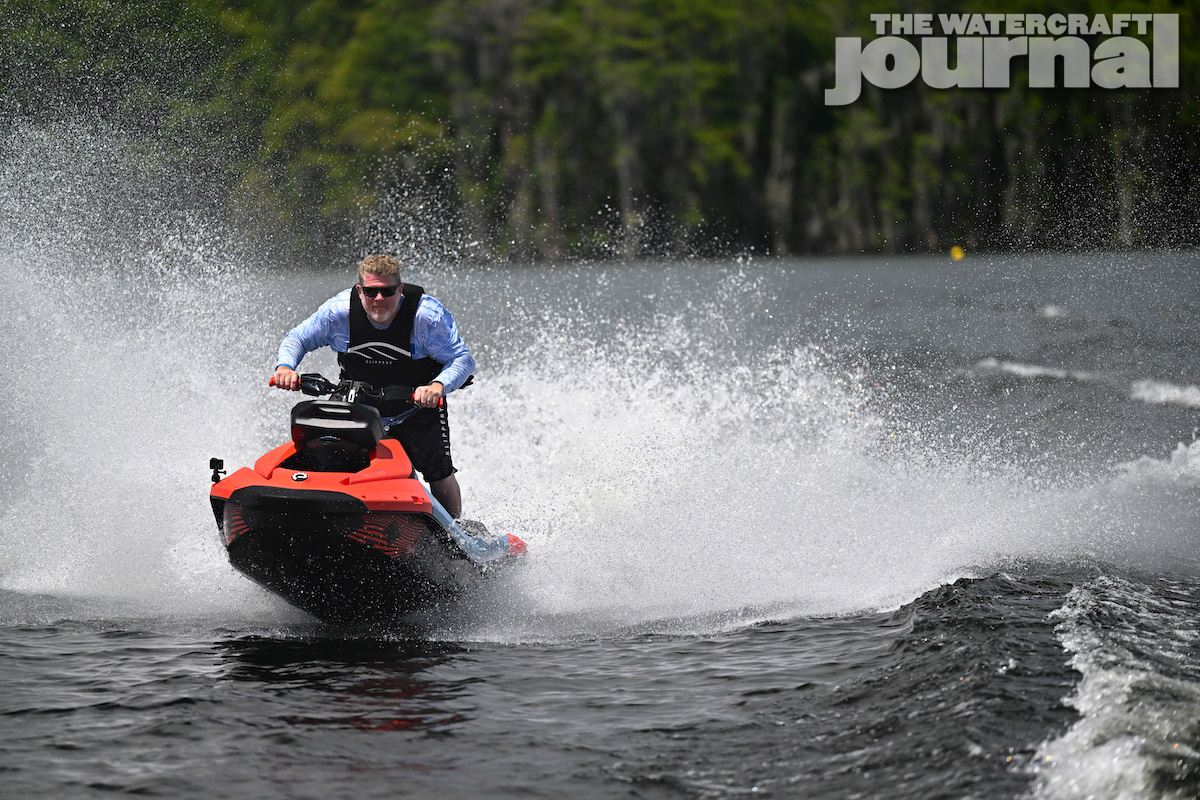



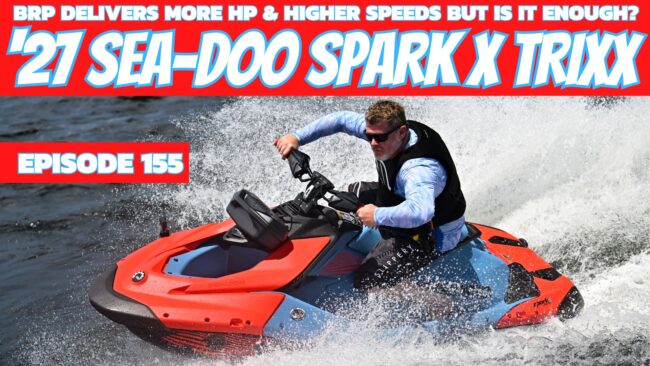
“Well,” my informant began. “You should be pretty happy with next month’s reveal.” They had hinted that the Spark X was indeed “a thing” and would be finally revealed to the public as a 2027 model. Equally, that the “X” would be more than just a bump in power. I, of course, expected the 1630cc Rotax 3-cylinder producing 130-horsepower because that is what I knew one of the working prototypes were.
What wasn’t expected was an entire re-engineering of the 900 ACE engine nor did the notion of a new Polytec hull and revised pump cross my mind. The 899cc ACE engine had been a tried-and-true platform for the Ski-Doo snowmobiles and even boasted a turbocharged application that many felt as I initially had, that it would eventually find its way beneath the Spark’s seat. But such was not the case.
Rather, Rotax was already encountering limitations of the sub-liter 3-cylinder. It’s cylinder head couldn’t process the air volume necessary to maintain flow speeds. Revised camshaft grinds and ECU tunes couldn’t compensate for the limited runner lengths and volumetric efficiency. Engineers went back to their computer modeling to revise the intake manifold and “charge” side of the cylinder head.
Even the exhaust ports and manifold went under the knife to increase evacuation speeds. Getting more air in and getting it out faster was the goal here. A remodeled piston with underskirt oiling increased cylinder compression while keeping down temperatures. “Externally,” Sea-Doo’s Director of Engineering, Kim Ross explained, “the engine looks identical. Internally, the [new] 1000 ACE is completely different.”
And Ross was right. The 1-liter boasts a seemingly race-fuel-only cylinder compression ratio of 12.5:1. “No, no,” Ross assured The Watercraft Journal. “We’re able to run on 87 octane just like before. It’s all tuned through the software.” Additional changes accomplished through tuning is the 110-horsepower at 8,500rpm, while the 60- and 90-horsepower models cap off at 7,250rpm and 7,500rpm, respectively.
“We have to detune [the 1000 ACE] to achieve the original horsepower outputs,” Sea-Doo’s Director of Product Strategy, James Heintz admitted. “The 110-horsepower number is where we’re choosing to introduce this engine. There’s still plenty left on the table.”
Ross had brushed off aftermarket claims of ECU tuners achieving 110-horsepower through the previous 900 ACE. “We tried them all,” he laughed. “We saw maybe 2 or 3-horsepower on the dyno.” Throwing in a cold air kit and free-flowing exhaust couldn’t get the previous engine to 100 horsepower. Only forced induction (ie. turbocharging) could get the 900 ACE closer to 110-ponies, and, as Ross explained, was pushing the ACE to its very edge.
But equipping the new Spark X with a beefier 1-liter powerplant is only as good as the pump that backs it. Ross continued, “We redesigned the stator; we changed the vanes and continued them into the venturi casting. The pump was also changed to accept a plastic wear ring like all of its larger siblings. While Sea-Doo still remains mum on its thrust numbers, Ross assured that the Spark X produced “significantly more thrust” than the previous 90HP variant.
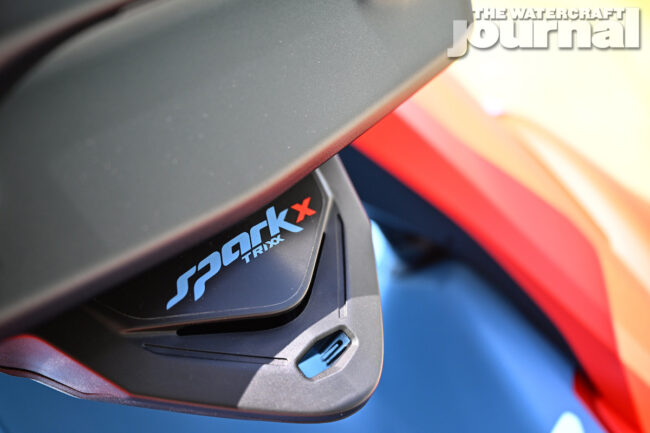
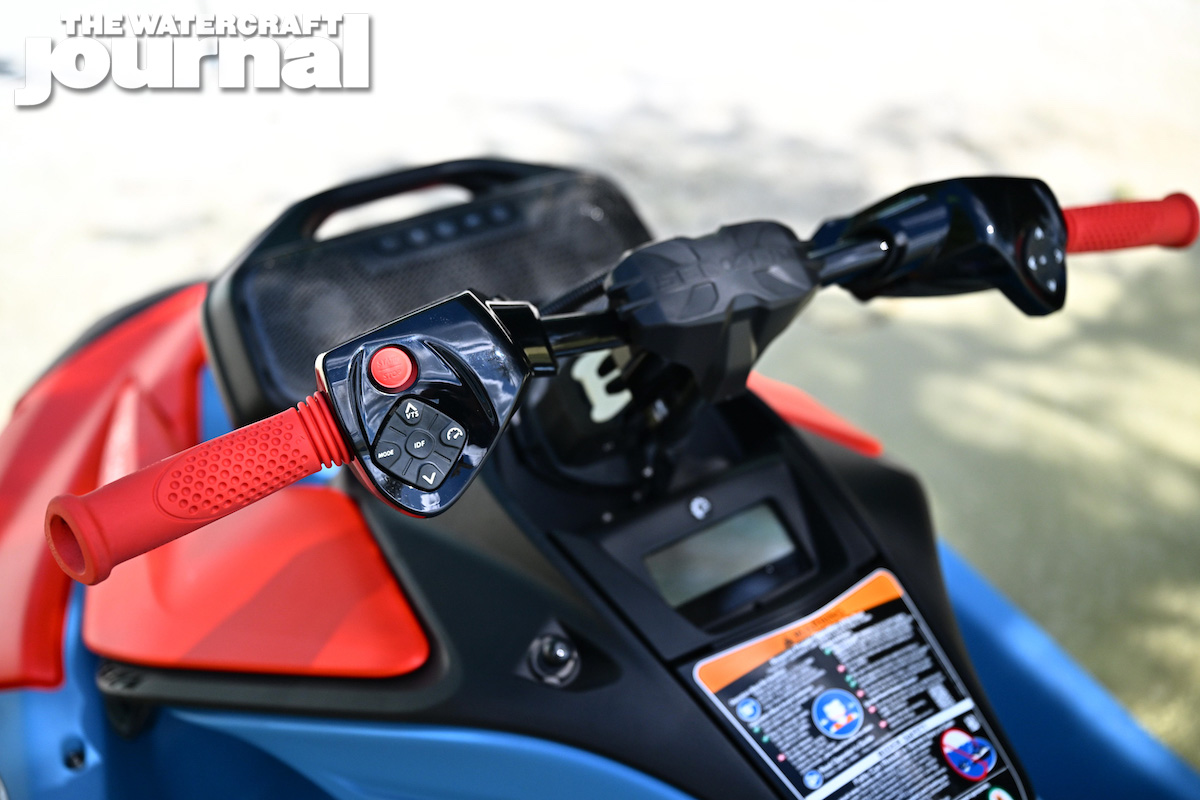
Sea-Doo adapted its IDF (Intelligent Debris-Free Function) system to the new 1000 ACE. “It’s entirely unique to the ACE,” Ross detailed. “Maybe only 20% of the existing IDF components carried over to the ACE version. We also replaced the ‘dog gear’ with a sealed bearing. It’s lighter, smoother and cycles faster.” When asked why even offer it for the Spark, he shrugged, “Customers kept asking why it wasn’t available.”
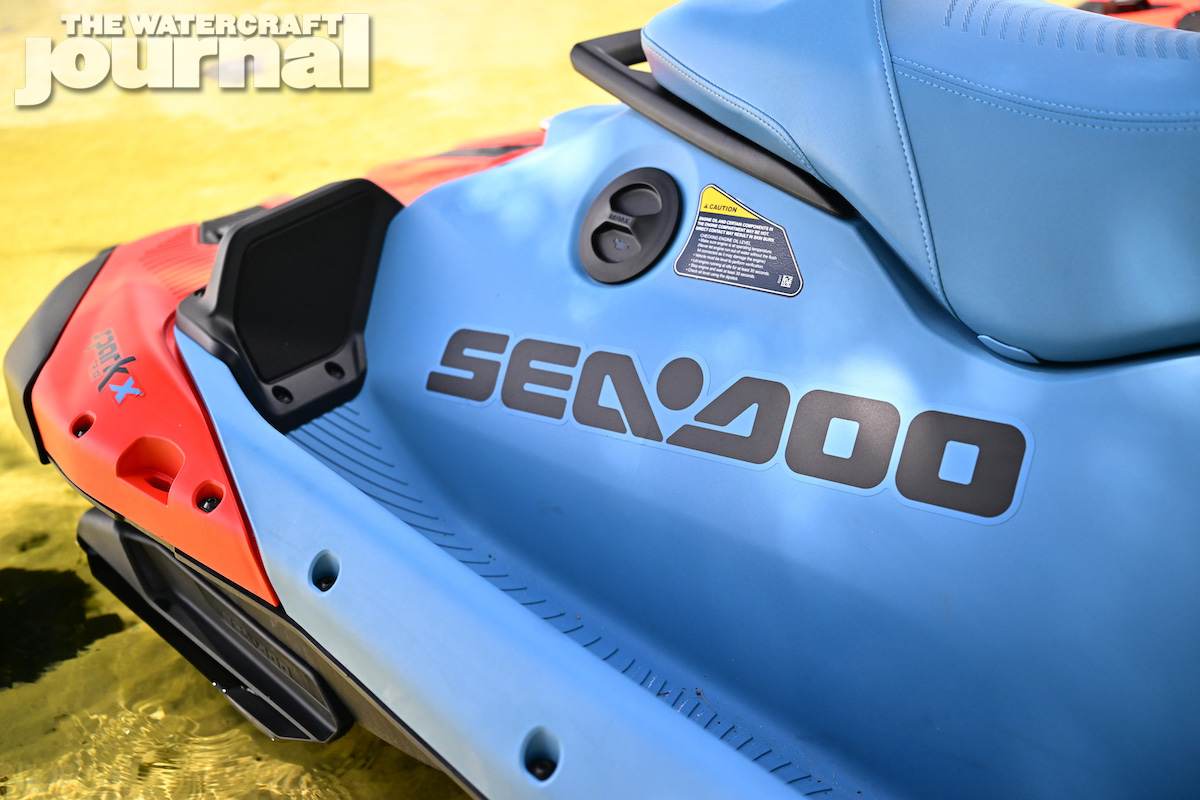
The Spark X and Spark X Trixx retain the same 7.9-gallon fuel cell and 11.7-gallons of storage [Frankly, I have zero idea how Sea-Doo is calculating that number – between the glove box (which is generous) and the underseat fire extinguisher cubby, there’s no way that equates nearly 12-gallons of cargo room. –Ed.] but their designated packaging are equally infuriating as misguided. I’ll explain:
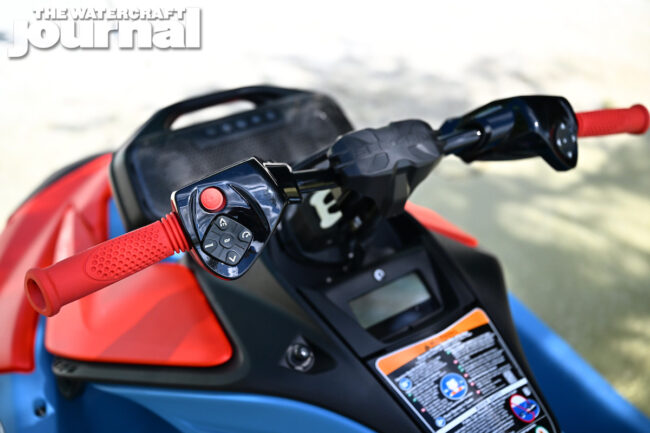
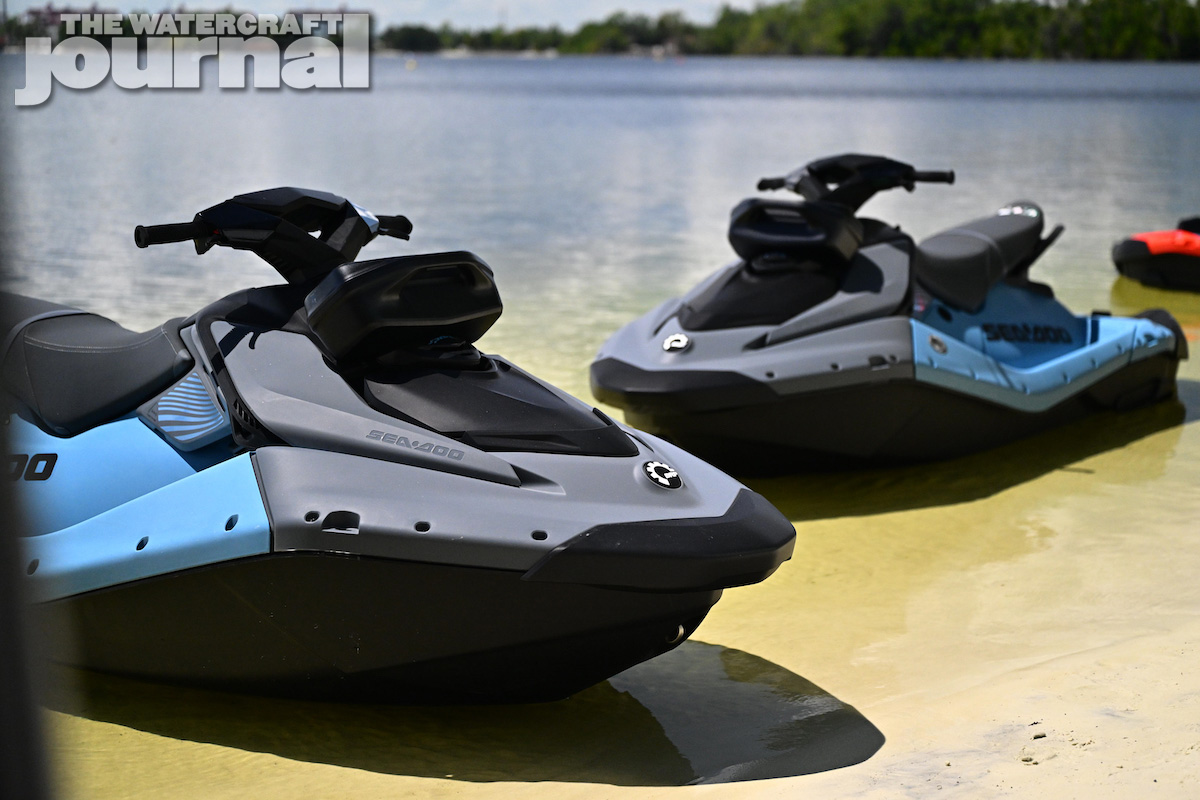
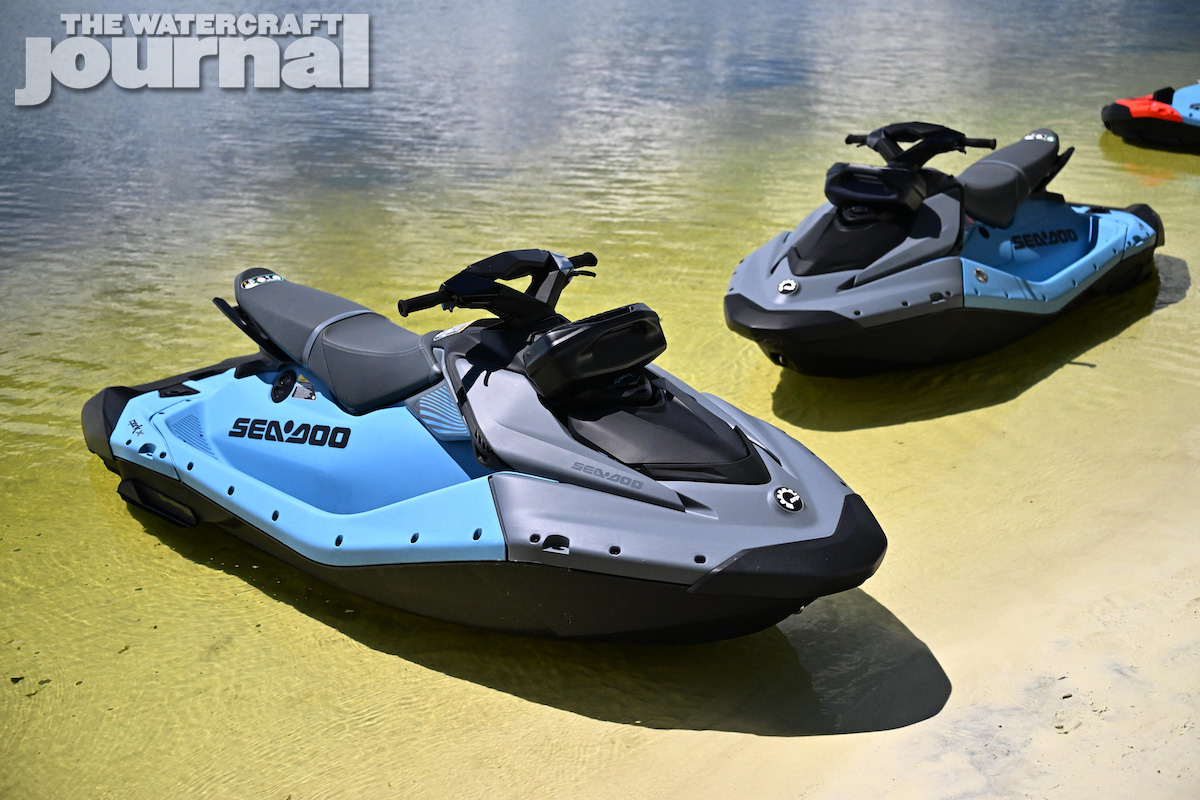
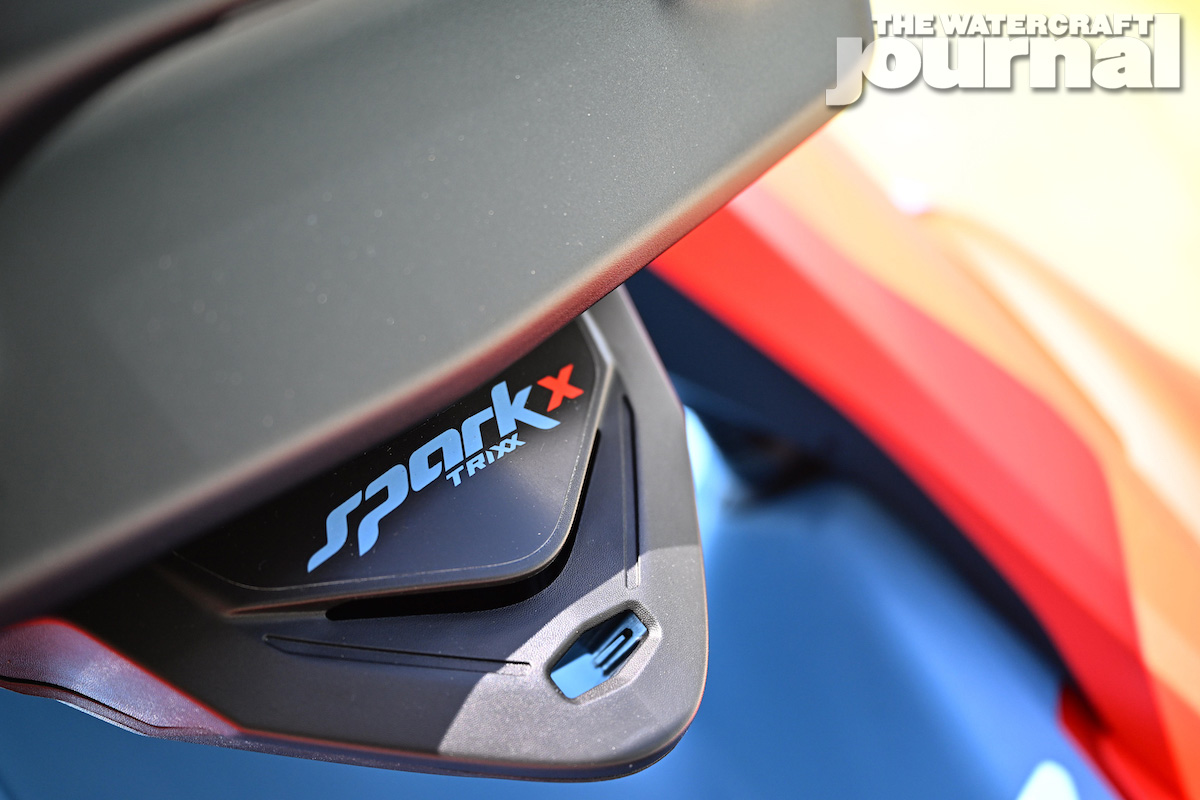
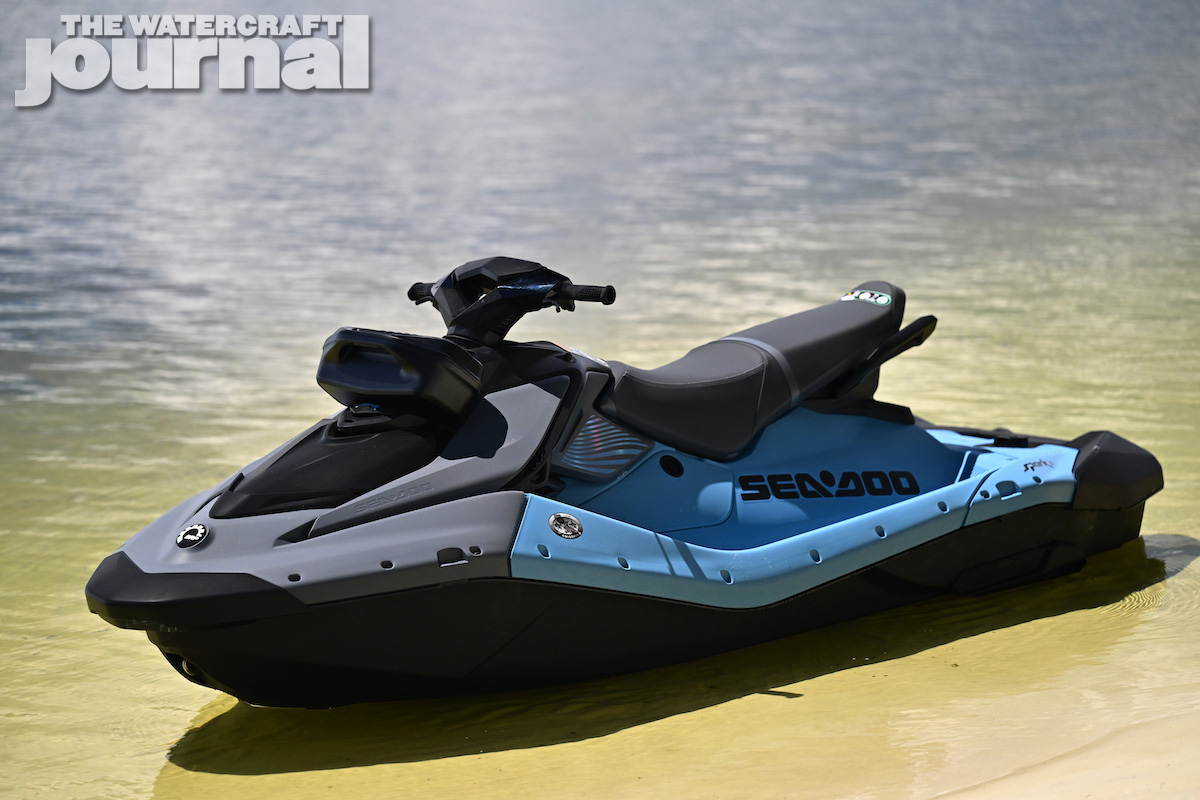
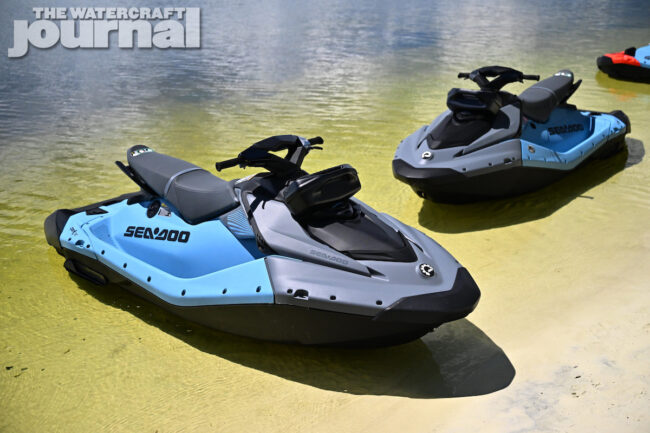
The Spark X is only available as either a 2-up ($10,849 MSRP) or 3-up ($11,449 MSRP) with gratefully, only the 3-up adding the deck extension and elongated seat and base. Both are strictly available in Blue Mist and Deep Black. It’s only when opting for the wildly popular Trixx package does the 110-horsepower Spark X shine: First, only the Trixx permits for the sporty single-rider seat – and as the base option. A 3-up variant is also available.
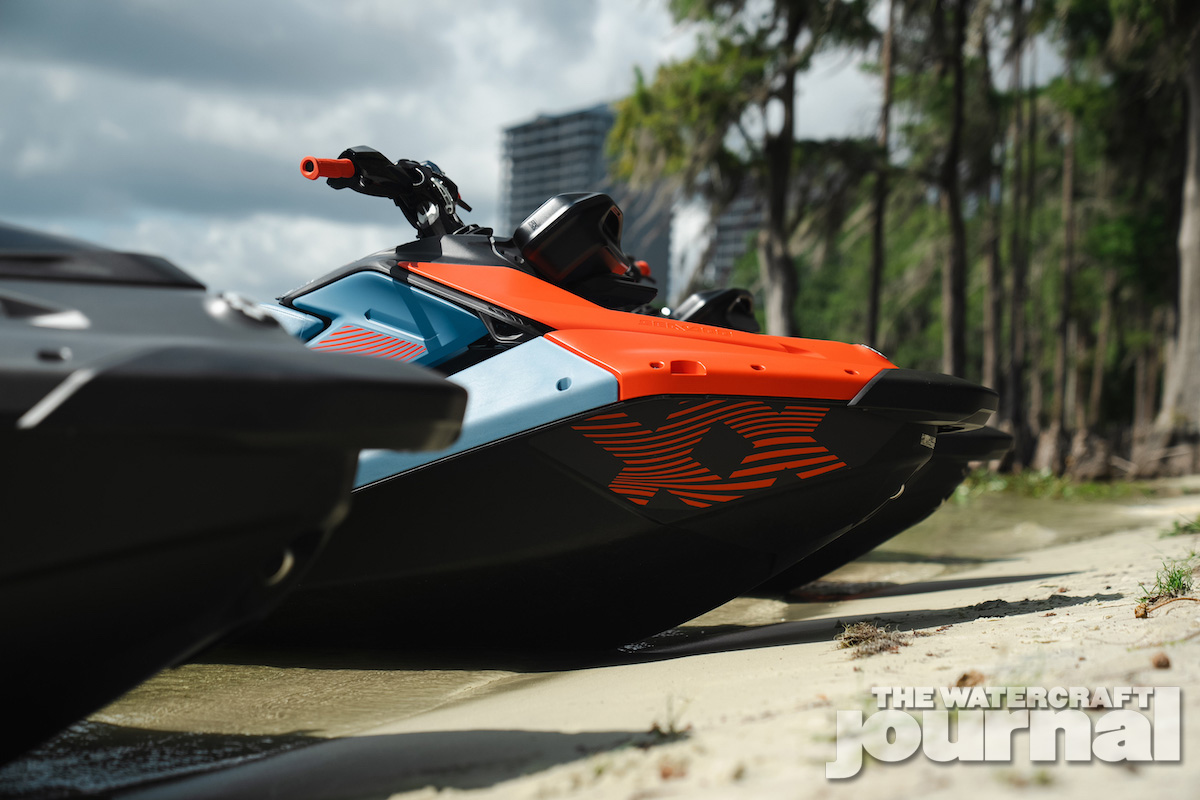
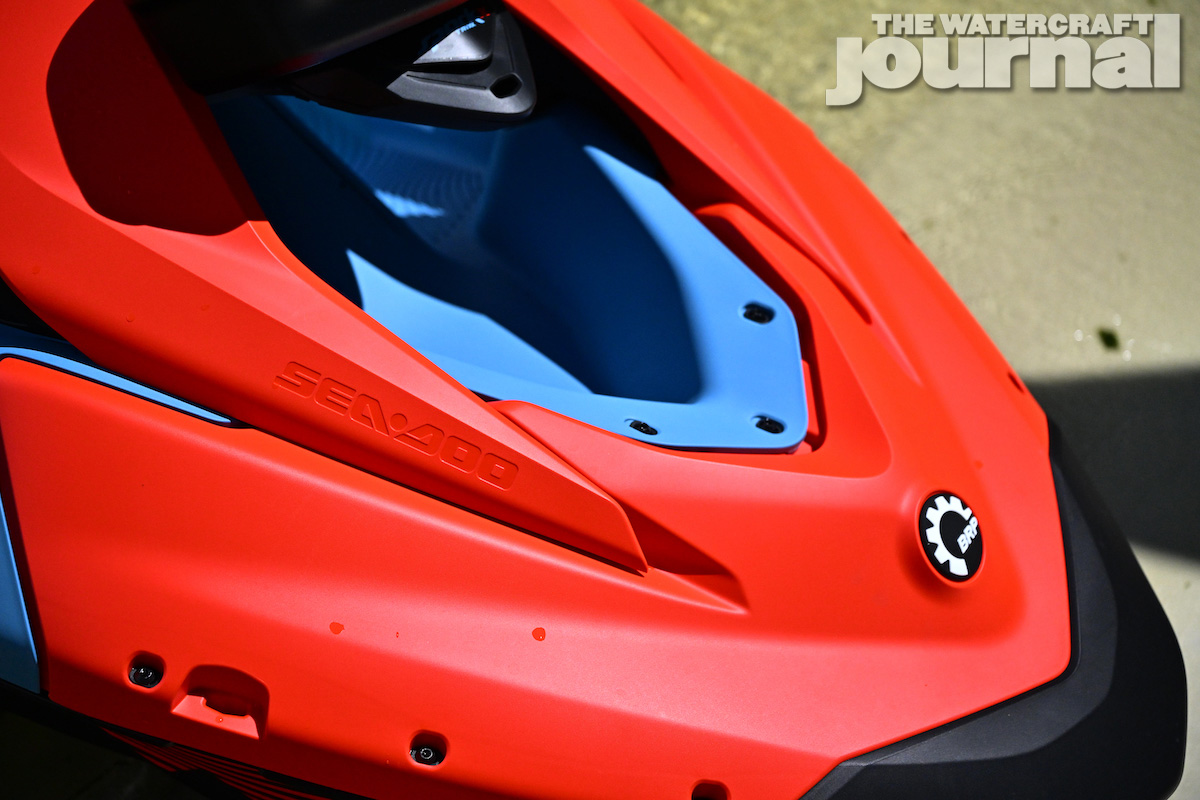
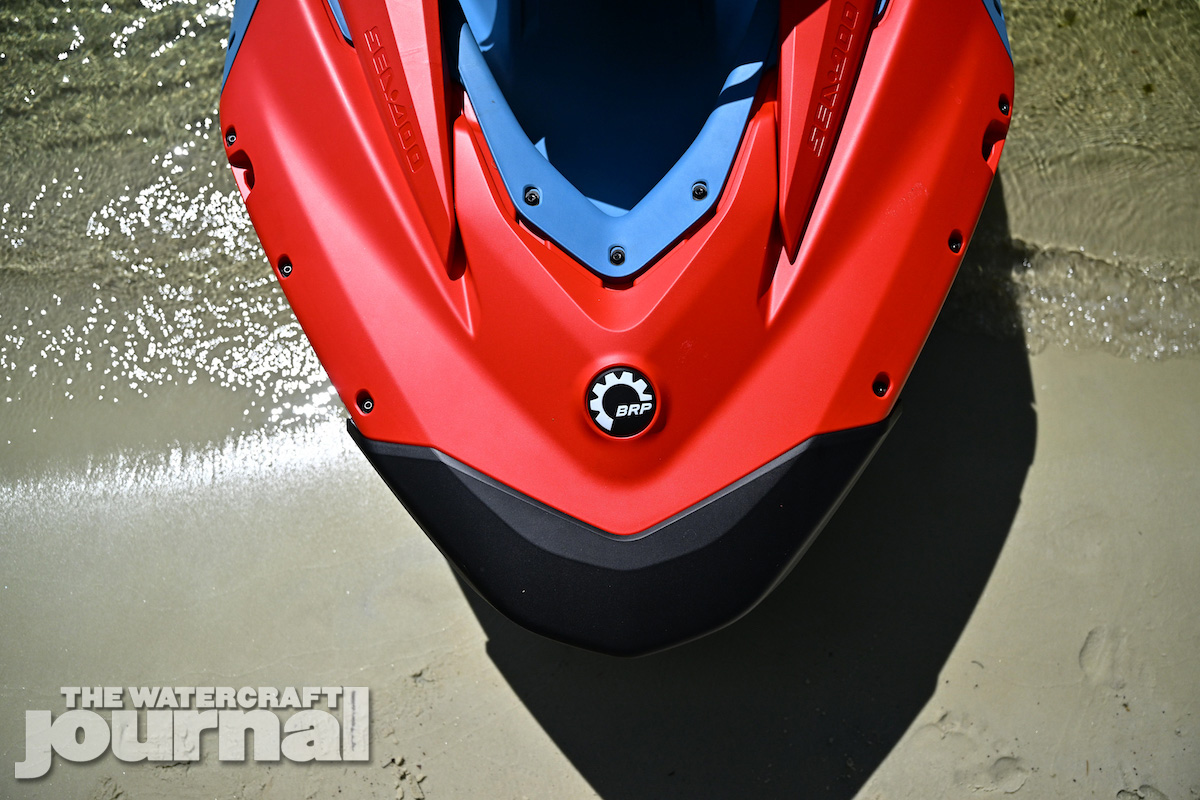
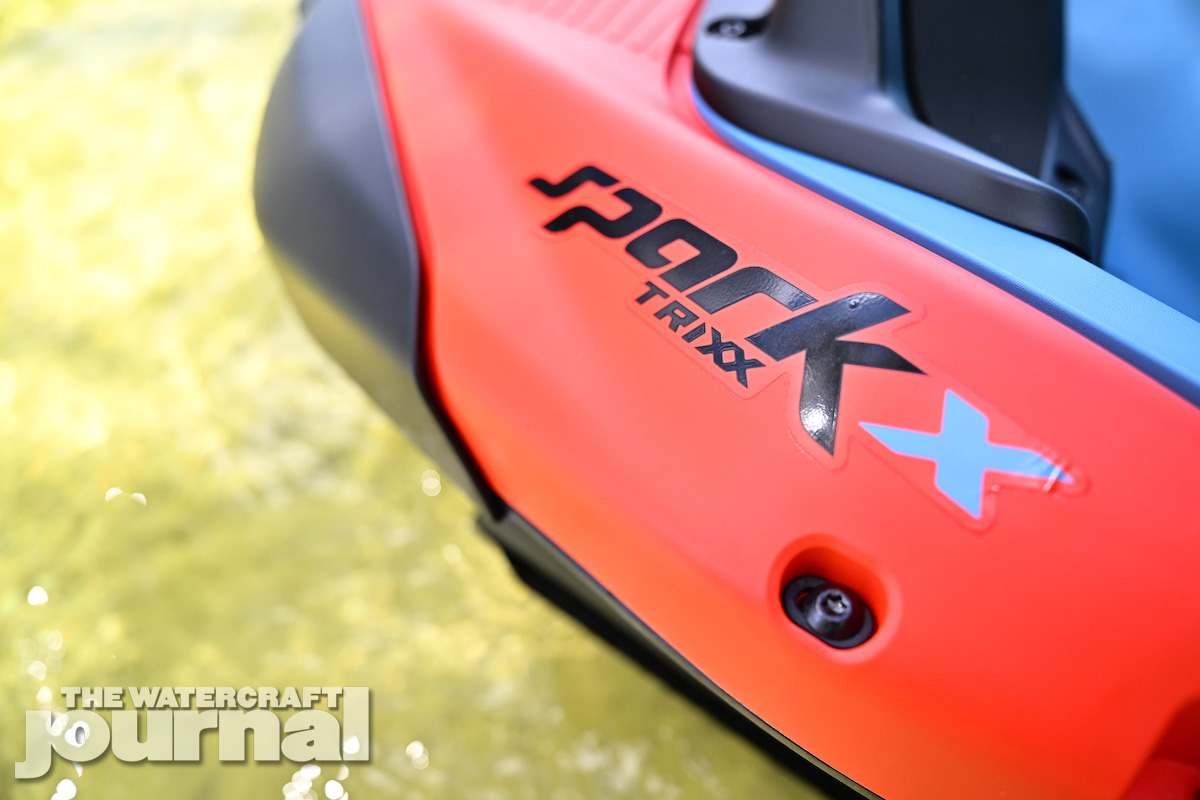
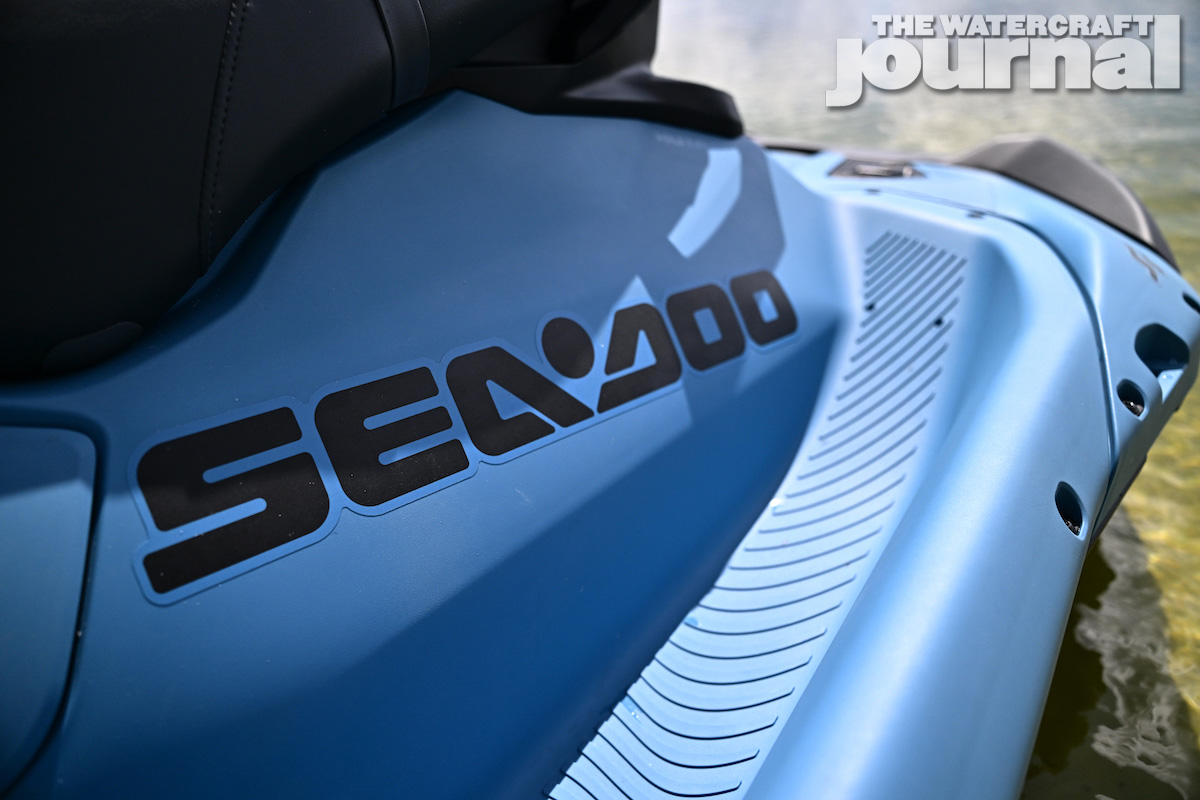
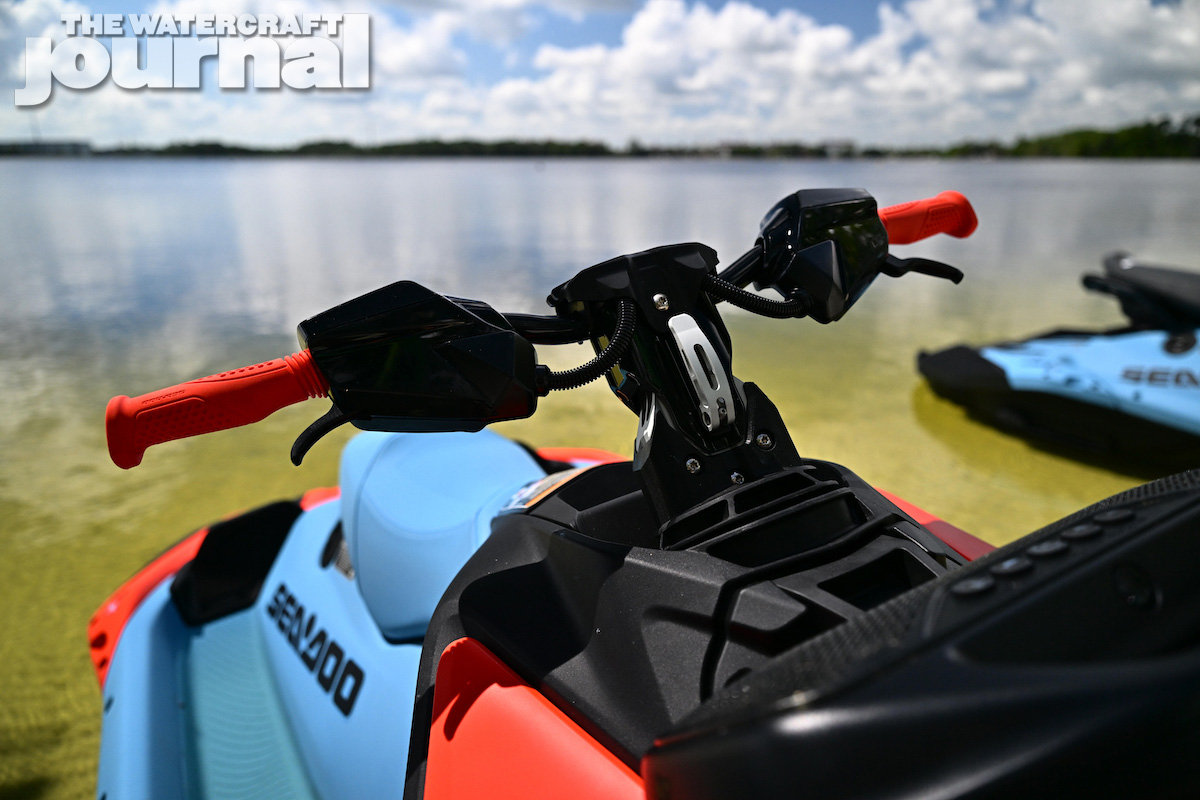
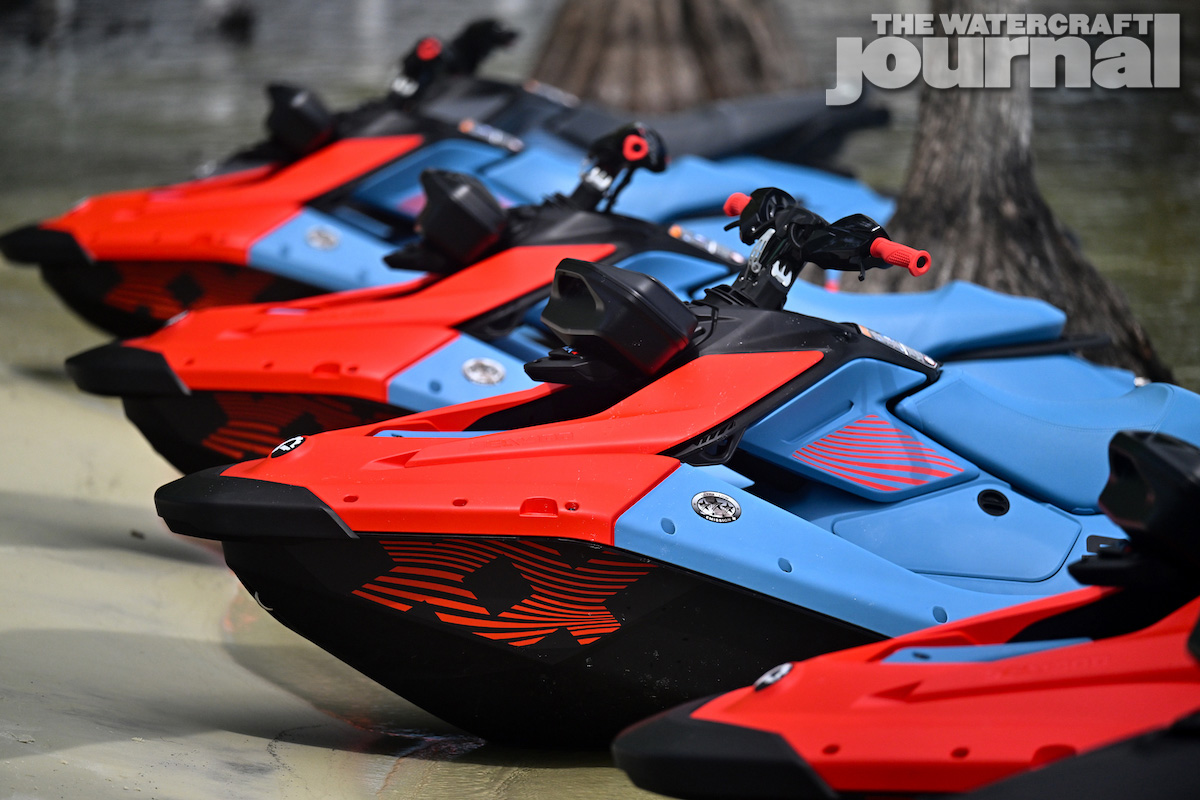
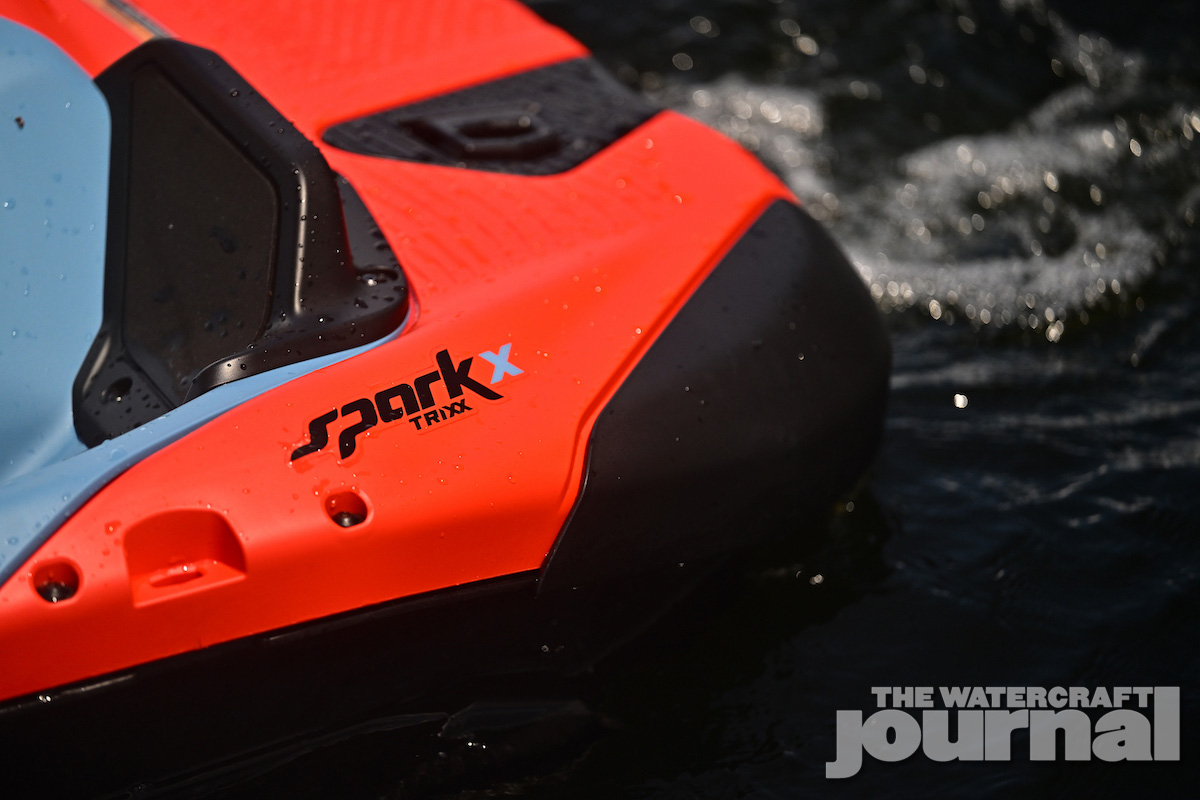
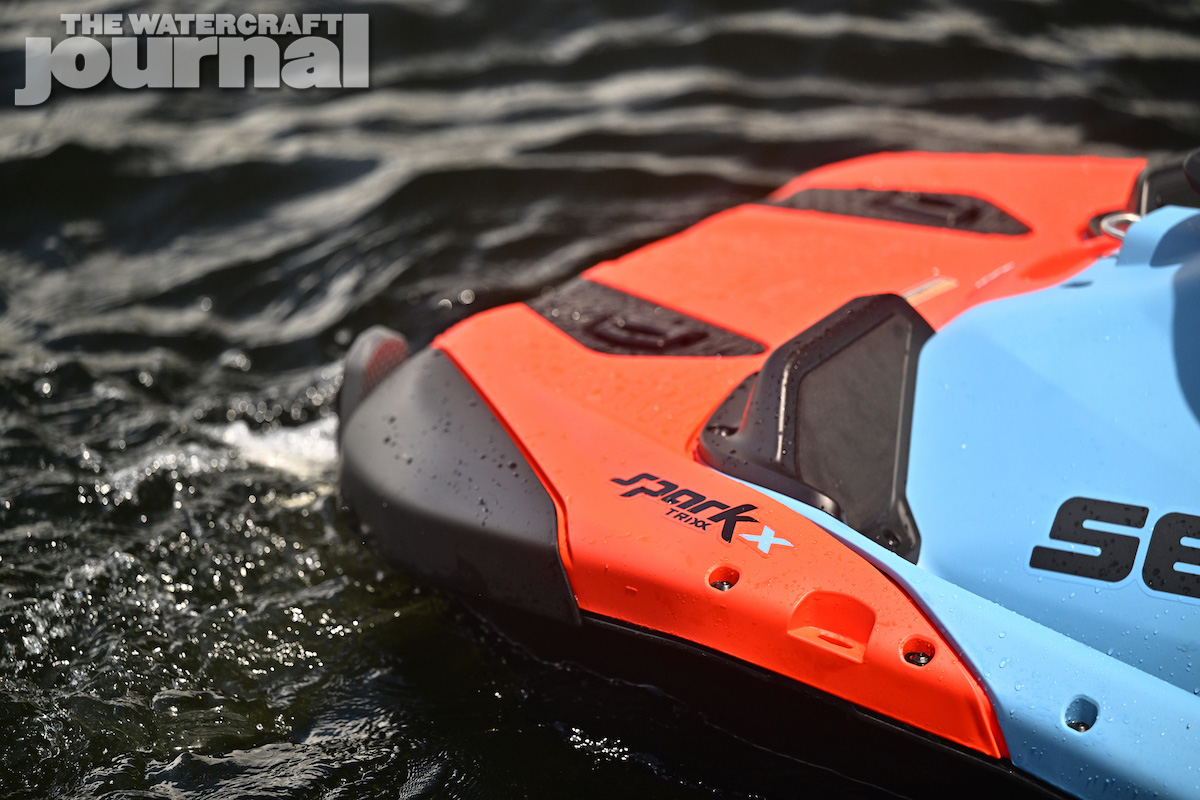
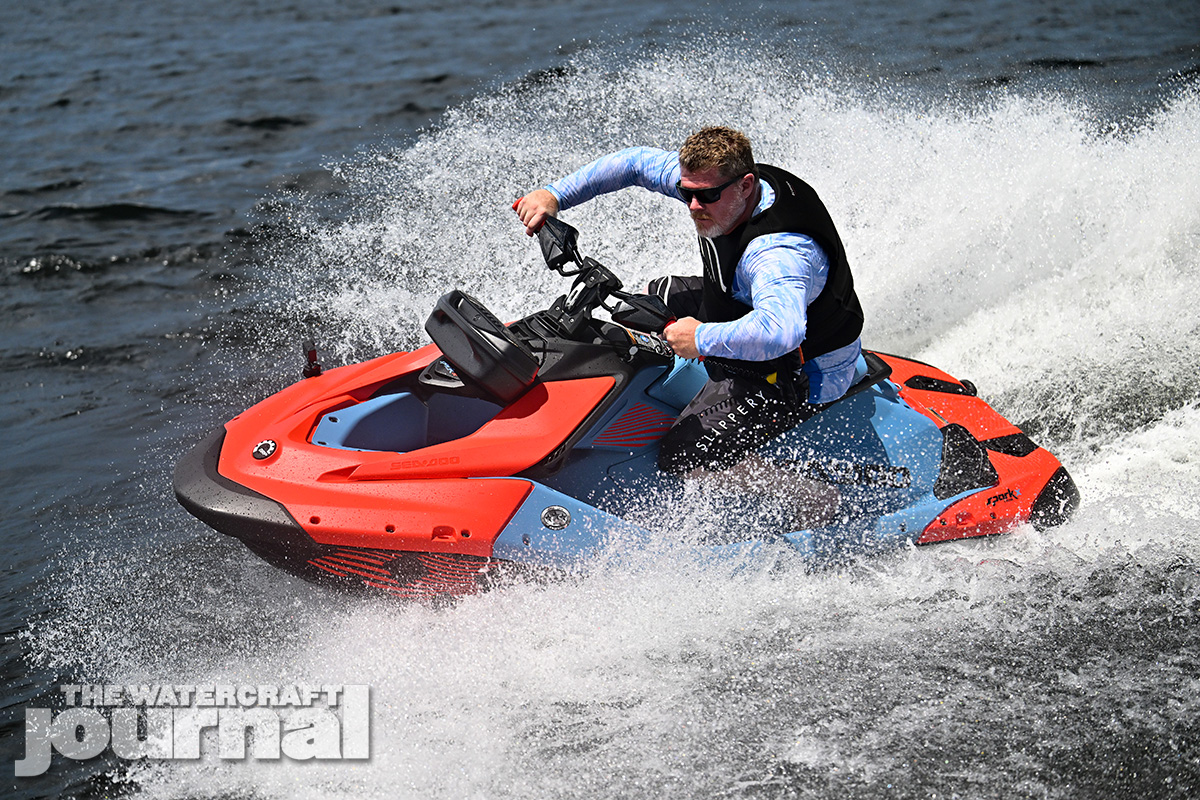
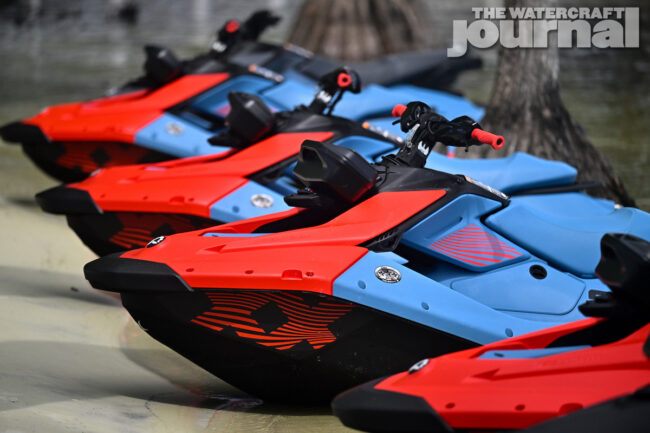
Either of the 1-up ($10,749 MSRP) or 3-up ($11,349) Trixx models are available in Gulfstream Blue and Orange Crush or the new Blue Mist and Coral Blast liveries; but be warned, opting for the latter is a painful $800 add-on just for a colored Polytec deck. And as expected, the Trixx comes with padded angle foot wedges, the billet aluminum adjustable handlebar rider, colored grips and exclusive VTS trim gear necessary for those iconic “water wheelies.”
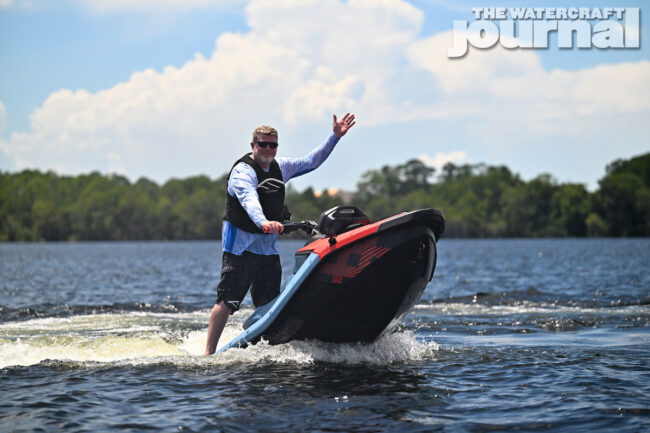
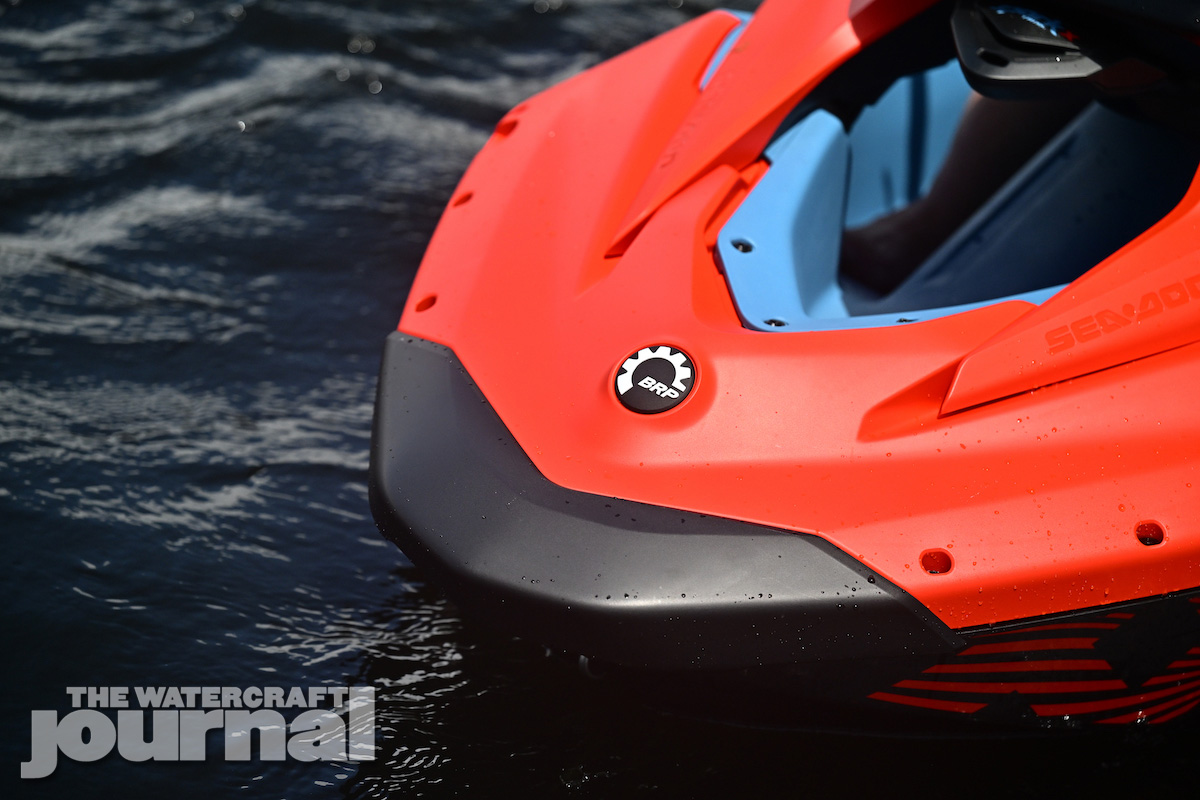
The elephant in the room yet to be addressed is the rescultped hull. I pressed Sea-Doo’s Director of Design and Innovation, Curt Wilson why BRP didn’t introduce the new hull with the 2024 redesign. “We felt delaying it until now would better demonstrate the Spark X’s added horsepower and vice versa. Most riders wouldn’t be able to feel the difference [in hull shapes] with the 90-horsepower [900 ACE]. The new 1-liter paired with [the new hull] really play off of each other.”
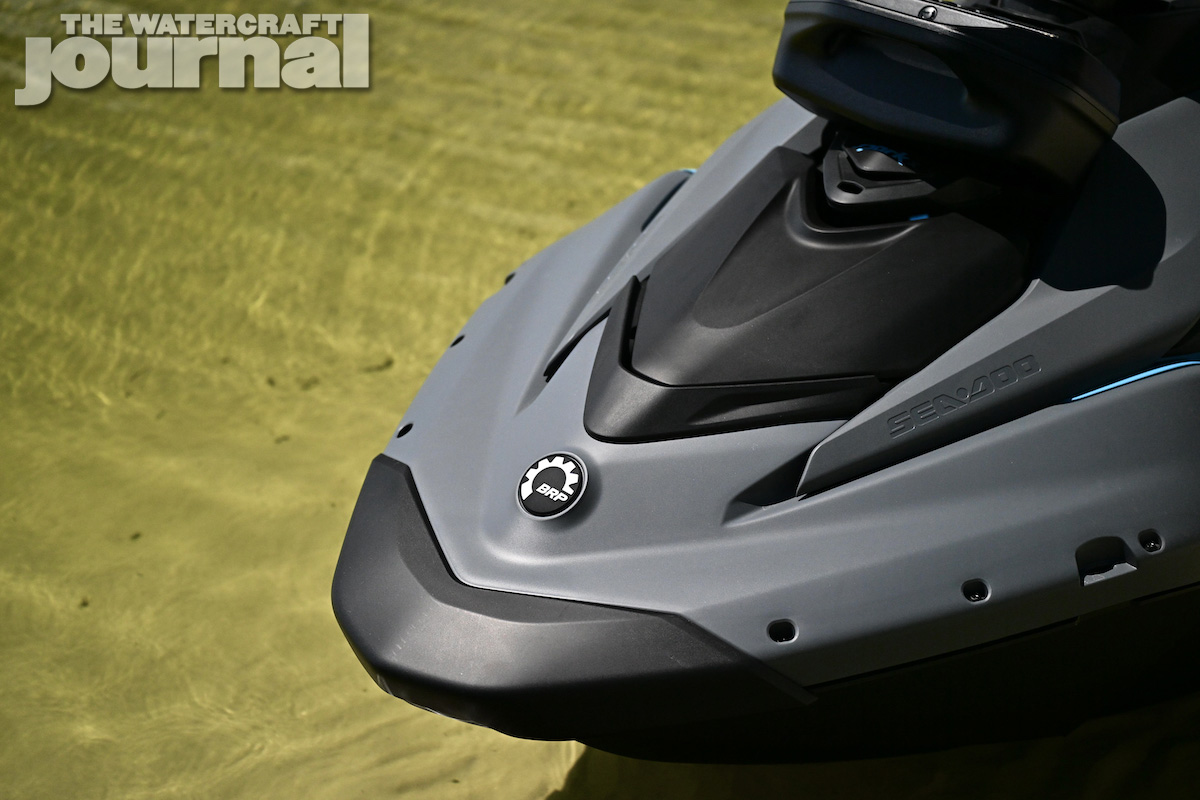
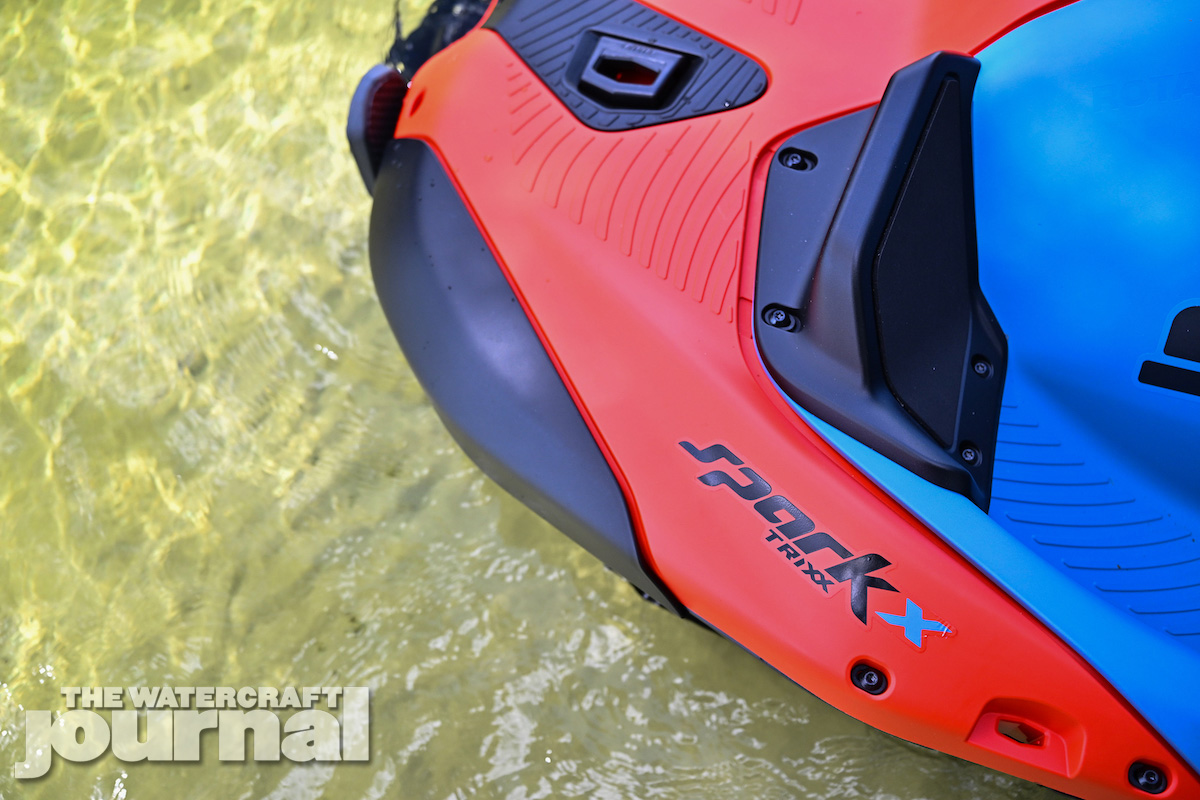
And to his credit, Wilson is right. The Spark X and Spark X Trixx ride on a slightly sharper keel that blends into a progressive semi-displacement hull. The bow and tail break into a angled outside chine, but midships, the outside chine is rounded allowing for elongated powerslides as long as you’re talented enough to disengage the hooked blades of the tail sponsons (I wasn’t). So what does all of this jargon mean to the layman?
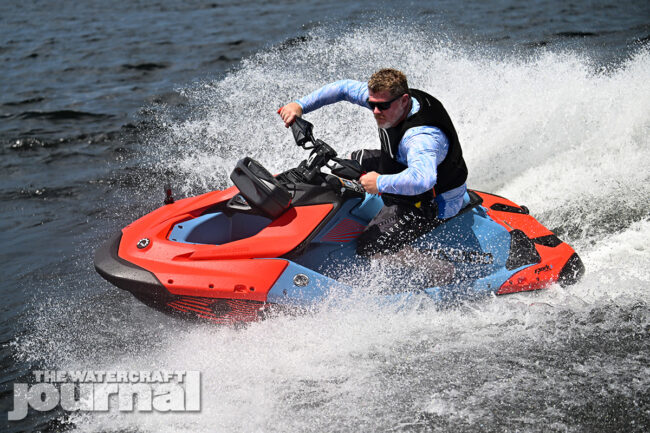
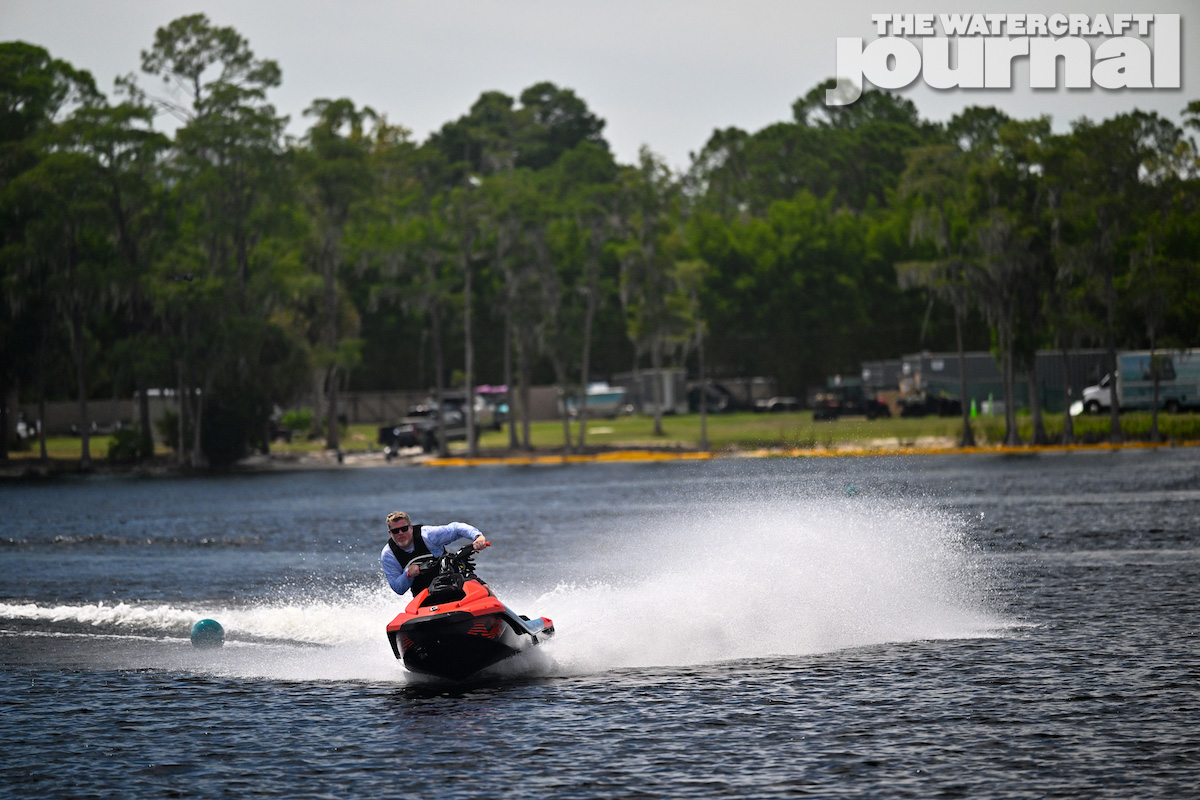
Easy. The Spark X tracks truer through glass and mild chop. You can maintain a pretty tight track around a buoy course or zipping around your lake’s shoreline. The Spark X feels sportier, tighter in corners and nowhere near as loose or sloppy. This may sound like heresy, and you wouldn’t be wrong. Key to the Spark’s appeal was being loose and playful. It’s all still there, you just may have to work a little harder to break it free.
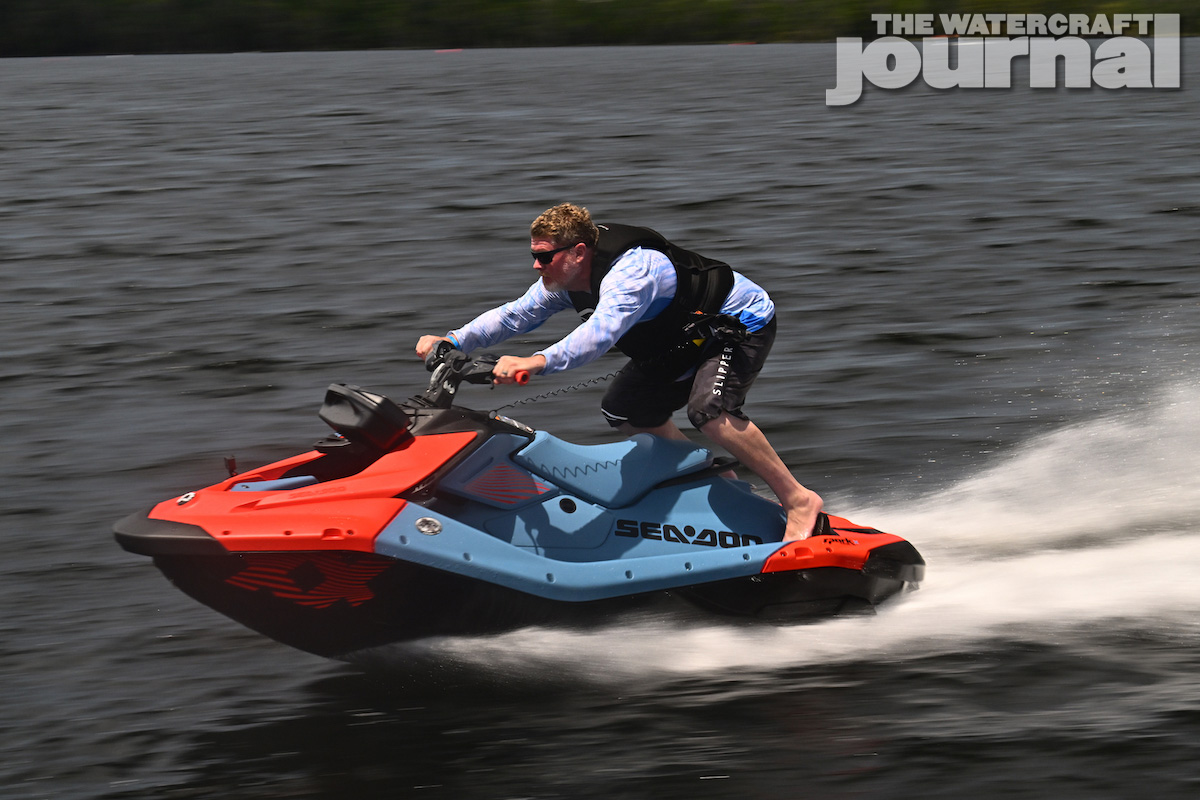
So do I love it? Sorta. What I love more is what it means, and that is that Sea-Doo wants to appeal to a more youthful audience (again). I was able to reach 56mph on the Spark X Trixx with 3/4-tank of fuel, all of the extra Trixx stuff and a LinQ radio, plus a 250-pound rider. Not too shabby but 60mph would’ve been really something. Nevertheless, Spark X is here and there’s no way it’s slowing down. And that’s a great thing.