Summer may be hanging on with warm afternoons and sunny skies, but soon enough, the seasons will start to shift. Crisp mornings, golden leaves, and that unmistakable fall breeze are just around the corner. While some might think it’s time to put their personal watercraft away, riders know better—this time of year can bring some of the most refreshing, scenic rides of the season.
There’s something special about fall on the water. The air feels cleaner, the waterways are often quieter, and the cooler temperatures add a new kind of energy to every ride. But as the weather changes, so should your riding wardrobe. Comfort and warmth become just as important as speed and performance.
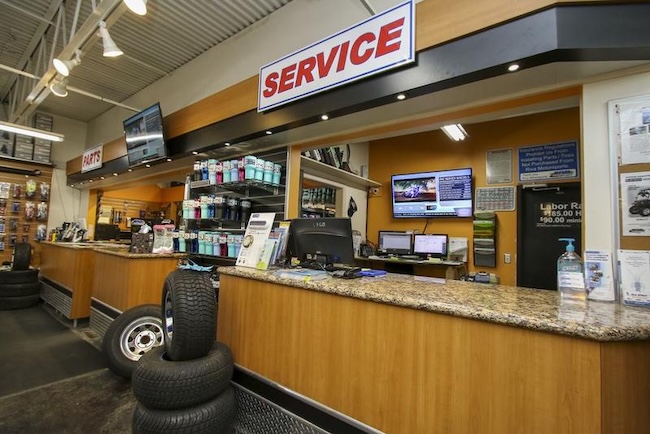
That’s where Brisbane Kawasaki comes in. Their fall riding gear is designed to keep you out there enjoying every minute, no matter how cool the breeze gets. A Jet Pilot RX Vault Tour Coat is perfect for layering over your favorite shirt or hoodie, giving you the warmth you need without holding you back. Lightweight long-sleeve jerseys make a great base layer for those brisk mornings, while hoodies keep you cozy when you’re hanging out between rides. And don’t forget the finishing touches—quality gloves and boots are must-haves.
And this gear isn’t just for leisurely rides. For those chasing the action in the final races of the season, the right fall apparel ensures you stay focused and comfortable when it counts most. Whether you’re pushing for the podium or just soaking up the autumn atmosphere, staying warm helps you keep your edge out on the water.
It’s also never too early to start thinking about the holidays. Brisbane Kawasaki has made it easy with a full page of gift ideas at a range of prices, perfect for surprising the riders in your life. Not sure what to pick? Their gift cards are a flexible choice. With a generous three-year expiry date, recipients have plenty of time to check out new arrivals and choose the gear or accessories that fit them best.
Fall may signal the end of lazy summer days, but it also opens the door to a whole new riding experience. With the right gear—and maybe a gift or two—you don’t have to cut your season short. You can embrace the change of pace, soak in the autumn air, and keep carving across the water well into the cooler months.
Top-level athletes know how to pick winners for their teams — and World Champion-turned-team-leader Dustin Farthing just proved it again. Farthing has tapped Brandon Warner to join the Farthing Racing Monster Energy Yamaha crew for next month’s IJSBA World Finals in Lake Havasu.
Brandon isn’t just another fast rider — he’s the 2025 Mark Hahn Endurance Race champion, and he’s stepping into the Havasu Pro Runabout Stock Class with serious momentum. Racing clearly runs in the family, too: Brandon is the nephew of multi-time world champion Craig Warner, giving him both the pedigree and the drive to make his own mark at the most iconic, and most competitive PWC race event in the U.S.
Earlier this year, Dustin announced that, in addition to the return of last year’s Farthing Racing alumni Deven Farthing and Noah Skipps, the 2025 team boasted several new members, including Tory Snyder, Christian Daly, Eric Lagopoulos and Trey Williams as well as Michael Bouchard and Cline Glidden in the Farthing Amateur Race Program.
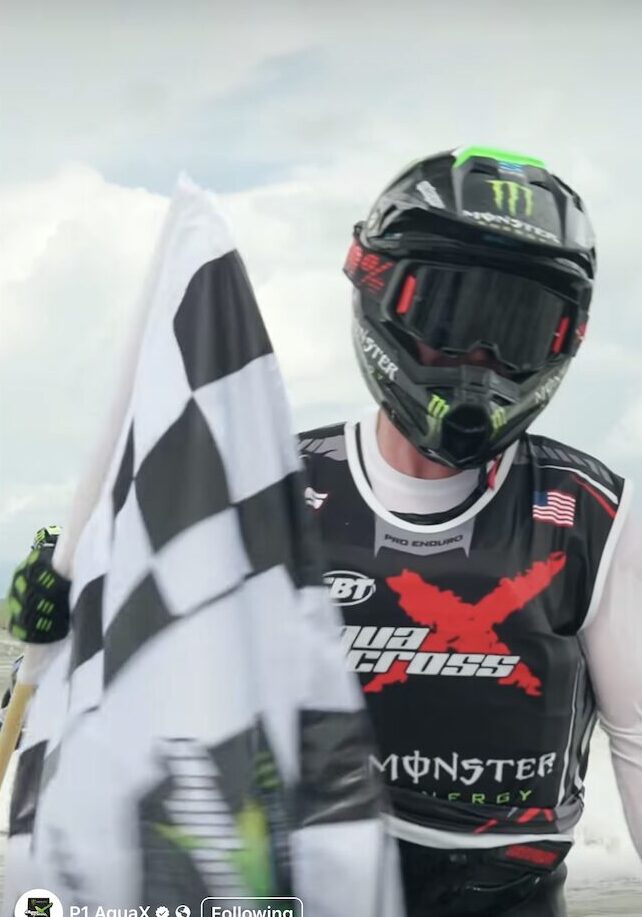
The team has already delivered standout results in the P1 AquaX season, where Farthing Racing showed remarkable consistency — leading the championship standings after Round 2 and never looking back. Just last weekend, Christian Daly clinched the Pro Enduro National Championship, marking the team’s third consecutive national title in the Pro 300 class. Rising talent Noah Skipps earned Pro Rookie of the Year, while Michael Bouchard claimed a strong third-place finish in the Amateur class.
With the addition of Warner, the roster is stronger than ever and ready to make waves in Lake Havasu, and Farthing has assured The Watercraft Journal that there’s more Havasu news coming up!
Check out the full press release below for all the details on the newest addition to the Farthing Racing lineup.
Farthing Racing Monster Energy Yamaha Adds Brandon Warner to Pro Runabout Stock Lineup at Lake Havasu
Farthing Racing Monster Energy Yamaha is proud to announce the addition of Brandon Warner to its powerhouse roster for the Pro Runabout Stock class at the upcoming World Finals in Lake Havasu, Arizona.
Brandon enters the team with an already impressive résumé. He is the reigning Iron Man Champion of the Mark Hahn Memorial 300 and carries a strong family legacy as the nephew of multi-time World ChampionCraig Warner. His combination of talent, determination, and pedigree makes him a perfect fit for the Farthing Racing Monster Energy Yamaha program.
“Brandon’s addition brings even more depth to an already stacked roster,” said Dustin Farthing, Team Owner. “We’re excited to see what he can do on the Yamaha platform in Lake Havasu and believe he’ll play a huge role in our continued success in the Pro Runabout Stock class.”
The signing of Warner marks another step in the team’s aggressive push for dominance across multiple categories. Over the coming weeks, Farthing Racing Monster Energy Yamaha will unveil additional pro rider signings, further strengthening its lineup heading into one of the most competitive seasons to date.
Farthing Racing extends its gratitude to Yamaha WaveRunners, Monster Energy, and all supporting partners for their unwavering commitment to the sport and the team’s pursuit of championships.
Few things compare to the thrill of a perfect day on the water, and whether you’re exploring hidden coves, crashing waves and wakes, or racing your buddies across the lake, music always makes the ride better.
That’s why The Watercraft Journal is putting together the ultimate Personal Watercraft Playlist—a collection of songs chosen by riders, for riders. We want to capture that feeling of freedom, adventure, and pure fun that only a day on a PWC can deliver. But here’s the catch: we need your help.
What’s the soundtrack to your time on the water?
Is it high-energy rock to keep your adrenaline pumping?
Smooth summer beats that pair perfectly with a laid-back cruise?
Maybe classic anthems that everyone sings along to at the sandbar?
We want to know. Share your favorite tracks, the ones you never hit the water without. Once we’ve collected your suggestions, we’ll compile them into the Official Watercraft Journal Playlist—a collection designed by riders, for riders.
And when it’s time for those perfect tunes, the right sound equipment makes all the difference.
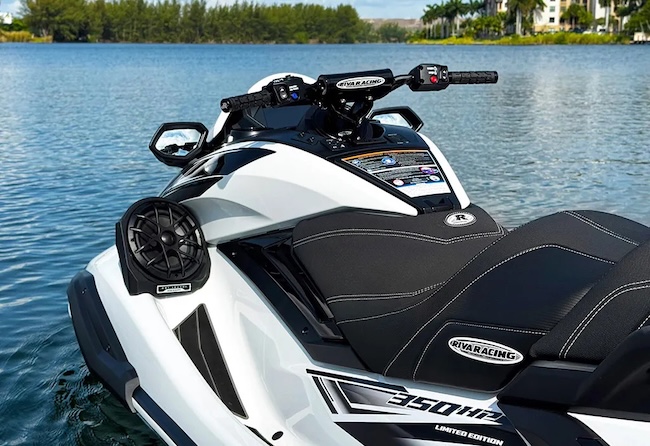
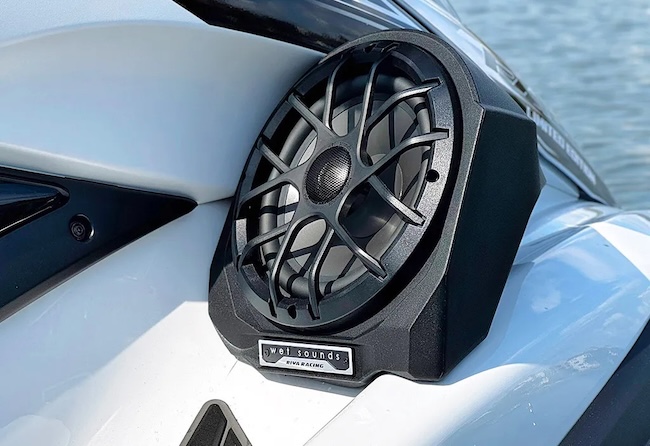
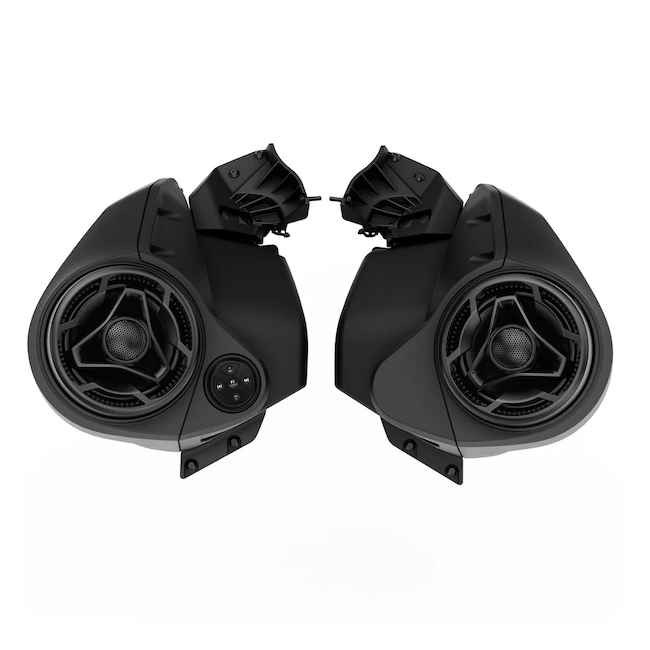
Right now, with the code “Greenhulk,” you can ratchet up your on-the-water music with the RIVA / Wet Sounds Yamaha 2022+ FX Audio System and turn your Yamaha FX into the ultimate sound machine, all while saving money.
Engineered with Wet Sounds’ legendary marine audio technology, this plug-and-play system delivers crystal-clear highs, rich mids, and powerful bass—all built to withstand the harshest marine environments. Key Features:
• 8″ Marine-Grade Coaxial Speakers with 1″ Dome Tweeters
• Built-in 400 Watt Amplifier with Digital Sound Processing
• Seamless integration with Yamaha Bluetooth & factory controls
• Saltwater-rated, UV & corrosion resistant construction
• Accepts standard OEM Yamaha watercraft cover
• 2-Year Limited Warranty
This kit has plug & play fit for 2022 & newer Yamaha FX WaveRunners with factory audio – Plug & Play install and, with installation kit RY11170-AUIK, works with 2022 & newer Yamaha FX without factory audio
Don’t forget, drop your favorite tracks in the comments, on social media, or send them straight to us. Once we collect your suggestions, we’ll put together and share the official Watercraft Journal playlist.
As we mentioned earlier this week, the annual trek to Havasu is drawing closer for many in the PWC family.
On Tuesday, we gave a rundown of tips for long-haul trailer tips, and a few must-haves in terms of gear, equipment and safety supplies.
Today, we’ll delve a little deeper into the topic of transportation – for both ski and rider, to Havasu or any other extended PWC trip.
Before we delve into a few options for creating a DIY toy hauler, however, we’ll give a quick overview of new IJSBA announcements regarding World Finals.
In the latest official release from IJSBA, Executive Director Scott Frazier announced yesterday that the annual Youth Development Program will return to World Finals this year. Kids 8-17, who are competing in World Finals, will get some pre race on the water coaching by the very best staff in the business, Frazier stated, adding check in would begin at 5:30 a.m. on Sunday, Oct. 5. More details will on the program will be released soon, he said, and advised that those wanting to be involved should email Tanya Kennedy at Worx Racing, [email protected].
Frazier also noted, earlier this week, that the Amateur Ski Lites class has been moved from Tuesday, October 7, to Wednesday, October 8. He noted that, as of now, the World Finals schedule remains tentative, and disruptions such as weather incidents could cause changes to be made during the event. The schedule will become more definitive as the start of the event gets closer. Anyone with comments or questions regarding the World Finals schedule should email [email protected].
It was also noted that 1025 SBT World Finals VIP Pit And Group Pit reservations will open on September 10. “As with all years, IJSBA is enacting policies, procedures, and opportunities intending to make the World Finals pit environment more efficient, more fair, and, hopefully, more enjoyable. IJSBA usually sells out and some VIP opportunities require orders are placed well in advance.” You can read the full release regarding these reservations at the end of this WCJ article, or visit IJSBA’s website.
With World Finals announcements out of the way, let’s look at doing some toy hauling and road tripping!
Toy Haulers, which are basically recreational vehicles that combine living quarters with a built-in rear garage and a loading ramp to transport your PWC (or ATVs, motorcycles Kayaks, etc. are certainly a handy option for those who travel often with their PWC. Built on heavy-duty frames for durability and available as travel trailers, fifth wheels, or motorhomes, toy haulers provide the major advantage of combining secure, weather-protected vehicle transport with comfortable on-site living quarters. This eliminates the need for separate trailers, hotels, and the stress of securing valuable gear at each competition.
As appealing as that sounds, toy haulers can set you back anywhere from $25,000 to $50,000.
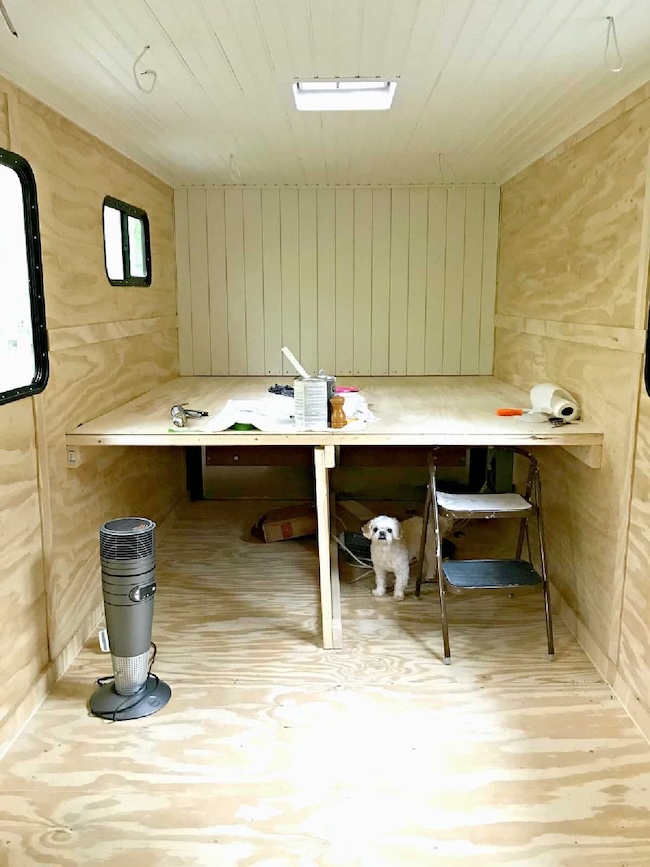
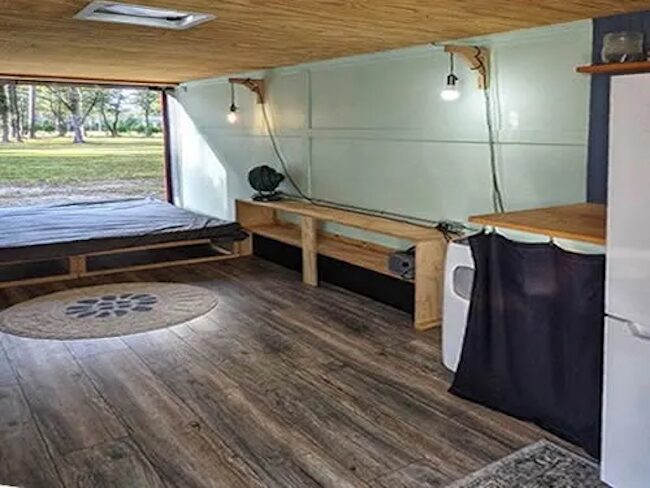
However, if you’re handy and have time on your handy hands, it is possible to convert most ordinary enclosed trailers into a custom toy hauler, and there are several different approaches, with options fitting a wide range of budgets.
One factor that must be a key consideration — whether you go with a lower-budget “makeshift” DIY toy hauler, or are planning on going all out to fully modify an existing trailer into a full-fledged toy hauler — is the strength and durability of the trailer flooring in the area that will hold your PWC.
One of your first steps should be to check your trailer’s gross vehicle weight rating (GVWR) and axle rating to ensure it can handle the weight of your PWC, plus additional allowances for added weight for any upgrades such as beds, benches, tables or work stations. Remember that PWCs weigh ~500–1,000 lbs (plus the weight of the trailer or dolly). A 7×14 or 7×16 box trailer with at least a 3,500–5,200 lb axle is usually the minimum.
You will also want to measure the length, width, and interior height of the trailer to plan layout. If you have purchased a used or older enclosed cargo trailer for this project, be sure to inspect the floor for rot, rust, or weakness, and reinforce the floor if needed.
Next, using your measurements, sketch out a plan for your toy hauler’s layout, including the garage area (usually the back half or third of the trailer) and living space towards the front of the trailer.
Be sure to consider whether you will incorporate utilities such as electrical (plan on wire for 12V DC (lights, fans, USB outlets) and possibly 120V AC from shore power, solar power, a battery bank or generator; water (fresh/grey water tanks, sink, and possibly a small shower/toilet); and climate control (a roof vent with fan is essential, especially for a PWC-related hauler); a small A/C or heater can be added if you’ll camp in extreme weather.
Next, regardless of whether you are building on a budget, or going all out, you will need to decide on flooring (consider marine-grade plywood, vinyl, or coin rubber flooring for durability and easy cleanup), tie-downs (install recessed D-rings) and a ramp. With the amount of moisture you will be dealing with on a regular basis, adding marine vinyl floor with a drain and plug in the floor is a wise step, as is adding side vents or a roof vent fan to keep moisture down.
For interior finishing, insulation is not a “must have,” but can make a significant difference in the comfort and convenience of your new toy hauler.
For a more thorough job, you can use rigid foam board or spray foam in walls/ceiling, the cover with wall/ceiling cladding such as plywood, beadboard, or lightweight paneling.
For a less intensive project, or for a temporary solution for a makeshift trailer that will only be used for one or two trips, you can add bubble wrap to the walls and ceiling for some insulation, and hang painters canvas drop cloths to cover the bubble wrap. Be sure to seal any gaps with foil tape.
Furniture can be as simple as a fold-out camp cot and a folding chair, or you can build in a fold-down bed, benches and table. A compact galley (camp stove, cooler, storage bins) can mount to one wall.
For storage, you can add overhead cabinets, under-bed storage or wall-mounted racks for a full build-out, or simply use stackable plastic totes with locking lids, Hanging tool organizers hung from trailer walls or rails, collapsible crates or canvas bins, soft-sided tool bags or gear organizers, and bungie nets and Velcro straps for vertical storage.
Additional supplies and equipment to consider:
Fire extinguisher, CO/smoke detector, ventilation.
An awning or pop-out side walls.
LED lights inside and outside.
Portable battery power station (like a Jackery or Bluetti)
Battery-powered fans or LED lights
Camping toilet + privacy tent
Foldable chairs & table
Portable propane stove (use outside only)
Cooler or 12V fridge
Water jug with spout
Collapsible sink
Camp shower
There are also several online resources with more detailed instructions, and even layouts and plans for utility trailer conversions, available on YouTube and through a general web search.
While it’s easy to get caught up in the high-tech mods and complex upgrades that can change up your PWC’s performance, sometimes, it’s good to revisit the basics when it comes to caring for your PWC.
In a recent video posted to the Jet Tech social media page, they walk PWC owners through a thorough cleaning process to help keep any PWC model clean – providing not only good looks, but extended life, reduced repair costs and improved safety.
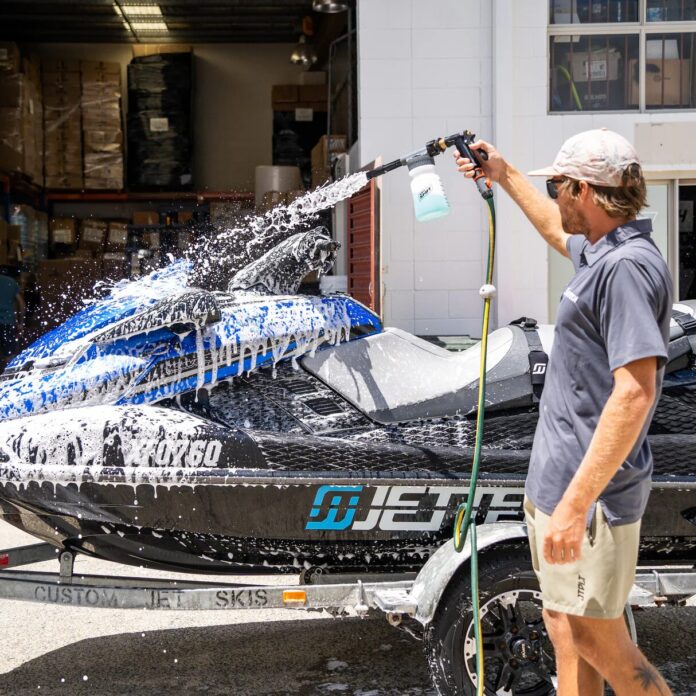
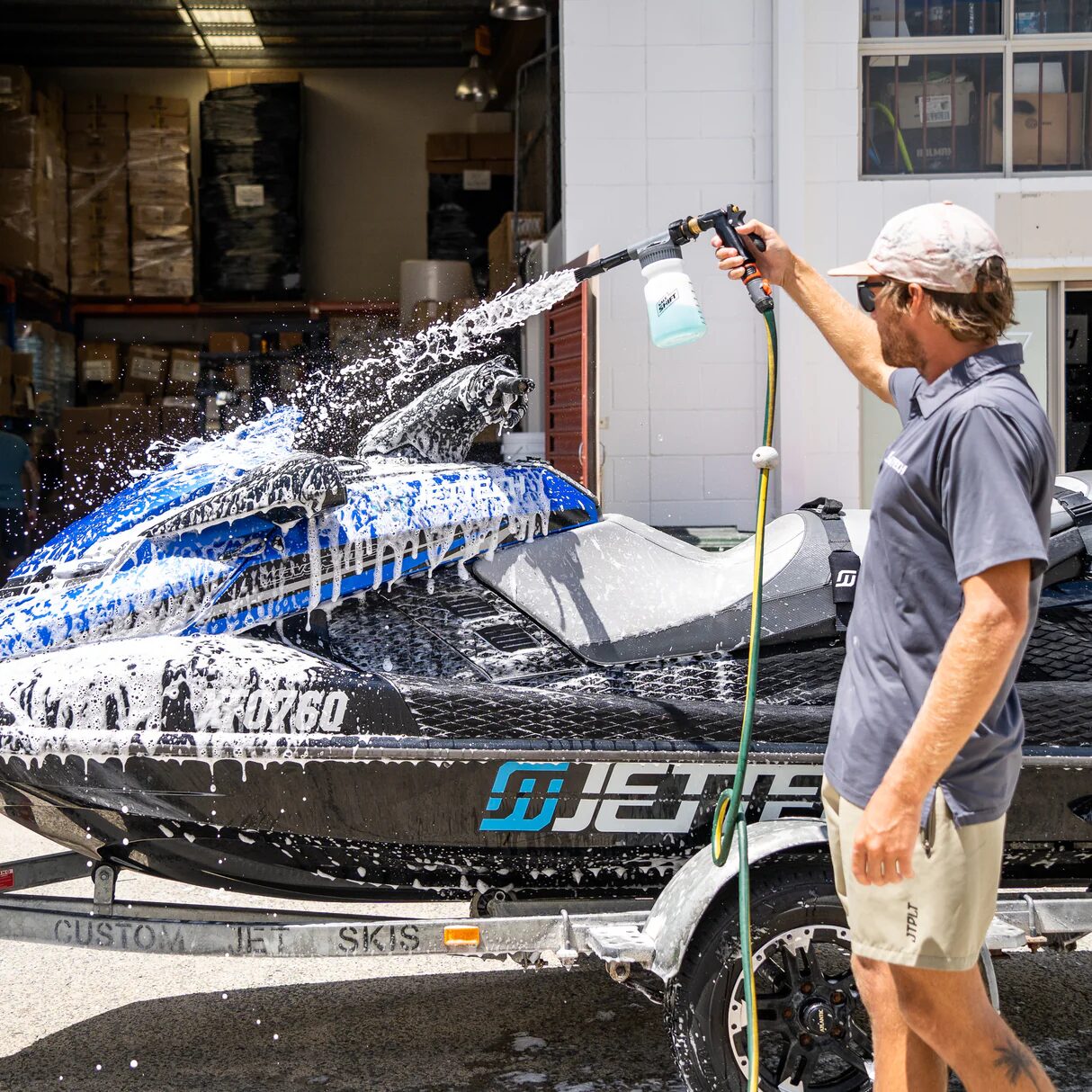
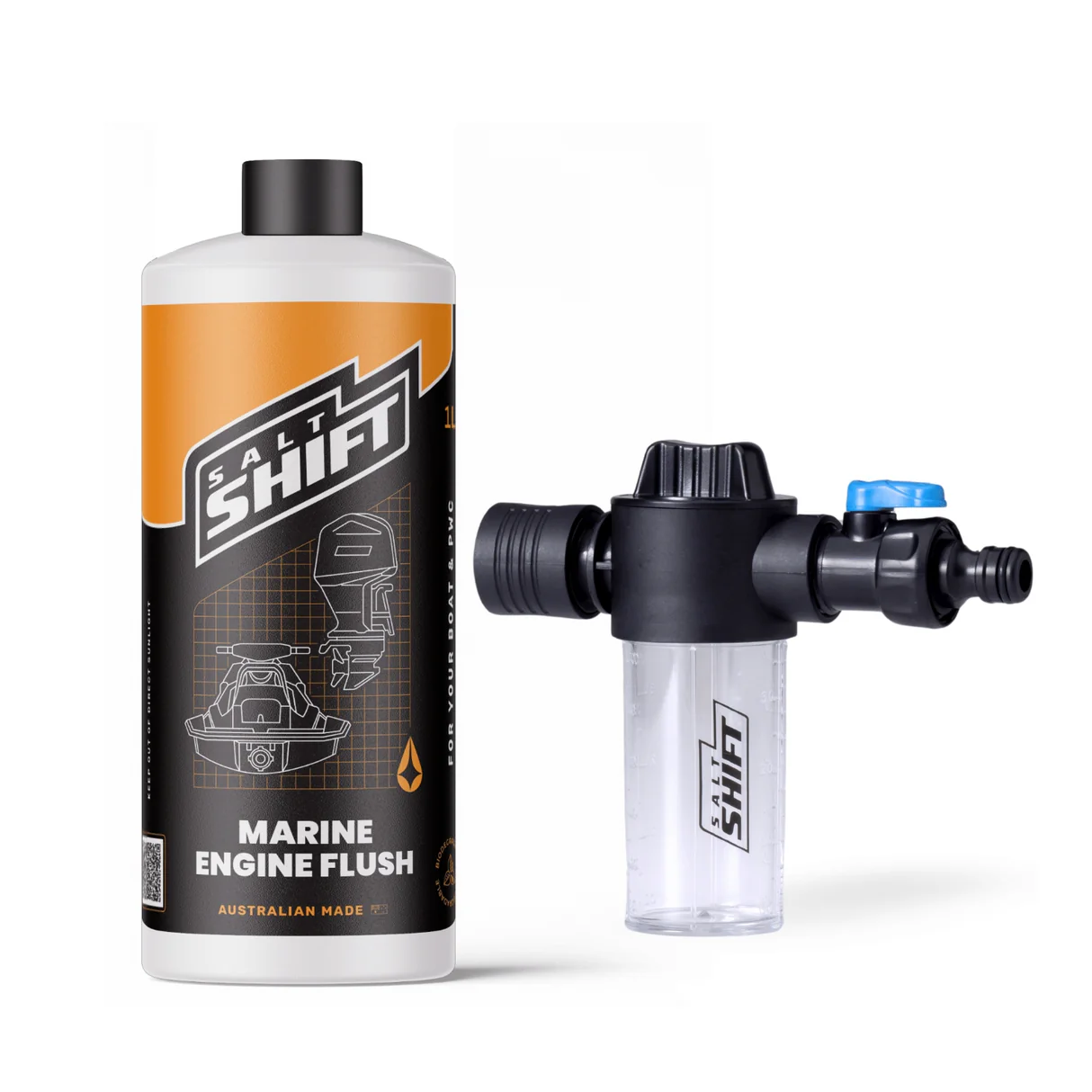
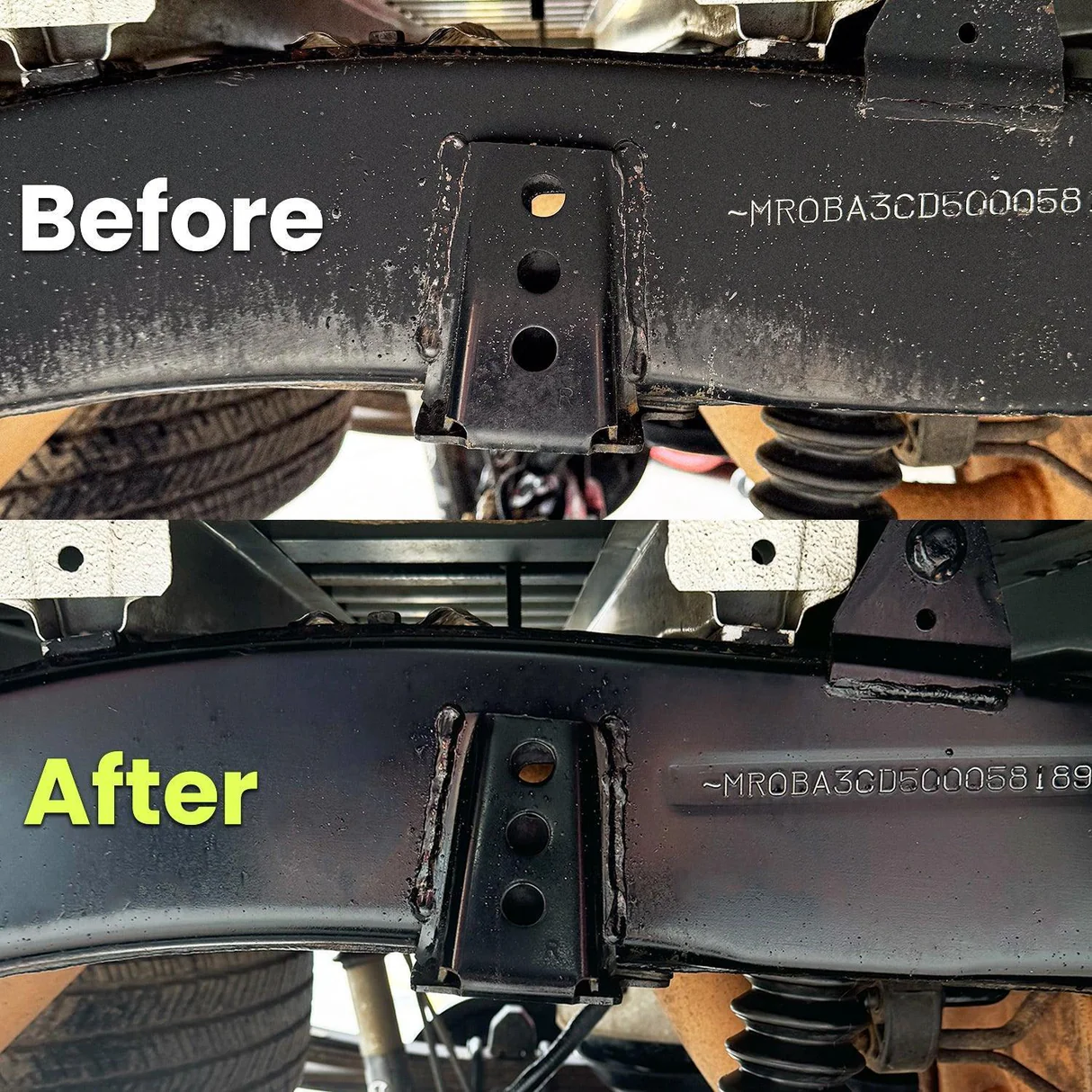
Step 1. Use a salt wash, such as Salt Shift Marine Salt Wash. This pH neutral, biodegradable wash removes salt in 30s with a contactless snow foam wash that leaves behind a corrosion barrier. It is safe on all surfaces, and Australian made from plant-derived ingredients. You can also purchase it bundled with the Snow Foam gun, which connects to your garden hose with adjustable flow control and quick-connect handle for fast, effortless rinsing.
Step 2. Rinse off the Salt Wash before it dries.
Step 3. Take your seats off and put them upright so all the water can drain out to stop them from getting waterlogged.
Step 4. Turn your jet ski on before you turn the water on.
Step 5. Use a salt and sediment wash for the cooling system, like Salt Shift’s Marine Engine Flush Kit. The 2x concentrated, biodegradable formula breaks down salt, calcium and limescale in 30s, descales cooling systems, and leaves a corrosion barrier. Safe on gaskets and rubbers.
Step 6. Turn your engine off, then turn the water off.
Step 7. Tilt the jet ski trailer back, release the winch (with the safety chain on) to be able to thoroughly rinse all surfaces of the ski.
Step 8. Undo your bungs and lightly rinse out the engine bay.
Step 9. Dry the ski with a soft dry towel to avoid hard water spots. The Salt Shift Microfibre Detailing Cloths work great for this step, trapping dirt, grime and residue for a streak-free, lint-free finish, and they are machine washable for repeated use.
Step 10. Use Salt Shift’s Rust Shield, an anti-corrosion and lanolin spray to spray down the engine to prevent rust. This spray creates a durable, high-gloss, hydrophobic barrier that protects jet skis from salt, sand, and mud corrosion. Designed for DIY use, it cures and hardens in 2–4 days, providing up to 12 months of corrosion protection with a non-stick, water-repellent finish.
Be sure to check out the Jet Tech Salt Shift page to see all the available cleaning kits and products.
Whether you’re starting to prep for the trip to Havasu in little over a month, or you’re planning a post-Labor Day outing with the family or friends, or are planning on chasing the fleeing summer weather south in the coming months, its never too soon for a trailering refresher. Even if you can back up a trailer one handed and blindfolded, with a cup of coffee balanced on the dashboard, there’s always a tip you’ve forgotten, a “must have” tool you might need, or a tried-and-true trailering tip you’d like to disagree with.
So, for both the long-trip trailering neophyte and the grizzled road warrior, here is The Watercraft Journal’s 2025 Trailering Tips and Gear Guide — and jot down a reminder to drop back by The Watercraft Journal in a few days to catch our bonus section on Toy Haulers; how to pick them, how to care for them, and how to create your own budget friendly(ish) toy hauler without major power tools, construction know-how, or McGuyver on retainer.
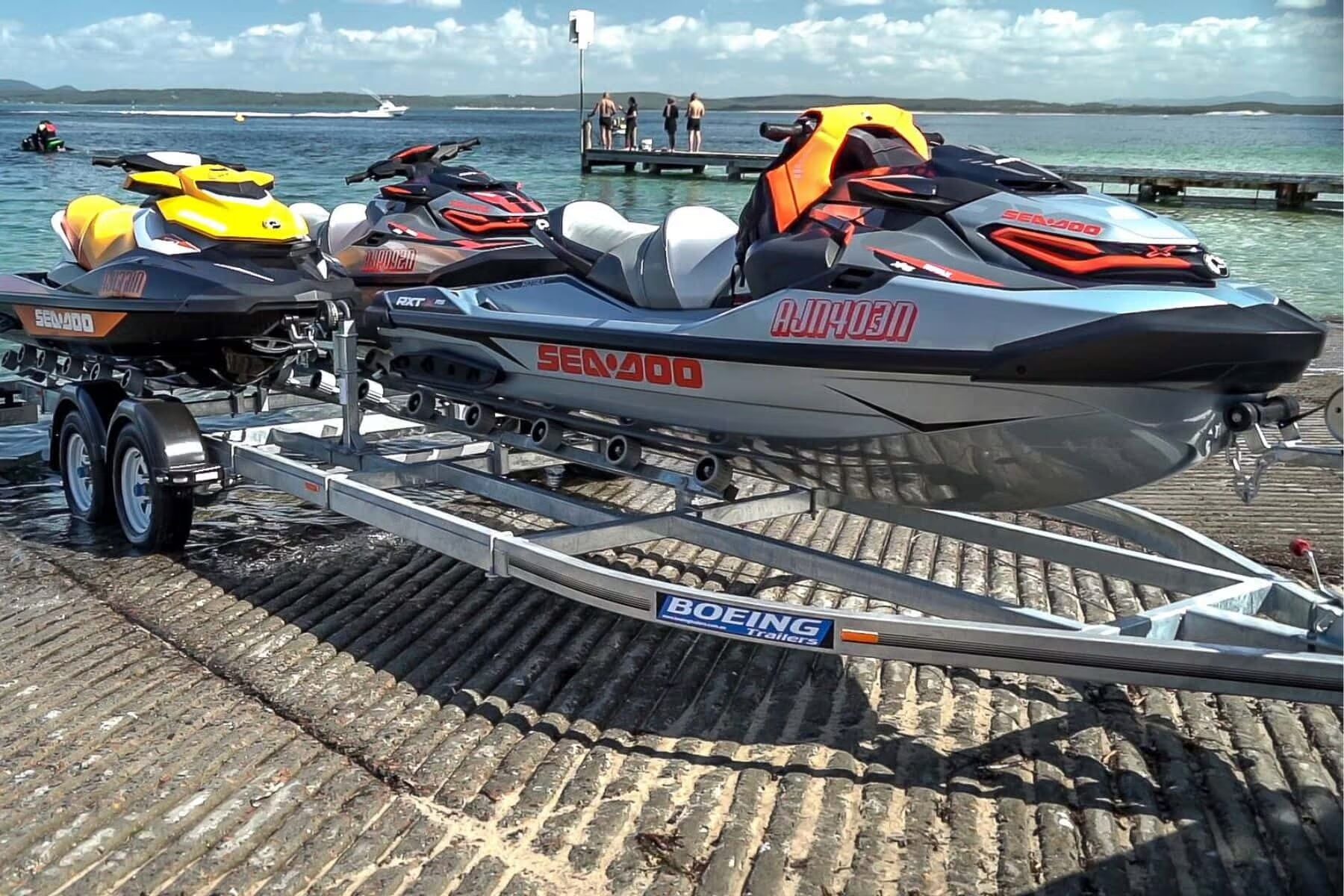
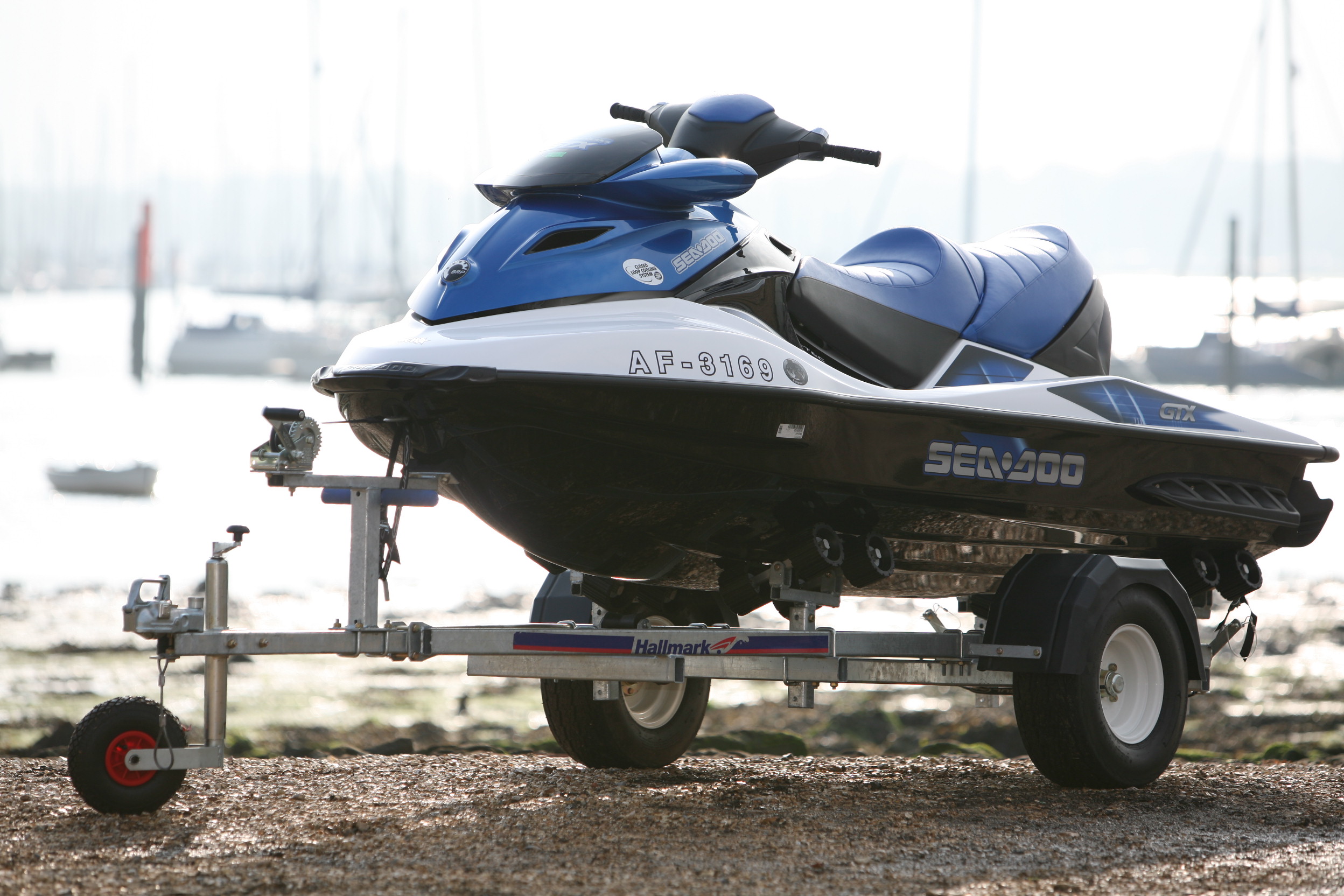
For a long-distance trip, trailering a jet ski requires preparation of both the watercraft and the trailer, proper loading and securing, and frequent checks along the route. Neglecting one or more of these steps could lead to safety hazards or expensive damage.
Pre-trip preparation Before you load up, perform thorough maintenance on both your tow vehicle and trailer.
FOR THE TRAILER Inspect tires: Check your trailer tires(as well as the towing vehicle tires) for proper inflation, tread depth, and any signs of wear, dry rot, or cracks in the sidewalls. Carry at least one spare tire for the trailer and the tools to change it.
Service wheel bearings: Check the hubs for excessive heat at every stop, and ensure the bearings have enough grease. For the most security, repack the wheel bearings annually or every 10,000 miles.
Test lights and wiring: Ensure that all brake lights, turn signals, and running lights are working properly. Inspect the wiring harness for frayed wires or corrosion. (Yelling “Left turn” out an open window, or using motorcycle hand signals is an option — just not a good one.)
Check the hitch: Ensure the hitch receiver is securely fastened to your vehicle. Examine the hitch receiver, ball, and coupler for signs of rust or damage. Lubricate the ball to prevent binding during turns.
Secure the jack and chains: Make sure the trailer jack is fully raised and its handle is secured. Ensure the safety chains are in good condition and cross them under the tongue for added protection against a disconnect. Remember, nothing screams “chaotic energy” like watching your jet ski overtake you on the freeway.
Check your tie-downs: Verify that the winch and its strap are in good condition and functioning properly. Have high-quality, high-strength ratchet straps for securing the jet ski.
Brake check: If your trailer has brakes (e.g., surge brakes), check that they are properly maintained and have sufficient brake fluid. It is also wise to check the braking system on the tow vehicle.
FOR THE JET SKI Drain all liquids: Pull the drain plugs to empty any water from the hull. For safety, empty the fuel tank or run it to less than a quarter full.
Disconnect the battery: Prevent accidental power drain and reduce fire risk by disconnecting the battery and covering the terminals.
Remove and secure loose items: Take off or secure any loose parts, such as mirrors and flags. Remove personal belongings and store them in your vehicle.
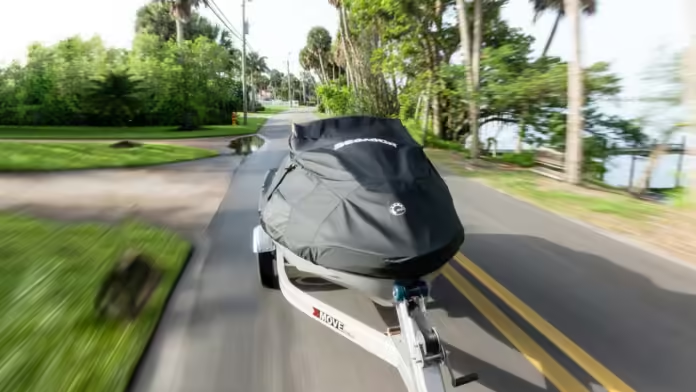
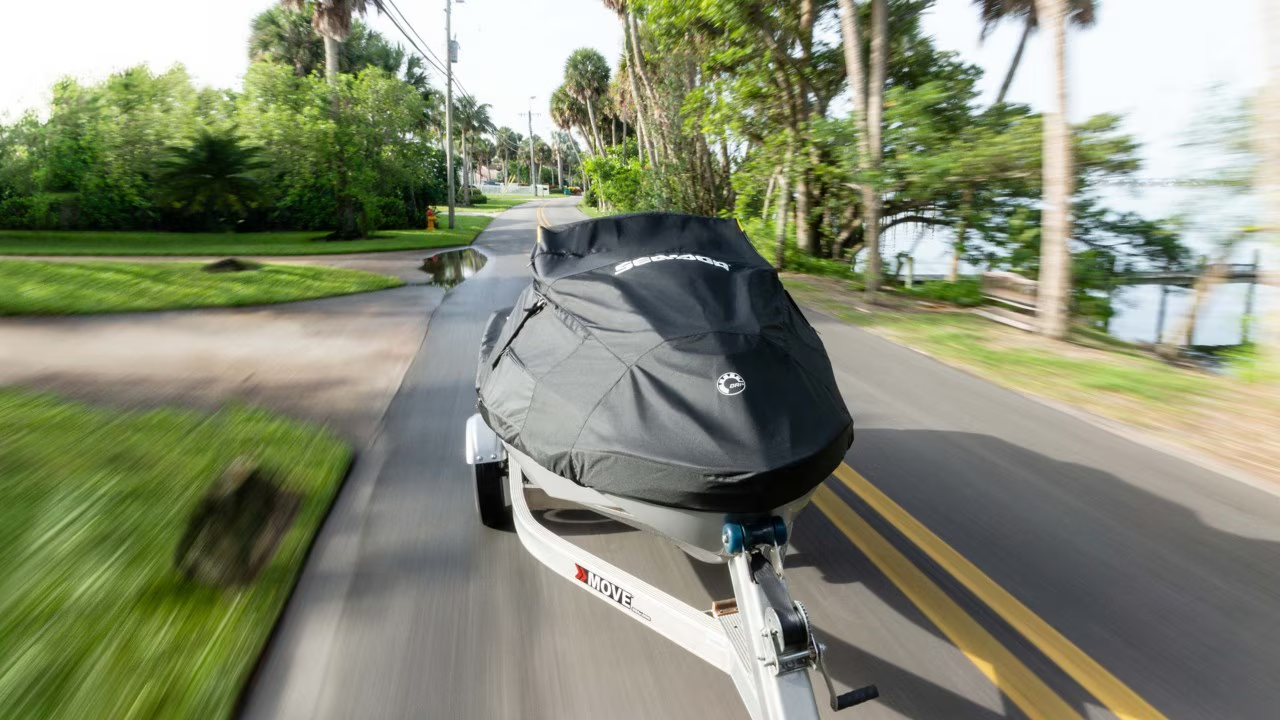
Consider a cover: A cover can protect your jet ski from road debris. However, a loose cover can flap in the wind, causing damage to both the cover and the PWC’s finish. Make sure to use a high-quality, weather-resistant option specifically designed for trailering.
Loading and securing
Improper loading can cause swaying and weight shifts during the trip, so a proper technique is crucial.
Load centered and balanced: Use the winch to pull the jet ski firmly into position, ensuring it is centered on the trailer bunks. The bow eye should be pulled snugly against the winch post. This ensures even weight distribution and prevents fishtailing.
Secure the bow: Use the trailer’s winch strap to firmly attach the jet ski’s bow eye to the bow stop. Ensure the strap is tight and the winch lever is locked.
Cross the straps in the stern: Run heavy-duty ratchet straps from each of the stern’s tie-down points to the corresponding point on the trailer frame. Crossing the straps creates an “X” pattern that provides sideways stability.
Avoid over-tightening: While straps should be snug, avoid overtightening, which can cause damage to the hull. The straps should allow a small amount of give.
Bonus tip: Test that the coupler is locked down — twice.
On the road
Towing for long distances requires a cautious and defensive driving style.
Practice defensive driving: Leave extra room for braking and making wide turns. Use your mirrors to constantly check the status of your trailer and load.
Make frequent checks: Stop and inspect your equipment after about an hour of driving, and at every stop thereafter. Specifically, check the tightness of the tie-down straps and ensure they haven’t loosened from road vibrations; feel the hubs for excessive heat, and inspect the tires.
Take breaks: Allow time for breaks to let your tires cool down on long drives.
Carry an emergency kit: Keep a jack that fits the trailer, wood blocks, and a lug wrench handy in case of a flat tire. (Duct tape, whiskey and prayer beads are also a good addition to the emergency kit)
Consider roadside assistance: For extra peace of mind, purchase roadside assistance insurance that covers trailer issues.
Drive moderately: Keep your speed at or below 60–65 mph to minimize tire and wheel bearing stress
GEAR GUIDE
Hitch Lock
Safety Chains (extra set)
Anti-sway Hitch
Rubber Hitch Cover
Bearing Grease + Grease Gun
LED Trailer Light Kit
Wheel Chocks
Infrared Thermometer
Ratchet Strap Set (with color-coded ends to reduce swearing)
12V Tire Inflator
Compact Tool Kit
Extended Towing Mirrors
Dash Cam
Gas Can
Funnel with splash guard
Microfiber Towels
Duct Tape
Zip Ties
First Aid Kit
Spare Keys
Folding Chair (IYKYK)
And be sure to check out more trailering essentials from RIVA
When you see GreenHulk and RIVA in the same sentence, you’re pretty much guaranteed a winning combination.
Up the game even more, and toss in “Solas” and “Maptuner,” and you’re talking excellence of some sort – and in this particular situation, we’re talking excellence of the ‘next-level freeride performance’ sort.
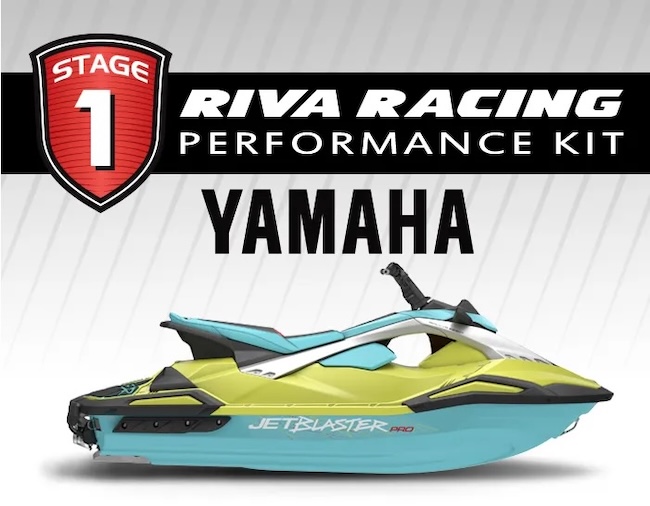
If what you’re looking for is insane acceleration and a +6 MPH top speed, Greenhulk’s JetBlaster Freeride 2025+ Stage 1 Kit delivers – and with simple, bolt-on mods and the use of fresh premium pump fuel (91~93 octane).
It’s hard to argue with figures, and GreenHulks go those – This State 1 kit will take you from the stock Stock 51 MPH @ 7,500 RPM, to 57 MPH @ 8,400 RPM – all for under $1,700.
BREAKING DOWN THE DEAL:
THe JetBlaster Freeride 2025+ Stage 1 Kit includes
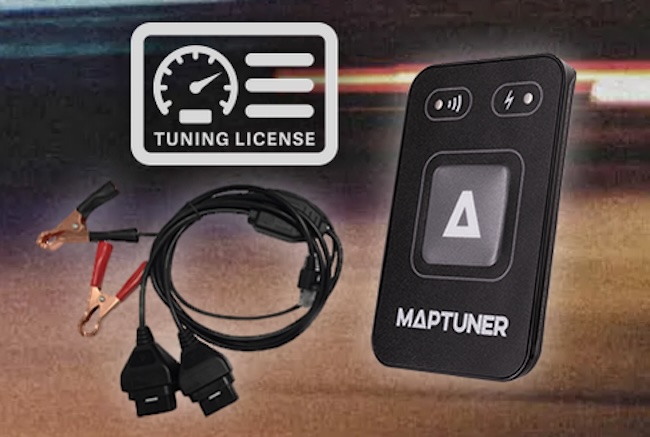
The RIVA Maptuner Nano (HDMI) Yamaha TR-1 Bundle (RY210NA-B-TR1). This Maptuner Nano Bundle delivers instant plug-in horsepower and includes everything you need to connect to and reflash your watercraft’s ECU in one complete package. Flash your vehicle’s ECU for more power, monitor and log critical engine data, read & clear error codes all from your smartphone. This app-based device is controlled with your phone via wireless Bluetooth connection. Intuitive and easy to use with a few simple steps.
It should be noted that there is no limit to the number of vehicles or tunes you can reflash with the Nano. Simply purchase one tuning license for each vehicle that you would like to program. This gives you access to RIVA’s world famous Tuning Library along with unmatched technical support. Easily switch between performance tunes and then back to stock settings if you wish.
Features include Wireless Bluetooth connectivity to Android or iOS smartphones; The ability to switch between performance tunes quickly & easily; live monitoring & data logging of critical engine data; and gives you the ability to read and clear fault codes.
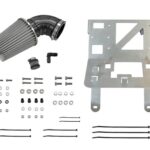
A RIVA Yamaha 2025+ JetBlaster Power Filter Kit (RY13210) that replaces the restrictive factory intake system, delivering improved throttle response and top-speed. This kit insures your JetBlaster’s TR-1 engine a steady diet of unrestricted air, delivering improved acceleration and RPM, replacing the bulky stock air box with a high-volume, SAE certified stainless steel flame arrestor that attaches directly to the throttle body. This kit dramatically cleans up your engine compartment by removing the large original plastic air box and relocating electrical components onto a compact, precision-fabricated aluminum bracket.
(IJSBA Race Legal and certified to meet U.S. Coast Guard ‘SAE J1928’ requirements.)
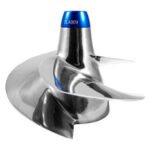
A Solas Yamaha Concord 144mm 12/17 impeller (YJ-CD-12/17) This new design incorporates a large blade area and superior hub design that deliver increased acceleration and top speed. A Billet nose cone is included.
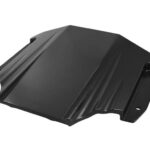
And a RIVA Yamaha EX/EXR/JetBlaster Performance Ride Plate (RY21100), increasing top speed and significantly enhances handling characteristics in a variety of water conditions. This ride plate features deep channels and optimized angle for improved acceleration and traction in and out of turns. Added length provides excellent straight-line stability at top speed with reduced porpoising. It is powder coated to prevent corrosion and is also IJSBA Race Legal.
When it comes to pushing the limits of PWC performance, riders around the world trust RIVA Racing’s products. But the mark of a top tier business isn’t limited to just its products, and high-performance parts often require high-performance support. That’s exactly what RIVA’s tech center delivers. Every call, email, or message from a customer is met with a team of specialists ready to troubleshoot, guide, and ensure that riders get the very best out of their PWC.
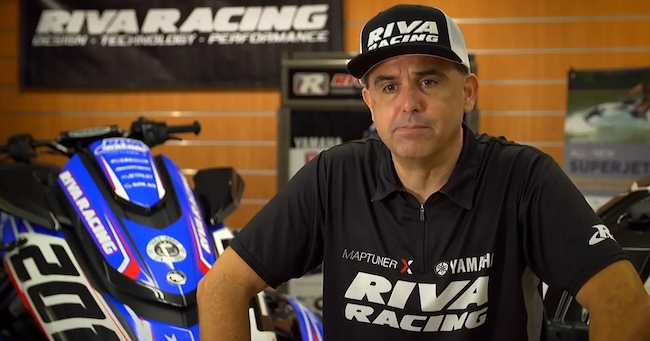
Recently, The Watercraft Journal reached out to RIVA’s owner, Dave Bamdas, to find out more about what goes on behind the scenes when riders reach out to their tech center for support.
The Watercraft Journal: When a customer calls RIVA’s tech center, what can they expect from that first interaction?
Dave Bamdas: They can expect to reach a knowledgeable representative that is well versed on supporting RIVA Racing Products and PWC performance issues. They have been trained in customer service and will do everything reasonable to assist our customers.
WCJ: On average, how many calls does the tech center handle in a typical day or week?
DB: In peak season we can receive over 75+ tech calls per day. Due to high seasonal volume, any calls that go to voice mail are logged in our ticketing system to ensure prompt follow up.
WCJ: How many technicians are available to take calls on a given day?
DB: We have 7 technical salespeople that specialize in performance parts sales and support. For more involved issues we have a dedicated technical support person. We also have a high level Maptuner support person that works exclusively through email.
WCJ: What kind of training does a RIVA tech center technician go through before taking calls?
DB: Extensive training at our R&D Center, weekly product update meetings, OEM training courses from the manufacturers.
WCJ: When a particularly challenging or unusual question comes in, what’s the process for finding the answer?
DB: We often use Maptuner logging software to diagnose engine and tuning issues remotely. Our support staff can also consult with our R&D Department on challenging issues if necessary.
WCJ: What types of issues or questions do you handle most often?
DB: Simple installation questions for our bolt on products and Maptuner set up. We supply detailed instructions but we are always here to answer questions.
WCJ: What would you say are the primary goals or mission of the RIVA Racing tech center?
DB: Our primary goal is to provide a great experience with RIVA Racing Products through excellent technical support and strong customer service
From troubleshooting a tricky Maptuner setup to answering simple installation questions, RIVA Racing’s tech center proves that great products go hand-in-hand with great support. With a well-trained team, cutting-edge diagnostic tools, and a commitment to customer satisfaction, the tech center ensures that every rider gets the most out of their PWC experience. Whether you’re chasing speed records or just want your jet ski running smoothly, RIVA’s support staff is always just a call away.
And be sure to check out WCJ Editor-In-Cheif Kevin Shaw’s discussion with Bamdas about The Demands of Performance Trends, from an earlier The Watercraft Journal IRL podcast.
The Watercraft Journal opened up our email earlier today to find the official P1 AquaX results from Sheboygan and Clearwater, along with Championship points standing and rankings as of the end of Round 4 of the Series’ 5 rounds.
And while we have heard, and seen, the dissension and concerns that have flooded social media channels since the closing of the races at Clearwater, we will address those issues in a separate article, after speaking with those directly involved and sitting down first-hand with some of the AquaX racers during this weekend’s AJSA Race, and seeking input from AquaX officials.
For now, we will report on the official results as we would following the conclusion of any race.
In the Pro Enduro class, which is the only class for which results have been distributed at this point, the late-release results from Round 3 in Sheboygan, which took place Aug. 8-10, have #6Deven Farthing placing taking 2nd in the first moto, 1st in the second moto, and slipping to 8th in Moto three, to claim the overall number one spot on his Yamaha GP 1800 and adding 56 points to the 57 earned in St. Cloud and the 35 gained in the season opener in New Orleans.
#477Jay Edworthy on aSea-Doo 325 RXPX snagged the second podium spot in Sheboygan, with a 5/7/1 set of finishes to add 51 season Championship points to the 113 earned in rounds 1 and 2.
Securing the third podium step at Sheboygan was another Yamaha GP 1800, this one piloted by #373 Noah Skipps, who put in 3rd, 2nd and 9th place finishes over the weekend to take 3rd overall and add 47 points to the 71 garnered in rounds 1 & 2.
Moving to Clearwater results, the Pro Enduro class saw 17 riders on the line, and the official Round 4 results awards #116 Vanjae Ramgeet, also piloting a Yamaha GP 1800, 59 Season/Championship points for his 1st place overall finished, earned with a 3/1/3 weekend record.
On the second podium spot coming out of Clearwater was #105, Christian Daly, who parlayed a 1/14/3 weekend into a silver finish and an added 55 points to tack onto his 42 from Round 3, 67 from Round 2, and season-opening 49 points in New Orleans, to give him 213 season points and put him him in first in the Championship hunt headed into the final round, which will take place in St. Pete.
Securing a 3rd place finish in Clearwater was Skipps, who pushed his GP 1800 into a 4/2/5 weekend and another 49 points for his season total.
With the final round just a week away, there is a season’s worth of competitiveness built up and bragging rights (not to mention prize $$) on the line as the top three points-holders — Daly (213), Edworthy (203) and Skipps (167) — hit the line with a full field dogging their heels.
Two of RIVA’s recent highlight products may seem like low-priority purchases — geared towards superficial appearance improvements only, but both RIVA Racing’s new seat covers for 2024+ Spark & Spark Trixx, and their RIVA Racing apparel, including Tee shirts, hats, & windbreakers, not only offer great-looking style, but provide many benefits besides lookin’ stylish.
Seat covers like the new models specifically designed for the 2024+ Spark & Spark Trixx ($239.95 for either model) can be a small upgrade that provides significant improvements in the ride experience, especially for performance riders or anyone who spends a lot of time on the water.
Enhanced Rider Grip & Control
Jet ski seats can get slippery when wet, especially during aggressive riding or sharp turns. High-quality seat covers add traction zones that help keep the rider (and passengers) planted and in control—even in rough water.
Protection for Your OEM Seat
Sun, saltwater, and regular use can fade, crack, or wear down your stock seat over time. A seat cover acts as a protective barrier, extending the life of the original seat and preserving resale value.
Improved Comfort
RIVA aftermarket seat covers are designed with better materials, textures, and padding that can make long rides more comfortable compared to slick, worn factory seats.
UV & Weather Resistance
Marine-grade seat covers are made to withstand harsh conditions, including direct sun, salt spray, and frequent exposure to water—ensuring long-lasting performance without fading or breaking down.
An investment in a RVIA seat cover is more than cosmetic—it’s a functional, protective, performance-enhancing upgrade for any PWC. Whether you’re carving through tight turns or enjoying a lazy day on the water, these seat covers deliver the grip, style, and durability you need.
RIVA’s full line of seat covers offer precision fit, engineered for a factory-tight fit over OEM seats, and the newest models are specifically designed to fit the updated seat design of 2024 and newer Sea-Doo Spark and Spark Trixx models for a clean, factory-like appearance.
Key features include strategically placed textured panels to enhance rider control and reduce slippage during aggressive maneuvers or rough water conditions, and they are constructed from premium, UV-resistant materials that resist fading, tearing, and cracking—built to withstand sun, salt, and repeated use, all with quick and easy installation.
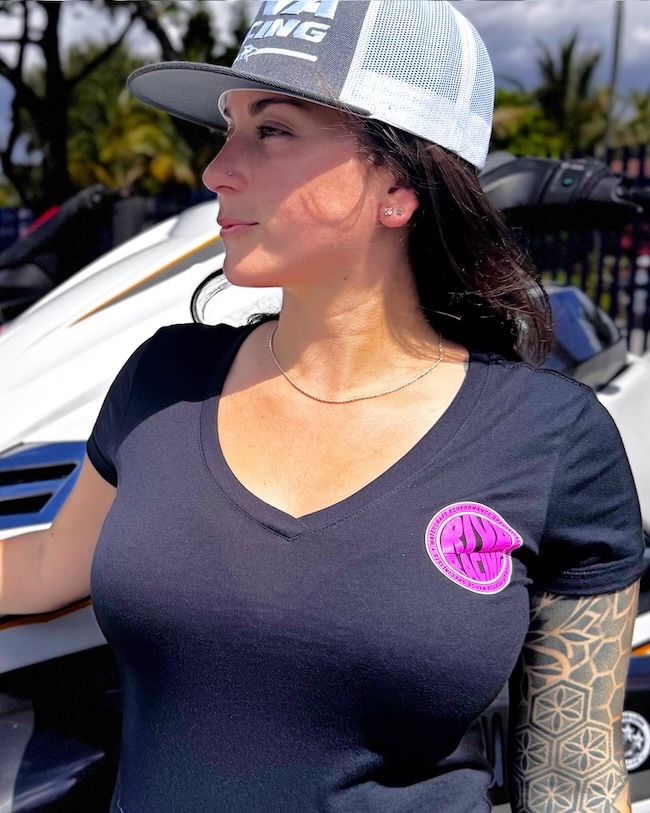
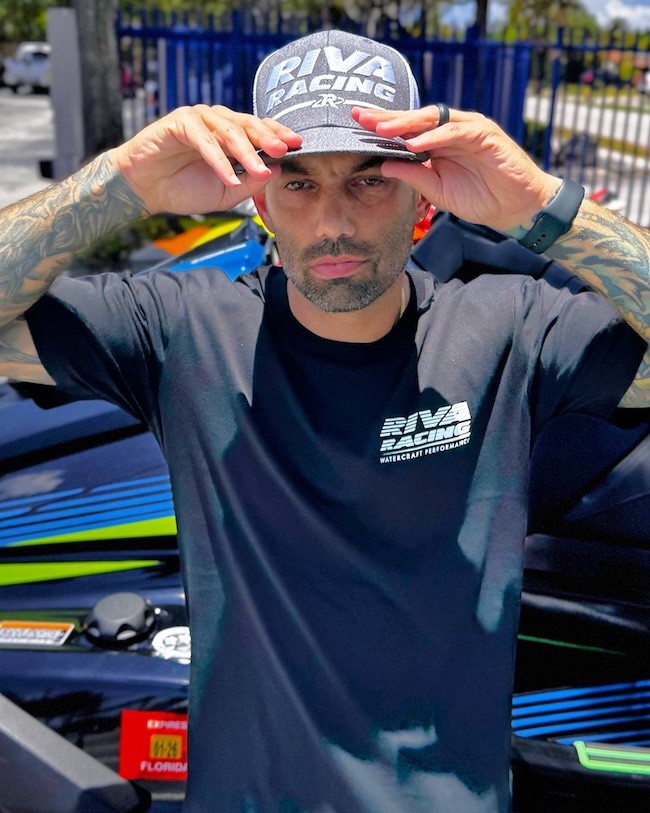
And for more personal style upgrades, check out RIVA’s line of race apparel. Even when you’re not going for broke on the race course, you can stay stylin’ on the water with RIVA’s short- and long-sleeve rash guards, Tee Shirts sporting the reputable RIVA brand, ball caps in a variety of styles and colors, and jackets and sweatshirts as well as footwear and sunglasses.


 Summer may be hanging on with warm afternoons and sunny skies, but soon enough, the seasons will start to shift. Crisp mornings, golden leaves, and that unmistakable fall breeze are just around the corner. While some might think it’s time to put their personal watercraft away, riders know better—this time of year can bring some of the most refreshing, scenic rides of the season.
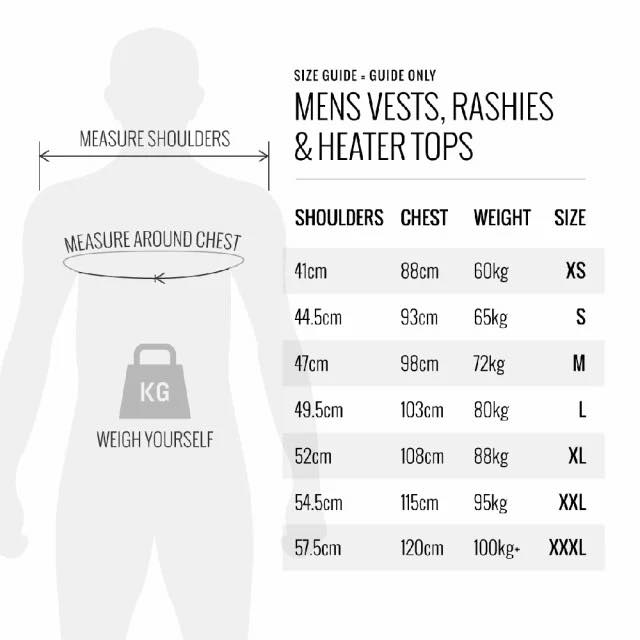 That’s where Brisbane Kawasaki comes in. Their fall riding gear is designed to keep you out there enjoying every minute, no matter how cool the breeze gets. A Jet Pilot RX Vault Tour Coat is perfect for layering over your favorite shirt or hoodie, giving you the warmth you need without holding you back. Lightweight long-sleeve jerseys make a great base layer for those brisk mornings, while hoodies keep you cozy when you’re hanging out between rides. And don’t forget the finishing touches—quality gloves and boots are must-haves.