There has been an upholstery discoloration that has been plaguing the boating community for a long time. This pink discoloration as it turns out is actually due to bacteria that generate into and within vinyl seats and materials.
Doing a quick search through various personal watercraft forums and we can see that this problem is not only prominent on boats but personal watercraft owners have been frustrated with the same problem as well.
Traditionally there has never been a proper solution to removing these stains from white seats short of using harsh chemicals and solvents which can damage and do more harm than good. Well now there is a proper solution to getting rid of these nasty stains and turning your seats back to white again.
Gestalt Scientific has finally proven a solution that works. The idea is to use what they call a Halotron. It is basically a controlled narrow spectrum light device that aims at the stain. Along with a treatment agent applied to the vinyl, the light penetrates the fabric and removes the stains.
This device currently can only be used on white colored vinyl so if you have colored fabric, chances are it is either not a pink bacteria problem or this process simply will not work.
Since the original system uses a series of lights and treatment agents, you either must have all of the hardware which is not cheap or you must find a dealer who has this hardware and will simply charge you a service fee to remove your pesky stains.
Although we do not currently see anything listed on the Gestalt website stating so, there is apparently a new DIY home treatment solution being offered. This liquid solution could be a more cost-effective treatment method for those who may just have a small stain and don’t need to pay to visit an authorized dealer.
We’re both big fans of classic American automobiles and WatCon, here at The Watercraft Journal, and today’s post is particularly painful if you share these same two interests. John Zigler, owner of WatCon and Rock County JetSki awoke two days ago to discover some subhuman had “tagged” his 1970’s themed ’65 G-Series ChevyVan (it was marketed as one word when first introduced in 1964). The bright red panel van had become synonymous with Rock County JetSki, as it was a near-permanent fixture in front of the shop.
Standing at a slight rake on magnesium “slot” wheels wrapped in white letters-out radials; “side dump” exhaust tips jutting out below the rockers, ending directly in front of the rear axle; and a bubble “opera” window cut into the sides, Zigler’s van was pretty damn groovy.
Zigler made a Facebook post the morning he discovered the vandalism, which wrote: “I need your help! I am just sick to my stomach. Many local people here know my 1965 red Chevy shop van. I came in this morning to find my van has been vandalized overnight. I am asking for all my local friends and other people to help me make this go viral; I am offering a cash reward to anyone that helps lead to the arrest of the person(s) who did this to my little red van. Please share all over. Please contact Janesville Crime stoppers with any information.”
All of us at The Watercraft Journal would like to encourage anyone in the nearby area to help get this scumbag(s) arrested for the damage done to John’s car.
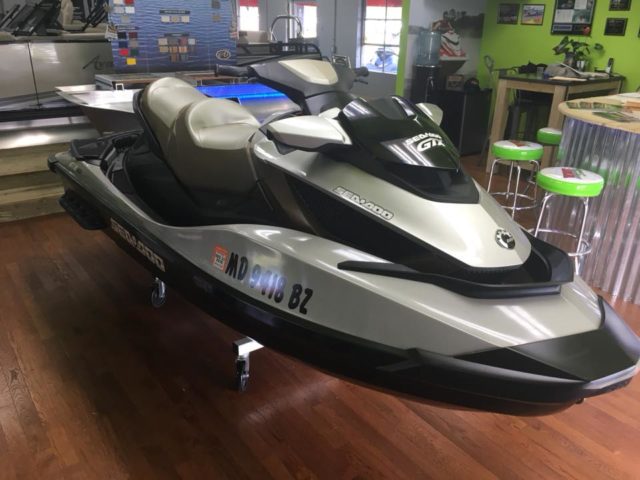
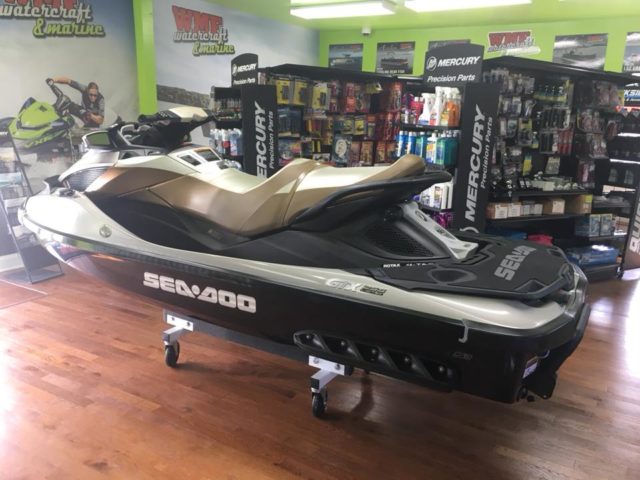
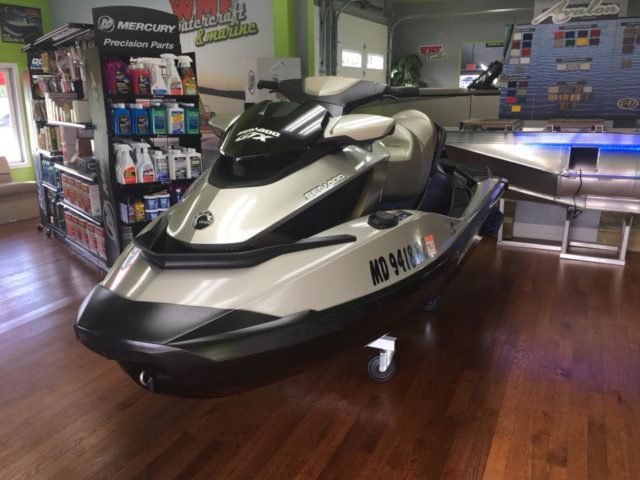
It’s been a while since we’ve heard from our friends over at WMF Watercraft & Marine (located in Millsboro, DE). Last we heard of the dealer, they had become one of the nation’s largest Avalon and Tahoe pontoon boat dealers, they’re still a major dealer for used and pre-owned personal watercraft – be it a Kawasaki, Honda, Sea-Doo or Yamaha.
Recently, they listed this very clean 2009 GTX Limited iS 255 that somehow looks like it’s been kept in a hermetically-sealed garage for a decade. Equipped with iControl, Sea-Doo’s advanced digital watercraft management system, interactive gauges, a high performance VTS (Variable Trim System), and single-piece, articulated three-person touring seat.
Beneath the seat is a 255 horsepower Rotax 4-Tec supercharged and intercooled engine with a scant 62 hours on the clock. Of course, being a 2009 model, this GTX was the first to feature Sea-Doo’s Intelligent Brake and Reverse (iBR), Intelligent Throttle Control (iTC) and all aboard the then-new S3 hull.
Add to that Sea-Doo’s retractable mooring lines and the love-it-or-hate-it Intelligent Suspension (iS) system (we personally loved it), this GTX Limited 255 iS is a super cool (and rare) machine worth a second look at. Oh yeah, and WMF will throw in a trailer and cover all for $8,999.
Now, that is not to say that the new GTX Limited isn’t worth some serious praise, but understand that it was judged against a ’18 Yamaha Cruiser SVHO only. No ’18 Kawasaki Ultra 310LX was present for review, and WCSS was only judging top-of-the-line luxury models this year. That being said, the GTX Limited 300 is a phenomenal addition to the Sea-Doo lineup for 2018. We definitely think it’s an awesome machine, as outlined in our review from half a year ago.
Nevertheless, Sea-Doo is quite enjoying the praise (and rightly so), and issued an announcement acknowledging such. The original press release wrote:
Valcourt, QC, June 12, 2018 – BRP (TSX:DOO) was awarded another accolade for the Sea-Doo GTX Limited as the new watercraft was named ‘Ski of the Year’ by the Watercraft Superstore and PWCToday.com. The new Sea-Doo GTX Limited was also named Best in Class among all luxury watercraft and comes on the heels of winning the National Marine Manufacturers Association (NMMA) Innovation Award. The luxury flagship GTX Limited model redefines the premium personal watercraft with extended capabilities that enhance the rider experience.
“Kudos to Sea-Doo for rethinking the limits of a personal watercraft,” noted Watercraft Superstore/PWCToday.com. “In the end, Sea-Doo’s comfort, ergonomics and abundant features (on the GTX Limited) carried the day,”
“We are honoured to have the Sea-Doo GTX Limited named watercraft of the year, ” said Marc R. Lacroix, Global Marketing Director for Sea-Doo and Ski-Doo at BRP. “The GTX is a new benchmark in the luxury segment thanks to the new 3-seater platform that delivers an enhanced experience onboard. Customers are truly delighted with this new for 2018 model.”
The revolutionary new platform on the Sea-Doo GTX Limited delivers a premium on-board experience. Ground-breaking innovation is found throughout, including three industry firsts: a cargo compartment designed for easy access from a seated position, a waterproof Bluetooth sound system, and modular LinQ accessory system. The GTX Limited also has industry-leading stability and control for the best experience both at speed and at rest.
For more information on the award-winning Sea-Doo GTX Limited and full line of Sea-Doo watercraft, accessories, and riding gear, visit sea-doo.com and follow us @brpseadoo.
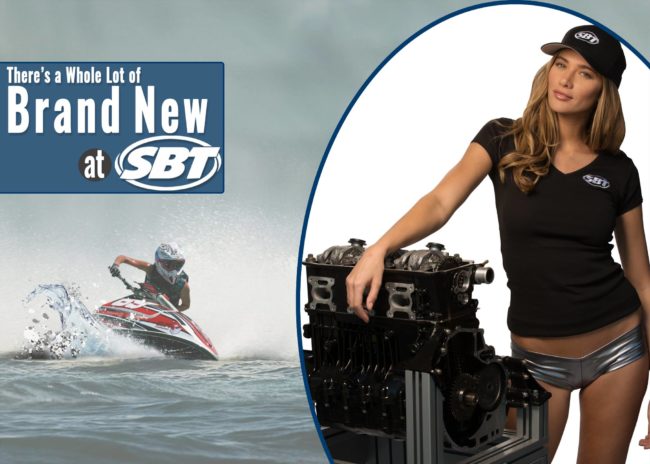
As EFI tuning and supercharger technologies continue to improve and expand, many performance-minded personal watercraft enthusiasts are looking towards building unique hot-rodded engine applications. Most tuners and builders are left yanking a worn-and-weary 215 or 255-horsepower Rotax 4-tec, tearing it down, assessing the damage and rebuilding the 3-cylinder before even modifying it! What a waste of time and resources, especially when SBT’s ready-to-run crate engines for Sea-Doo include all new crankcases, cylinders, cylinder head and internal components. Heck, they even include the valve cover!
Part of SBT’s all-new no-core crate engine program, every single one of these engines is dyno-tested before leaving the SBT factory. That means your engine will come with its own dyno sheet, listing the engine’s true performance throughout the torque curve. Manufactured completely in the USA, SBT’s Premium Engines are a perfect replacement for a stock-application 215 or 255 Sea-Doo, or like we mentioned, the performance enthusiast looking for a clean, proven powerplant from which to build their 100-mile per hour Hydro-Drag class winner!
And if you’re just looking to swap out a high-hour Rotax, all of SBT’s Premium Engines come with a warranty! Of course, the minute you swap out some big injectors, a high-boost supercharger or plumb in a couple stages of nitrous then you’re outta luck, bub. Priced at $3,395, SBT has gone through great pains to cast and machine all-new components that not only meet but exceed factory specs, and thereby offer a truly stout and “premium” performance engine. Check ’em out HERE.
Riding jet skis is one of the most fun things us motorsports lovers can do. You know something that is almost as good as riding jet skis? Sharing your jet ski riding footage with all your friends, social media followers, and a personal favorite – unsuspecting coworkers and strangers.
With the action camera boom we can now experience our amazing rides, slides, crashes, and antics over and over again in the comfort of our living room. Slashing the lip of a perfect wave, dragging elbows around race course, backflipping for the first (or hundredth) time, going for the clean pass, and analyzing mistakes – all priceless footage that defines you.
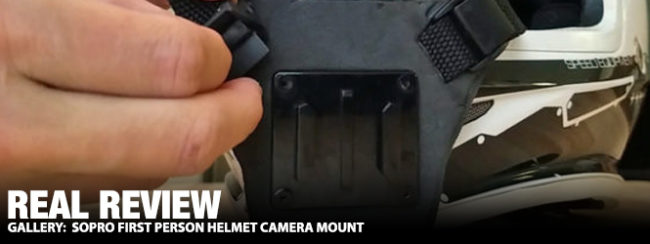
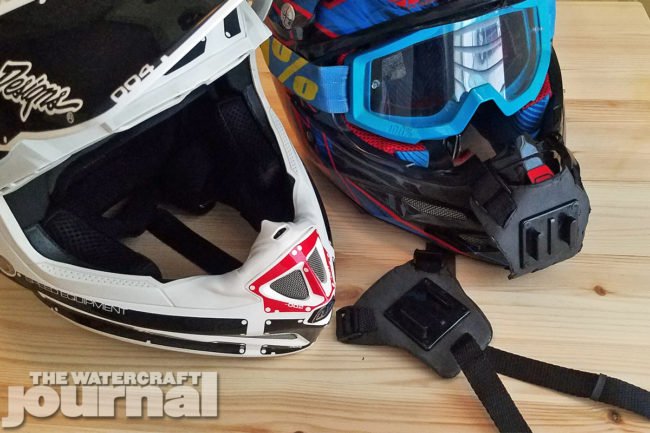
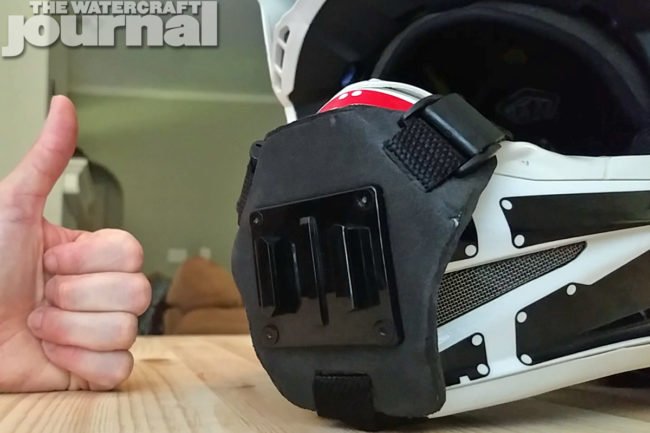
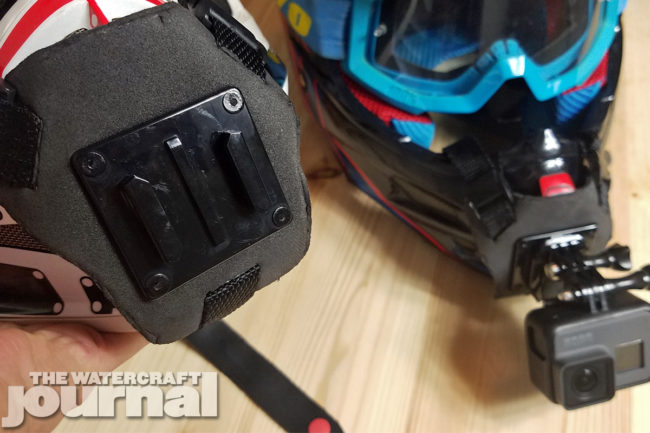
However, nothing kills the vibe more than an awkward piece of helmet blocking part of our glorious high definition footage. A SoPro action camera full face helmet mount eliminates that issue by providing a first-person view from the chin of your helmet. It sees exactly what you see so no more lost shots from fixed cameras.
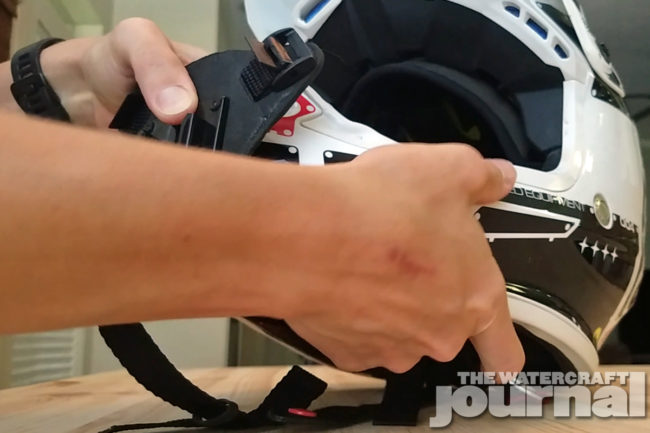
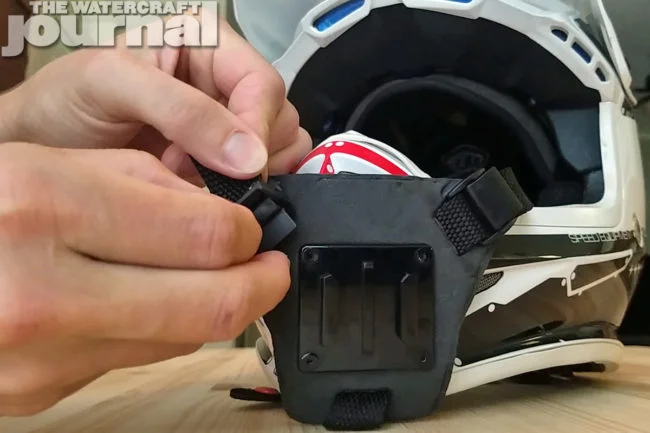
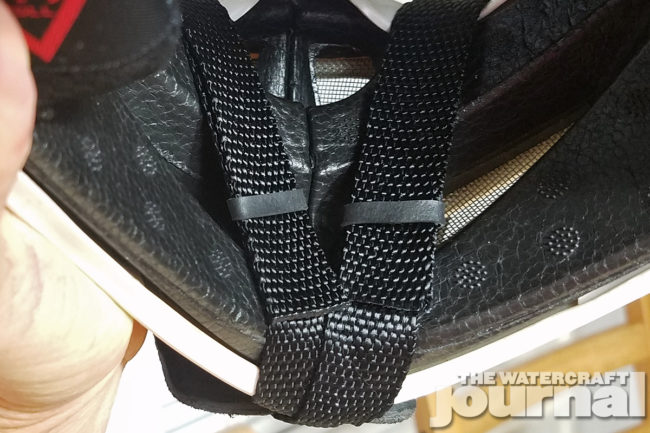
For $39.95 the SoPro mount boasts high quality build materials like aircraft grade aluminum, neoprene foam, ABS plastic, and sturdy nylon straps. The modular strap and plate design allows the mount to interface with almost infinite shapes of full face helmet chin bars. The camera interface utilizes the very secure GoPro style clip in mount, but any camera that uses the GoPro style mount can be used.
I’ve personally had some high speed crashes and failed backflip attempts while wearing the SoPro mount with no ill effects to the camera, my helmet, or myself. The bottom line is yes, there are cheaper helmet mount options out there, but why risk losing your camera over a few dollars.
These HD action cameras these days probably cost more than your first high school car so keeping them from flying off your helmet is important. If you are riding hard enough you will crash. Catch all of the action with the comfort of knowing your camera is safe. Adhesives and suction cups can and will come off at some point, no arguing with the security SoPro mount’s aluminum plate and nylon straps.
Another great reason to have the camera mounted on the chin bar is improved audio. If you are like myself and enjoy motovlogging (motorsports-based vlogging, basically chatting with the camera while you ride), the camera’s microphone picks up your voice better than mounting the camera on the top or side of the helmet.
Pros
First-person view so the camera sees what you see
Modular and universal, if you have a chin bar you are good to go
No modification needed to your helmet
Easy and intuitive to install
Can hold more weight than average chin mount, heavy cameras and gimbals are all game
Secure and stable for high speed, intense riding and crashes
Improved voice recording with camera placement in front of your mouth
Cons
Price is high in comparison to other, less secure mounts
Make sure straps are secured with the rubber straps, otherwise they can flap as you increase your speed
Expand and share your riding with the SoPro action camera helmet chin mount. Secure, easy to install, and has the best view in the house. Get yours today directly from SoPro’s website or from SoPro mounts on Amazon.
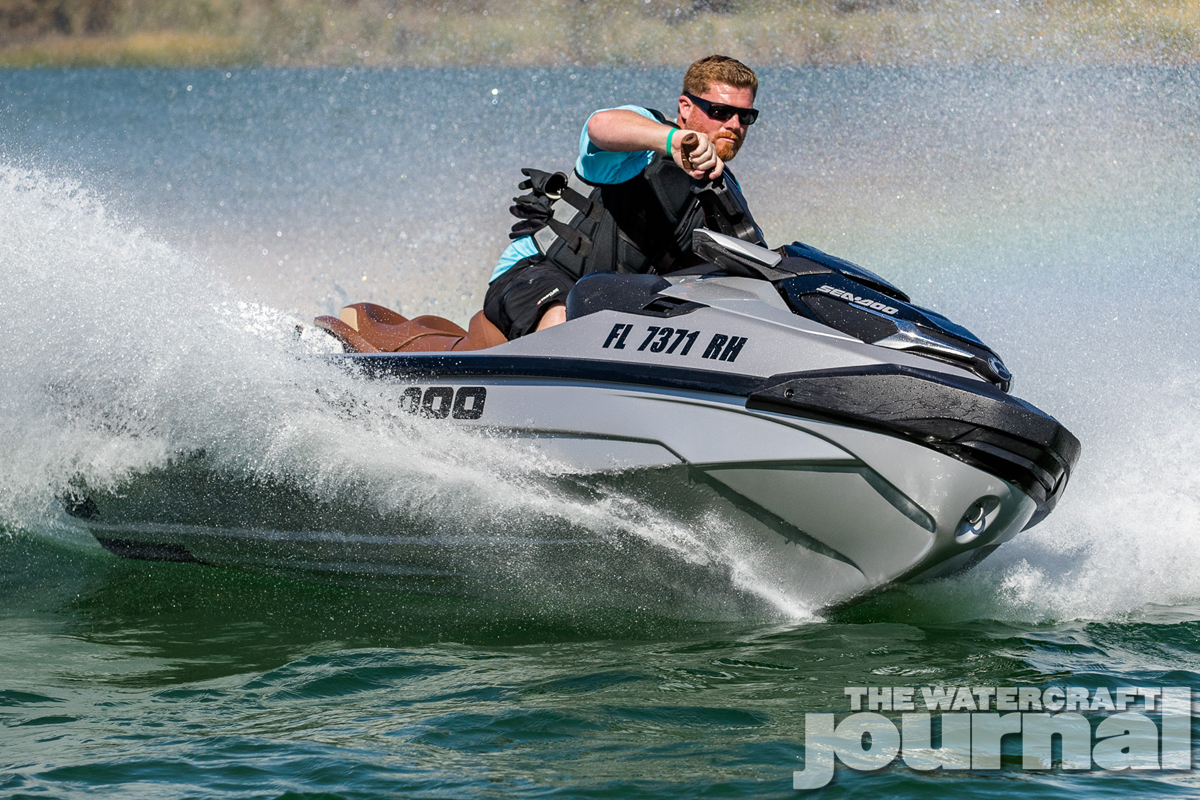
Caution: There’s no way that you’re going to be able to ride this thing and not be soaked to the bone. And in seeing this 300-horsepower machine in action, we kinda don’t even care.
And yes, your eyes are not deceiving you: you’re looking at a single-seater Sea-Doo RXP-X 300 that has been split at the bondline, reconfigured and rebuilt as a low-slung, race-kart-inspired machine.
Jetkart wrote, “The Jetkart is a product intended for everybody (as well as the paraplegic people) to reach the water sport to motorize and to promote competitions on a circuit of jet ski.”
Thus far, the Jetkart is in its primary testing and fine-tuning stages, with modifications being made to the cockpit and controls, which also utilize a large portion of the X-Steering system, giving new meaning to the old adage, “We use every part of the buffalo.”
After separating the hull from the deck, Jetkart rearranged the powertrain layout to accommodate the body-hugging race seat and four-point rollcage (similar to those seen on large flat bottom race boats). As mentioned; the handlebars and gauge cluster are reconfigured into a more traditional-looking cockpit, all giving the craft an exceptionally low center of gravity.
Although still being tested, Jetkart has opened the craft for some private testing. One such was Boyadjian Jérôme who gave the Jetkart a test. He wrote, “It’s very impressive to [cruise] more than 110 km/h being so close to the water! [The] sensations are unique, [like] flying. [It’s] extreme [in the] curves at an amazing speed! Bravo David [on] a new successful concept!”
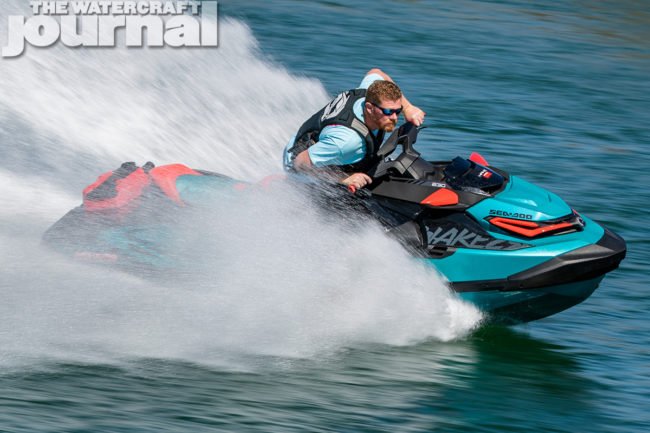
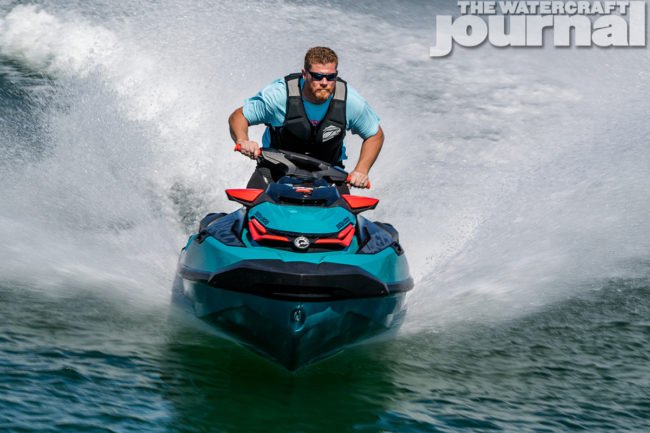
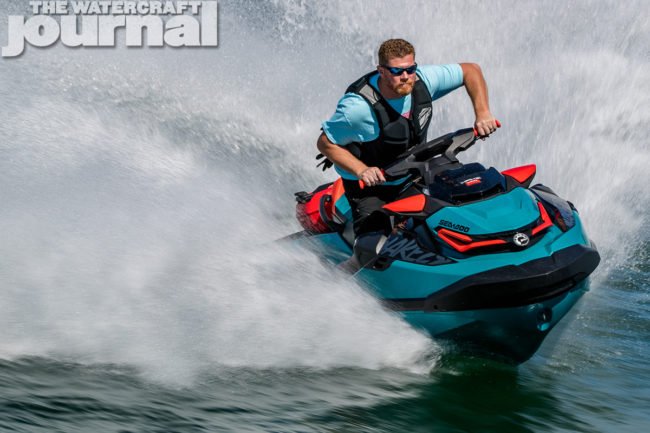
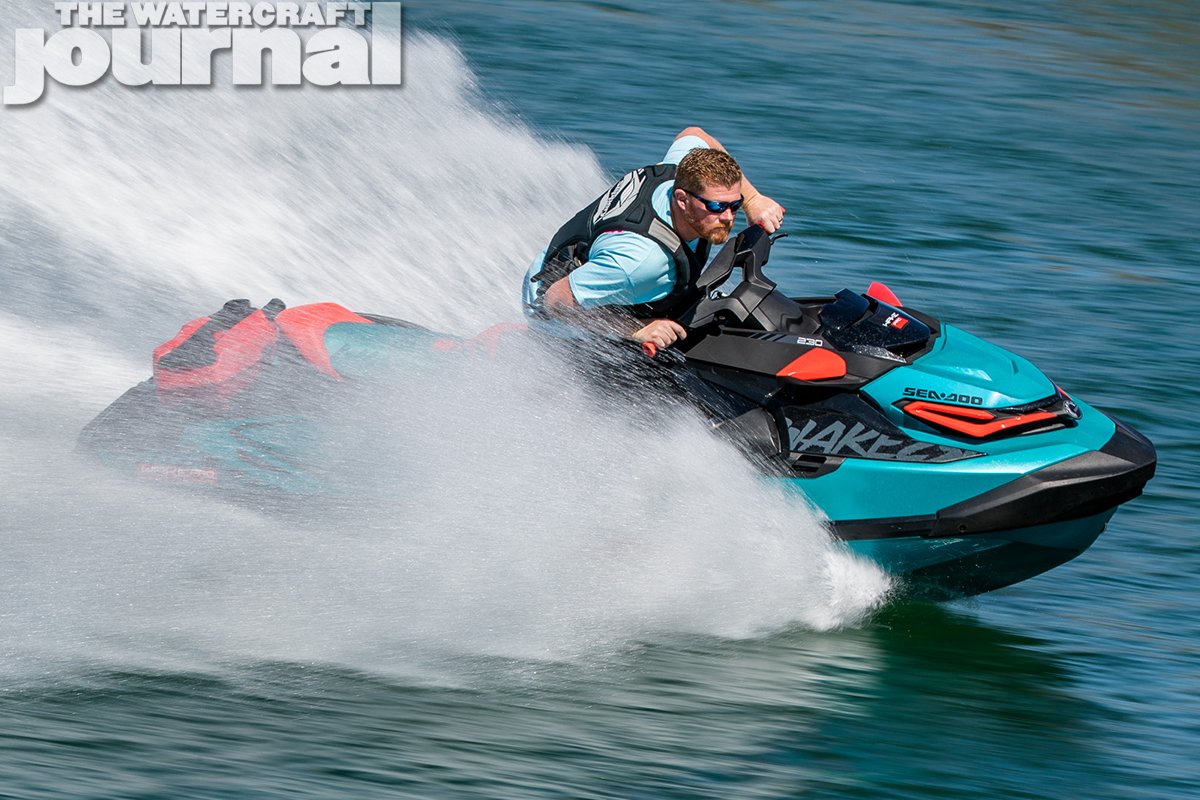
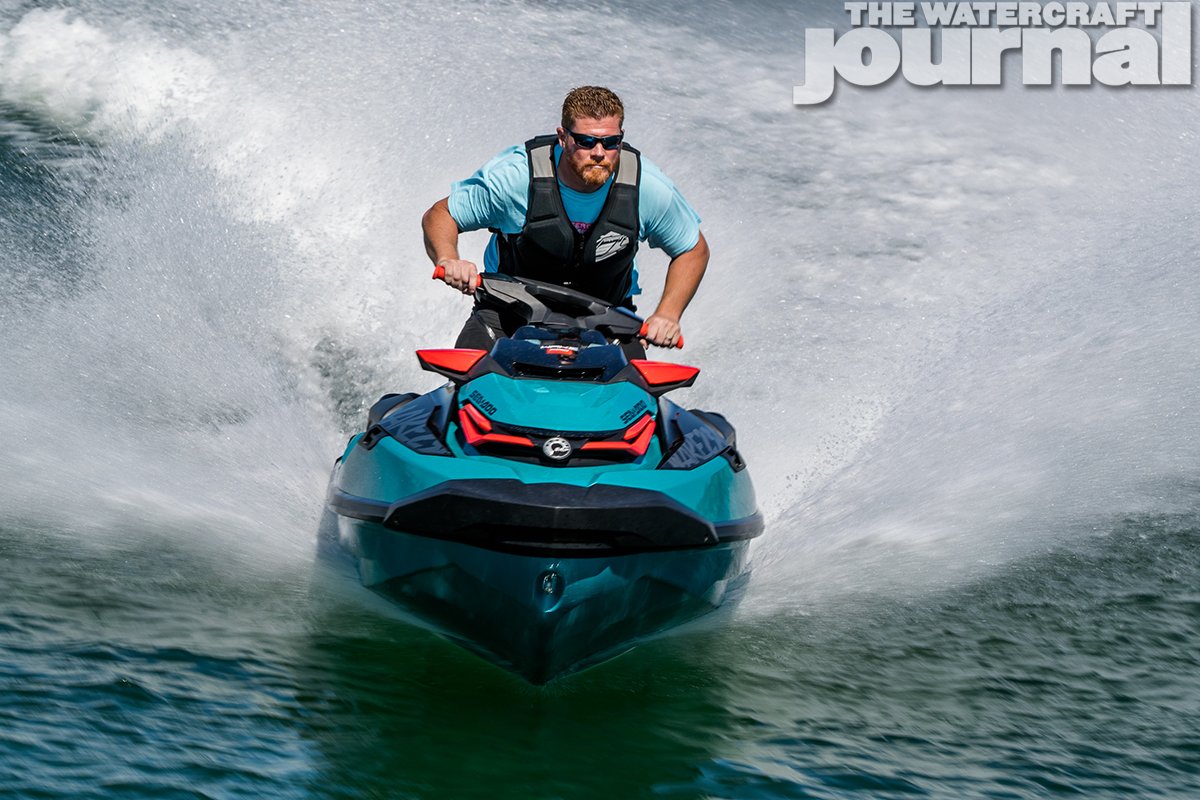
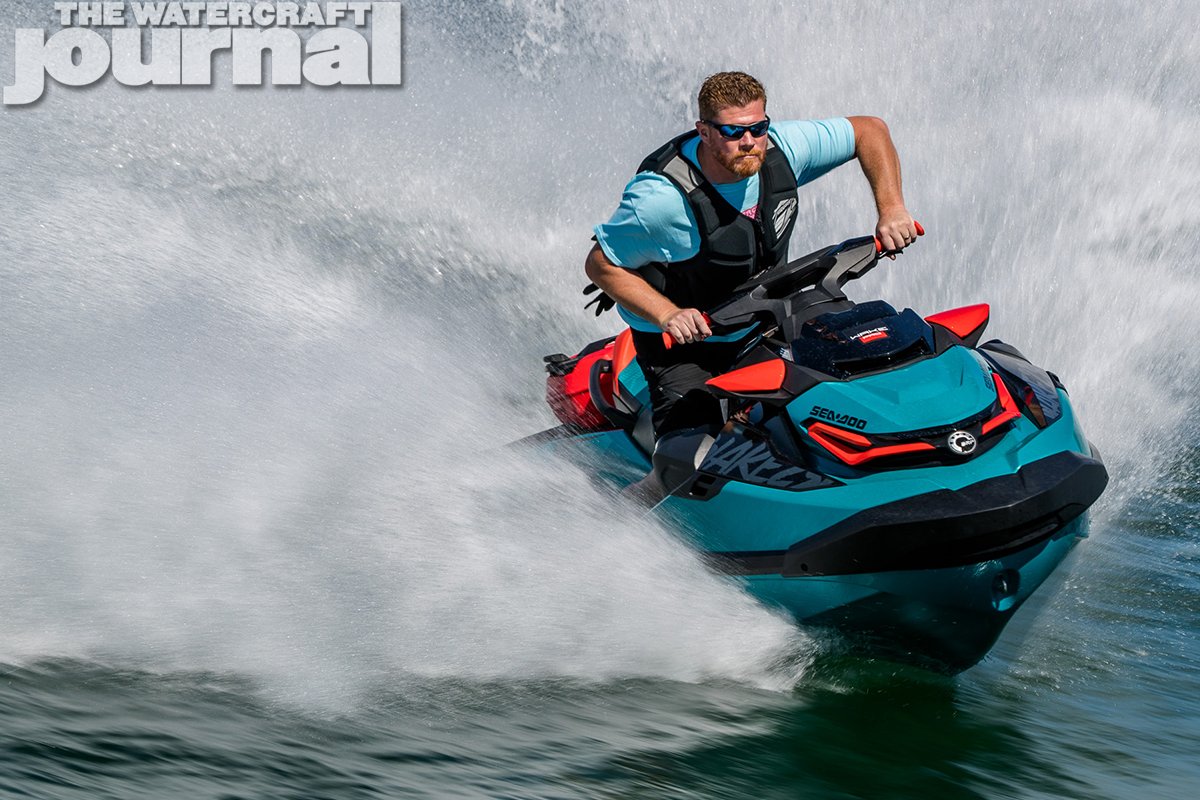
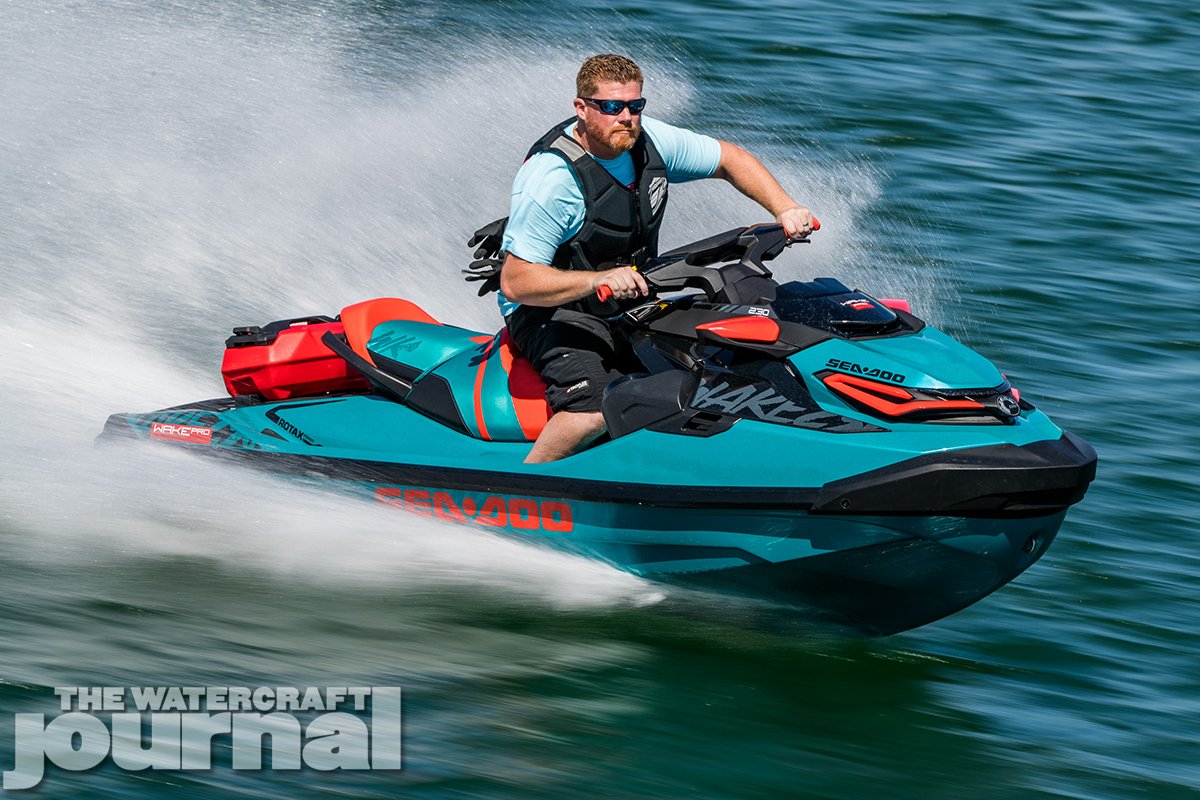
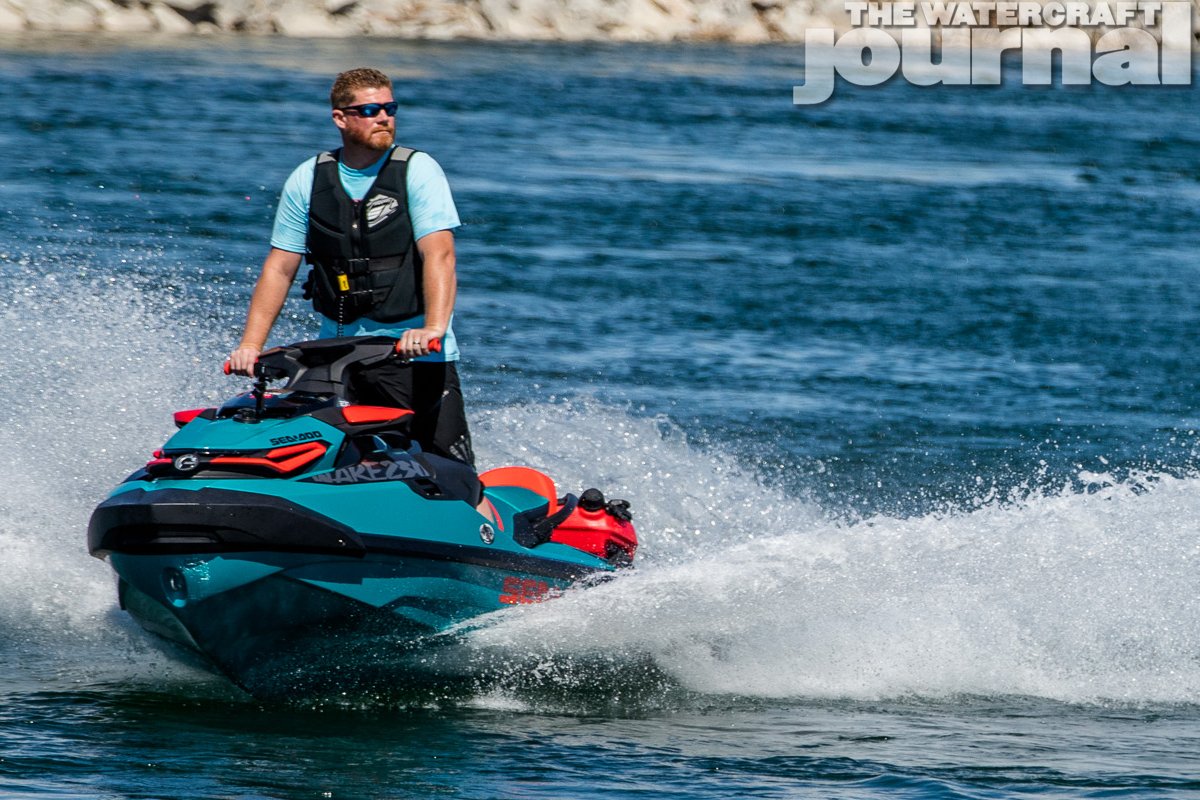
Typically, our full-length personal watercraft reviews are…well, a little more lengthy. Admittedly, we had only a few hours aboard the all-new 2018 Sea-Doo Wake Pro 230, and while so much of the runabout is more or less identical to the RXT 230 and the GTX 230 – save for major features specific to the Wake Pro models, which we will discuss shortly – we didn’t feel it right to fluff and repackage a previous article as being something woven from whole cloth. (Particularly as we did zero towing with the Wake Pro 230.) So with the preamble out of the way, let’s share our excitement for the this machine:
To begin, the Wake Pro 230 rides on Sea-Doo’s all new ST³-platform. Pulling heavily from the popular-yet-9-year-old S³ platform, and a large portion of RXP-X’s T³ hull, the ST³ hull and deck are made using Sea-Doo’s CM-Tech (Closed Mold Technology). This not only alters how Sea-Doo makes its watercraft, but also permits for better automotive-grade paint finishes, as well as eliminating the irritating fibrous texture on the inside of the engine compartment – leaving only a smooth, somewhat chalky surface in its stead. The new machine is 135.9-inch long, 49.4-inch wide runabout that weighs in at 815-pounds (making it shorter and lighter than last year’s Wake Pro 215).
While the use of CM-Tech does manage to shave a little bit of weight, Sea-Doo Watercraft Global Product Manager James Heintz explained, “Most of the weight savings is attributed to the new sectioned two-piece seat. Gone is the big, heavy single-piece seat [that pivoted on a gas strut-powered hinge], replaced with this lighter two-piece seat that can be removed for single-person riding, or for lounging on the rear platform.” The new seat features the brand’s best iteration of Ergolock, sitting the rider and passenger deeper into the ski, 1.5-inches for the driver, and 3-inches for the rear passenger.
Of course, the 1,494cc four-stroke, 3-cylinder ACE 1500 is a perfect fit for the new hull, and includes some minor upgrades for 2018: a simplified CLCS (Closed Loop Cooling System), a more thermally-efficient ride plate, a larger oil cooler, and a sacrificial anode in the intercooler are all new for 2018. Producing 230 worth of supercharged horsepower, the Wake Pro 230 has little trouble reaching a top speed of 68.6mph. Best of all, performing minor services like oil changes requires removing just the driver’s seat; yet, for bigger jobs, a major engine access panel (held on by 13 torx head screws) reveals a massive access window into the cavernous engine compartment.
Interestingly, the same panel also incorporates both the ski tower screw-cap portal and LinQ system, including the attachment points for the sectional seat. Sea-Doo’s new LinQ system is new for 2018 and borrows heavily from BRP’s Can-Am and Ski-Doo categories: the LinQ system allows for the attachment and securing of a triad of accessories: a 4-gallon fuel can; a semi-rigid, 5.5-gallon storage bag; or a 4.2-gallon ice chest. (Each sold separately through Sea-Doo’s accessory line.) Moreover, the storage bag can attach atop the fuel caddy (nothing goes on top of the cooler). Each item is mounted to the deck via two pop-up attachment blocks that also can be snapped down for a flat surface.
And of course, there is a provision for the telescoping Wake tower for better towing of skiers and tubes. Included in the Wake package is the Speed-Based Ski mode (offering the pilot a series of acceleration curves to best launch a towable or skier), and the removable wake board rack – not to mention the exclusive Teal Blue Metallic and Lava Red colors and decals. The ST³ now offers an absolutely massive new deck, 366-square-inches worth. It’s also flat, only ever-so-slightly sloped downward, and terminates in a plastic molded-in tow eye hook and cleat combination.
Finally, the biggest feature on the new platform in Sea-Doo’s Direct Access Front Storage; a giant 27-gallon single basin located directly beneath the cockpit’s control panel. This integrates the 5-position tilt steering (which features completely redesigned toggle pads allowing for scrolling through Sport and Eco modes, and the high performance VTS settings). The analog-and-LCD digital dashboard; two heavy-duty hood release locks; and a smaller, secondary watertight, padded cell phone case. And while not standard equipment, Sea-Doo’s 100-watt BRP Premium Audio sound system – consisting of two 50-watt pressure washer-safe, all-weather speakers with an external playback control pad – is the world’s first Bluetooth-controlled PWC audio system. It’s a $700 option, and absolutely worth every penny.
Priced at $14,699, the 2018 Sea-Doo Wake Pro 230 is certain to be one of the more popular choices for folks looking for supercharged performance (but maybe not top of the line horsepower) from a full-sized 3-seater runabout, and who love radical paint schemes. Sure, an anemic 15.9 gallon fuel capacity leaves much to be desired – particularly if you’re looking to avoid multiple trips to the fuel dock – and we’ve found a little bit of premature wear-and-tear at a few spots, but the ST³ platform and its third-generation Ergolock seat is easily one of the most comfortable cockpits on a PWC to date. Toss in some pretty solid rough water handling, and you’ve got a one-two punch that is sure to draw folks in.
[Many complained about previous episodes of “Long Haul” being “too produced” with distracting music, voiceover and other quality production efforts. So we just uploaded a snippet of GoPro footage below. Enjoy. -Ed.]
First, we’re not going to dare to summarize a very detailed and thorough report by financial publishing monolith Forbes but we will comment on what maaaybe Polaris’ re-entry into boating. Recently, Polaris, the $5.4 billion (sales) maker of snowmobiles, off-road vehicles and motorcycles, agreed to buy the country’s largest pontoon boat maker, Boat Holdings, for $805 million in an all-cash transaction (expected to close in the third quarter), and will, according to Forbes, “round out Polaris’s portfolio of power-sports products and, it hopes, give it opportunities for cross-selling.”
“Most of our competitors have water products. We’re kind of late to the party,” Polaris CEO Scott Wine told Forbes. While Forbes notes that Yamaha, Kawasaki and others that compete with Medina, Minnesota-based Polaris in these existing markets, Kawasaki does not offer boats or outboards; strictly JetSkis. Yamaha, conversely, is the industry leader in jet boat sales, and wields the second-largest marketshare in PWC sales. BRP, Polaris’ biggest competitor on this scale, builds both Side-by-Sides, snowmobiles, outboard engines and PWC.
According to Forbes, “the U.S. market for new powerboats is $8 billion, and pontoon boats are the largest and fastest growing segment of the industry with an 11% compound annual growth rate since 2010. There’s strong overlap between the different types of powersports with some 30% of Polaris’s existing customers owning a boat. (…) Boat Holdings, which manufactures its boats in Indiana, has been growing faster than the industry, and has been at the forefront of the shift to high-featured, high-performance luxury boats, according to Polaris. Even without custom finishes, these boats are pricey: A 25-foot Bennington R Series fastback pontoon boat can run $60,000 or more.”
If Polaris’ acquisition of Boat Holdings earns dividends in a reasonable timeframe, the brand maker may seek to explore re-entry into the personal watercraft market – particularly as the PWC industry is experiencing double-digit growth over the last two years.
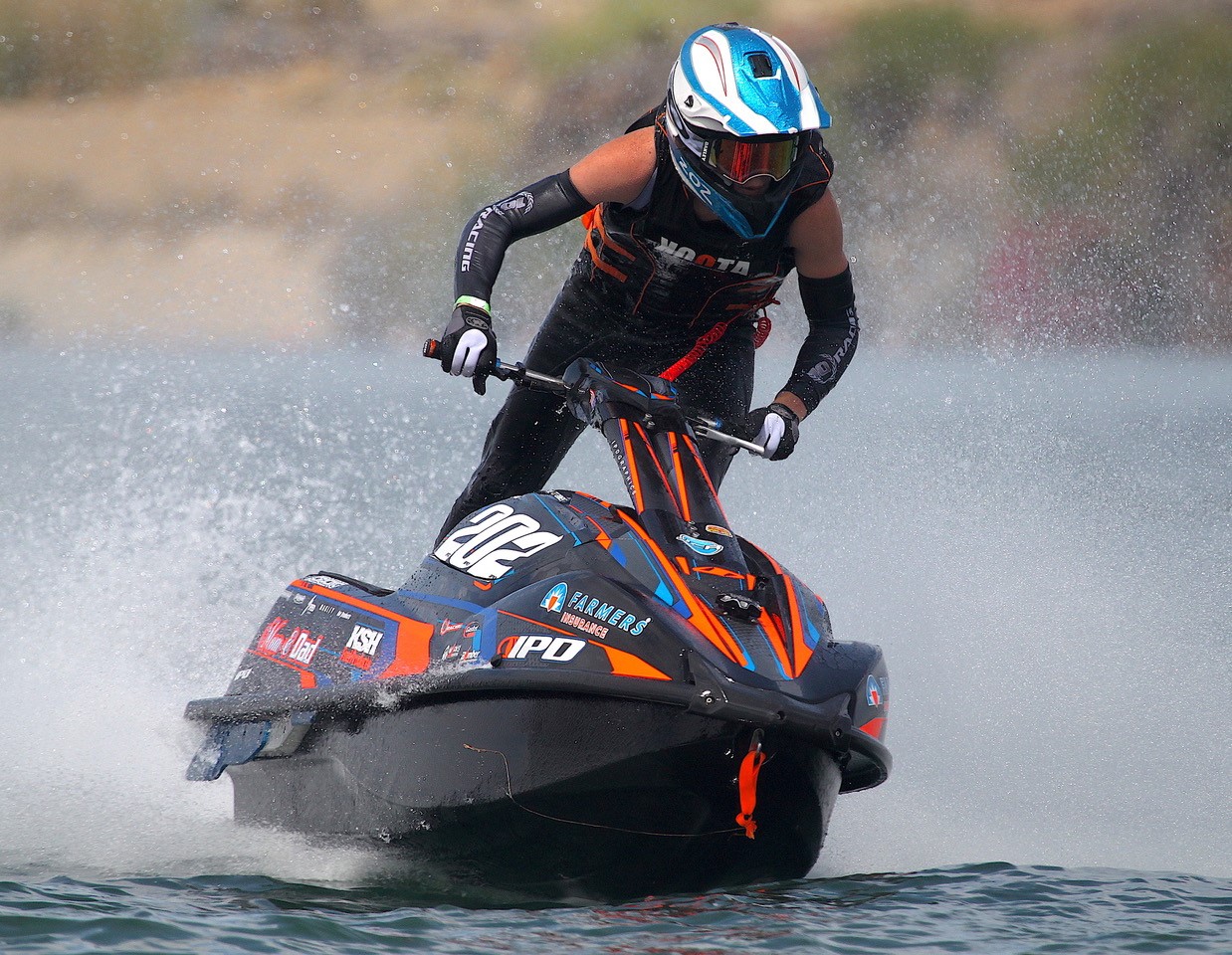
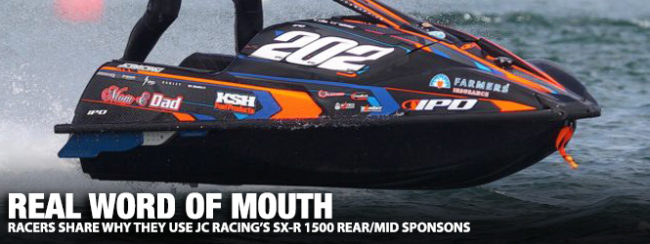
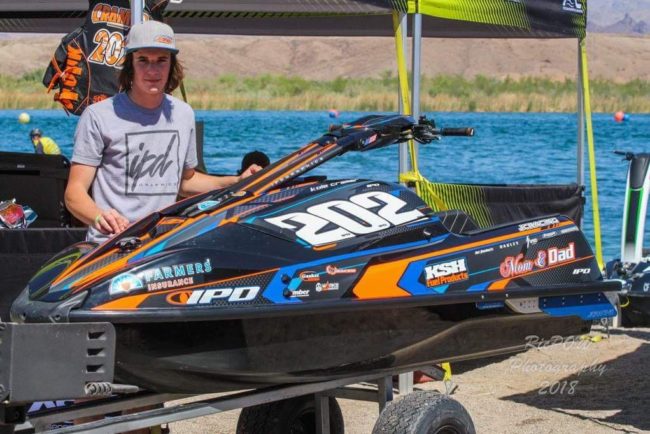
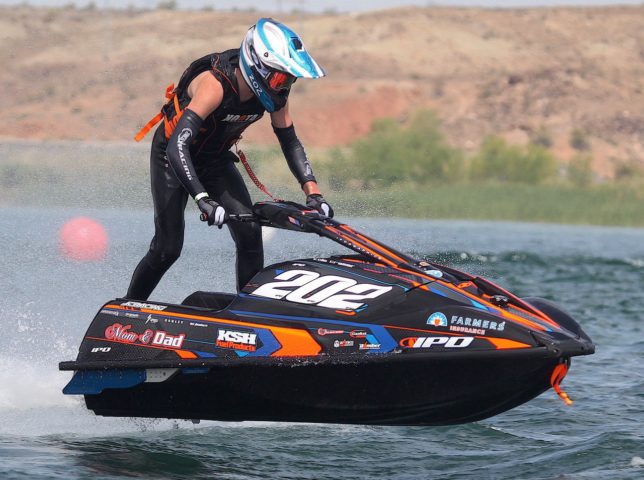
For those into standup ski racing, the introduction of the new Kawasaki JetSki SX-R 1500 was a windfall. The long, contoured hull borrowed heavily from Kawasaki’s storied history of both standup ski handling and rough water runabout balance. Heavier than any other ski before it, the new SX-R could aptly split through chop, absorbing impacts that would best lesser riders. Of course, toting a 160-horsepower 1.5L 4-stroke beneath the hood added greatly to the SX-R’s immediate appeal. No longer plagued by the rattle and smoke of a 2-stroke, the clean-running electronically fuel injected Kawasaki fired up smoothly and ripped with brutal grunt.
With that, aftermarket tuners have quickly adopted the new ski as the tool to use; quickly testing and developing performance products to unearth and magnify the ski’s cornering capability, balance and ability to track true without any unforeseen bucking, searching or wobble. One such company is JC Racing. Helmed by Jason Carlton, JC Racing has taken Carlton’s experience as a developer of high tech components for satellites and the Mars rover (literally) and applied it to producing top tier jet ski components. The latest (and arguably one of the most successful) products in JC Racing’s catalog is the Rear/Mid Sponsons.
Literally the first of its kind, JC Racing incorporated the rear sponson that “includes a backing plate base sponson for added stability at high speeds with a mid sponson for unbeatable grip throughout the corner.” The result is a sponson that offers the best of both worlds; a stable ride, yet allows for hairpin cornering when prompted. And accordingly, the JC Racing Rear/Mid Sponson can be configured to be race legal per the IJSBA rulebook. According to Carlton, “These sponsons will provide both the average recreational rider and the world class professional the confidence they are seeking to push this new 1500 to its limits while creating the desired comfortable and predictable ride.”
We spoke to three SX-R riders who are currently using the JC Racing Mid/Rear Sponson; Jeremy Poper, a veteran racer with over 30 years experience; Kole Cramer, a Junior Ski class racer; and Frank Gurnari, a standup ski enthusiast who has never set foot on a race course in his life:
The Watercraft Journal: Kole, tell us a little about yourself.
Kole Cramer: I live in Lake Havasu City, Arizona. I started riding when I was 4 on Lake Powell on a 750 SX, and have been racing since 2014.
WCJ: So what classes do you race currently?
KC: I race Pro-Am Ski Lites in IJSBA (GP4 JetJam), and Pro Ski GP/Open in IJSBA (GP1 JetJam).
WCJ: How do you like the JC Racing sponsons on your SX-R?
KC: I like the JC Racing 1500 sponsons the best because it is the best one out there. I think that it is very nice how well it fits up there in the bond flange to let no water up there so it does not lay over and stay over in any type of water condition. It also includes the mid sponson, which is nice for the wide open sweepers and you can go and snap a corner any time you want.
The Watercraft Journal: Frank, you’re a little different than these two guys. Tell us about yourself.
Frank Gurnari: I’m Frank Gurnari. I’m 39 years old and from Harvey’s Lake, PA. I’ve been riding stand-up jet skis for 27 years but I’ve never raced. I’m a “recreational warrior.”
WCJ: Ha! Great! And what did you like about the JC Racing sponsons?
FG: What first piqued my interested with the JC Racing sponsons was the rear-mid combo, and once I found out about the multi-mounting points of the rear blades and the billet aluminum construction, I was sold.
WCJ: What was your impression when you put them on?
FG: Upon receiving the sponsons, I was instantly impressed with the design, build, packaging of the hardware and detailed instruction provided. With the design of these sponsons, they are a tight fit, but with some light persuasion they will click into place.
The first ride with the JC Racing sponsons I knew I had made the right choice. The combination of the stock ride plate and sponsons made my ski handle as I had hoped. Stable high speed straights and high speed cornering that makes me feel like I’m pulling G-forces straight out of the space program.
The chine walk that plagued the new SX-R for me has been totally eliminated, along with the feeling of being held down in the corners. With the multiple mounting locations for the rear blades, these sponsons will fit all riding styles.
The stock SX-R, although buoyant, was never as stable as it was billed to be. I tried a few other set-ups from the other company’s offering handling parts, which helped, but I still wasn’t satisfied. I recommend anyone looking to improve the handling of their Kawasaki SX-R 1500, look no further than JC Racing’s mid/rear sponson combo. Give that SX-R the GP handling it deserves!
The Watercraft Journal: Jeremy, you’ve got quite a bit more time under your belt as a racer. Can you tell us a little bit about yourself?
Jeremy Poper: I’m from Albuquerque, NM, and I have been riding skis for 30 years, [pretty much] spending weekends at the lake since my childhood. I have been racing competitively for 17 years. I race in Expert Vet Ski, Pro-Am Ski Stock, Pro-Am Ski Open. Rick Kantola at Peak Power Sports has worked on my skis and sponsored me through my racing career. With his help I learned that testing is key to making your setup the best it can be for your personal riding style. Everyone is different and every setup will be different from rider to rider.
WCJ: Right! And what have you found works best for you and your particular riding style?
JP: I have tested 4 different sets of sponsons on the new SX-R 1500. I was somewhat happy with the sponsons I was first running but really thought they could be better. After meeting Jason with JC Racing at World Finals, I had a chance to check out their new design and I was very interested in trying them out. Jason met me in Lake Havasu the day before the Mark Hahn Memorial to test his latest version of the JC Racing sponsons. Typically it takes a bit when you switch handling components on your ski to get a feel for them.
Surprisingly, the first lap I did with the new sponsons on I felt right at home and they had the extra holding edge I was looking for. The other major benefit was it stabilized the ski more, and it took out the “Kawasaki lean” as I call it where the ski goes from chine to chine in a straight away. I would recommend anyone to try the JC Racing sponsons. With the adjustability of the backing plates, you can customize them to your riding style.









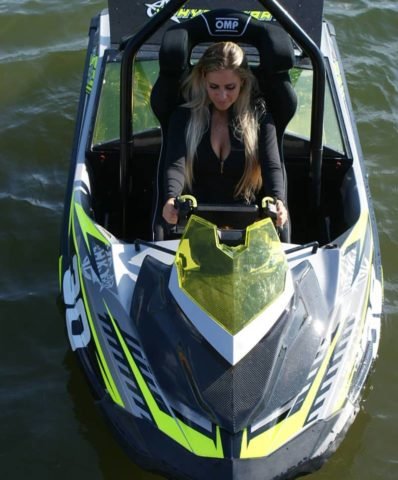 Caution: There’s no way that you’re going to be able to ride this thing and not be soaked to the bone. And in seeing this 300-horsepower machine in action, we kinda don’t even care.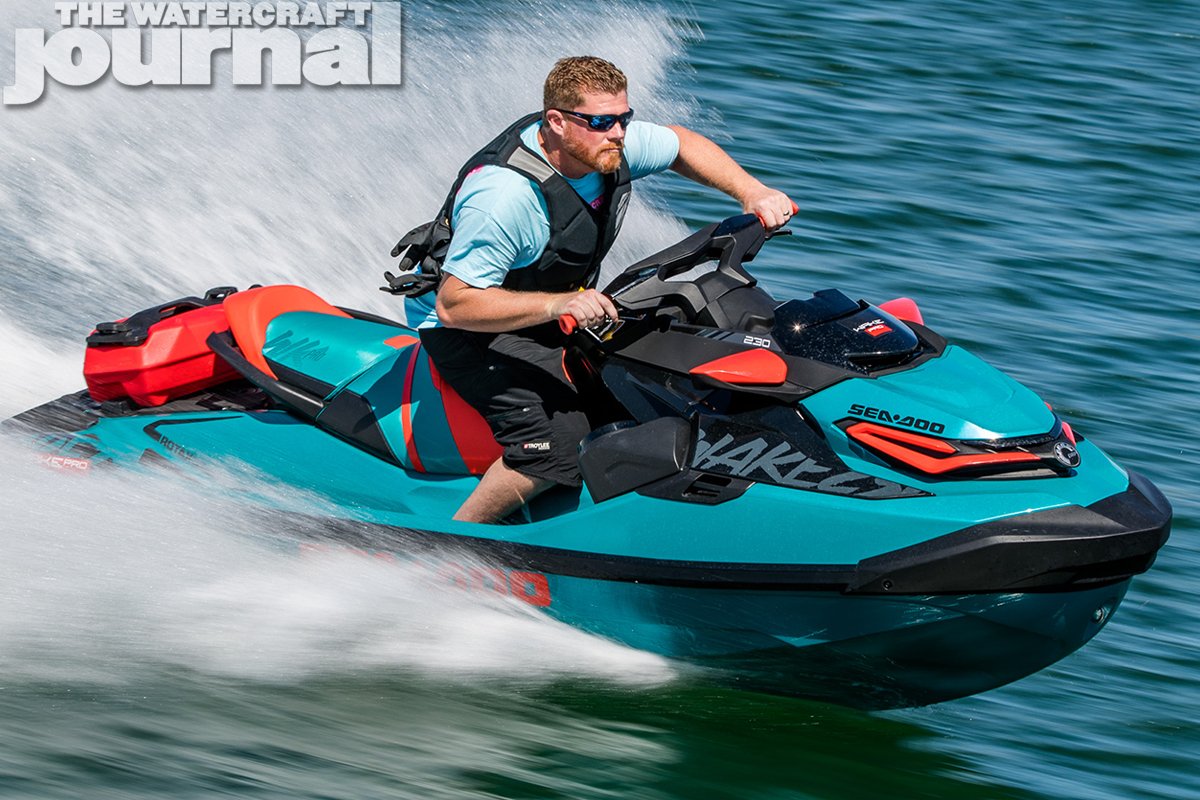


 FG: Upon receiving the sponsons, I was instantly impressed with the design, build, packaging of the hardware and detailed instruction provided. With the design of these sponsons, they are a tight fit, but with some light persuasion they will click into place.