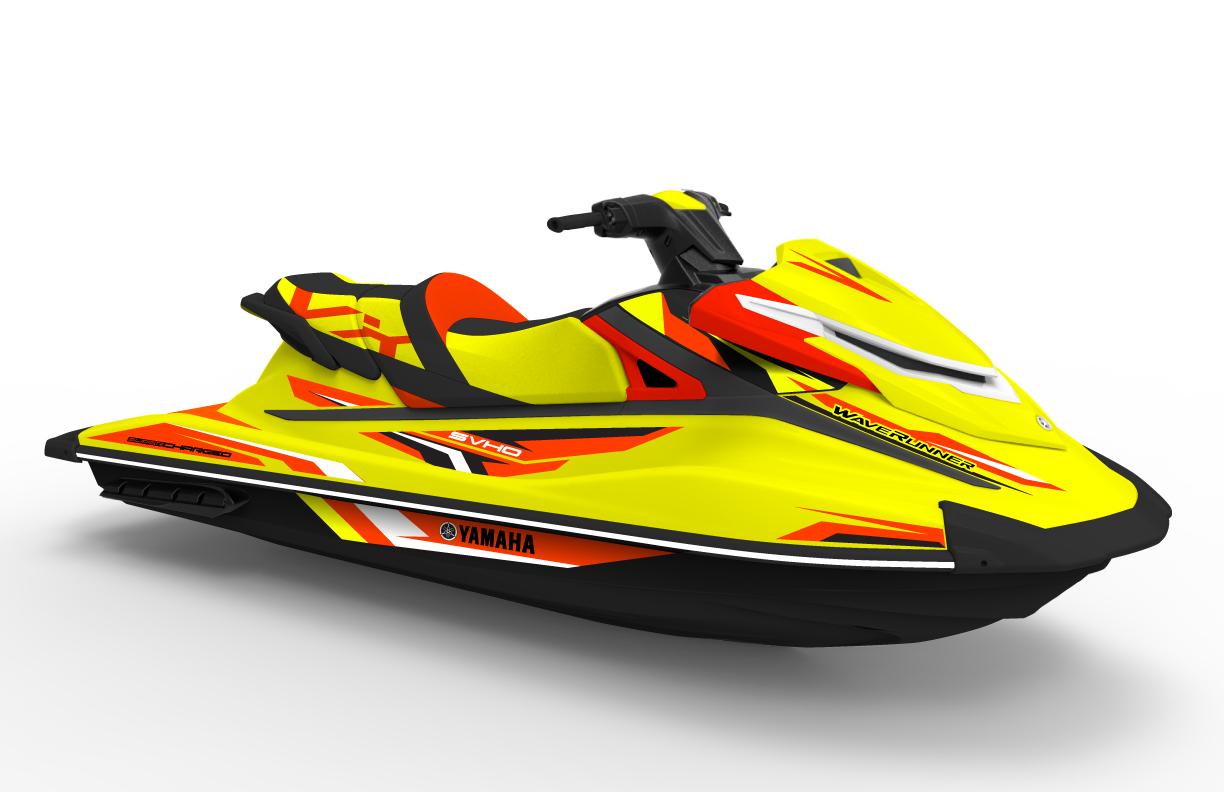
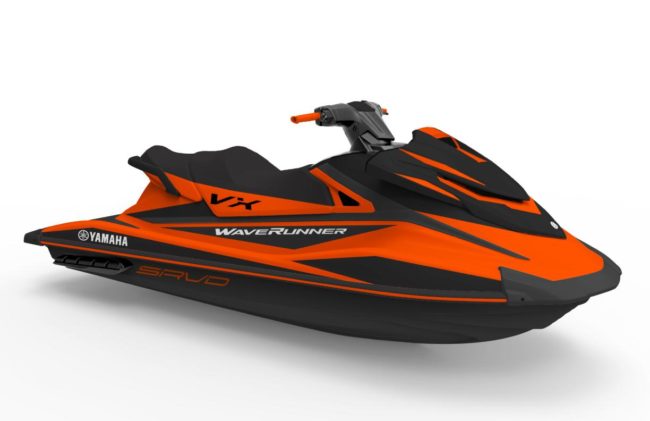
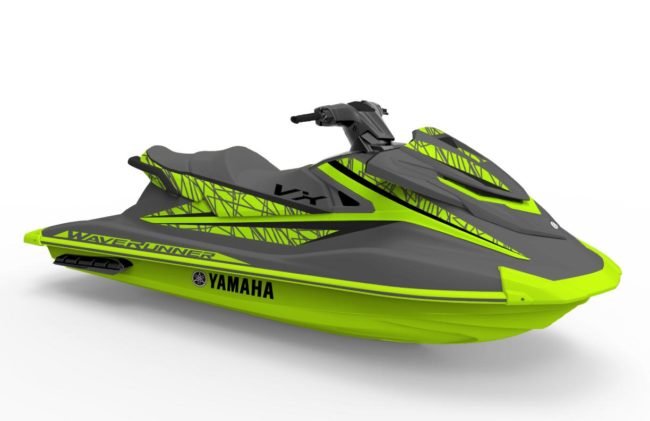
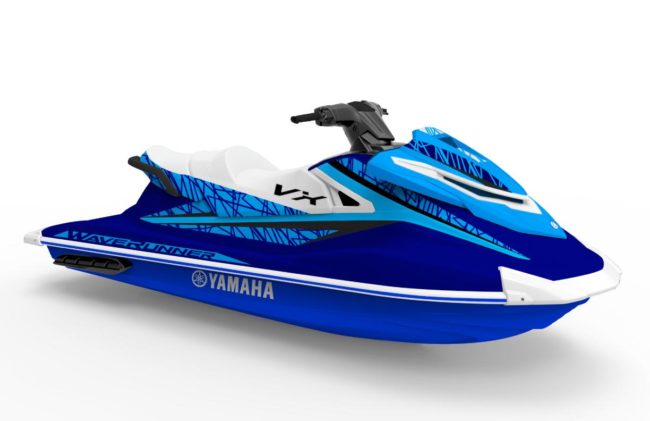
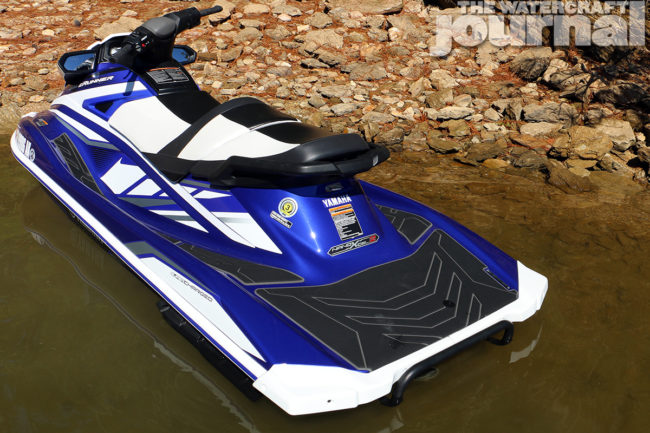
Have you ever been unimpressed by the colors or graphics schemes which are offered on a particular personal watercraft year or model. Maybe you had your eye on a model that you wanted but the color offerings were not up your alley.
So you did what many enthusiasts would and you settled on a random color just to get out there on the water. Or maybe you held out on your purchase to see what next year has to offer. Well now is your chance to voice your opinion and tell Yamaha exactly what you like and do not like.
Manufacturers go to great lengths to make sure customers are happy not only with the quality and performance of their product but the looks and aesthetics as well. This is why Yamaha is taking a survey to help determine what consumers like and dislike.
When taking the survey which lasts about 15 minutes, you will be asked a brief series of initial questions such as information about your current watercraft ownership and your timeframe of expected purchase.
You will then be asked to pick from a list of words that describe your taste in personal watercraft colors and graphics and from there, you will be shown a series of images and potential new Waverunner graphics packages and asked to rate your appeal on its appearances.
We are sure Yamaha will be using this information in their wise selection of new and upcoming color schemes. Who knows, you might see your color picks in an upcoming Waverunner catalog soon.
If you didn’t receive this survey or to get the latest news and survey postings from Yamaha, be sure to subscribe to their notifications.
A tragic story from WDAY6 out of North Dakota reminds us to ride safely and to always check our PWC and other equipment before entering the water.
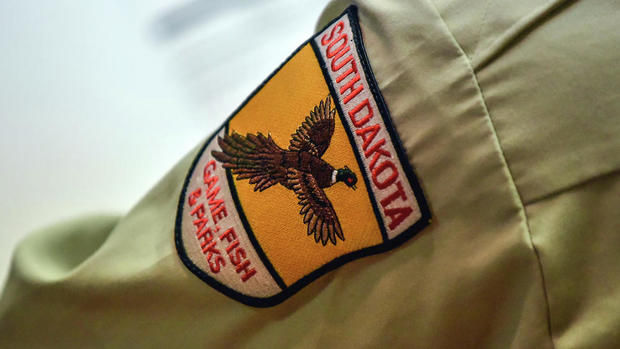
Currently, a 2003 Kawasaki Jet Ski, operated by 31-year-old Dean Bartsch is undergoing mechanical analysis by Kawasaki technicians in Velva, N.D. The craft was involved in a fatal crash and the McLean County Sheriff’s Department continues to investigate the cause of the crash as well.
The collision occurred last weekend on a North Dakota lake. Two young girls were airlifted from the scene and transported to Gillette Children’s Specialty Healthcare Hospital in Saint Paul, MN. Ten-year-old Haley Sunsbak was pronounced dead the day after the incident. Another young girl is suffering severe injuries, including a skull fracture. She is said to be improving,
The girls were tubing behind a boat when they were hit by the 2003 Kawasaki Jet Ski operated by Bartsch. Bartsch was thrown from the ski and the ski didn’t stop until coming in contact with the girls, making it appear as though the machine’s kill switch wasn’t properly utilized or rendered inoperable. The kill switch issue is being highly scrutinized by investigators. Operators of PWC are required to have a tether secured to themselves and a working kill switch.
A quote from Lt. Rick Richard, McLean County Sheriff’s Department and former collision re-constructionist for the North Dakota Highway Patrol states,”We are doing a mechanical and technical analysis of the Jet Ski. It is being examined by Kawasaki technicians. We are doing on-scene analysis as well. The detective is very busy but it is very time consuming.”
We at The Watercraft Journal offer our deepest sympathies to the families of the little girls.
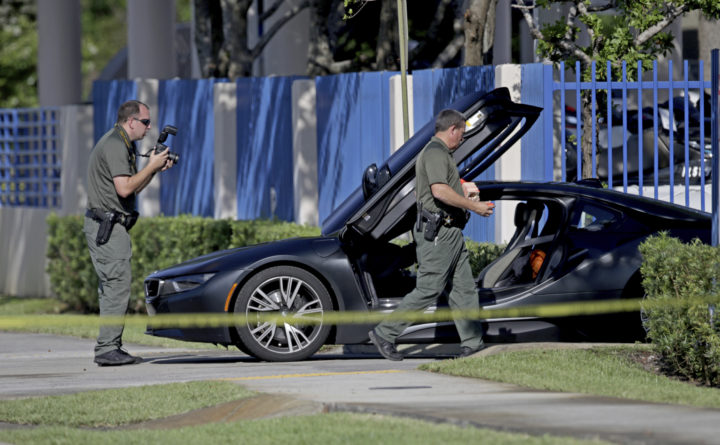
The proverb, “live by the sword, die by the sword,” comes to mind here. Gangster rapper Jahseh Dwayne Onfroy who went by “XXXTentacion” was shot dead outside RIVA Motorsports’ headquarters in Deerfield Beach, FL, just before 4pm, Monday. Onfroy was leaving the dealership when an unidentified assailant up and fired into the car. Gossip website TMZ also reported that a Louis Vuitton bag was stolen from the vehicle.
The 20-year-old was transported to a local area hospital, before the Broward County Sherriff’s Office announced that Onfroy had been pronounced dead. The self-described “genius” rapper had an extensive history of misgivings, violence, legal battles and vile behavior. According to Page Six, “at the time of his death he was awaiting trial for domestic violence against a pregnant ex-girlfriend. He was also facing witness harassment and tampering charges.” Moreover, Onfroy had made political waves after depicting the hanging of a white boy in one of his music videos.
Additional charges included strangulation, false imprisonment, and a detailed list of abuses by his ex-girlfriend, Geneva Ayala, including “slapping her and breaking her phone because she complimented a male friend, threatening to penetrate her with a barbecue pitchfork, stomping on her, threatening to cut out her tongue, hitting her with plastic hangers, holding her under running water in the bathtub,” and punching her until her left eye requiring orbital surgery. (Ayala has also been subjected to harassment from Onfroy’s fans.) Onfroy also admitted to beating a gay man for staring at him.
Gratefully, no employee or associate at RIVA Motorsports or RIVA Racing was injured or property destroyed. Mourners have left flowers, candles and notes outside of the dealership, as Onfroy was a local of Broward County. The investigation as to the shooter remains open.
On October 30, 2012, Disney acquired “Star Wars” creator George Lucas’ private studio Lucasfilm for $4.05 billion. Considered one of the biggest transactions in recent entertainment history, Disney wasted no time churning out feature films, cartoons, toys and even clearing 14 acres of the Southern California theme park’s property to create a Star Wars-themed area. Banking heavily on the intellectual property’s (IP) massive impassioned fanbase, Disney projected the potential for tens of billions of dollars in revenue within a decade. That is, until last year.
As politically left-leaning persons hired in key managerial positions felt compelled to imbue films with political messaging, entries like “The Last Jedi” and “Solo: A Star Wars Story” sputtered and fizzled in theaters globally after the fiscal success of “The Force Awakens,” which many considered itself a blatant repackaging of Lucas’ original 1977 Star Wars film, “A New Hope.” Add to that, fan backlash over perceived mistreatment of beloved characters, nonsensical plot points, and a genuine feeling of disdain from filmmakers, and the brand is quickly learning what mistreating the fanbase can do to your bottom line.
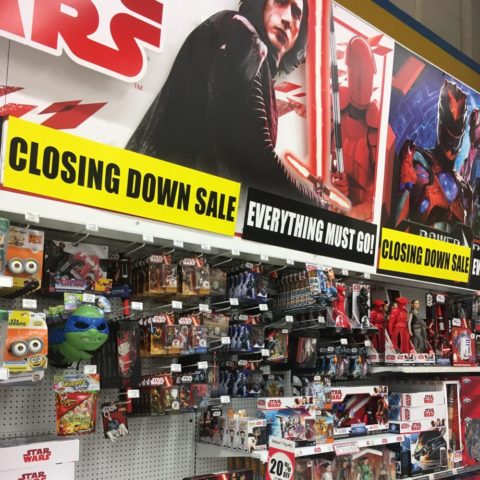
No greater has this been felt by Disney than in the toy and merchandise markets. The aforementioned films failed to move a fraction of the product that Disney’s first venture into a galaxy far, far away delivered. So much so, that as toy superstore Toys ‘R Us announced the closure of its nearly 1,700 stores, CFO Michael J. Short attributed failed Star Wars sales as a contributing factor. Today, Disney is scrambling to find ways to rite the ship. Mining the fanbase’s nostalgia has drawn up an empty well it would seem, and Disney’s gargantuan investment is in dire shape according to many projectionists.
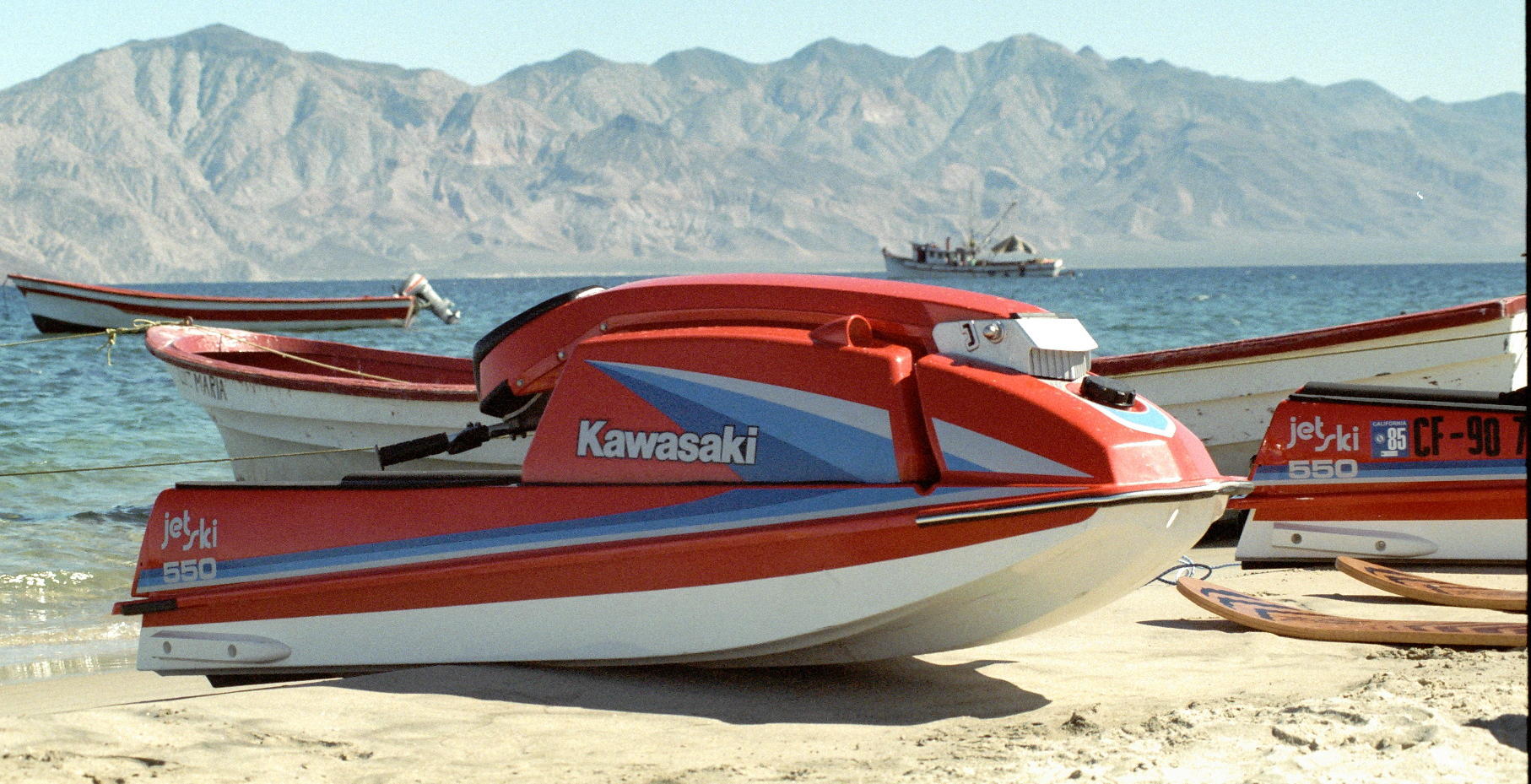
Apart from Disney’s milking of the Star Wars IP, nostalgia and “retro” are big business these days. Music, movies, television shows, children’s toys and cartoons are all big dollar properties. Interestingly enough, today’s personal watercraft manufacturers have done very little to capitalize on their respective histories. All three original equipment (OE) manufacturers have accrued long, storied résumés both in and outside of the sport of jet ski racing, which is rife with bold colors, uniquely stylized models and relationships with famed racers that are ripe to be repackaged, labeled and sold as “retro” options and units.
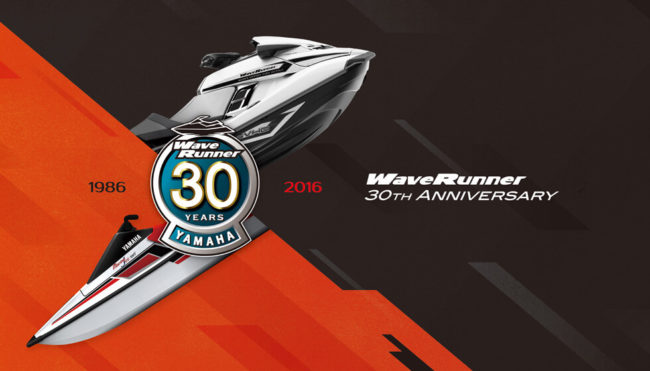
Conspicuously absent from the lineup was any markings, emblems or decals noting the anniversary. None indicated anything connoting the particular anniversary. Not even “retro” coloring or decal options. A year after Yamaha revealed the GP1800, Product Manager Scott Watkins pointed out to The Watercraft Journal, “I like that we brought back the old Yamaha racing ‘strobe stripe’ on the blue one.” Noting a subtle nod to Yamaha’s racing heritage on the Team Yamaha Blue ’18 GP. That, and the neon yellow and blue, and Yamaha blue coloring on the ’18 SuperJet appear to be the only nostalgia-inducing cues that Yamaha has incorporated into its craft in recent years.
Sea-Doo has all the more reason to celebrate, as 2018 rings in 50 years of personal watercraft (ignoring a large absence between 1970 and 1988). One could argue that half-of-a-century of Sea-Doos on the water would be high ground from which to crow, yet Sea-Doo has been surprisingly low-key about the affair. Like Yamaha, no 2018 model Sea-Doo carries an emblem or decal documenting its 50th anniversary. Prior to the reveal, even we surmised that BRP would be branding its 2018 lineup with “50 Years of Sea-Doo” and slathering half of the lineup in brilliant yellow acrylic paint. In fact, we were dead wrong on both accounts. The ’18 RXT-X 300 is in Neon Yellow and Lava Grey, not the iconic “Sea-Doo Yellow” we were expecting.
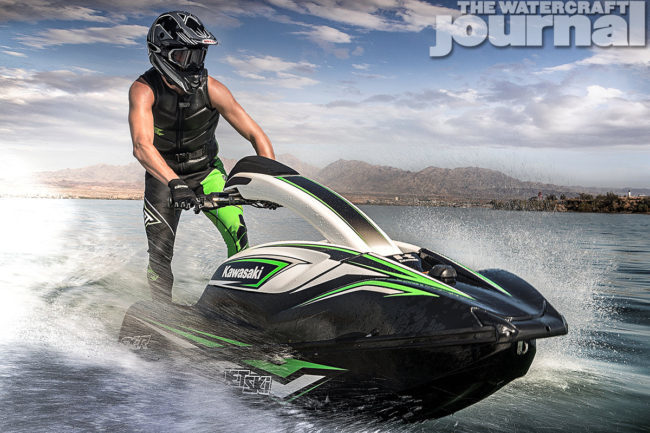
In fact, it has only been Kawasaki to truly embrace its longevity. The 2011 SX-R JetSki proudly brandished a gold decal marking 40 years of the JetSki only to have its following year be its final – at least until returning as a 551-pound 4-stroke for the 2017 model year. Interestingly, the new SX-R 1500 is not unlike Disney’s more successful Star Wars film, “The Force Awakens.” Both levied the greatest anticipation seen for a new product in decades. Both whipped online fandom into a furor of rumors, fan theories and hopes. Even spy photos were kept locked down tightly until the final reveal, which was met with polarized reviews from the hardcore to casual enthusiast.
The most vocal were found online of course; hardcore enthusiasts who had never “hung up” their skis were the most critical, compared to those who observed the new ski as a great unit to “get back into” riding standups. Prior to its retail release, Kawasaki conveyed to The Watercraft Journal that the OE hoped to see “around 2,400 units” sold during its first year, as it would appeal to riders “old and new alike.” According to inside-industry sales reports, that number was below half of the original projection. Unchanged for 2018, sales of the SX-R have steadied but definitely not exceeded 2017’s numbers, leaving many to question the health of the standup market altogether.
And that’s the rub that manufacturers are keenly aware of: nostalgia within this industry isn’t enough to translate into actual sales. RIVA Racing has made a solid effort of mining into the sport’s past, printing Yamaha WaveBlaster t-shirts and novelty socks. But is the public interest enough for Yamaha to develop a 4-stroke, 110HP two-seater WaveBlaster? (The originals were marketed as two-seaters too.) The GP1800 remains a strong seller, but do enthusiasts want a yellow-and-black, strobe-striped GP1800R? (And what would the “R” need to entail?) And what of Yamaha’s SuperJet? We’ve noted that 2020 marks 30 years since the SuperJet’s introduction; is a 4-stroke standup worth the investment for Yamaha? Or are new standup sales stagnant? And why not celebrate Yamaha’s racing history with a retro-wrapped RIVA Racing SuperJet?
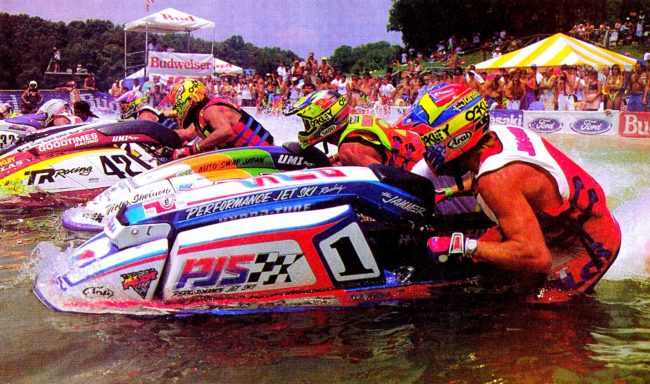
Speaking of which, would special retro-graphic kits celebrating Kawasaki’s most famous racers help buoy current SX-R sales? Would buyers flock to purchase a limited-run Christy Carlson or Jeff Jacobs-Edition SX-R? How about colorful vinyl wraps brandishing vintage PJS and Butch’s logos? The cost for licensing and printing certainly would be minimal when weighed against potential sales. And what about Sea-Doo? Are brilliant, eye-scorching teals, purples, and greens on the comeback? How about a more performance-oriented Spark to egg on the former HX loyalist? How about a Spark with a modular top deck, and we can resurrect the 3D? Handlepole and all? OK, we’re kidding on that last one.
In this instance, nostalgia in and of itself is inert. It is neither good nor bad. When applied properly can render extraordinary results, yet when the intended audience sees it as more of a cash-grab, can backfire spectacularly. It’s our submission that both Sea-Doo and Yamaha failed to seize the opportunity to celebrate their respective longevity, and with it, add a little added value to these specific model year’s units. Equally, we see these companies failing to capitalize on the brand equity they have accrued over so many years. Allow us to celebrate your past with you! Let us relive a little bit of yesterday’s glories in new and exciting ways.
This morning, while reading Port City Daily, I came across this great little piece of news. Cape Fear Community College and Yamaha are teaming up to offer an outboard engine course! The class is hands on and students will learn how to repair and maintain outboard marine motors.
Cape Fear Community College (CFCC) and Yamaha Marine University have partnered in order to provide this 12-week course on Yamaha outboard motors. At the end of the Yamaha Outboard Systems course, students will receive a certificate of completion and prepared to take the Yamaha certification test. Students who complete the classes will hav the ability to diagnose and service Yamaha outboard motors. The cost of the 72 hour course is $185 and the next time it’s offered is July 9-October 1. A Yamaha-certified marine mechanic will be the instructor.
Josh Davis, CFCC interim director of customized training and workforce development said, “Yamaha’s Intro to Outboard Systems can prepare you for an entry-level job as a Yamaha marine service technician.”
Davis added,”The course invites a range of participants, whether they’re an automotive technician hoping to transition to marine systems, an individual looking to learn more about marine motors, or a high school graduate looking for a summer job.”
I highly recommend CFFC for anyone who wants to gain knowledge, get a degree, or a certificate. The instructors actually teach the necessary material to help you land a job in your field of study. I graduated from its Marine Tech program and I often use what I learned. A couple of years ago, I completed the Marine Captain’s OUPV License Preparation course through CFCC and received a certificate. Again, I garnered a wealth of information and received a great refresher of the ‘Rules of the Road’. I plan to own my own live aboard yacht. I may take the Yamaha course just to learn more about engines.
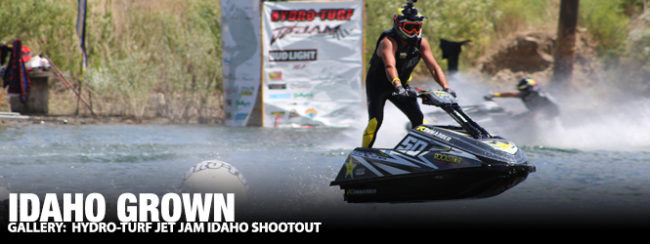
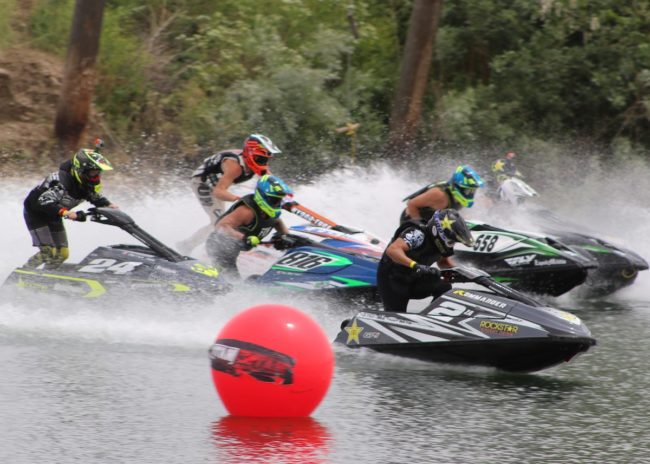
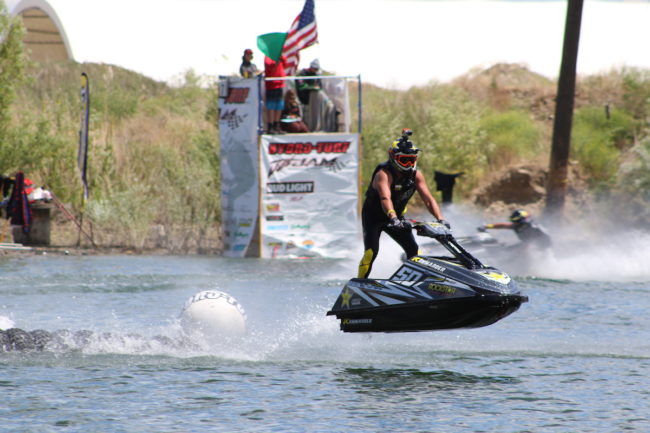
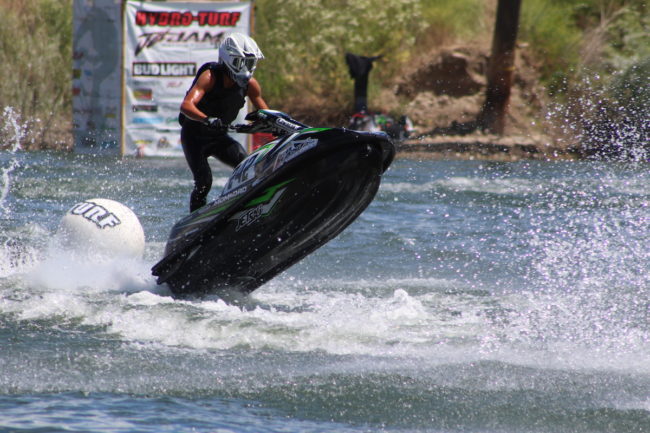
After a long hiatus from jet ski racing, Idaho was looking to make a come back in a big way. With sponsors like Hydro-Turf, Fly Racing, Bud Light, Hayden Beverage, Mike’s Hard Lemonade, and Pro Watercraft Racing, quickly jumping on the bandwagon it was a go. With a pro purse big enough to draw some of the biggest names in the industry.
With most of the competitors driving from out of state, and some of them even driving as many as 16 hours to the quaint little town of Caldwell, Idaho. This would be the first chance for a lot of the riders to shake hands with the so many of the people they have only talked to or seen on social media. A great majority of the area’s local riders, and spectators have never had a chance such as this to see let alone compete in a closed coarse race of this magnitude.
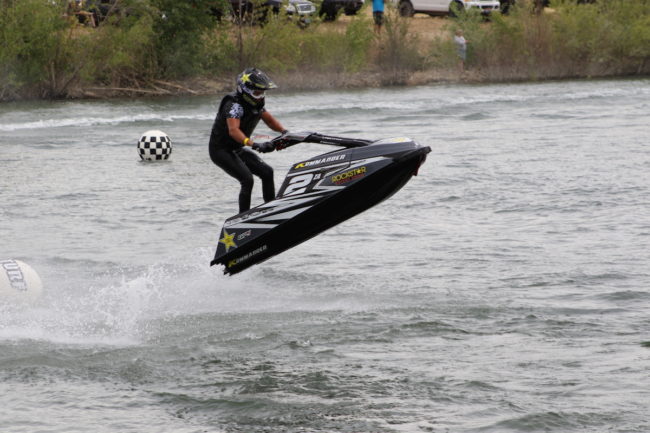
The red shirt crew set the coarse, and opened registration, and the lake roared to life with the sound of jet skis practicing for the days of racing yet to come. With all classes represented on the water, from the JS550, to the 300hp runabouts, the feeling in the air is that this was long overdue.
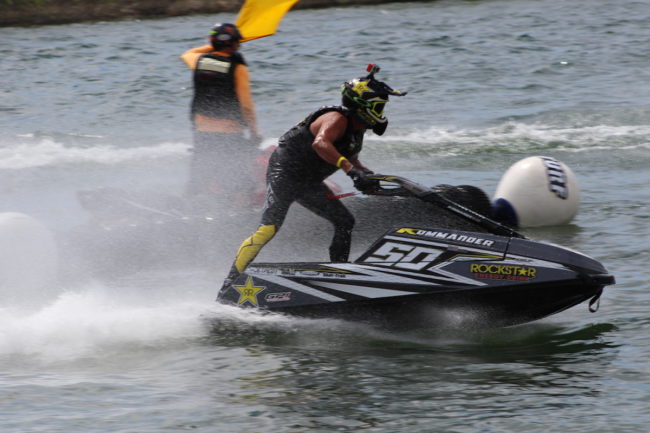
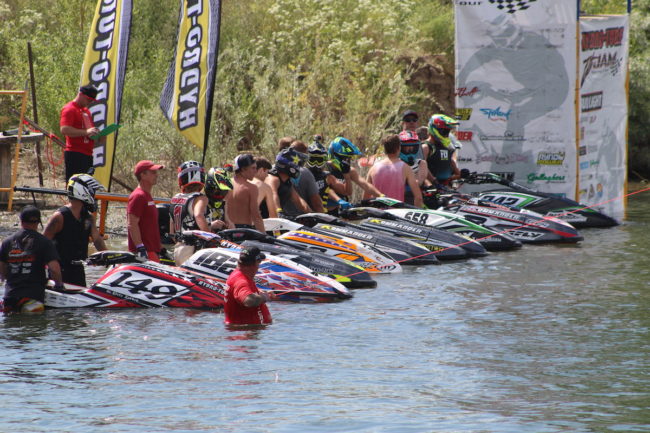
As morning broke on Saturday, you could feel the anticipation from everyone on sight. When the riders meeting was called to the registration area, this would be the first time a lot of these racers would be face to face. The schedule was set and the safety crew is on the water, it’s time to go racing. The two moto per day format became a daunting reality to some of the racers.
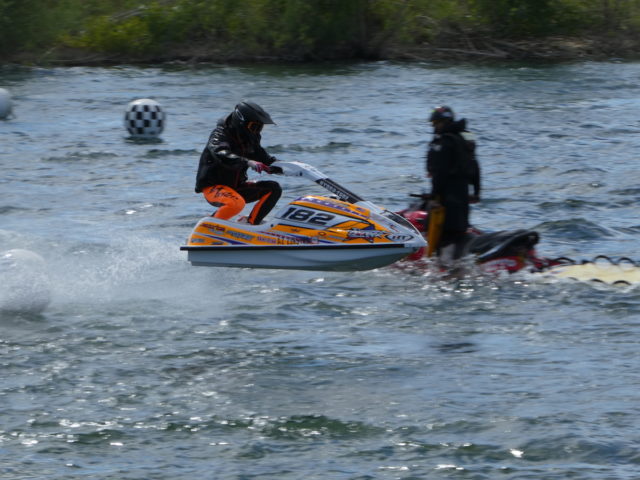
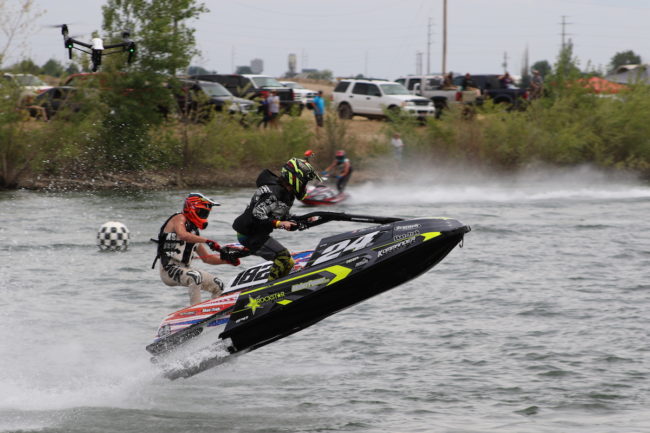
The action commenced with the snap of the first band, drag racing down the straights, dog fighting through the split, bar to bar runs across the finish line. Even though the wind came up in the middle of the day, and a little bit of rain, the smiles were still very prevalent all up and down the shore line. As the race day came to a close, you could smell BBQ’s being ignited, and hear laughter about the stories being told of the highs and lows of the days events.
After a brief riders meeting Sunday morning, the first moto was under way. For most of the riders the first race jitters were shaken off the day before. The classes seemed to get faster and tighter as the second day of racing commenced. While making it more fun and a greater challenge for the racers, it also pulled the spectators ever closer to the edge of their seats.
As for the big race of the weekend, with a 4 moto race format drawing in big names in racing like Dustin Motzouris, Brock Austin, Aaron Gewecke, and David Redinger, the stage was set for one of biggest money races of the season. One racer quickly made it clear that this was not going to be easy for anyone, as Dustin Motzouris locked down the number one spot all four motos, followed closely by his brother and teammate Tyron Motzouris, with Preston Matsdorff coming in third, despite his injuries and having to go to a back up ski for day two.
The race weekend drew to a close with the awards ceremony. The big checks being handed to their deserving winners, and the trophies being awarded to all the other class winners. All the sponsored give aways being handed out almost everyone left with something in hand.
Racers and families packed up and started rolling out. For some it would be another 16 hour drive, and for others it would be a short drive down the road, but for almost all the community and camaraderie was very present. When you combine that with all the local promoters, Jet Jam Racing, and their crew, it is easy to see the sport of jet ski racing will be alive and well for years to come.
Big thanks to HydroTurf, Bud Light, Hidden Trails Motosports, River Rat Motorsports, Bodyline Swim Shop, Skat Trak, Pro Watercraft Racing, Water Craft Direct, Nprotune, Jet Renu, M&M Marine, TC Freeride, 3-2-1 Kawasaki, Blowsion, JetLift, Ryno Power, The Watercraft Journal, Team Oakley, Pro Rider Magazine, Shark Energy Drink, Devas Bling, Riva Racing, Gallaghers, Throttle Junkie News, Coach T’s BBQ, Every Kid Counts Charity, O’Neill S&E, Sun Solutions, Titan Performance, Bomber Eyewear, WCWCC and Westside Media, and JC Racing
Written by Mathew Goade and James Gagnon. All photos courtesy of Kelley Cranley Borgen
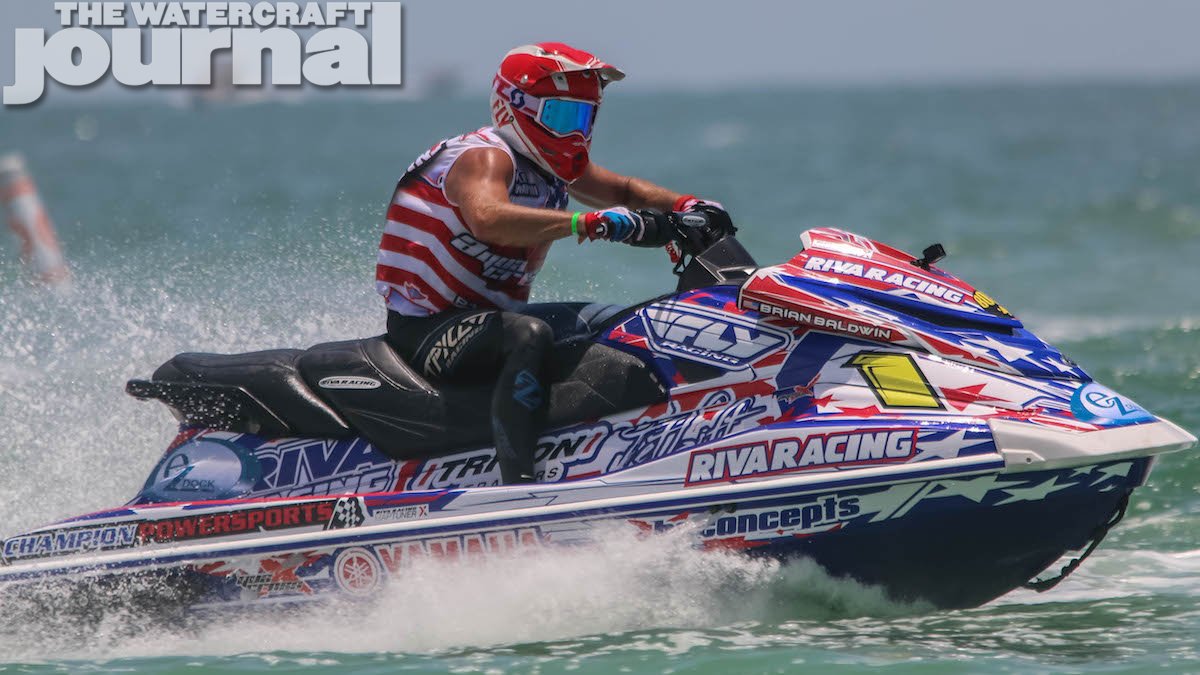
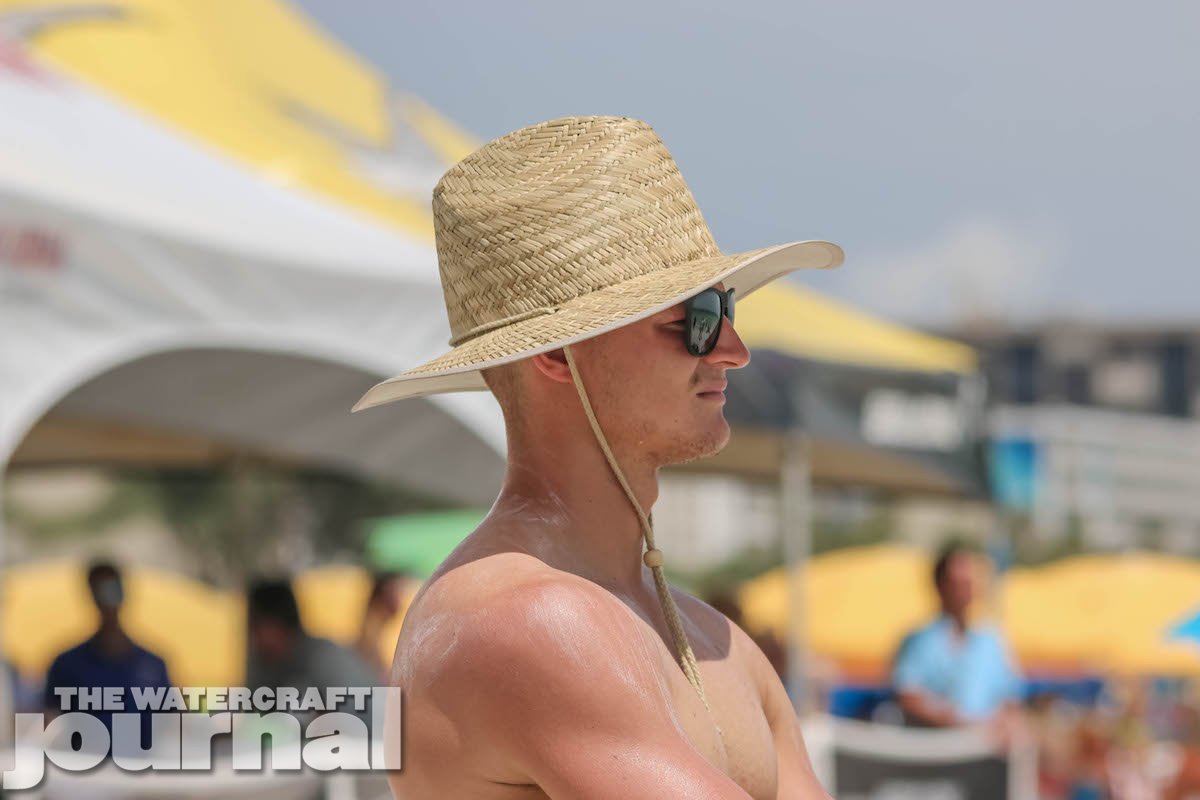
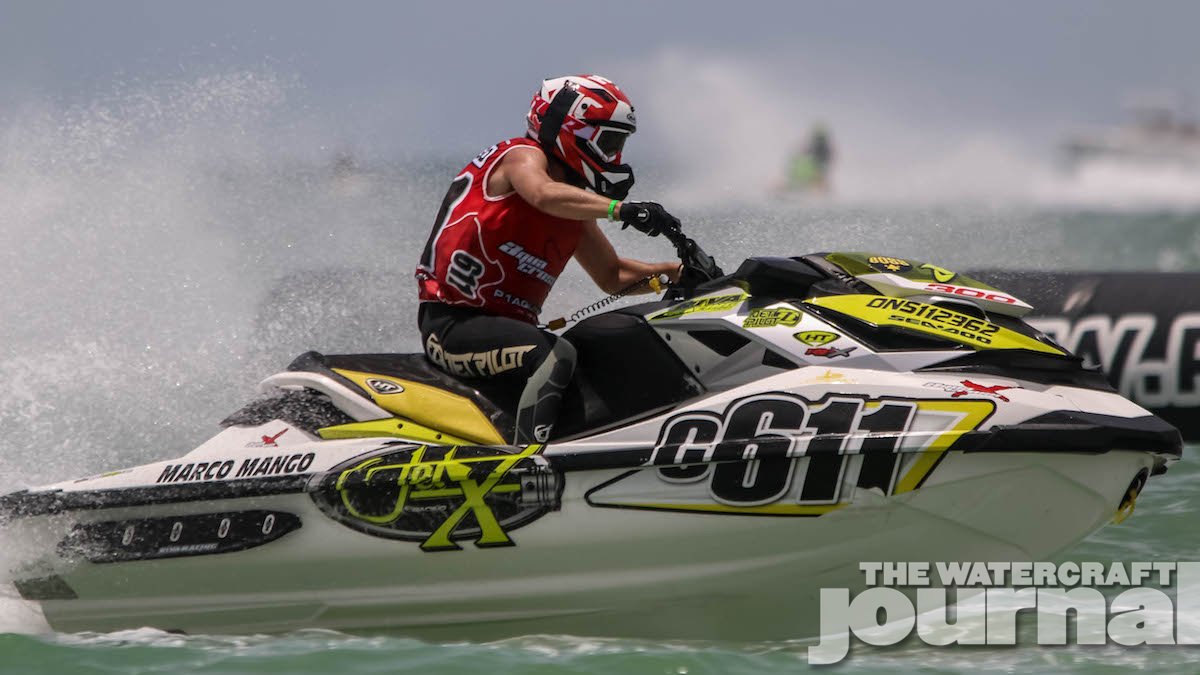
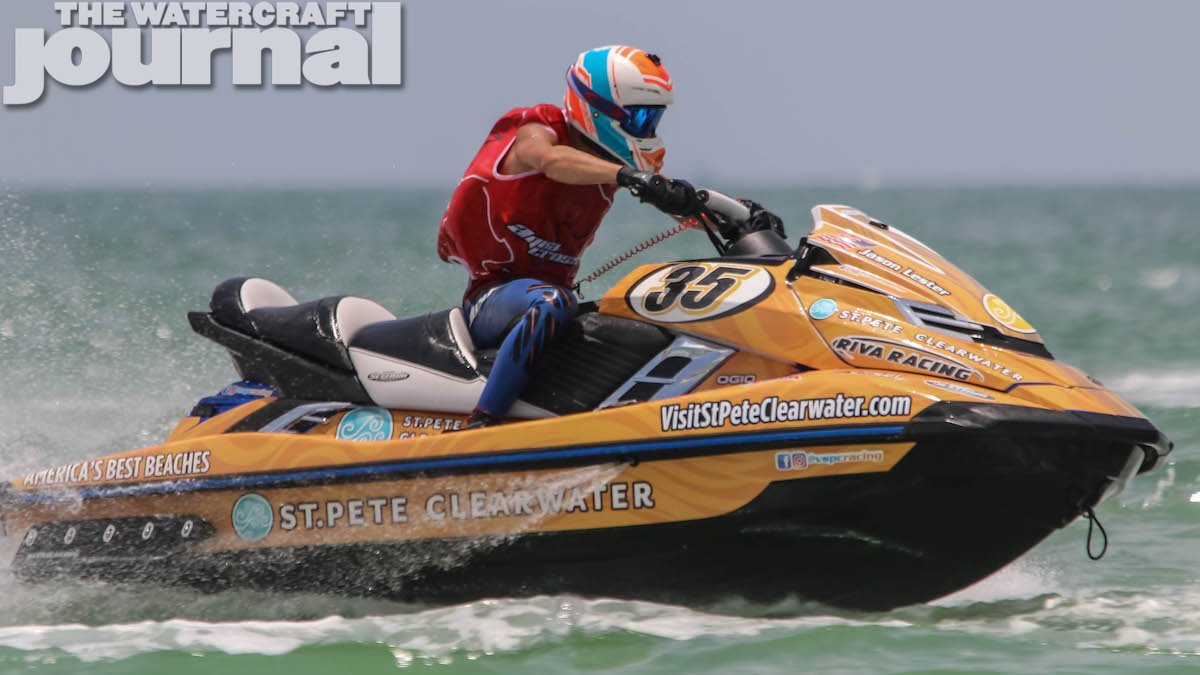
St Petersburg, Florida was home to the third round of the P1 Aqua X Race Series this past weekend after the first stop in Miami Florida and St Cloud Florida. Leading into the weekend the P1 World Rankings were released and Eric Francis would be named the number one racer in the world followed by Chris MacClugage and Brian Baldwin. When asked how he felt about being named number one in the world and having a target on his back Francis said, “I wouldn’t want it any other way and looked forward to having the competition come after [my] title.”
The weekend was set to be hot not only with racing but also with the temperature. Last season the temperatures in St Pete were brutal and even had rider Chris MacClugage receive medical care due to it. Temperatures for the weekend were forecast to be in the low nineties but with a feel of in the 100’s.
The first day of racing was set to start off with the first moto of three with a possible make-up moto for the Pros due to them only racing once in Miami due to the excessive marine holds. The racers were pumped to hit the water and do battle. As they prepped their craft and got their safety briefings the crowd started to gather onto the beach and anticipation was starting to build. With a scheduled start time of racing of 10:30am the racers took to the water to do their parade laps and to get a feel for the racecourse. Upon completion of their laps they were all set to go and have racing begin.
Unfortunately, as it was in Miami, the marine observer in the helicopter had other plans and put racing on a “marine hold” due to wildlife in the vicinity of the course. The racers were brought back into the beach and the waiting game started.
The temperatures stared to climb in the atmosphere as well in the pits with the riders as they started to feel some déjà vu from Miami. The sponsor of the series this year Rip-It energy drinks kept everyone hydrated. During the hold World champion fly boarder Kristen Smoyer put on a fantastic routine and entertained everyone along with announcer Mikey Young with his trivia questions and music selections. Finally, after waiting three hours in the hot sun the hold was lifted and the riders went back out onto the water to get racing started
Once lined up, the horn was blown and the green flag dropped. Taking the hole shot in the first moto of the weekend was Troy Snyder, but unfortunately it was short lived because as the racers came around the first buoy the red flag went up because of some collisions on the start and riders getting injured. Mike Klippenstein would sustain an injury to his right arm and needed to go to the hospital to get checked out. Fortunately nothing was broken but he was pretty banged up. Also sustaining injuries was Johnny Smith who collided with Erminio Iantosca and hurt his shoulder. Luckily for him nothing was broken as well. But he felt pretty banged up as well.
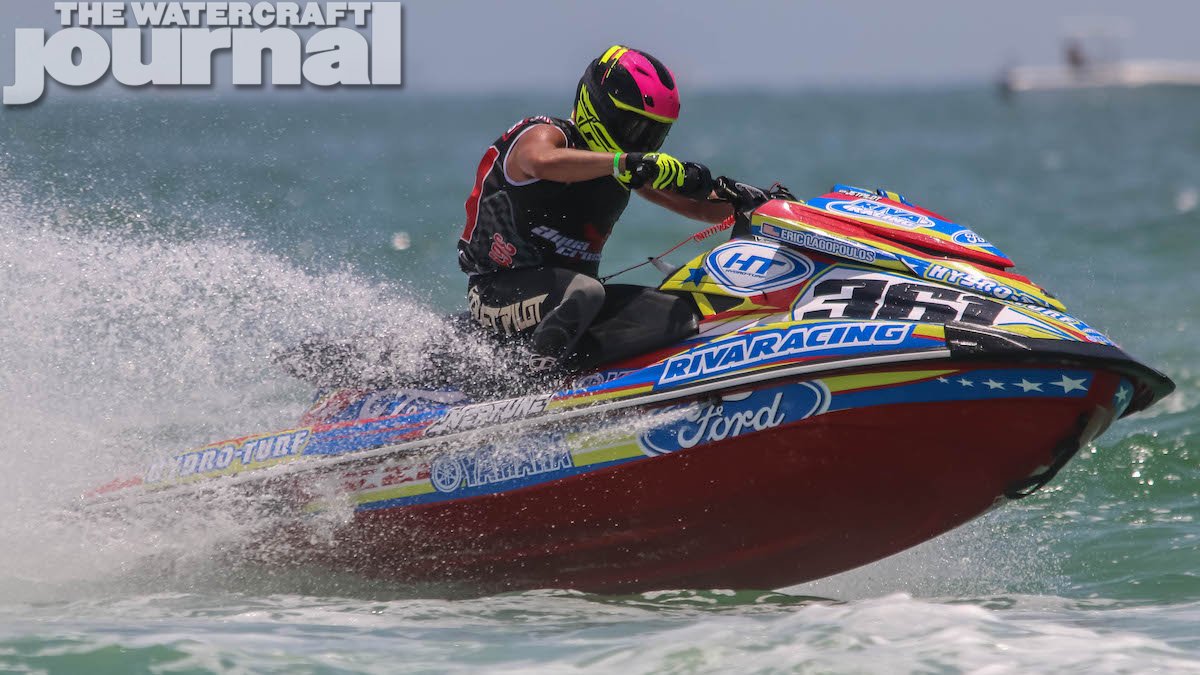
The restart would see Eric Lagopoulos take the hole shot with Chris MacClugage, Brian Baldwin and Erminio Iantosca charging hard. Francis due to starting at the back of the field had to get through traffic and run hard if he were to maintain his number one ranking. He would battle through the field and chase down MacClugage. Finally the white flag came out and Francis after battling back would overtake Macc to take the lead and the victory. He would be followed by MacClugage and Baldwin to round out the top three.
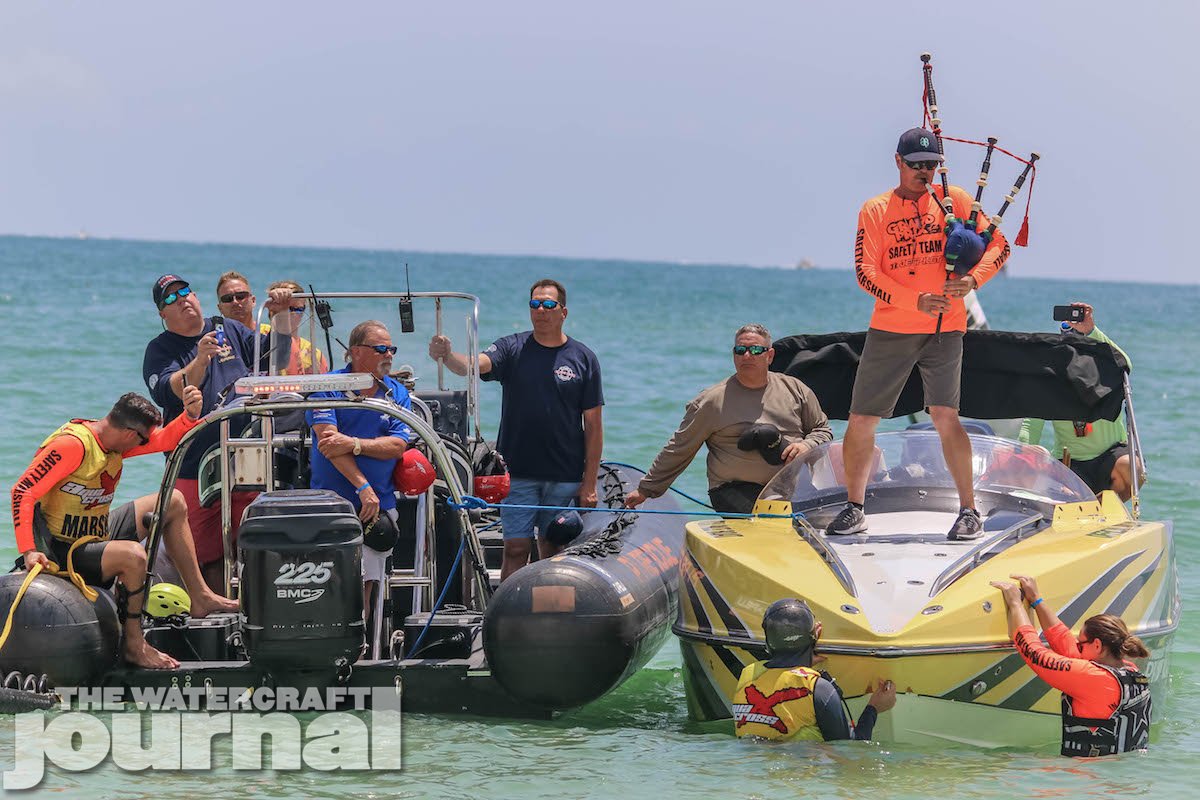
A tribute was conducted for Mike Salber’s memory by the P1 staff and safety marshals as his untimely passing had occurred just two weeks prior in the P1 Superstock race in Jacksonville. It was a solemn moment and everyone paid tribute to an awesome guy and friend. Mike was definitely part of the racing family and is truly missed.
Next up was the Amateurs to get into the water. They were ready to get things started since their last race in St Cloud. Unfortunately, the marine observer in the helicopter had other plans and put a marine hold on again. Both P1 staff and the racers were staring to really get frustrated as time to race was dwindling for being on the beach. As things would happen just as in Miami racing was called for the day due to the marine holds and time running out.
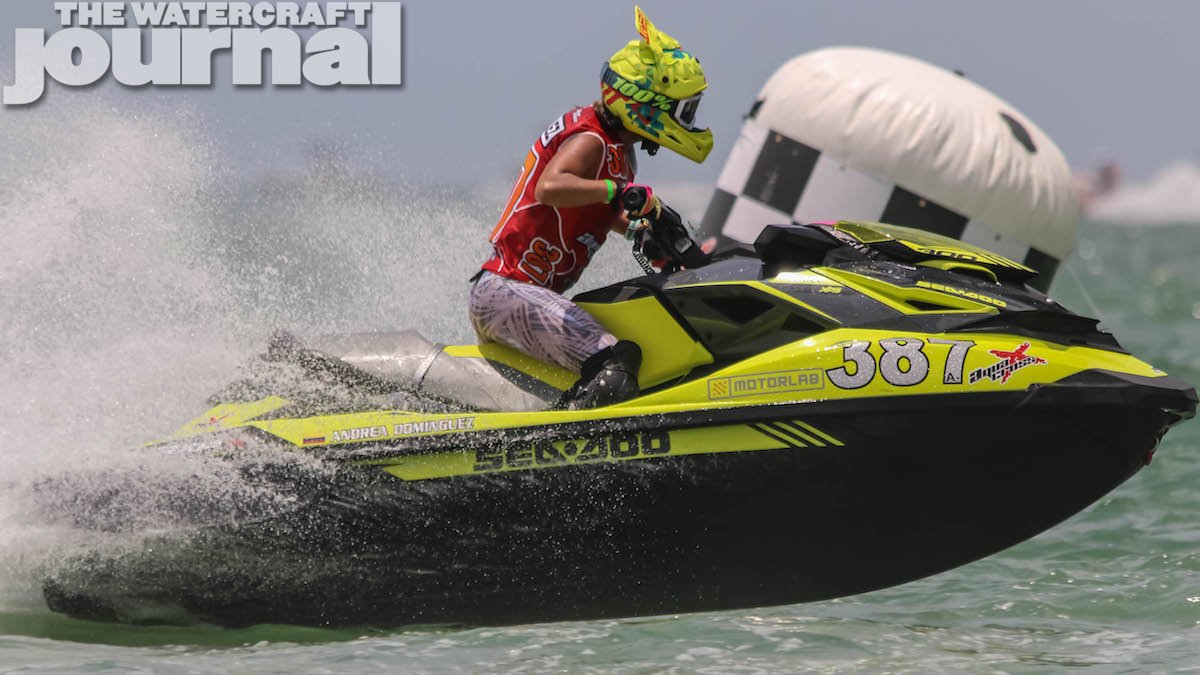
Day Two started off with the sweep of the waters by the helicopter and again racing was put on a marine hold. Temperatures were forecast to be 102 degrees and that, combined with the racer’s frustration because of the marine holds, was putting everyone on edge. Some racers were reconsidering continuing with the series because of all the expenses that were taken out due to the holds. Finally, it was announced for the racers to put their skis in the water and racing got under way to the cheers of everyone. It was newcomer Tyler Hill in his first Aqua X race who would take the win in the 300 Class followed by Tommy Olswang and Dave Davidson respectively. In the 200 Class, Scott Reeves would take the win.
After another marine hold the Superstock boats got a race in and it was time for the Pros to get another race in. It was Eric Francis who took the win followed by Brian Baldwin and Aero Aswar, respectively. Due to the time constraints racing was called for the weekend and the Amateurs did not get another race in. Another race weekend was in the books, but it is obvious that the marine holds had again put a damper on a fantastic weekend. Next up for the Pros is Sarasota, Florida in two weeks and we hope the marine holds will not follow to that location.
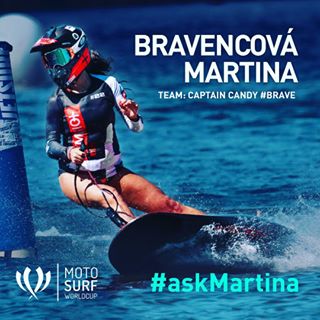
New Czechoslovakian team, Captain Candy, came out firing in the first round of the Motosurf World Cup. The team grabbed first in men’s and women’s. Martina Bravencova, the team manager, won the womens’s class. Bravencova made a good choice when she signed Lukáš Záhorský to the team. Záhorský took out the men’s class in dominating fashion by putting on two perfect performances in both finals. Reigning champion Jakub Kornfeil couldn’t match or beat Záhorský’s speed. Kornfell had an impressive run, placing second overall. Local man Jan Drkoš grabbed his first ever podium. He’s a happy guy!
The women’s racing was intense, with Bravencova and Aneta Šacherová battling to the finish all weekend. Bravencova captured first in both final rounds. She leads the season in points. Aneta Šacherová’s determination and fierce attitude carried her to second place in the overall. She is going to be a force this season as long as she continues to bring it!
Zdenka Nyestova from Jetsurf Slovakia grabbed the third spot on the podium and she was stoked. Her consistency throughout the weekend paid off. That’s what it took to make it to third. On the other hand, Klárka Sitarová from MSR Engines, just missed out on that third tier. One lone point saw third place finish slip from her grasp. Anya Colley, out of Briton, crashed in both finals. Those crashes left her in fifth place in the opener.
The second round of the MotoSurf WorldCup takes place June 22-24 in Wyboston,UK. Will Team Captain Candy continue to dominate?
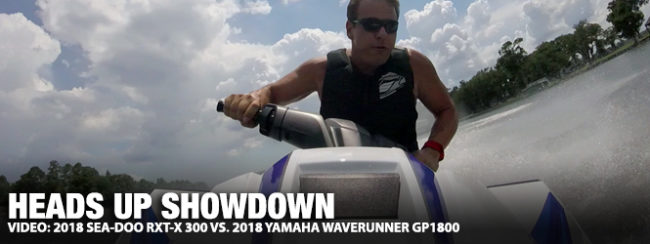
It’s been a standing policy since launching in 2013 that The Watercraft Journal doesn’t do shootouts. Certainly, the logistics of performing a shootout between two or more watercraft is all but impossible (that is, if you’re going to do it right); and moreover the outcome is almost always controversial. Somebody isn’t going to be happy no matter what you do. And more often than not, it’s the manufacturers who are the least pleased. This is often because those performing the comparison do not make the extra effort to ensure that the comparison is equal. Not in outcome of course, but equal in regards to a level playing field. So in wanting to keep the OE’s happy and the more vociferous of our readers at bay, we’ve simply never have done them.
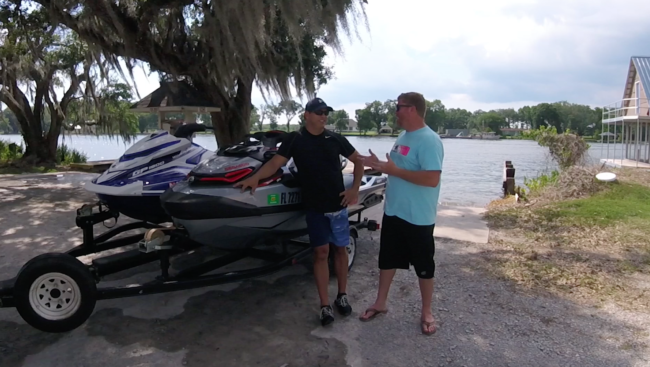
That’s not to say that the demand hasn’t gone away. In fact, as we continue to produce more videos the outcry for shootouts has only grown. Thus far, we’ve resisted the urge. That is, until recently, when a Florida-based professional sasquatch hunter (no, we are not making this up) attempted a drag race between a 2018 Yamaha GP1800 WaveRunner ($13,999) and a 2018 Sea-Doo RXT-X 300 ($15,699). The video is an unmitigated failure when it comes to properly staging a comparison – enough to spur both ourselves and Greenhulk.net’s own Jerry Gaddis into devising the single-most foolproof, authentic, unbiased and equal comparison between these two machines.
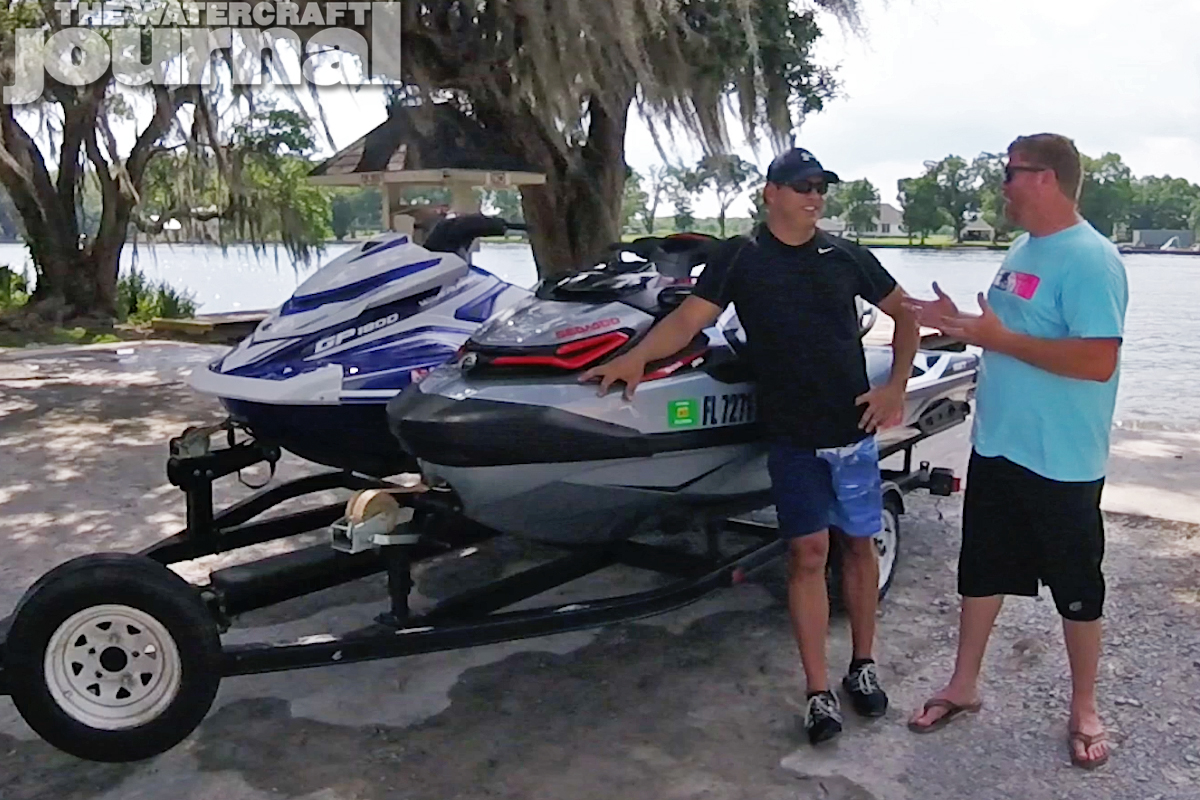
By sheer good fortune, The Watercraft Journal has two of these machines in our possession for long-term testing. Already, the GP1800 has a healthy 28.9 hours on the clock, while the Sea-Doo just tipped 33 hours. When plenty of time post the factory break-in and nearly equal riding time on their respective engines, we felt we had a good basis to start from. The plan was simple: as handling can be subjective, and drag races carry too many factors (rider weight, reaction time, etc.), both Jerry and we felt that a single-rider acceleration test would be best. Using Jerry’s Vbox Sport – one of the most trusted performance accelerometers available today – we would measure each ski individually from an idle speed of 5 mph (because a true zero is impossible) to 60 mph. The Vbox would also record a sustained top speed (not peak).
Initially, both Jerry and we were concerned that the scales would literally tip in the Yamaha’s favor given its power-to-weight ratio. That is, until we did the math. The GP1800 comes in at 769 lbs. (dry weight) and an unconfirmed 265-horsepower. Since we didn’t want anyone questioning whether we had equal fuel levels, we decided to thoroughly top off each ski to its respective limit. That means that with a 18.5 gallon tank, and a gallon of gas weighing 8.6 lbs., the GP1800 would weigh 928 lbs. with a full tank of fuel. As the new RXT-X 300 came in at a hefty 828 lbs. dry weight, but a leaner 15.9 gallon tank, that gave the Sea-Doo a total weight of 967 lbs. with a full tank of fuel – equating a difference of 39 lbs. between the two.
Since Jerry was going to be our only pilot this day, he trusted that he wasn’t lying about his 6’1″ 235 lbs. stature. We traveled to Morgan City, LA from The Watercraft Journal HQ and met Jerry at Greenhulk’s secluded testing spot, a thin sliver of bayou lined with dangling Spanish moss and cypress trees sitting no more than a few feet above sea level. The day was a scorcher, 91 degrees, so air temperatures weren’t what you’d call nominal. Wind was slight, about 5 mph from the south, which wouldn’t affect our east-to-west running test canal. Jerry journeyed a ways off to warm up each ski before making his first pass. Each ski made 4-to-5 passes, careful not to heat sink the engines. We didn’t want to come back and do this over again.
And before setting out, we made sure of two major items specific to the Sea-Doo: First, the RXT-X would be ran in “Sport” mode. Although all iTC-equipped Sea-Doo begin in “Touring” mode, which allows for a rider to reach the craft’s particular top speed, the fuel/ignition curve is somewhat more gradual than when toggled over to “Sport.” Next, we opted to not use the craft’s all-new “Launch Control” feature, which employs the Sea-Doo’s VTS to ensure a controlled and smooth acceleration pass, reaching plane far quicker than a conventional launch. Why? Because the Yamaha doesn’t have Launch Control, and we wanted to compare “apples to apples,” so to speak.
Jerry also stated, “I launched with trim all the way down and trimmed up as the ski planed off just as any experienced rider would do. I did not launch in neutral trim.”
The image shown above is taken from the “Long Haul” video attached at the bottom of this article, and is a true and authentic replication of the best passes for each unit. For the Yamaha GP1800, the WaveRunner reached it’s 30mph mark in 1.68 seconds, and its 60mph mark in 4.42 seconds, with a sustained top speed of 69.3 mph. That is incredibly fast, but surprisingly, not fast enough to beat the Sea-Doo.Within 1.47 seconds, the RXT-X had inched ahead by .02 of a second; and was even closer to the Yamaha’s 60mph at 4.36 seconds – besting the GP by a tenth of a second. Yes, the RXT-X’s top speed was an impressive 70.6 mph, but in regards to one-on-one acceleration testing, the difference between the two was fractions of a second.
Admittedly, both Jerry and we were pretty certain that the Yamaha was going to win this competition, so the upset was felt by all. In fact, Jerry was concerned that our GP1800 might not had been running right, so the next day procured an identical ’18 GP1800, and performed a preliminary test to see if we needed to return and retest the two. The outcome of Jerry’s secondary test was identical to ours this day. The Sea-Doo pulled ahead – albeit slightly – every time. We cannot think of a more equally-grounded comparison, and are pleased that we went to these lengths to “show our work,” as our old math teachers would say. Hopefully you are too. Now let the comment wars begin!
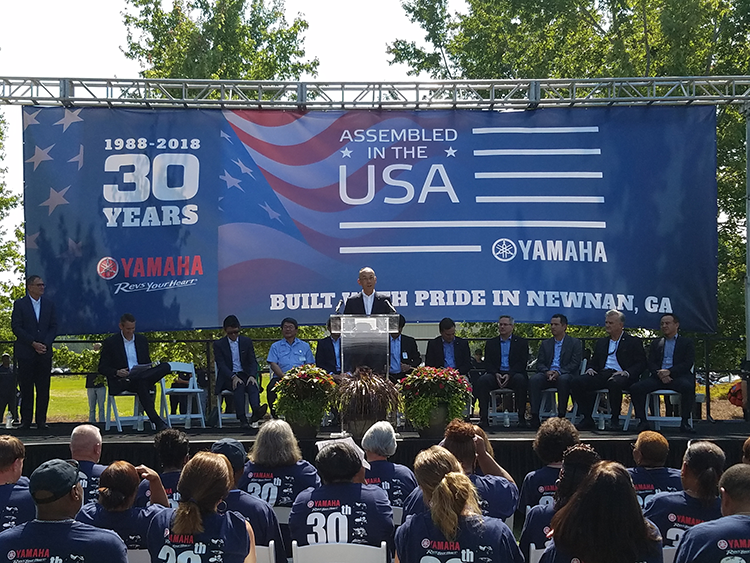
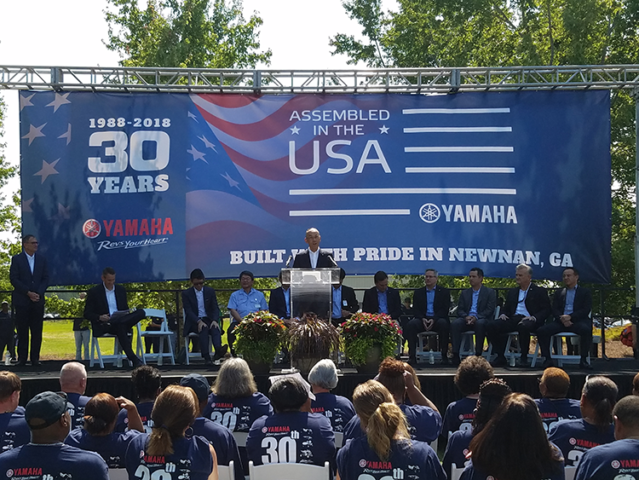
Yamaha Motor Manufacturing Corporation of America (YMMC) and Yamaha Motor Corp., USA, (YMUS) are celebrating 30 years of U.S. manufacturing at the Newnan, Georgia, facility.
Throughout the three decades as a leading manufacturer based in Georgia, YMMC has produced more than 3.5 million vehicles including ATVs, SxS vehicles, golf cars and watercraft for worldwide distribution. For years, Yamaha’s Assembled in USA brand has represented the highest standards in powersports manufacturing and the thousands of U.S. jobs that Yamaha’s local manufacturing supports.
“Yamaha’s U.S. production ensures the legendary quality and reliability that people expect from Yamaha, while also providing a high level of responsiveness to U.S. market demands and streamlined U.S. distribution,” said YMMC President Mike Chrzanowski. “Thirty years and 3.5 million vehicles is something to celebrate, but we’re also looking forward to the future as Yamaha continues to innovate and develop new products for powersports enthusiasts in the U.S. and around the world.”
Over the past 15 years, Yamaha has invested more than $354 million to create and maintain a state-of-the-art, 1,355,000 square foot facility in Newnan, while ensuring top-quality products are built in a safe and environmentally responsible manner.
“YMMC is committed to the highest quality and safety standards for our employees, our community, and our customers,” Chrzanowski said.
Of Yamaha’s approximately 3,400 U.S. employees, more than 1,500 people are directly employed at its YMMC factory. The factory is ISO9001 Quality Management System and ISO14001 Environmental Management System certified.