


Admittedly, it’s been over a year since we’ve last reviewed any piece of dedicated riding gear, and all for good reason: there’s very little “new” under the sun. We’ve reviewed dozens upon dozens of riding gloves, boots, vests and what we consider the most divisive: sunglasses.
Selecting the right eyewear for riding personal watercraft is one of the most difficult as so many factors must be considered: do they provide sufficient eye protection from UV glare, wind, water and impact (bugs, etc.); do they fit comfortably and react appropriately to wind speeds; and do they look good?
Obviously, the last category is the most subjective and is open to personal preference but the earlier two must be strongly considered and evaluated. We’ve found many manufacturers trying to distract customers with a parade of bells and whistles to hide that the glasses themselves fail to pass these two basic criteria. We’re not so easily distracted.
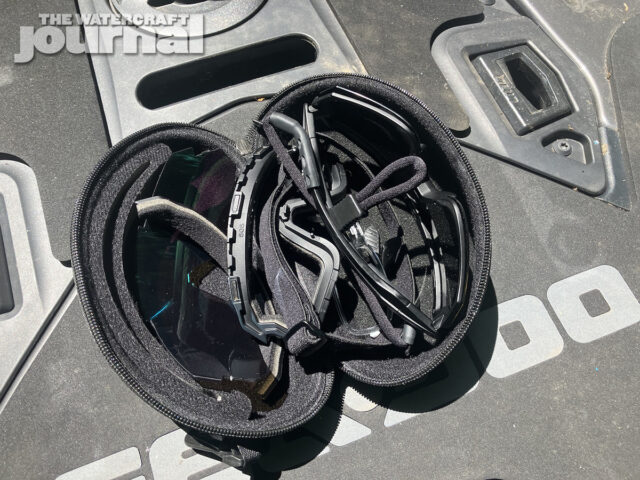
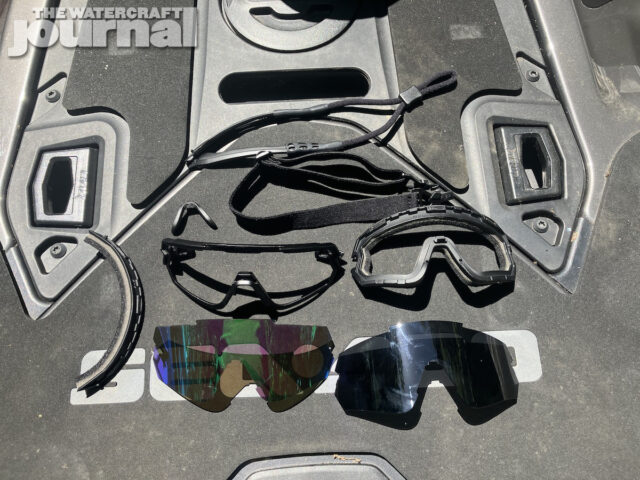
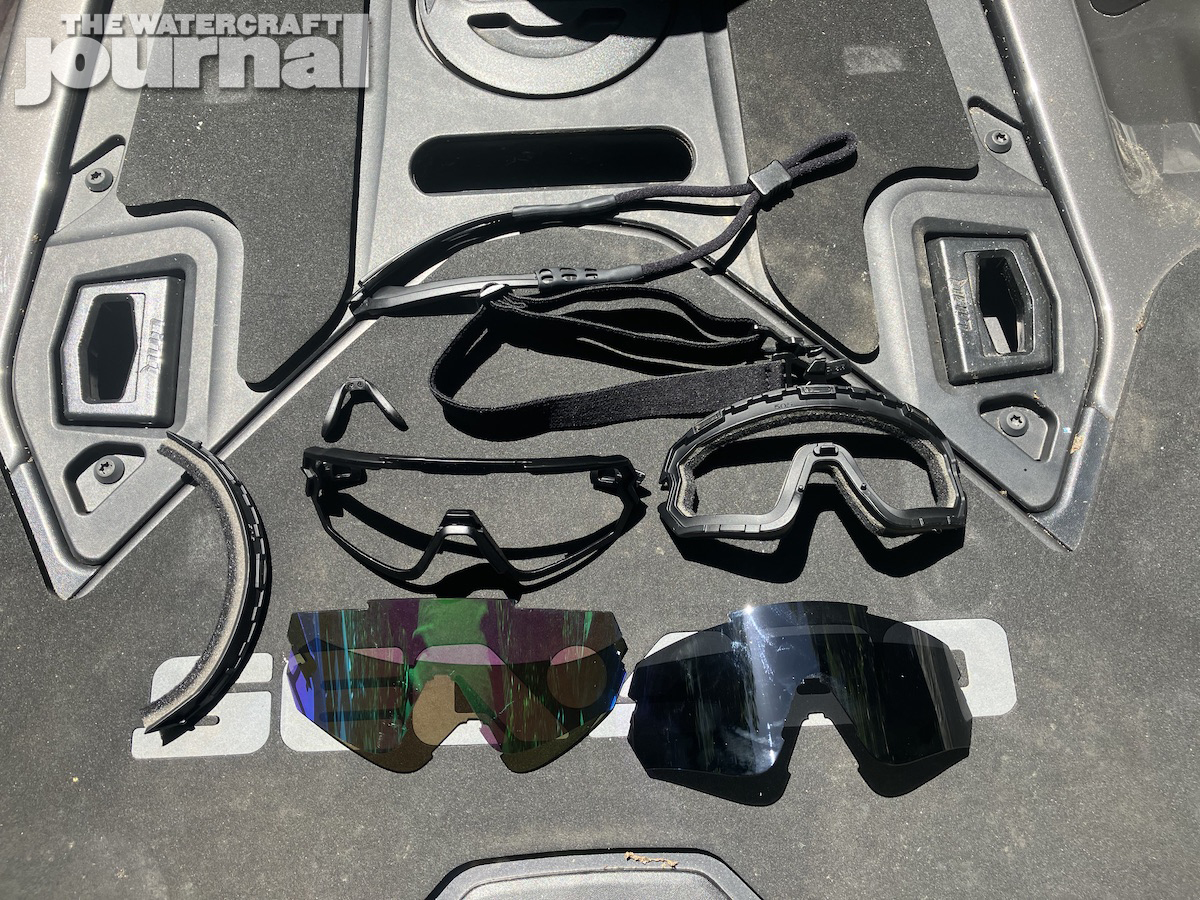
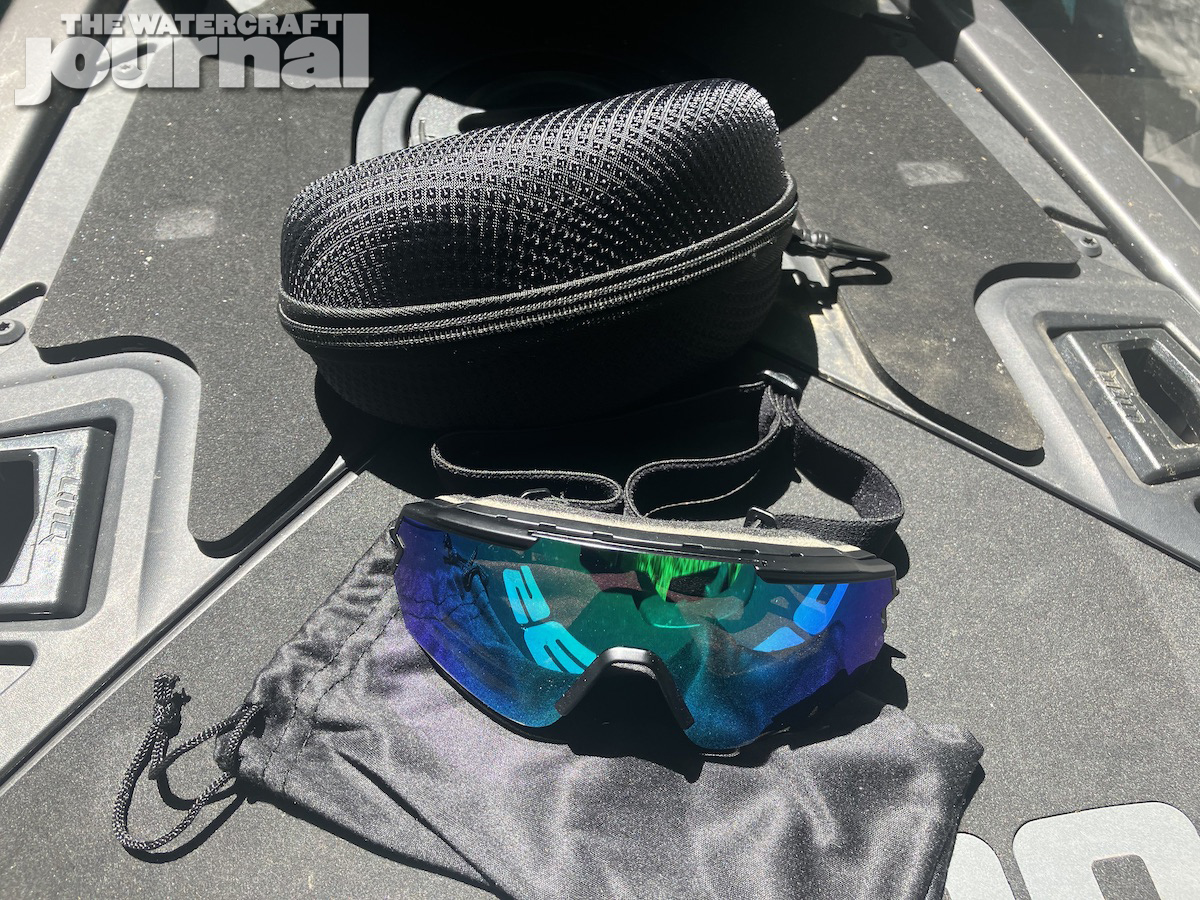
Unfortunately, after months of reviewing Jet Tech’s Hybrid Sunglasses & Goggles, they fail to pass – but not for a lack of effort. The two-in-one sunglasses offer a whirlwind of clever features and an innovative (yet somewhat clunky) snap-together modular construction that allows them to be outfitted as sunnies (Australian for “sunglasses”) or goggles.
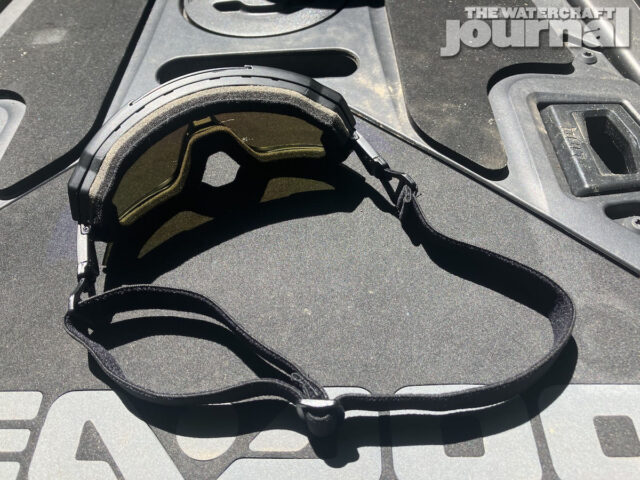
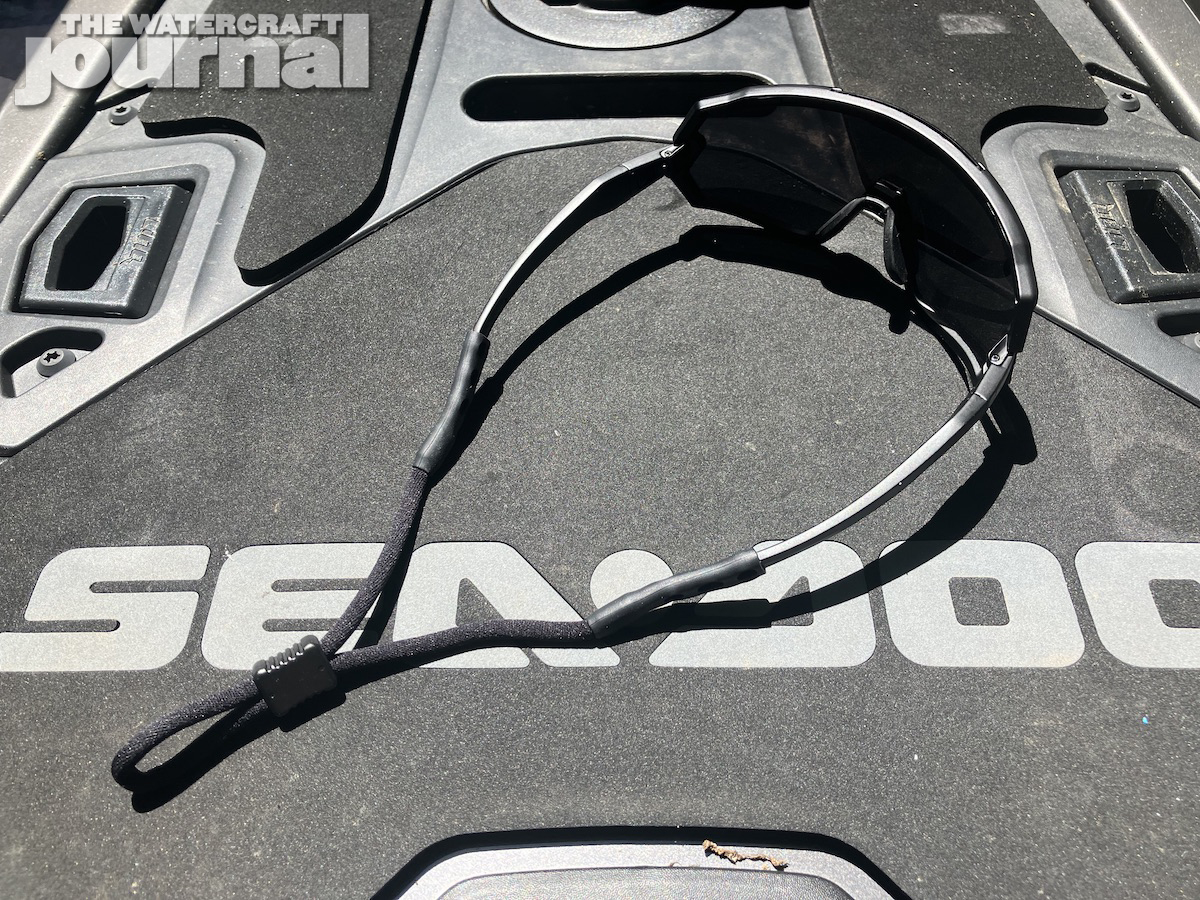
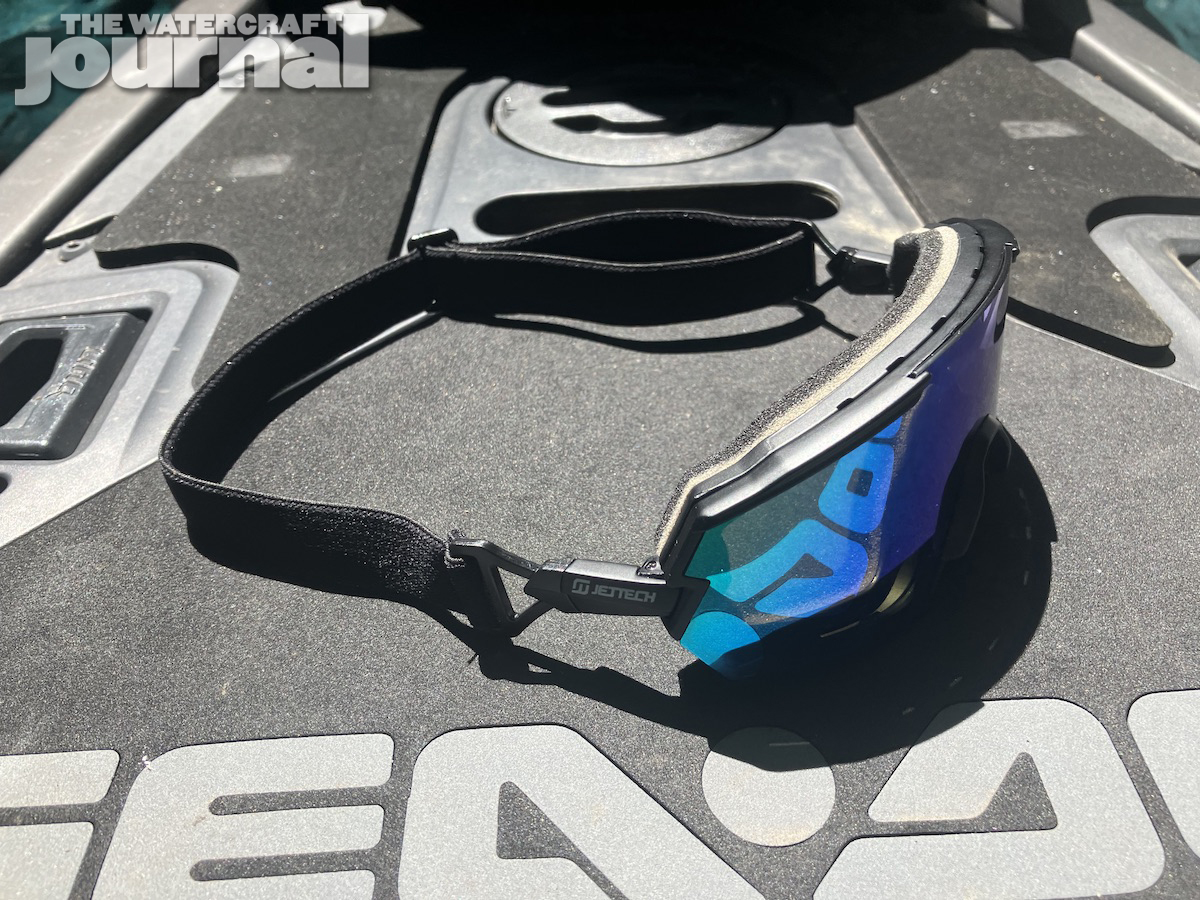
The Jet Tech Hybrids come with a choice of two kinds of lanyards: a traditional pull-string lanyard and a clip-in goggle strap. We tried several times to press in the snap-tab on the sunglasses’ arms to swap out to the goggle strap, but couldn’t do so without using our car keys to release them (and even then, we had to press hard enough to scratch the plastic).
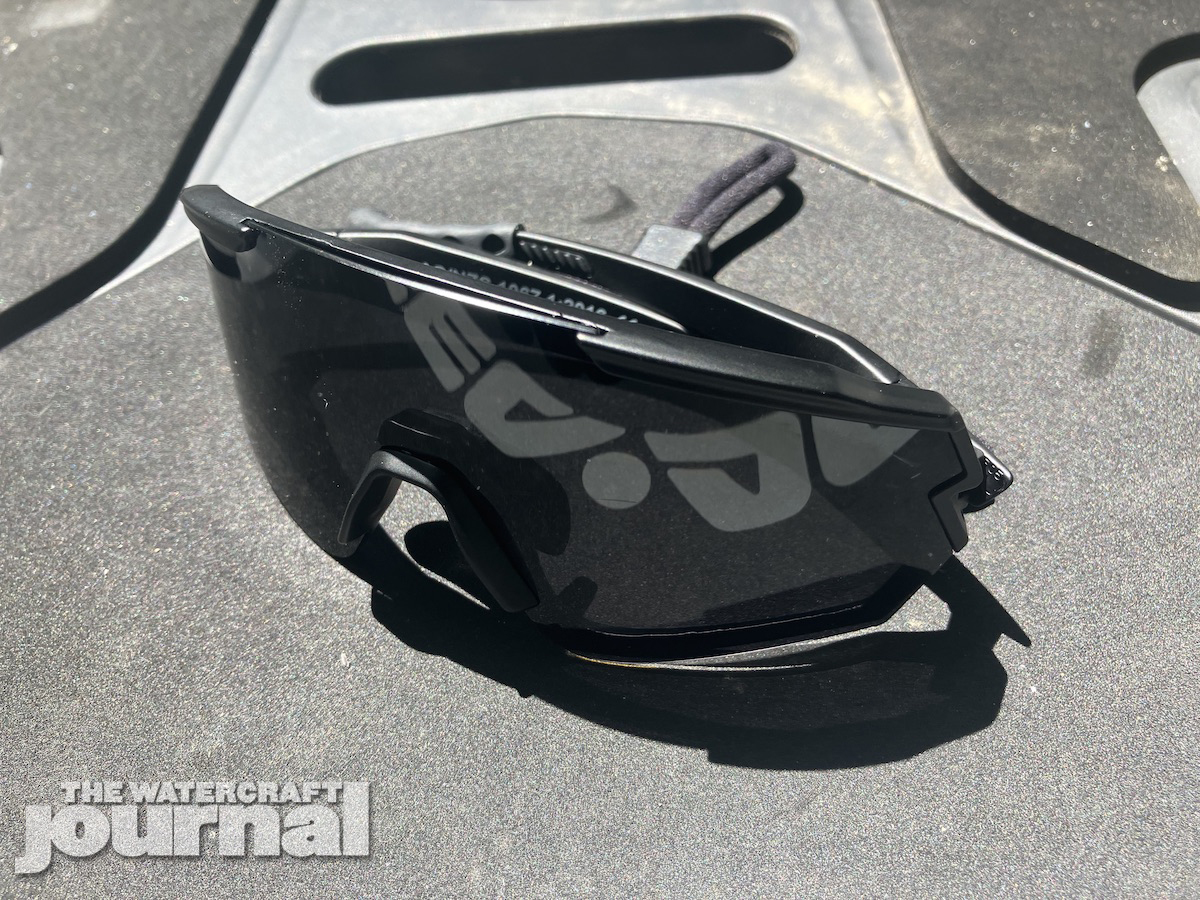
The two optional lenses offer a wide field of vision (no blind spots), are scratch resistant and provide solid UV protection. In our testing, we found the polarized black lens to be the preferred of the two. Reading the water was easier than the colored “low light” lenses, which tainted our vision so much that it was hard to register discolorations in the water (marking shallow spots and/or obstacles).
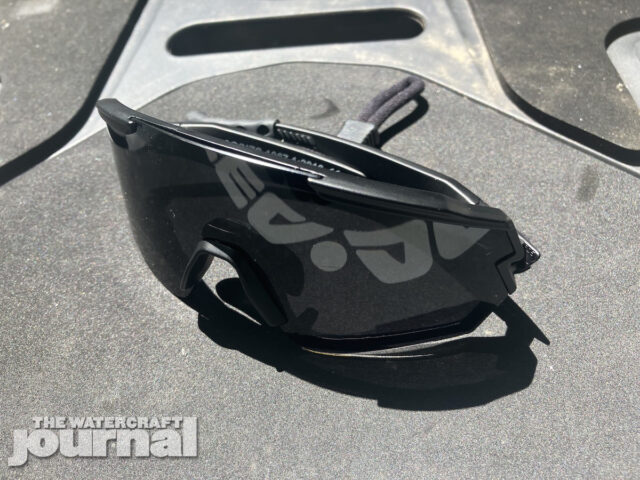
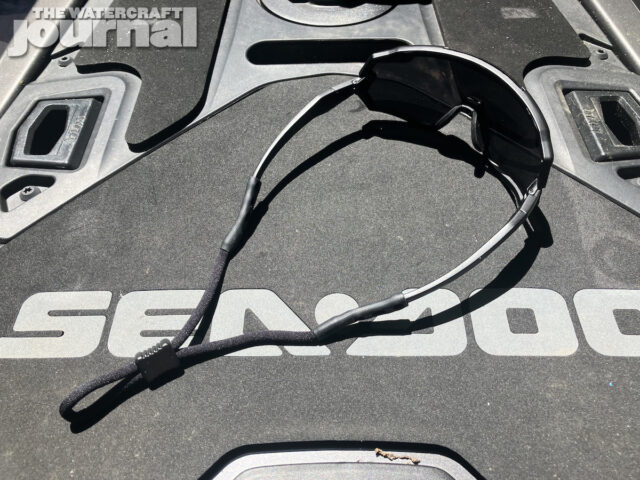
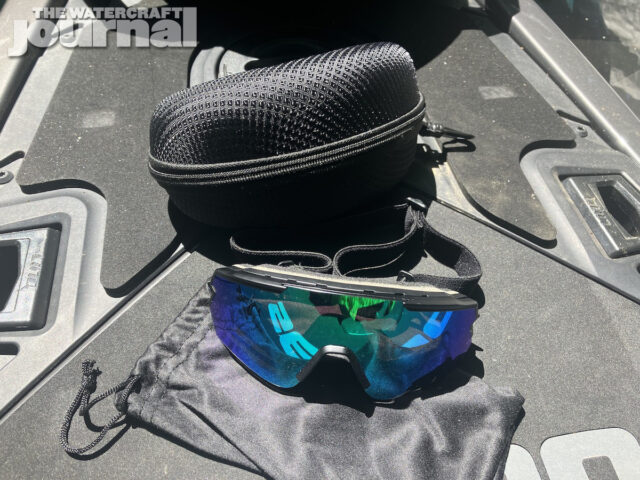
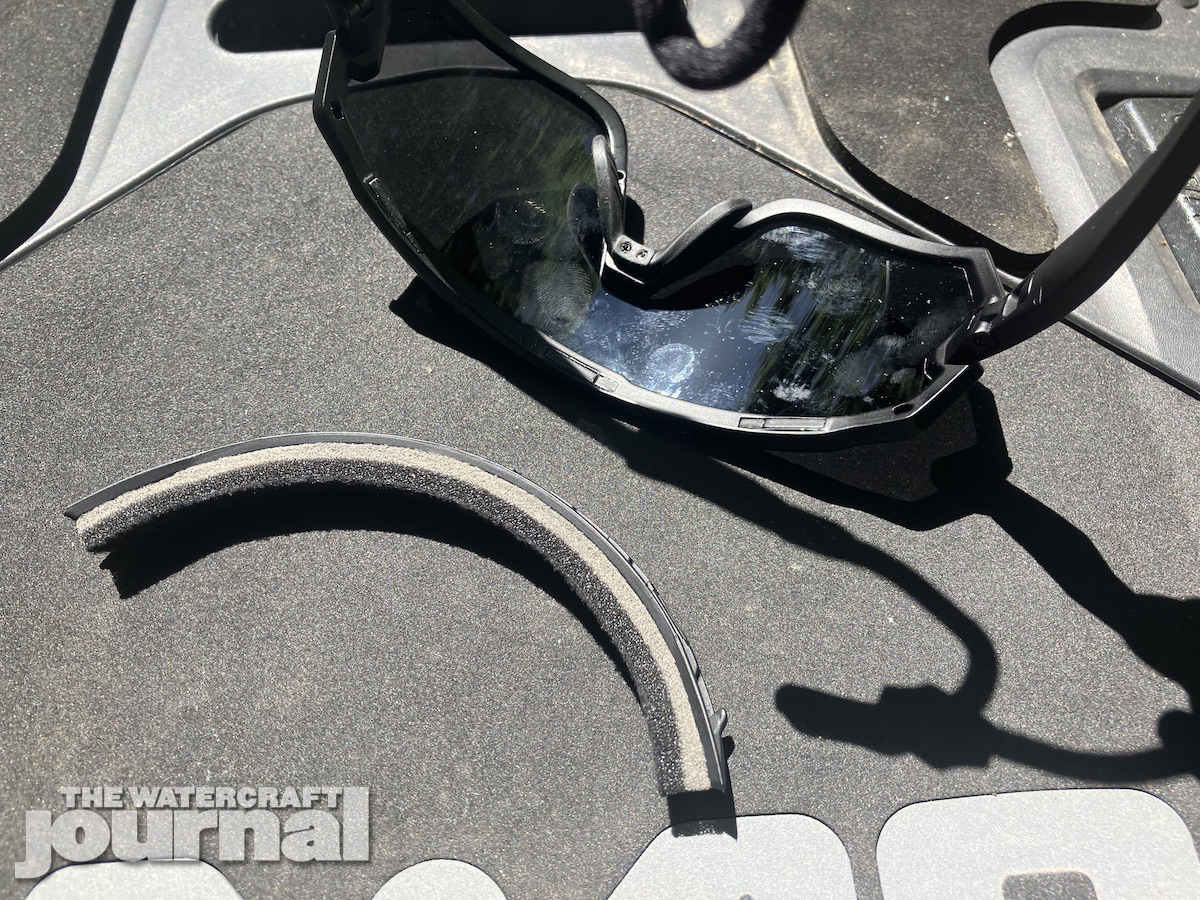
Swapping between the two lenses can be cantankerous and at times feels like you’re going to break something. The lenses smudge horribly (you’ll see our fingerprints in these pictures). When outfitted for use as sunglasses, the nose perch sets the glasses far enough out to keep them from fogging, but so far out that the wind will catch them with the slightest head movement.
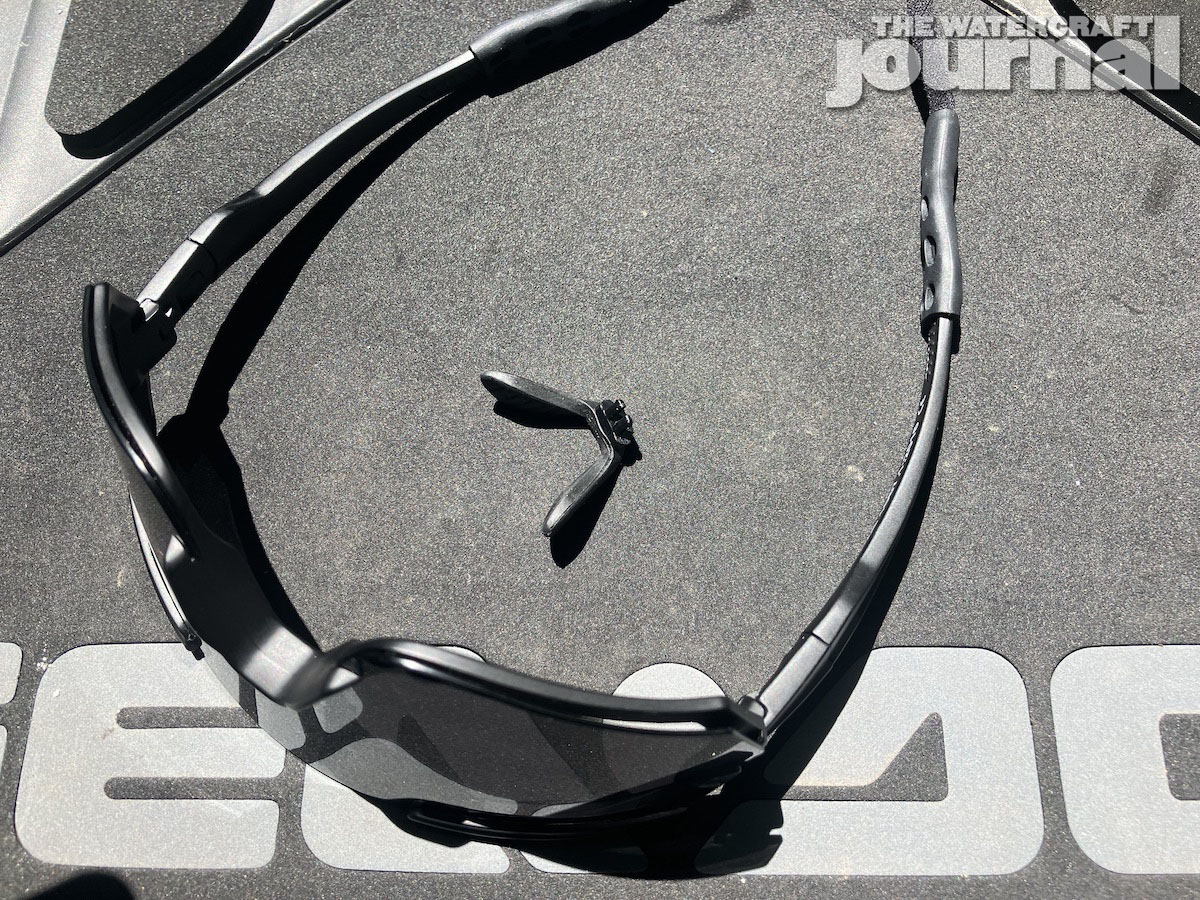
Look in any direction but straightforward and these will painfully whip off of your face without notice. The throwback design fails in the looks department and acts as more of an airfoil. The wind turbulence these create will also direct debris almost directly into your eyes at above 40mph. And since these all-black sunglasses do not float, you’ll want to keep that lanyard cinched really tight.
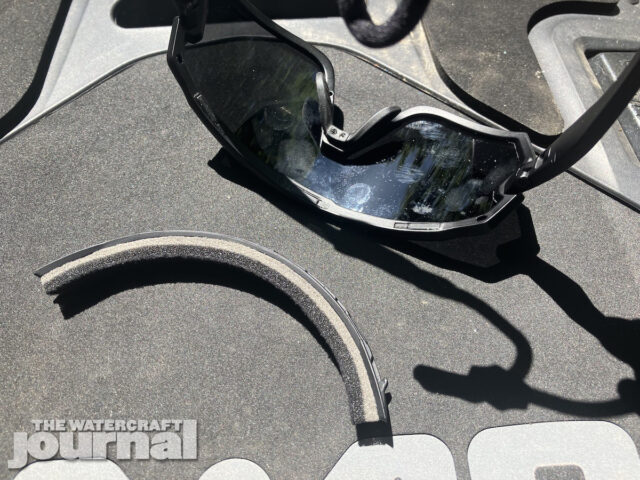
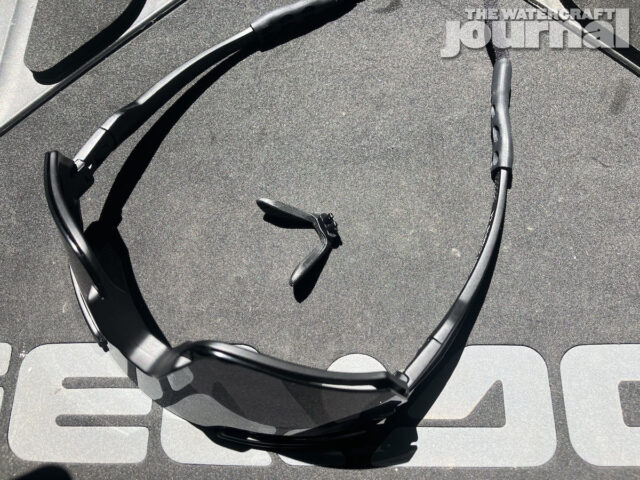
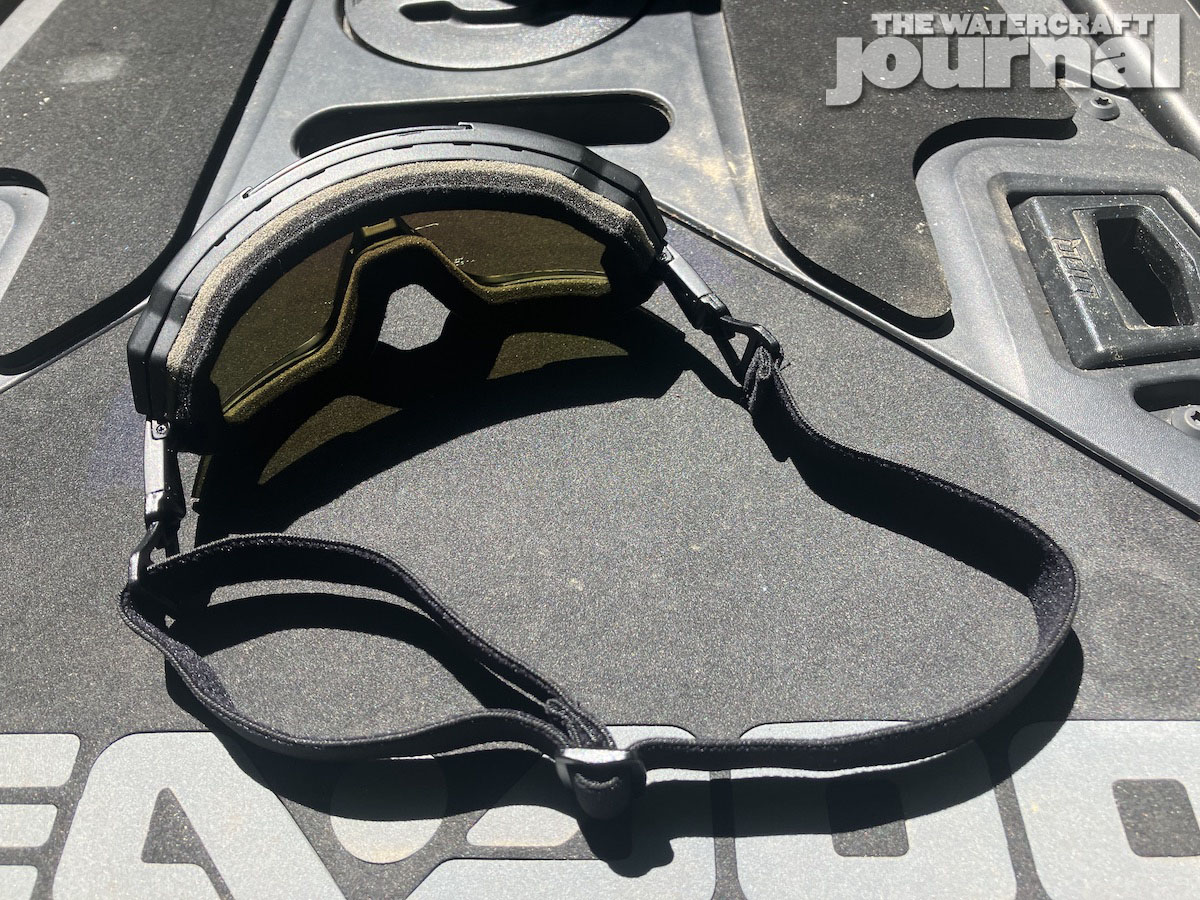
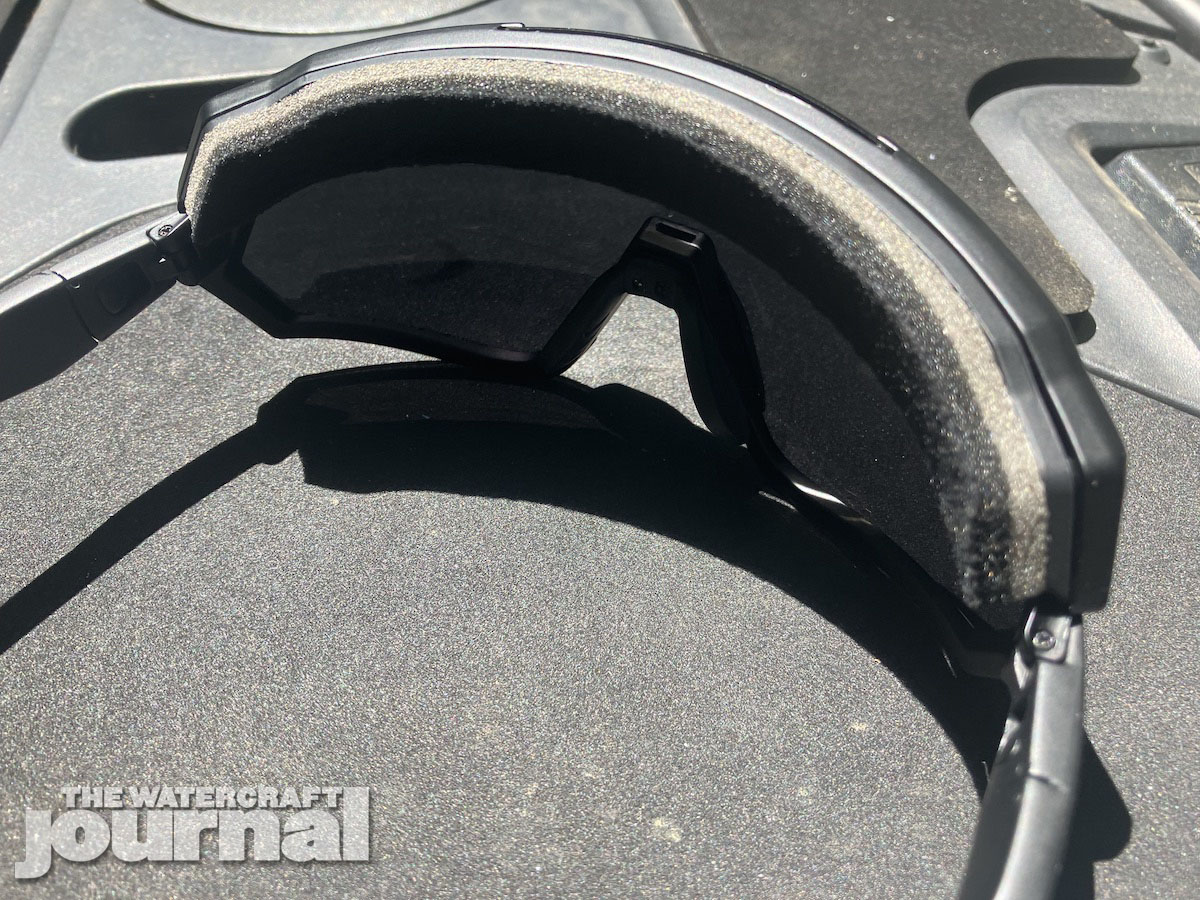
Thankfully, when equipped as goggles – meaning the arms have been forcibly removed and fitted with the snap-in strap and foam bezel – the Hybrids do float above the surface, which was a welcomed relief. The foam used is the very light, spongy variant that soaks up and holds moisture. So if they fall in the water or you’re particularly sweaty, the saturated foam padding will perpetually dribble into your eyes throughout the day.
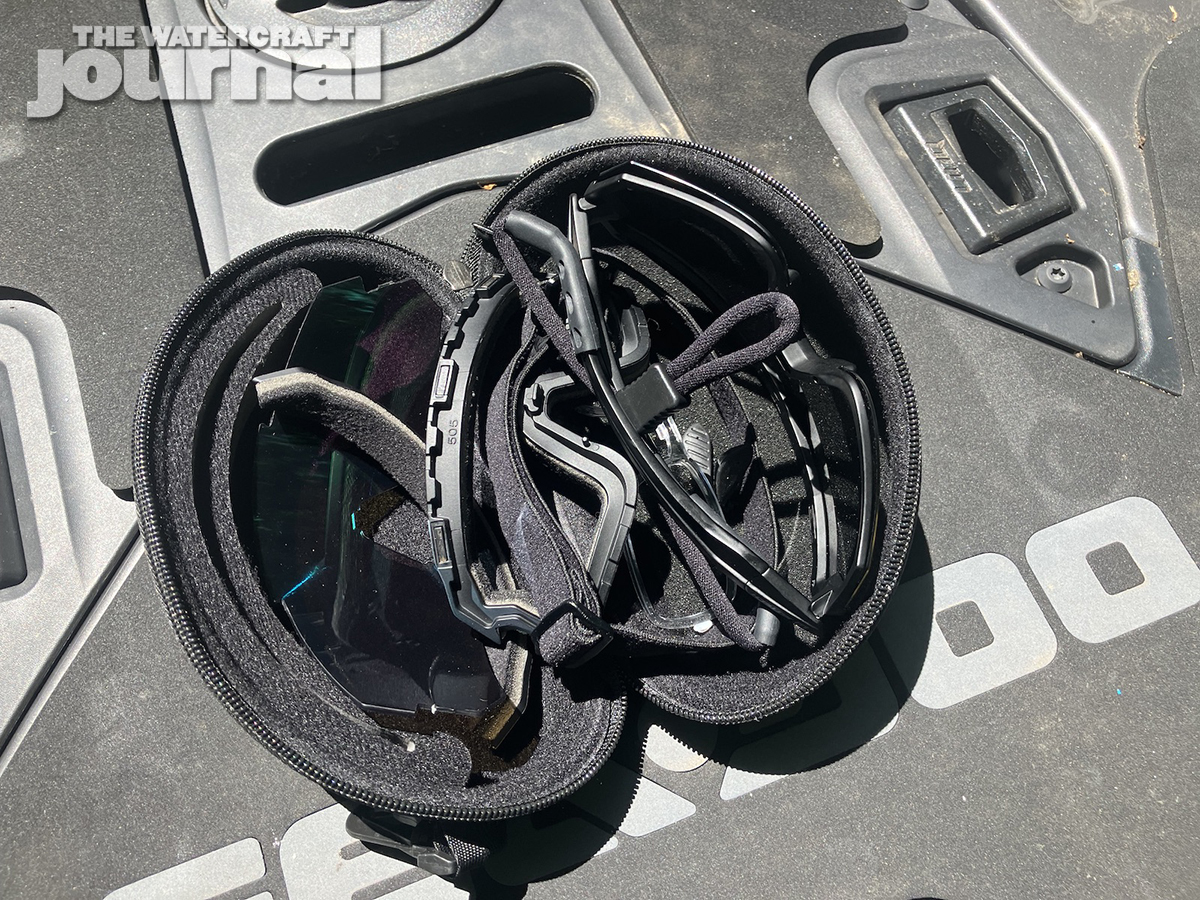
Giving credit where credit is due, the Jet Tech Hybrid’s modular frame is smartly flexible and incorporates magnetic receivers to catch and hold the two foam padding options. The nose guard snaps smartly in place and the hinges for the arms are durable and well constructed. Equally, Jet Tech dolls out both a pull-tie soft case and a very nice zip-up hard case with each pair of Hybrids.
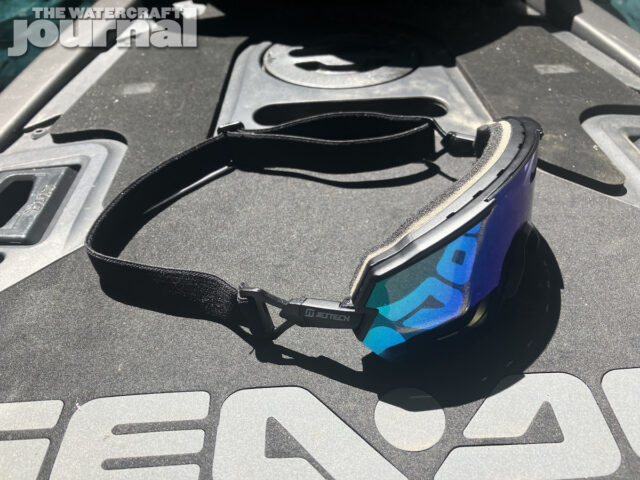
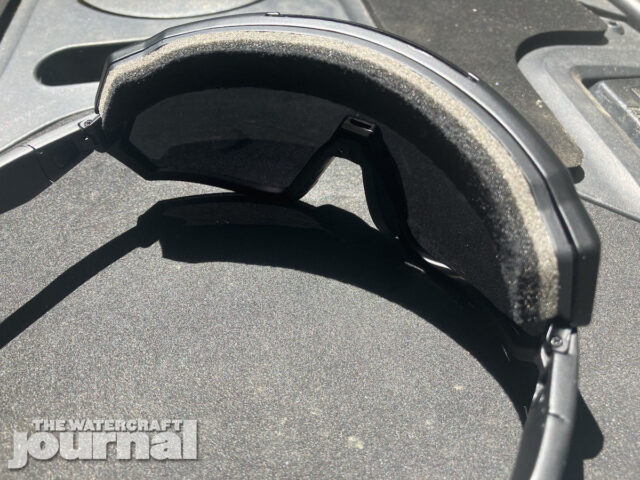
Again, the smattering of accessories and add-ons is generous and clever, but the glasses fail at all three of our basic criteria: eye protection from wind, water and debris; ease-of-use/functionality; and overall aesthetics. Modifying your Hybrids while out on the water is neigh impossible; and toting all of the bits and pieces feel like bringing a Lego set out on the water.
Priced at $109 USD, the Jet Tech Hybrid Sunglasses & Goggles are surprisingly well-priced for how much you’re getting; but when compared to other far, far more simple floating sunglasses that passed our heavy scrutiny with flying colors, maybe the lesson to be learned here is “less is more.”
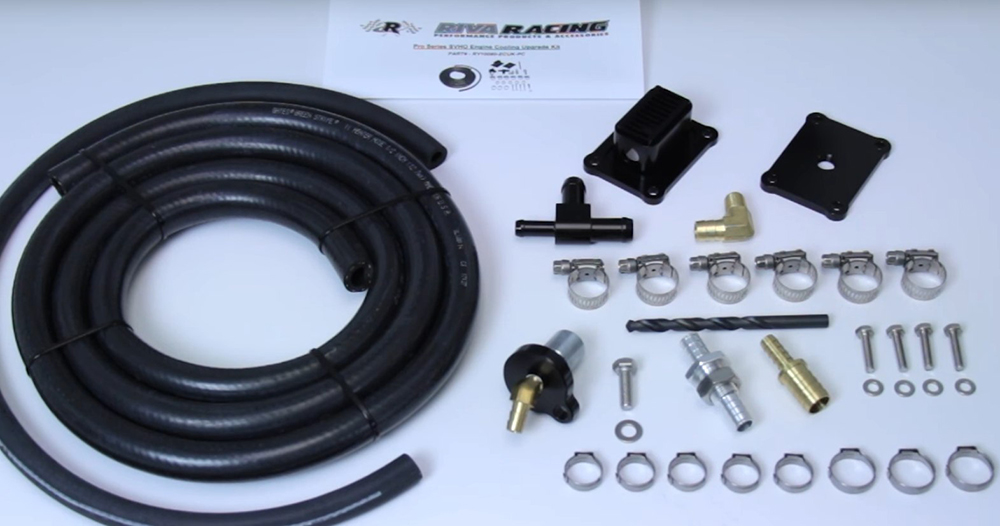
 Heat kills – at least in terms of engine temperatures.
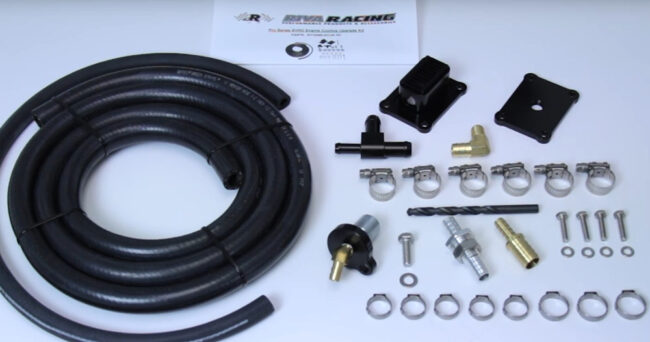
 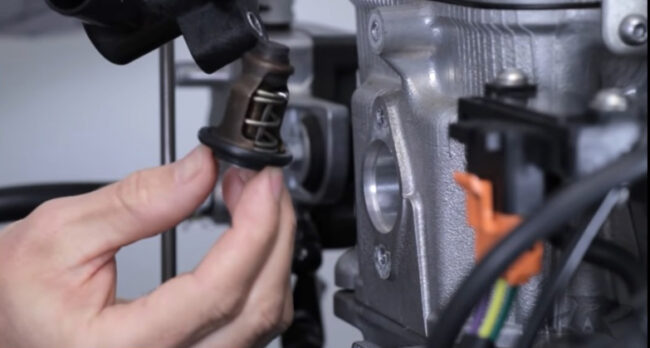 In RIVA’s own words, the RIVA Pro-Series Engine Cooling Upgrade Kit for 2020 & Newer Yamaha SVHOs deliver dramatically improved cooling efficiency to engine and inter-cooler for increased performance and reliability by greatly enhancing water flow and pressure through replacement of restrictive OEM pump strainer and water fittings with high-flow billet components and superior routing; and utilizing this effective kit allows for worry-free addition of re-flashed ECU’s, high-boost compressor wheels and other performance modifications that can increase heat and detonation.

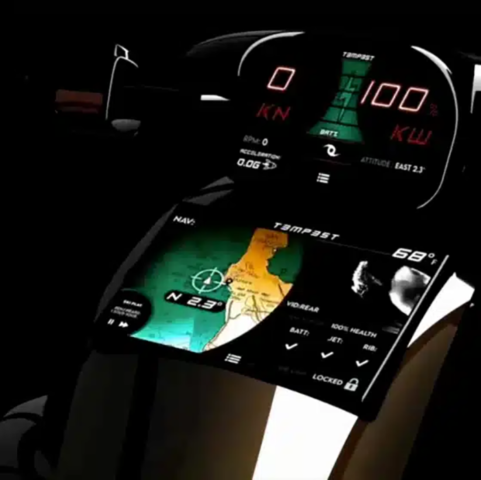

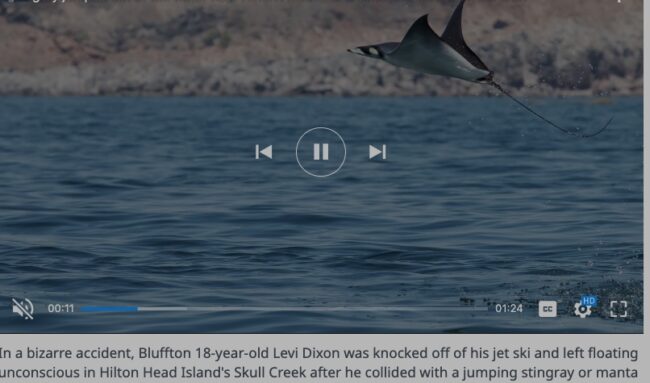 Just like anyone that throws a leg over a motorcycle, anyone that twists a throttle on a PWC understands that there is an inherent risk – whether you are a competitive racer, and daredevil freestyler, or a weekend rec-rider, there are dangers that every PWC rider takes precautions against.
  1st Sgt. Adam Henderson with the South Carolina Department of Natural Resources said that rays, which are more prevalent in the nearshore waters off Hilton Head during the spring and summer months, frequently jump out of the water, and while actual contact between a jumping ray and a human -whether on a PWC or not – is rare, just a few years earlier, The Watercraft Journal also reported on a
 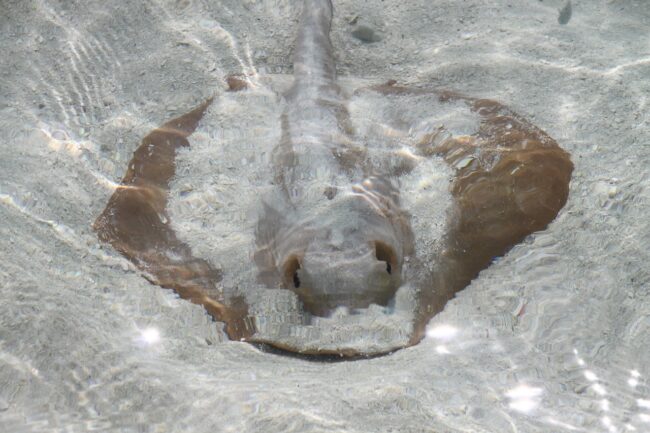 However, rays are not known to be naturally aggressive, and there have only been 17 deaths caused by stingrays worldwide in recorded history, and it is noted that the stingray’s barb – typically located close to the base of the tale – is the only part of a stingray that poses a danger, and the rest of the tail and the body are harmless to touch – if a bit slimy.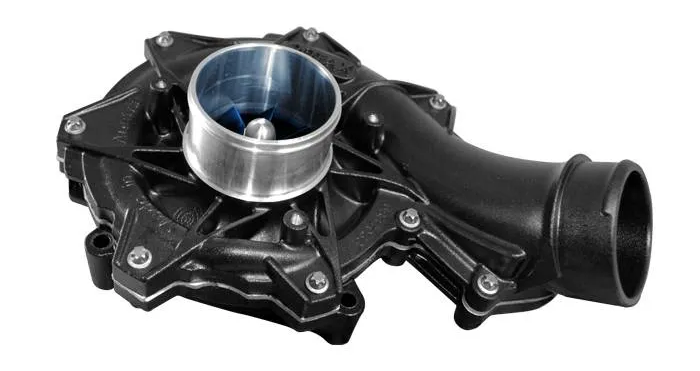
 If you’re hoping to boost your PWC this summer to get even higher speeds, impressive acceleration, and loads of fun while you race on the water, we’ve got good news for you. The top-selling supercharger at RIVA Racing—the Sea-Doo 300 XXX Charger—is back in stock, and from what we’ve seen, it may be just what you need to take your watercraft performance to the next level.
 The boost gets up to 24 PSI at 9,200 RPM, so it’s no wonder RIVA claims that it is an absolute must for performance builds. On the engineering side, the supercharger is assembled fully by RIVA’s performance techs and features a lightweight 142mm billet aluminum impeller and genuine BRP shaft and internal hardware components. It installs quickly in place of the Sea-Doo 300 OEM supercharger and comes with detailed instructions to make it as easy as can be!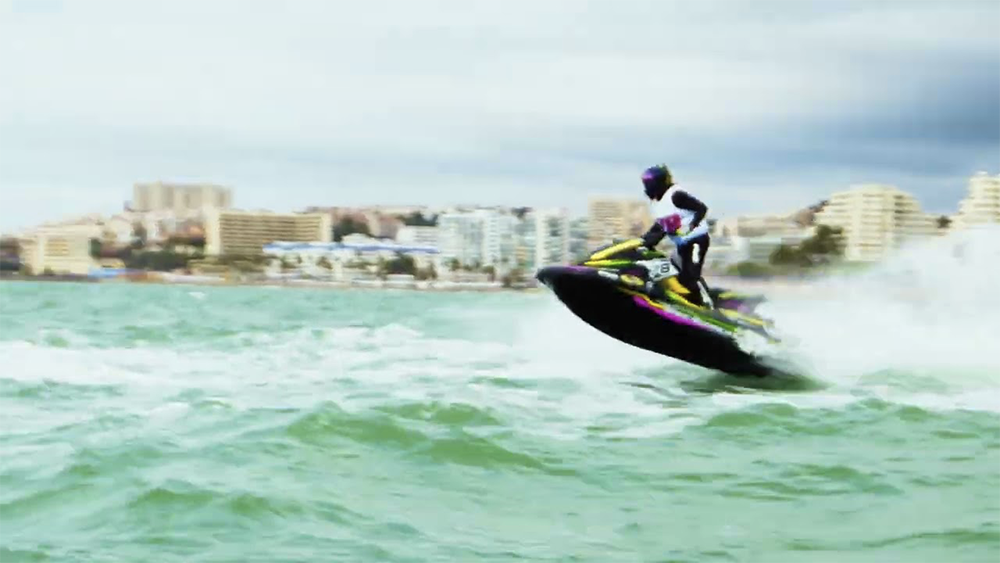
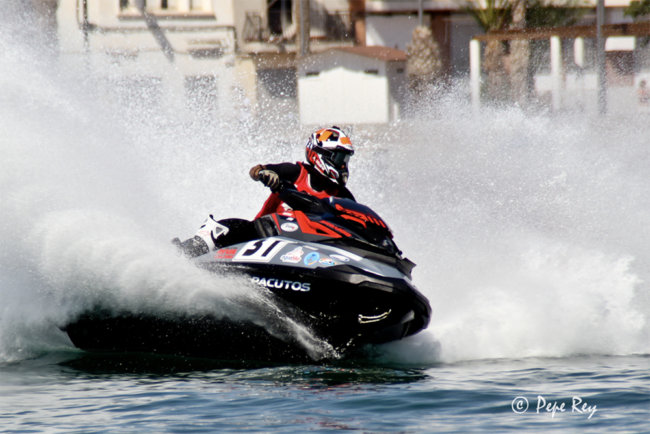 The Spanish world of PWCs had a big moment this past weekend with the culmination of their annual competition. The Spanish Championship, the Andalusian Championship, and the Iberian Cup of jet skis took place in the reservoir of Arcos de la Frontera in Cadiz on May 17, 18, and 19, marking a continued interest in PWC and watersports in the Mediterranean.
 This year’s edition once again showcased the thrilling world of jet ski racing, with participants and spectators enjoying a weekend of high-speed excitement and competition. The weekend’s competitions included the circuit and rallyjet races, with categories varying based on whether the jet ski was standard or modified, including engine modifications, as well as categories for women and junior racers.
 In his latest thrilling videos, Sea-Doo pro ambassador Andrew Hill of “
 Hill’s jet ski is outfitted with electric kingfish reels, specifically the Daiwa Seapower 800 reel, powered by the reliable “Batterysmith” Electric Reel 7000mAh Lithium Battery. This setup makes retrieving fish from such great depths a breeze, which is particularly important while mounted on such a small craft. Additionally, he brings out the Ultimate Catch Bag and Ultimate Reel Covers, highlighting the practicality and efficiency of his gear.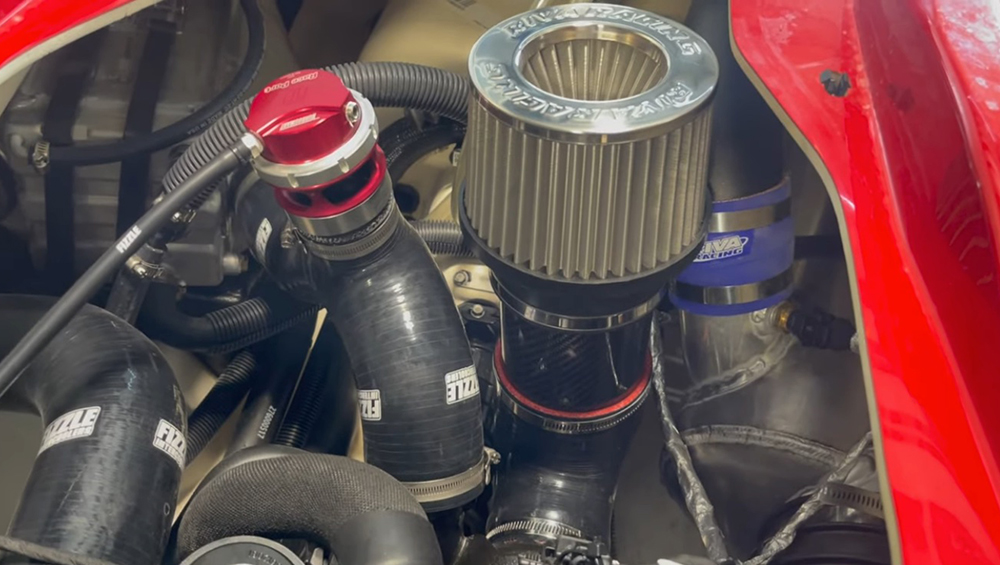
 When you’re talking PWCs and you’re talking performance, chances are, you’re talking about
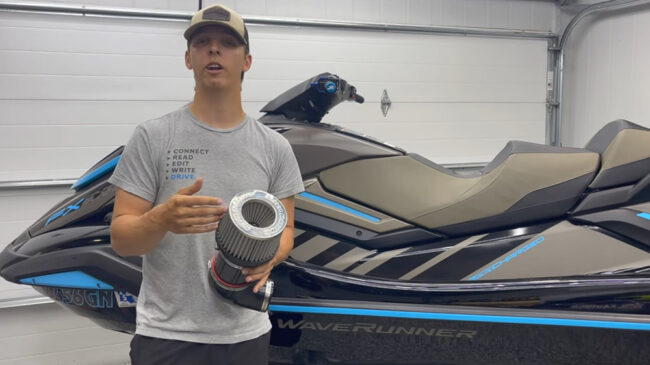 As the video intro says, “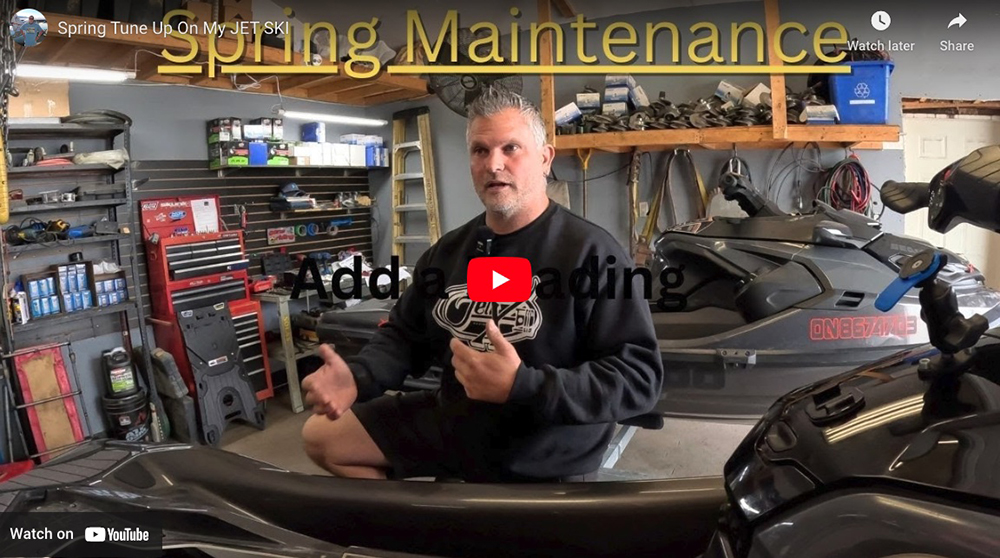
 For those of us in southern locations, spring has already sprung, and many of you may have already knocked the dust off your winterized PWC and taken the steps necessary to get back on the water as the weather warms up. For those in northern climes, or for those who just haven’t had the opportunity to kick off your 2024 riding season yet, Bob Sudeyko of the
 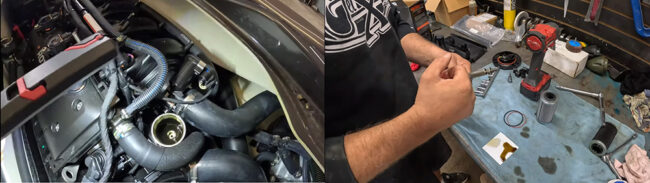 Additionally, we get a chance to take a look at the catch can Bob installed a few years ago to see what, if any, benefit it has provided in the intervening years, and Dalli’s views on the use of a catch can.
 Fair warning … this is not your fun, adventurous type article from The Watercraft Journal. It’s not about hole shots, throttle-pinned racing, podium spots or even sanctioning body drama. Nor is this the thrill and fun of PWC fishing, or camping, or exploring.
 This year, the National Weather Service has partnered with the