
Home Blog Page 9

IJSBA Seeks Final Input on Proposed Rule Changes

0

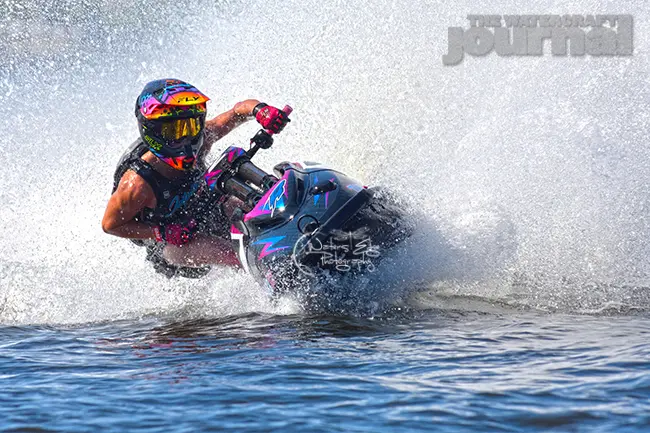
On paper, the International Jet Sports Boating Association’s (IJSBA) latest proposed rule changes look narrow. In practice, they touch on a hot-zone topic in PWC racing —  tightly regulated, budget-conscious racing classes (stock or ‘lite’ classes) and the tendency of  racers to push the boundaries of the rules to gain a competitive edge – a discussion often centering round Sport Spec/Blasters, and Ski Lites.

IJSBA is currently in the final phase of its annual rule change process, with three proposals now under consideration by the Board of Directors. After additional discussion and follow-up with racers, builders, and industry specialists, the organization has also introduced revised concepts and extended the public comment period by five calendar days.

That window is now closing.


The Three Proposals on the Table

The current discussion centers on three primary rule change suggestions:

Aftermarket Pump in Sport Spec (Wave Blaster platform)
IJSBA is evaluating whether to allow an aftermarket propulsion pump for Sport Spec Wave Blaster watercraft. Before making a recommendation, the association is consulting with aftermarket pump manufacturers to determine whether a pump can be mass-produced that retains the OEM driveshaft. Officials are also researching whether a standardized hub size could allow impeller interchangeability between brands.

Fuel Restriction in Ski Lite and Stock Classes
The proposal would restrict fuel to pump gas, per defined specifications, across all Ski Lite and Stock classes — a move aimed at simplifying enforcement and controlling costs.

Base Gasket Restriction in Ski Lite
This suggestion would limit base gasket modifications in Ski Lite, again with parity and cost control in mind.

According to IJSBA, all three proposals received strong initial public support. However, follow-up discussions have led to a significant refinement of how these ideas might be implemented.


Compression testing has been suggested as a potential alternative to fuel and base gasket restrictions in Ski Lite, though questions remain about consistency and enforcement.

Compression Testing Enters the Conversation

As feedback came in, many racers and builders raised concerns about enforcement — particularly around fuel testing and base gasket limitations. In response, an alternative approach has gained traction: compression testing.

Several parties suggested that a defined compression ceiling could achieve the same goals more cleanly, potentially eliminating the need for both fuel restrictions and base gasket limits. A commonly cited range has been 165–185 PSI, measured with both spark plugs removed.

That concept is now part of the formal discussion, adding a new layer to what began as relatively straightforward proposals.


Why Ski Lite Is the Flashpoint

Ski Lite is a large class, and is one of the most cost-sensitive, and one that blends older platforms with modern expectations of parity and fairness.

Small rule changes in Ski Lite rarely stay small. They affect:

  • who can afford to compete,

  • how easily rules can be enforced at the tech trailer,

  • and how long legacy platforms remain viable on the starting line.

They also stir something less technical — emotion.

The PWC racing community is famously tight-knit, but Ski Lite has long been an area where divisions surface more openly. Platform loyalty, build philosophy, and participation numbers all get pulled into the conversation. While that tension isn’t the focus of this initial update, it helps explain why these proposals have generated so much attention — and why IJSBA is asking for one more round of public input before final decisions are made.


What’s Still Being Decided

As the comment window closes, several key questions remain unresolved:

  • Is compression testing a simpler, more consistent alternative to fuel and gasket restrictions?

  • How practical is compression enforcement across different events and conditions?

  • Can an aftermarket pump solution for the Wave Blaster be standardized without creating new parity concerns?

  • Do these changes ultimately simplify tech inspection — or add new gray areas?

Those answers will shape not just next season’s rulebook, but the direction of Ski Lite racing as a whole.


Final Call for Feedback

IJSBA posted the extension to the public comment period on December 18, allowing five additional calendar days for feedback. Depending on how that timeline is interpreted, the deadline may fall as early as Monday or extend into Tuesday.

Racers, builders, and teams who want their voices heard are encouraged to submit feedback directly to IJSBA at:

[email protected]

The Watercraft Journal will continue following this discussion and will take a deeper look at racer reactions and outcomes once the comment period closes.


If You Still Haven’t Checked Off Everyone on Your Gift List, You Still Have Options

0

If you’re still staring at a gift list with more blanks than checkmarks, you’re not alone. Luckily, the PWC world is absolutely stacked with last-minute deals to grab before the clock runs out.

Here’s a rundown of where to look if you’re still hunting for gifts that riders will actually use.


GreenHulk PWC Performance Store Holiday Sale
GreenHulk is one of those places where even window shopping feels productive. Their Holiday Sale is live now, with 20% off featured performance parts including exhausts, engine upgrades, pump and handling components, steering systems, hull parts, and accessories. On top of that, the coupon code “greenhulk” knocks 15% off most RIVA Racing parts, all WORX Racing products, and SeaDek traction mats.

No code needed deals include up to 15% off MaptunerX, Nano tuning licenses, Solas props, RIVA seat covers, steering bundles, and all RIVA Stage Kits—which makes this an easy stop whether you’re shopping for a racer, a modder, or someone just starting to personalize their ski.


RIVA Racing Holiday Super Sale
If you want sheer variety, RIVA’s Holiday Super Sale is tough to beat. They’re offering up to 40% off storewide, plus targeted discounts like 15% off OEM parts, up to 20% off impellers and air intakes, 10% off performance kits, and massive savings—up to 60%—on Jetpilot gear.

They’ve also put together a solid holiday gift guide, which is perfect if you’re buying for someone whose setup you don’t know inside and out.


Broward Motorsports Holiday Toy Ride – Dec. 20
For riders in South Florida, Broward Motorsports is turning shopping into an event—on two wheels. Their Holiday Toy Ride, centered around motorcycles and the broader powersports community, kicks off Dec. 20 at 10 a.m., starting at Broward Motorsports in Palm Beach, riding to Hollywood BMS, and wrapping up at BMS Miami. Along the way, expect discounts on in-stock parts, deals on 2025 vehicles, and plenty of sale pricing across BMS’s powersports inventory. It’s equal parts group ride, holiday goodwill, and last-minute shopping opportunity.


Kawi Performance KP Key Sale
Lost keys, spare keys, programming tools—this is one of those gifts people don’t think to buy themselves until they really need it. Kawi Performance is offering 35% off KP Keys, key programming tools, and lost key programming services through Dec. 24, making this a surprisingly clutch last-minute option.


Jet Tech More You Spend, More You Save
Jet Tech’s tiered holiday deal keeps it simple: the more you spend, the more you save, all the way up to $100 off a $1,000 purchase. It’s an easy way to stretch a budget if you’re stacking maintenance items, accessories, or upgrades into one order.


Brisbane Kawasaki Holiday Picks
For stocking stuffers and practical gifts, Brisbane Kawasaki has some standout options: a JetSki Wash & Flush Package for $110, a Jetpilot 2–4 person tow rope for $27, and even a Kawasaki Jet Ski 8GB USB drive for $7. Small, useful, and rider-approved.

10 Jet Ski Gifts That Put the Fun Back in Riding

0

Every year, our Top 10 Gifts for Jet Skiers showcases the latest gadgets, gear, and toys—but this year, we’re taking a slight detour. From vintage manuals to analog tachometers, balance boards to stand-up clinics, this expanded list celebrates tools, experiences, and accessories that reward skill, connection, and rider engagement.


LEARNING/TRAINING

  • Coaching / Training Access

    • Stand-up riding clinics – For example, Freestyle Clinic in Lake Worth Beach, FL, offers one-on-one training sessions catering to a wide range of experience levels, from complete beginners who have never ridden a stand-up jet ski to seasoned professionals aiming to enhance their freestyle riding skills. 
    • Race schools and training: While WCJ found no national or prominent regional schools or organized training, local programs through powersport organizations often exist, andSome local race organizers occasionally host free or low-cost introductory sessions on the morning of an event.  
    • Private coaching sessions (flatwater, surf, buoy riding)
  • Technique-focused accessories

    • Adjustable handle poles (Adjusting the pole forward shifts the rider’s weight over the nose, improving nose control and agility)
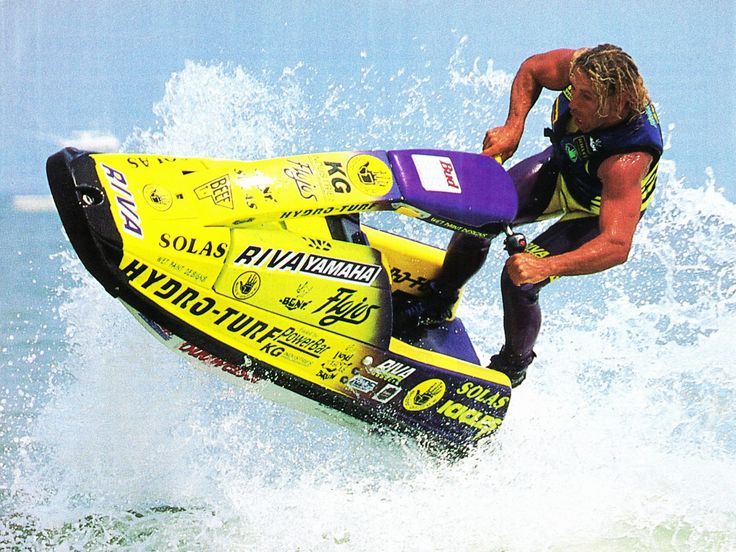
    • Performance-oriented sponsons and ride plates that allow for quick transitions and sharper turns – designed for responsiveness, not stability: Companies like RIVA Racing and Pro Watercraft are known for performance-focused upgrades for stand-ups, offering specific products for different needs (freeride, race, freestyle). Look for features like RIVA’s adjustable sponsons with fins that let you dial in turning radius for tricks or racing, improving handling over stock parts. Go for curved edges and fin designs that “bite” into the water for better grip and quicker lean-in, rather than just flat, wide designs.
  • Books / media about riding craft

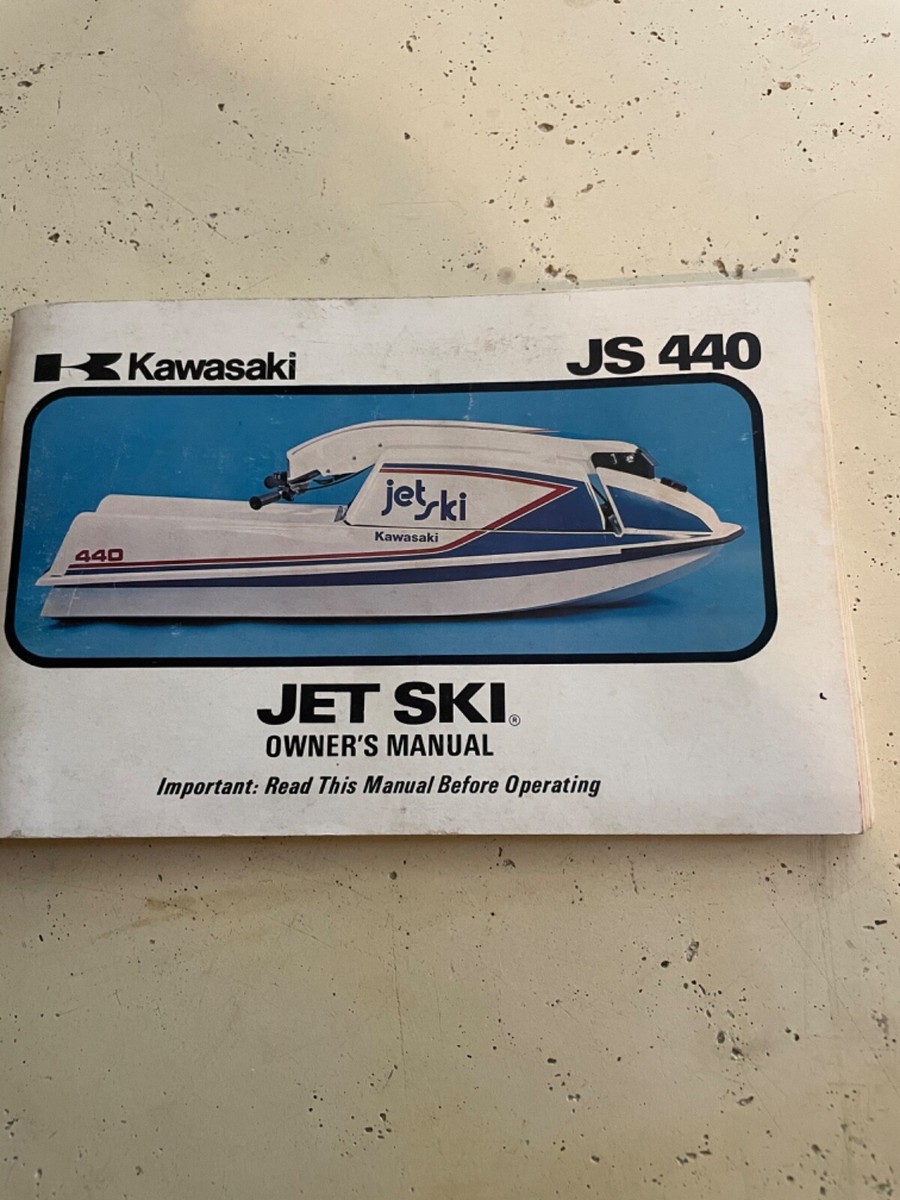
    • Vintage stand-up manuals – Some vintage manuals are available through Haynes, while others can be purchased second-hand through outlets like Ebay. A vintage stand-up manual isn’t just a repair guide—it’s a history lesson in how jet skis were meant to function. The mechanics, features, and design priorities laid out in those pages help riders understand not only how stand-ups evolved, but why they still demand more skill, awareness, and involvement than most modern machines.
    • PWC race history books – The Inventor by Clayton Jacobson is an  essential autobiography from the father of the Jet Ski, covering early days and adventures.

FITNESS FOR RIDING

  • Balance boards / wobble boards like the Revolution Swell 2.0 Balance Board, which  is specifically designed for water sports enthusiasts to translate skills to real-world water performance. It offers bi-directional training: Allows for both heel-to-toe and side-to-side movement, adjustable difficulty, high-strength design and Durasoft traction surface that is comfortable to use with or without shoes.
  • Grip strength trainers like  handheld grippers (adjustable or spring-loaded), wrist rollers,  and Gripedo help with endurance, prevent fatigue, and help with those death grips and numbing hands.
  • Core-focused training tools like the Khaos Water Ball, Waterboy, or Bulgarian Water Bag use dynamic water resistance to challenge balance and engage stabilizing muscles.
  • Suspension trainers (TRX-style) ​​ build core stability, balance, rotational power, and full-body strength using bodyweight

MAINTENANCE & MECHANICAL

  • For building out a basic tool kit, focus on durability from brands such as Snap On, Craftsman, GearWrench, ChannelLockKlein Tools or Proto.
  • After building a basic toolkit, check out resources like RIVA and Greenhulk to snag specialized tools for your giftee’s specific machine like  correct-sized torque wrenches, jet pump tools and even work stands or ski dollies.

ANALOG OVER AP

  • Mechanical tachometers – The Sierra Eclipse analog tach delivers clear, at-a-glance RPM without the distraction of screens or menus. It reinforces throttle control and rider feel, keeping the focus on connection rather than convenience.
  • Simple GPS lap timers (no subscription) The RaceBox Mini delivers precise lap timing and acceleration data without locking riders into a subscription or complex ecosystem. By focusing on real performance metrics—lap times, consistency, and throttle application—it encourages riders to improve their skills on the water rather than just collect data. The Wavve Boating app offers simple GPS-based lap timing using a device most riders already have in their pocket. With an emphasis on track layout, lap times, and repeatable riding lines, it’s an accessible way to focus on technique and consistency without adding more hardware—or distractions—to the ski.
  • Old-school stopwatches for lap timing – A simple stopwatch keeps lap timing honest. No data layers, no automation—just time, consistency, and rider awareness. The Accusplit Survivor 2 Stopwatch is known for its ruggedness, large display, 5-year battery, and simple 2-button operation, plus water resistance.

GEAR FOR RIDING, NOT RELAXING

  • Wetsuits: For stand-up riding, a form-fitting, flexible suit that offers protection without restricting movement is ideal. Look for 2-piece sets: (sleeveless John + jacket) in breathable/quick-dry fabrics. For neoprene gear, choose 1.5mm or 2mm for warmer conditions; 4-5mm for cold water.
  • Classic-styled helmets & wetsuits like the Sandbox Classic 2.0 Low Rider helmet that provides a classic, low-profile look that is certified for water sports  For classic styled wetsuits, head back over to RIVA and check out the vintage-styled JetPilot gear.
  • Gloves focused on grip and feel, not insulation –  look for lightweight, thin neoprene or synthetic gloves with rubberized/textured palms and featuring breathable fabrics and minimal insulation, such as the Jetpilot Superlite Glove or H2Odyssey Thermagrip styles, 

PWC CULTURE

  • From Vintage & vintage-style race photos and posters and old-school brand merch to frameable magazine covers and reproduction race numbers, these items celebrate the history of stand-up PWC riding. They’re more than décor—they’re reminders of a sport built around skill and rider connection. 

STAND-UP SPECIFIC ‘STUFF’ FOR YOUR BUDDY (OR YOURSELF)

  • For riders building or restoring stand-ups, a “first stand-up toolkit,” rebuild parts, training poles, or even a rescue rope all support skill development and hands-on engagement with the machine.

RACE READY GIFT IDEAS

  • Race entry fees, buoy kits for practice, lake permits, and travel vouchers for great riding destinations give riders something money can’t buy: time on the water, practice, and experience.  

Before the Gifts, Plan the Trips — A New Kind of PWC Bucket List for 2026 (Part One)

0

Before we get publish our annual Top 10 Christmas Gifts for Jet Skiers tomorrow, we wanted to pause and do something a little different.

Instead of talking about parts, mods, upgrades, or gear, we’re talking about experiences — the places and trips that stick with you long after the photos are posted and the fuel receipts are forgotten.

This year, we’re splitting our 2026 PWC Adventure Bucket List into two parts.

  • Part One: International trips

  • Part Two: U.S. destinations


You probably already know the “top” jet ski destinations – internationally, that list typically looks like: Bahamas, Ibiza, Spain, Bora Bora, Dubai and Phuket – but instead of rehashing the same list, we’re digging a little deeper and highlighting alternative international locations that deliver unforgettable riding, stunning scenery, and a completely different kind of atmosphere.

These are places that may not scream “jet ski destination” at first glance — but absolutely belong on a serious rider’s bucket list.

WCJ Picks – International Jet Ski Alternatives You May Not Have Considered

Reykjavik, Iceland — Arctic Edge Riding

Jet skiing in Iceland isn’t about speed runs or beach hopping — it’s about scale, silence, and surreal scenery. From Faxaflói Bay, riders can explore cold, glassy waters with views of Reykjavik’s skyline on one side and rugged volcanic landscapes on the other. Puffins nest on nearby islands, whales are occasionally spotted offshore, and the contrast of jet skis against an Arctic backdrop is unforgettable. It’s raw, dramatic, and unlike anywhere else you’ll ride.


Dubrovnik, Croatia — Adriatic History, Then Inland Contrast

Cruising along Dubrovnik’s ancient stone walls by jet ski is a rare perspective on one of Europe’s most striking coastal cities. The Adriatic here is calm, clear, and ideal for relaxed exploration along cliffs and coves. Pair it with a day trip inland to Mostar for a completely different cultural and visual experience, and you’ve got a destination that blends water adventure with deep history and old-world atmosphere.


Whitsunday Islands, Australia — Reef-Side Exploration

This chain of 74 islands off Queensland offers some of the most visually striking riding on the planet. Calm turquoise waters, white-sand beaches, and proximity to the Great Barrier Reef make the Whitsundays ideal for long exploratory runs. It’s a destination built around natural beauty rather than nightlife — perfect for riders who want wide-open water and postcard scenery at every stop.


Norwegian Fjords — Still Water, Big Drama

Jet skiing through Norway’s fjords feels almost unreal. Sheer cliffs rise straight out of calm, dark water, waterfalls cascade down rock faces, and the scale of the landscape makes even slow cruising feel epic. Wildlife sightings — seals, seabirds, even eagles — are common, and the peaceful nature of the fjords creates a riding experience that’s more meditative than adrenaline-driven. It’s a reminder that not all great PWC adventures are loud.


Chalkidiki, Greece — Three Peninsulas, Endless Variety

Located in northern Greece, Chalkidiki offers a mix of sandy beaches, rocky headlands, and clear Aegean water spread across three distinct peninsulas. The area is less crowded than Greece’s better-known islands, making it ideal for relaxed exploration and long coastal runs. Add in traditional seaside villages and warm Mediterranean light, and Chalkidiki delivers a slower, richer riding experience.


Mallorca, Spain — Mediterranean Magic Without the Hype

Mallorca blends calm bays, open sea, and rugged coastline into one incredibly versatile destination. Jet ski riders can move from sheltered coves to open Mediterranean stretches in a single outing. Clear blue water, hidden beaches, and vibrant marine life make every ride visually rewarding, while the island’s culture and cuisine round out the experience once you’re back on land.


We’ll be back with part two, highlighting U.S. locations, after our Christmas Gifts special. 

The Road to Havasu Brings Pro Watercross Racing to a National Stage

0

If there was ever a moment that felt like a true reset button for professional jet ski racing in the U.S., this might be it.

With new ownership at Pro Watercross comes a bold, ambitious vision—and it’s officially taking shape with the launch of the National Pro Watercross USA Tour, branded as “The Road to Havasu.” This isn’t just another race series announcement. It’s a full-scale national push designed to elevate the sport, spotlight its athletes, and tell a season-long story that builds toward one unforgettable championship moment.

The Road to Havasu will feature five to seven action-packed tour stops across the United States, each one playing a critical role in shaping the championship picture. Racers will accumulate points throughout the season, with their top four finishes counting toward qualification for the finale. That format rewards consistency while allowing racers some breathing room—miss a round, suffer a DNF, or skip a long cross-country haul, and your championship hopes aren’t instantly over. Still, strong performances are non-negotiable if you want to make the cut.

What makes this series especially significant is exposure. Every round of the tour will be nationally broadcast, putting Pro Watercross racing in front of a mainstream audience hungry for fast, visceral motorsports. For the riders, teams, and sponsors who have worked tirelessly to grow the sport, this kind of visibility is a massive step forward.

According to Pro Watercross COO Shawn Dudek, the goal goes beyond racing alone. The Road to Havasu is built around a narrative—one that follows athletes across the country as pressure mounts, rivalries intensify, and the championship picture sharpens with every stop.

And fittingly, that journey ends on sacred ground.

The Pro Watercross National Championship Finale is officially locked in for September 25–27, 2026, in Lake Havasu City, Arizona. Few locations carry the same weight in the personal watercraft world. With the iconic London Bridge as a backdrop and the legendary waters of Lake Havasu beneath them, the finalists will battle it out in a setting that has defined jet ski racing for decades.

Lake Havasu isn’t just a venue—it’s a symbol. As Brian Smith, Race Director of the Lake Havasu Series, put it, hosting the finale on a national stage doesn’t just deliver thrilling racing, it showcases the city’s deep-rooted legacy as the Jet Ski Capital of the World to millions of viewers nationwide.

Beyond the televised broadcasts, the series is leaning hard into digital engagement as well. After every tour stop, fans can expect post-race recap live streams, featuring immediate analysis, rider interviews, and championship updates. It’s a move designed to keep the momentum going all season long while pulling fans deeper into the action—whether they’re at the venue, watching on TV, or tuning in from across the globe.

Taken together, The Road to Havasu feels like more than a race series. It feels like a statement. A declaration that watercross racing is ready for a bigger stage, a broader audience, and a new generation of champions.

Additional details on tour stops and qualifying locations are expected soon—but one thing is already clear: the road ahead just got a lot more exciting.

See the full official press release below.


Jet Ski Racing Revs Up for National Spotlight with “The Road to Havasu” Tour

FOR IMMEDIATE RELEASE

LACONIA, NH – December 5, 2025 With new ownership of Pro Watercross comes a new beginning. The world of personal watercraft racing is set to make a significant splash on the national stage with the announcement of the National Pro Watercross USA Tour, aptly named “The Road to Havasu.” This exhilarating new tour will feature 5-7 high-octane stops across the United States, culminating in a dramatic Championship Finale from the legendary Lake Havasu City, Arizona long hailed as the “Jet Ski Capital of the World.” Championship race weekend will be held two weeks before the IJSBA World Finals.

The entire series will be nationally broadcast, bringing the sport’s unparalleled speed, skill, and talent to a national audience hungry for action motorsports. This marks a pivotal moment for jet ski racing, promising unprecedented exposure and an elevated profile for its elite athletes.

“This new partnership between Nauti Water Racing and East Coast Watercross is a game-changer for jet ski racing,” stated Shawn Dudek, COO of Pro Watercross. “Securing a national broadcast validates the incredible athleticism and thrilling competition our sport offers. This series isn’t just about racing; it’s about building a season-long narrative that culminates in an epic showdown and gives our racers and sponsoring partners the recognition they deserve!”

The Road to Havasu: A Championship Journey

The new format introduces a compelling “Road to Havasu” narrative, making every single stop crucial for competitors to build points while also allowing the option to have a few bad races or save a cross country trip. Riders will accumulate points throughout the tour, with their four (4) highest scores from the 5-7 preliminary events determining their ranking. Only through strong performance and participation at these stops can a rider be in contention to compete in the high-stakes Championship Finale in Lake Havasu City. This exclusive pathway ensures that every race will feature the sport’s top talent vying for critical points, guaranteeing intense, must-watch action from start to finish.

“Each city we visit will be a proving ground for the best of the best racers to show off what they can do on the water on a national stage while battling it out for a chance to win the title of the first ever USA Watercross National Tour” Dudek explained.

Lake Havasu City: The Ultimate Destination

The decision to crown the Tour Champion in Lake Havasu City leverages the location’s deep roots and iconic status within the PWC community. The stunning backdrop of the London Bridge and legendary waters of Lake Havasu will provide a spectacular setting for the final, televised showdown, which is now confirmed for:

• Pro Watercross National Championship Finale: Lake Havasu City, AZ, on September 25-27, 2026.

“Lake Havasu City is more than just a venue; it’s hallowed ground for jet ski racing,” said Brian Smith, Race Director of the LAKE HAVASU SERIES. “Hosting the Championship Finale on a national stage will not only deliver a thrilling event but also showcase our beautiful city and its enduring legacy as the ‘Jet Ski Capital’ to millions of viewers nationwide.”

Beyond the national broadcasts, the series will further engage fans with digital post-race recap live streams after every tour stop. These on line shows will provide immediate analysis, rider interviews, and championship updates, driving community interaction and captivating audiences of every age from all around the world.

“The Road to Havasu” is poised to redefine motorsports on water, offering a thrilling blend of speed, strategy, and drama. Get ready to witness the next generation of champions. Additional information on qualifying dates and locations will be released soon.


Video: Off-Season Projects – DIY Jet Ski Seat Re-Covering

0

When your jet ski is parked for the winter, you’ve basically got two choices: ignore it until spring… or use this downtime to knock out one of the most satisfying upgrades you can do yourself — re-covering the seat.

If you can wrap a present, its a pretty good bet you are also capable of this project and can roll into next season with a fresh-factory look – or custom flair.

While the World Cup is kicking off in Thailand, and a few brave winter diehards are still riding stateside, for most of us, this is perfect “project season.”  Two Ways to Re-Cover Your Jet Ski Seat

OPTION 1: PRE-MADE SEAT COVER (Most Popular, Cleanest Results)

For most riders, grabbing a pre-sewn cover is the easiest, best-looking path. These come patterned specifically for your make/model and include all the seams, panels, grip channels, and color layouts already stitched in.

Where to Source Pre-Made Covers

RIVA carries a wide range of premium jet ski seat covers, with lots of options for Yamaha, Sea-Doo, and Kawasaki models.

Greenhulk Performance offers a selection of RIVA and Jettrim covers — mostly RIVA (also a sponsor), with some Jettrim for those wanting that classic stitched-tight look.

Broward Motorsports stocks Jet Trim covers as well.

Other notable names include Hydro-Turf, BlackTip, and Watercraft Superstore.

Pre Made Cover:Pros
• Perfect fit
• Factory-level seam work
• Fastest install
• Tons of customization
• Great grip and comfort options

Pre Made Cover:Cons
• Slightly higher cost
• Less DIY freedom (you’re not choosing the raw materials)

Step-by-Step: Re-Covering Your Seat Using A Pre-Made Cover
1. Remove the Seat: Pop the seat off the ski and bring it into a warm, dry space.
(Bonus: great time to check your seat straps or grab handles — if yours are worn, Jet Tech carries upgraded replacements.)

2. Strip the Old Cover: Use pliers or a flathead to curl up the staples and pull them out. Expect to find:
• Rusty staples
• Crusted foam edges
• A surprising amount of sand

3. Inspect & Repair Foam: You don’t want to wrap new vinyl over damaged foam — it’ll show.
Look for:
• Waterlogged pockets
• Compressed “flat spots”
• Torn edges from hard riding or repeated impacts

4. Dry-Fit the New Cover:This step saves you from ugly wrinkles later.
Whether it’s a pre-made cover or DIY vinyl:
• Center it
• Check alignment
• Tug it into the natural curves

5. Start Stapling: Use stainless steel ¼”–3/8″ staples
• Begin at the nose, secure the rear, then pull tight along the sides.
• Work side-to-side, never front-to-back, to avoid seams wandering off-center.

6. Massage Out Wrinkles: A heat gun (or hair dryer on high) helps vinyl lay down beautifully. Just don’t overcook it — warm, not scorched.

7. Finish the Underside: Trim excess vinyl. Add extra staples in high-stretch areas. Check for clean curvature along the visible edges.

8. Reinstall

OPTION 2: RAW MARINE VINYL (Budget-Friendly + Full Custom Freedom)

Raw Vinyl Build: Pros
• Cheapest option
• Total creative control
• Great if you know upholstery basics

Raw Vinyl Build: Cons
• Can be frustrating for first-timers
• Requires pattern making
• More time-consuming

Most riders source their vinyl from typical marine supply shops/outfitters; Sailright is a popular source for PWC seat vinyl. They have even provided a handy walk-through video tutorial for replacing your seat cover from scratch.

DIY Full-Custom Vinyl Seat Cover Using Sailrite’s Allsport Vinyl

For those who want a fully customized approach, Sailrite makes it easy with their Allsport 4-way stretch vinyl, the same type used for professional PWC upholstery. This material stretches in every direction, letting you achieve a smooth, factory-like fit over your seat — even around curves and corners — without having to do complex foam shaping.

What You’ll Need

Materials

  • Allsport 4-way stretch vinyl (Sailrite)

  • V-92 Polyester UV-resistant thread

Tools

  • Sewing machine (Sailrite 111 or home machine)

  • Tape measure, marker, scissors

  • Short-nose upholstery staple gun & stainless steel staples

  • Screwdriver, needle-nose pliers

  • HH-66 Vinyl Cement or compatible contact cement

  • Pony clamps

(Full materials and tools list with Sailrite links available here)


Step-by-Step Overview

  1. Assess Your Seat:
    Inspect your seat to determine if the vinyl is bonded to the foam. For seats where the old vinyl is glued in place, leave it intact and work your new vinyl over the top. For simpler seats, the old vinyl can be removed entirely.

  2. Patterning Panels:
    For contoured seats, you’ll need to create panels that match the shape of the seat. Lay the vinyl wrong side up, mark valleys and peaks, then cut mirrored panels for both sides. Sailrite’s Allsport vinyl is forgiving, so seam allowances are minimal.

  3. Sewing the Panels:

    • Match the edges of each panel with outside surfaces facing each other.

    • Sew with a 4mm straight stitch, creating a semi-flat felled seam.

    • Use a top stitch at 6mm to finish. Keep seams tight and flat, pulling gently to avoid stretching the vinyl out of shape.

    • Sailrite recommends V-92 UV thread for durability in the sun and water.

  4. Preparing the Seat:
    Remove any corner protectors and staples from the old cover. Protect sharp edges with scrap vinyl if needed to prevent cutting your new fabric.

  5. Installing the New Cover:

    • Stretch the vinyl over the seat, using helpers or pony clamps to hold it in place.

    • Staple the edges to the underside of the seat, leaving small relief slits for curves and corners as needed.

    • Trim excess vinyl gradually while securing to avoid bulk.

    • Reinstall end caps and corner protectors with HH-66 Vinyl Cement.

  6. Finishing Touches:

    • Smooth out small wrinkles along edges; pleats in hidden areas are fine.

    • Check staples for security and add more if needed.

    • The forward seat and any handlebar pads can be recovered using the same process.

Sailrite’s video breaks down every step with time-stamped guidance, so even first-time DIYers can confidently recover their PWC seats with a professional-looking finish. With a little patience, your seat will look factory-new and ready for the next season.

How to Repair Jet Ski Seat Foam

Jet ski seats see way more moisture than motorcycle seats, which means you’ll often discover:
• Damp or soggy foam
• Mold spots
• Hidden cracks
• Foam that has hardened from repeated water intrusion

To Repair Waterlogged Foam:
• Squeeze-test: If water drips or the foam feels heavy, it’s soaked.
• Air dry: Place the foam in a warm, ventilated space for 24–48 hours.
• Spot replace: Cut out damaged areas with a serrated knife.
• Patch: Use marine foam or high-density upholstery foam from a craft store.
• Shape: Electric carving knives work surprisingly well for contouring.
• Seal edges (optional): A thin mist of contact glue keeps the foam from fraying.
• If the foam smells awful or is visibly blackened, replacement is the smarter long-term call.

Whether you grab a ready-to-go cover from RIVA, Greenhulk, or Broward Motorsports, or go full custom with marine vinyl, you’ll end up with a cleaner, better-looking ride — and a seat that’s ready for another season of throttle therapy.

Kevin Shaw: Where Has WCJ’s YouTube Channel Been All Year?

0

As a Boy Scout, I vividly recall all of the forest service signage cautioning “Do Not Feed The Bears” and warning us to properly dispose of all trash and food scraps as we camped. The message was simple but the implications were severe: Southern California’s mountains were rife with brown and black bears. These omnivores had uniquely evolved to excel at both foraging and scavenging – that is, when they weren’t hunting small and/or wounded prey. Quite literally from berries to bobcats.

Unfortunately, bears – so much like humans – often gravitate towards the path of least resistance, and when access to food scraps and leftovers, bears will quickly abandon their arduous hunt for wild honey, nuts, grasses and other animals, and opt for tearing open dumpsters, coolers and passenger cars when a quick (and often, far tastier) meal is within reach. Not only does this put people in danger of contact with a hungry bear, but it almost always results in the bear being euthanized.

Black bears dig through dumpsters in Whitefish. Photo courtesy of FWP

As I hinted earlier, humans are in many regards, no different than these bears. When given the option, we’ll opt for comfort and convenience far more often than labor and effort. And it is this fact of human nature that has brought the personal watercraft industry to where we are today, and in my view, to its very knees. A sport that once required skill and athleticism is now a leisure recreation replete with surround sound digitally funneled through your satellite-guided handheld device.

I’ve bemoaned this shift towards slothfulness for a few years now – and much at my own expense. First, I personally feel the onus of having cheered-on for greater innovation and instrumentation on today’s runabouts for decades. Second, pushing against the tide of opening up the “sport” to a wider demographic rewards me with no shortage of vitriol and degenerate comments. I am labeled both a gatekeeper and an elitist, waving my cane from my front stoop shouting, “Back in my day we didn’t need USB ports!”

…and fatefully, many of my detractors would be correct. I very well may be a hypocrite and a curmudgeon but I am such for good cause. Distracted riders are inattentive riders, and inattentive riders are dangerous riders. Dictating text messages, scrolling song lists, pairing devices, sliding through pages of GPS prompts are just as deadly behind the wheel of a car as they are on a jet ski. And I would argue even more so as your PWC is riding atop a dynamic ever-changing surface.

So what does this all have to do with The Watercraft Journal’s seemingly absence from its YouTube channel this year? My not-so-subtle discontentment with the trajectory of the industry (not to mention the sport itself) has incurred a great deal of public, private and industrial anger. We always experienced a moderate share of trolling, but a series of threatening comments towards my children and denigrating my wife were hinge points. No majority of praise could drown out a minority calling for the death of my kids.

These weren’t credible threats that required police or legal interference, but enough for me to want to distance myself from the community that WCJ’s YouTube channel had cultivated. If me giving a negative review to the one particular jet ski that you liked warranted disparaging my wife, then I wanted to part of that conversation. So emotionally, I checked out. In fact, the only time I rode a watercraft in 2025 was to film the video linked below (which was recorded the Friday before this writing).

Frankly put, I didn’t like where the industry was going, the kinds of people that dealers and OE’s were trying to appeal to, and the current community as a whole. Add in the passing of my father, Kerry in November 2024 – the man who introduced me to jetskiing and encouraged me throughout my short career racing skis – and I had little left to keep me emotionally invested. Hell, Craig Warner literally set his world championship-winning STX ablaze in his backyard. Jeez, and I thought I was “out.”

Image: Craig Warner’s Facebook profile

All of the while, Jessica Waters was doing her best to keep The Watercraft Journal afloat. Admittedly, I wasn’t much help and often punted assignments to her that really belonged in my wheelhouse. That guilt along with the nagging feeling that WCJ’s YouTube channel still carried some equity brought me to this point. I’m bringing it back to how it used to be, namely an appendage to the magazine itself. Video content cannot be disconnected from a written article. Everything must point back to the magazine.

This means that podcasts – especially, the conversational “shoot the bull” ones are pretty much over. I love hanging out with Greg Gaddis and Billy Duplessis, but they ultimately watered down the impact that the channel had. Producing videos is costly – both financially and productively – so I want to refocus on personal watercraft and product reviews first. That’s where we can make up the most traction. From there, more tutorials, technical content and the like will come.

And here’s s’more bad news: there won’t be a “Watercraft of The Year” announced this month. Why? Because besides the 300-horsepower Sea-Doo Fish Pro Trophy Apex, we didn’t review one single 2025 model. The Sea-Doo GTR-X 300 you see in this video? It’s a 2024 model – and a pre-production one at that. For us to claim to have reviewed anything when we clearly hadn’t would be to immediately call our integrity into question. And I’ll be the first to say that while I’m a bit of an a-hole, I’m no liar.

So there it is. I’m aiming for quality over quantity. And if that means only one or two videos a month, so be it. YouTube’s precious algorithm can suck it. I’m more interested in equipping you, the reader with the information that you need to make the most informed purchase possible; one that will hopefully ensure a safe and enjoyable time on the water. Upsetting the “status quo” has never been a hurdle to high for me to vault and nor has it been for The Watercraft Journal team.

–Kevin

Videos: Kawi Performance TVS Supercharger Rebuild & Ultra 310 Cylinder Head Install

0

If you’re a Kawasaki rider who actually likes turning wrenches instead of mailing parts to someone else, it’s a good week to be scrolling YouTube. Kawi Performance has not one, but two new how-to videos breaking down real engine work the way enthusiasts actually need it: shot on the bench, no mystery cuts, no missing torque specs, and no “just send it” shortcuts.

First up is their latest upload walking viewers through a full Eaton supercharger assembly using the KP Rebuild Kit and their dedicated install tools. From removing old needle bearings to pressing in new ones with a tool that physically stops you from going too deep, the video is a clean blueprint for anyone rebuilding a blower on 250/260/300/310 or other Eaton-based Kawasaki platforms.

The KP crew lays out every step — adding a light grease reservoir, sealing with Ultra Black, torqueing the stainless hardware to 26 ft-lbs, and finishing with both included bottles of supercharger oil. It’s practical, not flashy, and exactly what DIYers wish more shops would show.

But Steve didn’t stop there. Back on November 26, he dropped an even more detailed teardown-to-install tutorial on Kawasaki Ultra 310 cylinder head installation, with the same process applying to every Kawasaki 250/260/300/310 and even naturally aspirated engines.

The video covers proper prep, why you don’t want shop towel fibers on a sealing surface, how to apply oil only where it’s required, and the torque sequence that prevents warping or blow-by. It dives all the way through gasket orientation, stud vs. bolt decisions, setting cam timing marks, Loctite choices, chain tensioner setup, and even the smart final check: rotating the motor by hand to verify you didn’t just build a valve-bending disaster.

Both uploads reinforce what KP is known for: they don’t just sell parts — they show you exactly how to use them. Clean engines, clear footage, precise specs, and zero ego. Whether you’re building a boosted lake toy or refreshing the top end on a high-hour Ultra, these tutorials are as close as you’ll get to having Steve in your garage.

The 2025 WGP#1 World Cup Roars Into Pattaya in Just Days

0

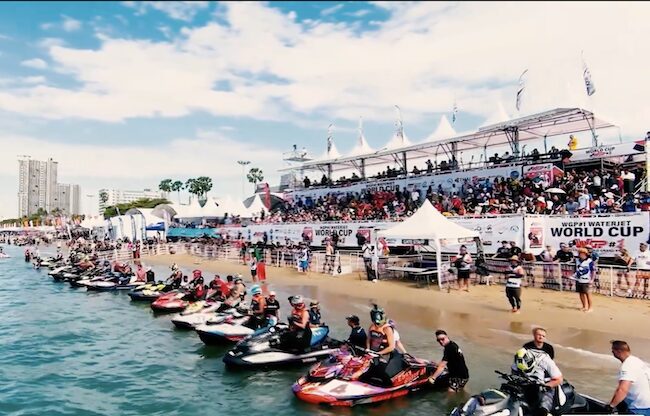
The biggest week in personal watercraft racing is almost here. In just eight days, the world’s fastest, fiercest, and most fearless athletes will descend on Pattaya City, Thailand, for the 2025 WGP#1 Waterjet World Cup, Asian Championships, and final round of the World Series. From December 17–21, the beaches of Jomtien will once again turn into the center of the PWC universe — and this year’s rider list is already stacked with global heavy-hitters and a strong showing from U.S. talent.

Organizers note that another 35–40 riders are still pending final registration, so the fields will only get deeper as opening day approaches. But even at this early stage, fans have plenty to be excited about.


Pro Ski Grand Prix

The premier stand-up class is already loaded with icons — including multiple world champions and some of the biggest names in the sport. Austria’s Kevin Reiterer (#90) returns as the defending World Cup champion after last year’s dominant win, with Quinten Bossche (#98) and Australia’s Jayden Richardson (#111) also back in the mix.

Japan’s Mao Sato (#88) — who finished P2 in Osaka earlier this year — joins a growing roster of podium threats, while the American lineup is one of the strongest we’ve seen yet. U.S. entries include Ryder Wildeboer (#888), Sebastien Girello (#27), Coy Curtis (#155), James Wilson (#300), Jacob Pearce (#6), and Deven Farthing (#116).

This class delivered some of last year’s most intense moments, and 2025 is shaping up to be just as wild.


Pro Runabout GP

Runabout GP always brings the horsepower — and this year’s field is absolutely loaded. Series leader Permphon Teerapatpanich (#T79) arrives with momentum, while a gauntlet of international stars stand ready to challenge him, including:

  • Guy Greenland (#20)

  • Francois Medori (#4)

  • György Kasza (#5)

  • Mohammad Burbayea (#66)

  • James Bushell (#158)

The class also marks the return of racing legend Dustin Farthing (#116) — now largely retired from full-time racing but still a major draw at World Cup. He’ll be joined by his son (competing in Pro Ski Grand Prix), giving the Farthing Racing team plenty to cheer for throughout the weekend.


Endurance Open

A massive field of 42 riders is already logged, making Endurance Open one of the largest and most diverse classes on the schedule. Big names include Medori, the Pastorello duo, Aero and Aqsa Aswar, Ou Moeut Saly, and Canada’s Mike Klippenstein.

Several U.S. racers are slated to take on the grind as well, including Anthony Radetic (#22) and Tory Snyder (#110) — both fan favorites with strong long-distance chops.

With the Teerapatpanich family also fielding multiple entries (including Thailand’s celebrated “Iron Woman,” Oraphan Teerapatpanich), this one promises to be a battle of both speed and stamina.


Pro Freestyle

Small field, big impact. America’s Demi Morgan (#13) returns to take on six other pros in what should be another high-energy freestyle showdown. Morgan continues to grow her presence on the international stage, and her performances always draw attention.


Pro-Am Women Ski GP

Another exciting class, highlighted by the U.S.’s Sadie Marie Mir (#335) taking on a field of 12 world-class women, including Japanese standout Mami Kaneko (#9) — last year’s runner-up.


Additional U.S. Racers to Watch

Pro-Am Runabout Stock

  • Tory Snyder (#110)

Amateur Ski 4-Stroke Lites

  • Andrew Vo (#160)

  • Taylor Smith (#515)

Veterans Ski GP

  • Jonathan Phan (#300)

Novice Ski Stock

  • Andrew Vo (#T211)

Jr. 13–15 Ski 4-Stroke Lites

  • Ty Smith (#515)

1-Lap Slalom Jr. 8–13 Ski 1100 Stock

  • Travis Billings (#515)

Several other classes remain unlisted here, but as more riders finalize their registration, expect additional U.S. names to appear.


Looking Ahead

With just days to go until engines fire in Pattaya, The Watercraft Journal will continue monitoring updates from race organizers as final registration closes and new announcements roll out.

We are also inviting racers, teams, and families interested in providing exclusive freelance photography or race recaps for feature consideration in upcoming WCJ coverage. Submissions must be original and unpublished (nothing previously posted to social media or shared with other outlets). If you’re attending the World Cup and want to contribute, reach out — we’d love to feature on-the-ground perspectives from the PWC community.

Store Your PWC Safely and Prevent Easy Grab-and-Go Theft

0

Why Storage Security Matters More Than Ever

Let’s face it — theft remains a real danger. While many watercraft owners take care of keys and mooring security, storage security often gets neglected. Every year, dozens — even hundreds — of PWCs (jet skis, wave-runners, etc.), trailers and boats get stolen, often from driveways or yards.

When a PWC sits on a trailer in an unsecured driveway or yard, it becomes a low-hanging fruit to thieves: easy to hitch, hook up, and tow away. The more layers of deterrence you add, the less likely someone will bother. Often, the goal isn’t to make theft impossible — just to make it hard enough that a thief moves on to an easier target.

Updated & Expanded Security Layers for PWC + Trailer Storage
1. Start with a Trailer Coupler Lock / Hitch Lock

• Use a trailer coupler lock (also sometimes called a hitch lock) to prevent the trailer from being attached to a tow-vehicle. This makes it much harder for a would-be thief to even hitch up and drive away.

• Don’t just rely on the cotter-pin that came with the trailer — most coupler locks completely block the coupler cavity so no hitch ball can attach.

2. Immobilize the Trailer Wheels – Even a coupler lock isn’t always enough. A determined thief can try to load the trailer onto a flatbed or jack it — so adding a wheel lock or chock gives a second line of defense.

• A wheel-chock lock (wheel boot) clamps onto the trailer wheel, preventing it from rolling. This buys time and deters quick-grab thefts.

• For extra security, you can use tandem-wheel locking chocks (for trailers with dual axles), which lock both wheels together and resist motion.

3. Lock the PWC to the Trailer – Even if the trailer gets locked and booted, that doesn’t stop someone from taking the PWC off the trailer (especially smaller jet skis). Lock the craft to the trailer with a cable or chain through a solid anchor point on the hull.

4. Anchor the Trailer to a Fixed Object or Ground Anchor – If possible, chain the trailer to something immovable — a grounded eye bolt in concrete, a heavy post, or a sturdy fence. That way even if a thief removes the wheel lock, they can’t just tow it away.

5. Use a Hidden GPS Tracker (Optional but Highly Recommended) – If someone does manage to steal the rig, a small GPS tracker hidden on the PWC or trailer can help law enforcement track its location. Many theft-prevention guides now include this as a key step.

6. Park Smart & Store Out of Sight – If possible, store your PWC in a locked garage or outbuilding — “out of sight, out of mind” is still the gold standard. If you must leave it outside: park in a well-lit area (ideally under motion-activated lights), put a vehicle in front of the trailer so it can’t be easily towed, or park close to a building or fence so access is constrained.

7. Photograph & Document Everything – Take high-quality photos of your PWC — including hull ID numbers (HIN), trailer serials, unique marks, and any accessories. Store those photos digitally. If theft happens, you’ll have evidence for law enforcement and insurance.

Recommended Security Gear 

Here are some of the most effective, widely recommended products — ranging from budget-friendly deterrents to heavy-duty deterrence — to make your PWC + trailer setup much harder to steal.

On-Ski / On-Craft Security Options
• Ignition / Key & Fob Security
        • Many newer jet skis / PWCs built by major manufacturers come with keyed ignitions or electronic “fob” systems designed to prevent someone from starting them without the proper key/fob.

        • Some aftermarket “cable-lock + alarm” systems also help — these wrap around or attach to parts of the hull or trailer to prevent unauthorized movement or use.

        • As long as a thief doesn’t have the right key, fob, or ability to bypass electronic locks, the PWC should be un-startable — which removes its main value to a thief.

• Handlebar / Steering-Lock & Physical Immobilizers
        • Some PWCs (especially from big-name brands) offer — or can be fitted with — a handlebar or steering lock that prevents steering or movement unless unlocked.

        • For additional deterrence (especially if trailer- or driveway-stored), you can treat the PWC like a motorcycle or scooter: using handlebar-grip style locks or grip/steering-locks to make it harder to ride away even if someone gets it started.’

      • Alarmed Cable Locks, Hull Locks, Security Cabling

        • A lock with built-in alarm — especially a marine-grade cable lock — can secure your PWC to the trailer or to a fixed object (dock post, anchor, trailer frame, etc.).

        • These help especially at docks or when leaving the ski outside overnight, when theft risk is highest.

• Disablement Options (Battery Disconnect, Kill-Switch, etc.)
        • Some owners go the extra mile: disconnecting the battery or installing a keyed/waterproof battery-disconnect switch so the PWC is unstartable.

        • On older or simpler skis (without modern fob/ECU systems), this can be a reliable “last line” of defense if locked up outside.

Some Extra Tips & Things to Watch Out For 
  • Lock Safety Chains, Too: It’s not just about the coupler. Some thieves might try to tow using safety chains if the coupler is locked. Use a coupler lock design that encloses the chains or lock them securely to the trailer frame.

  • Make It a Multi-Step Process: The goal isn’t necessarily to make theft impossible — but to make it tedious, noisy, or time-consuming enough that a thief moves on. The more steps required (coupler lock → wheel lock → anchor → cable lock on craft), the better.

  • Don’t Rely on One Lock: A single lock might slow down a neighbor-hood kid, but a motivated thief may bring a grinder. Combining locks (mechanical + chained + anchored + cable + visibility) dramatically increases your odds.

  • Visibility & Deterrence Count: Sometimes just making the trailer look “locked up” or difficult to move — e.g. with a wheel boot or chock — is enough. Thieves often look for easy quick hits.

  • Consider Off-site Storage or Secure Facilities: If you live in a high-theft area or your driveway is obviously visible, look into off-site trailer storage or rental storage facilities — it may be worth the peace of mind.

In today’s environment, taking storage security seriously is not overkill — it’s smart. By combining multiple security measures (coupler lock, wheel lock, cable/chain lock, anchoring, good parking or storage spot), you greatly reduce the odds a thief will target your rig. Most importantly: make it look like a lot of effort so thieves move on to easier prey.