



 For many personal watercraft owners, the end of riding season means flushing the engine, stabilizing the fuel, checking the battery and getting the cover secured. But while the watercraft gets plenty of attention, the trailer beneath it may be overlooked.
After a season of launching, loading, highway miles and exposure to the elements, that trailer deserves a little attention of its own.
Make yourself a mental checklist: Tie-downs, Tires, Bearings, Bushings, Body, Bunks, Wiring and Winches (and brakes if you’ve got them).
 Tie-Downs: Ratchet straps spend much of their working lives exposed to sunlight, moisture, road grime and whatever else the highway throws at them. Before winter storage, inspect the webbing for cuts, fraying and abrasion, and check the hooks and ratcheting mechanisms for corrosion or damage.
For owners using retractable tie-downs, a little maintenance can make a difference.
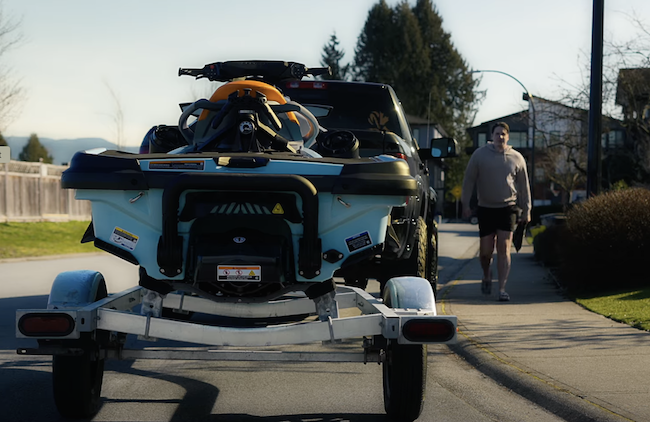 Strapinno, which offers retractable ratchet straps for marine applications, recommends cleaning dirty webbing with mild soap and warm water, rinsing thoroughly and allowing it to dry before retracting. The company also recommends occasional light lubrication of the ratchet mechanism with a silicone-based spray.
Even stainless steel components benefit from a freshwater rinse after saltwater exposure.
This is also a good opportunity to evaluate your trailer’s tie-down setup. Strapinno offers bolt-on retractable transom straps in steel, stainless steel and all-stainless configurations, providing options for different trailering conditions and corrosion-resistance needs.
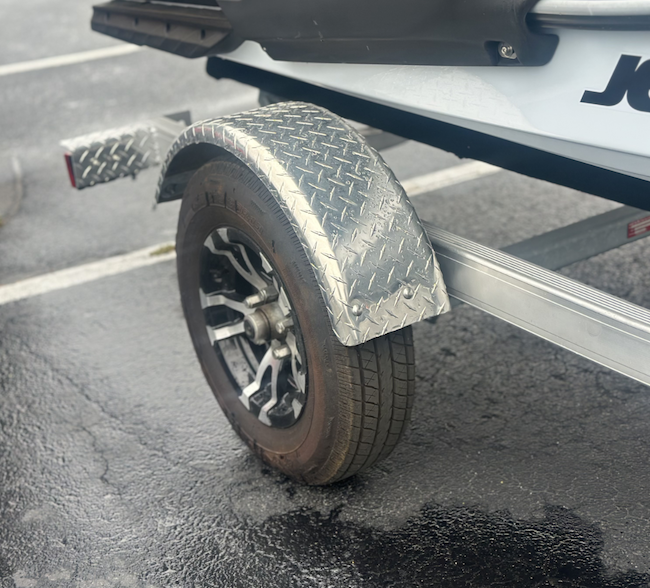 Tires: Inspect tires for uneven wear, cracking, dry rot and proper inflation. Check the sidewalls and tread, and don’t forget the spare. Trailer tires can deteriorate from age and exposure even when they have plenty of tread remaining. Follow the tire and trailer manufacturers’ recommendations for inflation and extended storage.
Bearings and Bushings: While you’re inspecting the wheels, check the hubs and wheel bearings for signs of water intrusion, damaged seals or excessive play. Service the bearings according to the manufacturer’s recommendations. Inspect suspension bushings, springs and mounting hardware for deterioration or corrosion.
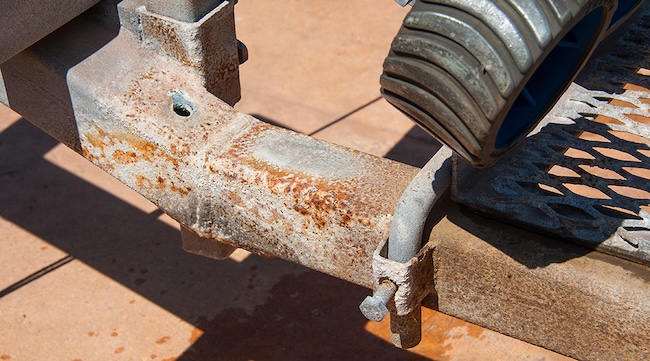 Body: Examine the trailer frame, crossmembers, bunks and mounting brackets for rust, cracks or loose hardware. Pay particular attention to areas where water collects and to components exposed to saltwater. Repair damaged protective coatings before corrosion spreads.
Bunks: Inspect the carpet or other bunk covering for tears, excessive wear and exposed fasteners that could damage your PWC’s hull. Check the wood or other supporting material for deterioration, and make sure the bunks and mounting brackets are securely attached. Look for loose, bent or corroded hardware, and address any problems before the next launch.
Wiring: Check trailer lights, connectors and wiring for corrosion, cracked insulation or loose connections. Make sure the running lights, brake lights and turn signals work properly. A little attention now can prevent an electrical troubleshooting session on the first warm Saturday of spring.
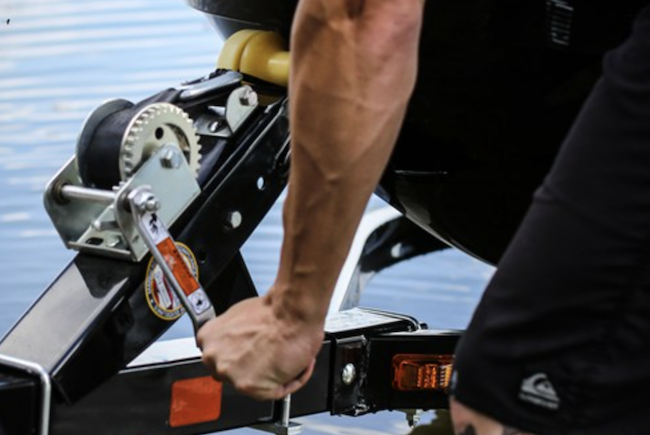 Winches: Don’t forget the winch, bow stop and safety chains. Check mounting hardware for looseness or corrosion, and make sure the winch strap hasn’t developed frayed edges or other damage. Inspect the winch mechanism and lubricate it according to the manufacturer’s instructions.
Stop: If you’ve got trailer brakes, check the pads or shoes, brake lines and connections for wear, leaks or corrosion, and make sure the braking system is operating properly before putting the trailer away for winter.
Finally, consider where the trailer will spend the winter. Choose a suitable storage location, follow manufacturer recommendations for long-term storage and address any needed repairs before parking it for the season.
Your PWC may be ready for winter, but the trailer that gets it to the water deserves the same attention. A little maintenance now, including taking care of your Strapinno tie-downs, can help make sure both are ready when riding season returns.
For more information about Strapinno’s retractable marine tie-downs, visit Strapinno.com.