 There’s a moment—usually right after the straps come off—when every new WaveRunner owner feels it.
The water’s right there. The engine’s brand new. And every instinct says: pin it.
But with Yamaha’s current lineup, how you spend that first hour and a half on the water depends entirely on what’s sitting under the seat—and getting it right matters more than most riders realize.
Same Brand Different Rules
Yamaha may build three distinct marine engines, but when it comes to break-in, they split into two very different approaches.
If you’re riding a TR-1 (1.05L) or the supercharged 1.8L SVHO, the process is straightforward—but disciplined:
- First 5 minutes: keep it under 2,000 RPM
- Next 90 minutes: stay under 5,000 RPM and vary the throttle
That’s about 95 minutes total, and yes—it can feel like a long time when the rest of the lake is wide open.
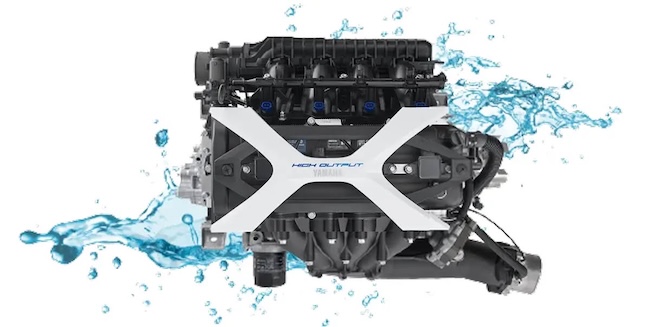
The newer 1.9L High Output engine adds a twist. It’s still about the same total runtime, but Yamaha builds in an extra step to properly seat the larger, naturally aspirated platform:
- First 5 minutes: under 2,000 RPM
- Next 30 minutes: under 5,000 RPM
- Final 60 minutes: under 6,000 RPM
Same total time. More nuance.
Why the Difference?
It comes down to how these engines make their power—and how their internal components settle in.
The supercharged SVHO and smaller TR-1 follow a more traditional break-in curve. The 1.9L HO, on the other hand, benefits from a more gradual RPM climb, giving its larger displacement components time to wear in evenly under progressively higher loads.
In plain terms: it’s not about going slow—it’s about going smart.
Your Engine Is Paying Attention
Here’s the part a lot of riders overlook: modern Yamaha ECUs are watching everything.
Throttle input. RPM range. Load patterns.
From the first minute of runtime, the system is building a picture of how that engine is being used. A rushed, inconsistent break-in doesn’t just affect mechanical wear—it can influence how the ski performs long-term.
Take your time here, and you’re not just “following instructions.” You’re setting the tone for how that engine runs for years.
Don’t Skip the First Service
No matter which engine you’re on, the next milestone comes quickly.
At 10 hours, it’s time for the first service:
- Oil and filter change
- Spark plug inspection or replacement
- Cable and system checks
- Full freshwater flush
It’s basic stuff—but it’s also where any early issues get caught before they become expensive ones.
One Last Thing
Yamaha’s guidelines are consistent, but they’re not universal across every model and year. Before you launch, take a minute to double-check your owner’s manual and confirm the exact specs for your ski.
Because when it comes to break-in, close enough isn’t the same as correct.