

 The 2026 watercross season is continuing to evolve, and one of the more encouraging developments this year has been the effort to make race weekends about more than simply putting racers on the water.
Across different series and promoters, there’s been a noticeable push toward building actual events—working with host cities, giving racers and their families reasons to stick around, creating things for spectators to do and, perhaps most importantly, recognizing that a successful race weekend should benefit the community hosting it.
That matters.
Watercross has spent a long time being a sport that largely serves the people already inside it. If we want to become a spectator sport, that has to change. A race needs to become an event people want to attend, an event that introduces new fans to the racers, the personalities and eventually the brands that make up the sport.
Macon, Georgia, is a good example of that transition.
 AJSA Heads to Macon for Southern Summer Series Championship
The American Jet Sport Association heads to Sandy Beach Park in Macon this weekend, August 28–30, for the Southern Summer Series Championship Weekend.
And while there is plenty of racing on the schedule, AJSA has clearly made an effort to build something bigger around it.
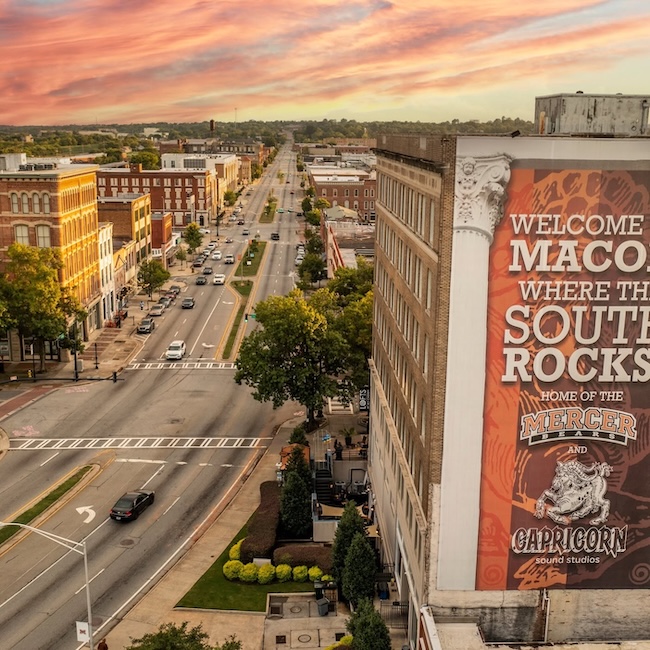
The organization has partnered with Visit Macon, actively encouraging racers, crews and spectators to spend some time experiencing the city rather than simply arriving for the races and leaving when the final checkered flag falls.
That includes promoting Macon’s music history, downtown restaurants and businesses, the Tubman Museum, Ocmulgee Mounds National Historical Park, Lake Tobesofkee and the Ocmulgee River as part of the race-weekend experience.
In other words: the race brings people to Macon, but AJSA is making a point of telling them why they should actually stay in Macon.
That relationship works both ways. The race gets a city invested in promoting the event, while the city gets racers, families and spectators spending money locally and experiencing what it has to offer.
And AJSA has filled out the weekend itself, too.
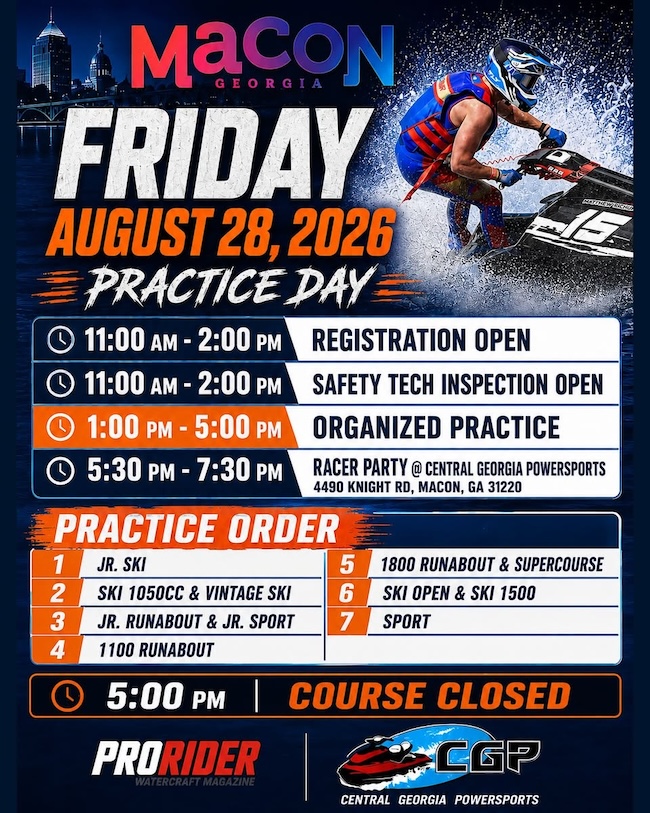
Friday includes practice from 1:00 to 5:00 p.m., followed by a racer party at Central Georgia Powersports from 5:30 to 7:30. Central Georgia Powersports is providing BBQ and pizza for the racers and opening its showroom for the evening.
Food trucks will be operating throughout Saturday and Sunday, giving spectators and race families another reason to hang around the venue rather than treating the race as an eight-hour block of motos.
Sunday morning even includes a service from Triple Cross Ministries before the racing begins, open to racers, crews, families, spectators and the public.
And once the racing is finished, AJSA will hold its Southern Summer Series Championship Awards Ceremony, with a BBQ dinner catered by Just-A-Smokin.
 None of those things replaces the racing. That’s the point.
They make the racing part of a weekend.
On the competition side, Macon is the championship finale for the Southern Summer Series, with a four-moto format scheduled for Saturday and Sunday.
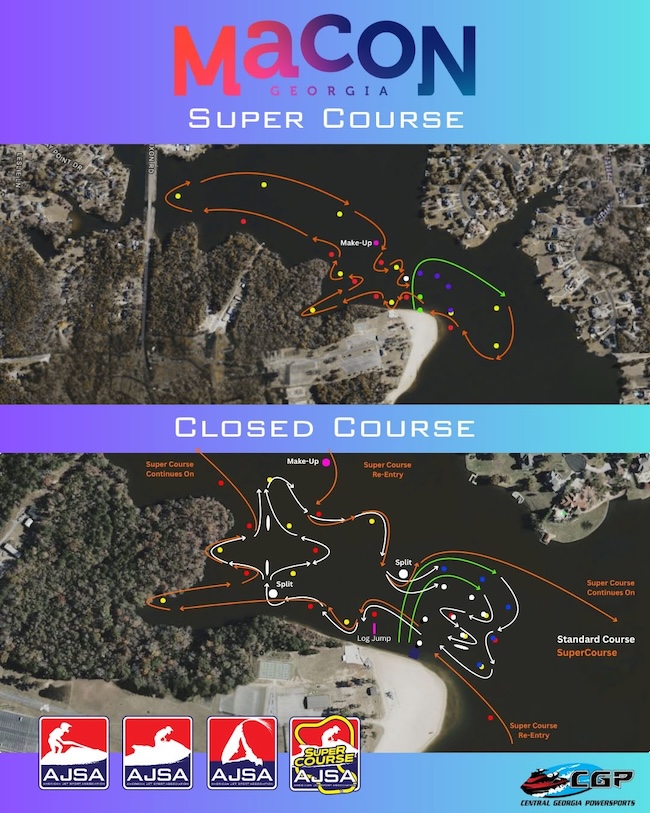
The weekend also features AJSA’s PRO/AM 300 SuperCourse, a hybrid-style format that combines elements of closed-course and endurance racing. Racers will tackle a larger, more technical course in four 20-minute motos—two Saturday and two Sunday—with a $1,000 overall purse.
There is additional money on the line in Pro Ski 1050, with a $2,000 purse, while Freestyle carries a $400 purse.
AJSA is also attempting something new with Sport Spec. Ten registered Sport Spec racers unlock a $1,000 cash purse, with the purse growing by $75 for every racer above the initial ten.
So yes, there is plenty to race for in Macon.
But there is also something else happening here that may ultimately be just as important.
The sport needs to stop thinking of a race as the product.
The event is the product.
The racing is what gives people a reason to come. The racers are what gives them someone to care about. The community, entertainment, food, local businesses and everything surrounding the competition are what can turn a race fan into a spectator—and eventually turn a spectator into someone who follows a racer, buys the brands they use and travels to the next event to see them again.
That’s the transition watercross needs to make.
Macon may not be the finished product.
But it is a pretty good step in the right direction.