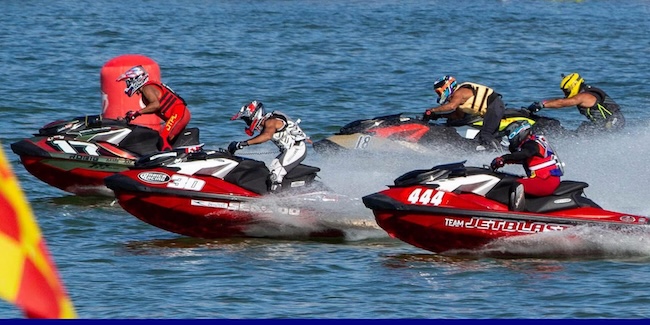
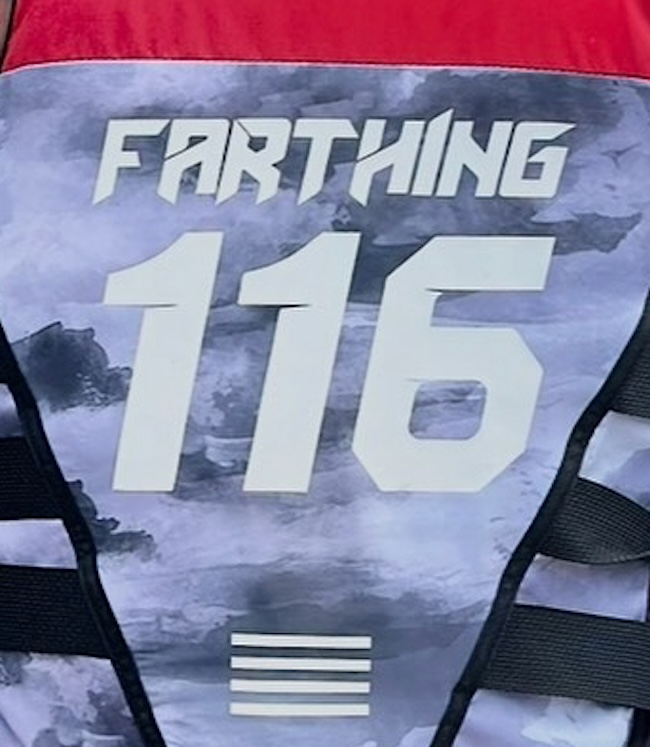
The first time Sam Nehme mentioned expansion, it was early last spring — a quick heads-up that Broward Motorsports was adding another store. When we reached out to talk about it, his response was straightforward: give it a week or two. A second deal was already in motion.
A couple of weeks stretched into months. Between Nehme’s rapidly growing business and a packed racing and publishing calendar on our end, the conversation kept getting bumped. By the time we finally caught up last week, that expansion — growing Broward Motorsports from six dealerships to eight, with new locations in Orlando and Port Richey — had moved well beyond the tentative early stages, giving the longtime Florida operator a much stronger footprint across Central and West Florida.
In an industry where headlines often swing between doom and optimism, Nehme’s timing raised an obvious question: why expand now?
For Nehme, the answer starts with geography — and ends with discipline.
Florida, he explains, continues to behave differently than much of the country. While parts of the powersports market have cooled elsewhere, his original six stores were trending ahead of the previous year’s numbers. From his perspective, the expansion wasn’t a gamble so much as a continuation of momentum.
“We’re in the right place,” Nehme said. “When I look at our existing stores, they’re above last year. So in my mind, we’re growing — and that’s a good place to be.”
But he’s quick to point out that growth hasn’t come from simply following the same dealership playbook as everyone else. Nehme believes Broward Motorsports succeeds because it refuses to operate like an “average” dealer, leaning instead into creative marketing, unconventional thinking, and a willingness to adapt early rather than react late.
That mindset, he says, matters more now than ever.
Understanding the Modern Customer
Despite his deep roots in watercraft racing, Nehme sees today’s powersports customer less as a racer and more as a family buyer. The majority of people walking into his showrooms aren’t chasing lap times or aftermarket performance gains — they’re looking for reliability, simplicity, and experiences they can share.
“They want a jet ski, a cover, a few life jackets, a trailer — and they want to go have fun,” he said. “They want it to work.”
That shift has shaped how Broward Motorsports does business. While performance parts and race-derived products still have their place, Nehme believes the aftermarket performance segment is far smaller than it once was. Modern four-stroke watercraft are faster, more reliable, and more capable straight off the showroom floor than anything riders saw in the two-stroke era.
As a result, Nehme’s focus has increasingly moved toward volume — selling new watercraft, supporting them through service and warranty work, and building long-term customer relationships. Across all eight locations, Broward Motorsports now sells an estimated 4,000 personal watercraft per year, on top of business in motorcycles, side-by-sides, and other off-road vehicles.
“That’s where the real money is,” Nehme said. “Selling units, servicing them, and taking care of customers over time. That part of the business isn’t going away.”
BMS Orlando
Passion Helps — But It Isn’t Enough
Nehme doesn’t shy away from the role passion has played in his success. Like many in the industry, he started as an enthusiast long before becoming a business owner. But he’s equally candid about the danger of letting passion blur judgment.
“Passion is huge,” he said. “But if you can’t separate passion from reality and business, you can really hurt yourself.”
He’s seen it happen repeatedly: riders or collectors opening dealerships driven by enthusiasm, only to discover how demanding, time-consuming, and unforgiving the business can be. Success, Nehme argues, requires eventually outgrowing the enthusiast mindset and treating the operation like a true enterprise.
That same clarity influenced his own choices over the years, including when — and how — he chose to step back from certain aspects of the sport he loves. Refocusing on business, he says, directly contributed to Broward Motorsports’ continued growth and eventual expansion into new markets.
Expansion Without Chasing It
Interestingly, Nehme isn’t actively hunting for more dealerships. Most opportunities, he says, come to him.
When owners are ready to sell, manufacturer reps and industry contacts often point them his way — knowing Broward Motorsports is a serious buyer that closes deals cleanly. That’s exactly how the Orlando and Port Richey locations came together, even though acquiring two stores back-to-back wasn’t originally part of the plan.
“It was tough,” Nehme admitted. “I probably wouldn’t do it that way again. But it made sense to enter Central Florida with more than one store.”
The result is a broader regional presence and operational efficiencies that position the company well for continued growth. And if there’s one thing Nehme is certain of, it’s that he isn’t finished.
“Never done expanding,” he said. “Once I sit still too long, I get anxious.”
A Business Still Worth Building
For young riders and aspiring entrepreneurs watching from the outside, Nehme’s advice is direct. Racing success, he says, doesn’t translate into business success — and shouldn’t be mistaken for it. Building a dealership or powersports business requires full commitment, focus, and the willingness to work aggressively toward long-term stability before chasing passion projects.
In Nehme’s view, the opportunity is still there.
“In America, it’s 100 percent viable,” he said. “But it’s not going to be handed to you. You’ve got to believe in yourself and put in the work.”
As Broward Motorsports continues to grow across Florida, that philosophy — more than any single product or trend — appears to be the constant behind Nehme’s success.
Editor’s Note: This interview was originally intended to focus on Broward Motorsports’ expansion, but the conversation quickly widened to the state of PWC riding and racing. We’ll publish that portion of our discussion with Sam Nehme tomorrow in Part 2.
“$%&#,” I growled not quietly enough for my kids not to hear. Skip passed.
The news of Andrew “Skip” Donovan‘s passing came through my feed via fellow Australian photographer Jeff Lakeford. A couple of weeks earlier, IFWA and IJSBA World Champion, and friend to me since he was just out of high school, Mark Gomez had posted the prognosis: Skip was in palliative care with not much time left.
I came to know Skip through his “Photo By Skip” photography business. The Watercraft Journal was murdering the competition on its international freeride coverage, and Skip saw an opportunity to offer his services – to which, I was more than eager to accept. Skip loved freeride, and it was evident in his coverage.
Over 3-plus-years, Skip provided WCJ coverage of the Australian freeride scene; particularly, the Rip N’ Ride; as well as QPWC races, AJSBA Nationals and even the King’s Cup in Thailand. Admittedly, Skip’s spelling was reliably atrocious – enough to make Australia’s public schools a running joke between us – but his photos were always primo.
It only made sense that this level of exposure would draw in headhunters and Skip was whisked away by Michael Ratti at Pro Rider seeing that Mike lived in Australia and could keep him busier than WCJ. Skip tried to walk the tightrope between the two magazines, but PR made it clear it was either one or the other. He chose the other.
After news of Skip’s passing hit, I sought answers. I reached out to a few contacts and gratefully, Craig Milne called and filled in some gaps. Being a Gold Coast native and an active outdoorsman, Skip developed a melanoma in 2019. VHA addressed the skin cancer and Skip was cleared after a year of treatment.
By 2023, Skip was feeling ill and went in to be tested. The results were catastrophic: Stage IV cancer and it was everywhere. Australian TGA laws (Therapeutic Goods Act 1989) permit patients whom doctors deem “terminal” to attempt “unconventional” treatment. He did so for over a year but it wasn’t successful.
Skip entered end-of-life care, which did its best to keep him as pain-free as possible. It was shortly after his 52nd birthday (December 8th, 1973) that he passed on Sunday, December 14th. Skip is survived by his mother, Elizabeth; father, Michael; brother, Nathan; and his sister, Rebecca and her son, Flynn.
Skip was exactly what the sport of freeride needed. He loved it all: the aerials, the athletes, the sounds, the shoreline, everything. His stoke was infectious. Losing Skip to PR took a big chunk of our freeride coverage, and that hurt, as I’ve always supported it (ask Gomez, Ross Champion, Taylor Curtis and the Bright brothers).
…but losing Skip to cancer hurts worse. The world just feels a little dimmer.
It’s simple. It’s entirely American made. It’s uncomplicated. And it’s absolutely effective. That’s been our takeaway from the Sand Gator Shallow Water Anchor. Designed and manufactured out of their Lake Forest, IL facility, the Sand Gator has taken the stake-style small vessel anchor and made it darn near flawless.
The serrated edges aren’t sharp, so it’s not going to cut or saw through anything in your watercraft’s storage compartment but has enough bite to dig into sandy and pebbly shorelines; and it’s compact enough to fit in most all PWC storage cubbies but digs deep enough to hold down even full-sized PWC in surf.
In easily checking off our surprisingly basic requirements (when so many others don’t), we had little trouble announcing that the Sand Gator Shallow Water Anchor will be The Watercraft Journal’s “Official Anchor of The Year” for 2026. And with that announcement comes quite a bit of news:
Sand Gator’s owner, Jeff Giannelli wrote: “We’re thrilled to be working with WCJ in 2026 and are happy to share a special 10% discount just for WCJ readers.”
In addition to seeing a Sand Gator used in all future PWC reviews and trips on WCJ in 2026, a full length product review and inclusion in our 2026 Christmas Gift Buyer’s Guide; all readers are gifted a 10-percent discount on their purchase at www.thesandgator.com when they use the coupon code WATERCRAFT10 at check out.
Too often people are distracted by the sizzle and are disappointed by the steak. The Sand Gator leaves all of the bells and whistles aside (which, let’s admit, jacks up the price), and offers a top quality, American made anchor for an affordable price. Order yours with the cinch-top drain bag and bungee anchor strap for $85.99.
Yesterday, just hours before the New Year kicked off, the IHRA Pro Watercraft Racing Series officially announced Great Lakes Watercross (GLWC) as its first sanctioned regional partner, a move that signals how the organization plans to rebuild and connect personal watercraft racing across the country.
The partnership brings together the newly formed Pro Watercraft Racing Series (PWRS) and one of the most established regional promoters in the sport, creating a direct bridge between regional racing and national-level competition under the IHRA Pro Watercraft umbrella.
PWRS Managing Director Dustin Farthing said conversations with Jaymi and Brad Bohat, who operate Great Lakes Watercross, quickly revealed a shared vision focused on sustainability, racer experience, and long-term growth — not just expansion for expansion’s sake.
Great Lakes Watercross enters the partnership with serious momentum of its own. Just before Christmas, the series released its 2026 race schedule, outlining a 10-round season built around double-header weekends, a mix of flat water and big water venues, and increased cash payouts planned for the coming year.
The 2026 schedule opens on flat water in Indiana before moving into larger Great Lakes conditions, setting up a season that rewards versatility and consistency. The final three tour stops shift fully into big water racing, with a championship weekend slated for late August in Wisconsin.
In addition to its core Midwest schedule, Great Lakes Watercross will also host a standalone Labor Day weekend event in Williamsburg, Virginia, expanding its geographic reach while keeping series points focused on the main tour.
With the IHRA partnership now official, Great Lakes Watercross becomes a key piece of the Pro Watercraft Racing Series’ long-term plan — serving as a model regional pipeline for racers looking to advance toward national and world championship competition.
More regional and international partnership announcements are expected in the months ahead, but for now, the alignment between PWRS and Great Lakes Watercross offers one of the clearest looks yet at how the 2026 racing landscape is coming together.
Below is the full press release from the IHRA Pro Watercraft Racing Series, and the full season schedule announcement from Great Lakes Watercross.
Pro Watercraft Racing Series Welcomes Great Lakes Watercross as First Official Regional Partner
The IHRA Pro Watercraft Racing Series is proud to officially welcome Great Lakes Watercross as its first sanctioned regional series under the IHRA Pro Watercraft umbrella. This partnership marks a major milestone in IHRA’s mission to rebuild, align, and grow personal watercraft racing across the United States, creating a true pipeline from regional competition to the national and world championship level.
“We’re extremely excited to partner with one of the largest and most respected regional promoters in the United States,” said Dustin Farthing of IHRA Pro Watercraft Racing. “The Bohat’s and I had a long discussion about the goals of racing, and it was immediately clear we share the same commitment, building strong, sustainable series that put racers first. This partnership is exactly what the future of our sport should look like.”
Great Lakes Watercross has long been a cornerstone of regional watercraft racing, known for strong turnout, professional event execution, and a racer-focused mindset. Aligning with IHRA allows both organizations to strengthen opportunities for racers, sponsors, and host cities while creating a unified pathway to national and international competition.
“Partnering with IHRA was a natural step for us,” said the Bohat family of Great Lakes Watercross. “We believe in the vision IHRA & Farthing are building and the direction the Pro Watercraft Series is heading. Our goals have always been about growing the sport, supporting racers, and delivering quality events, and this partnership allows us to do that at an even higher level.”
As the first official IHRA regional series, Great Lakes Watercross will play a key role in funneling racers, momentum, and growth into the IHRA Pro Watercraft Racing Series, setting the tone for future regional partnerships nationwide.
More announcements regarding additional regional & international affiliates, schedules, and more series details will be released soon. Happy New Year, this is the future of watercraft racing and it starts with 2026 just around the corner.
THE 2026 GREAT LAKES WATERCROSS SCHEDULE IS HERE!
The wait is finally over. We are incredibly excited to officially announce the 2026 race season! This year is going to be epic: 10 rounds of racing total, with 2 rounds of action every single weekend.
We are starting the season on the flat water of Indiana and turning up the heat as we head toward the big water of the Great Lakes for the final three tour stops. We are also bringing back even more cash payouts this year! Details on the payout structure and specific classes will be released early this spring once sponsor agreements are complete!
Grab your calendars and start planning. Here is where we are heading in 2026:
JUNE 12-14: Kendallville, Indiana – We return to Bixler Lake Campground to kick off the season. This is the perfect spot to find your speed on flat water. Camping: Reserve through the City of Kendallville at (260) 242-6898.
JUNE 26-28: Janesville, Wisconsin – We’ll be racing on the Rock River at Traxler Park. We are proud to partner with the Rock Aqua Jays for this event, as they host a national water ski show the same weekend!
JULY 17-19: Harbor Beach, Michigan – The third annual Harbor Beach Cup! The big water season officially begins here. Camping/Pits: Reservations are open now through the city athttps://www.harborbeach.com/watercross-racers
JULY 31 – AUGUST 2: Racine, Wisconsin – We are back on the beautiful shores of North Beach for a high-stakes Double Points weekend. You won’t want to miss the points chase & big waves here!
AUGUST 21-23: Manitowoc, Wisconsin (Championship Weekend) – The series finale at Red Arrow Park! This is where we crown our 2026 season champions!
LABOR DAY WEEKEND: Williamsburg, Virginia The Battle at Williamsburg at Jamestown Beach – This is going to be a huge family-fun weekend just a few miles from Busch Gardens. Expect massive crowds and a great holiday atmosphere to wrap up the year. This event will be a stand alone event and not part of the 2026 GLW Series points.
The IJSBA has taken the next step in its 2026 rulemaking process, releasing the Managing Director’s official recommendations for changes to the upcoming Competition Rule Book — and opening the door for two more weeks of community feedback before any action is taken.
This update follows the two-part process we recently covered at The Watercraft Journal, first when IJSBA solicited public input on potential rule changes, and again when that rule suggestion period was extended due to the volume and complexity of responses received. What initially appeared to be a relatively narrow discussion ultimately evolved into one of the more involved technical debates the organization has seen in years.
According to IJSBA, the bulk of the conversation centered on three areas: fuel regulation in Stock and economy-focused classes, propulsion parity in Sport Spec, and compression limits in Ski Lites — all framed by a broader concern about cost control, fairness, and enforceability across different venues and conditions.
On fuel regulation, the Managing Director acknowledged a clear majority of racers favor prohibiting expensive and exotic fuels in Stock and economy classes. However, concerns over enforcement, lack of consensus on testing parameters, and promoter readiness led to a recommendation to delay fuel regulation until 2027, using 2026 to develop clear standards while simultaneously reducing the demand for those fuels through other rule adjustments.
For Sport Spec, the recommendations take a targeted and conditional approach. To address parity concerns — particularly those raised around World Finals conditions — IJSBA is recommending limited allowance of a specific aftermarket jet pump for Wave Blasters, restricted to the 2026 SBT World Finals unless promoters explicitly declare qualifying conditions in advance. The proposal also signals a broader shift toward venue-based rule considerations, factoring in elements like elevation, track size, and water conditions rather than blanket class-wide changes.
In Ski Lites, the Managing Director is recommending compression limits at the 2026 World Finals as an immediate step to curb reliance on high-cost fuels, with further restrictions — including minimum base gasket thickness — proposed for implementation beginning in 2027. IJSBA also plans to develop elevation-based compression guidelines moving forward.
With no Stock class changes on the table and only community-driven classes affected, IJSBA has opted to pause for additional feedback. The organization will accept public comments on these recommendations through January 13, 2026, before forwarding all input to the Board of Directors for final consideration.
January officially signals the start of boat show season, and for watercraft enthusiasts, it’s one of the best ways to get a firsthand look at what’s coming in the new year. Yamaha recently reminded fans that Discover Boating has events lined up across the country, making it easy to see the newest WaveRunners, ask questions, and get a feel for the 2026 lineup.
Boat shows are more than just a chance to ogle the latest models—they’re an opportunity. If you’re in the market for a new WaveRunner, or just curious about what’s new, shows let you compare models side by side in a no-pressure environment. Many dealers attending these events also bring leftover units from the previous model year, often with enticing discounts. Even if you’re not planning to buy, you can climb aboard, test the ergonomics, and see what changes Yamaha and other manufacturers have made.
The 2026 season promises to be exciting. Yamaha isn’t alone: other manufacturers are expected to unveil updates to their personal watercraft lines, giving visitors a sneak peek at performance tweaks, tech upgrades, and styling changes. It’s a chance to see, feel, and interact with models before they hit dealer floors, which is invaluable for anyone making a serious purchasing decision—or just dreaming about their next adventure on the water.
2025 Atlanta Boat Show
Here’s a snapshot of the January schedule for those ready to plan their first show:
Whether you’re hunting for a deal on last year’s model, comparing the newest technology, or just soaking in the watercraft atmosphere, boat shows are a great way to kick off the year.
If you’ve ever thought about unlocking more power from your Yamaha WaveRunner, RIVA Racing just published one of the most straightforward guides yet. Earlier this month, they released a short instructional video that walks viewers through the process of reflashing an ECU on 2018 and newer Yamaha models using the Maptuner Nano HDMI tuning device and nothing more than a smartphone.
The process is shown start-to-finish in just a few minutes on a modern Yamaha performance model with its seat removed while the user follows along on the MyMaptuner app. After confirming both the craft’s and the phone’s batteries are fully charged, the demo shows how to access the ECU and connect the included programming cable. From there, the Maptuner Nano syncs to the mobile app via Bluetooth.
With only a handful of simple prompts — enter license code, add your vehicle, browse RIVA’s tuning library and download the appropriate performance file — the ECU is ready to accept the flash. Once the file loads and the device pulses purple to confirm programming, it’s as easy as syncing one last time and you’re ready to ride. Just as importantly, users can switch back to stock settings anytime they choose. There’s no limit to how many skis you can manage — simply purchase one tuning license per craft.
And here’s the perfectly-timed twist: the exact Maptuner Nano units featured in the video are currently discounted as part of RIVA’s End of Year Sale. Both versions — one for 1.8/1.9L engines and one for TR-1 models — are available now for $890.84 (regularly $989).
But tuning devices aren’t the only thing on sale. RIVA’s year-ending blowout includes up to 40% off sitewide across performance parts, accessories, and gear. Savings vary by category, including:
Up to 20% off impellers, air intake, exhaust and engine components including superchargers and cooling parts
10% off RIVA Racing performance kits
15% off OEM parts
Up to 40% off select hull components and electrical items
20% off steering and handling equipment
Up to 20% off riding gear and 60% off JetPilot apparel
10% off maintenance essentials like oil, cleaners, sealants, batteries, tools and chargers
The sale runs through 11:59 p.m. EST on January 1, 2026, giving riders just a few days left to grab core upgrades for winter projects or early-season boosts. And, as always, shipping is free in the U.S. on orders of $150 or more.
RIVA summed it up perfectly in a post earlier this week: they have everything you need to go faster. And with discounts covering nearly every corner of their catalog, now is one of the best times all year to build your setup for 2026.
Dustin Farthing is stepping into the role of Managing Director of the newly announced IHRA Pro Watercraft Racing Series.
For decades, U.S. personal watercraft racing has struggled with fragmented leadership, inconsistent rules, and waning visibility. However, an announcement earlier this week regarding a new race series is promising to shake up that status quo.
The International Hot Rod Association (IHRA) is launching the IHRA Pro Watercraft Racing Series (PWRS), set to debut in 2026 with a minimum $250,000 prize pool and a national tour spanning surf, lakes, and rivers. Built around both stand-up and runabout competition, the series will integrate with select IHRA Offshore Powerboat Racing events to create action-packed weekends for racers and fans alike.
Dustin Farthing
Dustin Farthing—multi-time world champion, veteran racer, and seasoned powersports businessman—is stepping into the role of Managing Director. This marks his first foray into professional watercraft promotion on a national scale – the latest waypoint on a path traversing more than three decades of racing experience. His race career started in 1992 when he moved from early dirt track experience in motocross to the water after his father took in an old 550 watercraft on trade.
“More than 30 years later, we’re still here — still attending races — now with my dad, my wife, and my sons all alongside me,” he told The Watercraft Journal.
The Motivation for Change In an interview conducted on Christmas Eve, Farthing explained why he decided to take on the challenge.
“We’ve been incredibly fortunate. We’ve won at the highest level, worked with the best sponsors in the world, and lived a dream most people never get close to. But with that privilege comes responsibility,” he said.
It’s that blend of experience, perspective, and obligation that made the timing feel right for Farthing to take on a challenge of this scale.
“The reason now is simple: if I don’t do it, who will? I’ve spent years bringing sponsors into the sport through my race team and waiting for promoters and sanctioning bodies to evolve,” Farthing said. “At some point, you either accept the status quo — or you step up.”
Promotion isn’t entirely new to Farthing. In the early 2000s, he ran a regional series called the Hot Water Tour in Region 7, drawing more than 200 racers per weekend. Now, stepping onto a national stage with the IHRA Pro Watercraft Racing Series, he sees a moment for real change.
Thomas Covington is a former international motocross racer from Alabama who won multiple AMA amateur titles, competed in the MXGP World Championship with factory teams, and represented the USA at the Motocross of Nations. After retiring from professional racing, he transitioned into motorsport management and was named Director of Racing for the FIM World Supercross Championship (WSX) on Nov. 25.
A Partnership Built on Passion and Logic The vision for a national watercraft series didn’t come overnight. Farthing brought the idea to Thomas Covington, a longtime friend whose expertise spans motocross, off-road racing, and other powersports disciplines, giving the venture a foundation that goes beyond any single sport.
“That process started several months ago, and it wasn’t an easy sell. I won’t lie — even convincing Thomas to take on more work with no guaranteed outcome wasn’t simple. But I’ve always been persuasive when I believe in something,” Farthing said. “We explored several different versions of what this could be and spent months figuring out who the right partners really were. Along the way, we kept moving chess pieces until everything finally fit together. What we’re announcing now is a refined, executable version of that original whiteboard idea — built on experience instead of theory.”
Together, Farthing and Covington pitched the plan to the IHRA — an intentional choice. By partnering with the IHRA, the series gains access to decades of powersports business acumen, operational experience, and national event infrastructure, combined with leadership that understands racing – and racers.
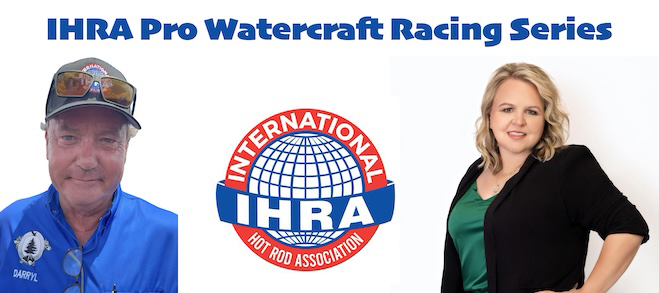
Darryl Cuttell and Leah Martin, IHRA
“Some new people have come in with passion, but passion alone isn’t enough. What’s been missing are resources, structure, and an understanding of how to sell an idea and build a vision people believe in,” Farthing said. ”The lesson is simple: passion without structure fails, and structure without passion goes nowhere. You need both. IHRA was the right partner because Darryl Cuttell and Leah Martin genuinely have the racing bug. This isn’t just about making money for them. It starts with a real love of racing and a lifetime of involvement. Yes, we’re in business to be profitable — but once you find something you truly love, profitability becomes a byproduct, not the goal.”
It’s that combination of racer insight and organizational discipline that Farthing believes can finally bridge the gap between adrenaline on the water and a professionally run, sustainable national tour.
Visibility in Action The IHRA Pro Watercraft Racing Series isn’t just about creating another standalone tour. Select events will be integrated into IHRA Offshore Powerboat Racing weekends, creating multi-discipline race weekends designed to give fans a fuller, more engaging experience — and racers a professionally structured environment.
Farthing describes what that looks like on the water: “You’ll see a mix of endurance and closed-course racing, depending on the venue, integrated with powerboat events. Our goal is to create a better show during downtime between powerboat weekends while still having some stand-alone events away from boats.”
Historically, these types of integrated events have struggled. Large tracks, poor visibility, limited live streaming, and minimal fan engagement often left both racers and spectators frustrated. Farthing sees those challenges as opportunities.
“The biggest problem in watercraft racing is visibility — being able to watch it online, understand what’s happening on site, and know where racers are during the event. Spectators don’t want to sit for 15 hours to watch racing. We’re building something that works for racers and fans,” Farthing said.
By combining on-water action, improved visibility, live streaming, and fan engagement, the series aims to be both a racer-first and spectator-friendly experience. It’s a careful balance of adrenaline, structure, and entertainment — the kind of formula Farthing believes can elevate watercraft racing to a new national stage.
Dustin Farthing
A Fresh Start
One of the biggest questions circulating in the racing community is how the new series fits alongside existing organizations. IHRA recently acquired P1’s U.S. offshore powerboat operations, but AquaX and other watercraft events remain independent, leaving racers wondering what’s changing.
Farthing was clear: “IHRA acquired P1 Offshore Powerboat Racing because they saw real value there. They did not acquire the watercraft division — and that decision was based on reality. Sponsors had pulled out, events had dwindled, and leadership lacked business experience, marketing vision, and true watercraft racing knowledge. There was no structure, no momentum, and no value proposition,” he told WCJ. “This series is a fresh start and we are clear on the goals.”
By drawing a clear line between the new IHRA series and AquaX, Farthing emphasized that the Pro Watercraft Racing Series is not a takeover or absorption of existing watercraft events. Instead, it represents a clean slate
Farthing also emphasized that the new series isn’t designed to replace regional competitions. “We’re not here to replace anyone,” he says. “If anything, we want regional series to prosper. We’d love to partner with them, help them secure sponsorship, and strengthen their regions.”
The $250,000 Promise The series is grabbing attention with its $250,000 prize pool, but Farthing is quick to clarify that the numbers are just part of a broader plan to make professional watercraft racing sustainable and appealing.
“This first season will be a learning curve, but $250,000 is the minimum — and it can continue to grow with additional sponsorship. We’re planning 4–5 national tour rounds, finishing with a World Championship in September,” he said. “We’re inviting the entire world to participate and doing everything possible to bring international racers to the U.S. to compete against our best. This is money going back to racers’ pockets for once — and it will be worth traveling for.”
Facing Structural Challenges Within the structure of PWRS, Farthing has laid the groundwork for addressing some of the sport’s toughest challenges.
Watercraft racing has long struggled with class disputes, tech enforcement, and inconsistent race organization — issues that have divided the sport. Farthing’s approach combines lessons learned on the track with the operational resources of IHRA.
“Every form of racing deals with this — NASCAR, Supercross, Formula One. The difference is being proactive instead of reactive,” he said. “This series will be guided by a board of directors with experience across multiple industries. With IHRA involved, we finally have the resources to do this correctly from day one.”
Aiming to keep what works, fix what doesn’t, and build a foundation for both racers and fans, Farthing said shorter race days, fewer but fuller classes, live streaming, and transponder integration are all part of the plan to improve both competition and spectator experience.
Full throttle determination Promotion and fan engagement have always been at the heart of Farthing’s approach — whether running his race team or building successful businesses — and he plans to bring that same unrelenting energy to the new IHRA series.
“Anything worth doing is worth doing right. Being the best means taking risks others won’t,” he stressed. “I plan to be just as relentless with this series as I’ve been with every business and race program I’ve ever built. I only know one speed — full throttle.”
Farthing is blunt about the current state of the sport: Fan interest has waned, coverage is scattered, and much of the racing world lives in echo chambers of racers’ families and social media. His goal is simple: Bring fans back in a meaningful way.
“Absolutely that is possible — but it won’t happen overnight. Shorter race days, fewer classes, fuller lines, better online visibility, and embracing modern media,” he said. “Everything today lives on YouTube, Instagram, TikTok. People watched Drive to Survive and fell in love with Formula One. Our goal is to create something people actually want to watch in watercraft racing.”
Farthing’s personality — the same mix of confidence, competitiveness, and promotional flair that’s earned him fans and critics alike — permeates the series. He’s not just running a race; he’s crafting an experience, and he wants everyone involved to feel that energy, from the racers on the water to the fans in the stands.
Stepping into the role of series manager is no small feat, especially for someone still competing at the highest levels. Farthing knows that scrutiny comes with visibility, and he’s ready for it.
“With leadership comes criticism. I’ve got big shoulders. A board of directors will handle race operations, rules, and enforcement,” he said. “If we do the work upfront, race weekends will run smoothly. I’m a racer first — and a businessman second.”
A Personal Legacy The new series isn’t just a professional endeavor — it’s personal. Family remains central, and his sons are very much part of the picture — both as aspiring racers and as future leaders in the sport.
“They’re college students first — studying both business and sports agent that requires law degrees — and racers second. Hopefully one day, one or both of them carry this forward, but with a degree,” he said of Deven and Talan. “My father and I built everything we have together. Living the American Dream isn’t just a phrase for us — it’s our story. My greatest achievement is being able to retire my dad for everything he taught me, and become the father I am to my boys.”
By framing the series around structure, transparency, and long-term vision, Farthing aims to balance his multiple roles: racer, promoter and father. The combination of experience, family grounding, and business acumen provides a blueprint for navigating criticism, staying focused on results, and maintaining credibility in a sport where personalities run high.
A plan in progress
Looking ahead, the IHRA Pro Watercraft Racing Series aims to redefine the sport on a national scale. With a combination of structured race weekends, meaningful prize money, and enhanced fan engagement, Farthing and his team are laying the foundation for a professional, sustainable tour that benefits both competitors and spectators.
“Our goal is to create a Supercross-style vibe on water,” Farthing said. “Families all over the world ride watercraft and don’t even know racing exists. We want to change that and make it a show people actually want to watch.”
While questions remain — about how the series will integrate with existing regional competitions, the evolution of classes and tech enforcement, and the expansion of prize structures — one thing is clear: the sport is getting a bold new platform, led by someone who has lived and breathed it for decades.
WCJ will continue to follow the IHRA Pro Watercraft Racing Series as it unfolds, bringing readers updates on events, prize structures, and fan experiences as the first season takes shape. For racers, fans, and industry insiders alike, the 2026 tour promises to be the start of a new chapter for personal watercraft racing in the United States.
The International Hot Rod Association is officially entering the personal watercraft racing space — and they’re doing it with real money, national reach, and a long-term vision.
Earlier today, IHRA announced the launch of the IHRA Pro Watercraft Racing Series, a new professional championship set to debut in 2026, featuring both stand-up and runabout competition and a $250,000 total prize purse. The series will be integrated into select IHRA Offshore Powerboat Racing Series events, creating multi-discipline race weekends designed to elevate both the racer and fan experience.
Earlier this year, IHRA acquired the U.S. offshore racing operations of Powerboat P1, a major promoter of marine racing events, while Powerboat P1 continues its international focus — including the AquaX personal‑watercraft series — even as its U.S. offshore programs transition under the IHRA umbrella, providing an intriguing backdrop for how the new IHRA Pro Watercraft Racing Series might intersect with existing national and international PWC competition structures.
For a sport that has long relied on regional promoters and grassroots momentum, IHRA’s move represents a notable shift — not just in scale, but in intent.
According to the announcement, the Pro Watercraft Racing Series is being built with a racer-first mindset, combining professional-level competition with increased exposure, modernized event execution, and expanded digital coverage. Plans call for a mix of closed-course and endurance formats, comprehensive live streaming, and enhanced transponder integration, all aimed at delivering a more polished and accessible product for competitors and fans alike.
At the center of the new series is Dustin Farthing, a multi-time world champion and one of the most recognizable figures in American personal watercraft racing, who will serve as Managing Director. Farthing’s involvement signals that this isn’t simply an outside organization experimenting with the sport — it’s a racer-driven effort backed by institutional resources.
“This series is being built by racers, for racers,” Farthing said in the release. “We are focused on raising the standard across the board, from competition format and event execution to prize money and visibility.”
IHRA leadership echoed that long-term approach, emphasizing growth, sustainability, and the opportunity to introduce personal watercraft racing to broader audiences by aligning it with established offshore powerboat events.
While specific event locations, dates, and formats have not yet been announced, planning and outreach efforts are already underway with racers, promoters, sponsors, and international partners. Additional details are expected to follow after the first of the year as permits are finalized and schedules take shape.
For now, the announcement marks a significant statement of intent: IHRA sees professional watercraft racing as a discipline worth investing in — and worth building properly.
Watercraft Journal will be speaking with Dustin Farthing later today to dive deeper into the vision behind the IHRA Pro Watercraft Racing Series, what racers can expect as plans develop, and how this new tour fits into the broader U.S. and international racing landscape. That conversation — and more clarity on what’s coming next — will follow soon.
The full IHRA press release appears below.
FOR IMMEDIATE RELEASE
IHRA Announces Launch of New Professional Personal Watercraft Racing Series
New IHRA Pro Watercraft Racing Series to Debut in 2026 with $250,000 in Prize Money and a Bold Vision for the Sport
Fairfield, OH — The International Hot Rod Association (IHRA) today announced the launch of the IHRA Pro Watercraft Racing Series, a new professional personal watercraft racing championship set to debut in 2026. Featuring both stand up and runabout competition, the series is designed to usher in a new era of professional watercraft racing by delivering elevated competition, increased visibility, and meaningful opportunities for racers.
The IHRA Pro Watercraft Racing Series will be integrated into select IHRA Offshore Powerboat Racing Series events, creating action packed race weekends and a premium on water experience for fans, racers, and partners alike.
Backed by strong industry interest, experienced leadership, and a $250,000 prize pool, the series is being built with a racer first mindset and a long-term commitment to growth and sustainability.
“Personal watercraft racing has reached a point where it is ready for something new,” said Thomas Covington, who oversees overall strategy and commercial operations for the series. “Racers are looking for a clear vision and a professional platform they can believe in. By aligning this series with major offshore events, increasing exposure, and putting real prize money on the line, we are creating a foundation that can elevate the sport and open the door for future expansion.”
The series is being developed by a leadership team with deep roots in motorsports and firsthand experience in professional racing, operations, and athlete development. Legendary racer Dustin Farthing will serve as Managing Director, bringing credibility, insight, and a racer driven perspective to the championship.
“This series is being built by racers, for racers,” said Farthing. “We are focused on raising the standard across the board, from competition format and event execution to prize money and visibility. This is about giving athletes a series they can be proud to compete in and helping push the sport forward.”
IHRA leadership emphasized that this announcement marks the first step in a broader, long-term investment in professional watercraft racing.
“IHRA has always been committed to growing motorsports and creating new opportunities for racers,” said Darryl Cuttell, Owner of IHRA. “Personal watercraft racing has tremendous potential, and this series represents our commitment to investing in the sport, building a stronger platform, and delivering first class competition and fan experiences.”
While specific event details will be announced in the future, planning and outreach efforts are already underway with racers, promoters, sponsors, and international partners. The IHRA Offshore Powerboat Racing Series schedule will be announced in the very near future, with the Pro Watercraft Racing Series integrated into select offshore events as part of that rollout. The IHRA Pro Watercraft Racing Series will also feature comprehensive live streaming and digital coverage to ensure global access for fans and stakeholders.
The IHRA Pro Watercraft Racing Series represents a significant step forward for professional personal watercraft racing and signals a clear vision for the future of the sport.
About the International Hot Rod Association (IHRA) The International Hot Rod Association (IHRA) is fueling the future of motorsports through a multi-discipline platform and a renewed leadership vision focused on growth, competitive excellence, and modernized event experiences. With an expanding national footprint, IHRA is committed to elevating competitive standards, strengthening local venues, and delivering unforgettable experiences for racers, fans, and partners.
There’s something different about the final ride of the year. It’s quieter. Colder. A little nostalgic. And that’s exactly the tone Mark Forrest leans into in Sea Doo Adventures – Episode 211, his officially unofficial send-off for the 2025 riding season.
We last featured Mark Forrest Adventures back in September, but with winter creeping in and Lake Erie offering one last calm, sunny window, Mark couldn’t resist squeezing in a final run. Filmed in late October with temperatures hovering around single digits Celsius, this ride isn’t about speed records or big destinations — it’s about closing the loop on a season that delivered miles, memories, and a growing community.
Launching near the Welland Canal, Mark teams up with longtime riding buddy Nigel from Lake Erie Vlogger, bringing the year full circle. The season began together on the Niagara River, and it ends the same way — ripping through familiar water, laughing through cold fingers, and appreciating how lucky they are to still be riding this late in the year.
As the episode unfolds, viewers are treated to classic Niagara scenery: the powerful current of the river, bridges overhead, and the unmistakable sight of Niagara Falls throwing mist into the air as the skis idle just upstream. It’s the kind of location that reminds you how varied personal watercraft riding can be — part adventure, part sightseeing, part quiet appreciation of the water itself.
Eventually, the ride pushes past the Peace Bridge and out toward Lake Erie, with Buffalo off in the distance and the sun slowly dropping toward the horizon. The pace stays relaxed. There’s no rush. Just a few last throttle pulls, some playful banter, and a shared understanding that this is probably it until spring.
Throughout the video, Mark repeatedly circles back to one theme: gratitude. Gratitude for the season, for the viewers who follow along, and for the chance to meet fellow riders both on the water and at events throughout the year. It’s a reminder that channels like Mark Forrest Adventures aren’t built on algorithms — they’re built on consistency, authenticity, and showing up ride after ride.
As the sun sets and the crew heads back toward the ramp, the message is clear. This may be the last ride of 2025, but it’s far from the end. Mark will be back for Season 8, and until then, the offseason is just another part of the journey.


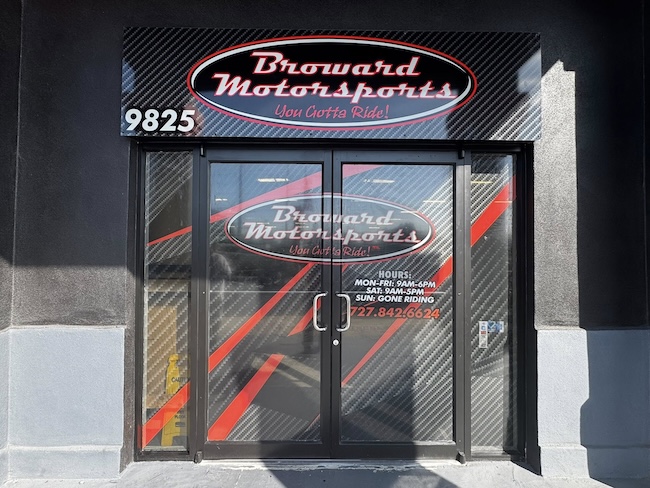 The first time Sam Nehme mentioned expansion, it was early last spring — a quick heads-up that Broward Motorsports was adding another store. When we reached out to talk about it, his response was straightforward: give it a week or two. A second deal was already in motion.
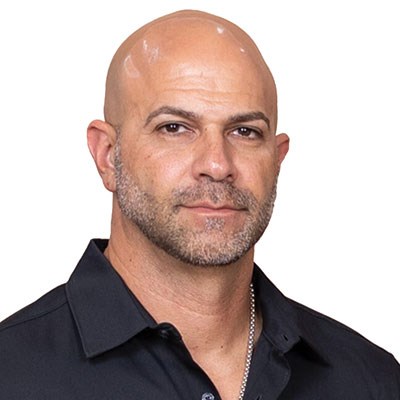 For Nehme, the answer starts with geography — and ends with discipline.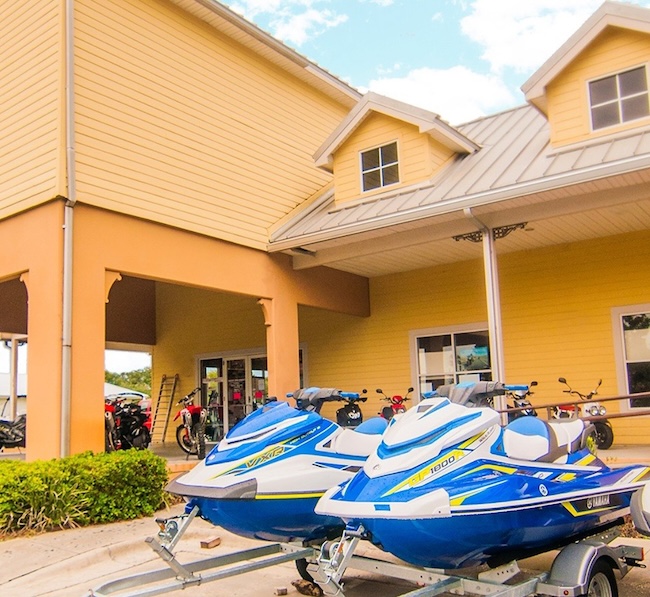


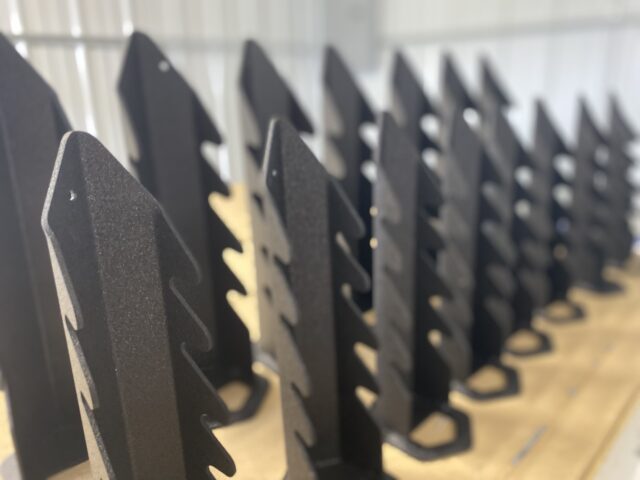
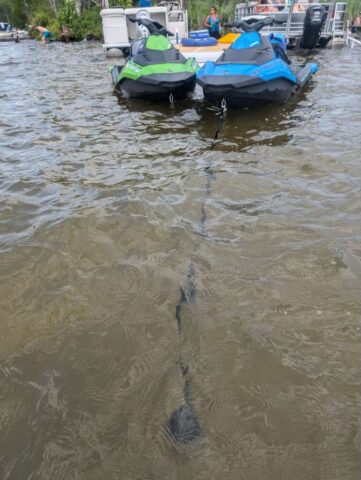 The serrated edges aren’t sharp, so it’s not going to cut or saw through anything in your watercraft’s storage compartment but has enough bite to dig into sandy and pebbly shorelines; and it’s compact enough to fit in most all PWC storage cubbies but digs deep enough to hold down even full-sized PWC in surf.