
Home Blog Page 229

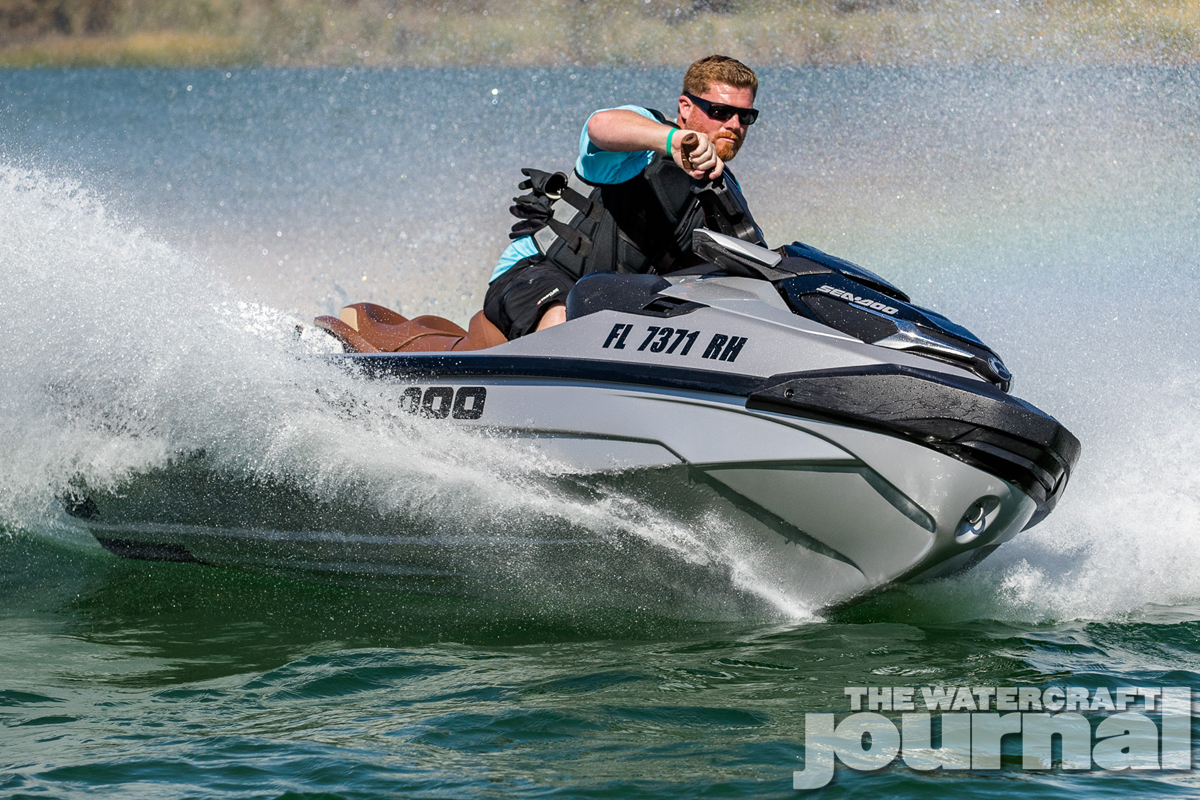
Heads Up Showdown: ’18 Sea-Doo RXT-X 300 vs. ’18 Yamaha WaveRunner GP1800

0

It’s been a standing policy since launching in 2013 that The Watercraft Journal doesn’t do shootouts. Certainly, the logistics of performing a shootout between two or more watercraft is all but impossible (that is, if you’re going to do it right); and moreover the outcome is almost always controversial. Somebody isn’t going to be happy no matter what you do. And more often than not, it’s the manufacturers who are the least pleased. This is often because those performing the comparison do not make the extra effort to ensure that the comparison is equal. Not in outcome of course, but equal in regards to a level playing field. So in wanting to keep the OE’s happy and the more vociferous of our readers at bay, we’ve simply never have done them.

That’s not to say that the demand hasn’t gone away. In fact, as we continue to produce more videos the outcry for shootouts has only grown. Thus far, we’ve resisted the urge. That is, until recently, when a Florida-based professional sasquatch hunter (no, we are not making this up) attempted a drag race between a 2018 Yamaha GP1800 WaveRunner ($13,999) and a 2018 Sea-Doo RXT-X 300 ($15,699). The video is an unmitigated failure when it comes to properly staging a comparison – enough to spur both ourselves and Greenhulk.net’s own Jerry Gaddis into devising the single-most foolproof, authentic, unbiased and equal comparison between these two machines.
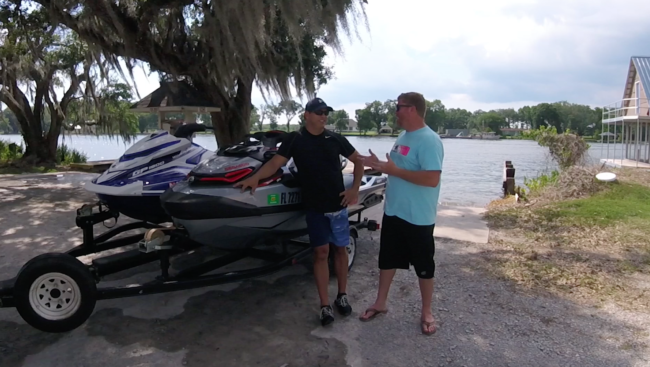
By sheer good fortune, The Watercraft Journal has two of these machines in our possession for long-term testing. Already, the GP1800 has a healthy 28.9 hours on the clock, while the Sea-Doo just tipped 33 hours. When plenty of time post the factory break-in and nearly equal riding time on their respective engines, we felt we had a good basis to start from. The plan was simple: as handling can be subjective, and drag races carry too many factors (rider weight, reaction time, etc.), both Jerry and we felt that a single-rider acceleration test would be best. Using Jerry’s Vbox Sport – one of the most trusted performance accelerometers available today – we would measure each ski individually from an idle speed of 5 mph (because a true zero is impossible) to 60 mph. The Vbox would also record a sustained top speed (not peak).

Initially, both Jerry and we were concerned that the scales would literally tip in the Yamaha’s favor given its power-to-weight ratio. That is, until we did the math. The GP1800 comes in at 769 lbs. (dry weight) and an unconfirmed 265-horsepower. Since we didn’t want anyone questioning whether we had equal fuel levels, we decided to thoroughly top off each ski to its respective limit. That means that with a 18.5 gallon tank, and a gallon of gas weighing 8.6 lbs., the GP1800 would weigh 928 lbs. with a full tank of fuel. As the new RXT-X 300 came in at a hefty 828 lbs. dry weight, but a leaner 15.9 gallon tank, that gave the Sea-Doo a total weight of 967 lbs. with a full tank of fuel – equating a difference of 39 lbs. between the two.

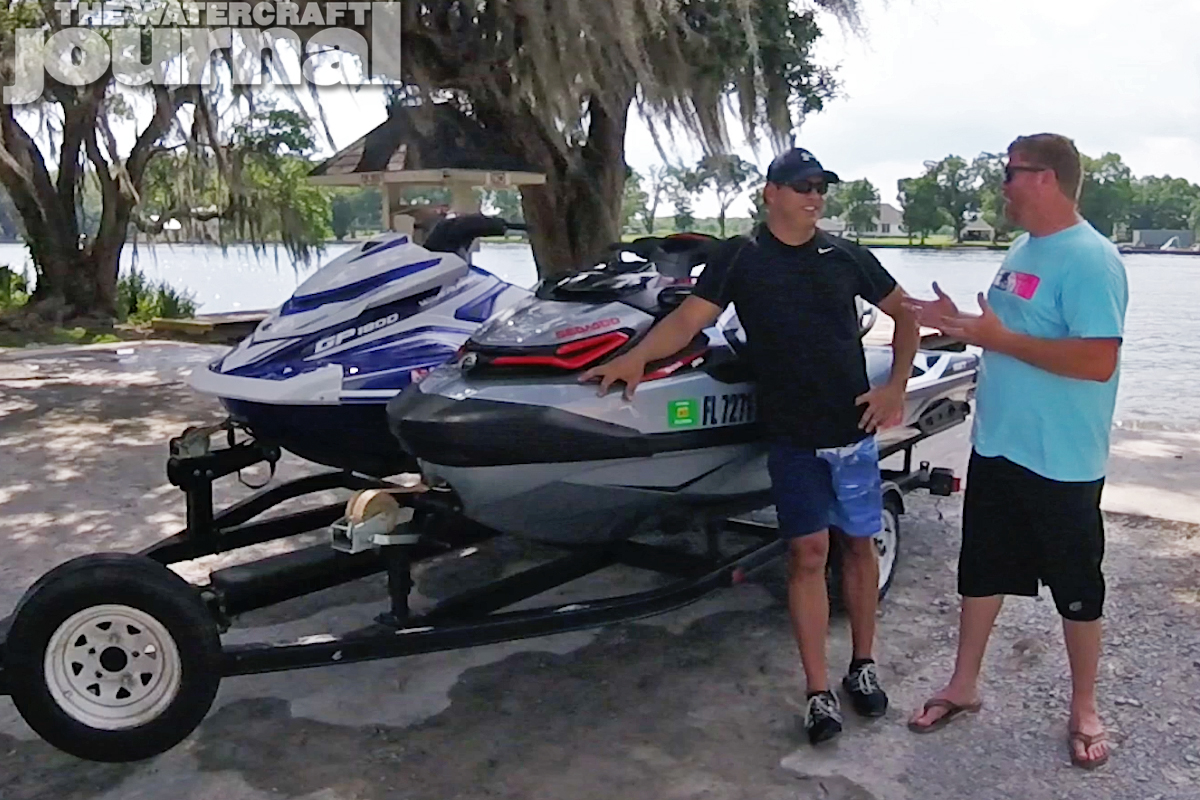
Since Jerry was going to be our only pilot this day, he trusted that he wasn’t lying about his 6’1″ 235 lbs. stature. We traveled to Morgan City, LA from The Watercraft Journal HQ and met Jerry at Greenhulk’s secluded testing spot, a thin sliver of bayou lined with dangling Spanish moss and cypress trees sitting no more than a few feet above sea level. The day was a scorcher, 91 degrees, so air temperatures weren’t what you’d call nominal. Wind was slight, about 5 mph from the south, which wouldn’t affect our east-to-west running test canal. Jerry journeyed a ways off to warm up each ski before making his first pass. Each ski made 4-to-5 passes, careful not to heat sink the engines. We didn’t want to come back and do this over again.

And before setting out, we made sure of two major items specific to the Sea-Doo: First, the RXT-X would be ran in “Sport” mode. Although all iTC-equipped Sea-Doo begin in “Touring” mode, which allows for a rider to reach the craft’s particular top speed, the fuel/ignition curve is somewhat more gradual than when toggled over to “Sport.” Next, we opted to not use the craft’s all-new “Launch Control” feature, which employs the Sea-Doo’s VTS to ensure a controlled and smooth acceleration pass, reaching plane far quicker than a conventional launch. Why? Because the Yamaha doesn’t have Launch Control, and we wanted to compare “apples to apples,” so to speak.

Jerry also stated, “I launched with trim all the way down and trimmed up as the ski planed off just as any experienced rider would do. I did not launch in neutral trim.”

The image shown above is taken from the “Long Haul” video attached at the bottom of this article, and is a true and authentic replication of the best passes for each unit. For the Yamaha GP1800, the WaveRunner reached it’s 30mph mark in 1.68 seconds, and its 60mph mark in 4.42 seconds, with a sustained top speed of 69.3 mph. That is incredibly fast, but surprisingly, not fast enough to beat the Sea-Doo.Within 1.47 seconds, the RXT-X had inched ahead by .02 of a second; and was even closer to the Yamaha’s 60mph at 4.36 seconds – besting the GP by a tenth of a second. Yes, the RXT-X’s top speed was an impressive 70.6 mph, but in regards to one-on-one acceleration testing, the difference between the two was fractions of a second.

Admittedly, both Jerry and we were pretty certain that the Yamaha was going to win this competition, so the upset was felt by all. In fact, Jerry was concerned that our GP1800 might not had been running right, so the next day procured an identical ’18 GP1800, and performed a preliminary test to see if we needed to return and retest the two. The outcome of Jerry’s secondary test was identical to ours this day. The Sea-Doo pulled ahead – albeit slightly – every time. We cannot think of a more equally-grounded comparison, and are pleased that we went to these lengths to “show our work,” as our old math teachers would say. Hopefully you are too. Now let the comment wars begin!
Yamaha Celebrates 30 Years of US Manufacturing

0

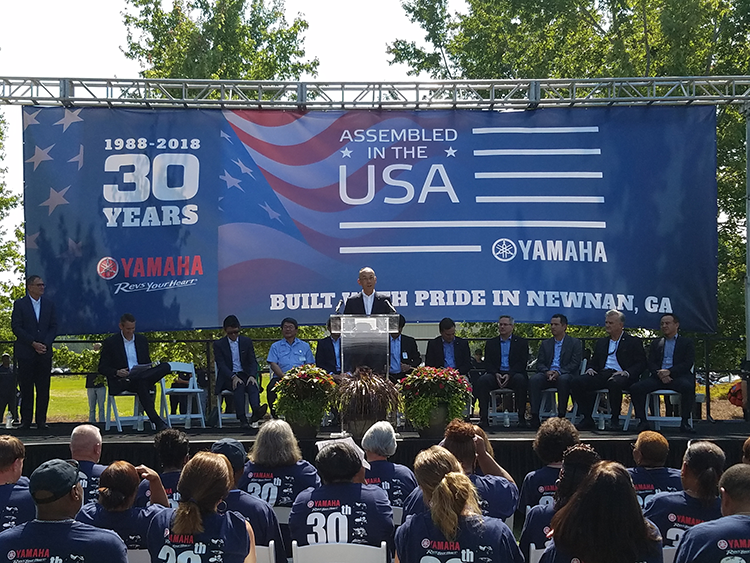
It’s an impressive feat to have weathered the storms of rising and falling economies, and the Yamaha Motor Manufacturing Corporation of America (YMMC), and it has been able to stand strong during the highs and lows these past 30 years. Clearly enjoying the newest boom (the largest economic upturn in the last quarter century, YMMC recently announced its celebration of 30 years of American manufacturing in its Newnan, Georgia facility; the very plant where all WaveRunners are assembled and built – which The Watercraft Journal was uniquely allowed to tour and photograph recently.

Here’s Yamaha’s original press release:

Yamaha Motor Manufacturing Corporation of America (YMMC) and Yamaha Motor Corp., USA, (YMUS) are celebrating 30 years of U.S. manufacturing at the Newnan, Georgia, facility.

Throughout the three decades as a leading manufacturer based in Georgia, YMMC has produced more than 3.5 million vehicles including ATVs, SxS vehicles, golf cars and watercraft for worldwide distribution. For years, Yamaha’s Assembled in USA brand has represented the highest standards in powersports manufacturing and the thousands of U.S. jobs that Yamaha’s local manufacturing supports.

“Yamaha’s U.S. production ensures the legendary quality and reliability that people expect from Yamaha, while also providing a high level of responsiveness to U.S. market demands and streamlined U.S. distribution,” said YMMC President Mike Chrzanowski. “Thirty years and 3.5 million vehicles is something to celebrate, but we’re also looking forward to the future as Yamaha continues to innovate and develop new products for powersports enthusiasts in the U.S. and around the world.”

Over the past 15 years, Yamaha has invested more than $354 million to create and maintain a state-of-the-art, 1,355,000 square foot facility in Newnan, while ensuring top-quality products are built in a safe and environmentally responsible manner.

“YMMC is committed to the highest quality and safety standards for our employees, our community, and our customers,” Chrzanowski said.

Of Yamaha’s approximately 3,400 U.S. employees, more than 1,500 people are directly employed at its YMMC factory. The factory is ISO9001 Quality Management System and ISO14001 Environmental Management System certified.

To learn about Yamaha’s full lineup of vehicles assembled in the USA, visit: Yamaha Motorsports. Follow Yamaha Motor on  FacebookTwitter and Instagram. 

Video: Solution To Pink Stains On Your Seats

0

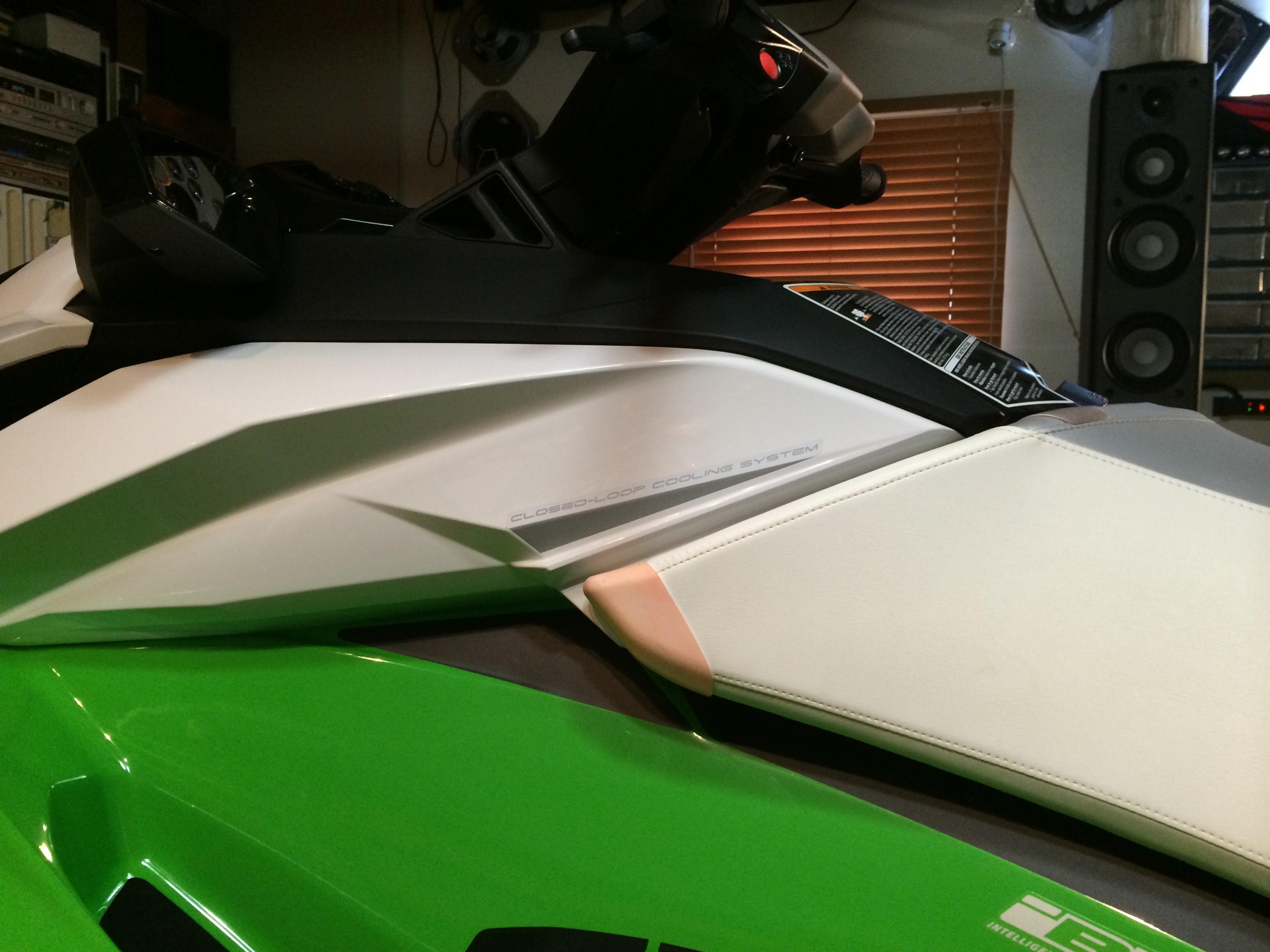
There has been an upholstery discoloration that has been plaguing the boating community for a long time. This pink discoloration as it turns out is actually due to bacteria that generate into and within vinyl seats and materials.

Doing a quick search through various personal watercraft forums and we can see that this problem is not only prominent on boats but personal watercraft owners have been frustrated with the same problem as well.

Traditionally there has never been a proper solution to removing these stains from white seats short of using harsh chemicals and solvents which can damage and do more harm than good. Well now there is a proper solution to getting rid of these nasty stains and turning your seats back to white again.

Gestalt Scientific has finally proven a solution that works. The idea is to use what they call a Halotron. It is basically a controlled narrow spectrum light device that aims at the stain. Along with a treatment agent applied to the vinyl, the light penetrates the fabric and removes the stains.

This device currently can only be used on white colored vinyl so if you have colored fabric, chances are it is either not a pink bacteria problem or this process simply will not work.

Since the original system uses a series of lights and treatment agents, you either must have all of the hardware which is not cheap or you must find a dealer who has this hardware and will simply charge you a service fee to remove your pesky stains.

Although we do not currently see anything listed on the Gestalt website stating so, there is apparently a new DIY home treatment solution being offered. This liquid solution could be a more cost-effective treatment method for those who may just have a small stain and don’t need to pay to visit an authorized dealer.

Help Catch Whoever Vandalized WatCon’s Vintage ’65 G-Series ChevyVan

0

We’re both big fans of classic American automobiles and WatCon, here at The Watercraft Journal, and today’s post is particularly painful if you share these same two interests. John Zigler, owner of WatCon and Rock County JetSki awoke two days ago to discover some subhuman had “tagged” his 1970’s themed ’65 G-Series ChevyVan (it was marketed as one word when first introduced in 1964). The bright red panel van had become synonymous with Rock County JetSki, as it was a near-permanent fixture in front of the shop.

Standing at a slight rake on magnesium “slot” wheels wrapped in white letters-out radials; “side dump” exhaust tips jutting out below the rockers, ending directly in front of the rear axle; and a bubble “opera” window cut into the sides, Zigler’s van was pretty damn groovy.

Zigler made a Facebook post the morning he discovered the vandalism, which wrote: “I need your help! I am just sick to my stomach. Many local people here know my 1965 red Chevy shop van. I came in this morning to find my van has been vandalized overnight. I am asking for all my local friends and other people to help me make this go viral; I am offering a cash reward to anyone that helps lead to the arrest of the person(s) who did this to my little red van. Please share all over. Please contact Janesville Crime stoppers with any information.”

All of us at The Watercraft Journal would like to encourage anyone in the nearby area to help get this scumbag(s) arrested for the damage done to John’s car.

Deal of The Day: ’09 Sea Doo GTX 255 iS Limited at WMF Watercraft & Marine

0

It’s been a while since we’ve heard from our friends over at WMF Watercraft & Marine (located in Millsboro, DE). Last we heard of the dealer, they had become one of the nation’s largest Avalon and Tahoe pontoon boat dealers, they’re still a major dealer for used and pre-owned personal watercraft – be it a Kawasaki, Honda, Sea-Doo or Yamaha.

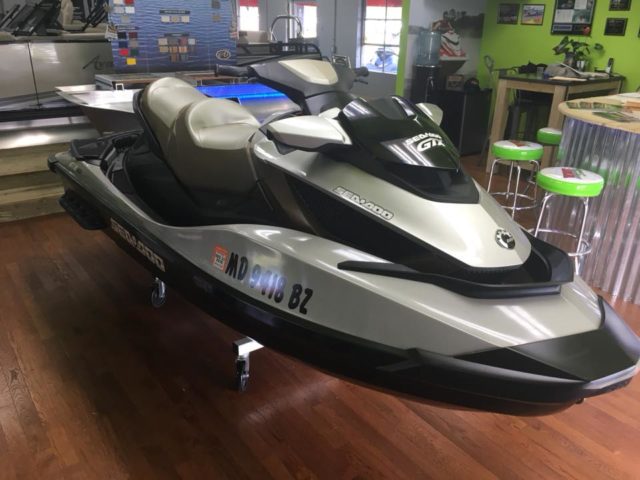
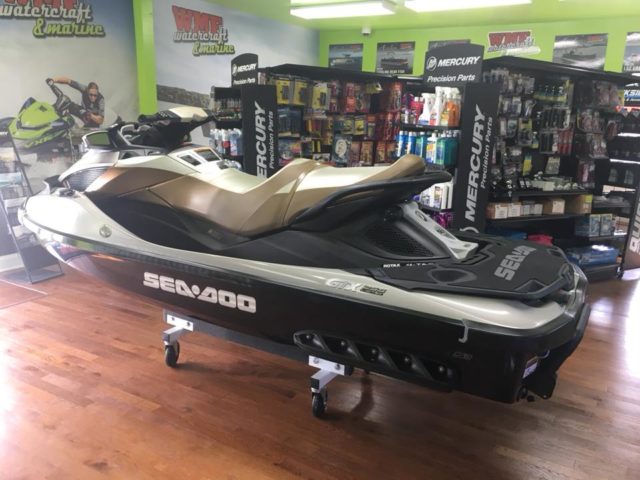
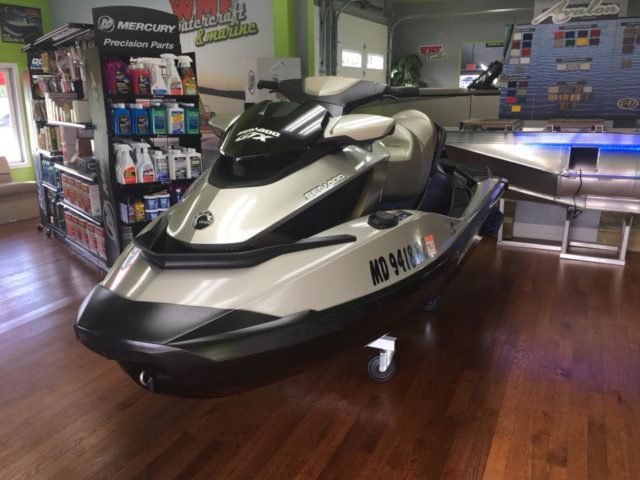
Recently, they listed this very clean 2009 GTX Limited iS 255 that somehow looks like it’s been kept in a hermetically-sealed garage for a decade. Equipped with iControl, Sea-Doo’s advanced digital watercraft management system, interactive gauges, a high performance VTS (Variable Trim System), and single-piece, articulated three-person touring seat.

Beneath the seat is a 255 horsepower Rotax 4-Tec supercharged and intercooled engine with a scant 62 hours on the clock. Of course, being a 2009 model, this GTX was the first to feature Sea-Doo’s Intelligent Brake and Reverse (iBR), Intelligent Throttle Control (iTC) and all aboard the then-new S3 hull.

Add to that Sea-Doo’s retractable mooring lines and the love-it-or-hate-it Intelligent Suspension (iS) system (we personally loved it), this GTX Limited 255 iS is a super cool (and rare) machine worth a second look at. Oh yeah, and WMF will throw in a trailer and cover all for $8,999.

2018 Sea-Doo GTX Limited 300 Wins “Ski of The Year” By WCSS & PWCToday.com

0

We here at The Watercraft Journal like to wait until the end of the calendar year to award a new watercraft the title of “Watercraft of The Year;” particularly as we weigh the unit’s reception to the industry, sales, impact on new product and the industry as a whole. So it’s a little early (in our view) to fire up the ticker-tape parade as Watercraft Superstore’s latest catalog announced the 2018 Sea-Doo GTX Limited 300 as the “Ski of The Year.”

Now, that is not to say that the new GTX Limited isn’t worth some serious praise, but understand that it was judged against a ’18 Yamaha Cruiser SVHO only. No ’18 Kawasaki Ultra 310LX was present for review, and WCSS was only judging top-of-the-line luxury models this year. That being said, the GTX Limited 300 is a phenomenal addition to the Sea-Doo lineup for 2018. We definitely think it’s an awesome machine, as outlined in our review from half a year ago.

Nevertheless, Sea-Doo is quite enjoying the praise (and rightly so), and issued an announcement acknowledging such. The original press release wrote:

Valcourt, QC, June 12, 2018 – BRP (TSX:DOO) was awarded another accolade for the Sea-Doo GTX Limited as the new watercraft was named ‘Ski of the Year’ by the Watercraft Superstore and PWCToday.com. The new Sea-Doo GTX Limited was also named Best in Class among all luxury watercraft and comes on the heels of winning the National Marine Manufacturers Association (NMMA) Innovation Award. The luxury flagship GTX Limited model redefines the premium personal watercraft with extended capabilities that enhance the rider experience.

“Kudos to Sea-Doo for rethinking the limits of a personal watercraft,” noted Watercraft Superstore/PWCToday.com. “In the end, Sea-Doo’s comfort, ergonomics and abundant features (on the GTX Limited) carried the day,”

“We are honoured to have the Sea-Doo GTX Limited named watercraft of the year, ” said Marc R. Lacroix, Global Marketing Director for Sea-Doo and Ski-Doo at BRP. “The GTX is a new benchmark in the luxury segment thanks to the new 3-seater platform that delivers an enhanced experience onboard.  Customers are truly delighted with this new for 2018 model.”

The revolutionary new platform on the Sea-Doo GTX Limited delivers a premium on-board experience. Ground-breaking innovation is found throughout, including three industry firsts: a cargo compartment designed for easy access from a seated position, a waterproof Bluetooth sound system, and modular LinQ accessory system. The GTX Limited also has industry-leading stability and control for the best experience both at speed and at rest.

For more information on the award-winning Sea-Doo GTX Limited and full line of Sea-Doo watercraft, accessories, and riding gear, visit sea-doo.com and follow us @brpseadoo.

Start Your Project Sea-Doo Right With SBT’s Premium Sea-Doo Rotax

0

As EFI tuning and supercharger technologies continue to improve and expand, many performance-minded personal watercraft enthusiasts are looking towards building unique hot-rodded engine applications. Most tuners and builders are left yanking a worn-and-weary 215 or 255-horsepower Rotax 4-tec, tearing it down, assessing the damage and rebuilding the 3-cylinder before even modifying it! What a waste of time and resources, especially when SBT’s ready-to-run crate engines for Sea-Doo include all new crankcases, cylinders, cylinder head and internal components. Heck, they even include the valve cover!

Part of SBT’s all-new no-core crate engine program, every single one of these engines is dyno-tested before leaving the SBT factory. That means your engine will come with its own dyno sheet, listing the engine’s true performance throughout the torque curve. Manufactured completely in the USA, SBT’s Premium Engines are a perfect replacement for a stock-application 215 or 255 Sea-Doo, or like we mentioned, the performance enthusiast looking for a clean, proven powerplant from which to build their 100-mile per hour Hydro-Drag class winner!

And if you’re just looking to swap out a high-hour Rotax, all of SBT’s Premium Engines come with a warranty! Of course, the minute you swap out some big injectors, a high-boost supercharger or plumb in a couple stages of nitrous then you’re outta luck, bub. Priced at $3,395, SBT has gone through great pains to cast and machine all-new components that not only meet but exceed factory specs, and thereby offer a truly stout and “premium” performance engine. Check ’em out HERE.

Real Review: SoPro First Person Helmet Camera Mount (Video)

0

Riding jet skis is one of the most fun things us motorsports lovers can do. You know something that is almost as good as riding jet skis? Sharing your jet ski riding footage with all your friends, social media followers, and a personal favorite – unsuspecting coworkers and strangers.

With the action camera boom we can now experience our amazing rides, slides, crashes, and antics over and over again in the comfort of our living room. Slashing the lip of a perfect wave, dragging elbows around race course, backflipping for the first (or hundredth) time, going for the clean pass, and analyzing mistakes – all priceless footage that defines you.

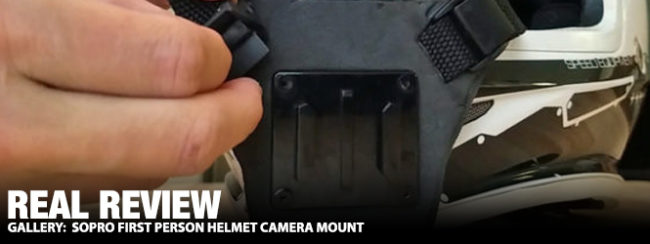
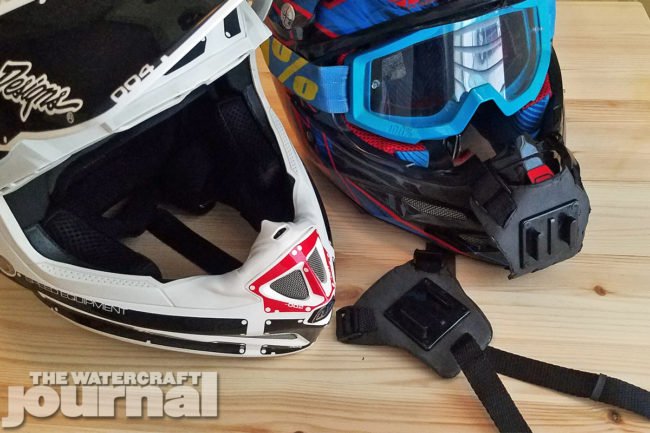
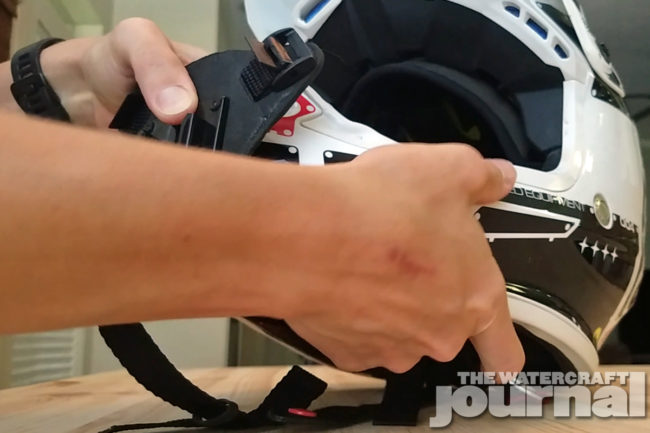
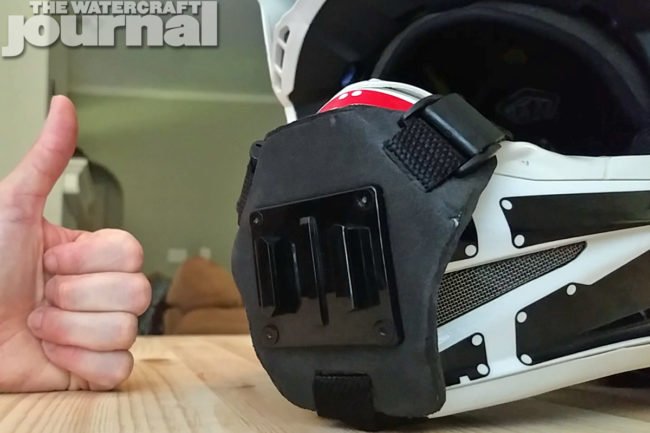
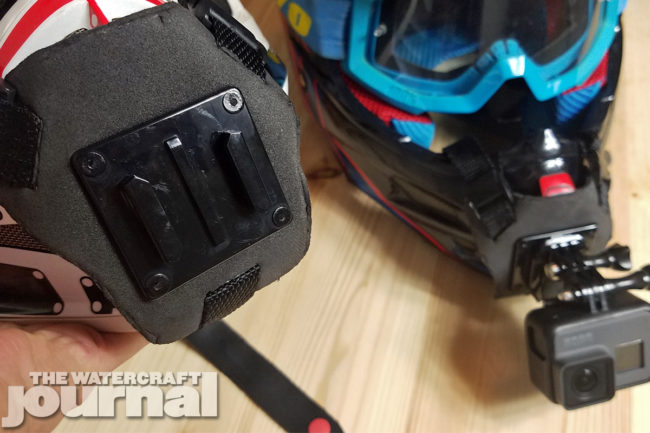
However, nothing kills the vibe more than an awkward piece of helmet blocking part of our glorious high definition footage. A SoPro action camera full face helmet mount eliminates that issue by providing a first-person view from the chin of your helmet. It sees exactly what you see so no more lost shots from fixed cameras.

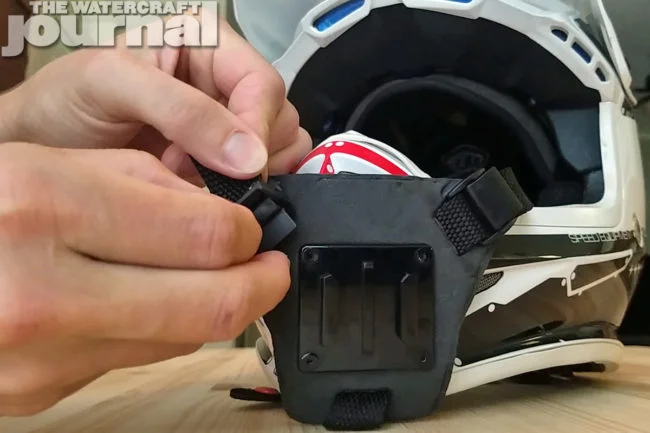
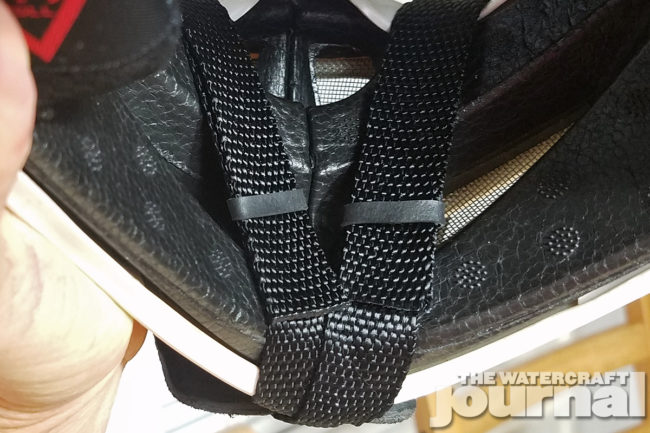
For $39.95 the SoPro mount boasts high quality build materials like aircraft grade aluminum, neoprene foam, ABS plastic, and sturdy nylon straps. The modular strap and plate design allows the mount to interface with almost infinite shapes of full face helmet chin bars. The camera interface utilizes the very secure GoPro style clip in mount, but any camera that uses the GoPro style mount can be used.

I’ve personally had some high speed crashes and failed backflip attempts while wearing the SoPro mount with no ill effects to the camera, my helmet, or myself. The bottom line is yes, there are cheaper helmet mount options out there, but why risk losing your camera over a few dollars.

These HD action cameras these days probably cost more than your first high school car so keeping them from flying off your helmet is important. If you are riding hard enough you will crash. Catch all of the action with the comfort of knowing your camera is safe. Adhesives and suction cups can and will come off at some point, no arguing with the security SoPro mount’s aluminum plate and nylon straps.

Another great reason to have the camera mounted on the chin bar is improved audio. If you are like myself and enjoy motovlogging (motorsports-based vlogging, basically chatting with the camera while you ride), the camera’s microphone picks up your voice better than mounting the camera on the top or side of the helmet.

Pros

  • First-person view so the camera sees what you see
  • Modular and universal, if you have a chin bar you are good to go
  • No modification needed to your helmet
  • Easy and intuitive to install
  • Can hold more weight than average chin mount, heavy cameras and gimbals are all game
  • Secure and stable for high speed, intense riding and crashes
  • Improved voice recording with camera placement in front of your mouth

Cons

  • Price is high in comparison to other, less secure mounts
  • Make sure straps are secured with the rubber straps, otherwise they can flap as you increase your speed

Expand and share your riding with the SoPro action camera helmet chin mount. Secure, easy to install, and has the best view in the house. Get yours today directly from SoPro’s website or from SoPro mounts on Amazon.

Case of The Mondays: JetKart is The Single-Seater RXP-X 300 You Want Right Now

1

Caution: There’s no way that you’re going to be able to ride this thing and not be soaked to the bone. And in seeing this 300-horsepower machine in action, we kinda don’t even care.
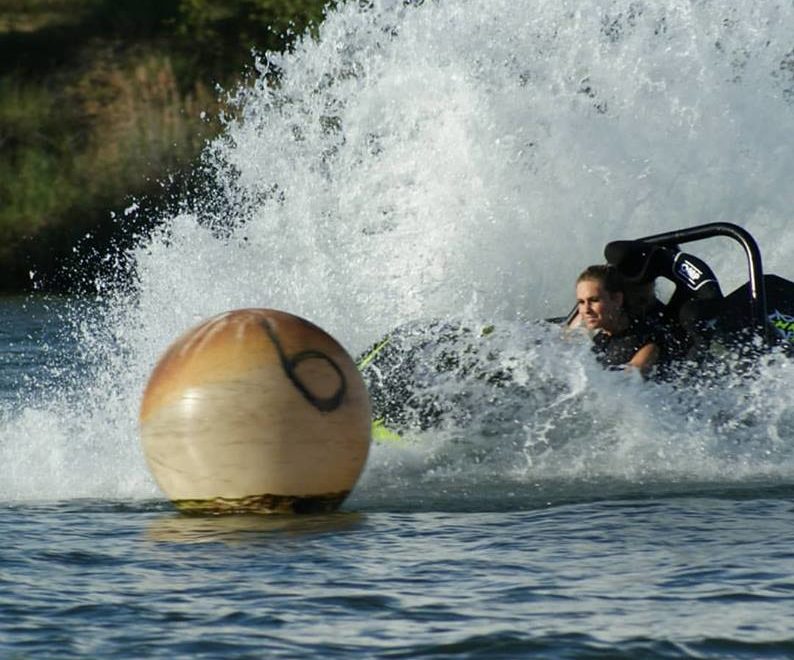
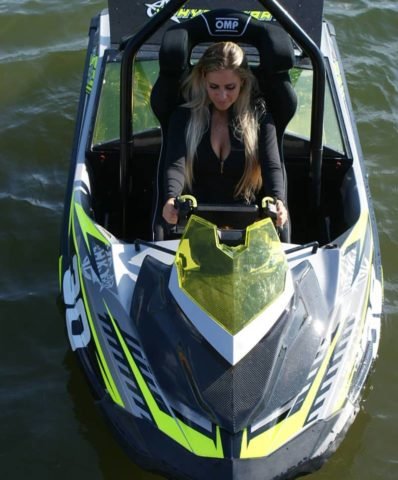
And yes, your eyes are not deceiving you: you’re looking at a single-seater Sea-Doo RXP-X 300 that has been split at the bondline, reconfigured and rebuilt as a low-slung, race-kart-inspired machine.

Jetkart wrote, “The Jetkart is a product intended for everybody (as well as the paraplegic people) to reach the water sport to motorize and to promote competitions on a circuit of jet ski.”

Thus far, the Jetkart is in its primary testing and fine-tuning stages, with modifications being made to the cockpit and controls, which also utilize a large portion of the X-Steering system, giving new meaning to the old adage, “We use every part of the buffalo.”

After separating the hull from the deck, Jetkart rearranged the powertrain layout to accommodate the body-hugging race seat and four-point rollcage (similar to those seen on large flat bottom race boats). As mentioned; the handlebars and gauge cluster are reconfigured into a more traditional-looking cockpit, all giving the craft an exceptionally low center of gravity.

Although still being tested, Jetkart has opened the craft for some private testing. One such was Boyadjian Jérôme who gave the Jetkart a test. He wrote, “It’s very impressive to [cruise] more than 110 km/h being so close to the water! [The] sensations are unique, [like] flying. [It’s] extreme [in the] curves at an amazing speed! Bravo David [on] a new successful concept!”

In Brief: 2018 Sea-Doo Wake Pro 230 (Video)

2

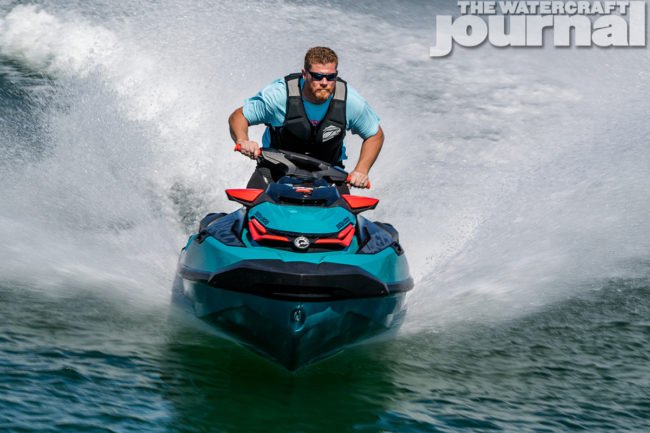
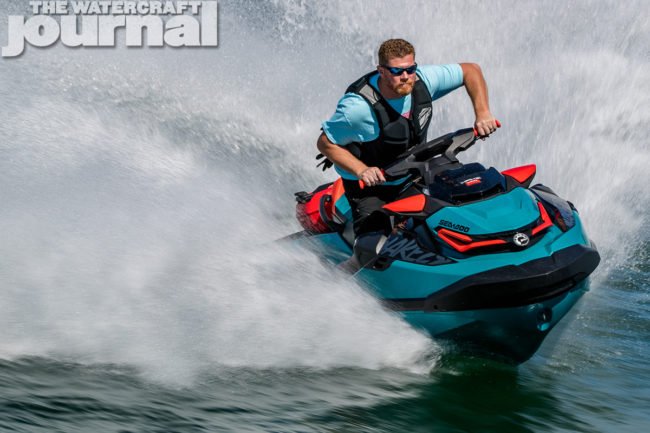
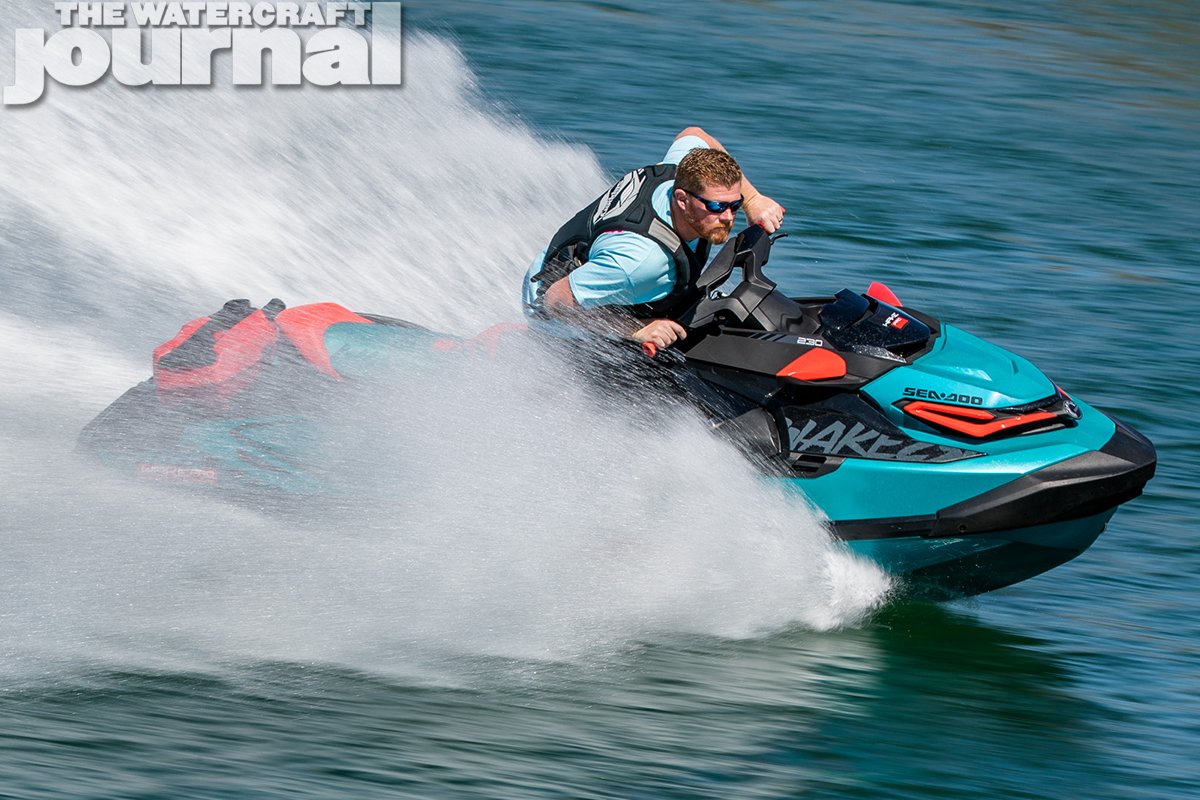
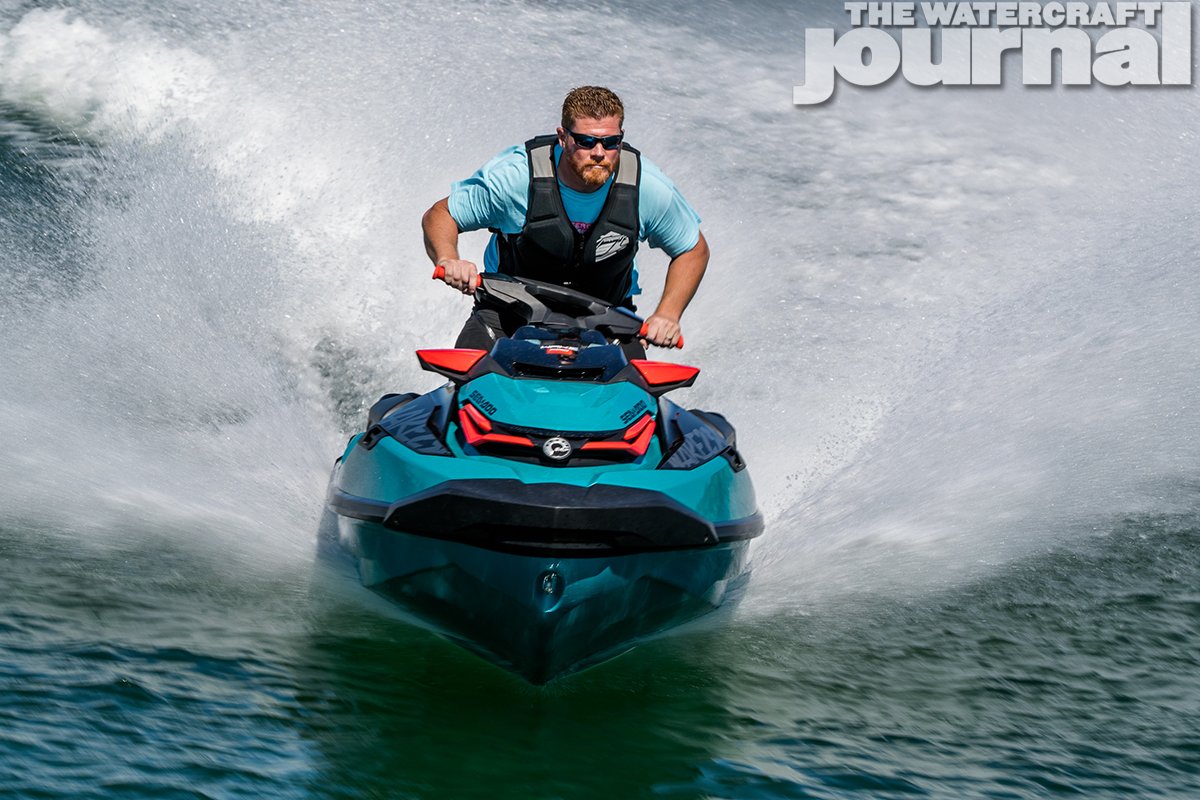
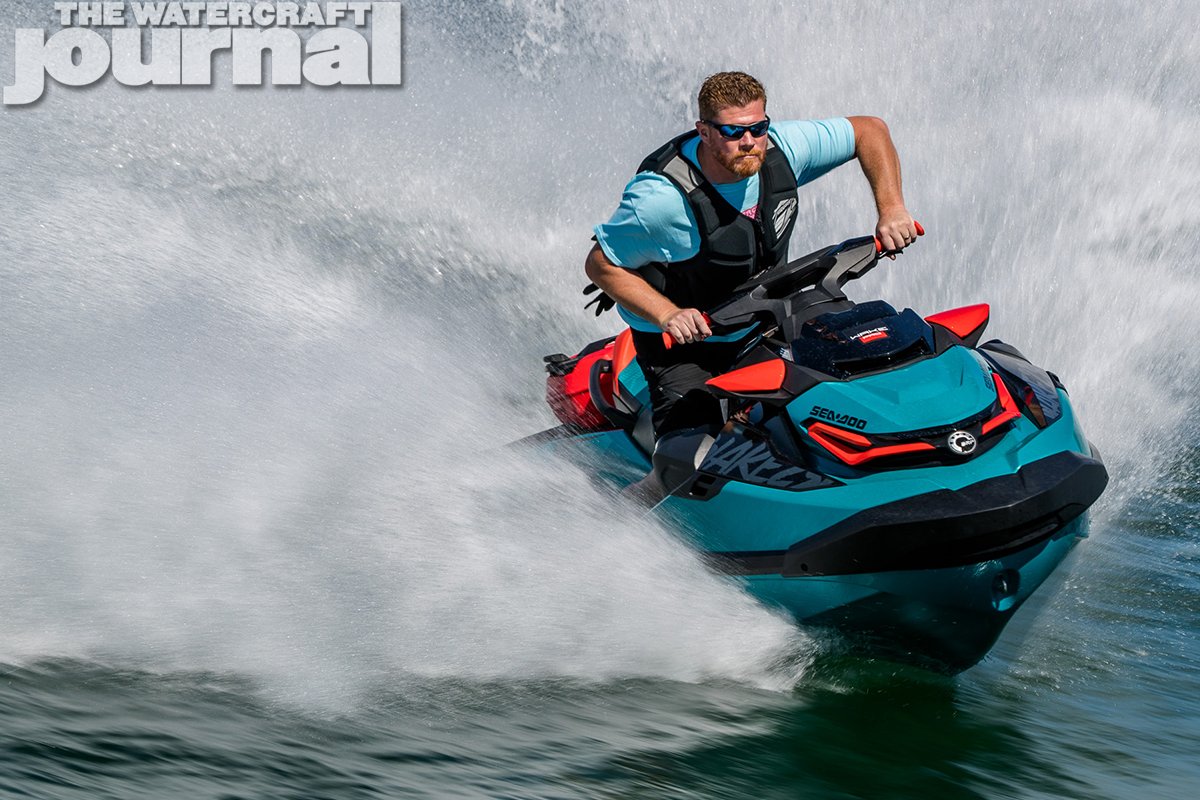
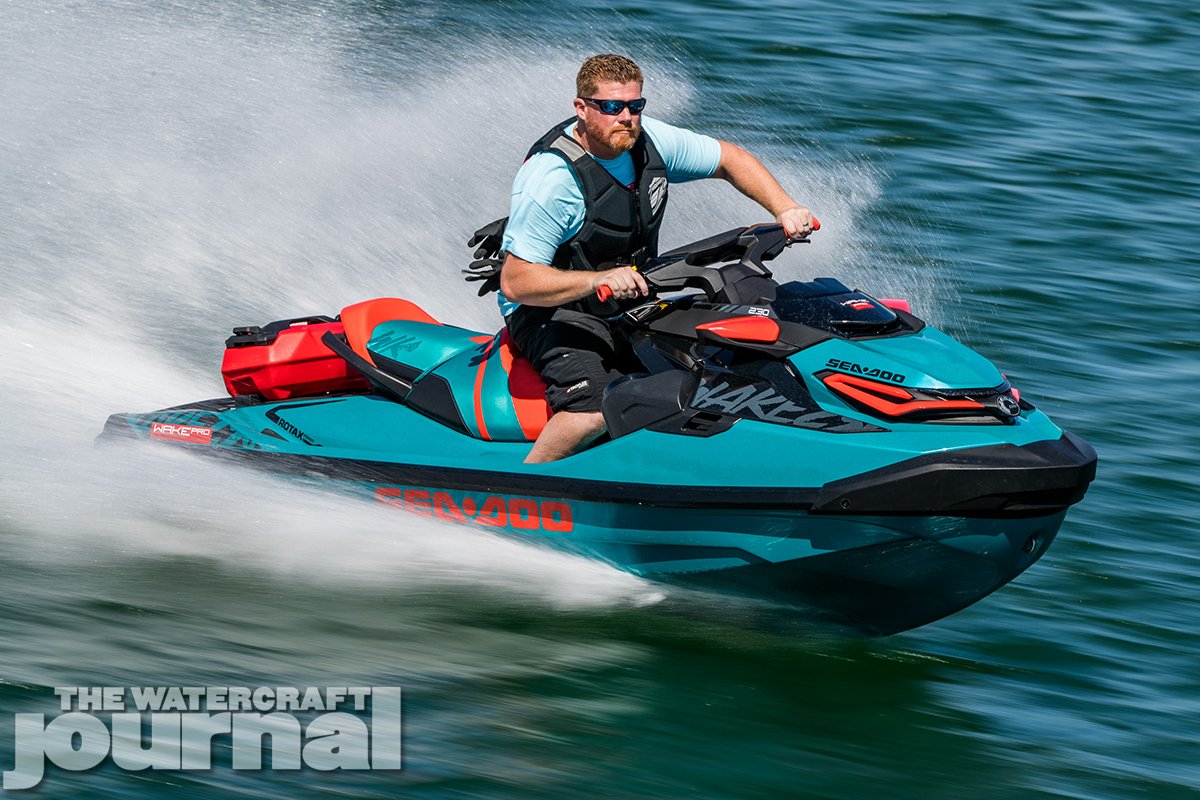
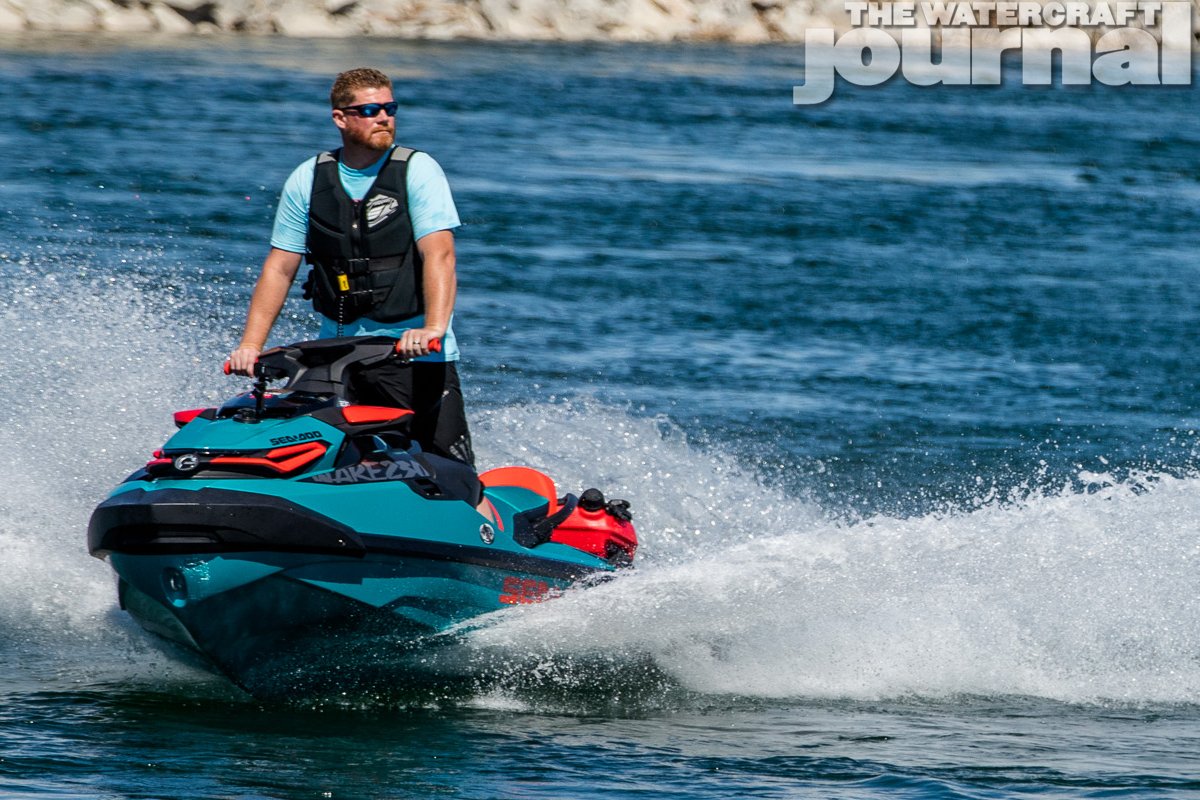
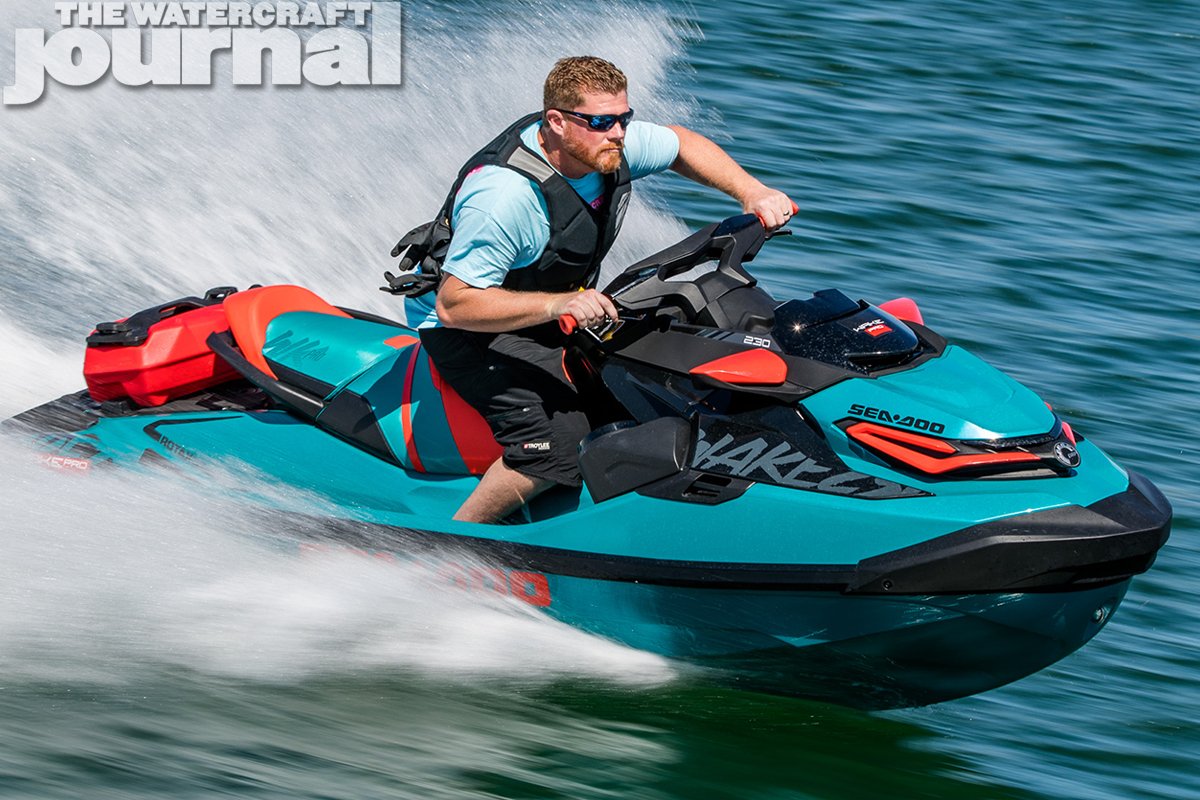
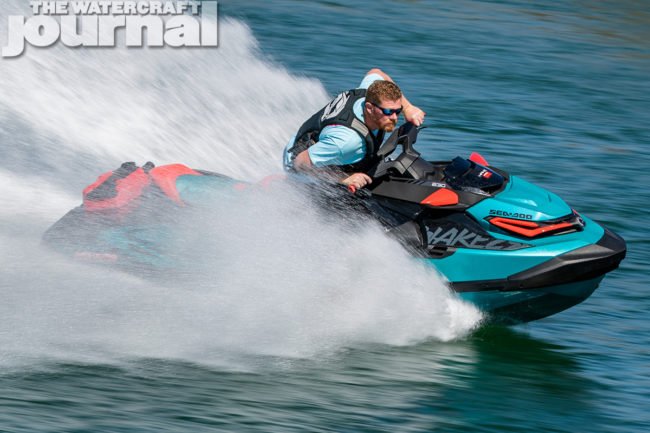
Typically, our full-length personal watercraft reviews are…well, a little more lengthy. Admittedly, we had only a few hours aboard the all-new 2018 Sea-Doo Wake Pro 230, and while so much of the runabout is more or less identical to the RXT 230 and the GTX 230 – save for major features specific to the Wake Pro models, which we will discuss shortly – we didn’t feel it right to fluff and repackage a previous article as being something woven from whole cloth. (Particularly as we did zero towing with the Wake Pro 230.) So with the preamble out of the way, let’s share our excitement for the this machine:

To begin, the Wake Pro 230 rides on Sea-Doo’s all new ST³-platform. Pulling heavily from the popular-yet-9-year-old S³ platform, and a large portion of RXP-X’s T³ hull, the ST³ hull and deck are made using Sea-Doo’s CM-Tech (Closed Mold Technology). This not only alters how Sea-Doo makes its watercraft, but also permits for better automotive-grade paint finishes, as well as eliminating the irritating fibrous texture on the inside of the engine compartment – leaving only a smooth, somewhat chalky surface in its stead. The new machine is 135.9-inch long, 49.4-inch wide runabout that weighs in at 815-pounds (making it shorter and lighter than last year’s Wake Pro 215).

While the use of CM-Tech does manage to shave a little bit of weight, Sea-Doo Watercraft Global Product Manager James Heintz explained, “Most of the weight savings is attributed to the new sectioned two-piece seat. Gone is the big, heavy single-piece seat [that pivoted on a gas strut-powered hinge], replaced with this lighter two-piece seat that can be removed for single-person riding, or for lounging on the rear platform.” The new seat features the brand’s best iteration of Ergolock, sitting the rider and passenger deeper into the ski, 1.5-inches for the driver, and 3-inches for the rear passenger.

Of course, the 1,494cc four-stroke, 3-cylinder ACE 1500 is a perfect fit for the new hull, and includes some minor upgrades for 2018: a simplified CLCS (Closed Loop Cooling System), a more thermally-efficient ride plate, a larger oil cooler, and a sacrificial anode in the intercooler are all new for 2018. Producing 230 worth of supercharged horsepower, the Wake Pro 230 has little trouble reaching a top speed of 68.6mph. Best of all, performing minor services like oil changes requires removing just the driver’s seat; yet, for bigger jobs, a major engine access panel (held on by 13 torx head screws) reveals a massive access window into the cavernous engine compartment.

Interestingly, the same panel also incorporates both the ski tower screw-cap portal and LinQ system, including the attachment points for the sectional seat. Sea-Doo’s new LinQ system is new for 2018 and borrows heavily from BRP’s Can-Am and Ski-Doo categories: the LinQ system allows for the attachment and securing of a triad of accessories: a 4-gallon fuel can; a semi-rigid, 5.5-gallon storage bag; or a 4.2-gallon ice chest. (Each sold separately through Sea-Doo’s accessory line.) Moreover, the storage bag can attach atop the fuel caddy (nothing goes on top of the cooler). Each item is mounted to the deck via two pop-up attachment blocks that also can be snapped down for a flat surface.

And of course, there is a provision for the telescoping Wake tower for better towing of skiers and tubes. Included in the Wake package is the Speed-Based Ski mode (offering the pilot a series of acceleration curves to best launch a towable or skier), and the removable wake board rack – not to mention the exclusive Teal Blue Metallic and Lava Red colors and decals. The ST³ now offers an absolutely massive new deck, 366-square-inches worth. It’s also flat, only ever-so-slightly sloped downward, and terminates in a plastic molded-in tow eye hook and cleat combination.

Finally, the biggest feature on the new platform in Sea-Doo’s Direct Access Front Storage; a giant 27-gallon single basin located directly beneath the cockpit’s control panel. This integrates the 5-position tilt steering (which features completely redesigned toggle pads allowing for scrolling through Sport and Eco modes, and the high performance VTS settings). The analog-and-LCD digital dashboard; two heavy-duty hood release locks; and a smaller, secondary watertight, padded cell phone case. And while not standard equipment, Sea-Doo’s 100-watt BRP Premium Audio sound system – consisting of two 50-watt pressure washer-safe, all-weather speakers with an external playback control pad – is the world’s first Bluetooth-controlled PWC audio system. It’s a $700 option, and absolutely worth every penny.

Priced at $14,699, the 2018 Sea-Doo Wake Pro 230 is certain to be one of the more popular choices for folks looking for supercharged performance (but maybe not top of the line horsepower) from a full-sized 3-seater runabout, and who love radical paint schemes. Sure, an anemic 15.9 gallon fuel capacity leaves much to be desired – particularly if you’re looking to avoid multiple trips to the fuel dock – and we’ve found a little bit of premature wear-and-tear at a few spots, but the ST³ platform and its third-generation Ergolock seat is easily one of the most comfortable cockpits on a PWC to date. Toss in some pretty solid rough water handling, and you’ve got a one-two punch that is sure to draw folks in.

[Many complained about previous episodes of “Long Haul” being “too produced” with distracting music, voiceover and other quality production efforts. So we just uploaded a snippet of GoPro footage below. Enjoy. -Ed.]