
Home Blog Page 3

Farthing Racing Partners with Jason Dietsch Trailers to Bring Race-Ready Hauling to IHRA Circuit

0

When Dustin Farthing talks about growing personal watercraft racing, he doesn’t just mean faster lap times and deeper fields. He means sponsors on the rig. He means trailers people can actually buy. He means a race weekend that looks, feels, and functions like a professional motorsports event from the moment the haulers roll in.

Farthing Racing’s newly announced partnership with Jason Dietsch Trailer Sales is the latest proof that the vision is more than talk.

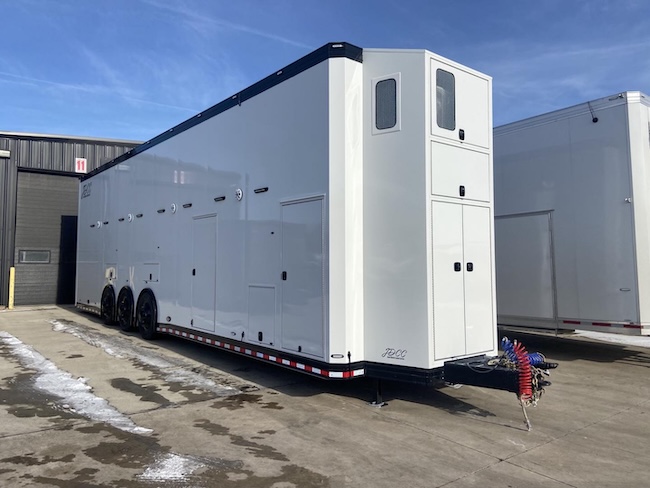
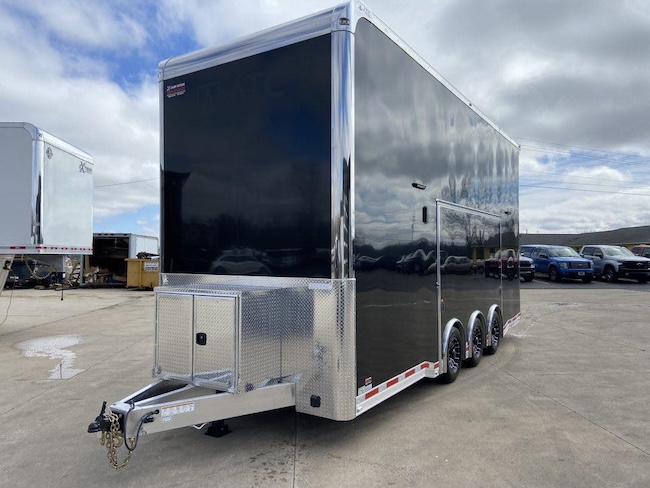
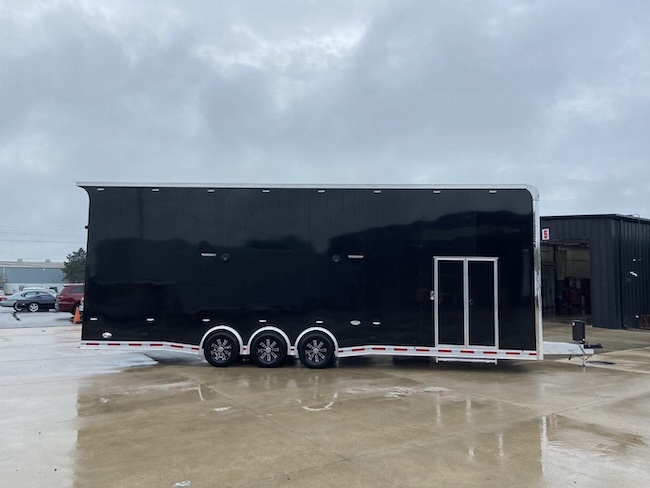
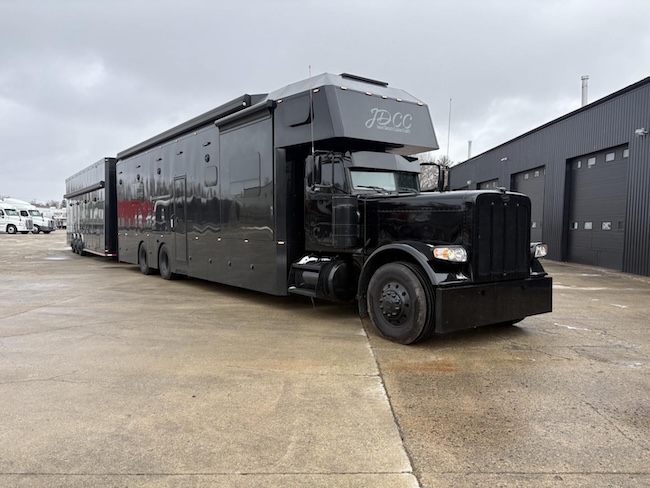
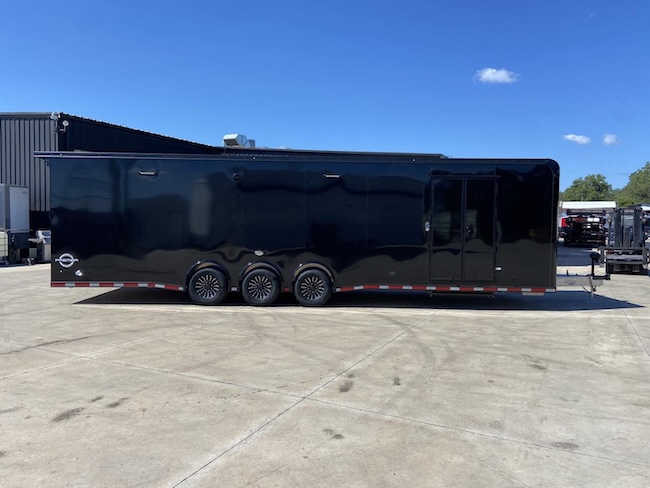
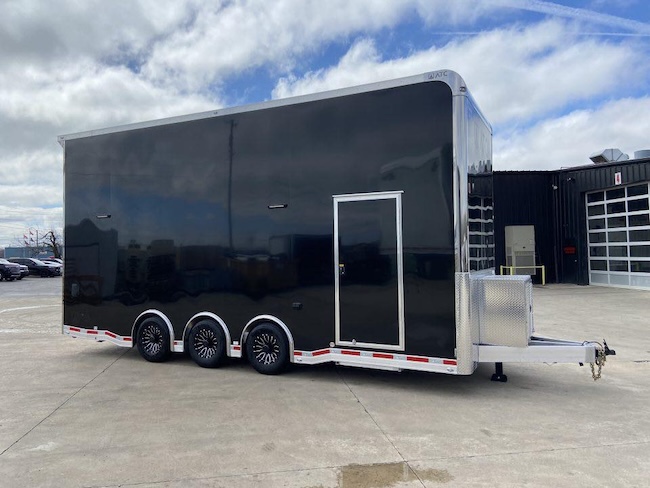
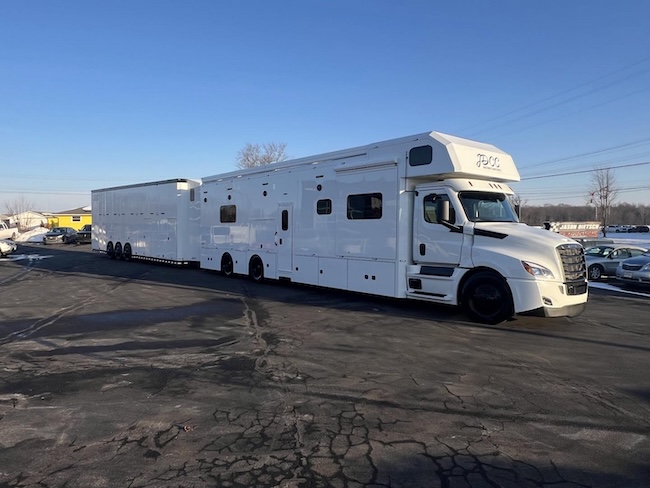
Beginning immediately, fans and competitors will see the Jason Dietsch Trailers unit on full display at every IHRA event — a purpose-built custom rig that is a rolling display — part sponsor activation, part mobile dealership — giving racers, teams, and fans a ground-level look at what Jason Dietsch brings to the table in custom and production trailer builds.

It also brings something the PWC racing world has been working to attract for years: a major industry partner whose core business isn’t PWC-specific.
That distinction matters. Racing has always had endemic sponsors — the jet ski manufacturers, aftermarket parts suppliers, and industry insiders who show up because they’re already in the water. Those relationships are essential. But the path back to national sport status — the kind of recognition IHRA’s platform is designed to support — runs through the brands that don’t already have a reason to be there. When a company like Jason Dietsch Trailer Sales, which serves the broader motorsports, commercial, and recreational trailer market, sees value in PWC racing, it signals something real is happening.

Farthing has been one of the most decorated names in the sport for decades, accumulating world championships and building a team that operates at a level that justifies that kind of attention. But his role in the current era goes beyond the starting line. As a driving force behind the IHRA Professional Watercraft Series, he’s been working to build the commercial infrastructure — the sponsorships, the professionalism, the ecosystem — that sustained growth requires.

“This is exactly the type of partnership that elevates the entire sport,” Farthing said in the announcement. “Jason Dietsch Trailers represents quality, reliability, and performance — values that align perfectly with what we’re building at Farthing Racing and across IHRA.”

He’s not wrong about the alignment. Anyone who’s worked a race weekend knows that the logistics conversation starts long before the ski hits the water. Tow vehicles, trailer configuration, pit layout, fuel and equipment access — the infrastructure side of racing is unglamorous and absolutely non-negotiable. A partner who specializes in that space and brings it into the tent of PWC racing isn’t just adding a logo to a hull. They’re helping get teams and equipment safely across the country every weekend — and in a sport built around constant travel, transport matters almost as much as horsepower.

Jason Dietsch Trailer Sales operates out of locations in Ohio and Mississippi with nationwide delivery, and carries inventory ranging from stock units to full custom builds designed for motorsports use. Farthing Racing is encouraging competitors and fans to stop by at IHRA events to explore available inventory — and is offering IHRA-specific pricing for anyone who mentions the team.

“This is how we grow,” Farthing added. “Strong partnerships, real value for racers, and a shared vision for where this sport is going.”

The full press release is below.

FARTHING RACING ANNOUNCES NEW PARTNERSHIP WITH JASON DIETSCH TRAILERS
Expanding the Future of PWC Racing Through Strategic Industry Alignment
Farthing Racing is proud to officially announce a new sponsorship and partnership with Jason Dietsch Trailer Sales, marking another major step forward in the continued growth and professionalism of personal watercraft racing under the IHRA platform.
This partnership brings one of the most respected names in the race trailer industry directly into the heart of the PWC racing connecting teams, and fans with high-quality, purpose-built transport solutions designed for motorsports at the highest level.
Beginning immediately, fans and competitors will be able to see the all-new Jason Dietsch Trailers unit on full display, traveling with Farthing Racing and being pulled behind the Newell coach at every IHRA event across the country. This rolling showcase will give racers and teams a firsthand look at the craftsmanship, innovation, and inventory Jason Dietsch Trailers has to offer.
“This is exactly the type of partnership that elevates the entire sport,” said Dustin Farthing. “Jason Dietsch Trailers represents quality, reliability, and performance, values that align perfectly with what we’re building at Farthing Racing and across IHRA. Bringing partners like this into our space not only benefits our team but creates real opportunities for racers and the industry as a whole.”
Attendees are encouraged to stop by throughout the race weekends to:
* Check out the latest trailer builds and custom options
* Explore available inventory ready for immediate purchase
* Connect directly with the Jason Dietsch team
This collaboration represents more than just a sponsorship, it’s another major step in building a stronger commercial ecosystem within personal watercraft racing. By aligning with industry-leading brands, Farthing Racing continues to open doors for new sponsors, elevate the experience for racers, and drive long-term growth across the sport.
“This is how we grow,” Farthing added. “Strong partnerships, real value for racers, and a shared vision for where this sport is going.”
Farthing Racing is one of the most successful and recognized teams in personal watercraft racing, backed by decades of championship performance and industry leadership. With a focus on innovation, professionalism, and growth, Farthing Racing continues to lead the evolution of the sport both on and off the water.
About Jason Dietsch Trailer Sales
Jason Dietsch Trailer Sales is a premier trailer dealership offering a wide range of high-quality trailers, custom builds, and inventory designed for motorsports, commercial, and recreational use. Known for exceptional service and industry expertise, they continue to set the standard in trailer solutions nationwide and Jason also own the United Trailer brand.
Check out their entire inventory and let Jason know Farthing Racing sent you for an IHRA special pricing. They have locations in Ohio and Mississippi with delivery nationwide.

Video: Put Down the Hammer – WatCon’s John Zigler Shares the Right Way to Pull a Flywheel

0

If you’ve spent any time in PWC forums or Facebook groups, you’ve seen it. Someone posts a question about a stubborn flywheel and within minutes the replies roll in: hit it with a hammer. John Zigler of WatCon has a message for those well-meaning advisors — please stop.

Zigler, whose YouTube channel Watercraft Talk has become one of the most trusted technical resources in the PWC community, recently posted a straightforward walkthrough on pulling a flywheel from a two-stroke engine — the right way. The technique applies across a wide range of machines including Kawasaki 440, 550 and 650 models, Yamaha 650, 701 and 750s, and many Sea-Doo applications as well.

The hammer advice, Zigler explains, damages flywheel magnets and sends shock through components that don’t need the abuse. His solution is a quality puller — he’s been using the same heavy-duty Lyle harmonic balancer puller for roughly 40 years — proper technique, and patience.

The key steps he walks through: apply anti-seize to the puller threads, make sure your bolts don’t go in far enough to contact the stator coil, and take the time to square your puller to the crankshaft before loading any tension. That last part, he admits, is tedious. But it’s the step most people skip and the one that makes everything else work.

If the flywheel doesn’t pop — and sometimes they really don’t want to — Zigler recommends loading the puller, applying a little heat to the very center hub with a torch, and then just leaving it. Overnight if necessary. More than once he’s come in the next morning to find it sitting on the bench.

“Be patient,” he says, “but please, please, please stop hitting things with hammers.”

Zigler’s WatCon operation at watcon.com is a long-running resource for PWC parts, service and technical guidance, and his YouTube channel is a genuine treasure trove for anyone who turns their own wrenches. If you haven’t spent time there lately, the flywheel video is a good place to start.

Buy a 2026 PWC in May & Broward Motorsports Tosses in a FREE Trailer

0

Sometimes the best deals are the simplest ones.

A couple weeks ago, we told y’all about Broward’s first freebies of the season, when they rolled out a Scarab deal bundled with free Sea-Doo Sparks. It was a pretty aggressive way to kick off spring—and a clear sign they weren’t planning to ease into the riding season.

Now, they’re keeping that momentum going—but shifting the focus squarely onto personal watercraft buyers.

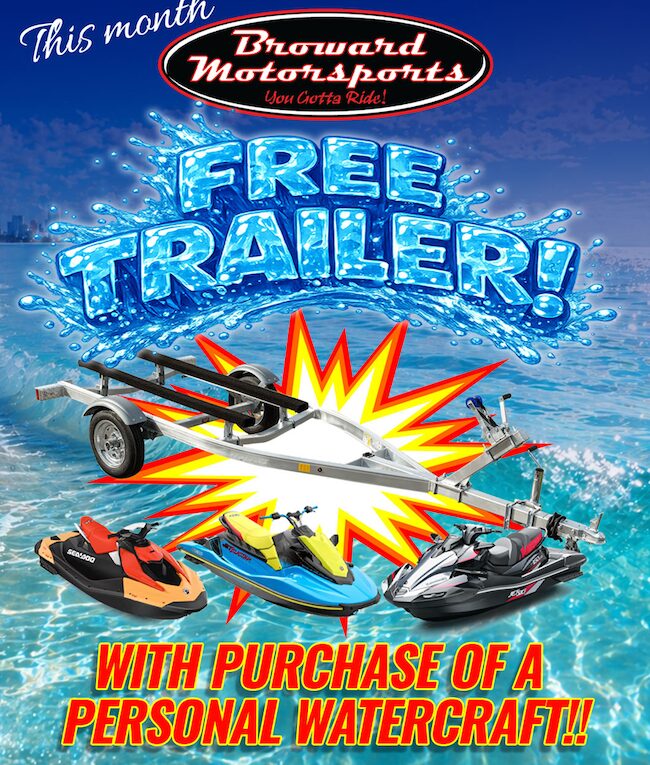
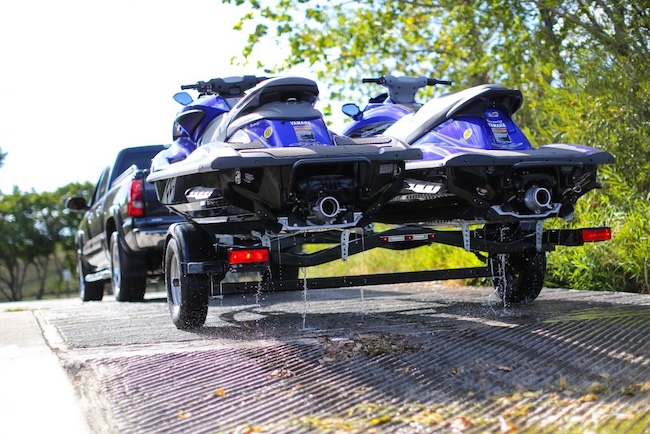
For the month of May, Broward Motorsports is running a promotion that doesn’t require a decoder ring: purchase any new personal watercraft — Sea-Doo, Yamaha, or Kawasaki — and they’ll throw in a free single trailer.

That’s it.

No complicated tiers, no rebate math, no “up to” language buried in the fine print. Just a clean incentive that hits right where a lot of new buyers feel it most.

Here’s why it matters: getting the ski is only half the equation. Getting it to the ramp reliably is the other half — and a trailer is one of those purchases that’s easy to put off until you’re sitting in your driveway wondering how you’re getting to the lake. Broward’s May promotion makes sure that question’s answered before you even leave the showroom.

The deal is running through May 31st at all eight Broward Motorsports locations across Florida, in-store only. It can be combined with current manufacturer offers, though not with other active Broward promotions. Standard fees and restrictions apply — see Broward Motorsports for details — but the bigger picture is worth noting: Broward is leaning hard into value-add promotions right now, doing it in a way that lowers the barrier to getting on the water.

And if this is what they’re doing in early May, it’s probably safe to say they’re not done yet

PWC-Friendly Green River Lake Is Worth a Closer Look

0

A lot of promising-looking water never makes it past the “that would be awesome to ride” stage.

You find it on a map, zoom in, see the coves, the shoreline, the big open basin—and then somewhere in the fine print it turns into the usual reality check: no wake zones everywhere, seasonal restrictions, or the dreaded “no PWC” rule that quietly ends the conversation before it starts.

So when a place like Green River Lake in Kentucky actually clears that first hurdle, it stands out immediately.

This is a roughly 8,000-acre reservoir tucked into central Kentucky, sitting in that interesting middle ground between Nashville and Lexington. Big enough to matter on a ski, but still framed by wooded shoreline, quiet arms, and state park infrastructure that feels built for actual use—not just signage. And more importantly for our purposes: personal watercraft are allowed.

That alone moves it from “nice looking lake on a map” into “worth seriously considering for a weekend run.”

Because once that box is checked, the rest starts to matter in a different way.

Launch access. Water layout. How quickly you can get from a ramp to open space. Whether the lake gives you room to explore or just funnels everyone into the same shared corridor.

Green River Lake checks enough of those boxes to make you stop thinking about it as a static body of water and start thinking about it as a rideable system—ramps, routes, coves, return lines.

It also has something that tends to matter more the longer you ride: flexibility.

You’re not locked into a single loop. You’re not stuck circling a crowded main basin. You’ve got enough shoreline and branching water to break the day into sections—fast stretches, slower exploration, and the kind of drift time that usually ends up being the part you remember most.

The state park side of it only reinforces that idea. Camping, shoreline access, and multiple ways to stage a day on the water mean it’s not just a “launch, ride, leave” location—it’s a place you can actually base out of.

It’s a rare case where the map looks good, the rules don’t immediately disqualify it, and the only real next step is putting it on the trailer rotation and seeing what it actually feels like at water level. Green River Lake has definitely earned a spot on this editor’s own “worth a closer look” list for this summer.

RIVA Racing Pushes the Sea-Doo 325 to 88 MPH With New Stage 3 Kit

0

There’s fast—and then there’s what happens when the Sea-Doo 325 platform gets turned all the way up.

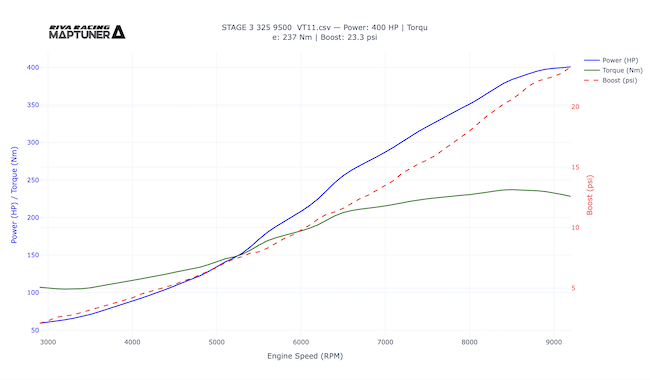
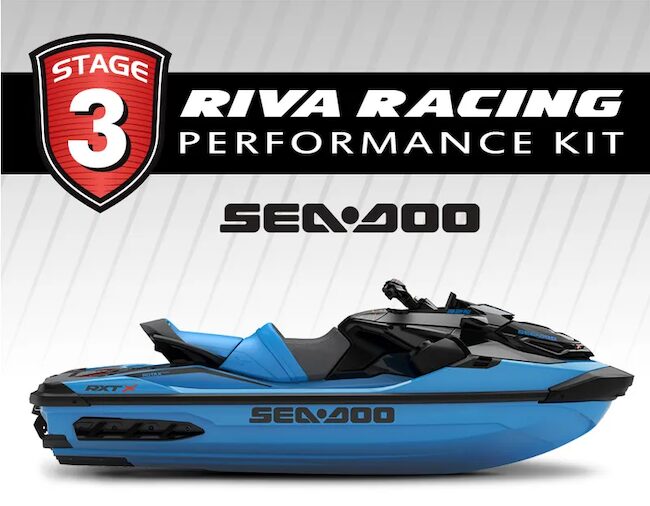
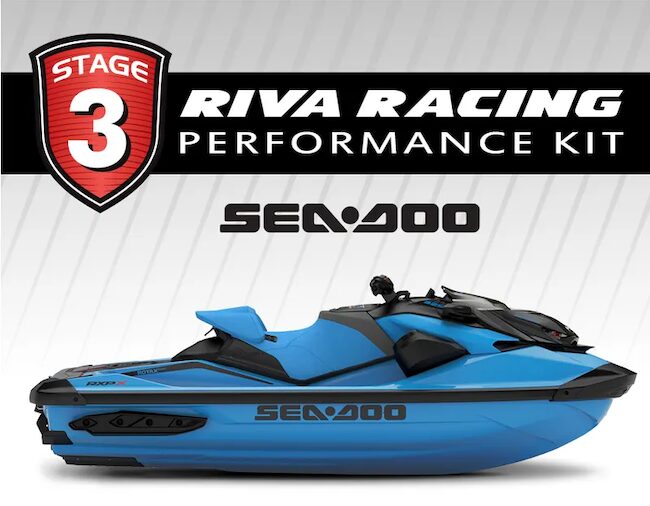
RIVA Racing is leaning hard into the latter with its newly released Stage 3 performance kits for the latest 325-horsepower platforms from Sea-Doo, producing a top speed of 88 mph and roughly 400 horsepower at 9,000 RPM.

That’s not a mild bump. That’s a full personality change.

From 68 to 88 MPH

Out of the box, the current 325-powered machines—like the RXP-X, RXT-X, and GTX Limited—already flirt with the upper edge of factory performance, typically landing around 68 mph (U.S. models). RIVA’s staged approach builds from there:

  • Stage 1: 80 mph
  • Stage 2: 83–84 mph
  • Stage 3: 88 mph

All achieved under controlled test conditions: 75°F air temp, smooth water, neutral trim, and about a third tank of fuel. While real-world conditions will vary, a roughly +20 mph jump puts this firmly in another performance tier.

And notably, it’s all done on 91–93 octane pump fuel—no exotic race gas required.

The Heart of the Package

At the center of the Stage 3 kit is a reworked engine management strategy built around a fully unlocked ECU and the Maptuner Nano system. That combo doesn’t just add power—it hands control back to the rider.

The Nano device connects via Bluetooth to your phone, letting you flash tunes, monitor engine data, and even revert back to stock settings if needed. It’s a modern approach to performance: less laptop-in-the-garage, more app-in-your-pocket.

Fuel delivery gets a serious upgrade too, with Bosch 1100cc injectors feeding the higher-output setup, while airflow is dramatically improved via RIVA’s XX-Charger supercharger options—available either as a modified unit or mail-in impeller upgrade.

Supporting hardware rounds out the package:

  • Titanium valve retainers to manage high-RPM stability
  • Catch can/breather system to keep intake air clean and efficient
  • Solas Concord impeller tuned specifically for the setup

Taken together, it’s less about a single “big mod” and more about a system engineered to work in sync.

Not Just Straight-Line Speed

While the headline number is 88 mph, the supporting gains matter just as much.

Reducing cavitation, improving throttle response, and maintaining boost efficiency all play into how the ski actually feels on the water. A build like this isn’t just about top speed runs—it’s about how quickly it gets there, and how cleanly it delivers power across the range.

That’s especially relevant as the 325 platform continues to blur the line between recreational musclecraft and competition-ready machines.

Two Platforms, Same Philosophy

RIVA is offering the Stage 3 kit across both major 325 platforms:

  • RXP-X 325 (2024–2026)
  • RXT-X / GTX Limited 325 (2024–2026)

Performance figures are nearly identical between them, with slight variations in mid-stage gains depending on hull and setup. GTX Limited models do require an iDF delete for full compatibility—a reminder that as performance climbs, factory systems sometimes need to step aside.

The Fine Print—and the Reality

At just over $4,000, the Stage 3 kit sits in that familiar performance sweet spot: not entry-level, but far from a full engine build.

That said, this is clearly positioned as a competition-use package. It’s not emissions compliant, and it’s not intended for regulated waterways. Installation may be “bolt-on” in concept, but dialing in a setup like this still benefits from experience—or at least a willingness to learn.

And then there’s the bigger picture:

88 mph on a hull as compact and aggressive as the RXP-X is no small thing. At that level, conditions, rider input, and setup all matter more than ever.

Fort Lauderdale Riding Isn’t One Size Fits All And Neither Is Your PWC

0

Spend five minutes on the water in Fort Lauderdale and you’ll figure it out fast—this isn’t a one-condition riding area.

One direction leads you to calm, social sandbars packed with tied-up skis, music, and floating coolers. The other points straight toward open ocean, inlet chop, and boat wakes stacking on top of each other like a washing machine.

According to a recent guide from Broward Motorsports Fort Lauderdale, choosing the right PWC for 2026 isn’t about specs—it’s about where your weekends actually happen.

Sandbar Days vs. Inlet Runs

That split defines everything.

If your idea of a perfect ride is anchoring up at the sandbar, stability becomes king. You want something that sits flat in the water, carries gear without complaint, and keeps everyone comfortable when the engine’s off.

That’s where models like the Sea-Doo GTX and GTI SE shine—built around storage, seating, and a more relaxed riding experience.

But point your bow toward the Hillsboro Inlet, and the equation changes fast.

Out there, weight, hull design, and tracking matter more than cupholders. Larger platforms like the Yamaha FX series or Kawasaki Ultra lineup are designed to stay planted, cutting through heavy chop instead of skipping across it.

Same city. Completely different demands.

Not Everyone Wants to Cruise

Of course, not every rider is looking for a floating lounge or a long-distance cruiser.

There’s a growing lane for riders who want something more active—something you ride, not just steer.

That’s where machines like the Yamaha JetBlaster Pro come into play. Lightweight, playful, and built for rider input, it’s the kind of ski that turns even messy water into something to work with instead of something to avoid.

It’s not the easiest ride in rough inlet conditions—but that’s kind of the point.

The Rise of Something In Between

One of the more interesting shifts for 2026 is the emergence of crossover platforms.

Yamaha’s new CrossWave is a good example—blurring the line between traditional PWC and small boat with a four-passenger layout and open, modular deck space.

For families or social groups, it changes the conversation entirely. Instead of choosing between agility and space, riders are starting to expect both.

The Reality of South Florida Riding

No matter what you choose, one thing doesn’t change: South Florida is hard on equipment.

Saltwater, UV exposure, and constant humidity mean maintenance isn’t optional—it’s part of the ride. Flushing after every outing, rinsing thoroughly, and protecting surfaces isn’t just good practice—it’s survival for your machine.

And that’s really the throughline here.

It’s Not About the “Best” Ski

There isn’t one.

There’s just the right ski for the way you ride.

Fort Lauderdale makes that clearer than almost anywhere else. One weekend might be spent anchored in waist-deep water with friends. The next could have you pushing through inlet chop just to get outside.

Same rider. Same city. Completely different needs.

And that’s why guides like this matter—not because they tell you what to buy, but because they remind you to be honest about how you actually ride.

New Yamaha WaveRunner The Break-In Isn’t One Size Fits All

0

There’s a moment—usually right after the straps come off—when every new WaveRunner owner feels it.

The water’s right there. The engine’s brand new. And every instinct says: pin it.

But with Yamaha’s current lineup, how you spend that first hour and a half on the water depends entirely on what’s sitting under the seat—and getting it right matters more than most riders realize.

Same Brand Different Rules

Yamaha may build three distinct marine engines, but when it comes to break-in, they split into two very different approaches.

If you’re riding a TR-1 (1.05L) or the supercharged 1.8L SVHO, the process is straightforward—but disciplined:

  • First 5 minutes: keep it under 2,000 RPM
  • Next 90 minutes: stay under 5,000 RPM and vary the throttle

That’s about 95 minutes total, and yes—it can feel like a long time when the rest of the lake is wide open.

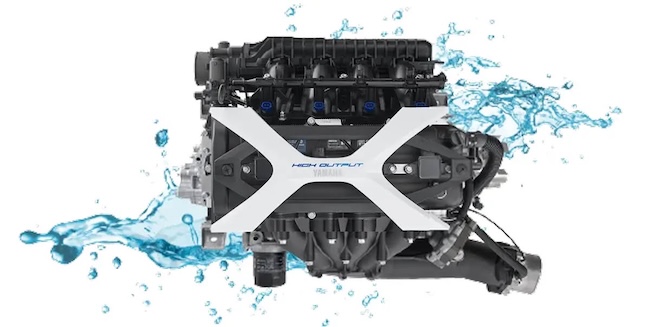
The newer 1.9L High Output engine adds a twist. It’s still about the same total runtime, but Yamaha builds in an extra step to properly seat the larger, naturally aspirated platform:

  • First 5 minutes: under 2,000 RPM
  • Next 30 minutes: under 5,000 RPM
  • Final 60 minutes: under 6,000 RPM

Same total time. More nuance.

Why the Difference?

It comes down to how these engines make their power—and how their internal components settle in.

The supercharged SVHO and smaller TR-1 follow a more traditional break-in curve. The 1.9L HO, on the other hand, benefits from a more gradual RPM climb, giving its larger displacement components time to wear in evenly under progressively higher loads.

In plain terms: it’s not about going slow—it’s about going smart.

Your Engine Is Paying Attention

Here’s the part a lot of riders overlook: modern Yamaha ECUs are watching everything.

Throttle input. RPM range. Load patterns.

From the first minute of runtime, the system is building a picture of how that engine is being used. A rushed, inconsistent break-in doesn’t just affect mechanical wear—it can influence how the ski performs long-term.

Take your time here, and you’re not just “following instructions.” You’re setting the tone for how that engine runs for years.

Don’t Skip the First Service

No matter which engine you’re on, the next milestone comes quickly.

At 10 hours, it’s time for the first service:

  • Oil and filter change
  • Spark plug inspection or replacement
  • Cable and system checks
  • Full freshwater flush

It’s basic stuff—but it’s also where any early issues get caught before they become expensive ones.

One Last Thing

Yamaha’s guidelines are consistent, but they’re not universal across every model and year. Before you launch, take a minute to double-check your owner’s manual and confirm the exact specs for your ski.

Because when it comes to break-in, close enough isn’t the same as correct.

A GreenHulk Upgrade Takes Aim at Kawasaki Ultra 310’s Fuel System Limits

0

There’s a quiet shift happening in the performance PWC world—and it’s not coming from the engines.

A post from GreenHulk PWC Performance Store is putting a spotlight on what it sees as the next bottleneck in the latest Kawasaki Ultra 310 models: fuel delivery. Alongside that claim, the retailer is pointing to a solution—a higher-capacity fuel pump upgrade from Kawi Performance designed to address inconsistent fuel supply under boost.

That’s a bold claim, especially when you’re talking about one of the most powerful production watercraft on the market. But it also points to something bigger: modern PWCs aren’t running out of engine—they’re starting to run into the limits of the systems that support them.

At the center of the discussion is fuel supply under boost. Supercharged engines rely on a steady, consistent flow of fuel to maintain safe air-to-fuel ratios, especially under heavy load and high RPM. When that supply falls short, even momentarily, the consequences can escalate quickly. Lean conditions introduce excess heat, increase the risk of detonation, and in worst-case scenarios, can lead to serious engine damage.

That’s the concern being raised here. As riders begin to push the Ultra 310 platform further—with added boost, airflow modifications, and tuning—the factory fuel system may not always keep pace.

It’s not a new concept in performance tuning. More power almost always demands more support. But what’s notable is how quickly that conversation has shifted into the current generation of machines. Not long ago, discussions around “weak points” were tied to older platforms and well-documented issues. Today, it’s less about fixing known flaws—and more about identifying the next bottleneck as performance ceilings continue to rise.

In this case, that bottleneck appears to be fuel volume and pressure stability under sustained demand.

GreenHulk’s solution is a higher-capacity fuel pump and upgraded supporting components designed to maintain consistent delivery across the powerband. While positioned as a performance upgrade, it’s just as much about reliability—ensuring the engine receives what it needs when it needs it.

For stock riders, this likely isn’t something that demands immediate attention. But for those stepping into the world of modifications, it’s a reminder of how tightly balanced modern engines have become.

The power is already there.

The question now is whether everything around it can keep up.

Read the full release below:

GreenHulk PWC Performance Store
Your fuel system is the limiting factor on the 2022 and newer Kawasaki Ultra 310. Not the engine. The Kawi Performance Kawasaki 2022+ Ultra 310 Fuel Pump Mod Kit is designed to correct one of the most common and dangerous issues on these skis, inconsistent fuel supply under boost.

The factory fuel pump simply cannot keep up with the demands of a supercharged engine, especially once you begin adding performance upgrades. When fuel delivery falls short, the engine runs lean. Lean conditions create excessive heat, detonation, and can quickly lead to serious engine damage or complete failure.This kit is built to eliminate that problem entirely.

At the core is a high flow DW fuel pump rated at 165 liters per hour at 40 PSI. This provides a substantial increase in fuel volume compared to stock, ensuring the engine receives consistent fuel supply even under heavy load and high RPM.
The system is paired with an oversized fuel pressure regulator that stabilizes fuel pressure and maintains proper delivery across the entire powerband. This is critical for keeping air to fuel ratios safe and consistent when the engine is under boost.

The upgraded fuel pump housing directly replaces the factory components and is engineered to support the larger pump. It includes an extended fuel level float arm to maintain accurate fuel readings, along with an upgraded fuel filter to improve flow and long term reliability.

Every component in this kit is designed with durability and performance in mind. The result is a fuel system that can properly support both stock and modified setups without the risk of starvation.

This is not just a performance upgrade. It is a reliability upgrade and a form of insurance for your engine.

If you are running a modified Ultra 310 or plan to increase boost, RPM, or airflow in any way, this upgrade becomes essential. It ensures your fuel system can match the demands of your engine so you can ride hard without worrying about running lean.

Fits 2022 and newer Ultra 310 models, 2020 and newer STX 160, and 2023 and newer Ultra 160.

The 7 Wires That Can Make or Break Your Trailer Setup

0

There’s a certain kind of frustration that only shows up at the boat ramp.

You’ve got the skis fueled, the cooler packed, the weather finally cooperating—and suddenly, your trailer lights decide they’re done participating. No brake lights. No turn signals. Maybe one lonely marker light flickering like it’s trying its best.

For something so small, trailer wiring has a way of stopping an entire day in its tracks.

The good news? It’s not nearly as complicated as it looks.

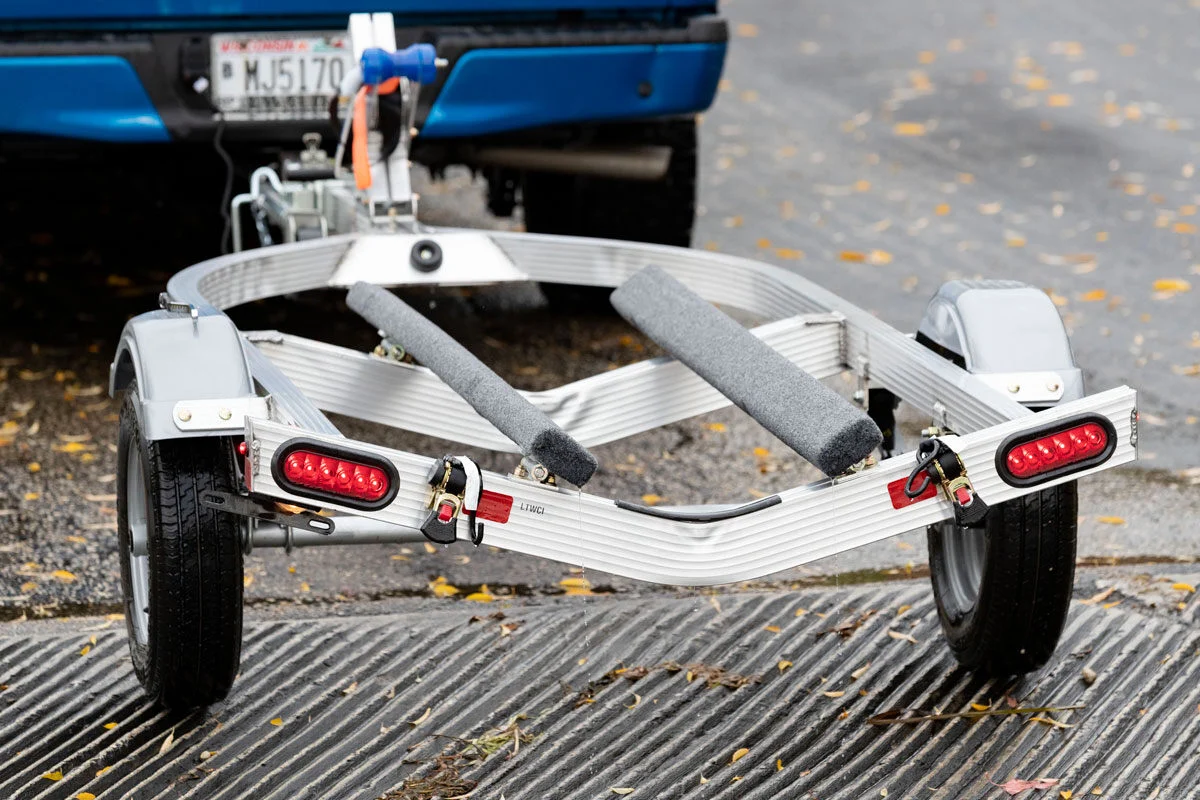
Most modern trailers—especially anything set up to haul a personal watercraft—use a standard 7-pin wiring system. And once you understand what each wire actually does, troubleshooting becomes a whole lot less like guesswork and a lot more like a quick pre-ride check.

THE 7-PIN BREAKDOWN
At its core, your trailer wiring is just seven separate jobs, each handled by a different wire:

  • White — Ground
    The foundation of everything. This wire connects to the trailer frame and completes every circuit.
  • Brown — Running Lights
    Powers your marker lights and tail lights so you’re visible at night.
  • Yellow — Left Turn & Brake
    Controls the driver-side turn signal and brake light.
  • Green — Right Turn & Brake
    Controls the passenger-side turn signal and brake light.
  • Blue — Electric Brakes
    Sends power to trailer brakes (if your trailer is equipped).
  • Black — 12V Auxiliary Power
    Constant power feed—often used for charging a battery or powering accessories.
  • Purple — Reverse Lights
    Activates backup lights when you shift into reverse (if installed).

That’s it. Seven wires, seven responsibilities.

4-PIN VS. 7-PIN: WHAT MOST PWC OWNERS ACTUALLY USE
If you’re towing a single or double jet ski, there’s a good chance your trailer doesn’t even have a 7-pin connector—and that’s completely normal.

Most personal watercraft trailers use a 4-pin flat connector, which covers just the essentials:

  • White — Ground
  • Brown — Running Lights
  • Yellow — Left Turn & Brake
  • Green — Right Turn & Brake

That’s it. No extras, no complexity.

And for lightweight trailers, it works perfectly.

SO WHY DO SOME TRAILERS USE 7-PIN?
The 7-pin setup simply adds more capability for heavier or more complex trailers:

  • Electric brakes (blue wire) for stopping power
  • 12V auxiliary power (black wire) for batteries or accessories
  • Reverse lights (purple wire) for visibility and safety

You’ll typically see 7-pin connectors on:

  • Larger boat trailers
  • Multi-axle setups
  • Enclosed or equipment trailers

WHICH ONE SHOULD YOU CARE ABOUT
For most PWC owners, the answer is simple:

If your trailer has a 4-pin and everything works, you’re exactly where you need to be.

The only time you’d consider stepping up to a 7-pin setup is if:

  • Your trailer has (or needs) brakes
  • You’re towing heavier loads over longer distances
  • You want added features like reverse lights or onboard power

No matter which setup you’re running—4-pin or 7-pin—the way these systems fail is surprisingly consistent.

It’s rarely something dramatic or complicated. More often, it’s a small connection issue that throws everything off just enough to leave you chasing symptoms instead of the cause.

And almost every time, it starts in the same place.

WHY “GROUND IS KING” ISN’T JUST A SAYIN
If there’s one takeaway here, it’s this: most trailer light problems come down to a bad ground.

That white wire needs a clean, solid connection to bare metal on the trailer frame. Not painted. Not rusty. Not “good enough.”

Saltwater, road grime, and time all work against that connection. And when it weakens, everything downstream starts acting weird—dim lights, signals that don’t blink right, or systems that fail entirely.

If your lights are doing anything inconsistent, check the ground first. Nine times out of ten, that’s your culprit.

THE RAMP REALITY CHECK
Here’s where this really matters for PWC owners.

Unlike utility trailers that live relatively easy lives, watercraft trailers deal with:

  • Repeated submersion
  • Corrosion from salt or brackish water
  • Long highway runs followed by sudden cooling at the ramp

That combination is brutal on wiring.

It’s also why you might have a setup that works perfectly in your driveway… and then fails the moment you back down the ramp.

Connections heat up during the drive, cool rapidly in the water, and suddenly a marginal connection becomes a complete failure.

A FEW SIMPLE WAYS TO STAY AHEAD OF PROBLEMS
You don’t need to rewire your trailer every season—but a little prevention goes a long way:

  • Check your ground connection regularly
    If it looks questionable, it probably is.
  • Protect your wiring
    Split-loom tubing or proper routing keeps wires from chafing against the frame.
  • Use dielectric grease on connectors
    Helps prevent corrosion and keeps connections consistent.
  • Secure loose wires
    Vibration on the road will wear things out faster than you think.

THE 30-SECOND WALK-AROUND THAT SAVES YOUR DAY
Before you pull out—whether from home or the ramp—take half a minute and run through the basics:

  • Left turn signal
  • Right turn signal
  • Brake lights
  • Running lights

It’s quick. It’s simple. And it can save you from getting pulled over—or worse, dealing with a preventable issue on the road.

Trailer wiring might not be the most exciting part of owning a PWC, but it’s one of those small systems that carries a lot of responsibility. When it works, you never think about it. When it doesn’t, it’s all you can think about.

Understand the seven wires. Keep your connections clean. And give it a quick check before you roll.

Because the only thing worse than a long day at the ramp… is not making it to the water at all.

Is Your Aftermarket Impeller Slowing You Down

0

That’s a question that comes up more often than most riders want to admit.

A fresh impeller upgrade is supposed to improve performance—but depending on how it’s selected, it can just as easily move a ski out of its optimal RPM range and quietly reduce real-world performance.

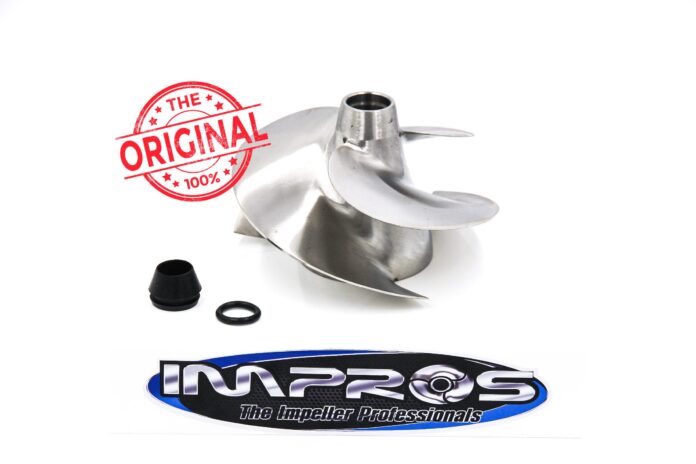
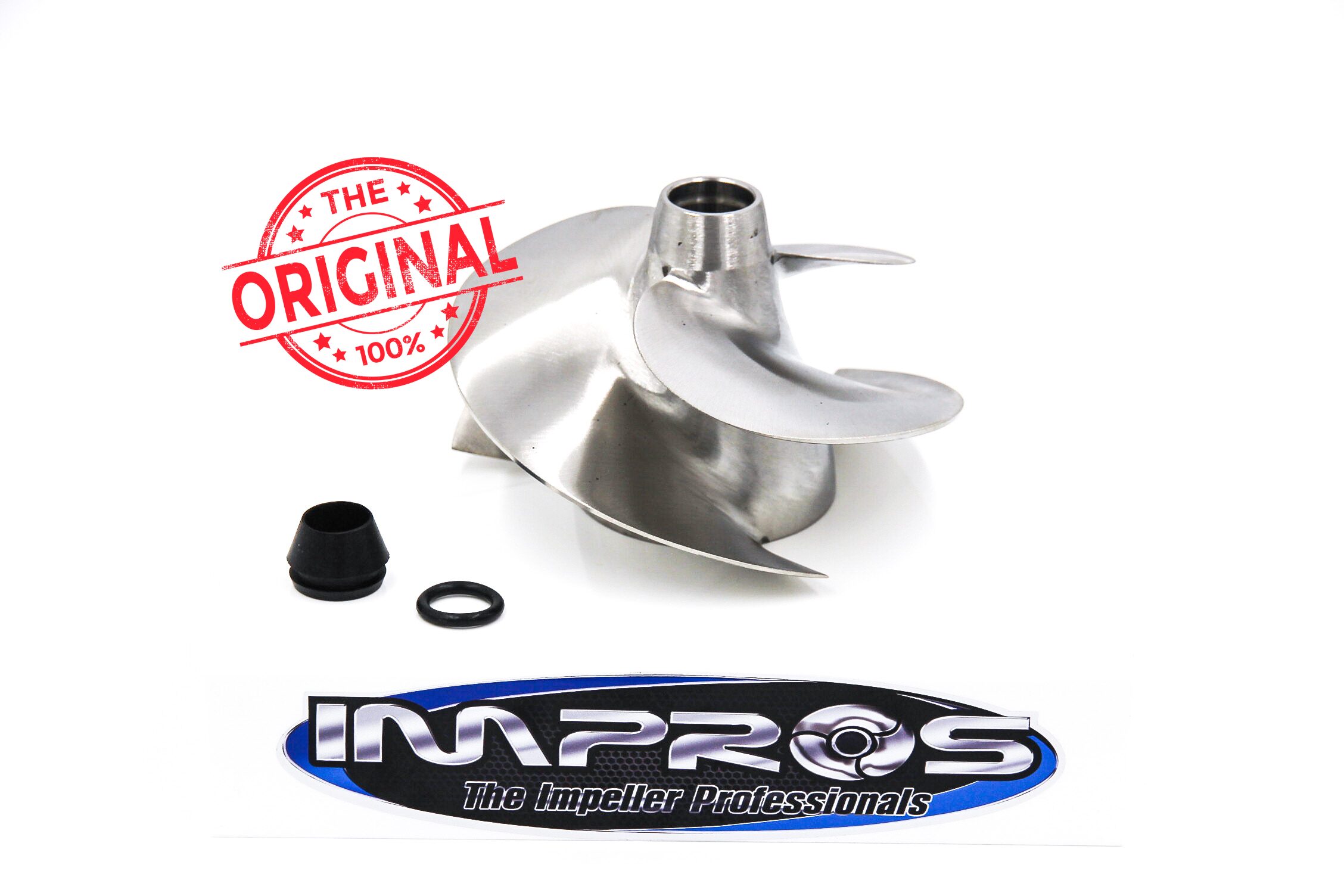
It’s a tuning problem Impros addresses from a position few shops still occupy. Led by Glenn Perry, whose background spans decades at Scat Track, OEM development work, and race support, the company operates less like a simple parts supplier and more like a hands-on impeller service shop. Every job—whether repair, repitch, or balance—is rooted in how a pump actually loads and wears in real water conditions, not just how it looks on a spec sheet.

That perspective comes through clearly in how the business operates day to day—repair-heavy, application-specific, and built around real-world wear patterns like cavitation damage, debris impact, and pitch drift over time rather than theory alone.

And that’s where most assumptions in impeller tuning start to break down.

The assumption that drives most tuning mistakes

At the core of it all is a simple belief: if the engine is making more power, the impeller should automatically “grab harder.”

On paper, that makes sense. In practice, it’s where performance often gets unintentionally lost.

An impeller isn’t just a speed component—it’s a load device. It dictates how quickly the engine accelerates, where it sits in its powerband, and how efficiently that power is converted into thrust through the pump.

When pitch is pushed too far in the aggressive direction for a given setup, the results are usually predictable:

  • RPM falls below the engine’s optimal range
  • Acceleration feels heavier instead of stronger
  • Cavitation increases under load or in chop
  • Top speed may plateau—or even decline

What feels like a stronger setup on paper can quietly become a less usable one on the water.

Stock impellers aren’t the weak link anymore

It’s worth putting this into perspective: modern OEM impellers are not the limitation they once were.

Manufacturers design them to perform across a wide operating envelope with a careful balance of efficiency, durability, and broad usability.

For a completely stock ski, that often means the factory impeller is already very close to a well-matched setup.

Which is why aftermarket changes don’t guarantee improvement. If the baseline is already well-optimized, the margin for gain becomes narrow—and highly sensitive to small mismatches in pitch and application.

Where “custom” actually starts to matter

The equation changes once the engine is no longer stock.

Porting, ECU tuning, intake and exhaust modifications—all of them shift how the engine breathes and where it wants to operate in the RPM range.

This is where impeller tuning stops being about peak numbers and starts being about alignment.

Alignment between:

  • Engine load
  • Peak power RPM band
  • Hull behavior under acceleration
  • Real-world water conditions and riding style

At that point, the goal is no longer simply “faster.” It’s making sure the engine is operating where it actually produces usable power consistently.

Why Impros sits in the tuning space, not just the parts space

This is where Impros separates itself from a typical aftermarket parts mindset.

Rather than treating impellers as universal upgrades, the focus is application-based tuning—matching pitch and configuration to the full combination in front of them.

That includes repitching existing impellers and building recommendations around how a ski is actually used, not just what parts are installed.

In practical terms, that approach prevents one of the most common mistakes in performance tuning: over-propping a ski in search of aggression, only to lose usable RPM and efficiency in the process.

It’s also a philosophy rooted in experience—Glenn Perry’s background at Scat Track, OEM development work, and decades of repair and race support all feeding into a single point of reference: what actually survives and performs in the water over time.

The part riders often discover the hard way

The most counterintuitive part of impeller tuning is that “more” is not always more.

A ski that is slightly under-pitched but holds clean RPM, recovers instantly after chop or landings, and maintains consistent hook-up often feels faster in real-world riding than a setup that is aggressively pitched but constantly working against its own powerband.

Speed numbers on calm water don’t always reflect how a ski behaves when conditions get messy—or when the rider is actually using it dynamically.

At its core, impeller tuning isn’t about chasing the most aggressive setup possible.

It’s about finding the point where the engine, pump, and water stop fighting each other.

And once that balance is right, performance stops feeling theoretical—and starts feeling immediate, repeatable, and usable in the conditions that actually matter.