
Home Blog Page 41

Gallery: JD’s WaterWorld Tests Kspeed’s ProRace KS3 Ride Plate (Videos)

0

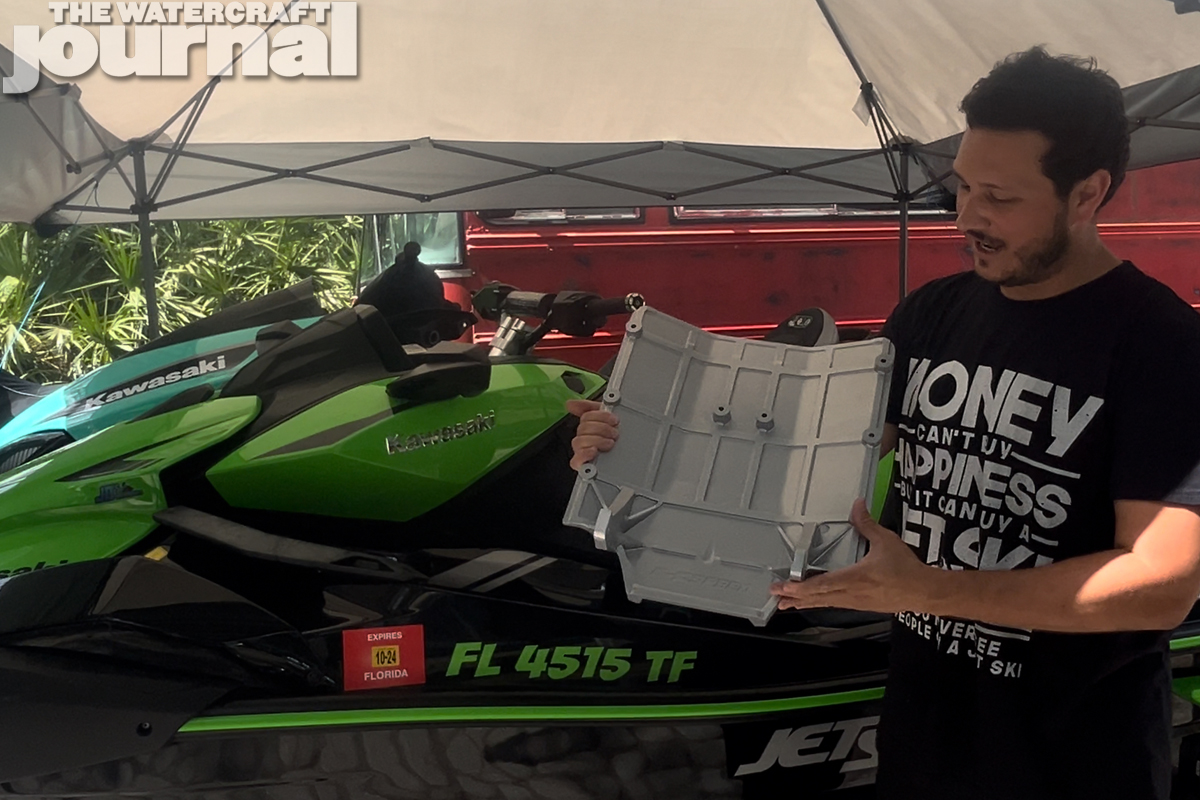
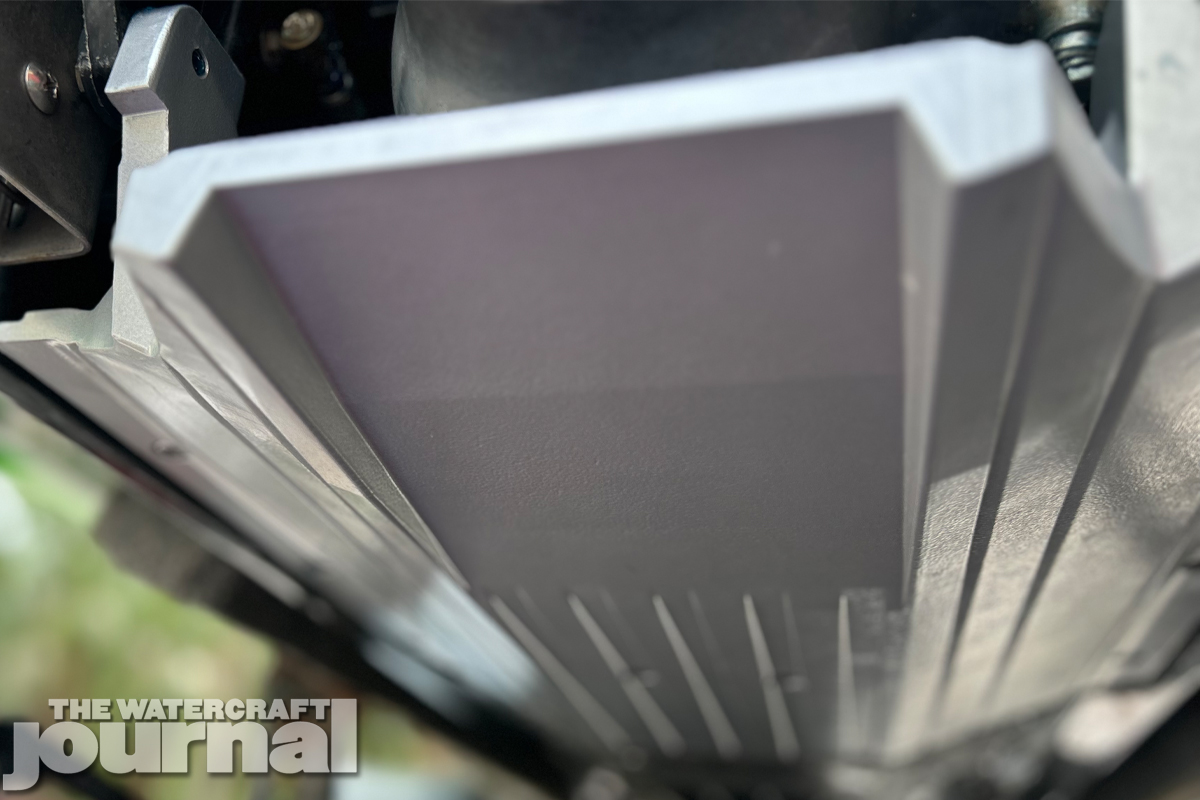
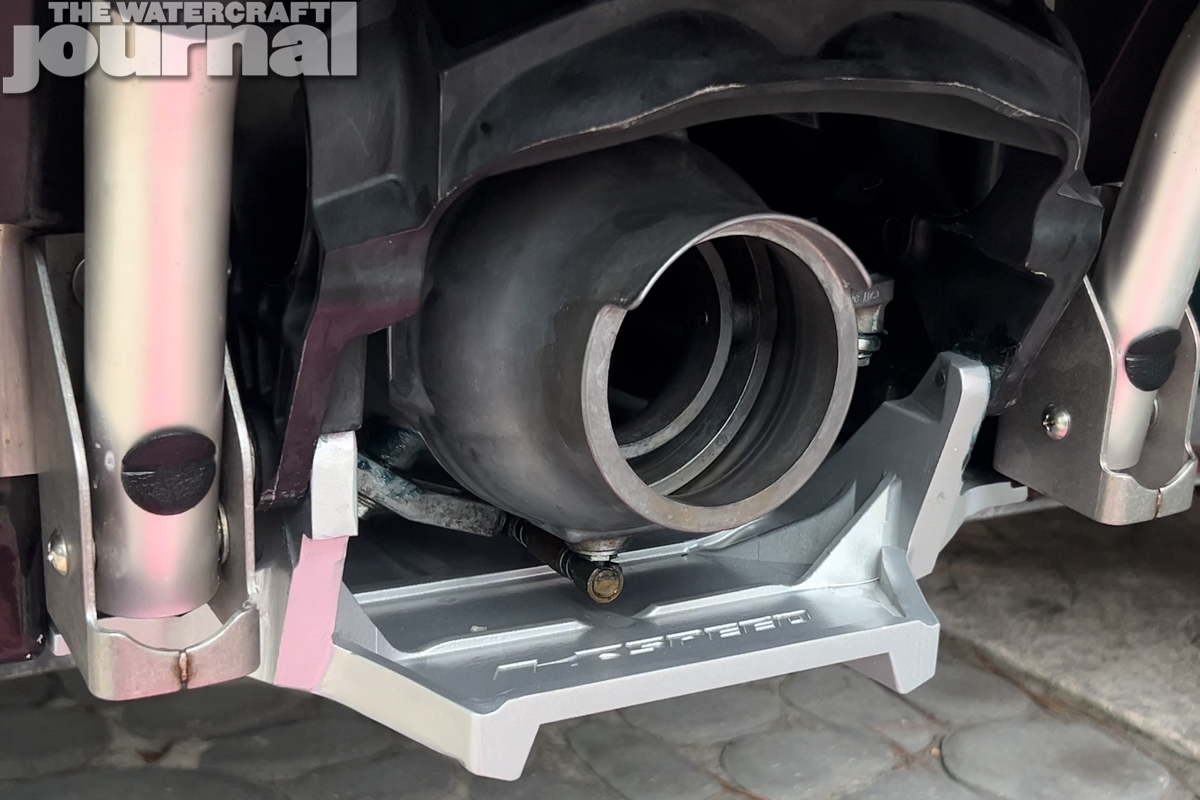
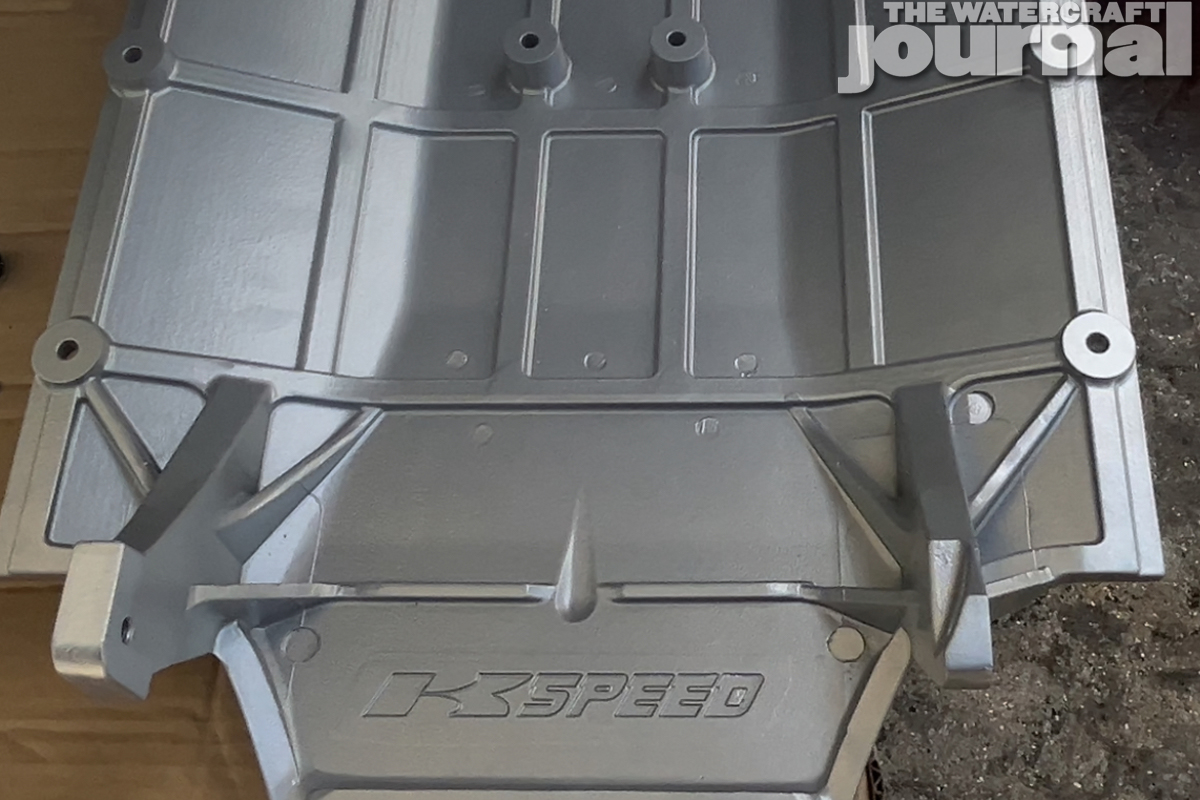
When it comes to ride plates for Kawasaki Ultra JetSkis, Jamie Eade, the owner of Kspeed out of Brisbane, Australia, has found the secret recipe (after many prototypes and countless hours of testing). The Watercraft Journal first reported the details of the new KS3 ProRace Ride plate back in April of 2023, but it was not until recently that WCJ was able to get his hands on one for a real-world test.

Kspeed’s original KS1 ride plate achieved global acclaim, but was not compatible with the new Kawasaki Smart Reverse and Deceleration (KSRD) system now standard on new Ultra 160 and 310 JetSkis. So, Kspeed went back to the drawing board and “re-engineered and refined the original design.”
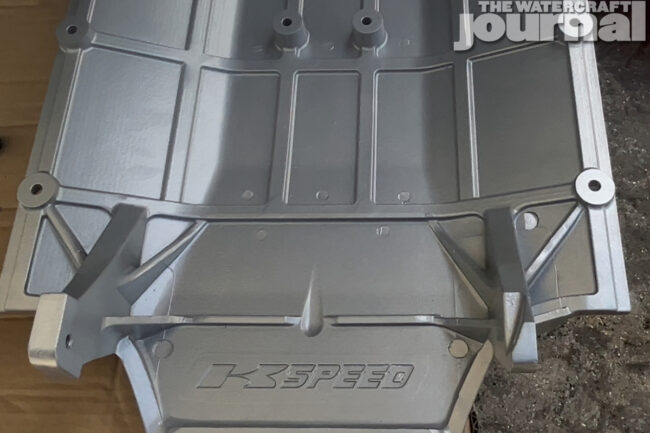
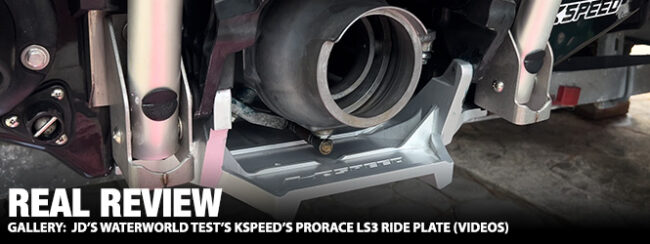
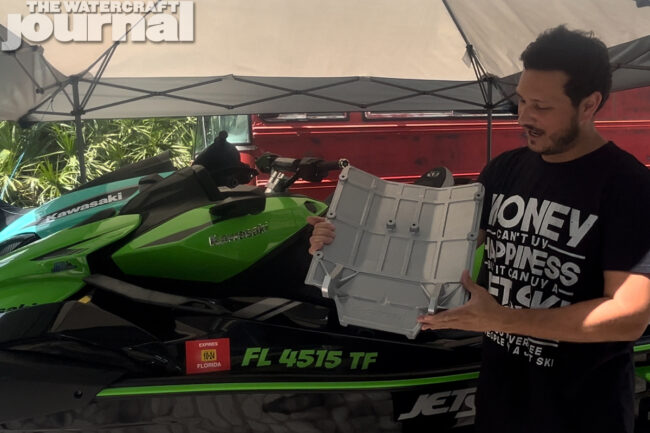
The KS3 ProRace Ride Plate promises “a perfect blend of offshore and high-speed performance, combined with improved handling in rough water conditions.” So JD Brussels from JD’s WaterWorld took to the water on two separate videos to test it out for himself on the Kawasaki Ultra 310 LX-S JetSki.

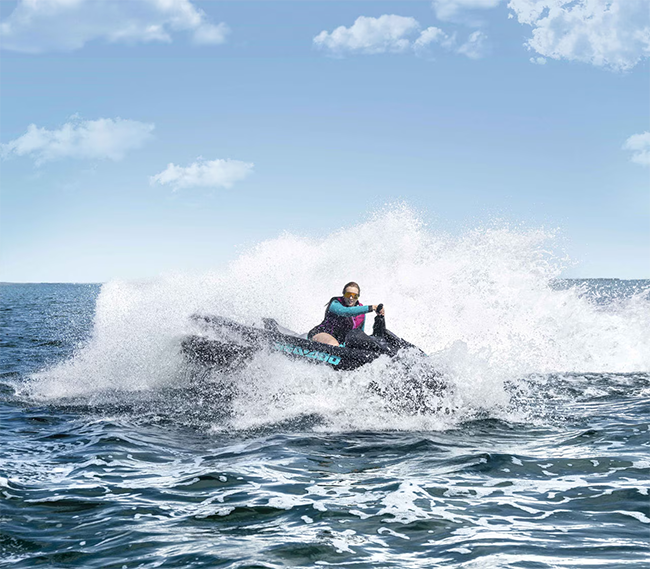
Die-hard Ultra fans aren’t particularly concerned about flat water performance, so for the first round of testing, we ventured out on the ocean. We all know that Ultra’s thick and durable SMC fiberglass hull is designed with a 22.5 degree deadrise for slicing through waves, while Kawasaki’s patented Quattro Splash Deflector (QSD) displaces chop and spray efficiently and smoothly.
Many riders remark that the Ultra platform rides a bit low at the bow. Even Kevin Shaw posted videos of a gold 2022 Ultra 310 LX “submarining” at low speed. The KS3 ProRace ride plate provides corrective action for the Ultra’s tendency to “dip” at the bow by changing how water passes under the JetSki. This effect is apparent even at lower speeds and gives the ski a “lift kit” feel.

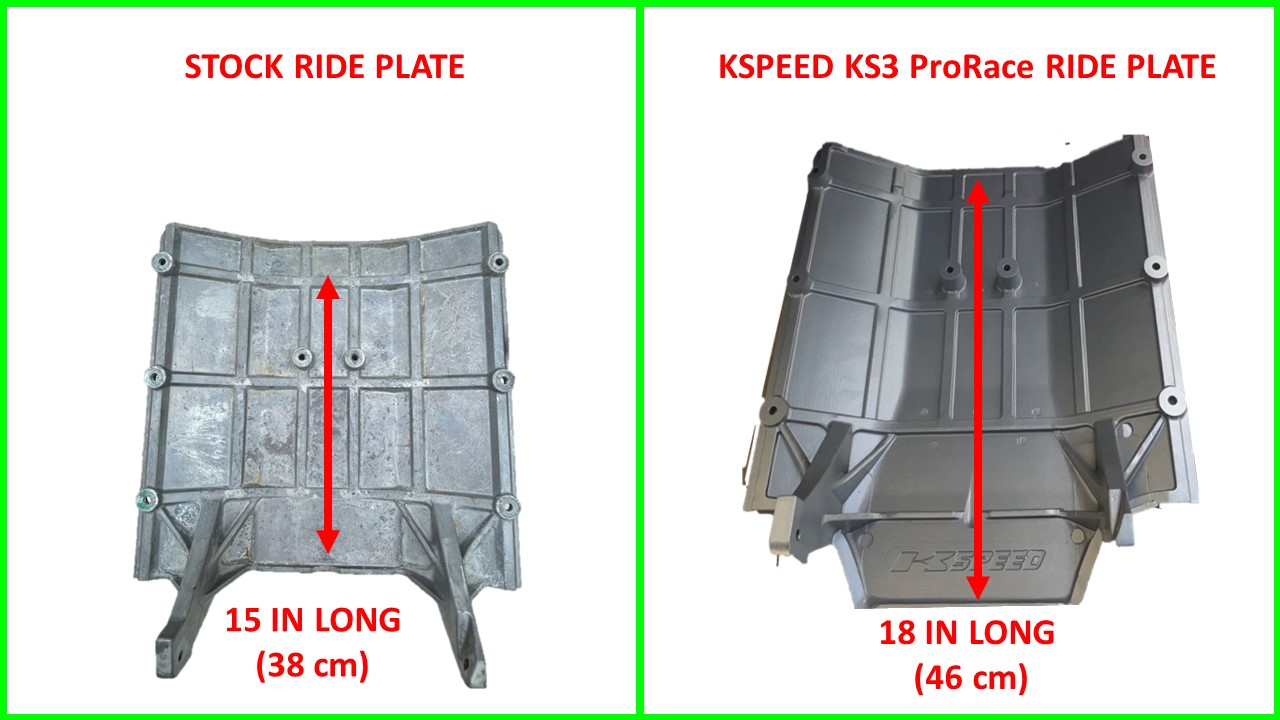
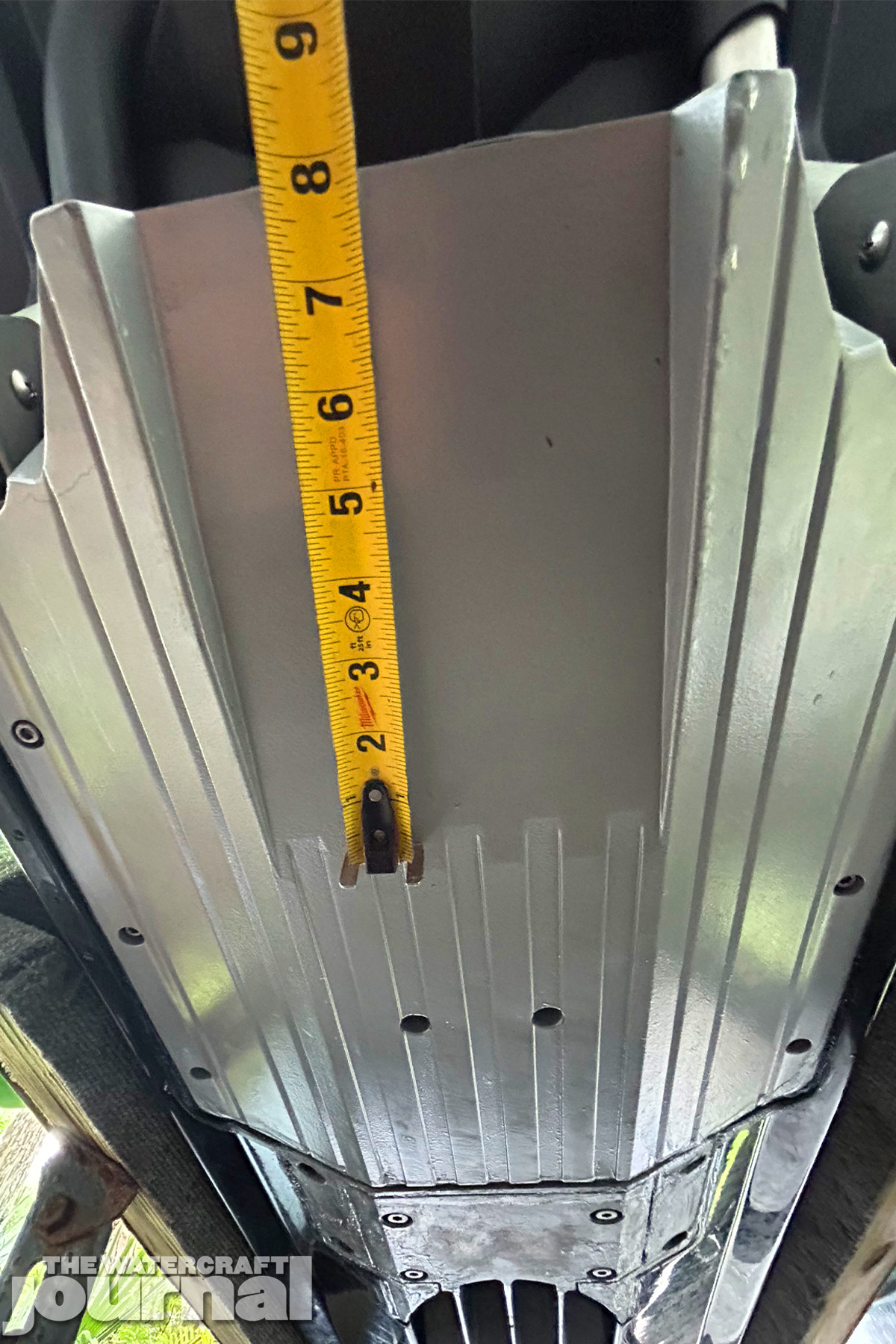
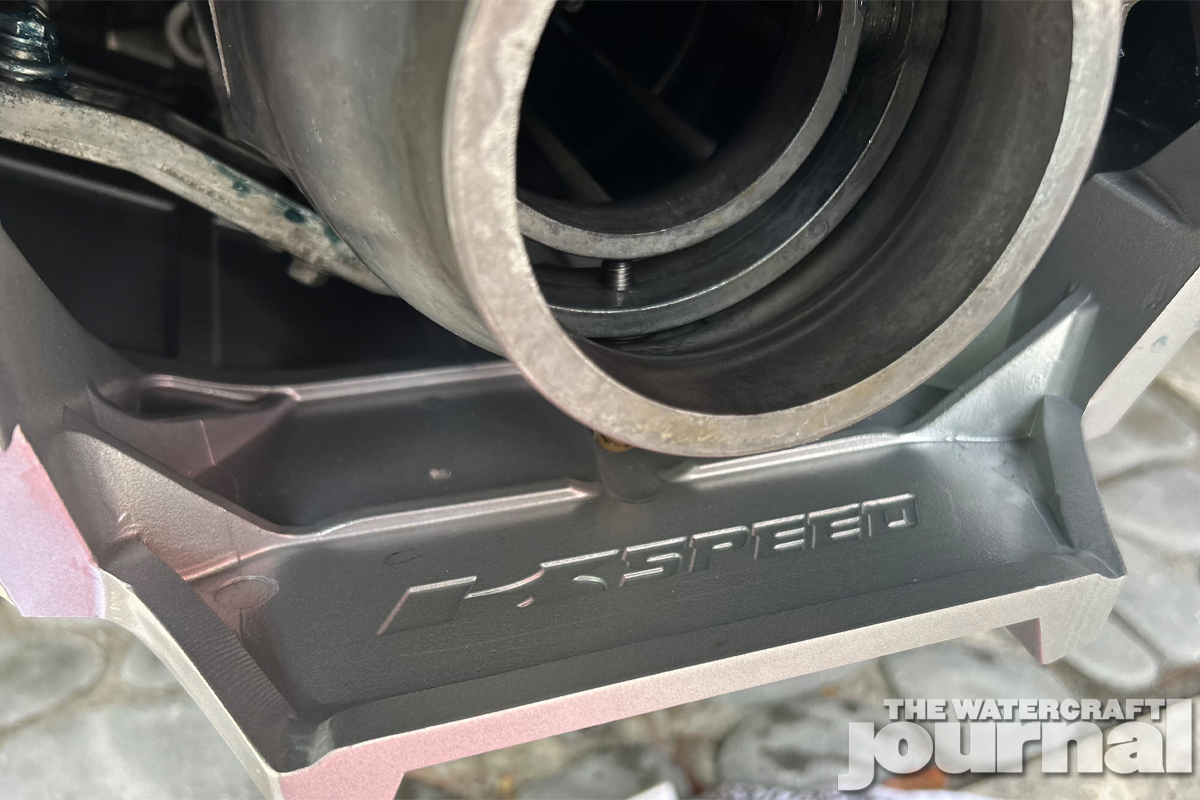
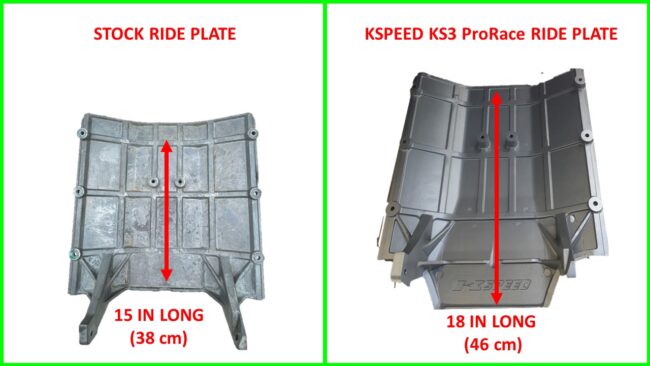
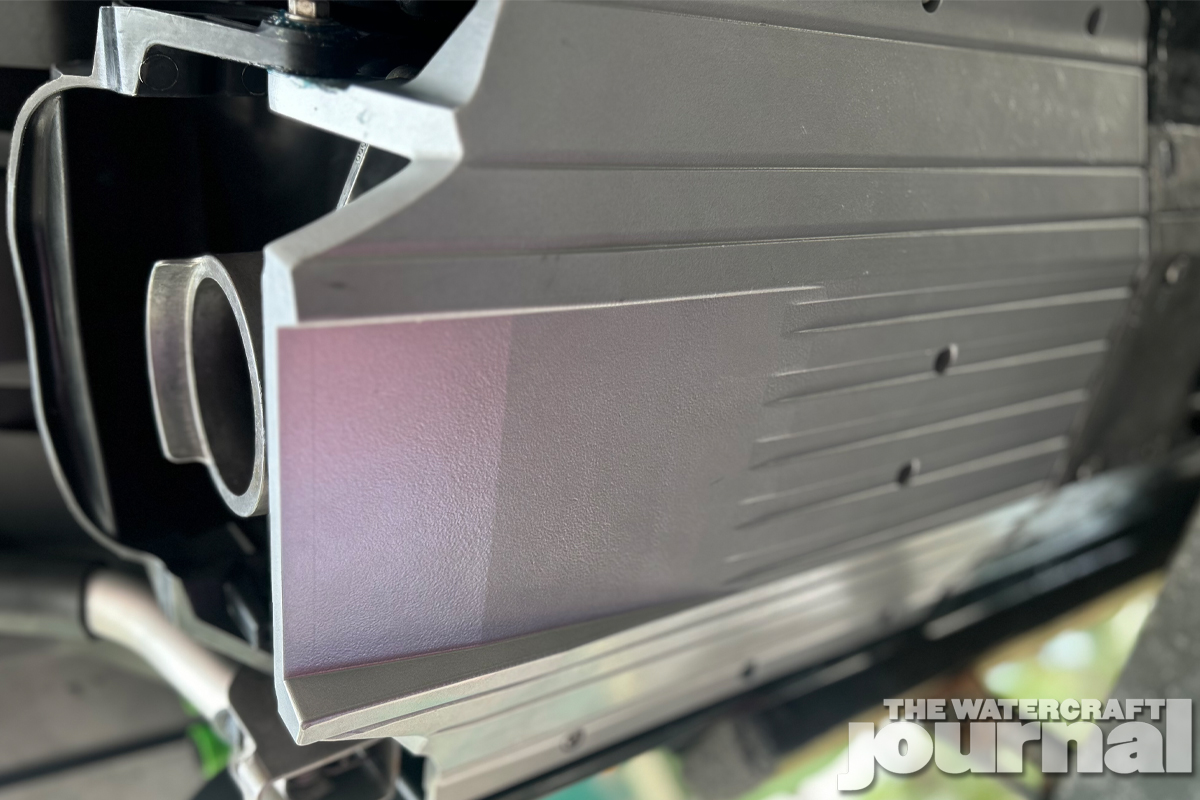
Compared to the stock ride plate, which measures 15-inches in length and includes a “ramp” area that equates to 5-inches, the Kspeed plate measures a total of 18-inches. A large sloping 8-inch “ramp” area provides aggressive lift even at lower speeds, while the Kspeed plate extends an additional 3 inches than the stock plate, past the end of the jet pump steering/trim nozzle.
So why would someone want an expensive ride plate over a relatively cheaper pump wedge? A pump wedge achieves bow lift by changing the angle of the pump nozzle thereby “bending” the jet stream and directing that water upwards- which causes the bow to ride higher in the water.

Now don’t get us wrong, the Kspeed 2-degree pump wedge is a great option for those looking for extra bow lift, but it comes at a cost. By “bending” that water coming out of the jet pump, you are causing a slight degree of parasitic loss.

By utilizing a ride plate, you can maintain a neutral pump nozzle alignment and trim setting while reaping the benefits of having your bow higher out of the water.

The JetSki will literally plane on the larger surface area of the Kspeed ride plate – getting a larger portion of that deep-V Ultra hull out of the water and contributing to less drag – which allows the vessel to travel at a higher rate of speed.

Besides reducing drag, getting the bow up and out of the water allows the Ultra to cruise over wake and chop more effectively.

Rather than striking the ski directly on the bow, waves and wake strike the Ultra directly on the QSD molded splash deflectors- which contributes to a drier and smoother ride for the operator.
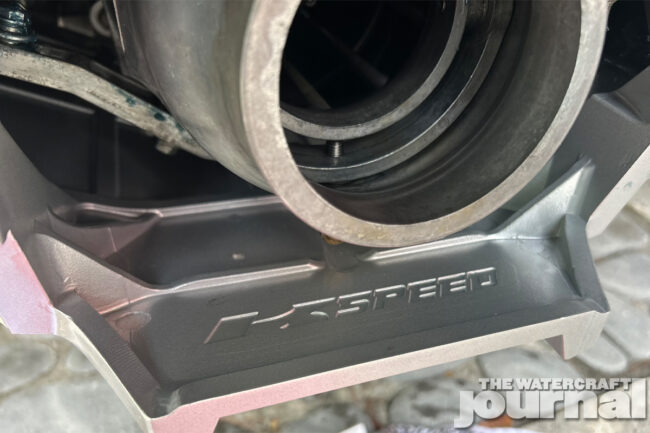
When it comes to smooth water performance, JD recorded an average speed of 73 mph across 8 different speed runs. The Ultra 310 LX-S sustained a top sustained speed of 75mph at 8,000 RPM utilizing the Kawasaki GPS Engine Information Display. JD is a 6’2’’ 215lbs. rider and the ski contained 1/3 a tank of premium 93 octane fuel. Unfortunately, JD was unable to test the ride plate on “glass” and testing was done during a 100-degree South Florida summer, so conditions were far from ideal.

As previously reported on The Watercraft Journal, JD achieved a sustained top speed of 72mph with the Kspeed Stage 1 Kit alone; that means that the Kspeed ProRace KS3 ride plate contributed to a 3mph gain under similar testing conditions. These results are consistent with Kspeed’s marketing claims, and can be achieved with only moderate upgrades to your ski that won’t void your factory warranty or destroy your engine over time.
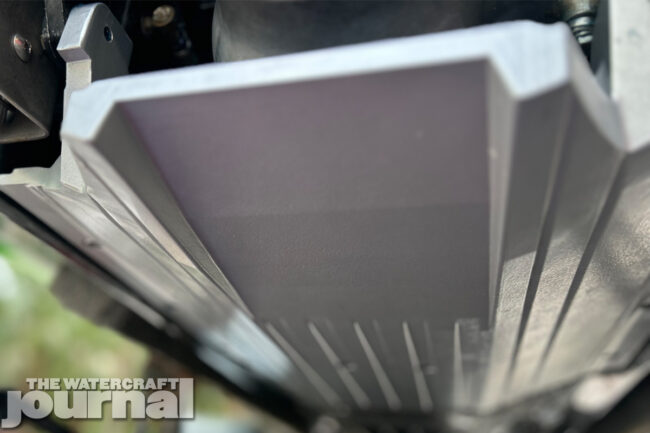
JD concluded that the KS3 ProRace ride plate “radically improves the handling characteristics of the Ultra 310″ by “getting the bow up and out of the water,” and contributing to drier ride overall. There is a definite tradeoff between getting the bow out of the water and keeping the jet pump hooked up in the chop.

JD did lose a bit of hookup in the chop (evidenced by the repeated redline scream of the TVS supercharger) but ironically he claims he was still able to maintain a faster top speed with less fatigue while flying through chop at nearly 55mph off the coast of Jupiter Island.
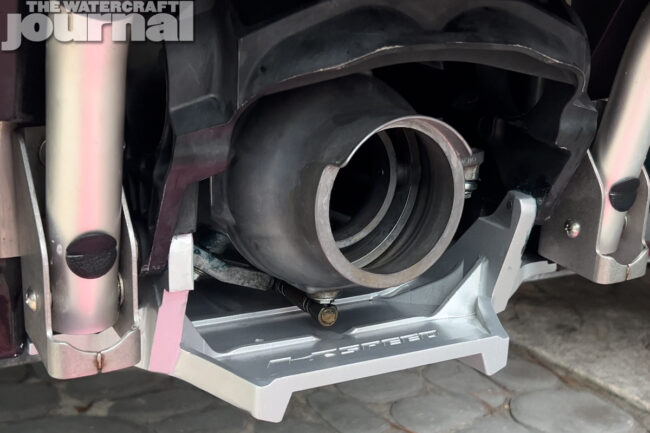
For JD’s initial testing he had both a Kspeed 2-Degree pump wedge and the KS3 ProRace ride plate installed on his Ultra 310. JD felt that both of these provided “a bit too much lift” and so he removed the 2-degree pump wedge and stuck with just the ride plate. The IJSBA Race-Legal KSpeed KS3 ProRace Ride Plate retails for $409 USD plus shipping. Note that this only fits 2022+ Kawasaki Ultra 310 and 2023+ Kawasaki Ultra 160 JetSkis.
GreenHulk Sale: Check out “Arm-Wrenching” Acceleration with the RIVA Sea-Doo 230/260/255 XX2-Charger

0

When it comes to high-speed watercraft performance, every aficionado knows that power and precision are key. Whether you’re a competitive racer shooting for the top spot or simply a lover of all things speed, the need for enhanced speed and acceleration is universal.

There’s nothing quite like slicing through the waves with unmatched power and agility. Those unforgettable experiences are the reason we ride. Because of this, the sale at GreenHulk PWC on the RIVA Sea-Doo 230/260/255 XX2-Charger is a no-brainer, as it delivers significant boost pressure and horsepower increases—all at a more than reasonable price.

According to their Facebook page, the XX2-Charger delivers 15 psi of boost pressure at 8,500 rpm, leading to “arm-wrenching acceleration and increased top speed.” It features a high-performance billet impeller and a 4mm spacer that work together to increase horsepower.

On top of that, the impeller boasts a sophisticated blade design and a large interior housing volume, ensuring smooth and efficient operation. Plus, the lightweight billet impeller is precision balanced, so you get reliable performance every time.
Between the $55 discount being offered by GreenHulk PWC and the XX2-Charger’s quick and easy installation onto the stock supercharger base plate, there’s very little between you and a major increase in acceleration. Check it out on the GreenHulk PWC website now, and don’t forget to use the discount code “GREENHULK” to get that $55 discount.

VIP Ops and Regs for 2024 IJSBA World Finals

0
Photo Courtesy RonnyMac.com


Photo Courtesy RonnyMac.com

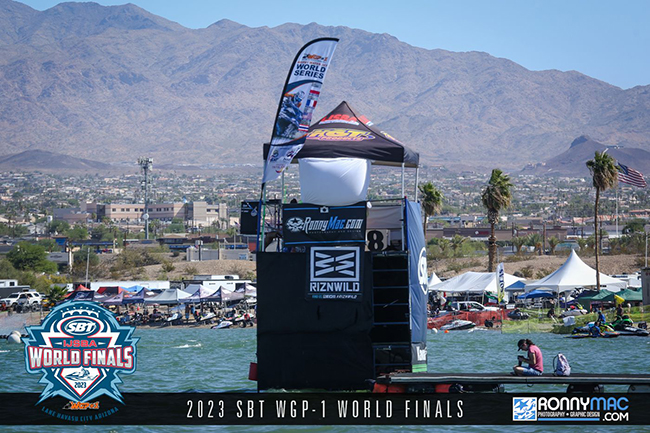
The IJSBA has announced the slate of VIP opportunities for the 2024 Short Block Technologies WGP-1 World Finals.

With IJSBA just announcing VIP and pit opportunities for this year’s World Finals in Lake Havasu City, and with VIP opportunities selling out early every year since 2001, now is the time to act!

In a release posted to the IJSBA website Monday, August 12, IJSBA Executive Director Scott Frazier said VIP access is not necessary, but the opportunities are there for those wishing to step up the standard pit experience.

“There is no requirement to procure VIP pits- there will be plenty of pit space for everyone,” Frazier said. “However, if you are looking for special pit placement and privileges, please read on.”

Designated “VIP Beach,” , the front area at the race site is exclusive to reserved spots and allows for easy pitting with the shortest distance to the starting line.

Photo Courtesy RonnyMac.com

A popular VIP option is always the team option that comes with VIP access, without securing a VIP Package. For Combined Pit Placement, teams of five persons or more, who are sharing a single pit space, shall be eligible for reserved and early placement without any need for a VIP package. Those persons shall agree that only one parking pass will allow a trailer to be brought in and the other parking passes of that group will be for car parking only and in the upper parking lot. Those confirmed groups, who have all participating competitors completely pre-registered, shall be allowed early placement into a reserved spot.

For a full list of VIP options, see the full press release below.

IJSBA is pleased to announce the opening of VIP and combined pit opportunities for the 2024 Short Block Technologies WGP-1 World Finals. As with all years, IJSBA is enacting policies, procedures, and opportunities intending to make the World Finals pit environment more efficient, more fair, and, hopefully, more enjoyable. IJSBA has completely sold out of these opportunities since 2001 and interested parties are advised to reserve early.
These policies have reduced traffic, made pitting much easier, and have provided benefits to those attending World Finals and seeking an enhanced team experience. There is no requirement to procure VIP pits- there will be plenty of pit space for everyone. However, if you are looking for special pit placement and privileges, please read on.

The VIP beach is an up front area exclusive to reserved spots. This area allows for easy pitting with the shortest distance to the starting line. Spaces here have VIP applicants furnishing their own tents in 10×20 increments. Full sized motor vehicles are not allowed in this area (pickup truck, car, van, etc.) Anyone who uses this area must keep all of their watercraft, atv, chairs, and personnel fully contained within their reserved space. Additionally, all banners, tent tops, and other visible logos and artwork must be approved by IJSBA in addition to the approval of the reserved space. Please do not expect that any of this space will be available if not reserved even of you have booked these spaces in the past. These spaces do not include any reserved vehicle parking.

Other VIP opportunities:
Entry row: Some of the highest exposure which includes enough room for vehicle parking and full sized enclosed trailers. This is the row you pass when you enter the pits. Banners, tent tops, and large visible logos must be approved by IJSBA.

Combined Pit Placement: Teams, of five persons or more, who are sharing a single pit space, shall be eligible for reserved and early placement without any need for a VIP package. Those persons shall agree that only one parking pass will allow a trailer to be brought in and the other parking passes of that group will be for car parking only and in the upper parking lot. Those confirmed groups, who have all participating competitors completely preregistered, shall be allowed early placement into a reserved spot.

Combined Smaller Pit Placement: Smaller reserved section for groups of two or more.

VIP Option 1: Early pit entry, early check in, reserved trailer parking, early placement for 10×20 tent or rent a commercial tent.

VIP Option 2: 10×20 tent space on VIP beach (no other privileges).

Please email [email protected] if you have interest in any of these options.

The PWC Life: What It’s All About

0

Every once in a while, there is something posted online that makes you stop scrolling for a moment; something that connects, something that resonates and aligns completely with your perceptions or thoughts on a matter.

I came across just such a post on a couple days ago – one that matches The Watercraft Journal’s view of PWC as a whole, and my perception of the PWC family, as well as the attitudes of so many in the PWC world, that I felt it warranted sharing, in full and unedited, with The Watercraft Journal family.

Shared with permission of the author, and new Region 8 PWC racer, Brian Baker:

My life completely changed August 3rd & 4th – Most of my closest friends know of the many ups and downs I’ve had throughout my life. I won’t make this post any longer than it already will be.

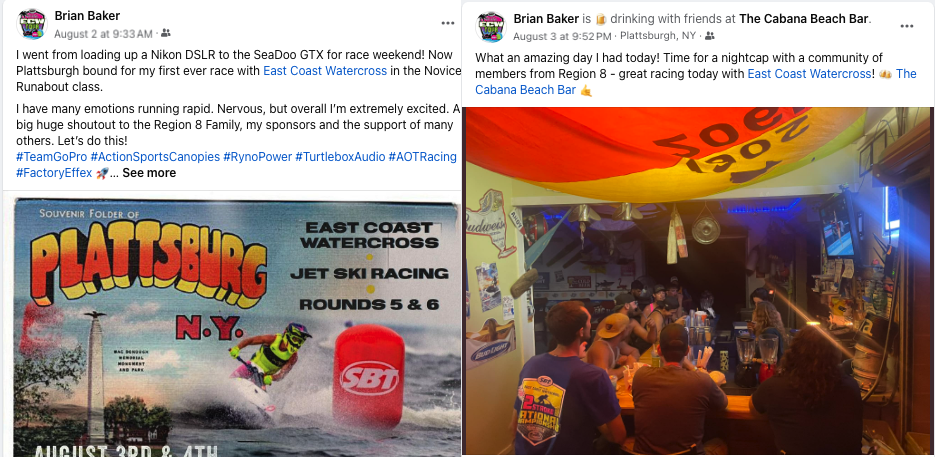
I was a spectator to an event that I didn’t even know existed a year ago. I met Austin Jones out of the Buffalo, NY area and his family welcomed me with open arms. I honestly didn’t even know how to accept it. It’s a small world, mysterious I guess you’d say. I was messaged last year by Kris VanWie who’s in the race scene with his son Kris “Krash” VanWie Jr. out of B’Ville and he invited me out for some ride time. Kris put me on a Yamaha Waveblaster and I couldn’t even take off lol. I thought damn… I’m not going to be able to race without a ski. Then Kris said “Race yours”? I laughed at first and then said “really dude”? A bone stock 20yr. old ski out there racing lol – Then ‘Krash’ chimes in and says “Send it”! I put some thought into it, then some more and decided to send it. I was invited out by Joe DeMario who also races in the P1 AquaX to practice and I was grateful for all the advice as I was preparing for Plattsburgh.
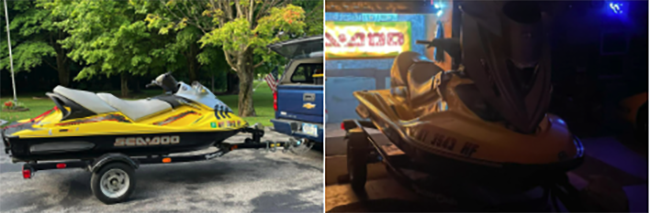
The race weekend came quickly, I drove 4hrs. with gut wrenching butterflies and nerves having absolutely no clue what to expect or do. Saturday morning was here and all my unanswered questions were answered. Chris Scudder immediately began helping me by finding a beach cart. The first cart we attempted ended with a sheared pin on the cart (I began sweating more than I already was) so another cart had to be found – I don’t have a clue what to do I’m thinking at this point. Some time went by and there were less and less boats up in the parking area. Then someone yelled to me, “Hey Freeman is going to get you in”. My heart began beating normal again.

I ran 3 motos out of 4 (weather delay/called event) – I placed second with only one other novice racer, so yes I placed last. That’s where it begins – I did something I never thought I would do and it changed my life forever. I was accepted with the warmest welcome from the East Coast Watercross community. I’m beyond grateful and humbled by their support. The racing took me to a whole new level in life. I had an opportunity to go at the same time as Pro rider Tj Brito. I found something I love doing. I haven’t felt this happy in a very long time.

There are so many people I want to thank – Big big shoutout to the ECW STAFF and Director Shawn Dudek the ones who make it all happen. Always want to give thanks to the Course Marshals for assuring the safety of the racers. Thank you Andrew Freeman for getting me in the water. Thank you to Steve Hotchkiss for the time you took to chat with me. I met so many people, so if I forgot to personally thank you please know I am very very thankful. Until we meet again in the Glen, I’m ecstatic to be a part of the R8 family.

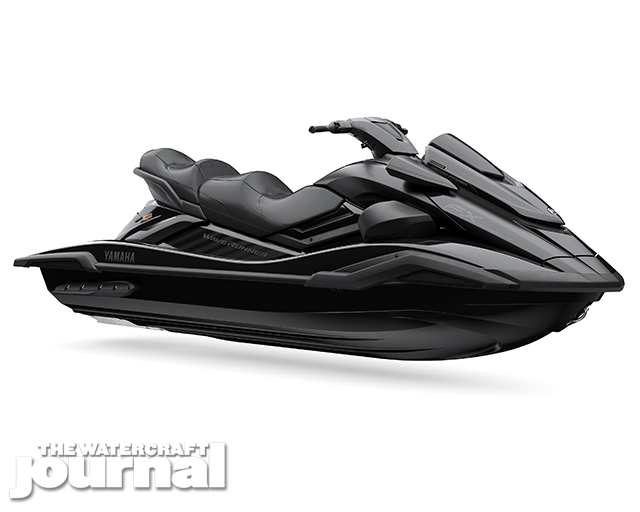
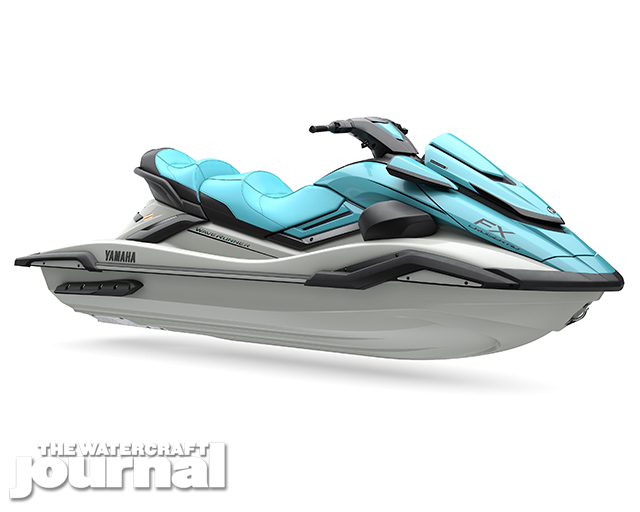
Gallery: Introducing the 2025 Yamaha WaveRunner Lineup

0

Expectations for Yamaha’s 2025 model year of WaveRunners were high, particularly in anticipation of Yamaha’s response to Sea-Doo’s ground-thumping salvo in the form of 2024’s industry-leading 325-horsepower engine redesign. BRP’s leading performance watercraft have been much of the topic of conversation on and off of the showroom floor, and hopes of a revamped SVHO (Super Vortex High Output) four-cylinder 4-stroke based on the new 1.9-liter were palpable.

With already a seemingly unbeatable one-two punch of the GP SVHO and FX SVHO platforms, an updated SVHO with greater displacement, superior top end flow and ignition quench seemed like a shoo-in. Right? Well, that’s what we at The Watercraft Journal thought too – even despite reliable intel hinting otherwise. Yamaha wasn’t going to take Sea-Doo’s 325-horsepower right hook square in the jaw, was it? No way, many WaveRunner loyalists defended. Just wait and see…

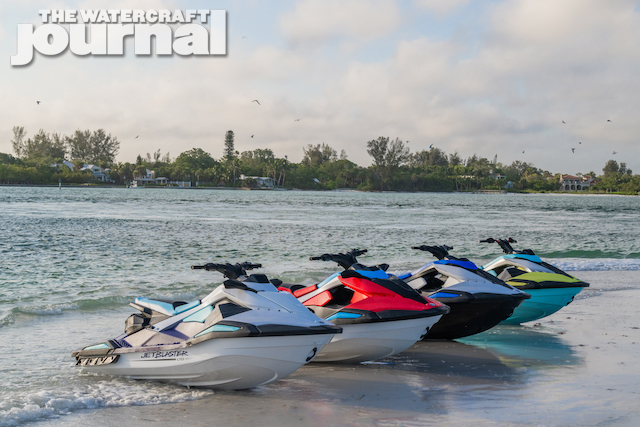
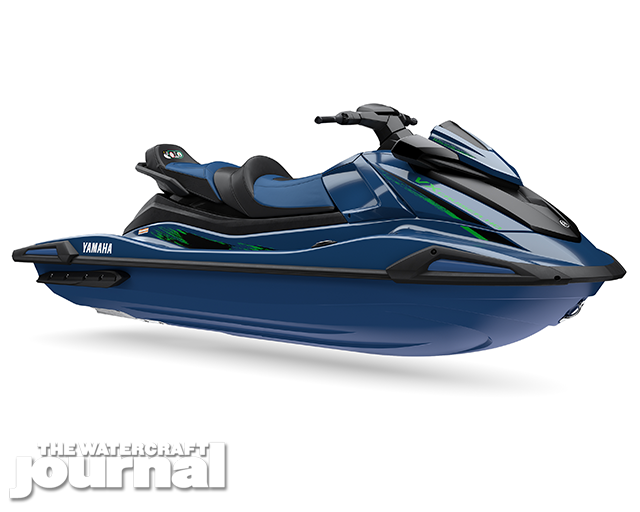
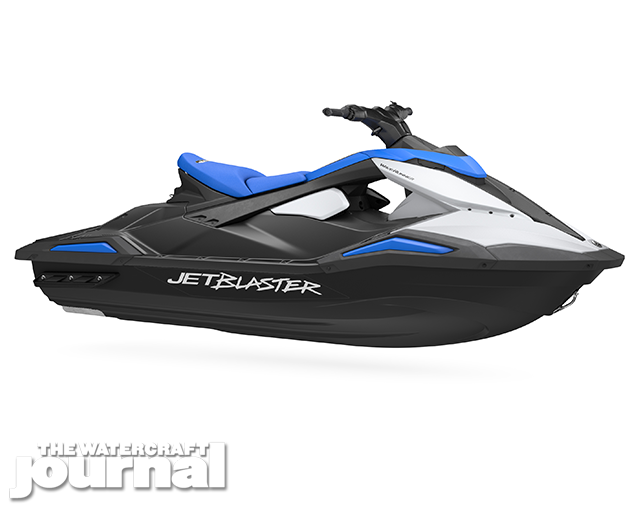
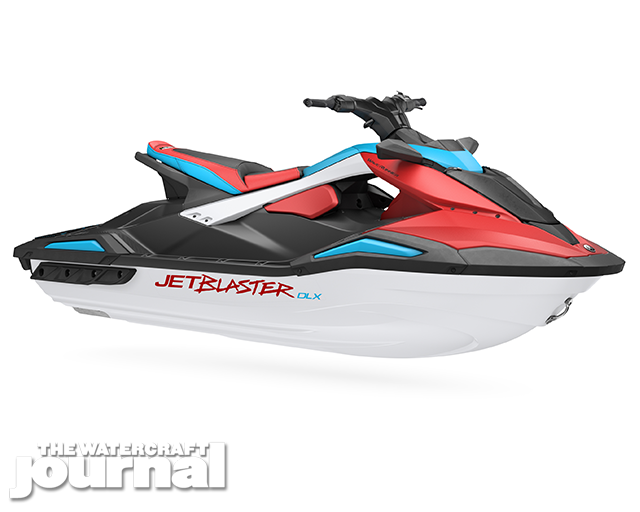
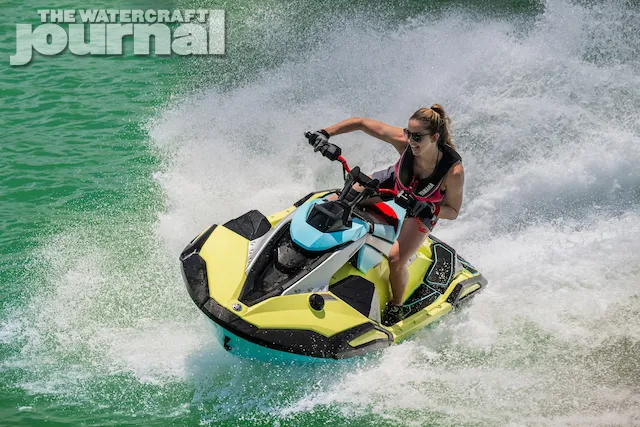
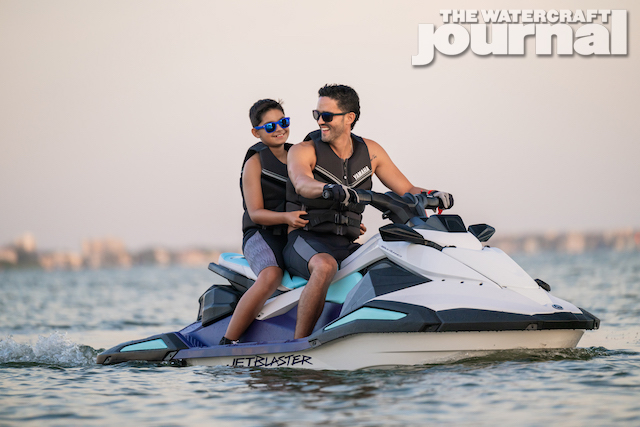
…and then the news came in like a deflating balloon flatulating across the room: No, the SVHO will stay as-is for now. Moreover, the FX and GP received updated Connext infotainment centers and revamped speaker systems. Lastly, the EX line is gone. Well, sorta. Instead, a fully redesigned Rec Lite series – branded Jet Blaster – fills the entry-level void. Lighter and far more nimble, the new Jet Blaster line of six 2 and 3-up WaveRunners were certain to raise some eyebrows.

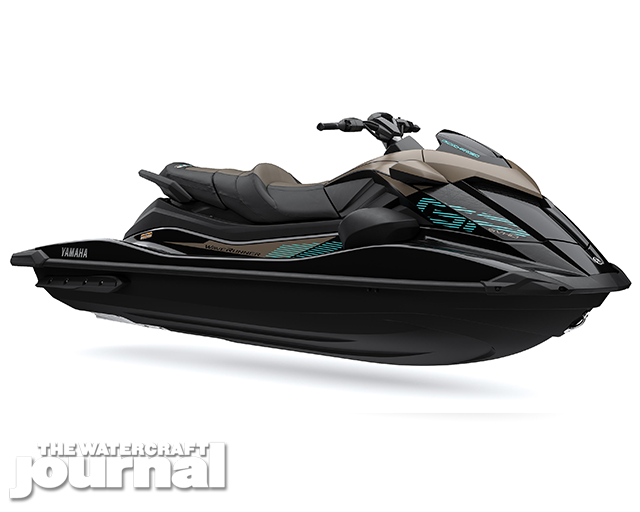
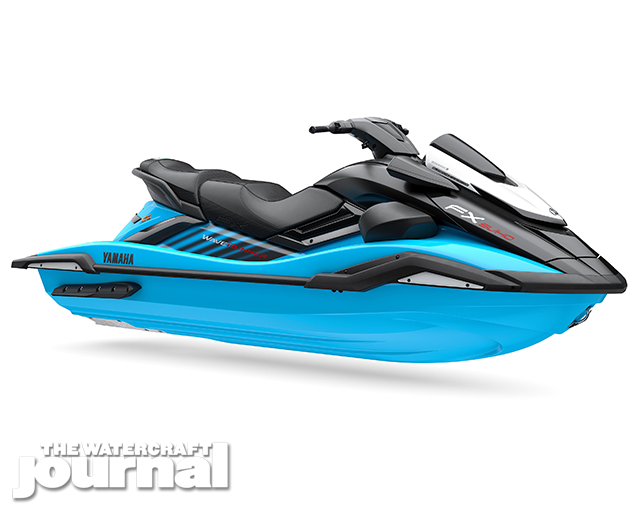
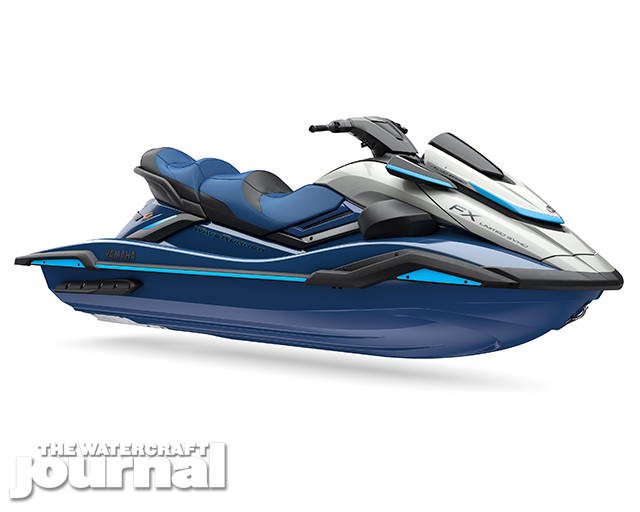
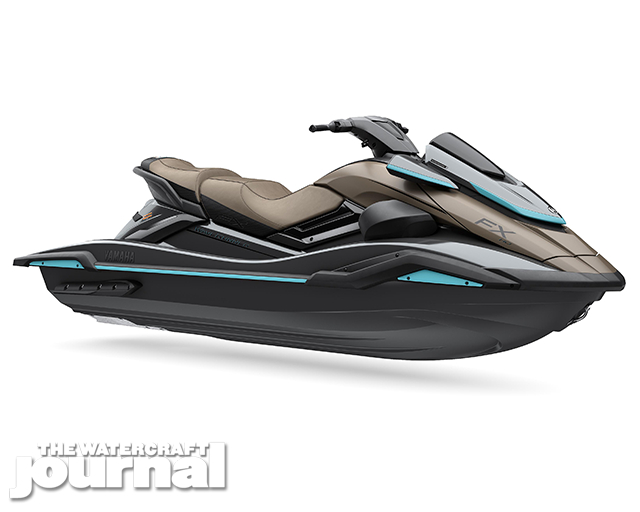
Let’s start from the top down: the FX series of full-sized 3-seaters get new colorways that may look familiar as many are carryovers from last year’s VX and GP models – apart from the FX Cruiser SVHO, which brings back the much-beloved “Darth Vader” livery and a very retro gold-and-gloss black FX Cruiser HO. Models include the the FX High Output 1.9L ($16,399), FX Cruiser High Output ($17,699), FX SVHO 1.8L ($19,999), FX Cruiser SVHO 1.8L ($20,599) and FX Limited SVHO 1.8L ($21,199).

But what’s new on the FX’s besides colors and increased prices? Yamaha dramatically improved the FX’s dashboard to a taller, more square design (nearly identical in size and shape to the Kawasaki Ultra). This new dash features faster screen scrolling, three optional background colors and layouts, and quicker phone connectivity, enabling the rider to access music, and read and respond to text messages while on the water. The new interface promises “cutting-edge technology and convenience at your fingertips.”

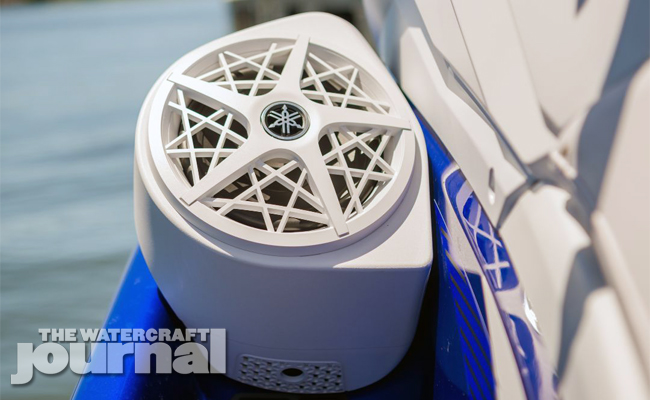
Paired to the new larger infotainment dashboard and standard equipment on all FX models (except the FX HO), as well as the VX Limited HO and VX Limited models, are Yamaha’s redesigned audio speakers and digital microphone. The new speakers feature 6.5-inch waterproof cone woofer, a 1.25-inch Tetoron dome tweeter, and a 4.5-inch passive radiator, each 40W can “blast tunes at high volumes without distortion, ideal for any outdoor activity.” The microphone is for dictating texts and accessing Siri on Apple devices.

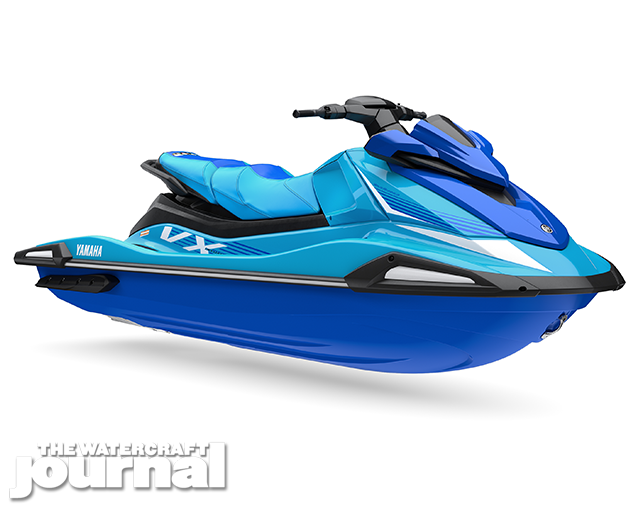
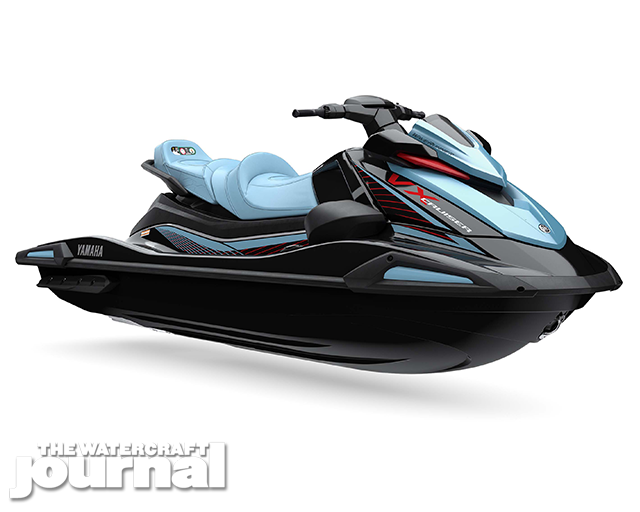
Of course, these can be ordered on the FX HO, VX Cruiser HO, VX Cruiser, VX Deluxe, GP SVHO, and GP HO models as well. And while the VX and GP don’t get the larger full-color dashboard upgrade, the Connext firmware has been updated, ensuring similar input response and the easy-to-use interface. The aforementioned VX lineup includes VX-C ($10,599), VX ($11,799), VX Deluxe ($12,899), VX Cruiser ($13,299), VX Cruiser HO 1.9L ($14,199), VX Limited ($14,499) and VX Limited HO ($15,899).

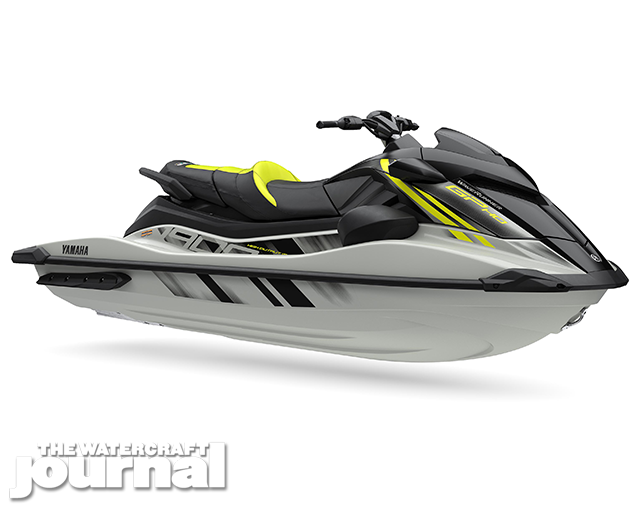
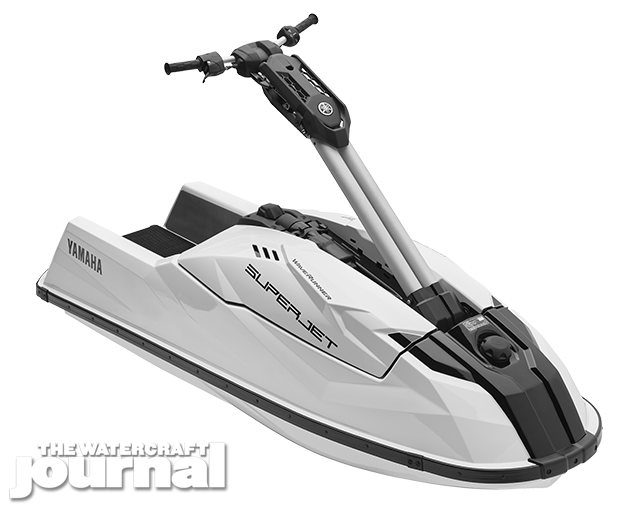
And no, we didn’t forget Yamaha’s performance models, the GP High Output 1.9L ($14,999) and the GP SVHO ($17,499); as well as the SuperJet ($10,999). But what of Yamaha’s new Rec Lite series, you ask? Yes, gone is Yamaha’s former response to Sea-Doo’s industry-breaking Spark and Spark Trixx: the EX series. In its place is a wholly redesigned, dual-material entry level runabout that is both shorter (116-inches), lighter (538-to-600 pounds) and slightly wider (45-inches).

Rechristened the Jet Blaster, each of the six available models come with a polypropylene top deck featuring an all-too-familiar-looking open wishbone concept atop either a SMC or NanoXcel hull. Equally, two models are available with a 2-up or 3-up bench (the 3-up models include rear view mirrors as well). Finally, two variants of the TR-1 engine are available: the 90-horsepower TR-1 and the 110-horsepower TR-1 High Output.

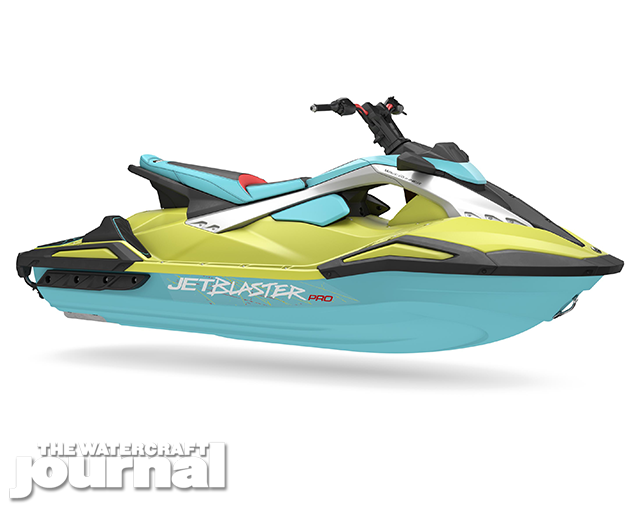
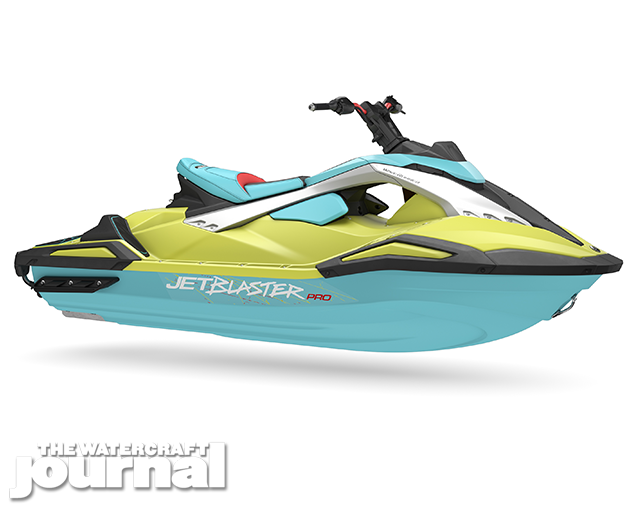
Each ‘Blaster comes with a 13.2-gallon fuel cell, and an all-new 144mm jet pump. (An increased 25.5º of trim angle and new impeller are exclusive to the Pro and LTD models.) Priced for budget appeal, the base Jet Blaster comes in at $7,999 with the SMC hull and 90HP TR-1. Weirdly, the Jet Blaster DLX 2-up ($8,999) and DLX 3-up ($9,999) differ in price by $1,000, while the Jet Blaster Pro 2-up ($11,199) and Jet Blaster Pro 3-up ($11,799) differ by $600 despite sharing the same add-ons for the added rider.

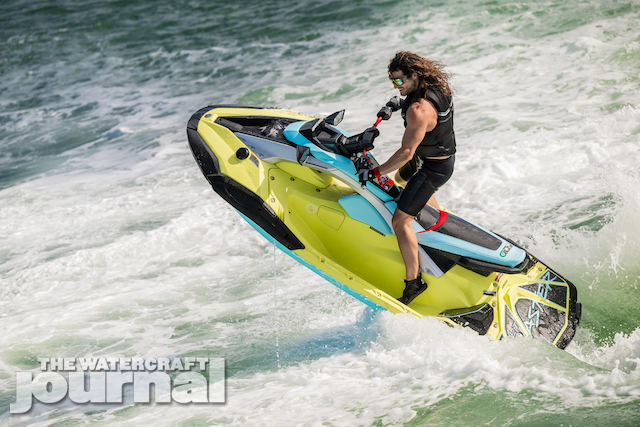
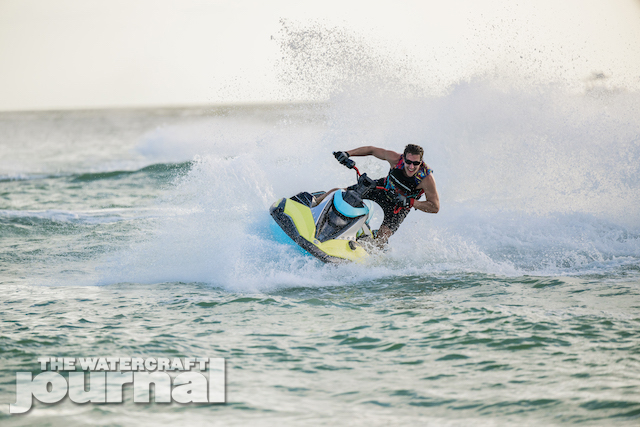
The Pro of course, is Yamaha’s answer to Sea-Doo’s ever-popular Trixx, offering wider handlebars on a taller neck, angled foot wedges and modified trim settings to perform wheelies and aggressive spin-outs. Previously, Yamaha shied away from the comparison but the dramatic parallels in styling, colors and attributes are far too overt to ignore. Lastly, the Jet Blaster LTD ($11,799) includes “a footwell audio kit, stern-mounted storage, and a Yamaha-branded mooring cover.

The two Jet Blaster Pro models (2-up and 3-up) ride on NanoXcel hulls while both Pros and the LTD share the 110-horsepower TR-1 HO. Interestingly, all three 3-up Jet Blasters are equipped with longer sponsons over those shorter sponsons on the two 2-up models. This is said to provide great stability at all speeds and to tighten up some of the Jet Blaster’s “playfulness” in tight corners. Each ‘Blaster comes with a watertight glove box and full color LED dashboard.

The complete redesign of the Rec Lite segment surprised many, as the EX was only introduced in 2016 but the update falls in line with previous 8-to-9 year runs for the FX and FZ lines (the VX tends to last a decade or so). With that, Yamaha has aimed its focus at lower-priced entry buyers and those seeking top-of-the-line phone integration with their personal watercraft. For the thrill seekers, the engine lineup remains unchanged, which is still nothing to shake a stick at.

Video: Kawi Performance’s Useful Stainless Steel Exhaust Kit Install Guide

0

Those of you who have spent any amount of time upgrading your personal watercraft know that modifications can range from quick and easy, to complicated and laborious. Many installations involve numerous steps and, if not properly guided, can lead to confusing mayhem when trying to reassemble your PWC.

Luckily for us, our friends at Kawi Performance are long-time professionals at creating simple, useful, and well-explained installation guides for a wide variety of parts, and their brand-new KP Stainless Steel Exhaust Kit install guide is no different.

Installing a quality exhaust kit can provide impressive improvements in both overall performance and sound output, completely transforming the riding experience. In the video, Steve from Kawi Performance demonstrates on his “Big Bore” STX-160 how to install a Stainless Steel Exhaust Kit, which is compatible with the 2009+ STX-15F and STX-160 (right-mounted exhaust outlet only).

His video starts with an overview of the pieces included in the Stainless Steel Exhaust Kit, which cover the full range of necessities for the job, including the stainless steel tube, silicone adapter, exhaust tip, O-rings, hardware, and a few more bits and bobs to get it all done. Along with that, you will only need a few Allen keys, socket wrenches, and a torque wrench to complete the installation.
We love Steve’s tutorial because it features close-up shots of the entire process, making it super simple for viewers to follow along and recreate his actions at home. If you need an installation guide, check out this video or one of the many other tutorials on the Kawi Performance YouTube Channel.

Sea-Doo Bucket List Series Spotlights Connections with Friends, Family, and Unique Destinations

0

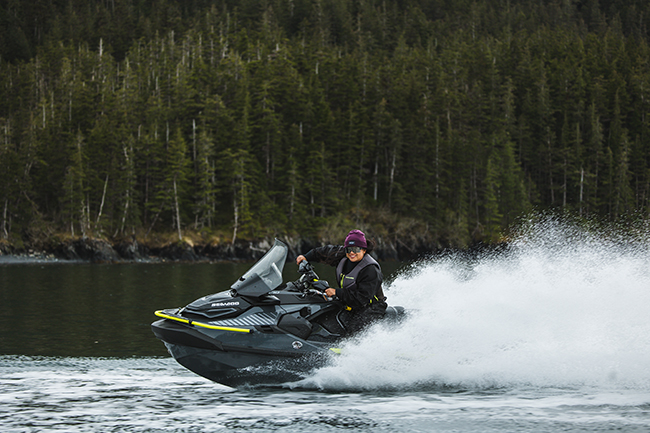
While summer rides on the lake and fun excursions with family are staples of the Sea-Doo life, our watercraft are capable of bringing you to remote destinations for truly once-in-a-lifetime experiences.
Whether exploring areas far off the beaten path, fishing for a species never before caught on a PWC, or connecting with loved ones through a shared love of exploration on the water, Sea-Doos are the vehicle that can make these dreams a reality.

Sea-Doo’s upcoming Bucket List series will highlight exceptional experiences from of the Sea-Doo family, inspiring everyday riders to make the leap and check big things off their own bucket lists.

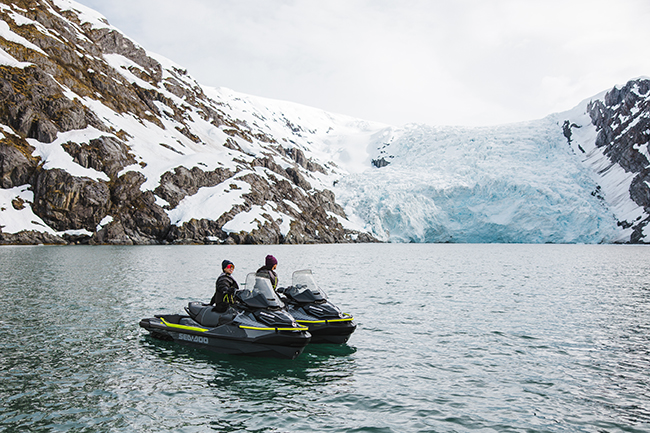
The first installment of the series will feature Sea-Doo ambassador Alvean Azurin, as she brings her niece on an exploration of remote Alaskan waterways alongside an Uncharted Society outfitter, where they experience the raw beauty of the Alaskan outback from a perspective few people have seen.

Stay tuned to Sea-Doo’s Facebook and Instagram for the first installment.

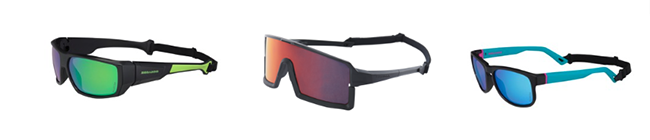
And when you’re out there chasing those Bucket List adventures, be sure to take along a pair of Sea-Doo Sunglasses – A Must-Have for Summer Riding.

Wherever you are riding this summer, beat the glare, protect your eyes, and see
everything around you with the help of Sea-Doo eyewear. Purpose-built to provide the ultimate clarity on the water, Sea-Doo sunglasses offer UV protection, floating frames, and modern styles to look as good as you feel when you ride.

Click here to find your perfect pair!

Join Emmanuel’s Jet Ski Journey from Florida to the Bahamas

0

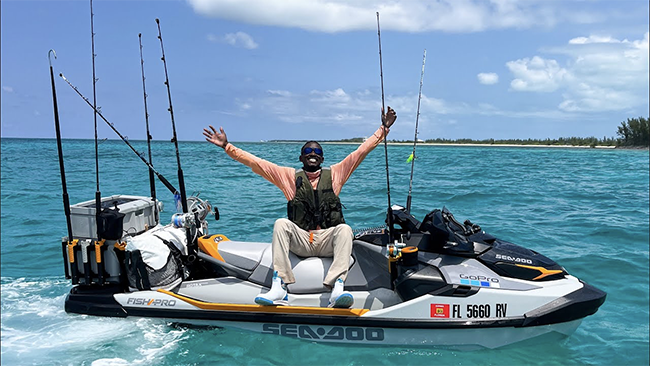
Emmanuel, known as iBelongOutdoors on YouTube, has once again set out on an exhilarating adventure across the Atlantic. In his latest video, Emmanuel, along with his friend Lee, travels 65 miles from Palm Beach, Florida to West End, Bahamas on their trusty Sea-Doo FishPro.

The journey begins early on a “beautiful morning” with virtually no wind—perfect conditions for such an epic voyage. Their ski is loaded up with all the essential gear for a weekend trip to the Bahamas, including life jackets, fishing rods, coolers, and all the clothes and toiletries they may need. They’re also setup with a mounted satellite GPS, an imperative for any PWC travel that goes so far from land

For a trip of this magnitude, Emmanuel emphasizes the importance of traveling in Eco-Mode, which uses gradual acceleration to optimize fuel consumption and ensure they don’t blow through gas too quickly. In this setting, they are able to maintain a steady 19-20 miles per hour and traverse the 65 miles on only one tank of gas.

Around 8 miles out from the Bahamas, the sight of land on the horizon fuels their excitement as they complete Emmanuel’s third successful trip from Florida to the Bahamas.

Emmanuel’s Sea-Doo Fish Pro impressively carries all their gear, demonstrating the watercraft’s remarkable storage capacity and fuel efficiency. Upon arrival in the Bahamas, they check in with immigration officers, marking the official start of their island adventure.
For those interested in recreating Emmanuel’s journey, he offers an eBook titled “Miami to Bimini: How to Cross the Ocean on a PWC,” available for purchase. This guide provides invaluable insights and tips for making the daring trip on a personal watercraft.

Don’t miss this exciting video on Emmanuel’s channel to witness their incredible journey and get inspired for your next adventure!”

Meet the Jet Ski Safety Team at the Olympics Surfing Competition

0

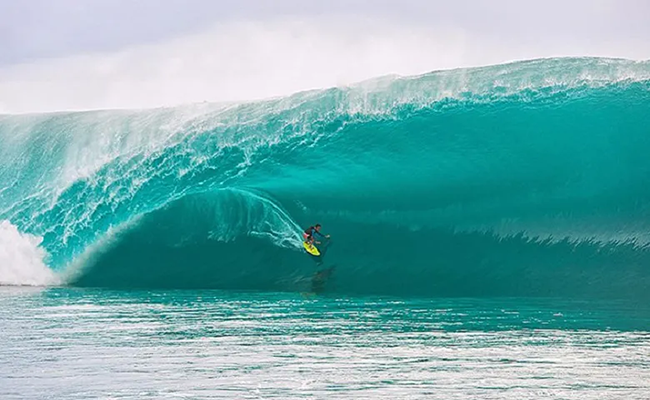
If you’ve been following along with the 2024 Paris Olympics, you may have noted that one of this year’s biggest peculiarities is the surfing competition. Unlike the rest of the Olympic contenders, surfers will be making their way some nine thousand miles across the globe to the island nation of Tahiti for their competition.

The Olympic Surf competition will take place at Teahupo’o, a small corner of the southwest Tahiti Iti peninsula, offering surfers the opportunity to compete on truly epic waves.

We covered the history and impact of Teahupo’o in an article back in March, but with the Olympics already underway, we wanted to highlight some of the impressive safety measures being put into place by the Olympic Jet Ski Water Safety Team to protect surfers at one of the world’s biggest waves.

A recent article from the Olympics newsroom covers the importance a professional water safety team makes when surfing a wave as formidable as Teahupo’o. Viewers of this year’s event will have already noticed the jet skis darting in and out occasionally to evacuate surfers from potential danger.

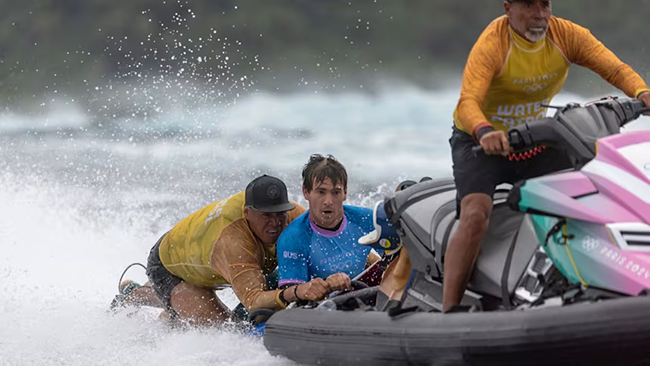
In preparation, the professional team begins each day with a briefing on the ocean conditions to minimize surprises. However, the biggest benefit comes from the water patrol tower, which stays in constant communication with the rescuers. “The water patrol dedicated to the competitors consists of four jet ski drivers staffed with ‘grabbers.’ Each jet ski has a sled attached, which the grabber uses to pull the athlete from the water,” the Olympic committee explains.

After a rescue, the patrol returns surfers to the water within only two minutes to avoid missed opportunities and ensure all surfers have the chance to catch the most opportune waves. The event becomes an incredible show of skill, not just among the many talented surfers, but also for the extremely well-practiced team of rescuers who make it all possible.

You can keep up with all the Olympic Surfing news here, as well as learn how to view the Surfing competitions live.

PWC Racer Ryan Samuels Loses Life in Crash in Georgia

0

We at The Watercraft Journal would like to extend our sympathy to the family and friends of 27-year-old racer (Phillip) Ryan Samuels, who passed away this past weekend after a tragic collision between his PWC and another ski operated by his younger brother, Jonathan Samuels.

Friday night, Ryan and Jonathan had been working on skis for the Pro Watercross Race at Tugaloo State Park the following day, and had launched their skis after dark from the Poplar Springs Boat Ramp in Franklin County, just miles from Tugaloo State Park. Shortly after launch, the brothers reportedly collided, and Ryan was pulled from the water by an incoming boat and given CPR by someone on that boat, after which he was transported to the local hospital, but reportedly never regained consciousness.

Valentina Lezcano, fellow racer and friend to the Samuel family, had been with the brothers earlier in the evening, with Ryan donating parts from the engine of his own ski to make Valentina’s ski race-ready for in the morning. She talked of Ryan’s generous spirit and friendly smile and how he was always willing to lend a hand, and that sentiment was widely shared here in Stephens and Franklin County and the Gumlog neighborhood where Tugaloo State Park has long played host to Pro Watercross, and where the Samuels family is well known and well respected.

“​​Heavy hearts in Gumlog today. These brothers were the sweetest. Always smiling.,” wrote local resident April White, while the owner at Gumlog Trading Post wrote, “ We have known these young men for years. They were always respectful and polite and always gave me a loving hug.”

Saturday morning, prior to the start of the race day, Pro Watercross arranged and held a honorarium lap in honor of Ryan.

A Go-Fund-Me account has been set up to assist the Samuel family with his funeral expenses during this difficult time. Donations can be made here or by using the attached QR Code.