


We’ve all been there – there’s always that one product, that one brand, that one model or feature that we love. It can be a big deal or a small thing – but inevitably, it seems, it’s the one thing they “upgrade” or “reinvent” or just plain do away with all together.
Whether it’s your favorite candy bar (Hershey’s Gold.. seriously? I’m still mad about that one!) your favorite phone app that they upgraded out of existence, your favorite TV series that didn’t get picked up for a new season — or the temperature display on your Sea-Doo dash; they just up and snatch them away from us with not as much as a by-your-leave.
Well, Active Jet Sport may not be able to do much about reuniting Sam and Dean and Baby for another season of Supernatural, or bringing back that one single flavor of Monster that you liked and is no longer on the shelves, but they can – and did – do something about you being kept in the dark about your Sea-Doo’s engine temperature.
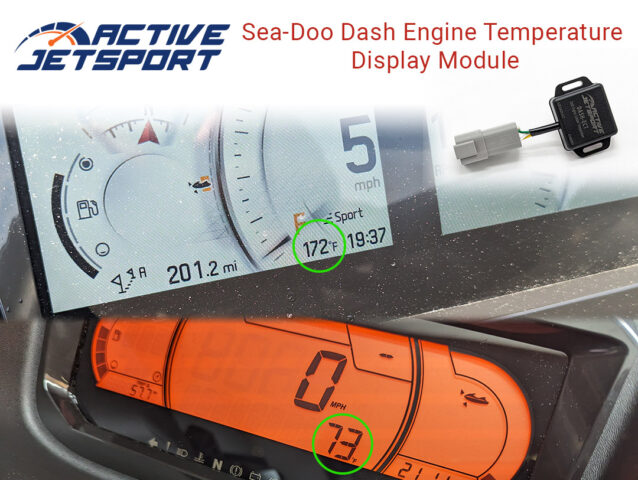
In an announcement yesterday, June 6, Active Jet Sport launched their “all new DASH-ECT (Dash Engine Coolant Temperature) module that will instantly display the engine temperature on your dash.”
Designed specifically to display the engine temperature on the dash of your 2019+ Sea-Doo with mono or full color cluster, Active JetSport’s DASH-ECT module enables the display of engine temperature on 2019 and newer Sea-Doo watercraft, which no longer have this as a built-in feature.
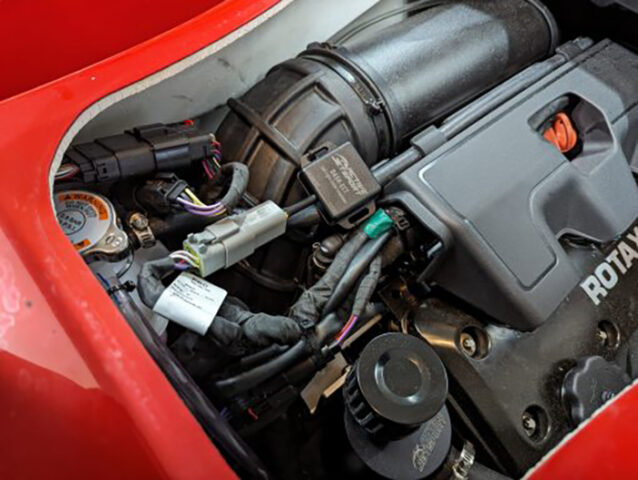
Simple to use, the 100% plug-and-play DASH-ECT Module is plugged into the diagnostic port and instantly displays the engine coolant temperature on the cluster. There is no need for running wires from the ECU or installing additionalsensors, and can be just as easily removed.
Active JetSport describes the modules’s display mechanism: “The Dash-ECT module makes use of the existing lake water temperature channel on the cluster. This means the engine temperature will be displayed where the lake water temperature is normally shown. If your Sea-Doo has a factory lake water temperature feature then the engine temperature will override the lake water temperature.”
Active JetSport does mention a minor limitation that impacts imperial units only, not clusters set to metric units, stating, “Because we use the lake water temperature channel on the cluster, we have a hard limit of how high of a number that can be displayed. On the VIP color cluster the maximum number that can be displayed is 192, which means when your units are set to imperial the maximum temperature display will be 192F. On the mono orange cluster, this limit is slightly higher at 194. Keep in mind that it will be rare to reach those hard limits since Sea-Doo uses 175F thermostat. Clusters set to metric units are not affected by this limitation.”
Available now for $169.99, the Dash-ECT features same-day shipping.
Be sure to check out the rest of the deals on their website as well as keeping up with them on social media.

 Summertime, and the livin’ is easy… if you take advantage of
  The Summer Sales financing offers, which went into effect on June 1 and will be available through July 31, include:
 The website also has a

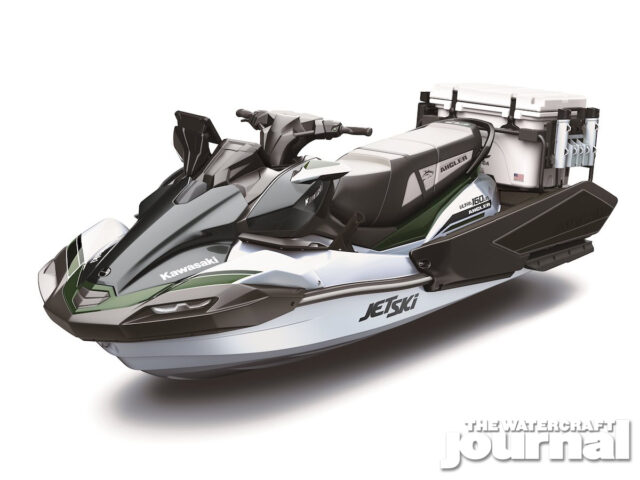
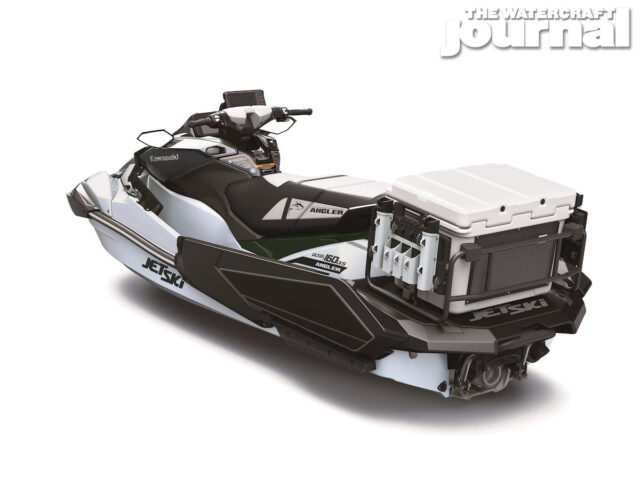
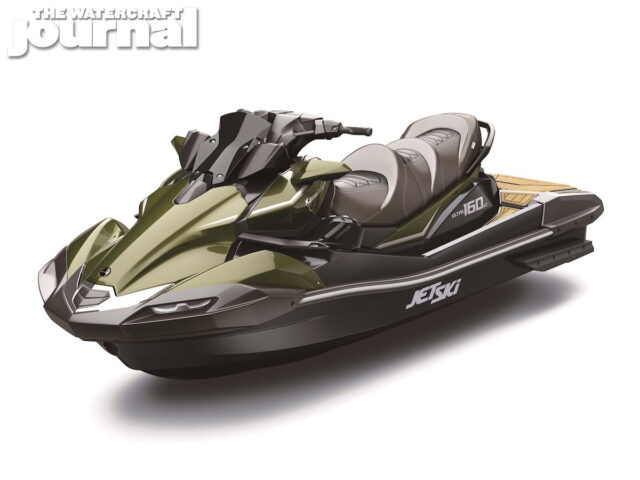
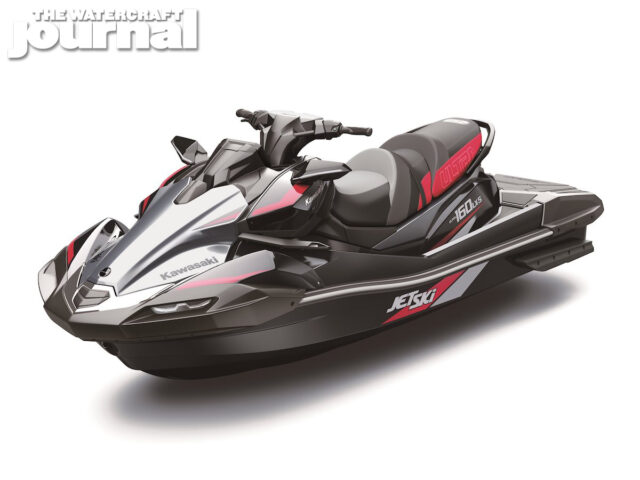
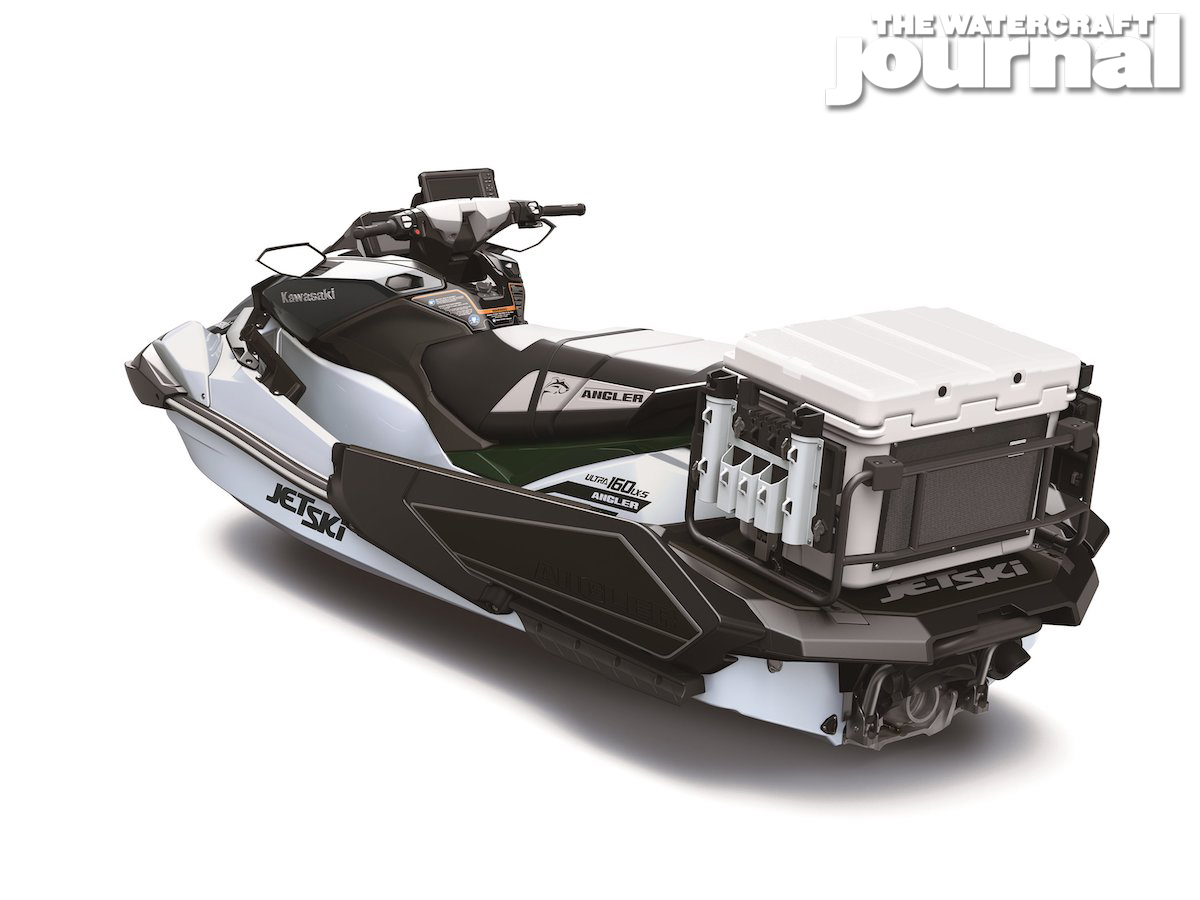
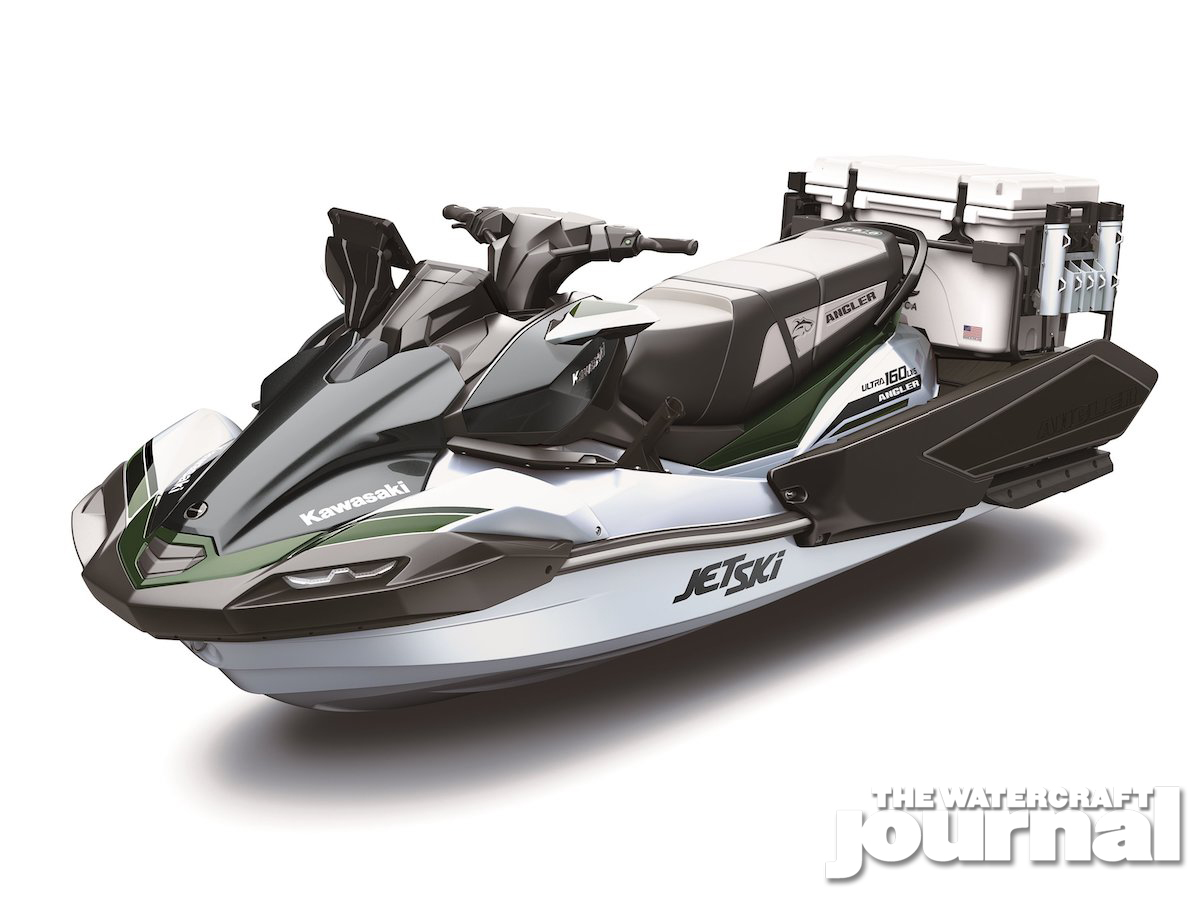
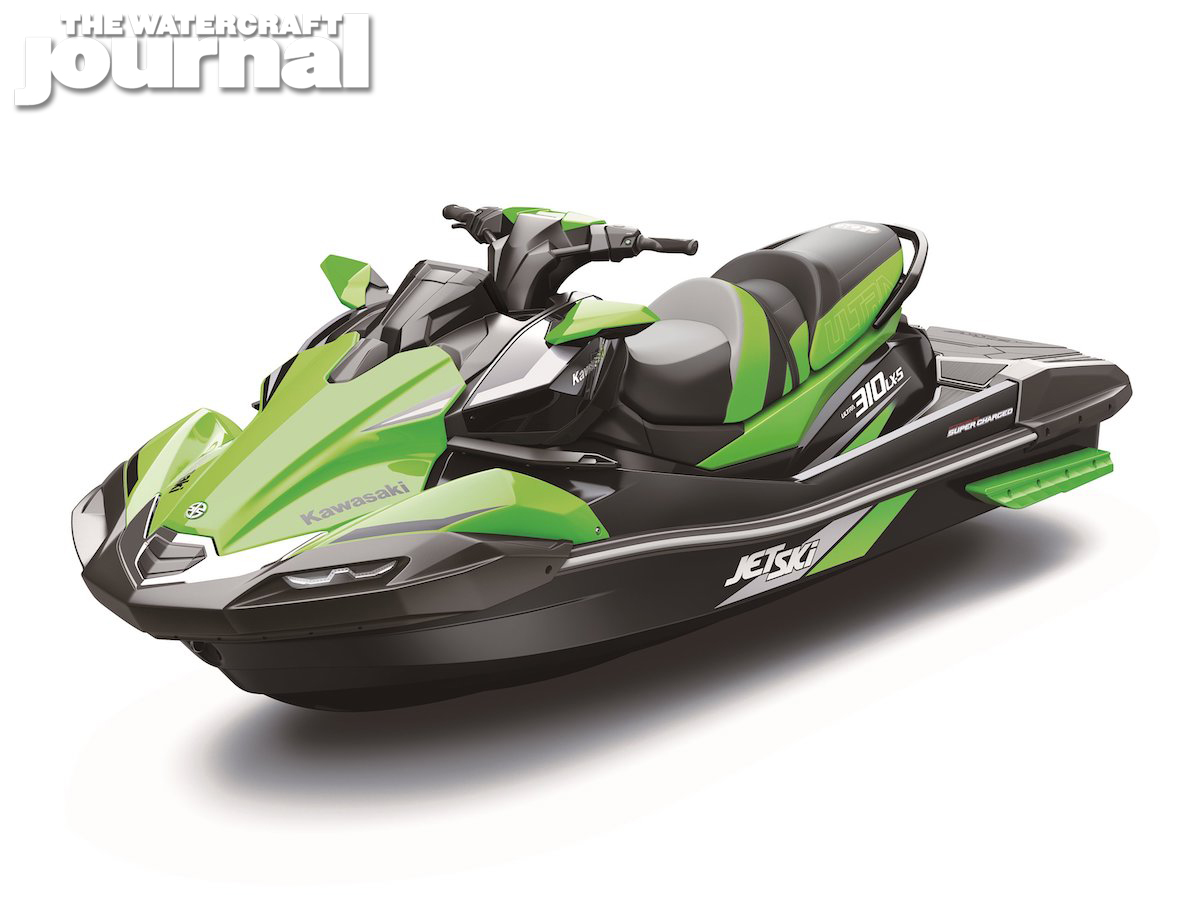
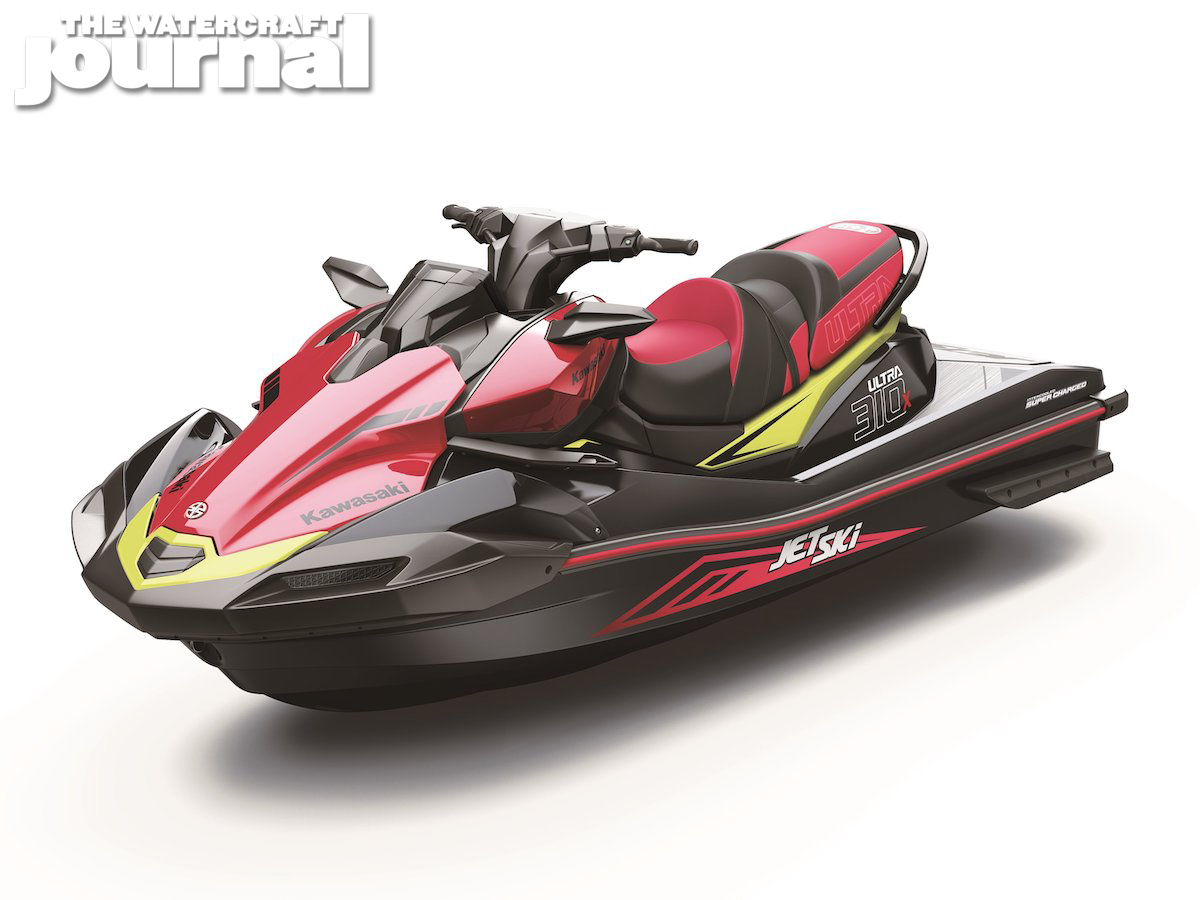
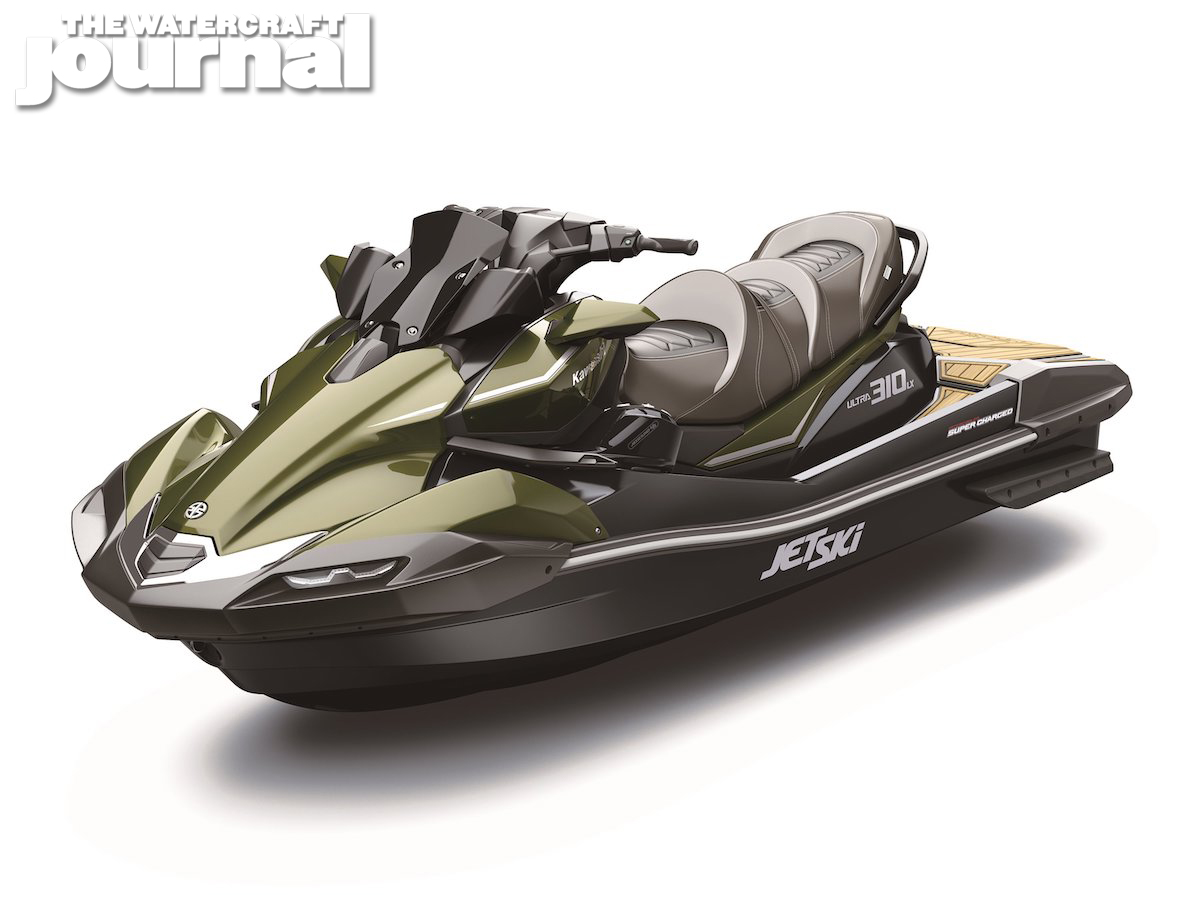
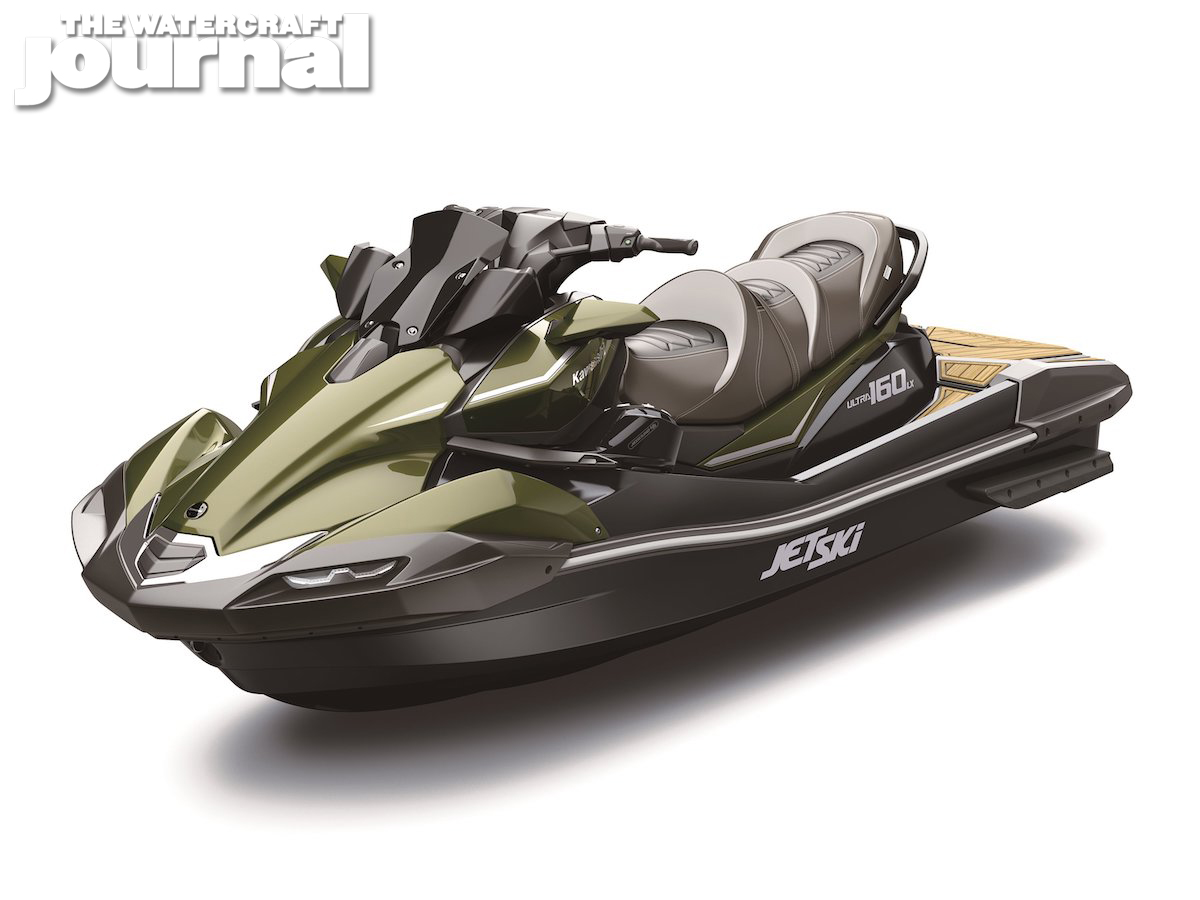
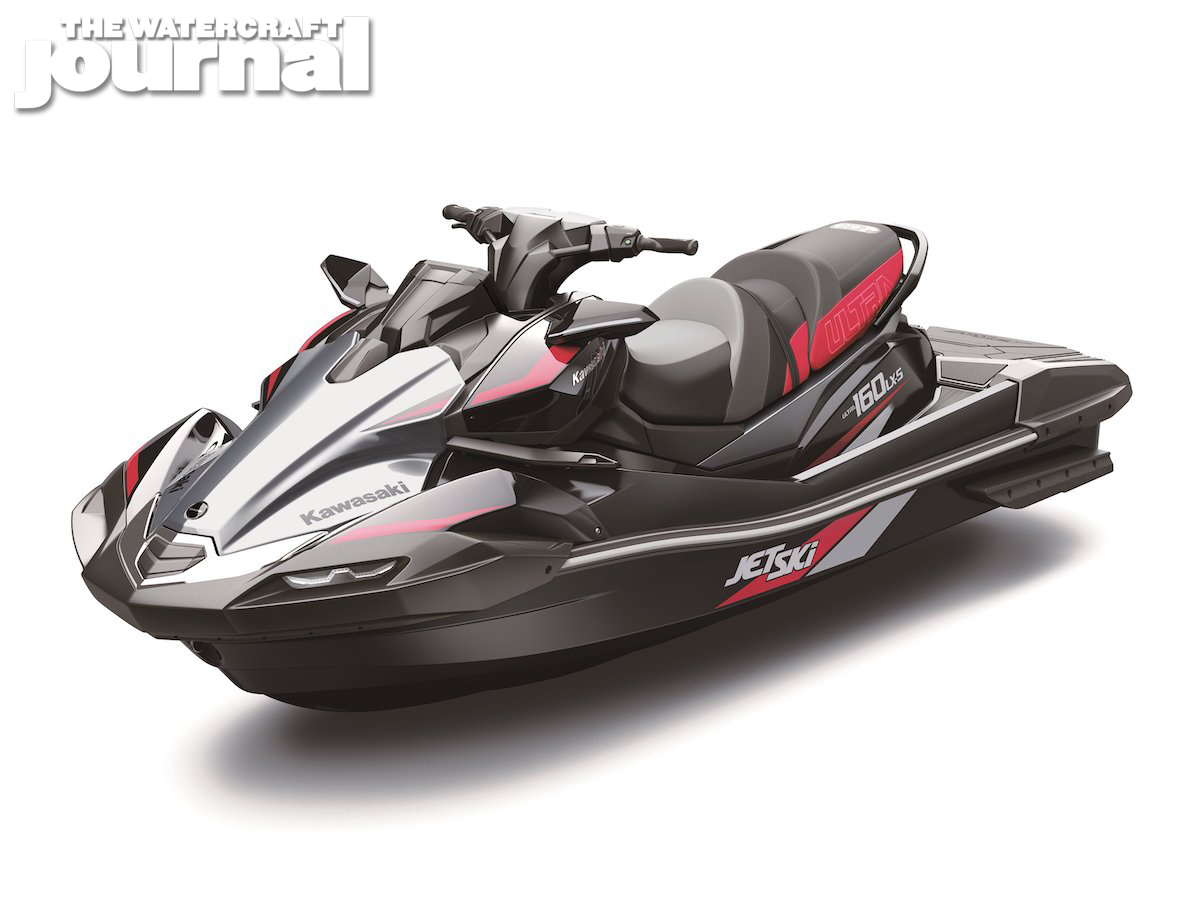


 Have you ever wondered what AI thinks of PWCs?
  Chat GPT breaks down its response:

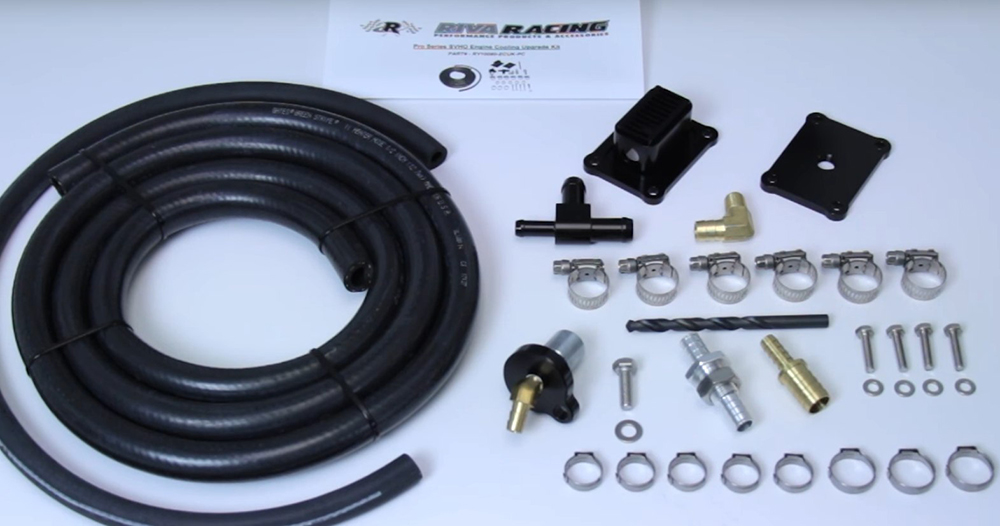
 Heat kills – at least in terms of engine temperatures.
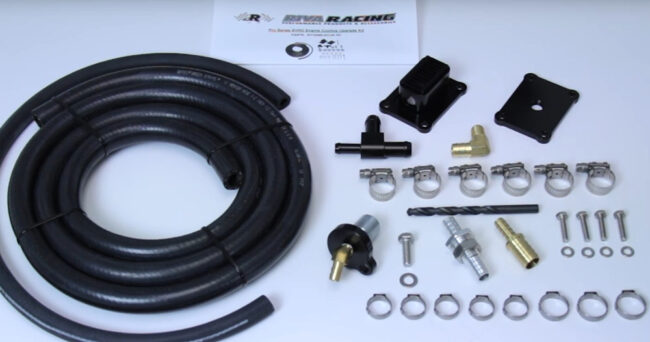
 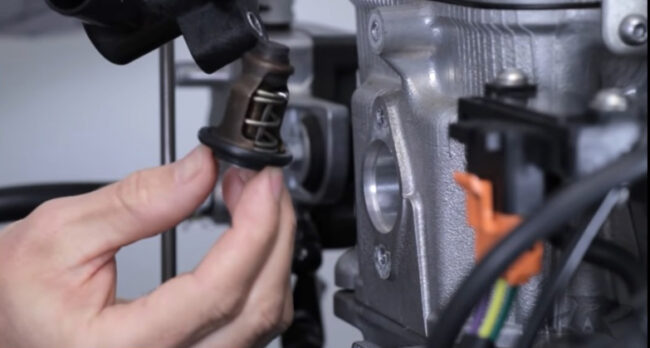 In RIVA’s own words, the RIVA Pro-Series Engine Cooling Upgrade Kit for 2020 & Newer Yamaha SVHOs deliver dramatically improved cooling efficiency to engine and inter-cooler for increased performance and reliability by greatly enhancing water flow and pressure through replacement of restrictive OEM pump strainer and water fittings with high-flow billet components and superior routing; and utilizing this effective kit allows for worry-free addition of re-flashed ECU’s, high-boost compressor wheels and other performance modifications that can increase heat and detonation.

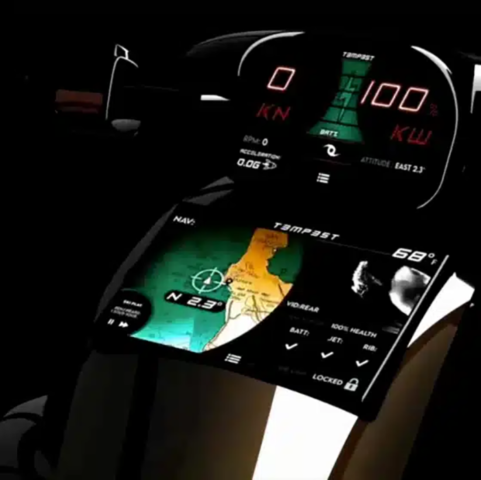

 Just like anyone that throws a leg over a motorcycle, anyone that twists a throttle on a PWC understands that there is an inherent risk – whether you are a competitive racer, and daredevil freestyler, or a weekend rec-rider, there are dangers that every PWC rider takes precautions against.
  1st Sgt. Adam Henderson with the South Carolina Department of Natural Resources said that rays, which are more prevalent in the nearshore waters off Hilton Head during the spring and summer months, frequently jump out of the water, and while actual contact between a jumping ray and a human -whether on a PWC or not – is rare, just a few years earlier, The Watercraft Journal also reported on a
 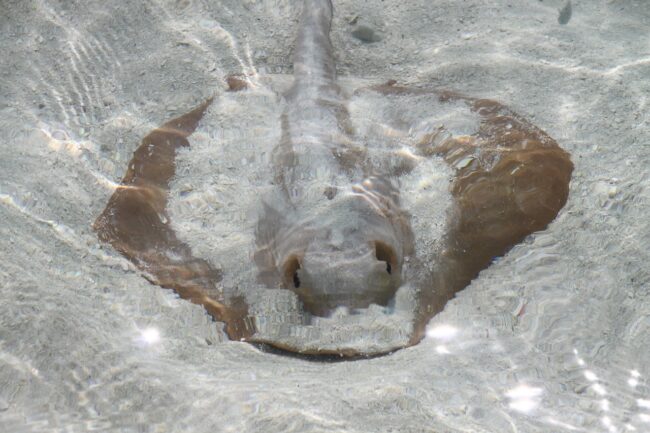 However, rays are not known to be naturally aggressive, and there have only been 17 deaths caused by stingrays worldwide in recorded history, and it is noted that the stingray’s barb – typically located close to the base of the tale – is the only part of a stingray that poses a danger, and the rest of the tail and the body are harmless to touch – if a bit slimy.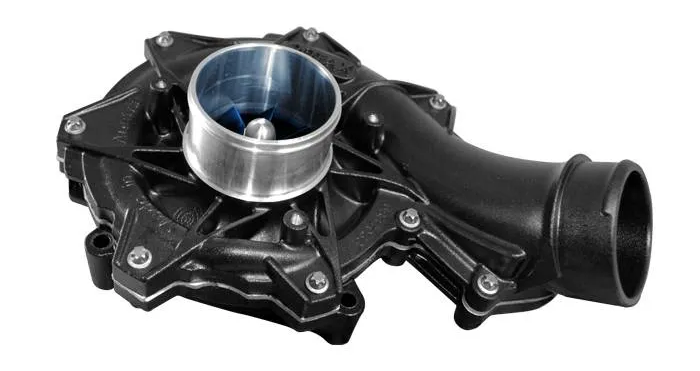
 If you’re hoping to boost your PWC this summer to get even higher speeds, impressive acceleration, and loads of fun while you race on the water, we’ve got good news for you. The top-selling supercharger at RIVA Racing—the Sea-Doo 300 XXX Charger—is back in stock, and from what we’ve seen, it may be just what you need to take your watercraft performance to the next level.
 The boost gets up to 24 PSI at 9,200 RPM, so it’s no wonder RIVA claims that it is an absolute must for performance builds. On the engineering side, the supercharger is assembled fully by RIVA’s performance techs and features a lightweight 142mm billet aluminum impeller and genuine BRP shaft and internal hardware components. It installs quickly in place of the Sea-Doo 300 OEM supercharger and comes with detailed instructions to make it as easy as can be!