While half the PWC racing world is laser-focused on the HOT, HOT, HOT shores of Lake Havasu — where the heat has been enough to send Tuesday’s IJSBA World Finals registration indoors and leave organizers reconsidering their plans day by day — there is a flip side to the Arizona swelter.
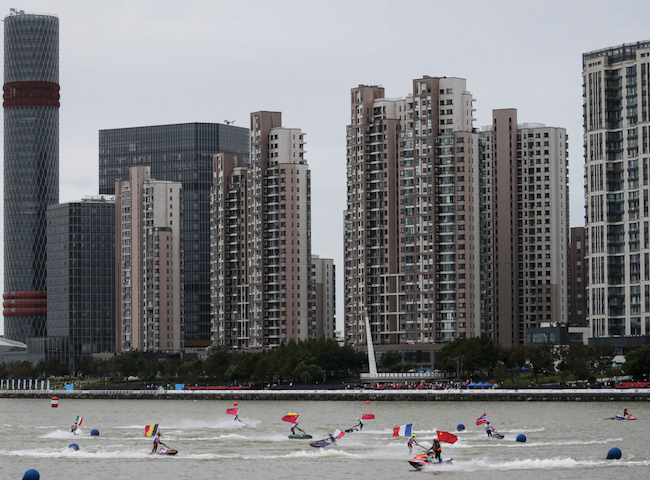
Half a world away in Shanghai, China, the skies were cloudy, the days drizzly and temperatures barely topped 70 degrees.
The racing, however, was blistering.
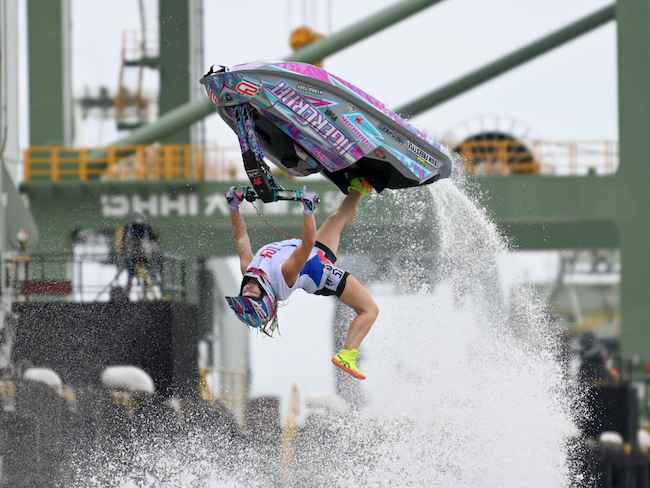
The 2026 UIM-ABP Aquabike World Championship finally got underway in Shanghai over the weekend, with many of the racers having already been put through their paces earlier this year in the European Continental Championship.
Gyorgy Kasza, Quinten Bossche, Jessica Chavanne and Rashid Al Mulla left the opening Grand Prix atop their respective classes and already gave the international field plenty to chase when the championship heads to Olbia, Italy, for its second — and final — round.
Photo: Simon Palfrader
The 2026 UIM-ABP Aquabike World Championship opened its season in Shanghai over the weekend, with Gyorgy Kasza, Quinten Bossche, Jessica Chavanne and Rashid Al Mulla leaving the opening Grand Prix atop their respective classes and already giving the international field plenty to chase when the championship resumes in Olbia, Italy.
In Runabout GP1, Kasza made it a clean sweep of the weekend, winning all three motos. In the final, the Hungarian grabbed the holeshot ahead of Francois Medori and Samuel Johansson and then simply kept stretching the gap.
By Lap 2, Kasza had built a 5.053-second advantage over Medori. By Lap 4 it was 14.821 seconds.
By the checkered flag?
32.474 seconds.
Kasza’s three wins gave him the Grand Prix victory, while defending world champion Medori finished second overall with 64 points. Johansson took the final podium spot with 58, just two ahead of Jeremy Perez.
Meanwhile, in Ski GP1 … well, Bossche did what Bossche does. He won.
Quinten Bossche swept all 75 available points in Shanghai, putting an exclamation point on the weekend with a 48.575-second victory in Moto 3.
Five laps into the final race, Bossche was already 29.518 seconds out front. Jeremy Poret ultimately took second in the moto and second overall, with Valentin Dardillat completing the Grand Prix podium.
Photo: Simon Palfrader
Jessica Chavanne put together an impressive weekend of her own in Ski Ladies GP1, winning two motos and taking the Grand Prix overall with 72 points.
Chavanne led the final moto from the start, choosing the outside split and emerging ahead of Estelle Poret and Benedicte Drange. She quickly opened a 9.607-second advantage and eventually crossed the finish line 7.247 seconds ahead.
Poret finished the Grand Prix second overall with 62 points, while Jasmiin Ypraus took third in her return to China — where she had finished second the last time Aquabike raced there in 2019.
And the Freestyle field provided another reminder that established champions aren’t the only racers worth watching this season.
Rashid Al Mulla claimed both motos and the Shanghai Grand Prix, scoring 223 points from the judges in the finale and adding another Chinese Grand Prix title to the one he won when Aquabike last visited the country in 2019.
But Aquabike rookie Demi Morgan made quite an entrance.
Morgan scored 187 points in the final and finished second overall in her first Aquabike appearance, ahead of defending world champion Roberto Mariani, who completed the Shanghai podium.
For the Aquabike competitors, attention now turns toward Olbia, Italy, for the next round of the World Championship.
Meanwhile, on this side of the planet, many of the best — and plenty of the brave who came to see if they can beat the best — are pouring into Lake Havasu City for one of the biggest weeks on the PWC racing calendar.
And waiting a little farther down that calendar is another place where those racing worlds can collide.
As a reminder, the WGP#1 Waterjet World Cup will come later than normal this season.
WGP#1 announced back in June that the event, originally scheduled for Dec. 16-20, 2026, had been rescheduled for Jan. 13-17, 2027, at Jomtien Beach in Pattaya, Thailand.
Organizers said the change followed the Royal Thai Government’s announcement that the Royal Cremation Ceremony of Queen Sirikit The Queen Mother would take place Dec. 14-19. They also cited Pattaya’s hosting of Tomorrowland Dec. 11-13, creating heavy demand for accommodations, and other activities already scheduled at the venue earlier in December.
The venue itself remains unchanged.
And when January finally arrives, WGP#1 will again provide something increasingly rare in a sport divided among sanctioning bodies, championships and continents:
A proving ground — and battlefield — where many of the elite from those different racing worlds finally meet on the same water.
There’s a certain amount of irony involved when a company invites a bunch of journalists into one of its most secretive facilities and then immediately tells them, “You can’t take pictures of that. …or that. …and definitely not that.”
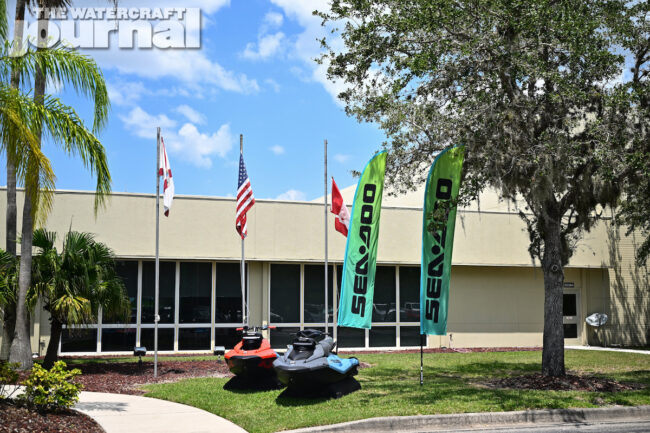
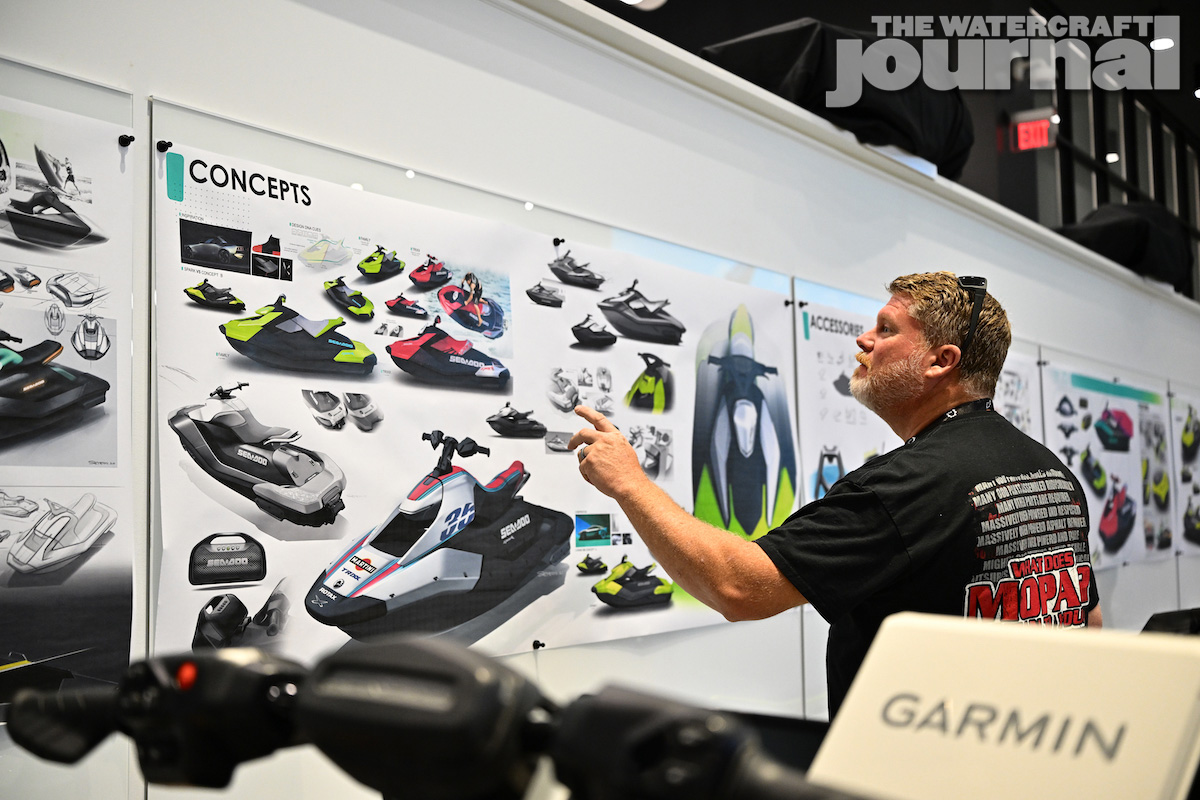
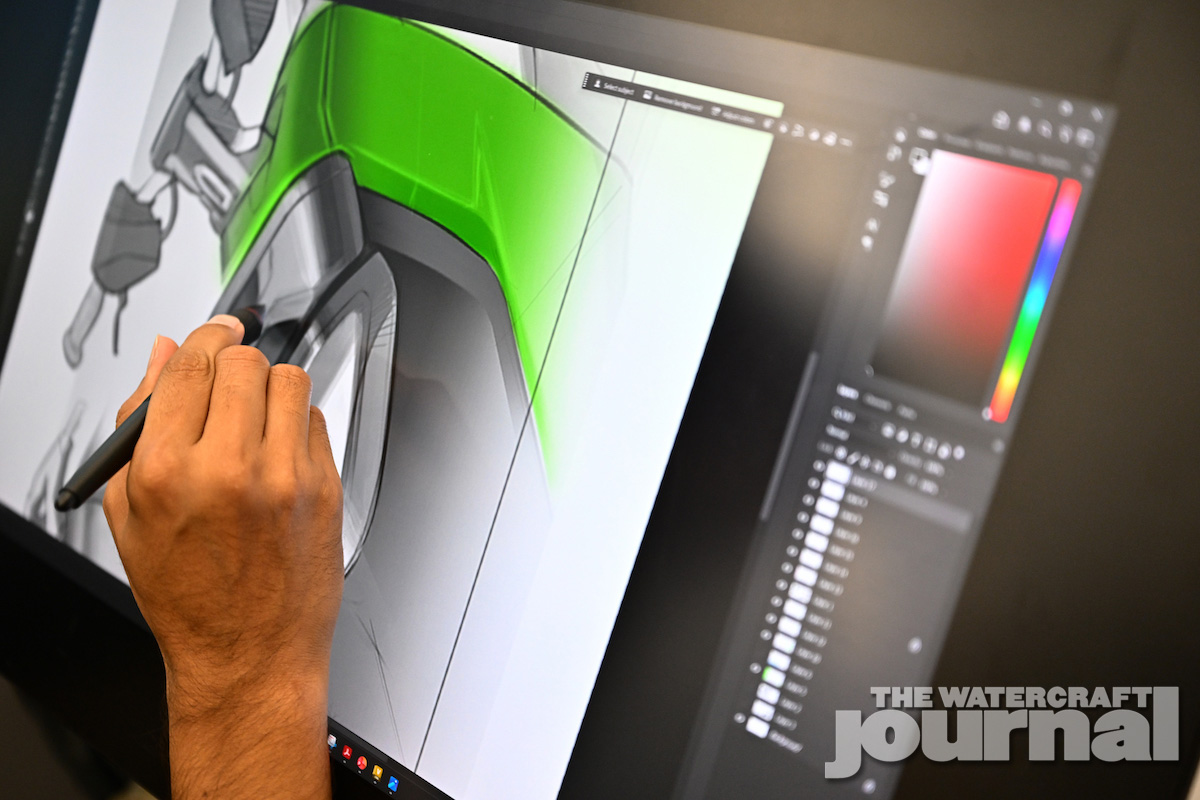
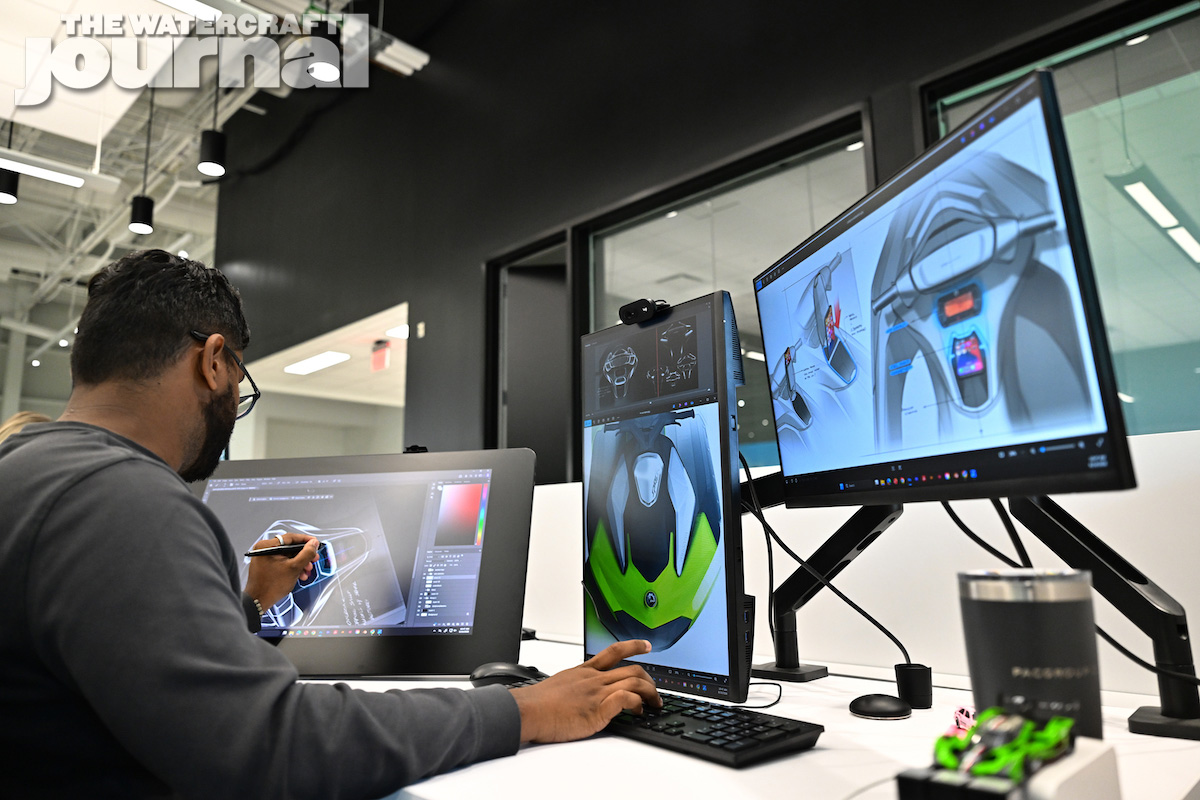
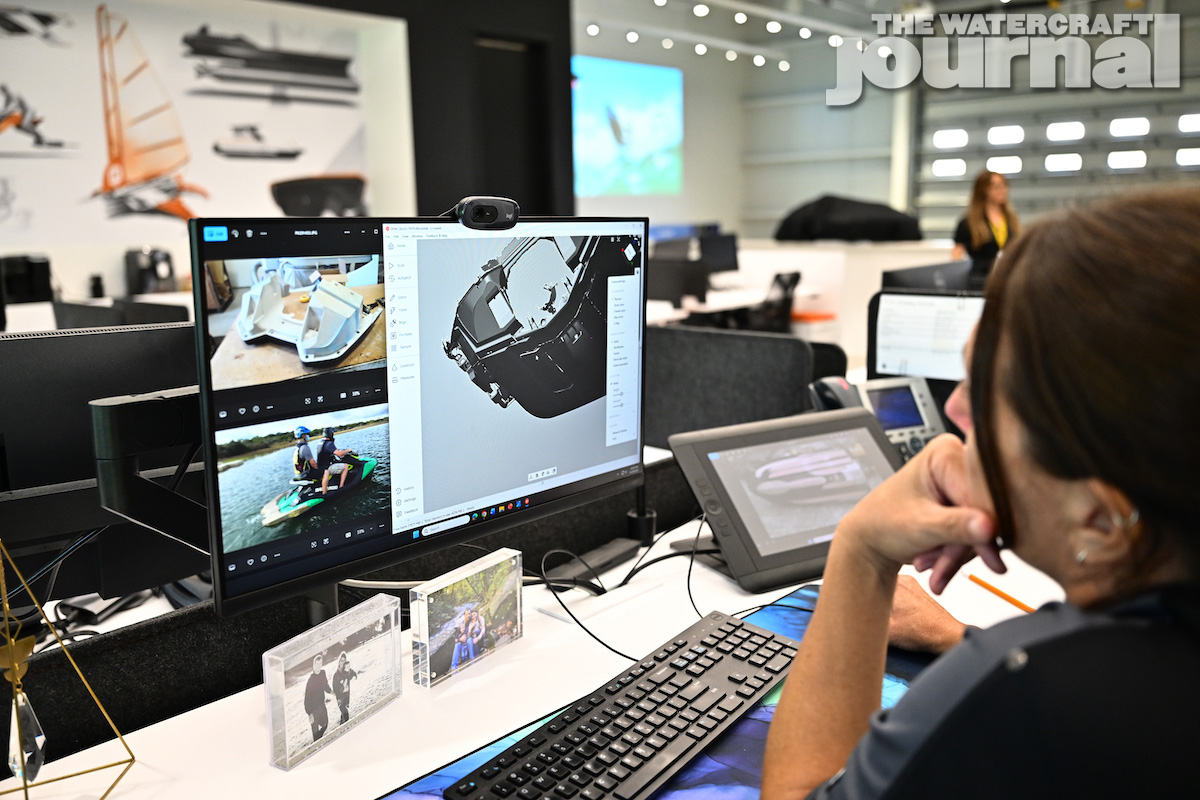
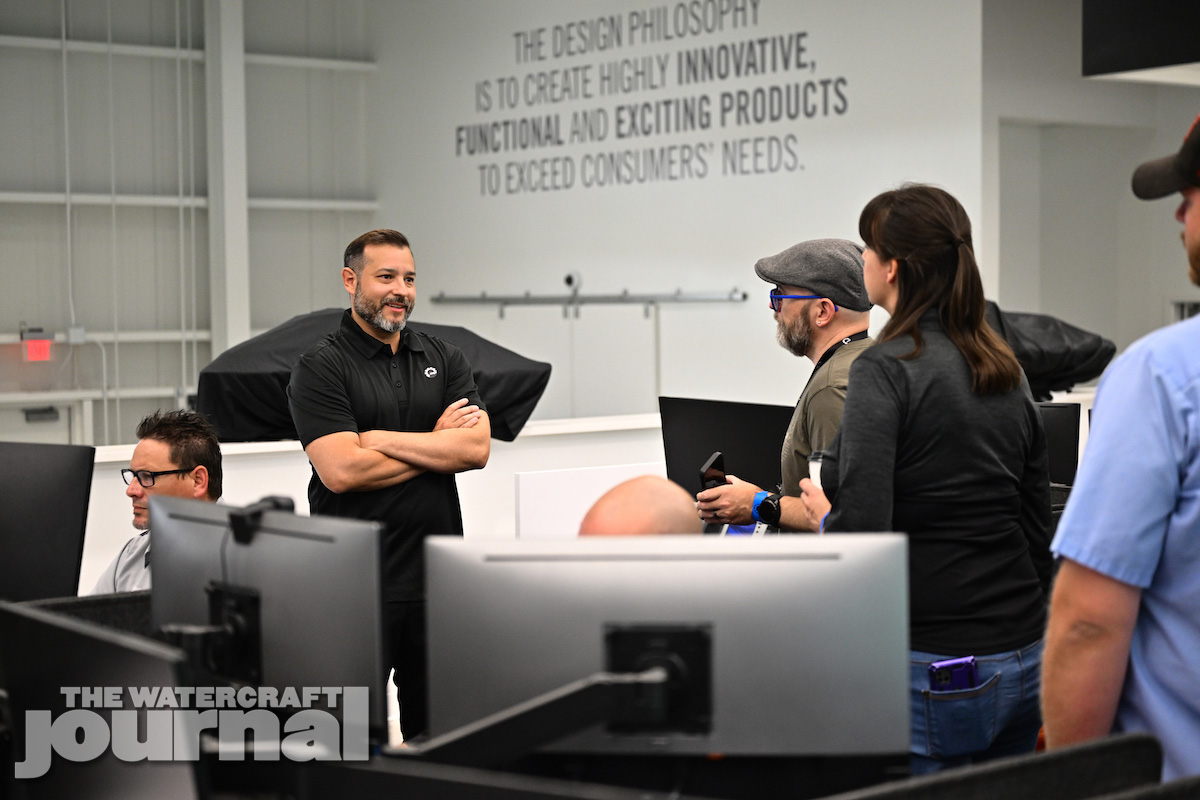
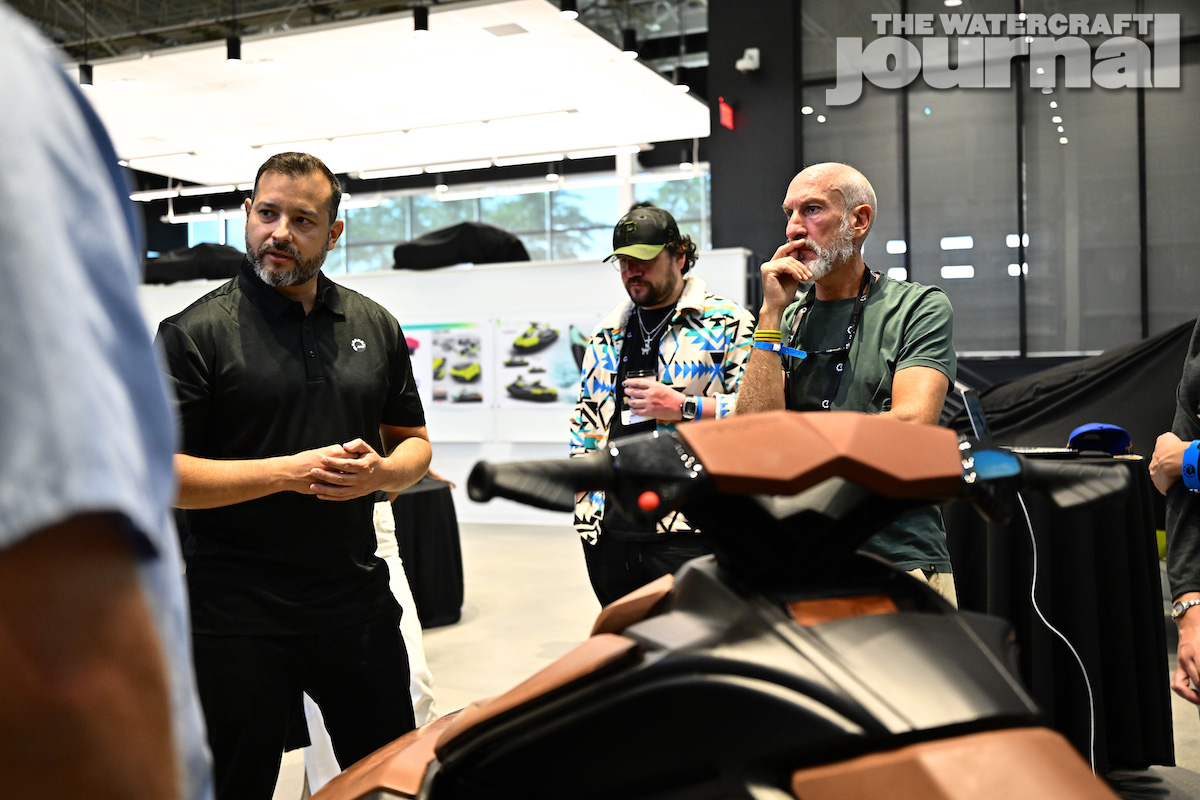
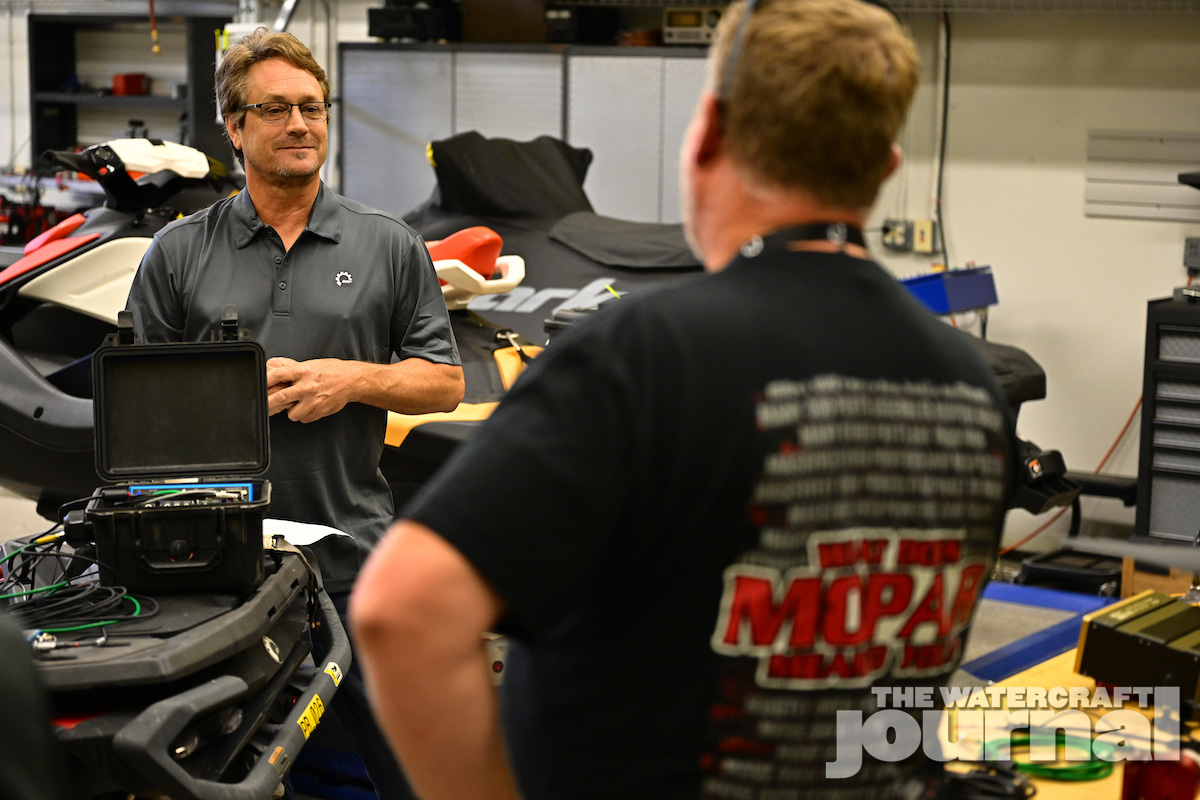
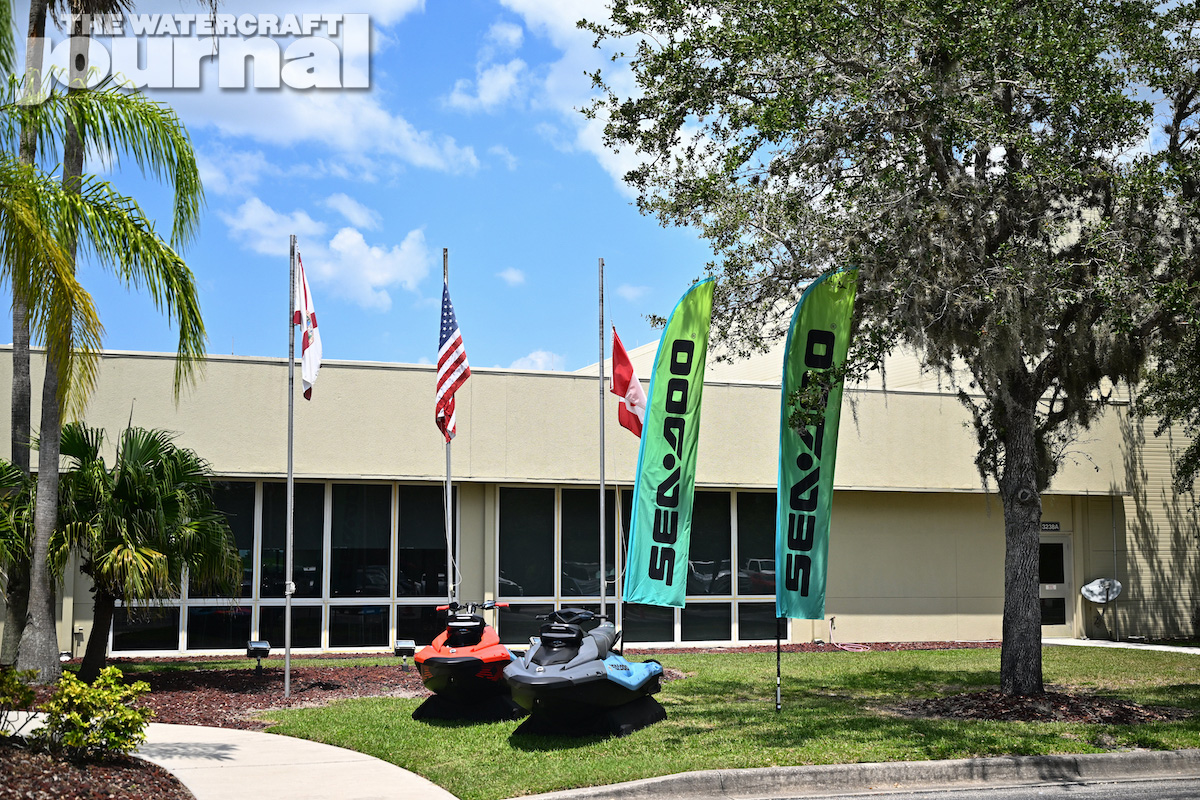
Such was sorta the case following BRP’s recent 2027 Sea-Doo product launch in Orlando, Florida, when The Watercraft Journal was among a very small group of media invited to tour BRP’s Design & Innovation Center in Palm Bay. And while Sea-Doo was surprisingly accommodating with what we were permitted to see, there remained plenty hidden beneath black fabric covers – quite literally.
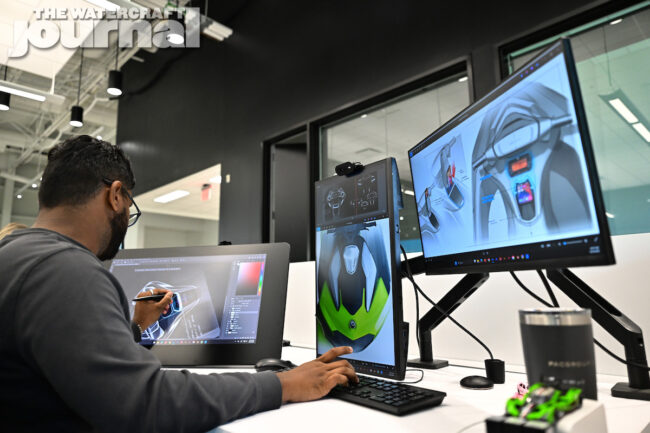
From the outside, there’s remarkably little suggesting what happens inside. Yet, tucked behind the otherwise nondescript building is effectively the birthplace of tomorrow’s Sea-Doo.
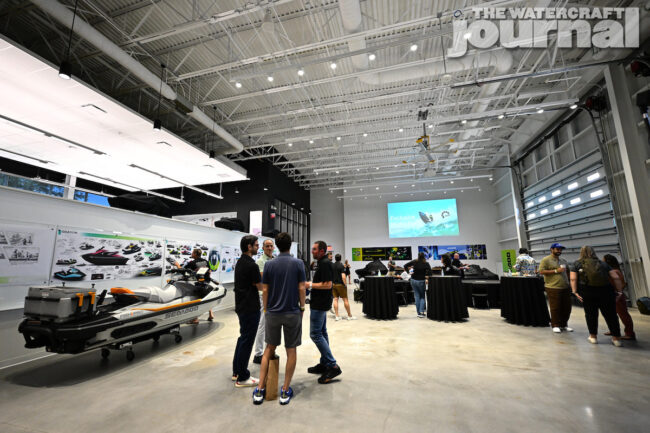
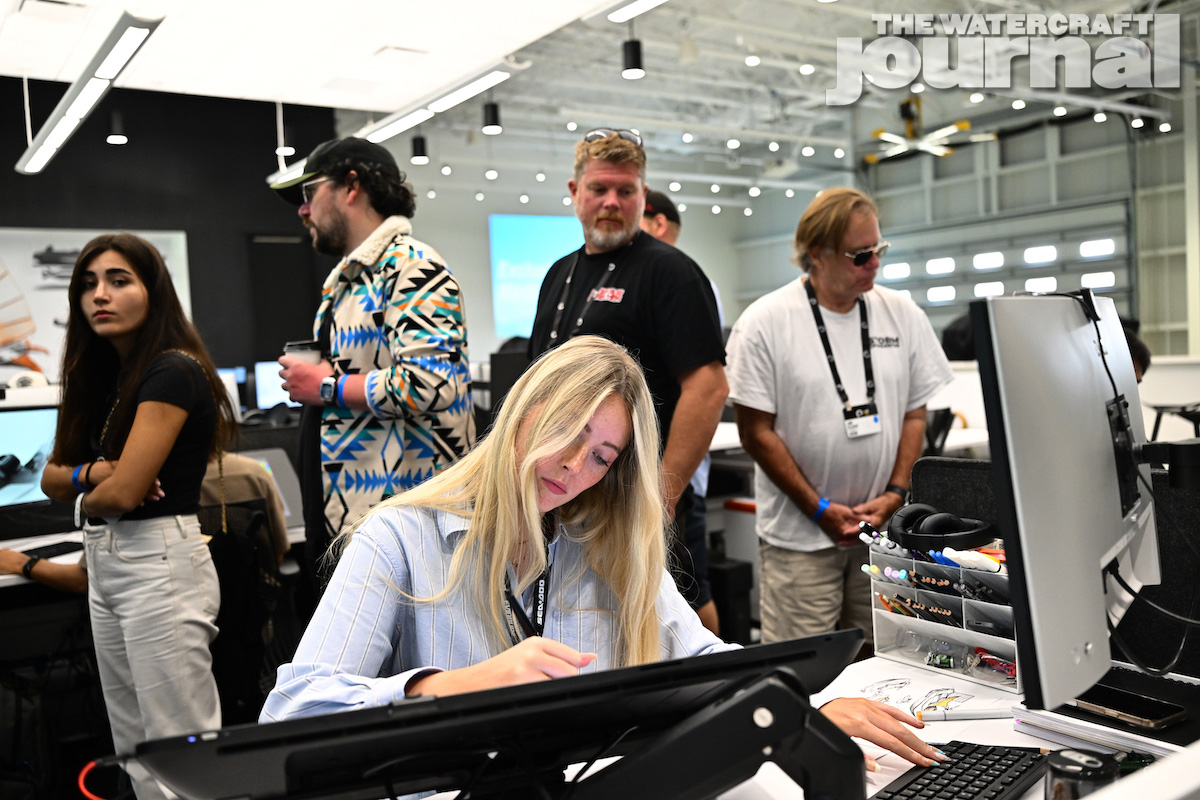
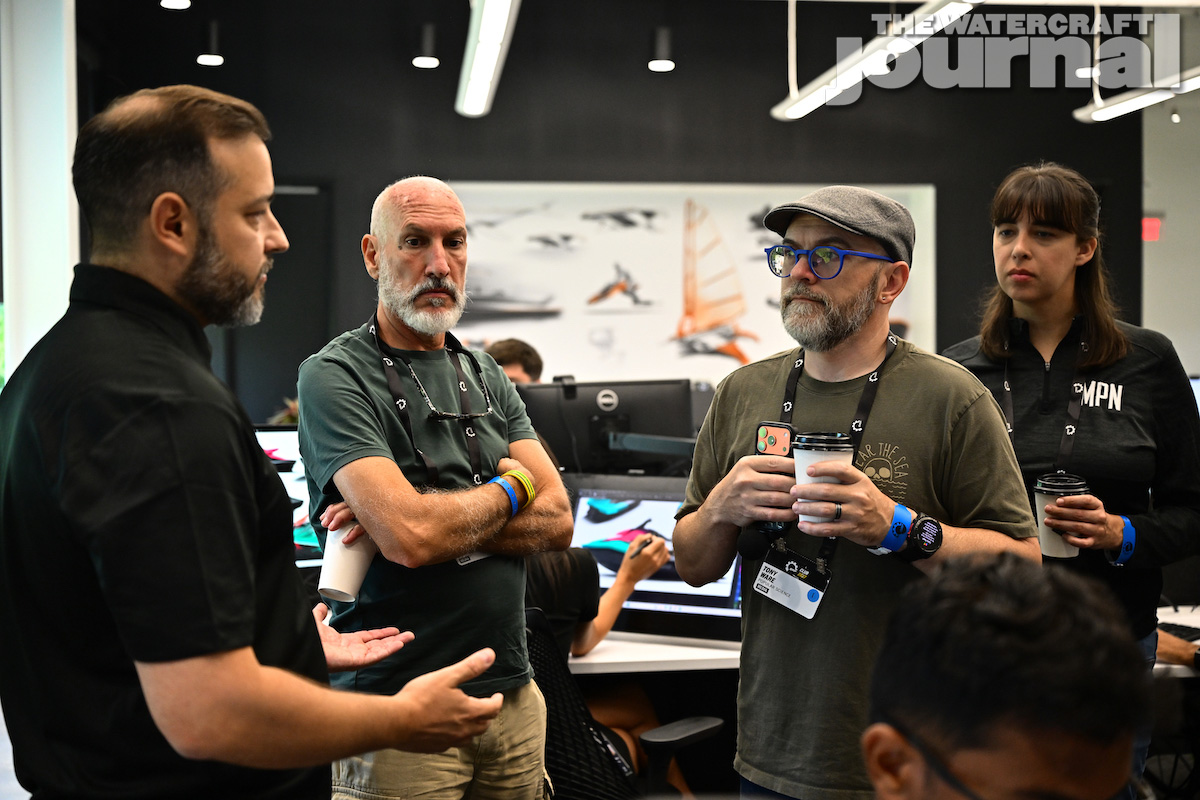
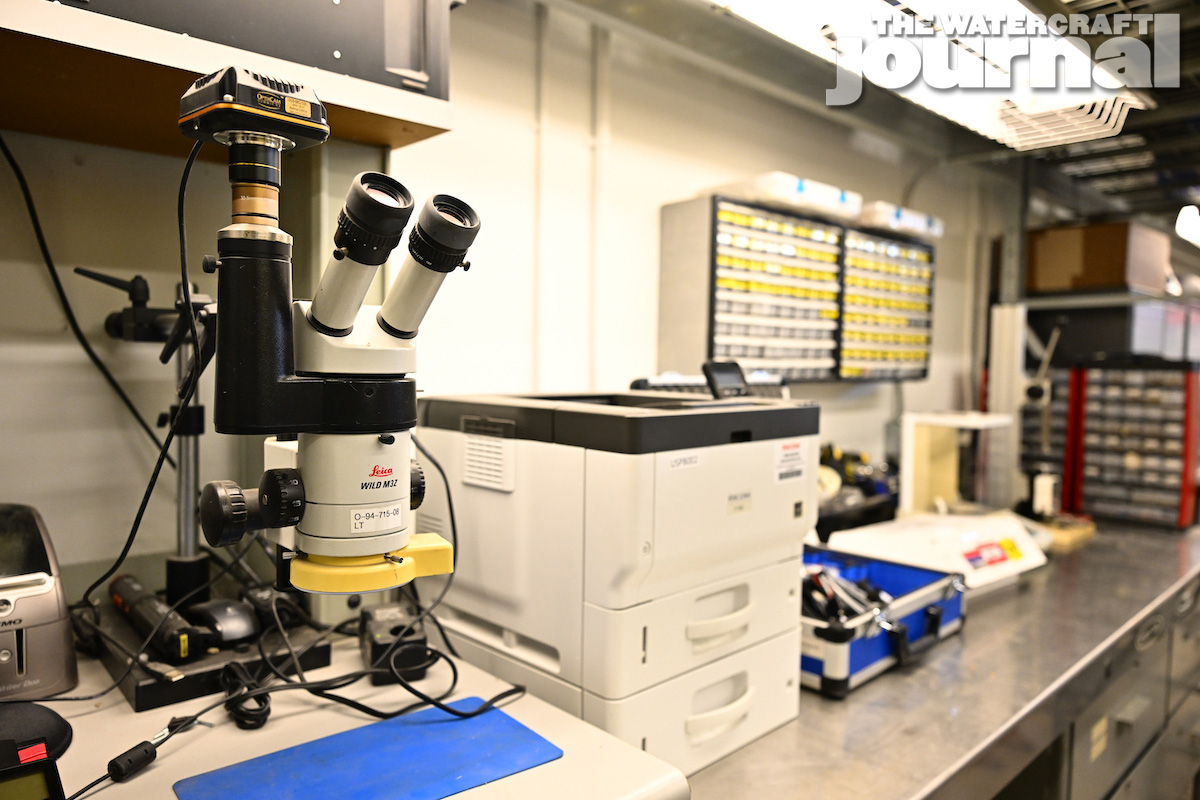
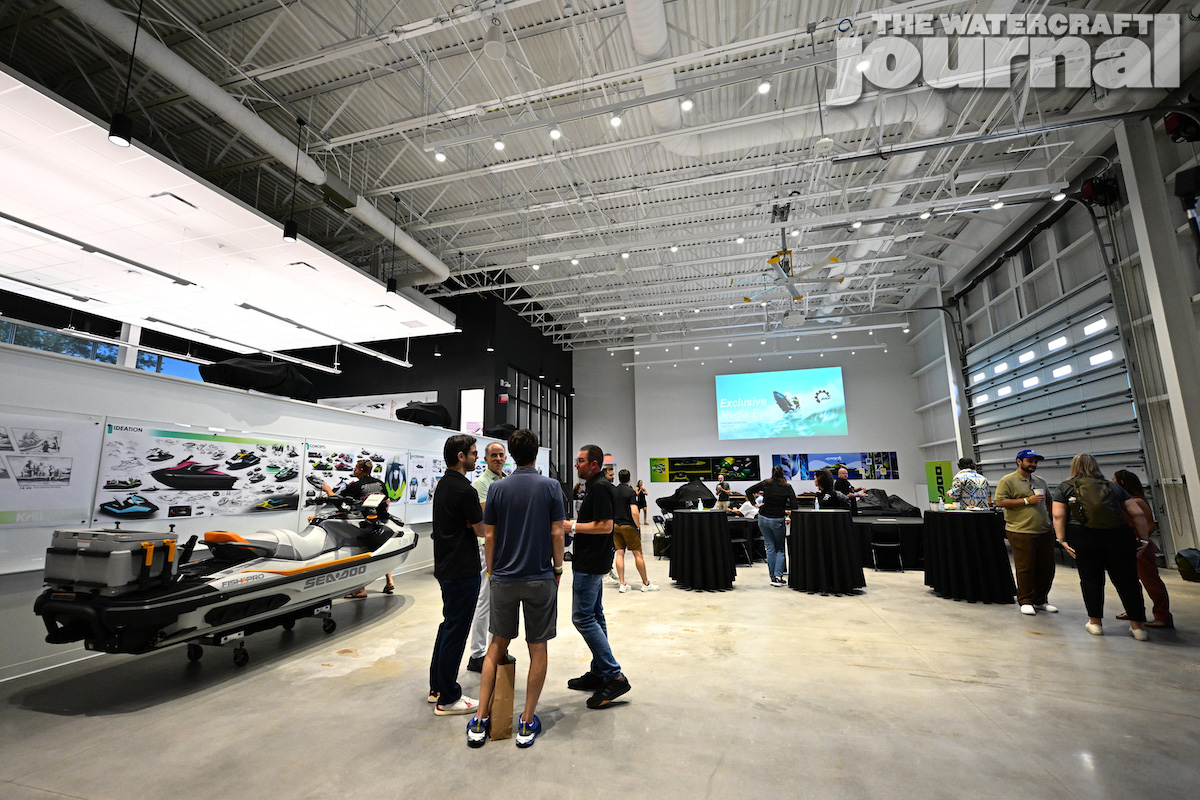
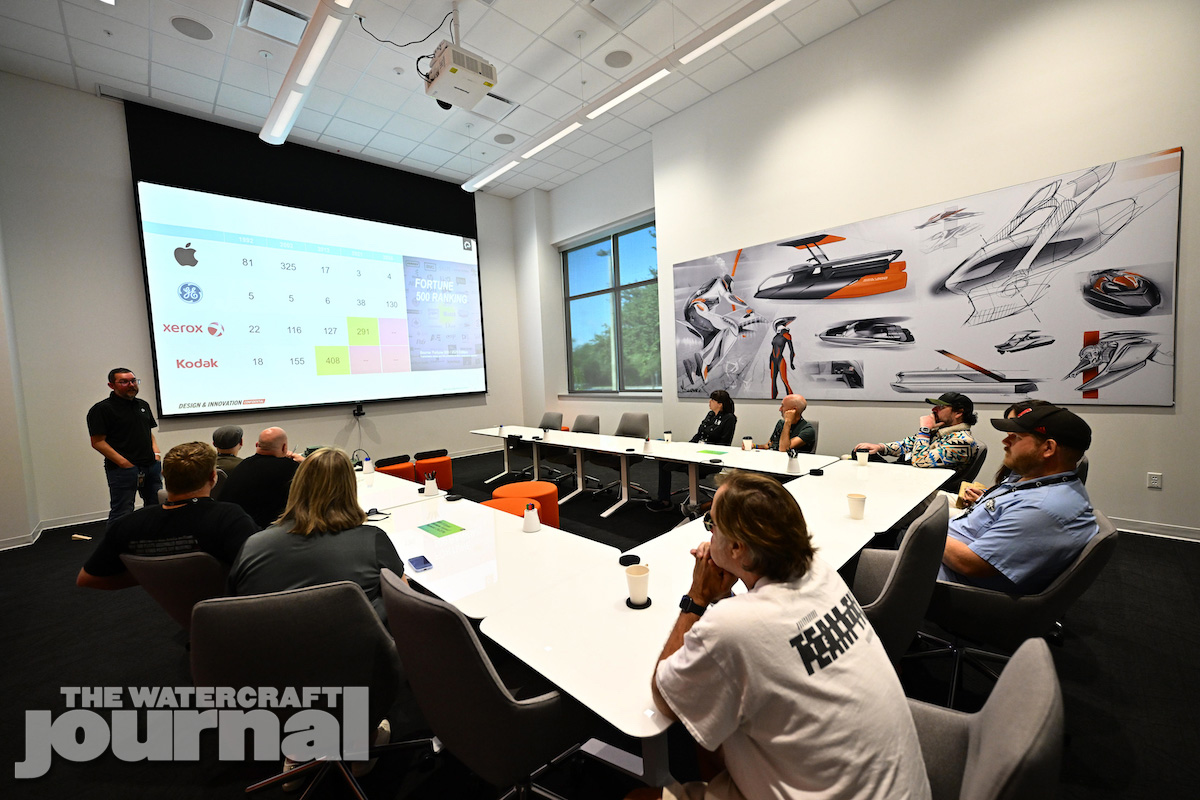
BRP has invested more than $15 million into its Palm Bay operation over the past several years, bringing design, engineering, research and development together at the sprawling 600-acre Florida property. Roughly 60 designers, engineers and technicians presently call Palm Bay home, working on everything from advanced marine concepts to propulsion systems, engine calibration, durability testing and – most importantly to us – future Sea-Doo watercraft. And “future” is the operative word here.
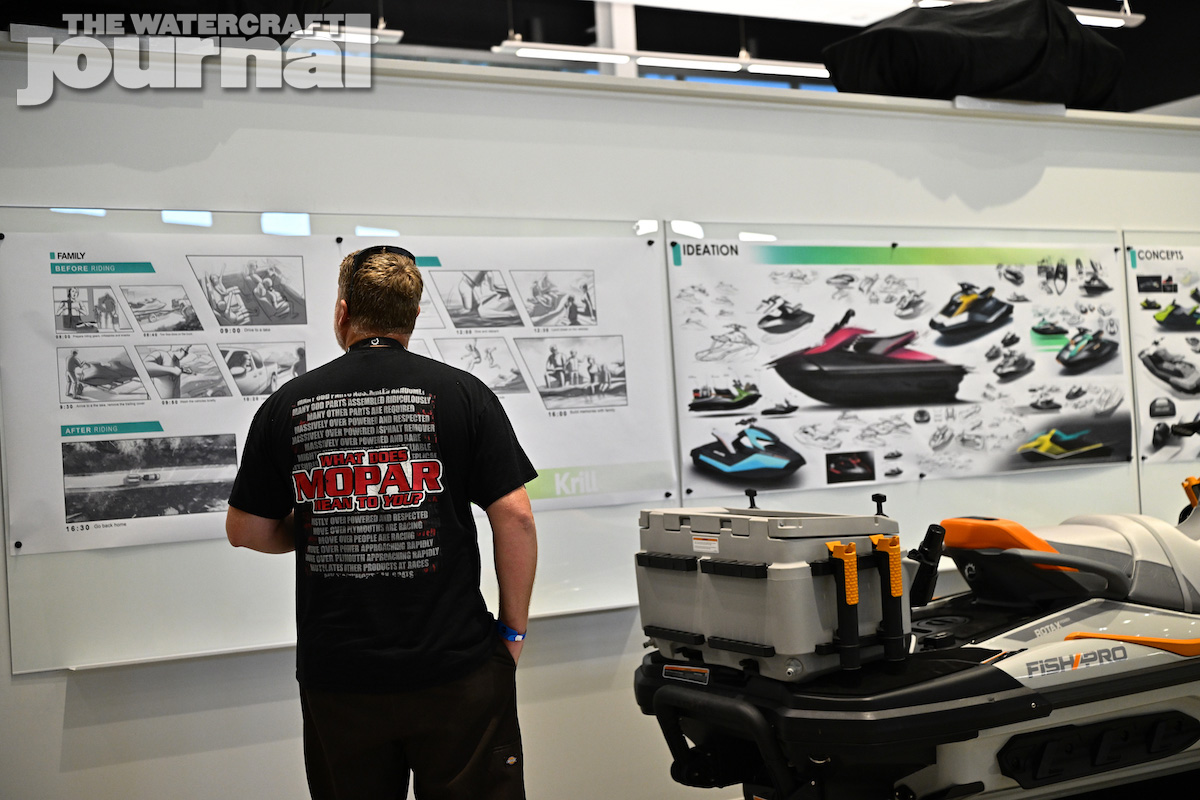
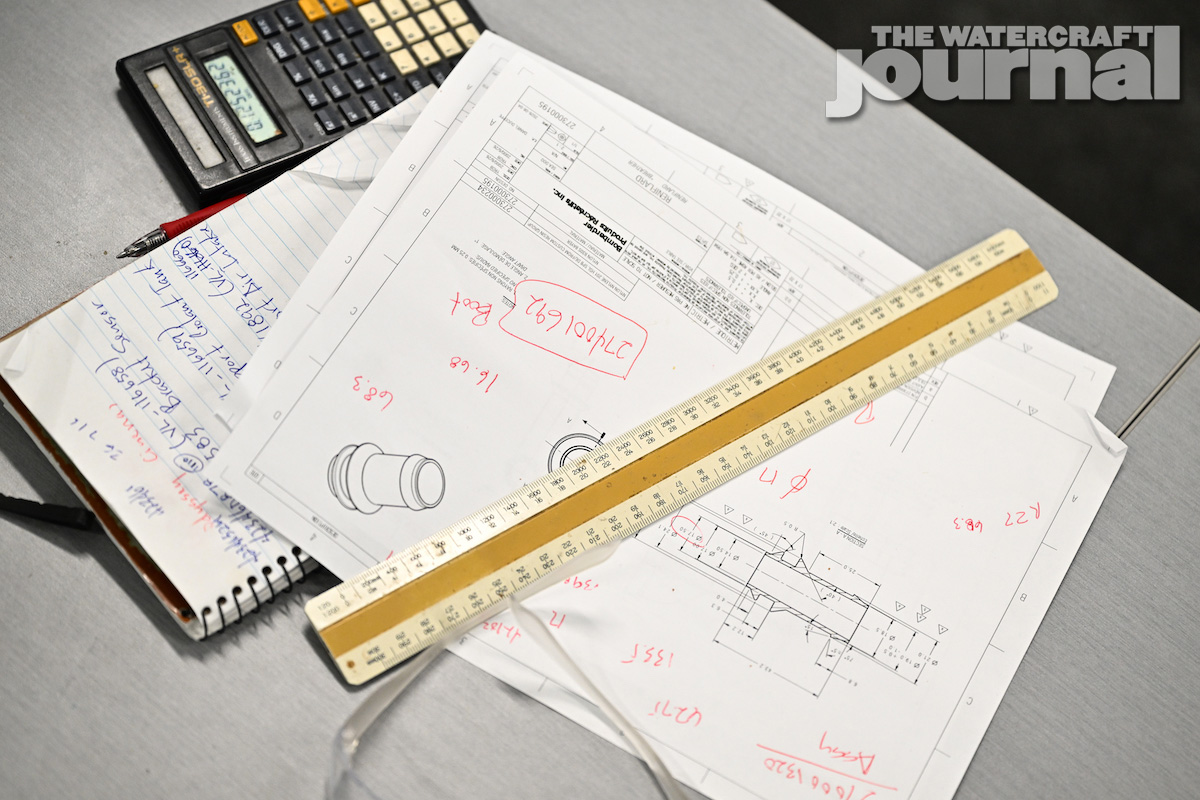
A new personal watercraft doesn’t simply materialize because somebody sketches something cool on a cocktail napkin. Development from an initial concept to something sitting on your local dealership’s showroom floor can require three-to-five years – including seemingly endless computer modeling, scale models, prototypes, component testing, calibration and real-world abuse. And boy, do they abuse these things.
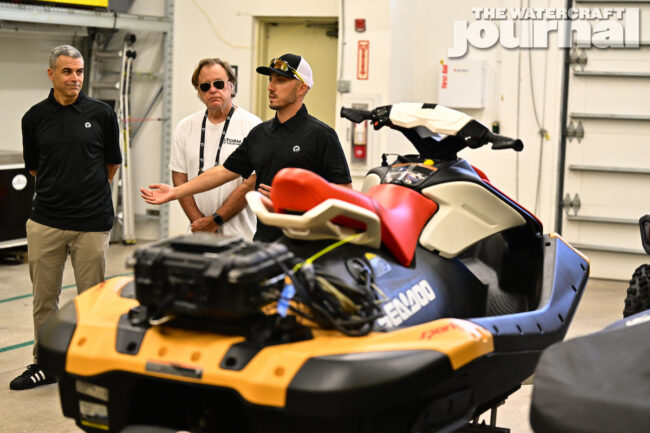
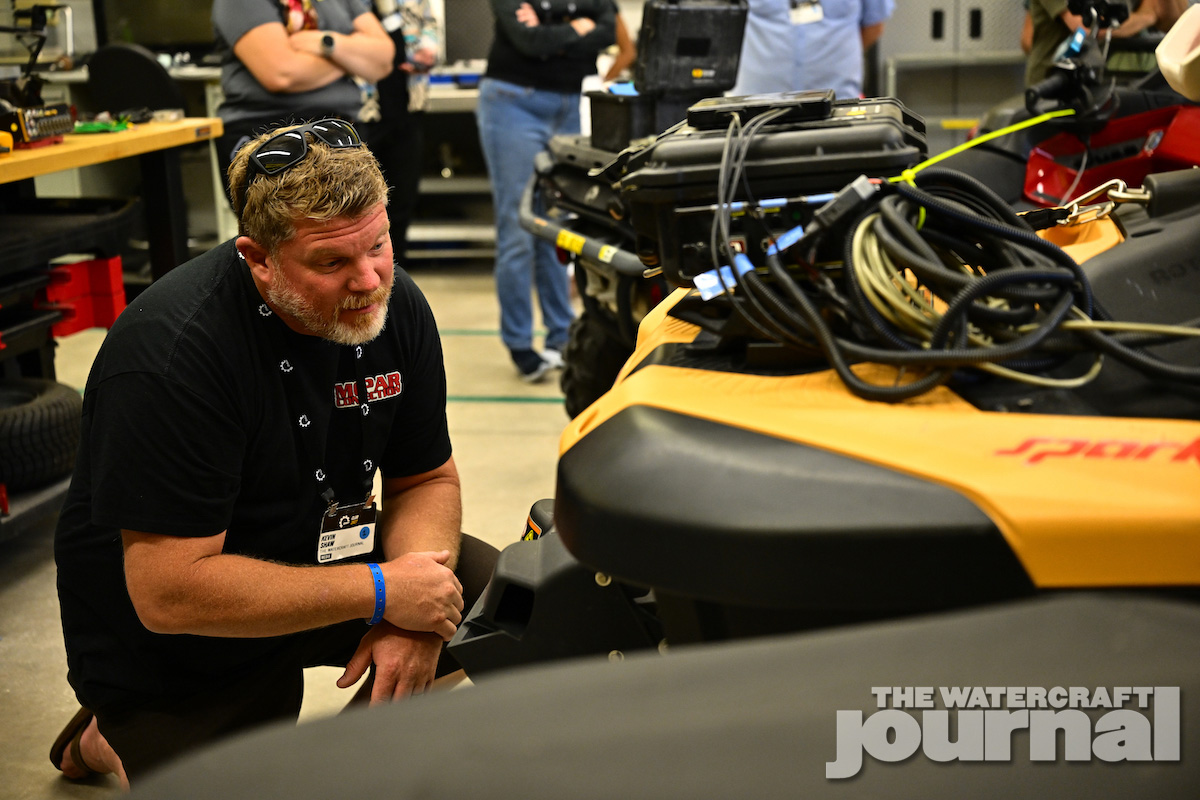
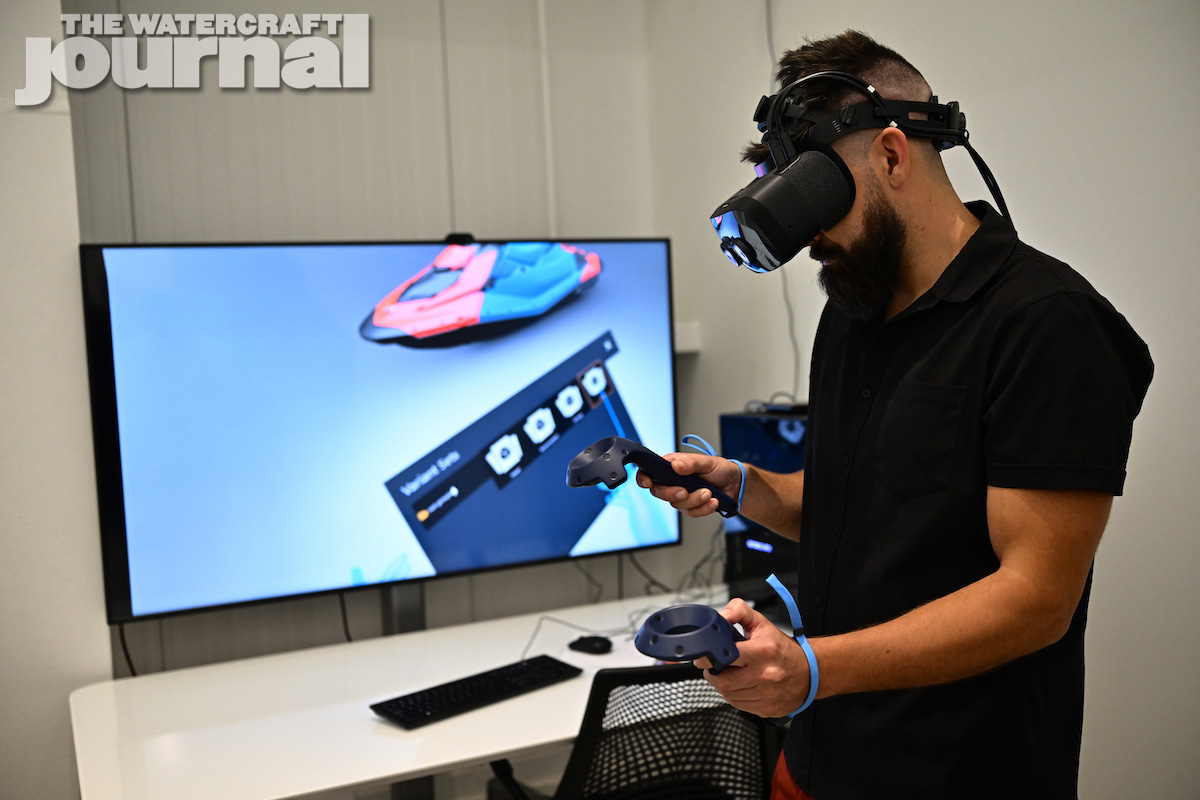
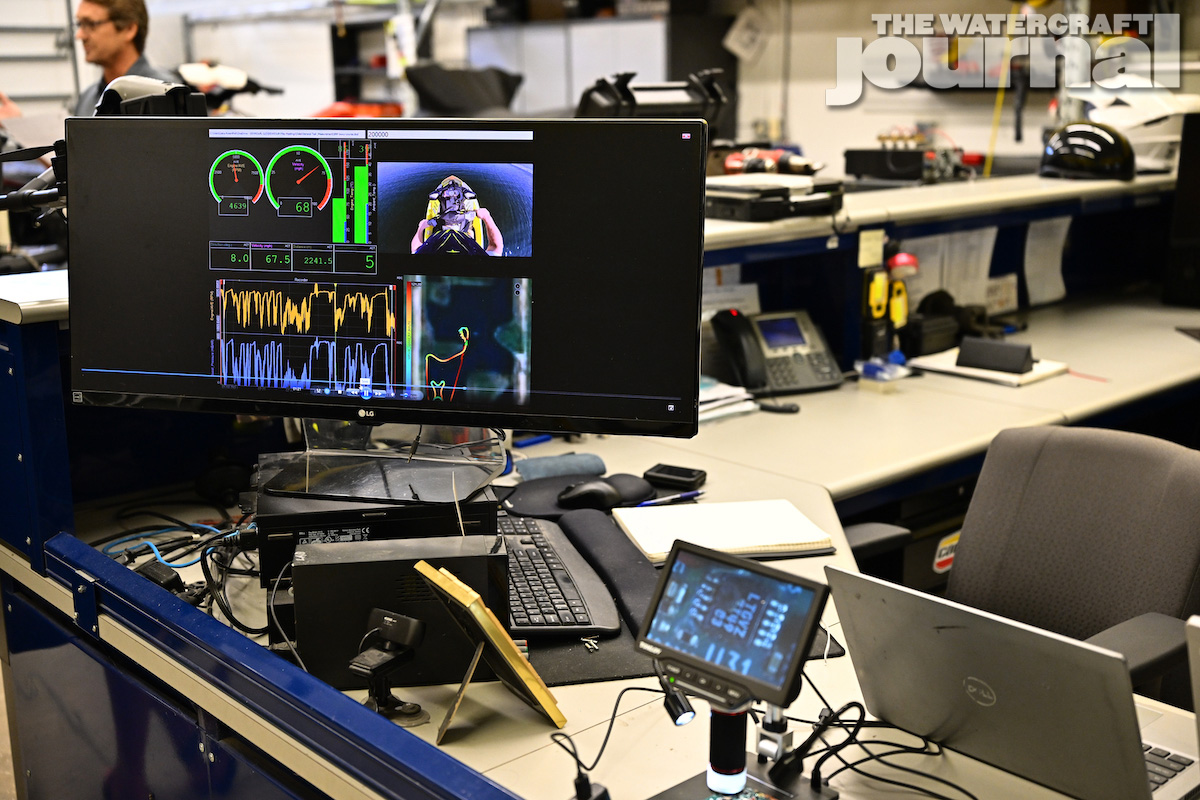
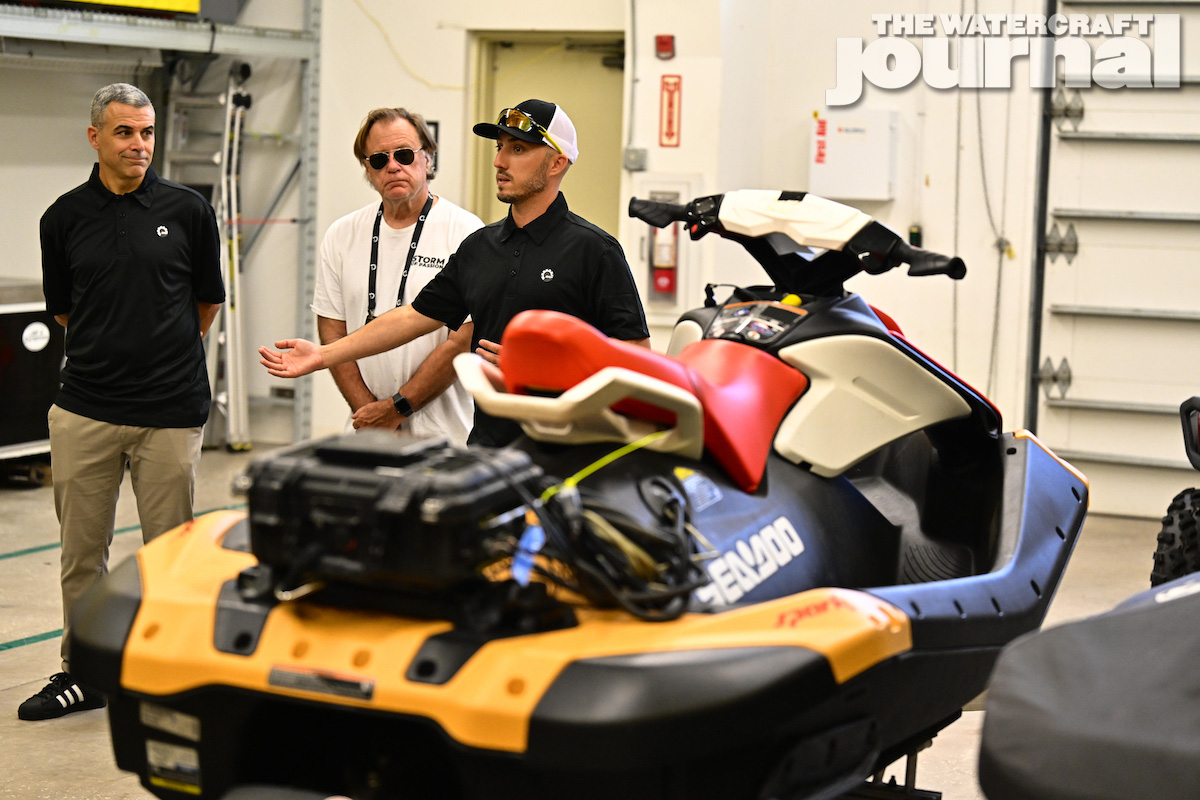
Behind the main building sit three large engineering workshops where prototypes are assembled and engines subjected to exhaustive dynometer testing. Several Sea-Doos we saw were festooned with black data-acquisition boxes and enough wiring disappearing beneath their seats to make Doc Brown’s DeLorean look positively pedestrian.
BRP engineers can monitor engine behavior down to milliseconds while recreating extreme operating conditions. Considering our visit coincided with a near-100-degree Florida afternoon accompanied by the sort of humidity normally reserved for steam rooms, Mother Nature was happily providing some hot-weather testing free of charge. But the really interesting stuff was outside.
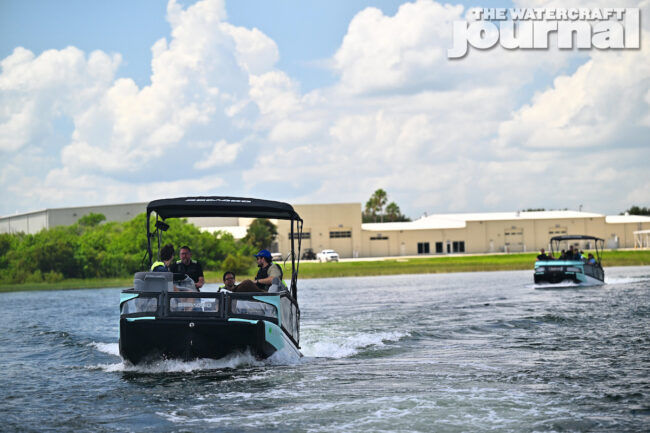
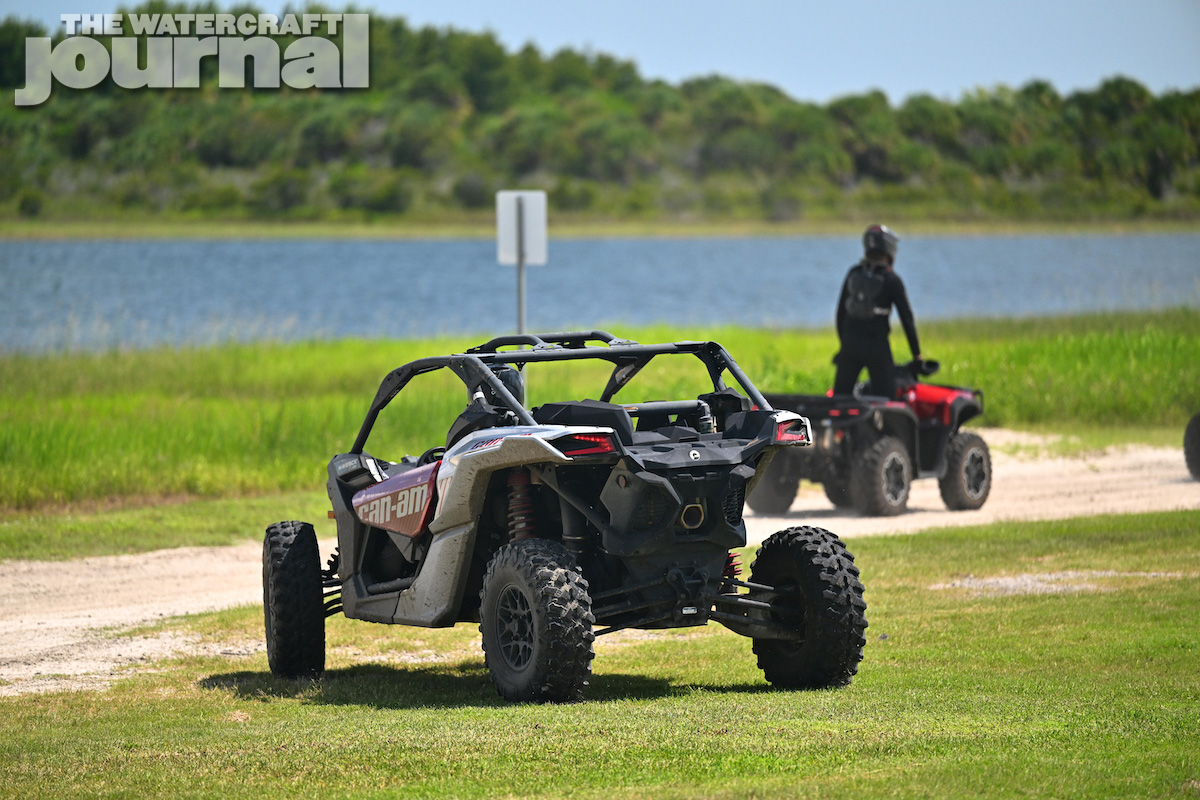
A massive man-made lake consumes much of the Palm Bay property, giving Sea-Doo a completely private playground where prototypes can be ridden without somebody lurking behind a bush with a telephoto lens. Even the perimeter is shielded by tall vegetation.
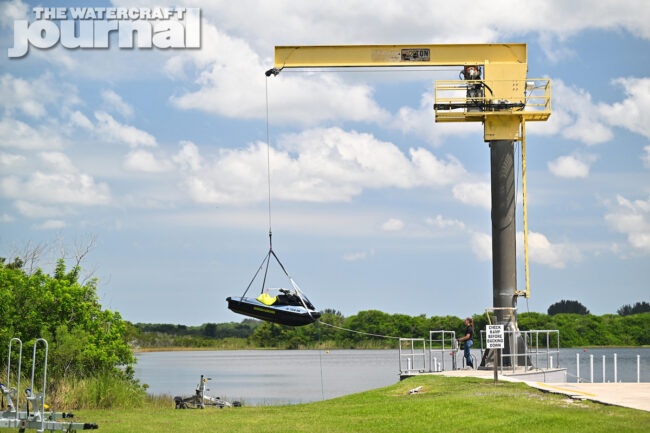
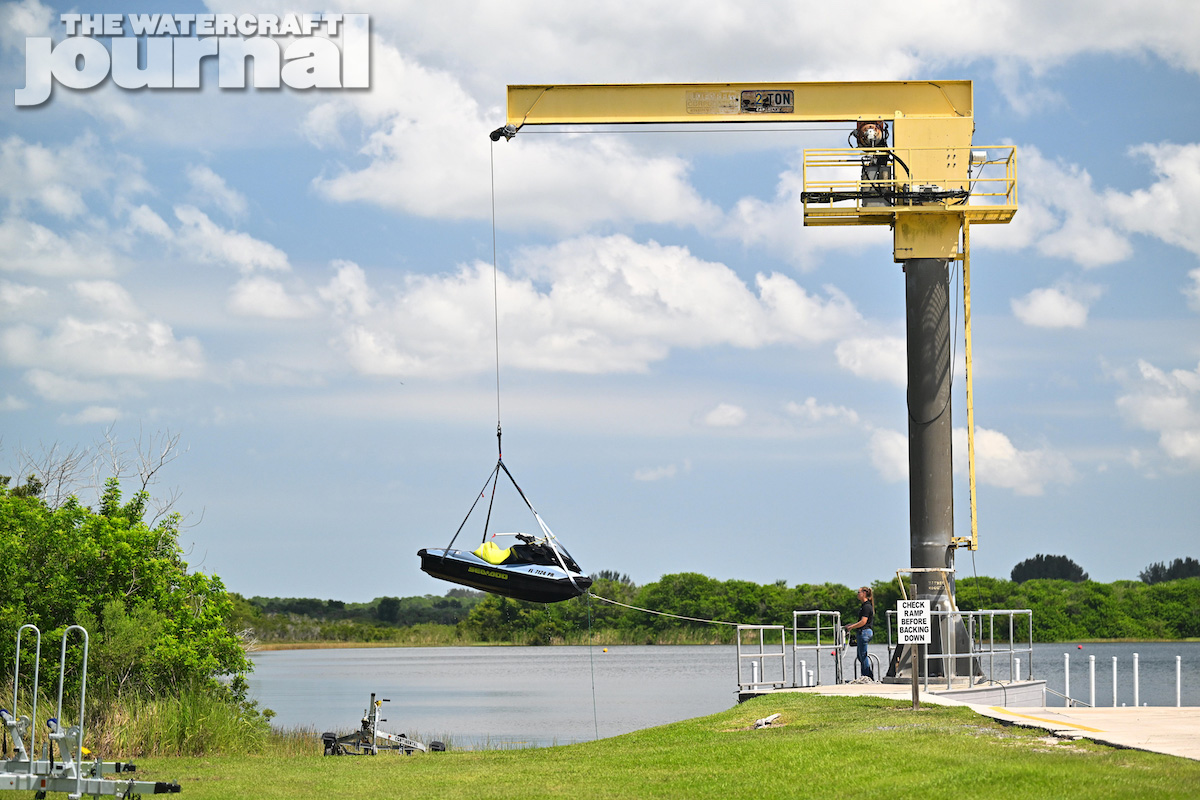
Nearby, a large crane repeatedly hoists and drops watercraft into the lake to evaluate hull durability. If you’ve ever wondered whether manufacturers deliberately try to break these machines during development, the answer is an emphatic “yes.”
Sea-Doo also employs dedicated professional test riders whose job – and yes, we’re jealous too – is literally riding Sea-Doos all day. Yet these aren’t joyrides. One day might involve evaluating a slightly different sponson profile, steering geometry or engine calibration; another could involve accumulating hours aboard something the public won’t see for several years.
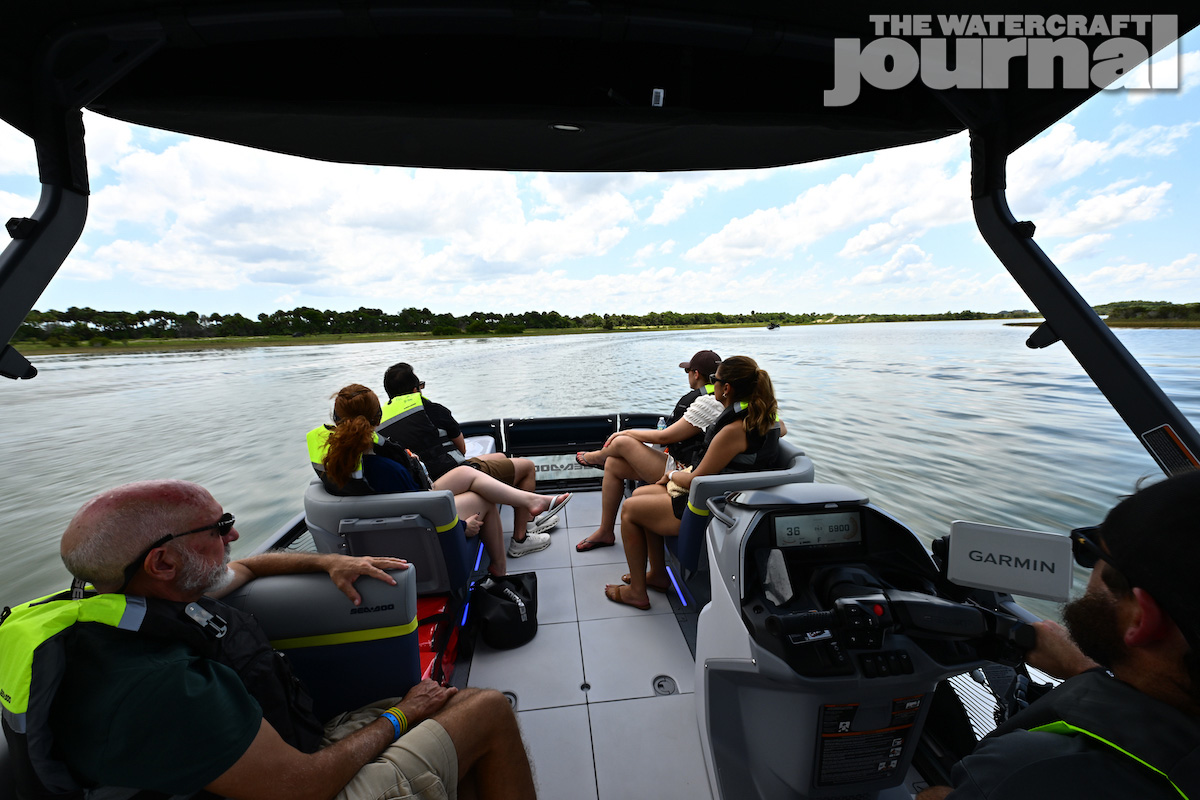
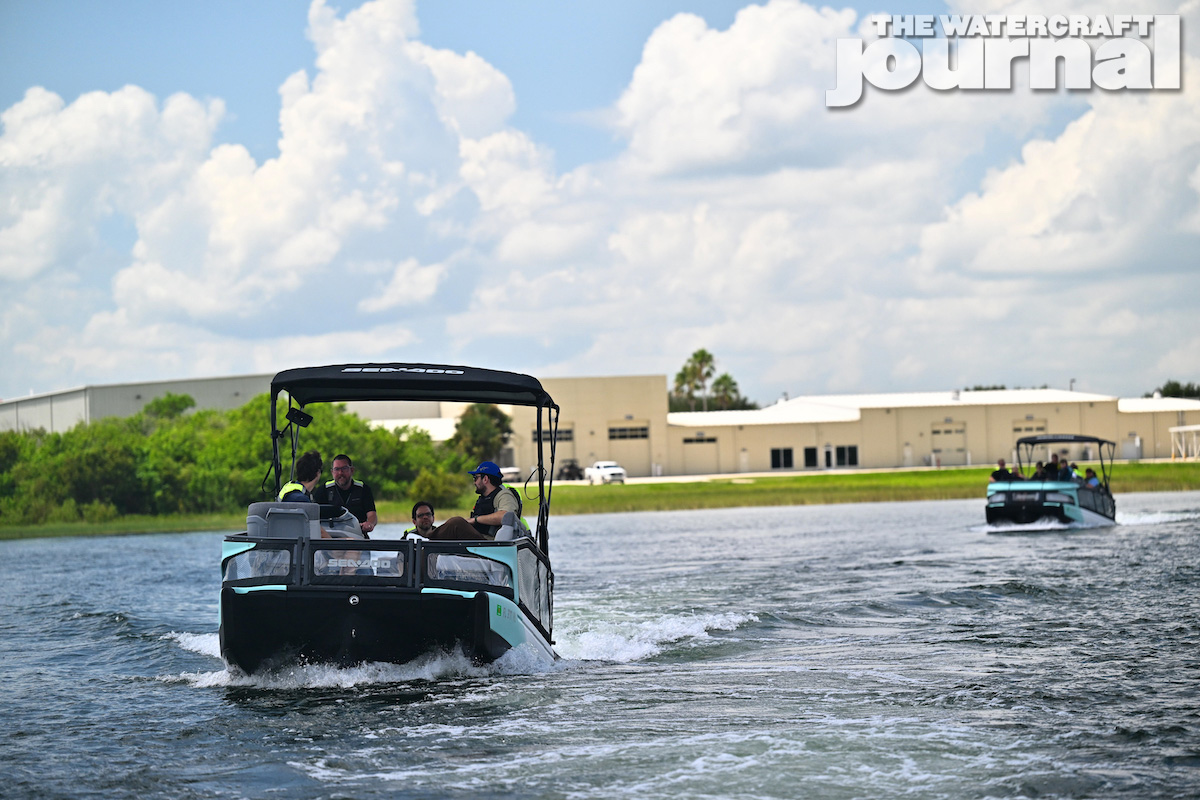
During our lake tour aboard a Switch, we watched one rider absolutely rail an RXP-X 350 through corners at speeds that initially made everyone aboard wince.
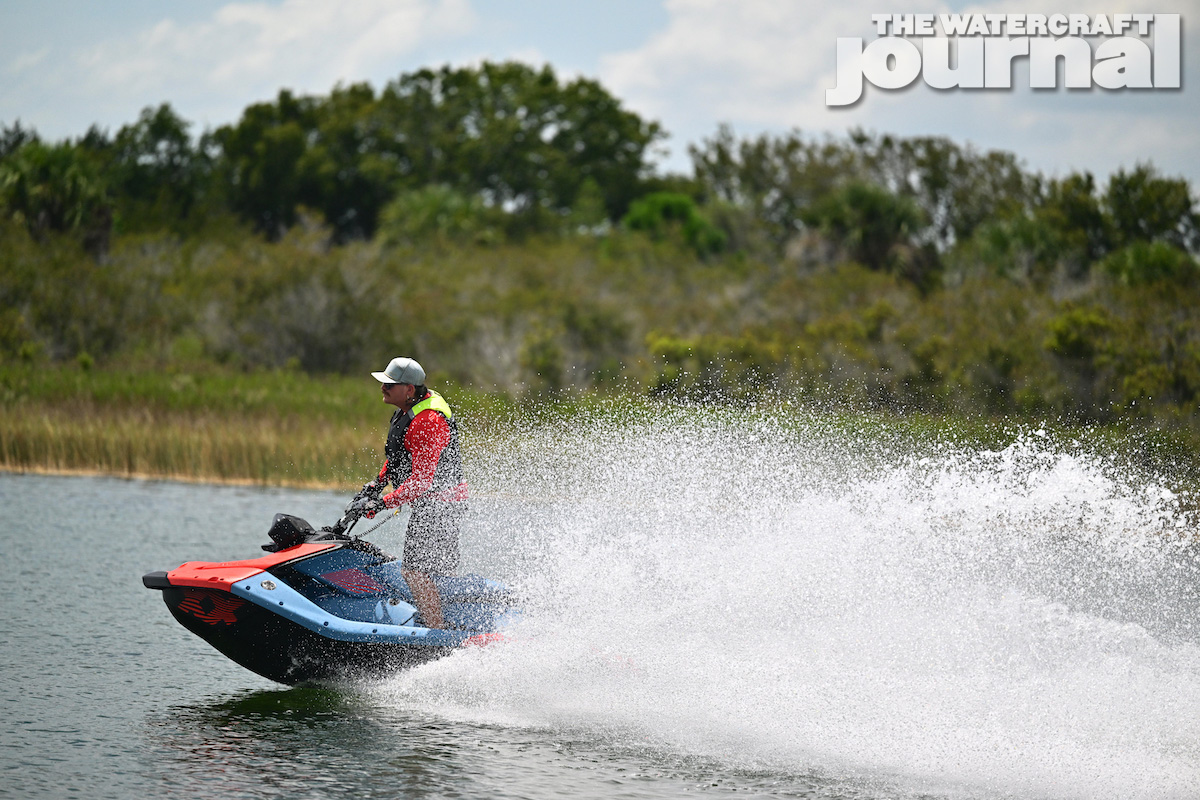
Shortly thereafter, another rider appeared aboard the new Spark X Trixx, balancing the machine vertically seemingly forever. These guys are pretty dang good at their jobs.
Of course, a controlled lake can only tell engineers so much. Roughly 15 miles away, Sea-Doo has access to Atlantic Ocean testing near Melbourne, Florida, where prototype machines are subjected to rough-water conditions. That creates another problem: hiding them from curious eyes.
Engineers can occasionally disguise a new hull beneath existing bodywork, but eventually complete prototypes need real-world testing. That’s when camouflage covers come out, concealing nearly everything except the handlebars.
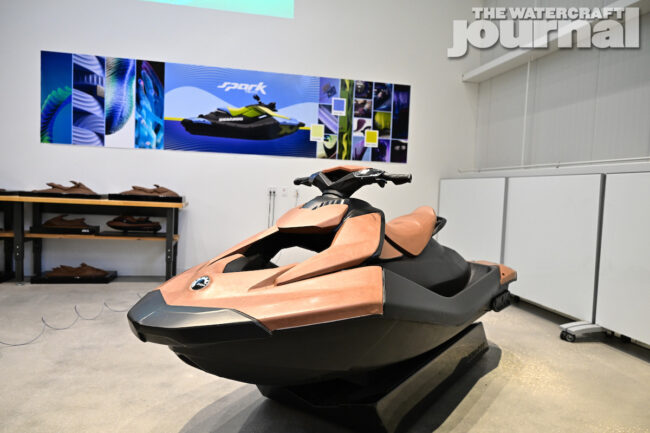
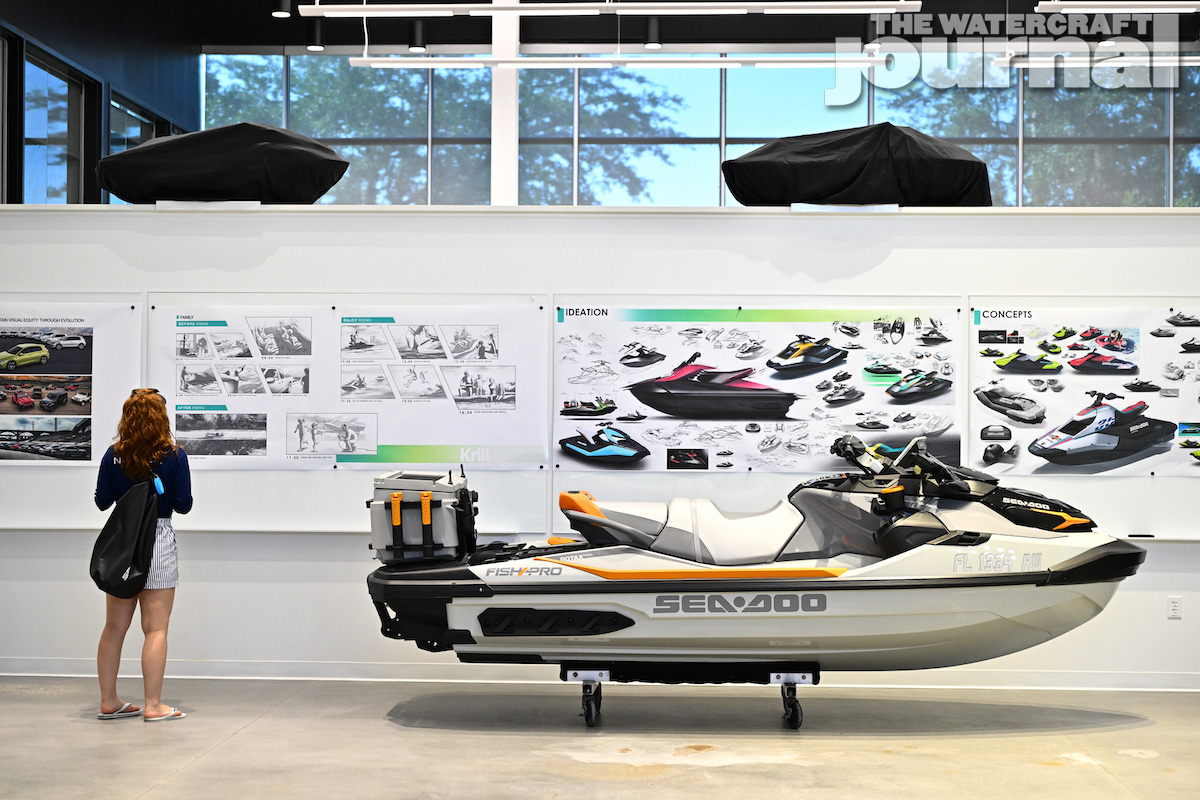
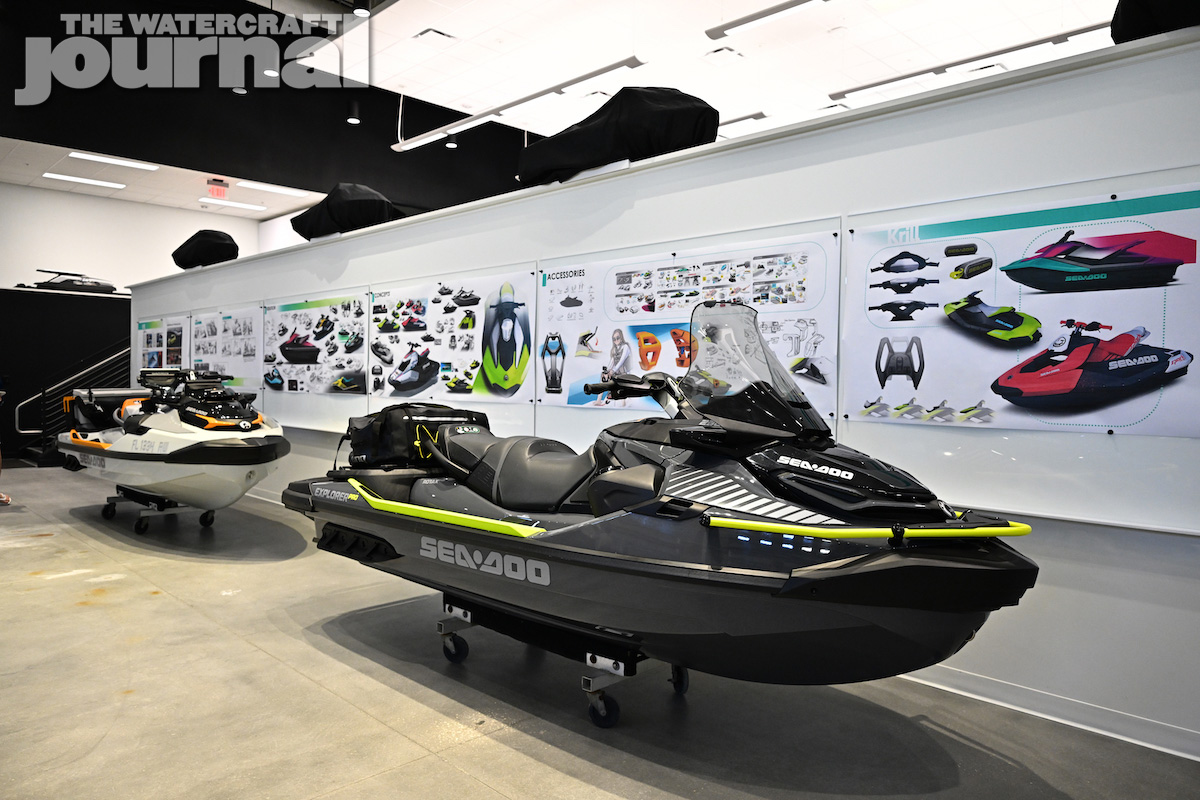
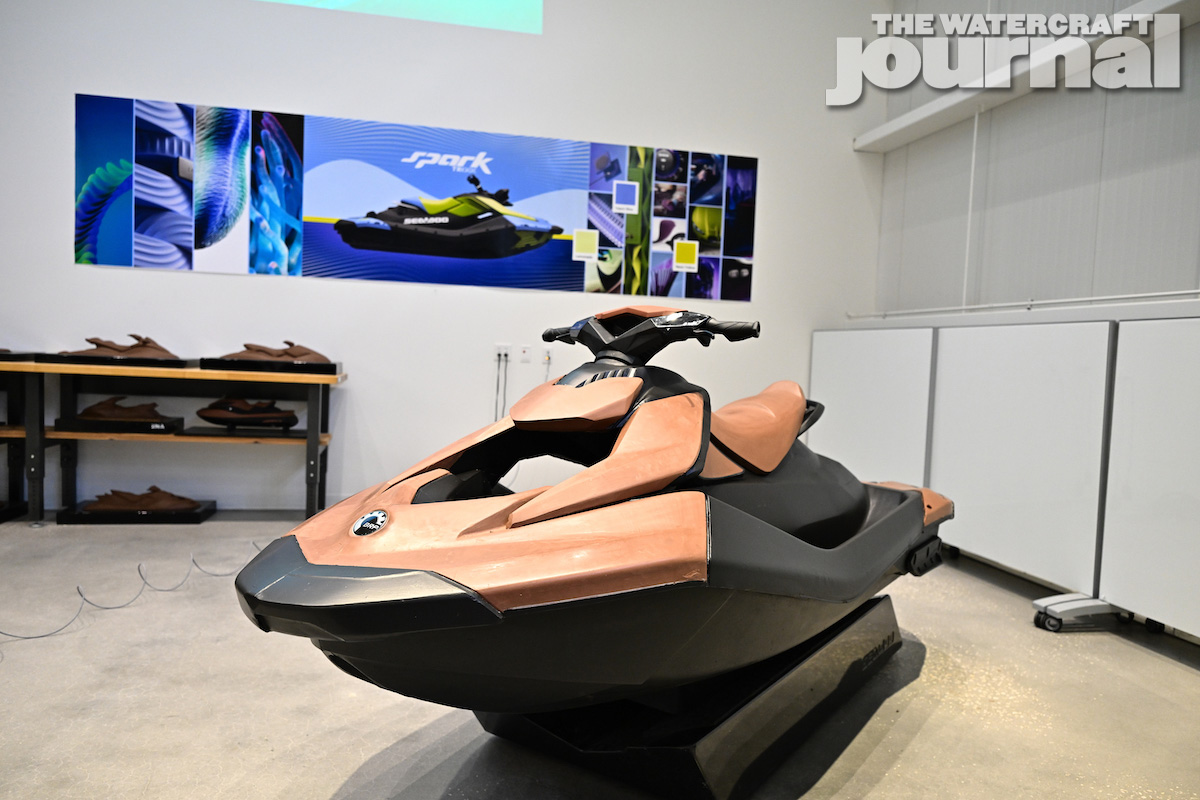
Back inside the design studio, our attention repeatedly returned to several scale models carefully hidden beneath black cloth. We weren’t permitted to peek – believe me, I tried – and nobody from Sea-Doo was volunteering any clues. Could something beneath those covers represent the eventual successor to the now 10-year-old ST3 platform underpinning today’s GTX, RXT-X, Fish Pro and Explorer Pro?
Maaaybe.
What we can say with certainty is that seeing Palm Bay firsthand dramatically illustrates just how much engineering goes into a modern personal watercraft. What eventually appears beneath the bright lights of a dealer show represents years of drawings, computer modeling, hand-built prototypes, broken parts, revised designs and thousands upon thousands of testing hours.
So while we didn’t get to pull those black covers off – and believe me, I wanted to – we did get something arguably more valuable: a glimpse at where the next generation of Sea-Doo is being created. And somewhere inside that unassuming building in Palm Bay, chances are pretty good that somebody is already working on a Sea-Doo we won’t be writing about until 2028, 2029 or beyond.
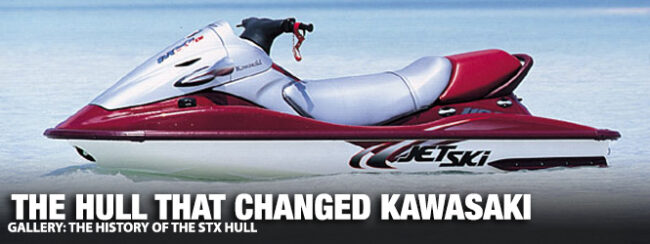
Sometimes the most important engineering decisions aren’t the ones that make headlines. Sometimes they’re the ones that quietly remain in production for decades. Such is the story of Kawasaki’s STX hull.
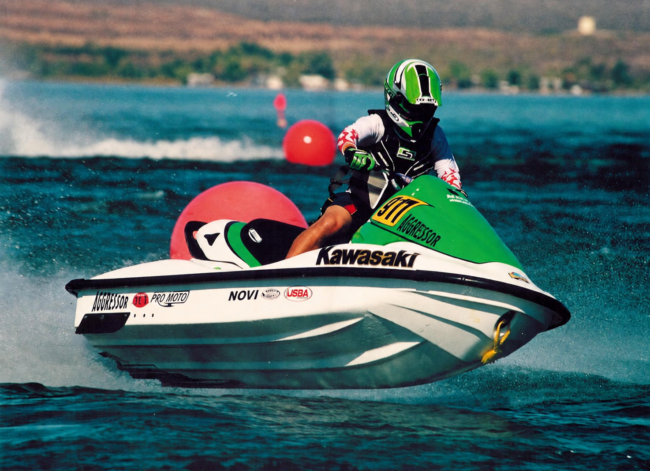
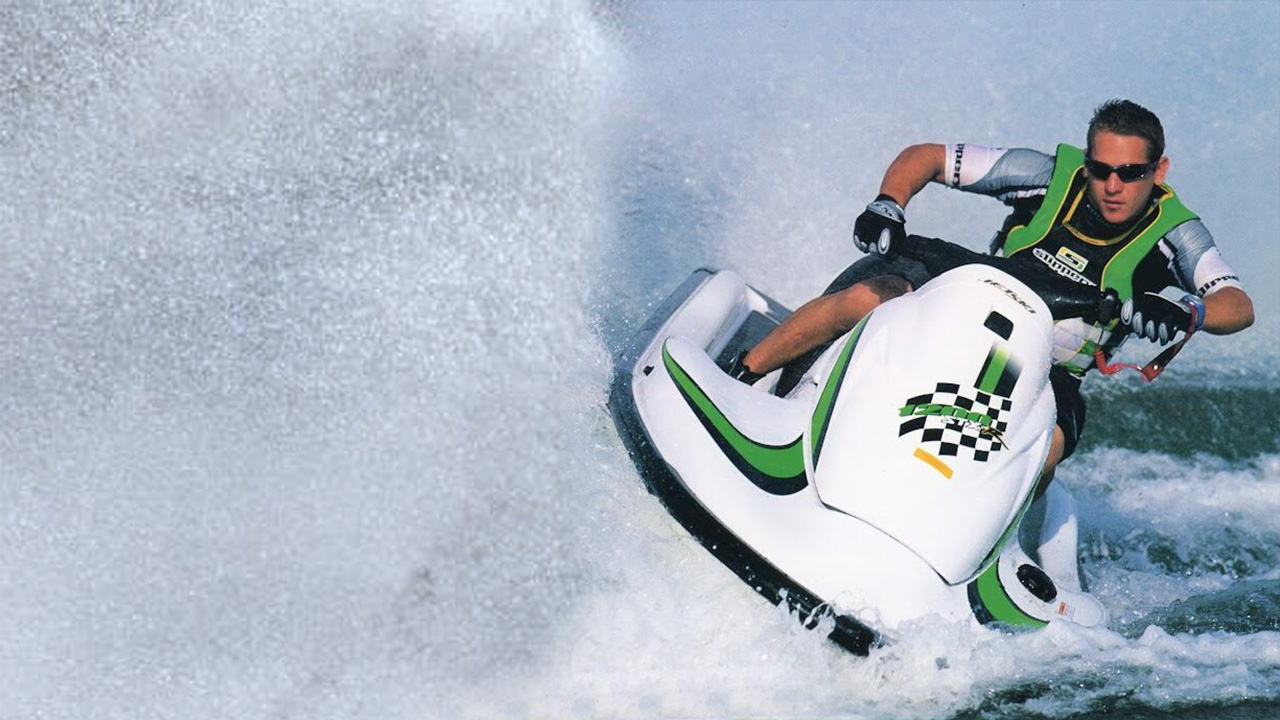
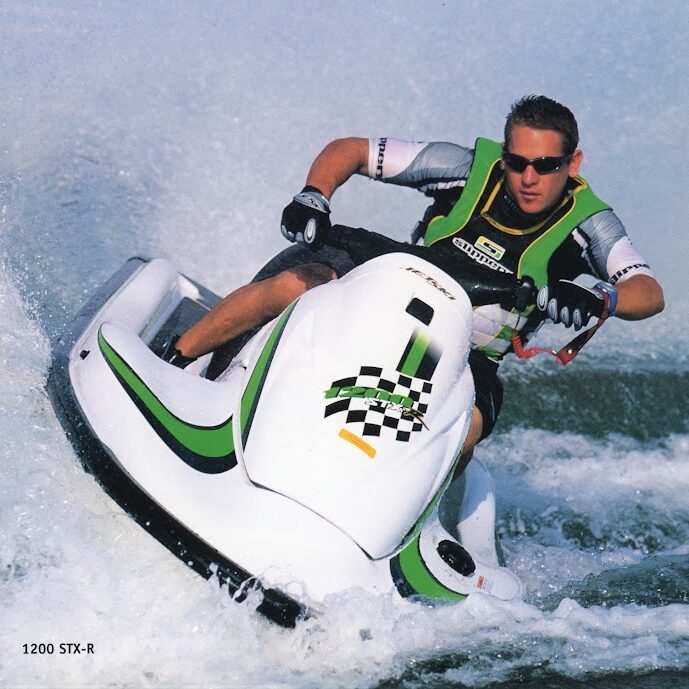
For enthusiasts today, the letters “STX” might immediately conjure images of the affordable and sporty STX 160. Older riders may remember the four-stroke STX-15F, while racers of a certain generation are likely to picture the green-and-white STX-R 1200 carving around buoys. What’s remarkable is just how closely all of these machines are related.
The basic lineage of the hull underneath Kawasaki’s current STX family can be traced back nearly three decades, surviving two-strokes, the four-stroke revolution, changing emissions requirements, multiple redesigned top decks and now — incredibly — a 310-horsepower supercharged engine.
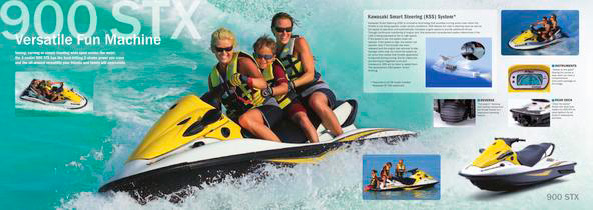
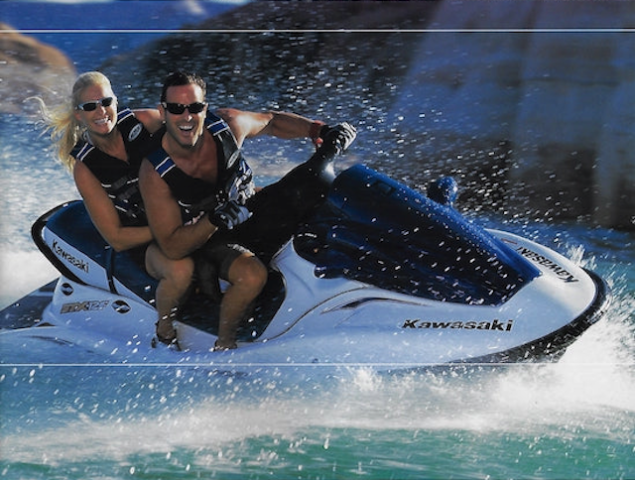
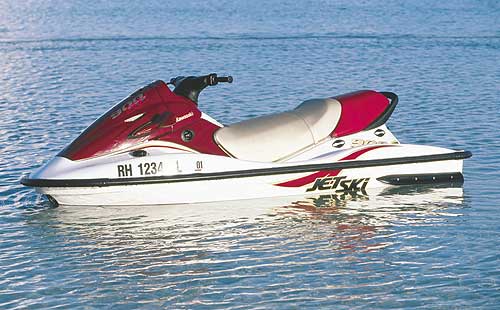
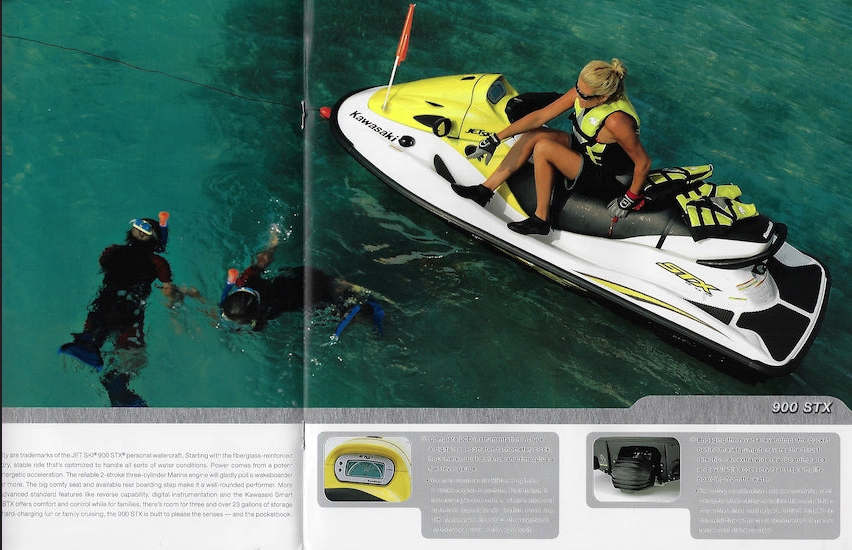
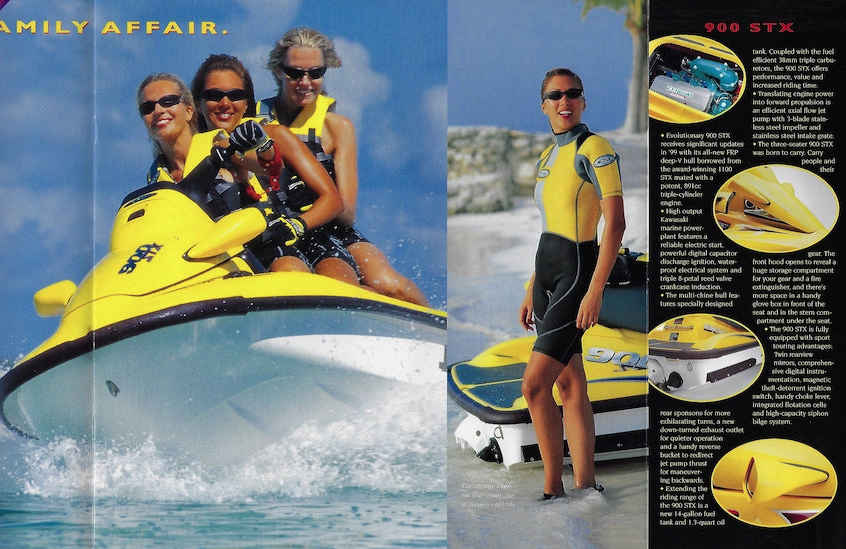
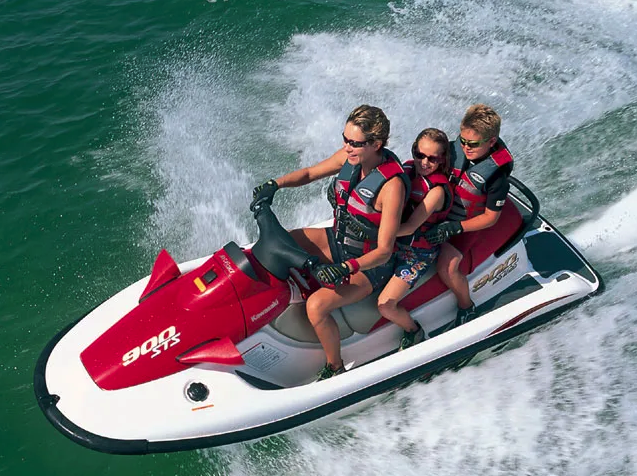
Kawasaki itself traces the STX family back to the 1997 STX 900, introduced when three-passenger personal watercraft were beginning to displace two-seaters as the industry’s dominant configuration.
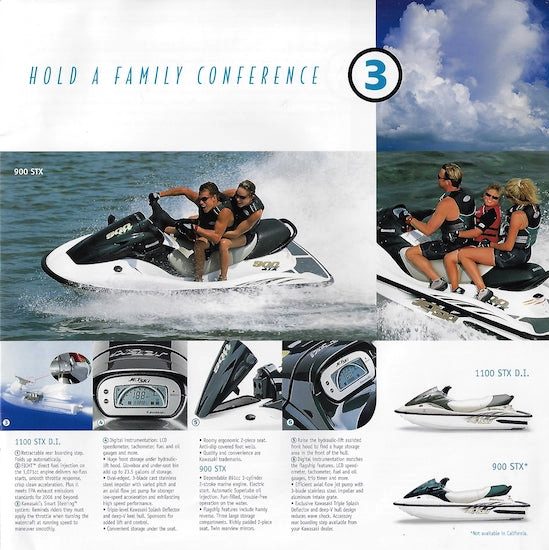
The original STX combined the practicality expected of a three-seater with considerably sportier handling than many contemporary runabouts. Kawasaki subsequently expanded the concept with the STX 1100, and the basic platform continued to evolve.
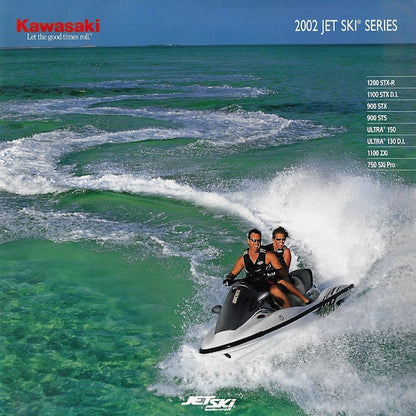
The significant turning point for the hull we recognize today came around the turn of the millennium, particularly with the STX D.I. 1100. The STX running surface continued evolving with changes to its keel, strakes and associated handling characteristics.
Heavier 4-stroke installation, different sponsons/mounting
2020+ STX 160
JT1500
—
Same later STX bottom
Entirely redesigned upper deck
The above graph compares hull design, characteristics and part numbers against the 2002 STX-R 1200.
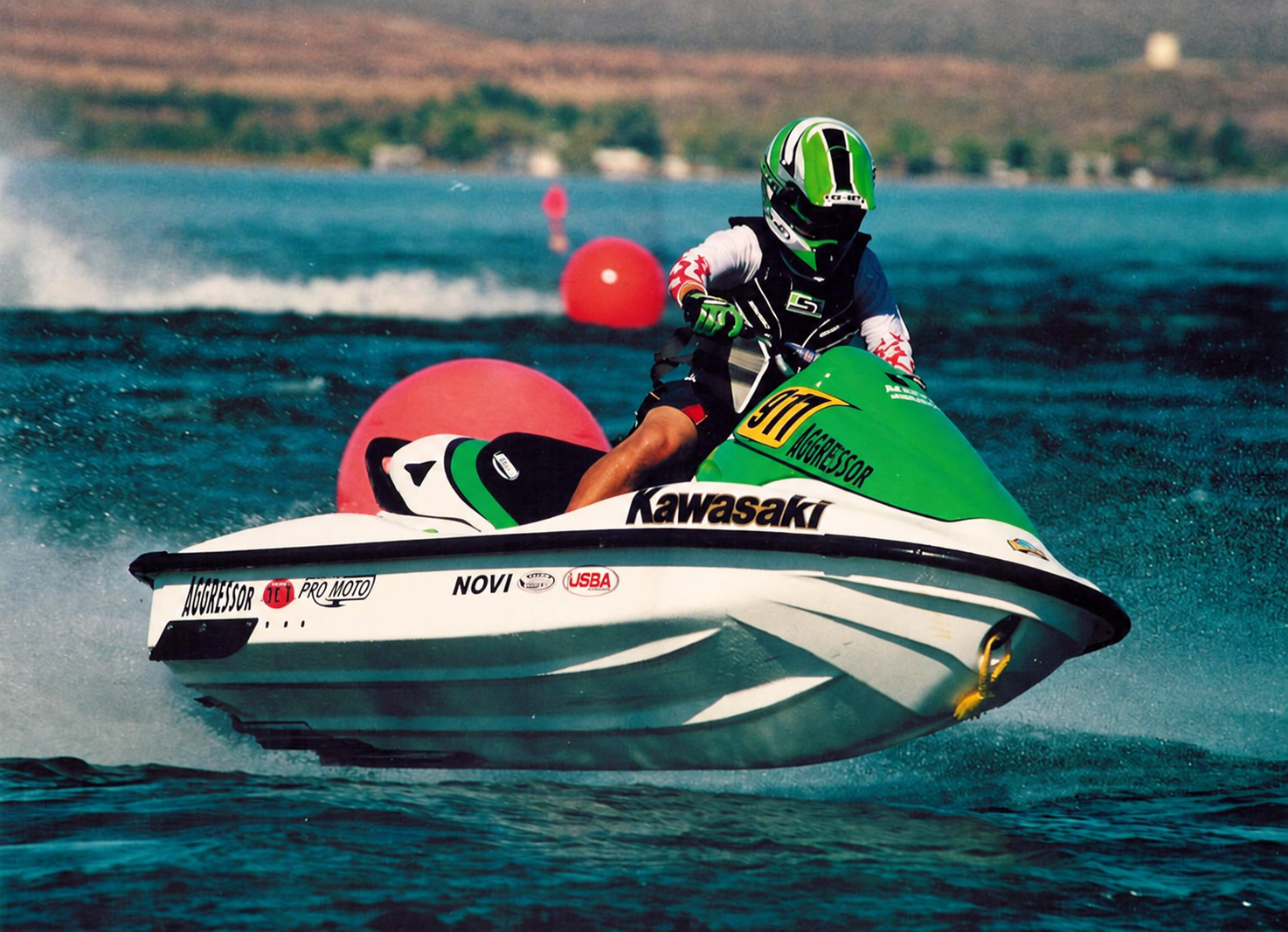
Rather than abandon a successful design and start over, Kawasaki kept refining it. That decision would prove remarkably consequential. For 2002, Kawasaki took the STX concept in a dramatically different direction with the STX-R 1200.
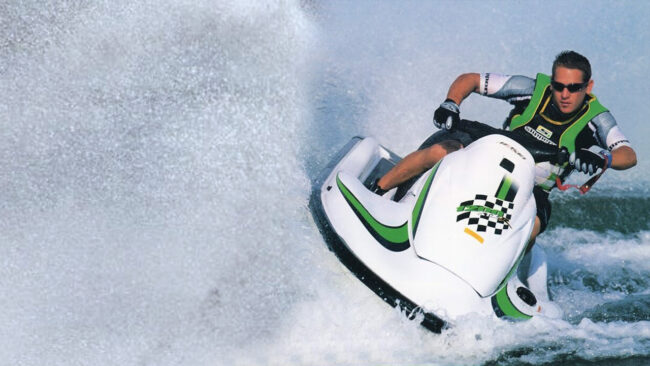
Rather than design an entirely new race-oriented hull, Kawasaki transformed its established STX architecture into a performance machine. The STX-R received the ferocious 1,176cc two-stroke triple related to the engine powering the Ultra 150, triple 38mm Keihin carburetors and Kawasaki’s K-TRIC ignition system. But the hull was equally important.
The STX-R received unique race-oriented hardware, including its distinctive multi-piece sponsons, while unnecessary recreational equipment such as reverse was discarded. Kawasaki’s OEM catalog confirms that the 2002 STX-R used its own complete hull assembly — 59426-3914-8C — as well as model-specific right and left sponson bases and wings.
This distinction is important. An STX-R hull isn’t literally interchangeable with every STX that preceded or followed it. Complete hull assemblies, mounting provisions, sponsons and other components changed over time.
The architecture, however, remained remarkably consistent. And the STX-R proved that architecture could race.
In fact, Kawasaki would later specifically tout the STX-R’s competition pedigree, noting that the craft carried Kawasaki to the 2003 IJSBA Pro Runabout 1200 Superstock championship. The STX-R 1200 remained in production through 2005, but its influence would last far longer.
By the early 2000s, tightening emissions requirements made it increasingly obvious that the future belonged to four-strokes.
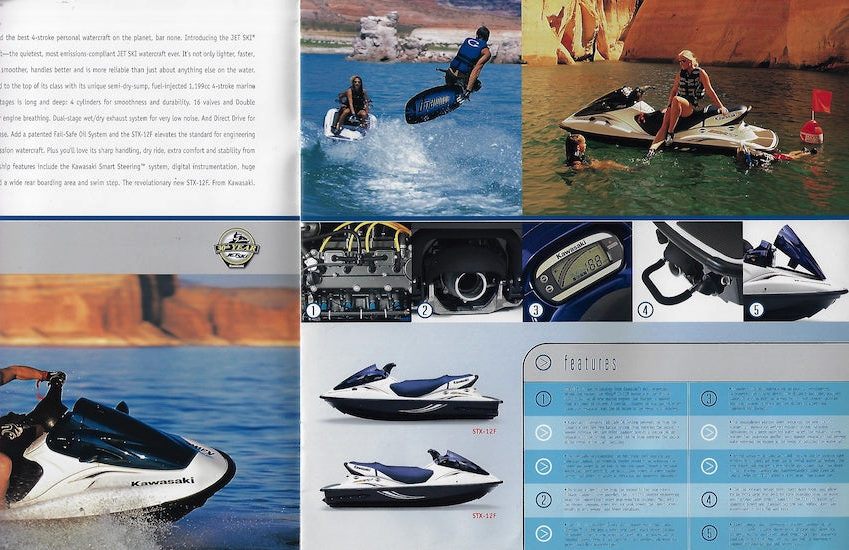
Kawasaki’s answer arrived with the 2003 STX-12F, its first four-stroke JetSki. Powered by a fuel-injected 1,199cc four-cylinder engine developed from Kawasaki’s Ninja ZX-12R motorcycle architecture, the 12F represented an enormous technological shift.
Yet underneath all that new technology was something familiar. Kawasaki specifically described the STX-12F’s fiberglass-and-gelcoat hull as being based upon the highly regarded 1100 STX series, with increased rigidity and reduced weight. Then, for 2004, came the machine that cemented the STX hull’s future: the STX-15F.
The 15F introduced Kawasaki’s 1,498cc inline-four — an engine architecture that would become nearly as long-lived as the hull beneath it. Most importantly for our story, Kawasaki’s own announcement described the new STX-15F as combining its four-stroke engine with the “compact, lightweight hull” of the championship-winning 1200 STX-R.
That statement provides perhaps the clearest factory confirmation of the STX-R/15F connection and Kawasaki apparently saw little reason to replace something that worked.
The STX-15F became one of Kawasaki’s longest-running modern personal watercraft, remaining in the lineup through 2019.
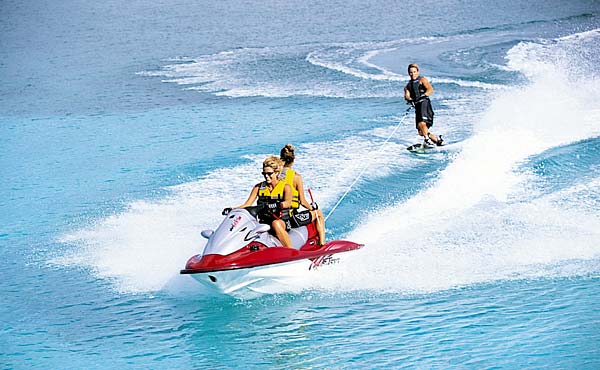
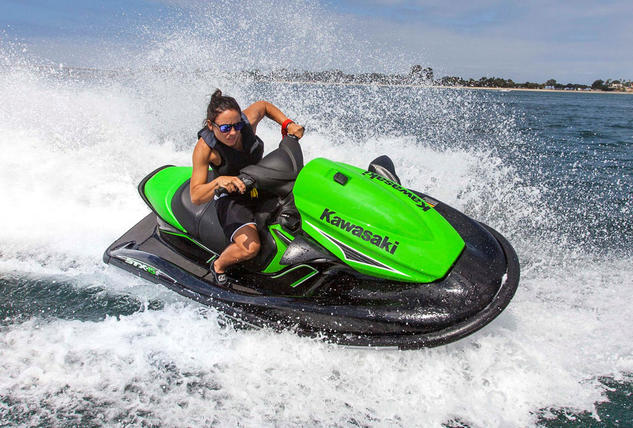
For 2020, Kawasaki renamed and extensively restyled the platform as the STX 160. The appearance was dramatically different, but beneath the new deck the proven STX running surface survived. Then Kawasaki did it again.
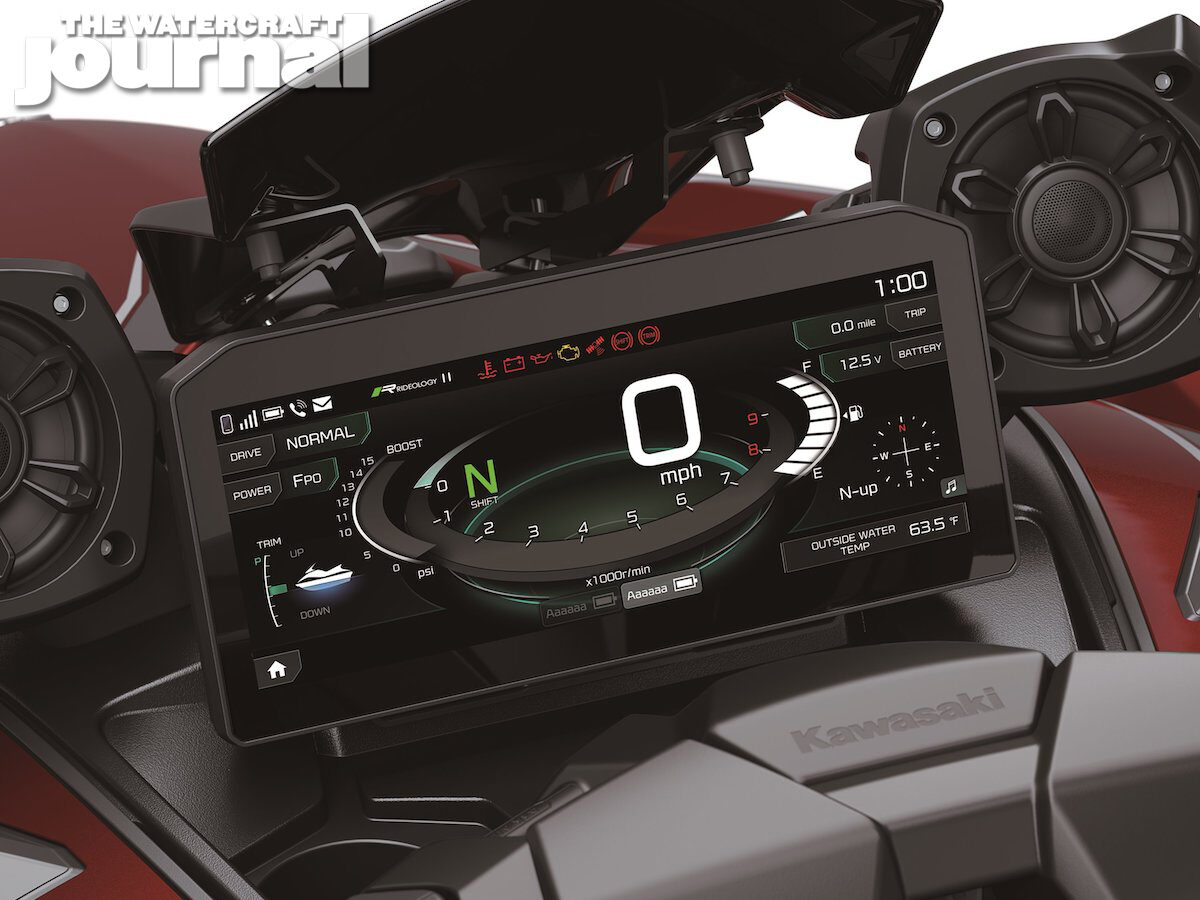
The substantially redesigned 2026 STX 160 received another new top deck, modern electronics, a 7-inch TFT display, electric trim and Kawasaki Smart Reverse with Deceleration. Yet the underlying hull and sponsons carried over.
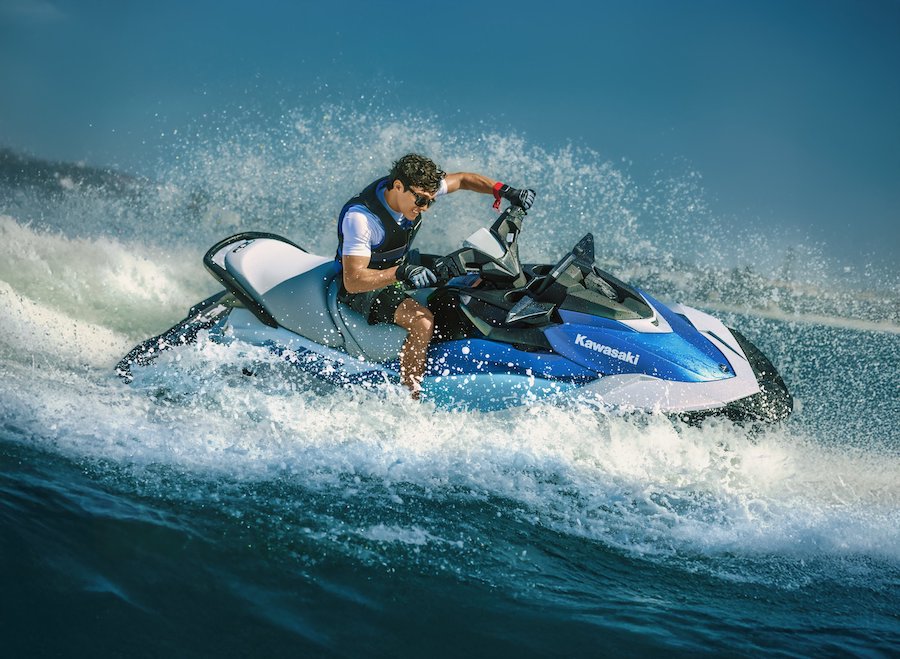
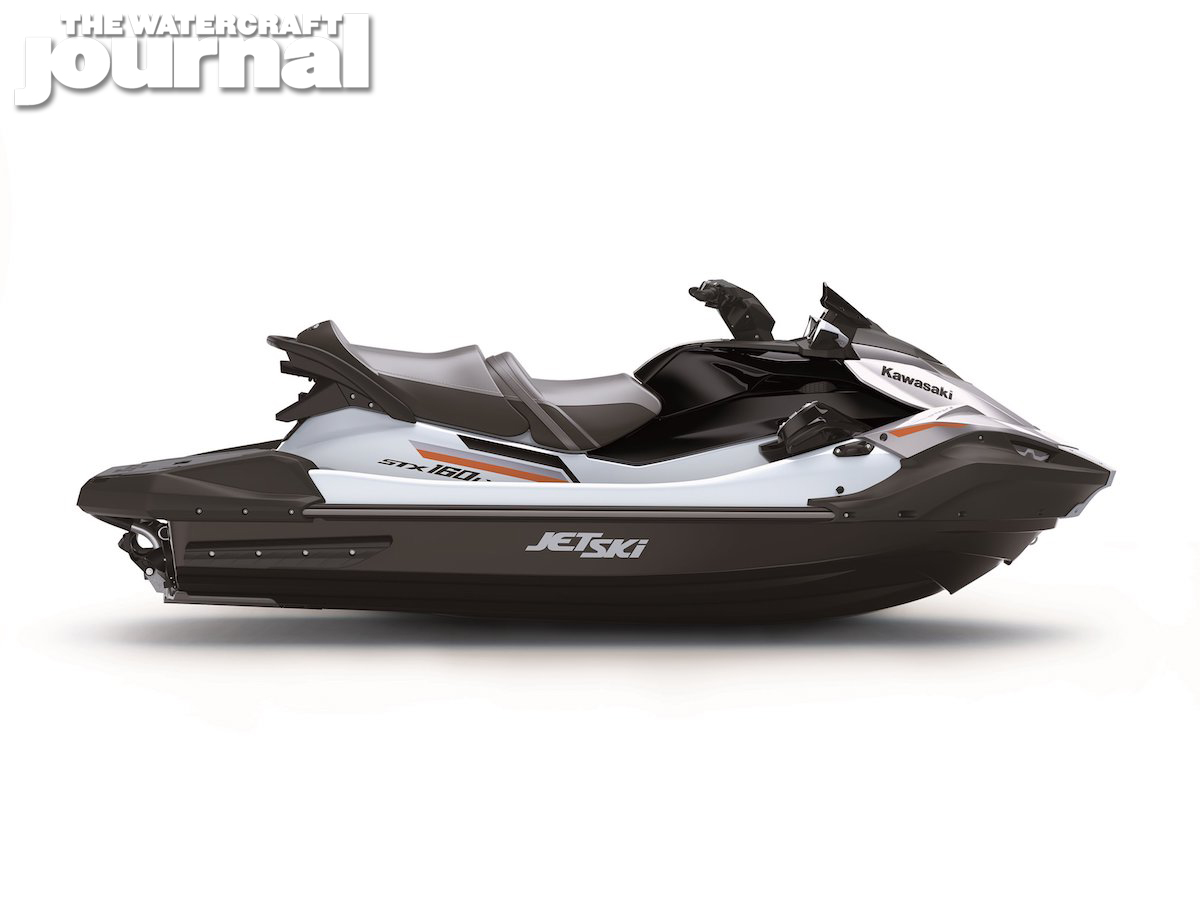
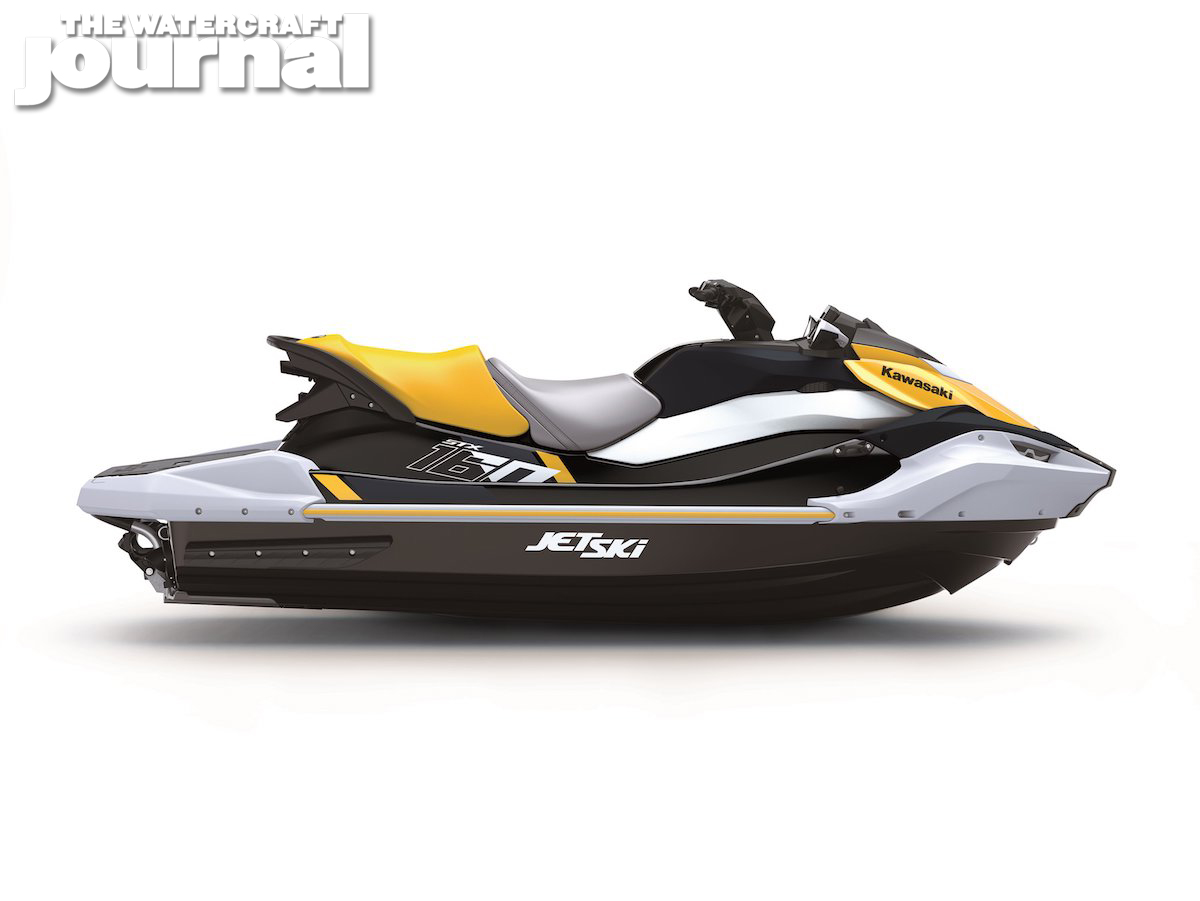
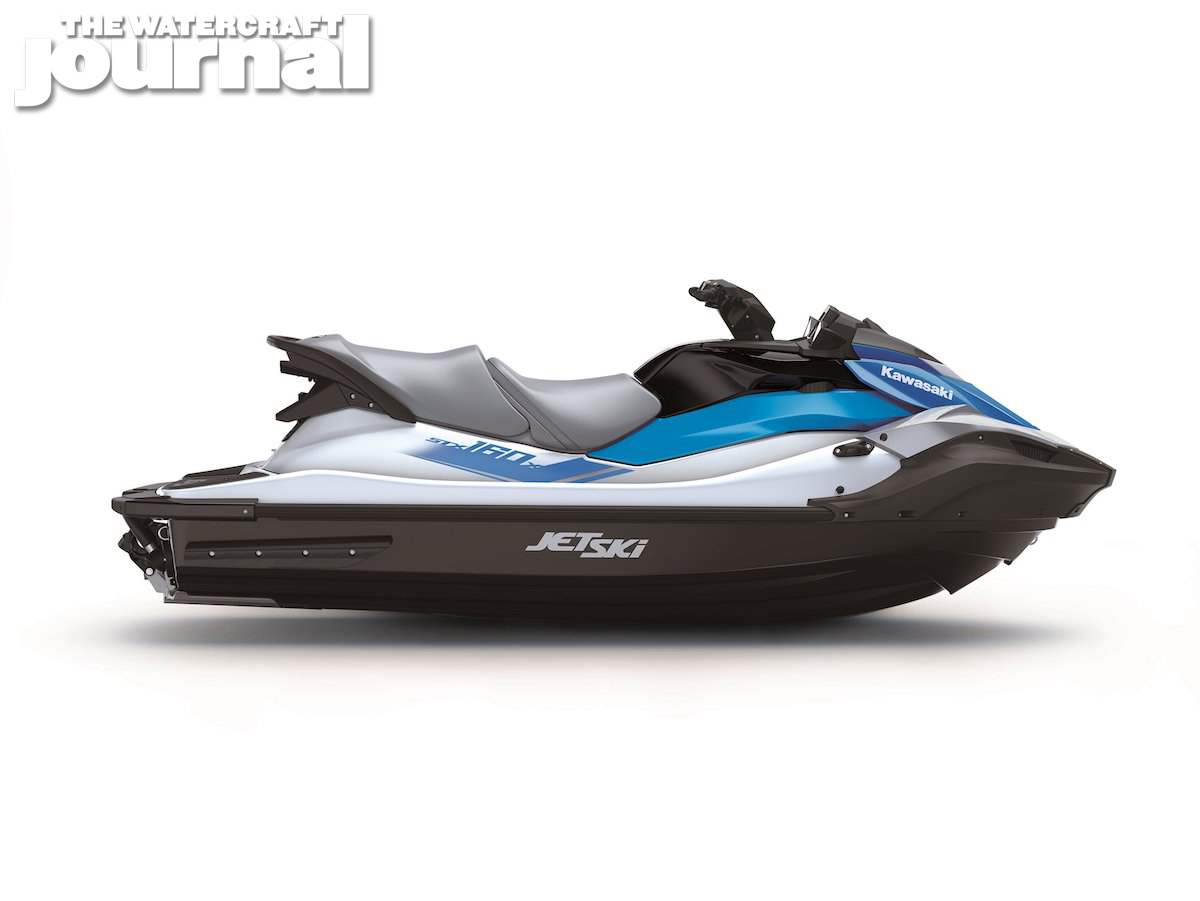
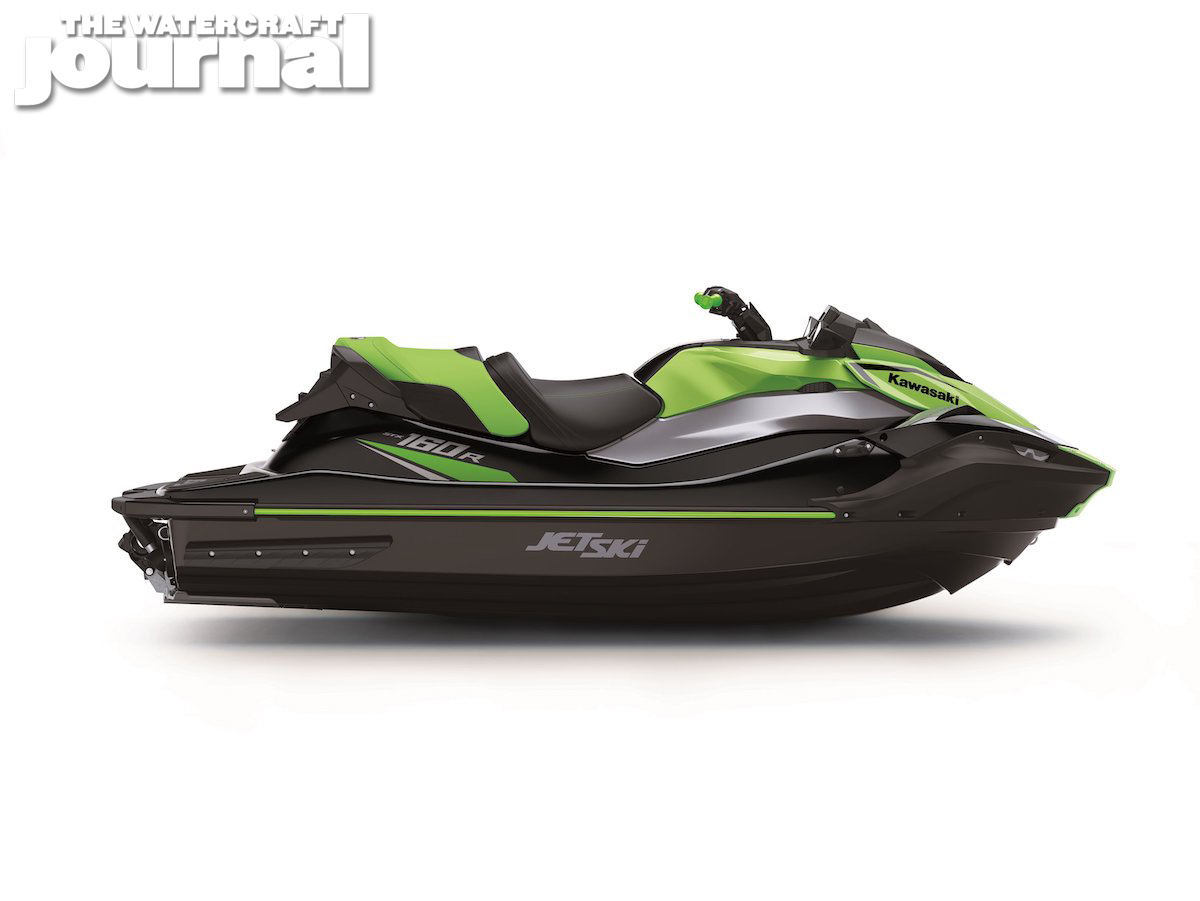
For 2027, Kawasaki’s naturally aspirated STX family now includes the STX 160X, STX 160LX, new STX 160LX-S and race-inspired STX 160R. All retain the naturally aspirated 1,498cc inline-four and the lightweight STX hull architecture.
But Kawasaki wasn’t finished. Not even close. For 2027, Kawasaki has done something STX enthusiasts have imagined for years. It put the Ultra’s supercharged engine into an STX.
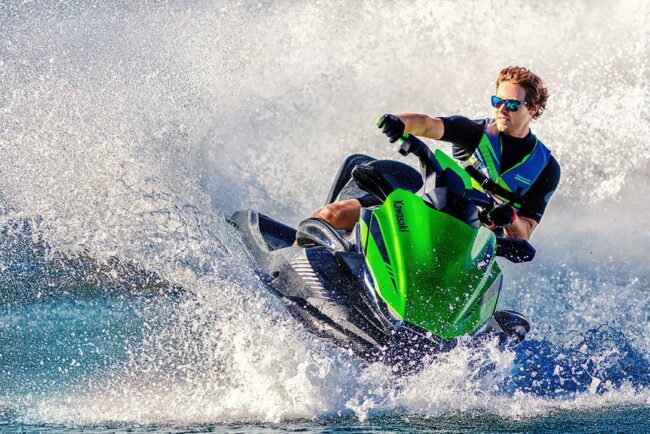
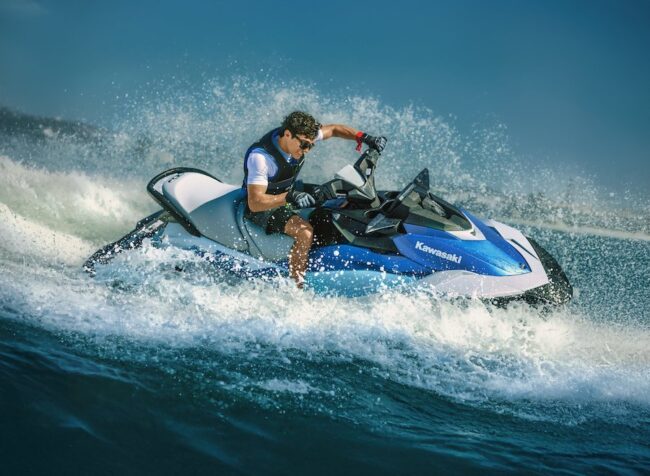
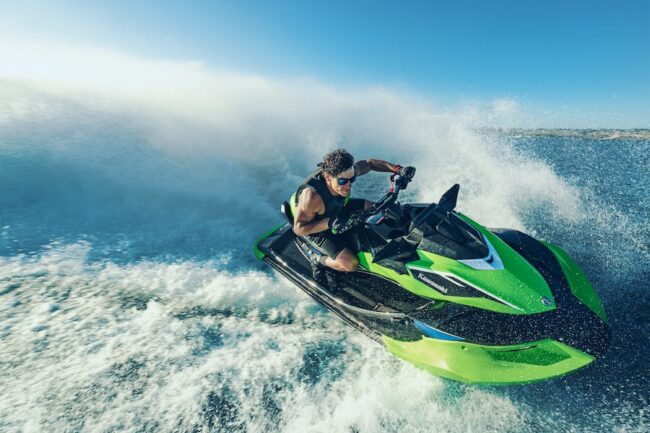
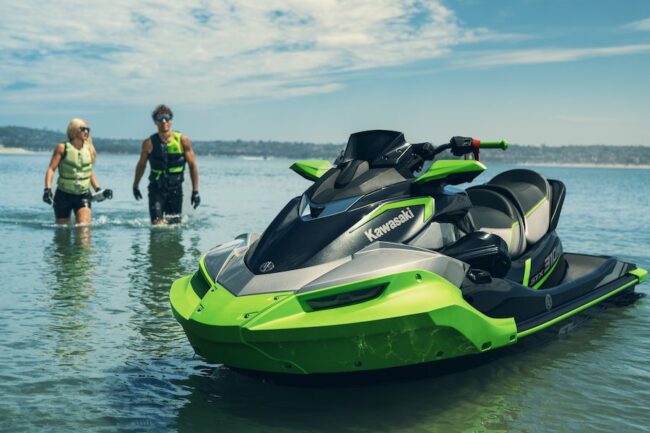
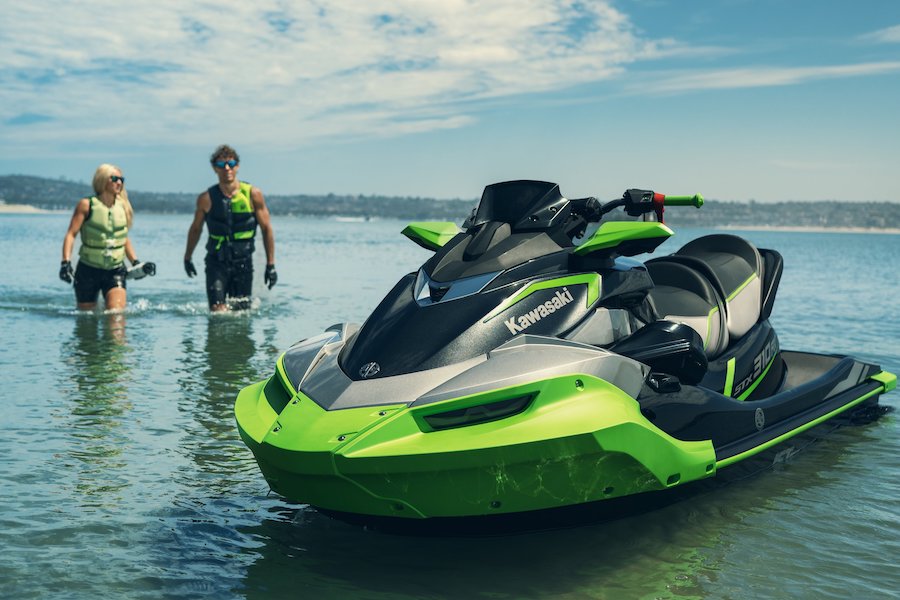
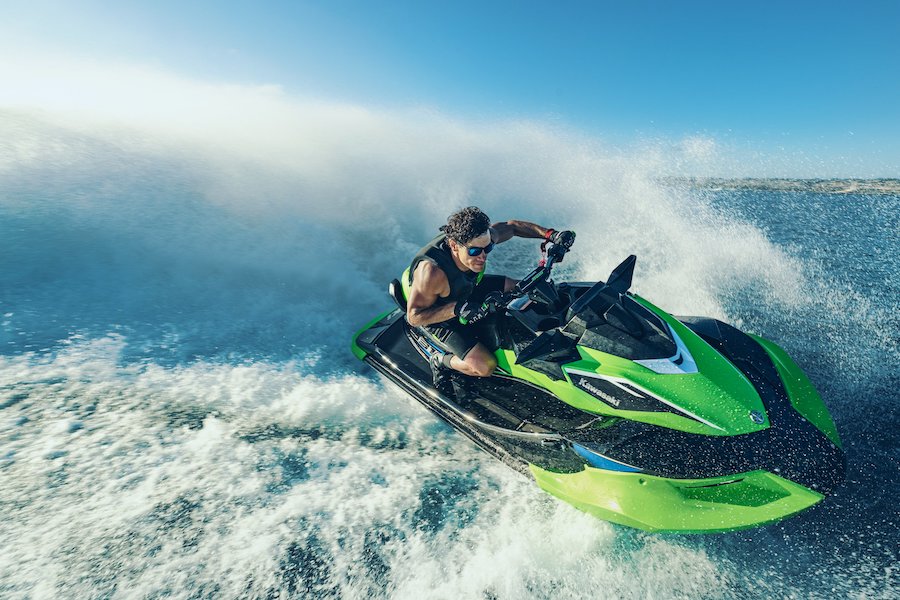
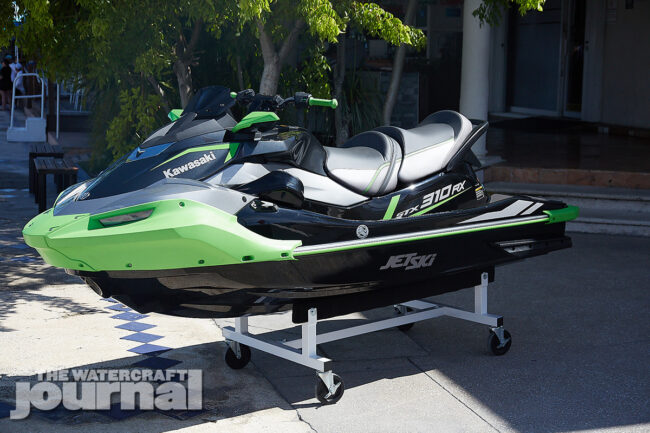
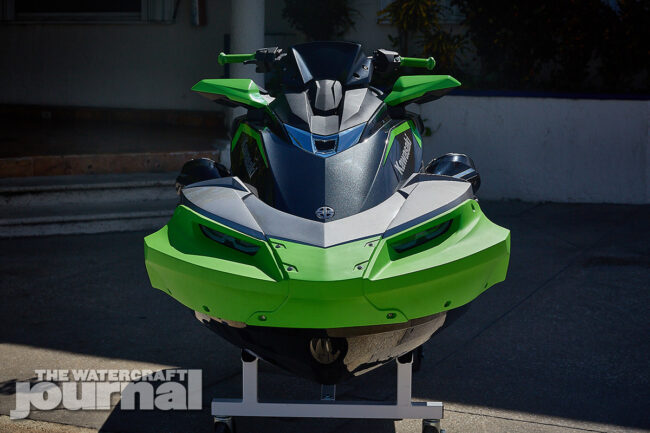
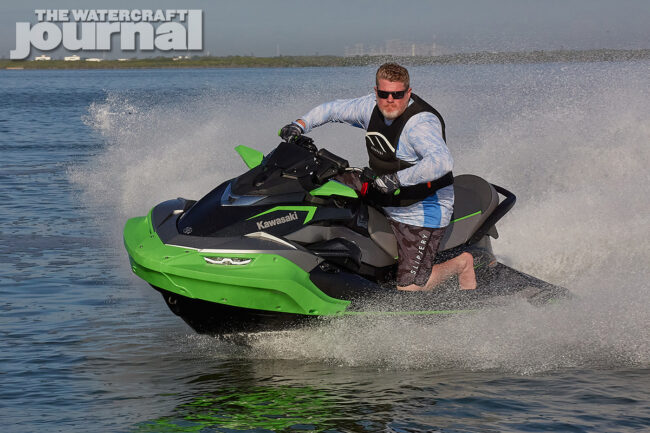
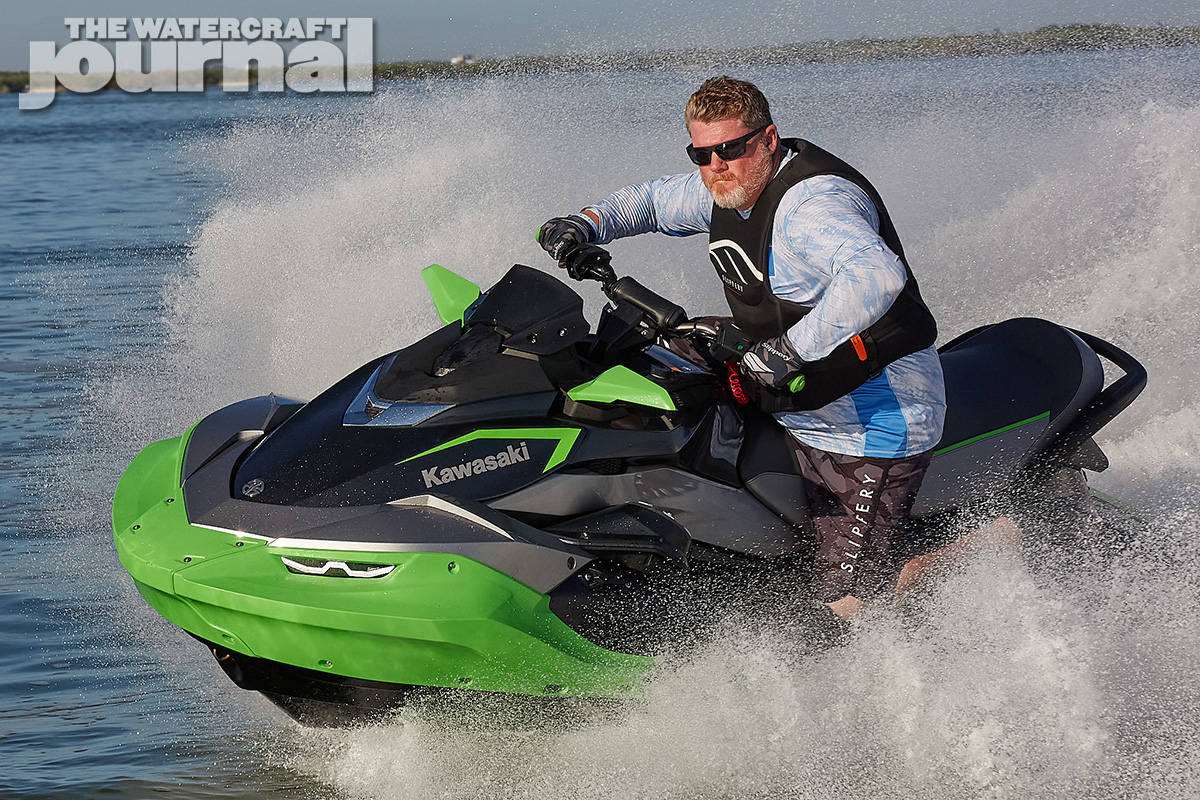
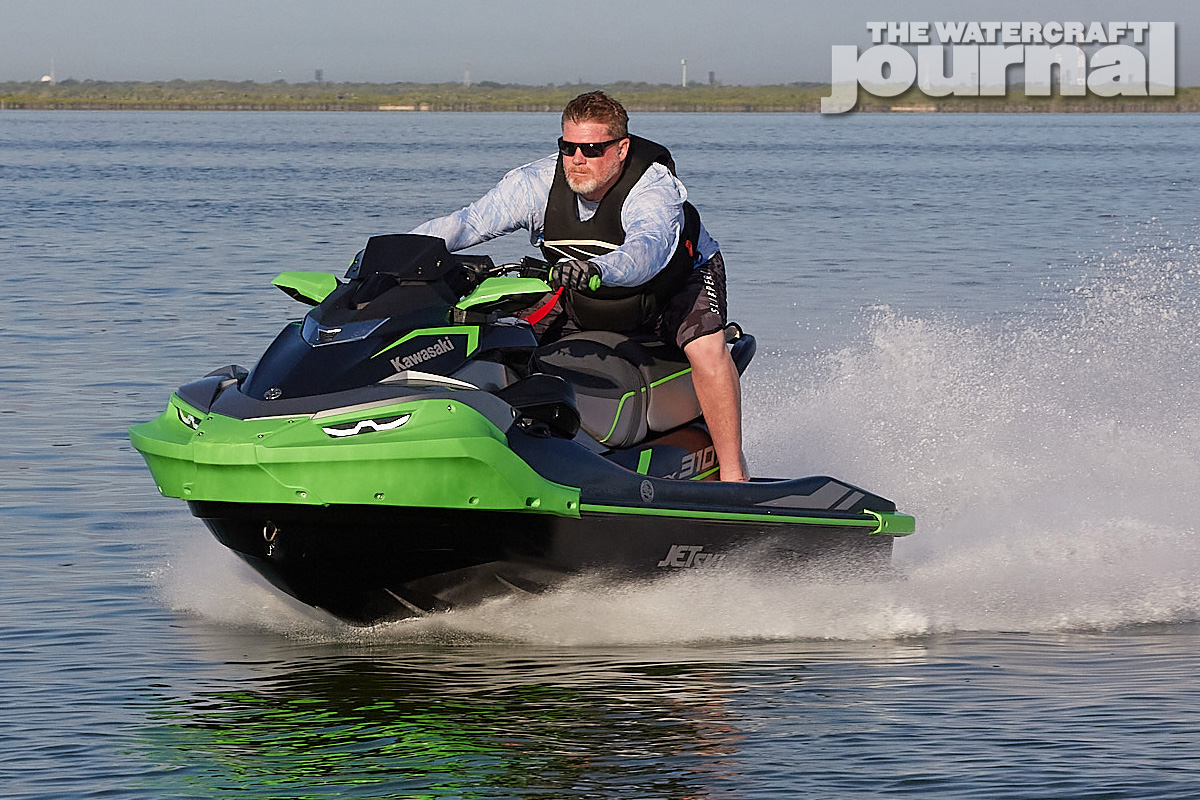
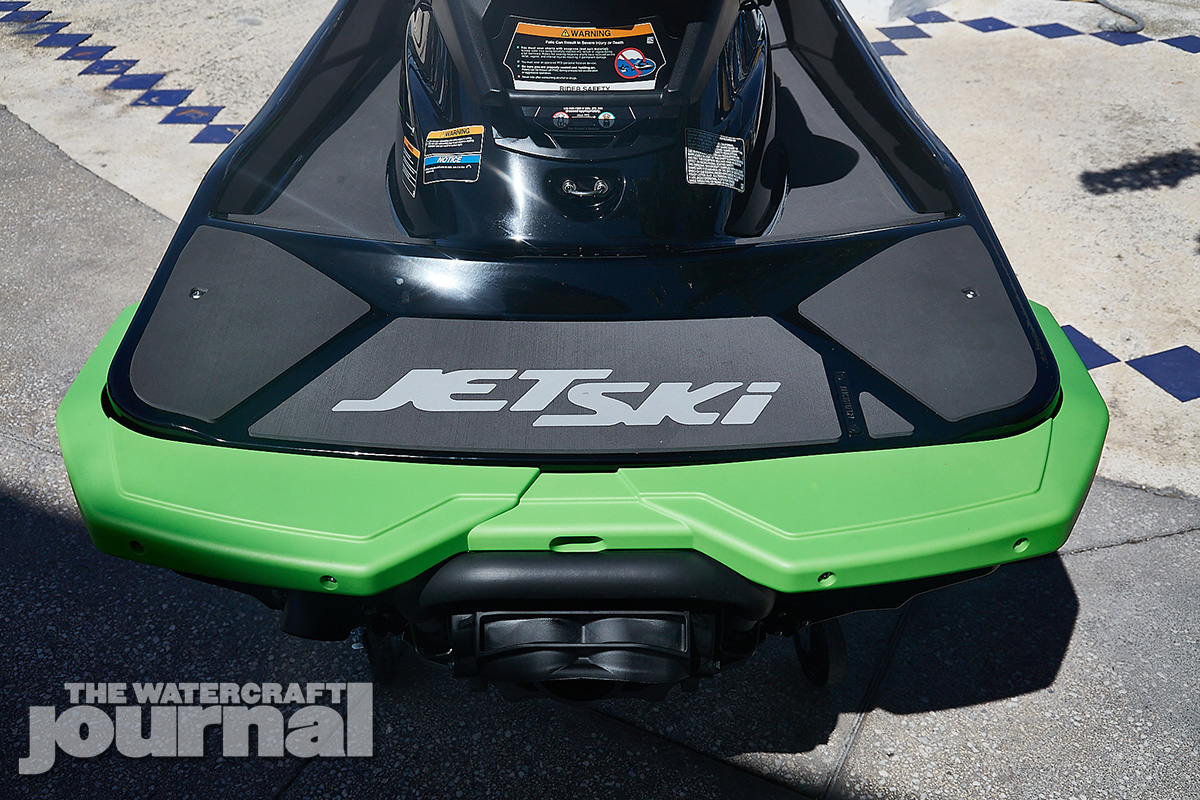
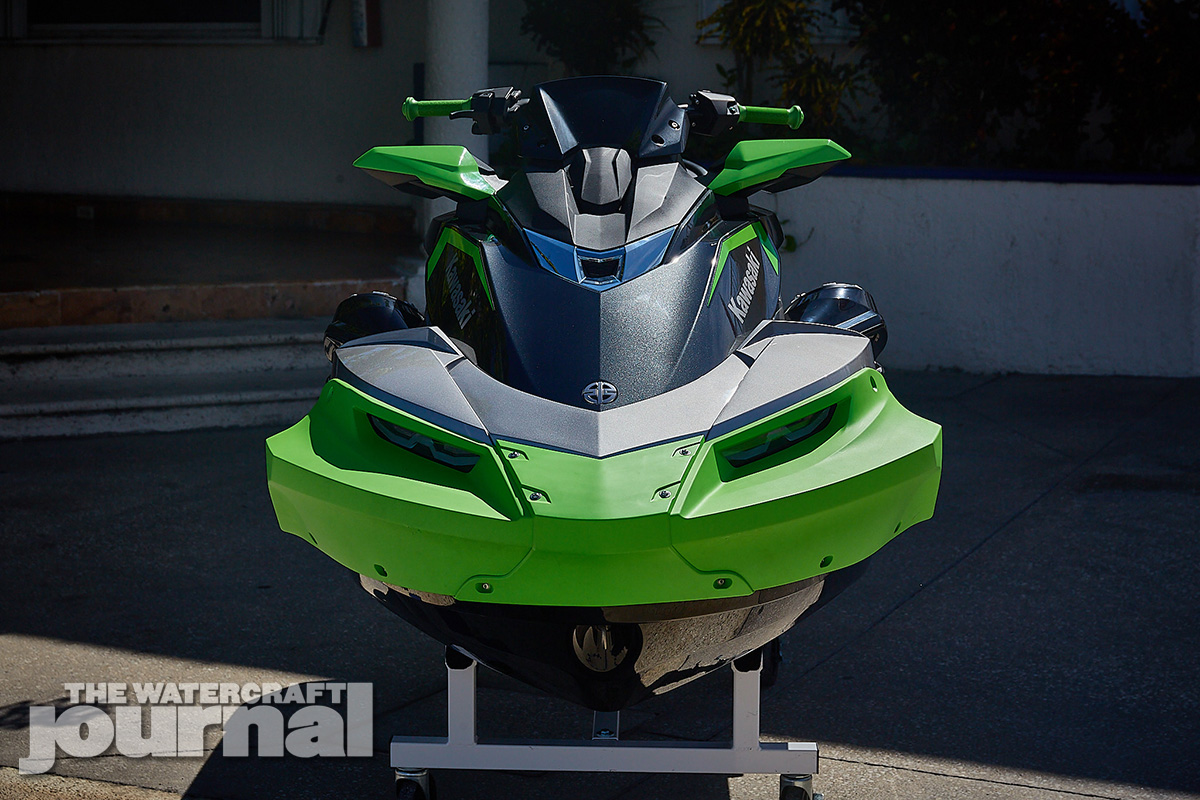
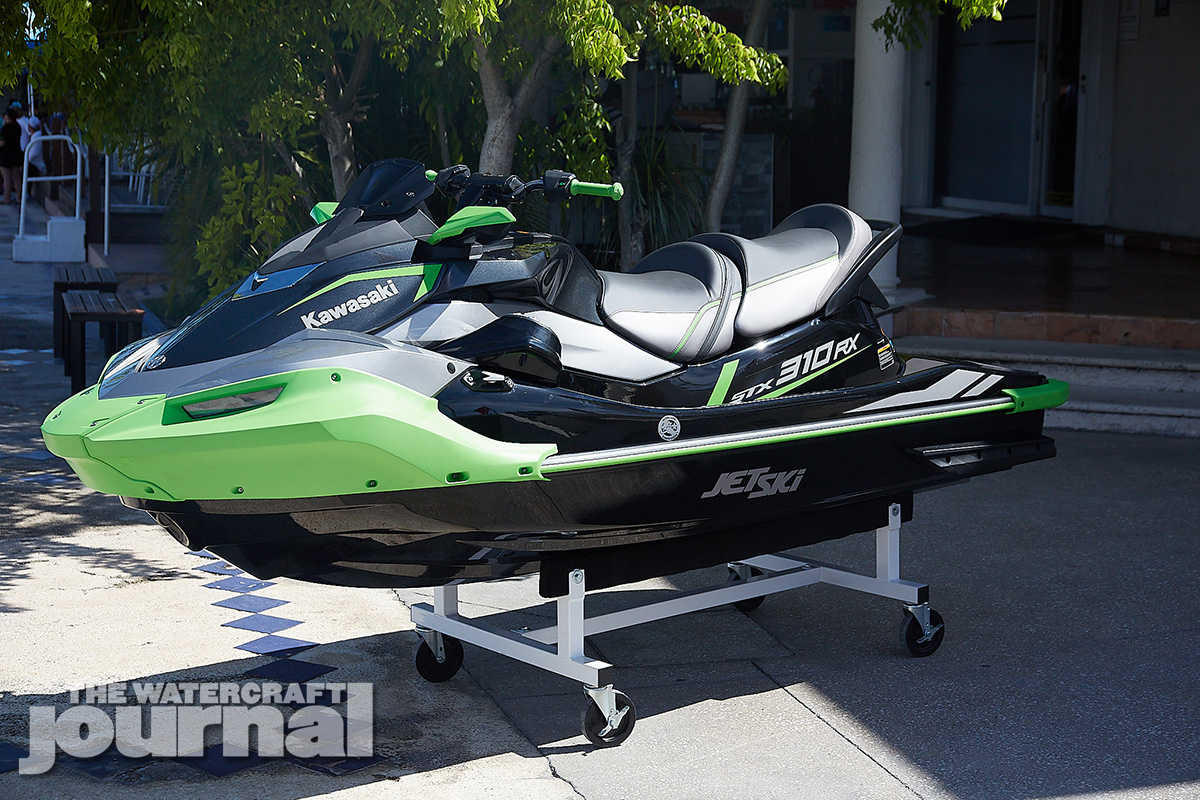
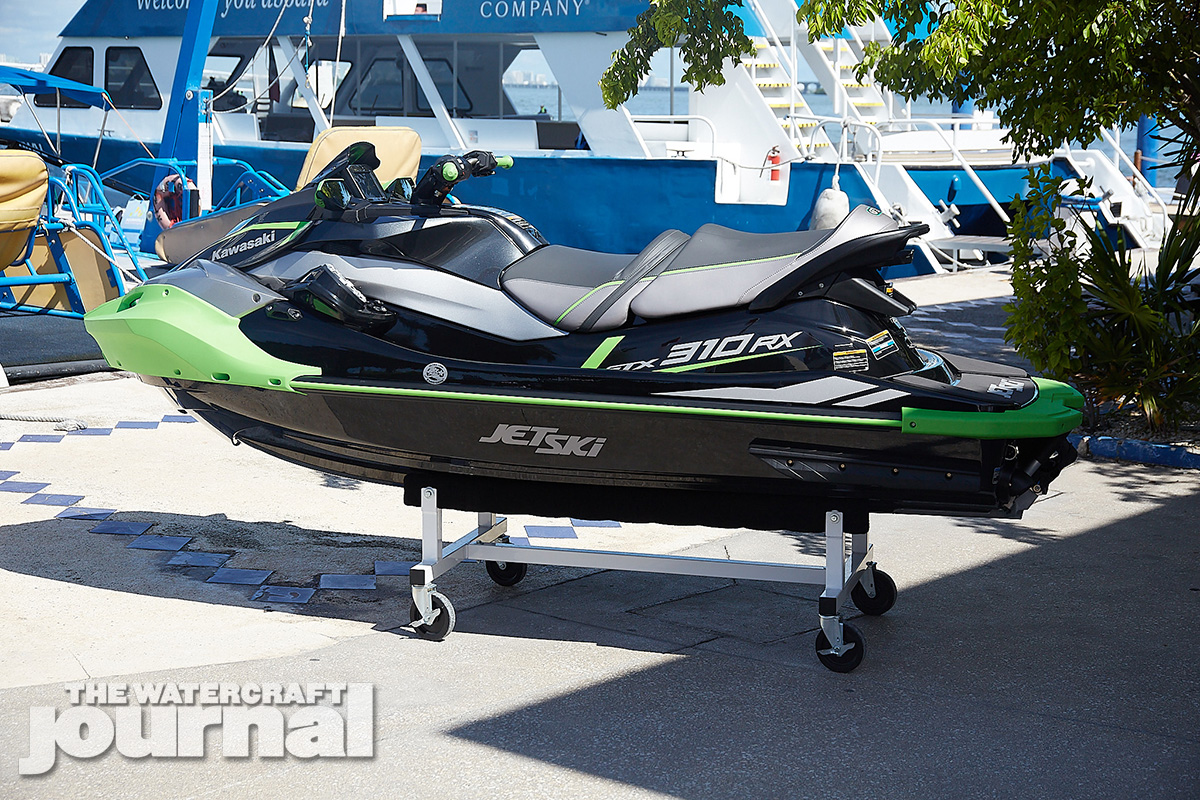
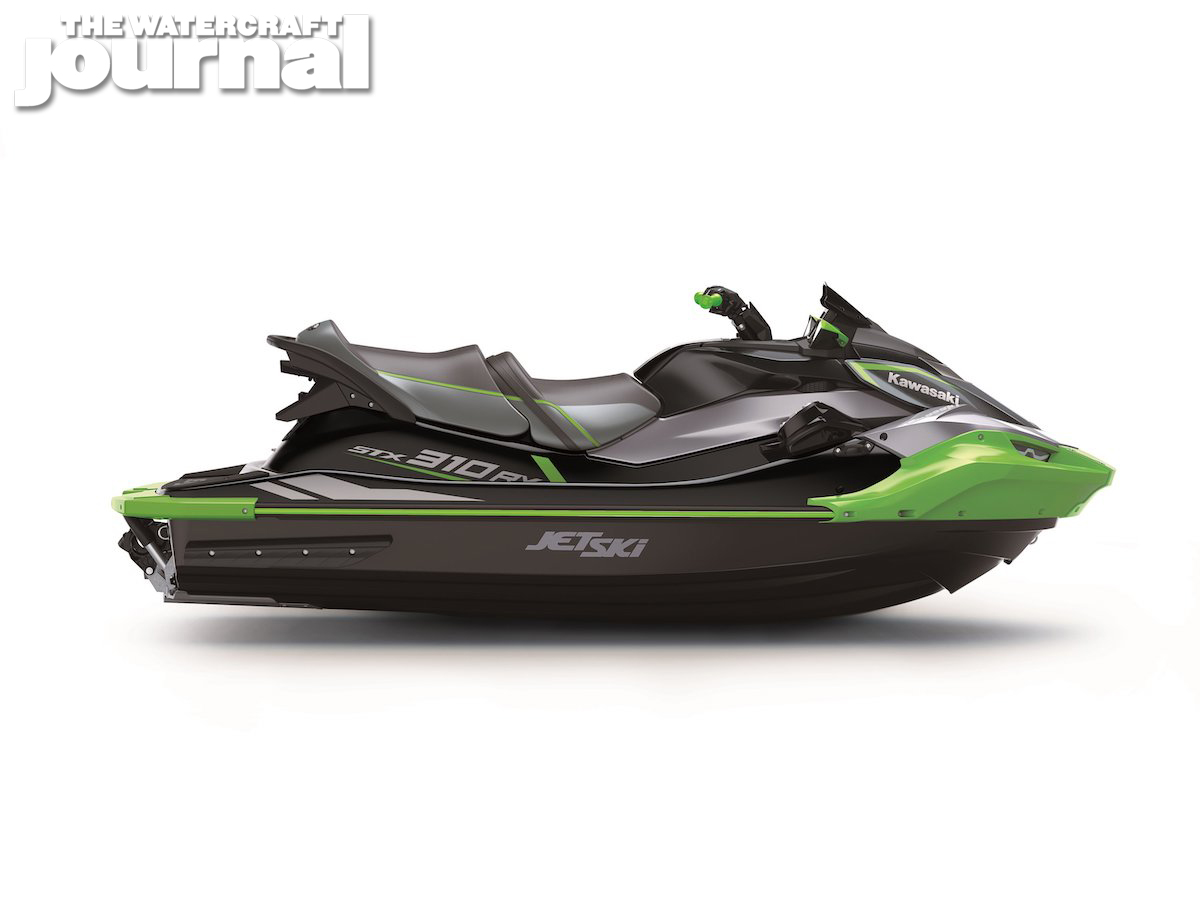
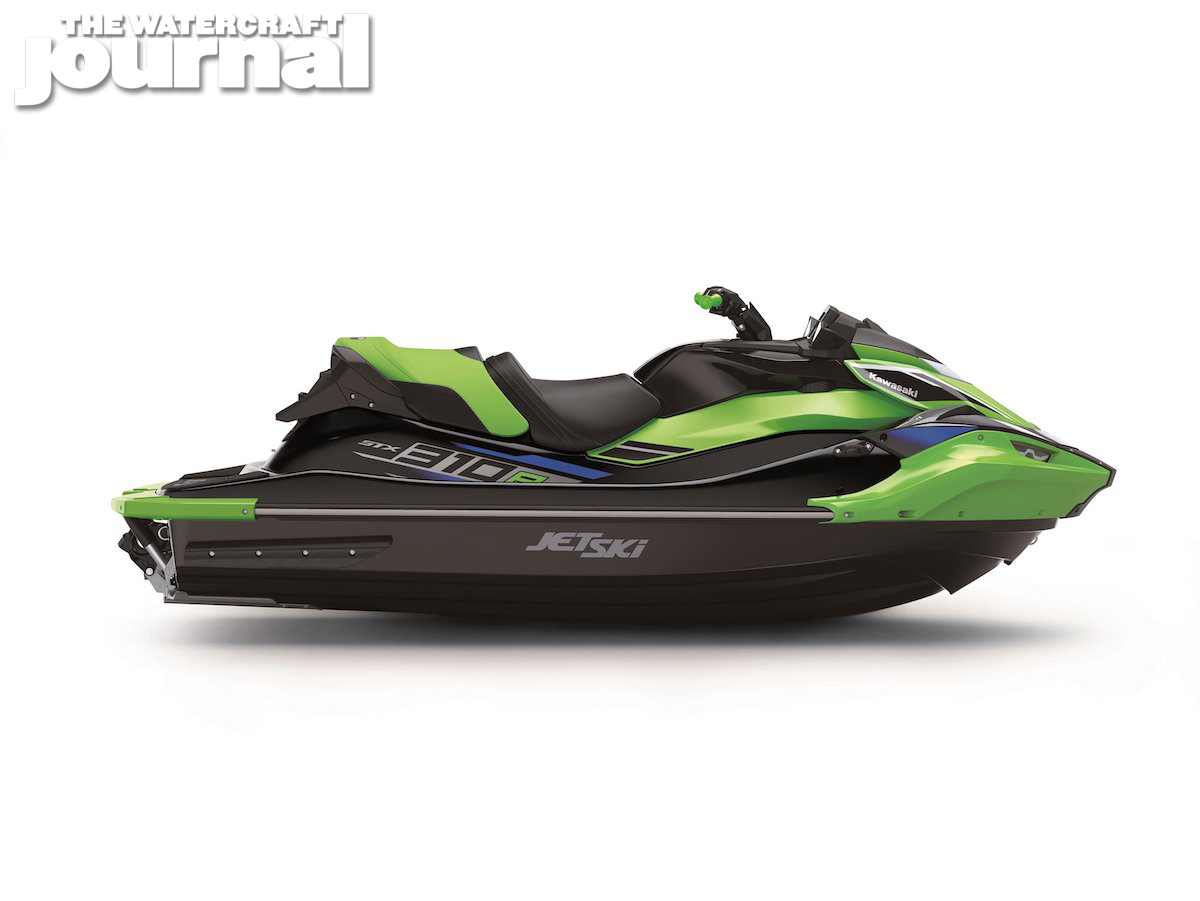
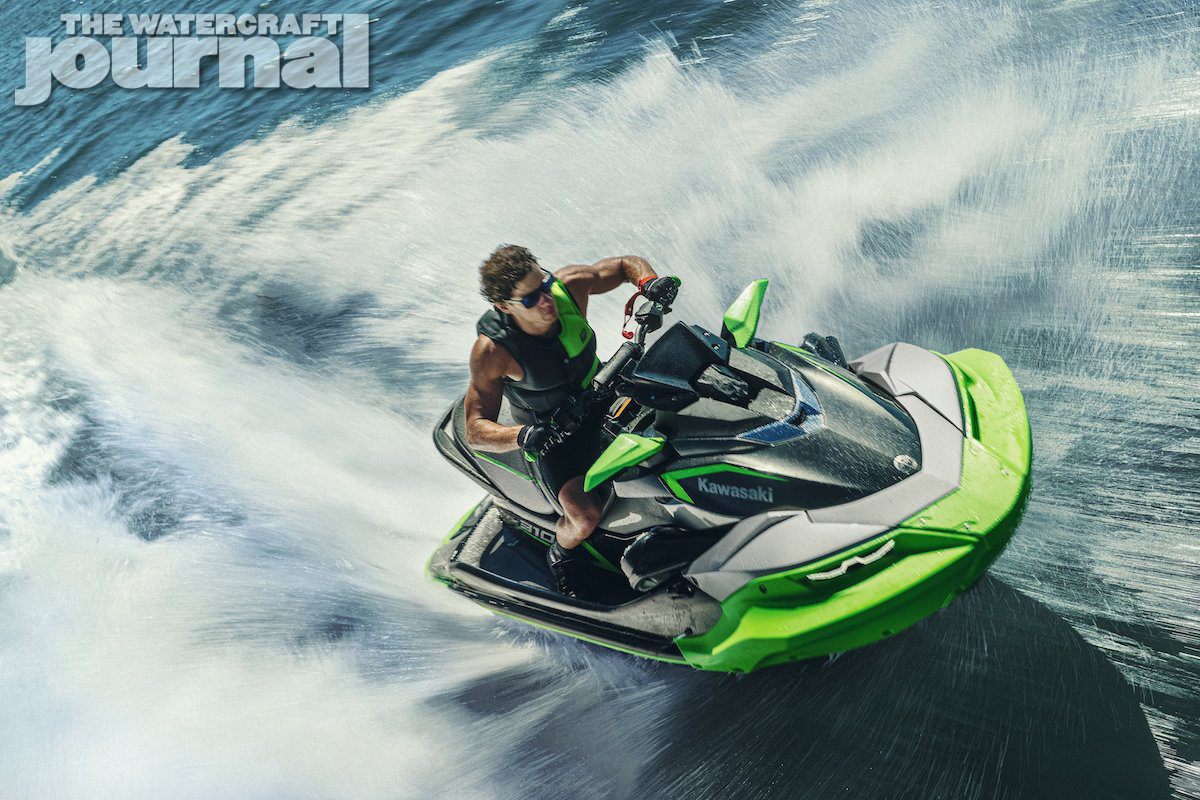
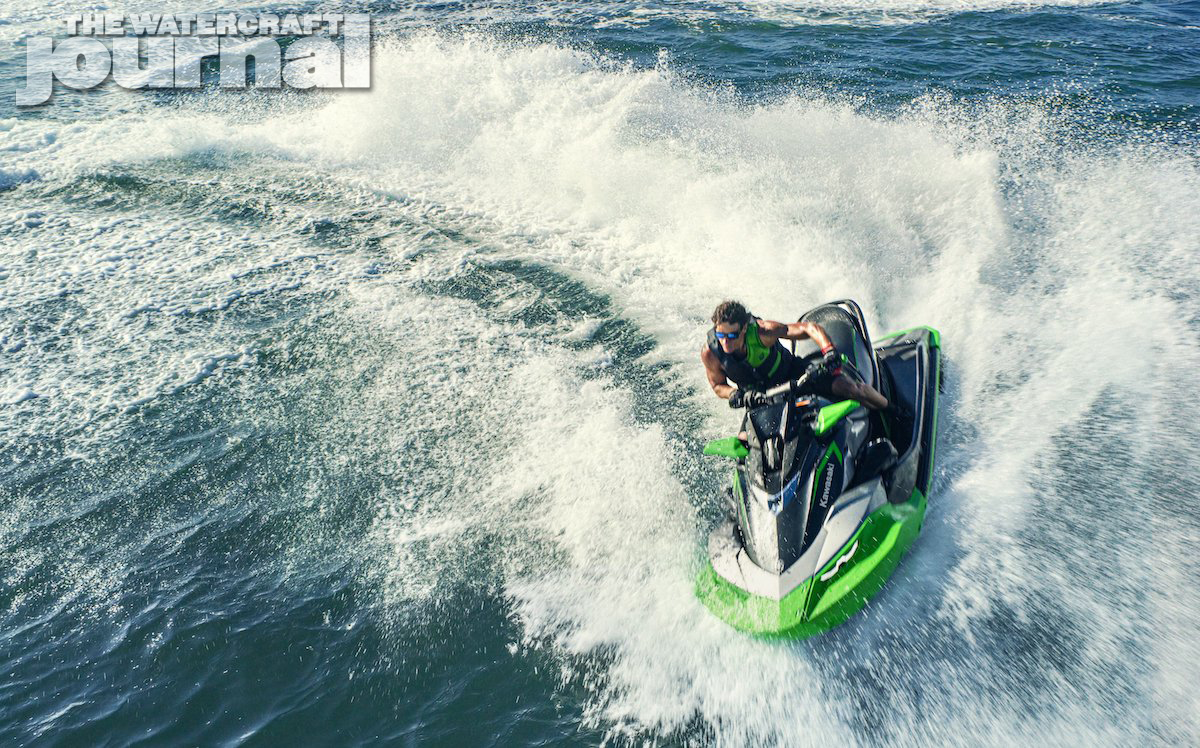
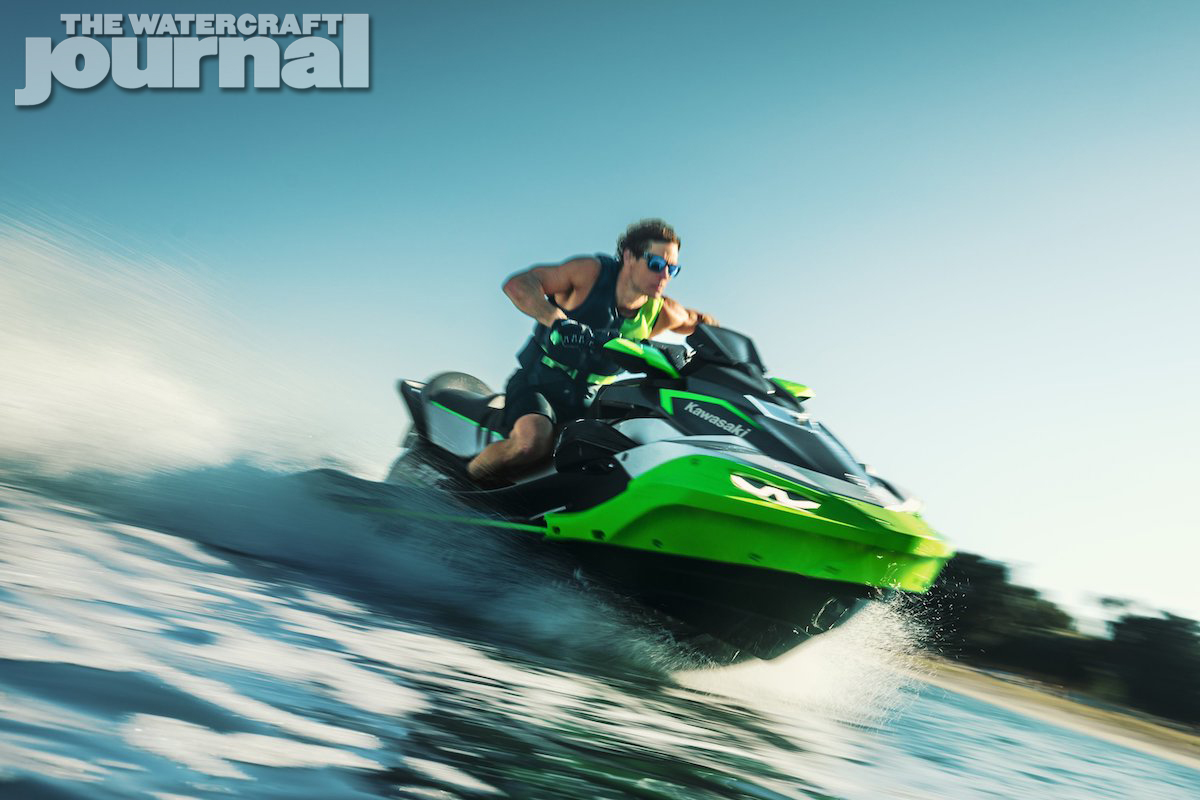
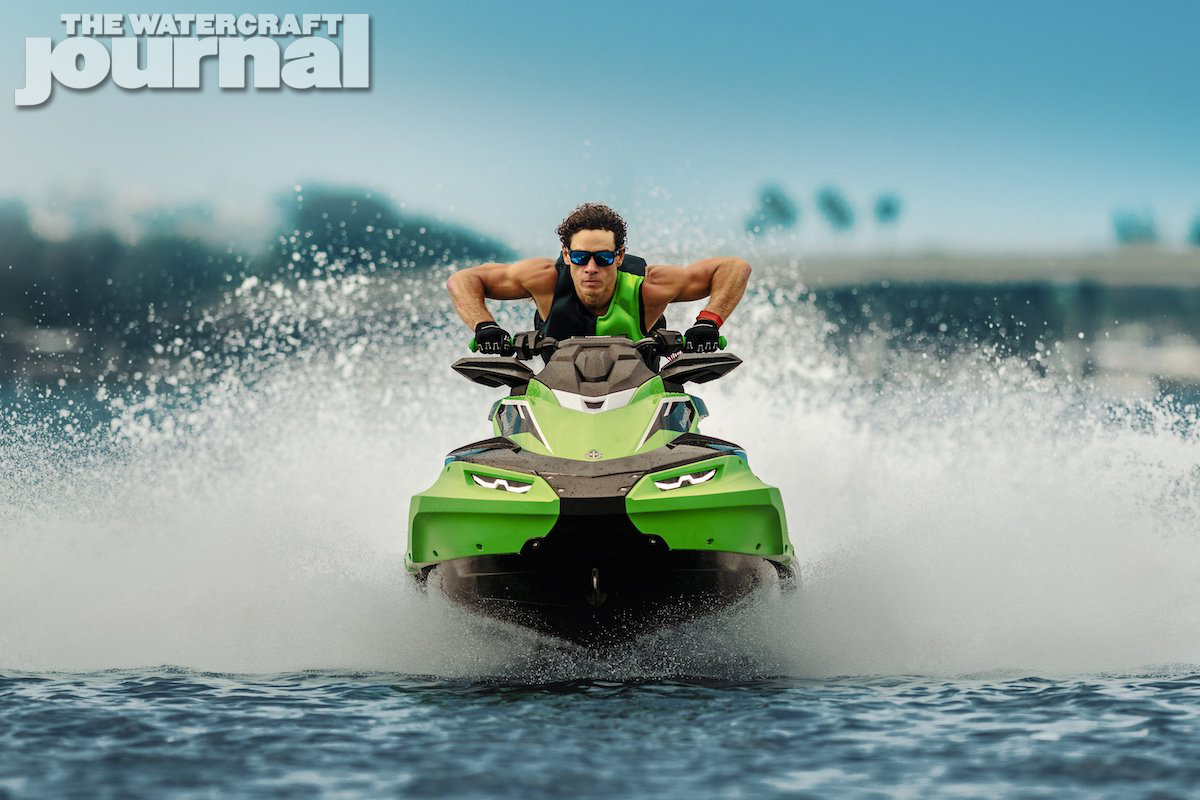
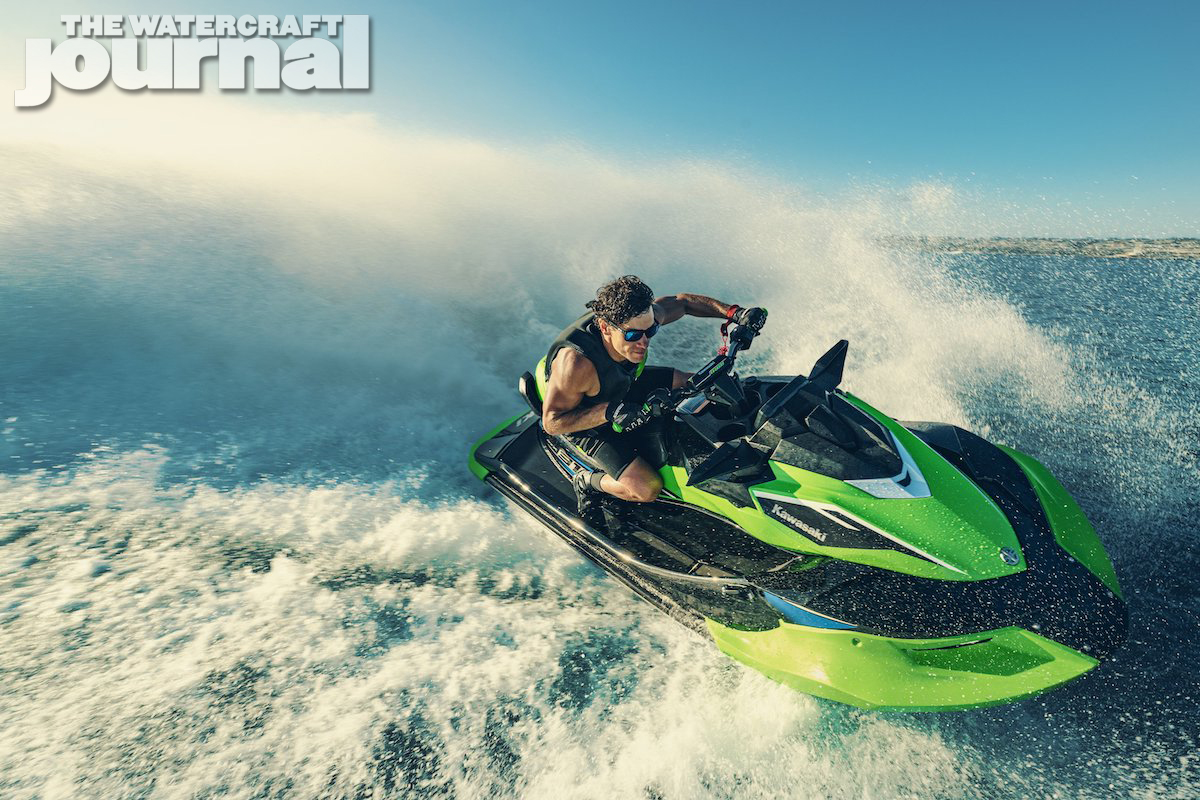
The new STX 310R and STX 310RX pair Kawasaki’s supercharged 1,498cc inline-four with a reinforced version of the compact STX hull, producing a claimed 310 horsepower. Kawasaki calls it the quickest-accelerating sit-down JetSki it has ever produced.
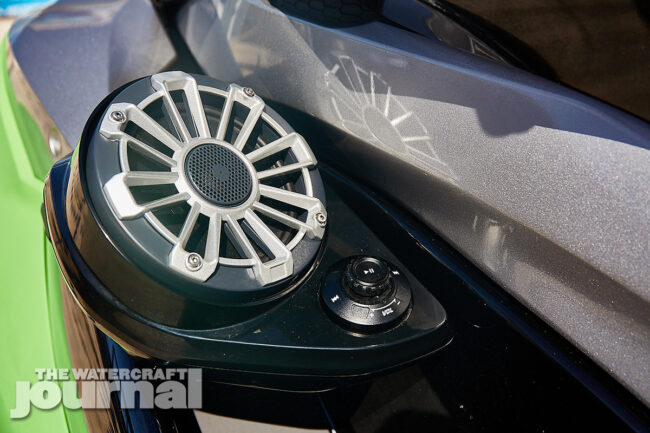
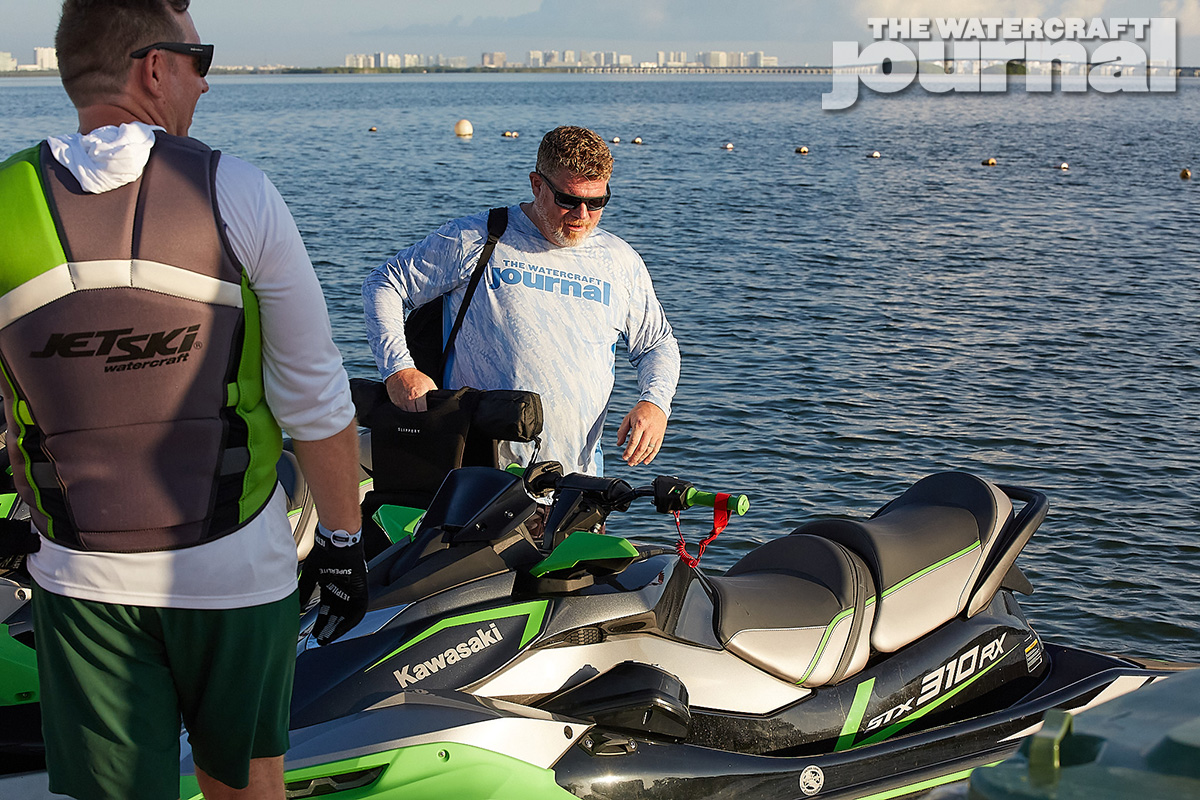
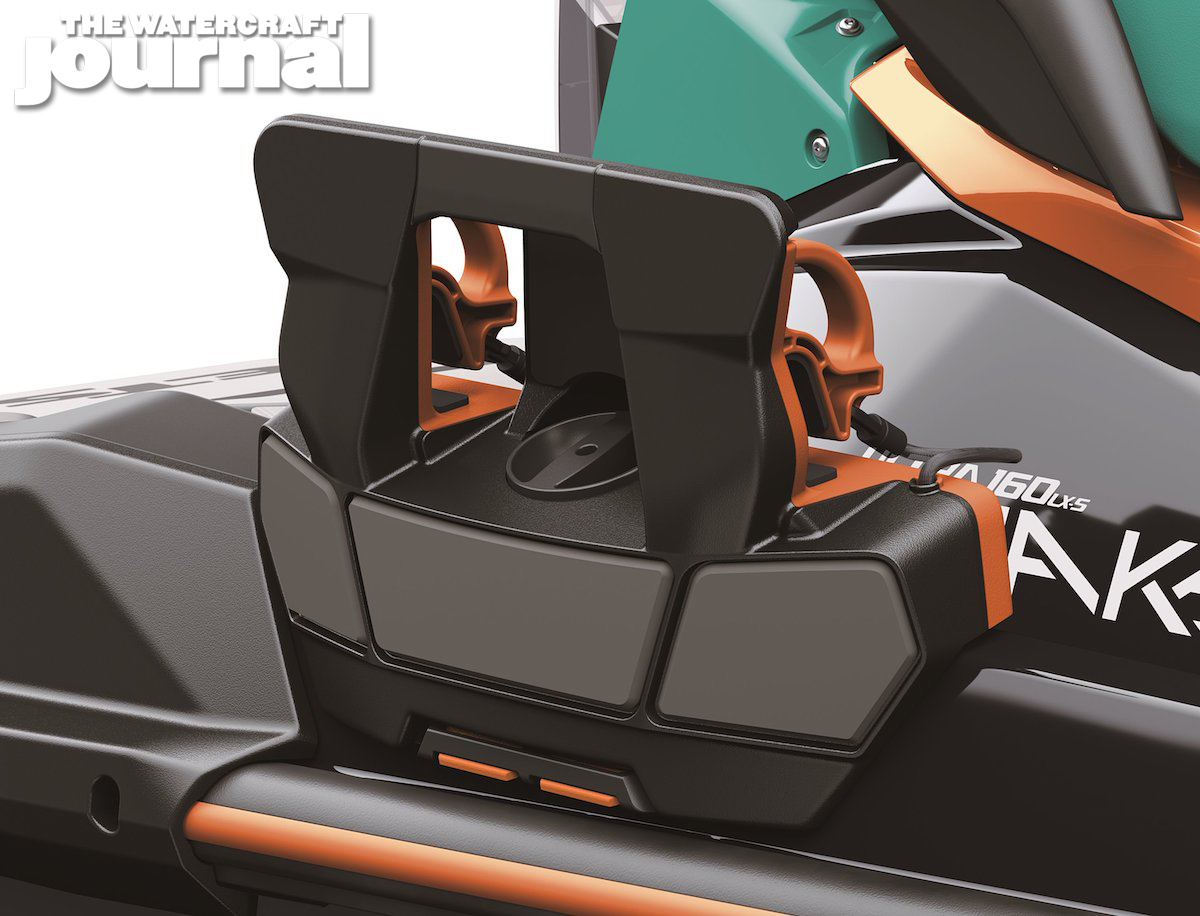
The STX 310R is the more performance-oriented two-seater, equipped with an adjustable motocross-style handlebar and sport-oriented seating, while the STX 310RX adds a three-passenger LXury seat, meter visor and Jetsound audio system. MSRP starts at $18,799 for the 310R and $20,199 for the 310RX.
The STX concept began in the late 1990s as Kawasaki’s answer to the growing three-passenger runabout market. It evolved through the 900 and 1100 STX models, became a serious racing platform with the STX-R 1200, ushered Kawasaki into the four-stroke era with the STX-12F, matured into the extraordinarily long-lived STX-15F and eventually became the modern STX 160.
Now, three decades after the STX name first appeared, Kawasaki is reinforcing that same fundamental design philosophy to handle 310 supercharged horsepower.
Calling every STX from 1997 through 2027 the “same hull” would be technically inaccurate. Complete hull part numbers changed. Construction, reinforcement, mounting provisions, sponsons and decks evolved. The STX-R itself received specialized equipment that distinguishes it from its recreational relatives.
What remained was the underlying design philosophy and remarkably persistent running-surface lineage. That may ultimately be the greatest compliment Kawasaki could pay its engineers.
Most personal watercraft hulls eventually reach a point where manufacturers decide that improvement requires replacement. Kawasaki instead spent decades discovering just how far the STX concept could be pushed.
From a 900cc three-cylinder family runabout, to a championship-winning 1,200cc two-stroke racer, to Kawasaki’s first four-stroke JetSki, to the STX-15F, STX 160 and finally the outrageous 310-horsepower STX 310R, the STX hull didn’t merely survive changing times. It helped Kawasaki navigate them.
Spend enough weekends racing personal watercraft and eventually the pits become something more than the place you park the trailer.
They become home.
There are dry pits, where trucks, trailers, vans, tents, RVs and race skis settle in for the weekend — sometimes with racers sleeping anywhere from a house-sized motorhome to the back of a van.
Then there are the wet pits, the temporary villages that spring up along the water each morning: EZ-Ups, coolers, chairs, tools, workbenches and skis waiting for the next moto. It’s where you scramble to repair the ski that just broke, talk smack with the competitor in the next tent and, occasionally, hand that same competitor your backup ski because his just broke and there is still racing to do.
The pits are garages, campgrounds, kitchens, playgrounds and neighborhoods built for a weekend.
And neighborhoods need rules.
Some are written in the event regulations. Others have been learned through years of bruised shins, near misses, bad decisions and somebody eventually saying, “For the love of God, don’t do that again.”
Here are a few of both.
Slow down. Then look again.
Pit and launch areas are crowded with people, children, dogs, trailers, skis, side-by-sides and vehicles moving in every conceivable direction. Follow the event’s speed limits and traffic rules, and save the horsepower for the racecourse.
More importantly, never assume the space around your vehicle looks the way it did the last time you checked.
I learned that lesson the “Why is the tent shaking, hon?” way. We arrived late, pitched our tent in a designated camping space and went to sleep.
The next morning, the guy in the next site woke up, wanted coffee, got into his truck – and started backing up.
When he had gone to bed, there hadn’t been a tent behind him.
There was now.
Fortunately, the lesson became a story rather than something considerably worse: Every time you move a vehicle, look again.
Oh – and if you’ve unhooked your trailer and the back of your truck protrudes into an area where people walk, remove the hitch from the receiver.
Your neighbors like their shins.
Twenty feet — and pay attention to where the exhaust goes.
Generators are as much a part of many race pits as gas cans and coolers. They’re also one of the things in the pits capable of quietly killing someone.
The Centers for Disease Control and Prevention says portable generators should be operated outdoors, more than 20 feet from windows, doors and vents. The Consumer Product Safety Commission also says the exhaust should be directed away from occupied structures.
In the pits, remember that “occupied structure” isn’t necessarily yours.
The RV, enclosed trailer or van next door may have someone sleeping inside. Wind can change. So can the arrangement of a crowded pit. Don’t simply measure your distance, fire up the generator and forget about it. Think about where the exhaust is going, and use working carbon-monoxide detectors in sleeping areas.
Carbon monoxide is colorless and odorless, and symptoms can include headache, dizziness, weakness, nausea, vomiting and confusion. Someone sleeping may not recognize the warning signs at all.
Water is water.
Race kids are a different breed.
Many have spent their entire lives around boats, skis, docks and ramps. They know the water. They respect the water. They may be more comfortable around it than many adults.
They’re still kids, and water is still water.
Wet pits are hectic places where adults are launching skis, repairing skis, watching motos, finding parts and helping other racers. Familiarity with the water does not make anyone drown-proof.
Know where your children are. Follow event and applicable PFD rules. Don’t let the bustle of race day replace supervision.
CPR is a good skill to have; it’s a really bad skill to have to use.
Heat sneaks up while you’re busy.
You’re going to drink some water after this moto.
Then after you help somebody launch.
Then after you change that part.
Then after you find the tool somebody borrowed.
Suddenly it’s midafternoon, you’re standing in 90-degree heat and you can’t remember the last time you drank anything.
Don’t wait until you’re thirsty. The CDC recommends drinking water regularly during work in hot conditions and taking breaks to cool down. Weakness, dizziness, nausea, heavy sweating and confusion are among the warning signs that heat is winning.
Look after the people around you, too. Sometimes the person who needs to sit down is the last one to realize it.
Fuel deserves your full attention.
Race fuel smells like race weekend.
It also burns.
Follow the event’s fueling rules and the manufacturer’s instructions for your watercraft and fuel containers. Shut the engine down before fueling, keep ignition sources away from fuel handling and storage, deal with spills immediately and know where an appropriate, charged fire extinguisher is before you need one.
The middle of an emergency is a terrible time to begin asking who brought the extinguisher.
And while we’re discussing mysterious liquids:
If you didn’t fill it, don’t drink it.
That unattended red Solo cup could contain water. It could contain soda. It could contain beer.
It could contain gasoline.
It could contain something we’re getting to later.
Disable it before you wrench on it.
Race weekends create an irresistible temptation to hurry.
The next moto is coming. Something isn’t right. The hood comes off and three people dive in.
Don’t let the clock override the basic precautions in your PWC manufacturer’s instructions. Disable the craft before working around moving components, and keep hands, hair and loose clothing away from intakes and other machinery.
A missed moto is better than a trip to the emergency room.
Mark the things trying to clothesline us.
Extension cords, hoses, tent stakes, guy lines and everything else necessary to build a temporary home have an uncanny ability to become invisible after sunset.
If you have to stretch something across — or even near — a place people might reasonably walk, make it visible.
This applies doubly to those thin lines strung approximately neck-high between two objects.
Conversely, if you’re walking through the pits, look where you’re going. This is not a hotel hallway. There will be tent stakes, trailer tongues, gas cans, sleeping dogs and, occasionally, exhausted racers who have ceased functioning and become part of the landscape.
Look down. And occasionally around.
Before you turn a patch of ground into your home for the weekend, look at it.
Depending on where we race, the original residents may include snakes, spiders, ticks, fire ants and, yes, occasionally alligators.
The nonliving hazards aren’t much friendlier. Animal holes, roots, uneven ground, mud and slick banks can ruin a weekend without ever biting you.
Know the environment you’re racing in, watch where you put your hands and feet and don’t assume that because hundreds of racers have arrived, the wildlife received an eviction notice.
Dogs are wonderful. Until they aren’t.
Race dogs are part of pit life.
But a friendly-looking dog is still a dog you don’t know.
Ask before petting someone else’s dog, and teach children to do the same. If your dog isn’t comfortable with strangers, that’s your responsibility to manage — not everybody else’s responsibility to discover.
Keep your dog appropriately restrained, make sure it has shade and water, and pick up its poop.
And pit-family rules apply here, too. If you notice the dog at the neighboring trailer has somehow run out of water while its human is temporarily stuck elsewhere, don’t just walk past. Help, or find someone who can.
We take care of each other here.
Speaking of poop…
Pick up after yourself.
That includes your children.
Leaving a dirty diaper in a field, along a trail or beside somebody else’s pit is an excellent way to discover that your fellow racers possess both long memories and creative ideas about returning lost property.
Likewise, dispose of gray water, wastewater and trash where the venue says they belong.
The basic rule is easy:
Don’t make your bodily functions somebody else’s pit problem.
Nobody is particularly scandalized by pit life. Racers change clothes behind truck doors. Adults occasionally disappear toward the edge of the woods. We’ve all seen human beings before.
Just don’t pee where somebody is going to walk, sit, sleep or put their equipment.
And do not pee on your neighbor’s tires.
Yes.
That apparently needs to be said.
Your pit ends where somebody else’s begins.
Race pits are loud. They’re messy. They’re hectic.
Nobody expects monastery-level silence.
But generator exhaust, music, lights, smoke, trash, water, pets and everything else produced by your temporary household eventually cross an invisible property line into somebody else’s.
So does sound.
Those staying in RVs and enclosed trailers should remember that the walls may not be quite as soundproof as the occupants occasionally imagine.
We’ll leave that one there.
Finally: Take care of each other.
This may be the most important unwritten pit rule of all.
The pits are where somebody asks for help pulling a stubborn generator to life because her arm is shot.
They’re where someone wanders over asking whether you’ve eaten, whether you need water or whether you’ve got enough gas to make it through the night.
They’re where somebody else’s kid appears, hungry, and gets fed.
They’re where competitors throw wrenches in frustration, exchange harsh words, shake hands, hug people they haven’t seen in years and then ask, “You ready for me to kick your ass on the line again?”
For years, they were places where Brian O’Rourke and Team Faith were part of race mornings, afternoons and evenings, offering prayers and hot dogs in much the same spirit: make sure the people around you are taken care of.
They’re where the sight of Sebastian Lezcano firing up the grill can turn a real bad day into a good afternoon — and that’s even before the sizzle and smell have half the race line wandering toward the Miami Jet Ski camp.
And sometimes they’re where something disappears that shouldn’t have, and people who weren’t responsible quietly pass the can until there’s enough money to replace it.
The pits can be laughter and tears, frustration and celebration, race fuel and coffee at sunrise, children and dogs and old friends and brand-new racers trying to figure out where they belong — and Dawn Dawson announcing, “Riders meeting in five!” for the fifth time.
They’re temporary communities.
So slow down. Look before you back up. Mark the guy line. Watch the kids. Mind the dog. Position the generator properly. Drink some water. Pick up your trash. Help the racer next door.
The next generation of personal watercraft racers will get the water first as the 2026 SBT IJSBA World Finals gets underway in Lake Havasu City, Arizona.
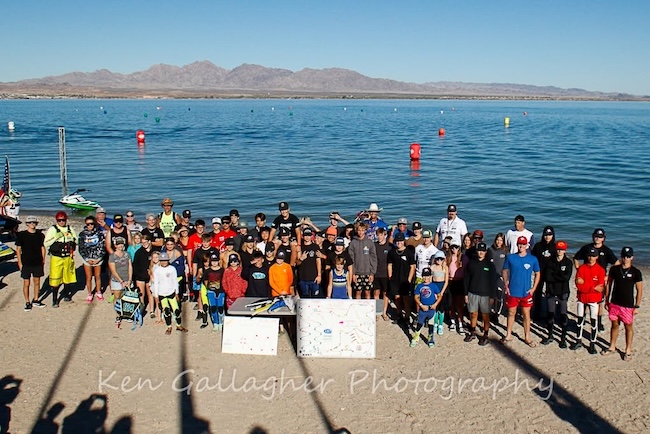
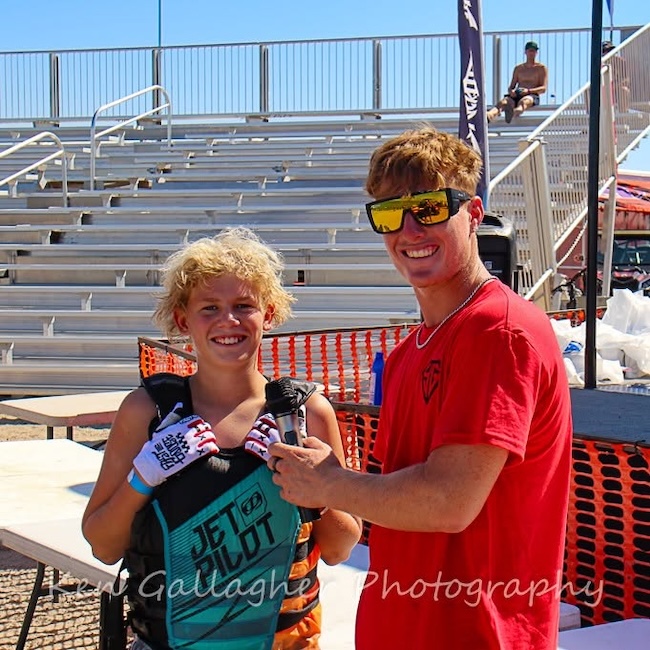
IJSBA’s Young Guns Development Program is scheduled for Sunday, Oct. 4, at Red Rock Waterside, giving riders ages 8 to 17 a day devoted to instruction, practice and an introduction to racing before World Finals competition begins later in the week.
The program includes slalom and closed-course coaching, practice starts and individual instruction from experienced racers, along with interviews and livestream coverage. Participants will also receive prizes before wrapping up the day with a pool party at Kokomo’s.
This year, IJSBA is adding another opportunity for newcomers.
First-time youth participants will be able to take part in Ski and Runabout Lap Challenges after obtaining IJSBA membership and completing the required briefing and screening. The challenges consist of two timed laps with one rider at a time on the course, providing an introduction to competition without putting inexperienced riders into a full race field.
Young Guns carries on a youth-development effort that stretches back to the Junior Stars program, which began more than 15 years ago. The Watercraft Journal will take a deeper look at that history next Sunday, including the people who built the program and the young racers who came through it.
And that means we need your help.
Were you a Junior Star or a Young Gun? Did you coach or mentor the kids? Were you one of the people sticking a microphone in front of a nervous young racer and giving them their first interview? Do you have photographs, stories or memories from the program? I’d love to include them.
WCJ is also collecting memories and photographs of the late Nedra Atwood — one of the guiding forces behind the original Junior Stars program and one of the sport’s most beloved supporters — as the sixth anniversary of her passing approaches.
We’re looking not only for the history that made it into the official record, but for the stories remembered by the people who knew her, worked alongside her and watched her support generations of racers.
The 45th annual SBT IJSBA World Finals runs Oct. 3-11 in Lake Havasu City, with competition scheduled to begin Oct. 6 and continue through Oct. 11.
As racers begin arriving, IJSBA has also issued a reminder that competitors represent the sport away from the race course.
The organization said it received calls from Lake Havasu City residents concerned about driving practices and asked participants to drive safely and make a positive impression on the community.
The request comes as IJSBA says both Pro Watercross and the World Finals faced several cost increases this year and have been told costs will rise again next year. The organization said it expects to seek substantially more support money for 2027 and asked racers to help protect the sport’s relationship with its longtime host community by being good ambassadors.
And, of course, to drive safely for their own sake.
The Watercraft Journal will have more from Lake Havasu City as the 2026 World Finals gets underway.
2026 SBT World FInals Young Guns Development Program Begins October 4 At Red Rock Waterside
For the first time ever, there is an on the track experience for first time youth. The Ski and Runabout Lap Challenges are available to youth aged participants who join IJSBA and go through a briefing and screening process. The Lap Challenge is a two lap timed competition experience where the rider is the sole participant on the track. Kids signed up for this may participate in the entire Young Guns development program.
The IJSBA World Finals for 2026 will kick off on Sunday October 4, 2026, with our annual tribute to the youth racing development, with Young Guns IJSBA World Finals Training Day. We are poised and positioned for another awesome training day on the water and excited to announce the proposed scheduled agenda for this unique youth PWC racing opportunity at the 2026 World Finals. This training and coaching day is presented to the youth racers by the IJSBA and is designed to promote youth watercraft racing and serve as formal warm up to the IJSBA World Finals courses. This day will be packed with ‘on the track’ practice events, Prizes, Guest Appearances, Celebrity Coaches and strategic preparation for the 2026 IJSBA SBT World Finals which is also the second tour stop of the WGP1 World Finals. This all takes place at Red Rock Waterside on beautiful Lake Havasu and is made possible by assistance from Go Lake Havasu.
Please register for the event @iraceready.com for the 2026 IJSBA World Finals Young Guns Sunday.
App.iraceready.com
Ages 8-17 All Classes Welcome- Regardless of your proficiency (Novice- Am – Pro) this is about celebrating, recognizing and training the Age group for World Finals. We look forward to seeing all the Youth racers ages 8-17 that are competing in IJSBA World Finals.
Ski Lites, Ski Stock, Ski 4 Stroke Lites, Ski GP, Ski Mod 1100, Vintage Ski, X2, Sport Spec, Runabout 1100/Rec Lites, Lap Challenge
Sunday October 4
Check in for Registration starts @5:30am– Crazy Horse Campground Entrance
Access only granted to Pits, Tech, and Training Sites with all credentials verified
6:00am- Pre Tech-Inspection Opens in Pits for all Youth Racers clearing Registration
Rich Boell, Head tech inspector for IJSBA, will be on site doing tech.
7:45am- DJ Kid Crowe Kicks it off! Music to get the World Finals party started
LIVESTREAM STARTS with Charles Guinchard
Action Photography with Ronny MacHenry, Ken Gallager, Adrian Fisk, and Pro Rider Magazine on the Scene
INTERVIEWS begin with World Famous Announcers and Promoters on the shoreline
Interviews will be going on throughout the day and it is our goal to have an on camera/ livestream interview with every racer
8:00am- World Finals Starting Line Bleachers
Riders Meeting- World Finals Racers Meeting
SPECIAL YOUNG GUNS WORLD FINALS TROPHIES FOR THE TOP RUNS IN SLALOM
9:00-10:30 am- Racers Break Out Sessions
Ages 10-13 Slalom Course Training
Instructions by Top Pro World Champions
Multiple Runs, Strategy and Clocked Run Times for every racer
Ages 14-17 Closed Course Training
Course Marshal led instruction and track parade
Multiples of Race Starts!! Using the Light and Horn
Group Practice on the World Finals course
Individual Coaching and Training by THE Top Pros
10:30- 11:00- Switch of Racer Break out Sessions
Water, Gatorade and Snack Break- Provided on the Beach
11:00- 12:30
Ages 14- 17 Slalom Course Training and Coaching
Ages 10-13 Closed Course Training and Coaching
1:00 IJBSA World Finals Starting Line Bleachers
Sponsor Appreciation Recognition
PRIZES for the Young Guns World Finals Racers
3:00-6:00pm- KOKOMOS POOL PARTY
Hot wheels Racing- 1st , 2nd and 3rd place awards
Pool Games and Prizes
Pizza and Beverages provided for all families, racers and siblings
Trophies for the Top Slalom Runs
Please Drive Safely In Lake Havasu City
IJSBA is always ecstatic when people from the general Lake Havasu City population look us up to ask questions about local races….. well, maybe not always. Calls came in today concerned about some driving practices. I know we are all excited for all of the racing, but please drive safely. Pro Watercross and World Finals got hit with several price increases this year notices that costs will be even higher next year. We are going to ask for an absurd amount of support money for 2027. Please help us help you to keep racing in Lake Havasu city by being good ambassadors in every impression we can make on others. Also, drive safely for your own well being, too.
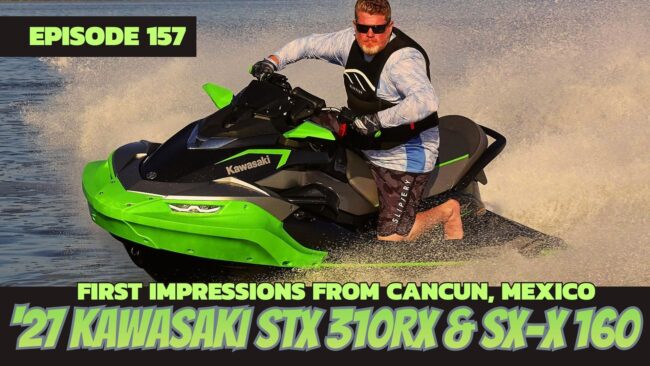
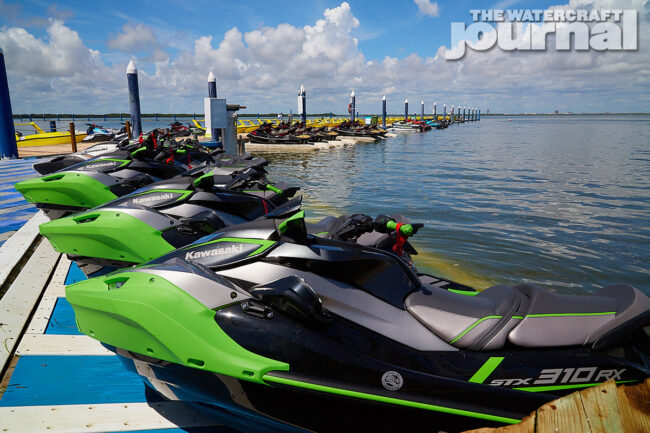
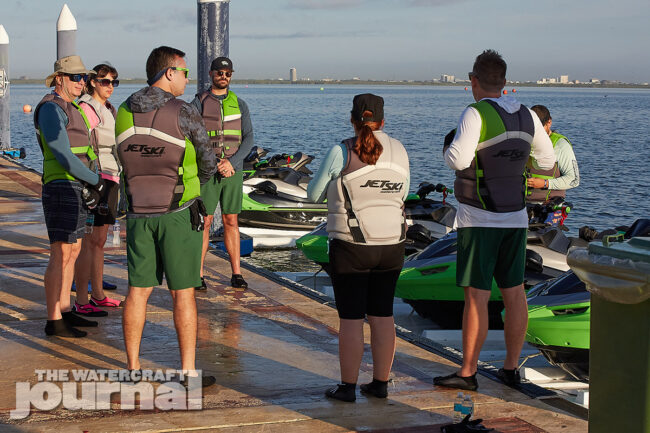
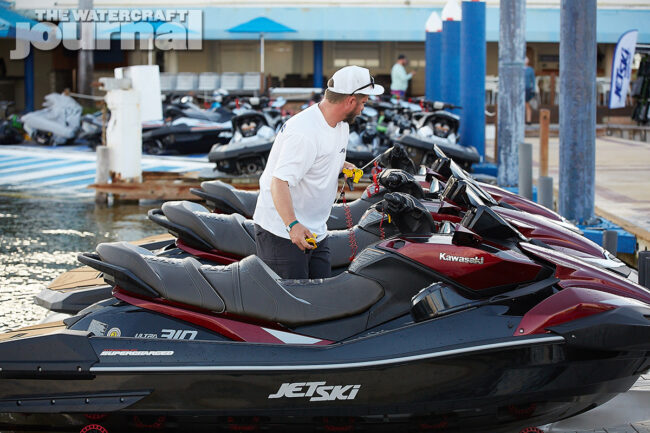
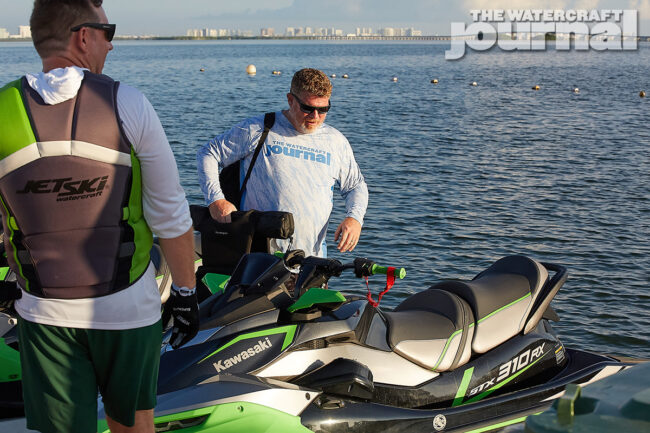
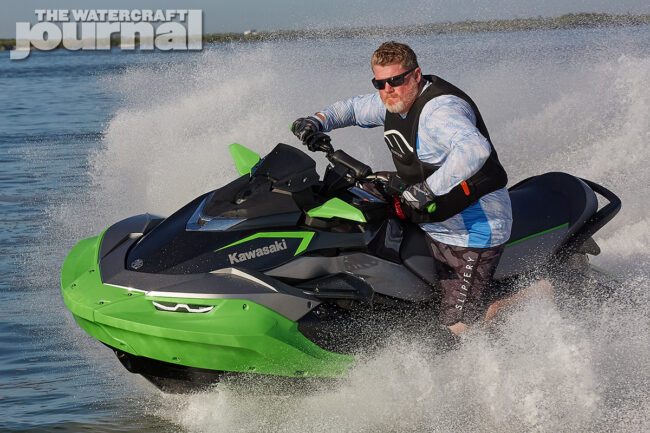
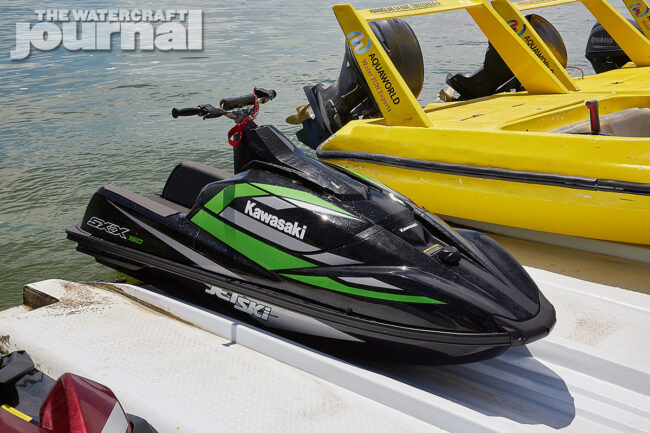
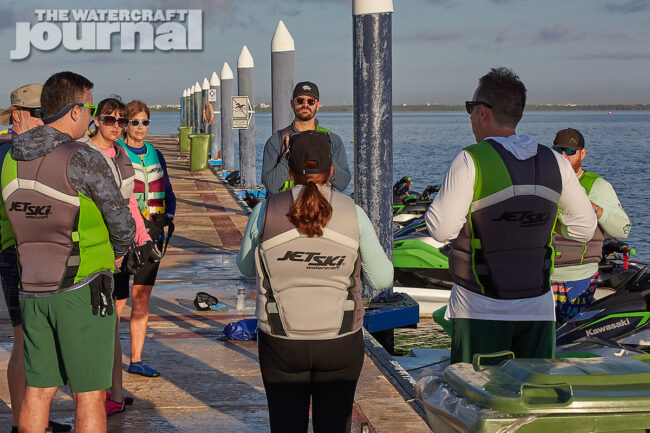
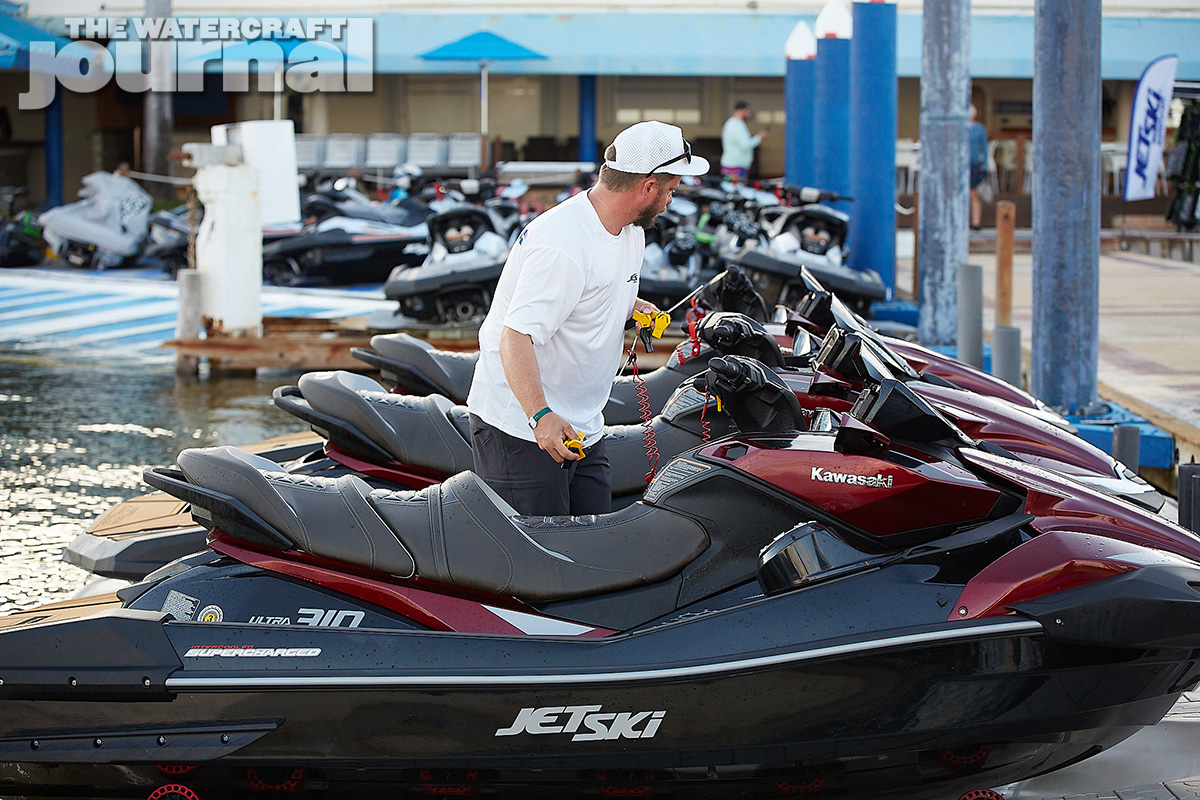
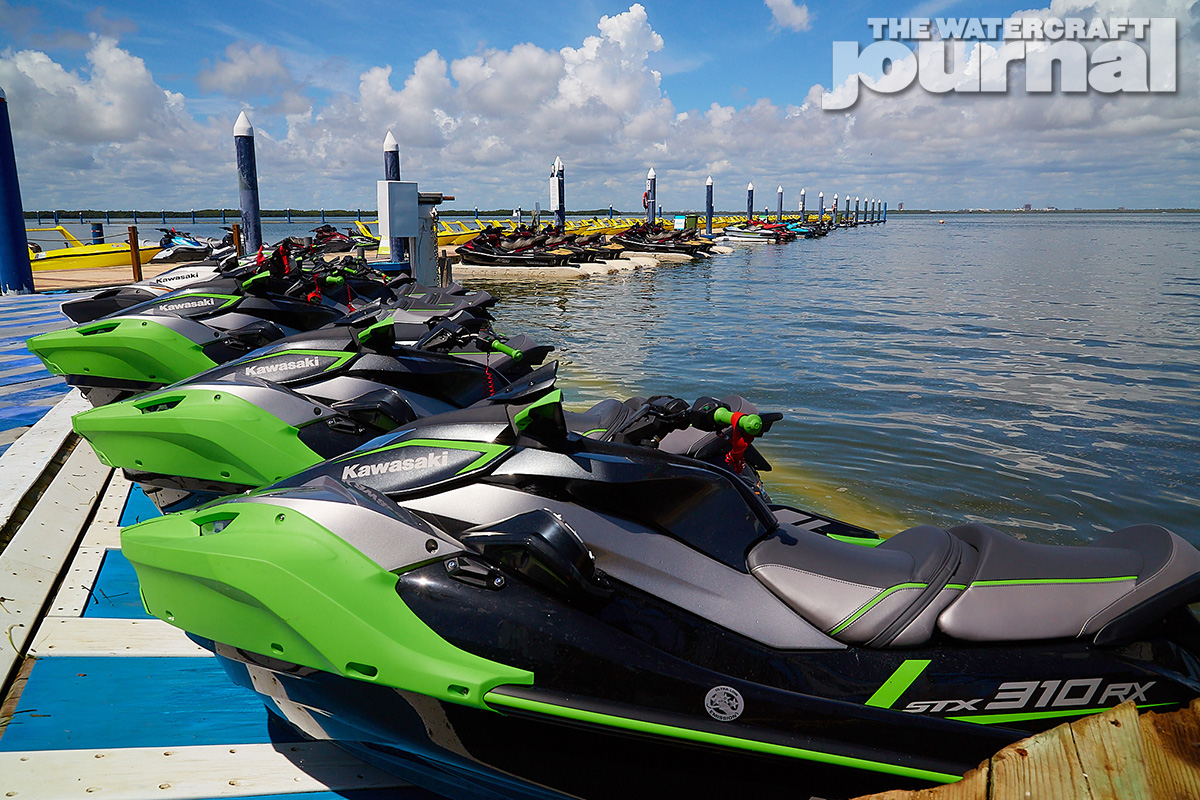
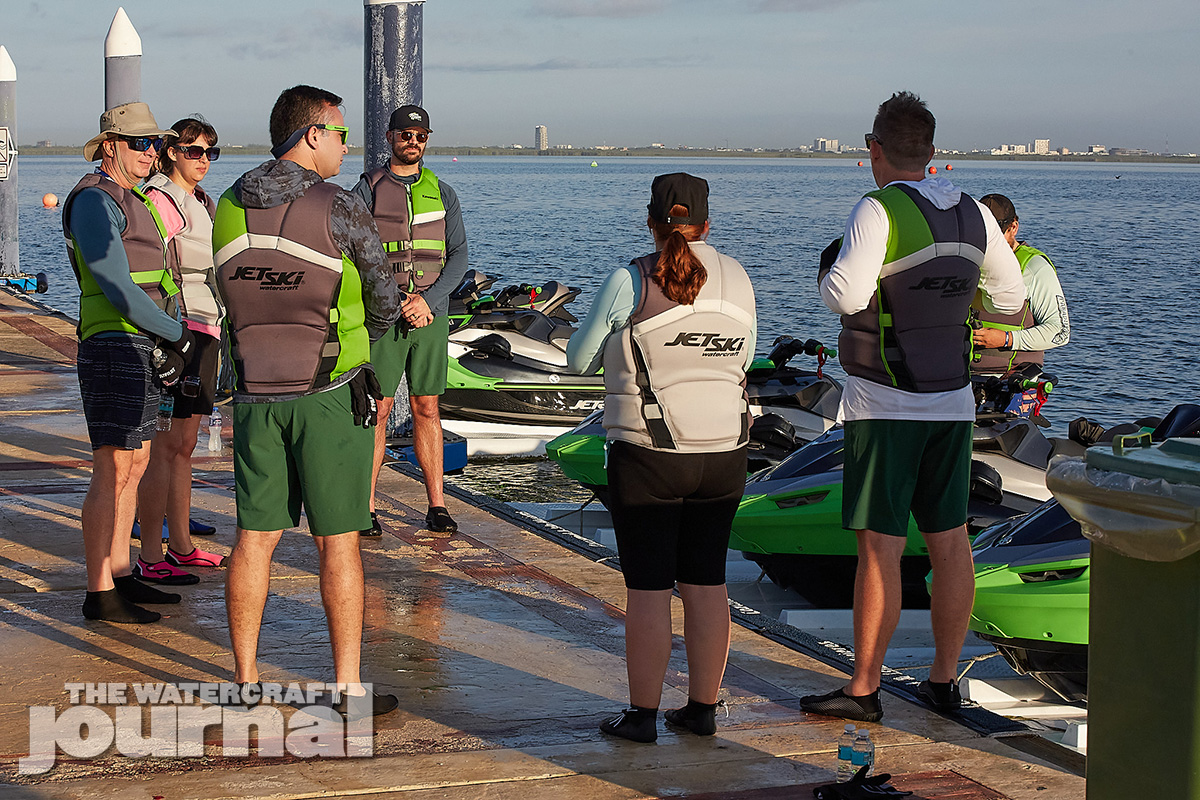
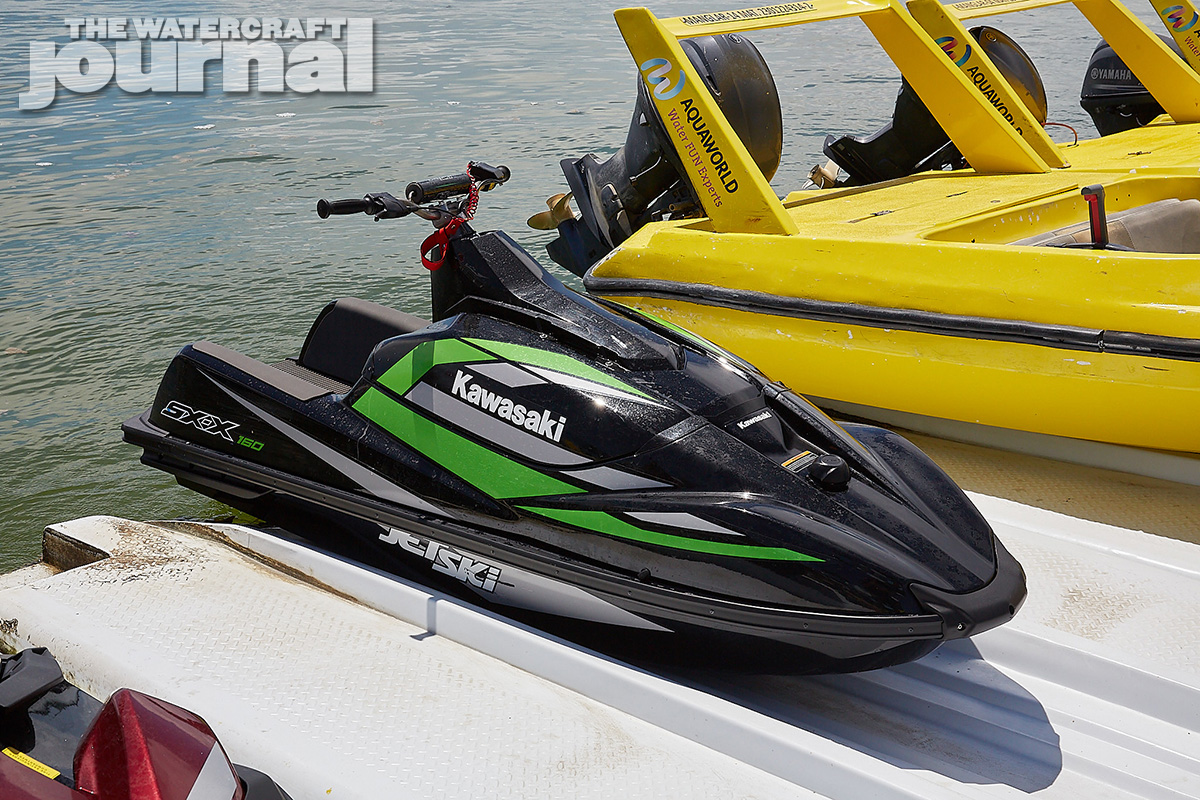
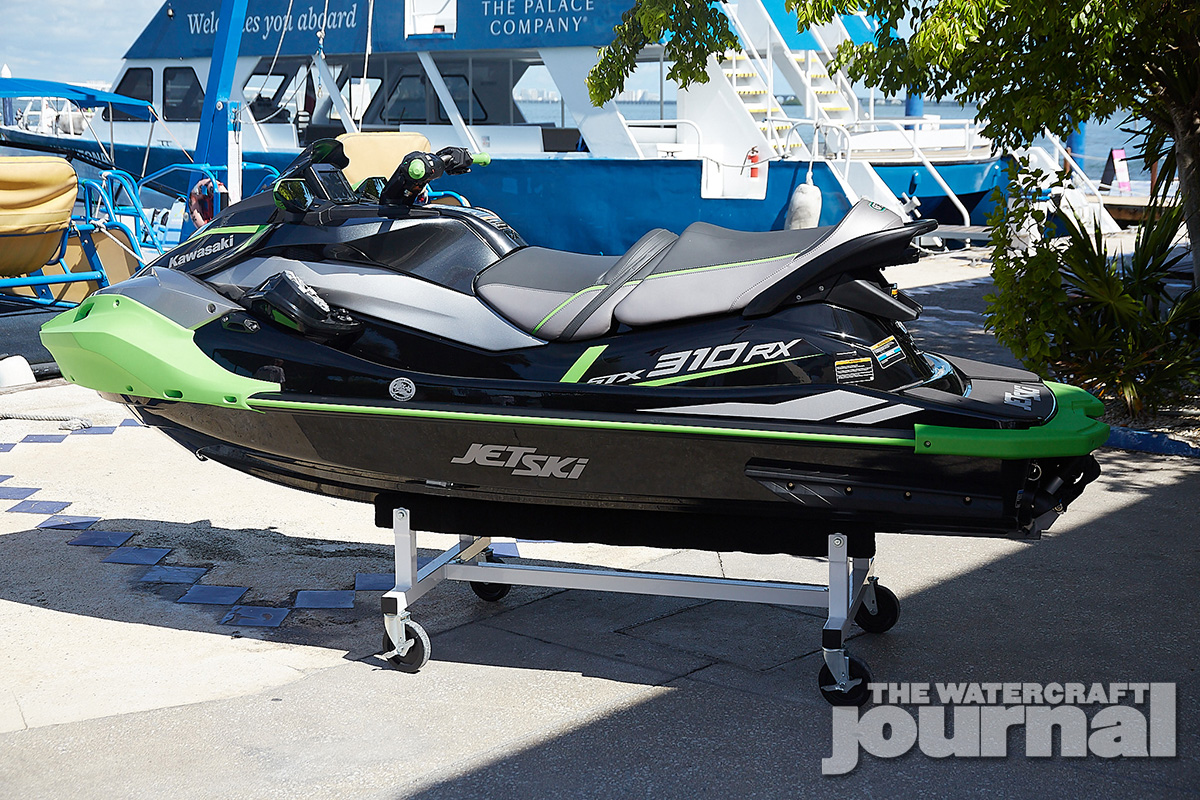
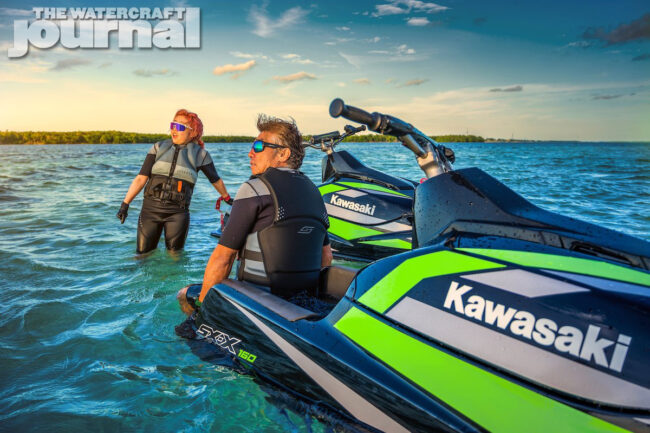
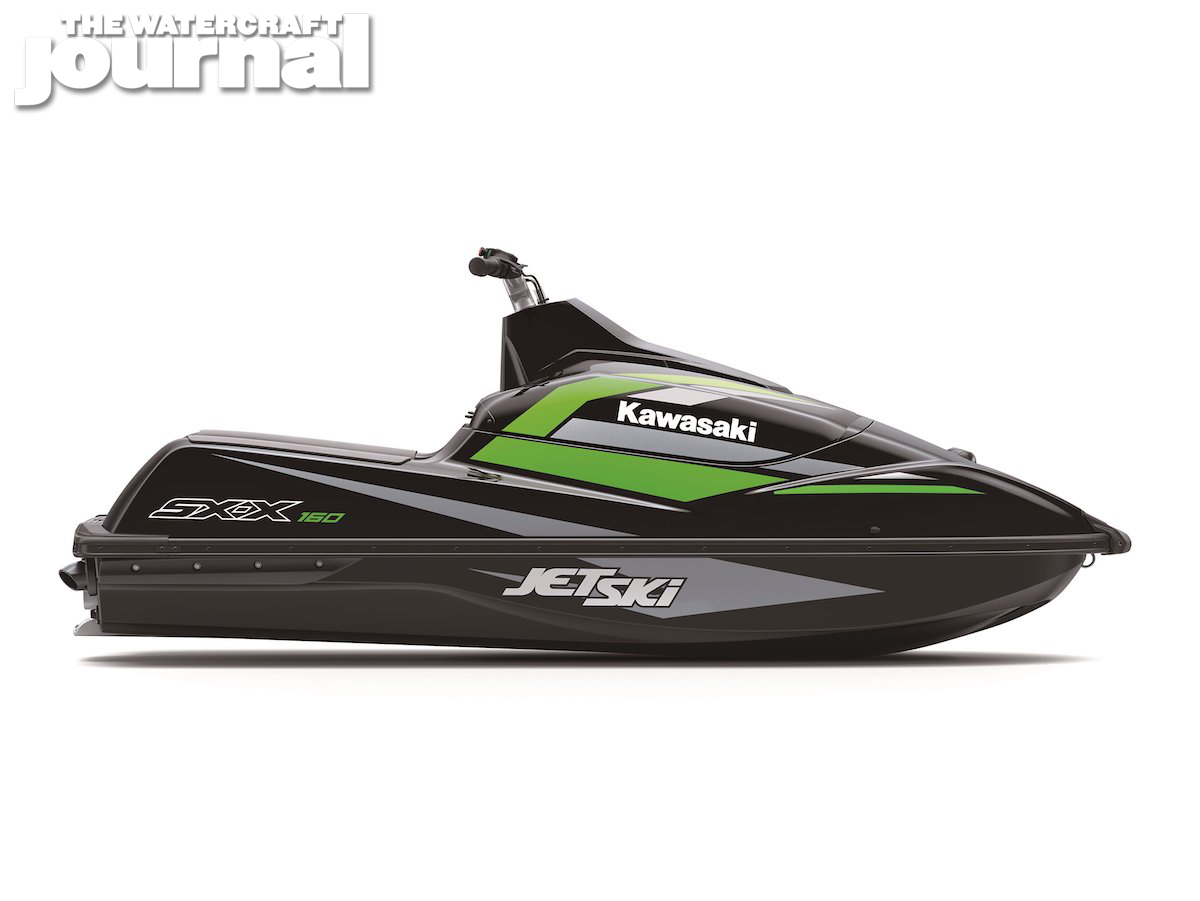
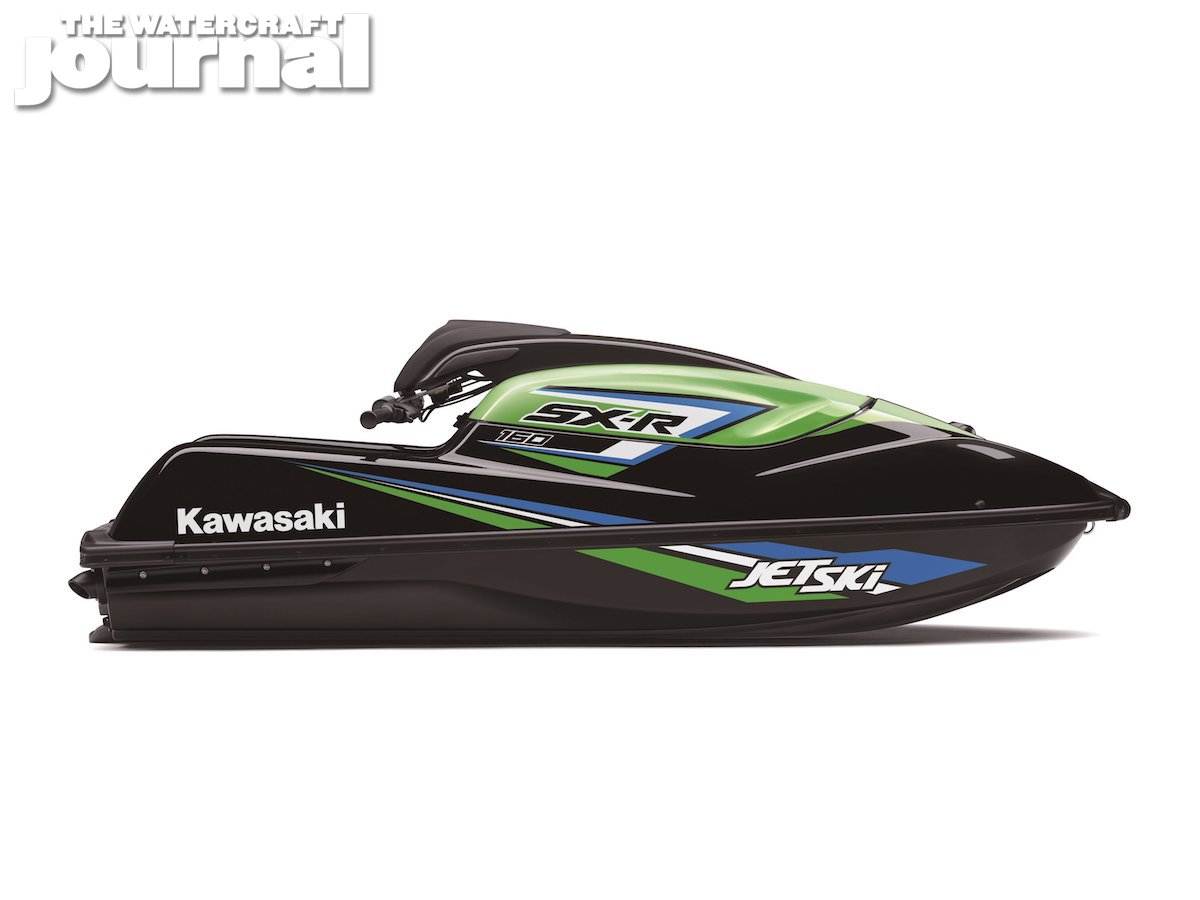
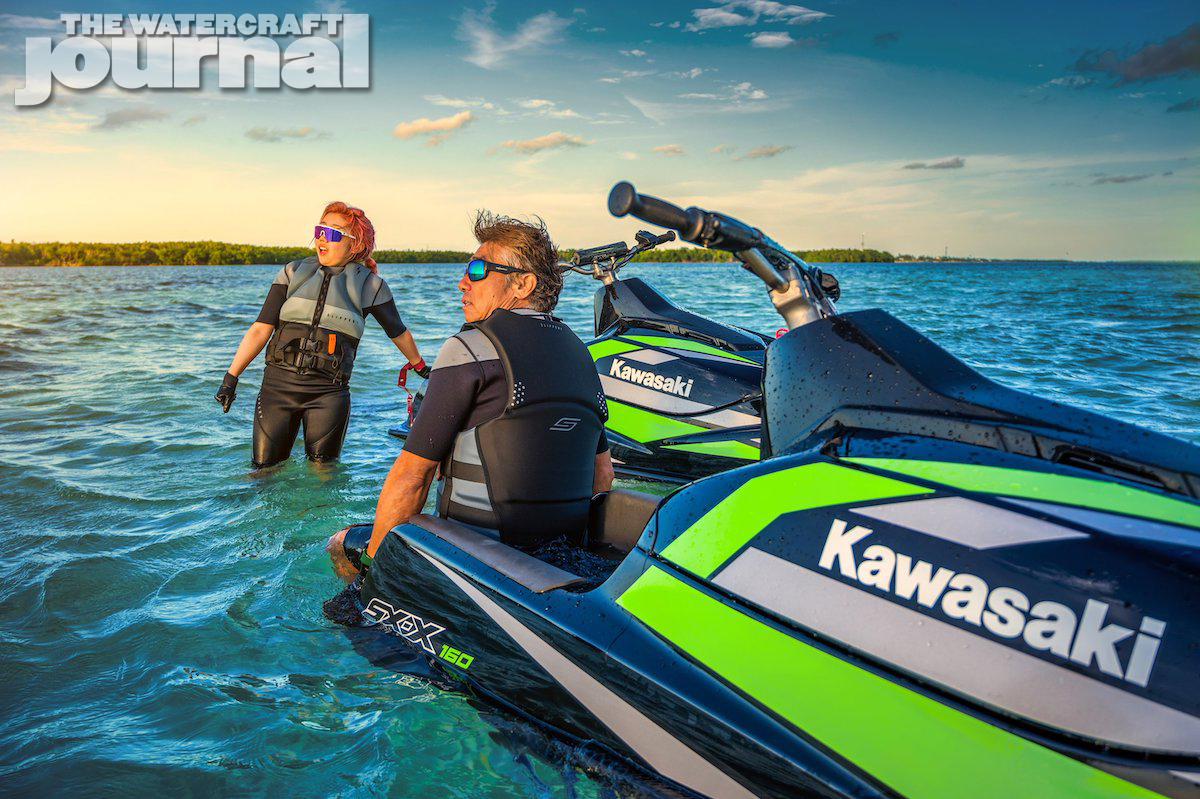
With only a couple of short hours before hordes of dealership owners and representatives came pouring out of tour buses, Kawasaki Motor Corp. USA permitted me and a small handful of media goofs to take a crack at the long overdue supercharged STX 310RX JetSki – as well as a few minutes with the SX-X 160 (or “X cross” as they liked us to call their new fixed-steer standup).
We had all flown down to the annual international dealer meeting in Cancun, Mexico the day before; and had stayed up late into the night discussing and ruminating over the presentation given that evening. The message was clear: Kawasaki wasback and in a big way for 2027. With a total of 17 units available, it was the biggest lineup of unique JetSki models in 30 years.
Add to that a whole mess of innovations and new technologies like the industry’s biggest full-color touchscreen on all 310-horsepower Ultras with a “man overboard” detection system; newly minted units dedicated to wakesports and long distance touring; and the anticipated return of the STX-R nameplate but in three stages of trim, and you have yourself a pretty full plate.
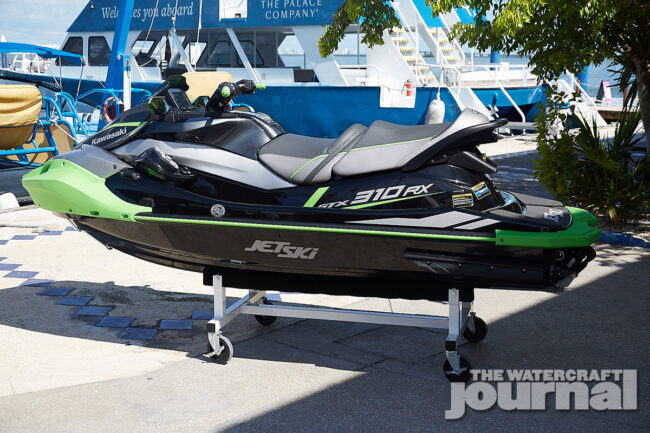
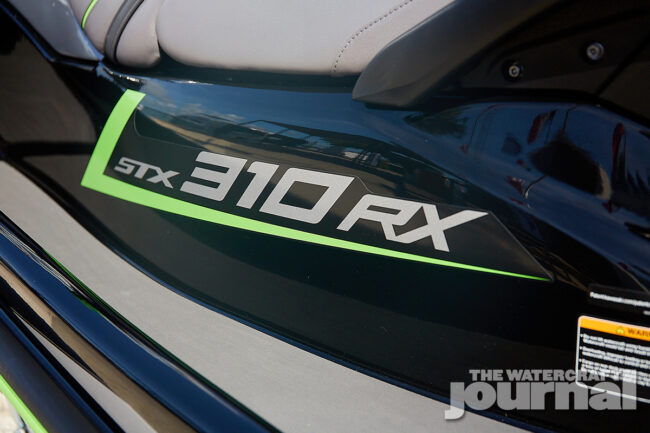
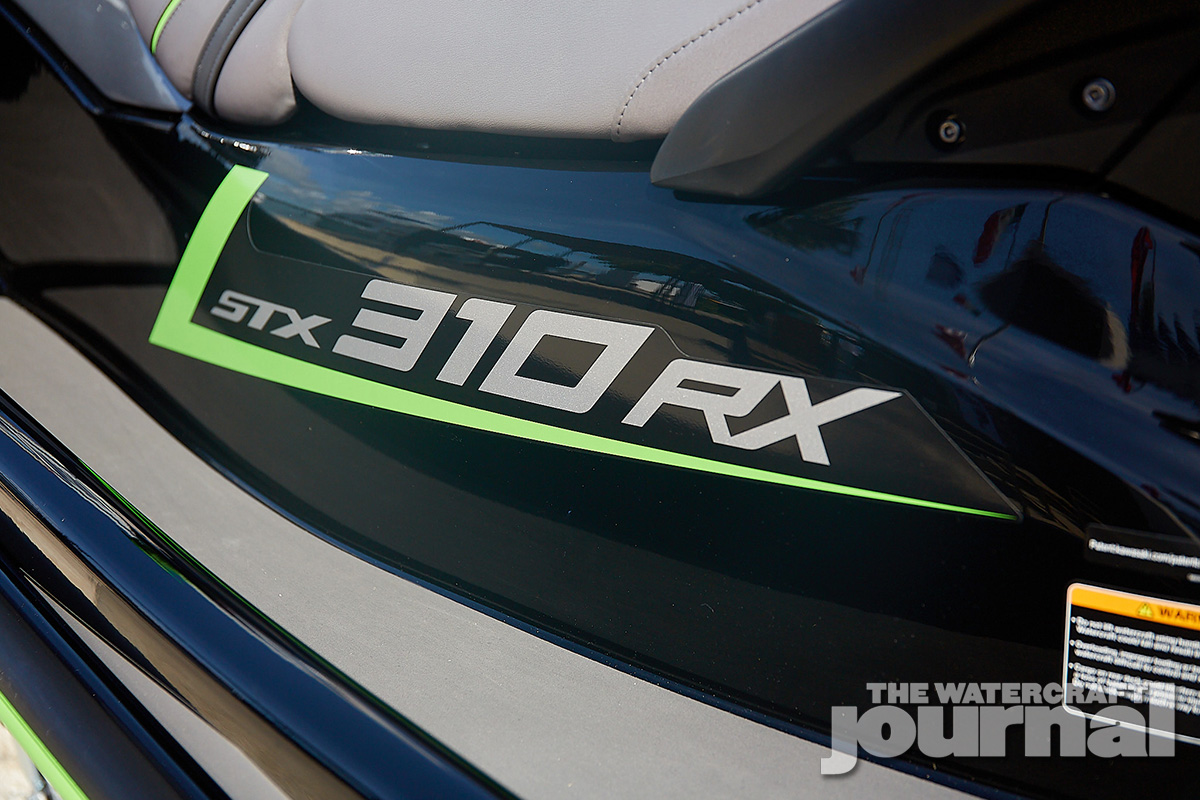
Yes, three. Kawasaki rolled out the naturally-aspirated STX 160R internationally last year – delaying its debut here in the States until 2027. With it came two supercharged siblings, the STX 310R and the higher-trimmed STX 310RX – the unit that Kawasaki wanted us to take for a rip this morning.
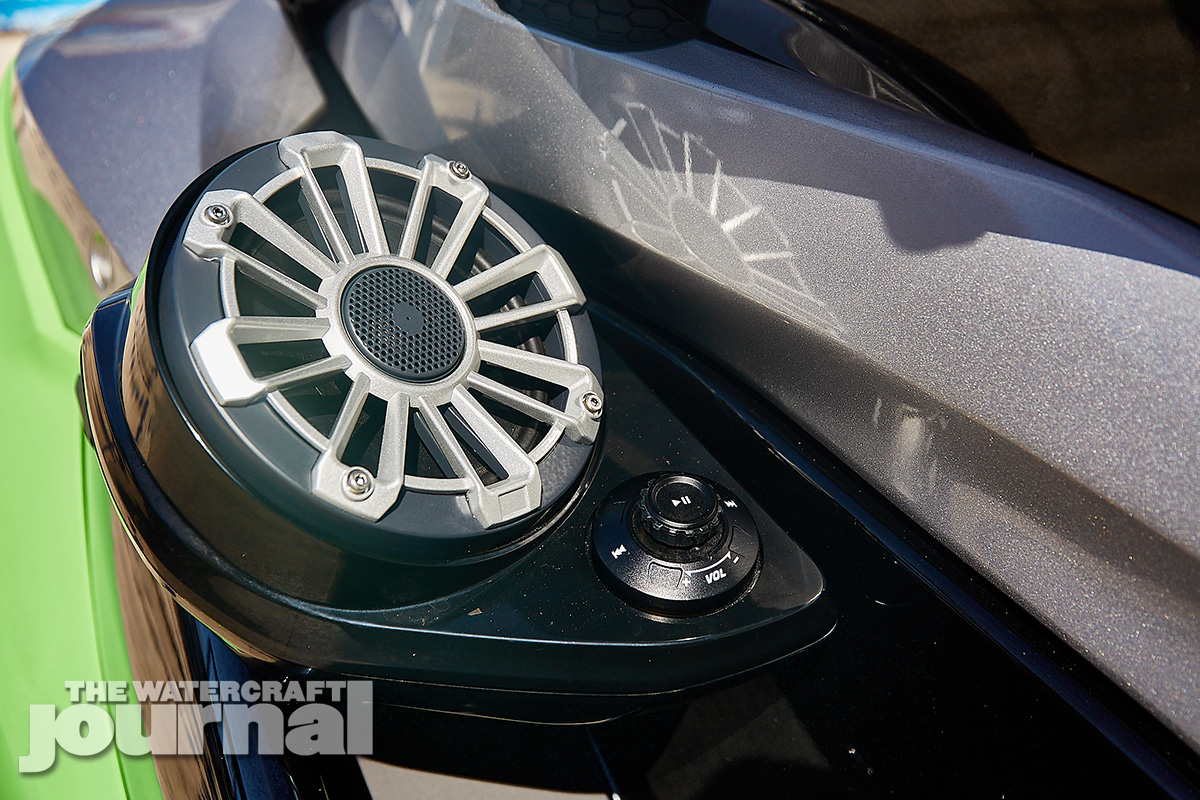
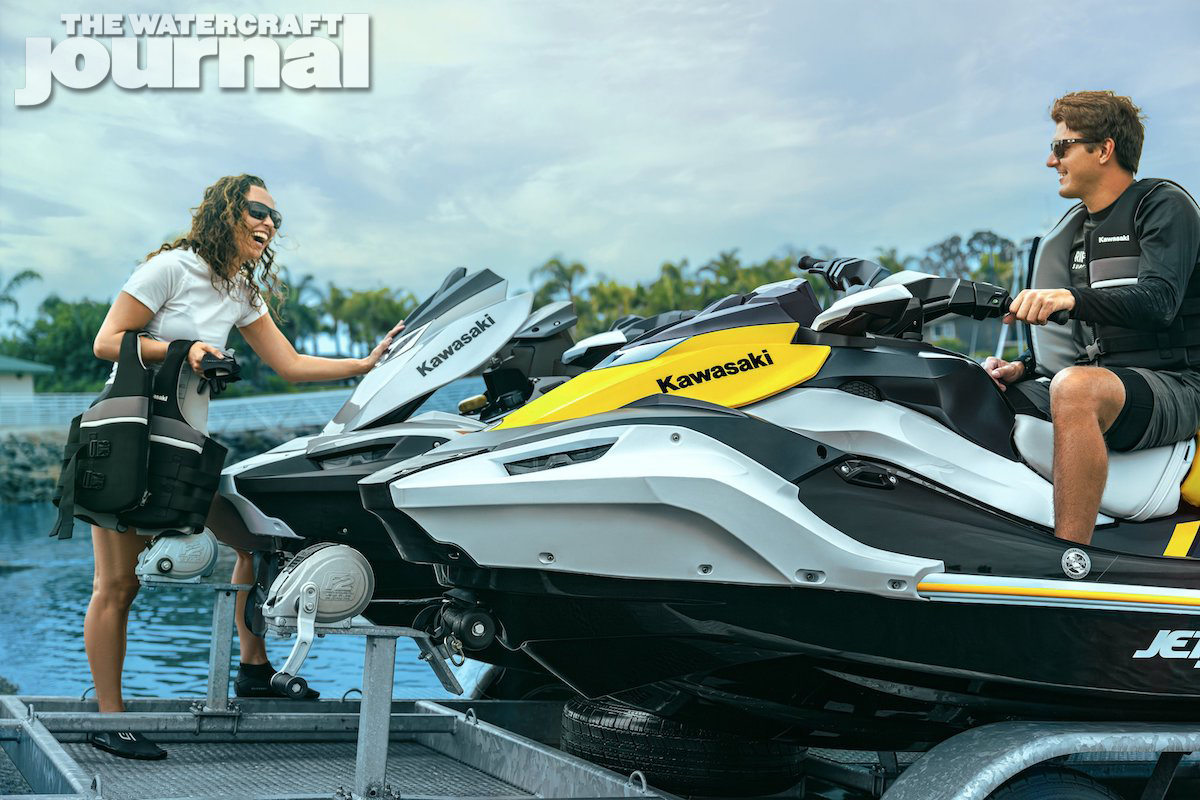
The RX differs from the R in a few key ways: first is sound. The RX comes with Kawi’s Jetsound system standard. Second, the RX has a slightly longer back seat with a taller grab rail for a second or third passenger. The regular 310R has a more abbreviated backseat good for a single passenger.
The RX also has some shiny chrome trim, a lot more silver in its colorway and that’s…about it.
Both the R and RX have the LED high visibility lights and rearward facing camera, which frankly, I think the 310R should be offered without. No weekend hot dogger or racer wants these and would prefer to go without them. Plus, making them unique to the RX makes the unit all the more exclusive.
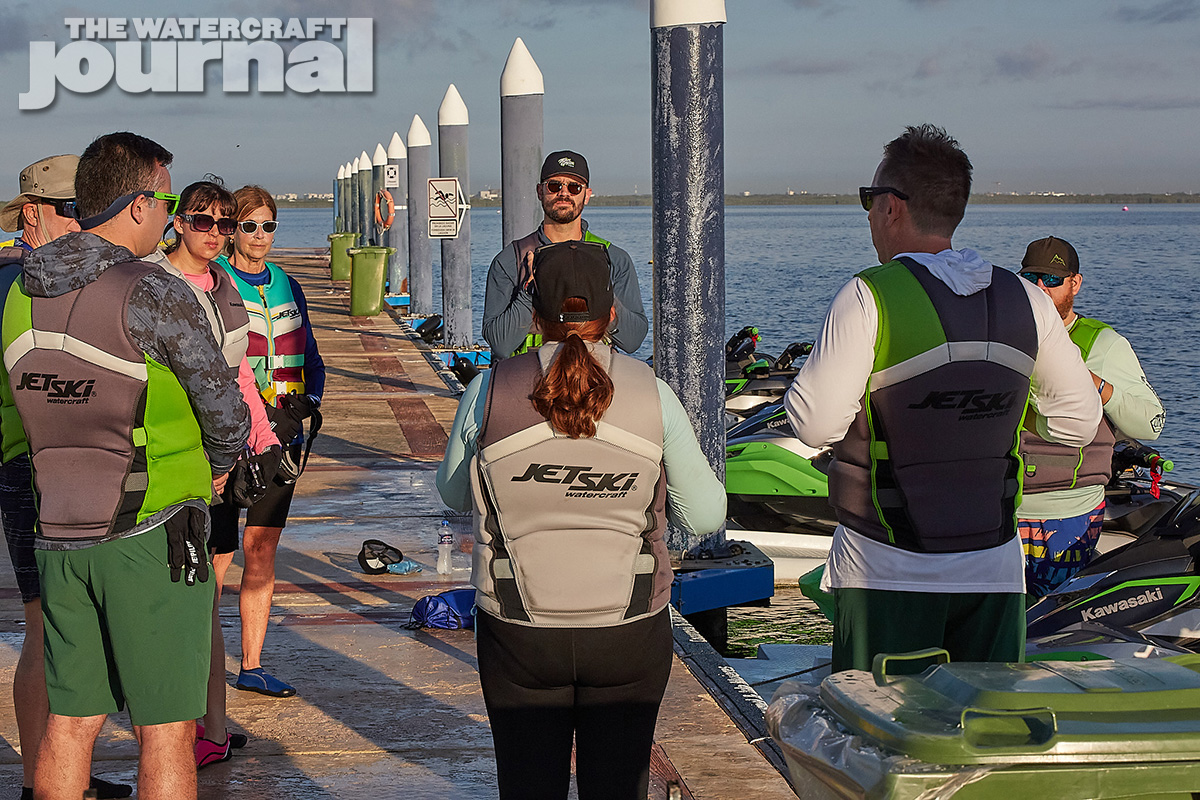
Anyways, we had only a little more than an hour before the entirety of the dealer conference would come to the marina to test ride the STX 310RX as well as the Ultra 310LX, so we had to be quick. Let by former racer and now full-time Product Manager Bobby Kerns on a dark red Ultra 310LX, we idled past the No Wake buoys and sped off towards the harbor’s exit.
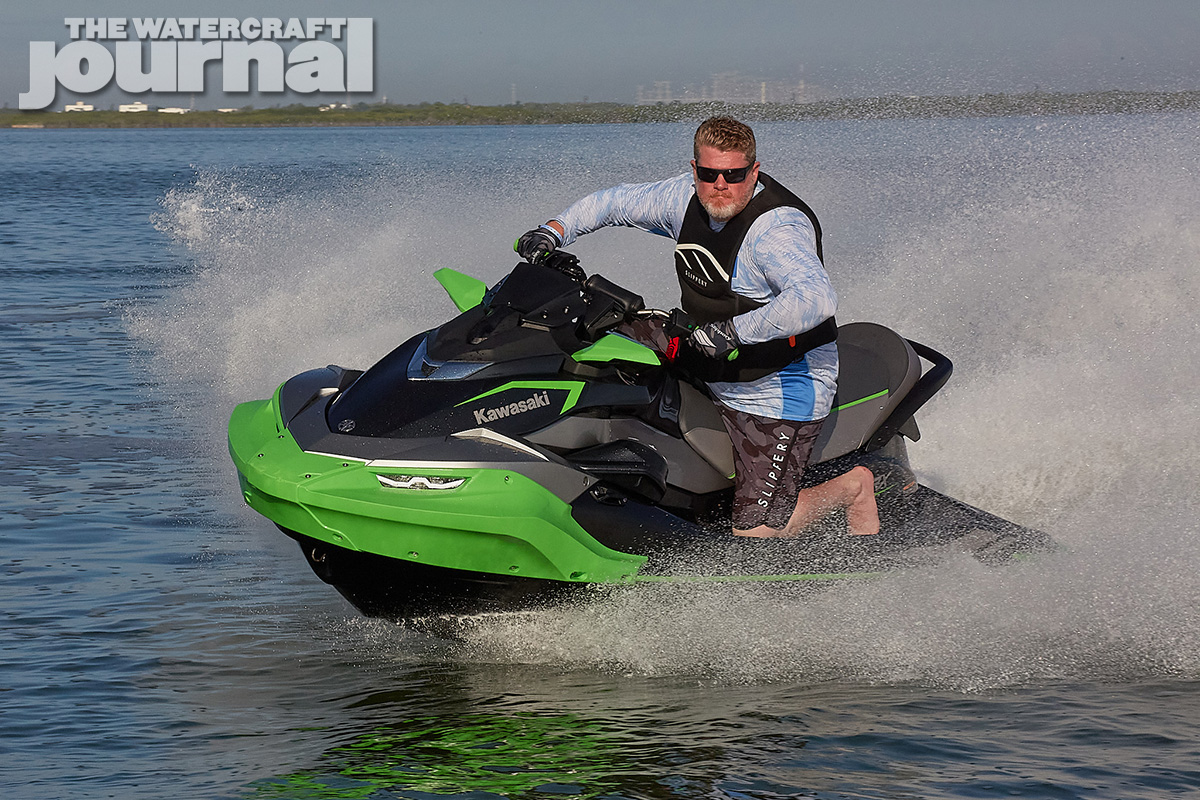
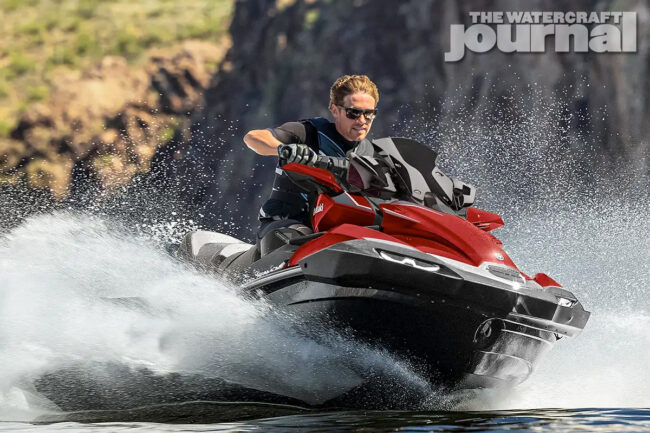
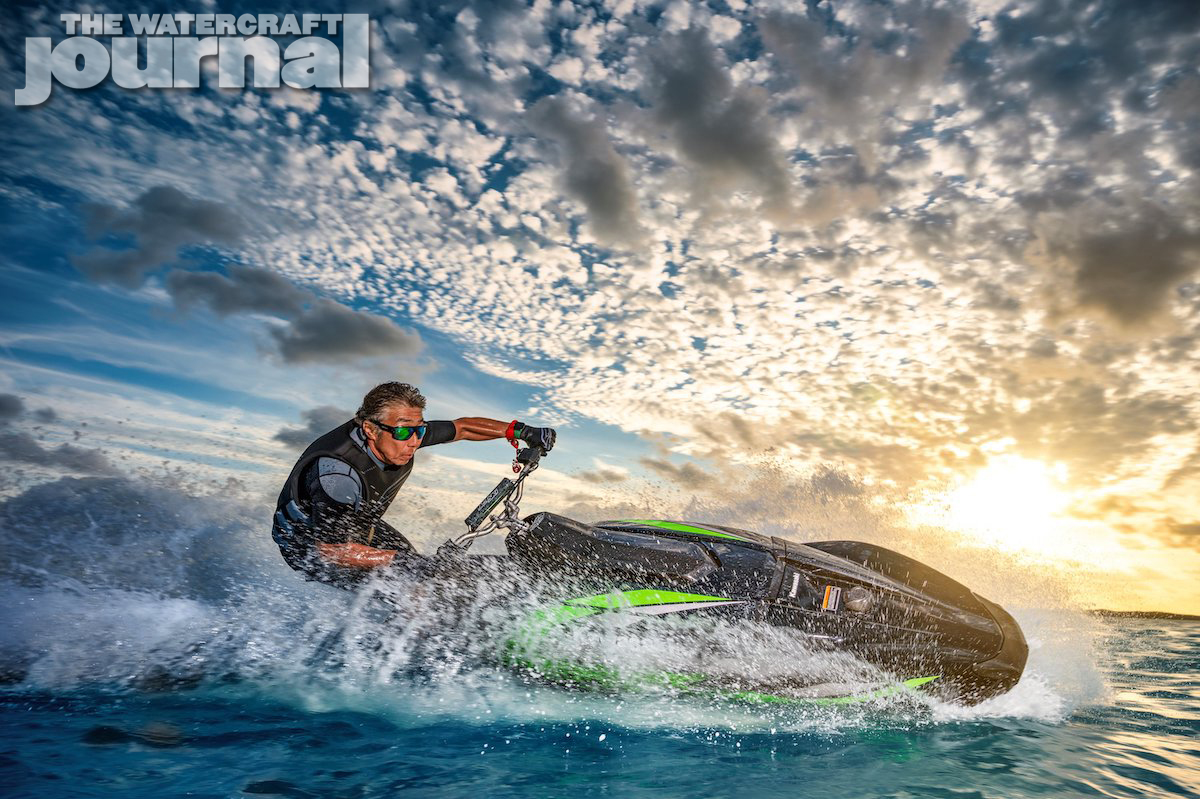
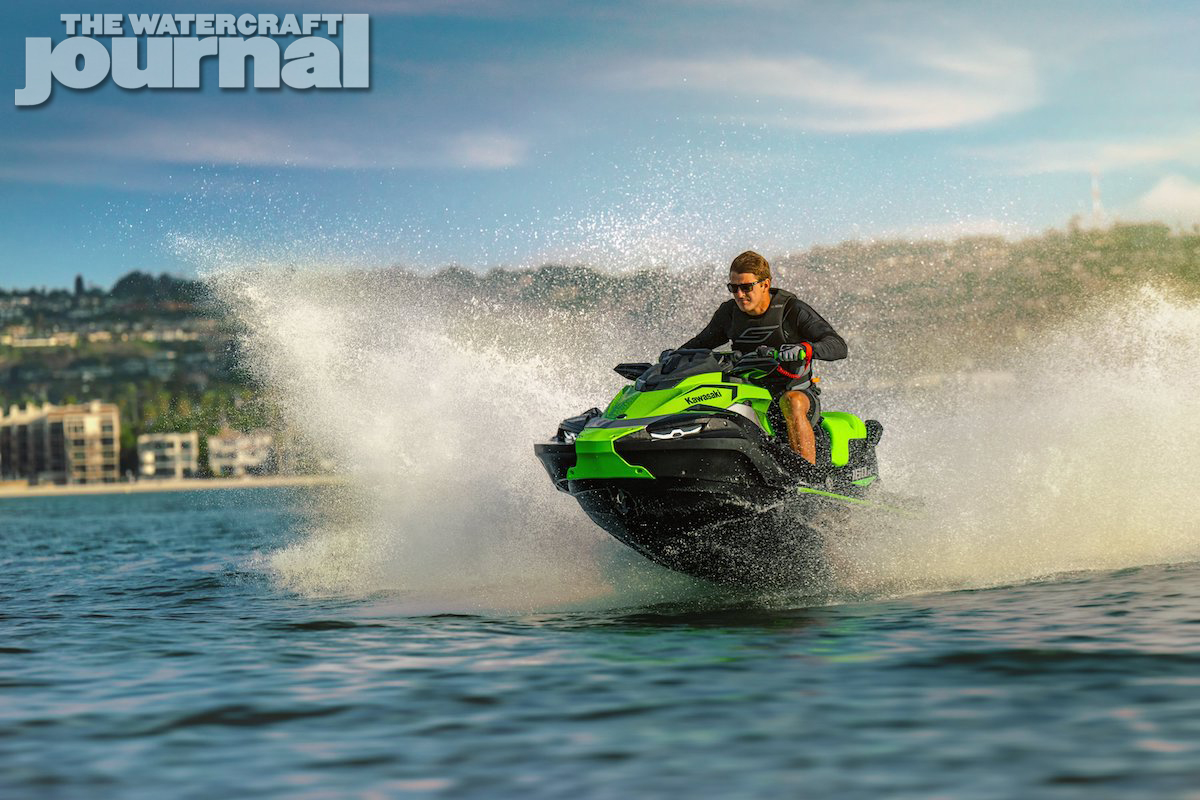
Out of the gate, hammering the throttle results in a LOT of cavitation. Just pinging the needle off of the redline. Rolling into the throttle eliminated the “spinning your wheels” feeling but sacrificed precious seconds of acceleration. Kawasaki had advertised this as their fastest accelerating JetSki ever, but I wasn’t feeling it.
“Try the ‘Launch Control’,” was Bobby’s suggestion. Over the two dozen attempts to pull out of the hole, I purposely didn’t once use it. Rather, I wanted to see how it did without the nanny programs. I just couldn’t get it to launch from a start without boiling the water in the pump. If I ever wanted a decent 0-to-60 time in the future, I would have to use the Launch Control. End of discussion.
The MX bars come from the factory set low, so the two pairs of billet washers will need to be stacked for anyone looking to raise them 15mm. Sitting down, the factory setting is perfectly fine; but for those like me who like to stand, you’ll want to grab your wrench set and bring ’em up a hair.
The question most will ask is “How fast is it” and the answer is, “as fast as the rest of them.” Kawasaki obeys that unwritten law of 67 miles per hour stricter than anybody else. And that’s primarily because of California’s crushing oversight infrastructure. The state can’t build a railroad or keep people from pooping on the sidewalks, but it knows how to pry a dollar out of a dead man’s hand.
So yeah, 67 miles per hour. I saw the speedometer blip 68 for a split second or two but my GPS never saw above 67.
…but that’s not to say that the STX 310R doesn’t have it in it to hit mid-to-high 70’s. Kspeed’s prototype STX-R was hitting 80 miles per hour on the regular with pump gas. To think that this new STX-R couldn’t do the same with an unlocked ECU and maybe a re-pitched impeller or shaved ride plate is hard to believe.
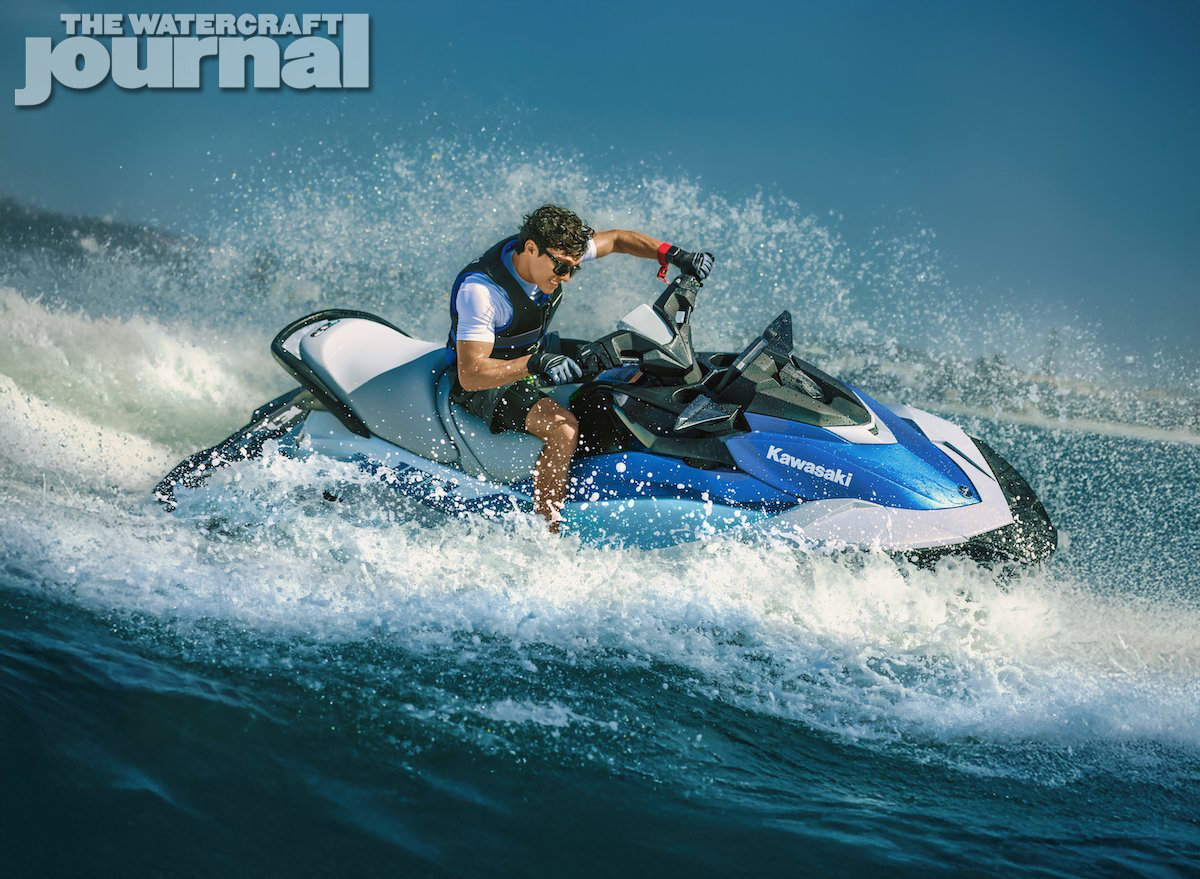
How does it handle? Many won’t know that the current STX hull is ever-so-slightly tweaked version of the 2000 STX hull, which later became the original STX-R hull which made legends out of Chris MacClugage, Dustin Motzouris and Dustin Farthing on the closed course.
Sure the sponson placements have moved around and the inner structure has been changed to accommodate the bigger 4-stroke engines, 20-plus-gallon fuel cell and the rest, but the running surface is nearly identical, meaning this son-of-a-biscuit likes to cut corners in a hurry.
initially, the STX feels like its surging through the apex. Almost as if the boost is coming in and out. I tried modulating the throttle through the S-turns but somehow, the feeling remained the same. A sort of inconsistent surging of thrust.
A few more longer sweeping turns later and I got a better feel for it, but I just wasn’t sure I had figured it out. By the time Bobby signaled for us to head back, and he and I got into a little bit of a dash past the mangroves, I knew what the STX was doing. Chine-walking.
Unless I was hanging it all out there over the bond rail, but laying hard into the throttle, the Kawasaki would push itself so hard it would start to side-skip, almost like a race car accelerating forward although the front wheels were turned.
Now this only happened in the wider sweeps. In a 90-degree or hairpin, with my knee pressed into the turf of the footwell and bodyweight hanging out over the bond rail, the STX-R snapped a turn like those light cycles on “Tron.” It was only in a long sweep or snaking through a chicane that I could throttle it hard enough to push itself off of its own line.
The fix to this is a set of deep-set sponsons, their blades digging in and providing added traction. Even in stock trim and limited to a paltry 67mph, the STX-R could outrun its own sponsons. Now that’s saying somethin’. And with that, we had to return back to dock. We could see droves of eager test riders waiting for their shot with the STX-R.
But few if any wanted to take the X-cross out. Kawasaki had only brought out a single unit and it sat there on the floating dock waiting to be ridden. Steven from TK Powersports goaded me to be first, which I had no issue with.
I pushed it off of its rollers and dared to stand in the tray while trying to start it. Nope. Off I went. Deep water reboarding wasn’t terrible but required wearing the lanyard around your wrist or a far longer than stock tether than what comes with it.
With the engine running, all it took was a little throttle to pull one knee into the tray, a bit more gas and BAM! you’re up and running.
And throttle is the name of the game. Despite the seemingly tall neck, the fixed steering is set far too low to stand erect or even give your back a break. Trying to straighten up radically alters the X-cross’ center of gravity and you quickly become a metronome, that is, unless you’re on the gas.
Riding the X-cross correctly means standing in a deep squat. Even Minoru Kanamori in all of the press pictures is squatting super low and he’s around 5’8″ or so. I’m 6’2″ and about 250-pounds with a really cranky left knee. Every time I dared to squat down like Kanamori my knee would begin to protest.
So instead, I found myself doubled over at the waist, looking almost straight down at the gas cap – not a nominal way to ride. But when I did find a squatting position low enough to not irritate my knee, it felt almost identical to riding the SX-R 160. Give is gas and she does most of the work. Back off of the gas and it noses up and starts to wobble.
I wasn’t comfortable enough to really send it and put the X-cross on its side, but frankly, the last standup I was comfortable enough to ride that aggressively was the SX-R 800 and that was a while ago. I’ve always found the current SX-R and even the X-cross to be just too dang big and unruly, like trying to ride a torpedo.
With that, I rode it uneventfully back to the dock and even up the rollers. It’s fine and could be quickly mastered by even a novice rider, but the question that I couldn’t shake was “who was this built for?” There’s just no vocal demand for such a machine that I’ve seen. I hope it finds an audience. I just don’t know who it would be.
And that’s pretty much it, my first impressions of two of the most polarizing new releases from Kawasaki for 2027. These are certainly not to be confused as full fledged reviews. Those will come later when I get more time with both. But seeing that I was specifically flown down to ride these, they deserved to be talked about in this format.
Although the sources were sound and previously proven reliable, both of the predicted watercraft failed to materialize during last Friday evening’s presentation at the global Kawasaki dealers meeting in Cancun, Mexico. Consequently, the public’s backlash was both equally severe and vocal, which provided those from corporate an almost immediate influx of market data for a potential future product.
Rather, what we did get was an impressive amount of candidacy from Kawasaki Motors Corp., USA president Eiko Kirino as well as Global President, Takeshi Kaneko, who both addressed the conference concerning delays in manufacturing, supply chain issues, and expressed a full-throated commitment to regaining precious market share, which had backslid to a dismal total of 5-percent globally.
The brand’s newly minted strategy aims to assuage quality concerns by offering the industry’s first 3-year factory warranty, as well as expand Kawasaki lineup of JetSkis to the largest its been – to our recollection – since 1998. This includes new specialty-focused units, a newfound committal to racing, and reliance on mining the brand’s rich history within the personal watercraft enthusiast community.
After relocating Kawasaki’s manufacturing from Lincoln, Nebraska to Juarez, Mexico, many have questioned the future integrity of the product line. Niggling issues with failing fuel pumps and wiring harnesses were initially addressed at the local level but did so slowly and with lingering aftereffects. New suppliers and an influx of inventory have stamped out these concerns internally and soon publicly.
Returning after a two-year hiatus is the SX-R 160 standup. Insufficient supplies halted manufacturing for two years before restocking and recommitting to the JetSki. Simultaneously, the 2027 SX-X 160 (preferably referred to as the “SX Cross” or simply “X Cross”) retains the overwhelming majority of the SX-R components (drivetrain, hull, etc.) but replaces the hood with a fixed-steering system.
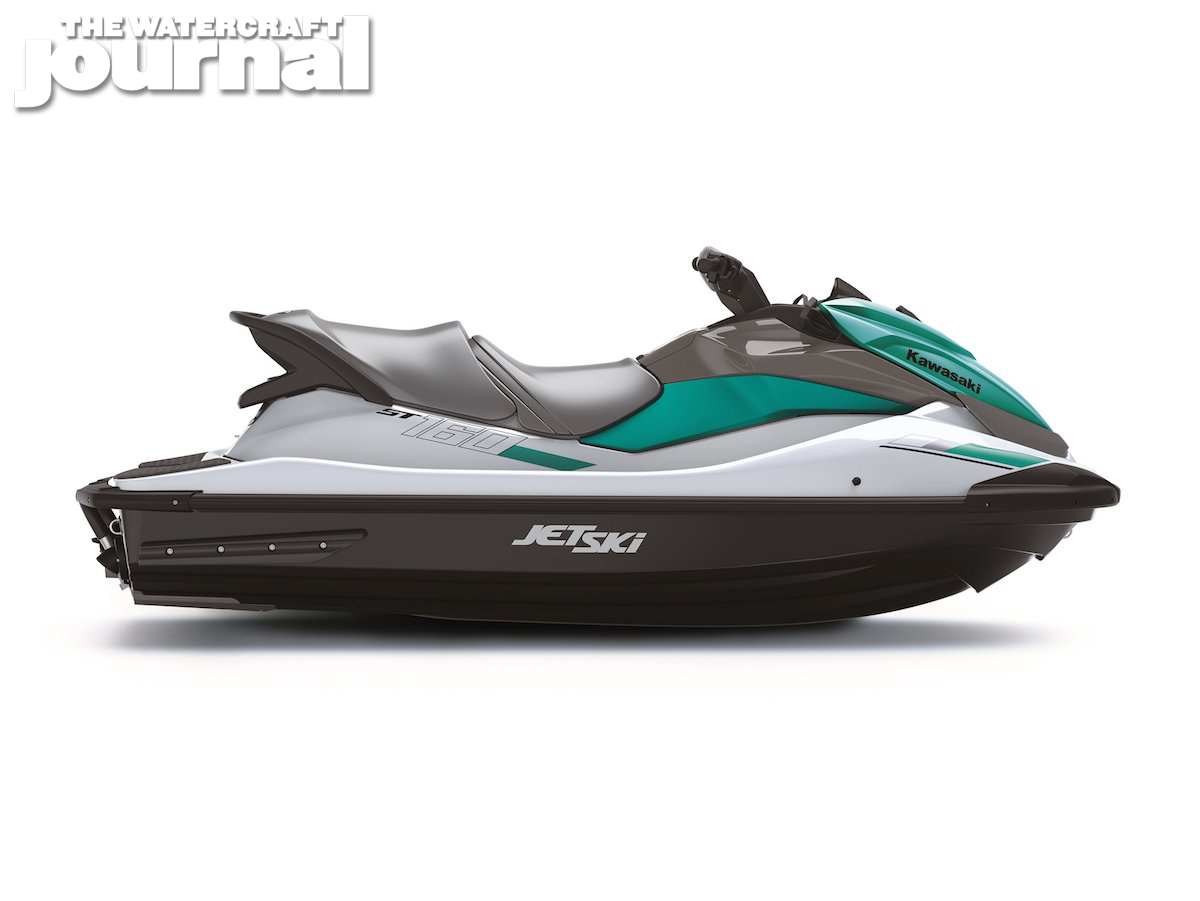
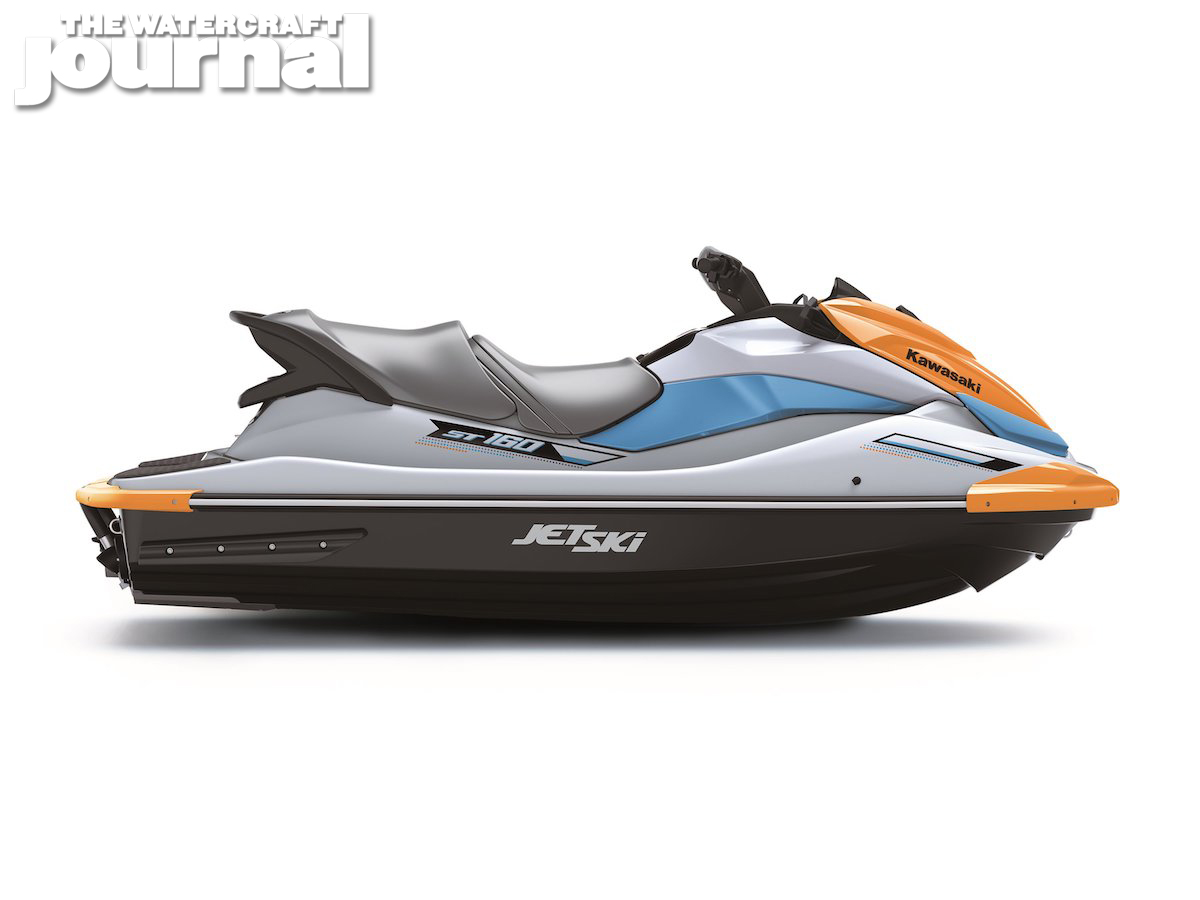
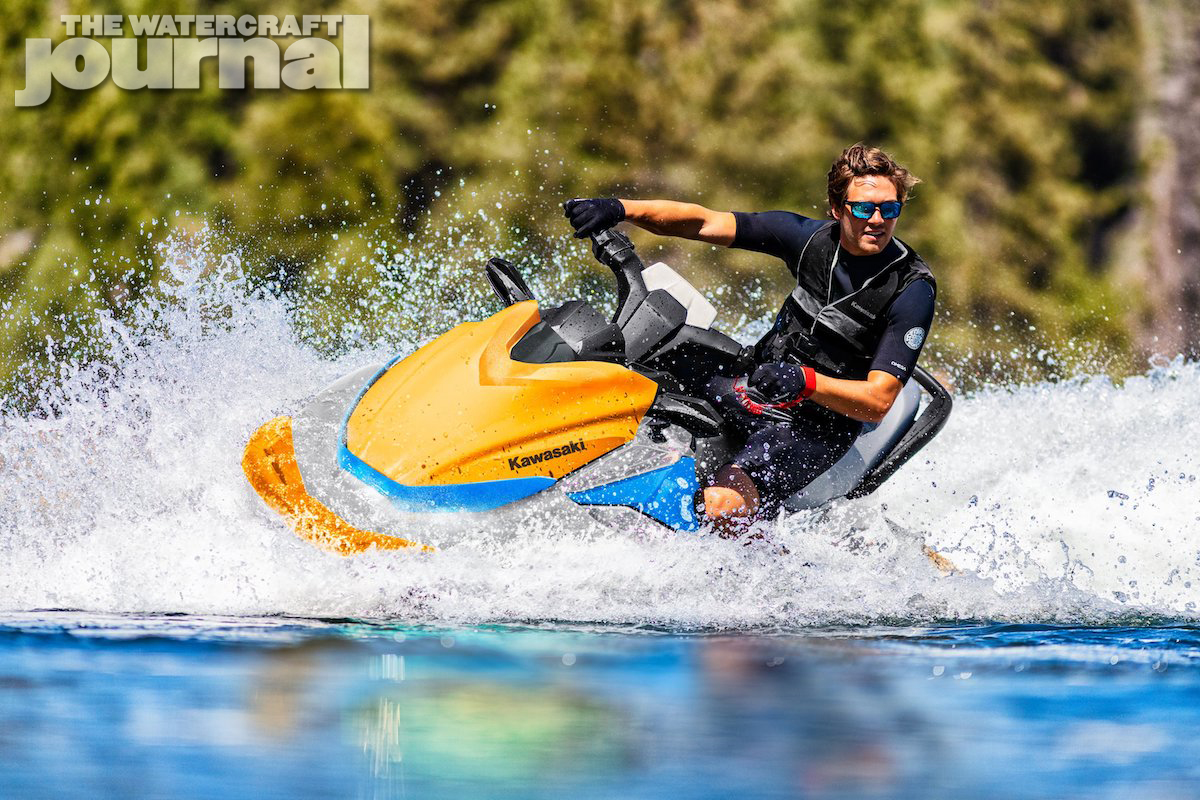
Both share an identical MSRP of $11,999 and come in Ebony and Lime Green as the entry-level ST 160 carries an MSRP of $11,899 ($100 cheaper) all the while retaining manual throttle cables and the previous engine management unit (ECU). These – as well as all other Kawasaki skis – retain their traditional SMC fiberglass and gel coat construction. Albeit heavier, SMC and gel coat have proven as durable as a Nokia 3310 cell phone.
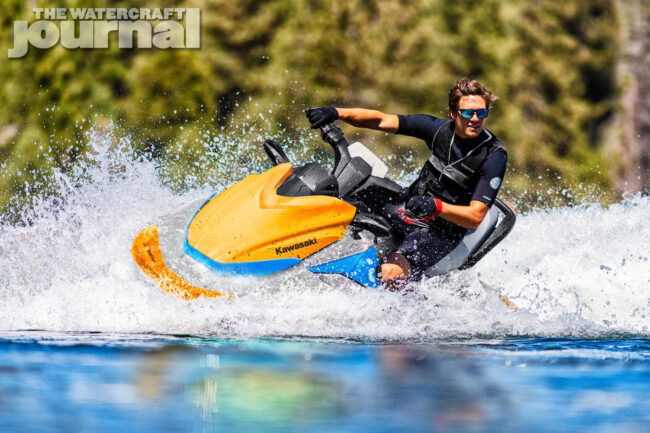
The 2026 STX 160X and higher trim STX 160LX carry over from last year unchanged save for their respective asking prices of $14,599 and $16,799. Although both are equipped with Kawasaki’s KSRD thumb-operated reverse system, fly-by-wire throttle control, cruise control, No Wake and optional drive modes, the 160LX dons the high visibility LED headlamps, two-speaker Jetsounds system, 3-way LXury seat, reverse-facing camera and extended deck.
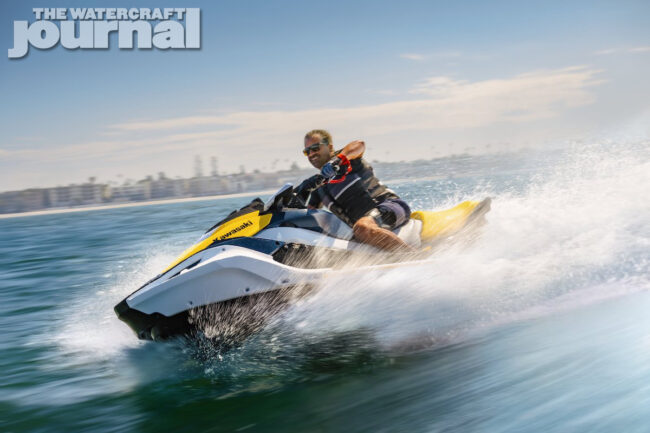
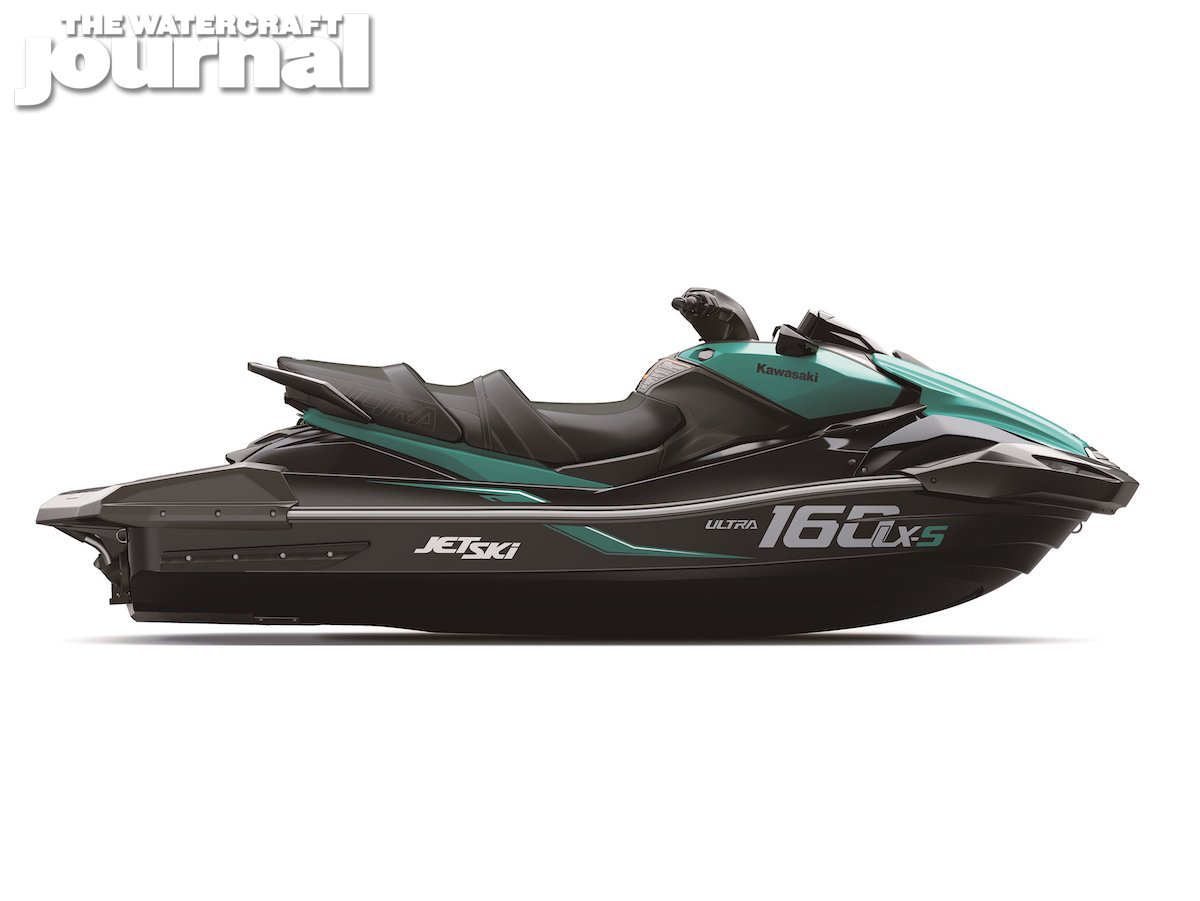
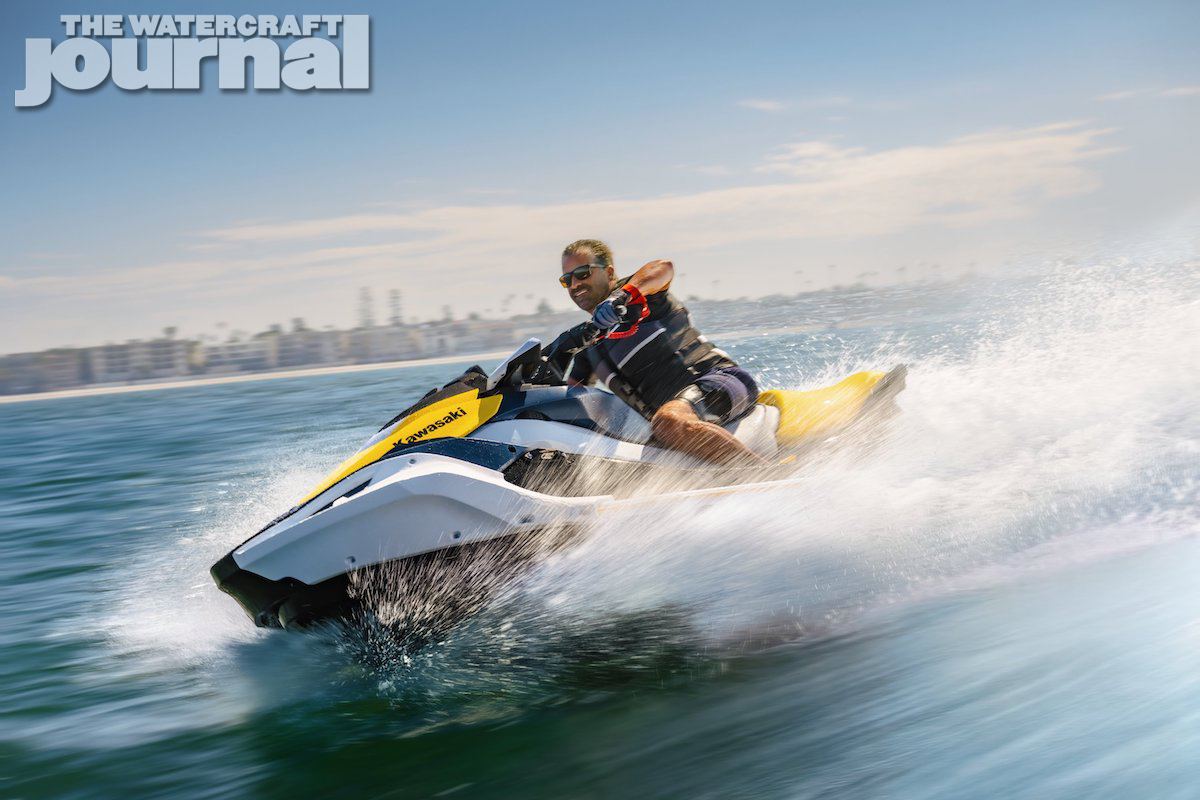
Nestled between these two is the STX 160LX-S, priced at $15,799. Aimed at family-budget tow sports, the 160LX-S includes the LED headlamps, reverse-facing camera and extended deck. Unlike the Metallic Surf Blue/Crystal White livery of the 160X or the subtle Metallic Phantom Silver/Crystal White of the 160LX, the LX-S is easily spotted in it’s brilliantly visible Pearl Citrus Yellow/Metallic Matte Twilight Blue hues.
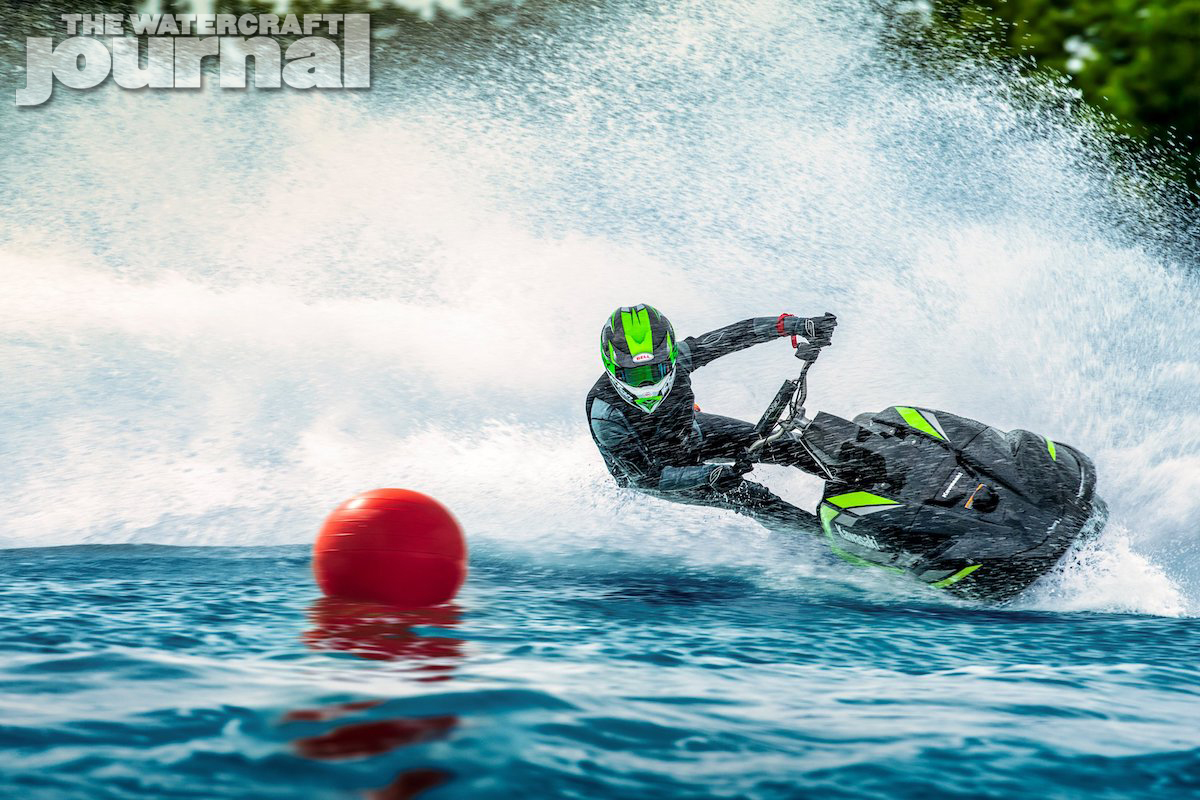
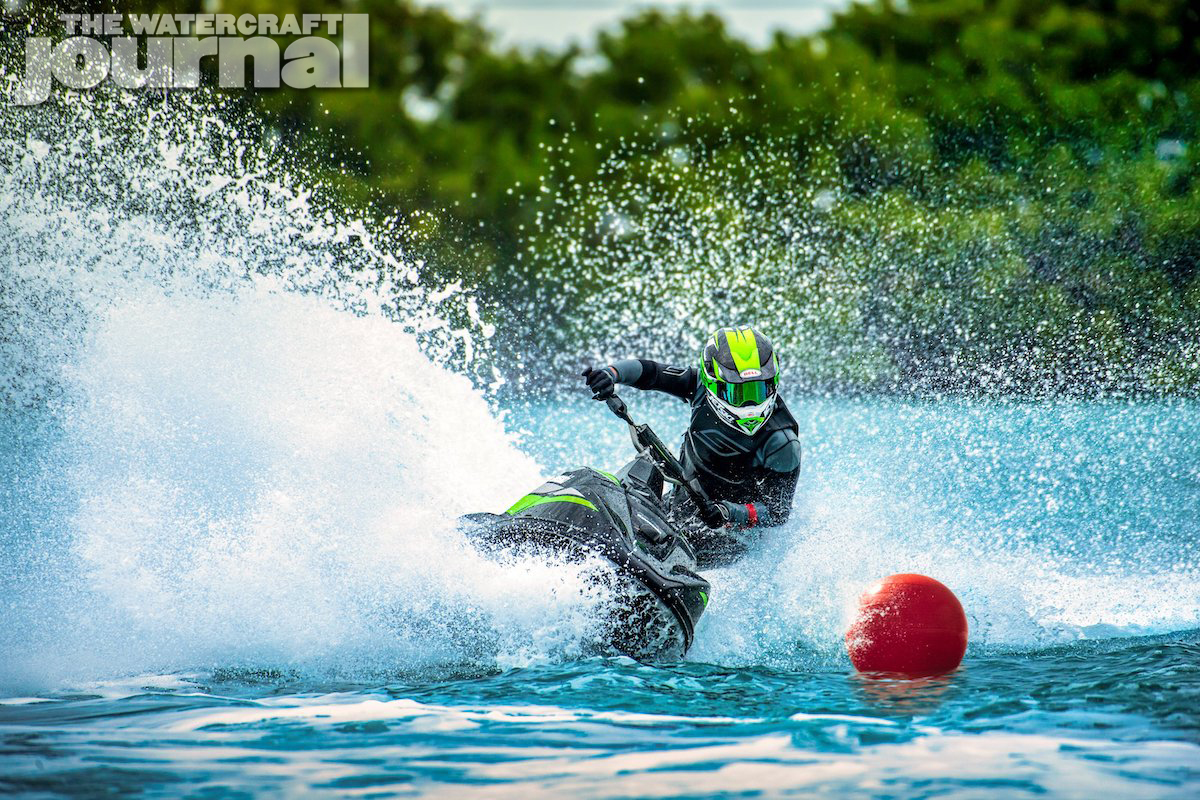
Rounding out the naturally-aspirated STX lineup is the racy STX 160R. Priced at $15,799 and swathed in Ebony Black and Lime Green, the 310R features a race-inspired 2-passenger seat wrapped in grippy material and an aluminum steering neck with MX-style handlebars. Sadly, it’s saddled with LED accent lights and a rearward camera, which simply exist to up the price, as the two add-ons have no place being on a race-inspired craft.
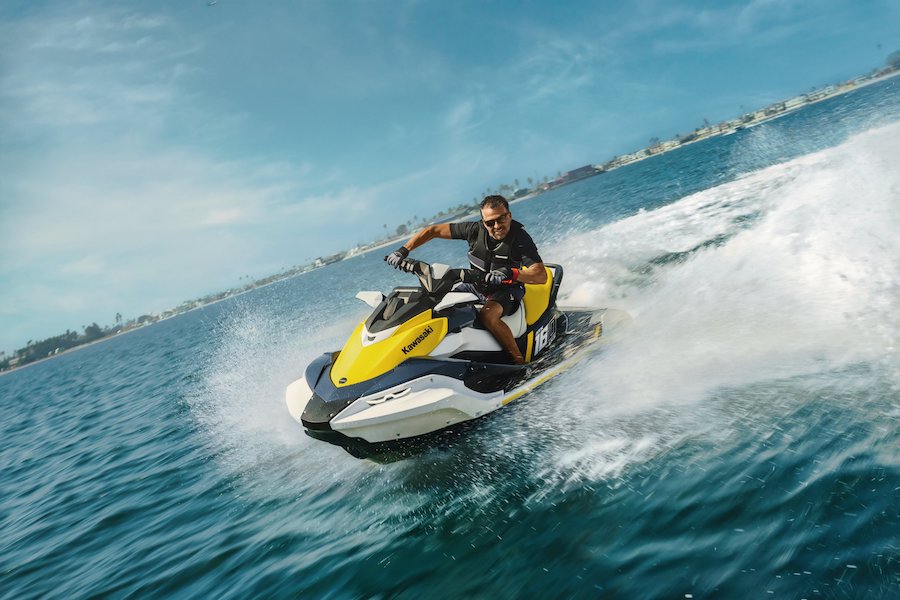
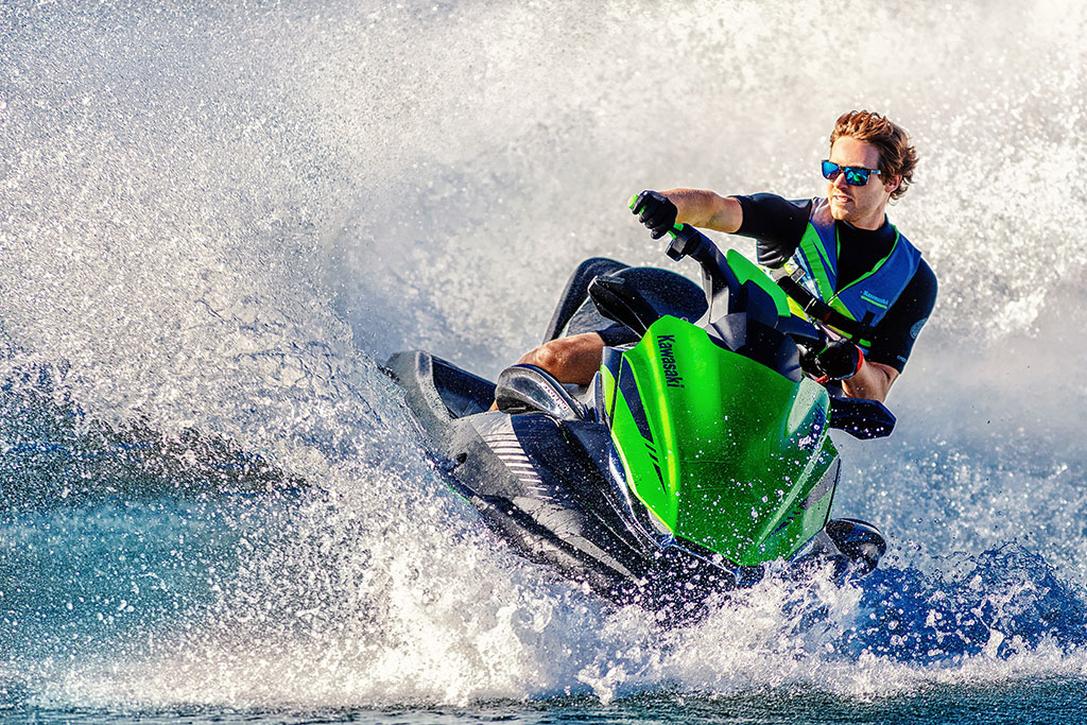
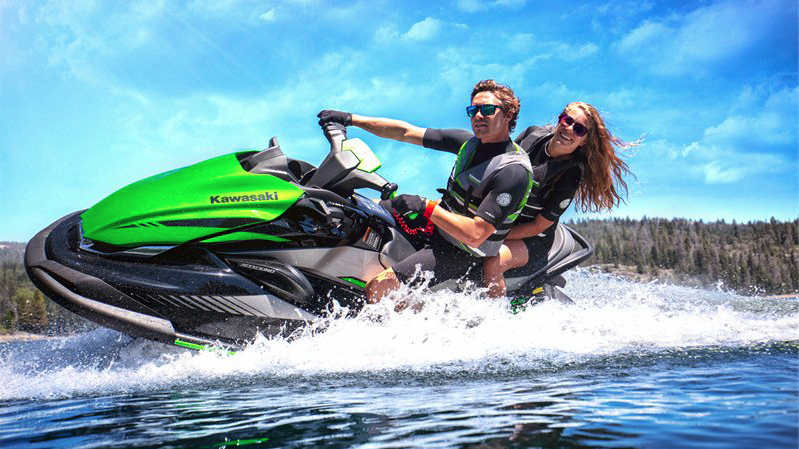
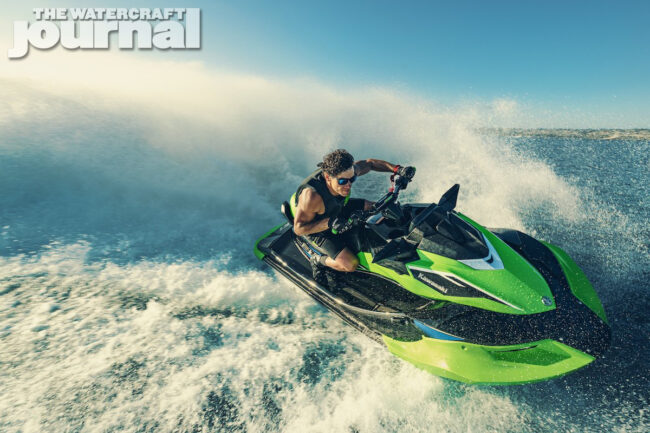
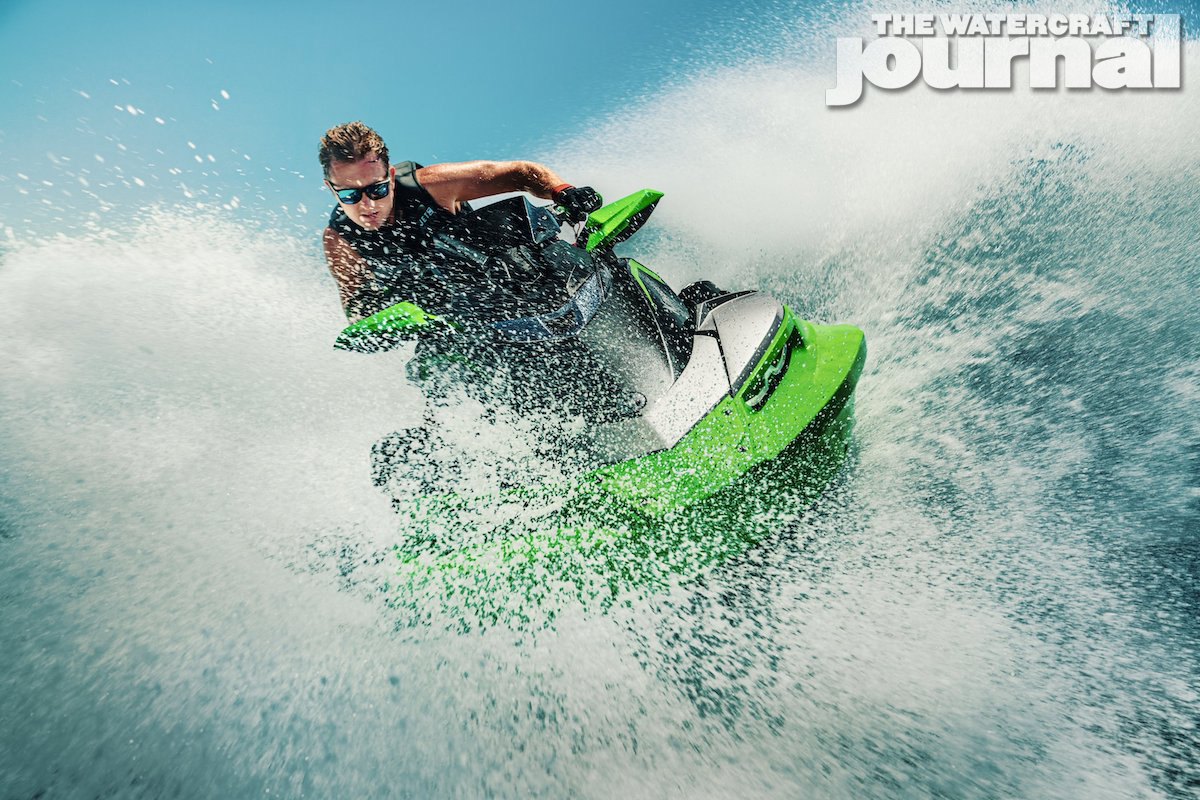
Surprisingly, Kawasaki fulfilled a decade-plus-long dream by finally dropping the venerable 310-horsepower supercharged 1,498cc 4-cylinder four stroke into the Recreation segment STX, giving us the STX 310R and STX 310RX. Priced at $18,799 and $20,199 respectively, the 310R is also unnecessarily saddled with LED bow lights and rearward camera as the 310RX enjoys these features as well as the 2-speaker Jetsounds system and 3-up passenger seat.
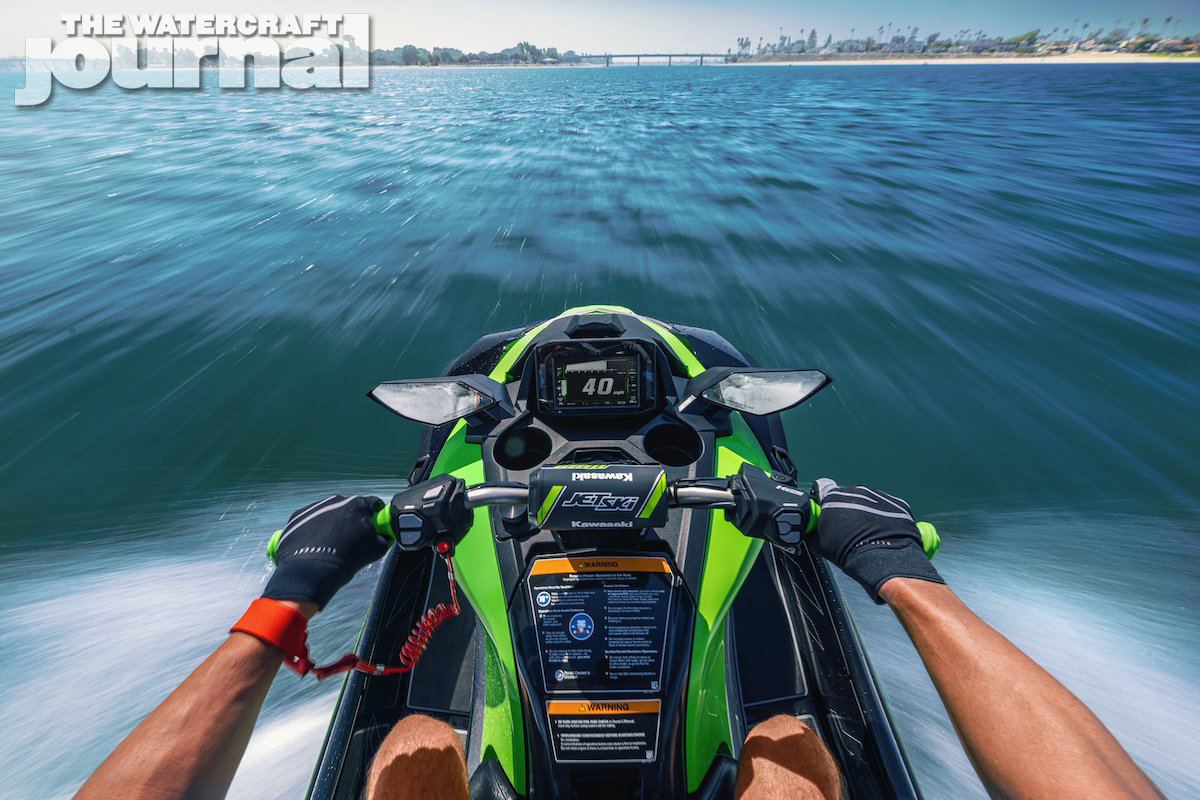
All R-models’ MX bars are adjustable to up to 12 positions using a set of 5mm and 10mm spacers. And all STX models include an industry-leading fuel capacity of 20.6 gallons; 32.2 gallons of storage (including a waterproof phone storage case in the glove box); Eco Mode efficiency alert system; Kawasaki Smart Steering assist system; padded folding swim steps; deck-mounted cleats; and the 7-inch TFT full color digital dash board with jog dial controller.
For Kawasaki’s Ultra line-up, all full-sized JetSkis – regardless of engine option – received a new ride plate featuring a deeply-scalloped extended running surface (about 3-inches longer) that’s pitched upward nearly 5-degrees. This design will provide increased bow lift for a drier low speed operation, added rough water grip and a quicker rise to plane speed. Similar designs from aftermarket companies have resulted in higher top speeds from less drag too.
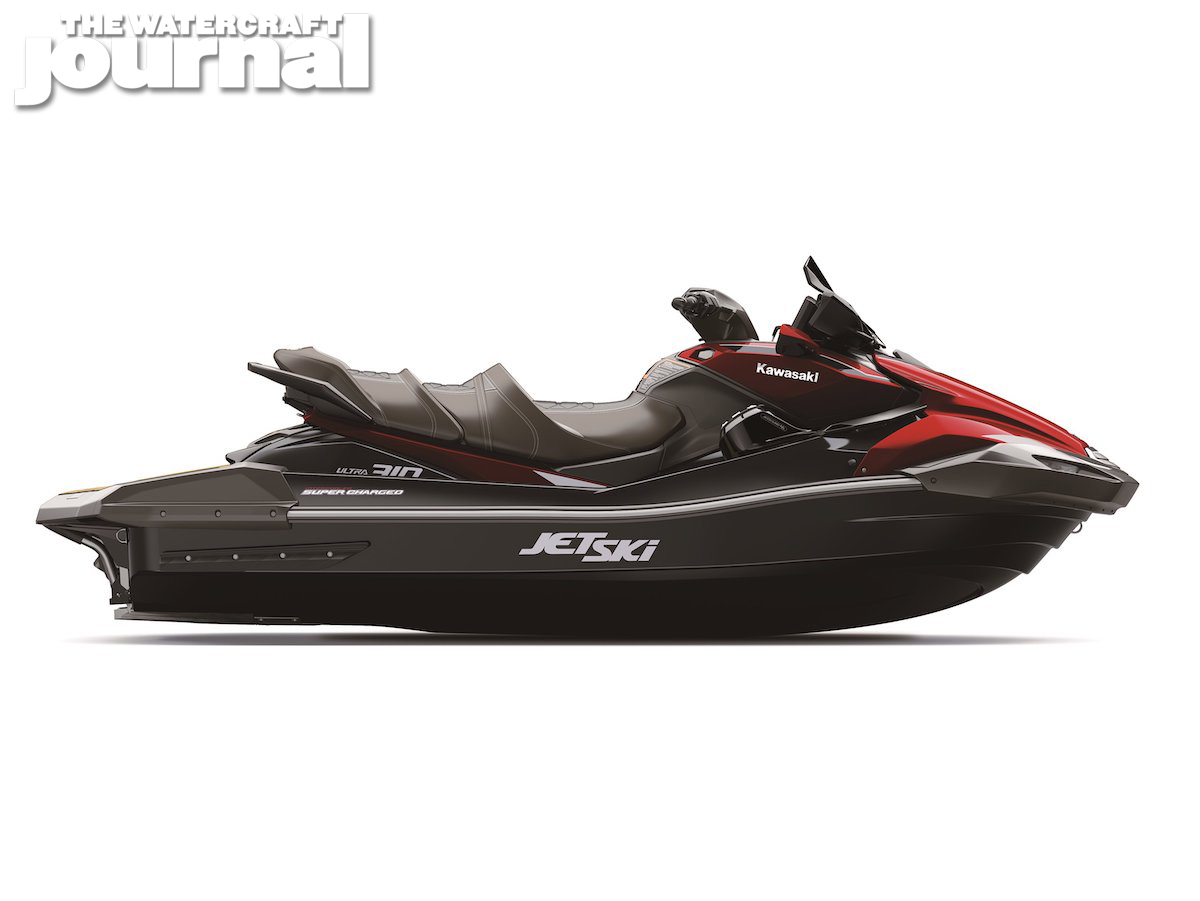
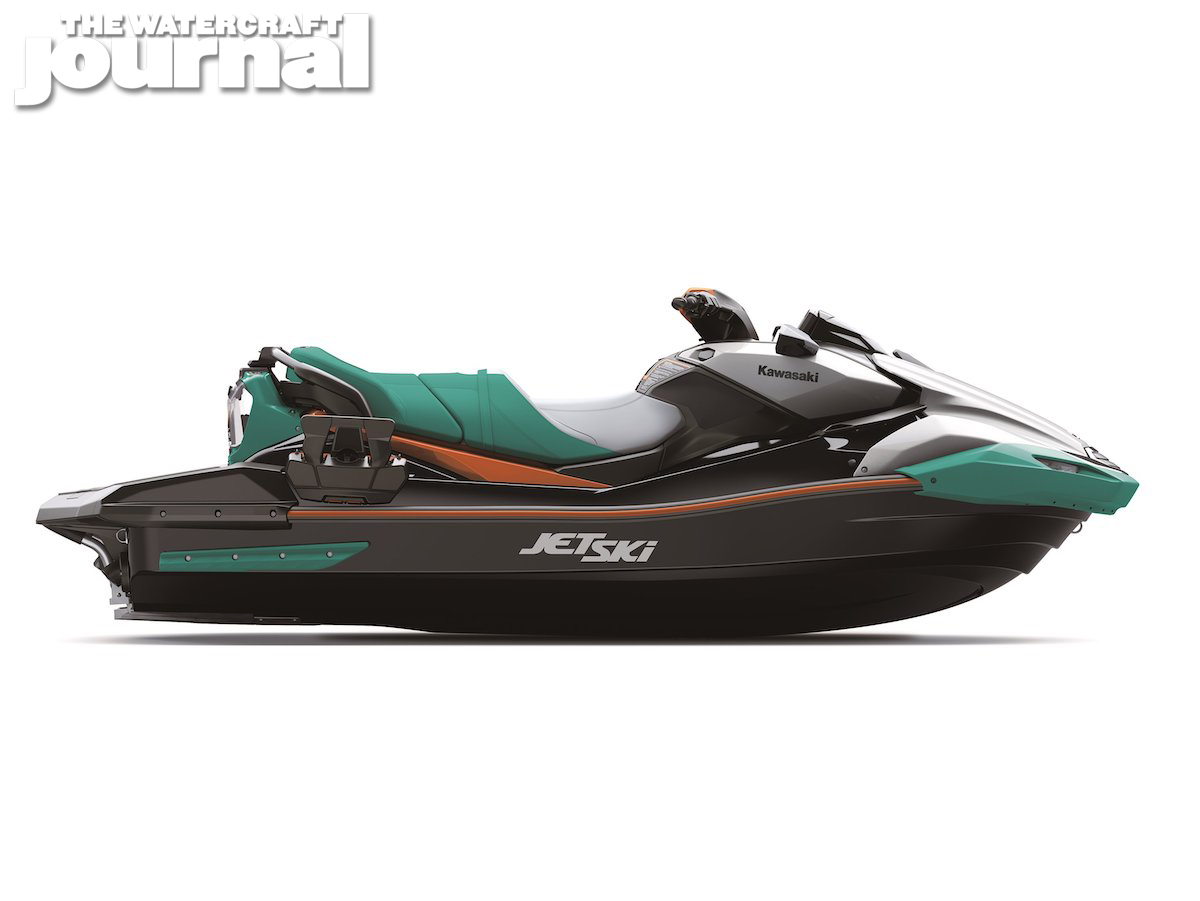
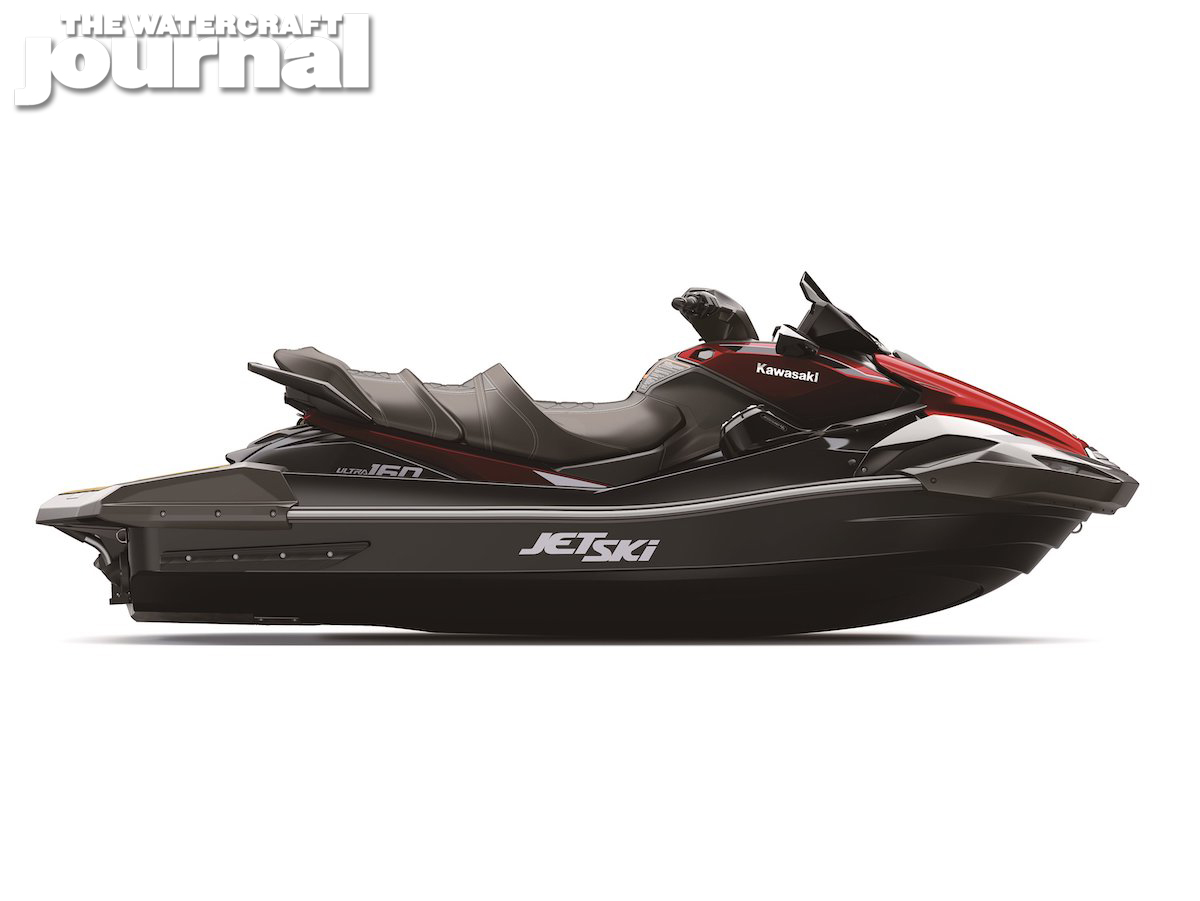
Gleaming in Riptide Turquoise/Ebony is the 2027 Ultra 160LX-S, priced at $18,599. Like it’s STX sibling, it too includes the deck extension, LED running lights and rear-facing camera for towing skiers and rafts. Priced just above it at $19,599 is the Ultra 160LX in Metallic Deep Red/Metallic Carbon Gray. Equipped with Jetsound 4S audio system, LXury seat and all of the other key features listed previously for LX units.
Weirdly present at the dealer meeting showroom as well as on its website, the two-year-old 2025 Ultra 160LX-S Angler is listed with a MSRP $18,899 ($2,000 down from previous pricing and with special 0% financing for 60 months). At the time, The Watercraft Journal was the world’s first media outlet to put hands on this machine in 2024. Yet when it came time for the Angler’s debut there was zero oomph behind it despite there being strong interest.
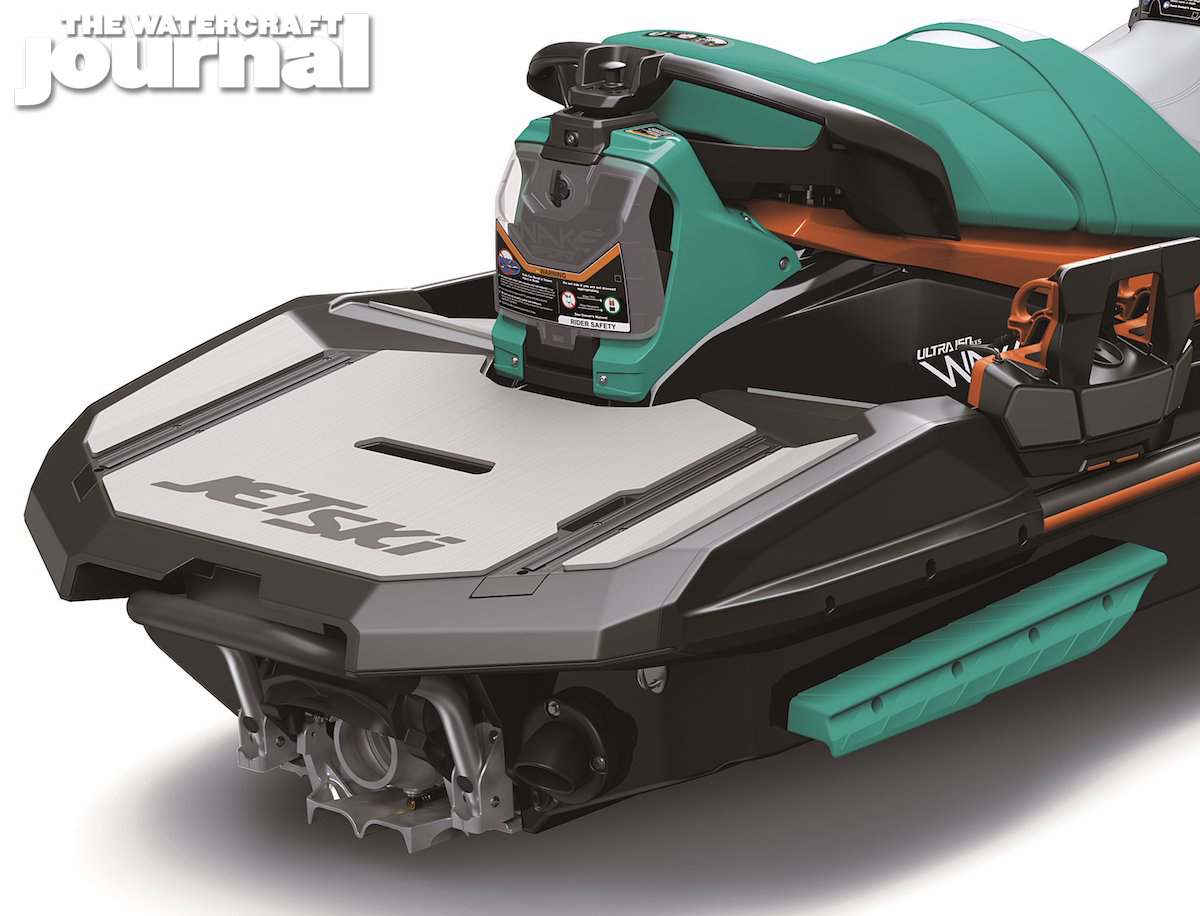
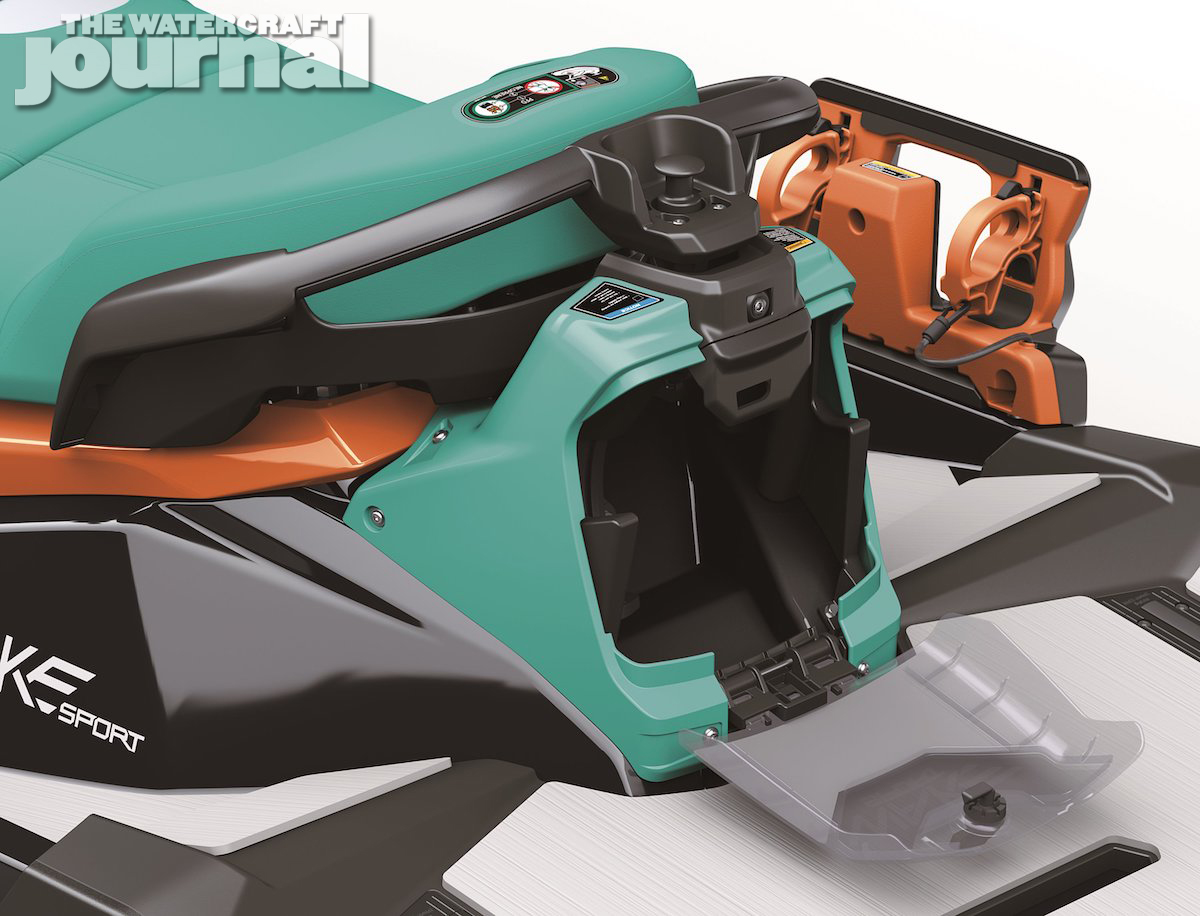
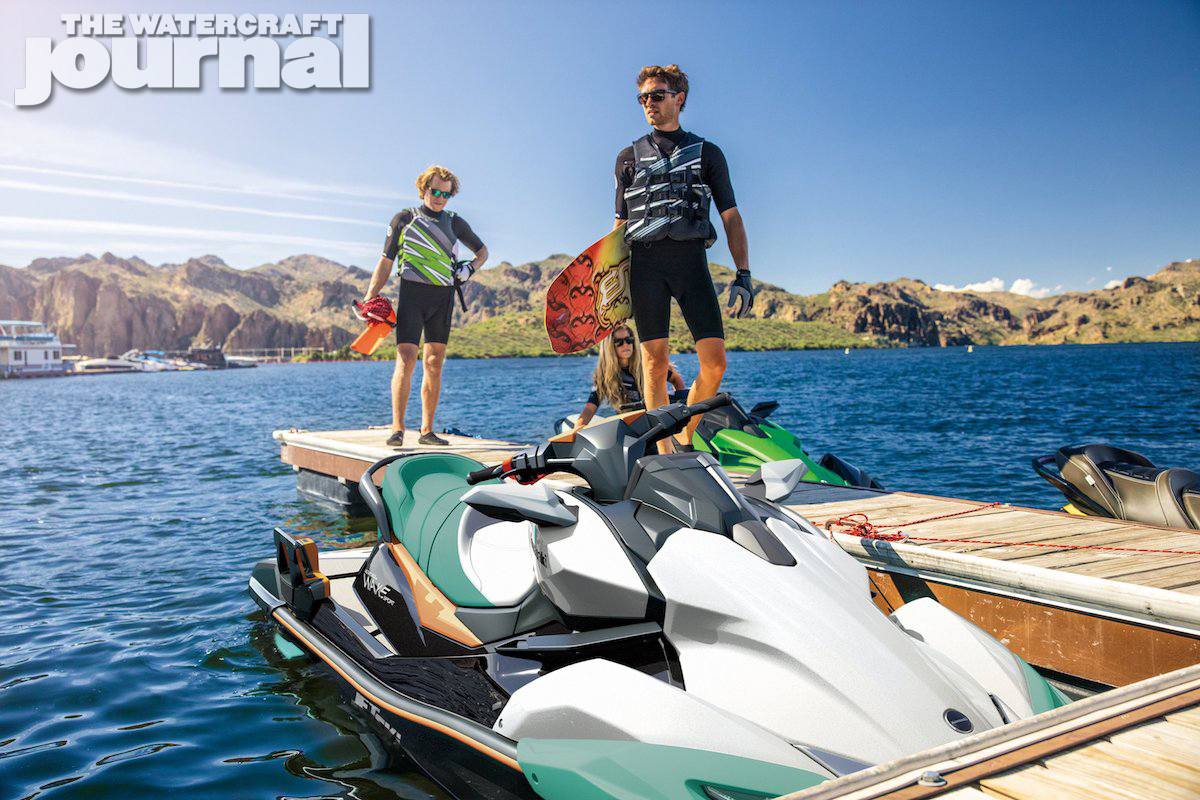
Sporting possibly our favorite color combination of Metallic Stardust White/Riptide Turquoise is the new Ultra 160LX-S Wakesport. Priced at 19,699 and purpose-built for tow sports, it features a wakeboard rack, an easy-access rear storage cubby made for rope storage topped with a hard-fixed pylon, a new seat redesigned for a rear-facing passenger, and a “Wake” mode programmed for smooth, more progressive starts and acceleration.
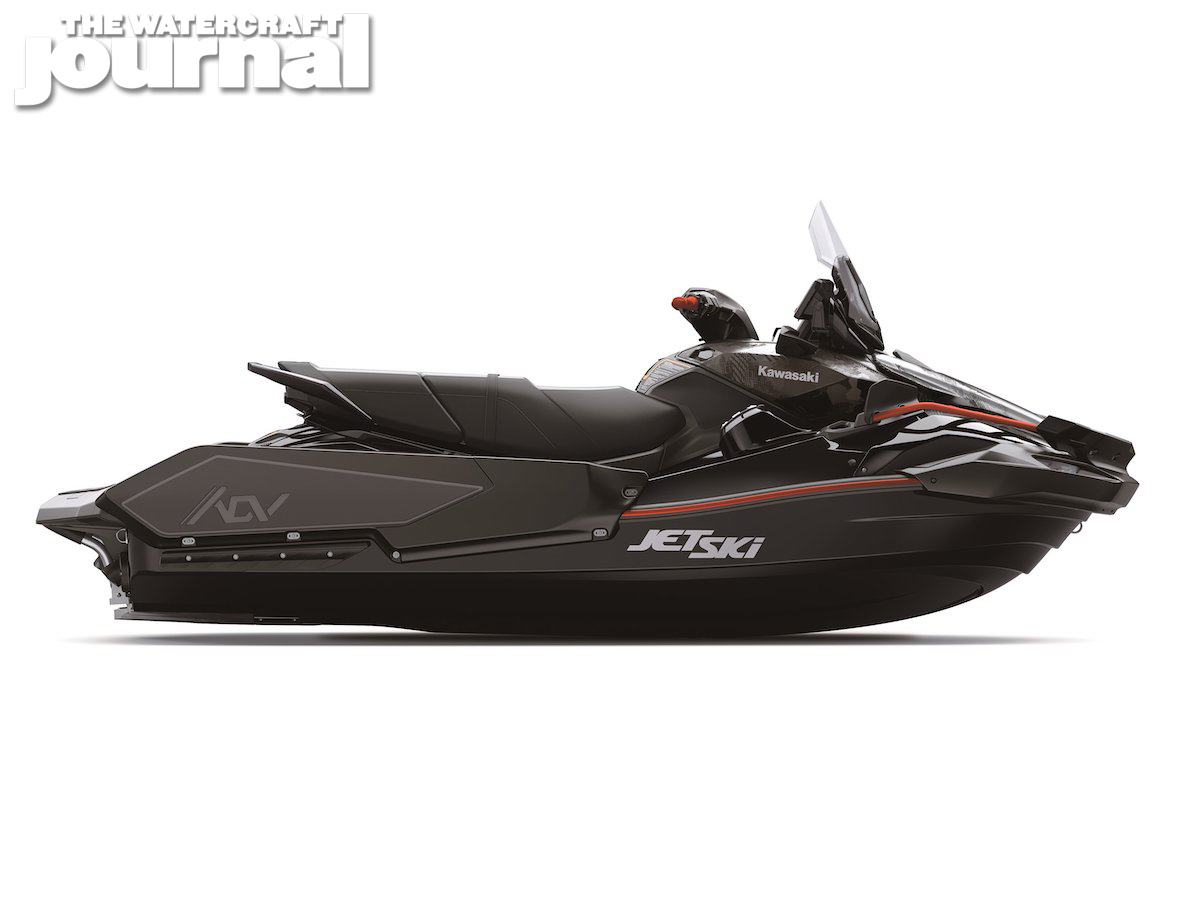
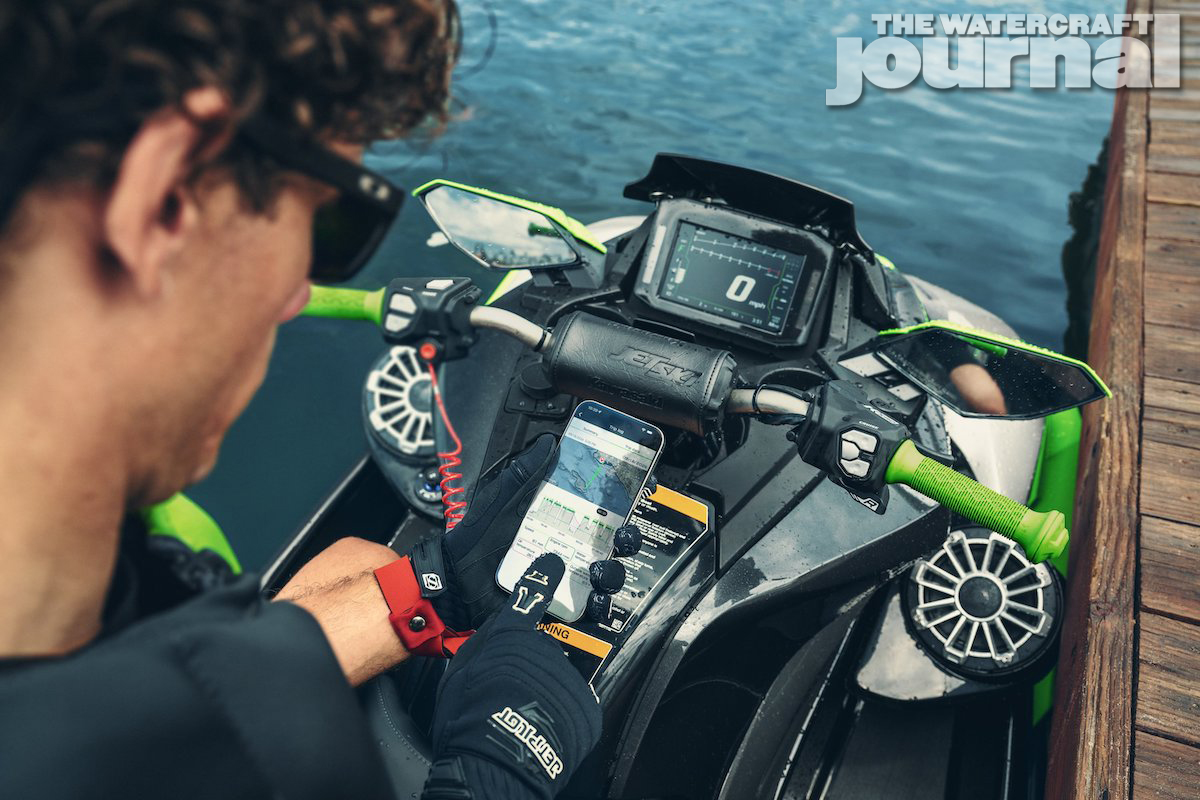
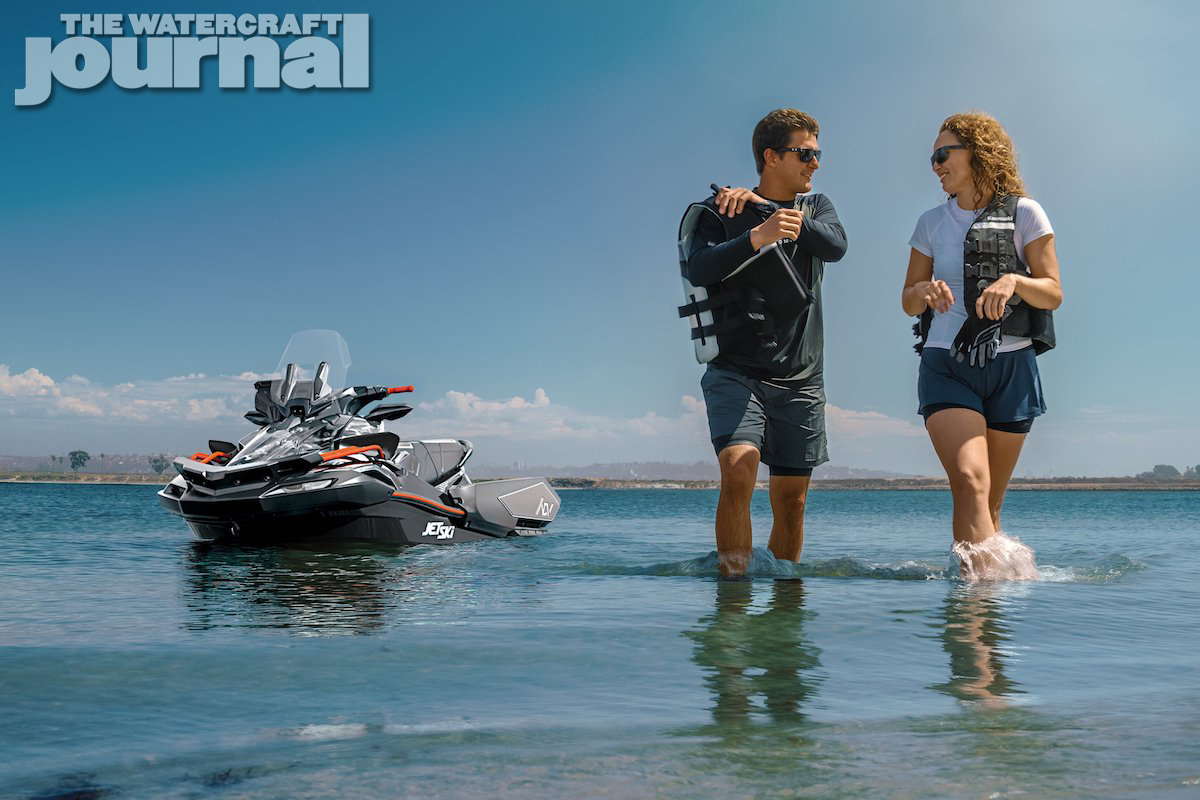
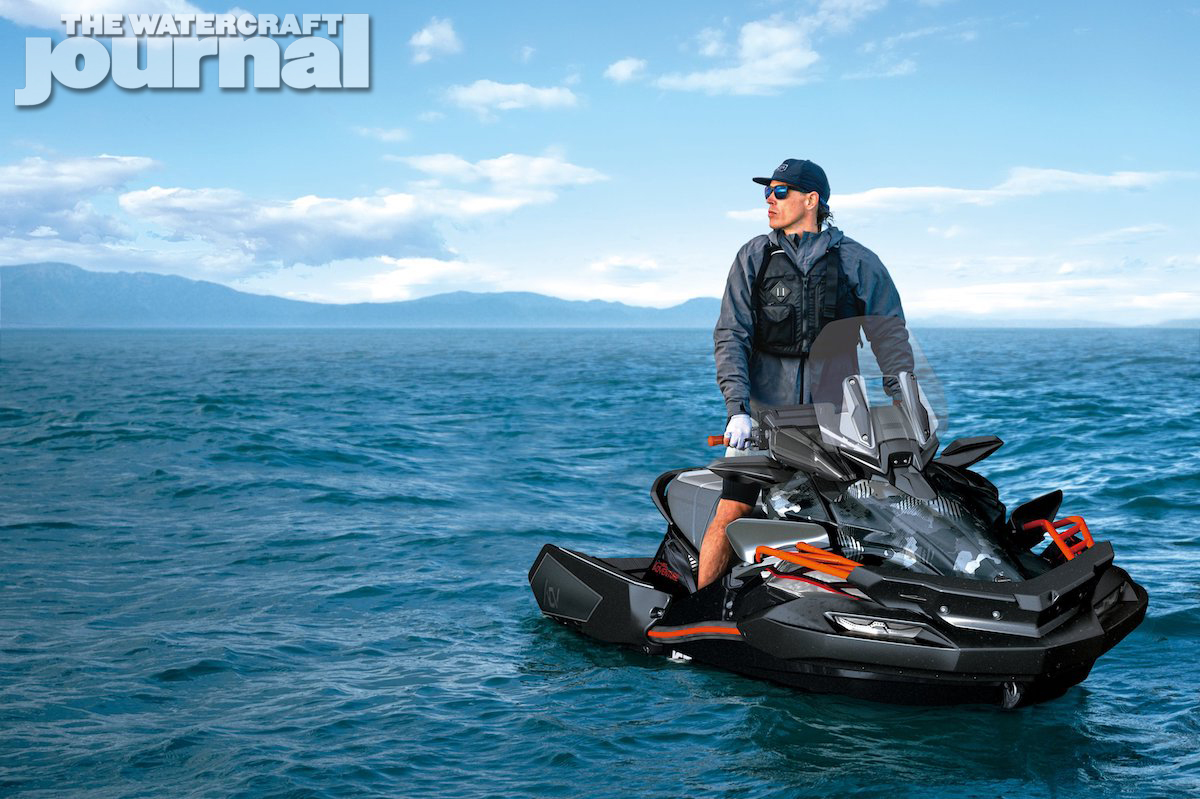
Building off of the 160LX and repurposing much of the Angler’s innovations and accessories is the Ultra 160LX Adventure. Priced at $21,199, the Fragment Camo Gray-wrapped Adventure features a 7-inch Garmin ECHOMAP Chartplotter, 7-inch TFT full-color instrumentation with Bluetooth smartphone connectivity, a vented windshield, LED accent lights, Jetsound 4S audio system, a flat bench seat, and what Kawasaki hilariously calls “multi-use pipes” at the bow.
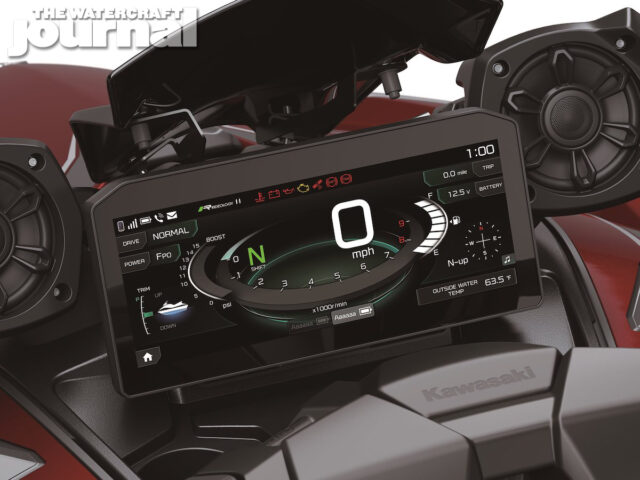
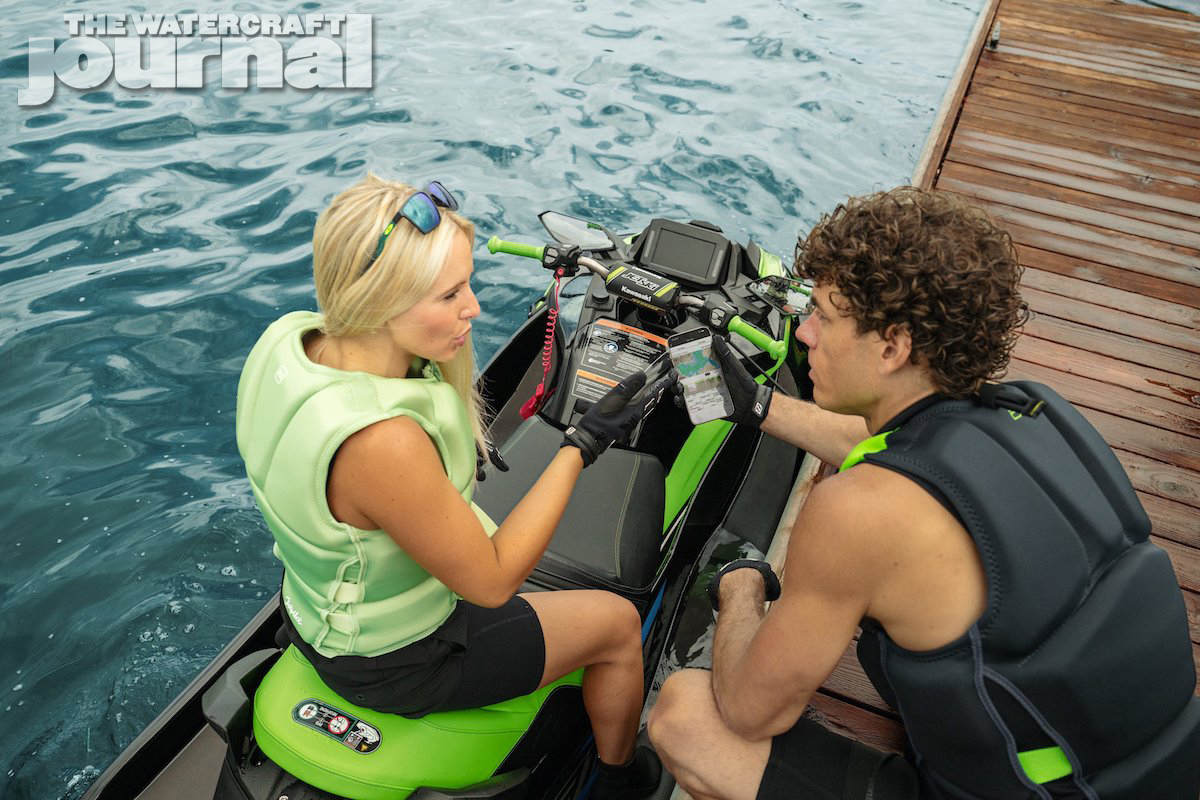
The remaining three supercharged Ultra units don’t go untouched either. In addition to their new racy ride plates, all 310-horsepower Ultra JetSkis come equipped with Kawasaki’s new 12.3-inch full-color touchscreen display. This new dashboard display is haltingly big and can be digitally split into two or three screens with the use of its new job dial controller. Lastly, all three of these units also include Kawi’s new “Jet Link” overboard detection and notification system.
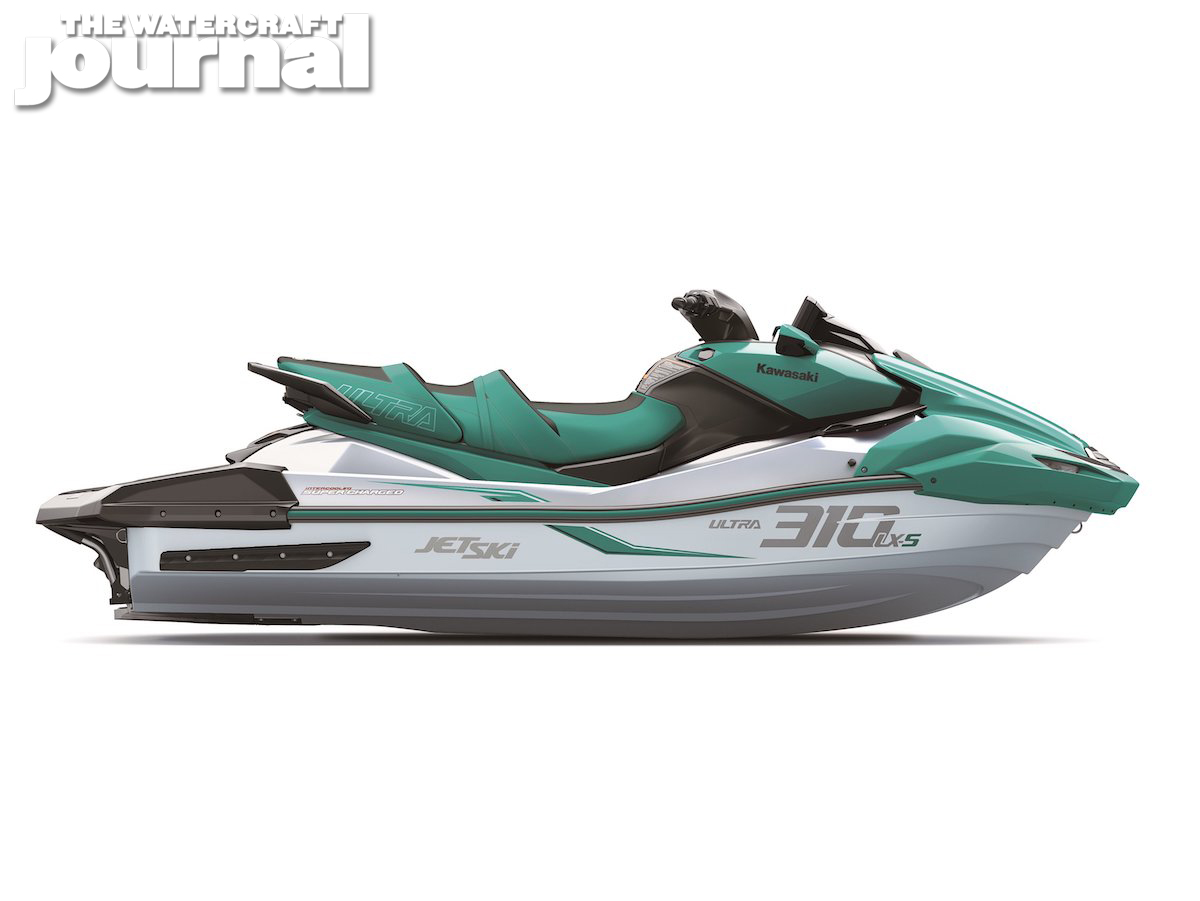
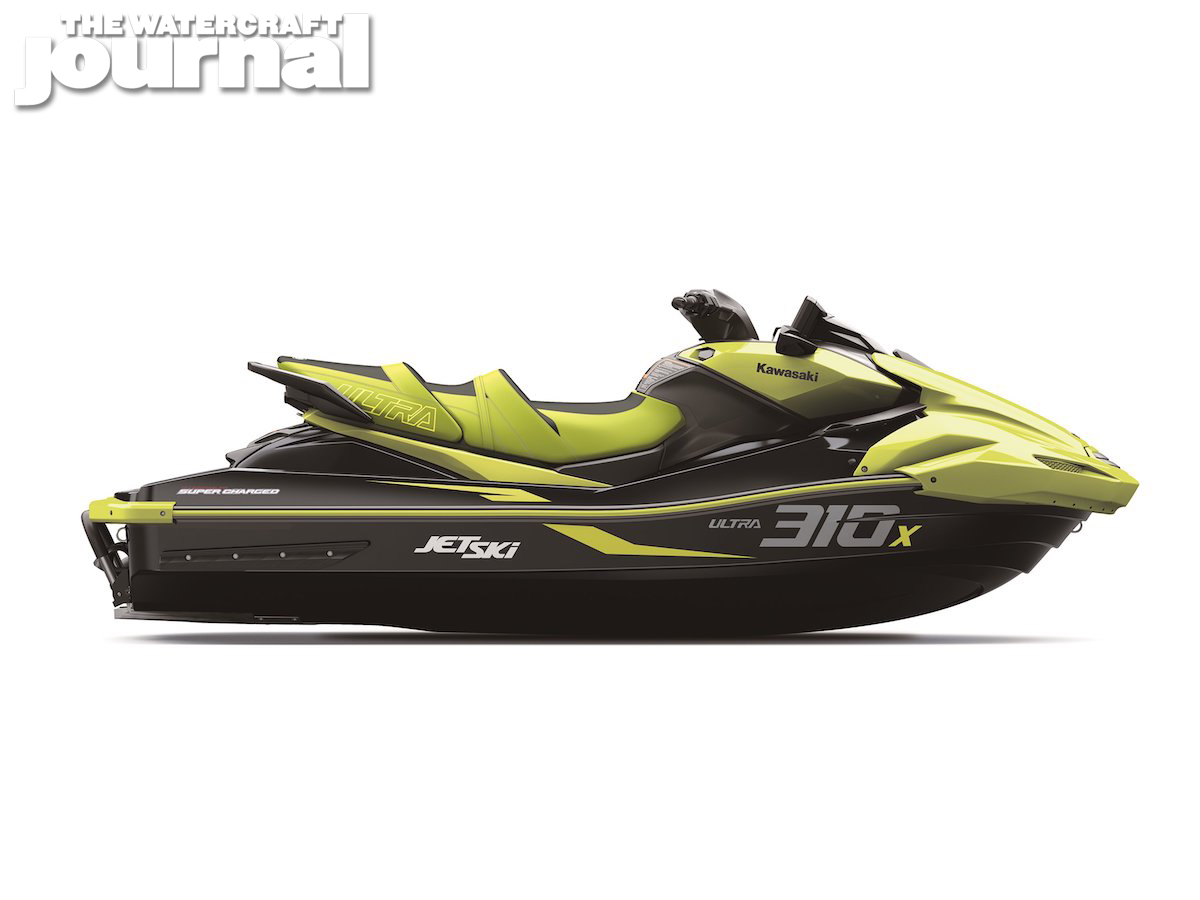
The Ebony/Neon Yellow 2027 Ultra 310X includes the aforementioned ride plate and IMAX-sized digital dash but does away with the LED visibility lights and deck extension. Nevertheless, its MSRP still breaks the 20K mark at $20,699. Next up is the Ultra 310LX-S, which like both the STX and Ultra 160 siblings, shares all of the same trimmings. The Riptide Turquoise/Ebony variant comes with an MSRP of $21,699.
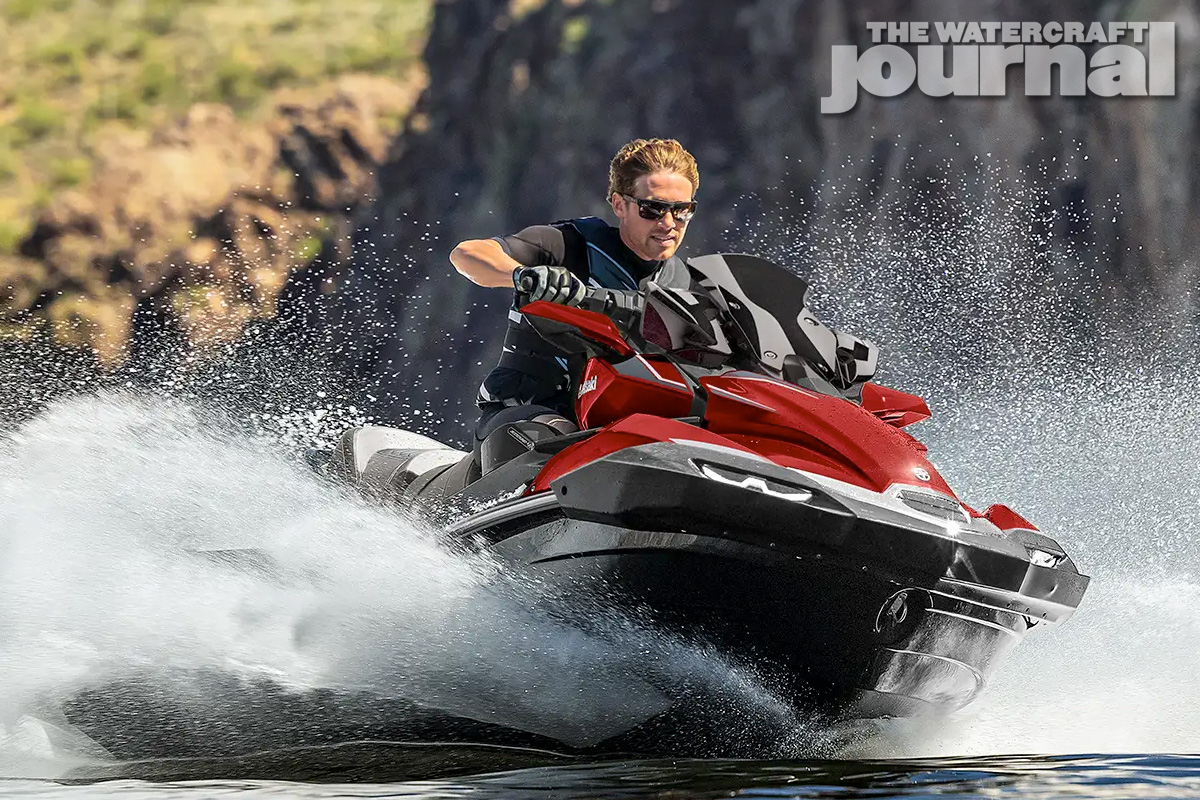
Last is the Ultra 310LX; priced at $22,699, its Metallic Deep Red/Ebony explodes in a cascade of multi-colored metal flake under the right light. Again, like its 160-powered little sister, the 310LX shares the identical 3-position ERGO-FIT adjustable LXury seat, an improved high-resolution rearview camera (same as the above LX-S), Jetsound 4S audio system, meter visor, LED accent lights and Ultra deck with multi-mount rails.
In all, this makes for the single largest stable of JetSki models (17) offered by Kawasaki in what we estimate to be over 30 years. To think that only a few short years ago, we were looking at a menu of five or six options is staggering. And it is this (among so many other things) that stokes the fires of our excitement of a new future for Kawasaki.
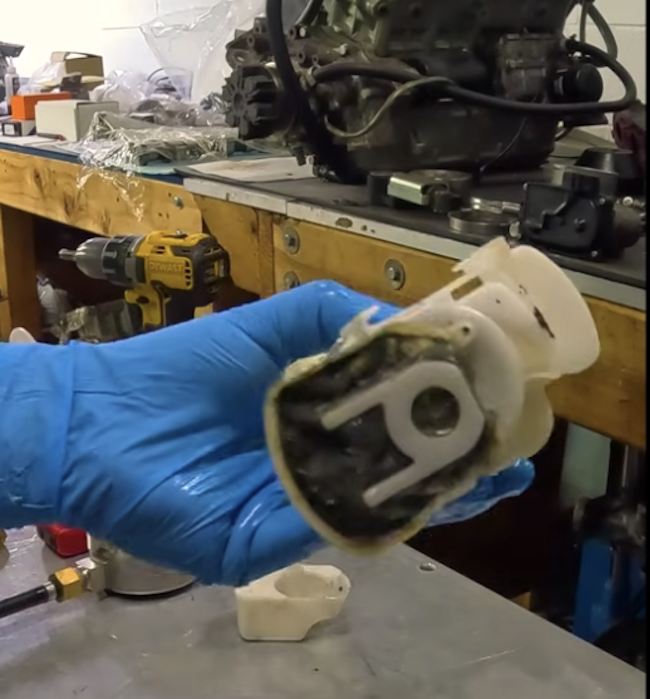
Fuel starvation and unexplained power loss can send PWC owners searching through the usual list of possible culprits, but Kawi Performance’s Steve Ciervo is pointing Kawasaki owners toward a restriction hidden inside the Gen 2 plastic fuel pump assembly.
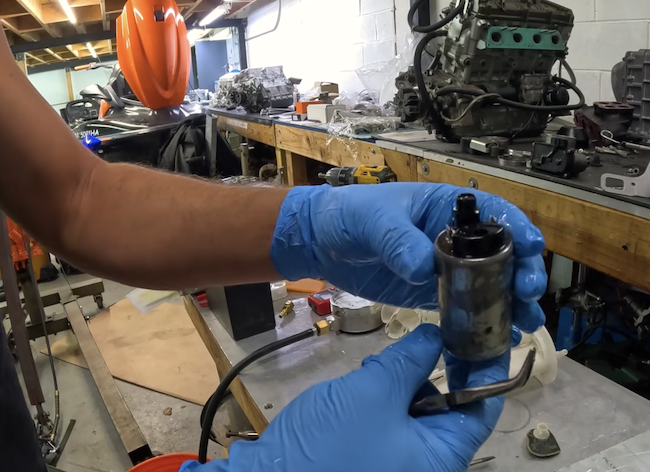
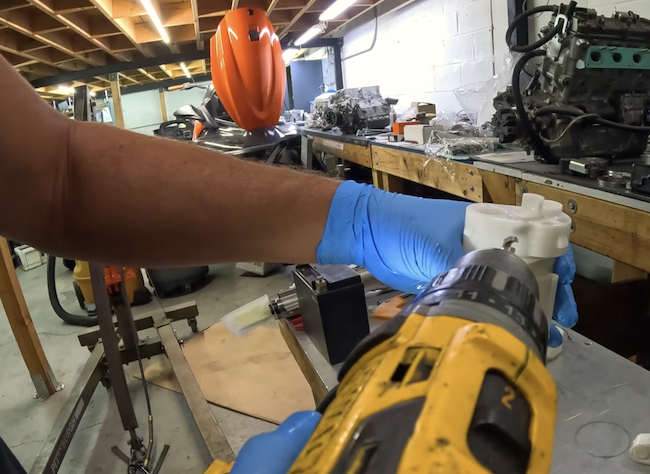
In a recent tutorial, Ciervo walks viewers through the fuel pump assembly used on Kawasaki models including the STX160 and Ultra 310, showing not only how to test the system but also where a small internal screen can become another potential restriction in the fuel-delivery system.
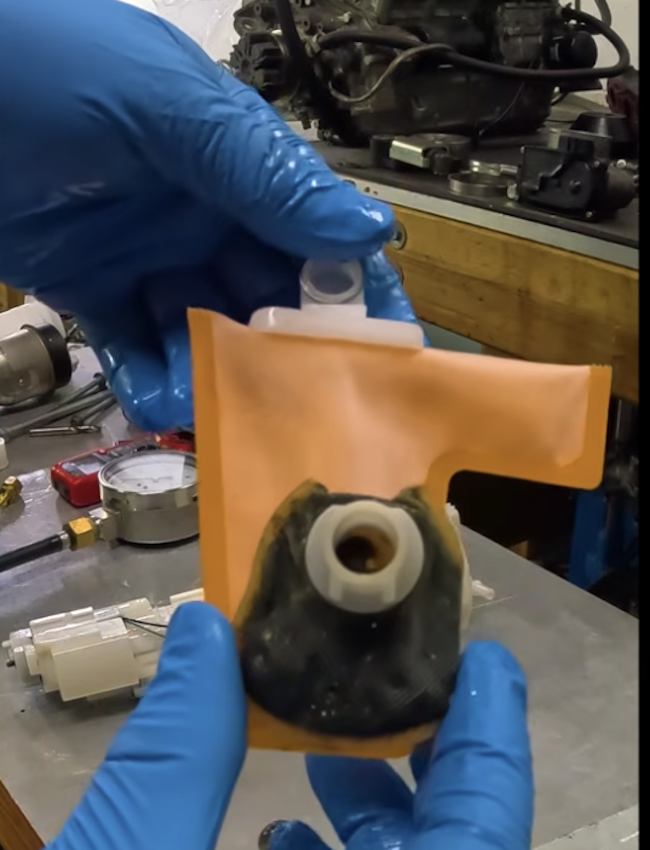
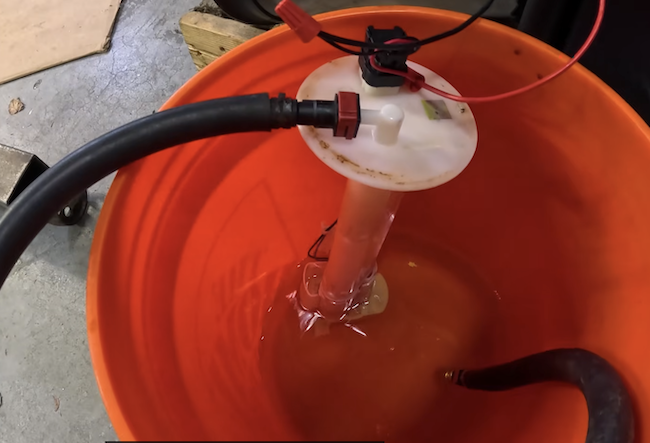
The assembly used for the demonstration came from an STX160 that had experienced power loss. Ciervo begins by bench testing the pump while simulating fuel flow at full throttle, monitoring both fuel pressure and amperage draw before opening the assembly to investigate further.
And once it comes apart, the first problem isn’t particularly difficult to spot.
The small pickup bag is heavily contaminated with debris and, as Ciervo demonstrates, substantially clogged. He notes that when a bag reaches that condition, the restriction can put additional stress on the pump and recommends replacing both rather than simply cleaning the assembly and putting it back into service.
But that pickup bag isn’t the only restriction Ciervo wants owners to know about.
Deeper inside the Gen 2 assembly is another fine screen designed to catch small debris. Ciervo points out visible contamination inside the assembly and explains that the internal screen can also become clogged, creating another potential source of restricted fuel flow.
That’s the problem his bypass procedure is intended to eliminate.
Ciervo demonstrates drilling and tapping an access hole into the side of the plastic assembly, then carefully breaking through the internal screen to remove it as an obstruction to fuel flow. The newly created access point is then sealed with a brass plug and the assembly is thoroughly cleared of debris before being put back together.
For owners using Kawi Performance’s DW fuel pump modification kit, Ciervo recommends combining the modification with an inline fuel filter, moving the filtration duty away from the problematic internal screen. Kawi Performance offers its fuel pump mod kit for the 2022-and-newer Ultra 310 as well as the STX 160 and Ultra 160, with both Kawi Performance and DeatschWerks fuel pump options available.
Just as importantly, the video doesn’t end when the tools are put down.
Ciervo returns the modified assembly to the bench-test setup to see what changed. After reassembly, the system holds approximately 43 to 44 psi — right around the 43 psi Ciervo says it should produce — while showing normal amperage draw and strong fuel flow.
Kawi Performance also plans to offer a kit containing the components needed to perform the bypass for owners who don’t want to source the individual pieces themselves.
For Kawasaki owners chasing fuel-delivery issues — or those already planning to have a Gen 2 plastic fuel pump assembly apart — Ciervo’s walkthrough offers a close look at one small component that could create a much larger problem.
Check out the complete Kawi Performance Gen 2 plastic fuel pump assembly bypass tutorial below.
Nobody launches a personal watercraft expecting to spend part of the day drifting with a rope wrapped around the pump or waiting for someone to tow them back to the ramp. But recovery gear is one of those things that can seem unnecessary right up until the moment it becomes the most important equipment onboard.
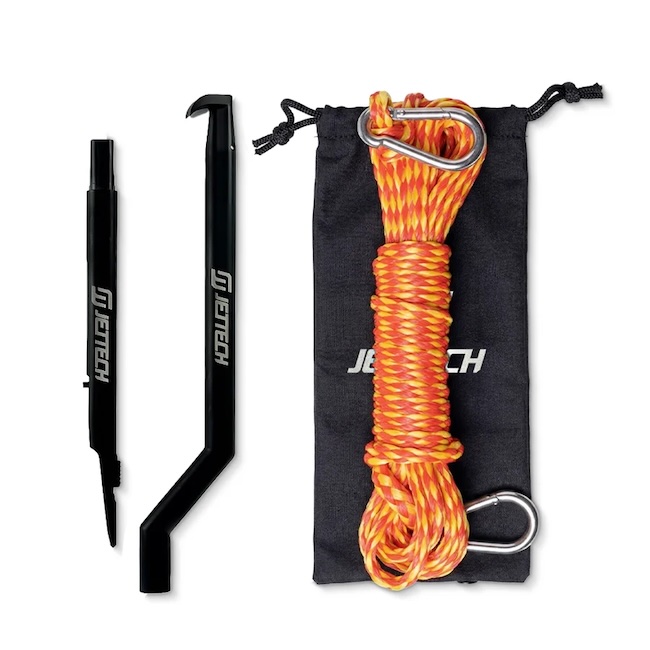
Jet Tech has paired two tools aimed at those situations in its new PWC Recovery Bundle, combining the company’s Intake Recovery Tool with its PWC Recovery Line in a compact package designed to stay aboard the ski until it is needed.
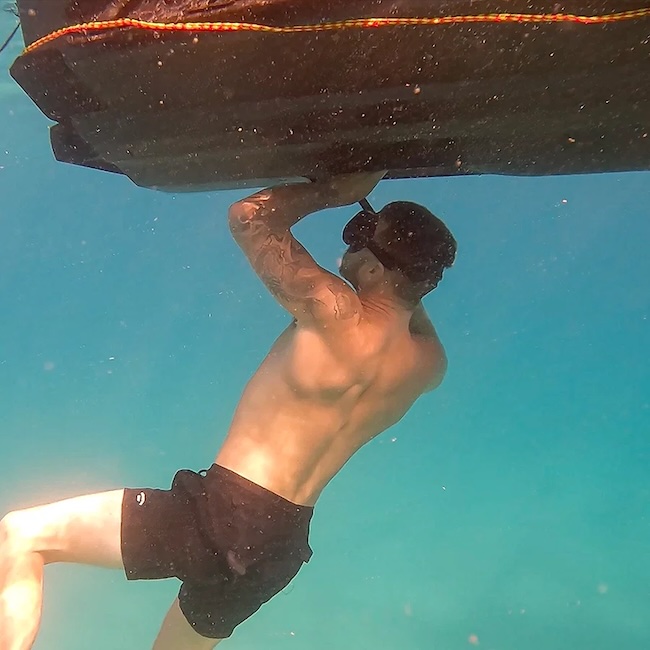
The first half of the bundle addresses one of the more frustrating problems a PWC rider can encounter on the water — debris caught in the pump.
The Intake Recovery Tool is designed to help remove rope, weeds, anchor line, fishing tackle and other debris without leaving the rider entirely dependent on getting the watercraft back onto a trailer first. Its dual-action head can be used to push or hook material, while a folding serrated Damascus steel blade provides another option when tangled material needs to be cut away.
The tool uses a ceramic-reinforced nylon body and measures approximately 23.6 inches (60cm) when assembled. It separates into two approximately 13.4-inch (34cm) sections for storage and weighs about 0.66 pounds (0.3kg), helping make it practical to keep aboard without consuming much storage space.
Of course, not every problem on the water can be solved with a tool.
That is where the second part of Jet Tech’s bundle comes in. The PWC Recovery Line provides approximately 32 feet (10 meters) of high-visibility red-and-yellow tow line rated to 1,102 pounds (500kg).
Stainless snap-on carabiners are fitted at both ends, and the line packs into a dual-lined storage bag when not in use. Like the Intake Recovery Tool, the emphasis is on having recovery equipment aboard before the situation that requires it develops.
Together, the two pieces provide riders with options at both stages of a problem: attempt to clear an obstruction and get the PWC moving again, or have a dedicated recovery line available when getting home under the watercraft’s own power simply isn’t an option.
The Jet Tech PWC Recovery Bundle is currently listed at a sale price of $139, down from its regular $168 price, a savings of $29. Jet Tech states that the listed U.S. price includes duties and taxes.
According to the company, orders normally ship from its warehouses within two business days, although fulfillment can take up to 10 business days during major promotions. Tracking information is provided once an order ships.
It may not be the equipment riders think about when planning the next modification to their PWC, but unlike another performance upgrade, recovery equipment is purchased with the hope that it spends its entire life tucked away in storage.
And on the day it doesn’t, having it aboard may be the difference between a relatively minor interruption and a very long afternoon on the water.
Above: The Sea-Doo that started it all; Jerry Gaddis’ apple-green 2004 RXP inspired the “Green Hulk” nickname and became the project ski behind what would grow into GreenHulk.net and GreenHulk PWC Performance. (GreenHulk PWC Performance photo)
Twenty years ago, GreenHulk began with one apple-green Sea-Doo RXP 215, a desire to make it faster and two young boys who gave the project ski its enduring name.
Today, GreenHulk encompasses one of the PWC industry’s best-known enthusiast forums, an international performance and replacement-parts business, a substantial library of technical information and videos, and—soon—a 7,500-square-foot workshop offering everything from routine maintenance to complete race ski builds.
GreenHulk PWC Performance is marking that two-decade progression with a limited anniversary sale on several of its products. At the same time, recent construction updates from Louisiana show that the company has no intention of treating its 20th anniversary solely as an occasion to look backward.
The GreenHulk story began after founder Jerry Gaddis purchased a 2004 Sea-Doo RXP. The newly introduced 215-horsepower watercraft was already among the most powerful production machines of its day, but Gaddis wanted more.
His two sons began calling the bright green RXP the “Green Hulk,” and the name followed the project as Gaddis documented its development, testing, setbacks and performance gains online.
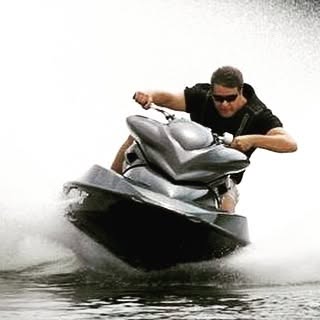
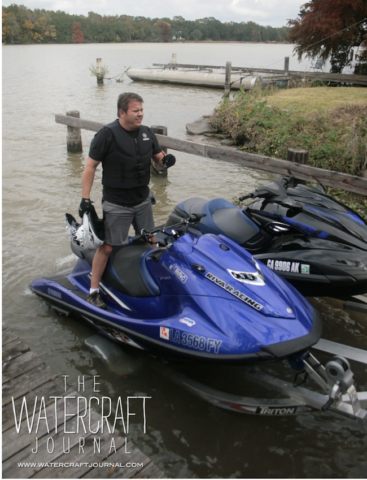
Above left: GreenHulk founder Jerry Gaddis has built the company’s reputation on firsthand development and testing, personally evaluating nearly every product offered through its online store.
What began as a personal build blog attracted a growing audience of riders asking questions and exchanging information. As the volume of individual emails became unmanageable, Gaddis developed GreenHulk.net into a public forum where those conversations could take place collectively.
Home tuners, racers, ski builders and professional performance shops gathered there to share testing results, technical knowledge and hard-earned lessons. GreenHulk.net developed into one of the PWC industry’s most prominent performance forums and helped preserve a deep, searchable record of the sport’s development.
As forum members increasingly asked where they could find specialized parts, Gaddis recognized another need. The enterprise expanded into an online store connecting customers with factory replacement components and aftermarket performance products.
GreenHulk’s connection with The Watercraft Journal also reaches back to WCJ’s earliest days. In a November 2013 column—among the first pieces published by the then-new outlet—WCJ founder Kevin Shaw credited Gaddis with helping him get the publication to where it is today.
One month later, WCJ published an extensive profile tracing Gaddis’ path from modifying that first RXP to operating the industry’s rapidly growing performance forum and online store. More than a decade after those articles, GreenHulk is taking another substantial step.
In February 2025, GreenHulk announced plans to build a 7,500-square-foot workshop in the Morgan City/Amelia area of Louisiana. The facility, officially named GreenHulk Garage, was planned as a physical counterpart to the company’s worldwide online operation.
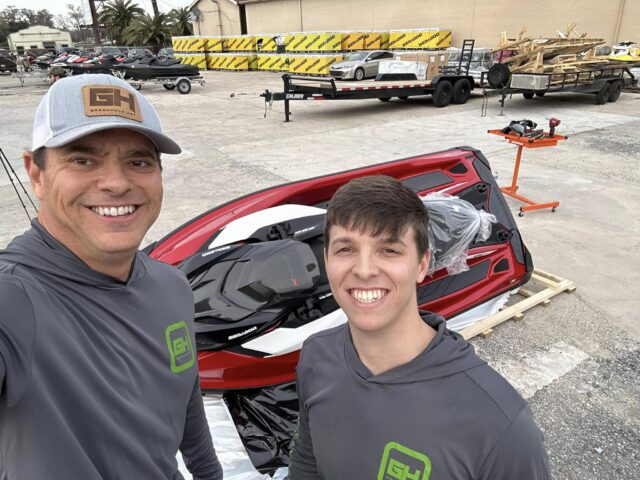
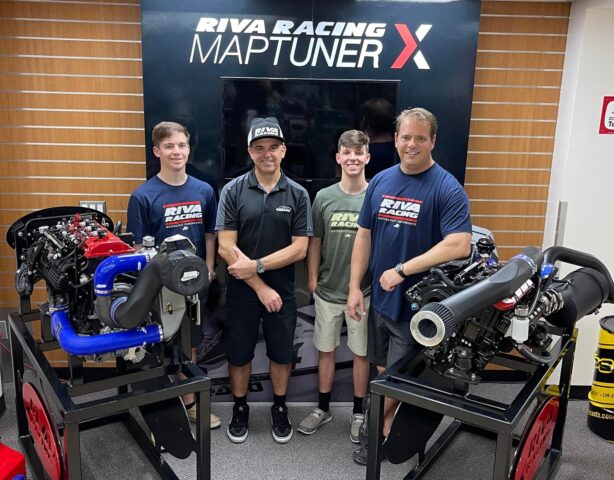
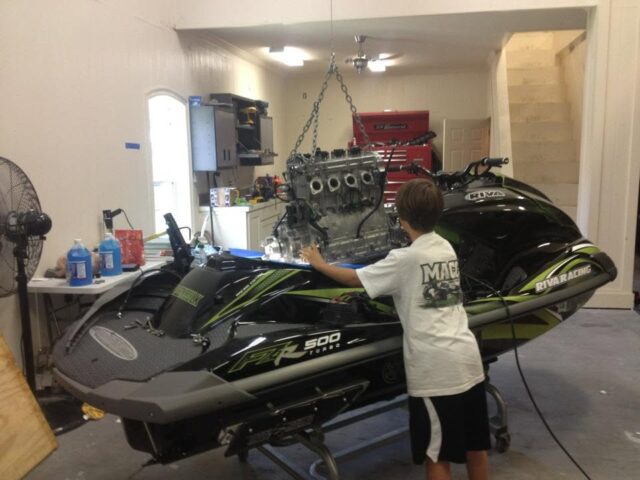
Greg Gaddis told WCJ at the time that demand for hands-on work had grown beyond what he could efficiently accommodate in his two-car garage.
His goal for the new facility was to provide turn-key performance packages ranging from basic bolt-on upgrades to complete race builds, along with maintenance, repairs and engine work.
The company also said the shop would offer performance tuning for ATVs and outboard motors while allowing GreenHulk to serve local customers in person.
Its online store and technical support operation would continue serving customers worldwide.Construction has taken that plan steadily from announcement to reality.
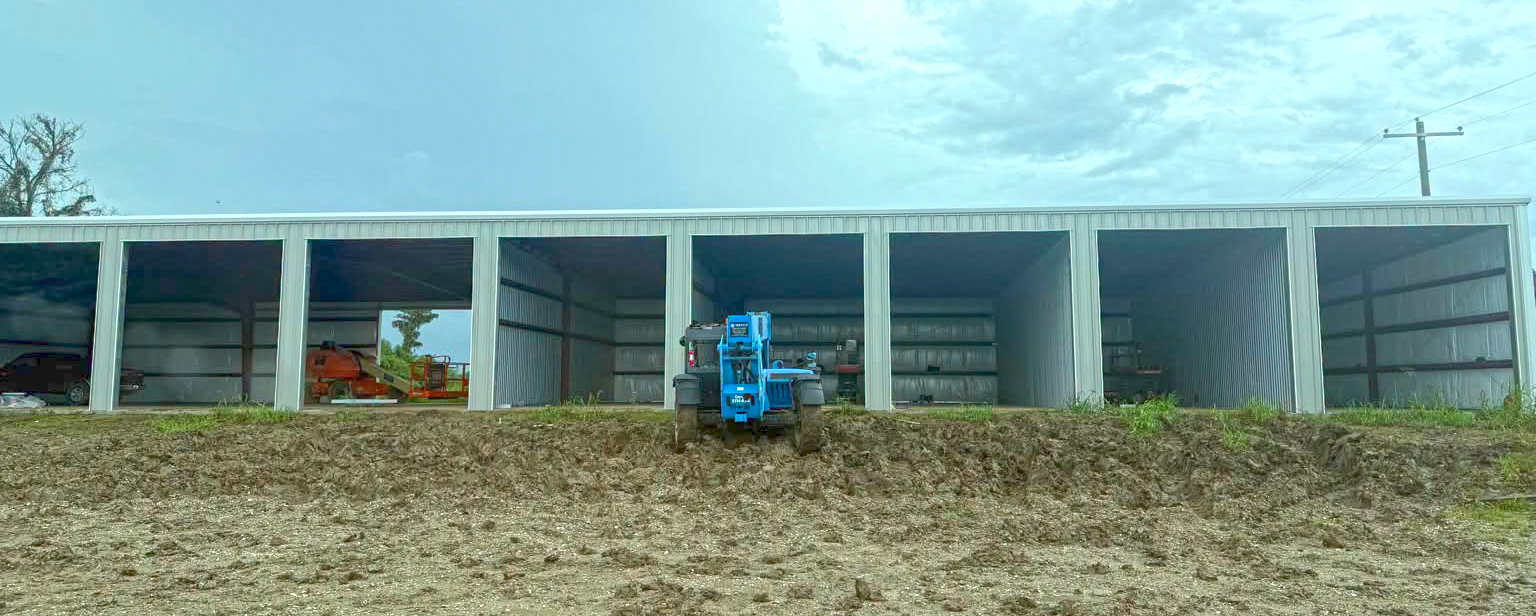
An Aug. 13 update showed the building’s steel framework rising from the completed foundation. By Aug. 31, exterior sections were in place and roofing work was underway.
GreenHulk’s latest shared update, posted Sept. 12, showed a substantially enclosed structure, although persistent rain had left the site muddy and slowed the work.
“Rain, rain, go away… we’ve got a building to finish and skis to build!” the company wrote.
While the new garage represents GreenHulk’s next chapter, its anniversary sale returns attention to the products and customers that helped make the expansion possible.
The limited-time promotion includes the GreenHulk Sea-Doo Rear Deck Vent, reduced from $99.95 to $45.95, and carbon-fiber air intakes for Yamaha and Sea-Doo models, each reduced from $279.95 to $223.96.
Two assembled jet-pump packages are also included. The Sea-Doo Spark Complete Jet Pump and the complete jet pump for 2004-and-newer Sea-Doo models are each reduced from $900 to $720. The GreenHulk Performance Tee in Grey Concrete is marked down from $19.95 to $15.96.
The products cover a range of needs, from increasing airflow and engine-bay ventilation to replacing a damaged or worn pump—or simply displaying a little GreenHulk allegiance at the lake.
For longtime PWC enthusiasts, however, the anniversary marks more than a collection of discounted parts. GreenHulk’s evolution parallels much of the modern performance industry’s own development: riders experimenting in home garages, sharing what they learned online, connecting enthusiasts with increasingly specialized components and gradually building a worldwide technical community.
Now, 20 years after one green RXP supplied the name, GreenHulk is building a garage large enough for what that community became. Additional information about the anniversary promotion and available products can be found at GreenHulk PWC Performance.


















 Greg Gaddis told WCJ at the time that demand for hands-on work had grown beyond what he could efficiently accommodate in his two-car garage.
 An Aug. 13 update showed the building’s steel framework rising from the completed foundation. By Aug. 31, exterior sections were in place and roofing work was underway.