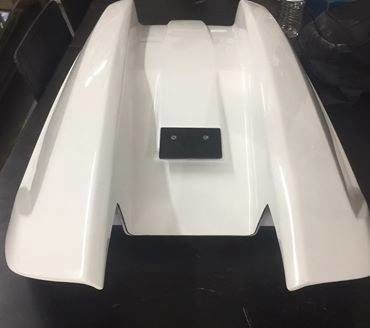
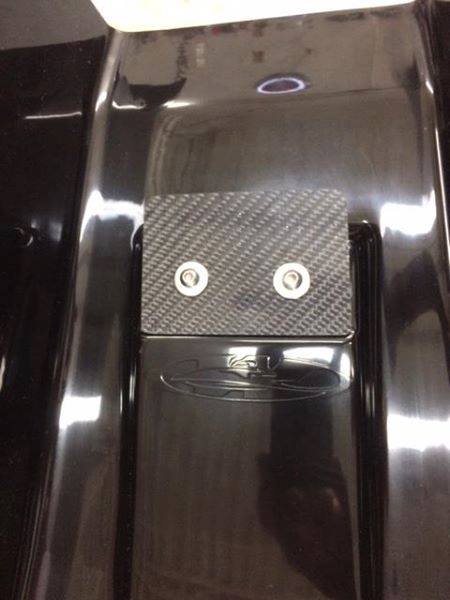
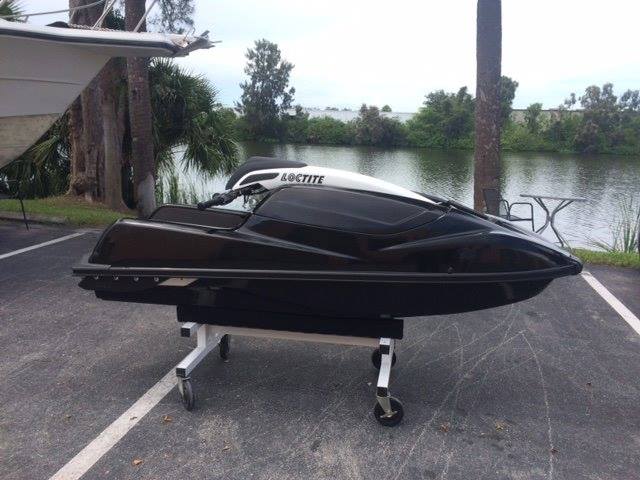
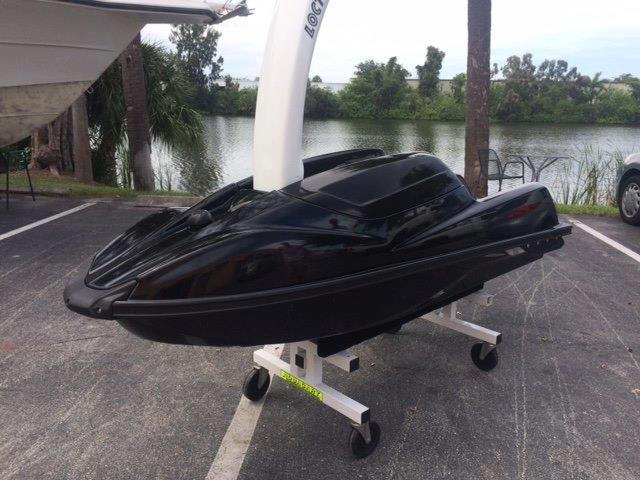
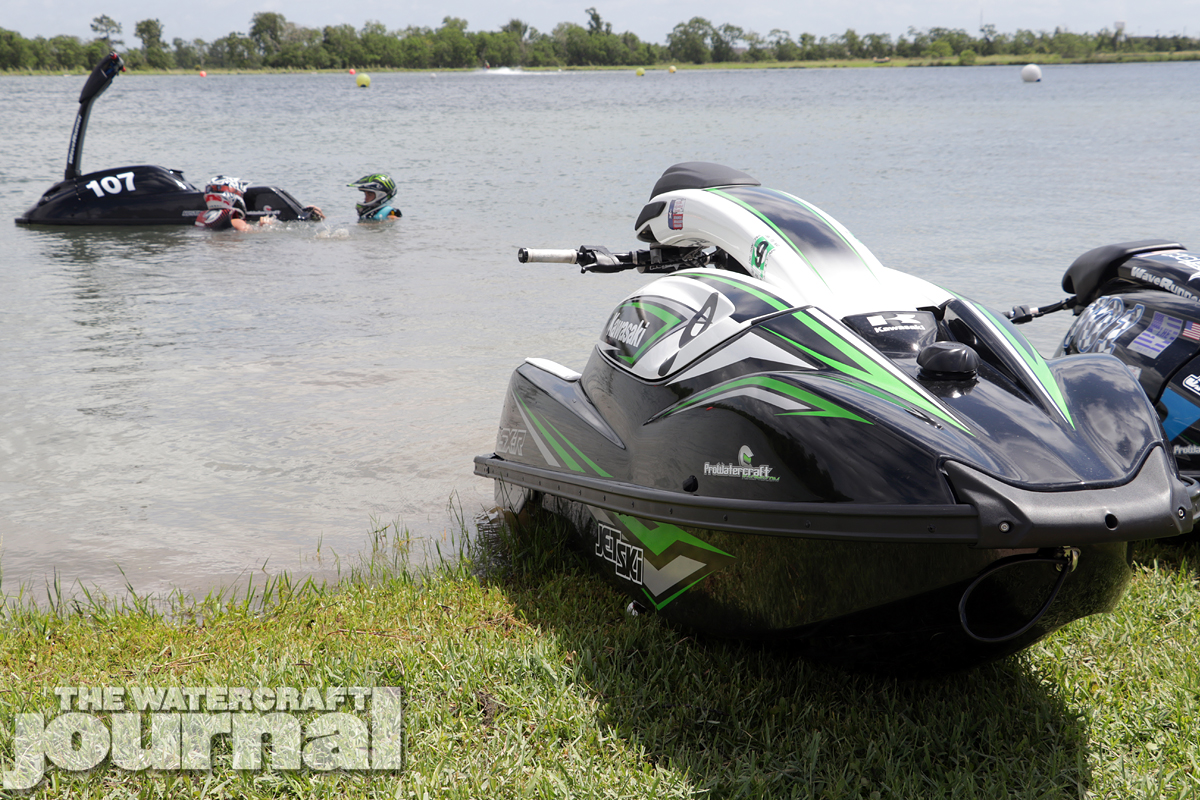
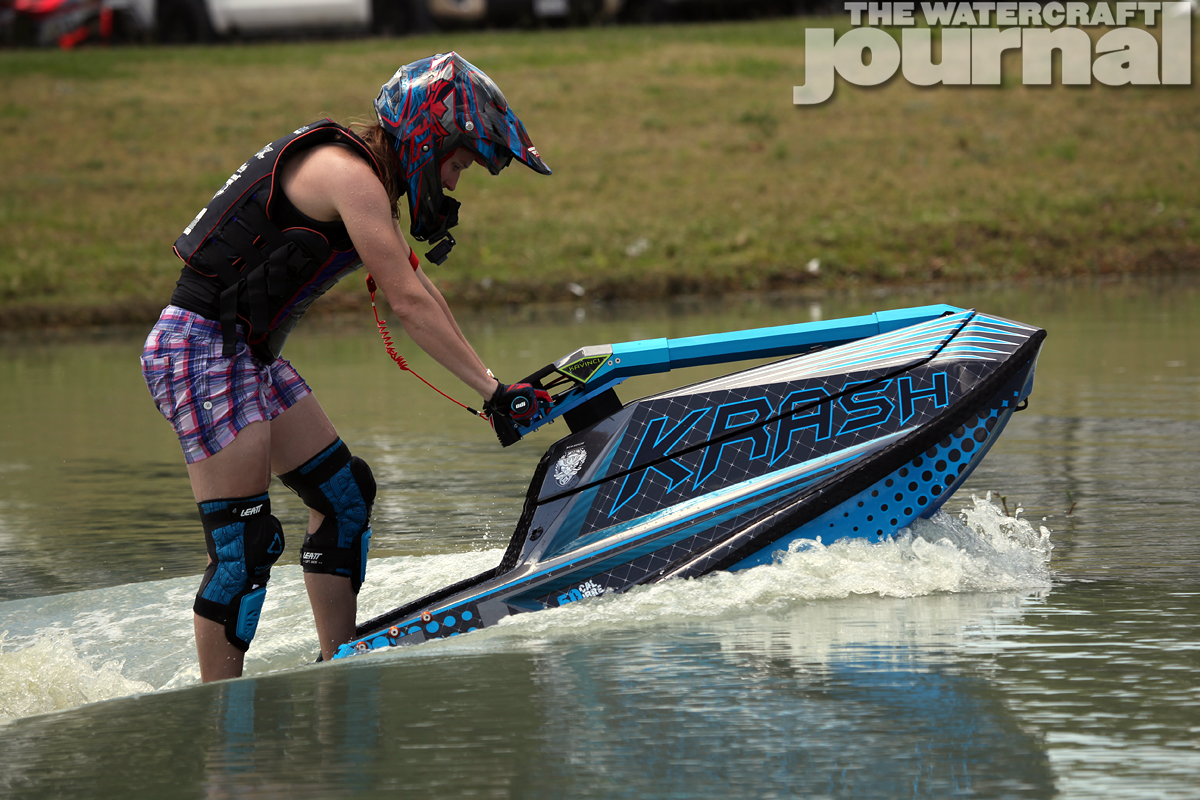
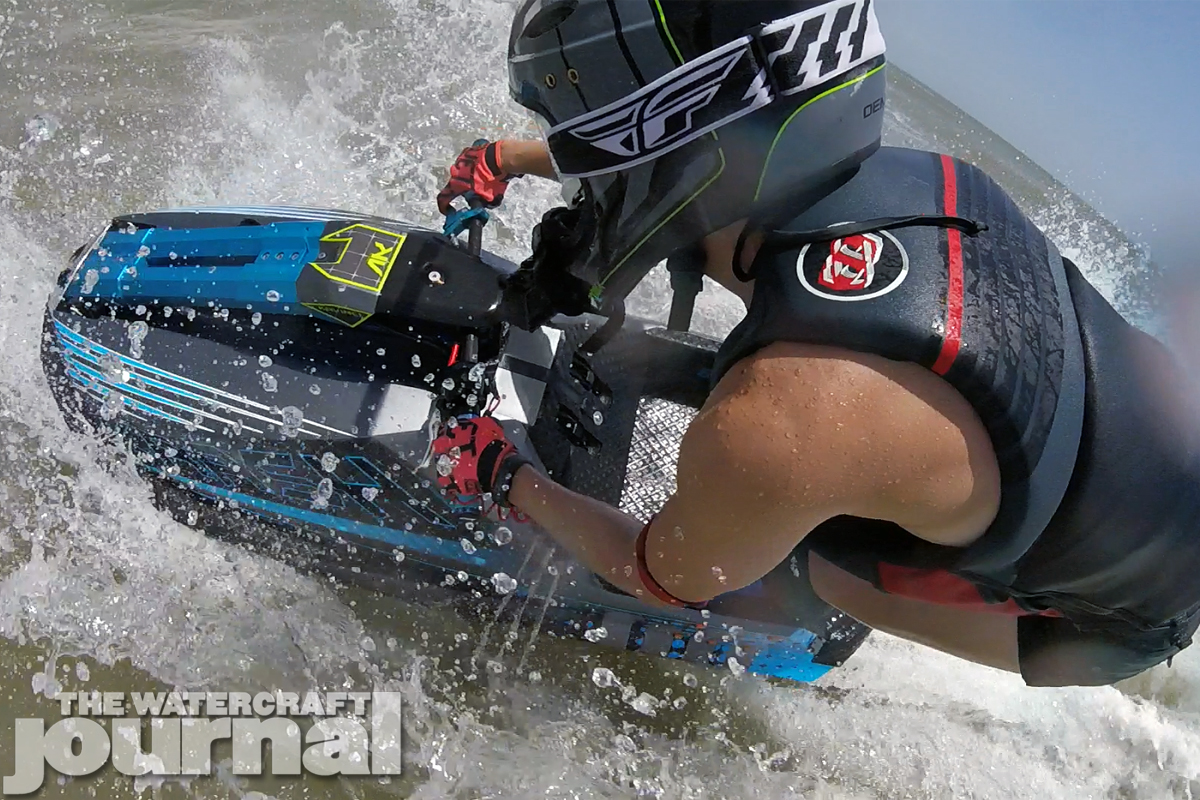
It was just a matter of time. The hulking weight of the as-is Kawasaki SX-R 1500 just makes the ski a behemoth – and in many instances, a dangerous battering ram of momentum. So when we heard that Wamilton’s developed a very special, lightweight (12 pounds) hood for the new JetSki, we wanted to check it out. Wamilton Teixeira is a legend in the watercraft industry all over the world, and for good reason. The custom hull and fiberglass shaper has been modifying and forming unique shapes for the PWC world for decades now.
That’s why owners of the Kawasaki SX-R 1500 are so (rightfully) excited. The hand laid “special secret formula” fiberglass used for this ultra-light hood shaves considerable weight off of the factory hood (26.5 pounds), and is also ergonomically redesigned to permit for improved engine breathing, meaning a cooler, denser intake charge effectively increasing overall performance.
In a recent Facebook post, Wamilton’s wrote: Perfect fit on the new 4 stroke 1500cc fire breather four cylinder engine, more air more performance, this hood for sale is white, come with the seal installed, and the unmistakable Wamilton’s craftsmanship and perfect fit, the hood weight 12 pounds, don’t be left behind at the starting line, almost 15 pound lighter than stock, and yes that’s the Mac Attack testing the hood for us in the pic, 30 times plus world champion, you know you are getting quality when you are getting a Wamilton’s product, available in black upon request.
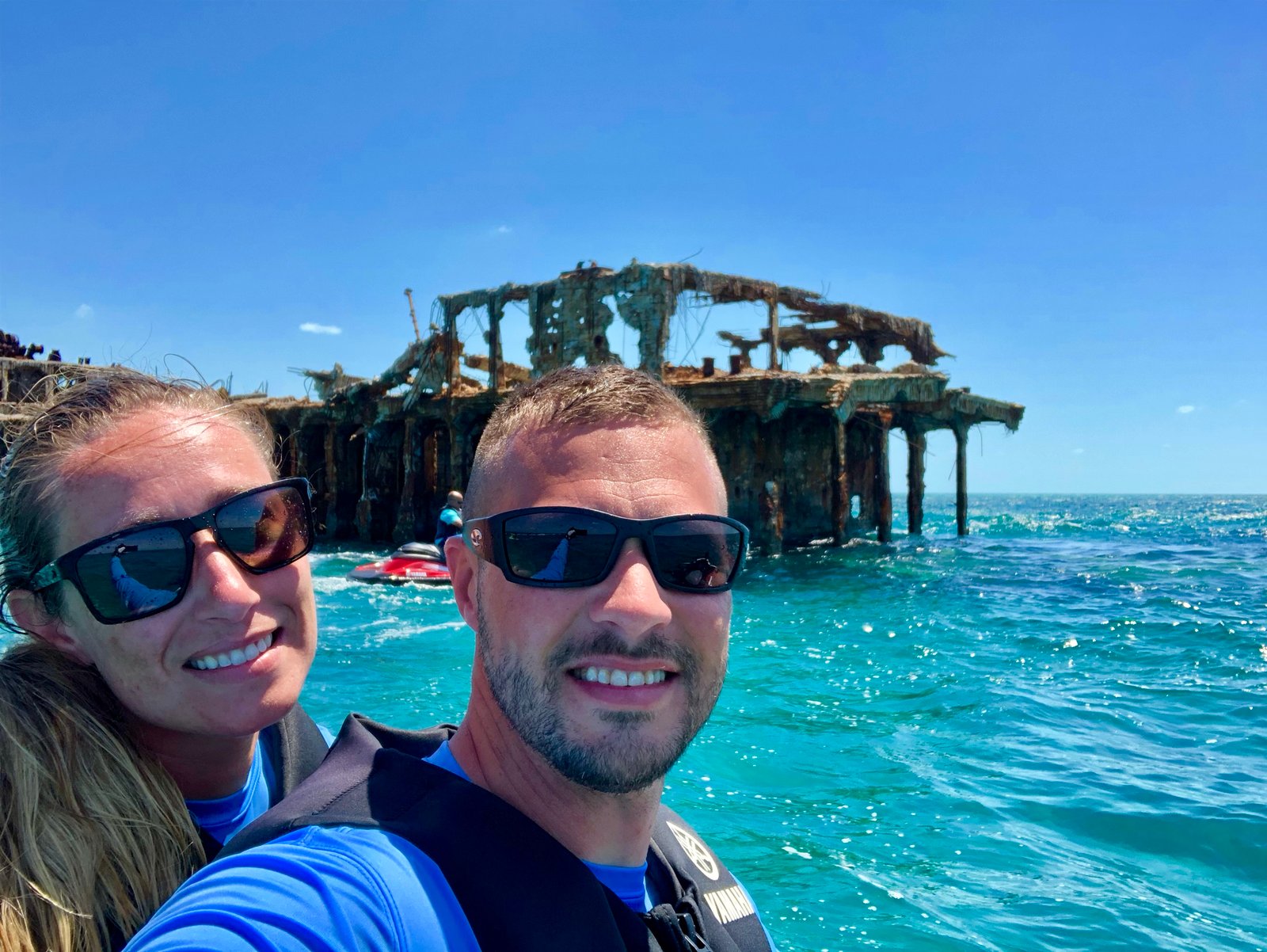
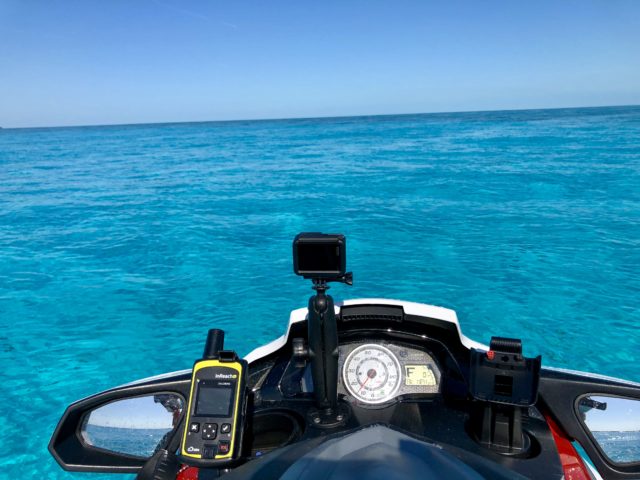
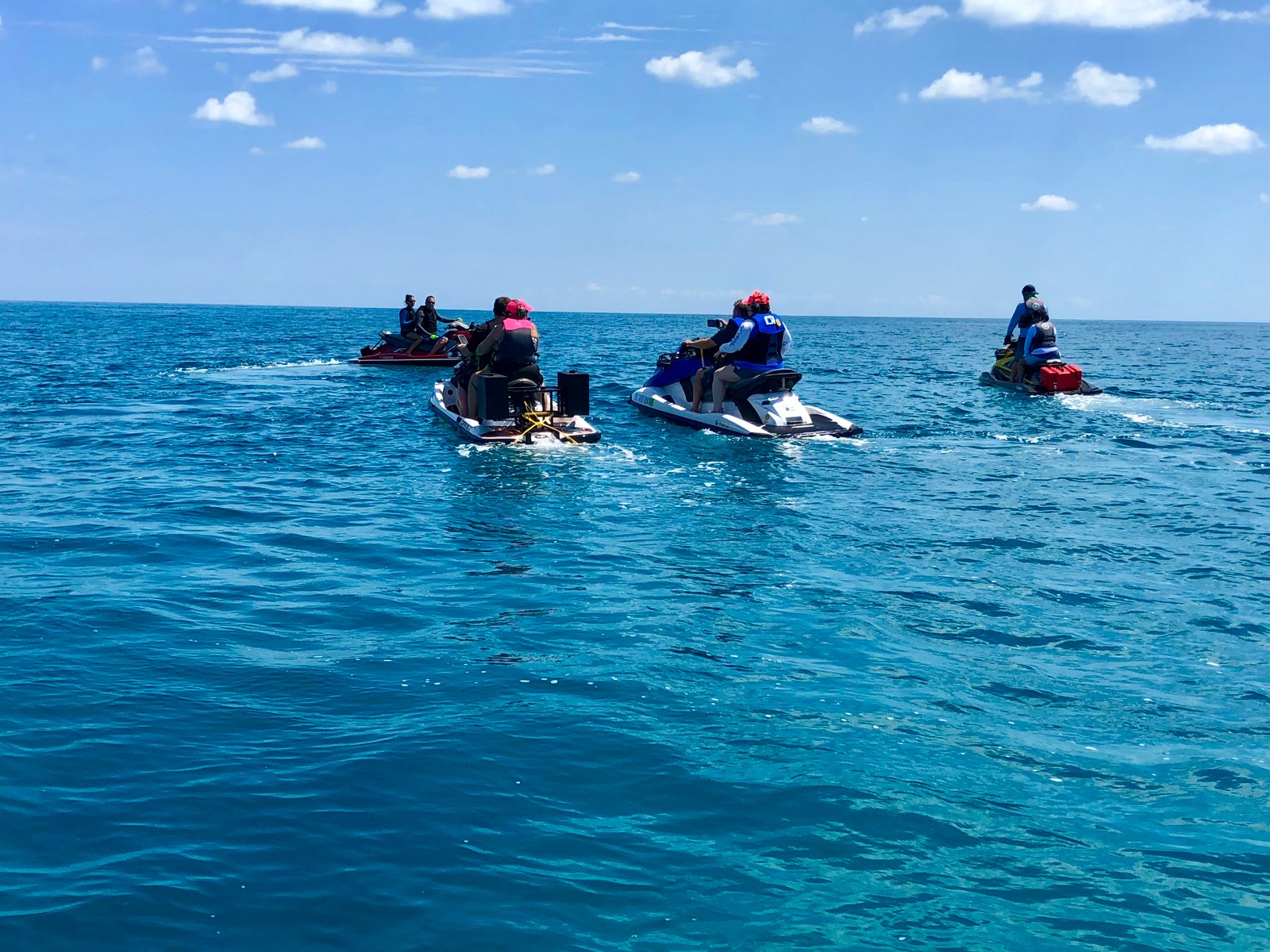
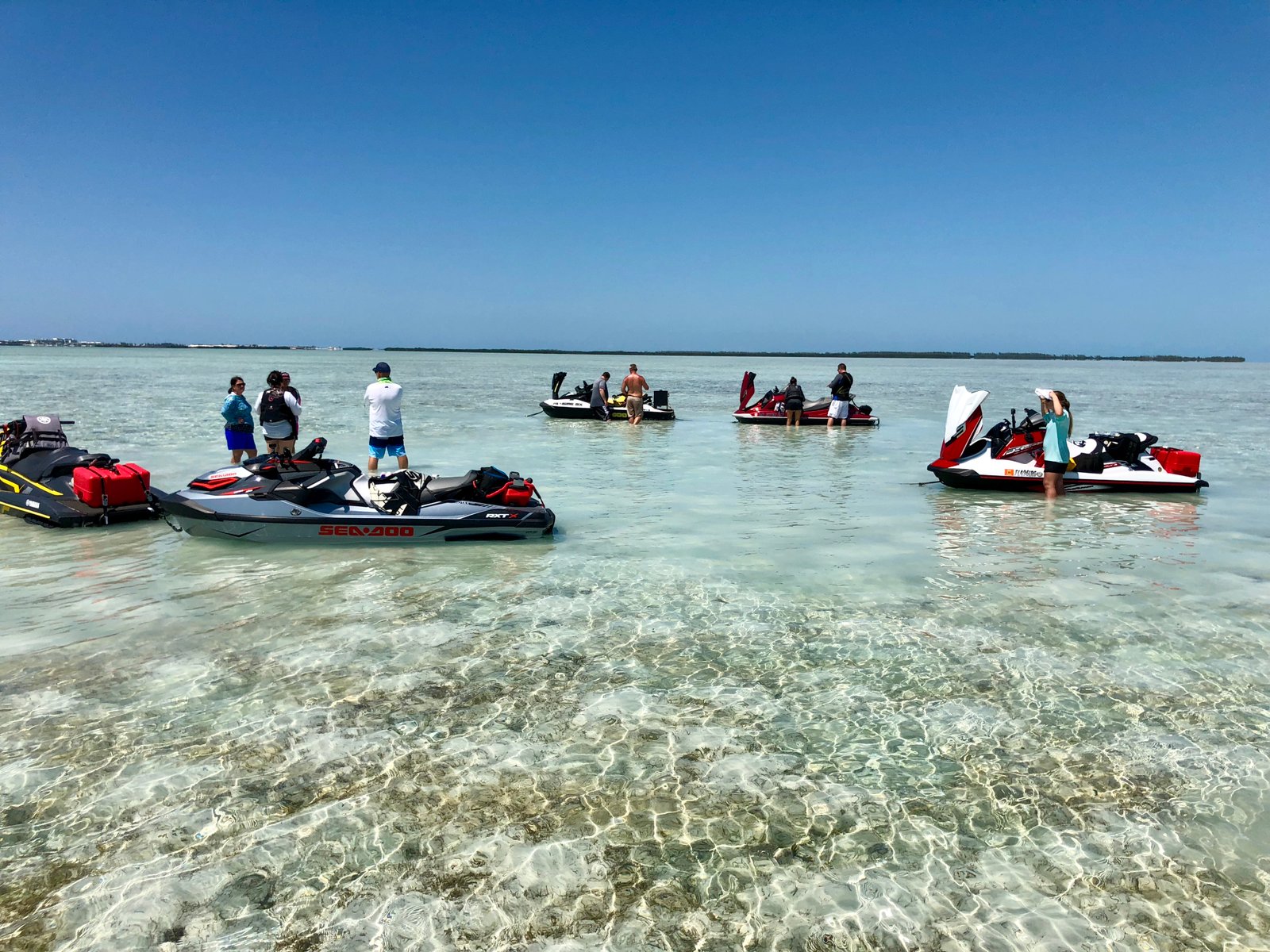
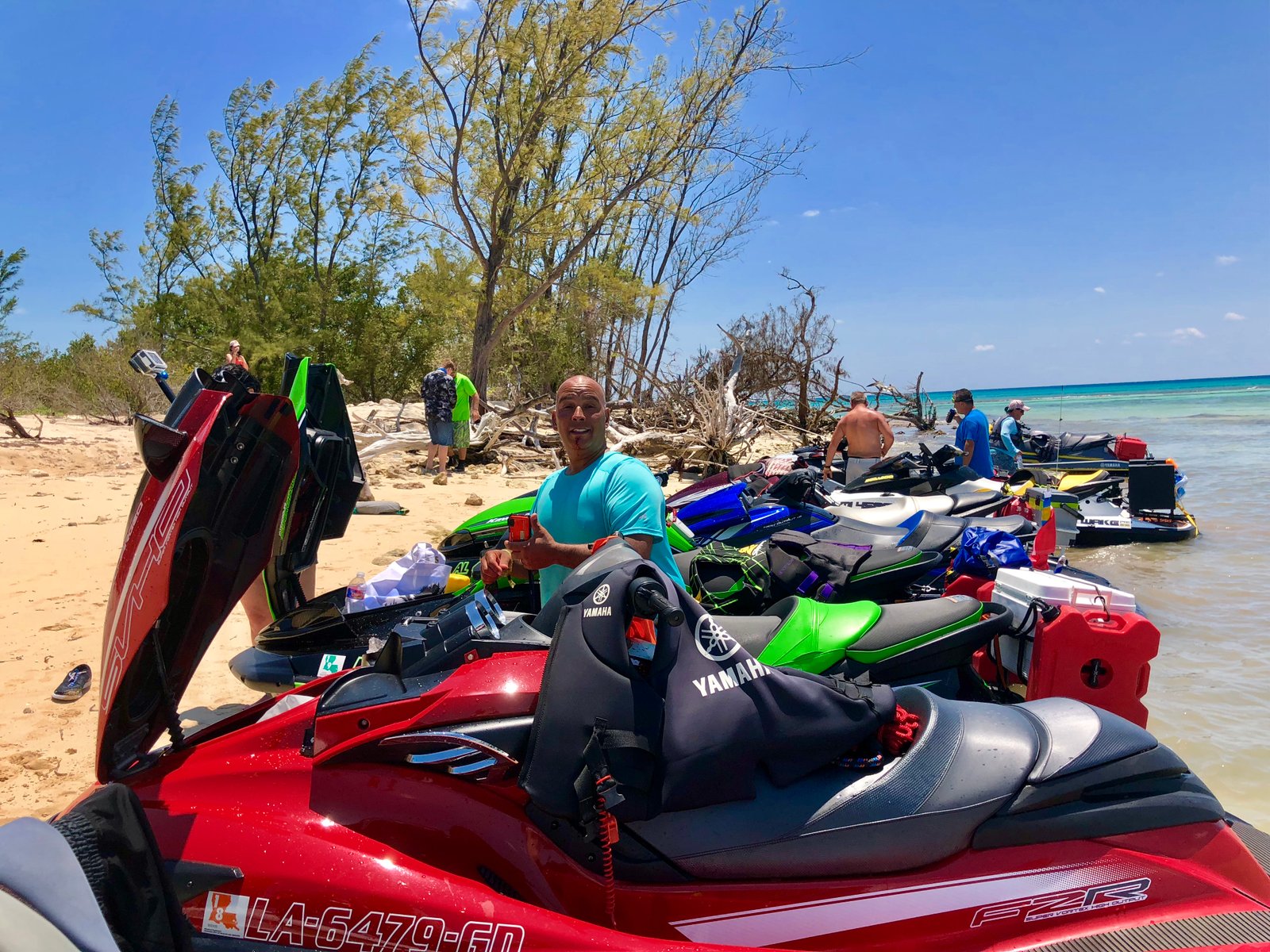
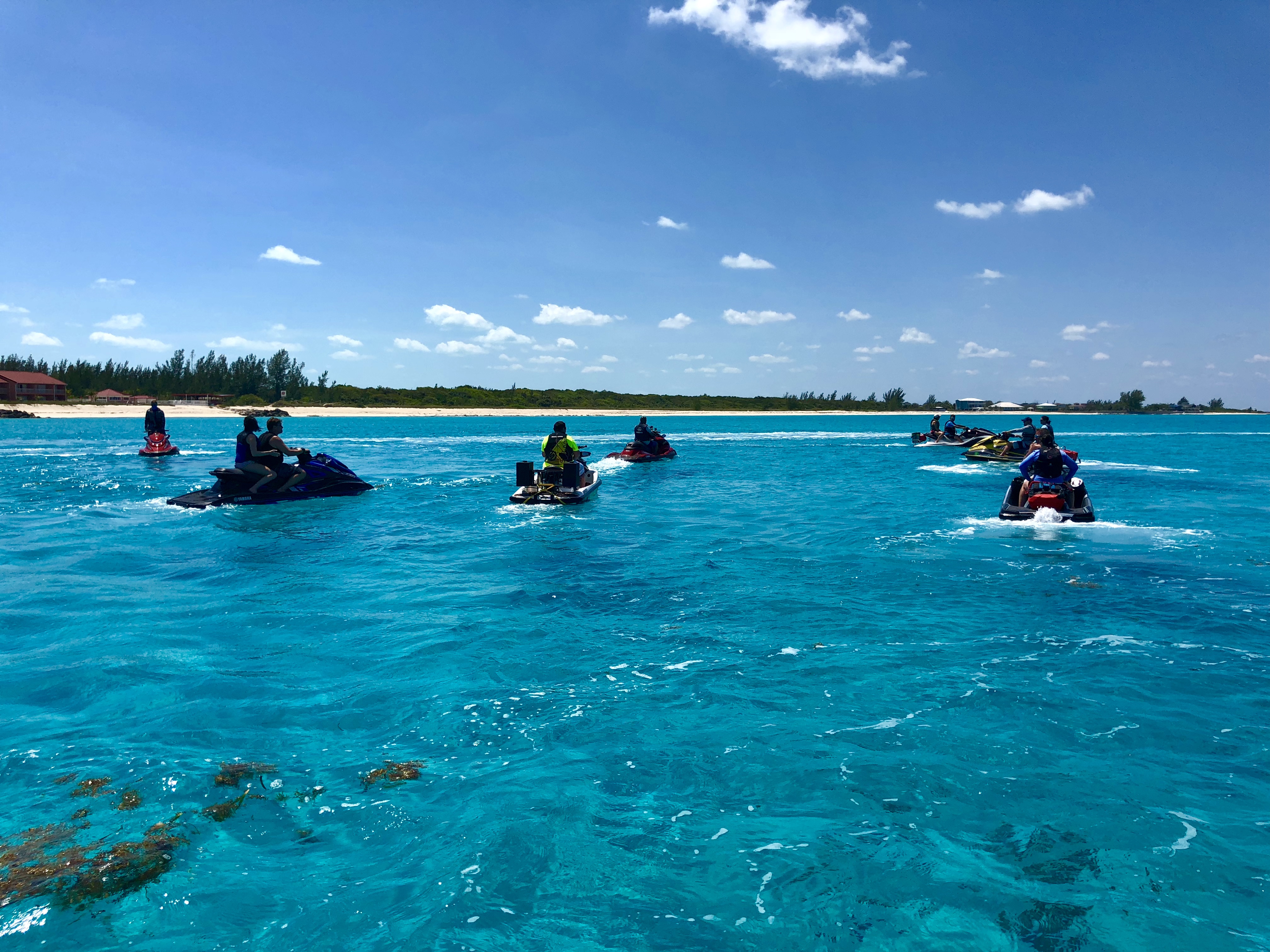
The Watercraft Journal started chatting with former Nashville, TN local Evan Lemons recently who let us know about a trip he and a group of friends just took from Miami, FL to the Bimini Islands, which is one of most common “bucket list” rides for many hardcore PWC enthusiasts. He explained:
“I moved to Navarre, FL in 2016 and wanted more than anything to make a trip to the Bahamas. We spoke about it a bunch when I founded the Nashville PWC club years before. I could never get the timing or the commitment from my fellow riders. Once I moved to Florida’s Gulf Coast I joined a group called Panhandle PWC where I met some good friends and riders. After spending a few months asking around on who has or would be willing to make a trip to the Bahamas, I met a guy on a river ride in early summer of 2017 who invited me on there trip. We started planning right away on an adventure of a lifetime.
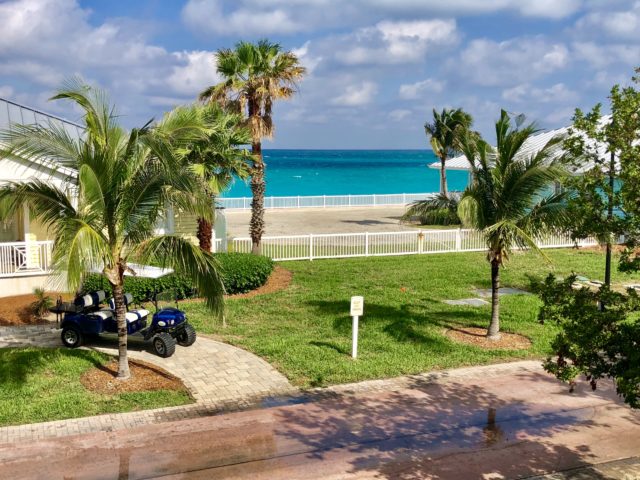
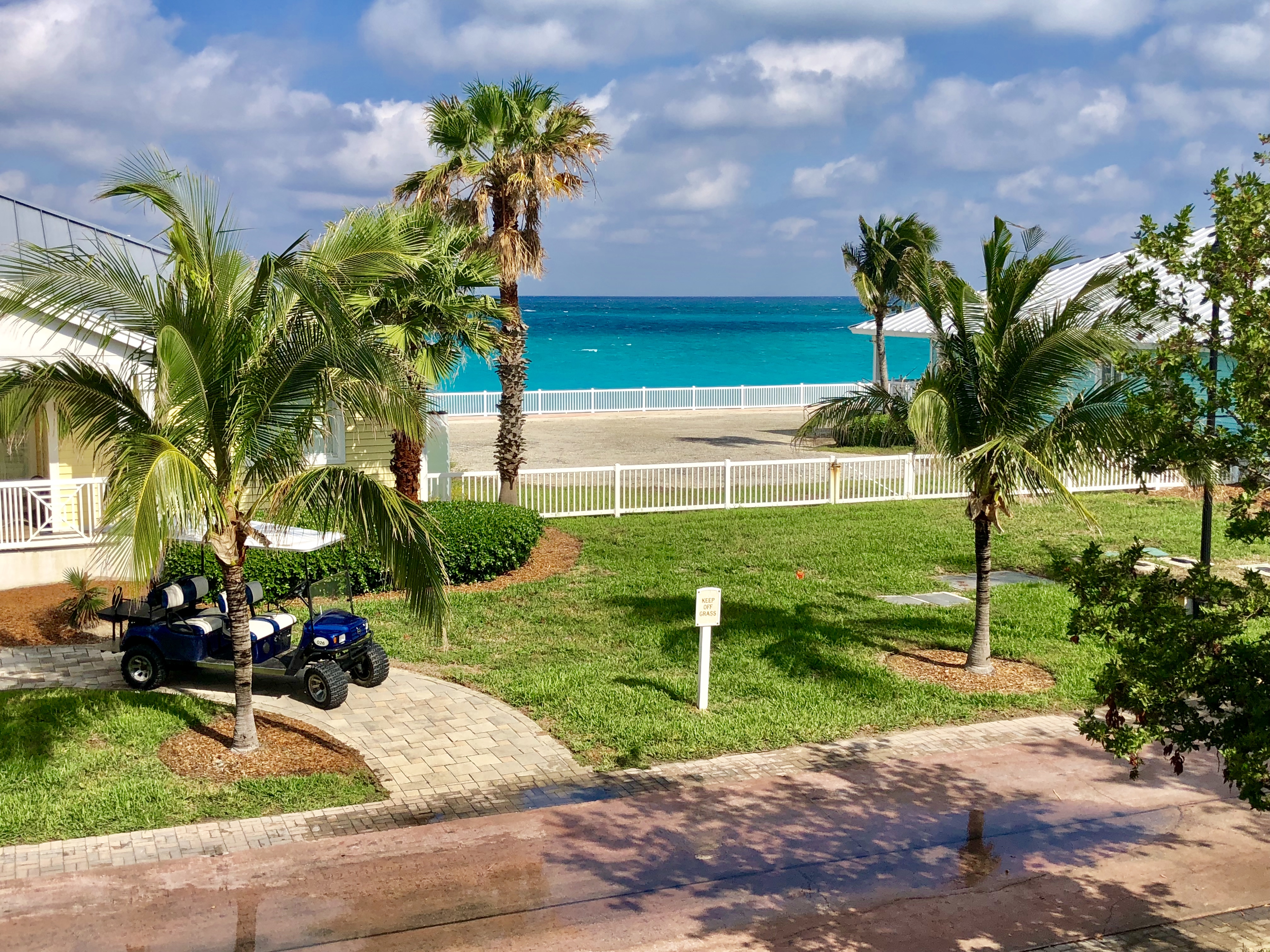
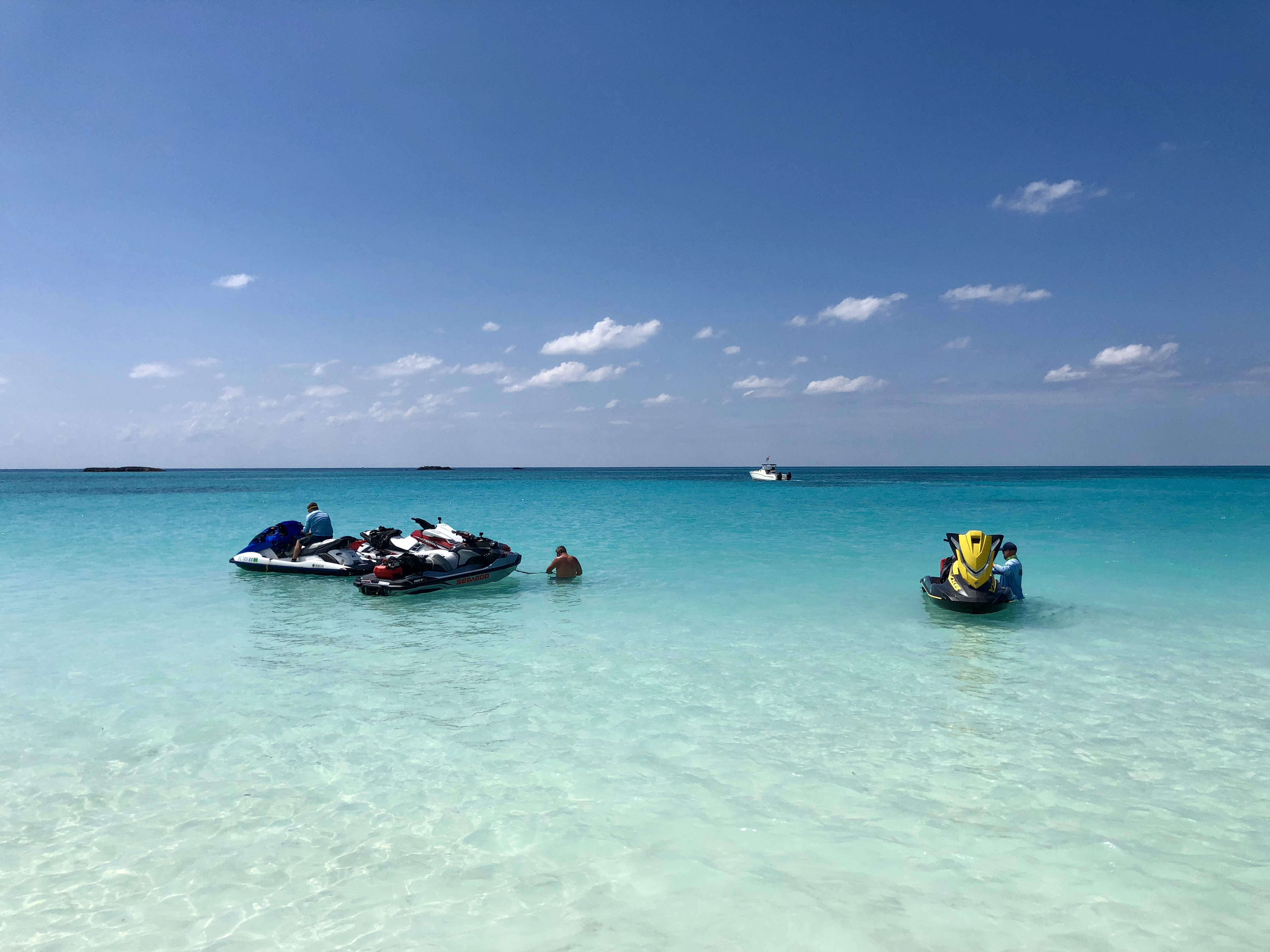
“Going through the fall and winter months I was buying gear, getting passports for my wife and I, prepping the skis and making reservations. We decided that April 26th was our crossing date. We drove down to Miami on the morning of April 25th, 2018. We launched from Crandon Park out of Miami headed towards Bimini. We made the 60-mile crossing while the girls flew on Tropic Ocean airways. We arrived with good weather and and big smiles. We spent roughly 7 days and 8 nights in Bimini at the Resorts World where all the 20-something jet ski riders and family rented individual condos.
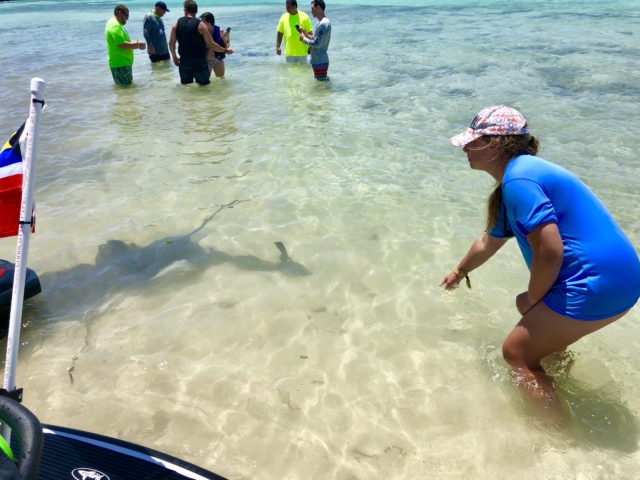
“We played on the water and rode 20 miles offshore to Great Isaac Cay for the 152-foot abandoned lighthouse where we explored, free dove and had lunch. Another day we went over to Gun Cay where Honeymoon Harbor is to feed to stingrays and lemon sharks. We went to the SS Sapona, a WW1 concrete ship that’s ran aground and is a popular spot for boaters and skis alike to visit and snorkel. The rest of the week we road around and cruised the pristine blue waters of the Bahamas and found plane wrecks and mangroves to zip through. We checked out the famous Shark Lab that was featured on Discovery Channel’s Shark Week where we got to learn about their research.
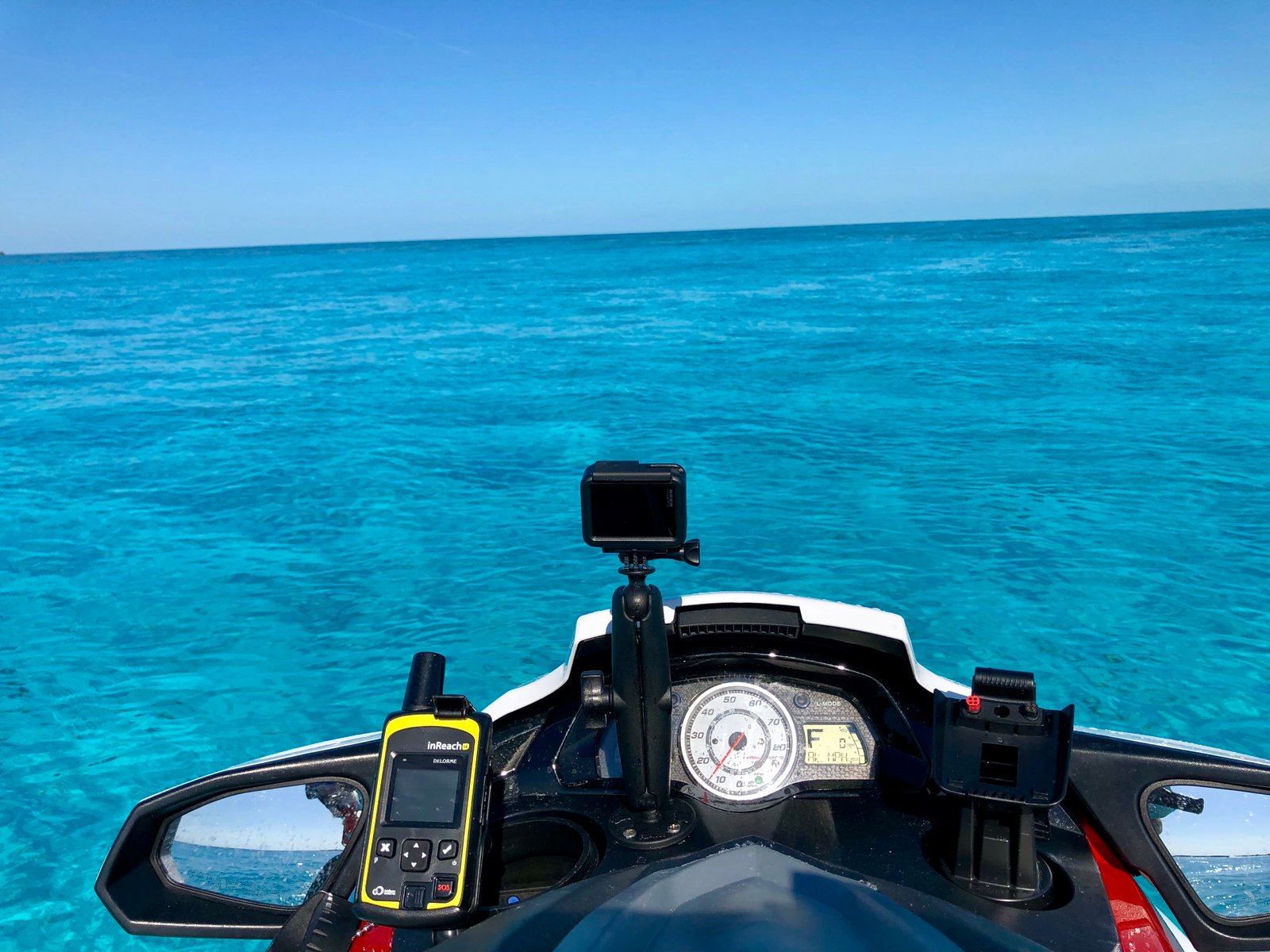
“After several days of conch fritters, salt water and sunburns, we decided it was time to make our way home. Weather was calling for 3-5 foot seas. Once we reached the gulf stream we were in 3-to-5 footers, but that didn’t last long. It turned rough really quick where the waves become 14-to-18 foot seas and we took the beating of our life. Our wives were coming right behind us on the sea plane from Tropic Ocean Airways. Little did they know that half our GPS equipment was out and we were having a hard ride home. It took us being 8 miles off of the Miami Coast to see land. I submarined my ski so many times I thought I water logged it.
“Once I crept up to the boat ramp we are able to relax. After pulling our skis out, the other groups rolled in behind us; they had it just as bad. I called out to Customs Office to check in when we arrived back to the States and they told us we were crazy for running that trip today let alone in jet skis. We headed off to the sea plane base to grab the wives and headed home. It was the longest 11 hour drive ever. But with lasting memories and some of the coolest people I could’ve asked to spend my vacation with, I couldn’t have been happier. I guess you may ask would I cross the Gulf Stream again with those waves to see paradise again ? Without hesitation. I have a huge thanks to the people who allowed us to join them on there annual trip where I made lasting friendships.”
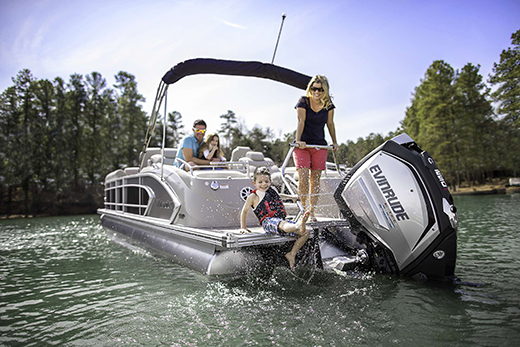
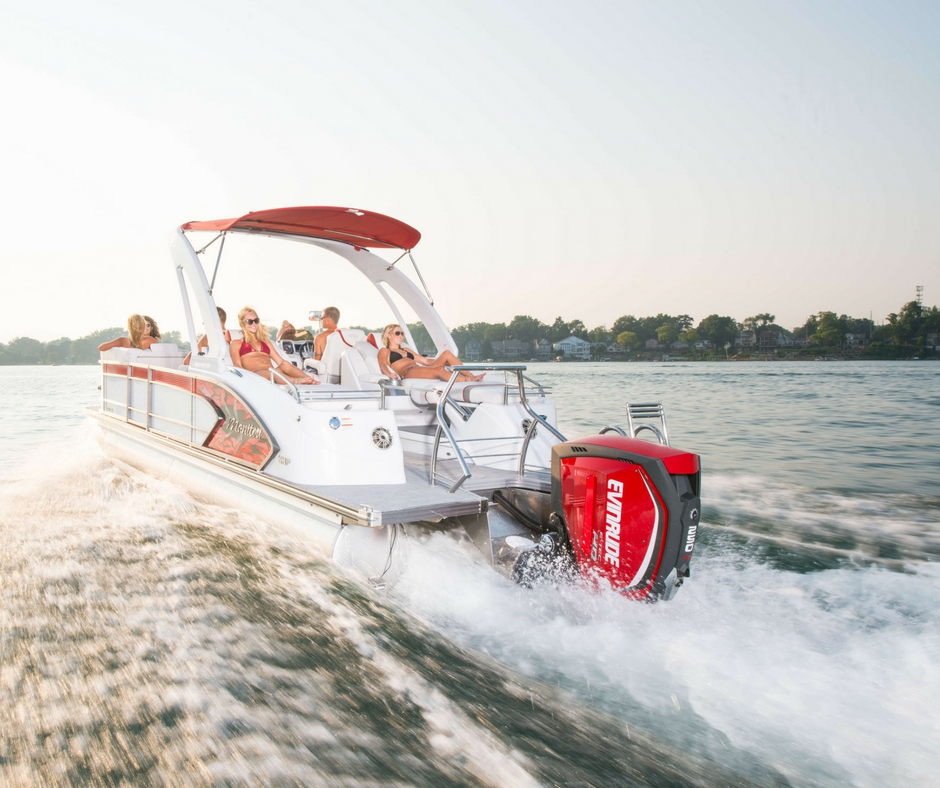
For anyone paying close attention to the boating market, they will have seen that pontoon boats are without a doubt, the single most popular segment today. Pontoon sales have eclipsed all other markets (in many cases many times over) and show zero signs of slowing down. Clearly wanting a healthy slice of that pie, BRP recently completed the acquisition of Triton Industries, Inc., including its Manitou brand of pontoon boats.
The purchase squarely sets BRP back in the mix of the boating market, as well as gives its Evinrude outboard engine brand a very stable platform from which to shine. The offerings from Manitou are notably more luxurious than your run-of-the-mill family pontoon, and offer features that you’d only expect from a top-of-the-line brand. Now, BRP notably sold off its jet-powered boat line back in 2012 to the then newly-acquired and relocated Scarab brand, which has since grown the lineup to include 12 models.
Here’s the original press release: Valcourt, Quebec, August 29, 2018 – BRP (TSX:DOO) announced today that it has completed its previously announced acquisition of Triton Industries, Inc., the leading North American manufacturer of premium luxury and performance pontoon boats under the Manitou brand.
As the second boat acquisition complementing the existing outboard engine portfolio, Manitou’s addition to BRP’s Marine Group further solidifies the company’s position in the marine industry. BRP’s goal is to continue, over time, to transform the customer experience, drive opportunities for dealers, provide overall efficiencies to the new BRP Marine Group and bring innovation to the marine industry.
This acquisition will allow BRP and its Marine Group to leverage Manitou’s strong brand, high quality pontoons and recognized technology that have driven its growth and success as one of the preeminent pontoon manufacturers in the U.S.
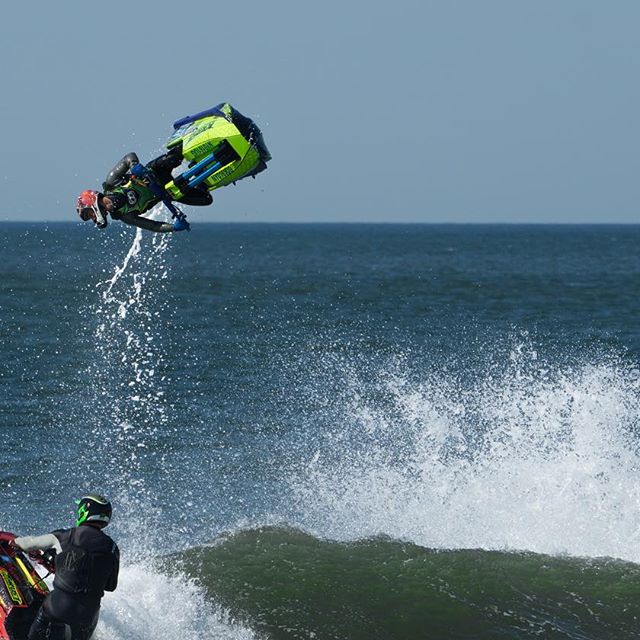
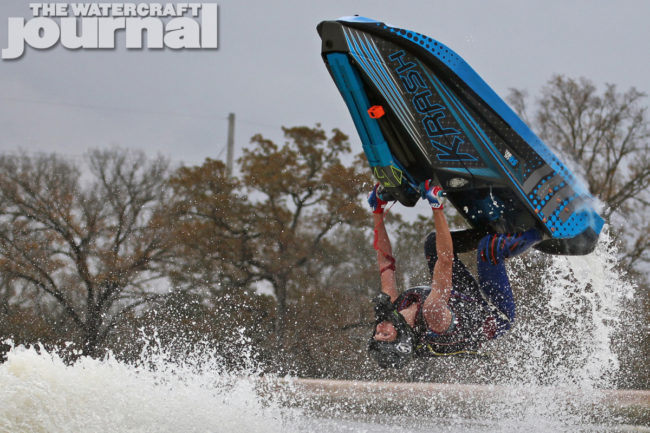
Krash Industries team rider, Tom Scaccianoce (Scatch) is well known for his no holds barred freeriding stand up jet ski riding. This begs the question of what an adrenaline filled guy like Scatch does when the ocean is flat? Well,it appears that sometimes he likes to take his Yellow Lab, Beamer out riding when down at the Krash Factory testing the new KV complete skis. Scatch says the skis are awesome.
Beamer seems to think they’re awesome too! Beamer enjoys hitting the water and testing the jet skis with his “dad”. Check out this fun little video of Scatch and Beamer having a good time while cruising on a sunny day in Cape May, New Jersey. We really dig it!
We also enjoy watching Scatch throw down on a Krash Industries jet ski. The man has mad skills. When he hits the water, it’s time to stop what you’re doing and check out what he’s doing. Scatch also judges some jet ski events. Though, he’s all about the freeriding and winning when he pulls the biggest and sickest back flips. He’s an animal!
Tooling around with Beamer is a far cry from an upside down and boosting Scatch. We’ve grown accustomed to watching him pull huge tricks on his Krash Industries stand up jet ski. Scatch is a total free riding bad ass and we appreciate his style of riding. The dude is fearless. Check out his Instagram for more gnarly footage and a peek into the life of Tom Scaccianoce. Scatch and Beamer are definitely living the dream.
Anybody who has been paying close attention to our ongoing YouTube bimonthly show, “Long Haul” will have noticed that I typically don the same front-entry black Slippery Switch Molded vest. Not only is it super comfortable, smartly molded and well-built, but it also looks really cool – and that’s something that most folks can’t say about a life vest. You just feel like Batman wearing the dang thing (no matter how out of shape you are). Alas, Slippery discontinued the Switch a couple of years ago, and with it countless dad’s dreams of looking like the caped crusader.
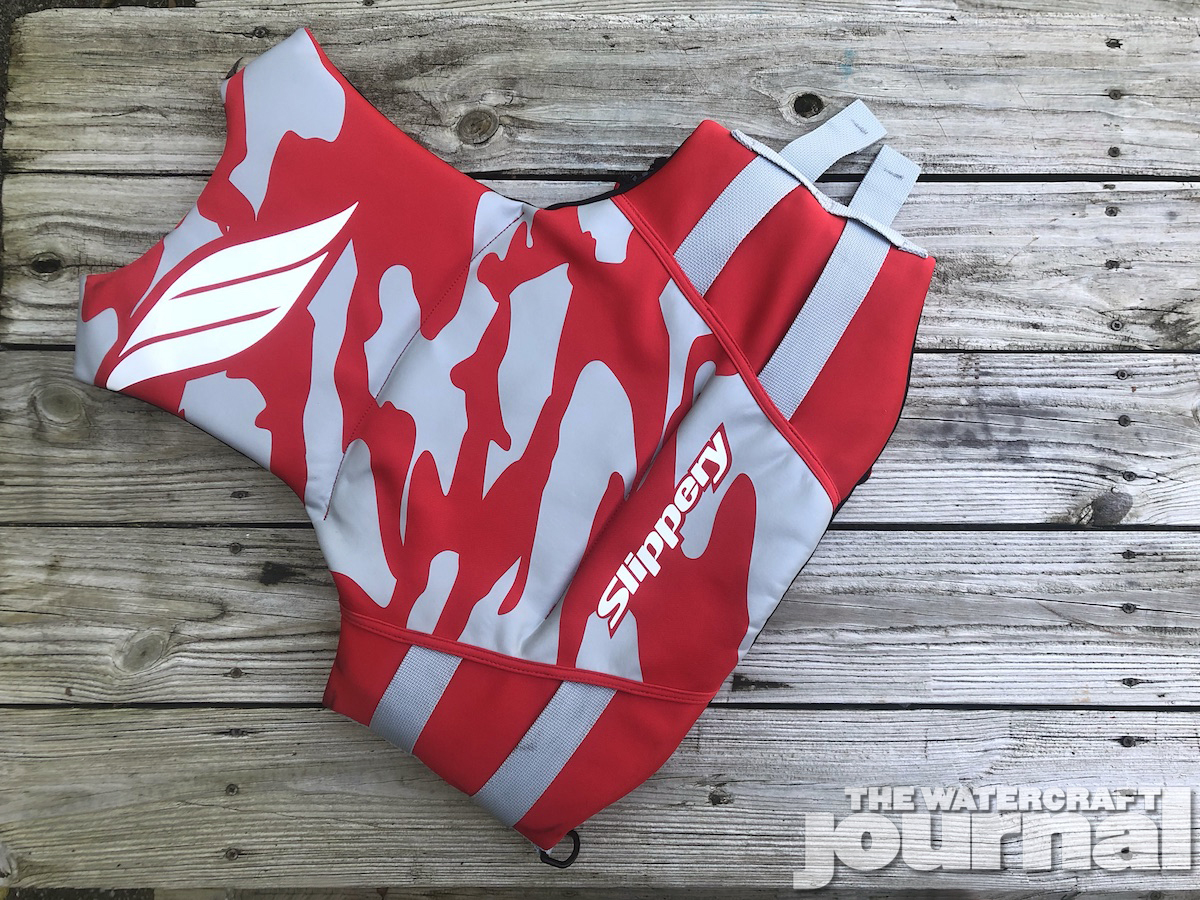
So when The Watercraft Journal welcomed Slippery Wetsuits on as an official sponsor for Long Haul, we were provided quite a bit new gear to try out and show off on camera. One of those was Slippery’s new Array Side Entry Neo vest. A tad more flashy than our usual taste, the red-and-silver faux camouflage pattern is also available in yellow-and-blue (ideal for you Yamaha or Sea-Doo racers) and bright green-and-charcoal for the Kawasaki guys. Also adding to our initial hesitation towards the new Array Neo vest was its side-entry design.
Typically, side-entries are more racer-oriented and less geared for the leisurely or casual rider looking for both comfort and breathability. We’ve reviewed several side-entry vests here at The Watercraft Journal and have found them to range from “usable” all the way to “two sheets of plywood stitched together with backpack-grade canvas.” Yet, knowing that Slippery consistently uses the best materials and prides itself on superior molds, we slipped on the Array Neo and didn’t look back too longingly at our old Switch vest. Immediately we noticed that the Array was cut very different from previous side-entries, and were surprised at how open and spacious the neck and armholes were.
In fact, the range of motion provided by the Array Neo is superior to most vests (front and side-entry) that we’ve tested in our 5 years of publishing product and riding gear reviews. Slippery smartly broke up the PVC inner foam into smaller sections, hinging the panels to give the utmost in flexibility. Interestingly, much of the flotation foam has been relocated around the abdomen. At first blush it might feel like you’ve suddenly packed on a few extra pounds, but what you’ll see is that the back and chest are now open to breathe and move much more freely. Side-to-side motion is also a lot more open as the stretchy interior permits more natural movement.
Unlike nylon or other neoprene vests, Slippery uses soft knit fabric for all skin-contacting interior panels with neoprene exterior for comfort and mobility. Featuring an integrated belt system with two 1 1/2-inch belts with quick-lock buckles that are hidden inside the outer casing, and a thick, coated full zip side opening, the vest is smartly secured and easily removed (no more wriggling out of a clingy wet vest). And not to worry, the deceptively thin Array Neo vest is a 100-percent US Coast Guard-approved Type 3 PFD (Personal Flotation Device) in case your local lake patrol are sticklers for that sort of thing. Although relatively frills free, it does also include a durable D-ring for connecting a lanyard.
After a few months’ use, we noticed that the buckles were rubbing a black smudge onto the bright red neoprene material. Even with a few soaks in a bath of JetRenu soap the markings didn’t vanish. We also noted that the laminated coating on the front and rear panels were beginning to discolor at a faster rate than the uncoated surfaces. Again, we typically prefer more subdued hues for our riding gear, so the difference in reds stood out to our eyes. Nevertheless, the Array Side-Entry Neo vest from Slippery Wetsuits (retain $99.95 – available at RIVA Racing for $89.95) was a definite pleasant surprise. For those who disdain having the front buckles, this is the side-entry that will actually let you freely move, breathe comfortably and not feel like you’re wearing a sandwich board.
With Labor Day weekend fast approaching, this is signaling a wonderful 2018 summer coming to a close. Naturally many of us are looking forward to a nice, relaxing weekend prior to returning to school or simply to enjoy a long weekend away from work.
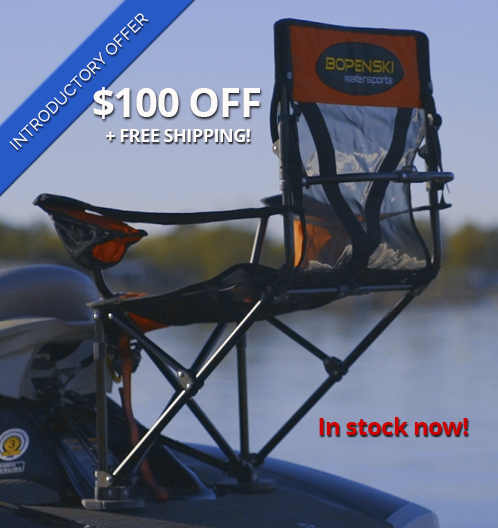
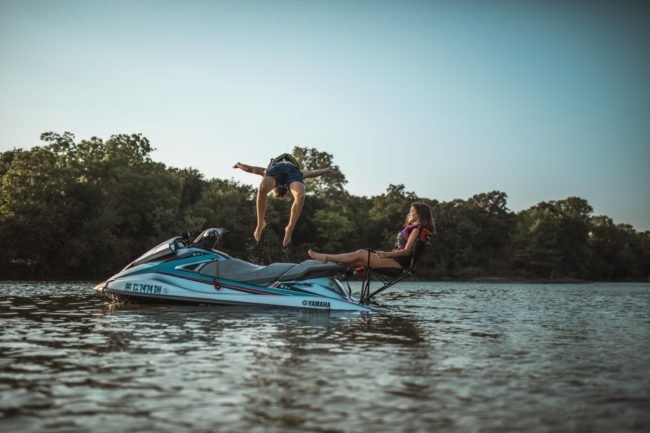
If you are planning a weekend on the water, check out the Bopenski Kickback Chair. Designed specifically for nearly any personal watercraft, this kickback chair sets up in no time at all with no tools required. It is sure to make your weekend on the water much more relaxing.
All Bopenski chairs are made with strong, lightweight anodized aluminum using stainless steel hardware which gives the chair ultimate protection from both fresh and salt water. The feet use flexible hardware known as “Vektorflex” which hugs and protects your watercraft’s deck.
The chair itself is already on sale with $100 off the original price. Now you can take an additional $50 off during this Labor Day sales event.
Simply go to the Bopenski checkout page and type in promo code “LABORDAY” to receive the additional $50 promotion.
Units are in stock so act now to take advantage of these awesome savings and then kickback a little bit this Labor Day.
I like being my own boss. Not everyone is cut out for it, but it seems to fit my personality. Years ago, my father counseled, “You’re too much like me, son. You’re too much of an @$$#@%& to work for anybody else.” The gruff language wasn’t as shocking as much as the realization that he was right. For decades I continually harbored animus towards my superiors.
Typically, my combativeness was grounded in comparing competency and the editorial direction of the publication I was working for. Admittedly, I was a really lousy employee. Sure, my work was stellar and almost always submitted earlier than the prescribed deadline, but I continually butted heads, voiced my grievances and was a general pain in the rear. Employers kept me around because I was reliable, but my attitude didn’t make the decision an easy one.
“If you think you know better, why don’t you do it yourself,” I was continually told, and for whatever reason, I simply hadn’t thought striking out on my own was possible; that is, until 5 years ago. A couple of years earlier, I was instrumental in developing a successful model on how a subscription-free digital magazine should operate, and merely applied the same model to the personal watercraft industry. Needless to say, it took much of the industry some getting used to.
Forums had taken a while to really gain a foothold, and digital stores (such as Greenhulk.net’s PWC Performance and RIVA Racing’s store) were now firing on all cylinders. Inserting a digital magazine into the mix was a new concept – particularly to “old school” vendors and manufacturers. Yet, since November 1st, 2013 until today, The Watercraft Journal has welcomed over one and a quarter million readers who have read nearly three million articles.
I say this because there are those who will doubt that worthwhile change can truly happen in this small of an industry. Of course, this too was said during the two-to-four stroke conversion years in the early 2000’s. “They’ll never be as fast,” They’ll never be as fun,” “Nobody wants them,” and more negativity abounded in chat rooms, throughout the pits and around watercoolers. Yet, here we are. The only remaining two-stroke being Yamaha’s grandfathered SuperJet, which has remained unchanged for nearly a decade due to outstanding EPA laws.
Similar to the 2007 GP1300R and the 2008 FZR SHO, Yamaha never kills one machine without a suitable replacement to take its stead (or marketshare). And with the company wholly aware of the public interest in a four-stroke standup that performs and plays as true as its predecessors, a 1,052cc TR-1 powered SuperJet is incoming. (We’ll have more revelatory articles on this matter at a later date.)
Sea-Doo of course, was key to the four-stroke’s normalization into the sport – particularly through producing the first supercharged RXP making 215-horsepower. Always one to innovate, Sea-Doo is smartly imbuing its machines with modern conveyances like GPS-controlled speedometers, modular deck configurations, industry-leading ergonomics and just far too much to list within this editorial.
With a true fishing platform based on the ST3 runabout, a dedicated commercial-grade GTI for rental outfits, a Bluetooth-integrated full-color digital dashboard, and a whole lot more to be revealed for 2019, Sea-Doo will never rest on its laurels when there is virgin territory to explore. It’s not just racing and hot dogging that sells PWC anymore. Manufacturers need to create machines that can meet the needs and equip riders with the product to best satisfy their particular tastes and interests. It’s a helluva challenge, frankly; and they have my respect for doing such a solid job thus far.
“So, what does the future hold for our industry?” Is a question I’m often given. If American voting and economic policy continues to trend in the same vein, I see an explosion in new and returning PWC owners. Currently, 51-percent of all new Yamaha runabouts purchased are by first-time owners. That’s a staggeringly optimistic demographic, and one you won’t find in any other powersport. As OE’s continue to build diverse craft that appeal to a wider audience of boaters, we’ll see that first-time owner purchasing spread beyond Rec-Lite craft and into larger, more feature-heavy vehicles.
Personally, I’d like to see OE’s and event promoters push smaller (and slower) Rec-Lite runabouts as the preferred PWC for youth and novice-level runabout racing; but that too is a discussion for a different article. And clearly, racing performance has a strong influence on sales given the wild popularity of the GP1800 (and now GP1800R) units. With the advent of the new FX hull, it’ll be interesting to see how this influences future vehicle product (and sales in the coming months).
Although as minute as the changes may seem, this industry (and the sport therein) has been in perpetual flux since its beginning; from the early-to-mid 1970s until the late 1980’s, much of the decade-plus was the sole property of Kawasaki’s standup JetSki. By 1989, runabouts had taken hold as being super popular with consumers and sales quickly matched (and eventually surpassed) standups all the way until the early 2000’s. By the mid-2000’s, it was pretty obvious that the future belonged to four-stroke engines, and two-strokes were being phased out.
Interestingly, it appears that major shifts in the personal watercraft industry occur every 15 years or so, leaving one to think what will the next few years bring considering that we’re due for another paradigm shift any day now. Personally, I’m quite optimistic. New vehicle sales are the highest they have been in 11 years. The product being offered in showrooms today are some of the fastest, most advanced and versatile yet. Facilitating change requires boldness, and I believe there’s no shortage of it coming from our industry. It’s a pretty exciting time to be a jet skier.
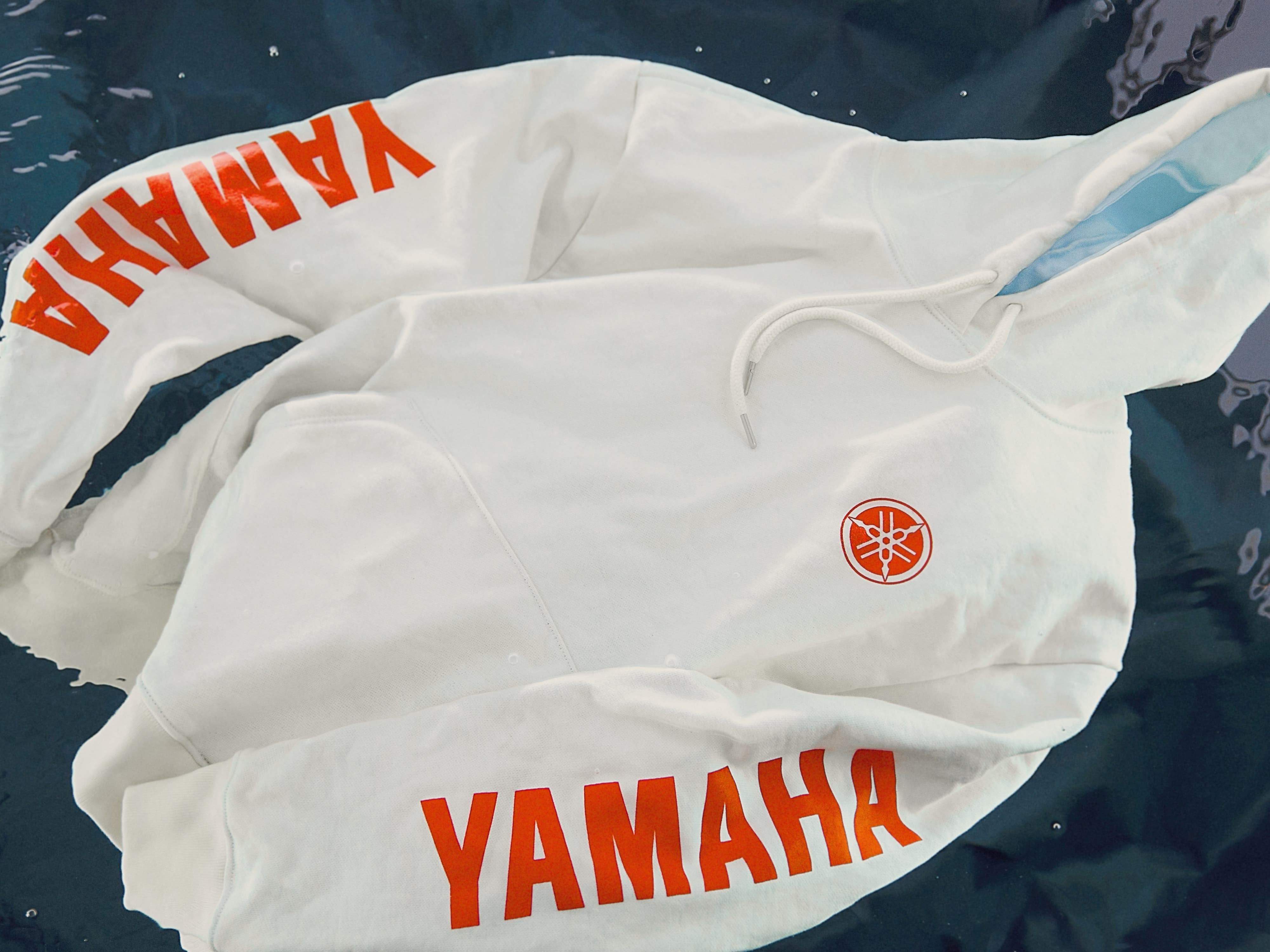
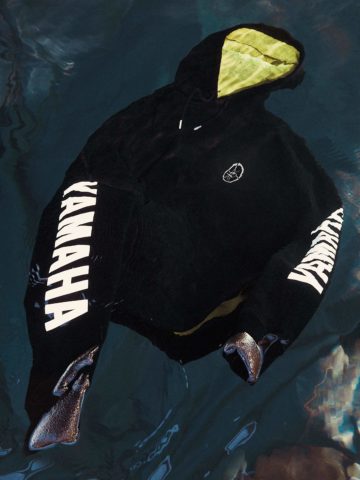
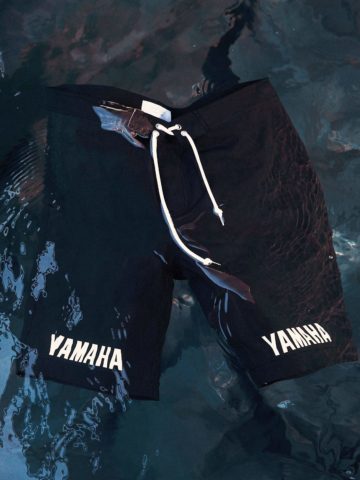
Yamaha Watercraft has teamed up with high-end urban clothing designer John Elliott for a limited edition clothing capsule. This seven-piece apparel collection consists of board shorts, hoodies, shirts, hats, and more. Its inspiration was based on a custom EX Deluxe Wave runner.
The idea from John Elliott came two and a half years ago. Although it took some time to actually get around to the project, Yamaha and Elliott are proud to finally show off the exclusive clothing lineup as well as put it on sale.
In John’s newsletter interview, he explains why he chose Yamaha as a collaborating partner for this project. He chooses to partner with brands that he and his team respect.
In his own words, John explains “If you look at Yamaha’s heritage and who they are as a brand, you realize that not only are they extremely important in motor sports, but they are equally important in watercraft. They’ve been a competitor in that sector forever. Yamaha has a genuine legacy and that was really attractive to me.”
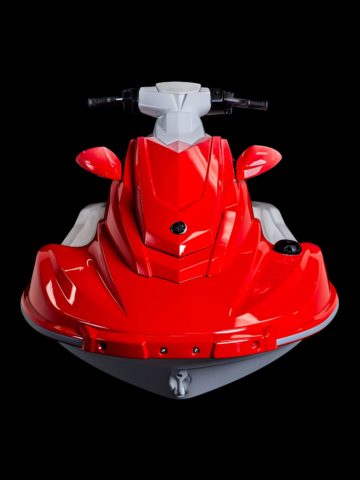
After choosing the project and the right partner, John and his team actually took an EX Deluxe and customized it to give the full inspiration for the clothing line. He pulled heavily on memories of riding Wave runners on holiday as well as Yamaha’s unique tuning fork logo which he can recall from his father’s Yamaha guitar-playing days.
Once customized, the candy red and gray EX Deluxe machine was all John needed to drive home all of the details of his simple yet bold, sharp-looking apparel collection.
The lineup is currently on sale. You can visit www.johnelliott.co to find out where you can pick up any of these unique items.
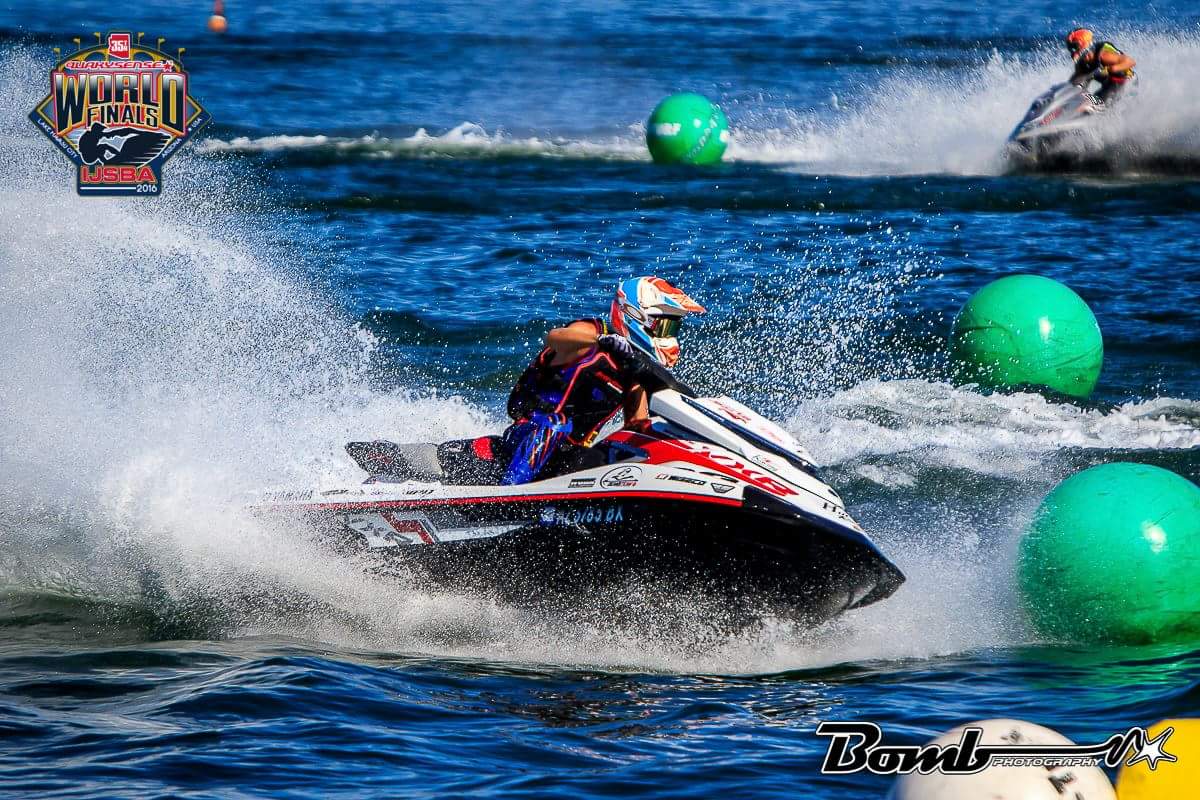
High performance products manufacturer and distributor Wiseco has agreed to be a supporter of this year’s IJSBA World Finals at Lake Havasu. Wiseco is a leading manufacturer of performance forged pistons for the personal watercraft and other industries.
This year Wiseco will be a vendor sponsor at the finals with representatives onsite to offer support and expertise to racers and attendees. See the full press release below for more information.
Mentor, Ohio (August 22, 2018) – Wiseco Performance Products, a leading manufacturer of high performance, forged and billet pistons for the personal watercraft, outboard marine, powersports, snowmobile, and automotive markets, has reached an agreement to support the 2018 International Jet Sports Boating Association (IJSBA) Blowsion World Finals at Lake Havasu, Ariz., Oct. 1-7.
Wiseco will serve as a Vendor Sponsor and has been a fixture at the event for decades. Representatives will be on site to offer technical expertise while supporting racers and discussing products with fans and competitors, alike. Wiseco offers forged pistons for many popular personal watercraft applications and supplies factory pistons for Krash Industries custom skis. The Mentor, Ohio-based organization currently sponsors five-time IJSBA World Champion Tyler Hill.
The IJSBA World Finals is the world’s premier event for all things personal watercraft. Now in its 37th consecutive year of operation, the IJSBA World Finals continues to be the unrivaled showcase of the human spirit in forms of engineering, athletic achievement, camaraderie, and sportsmanship.
The IJSBA is the worldwide sanctioning body for personal watercraft competitive racing. The 2018 Blowsion World Finals will take place in Lake Havasu City at Crazy Horse Campground and Resort. A custom stadium environment is purpose built on the shoreline of the park to create a unique up-close and personal watercraft experience.
“Wiseco is proud to be a part of this year’s IJSBA World Finals,” said Dave Sulecki, Wiseco’s Powersports Product Manager. “This event has always been the culmination of the season with racers from coast to coast going at it for one last run. Racing on the water is in Wiseco’s DNA. Not many people know that Wiseco was founded by a water racer. Clyde Wiseman was an outboard racer with an idea that became Wiseco Pistons over 75 years ago.”
“To this day,” Dave continues, “Wiseco tailors our product line to racers who focus on results with leading edge pistons and products. Grass roots racing has always been part of our identity and we’re looking forward to supporting all the Wiseco racers at the IJSBA World Finals. We appreciate everyone involved and we expect many more years of success for this series.”
The World Finals is centered around Closed Course Racing, Slalom Racing and Freestyle Competition. Closed Course Racing has a starting line of personal watercraft dashing towards a first turn buoy and then navigating several laps through a buoy course. Slalom Racing is a timed event where riders maneuver around a buoy course in hopes of having the fastest time in their division.
Freestyle has individual athletes demonstrating tricks and stunts during a one or two-minute routine for a judge’s score. Professionals, Amateurs, Juniors, and Women’s divisions will bring hundreds of athletes from more than 50 nations to compete for the title of World Champion. Only the Olympic Games have more individual nations represented at a single venue.
“My favorite place to race is Lake Havasu,” explained Hill. “I love the rough water conditions, especially in the fall at the World Championships. I think I race my best when a challenge awaits me. I am a very loyal racer to my sponsors and want to represent them as a positive influence in the sport of watercraft racing. Wiseco has been very generous and I truly appreciate their support.”
About Wiseco Performance Products With a coast to coast domestic distribution system and international customers in Europe, South America, Africa, Australia, and Asia, Wiseco is the world leader in manufacturing high performance, forged pistons for the personal watercraft, outboard marine, snowmobile, motorcycle, ATV and automotive markets.
Wiseco is focused on continually refining our quality culture and our associates are dedicated to living up to our Quality Policy: “To Meet or Exceed Customer Requirements Every Time.”
Quality, integrity and service are the backbone of Wiseco’s success. No other piston manufacturer can match Wiseco’s advanced technology and care for detail. That’s why the top engine builders and racers in every motorsports industry have come to appreciate and depend on Wiseco for consistent winning results.
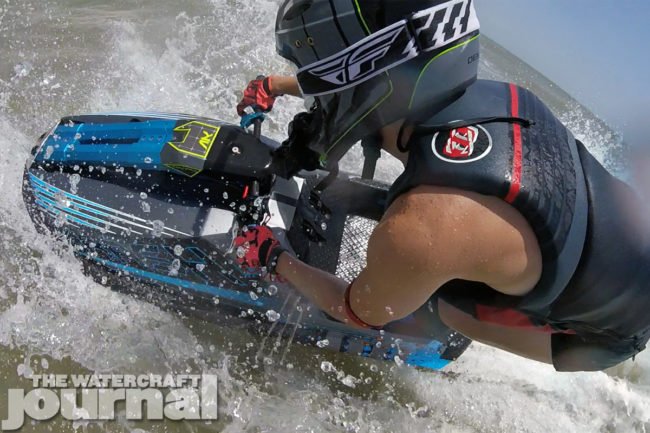
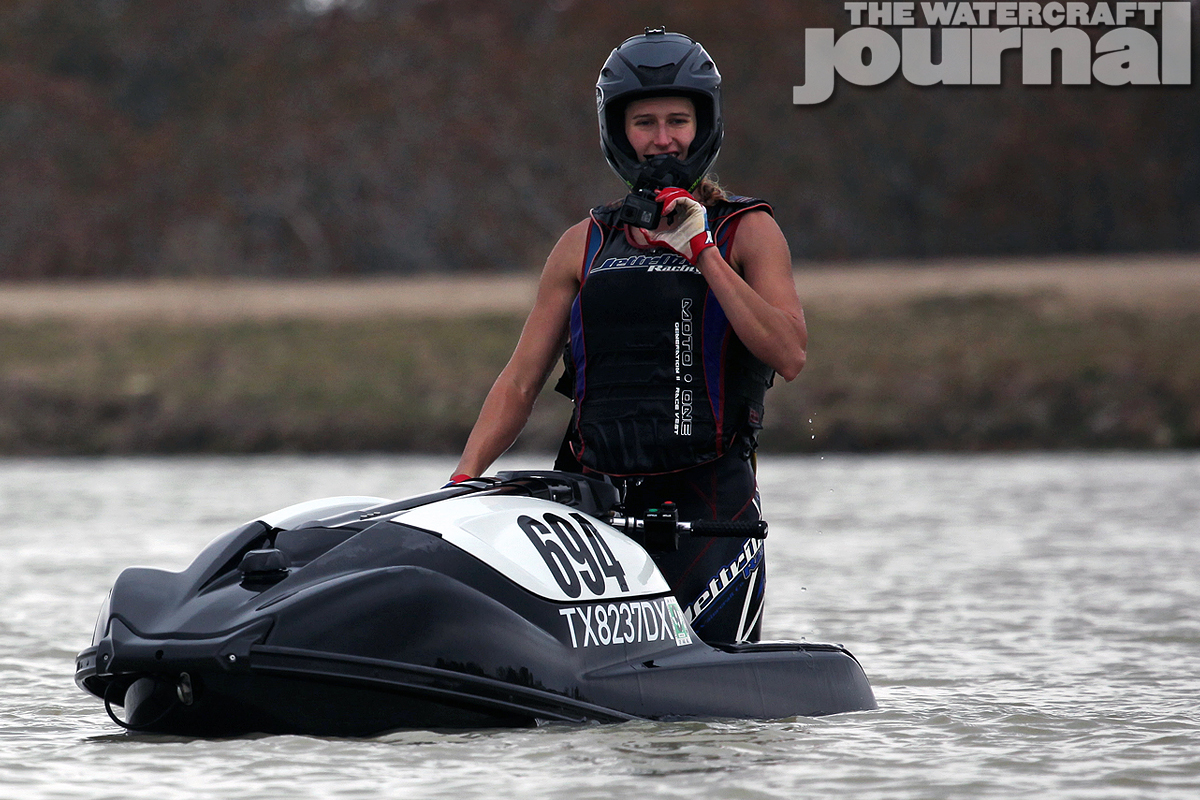
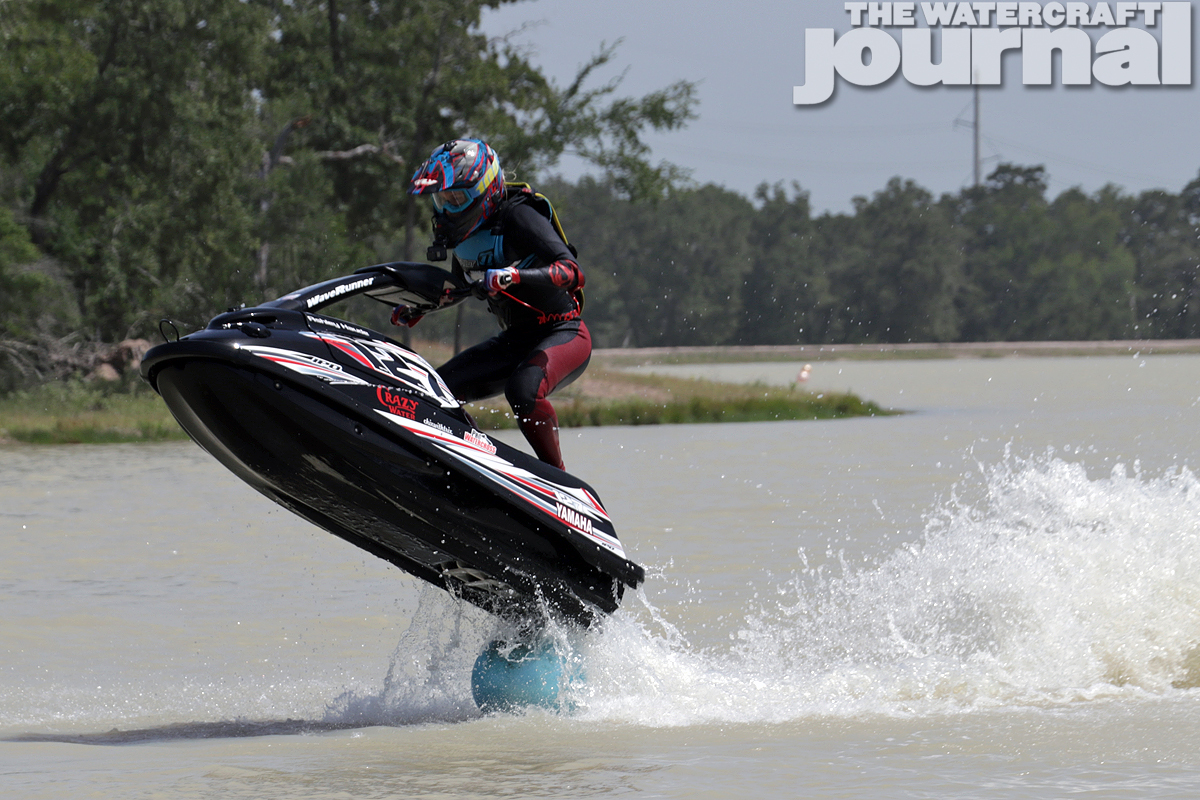
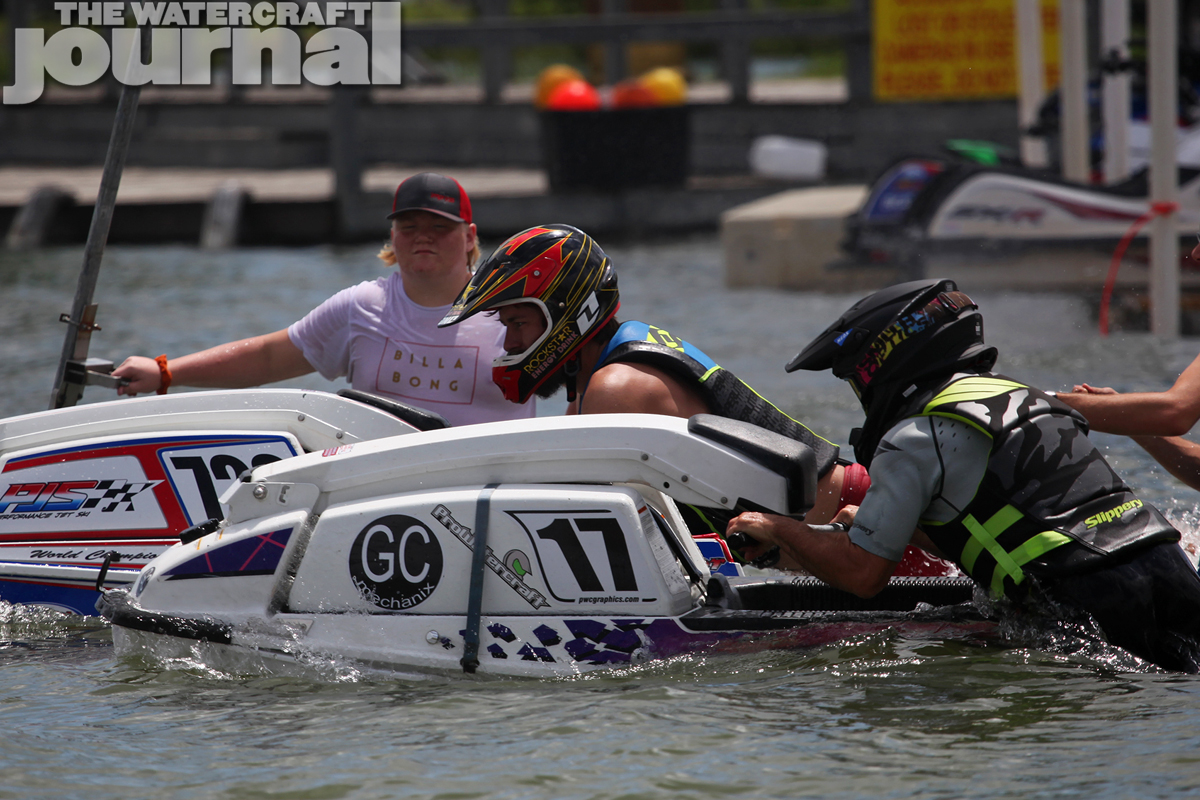
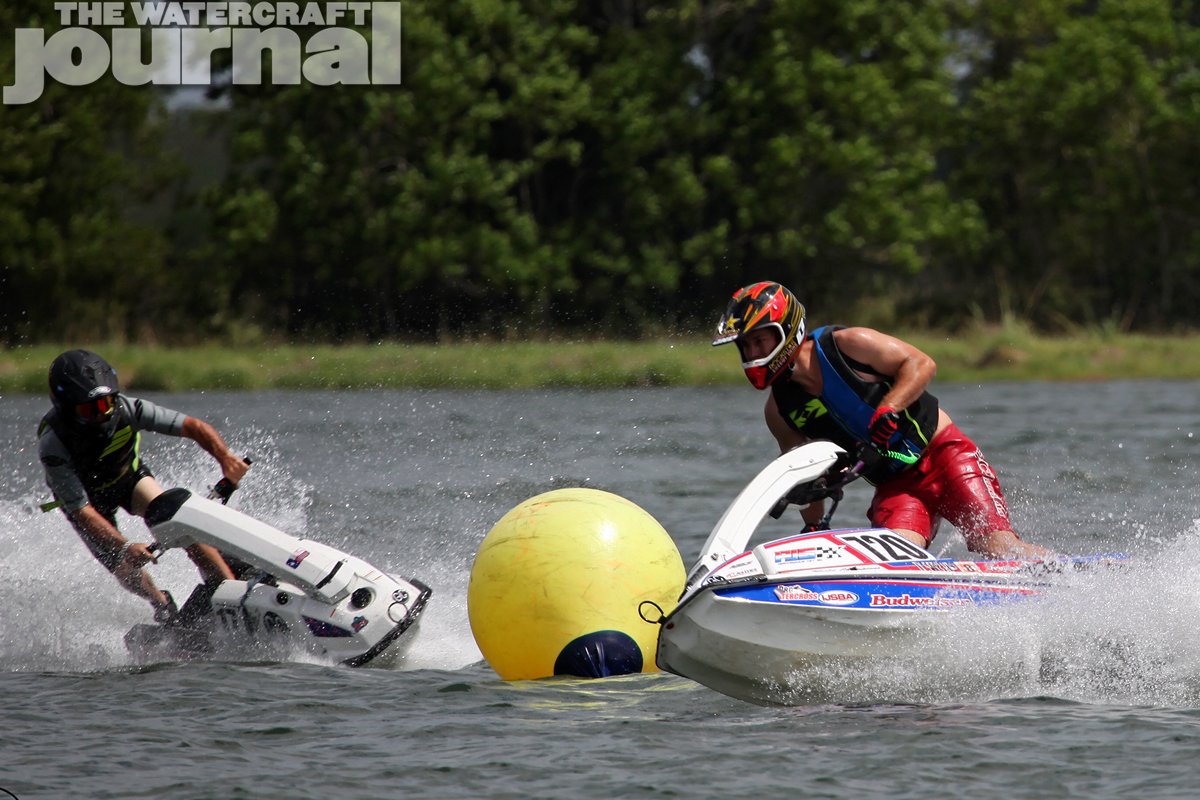
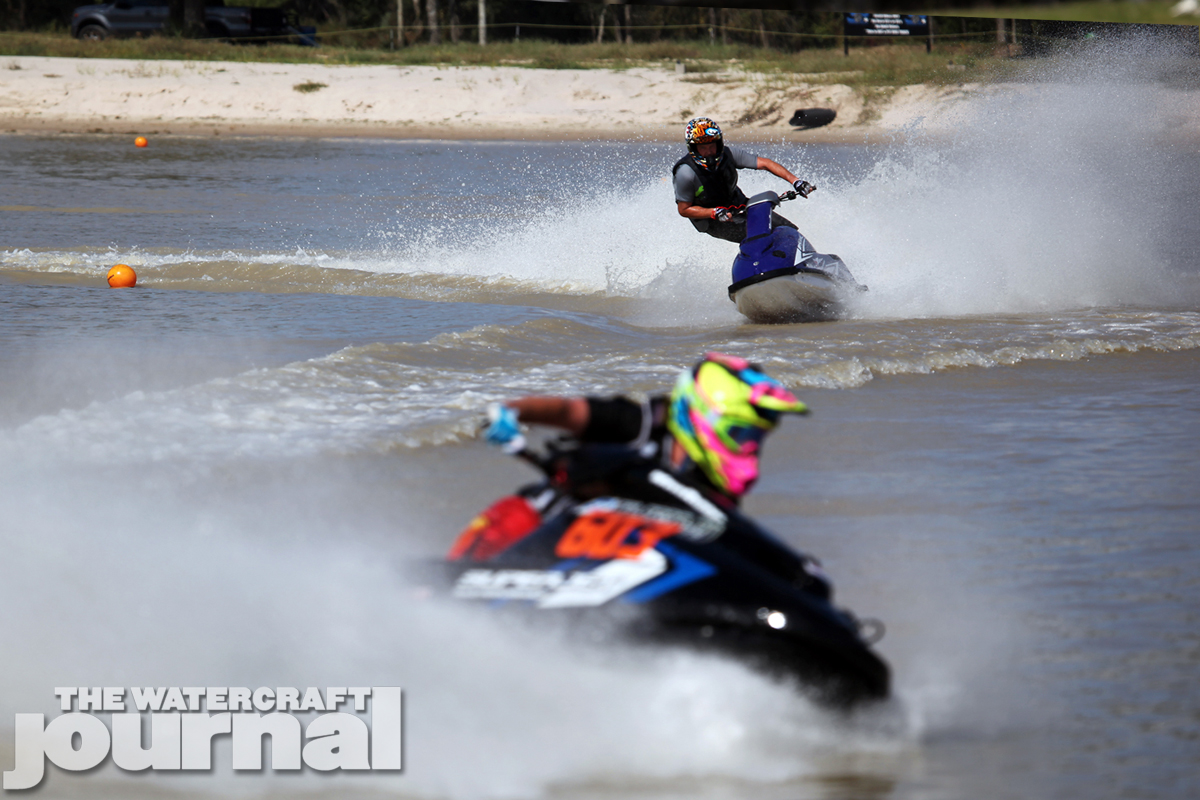
Anyone who has time around stand up jets skis has at least an inkling as to how difficult it can be to simply get moving in a straight line. Stand ups do not float with a rider in the tray, but the speed needed to plane and stand can be daunting. That dichotomy between sinking and speed, paired with necessary balance and coordination limits the sport to only the most tenacious (and maybe masochistic) people.
But did you know – learning to ride a stand up can actually help make you smarter? The best part is, I’m not kidding in the slightest. Yes, by making mistakes and having the patience to stick out the learning process you too can have your cake, the stand up jet ski, and eat it too, the building skills and intellect through exciting fun.
Myelination: Practice Builds Skill Life is hard. We are not born with any of the skills required to simply read this article, much less ride a jet ski of any sort. We are born into the world helpless, having to learn first to roll, then crawl, and finally shakily walk after failing over and over again. A true testament to balancing patience and pain alongside balancing your physical body. How do we go from effectively a slightly more sentient sack of potatoes to the unbridled masters of our destiny? Skills on the cellular level are attributed to a massive highway of nerve fibers wrapped in a fatty substance called myelin. Through myelination, the wrapping of nerves in myelin to insulate and strengthen the nerve signal, every human skill is created.
Imagine your brain is filled with electrical wiring, the inner wires being nerve signals and the sheath being myelin. More myelin equals more skills. When we begin learning a new skill our movements are usually clumsy and disorganized because we have to consciously use the frontal cortex of our brain. We have to think and thinking is slow. The improved insulation around nerves strengthens the signal triggering your muscles to perform a task with less waste and more precise control without conscious intervention. As you practice a movement, say playing the piano and striking the keys with your fingers, your finger strokes become less sloppy because the strong, insulated nerve signal fires the right muscle at the right time.
You’ve heard the term muscle memory, but I bet you’ve never thought about it in terms of the thickening of myelin around your nerves. Practice riding your jet ski or literally anything that requires a learned skill, you’ll improve by strengthening nerve impulses that send signals to squeeze the throttle lever, brace against the acceleration, and lean into a turn with the ski. Myelin development takes time, which is why it can take days, weeks, or even months to learn a skill.
Now let’s bring this information out of the neurological realm and into the glorious world of jet skis. Think back to the first time you rode a stand up, did you even know how to start it? Now not only can you get it started, but you get it to move with you attached in some form or another – standing, on your knees, on your belly, dragging beside it –these are all acceptable forms at some point in your riding career. Improvement in your reaction time, balance, and overall ability to pilot the ski are attributed to a stronger myelin network through deliberate practice.
Brain Game
How does all this equate to you potentially being smarter? The cognitive benefits of building a beefy myelin network include improved ability to process a greater amount of information over a given time period, and new skills help create a more elastic mind primed for learning.
When your significant other, non-riding friends, and coworkers jab and tease you for spending so much time and money on these mini holes in the water, you can confidently let them know you are increasing your intelligence by building an impressive myelin network one ride at a time. A much better way to pass the time than boring brain games – make more myelin, get out there and ride!