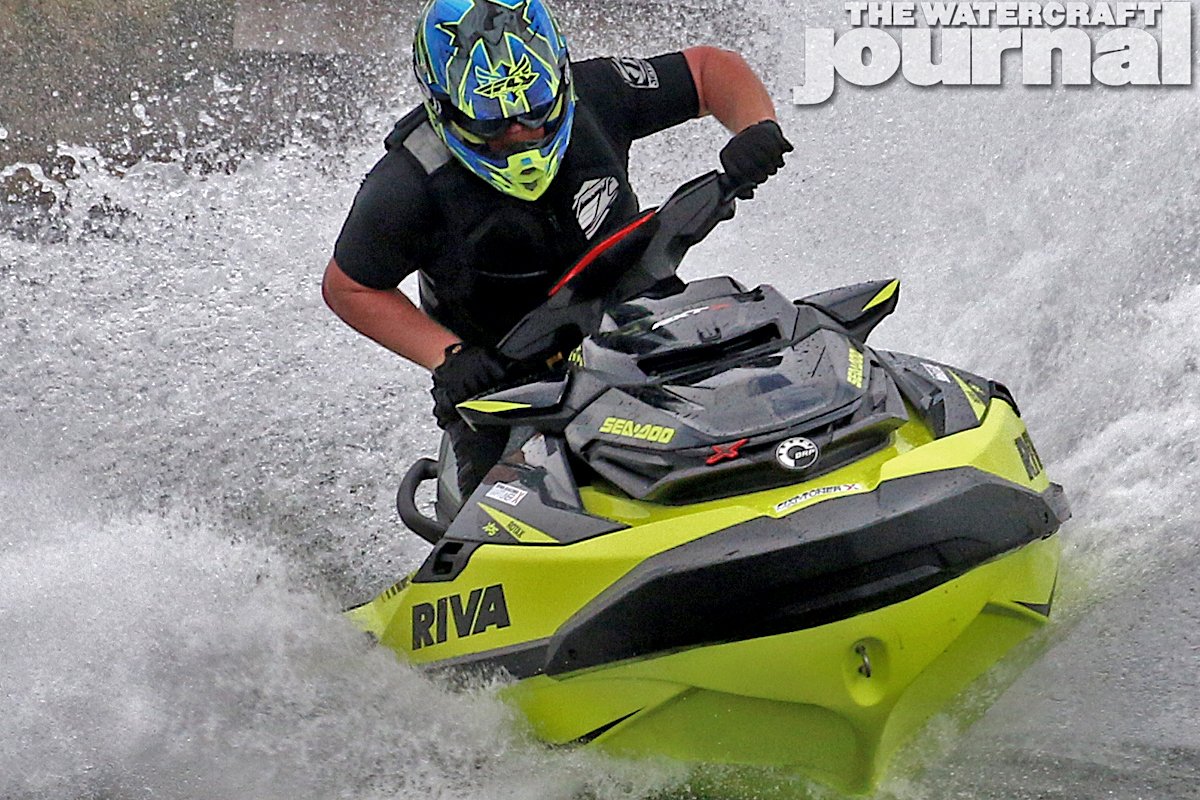
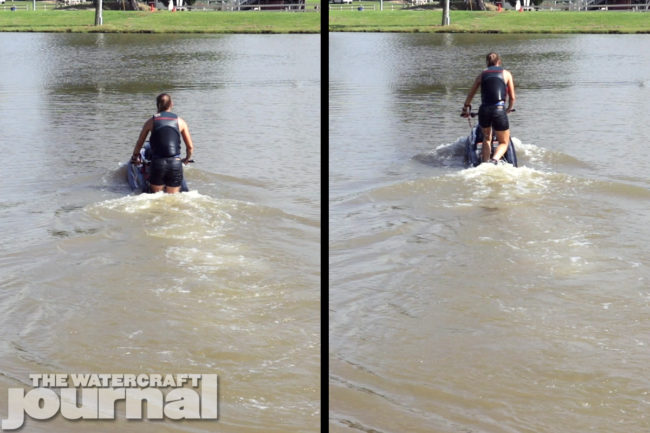
“OK, there’s something to this,” I murmured to myself, cornering the RIVA-equipped RXT-X. Having a bone-stock 2018 Sea-Doo RXT-X 300 generously in my possession for most of the year (thanks to Sea-Doo), I had become rather accustomed to how the new ST3 platform liked to behave in most conditions. In earlier reviews, I noted that the hull loves – nay, demands – to be trimmed down and throttled through the hairpins. It’s an aggressive design for sure, and those already familiar with the race-ready RXP-X will have no problem transitioning to the larger ST3. Sure, it took some getting used to initially, but once I became comfortable with the craft’s nuances, it was second nature. That is, until now.
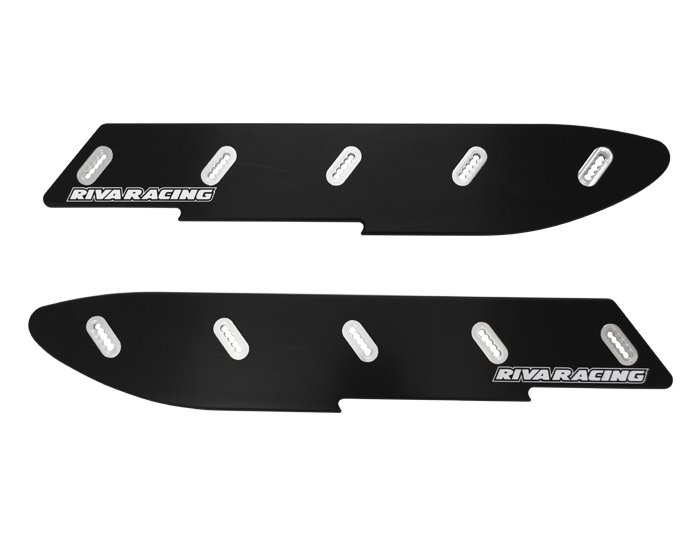
At the time of my review, the production version of RIVA Racing’s new Pro-Series Sponsons for the 2018 RXT-X 300 weren’t quite ready. The final versions wouldn’t be made available to the general public months later, only now, late in the summer. In fact, only Sea-Doo X-Team/RIVA Racing support team rider Erminio Iantosca had raced with them during the first P1 AquaX races earlier in the season. Privately, Erminio told The Watercraft Journal, “The RIVA sponsons help make the T-X more stable on a straight line; [and] makes the ski corner way better and smoother. All around, [they] total[ly] help make the T-X handle better and creates a better feel for the rider.”
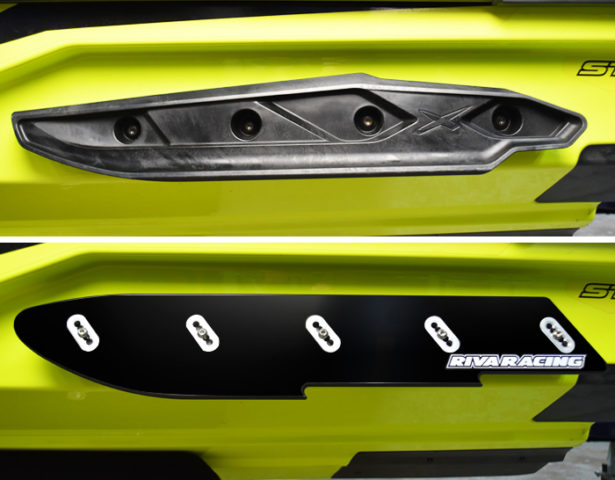
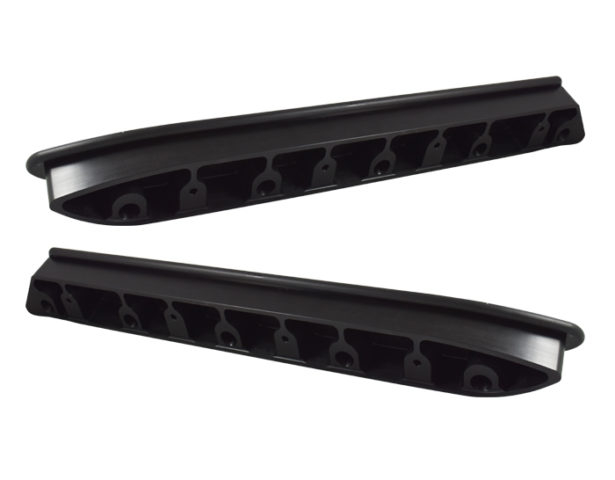
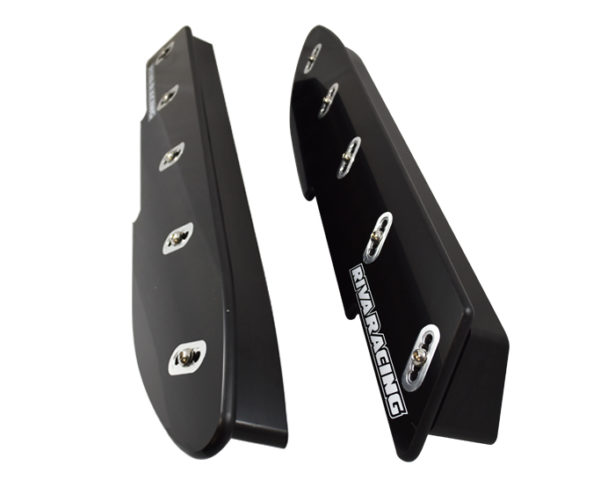
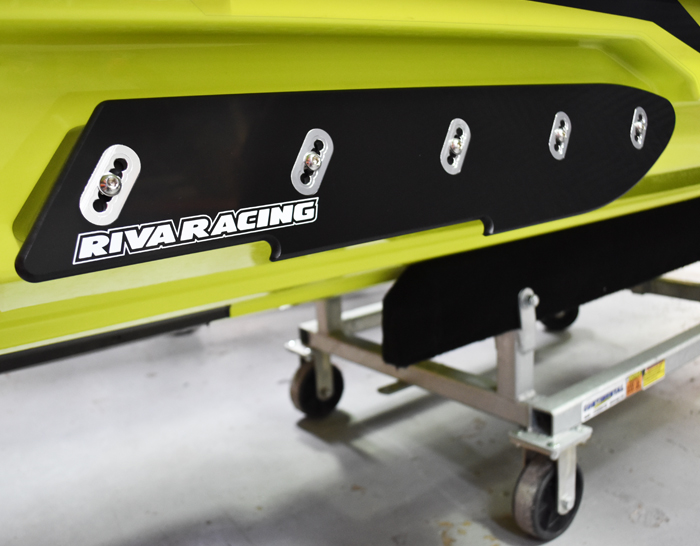
The hardest part of the development process was the fact that the new Pro-Series sponsons would not work on any other Sea-Doos using the ST3 hulls, including the GTX 230/300, Wake, or even the RXT 230. Sea-Doo had molded in a completely different bolt pattern for the RXT-X 300 unlike the other machines. This was a one-off, plain and simple. RIVA Racing’s own Dave Bamdas told me, “We went through 8 or 10 different prototype blades before settling on this design.” Precision machined from a high-strength, proprietary composite material, the blades are progressively stepped upwards (completely opposite of RIVA’s Pro-Series sponsons for the Yamaha GP1800), which helps plant the nose and mid-ships tighter to the water surface.
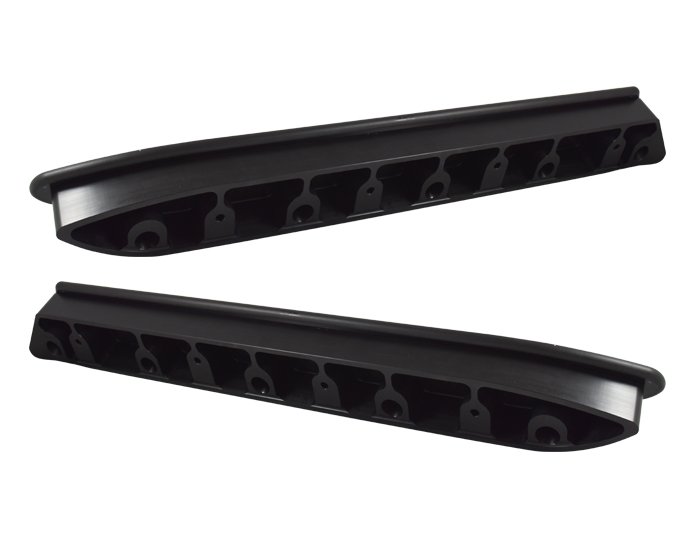
The 5-way adjustable blades feature billet recessed inserts, mounting it to a fixed backing plate, all attached with stainless hardware. Replacing the unusually-shaped one-piece plastic sponson, the RIVA Pro-Series radically changed the attitude of the RXT-X 300 – and all significantly for the better. Straight-line stability is a night-and-day improvement, particularly while tracking through erratic chop (which RIVA’s test lake had quickly become after 20 minutes of hot laps). Certainly snapping muscle-straining hairpins was made easier by the sponsons’ addition, but it was the predictability of the turn that impressed me most. Rather, the knife-like keel of the ST3 slit through the whitecaps like a surgeon’s scalpel. Clean and precise.
“[The] billet aluminum stabilizer wing allows you to tune lean-in handling characteristics,” Bamdas went on, touting the adjustability. While the sponsons’ legality for all IJSBA classes is a boon for racers, I felt strongly that the recreational rider would greatly benefit from a pair (myself included as the race-proven sponsons delivered such a significant improvement to handling and stability while at speed. Priced at $499.95, RIVA’s Pro-Series Sponsons for the 2018 (and up) Sea-Doo RXT-X 300 are an inexpensive way to radically transform the natural attitude and handling of the craft. In fact, I’m seeing about getting a set for my loaner until Sea-Doo pries it out of my hands next year.
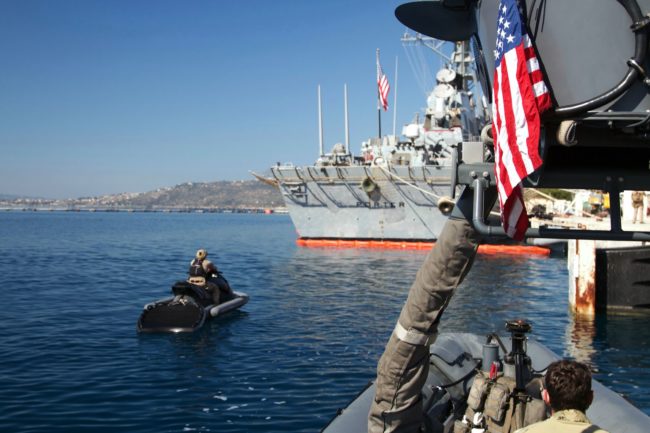
A Popular Mechanics piece informs us of a really cool United States Navy SEALs military exercise, using PWC. The SEALs located in Greece, were observed driving Yamaha personal watercraft while performing a military exercise. The training was held off the island of Crete in October 2017. It was documented in a series of images found in the Defense Video Imagery System (DVIDS). Many of the photos appearing in Popular Mechanics come from the DVIDS.
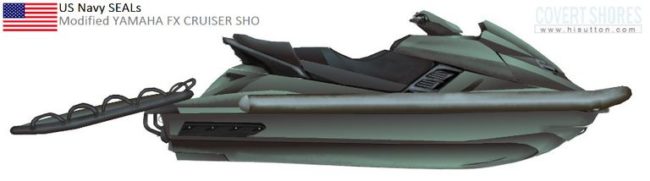
According to defense journalist H.I. Sutton, the PWC that the SEALs were riding were 2016 Yamaha FX Cruiser SHO’s. The skis were modified with inflatable collars similar to those used by rigid inflatable boats. The collar is similar to the Wing Inflatables SkiCollar, which is advertised as improving lateral stability, increasing shock absorption, and providing additional floatation.
These machines are highly maneuverable and capable of shallow water operation and they go fast! The modified version that the SEALs were using, provided room for three heavily armed men. Loaded with weapons, armor, and ammunition, the weight was well over the FX Cruiser’s 490 pound limit. Do not try this on a stock Yamaha FX Cruiser. You will find yourself sunk!
The Navy SEAL’s were also using a magnetic climbing system while conducting their training operations. The system consists of a pair of shoes and hand grips fitted with magnets. The gear allows the climber to scale sheer metal surfaces like ship hulls. The climbing can be performed quick and easy. However, the manufacturer claims the gear can only used by divers entering from the water. It seems only logical that the men were working with a modified PWC and magnetic climbing gear. This operation can prove useful for boarding vessels for inspection or infiltrating enemy warships. The SEALs are going back to their roots, which lie in the sea. They’ve been busy performing land operations since 9.11. This solid outfit is ready for anything.
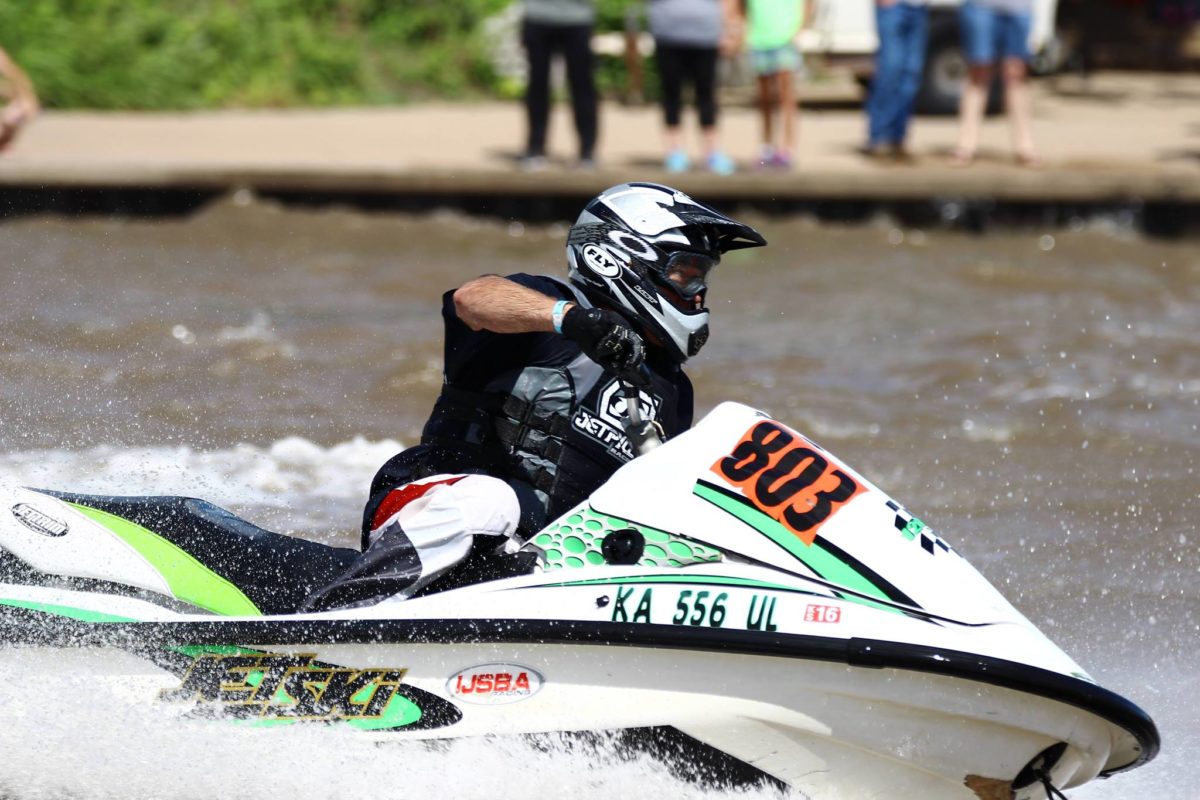
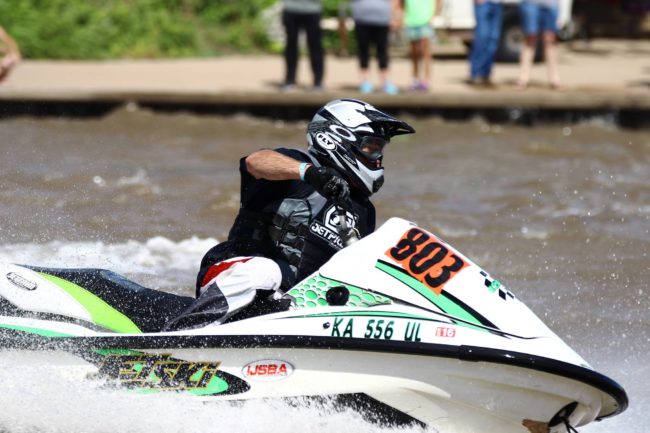
Held back on August 4 – 5, this event was the final stop of the 3,2,1 Kawasaki Watercross Tour for Nautiwater Racing. The championship as the name states, was named to honor Greg.
For those who knew Greg, he was described to have had such a smile and positive attitude that has been greatly missed by his friends and family.
According to Greg’s Obituary which we located, he passed away on January 29, 2018, surrounded by his wife, children, and family. Greg who lived in Salina, Kansas was 62 years old when he passed away.
Greg was an avid Jet Ski racer who even competed in the IJSBA Lake Havasu World Finals. He was a selfless man who was devoted to his family.
For more information on the event or to see the latest postings about future Nautiwater events, you can check out the NautiWater Facebook Page.
This story has us feeling like deja vu. Maybe that’s because back in 2015, we reported multi-time IFWA world champion Ross Champion’s custom freeride SuperJet for sale. Well now we are reporting it again.
That very custom Blowsion SuperJet piloted by world renowned Ross Champion has re-surfaced and is for sale. Just like before, it is still for sale at the same Kommander Industries dealership in Phoenix, Arizona.
Professional free rider Ross Champion is perhaps one of the ‘winningest’ free riders of all time, having won multiple world championship IFWA titles. Now is your chance to score this awesome piece of history.
The Blowsion ski built around the Yamaha SuperJet platform, is running a DASA 850 power valve motor with dual 46 Mikuni carburetors. The original design intent of this powerplant was to not only develop power quickly but also to give better fuel economy for longer free ride times. Make no mistake, this thing is a rocket.
The hull itself is a custom FP-1 vacuum infused hull made in Australia by Peter Mcloughlin (aka “Freestyle Pete”) with nose rocker and wider tray. And now you can own it. Get it while it lasts because this time it might be gone. Forever!
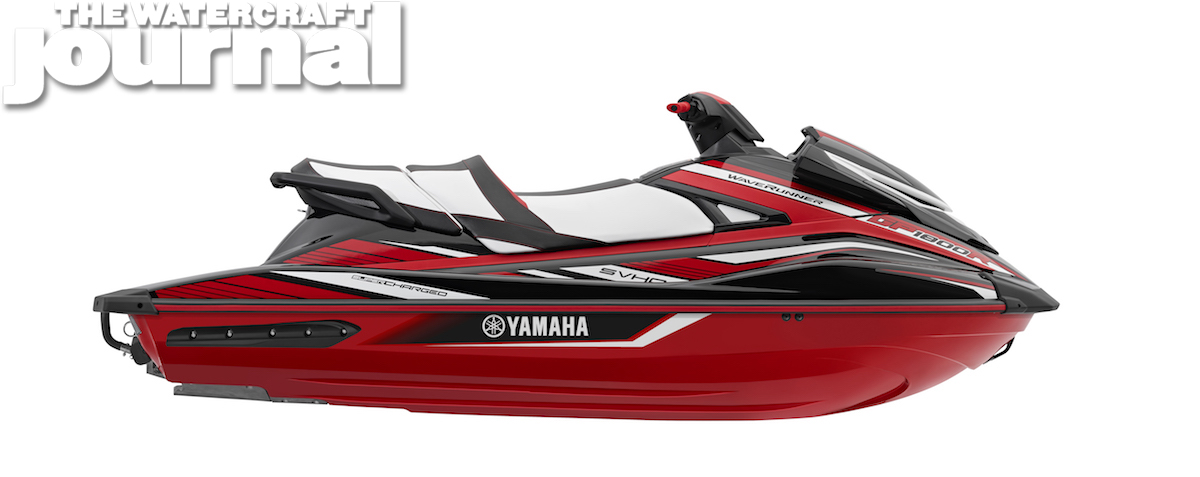
A supercharged race-ready watercraft had not entered the list of the top 10 best-selling personal watercraft for nearly a decade. That is, until 2017, when the Yamaha GP1800 WaveRunner came in 6th place, beating naturally-aspirated Recreation-segment machines left and right. Being the inaugural year for the GP1800, certainly the shine of newness helped bolster demand. Yet, what truly elevated the craft from being a “SVHO-powered VXR” to the sport’s winningest runabout was its design.
The done-and-dialed Super Vortex High Output 1,812cc, centrifugally-supercharged four-cylinder fitted into a NanoXcel2-molded body gave the craft a leading power-to-weight ratio. It’s adaptation to aftermarket handling and performance parts pushed it further. Tipping the scales at 769-pounds, the GP1800 is lightweight, torquey and incredibly responsive. Needless to say, racers took to this WaveRunner immediately and the podium finishes followed in kind. And they kept coming.
Currently, the GP dominates all tiers of supercharged runabout classes; particularly AquaX offshore races, the Pro Stock IJSBA and Pro Watercross classes, and most notably, major offshore endurance events like the Mark Hahn Memorial 300 and the Long Beach-to-Catalina Championships – having clenched first place twice in a row, respectively. By all observers, the machine appears relentless in its domination, and understandably so. It was ranked the third best selling PWC for the first half of 2018, coming in just 55 units behind second place’s Sea-Doo Spark Trixx (2017’s best seller).
Frankly, the GP1800 changed the landscape for Yamaha, and because of this machine, the future of the WaveRunner lineup has been directly effected. “Personal watercraft sales were strong this summer, and we exceeded expectations across the board, selling out of several of our most popular models,” noted Bryan Seti, Yamaha Watercraft’s general manager. “With this product introduction that highlights many new features and technologies never seen before in the industry, we expect to build on our momentum and continue to bring customers the best experiences on the water.”
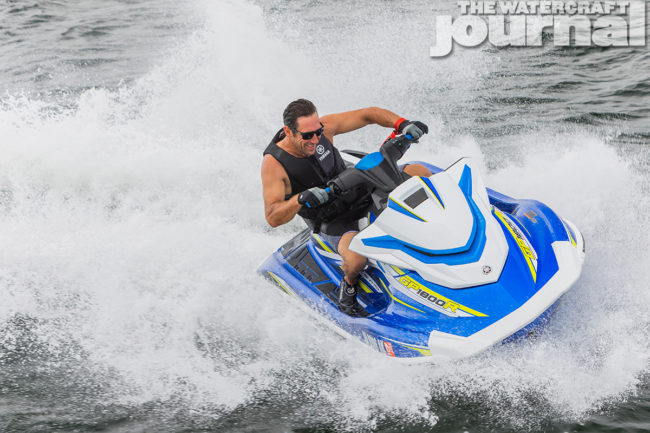
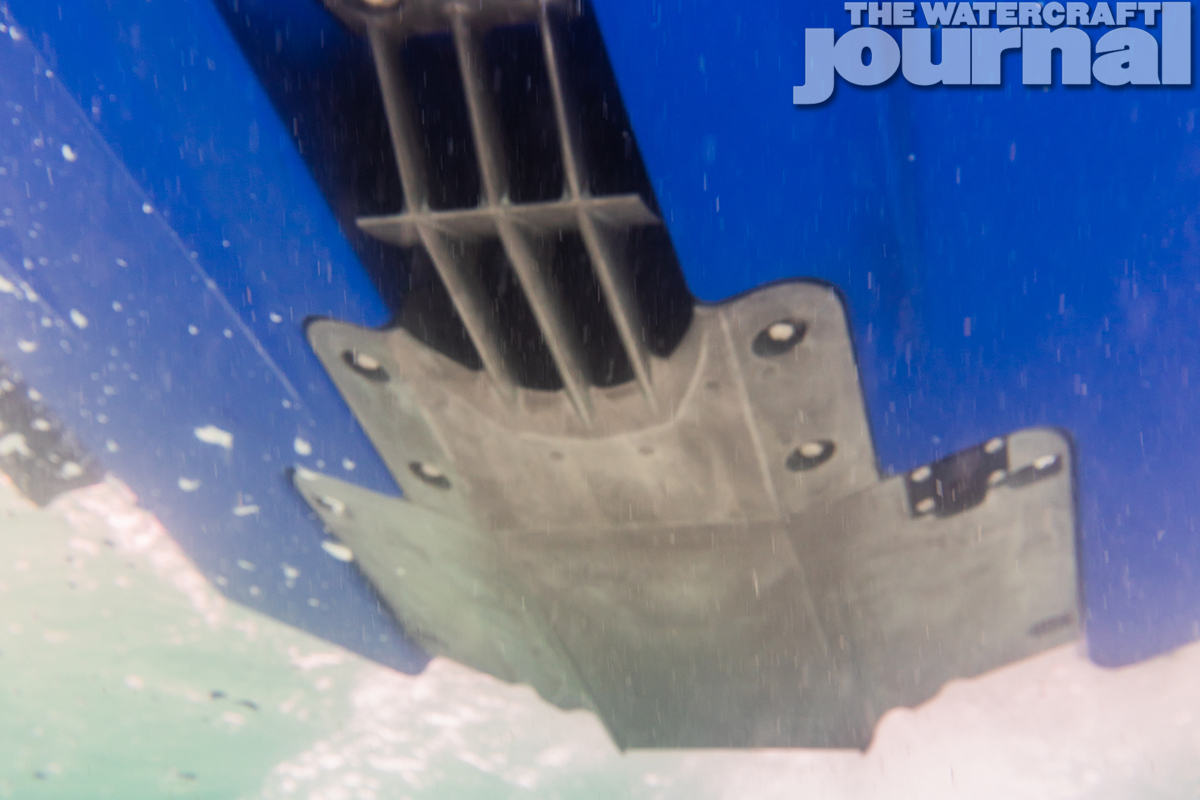
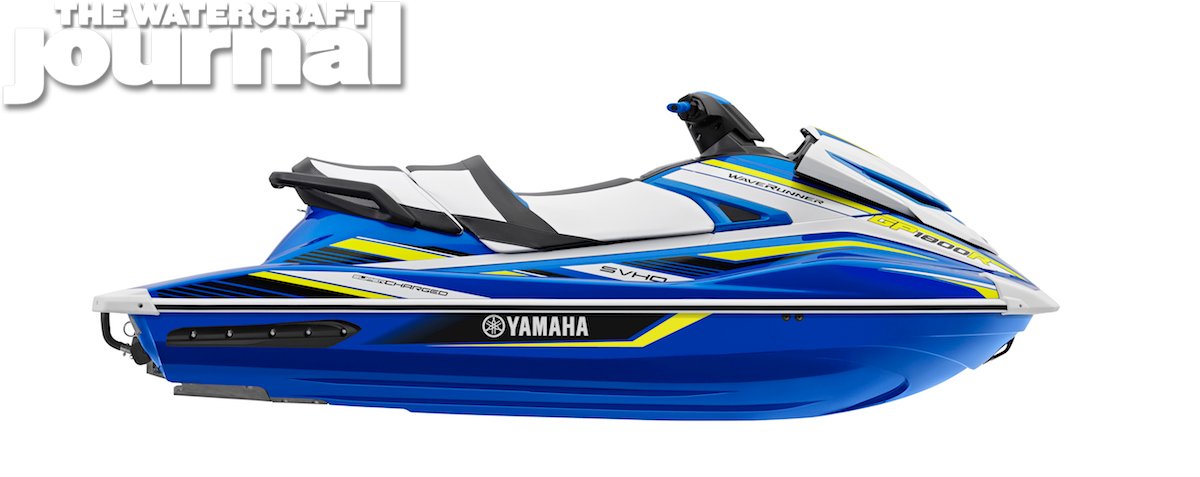
For 2019, Yamaha’s GP becomes more race-ready as the new GP1800R. That’s right, the “R” is back, baby! It’s no surprise that Yamaha works incredibly close with some of the most prestigious race teams in the world, and part of that partnership is regular feedback and input. Using what intel was provided, Yamaha upgraded the GP1800R with a top-loader intake grate and race-designed ride plate for greater precision and predictability in rough water. In fact, that word came up several times during our introduction.
“We really focused on improving predictability,” said Scott Watkins, Yamaha Watercraft’s WaveRunner Product Planner. “The new ride plate is longer to reduce bow rise when accelerating quickly. The planning surface is angled slightly for just the right amount of rocker to give the GP1800R the right riding attitude for optimum top speed. Also, the edges of the planning surface help the GP1800R track straighter at higher speeds.”
Equally, the new intake grate features a foil that feeds water to the top of the impeller to improve traction and keep the pump hooked up to maintain maximum thrust when turning. Additional improvements include hull reinforcements around the pump tunnel and redesigned brackets to battle the added force on the intake grate. New color options are only minor from last year’s offerings: Torch Red Metallic and black, and Team Yamaha Blue and white with neon yellow accents.
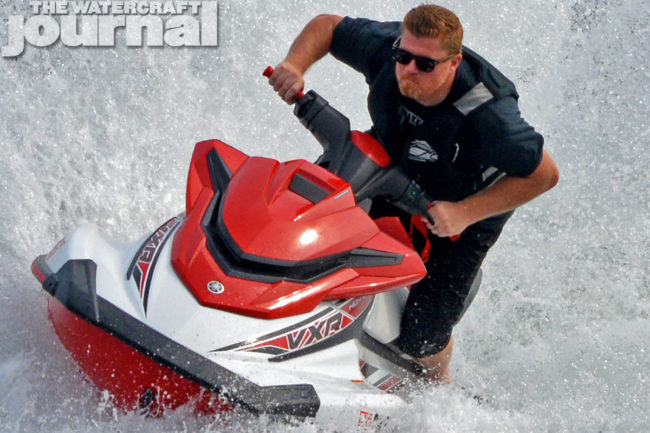
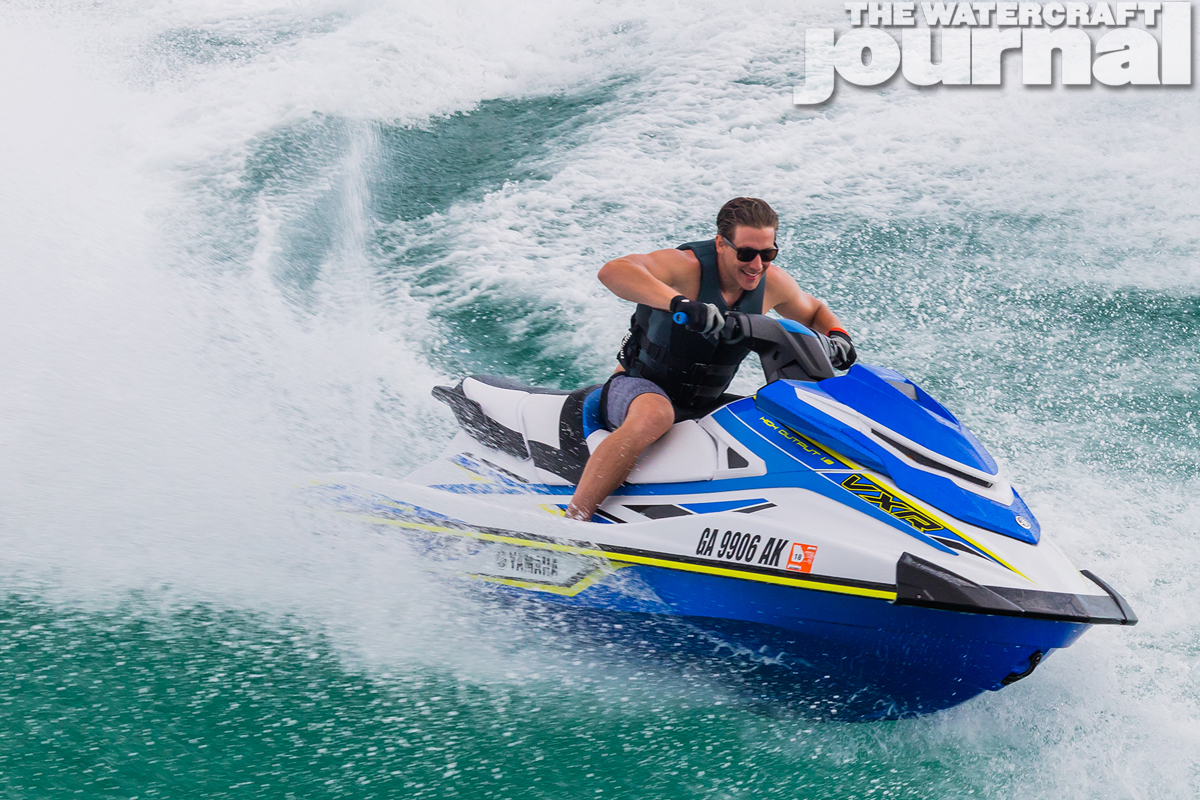
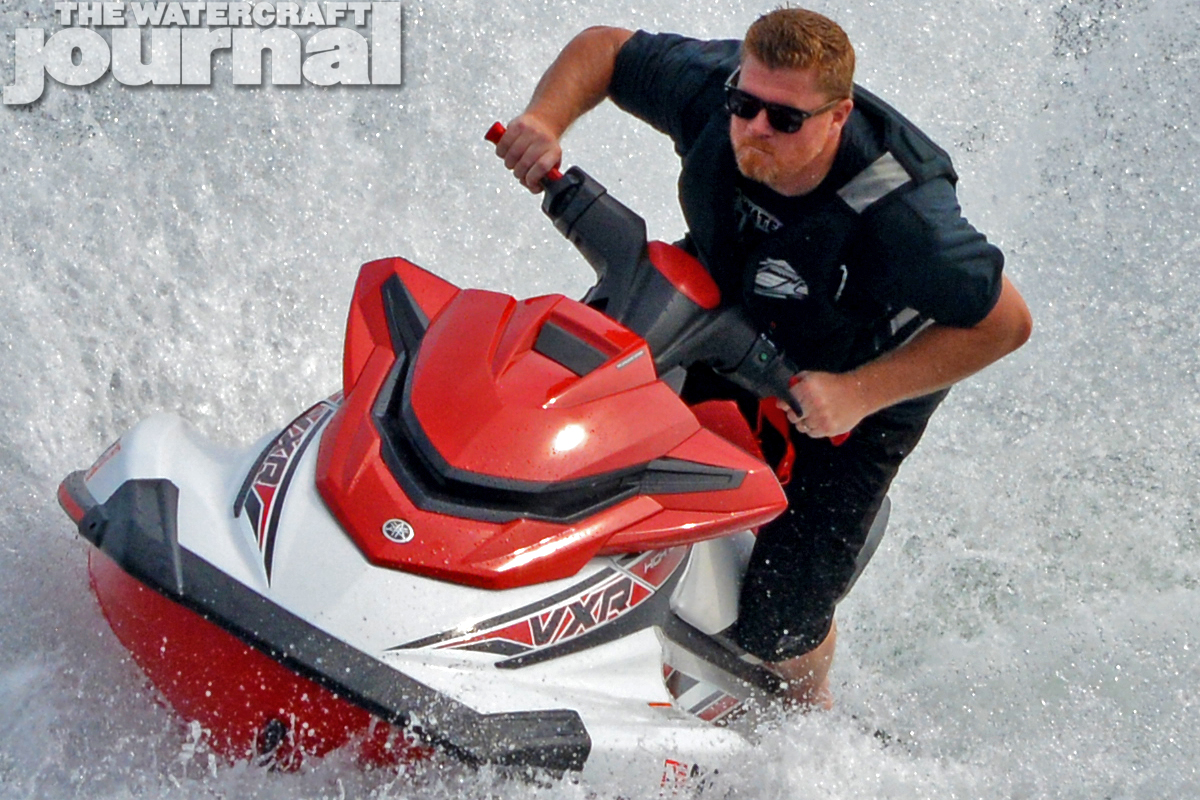
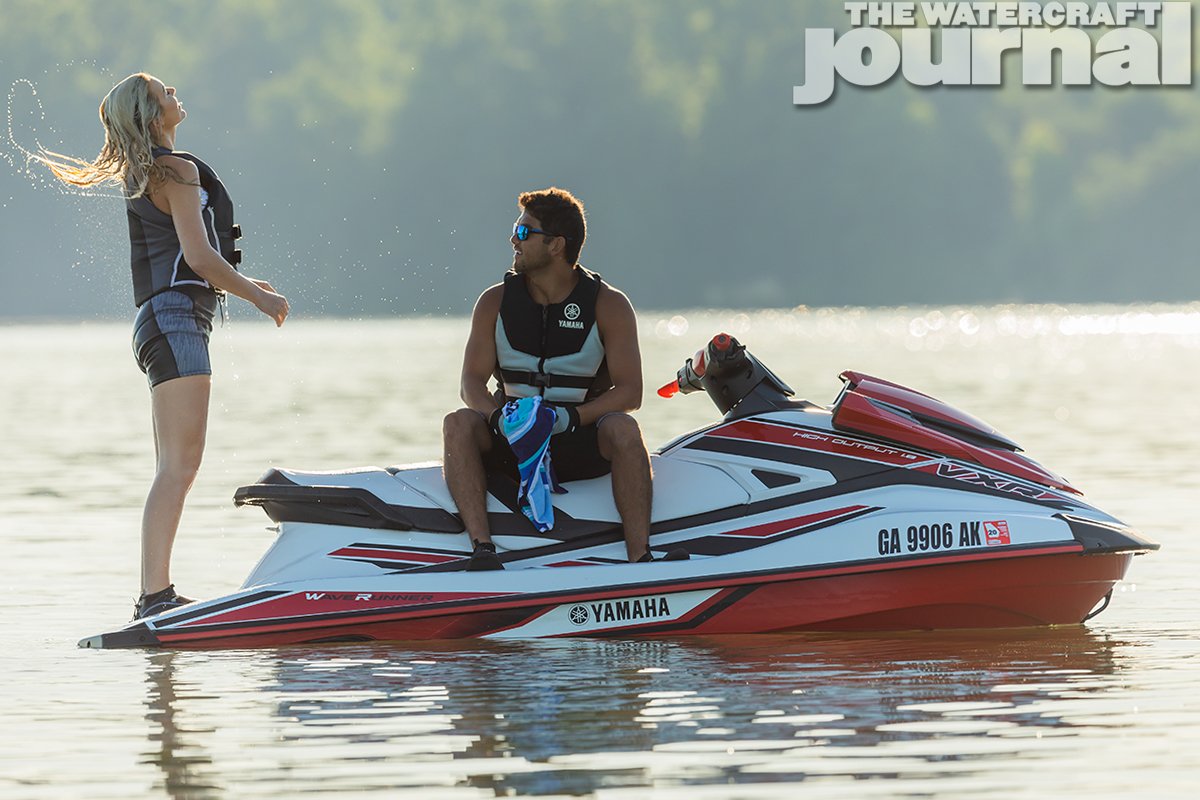
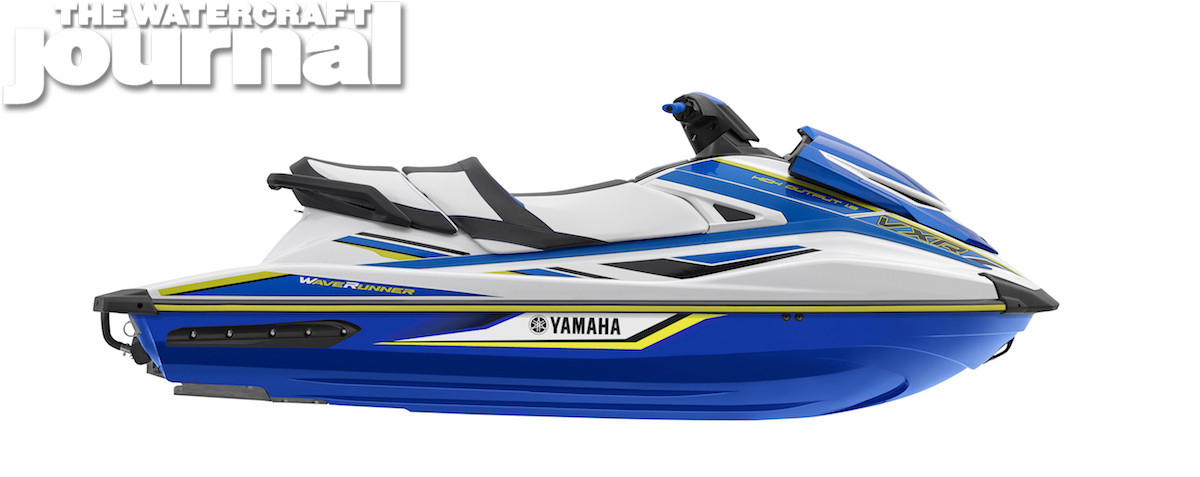
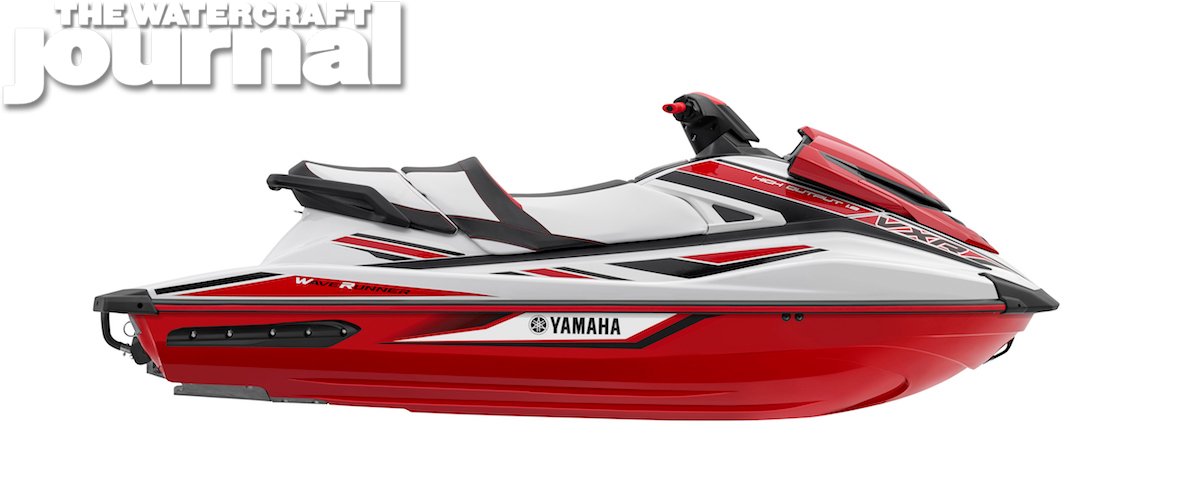
With the loss of the VXS two years ago, the VXR stands apart – especially now that Yamaha has made the VXR a naturally-aspirated version of the GP1800R. “This year we really wanted the ‘R’ to mean something,” Watkins teased, revealing the upgrades to the new 2019 VXR. Not only does the VXR receive the same redesigned intake grate and ride plate as the GP1800R, but also drops 30-pounds of weight thanks to the addition of a NanoXcel2 hull and deck. The 155mm pump remains.
“With the 2019 performance upgrades, we took designs that were proven on the race course by the best riders in the world, and made it something customers can get right out of the box,” said Watkins. “The result is a whole new character to these WaveRunners, that recreational riders and racers alike will find fuels their desire for ultra high performance experiences on the water with unbelievable handling.” Livery options are a Torch Red Metallic-and-white, and a very similar Team Yamaha Blue-neon-yellow-and-white pattern to associate the VXR to its supercharged sibling.
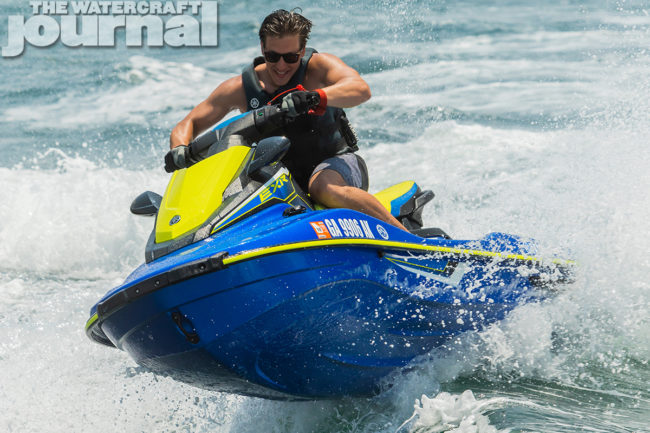
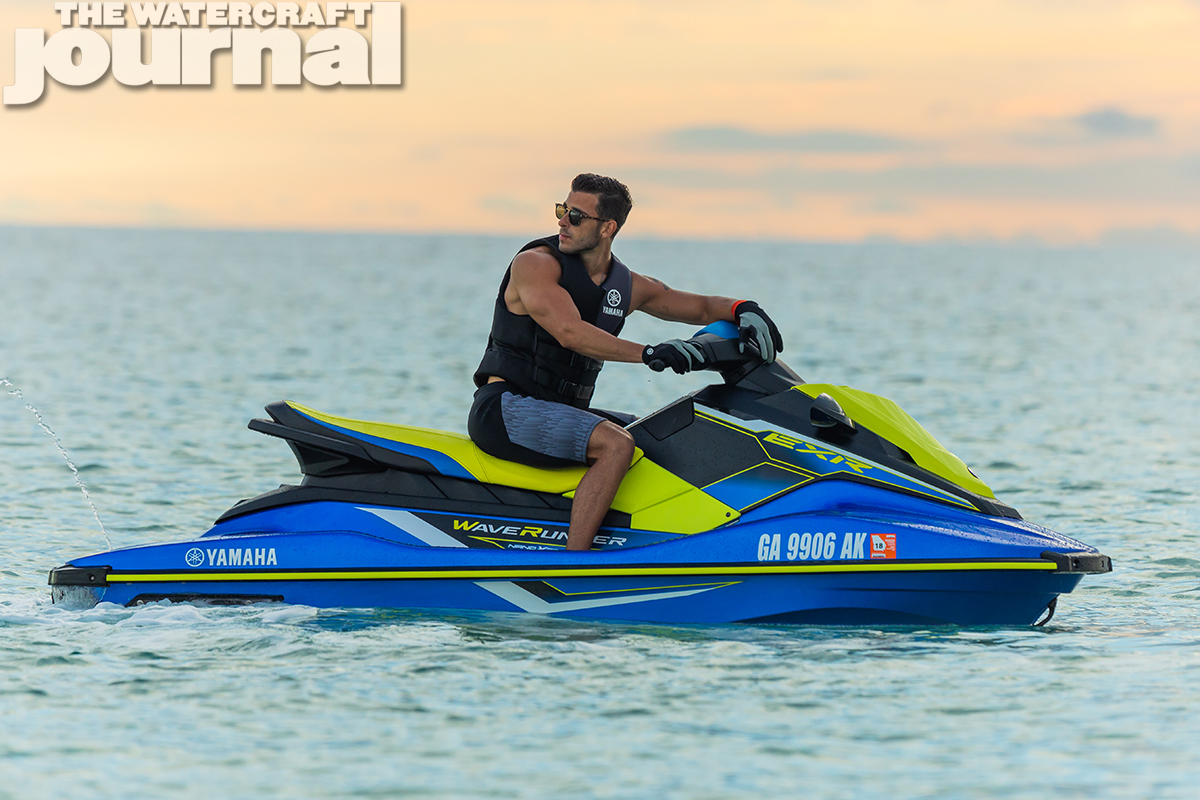
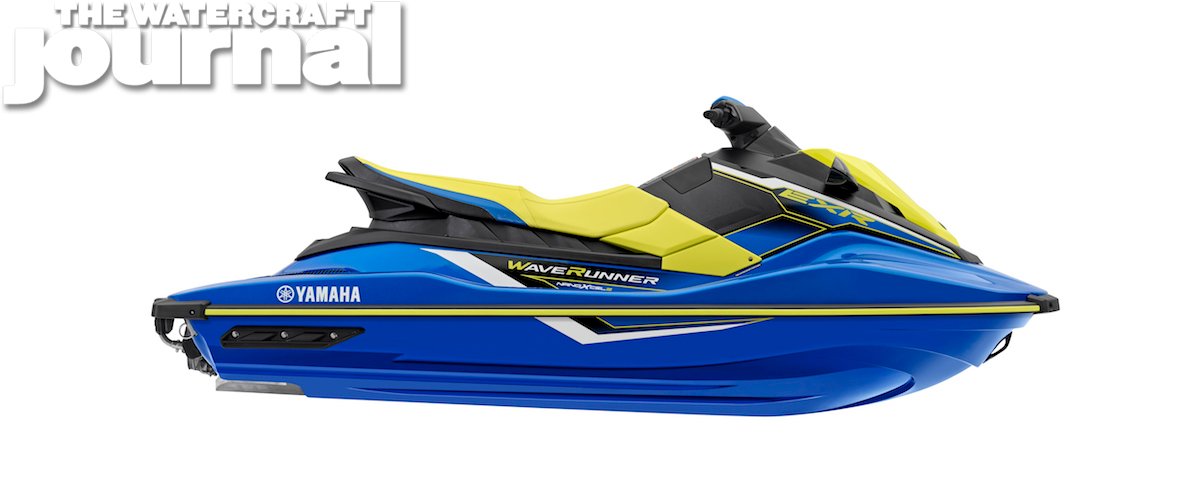
The addition to Yamaha’s race-ready lineup of “R-equipped” runabouts is the astoundingly fun EXR. The addition to Yamaha’s entry-level EX Series is almost our personal favorite of the bunch. As is with the new lineup of race-ready machines, the EXR becomes “the most affordable WaveRunner to feature Yamaha’s high-performance, super-lightweight NanoXcel2 hull and deck material,” according to Yamaha. Coming in at a scant 540 pounds – a full 60-pounds less than the EX Deluxe – it includes a top-loader intake grate and a 40mm pump extension for increased agility, handling and performance.
But weight loss wasn’t enough. The new EXR picks up a retuned engine control unit (ECU) increasing horsepower by ten percent (110-horsepower) over the rest of the EX line. “No one has developed a watercraft quite like the EXR,” continued Watkins. “With its combination of high performance and ultra light weight, it offers the best power to weight in its class, and customers are going to find that it’s a blast to ride, unlike anything else on the water today.” Look for it in a similar Team Yamaha Blue, neon yellow and white livery.
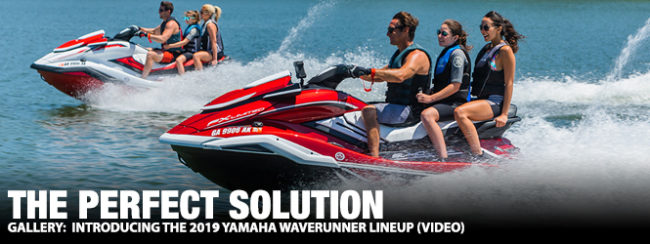
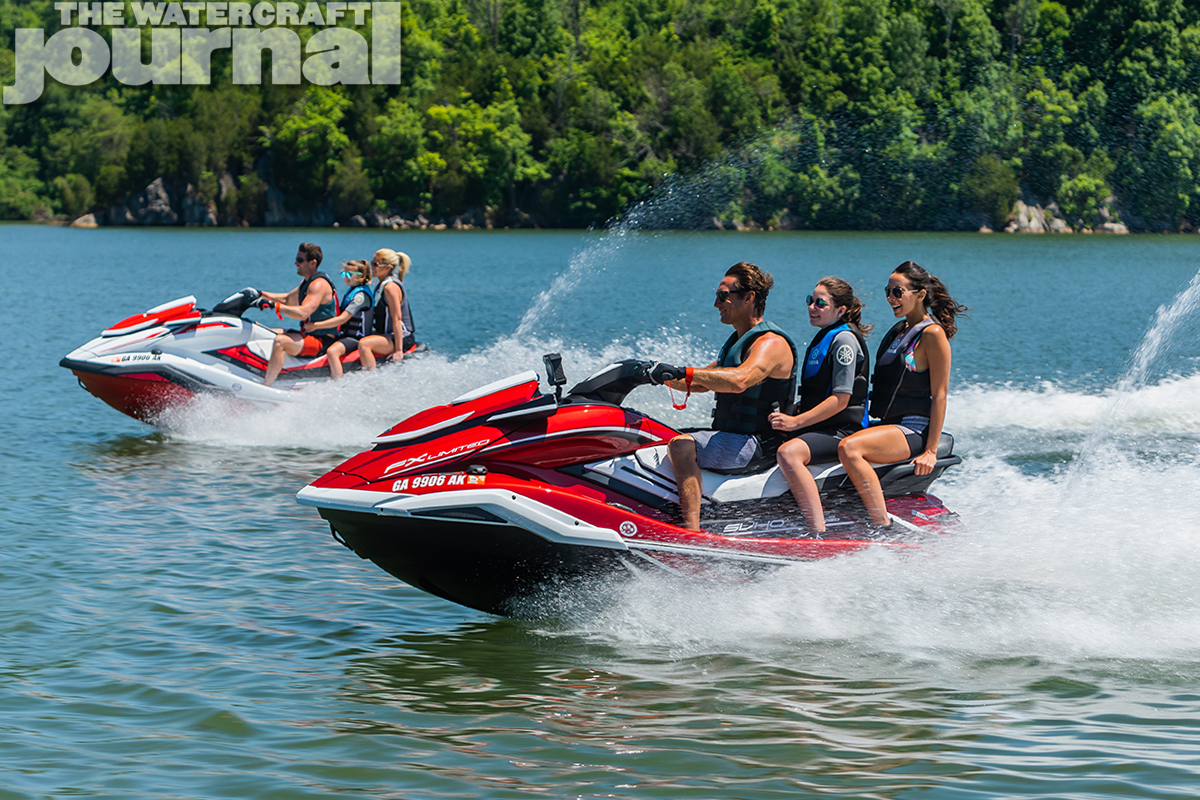
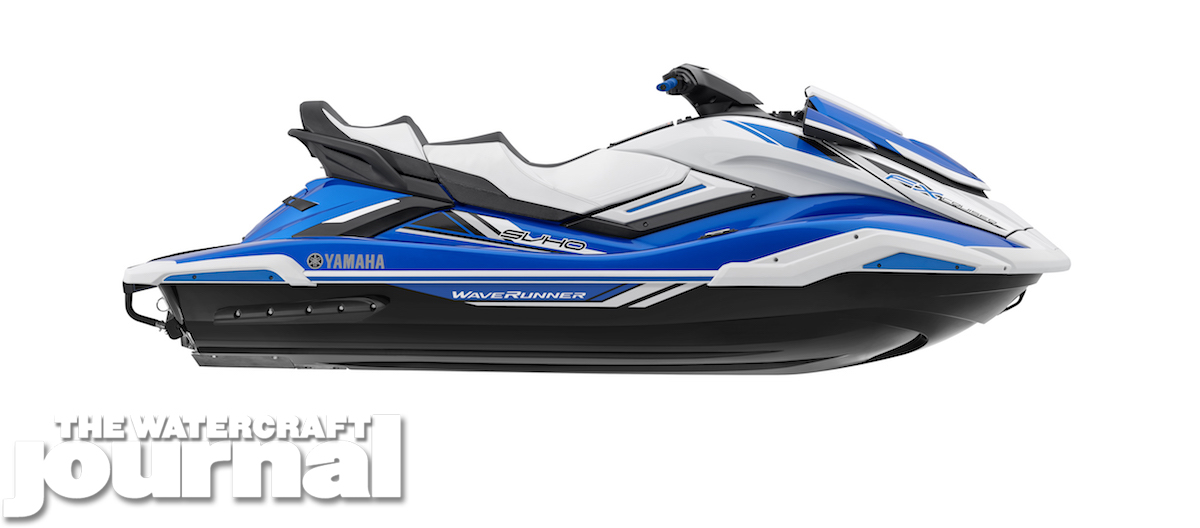
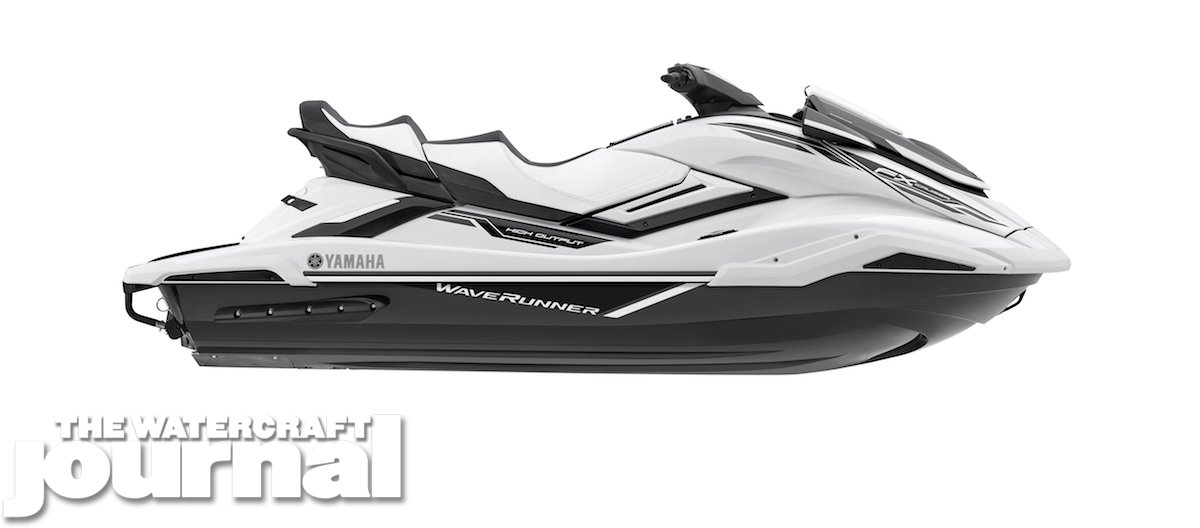
Alas, the biggest change we saved for last: a 100-percent, all-new FX WaveRunner lineup. “As the flagship of the line, we really put some thought into how to update the FX series to create unbelievable experiences on the water for our customers,” said Watkins. At first blush, the 2019 FX has quite a bit of styling DNA from the outgoing model. From the angled bow, to the arching bondline and tapering into a widened fantail with a thickly padded, wider swimstep, the new FX is sleeker and bolder than ever before. Albeit smoother than before, the design is uniquely modular with several bits of paneling and trim to break up the coloring.
Ergonomically, the FX is also improved, with self-draining footwells that are wider, and more shallow than before. Rubberized perforated siphons feed tubes that run down the hull’s length into pump. The redesigned saddle is smartly shaped for either feet-forward, or feet-under riding and features new, superior material for both grip and to stave off heat. In front, the forward storage compartment is larger, easier to access and generously molded for a soft-sided cooler bag. A new glovebox is both larger than last year’s models, padded and is completely watertight. This, with the rear wet storage and underseat screw-top bin, adds up to 44-gallons of total storage (11-gallons more than last year).
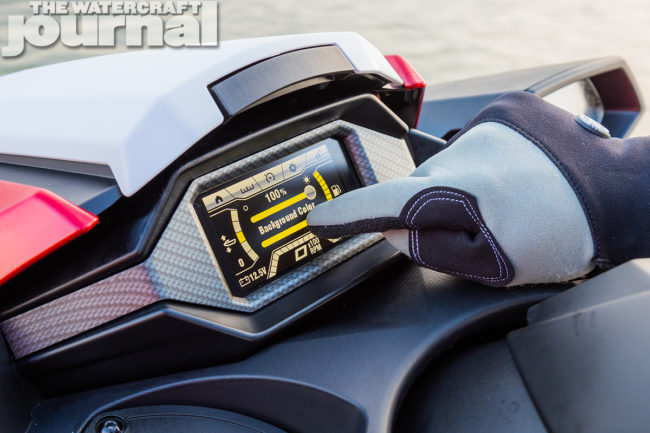
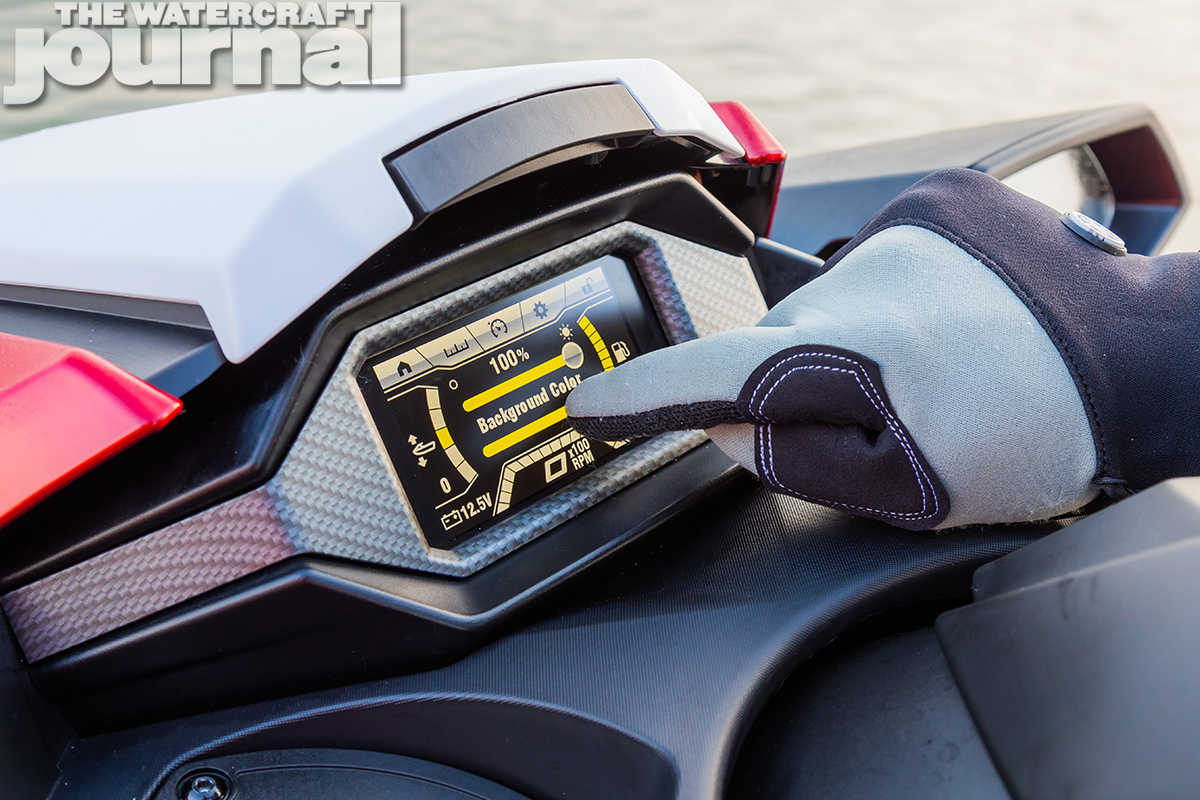
Perched ahead of the 5-point tilt-steering (equipped with Yamaha’s RiDE dual-throttle brake/reverse system) is the industry’s first full-color, touchscreen instrumentation panel. The FX’s 4.3-inch multi-color LCD touchscreen system is called “Connext” and offers “all vital system information, customized features and includes a new Drive Control technology for personalizing riding experiences.” (Drive Control permits for programming engine speeds and acceleration curves for towing, cruising, or less experienced riders.)
Watkins explained, “The new touchscreen puts more control than ever in the fingertips of the rider, with more detailed information and customization than any other watercraft in history. In addition, we know that customers like to customize their ride, and the multi-mount system allows them to make their watercraft their own, for how they plan to use it, whether they’re cruising, making videos, beaching, touring, or fishing, the capability is all there.” You can even pick the color for the gauge needles and readouts. (The touch screen function deactivates when the ski exceeds 20mph.)
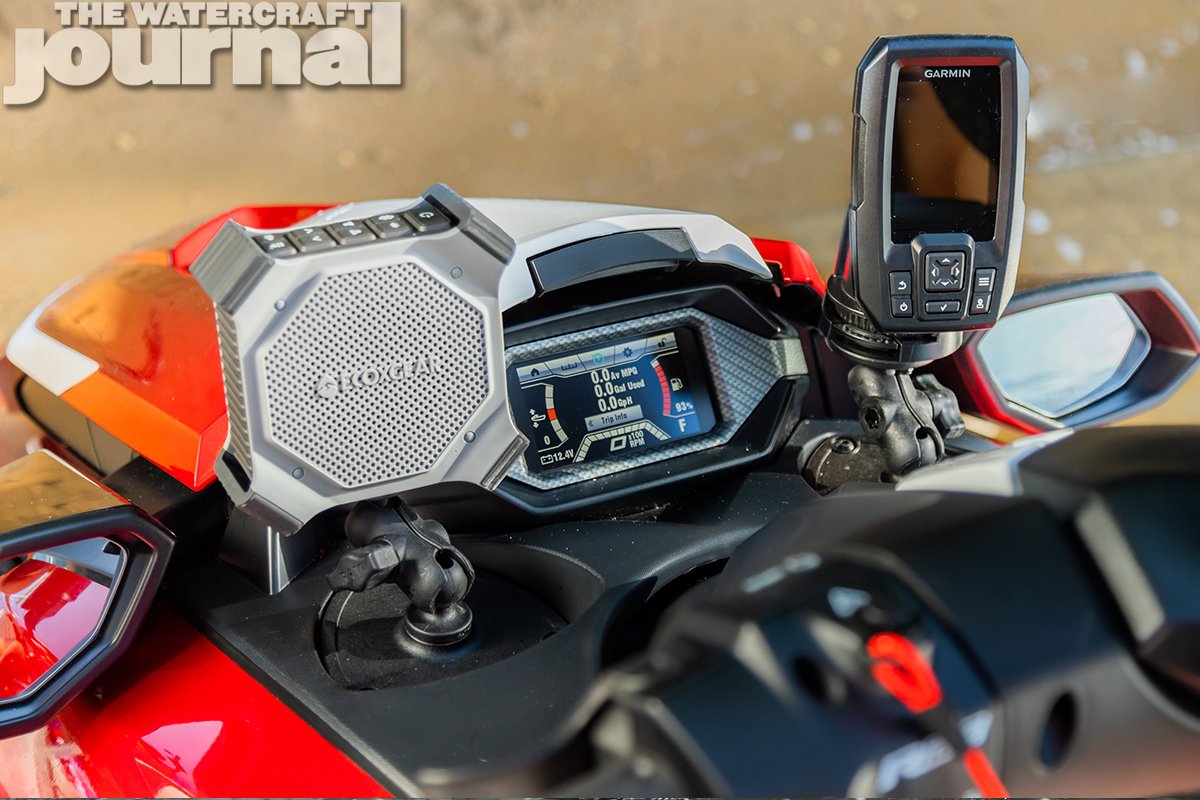
The final big feature new to the FX is the RAM Multi-Mount System. Yamaha partnered with RAM Mounts for a modular accessory system that allows for riders to personalize their watercraft through a range of accessories (including RAM mounts). These accessories include the portable ECOXGEAR waterproof wireless Bluetooth speakers and a Garmin Striker GPS fish finder and transducer. The RAM Mount pods can also be removed and replaced with a cup holder if you really liked it on the previous FX models.
All of these accessories have been made available through Yamaha’s website and accessory catalog, and are sold separately on all FX models except the FX Limited SVHO, which includes two ECOXGEAR speakers, the Garmin Striker package, and all RAM Mount hardware (in addition to a single-rider tube, inflator, 12V outlet, tube holder, tow rope, soft sided cooler, PWC cover and two dock fenders). Besides the aforementioned flagship, the rest of the FX lineup includes the supercharged FX SVHO and FX Cruiser SVHO, and normally-aspirated FX and FX Cruiser HO.
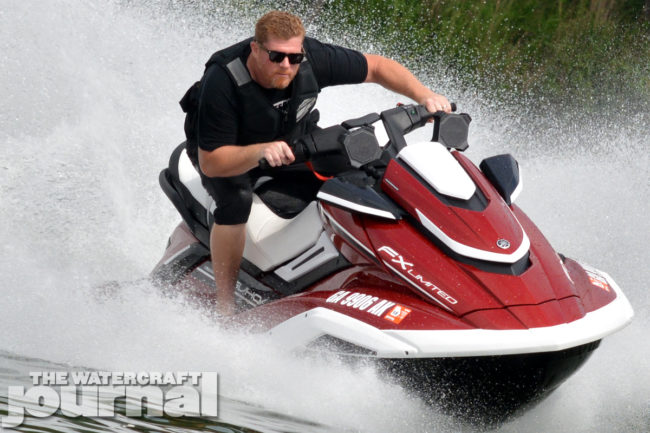
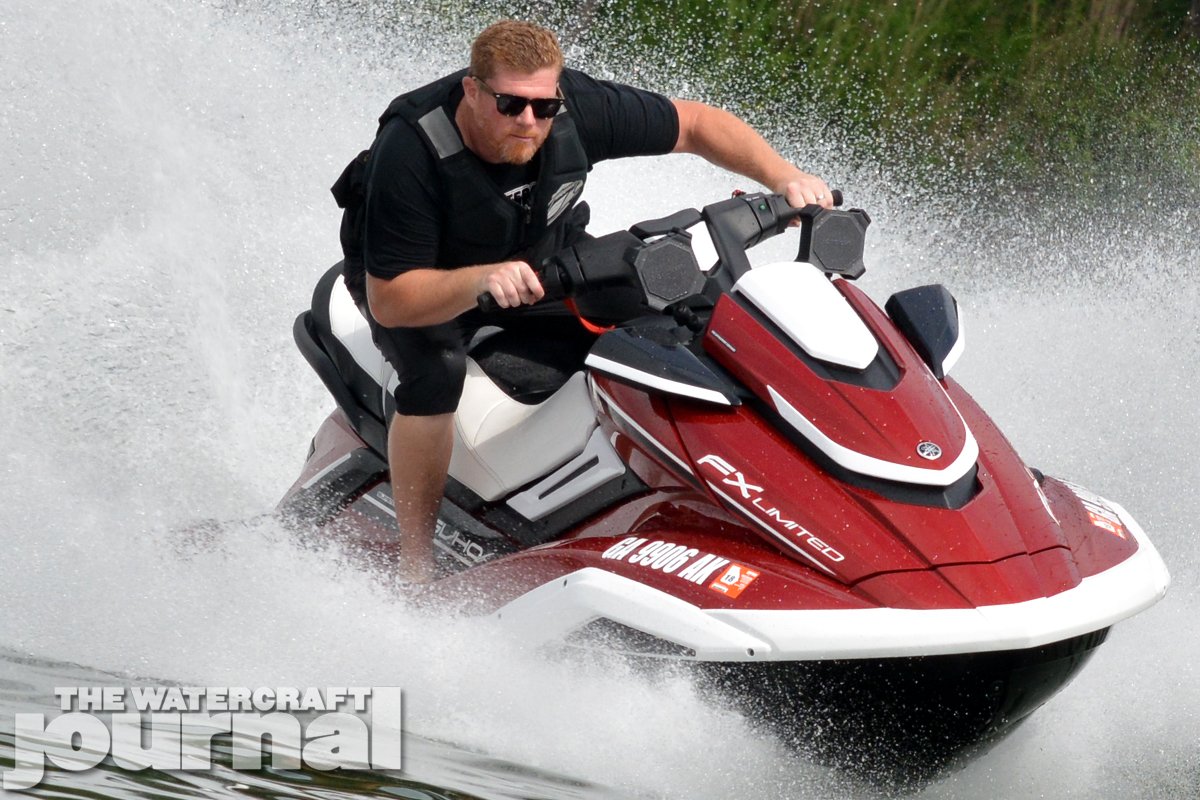
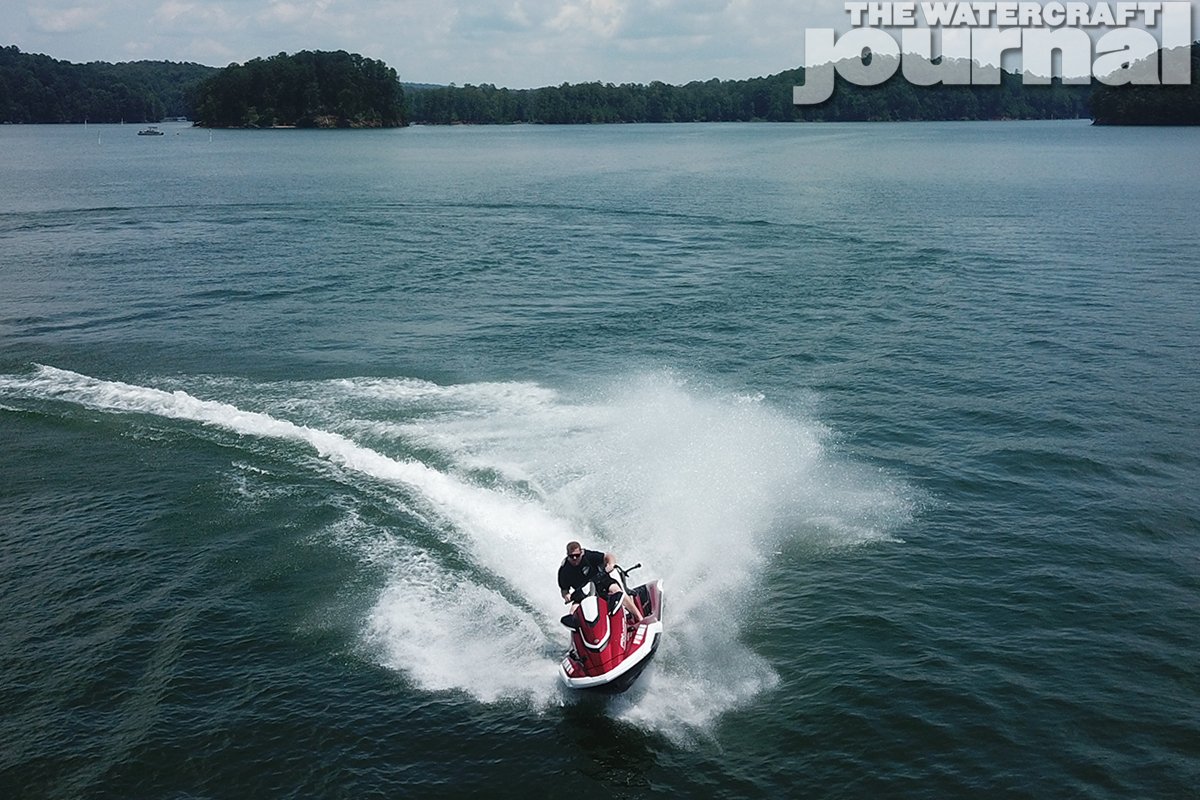
“But what about the hull?!” you ask. According to Yamaha, it was designed for “stability, predictability, and comfort in choppy water conditions.” When The Watercraft Journal talked with Scott Walkins about the redesign, he smirked, “We started with the GP1800 and went from there. Obviously, changes needed to be made but you’ll see that it handles chop really well.” And true to his word, the burgundy FX Limited SVHO we were handed did remarkably well. The craft deftly soaks up bumps and rough chatter, never once bow steering or hunting for a line. Input provided by the rider is followed with exacting precision.
Searching for a stretch of particularly trafficked water, we on the FX Limited SVHO and Greenhulk.net’s Jerry Gaddis aboard a ’19 GP1800R, conducted a trio of heads-up drag races, alternating craft. Each time, the FX bested the GP, slipping over the waves smoother than the GP, never once losing traction. Exchanging wide-eyed glances, we both judged the new FX a worthy successor to the outgoing hull. At speed, the new WaveRunner tracks true regardless of the water conditions. Noise from the ski is greatly reduced and any vibrations through the NanoXcel2 hull are muted. It feels impressively solid for being .9-inch longer and .4-inch wider and taller, and 13-pounds lighter.
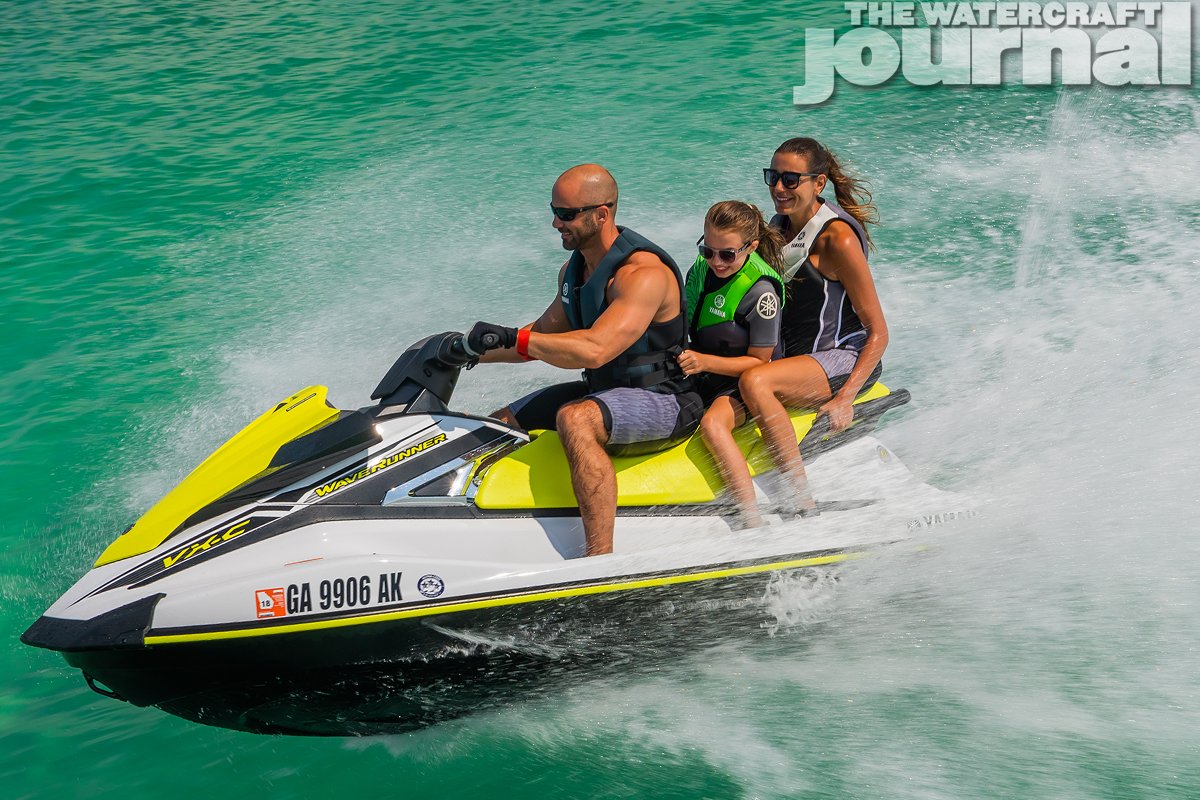
For the rest of the 2019 lineup, the VX series includes one more change, the addition of the VX-C; “C” standing for “commercial” or in layman’s terms, a stripped down, frills-free rental unit. [It’s basically a VX without RiDE. –Ed.] The rest of the Recreational segment includes the VX, VX Deluxe, VX Cruiser, VX Limited and VX Cruiser HO. EXR is joined by the EX Deluxe, the EX Sport, and EX; Yamaha’s Rec-Lite group boasting the highest first-time buyer rate in the PWC industry (54-percent!). Oh yeah, and the SuperJet remains as-is from last year…for now.
And there you have it: a complete breakdown of the 2019 Yamaha WaveRunner lineup. Of course, there’s a lot more finer details that need to be outlined in future articles, which will be found exclusively here at The Watercraft Journal and our YouTube channel in the coming weeks and months. Until that time, please enjoy the latest episode of Long Haul as we introduce you to these machines, show you how they behave in real world conditions and how their new colors pop in under the sun!
2019 Yamaha WaveRunner Reveal | Video + Photo Gallery
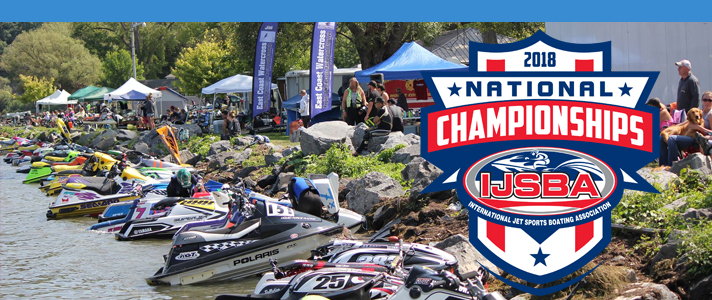
A July 18th press release from IJSBA reads that the organization is excited to announce that East Coast Watercross will host the 2018 U.S. National Championships on August 25-26 at Clute Memorial Park in Watkins Glen, NY.
The National Championships were slated to be held in Chicago. However, it became apparent that the location would not have adequate space for pit crews due to the venue reducing the space. IJSBA is thankful for P1 Aqua X bringing this flaw in the venue to their attention. East Coast Watecross quickly stepped in and took the reigns and got it together in order to host the 2018 competitors. The group was also able to give racers plenty of time to change their travel plans.
The competition will be comprised of some of the top Personal Watercraft racers competing in Closed Course and Freestyle events as they vie for the Number 1 plate at the 2018 Blowsion World Finals and the 2019 season.
Twenty-six categories are set in the contest and champions will be crowned in each one. Super Chicken ( Kawasaki SC650) will be recognized by the IJSBA for the first time as an eligible category for championship glory. IJSBA thanks P1 Aqua X for all of the hard work they have put into the last two U.S. National Championships.
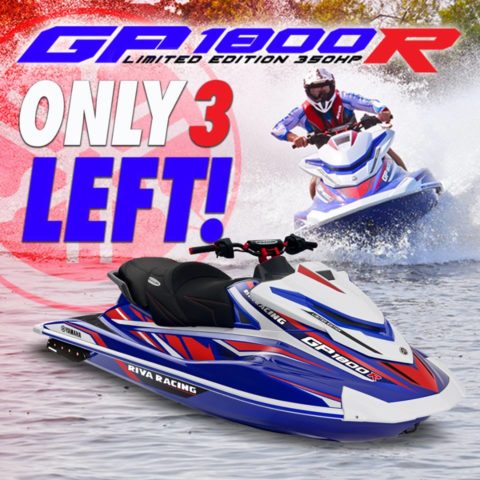
According to the RIVA Racing site, the RIVA GP1800R Limited Edition was developed for the performance rider who demands a PWC that provides the ultimate in power and performance. Only twenty-five of these blistering fast models were produced and each one features numerous RIVA Performance Products precisely matched to the Yamaha GP platform. Each one features hull graphics and red anodized components exclusive to the Yamaha GP.
When you look under the hood…well, seat, you’ll find a powder coated red valve cover with it’s own engraved numbered plate from 1-25, denoting the number of the machine. The number is there to place emphasis on the limited nature of the watercraft.
The RIVA Racing Yamaha GP 1800R is equipped with a powerful 350 hp engine and will accelerate to 85mph. As a compliment to the PWC, it includes upgraded steering and handling components to give the rider complete control. It is built race ready, whether on the track or getting twisted on a buoy course.
This is a competition use machine only; definitely not meant for the weekend warrior nor the weak. It is way too much to handle for a novice rider. As a reminder, only a few of these limited edition watercraft remain for sale, so if you’re in the market for a high performance racing PWC, don’t hesitate getting in touch with RIVA Racing. One of the three Yamaha GP1800R Limited Editions can be yours for $25,995, which isn’t bad, once you breakdown the cost of paying full retail for the parts, and include installation. Call for availability: 1-800-241-4544. What are you waiting for? Go fast now!
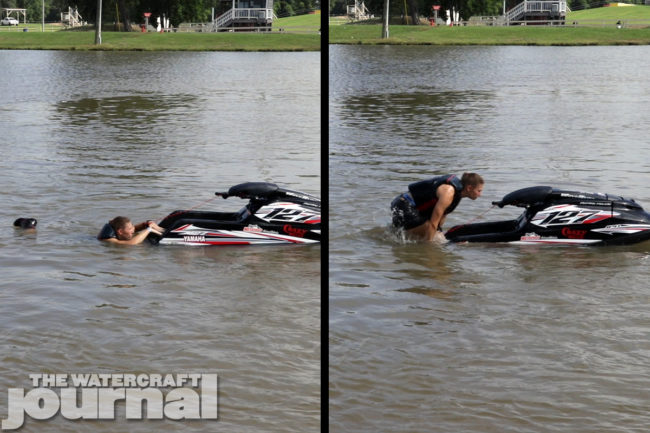
You’ve fallen off. You’ve made it back to the ski, treading water next to it you catch your breath, look up at the water sloshing around in the tray and wonder how the heck you are going to climb back in there.
The deep water start gets a full article because it can be a bear of a skill to learn early on. Unless you plan on swimming the ski back to the shore every time you fall off, you might want to put the deep water start in your repertoire.
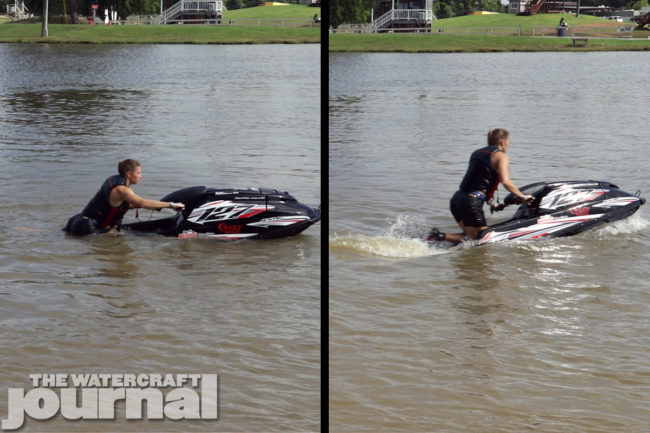
Can’t Stand to Stand The main reason deep water starts can be difficult is because you have to heft your entire body weight into the tray (usually tired after a wipeout), get moving, and stand all while keeping the back of the stand up from sinking and you falling back into the drink. Just like shallow water starts you can follow the knee in the tray or body drag methods, just without being able to initially stand on firm ground.
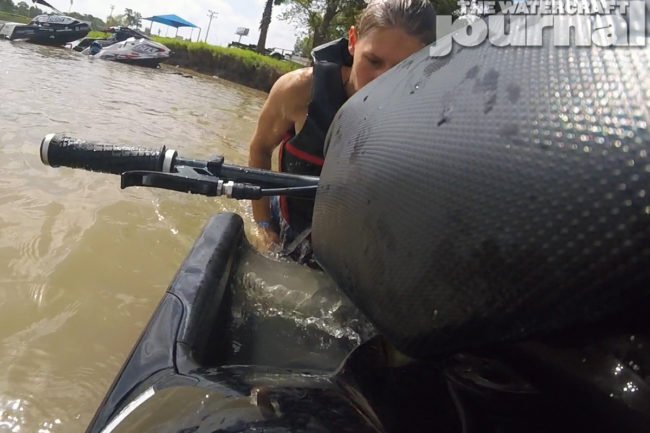
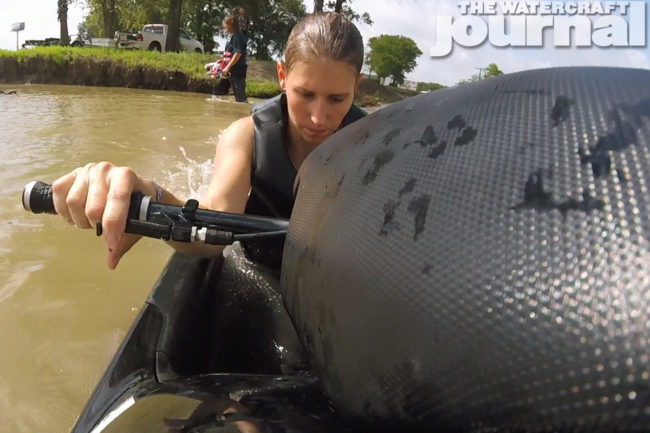
Knee Start Put your lanyard in while you are comfortably floating beside your ski. That limits the amount of time you sit unmoving, and wobbling, in the tray after spending all the energy clambering in there. Get to the back of the ski and place your hands in the back of the tray. You can also place one hand on the back of the tray and the other on the bars or side of the tray, whatever is comfortable for you. However you orient your hands, use one or two to press the back of the tray under water, simultaneously kicking up with your feet.
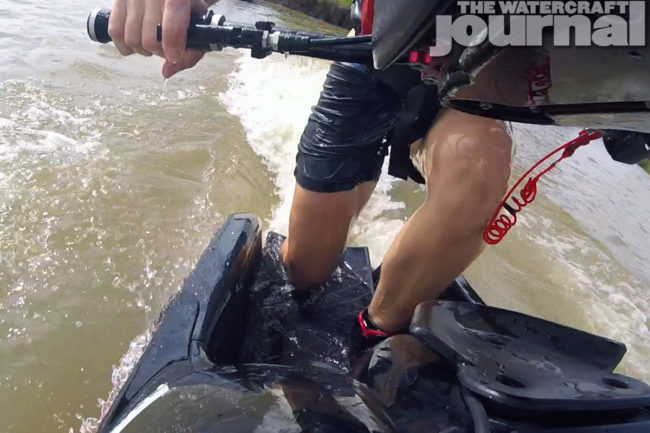
As the tray submerges and your body pops out of the water, bring your dominant knee into the tray and use the other leg to trail behind for balance. Grasp the bars, hit the start button, give the ski a little throttle to plane, and rise just like you would performing a shallow water start. This method takes some initial balance, but it is more natural to get to the standing position.
Body Drag Start
Once again, I prefer the knee start to avoid the awkward body drag, but sometimes the body drag method is a necessity depending on ski size, water conditions, and rider fatigue. This method fortunately does not differ greatly in shallow or deep water. Same as the knee start, put in your lanyard before getting in the tray. Submerge the back of the tray while laying down similar to a seal on the beach, your stomach or hips should rest in the tray as you grab the handlebars with outstretched arms.
Start the ski and once you feel like there is enough stability, pull your body forward and press down on the bars all while performing a strong dolphin kick to pop your knee(s) into the tray. From here you can continue kneeling or rise to a standing position. Strong upper body and core strength make the body drag start easier, otherwise the fish flopping on land image comes to mind.
Conclusion The deep water start can be daunting to new riders due to the fact that they usually have to be performed after a wipeout and the body might be resembling a limp noodle. With nothing to support your body to get into the tray strength, balance, and coordination are key players in the deep water start game. Get ahead of the curve, practice deep water starts near the shore to avoid the swim of shame if you wipe out far from shore.
Fox 10 reports that a group of six friends who are members of Minnesota’s PWC Adventures made a 1,600 mile journey aboard PWC. The guys finished their ten day journey in Spanish Fort, AL, raising money along the way to help a Disabled American Veterans Chapter in Illinois purchase a van. They called the trip, “Rocking the River-Minneapolis to Mobile.”
When the PWC Adventures team drew closer to their destination, they sent out a notice from the Mobile River via livestream to their followers.
“Alright, guys. Headed to Mobile,” one of the riders could be heard saying from the Mobile River Ship Channel. “Just pulling in here and I got a pipeline laying across the channel, so I’ll see what we can do to get by this and we’ll see you guys shortly at the welcoming party.”
Soon after sending the message and 1,621 miles later, the group pulled up at the Bluegill Restaurant. They were right on time for a celebratory lunch in support of their mission.Team leader, Joey Freeman said the trip was amazing and people on the river from Minnesota to Alabama gave them donations and asked questions about what they were doing.
The crew navigated many rivers and nearly 30 locks and dams to arrive at their destination. Lunch time diners were excited to ask questions of the riders and to find out what the trip was all about. The guys were happy to talk shop.
If you are interested in highlights from the Minnesota to Mobile 1500 adventure or want to donate, visit pwcadventures.com.
The IJSBA has just released the first entry form for the 2018 Blowsion World Finals. Classes at this point are contingent but include runabout open, women’s runabout 1100, naturally aspirated, junior 10-13 lites, and more.
Entry forms must be filled out, submitted, and received by September 4. You can email your completed entry forms to [email protected].
For more information, check out the full press release below and be sure to check out ijsba.com for the latest details.
IJSBA is pleased to release the first entry form for the 2018 Blowsion World Finals. This entry form consists of six categories that were either slated for removal from the competition program or were requested for addition to the competition program. These classes include:
Runabout 1100 Open: An unclassified category to provide an opportunity for the growing demand for aftermarket hulls in the small runabout division.
Ladies 1100 Stock: An unclassified category to provide an opportunity for female competitors to compete in the small runabout division.
Junior 10-13 Lites Challenge: Intended to provide entry opportunities for the Junior Class competitor which develops both Closed Course and Slalom skills in a combined overall score.
Naturally Aspirated Limited: An restricted unclassified category intended to meet the demand of competitors who wish to continue the use of classic runabout watercraft or who want to engage in the use of aftermarket parts on a modern watercraft without the use of forced induction.
Naturally Aspirated Open: An restricted unclassified category intended to meet the demand of competitors who wish to continue the use of classic highly modified runabout watercraft or who want to engage in the heavy use of aftermarket parts on a modern watercraft without the use of forced induction.
Amateur Runabout Stock: Intended to provide neophyte Stock Class competitors an opportunity to evaluate their skills in an environment against select Expert Class competitors before deciding to apply for an Expert License.
IJSBA will accept entry forms, today, but will not process the entry until the requisite number of entries as been received. To submit an entry in these classes, download the entry form, fill it out with a valid payment and email the completed form to [email protected]. 12 completed entries must be received by September 4 or the class absolutely will not be run.