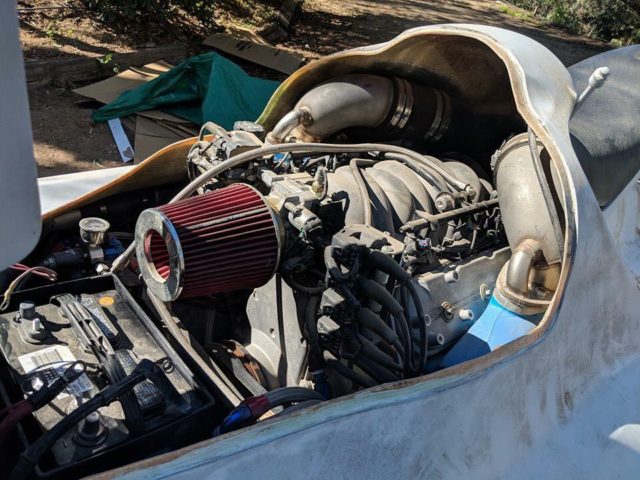
In the world of hot rodding, it’s become common practice to “throw an LS in it.” The phase to the neophyte is regarding the LS-based Chevrolet small block engine, which first appeared in this iteration in the late 1990s. The engine are plentiful, incredibly responsive to aftermarket performance components, and have a long track record of making big horsepower. The LS1 was first made available in the C5 Corvette chassis and later in the final years of the 5th generation Camaro before its demise in 2002. So why are we talking about cars here?
Well, some Southern Californian has dropped an open-headered LS1 V8 into an unusual split hull/catamaran-style ski (with help from Global West Marine Offishial Business), and backed the powerplant with a Berkley jet pump back in 2013. Those on-site recorded a maximum speed of 30 miles per hour given that water conditions weren’t ideal and that frankly, the weight of the powertrain heavily effects the ski’s attitude and pitch. Simply put, it’s not well-balanced.
Effectively, the design and shape of the hull is a miniaturized version of an off-shore race boat with the top deck looking like a Suzuki GSX-R being molded and grafted to it (it’s not). The gauge cluster is an array of mechanically-operated AutoMeter gauges, Lokar steering and trim cables, and other performance automotive aftermarket products. And before you think, “Dang! That thing is a monster,” remember that anything with open exhaust sounds pretty awesome.
We have recently announced the tour dates for this year’s Hydro-Turf Jet Jam series. Now we have received details about the exciting prizes available to all registered participants of Jet Jam.
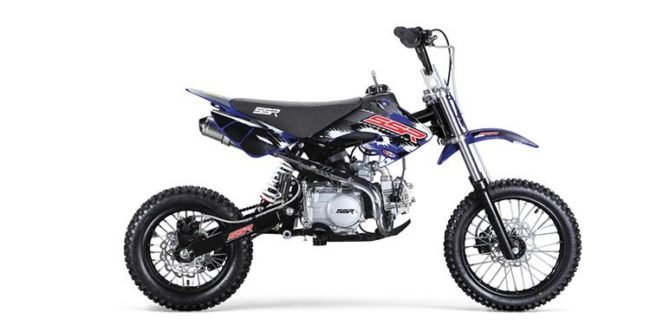
As detailed before, there was already a significant cash prize on hand. Additionally there is now an available 125cc SSR pit bike, a brand new Sea-Doo Spark, and a Kawasaki rolling duffle bag, as well as other awesome prizes. That’s right, you can win a brand new Sea-Doo.
Here is the full press release:
Hey everyone! Here is our big announcement for those that will be attending the first 2 races in Havasu!
We will be giving away a SSR 125 Pit Bike and a Kawasaki rolling gear bag plus other misc. items thanks to River Rat Motorsports in Lake Havasu!
Each racer will receive a total of 4 tickets to be entered into the drawing. 1 for each day registered. Remember you have to be registered at each event for both days in order to qualify for these prizes.
Good evening everyone. JetJam is very excited to have partnered with Hidden Trails Motorsports to bring you an awesome overall season prize. We will be giving away a SeaDoo Spark!! This giveaway is for racers only. Each racer will receive 1 ticket/per day with a paid registration. This does not mean you get a ticket for every class registration. It is 1 ticket per person per day per race. The Spark will be given away at our last race and end of the season party at Lake Success in Porterville, Ca.
If you’re not already registered for these events, you definitely don’t want to miss out. Register here at jetjam racing.
MVP Production wants to know if you’re ready for the 2018 season of HydroDrags? The excitement begins June 9 with a stop in Tavares, FL for the HydroDrag Summer Nationals. This two day event is over in a flash. It is followed by another stop in Tavares,FL for the Fall Nationals. This round takes place August 25-26. Details are still being sorted for the series in Lakeland,FL. The September 29-30 dates are confirmed. The location is undetermined. The HydroDrag World Finals return to Tavares November 3-4.
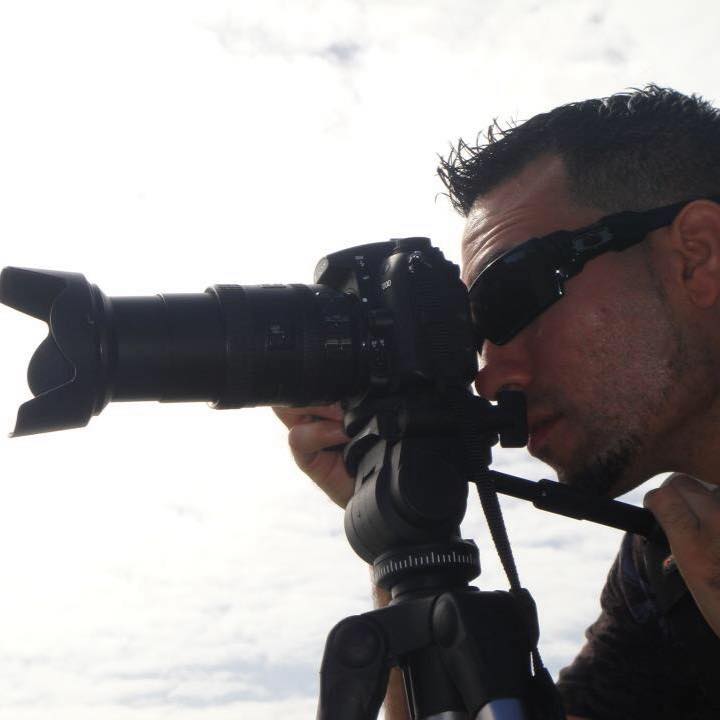
MVP Production is a one man show based out of Miami,FL. Manuel Valdes is the man behind the lens of MVP Production. Valdes made a decision in 2011 to go full on into photography and he hasn’t stopped. He is committed to providing high quality service. Specializing in shooting HydroDrags and other action sports; MVP Production is the official photographer for the IJSBA HydroDrags. Check out his action photos on Instagram, Facebook, and his website. You can catch him at the races and say hello as long he’s not getting “the shot”. Valdes captures some great moments in racing. We aren’t sure how he pulls it off when boats are moving at speeds of 80mph and beyond. It takes a great deal of skill to grab those shots and Valdes has the talent.
Valdes can be contacted by email at [email protected] or messaged through Facebook for information pertaining to lifestyle or action sports photography sessions. Give him a shout. He would love to hear from you.
MVP Production is ready for HydroDrags. Are you?
An announcement on the IJSBA’s website states that Jettribe has once again stepped up as title sponsor of the 2018 European Finals. This years final event will be held in Lakes of Eau d’Heure, Belgium. The race dates are set for July 4-8. Jettribe hosted the successful 2017 European Championship, which was held in Austria. The Jettribe force are looking forward to holding another outstanding event.
The Jettribe crew are even more excited about holding the 2018 European Championship in Belgium because it’s the ten year anniversary of the Belgian Jet Ski federation BJBF/IJSBA Europe. The combination of the ten year anniversary and European Championship makes Belgium the perfect location to celebrate with a hotly contested event. Expect a lot of extra special events to happen with this 10th anniversary extravaganza.
While you’re in between competing or watching the races, take in some attractions. There are many things to do in the Lakes of Eau d’Heure area such as hiking, dining, guided tours, and much more. The area is filled with activities for the whole family to enjoy.
For more information and registration for the 2018 European Championship, check out the BJBF website. Need help right away? Contact Peter DeSmet by email [email protected]. He will be happy to answer any questions and address concerns.
For those who knew Mark Hahn, they would be the first to tell you that he had a unique sense of humor, particularly at the race track. And since his untimely passing in 2004, and the formation of the Mark Hahn Memorial Havasu 300 by dear friend and fellow racer, Mike Follmer, Mark’s sense of humor has never dwindled. For last year’s unlucky 13th anniversary, the pits growled with murmurs that “Mark’s at it again” as winds whipped Lake Havasu into a violent maelstrom – by far the worst water conditions ever recorded for the event. Buoys broke from moorings. Seasoned racers were ejected from their craft. Even one stalwart athlete had his leg snapped in two as he was thrown from his ski. Almost invisible in the chest-high whitecaps, he was forced to swim miles into shore before being rescued and treated.
While this year’s 14th annual Hot Products Mark Hahn Memorial Havasu 300 presented by Yamaha featured no such perilous conditions, the mischievousness of Mark was easily at work. For several days leading to the Saturday morning event, all weather conditions – from satellite imagery, local knowledge and even ancient almanacs – all echoed the same report: 5-10 mph winds, 1-2 chop. Yet, as racers peered over the whitecapped lake at dawn, a strong northern wind filled the windsocks at 17mph, nearly doubling the predicted gusts. Chop boiled into waist-high white caps and racers were left scrambling to reconfigure their setups. So much of the Mark Hahn Memorial 300 depends upon the weather and water conditions; smooth water makes for a fast, top speed race. Chop (and worst) calls for slower, more conservative tunes.
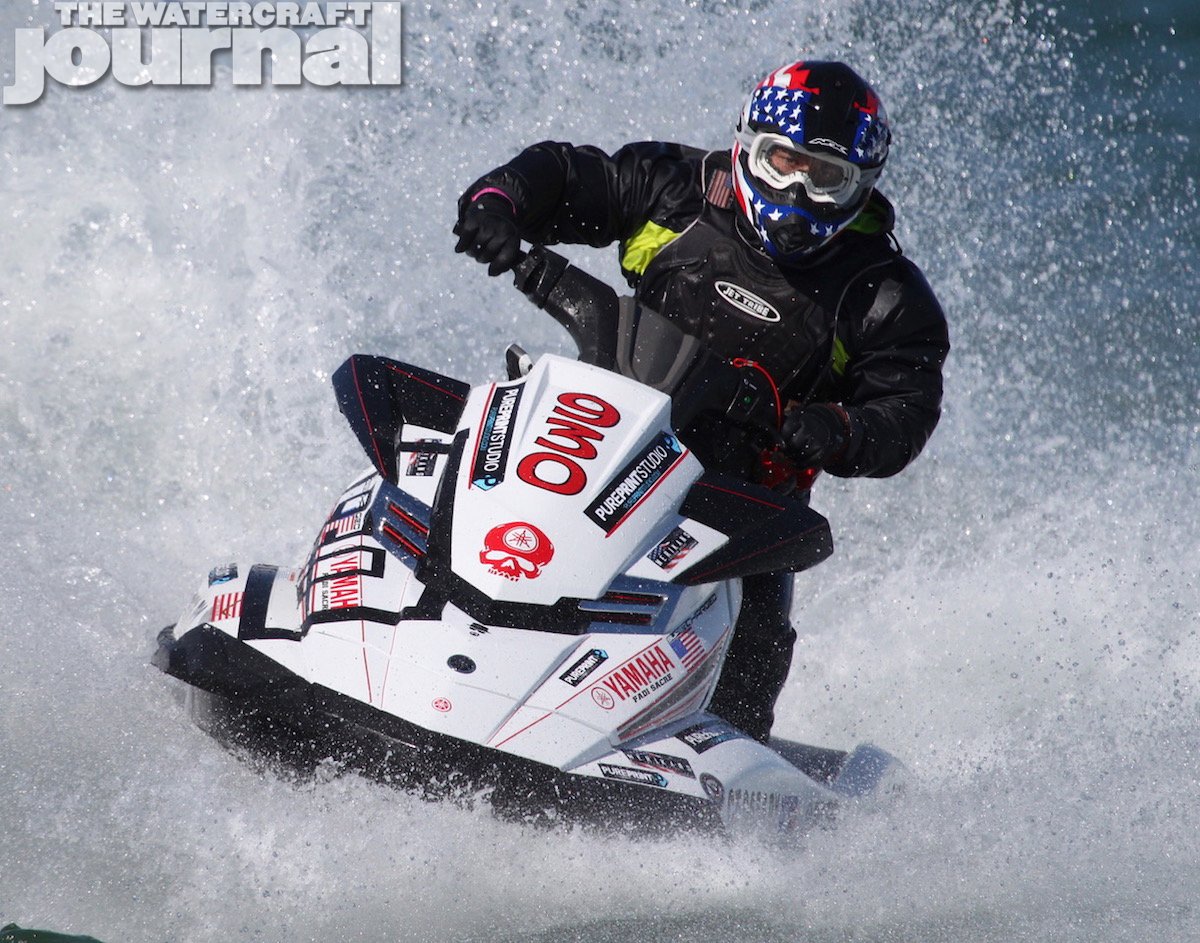
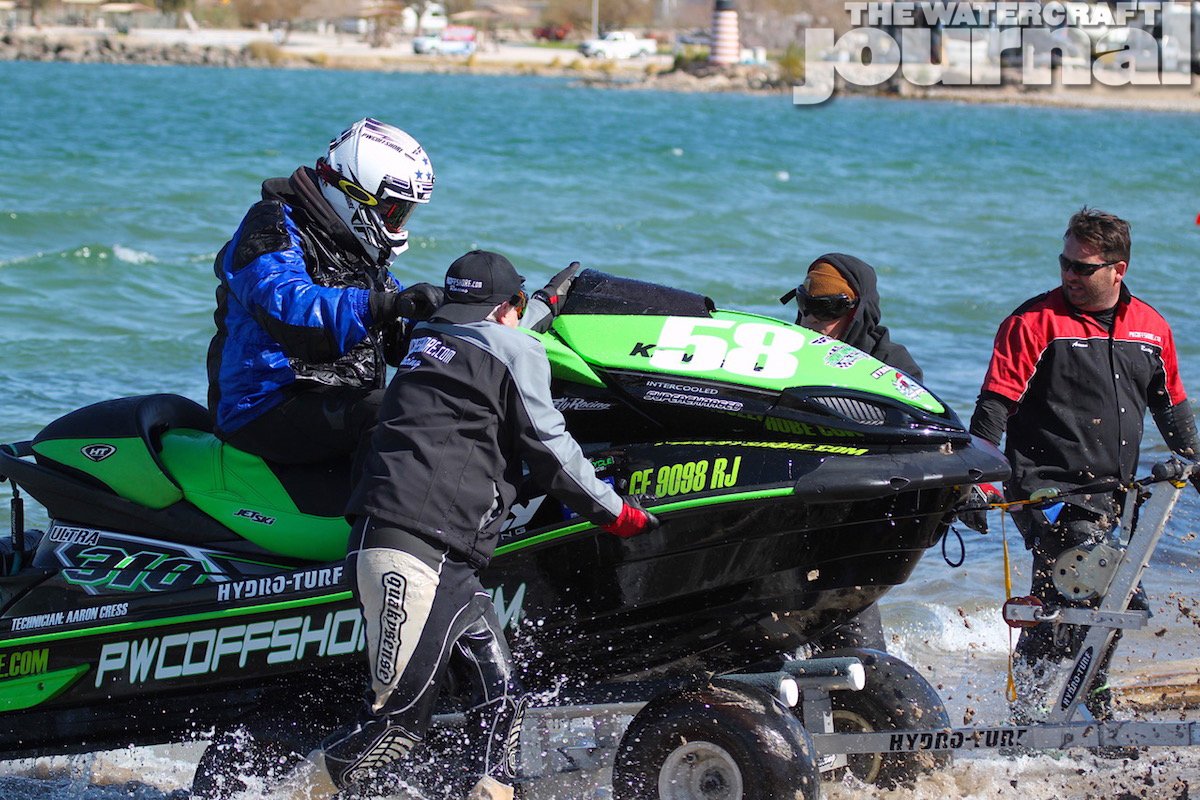
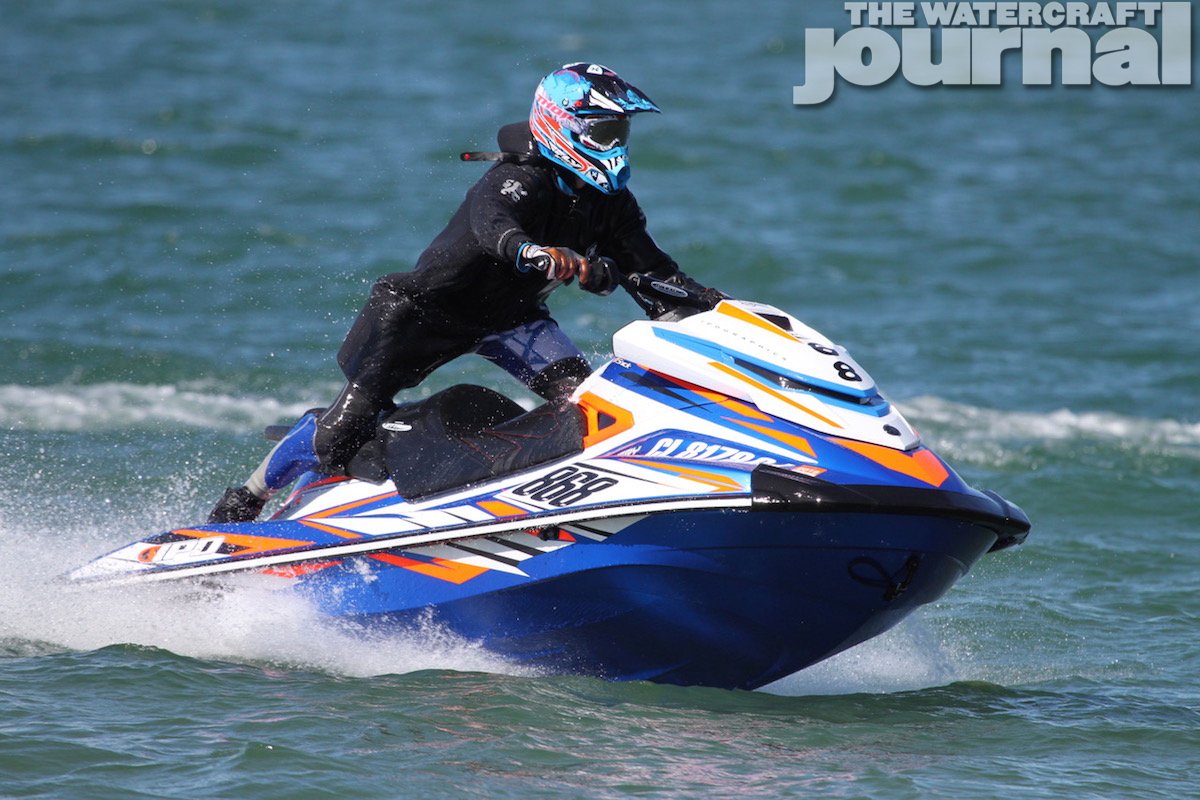
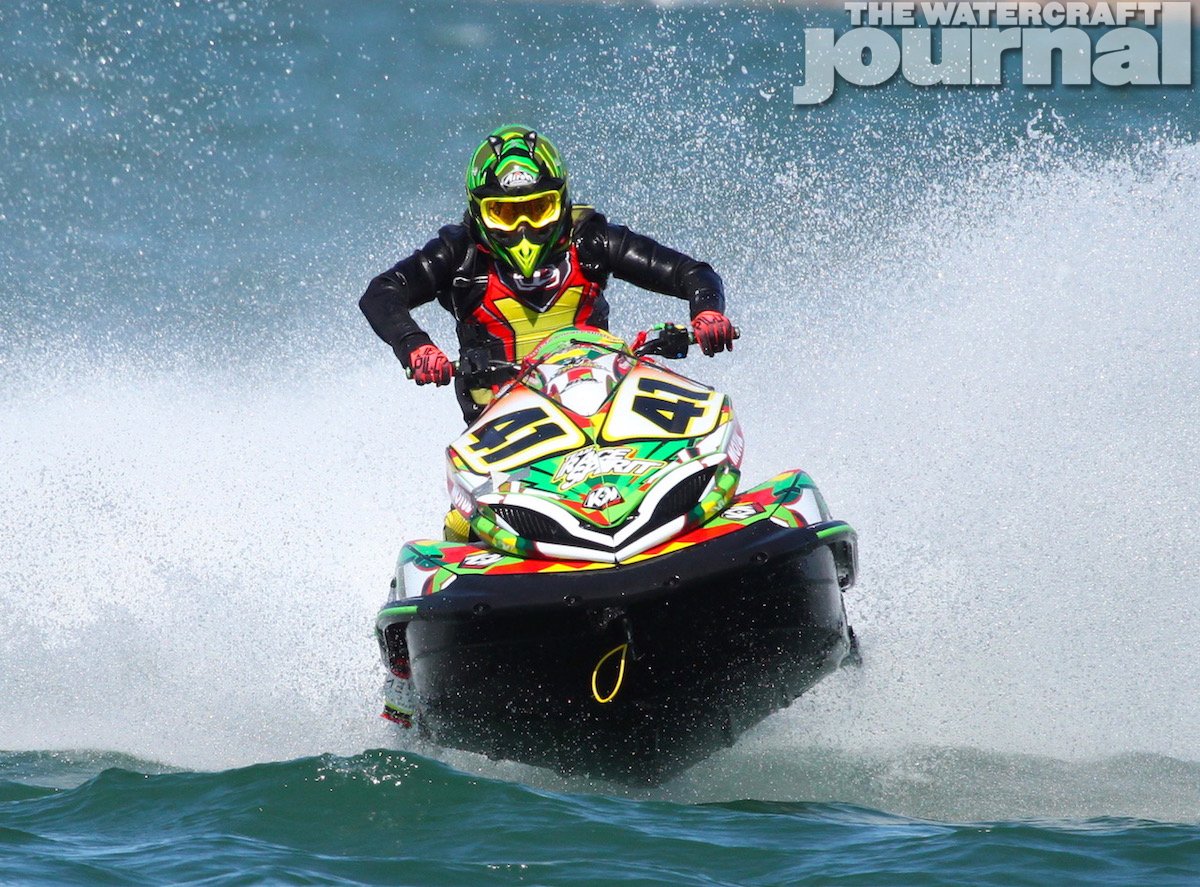
Many teams came prepared for a virtual drag race, equipped with 83-plus-mph turbocharged Yamahas. In fact, the runabout lineup has been estimated at over 80-percent Yamaha – be them either full-sized FX SVHOs or smaller GP1800s. PWCOffshore.com’s own Mark Gerner came prepared with a R&D Performance-turbocharged Yamaha FX SVHO only to trailer it mere minutes before the race began, swapping out for a nearly bone-stock Kawasaki Ultra 310R. Gerner explained, “Kawasaki has won this race the last nine years straight and France’s Team Bruno Pastorello has won six times and the last three years straight.” Gerner’s 310R was completely stock minus an R&D intake grate and aftermarket ECU; unfortunately, the aftermarket ECU malfunctioned during the practice lap resulting in Gerner reinstalling the stock Kawasaki ECU and running the race as-is.
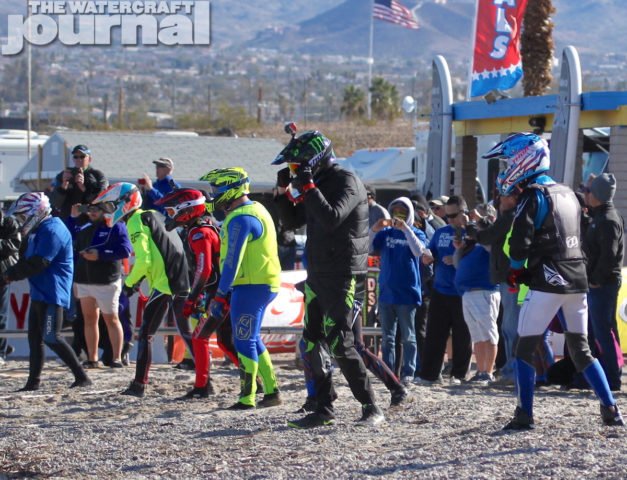
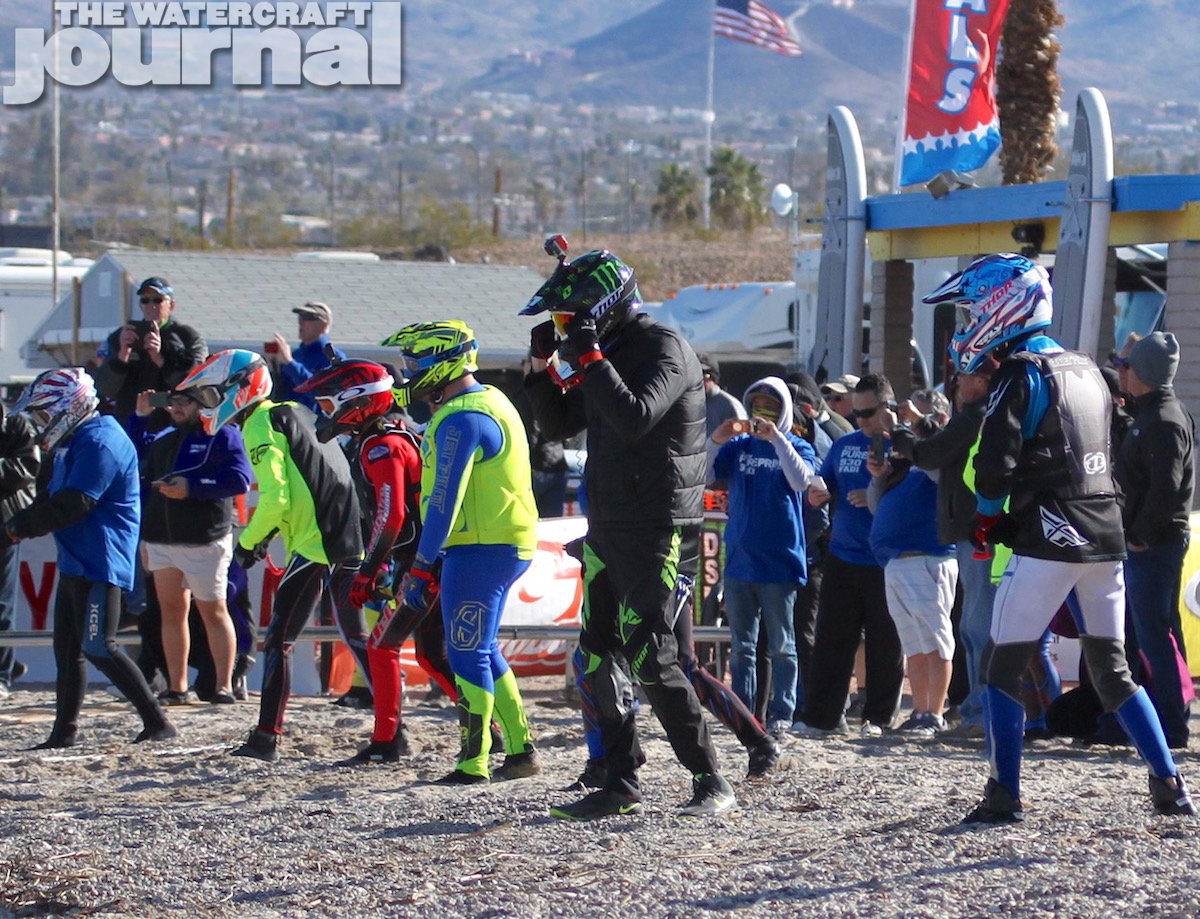
Of course, Pastorello was favored to win yet again, and the six-time champion opted to partner with his son, Hugo. For a second year, Canadian Mike Klippenstein entered into two classes: Open Runabout and Standup Ski. Doing double duty, Klippenstein would trade between his R&D T1 turbocharged 2018 Yamaha GP1800 (co-piloted with Marcus Jorgensen) and a ’18 Kawasaki SX-R 1500 that he shared with Theo Baumer. As the morning sun crept higher, so did the winds and whitecaps out on the water. This also plummeted air temperatures down to a frigid 39 degrees, only made worse by the 17 knot winds and bone-chilling water temperatures. It was expected that the race would be a grueling slog towards the necessary 30 10-mile laps, and many simply wouldn’t make it to the end. As promoter, Jim Russel’s 12-guage shotgun barked, cracking the air, racers sprinted down the pebbled shore into the crashing surf.
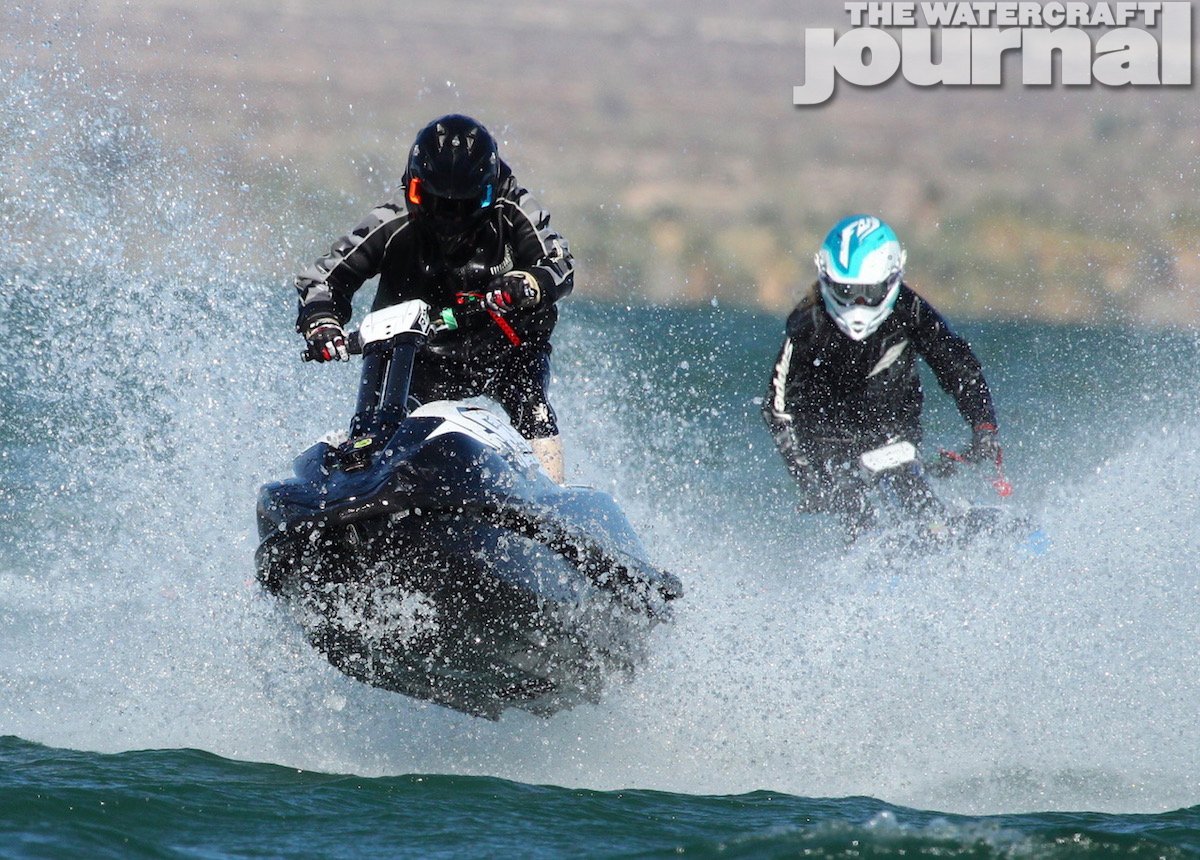
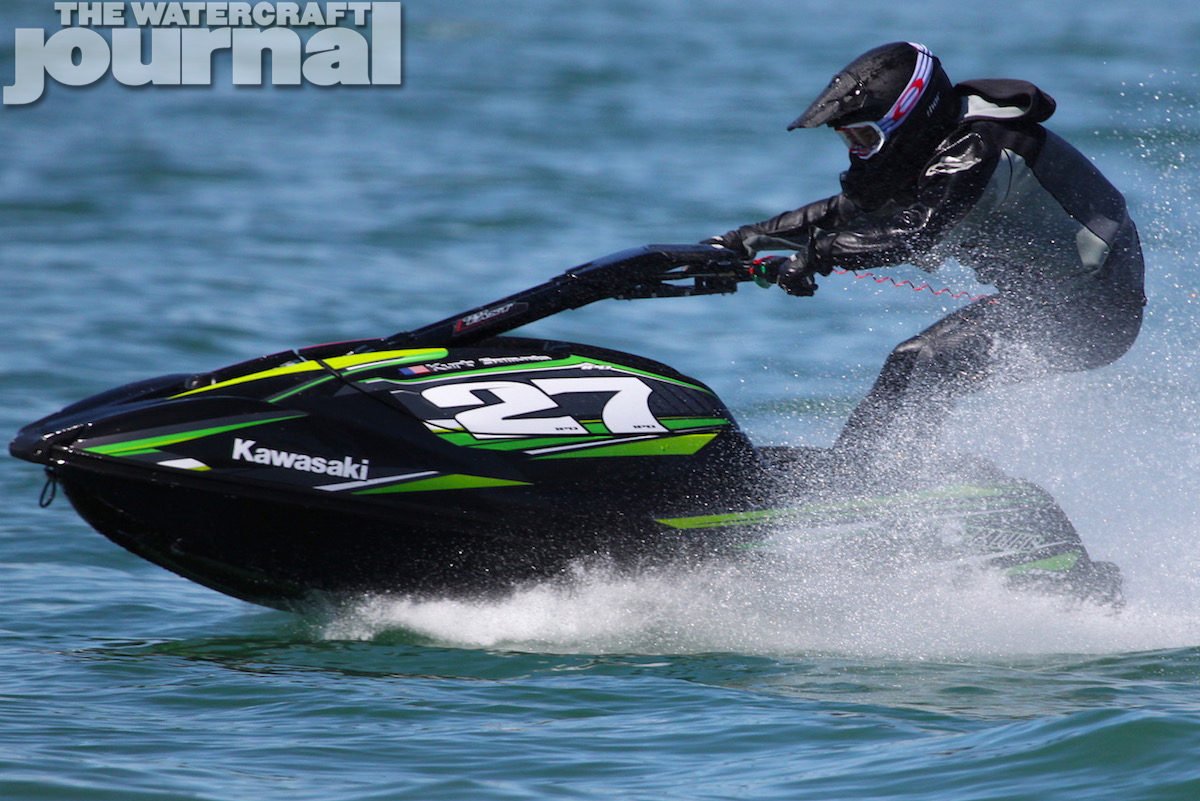
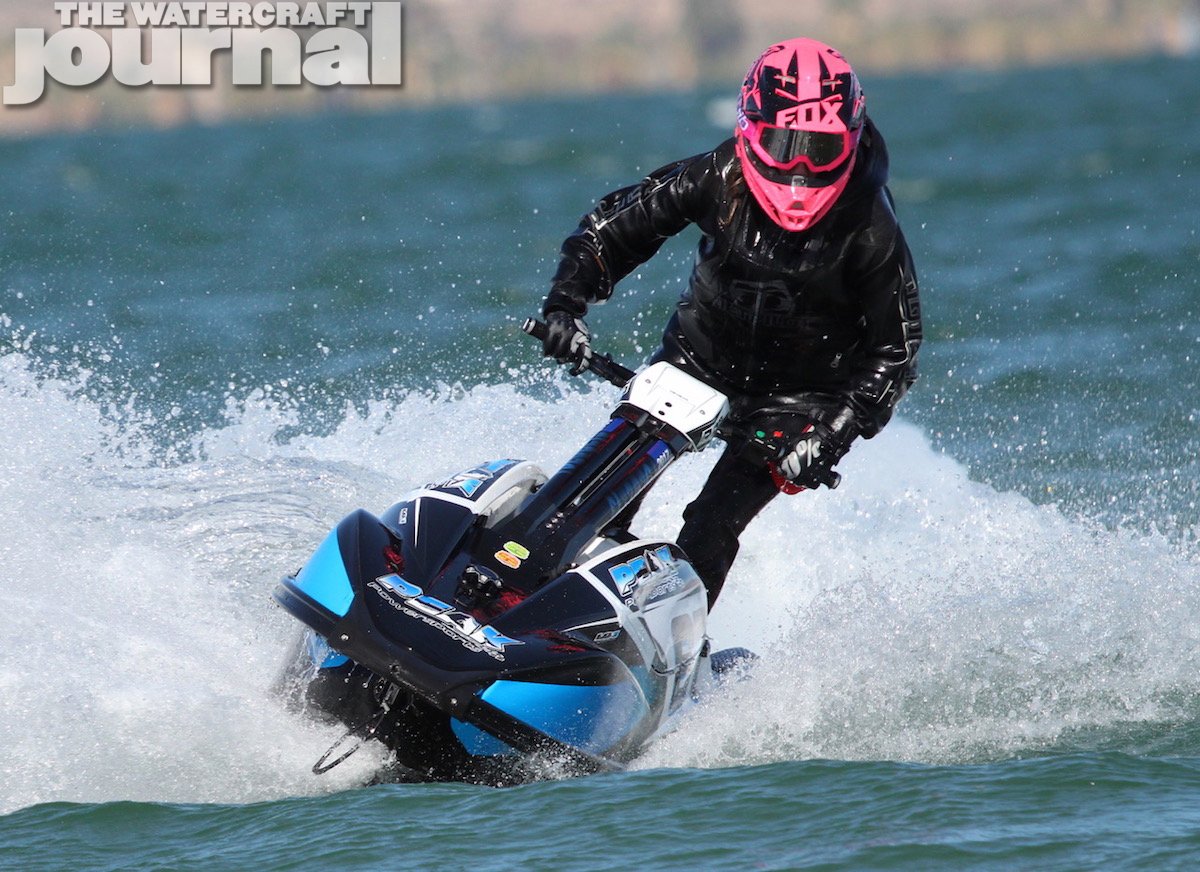
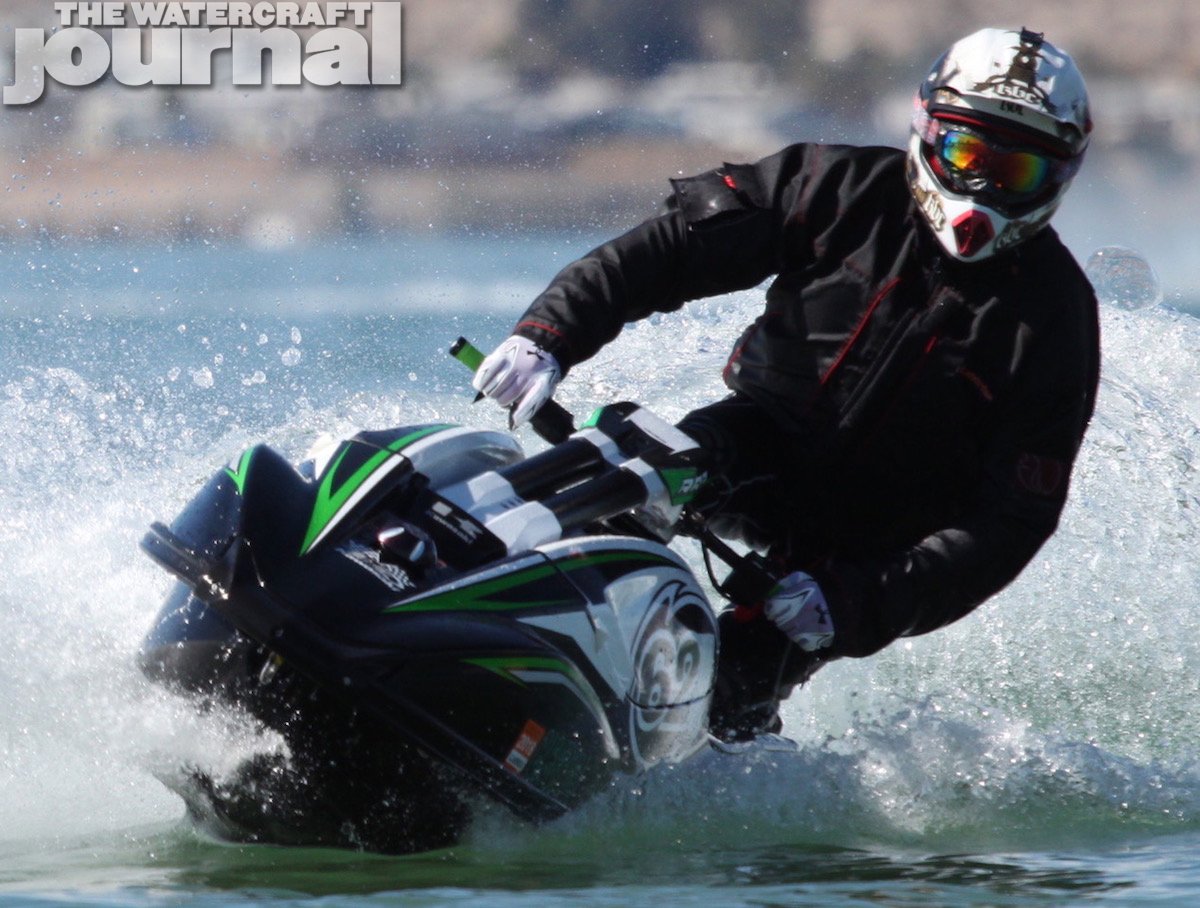
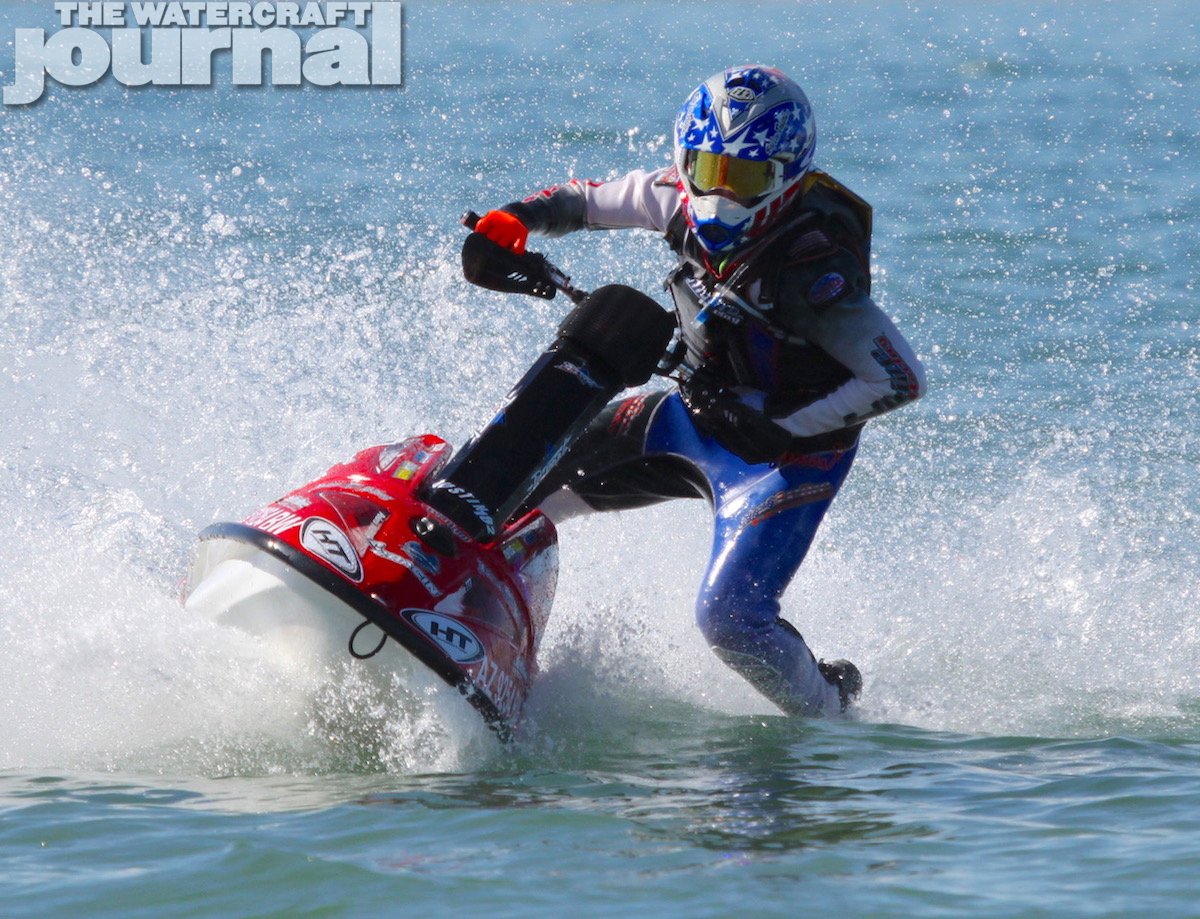
Few could leap high enough or far enough along to reach their waiting craft without being bitten by the freezing water. Almost instantaneously, ignitions of over 30 machines sparked, erupting into a cacophony of engines wringing to speed – the din echoing above the howling winds. Those aboard the heavier, stalwart Kawasakis fared best, their deep-V and steep deadrises serving their masters well as they battered through the waves. Lighter Yamahas and Sea-Doos were tossed erratically about. Seasoned AquaX racer, Anthony Radetic suffered a collision almost immediately aboard his brand-new 2018 Sea-Doo RXT-X 300, fracturing the bow and ending his race only three laps in. Those standup racers who smartly rode the massive 551-pound Kawasaki SX-R 1500 fared better than any standup ski racer before, as the heavy, runabout-inspired ski soaked up the chop far ahead of those who weren’t.
Several racers began showing early signs of frostbite and required immediate warmth. Cold weather slows down everyone, even those pit crew members waiting for their racer to come in for necessary fuel. Winds and waves kicked up higher and higher throughout the morning, and few thought things would improve. Yet, as if by request, weather inexplicably turned for the best, and water conditions calmed. Mark was up to his old tricks, many laughed. Over 15 laps into the race and suddenly, a whole new race course appeared. Thus far, Pastorello had lead the field; in fact, for the first few laps, the Top 10 into the chicane was almost entirely Kawasakis. Yet, with this sudden change in the weather, Pastorello would have to suddenly earn his crown. Klippenstein’s insanely-fast GP1800 poured on the boost, and the two began a dance that lasted until the race’s conclusion.
Changes made to preserve Klipper’s craft prior to the start of the race couldn’t be undone in time, so the multi-time World Champion had to win over Pastorello by riding, not sheer top speed. Fortunate for him, Pastorello had one major problem: he was sharing his pit crew and single-place trailer with another team, and on more than one occasion was Pastorello’s #8 310R seen floating aimlessly just off the beach waiting for his pit crew to finish fueling and unloading the other craft. This ate up valuable seconds, giving Klippenstein even more of an edge. Through smart riding, throttle control and capitalizing on an opponent’s poor planning, Klipper was gaining. The two traded the lead four times in less than 10 laps, and by nary 30-seconds Klippenstein and Jorgensen pulled ahead of Pastorello after 4 hours and 20 minutes.
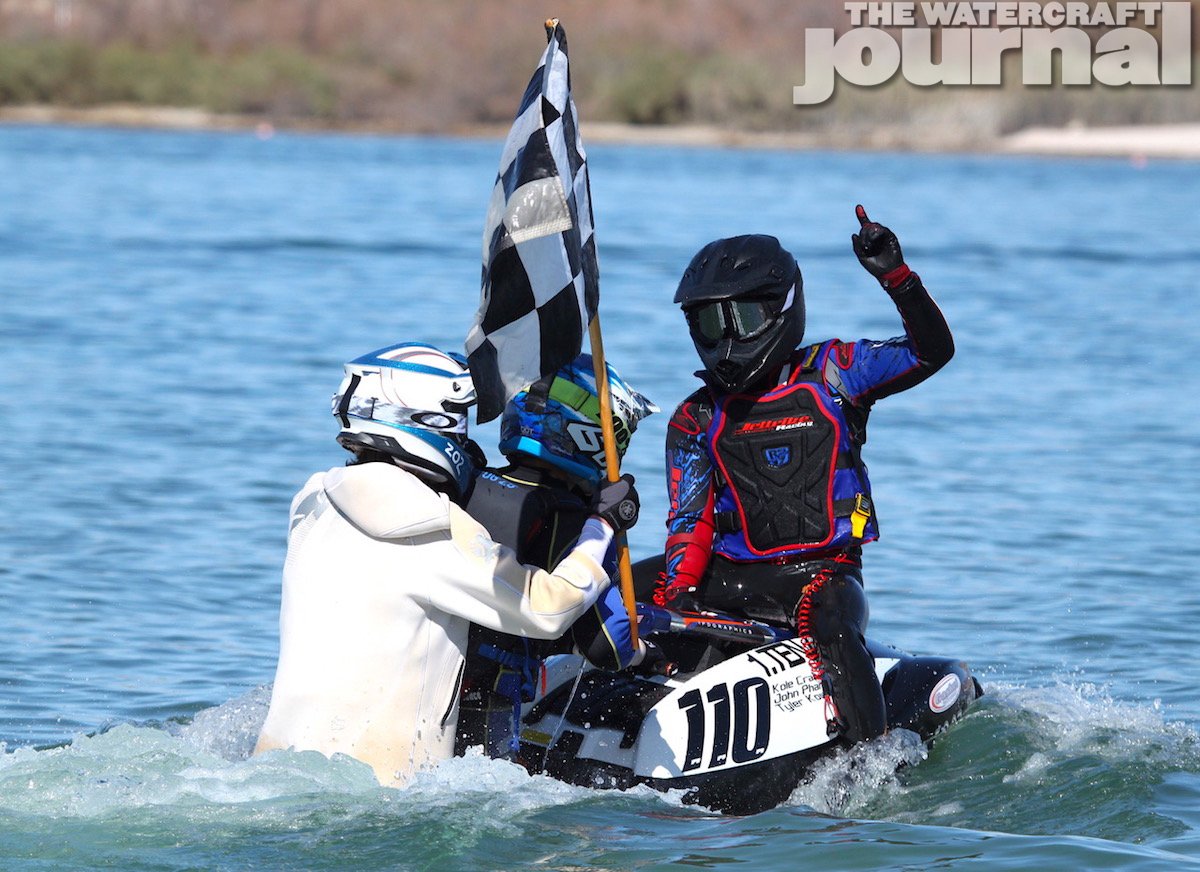
The win was also the first for a Yamaha in 13 years, the first and only being that of Mike Follmer and teammate Billy Womack back in 2005 aboard a 2-stroke GP1300R. Of all of the finishes, the most impressive was easily the performance of Jon Phan, alongside teammates Kole Cramer and Tyler Kowalski, who not only completed the most laps by a standup, but also broke into the Top 10 Overall aboard the new Kawasaki SX-R 1500. In all, the Mark Hahn Memorial Havasu 300 continues as the only PWC race of its kind anywhere in the world, and is always throwing willing to throw a few curve balls at racers. And we don’t think Mark would have it any other way.
All images provided by Ally Emig, and unaltered originals can be purchased HERE.
2018 14th Annual Hot Products Mark Hahn Memorial Havasu 300, Presented by Yamaha Overall Race Results: 1. Klippenstein/Jorgensen (30 laps), 2. Jean Bruno Pastorello/Hugo Pastorello (30 laps), 3. Mark Gerner/Juan Francisco (29 laps) 4. Tony Beck/Chris Fischetti (27 laps0, 5. Andreas Kubatzki (26 laps), 6. Renee Hill/Tyler Hill (25 laps), 7. Dave Chassier/Jeremy Poiret (24 laps), 8. Mark Conroy/Lauren Conroy (24 laps), 9. Fadi Sacre/Troy Morgan (24 laps), 10. Jonathan Phan/Tyler Kowalski (24 laps), 11. Cassius Sanders (23 laps), 12. Clinton Peterson (22 laps), 13. Gerry Wong/Charles Anderson (21 laps), 14. Kevin Dickes/Chris Caputo (21 laps), 15. Joey Burkhalter (20 laps), 16. Mike Klippenstein/Theo Baumer (20 laps), 17. Jeremy Poper/Rick Kantola/Tim Warner (20 laps), 18. Gerry Wong/Vasilis Moraitis/Derrick Powell (20 laps) 19. Justin Black/David Palmer (19 laps), 20. Omar Leon/Santiago Kuan (18 laps), 21. Brian Smith/Kurt Samuels/Tim Miller (18 laps), 22. Jo Jo Thompson/Javier Cartaya (17 laps), 23. Kelly Kantola/Bridgett Poper/Becky Cooper (17 laps) 24. Reese Maricich/Tyler Shenko (16 laps), 25. Glenn Powell/Brandon Edwards/Brian Edwards (16 laps) 26. Jack Chang/Tom Phan (16 laps), 27. Cooper Schexnyder (15 laps), 28. Brock Austin/Woods Cross (15 laps), 29. Jeff Lysdale (12 laps), 30. Mitchell Wayt/Brett Douglas (9 laps), 31. James Gagnon (9 laps), 32. Louis Nguyen/Tony Hoa (3 laps), 33. Anthony Radetic (3 laps), 34. Matthew Goade/Tiffany Taylor/Corey Van Cleave (2 Laps)
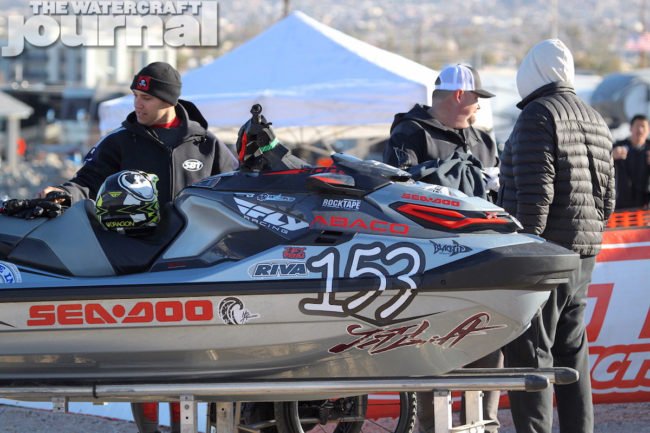
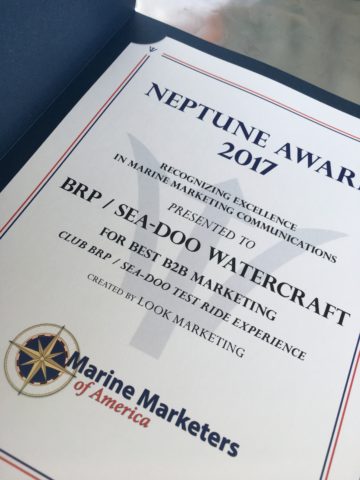
LOOK Marketing, based in Melbourne,Florida received its fourth Neptune award from Marine Marketers of America. LOOK was presented the award during the 2018 Miami International Boat Show. Look was chosen for the award based on its stellar marketing campaign for the Club BRP/Sea-Doo Dealer Test Kit Experience. The informative event resulted in the highest wholesale of Sea-Doo Watercraft in more than a decade!
“Being recognized by the Marine Marketers of America for industry best work for the forth time in four years is a humbling honor,” said LOOK president Tim McKercher. “We are very thankful to do award winning work for client BRP/Sea-Doo, the global leader in watercraft sales. LOOK is proud to have won four Neptune awards in four different categories, showcasing our integrated capabilities.”
The team from Look provided exactly what Sea-Doo wanted. The marketing strategy was based on the Sea-Doo Dealer Test Ride Experience. The event design and execution encouraged an engaging and exciting experience for global dealers. Furthermore, the hands on participation lead to more wholesale orders for 2018 Sea-Doo machines.
This video from Look Marketing provides a vision of the Experience. It was shot during the BRP Global Dealer Meeting at Club BRP Dallas. Dealers were able to immerse themselves in The Experience, which began with them on a bus watching the short clip to get them hyped and ready to ride at the Sea-Doo trial site. Once on site, Look conveyed its new brand message: “Escape the Everyday”.
Sea-Doo retailers were able to mingle with brand ambassadors and product experts. Participants learned about the new models’ innovations and key messages through the use of interactive walk-arounds. Everything was hands on, which was of utmost importance because the more you know, the more you sell.
Dealers also rode the new Sea-Doos, which helped showcase the PWC’s strengths and capabilities. Close to 900 representatives from around the world attended the event and enjoyed test riding the 2018 Sea-Doo line. Over 2,000 rides were taken without incident. That’s quite an accomplishment!
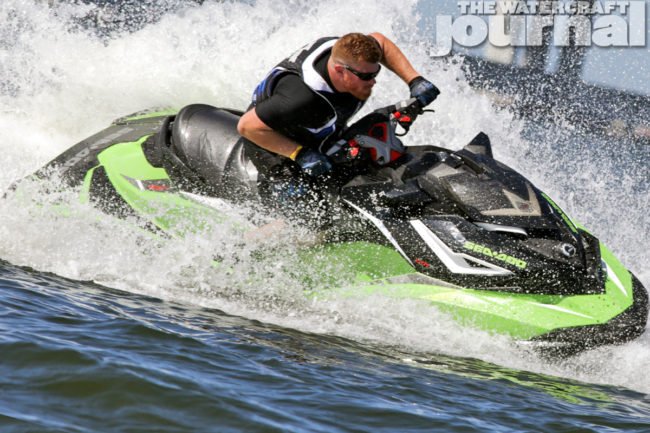
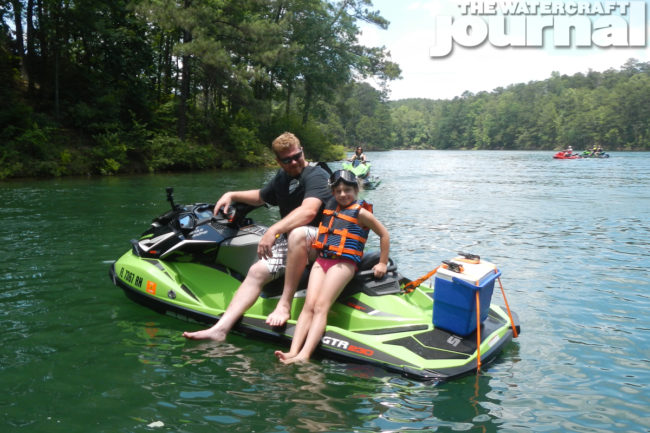
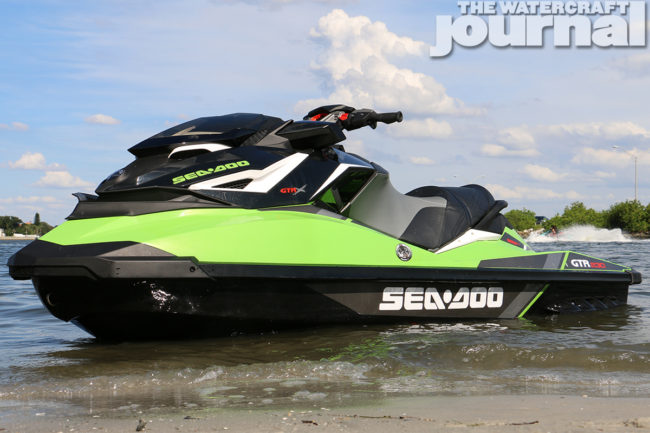
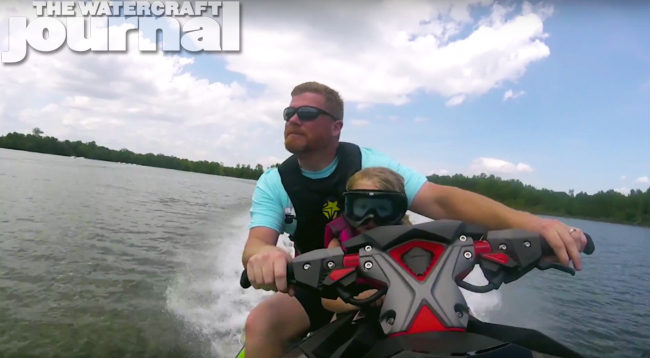
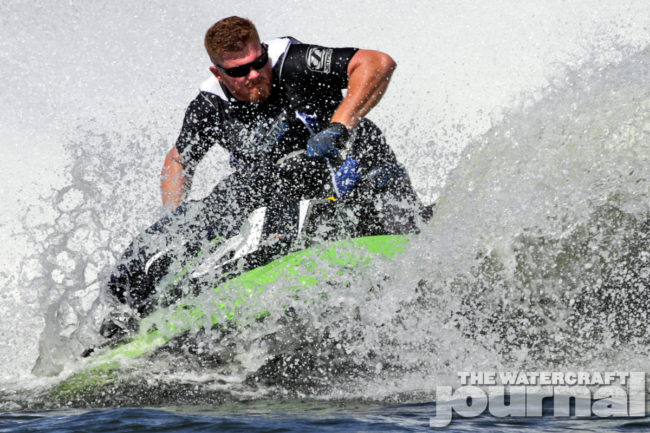
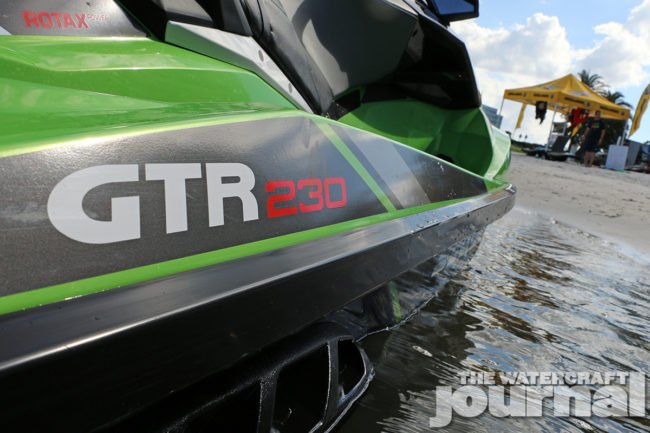
Originally destined as a market segment filler for the performance-minded enthusiast looking for all of the race-inspired ergonomics yet without the love it-or-hate it hard handling T3 hull of the RXP-X, the GTR-X 230 shares its powertrain with its less ornate GTR 230 counterpart, and like the two, the same 130.6-inch long SMC fiberglass hull shaped and formed for the entire Recreation segment (GTI, GTI SE and GTI Limited). The shallow-V configuration, gentle strakes and sweeping chines give the GTI/GTR hull a comfortable straight-line track, reliable grip in a listing hairpin and just enough looseness that the tail can be snapped free, and fishtailed when appropriately throttled. We stray from using adjectives like “loose” or “squirrelly” as it denotes thoughts of instability and lack of control, but such is not the case. We pushed the GTR-X 230 hard through a variety of cornering, and when trimmed right and positioned correctly, the GTR-X bites down hard and peels a corner with aplomb.
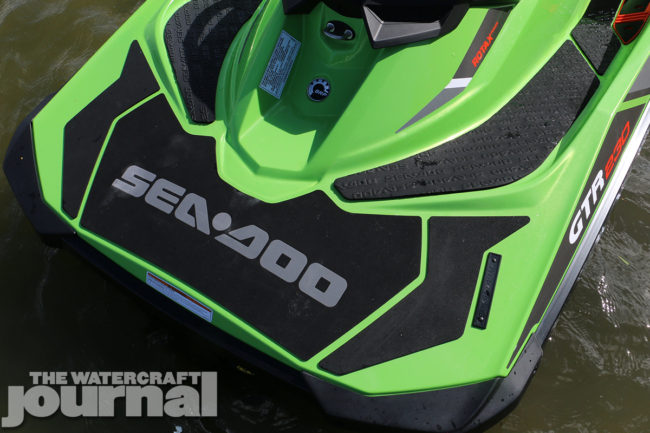
When introduced for the 2017 lineup, the GTR-X 230 was also the solitary Sea-Doo to feature the brand’s then-innovative CM-Tech material. Standing for “Close Mold Technology,” the name describes how rather than applying a gel coat to the mold before injection, Sea-Doo applies multi-layer thermoformed sheets of Acrylic and ABS into the mold before the fiberglass is injected. This, according to Sea-Doo Watercraft Global Product Manager James Heintz, “accelerates the process and also improves quality thus reducing the number of rejects. In effect, this creates a high gloss acrylic finish on the top deck that is more resistant to chipping and cracking due to the flexible nature of the acrylic sheets. In addition, the inside of the deck is now smooth, with no protruding sharp pieces of epoxy or fiberglass matting.”
The subtle opalescence in the California Green Metallic is subtle at first, and really only appears when bathed in sunlight, revealing a pearled shimmer from deep within. Inside of the deck, the surface is smooth, free of tangled fibers or sharp throngs to snag skin or clothing. We noted the surface is somewhat chalky and can be scraped with a fingernail, reminding one of raw drywall. Of course, CM-Tech is perfectly repairable with traditional fiberglass kits requiring no proprietary materials in case of an accident, which is a good thing considering that all of the new ST3-based runabouts (RXT, RXT-X 300, GTX, GTX Limited 230/300) are all made from the new substance – both hull and deck. Attributes to CM-Tech include greater flex, strength and durability too, making it a win-win for the brand altogether.
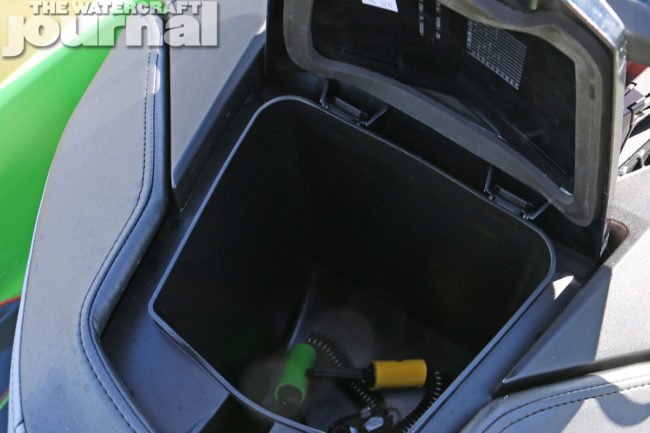
As with all 230-horsepower models, the GTR-X employs the same 159mm pump and the USCG-awarded second generation iBR, which is both more compact and lighter (weighing approximately 16.4-poounds, including the electronic module and all of the mechanical components) than the previous iteration, but also stops the craft nearly 160-feet sooner than before. And, thanks to BRP’s iControl engine management, the GTR-X 230 has been optimized for regular fuel, although it is still strongly recommend feeding the GTR-X 230 premium fuel if performance is what you’re looking for. All of this not only makes the GTR-X 230, as Heintz states, “faster and more powerful than its predecessor, but just as fuel efficient.” Of which, fuel capacity remains identical to its GTI/GTR brethren at 15.9 gallons, and storage is on par with the RXP-X rather than the GTR (at 30.7 gallons versus 30.8 due to the differing glove box designs).
Of course, when introduced, the GTR-X 230 was one of the first to feature an all-new 1,494cc in-line three cylinder “1500 HO ACE” powerplant, replacing the 1503 215-horsepower Rotax 4-tec. Using the previous engine’s crankcase and cylinder case castings, the 1500 HO benefits from the redesigned cylinder head sporting four valves-per-cylinder, an all-new combustion chamber, improved intake and exhaust ports – all making for superior quench and distribution – as well as the new sleeveless cylinder coatings. The 1500 HO uses a new plasma coating applied via a proprietary thermal spraying process exclusively developed by Rotax’s team in Gunskirchen, Austria, to replace the heavy steel pressed-in sleeves. This not only shaves overall engine weight (totaling 194-pounds), but improves surface durability and heat transference by minimizing friction. Add to that Sea-Doo’s new maintenance-free supercharger and external intercooler, and the 1500 HO ACE shines.
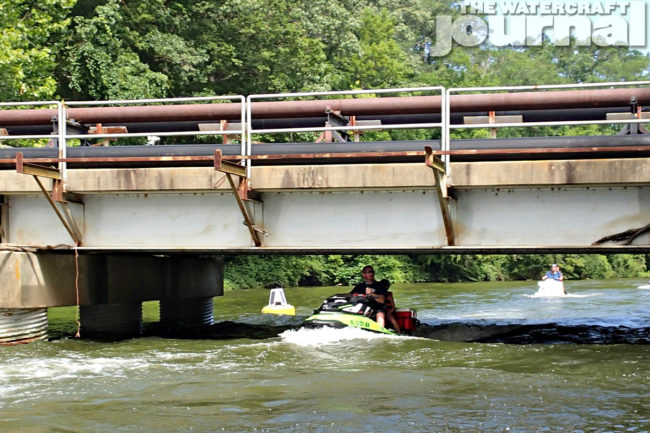
In our year’s test, we tallied a total 38 hours of riding. This to many may be a paltry sum, but considering how much riding we do on other units throughout the year, was quite a bit. The GTR-X 230 was our steed for several adventure rides where fuel consumption was key to our survival. To our surprise, our fuel consumption rate was equal to that of several naturally-aspirated Yamahas ballyhooed for their mileage; toggling between Touring and Eco Mode made this achievement possible. When called upon, the GTR-X happily leapt to action, as Sport Mode was enabled. As recorded via GPS, we clicked a respectable (and consistent) 68.8mph maximum speed when unladen with storage or excessive fuel (a number equal to Sea-Doo’s 300-horsepower machines).
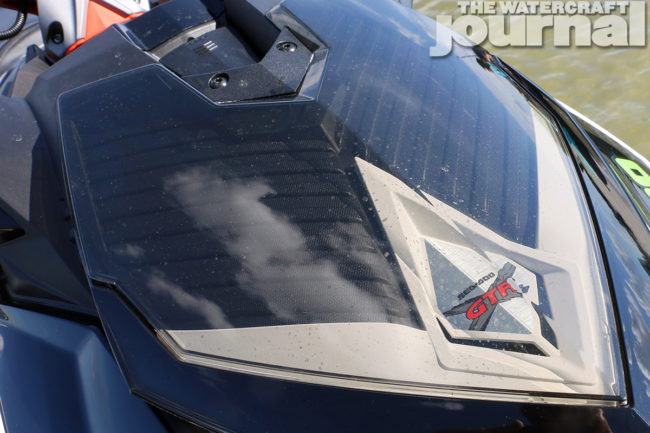
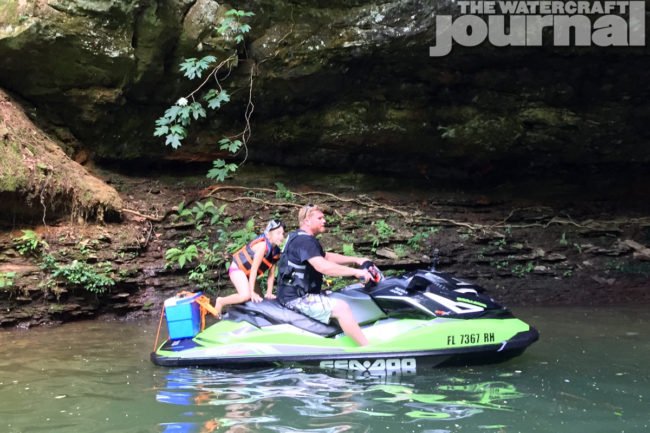
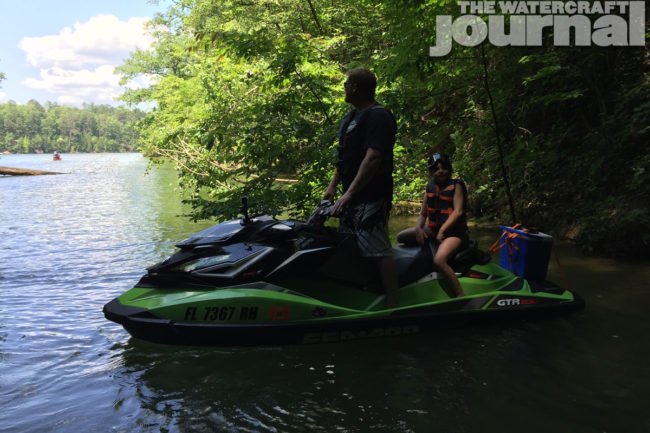
On longer rides, we equipped our sporty GTR-X with a Kool PWC Rack replete with twin RotoPax cans adding an additional 6 gallons of fuel and a large cooler filled with provisions. Even with the extra cargo, and the VTS trim nosing the ski down a notch or two, the runabout performed almost ignorant of its extra weight over the transom. At one point, we burdened the Sea-Doo with an extra rider’s worth of weight (nearing 180 extra pounds); and with that and two passengers pushed the craft close to its maximum occupancy constraints. Nevertheless, the GTR-X 230 never failed. In fact, over our sojourn with this machine, we only found minor aesthetic issues to quibble about – primarily fit-and-finish issues with the fairing around the gauge cluster separating, dirt/mold collecting beneath the clear plastic hood shield, and some discoloring on the glossy plastic portions of the hood and top deck that even BRP’s own cleaners and polishes couldn’t amend.
In all, the 2017 Sea-Doo GTR-X 230 performed far better than we had expected for a performance-bred machine. At the time of its release, the the 2017 Sea-Doo GTR-X 230 and its performance-minded X-Package tacked on an additional $1,000 over its more subdued 2017 GTR 230 compatriot, raising its MSRP at $12,999. Today, the 2018 is $13,099, as it includes the telescoping steering neck first found on last year’s Spark Trixx. As we surmised in our first report, the GTR-X is truly a high-speed go-kart that can be enjoyed by all members of the family. Admittedly, we used the GTR-X 230 for tasks far beyond its intent, and for that cause we’re equally (if not more so) pleased with this machine. Again, this is the last of a procession of features and videos on our trustworthy 2017 Sea-Doo GTR-X 230. Thankfully, all of this supersaturation has paid dividends; commenters on several “Long Haul” videos have confirmed buyers taking our suggestion resulting the sales of a handful of GTX-R 230’s directly in response to our efforts.
I find myself getting short with people easier these days. Maybe it’s because I’m turning 40 this year or maybe it’s because I’ve always been this way and I’m just trying to find excuses. Either way, I’m not exactly proud of how I’m handling the public relations side of The Watercraft Journal. Sure, it might take a little more time on Facebook, but man, I’ve been really snapping at some of the folks on our YouTube page. I’m not entirely sure why… No, that’s not true. I know exactly why:
“Ugh. What a boat!” Nooo, it’s not. It’s actually shorter, lower and lighter than the previous model.
“Why not just buy a boat?” Because an actual boat is three-times more expensive, you moron.
“That thing is a big, fat barge!” So is your mom. [slams head against the table]
Yes, these were all comments left on our exclusive review of the 2018 Sea-Doo RXT-X 300, a vehicle, which happened to impress not just me, but everybody at the media demo (so no, Sea-Doo did not “buy me out”). And again, just so that we’re clear, the new RXT-X is 86-pounds lighter, 3.3-inches shorter and 1.5-inches lower than the previous model (it’s a scant 1.6 inches wider – ooh, big flippin’ deal). Yet, for whatever optical illusion, people still cry that “it’s a boooat!”
Sure, it might look big, but this is ALL the storage the new ST3-hull from Sea-Doo offers. It’s actually quite a bit less than the previous model (from 42.8 to 27-gallons).
Even with these numbers spelled out in the video itself, in the video’s description and heavily detailed in our review article, most people simply don’t listen. They see what they want to see, absorb as little information as necessary to formulate an opinion and then cling to that skewed view as tightly as if they dangled over a cliff’s edge from it. The truth is that Sea-Doo built what I, and my others feel to be, the very best runabout the company has ever produced – and we’ve had to defend this position an exhaustive amount of times.
Then there are those who simply want to complain. No amount of logic, no length of discourse will matter one iota. “In the good ole days, we [didn’t] have to hold down a button to access super insane mode, we hold down the throttle,” comment wrote, ending with the hashtag #oldschoolyami. *Sigh* Yes, that’s right, the old school skis didn’t have variable acceleration curves to toggle through. They also didn’t have brakes. Or storage. Or enough seat padding to keep you from a broken coccyx [look it up –Ed.]. So yeah, watercraft have come a long way, and frankly, I’m happy about it.
I’d say the same thing for pretty much all technology. How many of you are old enough to remember when televisions were so big that they were literally furniture? I do. In fact, I live daily with the reminder that things are better today than 50 years ago. I’ve mentioned it before and anyone who follows me through social media knows I own a couple of classic Dodge muscle cars (a ’69 Dodge Charger R/T and ’70 Dodge Super Bee). Yes, they’re certainly stylish, chocked full of character and definitely eye-catching, but don’t expect them to stop, turn, idle smoothly at a stop light, or not perpetually smell either of exhaust fumes, fuel or some other mechanical fluid.
And yet, Dodge itself offers a brand-new 707-horsepower 4-door Charger that makes more horsepower, runs a faster quarter-mile time (10.7-seconds) and reaches an absurd top speed (206mph) far surpassing my own ’69 Charger – all the while, equipped with an air conditioning system that can cool the driver and passenger at two different temps, while warming the rear passengers; scroll through limitless amounts of satellite radio stations; brake on a dime; shift through 8-gears effortlessly; average 24mpg; and do so with full Nappa leather interior and something like 23 air bags. Yeah, I love my classic, but c’mon folks. That’s pretty awesome.
Listen, what sold in 1993 isn’t what manufacturers are interested in selling today. The new 551-pound, 160-horsepower Kawasaki SX-R 1500 is evidence of that. Heck, even the Spark, despite its direct hereditary lineage with the HX is lightyears ahead of it, both in engine management, hull and deck material and braking. Just a week earlier we published just the tiniest glimpse at the possibility of a return of the Yamaha WaveBlaster and many (if not most) of the replies were, “Just build the old one (ie. hull, deck, etc.) with a new engine.” This, similar to GM restamping 1969 Chevrolet Camaros, simply will never happen (although it would be really, really cool).
Why? Because of evolution. And evolution in anything doesn’t typically happen organically. Rather, evolution is a coping mechanism to adapt or cope with outside stresses. Humans adapt to their environments as much as any other animal. And so does technology. The implementation of 4-stroke engines and sound-deadening exhausts came as a result of environmentalists and special interest groups. Wider, longer and heavier hulls came from an ever-aging demographic of buyers wanting better stability and rough water handling. Brakes came from decades of litigation and threat of banning.
Listen, I get it. Nothing is how it used to be. My wife and I endlessly quote Adam Sandler movies and Sublime lyrics to each other when none of our younger friends know what we’re talking about. Would I like to see a lightweight and nimble WaveBlaster? Sure I do. Heck, I’m fairly positive it’ll happen, but I don’t expect it to be the same price as 1994 or be sub-400 pounds or a one-seater. That ain’t gonna happen. Of course, many of you won’t absorb what I’m saying here and will just complain that it’s too heavy or expensive when it does come out and we inevitably do a video on it.
…and don’t get me started on people whining about the background music.
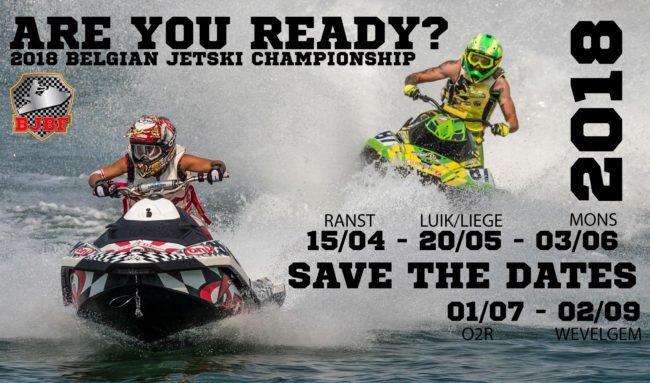
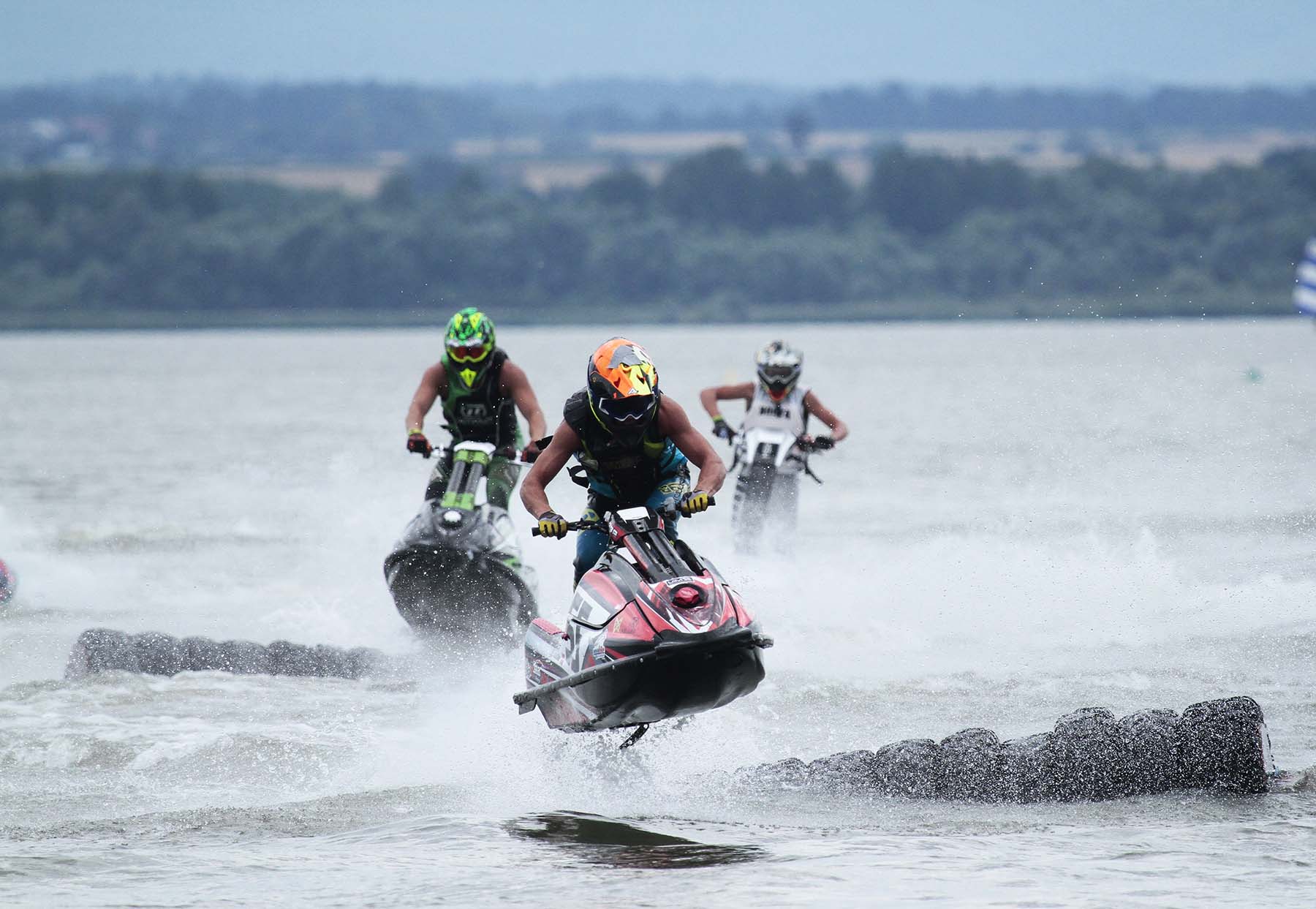
Get ready for another exciting season of closed course racing in Belgium. February 22nd, 2018, the IJSBA released the five confirmed 2018 tour dates for the Belgian Jetsport Boating Federation’s Championships (BJBF). It all begins April 15th with round one competitors going to Ranst, Belgium. The second round takes place May 2cd in Luik/Liege, located along the Meuse River. Round 3 racers head to Mons, where the Grand Large Lake is located.
Moving on to round 4 of the Belgium Championships, the competitors join each other July 1st at the O2R Jet Club. The race is held in one of the five Eau d’Heure lakes. This large area is made up of five artificial lakes, which is the largest of it’s kind in Belgium. Catch the finals action during Round 5 in the rustic area of Wevelgem.
BJBF has added new racing categories for 2018, creating 12 categories in all. Check the website for the list of them. Rules and requirements for racing in Belgium are available on the site as well. Several documents are provided for download prior to the races. BJBF also asks that racers check the site and Facebook page for any changes. They’re stoked about another great season of racing.
For more information and to register, go to the BJBF website. Racers are also welcome to contact Peter DeSmet at [email protected] He’ll be happy to answer any questions pertaining to racing during the Euro leg of the tour.
[Heads up – The Watercraft Journal’s complete recap from this past weekend’s Mark Hahn Memorial Havasu 300 will be published shortly. Sorry for the spoiler! – Ed.]
Yamaha WaveRunners had a heck of a year in 2017 and it appears that 2018 is going to be no different. Despite truly unfavorable weather conditions, Canadian Mike Klippenstein (and race partner Marcus Jorgensen) took the coveted title aboard a Yamaha GP1800. Yeah, you read that right; the race was won not even on a FX SVHO, but the lightweight powerhouse that swept so many closed course races last year. And also note, it’s the first victory for Yamaha at the Mark Hahn since race-founder Mike Follmer’s win in 2005 aboard a GP1300R.
Here’s Yamaha’s complete press release:
February 27, 2018 — Lake Havasu City, Arizona – Battling rough and cold conditions, Yamaha racers Mike Klippenstein and Marcus Jorgensen, aboard their Yamaha GP1800, took home the number one overall spot at the 14th annual IJSBA Mark Hahn Memorial Havasu 300 Mile National Endurance Race, the world’s longest personal watercraft endurance race held annually in Lake Havasu City, Arizona.
In addition to the overall win in Open class, Yamaha riders Chris Fischetti and Tony Beck won the manufacturer’s stock class aboard their Yamaha GP1800.
“Never has a new model won so many major titles in its first year of introduction as we’ve seen the GP1800 accomplish this year,” said Yamaha Race Director Scott Watkins. “From World Titles, to its Top 3 dominance on the National Tour and victory at the Long Beach open ocean race, the GP has won every major closed course and long distance race event it’s competed in. This speaks volumes about this model’s strength right out of the box and it’s only going to get more interesting as our teams have a chance to build upon the amazing stock platform.”
The Mark Hahn Memorial race, which drew a record number of teams from around the globe as well as the top PWC racers, demands that racers manage everything from fuel stops, rider changes, rough water conditions and attrition to complete the grueling 300-mile course.
The “Team” format features two riders for runabout (sit down) boat teams and up to three riders for a stand-up craft. Solo riders are also welcome to “Ironman” the race on either style of boat, a real test of endurance and stamina reserved for only the true endurance sea lots.
“We won this event in 2005 on a two stroke Yamaha GP1300R with teammate Billy Womack,” said event promoter Mike Follmer. “I am proud to now welcome Mike Klippenstein and Marcus Jorgensen to the Yamaha Winners club. They put forth an outstanding team effort in conjunction with R&D and the entire Klippenstein team on their GP1800.”
The race is held in the memory of endurance racer Mark Hahn who was instrumental in supporting and growing the sport of personal watercraft endurance racing around the country.







 An announcement on the IJSBA’s website

























 LOOK Marketing