
Home Blog Page 258

Real Review: Yamaha Genuine Parts GP1800 Watercraft Cover

0

Prior to writing this product review, we joked that we should make it a tutorial on how to properly install a personal watercraft cover on your Yamaha WaveRunner, because – and we’re not joking – we’ve seen people struggle with this. So, we sorta did (see the pics and captions). All joking aside, we thought it an appropriate time of year (at least for you folks north of the equator) to start discussing winterization. Although we think you’re a yellow-bellied coward for putting your ski away for such a large chunk of the year, we can understand not wanting to push your new runabout across the surface of a frozen-solid lake. It doesn’t sound like much fun.

A major portion of your winterization process is protecting your investment from scratches, debris, dirt, dust and any other contaminants over these long months of hibernation – and that means buying a PWC cover. Listen, this might not be super exciting stuff but there’s a lot that goes into making a decision like this. For you brand-loyal types, purchasing an official Yamaha WaveRunners PWC cover through Yamaha Accessories’ ShopYamaha.com webstore is a no-brainer. But priced at $259.99 (at least for the cover specifically tailored for our 2018 GP1800), you more frugal types might be looking to go “off brand”.

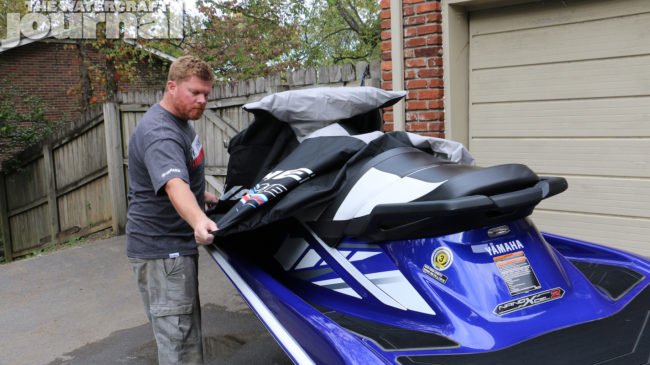
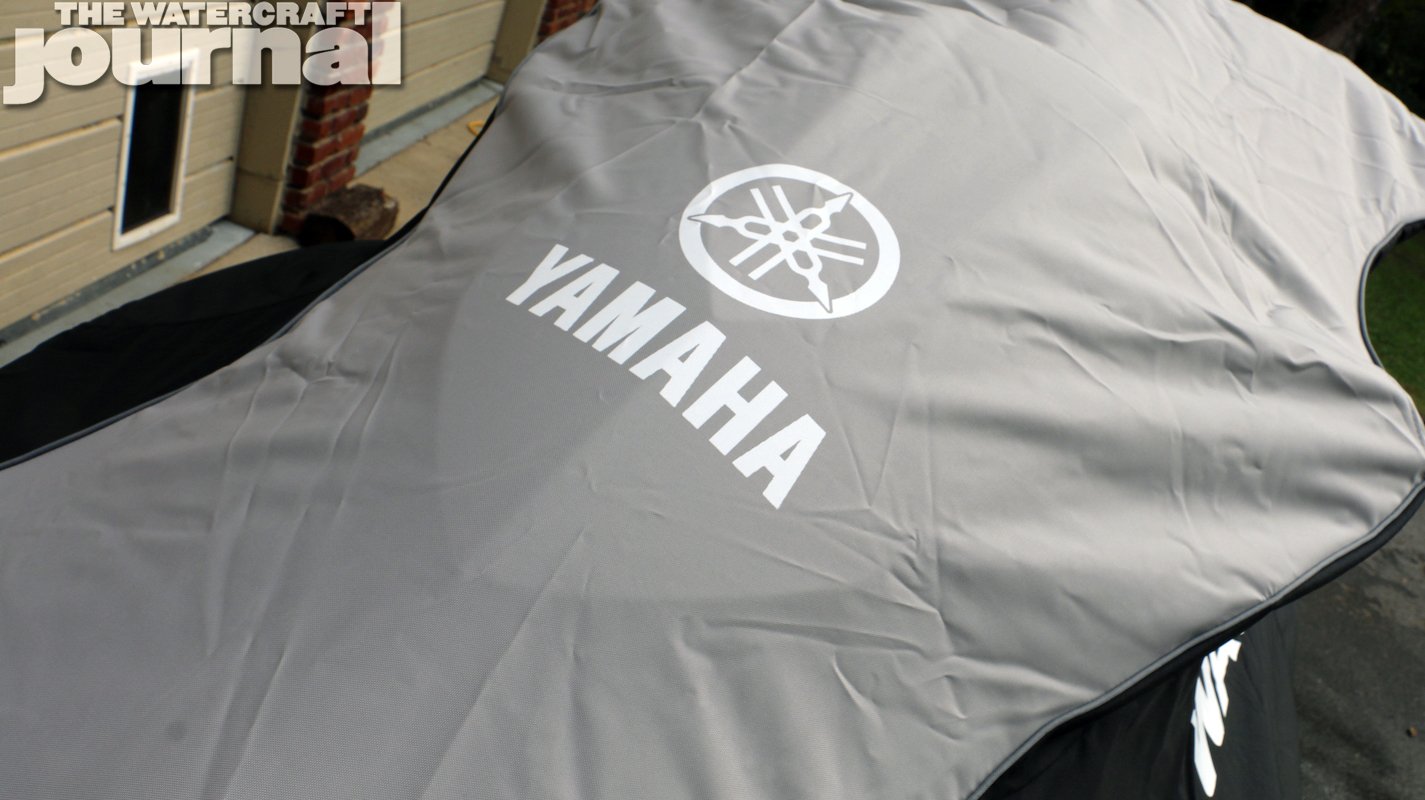
Above: In certain cases, we only suggest the officially-licensed products, like Yamaha Genuine WaveRunner covers.
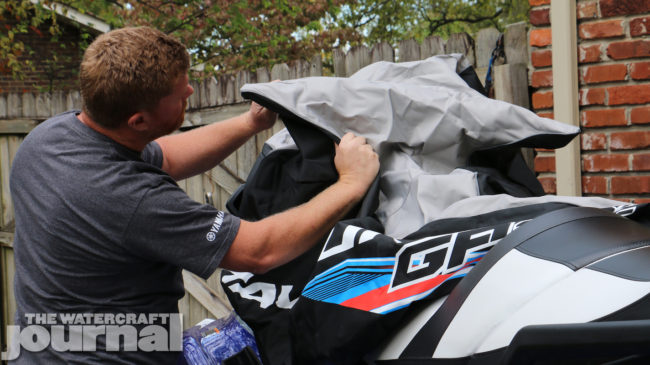
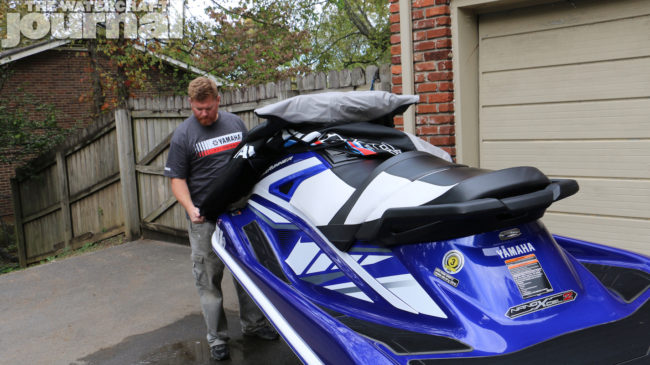
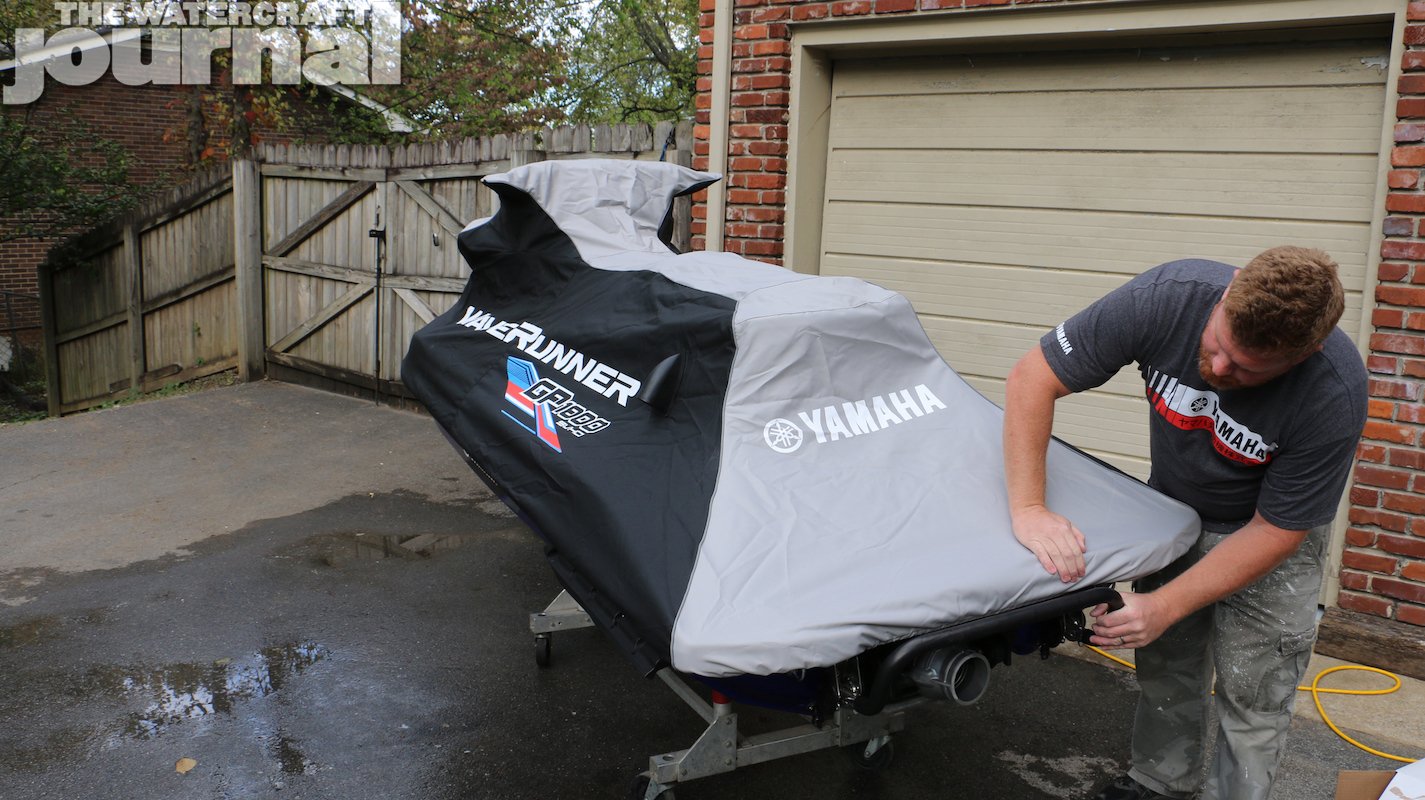
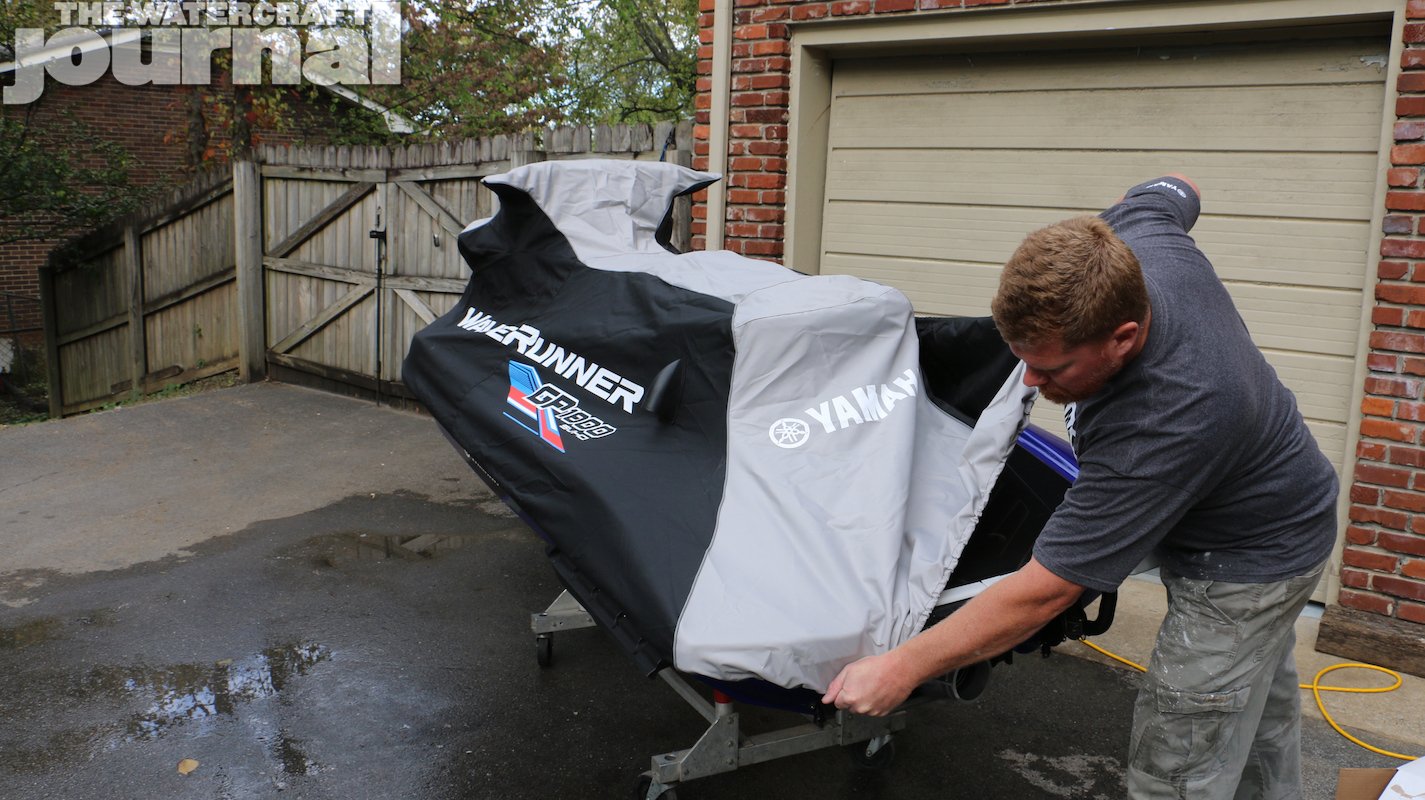
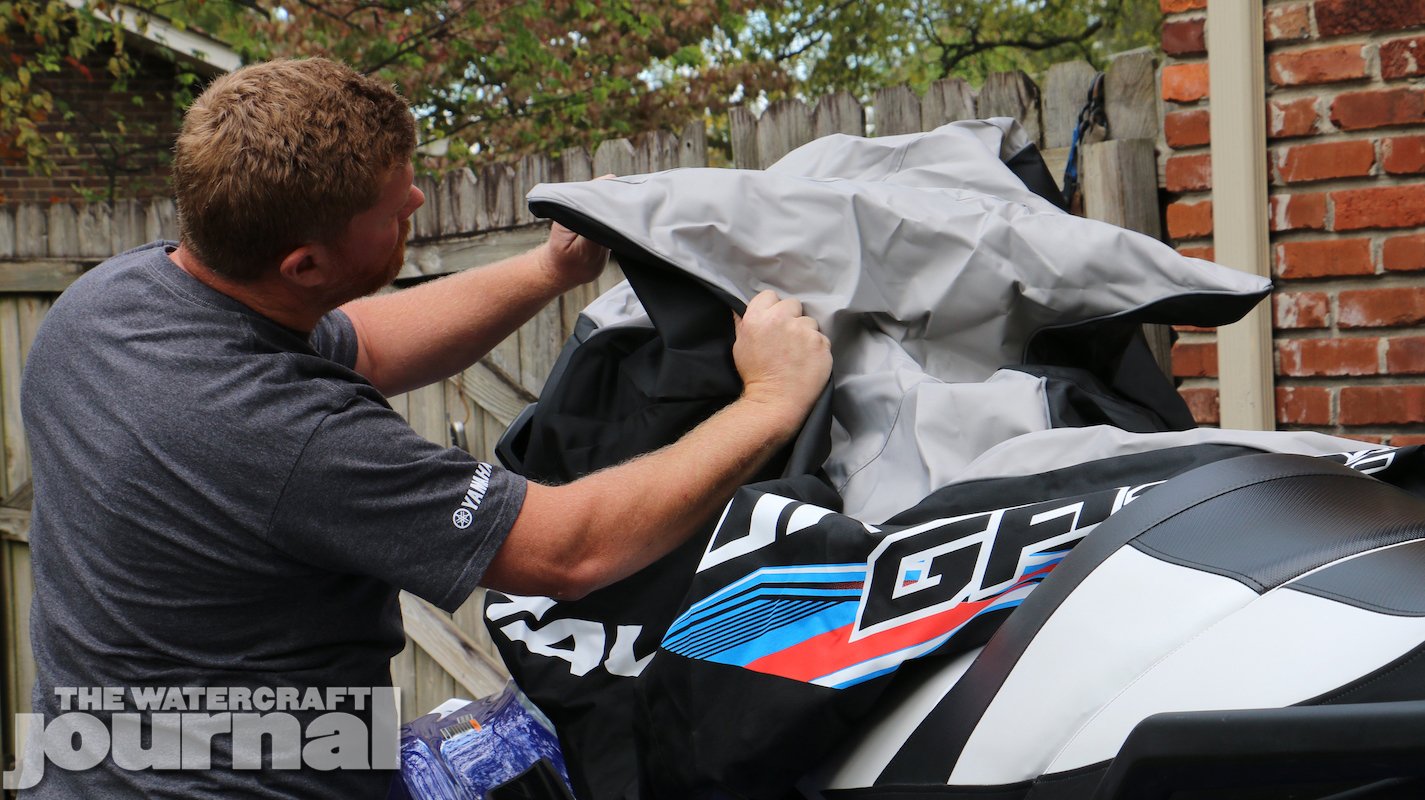
Above left: Each official Yamaha WaveRunner PWC cover is specifically tailored to fit the ski as snugly as possible. That means fitment over the handlebars is going to be tight, and should be the first place to begin. Above center and right: With the cover over the handlebars, begin working the cover over the bondrail, starting at the nose and traveling around the perimeter of the ski.

Here’s why we say don’t; you get what you pay for. We’ve found more affordable PWC covers, but the material used is often thinner, harsher, poorly assembled or literally sewn out of dufflebag canvas. Yamaha‘s WaveRunner covers are designed to help protect your watercraft‘s appearance first and foremost. Each cover features superior construction and materials to help provide long life as well as a custom fit and are constructed from a ultra-durable Sur Last solution-dyed polyester. for superior protection against the elements. It’s non-abrasive, water-repellent, UV, mildew, and rot resistant.

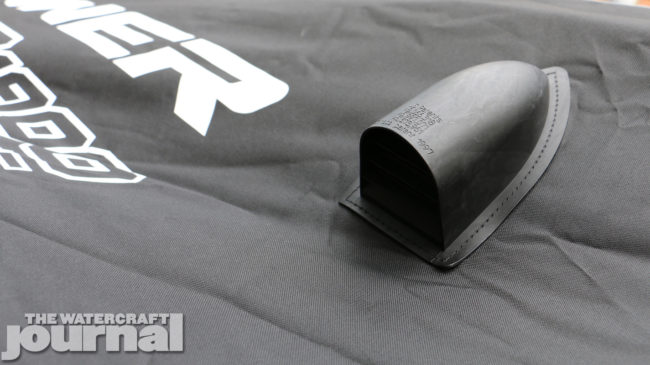
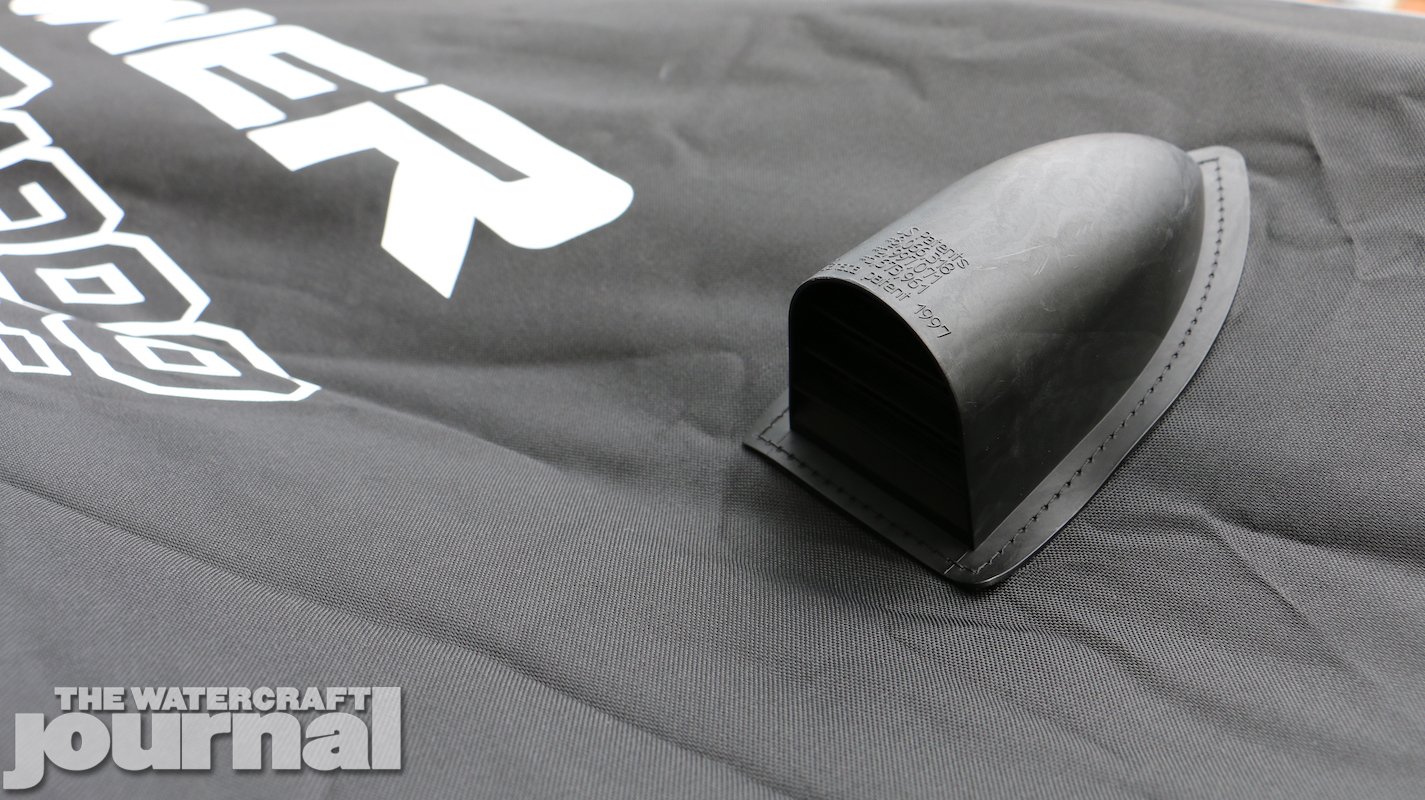
Sure, the Yamaha PWC cover comes in stylish colors and graphics to match your ski, but there’s also something else that we like more than anything else: you can trailer your WaveRunner with it still on and without strapping it down. Yamaha calls it Vacu-Hold, which basically means that the breathable fabric allows air to travel below the cover’s surface at highway speeds and safely evacuate through two specially engineered vacuum vents incorporated into the cover.
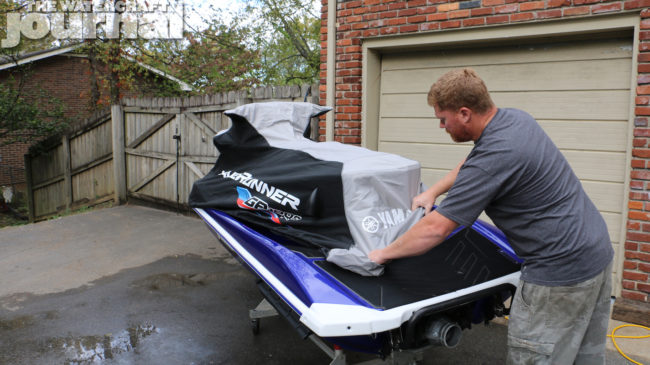
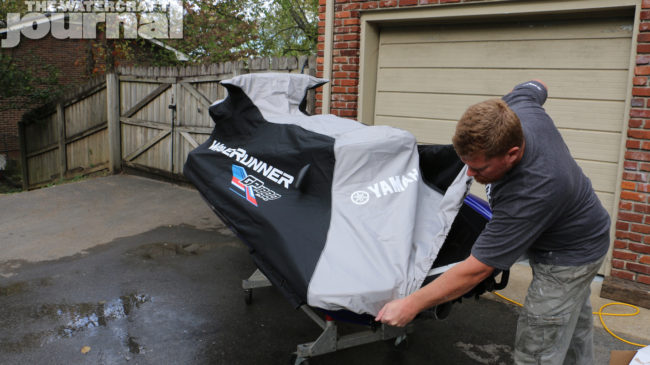
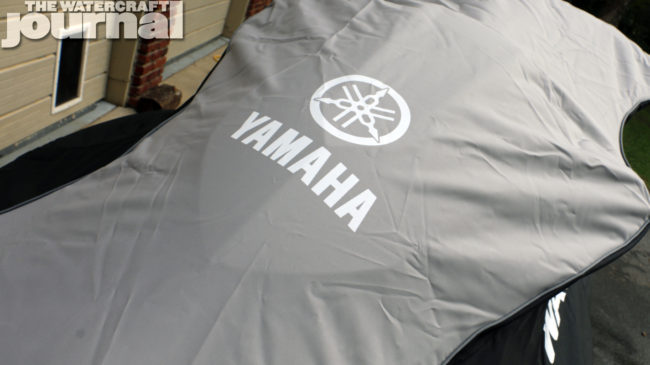
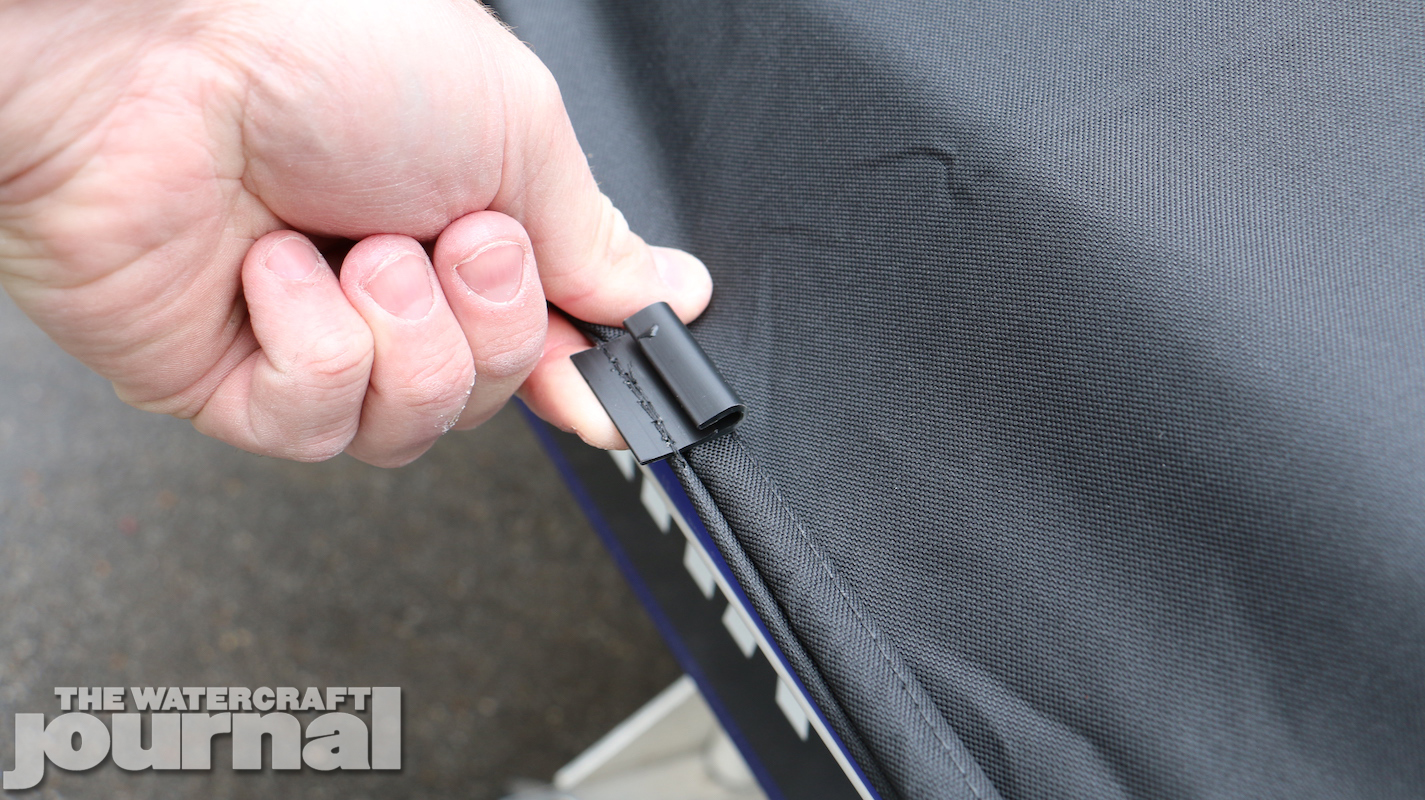
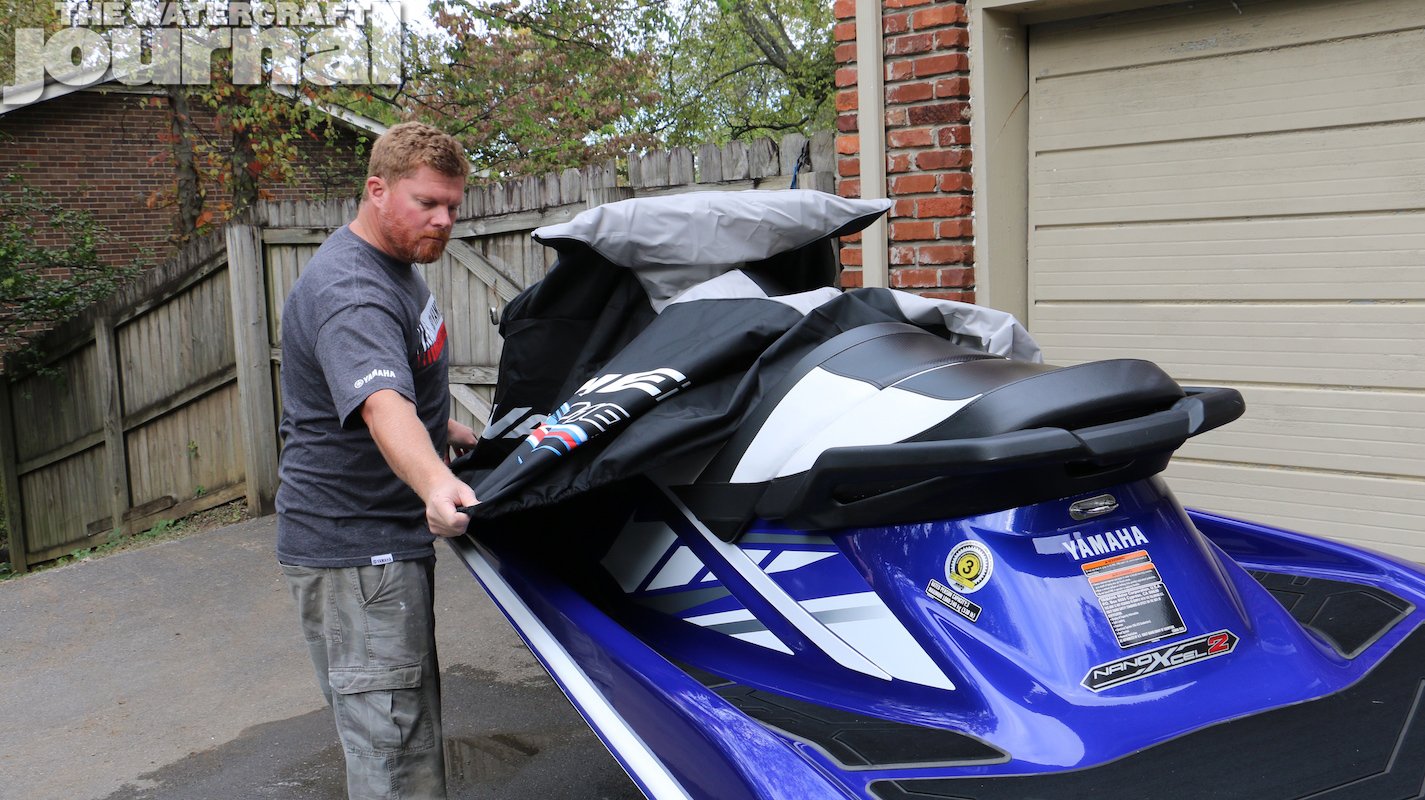
Top left: With the cover over the bars and nose, we worked the cover over the rear of the bench and passenger handrail. Top center and right: Working our way down and around, the rest of the cover went on easily. Bottom row: The Yamaha Genuine Parts WaveRunner cover features soft clips that snap to the underside of the bondrail, air-exacuating vents, and made with mold, mildew and water-resistant materials.

At speed, the negative pressure created keeps the cover tightly in place. That means less aerodynamic drag, reduced air-induced stress on the seams, no rippling, flapping, whipping, scuffing or strap damage to hulls. It’s a patented design, so that’s why you won’t see it on cheaper competitors’ covers either. Yamaha instructs that before using this cover the first time, the elastic band must be adjusted to be as tight as possible. To tighten, simply install cover, locate the elastic knot at the front, pull it tight and retie. (Adjust if it’s too tight to be removed.)

Because of the special, non-abrasive material, maintenance instructions are pretty straightforward: clean with a sponge and mild soap in cold water, rinse and allow to drip dry. No harsh detergents, bleach or hot water. And do not machine wash or dry. The cover does come with a warranty against defects in material and workmanship for 90 days from the date of purchase, so put it on as soon as you get it to make sure everything checks out first. Yamaha also includes additional tie down loops that may be used when trailering behind a vehicle or in case of high crosswinds.
A Peek Inside Belassi: The Austrian PWC Company Releases Inside Info From Inside Its HQ

0

We at The Watercraft Journal have a bit of a love/hate affair going on with Belassi. It’s not that we’re angry or vengeful against the manufacturer of one of the most powerful personal watercraft ever made, it’s just that we’re on the other side of the damned planet and haven’t been given the chance to ride one yet. So, until we can get our hands on their new 333-horsepower, turbocharged Burrasca runabout, we’re left gleaming all of the information we can from press releases and third-party info.

Earlier this month, the Austrian company threw open its doors and arranged for a photoshoot of its Linz, Austria headquarters to shine some light on the process that lead to the creation of their self-described “ground-breaking” runabout. Belassi was kind enough to send us their recap of the tour; and while we often (more like never) cut-and-paste press releases and call them “original content” we did think it worth letting Belassi explain their facility in their own words. So, with no further ado, here’s what they had to say about themselves:

“In July, after taking part in different competitions, the Belassi team stated that they were satisfied with the results their personal watercraft had earned, which made them realize the huge potential of their creation. This events gave them the idea for a new project, a new improvement for their Burrasca; they decided to equip it with a racing setup, so that every customer would live ‘the full Belassi Experience’.

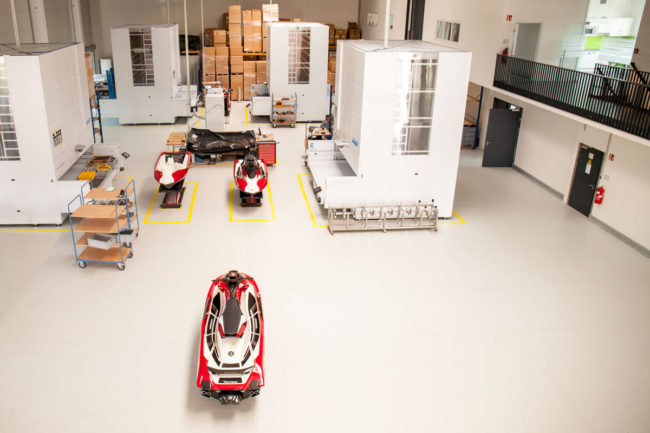
“Quite a few images showing the process of building a Burrasca and Belassi technicians working inside the headquarters have been released. Entirely made in the Belassi factory, it takes the utmost attention and passion. Over twenty-five assembly steps cover more than two thousand parts to get the perfect mixture of the best and most innovative materials, techniques and know-how that is the final products.

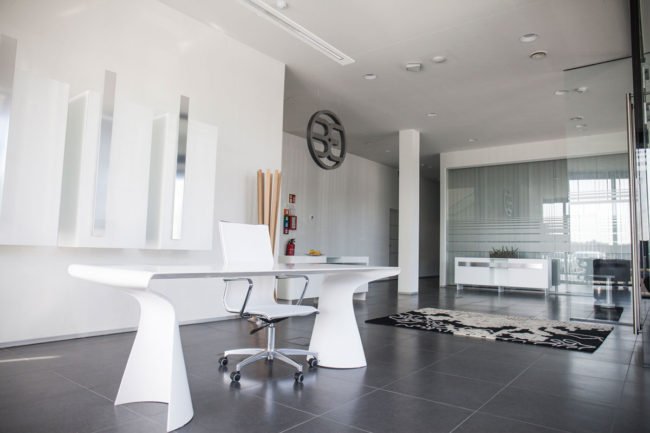
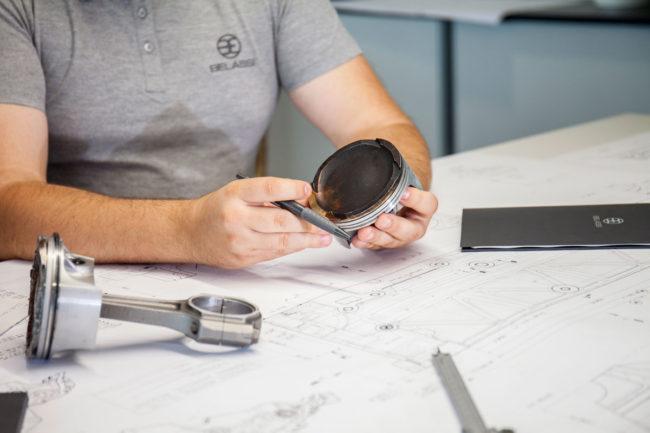
Above left: The interior of the Belassi offices. Above right: Research and development department.

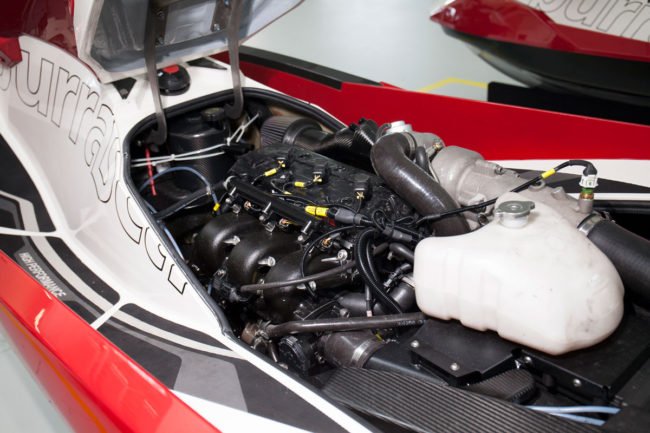
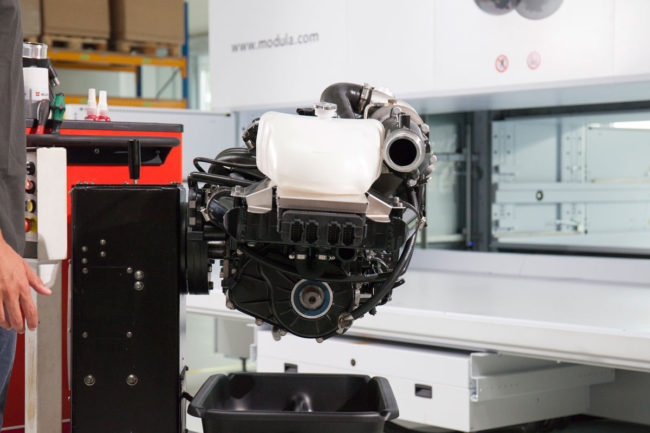
“The first assembly phase is the installation of the front plate, steering cable, bracket and the high-tech aluminium adjustable sponsons. The water outlets, hoses, top deck and double-chromed cover for the water-cooled exhaust system are mounted next; followed by the sealants, the engine Silent Block and EPP. Then come the adjustable rear flaps, the electric parts and other. The I3C16 engine — Marine 3 cylinders, 4 stroke — is preassembled and installed, as are the trim, reverse pipes, 3K carbon muffler and bilge systems. The battery, the charge air system and the innovative x-frame, made of light 3K carbon, get placed inside the Burrasca, adding an internal support for the durability and safety of the runabout.

“The drive shaft, the reverse flap and the engine hood, with its innovative and unique opening system are put in place, allowing for a comfortable inspection of the engine compartment.

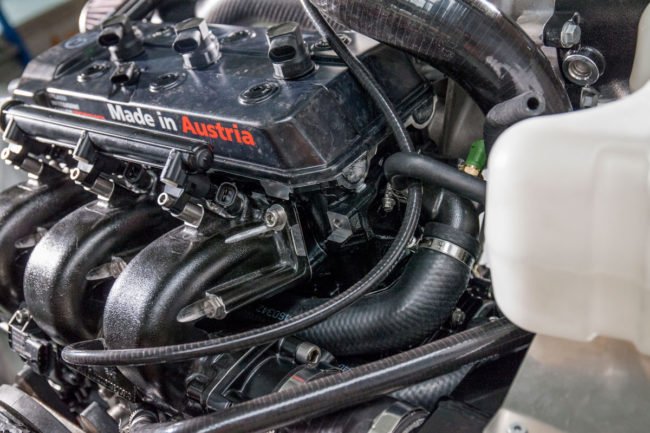
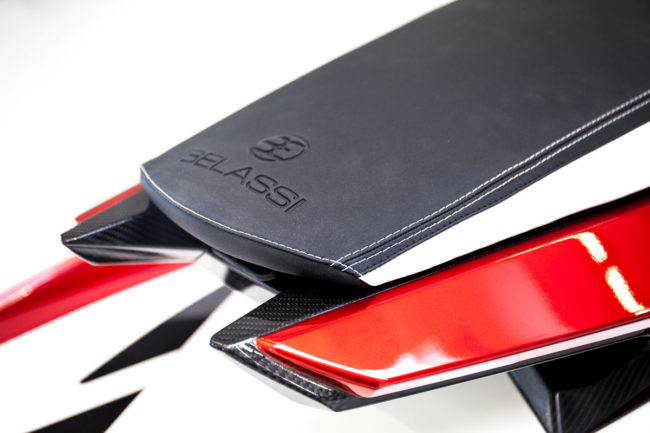
Above left: Set up of engine I3C16. Above right: The ergonomic sport seat.

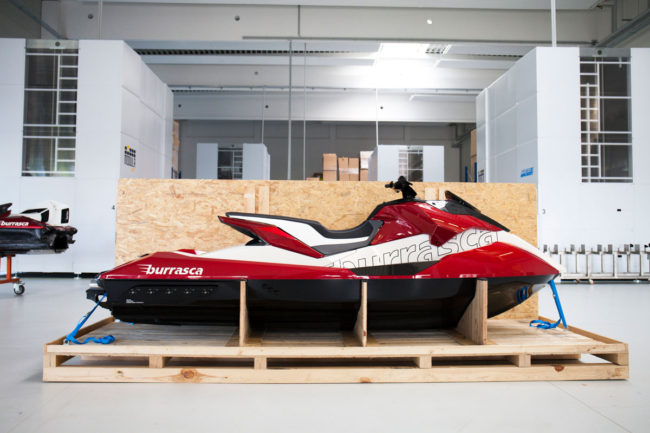
Above: The packaging is specifically designed for Burrasca.

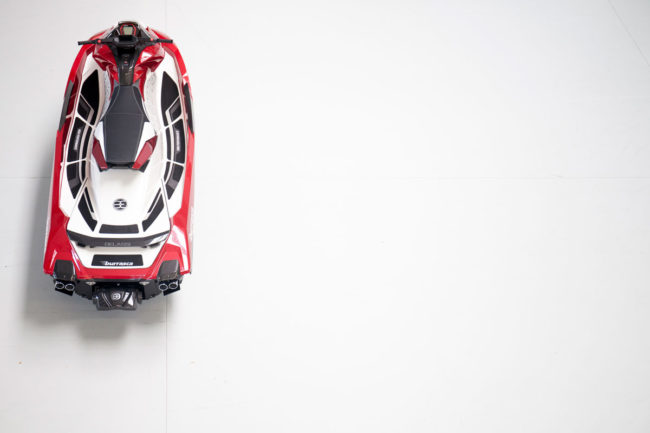
“The finishing touches are the covers — steering, side and pads — and finally, the ergonomic sport seat with its carbon fiber base. This seat, made in Italy, is durable, resistant and certified, and features the company’s trident-like logo. To top it all off, the packaging is specifically designed for Burrasca, to protect the precious Austrian personal watercraft from scratches and from the risk of ruining its red glossy finish.

“This means the production is going strong and that Belassi is steadfast in his visionary project of delivering a unique runabout, with a racing-like feel yet designed to be both elegant and sophisticated. It’s a finished product that meets the company’s high standard ideals.”

https://www.youtube.com/watch?v=o8oo6s-a0ys

Video: East Coast Round of 2017 P1 Racing Fuels IJSBA US Freestyle Championship

0

If the amazingly suspenseful final minutes of this year’s Pro Freestyle competition at the IJSBA World Finals wasn’t enough to satisfy your need for top-of-the-class athleticism, then you’re about to drink from the firehose, kid!
The final round of the US Freestyle competition season is happening in Fort Myers, Florida this very weekend. Yeah, there’s still time to enter (but you’re cutting it dang close), and there’s still plenty of time to pack up the truck and drive on down.

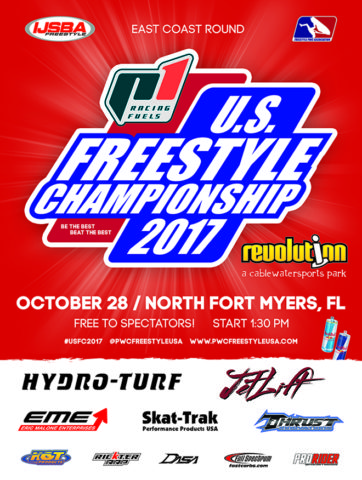
The East Coast Round of the 2017 P1 Racing Fuels US Freestyle Championship (officially sanctioned by the IJSBA) will take place on this Saturday, October 28th in Revolution Cable Park (17590 East St) in North Fort Myers, FL.

While it’s easy to drop in and check out the action if you’re in the area, we strongly suggest you show your support and make a day of it. Bring the kids! Heck, bring the dog! Bring a leash (for the dog and/or the kids, we don’t care).

So make sure to check it out in person, or at least, give the official Facebook page a “Like” ’cause you’re a nice person.

Gallery: Putting Finish Renu Degreasers To The Test

0

[Much of this article was previously published at Mopar Connection Magazine, sister publication of The Watercraft Journal. Some portions have been edited to fit accordingly. The original version can be read HERE.]

“Never trust a skinny chef” were the words of wisdom once shared to me by former Mopar Muscle editor Randy Bolig some dozen years ago while serving as a lowly Associated Editor. The philosophy made sense, and by an extent, the same could be said for anyone whose tools and garage are just a little too clean. Even the floors of the most meticulous mechanic are scuffed and discolored, if not you know that work simply isn’t being done there. Therein lies the struggle in keeping a clean shop. Working on our toys can be messy work, so how do you keep it clean?

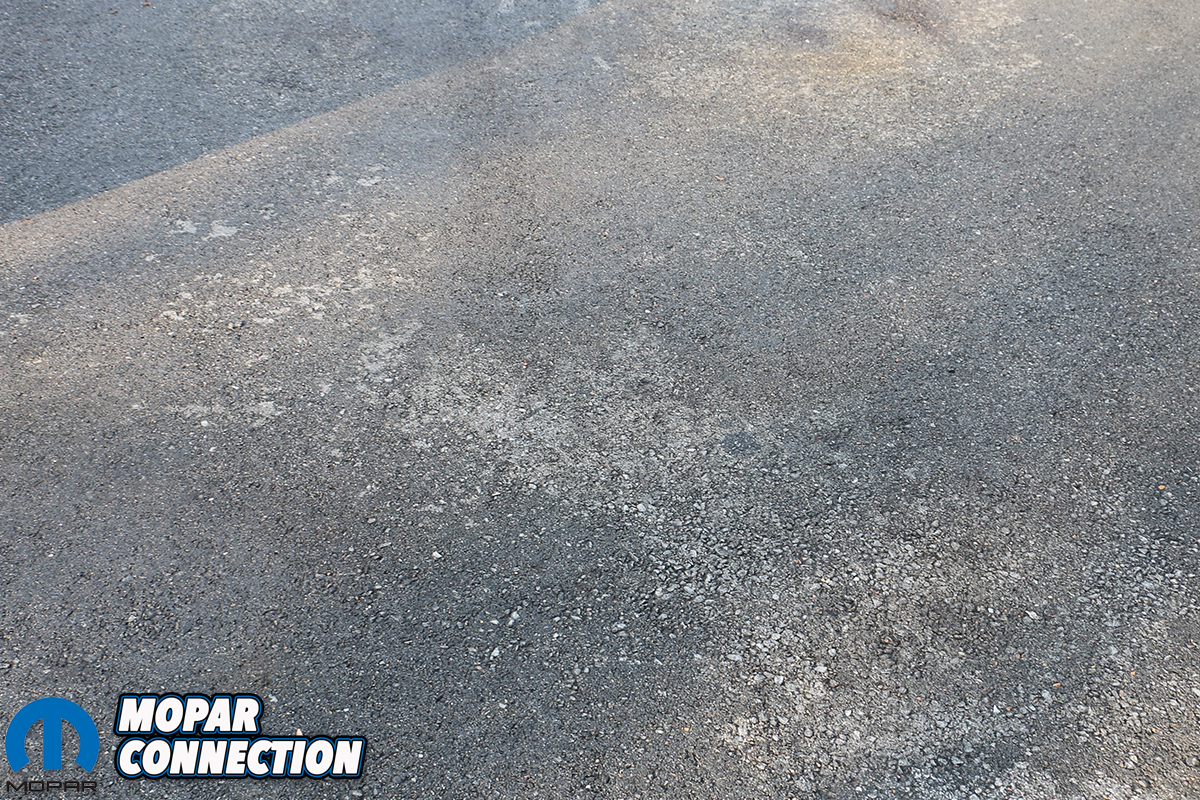
We chatted up our friends at Finish Renu Car Care Products, [parent company of Jet Renu, who you all know -Ed.] who pushed us to test their products further than what we had in mind. Our initial plan was to document before-and-after shots of some of our dingiest tools and our epoxy-coated garage floor after giving it the ol’ Finish Renu treatment. That all changed when Finish Renu’s President and resident chemical engineer Jim Moreno asked, “How’s your driveway?” Like most of you, the asphalt outside of our garage was littered with oil stains, grease spots and even a large bleached patch where a gas can had tipped over.

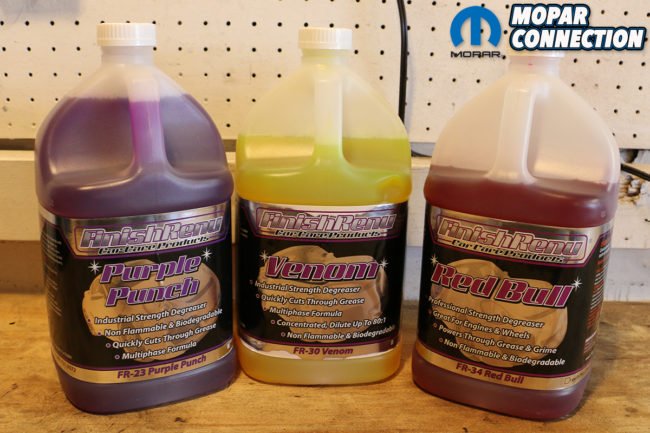
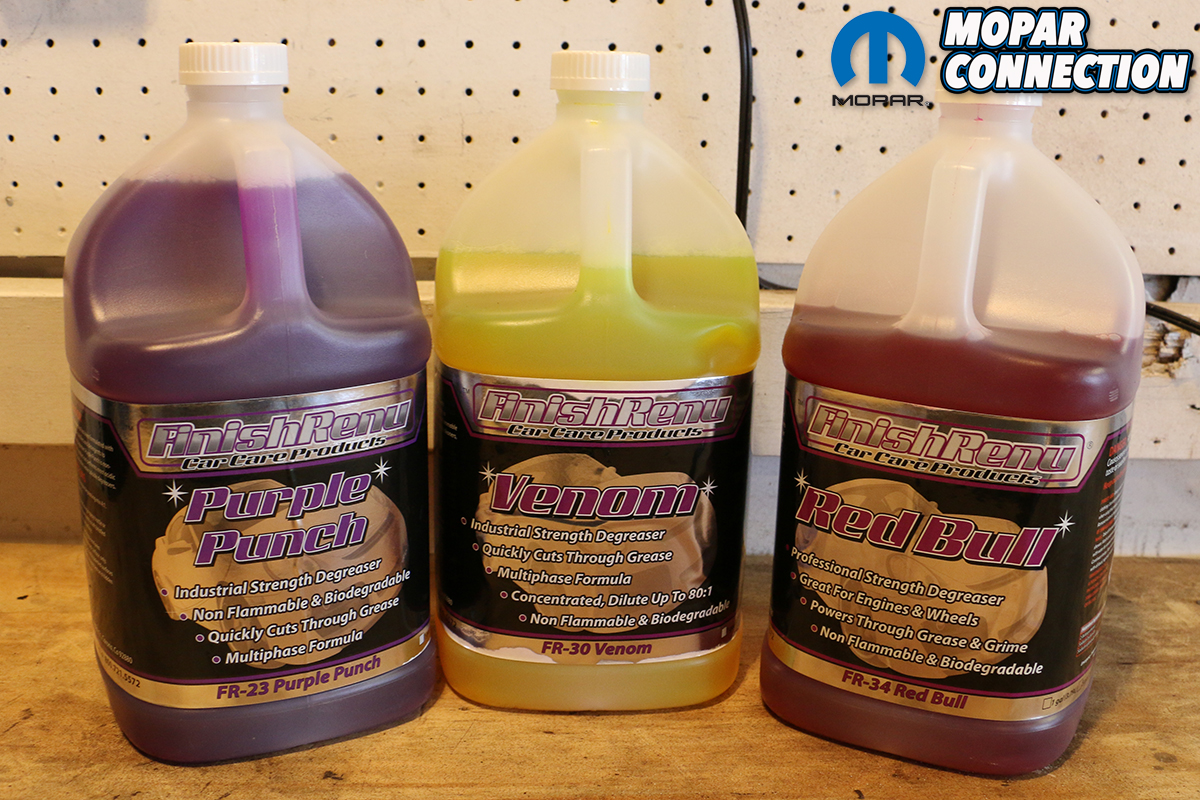
Above: Finish Renu Car Care Products offers a full line of degreasers, and sent us samples of their Purple Punch, Venom and Red Bull cleansers to put to the test.

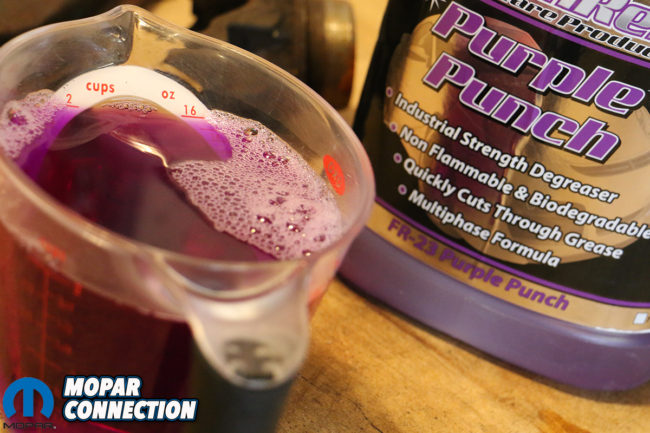
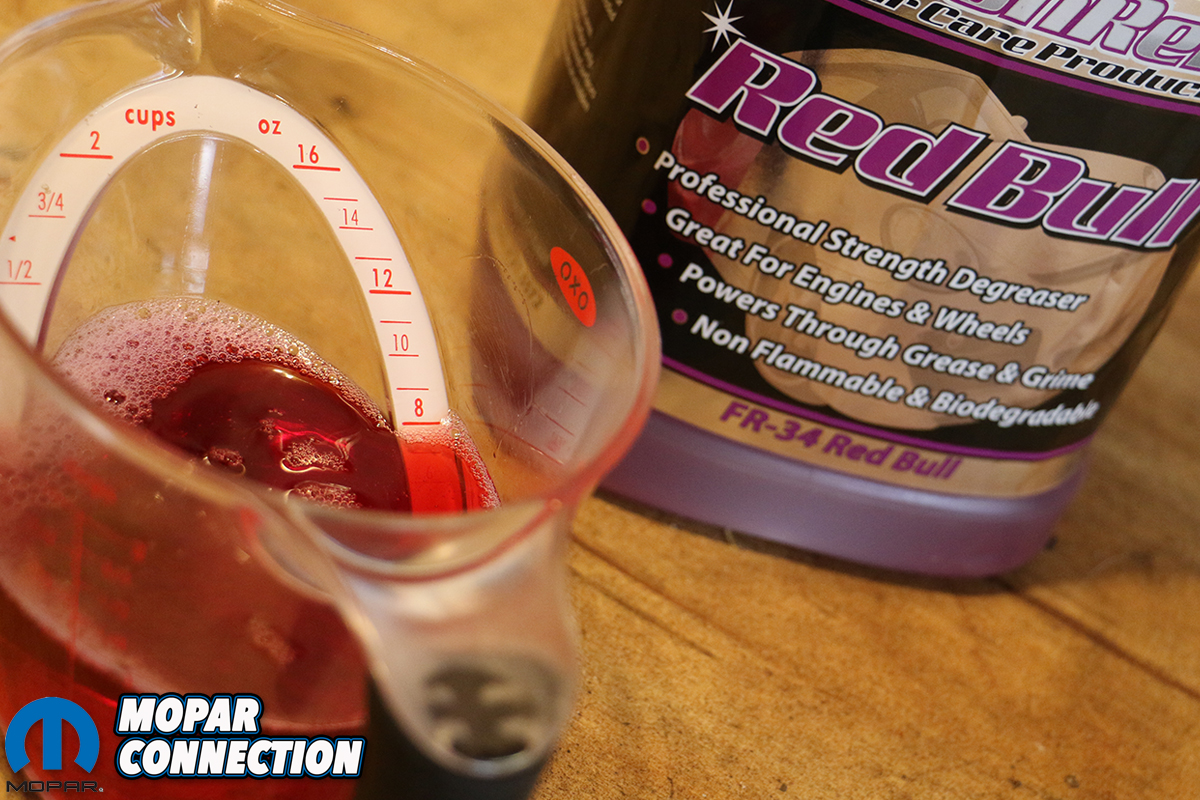
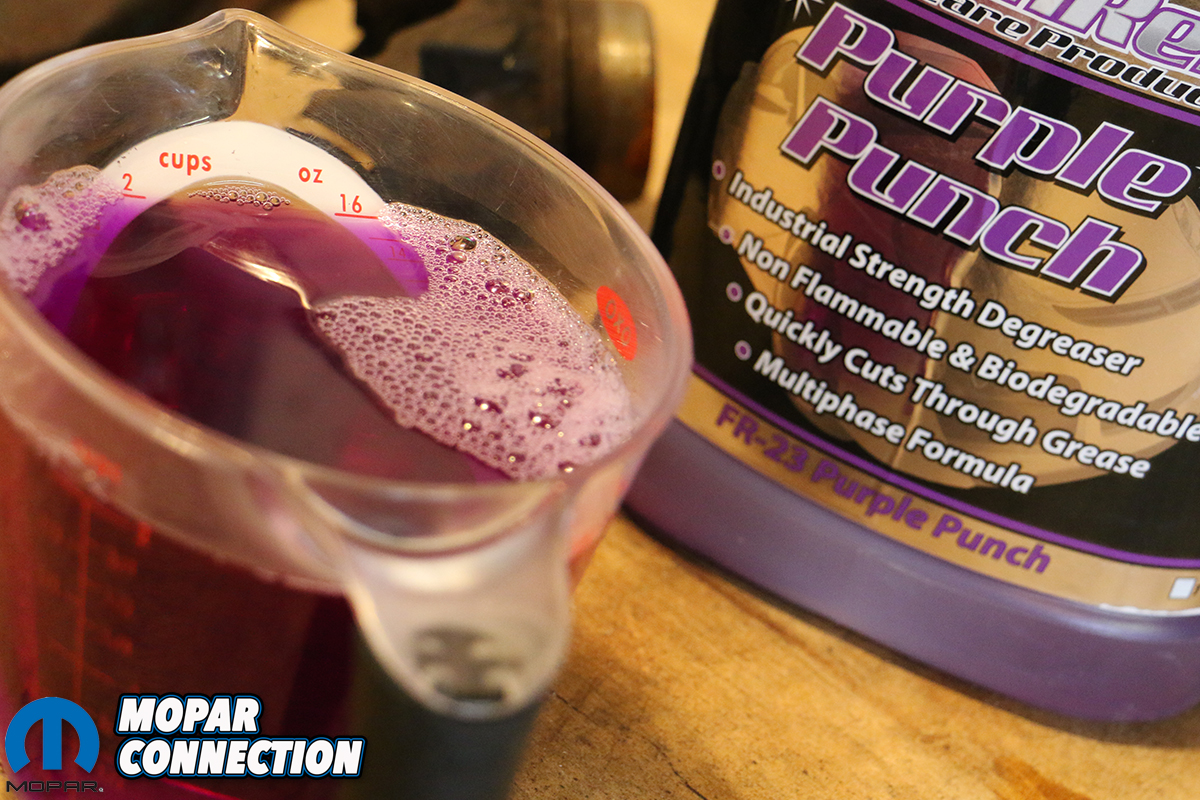
Above: For our first test, we fished out some pretty grimy parts from our parts bin. Because Purple Punch has a recommended 4:1 ratio, meaning 16 ounces per gallon, we measured out 48 ounces of Purple Punch to our 3-gallons of water.

“We can fix that,” Moreno promised. “Let me send you some stuff.” The offer was too tempting to pass up. We regularly put Finish Renu’s bright yellow “Venom” degreaser to work in our shop, diluting it to a 64:1 dilution and carrying it in a spray bottle. Venom, as with all of Finish Renu’s degreasers, is non-flammable and biodegradable, that means it’s environmentally friendly, won’t murder your lawn and won’t infuriate your nosy neighbors when you hose off your driveway. Just in the past year, we’ve found Venom alone out performs most acidic-style cleaners, solvent and other water-soluble degreasers. But how about the rest of the lineup?

Finish Renu offers five different grades of degreaser: Burst, Purple Punch, Venom, Heat and Red Bull. Moreno quickly shipped over gallons of Purple Punch, Venom (because he knew we loved it), and Red Bull. ‘Punch was new to us, and is one of Finish Renu’s heavy duty degreasers specially formulated with special surfactants, wetting agents, emulsifiers and detergents to make it an outstanding concentrated degreaser. Priced at $12 a gallon, Purple Punch can do a long way as a diluted spray, but really does the most work when cut a little on the concentrated side. Moreno did caution us about Venom, Heat and Purple Punch, stating:

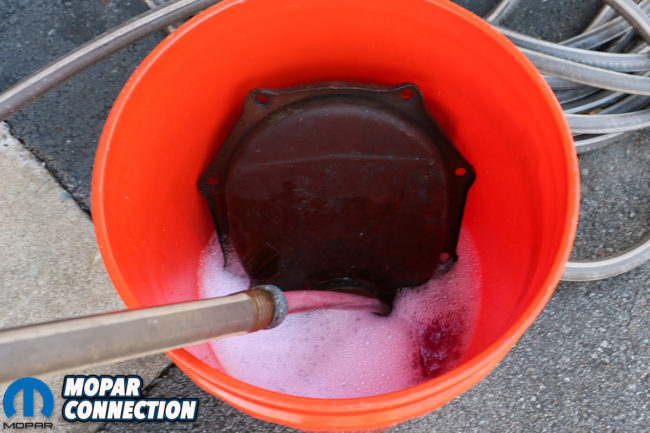
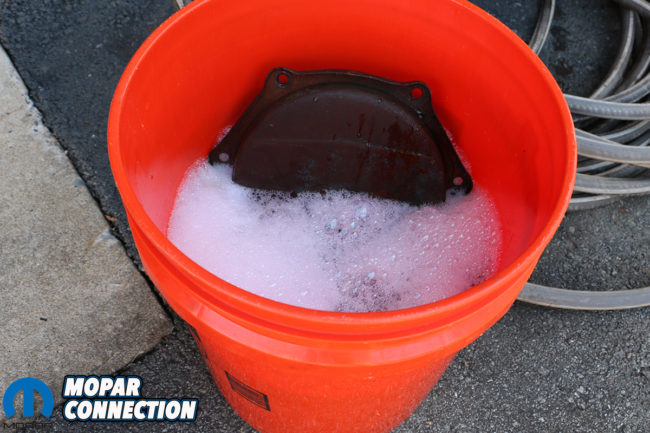
Above: We poured in our Purple Punch, dropped in our parts and filled in another 3 gallons of water before we let the degreaser do its work.

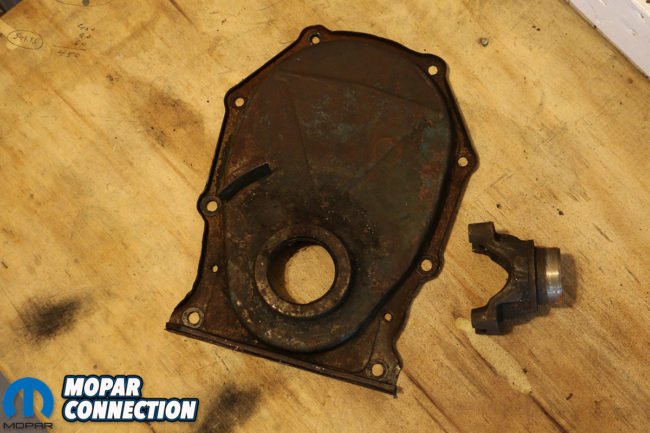
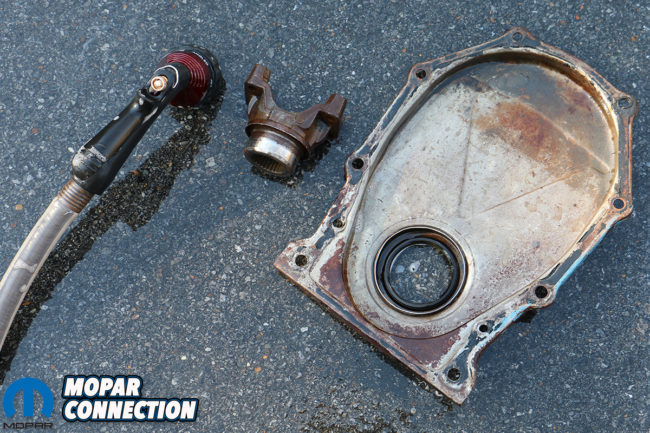
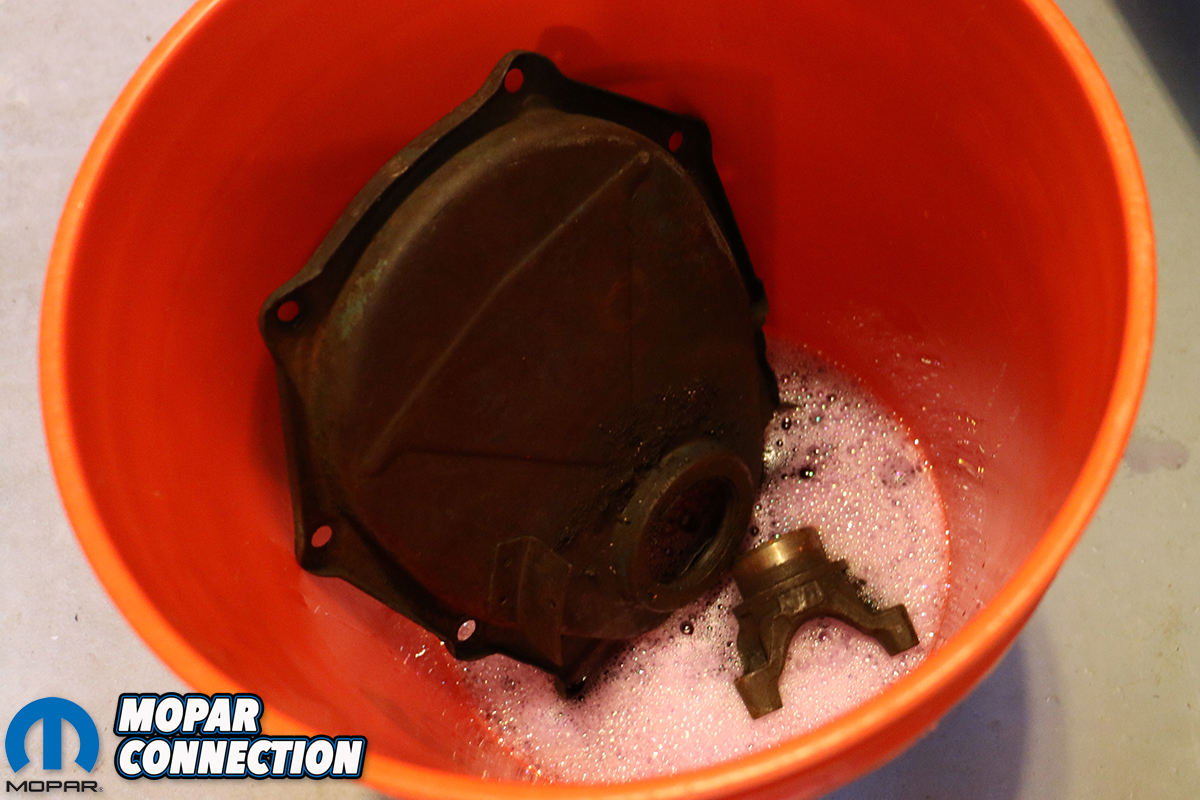
Above: After a few hours of soaking you can see the difference Finish Renu’s Purple Punch made on the inside of the timing cover. Sure, it can’t undue the damage of rust, but look at how it ate away at the grime and caked-on grease! The yoke is grime-free as well.

“These degreasers are traditional caustic/butyl-based cleaners and are corrosive. These degreasers react quicker than Red Bull but can have a negative reaction to metals and painted surfaces if not diluted properly. These degreasers are spray-on and rinse-off style products. They can leave a white caustic residue if not rinsed thoroughly or if they are allowed to dry. Believe it or not but these degreasers are most common in the industry because the end user thinks if it smells bad, burns your hands and works fast it must be good!” For most applications, Moreno suggests dilutions: engines (4:1 – 9:1); heavy equipment (4:1 – 9:10; concrete (9:1 – heavy stains – 5:1); asphalt (9:1); general purpose cleaning (15:1 – 30:1).

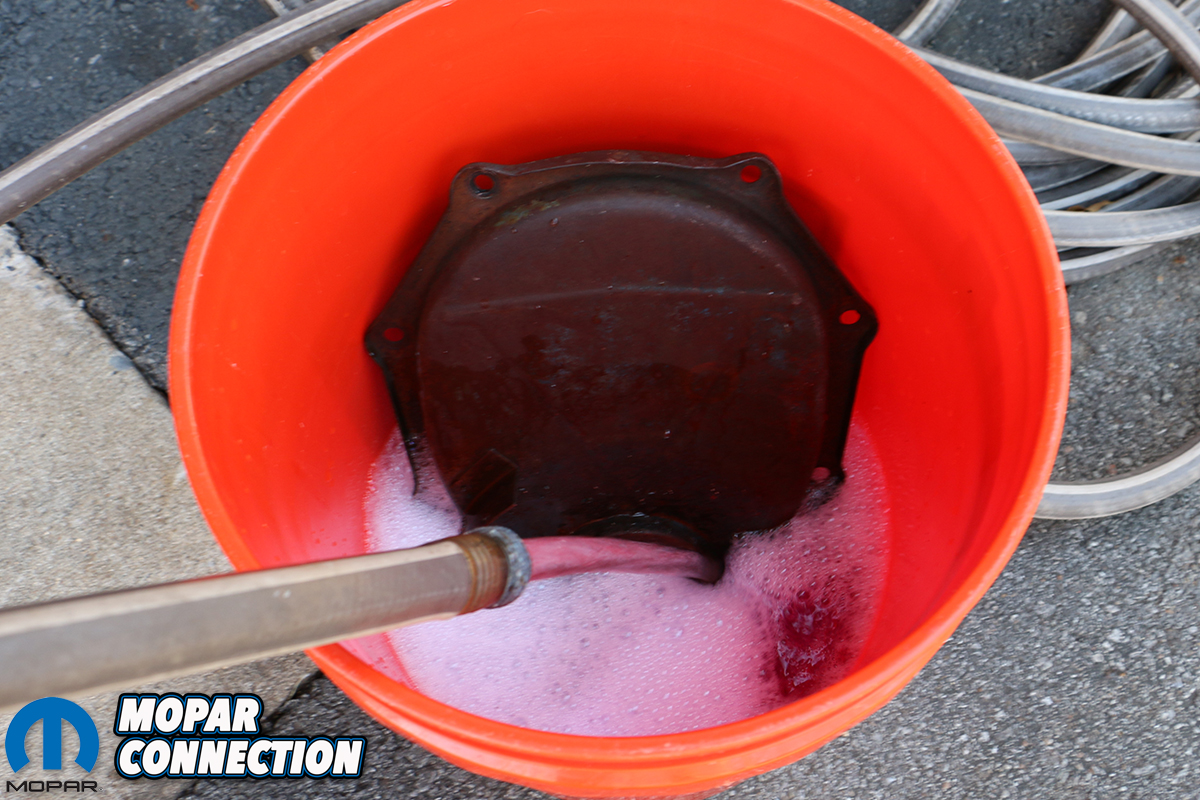
True to his word, the experiment we conducted on a very greasy timing chain cover and a very filthy rear pinion yoke followed as per his description. Our blend was at the recommended 4:1 ratio, meaning 16 ounces per gallon. With a handy 5-gallon bucket and a measuring cup from the kitchen, we filled our bucket 3-gallons high and with 48 ounces of Purple Punch. We let both the yoke and cover soak for a few hours before thoroughly hosing them off. In the pictures, you’ll see that we left a quarter of the cover untouched to show the efficacy of Purple Punch on built-up and baked-on grease, grime and other contaminants. The yoke came out completely grime-free, and even built up some of that white residue Moreno warned about.

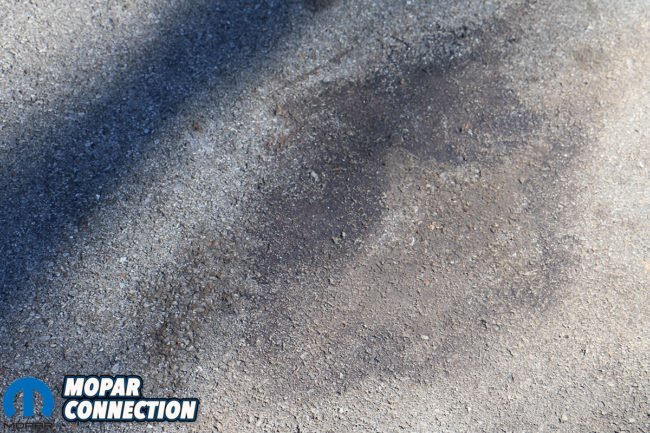
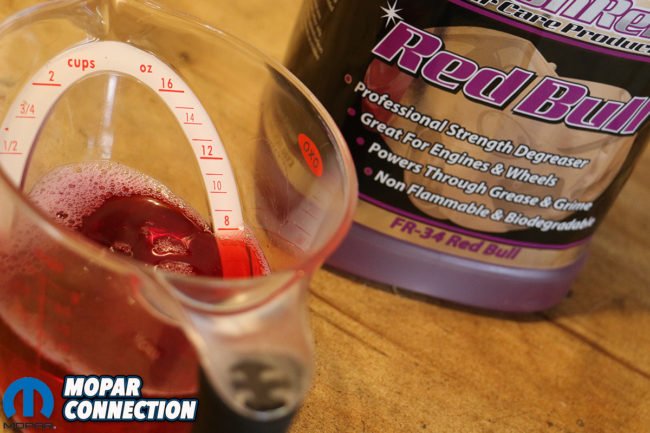
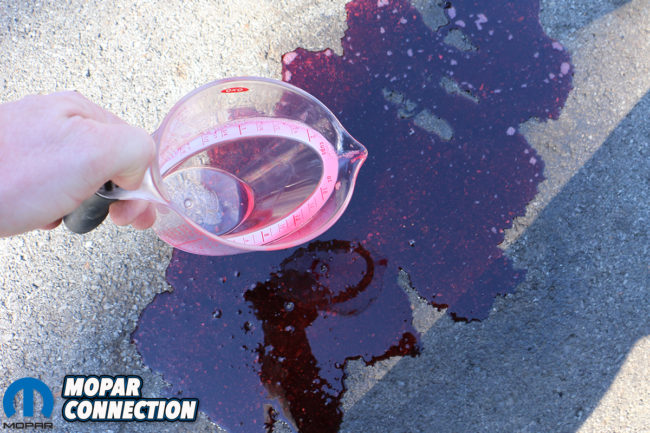
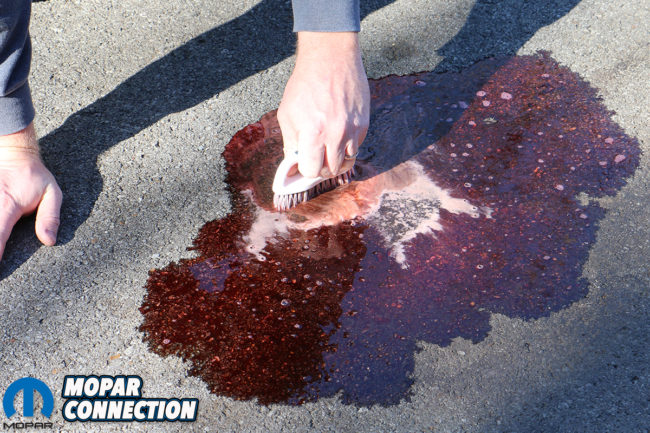
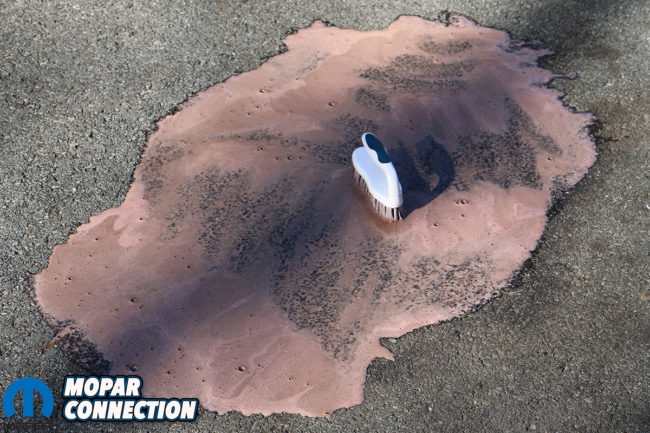
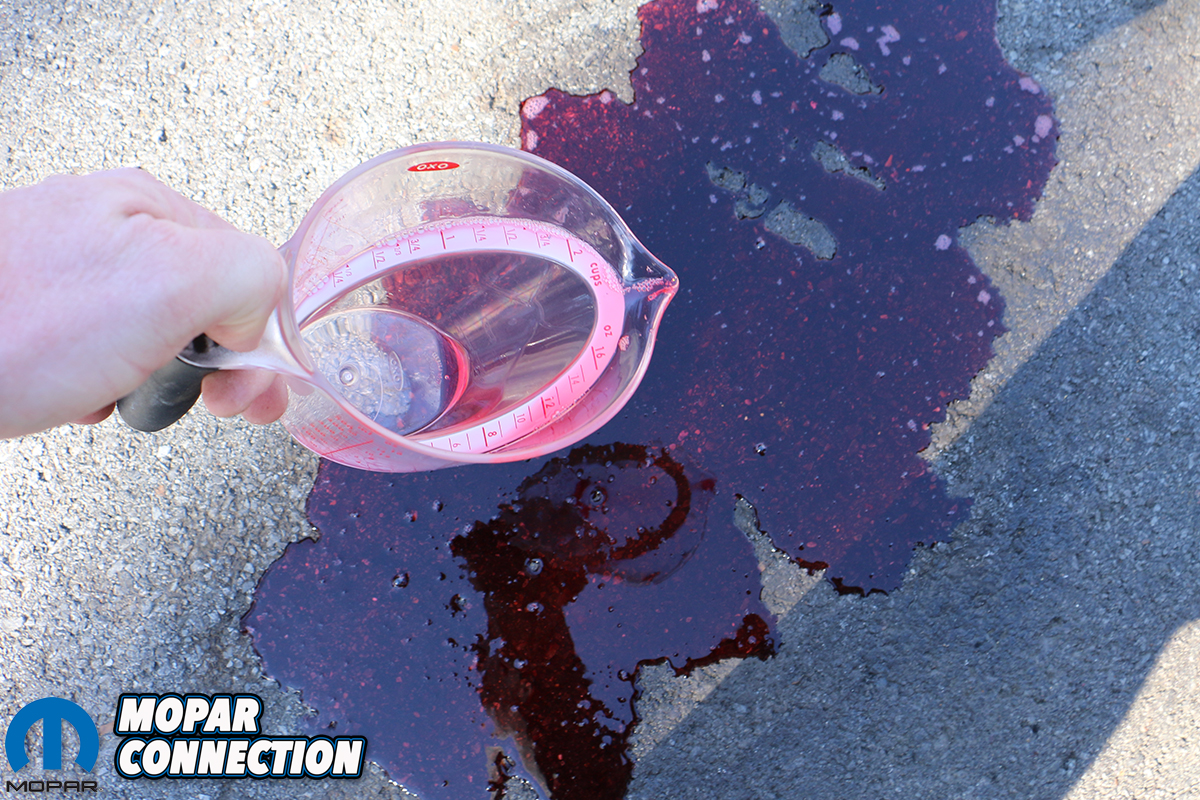
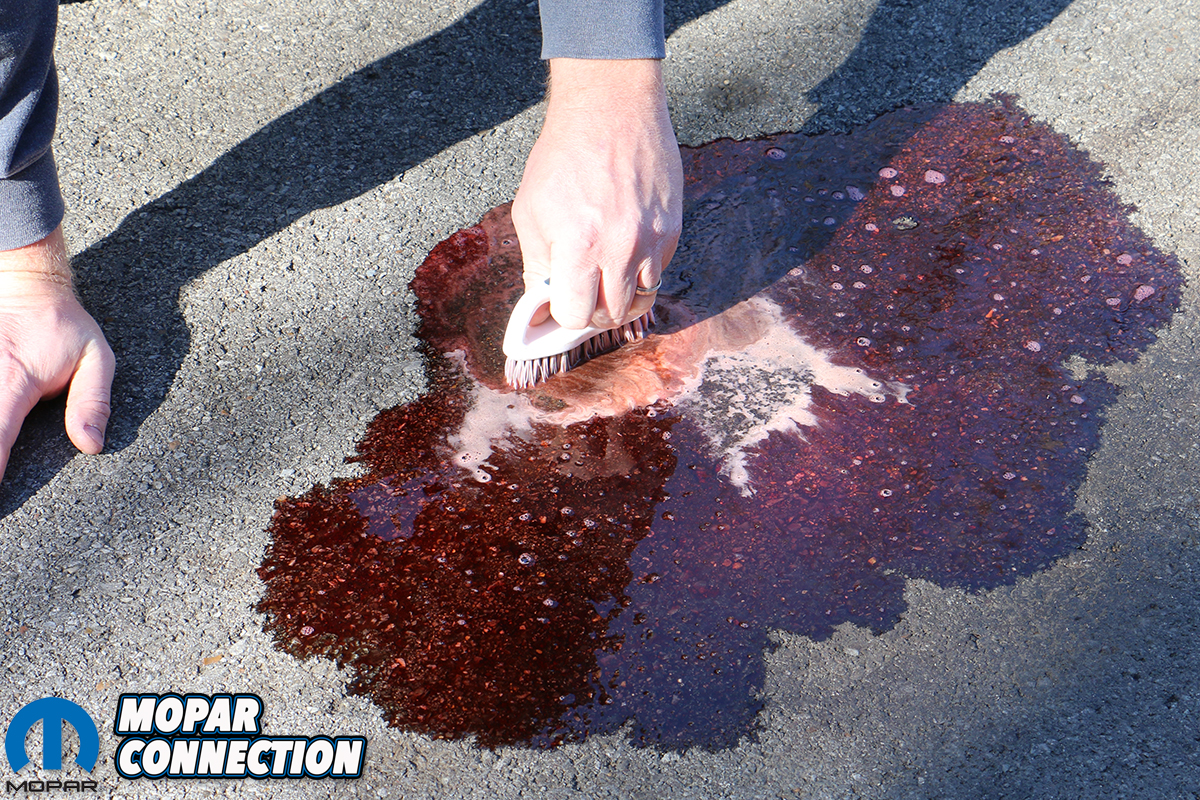
Far Left: One of our most set-in stains from a leaky oil pan on our daily driver. Left and Right Center: We measured out 8 ounces and poured it directly onto the stain. Far right: We began scrubbing with a stiff bristled brush the Red Bull into the asphalt.

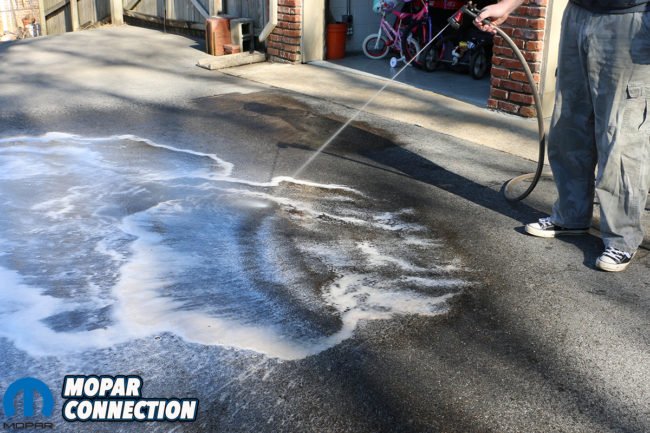
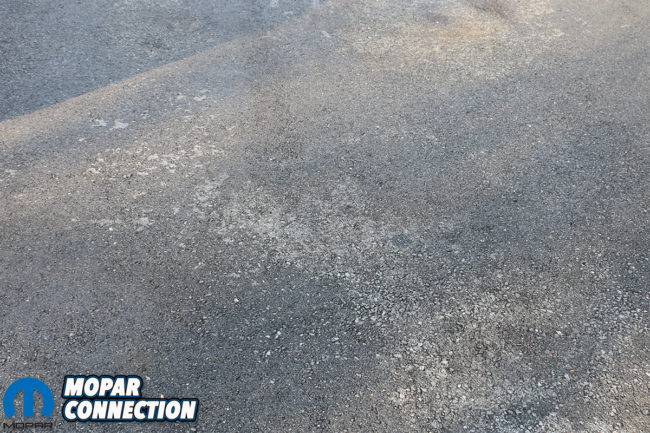
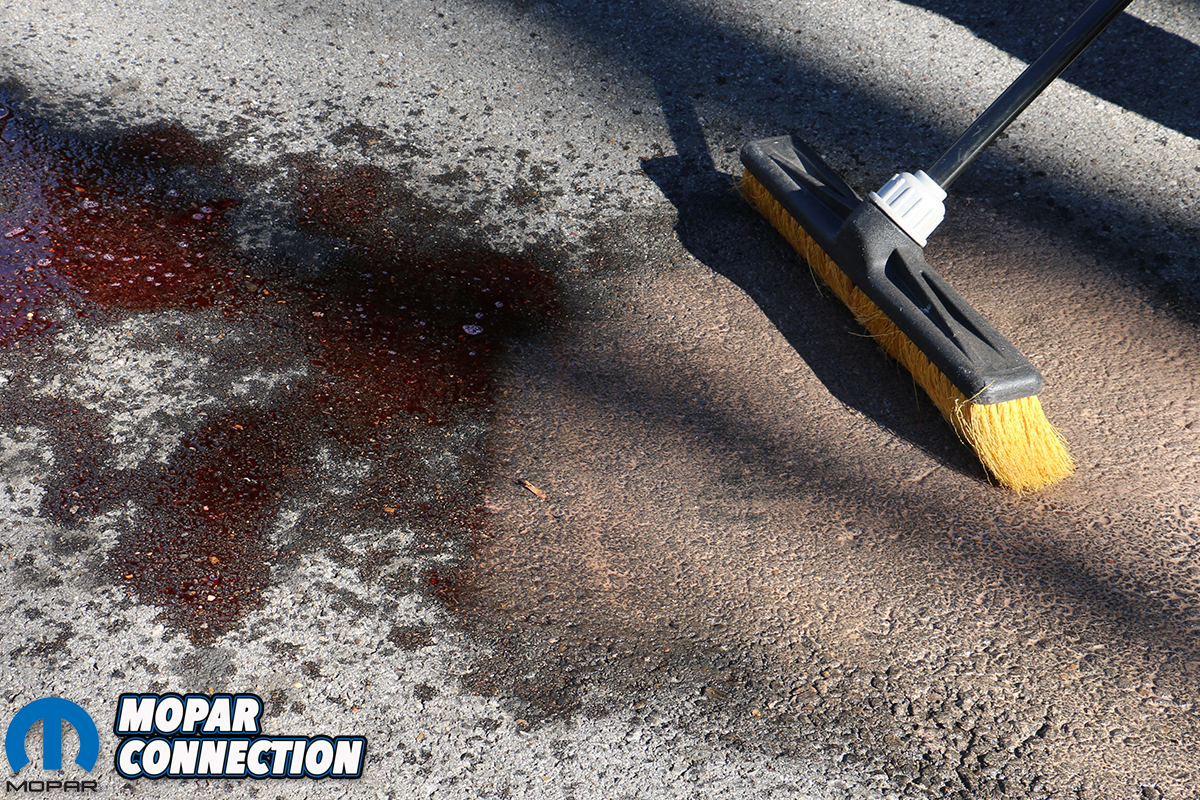
Far left: With the smaller stain scrubbed, we let it sit. Center left: For the larger areas we used a hard bristle push broom to work the Red Bull degreaser into the driveway. Center right: After several hours, we began the process of spraying off the now discolored cleanser, using the broom to scrub a little more as we went. Far right: Although not perfect, the ugliest of our stains was heavily removed. We think maybe a second round of scrubbing would eliminate much of the remaining evidence.

When it came to treating our driveway, Moreno had very different recommendations: “Red Bull likes dwell time, so the longer it sits the better the surfactants emulsify the grease and oil. Red Bull (priced at $15 a gallon) is ideal for heavy equipment, concrete, asphalt, engines, under carriages, recirculating parts, washers and floor machines.” His recommended dilutions are as follows: engines (2:1 – 4:1); parts washers (20:1); floor machines (30:1); heavy equipment (2:1 – 5:1); concrete (9:1 – heavy stains – 5:1); asphalt (9:1); general purpose cleaning (15:1 – 30:1); also noting that all dilutions are recommendations only and all dilutions are using a pressure washer or machine. Using a water hose use or simple rinsing may require the product to be used stronger.

Considering we didn’t have a pressure washer handy (and only a “jet” setting on a traditional garden hose nozzle), we opted to “go nuclear” and apply Red Bull straight onto the driveway’s worst spots. On the smaller and/or more concentrated stains we used a hard bristled brush and scrubbed the degreaser into the stain. For larger areas, we used a large, hard bristled push broom. We too, gave Red Bull several hours to set in, almost to the point of drying before hosing it off, making sure to scrub a little more as the solvent washed away. Once dried, we noticed that Red Bull did an amazing job of knocking off much of the stain, but realized that it would take one or two more bouts to really clear off some of our more stubborn stains.

Gallery: Tri-State River Rats Save 6 Boaters From Sinking

0

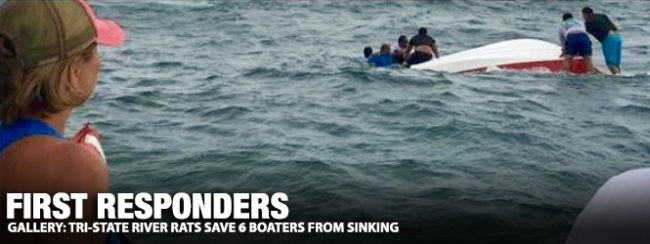
News of the Tri-State River Rats – a Powersports Club from Kentucky, Indiana and Ohio areas –and their daring rescue has already hit the social media circles, but The Watercraft Journal reached out to President of the River Rats, Stephen Kresko, for a first hand account. This is the inside story:

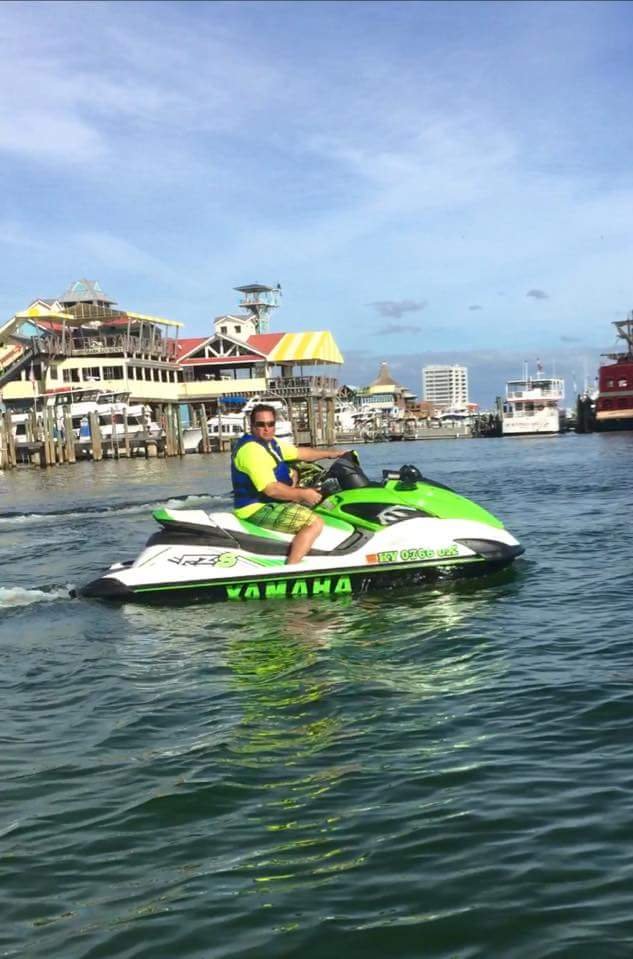
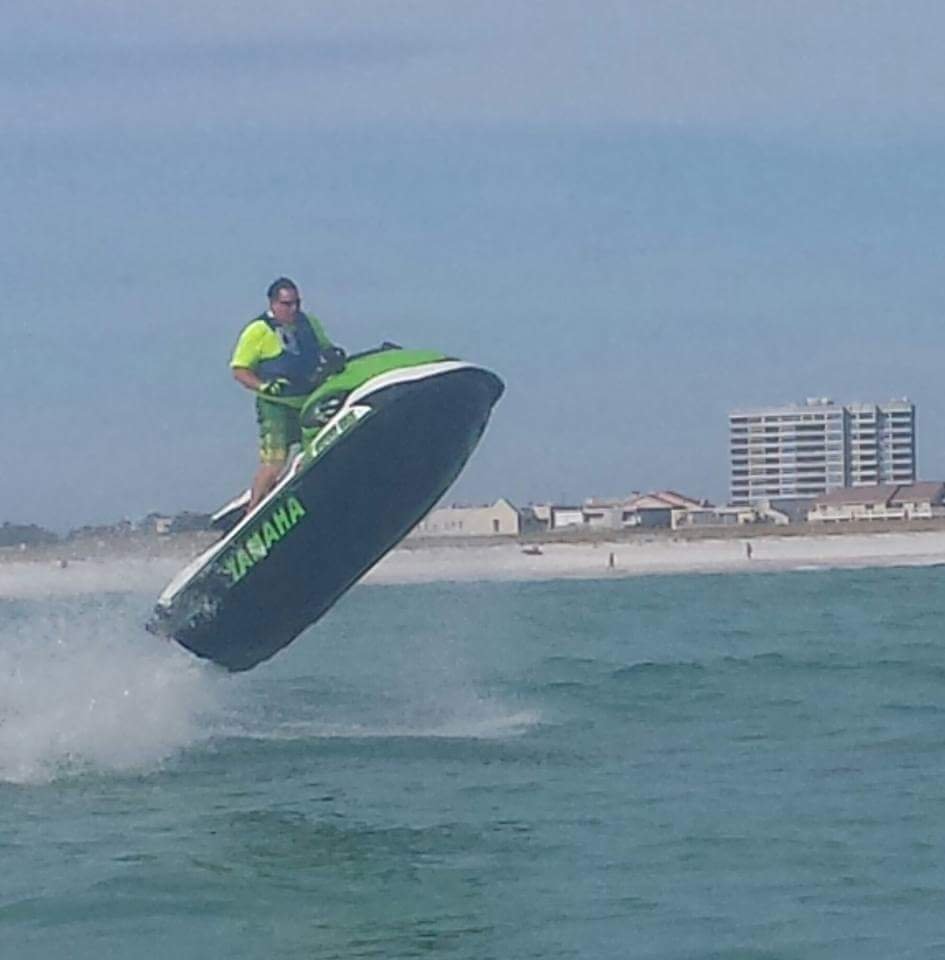
“We were enjoying the last day of vacation in the Destin, Florida area,” Kresko began. “[Me], Tyler Rebman of Cincinnati, Ohio; Chris Riesz of Philadelphia, Pennsylvania; and Peter Hanna of Nashville, Tennessee all wanted one last time out in the Gulf of Mexico to jump some waves as the rest of the club was hanging out at Crab Island, a local area to anchor and relax.”

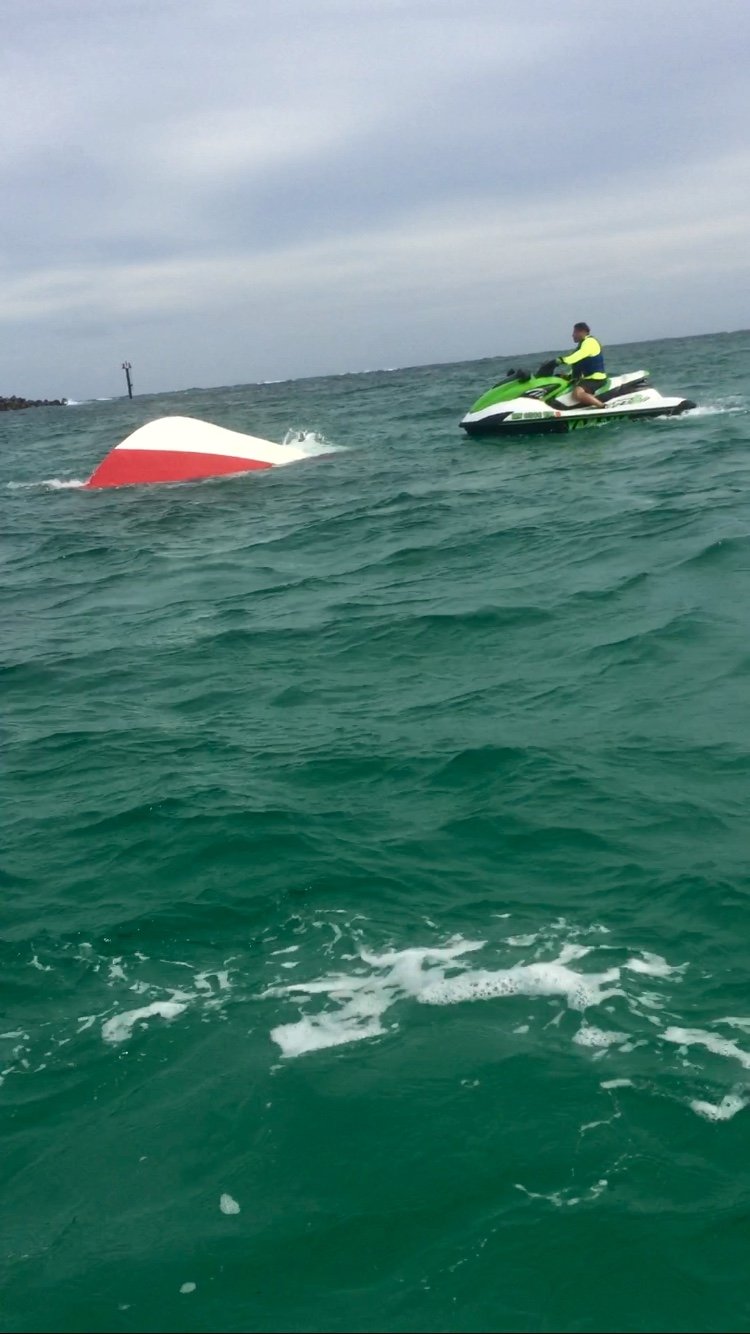
“The weather forecast on the 21st of October had issued a small craft weather advisory,” Kresko cautioned. “But we had already enjoyed the waves earlier in the day so we knew what we were getting into on the water. We headed out, but this time the swells were bigger than before. As we made our way out the East Pass of the mouth of Destin into the Gulf, we noticed the wind had picked up. We all went to our area to do some wave jumping. The waves now were 10-14 footers where we were jumping.”

Kresko, keeping an eye on everybody to make sure they weren’t in harm’s way, joined in the fun. “Tyler got his camera out and starting taking pictures and video. As we jumped all of us had smiles on our faces. We would circle around and make run after run. We rode until we were too tired to continue.”

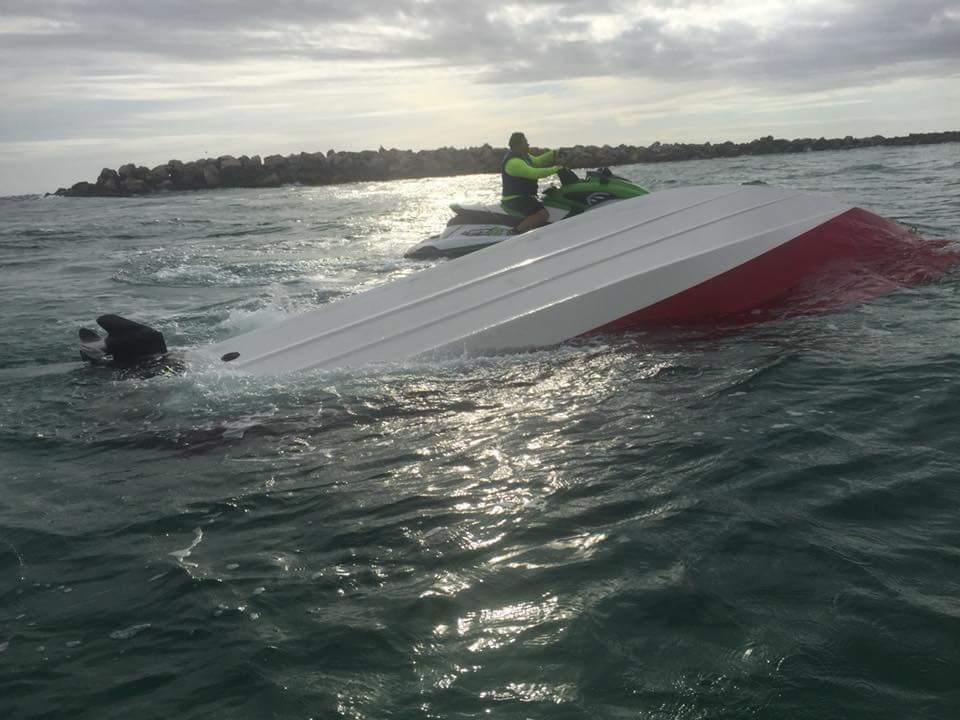
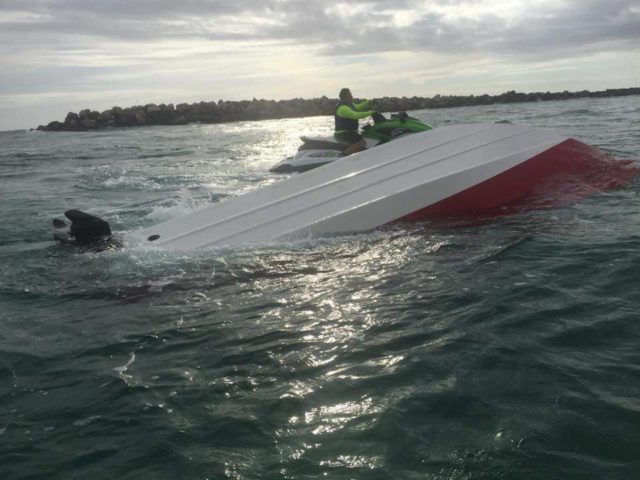
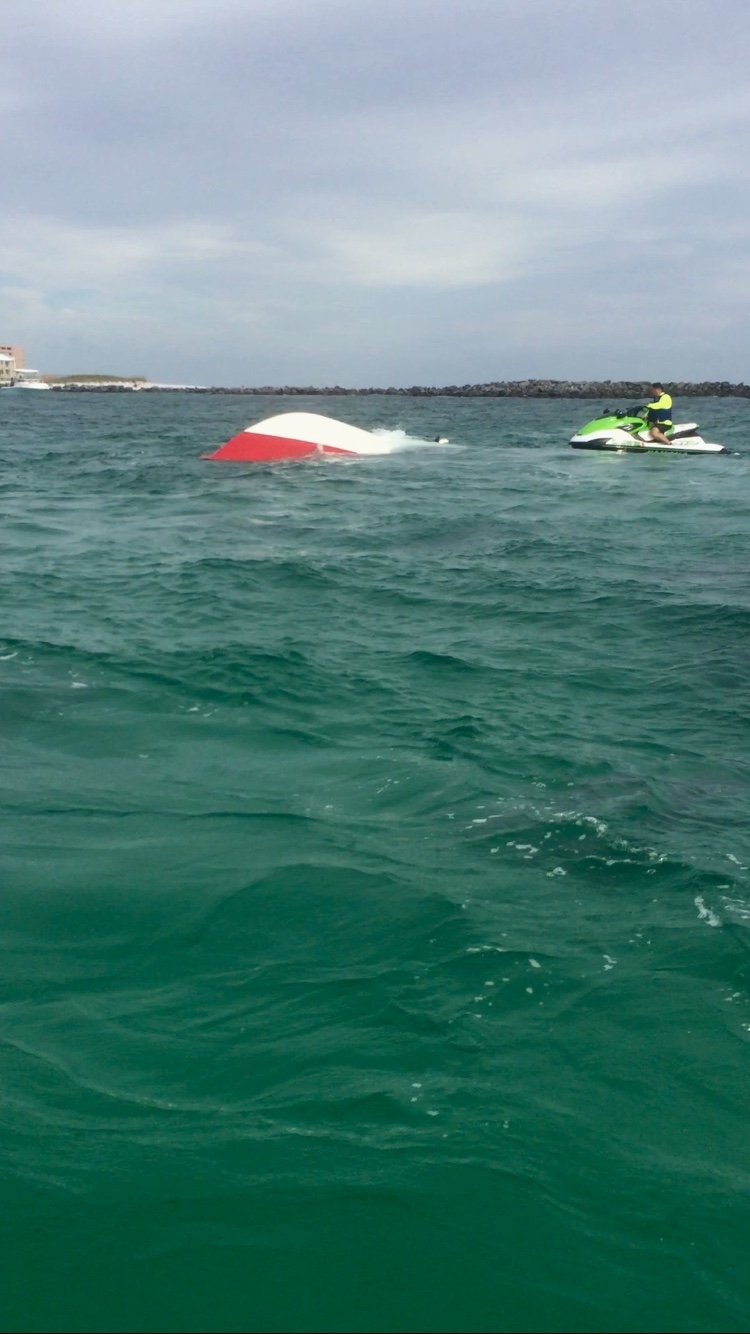
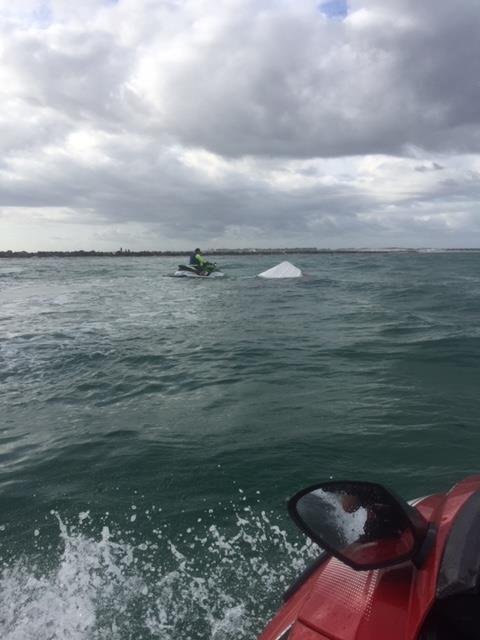
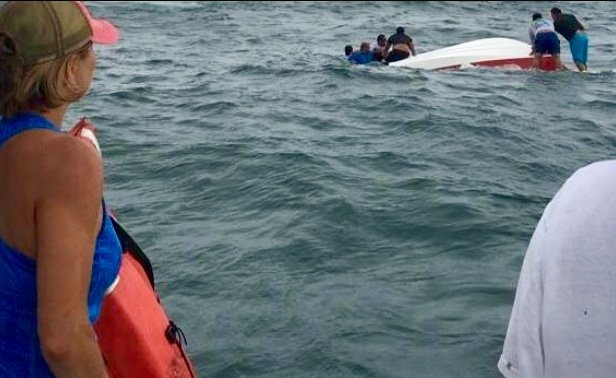
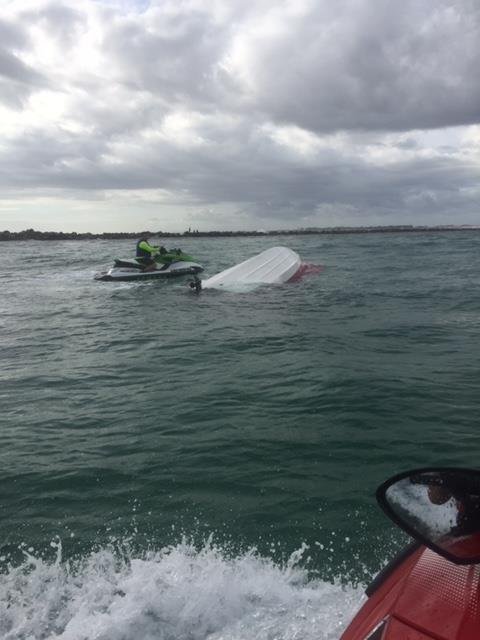
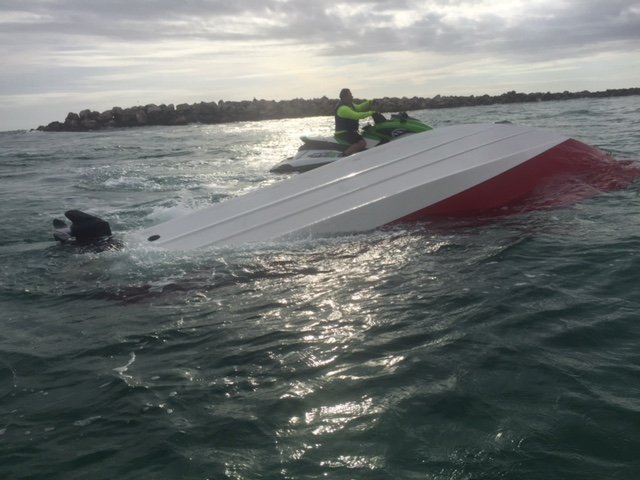
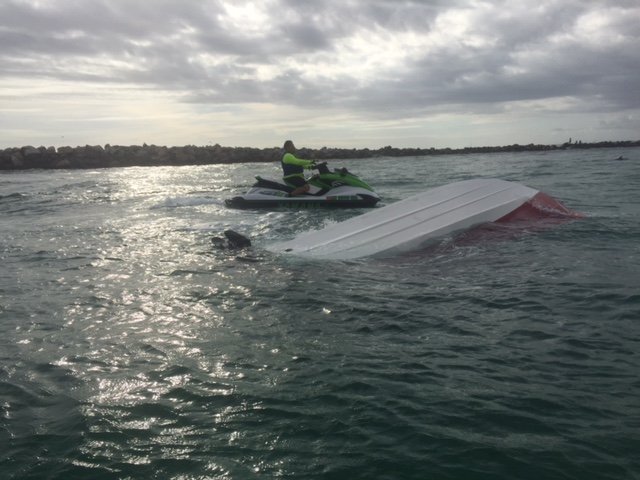
Kresko motioned to head back in and rejoin the group at Crab Island. “As we started in the mouth of the East Pass of the Destin waterway, [I] noticed a boat capsized with six men on top of the hull, none of them had lifejackets on. All [of the] men looked scared and nervous. There were two other boats trying to assist, one boat was the “Barracuda”, captained by Brandy Miles-Kitchen; the other just warning other boaters to keep clear. But neither vessel could get close enough to help.”

That’s when Kresko looked at Riesz and said, “Let’s give them a hand.”

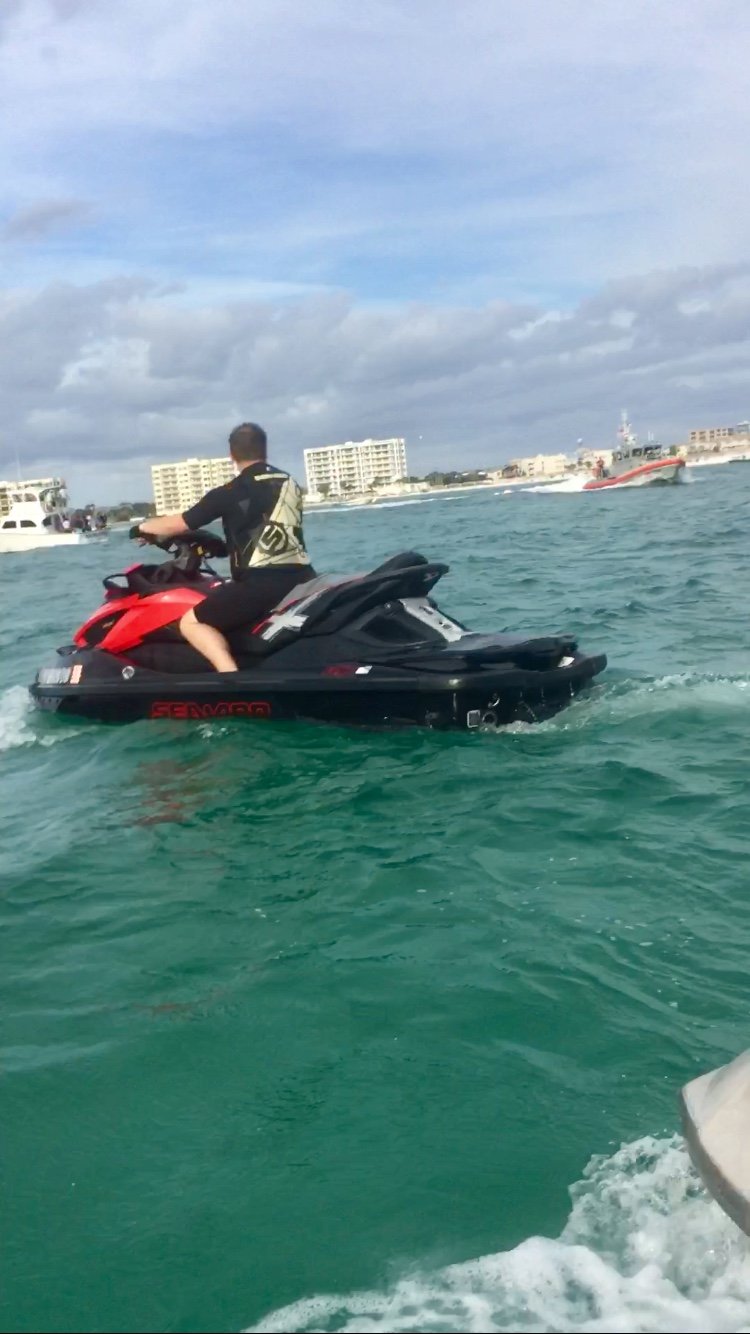
Rebman and Hanna followed. They first tried to get life vests from the Barracuda to the men on the overturned boat. Then Kresko was the first to position his personal watercraft with the backend towards the capsized boat so one of the men could get on his craft. As the man tried climbing aboard the watercraft he leaned too far to the right and both men fell off into the rough sea. Kresko hurried back on his craft and they tried again with success.

He brought him to the boat and positioned alongside of it and people on the boat grabbed him and brought him on board the vessel. The man said, “Please get my brothers.” As this was happening Rebman, Riesz and Hanna started positioning their craft in the same manner and plucking each man one by one. Peter Hanna had brought one of his men to the shore for safety. Kresko and Rebman each rescued two men and Riesz and Hanna a man each. The rescue worked like clockwork.

“The River Rats are experienced PWC riders and it showed during the rescue in rough waters, each operator was calm and collected. All men were rescued and accounted for, as they were completing the operation, the Coast Guard arrived to assist the rescue boat to shore and take them to the Coast Guard facility. As the capsized boat went under the River Rats left the area to rejoin their group at Crab Island and share their story,” Kresko concluded.

All images courtesy of Tyler Rebman

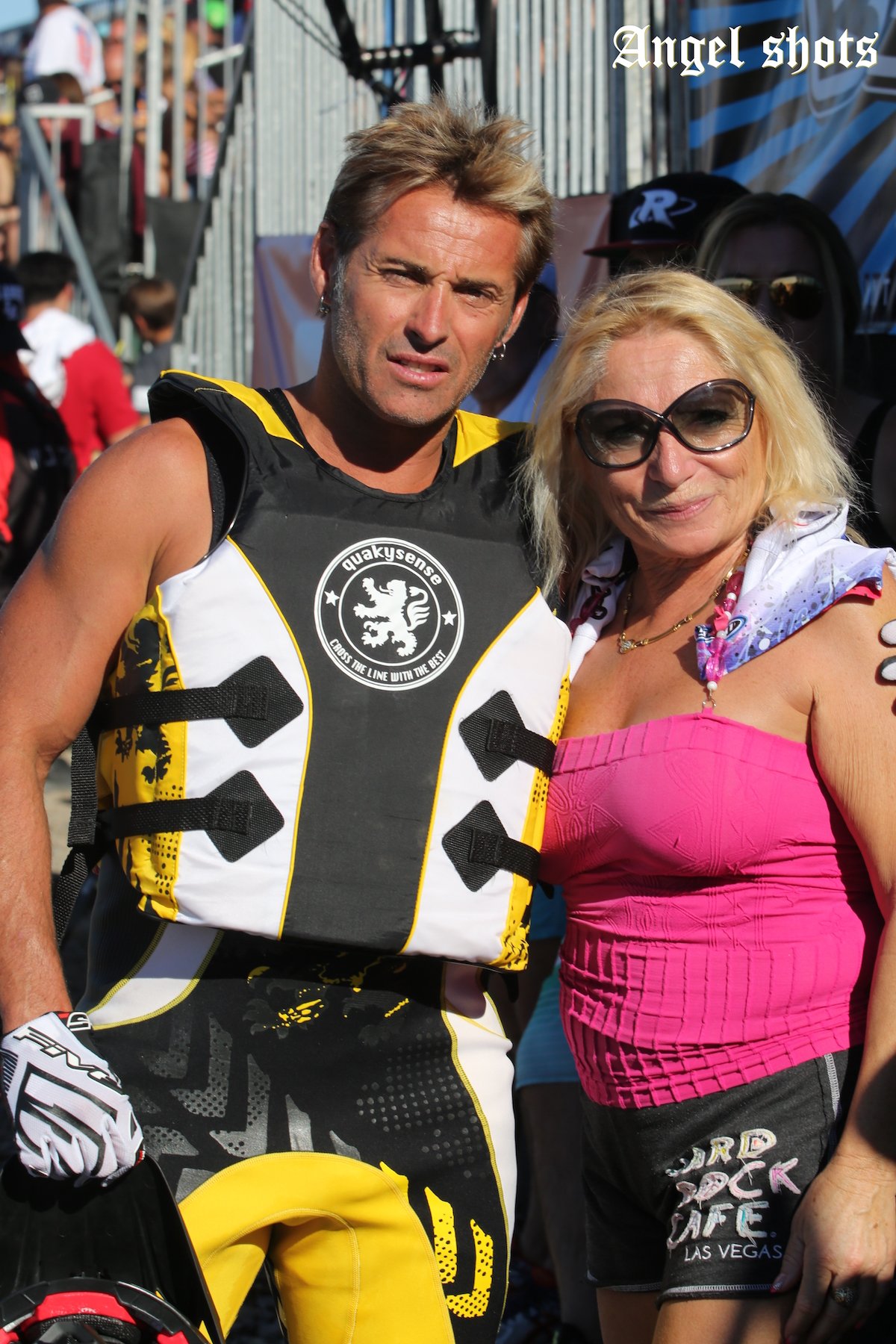
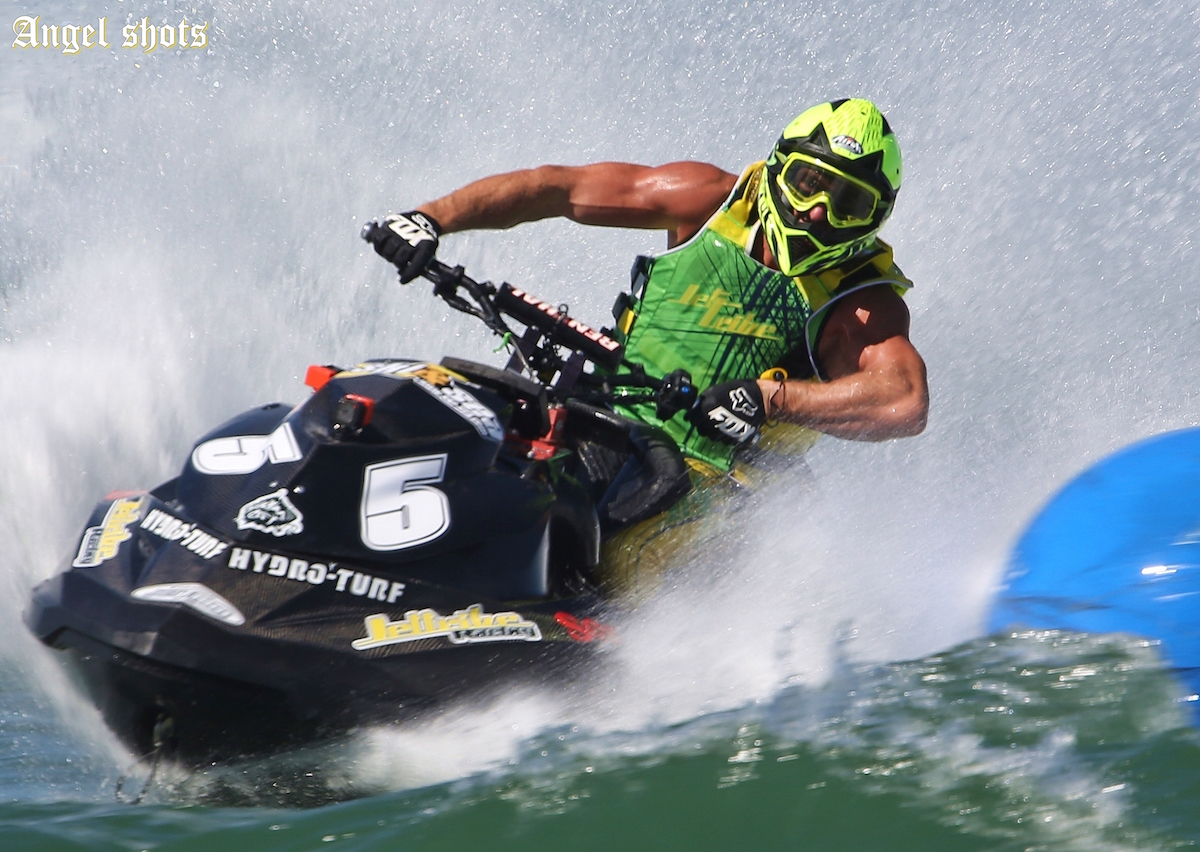
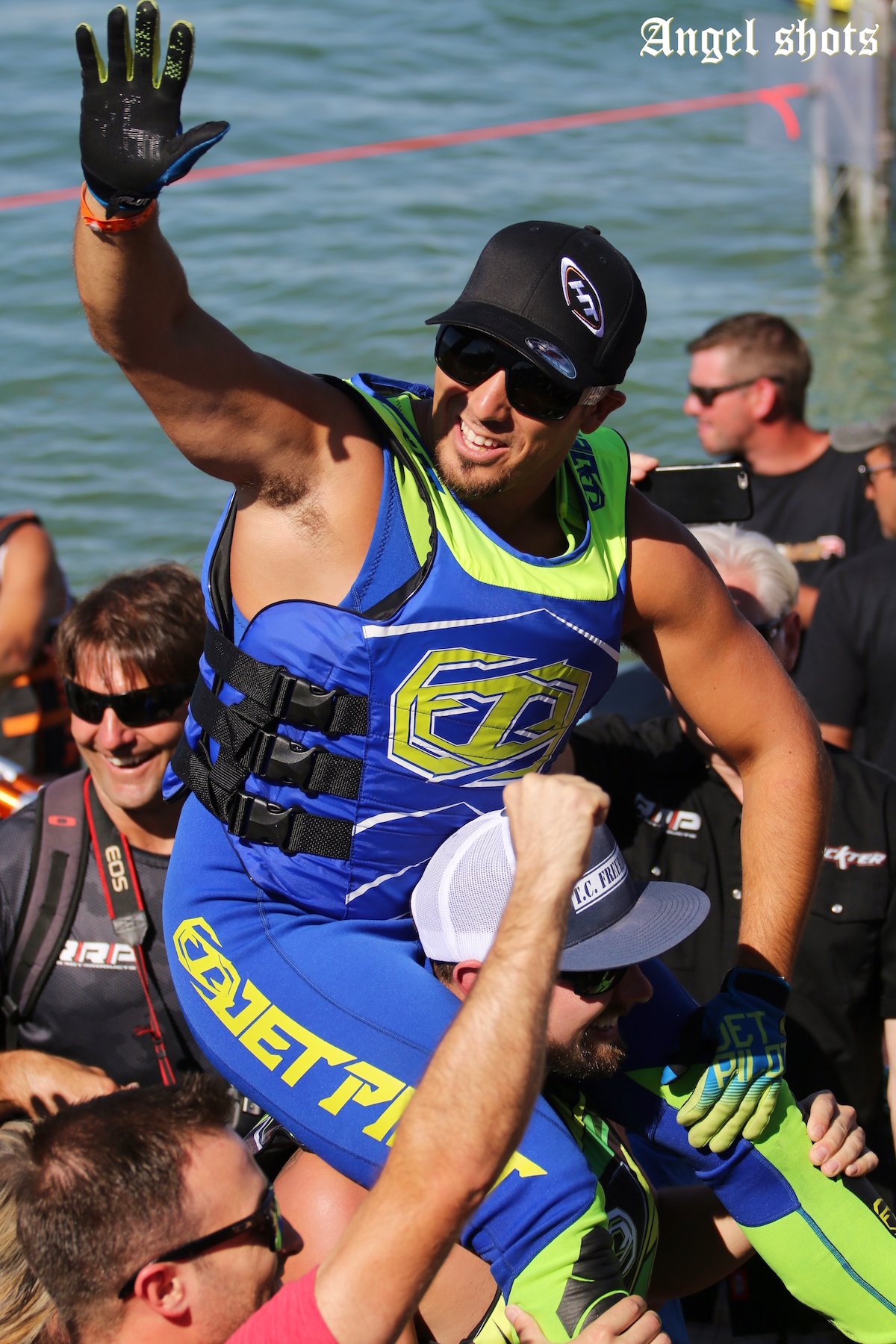
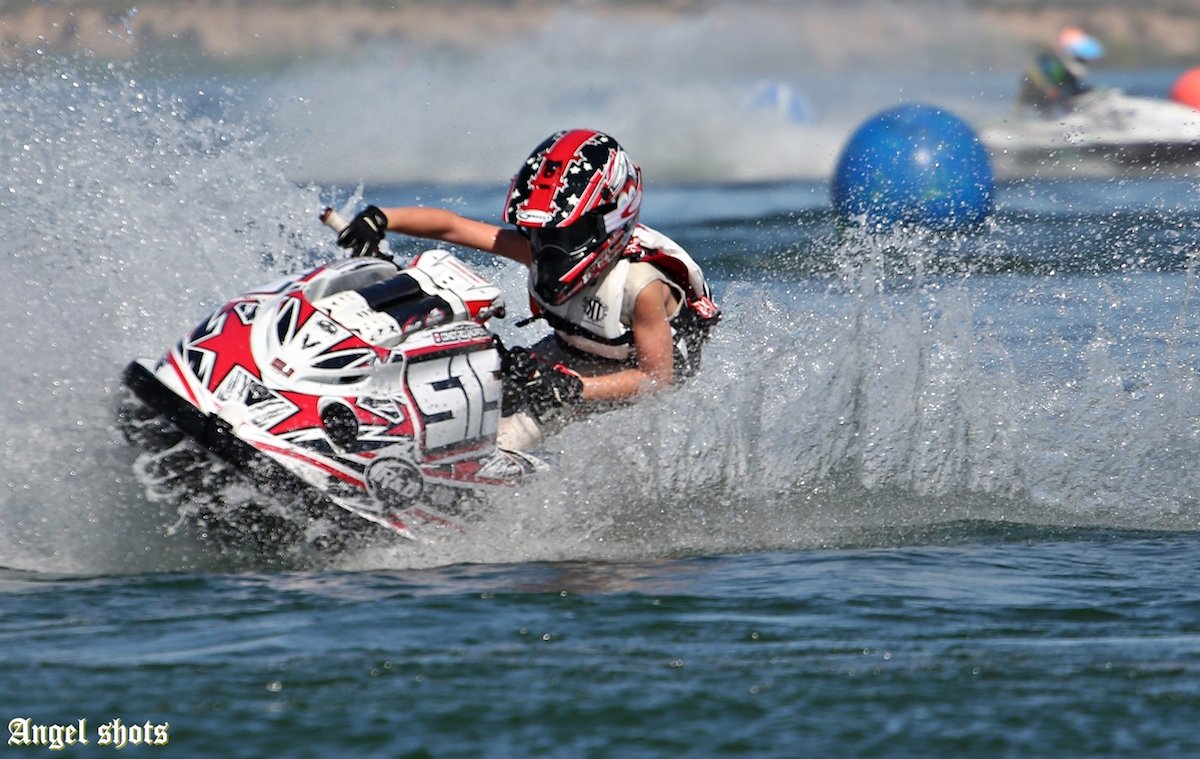
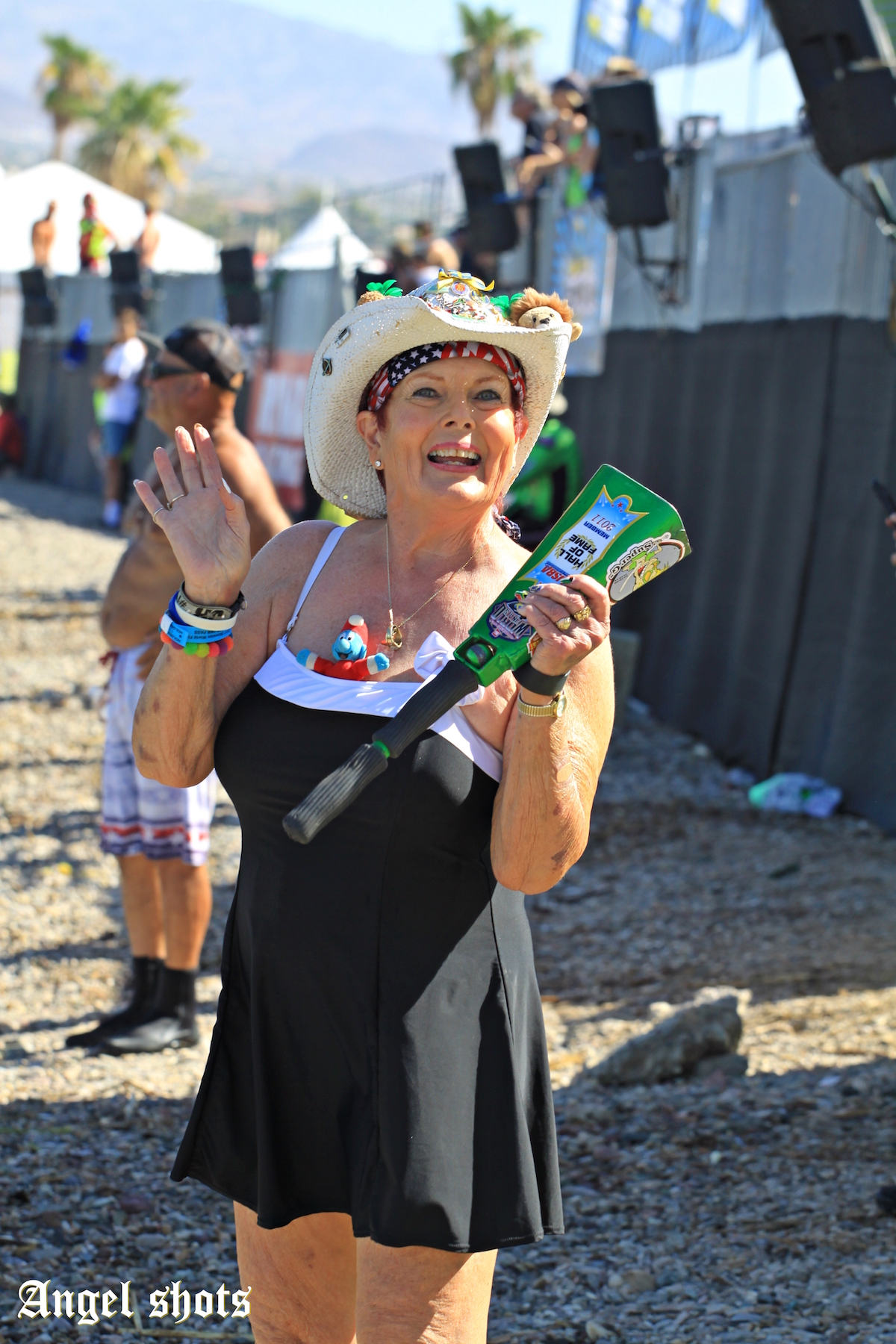
Gallery: 36th Annual Blowsion IJSBA World Finals Whips Up Havasu

0

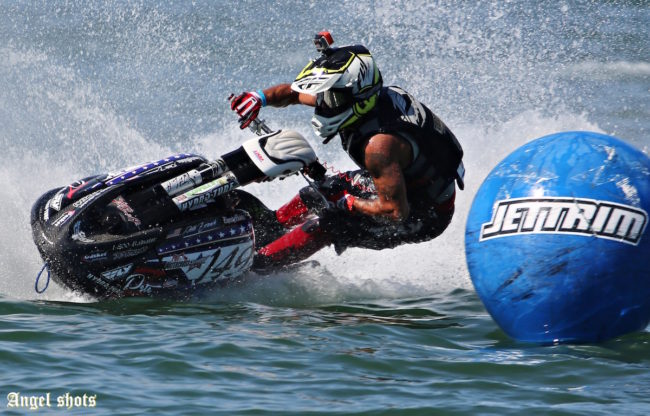
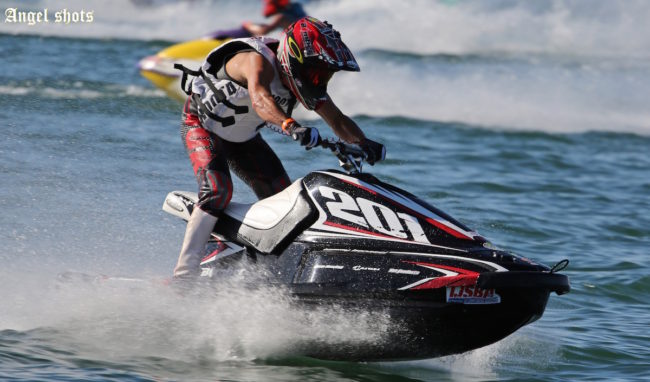
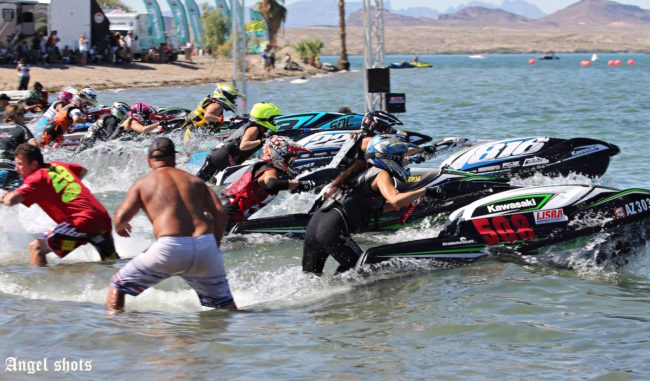
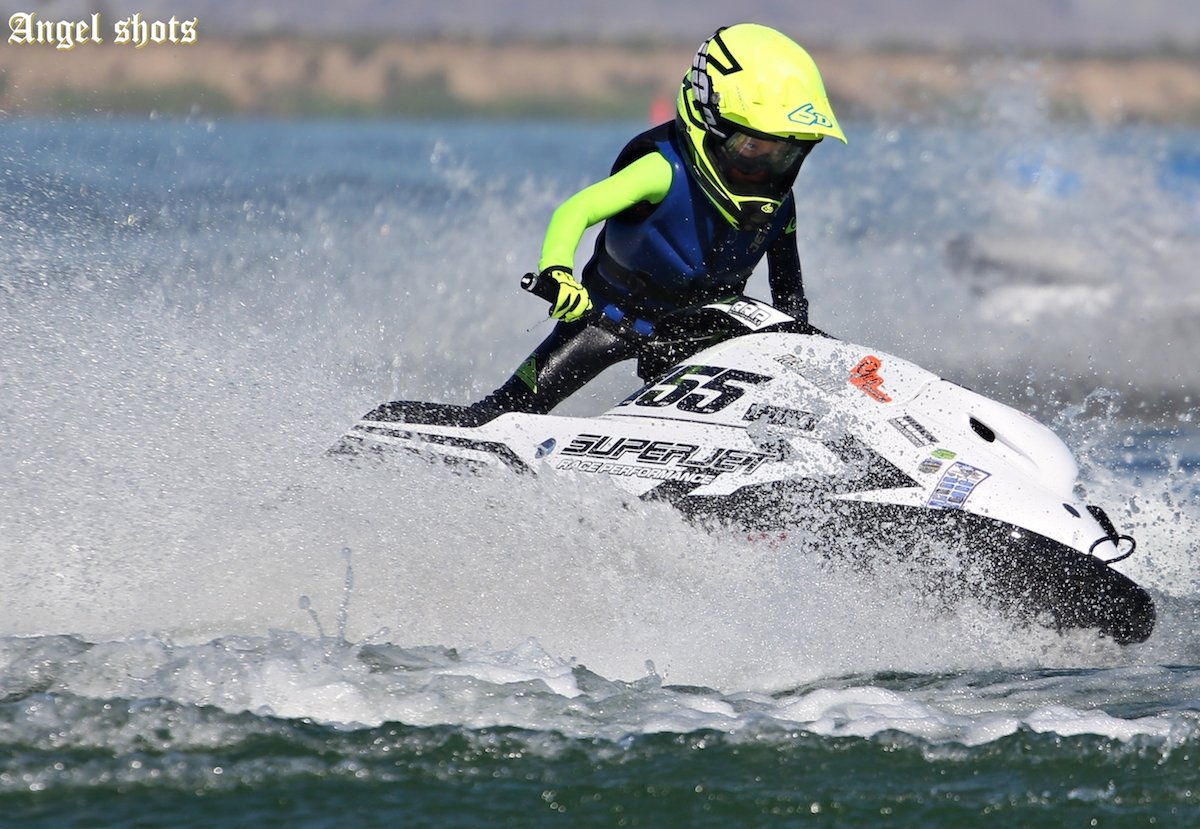
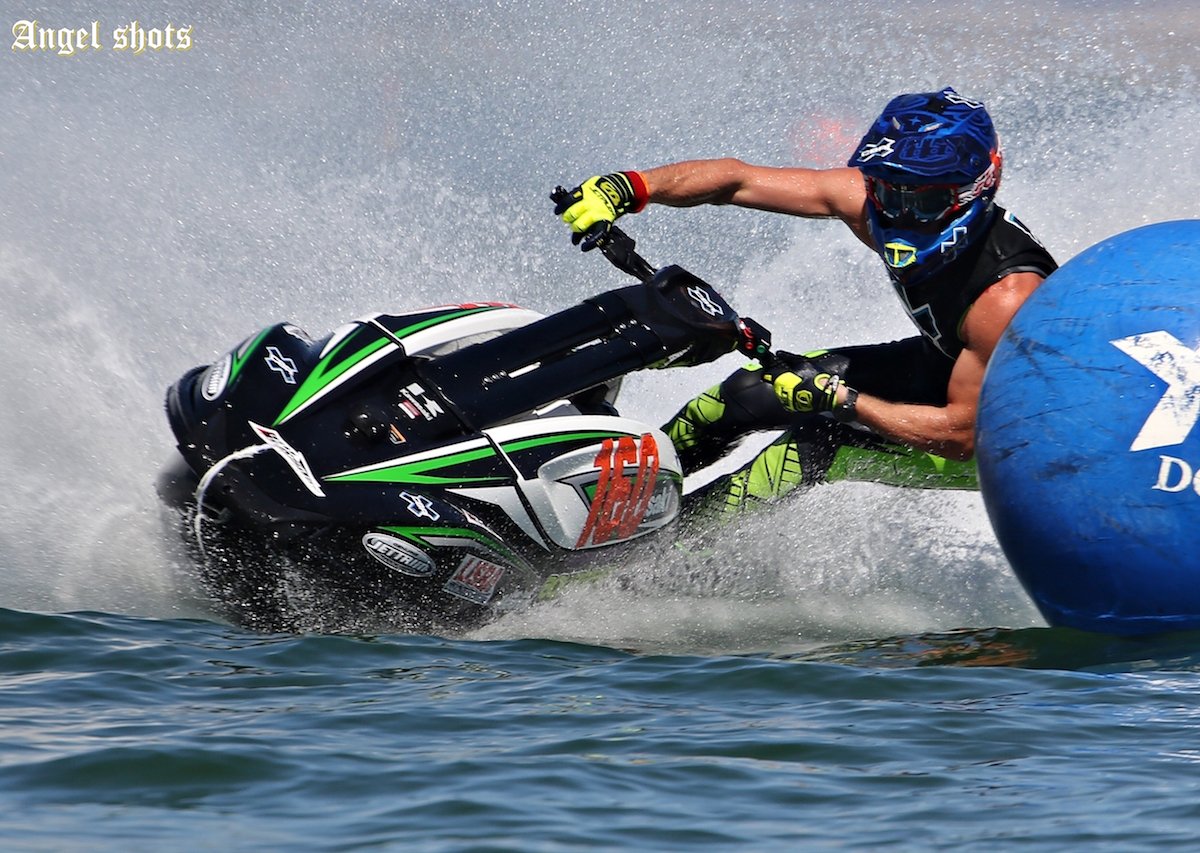
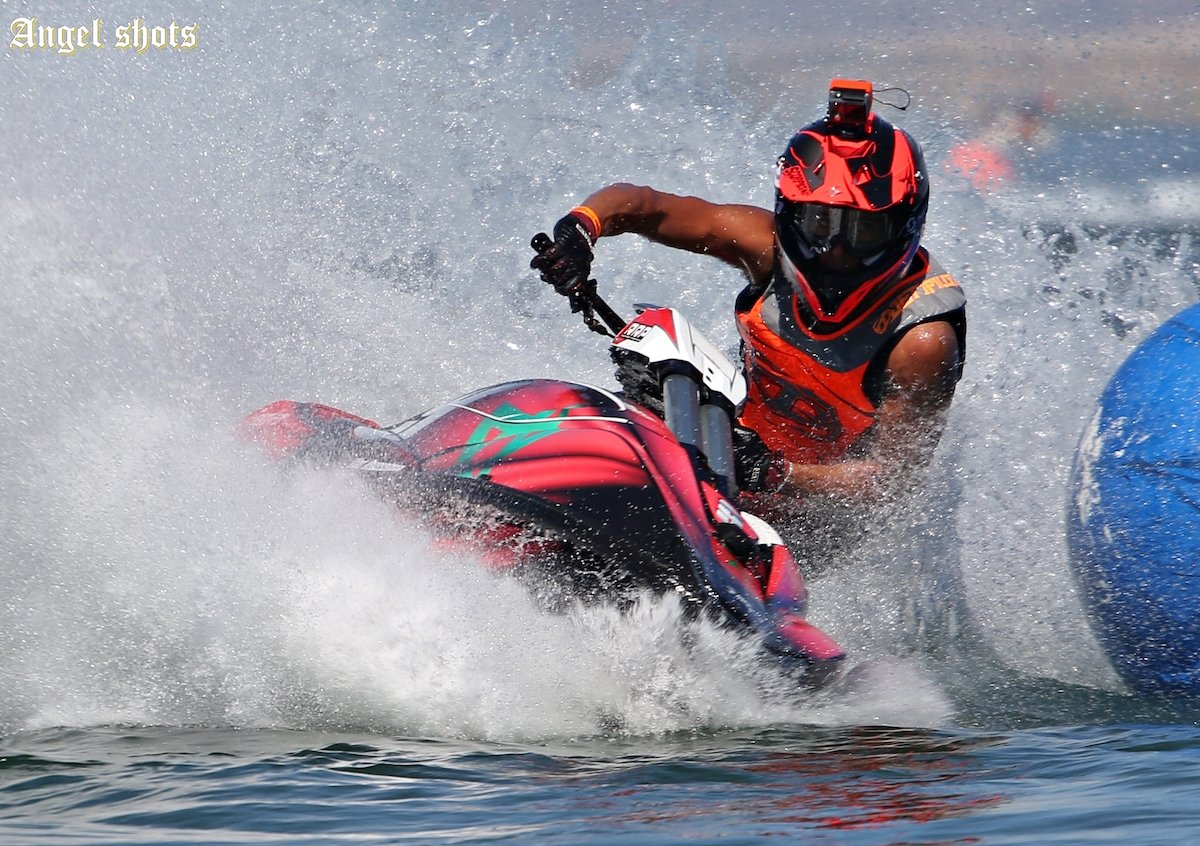
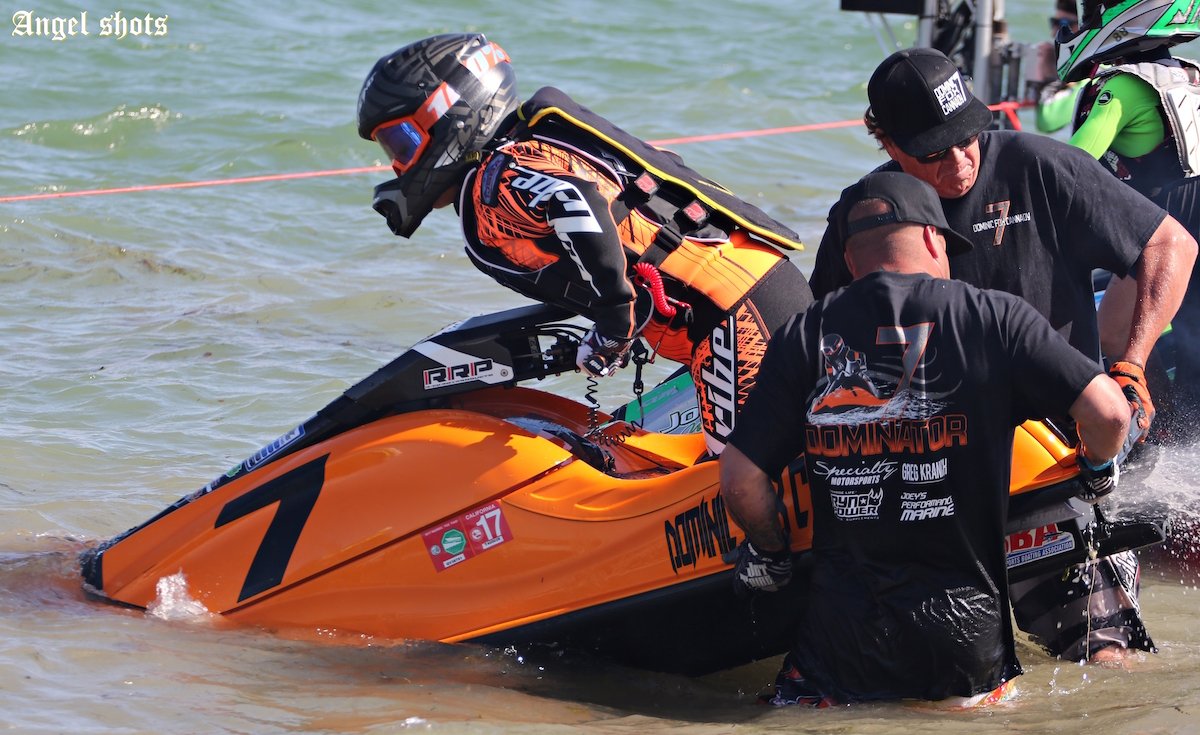
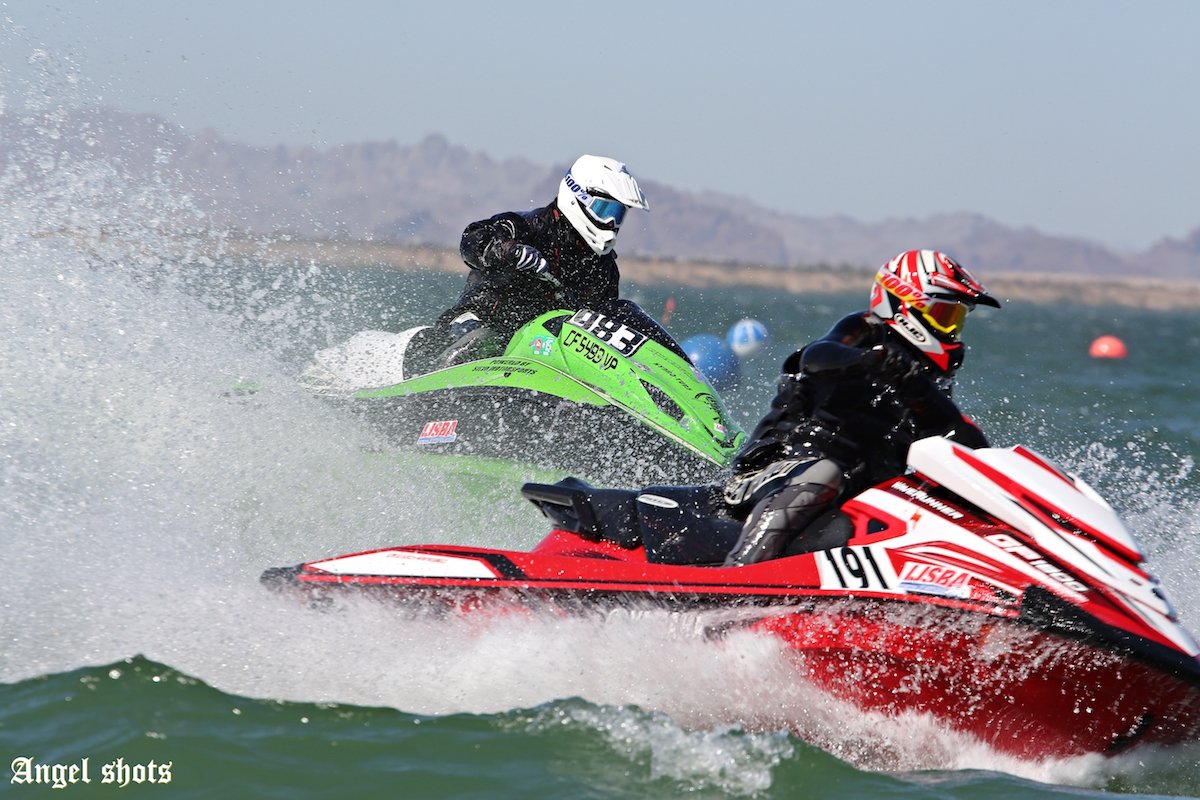
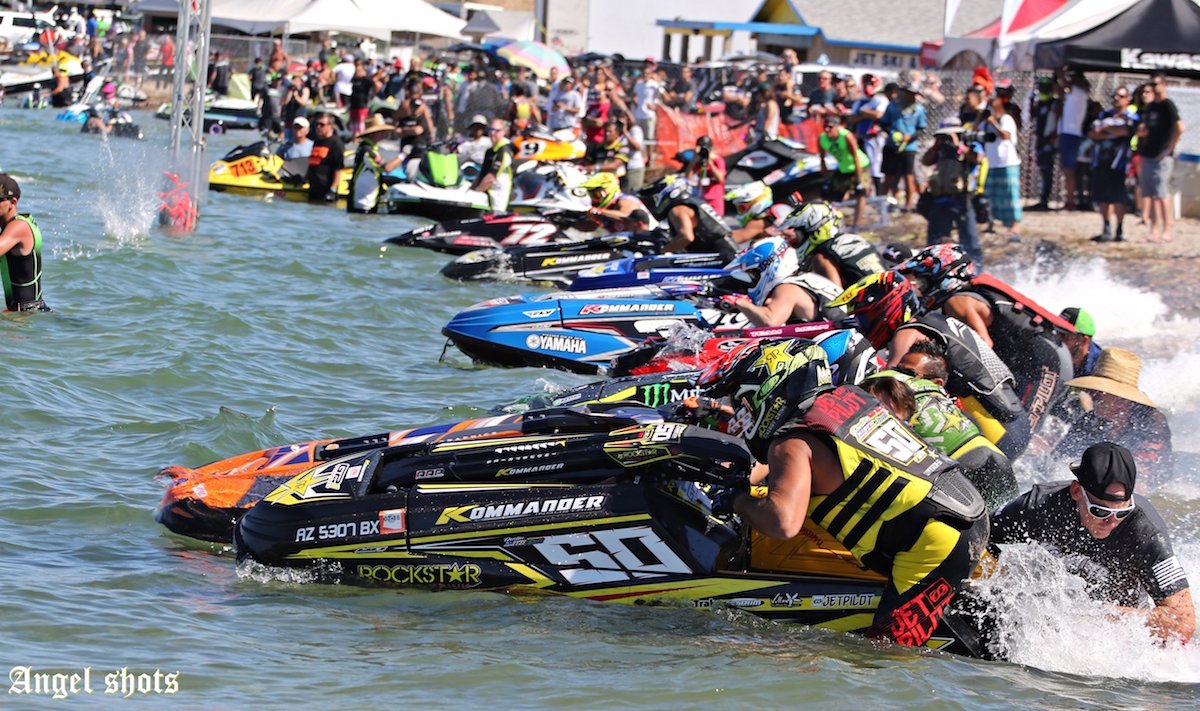
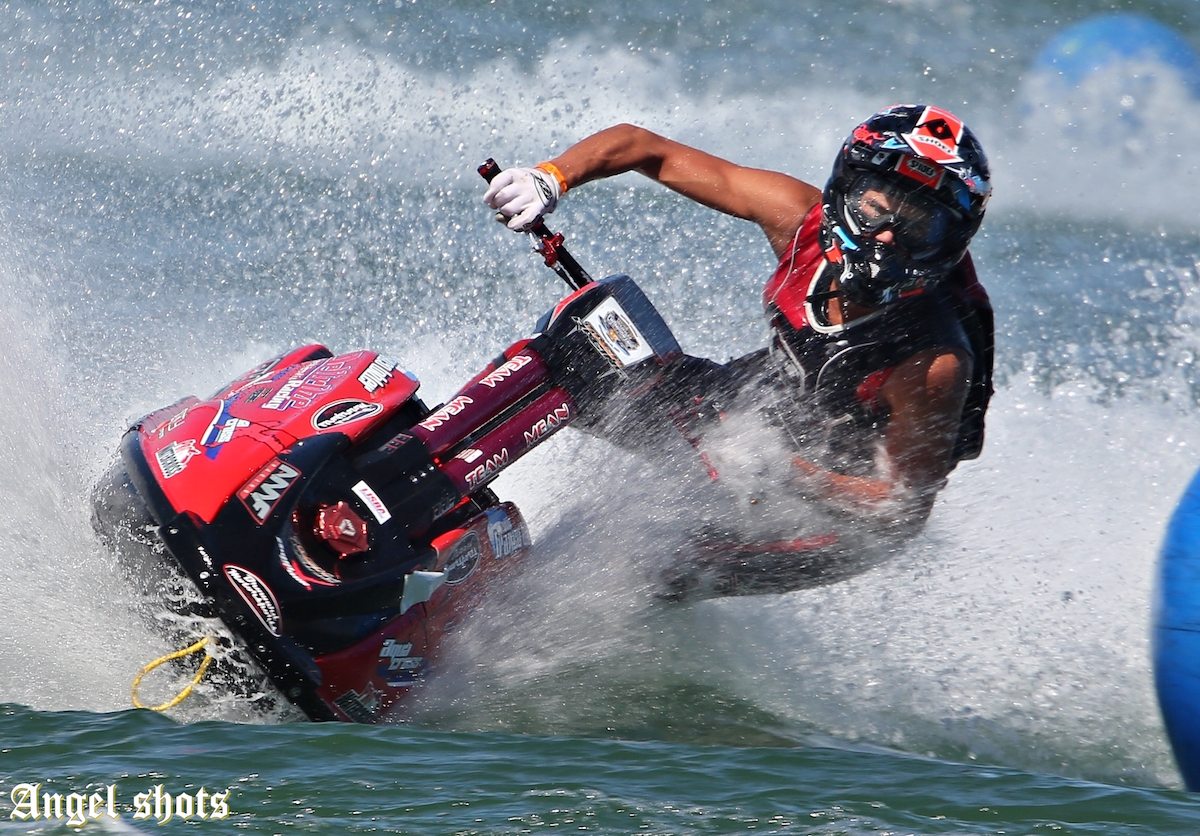
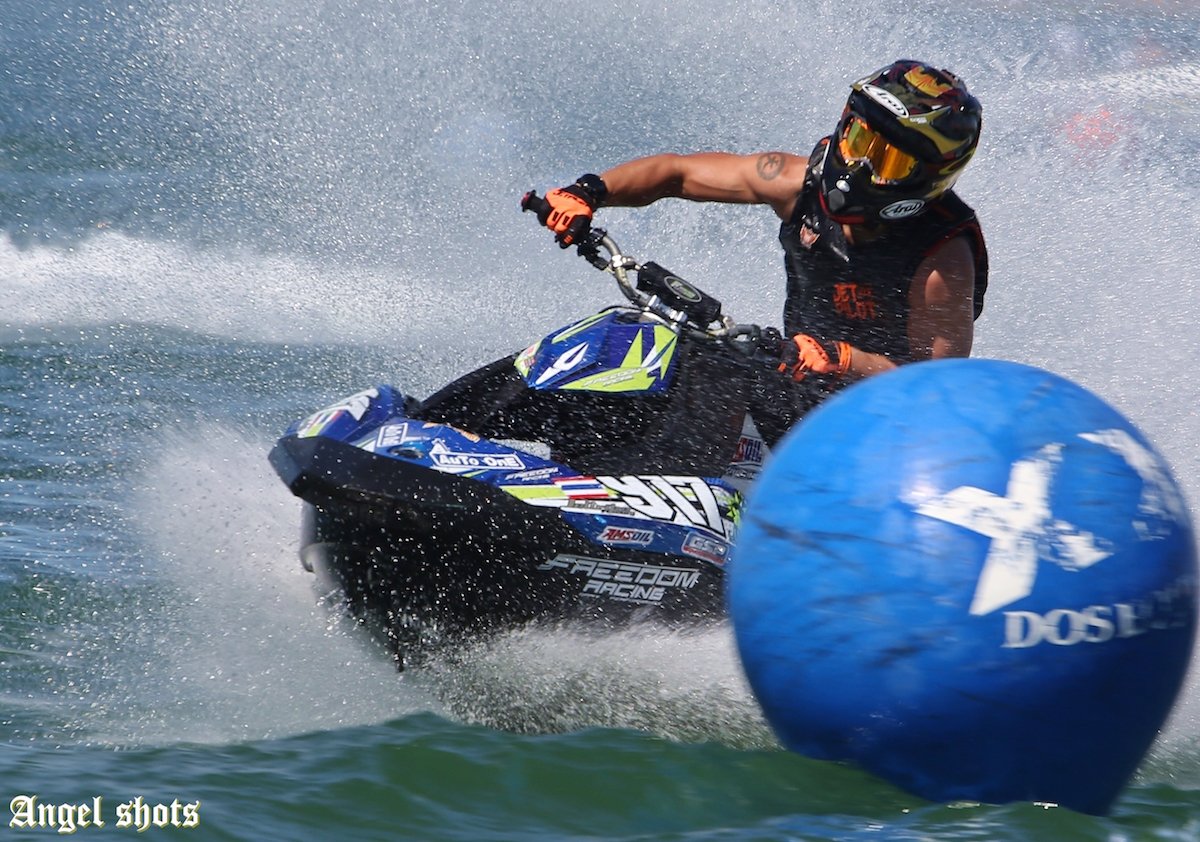
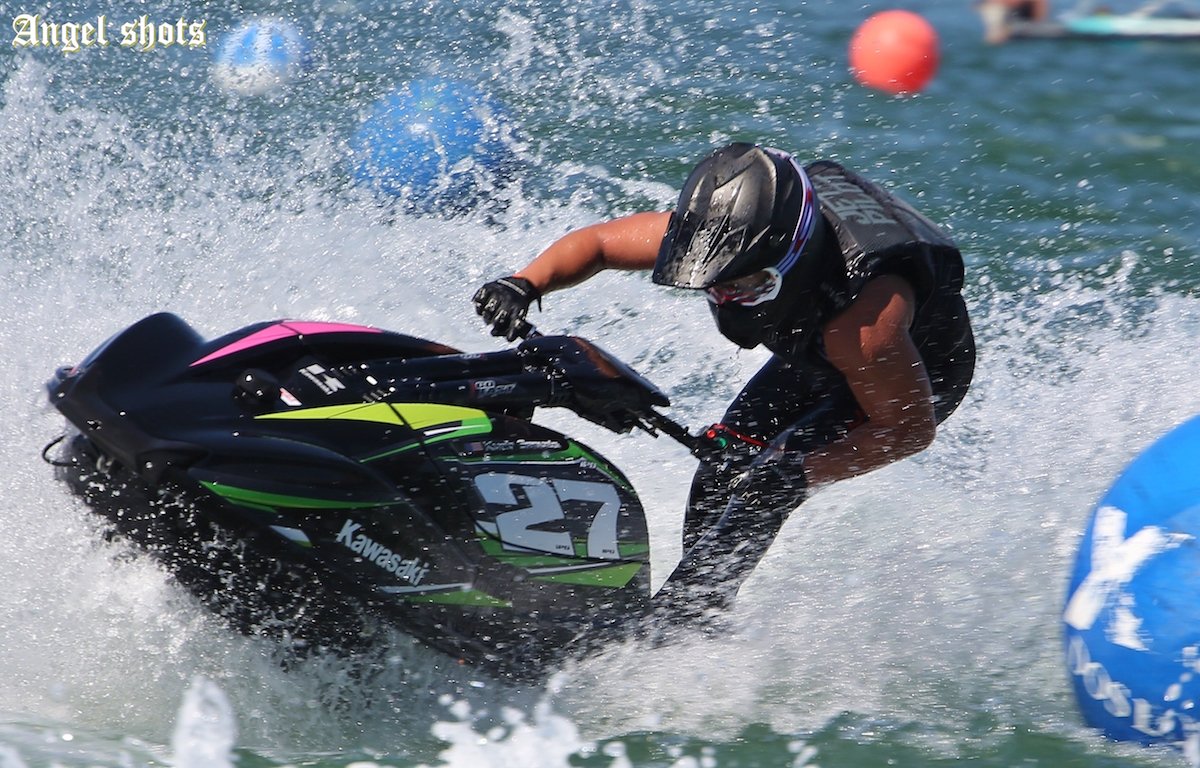
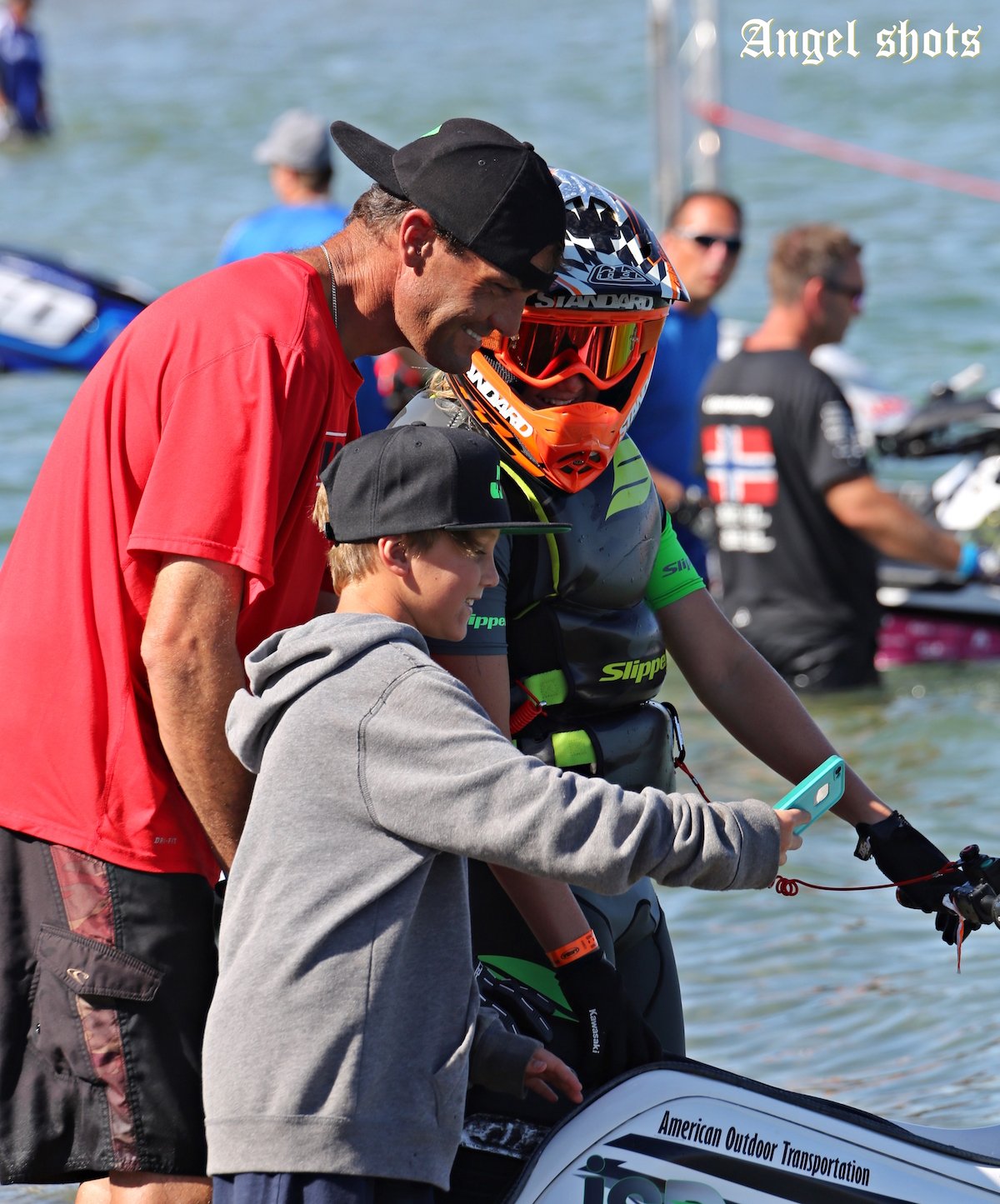
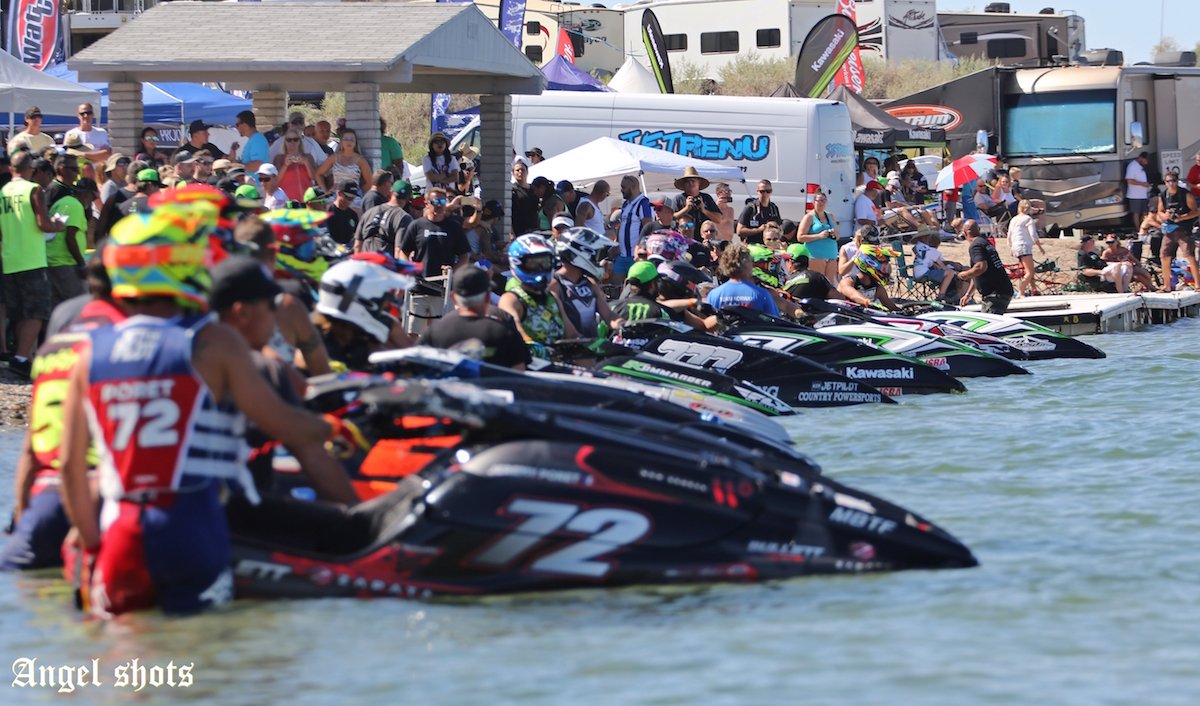
The lead up to the 36th annual IJSBA World Finals was a rocky one. Racers were scrambling to arrange travel and transportation, and tuners hustled to put the final touches on new machines for the iconic event. Advancing the dates to a week earlier in October required many to shuffle plans as other events threatened to overlap. Returning once again to the Crazy Horse Campgrounds in Lake Havasu City, Arizona, the World Finals – this year sponsored by Blowsion – saw a great deal of change ups, a handful of surprises and a few curve balls.

Those few who were present on Monday, October 2nd, woke to tragic news of a mass shooting in Las Vegas, Nevada. As one of the primary airports used by professional personal watercraft racers every October, flights, hotels and rental cars were suddenly akimbo. All travel came to a screeching halt when Air Force One touched down at McCarran International Airport a couple days later. The annual get-together with long-time friends and industry people was boiled down to a mad dash to setup booths, pits and equipment before their races began.

As the industry’s single largest gathering of aftermarket companies, the IJSBA World Finals also acts as the sport’s one-and-only trade show. New product is revealed, and existing items are displayed and sold on Vendor Row; the alley also serving to give competitors an opportunity to catch up with their sponsors and potentially make new ones. Welcomed newcomers and established mainstays all beckoned for visitors to stop in and review their latest wares. As the days continued the foot traffic increased but never to the point of congestion.

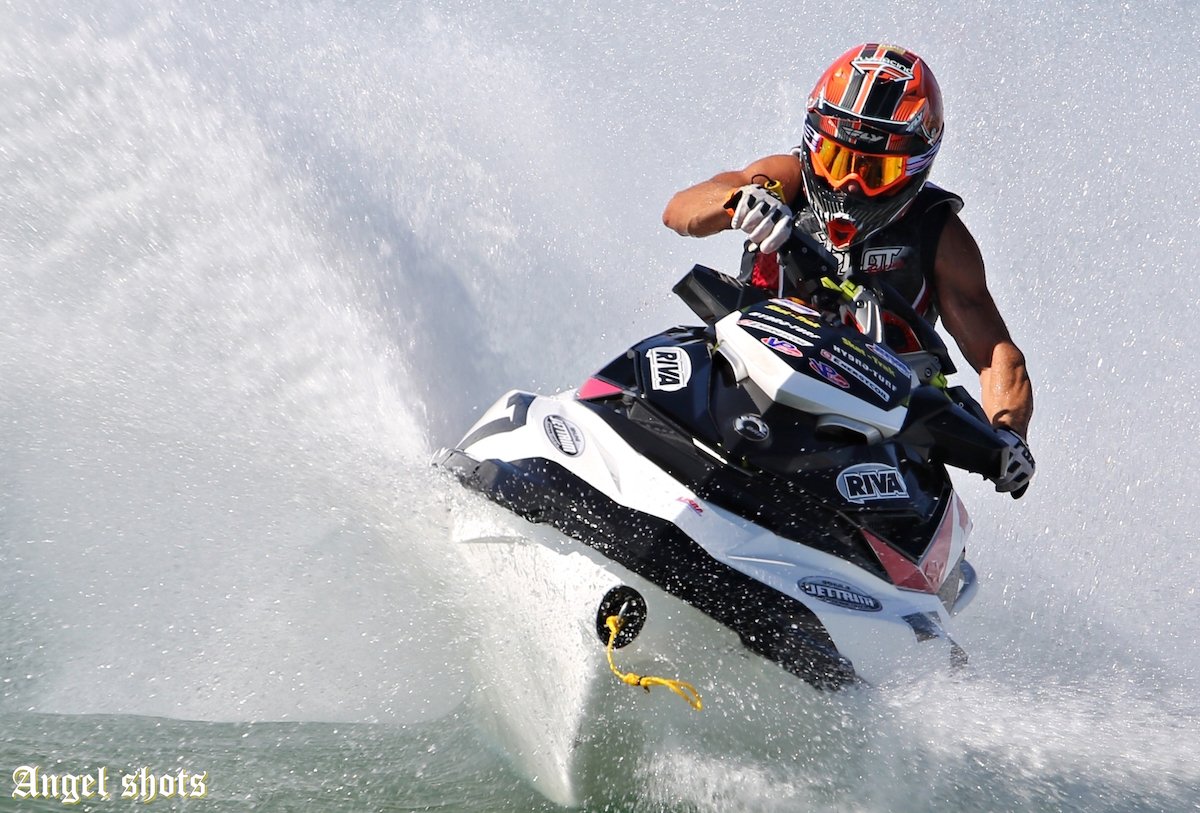
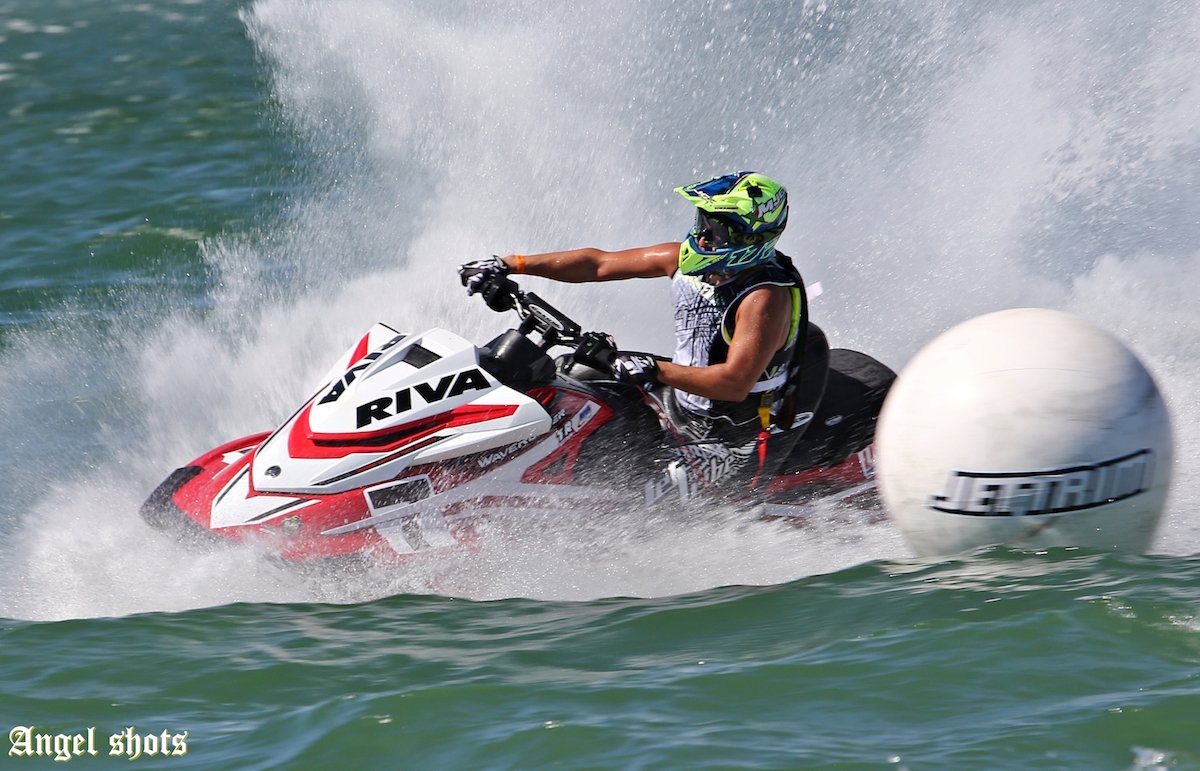
Legendary athletes from the sport’s heydays like Larry Rippenkroeger, Tera Laho, Jeff Jacobs, Chris Fishetti, Tommy Bonacci, Mike Yellich as well as many others were walking the grounds checking out the racing and the latest and greatest products for PWCs as well as just catching up with old friends. Moving in and out of the RIVA Racing booth, the massively-expanded Jettrim tractor trailer, catching up with Arno at Hydro-Turf, or stopping in at the Skat-Trak booth, the Vendor Row was teaming with racers and enthusiasts alike.

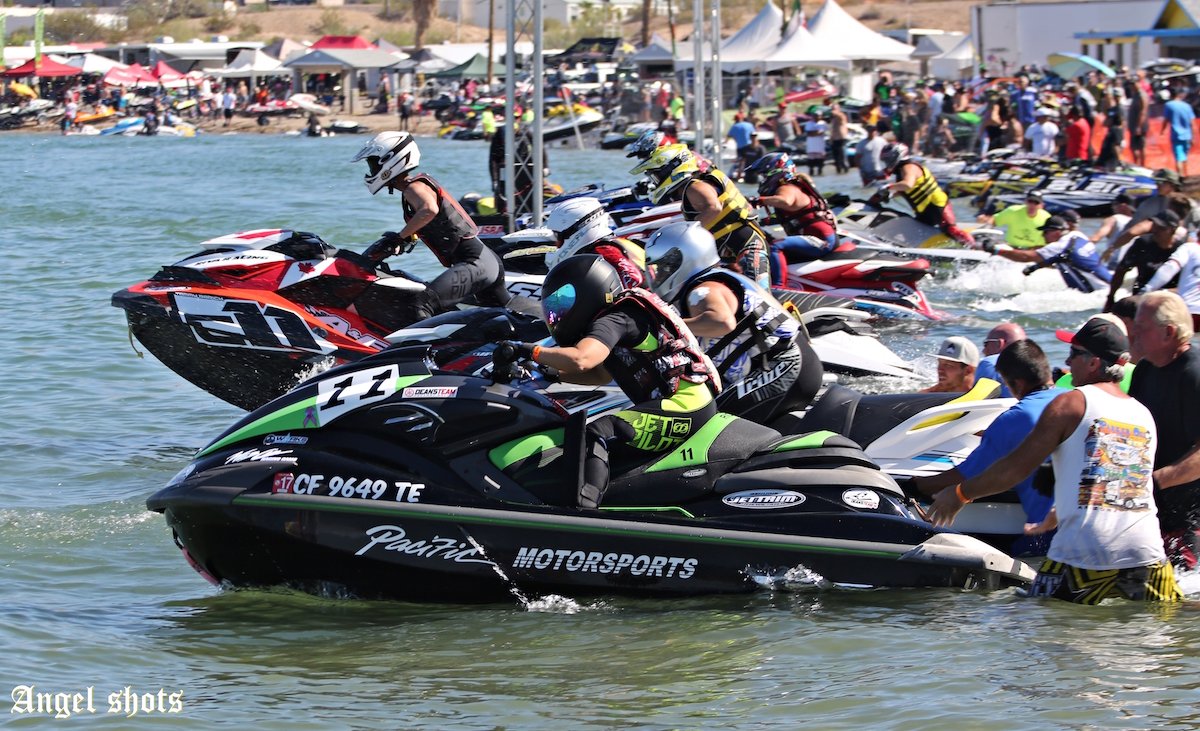
Initial practices for Novices and Amateurs began that Monday, October 2nd with Tuesday kicking off the actual racing. Novices, Amateurs and Masters classes all had heats, LCQ’s and first and second motos all in one day! It made for a long one, but a good time was had by all. On Wednesday, some of the GP classes and SuperStock Amateur and Master classes were held. The laps were increased as there were less races. Like Monday, northern winds whipped up the lake into a sea of white caps, giving racers another challenger: Mother Nature.

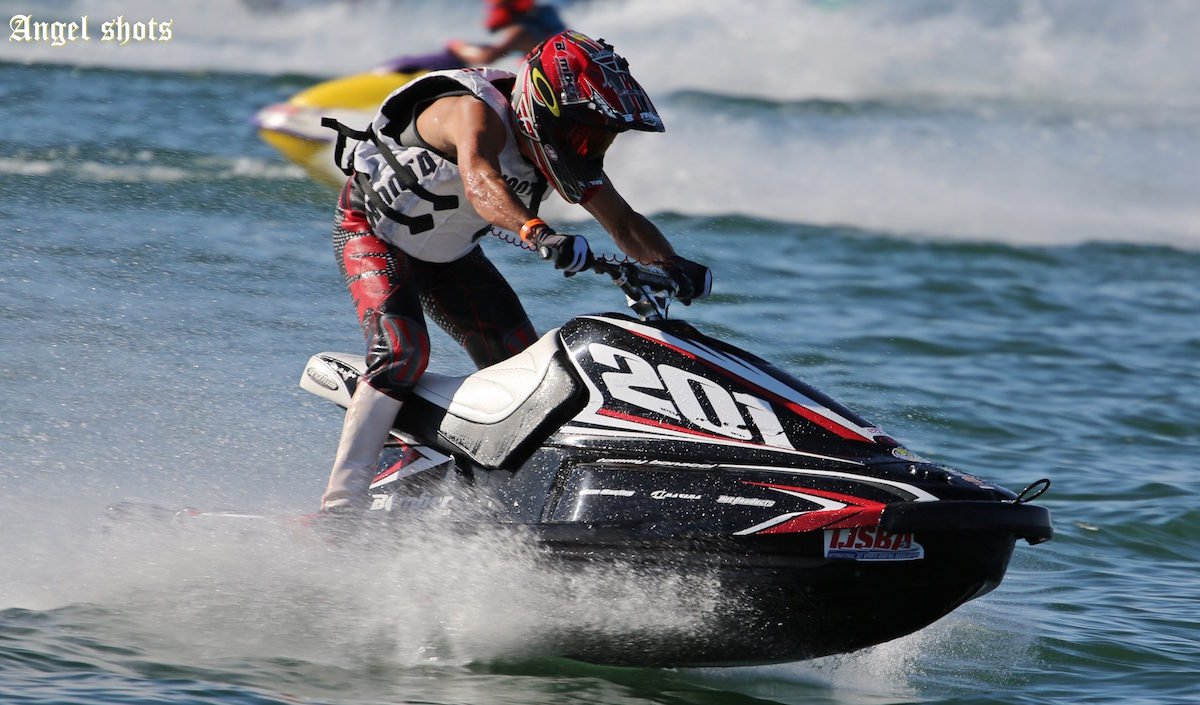
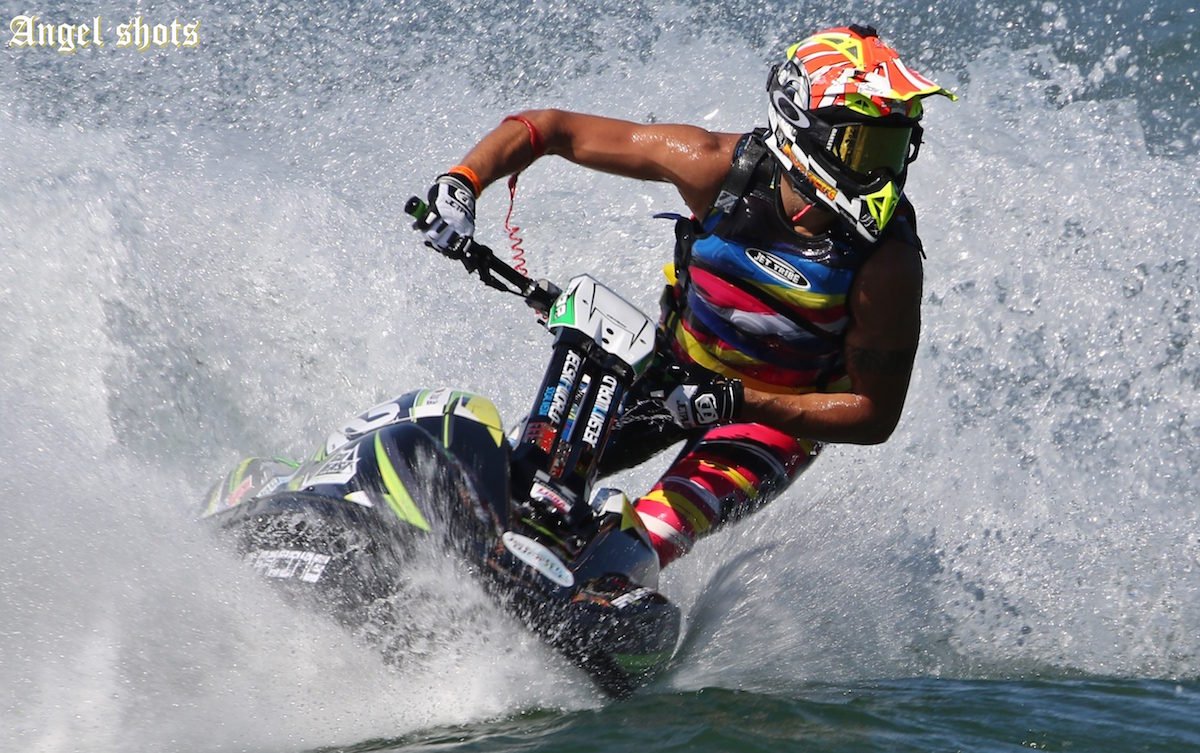
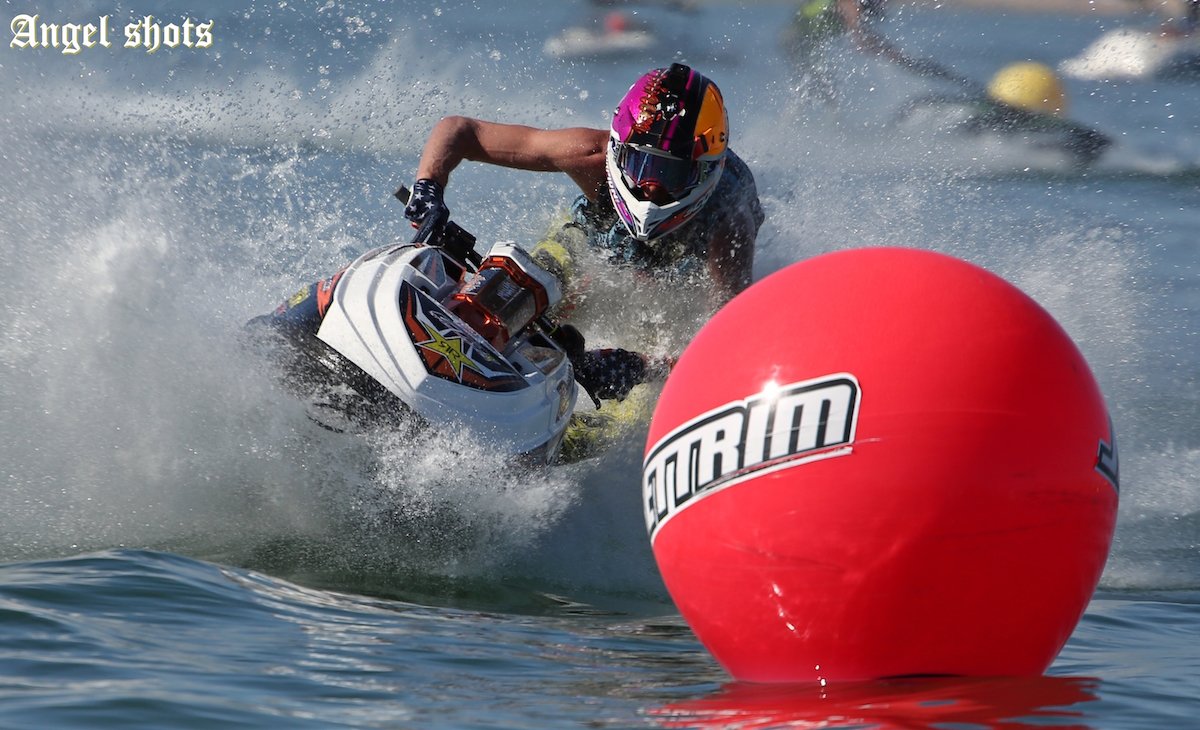
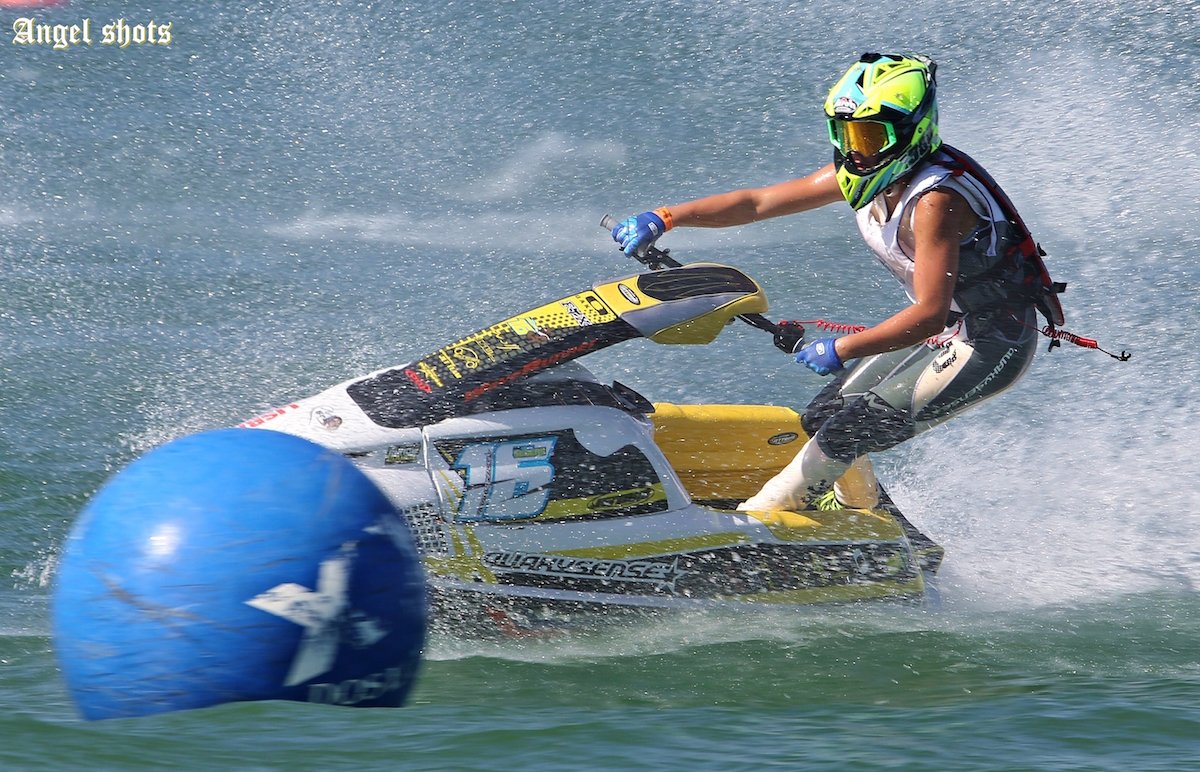
Thursday we started to see some of the bigger classes like Sport Spec and Junior Ski classes as well as the implementation of the log jump for some ski classes. Actually, there were 3 log jumps in a row on the massive track this year. Friday, as when most of the stands were filled with spectators, the wind returned and fiercer than ever. As the Pros started to fill the starting lines, spectators witnessed great racing in the Jr. Ski classes as well as the Sport GP class as Dustin Farthing entered the fray, taking home his 20th world championship.

Saturday’s roster was packed full of stellar racing and welcomed the largest class of the event, Vintage Ski. Competitors from all ages entered, and many in the bleachers stood on their feet as the plumes of blue two-stroke smoke billowed over the beach. In fine fashion, class winner Rob Flores showed why experience should be feared as he fought back the field to a world championship. Equally, Chris MacClugage’s decades of racing paid off as he won another championship in the Pro Runabout Stock class to add to his resume.

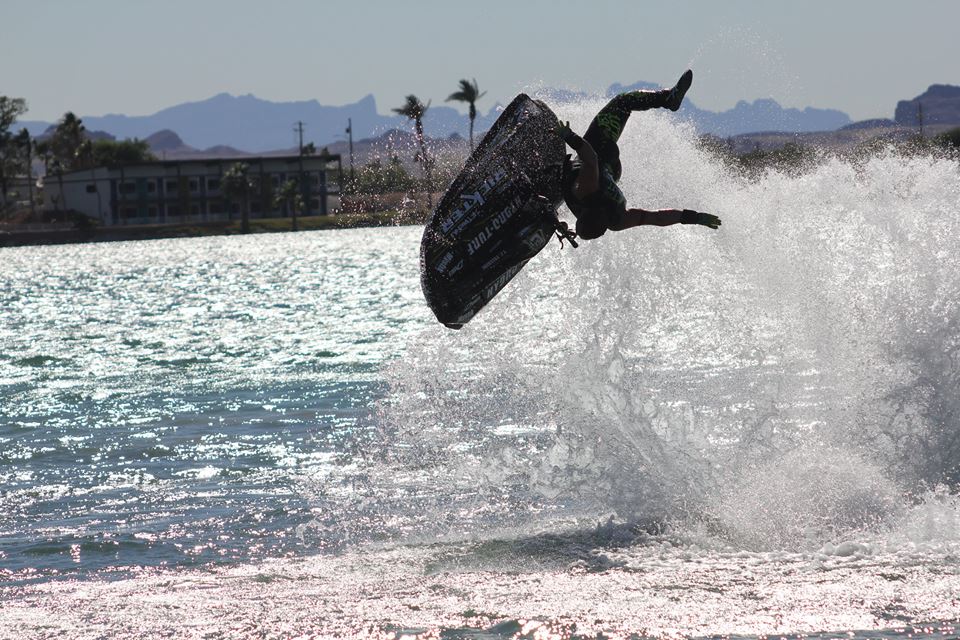
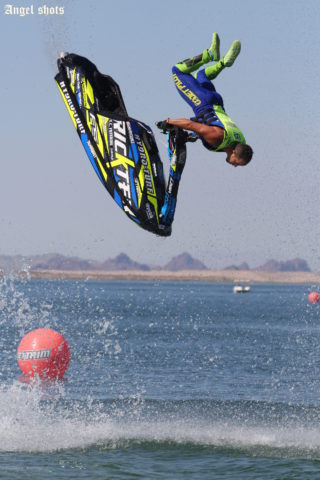
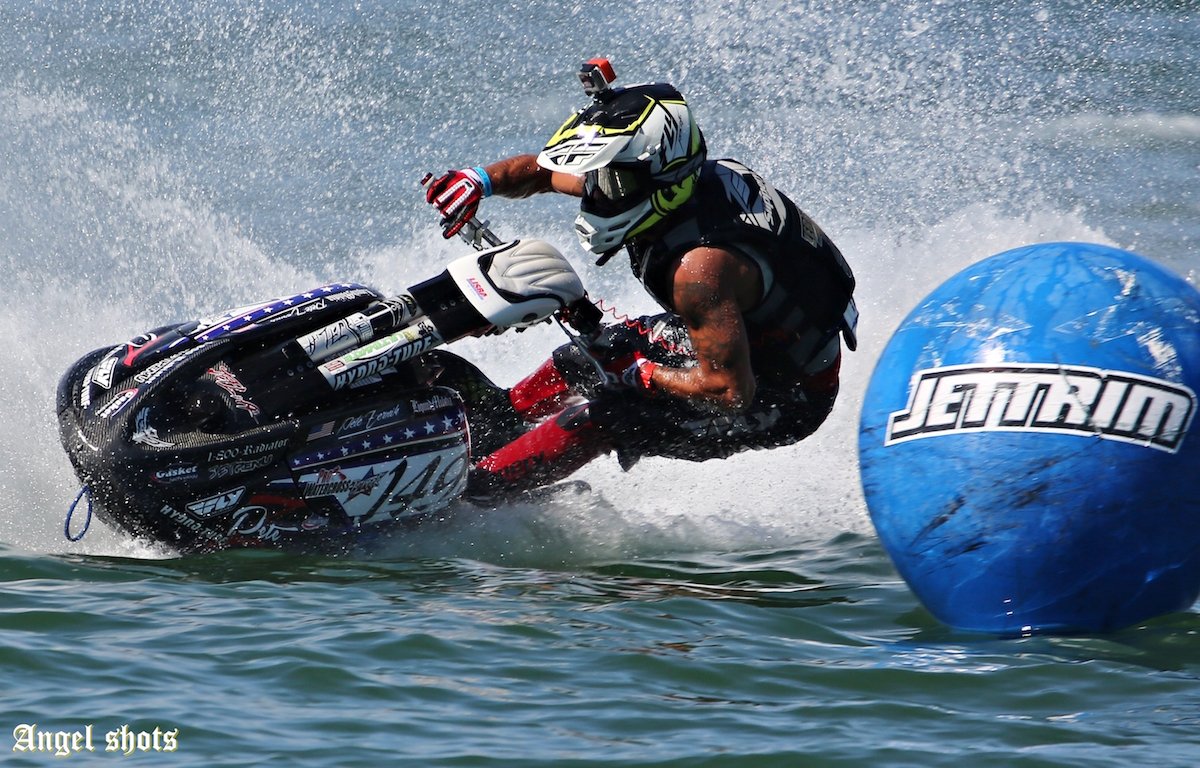
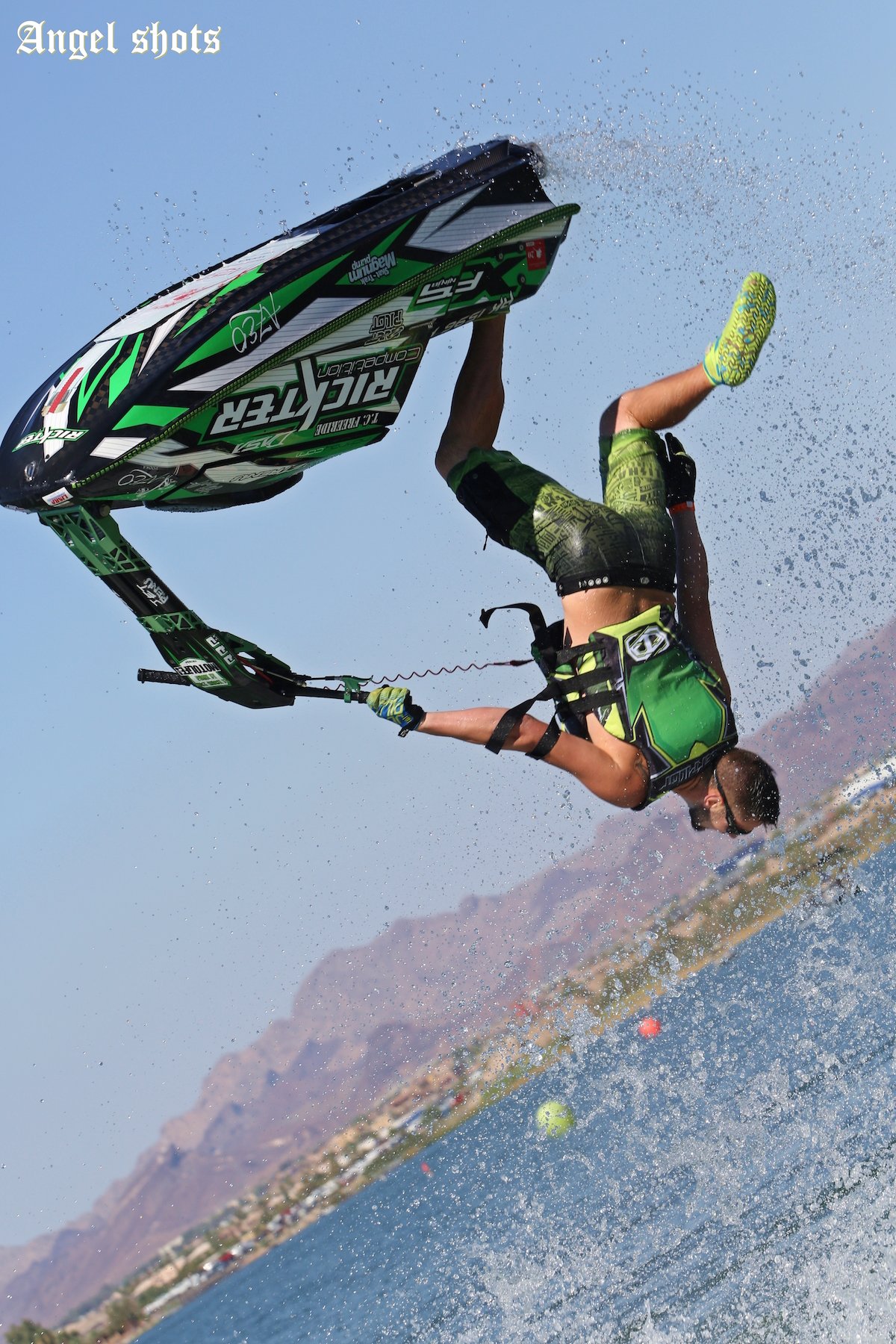
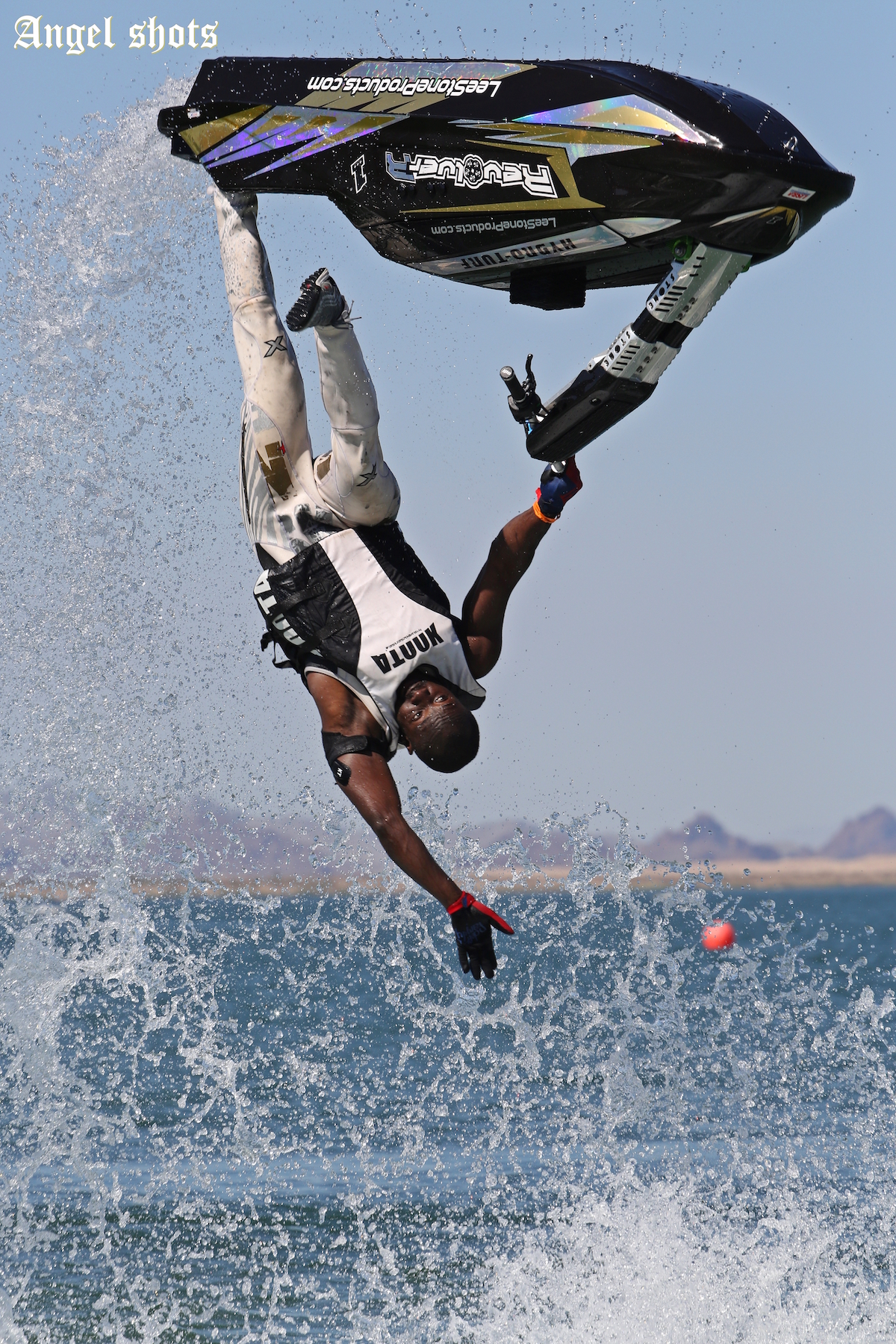
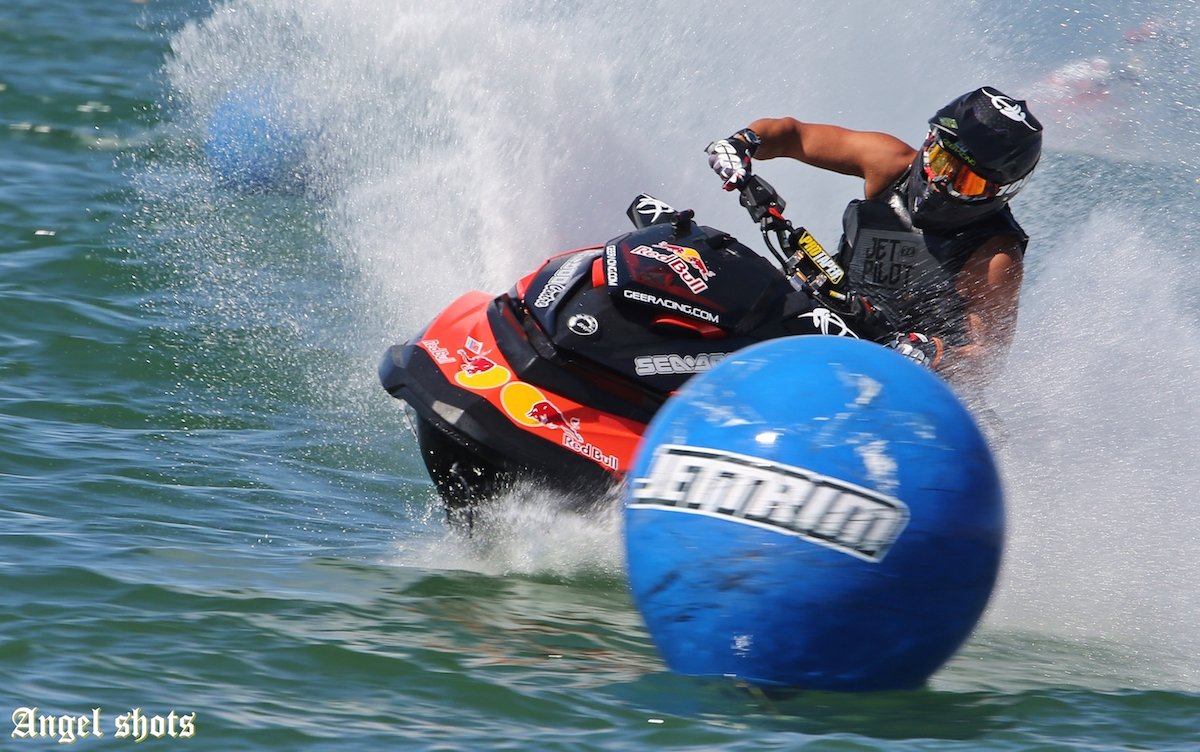
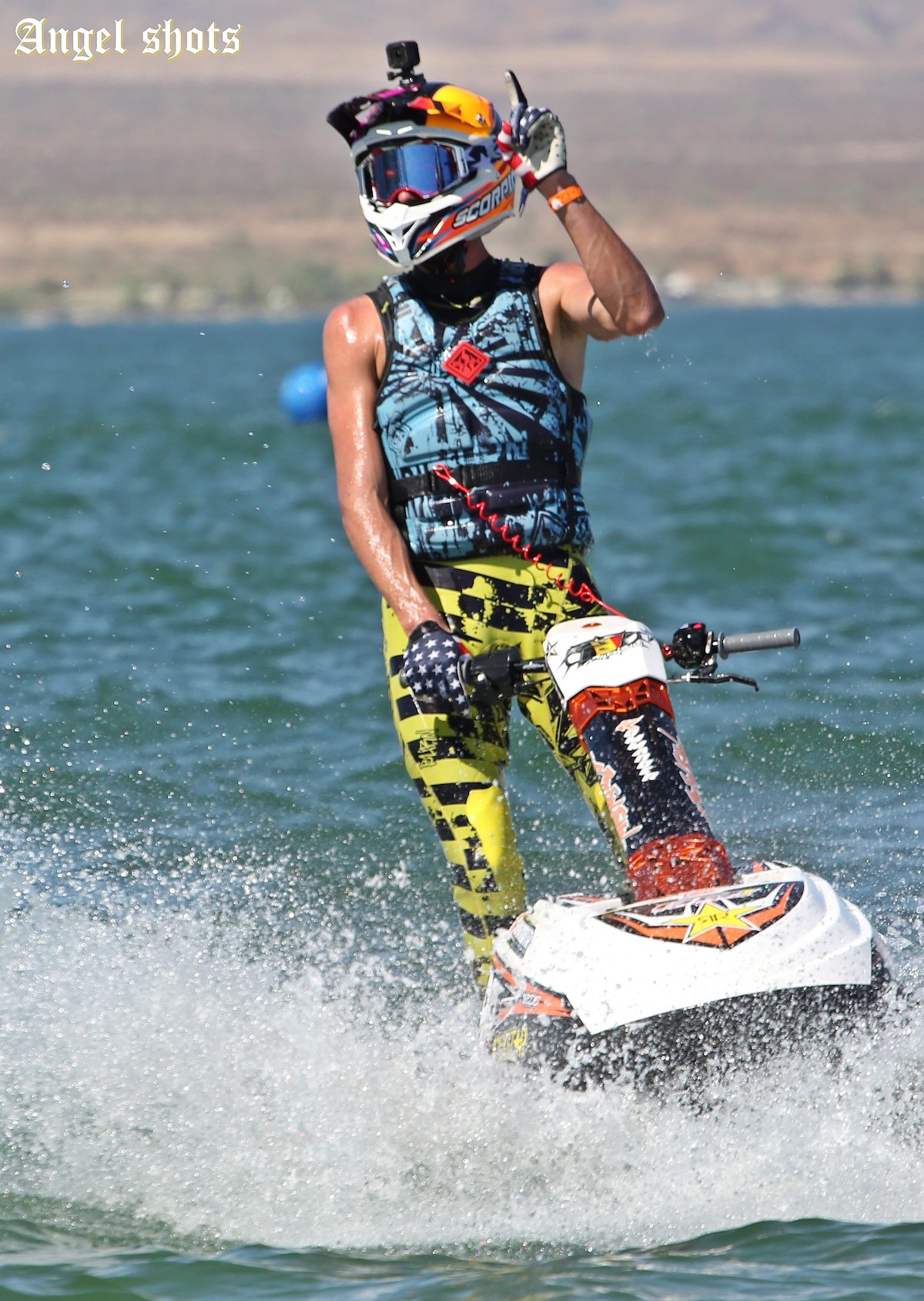
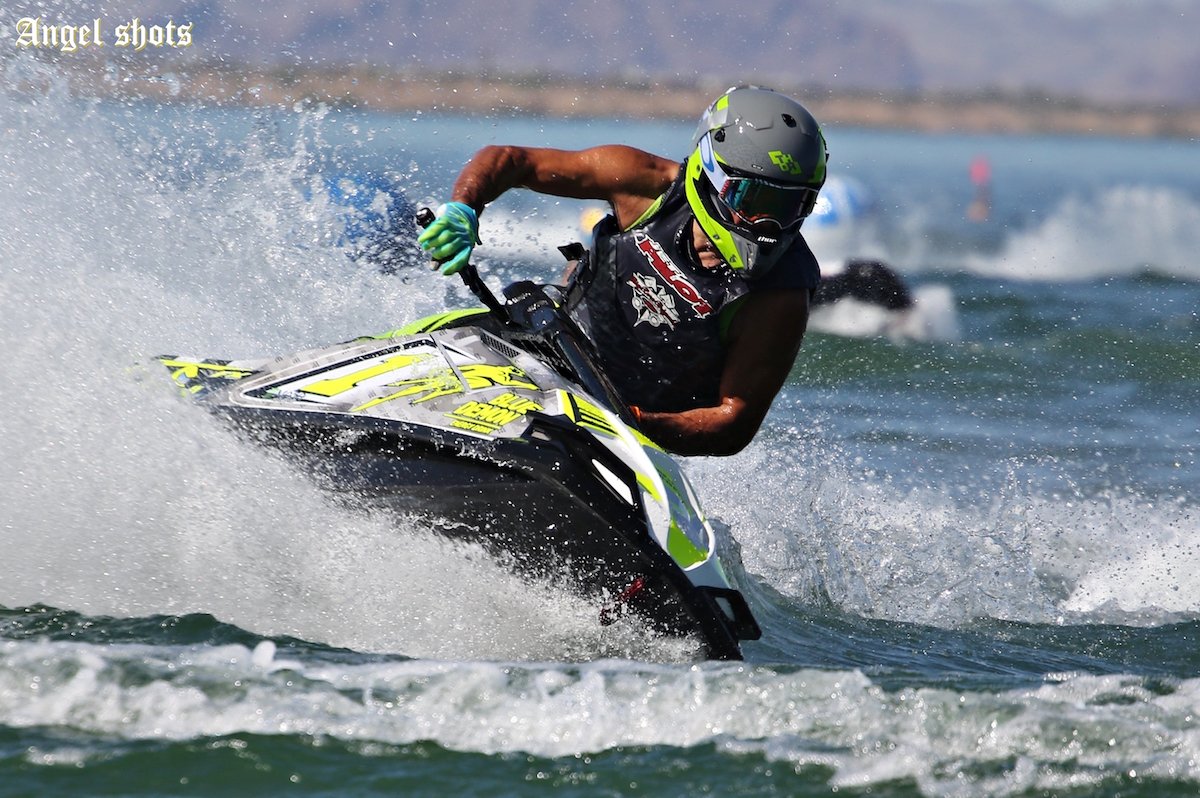
Amid all the chaos, all the world stood still for the Pro Freestyle event. World Finals seems to be about the only place to see the best perform and this year was no different. Taking the short straw was 5-time World Champion Lee Stone, who every year has brought new and exciting tricks to the water. As Stone circled the shore, many wondered what the Englishman had in store. Stone erupted into the air with an incredible double backflip – a trick only previously executed either in surf or in the wake of a ski boat.

The rest of the competitors, the judges mused, were now in a race to fill the rest of the podium. That night, at the Blowsion Expression Session held under the London Bridge, Stone executed his double backflip again and followed it with the first 720. As Sunday rolled around, many thought that Stone had the championship in the bag, and 30 seconds into his final routine only added to it. Stone performed his third double backflip and 720 then his engine died. All efforts to revive the ski failed.

Failing under 60 seconds meant Stone was out of the running. Not to be outdone, one competitor had not given up the race, Mark Gomez. Gomez showed true showmanship panache, performing freeride tricks on flatwater again and again, with exaggerated flair and near-flawless transitions. He even installed LEDs to his ski during the nighttime performance. With Stone out of the running, Gomez was crowned the victor.

Last year’s GP Runabout winner György Kasza came back swinging after a tough week. During testing, Kasza blew up a motor, requiring him to purchase a whole new ski just to extract its engine and replace the blown one. And the payoff? In a field of 12 racers, with so many breaking down with mechanical issues, Kasza was all but unchallenged, leisurely cruising the entirety of the track at an average of 45 miles per hour.

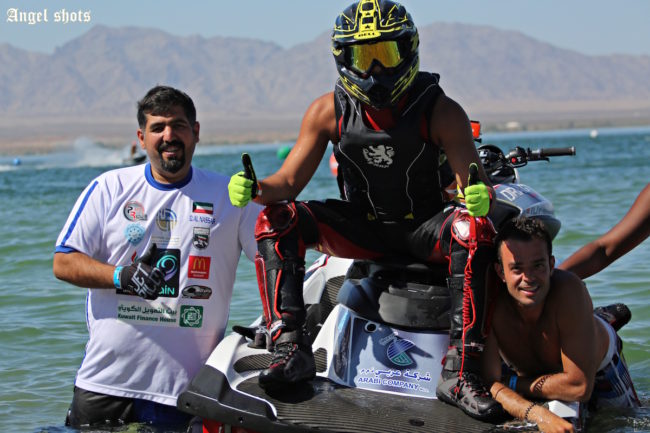
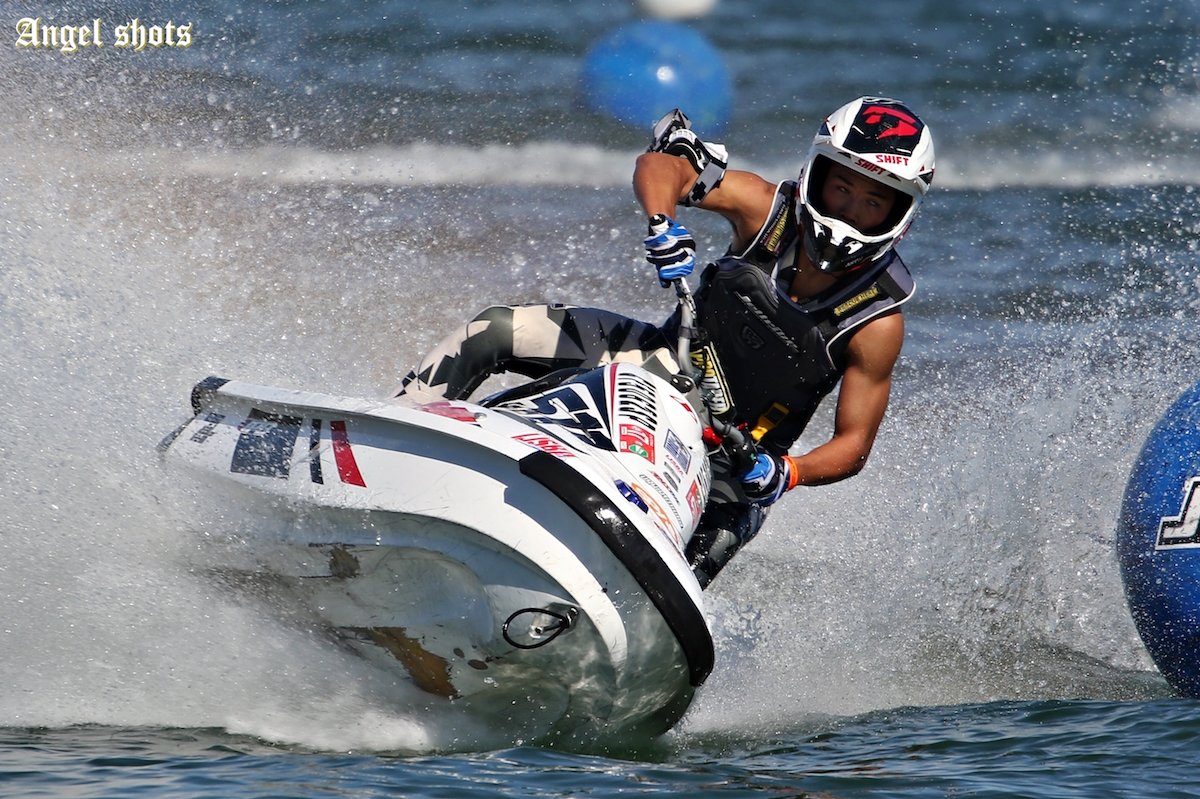
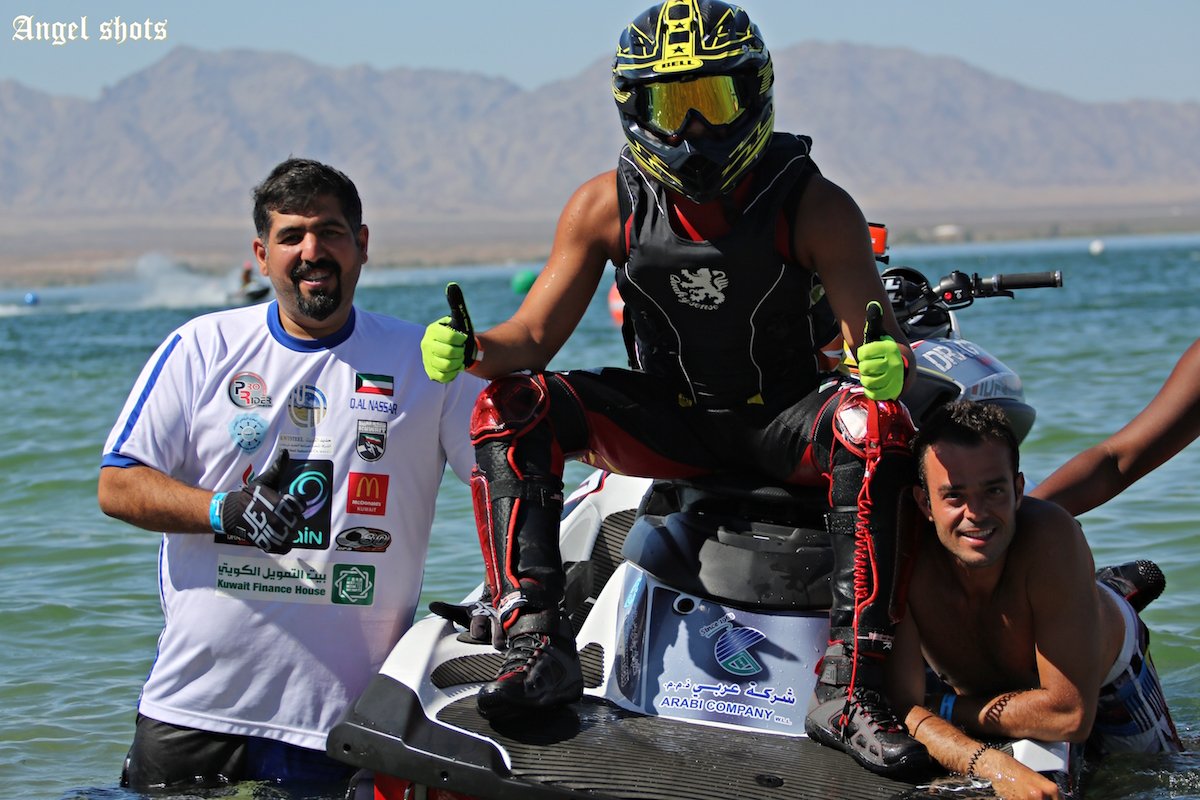
Sunday wasn’t without its drama either. Some of the sport’s fastest boats were on the water, both in Pro Ski Modified and Pro Runabout Open; France’s Jeremy Poret beat out Dustin Motzuris in a hard-fought race, and Kuwaiti Mohammed Burbayea bested György Kasza, respectively. The Vintage X2 class was well-populated showing that most of the effort has shifted from new to old as it just seems to be easier to afford. Of course, Kawasaki’s new SX-R 1500 was the biggest winner, as so many racers opted for the new ski either for advantage or due to class restructuring.

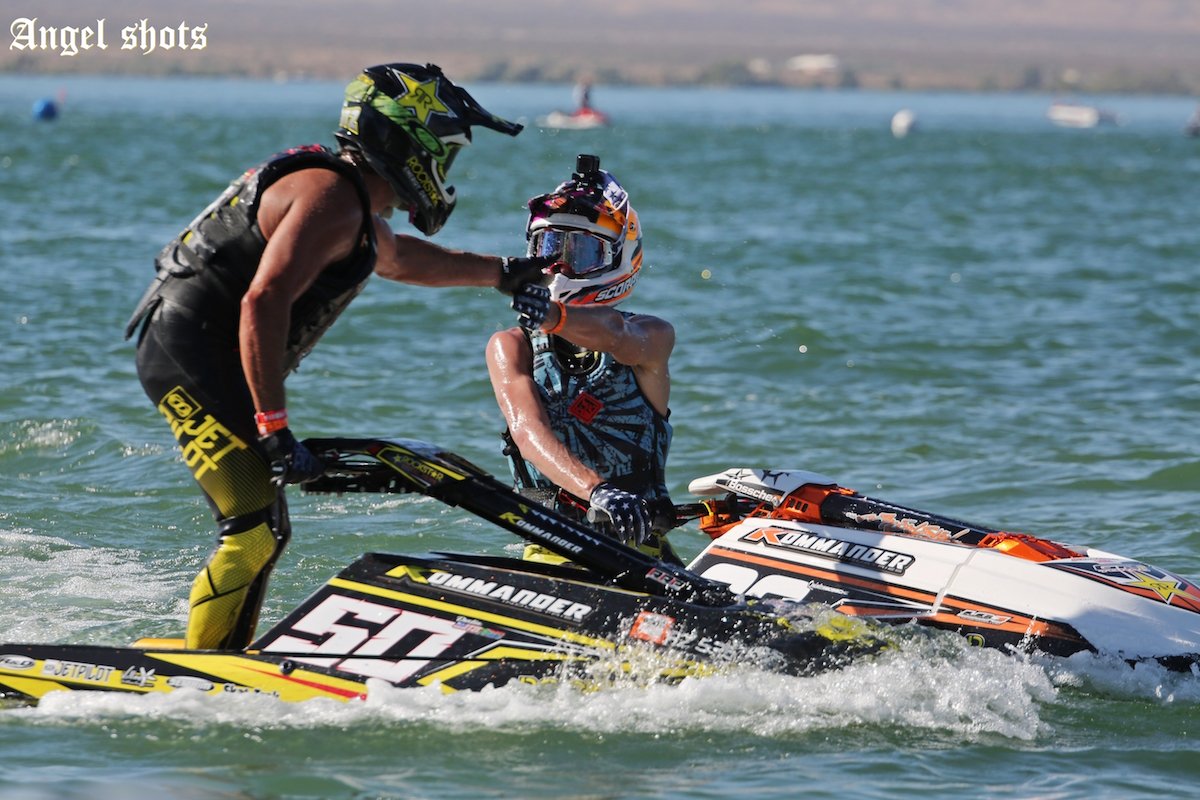
All-in-all it was a great World Finals event, although attendance was noticeably low, travel to the location hindered by unforeseen circumstances and weather being all but uncooperative. Thankfully, those present will attest that it is the spirit of camaraderie and passion for the sport that drives so many and compels all to do just about anything to keep it going. The sport of personal watercraft racing will continue only as long as there are passionate, dyed-in-the-wool enthusiasts who love and sacrifice to keep it going. And that is all it needs.

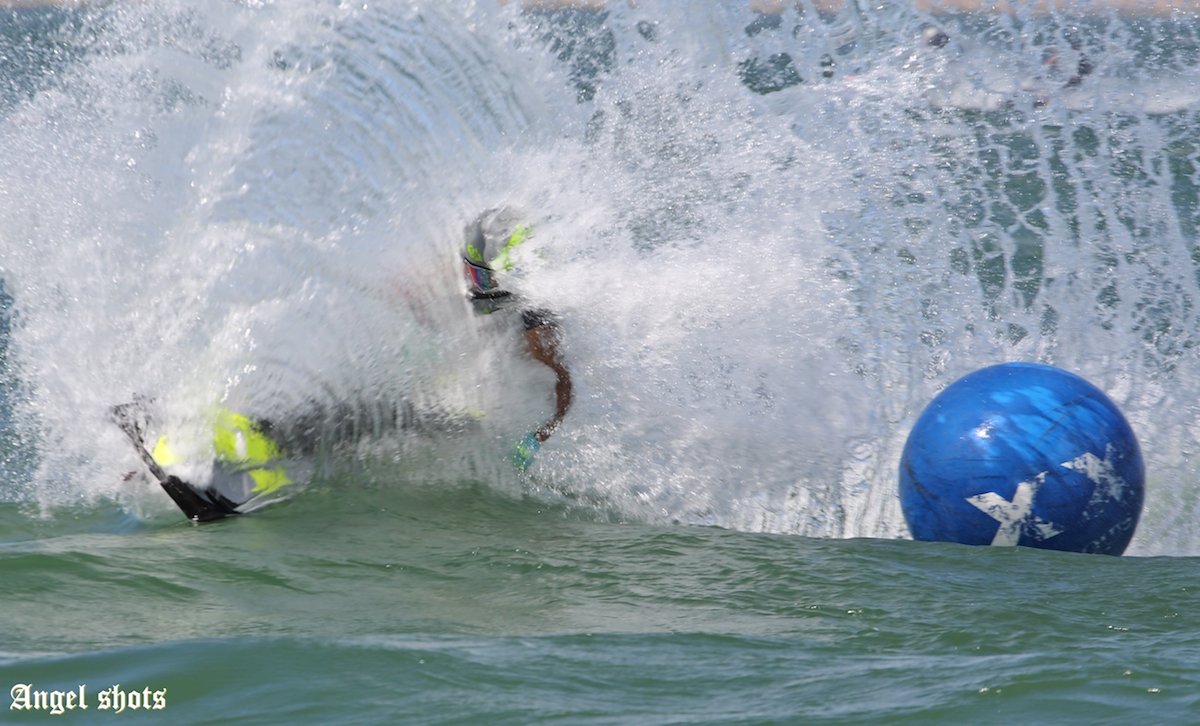
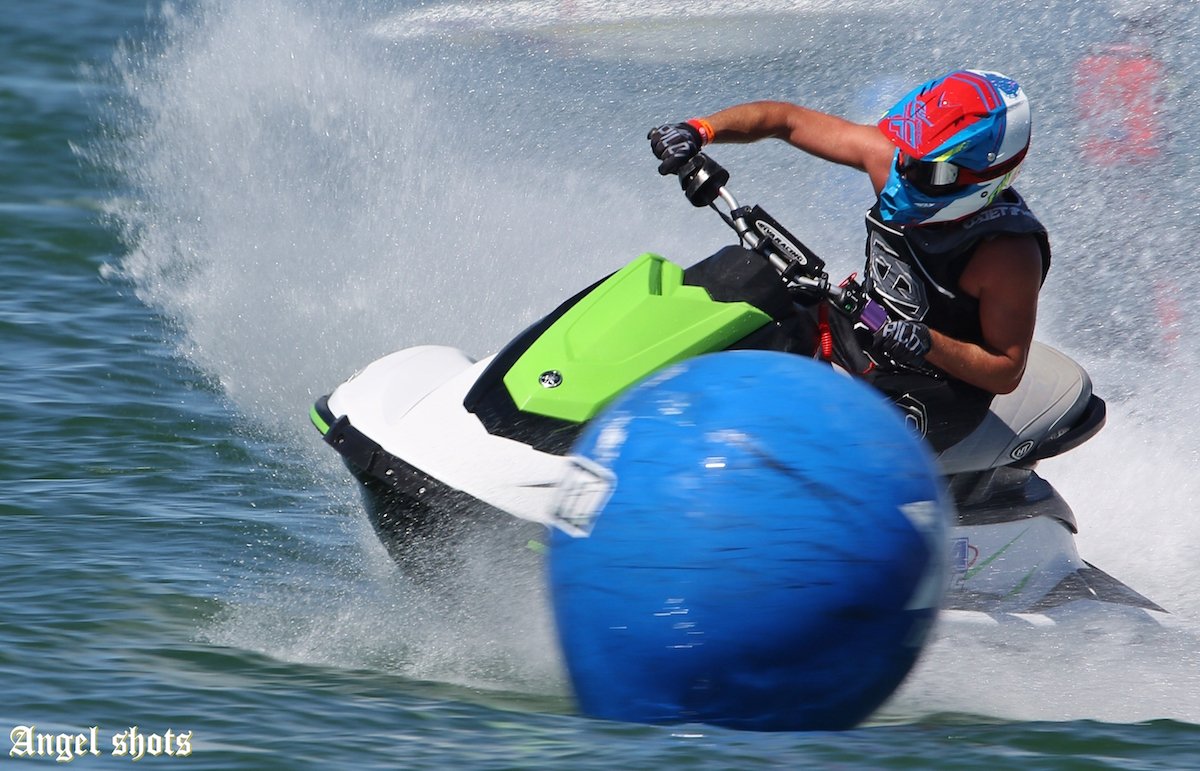
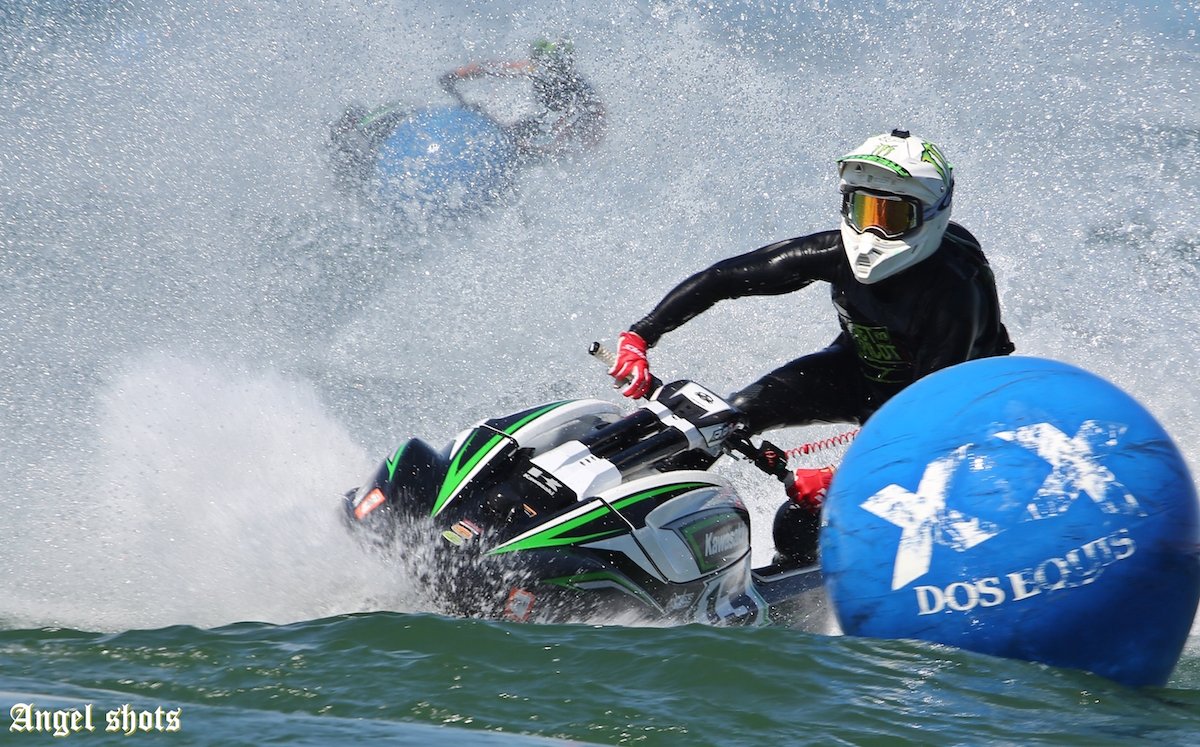
All photography provided by Angel Mazur. Original, unedited copies can be purchased HERE.

Video: Go Farther, Go Bigger With The Neptune Sliding Bracket

0

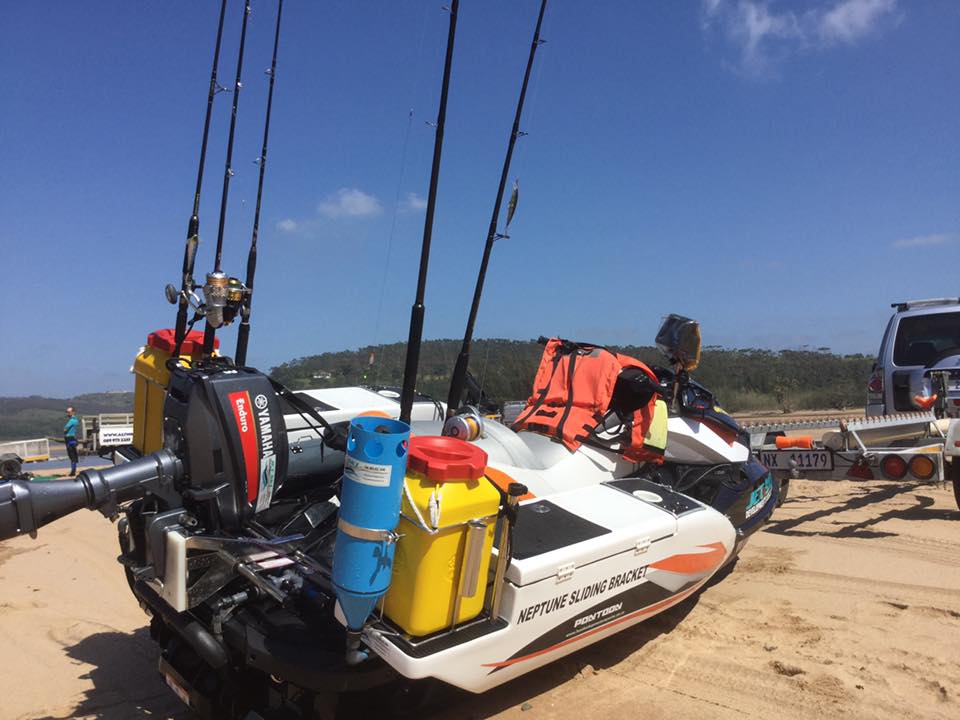
Durban, South Africa’s outfit; Jet Ski Developments offers the Neptune Sliding Bracket. This system makes it easy to attach an outboard motor to your personal watercraft. It will help you reach your offshore fishing destination faster as well as easily maneuver your ski off its trailer and onto a couple of big rollers. The use of beach rollers gives more clearance and makes it easier to move the ski when off trailer. Also, the rollers keep your boat off the ground so no sand enters the motor.

In a video dated October 21, 2014, a rider is shown mounting the ski at the stern. The additional trolmotor is off center, allowing easy access onto the ski. The motor can either be centered or off to the side. Either way; the ski isn’t affected. It still moves in a straight line. Climbing aboard from the stern is just as easy as dismounting at the stern.

The motor can be tilted in order to use a PWC at full throttle. Make sure the boat motor is secured with a line if you go full on with your ski! The advantages of using the Neptune Sliding Bracket include safety and piece of mind. No worries about being stranded on your personal watercraft. If your ski breaks down, you have an extra engine! Use of an outboard motor also equates to less hours on your jet ski engine. Moreover, an outboard motor enables trolling at a slow pace. It’s great for reeling in those trophy fish like the swordfish the angler in the video fights and catches.

When the rider comes ashore, he simply removes the motor and bracket. The bracket isn’t difficult to unbolt and leaving the brace attached makes it simple to reattach the slider and outboard motor. If you want to find out more about The Neptune Sliding Bracket, check out Jet Ski Developments Facebook page.

Sea-Doo Spark Trixx Wins Design Award

0

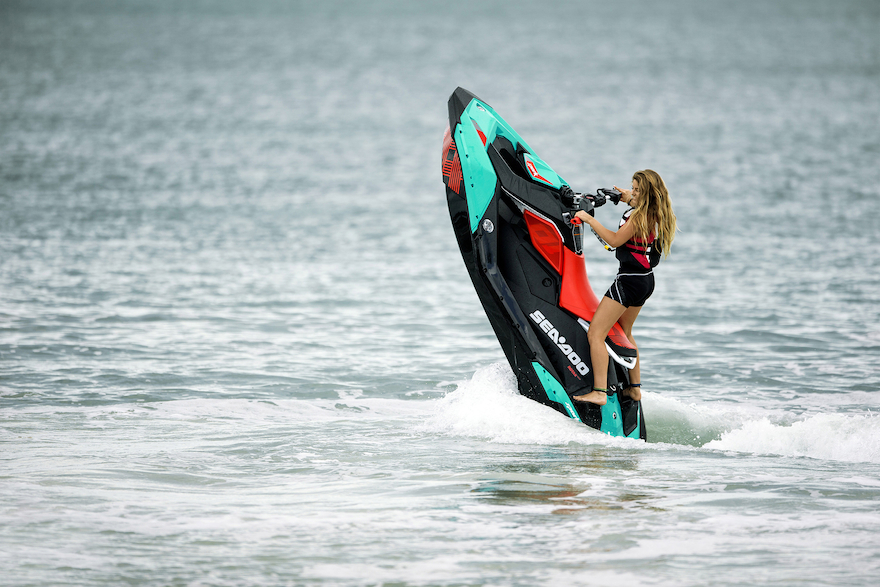
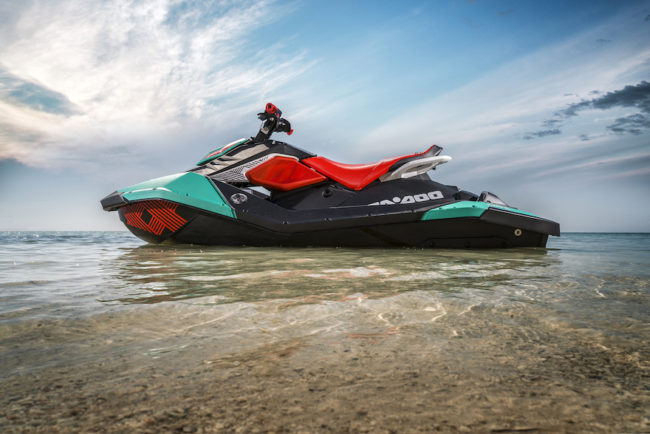
The Sea-Doo Spark Trixx has become such a huge hit with consumers. This special Spark model which first hit dealer showrooms earlier this year, saw some radical design additions to the base model Spark which allows riders to perform unique tricks, hence the model name Trixx.

This trend setting excellent design has just earned BRP the prestigious Good Design Award from The Japan Institute for Design Promotion. According to Denys Lapointe, BRP’s senior vice-president of Design, Innovation and Corporate Image, “This prestigious recognition proves convincingly that an affordable recreational product can have cutting-edge design and provide an amazing riding experience.

Inspired by BMX bikes and extreme sports, the Spark Trixx stimulates the imagination of riders and impels them to perform a wide variety of stunts that were originally only accessible to pros. Learn more about it and see how it behaves on the water.

Among other things, the Good Design Award jury was impressed by the lightweight and scratch-resistant Polytec material the Sea-Doo Spark Trixx is made of. “The angled footwell wedges, adjustable handlebar, and comfortable grip contribute to a high-quality design that makes the user feel as if they are riding a bike on water,” said the jury. Read more about the Spark Trixx’s Good Design Award.

The Sea-Doo Spark Trixx was designed at BRP’s Centre Design & Innovation Laurent Beaudoin, located in the company’s hometown of Valcourt in Québec, Canada. In June, the Sea-Doo Spark Trixx as well as three other BRP products, the Can-Am Maverick X3 and Can-Am Defender MAX side-by-side vehicles and the Evinrude E-TEC G2 150-200 HP outboard engine, won Good Design Australia awards.

Seven Deadly Questions With Five-Time IJSBA World Champ Tyler Hill

0

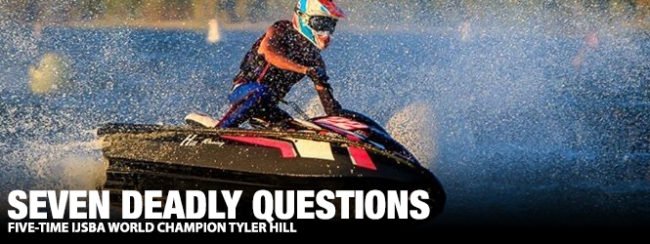
[This episode of Seven Deadly Questions comes from a Wiseco Performance Products interview with the five-time IJSBA world champion and Yamaha racer Tyler Hill. – Ed]

WPP: Give us some history on your racing career.
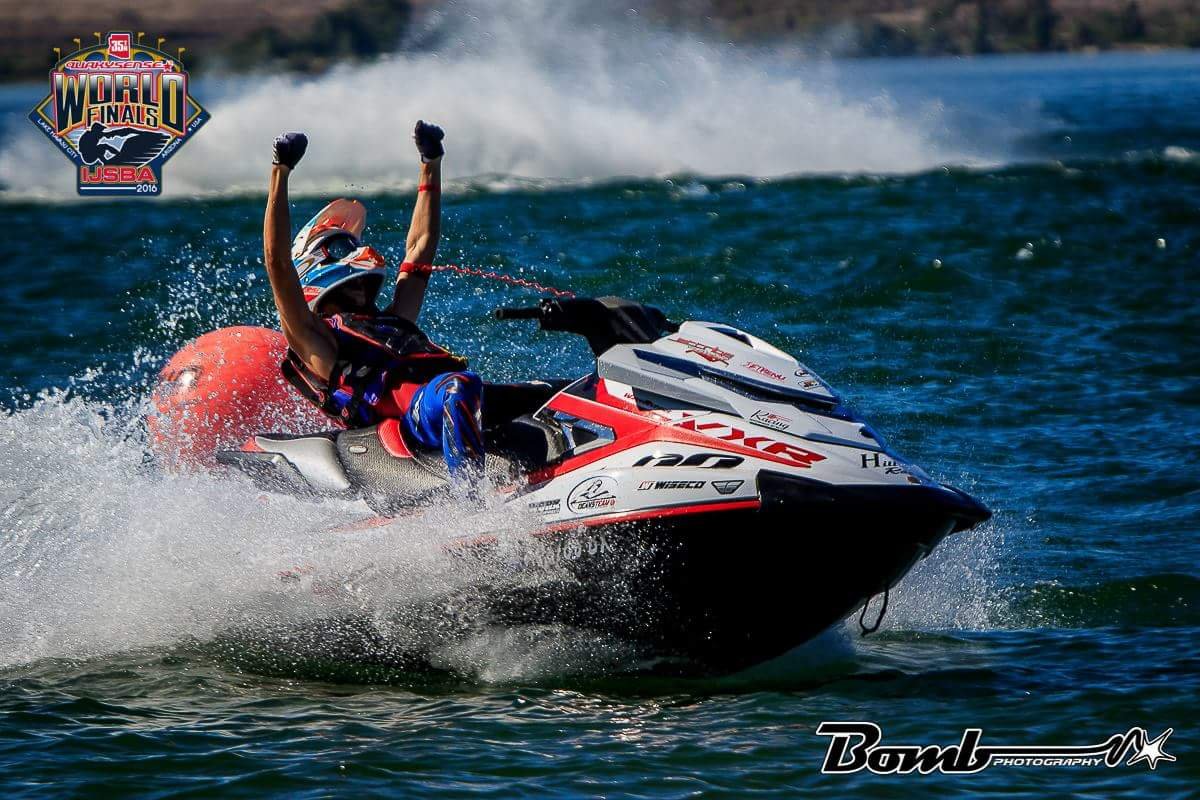
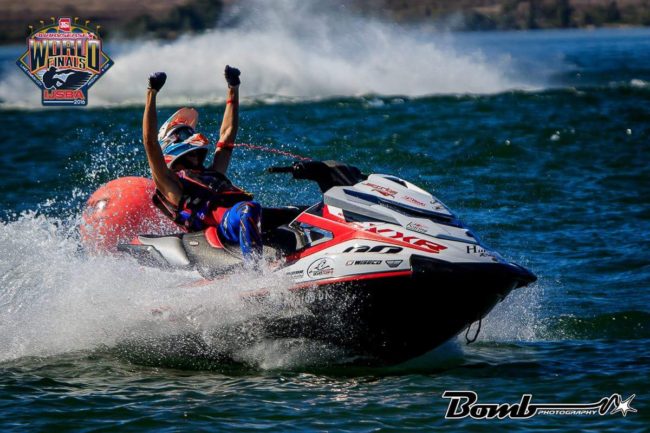
Tyler Hill: I have been racing personal watercraft since I was eleven years old and have grown up in the watercraft racing industry. In my first year of racing, I captured my first world championship title when I was eleven years old in the Junior 13-15 Runabout limited class in 2008. Over the next several years I became a top contender in the Sport class, competing in Sport Spec, Sport Spec Open, Sport Modified, and Sport GP. Two years later, I won the Sport Spec world championship title at the age of thirteen. In 2012, I placed second in Sport Spec and Sport Modified. I placed third in Sport GP and first in Sport Spec Open in 2013.

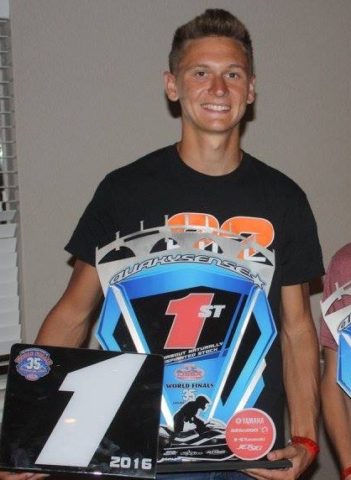
After finally winning the Sport Spec Open class, I set my sights on winning a world championship in Sport GP. The following year, I took a third place in Sport Spec and a second place in Sport GP. The world title eluded me in 2015 when I placed second in Sport GP. After a lot of hard work and determination, I achieved my goal of Sport GP World Champion in 2016. I also took a second place in Sport Spec. I returned to the Runabout class in 2016 and won a world championship title in Runabout Naturally Aspirated Stock.

WPP: What’s your favorite place to race and why?
TP: My favorite place to race is Lake Havasu. I love the rough water conditions, especially in the fall at the World Championships. I think I race my best when a challenge awaits me.

WPP: What’s your favorite hull/engine combination to run and why?
TP: My favorite hull to run is my Yamaha GP 1800 with its CC displacement of 1812. The GP 1800 is a supercharged 4-stroke that in stock form, goes over 70 mph. With the correct combination of handling parts, it is a fun boat to race and fast. I also enjoy racing my Sport GP HX which is powered by a Seadoo 951 engine with Wiseco Pistons. Last year, I won a world championship in Sport GP racing through some of the roughest water conditions seen at the World Finals in Lake Havasu.

WPP: Have you seen any growth in the sport since you’ve been racing? If so, what do you attribute that to?
TP: Over the past few years, I have seen the Sport class grow in both Sport GP and Sport Spec. I think that several of us sport riders have contributed to making the classes more exciting to watch and competitive to race in. My race boats have inspired others to build Sport GP boats. My fellow racers hope that they will get the chance to beat me on my Sport GP HX..

WPP: What’s the driving factor for you to stick with your key sponsors?
TP: I am a very loyal racer to my sponsors and want to represent them as a positive influence in the sport of watercraft racing. My sponsors have been very generous over the years and I truly appreciate their support. I could not have won 5 world championship titles without their help and sponsorship. Each year, I am proud to run their company names on all of my race boats.

WPP: What have you been focusing on in the recent months?
TP: I have been training for the upcoming 2017 World Finals of Watercraft Racing to be held in Lake Havasu City, Arizona on September 30th through October 9th. I have been on a strict diet to keep my body fat percentage low, along with a weight lifting program at the gym. I incorporate active cardio type of activities into my program like road cycling, mountain biking, and surfing. I will be training on the lake every day for the month of September. I will be racing both Sport Spec and Sport GP once again at this year’s World Finals. I have also made a big step up to the Pro Runabout Stock class.

WPP: What’s next for you in the coming years?
TP: In the coming years, I want to become one of the top competitors in every aspect in the sport of watercraft racing. I train extremely hard to be competitive in the sport, from endurance racing to closed course. I want to continue to better myself in all areas of watercraft racing which include racing in all classes: Runabout, Sport, and the Ski class.
Racing photography courtesy of Woramun Boonrawd at Bomb Photography. All images are available HERE.

Yamaha WaveRunners Becomes Presenting Sponsor of Long Haul Video Series

0

Do you remember having to pay a monthly subscription fee to get the latest news, product reviews, event coverage, interviews and shop tours from throughout the personal watercraft industry? Man, that was sooo long ago. Do you remember the magazine being creased and wrinkled from the mailman folding it in half over your monthly bills and junk mail? Yeah, we remember that too. Aren’t you glad that those days are long behind you, and now you get all of that awesome content 100-percent for free, and published every day, Monday-through-Friday? Aaand a weekly newsletter popping into your inbox every Friday afternoon recapping the week’s articles? Yeah, what a time to be alive.
Well, it turns out that if you’re only reading the awesome, industry-leading articles published here at The Watercraft Journal you’re only getting half of the content we provide! We also film, edit and produce a bi-monthly series called “Long Haul”, an enthusiast’s guide to some of the latest personal watercraft, awesome scenic rides and event the occasional major PWC event. We’ve been hard at work cranking out episode after episode of our brief YouTube series, and it’s entirely free to you, the watercraft lover! Even if you don’t frequent YouTube often (which isn’t many of you since YouTube is the second most popular search engine besides Google), you can subscribe to get alerts when we publish a new video!

And for the remainder of 2017 and throughout all of 2018, The Watercraft Journal is very proud to announce that Yamaha WaveRunners has become the presenting sponsor for each and every episode. But do not fear, even though Yamaha is helping us pay the bills to crank out all of these videos, we still will feature videos with Sea-Doo and Kawasaki watercraft too. While we don’t charge you, the reader for anything, we do need to keep the lights on, and we’re so proud to be working with Yamaha and all of The Watercraft Journal’s advertising sponsors. Make sure to check out our Sponsors page and give them your support – they’re the ones making this magazine and our YouTube videos possible!