Hurricane Harvey was one for the record books. Like every hurricane in the past, it started as a blip on a map and grew from there. Eventually, Harvey grew to a Category 4 hurricane before slamming into the Texas coast on August 26th. When Harvey hit Texas, he hit it good. In a four day period, many areas received more than 40 inches (100 cm) of rain as it sat above eastern Texas and the Gulf of Mexico. With peak accumulations of 51.88 inches (131.8 cm), it caused catastrophic wide spread flooding.
The Houston area was one of the hardest hit areas. From the get-go, multiple flash flood emergencies were issued in the Houston area by the National Weather Service. The sheer amount of rain caused by Harvey made the month of August the wettest ever recorded in Houston since record keeping began in 1892, more than doubling the previous record.
Due to the high volume of rain, water in the Houston area quickly rose and flooded everything it could. Anywhere water could go, it did. Hundreds of thousands of homes found themselves quickly under water with water levels easily flooding the entire first story of many. Interstates, overpasses, city streets, parks and everything else became rivers of water, destroying everything in the path.
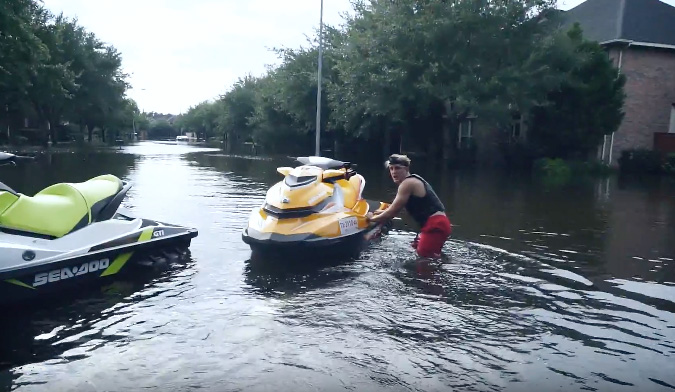
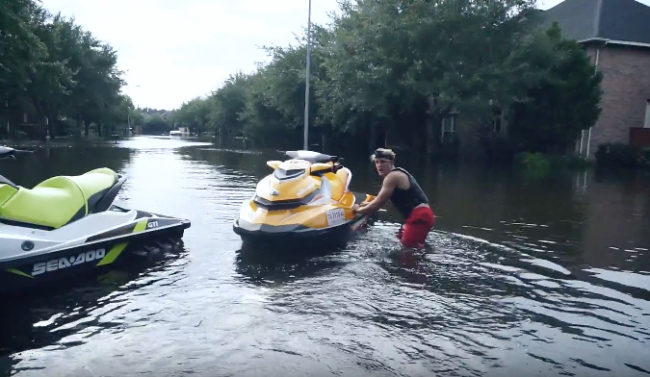
With how quickly the water came in and rose, many residents found themselves trapped with waters continuing to rise. Boats of all shapes and sizes were used to rescue stranded residents. A small group of men with their Sea-Doo jet skis came to the rescue as well; helping get stranded people out of their homes in one neighborhood. In the video you’ll see below, these heroes save a family from rising flood waters that are knocking at their front door. They load up people a few at a time, making trips shuttling them to a waiting truck to bring them and their suitcases to dry ground.
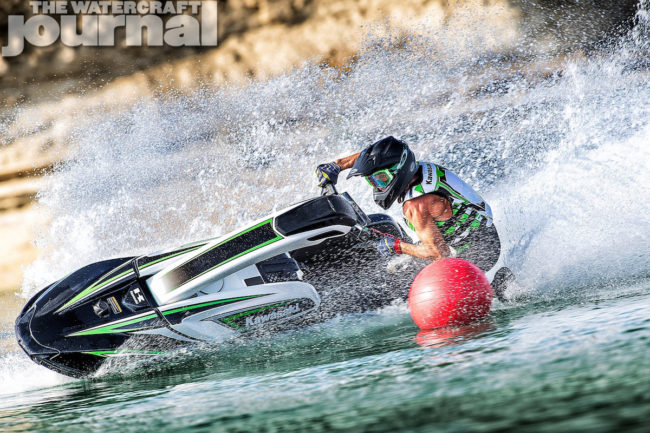
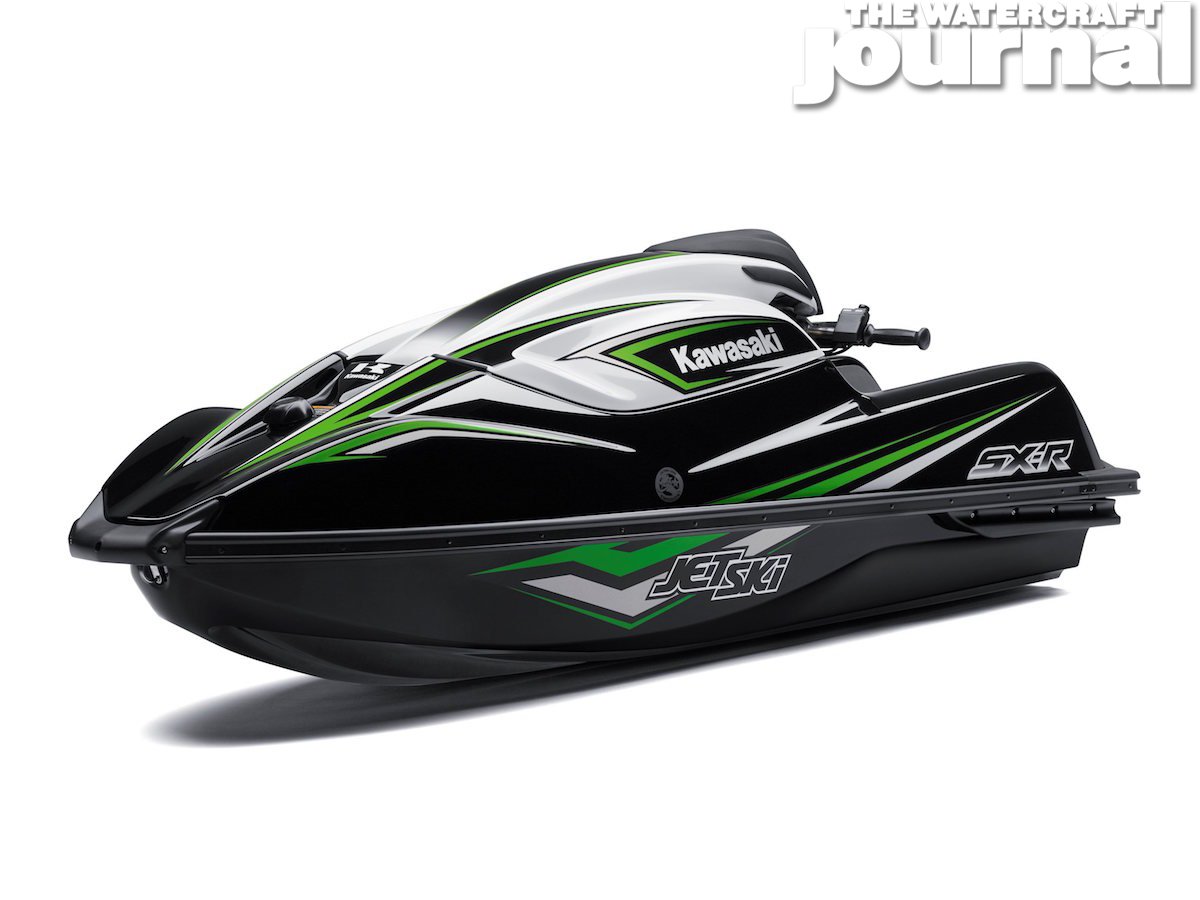
First impressions can often be misleading. That has been the personal experience of many standup riders upon initial meets with the 2017 Kawasaki SX-R 1500 standup. Many claimed the big (551-pounds!) ski big heavy, to long, or just too dang big to really operate like how a standup jet ski “ought to” in their opinion. Thankfully, time on the water and the race course has proven the new SX-R a solid competitor and even has many singing its praises. Some in the aftermarket took to the Kawasaki begrudgingly but have found quite a purposeful machine under the bulky exterior. The hull design pulls heavily from the brand’s line of successful runabouts but also has decades of world championship-winning standup ski experience in there as well.
One aftermarket manufacturer – JC Racing – saw the potential right off of the bat. The small Southern Californian shop has been developing innovative performance products for the PWC industry since first opening up for business in 2014. Helmed by former Best of The West regional champion, Jason Carlton, JC Racing benefits from his 15-plus years of experience as a mechanical engineer and literal rocket scientist, imbuing his products with top level designs. Paired together with over 25 years of powersports racing experience, and JC Racing’s products are built to perfection and to withstand the rigors of a hardcore enthusiast.
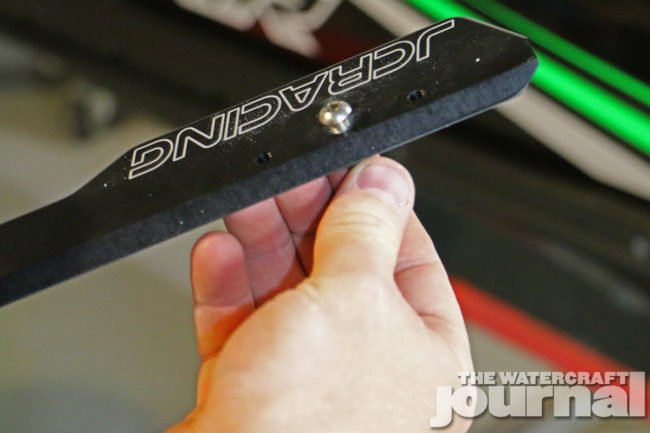
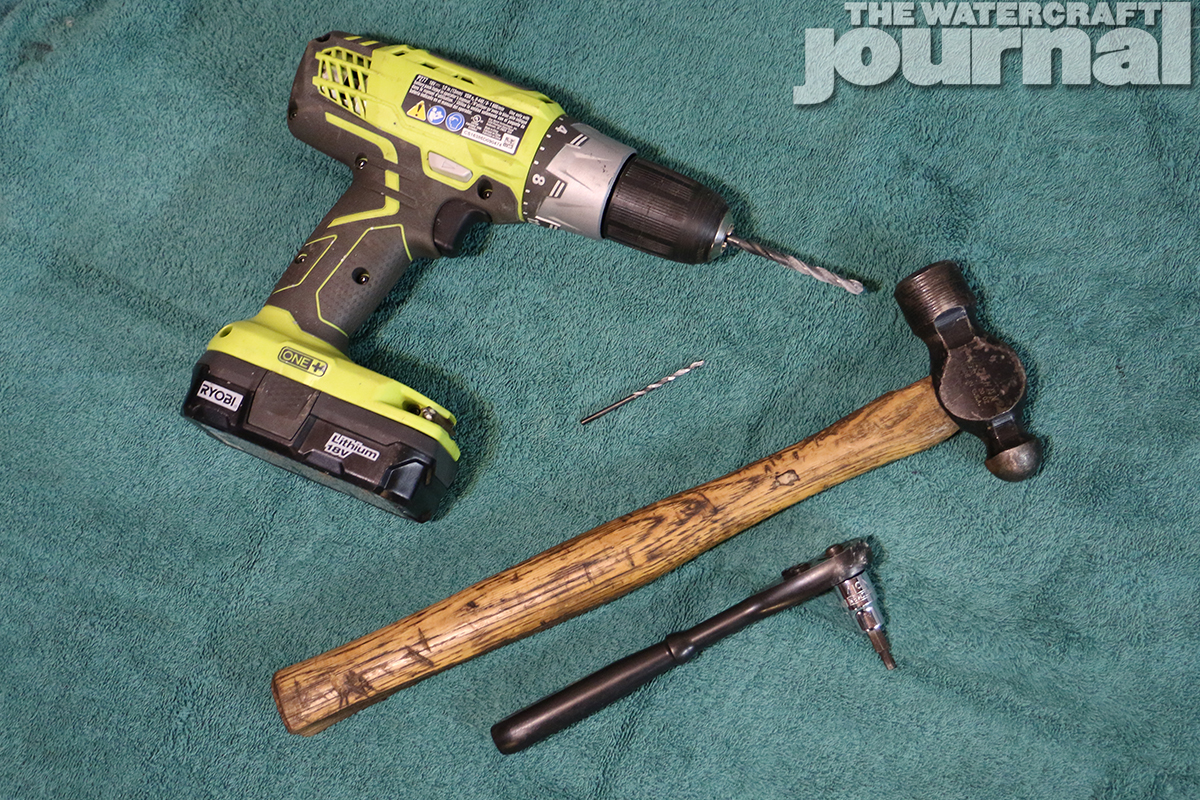
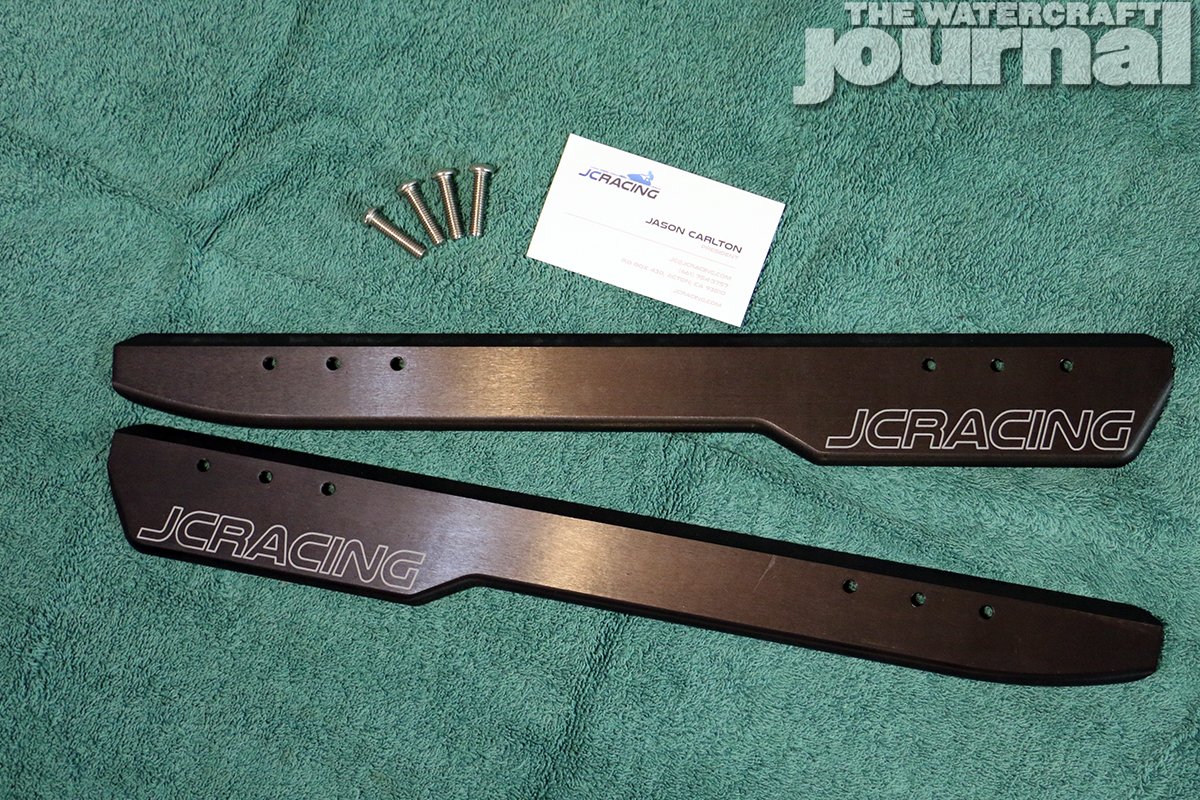
Above left: The #219 Mid-Sponson kit comes complete with two billet aluminum sponsons, (4) M6x1 by 25mm-long 316 stainless steel button-head cap screws. Above right: The only tool outlined by JC Racing is a 17/64-inch drill bit to fit the stainless cap screws through the bond flange. We used a sharp-edged etching tool, a hammer and a socket wrench with an Allen socket.
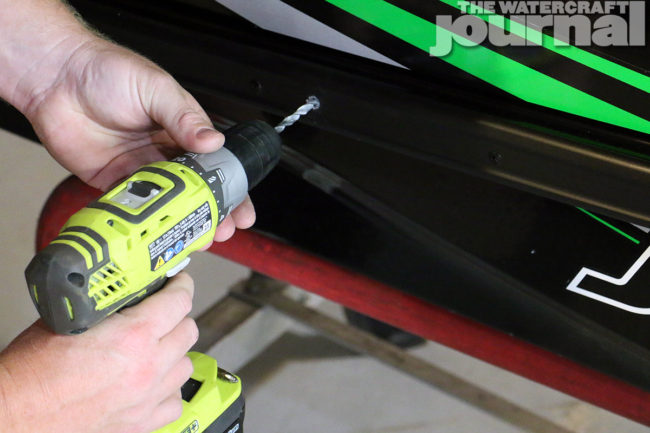
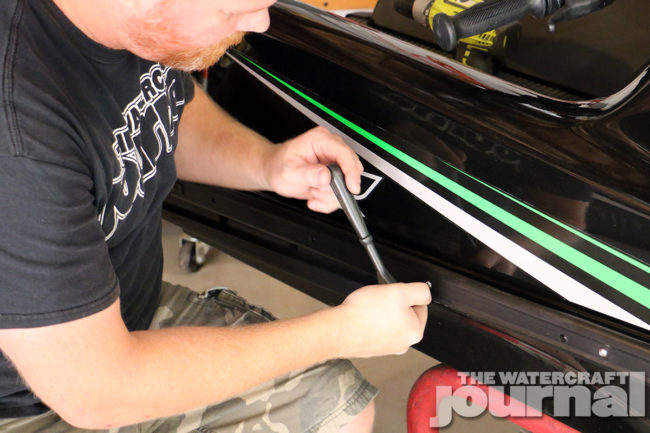
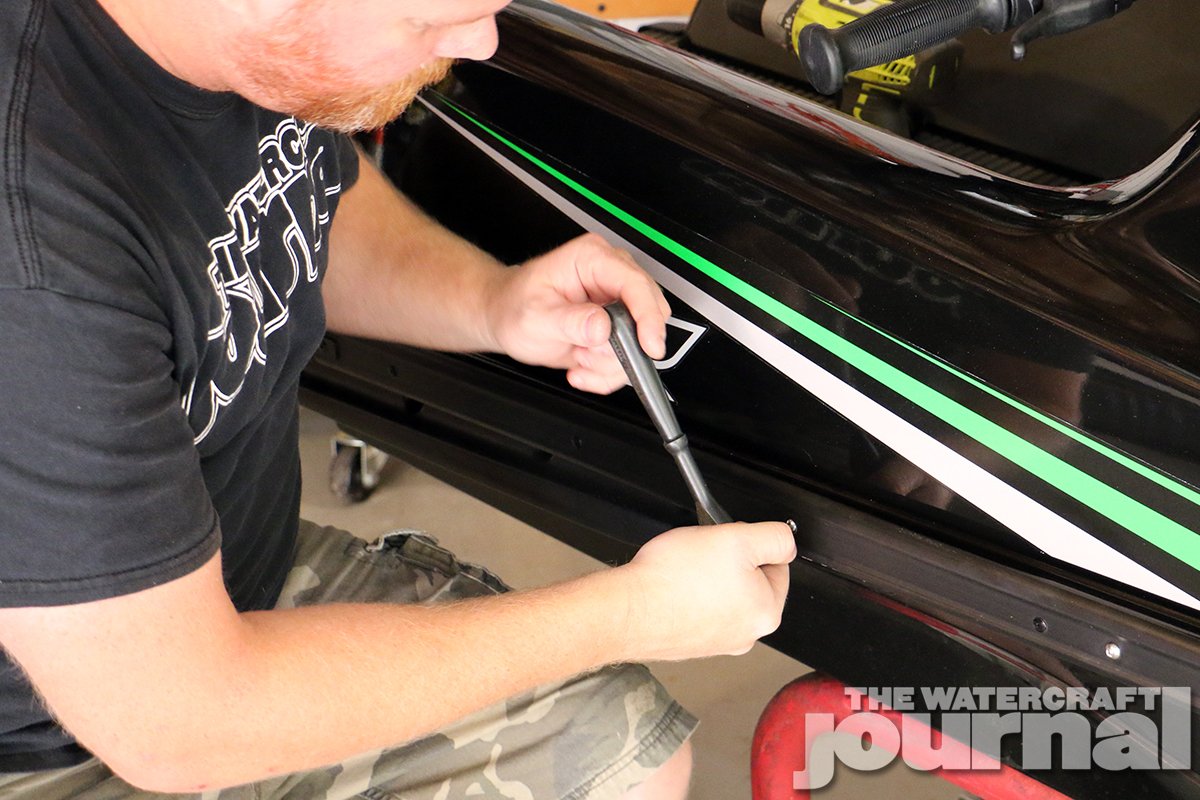
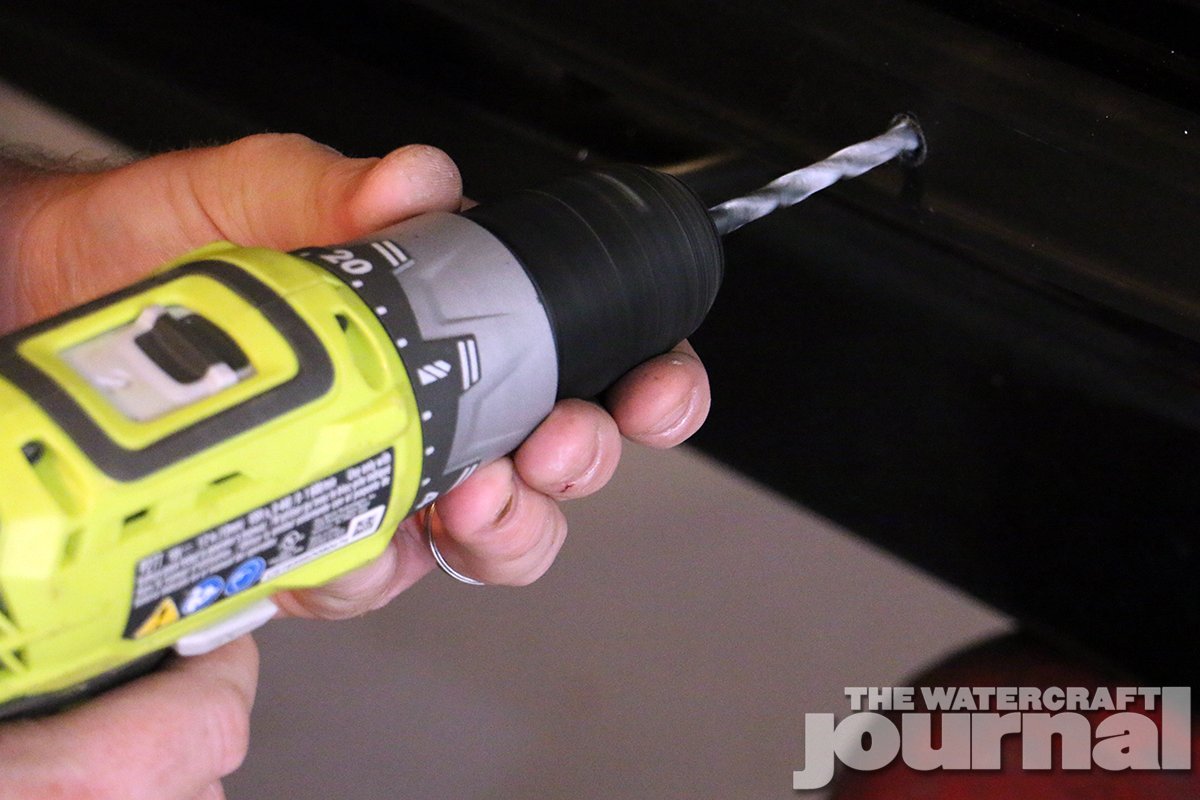
Above left: As per JC Racing’s instructions, we measured from the inside of the rear bumper bond flange to measure off exactly 28-inches. Thankfully, this places our mark exactly at a pre-existing rivet holding on the factory bumper rail. Above right: Using this rivet as our beginning point, we drilled it out with our two bits, exposing a hole through the bond rail (careful not to drill too far in and marring the hull’s gel coat).
Jason took a shine to the new SX-R immediately and has been developing products all year to increase the ski’s balance, handling and cornering prowess. He recently reached out to The Watercraft Journal to test his mid-sponsons on our loaner SX-R and we said we’d give ’em a shot. The installation is remarkably non-invasive (despite using a power drill) and can be reverse with almost zero evidence of any modification having been performed. The tools needed were a hammer, punch, sharp-edged etching tool (or paint marker), an electric drill, a 17/64-inch drill bit and a smaller bit for a pilot hole, and an Allen wrench or socket.
The #219 Mid-Sponson kit comes with a set of mid-sponsons made from billet aluminum, 316 marine-grade stainless steel fasteners, and instructions for the suggested mounting location on your ski. In all, the total installation took less than an hour and that included stopping to take pictures and film the process, which video we’ve included below. In testing these out on the lake, we found the claims by JC Racing to hold true: the rear stayed planted and never broke free, found the ski’s stability (ie. predictability) entering and exiting a turn increased, improved straight-line stability, and generally keep us hooked harder without any added lift to the rear.
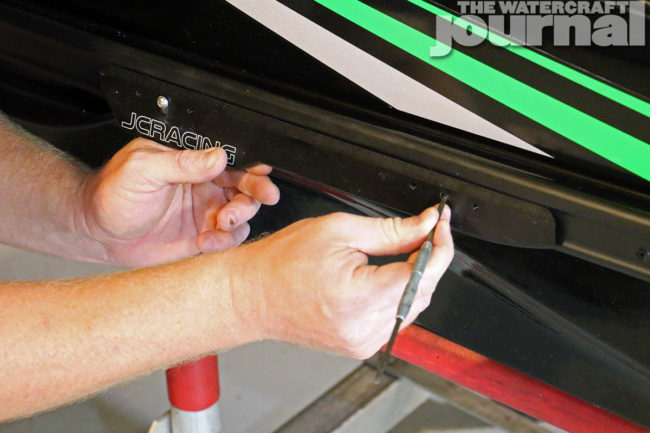
Above left: The JC Racing sponsons offer three points of adjustment, per the instructions we started in the middle point and threaded in a stainless cap screw to temporarily place the sponson on the outside of the bond rail, allowing us to mark our forward-most hole location. Above right: With out sponson in place, we found our front hole location and marked the bond rail with our etching tool.
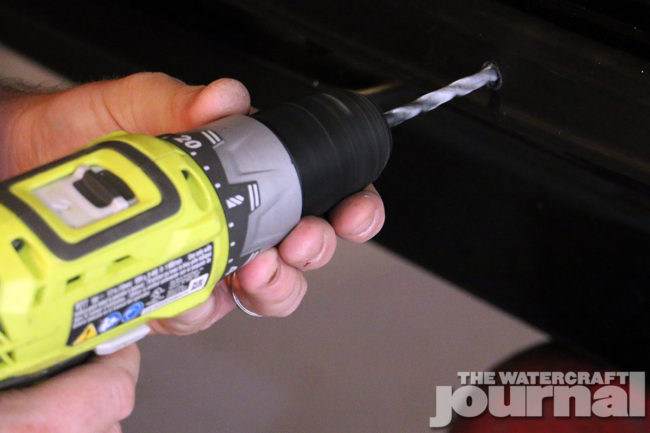
Above left: With our hole location marked, we first used our small bit to drill a pilot hole and then chased it with our larger bit. Above center: With our holes drilled, we mounted the mid-sponson inside of the bond rail and fed the cap screws through the holes, tightening the tapped-and-threaded sponson down. Above right: After finding a position that we preferred, we ran a bead of marine grade silicone along the top edge of the sponson and on the screws where they contacted the hull.
For the paltry cost of $109.99, the added improvements to the ski were significant. Gary Patterson of Team Faith pushed our JC Racing-equipped SX-R even further and echoed our review word-for-word. We believe in JC Racing’s sponsons, and so do they – so much so that they offer a “satisfaction guaranteed” full refund (within 30 days of purchase), which as we can see, is the only such offer in our industry. Here we have provided a quick step-by-step tutorial with high resolution images from which to follow, as well as our review both in written form and in video. And now use coupon code WCJ-20 to take 20% off of these and all JC Racing products! But act now, because it’s only good through 10/9/2017.
It’s been a great year for the personal watercraft industry across the board. For the first time in years, the entire boating market was up 11-percent, and within that the PWC market boomed. Sea-Doo picked up 6-percent in sales, Yamaha experienced a whopping 18-percent gain, and Kawasaki nabbed an impressive 11-percent. That bump was in no small part attributed directly to the introduction of its 4-stroke SX-R JetSki, which was, by all measures, the single-most anticipated reveal in several years. Early projections have sales of the new JetSki at “right around 1,000 units” sold, with the full production line already claimed and purchased by dealers early in the season. Kawasaki also reported a strong 38-percent in first-time buyer sales, which is a phenomenal number to report.
So by all intents and purposes, Kawasaki has much to celebrate. And as the SX-R makes its racing debut at this year’s IJSBA World Finals as an homologated craft, we’re certain to see a swathe of racers taking a strong look at the potential of this machine. Because of the newest of the craft, nothing has changed between its late-year introduction and the 2018 model – colors and decals remain the same. For the rest of the lineup, only the aesthetics receive any sort of attention, which has been the summation of the Kawasaki lineup for several years. Because so much of the lineup are direct carry-overs, we won’t dedicate too much space here reviewing the particulars, as they remain unchanged since last year (or the year before, or the year before that, or…).
Above: The ’18 Kawasaki SX-R ($9,999) returns exactly as it appeared in 2017, including the same 1,498cc naturally-aspirated, throttle-cable operated powerplant found in the STX-15F and Ultra LX.
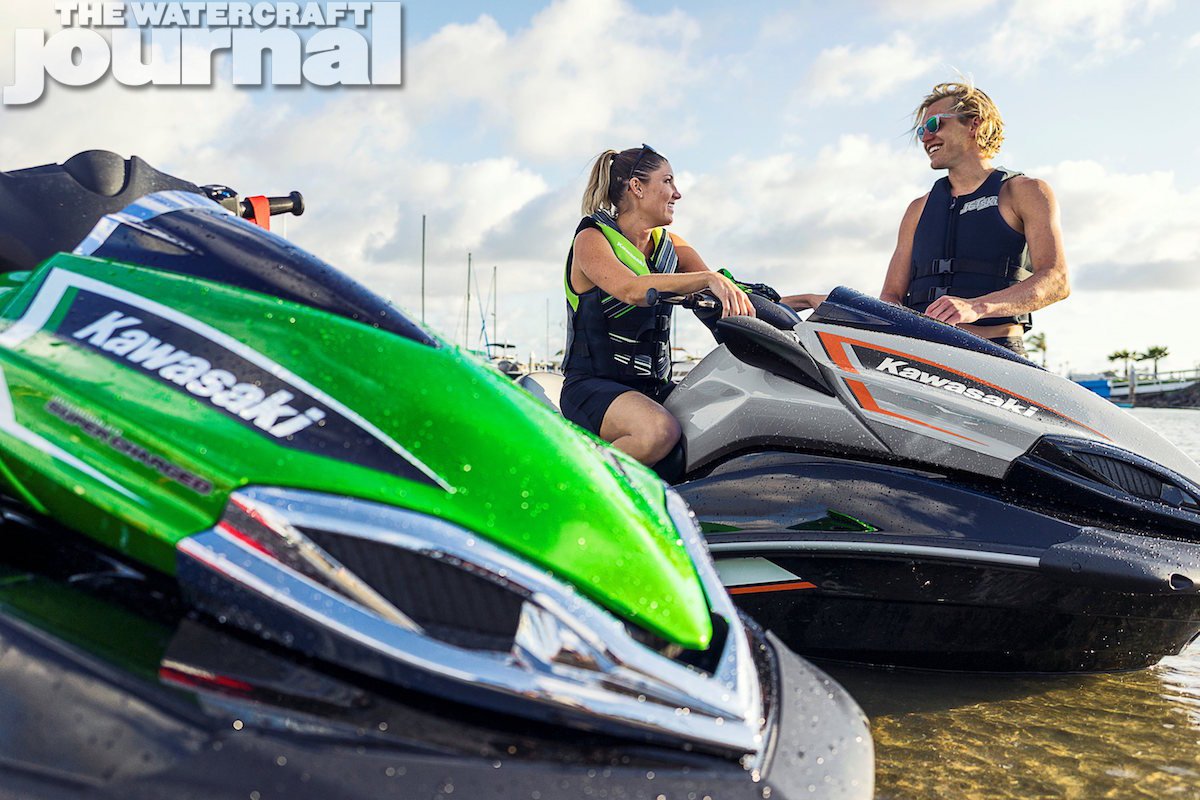
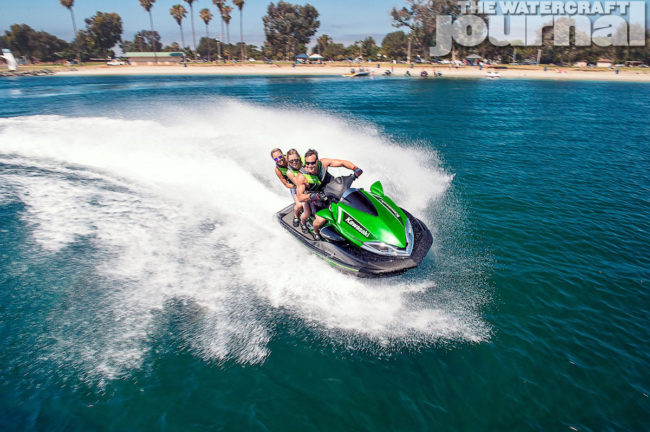
Above left: The Kawasaki Ultra 310LX ($17,999) returns as the industry’s single-most expensive luxury-segment runabout – also boasting the most horsepower (310HP). It returns in Ebony/Candy Lime Green for 2018. Above right: Personal favorite of The Watercraft Journal, the 310X SE (Special Edition) is only sold in the US, and returns in Ebony/Candy Burnt Orange for 2018 ($15,799).
Yet, we will note that the door is closing fast on Kawasaki’s runabouts to recognize the threat looming above their head. In 2014, Kawasaki wowed many with its innovative Jetsounds on board PWC sound system. Jetsounds’ pair of aft-facing, 30-watt waterproof speakers (powered by two 20-watt amplifiers) is controlled by a Jensen-built head unit that’s integrated into the handlebar pad. Of course, the music comes from either your smartphone or MP3 player (stored within the glove box in either a waterproof bag with a standard 3.5 mm headphone jack), or USB memory stick (stored in a sealed aluminum cylinder). For 2018, Jetsounds is no longer the only game in town with the introduction of BRP’s Premium Audio package; a fully-integrated, waterproof 100-watt stereo.
Featuring the world’s first Bluetooth compatibility, BRP Premium Audio requires no head unit, just an external key pad for external playback controls that allows you to toggle through your song list while at speed or simply lounging around. Moreover, innovations like on-water brakes-and-reverse from both Sea-Doo and Yamaha, drop-in cleats, watertight storage compartments, ECO and fuel-saving programmable tunes also elevate the competition in the forms of technology and economics. While this article is not the space to outline our thoughts pertaining to market segments that the current Kawasaki lineup is missing, it is worth noting comparatively priced or audience-focused groups and the competition that Kawasaki has before it, which we have done in many of the captions here.
Above: The Ultra 310R JetSki ($16,299) receives an Ebony/Metallic Stardust White color scheme for 2018. Otherwise, the Eaton TVS-supercharged offshore darling remains unchanged, down to its green sponsons.
Above left: The base Ultra 310X strikes us as the most radical color change in Ebony/Metallic Surf Blue ($15,299). Above right: Wrapped in Ebony/Metallic Phantom Silver, the naturally-aspirated Ultra LX ($11,199) again, remains unchanged and void of cruise, trim or other electronically-manipulated programming found on the supercharged Ultras.
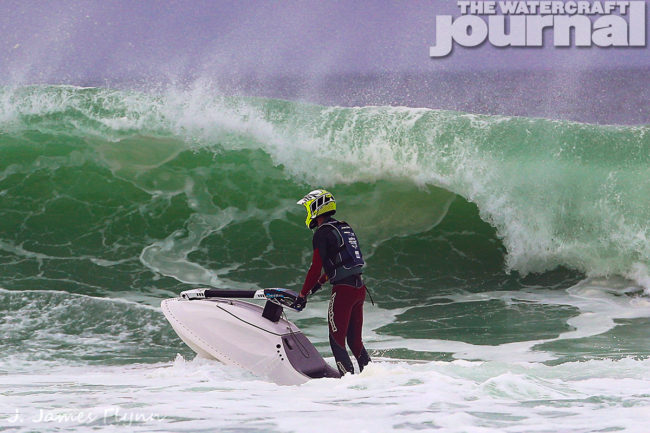
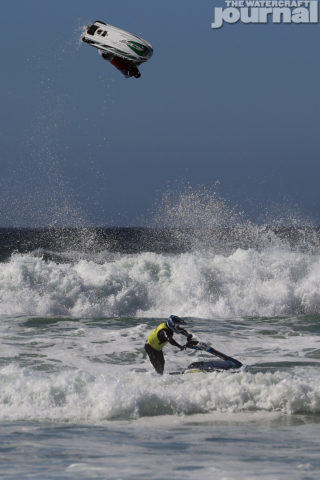
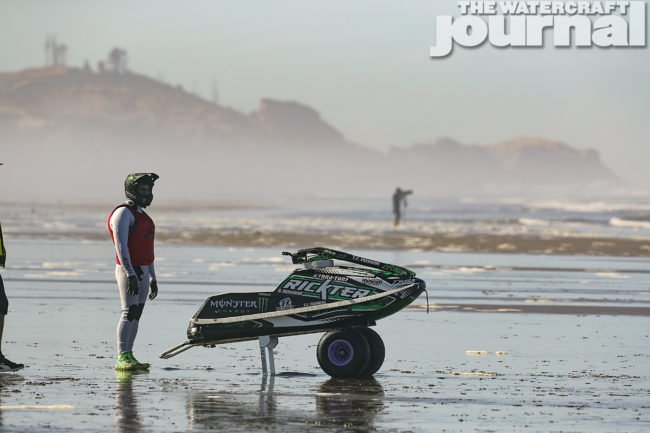
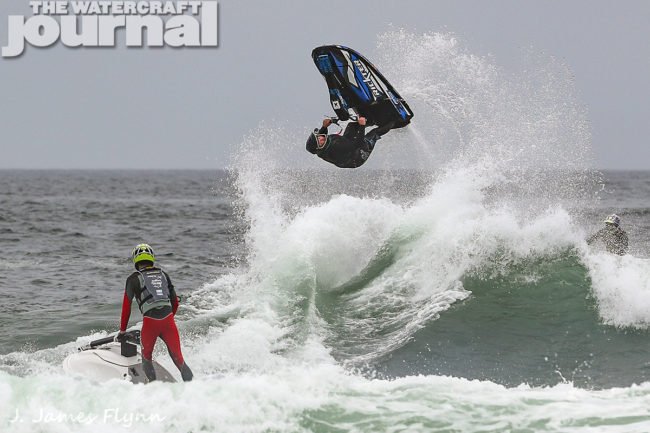
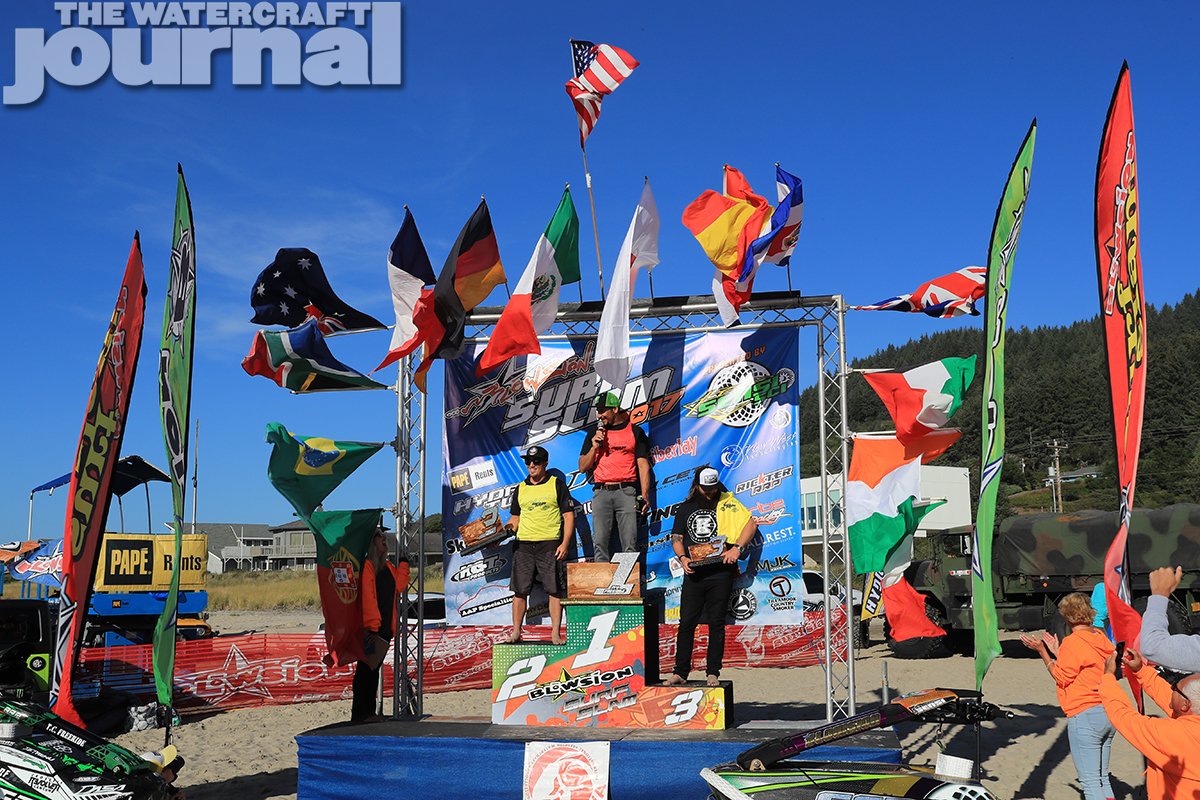
The 9th annual Surf Slam was held on September 8th through the 10th at Tierra Del Mar Beach public access located a mile or so north of Pacific City, Oregon. This competition was the 4th of four events sanctioned by the IFWA. This is truly an International event with the other three competitions hosted in the United Kingdom, France, and Portugal. In addition to the hunt for the Blowsion Surf Slam championship honors, riders from all over the world competed for the possibility of a cash purse, prizes and points towards the International IFWA World title this November in Japan. When Sunday came around and the official results were in and announced the Professional class podium honors were, third place Zack Bright, second Mark Gomez, and with the top spot looking very strong this weekend was Abraham Hochstrasser.
Competitors numbered over 100 riders, Rookies, Amateurs, and Professionals all had the top prize in their minds when getting their skis ready. Competitors competed a in the head to head double elimination format. A panel of expert judges scored them 50% for their wave surfing and 50% for their aerial maneuvers. As a photographer I tend to dwell on the actions of people. I saw riders and families making ready for each day in their own ritualistic way. Getting to the beach area early and maneuvering vehicles to prime spots more than likely thought of the day prior, some trying for areas as close to the competition entry point and others were more concerned with linking up as close as possible to friends. Once set in place out came the chairs, canopies, and the all of the creature comforts needed to make each day comfortable. I saw sons, daughters, moms and dads, there were dogs of many breeds out and about, some on leads and others allowed to roam free.
The competition flags gave riders at least 300 yards of lateral options, the surf for both days gained in height as the tide swept in, all riders were loving the size and break the ocean water provided them. And although I didn’t get the pic, I witnessed one rider surfing his ski in the tube! It was as sick as I have ever seen, the crowed went as wild over that stunt as most any of the huge air tricks played out during the head to head action. Weather Saturday war pretty good to start, as the afternoon rolled along the clouds bunched up a bit and gave some mist that at the very end could have been considered light rain. Sunday however could not have been more perfect, light breeze, full sun and for Oregon standards it was downright hot.
In addition to the competitors, there were countless other people in the freeride community there. I am confident in saying that at any given time to the left of the competition area there were 40 plus riders practicing and playing in the surf. Surf Slam was a free event for anybody wanting to watch, hundreds of people were on hand to watch in amazement the action and excitement put on by these fearless men and women. I was watching a few riders that I have met through the Westcoast Surf Riders group, looked to me like Brian Wells pulled a few no hander and no footer tricks out of a bag, you may want to remember that name because given the opportunity he will sneak right up and find a podium spot just like he did at the recent Grayland Open held in Washington State weeks earlier.
An interesting occurrence happened here as well, being that there were only 14 Pro class riders, the event coordinators needed to match some of the Amateurs to Pro riders in head to head competition. I watched Amateurs win some preliminary rounds over their Pro competitors. It was easy to see that our new stock of young riders is gaining experience and high level skills that will keep the sport growing. Rookie class riders were no less stellar, also doing some amazing tricks, how cool is it that we thrive on each other in competition and nurture our new riders with encouragement and advice.
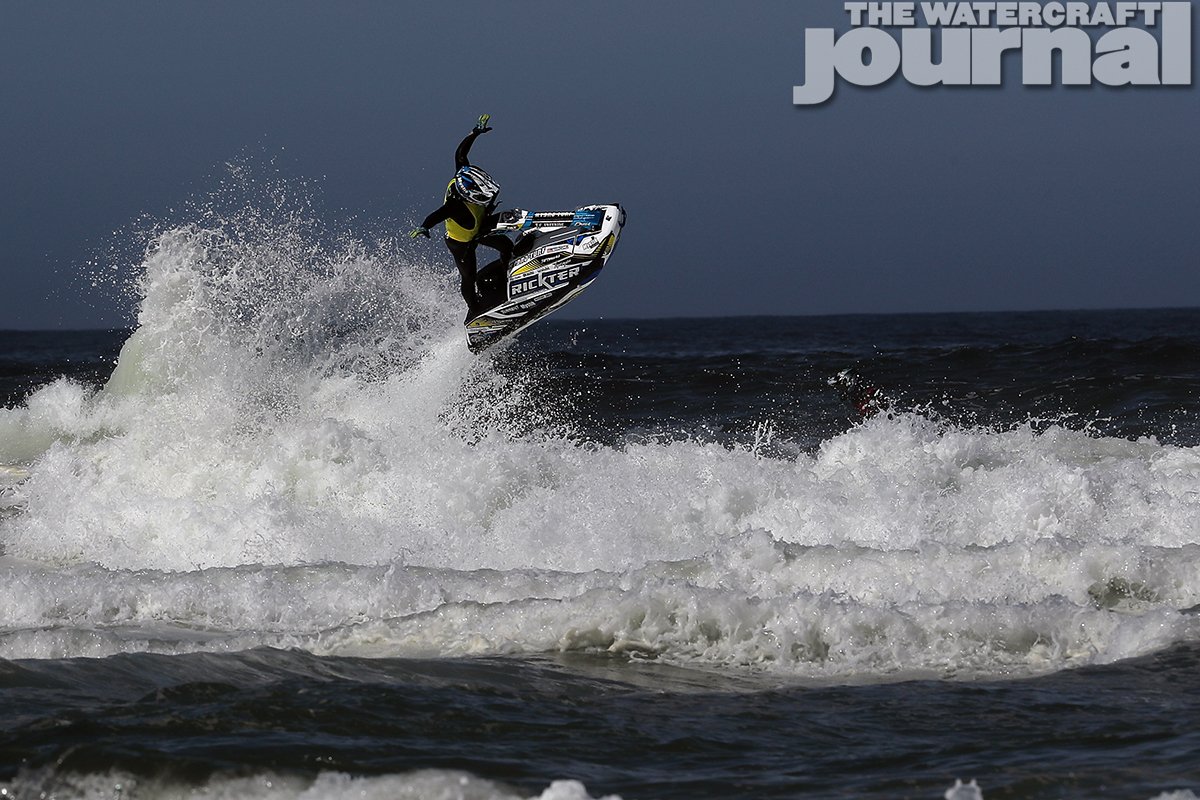
After regular competition, Sunday surf action ended with a Big Air shootout. Riders who entered were given three attempts within a two-minute period to do the biggest, sickest, and craziest big air trick. One rider with a transponder reported that he and his ski topped 24 feet above the waves… when all was said and done it was Jake Bright that took that honor. Absolutely huge!
Demian Morgan wrote: “Still in shock at the amount of people that drove from our inland hometown to the coast last weekend for the 2017 Blowsion Surf Slam. Getting to share the sport of freeride with so many friends along with making new friends at each event is such an amazing part of the sport! From pulling out new tricks and sharing both the competitive & fun side of freeride with so many great friends and family made the weekend the best Surf Slam yet even without placing where I’d like to have. Cannot express how grateful I am for such awesome people and support!”
Jake Bright told The Watercraft Journal, “Stoked to take out this years big air contest! That’s been a goal of mine since I started riding and to come back to the slam after missing it for a few years and take the win it really felt good! Thank you so so much to all my sponsors, family and friends for all the support and the love, I couldn’t have done it without you guys!”
Surf Slam was started by John Dady over twenty years ago, it was a somewhat organized beach party for people within the freeride community. The passion for the sport and the freeride life bonded riders and their families together, it was that spirituality that kept it rolling and gaining momentum, popularity, and ultimately what it is as of now the 9th annual IFWA sanctioned Surf Slam. John was a driving force to keep this event going year after year, it was because of him and those he had as part of his team that built the foundations of this event with the local community to ensure the City of Pacific Beach could play host to such a wonderful gathering of people.
The freeride community felt a great loss last year when they heard the news of John’s passing just three weeks prior to the 8th annual Surf Slam. It was the decision of the event coordinators to go on with the event in his honor. Riders and staff were able to pay tribute to John during the event, there was a wreath made from items John loved and in true freeride fashion it was placed just beyond the competition surf. Over 20 riders and loved ones paddled out and set the wreath, each having an opportunity to say a few words in remembrance. It was a beautiful moment.
Surf Slam is here to stay. I highly recommend that this should be on your list of events to attend. The West Coast has some great venues for this freeride life, the Pacific Northwest is a particularly unique place to be especially in the summer months. The coastline and beaches are beautiful and the surrounding areas are adventurous. Come out and play with us, take a few extra days and explore!
The Watercraft Journal: What was your first exposure to the JetPilot brand? How did you know of the brand?
Mark Gomez: I actually knew JetPilot before I knew what a jet ski was because in the opening scenes of the vintage jet ski movie “JetDreams” JetPilot was the presenting sponsor at the time which was the first logo to appear in the movie. From then on moving forward to seeing the brand still alive as I grew up to today I think it was the meant to be brand for watersports and especially jet skiing.
WCJ: I remember that movie. Back when you were just a grom were there any JetPilot riders that impressed/inspired you?
MG: From the roots as I explained previously, Larry Rippenkroeger, Scott Watkins and Chris Fischetti inspired me for years before I ever thought I’d be a part of the scene. When I began to ride out of Oceanside in 2004, riders like Ross Champion, Pierre Maxient, Taylor Curtis, and Joe Kenny really shined a light on the present day heroes of the brand.
WCJ: How did you become sponsored by JetPilot? Can you tell us about that experience?
MG: Long time commitment paying it forward is what I believe lead to my direct involvement with JetPilot. For the longest time I purchased all of my JetPilot gear through the shop I worked for and or any other online retail avenues to get the certain vest or color combinations I wanted to get. I invested in the brand for years and never thought anything else. As I progressed I began to reach out and get to know the marketing reps within the company who began to seek interest providing some gear from the USA side of things in 2013.
Realistically though, it was Darren Attard from JetPilot Australia who really invested in me and saw interest from my passion and dedication to the sport. I’ll never forget my first time stopping by the JetPilot HQ in Queensland (where I believe the brand really shines the way it should be here in the USA). He let me go on a spree of getting anything I needed from gear to apparel. This was treatment I had only heard of by guys like Joe, Taylor, Rick, and Ross. JetPilot Japan has also supported me unconditionally every time I visit as well. The worldwide support and recognition is extremely cool and rewarding. I am really thankful for their continued support.
WCJ: What does it mean to be only one of two officially sponsored JetPilot riders (the other being Chris MacClugage)?
MG: It’s a great feeling to be one of those recognized riders for them over time. I know JetPilot USA is making big strides to catch up in a market where they definitely are under their potential. I am excited to be apart of it’s recovery into the modern era of social media marketing and brand awareness among the industry. It’s been a dream of mine to be apart of the the brand. I just saw the newest JetPilot USA catalog which has a lot of my content I have provided for them. It’s a great feeling especially coming from my roots, it means a lot.
WCJ: What design elements/materials/etc. do you find in JetPilot riding gear that you don’t find anywhere else?
MG: The quality of the products that have been innovative for the lifestyle of jet skiing and also now many other watersports is what has always gravitated me towards JetPilot. The race john, tour coat, ride shoes, back braces, stickers, and all of the bad ass apparel that goes with it. They were the ones who pushed the designs that really grabbed colors and options for all different OEM and aftermarket concepts. I also run a custom tailored 3/2 from time to time made for me by JetPilot Japan.
WCJ: What JP gear are you currently using?
MG: I am currently running the JetPilot Green Matrix John set up. I also have the Red & Yellow John set up as well for my Jetsurf thanks to JetPilot AUS. I am a huge fan of the Phantom glove series they have as well. They are lightweight, grippy and flexible. I always wear about the smallest size I can because they conform and flex so well. The side entry vest are a great USGC-approved vest that I feel safe wearing. As I push the limits, it’s nice to have peace of mind I’ll be floating face up if it ever gets too crazy.
WCJ: What advice would you give to any aspiring free rider/free style/racer looking to become sponsored by JetPilot?
MG: My best advice is to invest in the brand. There is a lot of entitlement these days in the riding field. I see many people going for only what the best deal is. As a company, it’s warmer recognition if you invest in the product and promote it because you do sincerely want to be apart of it. If you get a sweet shot and the gear and or JetPilot logo is exposed, throw them a tag on social media toward the image. The more they see, the more you are in their spotlight. Give them a call and get to know someone in marketing. It helps being relevant, letting them know you are active and invested into the brand without immediate conditional expectations. Resumes are great, but investment, action, and a personal connection to the staff in the office goes much further.
It means the most to me to be representing the brand after years of investment as I worked my way up with my riding career. I look forward to seeing more legit riders wearing the same awesome riding gear I chose to wear and building up the brand and the whole damn sport worldwide again like in the 90’s if not better.
All images provided by Reggie Torrefranca, courtesy of JetPilot
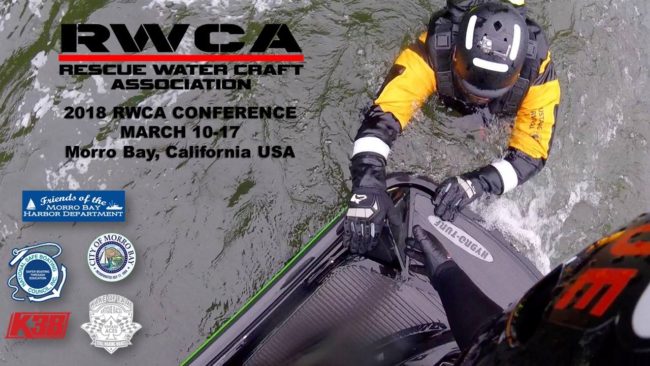
The dates have been announced for the annual International Rescue Water Craft Conference. The conference takes place in Morro Bay, California from March 10-17 in 2018. The conference is open to the public. Morro Bay is known as the rescue water craft training capitol of the world because the bay provides the perfect training grounds for those who dare.
The 2018 conference is sponsored by the Rescue Water Craft Association (RWCA) [even though “watercraft” is one word – Ed.] and the Wake of Fame Awards. The conference is week long event that encompasses training, community topics of interest, awards presentations, and also provides a great atmosphere to network.
The RWCA is operated for charity purposes only. It is here to serve, advance, and promote a safe professional standard of operations for both recreational boaters and professionals. The organization provides education and training internationally and in the United States. The RWCA also recognizes efforts of responders and partners through its unique program, the Wake of Fame Awards. The organizations retain the status of 501 (3) (c).
The mission of the Rescue Water Craft Association is to bring together members who represent the water rescue community both internationally and stateside. Their focus is to keep all water craft users up to date on new practices and what is happening in the world of water safety. RWCA manages this through outreach programs and continuing education. The RWCA serves as the leader in standard operating procedures when it comes to safe boating and water rescue operations. The group offers accredited certified training programs to all water enthusiasts. Another item of importance is to reduce the number of deaths and accidents on waterways. The organization keeps its standards up to date and wants you do the same. Attend the conference!
Whoa. That’s pretty much what we’ve got to say. Whoa. Leading up to the reveal of Sea-Doo’s 2018 lineup there was a lot of speculation, quite a lot of educated guessing, and well, a whole lot of whiffs through the batter’s box. The retirement of the S3 hull was the strongest of these, but then again, the eventual Polytec’ing of the GTI lineup made sense too. And of course, The Watercraft Journal made its fair share of predictions for what would be the 50th anniversary for the watercraft manufacturer and we can say that we fared OK. We’ll start by recounting our predictions (and a few from other folks) and then dive into the details.
First, what was being said? First, for whatever reason, people kept claiming Sea-Doo was going to build a standup using the Spark’s powertrain and Polytec hull. One source predicted a Polytec deck and 330-horsepower for the RXP-X. We had predicted that Polytec would replace all FMC fiberglass hulls in the Recreation line (GTS/GTI), including the 130 and 155-horsepower models. We also believed that CM-Tech, which debuted last year on the GTR-X 230, would also become the standard for all GTS/GTI/RXP units. Like others, we heard that Sea-Doo was well underway with a revised, more offshore-friendly full-sized hull with a deeper-V design. Lastly, we believed a performance-tuned Spark would finally see the light of day.
Well, we were half right. Debunking the standup rumor didn’t require a crystal ball, just common sense (and we’ll delve deeper into the whys in a later article). For 2018, CM-Tech has disappeared from the tech sheets completely, so we’re not sure what that means just yet. And while Polytec has indeed infiltrated the majority of the new lineup (more on that in a second), the proprietary material has not replaced the remainder of the hulls of all GTI-based watercraft, so many of you can breathe easy. Yes, a new hull has arrived and it’s pretty cool. And no, there’s no Spark-X, but there is a new performance Spark that is sure to be a hit.
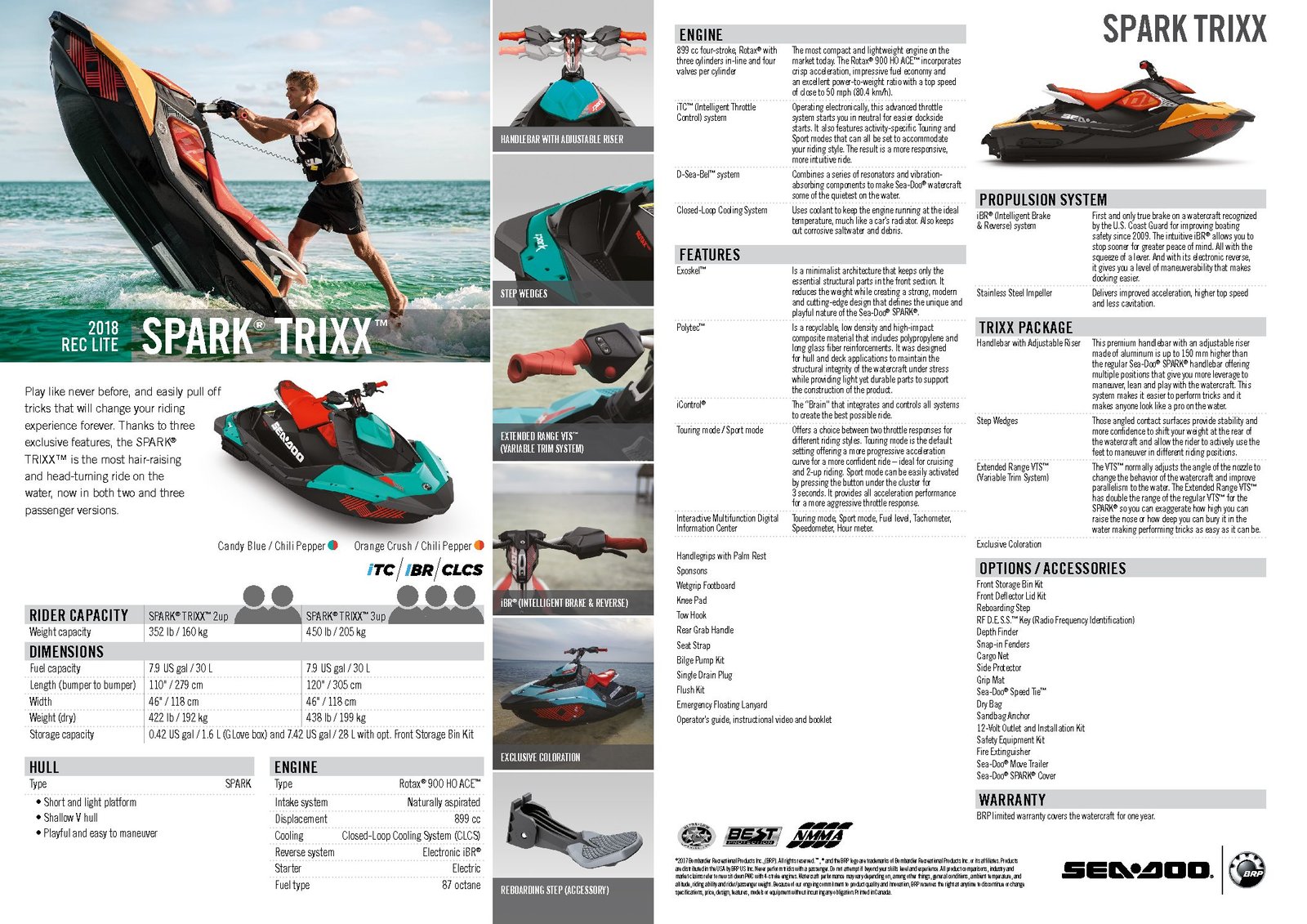
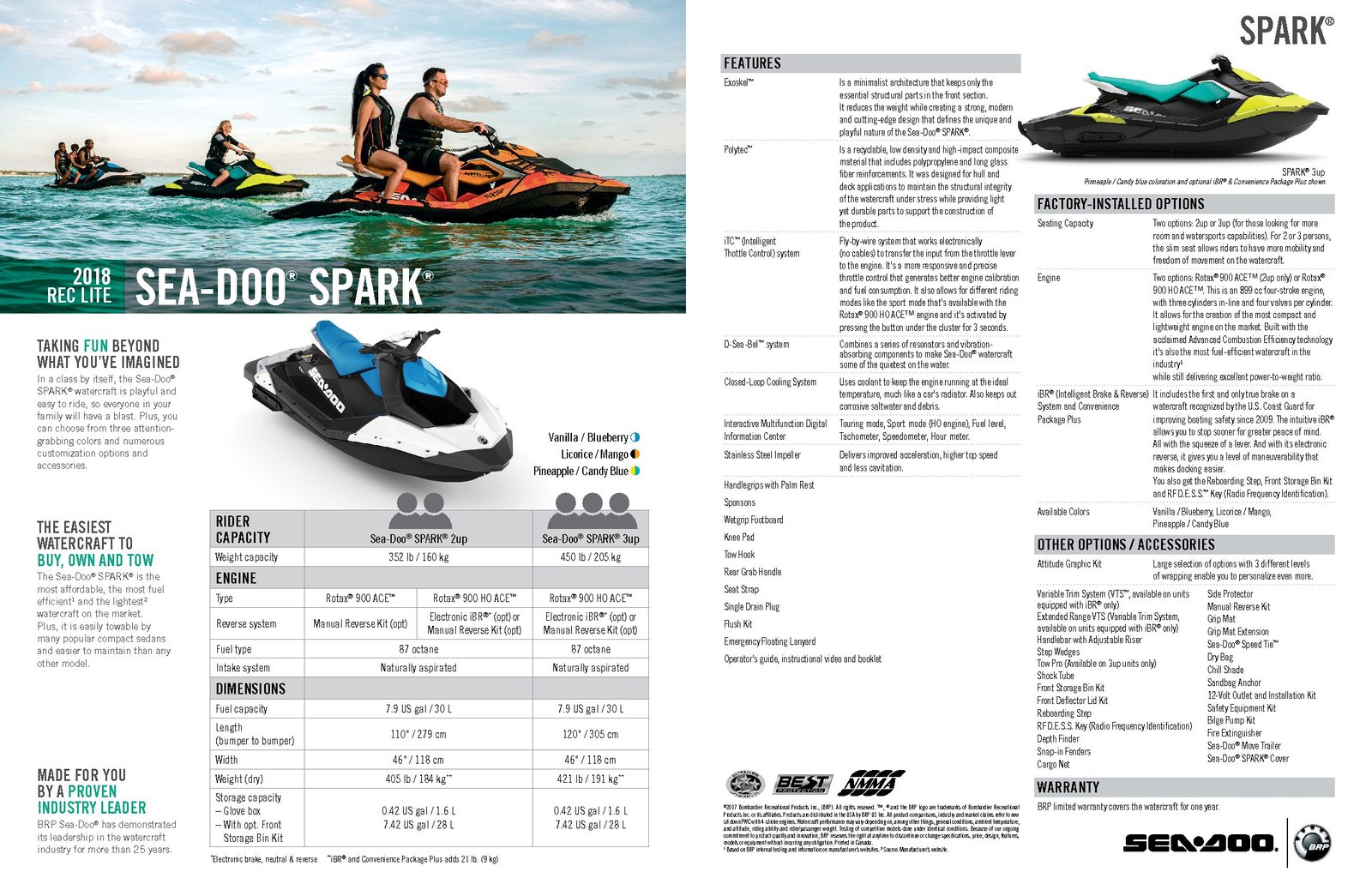
So let’s start with what’s not changed. The Sea-Doo Spark has been the catalyst for literally thousands of new, first-time buyers to enter into the PWC market. The traditional 2 and 3-up seating arrangements remain in place as well as choices of the 60 and 90-horsepower ACE 900 engine tunes. Colors are carry-overs but with a twist: Now they come mixed-and-matched: Vanilla & Blueberry, Licorice & Mango, and Pineapple & Candy Blue. Equally, the insanely successful Spark Trixx returns with a choice of Orange Crush & Chili Pepper, or Bubblegum & Chili Pepper – as well as a 3-up option. That’s right, the single best-selling PWC of 2017 is now available in a 3-person configuration, so make sure to invite your friends.
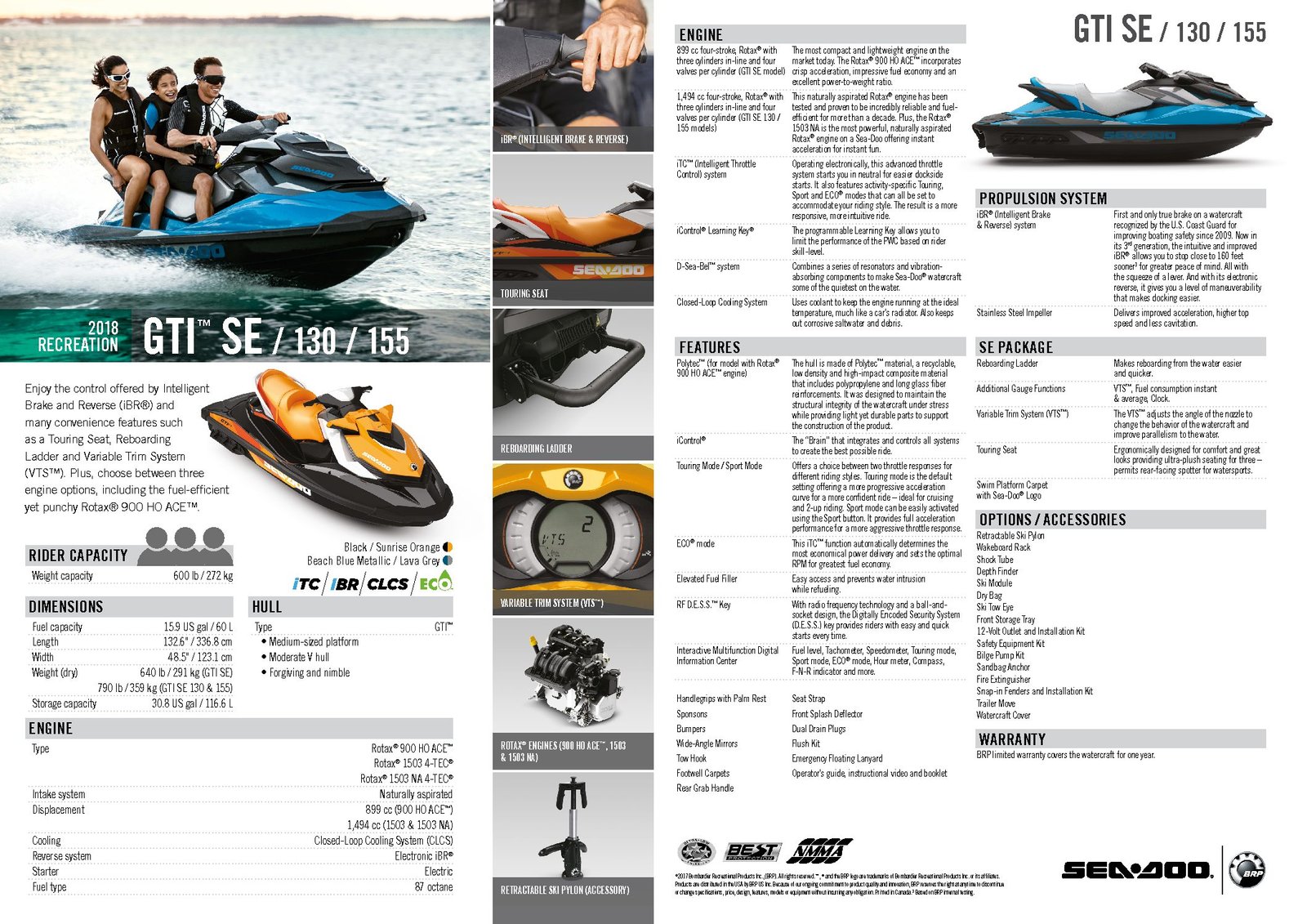
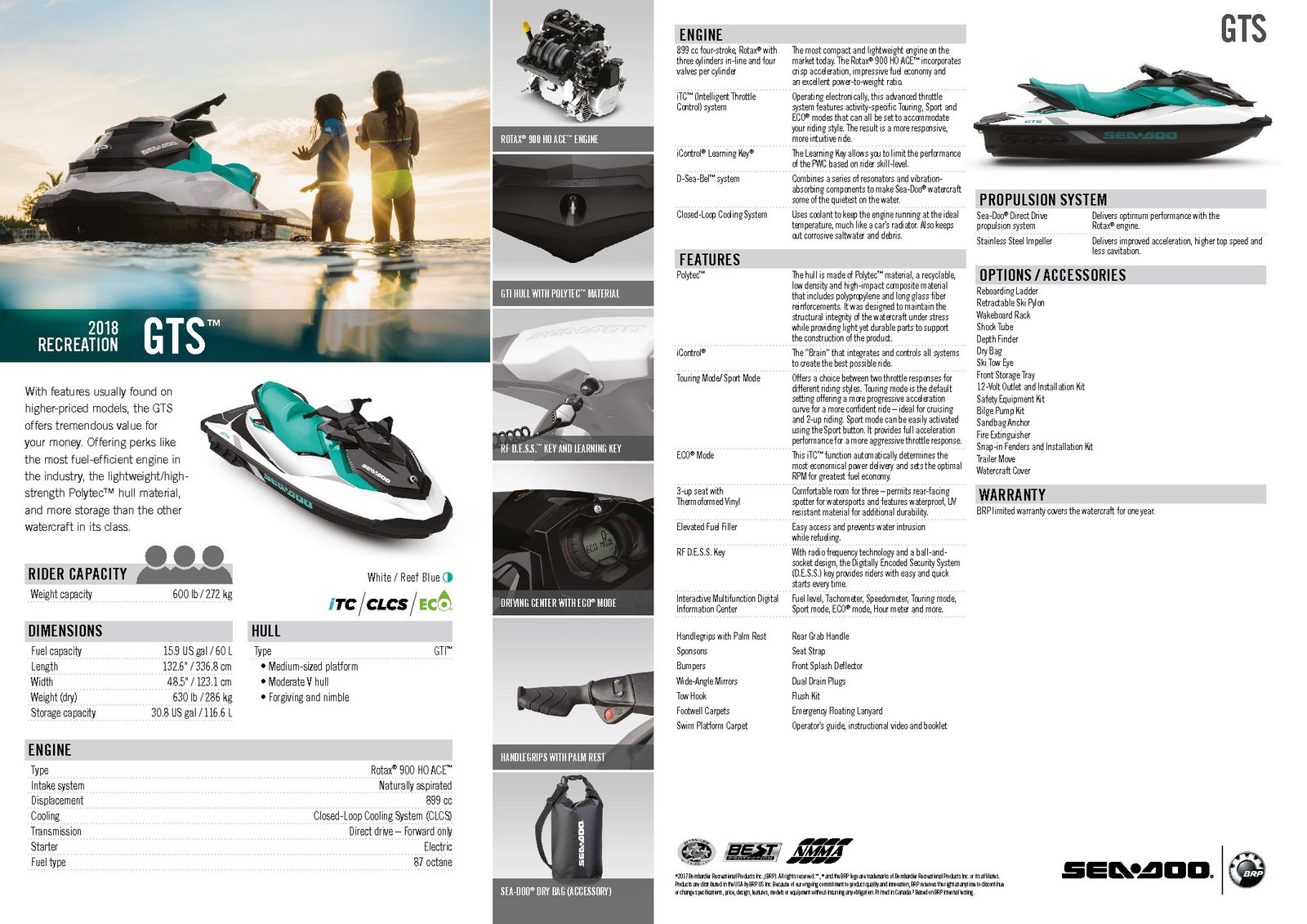
In the same vein, the GTS, GTI and GTI SE all return with the 90-horsepower ACE 900 and Polytec hull for 2018. As a surprise to some, and not at all to others, the Spark-infused GTIs were Top 10 sellers this year, and thereby, received little in the way of changes apart from coloring: White & Reef Blue (GTS & GTI), Black & Sunrise Orange and Beach Blue Metallic & Lava Grey (GTI SE). The GTI SE (Special Edition) comes with a reboarding ladder, additional instrumentation functions, and VTS as before, and can be ordered with a traditional FMC hull and a choice of a 130 or 155-horsepower Rotax – the last remaining of the previous generation 4-tec engines.
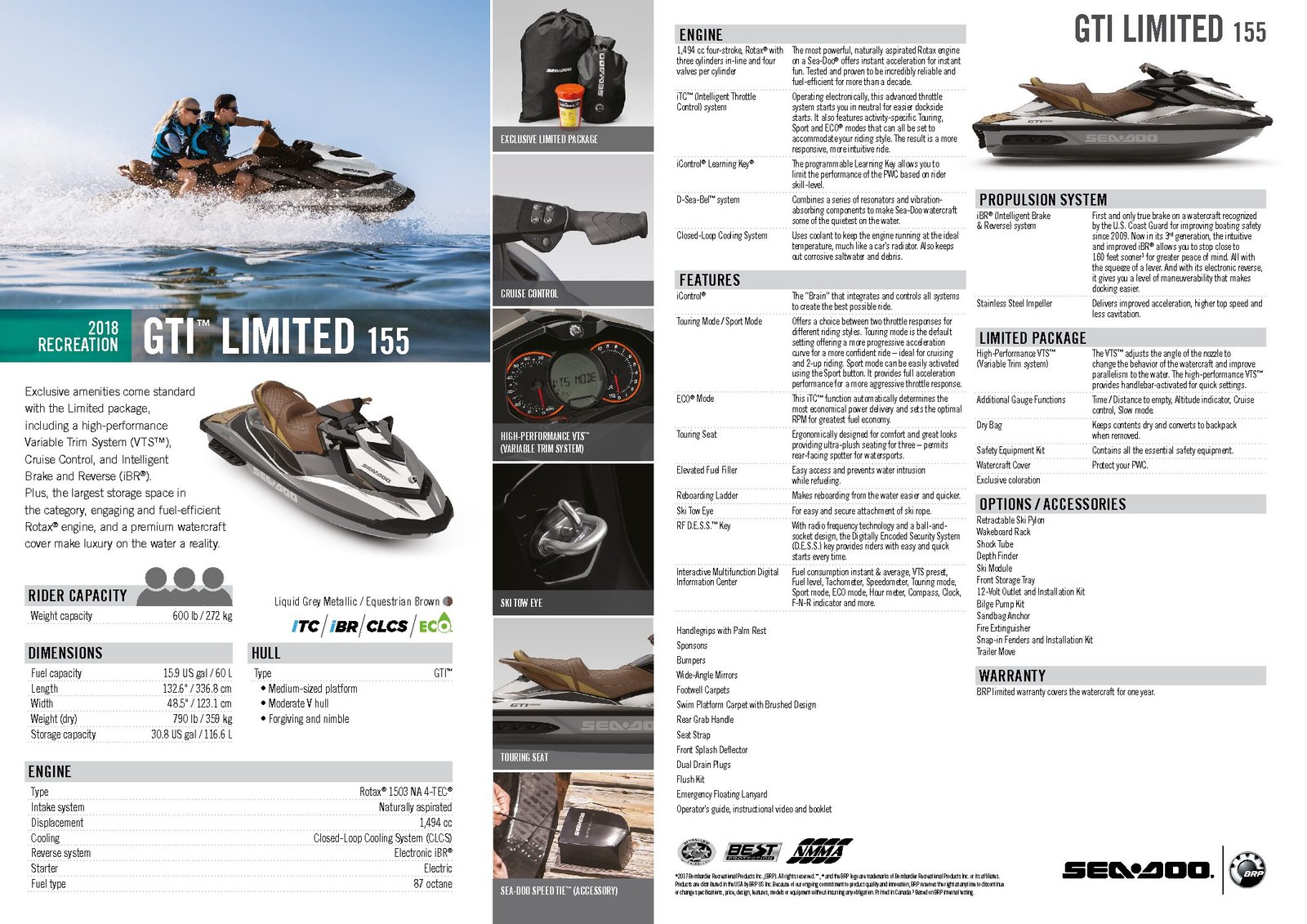
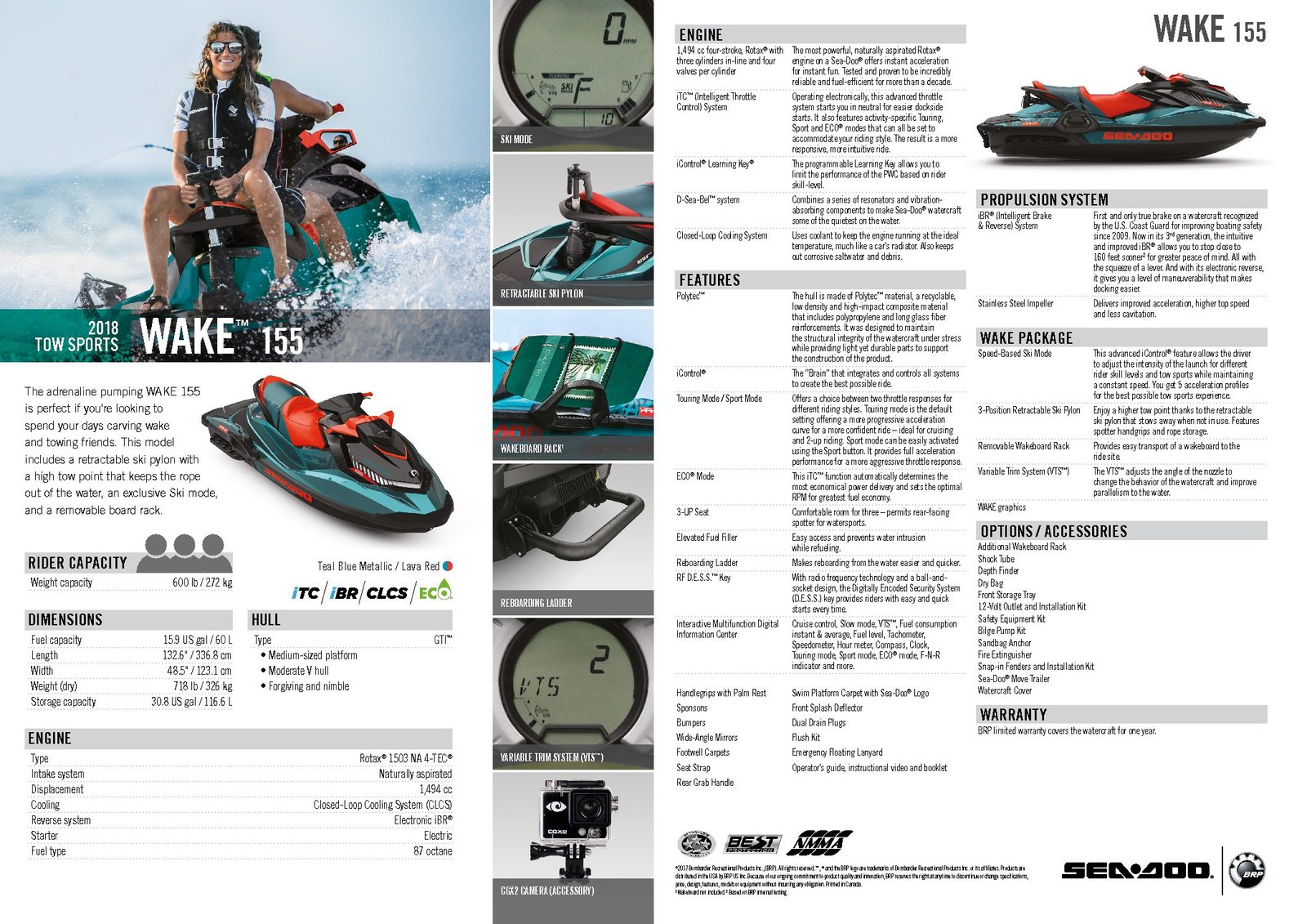
Changes to the 2018 GTI Limited 155 are dramatic but purely aesthetic. Bathed in a glistening Liquid Grey Metallic and swaddled in Equestrian Brown, the luxury-equipped GTI suddenly launches into exquisite super sedan territory just by appearances alone. Of course, the Limited package throws in a king’s ransom of accessories including VTS, further gauge functions, a dry bag, a ski cover and additional safety equipment. The remaining runabouts to carry directly over from 2017 are the 230-horsepower supercharged GTR (in Octane Blue & Black) and Wake 155 (available in Teal Blue Metallic & Lava Red). Now on to the good stuff…
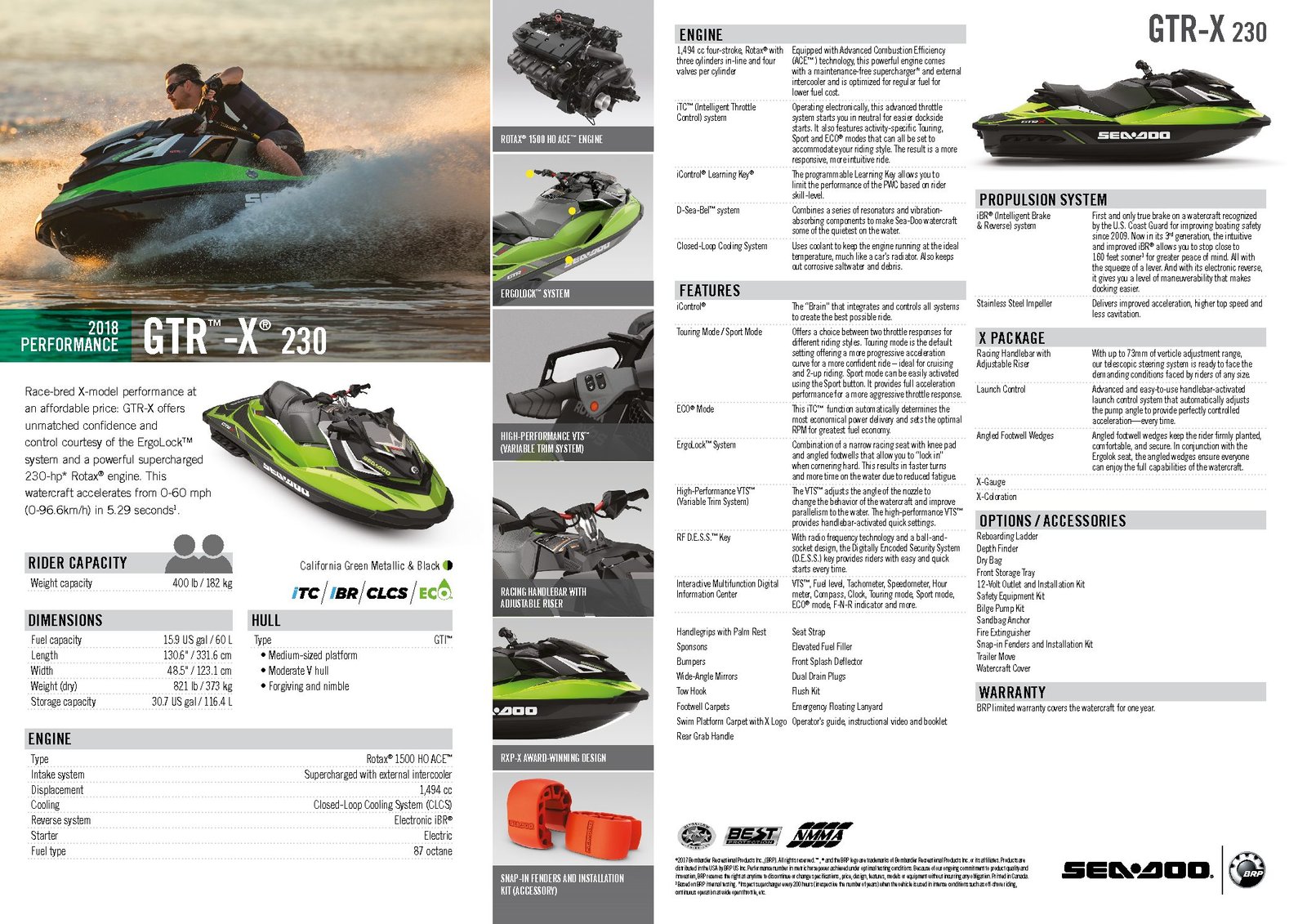
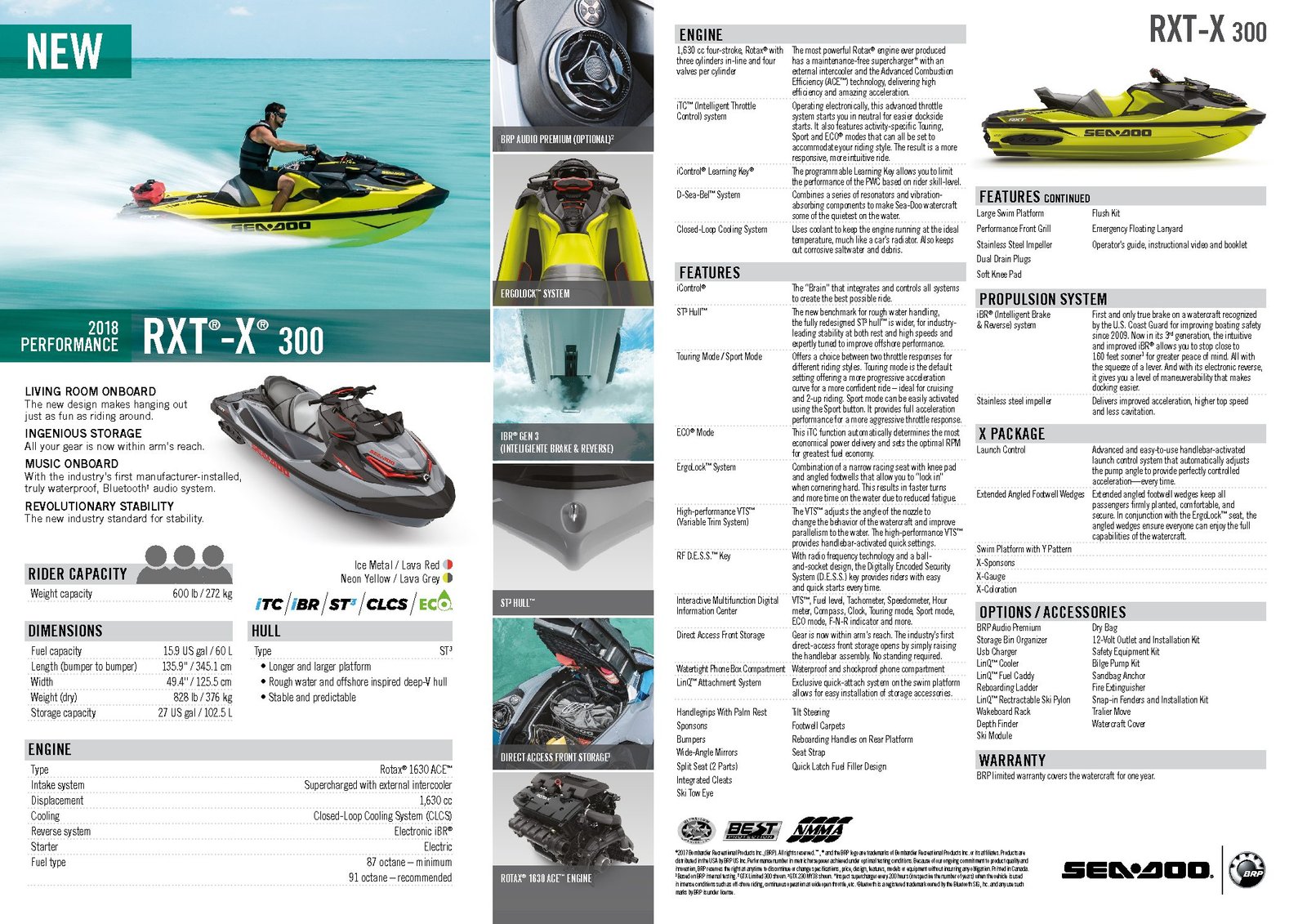
At first blush, the 300-horsepower RXP-X and the GTR-X (in California Green Metallic and Black) appear to have gone untouched as well – save for an option of two new liveries (Ice Metal & Lava Red and Neon Yellow & Lava Grey) on the RXP-X – but that is not so. As a bit of a surprise, the GTR-X and RXP-X feature a new racing handlebar setup with an adjustable riser – a direct takeoff from the ever-popular Trixx steering system. Simply loosen, adjust and re-tighten. Just as surprising is the redesign of the iControl function toggles from the traditional up-and-down buttons into legend-shaped pads that shuffle through the functions on the LCD screen. This new steering arrangement replaces the X-Steering system, as it were.
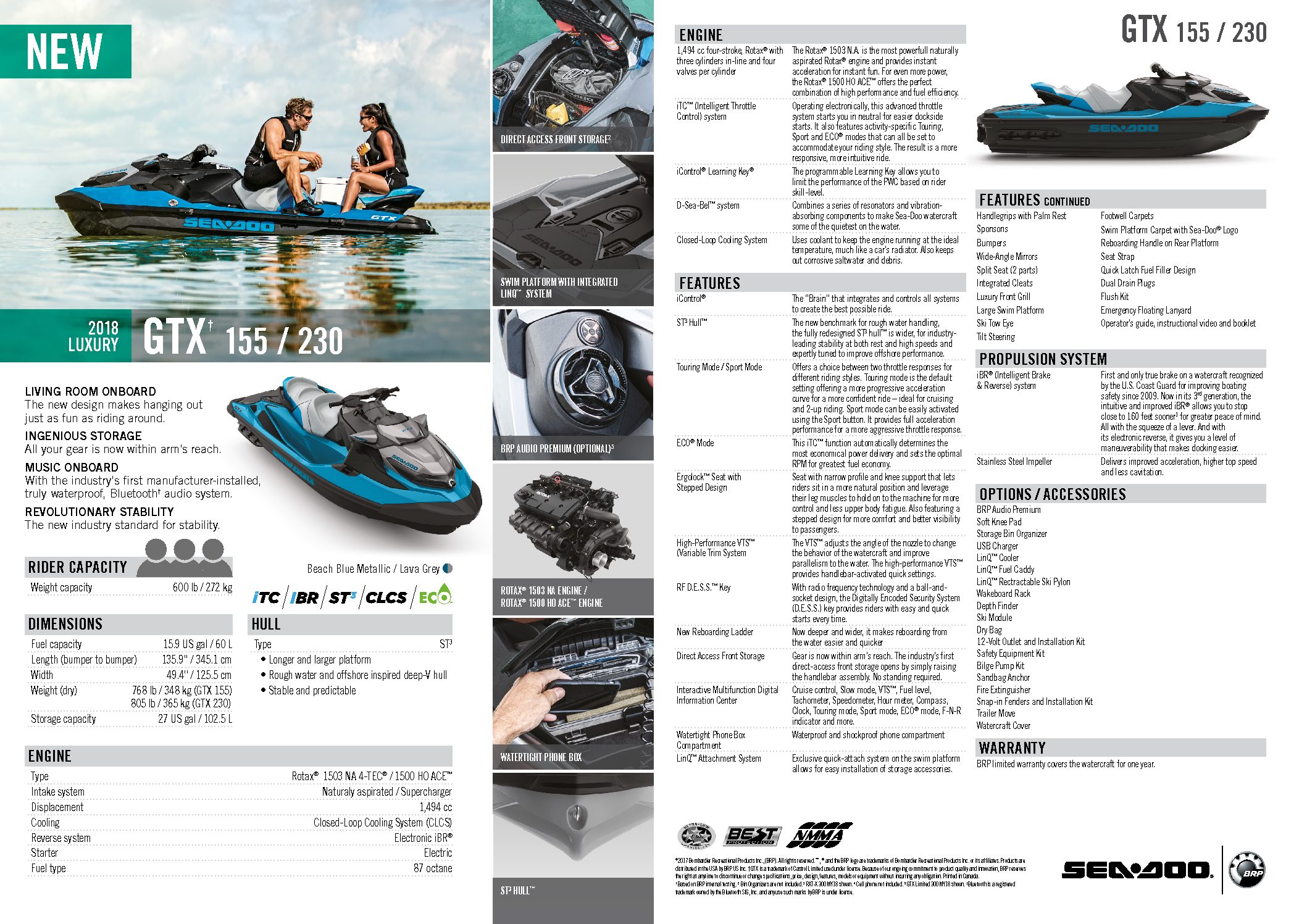
The big change for 2018 is for the RXT, GTX and Wake Pro models. As stated before, Sea-Doo’s S³ (a cute idiom meaning “stepped-cubed” or “three steps”) was a well-designed platform but fell short on a few key characteristics: stability and control. For 2018, Sea-Doo is introducing its new, deep-V ST³ hull. The platform itself is actually much more than just a mere hull redesign, but an integrated hull and modular, multi-component deck that sets the rider deeper into the well, providing a lower center of gravity, which raises rider confidence at high speeds (or while riding with a full quotient of passengers), superior cornering control, as well being far more rough-water capable.
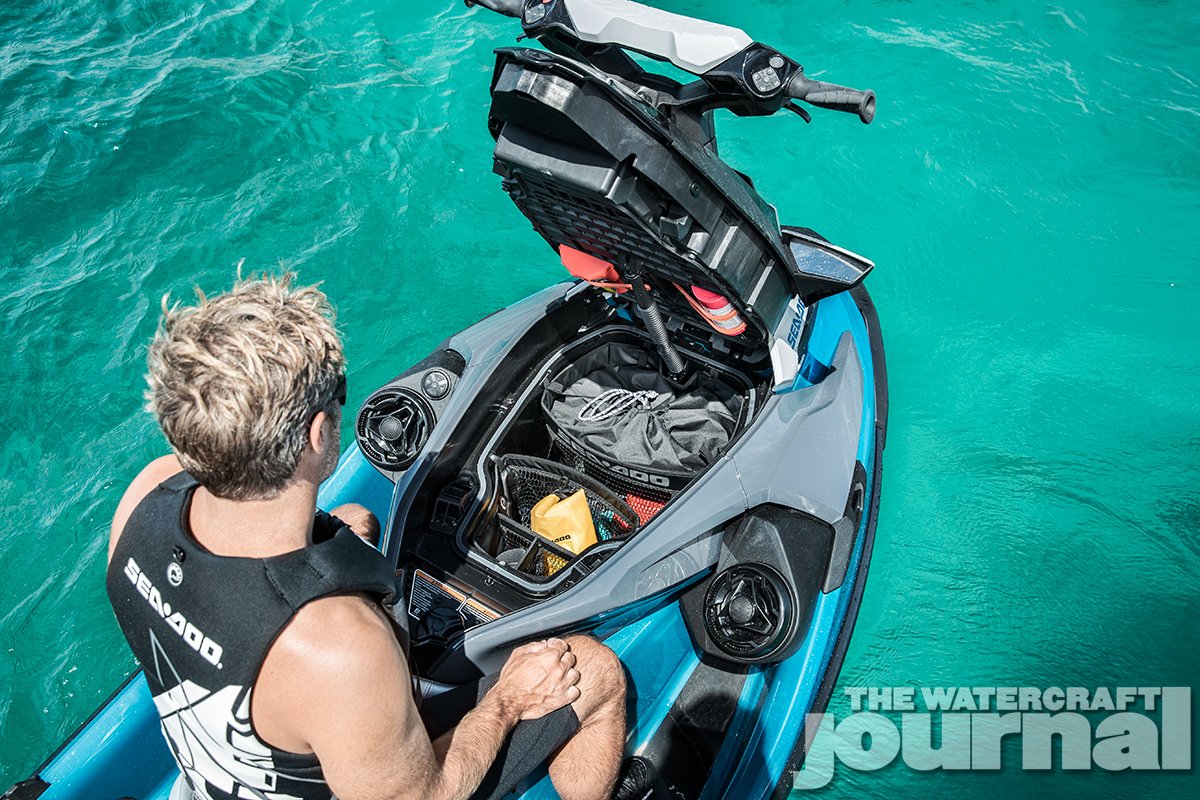
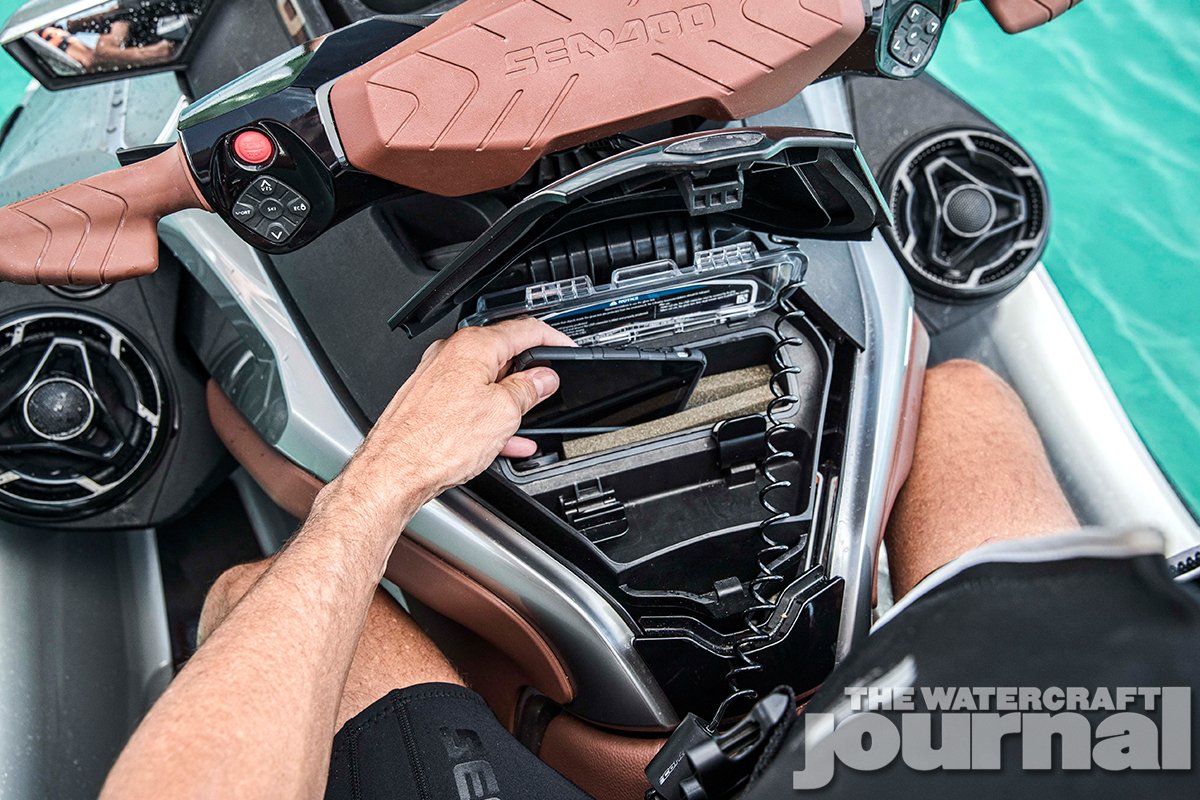
The ST³ is also wider (from 48.2-inches to 49.4-inches), providing wider footwells and a massive, flat reboarding platform. Sea-Doo also notes that the wider footprint adds “for worry-free re-boarding and movement around the watercraft.” Also incredibly unique to the ST³ platform is its central cargo compartment; gone are the days of leaning up and over your handlebars to reach inside the front bin, now access can be had from where you are. Simply raise the latch and the entire top deck (including the gauge cluster and tilt-handlebars) pivots up on a gas shock. Inside is 27-gallons of lockable storage. With the hinged deck in place, a small glove compartment remains allowing for watertight (and shockproof) storage of your phone and wallet, with an optional USB port for a phone charger.
We did note that this new storage arrangement dramatically reduces Sea-Doo’s total storage, from 42.8 gallons to 27 gallons, which is even less storage than the Recreation segment GTS/GTI models. To counter this drop in storage, Sea-Doo offers its new LinQ Attachment System, a modular rack system permitting the attachment of either a 4-gallon fuel caddy (in an “easy-to-pour” canister); a semi-rigid, 5.5-gallon storage bag that can stack on top of the fuel caddy; or a rigid, durable and weather-resistant 4.2-gallon cooler that can also serve as a table between reconfigured seats for on-water picnics. (Each sold separately through Sea-Doo’s accessory line.) As mentioned, the ST³ is 1.2-inches wider, but it’s also significantly shorter: down from 139.2-inches to 135.9-inches. Fuel capacity for all ST³-based units remain identical to outgoing S³ models at 15.9 gallons.
Oh, and there’s one more thing: the Ergolock seats are modular. That means that the reconfigurable rear seat can be removed, rotated and slid back rearward. As Sea-Doo writes, “Riders can quickly change from a 3-seat configuration to a flat lounge area when stopped to enjoy the surroundings. Two riders can face each other for a picnic lunch, or when removed, the larger, flatter rear deck makes re-boarding and prep for tow sports easier and more stable.” Take a closer look at the pictures provided to The Watercraft Journal when you get a chance, and you can see all the different configurations. Notably absent is any imagery showing how easy (or not) access to the engine compartment is. The filler cap and neck is accessed directly under the glove box, beneath the articulated deck.
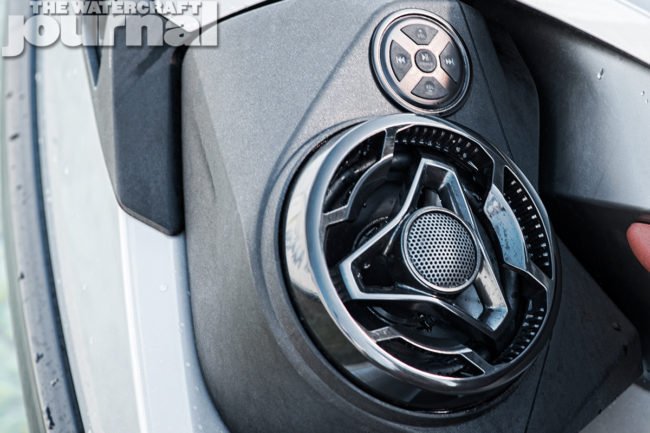
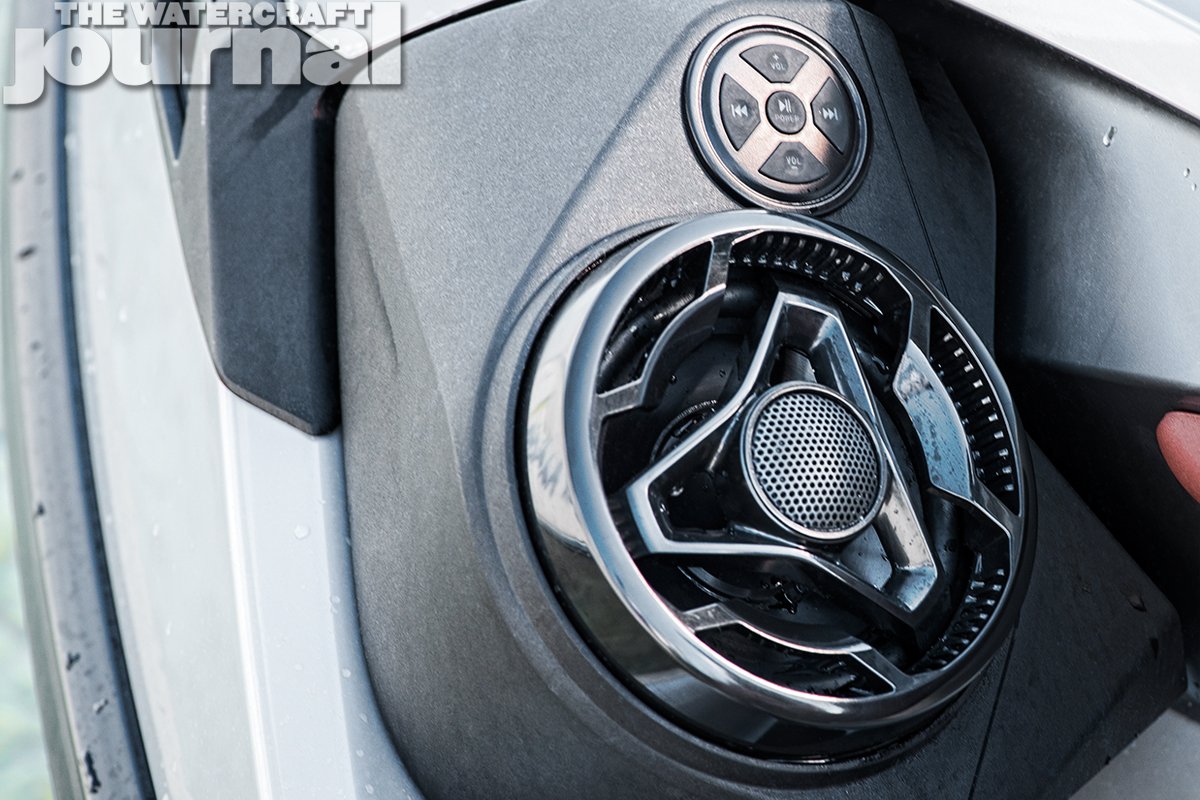
Standard for the GTX Limited 230 and 300 models and optional on all other ST³-based models is Sea-Doo’s BRP Audio Premium sound system. The thumping 100-watt stereo is the world’s first Bluetooth, fully-integrated waterproof watercraft audio system, built to withstand harsh all-weather environments, features Bluetooth connectivity, and external playback controls that allows you to toggle through your song list while at speed or simply lounging around. The speaker pods are integrated into the forward footwells and can be controlled by a soft-touch control pad above the left speaker or through your device’s audio system. Both ST³-based Limited units come in the same striking Liquid Grey Metallic & Equestrian Brown coloring.
And if you didn’t notice earlier, there’s now a GTX Limited 230 package for 2018. There’s even another new GTX unit to join the standard GTX 155, a new-for-2018 non-Limited GTX 230. Both engine packages of the GTX (155 or 230) come in Beach Blue Metallic & Lava Grey and missing are the ornate chrome accents and finer accoutrements of the Limited packages. It’s also noteworthy that the GTX 155 weighs in at 768-pounds, the GTX 230 at 805-pounds, and the GTX Limited 230 and 300 weigh 824 and 847-pounds respectively. Again, the employment of Polytec for the top deck dramatically saves weight from these machines, particularly as the outgoing GTX Limited 300 tipped the scales at 909-pounds.
Lastly, the 2018 RXT 230 and RXT-X 300: Gone is the RXT 260, replaced with the torquey 230-horsepower ACE 1500. Available in Black & Octane Blue, the RXT 230 enjoys the benefit of the ST³ platform, both in its superior rough water/open ocean prowess, and its weight savings, hacking the weight down to 805-pounds, literally 16-pounds less than the GTR-X 230. The RXT-X 300 is only slightly heavier at 828-pounds. Completely gone is the X-Steering system. The tilt-steering neck remains, incorporating the redesigned gauge cluster (dubbed “X-Gauge”), as well as the angled foot wedges. Finally is the exciting addition of Launch Control, a handlebar-operated launch control system that “automatically adjusts the pump angle to provide perfectly controlled acceleration—every time.” The RXT-X 300 comes in either Ice Metal & Lava Red or Neon Yellow & Lava Grey.
The final addition of ST³-based machines is the Wake Pro 230. Awash in Teal Blue Metallic & Lava Red and striking Wake Pro graphics, the ‘Pro 230 comes with the telescoping LinQ Retractable Ski Pylon, removable wake board rack, high-performance VTS and Speed-Based Ski Modes, which work great to allows the driver to adjust the hardness of the launch for different rider’s skill levels. When properly equipped it weighs in at 815-pounds. Alas, a final testament to the weight savings earned by the new ST³ platform. One final bit is that Sea-Doo updated the design of its iBR on-water brake for a third iteration. And again, The Watercraft Journal has yet to have any face time with these machines as they are only being unveiled to dealers as we speak. Once we can get our grubby hands all over them, you’ll see much more pictures, articles and videos!
Wow, it seems like we just published the schedule of racing events in China. Bummer, the events are shut down. Tuesday, September 12th, Aquabike Promotion confirmed that Rounds 3 and 4 of the UIM ABP Aquabike World Championship will not take place in China. The rounds were scheduled to run in October in the People’s Republic of China.
In spite of H20 Racing and local organizer BUND Holding Group attempting to figure out a last minute solution, the companies were unable to come to a satisfactory agreement in order to hold the event. Unfortunately, rounds 3 and 4 are canceled. We will update you with any further news as it pertains the cancelation of the Aquabike Championship in China.
“It is bitterly disappointing for everyone involved after all the work that has already been carried out,” said Raimondo Di San Germano. “The significant circumstances that have led to this decision and that are affecting numerous other sporting events already scheduled for specific dates in the middle of October are beyond our control.”
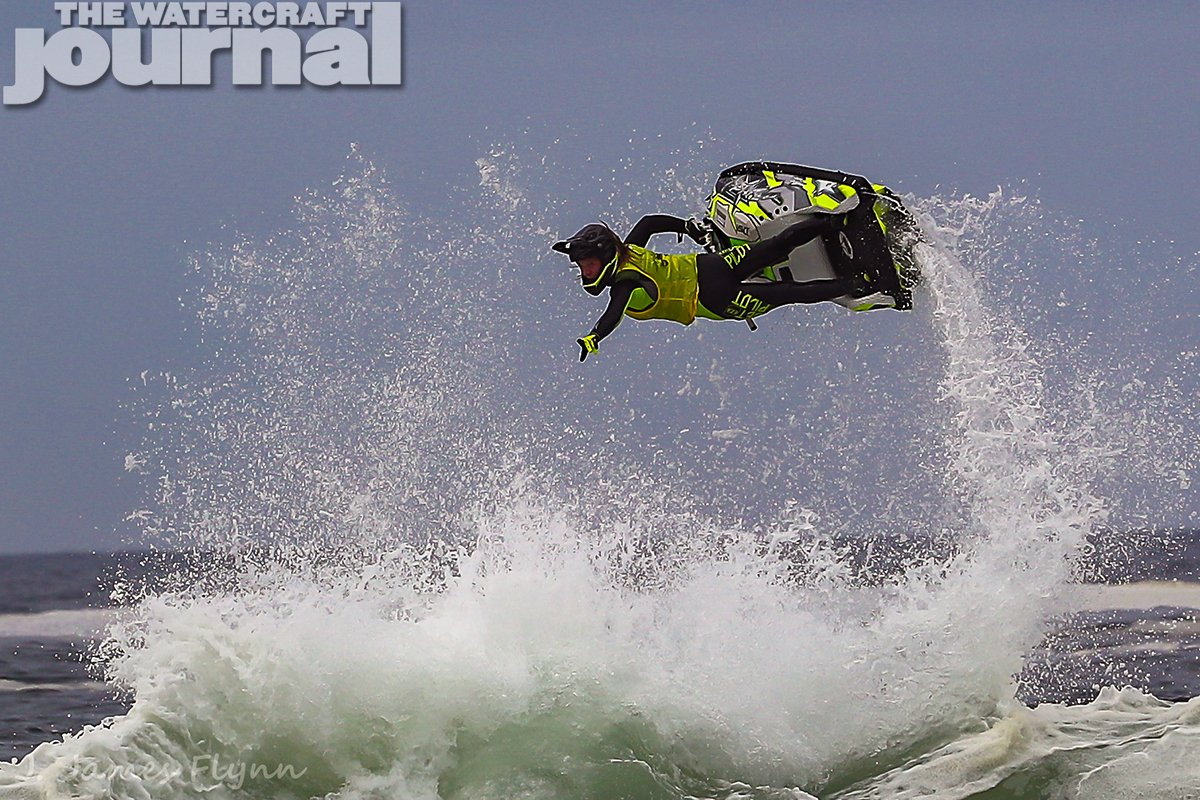
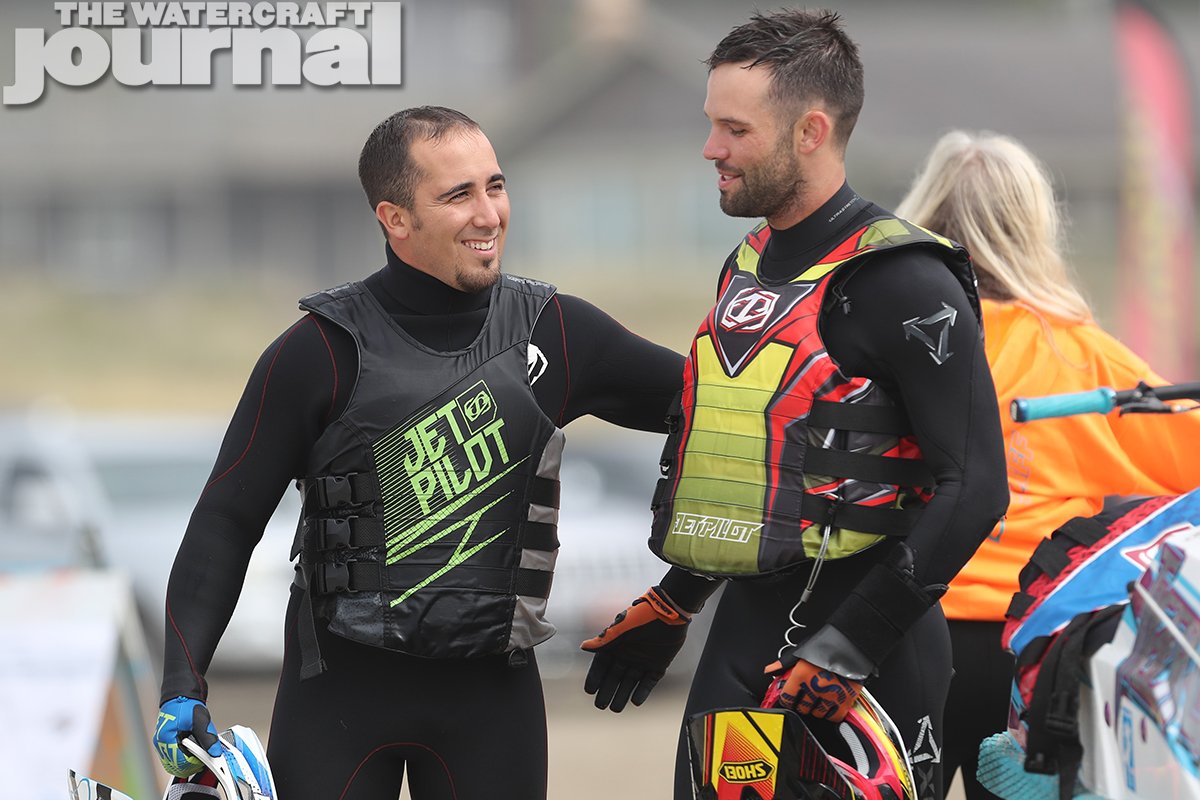
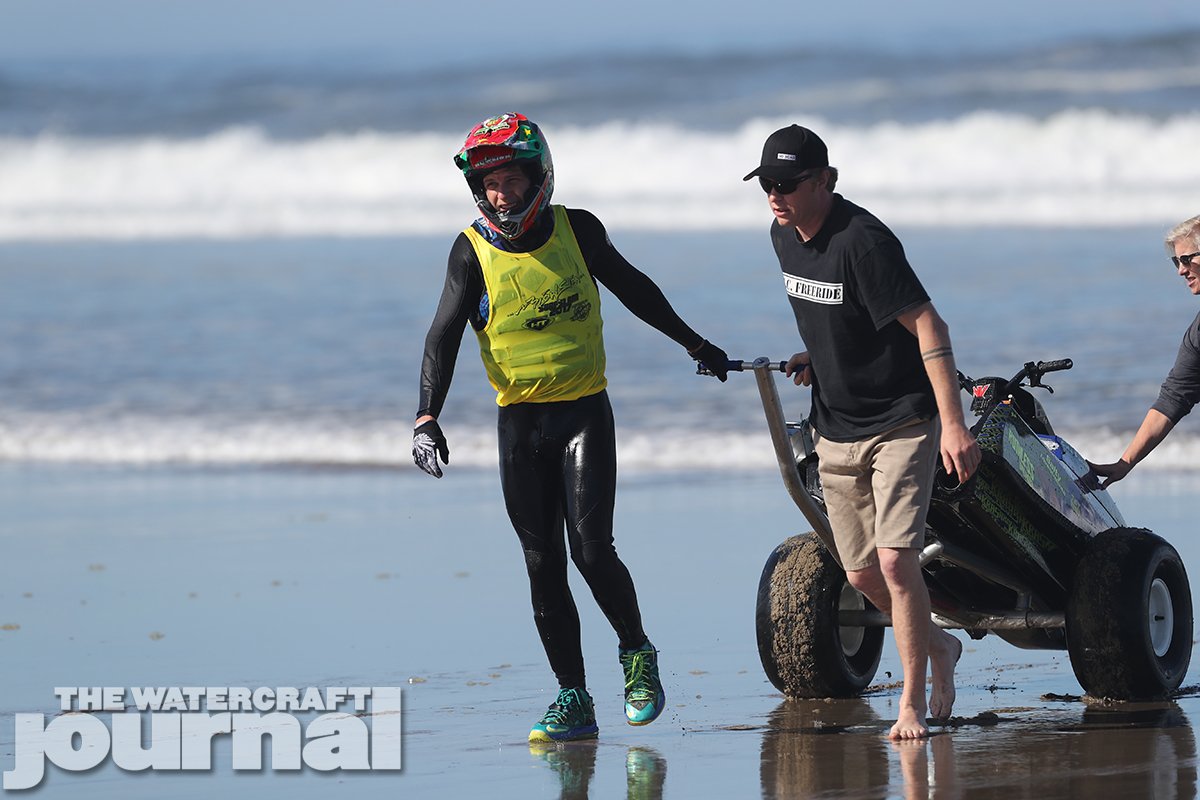
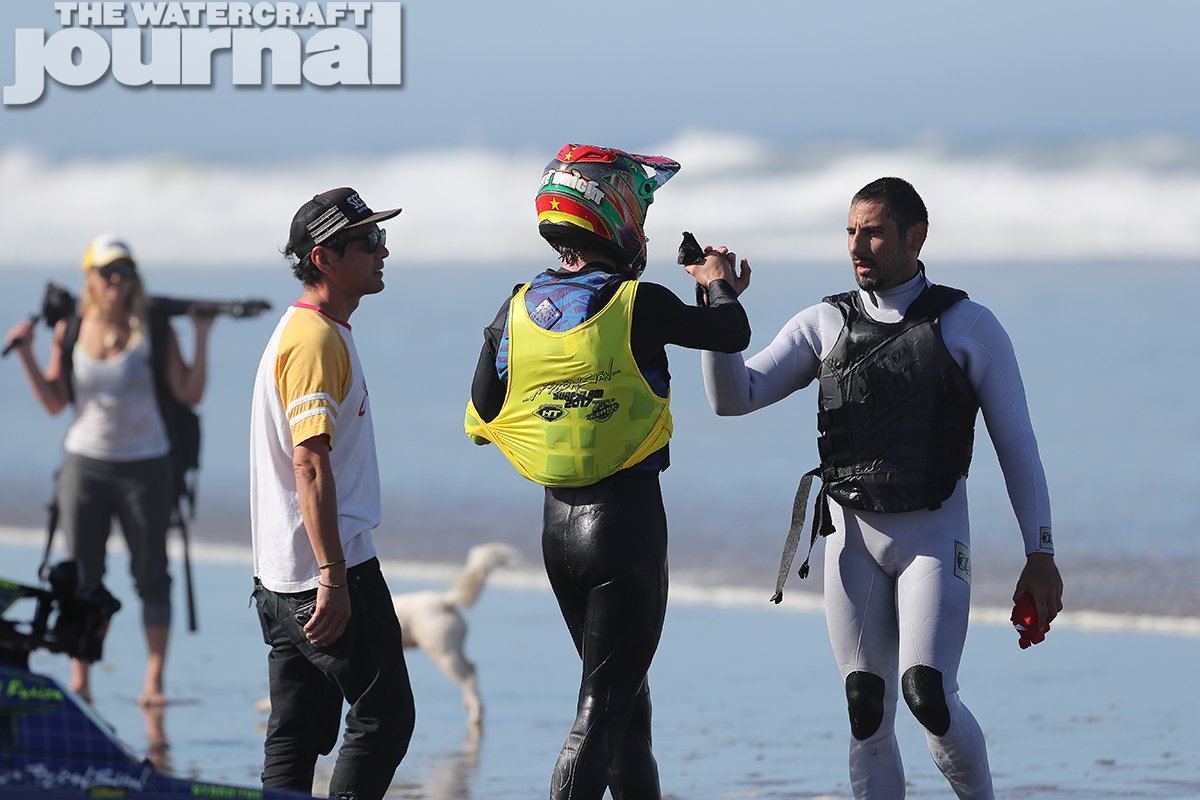
Oh boy! Here we go! The IJSBA World Finals is only a few short weeks away and some of the planet’s best personal watercraft racers, tuners and manufacturers will be converging on Lake Havasu City, Arizona. Despite some declining numbers in membership, attendance and otherwise, the World Finals continues to be a major landmark on the global map of jet ski racing, and this year is no different. Competitors from across the continent and beyond will take to the water to vie for a World Championship and glory! So how could The Watercraft Journal add to the excitement? Easy:
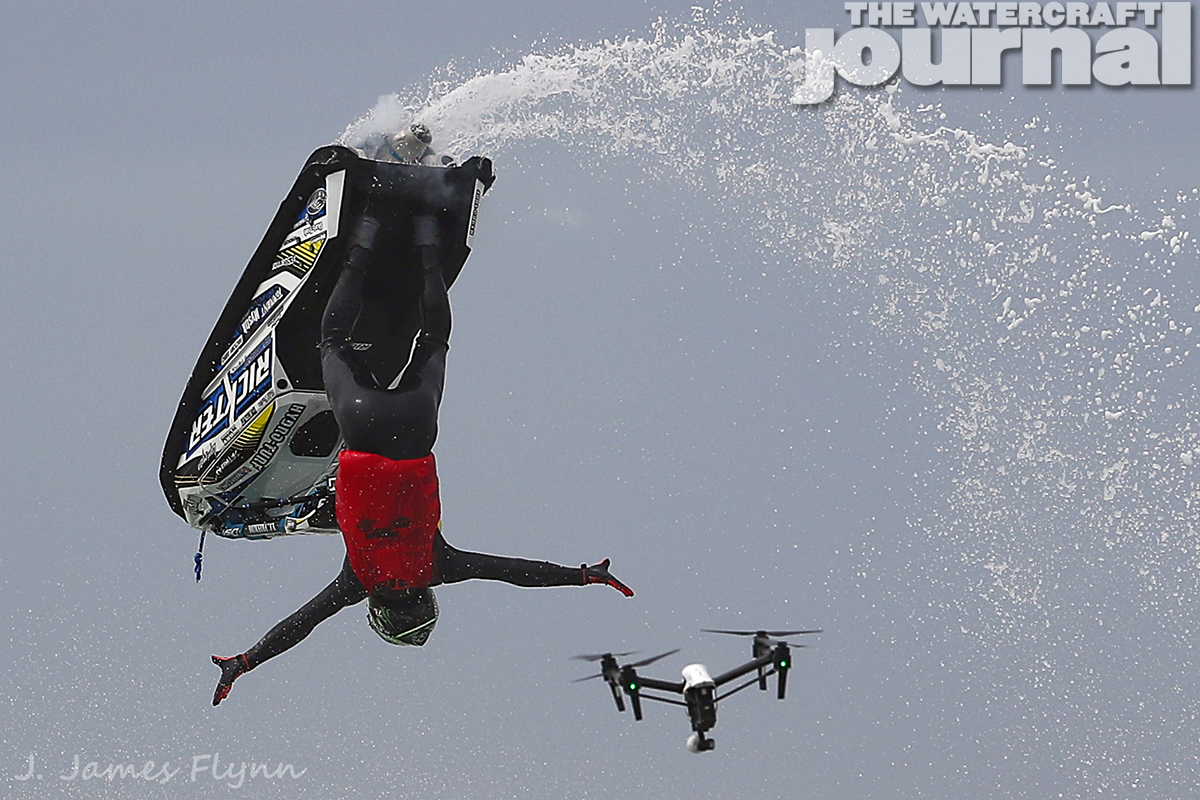
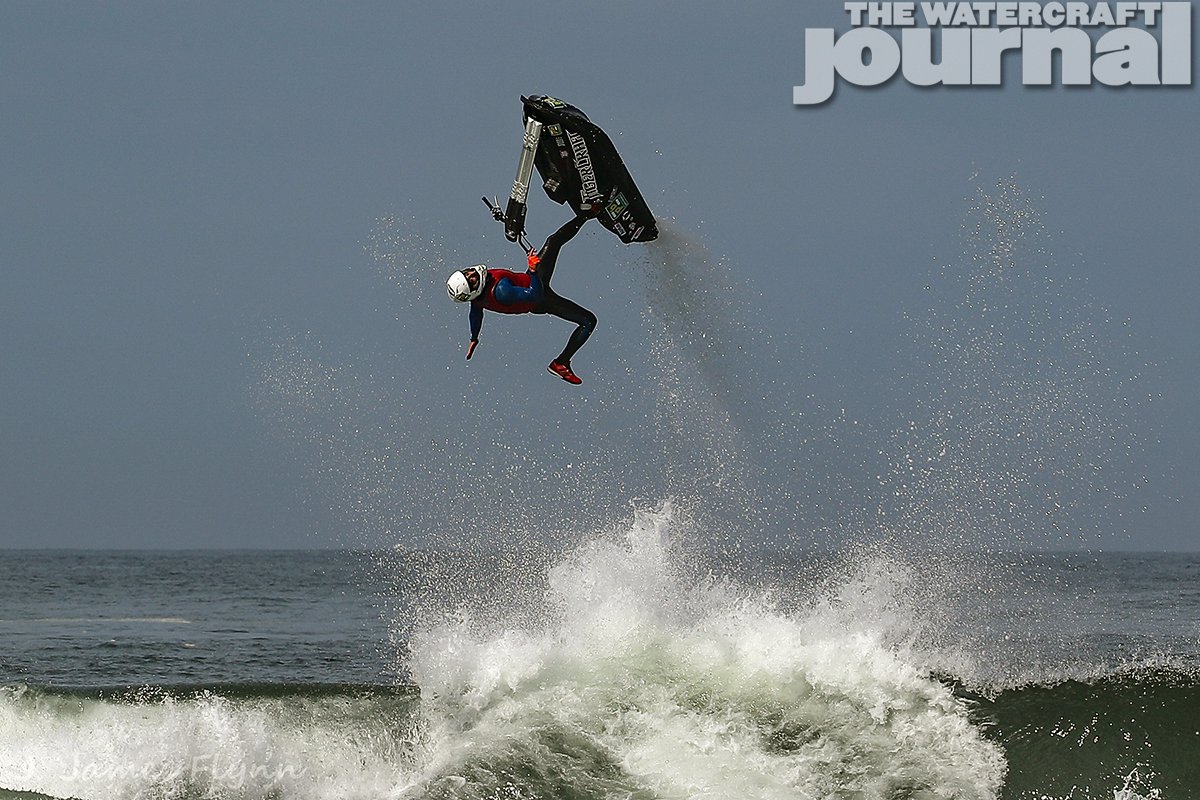
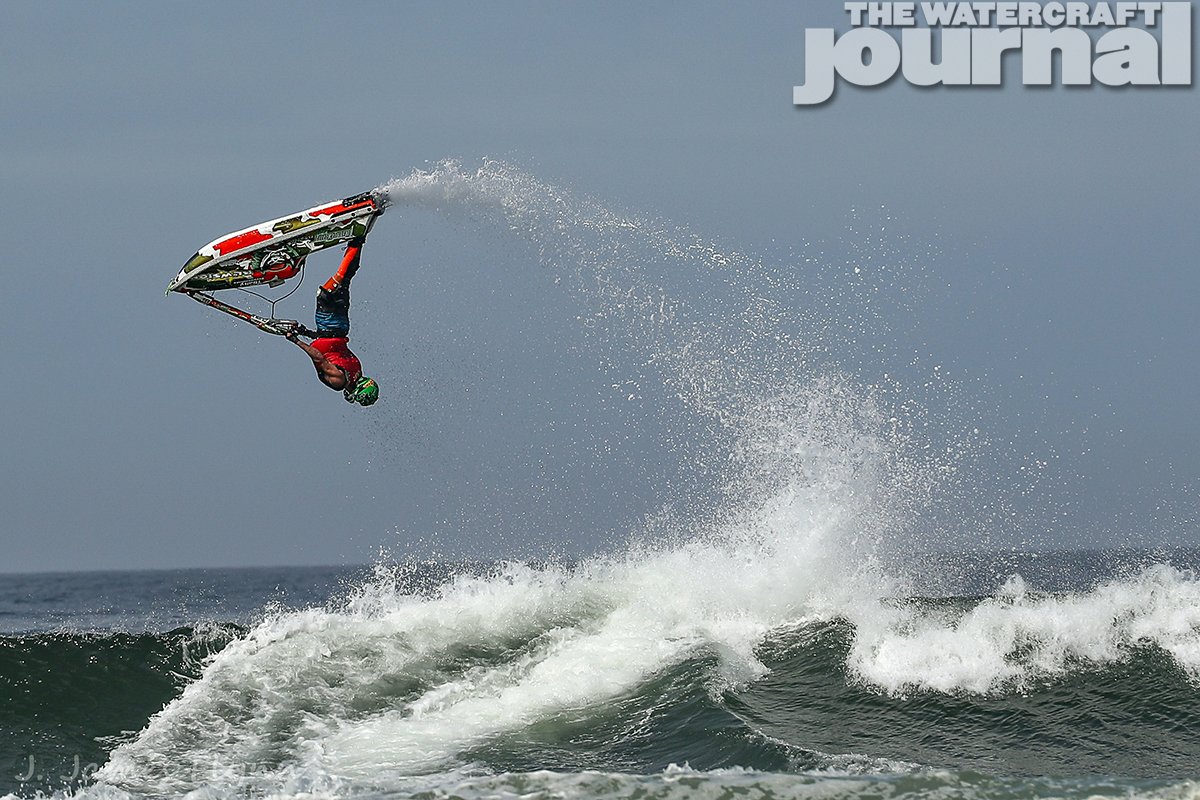
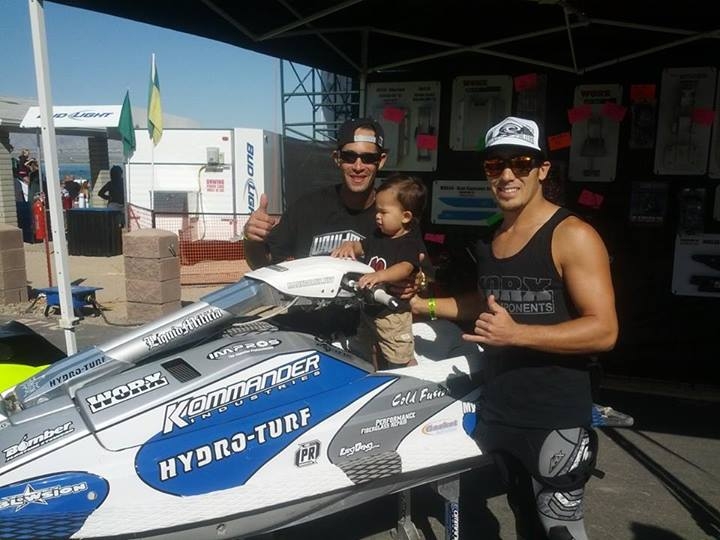
First, we’ll deliver in our tradition of stellar event coverage and a phenomenal photo gallery better and faster than any other media outlet anywhere. Next, you can score a sweet deal on our limited edition “Busted Lip” all-weather vinyl decals when you visit the Jet Renu booth, you can grab special 2-for-1 pricing ($5 gets you two decals), and we’ll toss in a free decal with every purchase of $20 bucks worth of Jet Renu product. It’s a smokin’ deal on some awesome anti-UV decals. Slap ’em on your ski, trailer, tool box or your friend’s face.
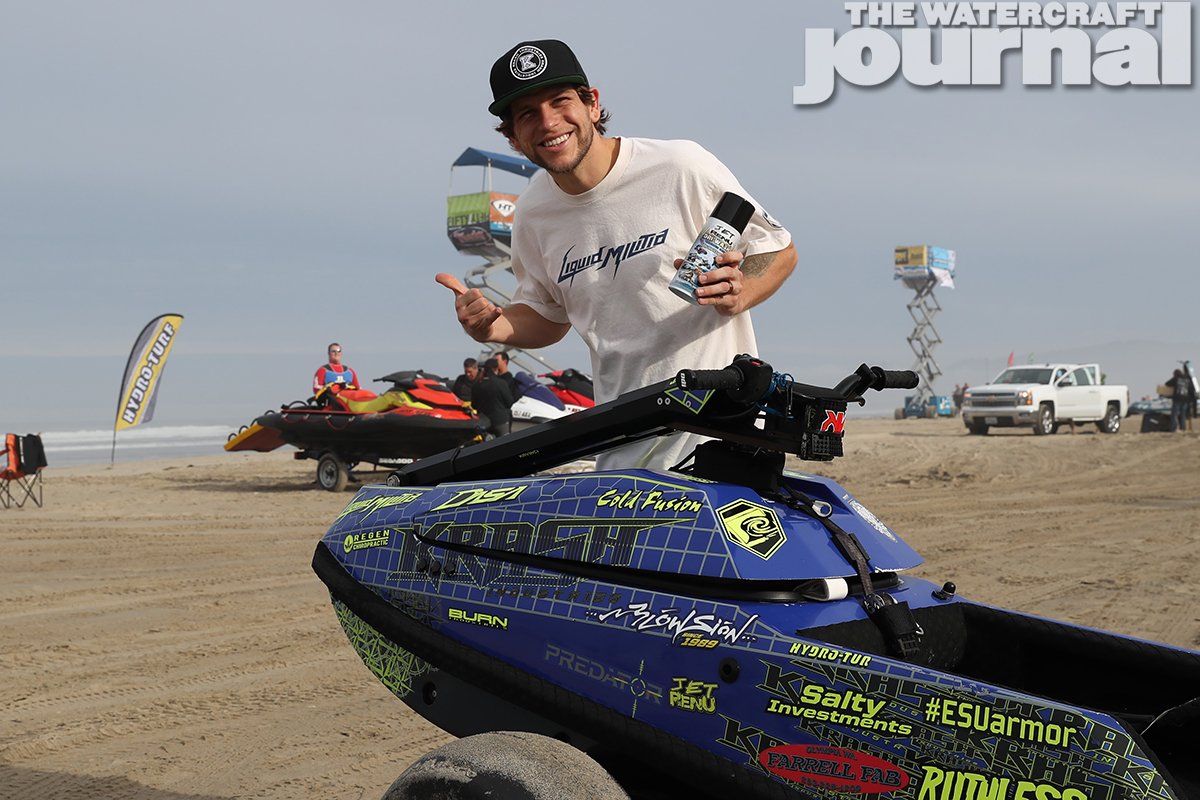
But hey, that’s not all! Our retro-80’s “Busted Lip” T-shirts are going to be sold exclusively in the Hydro-Turf booth all weekend long with reduced pricing! How reduced? Try HALF PRICE! That’s right, if you’re going to be in Havasu you can pick up one of our shirts for $10! Whaaat? Oh, and Hydro-Turf rider and IFWA World Champion Mark Gomez will be present during a special autograph signing session to personally sign your “Busted Lip” shirt – because that’s him on it, after all! And while you’re at Hydro-Turf’s booth, make sure to grab some of their shirts, as they’re going for $10 each, or two or $15. That’s nuts!
For most American enthusiasts, the Belassi Burrasca is a bit of a mystery. Sure, it’s wicked 333-horsepower turbocharged I3C16 Marine 3-cylinder 4-stroke displacing 1602cc is enough to make one salivate; its Italian supercar angles and features ignite lustful passions, and its use of carbon fiber is the stuff of blown budgets. Yet, as until recently, any actual footage of the machine in action was reduced to some faraway shots of György Kasza blitzing a cramped test lake.
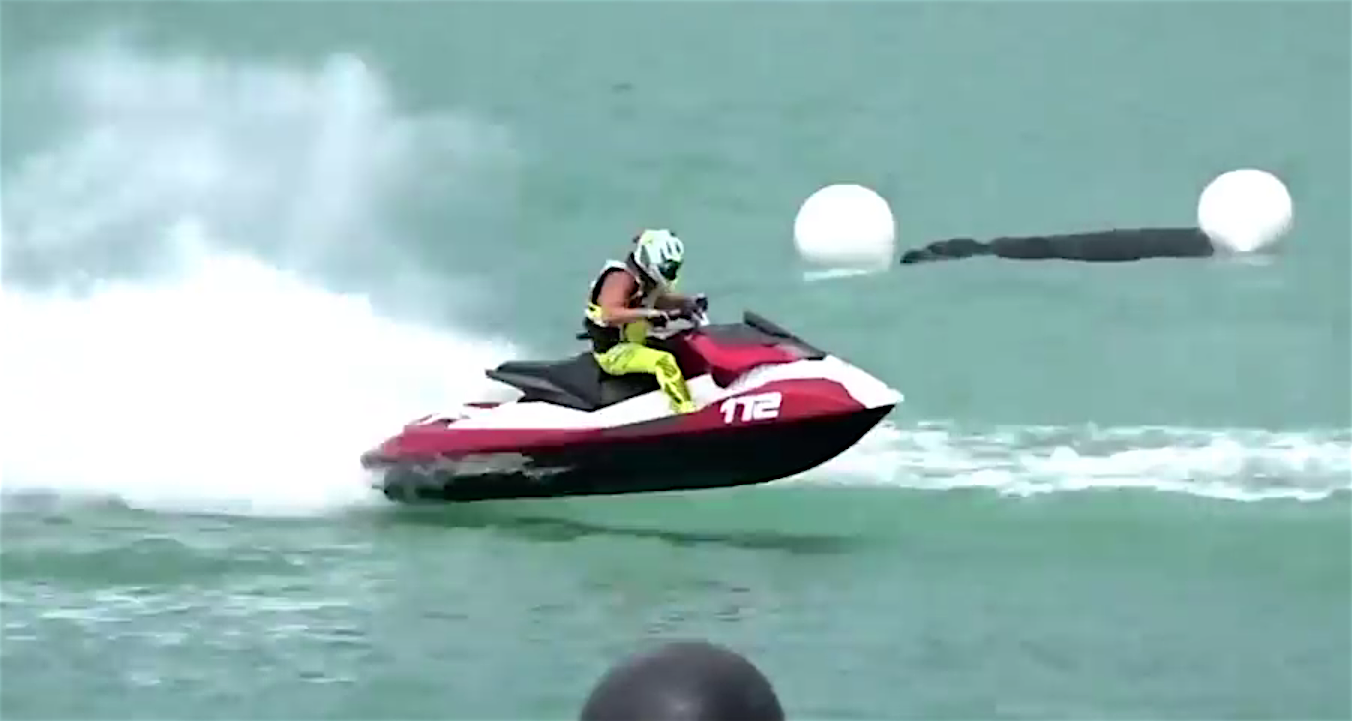
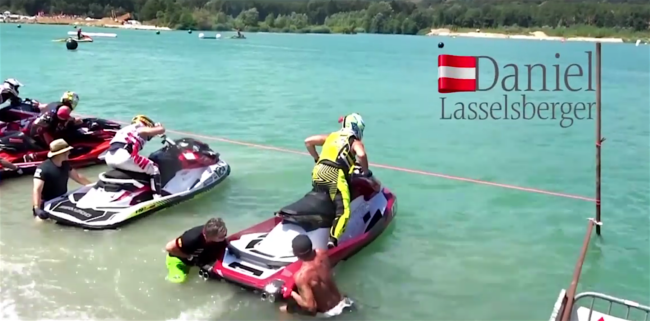
Now, we’ve got actual race footage of the Burrasca in its natural habitat and from it we can gather quite a bit of information. Piloted by Daniel Lasselsberger, an Erlauf, Austrian native and employee of Belassi – not to mention accomplished jet ski racer in his own right, the Burrasca grabbed the holeshot handily and appeared to make quick work of a rapidly deteriorating race course. The turquoise blue lake churned to chop after a lap or two, but the Burrasca looked to chew through the rough with ease.
Additional observations included a very forward riding position by Daniel, something the handlebar position seemed to encourage. This posture is very reminiscent of Sea-Doo’s RXP-X yet long design almost spoke of the Yamaha FX. Daniel has been actively campaigning the Burrasca throughout several VIR events, one of the most recent being in Croatia where he took first place. The Belassi runabout is still very much new, and its astronomical $35,000 asking price borders on ludicrous. But we’ll wait and see how it fares in the European Theater before being brought across the pond.











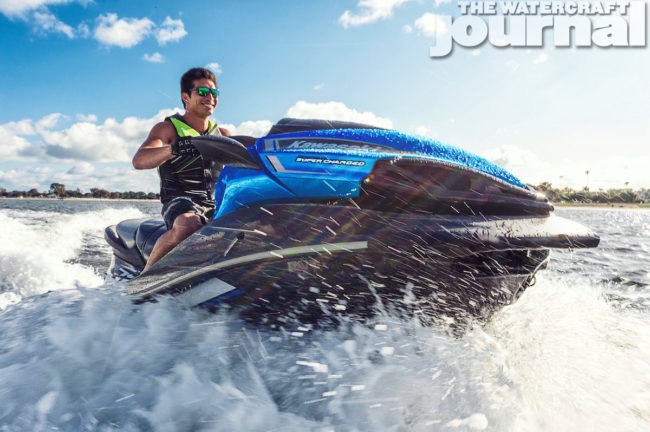

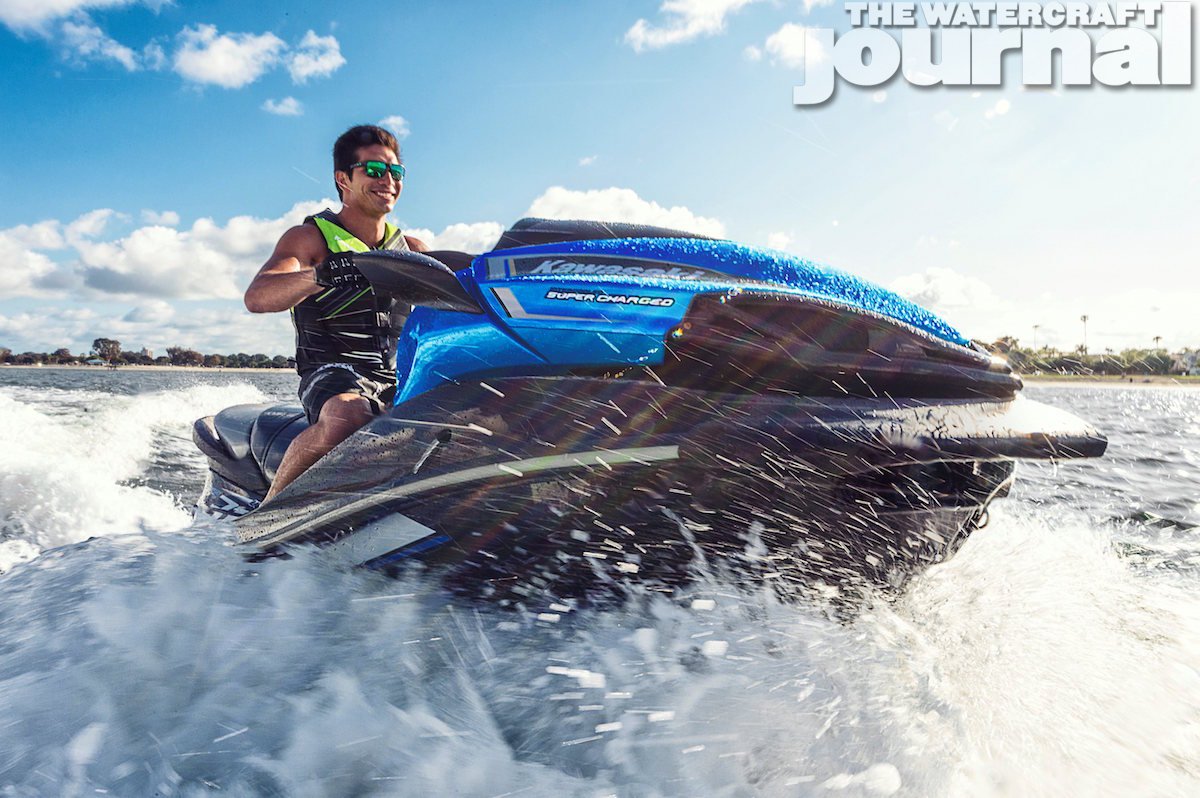

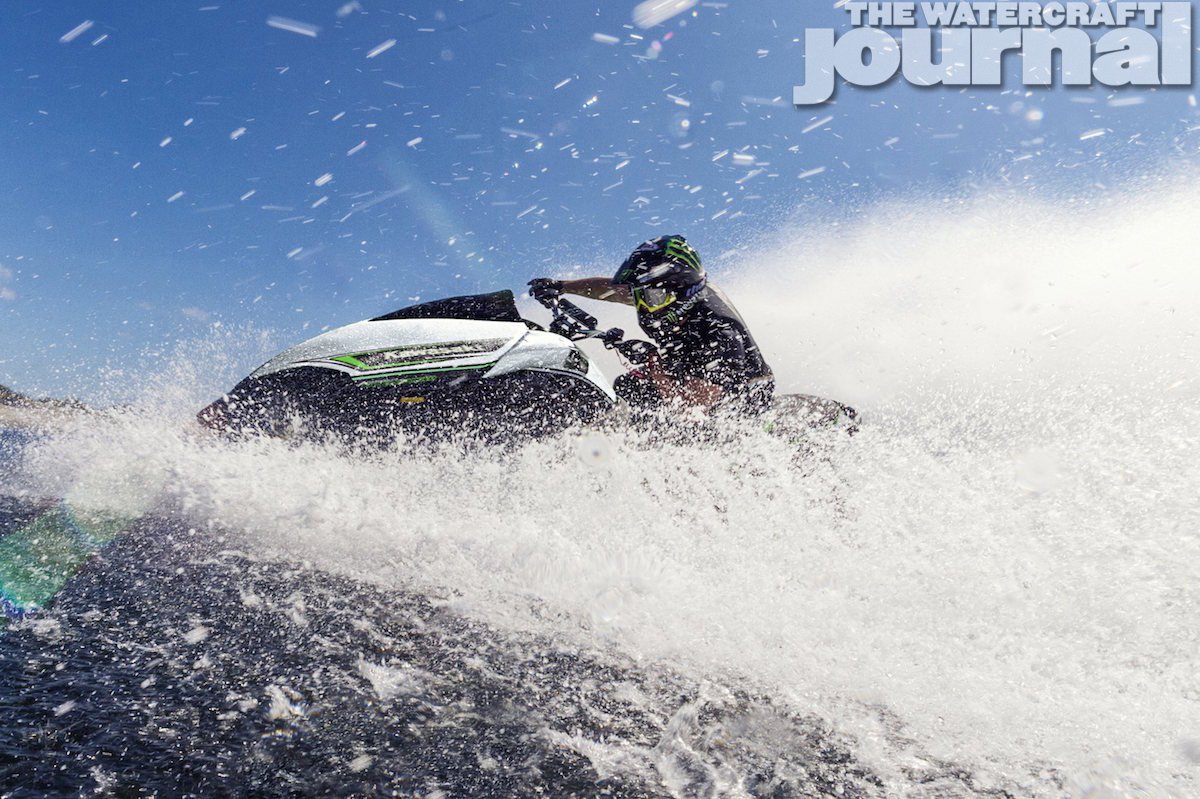


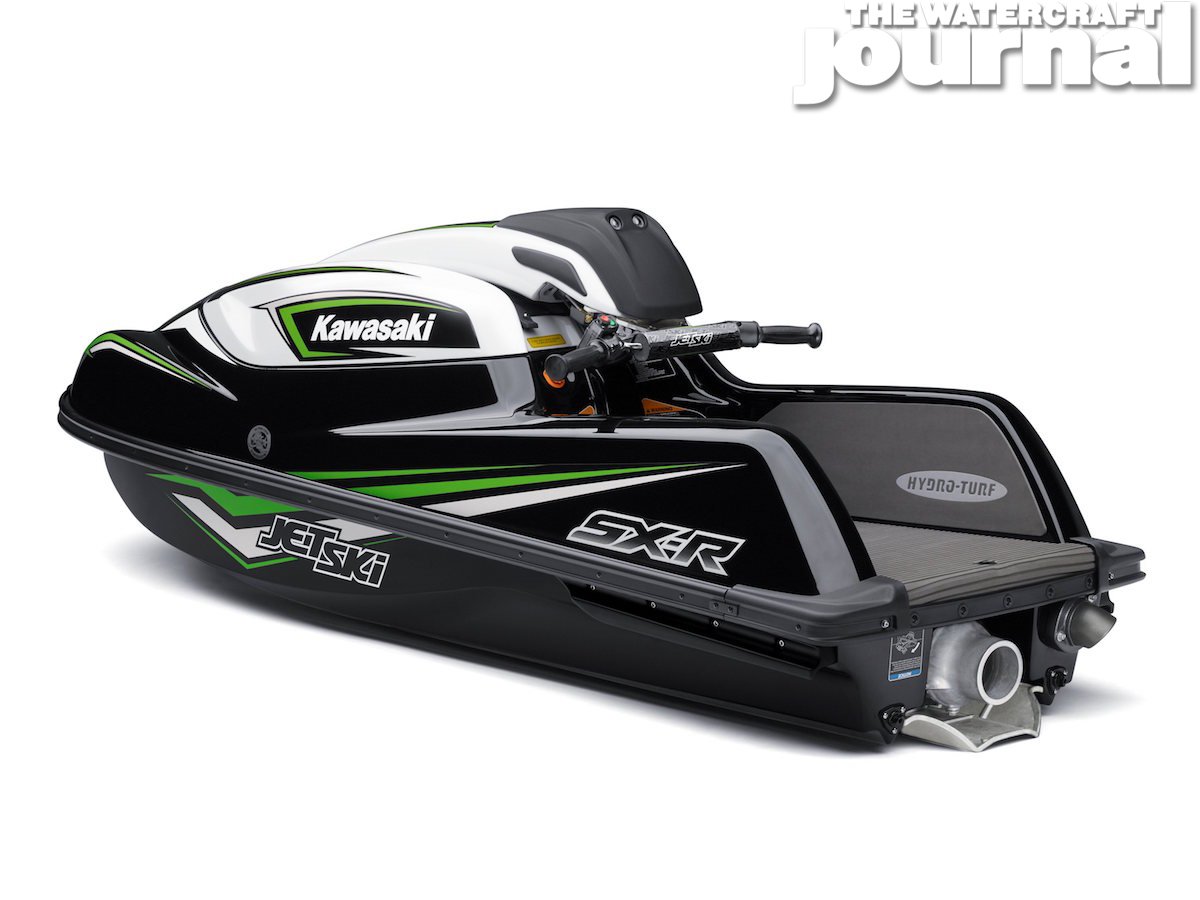











































 First, we’ll deliver in our tradition of stellar event coverage and a phenomenal photo gallery better and faster than any other media outlet anywhere. Next, you can score a sweet deal on