The Watercraft Journal: What was your first exposure to the JetPilot brand? How did you know of the brand?
Mark Gomez: I actually knew JetPilot before I knew what a jet ski was because in the opening scenes of the vintage jet ski movie “JetDreams” JetPilot was the presenting sponsor at the time which was the first logo to appear in the movie. From then on moving forward to seeing the brand still alive as I grew up to today I think it was the meant to be brand for watersports and especially jet skiing.
WCJ: I remember that movie. Back when you were just a grom were there any JetPilot riders that impressed/inspired you?
MG: From the roots as I explained previously, Larry Rippenkroeger, Scott Watkins and Chris Fischetti inspired me for years before I ever thought I’d be a part of the scene. When I began to ride out of Oceanside in 2004, riders like Ross Champion, Pierre Maxient, Taylor Curtis, and Joe Kenny really shined a light on the present day heroes of the brand.
WCJ: How did you become sponsored by JetPilot? Can you tell us about that experience?
MG: Long time commitment paying it forward is what I believe lead to my direct involvement with JetPilot. For the longest time I purchased all of my JetPilot gear through the shop I worked for and or any other online retail avenues to get the certain vest or color combinations I wanted to get. I invested in the brand for years and never thought anything else. As I progressed I began to reach out and get to know the marketing reps within the company who began to seek interest providing some gear from the USA side of things in 2013.
Realistically though, it was Darren Attard from JetPilot Australia who really invested in me and saw interest from my passion and dedication to the sport. I’ll never forget my first time stopping by the JetPilot HQ in Queensland (where I believe the brand really shines the way it should be here in the USA). He let me go on a spree of getting anything I needed from gear to apparel. This was treatment I had only heard of by guys like Joe, Taylor, Rick, and Ross. JetPilot Japan has also supported me unconditionally every time I visit as well. The worldwide support and recognition is extremely cool and rewarding. I am really thankful for their continued support.
WCJ: What does it mean to be only one of two officially sponsored JetPilot riders (the other being Chris MacClugage)?
MG: It’s a great feeling to be one of those recognized riders for them over time. I know JetPilot USA is making big strides to catch up in a market where they definitely are under their potential. I am excited to be apart of it’s recovery into the modern era of social media marketing and brand awareness among the industry. It’s been a dream of mine to be apart of the the brand. I just saw the newest JetPilot USA catalog which has a lot of my content I have provided for them. It’s a great feeling especially coming from my roots, it means a lot.
WCJ: What design elements/materials/etc. do you find in JetPilot riding gear that you don’t find anywhere else?
MG: The quality of the products that have been innovative for the lifestyle of jet skiing and also now many other watersports is what has always gravitated me towards JetPilot. The race john, tour coat, ride shoes, back braces, stickers, and all of the bad ass apparel that goes with it. They were the ones who pushed the designs that really grabbed colors and options for all different OEM and aftermarket concepts. I also run a custom tailored 3/2 from time to time made for me by JetPilot Japan.
WCJ: What JP gear are you currently using?
MG: I am currently running the JetPilot Green Matrix John set up. I also have the Red & Yellow John set up as well for my Jetsurf thanks to JetPilot AUS. I am a huge fan of the Phantom glove series they have as well. They are lightweight, grippy and flexible. I always wear about the smallest size I can because they conform and flex so well. The side entry vest are a great USGC-approved vest that I feel safe wearing. As I push the limits, it’s nice to have peace of mind I’ll be floating face up if it ever gets too crazy.
WCJ: What advice would you give to any aspiring free rider/free style/racer looking to become sponsored by JetPilot?
MG: My best advice is to invest in the brand. There is a lot of entitlement these days in the riding field. I see many people going for only what the best deal is. As a company, it’s warmer recognition if you invest in the product and promote it because you do sincerely want to be apart of it. If you get a sweet shot and the gear and or JetPilot logo is exposed, throw them a tag on social media toward the image. The more they see, the more you are in their spotlight. Give them a call and get to know someone in marketing. It helps being relevant, letting them know you are active and invested into the brand without immediate conditional expectations. Resumes are great, but investment, action, and a personal connection to the staff in the office goes much further.
It means the most to me to be representing the brand after years of investment as I worked my way up with my riding career. I look forward to seeing more legit riders wearing the same awesome riding gear I chose to wear and building up the brand and the whole damn sport worldwide again like in the 90’s if not better.
All images provided by Reggie Torrefranca, courtesy of JetPilot
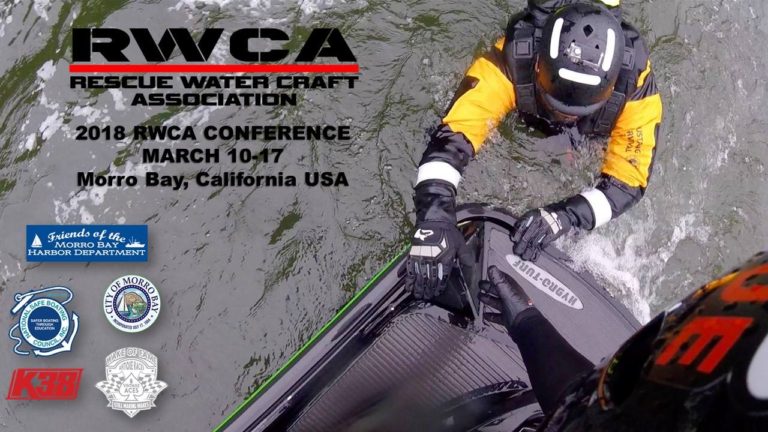
The dates have been announced for the annual International Rescue Water Craft Conference. The conference takes place in Morro Bay, California from March 10-17 in 2018. The conference is open to the public. Morro Bay is known as the rescue water craft training capitol of the world because the bay provides the perfect training grounds for those who dare.
The 2018 conference is sponsored by the Rescue Water Craft Association (RWCA) [even though “watercraft” is one word – Ed.] and the Wake of Fame Awards. The conference is week long event that encompasses training, community topics of interest, awards presentations, and also provides a great atmosphere to network.
The RWCA is operated for charity purposes only. It is here to serve, advance, and promote a safe professional standard of operations for both recreational boaters and professionals. The organization provides education and training internationally and in the United States. The RWCA also recognizes efforts of responders and partners through its unique program, the Wake of Fame Awards. The organizations retain the status of 501 (3) (c).
The mission of the Rescue Water Craft Association is to bring together members who represent the water rescue community both internationally and stateside. Their focus is to keep all water craft users up to date on new practices and what is happening in the world of water safety. RWCA manages this through outreach programs and continuing education. The RWCA serves as the leader in standard operating procedures when it comes to safe boating and water rescue operations. The group offers accredited certified training programs to all water enthusiasts. Another item of importance is to reduce the number of deaths and accidents on waterways. The organization keeps its standards up to date and wants you do the same. Attend the conference!
Whoa. That’s pretty much what we’ve got to say. Whoa. Leading up to the reveal of Sea-Doo’s 2018 lineup there was a lot of speculation, quite a lot of educated guessing, and well, a whole lot of whiffs through the batter’s box. The retirement of the S3 hull was the strongest of these, but then again, the eventual Polytec’ing of the GTI lineup made sense too. And of course, The Watercraft Journal made its fair share of predictions for what would be the 50th anniversary for the watercraft manufacturer and we can say that we fared OK. We’ll start by recounting our predictions (and a few from other folks) and then dive into the details.
First, what was being said? First, for whatever reason, people kept claiming Sea-Doo was going to build a standup using the Spark’s powertrain and Polytec hull. One source predicted a Polytec deck and 330-horsepower for the RXP-X. We had predicted that Polytec would replace all FMC fiberglass hulls in the Recreation line (GTS/GTI), including the 130 and 155-horsepower models. We also believed that CM-Tech, which debuted last year on the GTR-X 230, would also become the standard for all GTS/GTI/RXP units. Like others, we heard that Sea-Doo was well underway with a revised, more offshore-friendly full-sized hull with a deeper-V design. Lastly, we believed a performance-tuned Spark would finally see the light of day.
Well, we were half right. Debunking the standup rumor didn’t require a crystal ball, just common sense (and we’ll delve deeper into the whys in a later article). For 2018, CM-Tech has disappeared from the tech sheets completely, so we’re not sure what that means just yet. And while Polytec has indeed infiltrated the majority of the new lineup (more on that in a second), the proprietary material has not replaced the remainder of the hulls of all GTI-based watercraft, so many of you can breathe easy. Yes, a new hull has arrived and it’s pretty cool. And no, there’s no Spark-X, but there is a new performance Spark that is sure to be a hit.
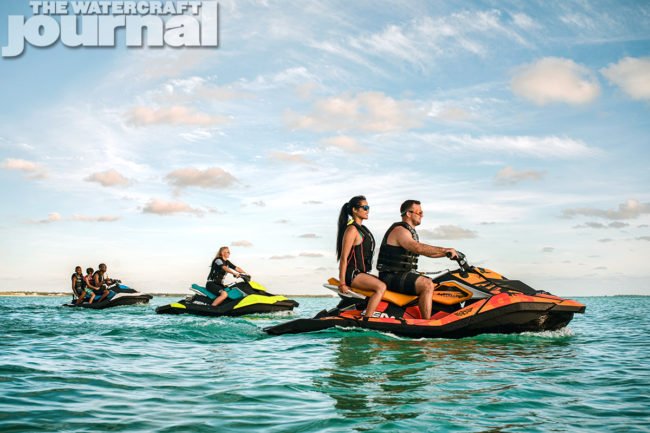
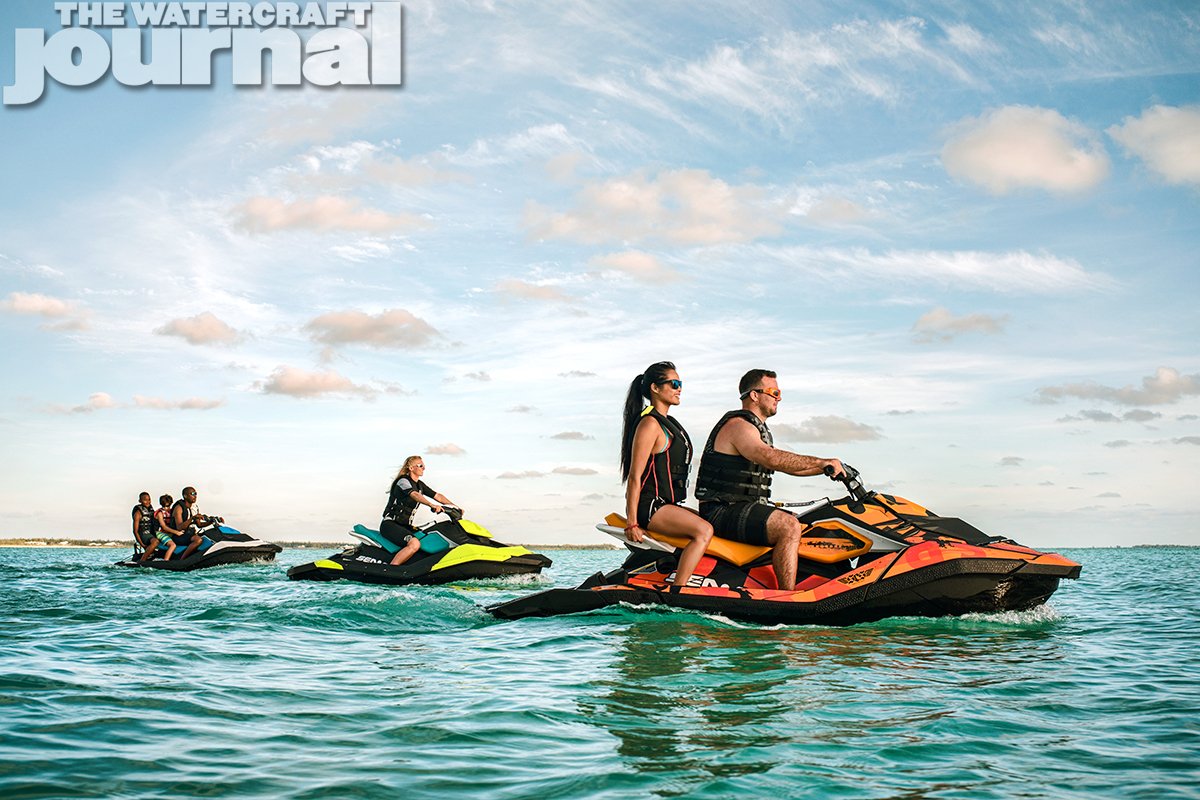
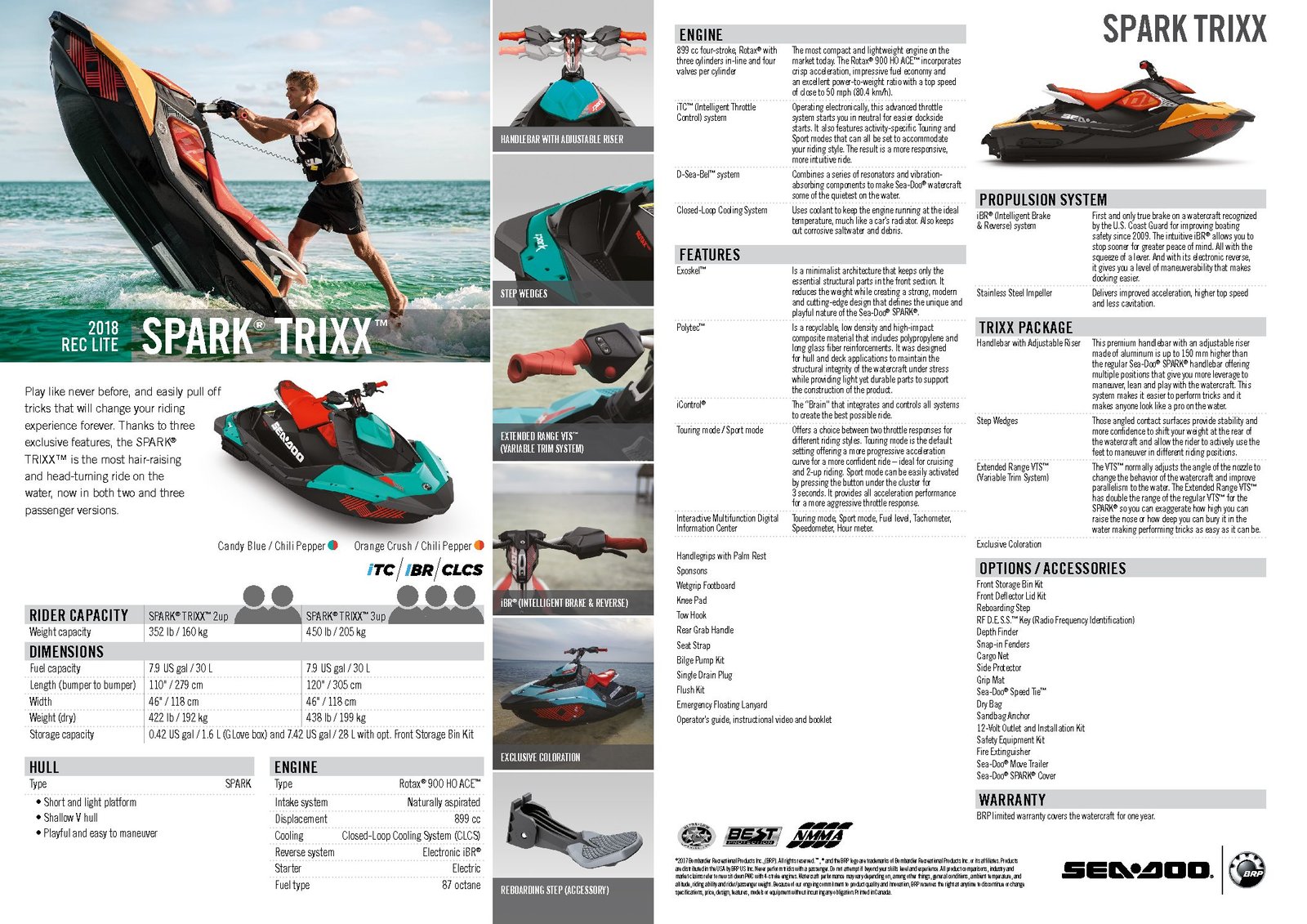
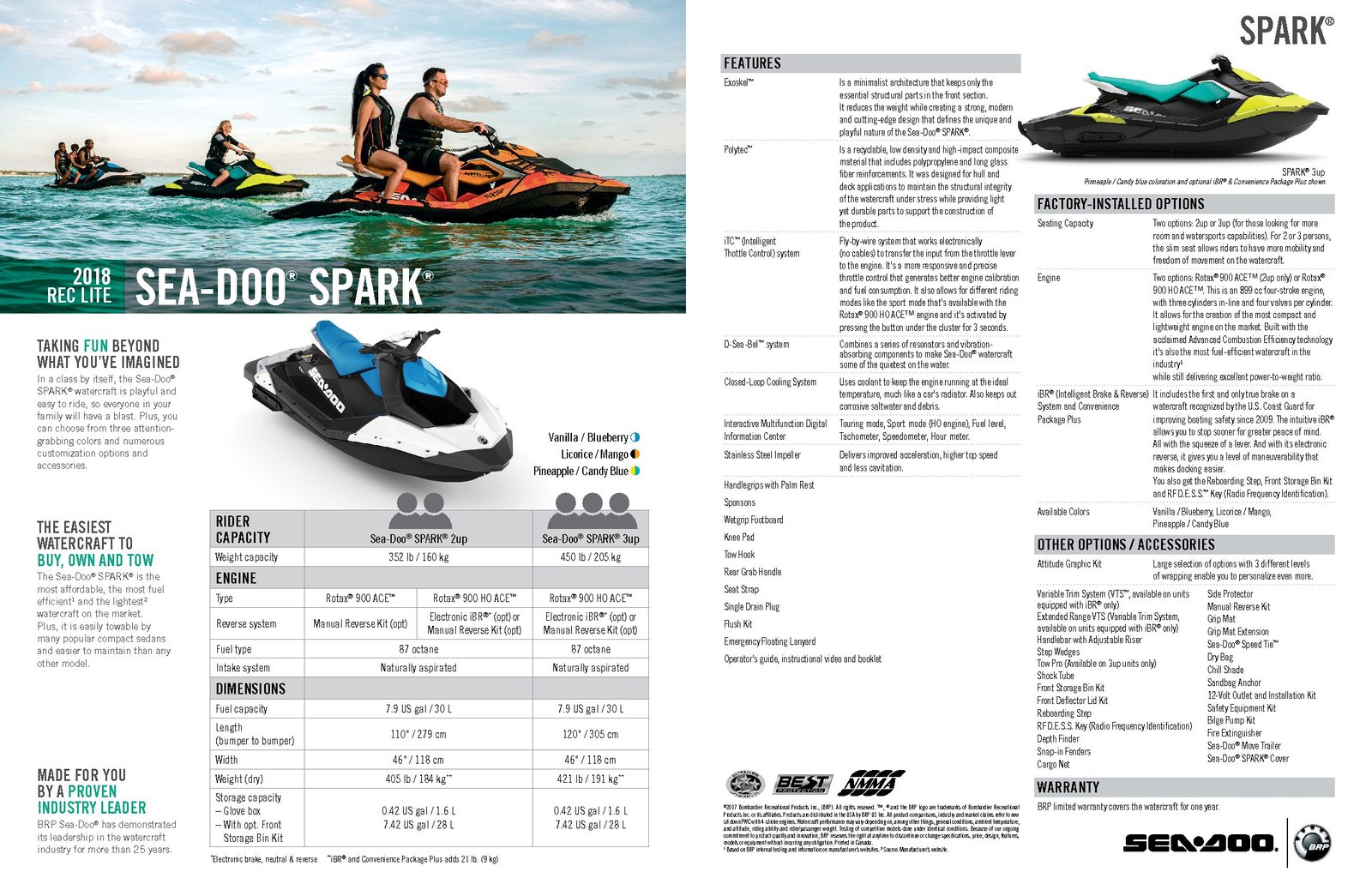
So let’s start with what’s not changed. The Sea-Doo Spark has been the catalyst for literally thousands of new, first-time buyers to enter into the PWC market. The traditional 2 and 3-up seating arrangements remain in place as well as choices of the 60 and 90-horsepower ACE 900 engine tunes. Colors are carry-overs but with a twist: Now they come mixed-and-matched: Vanilla & Blueberry, Licorice & Mango, and Pineapple & Candy Blue. Equally, the insanely successful Spark Trixx returns with a choice of Orange Crush & Chili Pepper, or Bubblegum & Chili Pepper – as well as a 3-up option. That’s right, the single best-selling PWC of 2017 is now available in a 3-person configuration, so make sure to invite your friends.
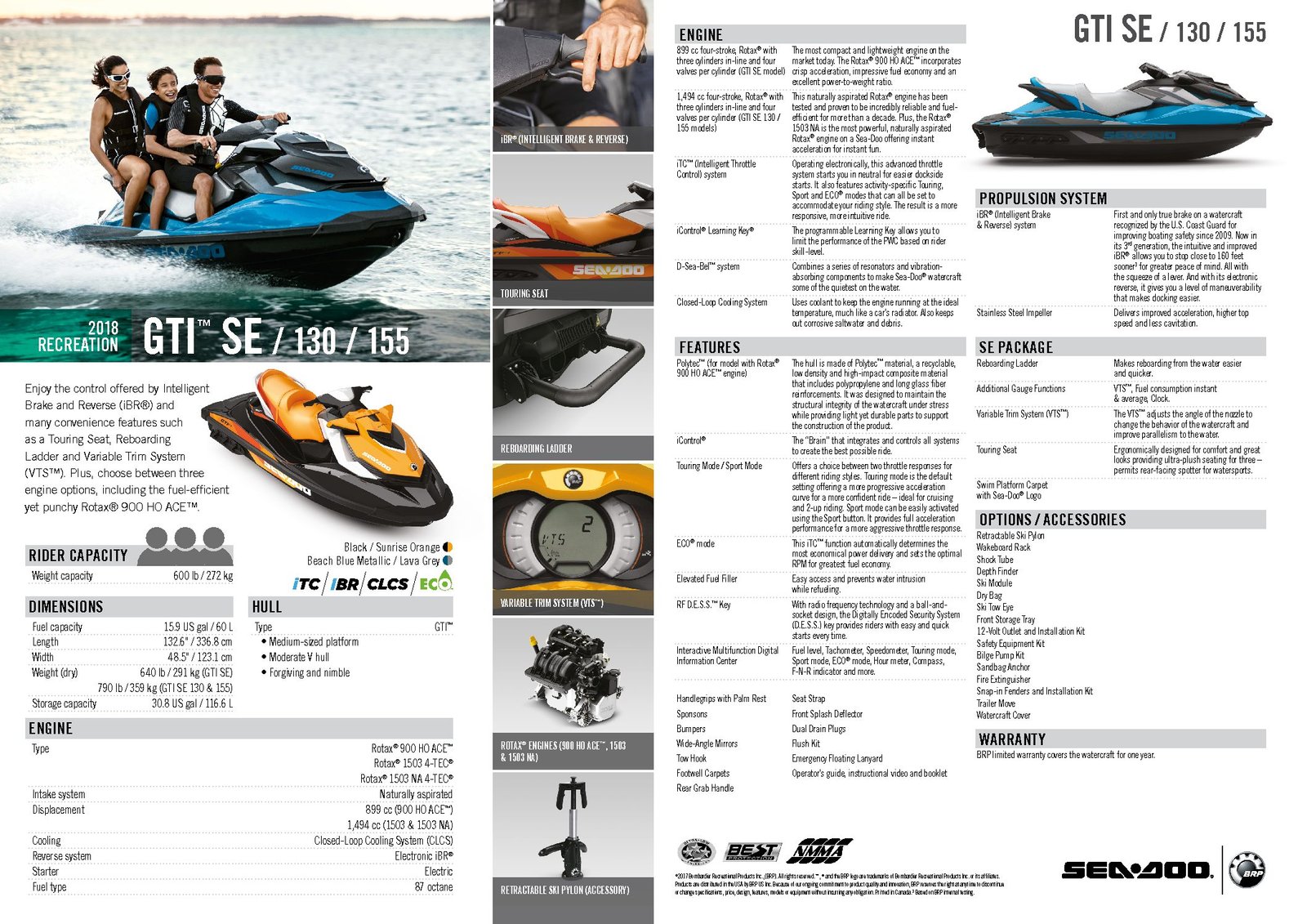
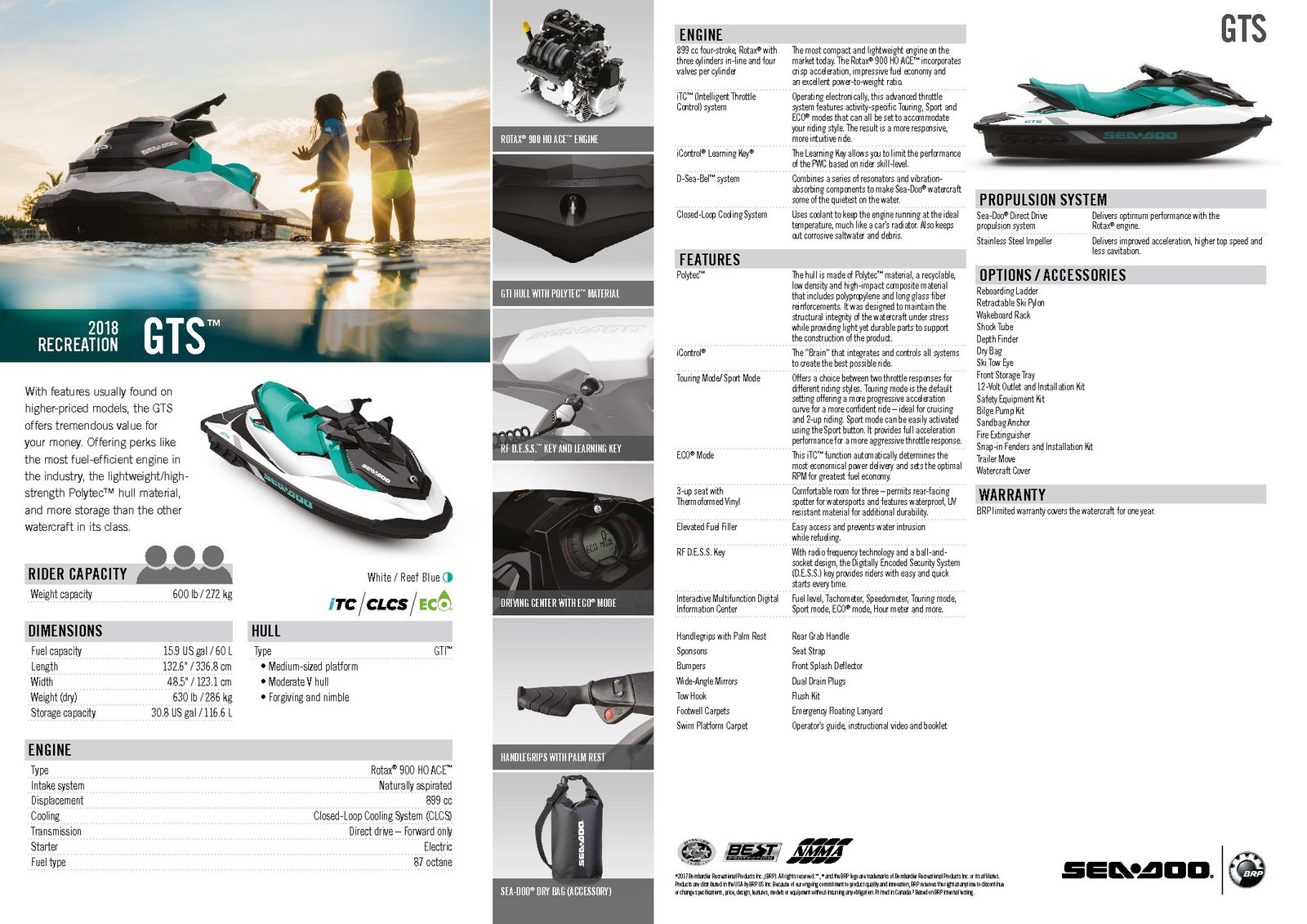
In the same vein, the GTS, GTI and GTI SE all return with the 90-horsepower ACE 900 and Polytec hull for 2018. As a surprise to some, and not at all to others, the Spark-infused GTIs were Top 10 sellers this year, and thereby, received little in the way of changes apart from coloring: White & Reef Blue (GTS & GTI), Black & Sunrise Orange and Beach Blue Metallic & Lava Grey (GTI SE). The GTI SE (Special Edition) comes with a reboarding ladder, additional instrumentation functions, and VTS as before, and can be ordered with a traditional FMC hull and a choice of a 130 or 155-horsepower Rotax – the last remaining of the previous generation 4-tec engines.
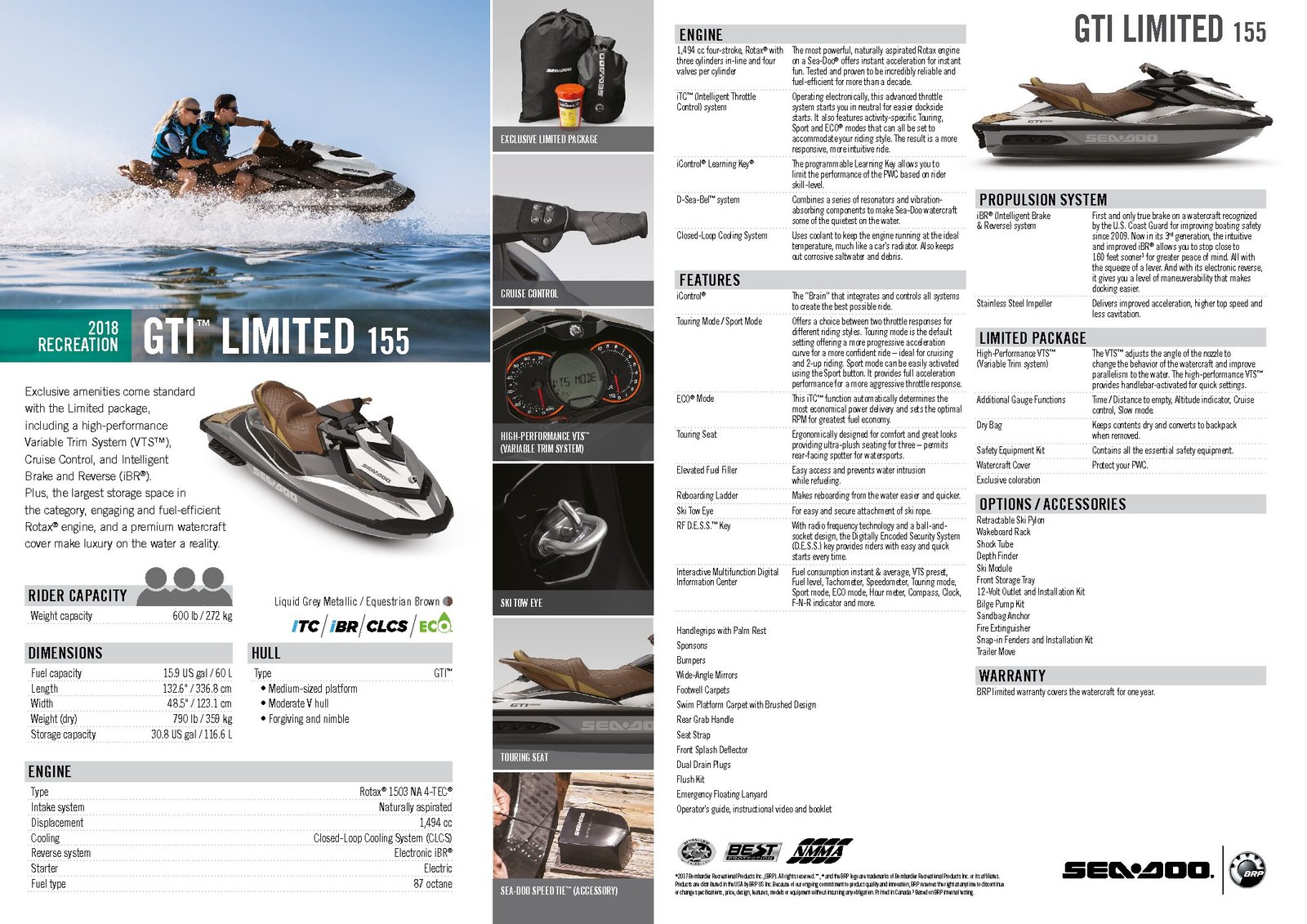
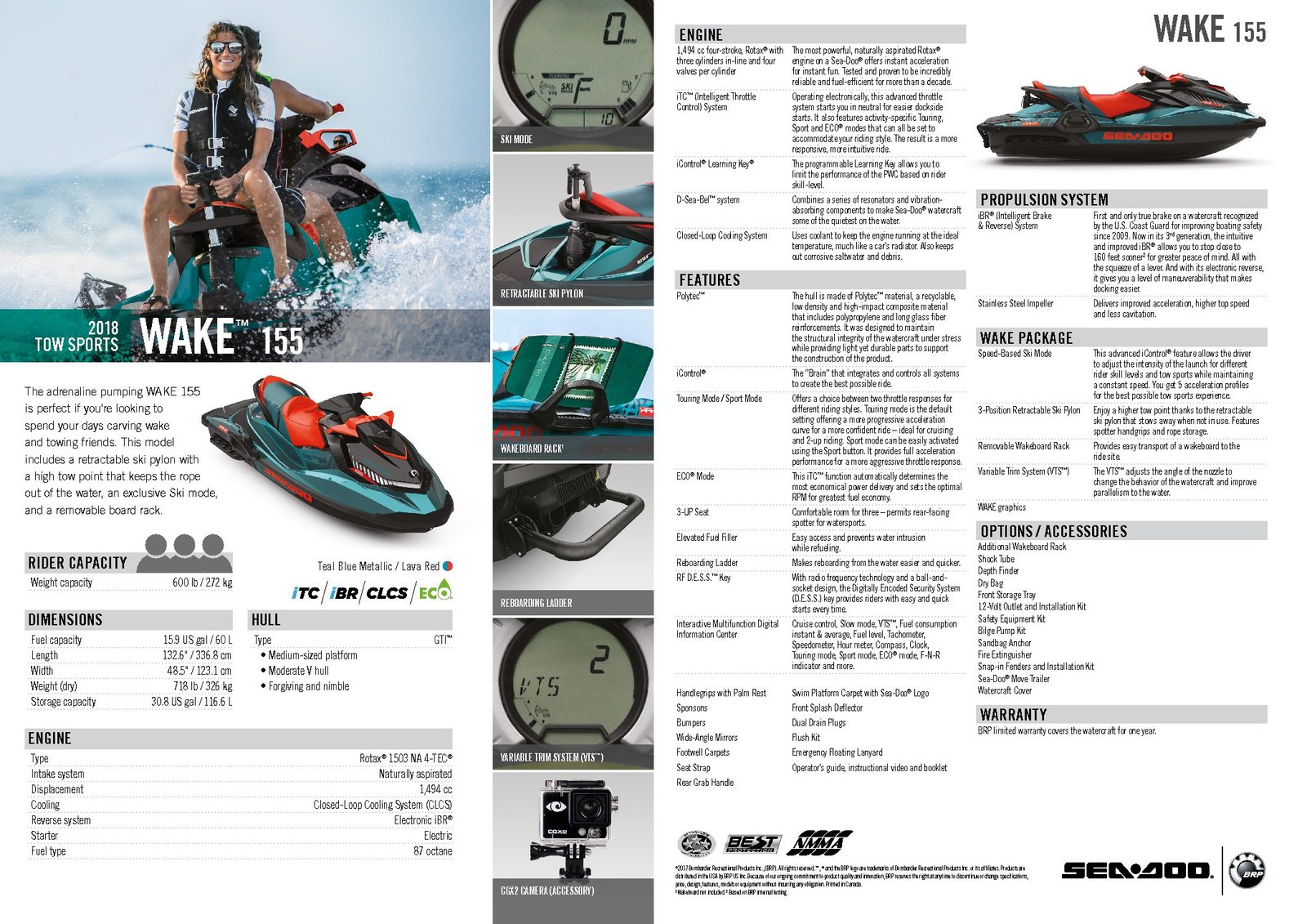
Changes to the 2018 GTI Limited 155 are dramatic but purely aesthetic. Bathed in a glistening Liquid Grey Metallic and swaddled in Equestrian Brown, the luxury-equipped GTI suddenly launches into exquisite super sedan territory just by appearances alone. Of course, the Limited package throws in a king’s ransom of accessories including VTS, further gauge functions, a dry bag, a ski cover and additional safety equipment. The remaining runabouts to carry directly over from 2017 are the 230-horsepower supercharged GTR (in Octane Blue & Black) and Wake 155 (available in Teal Blue Metallic & Lava Red). Now on to the good stuff…
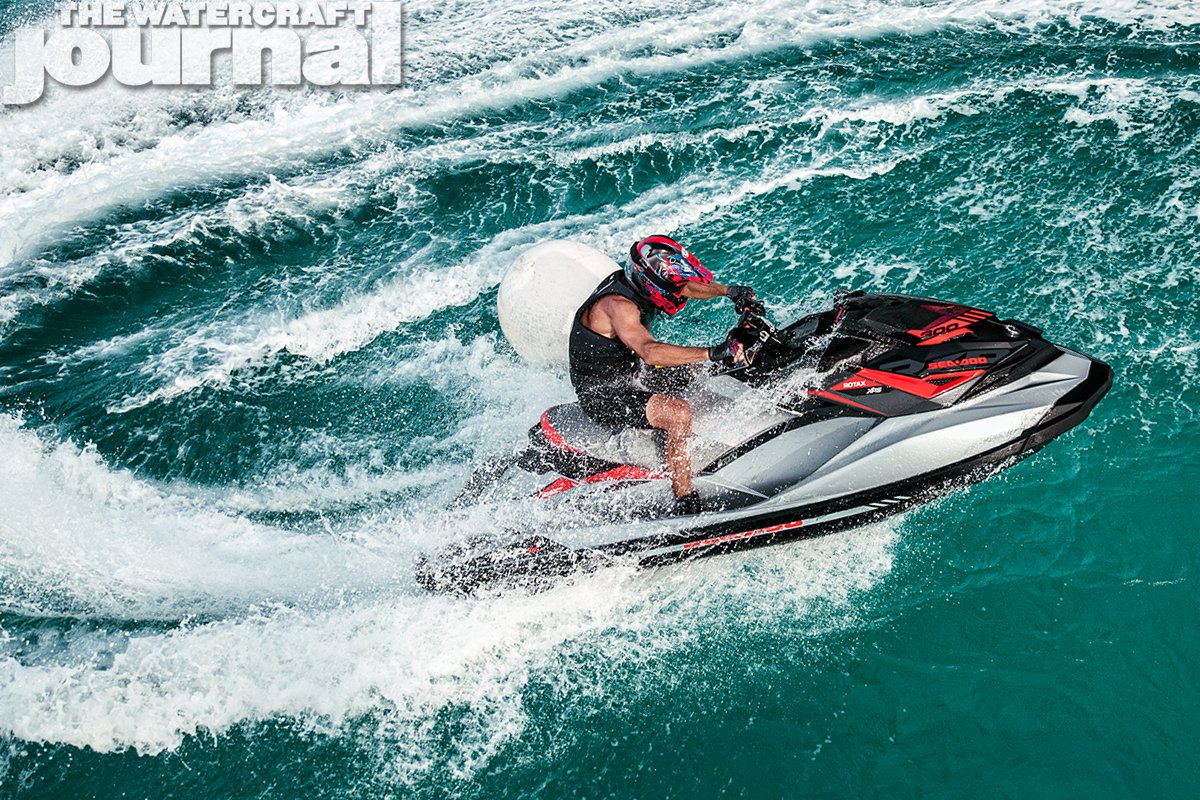
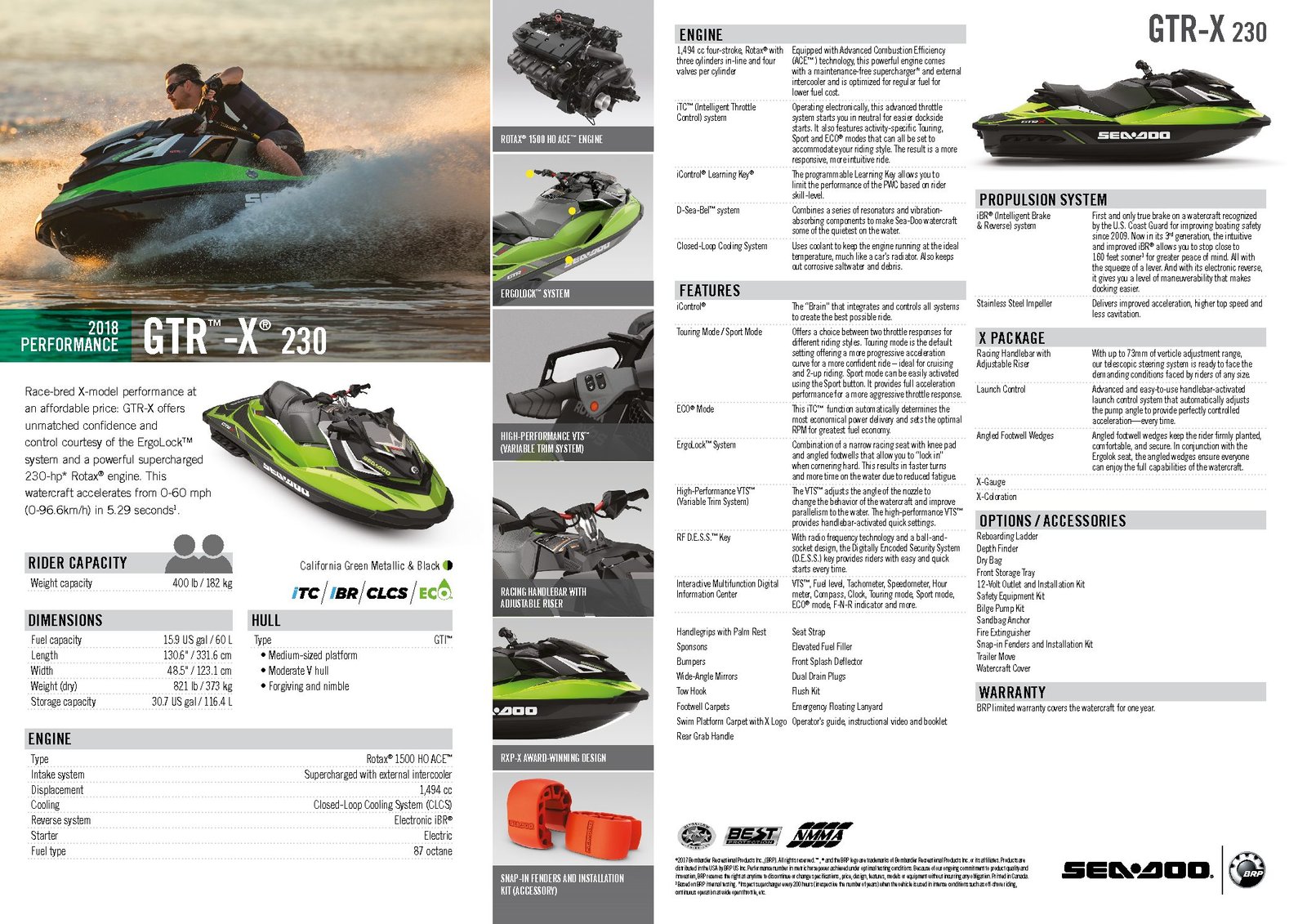
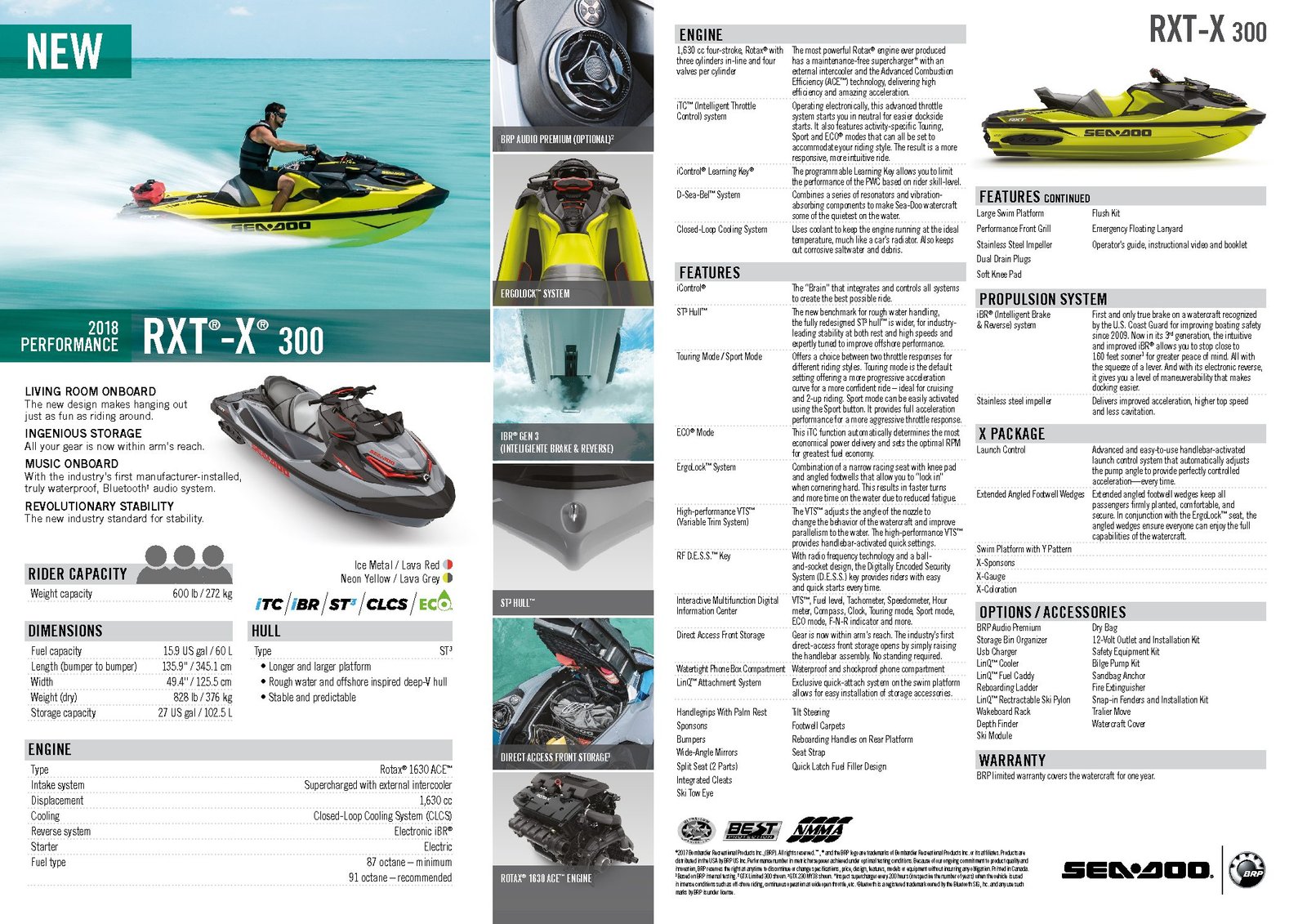
At first blush, the 300-horsepower RXP-X and the GTR-X (in California Green Metallic and Black) appear to have gone untouched as well – save for an option of two new liveries (Ice Metal & Lava Red and Neon Yellow & Lava Grey) on the RXP-X – but that is not so. As a bit of a surprise, the GTR-X and RXP-X feature a new racing handlebar setup with an adjustable riser – a direct takeoff from the ever-popular Trixx steering system. Simply loosen, adjust and re-tighten. Just as surprising is the redesign of the iControl function toggles from the traditional up-and-down buttons into legend-shaped pads that shuffle through the functions on the LCD screen. This new steering arrangement replaces the X-Steering system, as it were.
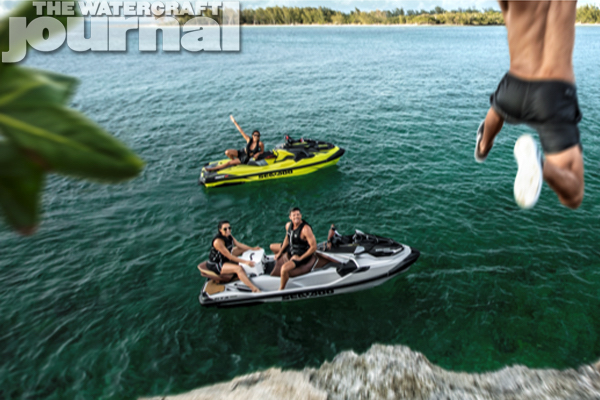
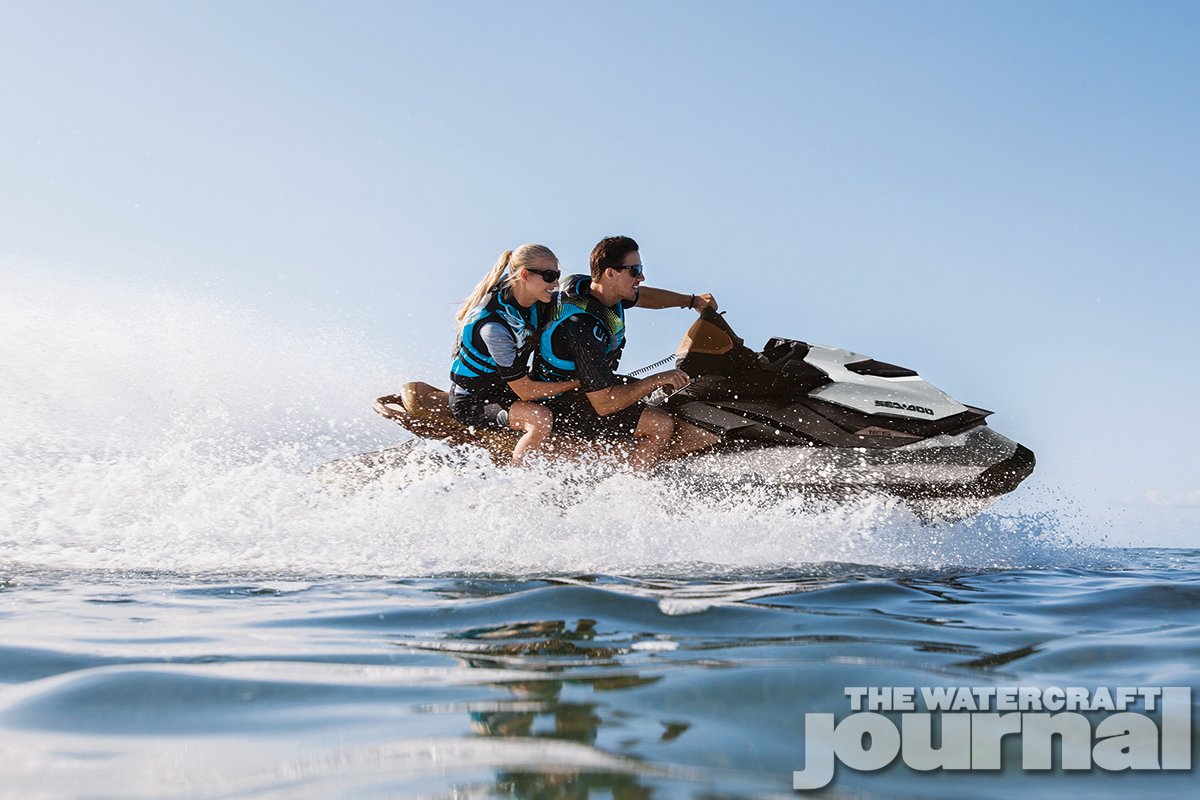
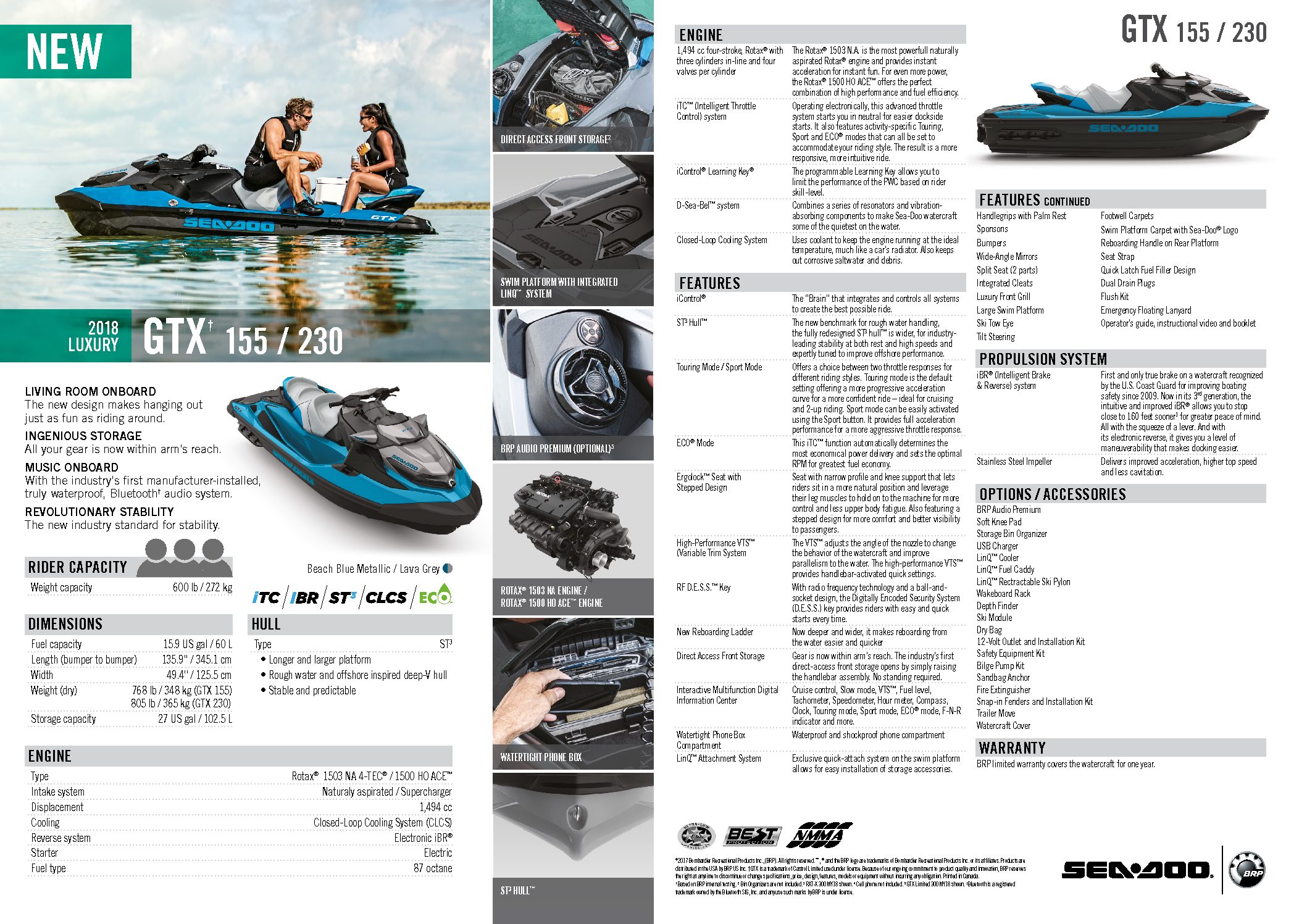
The big change for 2018 is for the RXT, GTX and Wake Pro models. As stated before, Sea-Doo’s S³ (a cute idiom meaning “stepped-cubed” or “three steps”) was a well-designed platform but fell short on a few key characteristics: stability and control. For 2018, Sea-Doo is introducing its new, deep-V ST³ hull. The platform itself is actually much more than just a mere hull redesign, but an integrated hull and modular, multi-component deck that sets the rider deeper into the well, providing a lower center of gravity, which raises rider confidence at high speeds (or while riding with a full quotient of passengers), superior cornering control, as well being far more rough-water capable.
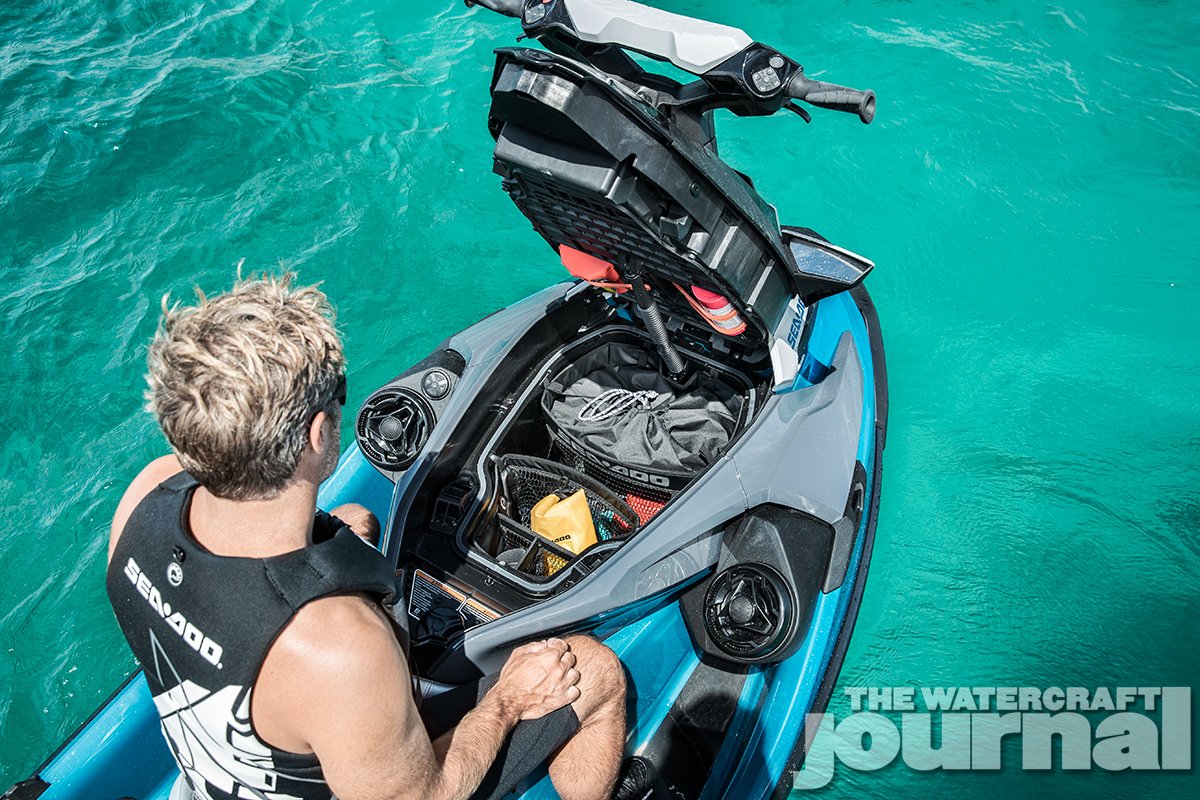
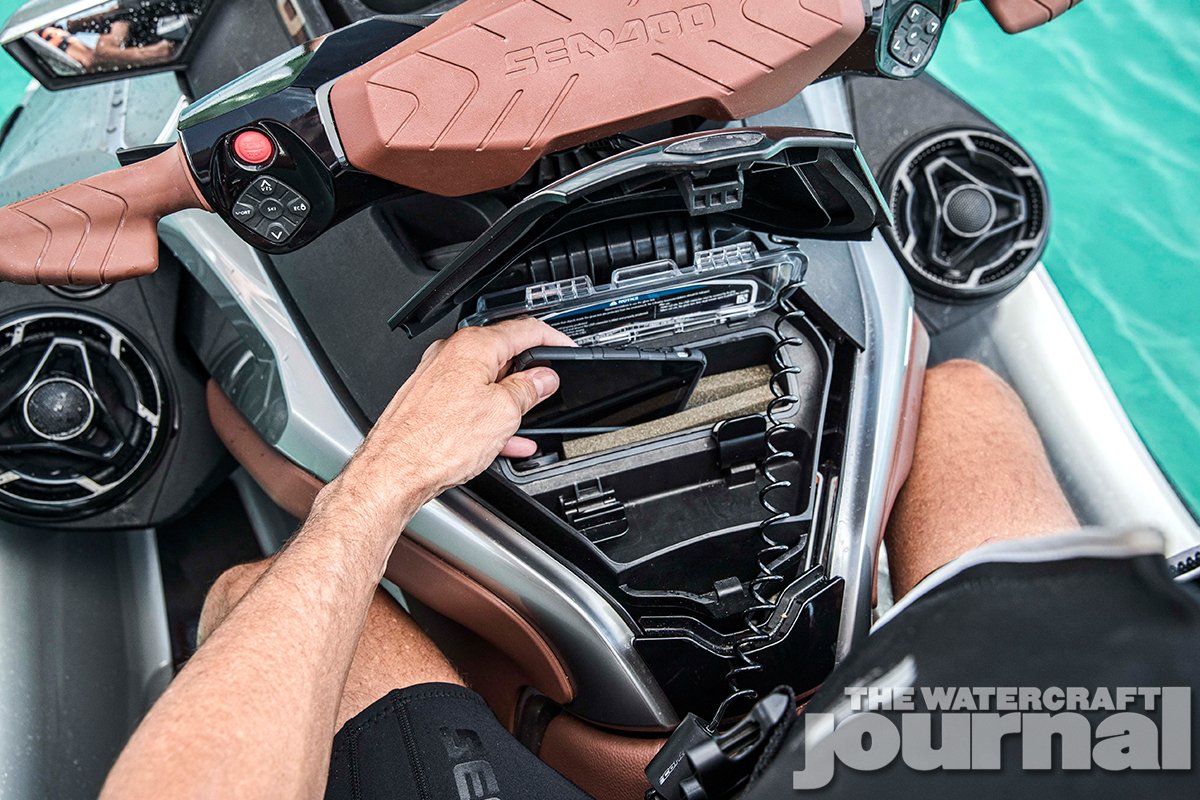
The ST³ is also wider (from 48.2-inches to 49.4-inches), providing wider footwells and a massive, flat reboarding platform. Sea-Doo also notes that the wider footprint adds “for worry-free re-boarding and movement around the watercraft.” Also incredibly unique to the ST³ platform is its central cargo compartment; gone are the days of leaning up and over your handlebars to reach inside the front bin, now access can be had from where you are. Simply raise the latch and the entire top deck (including the gauge cluster and tilt-handlebars) pivots up on a gas shock. Inside is 27-gallons of lockable storage. With the hinged deck in place, a small glove compartment remains allowing for watertight (and shockproof) storage of your phone and wallet, with an optional USB port for a phone charger.
We did note that this new storage arrangement dramatically reduces Sea-Doo’s total storage, from 42.8 gallons to 27 gallons, which is even less storage than the Recreation segment GTS/GTI models. To counter this drop in storage, Sea-Doo offers its new LinQ Attachment System, a modular rack system permitting the attachment of either a 4-gallon fuel caddy (in an “easy-to-pour” canister); a semi-rigid, 5.5-gallon storage bag that can stack on top of the fuel caddy; or a rigid, durable and weather-resistant 4.2-gallon cooler that can also serve as a table between reconfigured seats for on-water picnics. (Each sold separately through Sea-Doo’s accessory line.) As mentioned, the ST³ is 1.2-inches wider, but it’s also significantly shorter: down from 139.2-inches to 135.9-inches. Fuel capacity for all ST³-based units remain identical to outgoing S³ models at 15.9 gallons.
Oh, and there’s one more thing: the Ergolock seats are modular. That means that the reconfigurable rear seat can be removed, rotated and slid back rearward. As Sea-Doo writes, “Riders can quickly change from a 3-seat configuration to a flat lounge area when stopped to enjoy the surroundings. Two riders can face each other for a picnic lunch, or when removed, the larger, flatter rear deck makes re-boarding and prep for tow sports easier and more stable.” Take a closer look at the pictures provided to The Watercraft Journal when you get a chance, and you can see all the different configurations. Notably absent is any imagery showing how easy (or not) access to the engine compartment is. The filler cap and neck is accessed directly under the glove box, beneath the articulated deck.
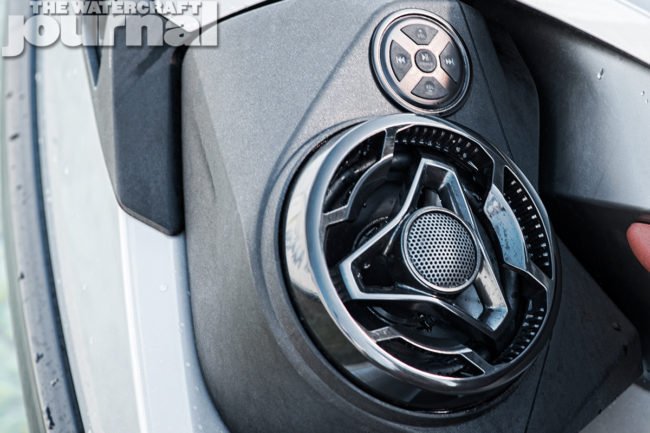
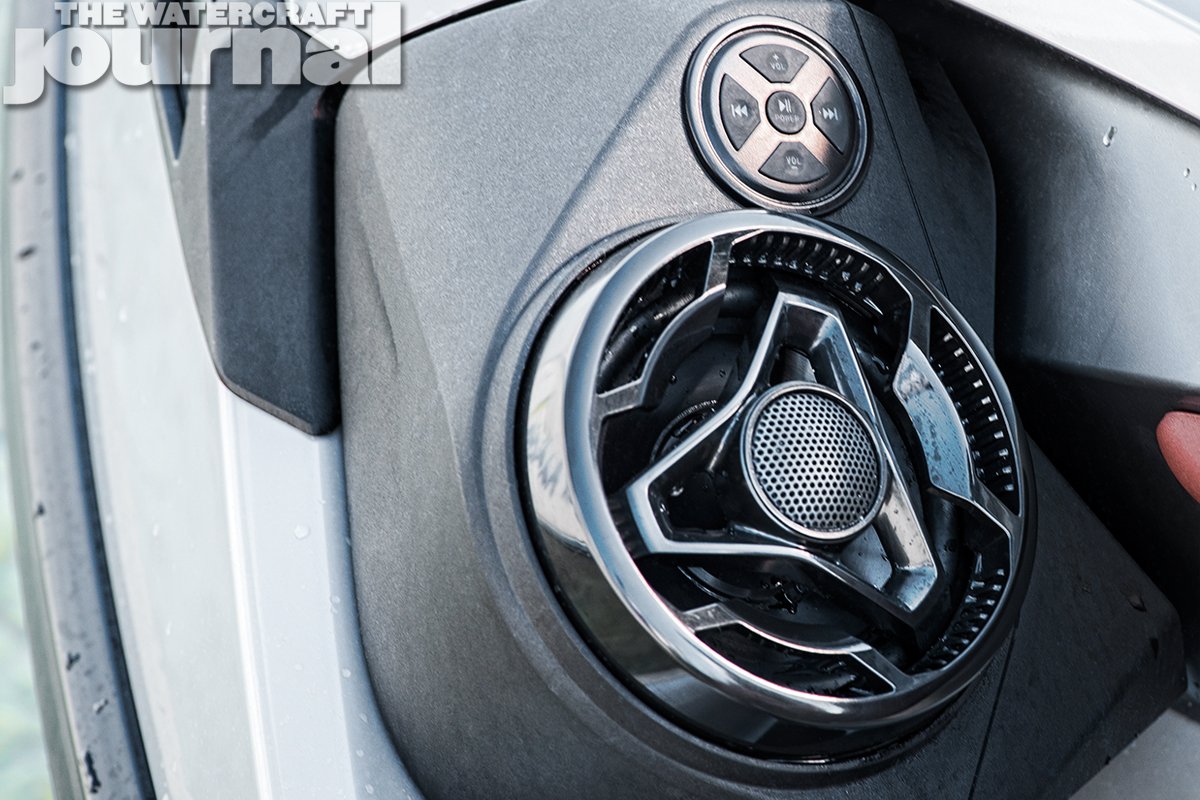
Standard for the GTX Limited 230 and 300 models and optional on all other ST³-based models is Sea-Doo’s BRP Audio Premium sound system. The thumping 100-watt stereo is the world’s first Bluetooth, fully-integrated waterproof watercraft audio system, built to withstand harsh all-weather environments, features Bluetooth connectivity, and external playback controls that allows you to toggle through your song list while at speed or simply lounging around. The speaker pods are integrated into the forward footwells and can be controlled by a soft-touch control pad above the left speaker or through your device’s audio system. Both ST³-based Limited units come in the same striking Liquid Grey Metallic & Equestrian Brown coloring.
And if you didn’t notice earlier, there’s now a GTX Limited 230 package for 2018. There’s even another new GTX unit to join the standard GTX 155, a new-for-2018 non-Limited GTX 230. Both engine packages of the GTX (155 or 230) come in Beach Blue Metallic & Lava Grey and missing are the ornate chrome accents and finer accoutrements of the Limited packages. It’s also noteworthy that the GTX 155 weighs in at 768-pounds, the GTX 230 at 805-pounds, and the GTX Limited 230 and 300 weigh 824 and 847-pounds respectively. Again, the employment of Polytec for the top deck dramatically saves weight from these machines, particularly as the outgoing GTX Limited 300 tipped the scales at 909-pounds.
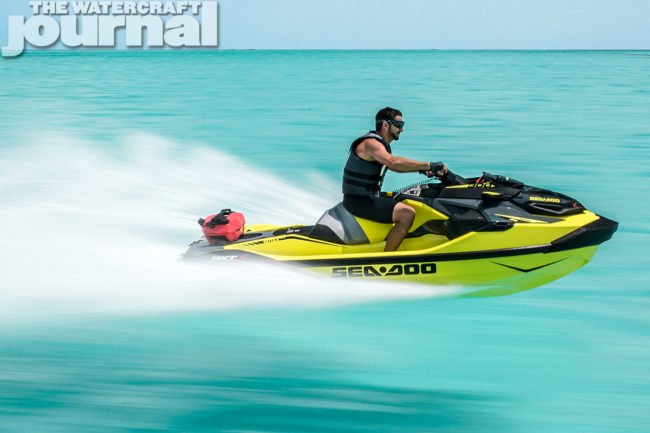
Lastly, the 2018 RXT 230 and RXT-X 300: Gone is the RXT 260, replaced with the torquey 230-horsepower ACE 1500. Available in Black & Octane Blue, the RXT 230 enjoys the benefit of the ST³ platform, both in its superior rough water/open ocean prowess, and its weight savings, hacking the weight down to 805-pounds, literally 16-pounds less than the GTR-X 230. The RXT-X 300 is only slightly heavier at 828-pounds. Completely gone is the X-Steering system. The tilt-steering neck remains, incorporating the redesigned gauge cluster (dubbed “X-Gauge”), as well as the angled foot wedges. Finally is the exciting addition of Launch Control, a handlebar-operated launch control system that “automatically adjusts the pump angle to provide perfectly controlled acceleration—every time.” The RXT-X 300 comes in either Ice Metal & Lava Red or Neon Yellow & Lava Grey.
The final addition of ST³-based machines is the Wake Pro 230. Awash in Teal Blue Metallic & Lava Red and striking Wake Pro graphics, the ‘Pro 230 comes with the telescoping LinQ Retractable Ski Pylon, removable wake board rack, high-performance VTS and Speed-Based Ski Modes, which work great to allows the driver to adjust the hardness of the launch for different rider’s skill levels. When properly equipped it weighs in at 815-pounds. Alas, a final testament to the weight savings earned by the new ST³ platform. One final bit is that Sea-Doo updated the design of its iBR on-water brake for a third iteration. And again, The Watercraft Journal has yet to have any face time with these machines as they are only being unveiled to dealers as we speak. Once we can get our grubby hands all over them, you’ll see much more pictures, articles and videos!
Wow, it seems like we just published the schedule of racing events in China. Bummer, the events are shut down. Tuesday, September 12th, Aquabike Promotion confirmed that Rounds 3 and 4 of the UIM ABP Aquabike World Championship will not take place in China. The rounds were scheduled to run in October in the People’s Republic of China.
In spite of H20 Racing and local organizer BUND Holding Group attempting to figure out a last minute solution, the companies were unable to come to a satisfactory agreement in order to hold the event. Unfortunately, rounds 3 and 4 are canceled. We will update you with any further news as it pertains the cancelation of the Aquabike Championship in China.
“It is bitterly disappointing for everyone involved after all the work that has already been carried out,” said Raimondo Di San Germano. “The significant circumstances that have led to this decision and that are affecting numerous other sporting events already scheduled for specific dates in the middle of October are beyond our control.”
Oh boy! Here we go! The IJSBA World Finals is only a few short weeks away and some of the planet’s best personal watercraft racers, tuners and manufacturers will be converging on Lake Havasu City, Arizona. Despite some declining numbers in membership, attendance and otherwise, the World Finals continues to be a major landmark on the global map of jet ski racing, and this year is no different. Competitors from across the continent and beyond will take to the water to vie for a World Championship and glory! So how could The Watercraft Journal add to the excitement? Easy:
First, we’ll deliver in our tradition of stellar event coverage and a phenomenal photo gallery better and faster than any other media outlet anywhere. Next, you can score a sweet deal on our limited edition “Busted Lip” all-weather vinyl decals when you visit the Jet Renu booth, you can grab special 2-for-1 pricing ($5 gets you two decals), and we’ll toss in a free decal with every purchase of $20 bucks worth of Jet Renu product. It’s a smokin’ deal on some awesome anti-UV decals. Slap ’em on your ski, trailer, tool box or your friend’s face.
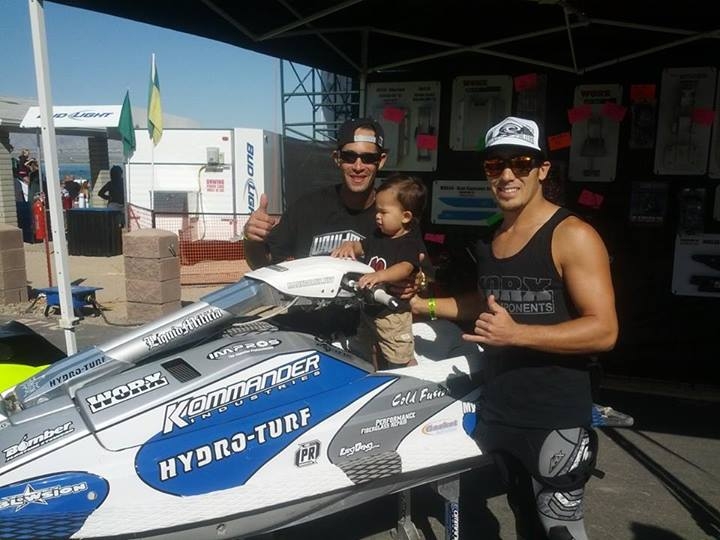
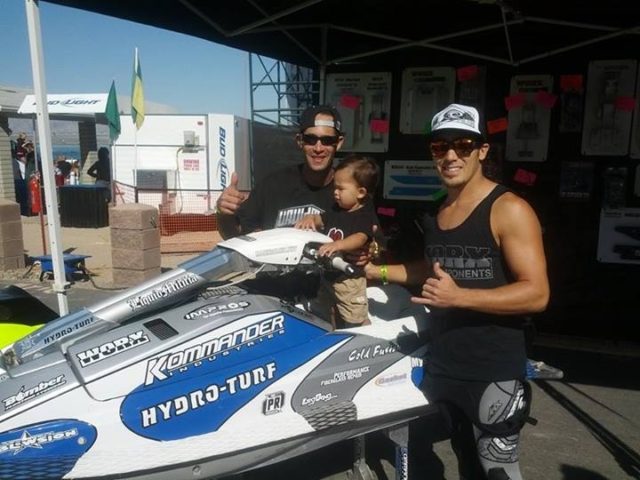
But hey, that’s not all! Our retro-80’s “Busted Lip” T-shirts are going to be sold exclusively in the Hydro-Turf booth all weekend long with reduced pricing! How reduced? Try HALF PRICE! That’s right, if you’re going to be in Havasu you can pick up one of our shirts for $10! Whaaat? Oh, and Hydro-Turf rider and IFWA World Champion Mark Gomez will be present during a special autograph signing session to personally sign your “Busted Lip” shirt – because that’s him on it, after all! And while you’re at Hydro-Turf’s booth, make sure to grab some of their shirts, as they’re going for $10 each, or two or $15. That’s nuts!
For most American enthusiasts, the Belassi Burrasca is a bit of a mystery. Sure, it’s wicked 333-horsepower turbocharged I3C16 Marine 3-cylinder 4-stroke displacing 1602cc is enough to make one salivate; its Italian supercar angles and features ignite lustful passions, and its use of carbon fiber is the stuff of blown budgets. Yet, as until recently, any actual footage of the machine in action was reduced to some faraway shots of György Kasza blitzing a cramped test lake.
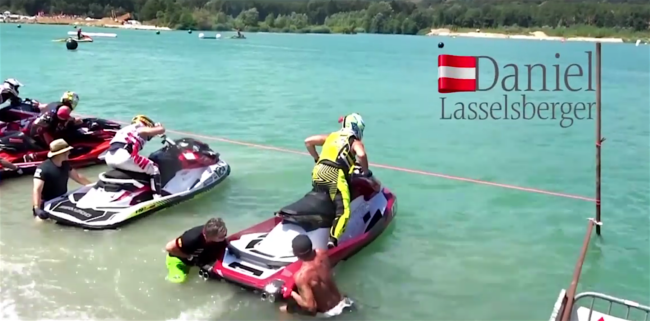
Now, we’ve got actual race footage of the Burrasca in its natural habitat and from it we can gather quite a bit of information. Piloted by Daniel Lasselsberger, an Erlauf, Austrian native and employee of Belassi – not to mention accomplished jet ski racer in his own right, the Burrasca grabbed the holeshot handily and appeared to make quick work of a rapidly deteriorating race course. The turquoise blue lake churned to chop after a lap or two, but the Burrasca looked to chew through the rough with ease.
Additional observations included a very forward riding position by Daniel, something the handlebar position seemed to encourage. This posture is very reminiscent of Sea-Doo’s RXP-X yet long design almost spoke of the Yamaha FX. Daniel has been actively campaigning the Burrasca throughout several VIR events, one of the most recent being in Croatia where he took first place. The Belassi runabout is still very much new, and its astronomical $35,000 asking price borders on ludicrous. But we’ll wait and see how it fares in the European Theater before being brought across the pond.
We teased you last week with the video, we spoiled you a few months ago with our predictions, and now Sea-Doo itself is inviting you to help celebrate its 50th anniversary as it reveals the 2018 Sea-Doo models live on Facebook. When? According to the countdown clock, the video will go live at 7:30pm CST (Central Standard Time) from Dallas, Texas where BRP is holding its annual dealer meeting.
The video will likely not provide you all of the many details going into the new lineup, many of which are completely redesigned from the ground-up, while others are existing models employing new technologies, so if the video just isn’t enough, make sure to keep a window open in your browser and bounce between Sea-Doo’s Facebook page and The Watercraft Journal.
So until this Thursday, make sure to check out the direct link to the video HERE and we’ll see what Sea-Doo is bringing to the table for 2018 together!
Wait, what? You’ve never heard of Skerryvore before? Why, they’re the most popular Scottish folk music bands around! Heck, even Mick MacNeil of Simple Minds (the guys who sang “Don’t You Forget About Me” on The Breakfast Club) said, “Skerryvore are the most promising young band in Scotland today!” And that’s pretty dang cool.
Hailing from the remote Scottish island of Tiree, a trad quartet formed Skerryvore and since that day in 2005, have become a multi-award winning act performing in over 25 countries worldwide. Heck, they’re official ambassadors for the nation’s international advertising campaign for “Visit Scotland.”
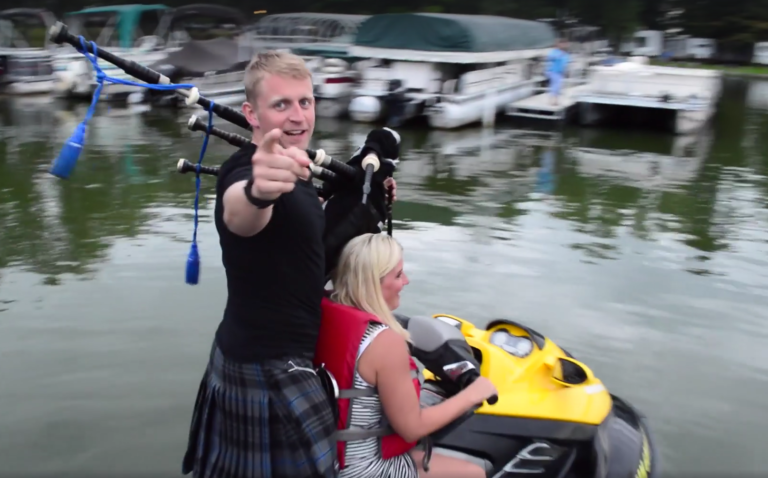
Now if a unique fusion of traditional Scottish songs with rock, pop and funk isn’t really your thing we don’t blame you. It’s an acquired taste, but that hasn’t stopped them from garnering a respectable audience for their distinctive, high energy sound across the globe – nor has it stopped them from having quite a bit of fun. In a brief teaser, Skerryvore’s piper rides shotgun on a Sea-Doo as they idel around the marine baring his bagpipes. It’s all in good fun so don’t come down on his lack of safety vest.
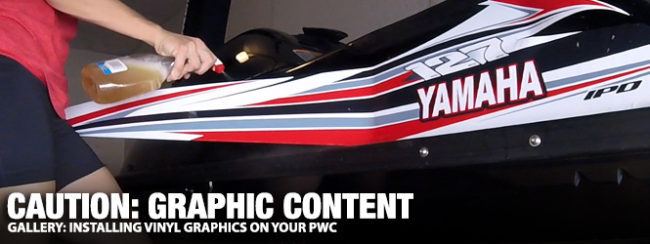
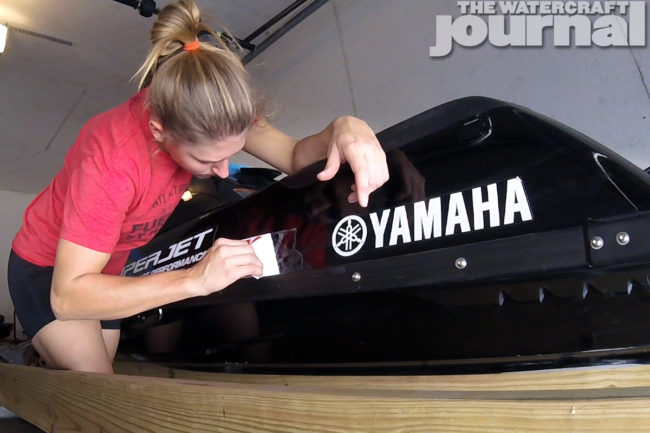
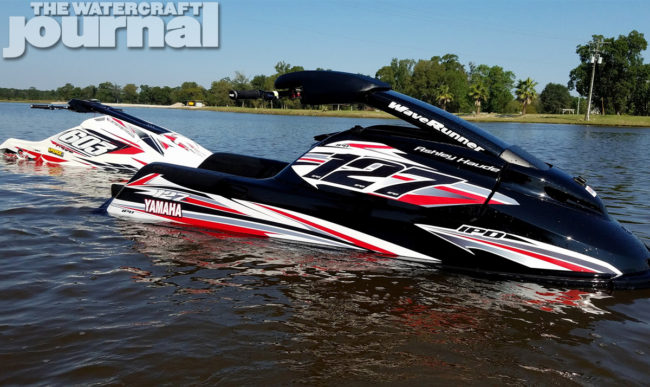
Your ski is looking tired from many fun days in the sun or you need new sponsor graphics for the season, but don’t know how to install them. Check out this quick guide to get you back on the water looking fresh!
There are two types of graphics available for personal watercraft – die cut and printed. Die cut is usually less expensive, but can be a little bit more difficult to install because each color is a separate piece cut out from a large sheet of vinyl material.
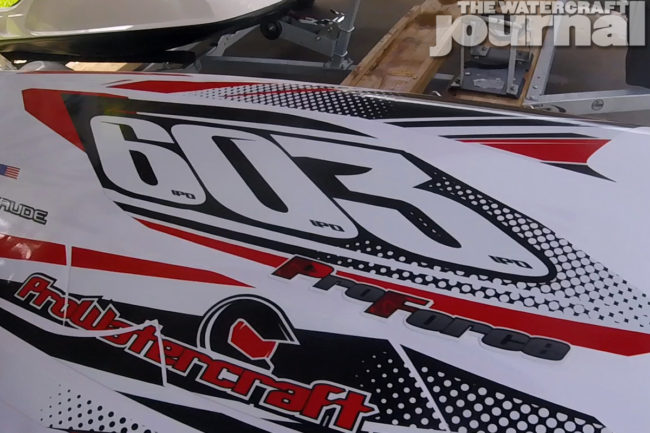
Above: This is a sheet of our digitally-printed graphics from IPD Graphics.
Printed graphics use ink from a printer that is then laminated; multiple colors, fades, and wraps are done with this process. These graphics are usually easier to install with less pieces and no application tape to remove.
All you will need is some liquid soap and water mixture of Rapid Tac, adhesive remover, microfiber cloths, spray bottle, squeegee, razor or pin. A heat gun/hair dryer also helps, but is not mandatory. OK, got it? Here we go:
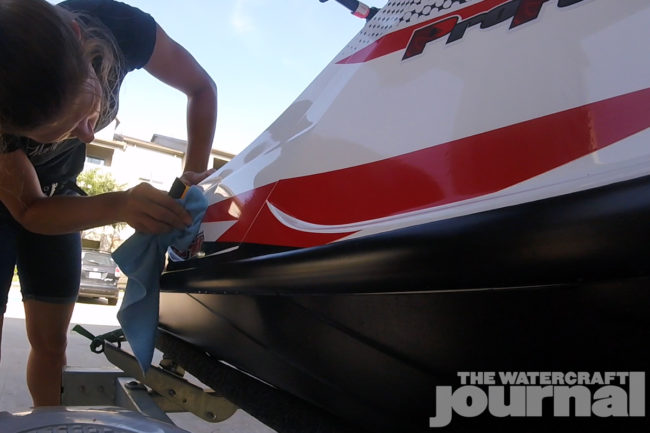
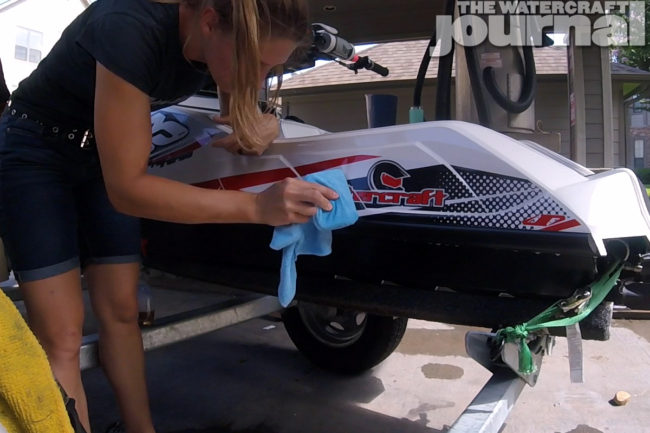
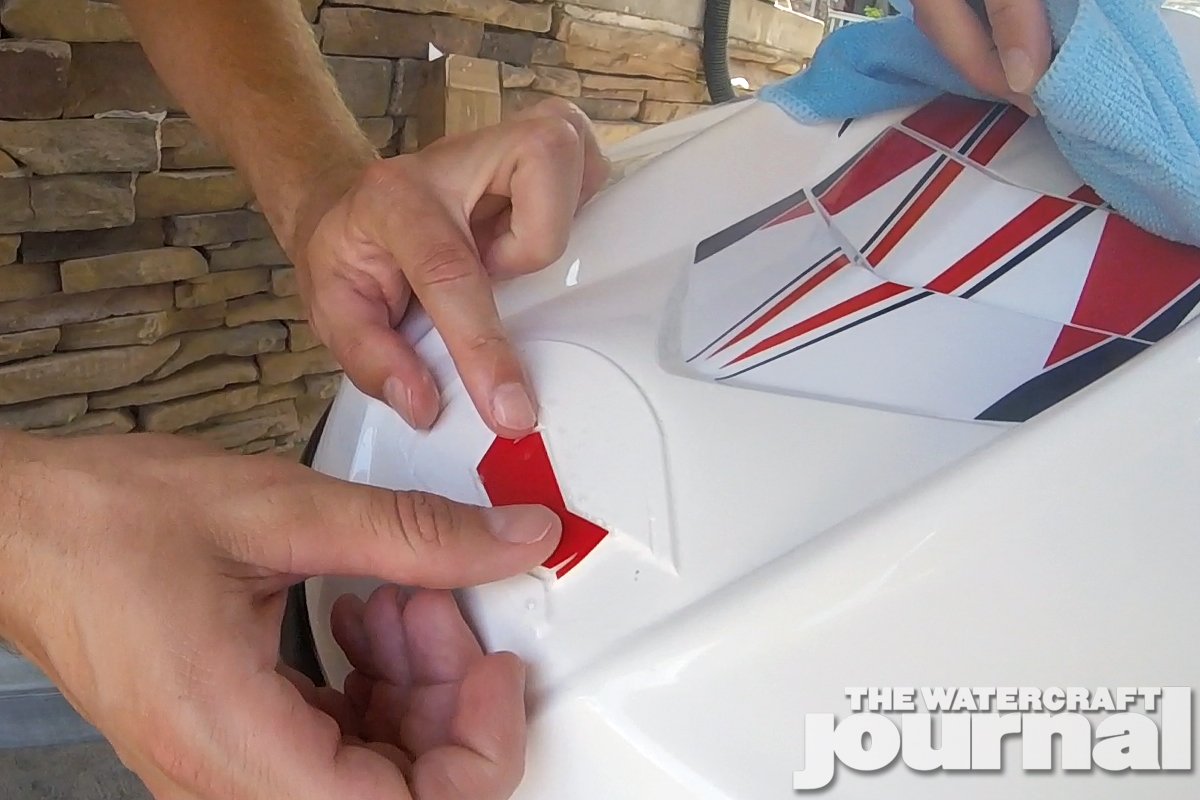
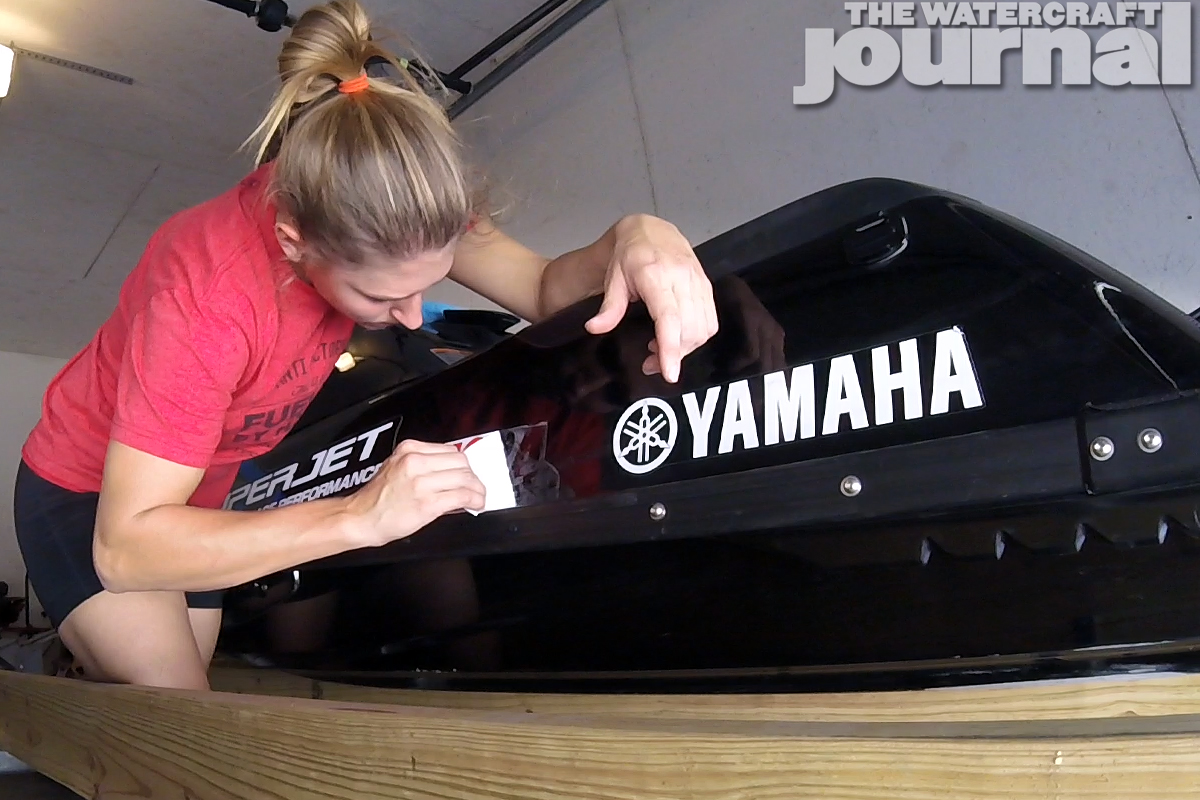
Above: Wash your ski in soap and water and wipe down with a microfiber to remove any surface contaminants that might scratch the paint/gel coat. Remove the old graphics. Some types of vinyl adhesive will leave a nasty residue and will need more than just elbow grease to remove.
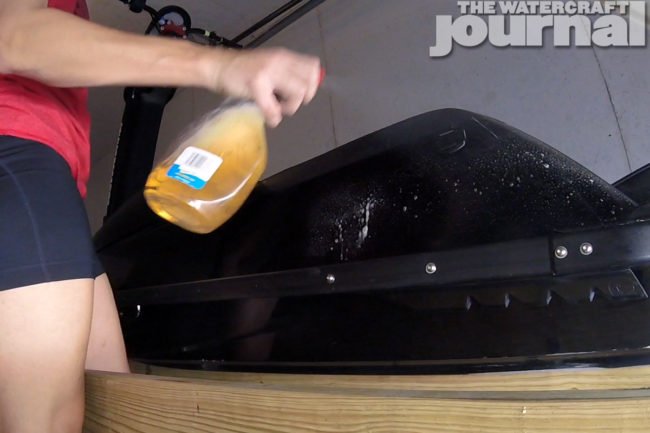
Above: Automotive adhesive removers such as the citrus-based Goo Gone and bug and tar remover are generally paint safe. Once the old graphics and adhesive are removed, wipe the ski in soap and water or alcohol to remove any remaining adhesive remover, oil or other contaminants that will harm your new graphics.
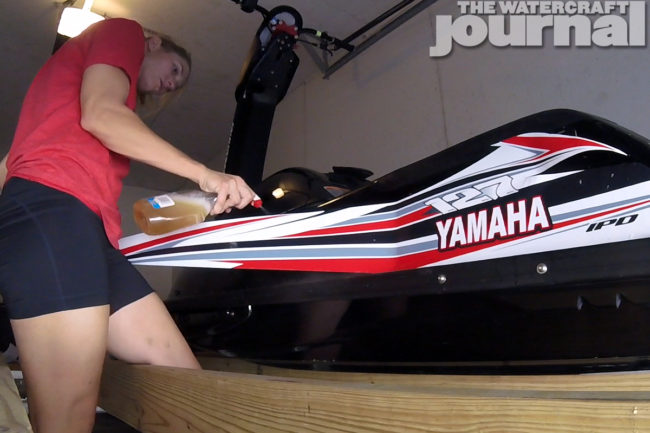
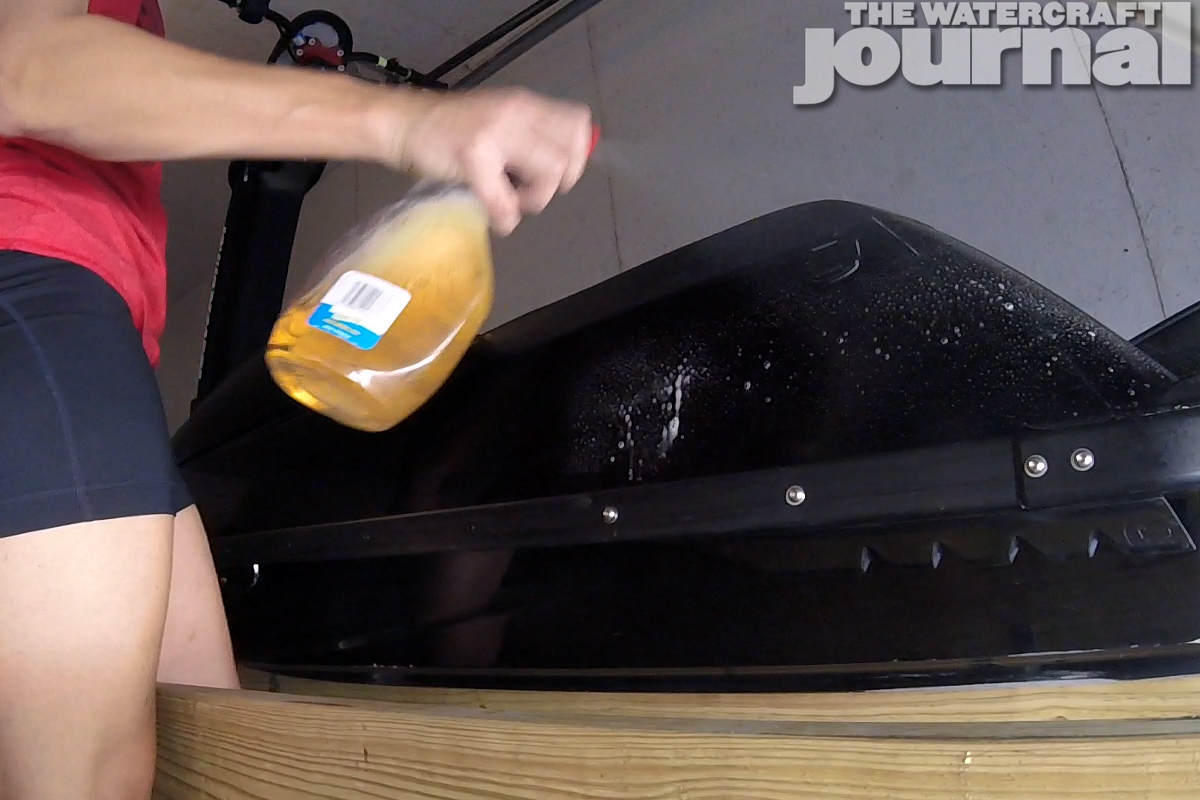
Above: The key to a bubble free install is a spraying a mixture of soap and water (three drops of soap per one pint of water) or premixed Rapid Tac onto the surface of the ski and the adhesive back of the graphics before placing them on the ski. Thoroughly spray application fluid on the area you want to apply the graphic, then remove the backing paper from the vinyl decal and spray the adhesive side.
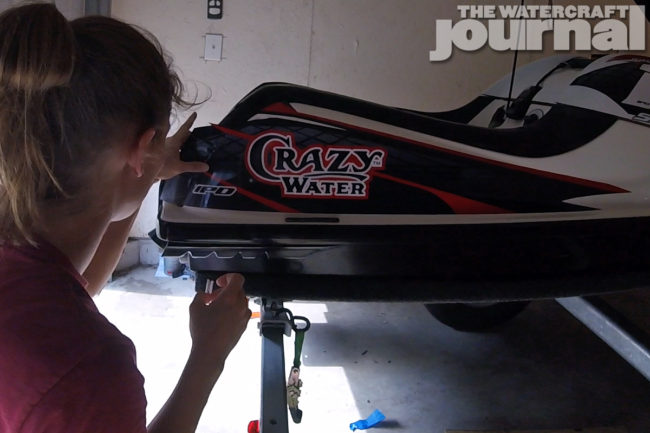
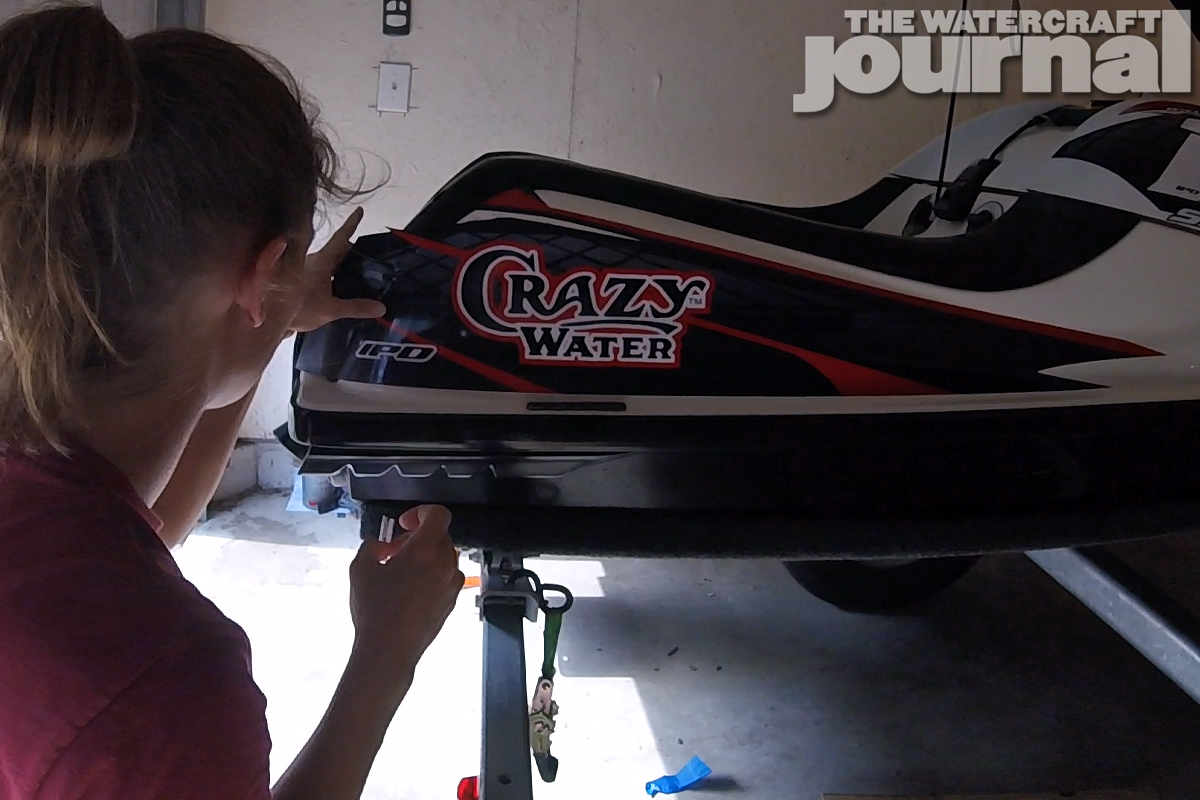
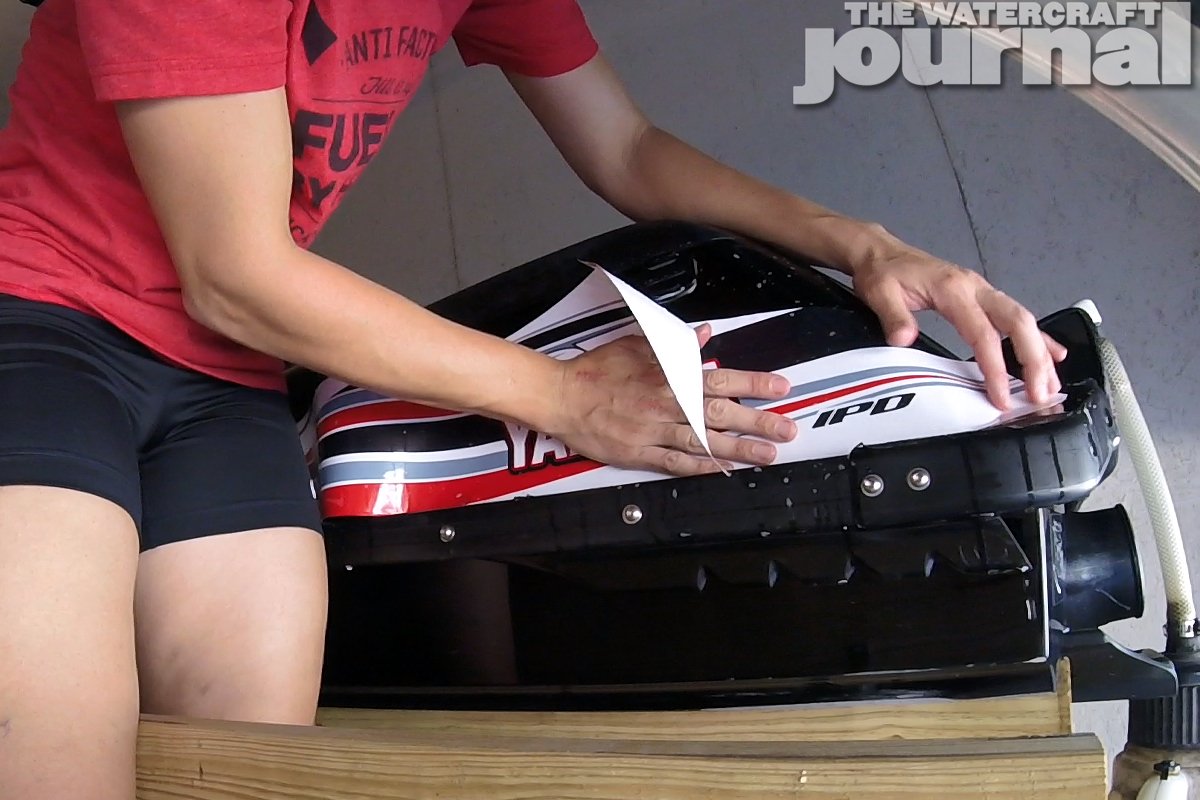
Above: Place graphic on the ski. The application fluid allows you to move the graphic where you need it for a short amount of time.
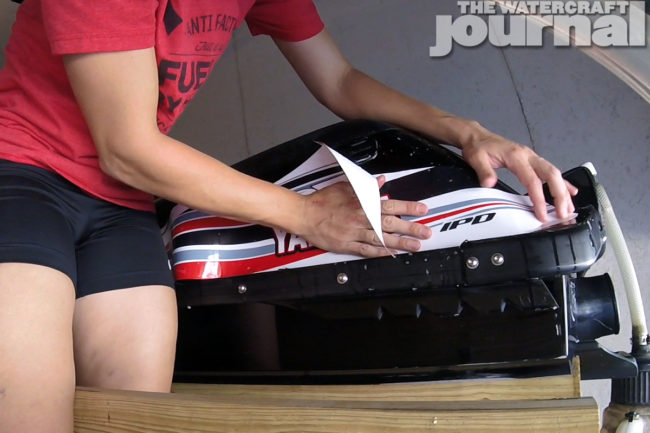
Above: Once the graphic is where you want, take your squeegee and press from the center of the graphic outwards to remove the liquid between the adhesive and the surface of your ski. Make sure to thoroughly press out any bubbles and application fluid for the best adhesion.
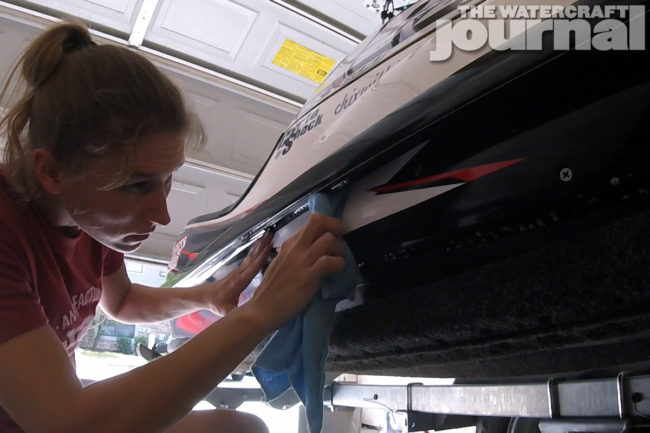
Above: Wrap the squeegee in a microfiber towel to ensure the plastic does not scratch anything. You can use gentle fingertip and palm pressure to help conform to curved areas.
Above: If you end up with bubbles you can take a pin or tip of a razor and poke a very small relief hole to push out trapped air and fluid.
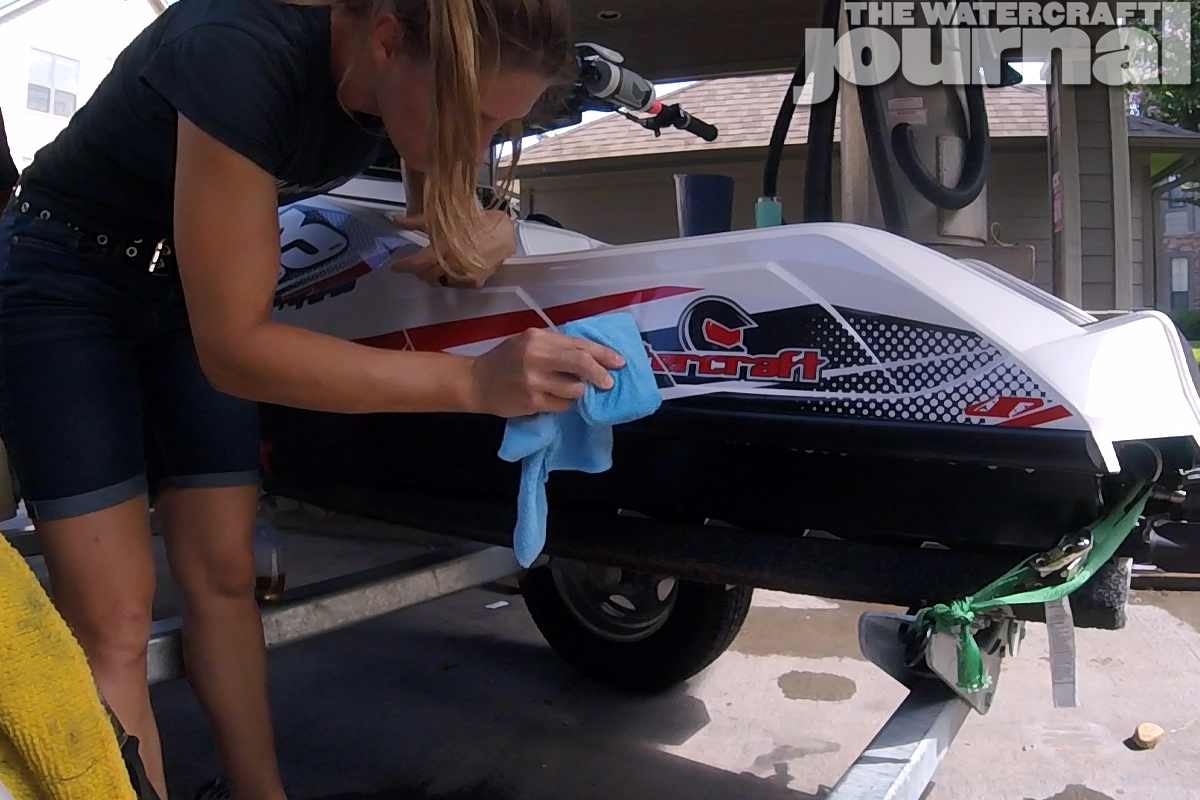
Above: Wipe down the excess fluid with a microfiber once you squeegee on your graphic. This allows you to freely see if there are any lingering bubbles or areas that are peeling up.
Helpful Tips
It is best to apply graphics in shade and above 70 degrees for the best working time and adhesion.
If you have trouble with getting the graphics to conform to curved areas you can use a heat gun/hair dryer to warm the vinyl to make it more flexible. Be careful not to stretch or melt the graphics as you work them onto the curves.
Sometimes a large portion of the graphic has to go over a few difficult areas on the ski – curves, corners, hull fittings, etc. If you need more time, gently pick up and spray application fluid behind any non-adhered part of the graphic to ensure it does not stick down before you are ready. The fluid will evaporate faster in warmer, dryer conditions.
Speaking of hull fittings – in most cases, if you are not removing water outlets, rivets, screws, etc…it is best to conform the graphic over these and gently cut them out using a fresh razor afterwards. This allows you more control over the cuts without stretching and warping.
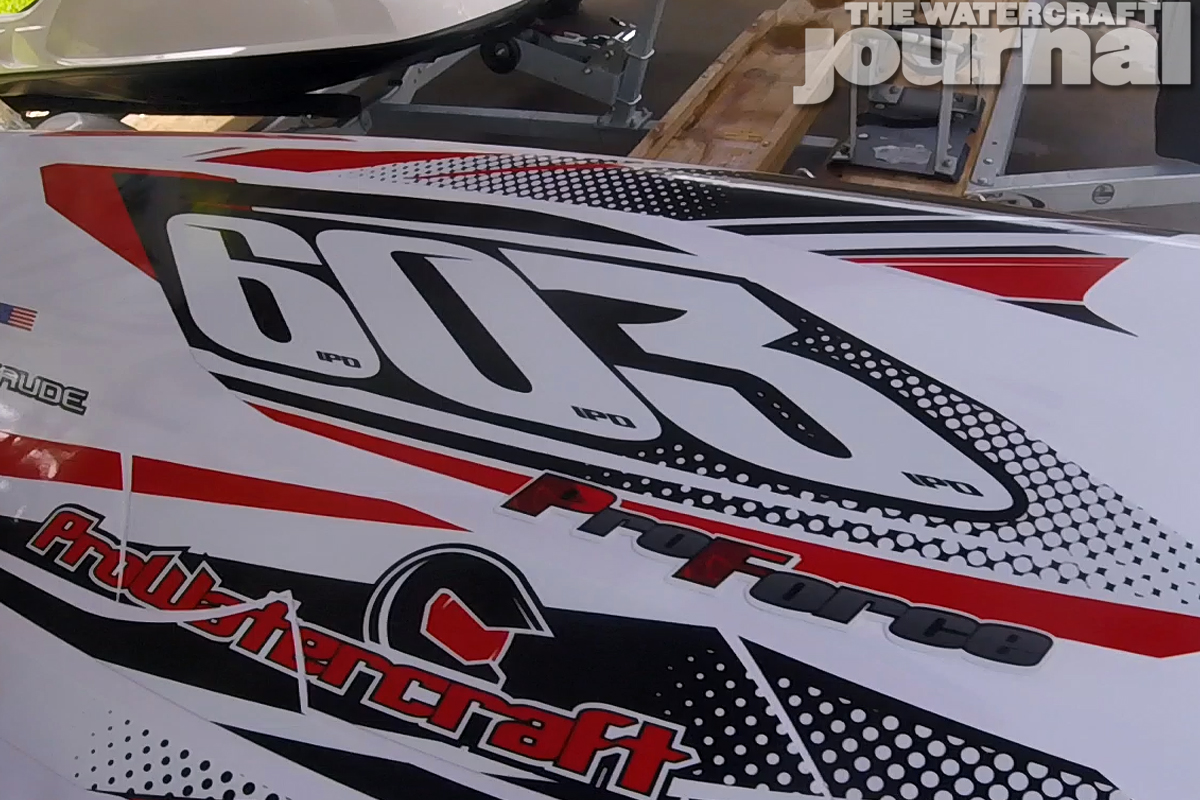
Above: Once you are finished you’ll have with a sweet looking ski and a new skill in your repertoire!
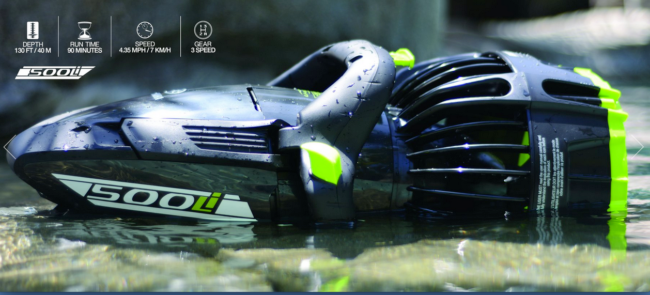
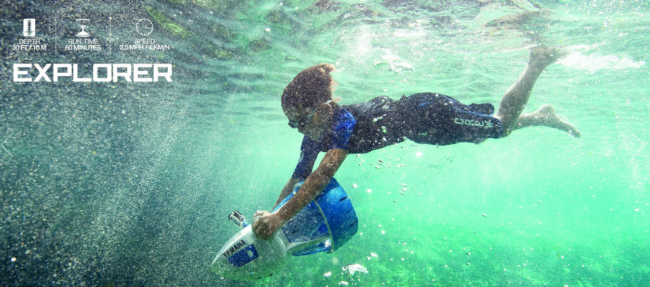
This season is turning out to be a pretty exciting one for Yamaha in terms of announcements and product releases. We just got wind that Yamaha Motor Corporation is scheduled to release an underwater Sea Scooter line called Dive Propulsion Vehicles (DPV). This line of products will consist of a professional series as well as a recreational series of DPV’s.
Yamaha Parts and Accessories collaborated with Sport Dimension Inc, a leading consumer products manufacturer and distributor to bring these new fun Sea Scooters to life. The new dive vehicles are incredibly fun recreational water products used by families, resort guests, and professional divers alike.
The Yamaha Sea Scooter is a high performance, portable, and easy-handling dive propulsion vehicle. It features proprietary battery technology for prolonged use, is lightweight, easy to carry, and is able to be used in fresh or salt water.
We imagine that some readers will even stow one of these cool little gadgets in their watercraft storage compartment which would allow them to explore some remote dive locations. Interestingly, these Sea Scooters are color matched to Yamaha’s industry leading Waverunners.
The professional dive series consists of four separate models, each with different depth, speed, run time, and other capabilities. The recreational dive series lets you choose from three different models. In addition, there is a recreational explorer series starting at $249.99. All models come with mounts to attach your GoPro or other action camera with similar mounting systems.
All models will become available for purchase September 20, 2017. You can check out these Sea Scooters here to get more information on each product or to make your order.

























 First, we’ll deliver in our tradition of stellar event coverage and a phenomenal photo gallery better and faster than any other media outlet anywhere. Next, you can score a sweet deal on