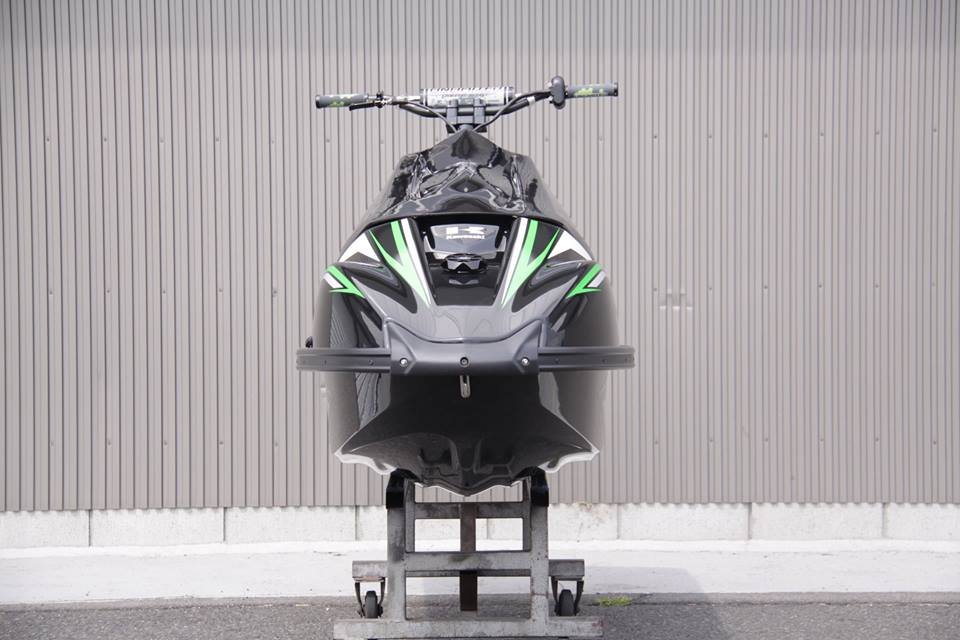
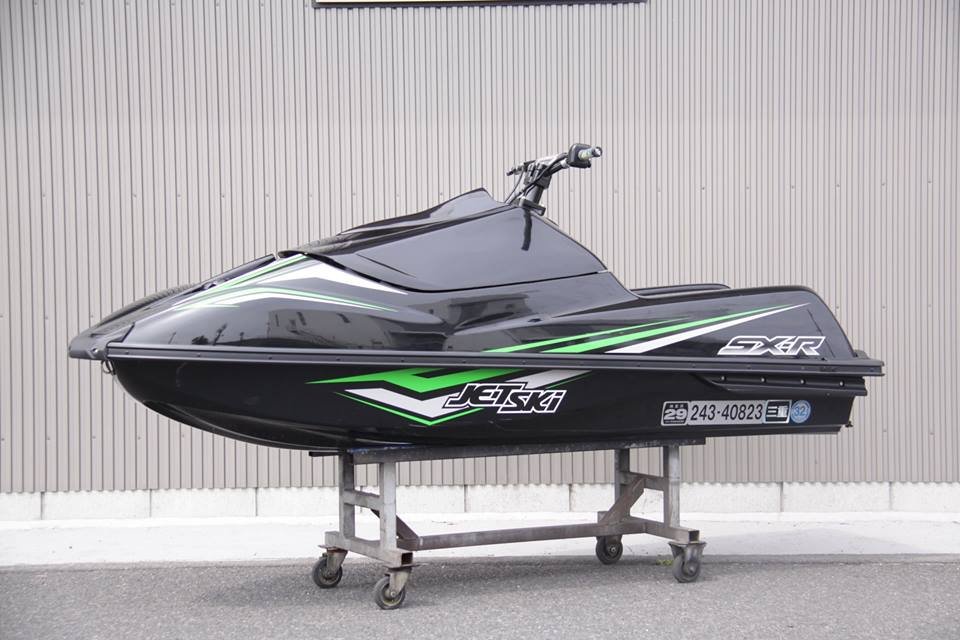
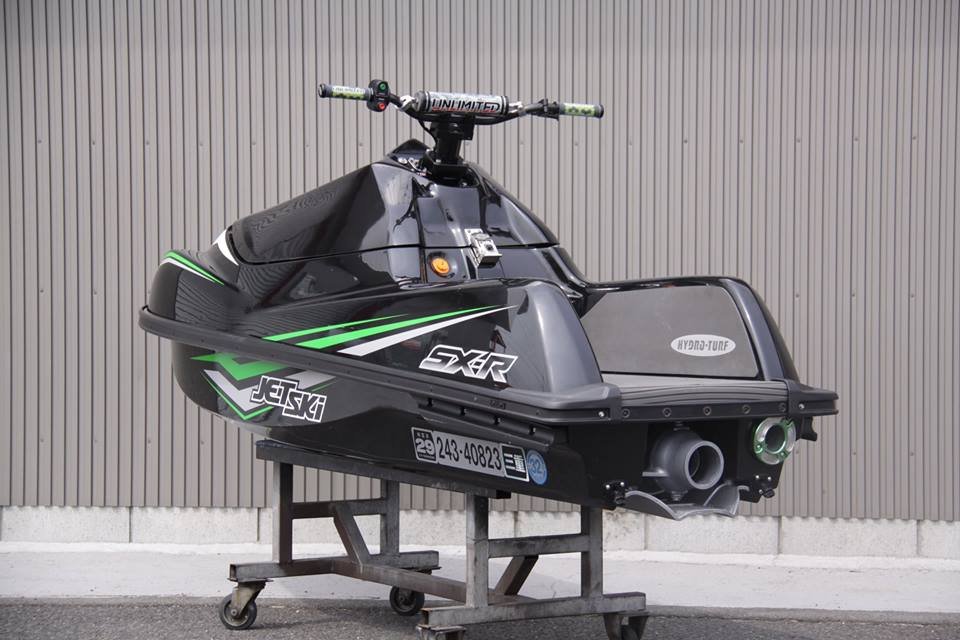
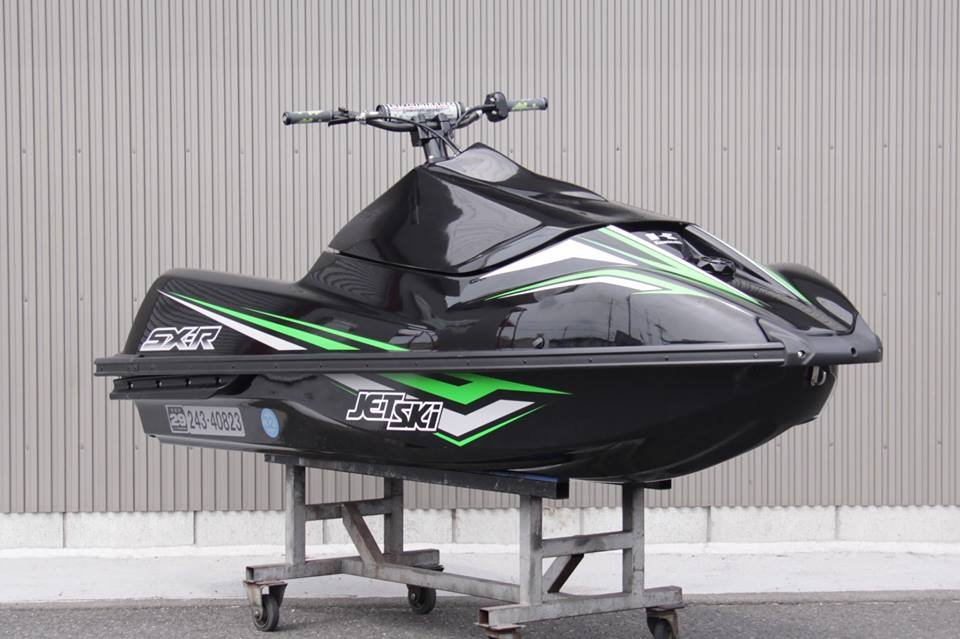
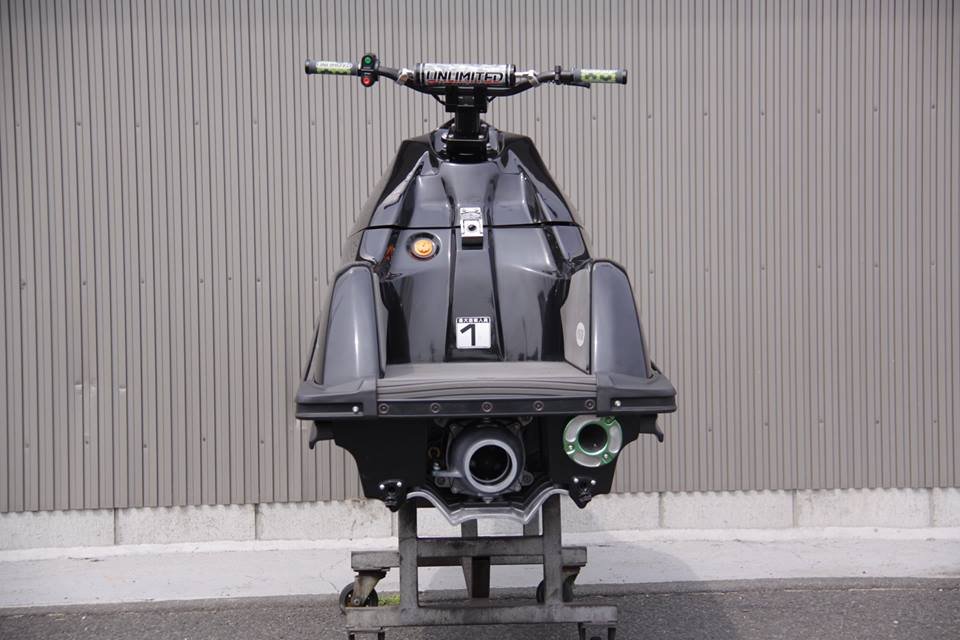
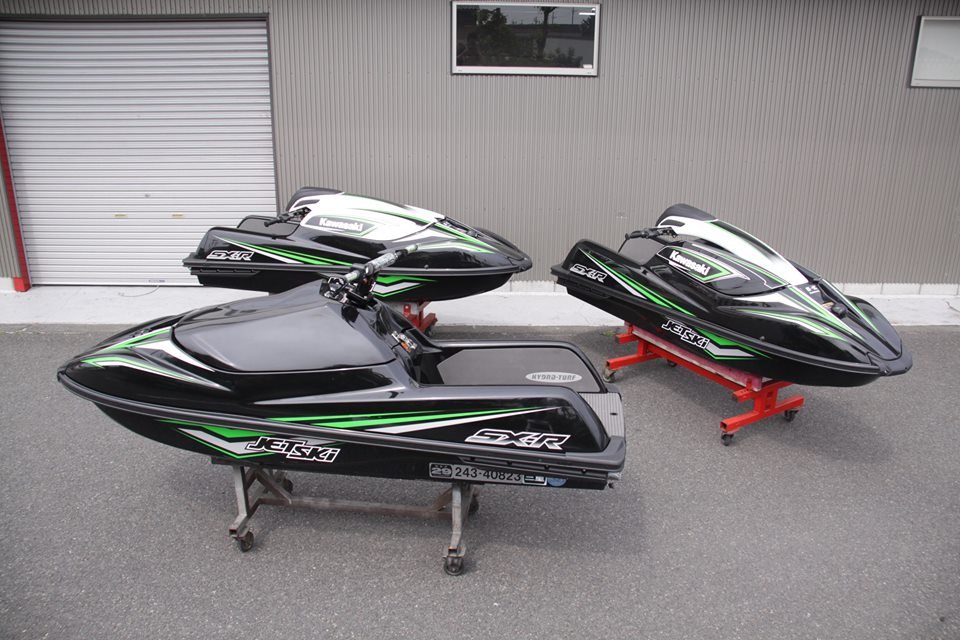
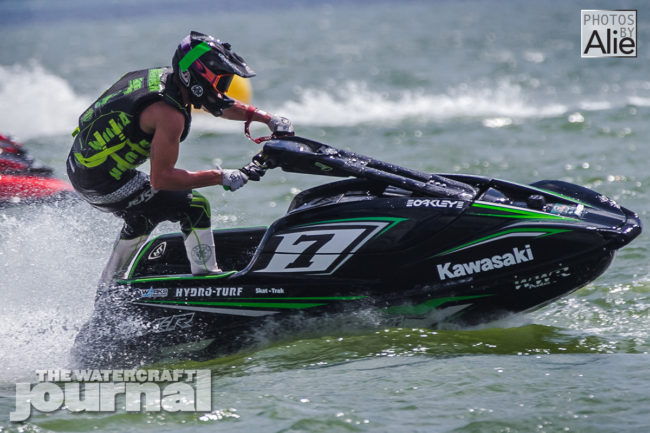
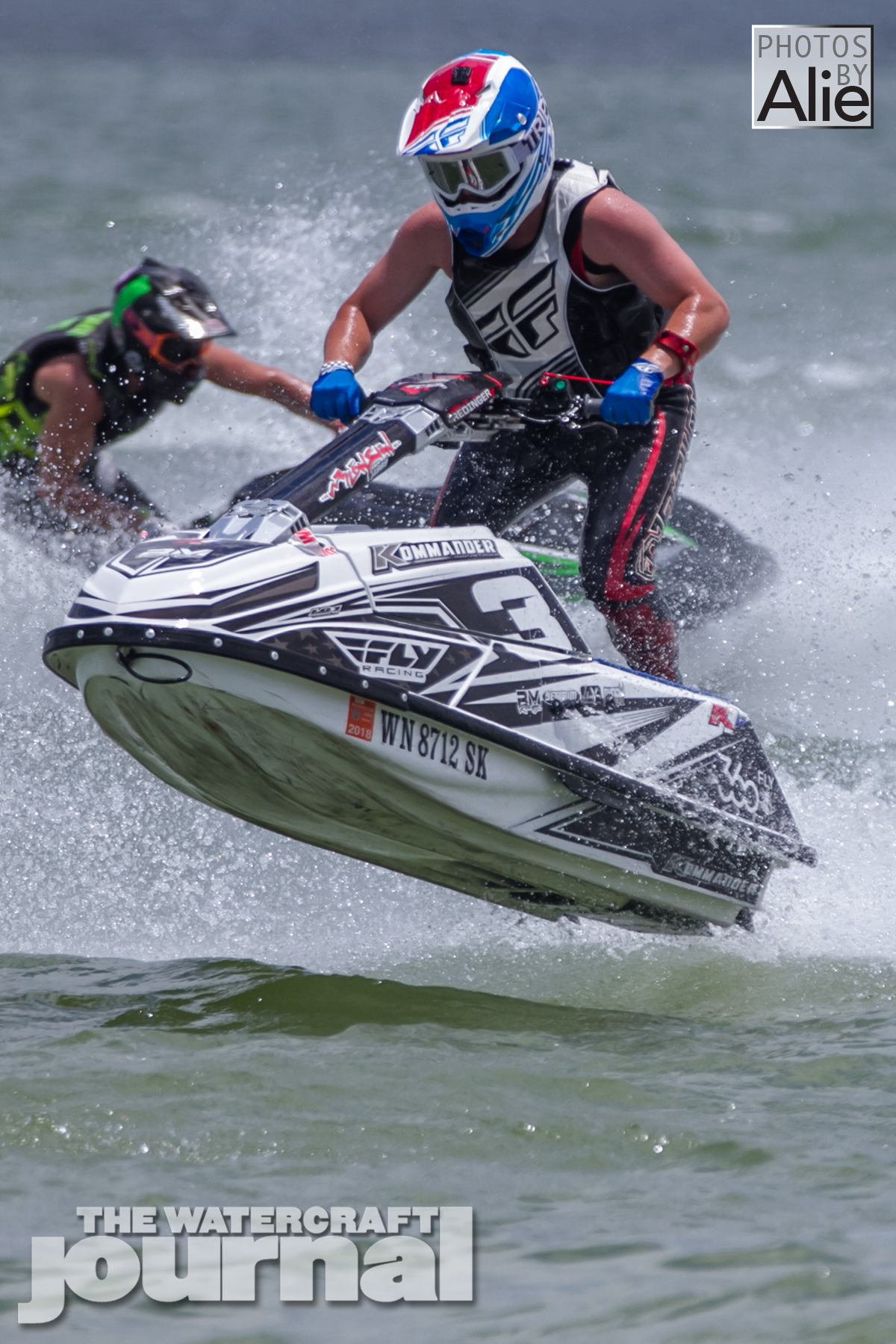
Well, it was bound to happen, right? With Kawasaki’s widely lauded and ferociously anticipated return to the world of standup JetSkis, the new 1.5L 4-stroke STX-15F powered SX-R has enthusiasts and racers alike itching to get their hands on the new machine. Already, starting lineups are filling with new SX-Rs; beaches are seeing more and more of the new, long and linear machines; and specialized and modified race classes are suddenly restocking with fresh talent. Has the SX-R changed the industry in the same way that Sea-Doo’s Spark has? It’s far too soon to tell.
We say “quasi” because as many will note, the original X-2 units had a narrow sport seat with open footwells, unlike this kit which retains the factory deck and only replaces the handlepole and hood. Whether Unlimited or Kawasaki themselves will offer a true X-2 1500 in the future remains unclear (although, man. It sure would be easy). Until then, we’ll just have to make due with this.
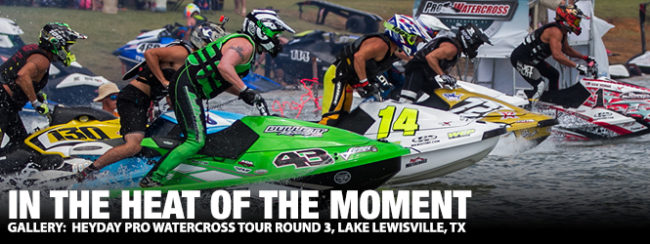
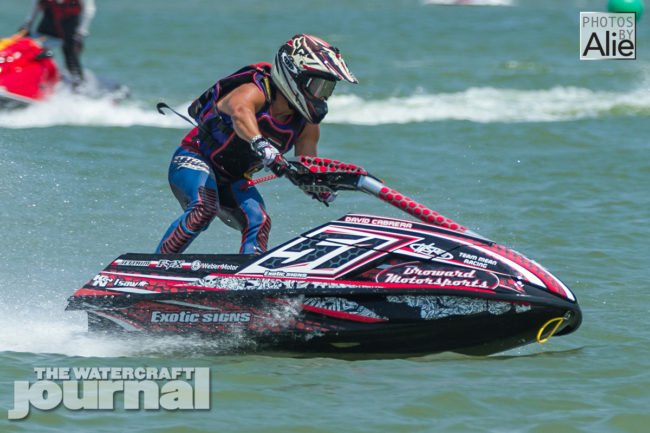
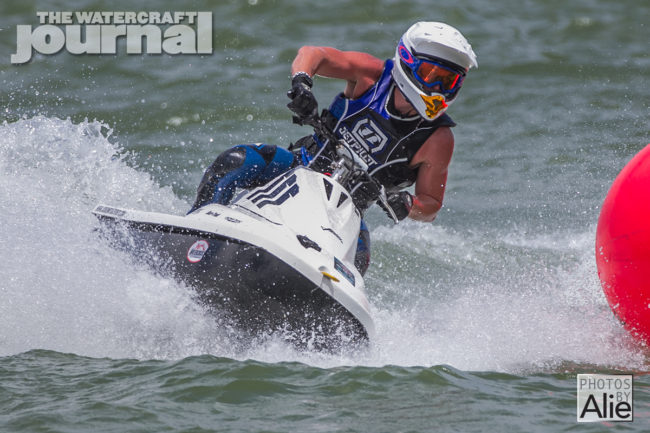
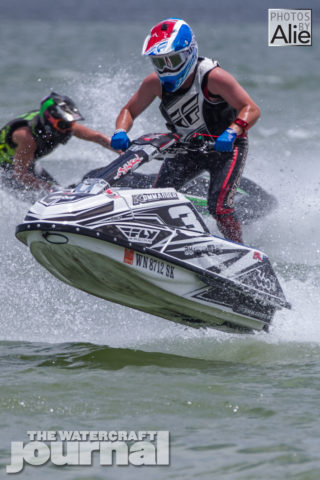
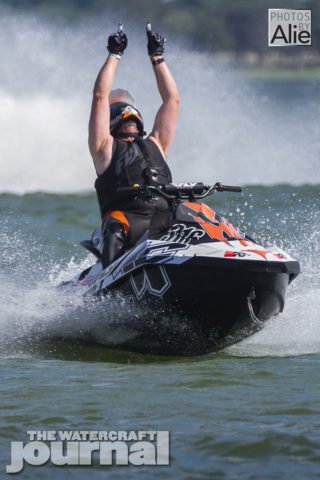
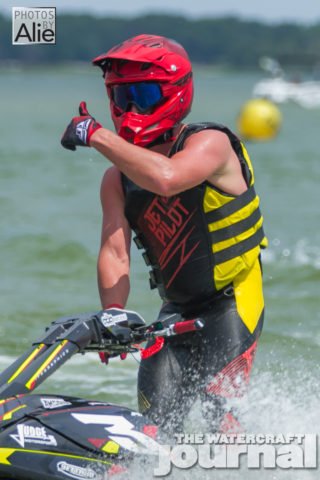
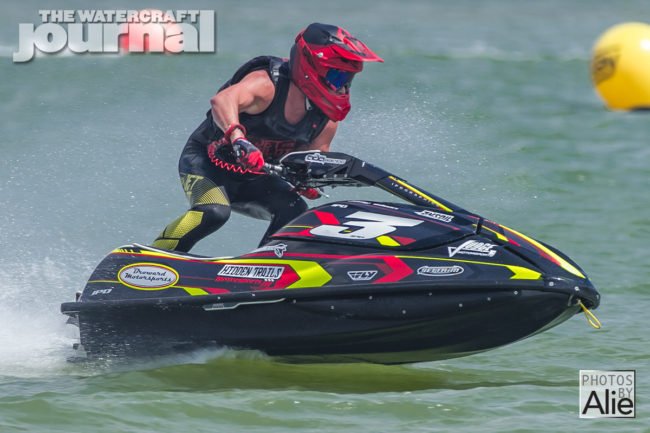
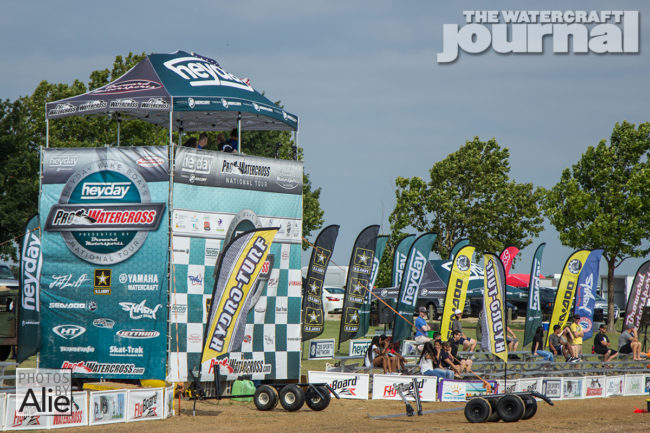
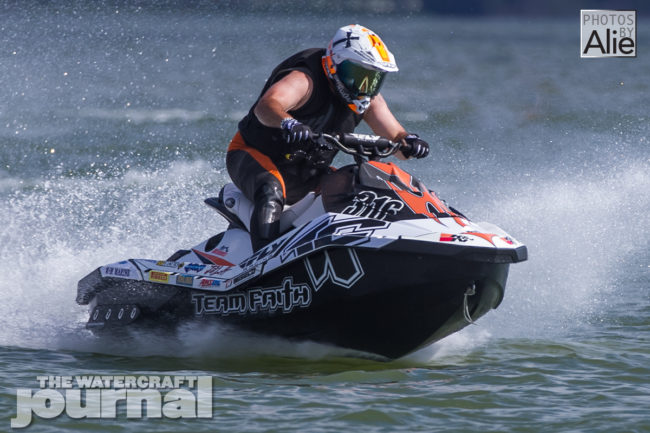
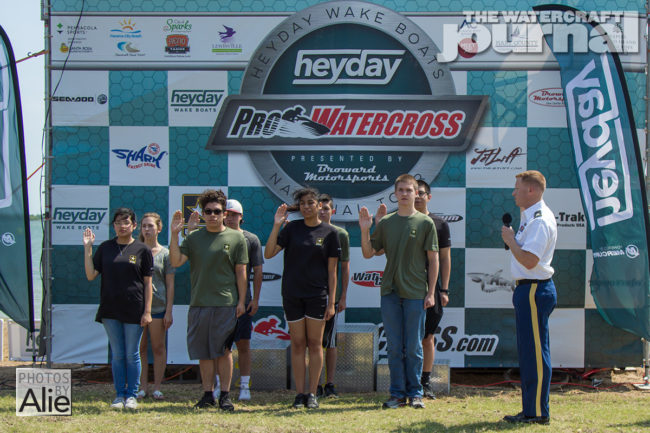
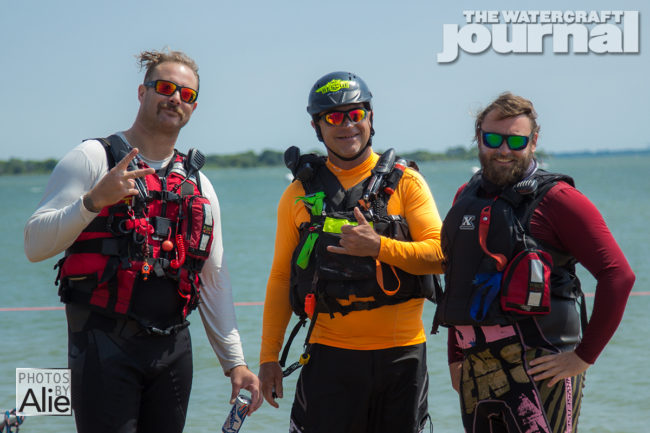
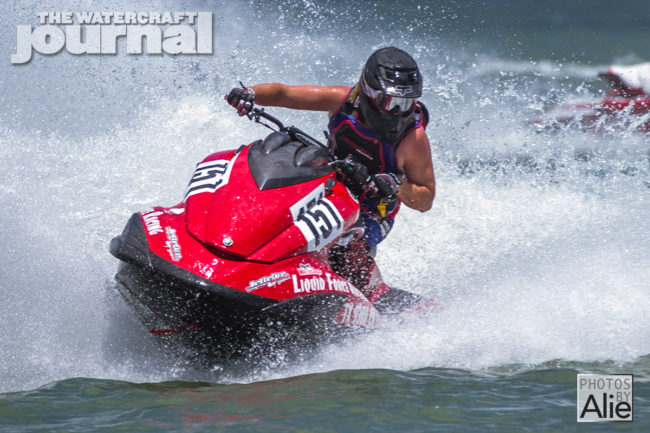
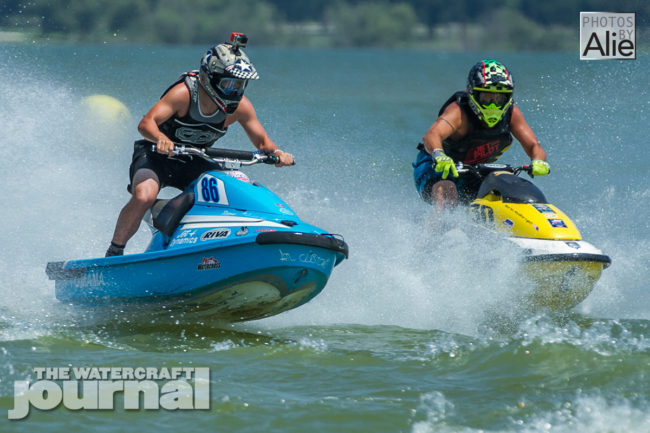
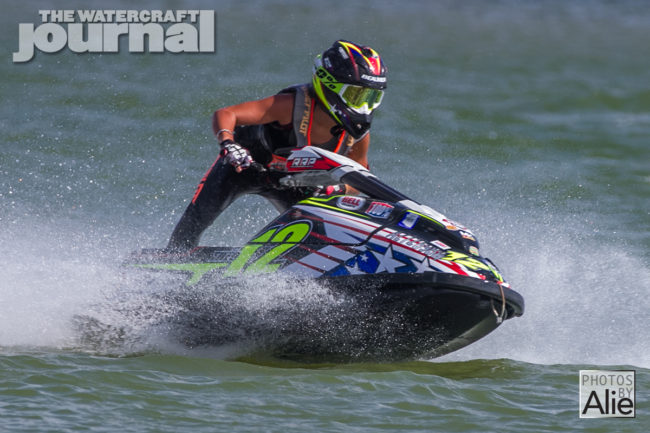
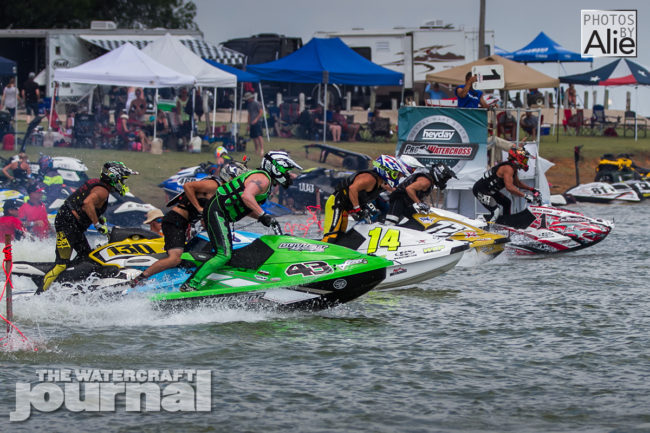
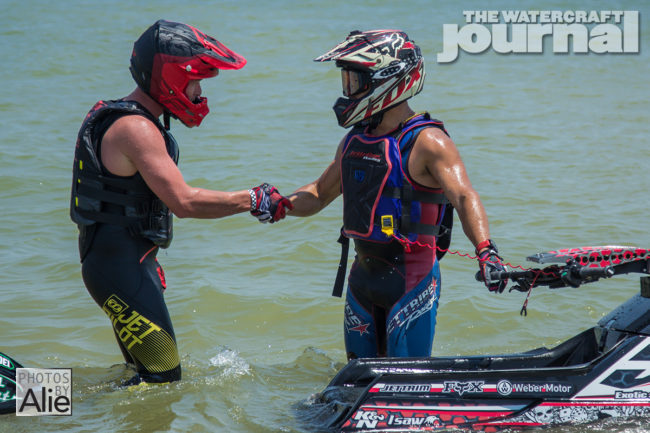
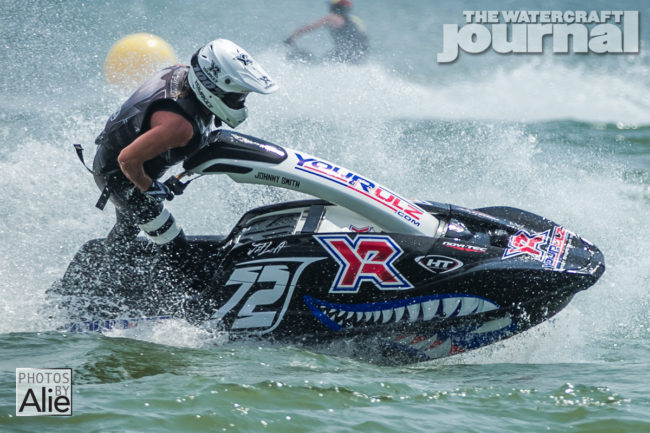
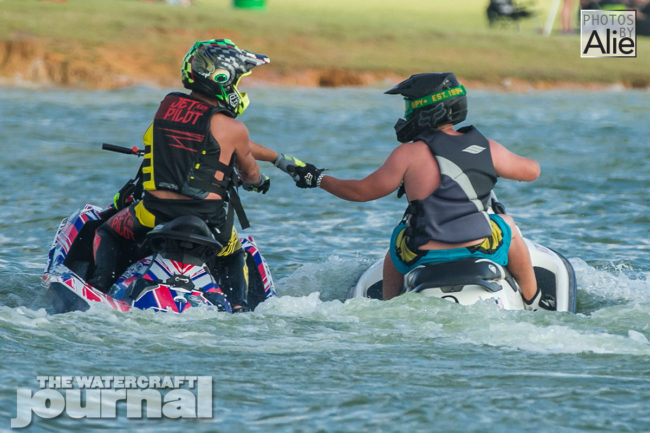
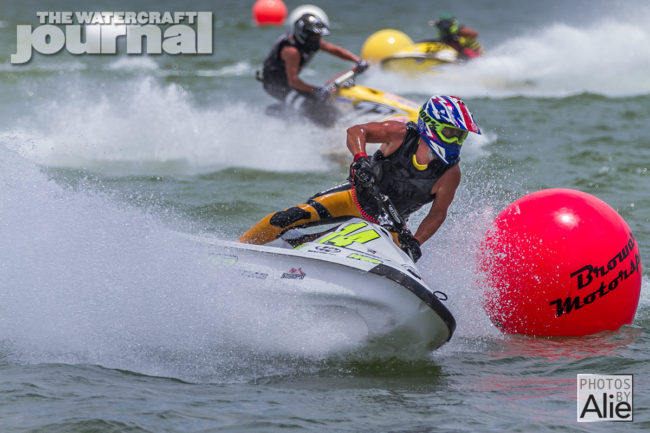
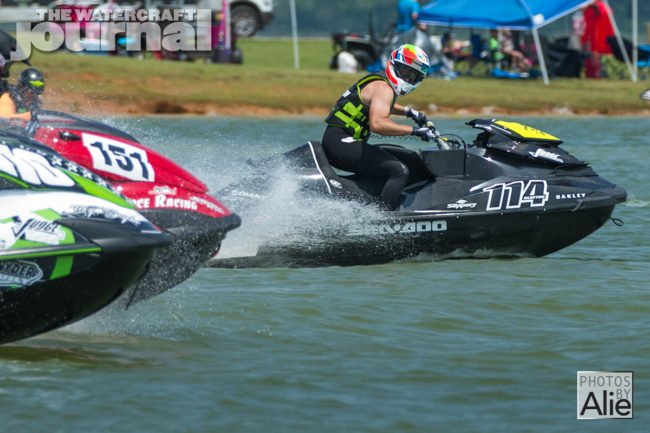
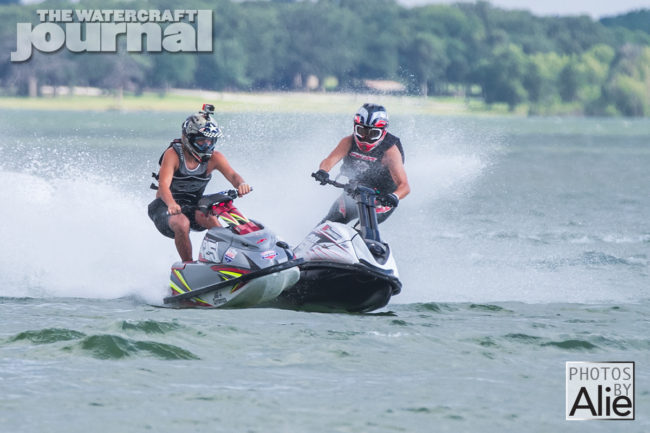
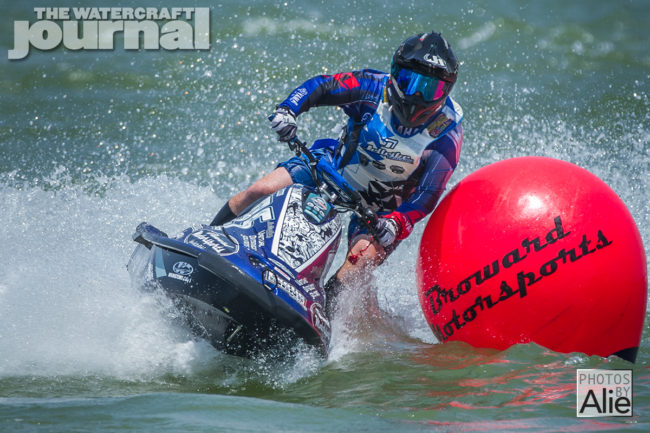
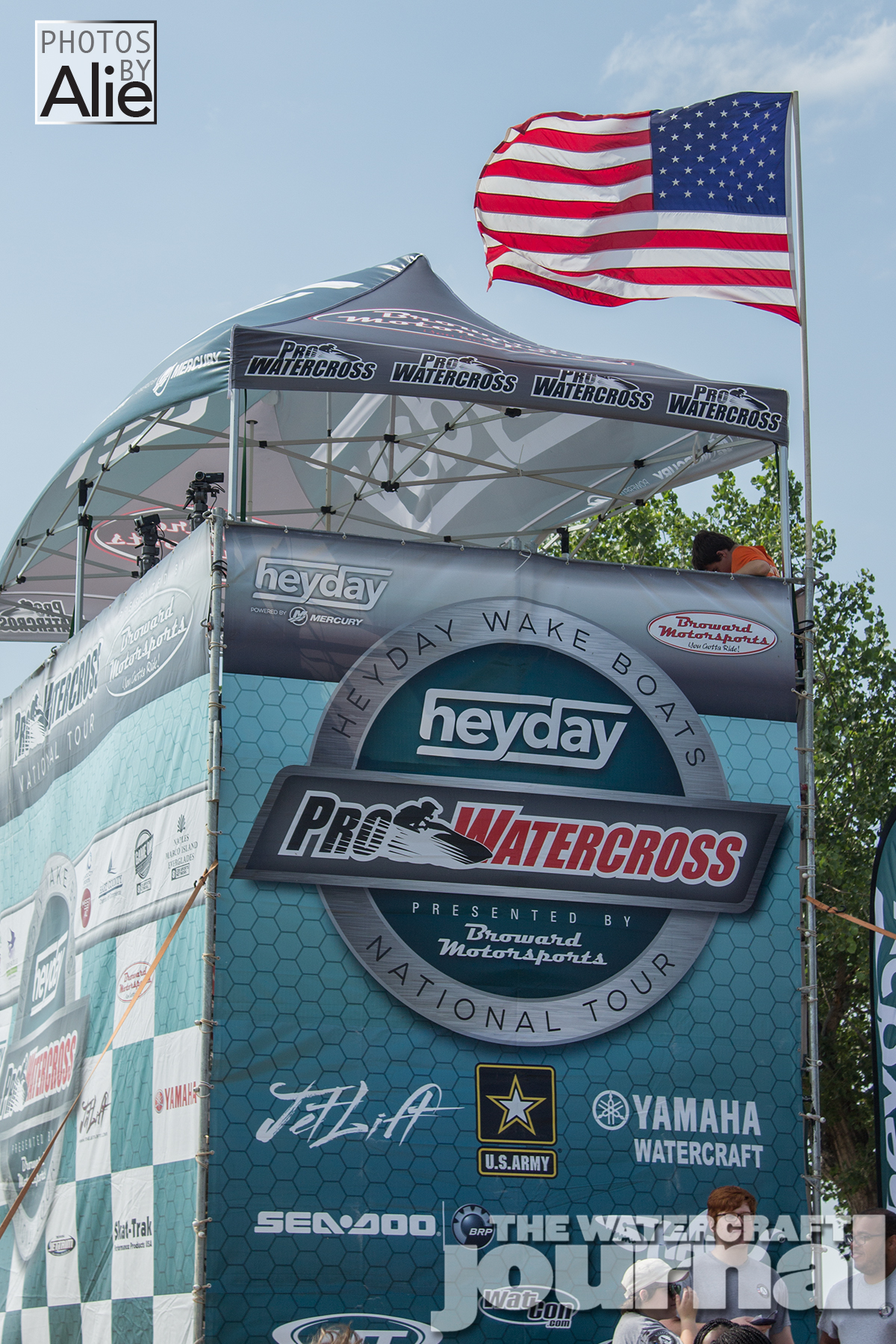
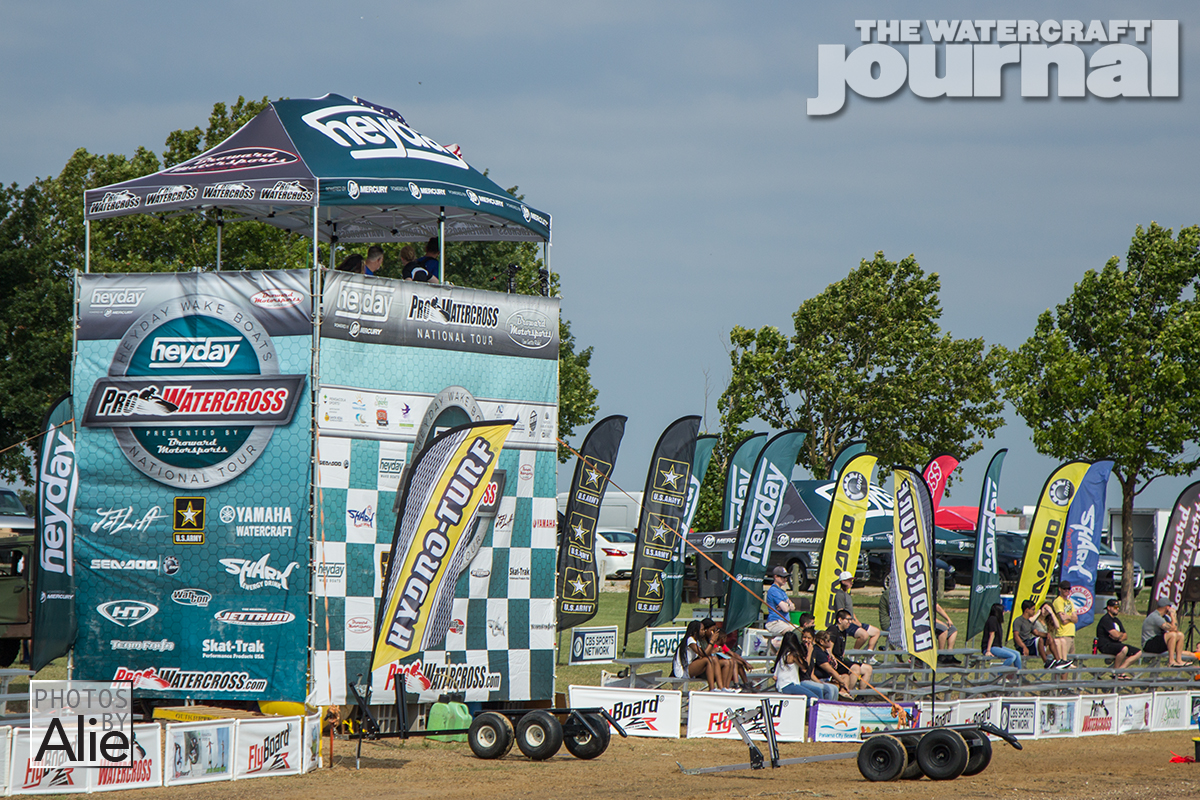
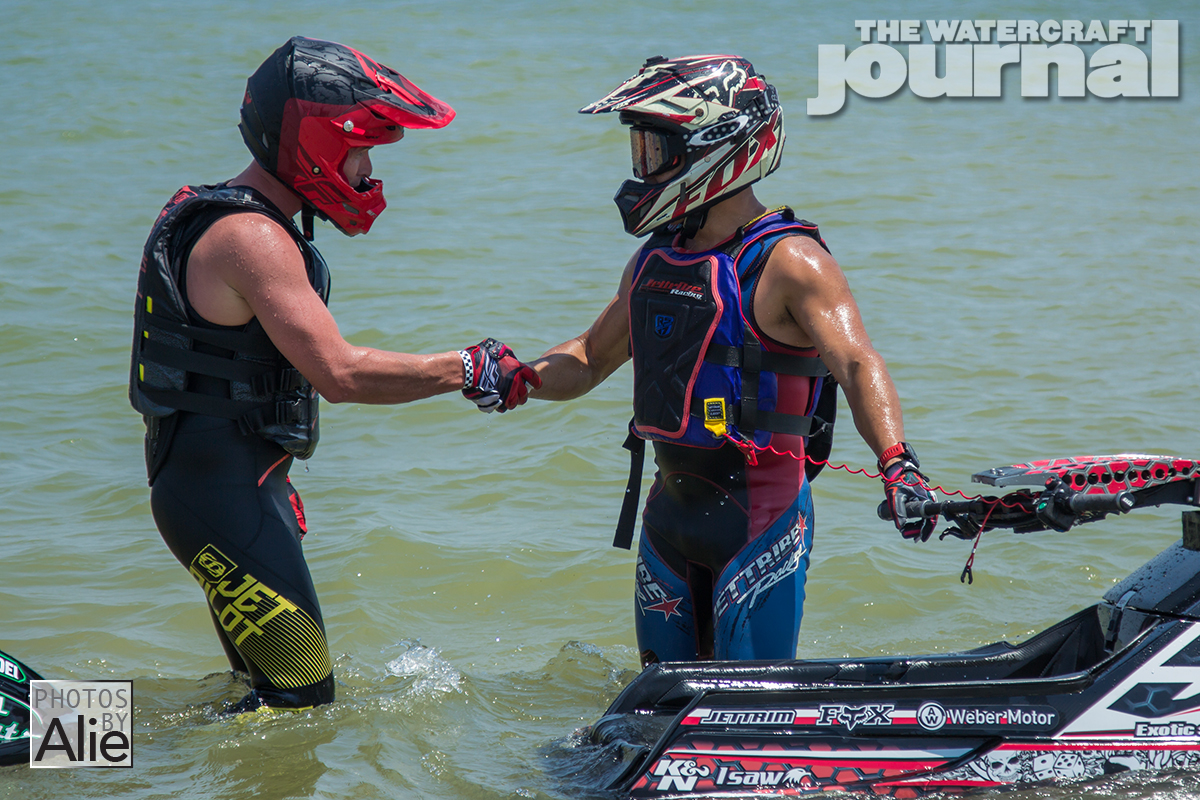
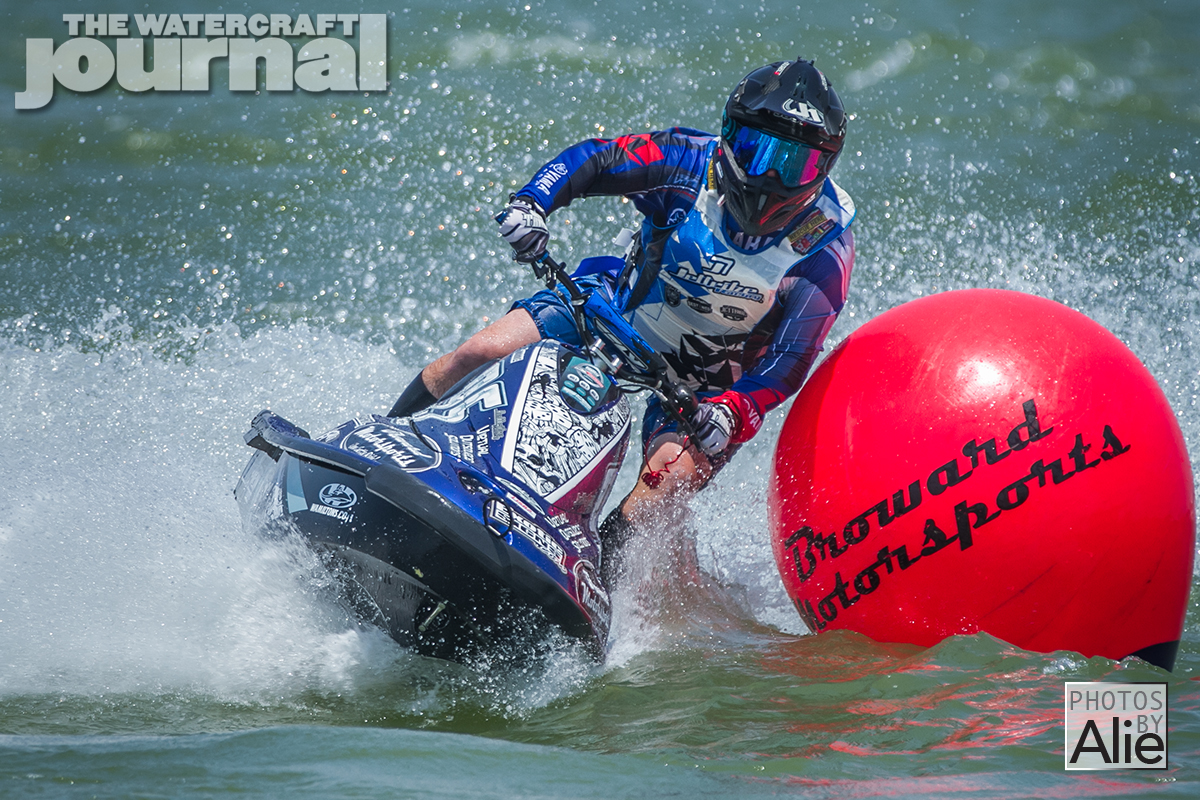
The HeyDay Pro Watercross Tour presented by Broward Motorsports kicked off its third round on national competition in beautiful Lake Lewisville, Texas just outside of Dallas/Fort Worth this past weekend. It’s been a while since Texas got a National Watercross Tour stop and the local diehards where on hand to make their presence known!
The atmosphere was electric as Lake Park hosted the round with some great extra curricular activities including bouncy-houses for the kids, climbing wall, mechanical football (similar to a mechanical bull but in the shape of a football), zip line, and more, including several live bands playing throughout the day. The city of Lake Lewisville did a great job getting the site ready and the racers appreciated the ample parking – on asphalt no less!
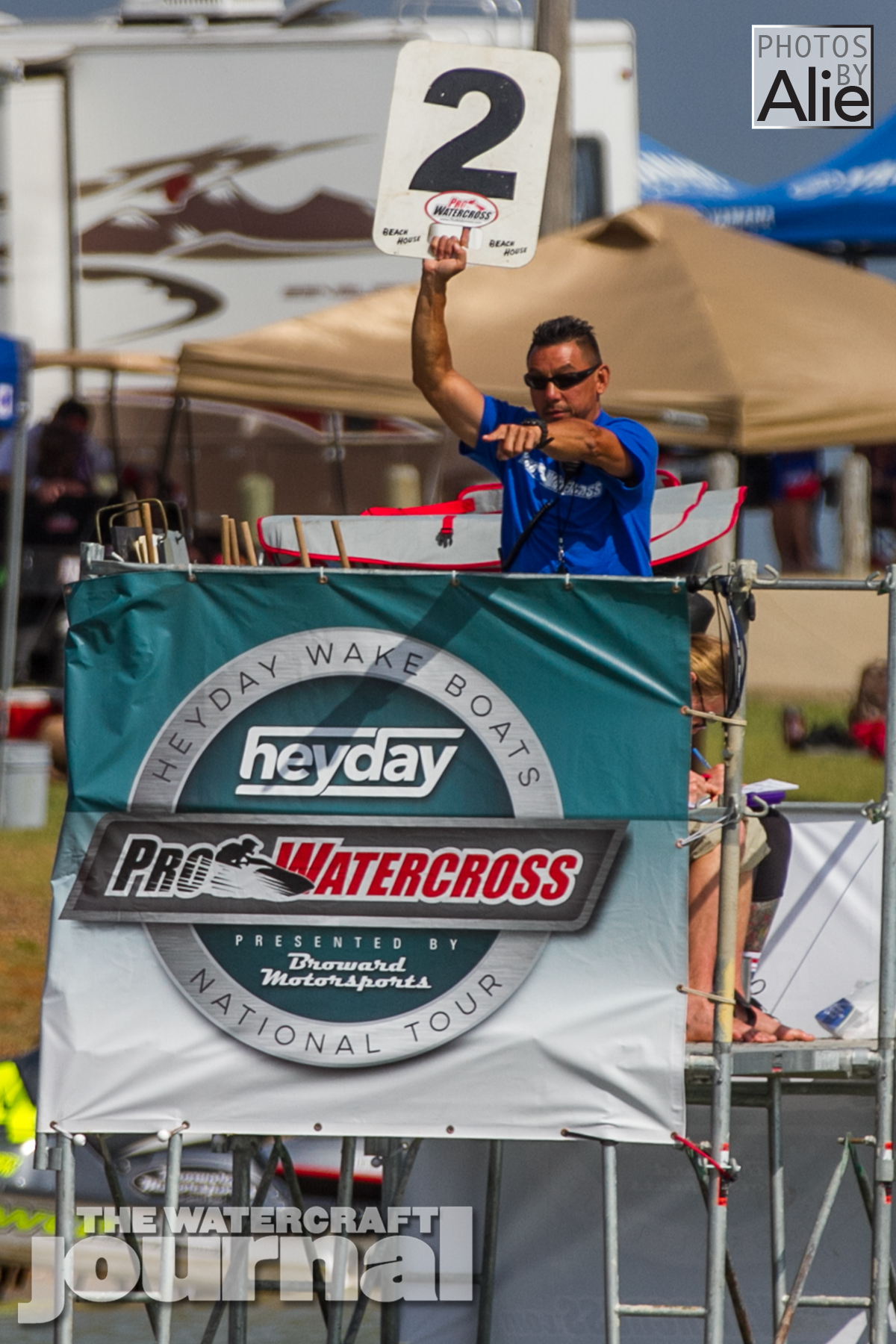
Racing started out after practice with the Pro Show and the Pro Watercross Tour crew was ready for the action having provided a substantial course for the riders to negotiate including a start split! The wind was blowing and the lake was rough with small whitecaps that lasted into the final motos of the day. After the first moto it was apparent that the large split start/course was a little uneven and they corrected it in small increments as the day progressed until they got it pretty even.
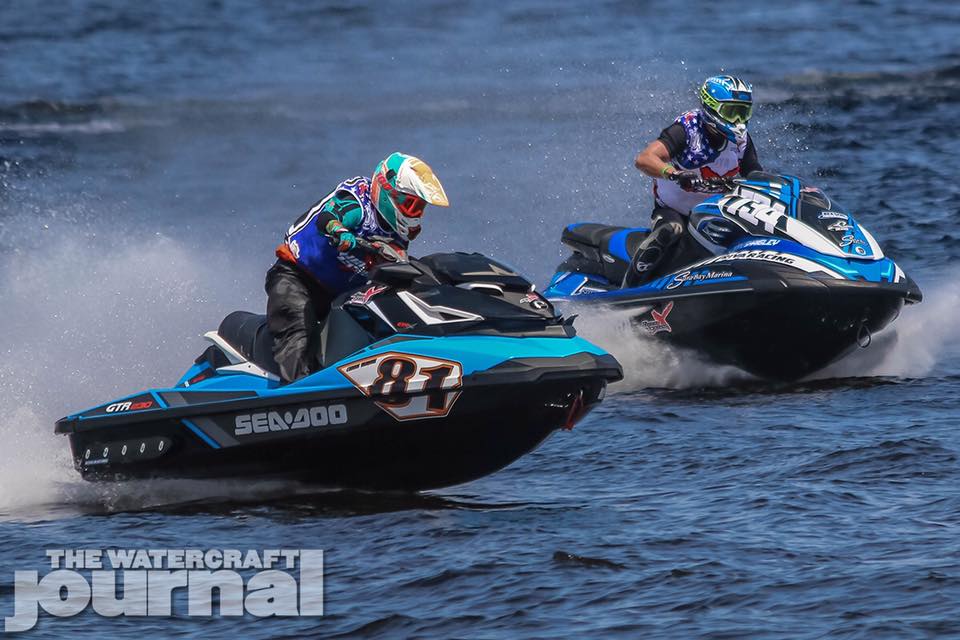
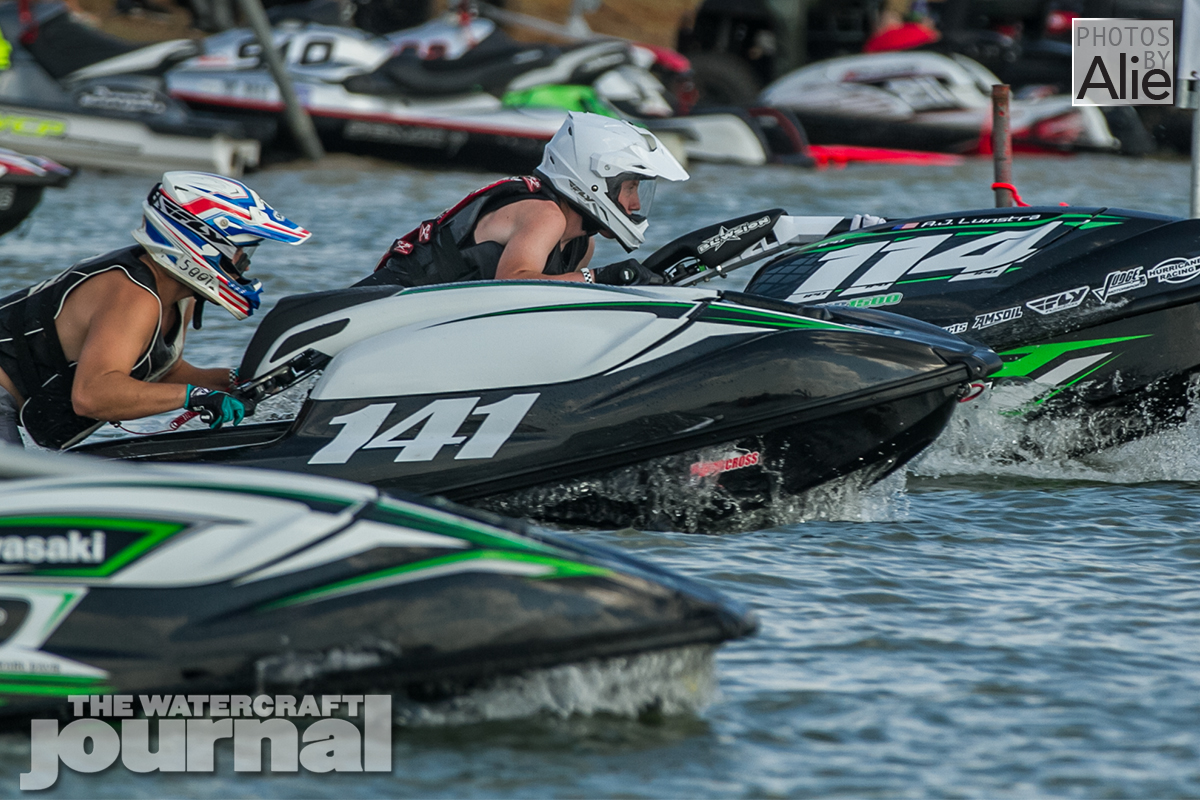
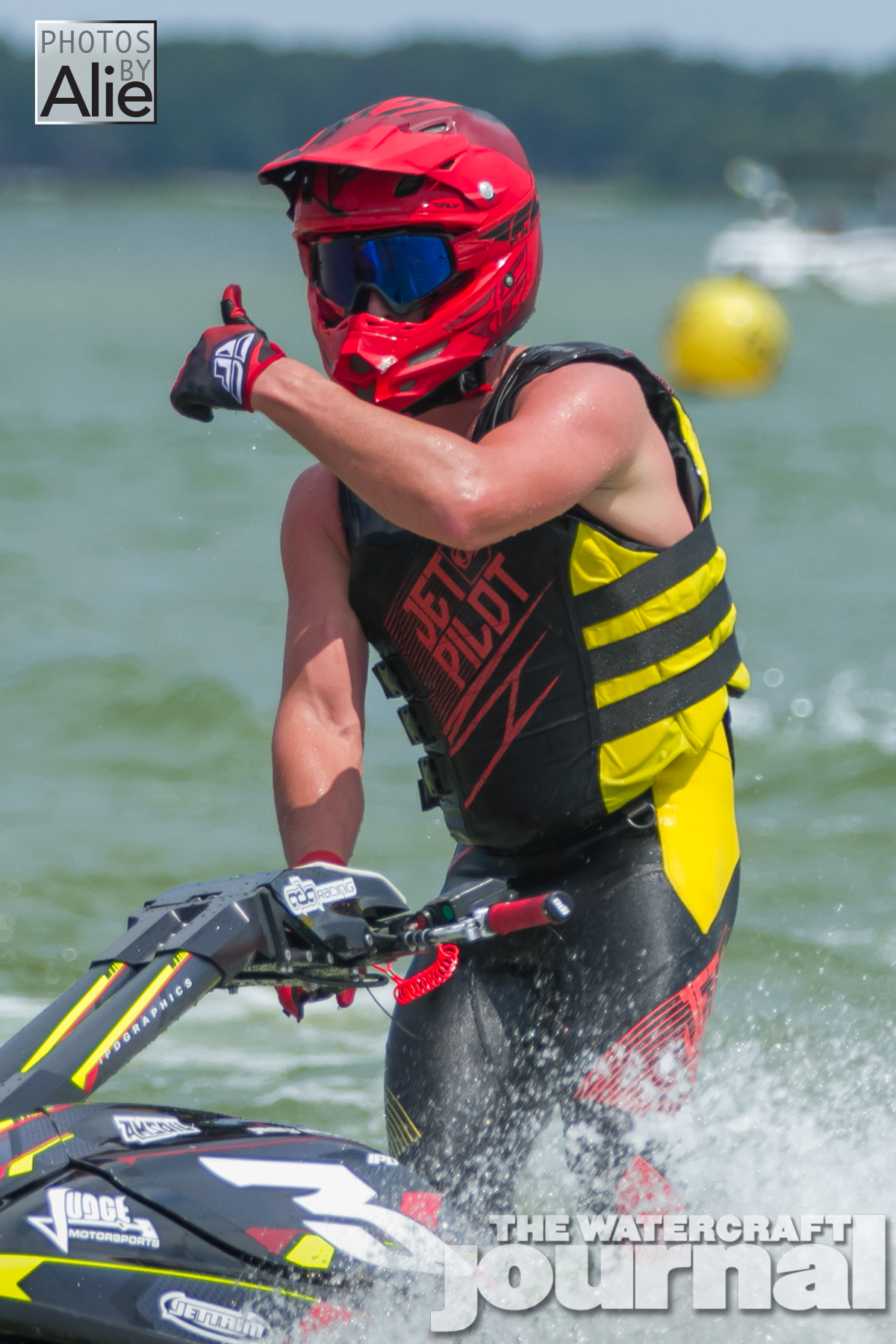
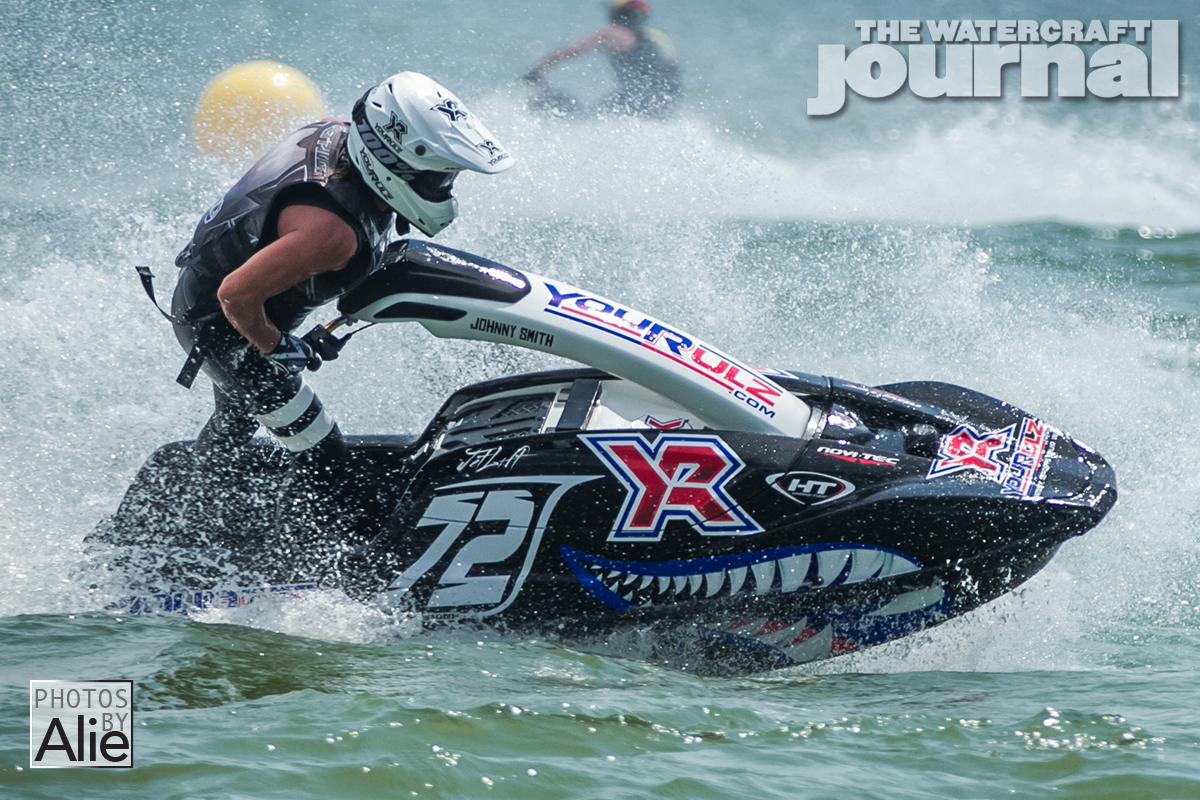
In the Pro classes, the Pro Ski GP class was the largest of the day; and it was Jimmy Wilson coming out on top going 1-1-1 for the weekend on a triple cylinder Judge Motorsports-tuned 2-stroke ski. Despite the influx of new Kawasaki 4-stroke SX-Rs by some of the competitors, the 2-strokes haven’t been willing to quite relinquish control of the class yet! Dustin Motzuoris came back from some inconsistent starts to battle his way past his teammate, David Redinger to finish second overall and third overall receptively.
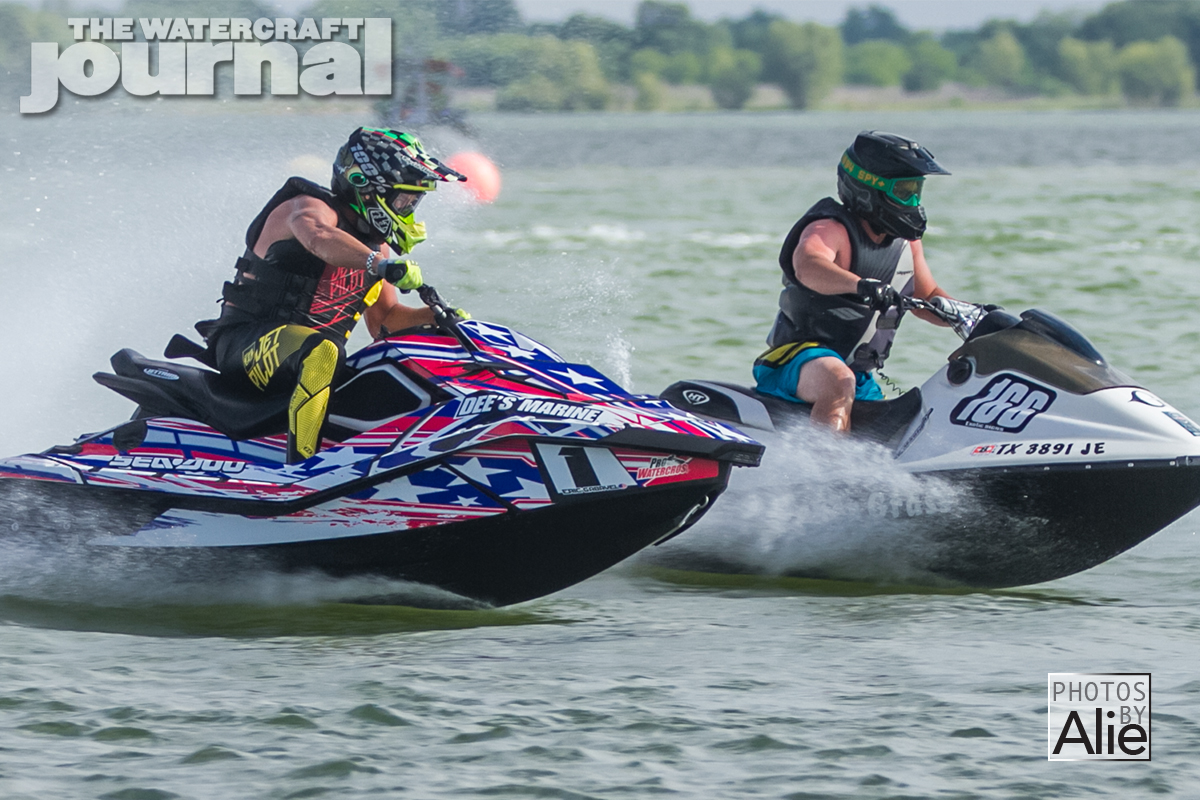
Pro Sport GP was the next largest Pro class and Sam Nehme continued his domination – although he didn’t have it easy. Keith Dill and Bill Dearman came to play this weekend and Dill managed to pull a 3rd Moto win from the clutches of the reigning champ Nehme. Notably, Team Faith’s Gage Schoenherr, who came into this round tied for the points lead with Nehme was not present and did not compete this round. Team Faith’s Brian O’Rourke explained that he just graduated high school and would take the opportunity to go to the US Coast Guard Academy to pursue his career serving our country – a decision the entire Team supports!
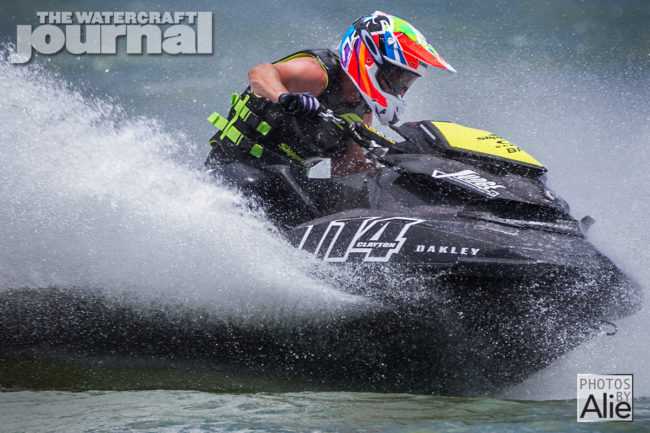
In Pro Runabout GP it looked early like it was going to be all Claude Clayton on his beautiful (and fast) all-carbon fiber hull as he rocketed out to a great start in Moto 1, but as they often do, the GP boat was hard pressed to finish and attrition got the best of him. He would later rebound on Sunday to pull two holeshots and wire-to-wire wins, but it wasn’t enough to match the consistently of Corey Hellman from Argyle, TX who went 1-2-2 for the overall win. Rydal, Georgia’s Jeff Dyckowski rounded out the Top 3 in the overalls for the weekend.
In Pro-Am Box Stock, Troy Snider and Jeff Dyckowski traded moto wins but it was Snyder who brought home the overall with a 1-3-1 finish, while Dyckowski went 2-1-3 for second and Team JetLift’s Dylan Osbourne rounded out the podium with a 3-2-2 finish.
In Pro-Am Ski Stock it was Gene Daniel, David Cabrera, and Jimmy Wilson swapping moto wins for an exciting battle between the three veteran competitors. Wilson was on borrowed equipment (from Sammy Nehme) so his first moto finish reflected that, but he wound up breaking a steering cable on that boat and had to revert back to his own, which he got going for the later motos. Cabrera looked to have them covered but made an error on the final lap while coming across the finish line mistakenly missed the checkered buoy thus being docked two positions. In the end it was Gene Daniel on the top spot of the podium with Cabrera in 2nd and Wilson in third.
When Amateur racing came up it was the Sport Stock class that was the healthiest – which it has been all season thus far. Eric Gabriel looked to have them covered early on his Sea-Doo HX, but unfortunately, a post-race technical inspection yielded him a DQ for the weekend despite going 1-1-1. That gave way to WCP’s Keith Dill to take the overall and the championship points lead with a 3-3-2 finish to Bill Dearman’s 2-5-4, which was good enough for the second spot on the podium. Veteran rider Craig Ingram had a fast HX as well and put together a nice weekend of racing to complete the overall podium. The racing was not without a scare though; in Moto 3 as Team Faith’s newest rider Jeff McPhail was hit pretty hard by accident when he slid out in a turn while in second place and suffered a deep bone bruise on the top of his femur. He should be OK according to the Team Faith crew.
Speaking of Team Faith, in the IROC Stock class it seems to be a battle of families! Unlike the Hatfield and McCoy clans, the O’Rourke’s and Gabriel’s had a more-than-friendly rivalry going on all weekend. Eric Gabriel had both his sons, Eric T. Gabriel and Justin Gabriel entered in the class to go up against Brian and Monica O’Rourke and the battle ensued early Saturday morning with Brian O’ getting the holeshot in Moto 1 only to passed on the front straight by Eric Sr. who lead the rest of the way to the win. Gabriel Sr. grabbed the second Moto win also and it looked as Justin Gabriel would take second until he missed a start buoy, handing the outside split start holeshot to Brian O’ who ducked in behind Eric Sr. for second. In Moto 3, O’Rourke was able to grab his second holeshot of the weekend and led wire-to-wire for the win – of which he was obviously excited as he came across the finish line. But Eric Sr. continued his dominating overall performance in the class taking another overall win with O’Rourke taking second and Eric T. Gabriel in third.
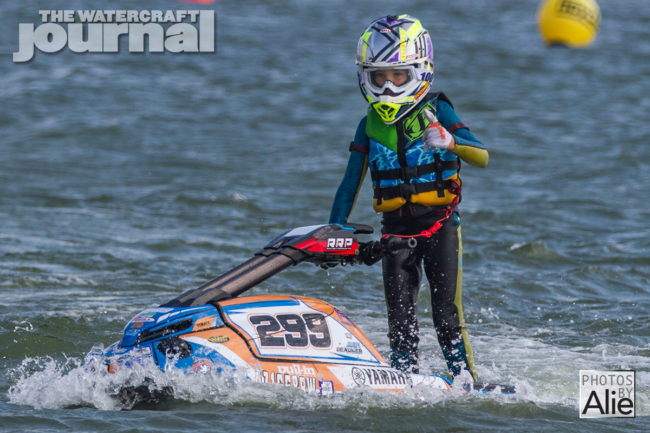
The Juniors are always a treat to watch as these little dudes and dudettes rip! Lake Havasu’s JuJu Beaumer took the overall for the weekend going 1-1-1 in the Junior 10-12 Year Old class while BMS’s Sammy Nehme took second overall to his buddy Hayden Skellet who finished third. Theo Beaumer followed his little brother’s footsteps going 1-1-1 for the overall in the Junior 13-15 class followed by Devin Farting who went 2-2-2 and Hagen Smith who went 3-3-3 respectively. It was nice to see “King D” Dustin Farthing play the father role so prominently, as he did not bring a boat to compete on this weekend, opting to support Devon in his racing efforts.
The weather was great. The race site was great. The action was intense at times and everyone seemed to enjoy the weekend of friendly competition at Round 3 of the HeyDay Pro Watercross Tour in Lake Lewsville Texas. Next stop is Sparks Marina in Sparks, Nevada this coming weekend.
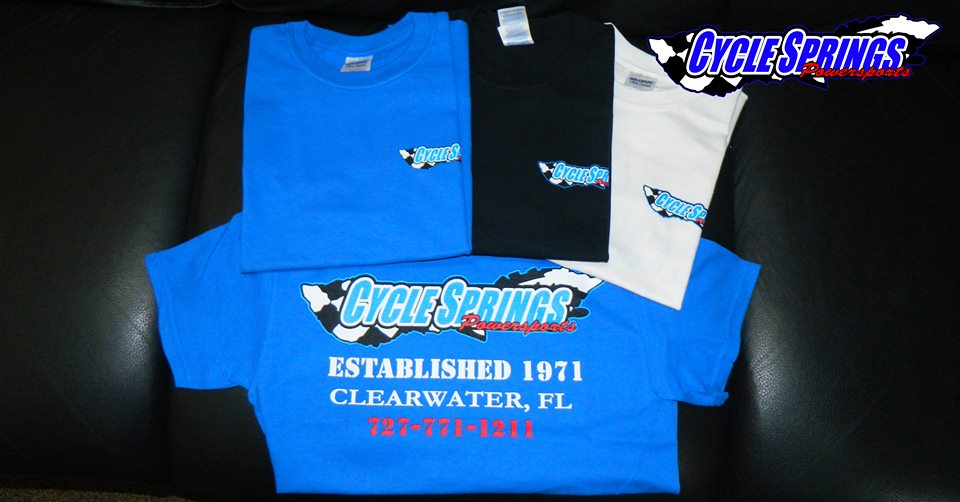
If there is one thing a lot of people have in their closet, its T-shirts. We’re all self-admitted powersports fanatics and our closets do a good job of showing that. Cycle Springs Powersports is hoping to add to your T-shirt collection with one of their own awesome shirts.
Until June 30th, they are giving away free T-shirts! All you have to do is go to their store in Clearwater, Florida and check in to Facebook while there. Once you do that, bring your phone or other device to the parts department for confirmation and they’ll give you a brand new Cycle Springs Powersports T-shirt!
These killer looking shirts come in black, white or blue. Please note, this offer is only good in-store, so use it as a good excuse to stop in and visit one of the biggest, most popular and highest-rated personal watercraft and powersports dealers in Florida! Because everybody loves free stuff.
It was time for a change. I loved my job, but I also wanted more than just to be an Associate Editor, and it wasn’t looking like my boss had any ambition to ever leave for greener pastures. It was early 2007, I was newly married, and looking to advance my career so I accepted a job offer back in Southern California only a few miles from the town I had grown up in (we were living in Florida at the time). The position offered nearly double my salary, the coveted position of Editor, and the promise of cool days on the water over sweltering afternoons at the racetrack. The decision wasn’t that hard to make, and thus I became the 5th and final Editor of Personal Watercraft Illustrated.
Given a scant two weeks to transplant all of our earthly belongings from one coast to the other, I bitterly left my wife of 6 months, as she chose to stay an extra 3 weeks at her job (it payed well) and pack up the rest of our stuff; as well as my prized ’69 Dodge Charger at a paint shop in Central Florida, expecting to see it returned straightened, rust-free and painted in a year’s time. Alone, and with a majority of my tools, remaining car parts, and some clothes, drove out west, and stowed all but a duffle bag of clothes in a storage unit. I bunked at my brother’s house in Garden Grove those first few weeks, but was rarely around.
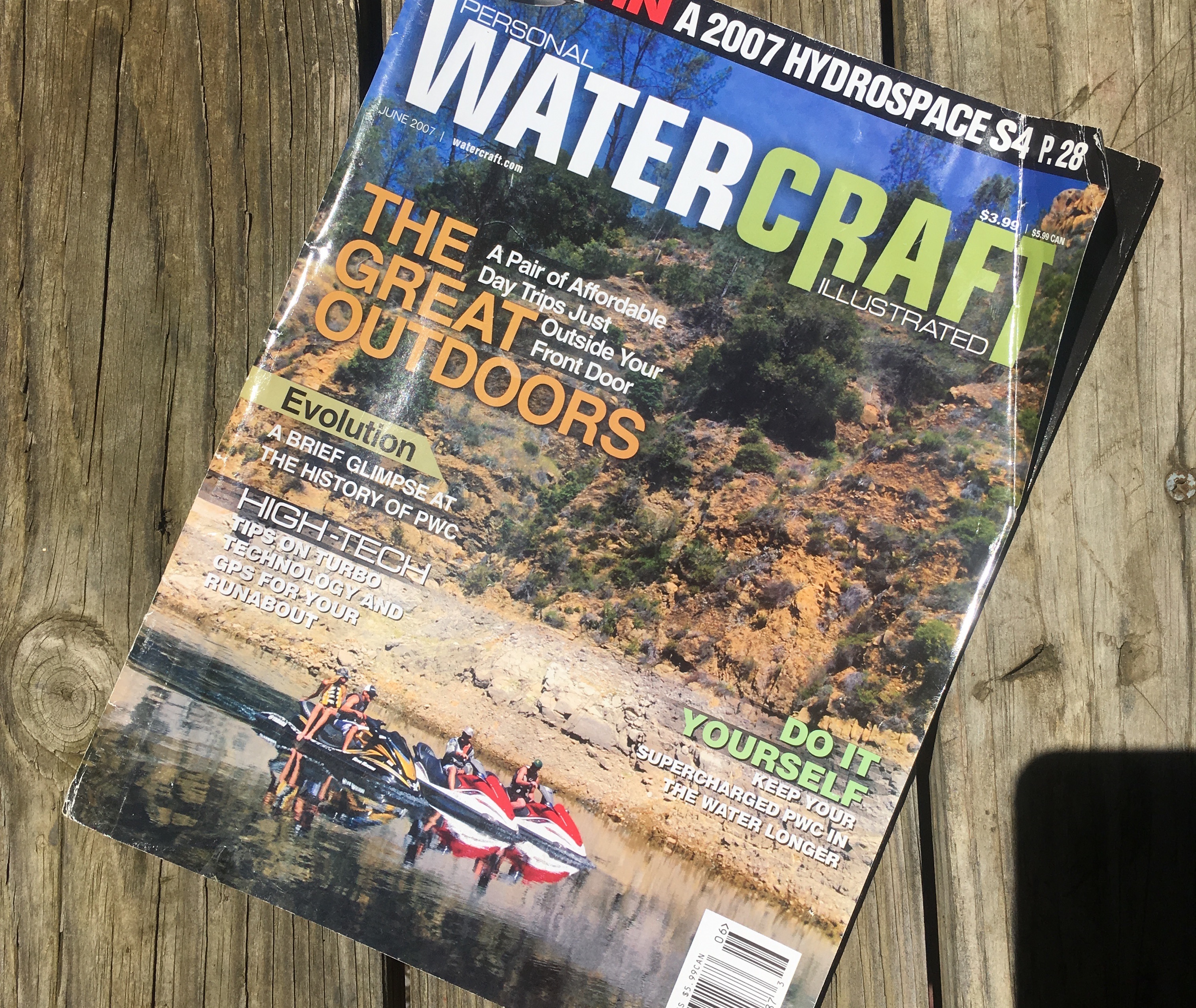
Upon arriving at CN Publishing, the parent company of Personal Watercraft Illustrated, I was given a crash course in the publication. Admittedly, I barely recognized the title although I did recall stacks of Cycle News on the table at my father’s powersport rental company during the 1980’s. PWI was the longest-running personal watercraft enthusiast magazine in the industry, having launched with the June 1987 issue. Coincidentally, it was the June 2007 issue that was to be my first. The previous Editor, Josh Burns had weirdly celebrated the anniversary prior to his leaving, some months prematurely, and I felt.
Moreover, as I was absentmindedly going about cleaning and organizing my new office, our Art Director, a lovely but no-nonsense woman named Sunny Kwon came in to let me know that there was little over two weeks remaining to get the June issue submitted for layout.
Thus far, nothing had been submitted so as it were, I was on the hook for 76-something pages of content. My Senior Editor, Paul Carruthers, the same who had launched PWI 20 years previous, offered some help – pointing towards longtime contributor Chris Lauber and connecting me with freerider Taylor Curtis, who Josh had been working with earlier.
A succession of 10-to-14 hour days followed; I was often first or second into the building and almost always last. It’s then that I developed a taste for Rockstar and Monster energy drinks as I hammered into the keyboard incessantly (a habit I only abandoned last December).
Of that first issue, I personally wrote 65-percent, grateful to Heather Selwitz-Briglia, the aforementioned Chris Lauber and Andrea Wilson, the latter who stood on the breakwater as then Sales Manager Rick Lake and myself rode around Dana Point, CA, snapping pictures. With half a dozen pages to fill and no seat time beneath me, I propositioned Rick with a day on the water.
Rick, of course, had been with the magazine for 5 years, having jumped from Jet Sports Magazine, the former publication of the IJSBA, to PWI. He suggested the offshore course of Dana Point to Oceanside, and back as a good “break in the new guy” ride. Equipped with a then-brand new ’07 Kawasaki Ultra 250X and a Yamaha VX Cruiser (there was never a more mix-matched pair of skis), we suited up and went for a ride. The Ultra of course, fared far better in the surf but despite the 50-something-mile round trip, the VX still had plenty of fuel in reserve. A trend that has seemed yet to change in a decade’s time.
Admittedly, most of the stories ran far too long, fluffed with too much exposition or massive full page spreads. At the conclusion of my two-and-a-half-week sprint to my first-ever deadline as an Editor, I was scheduled to fly back to Florida where I’d join my wife for a delayed honeymoon cruise and then drive back together to California. Fatefully, queries regarding layout and editing arose in my absence, which only frustrated my seemingly perpetually frustrated copy editor and Sunny, who I learned quickly never to cross. Doing my best to extinguish fires via email, I scurried back to Orange County, California, half expecting a mutiny.
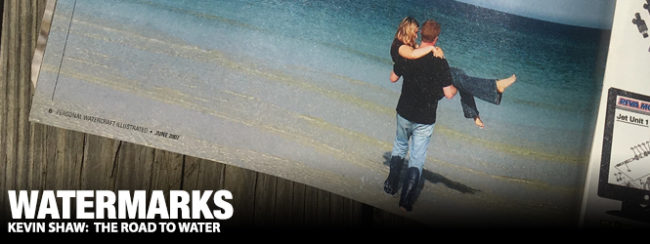
Rather, my Publisher, Bob NorVelle, greeted me pleasantly, praised the issue and slapped me on the back with an “attaboy.” I hadn’t failed in spectacular fashion as the nightmares that kept me up at night had threatened. And in the following months, I was able to learn how to stay ahead of my deadlines, prepare and deliver on superior content, elevate both the readership and quality of the magazine, and moreover, come to know and befriend the people, companies and organizations of this industry. I still trample a few toes and stumble over my own tongue once and again, but the road to my becoming an Editor of a personal watercraft magazine is one that I cherish.
Contrary to how most Americans think, the United States is not the golden center of the universe that we like to think. Sure, we’ve played our part in advancing the human race (TV, electricity, the light bulb, airplanes, penicillin, splitting the atom, landing on the moon, etc.), but y’know, other people have come up with some pretty cool stuff too, like soap and democracy. And all too often we think that US-based PWC racing is all that matters, and simply isn’t the case.
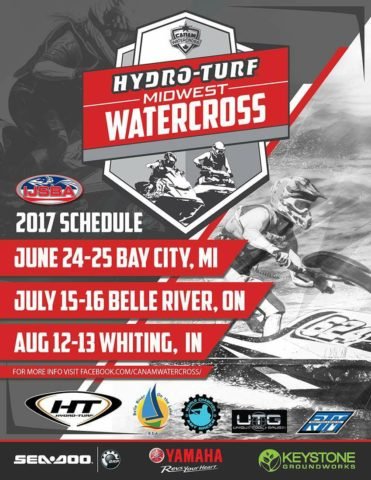
One of the most exciting racing series in the North American continent is the CanAm Watercross’ Midwest tour, put on by the Canadian American organizers who have been diligently hosting this series for more than a decade.
As part of kicking off this year’s series, we’re happy to share that Hydro-Turf will be returning as the series’ title sponsor for 2017. Christened, “The 2017 Hydro-Turf Midwest Watercross Tour,” it will have stops in Bay City, MI; Belle River, ON; and Whiting, IN. (For further details visit HERE.)
Of course, Hydro-Turf has been one of the most iconic names in the personal watercraft industry, but as a supporter of racers, but also a key industry sponsor of events like these since its inception in the early 1990s. Although known as a traction mat company, Hydro-Turf has evolved much further than that, providing racers, riders and freeriders with the tools they need to remain on the cutting edge.
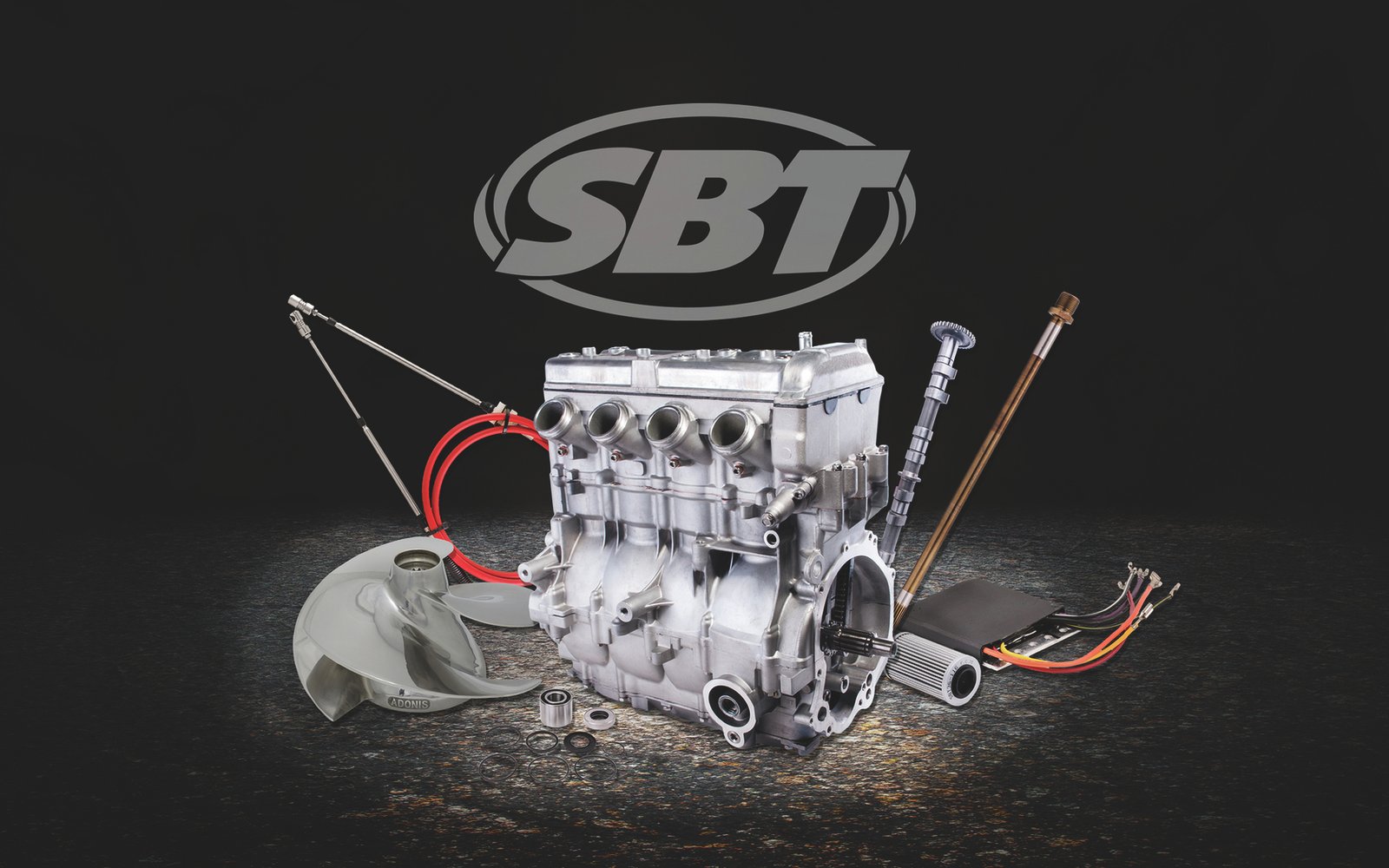
With the thousands of personal watercraft in current use as rental units around the world – many of which being (in may cases) over a decade old models, those being mainly Yamaha VX and Sea-Doo GTS units – service technicians and repair shops are perpetually laboring to keep their fleet well-oiled and properly maintained. To equip these shops, SBT, Inc. (Short Block Technologies) has risen over the last 20 years as the world’s largest supplier of aftermarket PWC engines and parts.
In recent years, the respective OEs have completely revised their engine platforms, making the previous powerplants obsolete despite these rental outfits and repair shops still very much in need for engine replacement parts. For nearly two decades, it was SBT’s policy to request a core (the damaged engine or component) in exchange for a remanufactured replacement. This policy though, proved problematic for international sales, as the cost of shipping the injured core often surpassed the cost of the new engine.
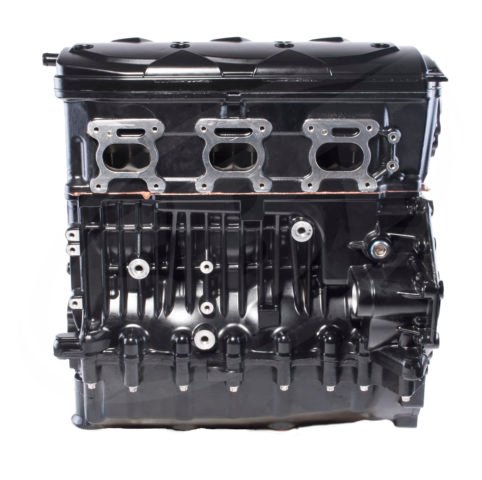
Recognizing the need to accommodate these international customers better, and seeing a dwindling in returnable cores, SBT made a bold decision: to build its own engines. “Our new engines are perfect for our international customers who do not want the hassle of shipping their old cores across the world. This program also helps customers who may have a badly damaged 4-stroke engine that would not get full core credit,” explained SBT International Marketing Manager, Ericka Buczkowski in a recent press release.
SBT poured three years of research and development into forging its own versions of the Yamaha 1.1L and Sea-Doo 1.5L engines. The Watercraft Journal interviewed SBT president, CJ Lammers who said: “SBT recognized the need for new engines to replace older 4-strokes back in 2013. We concentrated on the older models (which started back in 2002/2003 and have 10-plus-years of production in the field) and how we could improve and enhance the engines from our 10 years of remanufacturing the OEM designs.
He continued, “SBT firmly believes that new replacement engines are needed to address a growing segment where damaged engines are easier and more affordable to replace with a new motor rather than a remanufactured engine with core replacement charges. International sales are also important as the cost of returning cores can quickly make the decision more difficult. Having new engines on the shelf and ready to ship alleviates those concerns, so we’ve seen a huge growth in international shipment of engines.”
Lammers detailed SBT’s changes to the Yamaha and Rotax designs, saying, “By designing the block around certain critical attachment surfaces, we had the freedom to incorporate design improvements and updates to make our engines more robust, yet bolt-on ready for most of the OEM applications. We spent 2 years refining our designs on the water and doing accelerated durability tests on all our parts before signing off on the final designs.”
With the influx of replacement cores slowing, the decision to act quickly has paid off, “The program was launched last year and it is exceeding our expectations. Sales of our SBT brand new engines are growing each month and our warranty rate is lower for our new engines. This has been a very successful program and a great compliment to our remanufactured engine line.”
Currently, the new SBT aftermarket engines begin at $2,595 retail, which as many will note, is a fraction of the cost of an OEM Sea-Doo or Yamaha engine. SBT also offers replacements short blocks, crank cases, cylinder heads and SBT-branded crankshafts (all of which bolt directly together with factory components), in addition to direct-replacement engines, which are in stock and ready to be shipped.
All of us at The Watercraft Journal are excited to share our latest episode of “Long Haul,” our ongoing YouTube series where we review the newest and most innovative personal watercraft, participate in awesome adventure rides and give you the real dirt on the future of the PWC industry. For 2017, we’ve severely stepped up our production, and as many have noticed, are now producing not one, but two videos a month – completely free to you and shared exclusively on The Watercraft Journal YouTube channel.
This time around, we join the Middle Tennessee Personal Watercraft Club for a great day of riding the historic Tims Ford Lake and Reservoir in South Central Tennessee. Riding a brand-new 2017 Sea-Doo GTR-X 230 that we’ve equipped with a Kool PWC Stuff cooler rack (crammed full of drinks and snacks) and a pair of 3-gallon Rotopax gas cans, we explore caves, cliff faces, a sunken grove of trees and discover a secret swimming spot where no boats can enter – but we could! It’s an epic one day ride sure to make you want to go – as we can’t wait to go back ourselves.
And make sure to subscribe to our YouTube channel, as you’ll receive updates when a new video is uploaded, as well as other notifications. We’re stepping up our video segments in a big way, and we’re excited to bring you along for the ride. So again, please check out the latest episode of “Long Haul” shown below, as well as click on the link to subscribe (for free) to our YouTube channel.
It’s a sad fact that often the professionals overshadow the amateurs both in spectator appeal and media attention. But thankfully, when there’s a bright-enough shining star, the world turns its gaze beyond the norm. One such shining star is Dean’s Team/Yamaha WaveRunner Amateur racer Gary Shrigley. Late last month, Shrigley captured his first P1 AquaX Amateur career win this weekend!
Cody Tetreault also made the podium again for the second time this season in what is shaping up to be the most competitive P1 Amateur Series ever. Besting a field of 30 fellow Amateur racers for the second round of the AquaX USA Florida Series in St Cloud, FL, Shrigley’s 300 Class Yamaha FZS made quick work of the calm conditions on East Lake Tohopekaliga.
But it wasn’t Shrigley who was expected to win; Carlito Del Valle had already claimed two wins ahead of Cody Tetreault and Enrique Chia at Round One’s Daytona Beach race. Del Valle feared his 6-point was in danger as Chia grabbed the lead early in race one, who was followed by Shrigley and an enclosing Tetreault. In Moto 1, Chia had claimed the checkered but with Shrigley close behind.
Many expected more of the same for Moto 2, but as Shrigley retained pressure on a leading Chia throughout the 30-minute heat, Chia inadvertently tugged his lanyard free, letting Shrigley pass by to take home his very first AquaX race win. And where was Del Valle and Tetreault this whole time? Downed with mechanical issues, Tetreault managed to limp to a 12th place finish, but a snapped driveshaft sidelined Del Valle, permitting 2013’s 300 class champion Kevin Wassum to finish third.
“Took my first ever win in my jet ski racing career last weekend during the P1 Aqua X event in Kissimmee,” Shrigley announced. Sporting a Dean’s Team-tuned SVHO, Shrigley’s FZS looked slightly out of place among the new GP1800s and FX SVHOs. “I know that most people made the switch to the new Yamaha GP1800, but I’m pretty happy with my 2016 Yamaha FZS.” With a promising start to his 2017 season, Shrigley concluded, “I am thankful for all the people who have helped get me to this point in my career.”
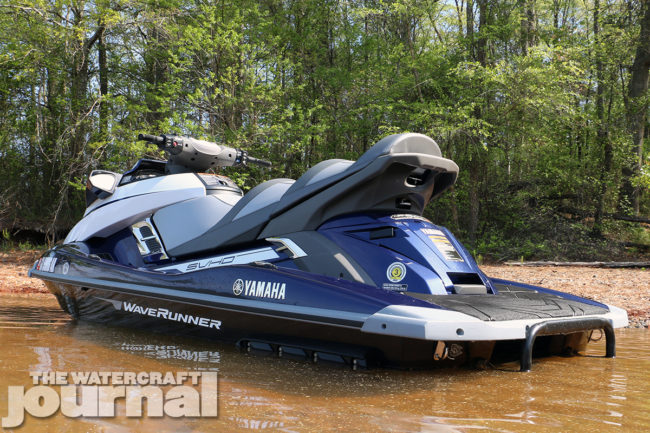
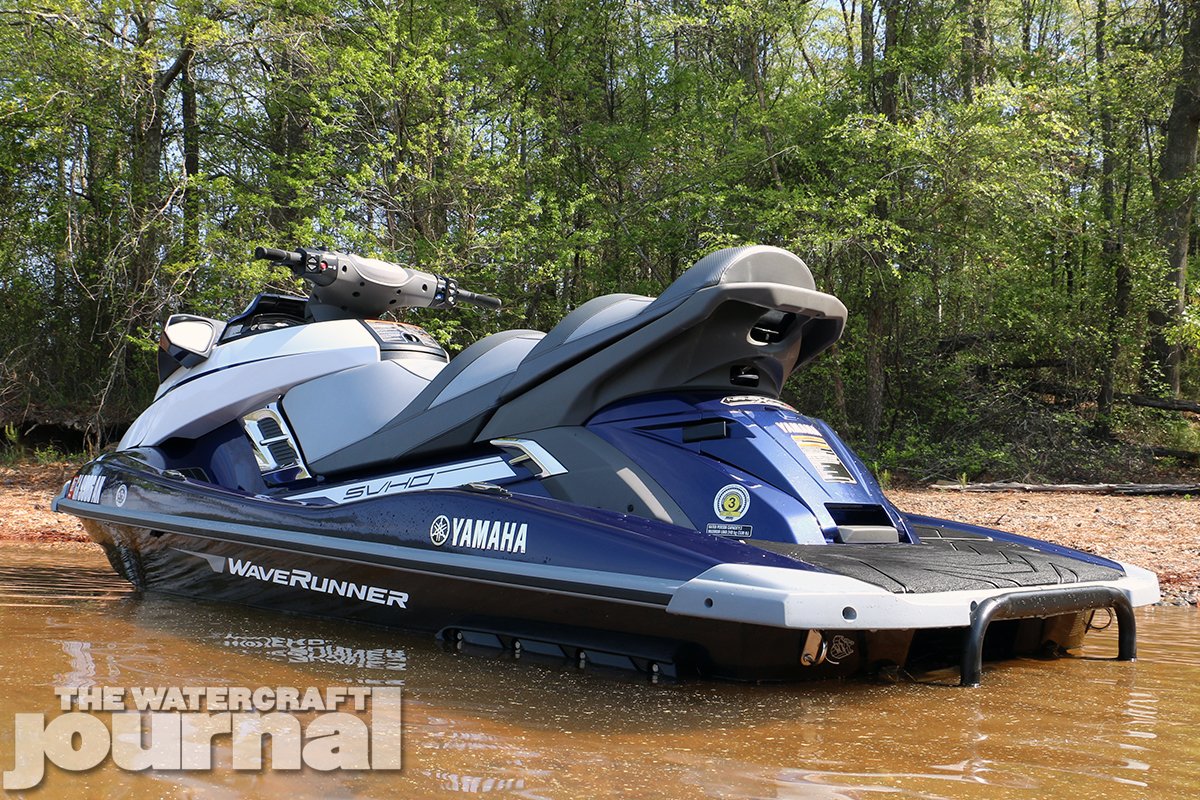
What if you could check every box, order every option and add every accessory that a manufacturer had available all on to one personal watercraft? One would think it 1. impossible and 2. extraordinarily expensive, right? That is pretty much what we thought and we were wrong. Two years ago, Yamaha Motor Corp. introduced the VX Limited WaveRunner, a specially-optioned 125-horsepower, TR-1 powered three-seater in Torch Red Metallic and white accents. The VX itself included some nice touches like raised chrome badging, spring-loaded drop-in cleats and Yamaha’s Cruise Assist and No Wake Modes. On its own, the VX Limited was a fine entry in the brand’s middle segment, but what set it apart was its included avalanche of accessories.
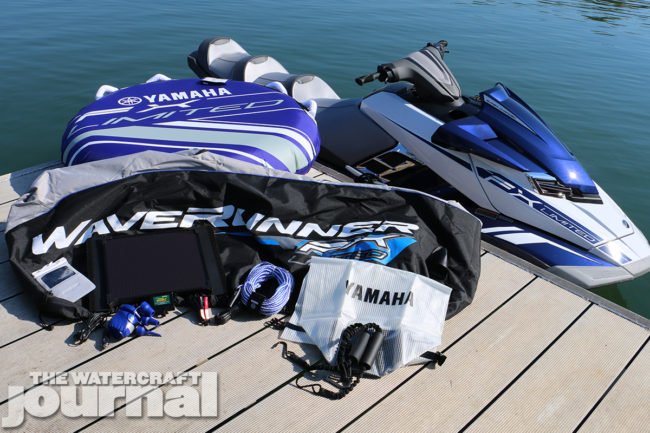
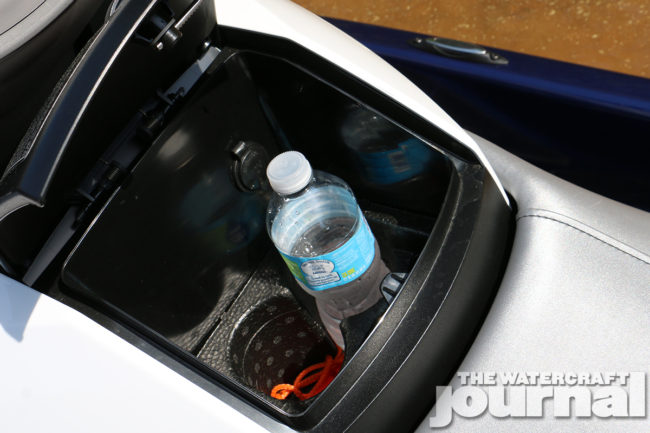
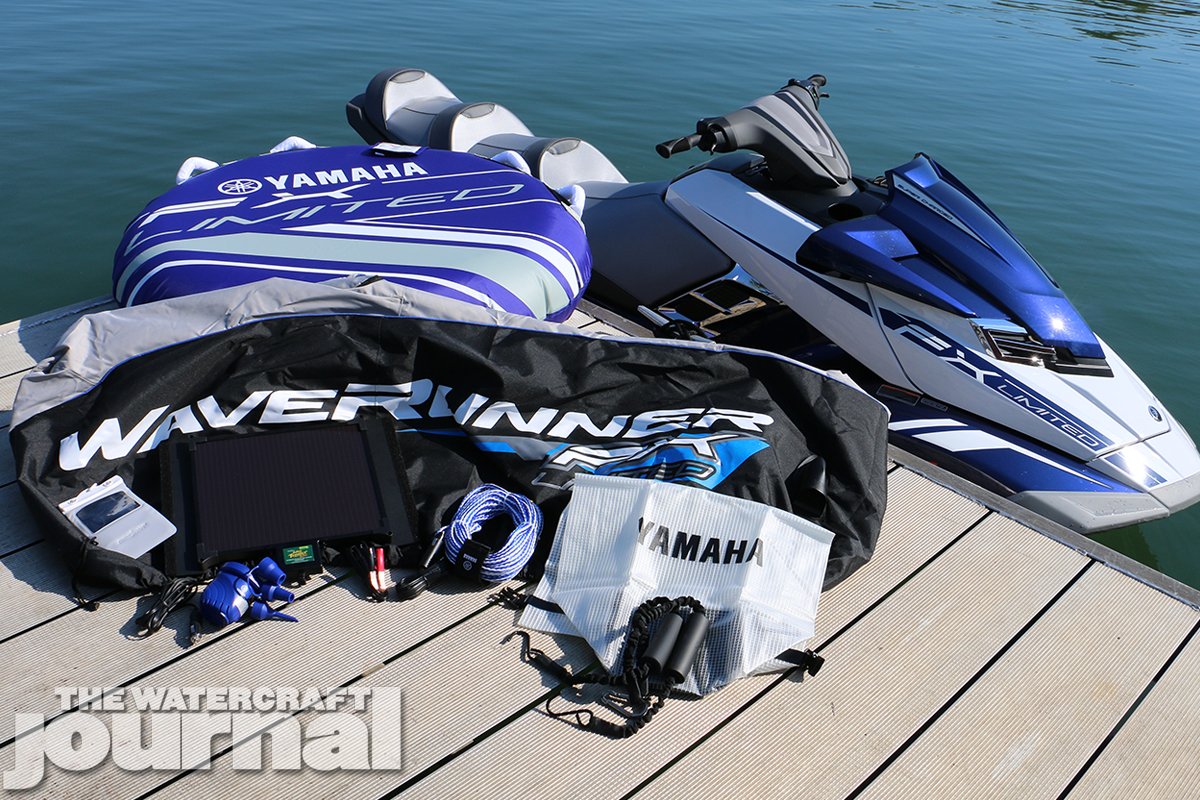
On the machine itself, the VX Limited includes a folding reboarding step, a 12-volt socket in the glove box (although ideal for charging a cell phone, GPS or VHF radio), the plug was incorporated to power an electric air pump – an air pump to inflate a specially-made one-passenger towable raft and tow rope (all color matched to the Limited), a special rope bag that attaches to the helm, a dry bag, a special edition ski cover with a zipper access door to the glove box, and a hard case solar panel that powers a battery tender as the Limited is parked alongside or behind the house. Best of all, the combined retail value of the accessories added to a similarly-equipped VX literally was half the cost than what it would be to purchase everything individually.
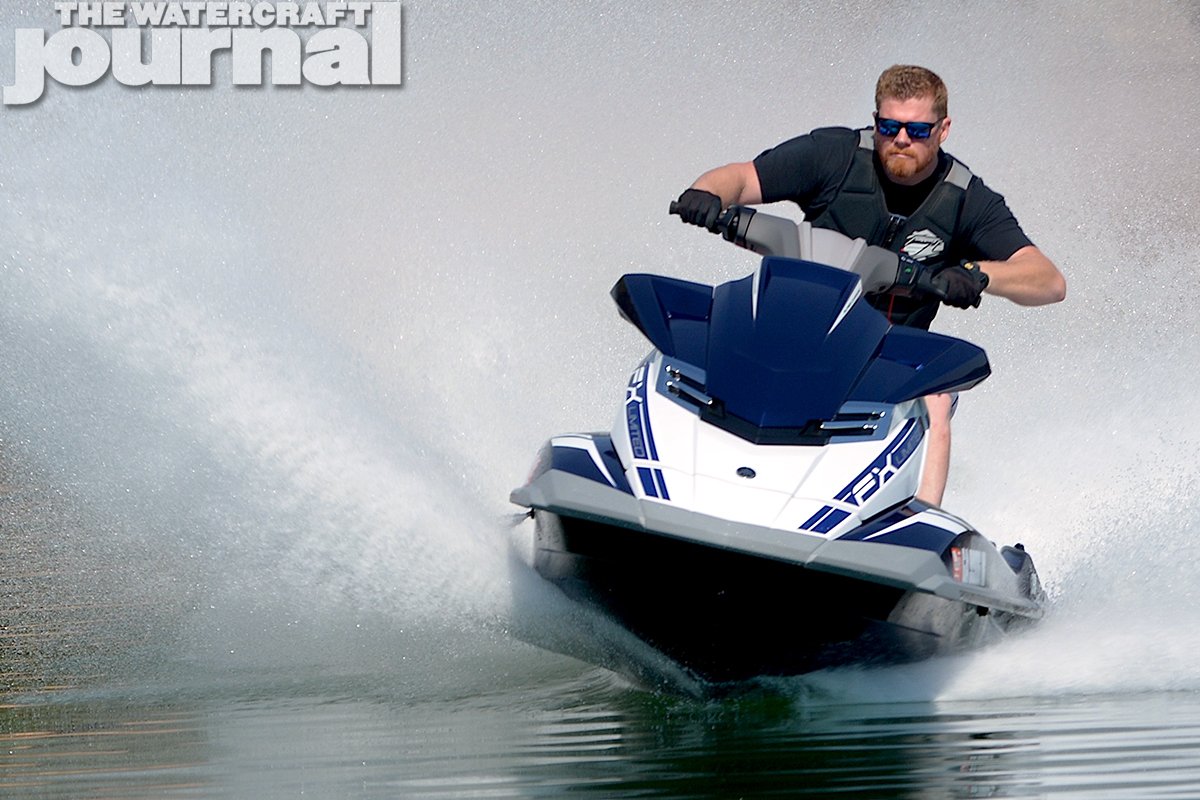
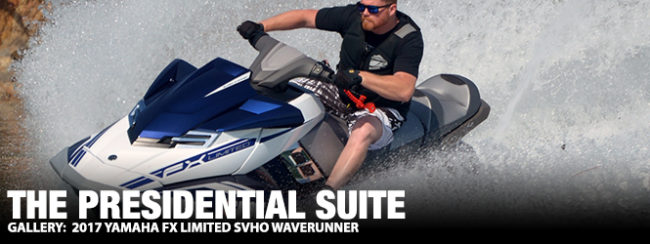
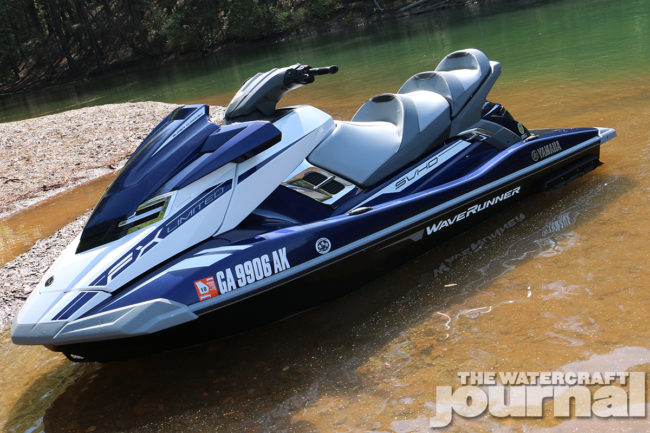
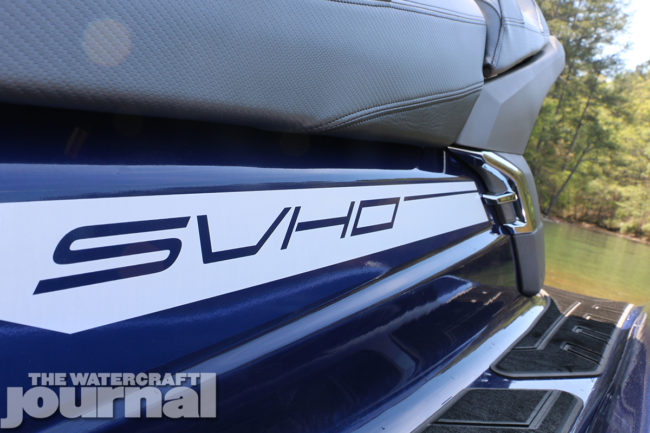
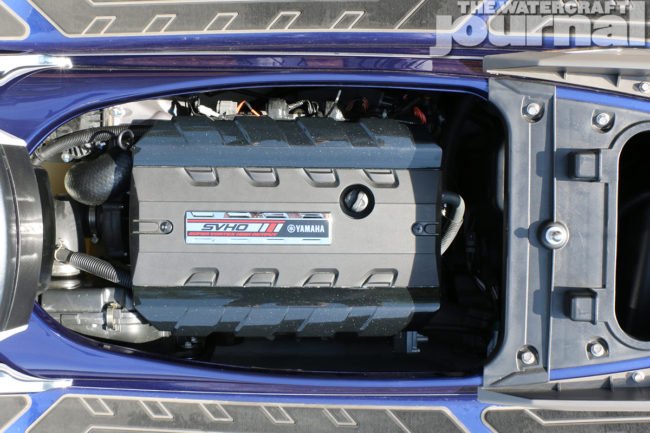
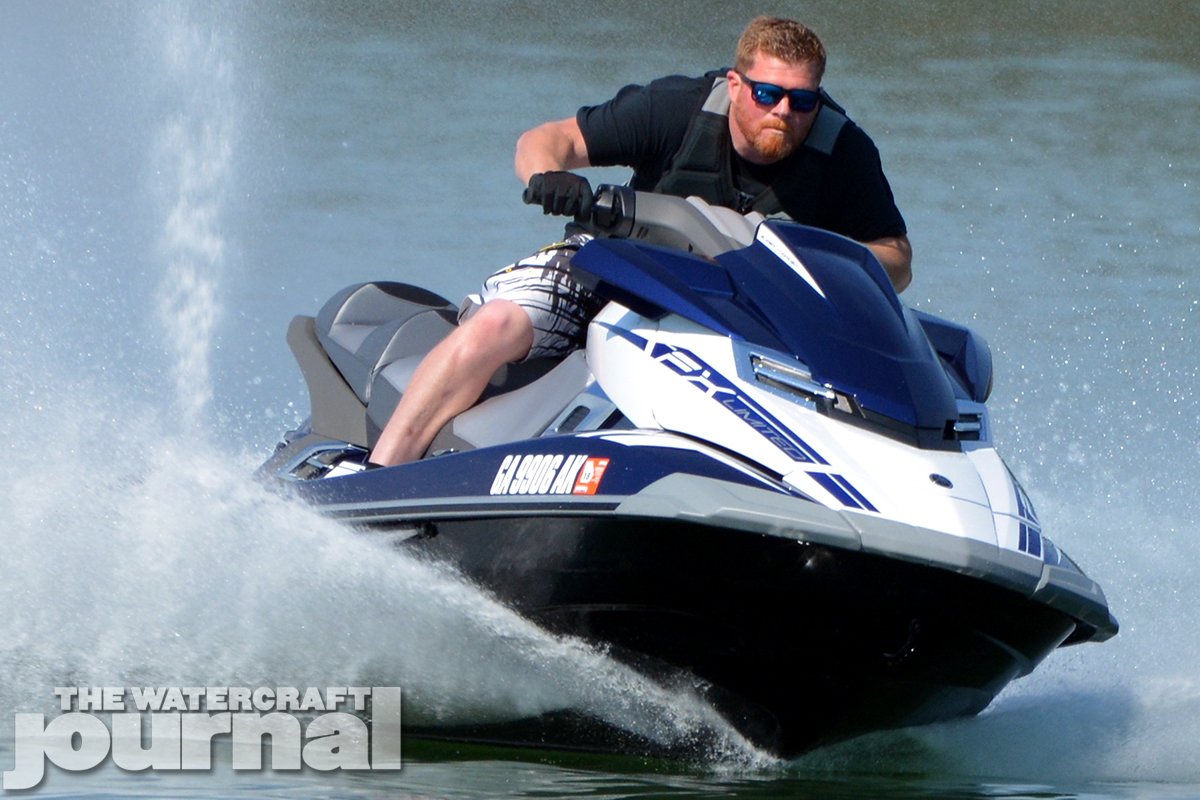
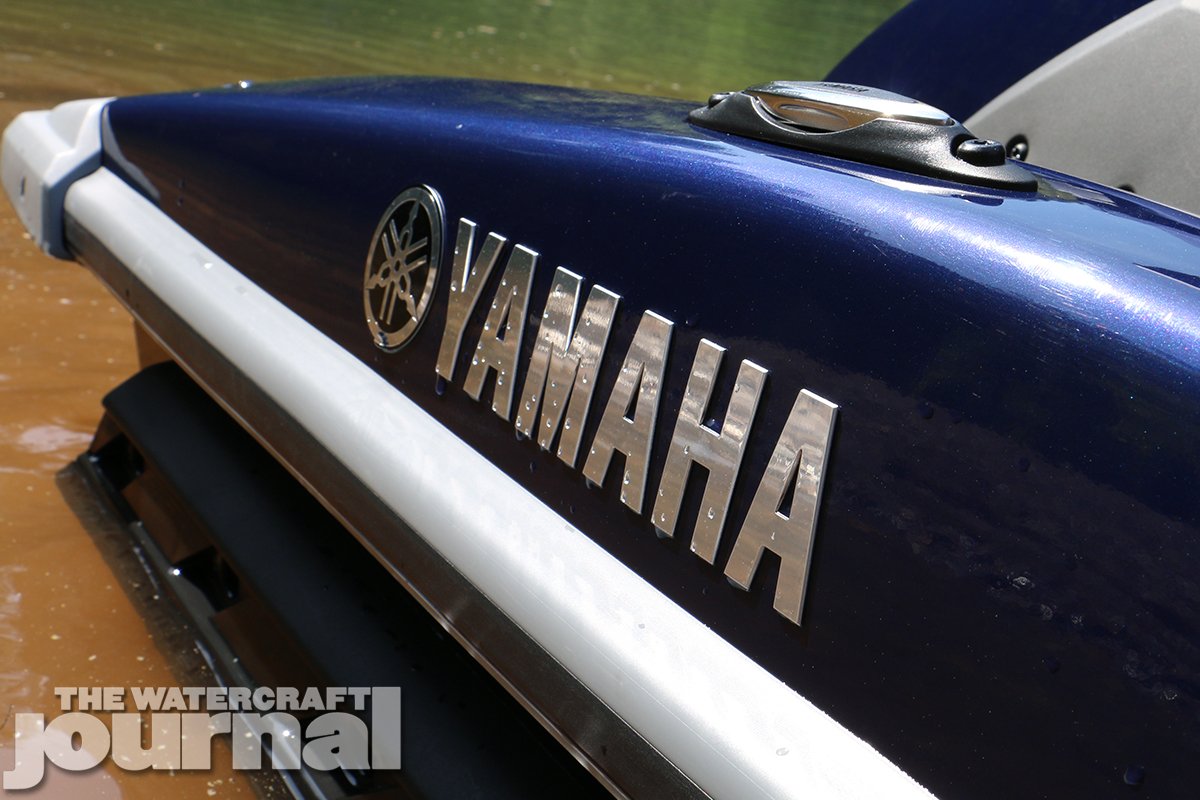
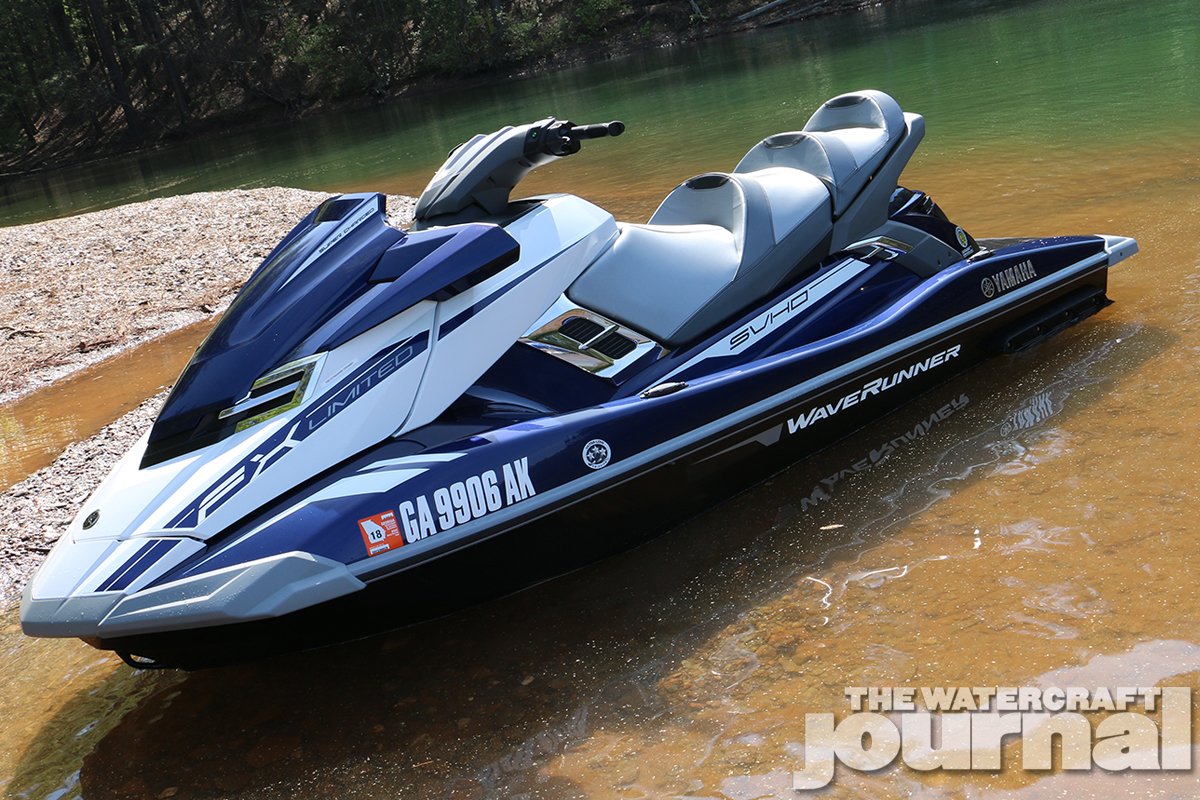
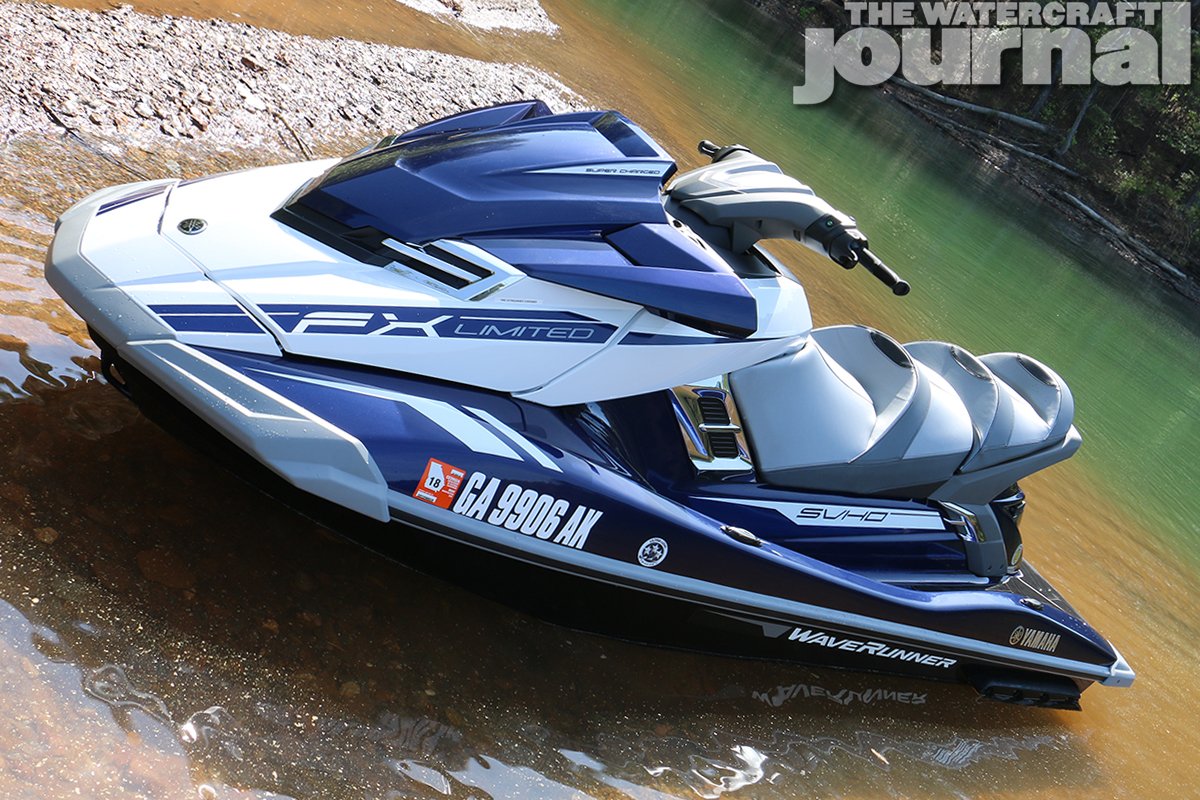
As expected, the 2016 VX Limited was a hit, selling every unit produced. In fact, the success of the package resonated so loudly that executives at Yamaha pushed to apply the same tactic towards its full-sized runabout, the FX. Yet, unlike the entry-point friendly VX, the FX unit slated for the Limited package was the supercharged-and-intercooled Super Vortex High Output 1,812cc four-stroke, 4-cylinder FX Cruiser SVHO. The unit itself was already the brand’s highest-priced, highest-optioned machine, and the Limited package pushes the envelope even further. Bathed in an absolutely mesmerizing Yacht Blue Metallic and white livery, the new-for-2017 FX Limited SVHO is as equipped as one can imagine, and yet, strikes a very unique chord despite being considered little more than an accessory group package.
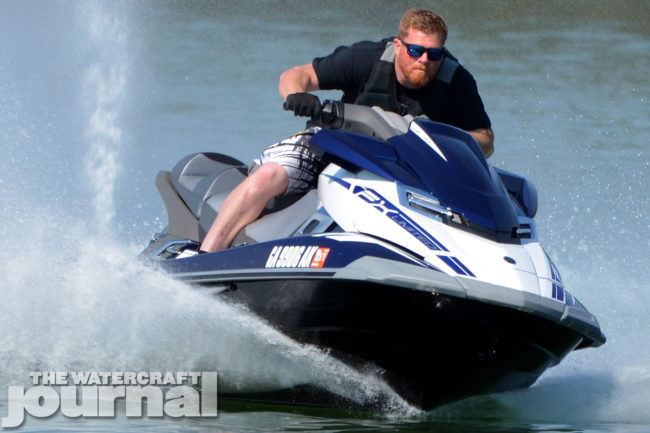
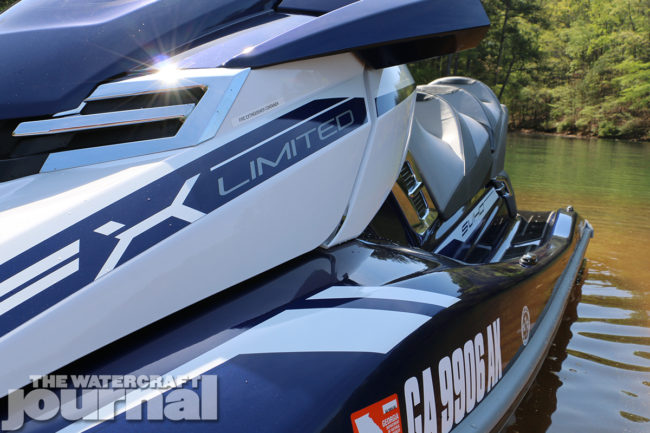
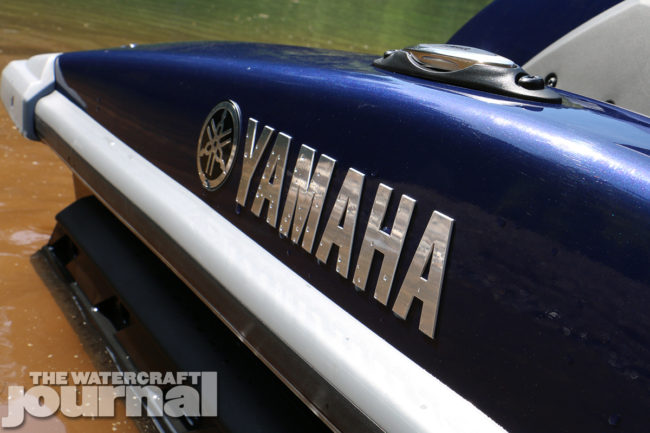
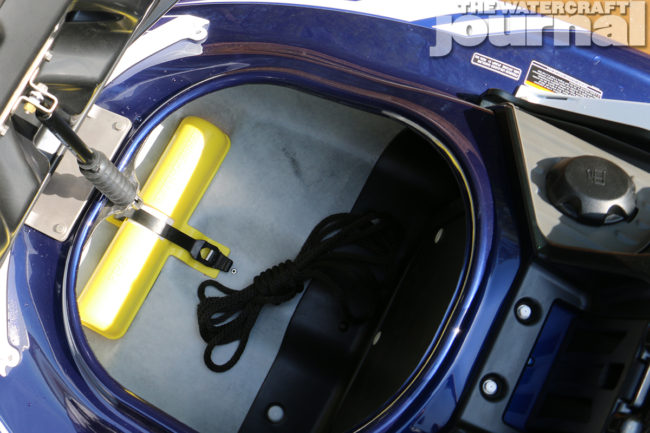
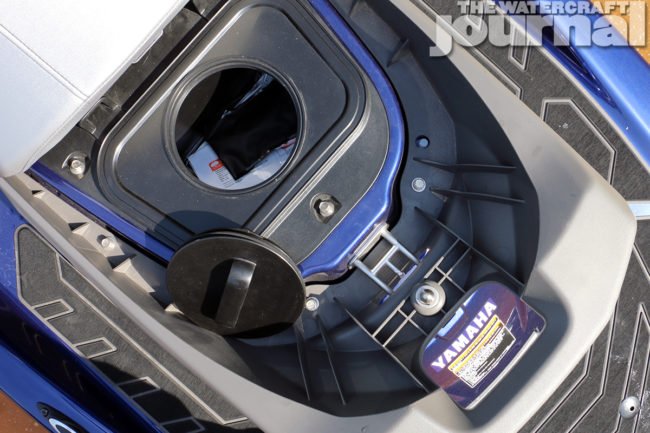
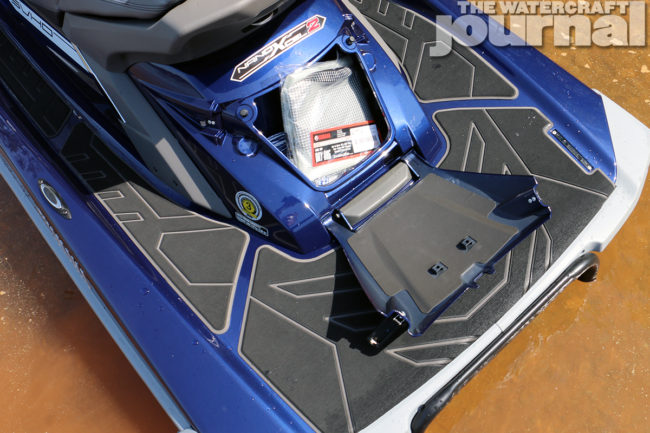
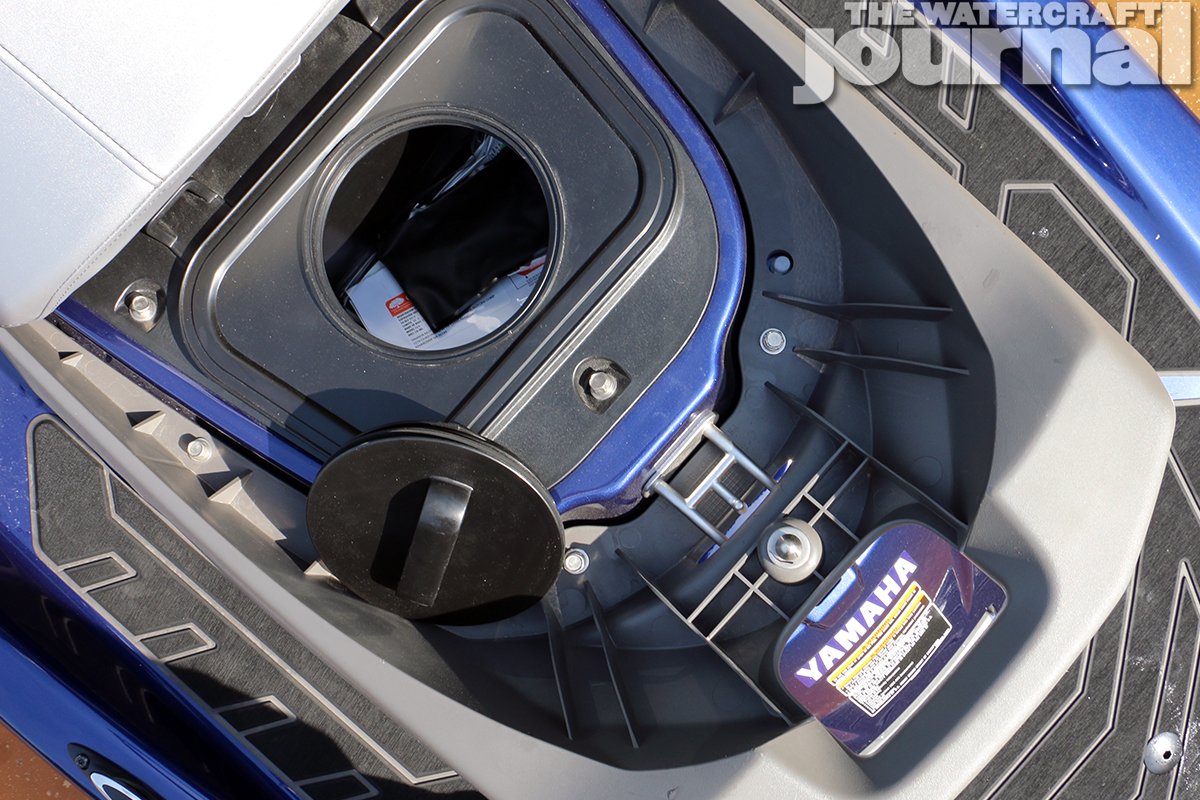
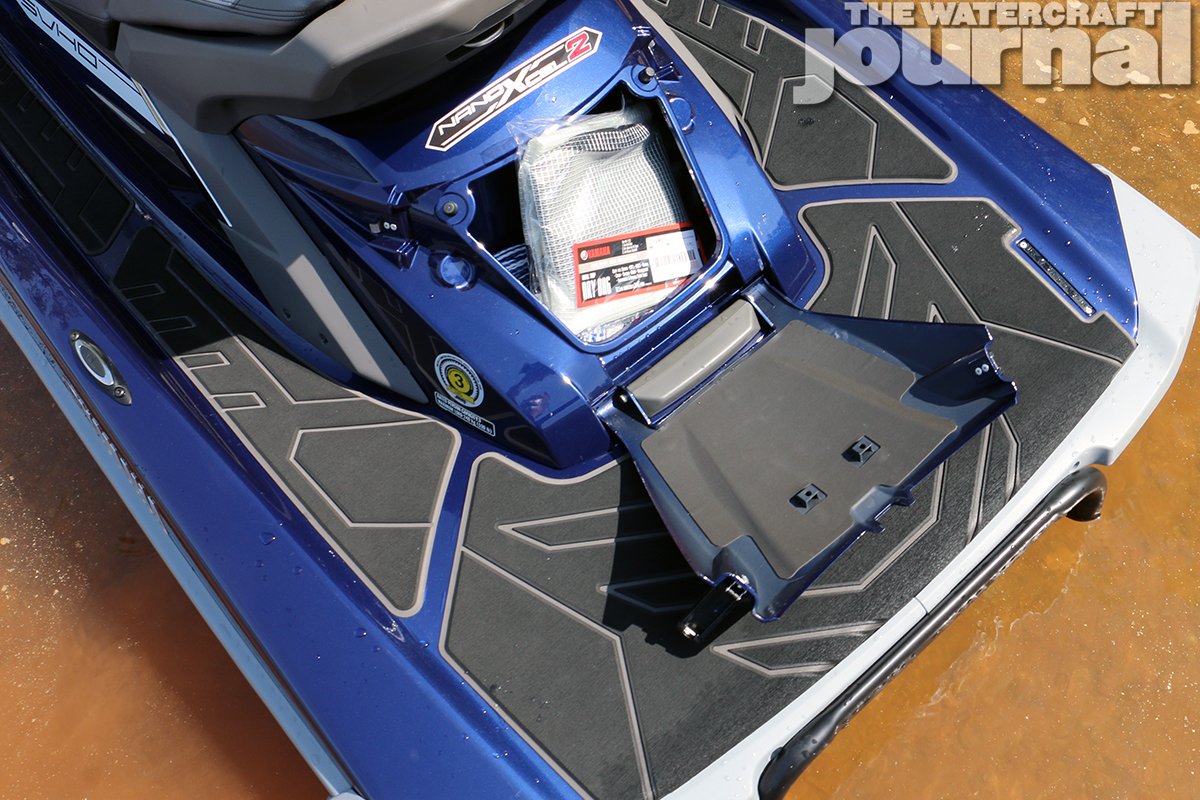
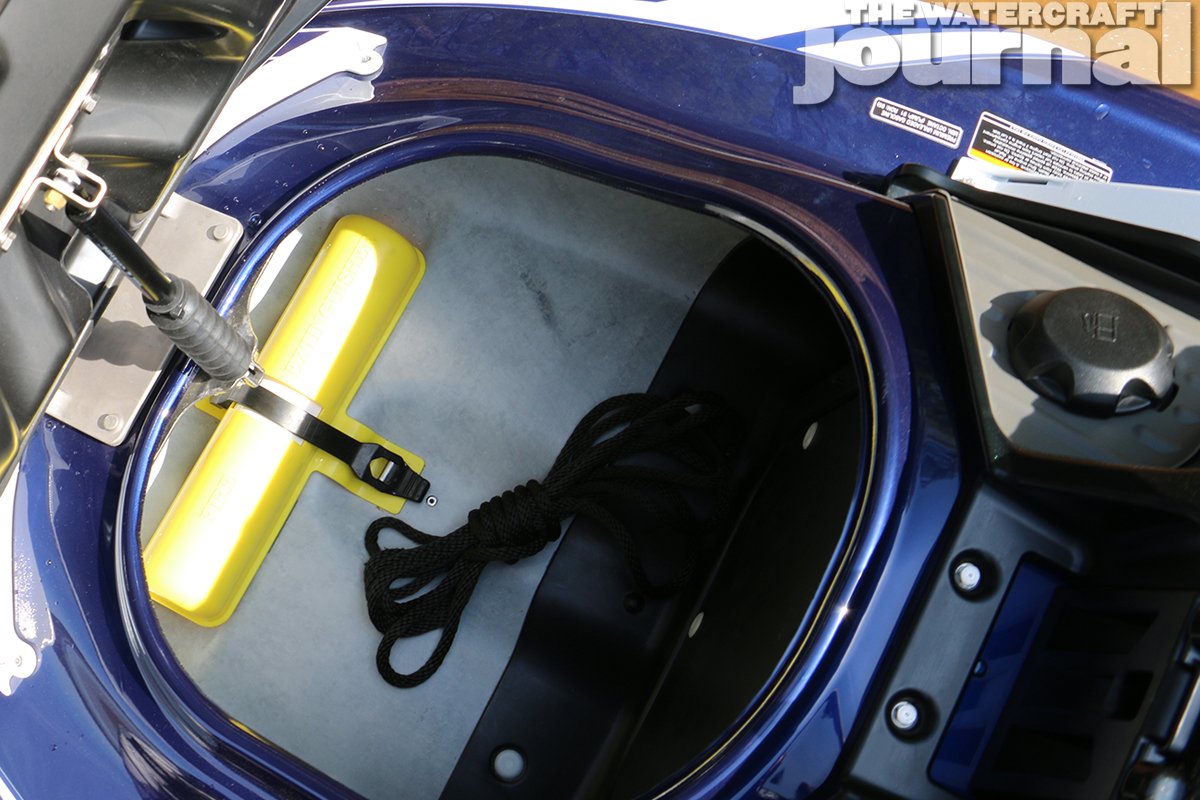
Regarding the king’s ransom of additions and add-ons, the accessories attached to the FX Limited SVHO are little different from the similarly-equipped VX Limited; the ropes, ski covers and one-passenger raft are all color matched to their respective machines. Only the addition of a waterproof phone case the only addition. We found that pretty much everything but the rigid-case solar panel can be stored on the runabout itself; the raft tucks neatly into the vinyl bag attached to the stern, the inflator fits within the glovebox or front stowage, and the tow rope coils nicely in the rear “wet storage” bin. Even the ski cover can wedge into the front bin when properly motivated. On the ski itself, the battery tender and 12-volt socket are identical, as are the drop-in cleats and the chrome “Yamaha” emblems on the rearmost rails. The graphics package are unique to the FX Limited, with futuristic script running the length of the hood, fairings and deck.
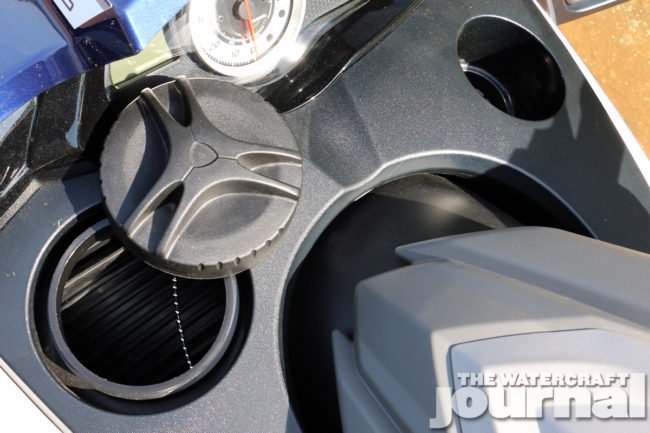
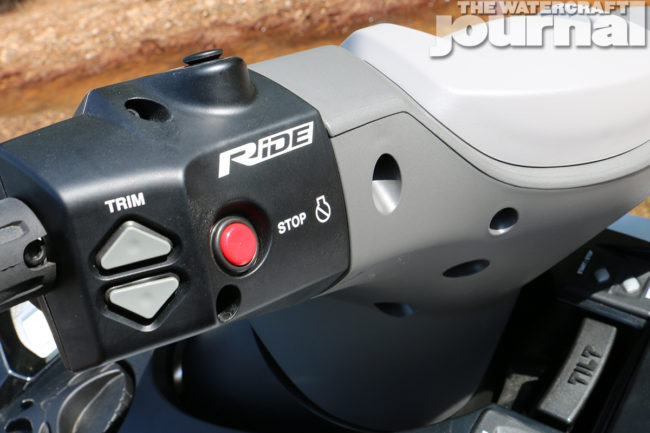
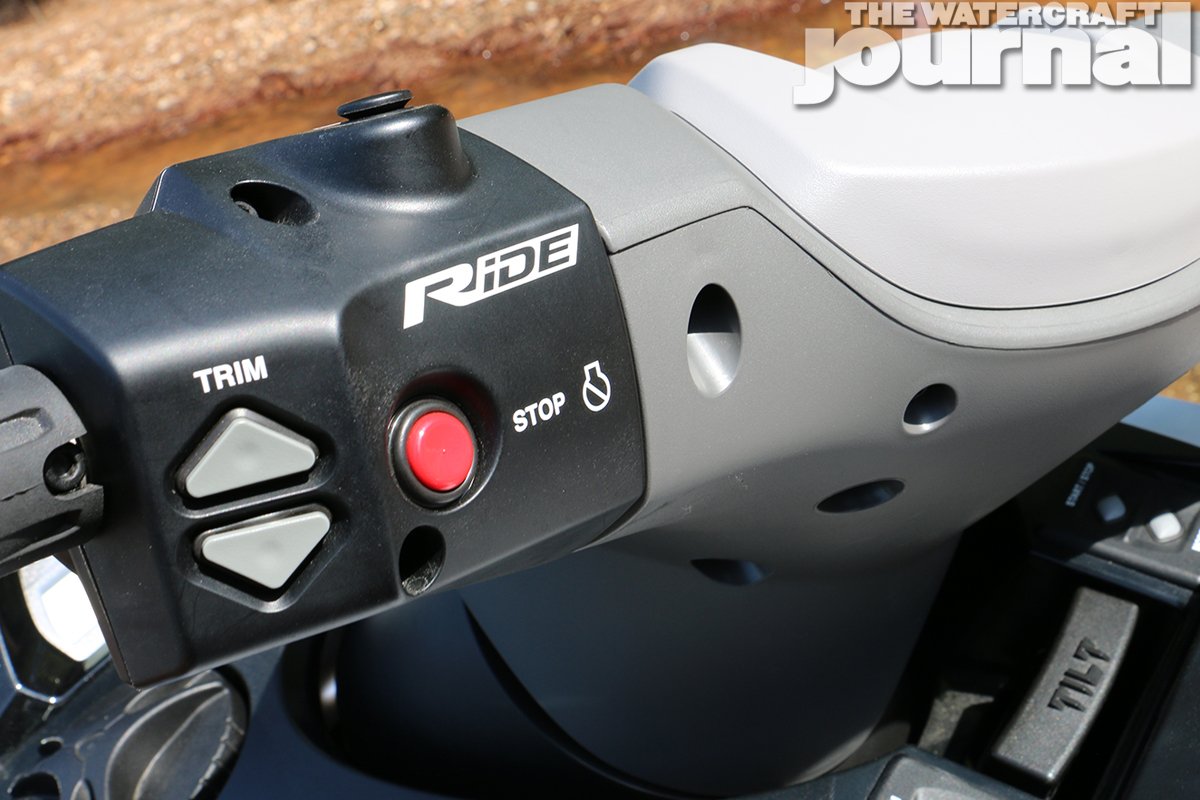
Likewise, gone are the traditional grooved traction mats, this time replaced with custom CNC-cut two-tone carpets. Equally, the scalloped, tiered auditorium-style two-piece Cruiser bench seat is wrapped in a top-of-the-line quality-stitched material. Other niceties are standard on the FX Cruiser SVHO but worth noting like electric trim control, pistol-style hand grips, Cruise Assist and No Wake Mode, an upgraded Multifunction Information Center LCD dash (with an analog gauge), drop-in cup holders for the glove box, and an upgraded true tow-eye hook. Recently, Yamaha engineers went about finessing its dual throttle brake and reverse system, RiDE by adding what they call “Traction Control.” Sensing cavitation when reserving too aggressively, the fly-by-wire system will dial back allowing to maintain smooth operation.
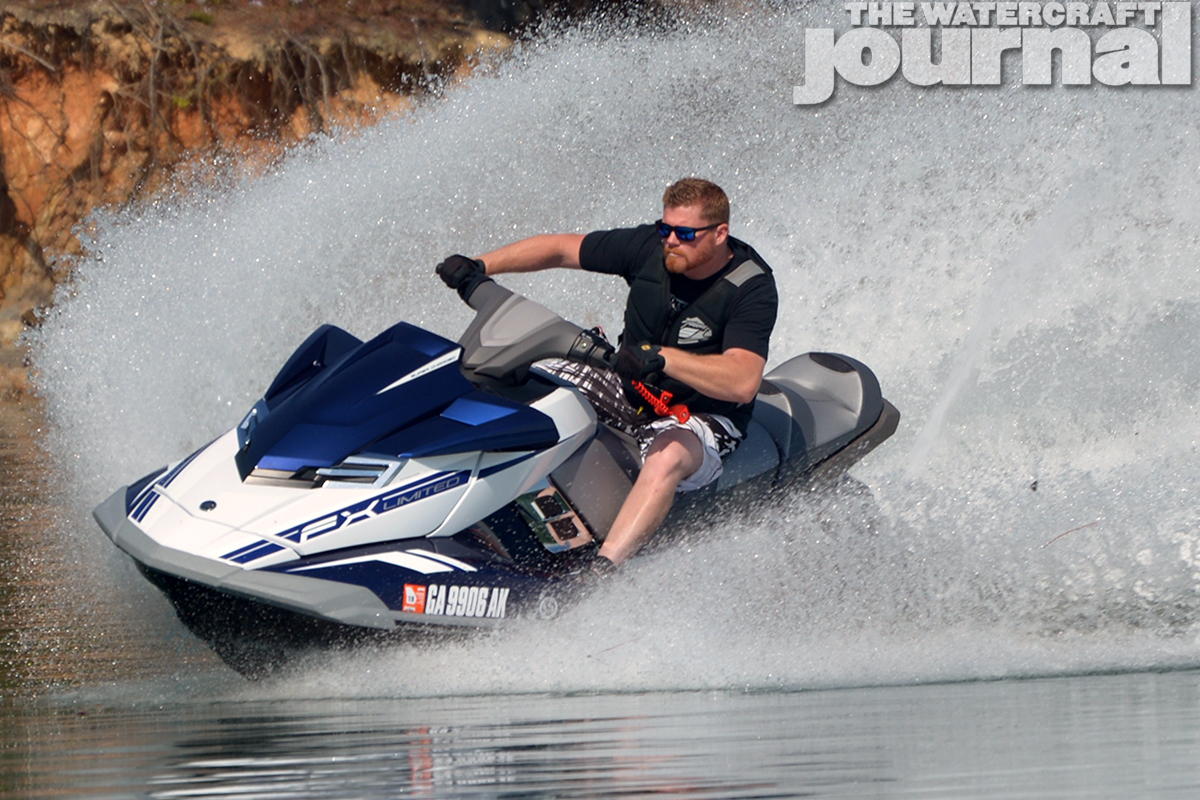
As a SVHO-equipped FX, the Limited is built using Yamaha’s NanoXcel2 lightweight materials, shaving the full-sized, 11-foot, 8-inch runabout’s total curb weight to a svelte 836-pounds. Add to that a 18.5 gallon fuel capacity, and 33.2 gallons of storage (a large portion of that being sealed watertight storage), and the FX Limited SVHO is sure to impress. Yet, if that doesn’t wow them, the power and performance of the SVHO certainly will. Top speeds tickle 69 miles per hour, with 0-to-60mph acceleration times at 4.9-seconds. While we wished the wide saddle pinched far more narrow at the knees, the long neck and lowest setting of the 5-point tilt steering places the handle bars comfortably in the driver’s reach.
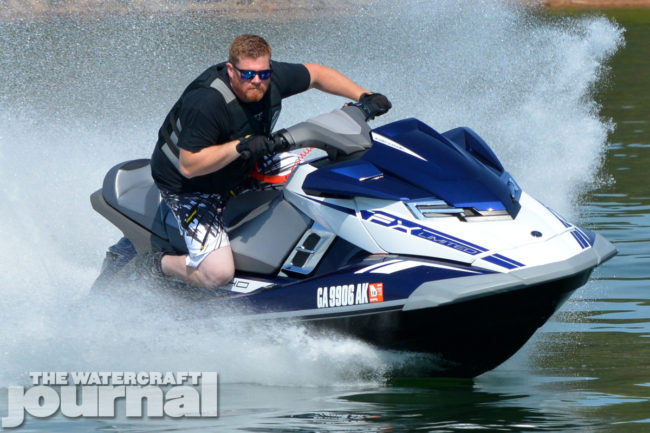
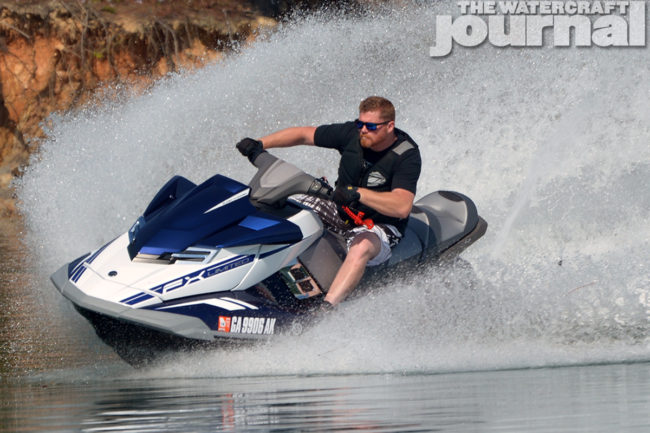
Riding the FX Limited SVHO by itself, it’s quick to forget all of the accessories it comes with. Throttle response is immediate, rising effortlessly to plane – its 160mm pump biting the water with deft accuracy. On glass, the stepped hull feels flatter than it truly is, as rider input can push and wag the FX when coaxed. Yet, when asked of it, the FX Limited SVHO can lean in hard, and snap a turn like a runabout half its size. Professional racers have demonstrated that the FX hull can aptly tackle the brutality of offshore conditions at speed as well as carving a serpentine along shoreline of your favorite riding spot.
In our experience, towing with a performance-bred supercharged watercraft can be far more tricky than a naturally-aspirated one, as the onset of acceleration can jostle the rider(s) aboard a raft, or yank the arms of a wakeboarder. Gratefully, the torque curve of Yamaha’s SVHO is nowhere near as “punchy” as say, a Kawasaki Ultra 310X, so towing with the SVHO required slightly less feathering. That being said, we can imagine a “tow mode” similar to what Sea-Doo’s Wake models offer as being beneficial for a runabout targeting the towing market. Nevertheless, with all that the 2017 FX Limited SVHO WaveRunner offers, it’s amazing the machine isn’t priced above its $16,899 price tag. For being the brand’s highest ticket item, it doesn’t feel bloated, weighted down with unnecessary frills or otherwise encumbered; rather it remains lean, purposeful and precise, just the way we like it.
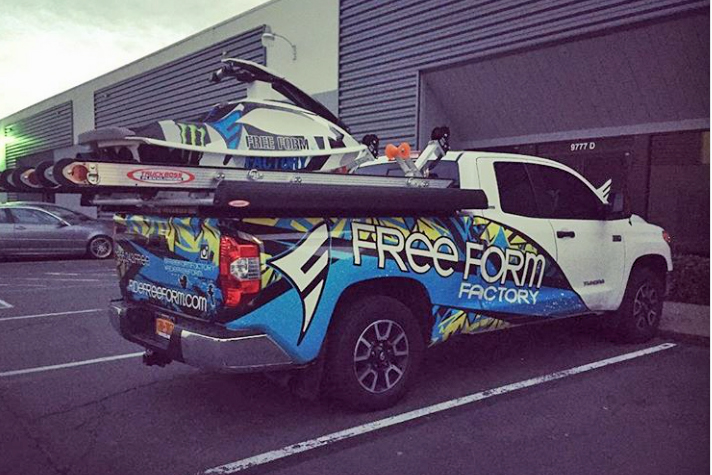
Opportunity only knocks once they say, and it’s always best to be ready to act when it does. Last month, Truckboss Decks concluded its Spring sale and many were simply asleep at the wheel to take advantage of their sales offer. So while this June sale isn’t as incredibly aggressive as the previous month, the pricing is still super sweet and worth taking advantage of (especially as prices are slated to bounce back up to regular retail come July 1st, 2017 (actually, all orders must be completed By July 15th, 2017, but that’s still no reason to sit on your butt).
So what does that mean? It means that the best truck deck on the market today is priced to move, whether you’ve been eyeing their new Flexxloader Water package to haul all of your standups or runabouts to the lake without a trailer, or have too many skis to load on just one trailer and need a truckdeck to tote a few more! Plus, with a few available options, the modular design of the Flexxloader allows you to mix-and-match, choosing to haul a SxS or ATV and a ski, or whatever. It’s amazingly easy!
And just to make the day’s announcement even better, Truckboss has just become a distributor for Caliber Products. According to an announcement made earlier by Truckboss, “Caliber is an industry leader in creating quality and innovative powersports loading accessories. Truckboss has now upgraded all of our ramps and Carbide Kits to incorporate Caliber’s industry leading Low Pro Grip Glide.” All of this adds up to you getting the very best in accessible storage and hauling capacity. Do not miss out. Take a look at Truckboss’ site for your perfect setup today.

















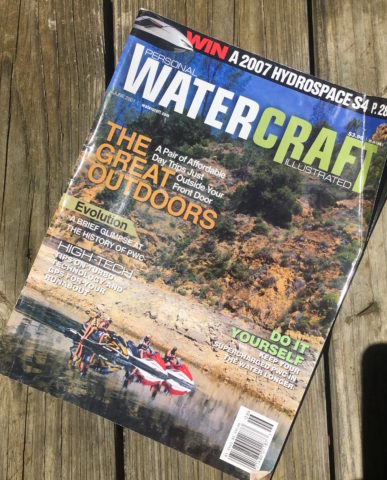 Given a scant two weeks to transplant all of our earthly belongings from one coast to the other, I bitterly left my wife of 6 months, as she chose to stay an extra 3 weeks at her job (it payed well) and pack up the rest of our stuff; as well as my prized ’69 Dodge Charger at a paint shop in Central Florida, expecting to see it returned straightened, rust-free and painted in a year’s time. Alone, and with a majority of my tools, remaining car parts, and some clothes, drove out west, and stowed all but a duffle bag of clothes in a storage unit. I bunked at my brother’s house in Garden Grove those first few weeks, but was rarely around.
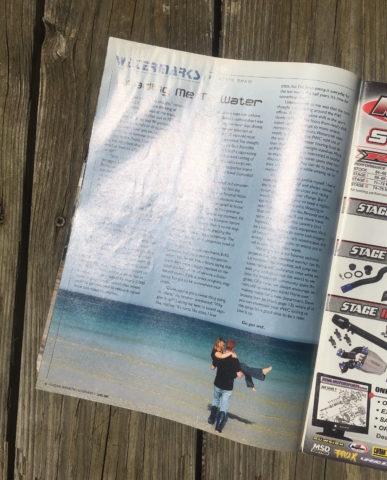 Moreover, as I was absentmindedly going about cleaning and organizing my new office, our Art Director, a lovely but no-nonsense woman named Sunny Kwon came in to let me know that there was little over two weeks remaining to get the June issue submitted for layout.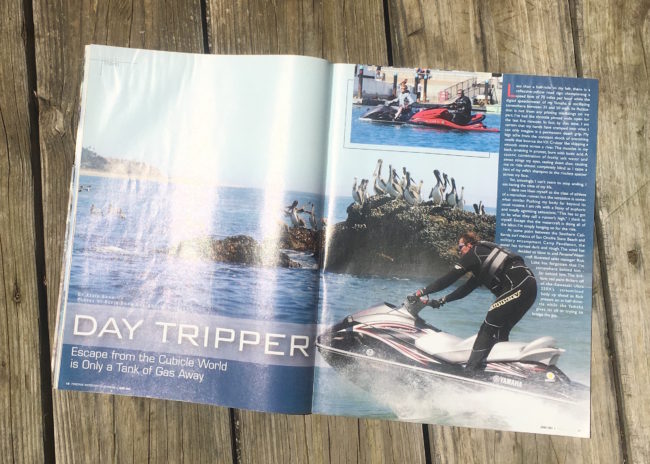
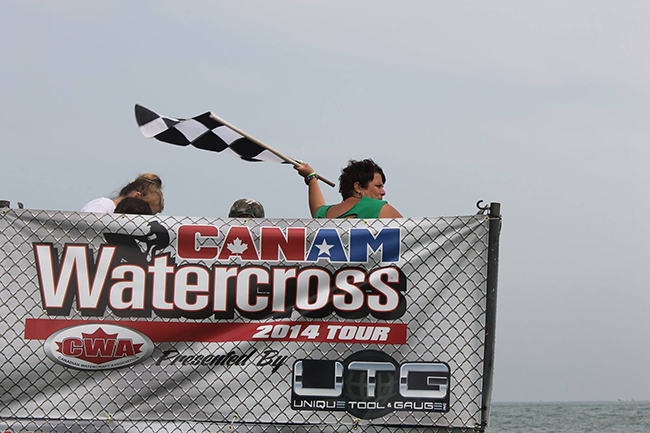
 Contrary to how most Americans think, the United States is not the golden center of the universe that we like to think. Sure, we’ve played our part in advancing the human race (TV, electricity, the light bulb, airplanes, penicillin, splitting the atom, landing on the moon, etc.), but y’know, other people have come up with some pretty cool stuff too, like soap and democracy. And all too often we think that US-based PWC racing is all that matters, and simply isn’t the case.