
Home Blog Page 298

Video: Apparently the Quadrofoil is Real And Is Still Happening

0

2c370d89-71ee-4e71-832e-b62ffa28b15f

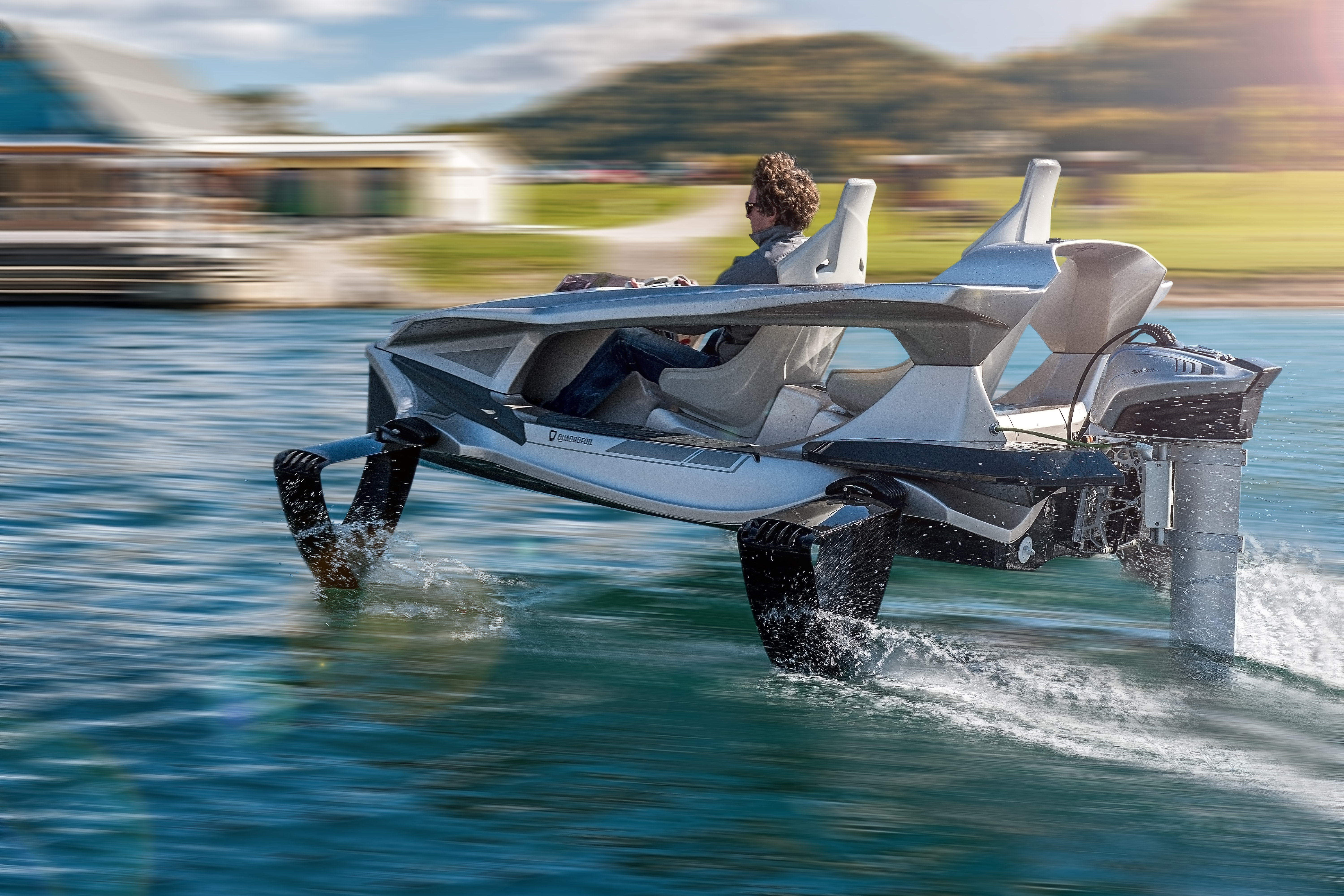
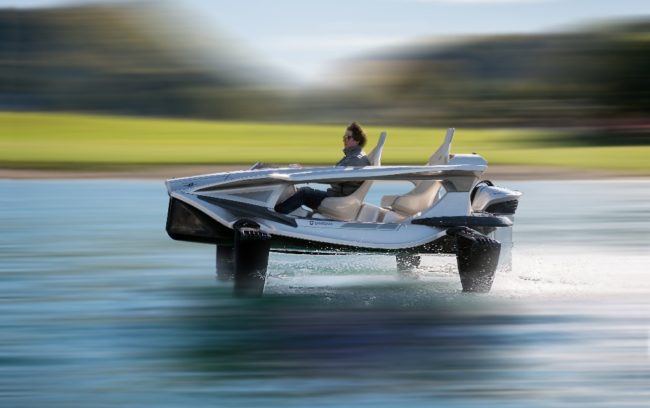
Back in 2014 we showed you the revolutionary “water-based transportation” vehicle known as Quadrofoil Q2. The original news story showcased the Q2 prototype which has C-foil technology, an electric outboard motor and the ability to reach speeds of up to 21 knots with a battery life upwards of 2,200 nautical miles. While many of these features are the same, the original production of Quadrofoil Q2 was set to be shipped out to buyers in March 2015.

This year, the R&D team improved many of the key components to satisfy the consumers. With a second prototype they were able to upgrade existing features. The major upgrade was deciding to switch out the generic electric outboard engine and designed a Quadrofoil-specific engine which has proven to be a very successful move. While Quadrofoil did want to keep their promise of shipping out the first production line in March 2015, they feel that by having one more year to test, fine tune and reorient a few things their product is even better. Many of the investors, dealers and buyers continued to trust Quadrofoil even with their late production by inviting them to help in the prototype testing.

af9483c3-7a43-4b0e-a949-eb630f240e1f

With spending another year refining their Q2 machine, Quadrofoil is proud to announce that they will be coming out with a Q4 prototype shortly. This will be the luxurious vessel of the company with a sleek new design that has a rooftop protecting four passengers from the elements.

One can associate the Q2 to a Prius and the Q4 to a Tesla. Both terrific car that are economically friendly but offer two different styles of riding. Quadrofoil is out to create a personal water transportation vessel that leaves minimal impact in the environment while providing the passengers with a comfortable ride. This is a new market with riding above the water. This could explode so stay tune and we will let you know of any news to come.
Real Review: Sea-Doo Carrier Dry Backpack by Ogio

0

ogio

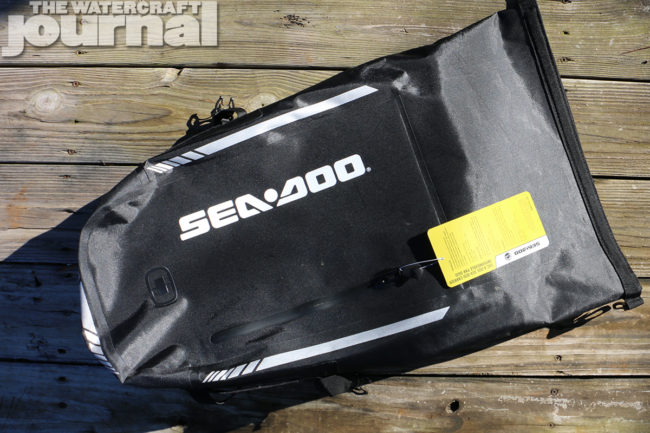
We’ve seen many riders toting a backpack while riding, and many never go without a trusty dry bag stowed in your front compartment. The contents therein are typically the same: a change of clothes, a towel, a cell phone or camera, as well as your keys, wallet and a bottle of sunscreen. Most glove boxes are too shallow for a spray bottle of sunblock or a taller can of soda (except for Sea-Doo’s larger S3 series models), and we find riders carrying their ski’s cover in the bow bin. The point is that many riders require additional carrying capacity and some choose to do so via a backpack.

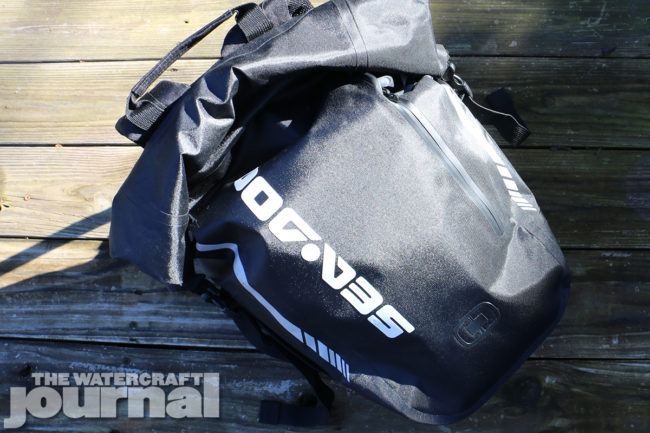
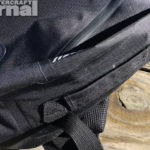
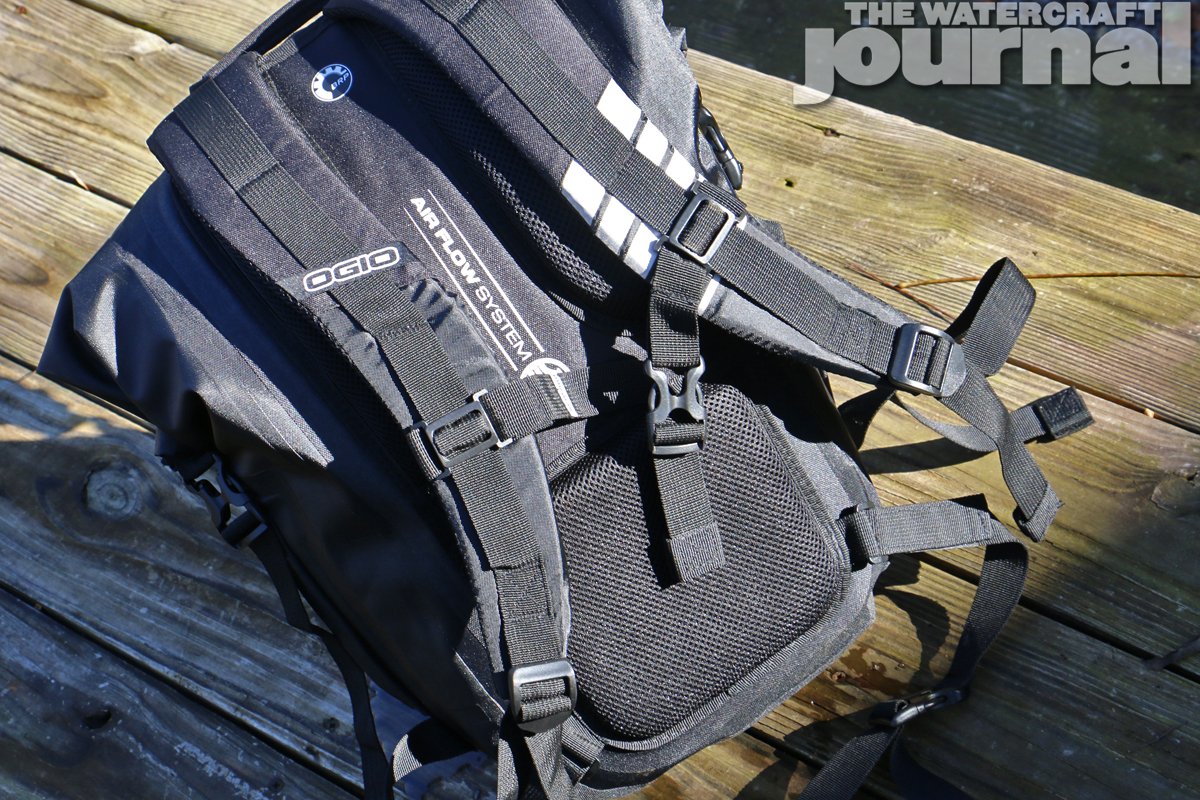
As not to put too fine a point on it, all of us at The Watercraft Journal have recently become quite enamored with the Sea-Doo Carrier Dry Backpack by Ogio. Not only did we almost immediately include it in our annual Top 10 Christmas Gifts feature, but we’ve toted the gearbag/backpack/drybag combo with us to non-watercraft events and trips. Many duffle/backpack manufacturers try to endear themselves with lots of features and gimmicks, but at the cost of using inferior materials. Commissioned by Sea-Doo and manufactured by Ogio, the Carrier Dry Backpack is both highly detailed and superior in quality.

1

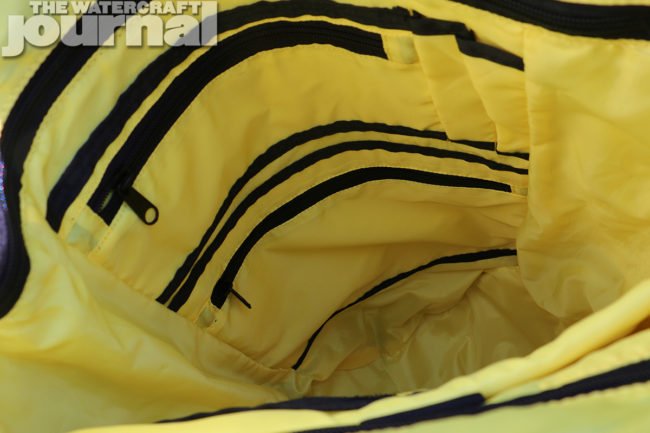
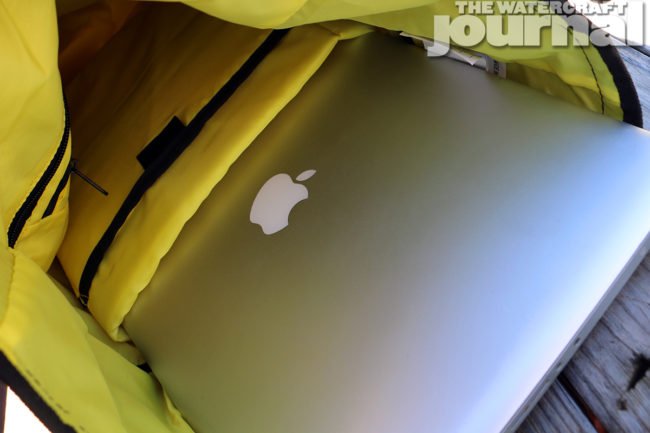
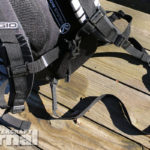
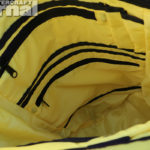
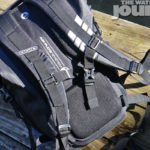
As a gearbag, it’s got two tote handles, one on either side so that it can be carried as a duffle. We found it’s large enough to stow a pair of riding boots and a traditional vest (not one of those bulky, slab-sided race vests). Inside is a bright yellow liner that is easily cleaned out and makes visibility inside of it a lot easier. As a backpack, there are two padded, velcro-locked pouches for a full-sized laptop and a tablet, as well as half a million zippered pockets to tuck away your wallet, keys, phone, and anything else you can imagine. Included is Ogio’s Air Flow System, which are thick moisture-wicking perforated pads to keep your back from sweating and comfortable.

The shoulder straps are thick and padded, and include a chest strap and buckle, as well as a waist belt, although not for providing any sort of support. And as a drybag, the mouth of the backpack its both wide and long, allowing itself rolls up tight and keeps out water enough for Ogio to be bold enough to include laptop pouches. Although we’re not brave enough to dunk our Carrier Backpack underwater with our laptop inside, we have done our watertesting, and sure enough, is watertight – particularly the sealed zippered pocket on the bag’s outside. The heavy rubberized seal closes tight securing your smaller valuables like a watch, phone or wallet as well.

Priced at $139.99, the Sea-Doo Carrier Dry Backpack by Ogio is not what you might consider “cheap” but when compared to other Ogio backpacks, which range from $60 to $160, the Carrier suddenly makes a lot of sense. Best of all, due to the holiday shopping season, the Carrier bag is also included in Sea-Doo’s aggressive riding gear sale, chopping the bag’s original price down to the listed $139.99 (requiring us to say, “Act now while supplies last!”). In all, this has been one of the better bits of gear and equipment that we’ve reviewed in some time. Even if you’re not riding a Sea-Doo, the bag itself is worth the purchase. Just slap a strip of black duct tape over the “Sea-Doo” when you’re on your Yamaha.

Case of The Mondays: Star Wars Fans Recreate Speederbike Battle With Jetovators

0

maxresdefault

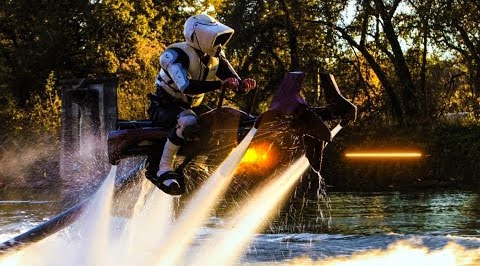
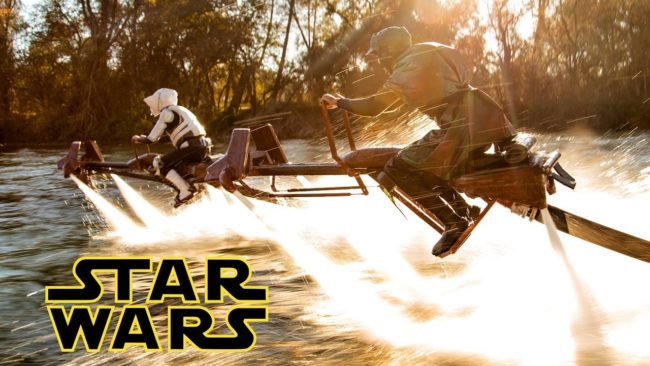
OK, so today’s “Case of the Mondays” is pretty dang cool if we say so ourselves. Not only do we have “Star Wars: Rogue One” coming out this Friday (being the first spin-off film from the core “Skywalker” saga, and predating the events of “Episode IV: A New Hope”), but the producer of this YouTube mini-film is none other than Devin Supertramp who you might recognize as being a major attraction in Sea-Doo’s recent viral video exploits in recent years. And best of all, this video not only has Jetovators – but totally decked out Jetovators and riders very creatively dressed up as the iconic speederbikes from “Return of The Jedi.”

In fact, the entirety of this video is a near cut-for-cut recreation of the infamous sequence when Han Solo, Chewbacca, Leia and Luke attempt to get the jump on and disarm a squadron of Imperial Speederbike pilots. Devon himself takes on the role of Han Solo, while a pair of actors portraying the Skywalker twins pursue the fleeing Storm Troopers. There’s some huge nods to the original films despite the lack of John Williams’ legendary score and some choice sound effects, but the spirit is there and that’s really what counts in this homage. We particularly like the little kids suited up as attacking Ewoks.

Unfortunately, you cannot purchase a real speederbike-edition Jetovator, as these were made from spare parts and literally dozens of rolls of duct tape painted to match the original props. Even the Storm Troopers’ helmets and armor were also made from layer upon layer of duct tape. If you don’t believe it, we’ve included the very cool “making of” video at the bottom. Enjoy!

Gallery: Jobe Ruthless Drysuit

0

dry

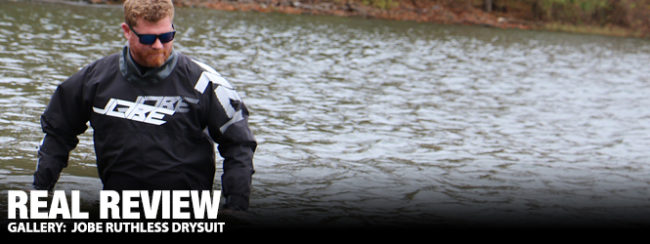
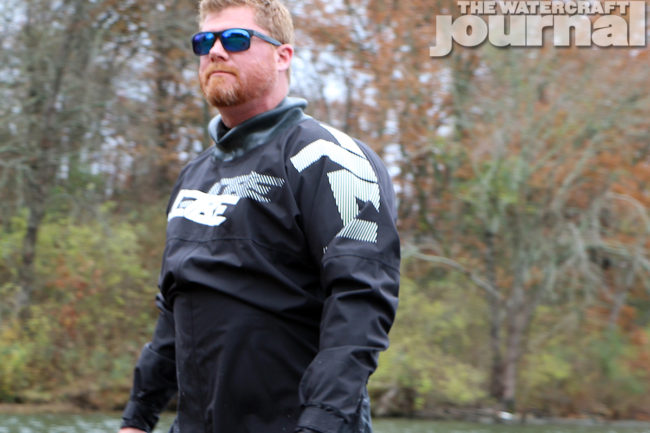
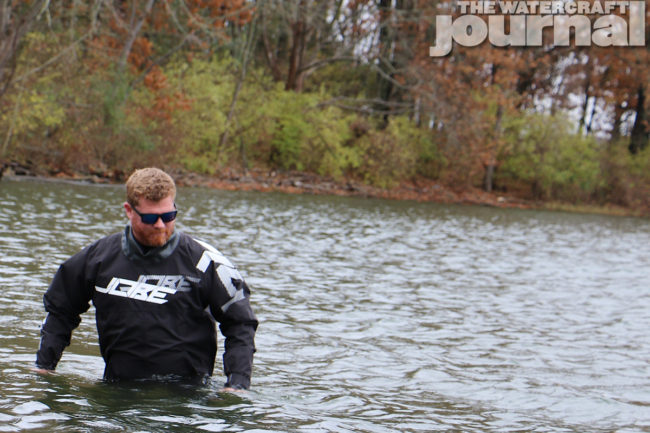
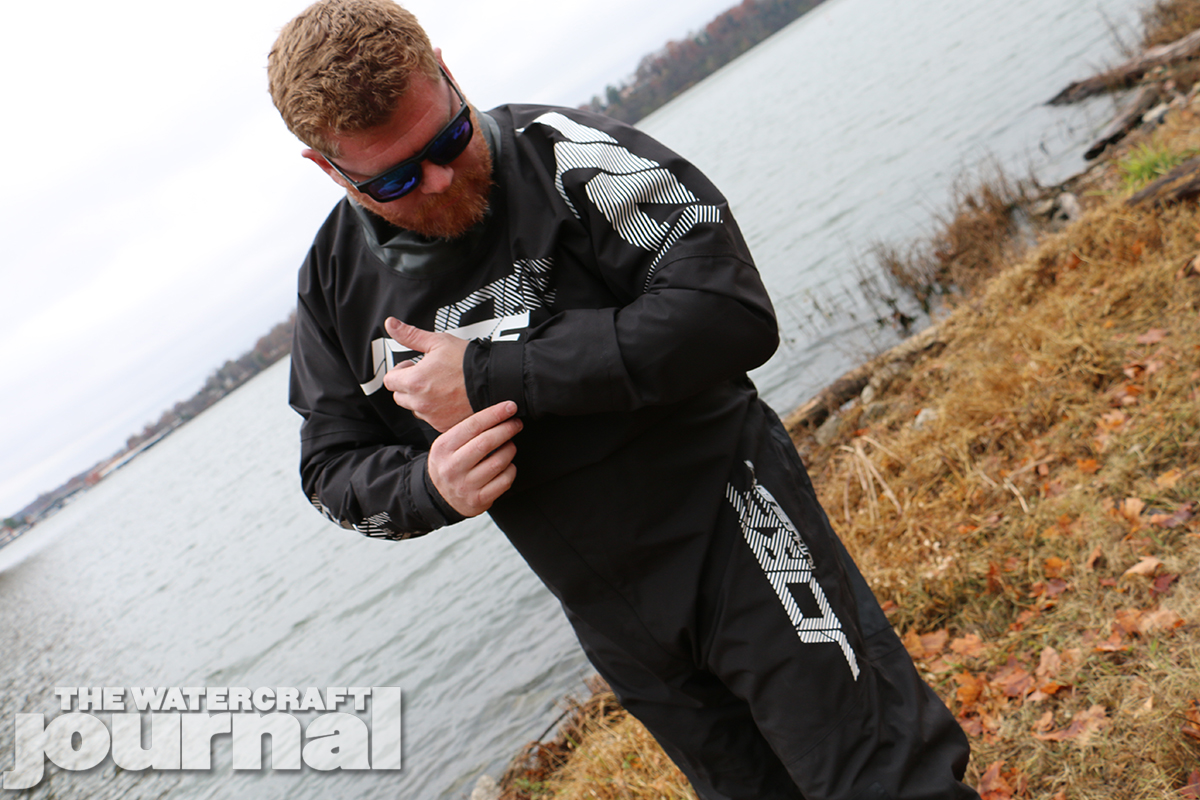
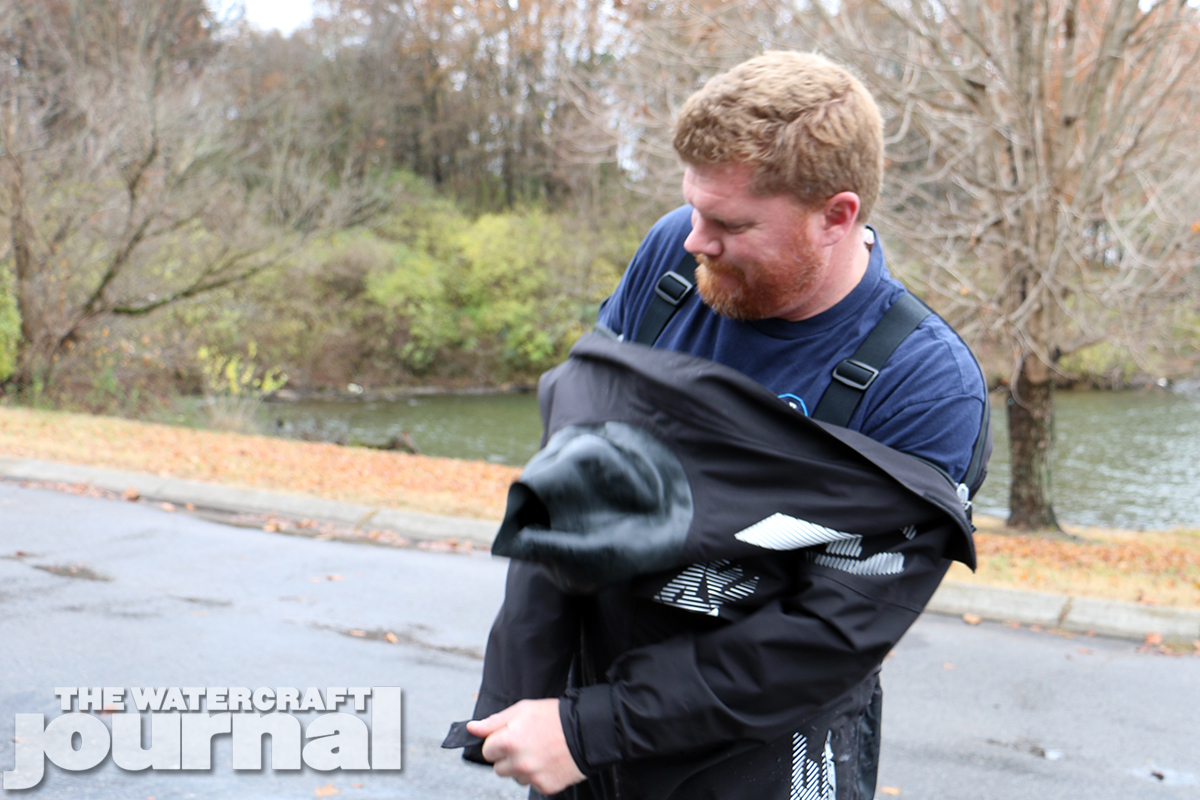
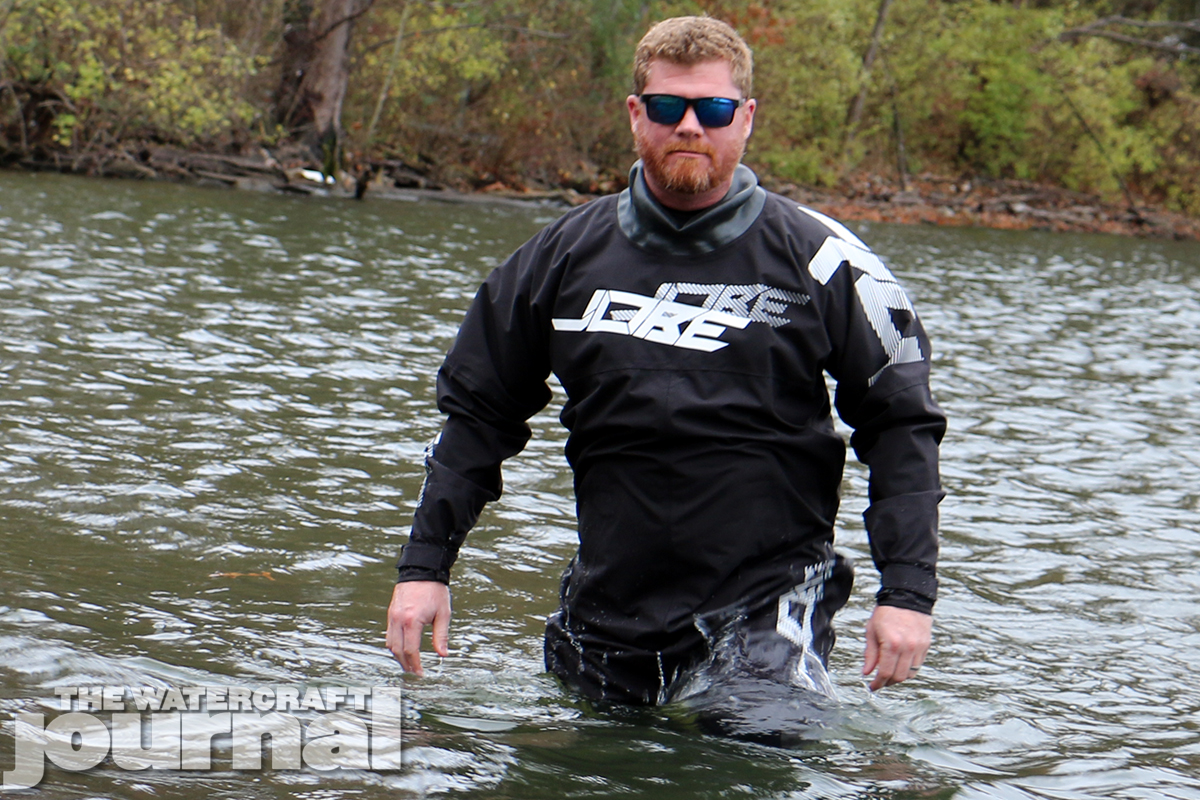
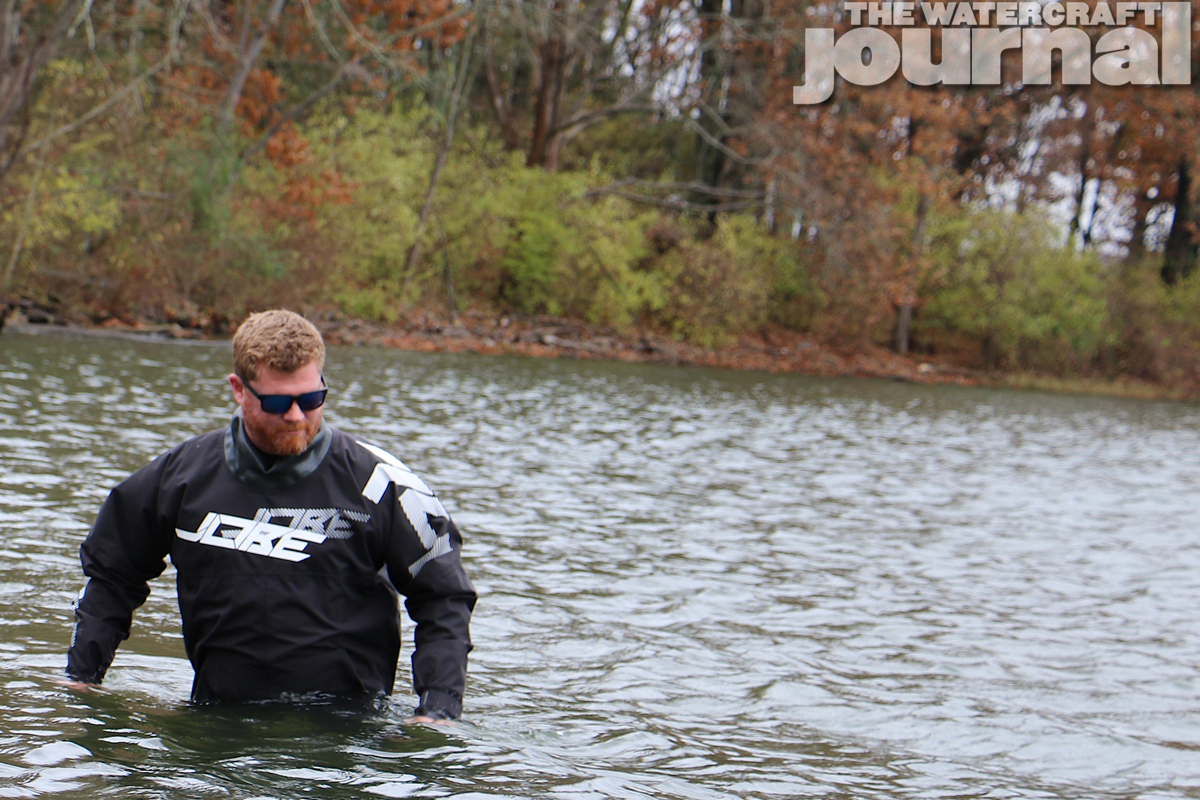
Admittedly, this review could’ve been published over a year ago, as we first conducted our initial testing last winter having received our Jobe Ruthless Drysuit in early 2015. As it were, we simply had waited too long to pen the story and figured nobody would be interested in a drysuit review in April – plus, we wanted to really give the drysuit a second season. See, the idea of wading out into a brutally frigid lake fully dressed and expect to come out both dry and warm is still such an unnatural feeling that we wanted to give it another go.

For those unfamiliar with a true drysuit, it is the exact opposite of a wetsuit – and the second is outlined in the names themselves. One is dry and the other is wet. As a wetsuit’s neoprene allows for ambient water to enter and collect a thin film between your skin and the suit itself – using your body’s natural heat to warm the water layer, a drysuit is a sealed garment allowing neither water to enter nor air to escape. This sounds like a far superior option to wriggling into a wetsuit, but it’s really not all that great.

4

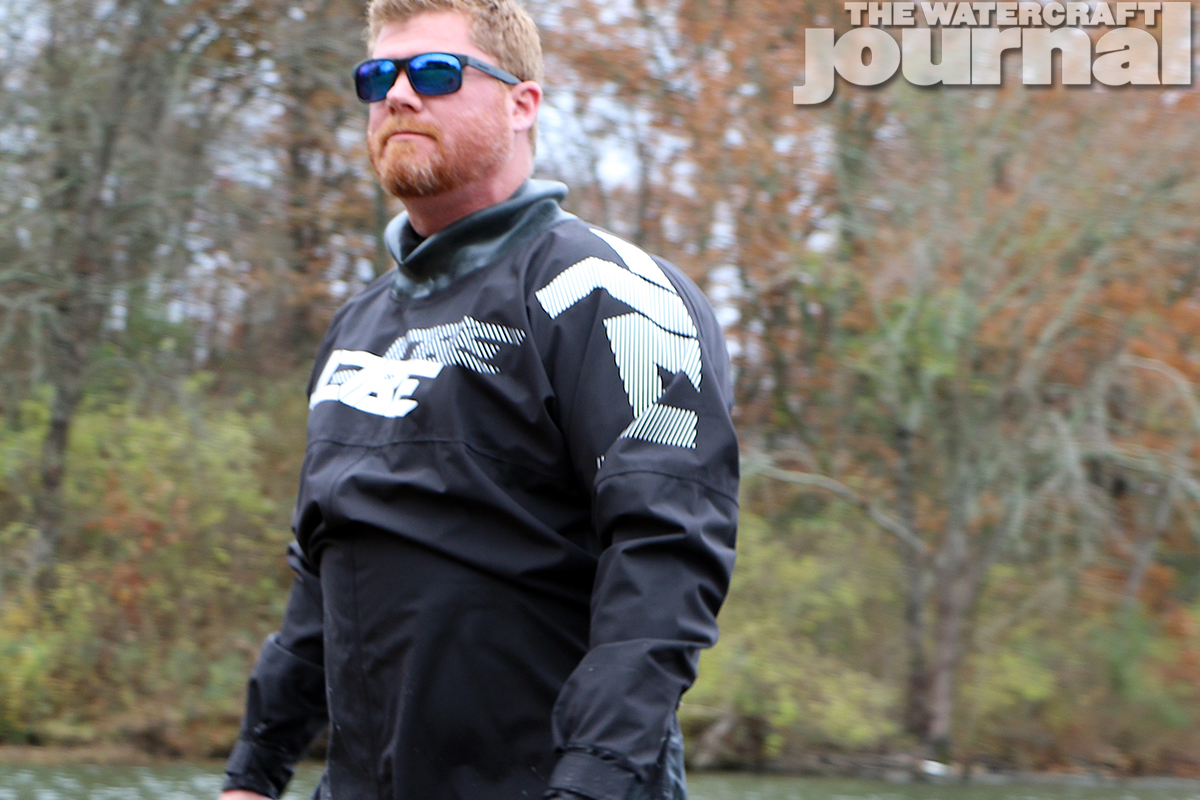
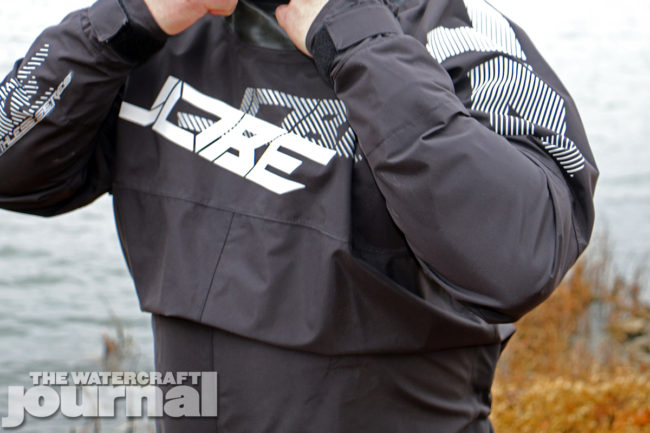
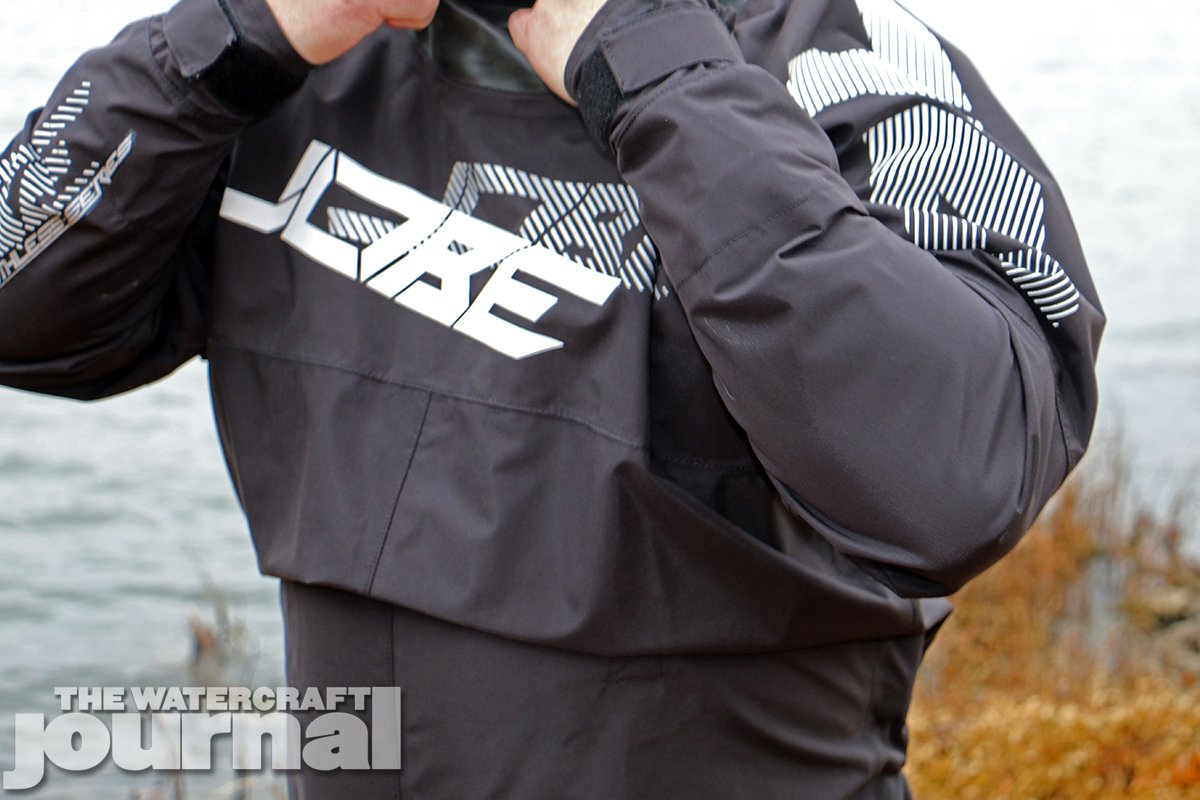
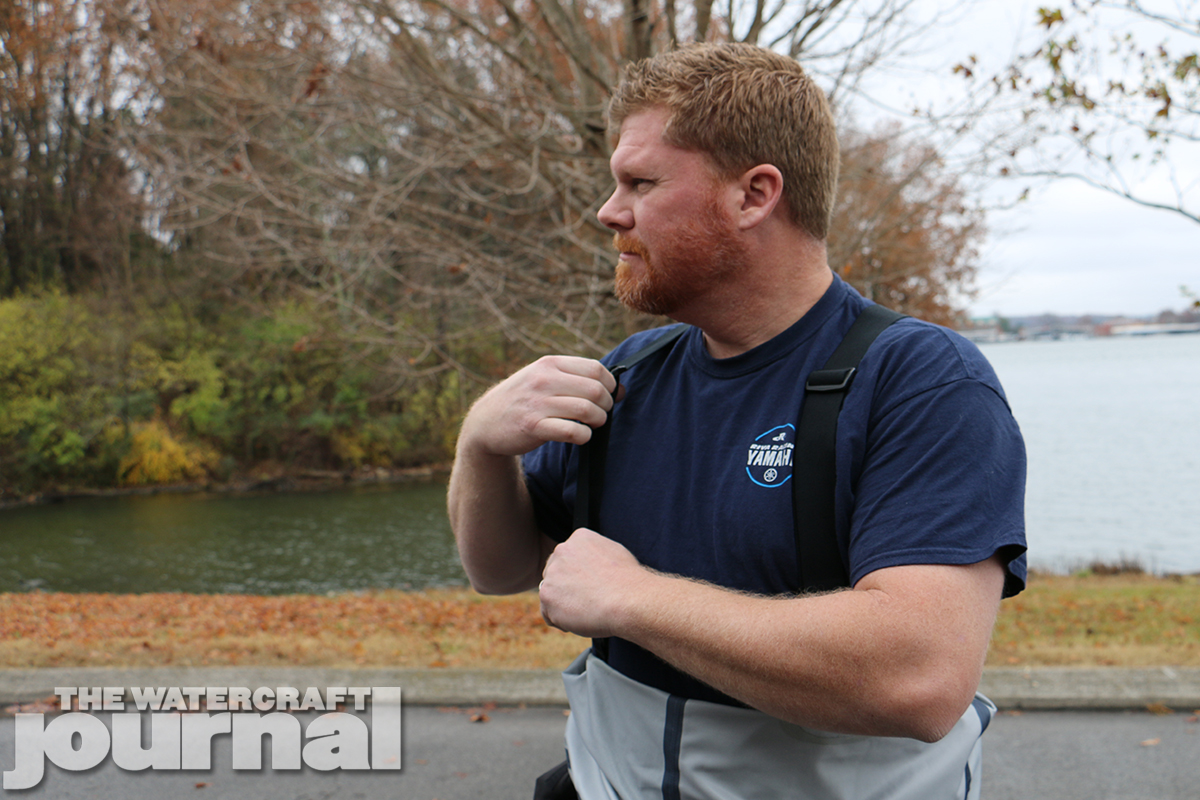
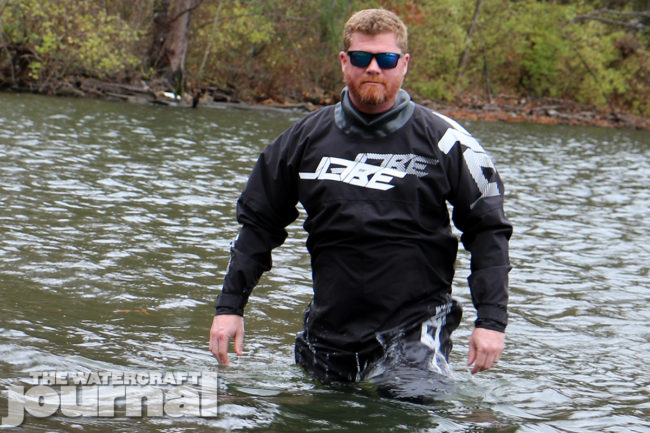
The Jobe Ruthless Drysuit is tailored large, far larger than we have come to expect from Jobe’s European sizing chart. The purpose of the larger proportioning is to allow you to properly dress for a day out in or on the water. While a pair of blue jeans and a T-shirt might not be ideal over say a set of thermal underwear or other full-body temperature-sensitive clothing, we were able to climb into the drysuit adequately. Made from 320 denier breathable nylon fabric with a tricot coating and taped waterproof seams, the suit lives up to its name.

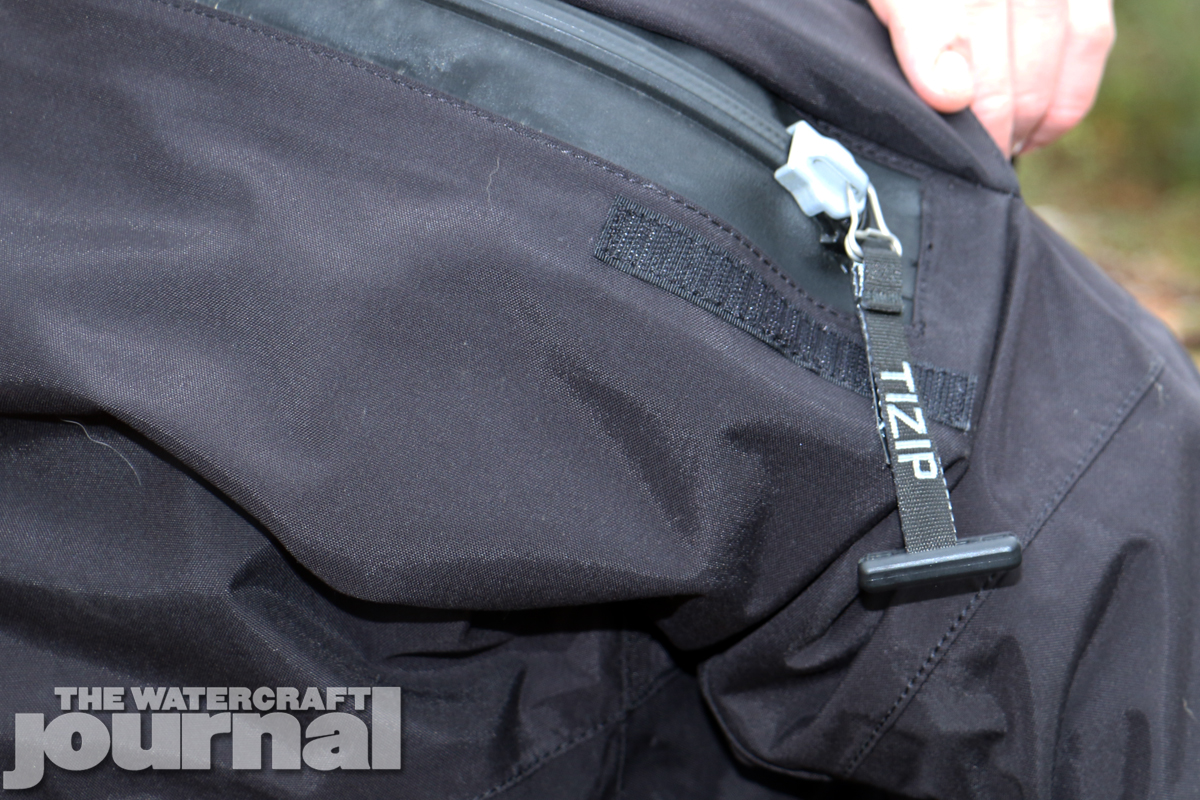
Last year, we wore it exclusively while riding PWC during a very brisk, snowy winter. We stayed dry, but never dared to wade out into the lake like we performed this time around. The heavy latex rubber seals at the neck, wrist and ankle are thick and durable. Entry into the suit is through a very wide shoulder-to-shoulder seam sealed by a “high-tech” waterproof zipper that closes you inside. Being sealed inside the suit (fully dress, mind you) gave us an almost immediate claustrophobic feeling, especially with how tight the neck seal is around our throat.

8

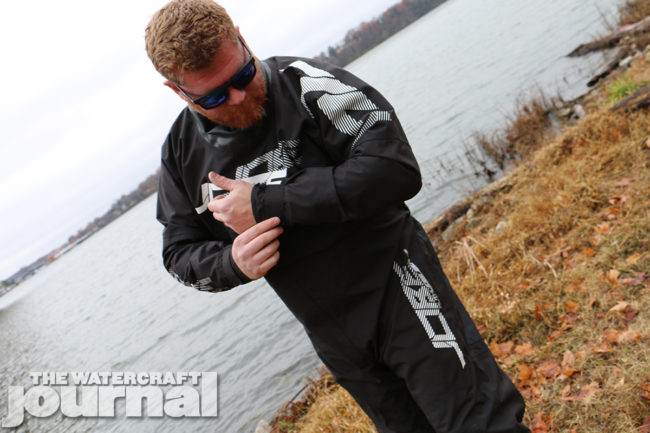
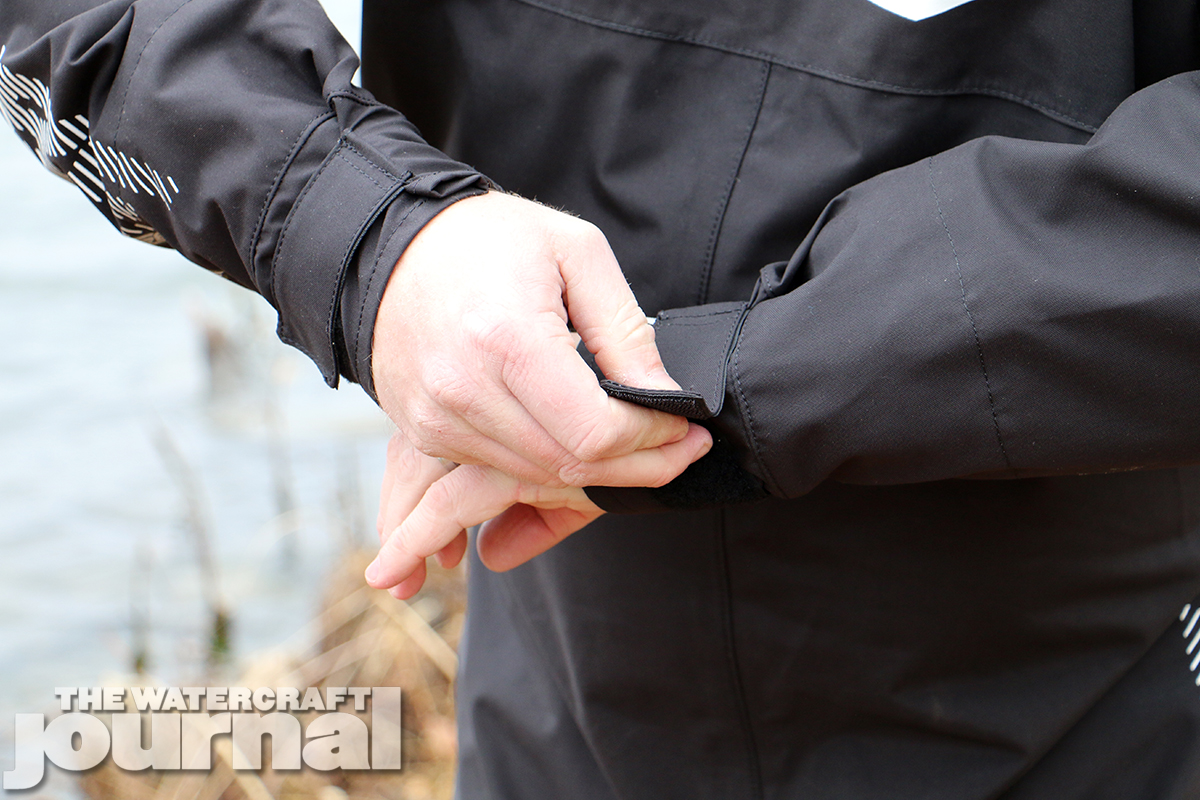
Velcro-lined straps cinch around your wrists and ankles, but note that your extremities are exposed. These aren’t fishing waders, so you’re going to need to find some thick neoprene socks and boots to use with your drysuit. During our most recent photoshoot, we forgot our Jobe cold weather gloves, and immediately regretted it. The air trapped into the suit will balloon if not allowed to escape, making us look a little bit like Mikey’s younger brother wearing his “puffy jacket” from “A Christmas Story.”

While we don’t expect many of you to spend as much time as we did wading chest deep in your local lake in December, you will walk out surprisingly warm and dry (except for your hands and feet, which if you’re like us, will ache because of the cold). When worn while riding, it too will keep you warm, but we found the neck so tight that it was too uncomfortable to enjoy wearing casually. We also found that the strap tethered to the zipper is so short it’s impossible to use by yourself, requiring us to dress and undress with the help of an assistant.

1

Yet again, as with so many Jobe products there are small details that make a product a “winner.” We liked the adjustable elastic suspenders stitched into the inner liner, helping keep the suit positioned comfortably and making dressing and undressing a little easier. Priced at $494.99, the Jobe Ruthless Drysuit isn’t what you’d call cheap, but if cold weather – particularly windy and/or wet – riding is what you’re planning for, then the drysuit will be exactly what you’re looking for.

6 5 1 8 10 9 7 3 2 4
<
>

All Your Official 2017 Mark Hahn Memorial 300 Registration And Rules

0

hahn-poster-2017With the holidays quickly approaching we can easily forget about a very important race coming up. The Mark Hahn Memorial 300 race is a tribute to former racer Mark Hahn. When Mark Hahn died, his legacy stayed with the racing community. Here is a quick review of the event, rules, and entry form. The full review and specifics will be located on the bottom of the page.

Registration and Dinner:
The race will take place on February 12, 2017 in Lake Havasu, Arizona. Camping reservations for the Crazy Horse Campground are limited so be sure to call them at (928) 855-4033 as spots will fill up quickly. Once you have your sleeping arrangements in order make sure that you and your team members hold a current IJSBA membership. At registration you will be asked to show your card so you must have it! Luckily if your membership is expired or do not have one you can get one at registration. Becoming a member is $50 for one year.

Since this is a IJSBA sanctioned race, all rules and regulations will be enforced. Registration will be held at Havasu Powersports from 10am to 5pm on saturday, February 11th. There will be a dinner to conclude the events, each racer will have an armband which will give them entry into the complimentary dinner. Tickets for non racers will be $25 and can be paid in advance or at the door. Dinner buffet will begin at 5:30 and the awards will start at 6:00.

HERE IS THE OFFICIAL ENTRY FORM

Race Information:
All boats must have current registration from whatever state they are form and wear USCG equipment at all times. Boats will need to have race numbers that are legible and  easy to read. There will be no duplicates of numbers so it is on a first come first serve basis. Arm bands must be worn by racers at all times to ensure that everyone is there for the race and is a member of IJSBA. This is not a closed course event but with the help of chaseboats, United States Coast Guard and the Bureau of Land Management racers will be protected by normal boating traffic that is using the lake.

HERE ARE ALL THE OFFICIAL RULES

2017 Stand Up Refueling:
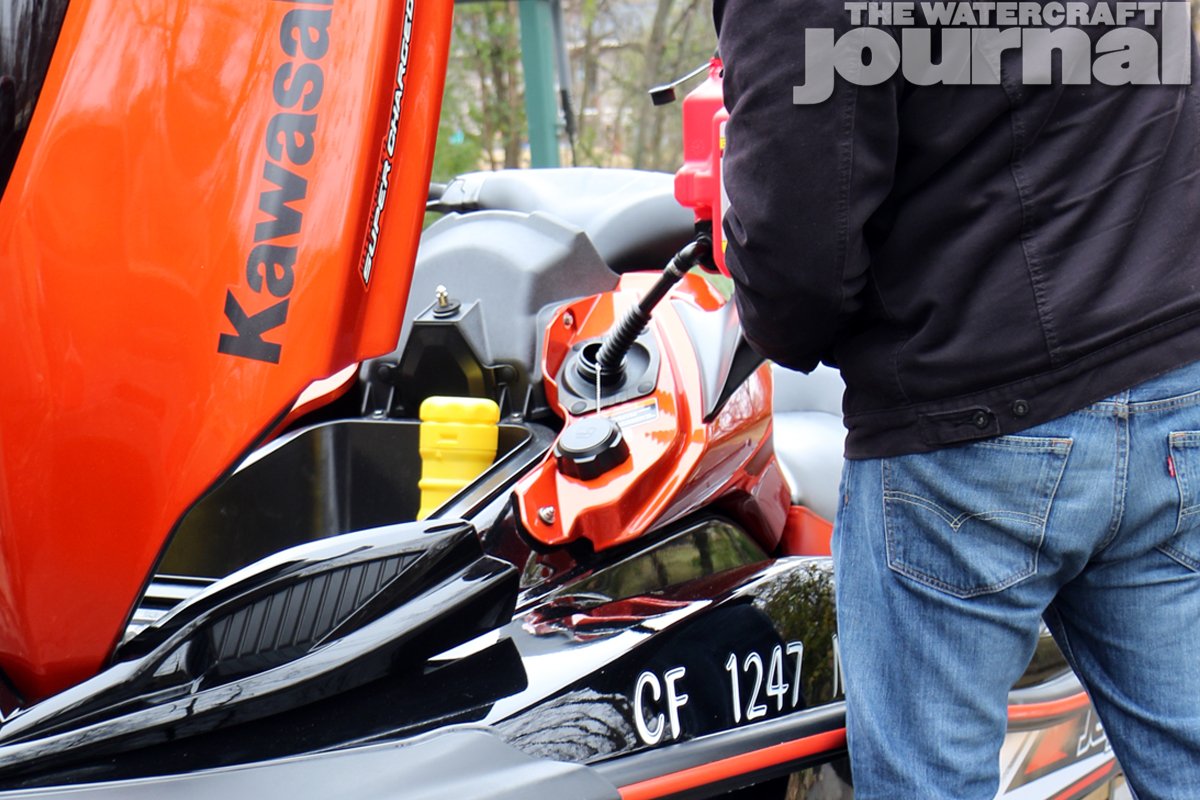
Since stands ups have a much smaller fuel tank compared to the larger sit down boats, you may only refuel your stand up with a hand held fuel jug or a gravity fed can. If you have any questions about refueling please contact Ross Wallach at [email protected]

Race Time!
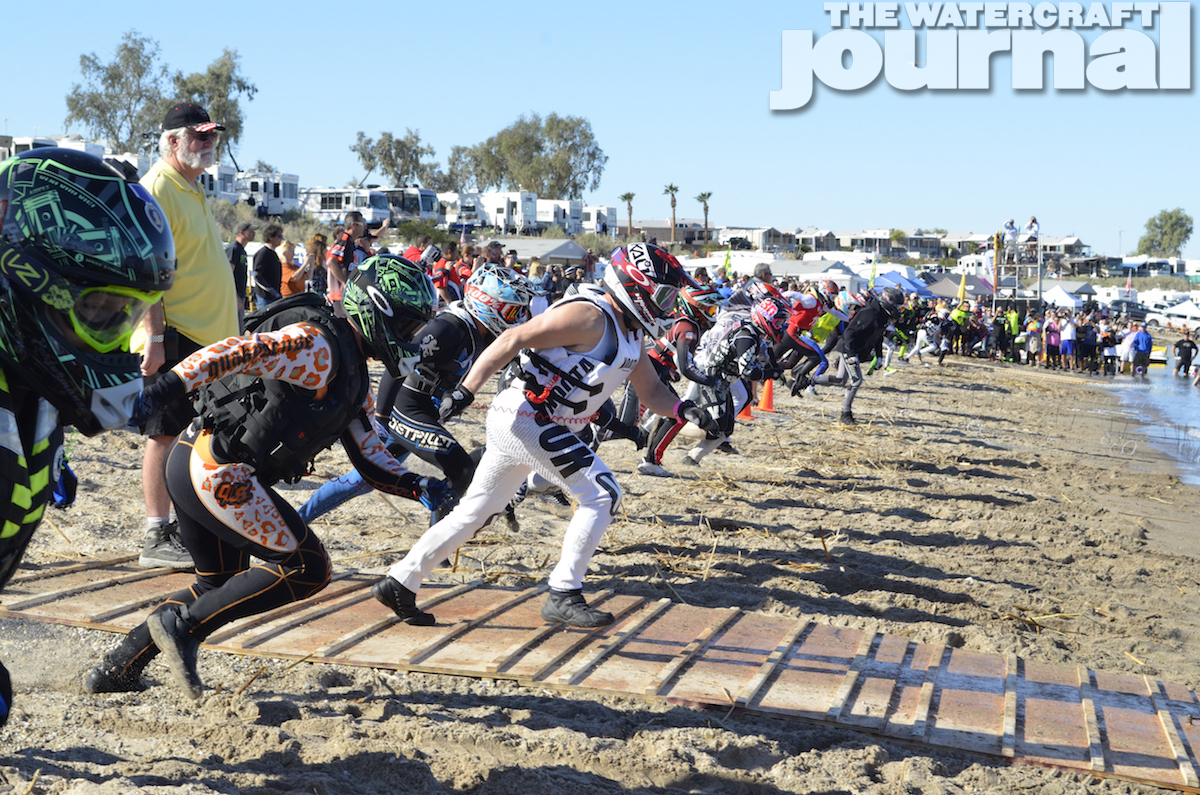
There will be a mandatory racer meeting at 7:30am before the race. The starting line is organized by order of entry. Sit Down riders will start 50-yards behind their boat and when the gun is shot, run to their boats and take off! Riders must maintain their lane until they pass the buoys marking the hot pits. Stand up riders will start 2 minutes after the sit down riders.

If you have any questions feel free to contact the following:
Jim Russell – [email protected]
Mike Follmer – [email protected]
Ross Wallach – [email protected]


Video: “XXX: Return of Xander Cage” Showcases Jetskiing Dirt Bikes

0

screen-shot-2016-12-07-at-10-54-09-pm

Here is a quick history lesson for those of you who do not know about how the jet ski came about. The creator of the first Jet Ski was Clayton Jacobson II. When he moved to Palos Verdes, California, he became immersed in the culture of motocross racing. While out riding one day he stopped at a irrigation ditch to cool off and he had a crazy thought which has turned into a lifestyle for many. He created the “motorcycle on water.”

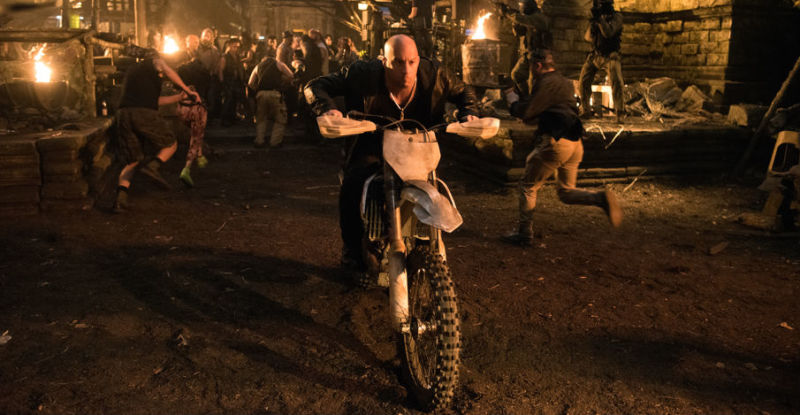
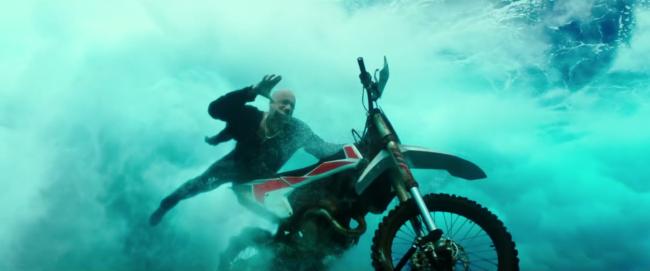
Last year, professional stuntman Robbie Maddison, on a specially-prepped dirt bike raced across the water and charged the waves of world-famous Tahitian surf spot Teahupoʻo. Clearly that footage was the solitary animus that spurred the rehashing of the pseudo super-spy Vin Diesel vehicle, “XXX.” Here is the trailer for the new movie which shows Vin Diesel aboard his dirt bike/motorcycle/jet ski riding on the water. The machine works by shooting out skis to keep the front of the machine afloat while the back is not shown. In the trailer it show two guys riding on separate bike in what appears to be one chasing another and they are getting pretty high off the waves just before they crash.

While this does look like a good movie, us PWC enthusiasts can’t help but argue that the name should be changed to something more related to the dirt bike/motorcycle/jet ski machine.

Gallery: Malvin Quinones’ “Mutation” ’04 Sea-Doo RXP 300

0

fullsizerender-2

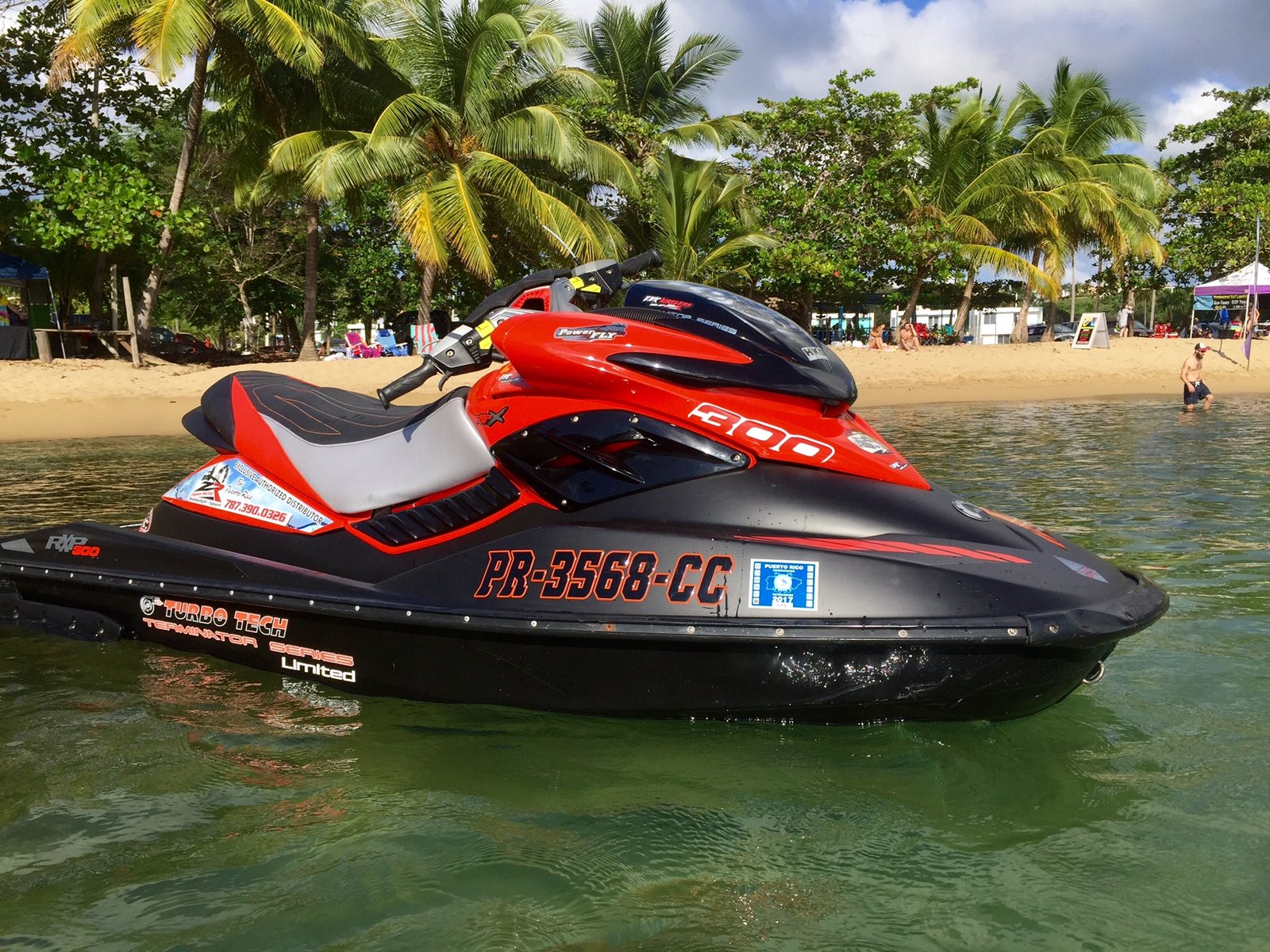
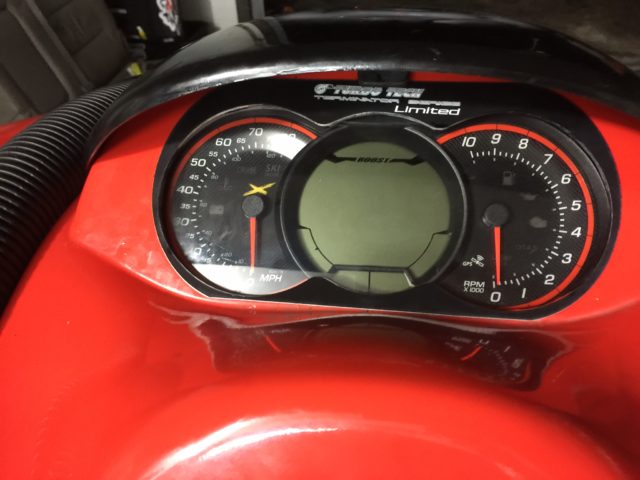
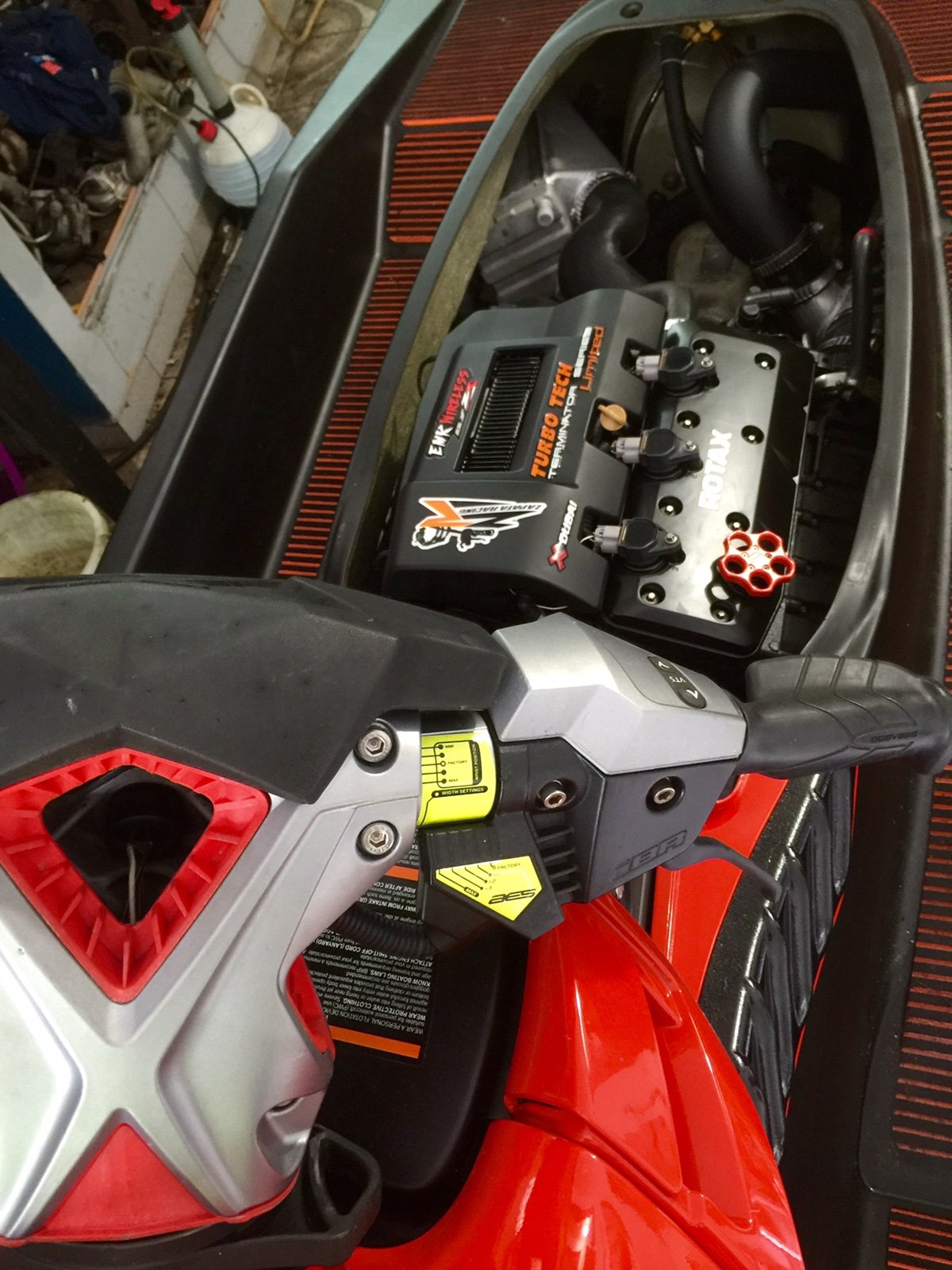
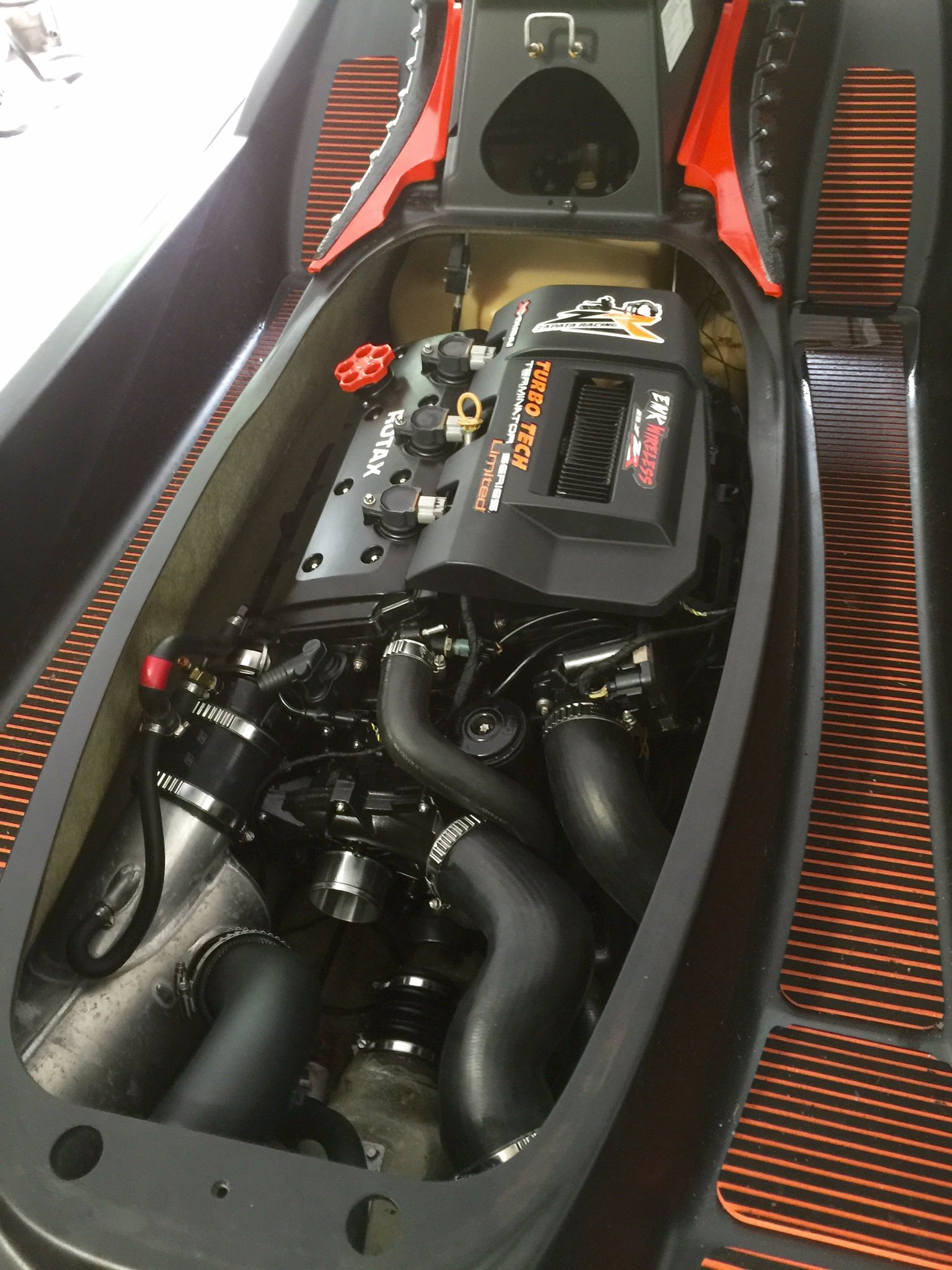
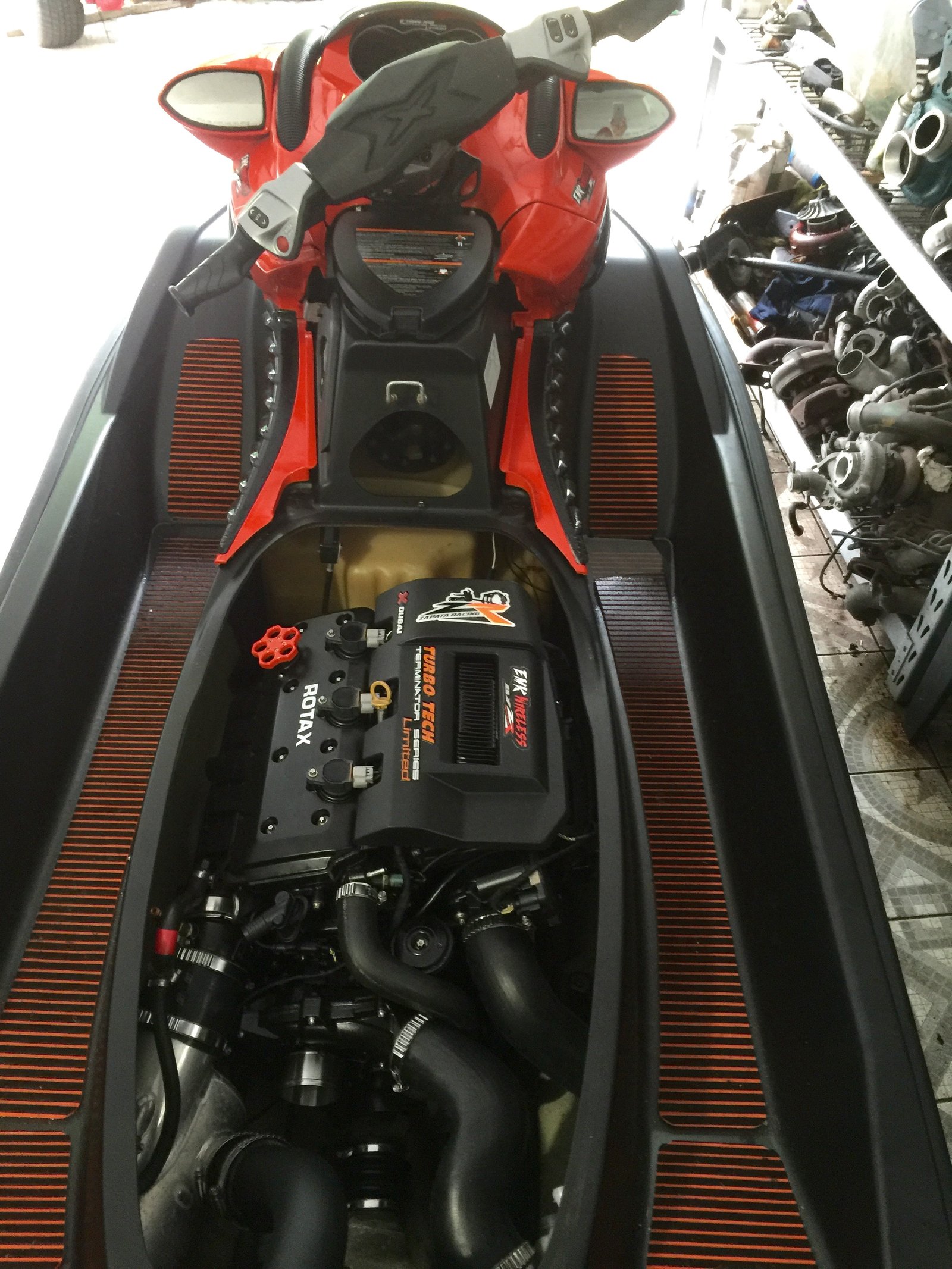
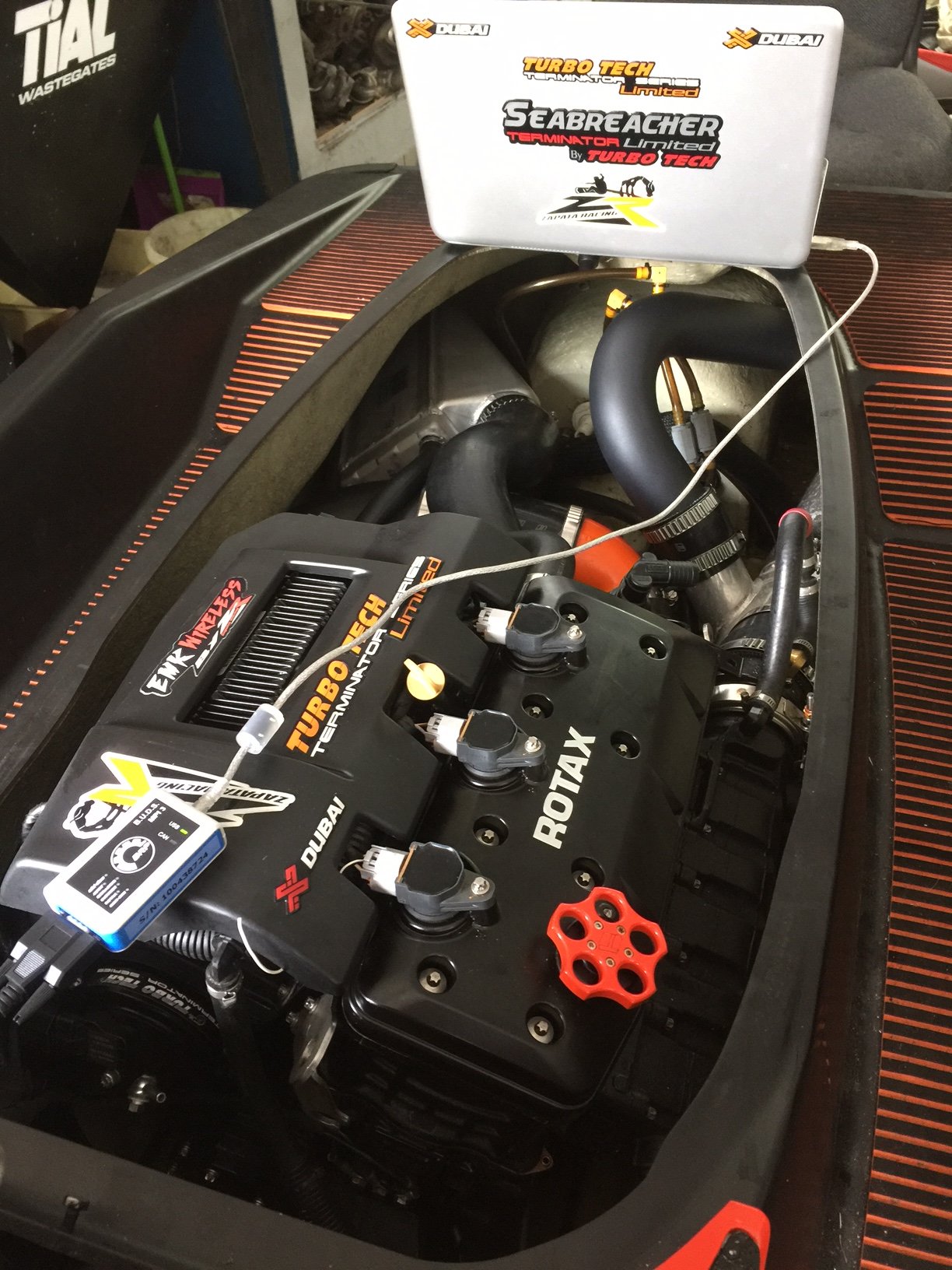
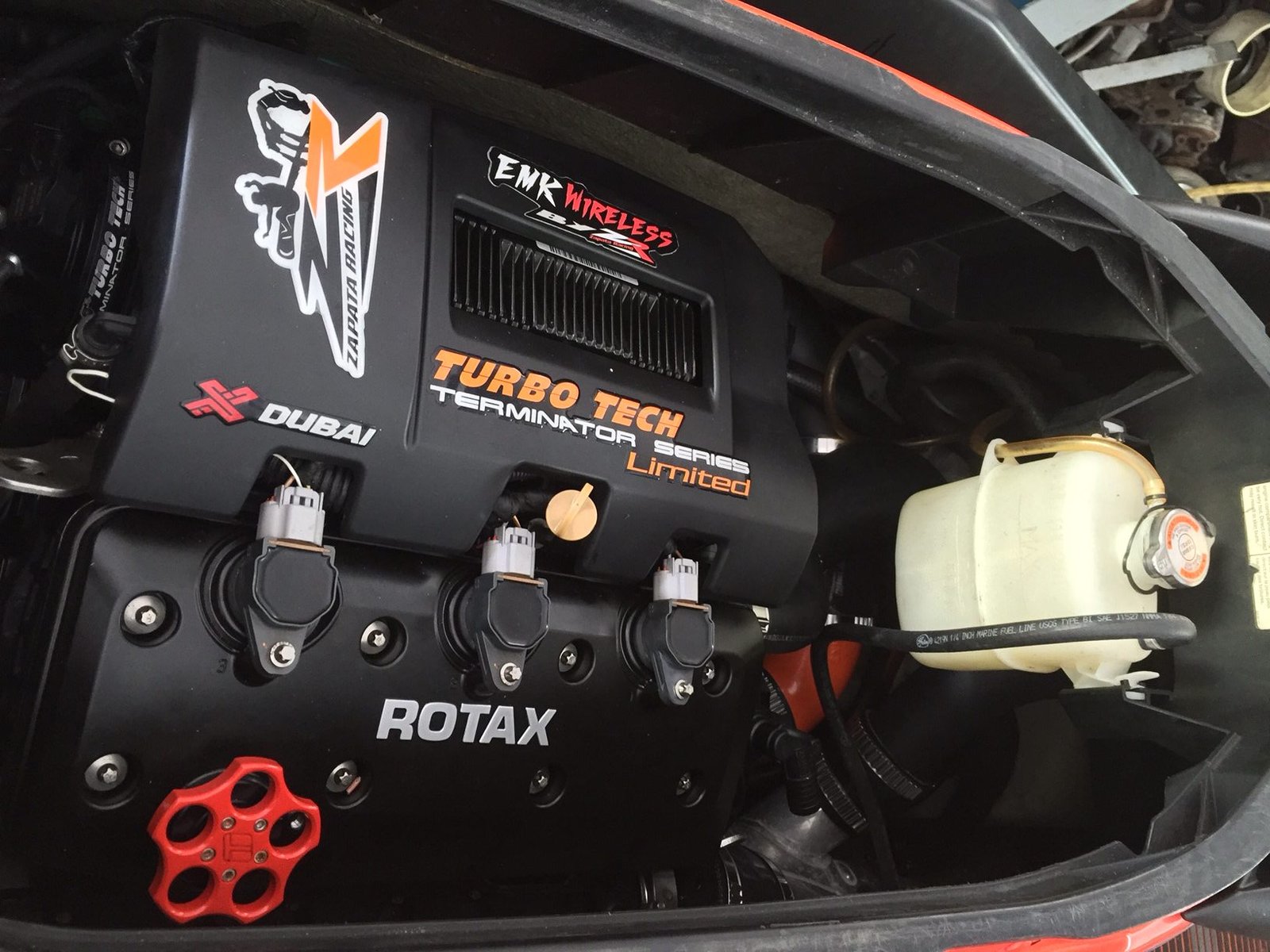
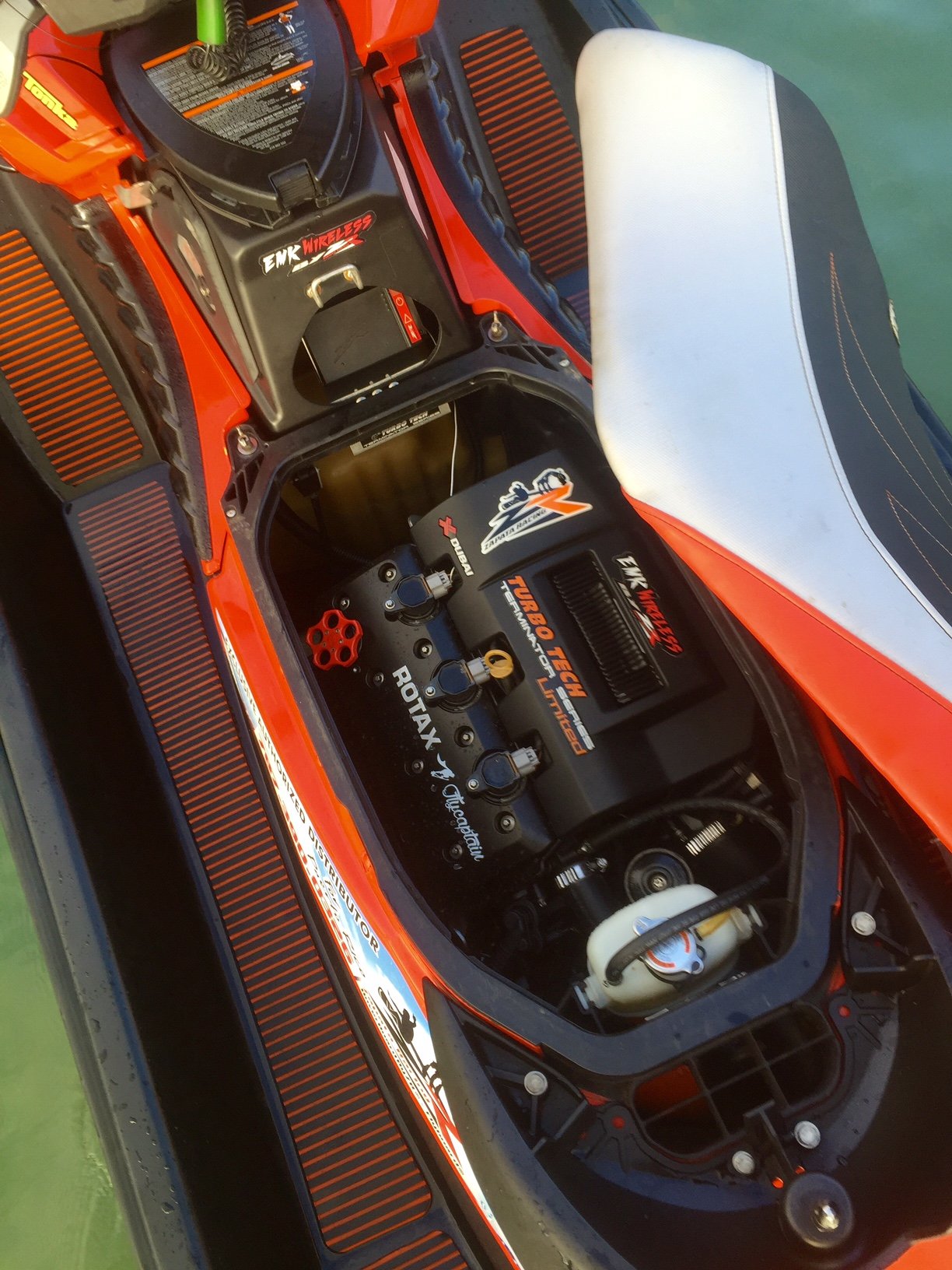
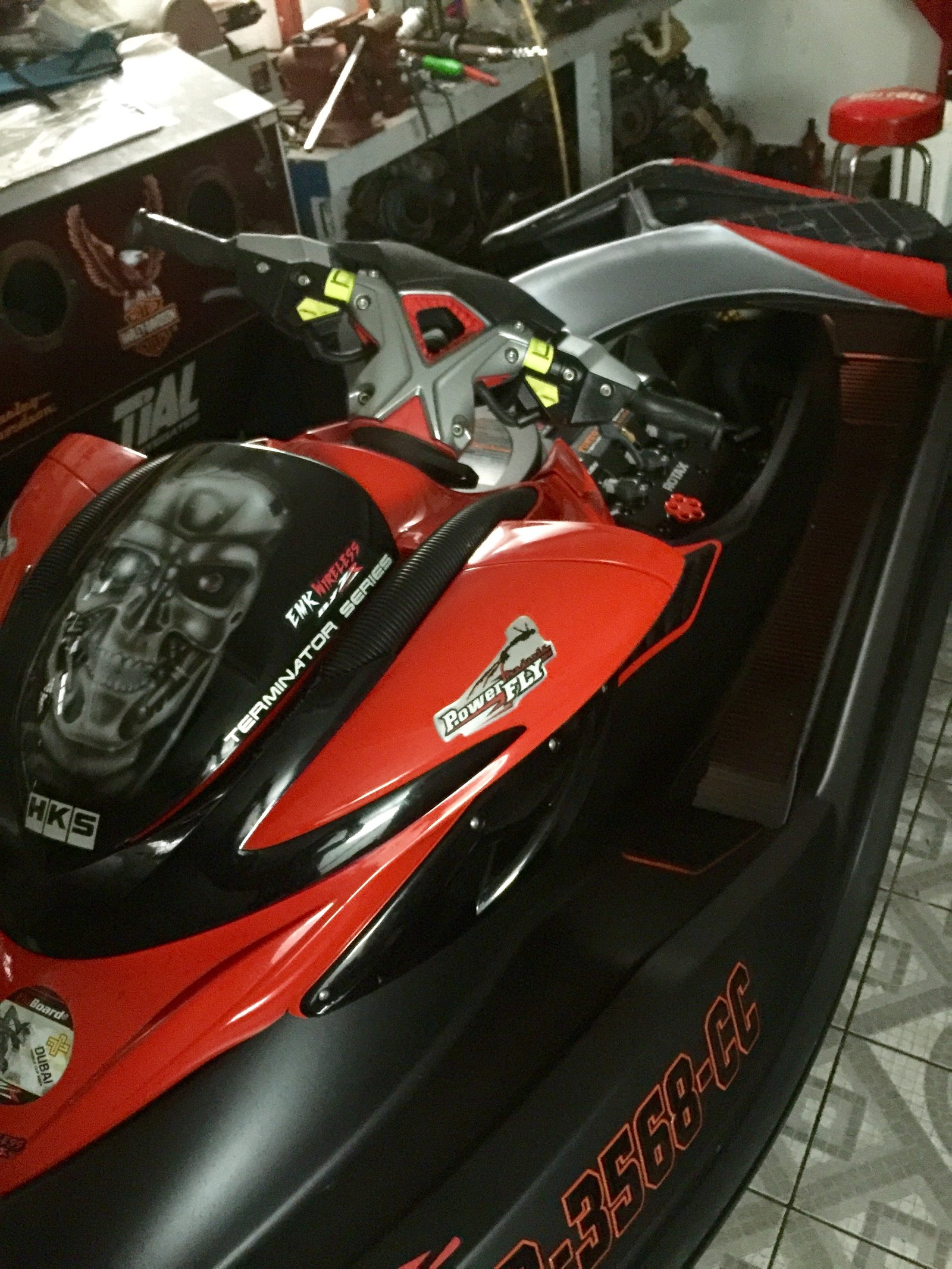
2004 was a big year for personal watercraft performance. Sea-Doo dropped a bombshell in the form of the world’s first supercharged 4-stroke PWC, in the form of the 2004 RXP 215. Not only was it the beginning of the performance 4-stroke watercraft saga, but also another beginning for Malvin Quinones. Sitting down with The Watercraft Journal, Malvin began, “this was the beginning of all my turbo tech Terminator series parts.”

“In late 2004/early 2005 Jerry Gaddis started a small internet blog on his supercharged 2004 RXP that he called the ‘Green Hulk’ (that later became the world’s biggest PWC forum) and we started sharing ideas with each other to improve its performance. Because turbocharging is my main business (Turbo Tech Puerto Rico), I designed a turbo system for the RXP. Later in 2005, I built the world’s first turbocharged ski that I called ‘The Terminator.'”

Malvin continued, “After that, I build my newest turbo creation using the latest in turbocharging technology – a Borg-Warner EFR series that I was able to display it at SEMA show in Las Vegas in 2011 at the Borg-Warner Turbo Systems booth. Because of it, EFR Terminator series turbo systems are featured on some of the fastest RXP in the world,” he smiled proudly.

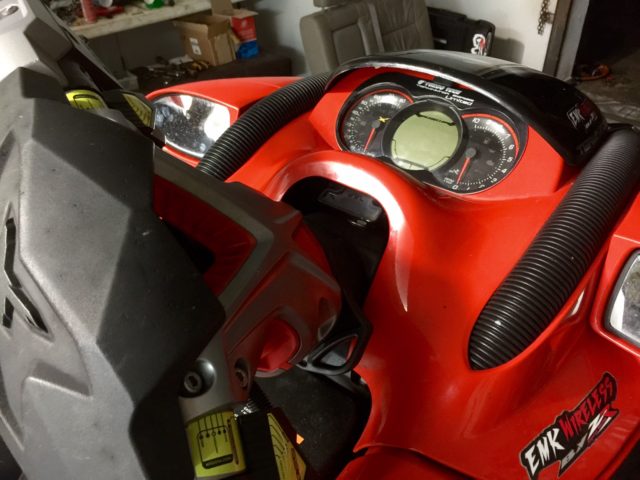
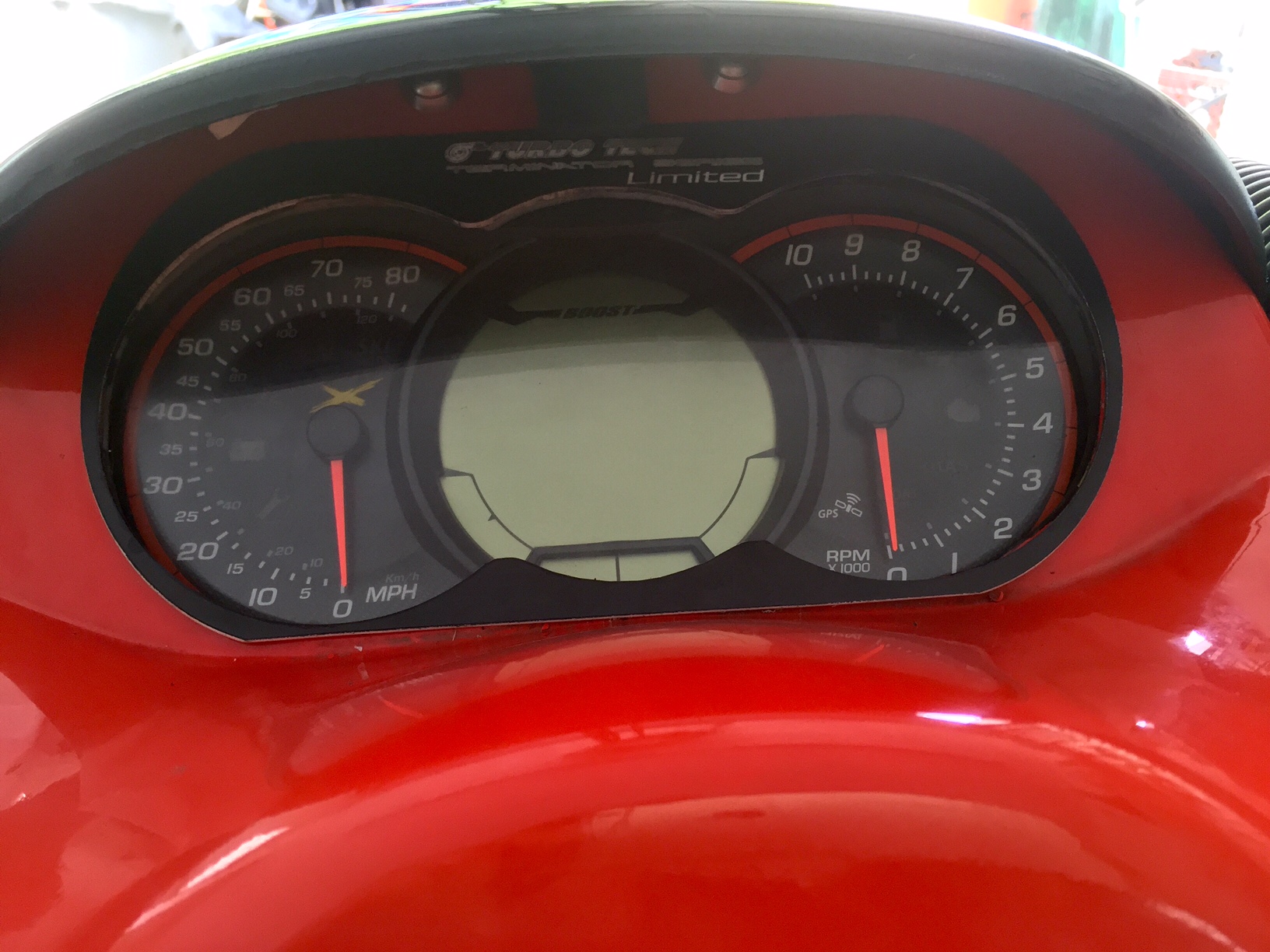
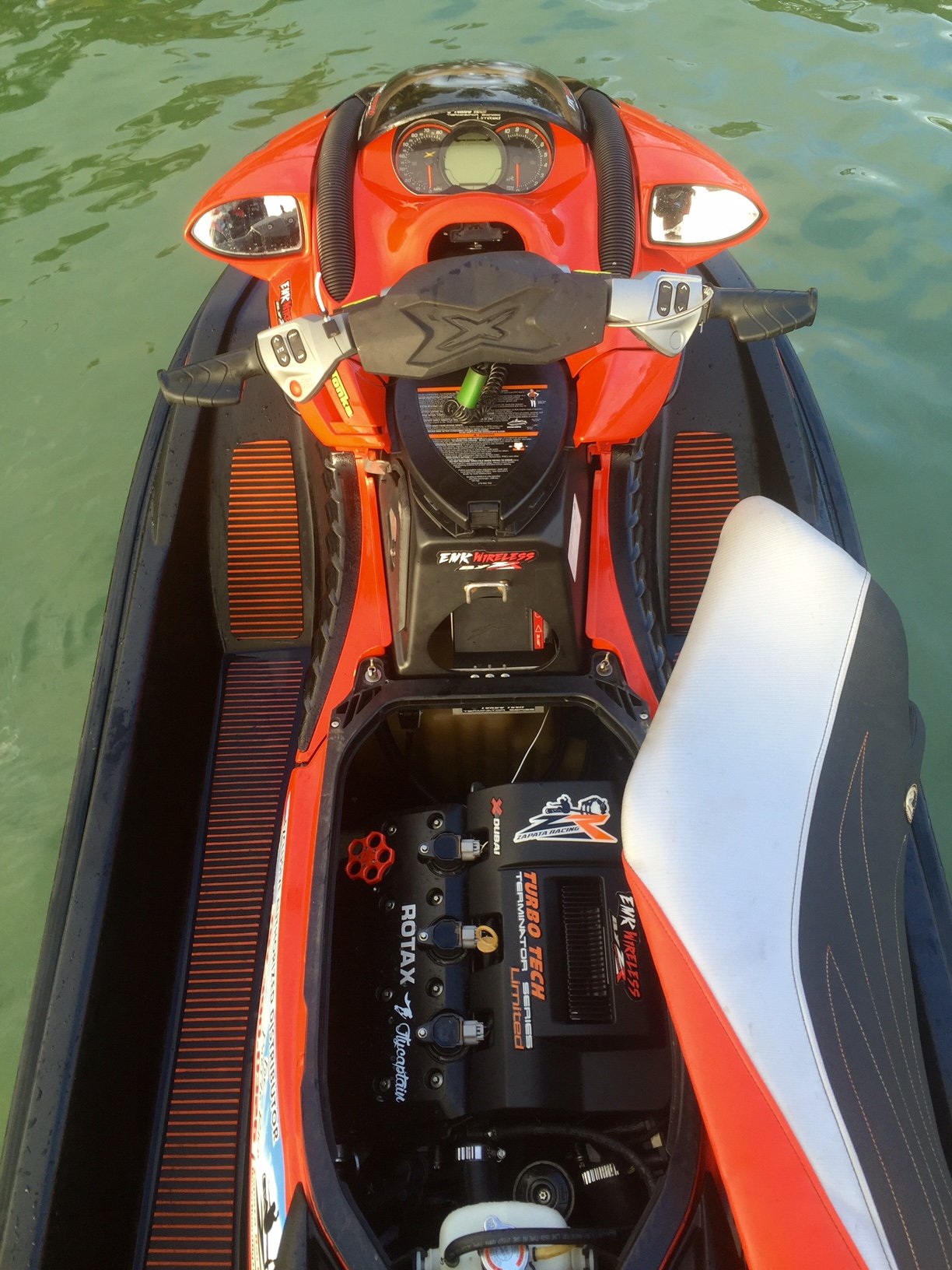
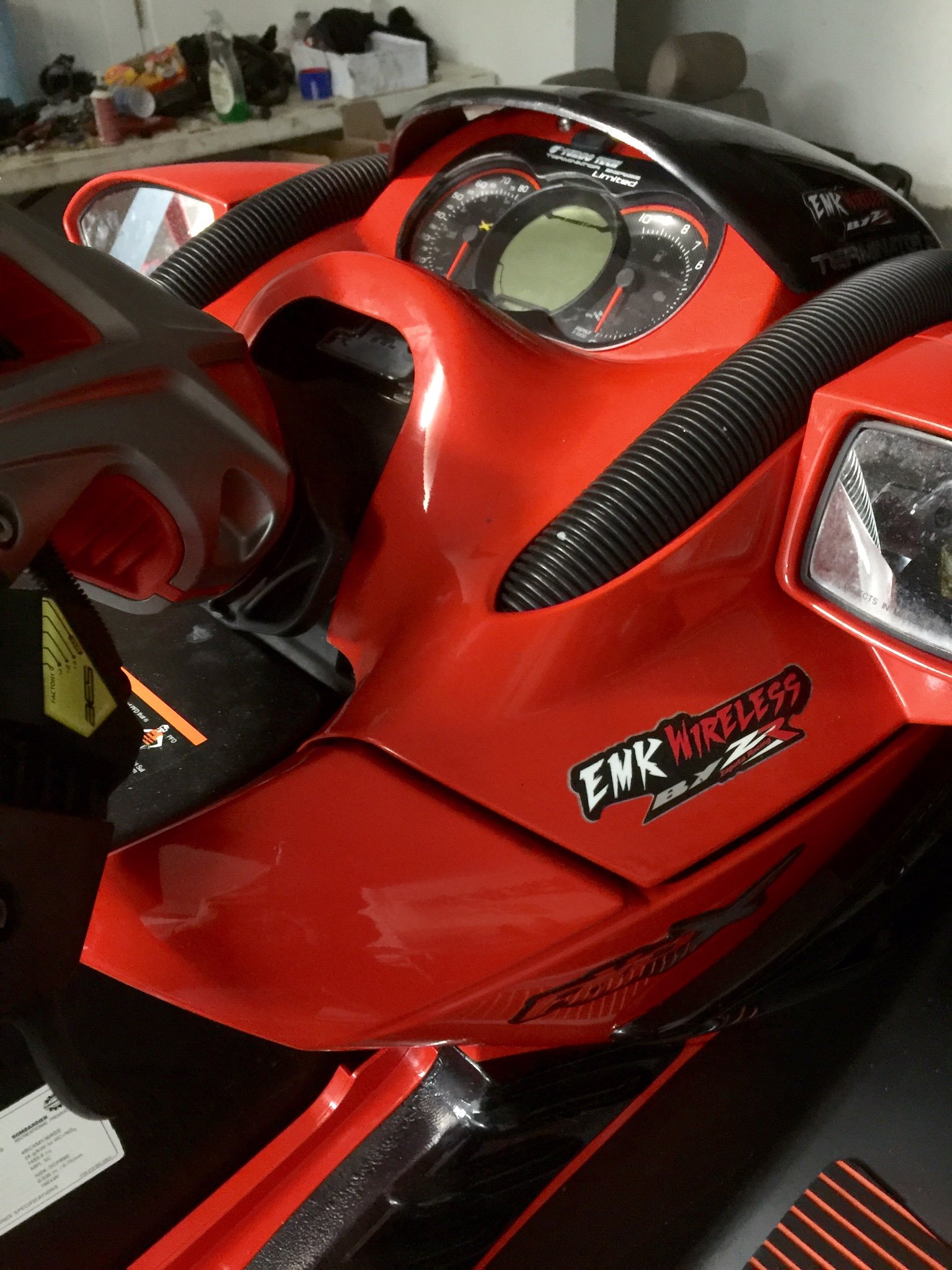
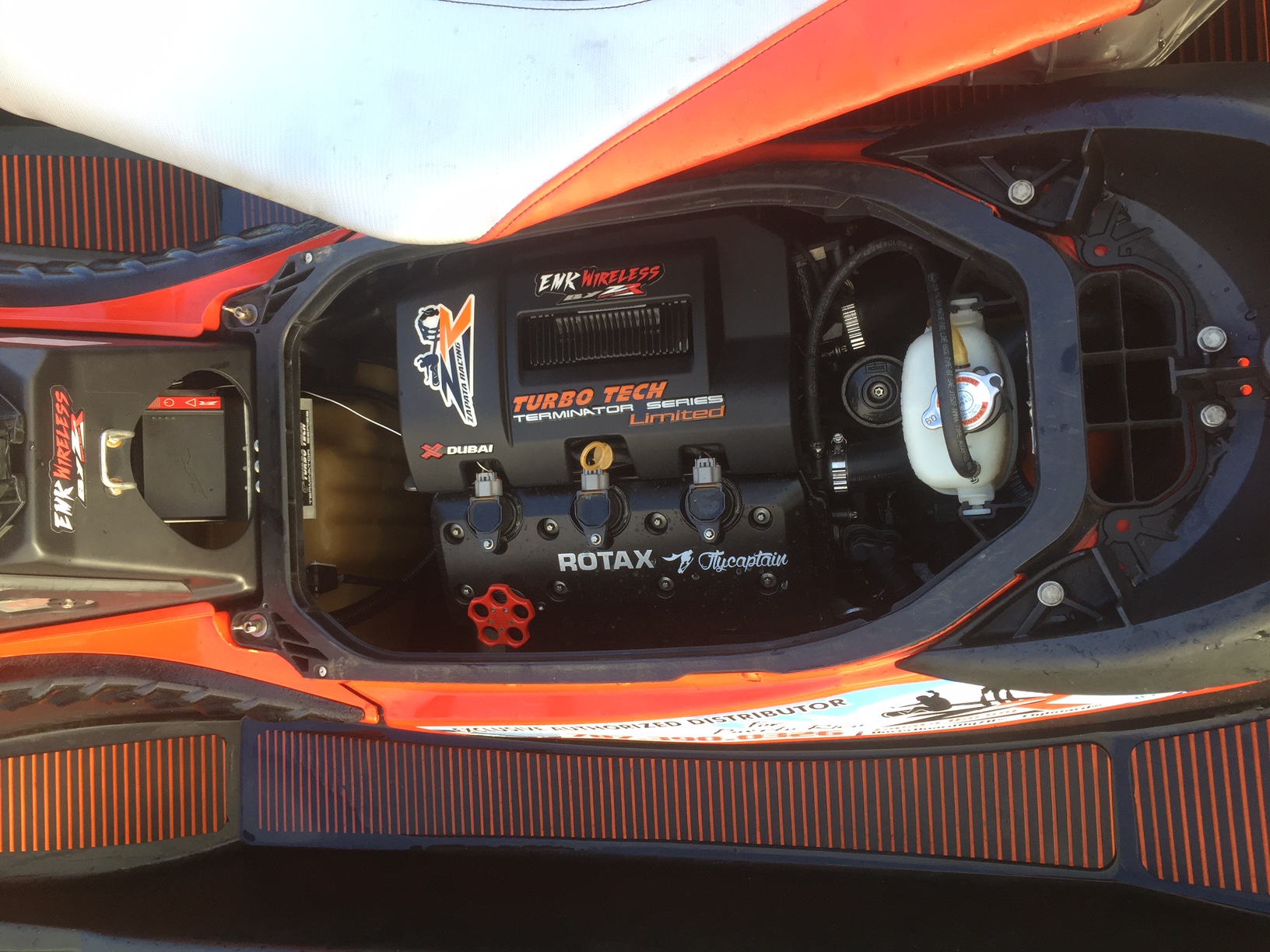
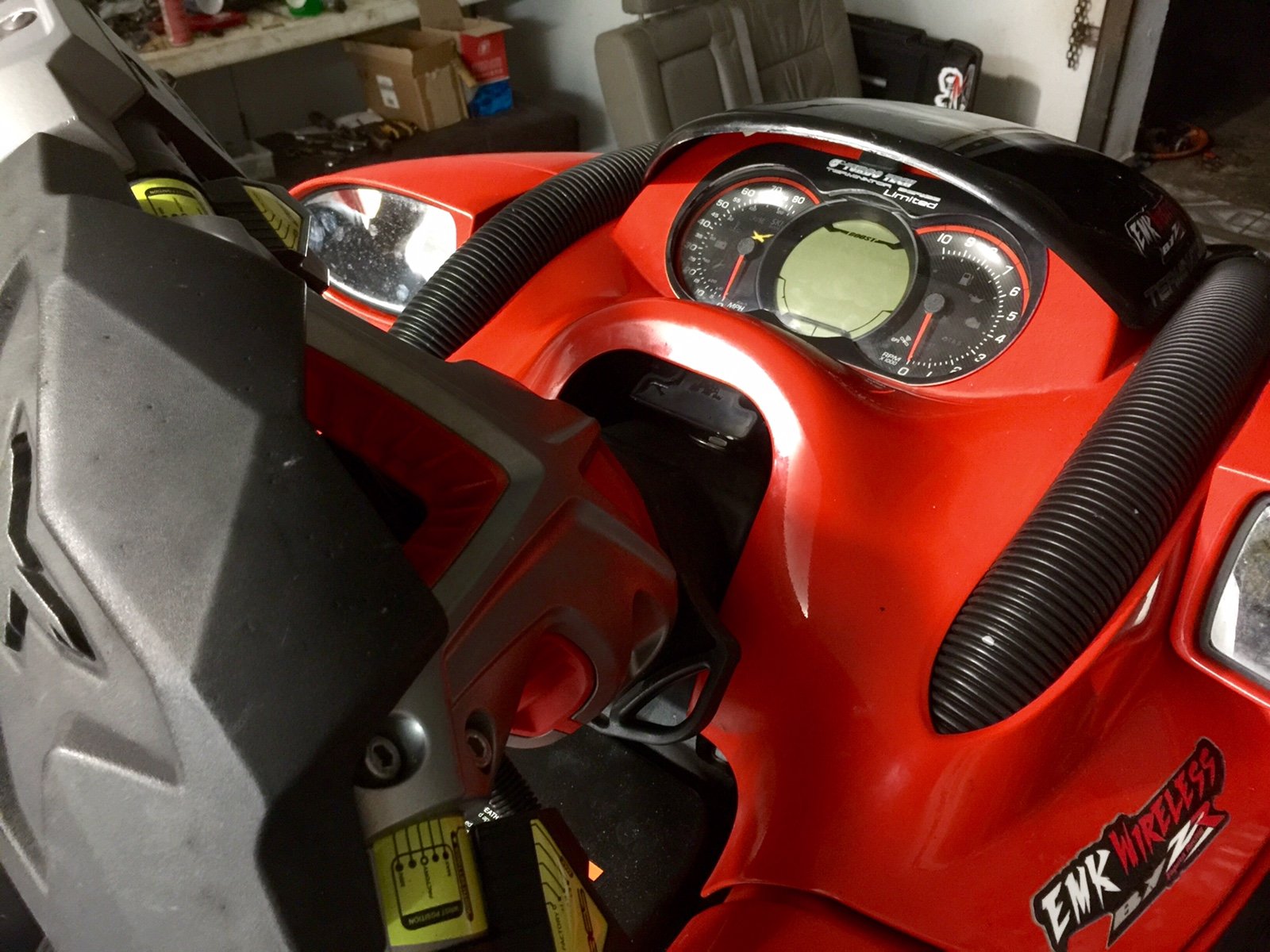
“Now as a ‘commemorative edition’ of my first RXP, I built a 2004 RXP with the latest 300 series parts – all the mechanicals and electronics from the 2016 ski – I even modified the handlebar and cluster to adapt it to the 2004 set up! (That was the hardest part of building this ‘Mutation RXP’).”

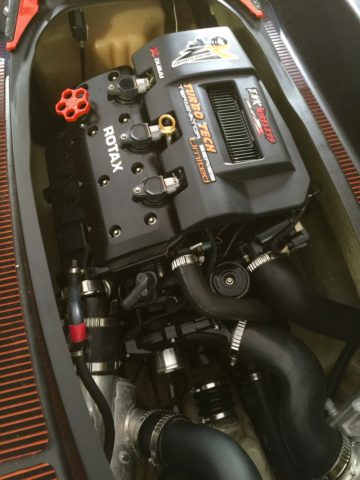
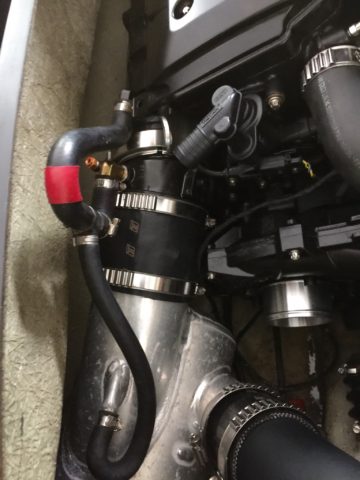
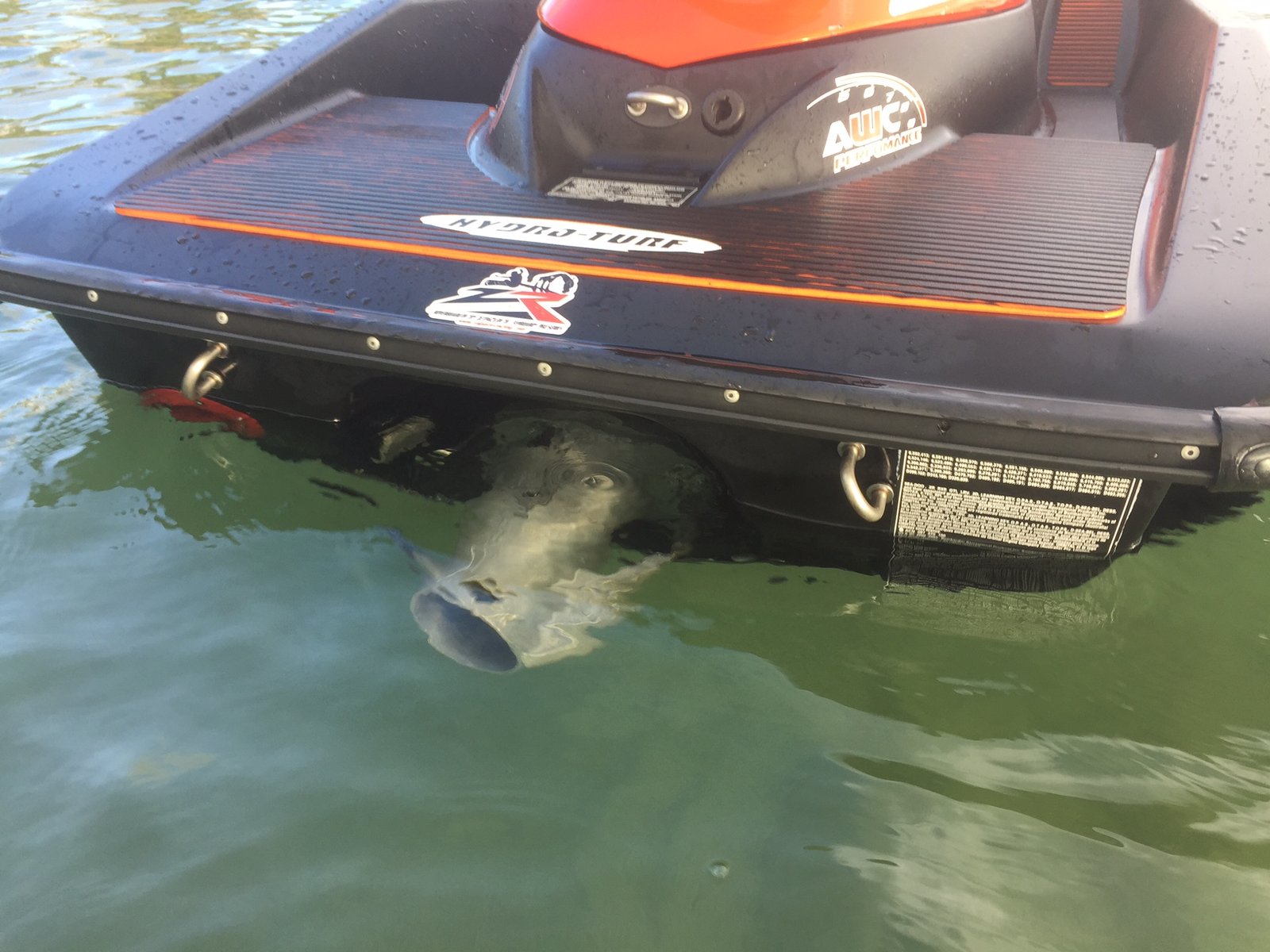
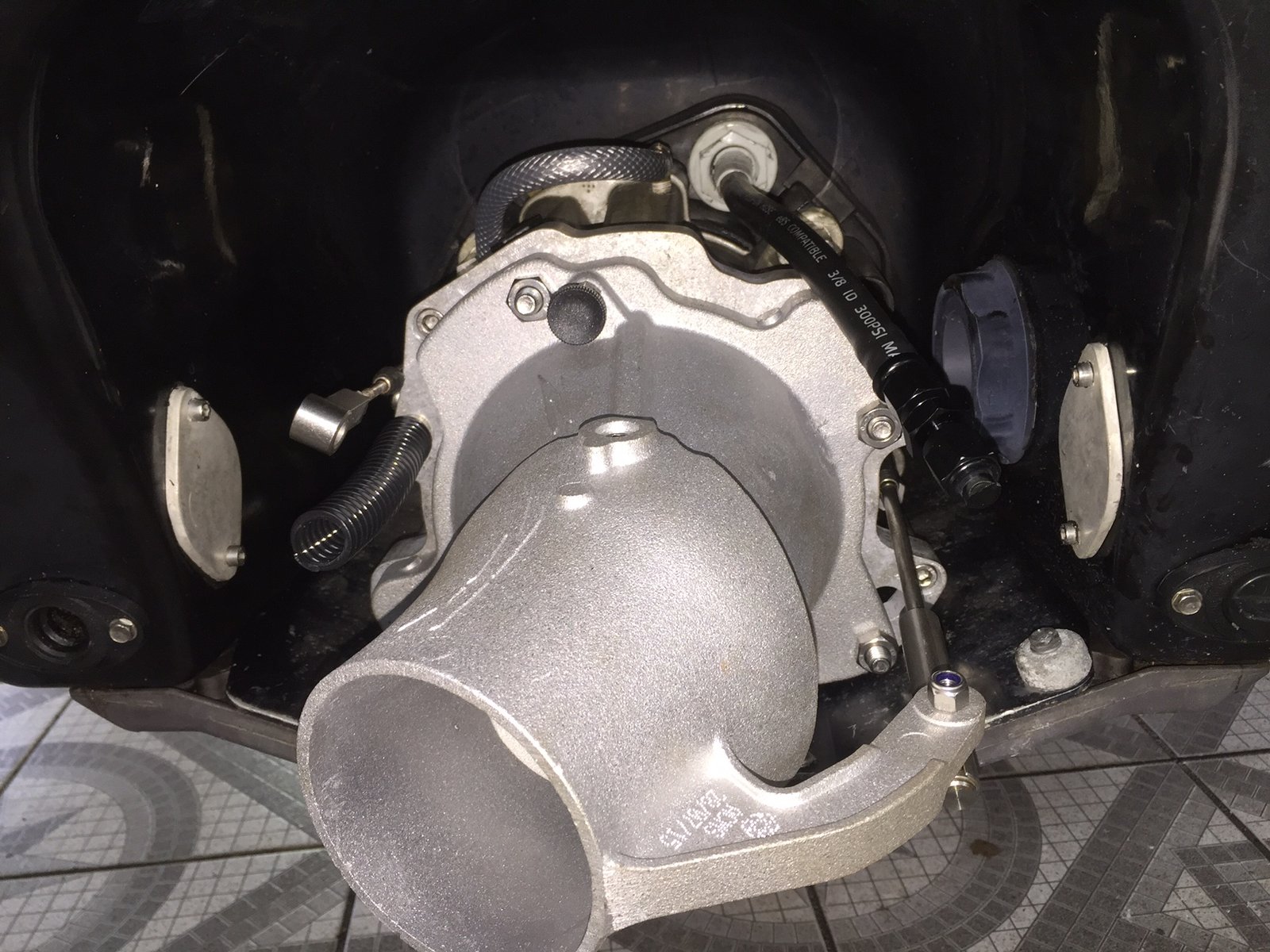
Malvin admitted, “Building this 2004 RXP took me back in time when I got my first RXP back in 2004. It was more of a challenge for my personal satisfaction. The ski is a full 300 series in a old 2004 RXP hull with few upgrades and mods, like a F5 air intake system, an ECU reflash (so it starts in Sport mode), 8,400 rpm springs and retainers, and all ARP bolts, and a Zapata Racing dual impeller.”

“Ultimately, the ski was build for my favorite sport, Flyboarding/hoverboarding/jet pack, and I use an EMK (electronic management kit) remote control wireless system when I’m flying!” Malvin provided a huge gallery of images documenting the “Mutation’s” build, and promises to have some updates and performance numbers in the coming weeks. Until then, enjoy what we’ve got here:

fullsizerender-4 fullsizerender fullsizerender-jpg-1 fullsizerender-jpg-2 fullsizerender-jpg-4 fullsizerender-jpg-5 fullsizerender-jpg-6 img_3704-jpg img_3716 img_3842-jpg img_3885 img_4449 img_4447 img_3939 img_3950 img_3948 fullsizerender-3 img_3841-jpg img_3839-jpg img_3718 fullsizerender-jpg fullsizerender-jpg-3 fullsizerender-2
<
>

PWC Permanently Banned From Adelaide’s West Beach

0
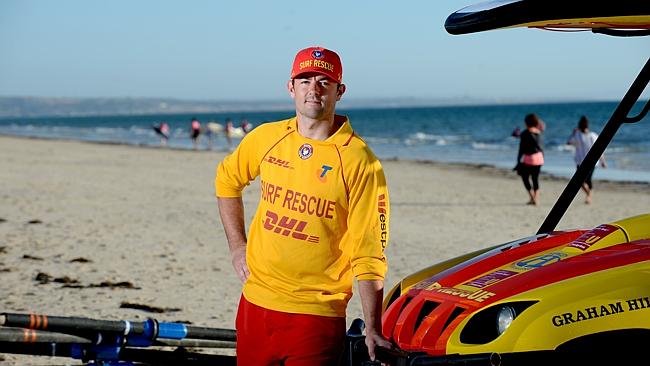
Henley Surf Lifesaving Club captain Tom Lanyon. A jet ski exclusion zone trial has endorsed by Charles Sturt council. It will exclude jet skis from coming ashore between Grange and the River Torrens.

skipol
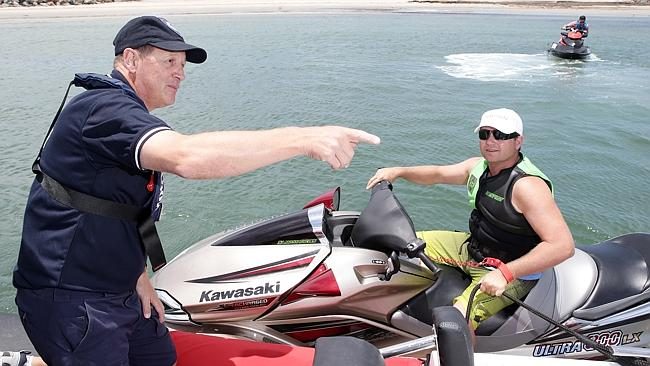
According to OZPWC , the inevitable finally happened, PWC were permanently banned during the summer along some of Australia’s West Beach. Personal watercraft and motorized boats cannot come within 200 meters of the shore between the River Torrens outlet and Grange Road between sunrise and sunset from December 1st and March 31st.

This has been an ongoing battle between the State Government and Charles Sturt Council. The Council previously asked for a permanent ban and the State negated the idea in favor of the Council reapplying every year for the jet ski exclusion zone. The community complained on a regular basis about the dangers of jet ski riders and swimmers having far too many sketchy close calls and the Council was tired of reapplying for the special exclusion zone every season.

Charles Sturt Council Mayor Angela Evans was thrilled with the latest outcome. “The introduction of these new regulations achieves the same safety and environmental benefits as the previous Aquatic Activity Licenses without the need to apply for these licenses on an annual basis and removes the liability responsibilities away from council,” she said.
Western Adelaide Coastal Residents’ Association president Jim Douglas agreed and said the ban was “a good outcome for the community and a great decision by the government.”

The residents are currently working on a way to get the word out to surrounding communities and jet skiers. Personal watercraft operators face fines up to $160 plus the victims of crime levy which may be an additional $1250 set by the courts.

Real Review: SureCan Gas Cans

0

sure

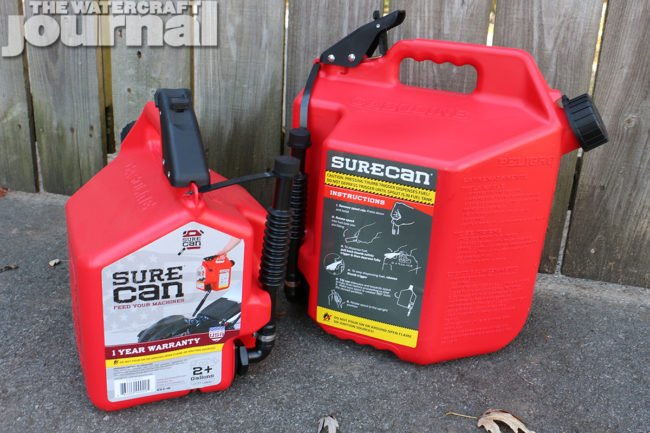
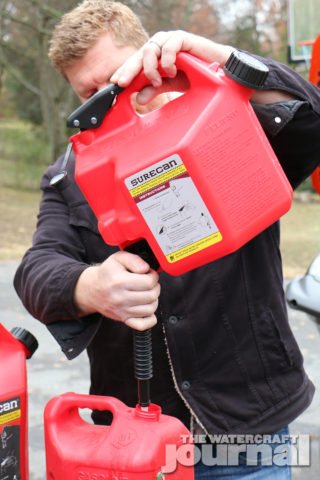
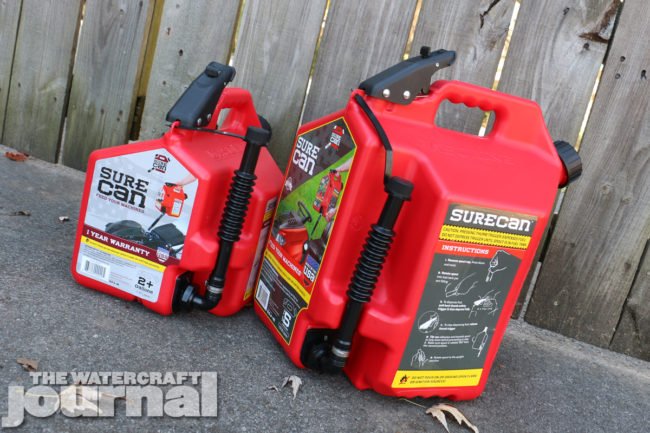
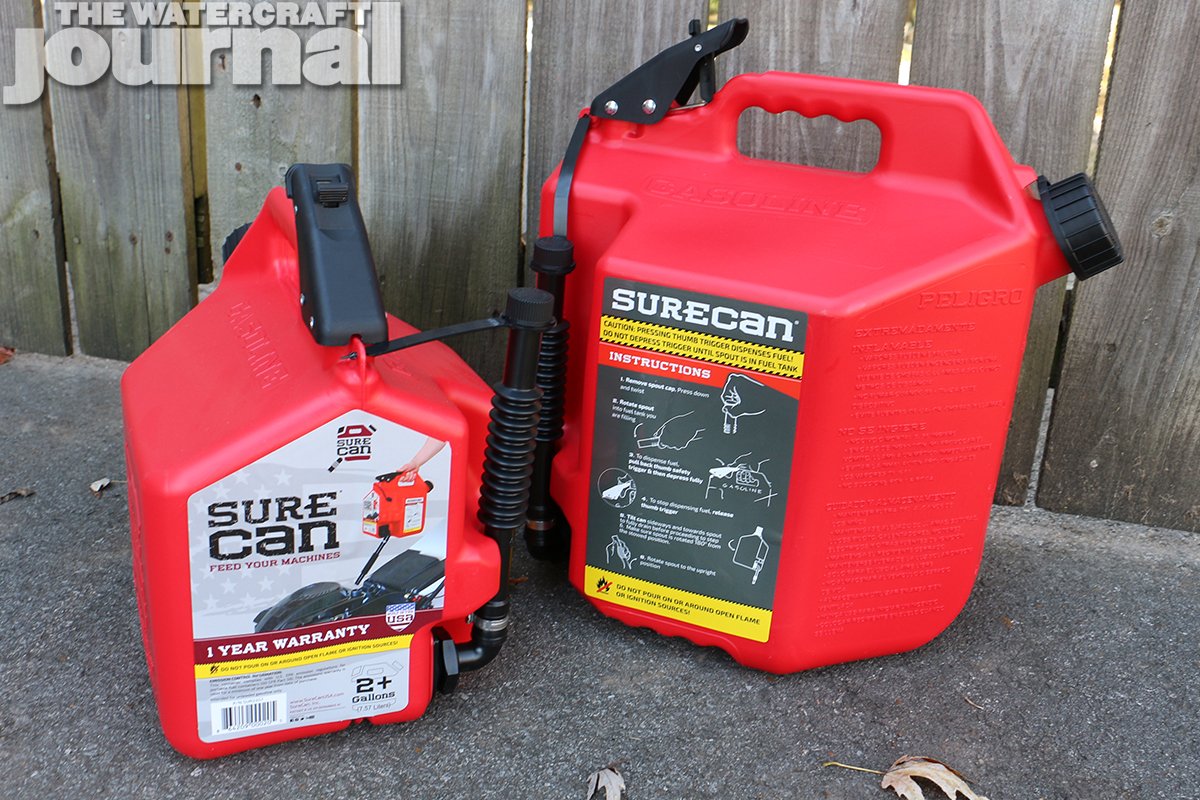
The people have spoken! We had initially planned on publishing this review in early January of next year, but given the vocal demand for more information on SureCan’s spill-free gas cans after being included in our 2016 Christmas Gift Guide last week, we decided to bump it up to today. As we alluded to in our snippet in the gift guide, the SureCan one of our favorite items on our list. It’s a little unusual to place a gas can in such high regard, but when you look at the ingenuity poured into the design of such an otherwise simple item, you’ll come to realize like we have, what an amazing piece this is.

There are two major factors needed to be considered when properly pouring fluids; the first being proper venting. As fluid escapes, air needs to fill the vacuum. Many cans simply let the spout do all the work, allowing air to try to travel back up the filler neck. This causes the all-too-familiar pulse or “gurgle” common with gas cans. Some companies have tried to finagle fancy return vents into the filler neck, but a rapid flow of fuel can quickly overpower these spouts. Other cans have small, pin-hole sized breather caps allowing a whisper of air to draw through into the can. This helps, but doesn’t allow for a fast, steady flow that won’t splash or slosh.

2

The second item is mitigating splashing. This comes from a few factors, the first being the above issue of fuel flow versus vacuum. When there’s not enough air coming in, you get cavitation, which slows the flow of fuel and is the cause of gas cans flexing or “breathing” as the pull of vacuum begins to suck the can’s sides in. Next is needing to tilt the can to pour fuel. This sloshing back and forth can cause the pourer to spill fuel on the ground or on the ski itself.

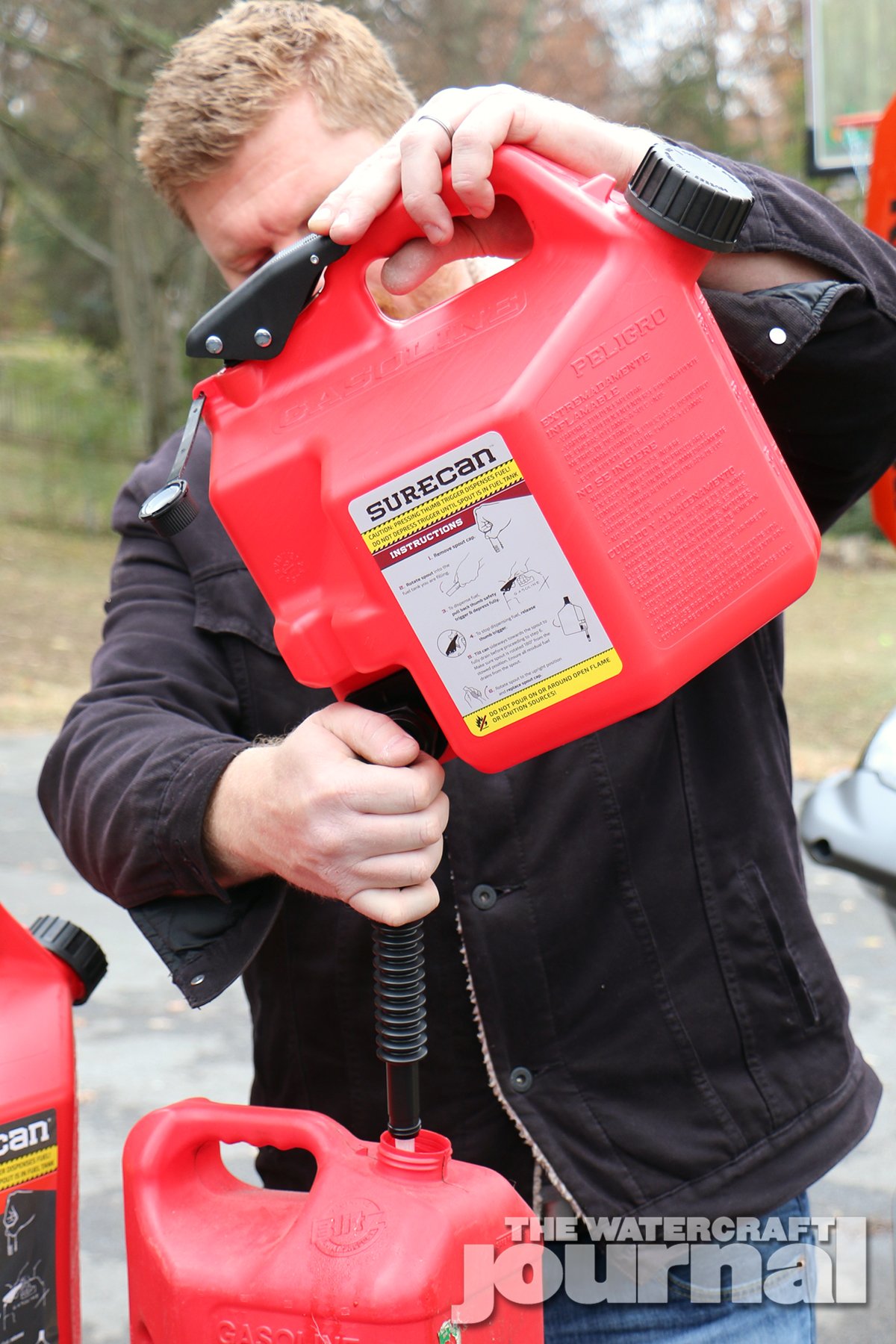
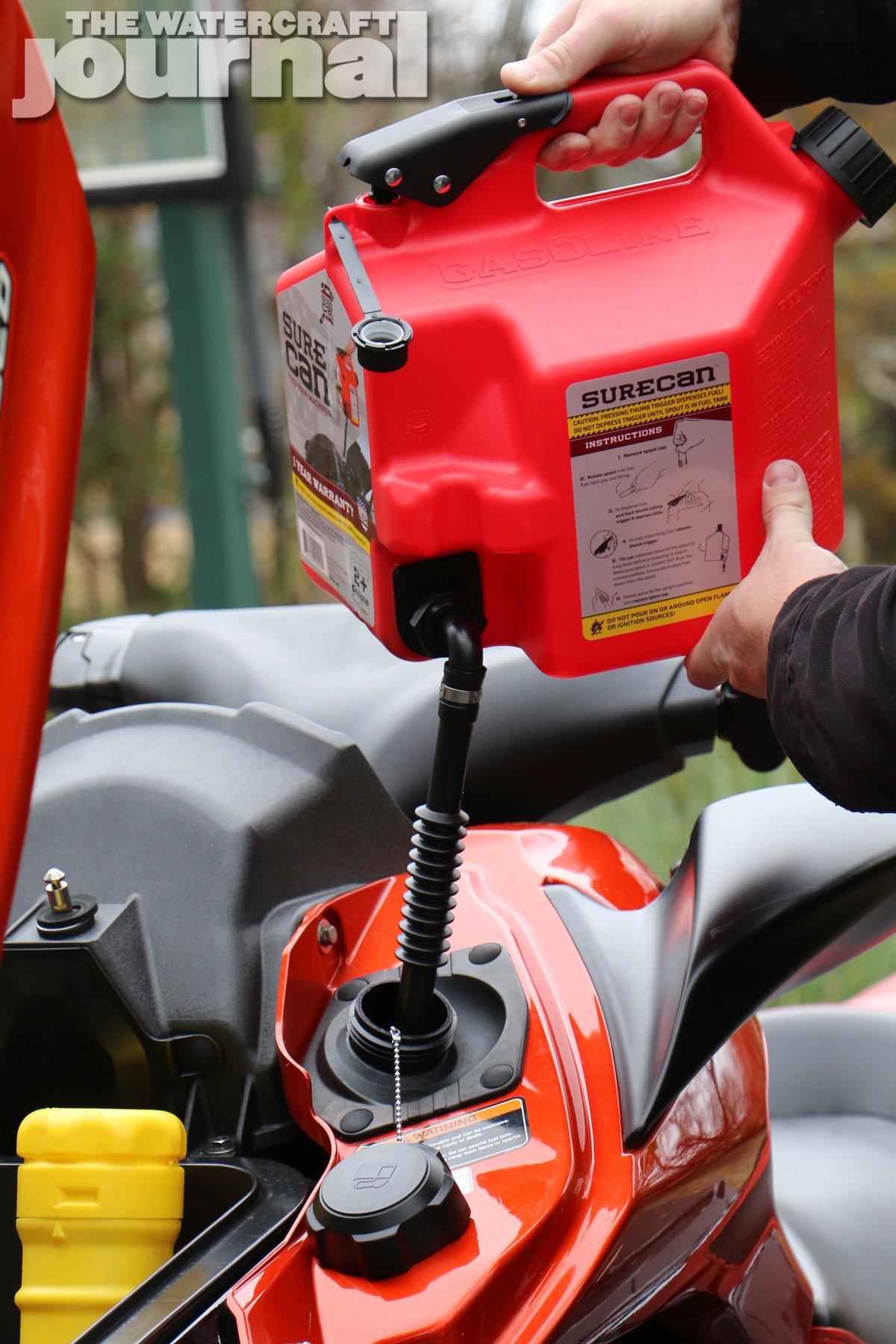
SureCan eliminates all of these problems through its intelligent design and features, all of which we’ve put to the test. First of all, the locking spring-loaded thumb trigger not only controls the flow of fuel via a plunger system at the articulated filler neck, but also incorporates a large diameter self-sealing vent in the trigger, allowing in as much incoming air as the rate of fuel escaping. Because the filler neck rotates on a low-mounted 180-degree pivot, the SureCan can be held steady and vertical the entire time, eliminating the need to tip the can to pour.

1

When closed, the sprung trigger system seals both the vent and spout (even without its locking “childproof” cap screwed on) eliminating spills and drips when not in use or being moved around. A large diameter fill cap also features a locking push tab so that no fuel can escape without you knowing it. The rotating spout also incorporates an according-like tube allowing you to access hard-to-reach spots on our lawn equipment or smaller engines. Best of all, particularly for us who carry extra gas cans on our PWC trailers or with us on long rides, the SureCan is molded from thick, durable EPA-compliant plastic that can take the harshest beating. No, really. Watch this.

Available in 2.5 and 5-gallon configurations and priced at $39.99 – $49.99, there are also cans for diesel and kerosene. Unfortunately, SureCans are not available in California due to the state’s unique environmental constraints over those of the Federal level. The SureCan is lightyears ahead of your old jerry cans and worth every penny. There’s a million little details in these cans, and we know you’ll love it as much as we do.

1 4 3 8 7 6 2 5 9
<
>

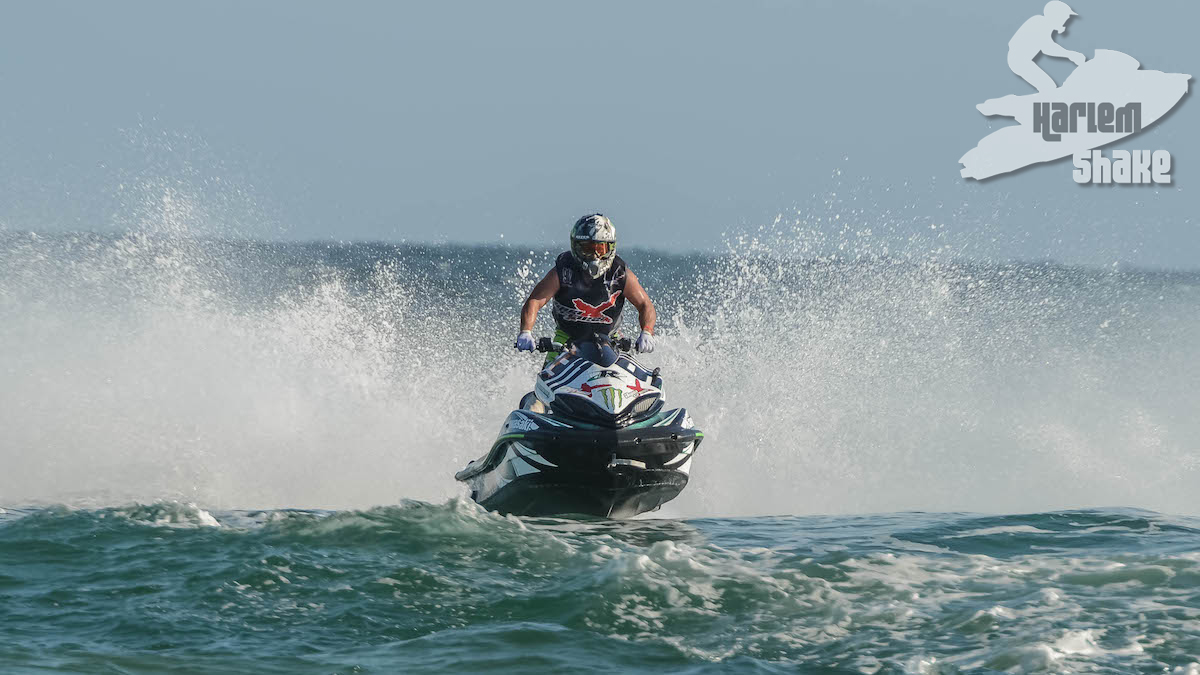
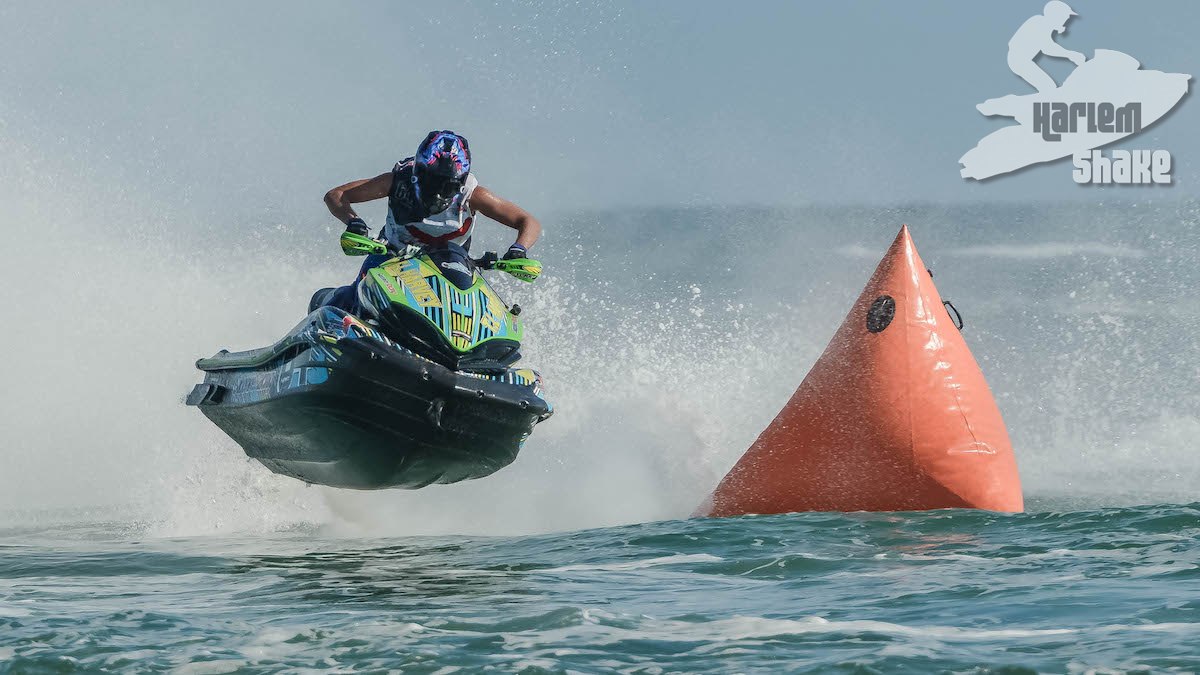
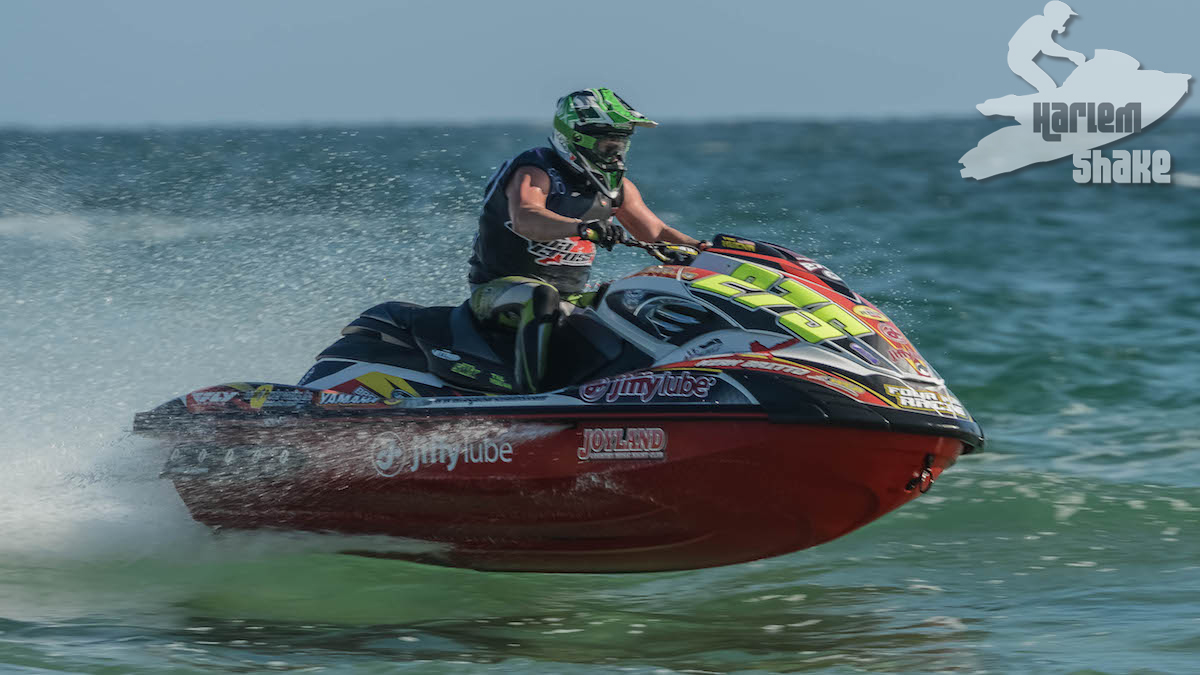
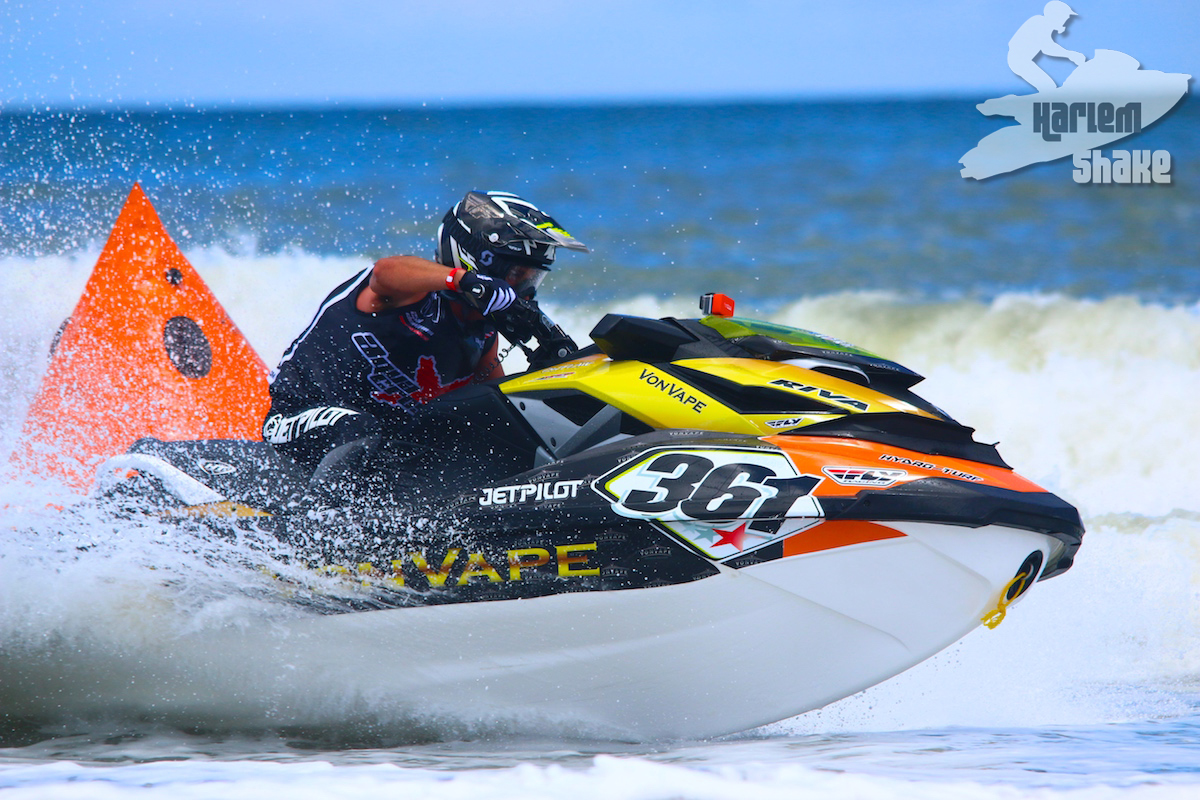
Gallery: 2016 AquaX Season in Review From a Photographer’s View

0

kurt

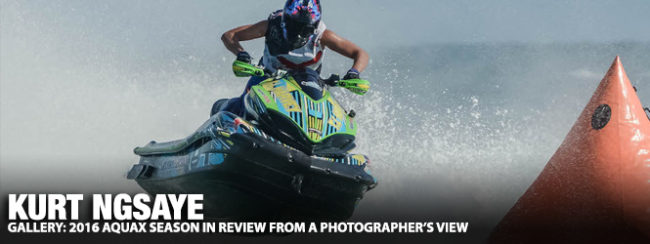
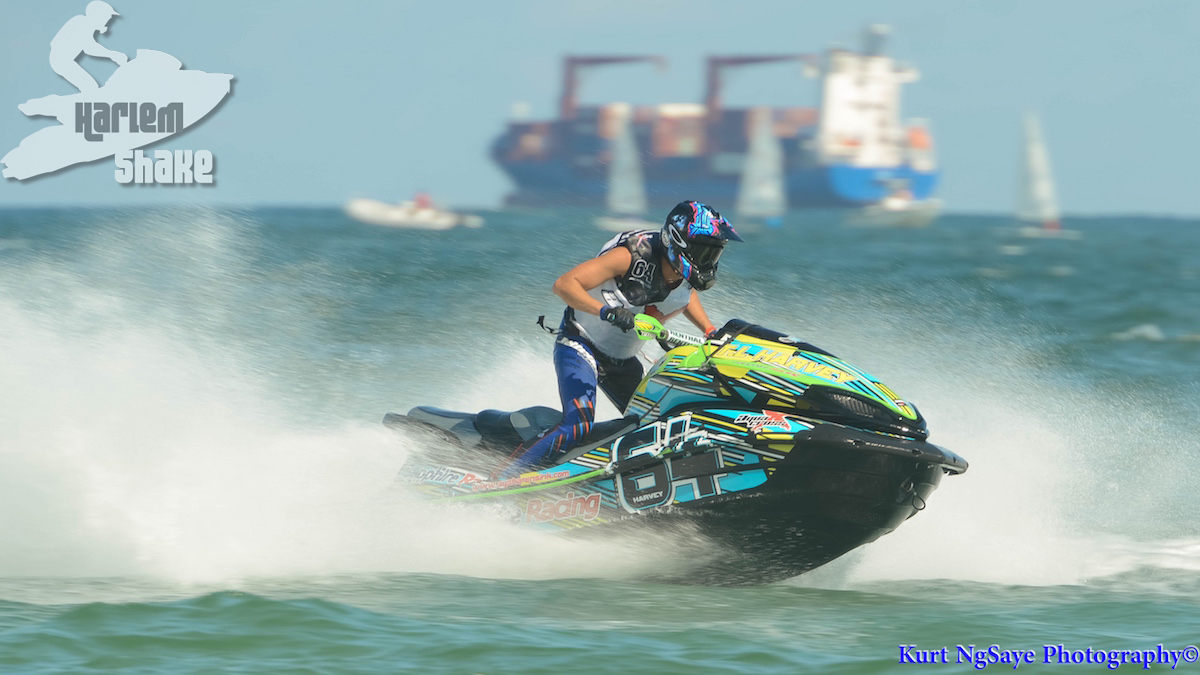
Now that my coverage of the 2016 AquaX race season coverage has come to an end, I thought that a review was in order. Back in April of this year, the season was approaching with the first race of the season in Tavares, Florida and my anticipation of covering it was at an all time high. Unfortunately, my excitement came to a crashing (no pun) low, as that morning less than a mile away from my house, I was involved in a serious vehicle crash. This was not the way that I was expecting my season to begin.

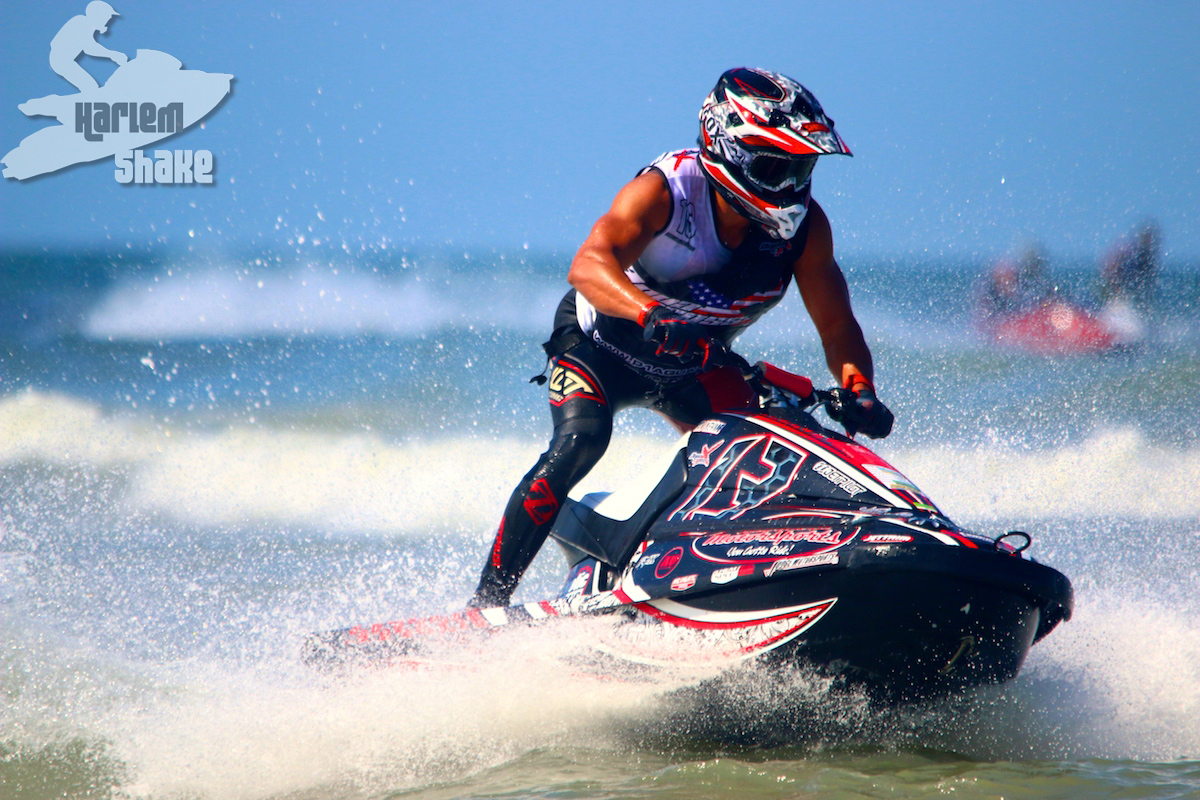
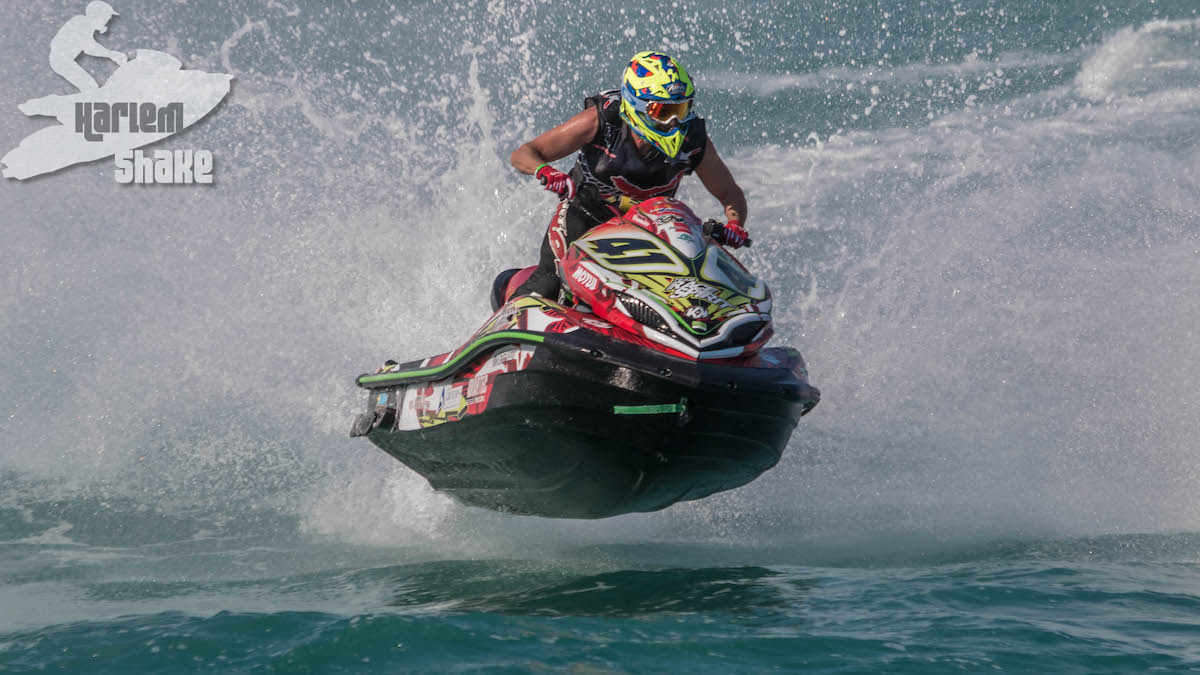
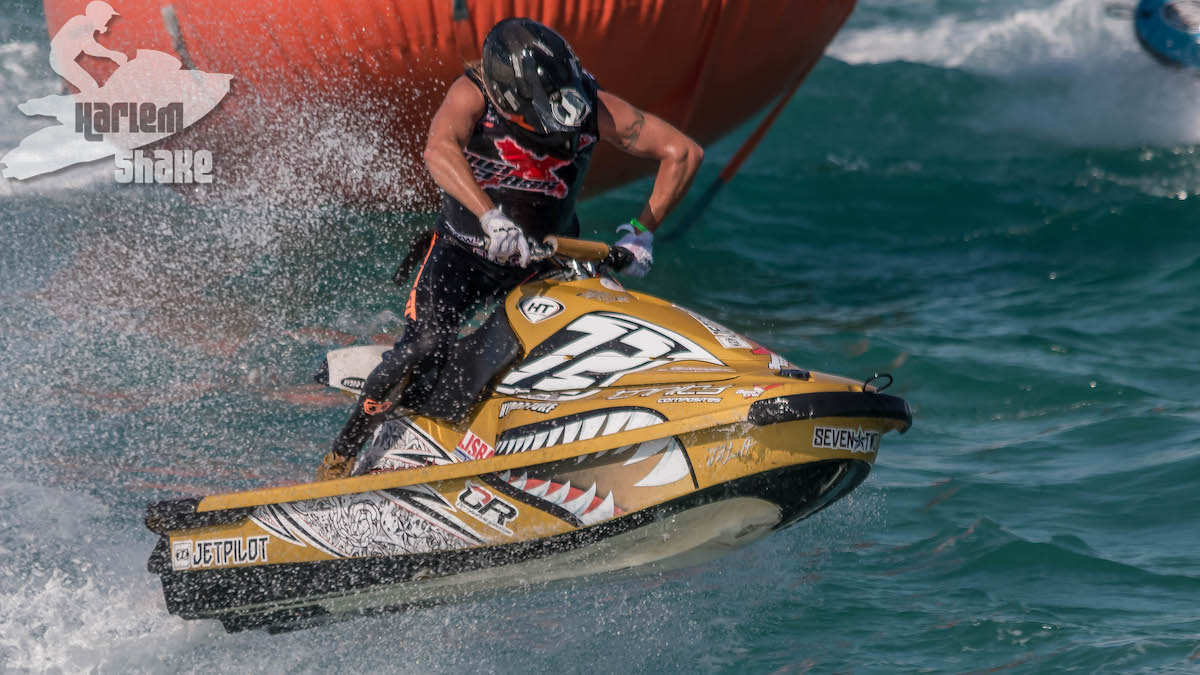
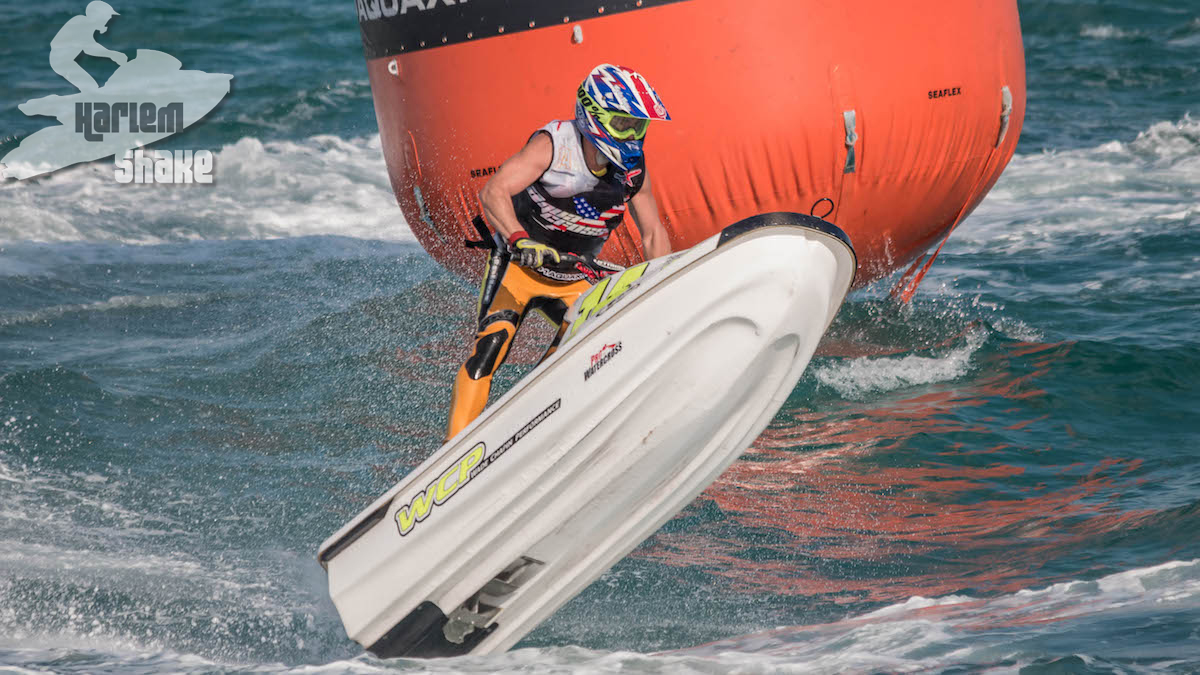
My season would have to wait until the next round in Daytona Beach, Florida. Daytona is one of my favorite locations to cover as the action is abundant and the close proximity of the racing to the shore. Unless you have a gigantic lens for shooting, the closer you can get to the action the better it is, and Daytona always gets extremely close to the beach. It was great seeing all the racers who have become very close to me and who I enjoy capturing their competitiveness and camaraderie. Daytona did not disappoint as usual.

Next was St. Cloud and even though it was good to be back out taking pictures, something wasn’t feeling right with me. The thrill wasn’t there and I felt as though I was just going through the motions. After being so close to the action at Daytona, I kind of get spoiled when I’m not that close to get those dazzling shots that I know I’m capable of getting.
img_9667

Next up was Sarasota for the 4th of July weekend, and I had high hopes of getting that drive again as the previous year it was my second favorite location after Daytona. Sarasota, Florida was a major let down for me as I again wasn’t close to the action as the course was set further off shore compared to the previous year and not being allowed to get on a boat for whatever reason.

It was so bad that I had not gotten any shots for the entire weekend and was stressing as not being able to bring coverage. Thanks to my dear friend Simone Mia Smith I was able to get some shots so coverage was still brought but it was a huge disappointment for me, as I like to be in control of what I bring. The season was half way through and I was starting to feel like it wasn’t worth it anymore for me to cover it but I decided to continue as I’m not one to quit on what I promised to do.
Due to locations in Chicago, I had to wait for the next set of races in Florida to return. Lake Worth, Florida was the next stop and second-to-last race of the season. This was a new location and the uncertainty of how it was going to be had me a little nervous. Due to the huge gap in between Sarasota and this race I was feeling a bit of excitement to get out there and shoot but the question was still in the back of my head if I wanted to continue doing this. Lake Worth was an excellent location as I was able to shoot from the pier and it was definitely a great location. It was good seeing everyone after such a long break and I was looking forward to the last location of Fort Lauderdale, Florida for the final race of the season.

img_9457

Fort Lauderdale finally arrived and I was pretty stoked as it was a new location, and it was so close to the beach that I knew I would get some great shots and bring the coverage that I was used to bringing. Unfortunately, the event did not start off the way that I was expecting and came crashing down (no pun). As I was set to begin and make it to the beach, my lens unexpectedly came off my camera body and came crashing to the ground. Can you say major disaster? Again thanks to my dear friend and fellow photographer Simone Mia Smith; she lent me her extra camera and lens. Granted it was not a brand that I had ever shot with before but I was definitely grateful and in her debt for coming through for me.
I was able to get through the weekend and got the shots that I needed to bring the coverage of the races. Due to the accident with my lens and the cost of Fort Lauderdale I started to get that feeling of if it was worth it anymore to cover these races. I had to do some serious rethinking and after discussion with my friend Simone I came to the conclusion that it wasn’t financially feasible to continue anymore and after all the downs this year I wasn’t getting the enjoyment anymore out of doing it. I felt as though this was my last race as a photographer and writer.
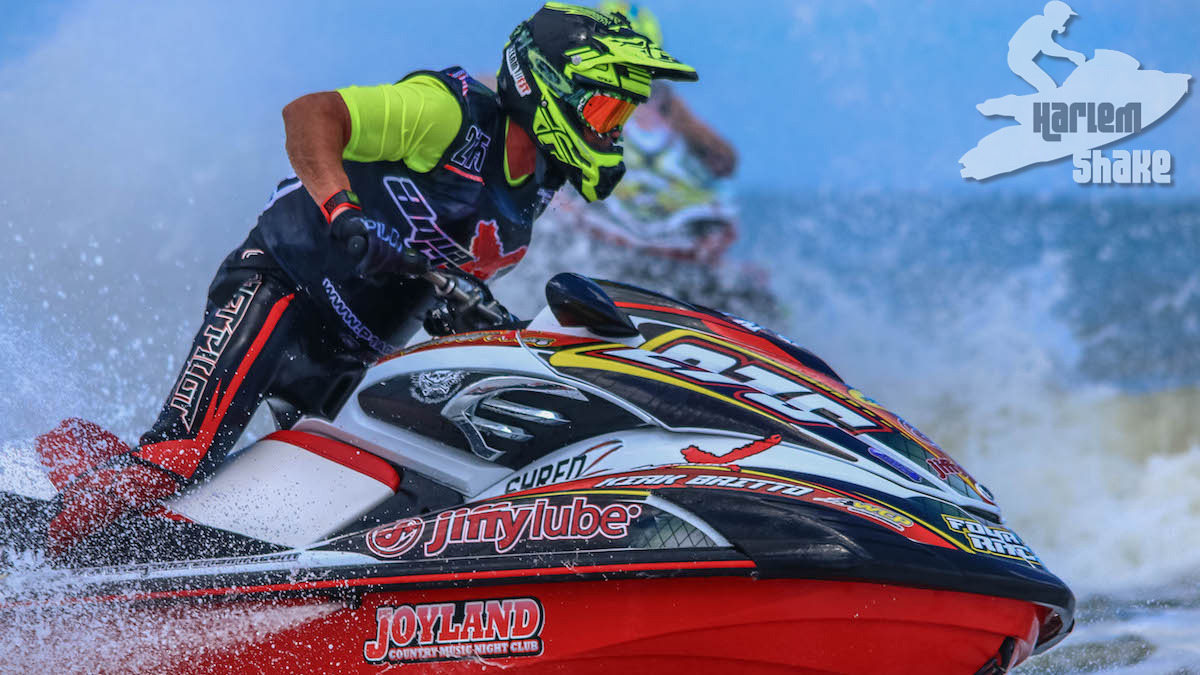
Fortunately, after discussing how I was feeling I am glad to say that I will continue to bring coverage of this series. It was a hard year with what seemed to be more down than ups but I pressed through them and I am looking forward to seeing what next year will bring. On this note keep you eyes open and the hand on the throttle and we shall bring you the coverage that you have come to expect next year.

img_0953

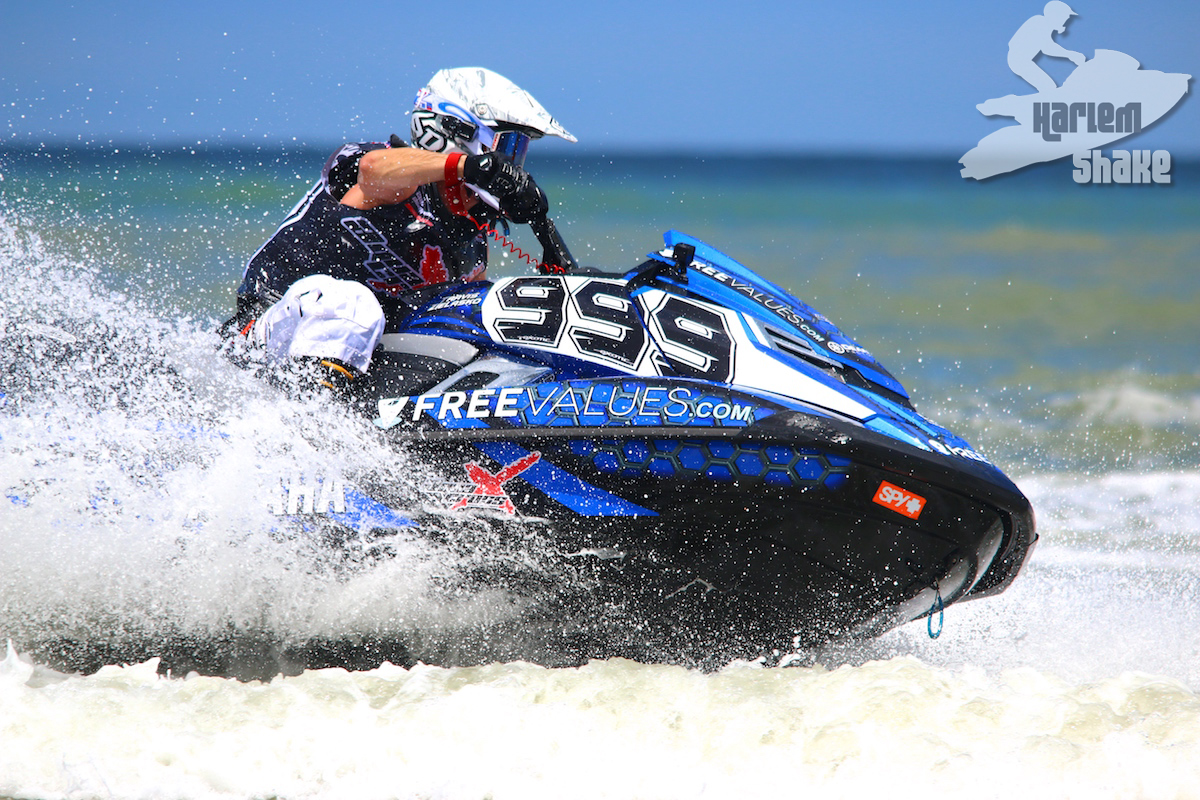
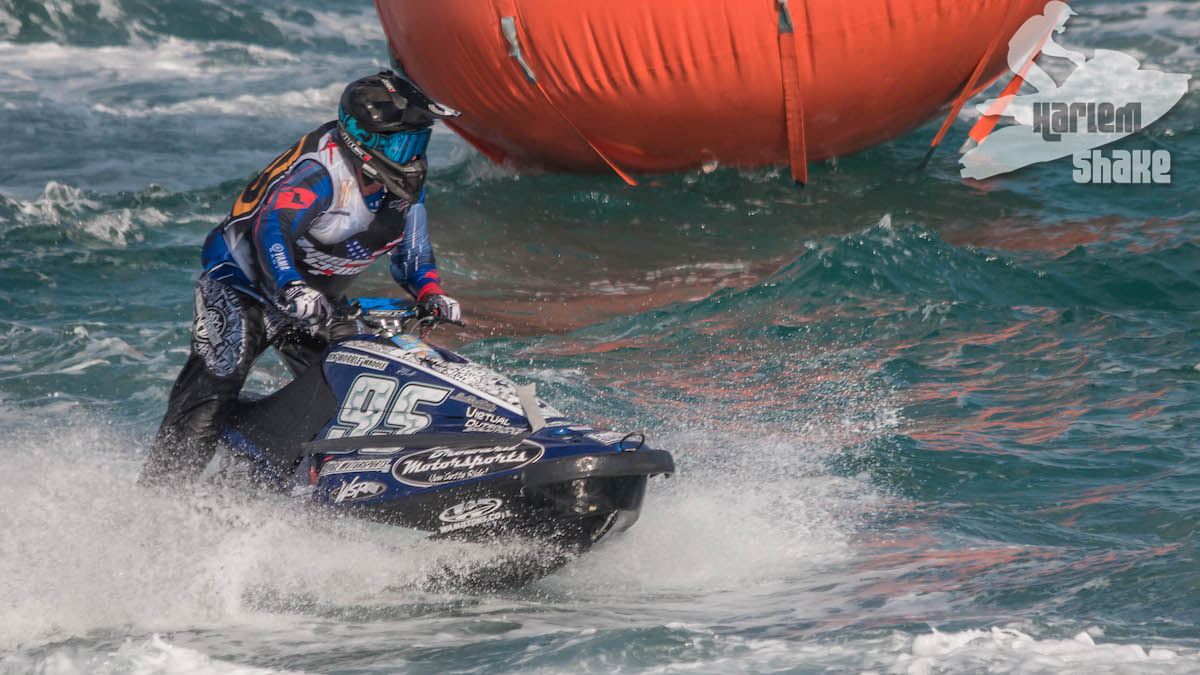
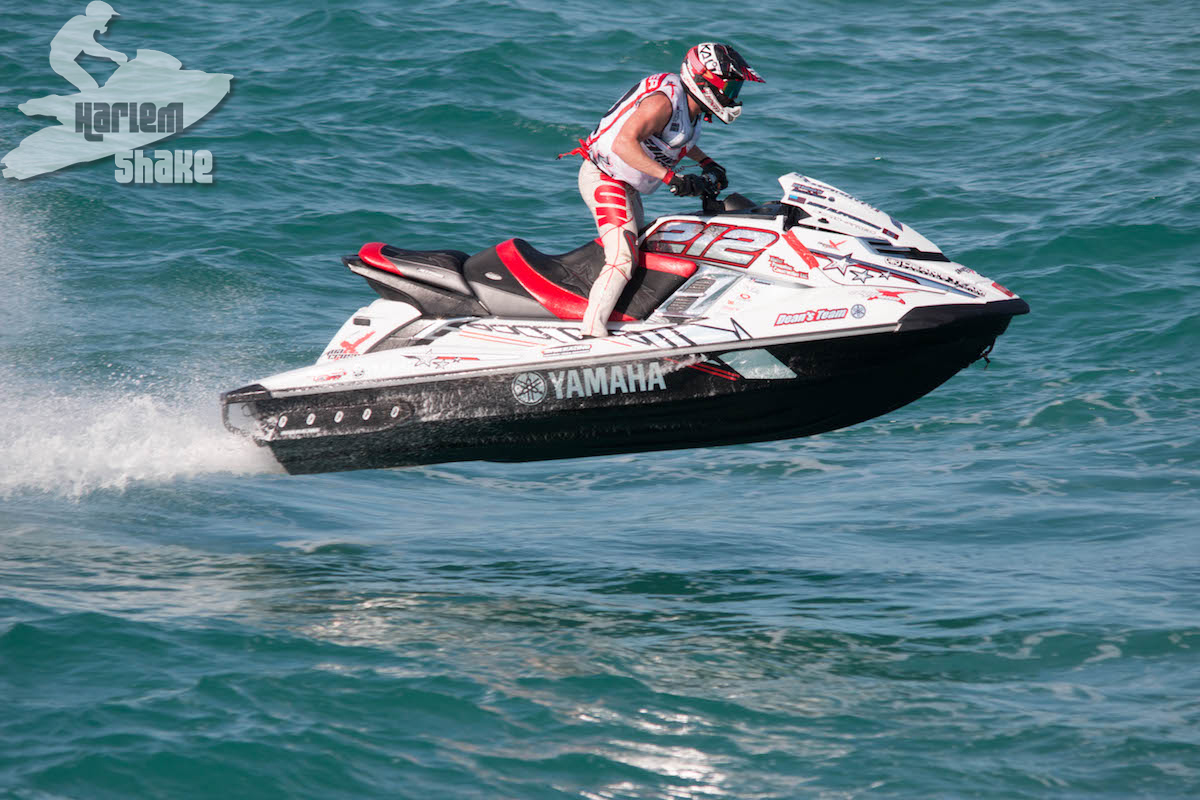
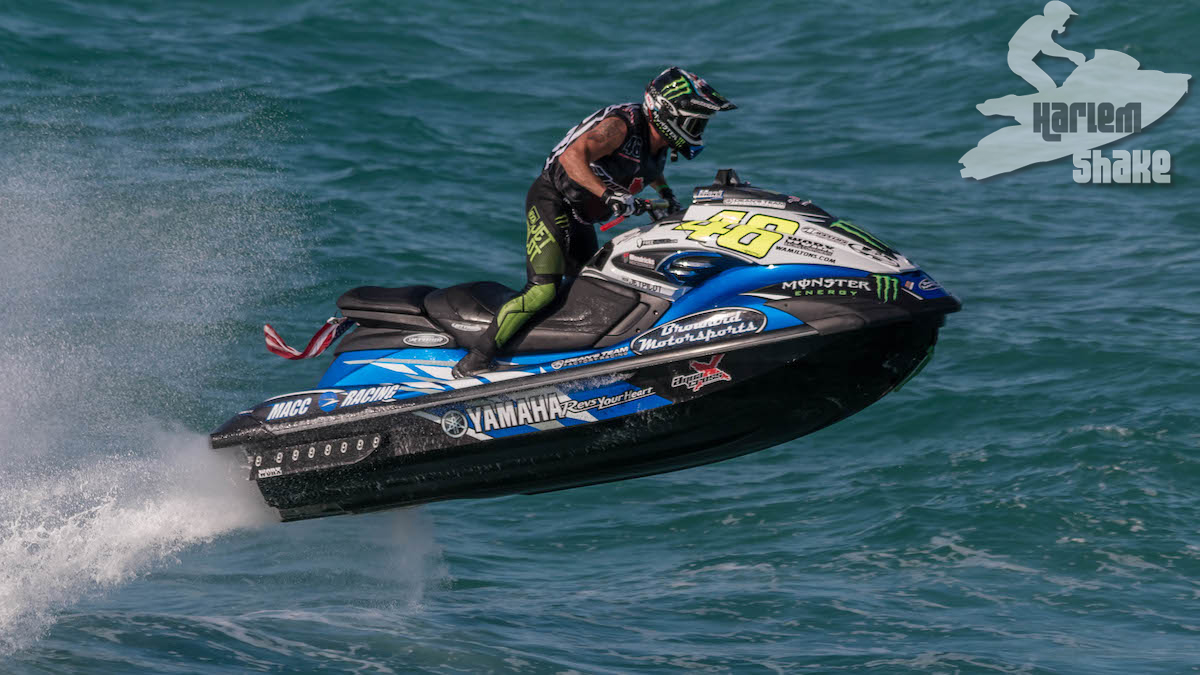
d8e_5401 d8e_4806 d8e_5330 d8e_5339 d8e_5344 d8e_5604 d8e_5612 img_0160 img_0272 img_1223 img_1779 img_1850 img_3374 img_8999 img_9120 img_2343 d8e_5592 img_0953 img_1735 img_1660 img_1233 img_9457 d8e_5336 img_9284 img_1802 img_1466 img_1239 img_1596 img_0105 img_9667
<
>