
Home Blog Page 336

Gallery: QPWC Tropical Heat Tour, Round 1

0

HEAT

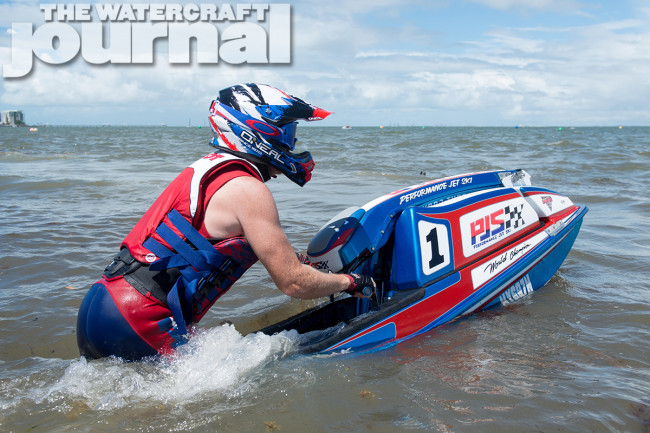
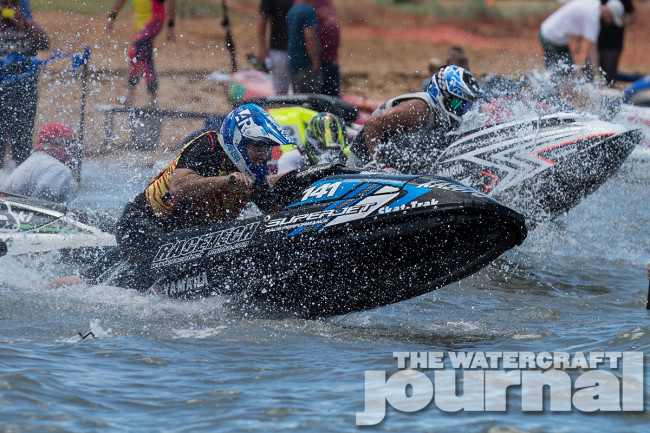
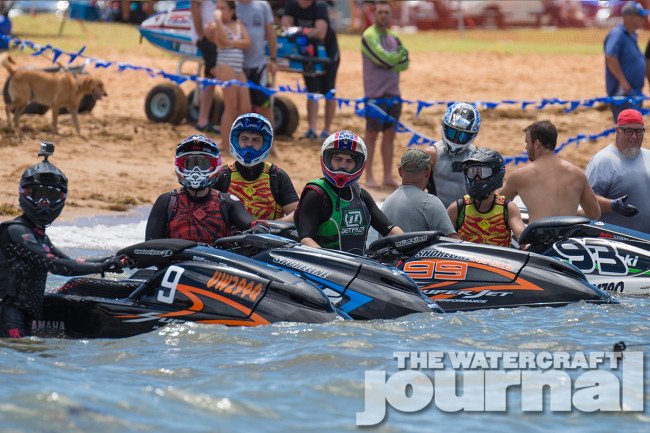
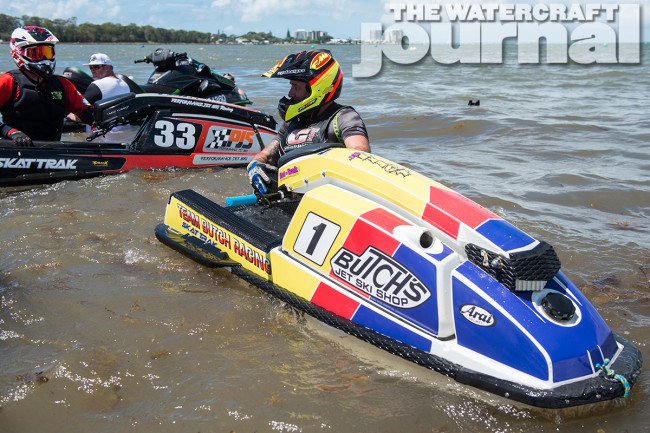
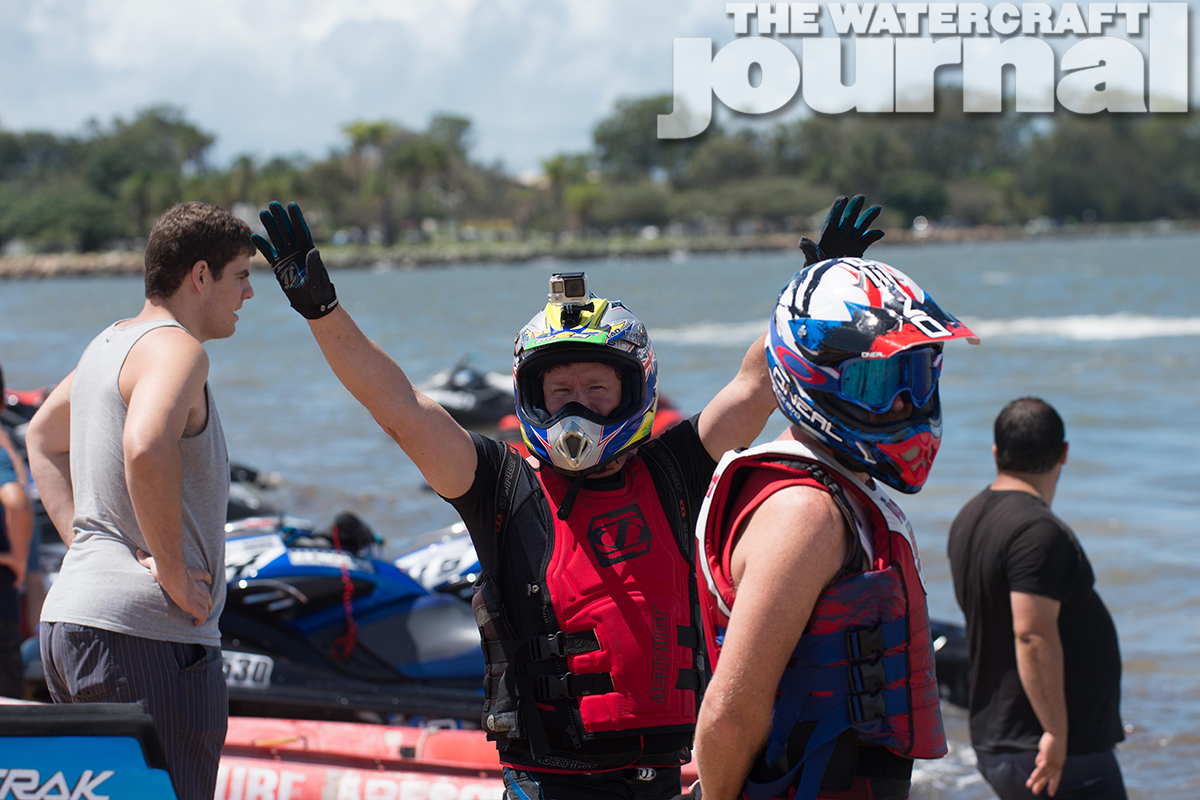
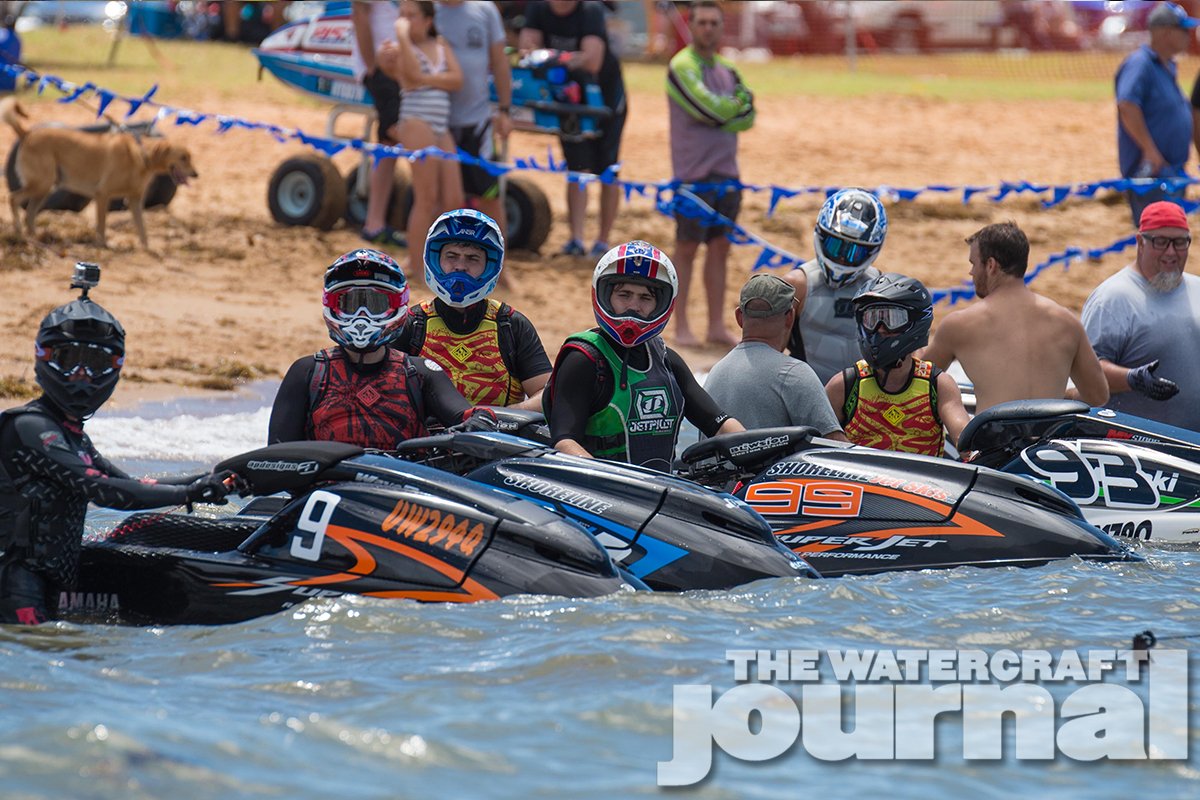
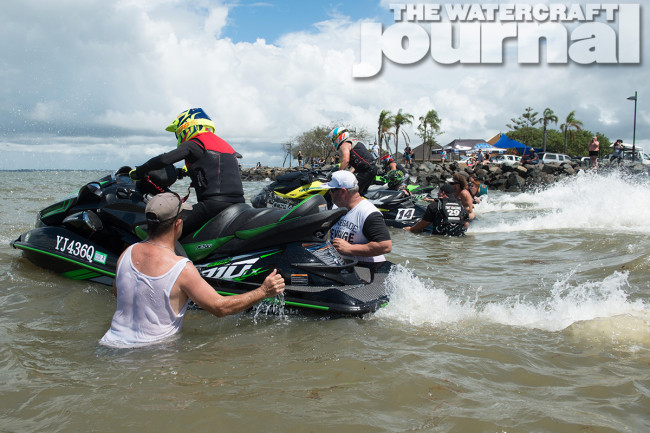
Do you remember your first time? The sleepless night before, the nerves as you got dressed, the butterflies in your stomach as you get in the car, the sweaty palms as you paid your money, and the excitement as you put your helmet on? This is what 20 of our local riders went through on the weekend lining up for their first race. It was so good to see so many new faces at last weekend’s QPWC Tropical Heat Tour event at Redcliffe in Queensland.

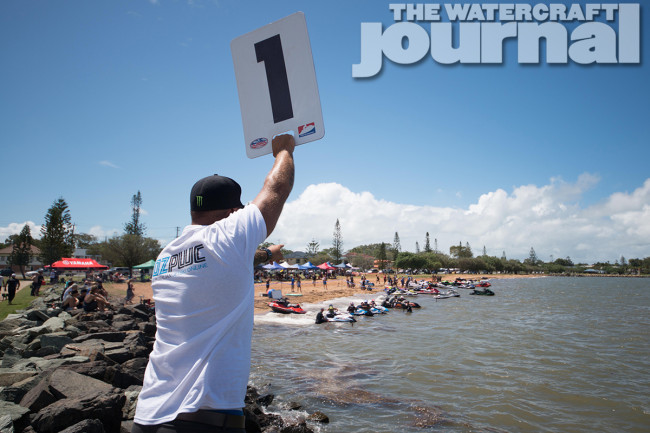
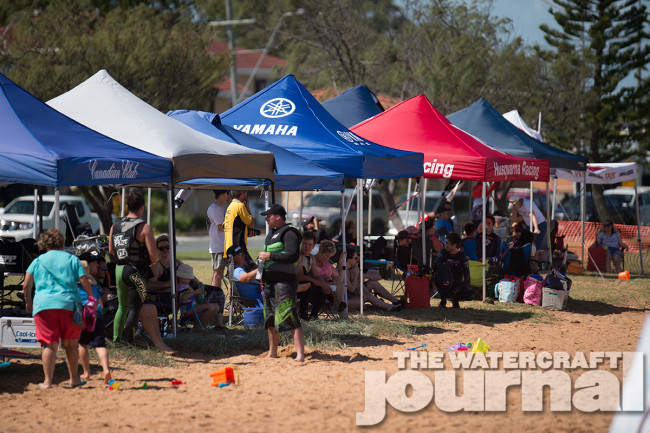
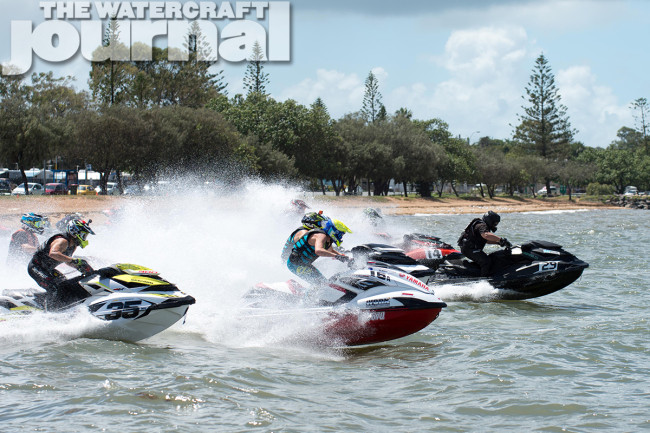
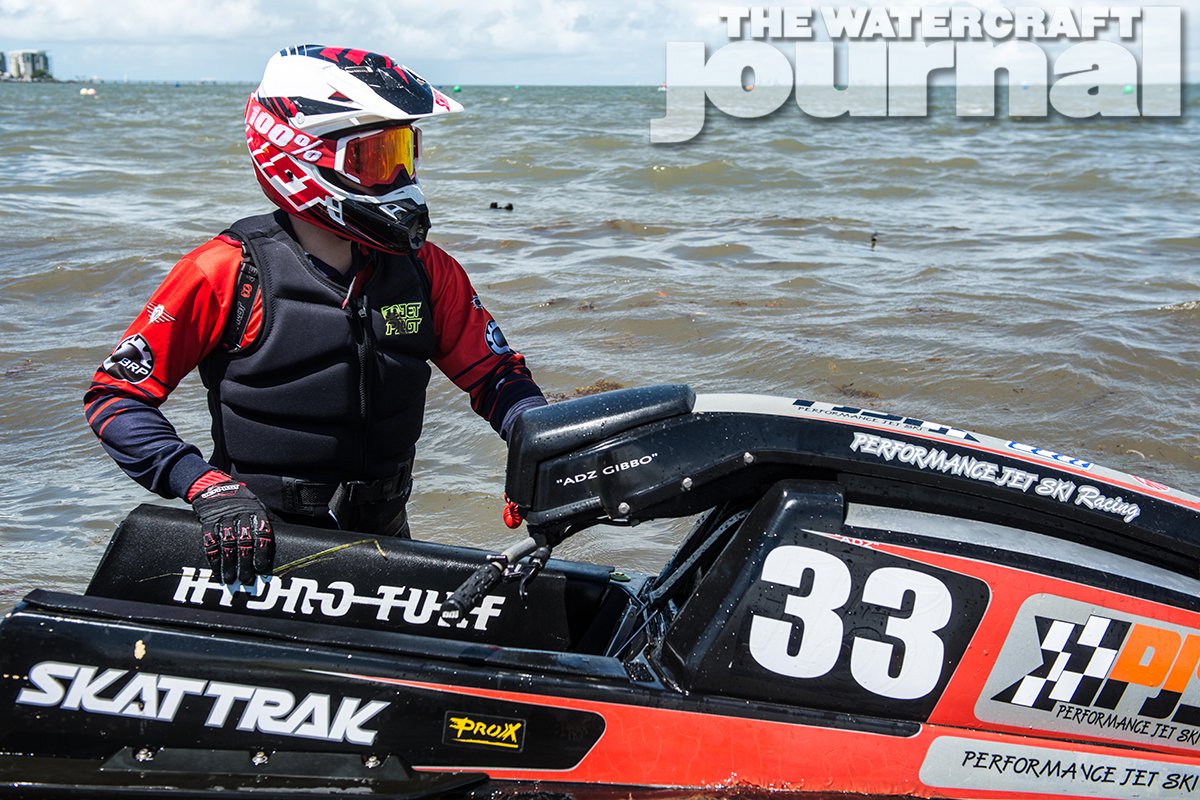
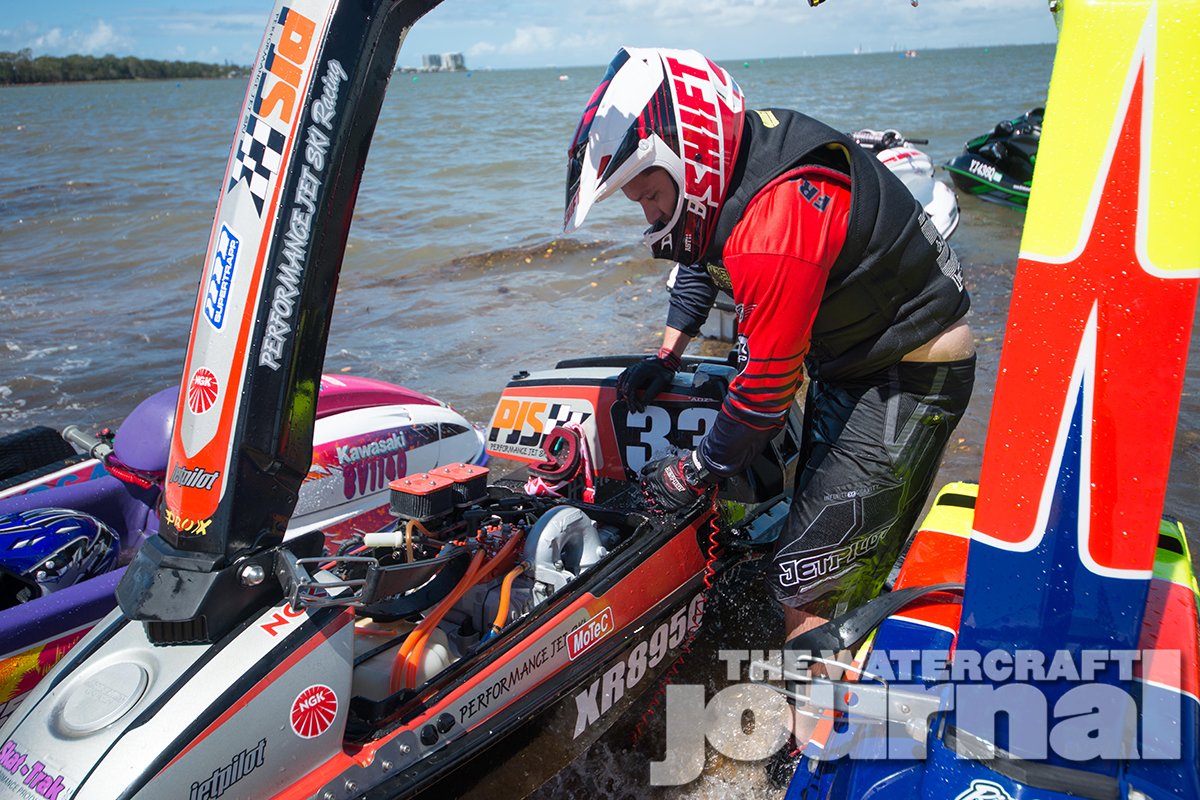
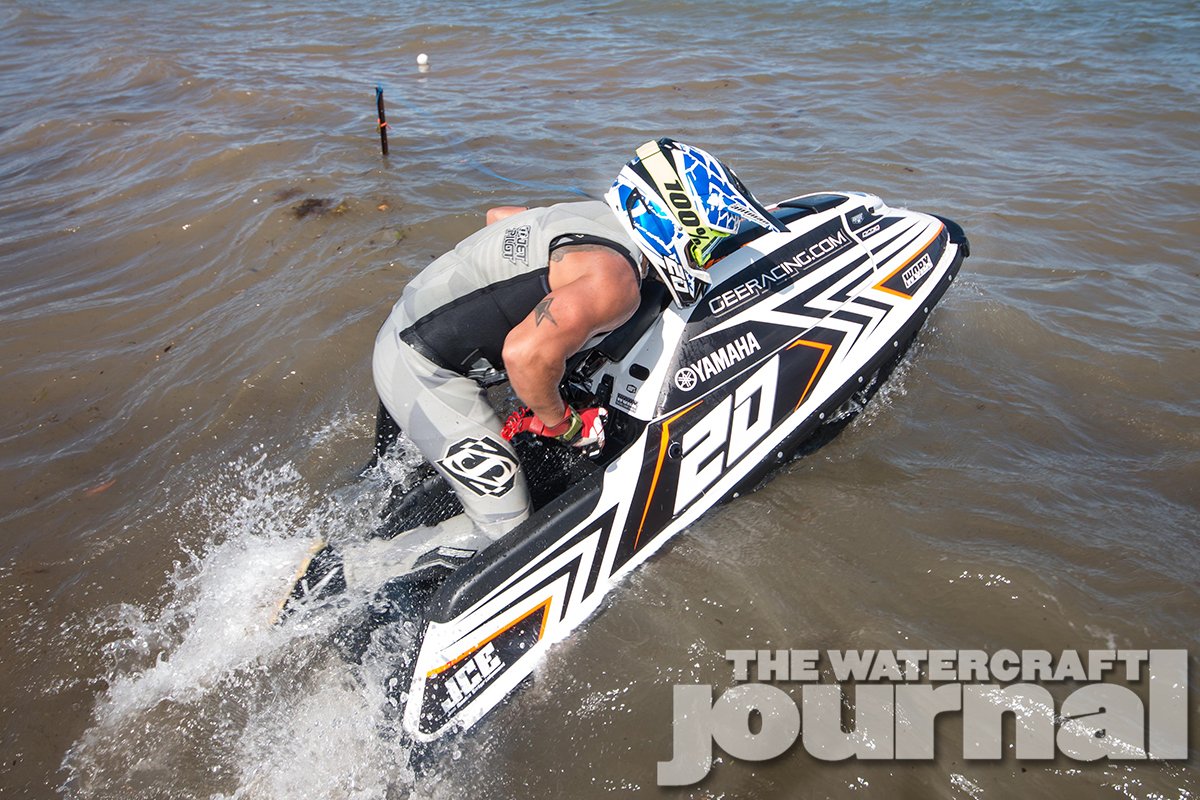
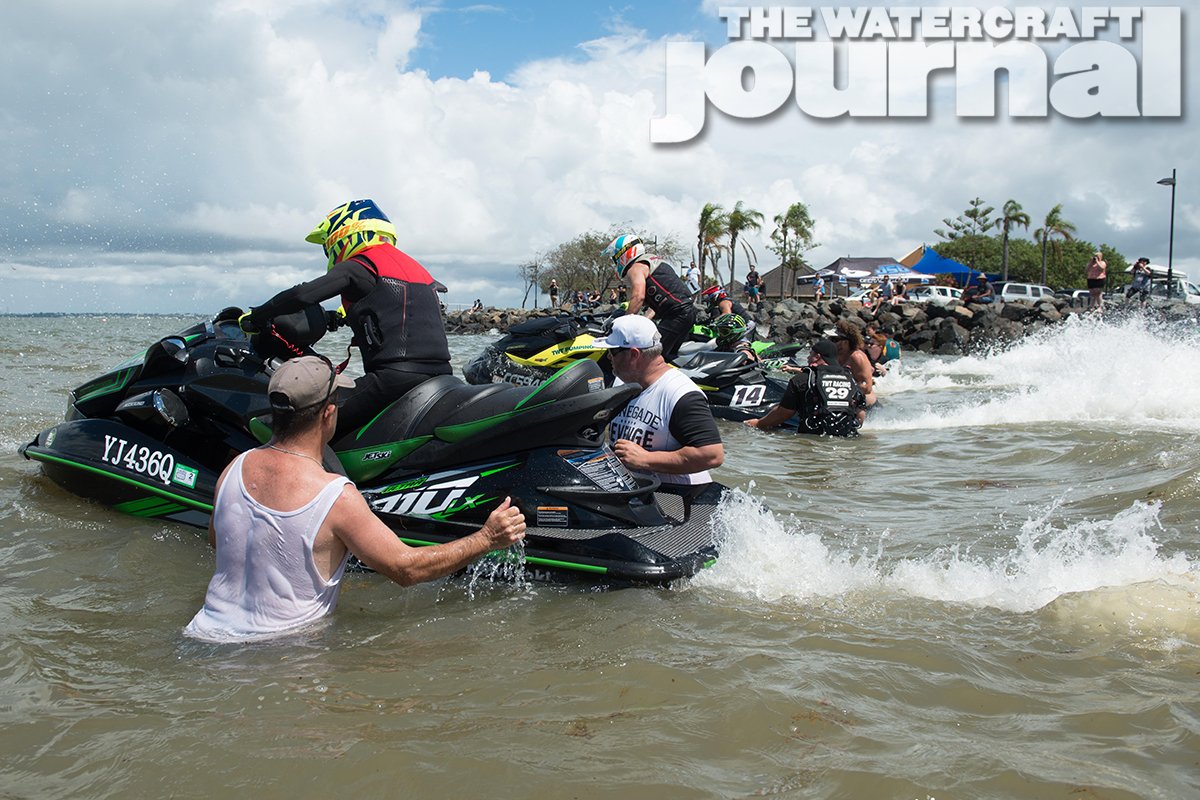
It was a big turnout for the first club round of the year. A record attendance of 63 entries turned up on Sunday to go into battle. With the weather looking a bit ominous, I was surprised at how many people actually showed up. But the weather cleared just long enough for us to get some good races in.

13

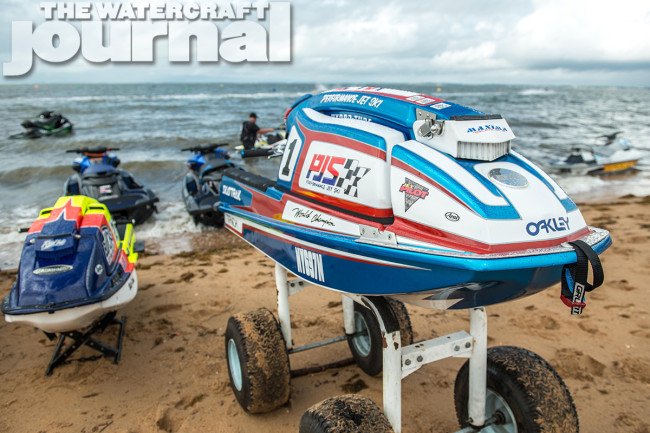
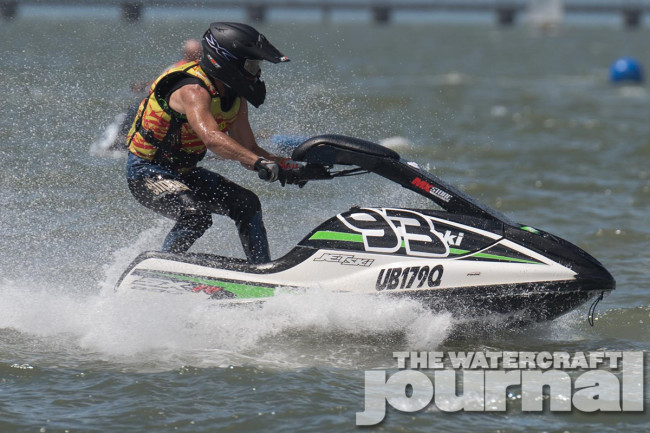
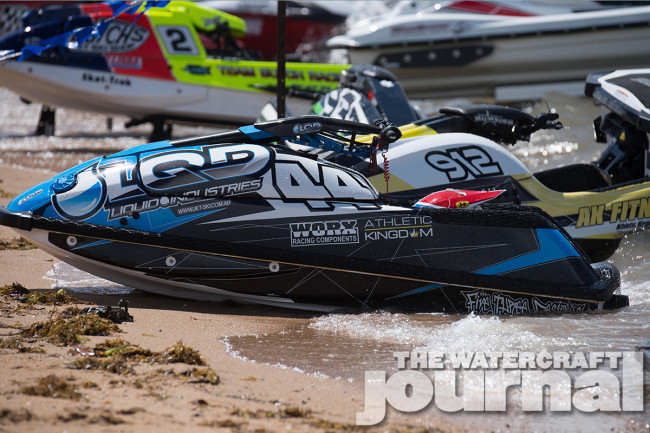
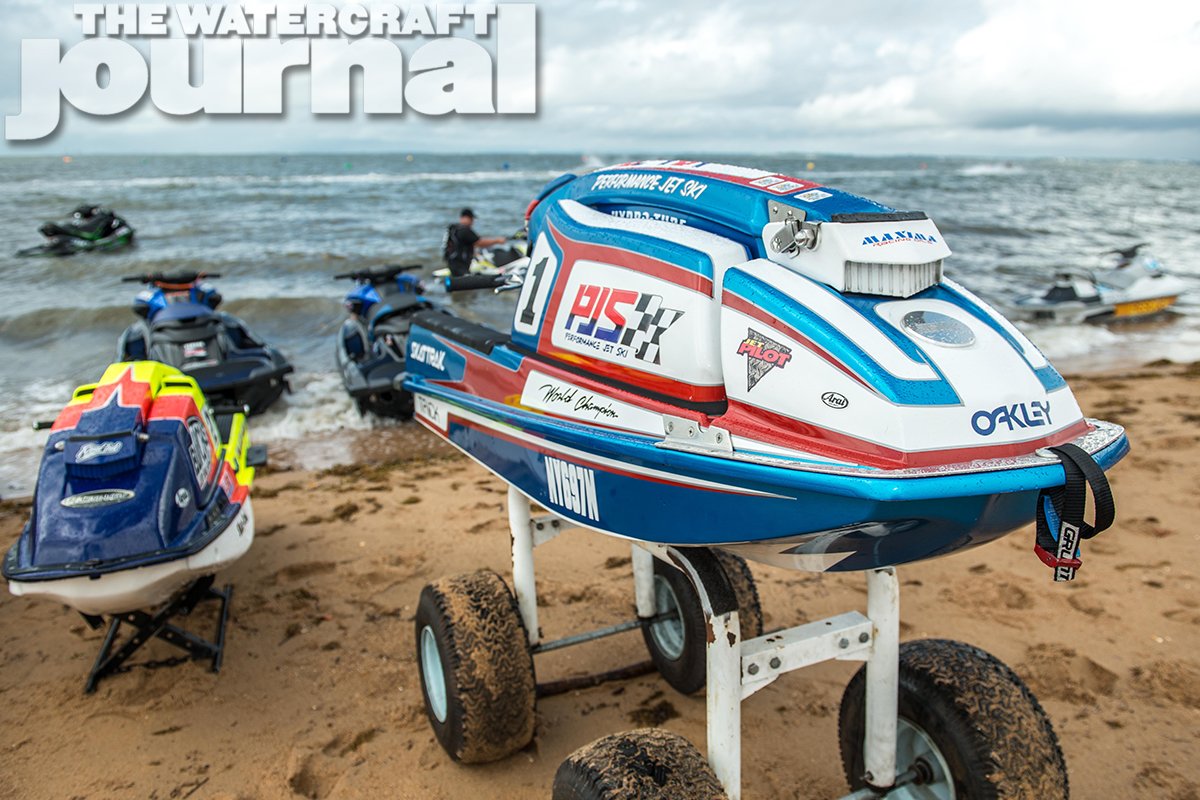
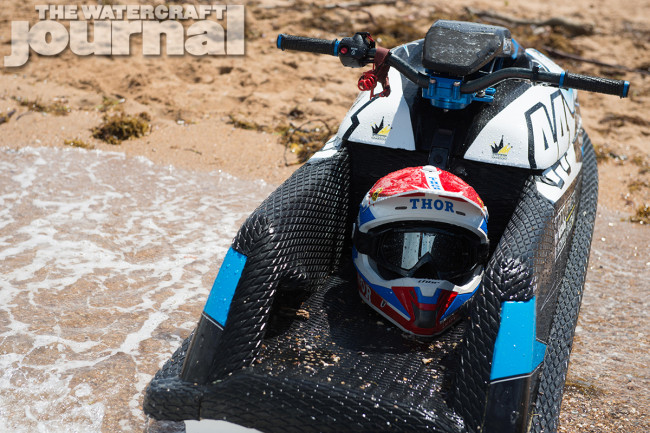
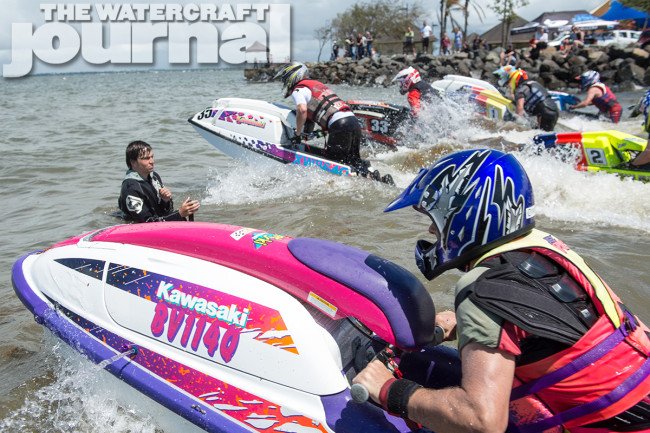
So the weekend’s event format ranged from Beginners Runabout and Vintage Ski to combined Stand Up (a mix of Stock and Open), Spark and Stock/Open Runabout. Starting with Vintage Ski, these beautifully turned out old 550s are hard to get your eyes off. With their awesome paint jobs and fluorescent ride gear, it takes me back to a day when Kawasaki was king.

Tim Ryan has been involved in jet skiing since back then and turns out some awesome retro 550’s. The skis are like new, which is hard to do with parts so hard to come by. Not only does he build the skis but he also races them. And when he’s not racing 550s, Tim’s on his SuperJet freeriding on the Gold Coast or helping Marshall free ride events.
40

It takes a lot of people to get events off the ground in Australia; the powers that be make it rather difficult. Everything from permits for the carparks to permits for the beach, even marine life has to be taken into account (as well as other beach goers). Not to forget all the sponsors that have to be organized and represented – without them none of these events could happen would happen. So many people spend their free time, not just at the event but preparation for the event. So make sure next time you’re down there, let them know you appreciate it.

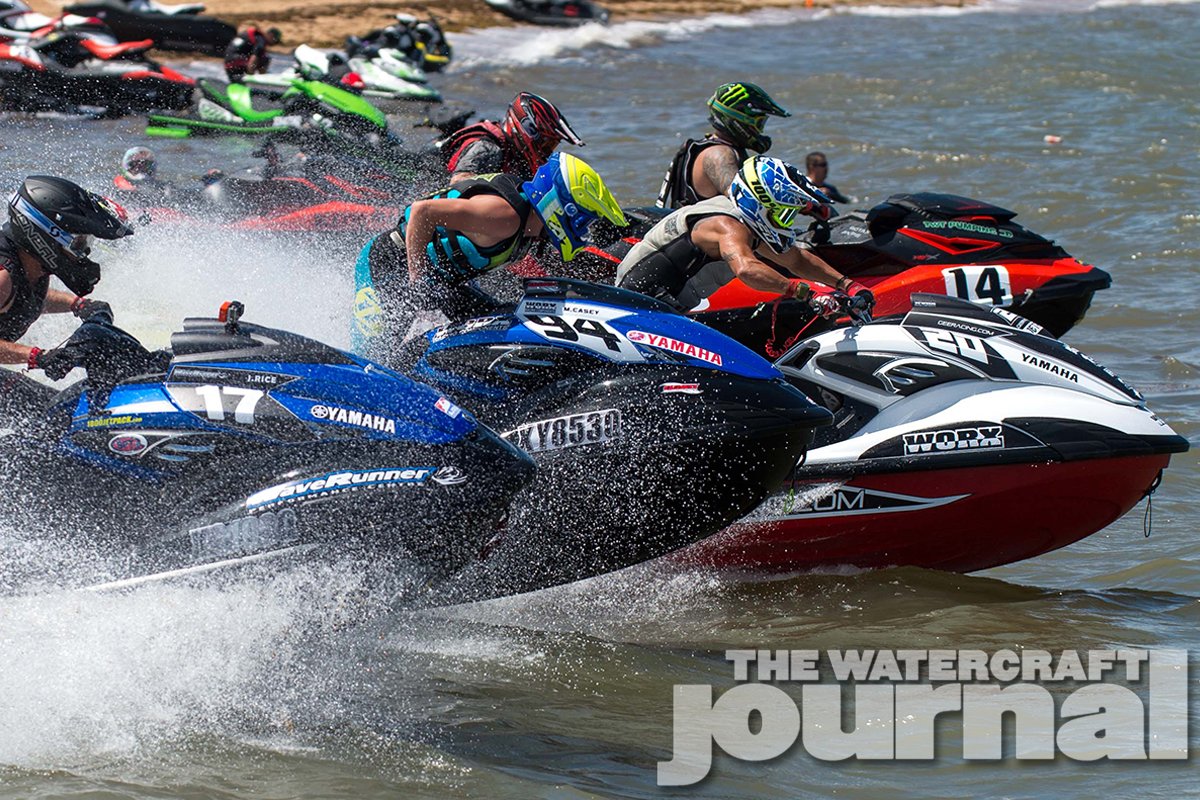
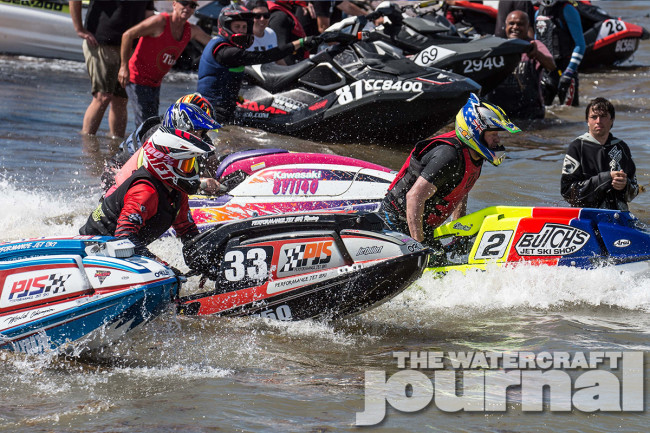
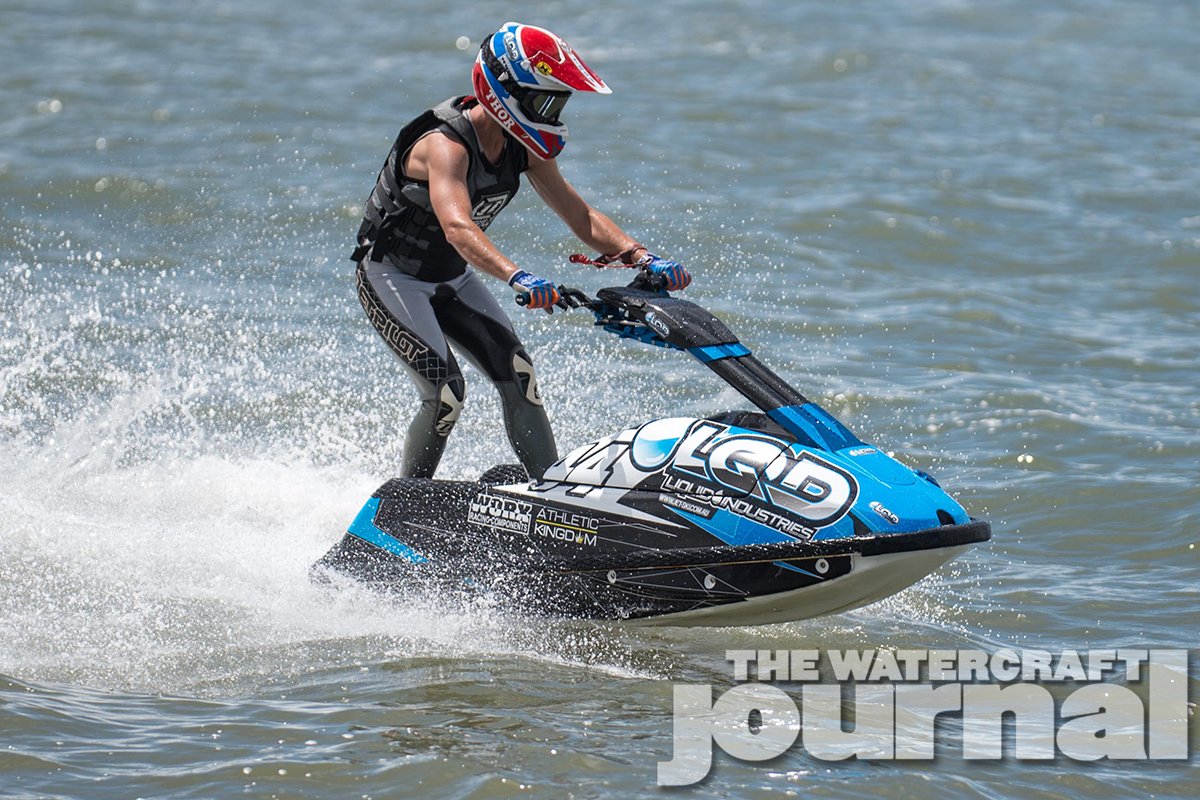
Now getting back to the racing. The day started off with the ski classes, a mixture of Stock and Lites. With rough conditions on the Bay it was a bumpy ol’ ride. Guy Greenland took the lead on the second lap and it was a game of stamina for the six laps of the course. On his Stock Ski he did well to hold off the other Lites to finish first.
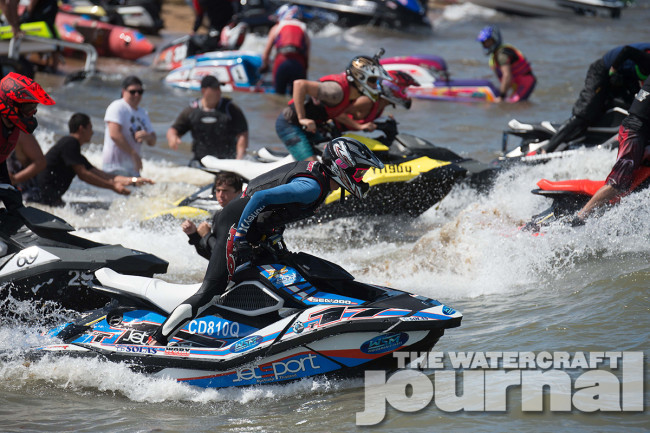
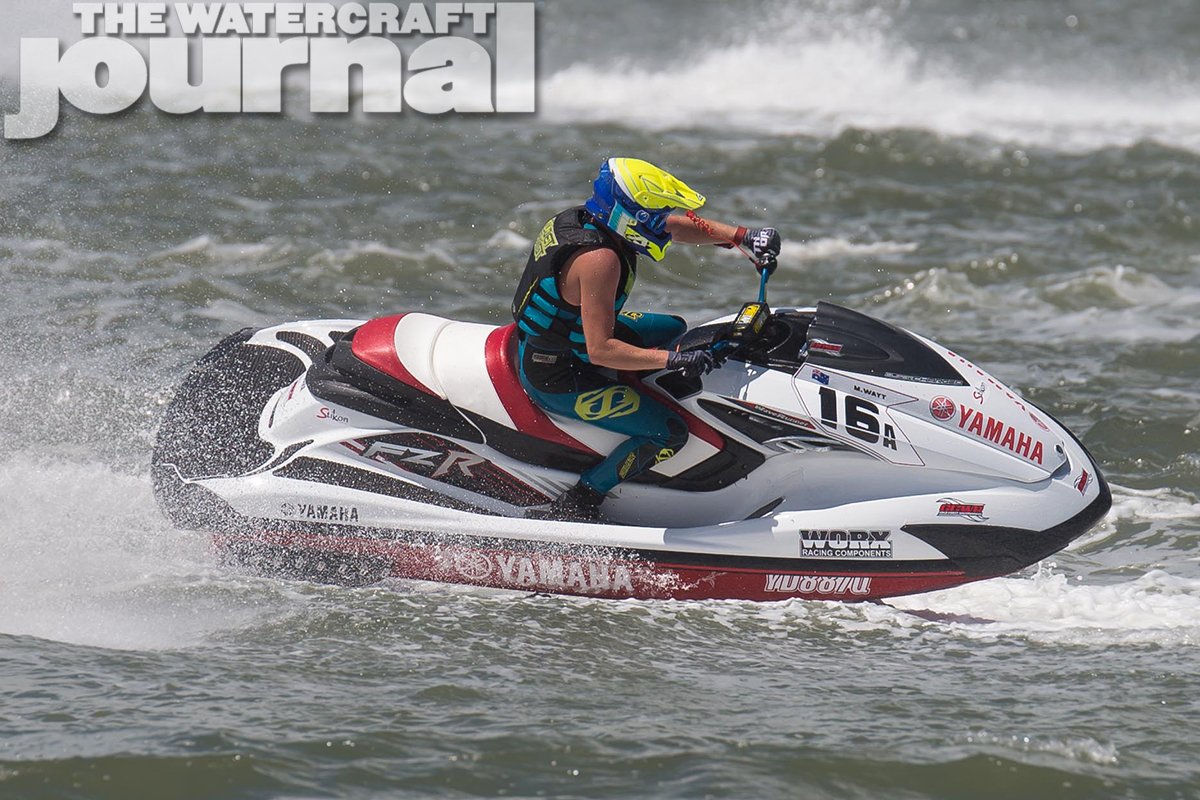
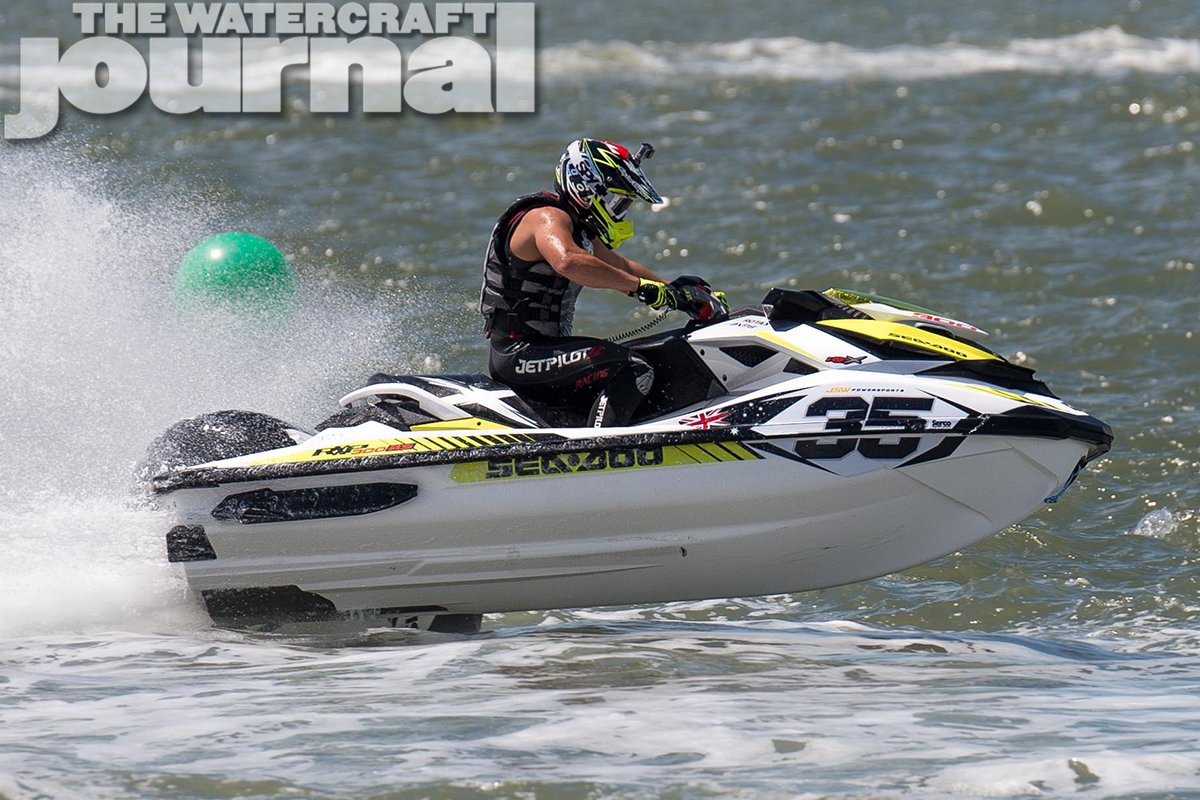
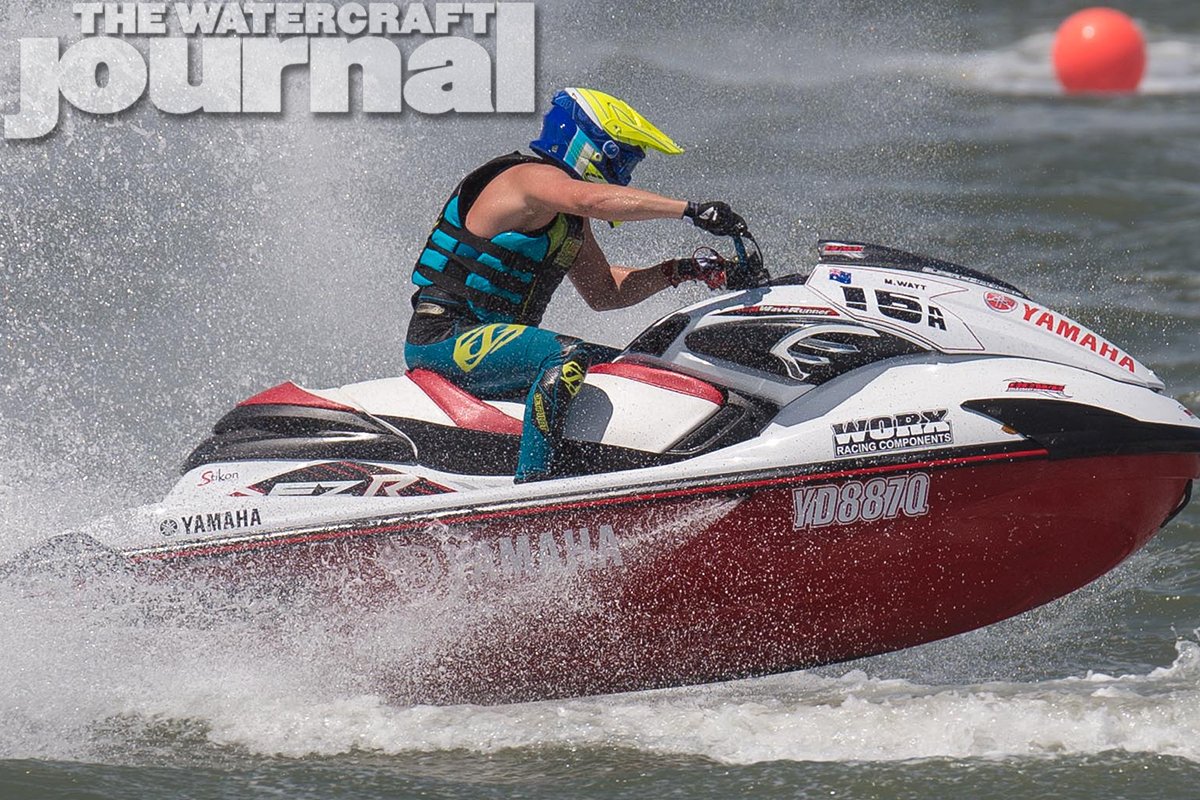
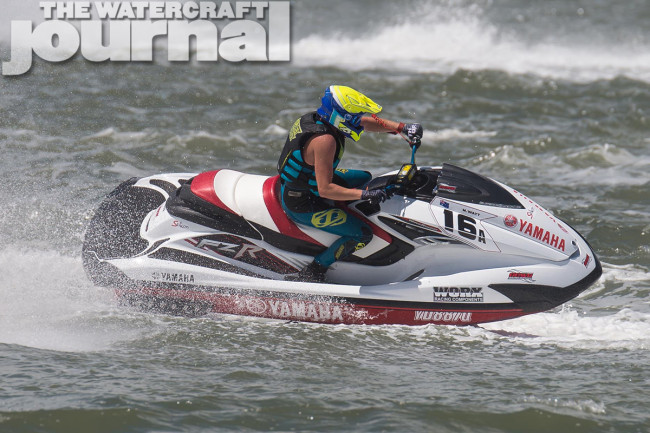
With a massive effort, he jumped from his SuperJet straight onto his FZR, which was being held at the start, lined up against Mitch Wyat from Yamaha and Frank Waite from JSW Racing. The boys had a great race in tough conditions, but Yamahas came out on top for the first round with Guy taking back-to-back motos. A close second from Wayt, who had mechanical issues all day, and third went to Waite his 300hp Sea-Doo.

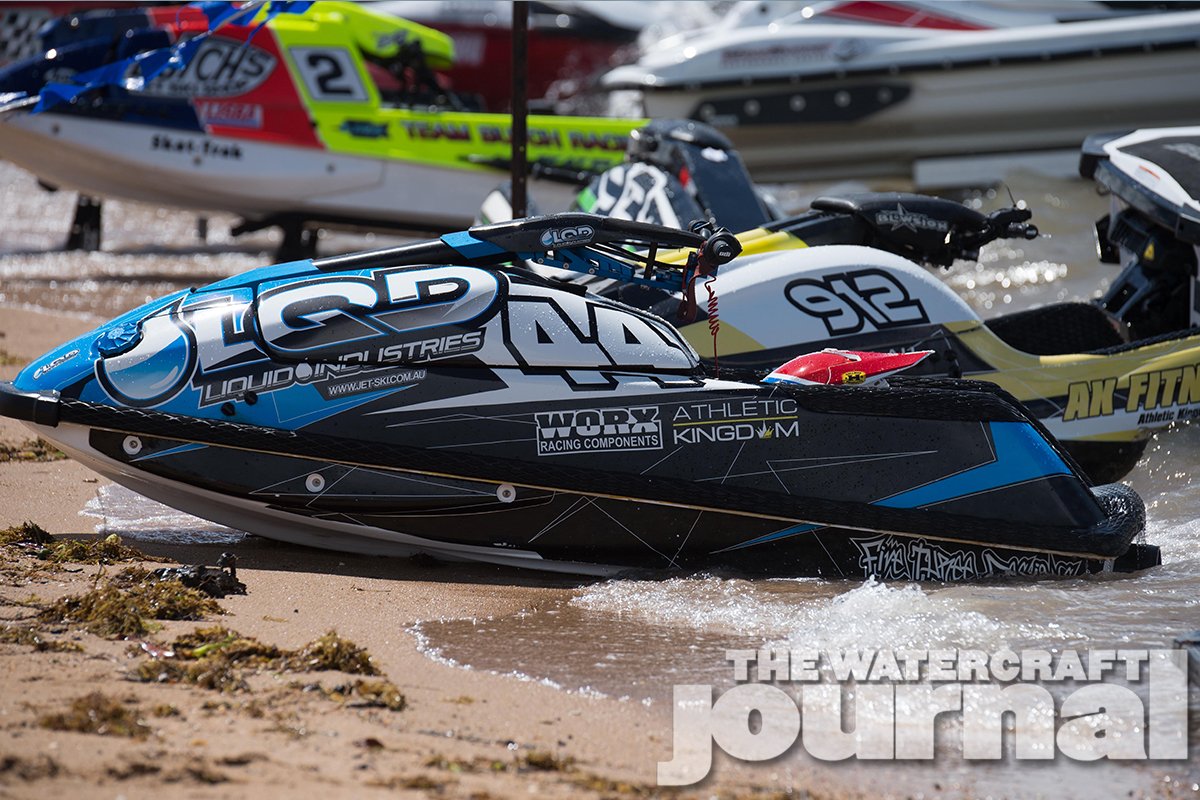
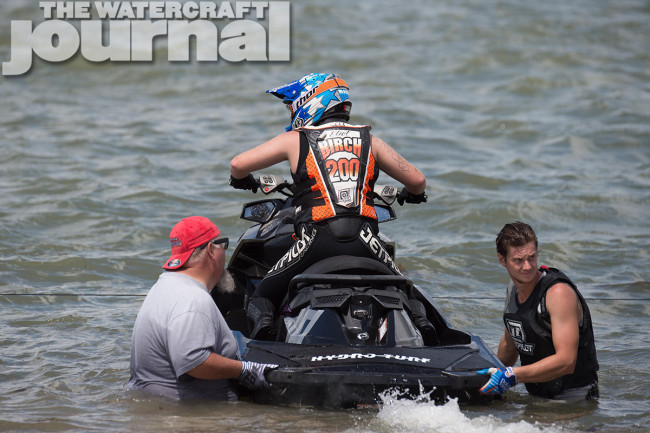
A great field of Sparks (the biggest Spark Class to date with ten entries) attended the event showing this class has a great future. Matt Daley looked the part with his beautifully turned out WSM Spark. Plenty of action was out out the water in the chop, with the lightweight skis bouncing around like the old ‘Blaster days.

24

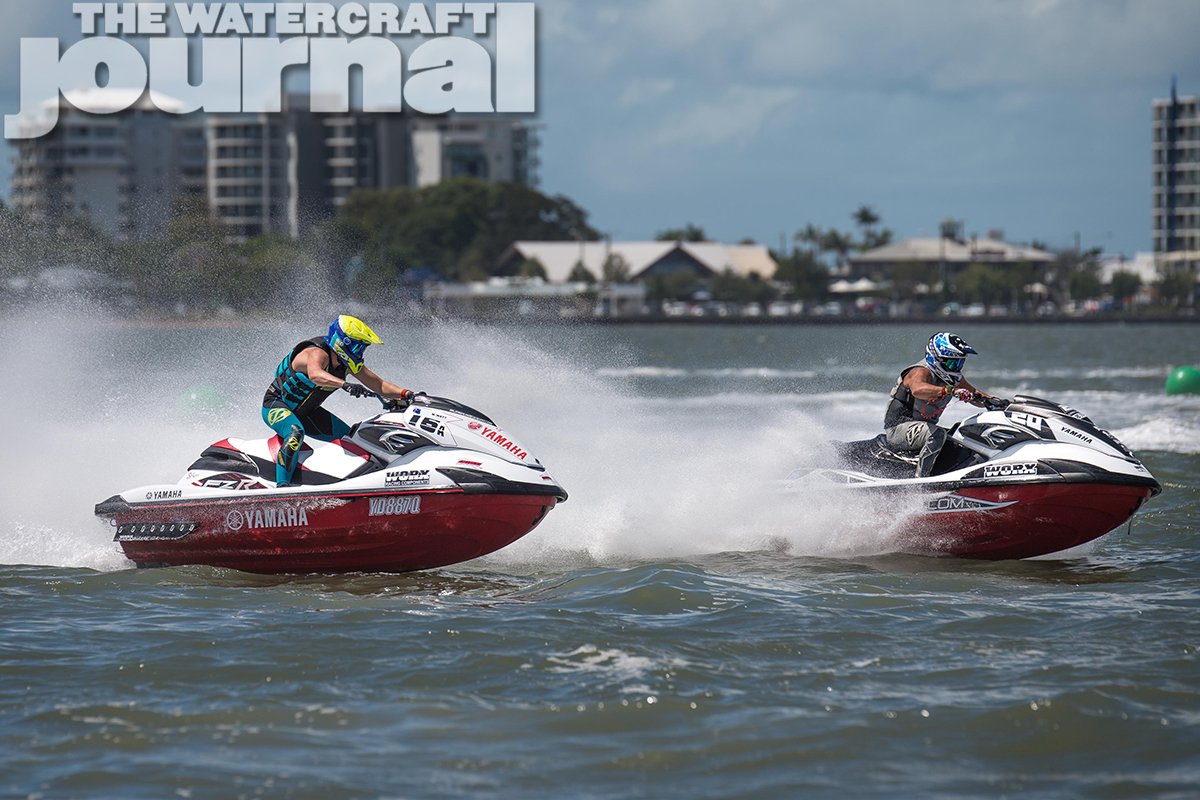
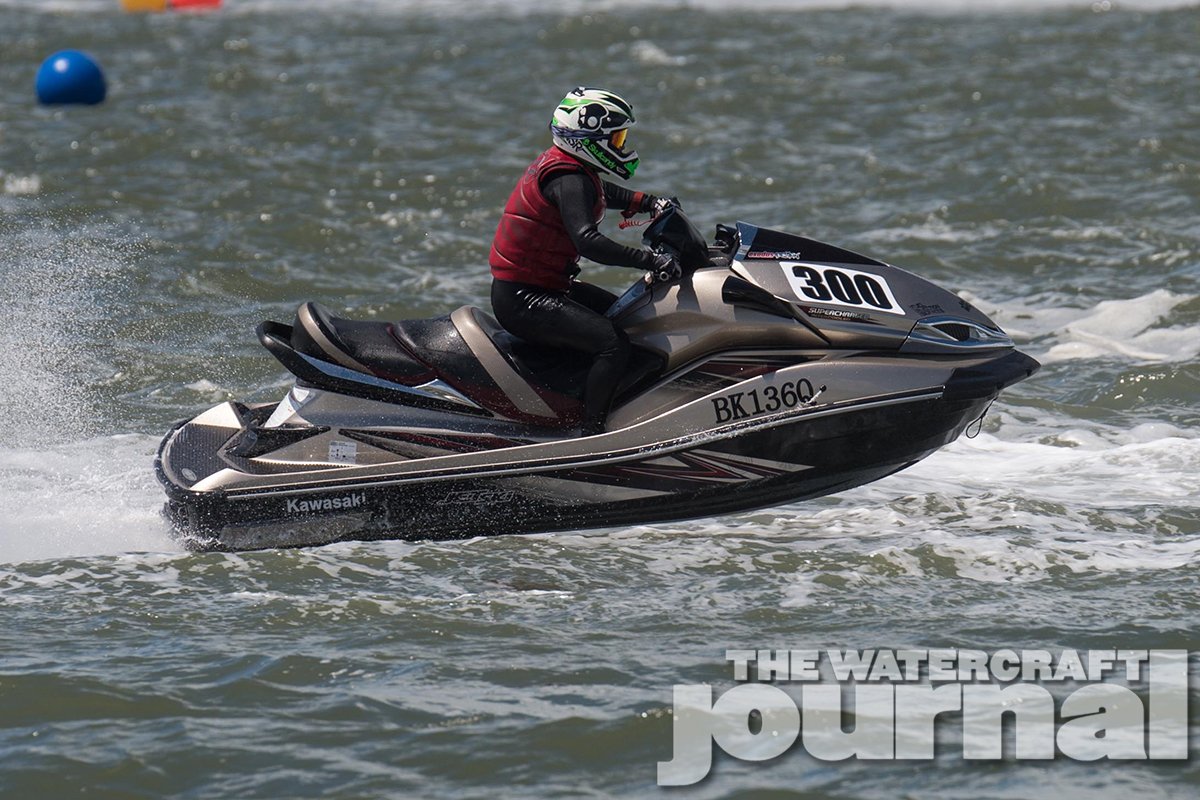
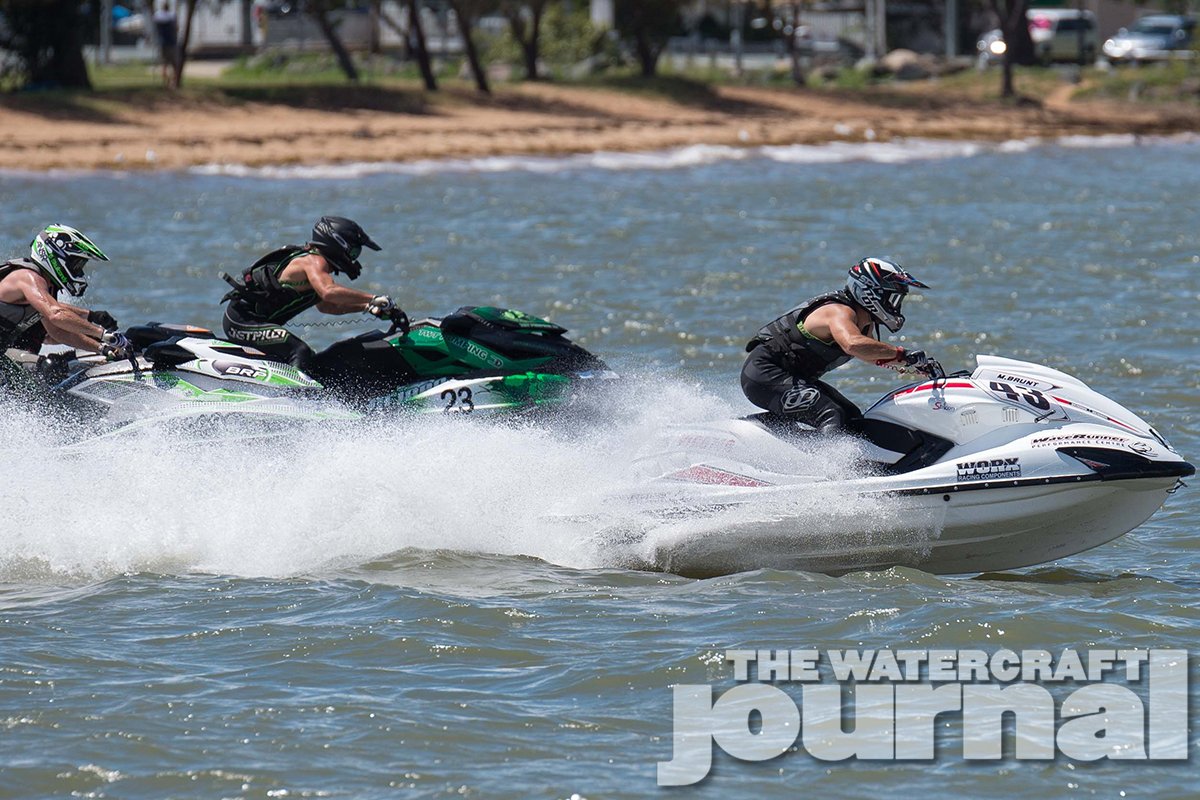
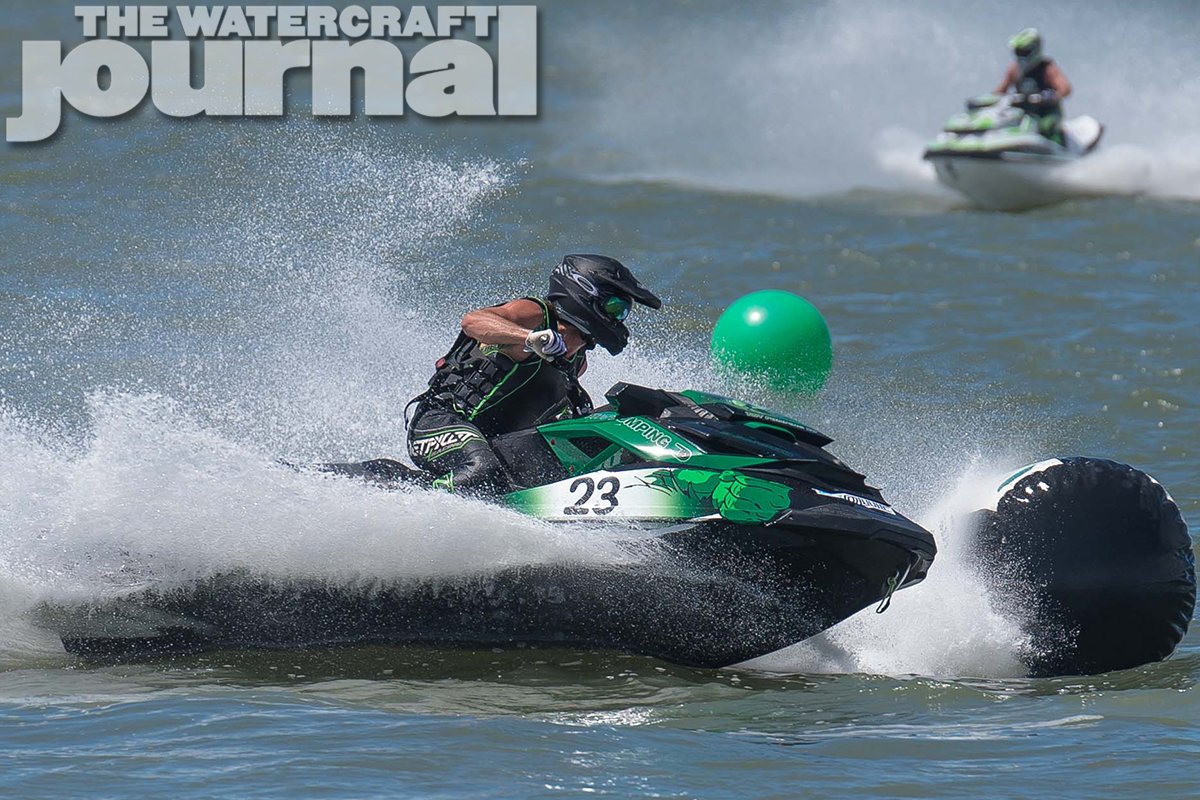
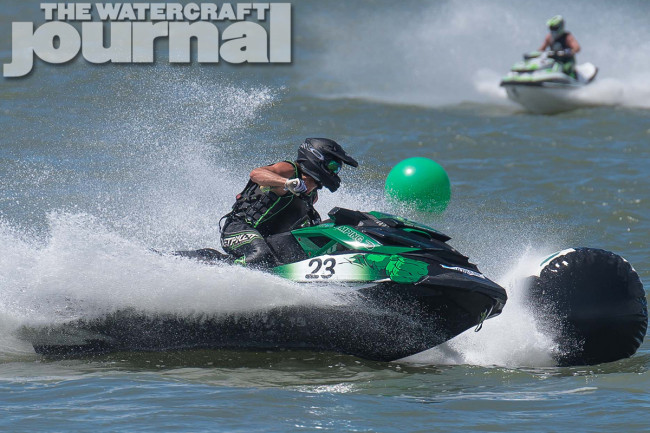
Always a crowd-pleaser is the Open Runabout class. Those things are awesome. The sound, speed and spectacle keeps the crowd on their feet. One boat to watch was the #23 RXT-X of Brendan Boyd, “the Hulk” with consistent fastest lap times, he would be hard to beat. Also Matt Brunt seemed to have his ski sorted out after a unlucky last season. Hopefully, he can make it a regular thing this year, as he took out third place overall for the weekend. Just in front was Brendan Boyd. But the man of the day was Brett Douglas with a spot on the podium in each race gave him enough points to take out the day.

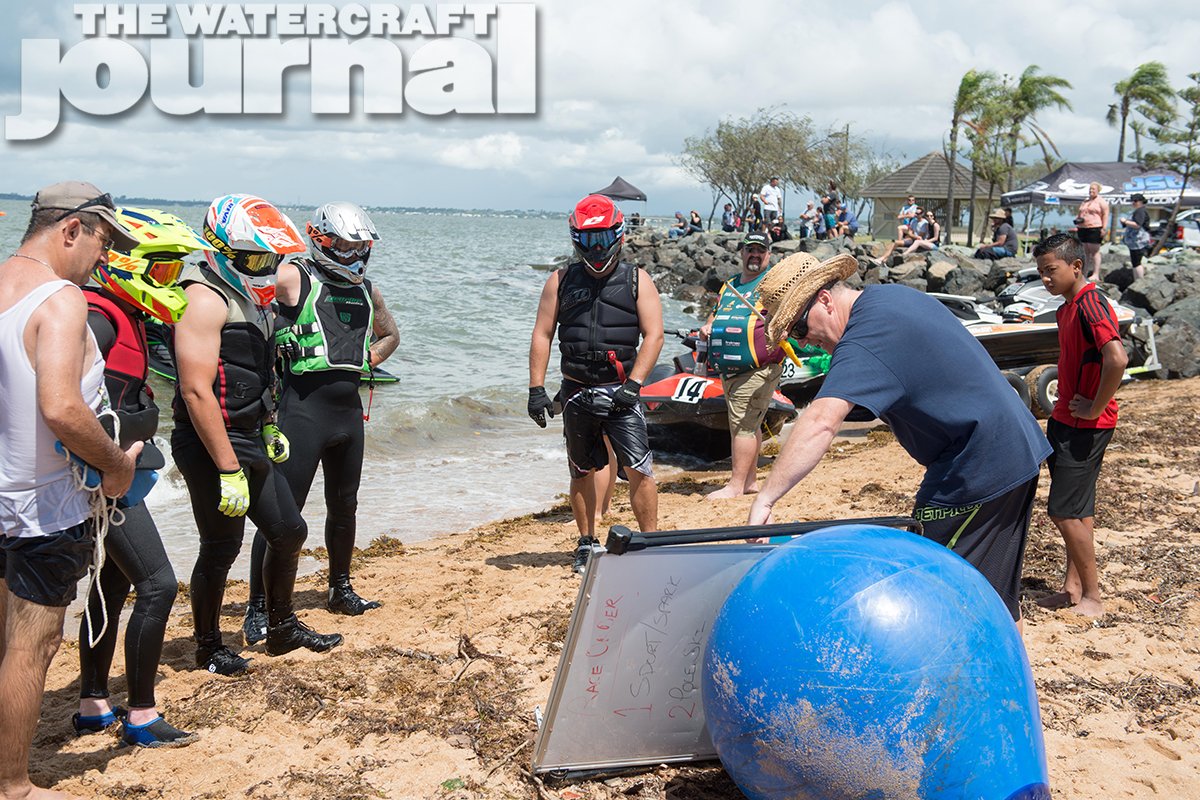
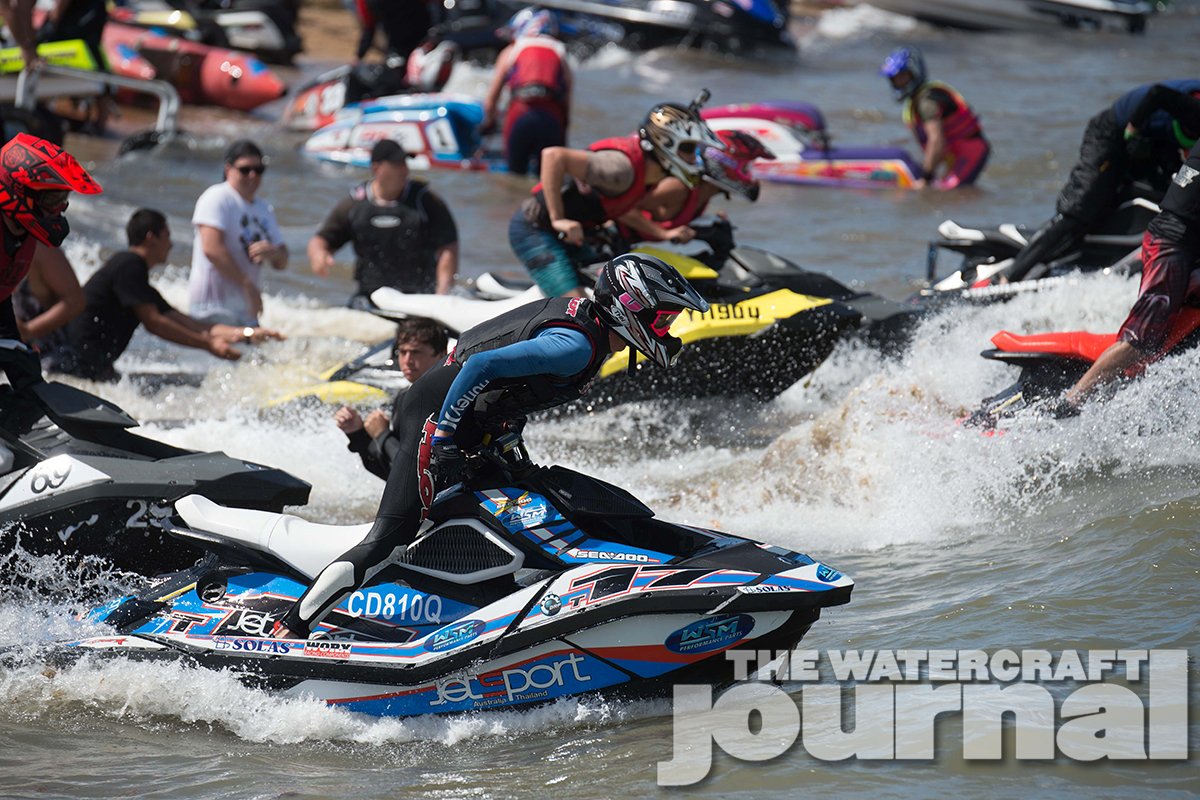
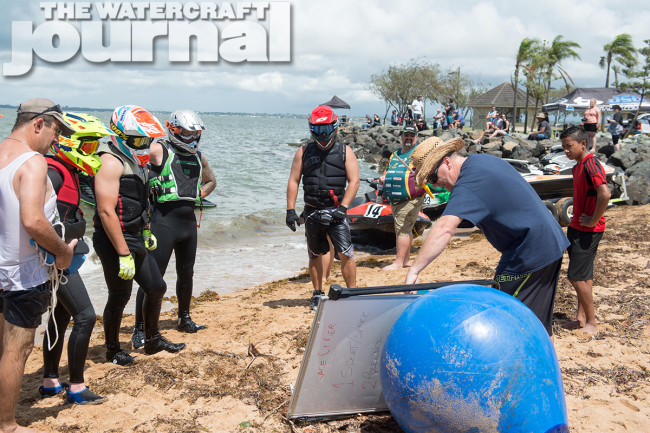
It was great to see a record 19 first-time racers show up for the Beginner Class, being split into two heats and to let the boys get some confidence on the course. I had a chat with Tim O’Neill, the event organizer to get his thoughts on the weekend: “The focus for the QPWC is on attracting entry level riders so the Beginners were heavily catered for with additional site laps, on-the-beach tuition and more than a few trips to the Race Director. Beginner RA was split into two separate races (A and B) to lower the numbers on the line for added safety.
“Although the large runabouts made up the bulk of the classes, the Sport/Spark class is one of the fastest growing classes as it is affordable fun and safe. Stand-up numbers also continue to grow. Obviously, Guy Greenland made a strong showing and almost would have won everything he entered if lack of fuel in the Enduro didn’t cause him to pull out after leading all but the last three laps.

“Open Runabout was hotly contested with Brett Douglas, the relative newcomer beating Brendon Boyd the incumbent QPWC RA Open champion, on the day. With the two rounds results combined for the overall it sets up a close battle at the final round with two points separating first and second places.
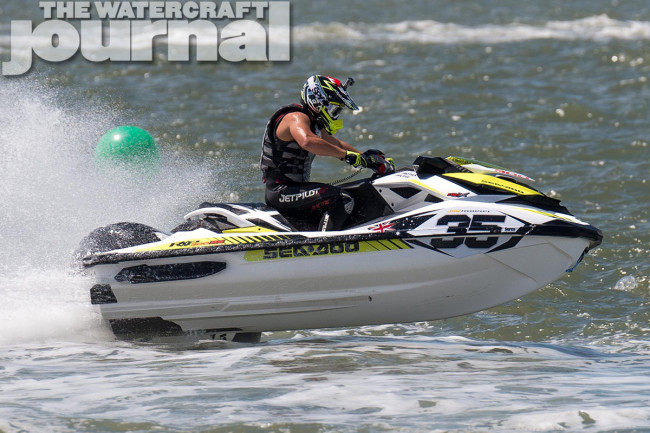
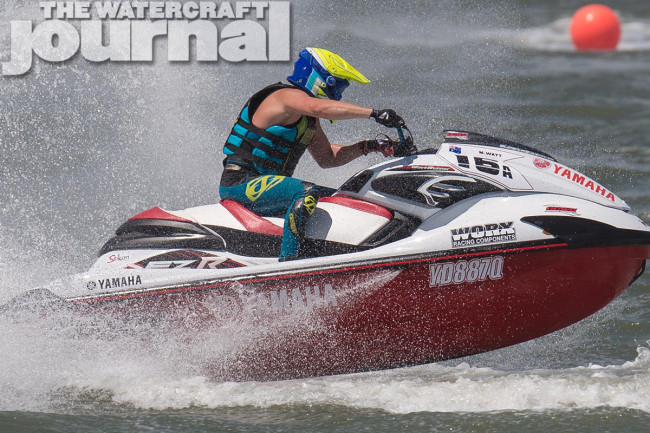
“In almost identical circumstances in the second Premier class, 2 points are all the separates the current Australian champion Mitch Wayt and Guy Greenland in Pro RA Stock Spec which will also lead to a battle at the final round in April.”

QPWC Tropical Heat Tour, Round 1
Stand Up: 1 Jordi Okeeffe, 2 Guy Greenland, 3 Thaine Okeeffe, 4 Jason Barrett, 5 Clyde Grant, 6 Brandon Harwood, 7 Rob White, 8 Warrick Brant; Open R/A: 1 Brett Douglas, 2 Brendon Boyd, 3 Matt Brunt, 4 Dan Fox, 5 Mitch Wayt; Sport/Spark: 1 Joel Batt, 2 Matt Daley, 3 Luke Hudson, 4 Parenga Haenga, 5 Brenden Mandzij, 6 Joshua Berry, 7 Bailey Cunningham, 8 Joshua Leckie; Beginner R/A B Class: 1 Paul Rubach, 2 Ryan Sponsellor, 3 Jason Ivins, 4 Paul Bazely; Enduro: 1 Brett Douglas, 2 Mitch Casey, 3 Daryl Bone, 4 Guy Greenland, 5 Paul Rubach, 6 Nick Pilgrim; Pro R/A Stock Spec: 1 Guy Greenland, 2 Mitch Wayt, 3 Frank Waite, 4 John Hollett; Expert R/A Stock Spec: 1 Nicholas Pilgrim, 2 James Rice, 3 David Knott, 4 Sam Barratt, 5 Corey Styles, 6 Darryl Bone; Beginner R/A A Class: 1 Sebastian Birch, 2 Bailey Cunningham, 3 Mitchel Casey, 4 John Raboud, 5 Mitch Pullen, 6 Brett Whittaker, 7 Anthony Batron

38 36 30 29 26 23 17 11 9 7 5 3 2 1 13 32 39 35 37 41 40 21 33 25 28 34 24 4 15 19 8 27 12 14 16 6 10 18 20 22 31
<
>

Gallery: Inside SBT, Inc.’s 4-Stroke Engine Dyno Facility

0

SBT

In the personal watercraft industry, Short Block Technologies, Incorporated (ie. SBT, Inc.) in conjunction with Watercraft Superstore is the largest supplier of aftermarket and OEM personal watercraft parts in the world! From the newest addition of Marine Mat, to Watercraft Superstore, Blacktip Jetsports and the company that started it all SBT, Greg Pickren’s family of PWC businesses have been servicing the needs of the jet ski world for almost two decades.
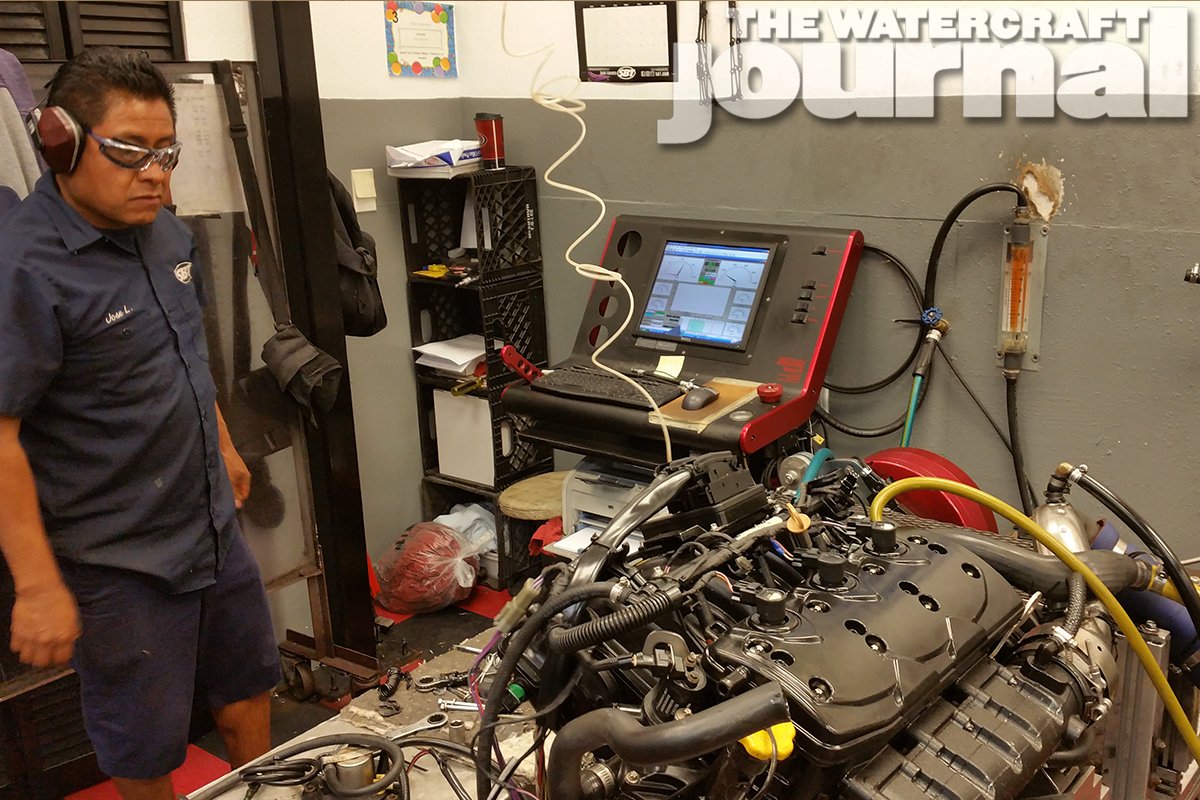
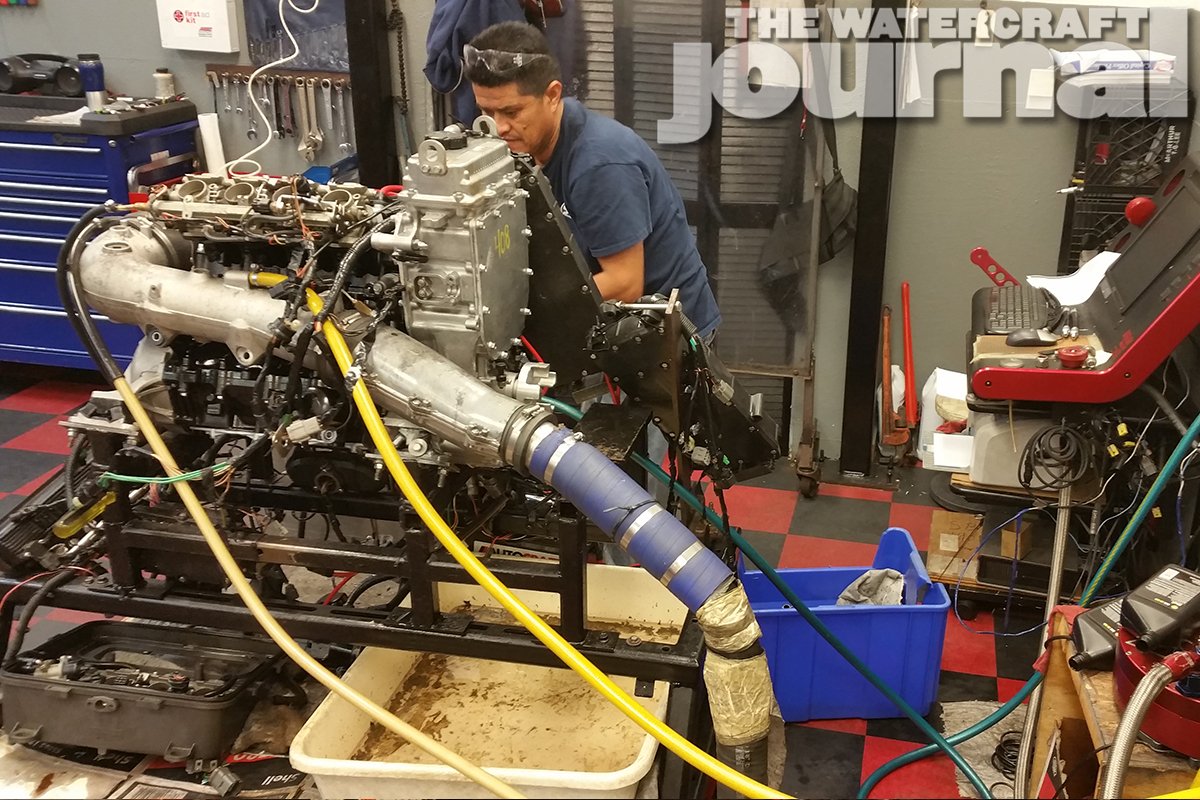
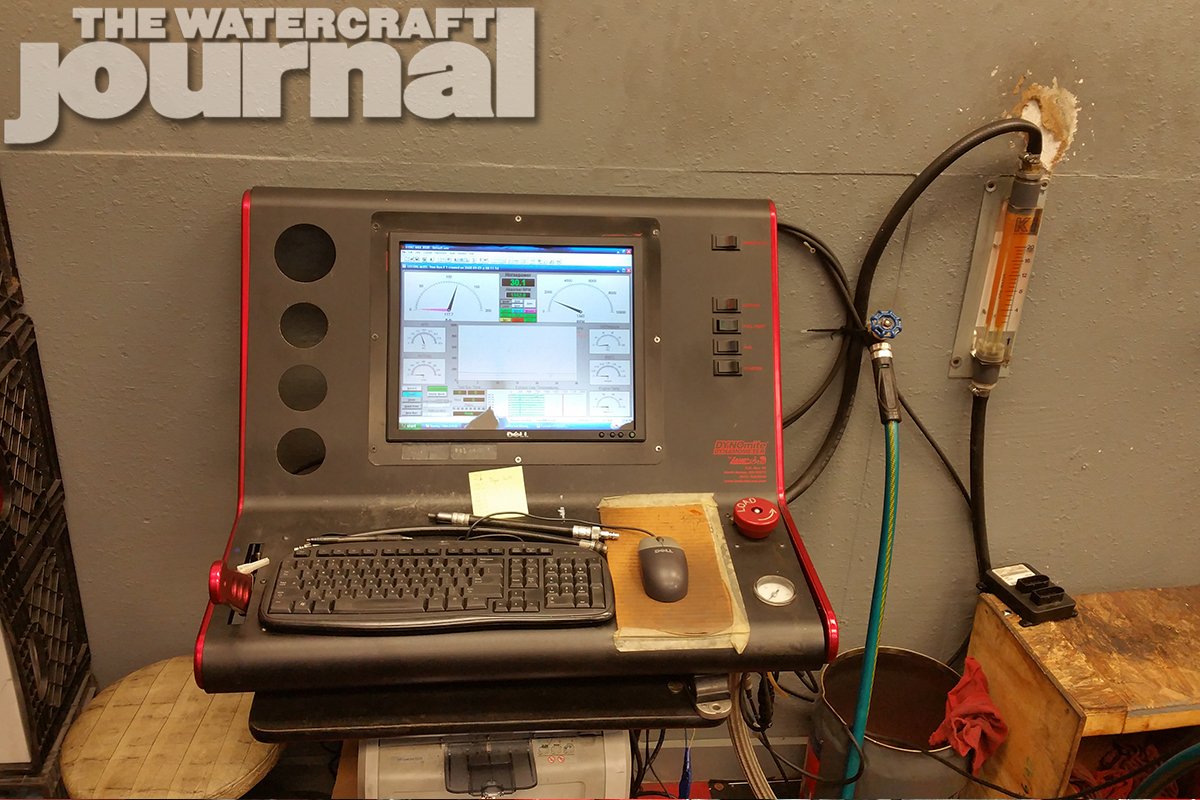
Pickren and SBT have a secret weapon; in their arsenal they own one of the only engine dynamometers among the litany of personal watercraft parts manufacturers out there. This (not-so-secret anymore) weapon has helped to make them the number one supplier of aftermarket personal watercraft parts and remanufactured motors in the world. We recently visited SBT to highlight the advantage their dyno gives them over the competition and benefit to you, the consumer. Once there, we realized there was more to Mr. Pickren and SBT beneath the surface; so first, a little back story:

Greg Pickren founded SBT, Inc. in 1997 and built the company to become what it is today. Pickren, at the time a seasoned industry professional in the automotive parts business, was intrigued by the fact that there were no suppliers of remanufactured engines for PWCs. After studying the intricacies of the PWC market, SBT was launched. Although Pickren was not a PWC expert at the time, the concept would mimic what had been done for decades in the automotive business; high quality remanufactured engines for a fraction of the price of new engines.

From the ground up, a factory was created, nestled away in an old part of Clearwater, Florida. In their first year of operation SBT remanufactured over 2,000 engines. In the next four years, they grew to over 10,000 engines per year, and in 2005, the company transitioned from an engine only company to the full line personal watercraft parts supplier that SBT is today: the PWC world’s AutoZone!

Being at the top of any market takes a commitment to product quality and reliability, and SBT does not take this responsibility lightly. With one of the only personal watercraft dynos in the industry, SBT has not only set themselves apart from other parts companies, but they have the ability to test, tune and hone-in on making the best aftermarket motors and parts we as enthusiasts and customers can buy.

CJ Lammers, President of SBT, Inc. told The Watercraft Journal, “SBT uses our dyno both for quality checks and for preliminary runs for development. Having the ability to put an engine on a dyno and running it quickly gives faster results than having to install (parts and motors) in a ski and run, especially when going through small iterations.

SBT has found the dyno invaluable for increasing our quality and reliability. Every 4-stroke engine is run on the dyno before leaving the company, ensuring that we are shipping high quality, fully functioning engines.”

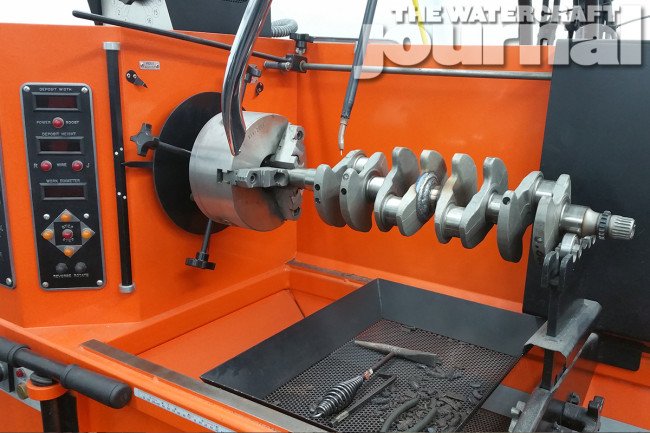
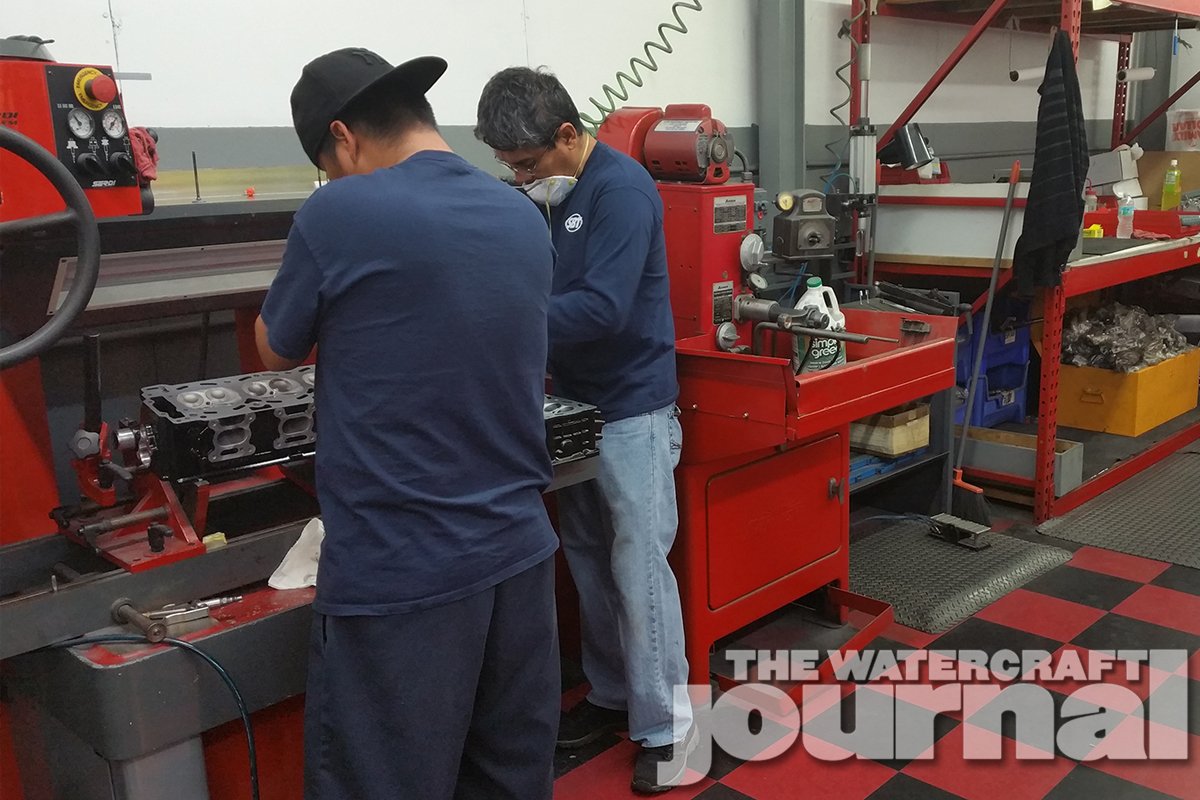
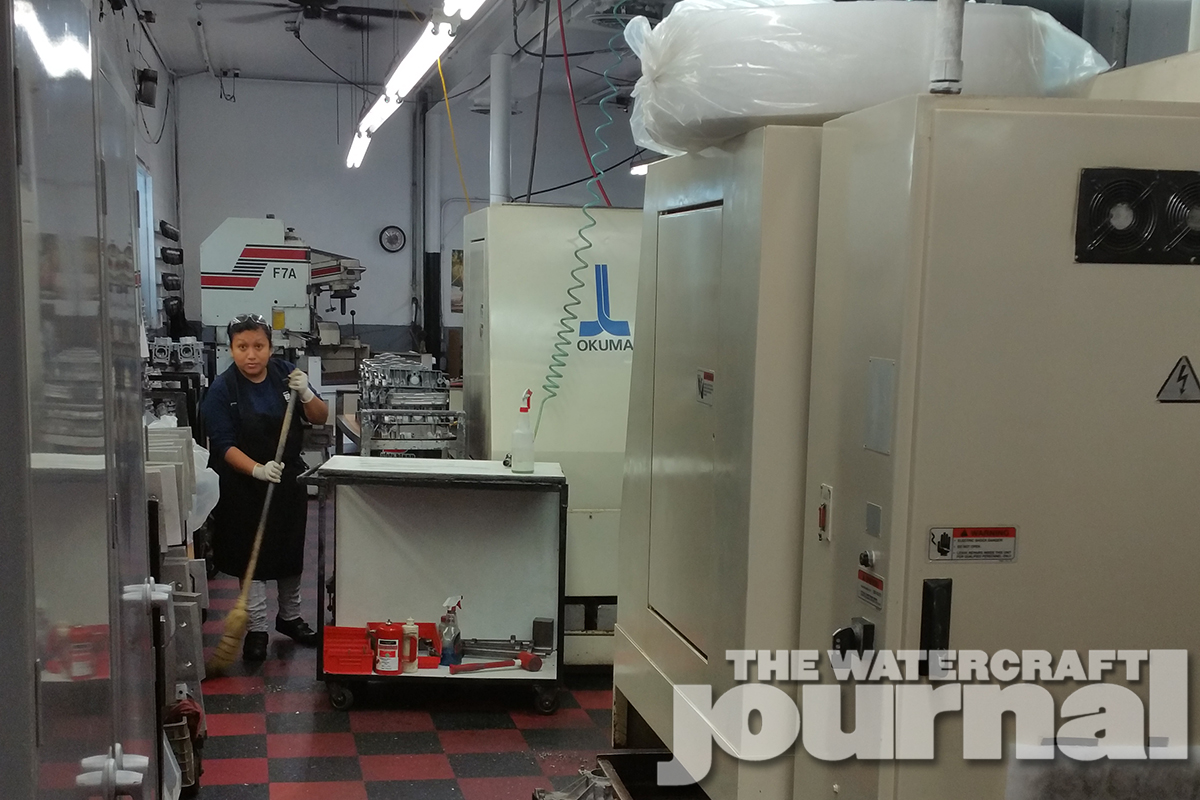
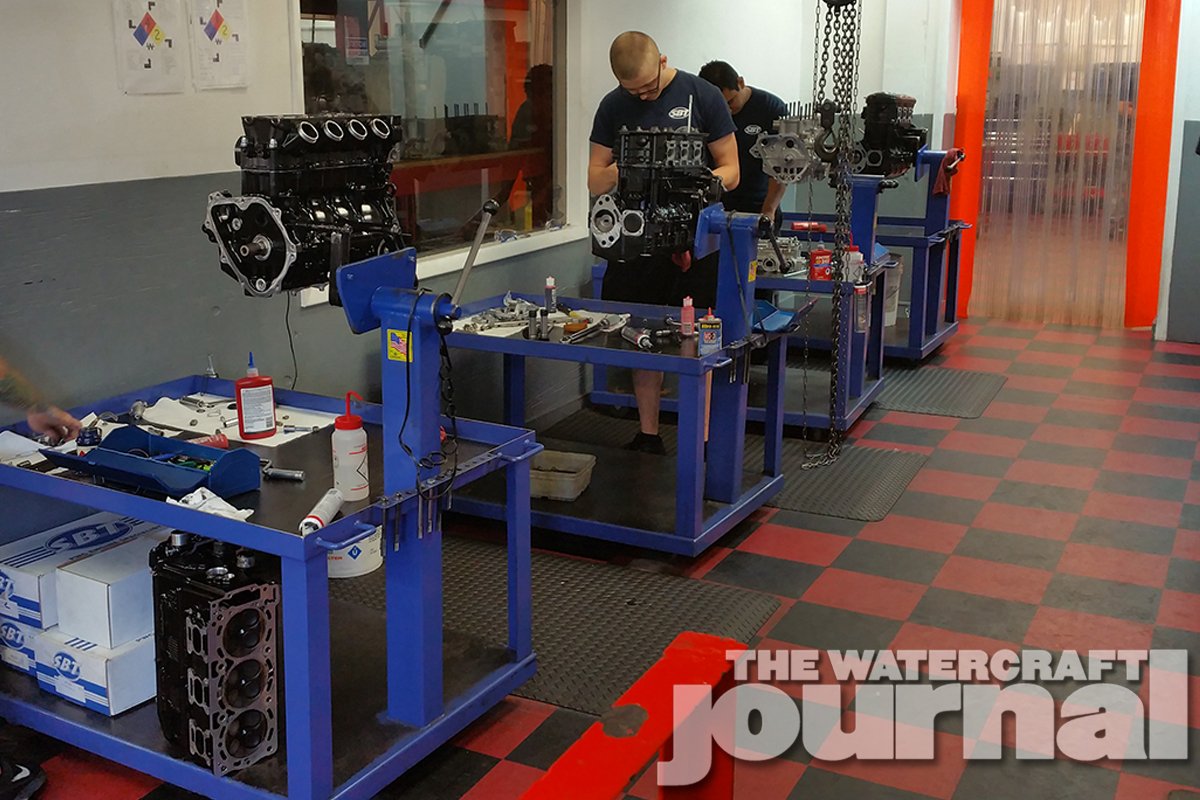
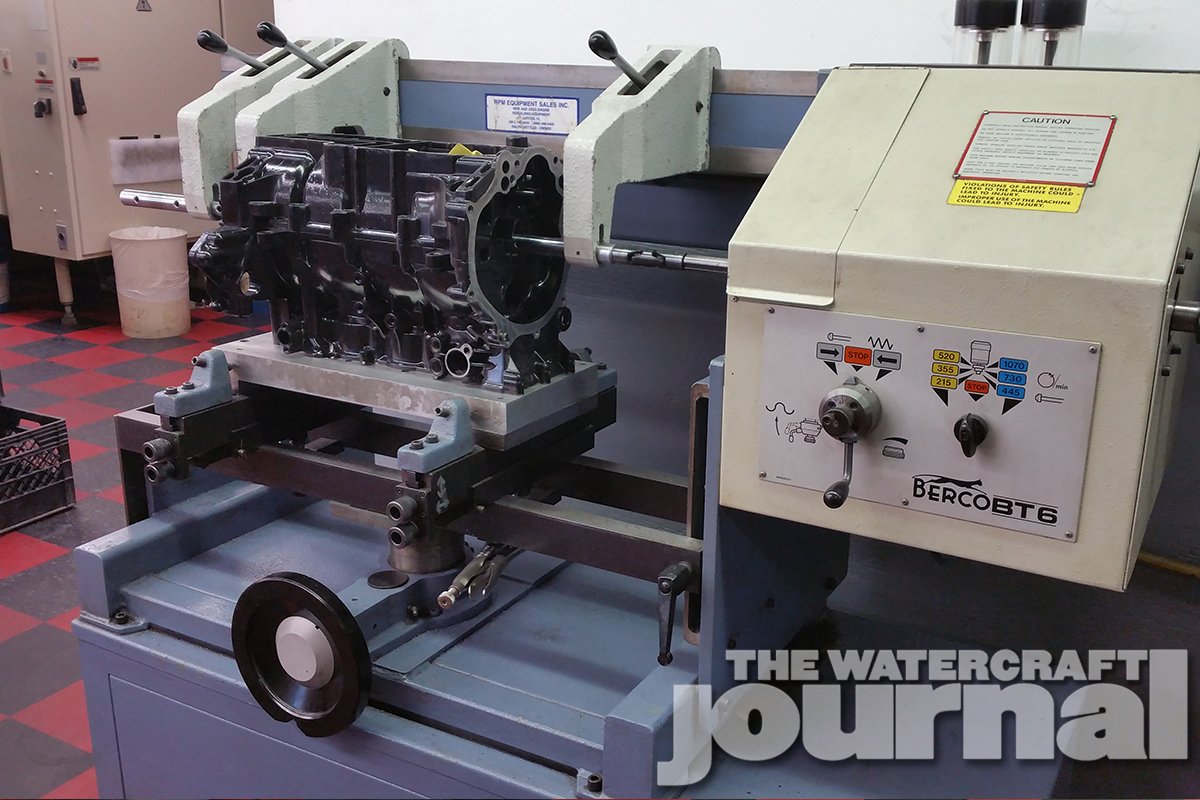
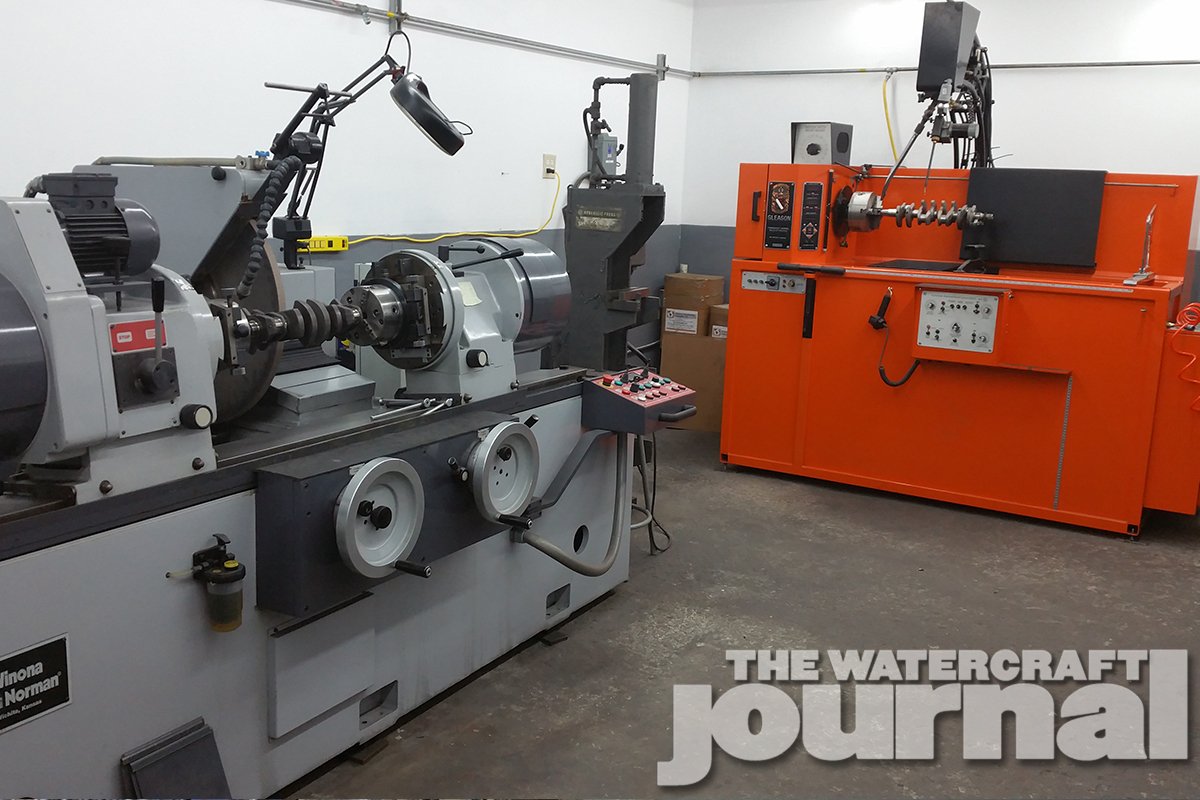
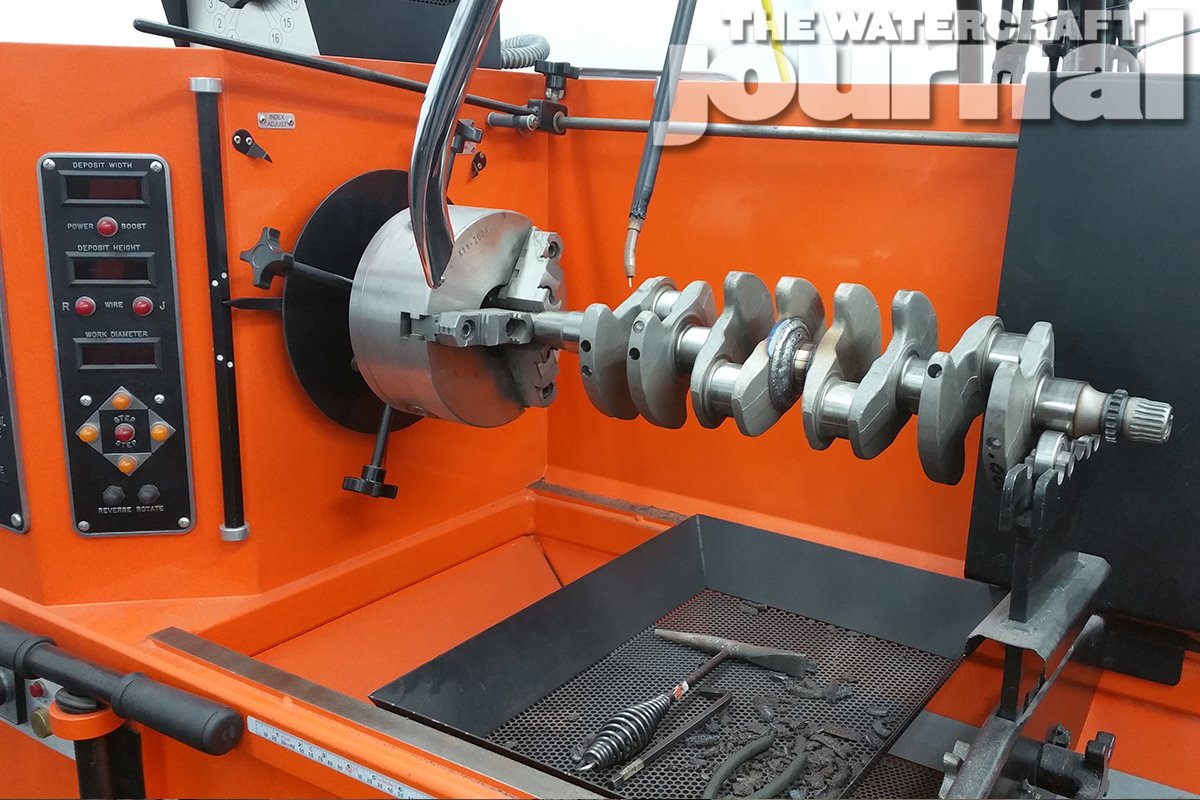
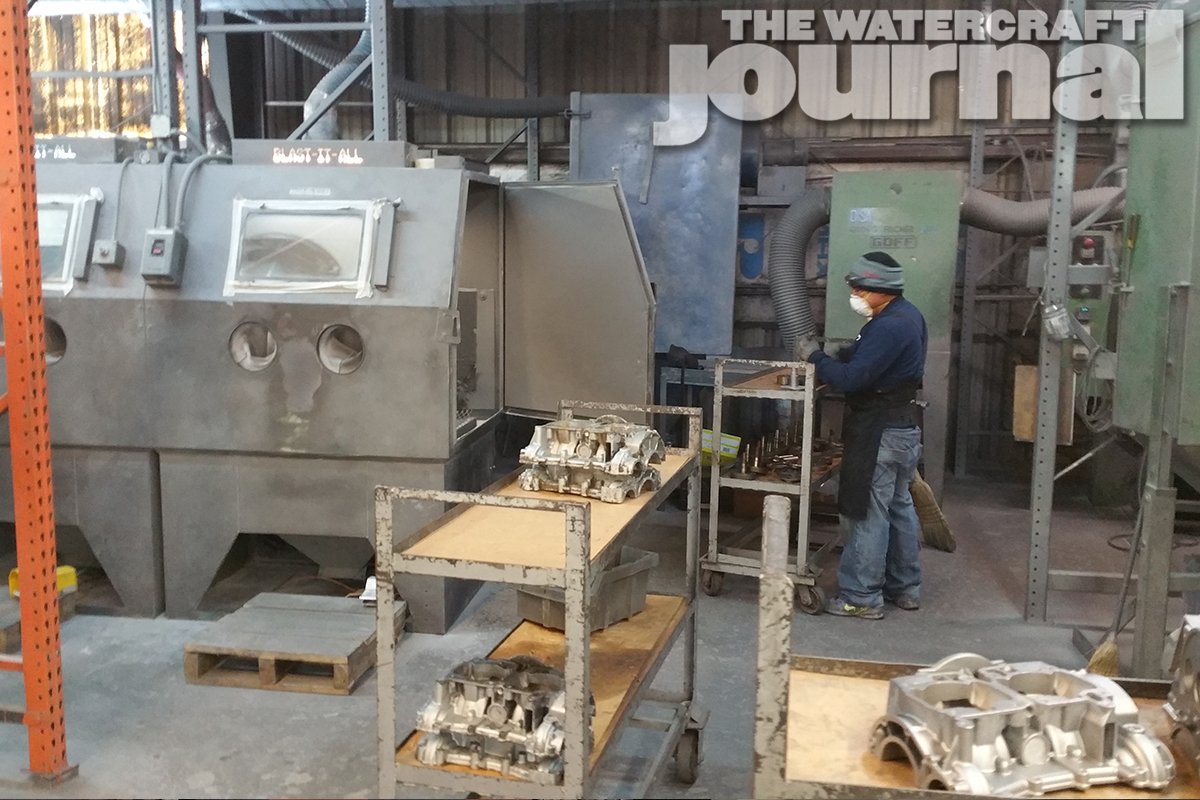
Upon arrival, the first thing CJ had on our agenda was a full tour. As we entered the front of SBT’s facility, we started to get a sense of the enormity of the task SBT takes on with each used part and motor core that enters the factory. First is the disassembly process of each core to decipher which parts are usable and which are beyond repair. Next, the disassembled parts are sandblasted and put through a thorough cleaning process.

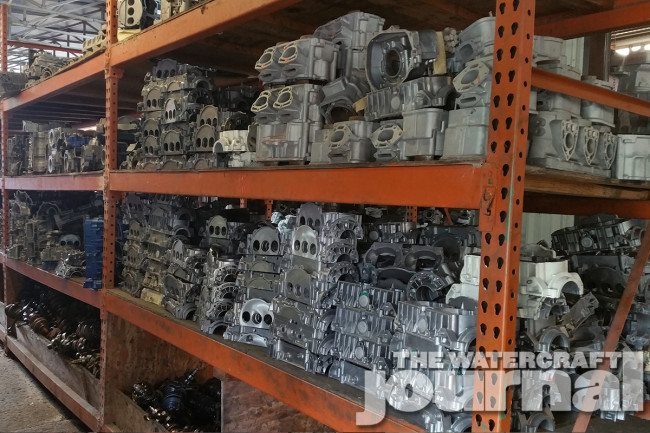
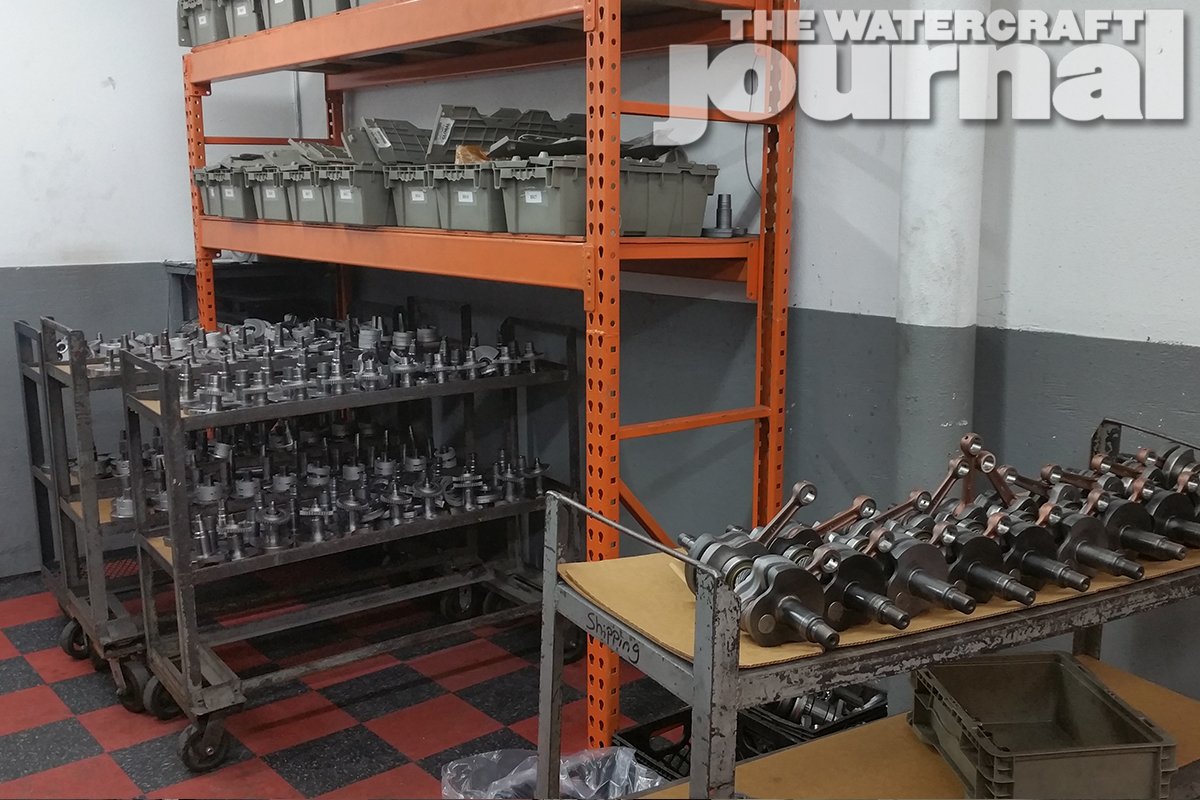
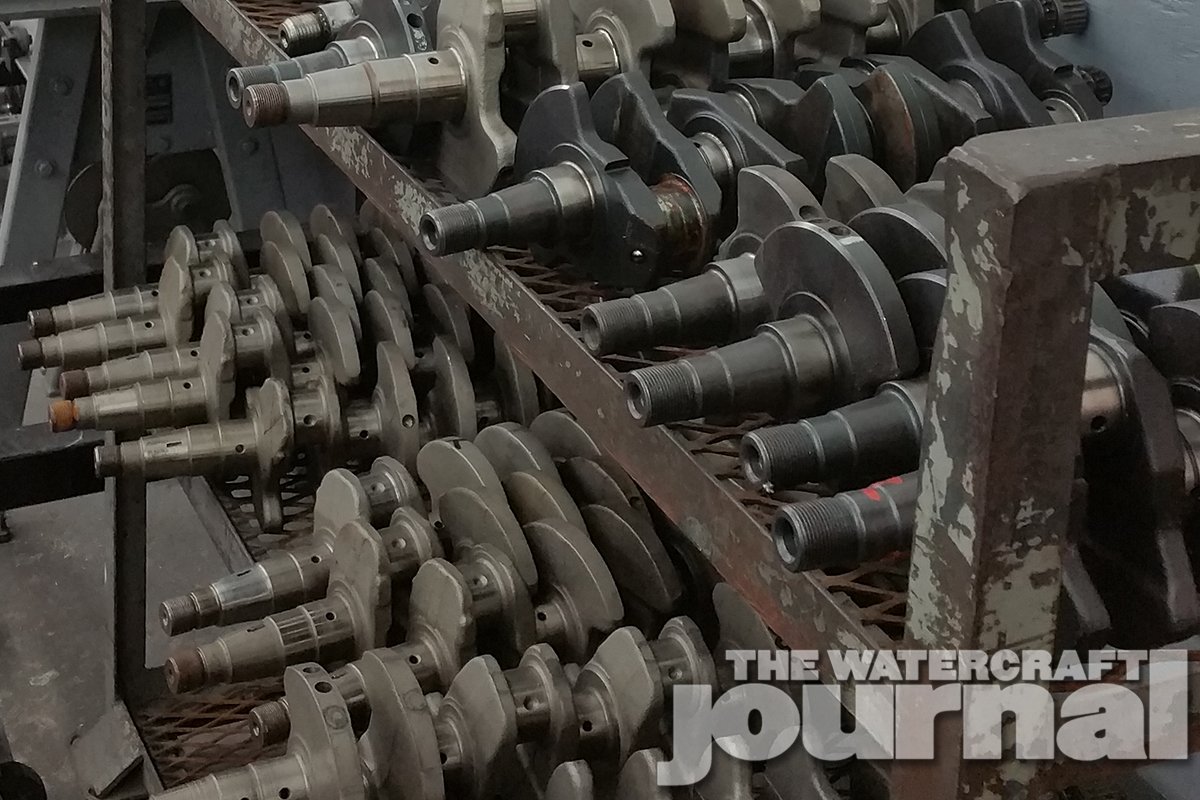
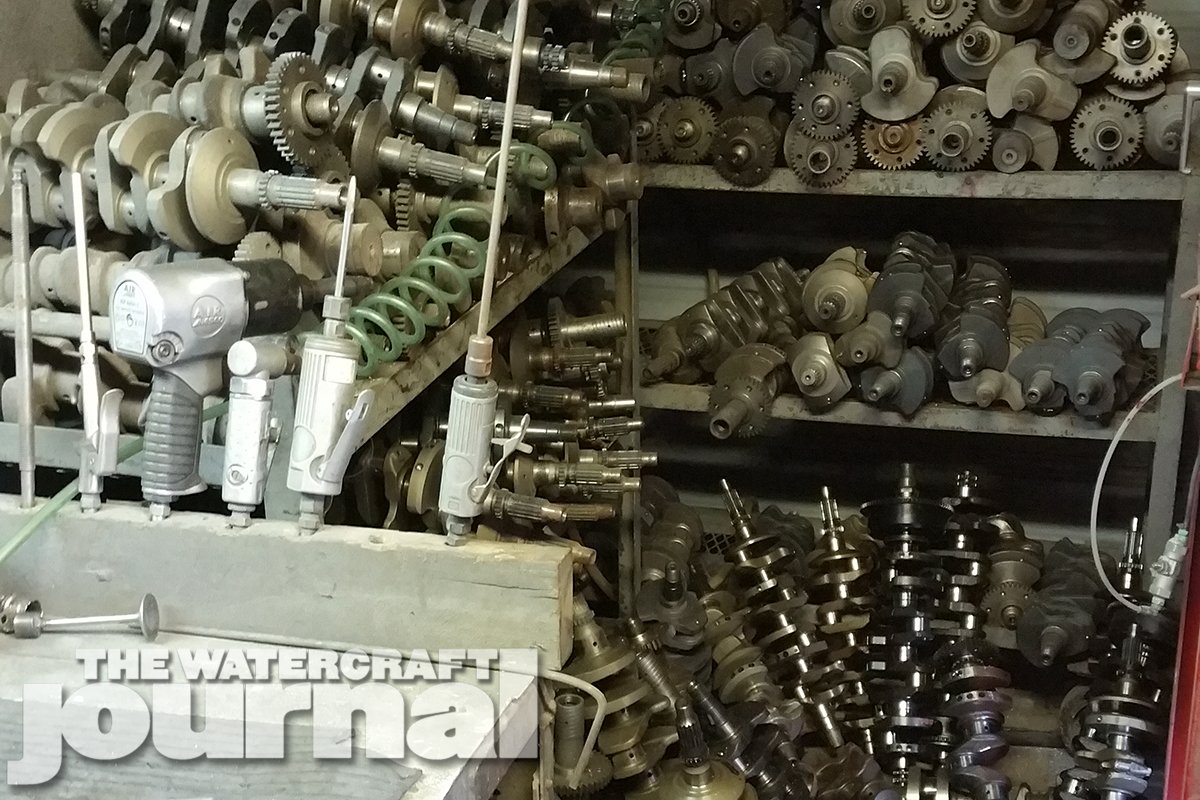
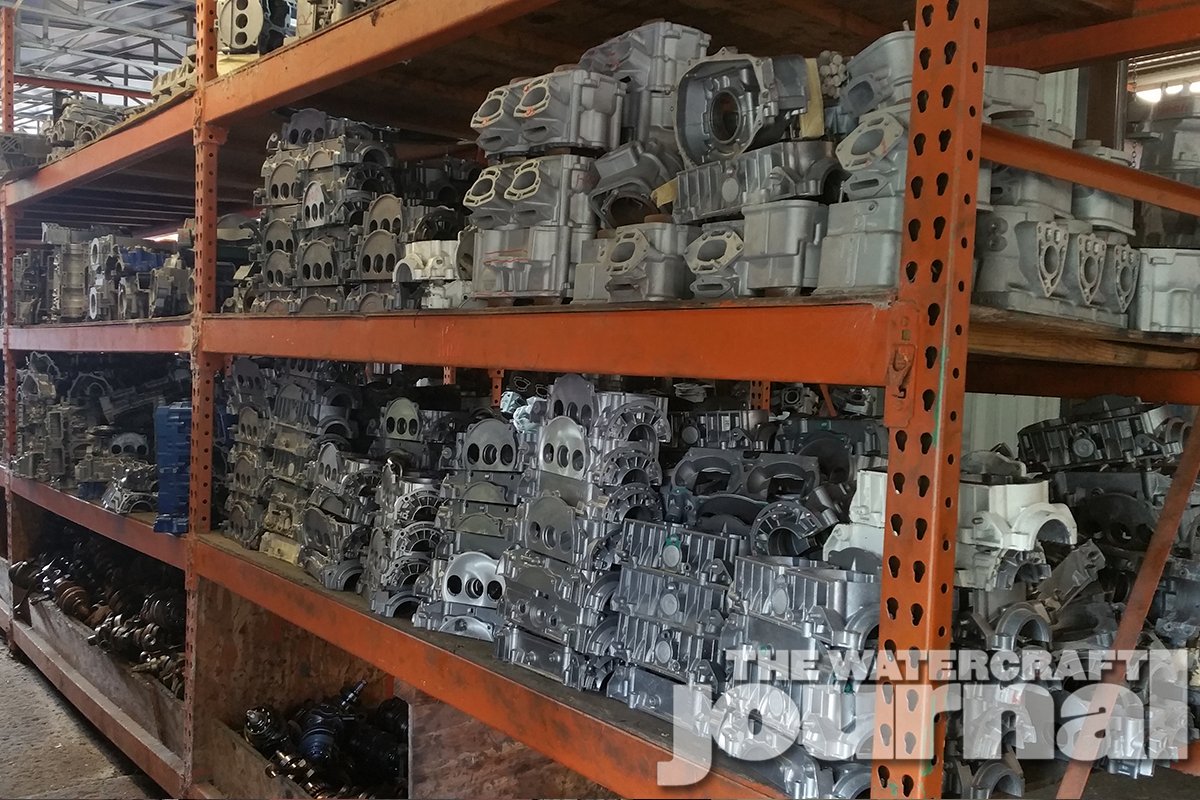
As we made our way towards the back of the their facility we entered the remanufacturing section filled with heads, cranks, cylinders and etc. from every make and model watercraft imaginable. As you might expect from a modern aftermarket and remanufactured PWC parts and engine supplier, the big 4-stroke motors get a lot of attention.

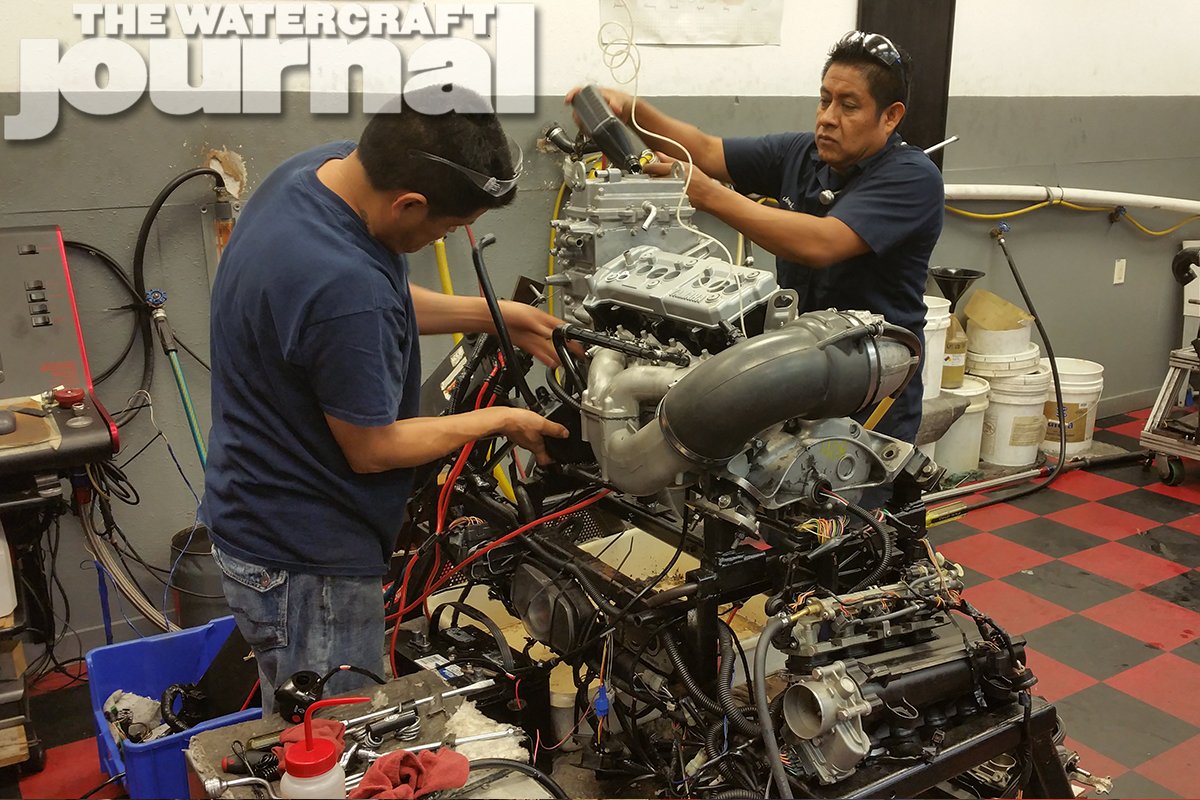
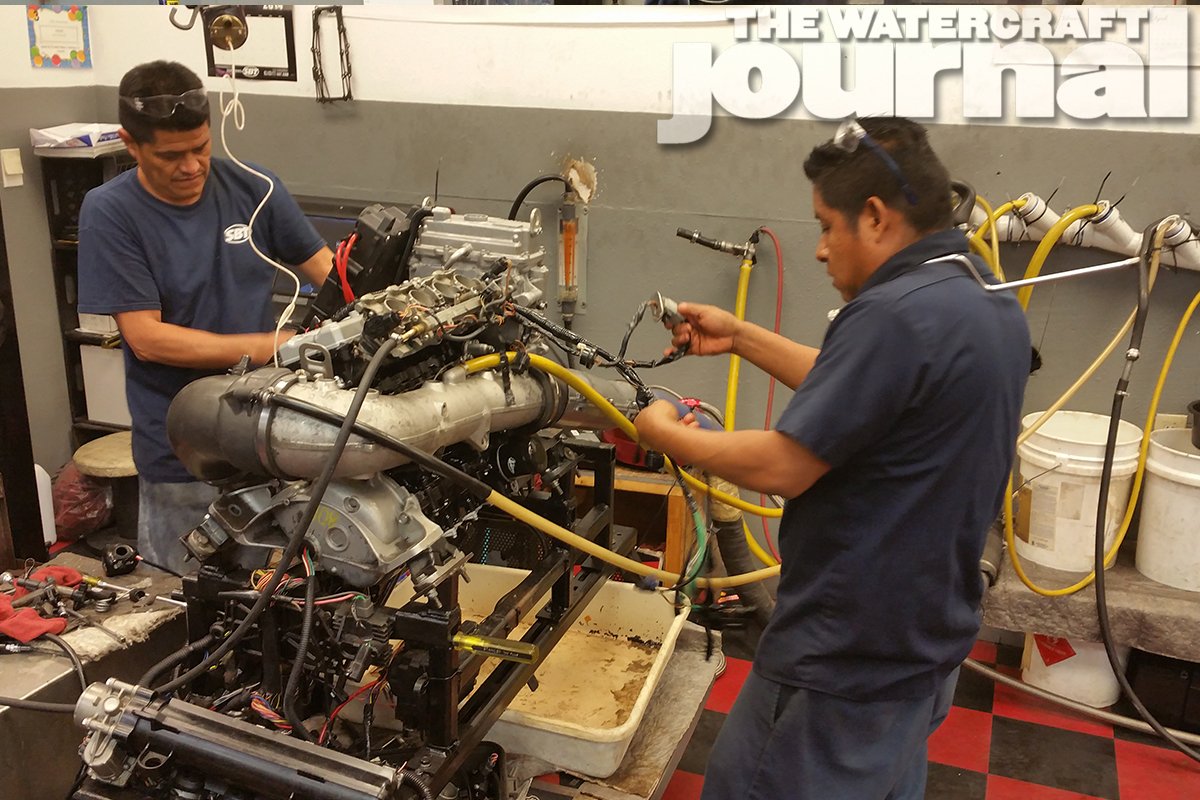
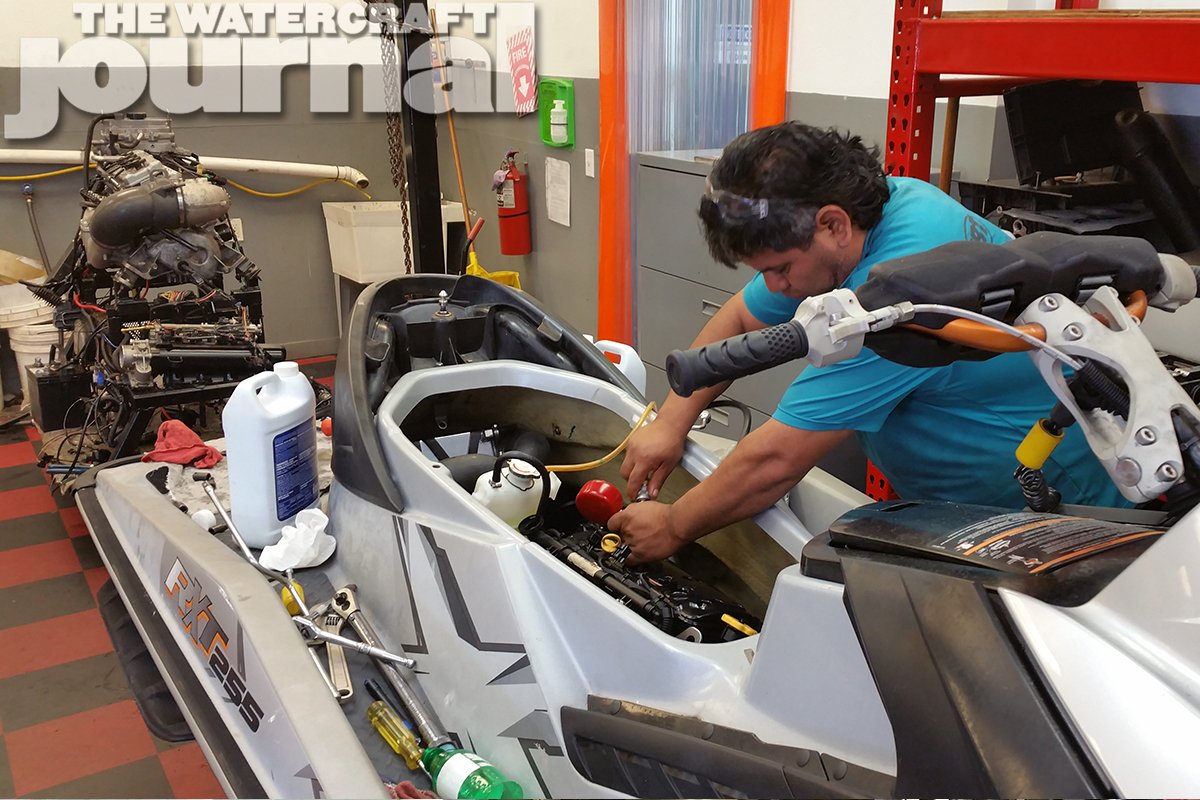
CJ then turned us around and walked us back towards the front of SBT’s facility. There were two separate rooms quarantined from the rest of SBT’s factory. We had entered the reassembly room where several technicians were working diligently putting today’s motors together. From there we could see through the clear plastic covering the next doorway into the dyno room. These two areas are the culmination of hours of work and preparation for what we came here today to highlight; your motors being readied for the dyno before packing and shipping out to you, the consumer!

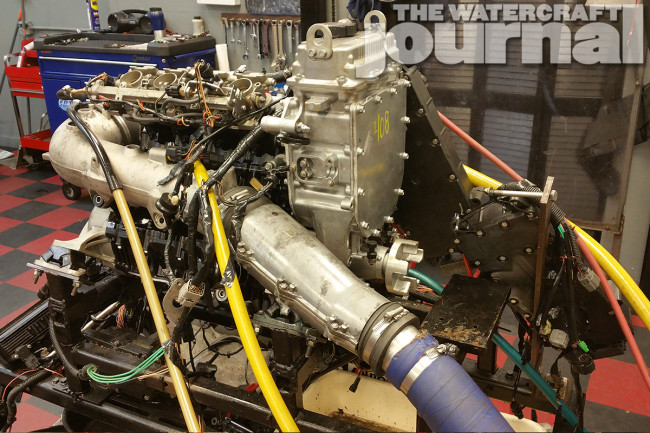
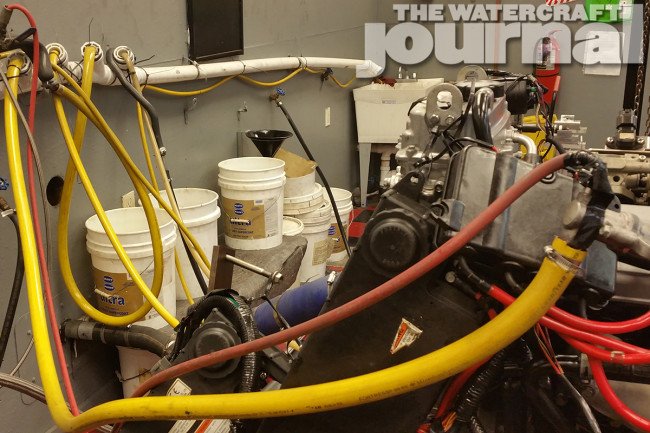
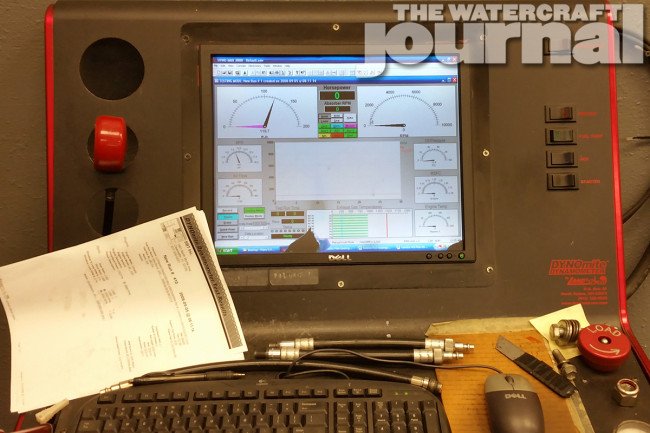
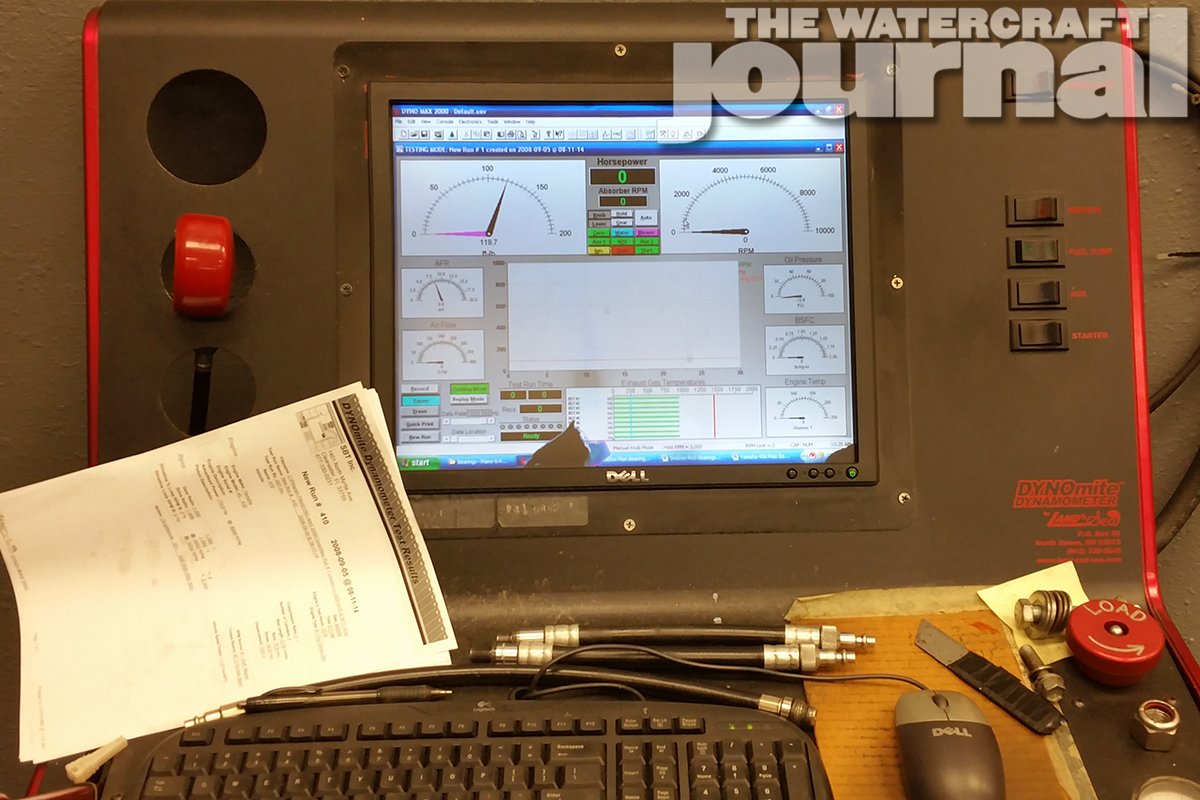
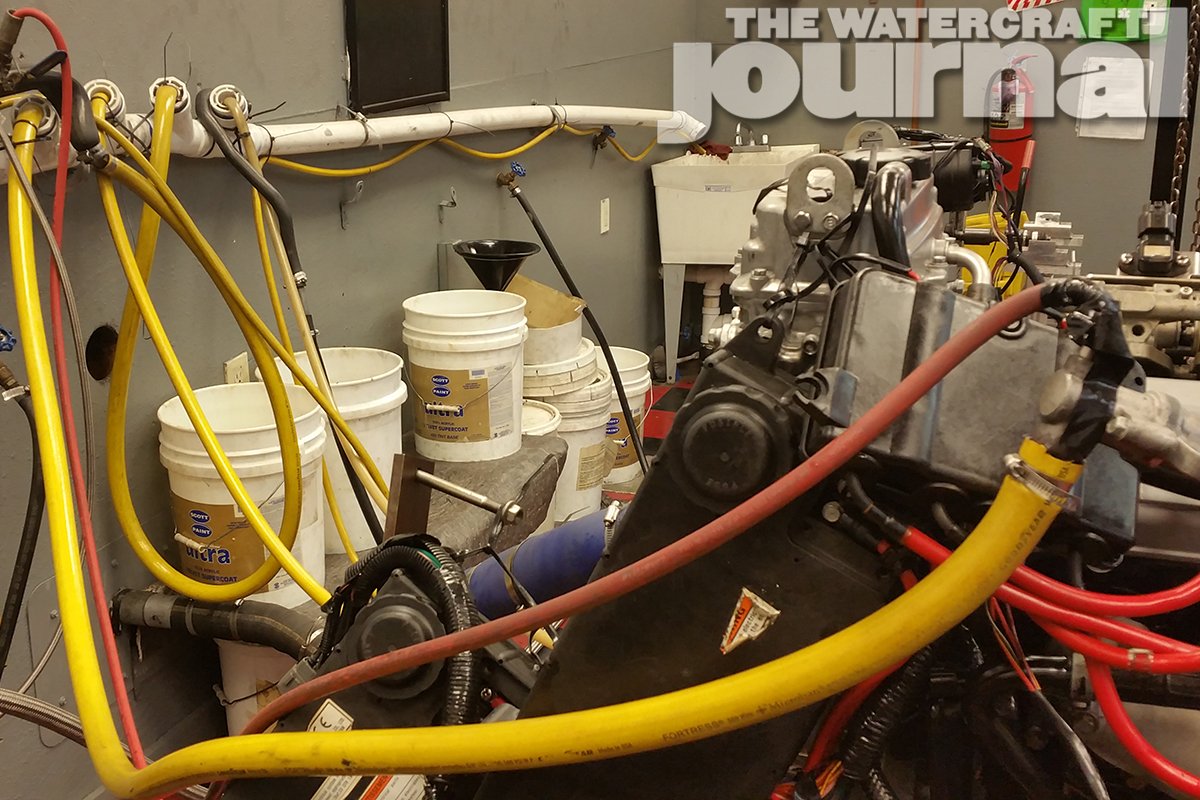
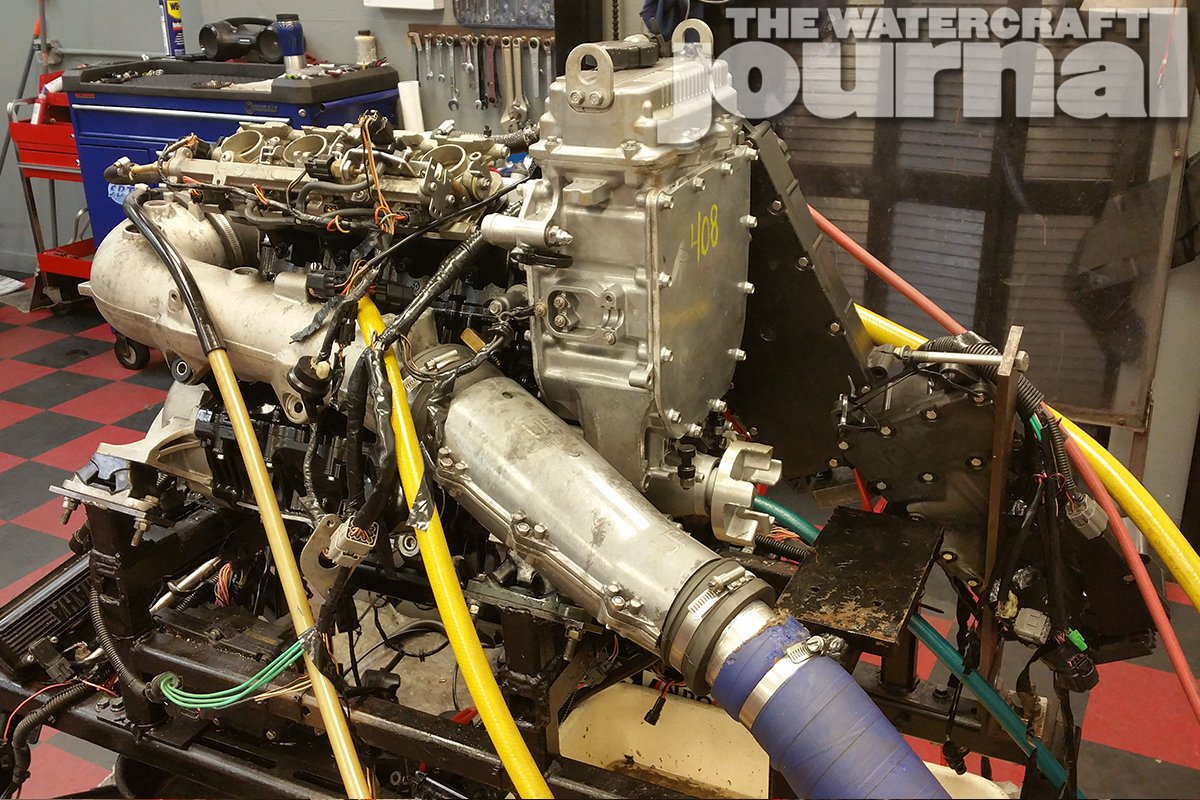
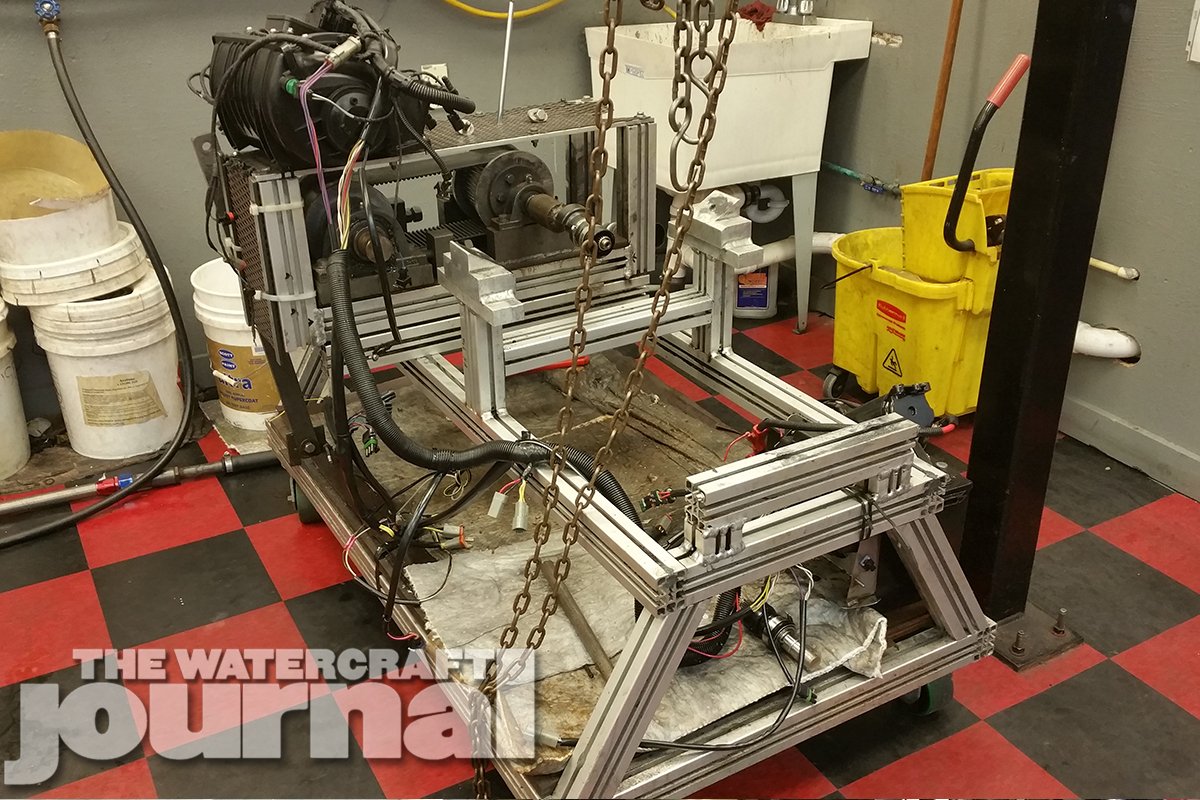
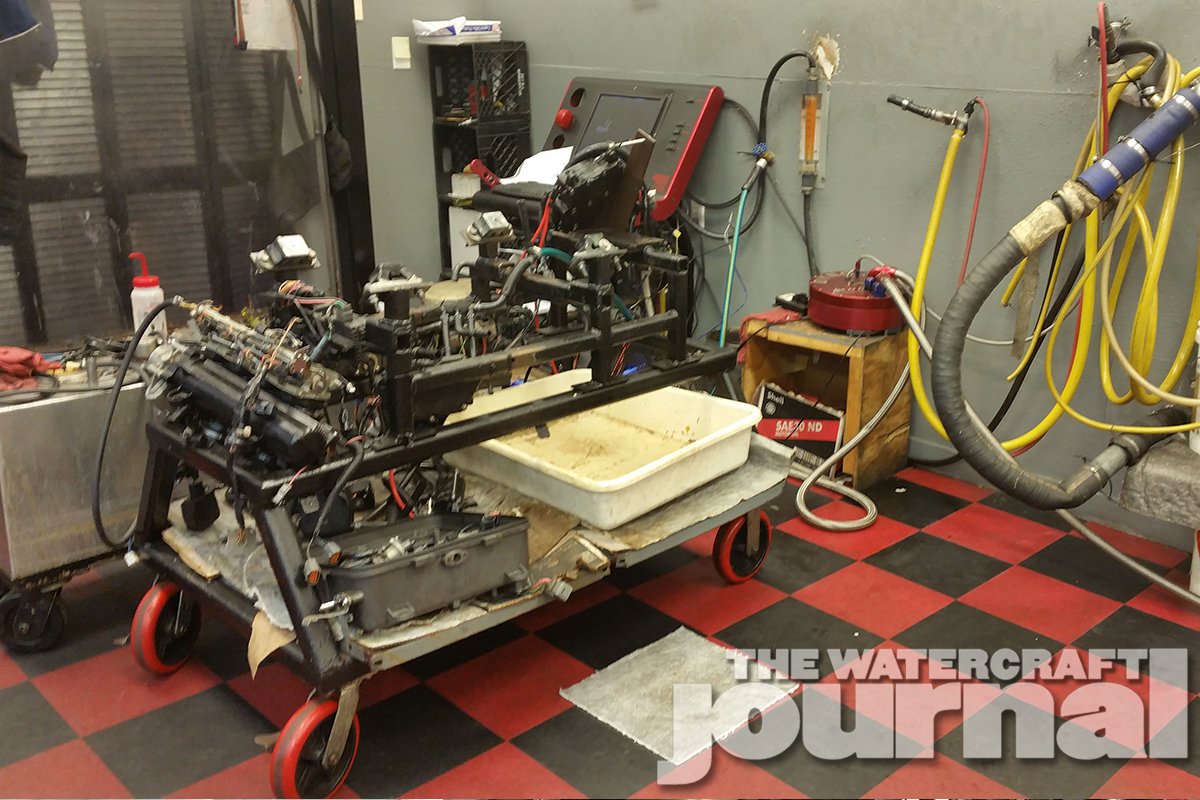
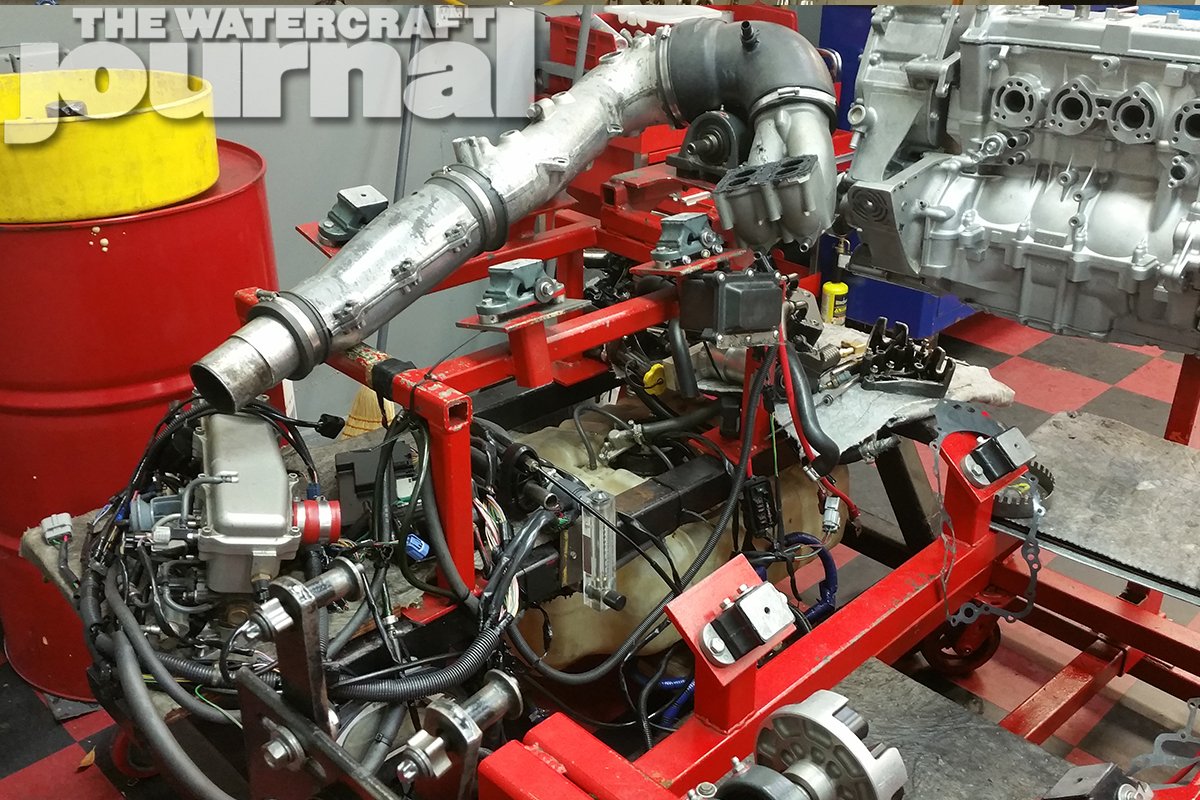
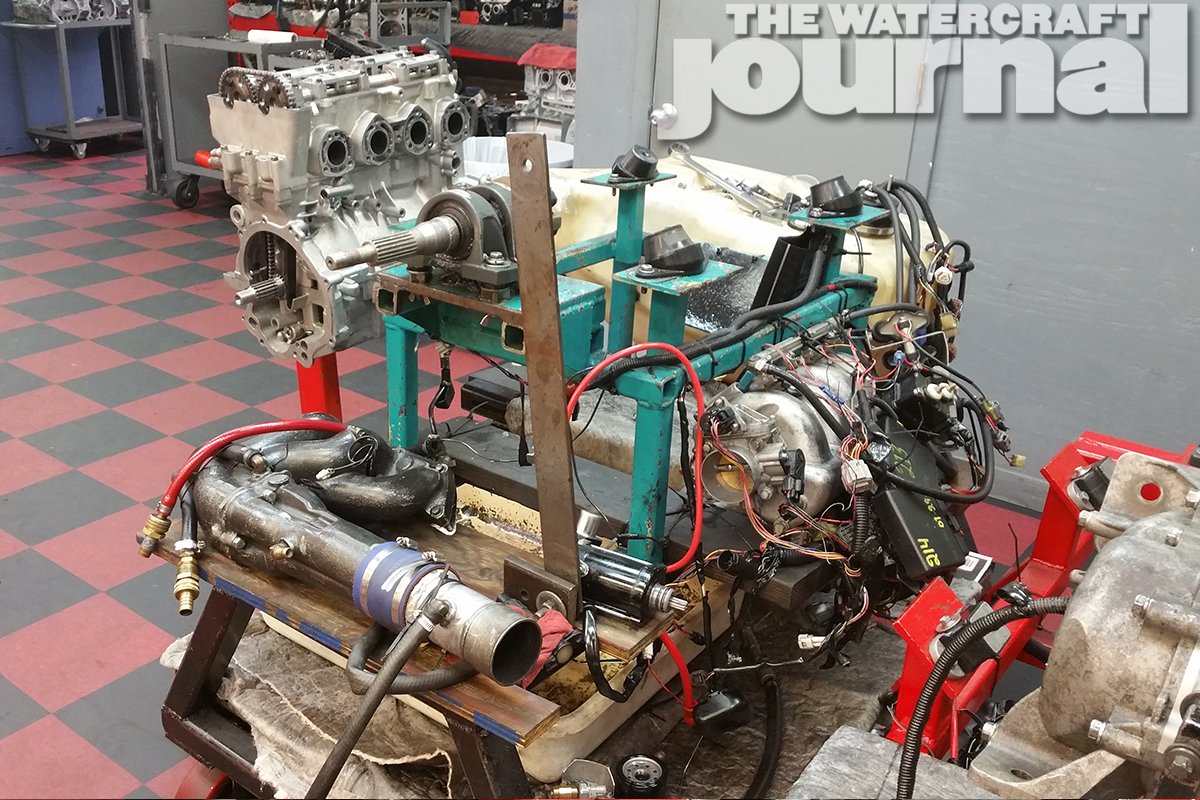
SBT’s dyno is quite the feat of engineering. You can not just go out and purchase a jet ski dyno; they had to remanufacture one for this specific application. Each watercraft brand has it’s own engine stand to mount the motor on, water lines cooling the beasts off during testing and specially built electrical and mechanical couplers to hook the engines up to the dyno.

Although the dyno is the last step in SBT’s aftermarket parts manufacturing chain, it is one of the most important tools in the entire process leading to your new motor winding up in your PWC! Every remanufacturing process and part in the factory is developed and extensively tested on their dyno. Every motor is ran and tested before it is boxed up and shipped to you, the customer.

23

Real world testing under riding conditions is important, and something that SBT does almost everyday of the year for hours each day. This kind of testing gives the consumer peace of mind that the process, parts and SBTs complete engines are reliable and stand the test of “on the water” conditions. However, before anything with the SBT name on it is installed in a PWC, it has already gone through rigorous engineering, testing and multiple changes in detail, with attention given to the intricacies that can only be flushed out in the numbers the dyno provides.

So what does this mean for you, the consumer? This means that the SBT parts have been engineered and remanufactured in detail, and honed by dyno results. Those parts are used to build SBT test motors that are brutalized for innumerable hours in real world conditions. Finally those engineered, honed, remanufactured, dyno and water tested parts are assembled into complete motors, and tested again to make sure they are fully functioning to correct specs on the dyno.

All of this is what goes on behind the scenes at SBT. Before the phone rings for an order and before a single part or remanufactured engine leaves through SBT’s doors (at a fraction of the cost of a new engine), this one-of-a-kind company has put your product through the rigors of testing like no other company can! SBT dynoed your order as a part of the engineering and manufacturing process, prior to water testing, and will dyno it again before your order leaves the factory. As you’re jetting across the water you can rest easy knowing it’s a runner!

dyno4 dyno3 dyno2 dyno1 20 22 21 23 14 7 17 1 8 13 12 9 5 4 11 10 2 15 6 3 16 18 19 dyno5
<
>

Jet Renu Returns as Pro Watercross Sponsor for 2016

0

booth_650

Jet Renu, the leading provider of personal watercraft cleaning products, has returned as a sponsor of the Pro Watercross Tour for 2016! Pro Watercross has undergone a lot of changes in the last couple years, from leaving IJSBA sanction to creating their own World Finals event in Naples, FL. One thing that hasn’t changed, however, is that Jet Renu has stuck with them through the years.

Nicholas and AJ Handler, organizers of the Pro Watercross Tour, are very grateful for the sponsorship support. Nicholas expressed his appreciation in a recent email sent out by the Pro Watercross staff.

Nicholas Handler, Pro Watercross Managing Director, wrote, “We are proud to continue our relationship with Jet Renu. It’s always great working with organizations like Jet Renu that understand our athlete’s needs and shares the same passion for pushing our sport forward.”

The satisfaction is obviously mutual, as Jet Renu also had some positive words to say about the Pro Watercross Tour as well. Jet Renu has been pleased with Pro Watercross in the past, and looks forward to continuing their partnership throughout the 2016 racing season and beyond.

“We take great pleasure in saying that our experience with Pro Watercross has been a fantastic venture. We are happy to be returning for the 2016 Pro Watercross tour this season – Lets make it a great year!”
stated Nanette Defalco Moreno, owner of Jet Renu.

We are excited for both parties of the deal, and are glad to see the sport growing. We are looking forward to the racing season ahead, and it will be here before you know it! This season should be the most exciting yet, and, as always, we will be covering every round of the closed course action.

Real Review: Jettribe RS-17 Race Course Armor Vest

0

VEST1

Of all of the manufacturers producing riding gear for the personal watercraft industry, there is no company more dedicated to the art of PWC racing than Jettribe. Whether its their almost omnipresence at nearly every single event across the continental United States or their borderline-ridiculous presence at every Asian race event, Jettribe takes jet ski racing deadly serious. Marching to the frenetic drumbeat of its owner and president Tony Vo, Jettribe is hellbent on eclipsing all other riding gear and apparel brands who’ve ever ventured into this segment of the industry.

Branded as a “Core Watercraft Company,” Jettribe doesn’t dabble in wakeboarding, surfing or other watersports, choosing to focus solely and squarely on jet skiers. In spirit with this methodology, Jettribe’s series of race-centered gear has been a subject of several reviews as of late with some mixed reviews. Of course, we at The Watercraft Journal are weighing most all of our evaluations on key attributes that are more geared toward the recreational rider than racer, but find a great deal cross over. Nevertheless, those remain the same as always: ease of use (ie. comfort), features and effectiveness.

4 copy

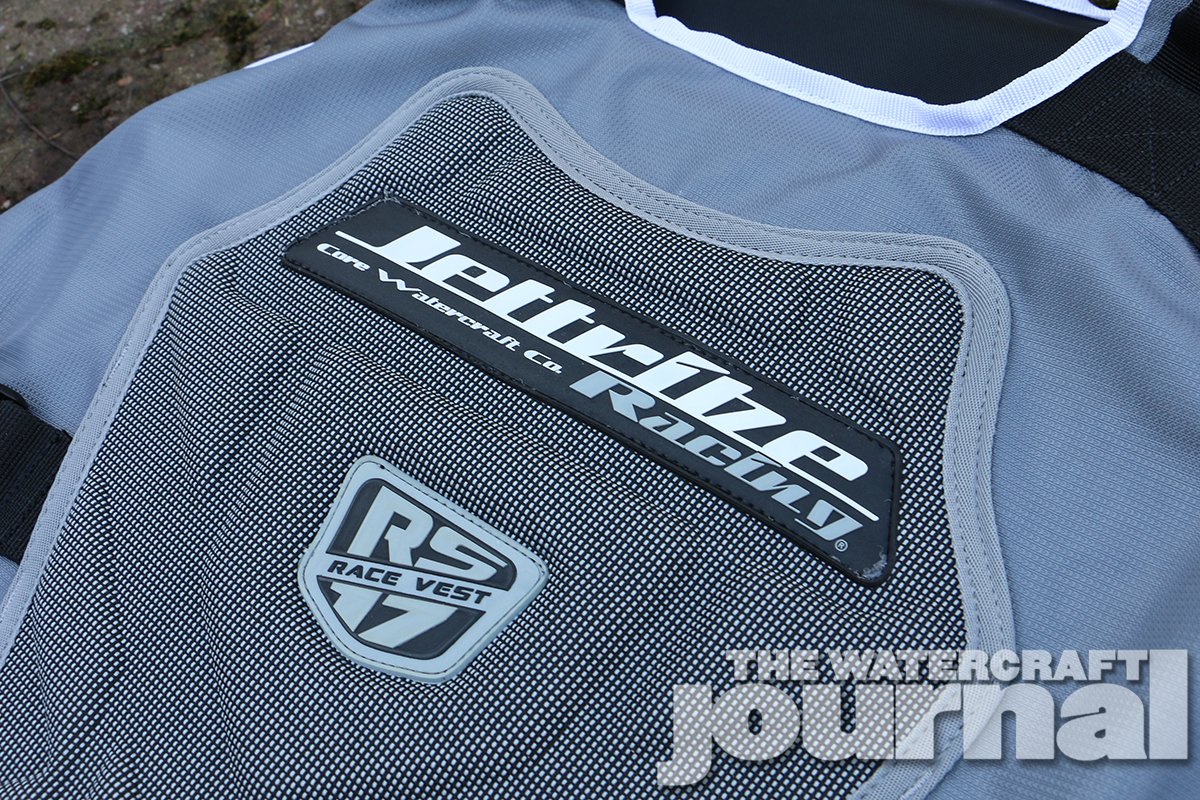
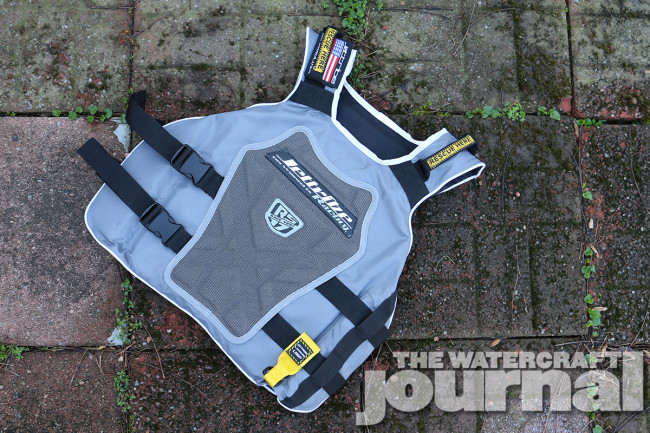
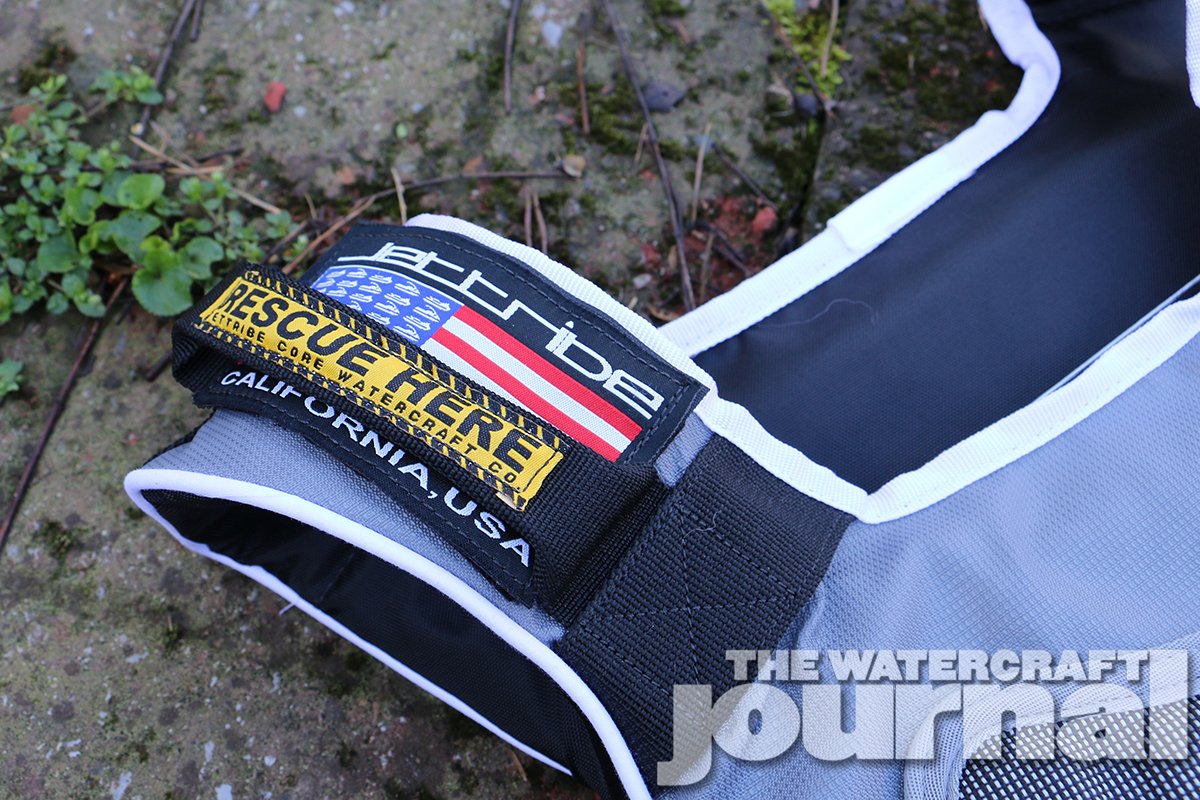
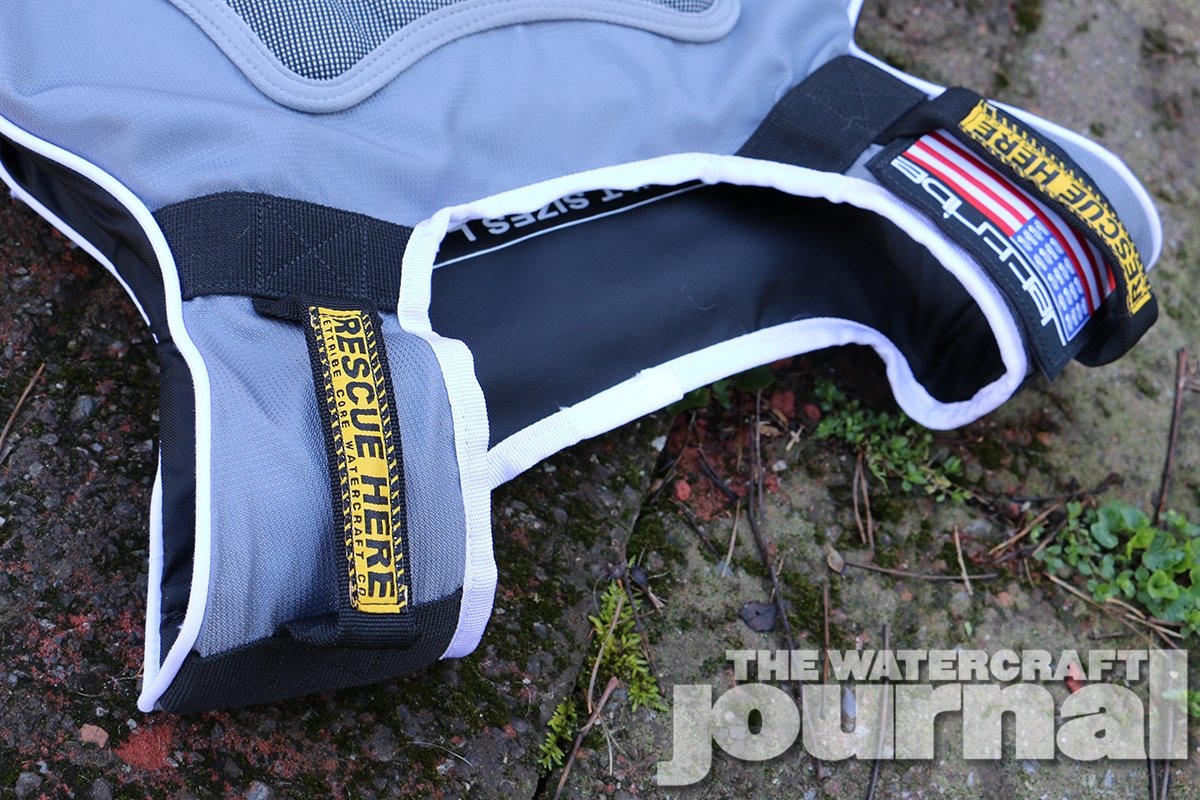
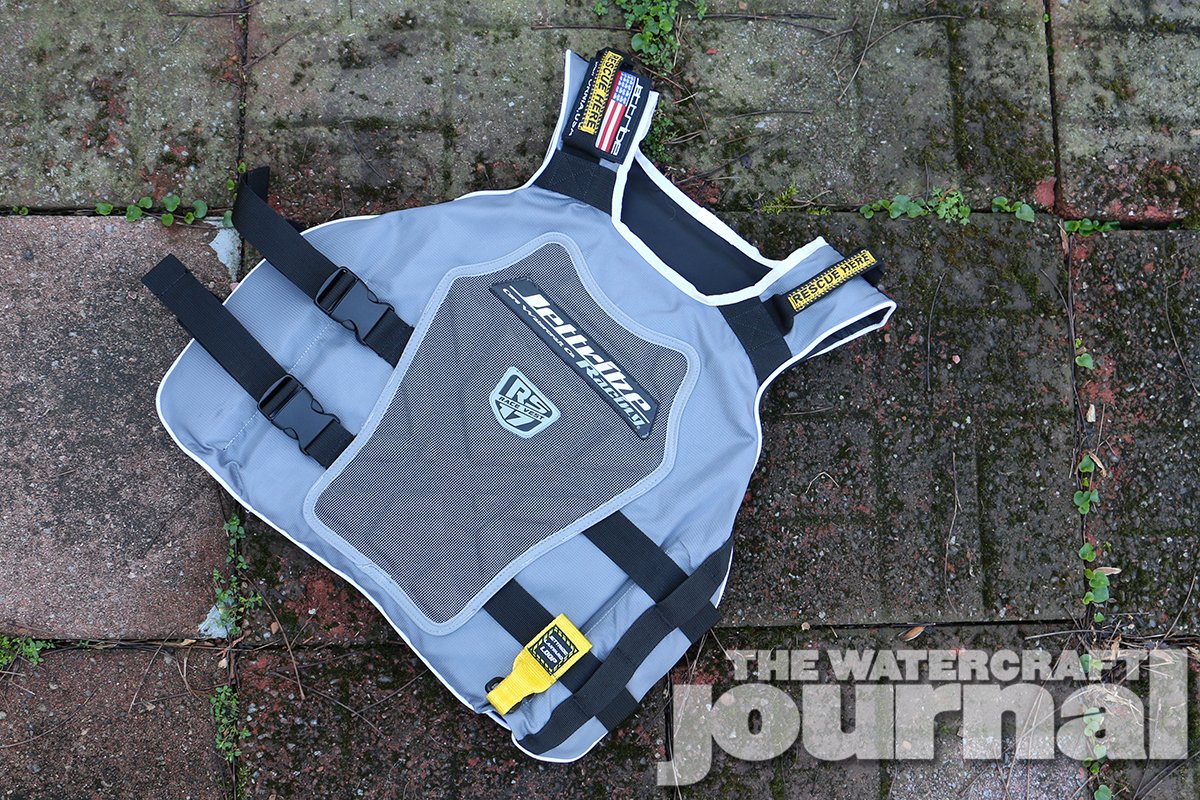
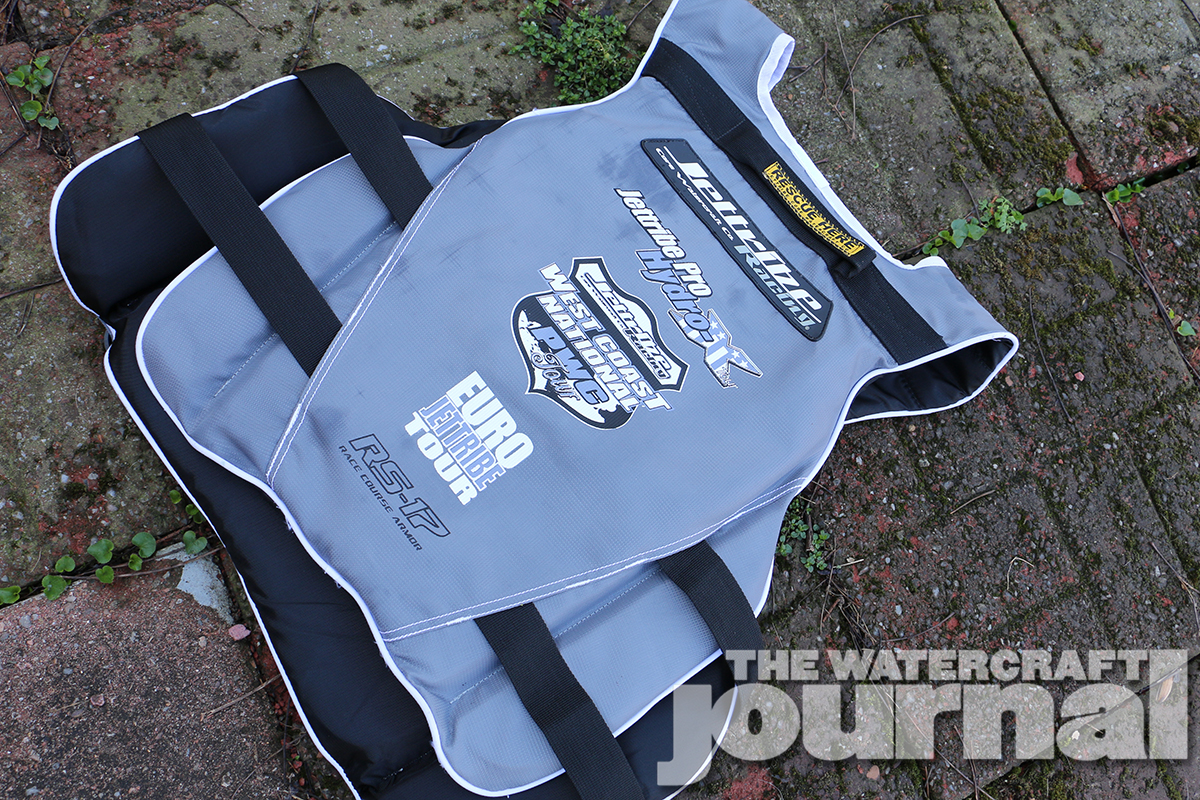
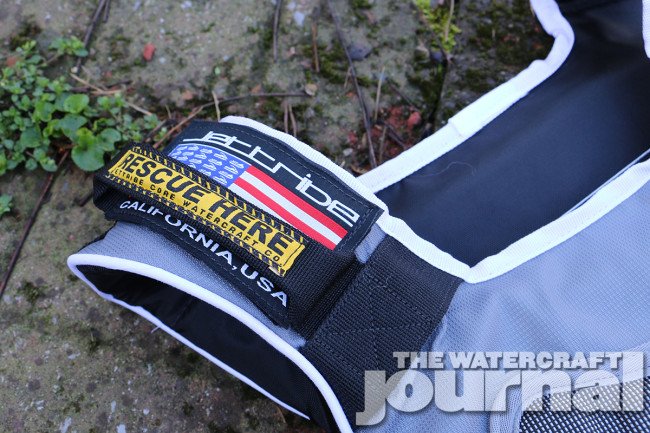
As we’ve said time and again, Jettribe never skimps on the features. In fact, their products are so rife with added bits and pieces it almost makes their designs overloaded or busy to the unfocused eye. Yet, upon closer inspection, we find that a great deal of thought and consideration has been poured into much of their catalog. In review of their 2016 RS-17 “Race Course Armor” Side-Entry Vest, we find much of the same. With racers at its focus, the RS-17 features not one but three heavy duty nylon handles for rescue teams to grab a downed or injured racer, replete with bright yellow “Rescue Here” hand grips (one on each shoulder and at the base of the neck).

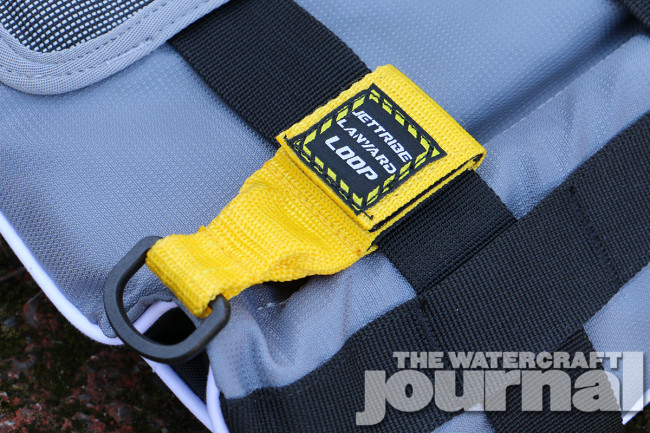
A bright yellow Velco-attached lanyard loop wraps around the bottom of two adjustable dual-release 38mm chest straps and buckles, which is removable and able to be transferred to a vest that doesn’t have a lanyard loop (as so many companies fail to include this one very simple feature). And again, with the racer in mind, a Velcro-backed flag of origin is attached to the right shoulder for the racer competing internationally. To the layman, the vest will feel clunky and rigid, as the thick 25mm Eva foam envelops the front chest compression-molded Eva panel and ABS plate chest insert.

6 copy

The heavy duty front and back panels were designed with “protection first” in mind. Within its design are attachment points for Jettribe’s own Race Collar and is purposefully compatible with Jettribe’s Chest & Back Protectors, which have become mandatory for IJSBA standup classes. Over time, we found that the heavy duty Eva foam did allow for some give, but that was after a considerable break-in time. Although an unrated vest, Jettribe scribes  “This vest is intended to meet USCG Type III PDF flotation aid for watercraft use” in large, bold letters on the inside. Unfortunately, that does mean if you live somewhere who like to check those sorts of things, you will be ticketed.

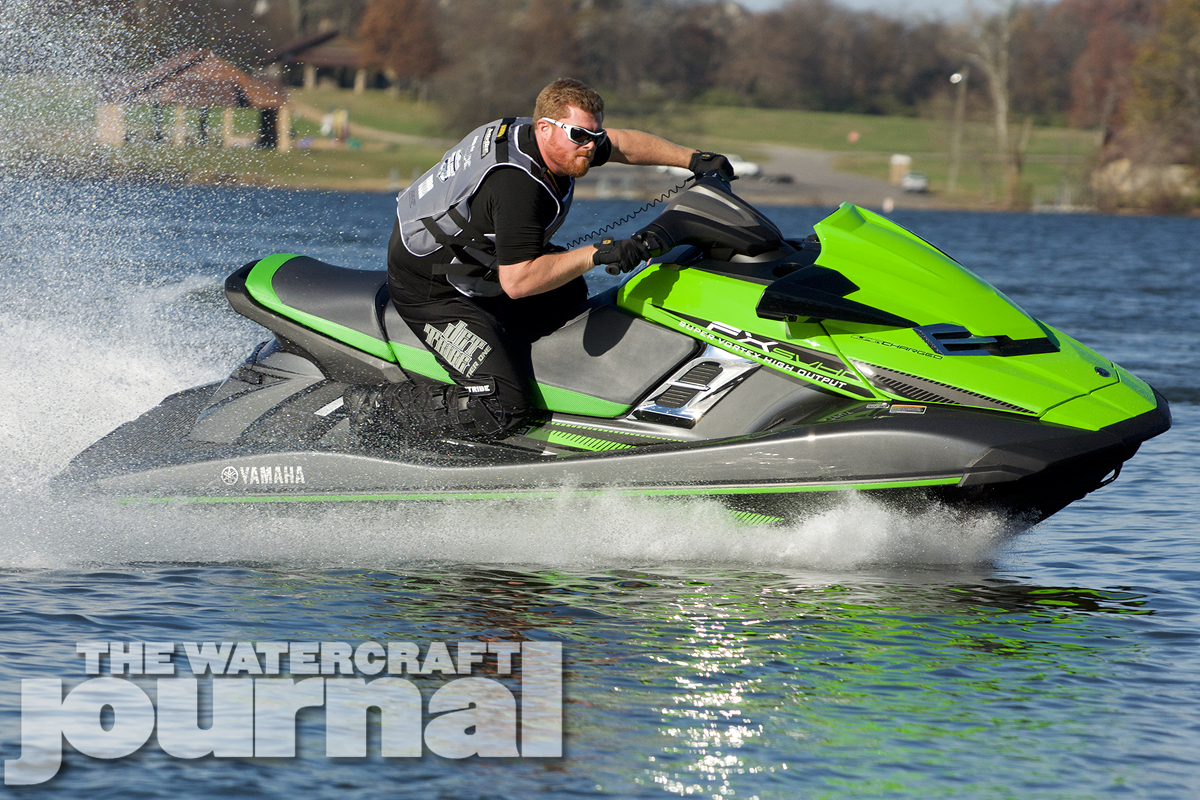
Worn by Jettribe USA International Team including Rick Sherker, Craig Warner, Jeremy Schandelmeyer, Tyler Hill, Brock Austin and more, Jettribe has done a fine job accruing a list of top tier riders who represent their brand; but again, that might not mean much to the weekend warrior. There’s a major delineation between these two groups and how they evaluate a piece of riding equipment. For the racer, the vest provides ample protection, a wide range of motion (large arm/shoulder and neck openings), and a sense of safety due in large part to the added features. As this is who this vest is designed for we weigh it as such, and even with its $94.99 asking price, find Jettribe’s RS-17 “Race Course Armor” Side-Entry Vest to be a solid purchase that many have come to praise.

11 6 6 copy 5 4 4 copy 3 2 1
<
>

IJSBA Announces A Year’s Worth of Freestyle Action in The US

0

timthumb

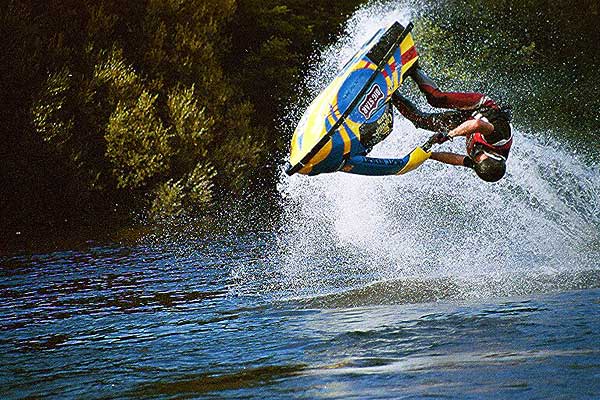
Admittedly, there still appears to be a significant amount of fracturing in the domestic PWC event scene, but the IJSBA is thrashing to draw together several regional promoters and groups to create a comprehensive, season-long competition series, be it closed course racing or freestyle.

In the case of the latter, the IJSBA has partnered with two mainstays in the Freestyle arena to flesh out a completely dedicated season to just Freestyle, which is something unseen in the US for many, many years. Running from April through late August, this duplicity of event coordinators forms a complete (although two separate series) season.

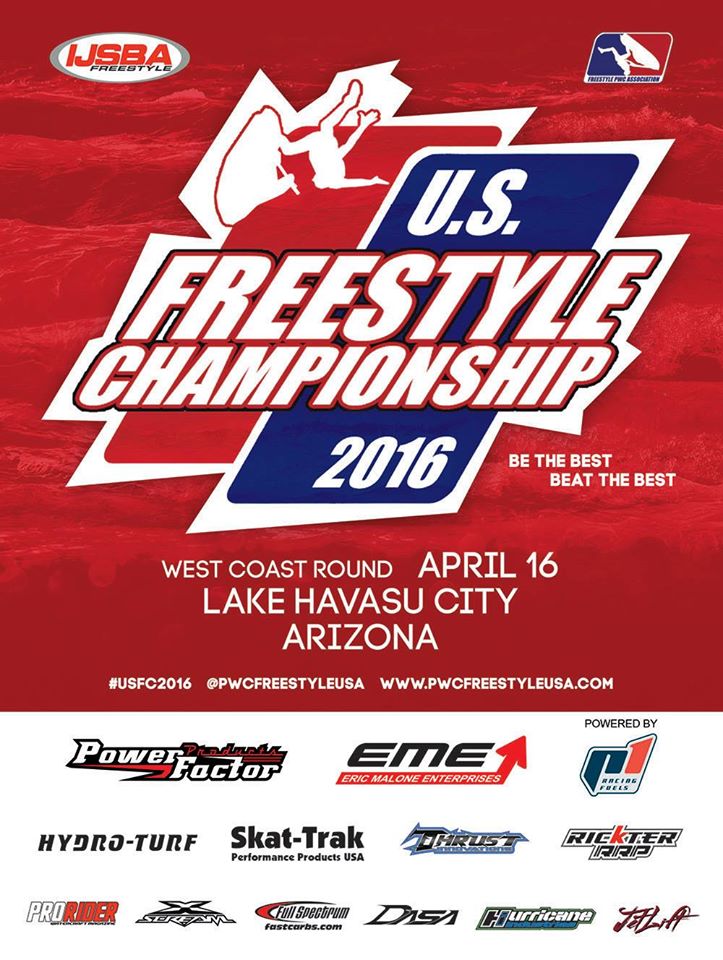
980878_459644817572029_1073940746754879325_oThe first is a partnership between the Freestyle Personal Watercraft Association (FPWCA) together with IJSBA, who after its success in Europe is bringing its Freestyle-only tour to the US. Although comprised of only two separate events, the word “tour” is being used rather loosely.

Hailed as a West Coast Round and an East Coast Round, the first will be held on April 16th, 2016, in Lake Havasu City, AZ; with the second being on August 27th, 2016, in North Fort Myers, FL. The FPWCA does bring with it its own set of rules and classes which include:

2016 USFC classes are:
Freestyle 800: OEM hull and maximum engine displacement of 800cc
Freestyle 900: aftermarket hull allowed and maximum engine displacement of 900cc
Freestyle 1200: aftermarket hull allowed and maximum engine displacement of 1200cc

And exclusively for the USA, the FPWCA has introduced a new class: Freestyle Beginner Open wherein an aftermarket hull allowed and maximum engine displacement of 1200cc. This class is open to any competitor who never finished on the podium on the national level and/or never competed at World Cup/Championship/Finals.

But wait, that’s not all! Nestled in between those two spread-out dates is a whole new series put on by the legendary “Typhoon Tommy” Nuttal. Over the past decade, he has been “entertaining festival crowds at lakes and rivers all throughout the United States,” according to the IJSBA. This of course, is less of a competition series and more of a entertainment venue where Nuttal’s Typhoon Tommy Entertainment will place the very best Freestyle athletes in front of tens of thousands of spectators.

typhtomlogo-300x188June 24-26 – Detroit River Days, MI
July 15-17 – Trenton, MI “Roar on the River”
July 30-31 – Oswego Harborfest, NY
Aug 5-7 – Pittsburgh Regatta

So if you’re looking catch some of the States’ best Freestyle action, 2016 is rife with exciting venues and top class competition. For more information for the FPWCA, visit official website: www.pwcfreestyleusa.com, and for Typhoon Tommy’s events, please visit www.jetskishows.com.

Case of The Mondays: This Old Ad Will Make You Wanna Grab a Fanta And Your Vintage Sea-Doo

0

bombardier-41

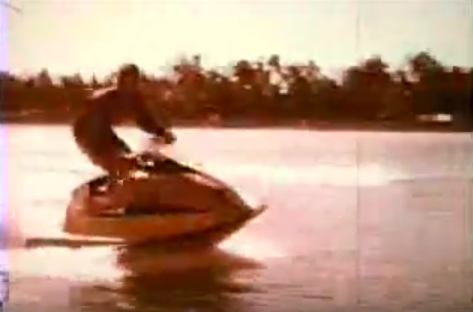
For those jaded among you who believe that product placement is ruining modern film and media clearly need to take a look back a few decades. We spotted this incredibly retro television commercial from 1970 for Fanta soft drinks. The fruit-flavored soda that traces its roots back to Nazi Germany (no really! Read here), is the second most popular brand of carbonated sugar water outside of its parent company’s mainstay and namesake, Coca-Cola.

Nevertheless, as according to the YouTube poster’s description, this TV commercial “aired in 1970 from Boston to San Diego. This is a fine example of product placement which costed nothing to Sea-Doo’s parent company, Bombardier Ltd. This was filmed near Key Biscayne, Florida.” French Canadian poster Jefrona states, “I was a Sea-Doo product manager at the time. We had a great time. This video is a piece of history and must be the only copy left.”

Catching wind of this video, a fellow YouTube poster, Mark Thacker wrote: “I was also the guy doing the stunts. You could glide across water only about 2-3 inches deep and not have a problem and also shut down the motor at full speed and beach it (as you see in the commercial), that was me also and the girl I was paired with. They were really fast as well. I couldn’t believe they weren’t instantly popular. Instead, the stand up version became a hit for many years. They finally got smart and went back to the original version. Now the stand ups are relics.”

While we don’t know how much of a “relic” the standups are today, we do get some enjoyment out of this old ad and seeing these original “Model 372” 1969 Sea-Doos (unlike the ’68 model, the ’69 featured a water cooled twin-cylinder engine). For more info on the early Sea-doos, check this site HERE:

The Eastern PA River Runners’ 10th Annual Operation Helping Hero’s Freedom Ride

1

RIVERRIDE4

The 10th annual Operation Helping Hero’s Freedom Ride is happening thanks to the good folks at the Eastern Pennsylvania River Runners PWC club, and it’s looking to not only be an amazing event but a fantastic charity ride. There’s just a ton of information to soak in so we’re going to shut up and let you read it for yourself:

Here’s the full press release:
The Eastern PA River Runners, a local charter club of The American Watercraft Association, along with Reading Standard Motorsports out of Reading, Pa.,The Occoquan Harbour Marina and Blu 1681 Restaurant out of Woodbridge, Va. are proud to team with The Family & Friends For Freedom Fund Inc., to raise money for this wonderful organization that aids in the recovery of our combat wounded Marines and servicemen and women from other branches of the armed forces recovering at Bethesda Naval Hospital, Walter Reed National Military Medical Center and other hospitals in the surrounding regions.

The 10h Annual Operation Helping Hero’s Freedom Ride will commence with the hopes and dreams of America’s Hero’s riding with us. We will set out on a journey of approximately 400 miles round trip in 3 days on personal watercraft and boats. The journey will take the following route:

First Day at Sunrise – Friday July 15th: Depart from Sandy Point State Park in Annapolis, MD and head down the Chesapeake Bay turning up the Potomac River to Occoquan Harbour Marina in Woodbridge, Va. for a layover that evening.

Morning of the Second Day – Saturday July 16th: Head down the Potomac River to Leesylvania State Park in Woodbridge, VA where they will meet up with an estimated 50 to 75 personal watercraft riders and boat pilots from around the area. The group will then travel to Washington D.C. in the hopes of raising awareness within the community and the government to the much needed help and care of America’s combat wounded Marines and servicemen and women from all branches of the armed forces. The group will then go to Blu 1681 Restaurant in Woodbridge, Va. for lunch and a great afternoon of fun, entertainment, and festivities before returning to the Occoquan Harbour Marina for the evening.

Morning of the Last Day – Sunday July 17th: The River Runners will depart from Occoquan Harbour Marina and begin their trip back to Sandy Point State Park along the same path that they arrived.

What we are in search of on this ride is the support by presence of every watercraft club, rider, boater and enthusiast in and around the surrounding area as well as those who wish to travel to ride for this great cause, to join us on Saturday July 16th at Leesylvania State Park at 10:00 a.m. for a ride to Washington DC to raise “Awareness By Presence” and then head to Blu 1681 Restaurant in Woodbridge, Va. for a great time.

Check in time for the ride on Saturday July 16th begins at 7:30 a.m. until 9:20 a.m. at the launch ramp area to the left of the main pavilion (if facing the Potomac River) where the sailboat hoists are located. There will be a mandatory riders meeting at 9:30 a.m. and we will depart for Washington DC promptly at 10:00 a.m.

All those who wish to participate in either the entire 3 day event July 15th, 16th and 17th or the 1 day only ride to Washington D.C on July 16th are required to pre-register by July 10, 2016. There will be a $25.00 registration donation per watercraft.

There will be a raffle drawing of great prizes donated by our many wonderful sponsors and supporters held at Blu 1681 Restaurant after our luncheon, All pre-registered participants (before July 10, 2016) will receive one ticket towards the raffle drawing. Additional raffle tickets can be purchased for $1.00 each or 6 for $5.00. Tickets will be available for purchase at the Leesylvania State Park Boat Ramp and Blu 1681 Restaurant until the drawing. All donations collected will go directly to The Family & Friends For Freedom Fund Inc. Registration information is available on our website at www.easternpariverrunners.org

Those who are interested in the full 3-day journey are asked to contact us before registering to receive important additional information. General Information as well as hotel accommodation information can be obtained by e-mailing us at [email protected]

Please note the full 3-day ride is limited. The 1-day only ride on July 16th is NOT limited at this time.

Videos: Yamaha NZ Festival of Freeride 4

0

fof4-642x336

Admittedly, it’s been a good week for Yamaha. What with yesterday kicking off the company’s 30th anniversary celebration of the WaveRunner, Yamaha Australia supporting the Terra Australia-Girt by Sea world record attempt, and y’know the season kicking off with some already solid sales numbers for the company with the tuning forks in its logo, you’d think everyone at Yamaha Motor Corp. was popping champagne corks. To cap off an already stellar week, we’ve got not one, but two great videos from this year’s 4th annual Yamaha NZ Festival of Freeride.

Now, we did bring you a quick teaser snippet earlier this week as one freeriding WaveBlaster perfectly knocked a quadcopter clean from the air, which has gotten so stinkin’ viral that even mainstream news outlets were sharing the same clip we published. Now, with filmographer Guy Mac’s complete recap video finished, we’ve got that and Yamaha’s own video to share with you this Friday! Of course, as the above flyer shows, IFWA World Champ Mark Gomez was a guest of honor and showed the locals just how the Gomer Bomb goes off.


The promoters had this to write: “Firstly, and most importantly, a huge thank you must go to Brendan and the team at Yamaha Marine NZ. Their support for our event has been instrumental in what we have achieved over the last 4 years and without them we simply wouldn’t have the Festival of Freeride at all. As with previous years, Yamaha again were the first sponsor on board and that support really does give you the confidence to push ahead and aim for new heights with the event.

“A huge thank you must also go to JetskiJunk.co.nz for jumping on board as our presenting sponsor. It was fantastic to have them back involved with the event this year and greatly appreciated.

“The contribution to the event from our major sponsors this year was amazing. Otago Personal Watercraft, 701 Industries, and Krash Industries all returned again and were outstanding. It was also very humbling to have some new sponsors this year – a huge thank you to Farnleys Jetskis, and Rotoma ITM for coming on board. We hope you all enjoyed the event as much as we did.

“As with the last few years, the team from Rogers Boat Shop have been unbelievable with their support and great spread on the day. Not only did they feed everyone on both days but they were spotted getting amongst some wrenching on the beach to keep some of the guys and girls up and running. Really is fantastic commitment to the event.

“To the ever generous support of KP Parts, Random Performance, Gull New Zealand, Rickter RRP, MX100, JetManiac, CRC Industries NZ, JetPilot, OZfreeride, Thrust Innovations, ProRider Magazine, Glenbrook Performance, and NZfreeride – Thank you. All of these sponsors made sure you had some awesome product and swag to choose from at the prize giving. We said this last year and will say it again, there are so many events on these days and for the these sponsors to choose to support and for us to be chosen is very humbling.

Yamaha New Zealand Festival of Freeride 2016 from Guy Mac on Vimeo.

“To all the participants of the FoF4 – thank you so very much for supporting the only free ride event in New Zealand. Each year we really do appreciate how everyone gets together and all your attitudes at the event really make it a one of a kind in the world. A large number of you had a long way to travel so we greatly appreciate you making the effort to support and attend the event. A huge thank you to our American friend, and current IFWA World No. 1, Mark Gomez for finding the time to come to NZ and experience the FoF. We hope you enjoyed the NZ hospitality mate.

“A special thanks to Red Bull for their support of the event, ensuring everyone was suitably energised and enjoyed some sweet tunes from the awesome rig. Having the most iconic energy drink brand on board with the event is just awesome. And to couple that with generous support from iconic action wear brand, ilabb, as well is just the icing on the cake. Thanks to Red Bull and ilabb.

“A huge thank you to Leif Neilson for having time to come out and sit on the marshal ski for both days. Leif is a professional surf lifesaver and when you have an experienced, qualified, individual like that on the water for everyone safety certainly makes things easier. Also a big thanks to the Marine Medics team for being there both days to make sure we had the appropriate medical cover.

“To all the others that have contributed to the event this year thank you so much. From those that helped out with timing and monitoring to ensuring things kept running smoothly – you know who you are. Thank you to everyone that chipped in with setting up, running, and packing down the event. Awesome stuff and was very much appreciated. I hope I haven’t forgotten anyone but if so I apologize.

“Finally, and without further ado, Guy Mac has once again put together something special in terms of a video production of the event. Its a little different this year, but thoroughly enjoyable and most importantly an epic production. We use these event videos to promote the sport and our event to a greater audience in the hopes that one day we might attain significant media coverage, and mainstream recognition. So a huge thank you to him for once again turning around another fantastic event video in such a short space of time. Also a huge thanks to Craig Patterson again for the epic drone footage this year.

“Make sure you go full screen, HD on, and plenty of sound. Enjoy, and remember as always “Support those that support the sport”.”

Gallery: Yamaha Celebrates WaveRunner’s 30th Anniversary (Video)

0

img_main

“It all began in the early 1970’s,” explained Yamaha chief designer of boats and water vehicles, and development manager at that time, Neil Kobayashi. “I was stationed in Shonan, the center of Japan’s marine leisure. At this time, as there was no need for licenses or certification on small watercraft, people were free to use the water areas how they felt taking responsibility for themselves… marine leisure was thought of not being available for everyone and really only the elite – I remember thinking about possibilities to provide this type of enjoyment in easier ways for the more average person.”

2016 marks the 30th anniversary of the industry’s longest running, two-person tandem personal watercraft, the Yamaha WaveRunner. “As I had only just joined the company, on a technical level, I was not in a position at which I could exercise any authority. Even so, I felt that I would one day like to make a craft of this type. This was the opportunity to create the WaveRunner,” Kobayashi prefaced.

At the time, the development of small, personal watercraft was already popular overseas, with only a few companies producing such craft. At the same time, Japan created the Ministry of Land, Infrastructure, Transport and Tourism who, in conjunction with the Japan Marine Industry Association, began requiring licensing and registration for such craft.

As a result, in 1980, Yamaha issued “water-bike special standards” to create the legal framework required for people to enjoy marine leisure safely, all in preparation for Yamaha’s development of personal watercraft. By 1983, Kobayashi had a prototype “Power-Ski” and received a request from YMUS (Yamaha Motor Corporation, USA) that they would like to see a presentation. He states in a celebratory website dedicated to the WaveRunner’s 30th anniversary:

“In September of 1984, with models from other companies using 15 horsepower pumps placed directly onto board models, Yamaha Motor revised the boat for the American market changing out the engine for a 25 horsepower option. However the results were varied and far less than expected. The power-ski with its small engine and the aim of being a small and lightweight model, just didn’t suit the American driver that exceeded 100kg (220lbs.). The 25 horsepower pump simply did not have enough power, causing most ‘would-be’ operators to give up while trying just to get on the craft, let alone use it.

“The weight of our power-ski was a lightweight 65kg. On talking with the locals, the general feeling was that the weight should not be able to be lifted up by hand, should be towed around on a trailer, and would be no problem if it was around the 130kg mark. Furthermore, in YMUS, on hearing the investigation report for placing the power-ski into the small boat category from the W/V, I remembered my time at Shonan and felt confident that I could handle the request from the Americans ‘with fun riding at one-up types as well as tandem types’.”

By February of the following year, Kobayashi was hard at work developing a single and tandem model in accordance with YMUS requests. “We thought that if we could get 50 horsepower, we could create a very enjoyable watercraft, however out of all the outboard motors that could function as the base engine, the upper limit was only 30 horsepower, so we started engine development under the framework of ‘We will have to make do with 30 horsepower’,” he continued.

Because the team were restricted to a 30-horsepower cap, development of a hull that could increase speed with less horsepower, Kobayashi and his group used a double chines at the optimum width on the inner side in order to cut through the water. A shallow V hull was created that would “simultaneously bring static stability to the hull through the fitting of outer side chines, would allow the thrill of controllable fast speed turns when the center of gravity moves forward,” he remembers. The shape was also the first of its kind to provide “sharp edge turning” when the hull leaned hard to one side.

Nearly daily testing sessions resulted in a new type of mobility that Kobayashi felt “could not fail.” In a return presentation to the YMUS heads, Kobayashi had selected a group of motorcycle and snowmobile riders that had also been part of the first test rides. “This time, the test riders that tried out the tandem models just wouldn’t get off,” he laughed. “Everyone was really excited, and lining up to test ride the different products. There was almost no time to get any other type of feedback.”

Surprisingly, of the two models for testing, the tandem model became a tentative production project, particularly after one motorcycle rider who had, after giving the previous prototypes a scathing review, had said, “This is what I’ve always wanted. It’s ideal.” And with that, the “Wave Runner” was chosen as the model name.

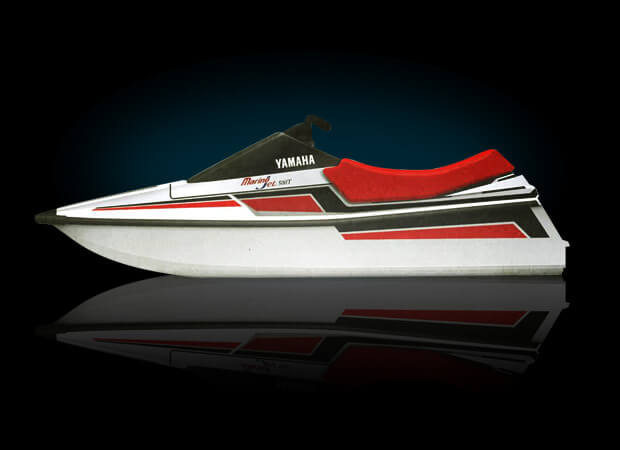
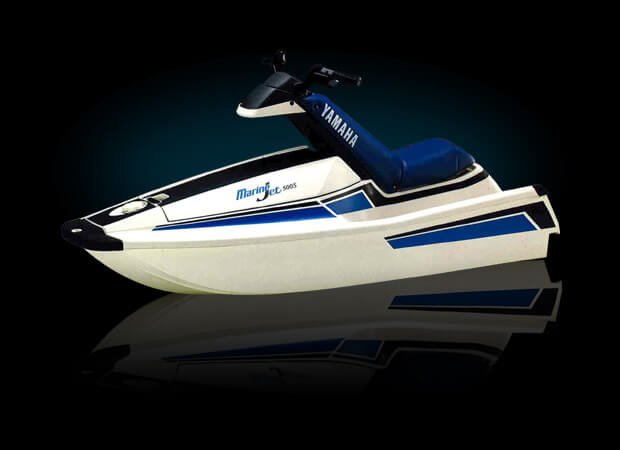
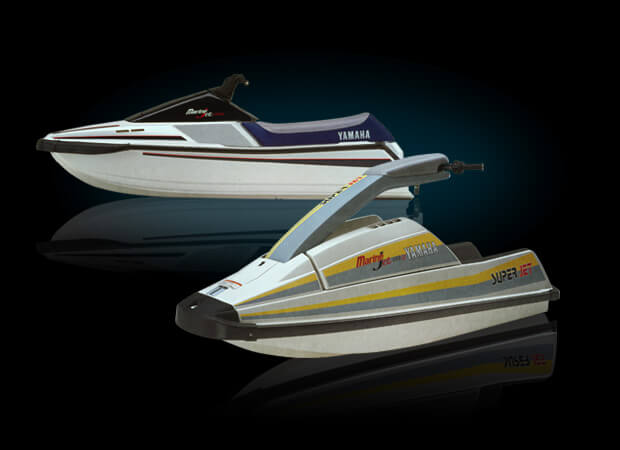
Kobayashi recounts, “From this point onward, with the need to improve marketability and reliability, we coordinated with the departments in charge of design, testing, quality assurance, service and creating manuals, and almost every day was a cycle of test rides and inspections.” After nearly a decade of concept, research and development, production began on the WaveRunner 500 (Marine Jet 500T) in October 1986, with the WaveJammer 500 (Marine Jet 500S) following shortly thereafter in February 1987.

Kobayashi, looking back mourned, “The thing I consider most unfortunate is that the fundamental concept of the personal water craft has not changed from what it was when I was involved.” Yet, positive towards the future, he pined, “It is my wish that Yamaha has and keep its traditional attitude, ‘Spirit of Challenge,’ and overhauls the concept that has been used until now and creates something new and enjoyable that excites people. I have high hopes of this happening.”

img_main img_1986 img_1987 img_2003 img_2014 img_2016 img_2005 img_2006 img_2008 img_1990 img_2009 img_2011 img_1993 img_1995 img_1997 img_1998 img_1999 img_2002 img_2012
<
>

Yamaha WaveRunners Australia Supports Terra Australia-Girt by Sea Record Effort

0

12821518_1719988841584237_540040206058555873_n

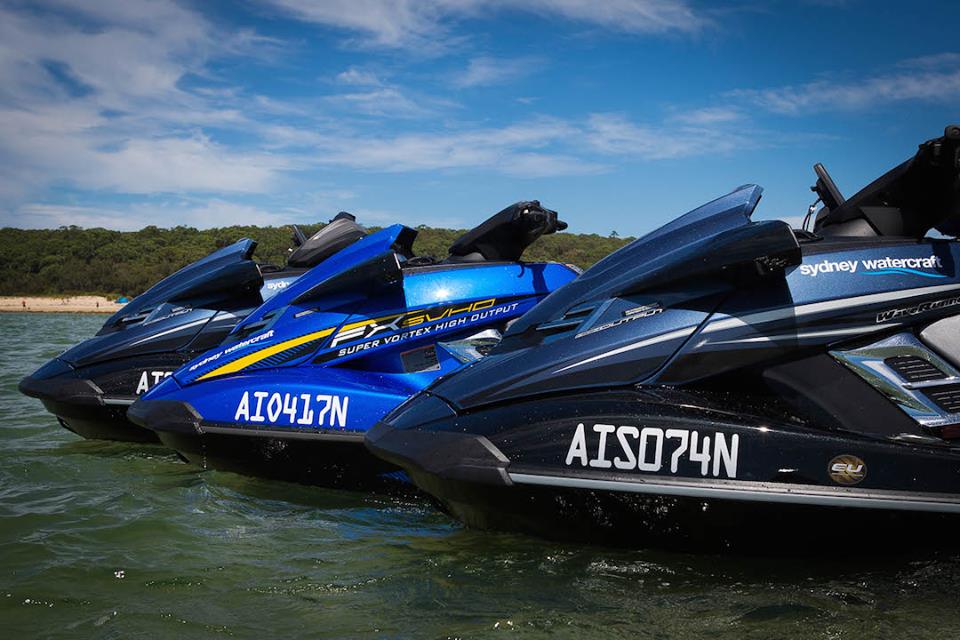
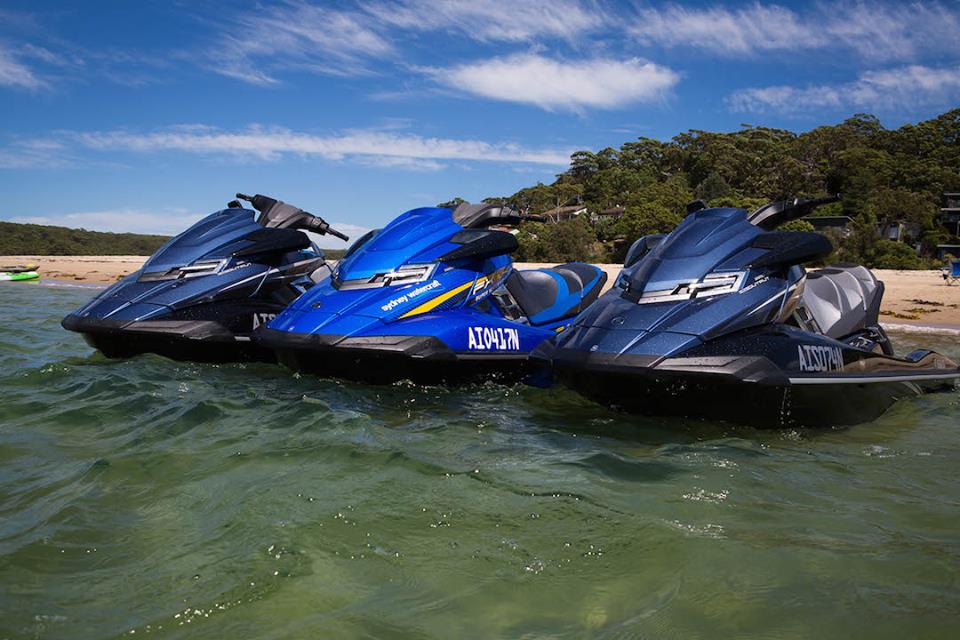
About three months ago we brought you the story of Lorraine and Glenn Keating, who, in April 2016 will set out on a circumnavigation of the Australian continent (including Tasmania) aboard a pair of Yamaha FX Cruiser HO WaveRunners. Together with the crew from Terra Australia-Girt by Sea, the couple will have broken the current world record for the longest distance covered by PWC, as well as being the only people to have circumnavigated the continent, including Tasmania.

Obviously, the task at hand is a big one, and worthy of being followed, so the Keatings have arranged to air weekly episodes on their YouTube channel and comprehensive information on their website, tracking their exploits all in an effort to raise money for the Cancer Council of NSW. Recently, Yamaha WaveRunners Australia, who announced that they would be sponsoring the Keating’s efforts by supplying the necessary watercraft, published an update by the Keatings:

“We had an excellent day down at the Port Hacking and Maianbar Beach area on Sunday. Rainey wasn’t so happy as she had too sit on the sand whilst someone else put some hours up on her Yamaha WaveRunners Australia FX Cruiser HO. We need to get the first service done at Sydney Watercraft Centre before we head off and with time running out we had no choice but to get one of the kids to do it for her, they weren’t complaining!”

Additionally, the couple were interviewed by Robbie Buck on 702 ABC on Wednesday 8th March:

https://www.youtube.com/watch?v=3thmZTkFHj0&feature=youtu.be