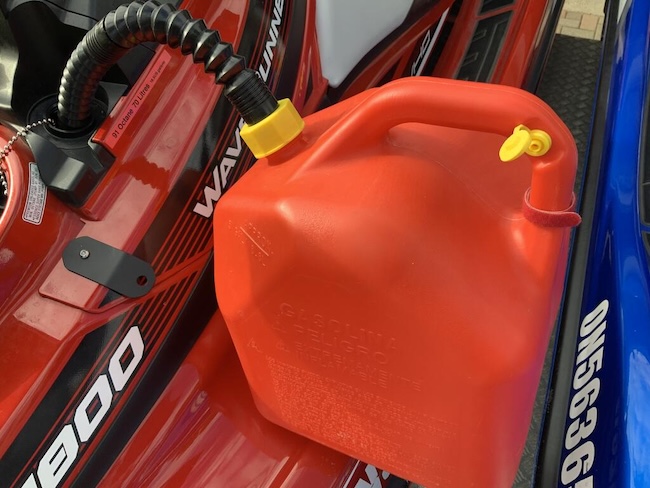
 Spring riding season arrives every year with the same ritual: pull the machine out, fire it up, and feel out whether it’s the same animal you remember.
This year, that ritual came with more questions than usual.
Forum threads, group chats, and shop conversations have been filling up with variations of the same observation — ski feels a little soft, tow rig feels a little sluggish, something’s different. Not broken. Not dramatic. Just off enough to notice.
And this year, there was an easy suspect: the gas.
It wasn’t an unreasonable instinct. Fuel has been a legitimate news story. EPA regulatory changes have expanded the availability of E15 — a higher ethanol blend — into more markets, and seasonal blend changes were already happening in the background the way they do every spring. If you follow the industry at all, fuel has been in the conversation.
So we went and asked the people who actually build, tune, and sell high-performance watercraft: is the fuel actually changing things?
The short answer is: probably not in the way many riders think — but the reasons why are worth understanding. And buried underneath the forum noise is a more practical concern that has less to do with performance loss and more to do with knowing exactly what you’re putting in the tank.
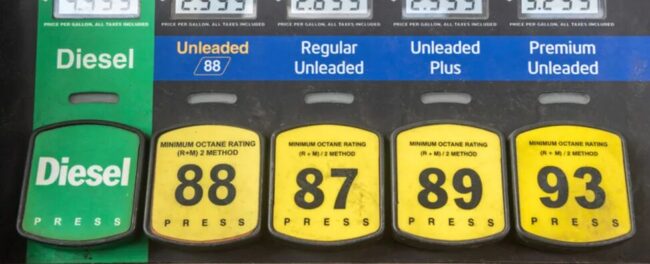 A Changing Fuel Landscape
Fuel in the United States is not a static product. Blends shift seasonally, ethanol content varies by region, and recent regulatory changes have expanded the availability of higher ethanol blends like E15 into more markets.
These changes are designed to improve supply flexibility and reduce fuel costs at the pump. But they also introduce a reality most riders don’t think about:
Not every tank of “premium” fuel is exactly the same as the last one.
That doesn’t mean fuel quality has suddenly dropped nationwide. Variability in ethanol content, additive packages, and seasonal formulations has always existed to some degree — riders are simply becoming more aware of it as fuel policies and availability continue to evolve.
And for performance-minded riders paying close attention to how their machines feel, that variability is worth understanding.
What the R&D Side Is Seeing
From a development and tuning standpoint, Dave Bamdas — part of the long-standing performance development and race-focused R&D efforts behind RIVA Racing — says the concern is largely manageable within normal operating parameters.
Modern PWC calibrations are designed with real-world fuel variability in mind. Most performance watercraft are tuned to safely operate on pump fuel within expected ethanol ranges, including up to approximately E15.
Still, Bamdas emphasized that fuel quality remains critical, noting that “most of the high performance supercharged PWC engines require good quality fresh premium pump gas.”
The more pressing concern isn’t ethanol percentage itself — it’s fuel quality overall. Modern high-performance supercharged engines are often more sensitive to low-octane or degraded fuel than they are to ethanol fluctuations within the normal range. Fresh, high-quality premium pump gas remains the baseline recommendation.
And for performance builds or race-focused setups, consistency matters perhaps even more. The more aggressive the tune, the more sensitive it becomes to variation — which is why racers running dedicated products such as VP Racing Fuels rely on controlled, consistent blends designed specifically for that environment.
What the ECU Is Actually Doing
From the engine management side, Jacob Gaddis — Motorsports Support Supervisor at FuelTech — explains that modern closed-loop systems are designed to handle exactly this kind of variability.
When ethanol content shifts from tank to tank, the O2 sensor reads the air/fuel ratio in real time and the ECU adjusts fuel delivery to hit its programmed target. Small seasonal changes in blend are typically corrected for automatically.
Where things get more complicated is inconsistency — not necessarily ethanol content itself. Gaddis said that “if the fuel isn’t consistent then it will for sure make the tuner chase their changes they are making,” describing how fluctuating blends can turn tuning into a moving target rather than a stable baseline.
For race-oriented applications, he noted the standard recommendation is fuel from a drum — a known, controlled blend that removes much of the variable entirely.
For everyday riders, he suggests a simple tool: a basic ethanol content tester. It doesn’t change anything mechanically, but it provides real data instead of guesswork.
 What Riders Are Actually Feeling
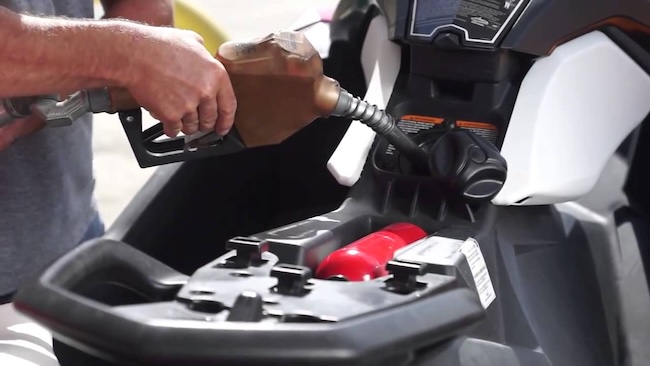
From the customer-facing side of the industry, Mike Hodges — who works directly with customers, builds, and performance products at RIVA Motorsports — says early-season performance concerns are familiar every year.
The bigger factor is temperature.
As air and water temperatures rise into summer, even perfectly healthy supercharged engines lose performance. It’s basic physics. Hodges noted that “as we reach the peak of summer, top speeds can drop by as much as 2–3 mph for those in really hot and humid climates,” he said.
For riders coming out of winter downtime, that subtle change can easily feel like something mechanical has shifted.
Layer on memory differences from season to season, and much of what appears in online discussions starts to make sense without pointing to any mechanical or fuel-related fault.
Hodges reports that fuel concerns are not currently a major talking point among customers, and that performance parts and build activity remain strong heading into the season.
The Part That Is Worth Paying Attention To
While the evidence suggests that normal fuel variability within expected ranges isn’t meaningfully hurting most modern PWCs, there is still a legitimate concern the marine industry and the U.S. Coast Guard have warned about for years: accidental misfueling.
E15 — the higher ethanol blend now more widely available at roadside pumps — is not approved by many marine manufacturers for recreational marine use, including PWCs. Depending on the platform and usage, repeated or improper use can create long-term reliability, tuning, and warranty concerns.
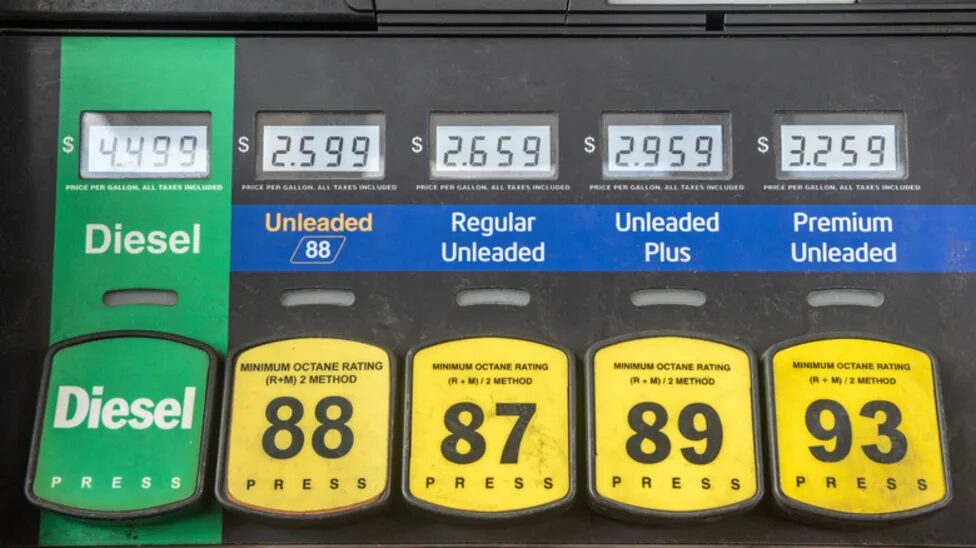
The challenge is that E15 is not always clearly labeled in ways casual consumers immediately recognize. At many stations it may be marketed simply as “Regular 88” or similar labeling that can easily be mistaken for standard gasoline.
In its advisory, the United States Coast Guard warned that “the convenience of filling a tow vehicle and boat at the same time may cause boaters to overlook this potentially dangerous detail,” and further advised boaters to ensure they are using fuel containing no more than 10% ethanol (E10).
The Coast Guard and marine advocacy groups such as BoatUS have continued to push for clearer labeling as E15 availability expands nationwide.
This is the real fuel issue — not that modern blends are suddenly damaging performance, but that riders may unknowingly introduce fuel into marine engines that was never intended for them.
The Bigger Picture
Taken together, the picture from the shop floor, the R&D side, and the engine management world is consistent: modern PWC engines are designed to handle normal fuel variability, closed-loop systems compensate for ethanol fluctuation in real time, and much of what riders are feeling is more likely tied to temperature, humidity, seasonal conditions, and perception than any major fuel-related change.
That doesn’t make fuel irrelevant. If ethanol blends continue to expand beyond current expectations, tuning strategies will evolve alongside them. And for high-performance or race-focused builds, consistency in fuel source will always matter.
But for most riders, the gap between “something feels wrong” and “everything is operating normally” is often smaller than the conversation suggests.
The forum chatter isn’t baseless — it’s what happens when real regulatory changes meet seasonal riding conditions and a performance-minded community that pays close attention. The instinct that something changed isn’t entirely wrong. It just isn’t changing in the way most people assume.
The practical takeaway is simple: know what you’re pumping. If you’re filling a ski or any marine engine at a roadside station, check the label carefully. “Regular 88” is not the same as standard “Regular.” And if you want actual data on what’s in your tank, a simple ethanol content tester is an inexpensive way to remove the guesswork.
Because in this case, the difference between “everything is fine” and “something feels off” may come down to what’s coming out of the pump.
Sources
Sources: Mike Hodges, RIVA Motorsports; Dave Bamdas, RIVA Racing; Jacob Gaddis, Motorsports Support Supervisor, FuelTech. Additional reference: U.S. Coast Guard Sector Detroit advisory on E15 fuel use in recreational vessels; BoatUS.