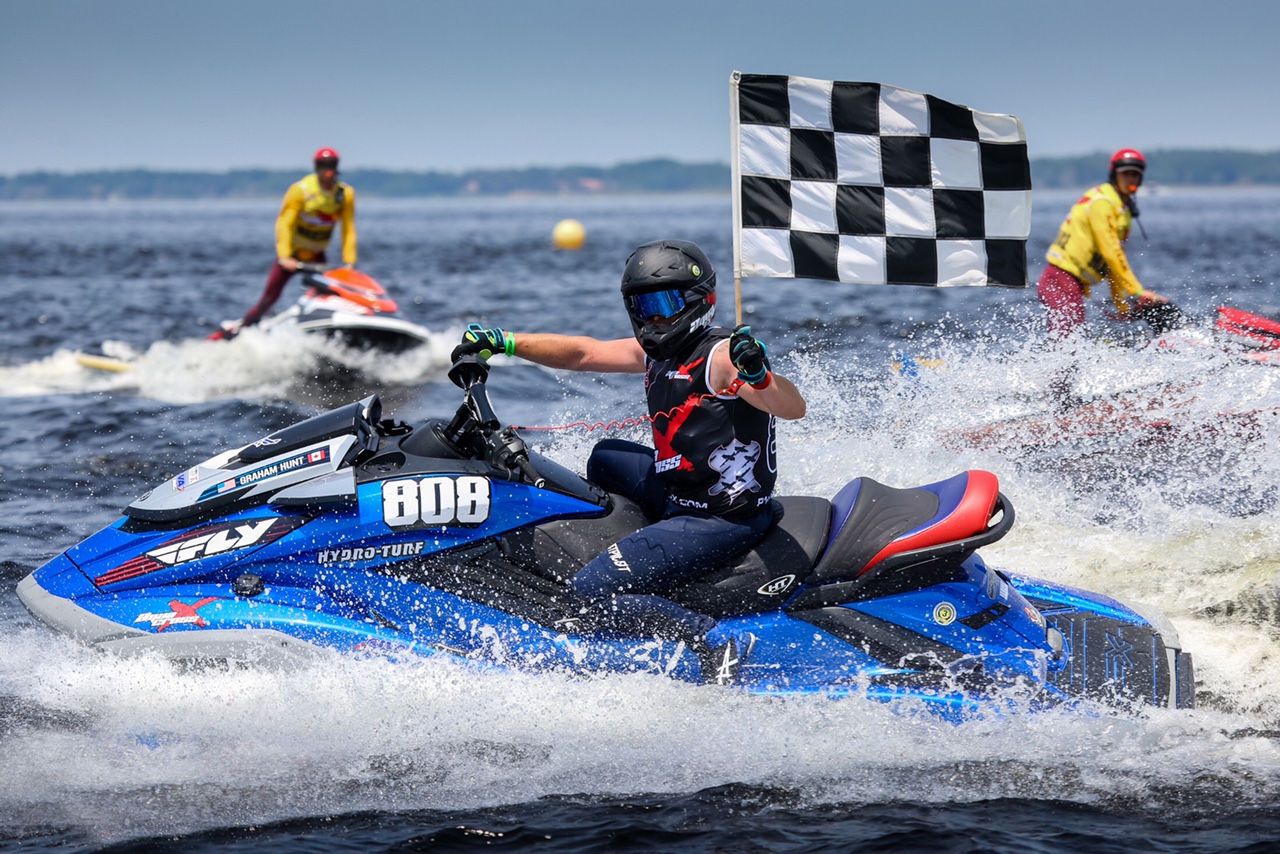
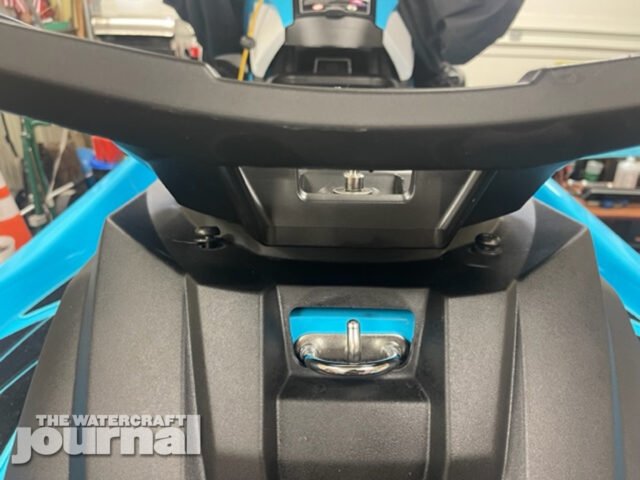
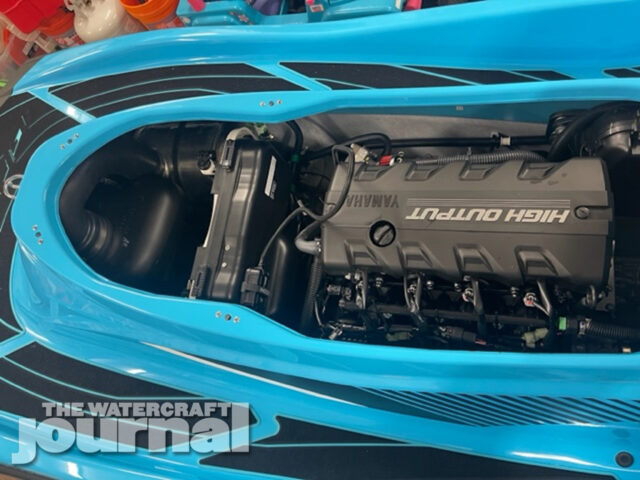
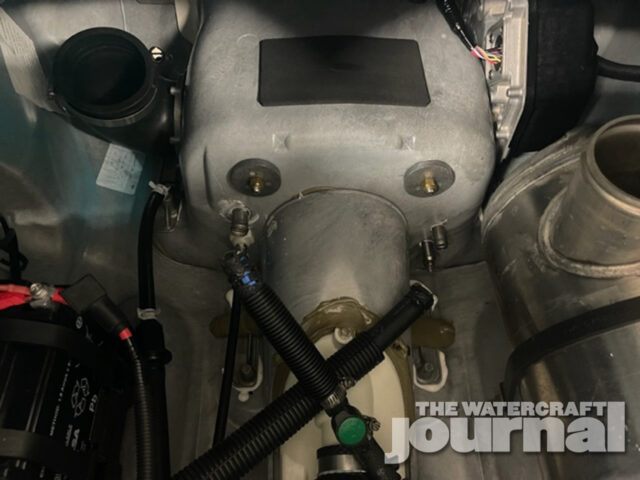
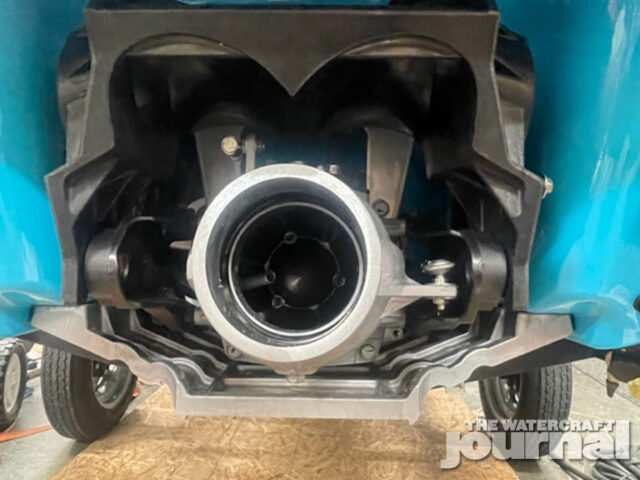
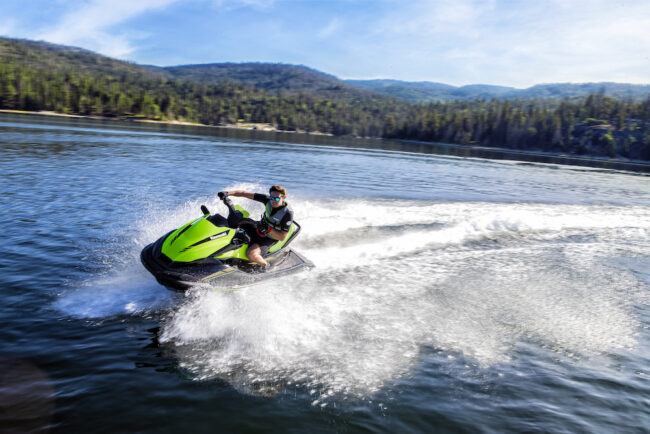
The countdown is underway to the opening event of the P1 AquaX USA season, with more than fifty riders expected to head to Central Florida next weekend (April 30-May 1) for the SBT P1 AquaX Kissimmee/St. Cloud Grand Prix. International personal watercraft promoter P1 AquaX will stage a five-month national championship at a total of five venues in Florida and Indiana together with the return of its World Championship at the Atlantis Resort in The Bahamas in November.
With the 2022 season featuring Pro and Am Enduro action with a Jr Enduro series, East Lake Tohopekaliga will host AquaX racing for the ninth time and P1 USA Championship Manager Michelle Petro said: “We always look forward to returning to Kissimmee/St. Cloud where we receive such a warm welcome from both Experience Kissimmee and the City of St. Cloud. We regard this event as our hometown race with it being close to our Orlando headquarters and the very first venue that we visited in Florida.”
John Poole, Executive Director of Experience Kissimmee, commented: “We are delighted to welcome back P1’s Grand Prix. Our partnership will generate an increased economic impact for the region along with providing a platform to showcase our destination to key markets around the world through P1’s worldwide audience. We are excited to welcome the riders and fans to experience Kissimmee’s plethora of attractions, accommodations, fine dining options, and eco-tourism attractions in the destination during their stay.”
Speaking from P1’s race headquarters in Orlando, Michelle Petro added: “For the first time, we are adding a Jr Enduro class to the championship for riders aged 14-15 who will compete for 20 minutes on a modified AquaX course. Due to unavoidable calendar clashes with another PWC racing promoter, we are introducing a ‘drop round’ format this season by removing the lowest scoring round for each racer when calculating the overall points.”
Racing in Kissimmee/St. Cloud will commence at 10.00 am on both days, with the podium awards presentation taking place in Lake Front Park at 2.00 pm on Sunday. The park will also be the location for the pits.
2022 Race Calendar
P1 AquaX National Championship – Race To The Bahamas
PRO Enduro, AM Enduro, and Jr Enduro
Kissimmee/St Cloud, FL April 30/May 1
Sarasota, FL July 2-3
Michigan City, IN July 9-10
Daytona Beach , FL Aug 12-14
St Petersburg, FL Sept 3-4
Bahamas Pro Enduro World Championship – Nov 4-7
Bahamas International AM Championship – Nov 4-7
Full Throttle WaterX announced the cancellation of two races which were the Slalom & Freestyle competition on April 30th and the second round of closed course racing on May 20th through the 22nd. Deegan Newton, Full Throttle’s promoter, race director, and social media manager was admitted to the hospital and his doctor has permitted him from walking, working, organizing or hosting the events for the next 5-to-6 weeks while he makes a full recovery.
Being the passionate racer that Deegan is, he pushed through and seriously injured himself to insure Round One took place. To prevent further damage to himself, Full Throttle made the decision to cancel these next two races. They are asking the other racers please understand and to bear with them, while they go through these troubling times. Once Deegan is healed, they are going to put all effort into hosting a proper watercraft racing event this July and it will take place in Arizona or Camp Far West in California.
For the full press release please see below:
Due to unfortunate events, we are having to cancel our next two events, the Slalom and Freestyle Competition in April 30th & Rd2 Closed Course Racing on May 20-22nd. As some of you may know, Deegan our promoter, race director, and social media manager has been admitted into the hospital and his doctor is permitting him from walking, working, and therefor organizing and hosting events for the next 5-6 weeks while he makes a full recovery. Deegan had seriously harmed himself to ensure Round 1 took place and we do not want to see him continue to injure himself and cause permanent damage. We really hope that the racers understand what we are going through and to bear with us
On another note, we are looking into hosting a closed course event to make up for this cancelled event in the month of July. With no other closed course races taking place in this region in July and the kids being on summer break, we feel it would make perfect sense to try and host an event in this month once Deegan is fully healed and can ensure 100% effort in hosting a proper watercraft racing event. The July event will either take place in Arizona or Camp Far West, CA.
We are also going to try to host another slalom and freestyle event later in the year after the IJSBA World Finals event in late October. For the people who have already registered for the slalom event, we will be issuing full refunds! We understand that this is a major inconvenience for the racers, we went to deeply apologize but we really want to make it right and ensure a proper championship for both the racers and the sponsors who have supported us this far. We are very sorry this has happened, but health always comes first! Please pray for Deegan as he is currently in the hospital and that he makes a full recovery
Please stay tuned for an updated schedule that will be posted in the next few weeks. Enjoy having a month off from our events, save your money and we hope to see you at the next event at the CFW Reservoir on June 10th-12th
We will STILL be hosting 5 events for you racers, the schedule is just going to be changed due to the circumstances. The future races will be back to the 2 day, 2 moto format as this seems to be the system that works best for everyone.
Thank you again to our sponsors for the support, and we can’t wait to continue working with you guys when we continue the series!
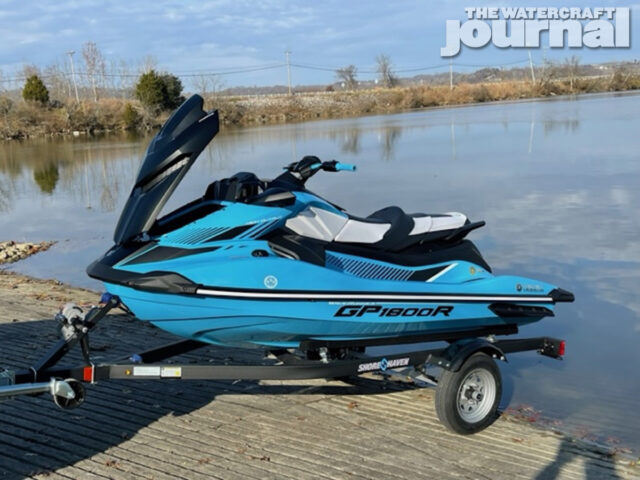
There isn’t a day much more exciting than the day you finally get to pick up your new Yamaha WaveRunner that you’ve been expecting for months. That excitement was joined with almost instant concerns. It seemed every time I took it out, there was always water in the hull. At first I thought it was just the way I was riding, and it was coming in through the front bow locker.
I started doing my own research and came to the conclusion that it had to be coming in through the transom plate. I found many people that had come to this same conclusion, as it appeared I wasn’t the only one with this concern. I decided that while this water – a couple of cups’ worth – was more than likely harmless, it was enough to bug me and justify fixing (my main concern being the electronics exposed to the moisture).
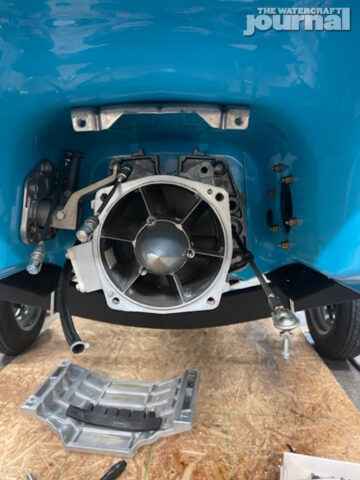
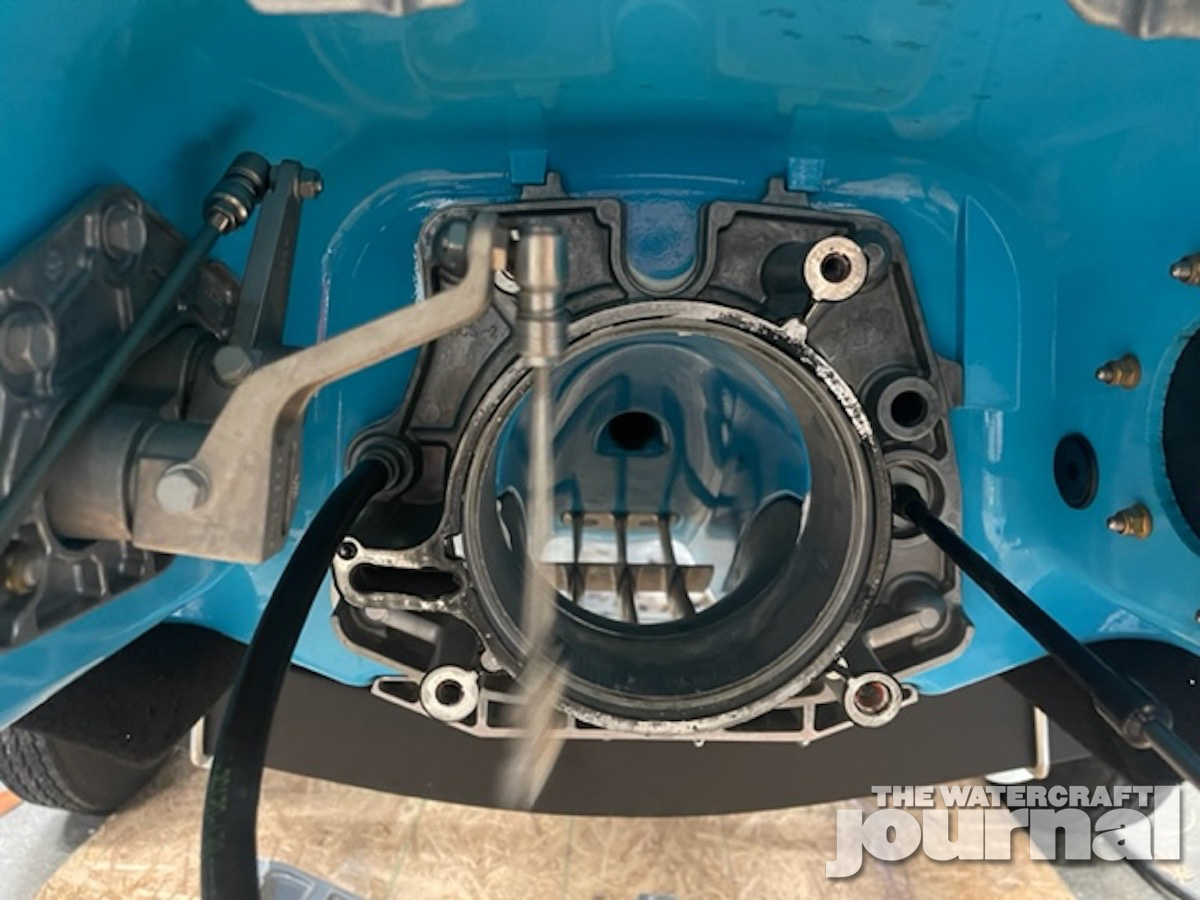
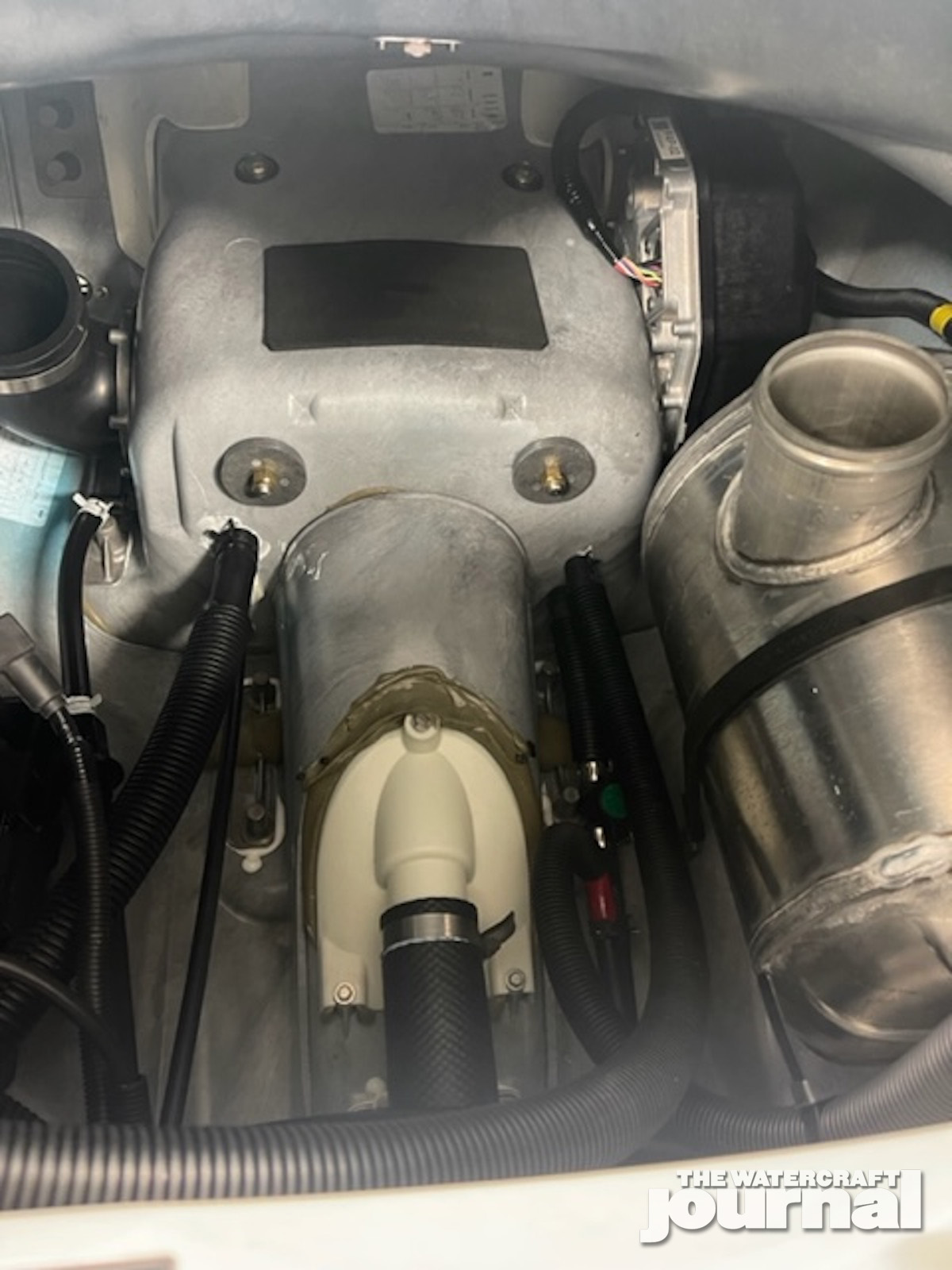
Above: Begin by removing the seats and upper deck/engine cover, exposing the entire engine compartment.
Above: Removing the exhaust pipe and resonator exposes the back side of the transom, allowing you to remove the cooling and siphon hoses.
I started by removing the seats and the upper deck panel. The next items that needed to come out were parts of the exhaust; the pipe from the water box to the resonator and then the resonator itself. Those came out pretty easy with just a few hose clamps. Once out (along with the foam block that the resonator rests on) you have a clear view of the inner parts of the transom.
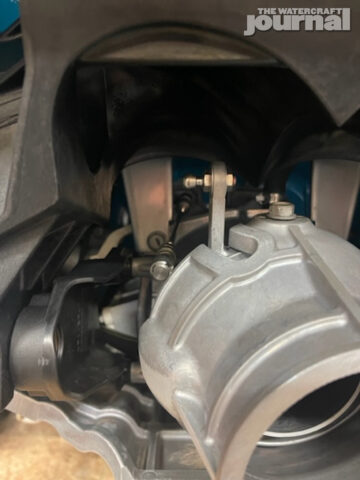
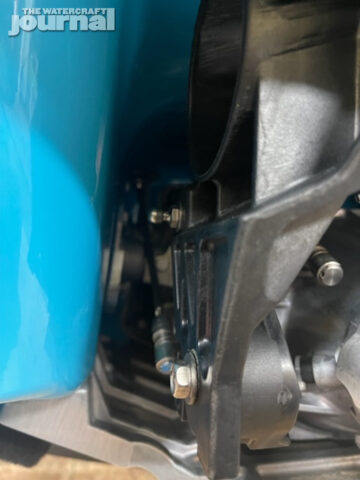
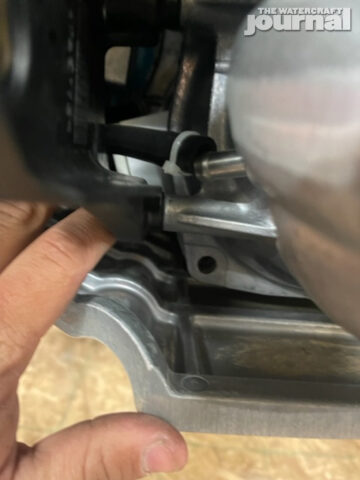
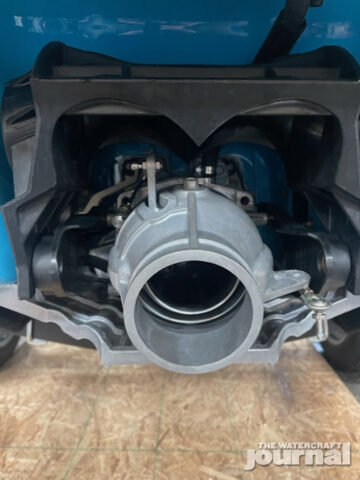
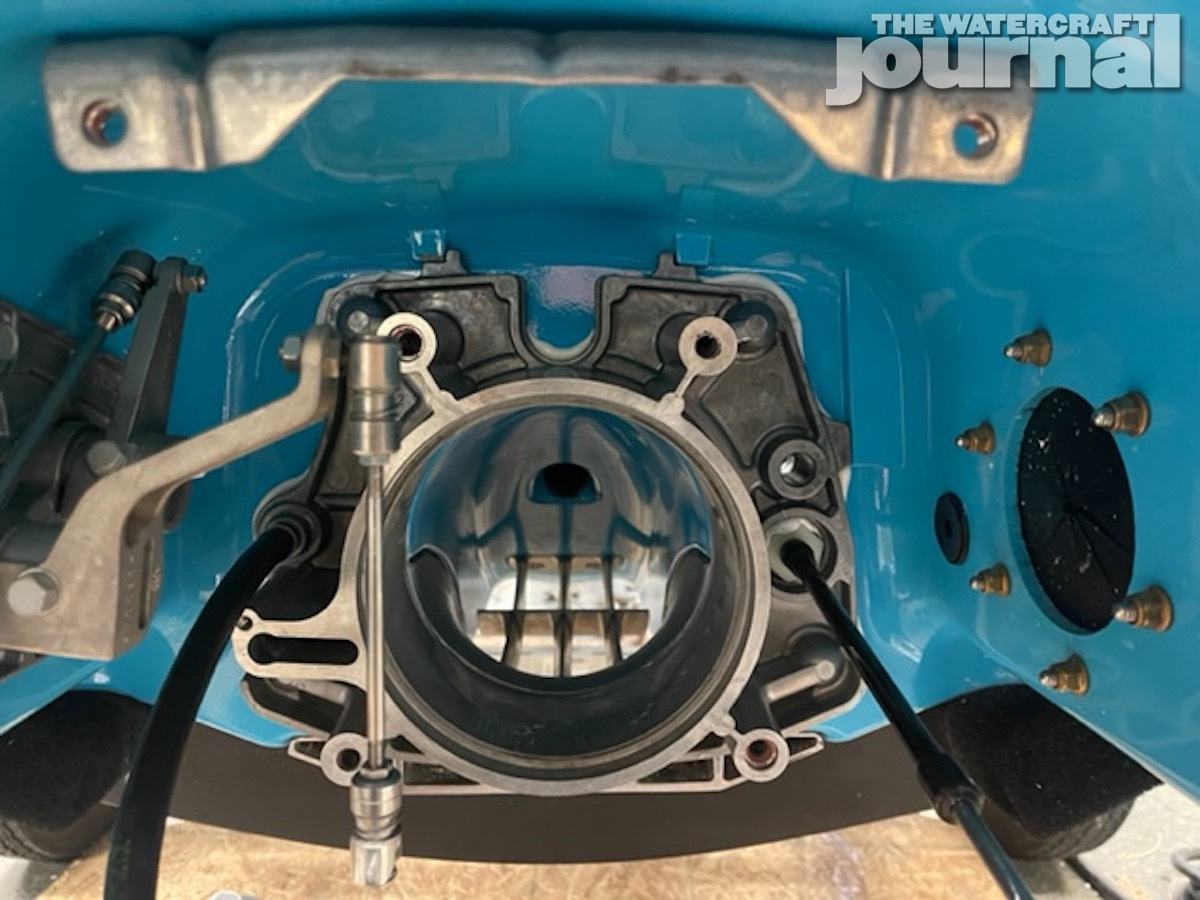
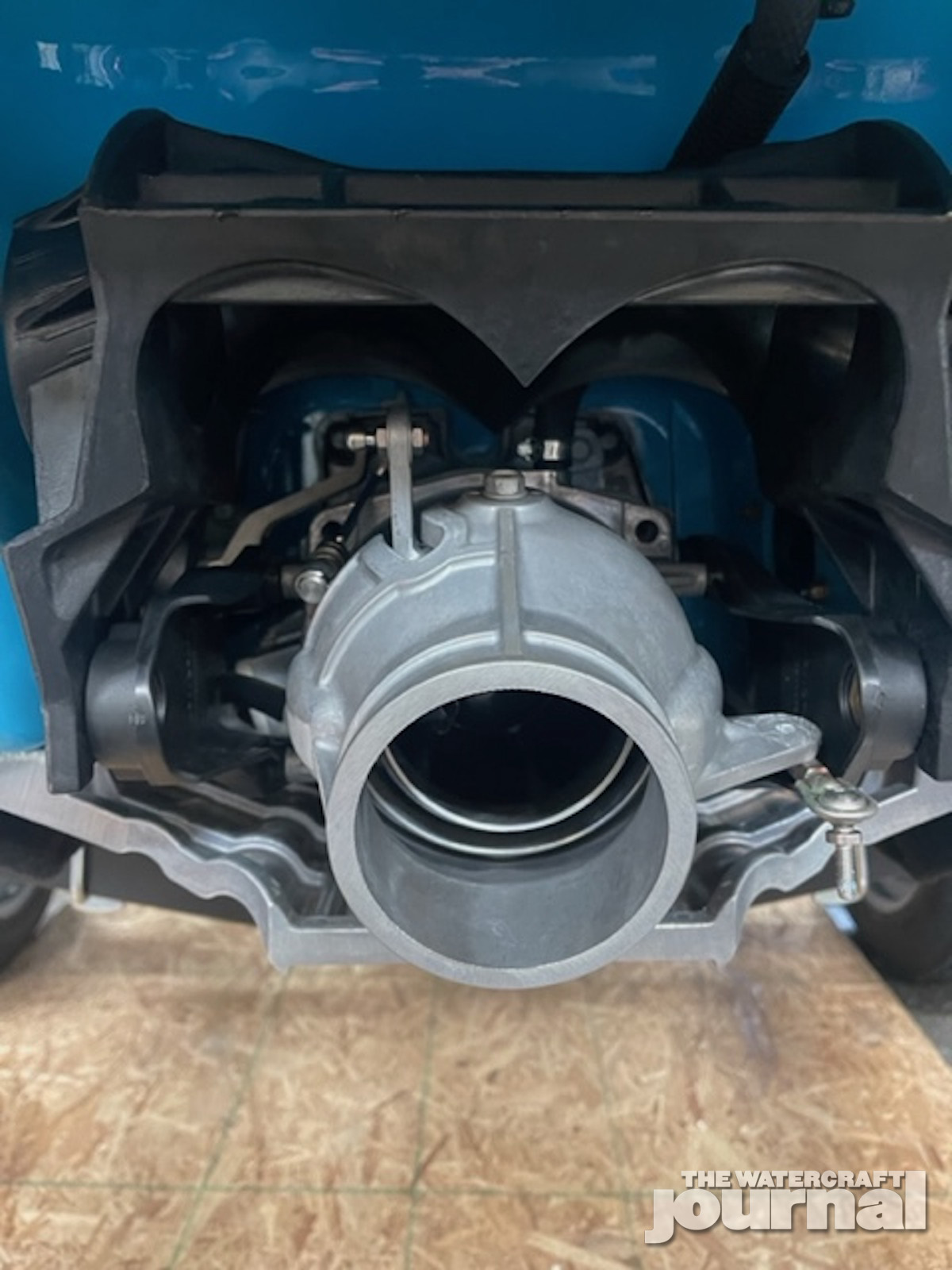
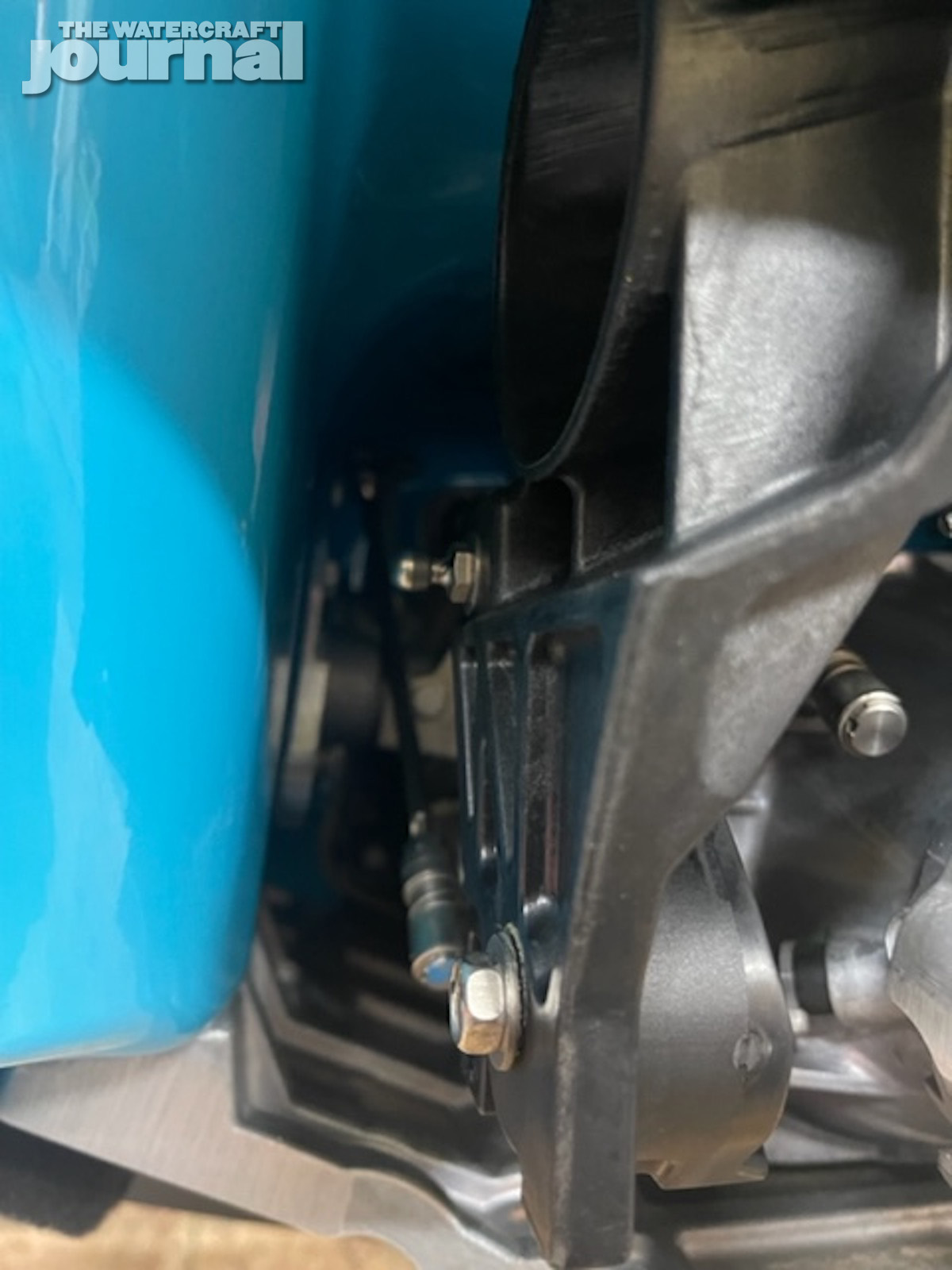
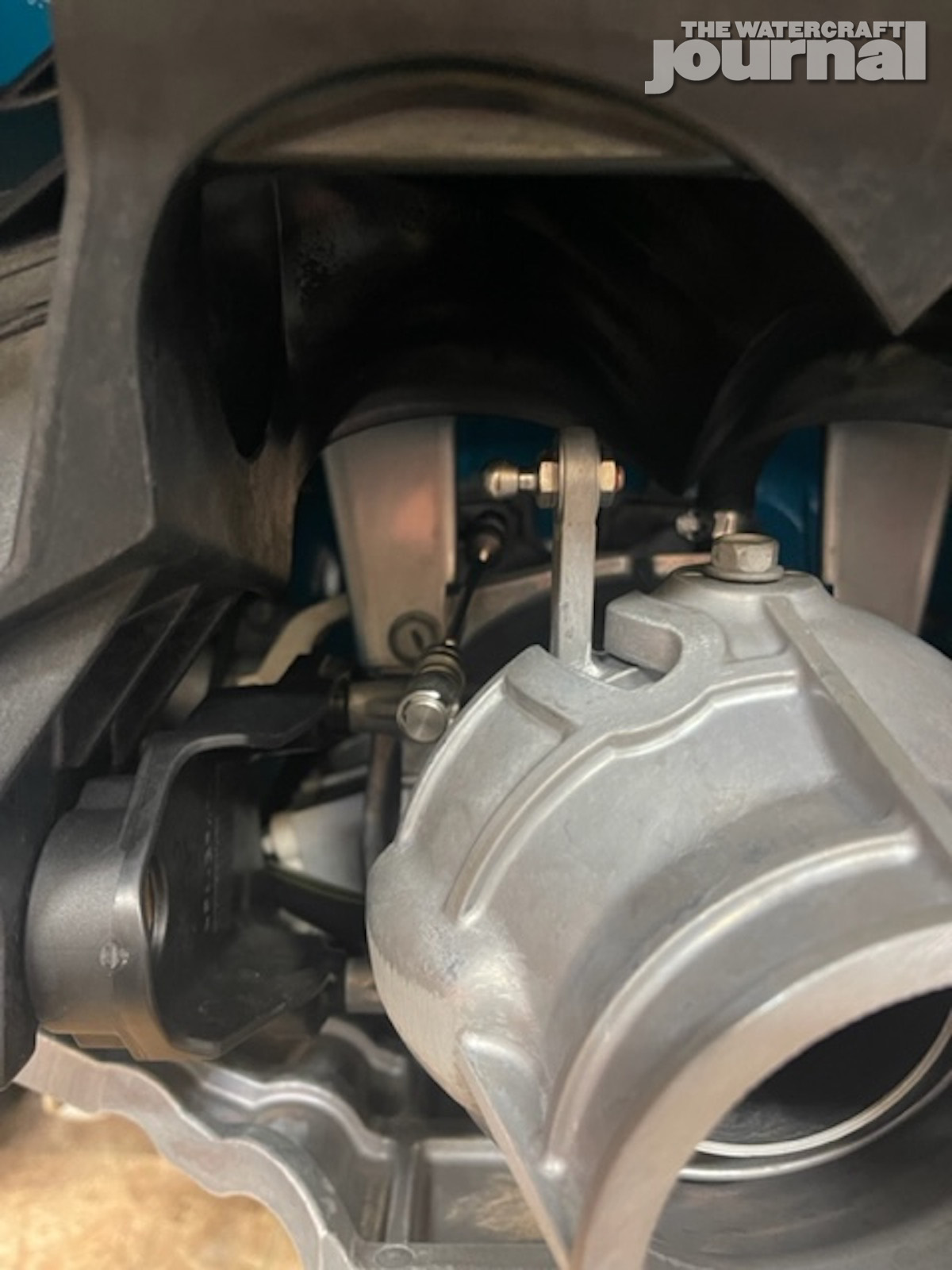
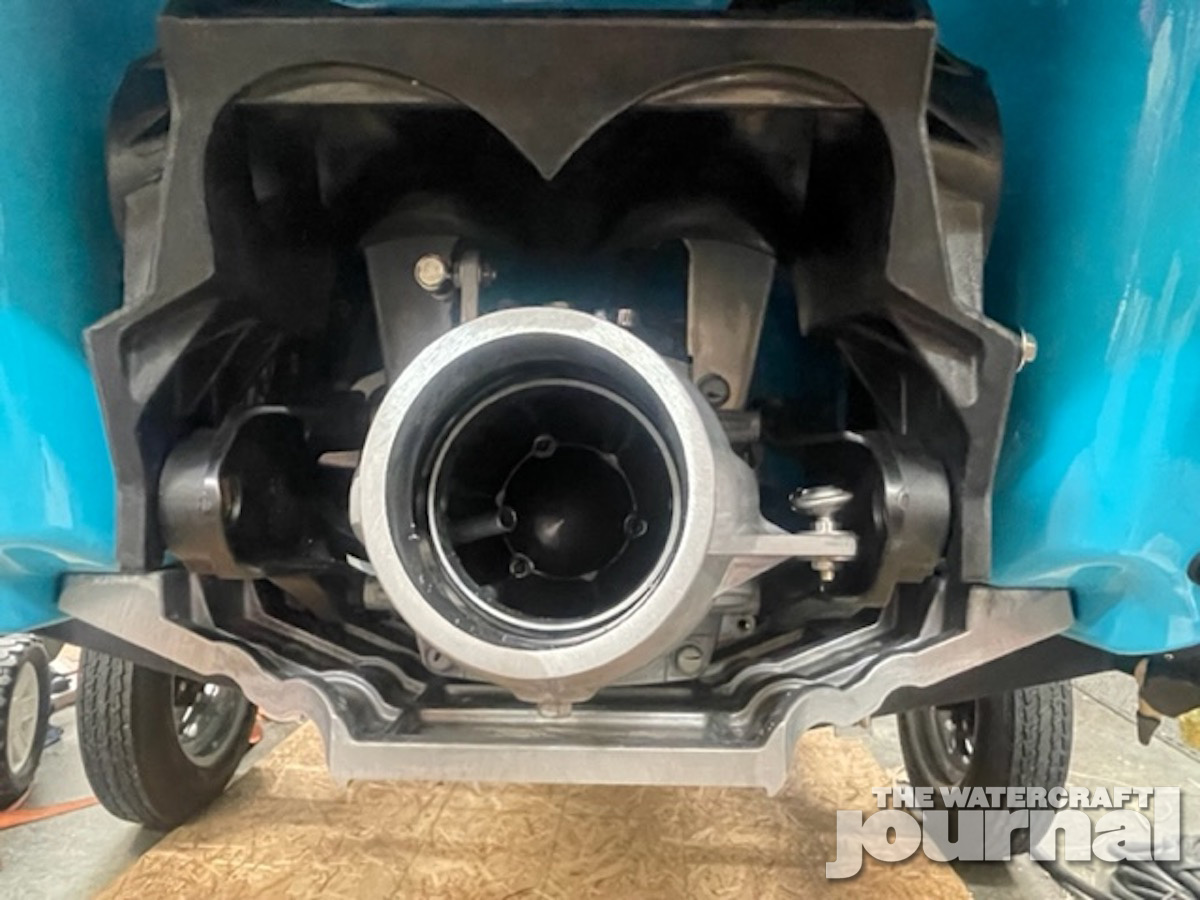
Now you’ve got access to all the cooling hoses that have to be removed from the transom. Once the cooling lines were disconnected, I could move to the pump of the WaveRunner. The first things out back are the linkage for the reverse bucket and the trim. These are extremely easy thanks to the quick disconnects on the end of the linkage. The steering linkage has a nut on the bottom that has to be removed before allowing the heim joint to also be unthreaded from the nozzle.
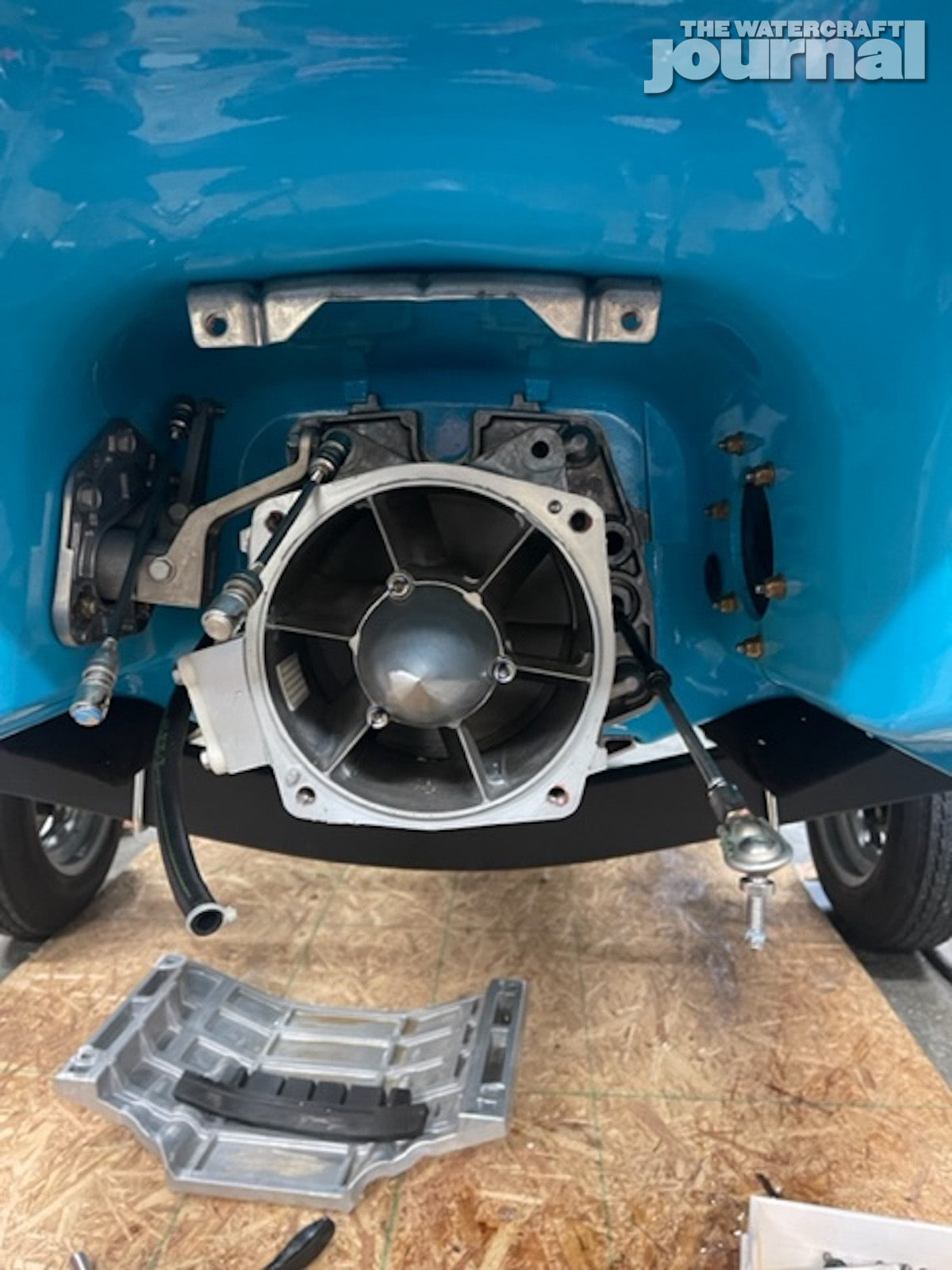
Above: Don’t be too intimidated, removing your pump takes a few minutes with basic hand tools. We’ll show you how.
Above: It doesn’t matter in which order you do it, but disconnect the RiDE/reverse bucket and trim (top of nozzle) linkages with the easy sprung connectors. Next, uncork the cooling/siphon hoses from the pump.
Next up were the four bolts holding down the nozzle assembly. I elected to leave the reverse bucket attached. Once those bolts are removed (along with the hull siphoning line), the nozzle assembly can be removed. After removing the nozzle there are five bolts holding the pump housing on the transom plate. With those bolts removed, I was ready to separate all the different sections as soon as I got the ride plate out of the way.
It took very little pressure to get the sections to separate exposing just the transom plate left attached to the hull. I then removed the four bolts and washers inside the hull, taking note where each size washer was located to be sure they went back in the correct place upon reassembly (snapping a couple pictures with your cell phone can help if you don’t want to remember exactly where everything went).
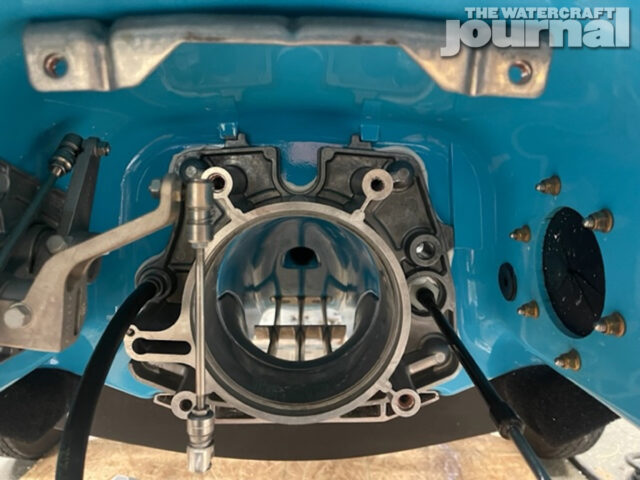
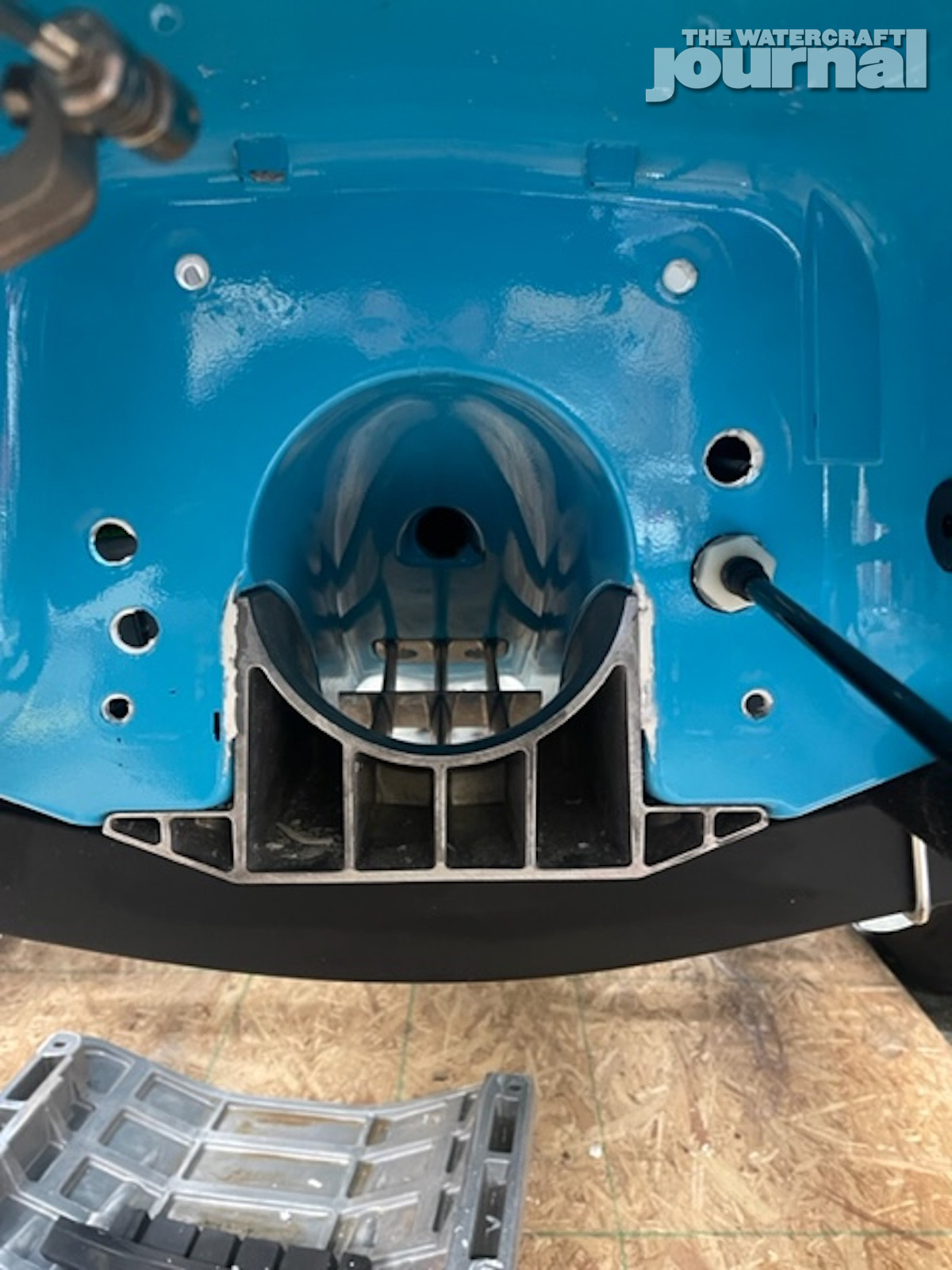
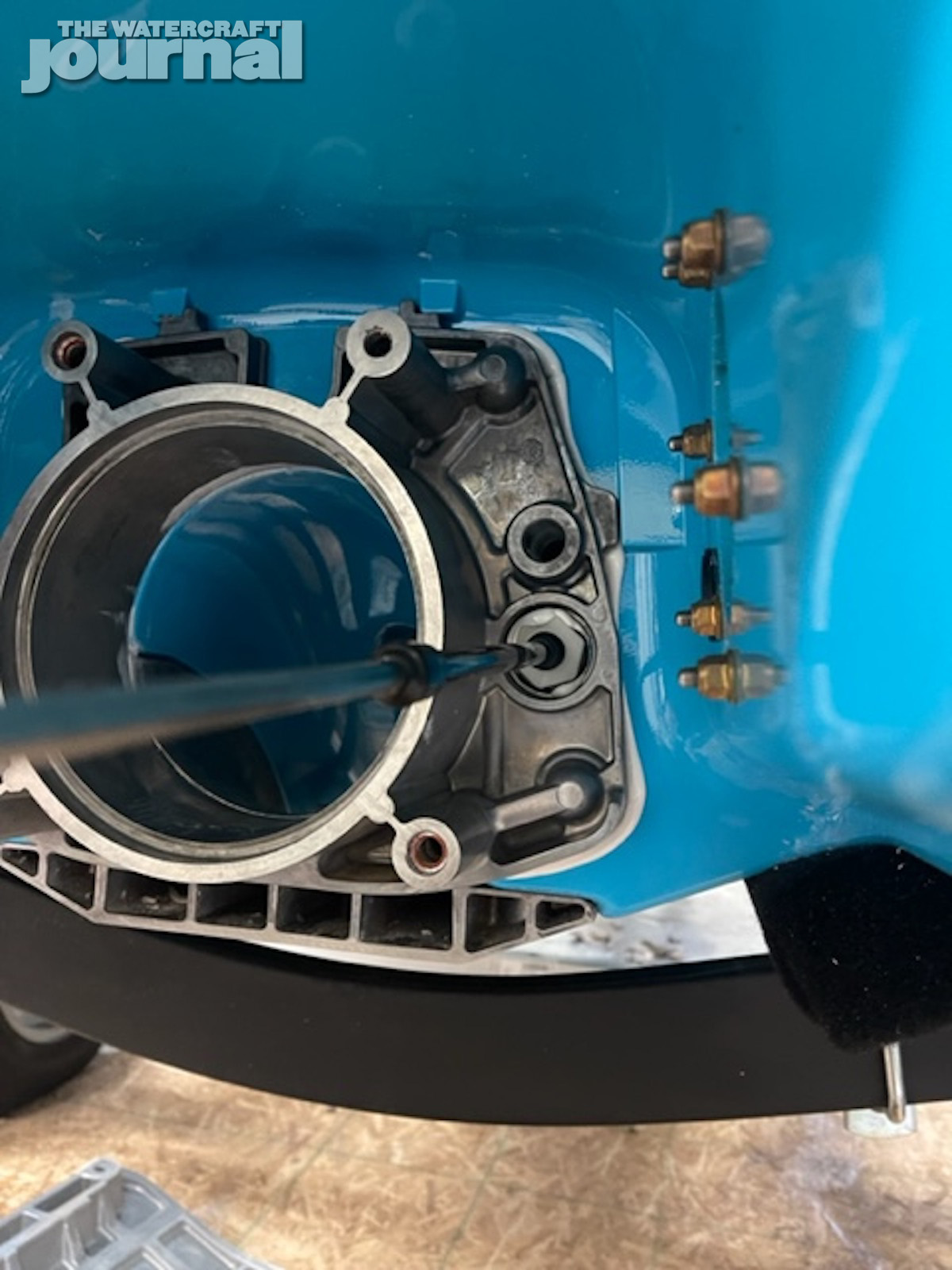
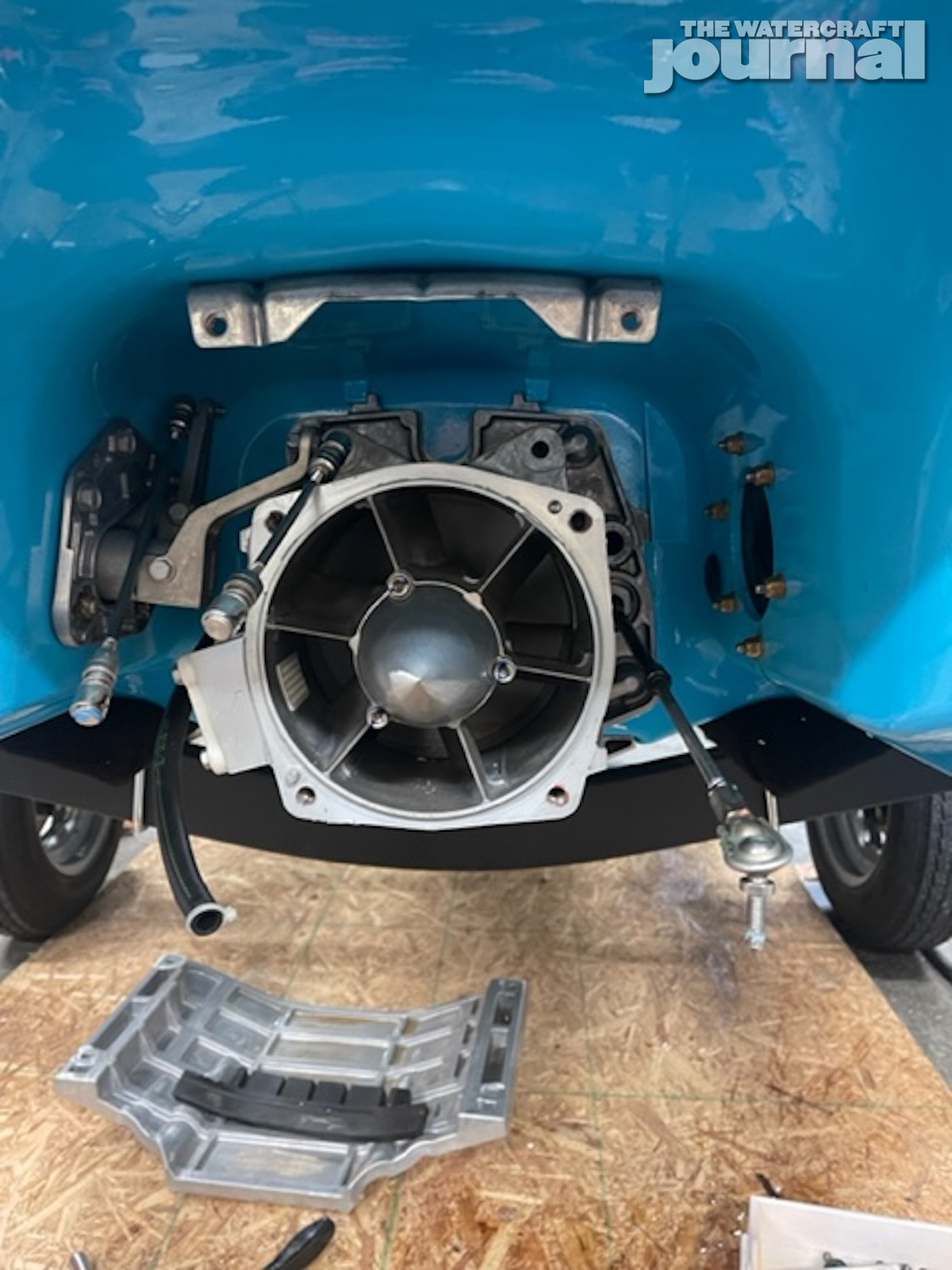
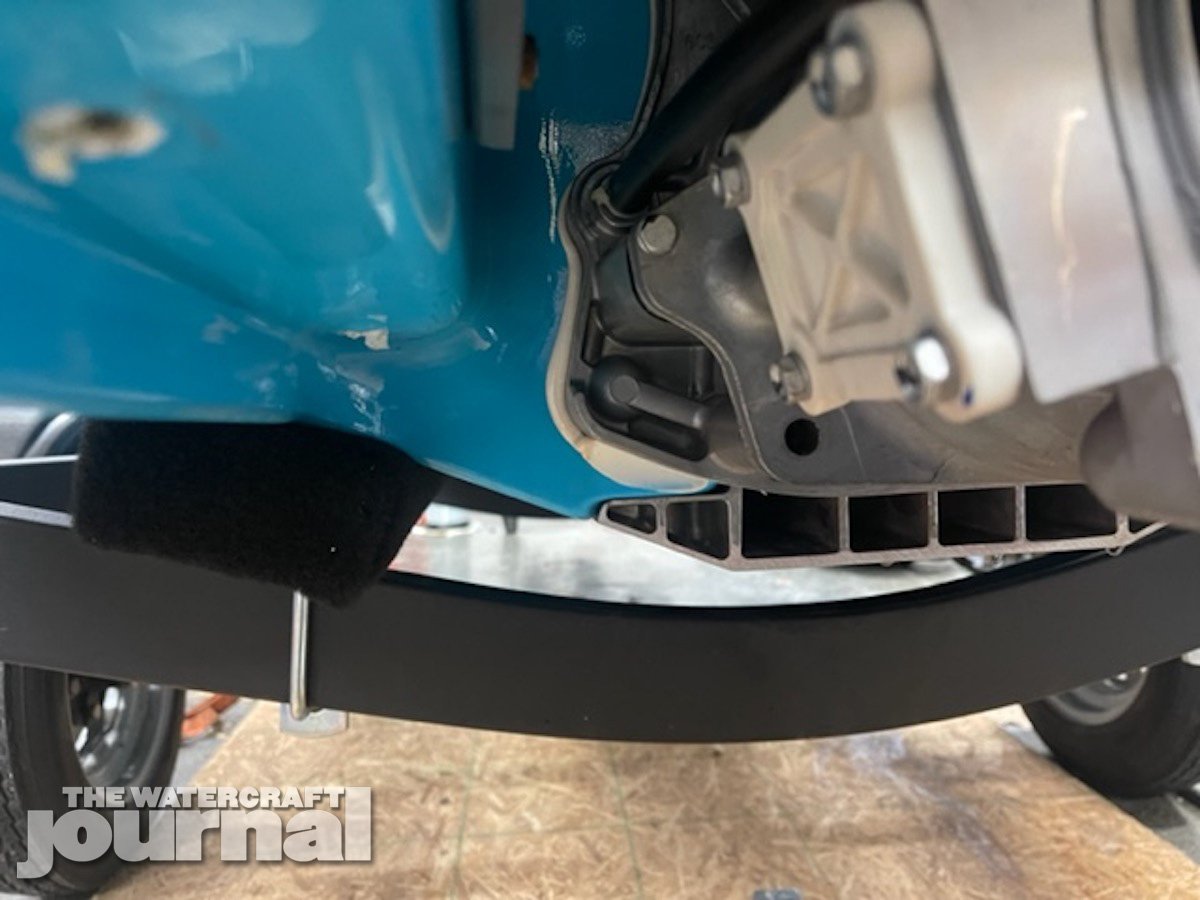
Above left: Prior to removing the pump nozzle (with the RiDE bucket attached – no reason to take it off separately), we disconnecting the steering cable on the right. Above center: With the pump and bucket removed, we removed the ride plate, allowing us full access to the pump tunnel. Above right: With the ride plate removed, we removed the stator and slipped out the impeller and driveshaft, exposing the transom plate.
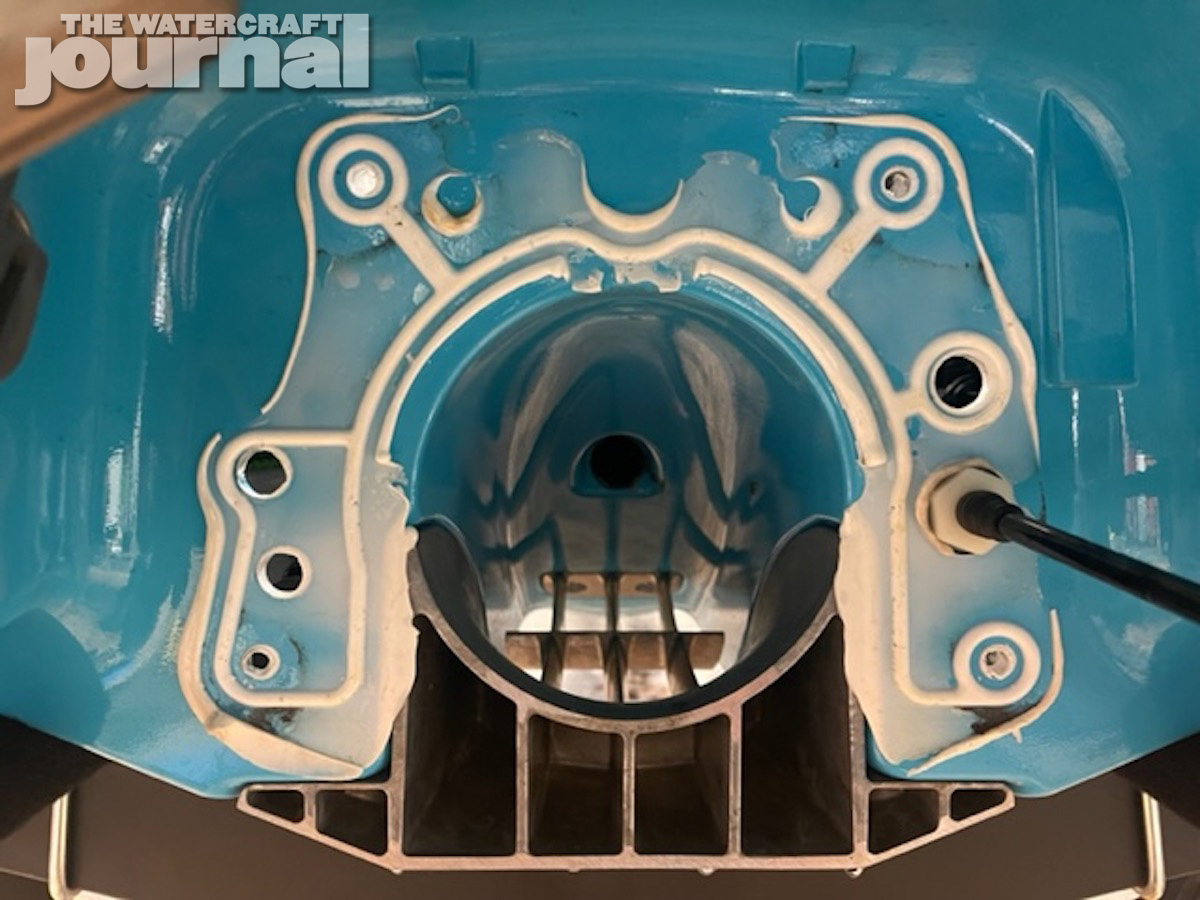
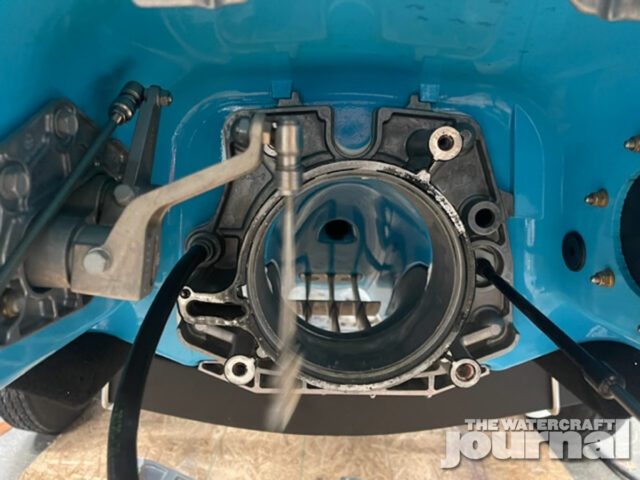
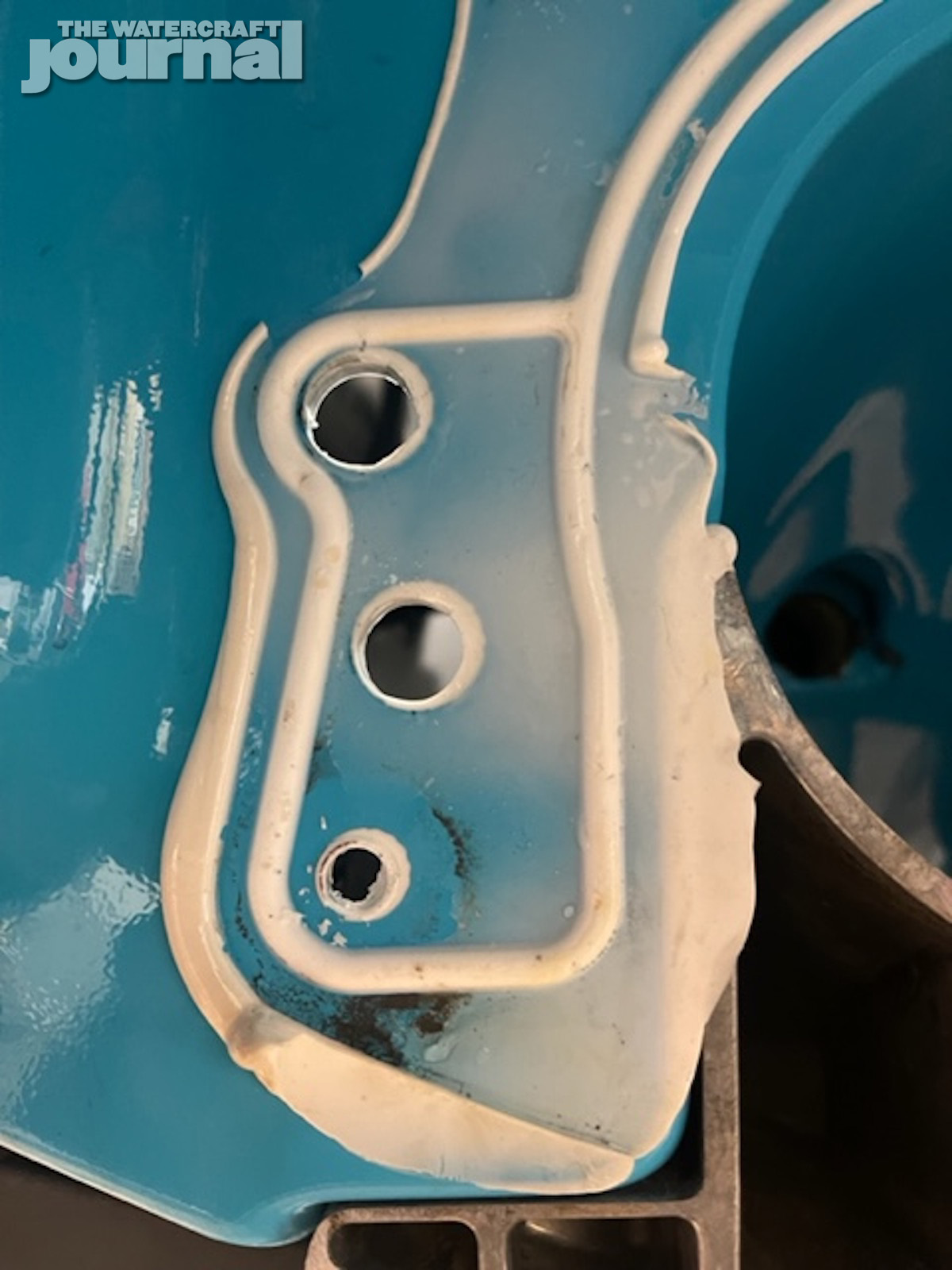
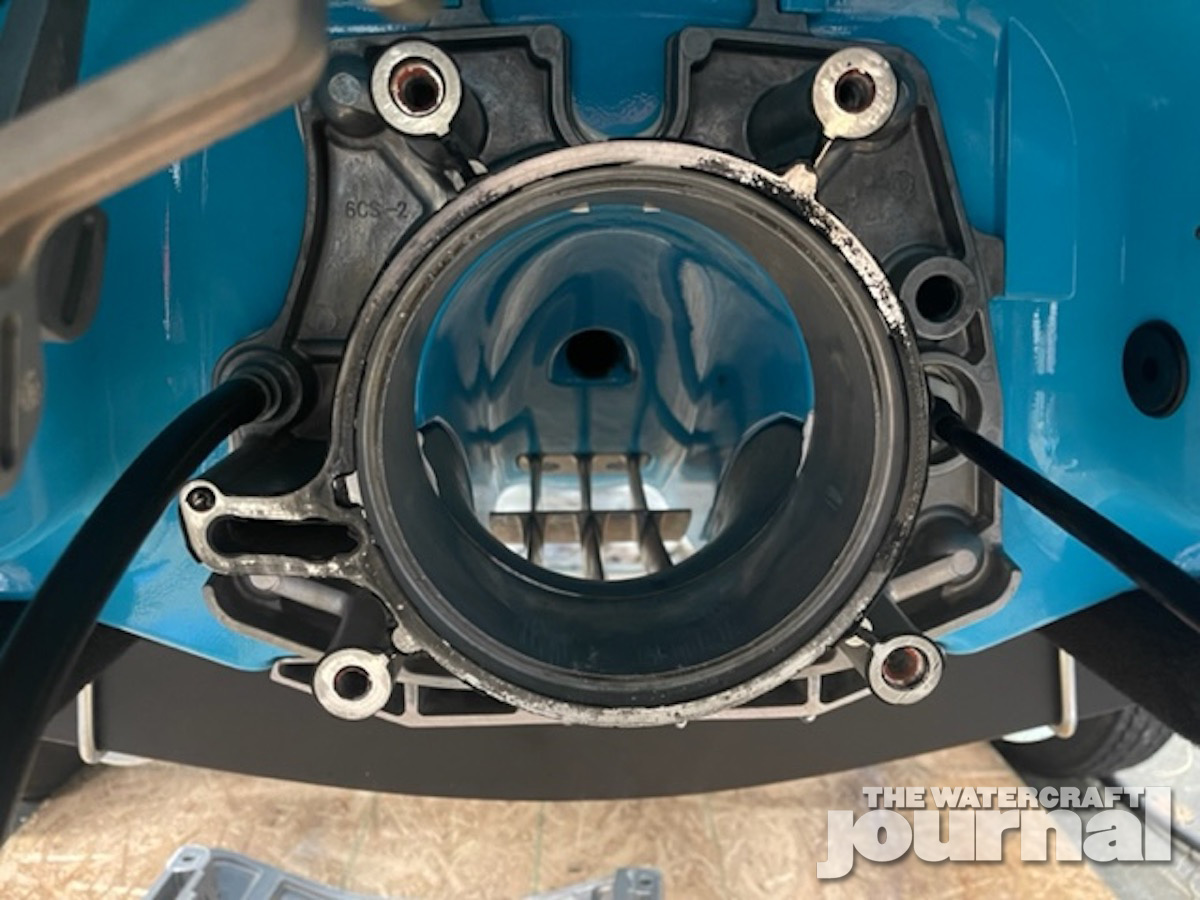
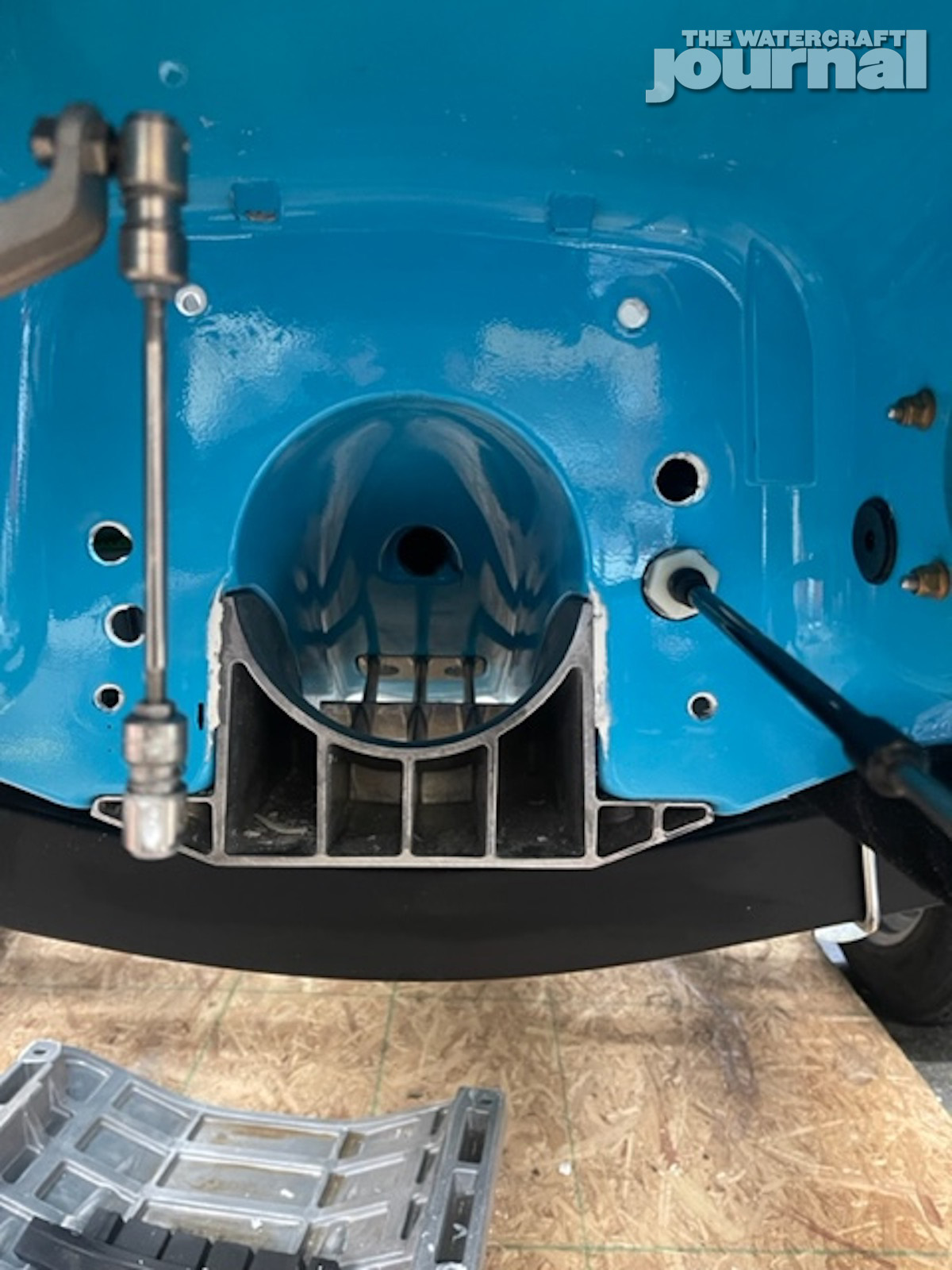
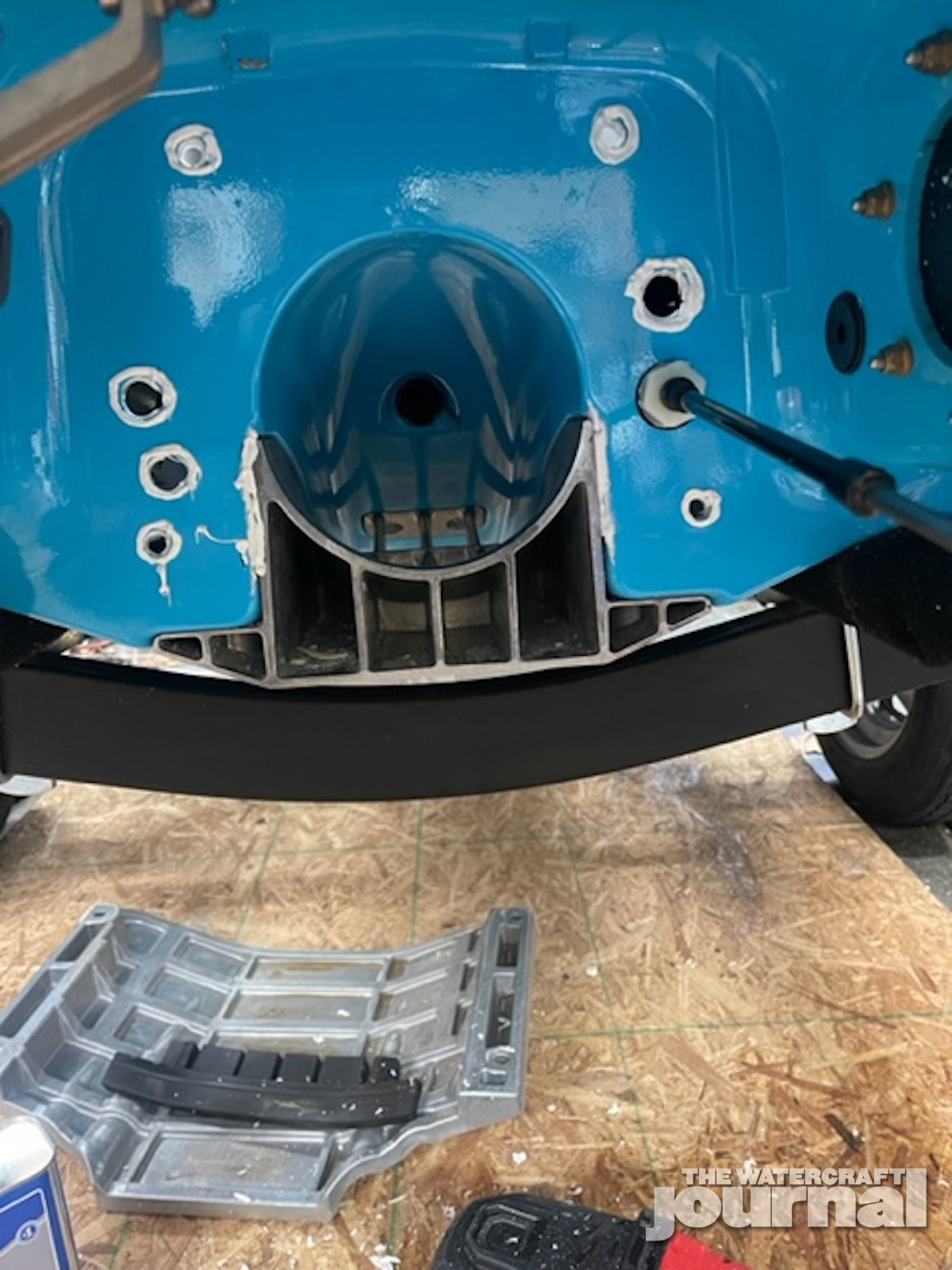
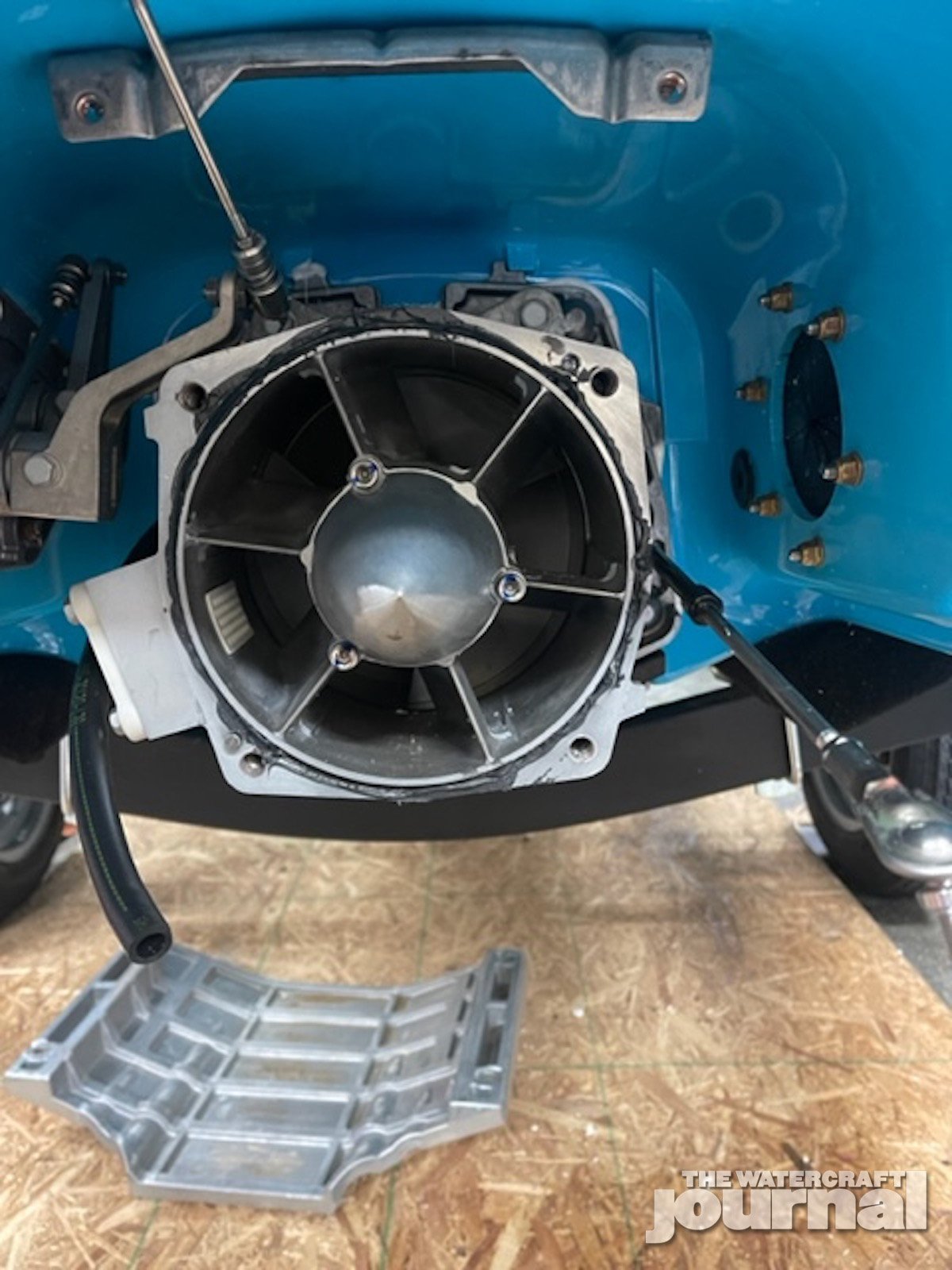
Above: The before-and-after is pretty stark, but removing the transom plate took surprisingly little effort to pull it free from the sealant. Close examination revealed where the water was seeping through the sealant into the hull’s bilge.
The transom plate came off the hull with amazingly little effort (although I’ve heard that isn’t the same for everyone). Once the plate was removed it was surprising how little of the sealant was still attached to it; virtually all of it stayed attached to the hull. Here I could see clear evidence of where the water leaked into the hull from the outside, primarily in the area around the two holes on the left side of the transom.
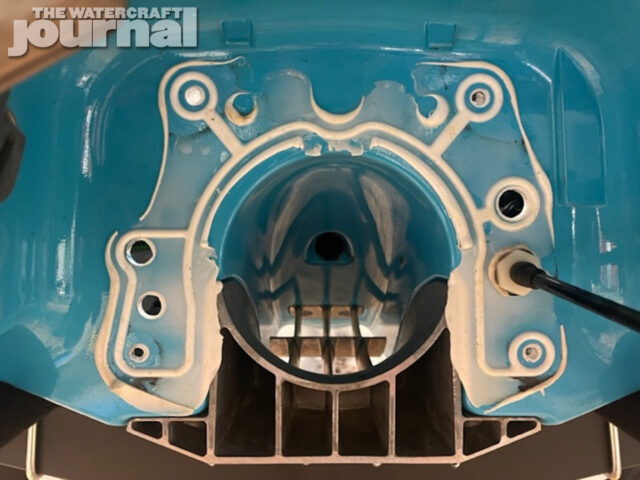
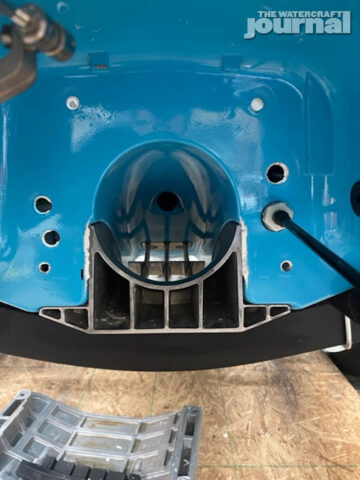
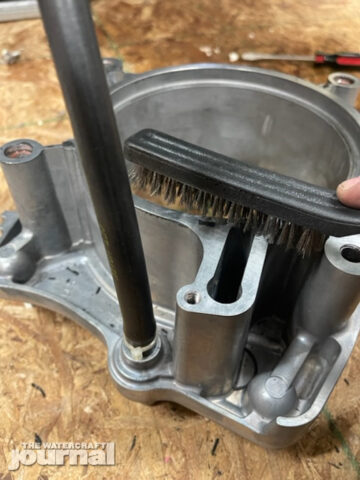
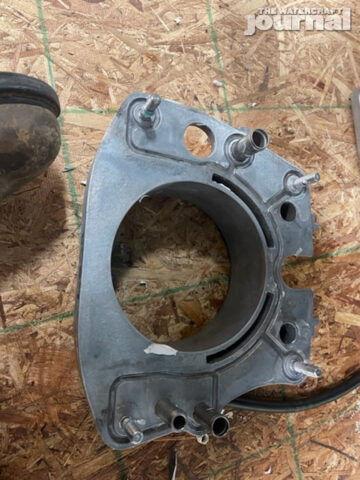
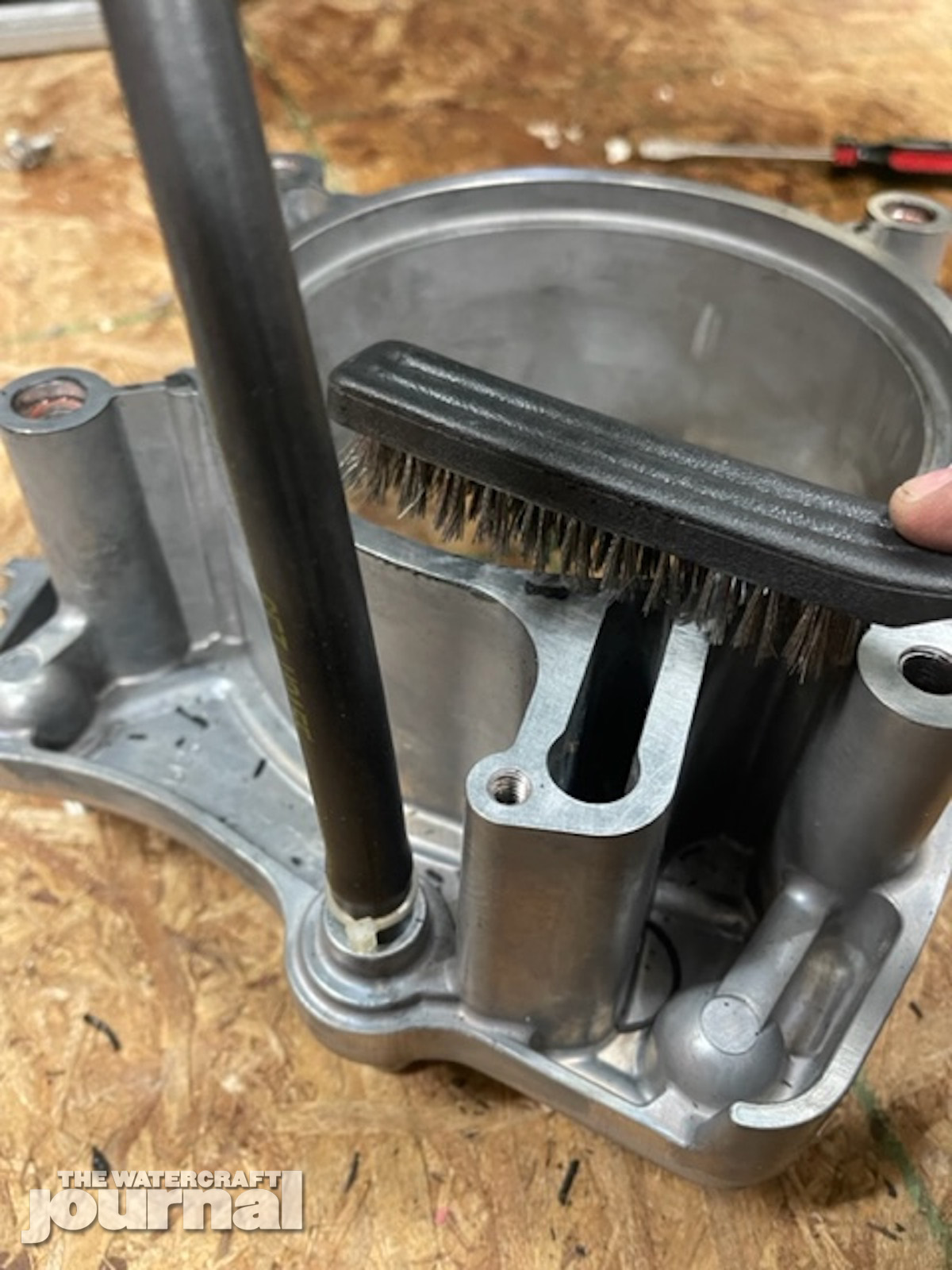
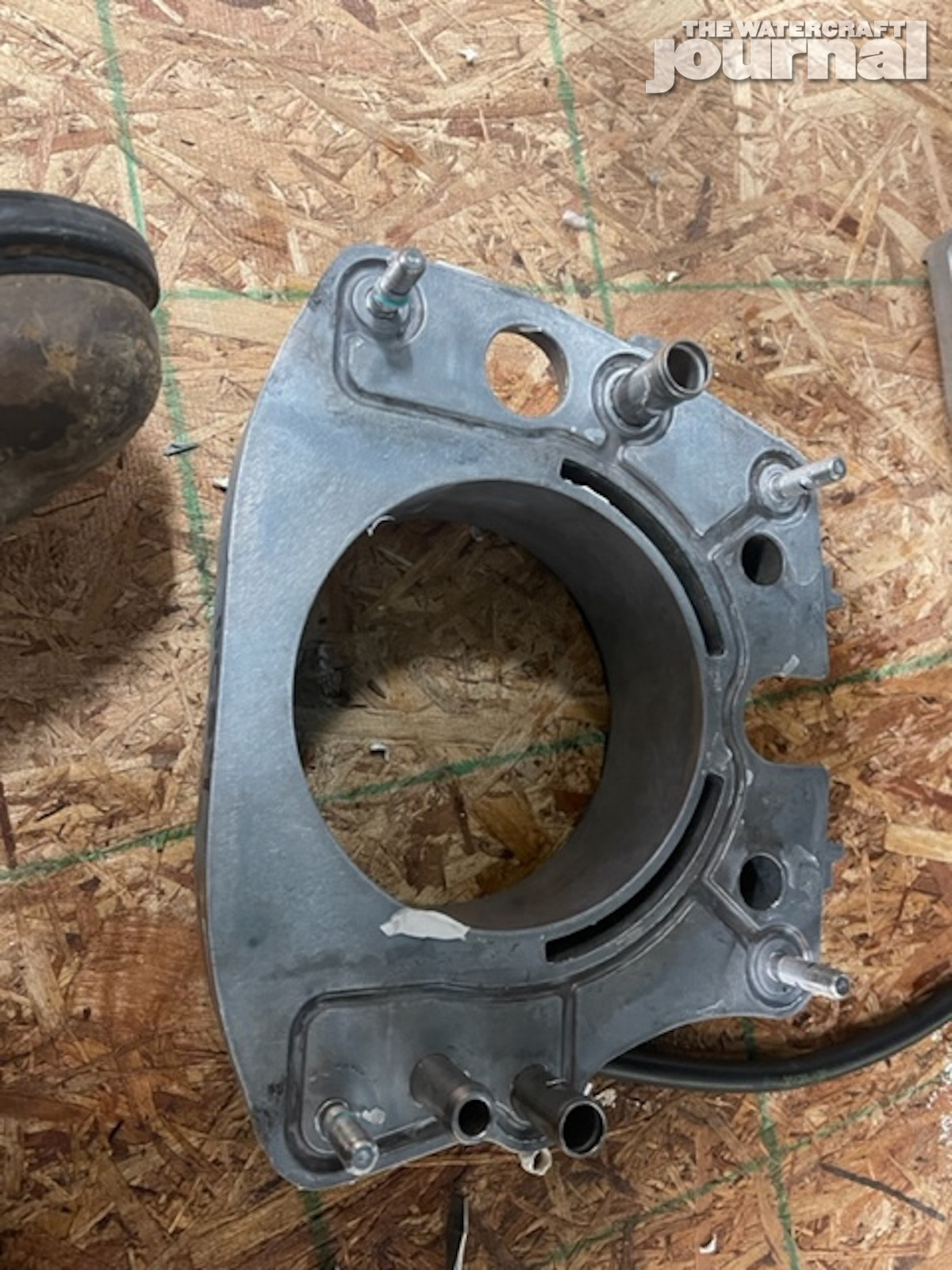
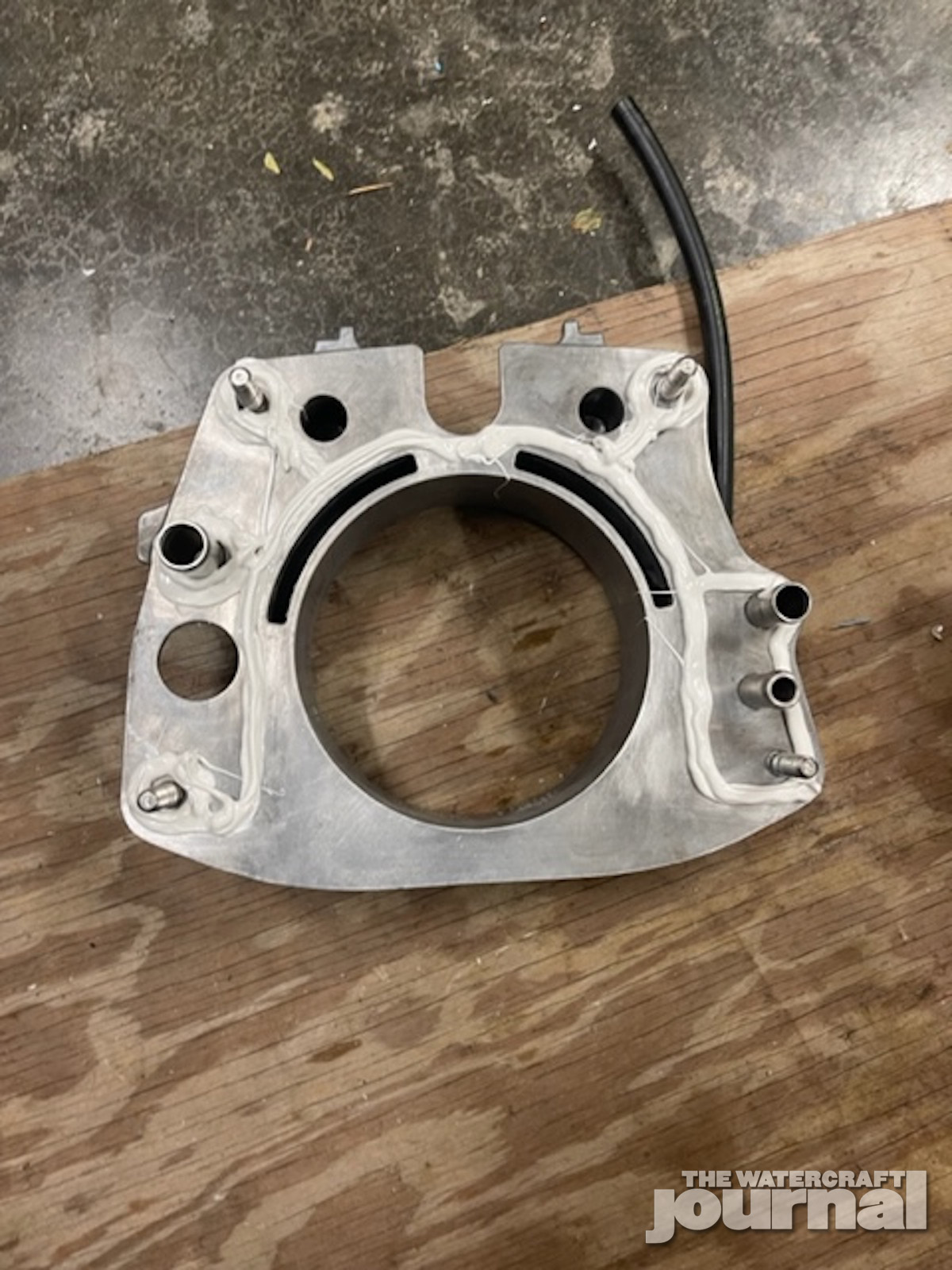
The removal of the sealant was the most time consuming. I used several plastic and metal scrappers, taking care not to scratch the paint. With the sealant off, I used a rotary polisher with a heavy compound and foam pad to get the surface free from any residual residue. I used a stiff wire brush on the transom plate and pump components to be sure they were all nice and clean. I then wiped everything down with acetone as a final prep step.
Above left: It took quite a bit of elbow grease but we scraped and polished the pump tunnel clean of any residual sealant. Above center and right: A stiff-bristled wire brush and some acetone cleaned up our transom back to new, and ready for a fresh coat of sealant.
Above: In our reassembly process, we also cleaned off all of the mating surfaces so our pump would go back together as cleanly as it did from Yamaha’s factory assembly line.
Since the sealant Yamaha uses was the cause of this problem, I applied new sealant around all the holes on the hull, and on the sealing surfaces of the transom plate. (many ski builders such as Greg Gaddis of Greenhulk.net recommends 3M 5200, although 5200 is permanent and won’t come off again without a lot of heat and force. For this reason, others prefer to use 3M 4200. –Ed.)
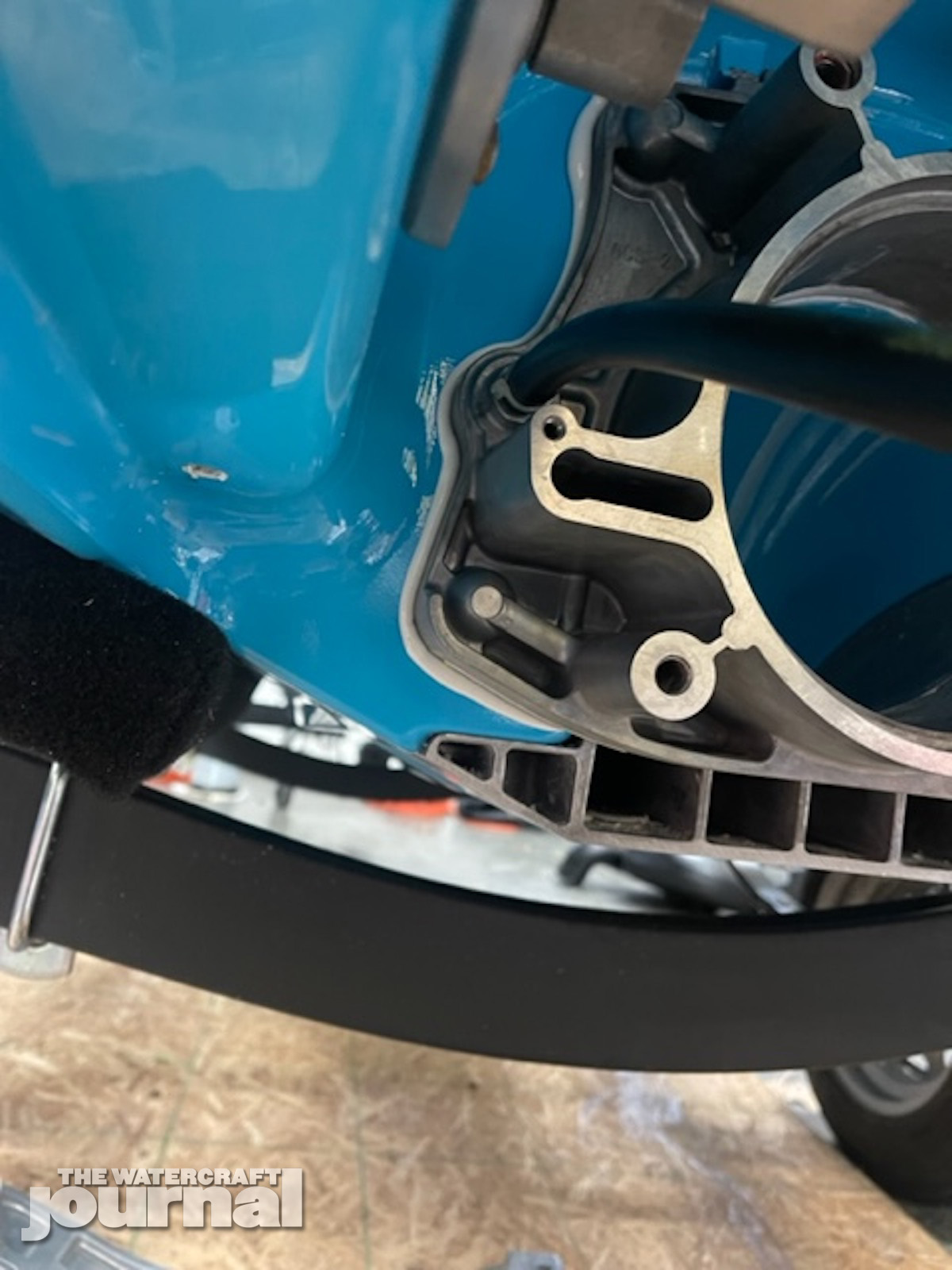
I then reassembled everything in the reverse order it came apart, using sealant everywhere the factory did. All the bolts but especially the ride plate bolts are blind holes, so take care that they are clean and free of debris to prevent any problems with the bolts bottoming out in the holes. Once everything was back together and the sealant has had the proper time to cure, I was ready to be back out on the water.
Above: Hopefully your Yamaha isn’t see the same kind of water collecting in the bilge like we were, but if so, know that it’s a very simple fix that takes just an hour or two on a Saturday morning.
And eureka! The hull was perfectly dry my next time out (and every ride since then). While this task may seem intimidating, it’s pretty easy and fairly straight forward. It can be done in just a few hours by anyone with just a few basic hand tools and will give you the peace of mind knowing that the water will stay out of your hull where it belongs!
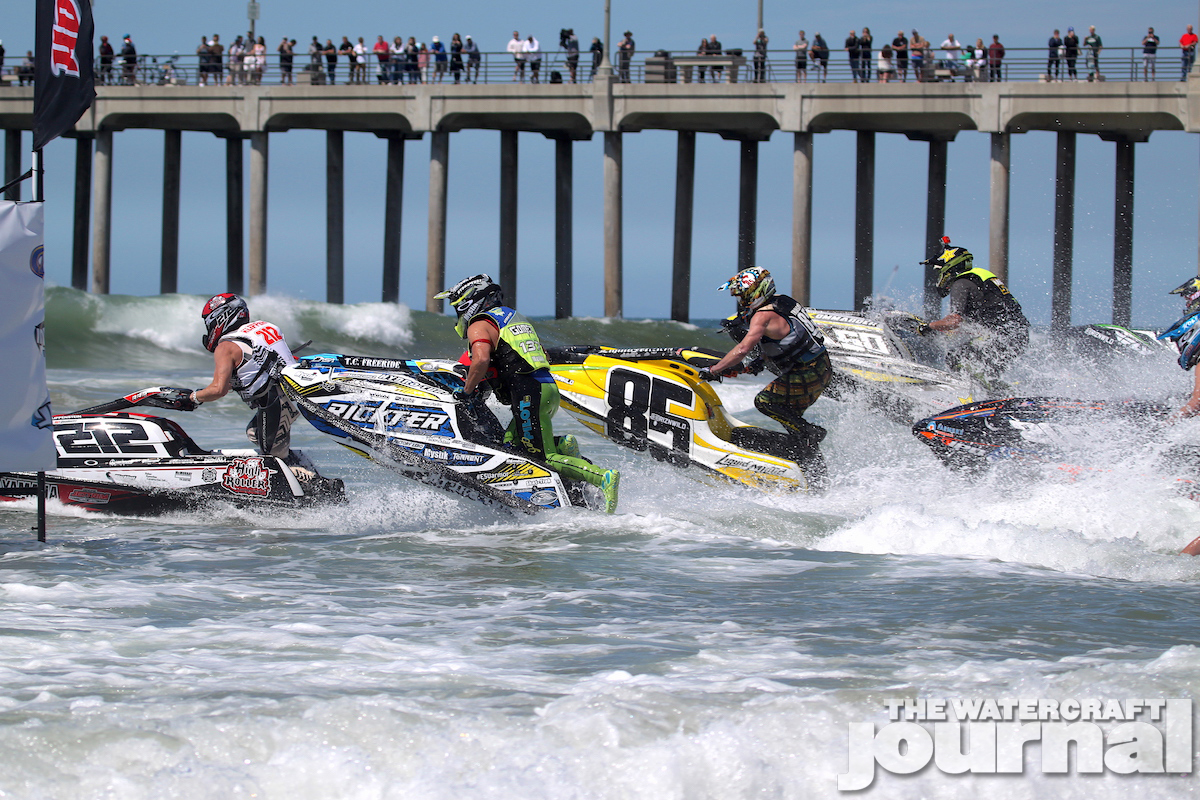
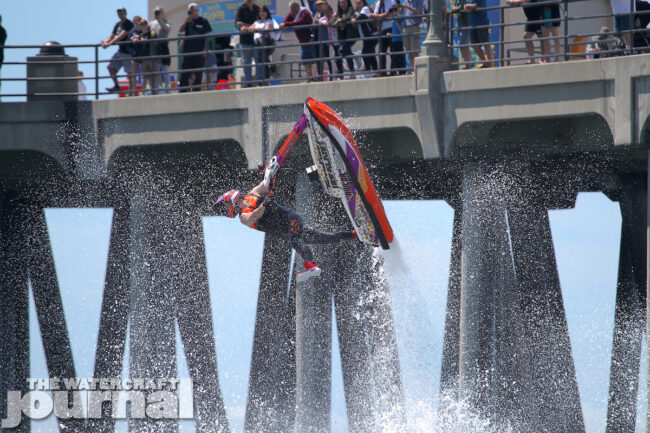
It’s baaaack! The 3rd Huntington Beach Moto-Surf & Freeride is returning as the Best of the West racing series is back on (presented by the Hot Products and Anderson Powersports). This much anticipated event will feature two days of IJSBA sanctioned watercraft racing and the Rickter Freeride Exhibition.
This race will take place the weekend of May 7th-8th, 2022 in Huntington Beach, California on the southside of the famous Surf City pier (325 Pacific Coast Highway, Huntington Beach). This race is presented by Hydro-Turf, Jettrim, Impros, Cometic, Klotz, The Watercraft Journal, and many others.
Best of all, this event is a IJSBA World Finals Qualifier! That means that in order to qualify for the World Finals, you must sign up and race both days of this event. Because they’re expecting big demand, RPM Enterprises is asking all racers get pre-registered ASAP.
Thankfully, registration is now open for the best surf race in the country – all you need to do is pre-register HERE. Pre-registration will close on Monday, May 2nd! (Please note that money is NOT required to be pre-registered only the entry form is required.)
This race is Round #5 of The Hot Products & Anderson Powersports “Best of the West” series Presented by Hydro-Turf, Jettrim, Impros Cometic & Klotz. This round is a cumulative 2 day event. The overall winner is decided from the 4 motos over the event (same format as in 2018 & 2019). Your entry fee covers both days of racing. Please pre-register at your earliest convenience. Please email Dawn Carey at [email protected] if you have any questions
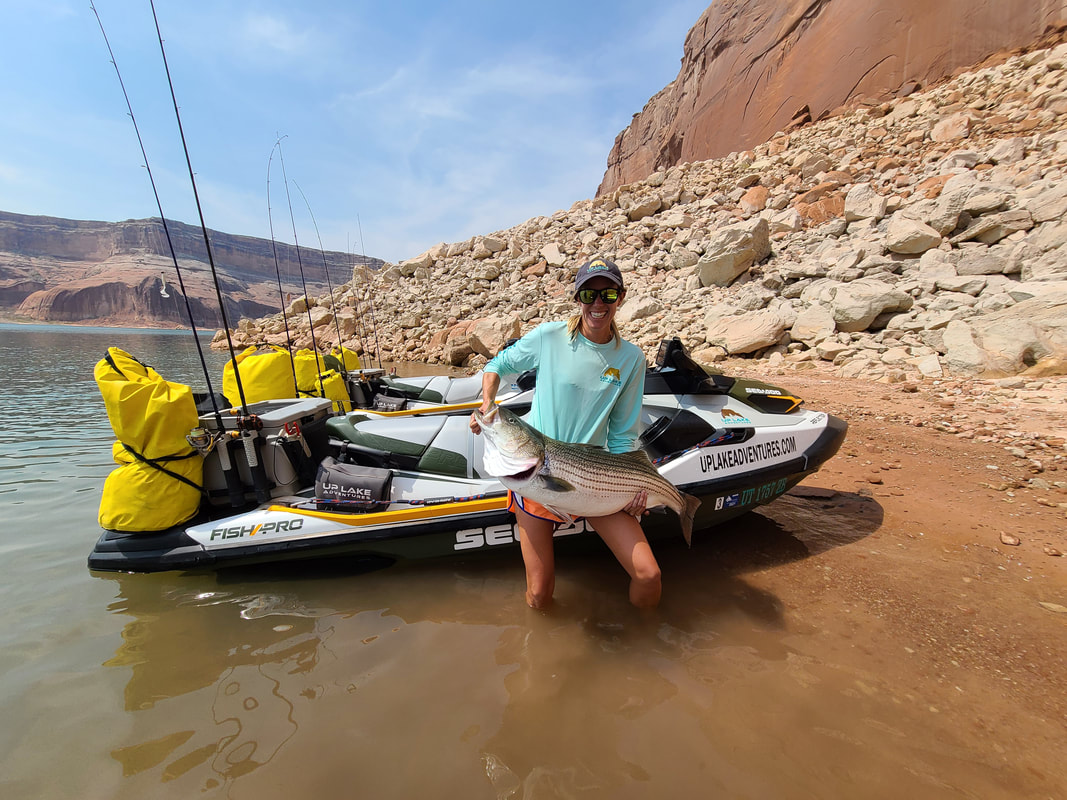
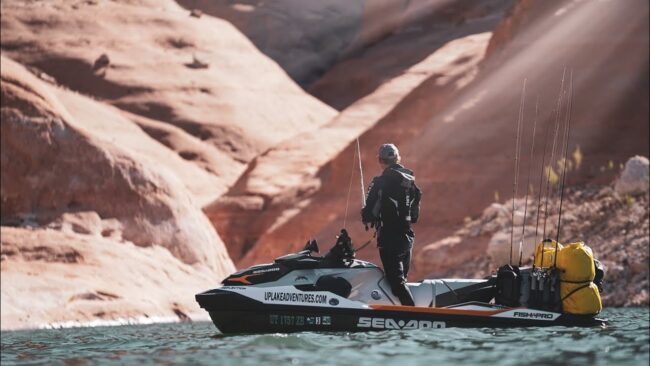
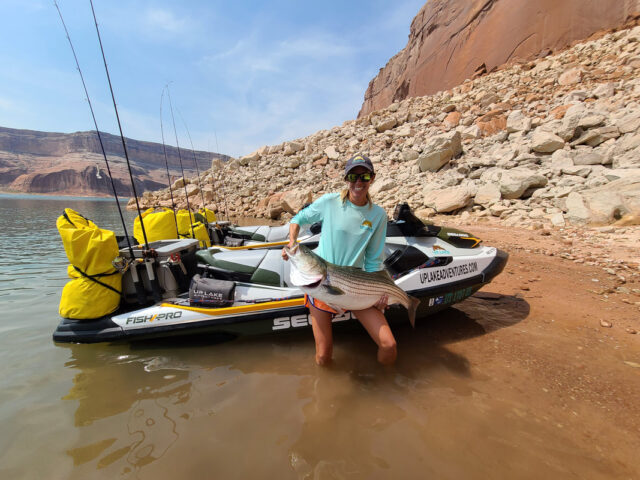
May 8th, 2021 welcomed PWC anglers from across the country to compete in “The only PWC Fishing Tournament in the Country”, the Lake Powell PWC Fishing Tournament. This purely personal watercraft-based fishing tournament – hosted by the folks at Up Lake Adventures – engineered a unique fishing tournament using the Catch, Photo, Release (CPR) method, meaning that when you catch a fish, you lay it on an approved measuring board, take a picture, and then upload it to the Fishing Chaos App.
Be the first of its kind, the first ever Lake Powell PWC Fishing Tournament welcomed diehards and curious enthusiasts alike, with the winner taking home a brand-new 2021 Sea-Doo Fish Pro. Well, with a lot more steam behind it, the 2nd annual Lake Powell PWC Fishing Tournament is happening on May 14th, with a sponsorship from Sea-Doo. How big? The winning angler goes home with a 2022 Sea-Doo FishPro Trophy!
The tournament looks like a lot of fun with loads of cash and prizes going out to several different finishing positions. The event will take place at the Stateline Auxiliary Launch Ramp at Lake Powell. The ramp is on the border of Utah and Arizona so they will be operating on AZ time. Keep that in mind before you head to fish. The entry fee is $225, and you can also buy $25 tickets for the largest Striper and largest Walleye. It’s a winner take all pot!
Sign up for an account on Fishing Chaos App and register for the tournament. The fishing starts at 5:30 AM PDT on May 14th and ends at 5:30 PM. This tournament sounds like a lot of fun and if we were going to be in Lake Powell, you can believe we would enter for a chance to win a FishPro!
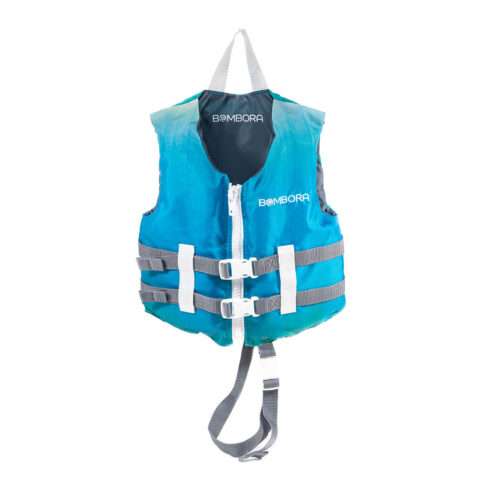
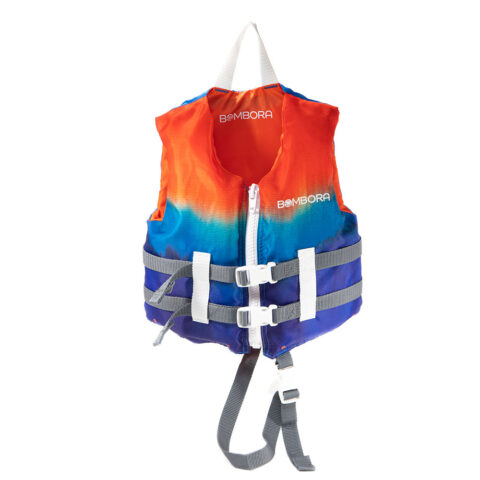
It’s time to dust off our boats and inspect our gear for wear and tear. Safety first, especially when it comes to the kid’s life jackets. It’s important to make sure the buckles are in good working order and to scrutinize the straps for frayed edges. If it’s time for replacements, Bombora has a collection of USCG approved Type III PFDs made especially for young children, weighing 30-50 pounds. It can be difficult to get the little kids to even wear a lifejacket because the jackets can be cumbersome and downright uncomfortable.
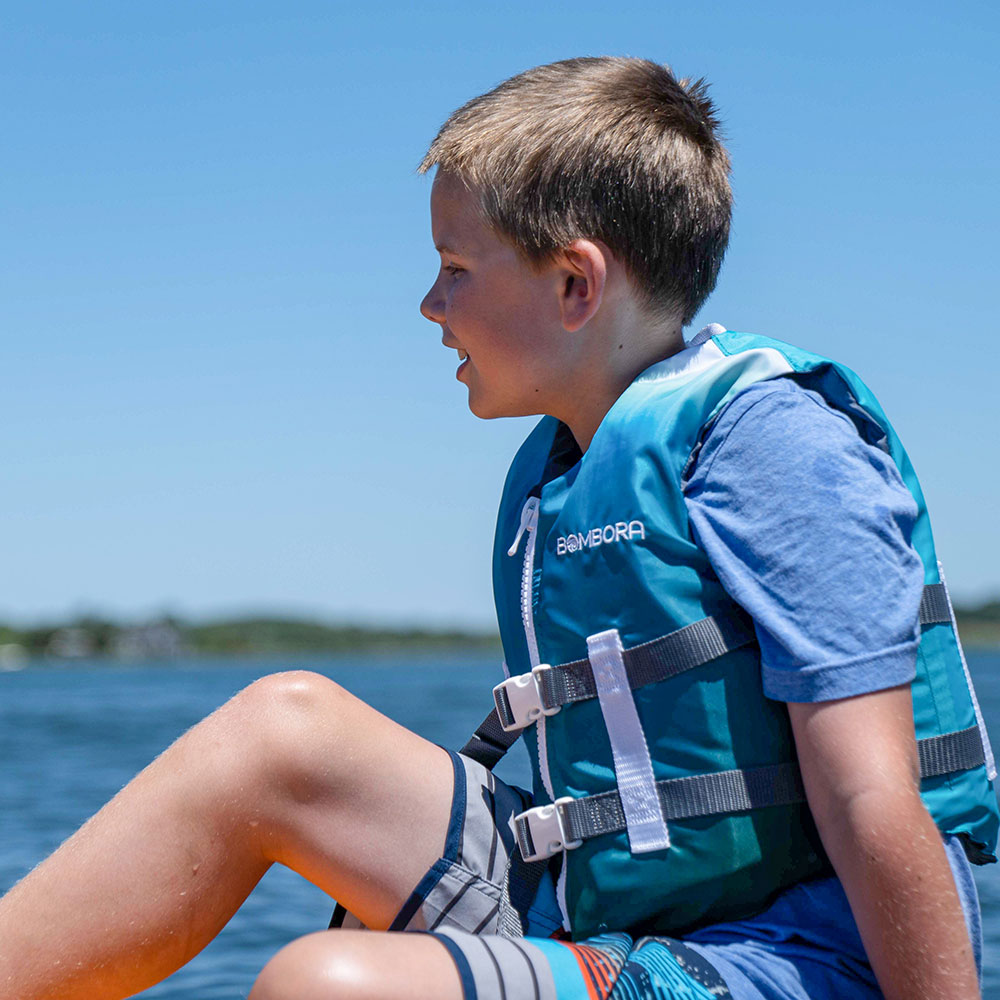
An uncomfortable PFD makes for a miserable day on the water and that’s where the Bombora Kid Vest comes in. These brightly colored vests are designed with your child’s safety and comfort in mind and your kids will be easy to spot. They feature a layered foam, which makes the PFD extremely flexible and comfortable.
The arm holes are large, which allows for freedom of movement making it easy to splash around and swim without feeling hindered. The vests are covered in soft durable 200d and 300d polyester fabrics so they can take a beating. They are equipped with a heavy-duty zipper and two belts with Delrin buckles, which make them easy to put on.
The Bombora Kid’s Vest come in two bright color combos. They have the Tidal theme, which is white, blue, and turquoise. The second color combo is called Sunrise, which is blue, yellow, and red. The jackets also feature a recovery loop sewn on the back for easy assists when helping children back into the boat. Check them out now and get ready for fun in the sun!
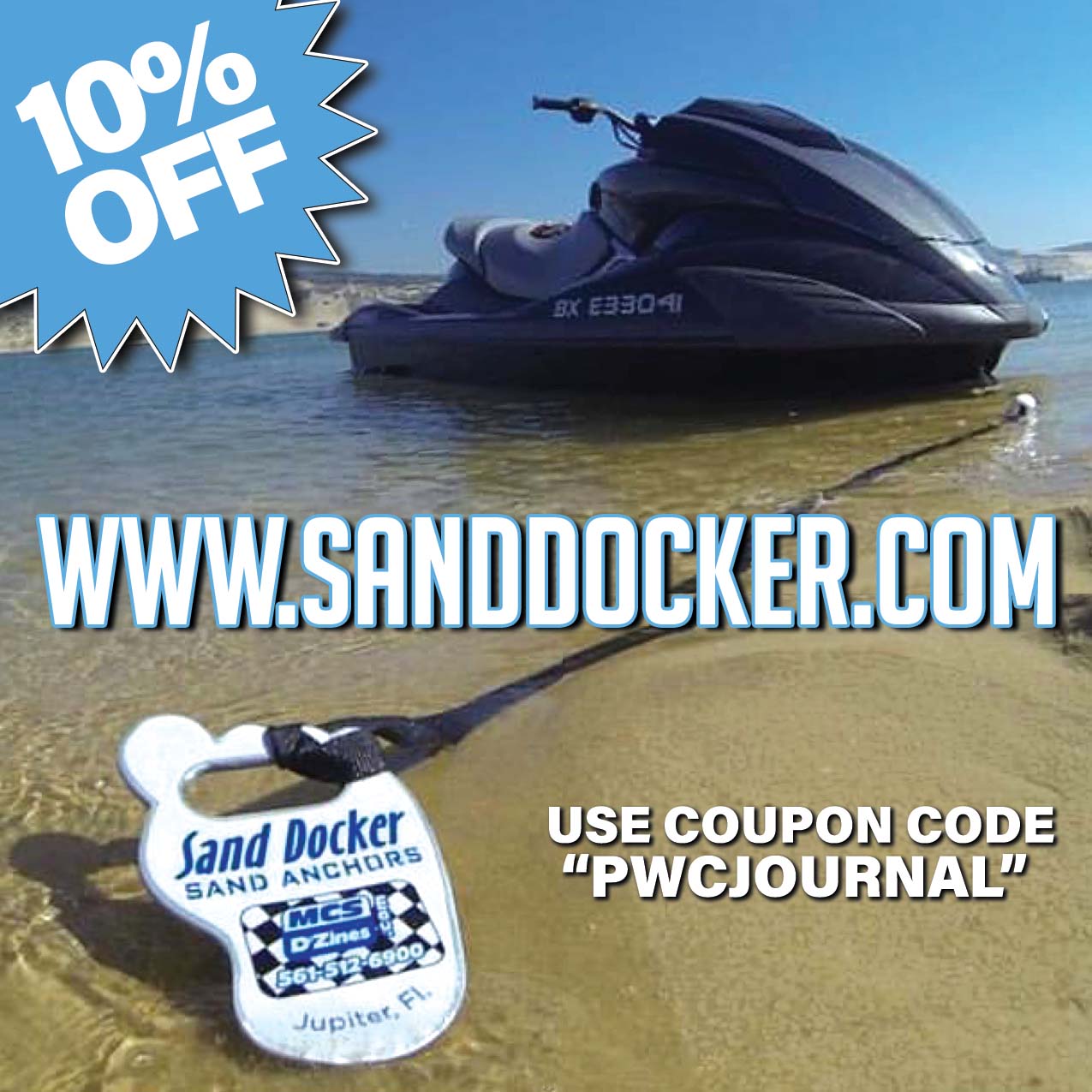
Well, now that we’re in Spring, the mercury is beginning to climb up the thermometer and folks are finally taking collection of their 2022 models, it’s time to properly equip you for the riding season! Right now, Sand Docker is offering an unprecedented 10-percent off any purchase at the webstore when you use the coupon code “pwcjournal” at the checkout. Seriously, it’s that easy.
In a time when prices are being hiked up everywhere we look, it’s a rare opportunity to save a few bucks on something you’re going to get years of usage out of. So again, make sure to visit www.sanddocker.com and enter “pwcjournal” at the time of purchase to save 10-percent off.
Since it’s development over 20 years ago, the STX hull was one of the single-most successful designs to hit the water; both recreationally and professionally. Well balanced, stable in chop and featuring a natural inside-lean in aggressive cornering, dozens of athletes earned national and world championships aboard the STX and for good reason. It works really well.
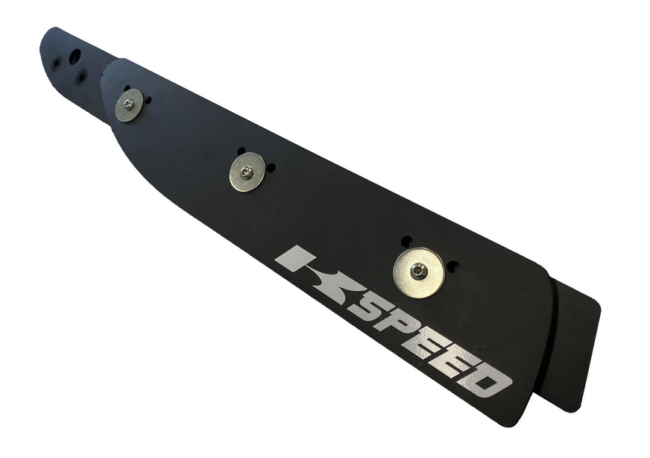
Although a bit staid by today’s technological standards, the STX-160 lineup (160, 160X and 160LX) remains a viable rung on the market’s ladder, offering a solid, reliable machine for entry level buyers and those on family budgets. But how about those wanting a little more from their STX? Kspeed has exactly what the performance enthusiast is needing to pour on the pizazz.
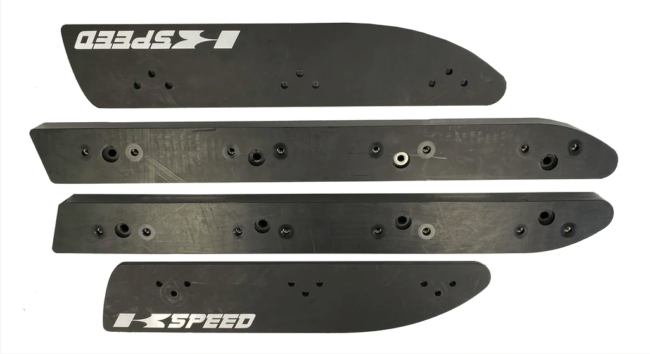
Kspeed’s Adjustable Race Sponsons fit all years and makes of STX JetSkis – whether its a STX-1200R, 12F, 15F or any of the new 160 models. And they also fit on the SX-R 1500 stand-up! The machined backing plate permits for a handful of adjustment settings, placing the deep-set blade forward, rearward or deeper in the water for maximum traction in chop and bite in the corner.
The steep rise of the backplate raises the bow as the blades cut at an aggressive negative-camber angle, ensuring that you can power through a hairpin or sweep a wide circle without losing the tail. Priced at $300 AUD (or $225 USD), you too can speed through tight corners and navigate the surf with Kspeed’s STX/SX-R Adjustable Sponsons.
Check out these best-selling accessories from Sea-Doo. They may not have a lot of PWC in stock, but they do have a lot of gear on the shelves. A 2% commodity surcharge has been added to help offset the rising cost of raw materials on the market. The increase also allows Sea-Doo to continue to provide high quality products to their customer base. With that said, let’s get on with high lighting some of their great products.
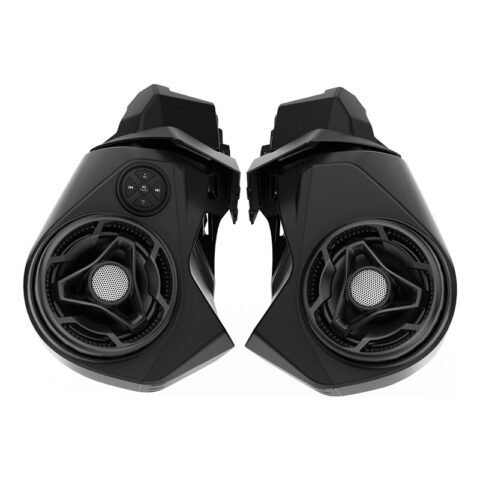
Add some sound to your Sea-Doo with the additions of a BRP Audio-Premium System is. This is their fully submersible system that you can use even when the engine is off. It has Bluetooth connectivity and two 50-watt speakers that put out clear sound, even when riding. For those days you want to stop and chill for a bit and don’t want to deal with the drift from the wind or a lot of current, grab a Sea-Doo Sandbag Anchor. Fill the heavy-duty bag with sand, and you’re set to stay in place.
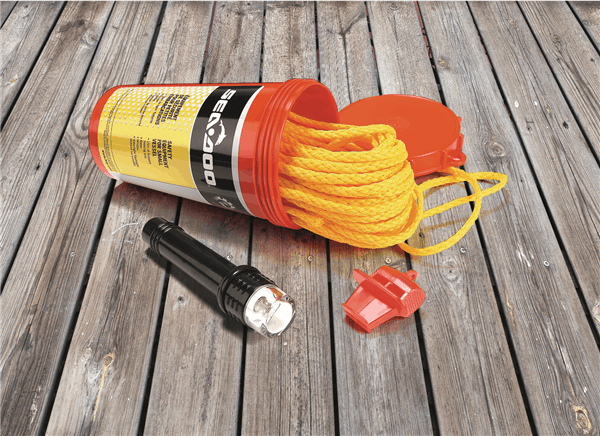
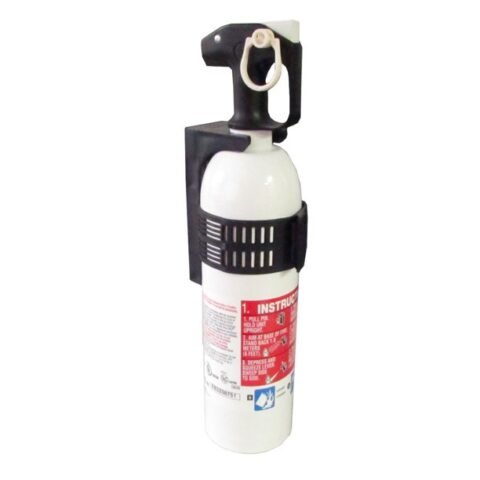
A safety kit that includes some essential items is also available. It includes 50ft. of buoyant heaving line, bailer, whistle, and a watertight flashlight. With a $20 price, you can buy several just to have or give to friends. Add a Coast Guard approved fire extinguisher to round out your safety kit. It fits on all LinQ with 16” base. At the time of this writing, Sea-Doo had all these items and more in stock. We recommend you order now or head to your local dealership to get what you need. Happy riding!
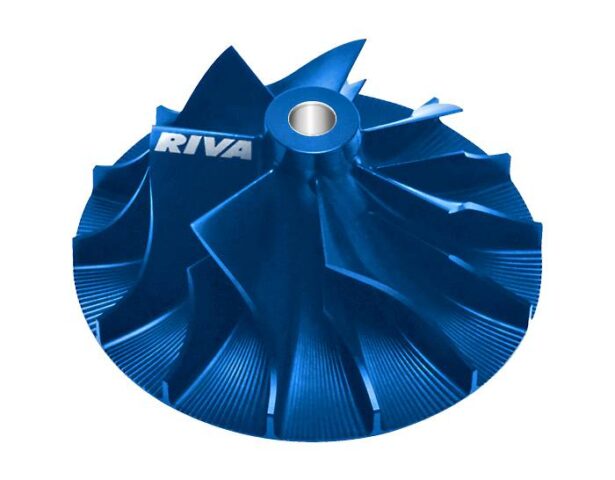
All three impeller designs began as “clean sheet” designs despite years of offering impeller wheels for these two platforms since their respective introductions. The intent behind each entry was to maximize the total boost or psi (pounds per square inch) throughout the engine’s powerband. Previous iterations build boost in a gradual curve, increasing the positive atmosphere progressively; the new impeller designs by RIVA provide greater boost earlier in the curve, continuing to increase throughout the band.
For Yamaha applications, RIVA Racing designed two impeller wheels for the SVHO that do not require any milling or modifications to the factory housing itself. Although part of the Stage 3 and higher levels of modified engines, removing the need to machine the housing saves engine builders a major step. Rather, the new R3 and R4 impellers ($499.95 each) generate increased boost pressures earlier and continually, delivering increased horsepower and torque throughout the RPM curve without permanent modification.
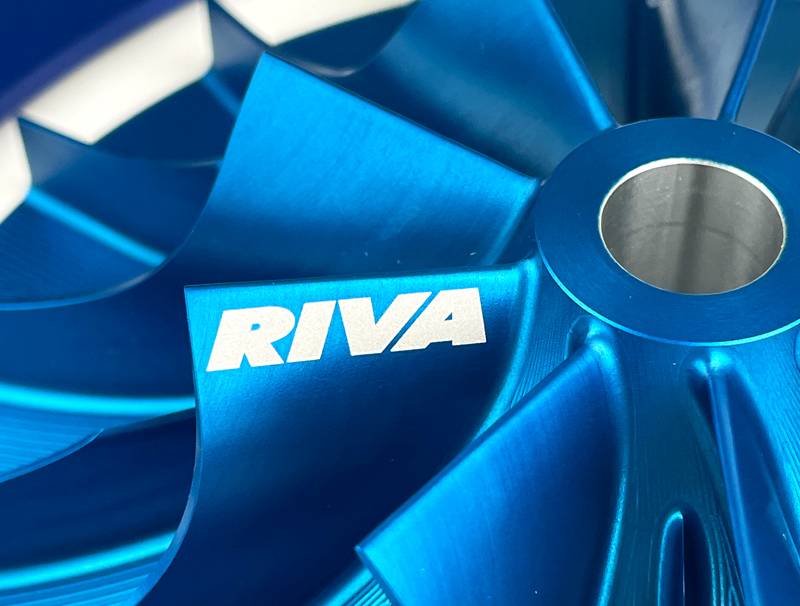
These gains are achieved via two methods: Radical new blade designs that maximize internal volumetric efficiency and optimized precision machining. Each impeller wheel is machined within exact tolerances, resulting in an impeller wheel without the telltale “bite marks” taken out of the leading edge – the result of post-production balancing. Made from 2618 US forged aluminum and machined in North America, each impeller is anodized to prevent corrosion, and labeled with RIVA’s logo via laser etching.
Although not visually significant, the differences between the RIVA Racing Yamaha SVHO R3 and R4 supercharger impellers are significant when comparing the boost pressures throughout the acceleration curve (particularly when reaching revolutions above 8,000rpm). Each requires an engine management tune and supercharger shaft upgrade kit to handle the radically increased boost pressures:
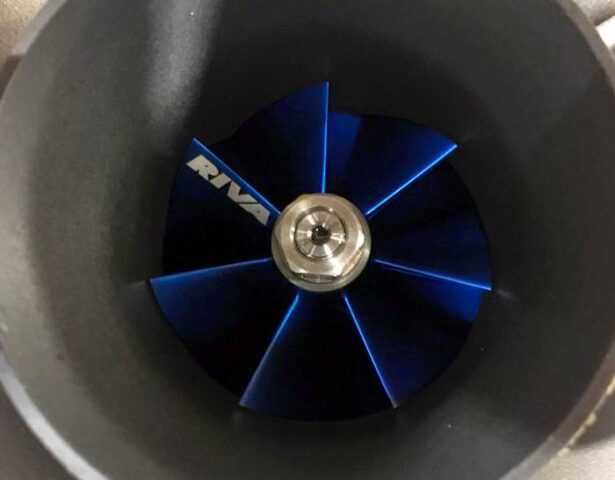
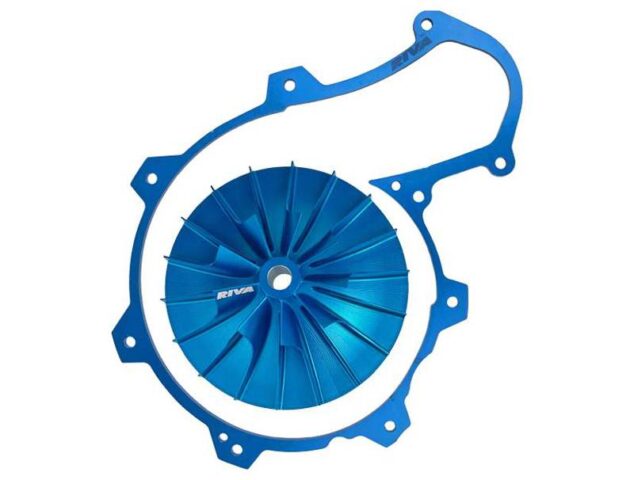
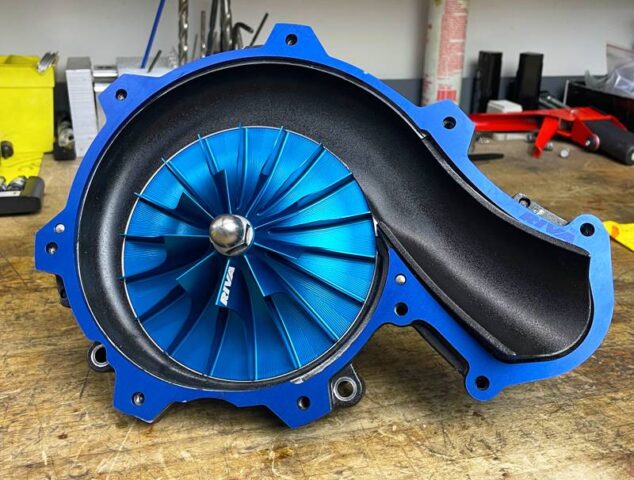
For Sea-Doo enthusiasts, RIVA Racing offers an all-new XX-Charger Upgrade Kit ($649.95) for all 300 ACE 1630 applications. Unlike the two Yamaha SVHO applications, to best maximize the efficacy of the new XX-Charger impeller wheel, RIVA includes a billet spacer made from the same 2618 US forged aluminum as the impeller itself. This 3mm spacer fits between the front and rear housing of the factory supercharger, increasing the housing’s total volume, permitting RIVA to design a taller, more aggressive blade design for wheel.
Due to the superior materials used, RIVA is able to shave 22 grams off of the impeller’s wheel (168 grams) over stock (190grams), meaning although taller and more aggressive, the XX-Charger wheel is lighter and better balanced. This also means less wear on the clutch and bearings. Similar to the aforementioned Yamaha R3 and R4 impellers, the XX-Charger impeller is precision machined so there’s no need for re-balancing after final machining.
Equally, the XX-Charger is anodized for corrosion resistance and is made entirely in North America – so no waiting for a container ship from overseas. For those professional racers, the new XX-Charger Kit is also IJSBA Limited Class legal; otherwise, the impeller upgrade is designed for dedicated performance enthusiast running the Stage 3 or Stage 3+ kit with an upgraded engine management tune and fuel delivery system, as the XX-Charger produces a peak 17.5 psi at 8,700rpm – nearly double the peak psi of the stock impeller wheel.
As RIVA Racing remains unrivaled in its ability to design, prototype, test and manufacture some of the industry’s most successful performance products, it’s also the tip of the spear when it comes to customer assistance and troubleshooting.
RIVA has a full technical support team dedicated to answering emails and phone calls if you’ve got questions regarding your particular application or deviations from RIVA’s prescribed packages. As RIVA Racing president, Dave Bamdas stated, “Even if you’ve got a somebody else’s camshaft, we can work with you to get that calibration – through MaptunerX – to get that to work with your package.”
Superior performance has never been this easy, and RIVA Racing remains at the forefront of this effort. If you haven’t already, visit www.rivaracing.com, enter in your personal watercraft into the search function and begin perusing the pre-packaged Stage Kits or scour the catalog of parts to begin building your ideal performance package.