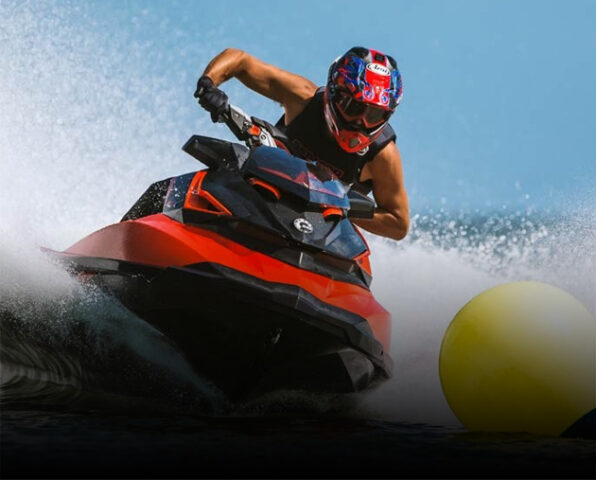
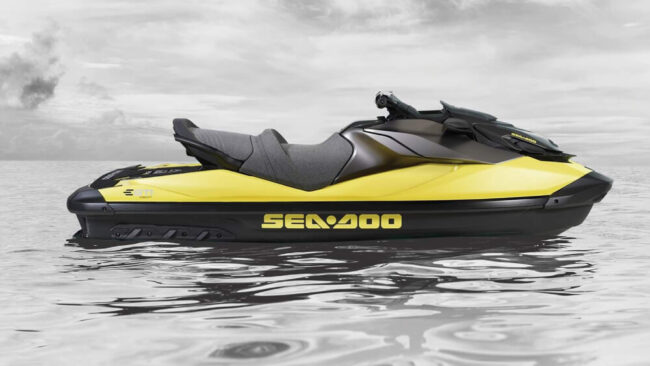
Sea-Doo wants you to stay warm on the water this winter and they have a nice selection of cold-water gear. Whether you are in the market for boots, outerwear, or a winter PFD, Sea-Doo has it. If you experienced the two recent winter storms, you might be thinking about some new gear for taking on the elements.
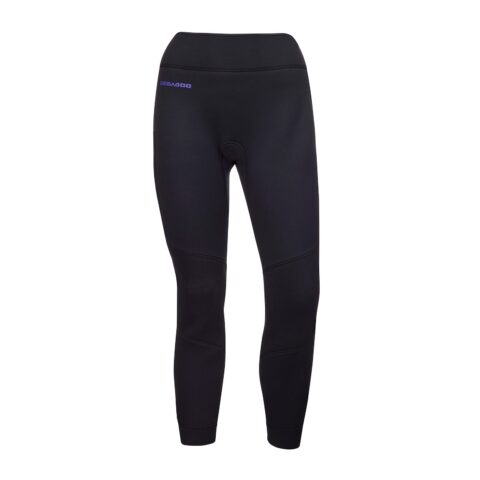
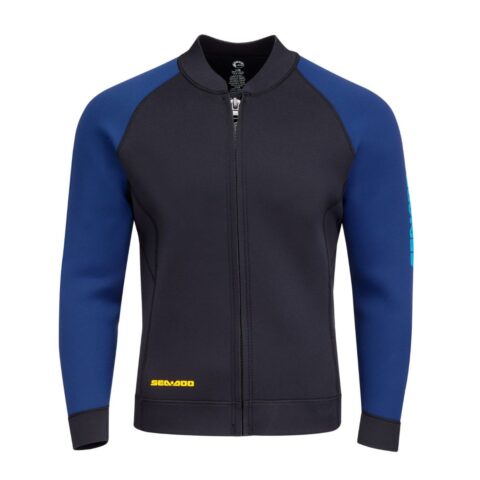
The 3/2 mm neoprene Montego Pants would be worth checking out. The knees are abrasion resistant, and the pants will provide protection from the biting wind and cold. The Montego pants are available for men and women. Get a 3mm neoprene Montego Jacket to go with your new pants. It is a nice looking 2-tone navy blue jacket and with a hidden key loop.
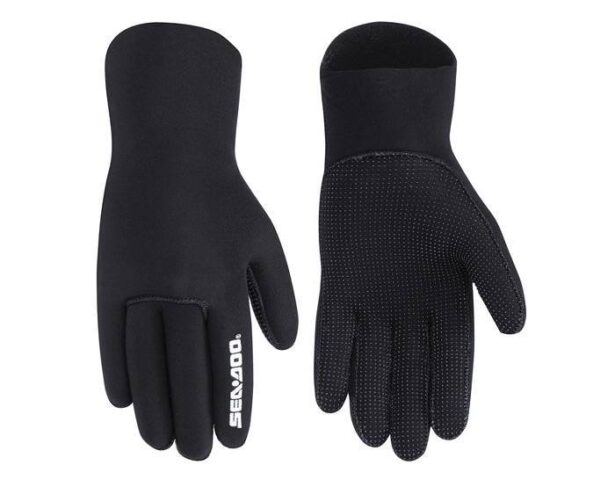
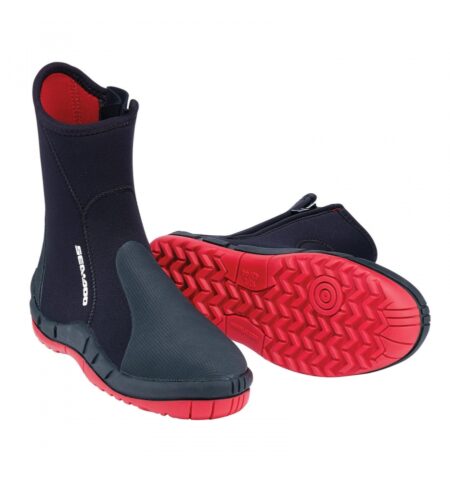
Add a pair of 1.5 mm neoprene gloves to protect your hands from the elements. These have a nice grippy palm to help you hang on to your ski. Sea-Doo also has 5 mm neoprene booties with non-slip tread to give you a better grip. They have a non-corrosive zipper on the side, which will make them easier to pull on and off. We like that feature! The boots are black with red tread. Your feet will stay toasty in these 5 mm boots.
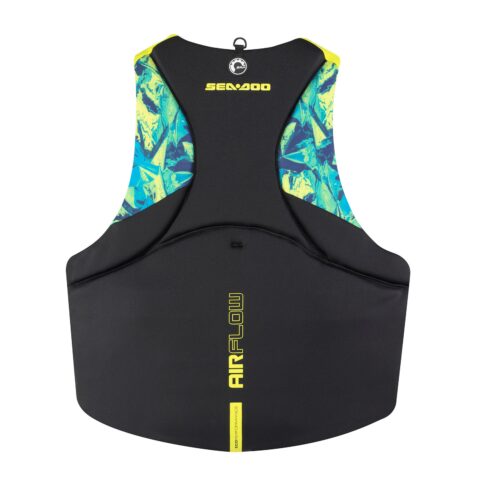
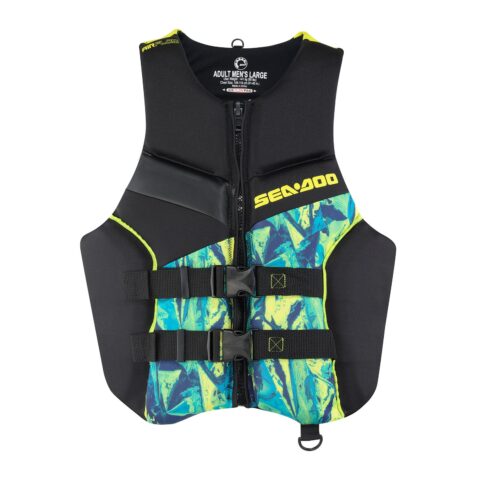
Round out your new winter gear with a new Airflow Refraction Edition PFD. The PFD is available in men and women’s sizes and in a couple of different colorways. It is made of ecoprene material that is flexible, lightweight, breathable, and quick dry. It has a mesh panel that will drain the excess water so you can stay dry and warm on those cold days. The PFD is Coast Guard approved. Check out the Sea Doo website for more winter gear and get your winter ride on!
“What oil should I run?” is easily the most commonly repeated and often mocked question circulating through PWC groups on Facebook and chat rooms. While it’s easy to mock these questions, it still leaves the inquirer asking, “Well, which is it?” And for the JetSki enthusiast, Kawasaki has just answered that question with a very exciting new option: KPO.
Kawasaki Performance Oils (KPO) just released a whole new line of fully synthetic powersports oils, which a line dedicated just for watercraft. Developed and tested to provide superior performance and protection in harsh marine environments, the KPO blend gives your JetSKi rust and corrosion protection in high-performance marine engines.
And don’t think all of the love is for the modern 4-stroke guys; KPO has a full synthetic 2-stroke oil developed to provide superior performance and protection regardless of how harsh the environment might be, whether your Kawasaki runs premix or an oil injection systems. And you want to know a secret? You don’t have to run this stuff in just Kawasakis, either.
Here’s the entire press release: With decades of experience offering top performance and high-quality oils to powersports owners, Kawasaki is excited to announce a new line-up of Kawasaki Performance Oils (KPO). Combining updated branding with all-new motorcycle formulations and even greater improved performance, the new KPO product line-up consists of industry-leading products exclusively designed and tested for Kawasaki engines to meet or exceed performance requirements and keep your powersport vehicle running at its best.
KPO MOTORCYLE OILS The all-new KPO 4-stroke motorcycle engine oil utilizes the highest quality base oils and patented cutting-edge dual friction technologies. Modern engines demand better oil due to tighter clearances, higher RPMs, and hotter running temperatures, which is exactly what KPO 4-stroke motorcycle oil was designed for. It has been tested and proven to reduce engine friction while producing high clutch friction, providing the rider with an excellent clutch and shift feel. This new formula also produces excellent engine cleanliness and durability. The KPO 4-stroke oil is offered in full synthetic, semi-synthetic, and conventional 4-stroke engine oil.
KPO full synthetic 4-stroke oil has been formulated to provide the ultimate clutch feel and durability, while providing superior protection under extreme conditions. This motorcycle-specific formula provides dual friction technology that offers low friction in the engine and three times the JASO MA2 clutch friction performance durability. It delivers maximum engine lubrication and protection over a wide range of temperatures and operating conditions, including high RPM, high temperatures, and extreme cold.
KPO semi-synthetic 4-stroke engine oil has been blended with high-quality base oils and superior synthetic oil to keep your Kawasaki protected and performing at its best. Featuring optimum engine lubrication over a wide range of temperatures and operating conditions, superior engine and bearing wear protection is delivered and a prolonged engine life is achieved through engine cleanliness and reduced oil volatility.
KPO conventional 4-stroke engine oil utilizes high-quality base oils and additives for a formulation that keeps your Kawasaki’s engine and transmission clean and efficient, making it the right choice for owners who want quality engine oil at a great price. It provides outstanding piston cleanliness to help prevent deposit and ring sticking as well as excellent camshaft wear protection for a long engine life. It’s available in several options including 10W-30, 10W-40, and 20W-50.
KPO semi-synthetic 2-stroke racing oil is formulated for superior performance in harsh racing environments and formulated for premix or oil injection systems. The semi-synthetic formula provides superior performance in racing environments with prolonged engine life and power with ash-less detergent and dispersant technology. This high-performance oil protects the engine from deposits, hot spots, and corrosion.
KPO ATV/UTV OIL The KPO ATV/UTV full synthetic 4-stroke engine oil has been formulated and extensively tested for your engine and transmission to provide superior performance and protection under high load, high heat, and extreme cold environments. It’s designed to work for both gasoline and diesel applications. The full synthetic provides maximum engine lubrication over a wide range of temperatures and operating conditions. It delivers superior performance and engine durability, including excellent bearing wear protection. In addition to improved engine cleanliness and reduced oil volatility, it demonstrates excellent viscosity stability, corrosion resistance, and oxidation control characteristics that are ideal for harsh operating environments required for protection in newer engines.
KPO ATV/UTV semi-synthetic 4-stroke engine oil is formulated to provide maximum engine lubrication over a wide range of temperatures and operating conditions found in real-world experience. Similar to the full synthetic, it’s recommended for both gasoline and diesel applications. The semi-synthetic formula delivers high-performance and engine durability as well as advanced wear protection for increased engine durability and a long engine life. It boasts excellent acid neutralization and oxidation control characteristics required for protection in newer engines while improving performance in older engines.
KPO JET SKI® WATERCRAFT OIL The KPO Jet Ski watercraft full synthetic oil has been developed and extensively tested for your engine to provide superior performance and protection in harsh marine environments. Using a full synthetic formula, it’s blended to provide superior rust and corrosion protection in high-performance marine engines and designed to tackle the toughest of environments. It helps maintain viscosity at high temperatures, high speeds, and under a high load.
Just like the full synthetic watercraft oil, the KPO Jet Ski watercraft 2-stroke oil has been developed to provide superior performance and protection regardless of how harsh the environment might be. It’s formulated for premix or oil injection systems. This formula provides top performance and protection for 2-stroke water-cooled engines and helps them maintain cleanliness and power throughout the life of the engine. It’s designed to protect at idle and wide open throttle for immediate engine response on the water.
AVAILABILITY The new and improved KPO ATV/UTV, Jet Ski watercraft, and 2-stroke motorcycle and gear oils will be available beginning early February. The all-new KPO motorcycle 4-stroke oil is set to hit the shelves at your local Kawasaki dealer beginning in April.
Those with interests within the world of late-model automotive performance tuning will likely be very familiar with industry leader and pioneer, HP Tuners. The Watercraft Journal’s sister publication, Mopar Connection Magazine has been working closely with HP Tuners for years, particularly after the company announced its mastering of the Fiat engine management software for all third generation HEMI engines – especially the supercharged 840-horsepower, 9-second Dodge Demon.
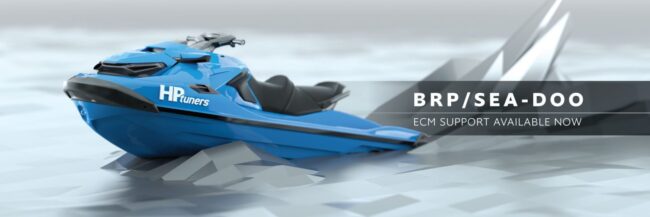
So it came as a welcomed surprise when we learned that HP Tuners had launched a new division providing diagnostic and calibration support for the Rotax-powered Sea-Doo and Can-Am powertrains. This announcement gives performance enthusiasts a new way to fully unlock their Sea-Doo via ECM tuning. HP Tuners’ VCM Editor & Scanner offers “better defined parameters compared to the competitors and state-of-the-art data logging capabilities.”
Whether you’re looking for improved user-friendliness, cost-effective diagnostics, scanning, logging, calibration and/or data acquisition solutions for your Sea-Doo watercraft, HP Tuners now brings a new level of available performance and accessibility than before. We’ve included both the video announcement and public press release below. Enjoy:
Below is the official press release from HP Tuners:
HP Tuners is thrilled to announce their official release of diagnostic and calibration support for most models of Sea-Doo personal watercraft. Using HP Tuners’ latest generation OBDII interface device, the MPVI2+, and the latest version of VCM Suite software, personal watercraft enthusiasts can get the most performance out of their watercraft.
HP Tuners’ diagnostic and calibration support is leading the way for more enthusiasts to unlock the full-potential of their Sea-Doo through ECM tuning. The VCM Editor and Scanner offer more defined parameters compared to the competitors and state-of-the- art data logging capabilities. Paired with the flagship MPVI2+ device, HP Tuners provides the most user-friendly and cost-effective diagnostics, scanning, logging, calibration, and data acquisition solutions for watercraft support in the industry.
Their credit-based licensing system allows enthusiasts to license and tune up to thousands of Sea-Doo watercrafts with a single MPVI2+ device—an HP Tuners’ OBDII Adapter Cable is required for powersports applications. The VCM Suite includes both VCM Editor and VCM Scanner and is available as a free download. Once enthusiasts purchase MPVI2+ credits on their website for their specific Sea-Doo, the tuning possibilities are endless.
ABOUT HP TUNERS HP Tuners is the leading diagnostics and tuning solution for vehicle aftermarket performance with over 19 years of expertise. From vehicle diagnostics, data logging, scanning, and calibration, they cover all the bases with their flagship MPVI2+ device and VCM software suite—the only diagnostics and tuning solutions enthusiasts and tuning professionals will ever need for their OBDII equipped import and domestic vehicles and powersport applications.
After that episode, the emails and private messages began pouring in from concerned PWC buyers and enthusiasts – but one trend we saw scared us more than most. Multiple subscribers to WCJ shared that they received messages from powersport dealers that Kawasaki USA will freeze production on all STX and SX-R models, and reduce the rest of the line by an average of 20%.
Inquiring further details, The Watercraft Journal reached out to Kawasaki Motors USA Public Relations Manager, Ken Essex who wrote back the following:
As you know, most industries have been impacted by a variety of issues to meet consumer demand during the pandemic. Kawasaki, along with our competitors have been impacted by component shortages and supply chain issues that have led to delays in production across all product segments.
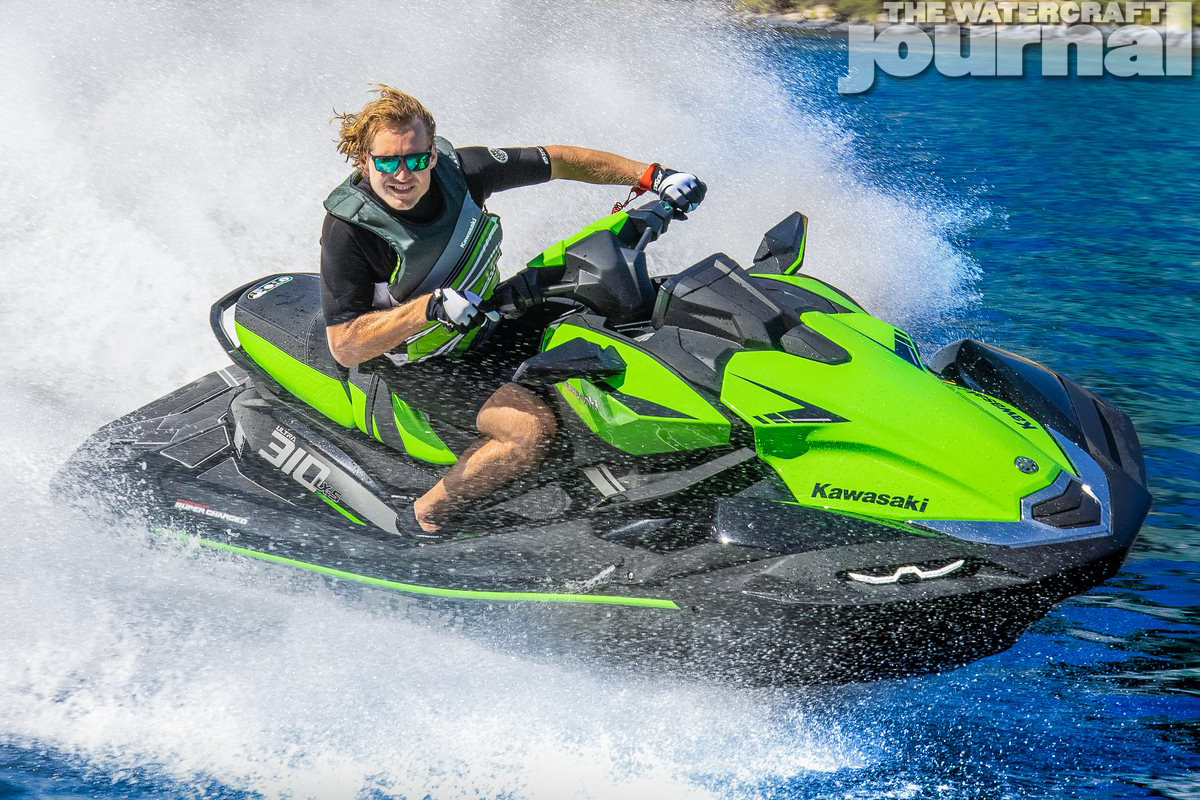
Due to the late start in production and delivering units, our window of production for 2022 models has been shortened before 2023 production is scheduled to begin, therefore we are unable to meet the dealer demand. Fortunately, the all new Jet Ski Ultra 310 models have been impacted the least. We are just an anxious as you to get our hands on the new model and you’ll be first to know when they become available.
As for the STX 160s, we expect to issue repair information to dealers in the weeks to follow.
Simultaneously, as we were writing this WCJ received a copy of the official announcement of Kawasaki’s reduction in 2022 production, citing inflated costs of shipping, reduction in necessary components and of course, coronavirus as key influences. The letter, which we’ve included below, remains hopeful and together with the note from Essex, hints at an early start for production 2023 units.
Happy New Year! Our hope for 2022 at Kawasaki is that Covid and its variants run their course and we can resume to normal conditions in the second half of the year.
At present, this terrible virus continues to put pressure on our manufacturing capabilities. We have seen some stabilization in transportation rates but not improvement. Meaning that rates remain very high but are not continuing to increase. Supply chain conditions for components continue to be very challenging along with manpower issues due to the latest Omicron variant.
Based upon these latest conditions we want to update you as part of our ongoing efforts to provide you with the latest vehicle supply information.
Unfortunately, these ongoing supply chain interruptions will affect our ability to supply you with 100% of your outstanding orders. We will need to reduce allocations on several motorcycle models, one (1) ATV model, and the most painful reductions will be on JET SKI® watercraft orders. The good news is, NO reductions on SIDE x SIDE vehicles. Please see the chart below “Outstanding Dealer Order Reductions”.
These reductions will vary by dealership based on your dealerships’ prior receipt of these models compared to outstanding orders. We anticipate visibility of these adjustments on K-Dealer by next Friday, January 21, 2022.
We apologize for these latest reductions and I assure you that all of us at Kawasaki are working extremely hard to improve vehicle deliveries to your dealerships.
There is light at the end of the tunnel… starting in April, we anticipate having a variety of models in all categories, except Jet Ski watercraft available for “Open Ordering”. This will be just in time for the beginning of the spring selling season.
I hope this information helps your retail business planning for Kawasaki vehicles for the next six (6) months.
As always, thank you for your ongoing support of the Kawasaki brand.
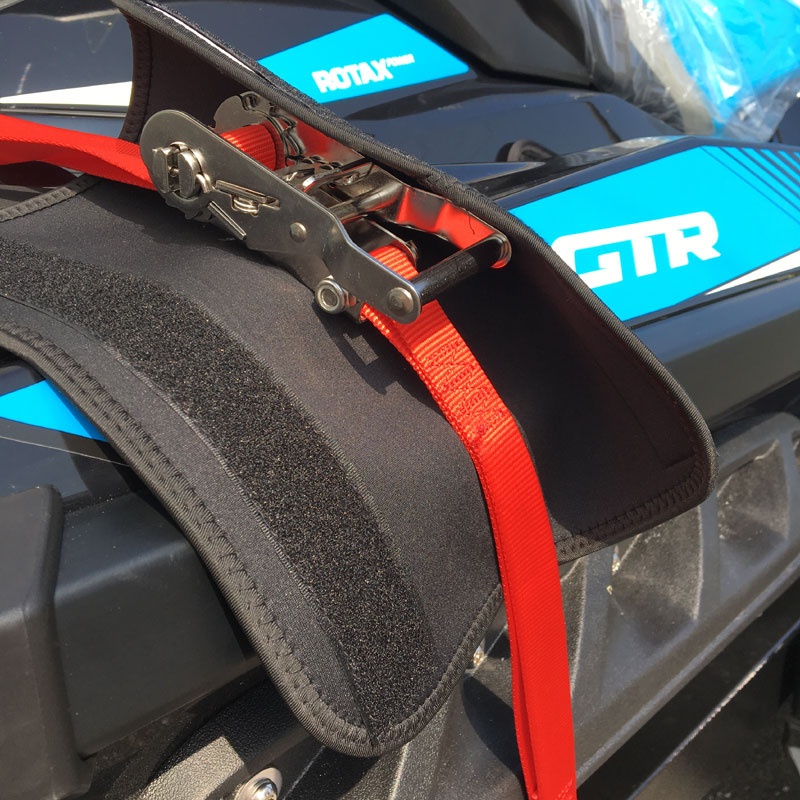
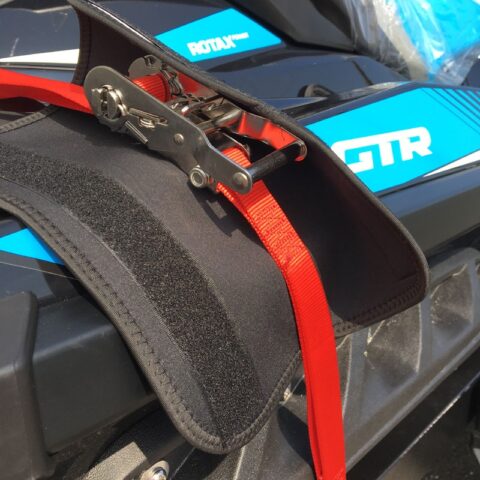
We all want to keep our PWC safe and secure when transporting. It is also important that they are protected from scuffs and scratches when tied down. We’ve seen the damage on our cherished jet skis caused by poorly wrapped ratchets and tie downs, and it can be brutal. Deep gouges and scrapes are not only unsightly; they can lead to costly repairs. Scratches and abrasions caused by poorly manufactured or worn-out covers can come to an end with Unlimited’s chloroprene covers.
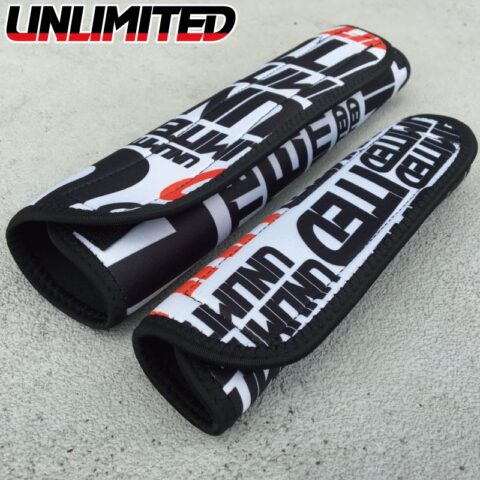
They have an awesome selection of tie down belt covers, belts, and pads. The large pads will protect the hull of your boat and they are compatible with big ratchets. These pads unroll and will stretch to cover the hull of your ski where you want to tie down. The covers come in sets of two sheets or one large single pad, all with a Velcro attachment.
They also come in a smaller size that measures about 8 X 9 inches. Pads are available with an all-over Unlimited logo, black with white Unlimited lettering, and black with Unlimited in a bold red. These things are nice with the wide fold over protection for your ski and easy Velcro attachment.
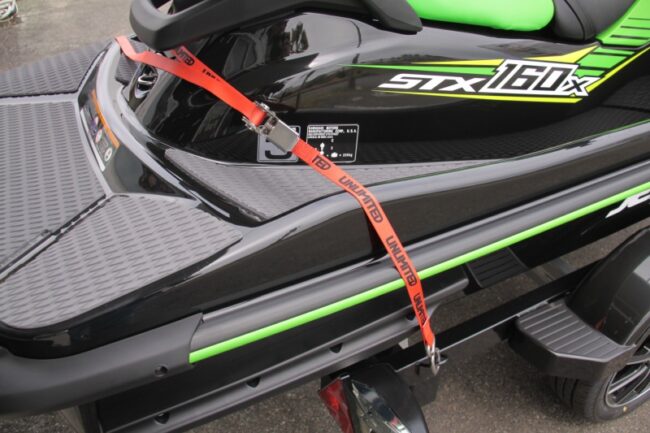
A ratcheted lashing belt with a separate set of hooks is available on the site as well. The S-type hooks are made of stainless steel, which is a necessity when living near or riding on saltwater. The belt is a bright red with Unlimited stamped in black. It looks good! The belt is about 12 feet long with a width of about one inch. Check out the Unlimited PWC website for all your pad needs and other cool products.
In what appears to be an ever-increasing pace, engine manufacturers around the world are pursuing a range of strategies to produce low and zero carbon solutions to meet tightening emission standards.
A popular engineering choice made by a growing number of manufacturers is battery electric propulsion, using lithium ion based chemical batteries to power electric motors. The Watercraft Journal has documented a number of recent developments of these projects, such as the Sea-Doo E-GTI, Taiga Motorsport’s Orca Carbon, and the Maverick GT. There are many advantages to battery electric PWCs, but one major drawback is the highly significant weight and volume penalty due to the low energy density of chemical batteries.
The batteries currently used in automotive applications take up somewhere around 15 times as much space (volumetric energy density) and weigh (gravimetric energy density) something like 50 times their gasoline equivalent. When it comes to PWCs this obviously has a large effect on range, particularly when cruising speed is considered.
Packaging batteries as opposed to fuel tanks and large, complex internal combustion engines offers a wider range of creative design opportunities, but the vast differences in energy densities put practical limits on the real-world end results.
The battery equations simply work better for passenger and sport cars, and possibly commercial vans and trucks than they do for watercraft and aircraft. As an example, the fuel tanks on some PWCs are larger than those found on many cars, yet the machines themselves are much smaller and so are the distances they can travel on that fuel. It simply takes a lot more energy to push a hull through water than it does to push a wheeled vehicle down a road.
Other factors that need to be considered are the ability to take extra fuel for longer trips when required, and refueling options and time frames. Then there are purely subjective aspects such as the sound and characteristics of high performance supercharged internal combustion engines. For some, electric PWCs will be the best fit, and in fact will likely bring entirely new participants out onto the water.
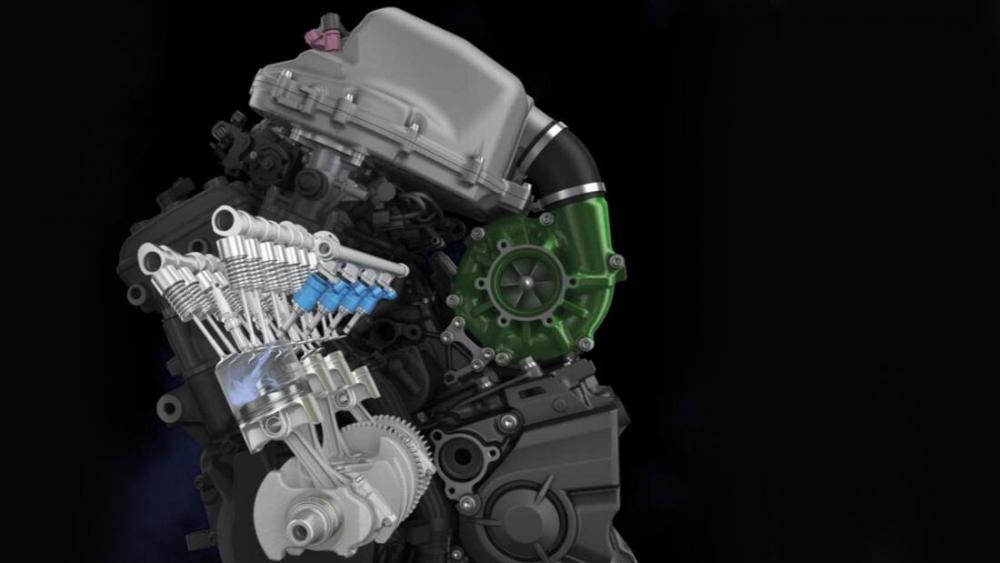
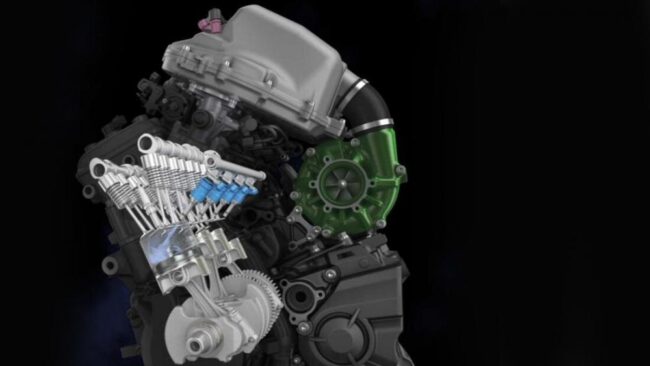
However, for those that are not yet ready to give up on the internal combustion engine, there may yet be a way to save it from being consigned to history: Hydrogen power.
With the natural crossover of motorcycle and PWC engine designs, having Yamaha in the fold should bolster this effort immensely. But hydrogen isn’t a simple swap for gasoline, and it is important to understand the basic properties of hydrogen and the challenges of using it as a fuel.
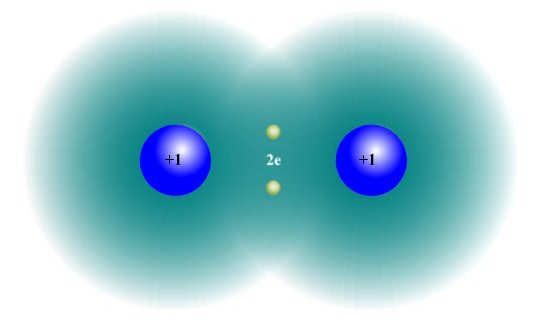
Hydrogen is the lightest element, literally just a proton and an electron. The stable form of hydrogen, which is the form used for fuel, is H2 – molecular hydrogen, 2 hydrogen atoms chemically bonded to form a simple molecule. It burns very fast and has the highest heat conductivity of all elements. Hydrogen molecules literally move faster and disperse faster than any other gas.
When you burn hydrocarbons such as gasoline, diesel, LPG or methane you are really just burning the hydrogen component of the fuel. The carbon is essentially just along for the ride. It changes the properties of the fuel in fundamental ways, many helpful, many not, but it is the hydrogen that is doing the actual work.
In liquid fuel chemical rocket engines hydrogen is king. It is a high thrust fuel with the highest efficiency, seeing use in NASA’s Space Shuttle main engines among many others. When it comes to internal combustion engines, using hydrogen as a fuel source shows great potential if a number of complex hurdles can be overcome.
Hydrogen is very high octane, rated above 130 on the RON scale, but that doesn’t tell the whole story. In line with the high-octane rating hydrogen can resist compression ignition very well, but hotspots in the combustion chamber can cause pre-ignition easily thanks to its low ignition energy. It is also more prone to back firing, so accurate valve timing is critical.
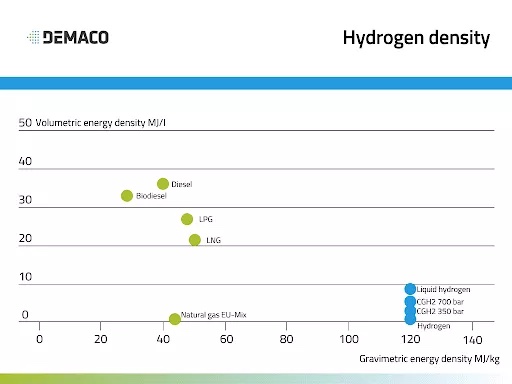
The stoichiometric air / fuel ratio of hydrogen is 34:1 (compared to 14.7:1 for gasoline) and can be run far leaner in some designs, meaning a little fuel goes a long way. It also has very high gravimetric energy density, around 3 times better than gasoline. However, the volumetric density is quite low, at best around 30% that of gasoline.
Extremely low temperatures and high pressures are needed for hydrogen storage, and the tanks themselves are heavy and expensive. The volume and weight of large, pressurized tanks mean that hydrogen too may have range issues just like battery electric power, but it remains to be seen precisely where the equation will land for hydrogen.
The risks of storage and usage of hydrogen are not insignificant but are not particularly higher than risks for other fuels whether liquids or compressed gasses. Producing hydrogen isn’t necessarily easy, but the stuff is everywhere; it is virtually impossible to run out. There may be no guarantees, but the Yamaha / Kawasaki partnership is a good sign for the future of hydrogen powered PWCs.
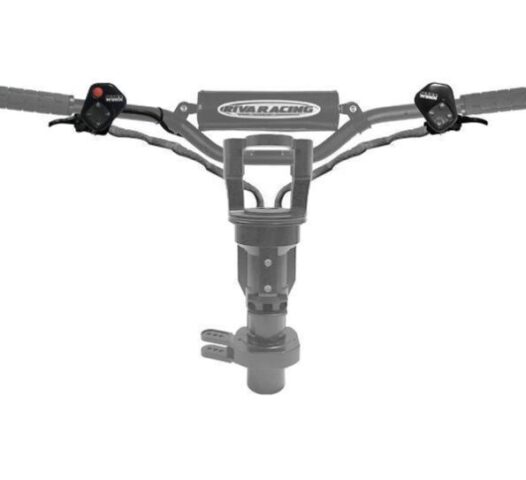
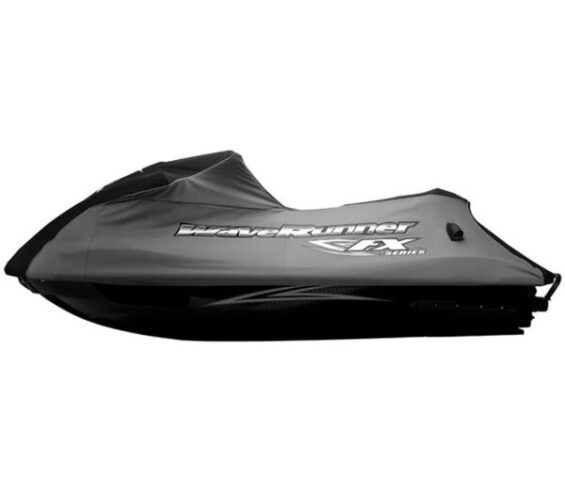
The Greenhulk PWC Performance Store has almost 400 items on sale! If you’re having a hard time finding jet ski components, check out Greenhulk’s website. It has four pages of sale items, which range from PWC covers to wakeboard racks. A huge selection of RIVA Stage Kits and MaptunerX licenses are available with good markdowns. SuperJet RPM Kits and Stage 1 Freeride Kits are included in the mix.
Several Yamaha short block engines are priced to move. If you blew your HO engine, you could find one on the Greenhulk site. The selection of Solas and Skat-Trak Impellers covers a huge range of PWC and there’s even a dual impeller designed for Yamaha PWC powering the Zapata FlyBoard. Several WORX Sea Doo and Yamaha Steering Systems are on offer.
If you’re looking to turn your Sea-Doo Spark into a turbocharged high performance machine, check out the Victory Sea-Doo Spark Turbo Kit. It’s almost a $1,000 off the regular price. If you need a new traction pad set up, Greenhulk has the Hydro-Turf Mat Sea-Doo Mat’s available. These are in stock for select models of Sea-Doo PWC in the 2002-2009 date range. See the website for a list of compatible models.
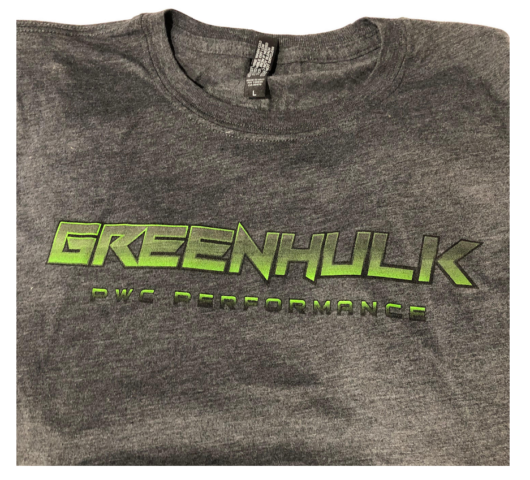
You can also show your support for Greenhulk by purchasing a branded shirt or a hat. The hat and shirts come in gray with the bold Greenhulk logo. Both are marked down to $19.95, so grab a few of these high-quality products. Greenhulk is your one stop source for performance parts. Check out the Greenhulk list of products while cruising the net. We’re sure you need something and they offer worldwide shipping!
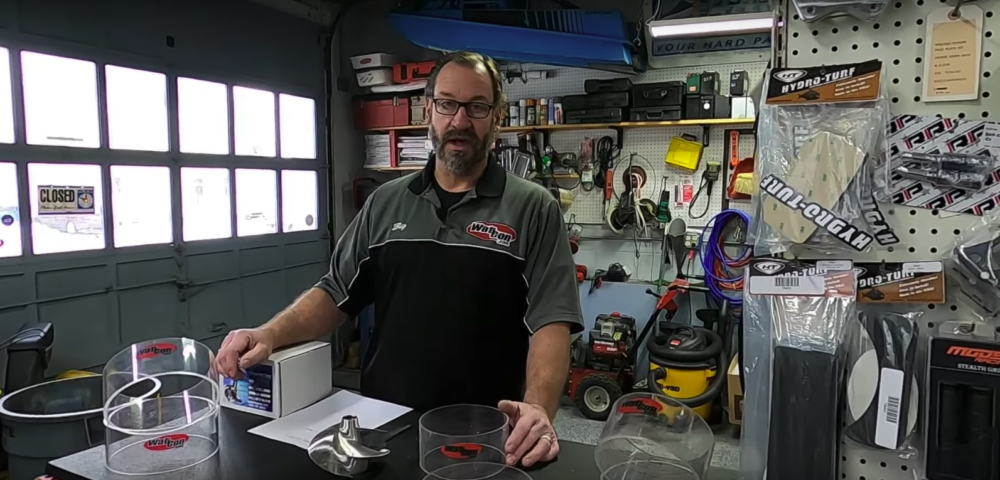
In his usual clear, simple and highly informative style, John Zigler of Watcon has released a new video on his hidden gem of a channel Watercraft Talk. This latest installment deals with Watcon’s line of Impeller Pitch Ring Gauges.
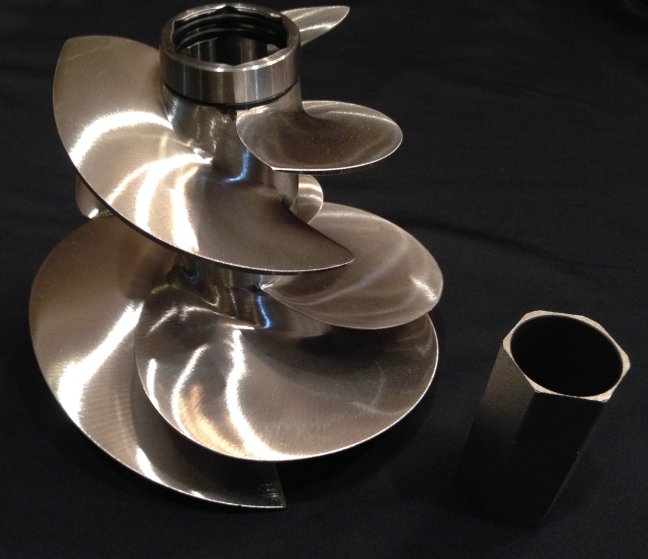
These useful tools come in four different sizes from 140mm to 171mm, with 160mm being most common. Each is actually a set of two gauges, one for measuring the leading edge and the other for the trailing edge. The example used in the video is in 148mm, and the impeller being measured is an Impros Hooker in 9/15 for the Yamaha SuperJet.
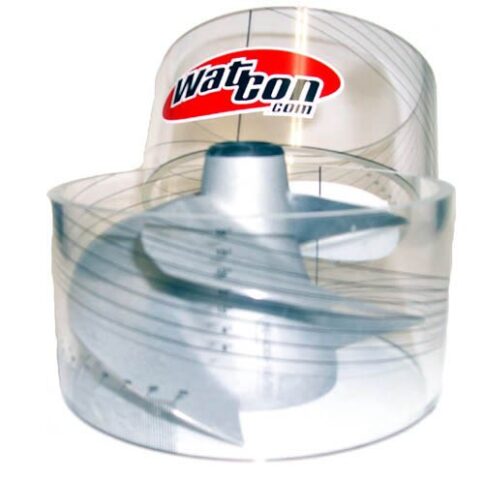
Impeller Pitch Gauges are short clear cylinders with dark lines of pitch marked on them. To demonstrate the measurement process Zigler carefully lines up the gauge outside of the impeller with the appropriate gauge line. The leading and trailing edges are the important parts, because with progressive pitch the impeller will begin to deviate from the relevant gauge line, so the first inch is the important part, which he has marked in black on the impeller.
As explained in the video, the Watcon Gauges line up better with Impros and Skat-Trak impellers, but can be inconsistent with Solas pitch numbers. However this does not present a problem as the important part is the relative measurement, not so much the outright numbers.
Less pitch results in more RPM, and conversely more pitch will bring down the RPM. Although the leading edge has a higher effect on initial acceleration and bottom end hook up and thrust, and the trailing edge is more for top speed, high end thrust and overall pump pressure, the changes will effect the impeller across the range.
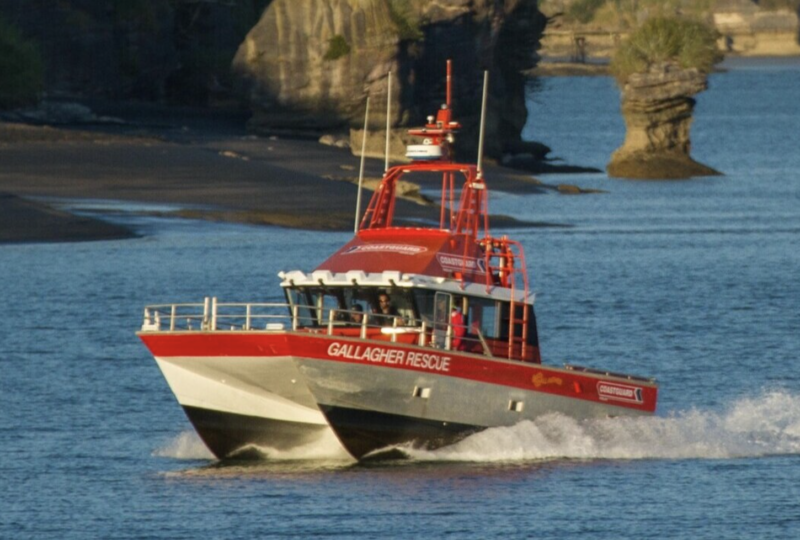
A couple of boaters were saved by a jet-skier who swooped in to save the day after their boat capsized. Coastguard New Zealand sends out big thanks to the unknown rider. The morning of December 27th, 2021, the Bar Crossing Alarm sounded in the Coastguard Operations Center. A boat was overdue on the Raglan bar. All stations were called by Coastguard Radio to go and track down those onboard.
The NZ Coastguard was underway when they received word that a call came in about a vessel upside down on the Harbor Bar and three people were in the water. Raglan Volunteer Coastguard and the local Surf Lifesaving Club worked in tandem to rescue the third person in the water. The mystery jet skier had taken the other two to shore, while the Lifesaving Club pulled the third person out of the water and took them to safety.
The boaters were okay and in good spirits, though feeling dehydrated. Everyone was wearing lifejackets and they had logged a bar crossing report so the Coastguard would know there whereabouts if things went awry. They did everything right and survived to tell the story.
The NZ Coastguard is looking for the person on the yellow jet ski who rescued two of the boaters. They have a Good Boatie Award for the unknown PWC rider. He not only discovered the boaters in the water; he also alerted rescuers by setting off his own PLB. The vessel is currently anchored and will be retrieved when the water conditions clean up. We liked this story because of the safety aspect. Everyone involved was prepared and the rescue was smooth. We like a happy ending.
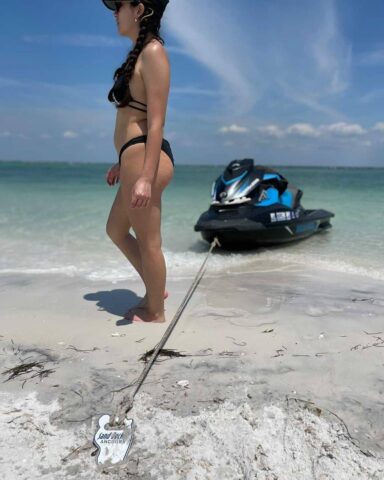
Fact: the leading cause of premature wear on the painted hulls of modern Yamaha watercraft and deterioration of a Sea-Doo’s carbon seal has been owners beaching and shallow starting their personal watercraft. And as much as you’ve seen The Watercraft Journal publish pictures doing the same, the fact remains true, watercraft should be anchored to shore with a tether, and started in 3-feet of water or deeper. It’s literally written out in every single owner’s manual.
We at The Watercraft Journal have been hammering this point ad nauseam for years now. So in an effort to better inform and educate new and novice PWC owners, we’ve partnered with possibly the single-most popular, most highly-regarded personal watercraft anchor, Sand Docker.
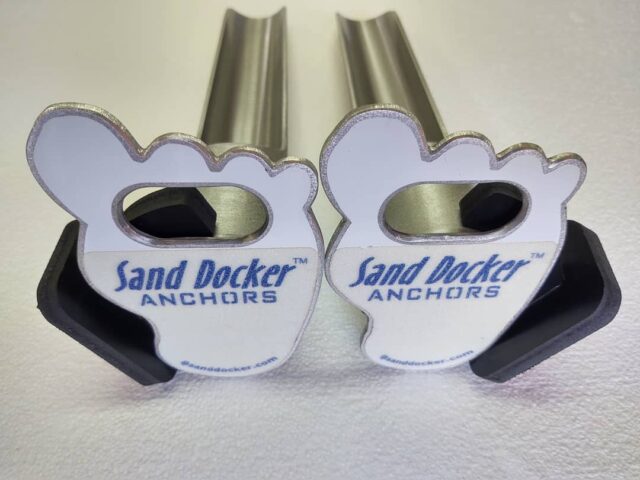
These lightweight, all-aluminum sand anchors are entirely American-made in Jupiter, Florida; and are CNC-controlled plasma cut and TIG welded together, giving the consumer the strongest, most durable anchor possible.
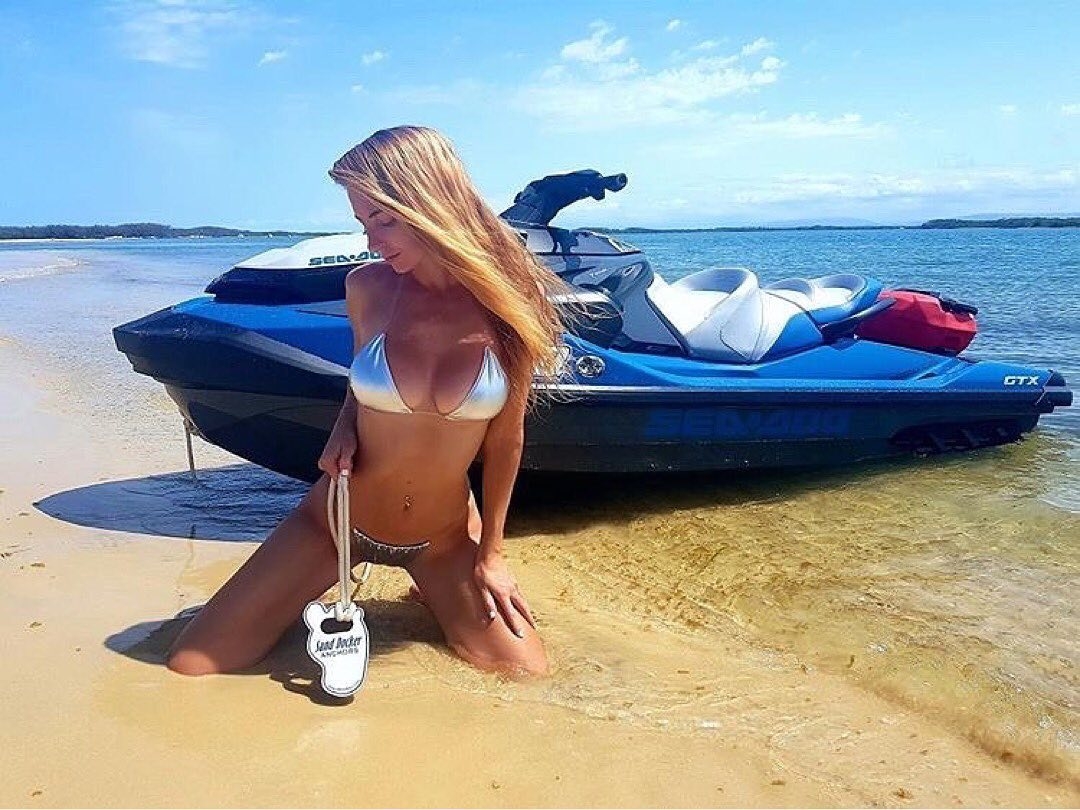
The Sand Docker anchor is uniquely designed; bucking tradition pole, wing or claw anchor designs, the Sand Docker doesn’t displace sand (which can easily dislodge in rough surf), but rather punctures the soft beach’s surface like a syringe.
Topped with a grippy foot-shaped pad, you simply tie up your PWC to the large eyelet and press the Sand Docker flat with the sand. You can even walk on top of it without hurting your feet!
We at The Watercraft Journal have tested PWC anchors before and found most of them clumsy at best, banging around inside of your bow storage while you ride. With Sand Docker’s new Strap-It Holder, your Shorti PWC anchor stays nice and secure, even in rough conditions! The hollow tube and angled tip is distinctly unique to Sand Docker and the first of its kind – so don’t accept any copies or rip-offs! Sand Docker did it first and continues to do it best!
Stop beaching your ski and get your Sand Docker by calling 561-512 6900 or at www.sanddocker.com




 “What oil should I run?” is easily the most commonly repeated and often mocked question circulating through PWC groups on Facebook and chat rooms. While it’s easy to mock these questions, it still leaves the inquirer asking, “Well, which is it?” And for the JetSki enthusiast, Kawasaki has just answered that question with a very exciting new option: KPO.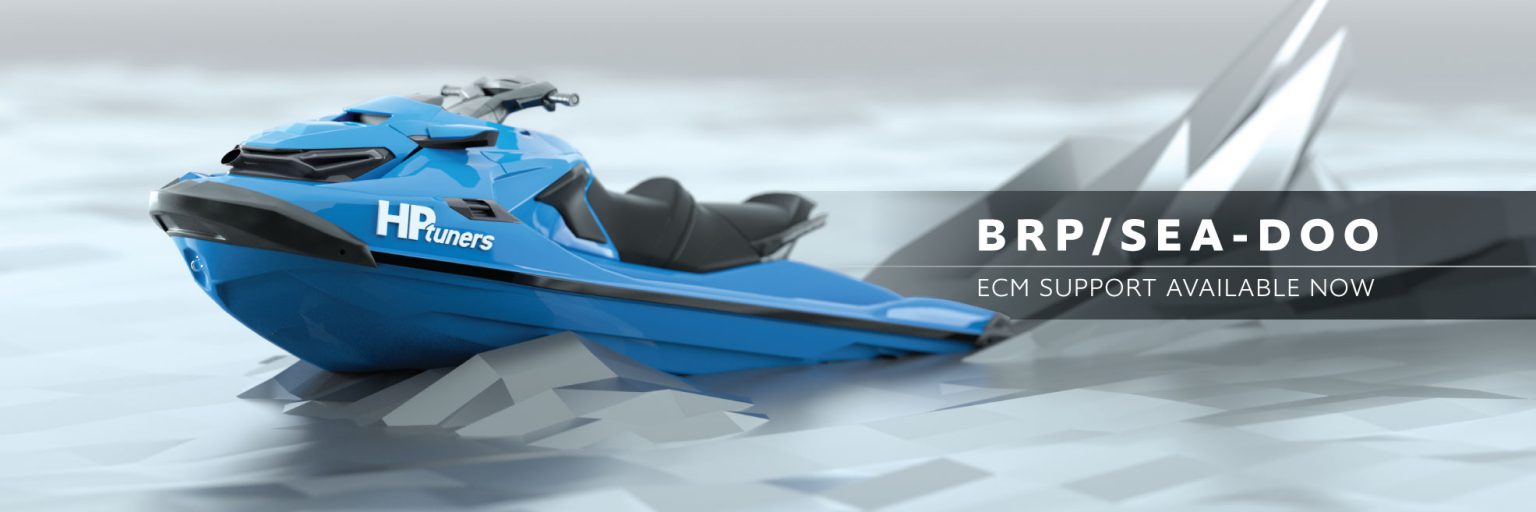







 We at The Watercraft Journal have been hammering this point ad nauseam for years now. So in an effort to better inform and educate new and novice PWC owners, we’ve partnered with possibly the single-most popular, most highly-regarded personal watercraft anchor,