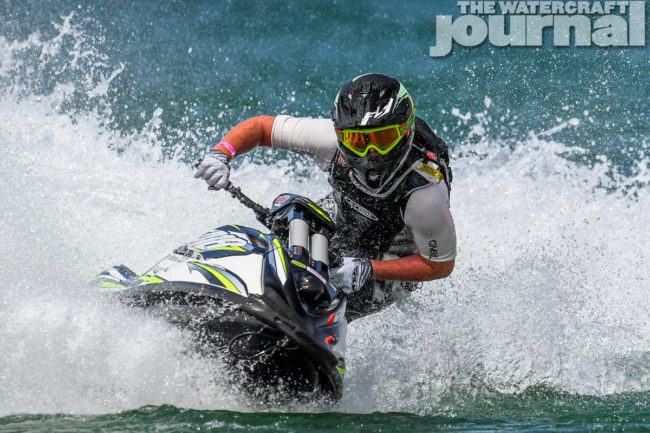
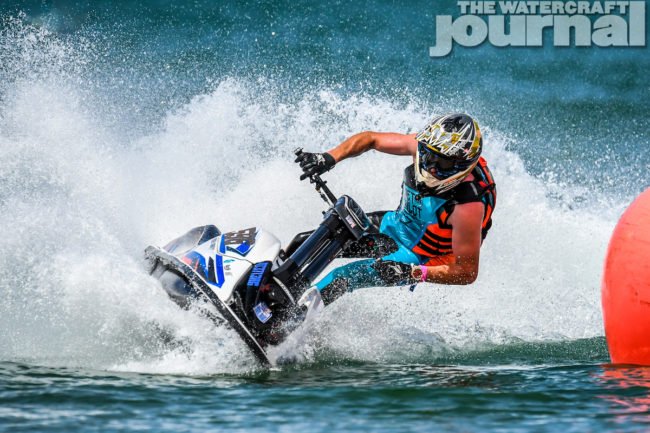
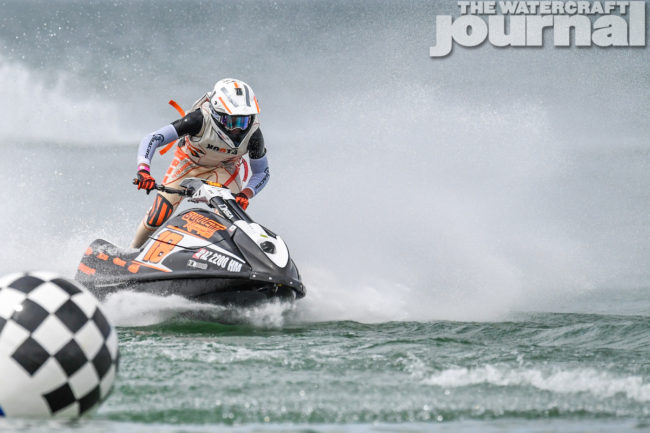
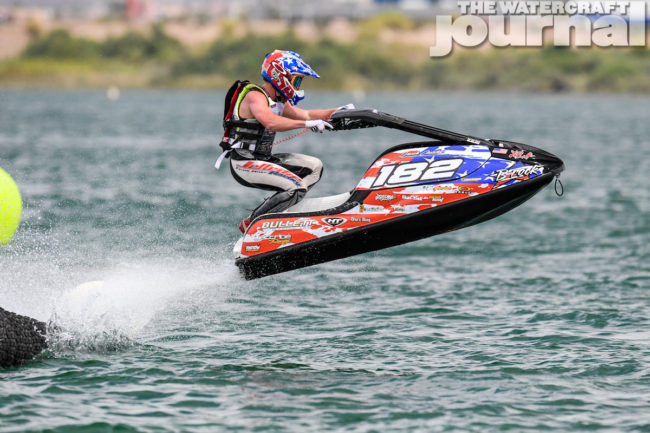
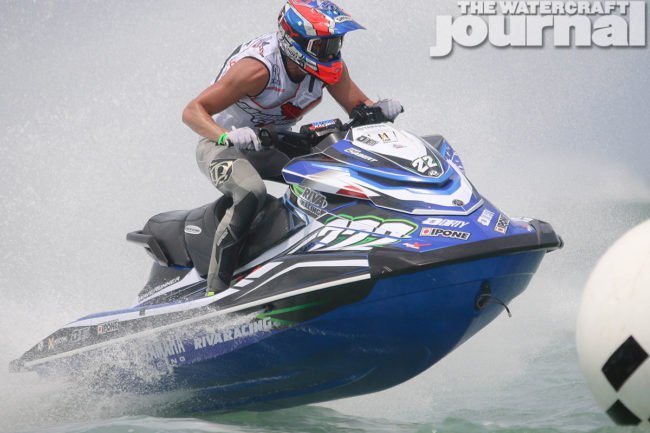
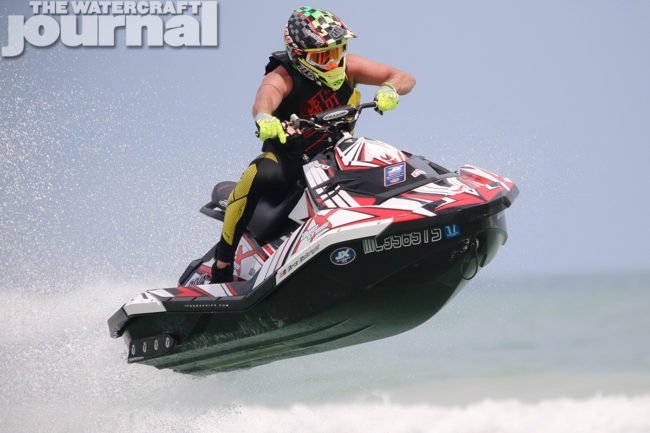
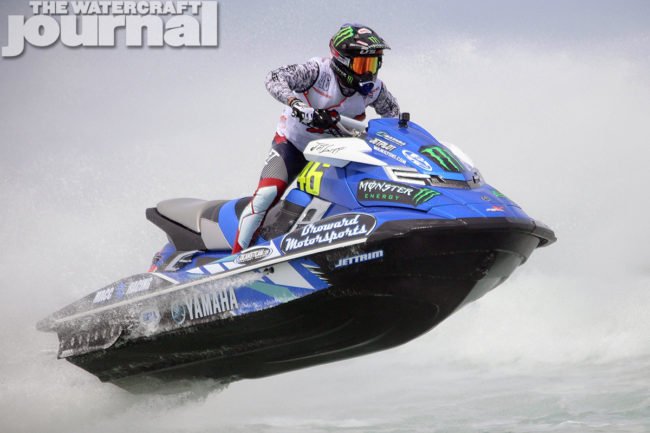
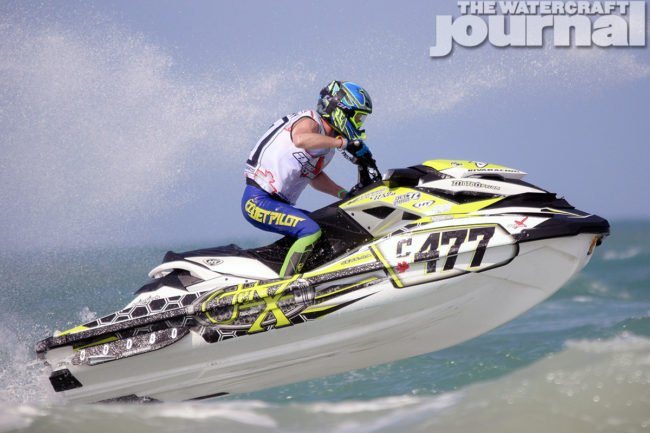
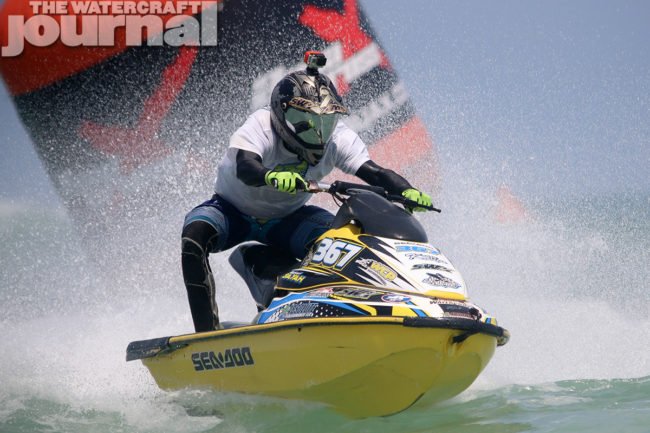
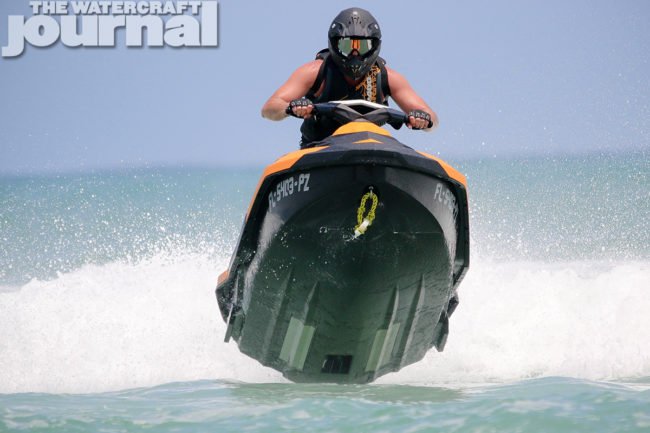
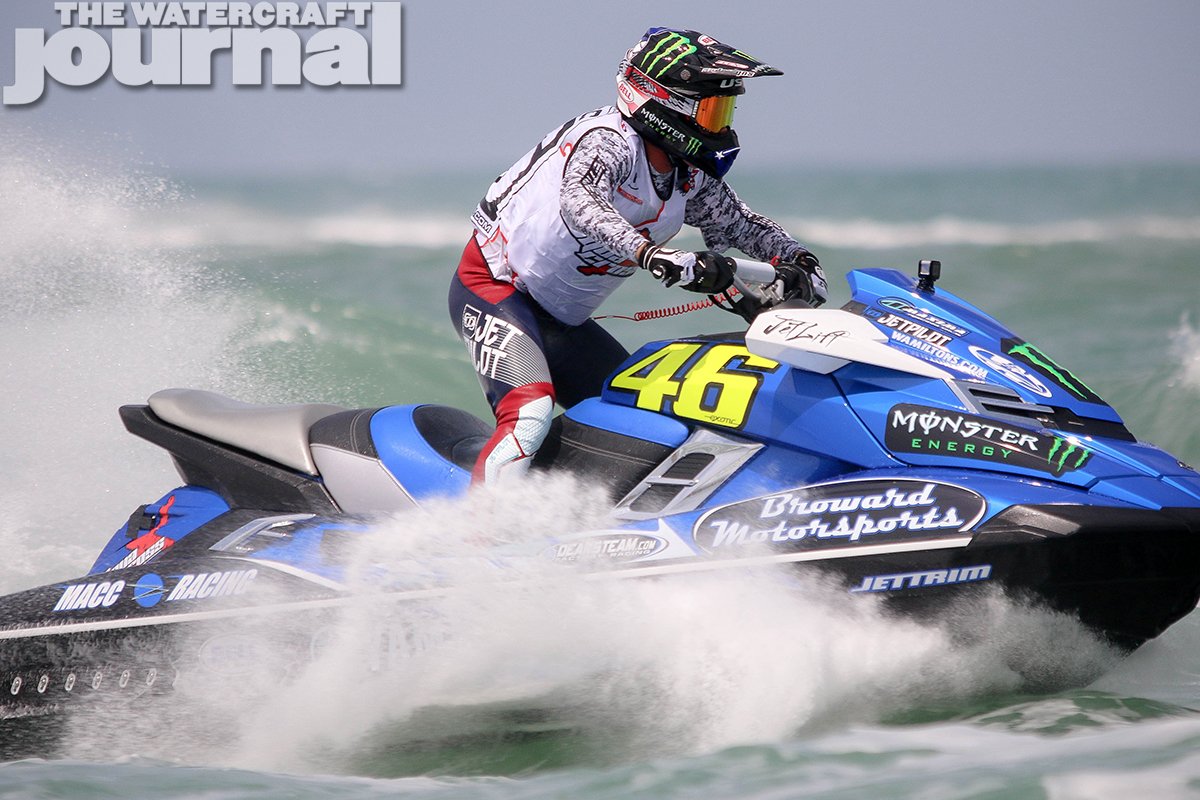
There’s no arguing the facts: the economy is up, new and used personal watercraft sales are continuing to climb (year-after-year, too!), and more and more people are looking at adding a new toy to their garage. What that means for your local and regional powersports dealers is heightened competition from those in the surrounding area. So wouldn’t it be great to have exposure on the single most popular personal watercraft magazine in the world? You bet it would. With over 350,000 annual readers consuming over one million articles a year, The Watercraft Journal is the go-to resource for product reviews, event coverage, and industry insight.
“But wait,” you think. “How can advertising on a global website help our dealership bring in more customers within our state/region?” Easy. The Watercraft Journal specializes in making sure dealers receive a marketable return on their investment (ROI) through geocentric advertising. We can range your ads to cover the globe or just a 50-mile radius. It’s entirely up to you. And now with special ad pricing exclusively for dealerships, you can regularly update your ads to match your sales promotions or special offers. It’s really that simple.
So how does it work? All geocentric ads will appear to only those readers coming to The Watercraft Journal who live within your specified (targeted) area. And because we’re offering these ad spots at a reduced rate, you can continue your ad word and social media campaigns without stressing your already tight budget. (We know how it goes.) If you’d like to bring more new and returning customers to your dealership and/or shop, check out our Rate Card HERE and email us at [email protected].
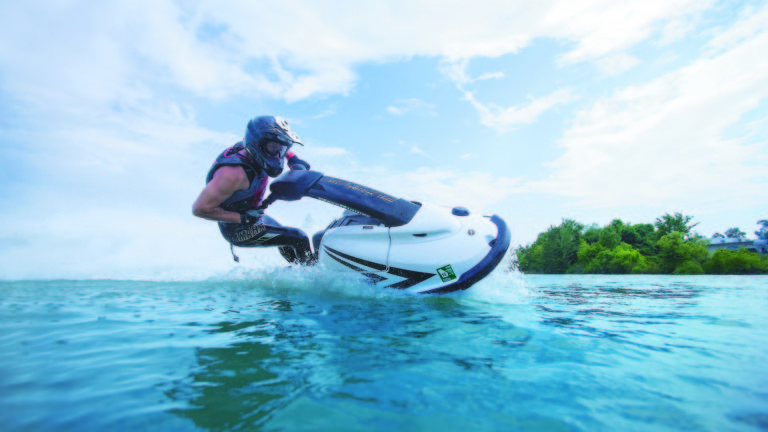
There has been a lot of hype in the standup world lately with the unveiling of Kawasaki’s new SX-R 1500, but what about the tried-and-true Yamaha SuperJet? Some speculation has circled the SuperJet over the past few years on who can buy the machine new from the dealer. There is some confusion on this topic from guys at the lake to uneducated salesman at the dealerships. Here at The Watercraft Journal, we broke down all the facts you need to know if you are looking to put a brand new SuperJet in your garage:
Yes, there are a few stipulations before you throw down your hard-earned cash on a SuperJet. There is an extra step compared to other new personal watercraft, but almost anyone can get the Yamaha standup new if you really have the itch. When we say almost, you are out of luck if you live in California or New York. The SuperJet is not for sale new in these two states due to emissions. But that’s not to say you couldn’t buy your new machine out of state. The rumor that only “racers” can get their hands on a new SuperJet is false. Recreational riders can purchase the machine new as well.
The other stipulation with owning a new SuperJet is that the person buying the machine has to purchase an IJSBA (International Jet Sport Boating Association) competition card (first implemented in 2011). This card is $60 and can be obtained at your dealership or through the IJSBA website directly. Why do you have to obtain an IJSBA card in the first place? Simply put emissions. The SuperJet is classified as a “competition use only” personal watercraft due to stringent EPA regulations. The 2-stroke motor doesn’t pass the strict emission standards like the rest of the new manufactured 4-stroke skis.
In its current form, the SuperJet is one of the most popular standup skis in 20 years. We asked Yamaha’s Andrew Cullen a bit more about the perennial standup, who explained, “The SuperJet hull was last updated in 2008. It incorporated a slightly wider shape especially in the bow area, which softens the ride and makes it lean into turns better. Many racing developments over the years helped improve the handling character of the SuperJet, [and] in an effort to continually improve our products, we incorporated many of the designs from our racing efforts into our consumer products.”
This ski is the last manufactured personal watercraft from the Big Three with a 2-stroke engine. The 701cc inline twin 2-stroke has been virtually the same since the mid 1990’s. But do not let that scare you. This platform has stood the test of time. If it isn’t broke, why fix it? The aftermarket is flooded with performance parts to get even more performance out of your 2-stroke SuperJet as well. So if you want the lighter more affordable standup [$8,499] go out and pick one up today!
Okay it’s the start of the work week and many of you are already dying to get out of the office and back out on the water. You still got some time left before the weekend so sit back, read this article, watch the promo video and read about the racers in Round 1 of this years 2017 British JetSport Championship.
The British JetSport Championship was on April 8th and 9th and feature top notch racing. With all of the major race classes, there was a race available to anyone.
“Jetsport Racing Association of Great Britain is the UK governing body all UK Jetsport competition.” This year’s first round of racing was held at Wyboston Lakes, a great venue for jet ski racing. With racing, freestyle competitions and over 100 registered riders of all ages there was never a dull moment last weekend. It seems that every year the racing and freestyle events grow more and more. Looking back to previous events, it’s awesome that this sport is growing so fast!
Stay tuned as Round 2 of the Championships will be May 19th, 20th, and 21st. If you do live in Liverpool, head over to Crosby Lakeside Adventure Centre to see some even more exciting racing. When you get the chance, check out their Facebook page, JSRA and read about all of the confirmed 2017 pilots and upcoming events.
Oh yikes! What were we thinking? Yeah, you’re reading this latest update of “By The Numbers” a day later than it’s supposed to be. Why? Well, because it’s May and we’re still wondering where April went. The 2017 models are already swarming the lakes and beaches across the country, edge-of-your-seat racing is already in full swing (with the Pro Watercross Tour ready to kick off this week), and for the most part, the skies are clear, the mercury is rising, and people are ready to hit the water if they aren’t already regularly visiting their local launch ramps.
And how about The Watercraft Journal, you ask? We’re continuing to grow in readership – both new and returning – and for good reason. Our readers come to us for the latest industry news, the newest product announcements, and the most up-to-date race and event coverage happening worldwide. Did you see the latest cover tease from the last remaining print mag? It’s all boasting coverage from articles that we’ve had published weeks – and in some cases, even months – ago.
We don’t report “yesterday’s news” because we’re live, publishing daily, Monday-through-Friday, completely free to you, the reader. We support more local clubs and events – by providing free promotion and coverage – than any other domestic magazine. Want the most people possible to know about your club’s calendar of rides? Drop us an email. Looking to ramp up sign-ups for your upcoming race? You know how to reach us. We aren’t restricted by page counts or print schedules. If you’ve got news to share, there’s no better source. If you’re a company wanting to reach more customers, working with us guarantees increased business.
April 2017
April 2016
Consistently Growing & Consistent Readership
Steady growth is something that few companies in and out of this industry have been able to maintain for weeks or months at a time. Yet, when a digital publication can do it, it’s almost miraculous. And more importantly, when a digital magazine within this industry continues to draw in new and return readership every single month since launching its launch in 2013, it’s uncanny. More and more PWC enthusiasts are coming to The Watercraft Journal, and why? Because the level of professional and consist publishing leaves every other website, blog and magazine outlet in its wake.
April 2016
Total number unique readers: 24,971*
Total number of articles read: 54,308
Percentage of new readers: 64.4%
April 2017
Total number unique readers: 31,623*
Total number of articles read: 58,452
Percentage of new readers: 63%
*This number is considered equal to an individual sale of a single copy of a magazine.
Professional Quality & Prolific Quantity
It’s important to note that in this day of immediacy that there is a reliable source for top quality, professionally-written magazine content that is published each and every single weekday. Pending a national holiday, you won’t see a day go by without new and uniquely-written articles from The Watercraft Journal. Providing coverage from the entirety of the personal watercraft industry – be it touring, fishing, racing, freestyle/freeride, or do-it-yourself tech – we bring the enthusiast the widest array of coverage possible. And we produce more sustainable content than any other publication, be them print or memory-sapping downloadable PDFs – both of which we don’t do.
News articles published in April 2016: 24
Feature articles published in April 2016: 13
Total feature word count: 10,831 words*
News articles published in April 2017: 27
Feature articles published in April 2017: 10
Total feature word count: 9,478 words*
*When this number is translated to print publication standards equals a 118-page magazine. Please note that this number does not include an average of two uniquely-written news articles published daily.
Always Active & Ever Present
As we’ve said before, The Watercraft Journal doesn’t require any sort of download, or paid subscriptions or even a password to log in and access our industry-leading content. What that has done is make us the single-most popular outlet for PWC news, reviews, tech and coverage among watercraft enthusiasts. And with our Facebook, Twitter, Instagram, YouTube, and weekly newsletters, we bring our content directly to them. No waiting around for updates. No checking the mailbox. If they’ve got a computer, a laptop, tablet, smartphone or Apple Watch, they can read The Watercraft Journal
April Facebook likes: 21,939
Top Five countries: United States, Australia, Canada, Japan, United Kingdom
Don’t Be So Proud of This Technological Terror…
We don’t mean to gloat, but it’s unfortunate that many fail to understand that starting a program with The Watercraft Journal is so much more than just buying an ad or two. It’s an active relationship with a media outlet that is working together with you to get your company out in front of more eyes than anywhere else in the personal watercraft industry. And we both know that there are still plenty of people that you’d like to reach. So again, if looking to grow your clientele, reach a broader audience of would-be customers and spread the word about your brand, product and services, let The Watercraft Journal be your resource and email [email protected] about advertising your company in the single-most popular PWC magazine today.
On April 22, 2017 at Saguaro Lake in Arizona, 21-year-old Joshua Slade was enjoying the first ride of the season on a jet ski that he and a friend had just picked up two days before. As the day was drawing to a close with the setting sun, Josh decided to take one last ride around before loading up. It would turn out to be Joshua Slade’s last ride.
According to the Maricopa County Sheriff’s Office Joshua had turned into the path of an oncoming boat where a collision took place. Josh was struck and ejected from the personal watercraft and immediately submerged into the lake because he was not wearing a flotation device. Patrol boats with side-scan sonar and a remote operated vehicle searched for Josh. His body was found and recovered the following day from 42-feet deep of water. According to Kelly Slade, Joshua’s mother, a life jacket wouldn’t have made a difference in this case. Josh was killed from being struck.
She explained, “when the kids got to the lake they realized that they were short one life vest. So Joshua went from person to person offering money to anyone that would sell him a life vest because he didn’t want anyone to be without one and finally a lady sold him one for $40. Safety was very important to Joshua. We will never know why he took that last spin around the lake without his vest on. But a lesson to all of us that safety always needs to come first.”
We can honor Joshua Slade’s memory by practicing watercraft safety and being considerate to fellow boaters and PWC riders. I ask that you take some time to learn about Joshua Slade and if you can please donate to his Go Fund Me effort to help the family with funeral service costs. Even a simple note of support can be incredibly comforting to grieving friends and family.
According to the GoFundMe page, “The [Slade] family has now lost two of their sweet sons and could use any help you can give. Funeral services are costly and to take some/all of the financial burden off the Slade family at this time would be a service that will not go unnoticed. Please help in any way you can.”
“Joshua Mart Slade passed away doing what he loved – living life to its fullest. A great friend, loving son, brother & uncle, Joshua was always there whenever you needed someone to talk to. He had a contagious smile that lit up the room. In his youth, Joshua was an active showman, traveling across the United States competing in 4-H Swine Competitions. He loved his animals, fishing, being outdoors, dirt bikes and trucks. He had a great love for friends and family and would make everyone feel welcome and important. Joshua had an unforgettable laugh and was loving, kind and was always willing to serve. He loved life and loved adventure.” -Kelly Slade, mother
“I just would say that he loved his life to the fullest he never stopped doing things, always looked for the next adventure. Josh is a great friend and he would never pass the opportunity to help someone if they needed help. We did so many lake trips over the years never was afraid of anything it seemed. Josh made everyone smile when he was around and he created a friendly atmosphere wherever he went! He is my best friend and he lives on through me and everyone else who will continue to do as josh did.” -Jason Paterson, friend
That’s right, Jet Renu will give your boat or other motorsports machine that new exterior look again. These two YouTube videos offer outstanding testimonials as to what Jet Renu can do for your blemished vehicle. During the first video, drag boat racer Owen Adams, speaks about the hard water deposits left on his boat after racing in Wild Horse Park, Arizona. It has a high alkaline content and leaves white spots all over his boat. He just washes his boat with Jet Renu Purple and boom, no more spots. Adams went on to say that without using Jet Renu, he could spend time chipping the spots off his boat only to watch them turn to powder, requiring more cleaning time.
Brittney Hegemann began using pink Jet Renu on her jet skis and swears that ever since then, her team hasn’t lost a race. She loves using the Pink Plus on her black ski and said that it really gives it a beautiful shine. She also mentioned the spots the high alkaline water in Wild Horse Park leaves behind. Jet Renu is a division of Renu Chem based in Corona, CA and was formed for the watercraft and motorsports industries. Renu Chem is a manufacturing and supply company for the automotive, watercraft, motorsports, and cycling retail market.
With more than 26 years experience in product research and development, employees with Jet Renu are well versed in what they are selling. The crew has extensive experience in appearance reconditioning along with a knowledgeable customer service and sales staff The group keeps up with current trends in the market by developing new products that are conducive to changes in the motor sports world. The crew at Jet Renu remain vigilant, innovative. The people involved with Jet Renu like that the company is “green” because they want to help keep the environment clean for future generations. The organization manufactures products in accordance with state regulatory laws and also does what it can to preserve natural resources throughout the world.
The company offers a wide array of merchandise, including apparel. However, the biggest draw is the assortment of cleaning products ranging from anti-fog to gel coat restoration glaze. These are available in a variety of sizes which include all in one kits, towels, and sprays for use as applications of the product. “Jet Renu is the universal product that never goes out of style!” It meets the needs of motorcycles all the way to aircraft! If your machine has a body,then Jet Renu has the product for you. Check it out!
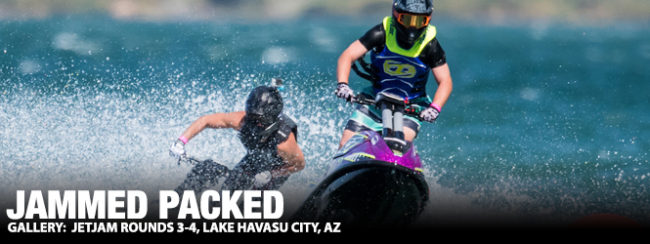
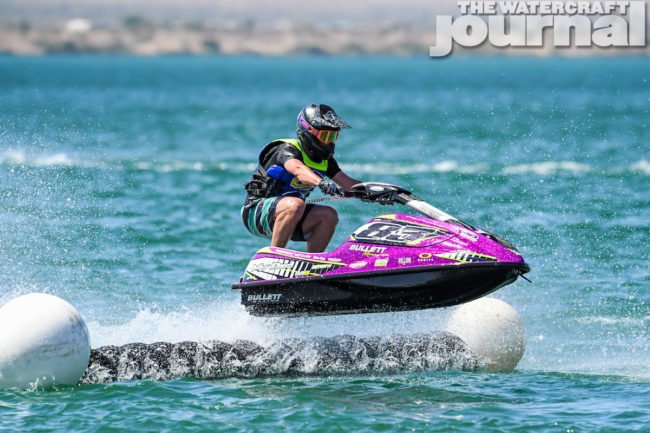
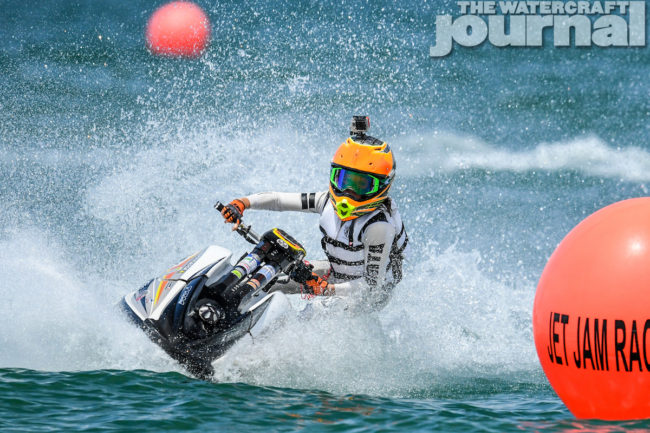
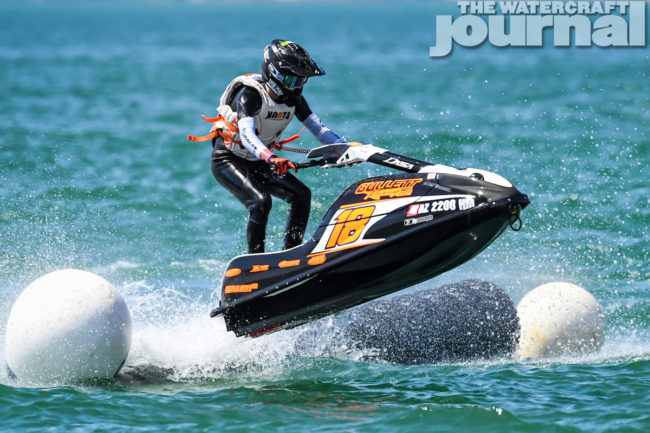
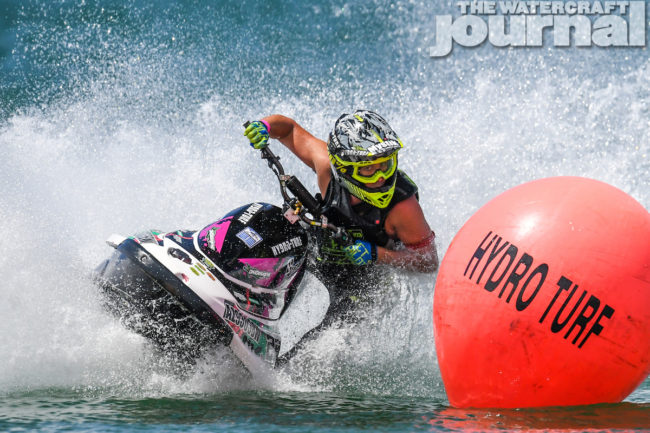
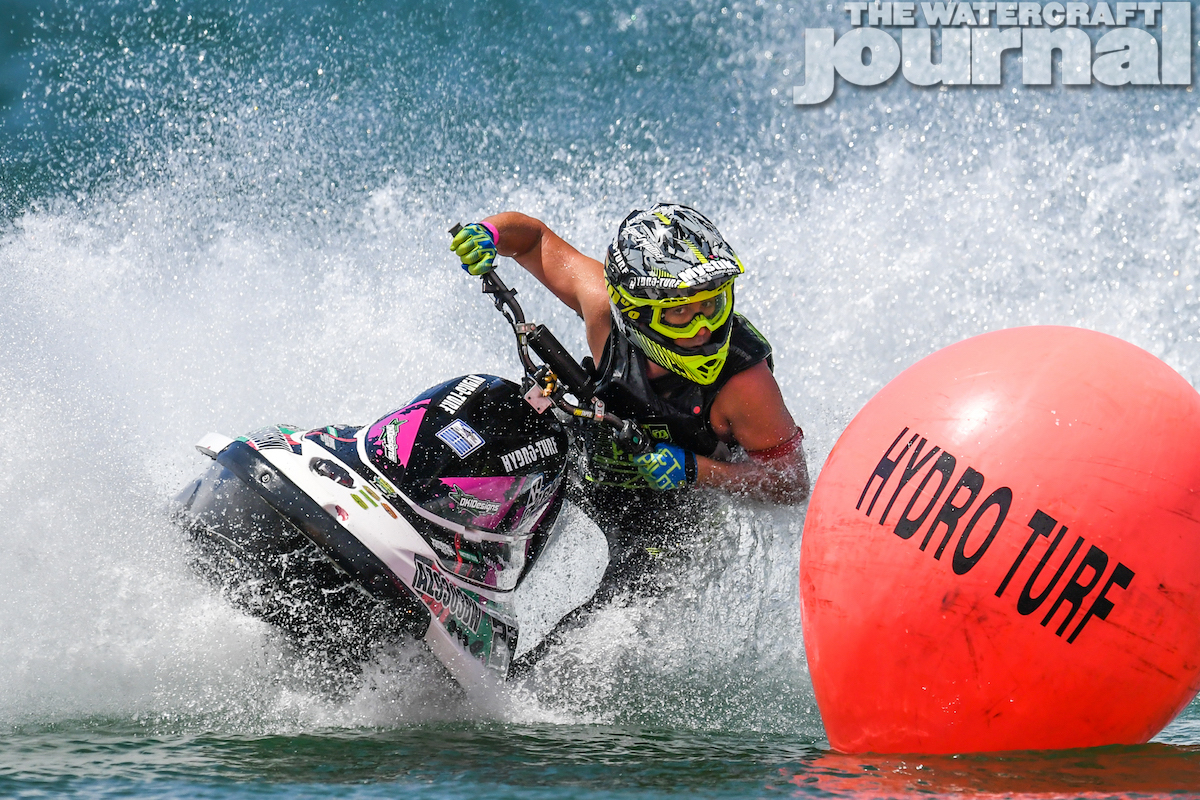
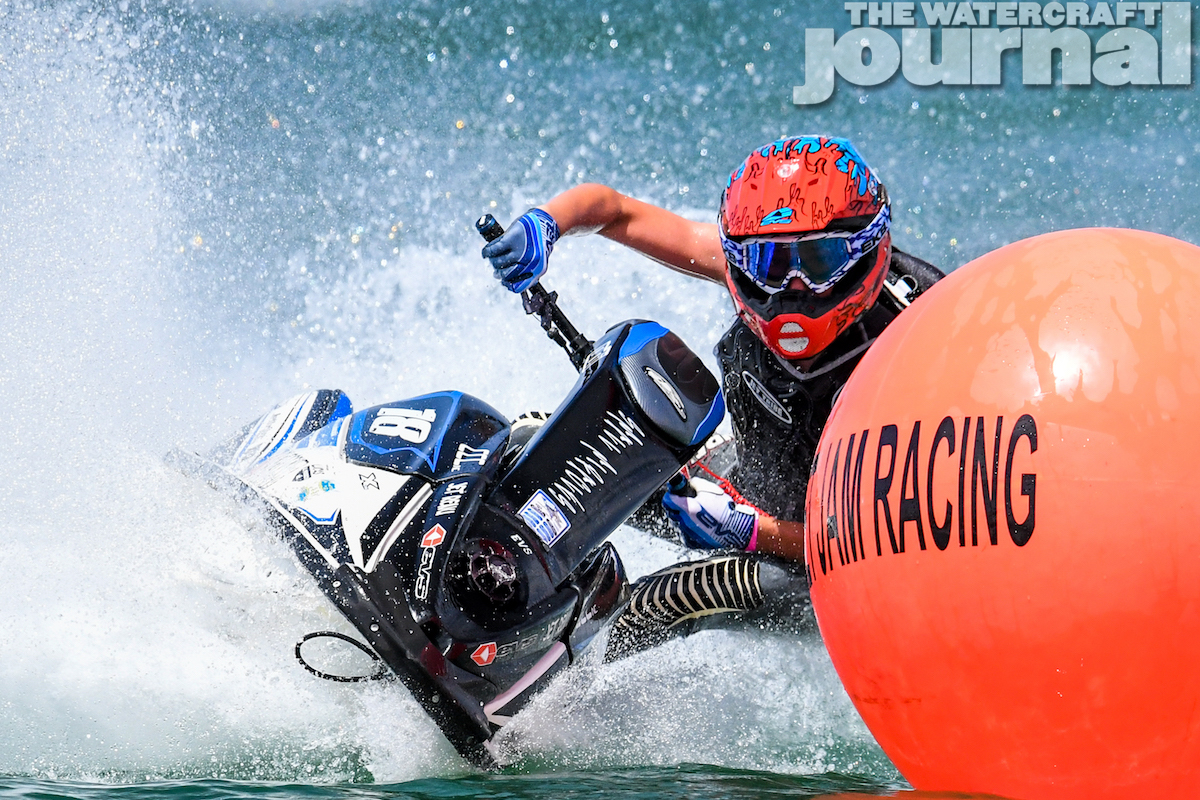
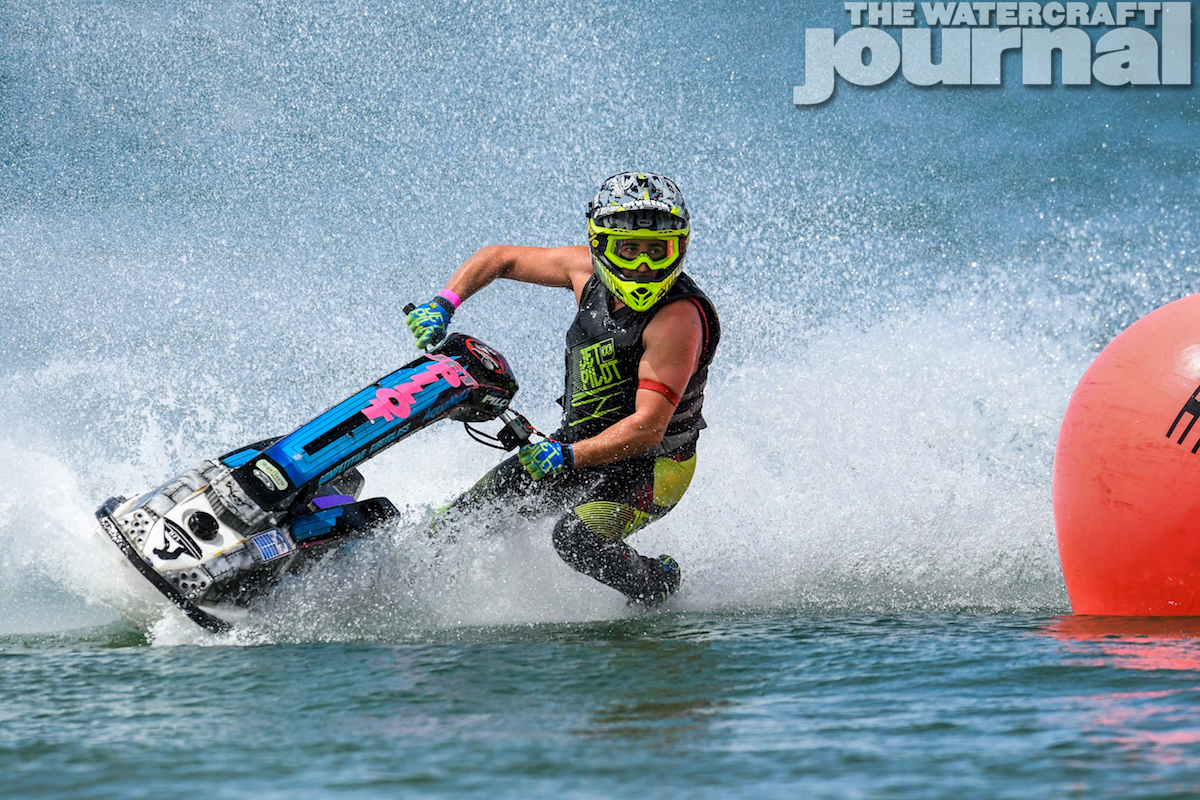
In typical Lake Havasu City, Arizona fashion, the weather played a role in the JetJam Racing Series Round 3 and 4 held on April 22-23, 2017. Rough waters, with rollers that seemed more like log-jumps, and 20 knot winds most of the day on Saturday, gave way to calm water with a light breeze, on Sunday. Big change in weather, all within a matter of two days!
Tim Geweke designed a course comprised of a back straight-a-way, tight turns and a split. Bill Austin, Eric Graff and Doug Wolff accepted the challenge of setting buoys in swells that would make a seasoned sailor sea sick. The swells lifted the buoy anchors off the bottom of the lake and the wind pushed them toward the beach. An onshore meeting of the minds produced a solution and the crew once again ventured out to set the buoys. The buoy crew looked tired as they set their feet on the sand; they had conquered the rough water and the buoys were stable.
Saturday morning began with the smell of race fuel, the sounds of race skis firing up, racers suiting up, the sights of people sipping coffee, shaking hands, smiling. The wind coming from California to Arizona created a challenge that the racers seemed to enjoy. Race Director Robert Sand gathered all the racers for roll call and course orientation. It’s time to have that lights flash and the band to SNAP!
Racing to the checkered flag first was the JR classes, Theo Beaumer taking the win in Jr 13-15 stock and Julien Beaumer taking the overall in 10-12 stock. Wayland Reden took the top spot in Vintage ski. The indefatigable Jackson Rod led the Vintage X2 wire to wire for the win in Vintage X2. Novice ski Stock was all Brady Courson and in the same moto, Tallon Chambers had his Novice Ski Mod limited dialed-in and took the win for the day. JB Gasperone won Amateur Ski Grand Prix with Karl Copenhaver winning Master Ski!
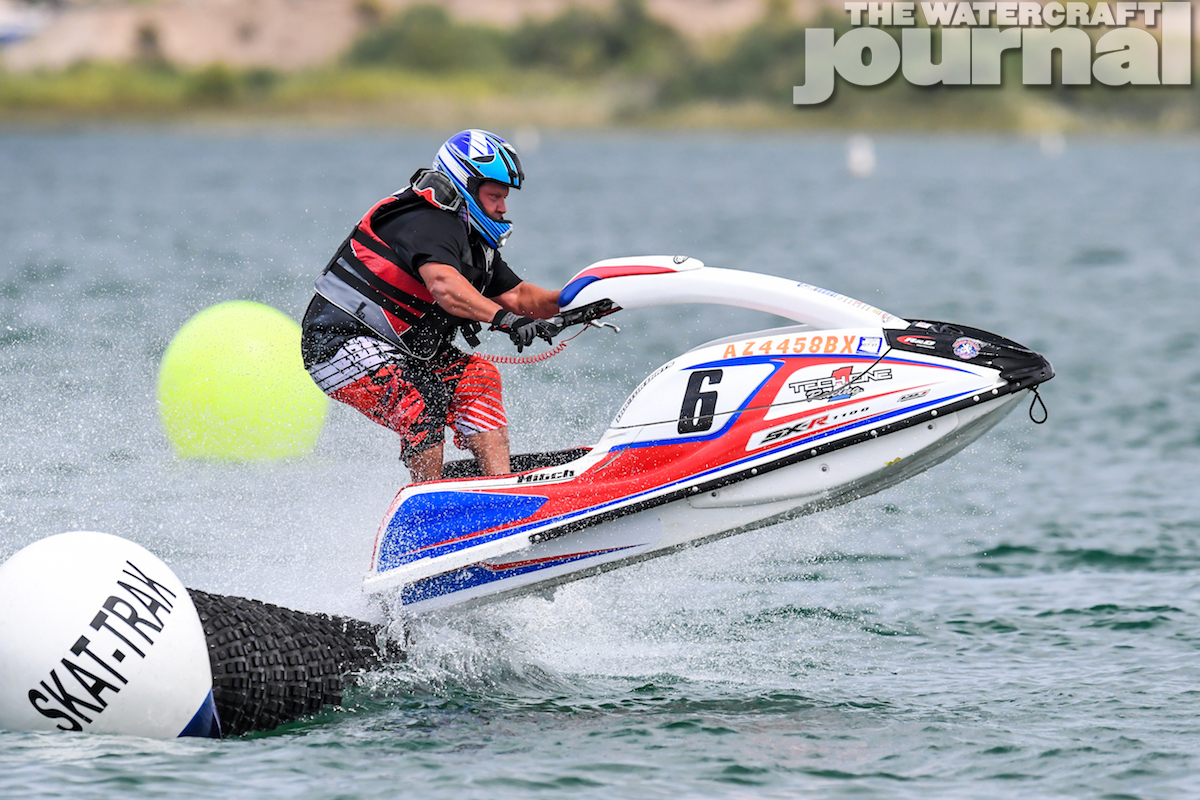
Carla Hunt took top honors in Master Ski Stock. Race 10, event Runabout Rec Lites and Amateur R/A 800 limited was the talk of the “JetJam Racing Community” Facebook page during the weeks leading up to the event at CrazyHorse Campgrounds. Justin Black and Jason Ward both taking wins in each class. Brock Austin and Kole Cramer battled in the Ski Grand Prix. The spectators cheered for their favorite! After racing had finished for the day, the waters had calmed, all eyes were on the crew as they set the Skat-Trak log jump for Sunday’s racing. Racers and families gathered for a tasty taco dinner provided by JetJam Racing next to the Bud Light Beer garden. Awards were given out with the renowned Havasu sunset in the back ground.
Sunday April 23 dawned clear and calm; the water was ready to be set on fire! Novice ski stock and Amateur Ski Lites led the way in racing with Tyler Shinko winning Novice ski stock and Theo Beaumer taking the top spot in Am. Ski Lites. Wyland Reden held off Mark Gomez for the overall in vintage Ski. Race 3 had three classes combined, Jim Alamillo winning Runabout N/A, Charlie Martinez took top honors in Runabout Grand Prix and Colin Richards was on the top of the podium of Novice R/A stock. Sport Spec went to Dylan Puglisi for the win. Amateur Vet Ski Grand Prix was a class of true sportsmen and Steve Fitzen taking the win for Sunday. Doug Wolff from Modesto, CA showed the Lake Havasu City, AZ Vintage X2 racers the way to the checkers for the win.
Novice Women Ski Lites had Alyssa Musselman on the top spot. Revin Harris took 10-12 limited for Sunday. Ski grand Prix was the show to watch for the day with log jump in play, and the triple cylinder snarling race skis ready to attack! This was anyone’s race until the second lap, when the log jump became the determining factor in the race to the checkered flag. A spectacle to see racers fly over the row of tires and sometimes landing with a dramatic cascade of water and a loss of position. Kole Cramer and Brock Austin were battling for first and second. Brock made a spectacular jump over the tires that resulted in a hard landing and an ankle injury, sending him to the beach for the remainder of the moto. This opened the window for Kole to lead the pack to victory and take his first PRO win and collect the cash winnings for the weekend!
Always a pleasure to see Mark Gomez come to the JetJam Racing Series on his Pro Freestyle Rickter hull to entertain the crowd with some stunning acrobatics on the water for the intermission on both Saturday and Sunday. Four rounds of racing in the books for the JetJam Racing Series, a log jump in a regional race, Bud Light back on the beach, and now the warmer weather is just around the corner for the remainder of the series. Its anyone’s game who will take top honors in each class. More challenges, altitude, and many different locations coming up! Stay tuned, the JetJam Racing Series is just getting started! For the series results click HERE.
Written by Doug Wolff. All images courtesy of Bob Metheny of Jetski Race Photos. Original, unedited versions can be purchased HERE.
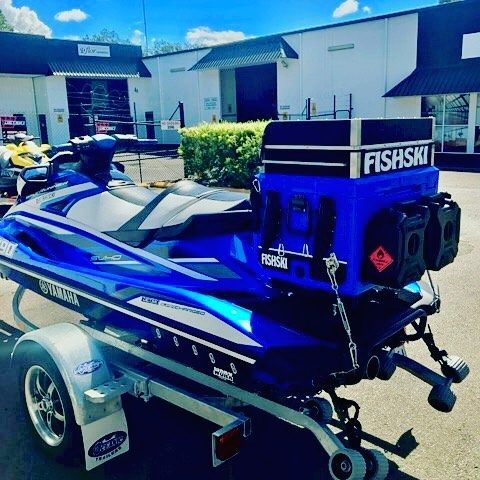
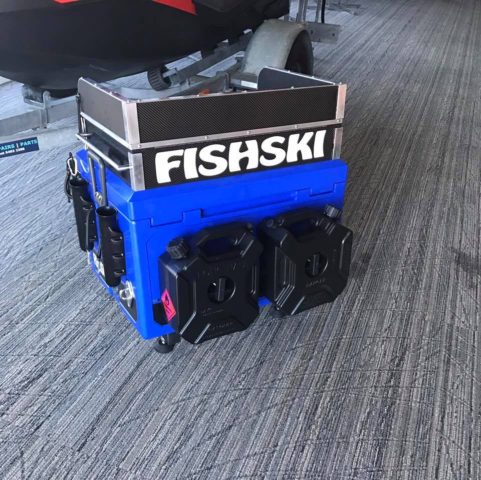
Check out this awesome fishing attachment from Fishski, a company based in Australia. This a great product that is available through authorized dealers in Australia. The company is also willing to export out of the country and those costs vary. If you’re into fishing from your personal watercraft, then this is a product to check out. It fits all brands of jet skis and is easily secured to your ride in under two minutes, through the use of turnbuckles and stainless steel hooks that utilize the mounting points on your personal ski.
Currently, the Fishski is available in seven basic colors so a buyer can most likely grab one that matches their ski. More colors are in development. While the Fishski’s use is primarily for fishing; it has other uses as well, such as a removable picnic container, a regular cooler, or extra storage space. We’re sure a person can find many other options for this durable box.
The Fishski comes fully loaded with a 68 liter Waeco insulated cooler, easy lift soft down stay, carpeted tackle box, 6 rod holders with spring loaded tie down clips, an extendable 3foot long gaff, a stainless steel knife for fishing or dive use, two five liter removable fuel containers, and two stainless steel tie down rails for attaching crab pots or whatever else one might want to use them for. A cutting board and bait board are located on the top deck of the tackle box.
All Fishski units feature a standard screw-out drain plug mounted low for maximum efficiency. Other cooler companies could use a lesson as to where to mount a drain plug! The Waeco Cooler will keep your goods cold for up to five days in the shade, which is a pretty big deal if you’re on an extended fishing trip.
The recommended retail price for the Fishski Icebox in Australian dollars is $999. As stated earlier, export costs vary, according to where the buyer resides.
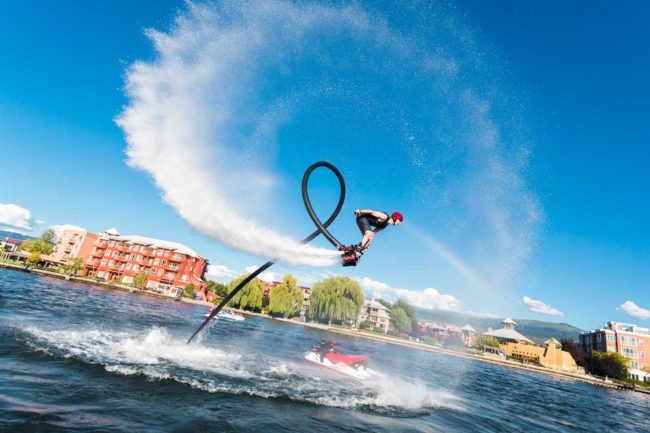
Pro Watercross is very pleased to announce that it has teamed up with Flyboard for their support as title sponsor of the first U.S National Hydroflight Tour. The 2017 Flyboard National Tour will consist of a total of three stops for its inaugural season and is already looking to be one for the books with a stellar combination of breathtaking venues and the best athletes out there.
The Flyboard National Tour is presented by Zapata Racing and powered by Heyday Wake Boats for an absolutely world class pairing of companies. According to the press release, the tour will be filmed for regional sports networks with a 30 minute TV show airing to an audience of more than 85 million households worldwide throughout the summer months. The tour will kick off in Pensacola, Florida on the weekend of April 29th-30th and is promised to start the grouping of events with a bang!
After that, the tour heads to Erie, Pennsylvania for Round Two that will take place on June 24th-25th where the tour will join the Erie Poker Run; a popular powerboat event. The location and dates for the National Championship; the third and final tour stop is still in the works and will be announced soon.
For more information on Pro Watercross’ 2017 Flyboard National Tour, visit HERE!
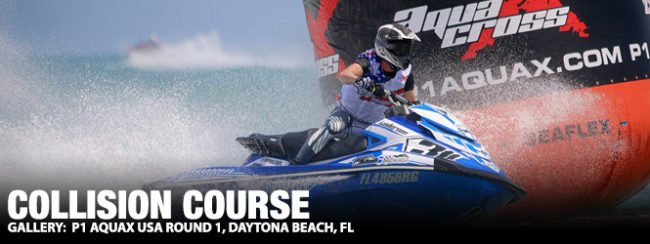
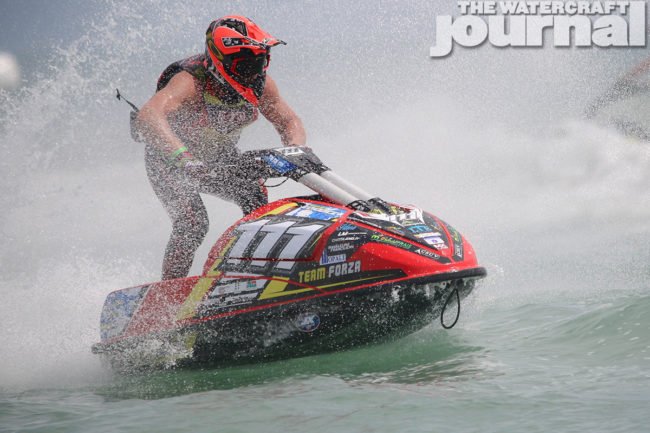
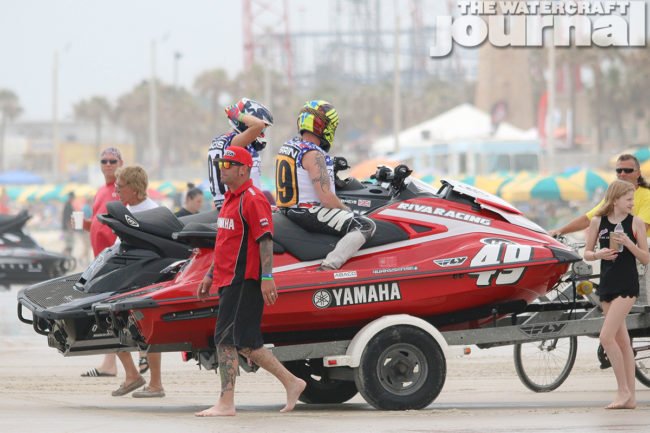
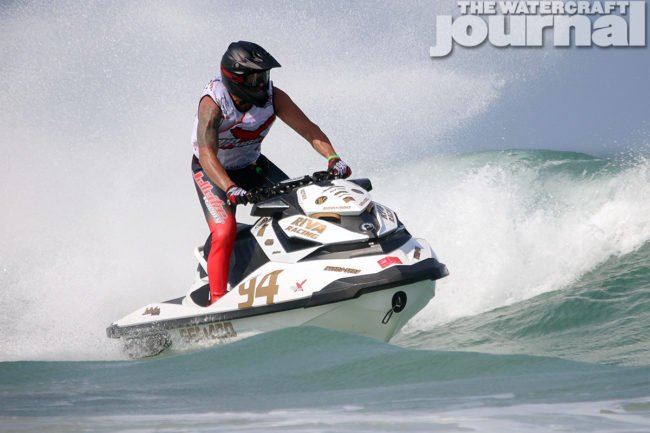
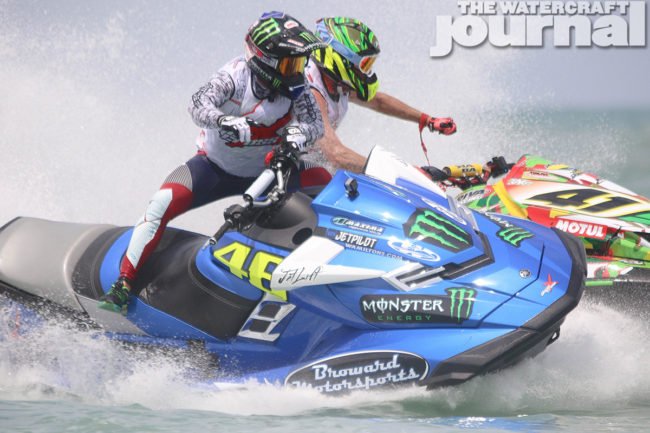
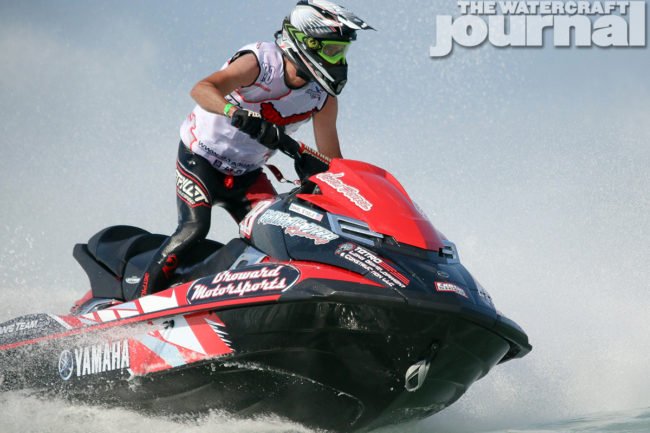
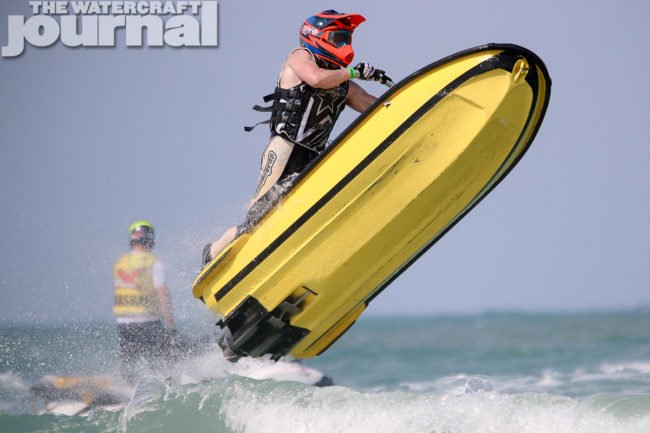
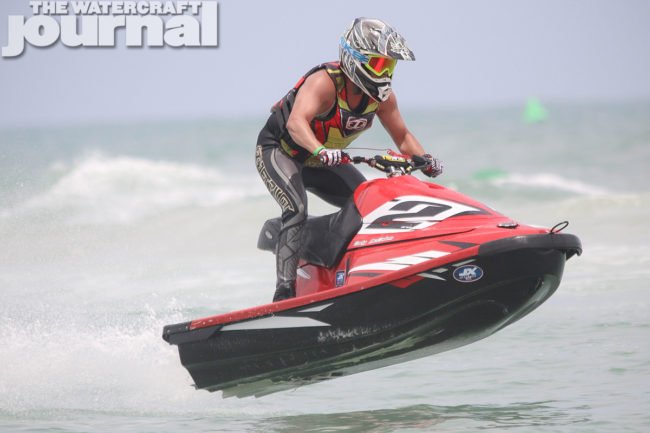
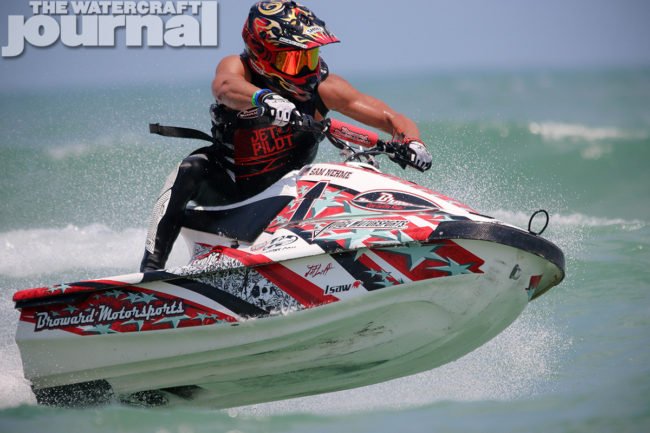
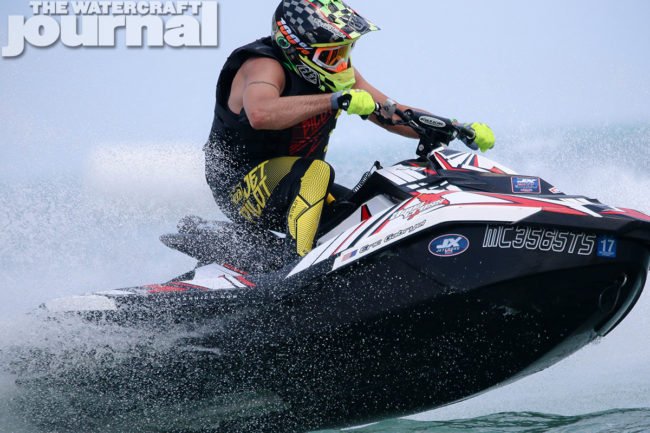
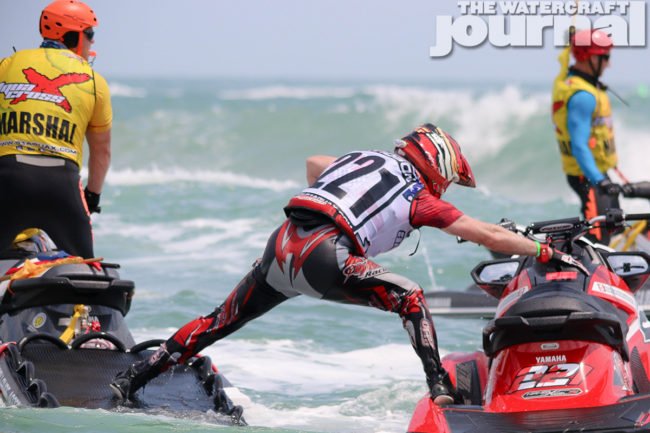
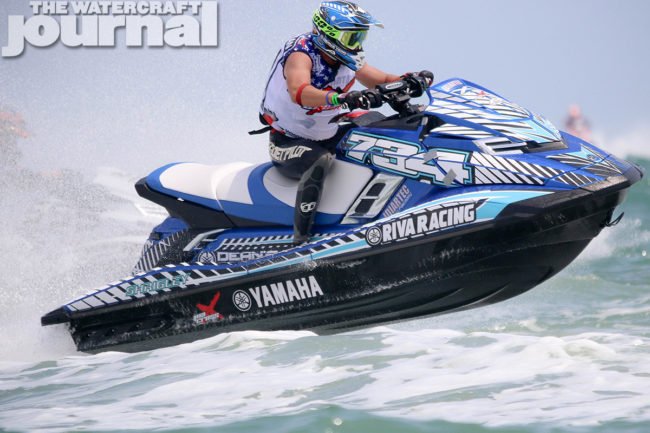
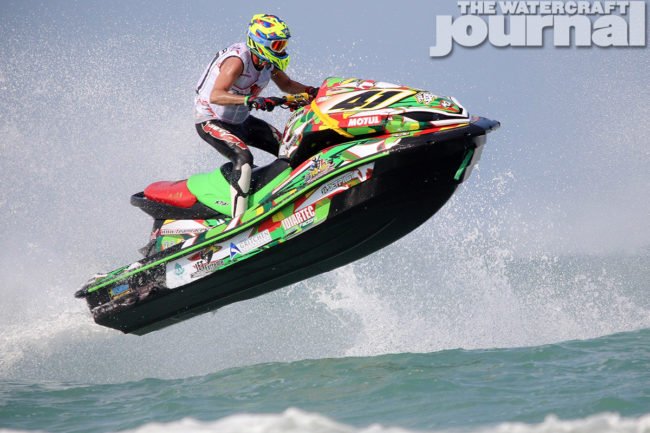
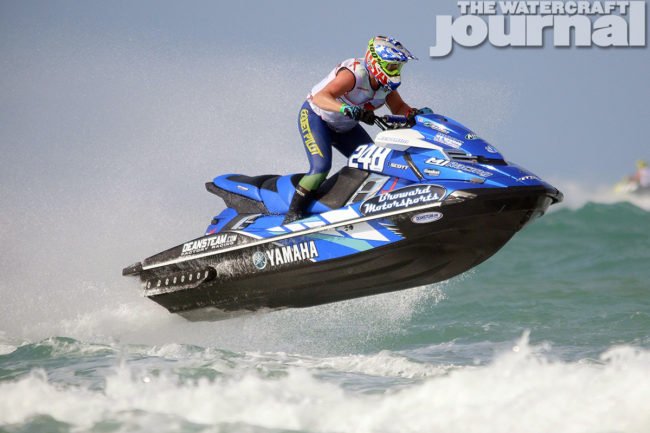
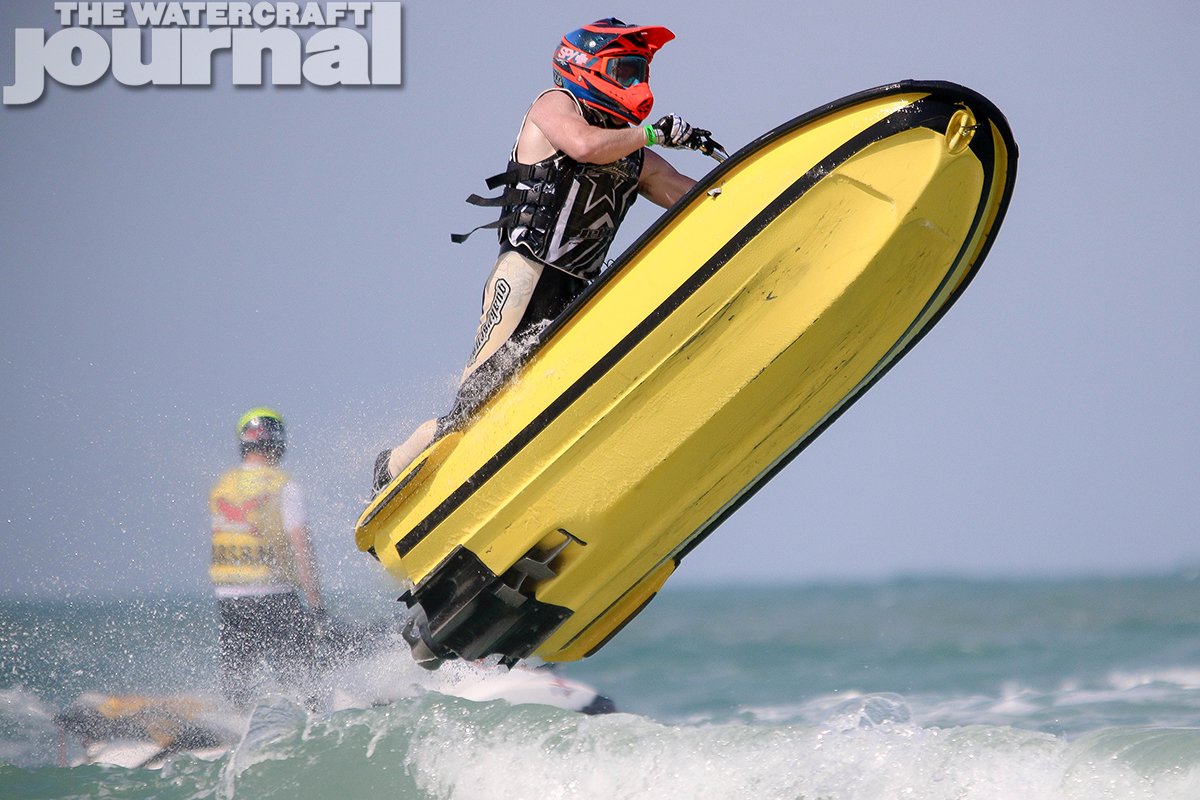
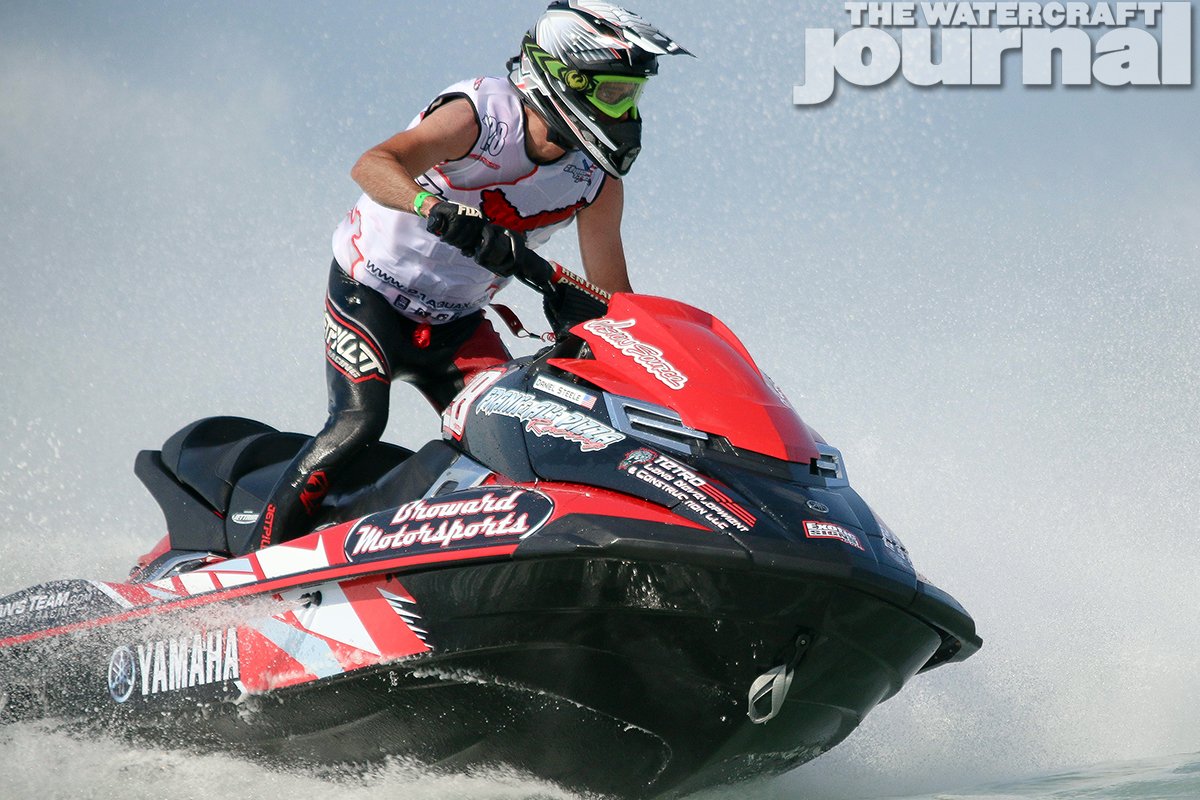
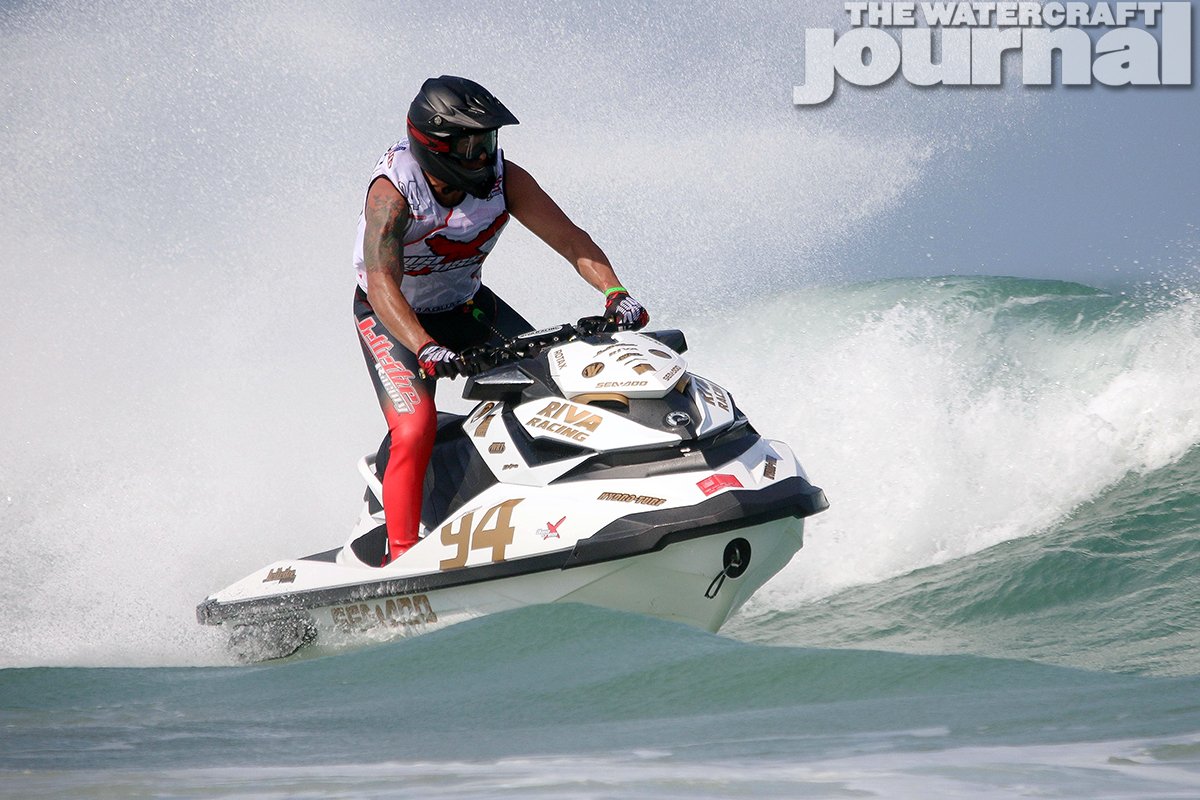
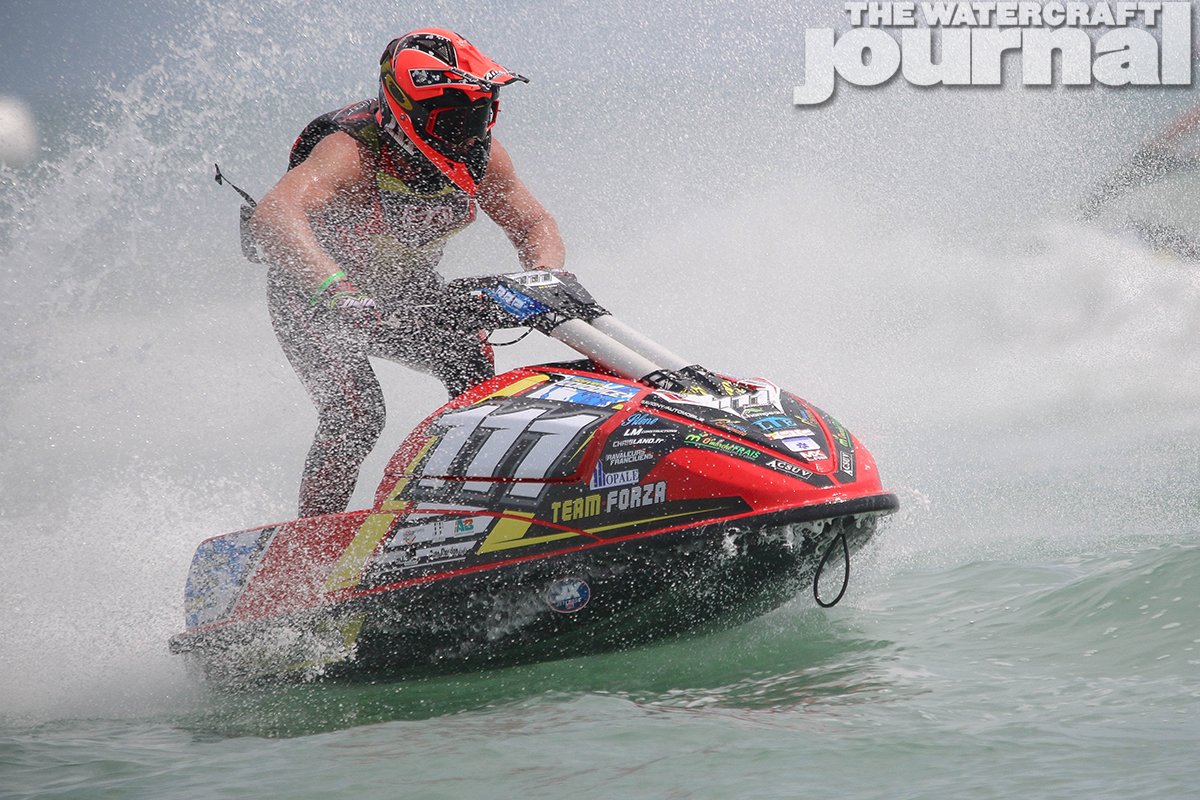
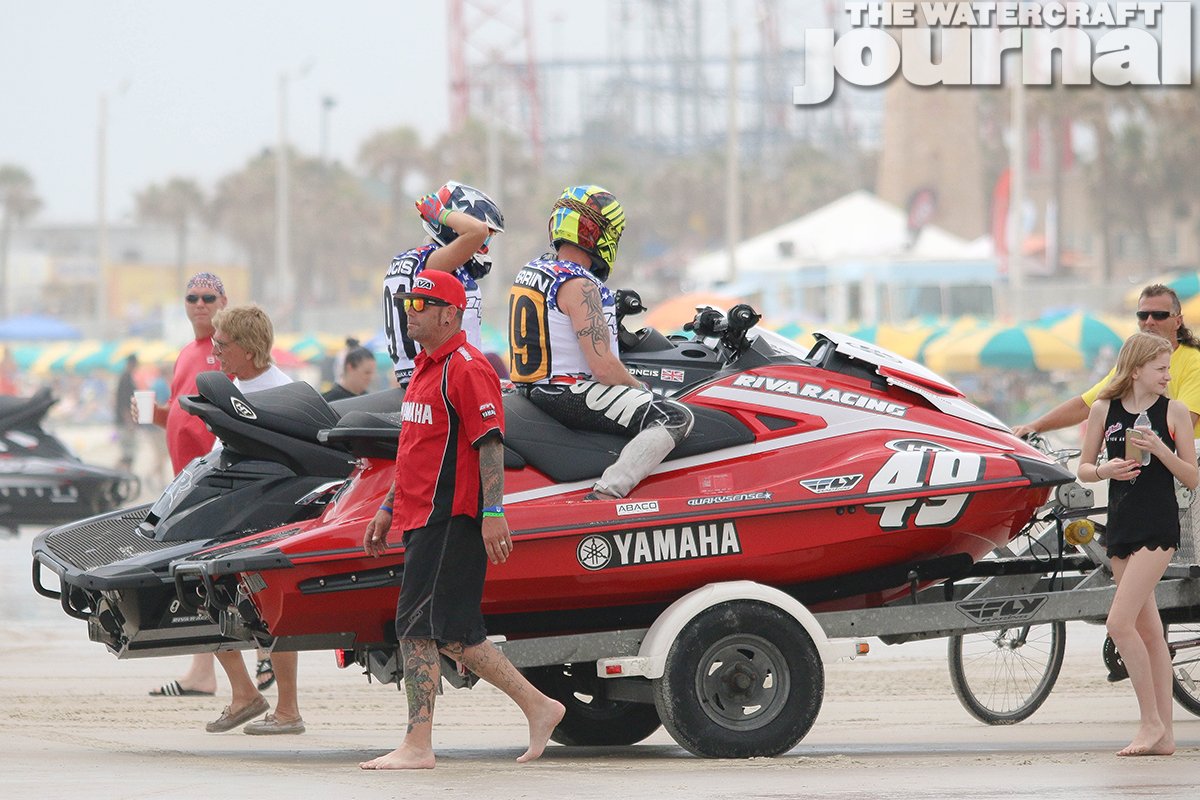
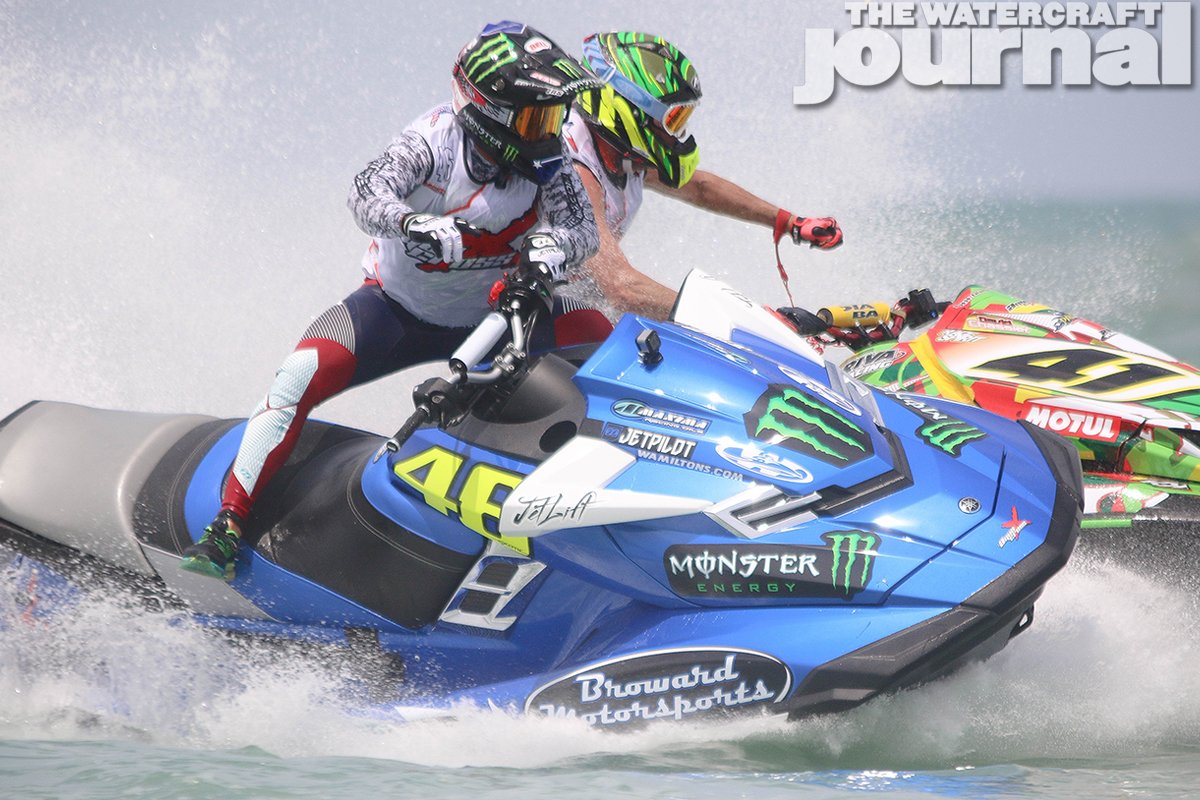
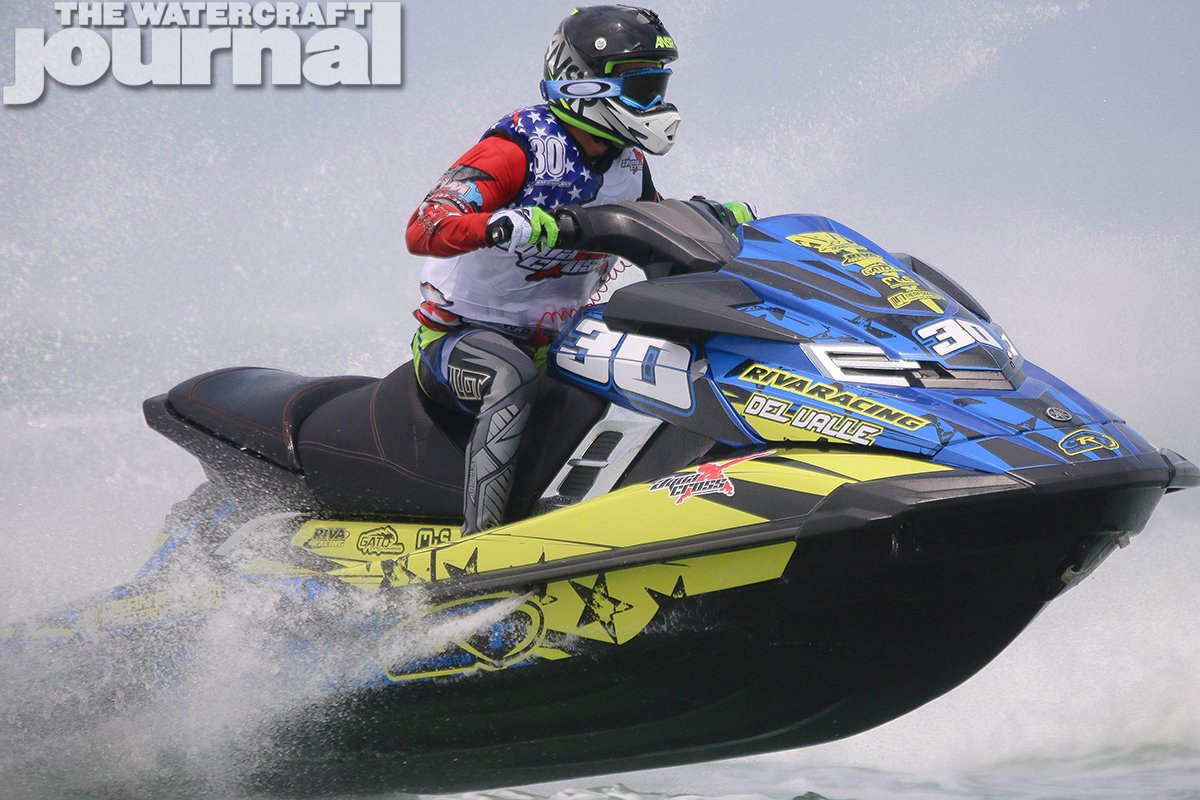
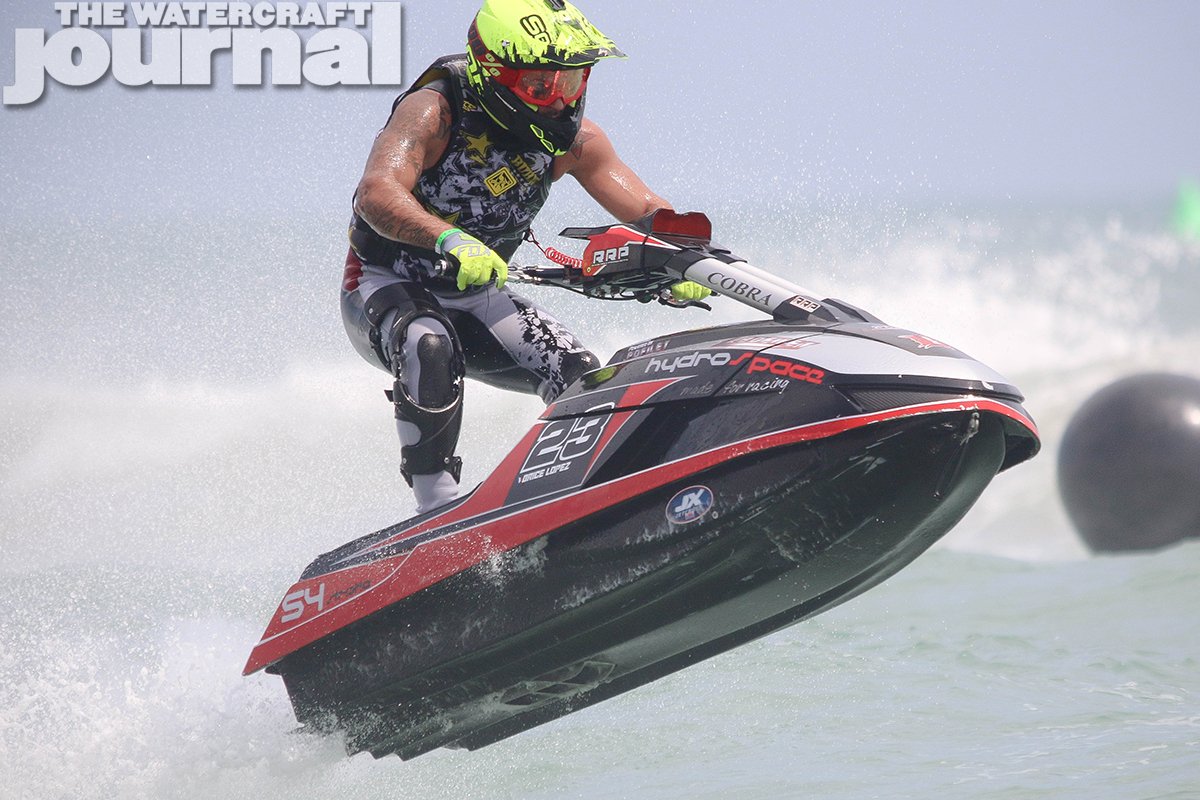
April 2012 was the start of something special in Daytona Beach, FL. When the P1 AquaX first started their inaugural season in the United States with just a few riders who thought the concept of racing stock jet skis was a great idea. Fast forward ahead five years later and the P1 AquaX series has returned to where it all started.
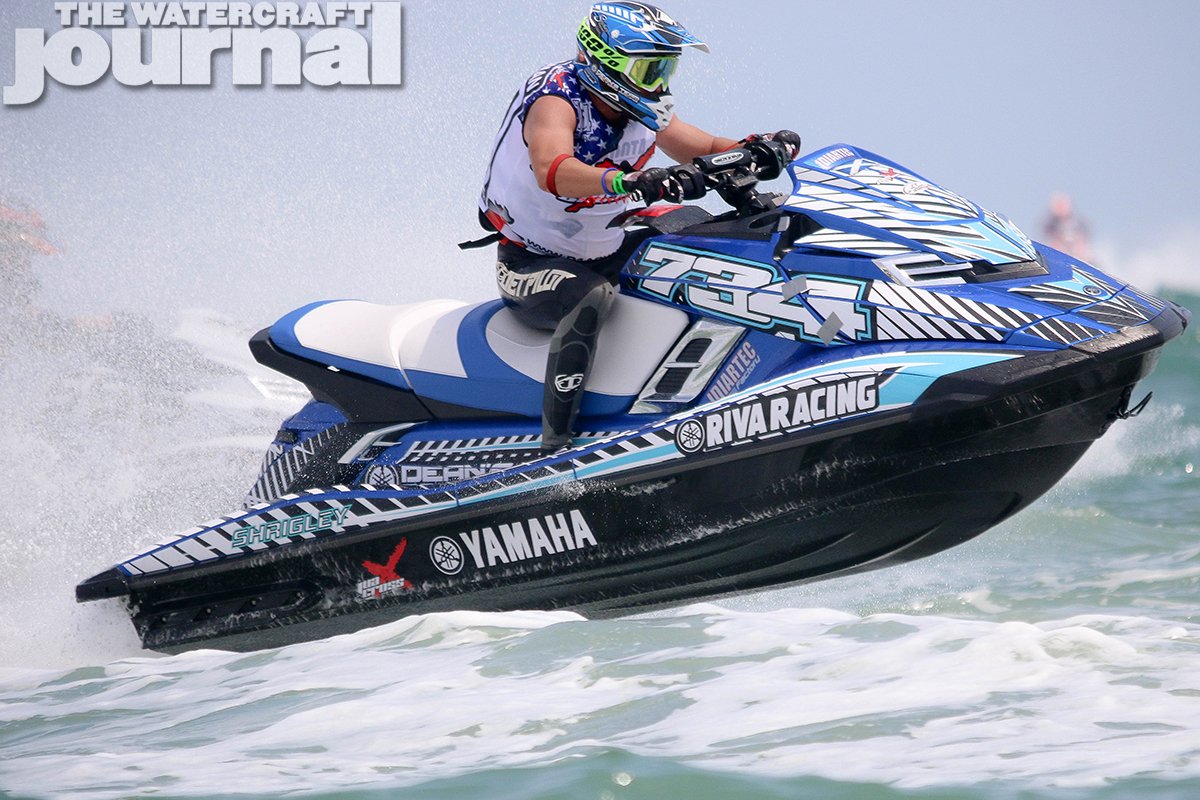
Every April the jet skiing world makes the annual pilgrimage to the shores of Daytona Beach to race against each other and to kick off the racing season. With each year, the numbers have increased and the series has made tremendous gains making it one of the best racing series in the world. This year the competition was fierce with the likes of Chris MacClucage, Eric Francis, Aero Aswar, Eric Lagopoulos and Mike Klippenstein as well as numerous national and world champions who were set to race the professional enduros with the hopes of starting the series off with wins and the chase to be the 2017 AquaX champion.
The Amateur enduros saw Kevin Wassum who was one of the very first racers back in 2012 returning after a brief hiatus. Anthony Radetic, Kevin Sullivan, Sophie Francis, and Jennifer Nolan to name a few joined him in the Amateur series.
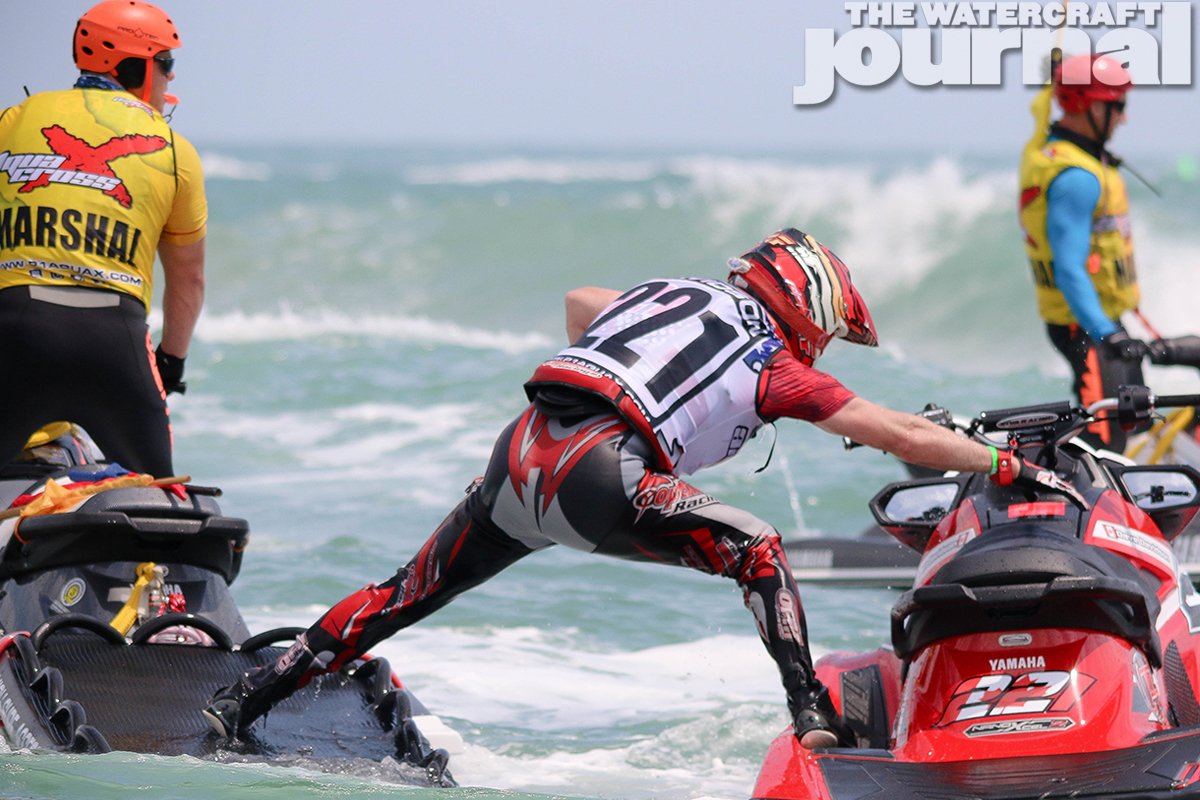
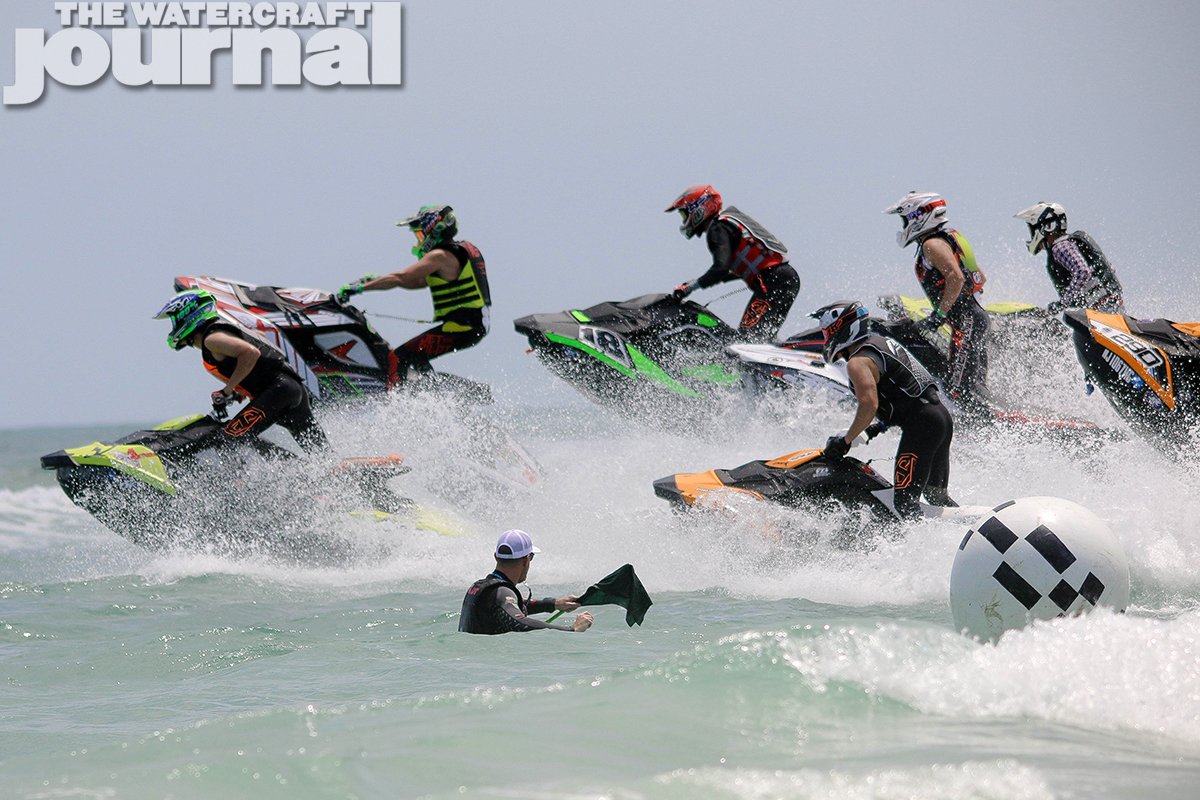
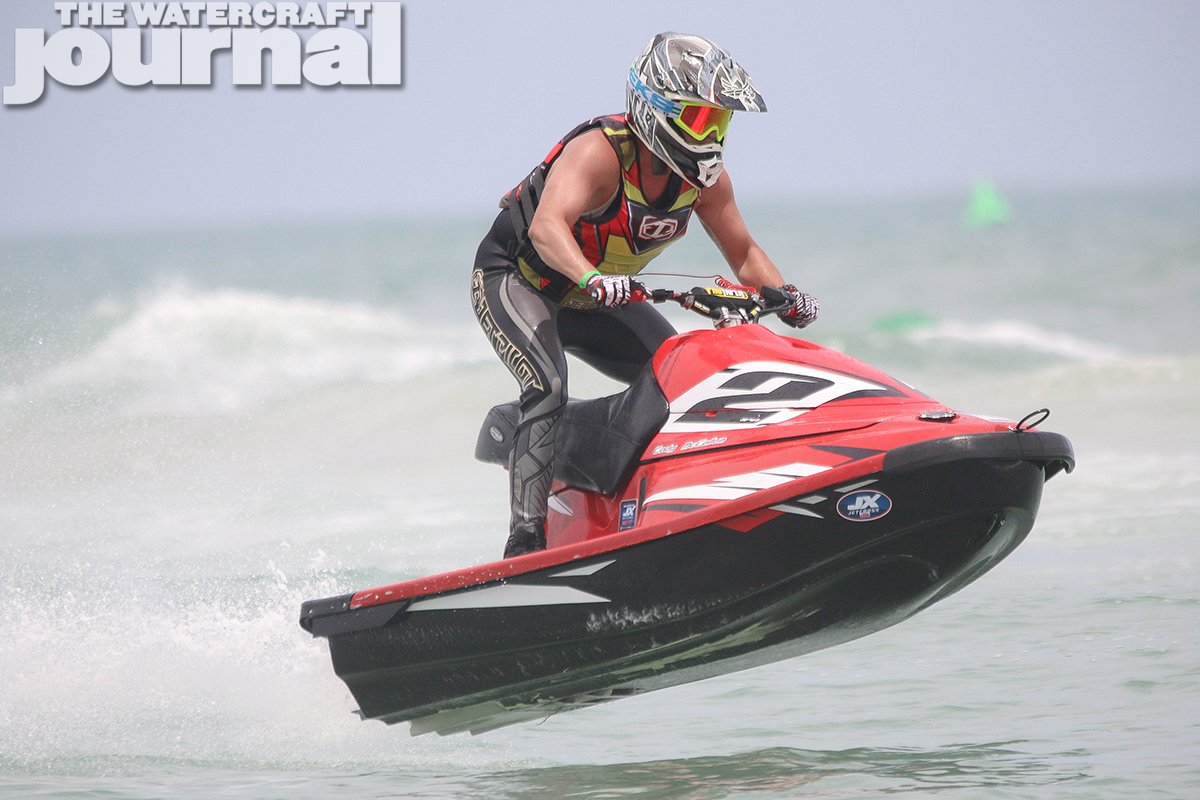
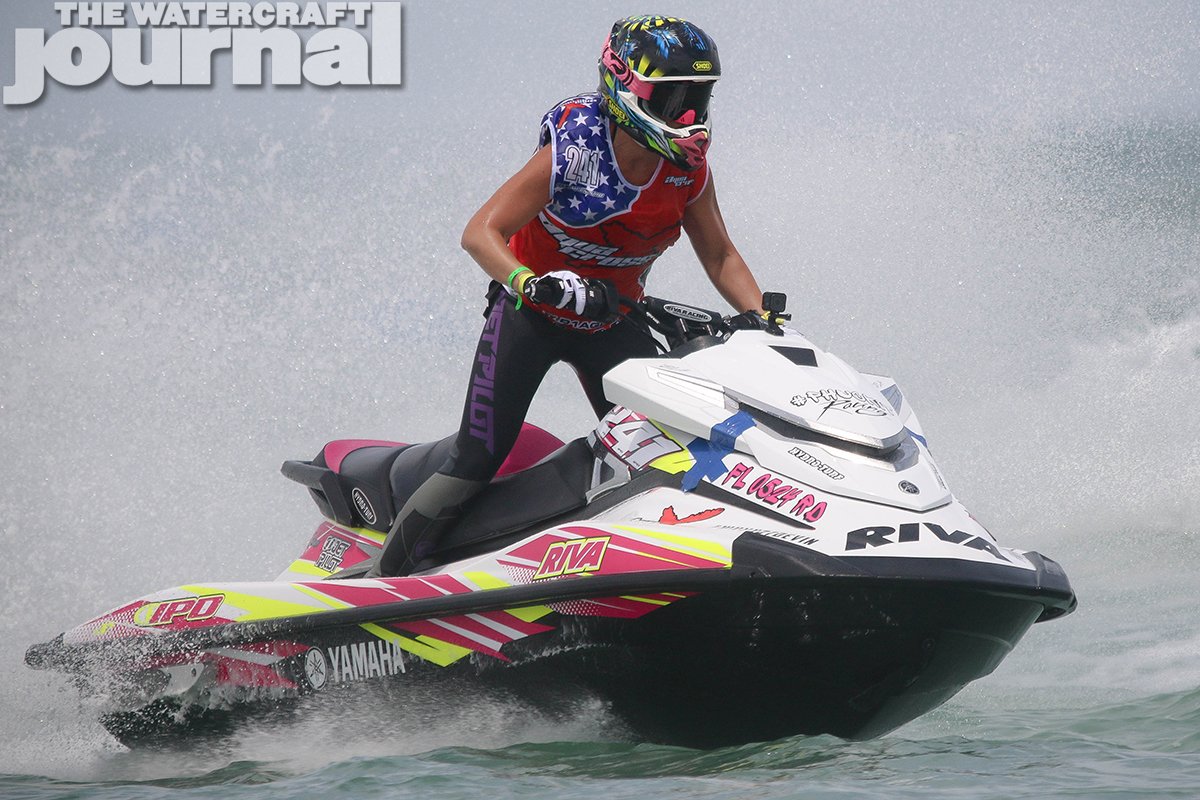
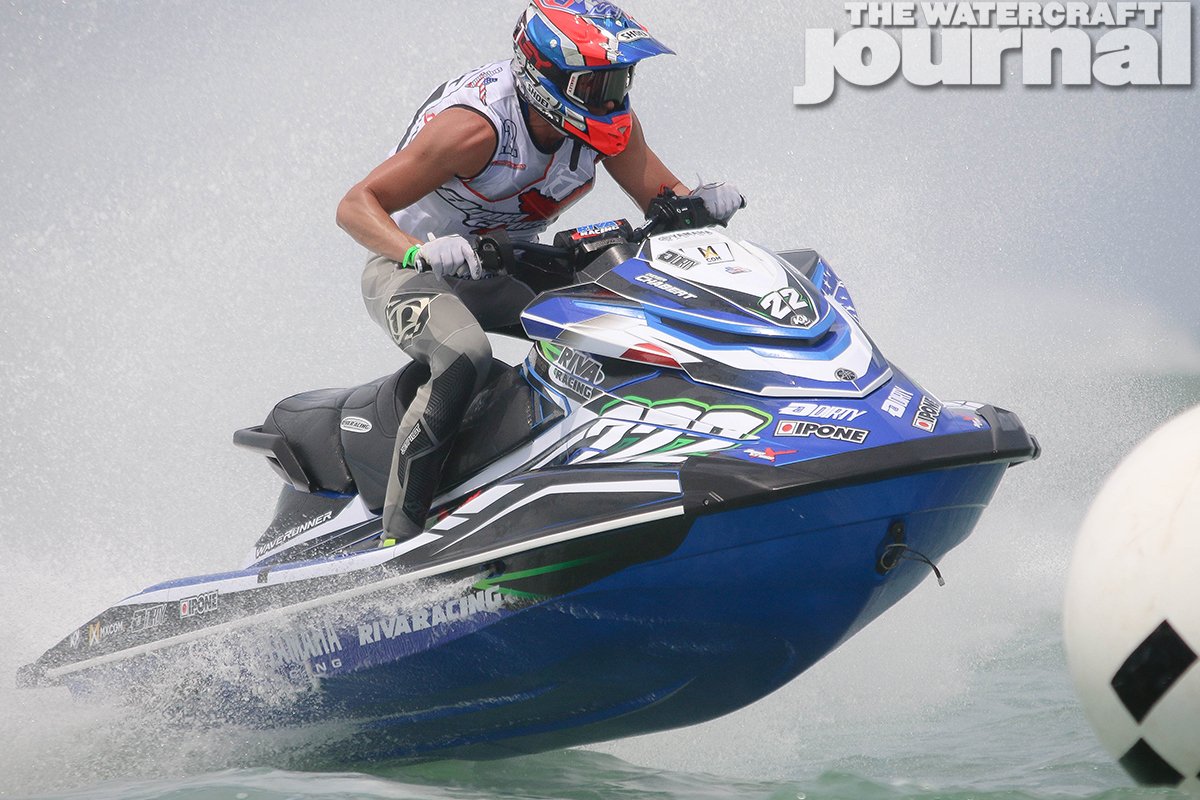
This year the P1 AquaX Series was joined by the Jetcross Series so there was going to be a lot of racing for the fans. The weather forecast had called for a lot of sunshine and 2-3 foot waves on Saturday and Sunday was forecast for partly sunny with a chance of rain. Day One kicked off with the mandatory riders’ meeting where the racers were briefed on the rules of the race course along with a review on the marine life that they might encounter while traversing through the course. Finally after getting everything set up it was time for the racing to begin. The day kicked off with the Amateur enduro. The racers were raring to get the season started and the action was pretty intense, as the winds had picked up along with the waves. Numerous racers were thrown from their skis and some sustained pretty bad injuries. Notable injuries were to Carlito del Valle who required stitches and Amanda LeCheminant.
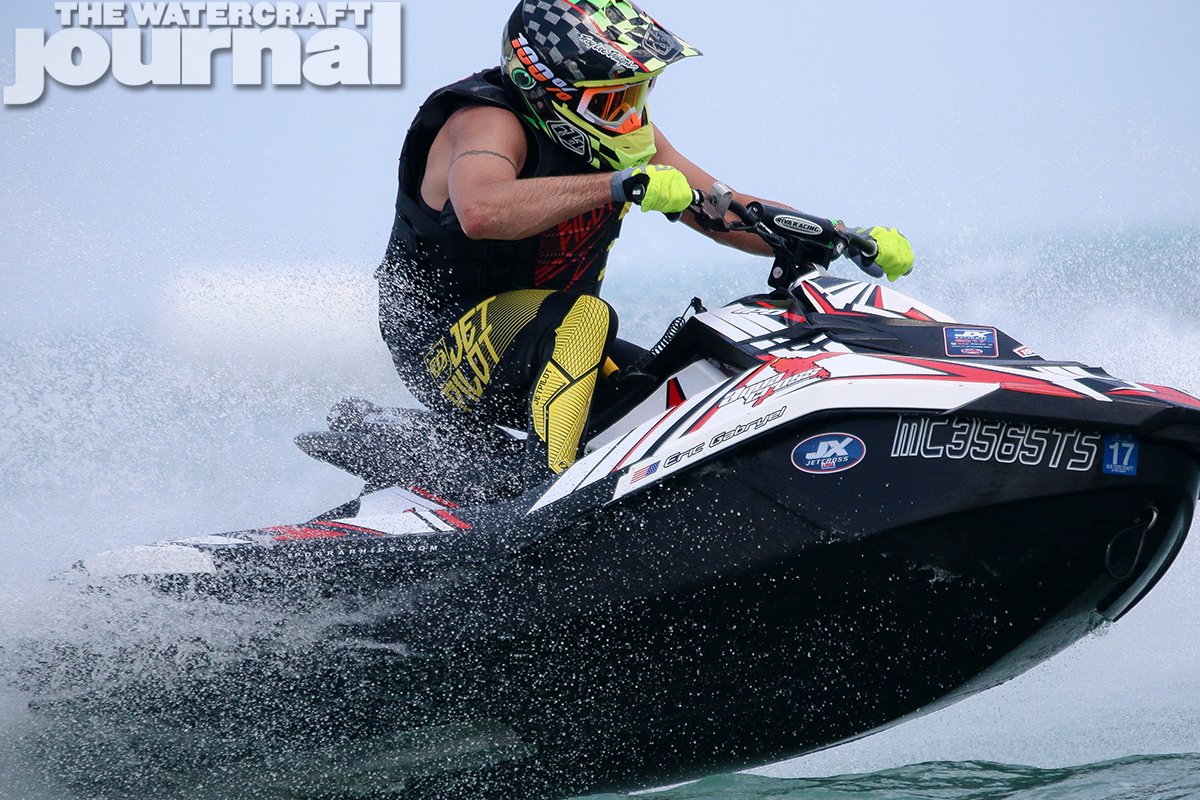
Next up was the Junior Ski class which had Haden Skellett, Taylor Skellett and Sammie Nehme racing against each other as they have done so many times. Sammie had some issues with his ski and couldn’t make the start. After getting it worked out, he started but had some serious catching up to do. Haden Skellett took the win with the other two racers finishing out in their respective order. The Juniors were followed by the Spark class which had Eric Gabryel, Dave Goding, Jason Lester as well as a few others racing against each other. The Sport GP class was next and was a crowd favorite. It was the biggest lineup for the class, which had a total 15 riders.
The Pro Ski class was next on tap for the Jetcross series. As the riders were racing it was obvious that the seas were starting to really churn up. That and the combination of on shore winds and high tide starting caused the schedule to be changed slightly. The Pro Enduro was up next and the Amateur Enduro would be pushed to Sunday.
The Pros started their race and the great Chris MacClucage was ahead of Brian Baldwin coming around a buoy when Baldwin’s boat struck the rear of MacClugage’s causing the seat to come completely off. MacClucage finished the entire race without his seat in some really rough water, and obtained the win for Moto One. The first day of racing finally came to an end and the racers were glad to rest their bodies and work on their skis with Sunday in their sights.
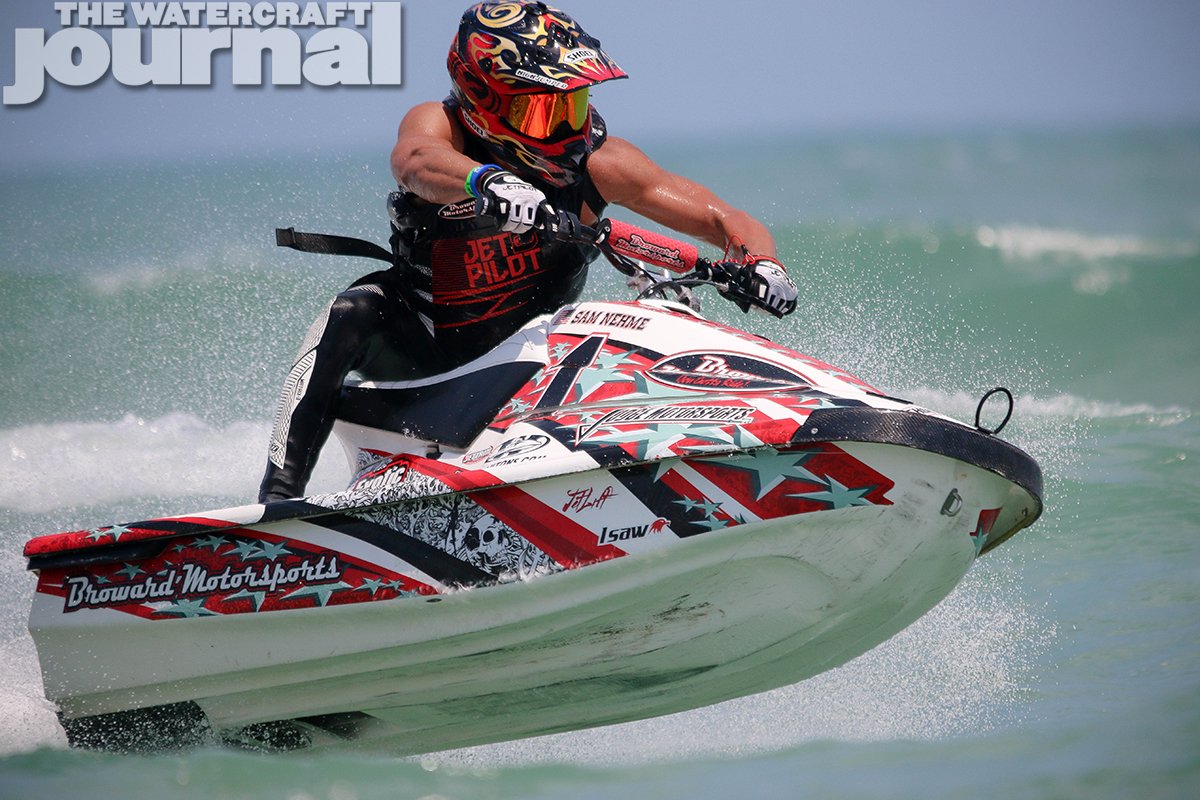
Sunday kicked off with the Amateur Class, and the seas were slightly calmer than the day before. The Ski class and the Junior racers followed the Amateurs. After having issues with his ski Saturday, Sammie Nehme hoped that his ski would be able to start the race at the beginning. Needless to say it had no issues and Sammie took off from the line like a rocket and never relinquished the lead. The crowd was cheering him on as he was racing and jumping waves like a 20-year veteran.
The Sport GP class followed the Spark class. At the start, Sam Nehme took a huge wave and did some damage to his ski and he never was able to fix it knocking him out of the race. Another fan favorite Johnny Smith started in fifth place but rode super hard. He pulled out the win and the crowd went crazy with his win.
Next was the final race for the Amateurs and Carlito del Valle took the first place win in the 300 class. This was Carlito’s first win in the AquaX series showing that not only can he set world records in the HydroDrags but can also win in the rough surf and is more than a straight line rider. The Pros were up next for their final race of the season opener and Chris MacClucage made it a perfect three-for-three, sweeping all three Pro motos in first place. Chris looked extremely strong over the weekend and is now looking ahead to getting the world number one ranking.
The Pro ski class closed out the day of racing followed by the podium presentation. The weekend was a huge success and the racers along with the fans had fun. The weather held up and not a single drop of rain dampened the racing. The first race of the season was in the books and the next race is being looked forward to by the amateurs in St Cloud, Florida next month and by the pros in St. Petersburg, Florida in June.
Results for all classes from the 2017 P1 AquaX Round 1, Daytona Beach, Florida can be found HERE.