Team Jet Renu Non-Profit Inc. is excited about giving you the opportunity to win an electric pressure washer! The prize winner’s package includes the electric pressure washer, Bubble Foam Gun, and some sweet Jet Renu cleaning products. The power washer operates on 120 volts, has 1.5 Horse Power, and comes with a 20 foot pressure hose, giving plenty of leeway for cleaning your machine. Other features include a 2 piece quick disconnect, built in detergent bottle, variable spray nozzle lance, turbo nozzle lance, and a 32 oz. Foam Gun.
One lucky winner will be announced May 15th so rush to Jet Renu to buy your $5 raffle tickets online before you get left in the dust or the wake. The pressure washer retails for $295.00, so spending five bucks in order to help a good cause and to have a chance to win makes it worthwhile. Moreover, the pressure washer allows for less clean up time for your personal watercraft or other motorized vehicle and with the accompanying Jet Renu products, you’ll get that extra shine The whole package is valued at $350 and all proceeds go to Team Jet Renu Non-Profit Inc, so please help support the team by purchasing a raffle ticket or several. Good luck!
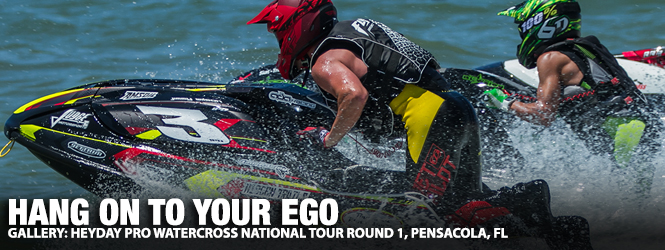
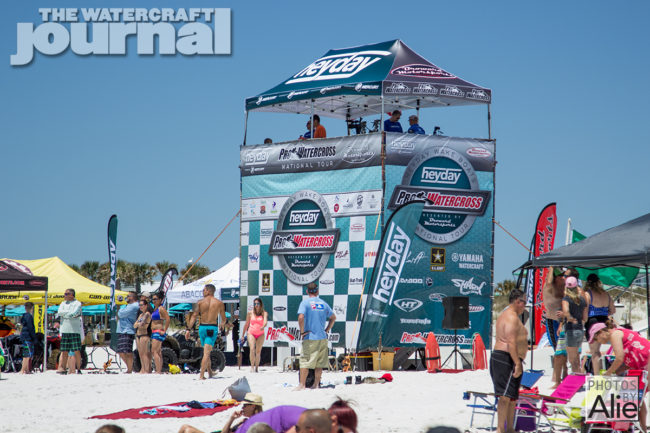
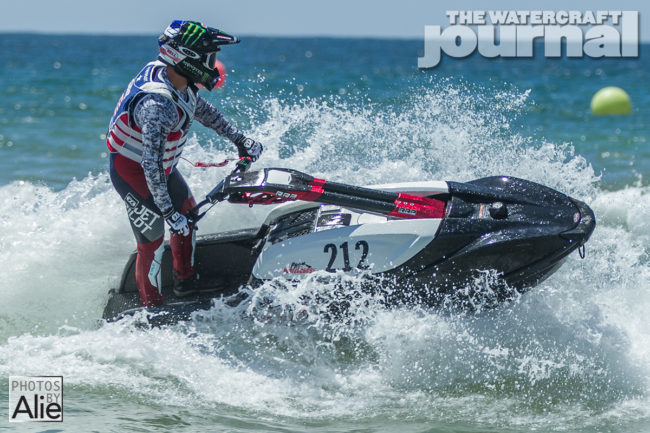
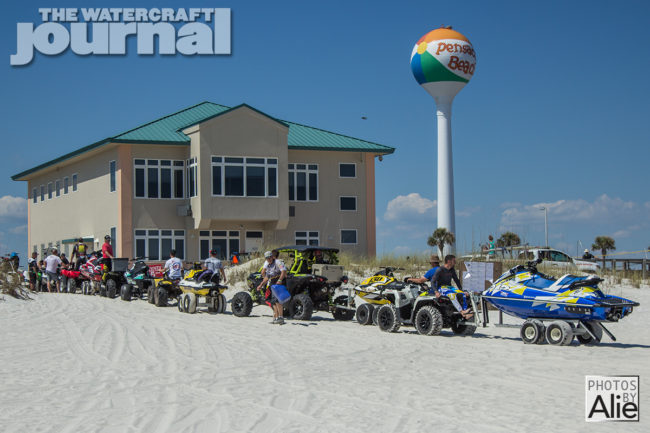
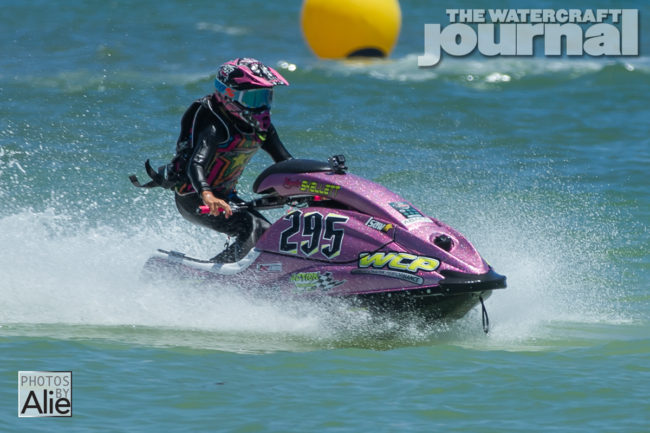
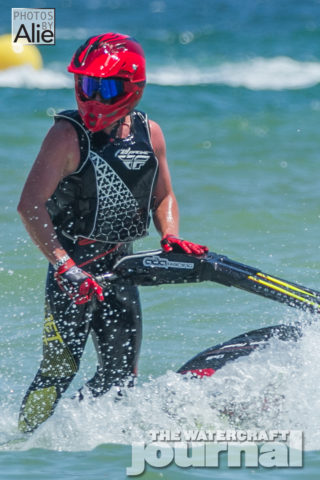
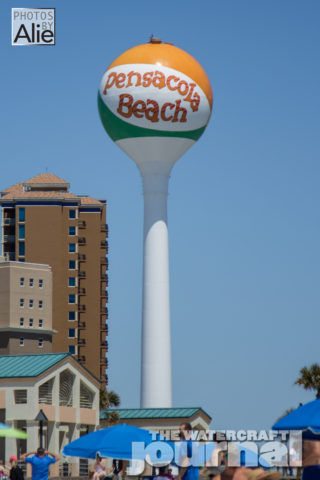
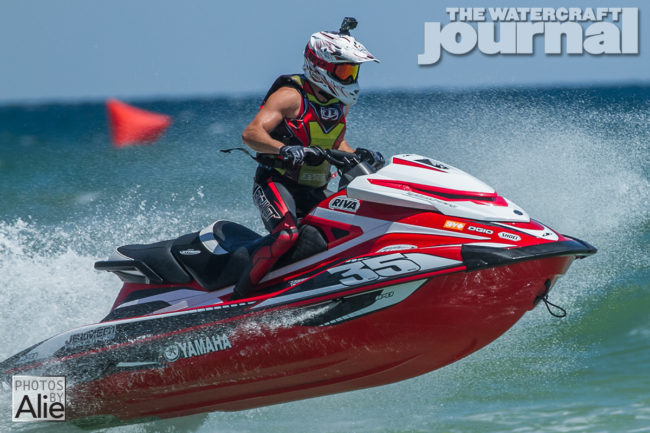
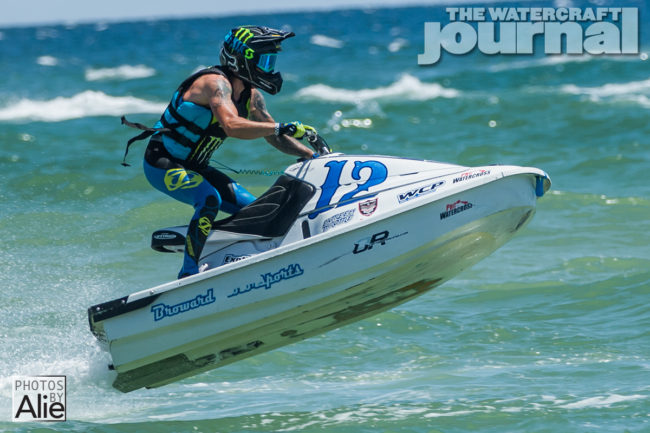
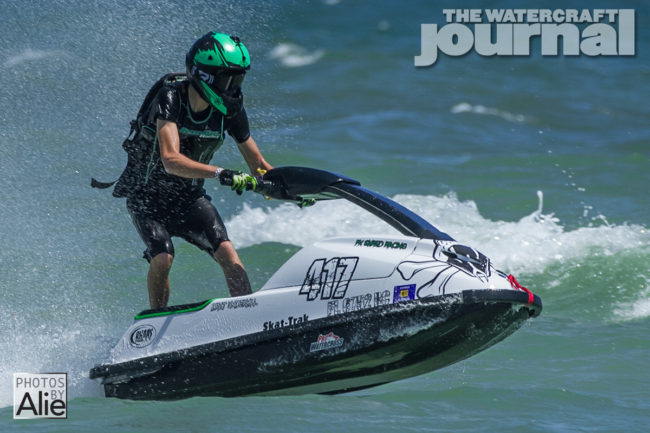
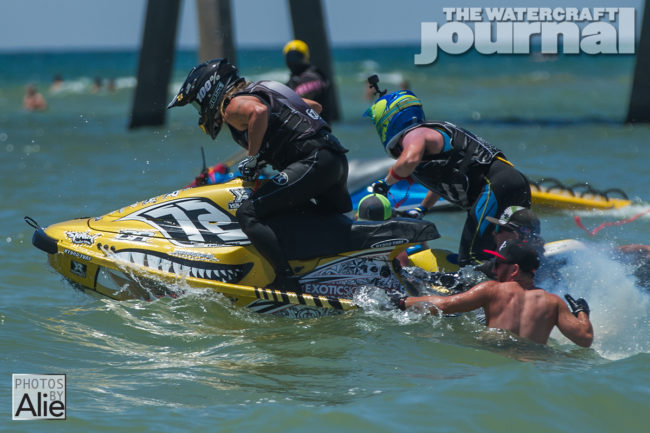
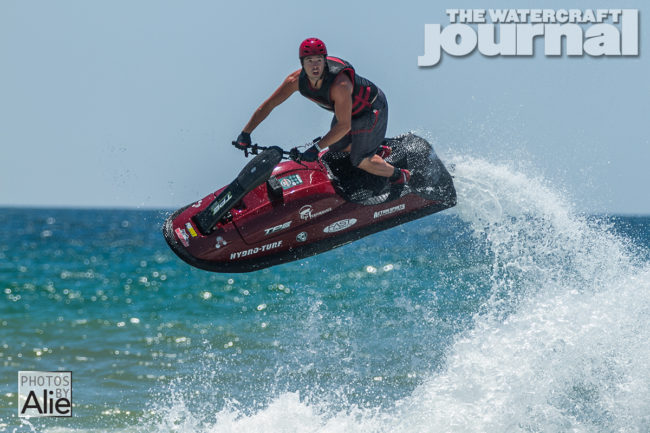
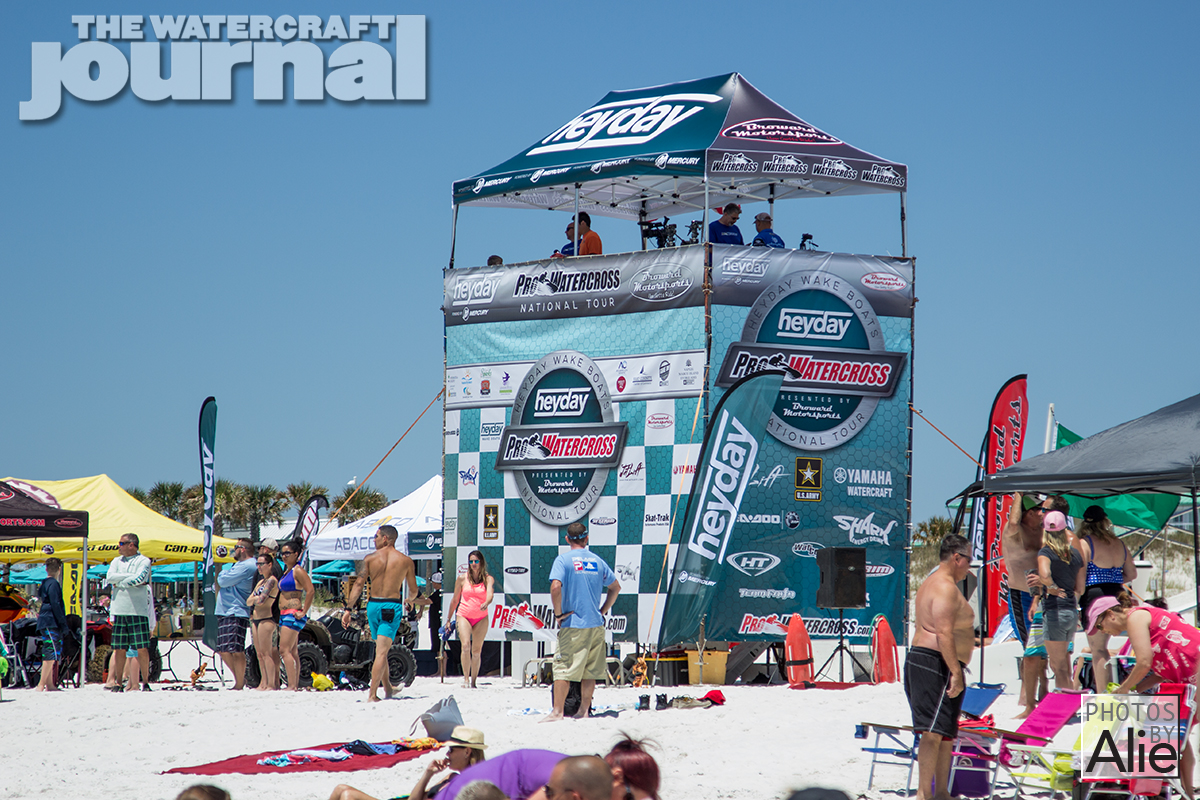
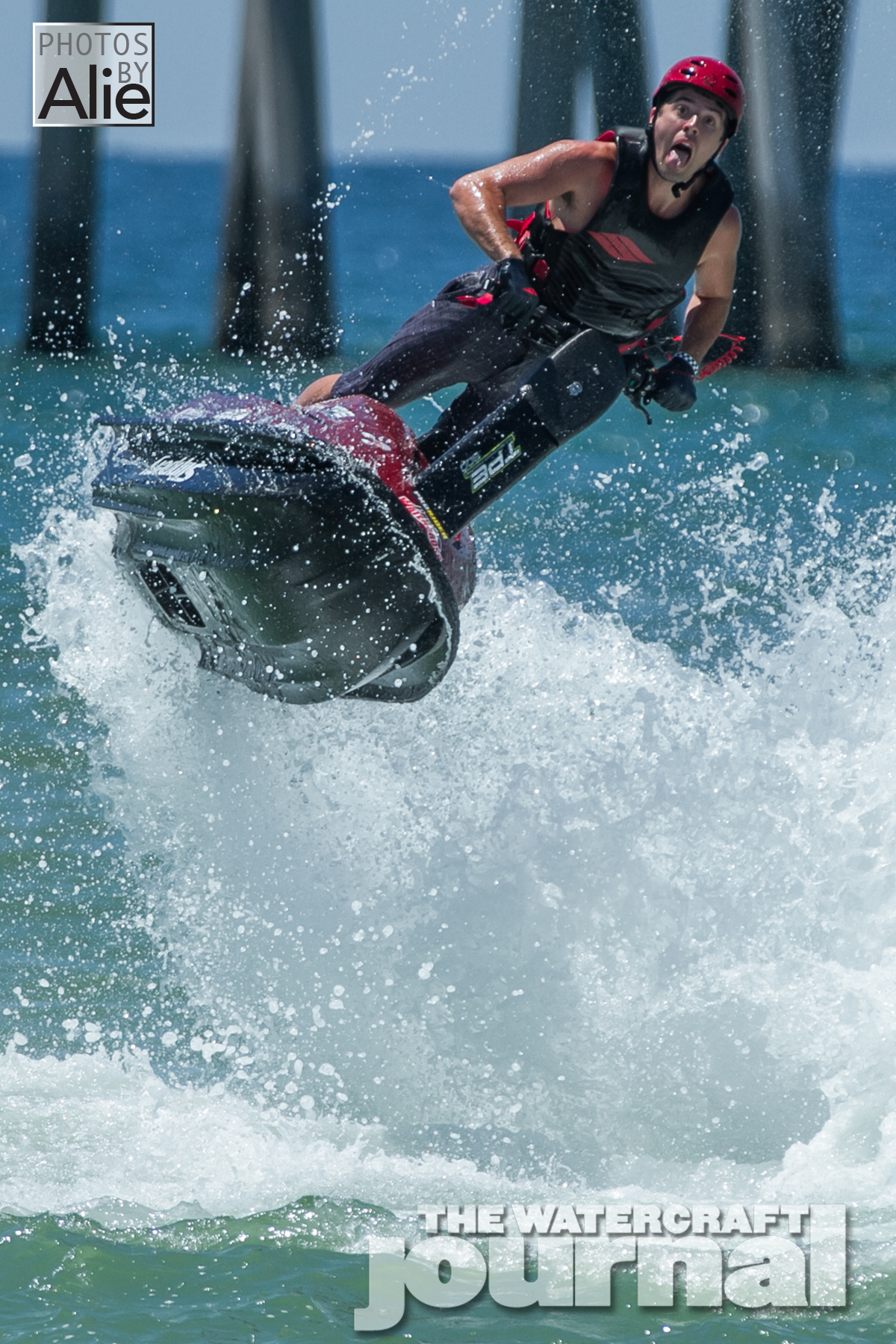
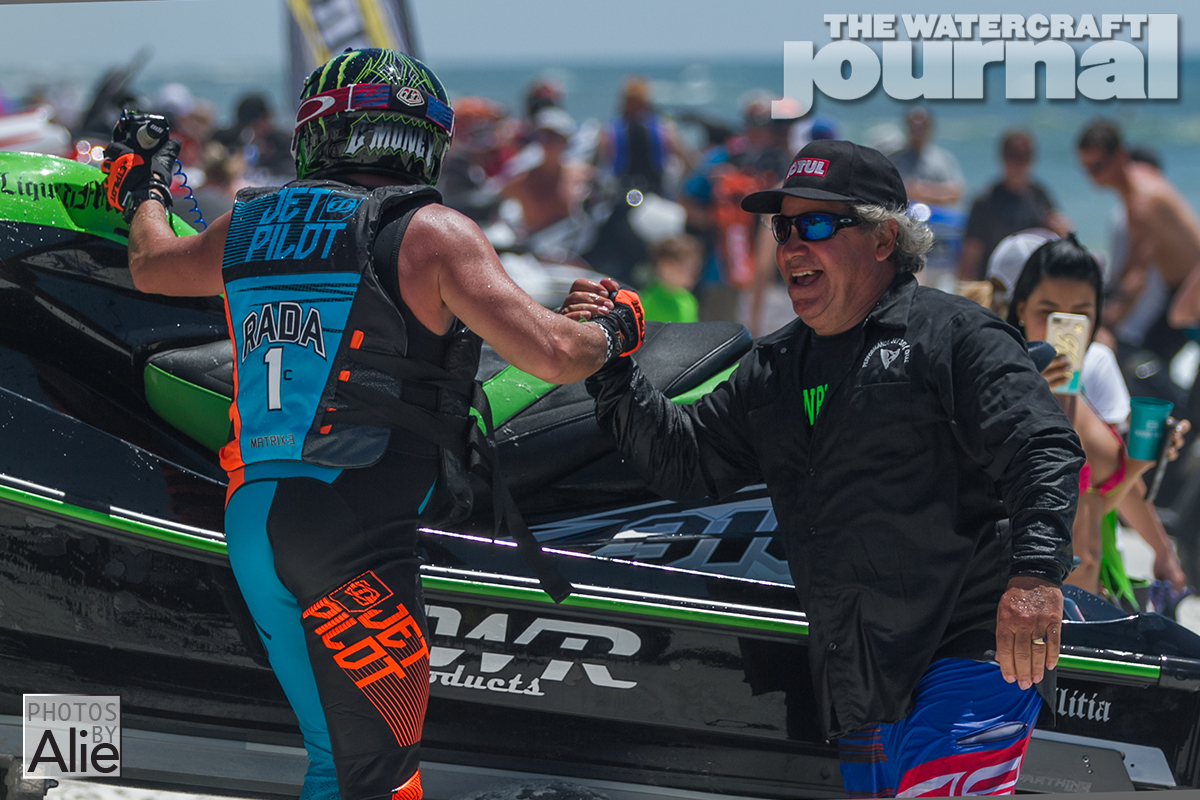
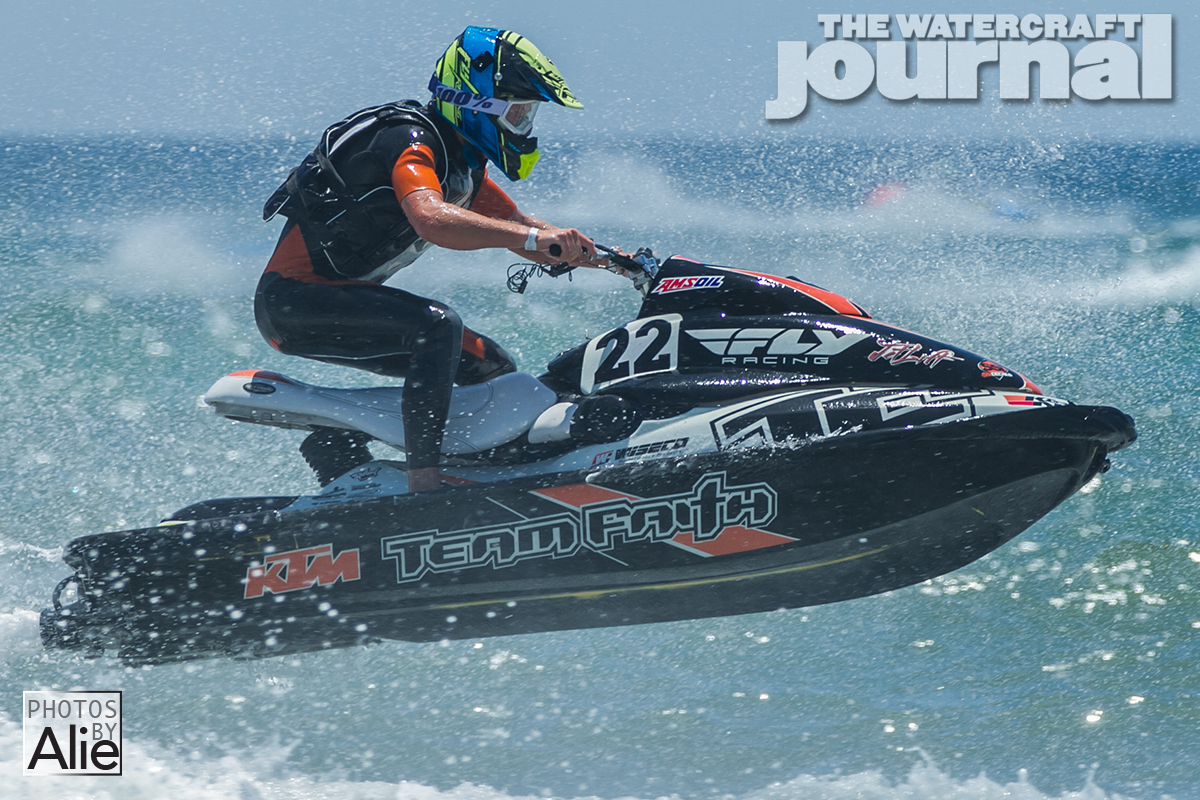
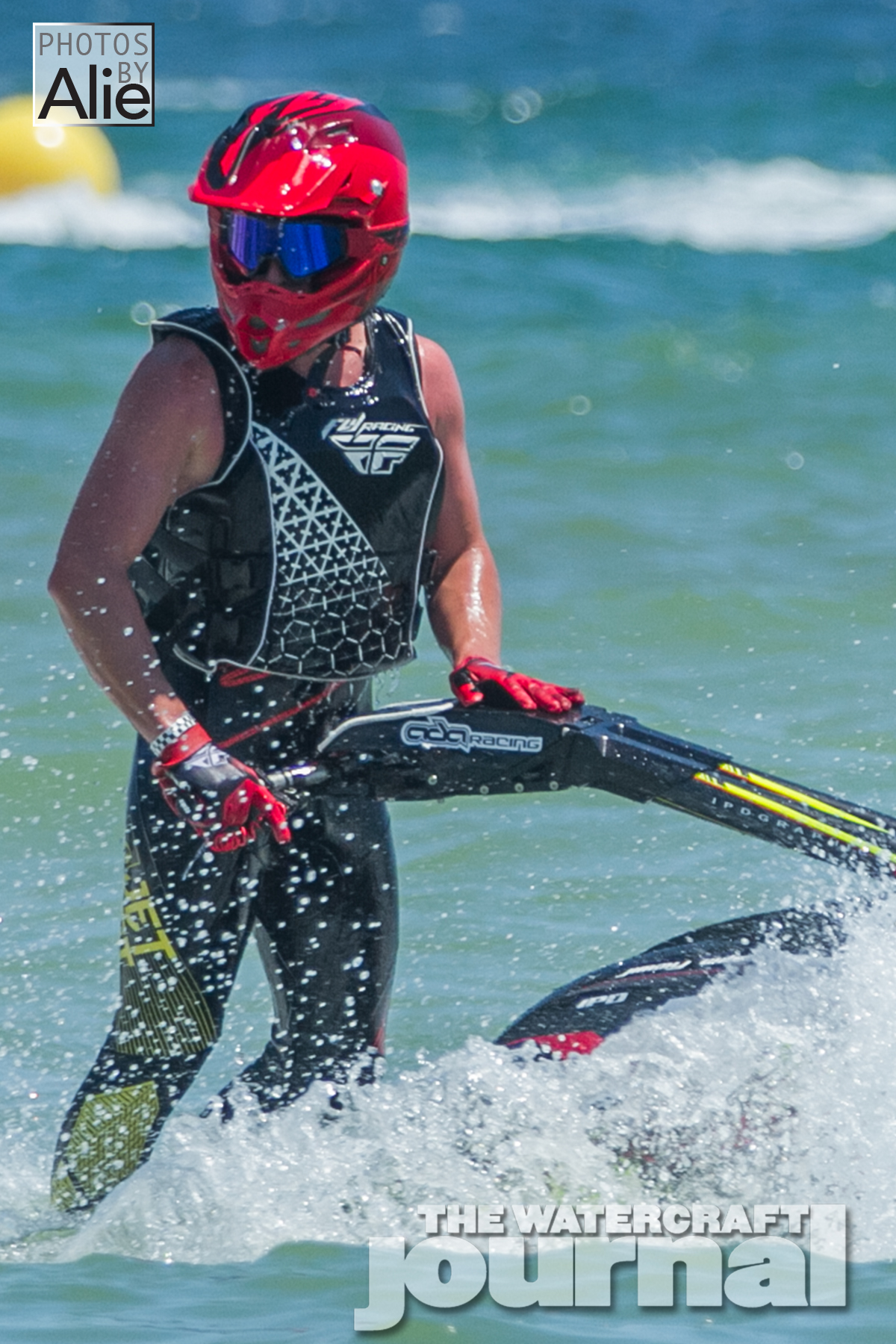
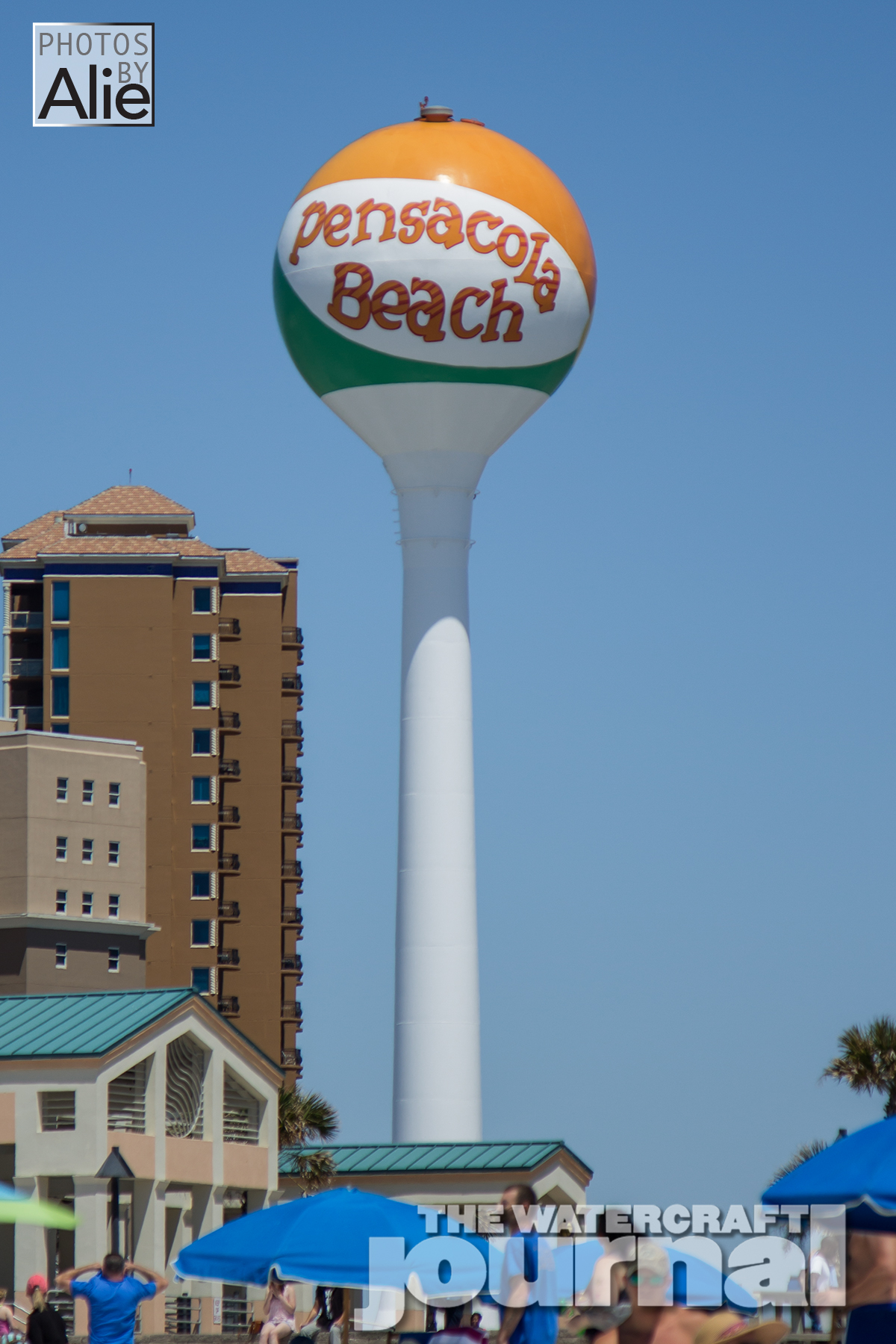
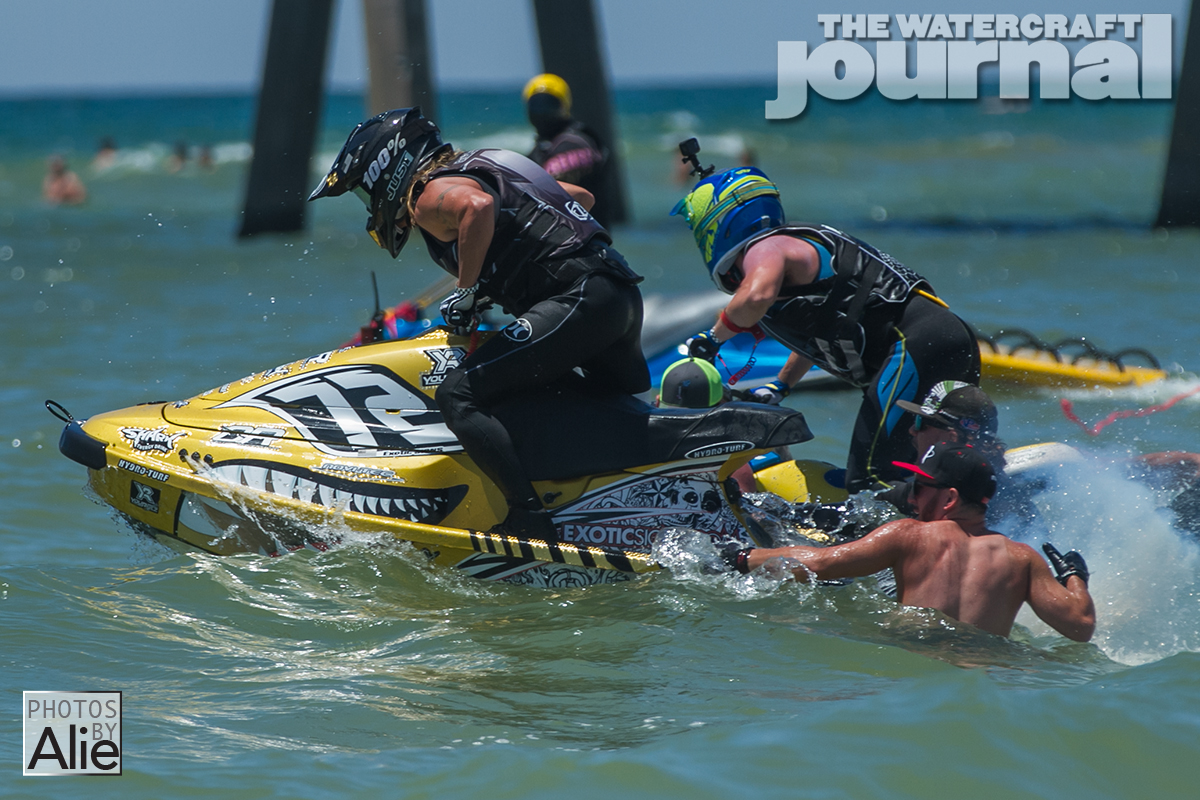
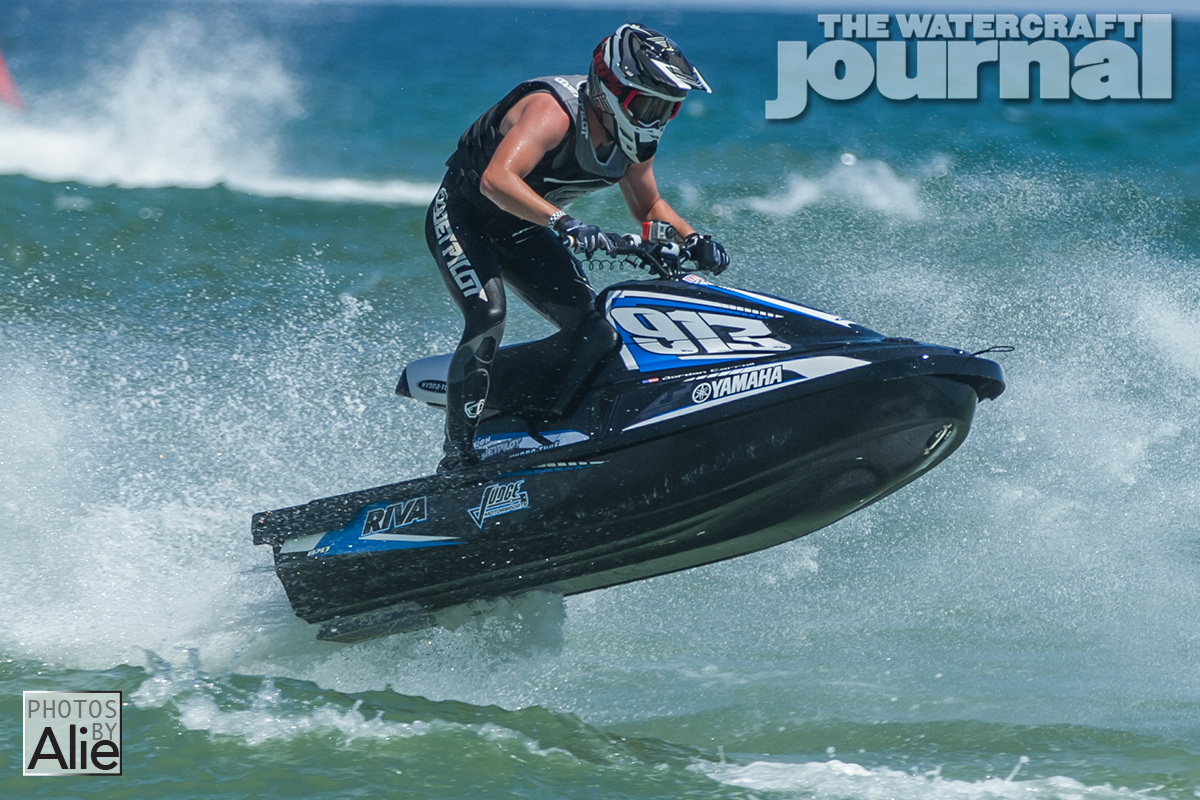
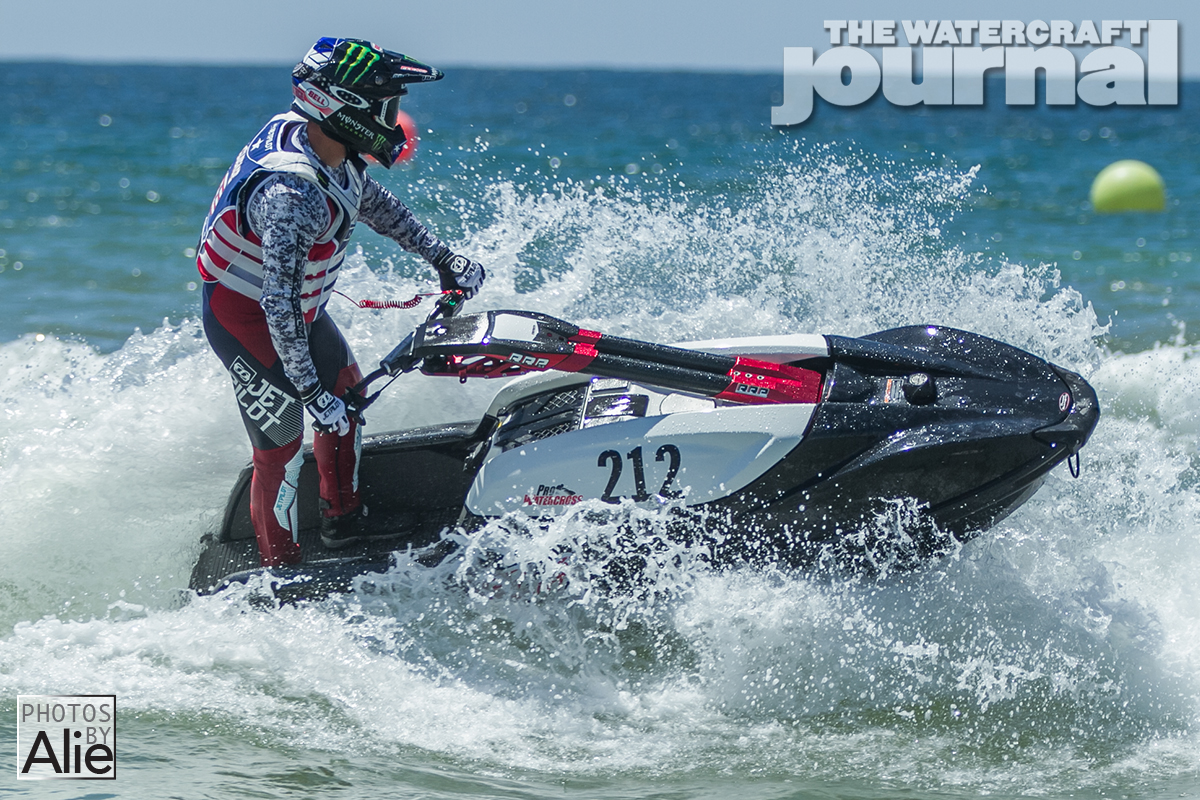
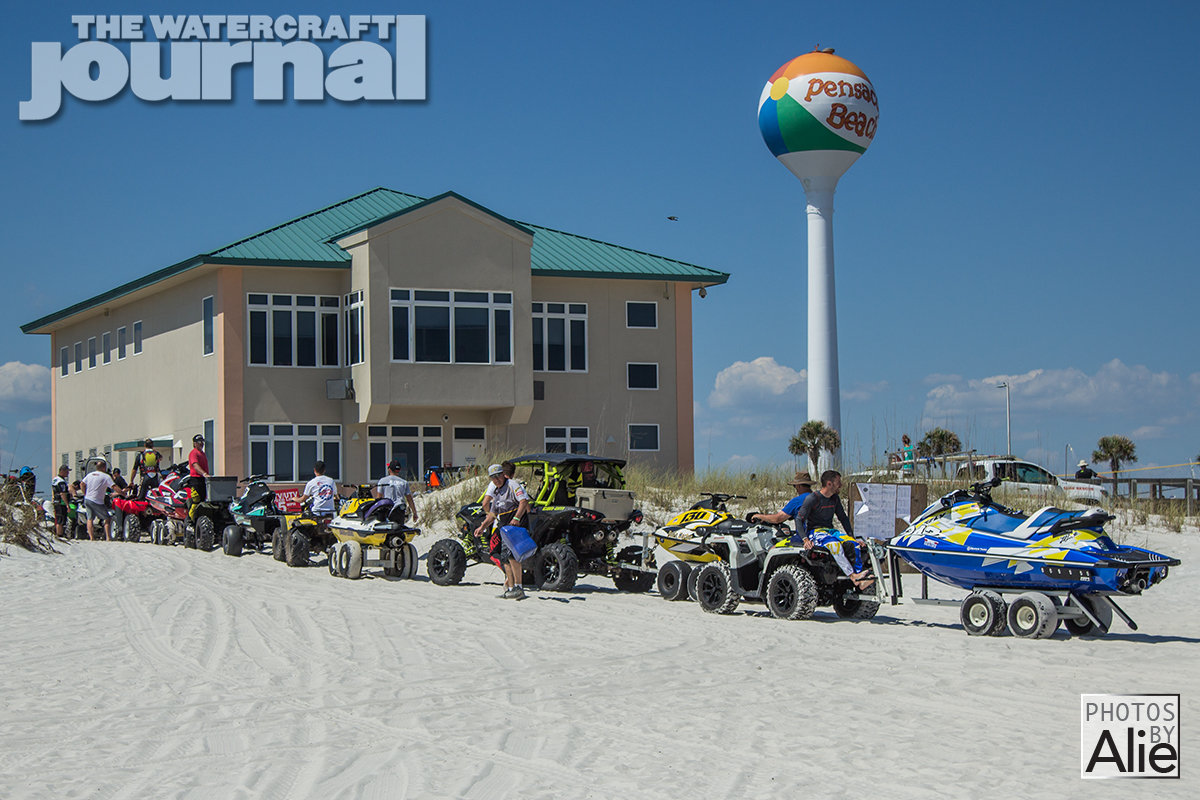
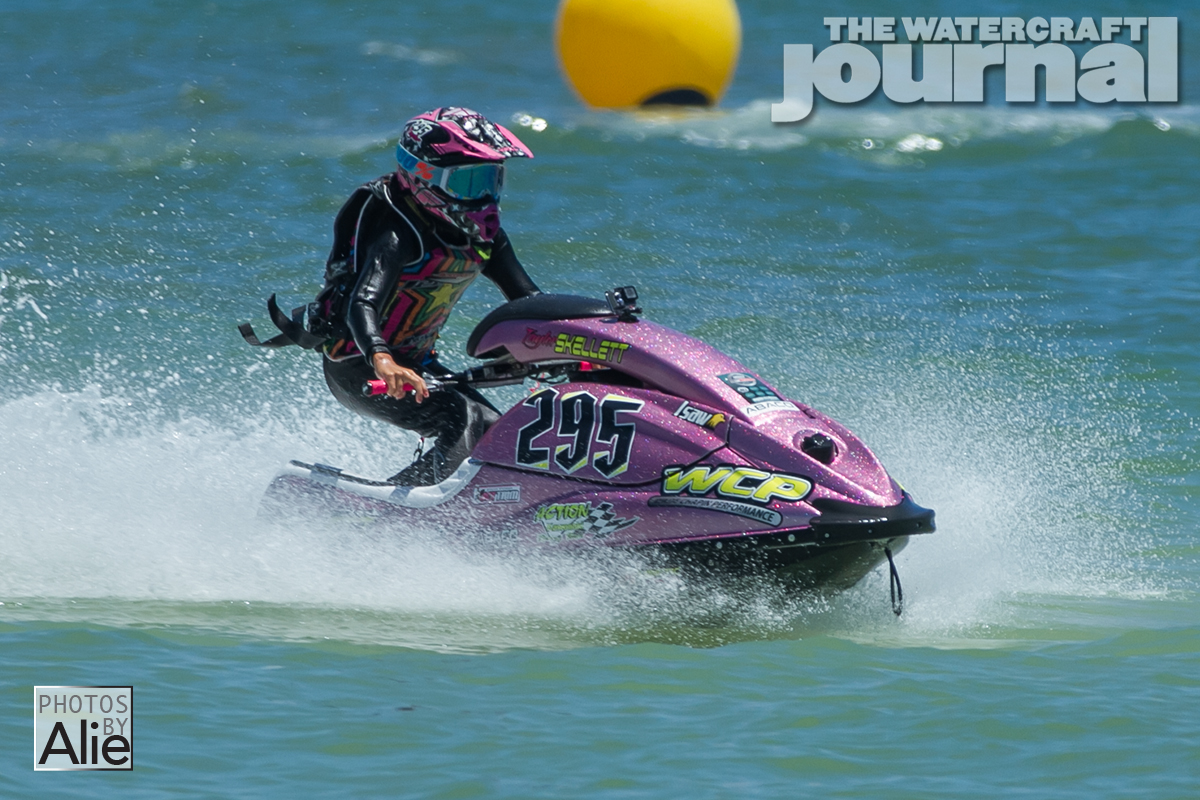
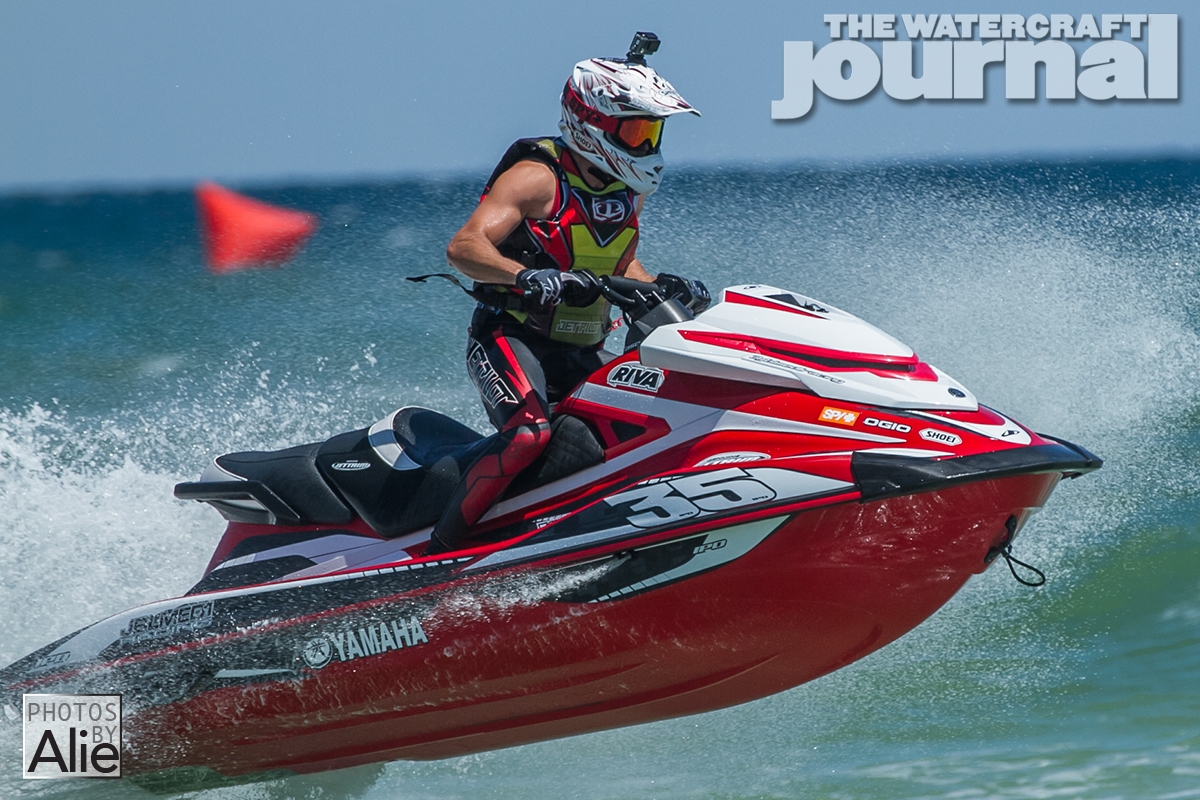
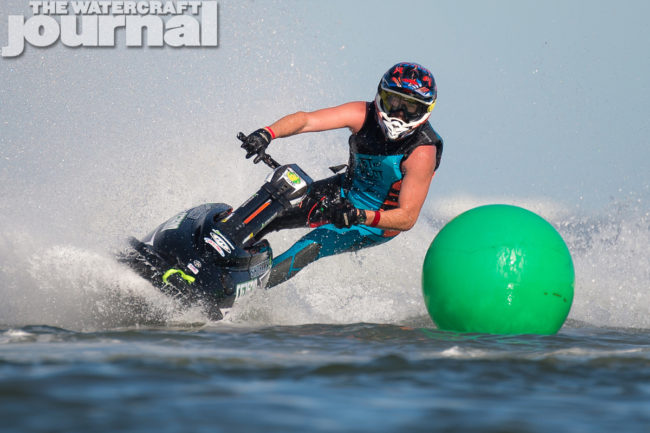
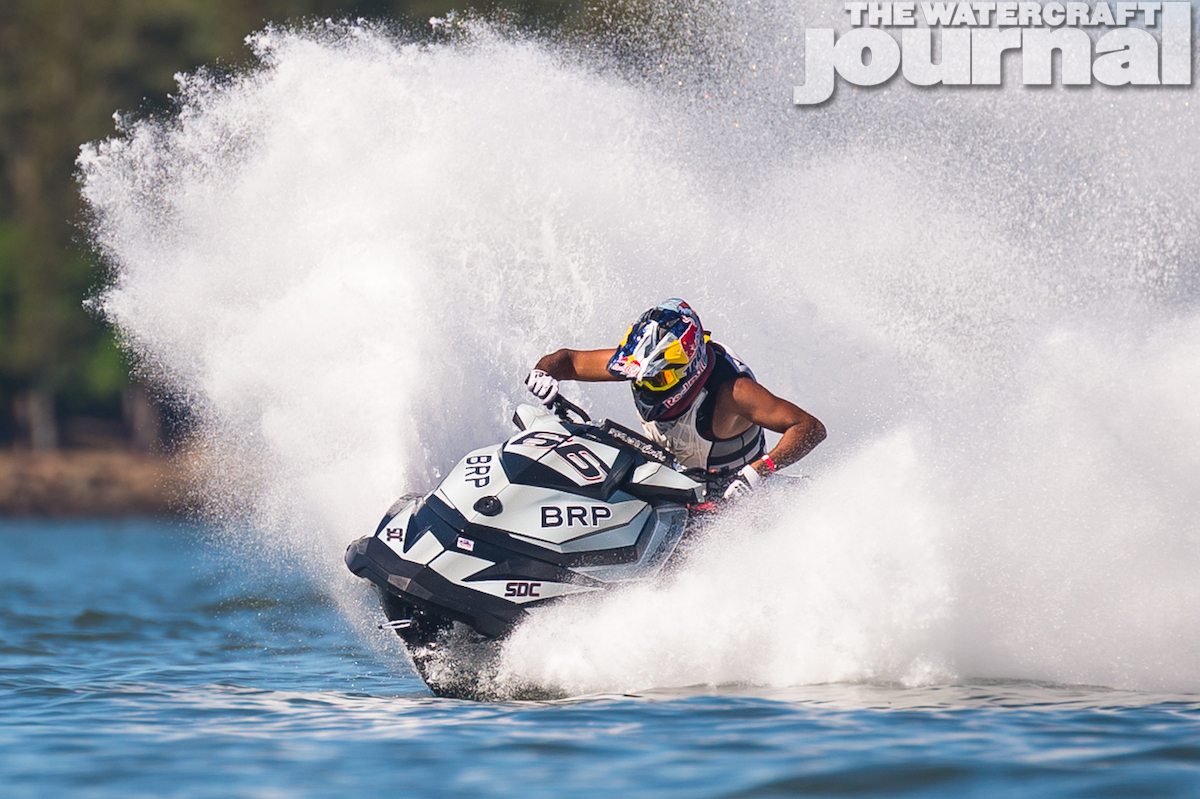
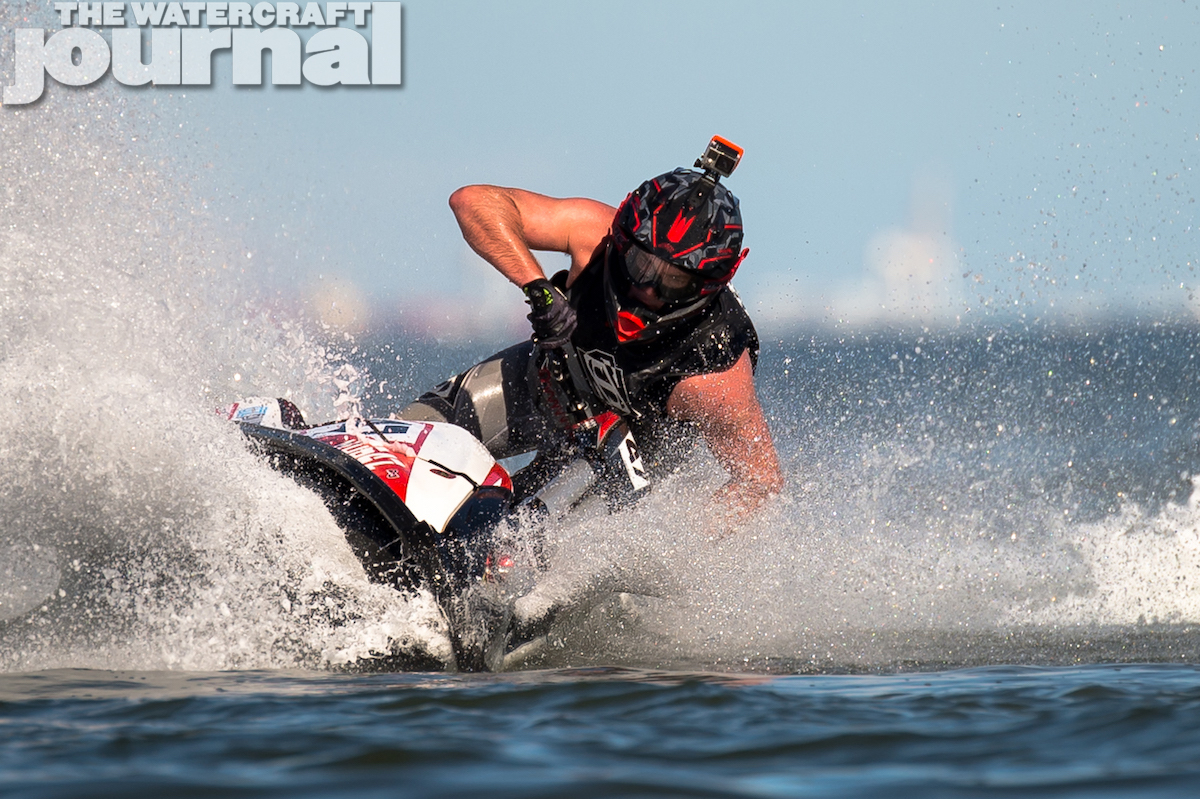
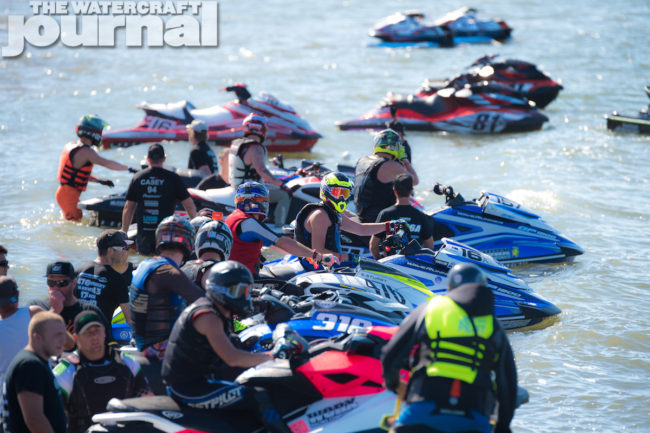
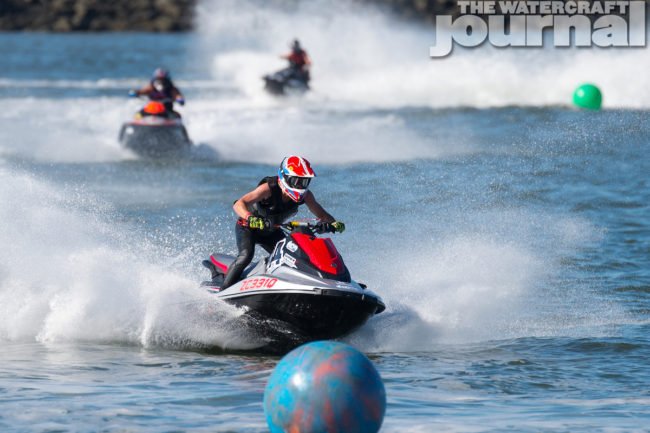
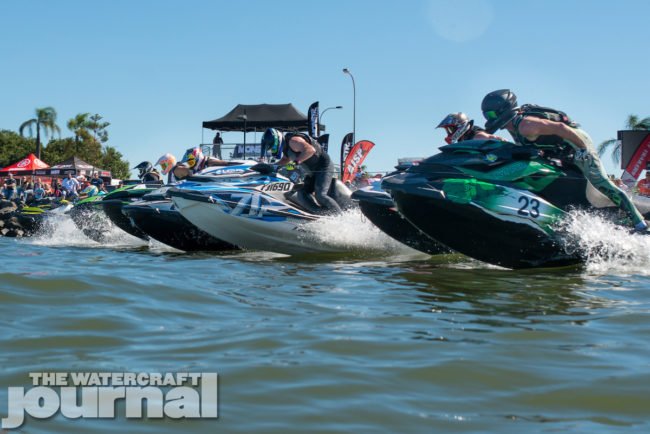
There is no better place to kick off the Heyday Pro Watercross National Tour than the beautiful snow-white beaches of Pensacola Beach, Florida. Though the surf was not as big as we have seen in years past, the 20-miles-per hour gusts was more than enough to churn up some gnarly waves to challenge even the most experienced riders. The sunny Florida weather always seems to attract the largest number of competitors and spectators alike.
Before we get started with the recap, we have to acknowledge what a wonderful job AJ Handler and the Pro Watercross team has done with evolving the National Tour to what it is today. Not only have they set the level for professional competition in the United States, but also continue to raise the bar higher each and every year.
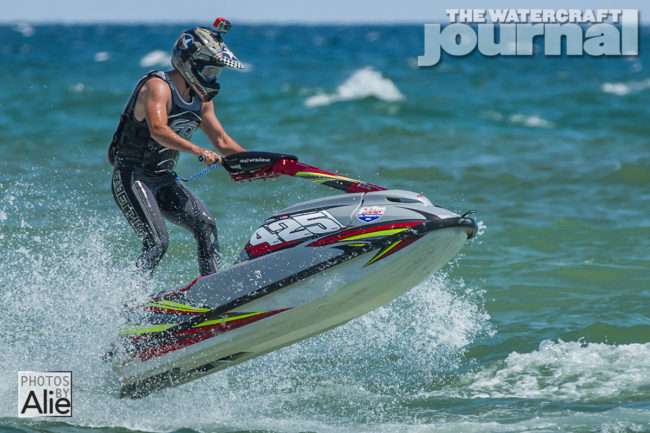
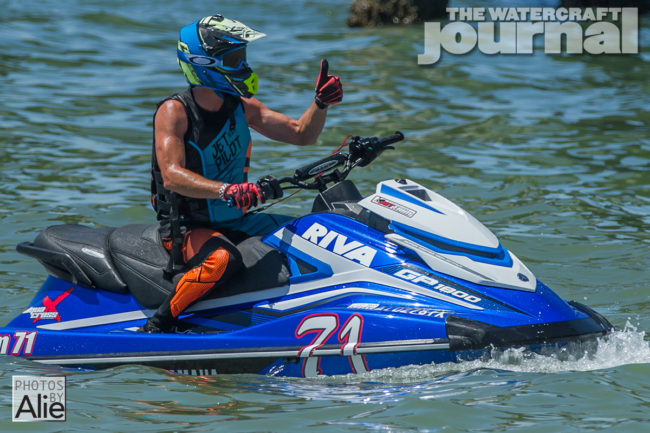
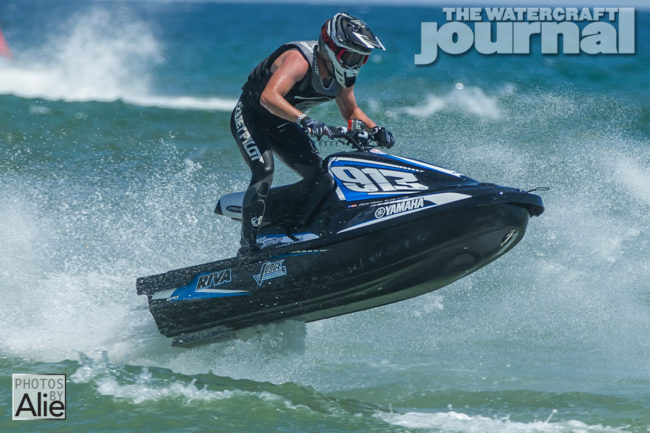
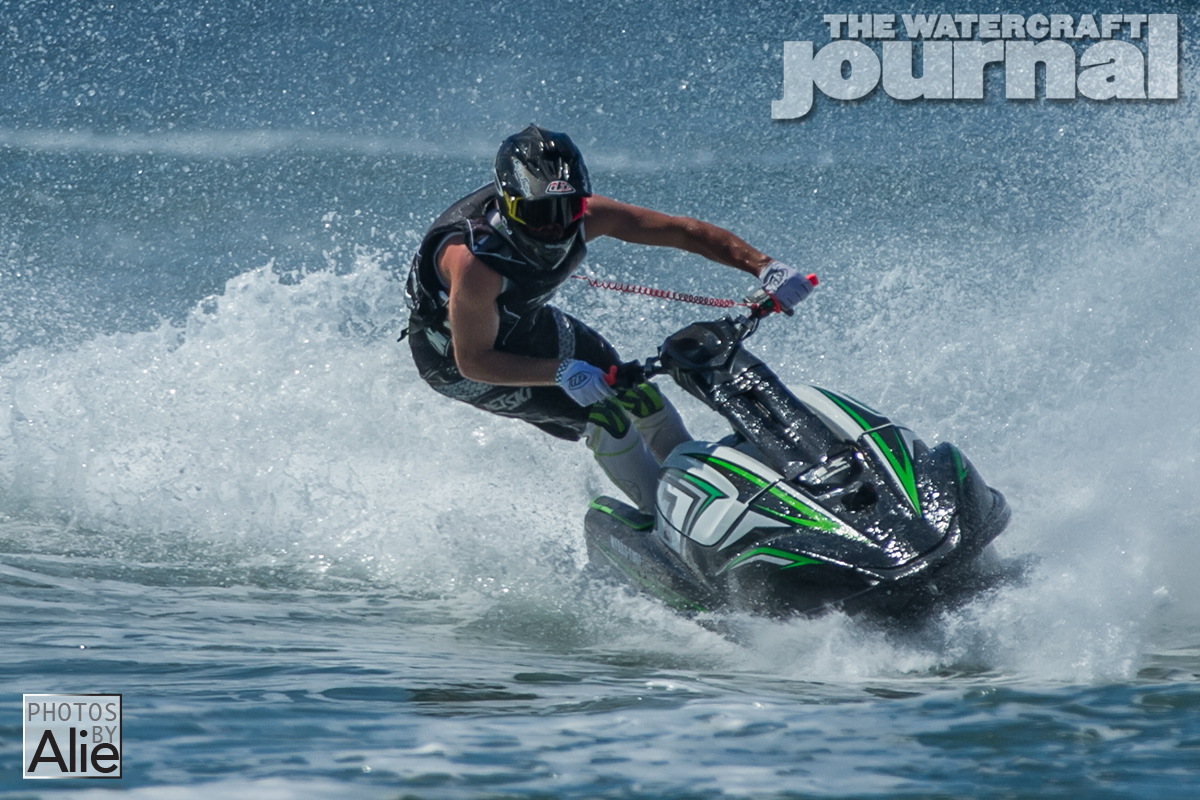
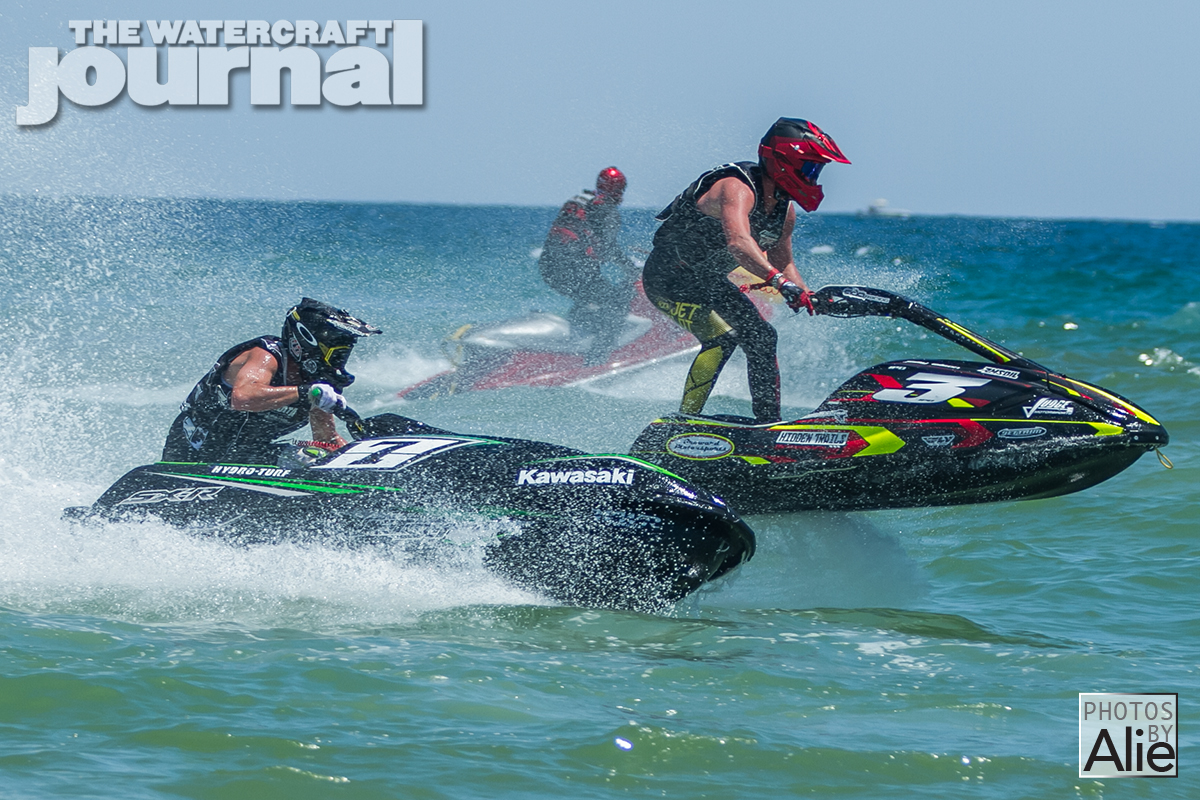
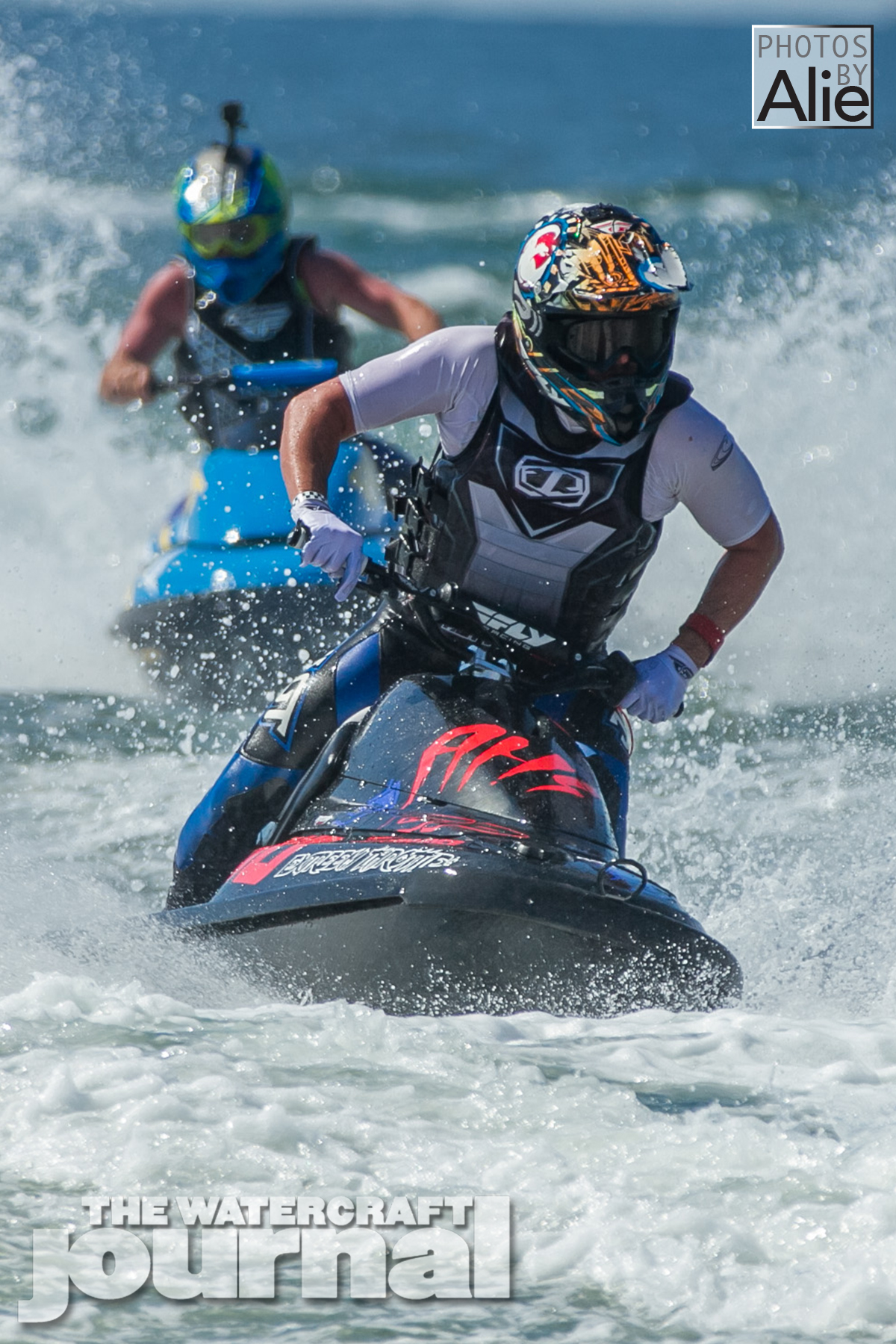
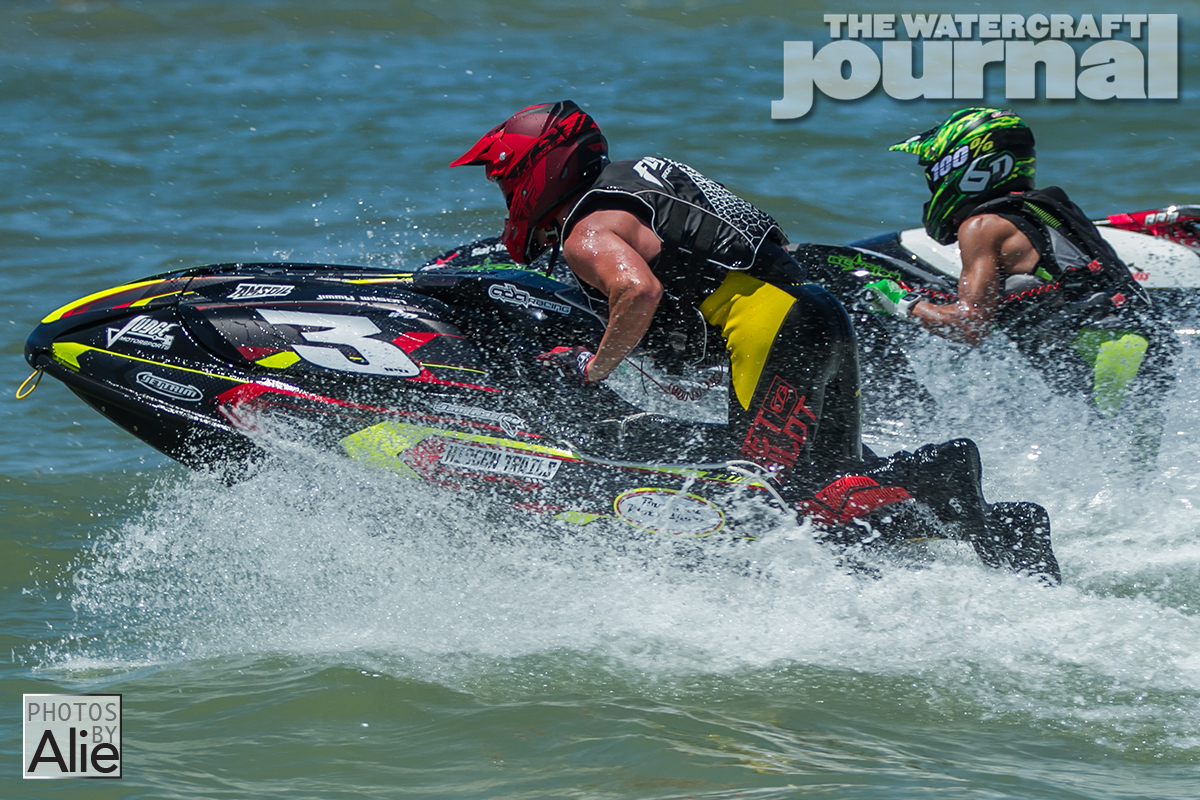
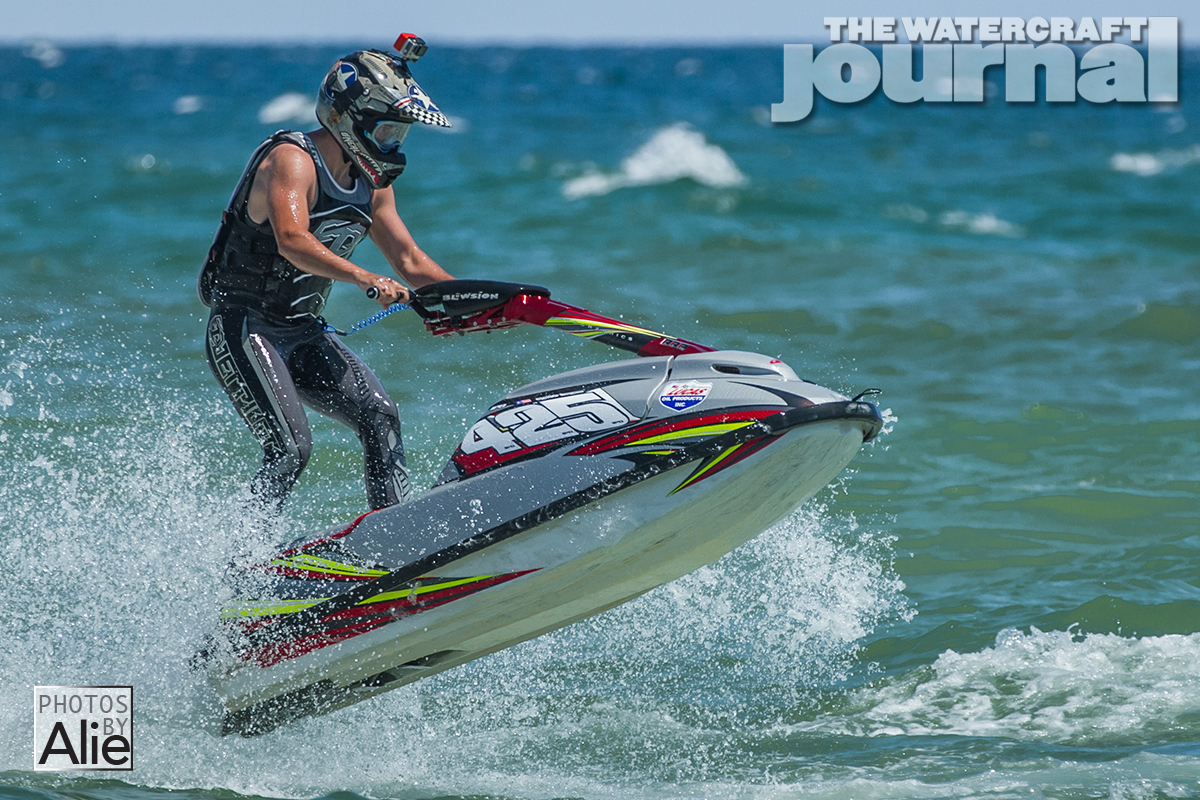
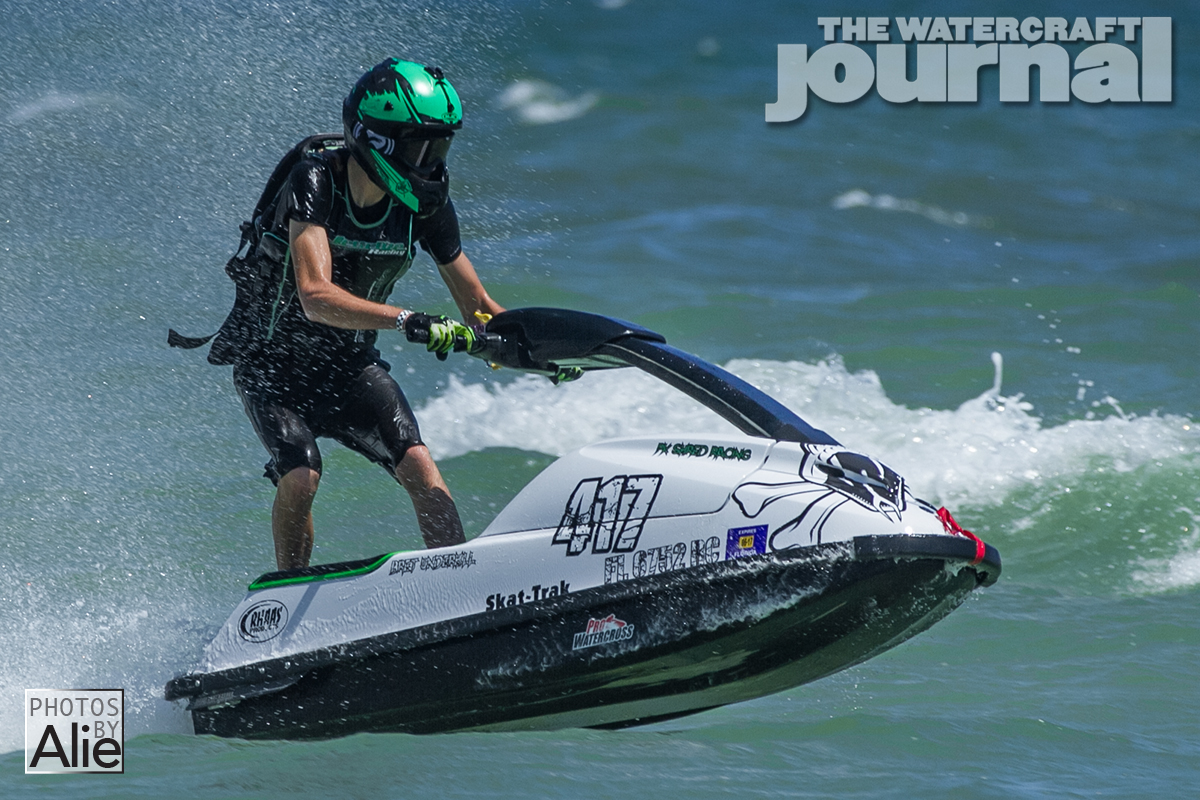
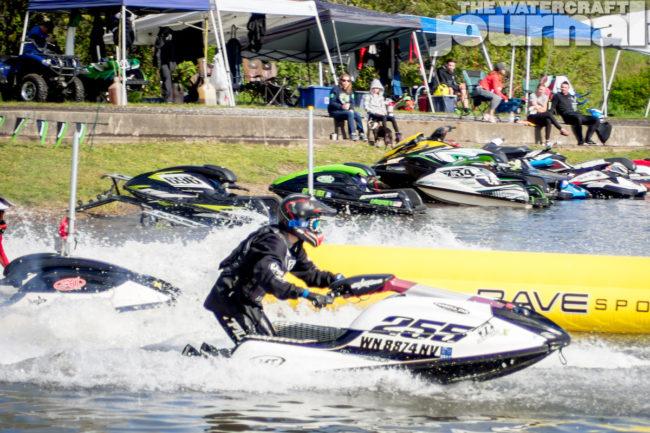
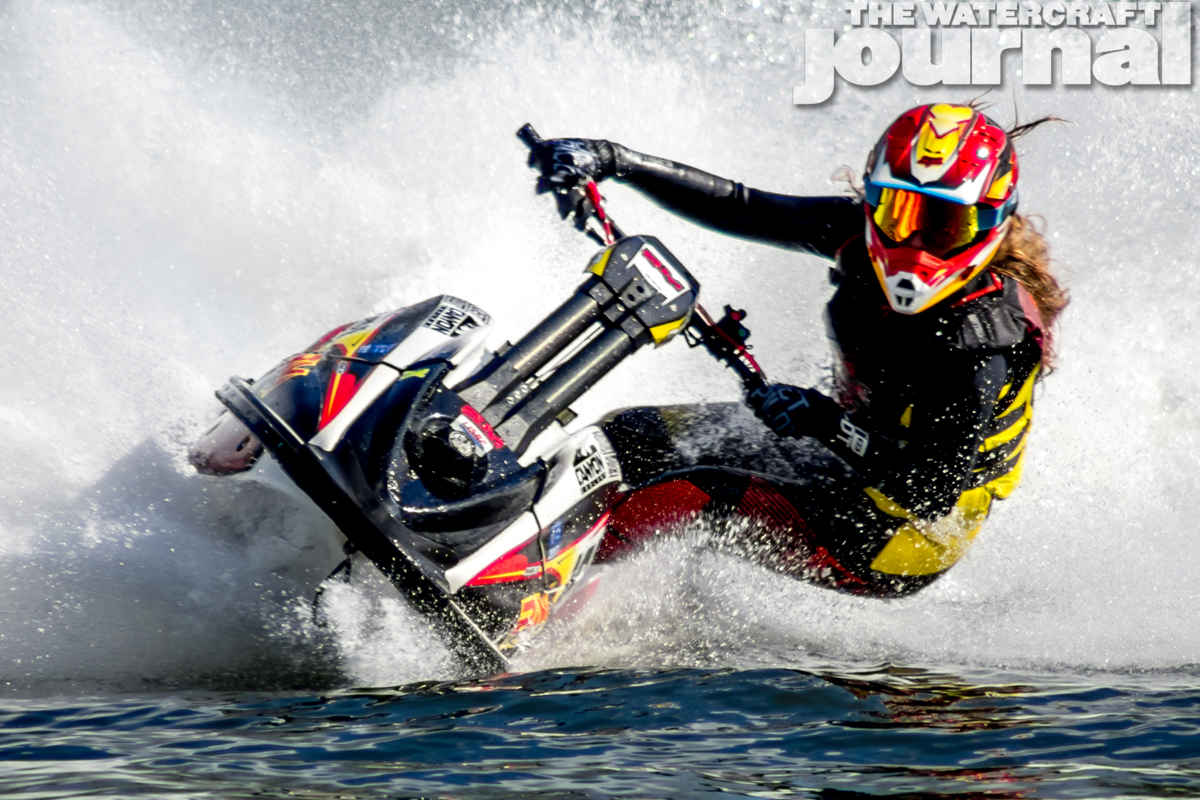
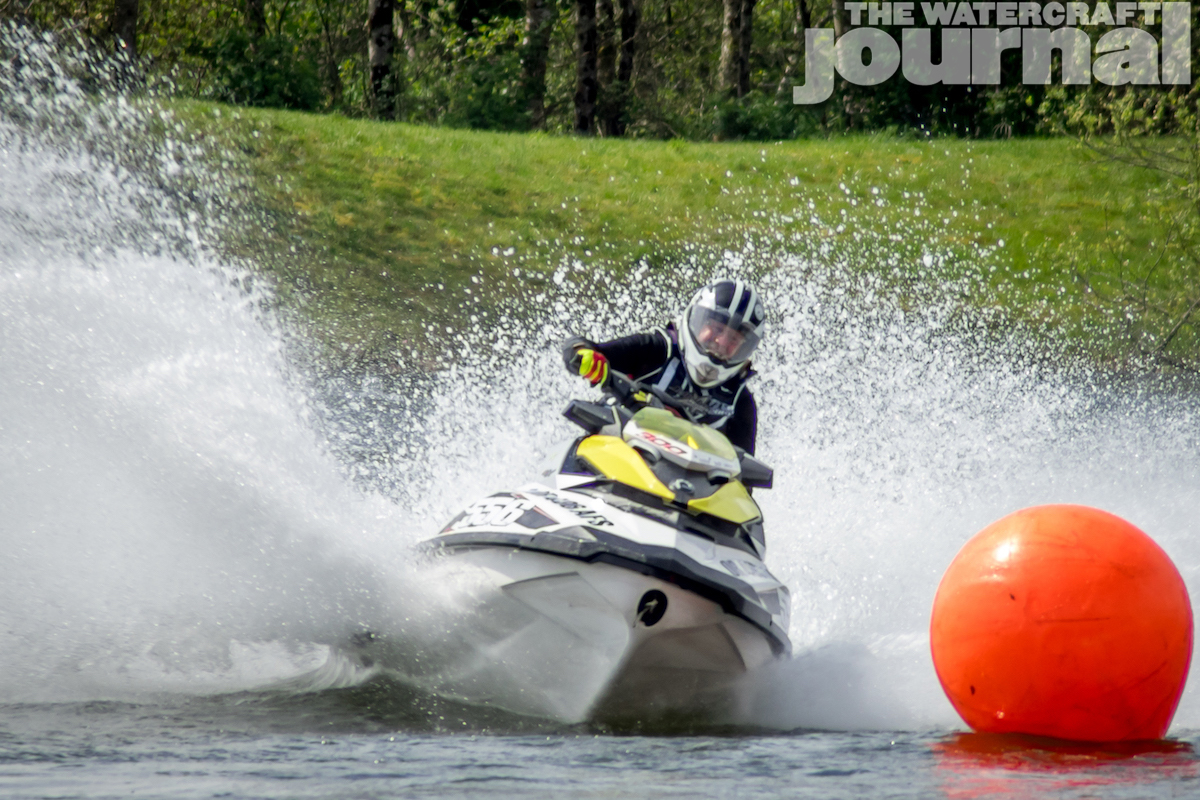
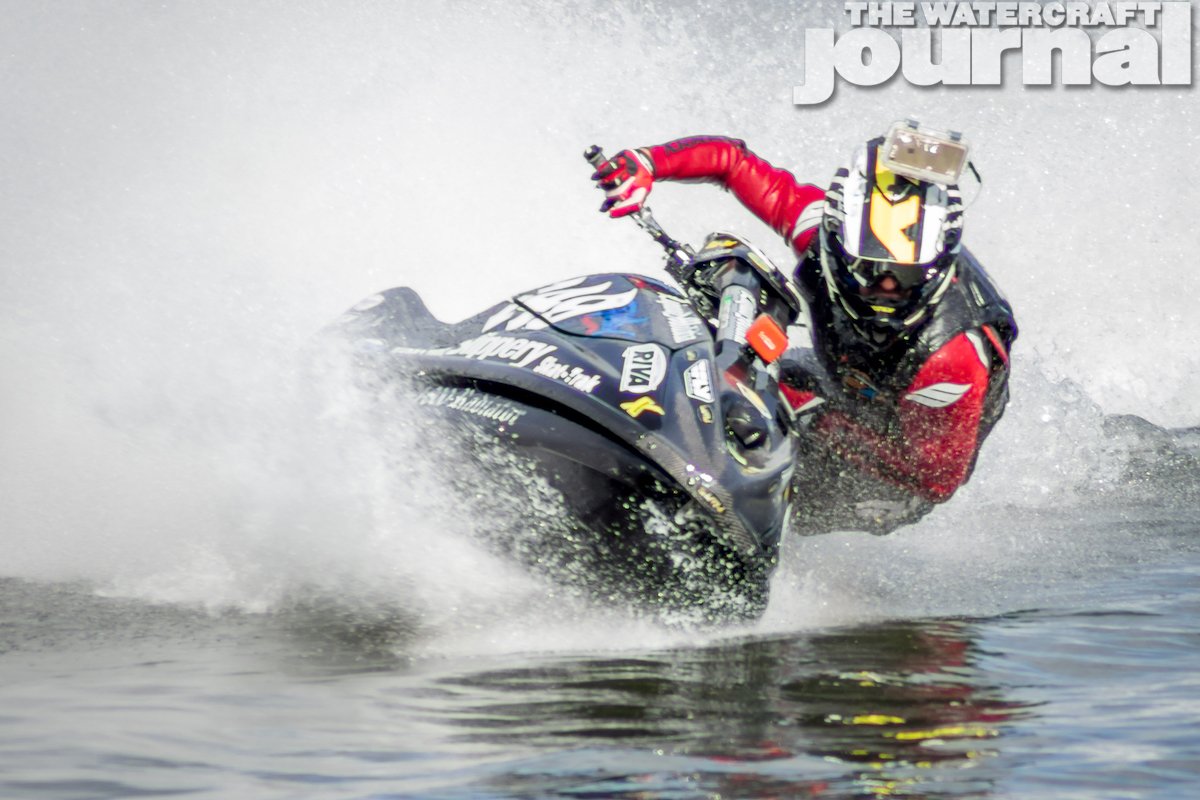
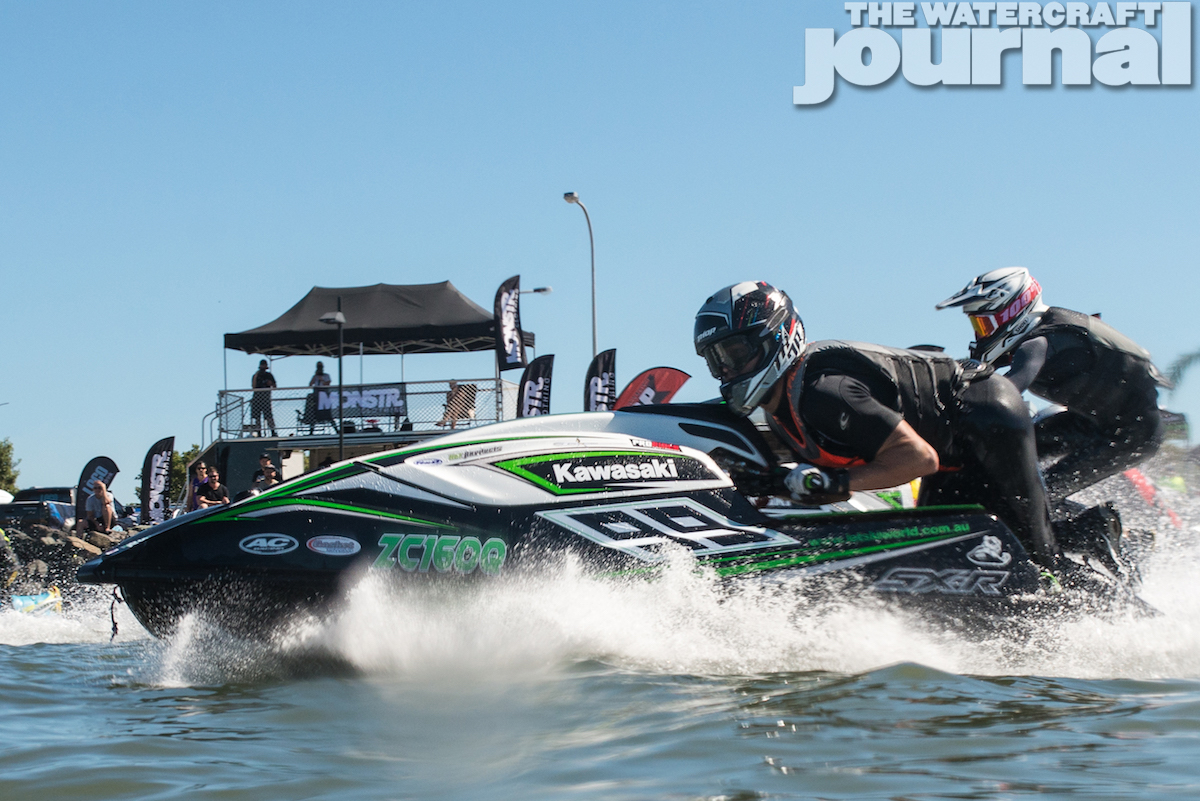
After opening ceremonies had commenced, the racing weekend kicked off with Pro-Am Ski GP. An interesting addition to this year’s Ski GP class was the introduction of the new Kawasaki SX-R. It did not take long for Chris MacClugage to get used to the new craft as he captured the moto 1 holeshot with Jimmy Wilson and Franco Tobler in tow. MacCluggage’s lead would eventually come to an end as he would retire with a fuel issue. Jimmy Wilson would go on to win moto 1 with Franco Tobler in second and Broc Harris finishing up third.
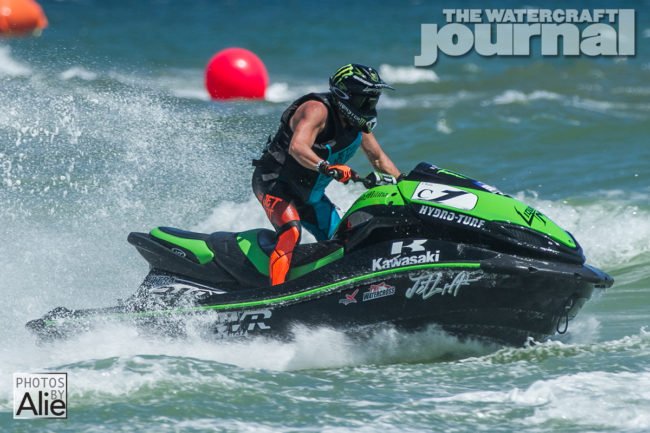
Moto 2 started with drama for Jimmy Wilson, as he lost his hood on the way to the first buoy. Franco Tobler captured his first Pro Watercross holeshot aboard his Team Mean Racing built Trinity. As the surf grew bigger, Tobler would eventually be hunted down by Factory Kawasaki’s Craig Warner on the new SX-R. It was not long until Chris MacClugage would also pass Tobler to slide into second place. Moto 2 finished with Warner on the top step, MacClugage in second, and Tobler hanging on to third place.
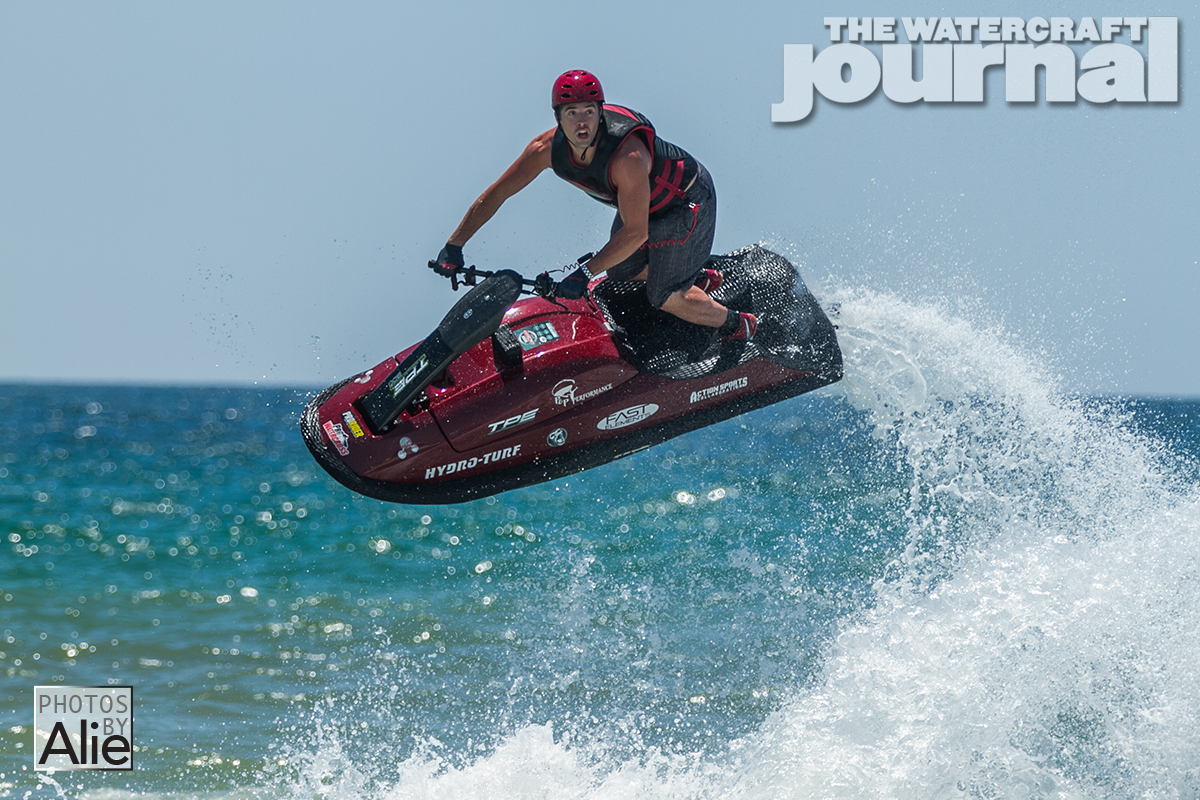
Moto 3 started with Warner grabbing the holeshot, but Jimmy Wilson was latched on right behind him. Wilson stayed on Warner for the entire race, relying on his amazing natural surf riding talent to outweigh the advantages the new SX-R had in the surf. Eventually, Warner bobbled on the front straight and Wilson capitalized on this opportunity. Wilson continued to lead until the checkered flag and capture the Pro Ski GP overall for the weekend. Warner came out with a second overall, followed by Broc Harris in third.
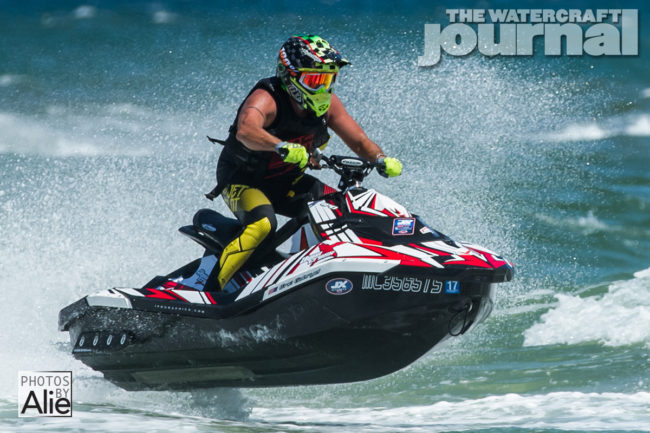
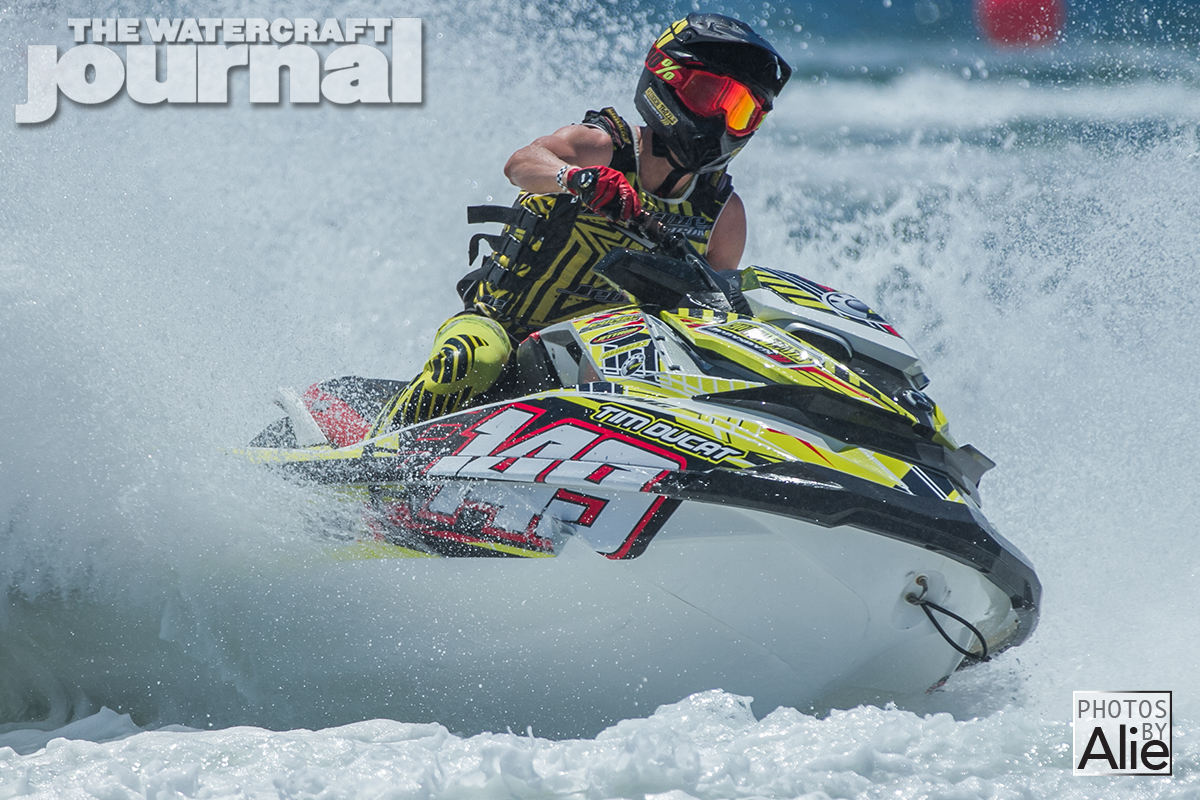
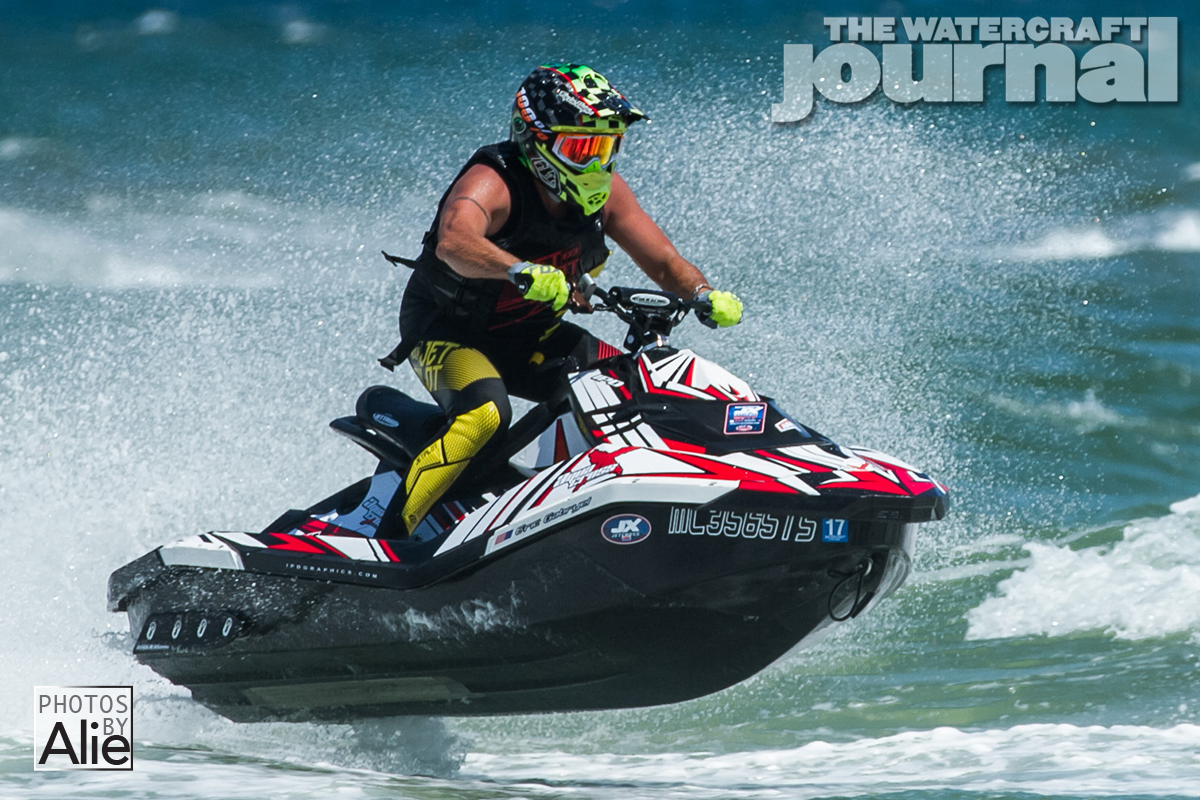
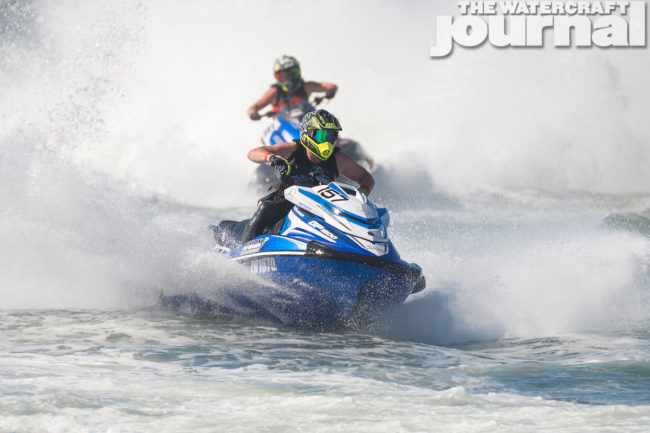
Next up were the fastest runabouts on water, Pro-Am Runabout GP. Jason Russo took the Moto 1 holeshot and ran with it all the way to the checkered flag, but Sea-Doo’s Erminio Iontosca was right on his back door ready to capitalize on any mistake. Tim Ducat would round out the top three of Moto 1. Iontosca went on to an uncontested victory in Moto 2 with Claude Clayton and Jeff Dyckowski rounding out the top three. Moto 3 saw Jason Russo back up top with an early lead, but Iontosca was on a mission to gain the lead. Trey Frame eventually passed up to third and joined the fight with the top two. Erminio Iontosca came out to be the Pro-Am Runabout GP overall champion for the weekend, followed by Claude Clayton in second, and Tim Ducat in third.
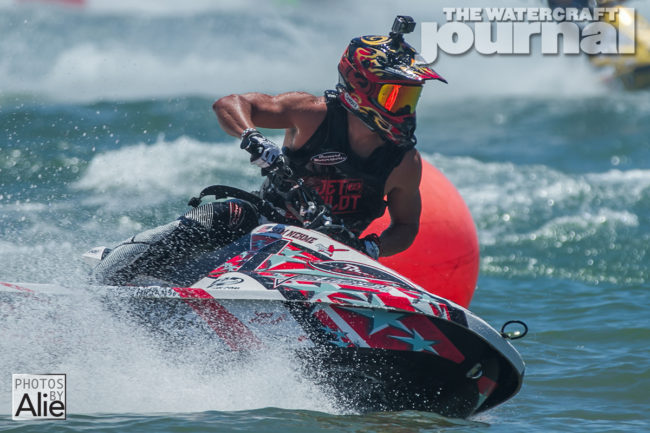
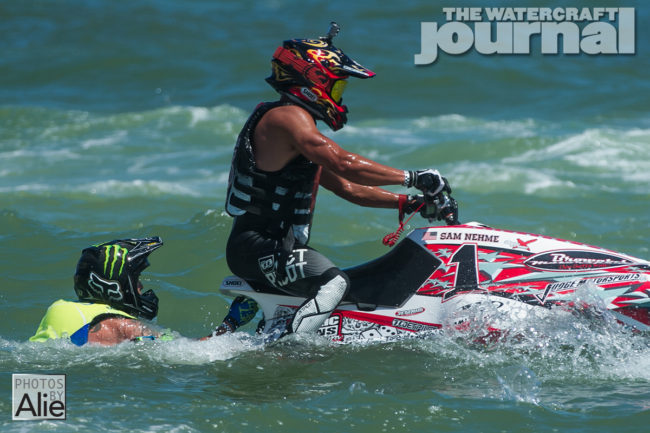
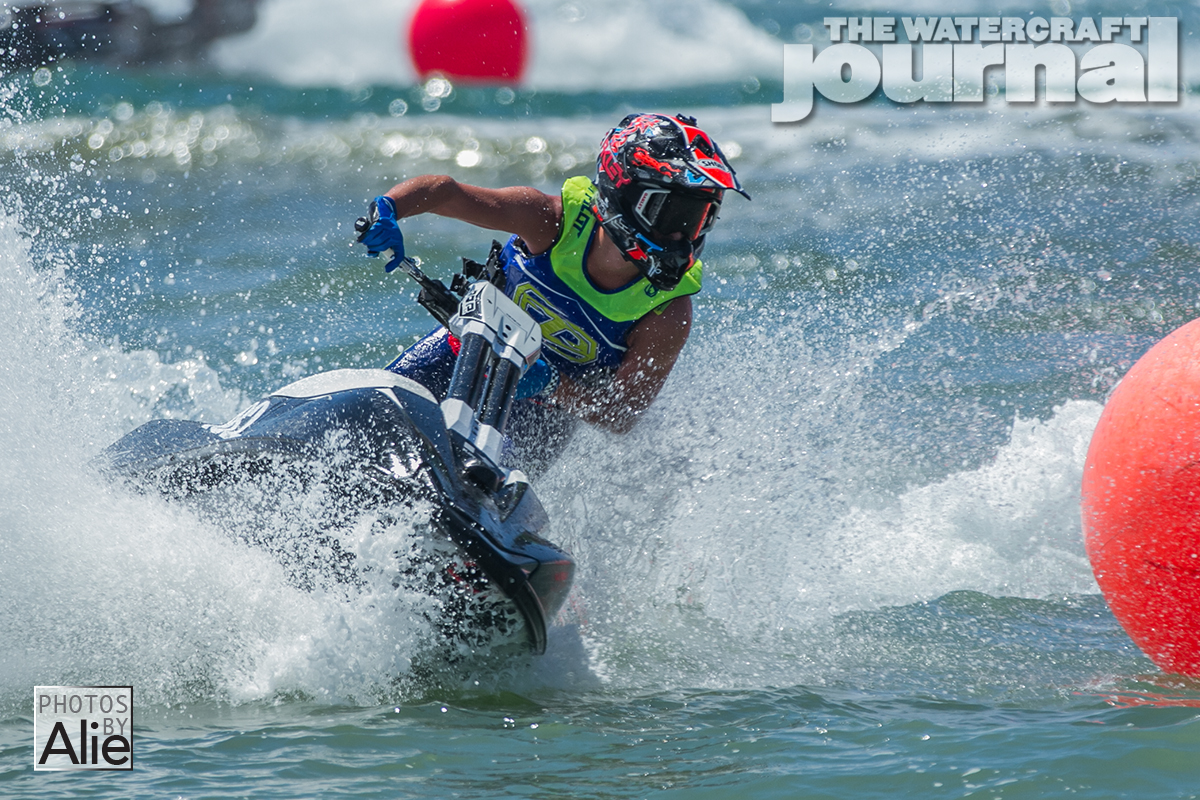
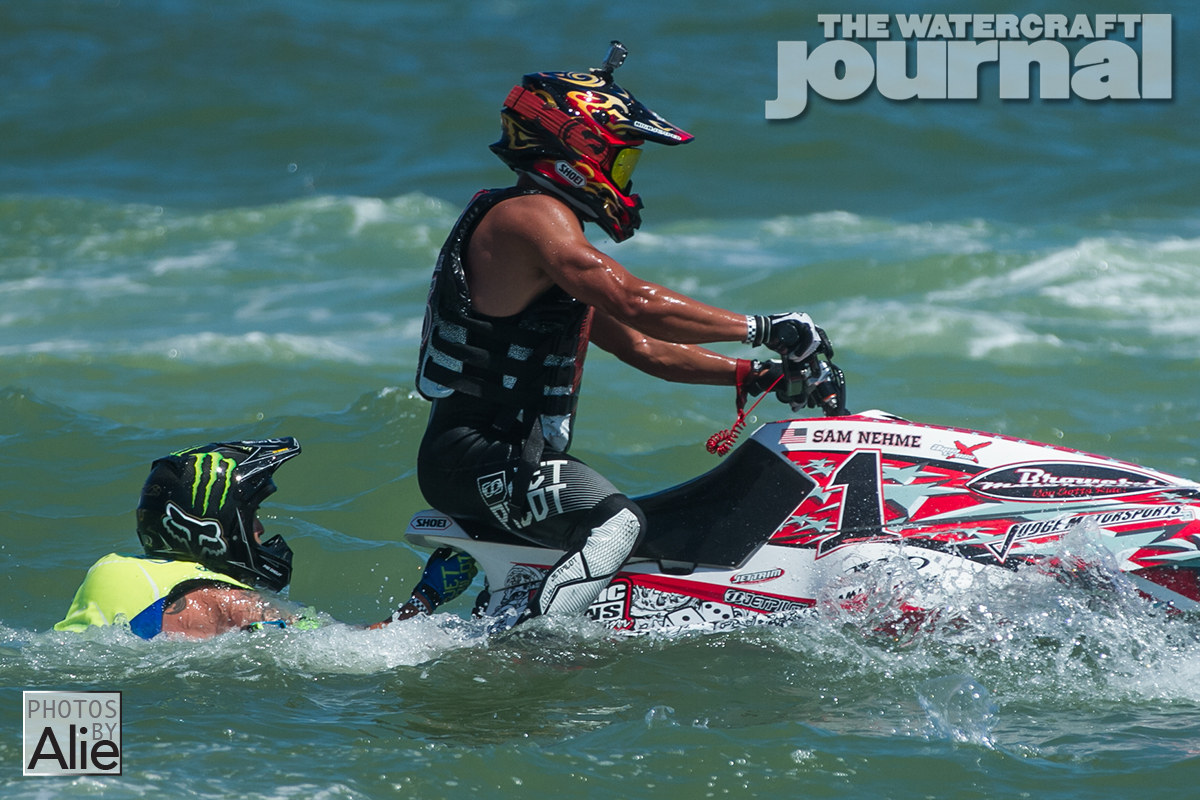
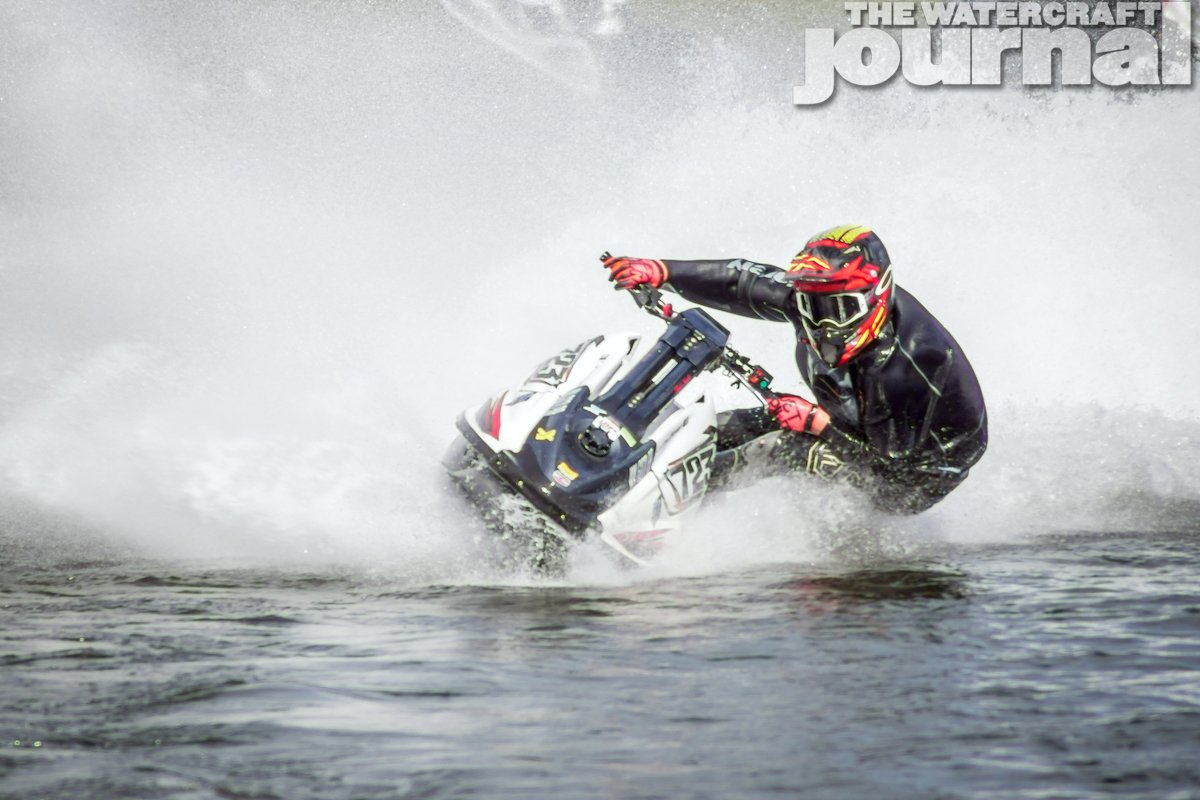
The Sport classes continued to completely stack the gates full of competitors. The Sport Stock class was forced to run two heats on Saturday and two motos on Sunday. Eric Gabryel won Heat 1 and Gary Hopkins would win Heat 2 with a wounded boat, but it was Jeff Mcphail that would take the overall with a 1 – 1 in both motos. Sport GP was packed full of action across all three motos. The front straight in Moto 1 seemed to cause some trouble for many riders in the pack, but this was not the case for Billy Dearman and Broward Motorsport’s Sam Nehme.
Nehme made Dearman work for it the entire moto and finished only a few boat lengths behind. Jules Hopkins rounded out the top three for Moto 1. In typical fashion, Sam proved why he is the National Champion and led the entirety of Moto 2 from start to finish with no one to challenge him. This would change in Moto 3, as Johnny Smith pulled the holeshot and battled it out with Nehme until Nehme missed a buoy. Smith led most of the race until a mistake caused him to eject from his ski, giving Nehme the overall for the weekend.
Pro-Am Ski Stock saw plenty of new faces, but the whole weekend turned out to be a MacClugage vs. Wilson showdown. These two battled it out through every single moto, but it was Jimmy Wilson who came out on top with a 2 – 1 – 1 to give him the overall. MacClugage came second on the podium and Matthew Richuk would round out the podium in third.
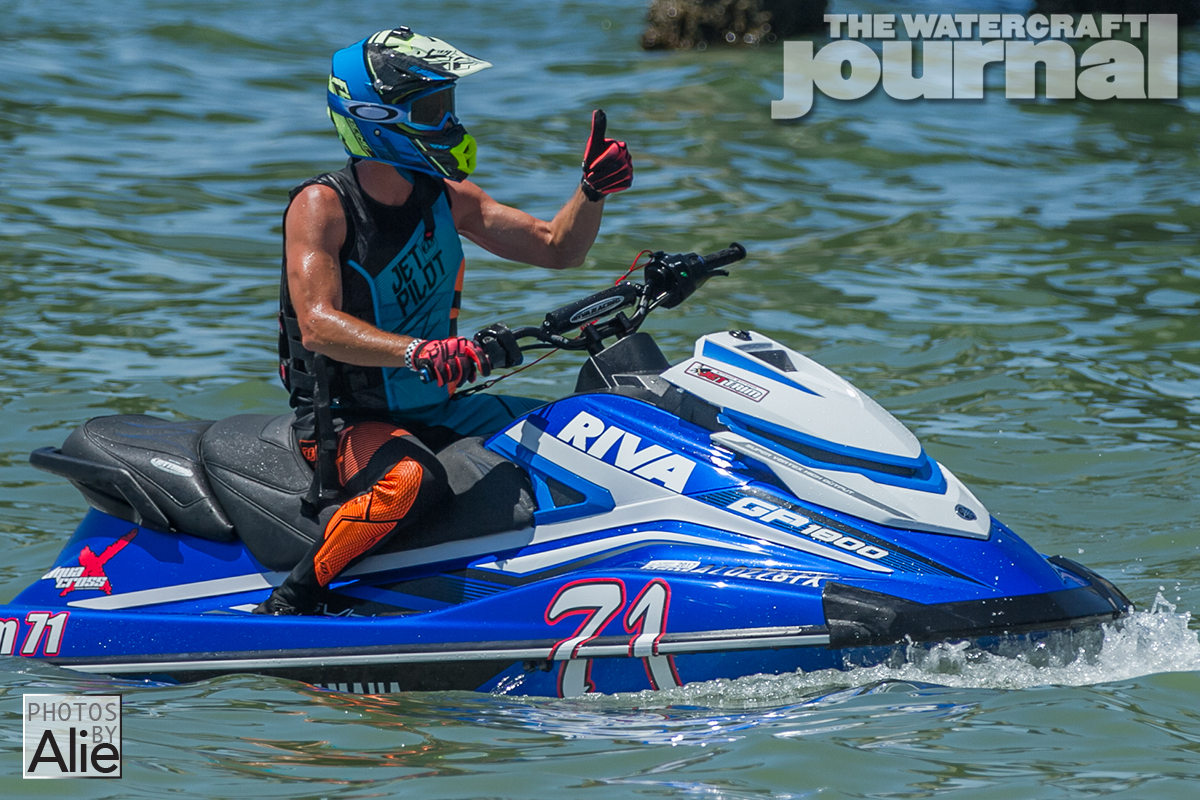
Sea-doo had to be pleased with Erminio Iantosca’s performance in the Pro-Am Runabout Box Stock class aboard his RXP-X 300. It was a flawless weekend for Iantosca as he went wire to wire in all three motos to capture first overall. Troy Snyder finished up second overall for the weekend, and Jason Russo would end up with third overall.
We are sure we speak for the whole jet ski community in saying that our hearts are with Tim Ducat. Tim was severely injured in Moto 3 of the Pro-Am Runabout Box Stock class and suffered many internal injuries. If you have not already, please go visit his GoFundMe page and consider making a donation. We wish you a speedy recovery, Tim!
The 2017 Heyday Pro Watercross National Tour opener was definitely one to remember, and we cannot wait to see what the rest of this year has in store for us. We will see you this weekend at the beautiful emerald waters of Panama City Beach, Florida!
The Western Canadian Watercross Association (WCWA) has just released the full schedule for their summer 2017 events and we are pleased to share them with our readers. From what we can see, this is shaping up to be quite a summer for PWC events around the world. For PWC enthusiasts in Western Canada, these events listed below are must go events if you love everything PWC! The WCWA is the westernmost IJSBA (International Jet Sports Boating Association) Sanctioned Affiliate in Canada.
Rounds 1 and 2 take place on the weekend of June 10th and 11th at Golden Sheaf Campground on beautiful Rattlesnake Lake, Alberta. If you don’t know where Rattlesnake Lake is; it’s about 30 minutes west of Medicine Hat and 3 hours southeast of Calgary.
After that, Rounds 3 and 4 head over east a province to Blackstrap Lake at Blackstrap Provincial Park in Blackstrap, Saskatchewan. These events will take place on the weekend of June 24th and 25th. Blackstrap Lake is about 35 minutes from Saskatoon.
Once those are done, the next dates are tentative. From there, rounds 5 and 6 head north slightly and take part in the “Taste of Saskatchewan” Festival on the South Saskatchewan River in the heart of Saskatoon. These will happen on July 15th and 16th.
There is a small break in the schedule before we head back into the province of Alberta to gorgeous Crane Lake in Bonnyville for the final events; rounds 7 and 8. These will take place on the weekend of September 2nd and 3rd. Crane Lake is about 3 hours northeast of Edmonton, Alberta.
Western Canadian Watercross Association has events planned for:
June 10th & 11th – Golden Sheaf Campground, Rattlesnake Lake, AB
June 24th & 25th – Blackstrap Lake, Blackstrap, SK
July 15th & July 16th – Taste of Saskatchewan, South Saskatchewan River, Saskatoon, SK
September 2nd & 3rd – Crane Lake, AB
The toughest lesson in life is learning (and accepting) that bad things can happen to good people. Unfortunately, such an instance struck not only a good man, but a loyal friend (and race coverage contributor) to The Watercraft Journal, and we’re saddened to announce that Sea-Doo racer Tim Ducat was seriously injured during the season opener for the Pro Watercross Tour in Pensacola, FL, on Sunday, May 7th.
Tim sustained serious impact to his chest that resulted in multiple internal injuries including several broken ribs, a torn aorta, lacerated liver and kidney. Paramedics on site rushed Tim into heart surgery where surgeons were able to insert in a stint before the aorta ruptured. Right now, Tim is fighting to keep his kidney and expected to be in the hospital for at least a week.
Sadly, as Tim was “in between insurance coverage,” he is in desperate need for financial assistance in covering his medical expenses. A GoFundMe account was created to helping cover Tim’s surmounting expenses as this degree of treatment isn’t cheap. Tim will have a long road ahead of him, and the generosity of the PWC racing community (and beyond) is being called upon to come together and help Tim out.
Tim’s energy is as abounding as his positivity making him one of the most liked racers on the field. He’s quick to lend a hand to others on the beach or in the pits, so as The Watercraft Journal has joined 60 other people (at the time of this writing) in donating to cover the estimated $75,000 needed to cover Tim’s medical expenses, we hope that all of you will pitch in what you can.
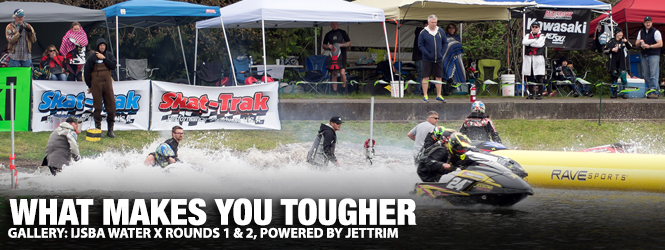
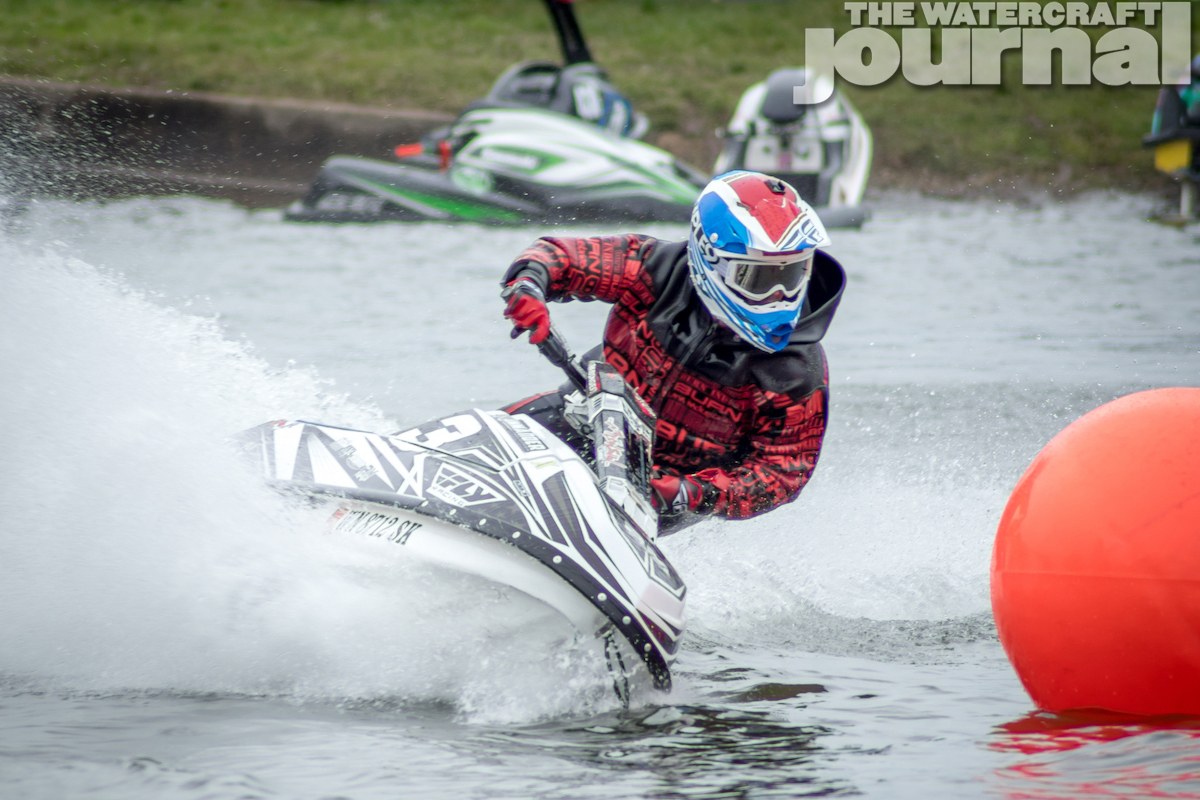
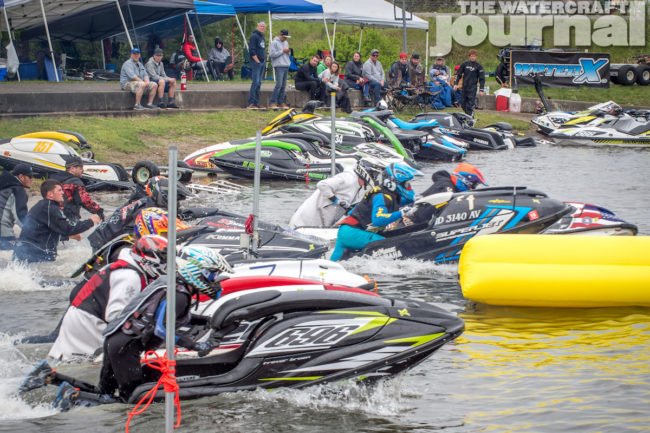
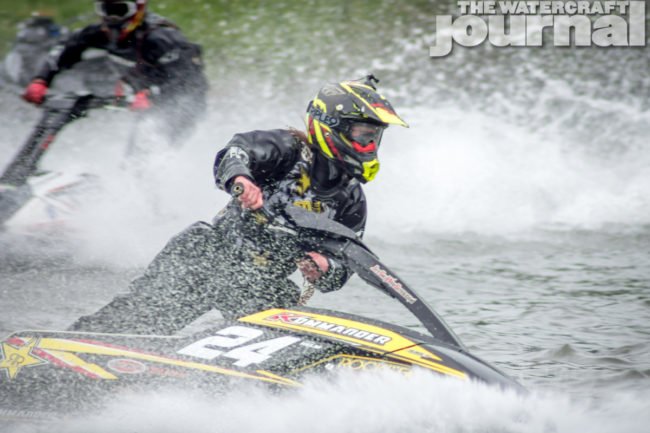
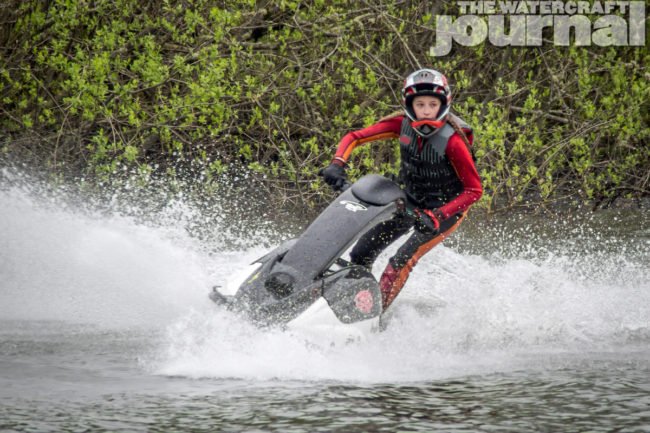
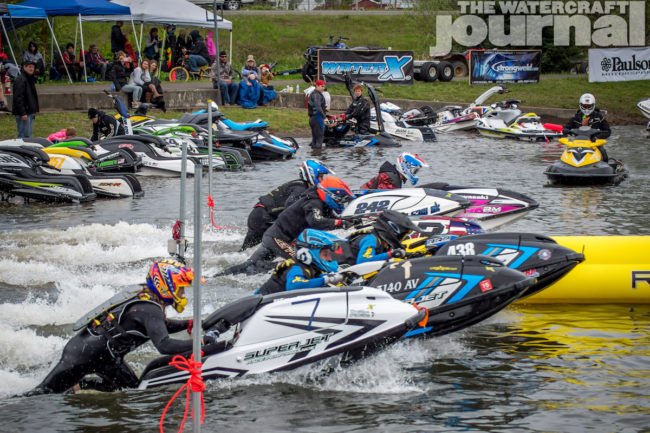
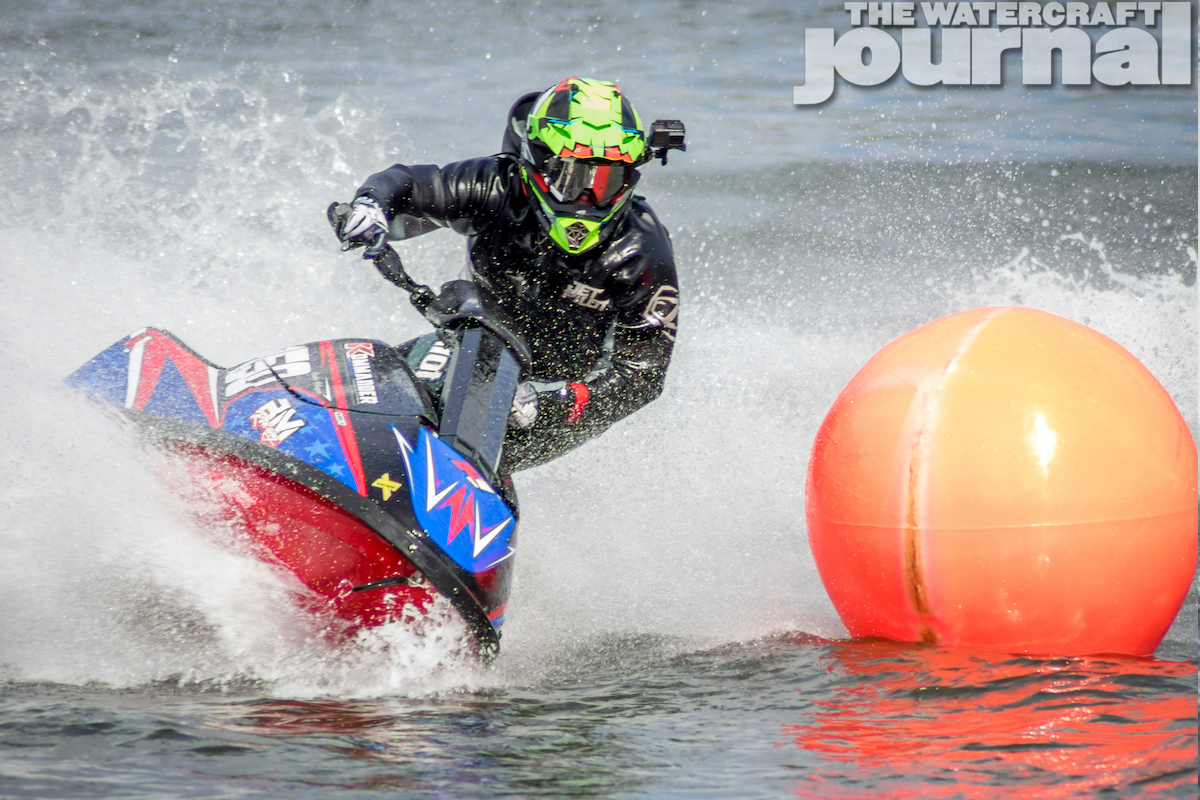
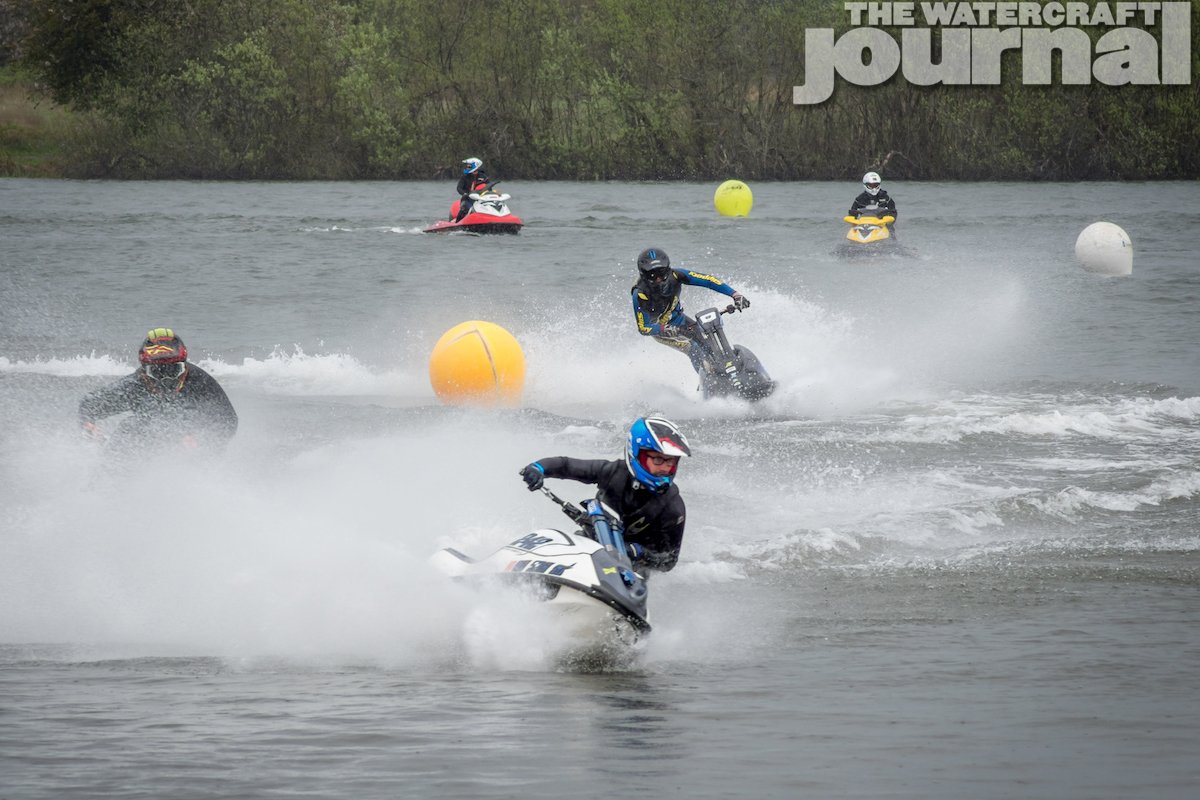
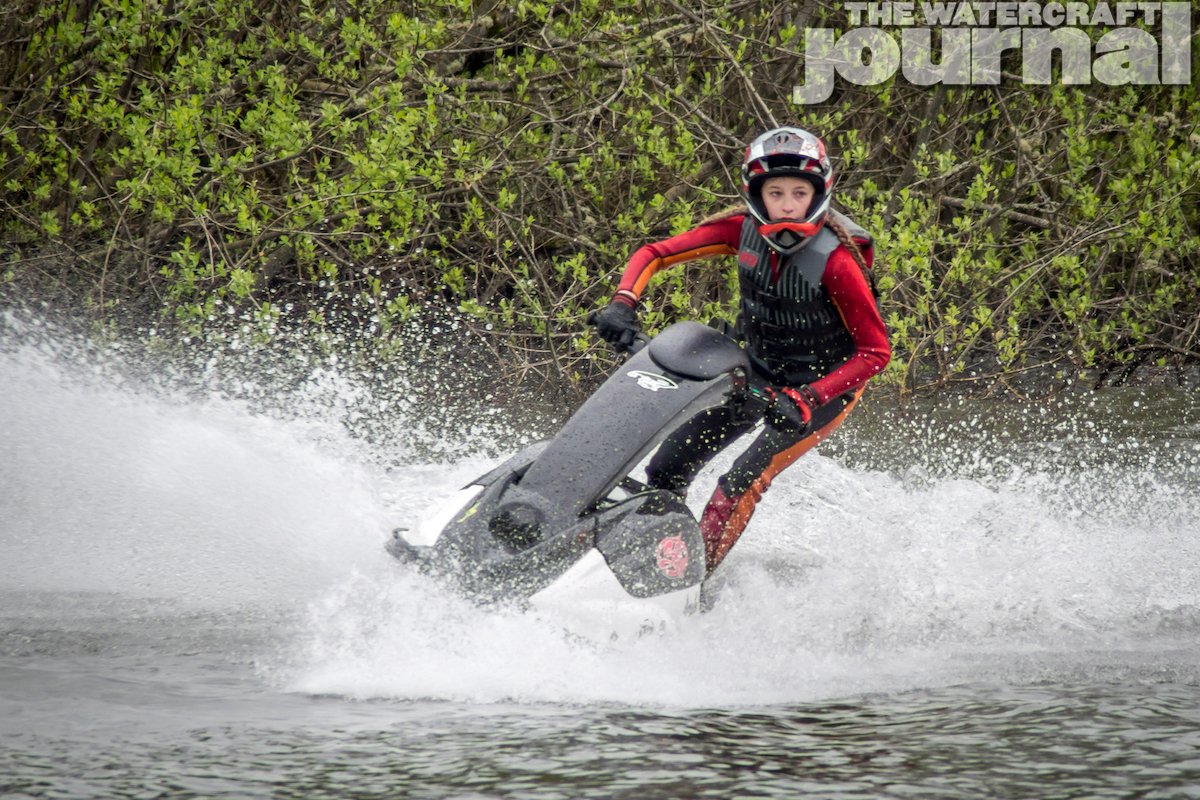
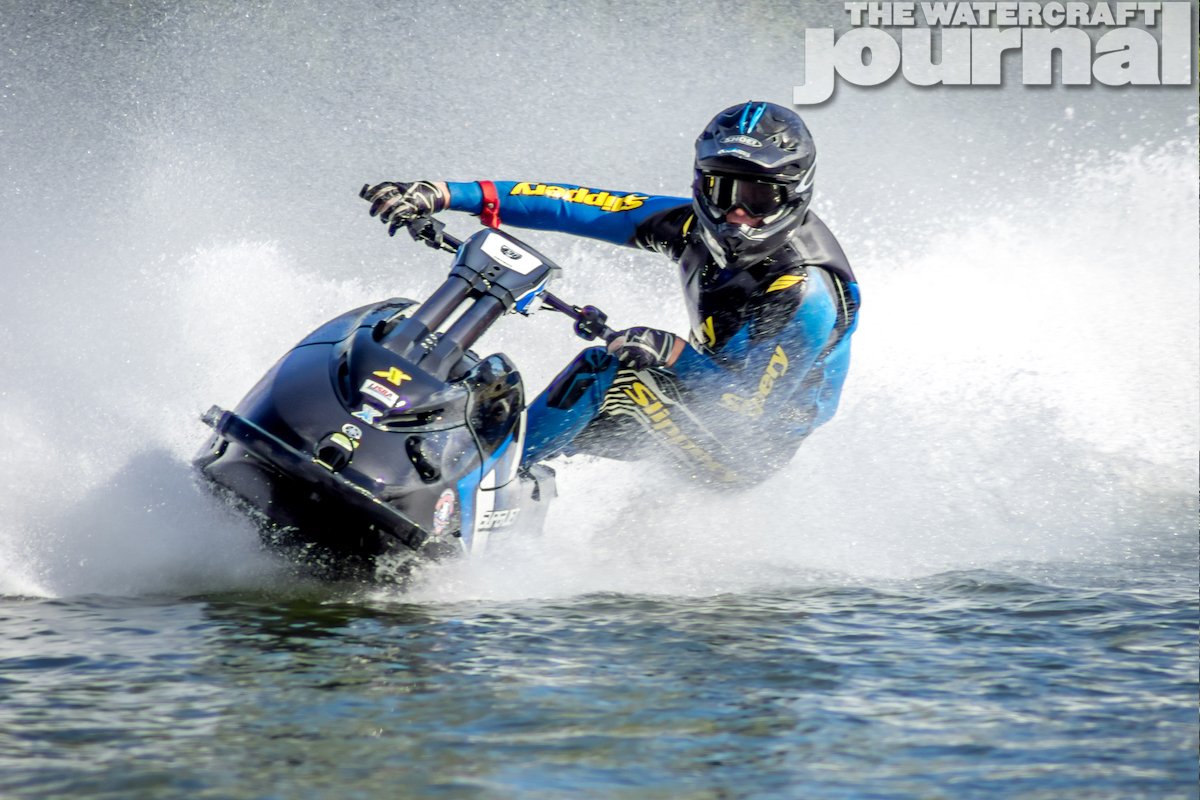
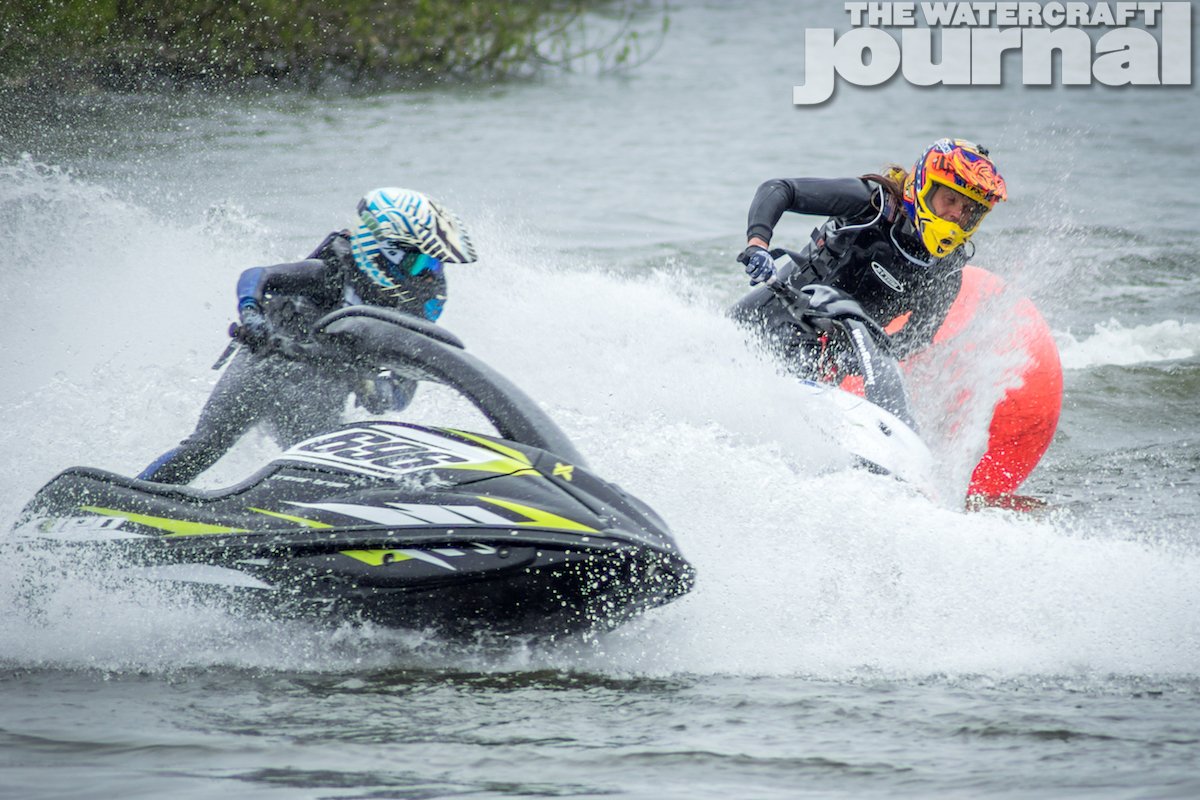
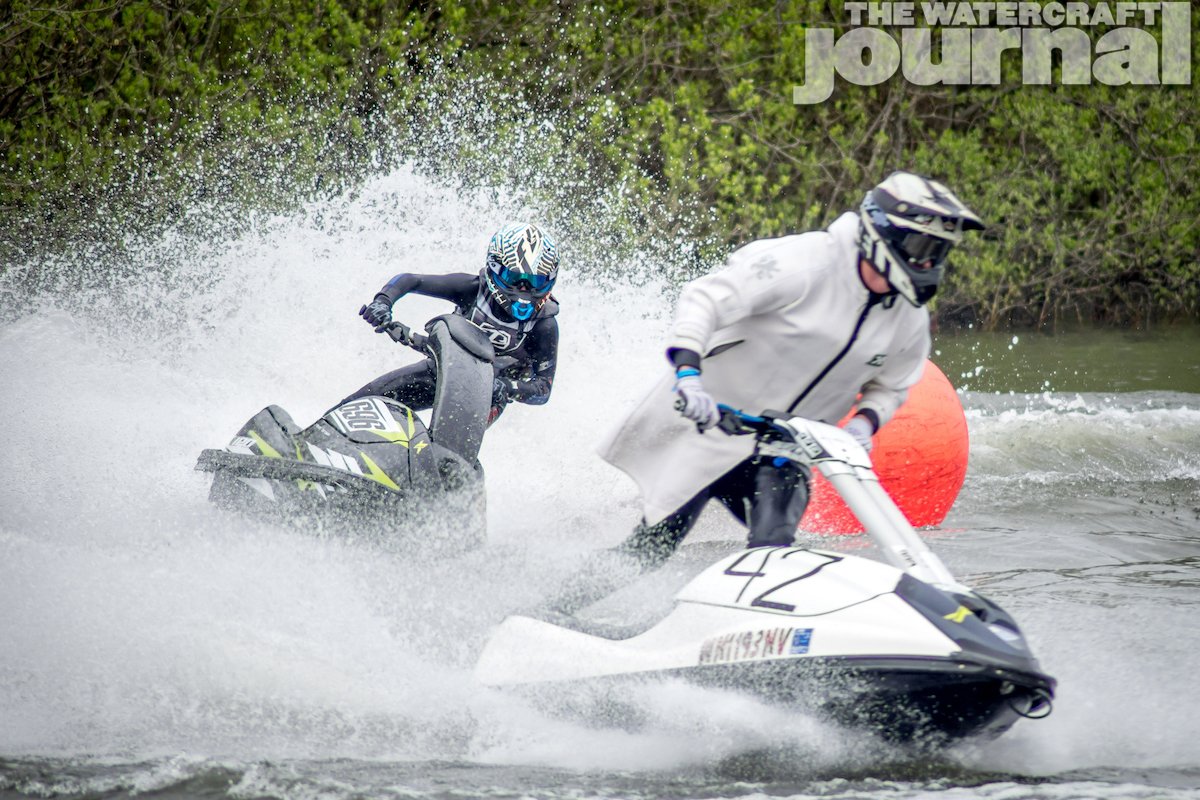
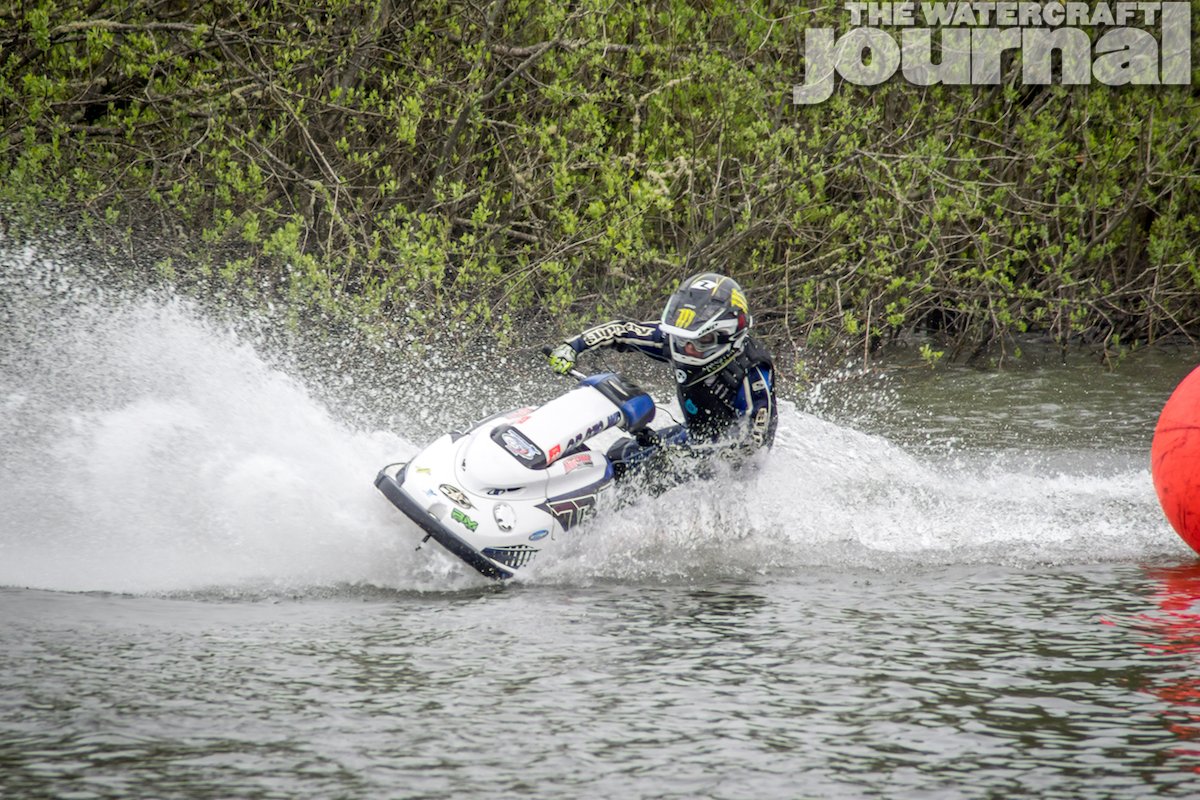
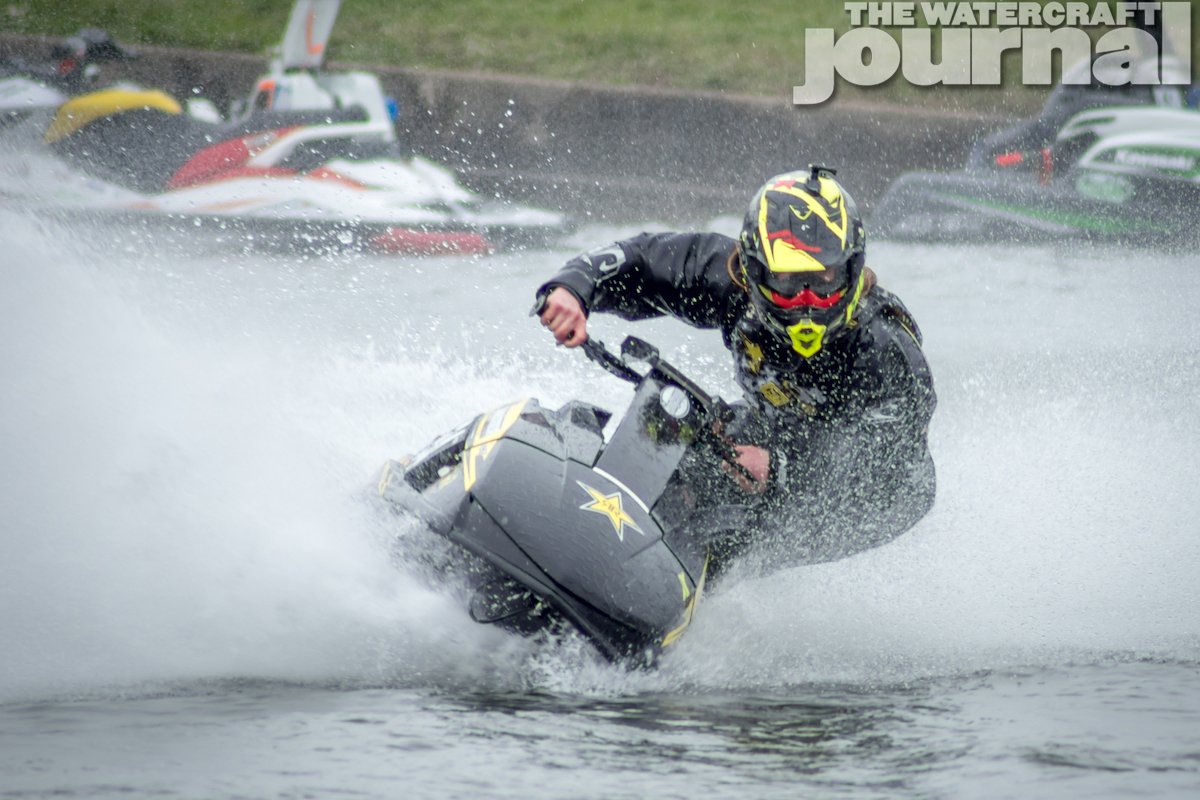
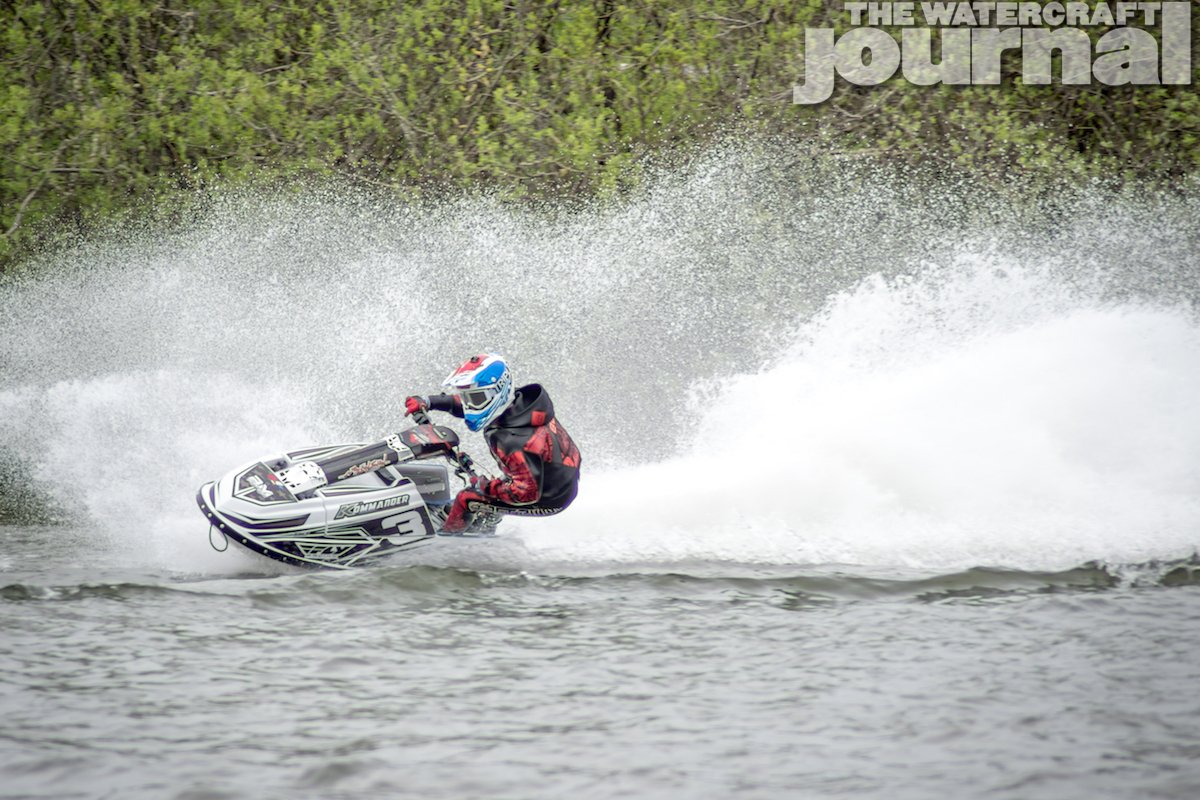
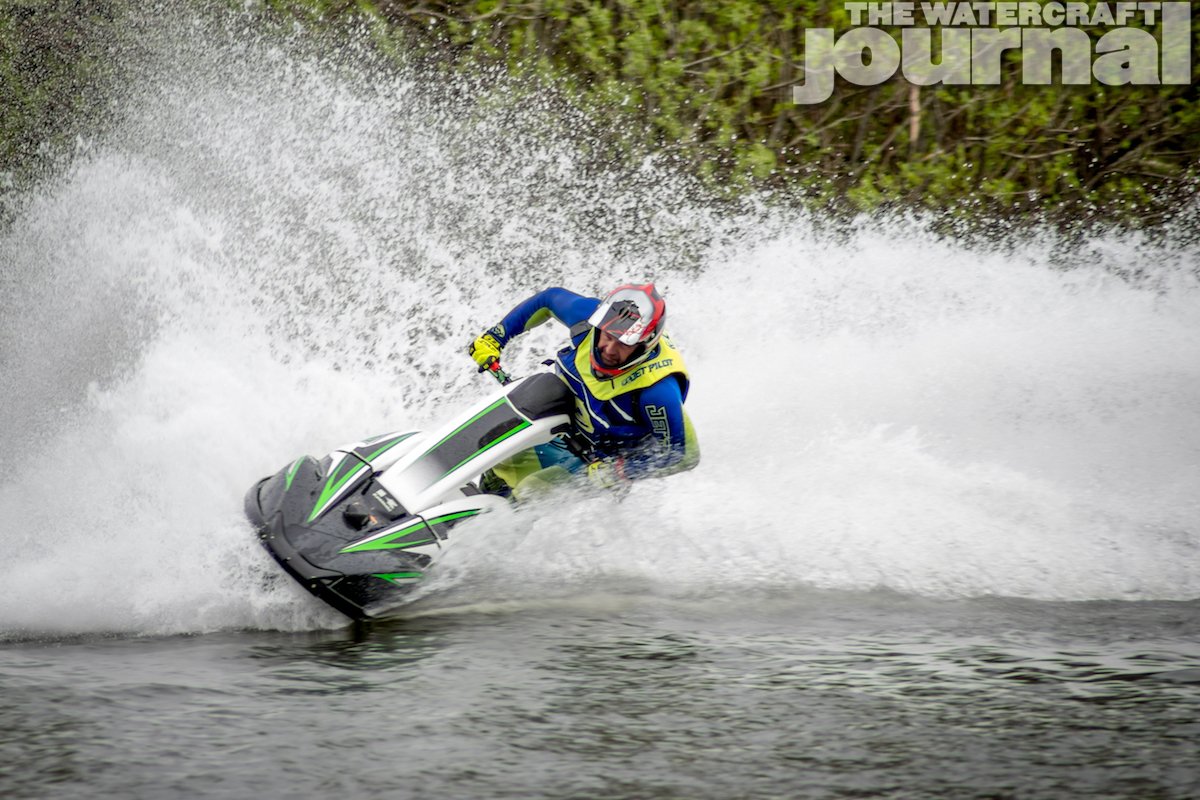
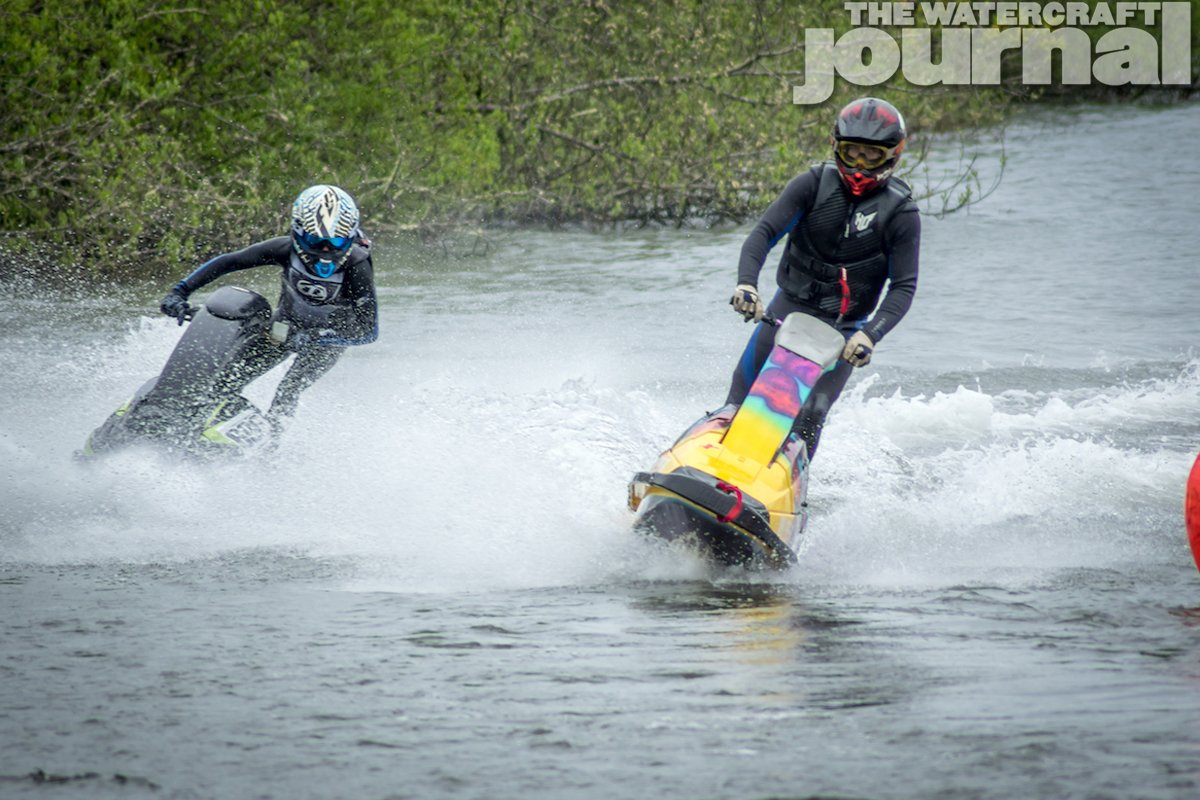
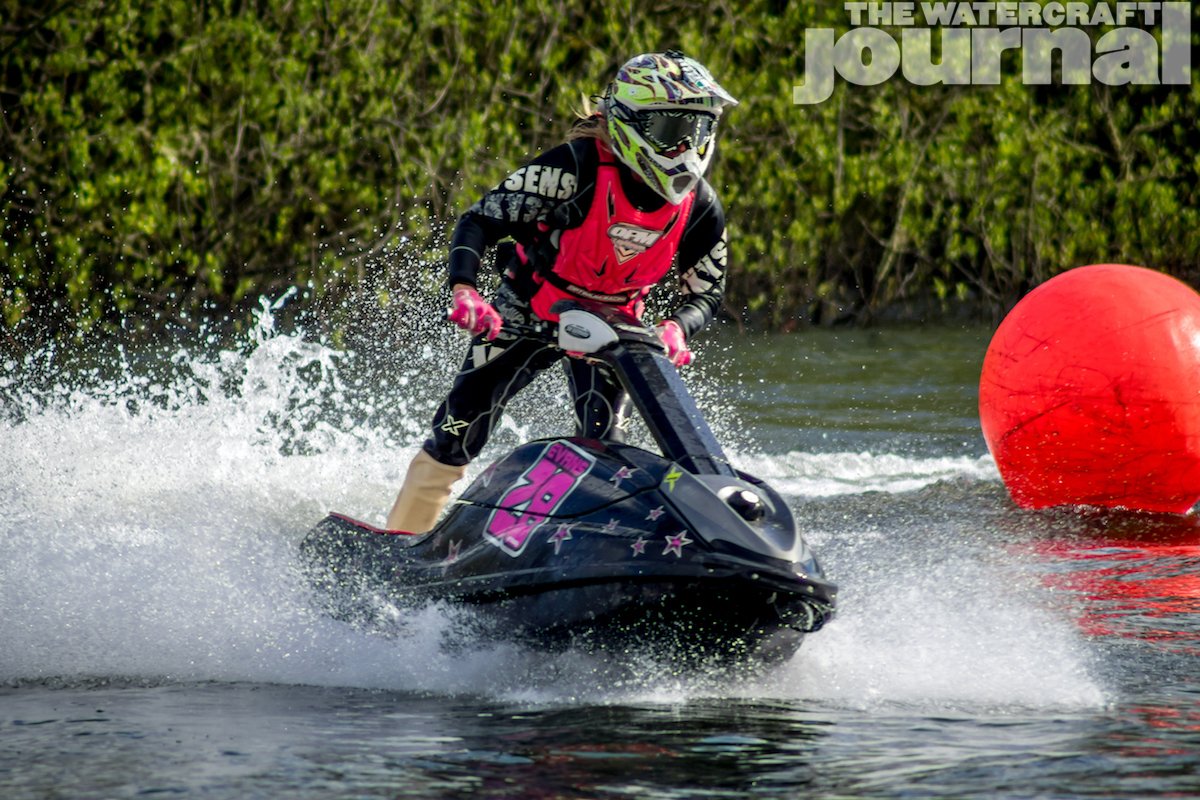
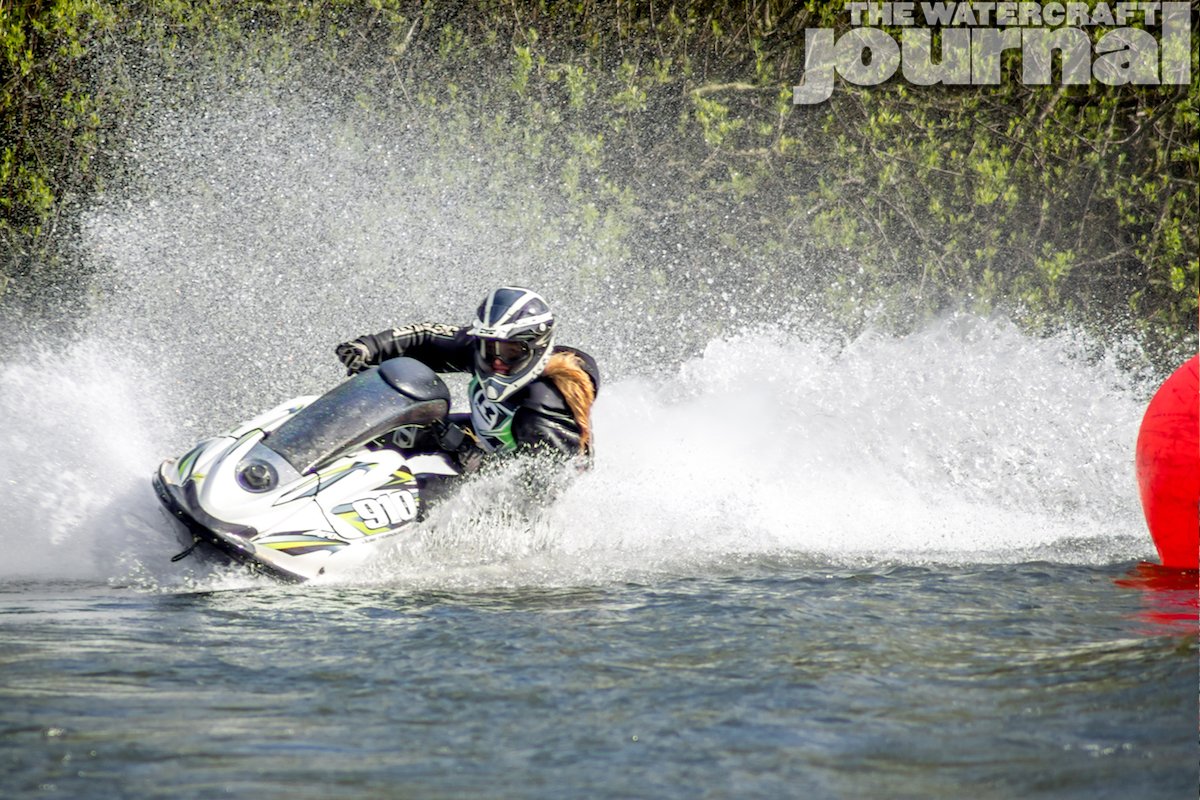
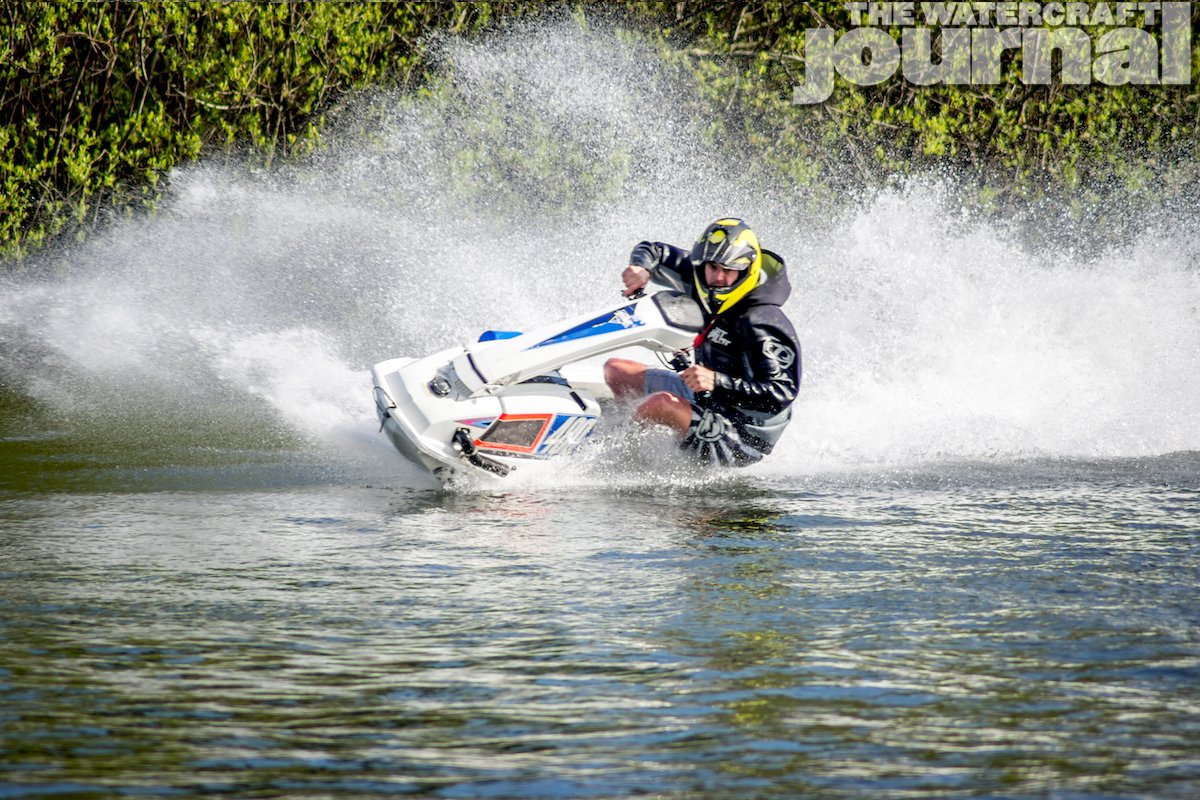
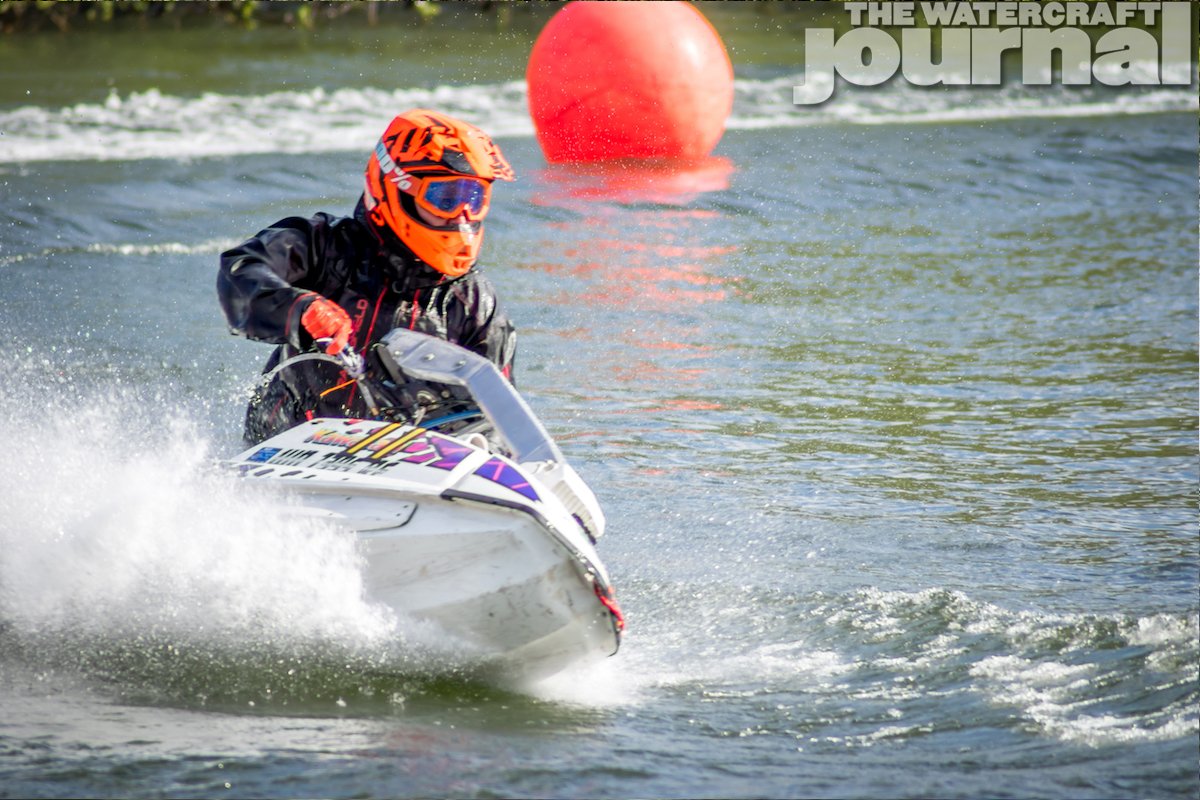
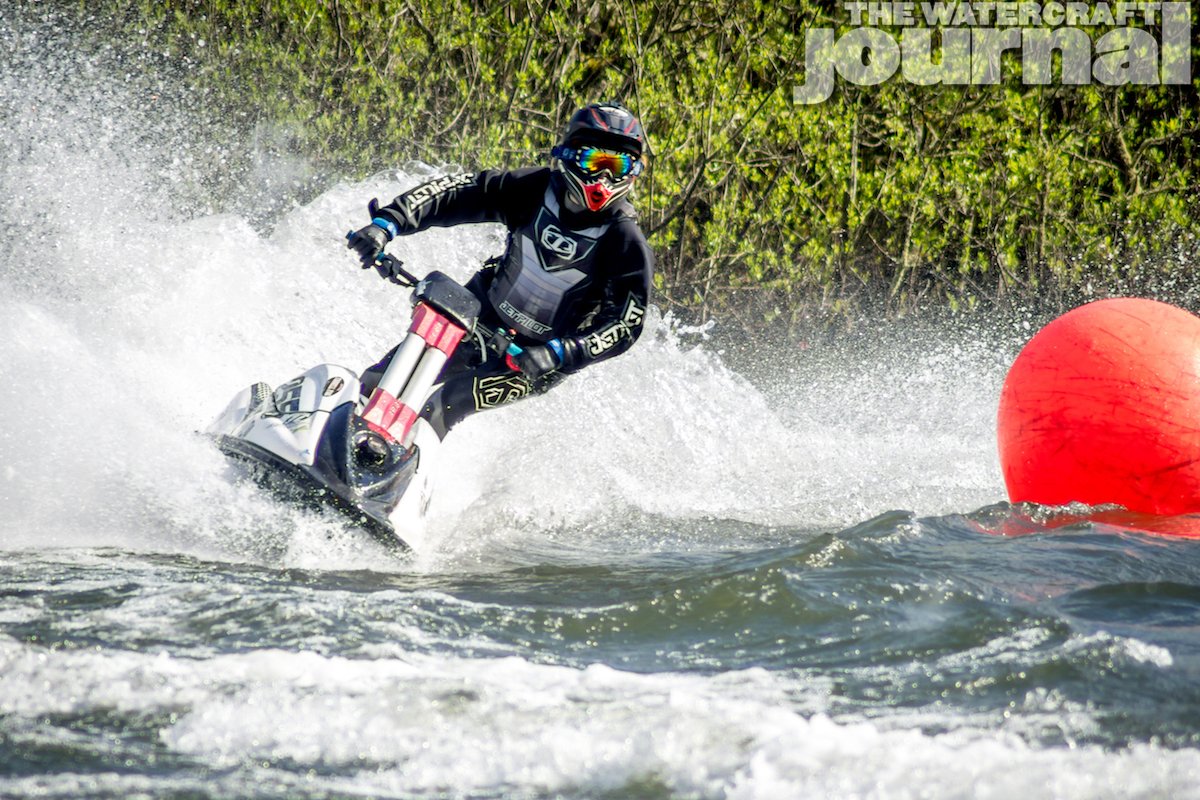
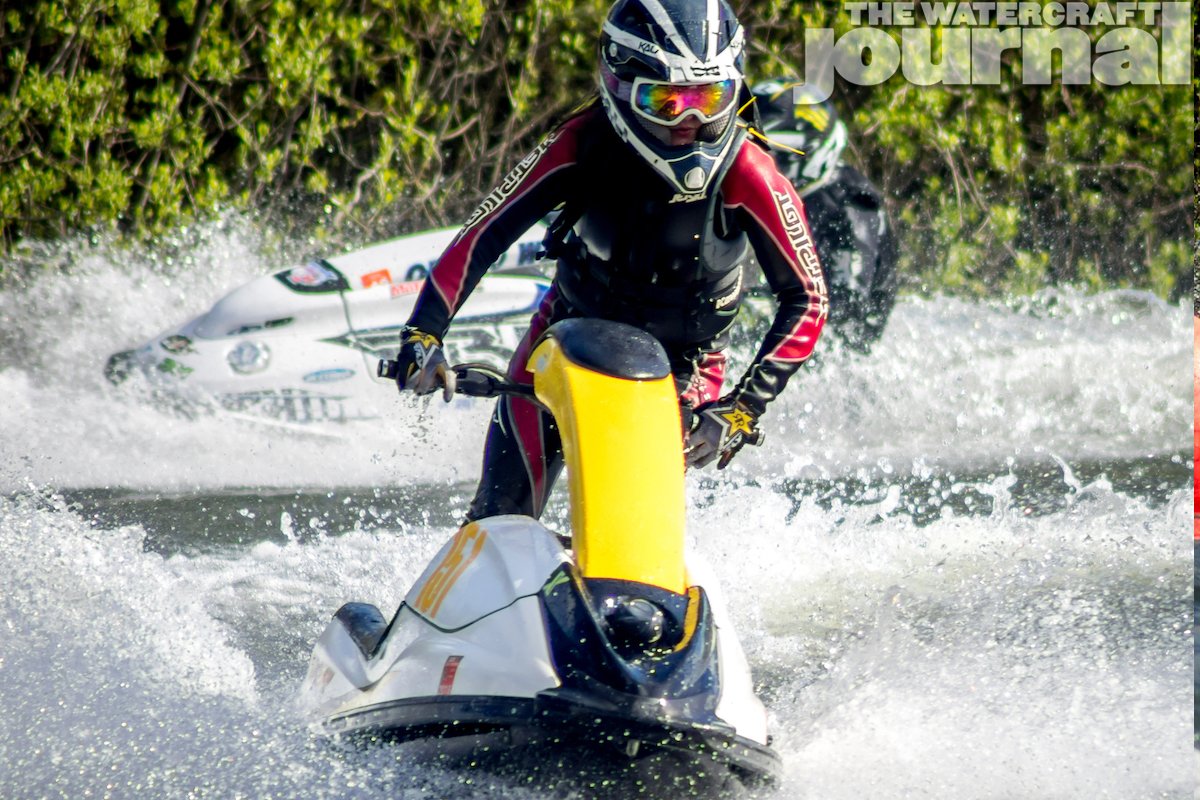
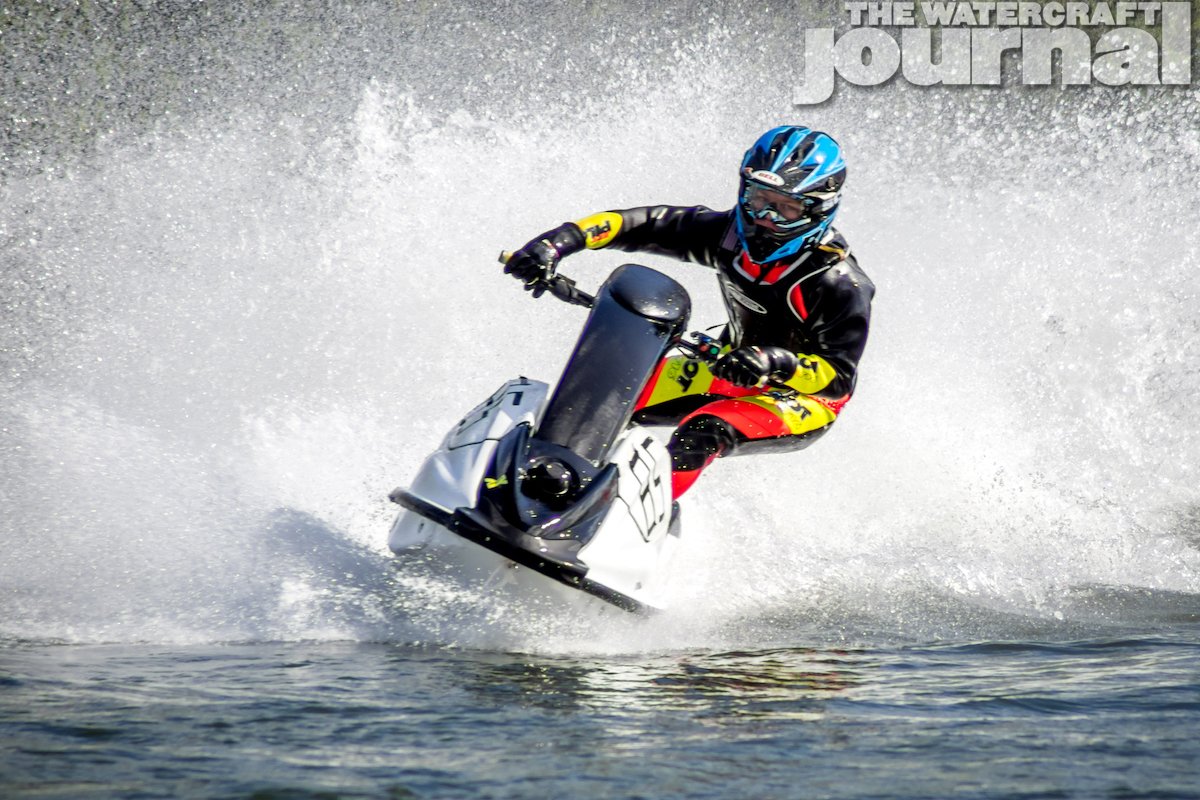
April 28th and 29th, 2017 marked the first Rounds 1 and 2 of the IJSBA-sanctioned Water X powered by Jettrim. Rounds 1 and 2 were held at Vance Creek Park in Elma, Washington. It was reported that the water temperature was a brisk 55 degrees, and the high for both days was 54 degrees with intermittent showers, or as some would report, downpours at times. This is what the Northwest riders will tell you, “makes them a little tougher than the rest.” These conditions were “just another day” on the water for most Northwest riders.
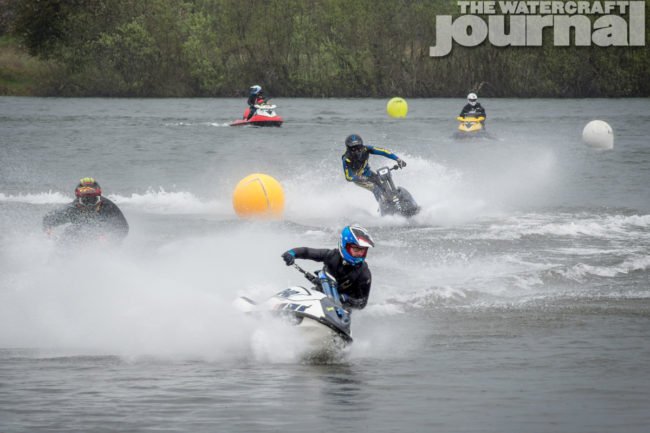
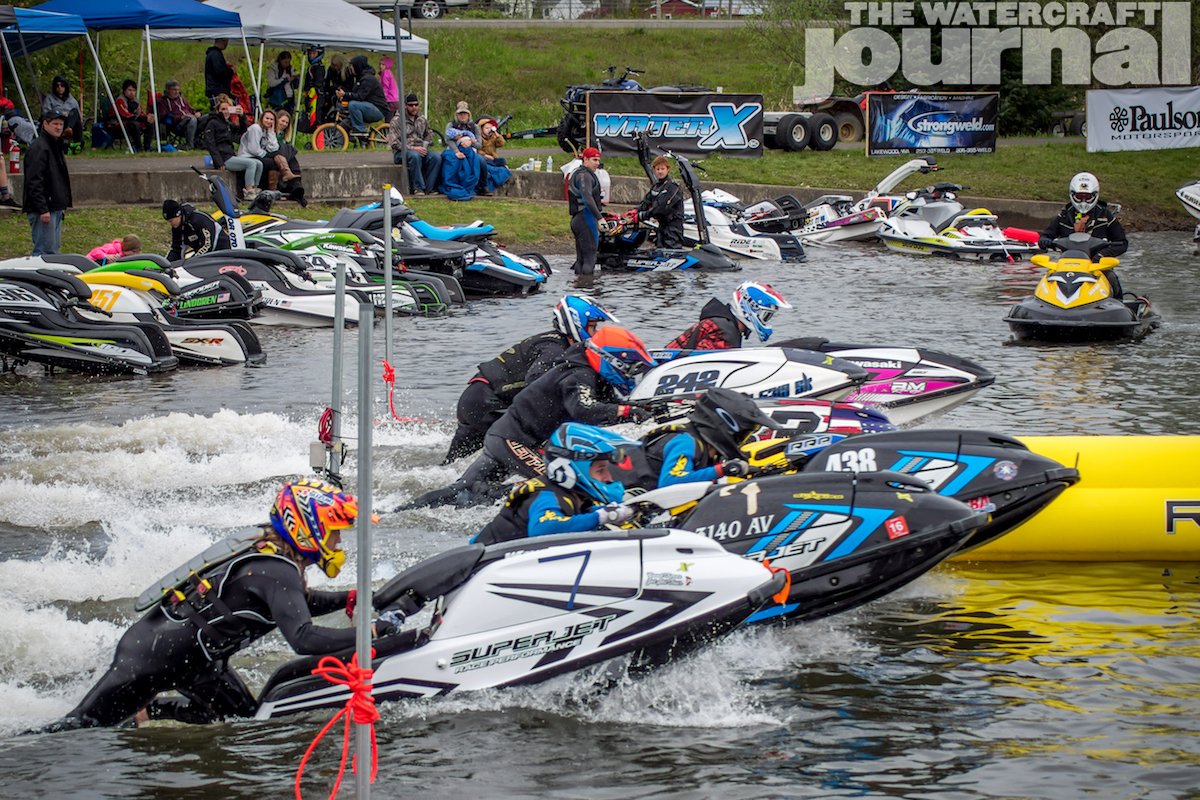
Vance Creek Pond is known to be considerably smaller than most race sites. When you put a full line of stand-ups, or runabouts on the line, and the band snaps, the small pond very quickly can produce some pretty good size waves. It makes for great racing and even better spectating at times! Blake Corning designed a course for these races that was a runabout course as some riders said, very wide open, a faster track, and held just a few tight corners or switchbacks. With Blake’s long-time history of working the World Finals, he has bonded a tight group of workers that are highly skilled and capable of producing the safest of courses and races, and the caliber of a World Finals track. Blake brought in John Dewar and Matt Rennie to assist him, both who are also world finals staff. John and Matt both helped drag out the course, and veteran racers, Rob Jordan and Rich Bankuti served as course marshals for the weekend. Many Northwest riders were excited to see and share their weekend with Rob and Rich.
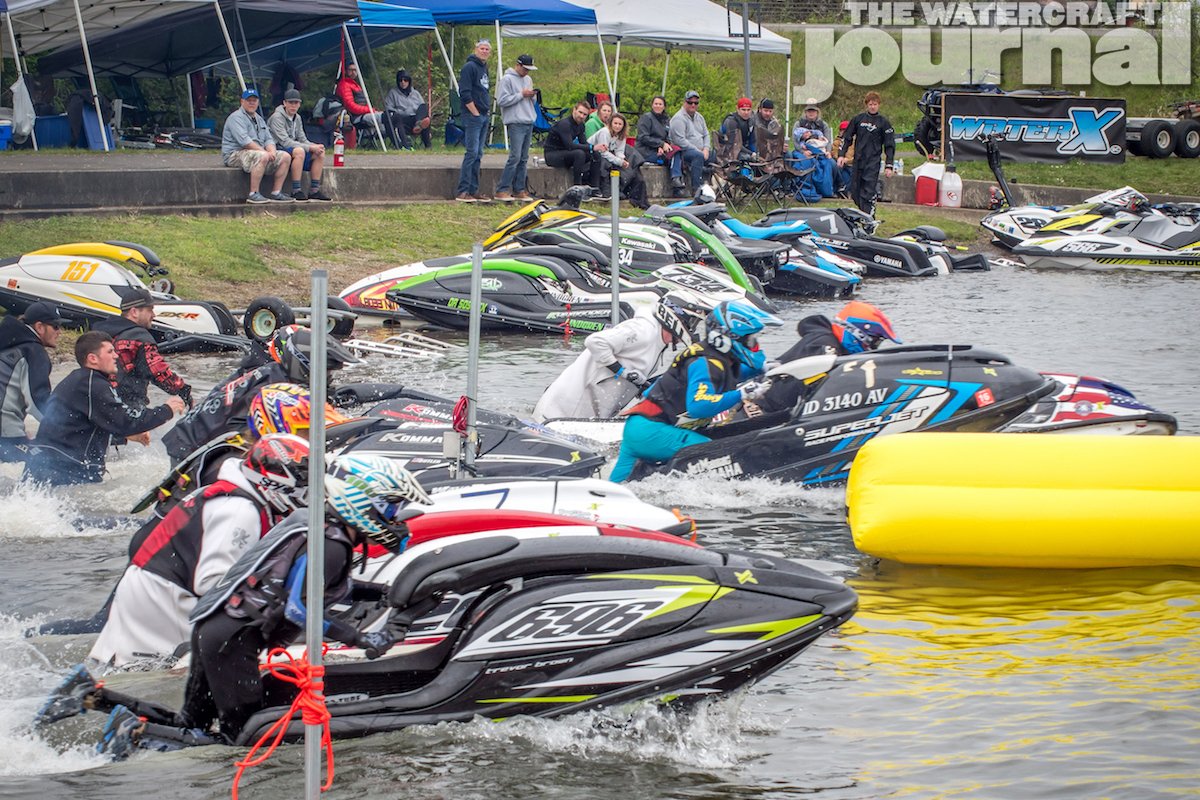
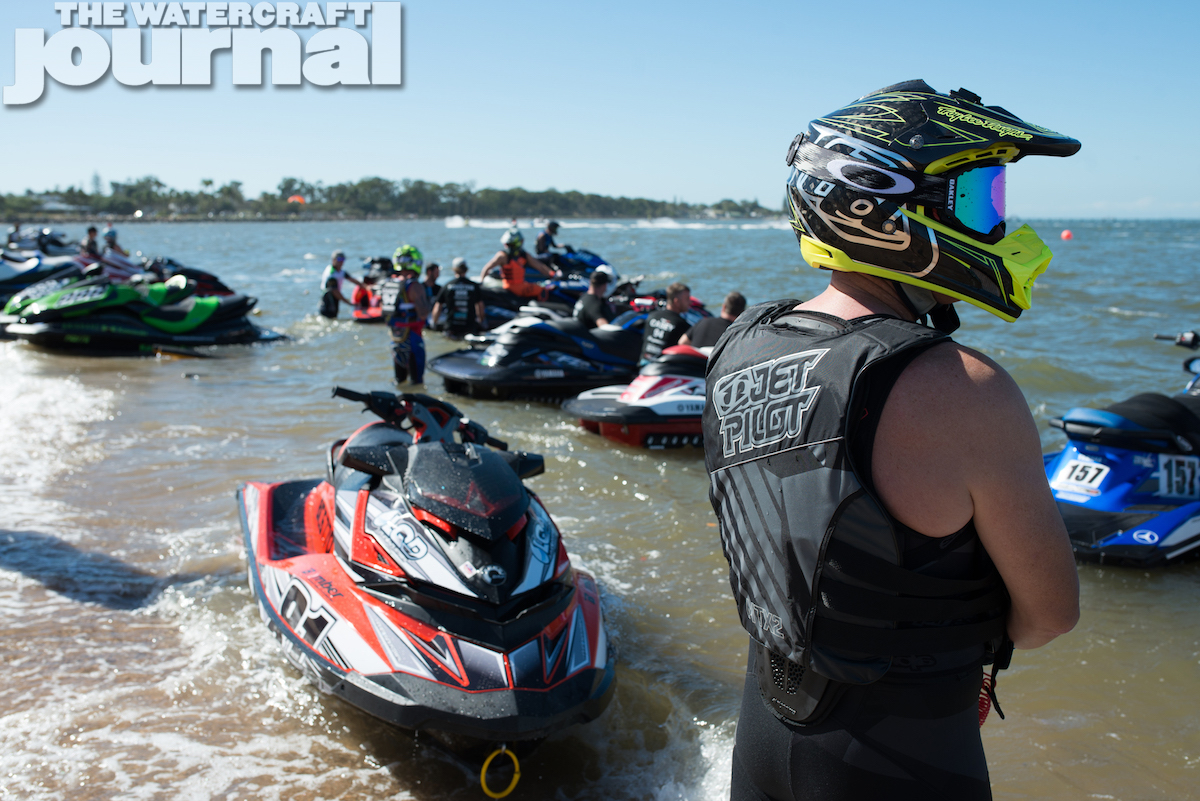
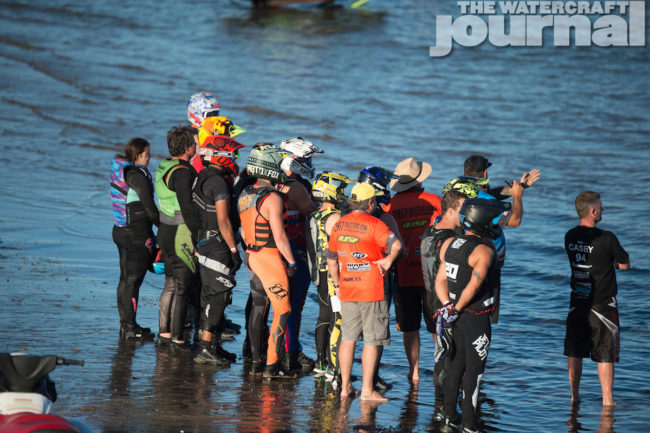
As most Saturday races would start, it was a common scene to see everyone suiting up in their wetsuits or as much full gear as they had! Tech was happening, skis were being fueled, engines were being fired, and while the temperature was cold, there was plenty of warmth among this close group of Northwest racers. Many hugs were shared, many handshakes were exchanged, new people were met, the music was playing, and Blake led a riders meeting or orientation for new racers. Shortly thereafter, it was go time!
First race of Saturday morning was Pro-AM GP. Taking the checkered flag was David Redinger, on his RM Racing Ski, and as always that race was fast and furious! The overall for the weekend was taken by Pete Zernik who surprised everyone coming up from Northern California! The second class of that morning was the Veteran’s, where Ian Benson, (who also helped flag throughout the weekend) took the win; and yet again, the Northwest was hit with another surprise when Chuck Evans, (who came up with his wife, Jodie Evans from the Reno area), took the overall in that class for the first place win! Next up was 2-stroke Limited. This class is also full of some talented racers! On Saturday, Carson Hughes placed first in this class, followed up by another first place on Sunday, leading him to the overall first place for the weekend.
The next class to run was the new SX-R 1500. This was the first race in the Northwest to see the new Kawasaki SX-R compete. It was fun to watch and the new SX-R 1500 handles well on a buoy course and was impressive! Taking first in this class on Saturday was Wade Durbin, and after an exciting cat and mouse chase between Dan Lindgren and Kim McKay on Sunday, and both Dan and Kim holding 121 points. Dan beat Kim on her Motosport Hillsboro SX-R taking the overall first place. After all that excitement, next class up was amateur ski open. This checkered flag was swept away by Carson Hughes, on Saturday, and then the over-all in this class for the weekend went to Gabe Hooper on his RM Racing ski. That’s a few overalls for RM Racing! Rumor has it RM swapped an engine in the parking lot in a timed 12 minutes, and it looked like nothing more than doctors in surgery! Good things are happening on the home-front for RM Racing, watch out for their crew!
Novice Ski Lites/Stock class was the next class to sit behind that red band ready to snap and Trevor Brown was ready for it! He took the first place in this class on Saturday, with Trinity Klecker on her RM Racing/Pro-Caliber ski, taking the overall win in this class for the weekend. Following the Novice Ski Lites/Stock class was the Juniors 10-12 Lites/Stock class. These juniors are always fun to watch and eager to learn! Taking first on Saturday in this class was Ty McKay on his Motosport Hillsboro ski, with a few more firsts taking the overall from his best buddy Cole McIntyre. These guys have a blast on and off the track!
In the Juniors 13-15 Lites/Stock class, Nathan Lesh took a quick first place on Saturday, but gave it away to Trinity Klecker on her RM Racing/Pro-Caliber ski for the overall win for the weekend in that class. Next up was, Pro-Am Ski Lites/Stock class, where David Redinger cleaned house yet again on his RM Racing ski. However, the overall in this class went to Klete Kinser for the weekend. Next up was Novice Ski Limited, Carson Hughes took yet again another first place on Saturday in this class, but Marcus Boyle took the overall win for the weekend in this class.
For the Vintage 550 Ski class, Seth McNeil took top honors in this class, taking first on Saturday and Sunday for the over-all win for the weekend. In the Women’s Ski Limited class Jodie Evans (from Reno) could have taught a class! Looking sharp as ever, Jodie took first on Saturday and Sunday, for an overall first place for the weekend! In Women’s Ski Lites class, Julie Holmquist took first on Saturday, however Trinity Klecker on her RM Racing/Pro Caliber Ski took yet another overall win for the weekend! In the Beginner class, Trevor Brown took first place on Saturday, with Nathan Lesh taking the overall for the weekend.
The Runabout class was a very fun, fast class to watch this weekend with lots of excitement! There was a brand new rider from Canada, Eddy Edwards who came out, a long time veteran, Mike Reynolds that came back, and a new female racer, Melanie Mayberry, who is coached by her boyfriend, Greg Moyer. To recap this class, on Saturday, veteran racer, Mike Reynolds took first place, with Eddy Edwards the new rider out of Canada stealing the overall for the weekend, with Bill Cox on his Motosport Hillsboro RXP-X right behind him! Look for more excitement to come out of these runabout racers!
All in all, it was a great weekend! Old and new friends made, racers first time on the track for the 2017 season, and the sun even peaked through a few times! Then with much help from many riders and an amazing staff, a lot of gear was packed up and trailered to head down to Oregon. This Northwest group can look forward to the next race that will be held at Regatta Park on Devils Lake, in Lincoln City, Oregon. There are exciting things happening there as well! It’s rumored there will be a ski school taking place late afternoon, Friday, May 19, with racing starting promptly, Saturday, and Sunday, May 20th and 21st.
Very recently, IJSBA (International Jet Sports Boating Association) officials met to discuss the final review of data available regarding the new 2017 Kawasaki SX-R and the overall direction of ski racing for the next two years. Included in this important meeting was World Finals Race Director Peter DeSmet. IJSBA approached the whole situation with the following four firm goals in mind: protecting existing classes that enjoy strong participation, protecting the investments existing competitors have made in their equipment, protecting the strong aftermarket innovators who support IJSBA Racing and enhance the enjoyment and competitiveness of watercraft, and to allow the development and growth of new OEM PWC products.
IJSBA began the meeting and following press release reiterating an early statement released that the new Kawasaki SX-R simply cannot be integrated into most existing Ski classes. They have worked hard though at allowing the new SX-R to partake in some events and as such, it will be separated where possible. In some cases, it’s just not possible to separate the new SX-R into an individual category. IJSBA decided the best plan of attack was to focus on preserving the two dominant divisions of existing Ski categories; Lites and 2-stroke based Mod/GP classes.
It’s also been decided that at the 2017 World Finals, the existing GP Class will drop to 1300cc for all naturally aspirated PWCs regardless of whether they are powered by a two stroke of four stroke engine and forced induction four stroke engines will be limited to a maximum displacement of 900cc. Plain and simple. For Ski Mod classes, the displacement for naturally aspirated four stroke engines will be 1500cc and the maximum displacement for forced induction 4-stroke engines shall be 1100cc with possible boost control requirements to be announced at a later date. PWCs competing in the Mod category which have four stroke displacements above 1100cc, must utilize OEM hulls only.
All GP class eligible units may compete in Ski Mod classes and after many discussions; IJSBA has found the need to create an individual Stock division which focuses on the new SX-R. Speed control devices absolutely will be a requirement on the 2017 Kawasaki SX-R in some but not all classes.
Classes That Allow The 2017 SX-R:
Pro Classes
Pro Ski Modified
Pro/Am Classes
Pro/Am Ski Stock
Expert Classes
Expert Ski Stock
Expert Ski Mod
Amateur Classes
Veterans Ski Stock (2 Stroke Limiteds May Be Allowed)
Novice Classes
Novice Ski Stock
Unclassified Classes
Womens’ Ski (2 stroke Limited/Four Stroke Stock)
Masters Ski Stock (2 Stroke Limiteds May Be Allowed)
Junior Classes
10-12 Stock
13-15 Stock
Classes That DO NOT Allow the 2017 SX-R:
Pro Am Classes
GP Ski (1300 CC N/A Limit 900cc Forced Induction Limit)
Ski Lites
Expert Classes
Expert Ski GP
Expert Ski Lites
Amateur Classes
Amateur Ski GP
Amateur Ski Lites (2 Stroke Only)
Amateur Veteran’s Ski Lites
Amateur Veterans Ski GP
All Skill Level, Pro Ranked Competitors Must Petition To Participate
Classic Ski Two Stroke Limited (Limited Class Rules, Two Stroke Only)
Master’s Ski GP
Vintage Ski (Two Motos- Combined Score For Overall.)
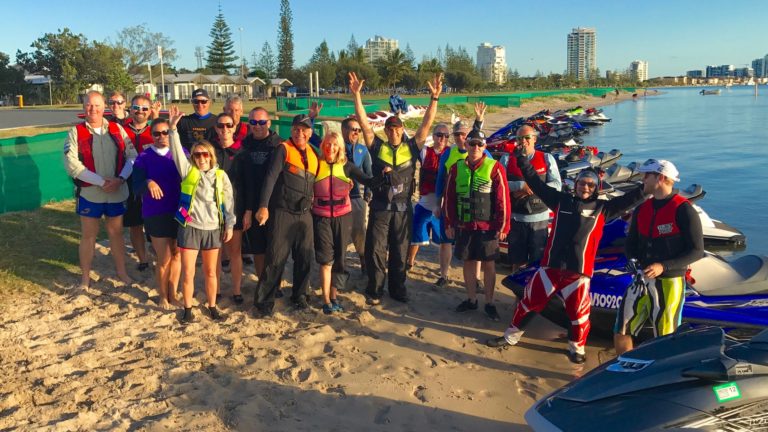
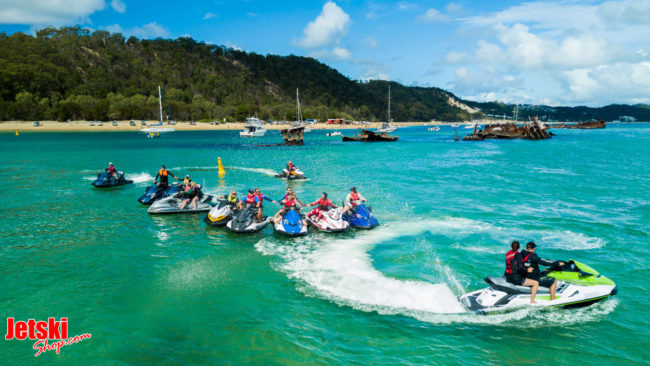
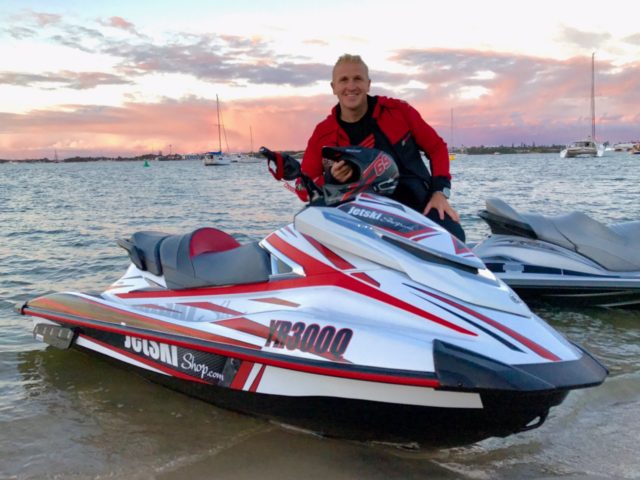
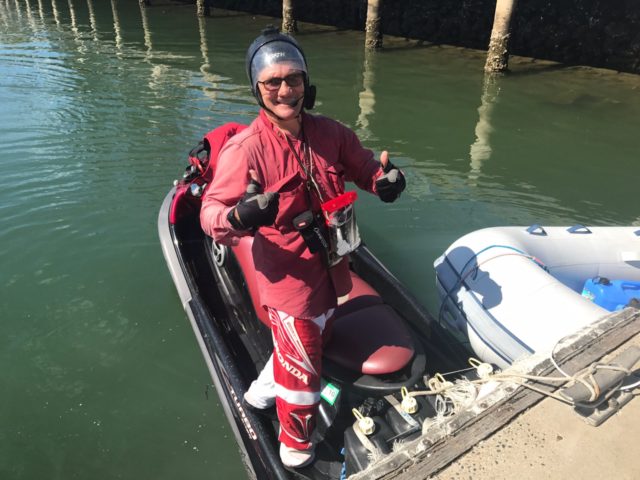
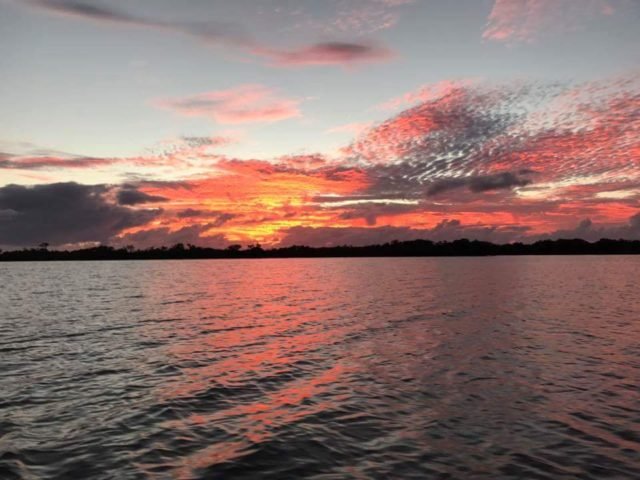
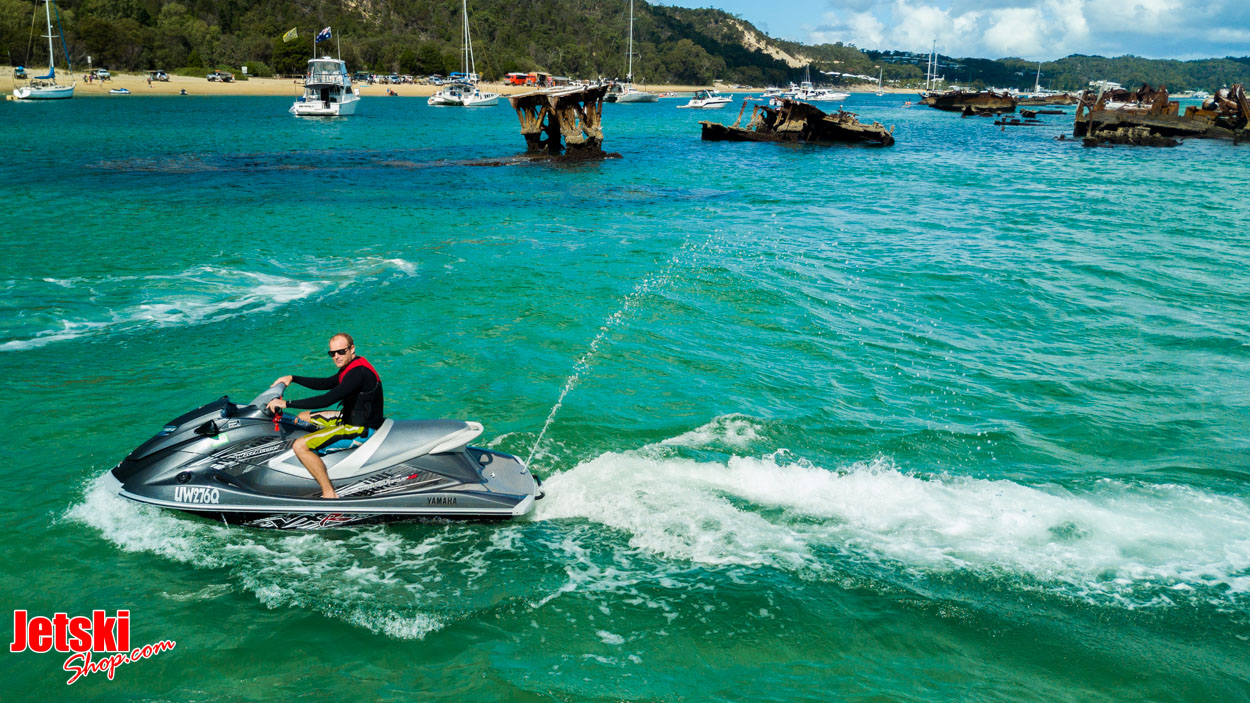
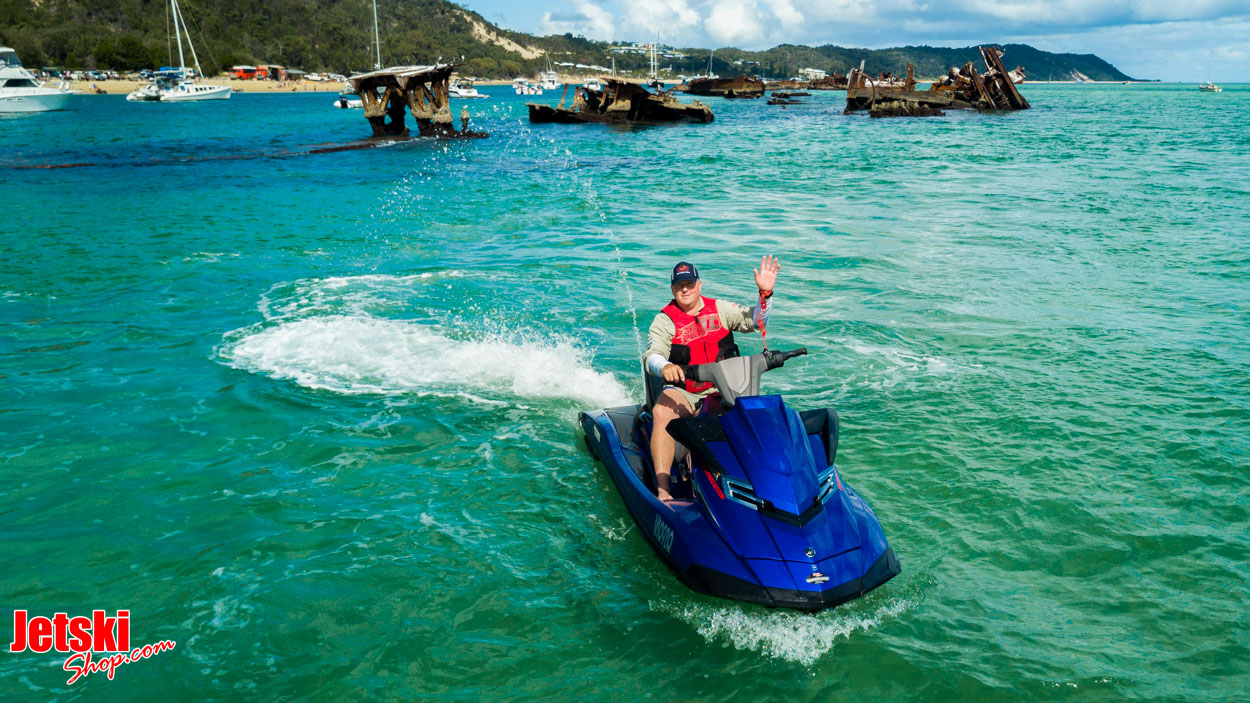
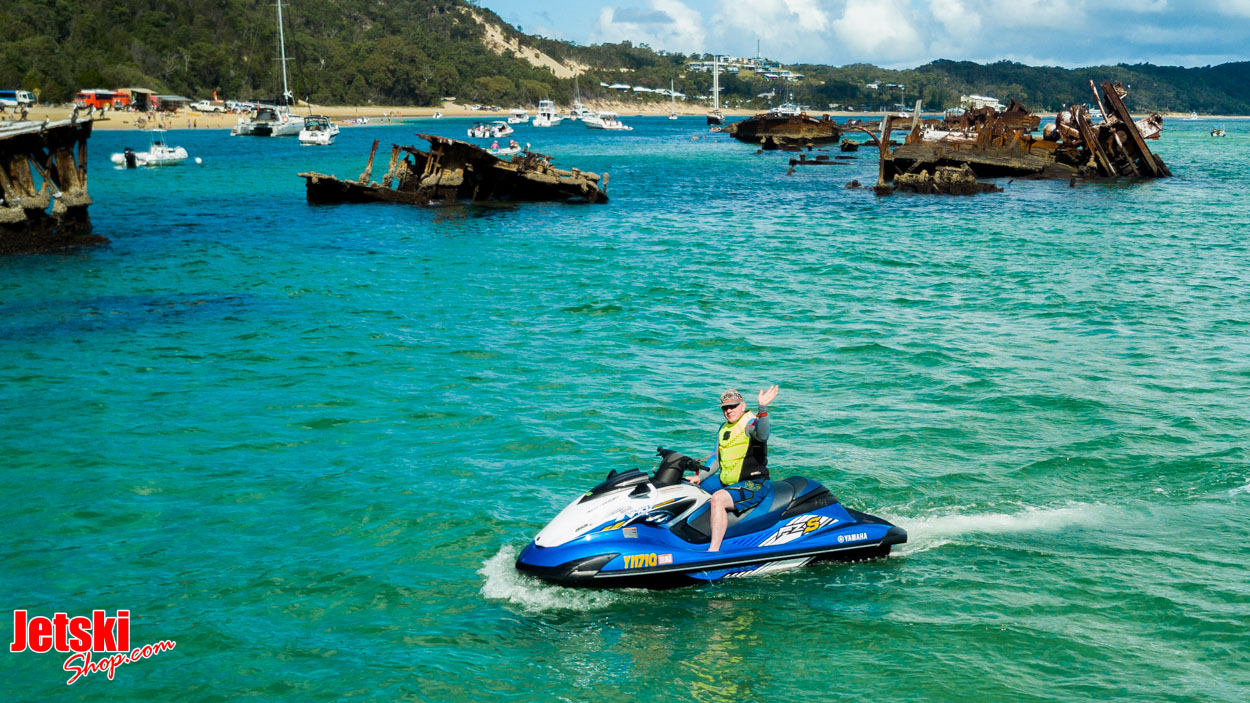
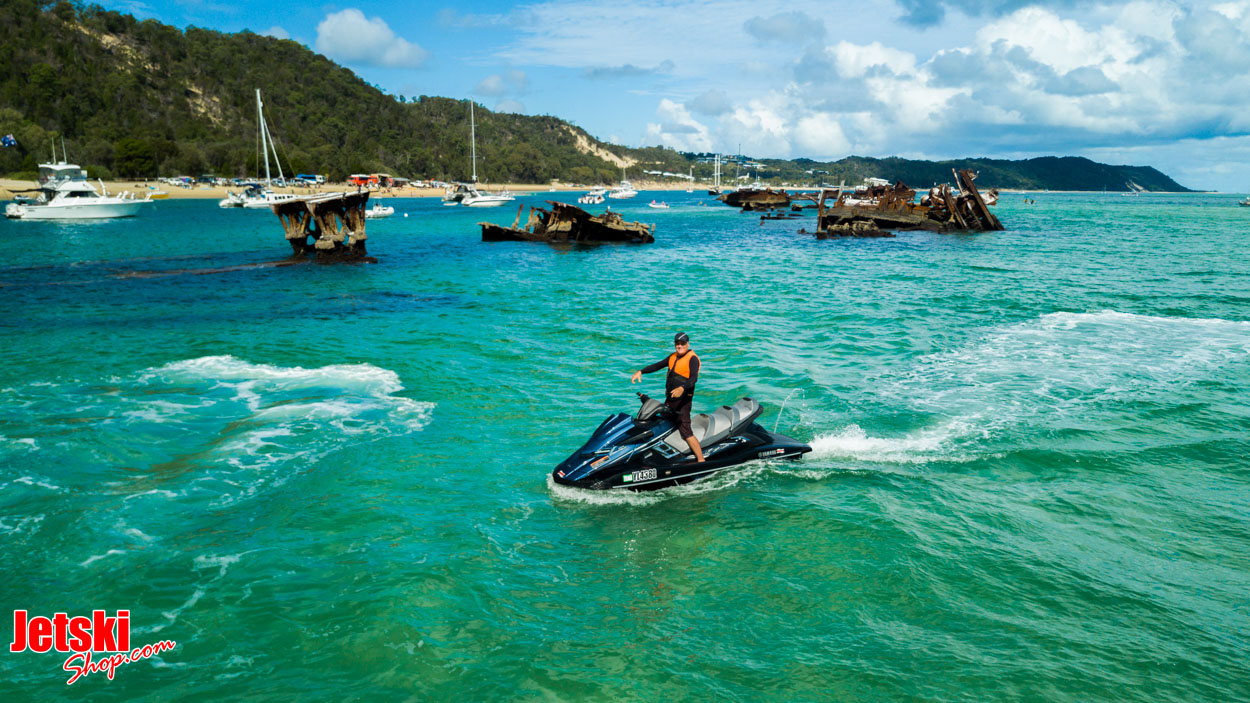
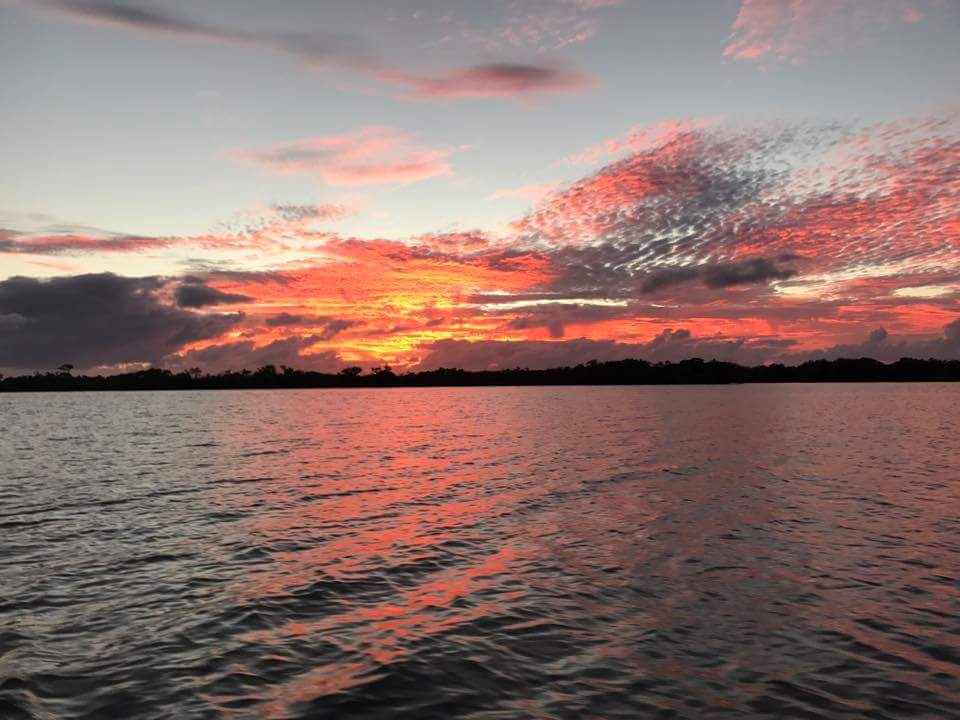
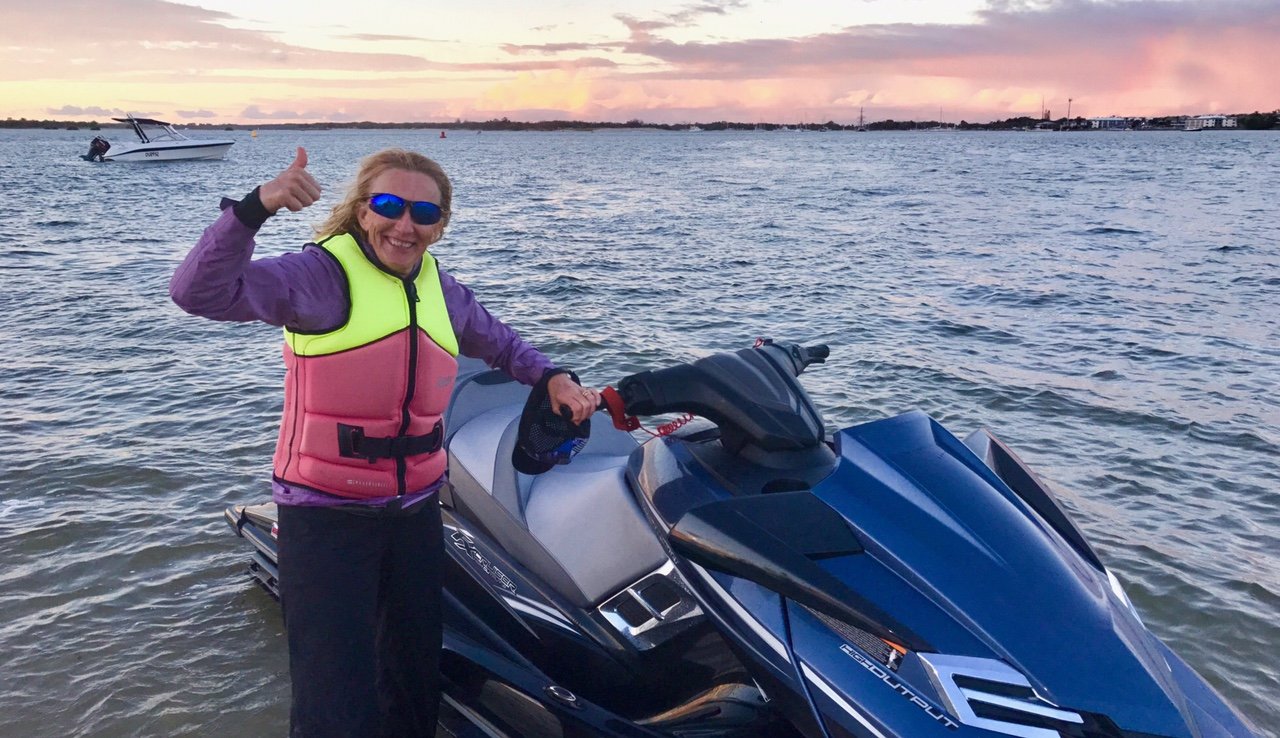
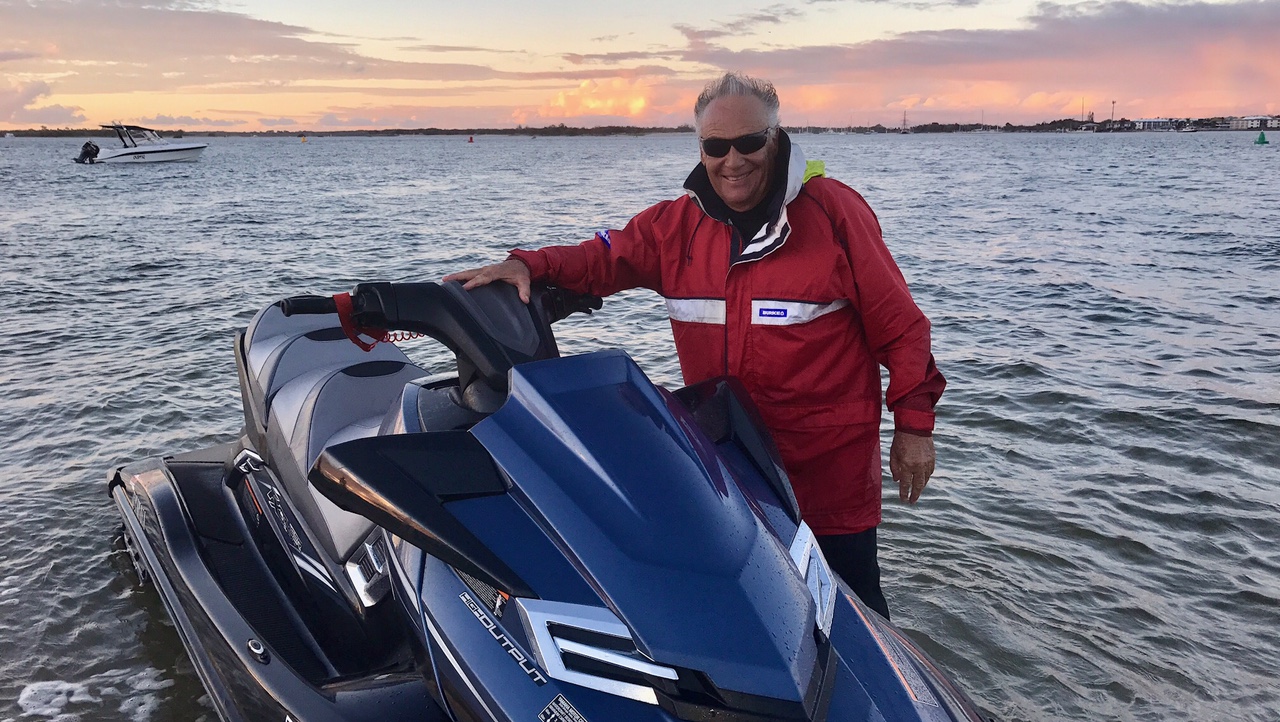
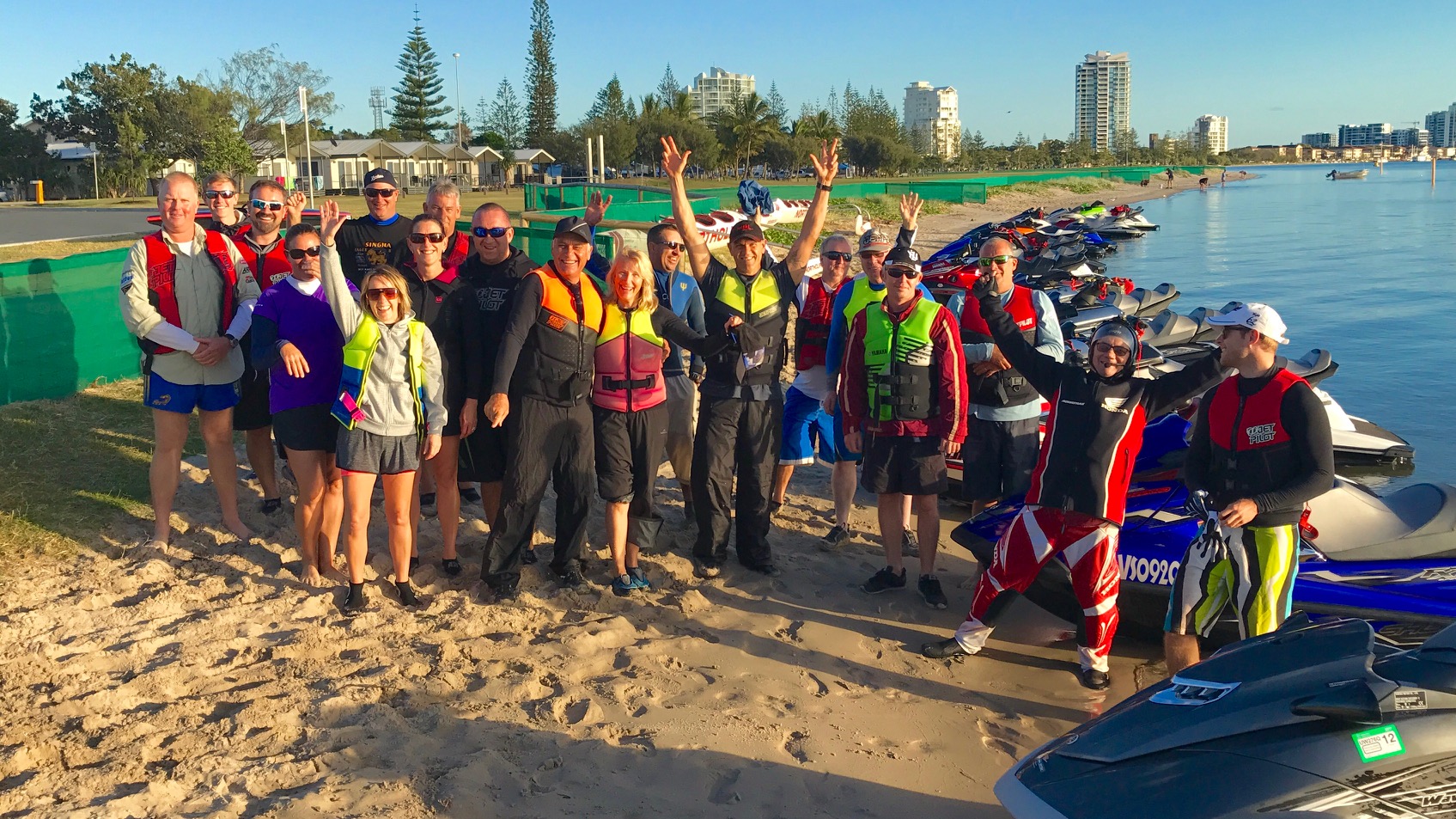
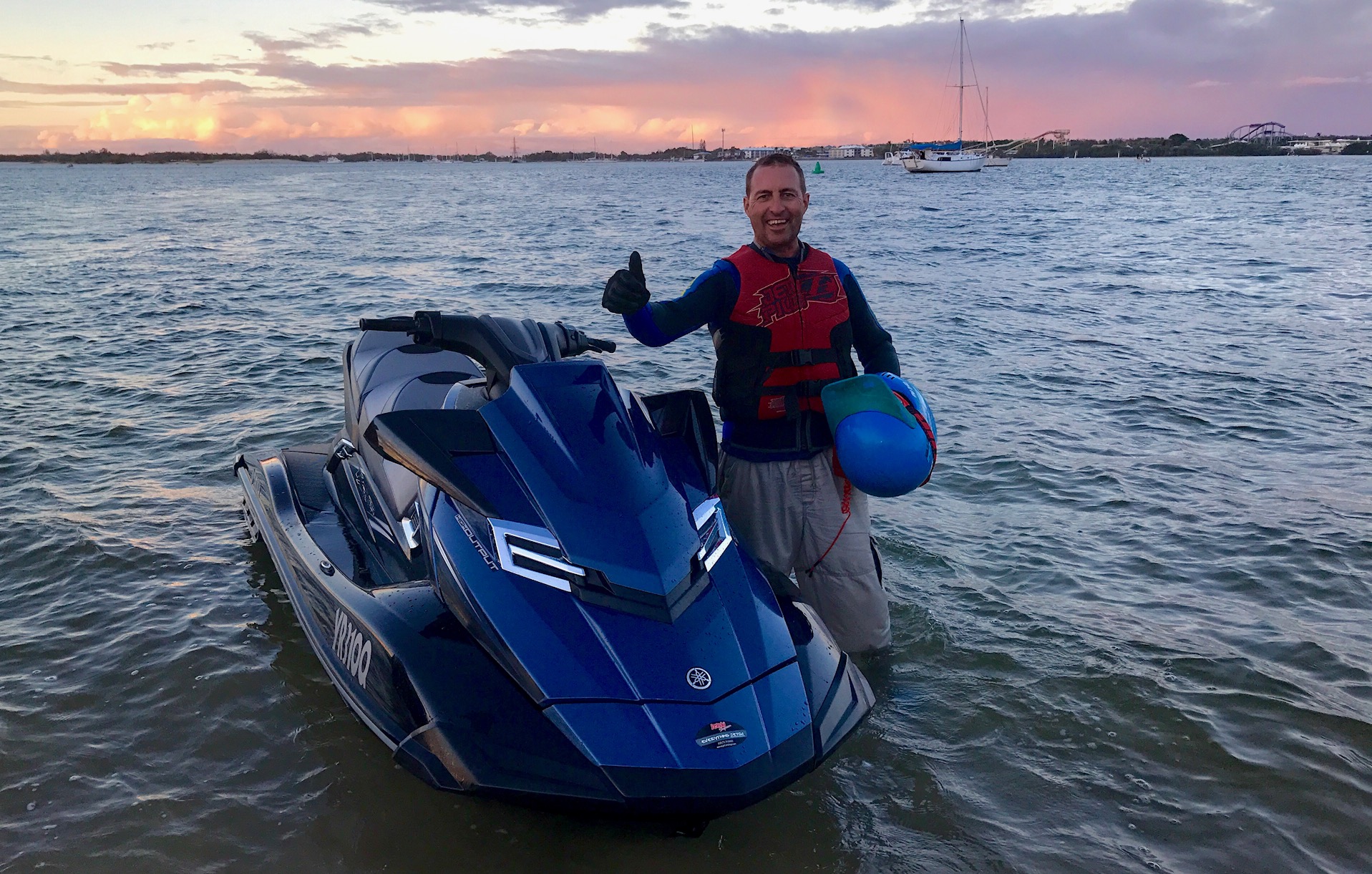
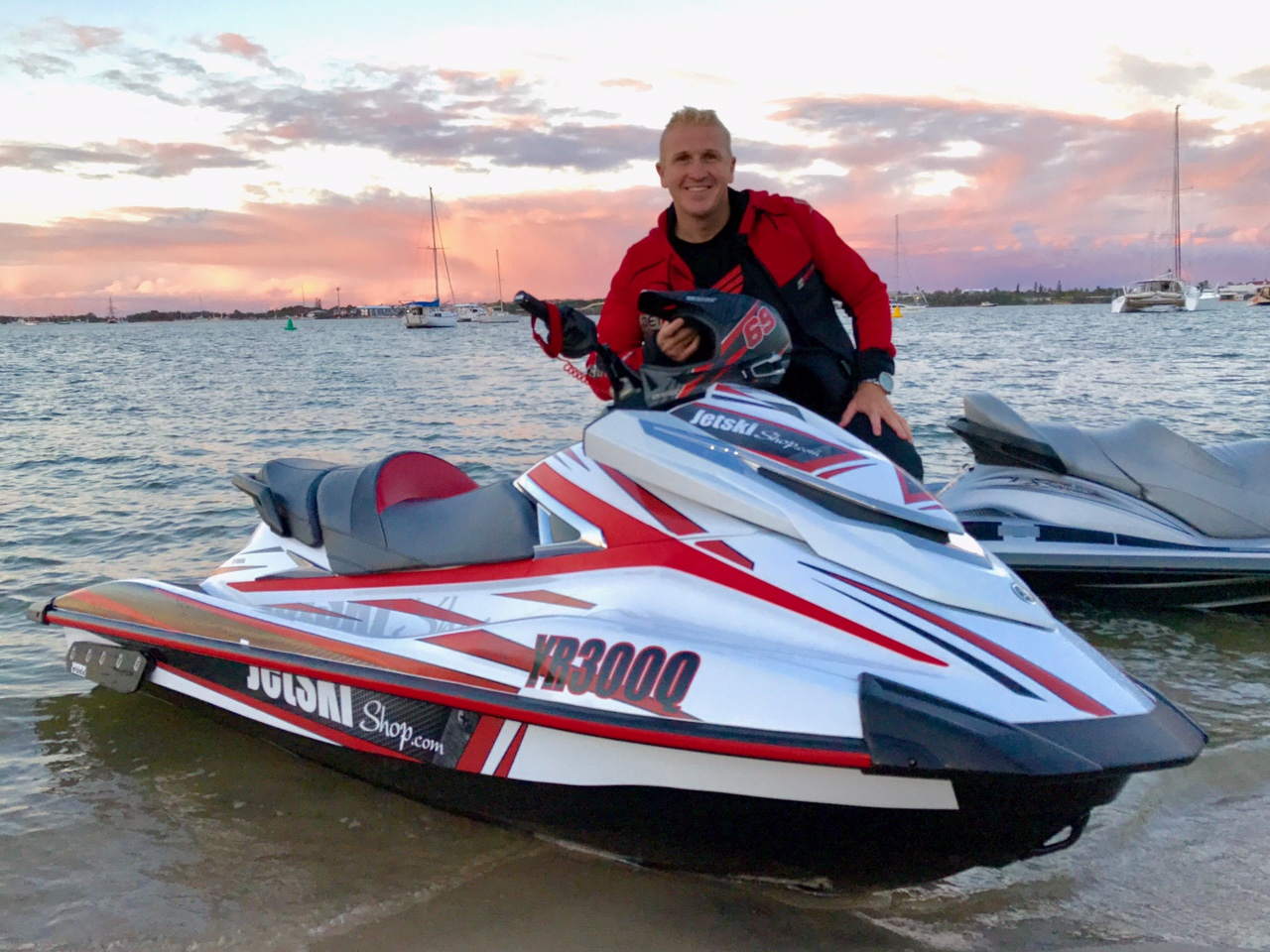
Our club president, Tom, had to be at work at 4:30 pm, so he started early from Cleveland. This would allow him to finish a bit earlier. The group were all meeting at the Southport Ramp at the end of Smith St at 6:30 am. While it was an early start for Tom, he got to enjoy a beautiful sunrise over the Bay on his way from Cleveland to Southport. We always have a safety brief before our rides. We want everyone to arrive home safely. To help everyone enjoy the ride, we ask all riders to follow directly in one line, this means that the riders at the rear are still enjoying the same smooth water as the front riders.
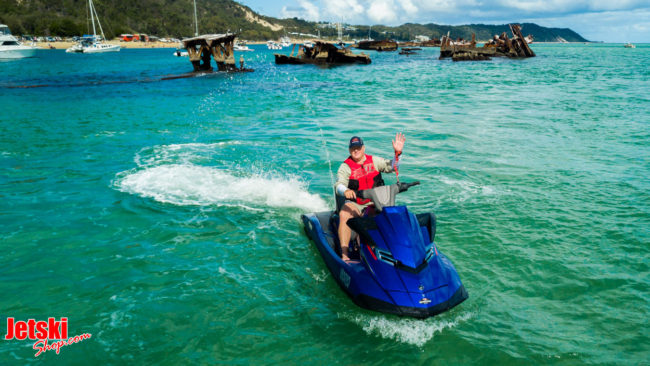
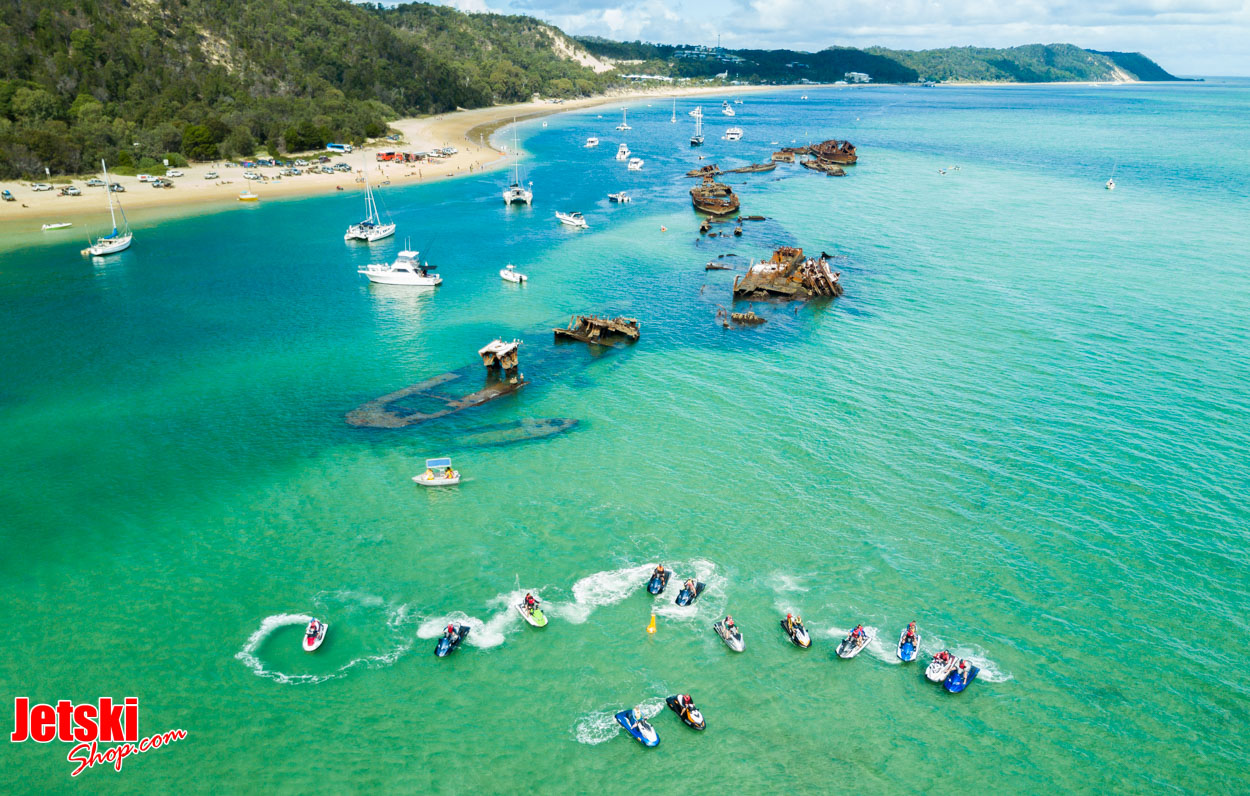
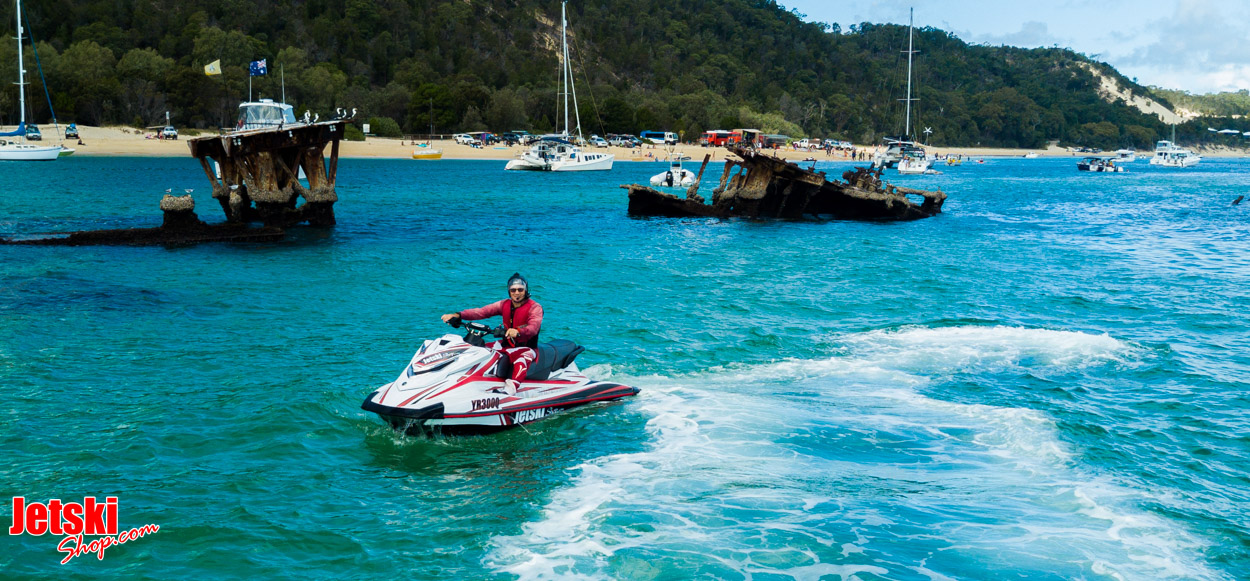
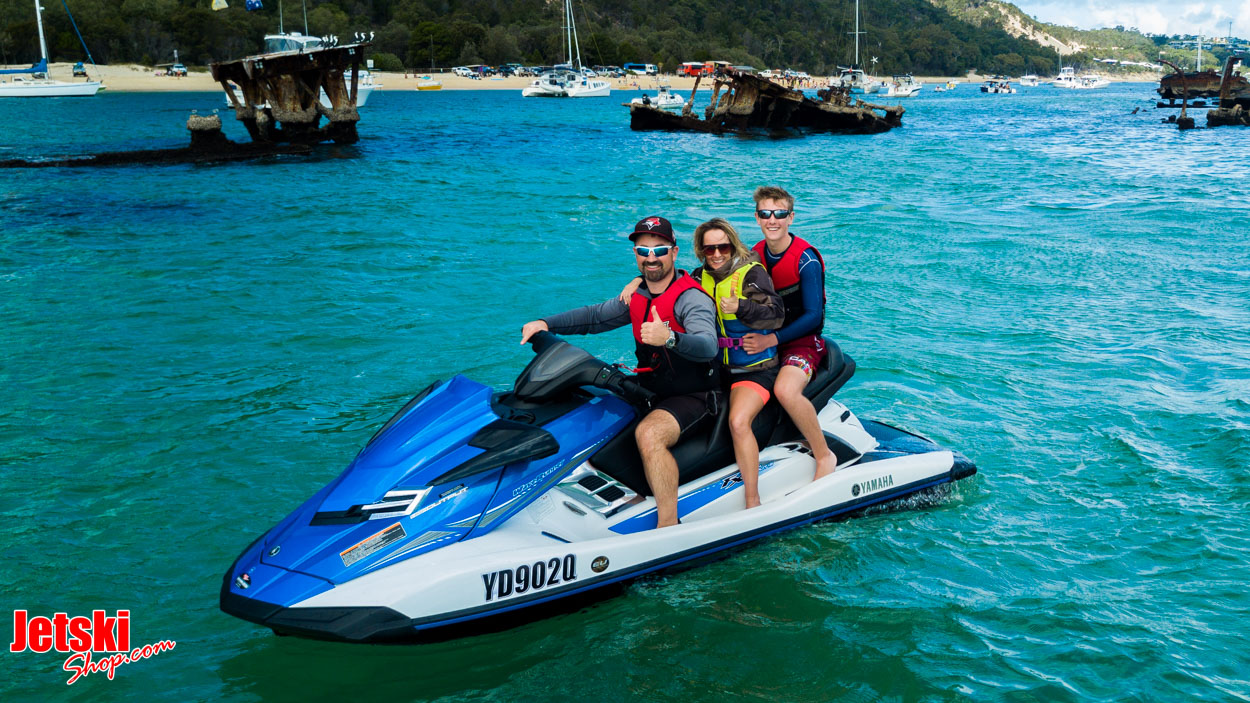
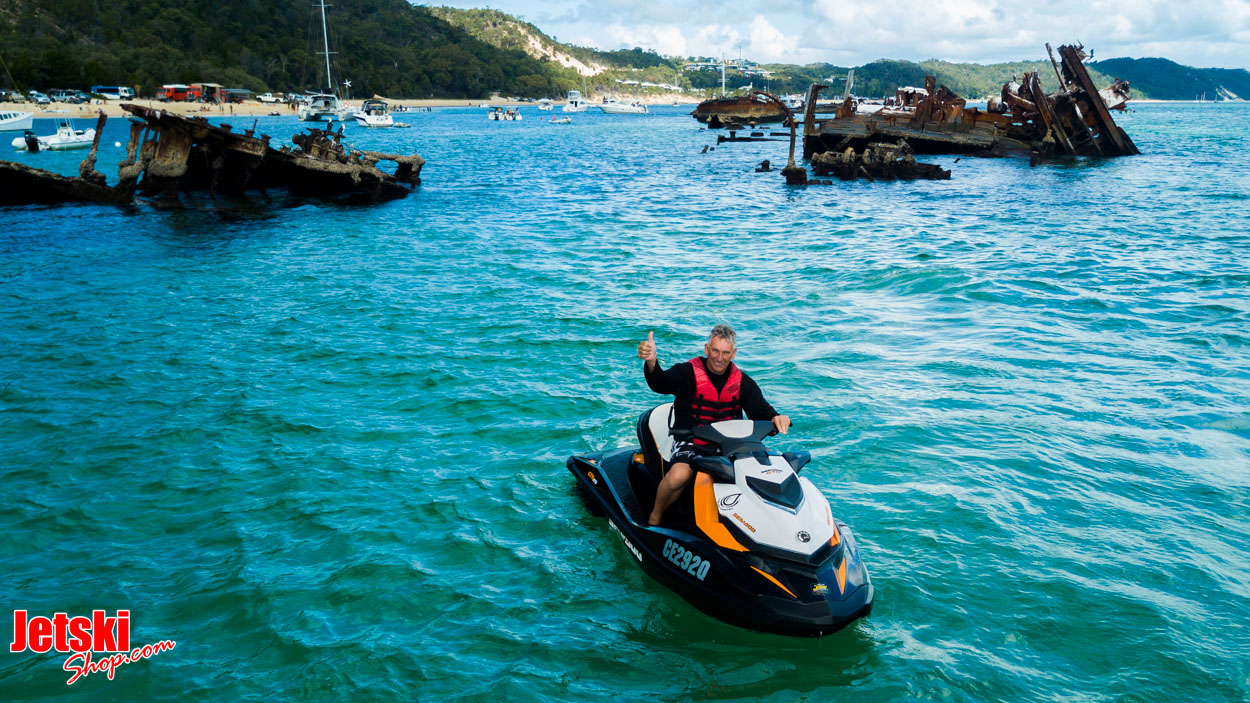
We left the ramp and headed to Raby Bay Marina for our first fuel stop. Jetskishop.com owner James, lead the group on an adventure through the mangroves. The water was smooth, the scenery spectacular. Having a lead rider and a rear rider that knows the waterways so well, means the group are kept together and we have no fear of anyone getting lost or left behind. We stopped at Horseshoe Bay at Peel Island on our way. Arriving at Raby Bay Marina at about 9:30, where all of the skis filled their tanks. After securing the skis, we all had breakfast at a restaurant at the Marina.
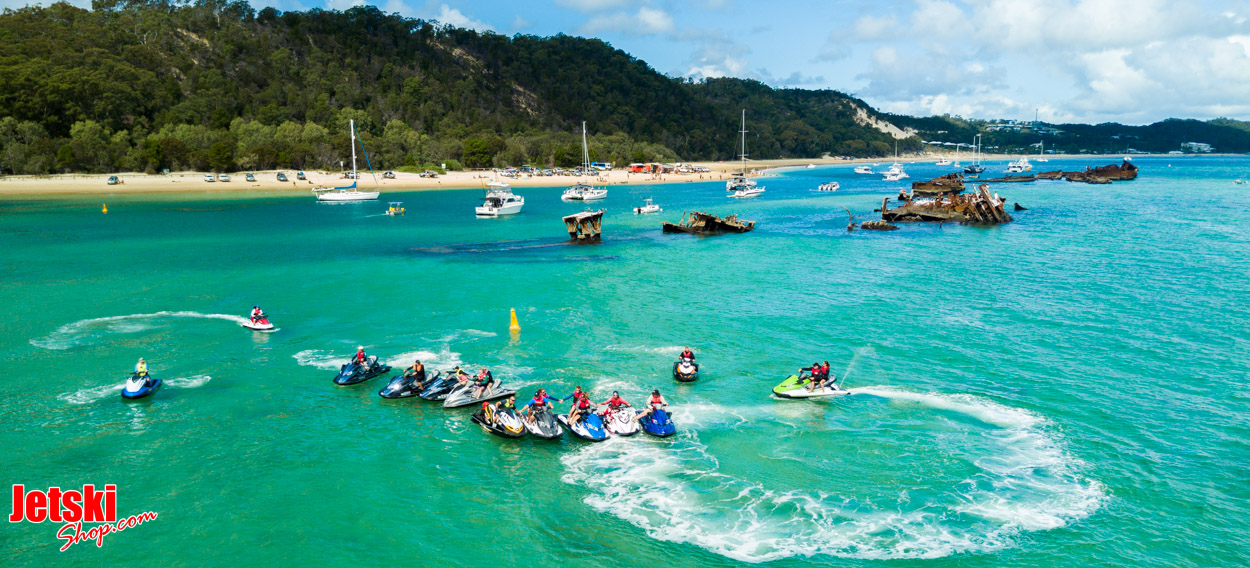
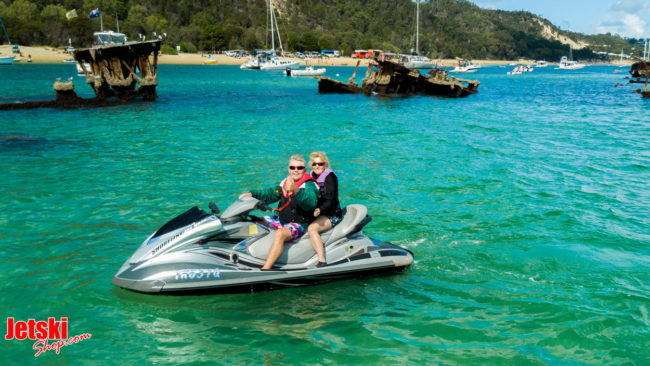
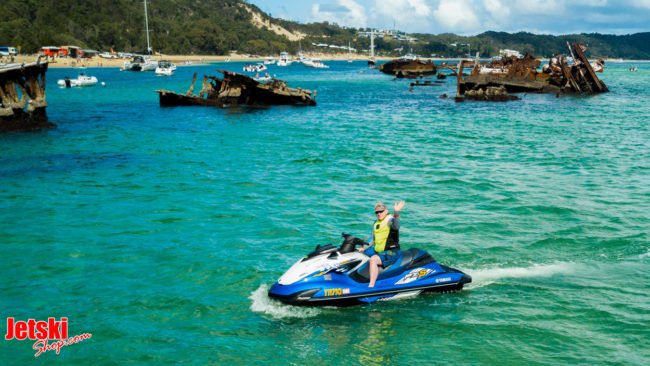
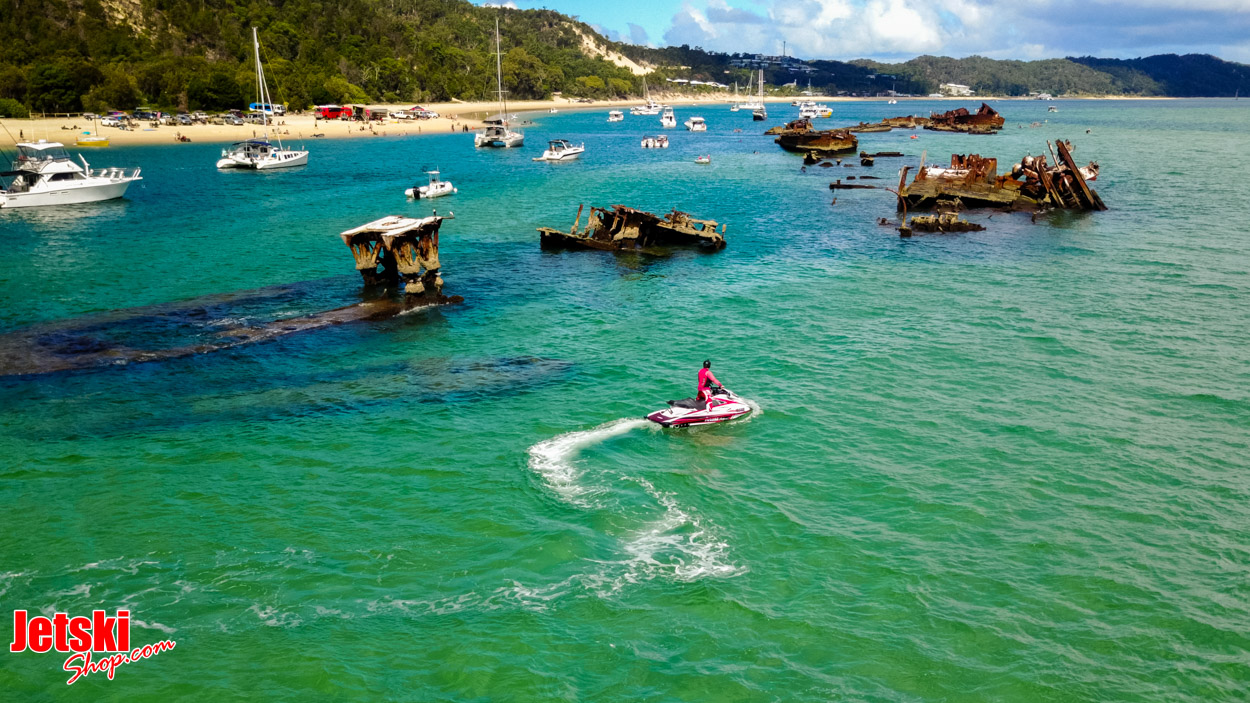
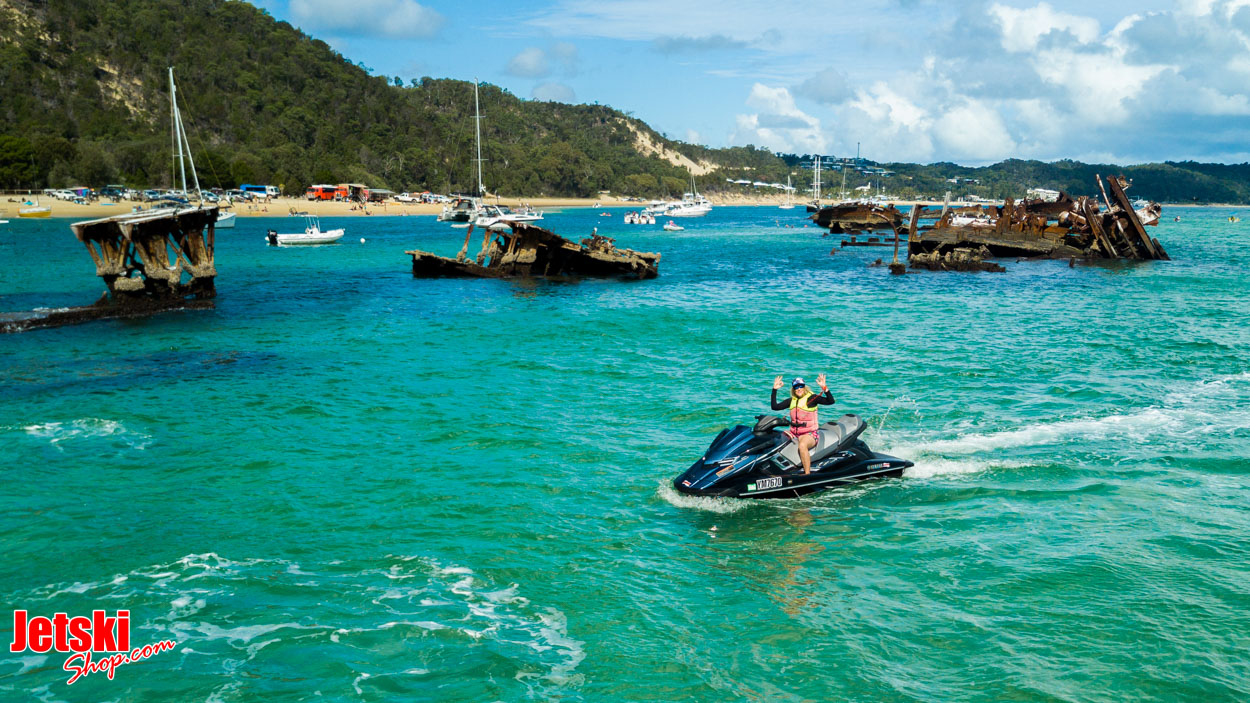
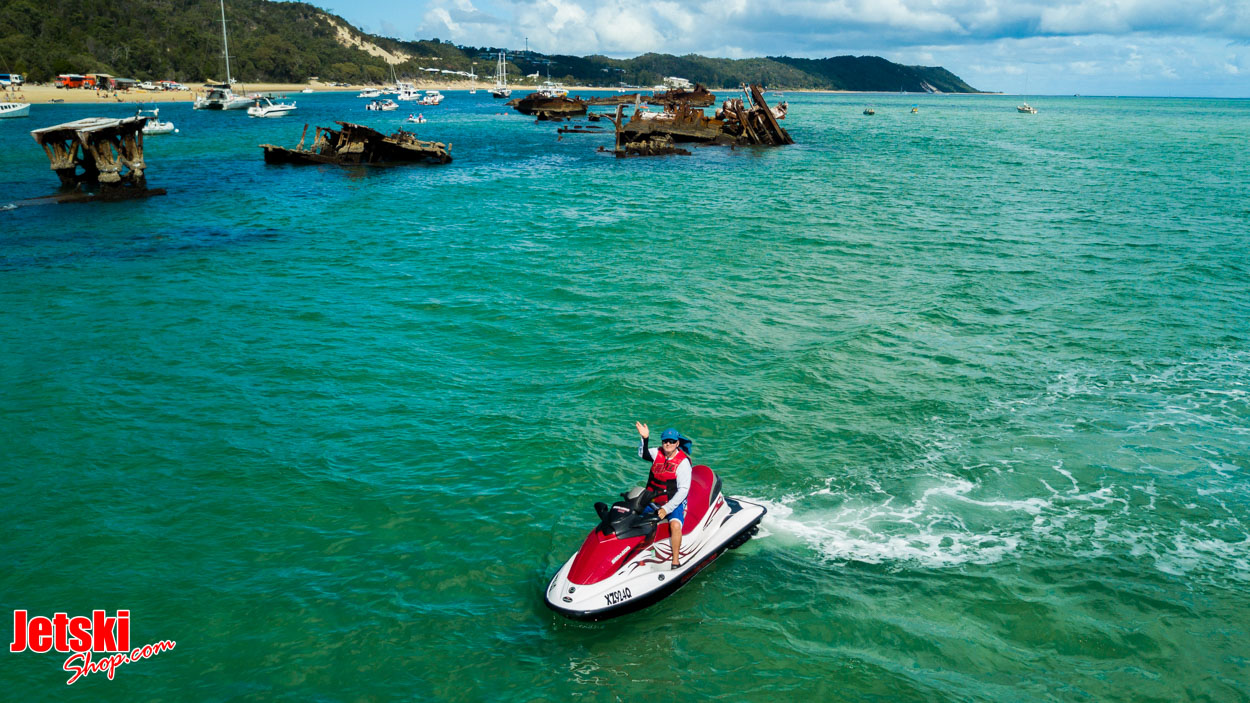
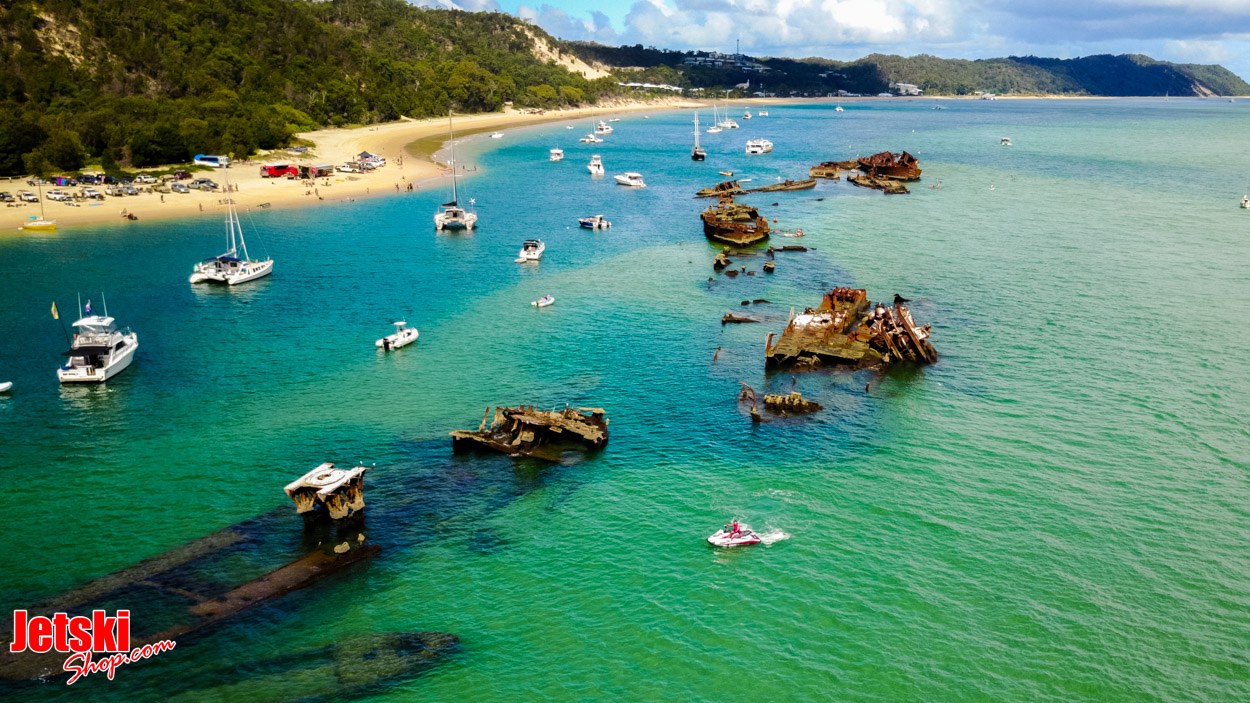
We left the Marina at 11am and headed to our destination for the day, the Wrecks on Moreton, often referred to the Tangalooma Wrecks. The Wrecks are always a beautiful destination, offering some of the best snorkeling with an abundance of marine life. Occasionally a Dugong can be seen and some of the riders would have seen the pod of Dolphins cruising along near the island.
Club president, Tom had to leave the Wrecks and take a fast trip back to Cleveland, while one other experienced rider chose to take challenge of crossing the bay at high speed, the rest were lead by Jetskishop.com owner James. The group needed to stick together and some riders were feeling the effects of the long ride. We had some new riders who had only been on their ski five hours before this ride. These guys soaked up the atmosphere and thoroughly enjoyed it. One of the riders seemed to be struggling with keeping up the pace required to complete the journey before dark. James, being experienced in leading, made the call to have this rider picked up from Victoria Point on a trailer, so he could get the rest of the group back safely on water, before dark. This is what is so great about the group rides, everyone is looked after. Thanks to all those who participated.
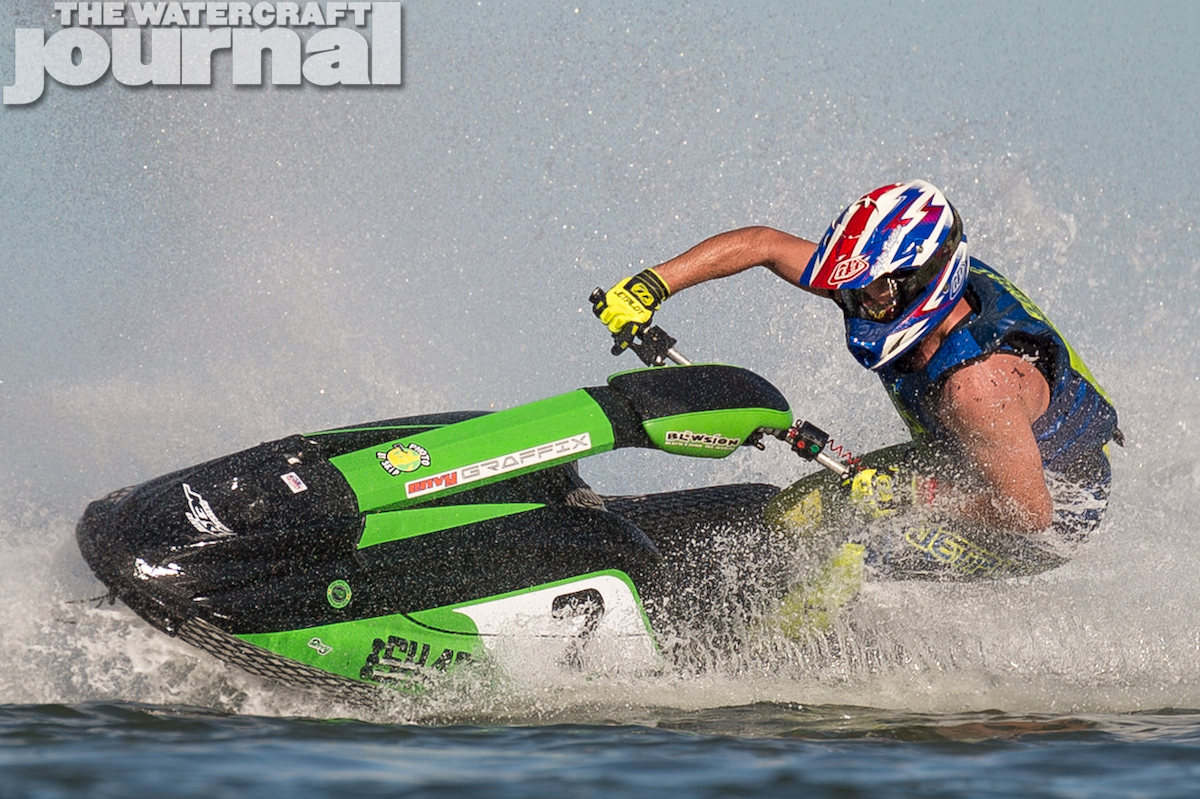
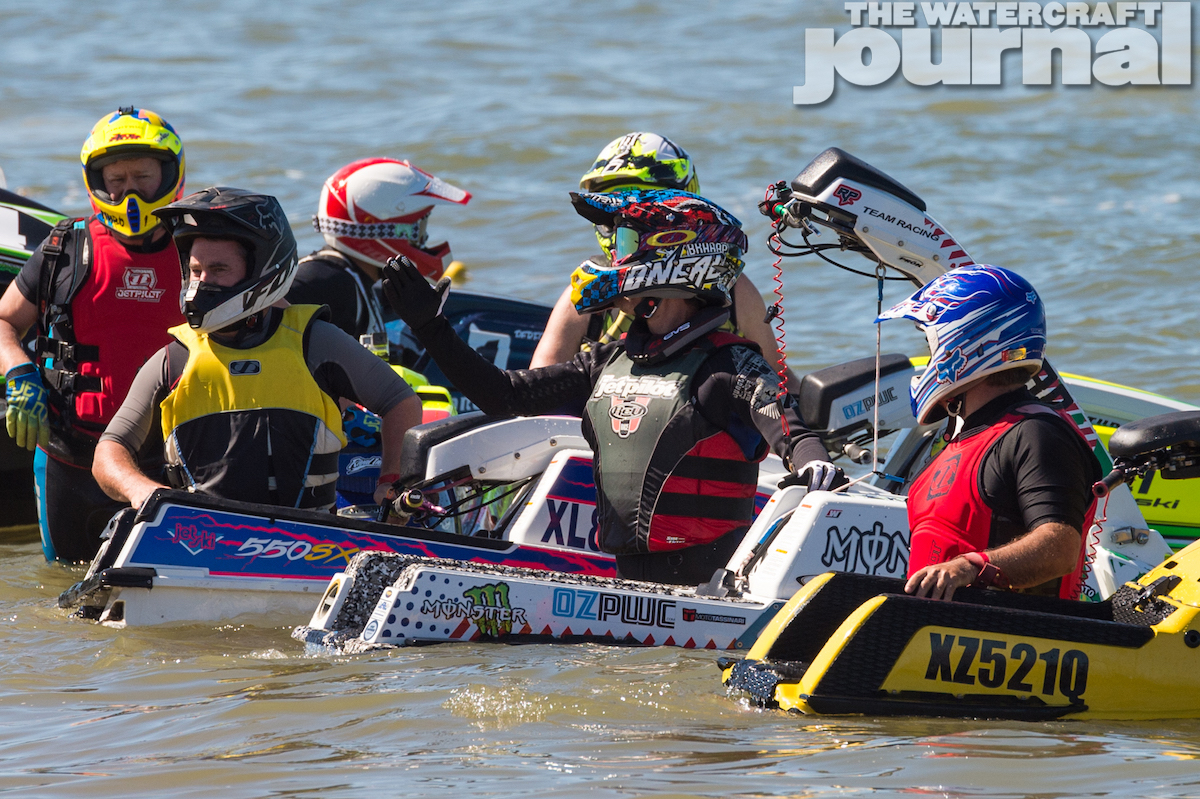
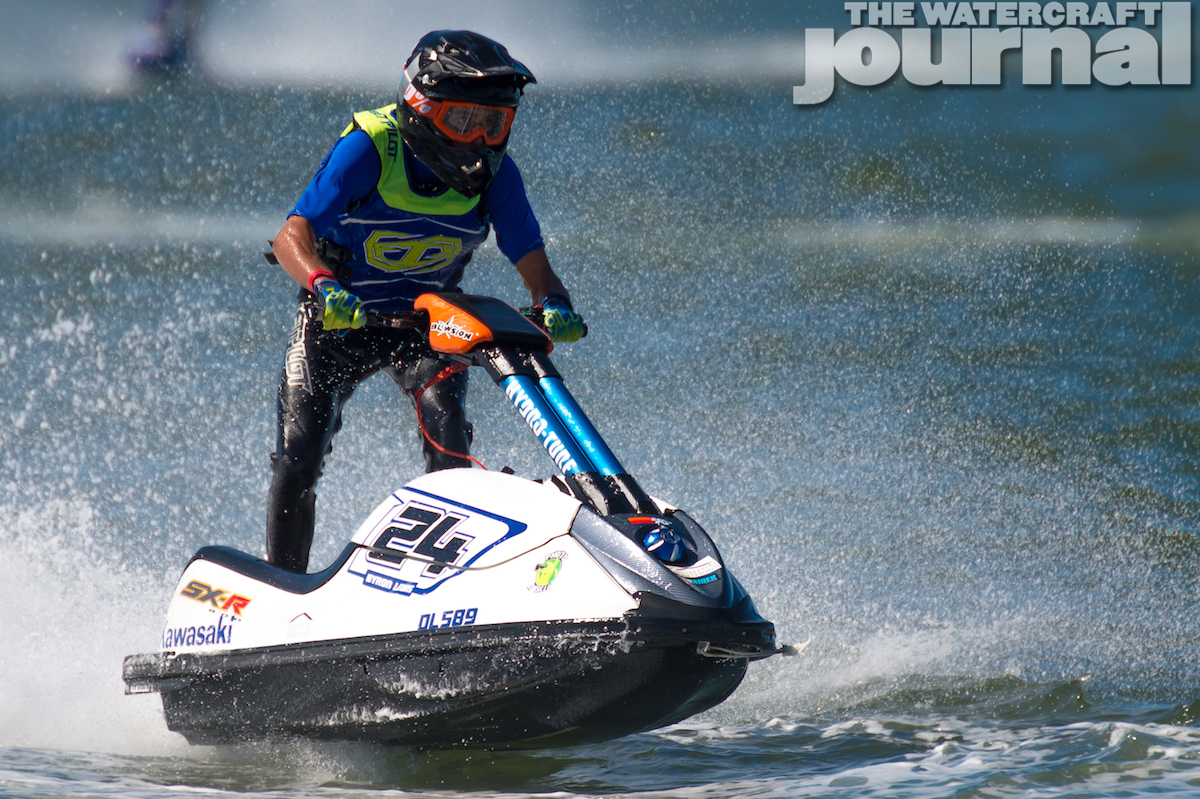
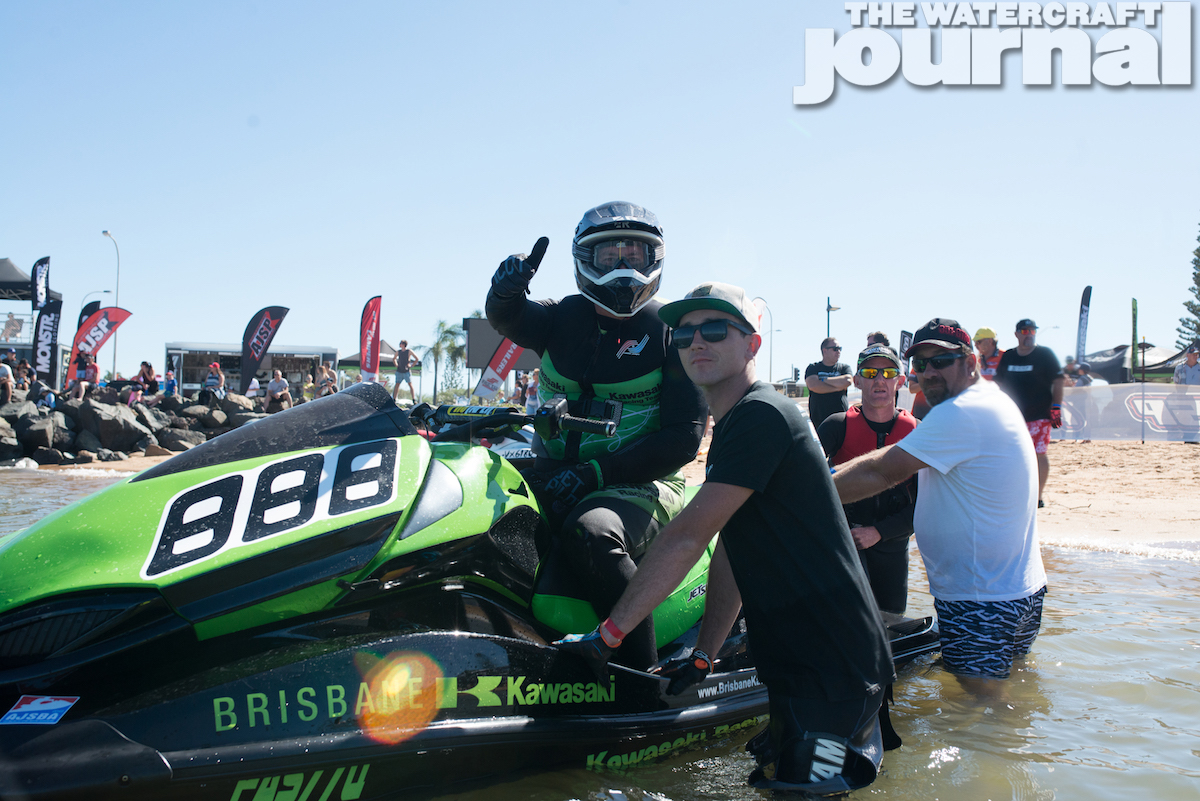
It’s been a long 5 years since the last Australian Titles at The Spit on Gold Coast. No National Title has been held since the racing incident that kill Joey Scaturchio. Due to an investigation from Gold Coast authorities not permitting any racing, the sport had to move to a new venue at Atkinson Dam and then Redcliffe near Brisbane.
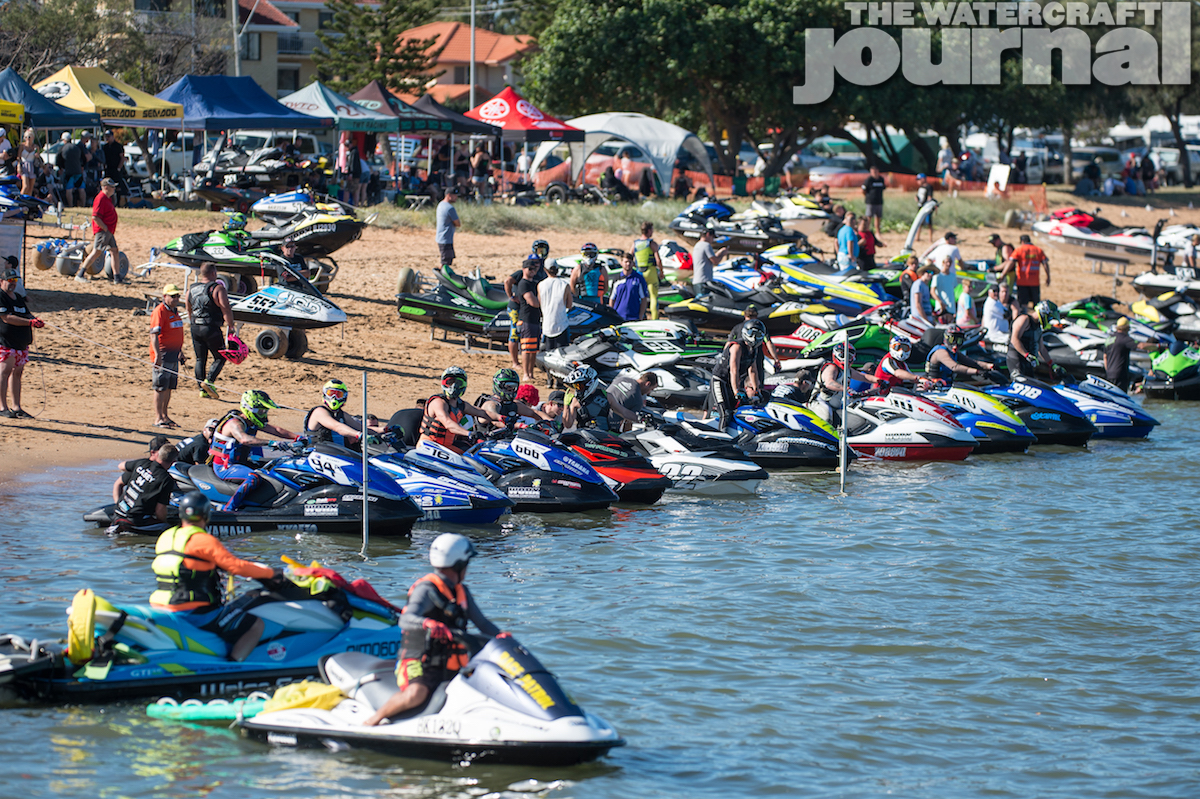
All of these things combined have caused the numbers to dwindle. However the recent turnout looks to be giving some hope back to organizers and sponsors with a great two days of racing on the weekend. Firstly I’d like to thank Joey’s father, Tony for turning up and supporting the event with the handing over of the memorial Joey Scaturchio trophy.
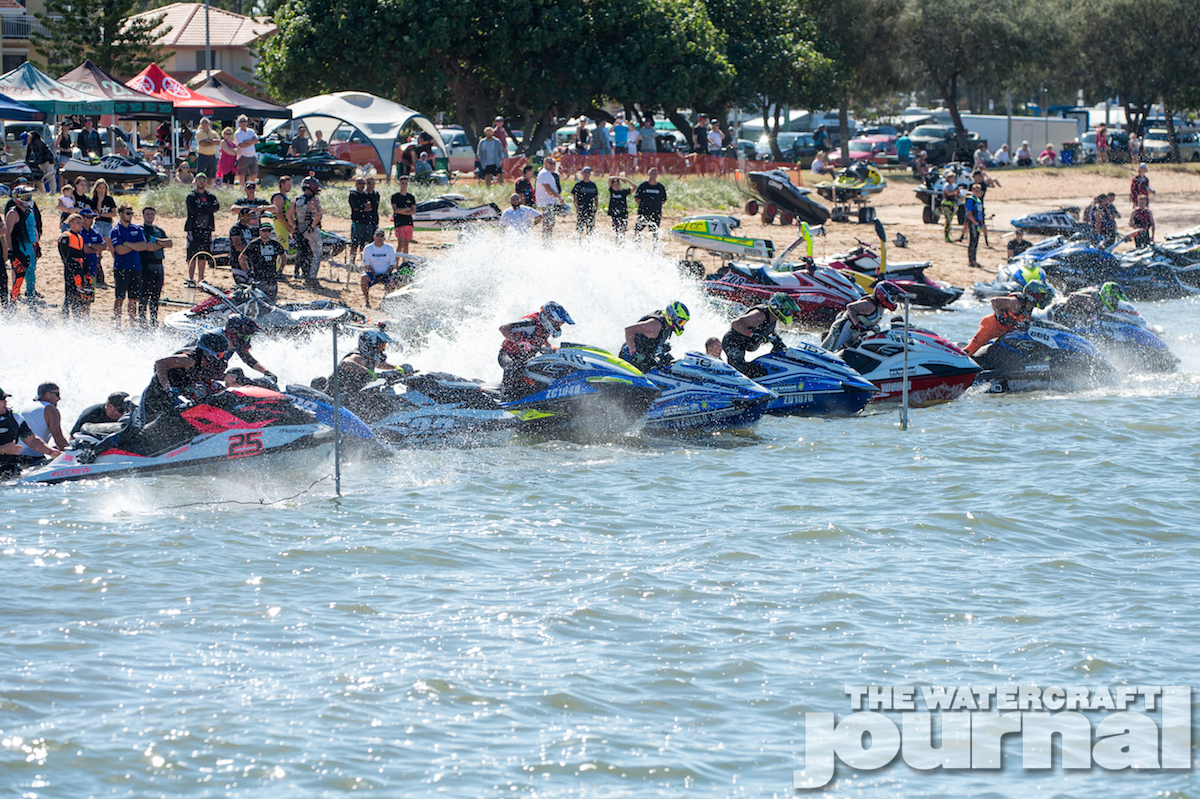
Redcliffe is located just north of Brisbane, Queensland; it’s a sleepy little town with a beautiful backdrop of Moreton Bay. It is also a marine park with a plethora of turtles, dolphins and Dugongs (similar to manatees). So organizing this event takes some serious negotiations with the powers that be. Racing started early Saturday morning with everyone getting a few sighting laps before his or her race. The conditions were improving from Friday’s practice so the day was looking good.
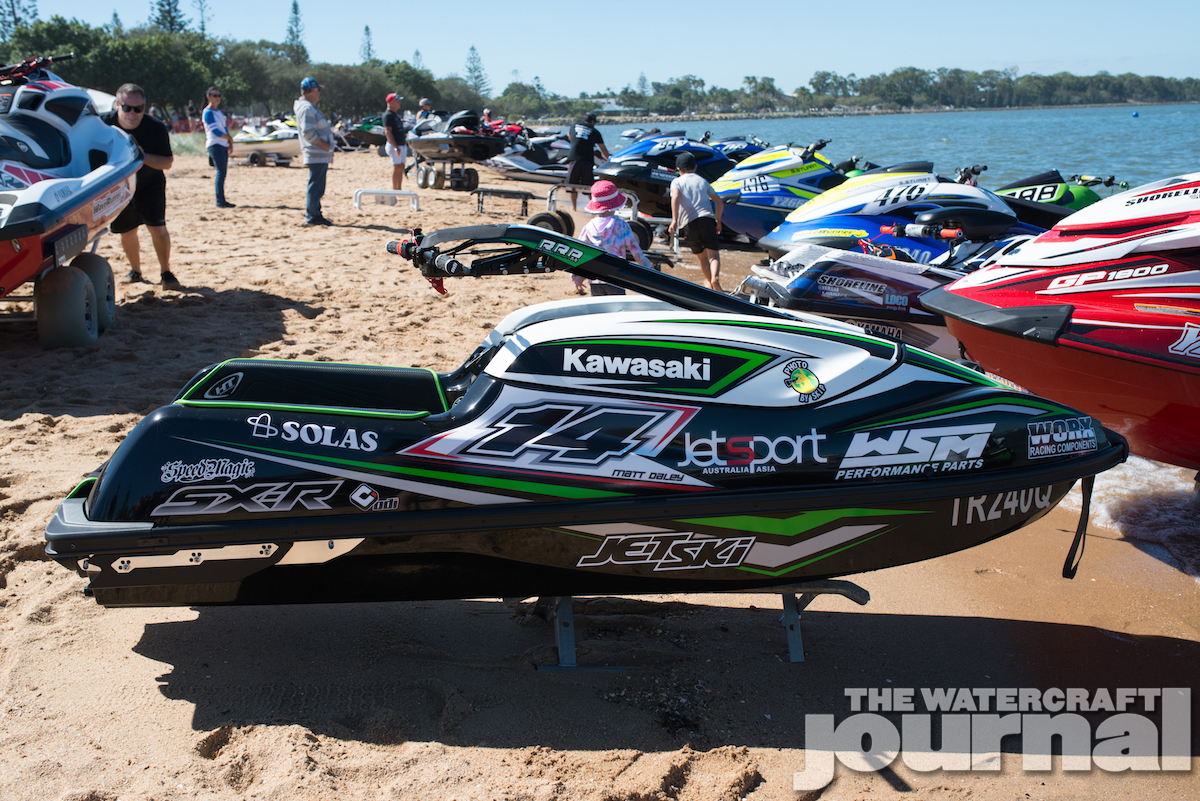
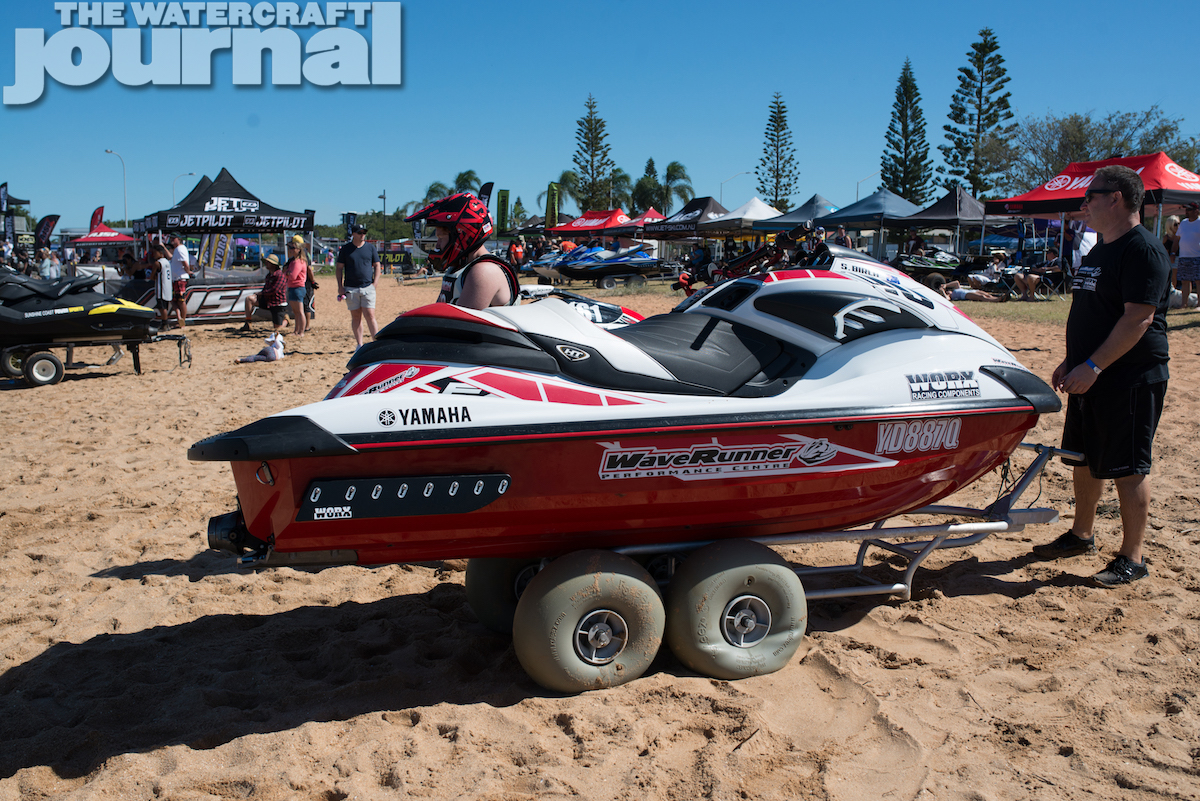
The AJSBA had to make a few decisions that upset some people at this year’s event, due to the introduction of the new SX-R and Yamahas EX. It was decided that the SX-R would run in GP as they couldn’t make up the numbers to separate the class; Rob White’s Yamaha Ex was put in with the Sea-Doo Sparks in Pro-Am Rec Lites Runabout, due to it being so much heavier than the Spark.
This worked out well for both classes with neither of the new boats dominating the race. Justin Winsor, the owner of Liquid Industries on the Gold Coast had blistering speed on his Sea-Doo Trak 903, that thing was doing 75mph right up until it let go and the team from Liquid Industries had to throw a new motor in overnight.
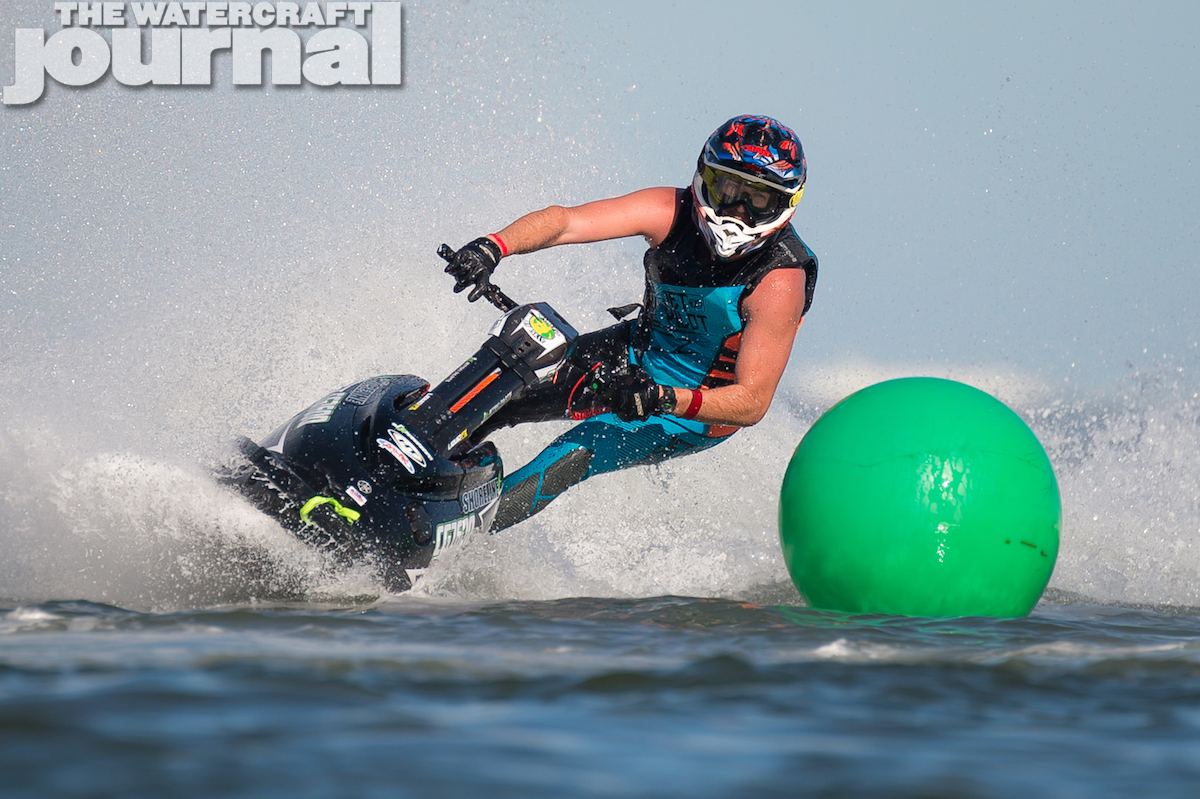
Justin went on to take the overall win in GP Ski. Joel Barry on the Jetski World SX-R was invited to race the ski only just prior to the event starting. Considering he had never ridden one before, he did a fantastic job. Joel is now off to Europe to compete in the Freeride World Tour.
Pro-Am Lites Ski was also closely contested, with Tom Akien, Michael Stevens and Youngster Byron Lewis. Tom was looking like he was going to take the title just ahead of Mick Stevens; the boys were on the pace all weekend in perfect condition one day and surf like conditions the next.
At presentation, to the surprise of all, especially Mick, Tom Aiken was penalized for missed buoys giving Stevens the title and bumping Byron Lewis into second. Byron and his Dad traveled from Western Australia for the event.
Vintage Ski is always great to watch. The beautifully turned out skis always impress. With two motos combined into one, it makes a great show. So every heat the boys have two starts. I’m sure the guys don’t take the race to seriously. I noticed Tim Ryan waiting for Jarrod Martin to catch up a bit so they could rub shoulders in the turns. There was also a great Vintage display on show for all to see. With plenty of replicas and original skis on display.
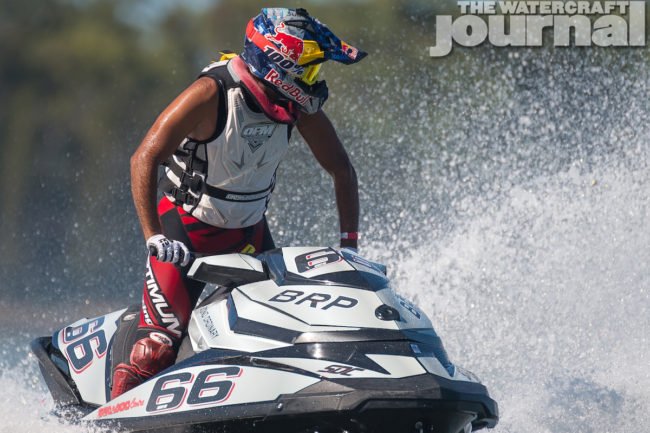
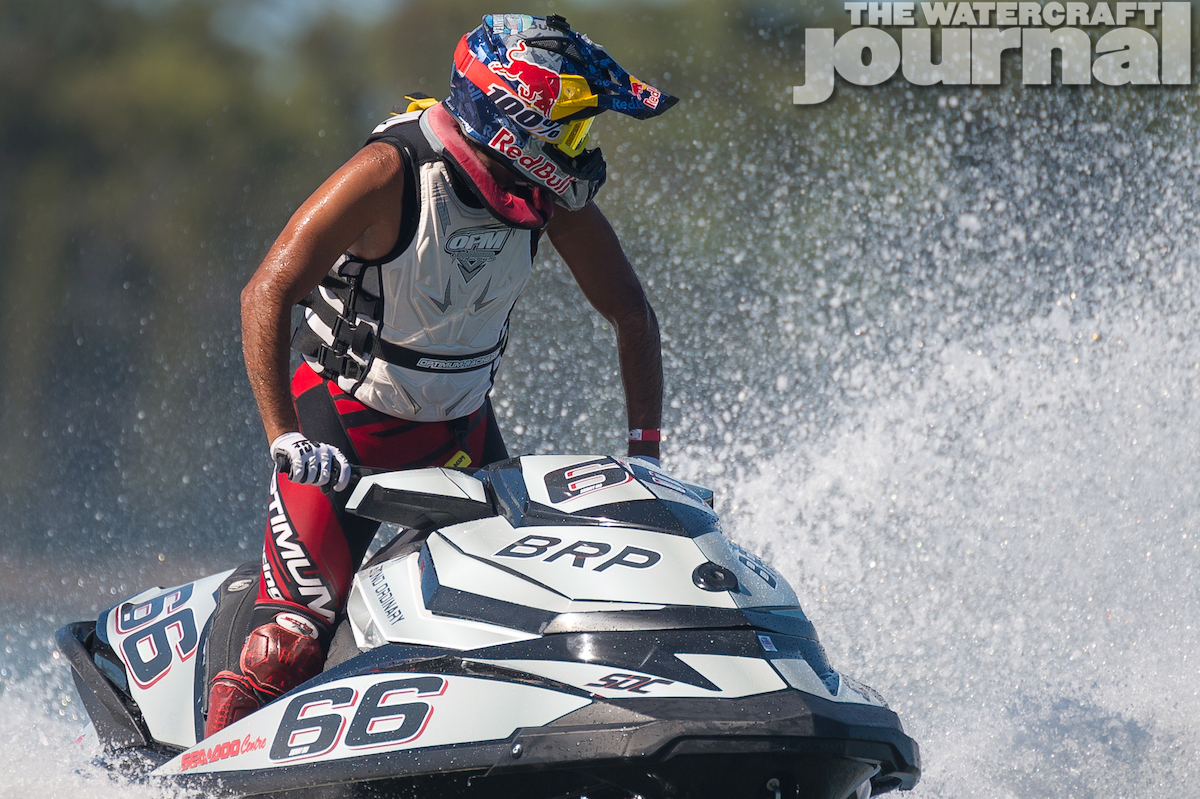
It was good to see international rider Mohammed Burbayea at the titles, his #66 Sea-Doo was a weapon on the track, dominating the first few laps on GP Runabout. Unfortunately, that didn’t last long with Mohammed dropping out of the first race with mechanical issues. Paul Leven and James Masterton took up the challenge. Actually the entire field of GP had some great racing.
At one stage or the other I think they were all in a podium position. If you’ve never seen a GP class, make the effort. It’s the F1 of our sport. Congrats to Paul Leven on the win, he’s a great supporter of the sport and always making a huge effort at every event; glad to see him walking away as the new Australian Champion. He rode consistently all weekend, and well deserving of the title.
Enduro was one moto a day consisting of a 35 minute, one lap race. Brett Douglas took out Moto One convincingly only to have electrical gremlins turn up in Moto Two. This gave the opportunity to Guy Greenland and Christian D’Agostin to give it a go. Day one was glassy condition with the racers holding it wide open, the whole half hour, but race two was a 2-foot swell with a solid wind chop making thing exiting.
Mitch Casey and Christian D’Agostin both went over the hangers in the chop. Unfortunately, Casey didn’t recover after corking his legs on the ski. He was rescued by the safety crew and brought ashore. He later made a full recovery with only minor injuries. Christian on the other had managed to remount his ski and continue on to take third in that moto.
Christian went on to take the title in Enduro open. That’s a 5th Australian title for D’Agostin and a great ride. Again Enduro was a mixed class due to limited numbers, so another winner in Enduro Am Showroom Stock was Paul Bazely. His Kawasaki was at home in the rough conditions and deserved the win.
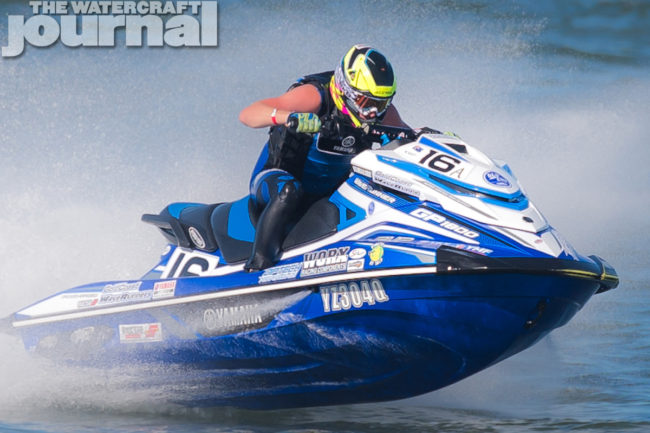
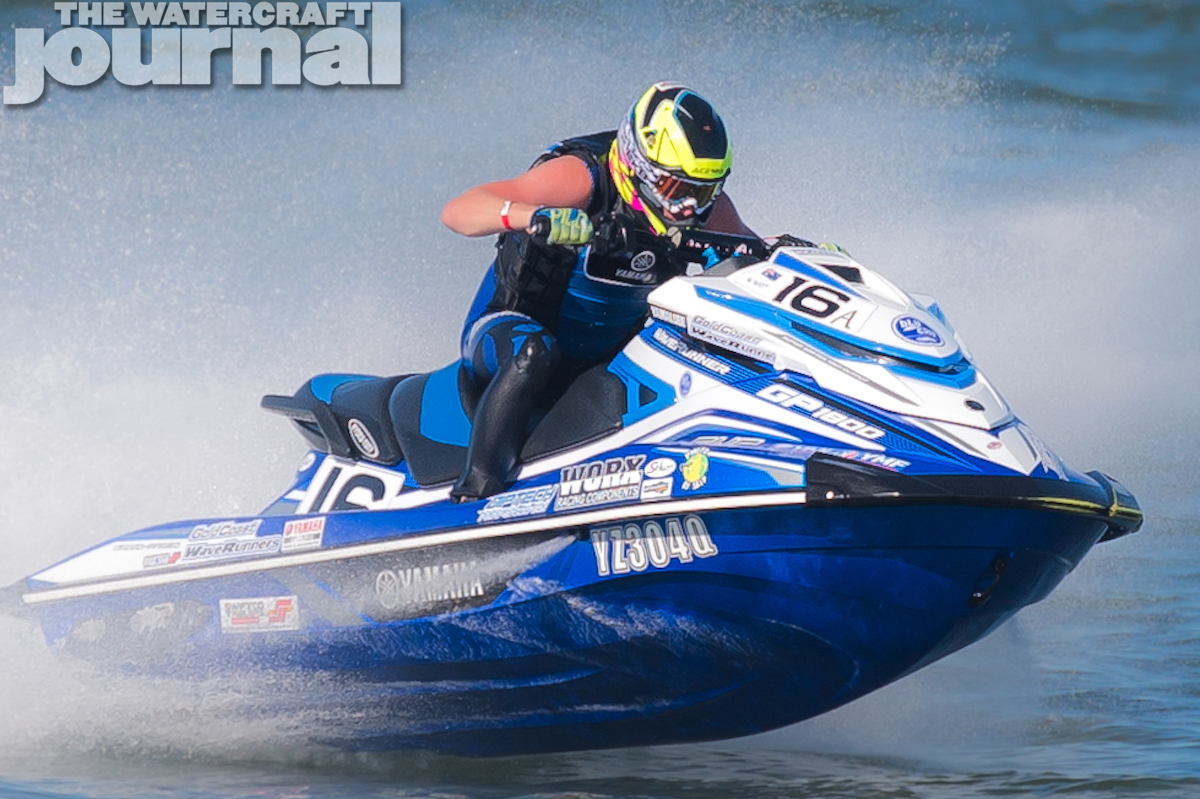
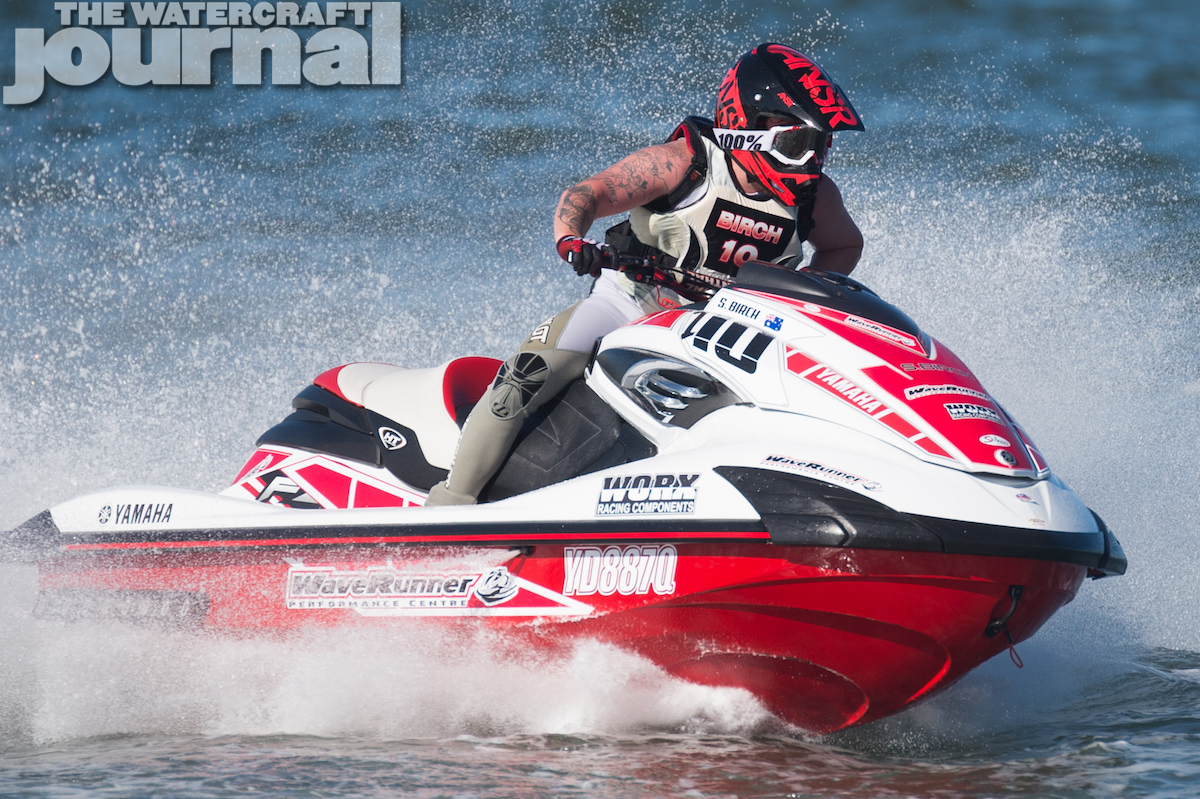
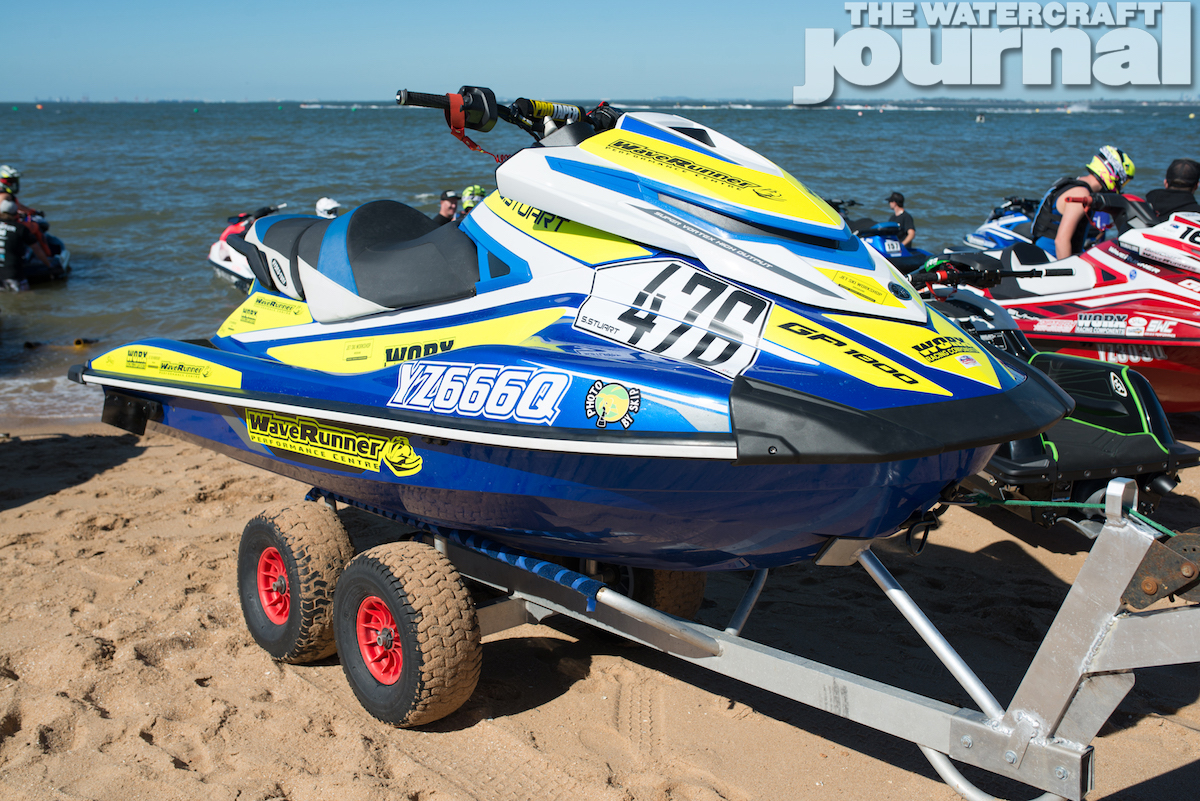
Mitch Wayt on his Yamaha GP1800 was consistently fast. The 2016 Australian Champion showed us again why he was last year’s champ. Taking the podium in three different classes, he is an outstanding rider and always keen to give it a go. Wayt took out Enduro, Pro Am Stock and placed second in Stock Spec Runabout. Pro Am Stock was a close contest with Wayt only just edging out Casey by one point. Casey is only a newcomer to the sport and with Wayt taking him under his wing. I expect to see a lot of good racing from these to in the future.
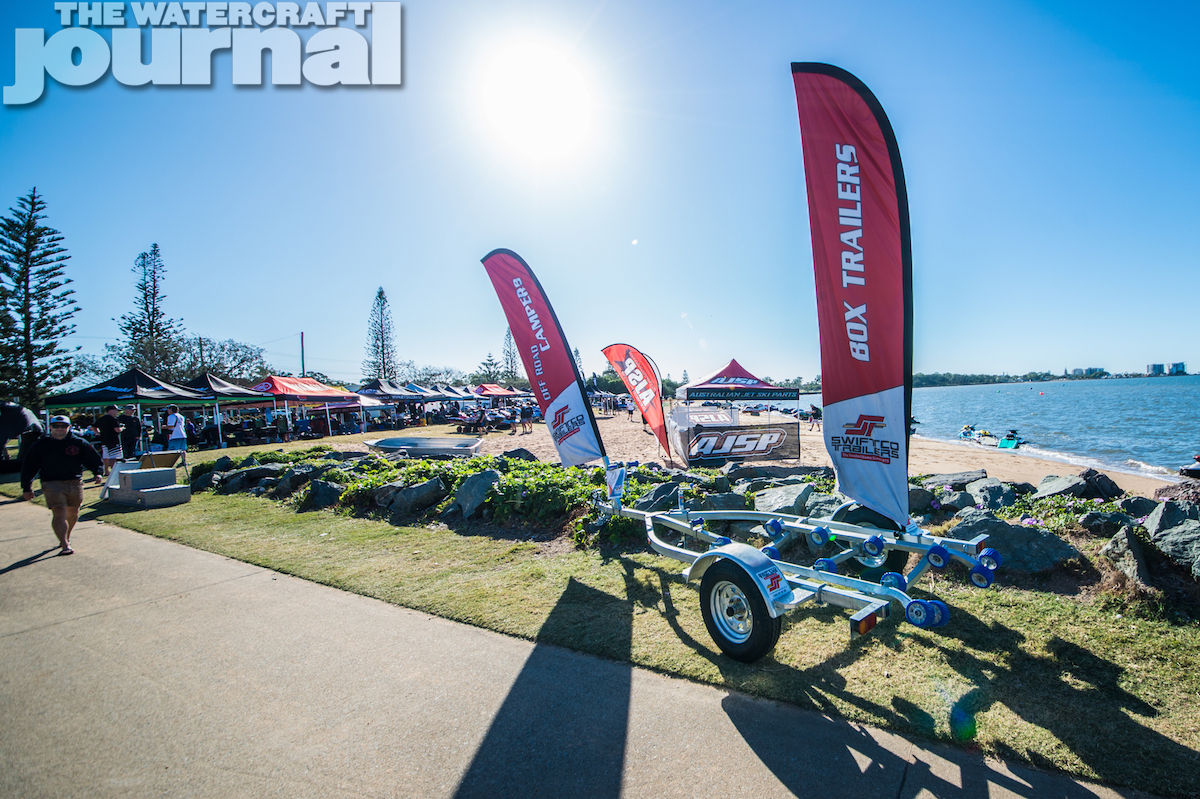
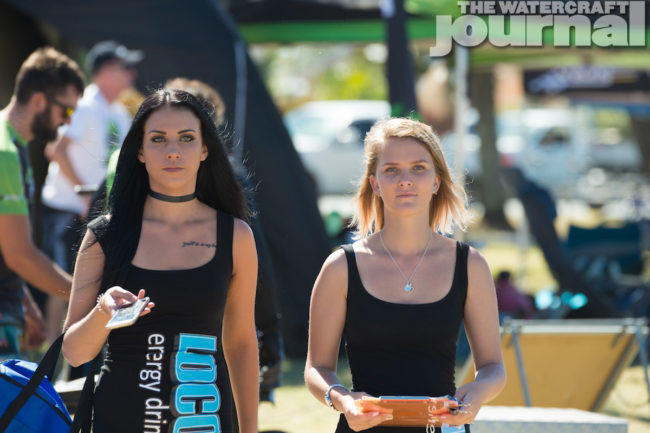
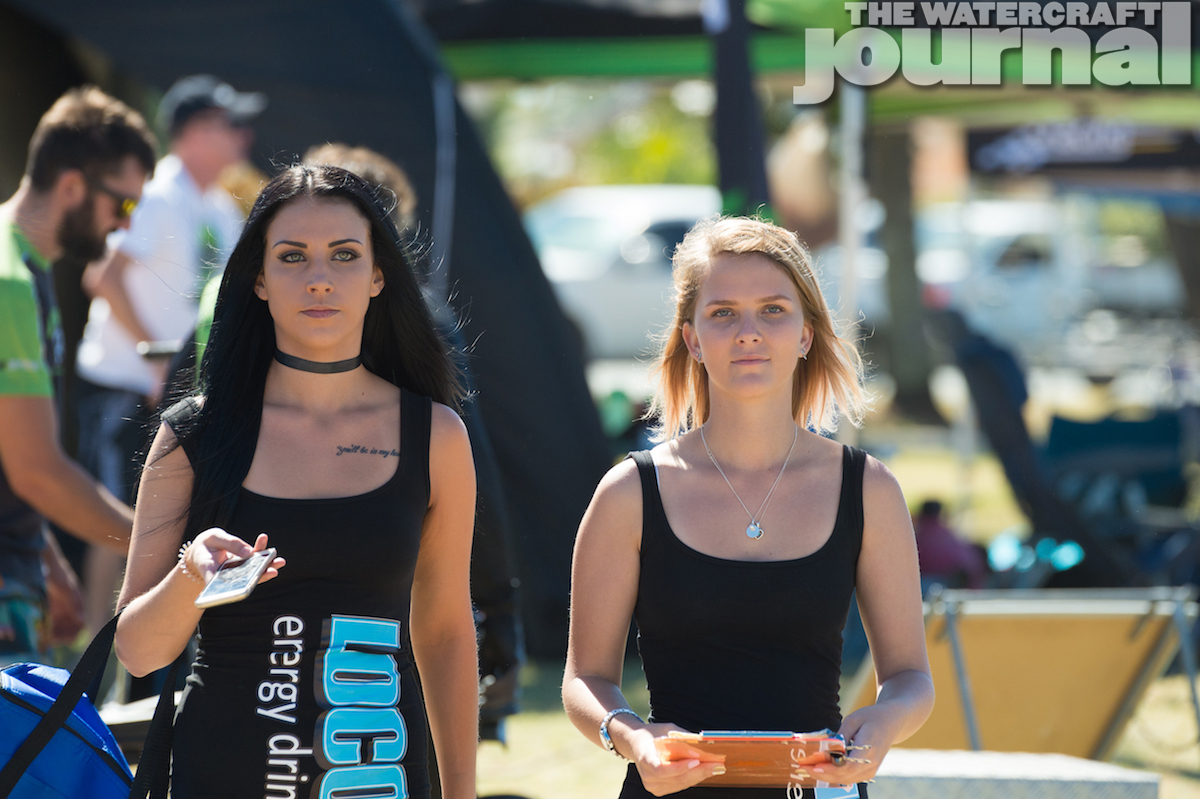
Australian Jetski Parts were on hand as always to give away some cool gear and prizes. Also Loco Energy Drinks kept everyone hydrated – or at least heavily caffeinated. Swiftco Trailer also donated an awesome trailer for the event. Justin Belczowski won the trailer with a bit of lighthearted backlash from the crowd. Congratulations to everyone involved and all the organizers involved. You put on an impressive event. Looking forward to not having such a long wait between titles.
All photography courtesy of Photos by Skip; unedited originals can be purchased HERE.
1 of 50
2017 AJSP Australian Watercross Championships
Official Results
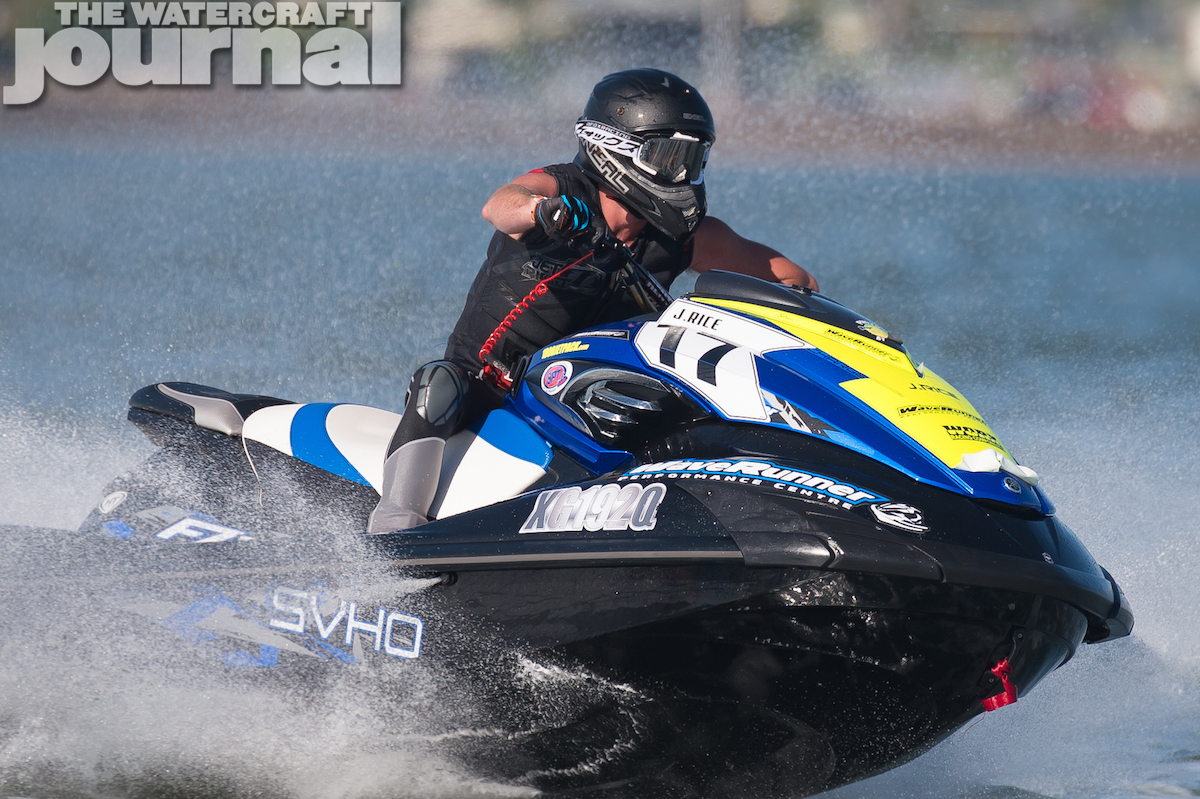
Joey Scaturchio Memorial Trophy: Mitch Wayt; GP Runabout: 1. Paul Leven, 2. James Masterton, 3. Mohammed Burbaya, 4. Brendan Boyd, 5. Matt Brunt, 6. Jamie Eade, 7. Brett Douglas; GP Ski: 1. Justin Windsor, 2. Zac Humpheys, 3. Kylie Ellmers, 4. Daniel Piana; SXR 1500 Ski: 1. Joel Barry, 2. Tony Grey, 3. Matt Daly, 4. Mark Perlowski, 5. Tom Aiken; Pro Am Stock Runabout: 1. Mitch Wayt, 2. Mitch Casey, 3. Sebastian Birch, 4. Mick Burns, 5. Dillon Bromley, 6. David Knott, 7. Corey Styles, 8. Bailey Cunningham, 9. Shane Stuart; Am Showroom Stock Runabout: 1. Mark Dallow, 2. Joel Batt, 3. Kristy Mirams, 4. Paul Bazeley, 5. Brett Whittaker, 6. Aaron Moyle; Pro Am Stock Spec Runabout: 1. Shane Stuart, 2. Mitch Wayt, 3. Sebastian Birch, 4. Mitch Casey, 5. David Knott, 6. Mark Quitadamo, 7. Tristrim Forster, 8. Matthew Skelley, 9. James Rice, 10. Sam Barrett, 11. Grant Malkinson; Pro Am Rec Lites Runabout: 1. Joel Batt, 2. Emma Harris, 3. Rob White, 4. Cliffton Ellmers, 5. Adam Martin, 6. Darryl Apps, 7. Dean Jeffries, 8. Shaun Bailey, 9. Bailey Cunningham; Pro Am Lites Ski: 1. Michael Stevens, 2. Byron Lewis, 3. Tom Aiken, 4. McCauley Casey,5. Mark Glew; Pro Am Limited Ski: 1. Jordan O’Keeffe, 2. Clyde Grant, 3. Byron Lewis, 4. Justin Windsor; Junior Lites Ski: 1. Jett Cavanagh, 2. Austin O’Halloran, 3. Jake Beekman, 4. Blair Pomery, 5. Dean Krouskos; Vintage Ski: 1. Jarrod Martin, 2. Tim Ryan, 3. Matt Wollaston, 4. Cameron Wise, 5. Simon Graham, 6. Adam Gibson, 7. Zac Humphreys; Enduro Pro Am Stock Spec: 1. Mitch Wayt, 2. Mitch Casey, 3. Tristrim Forster, 4. Dillon Bromley; Enduro Am Showroom Stock: 1. Paul Bazeley, 2. Kristy Mirams, 3. Brett Whittaker; Enduro Open: 1. Christian D’Agostin, 2. Brett Douglas, 3. Guy Greenland, 4. Chinni Rao, 5. Jamie Eade, 6. Kylie Ellmers, 7. Matt Brunt
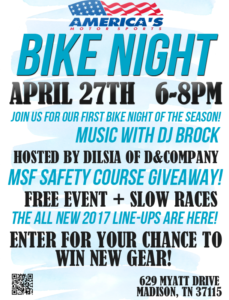
Thursday, April 27th kicked off the first Bike Night of the season with America’s Motor Sports in Madison, TN. When the Madison, TN dealership isn’t leading Middle Tennessee in Sea-Doo sales, it’s reaching out to the motorcycle community. This was a fun free event, great for the whole family and filled with opportunities to win prizes along with free swag. Bike games and slow races were open to attendees. The event was held from 6-8PM and included a free cookout for everyone and cool vehicles to check out.
It was a successful and entertaining way for America Motor Sports to get cranked up for the season. The event drew a good crowd and it appeared that the guests had a good time hanging out with each other while playing some games, eating, and listening to music. Even the Michelin Man showed up to party.
Dilsia Alfaro hosted the event and had a fun going live on Facebook. The feed is still available for those interested in seeing what they missed. Alfaro spoke with a few people over the music coming from DJ Brock’s outdoor booth and the revving of loud motorcycle engines! She seemed excited to host the event and was working the crowd! America’s Motor Sports Facebook page has quite a few pictures from Bike Night and you can check them out right here.
America’s Motor Sports is a family owned business and has been in the power sports industry for more than 30 years and operates three locations in Tennessee. They carry over eleven different power sports brands and provide service and parts. The business sells new and used vehicles and offers financing for just about anyone. Whether you like pavement, off-road, or water, Americas’s Motor Sports has the vehicle for you!
The United States Army is one of the most organized, well-equipped and feared military organizations to have ever walked this planet. So it is with great pleasure that we at The Watercraft Journal announce the newest sponsor for the Pro Watercross Tour: the United States Army.
This is exciting news because the US Army is recognizing the riders in our community as strong, driven racers who know how to achieve their goals. Racing in this action-sport is not for the weak which makes many of the racers a perfect candidate for a new member of the US Army.
CEO of Pro Watercross, AJ Handler says, “This is a partnership we are very excited about, and very proud of.” We talk about how each year our sport is growing and this is a monumental step in the right direction. Having one of the most recognizable racing events be sponsored by a government-funded branch of the Armed Forces is amazing.
The US Army’s motto is “This We’ll Defend.” If your are interested in enlisting in the Army, click HERE for all opportunities. We understand enlisting in the Army is not for everybody, but if you need help with the expenses of college or looking for a respected career, the opportunity is there. We highly encourage you to make it to one of the many stop but if you are unable to, thank a soldier if you see one. Their sacrifice is what secures your freedom.


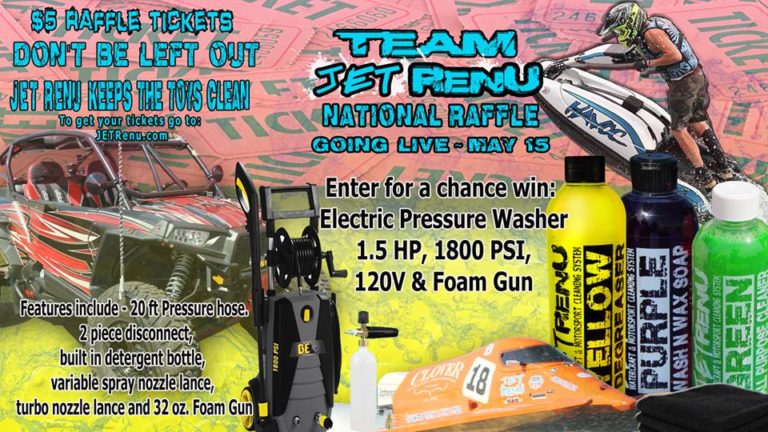
 Team Jet Renu Non-Profit Inc. is excited about giving you the opportunity to win an electric pressure washer! The prize winner’s package includes the electric pressure washer, Bubble Foam Gun, and some sweet Jet Renu cleaning products. The power washer operates on 120 volts, has 1.5 Horse Power, and comes with a 20 foot pressure hose, giving plenty of leeway for cleaning your machine. Other features include a 2 piece quick disconnect, built in detergent bottle, variable spray nozzle lance, turbo nozzle lance, and a 32 oz. Foam Gun.






























 It was a successful and entertaining way for America Motor Sports to get cranked up for the season. The event drew a good crowd and it appeared that the guests had a good time hanging out with each other while playing some games, eating, and listening to music. Even the Michelin Man showed up to party.