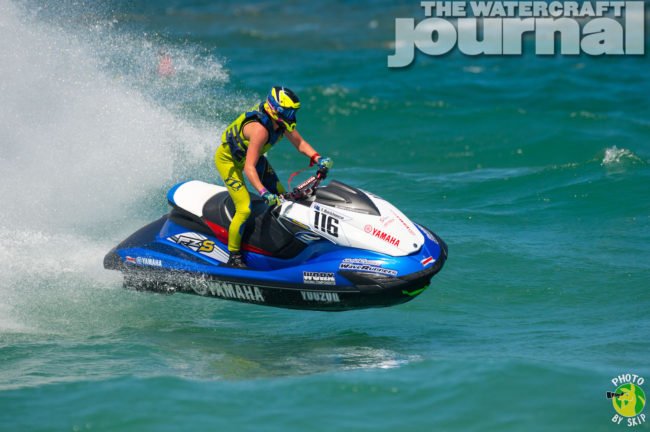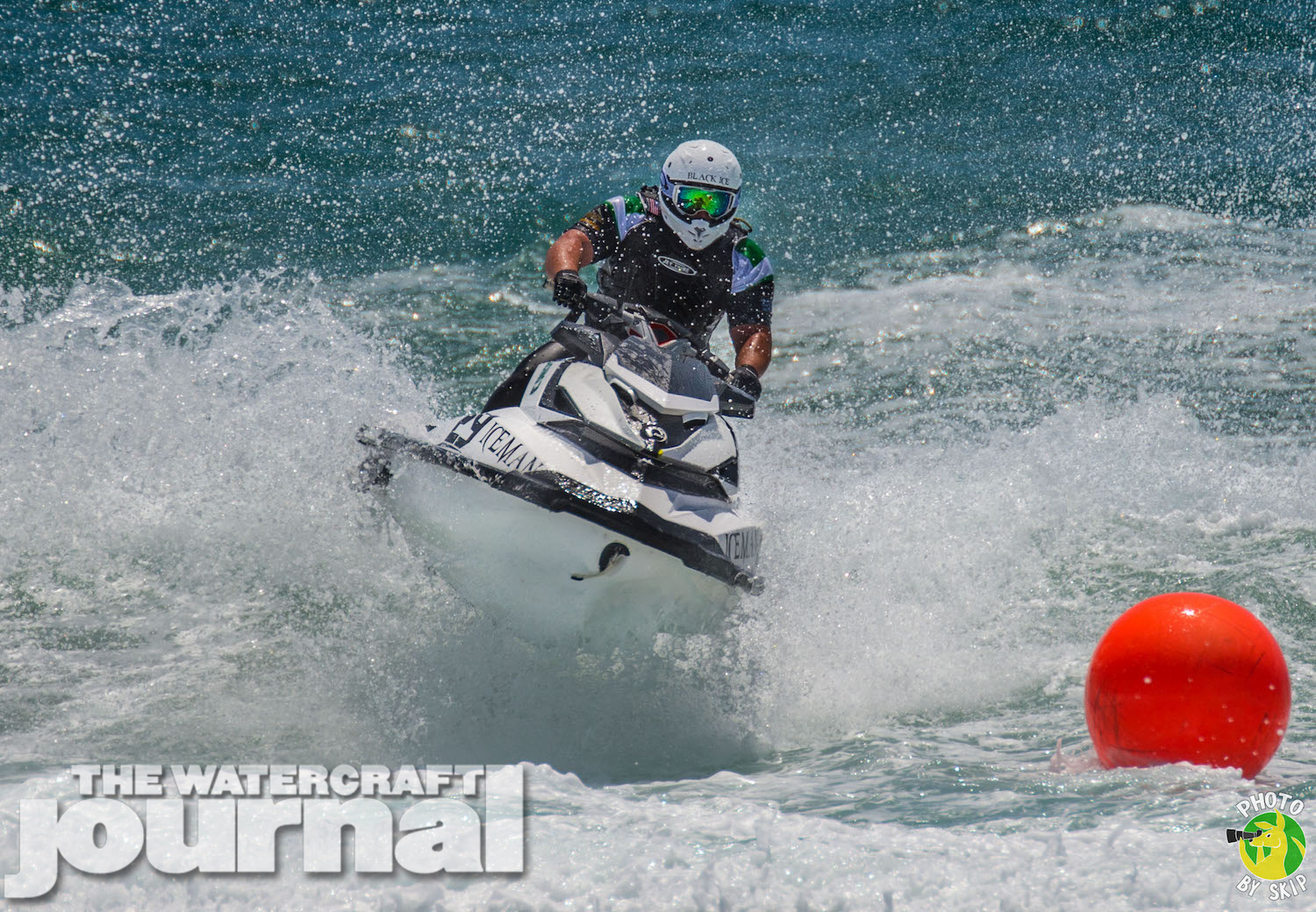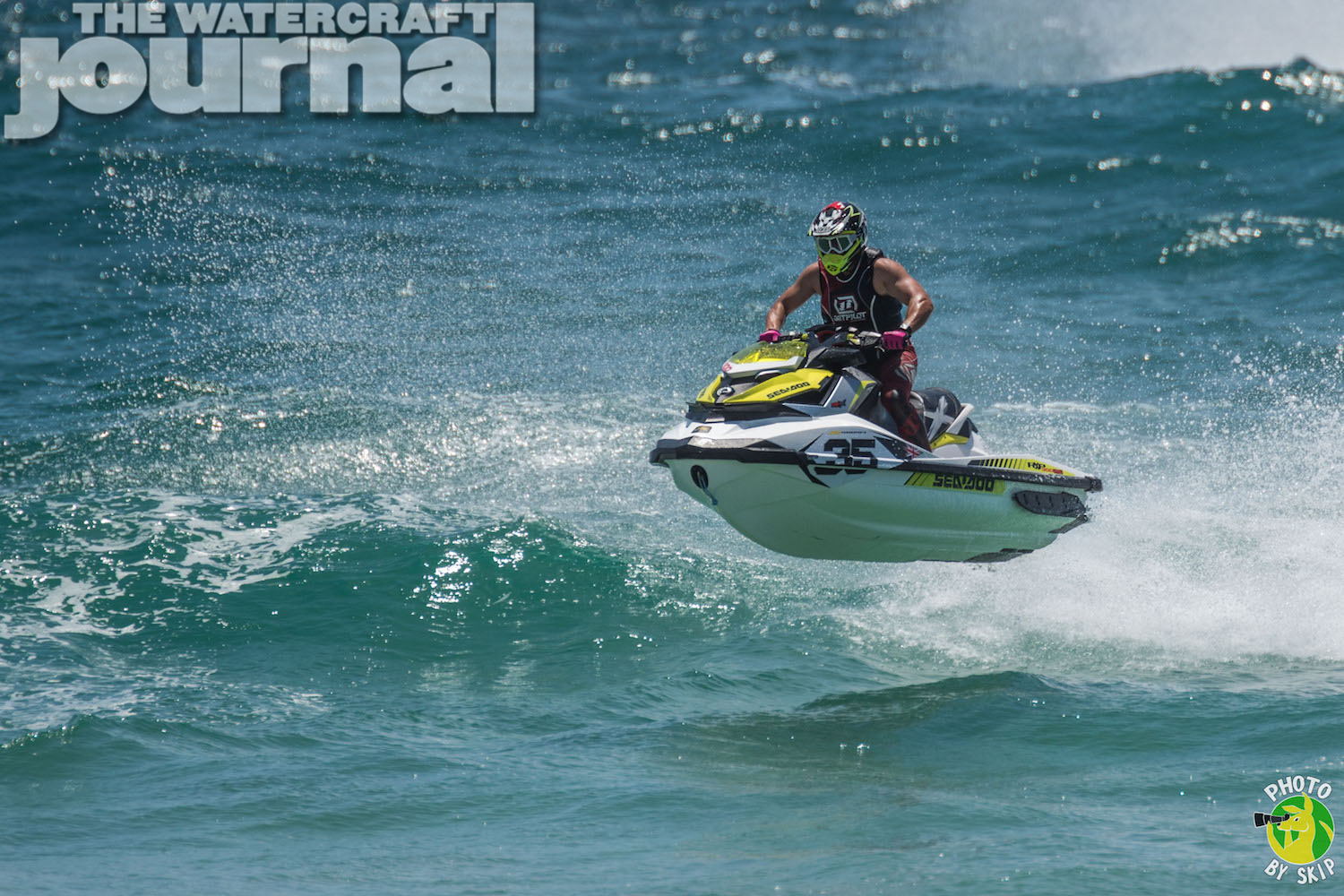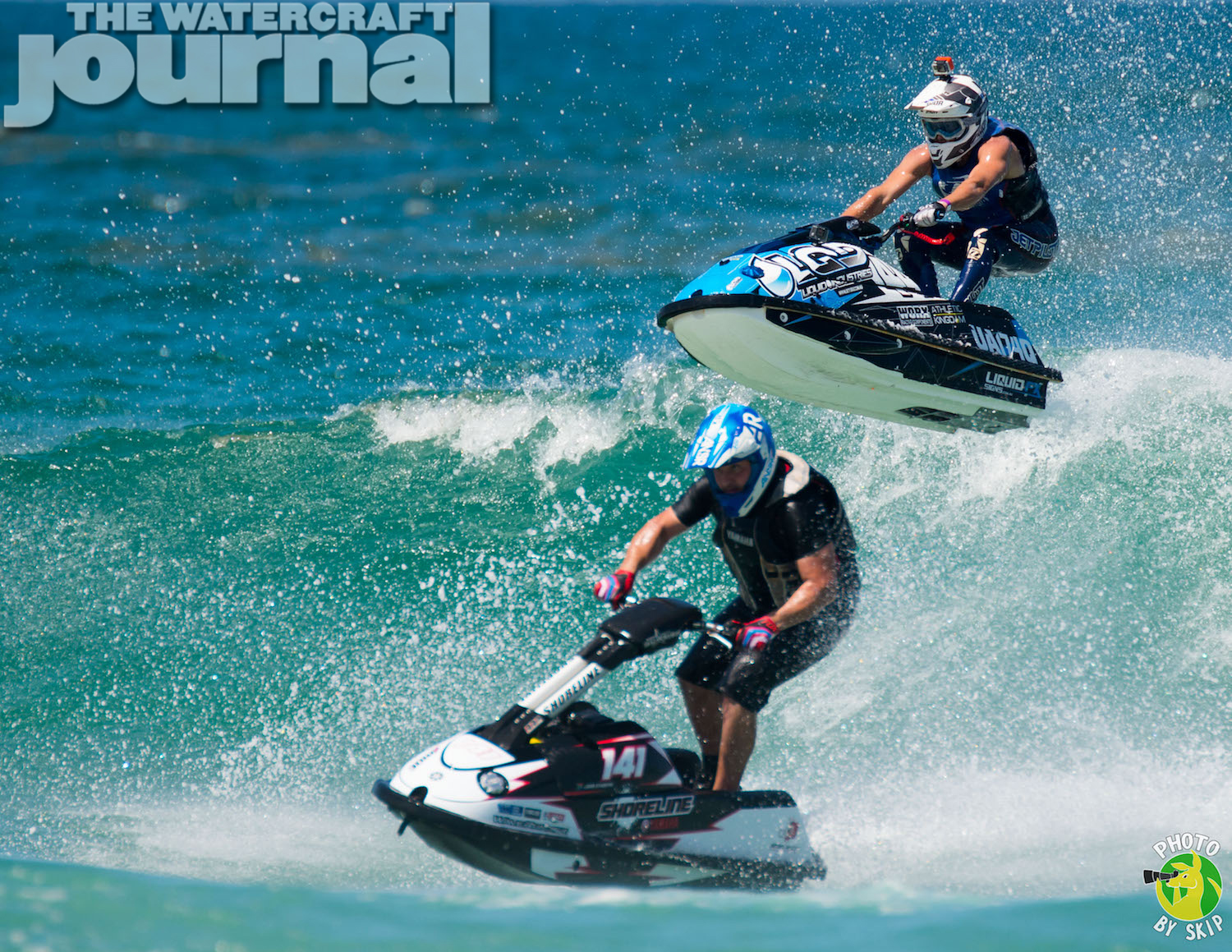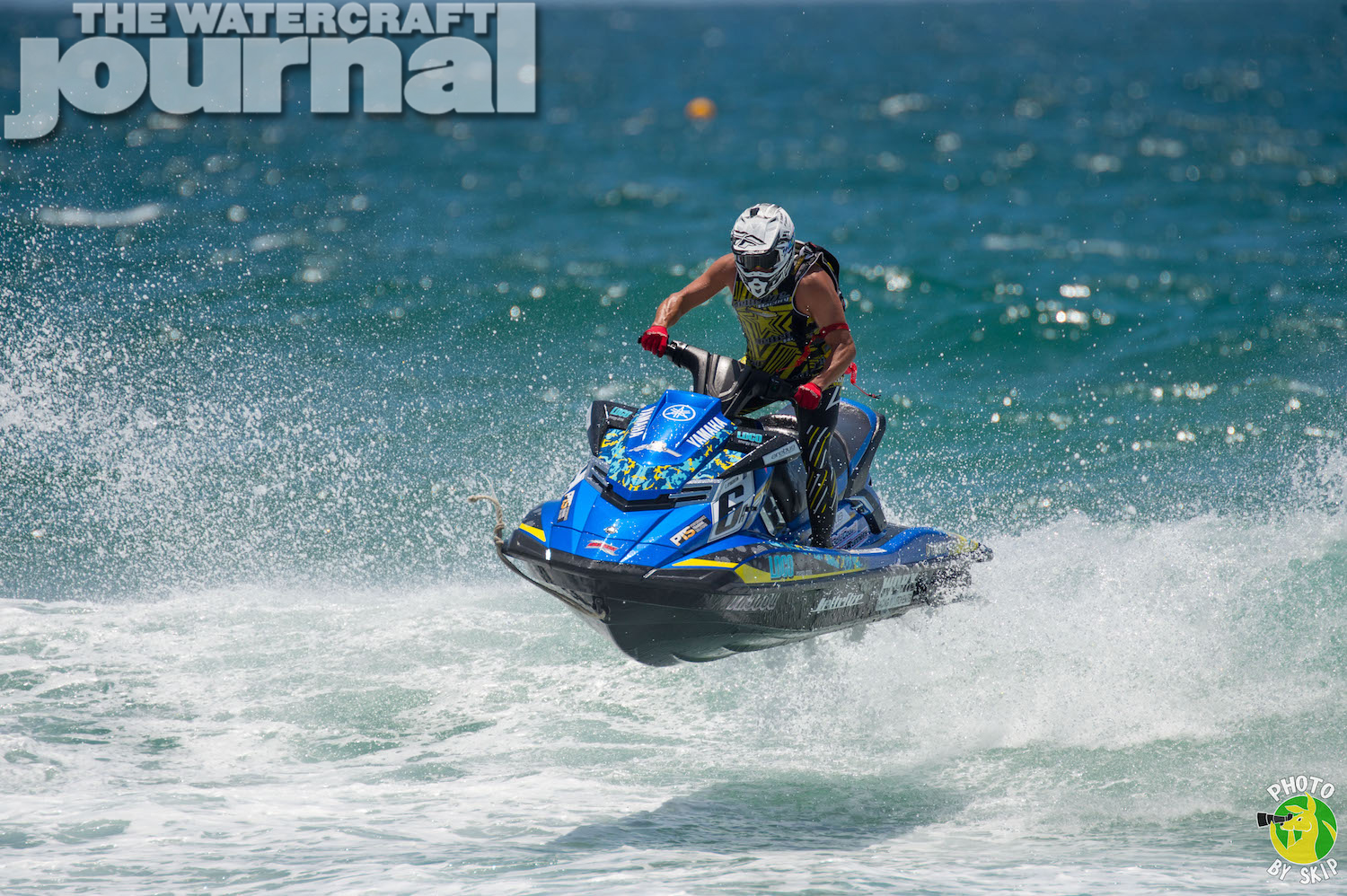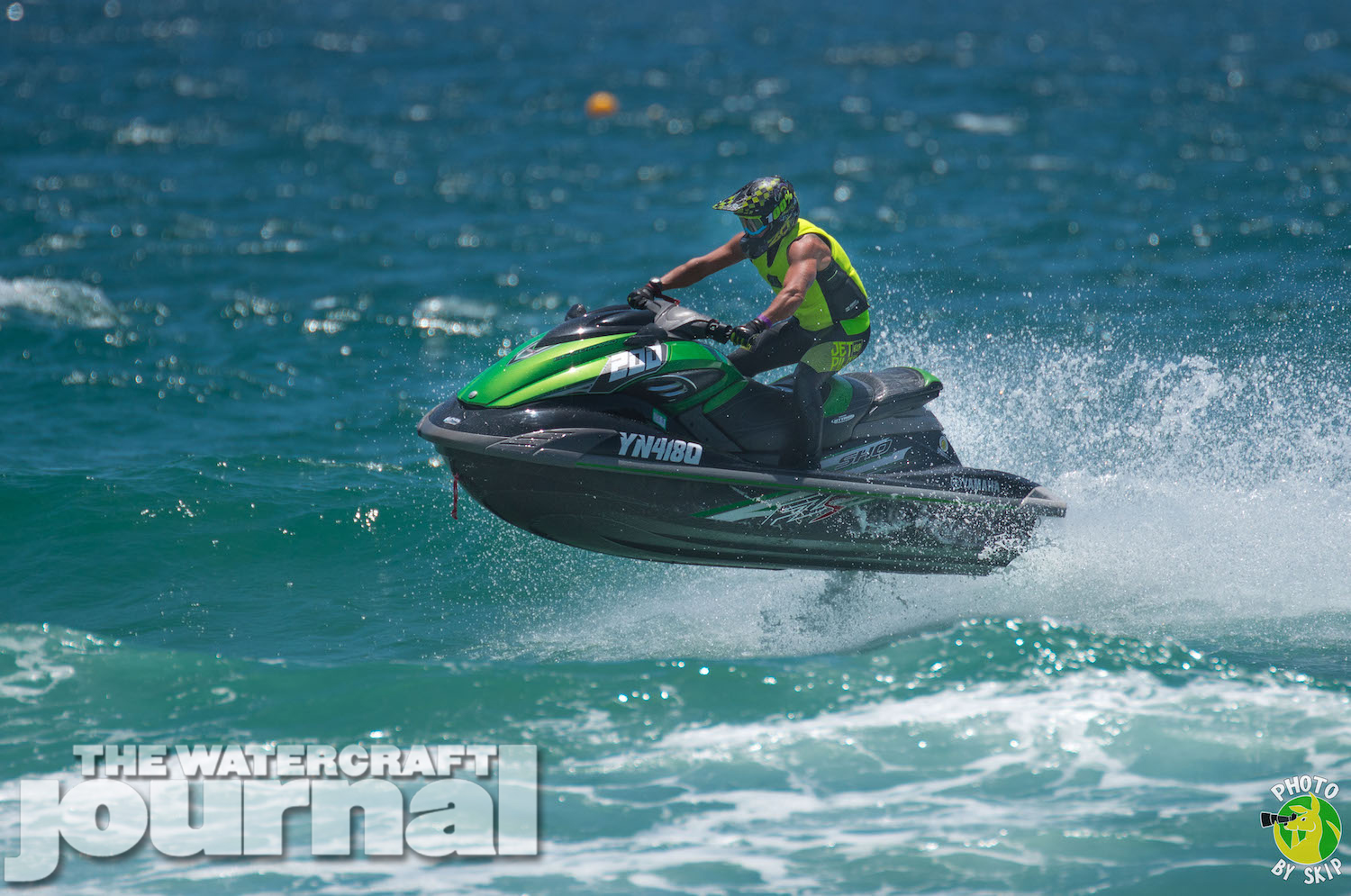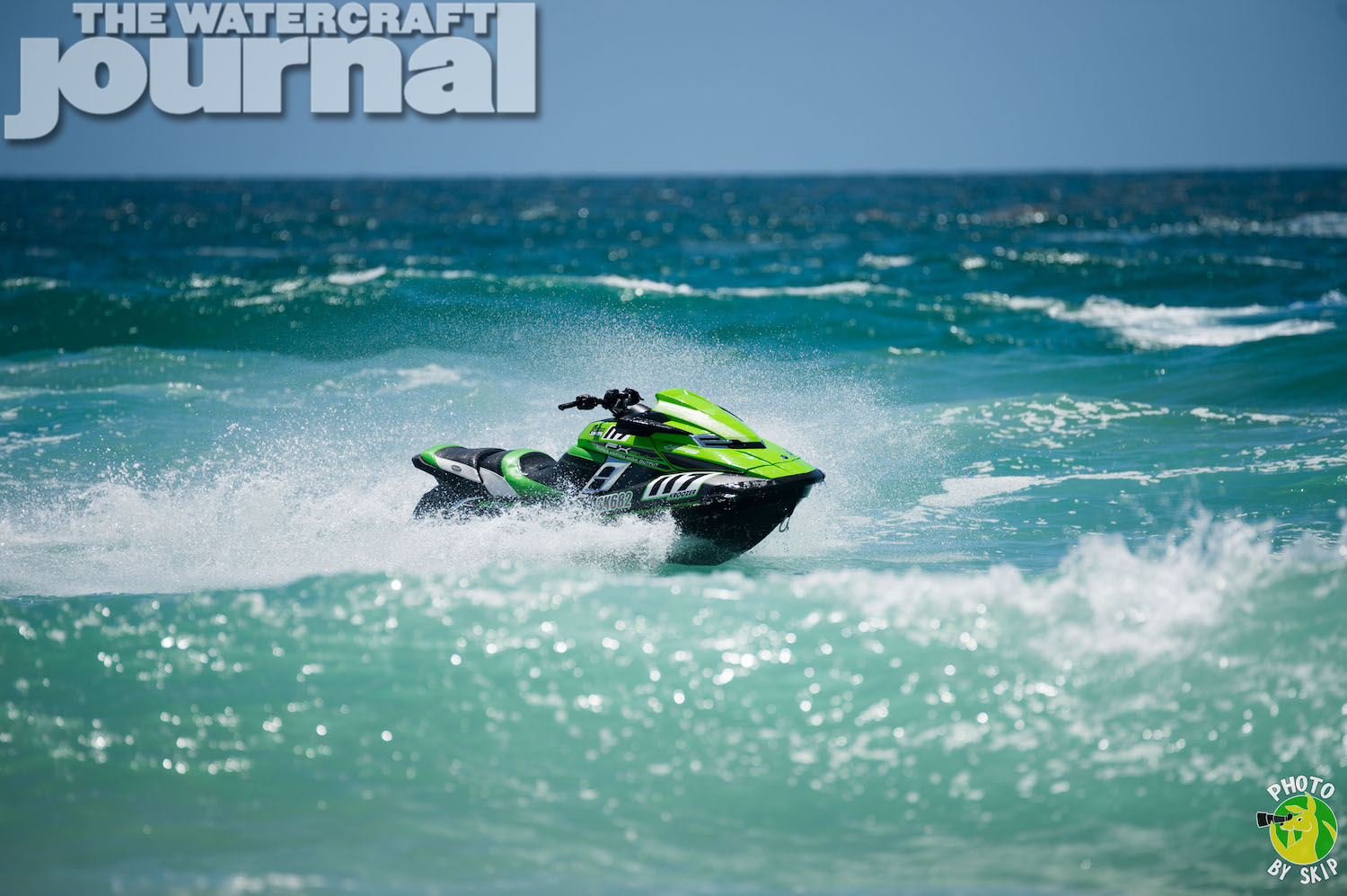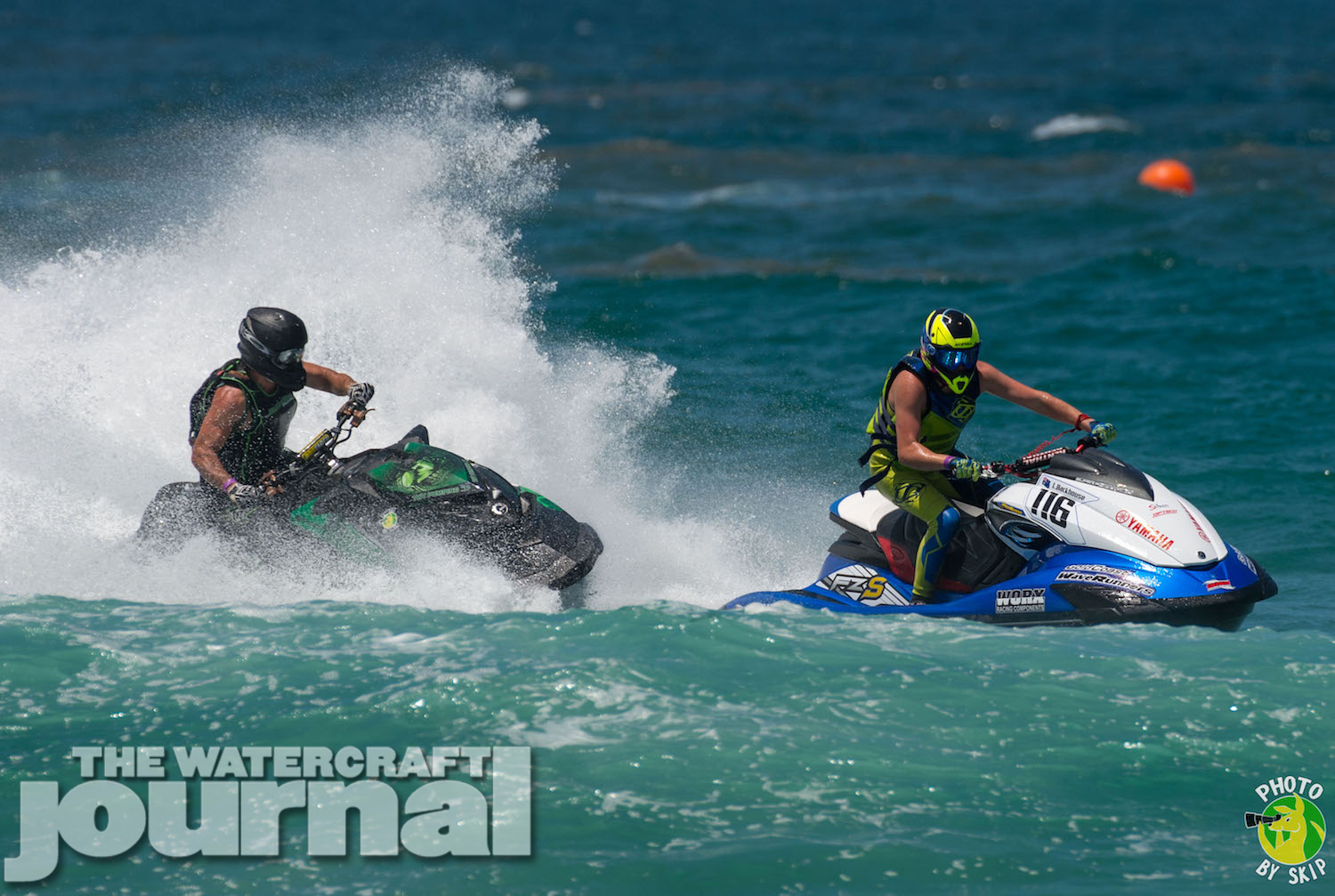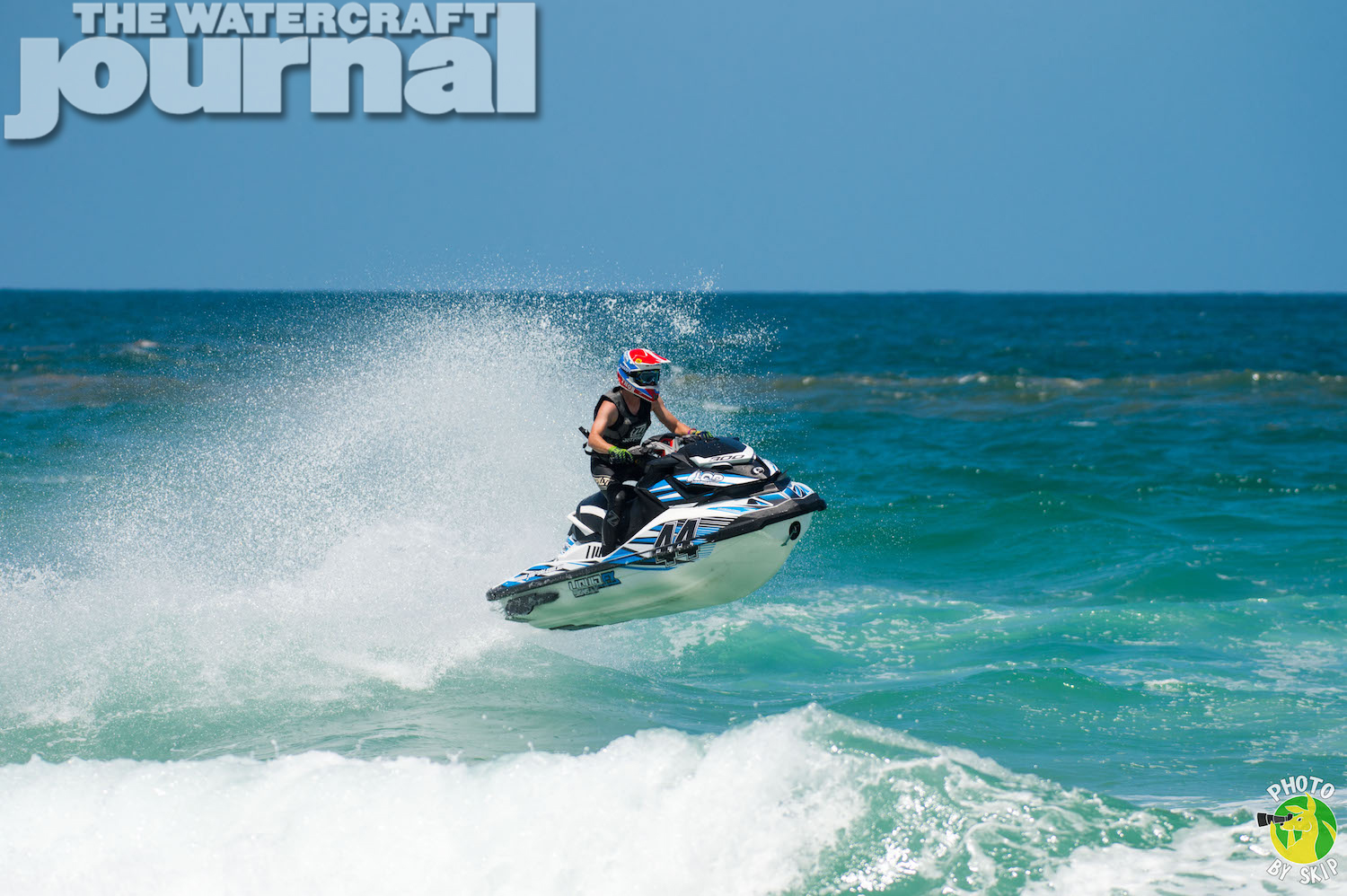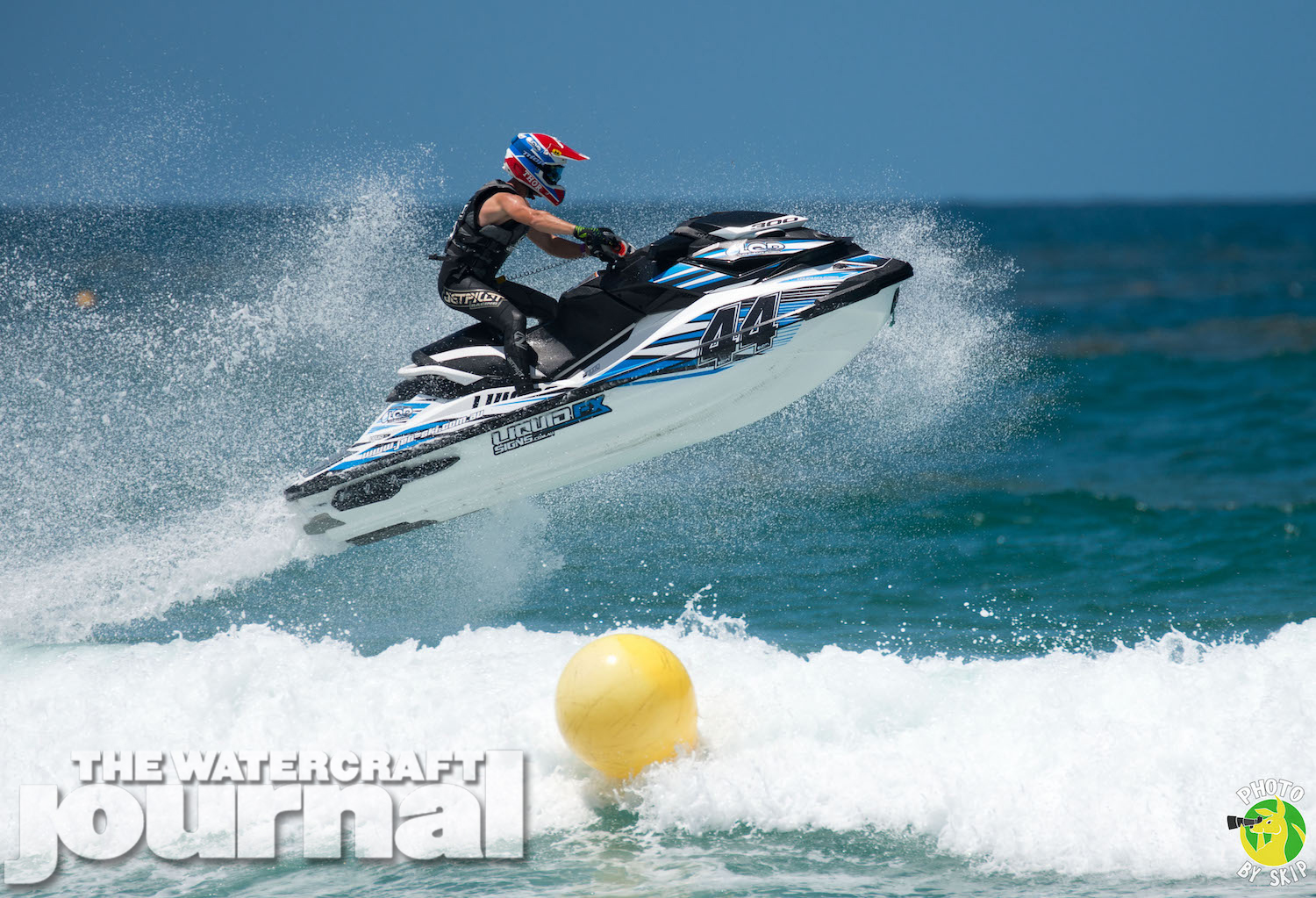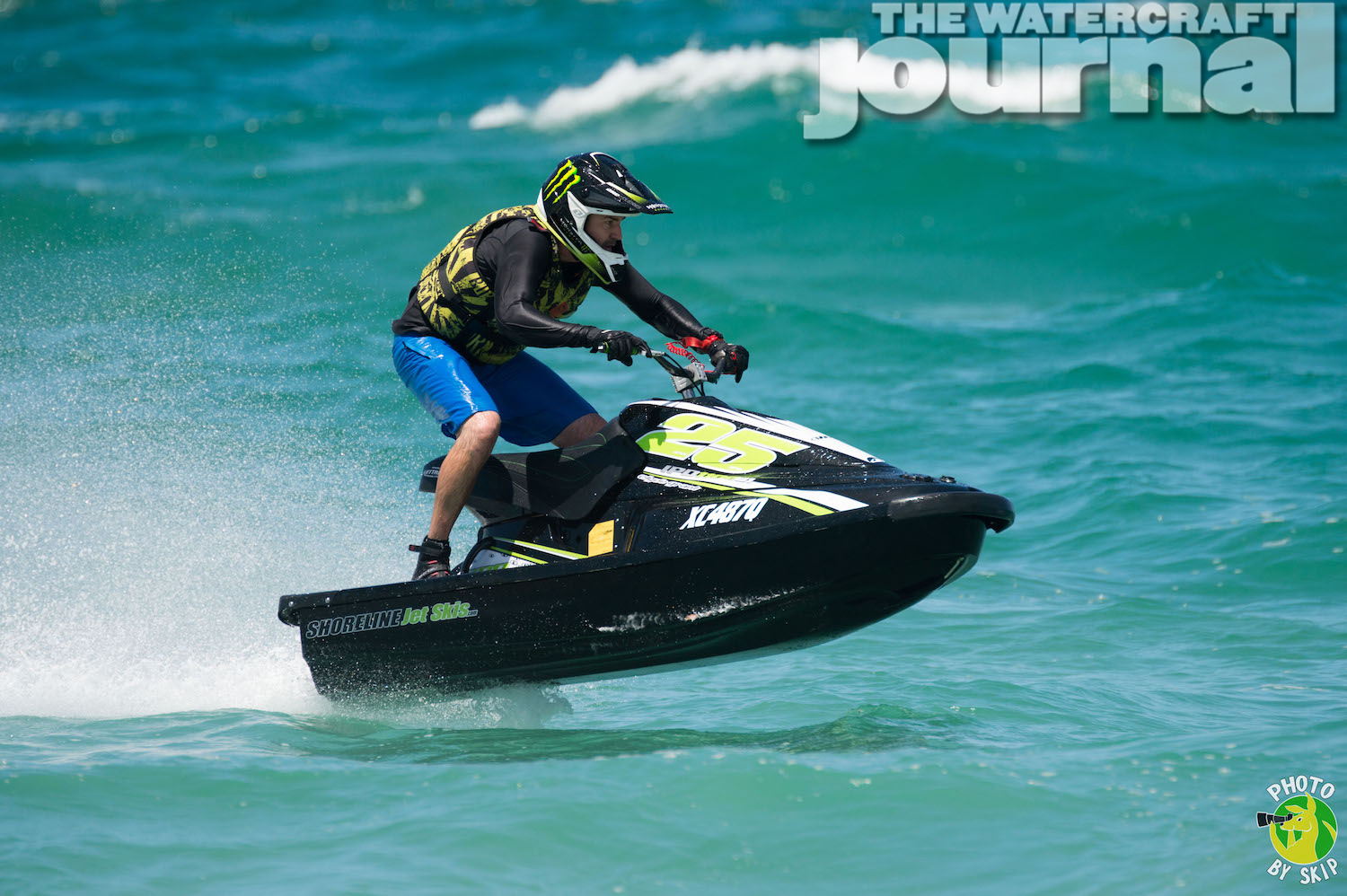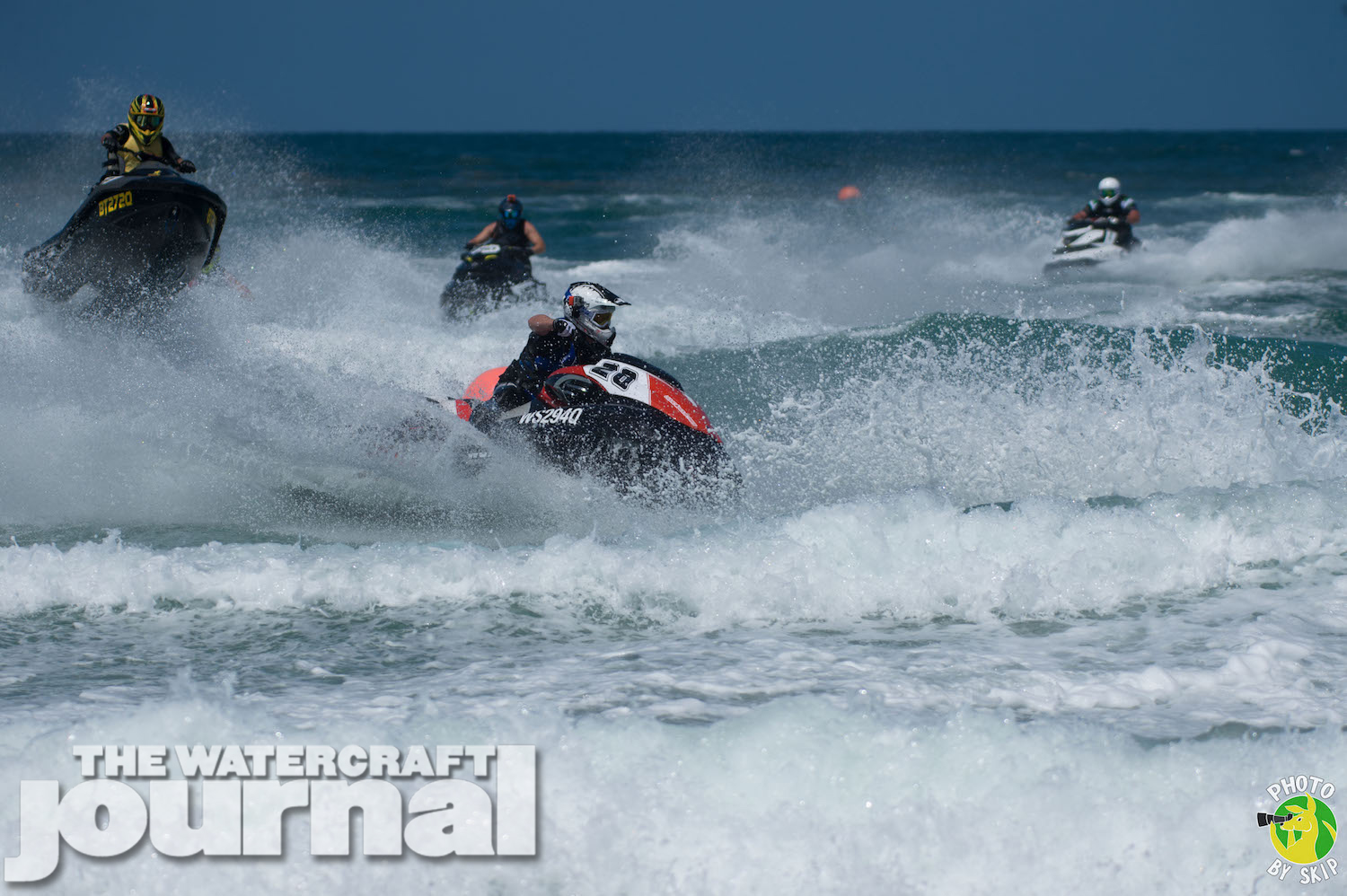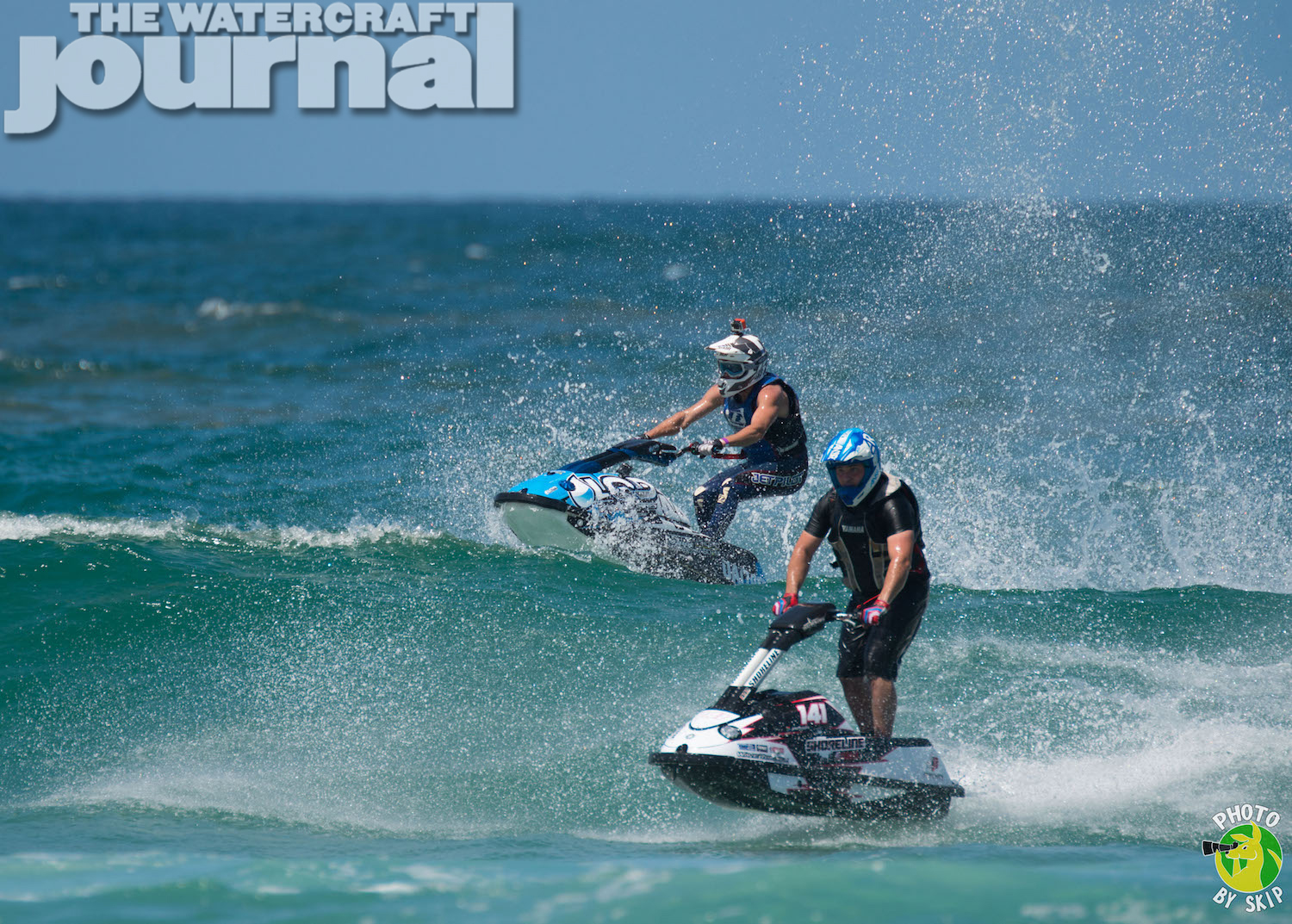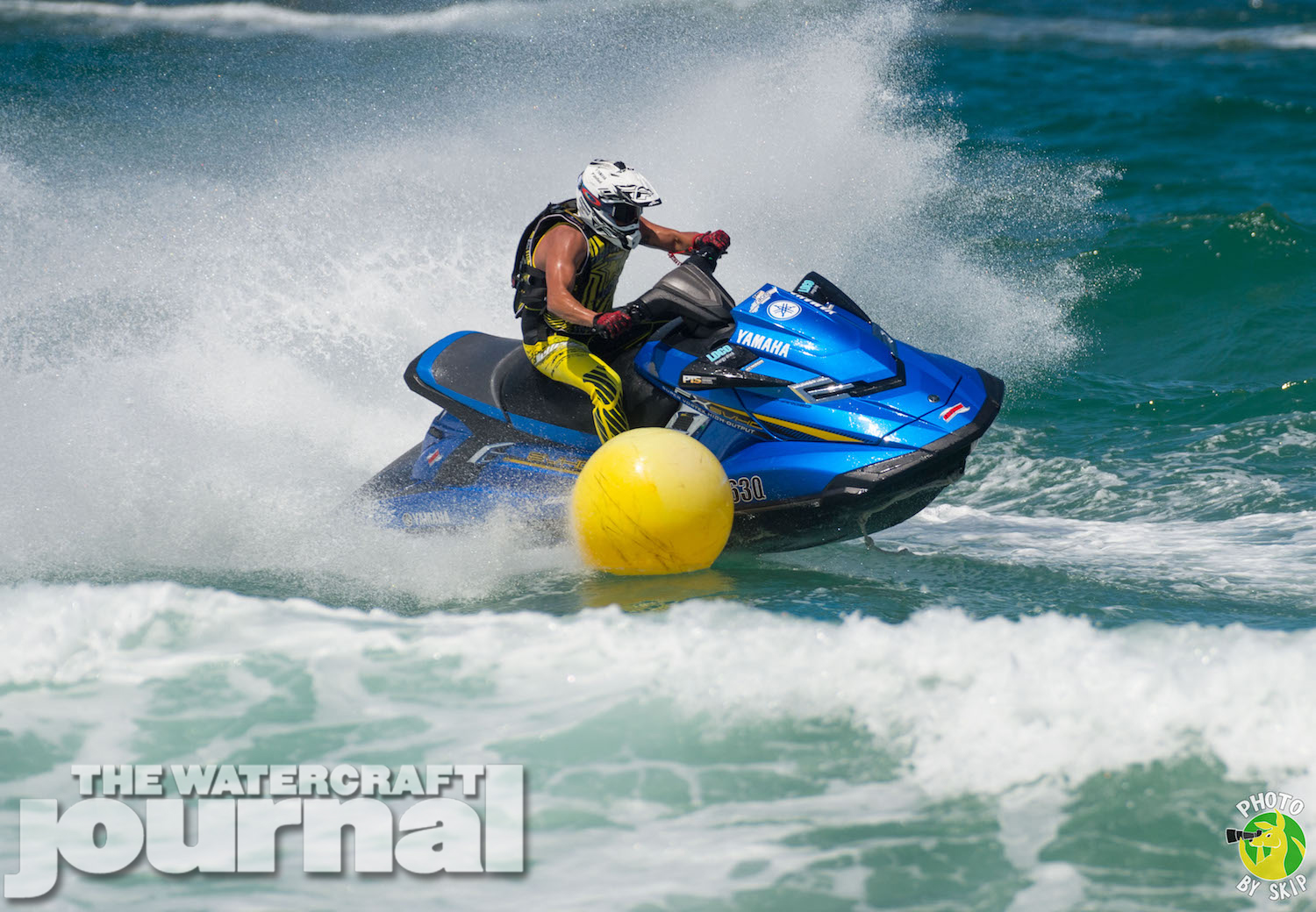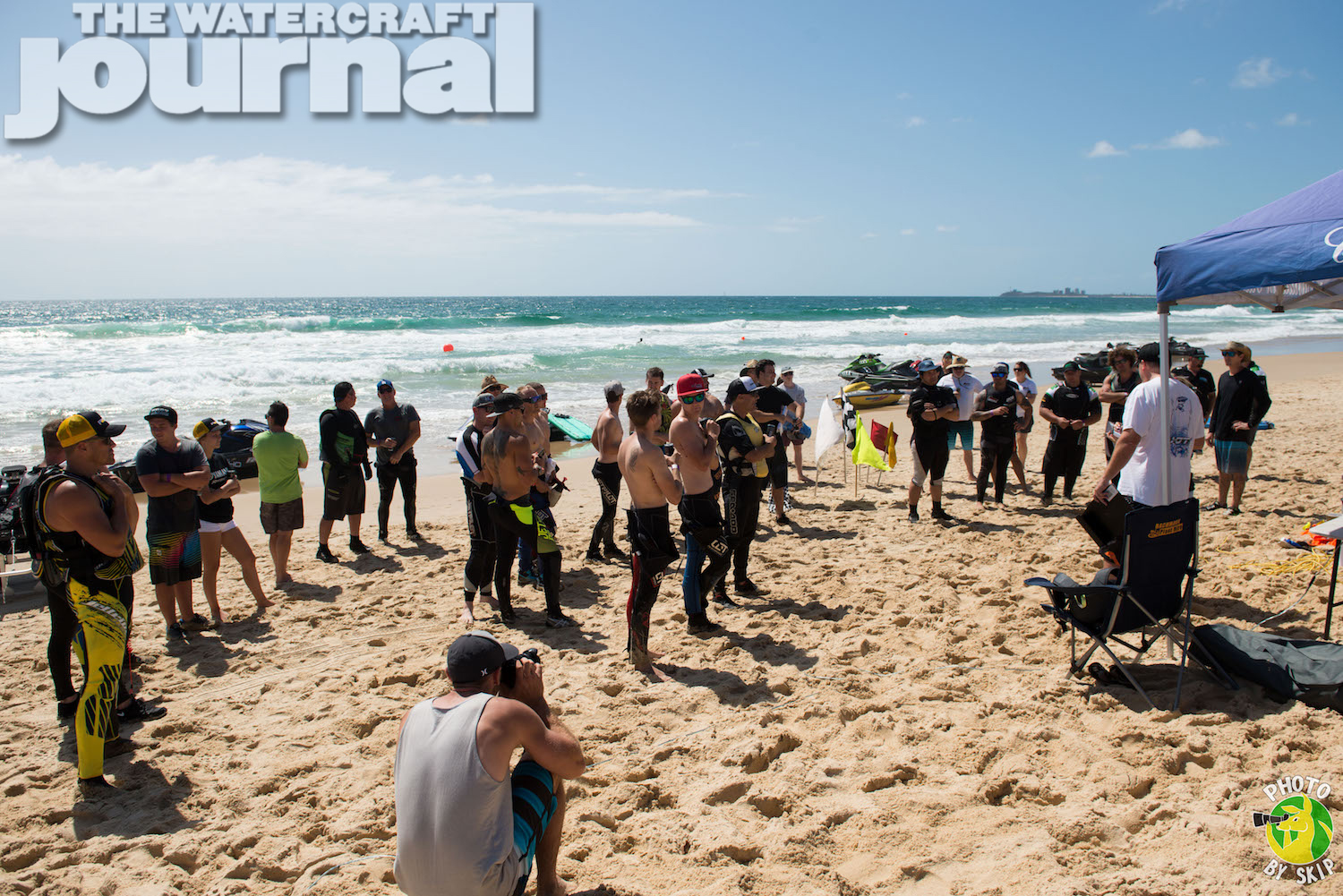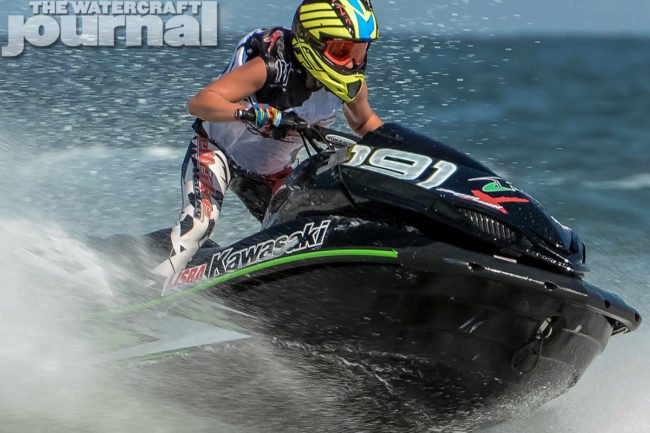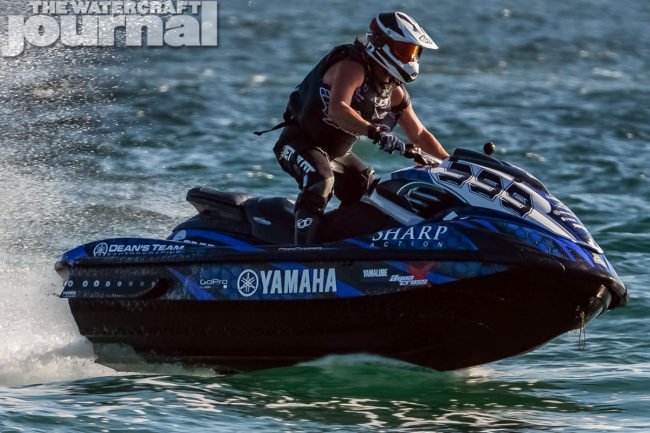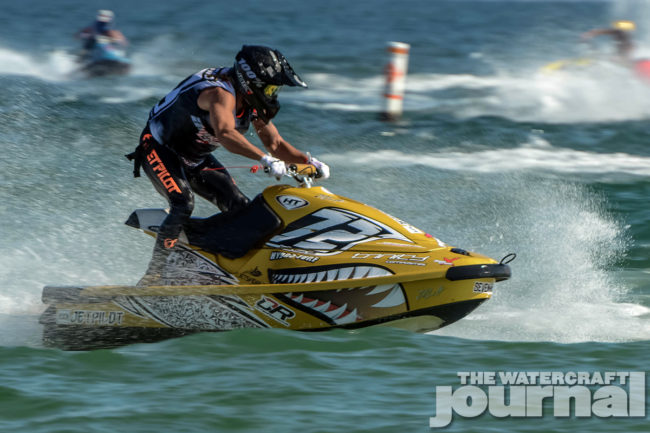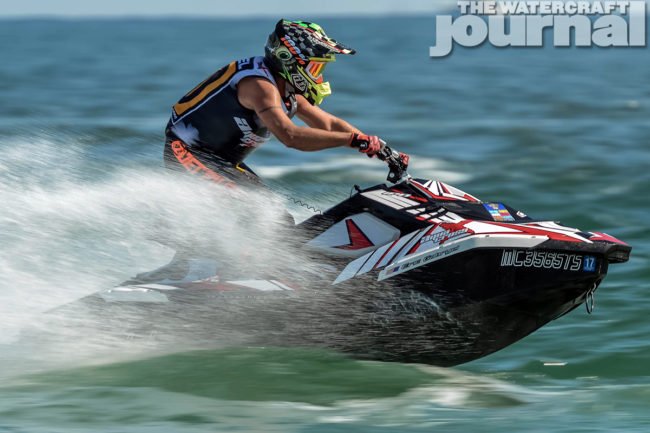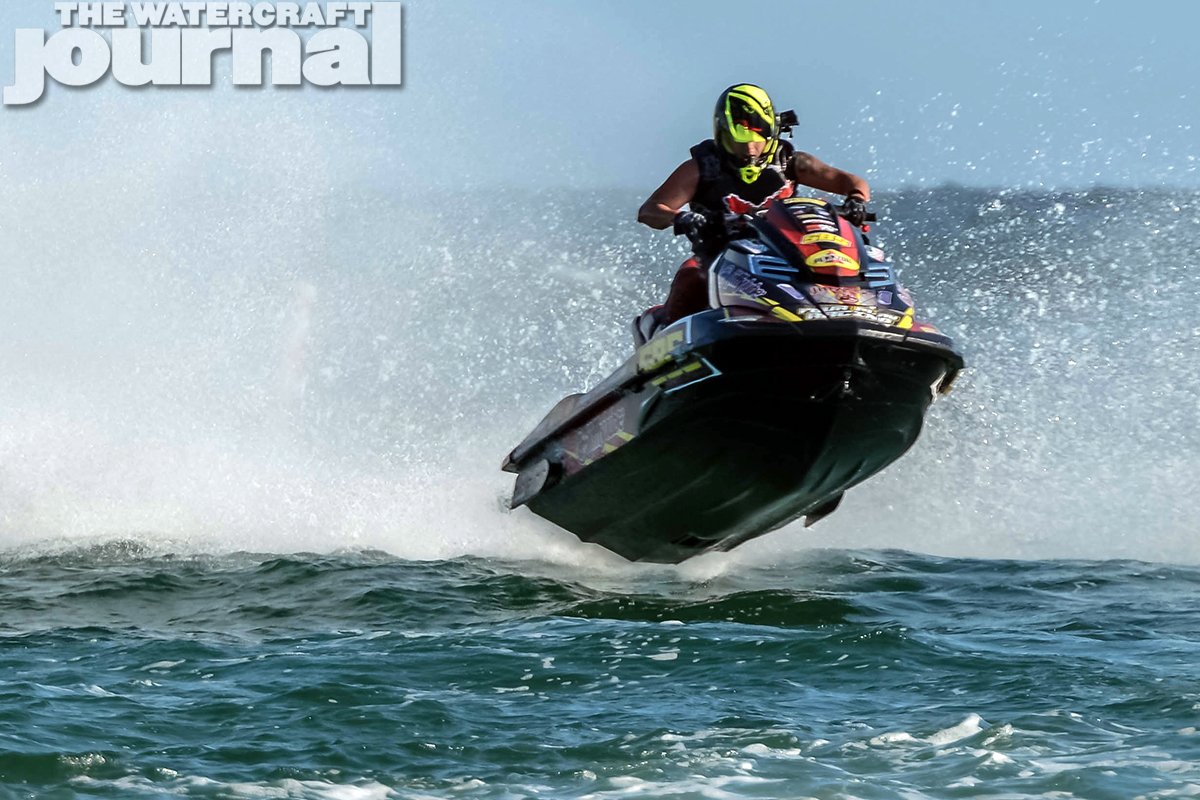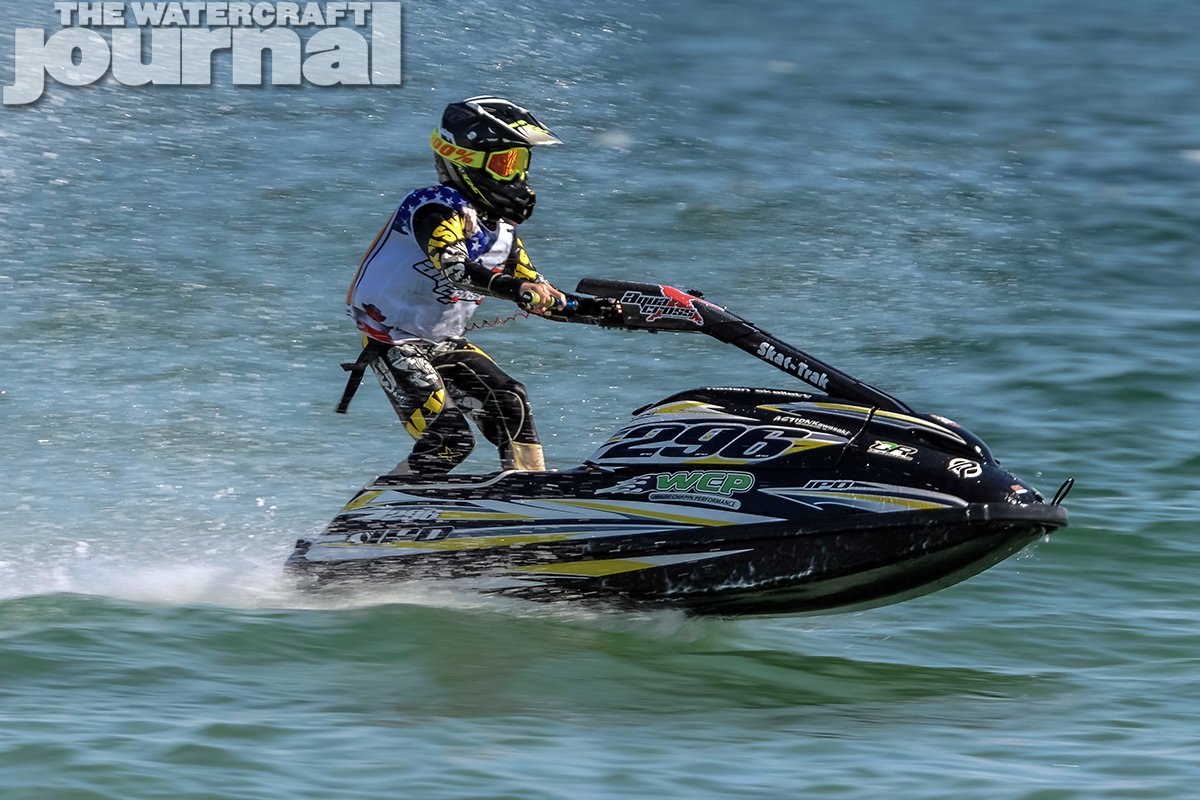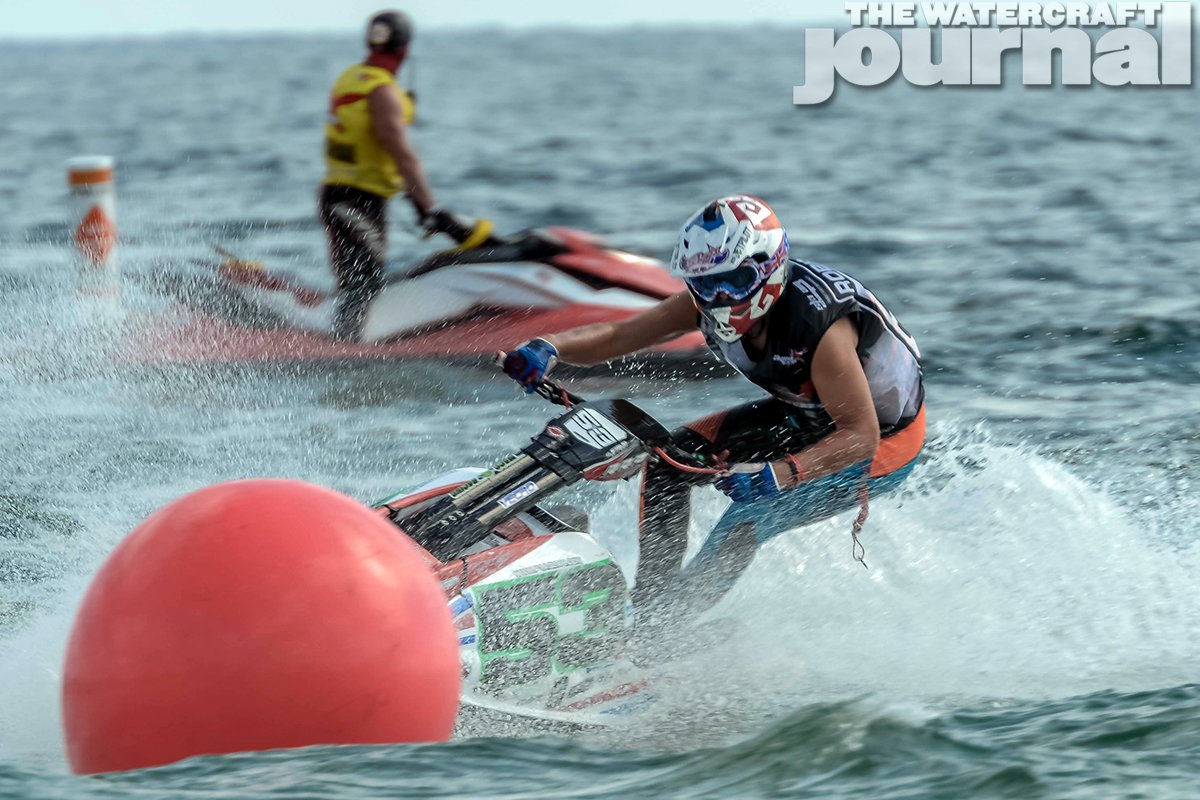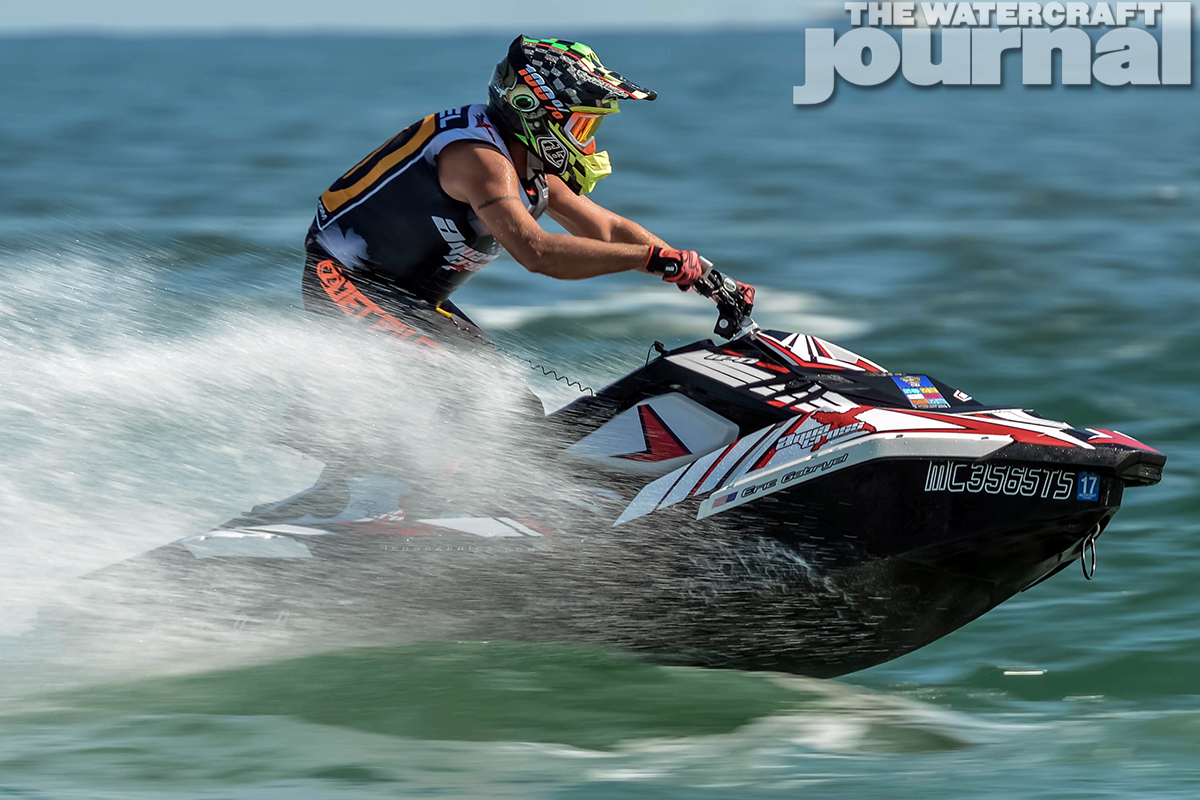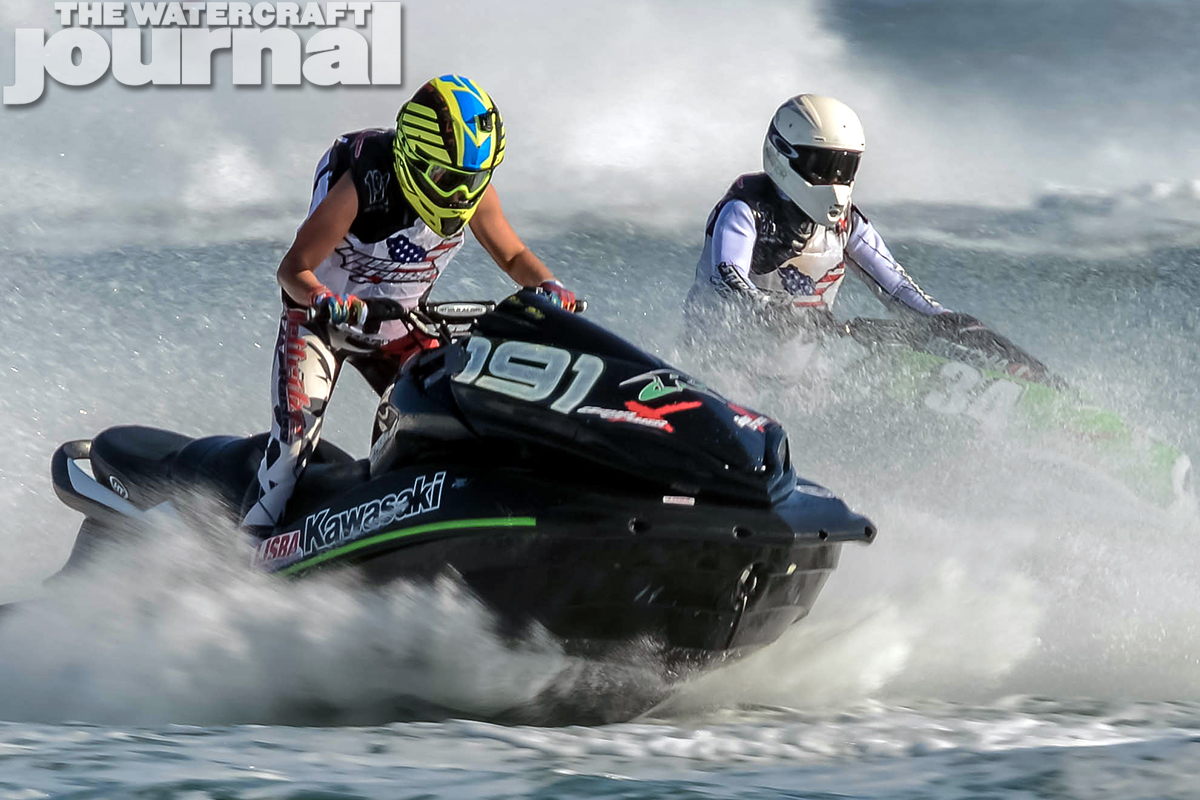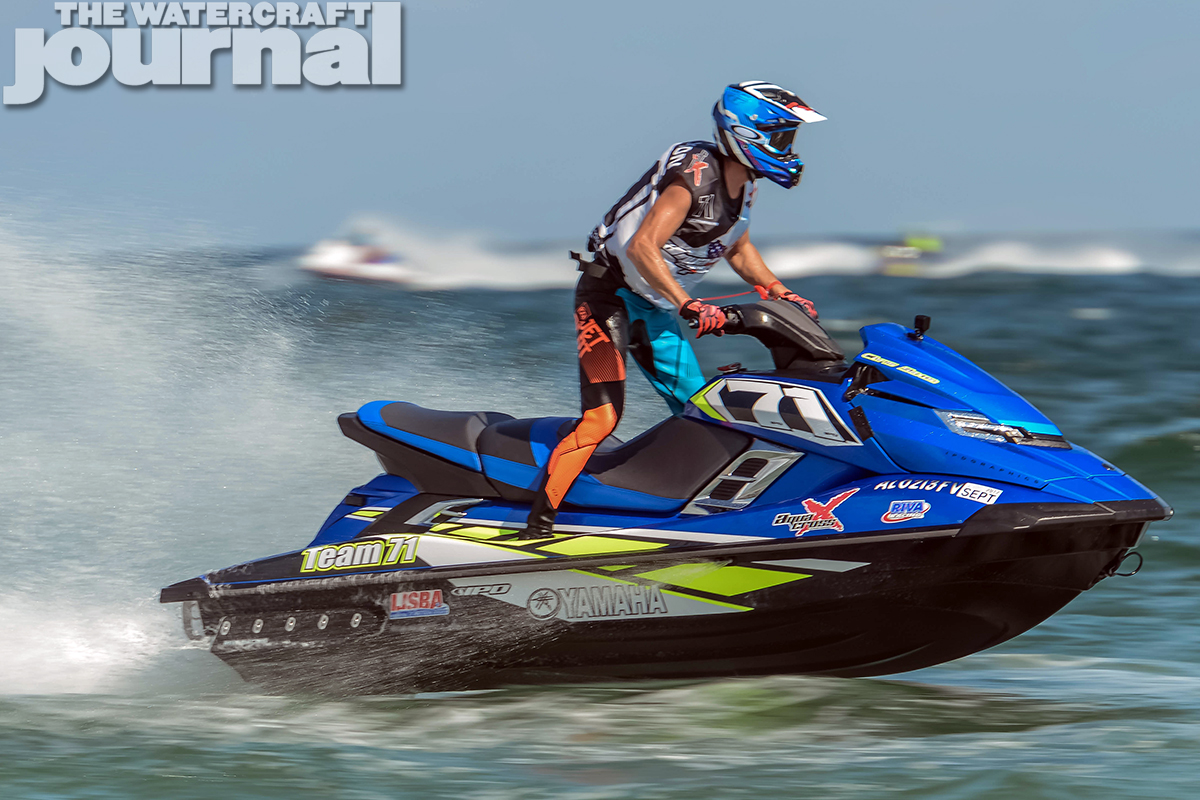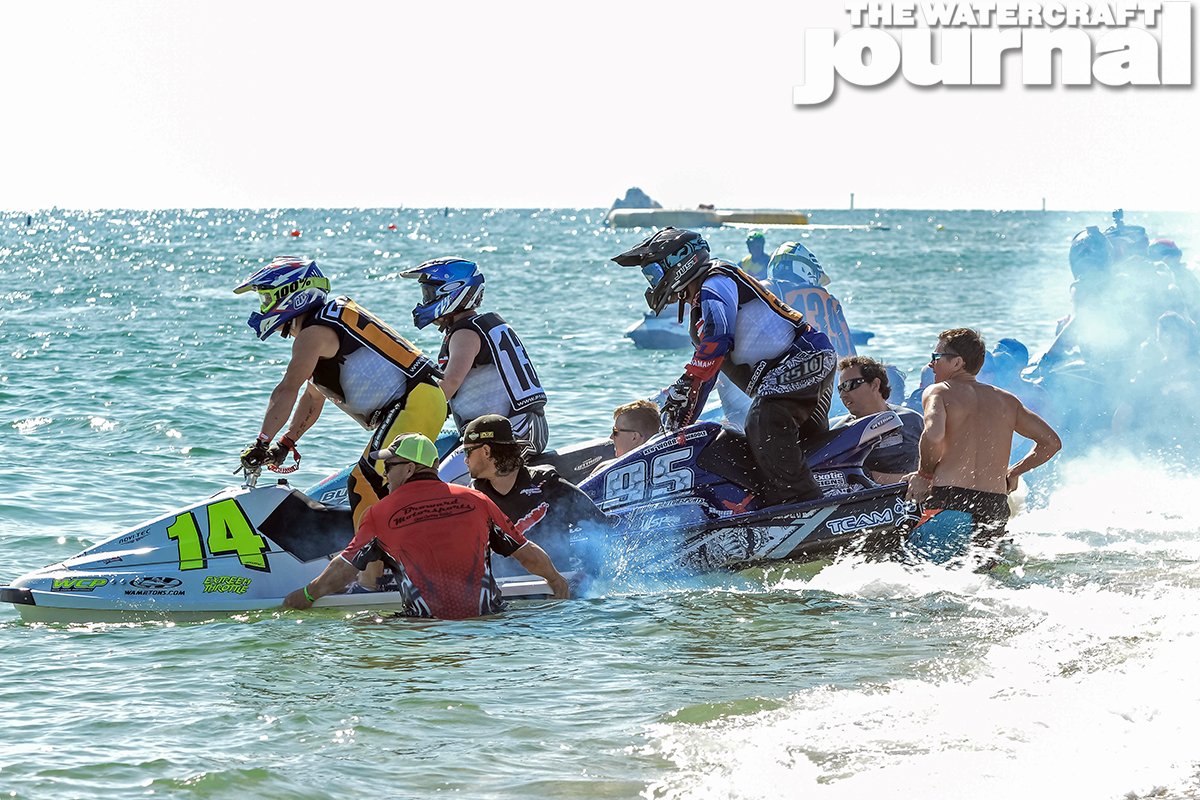

Last week, The Watercraft Journal received a great, personally-written recap from famed freeride and freestyle athlete Tanner Thomas, who gave us a person glimpse at how he prepared and performed at this year’s IJSBA World Finals:
“I can honestly say that preparing for this 2016 World Finals was the hardest I have worked for anything in my whole life. I did not win, but that was not necessarily the main goal. What I mean by that is that we are a judged sport. Quite simply put, Joe could ride much better overall rider than Bob and still come in behind. We have no finish line, no real rules, just put on the best show.
“This year, I set out to be the best rider I could possibly be. I wanted to push myself like never before to see what I could accomplish. I asked myself many mornings, ‘How bad ass do you think you are?’ To be a professional rider of any action sport, your body, your mind and your equipment have to work together seamlessly. That can be difficult, but with almost 10 years of experience under my belt on a jet ski, I feel like I am a professional at it. I am proud of the way I feel, the way I look and the way I ride. It started by completely changing my diet, my exercise, my stretching and my focus.
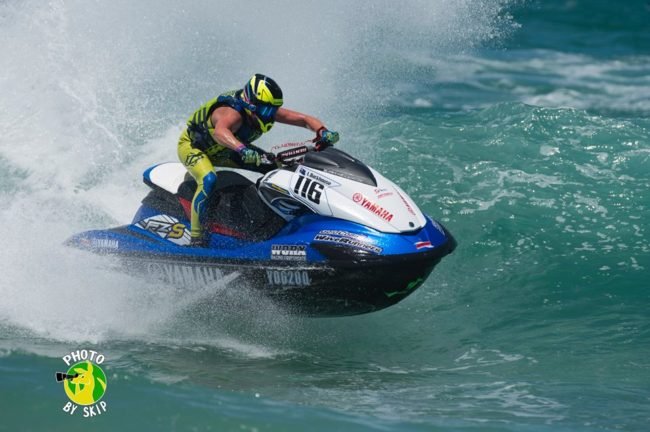
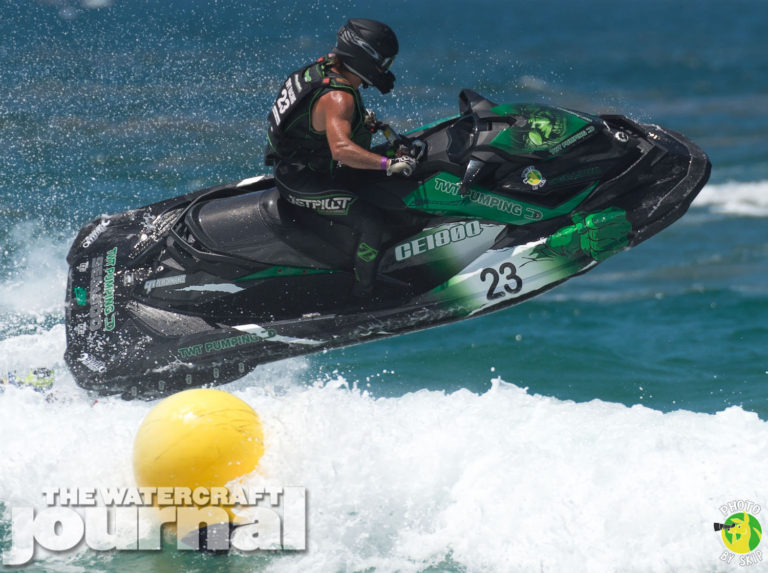
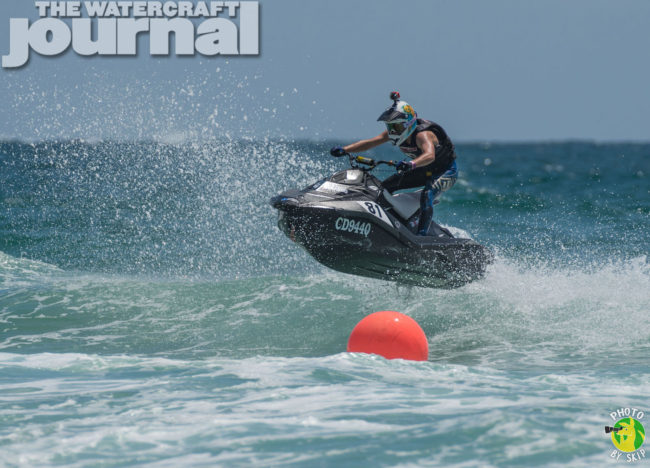
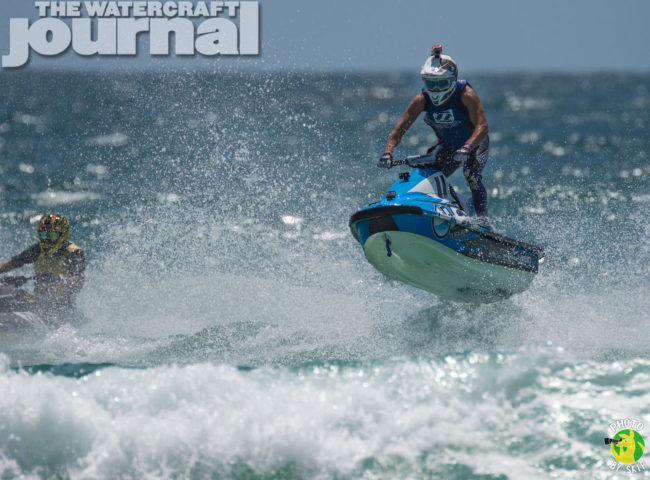
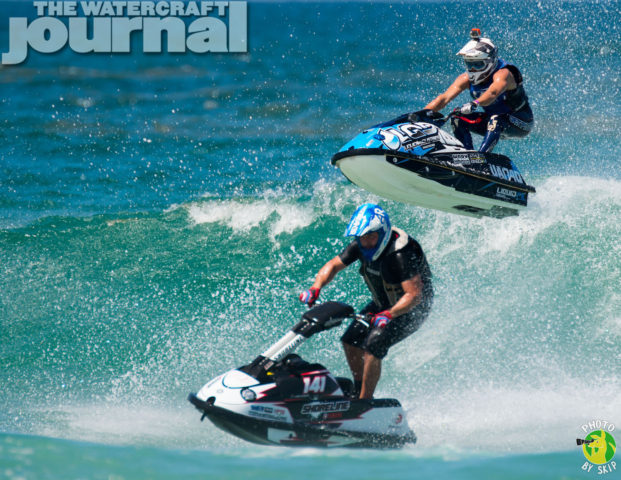
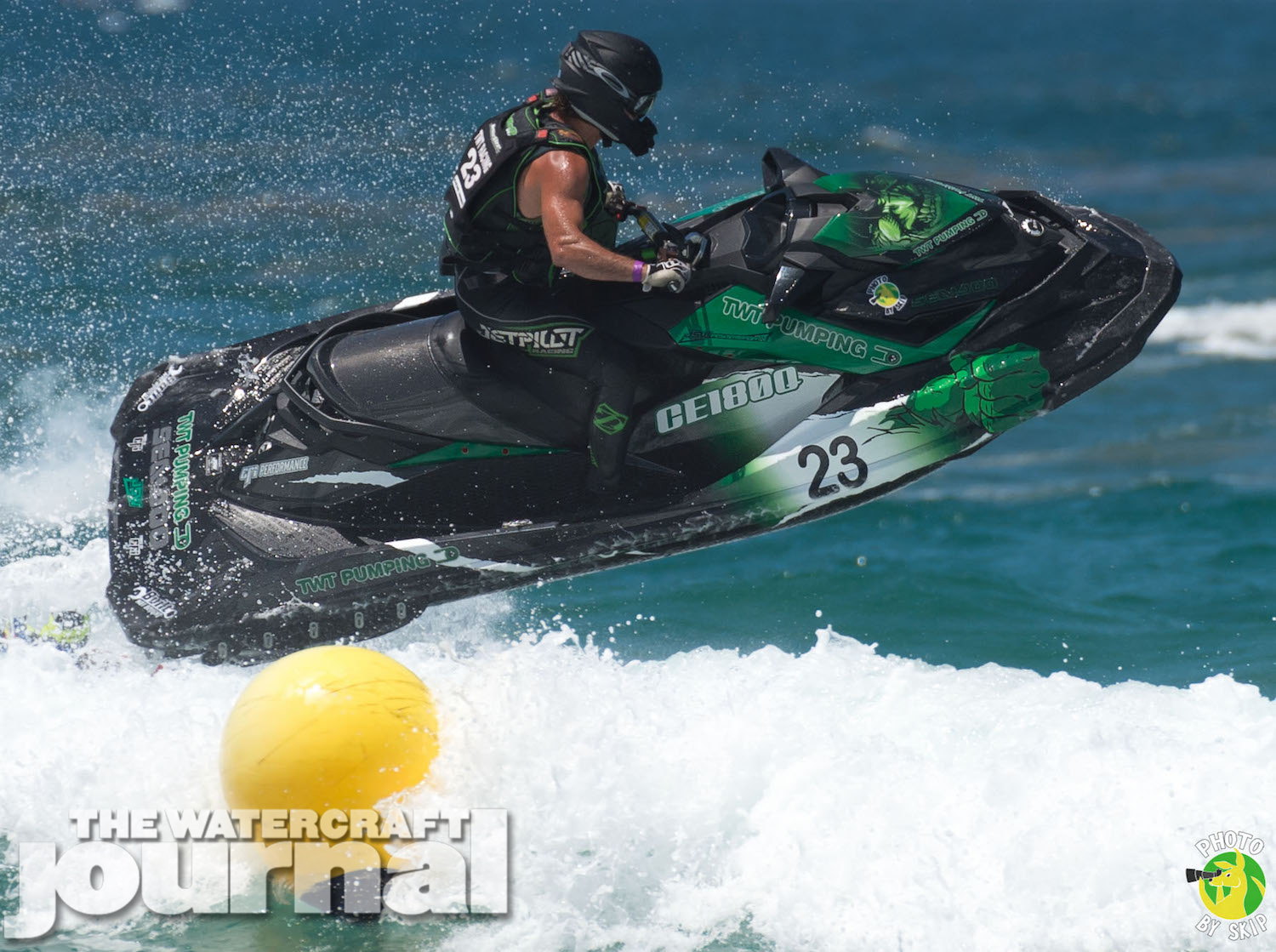
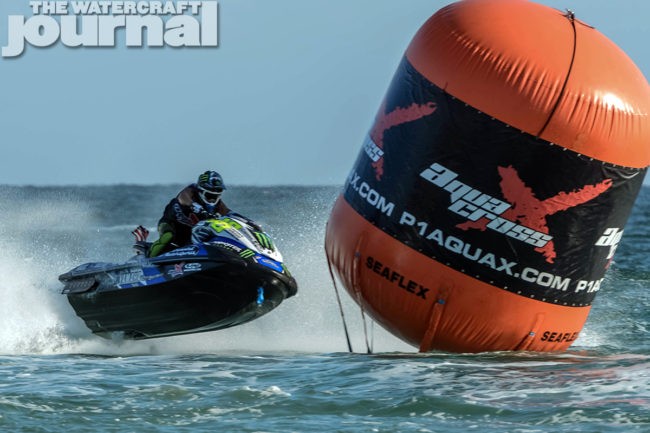
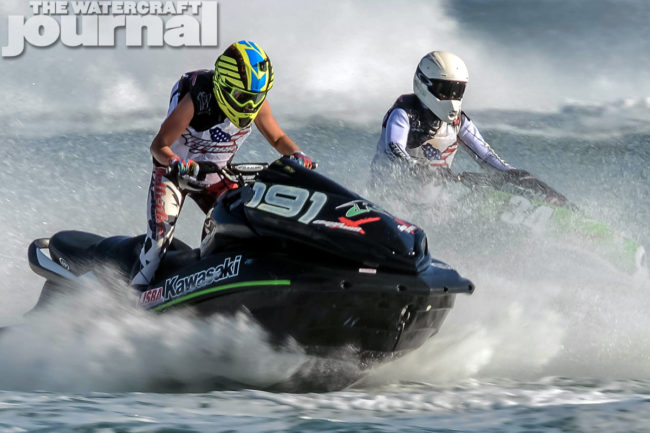
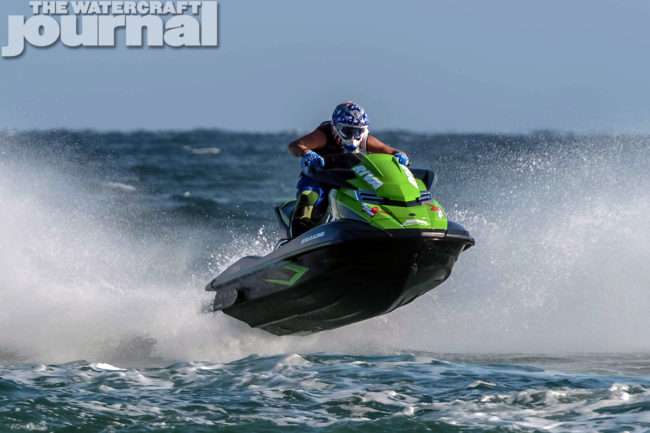
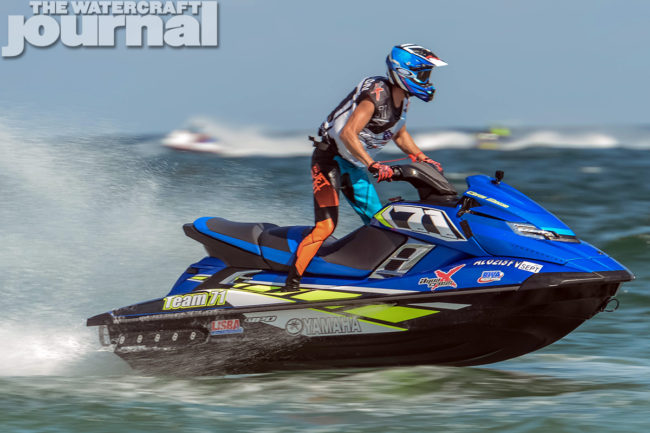
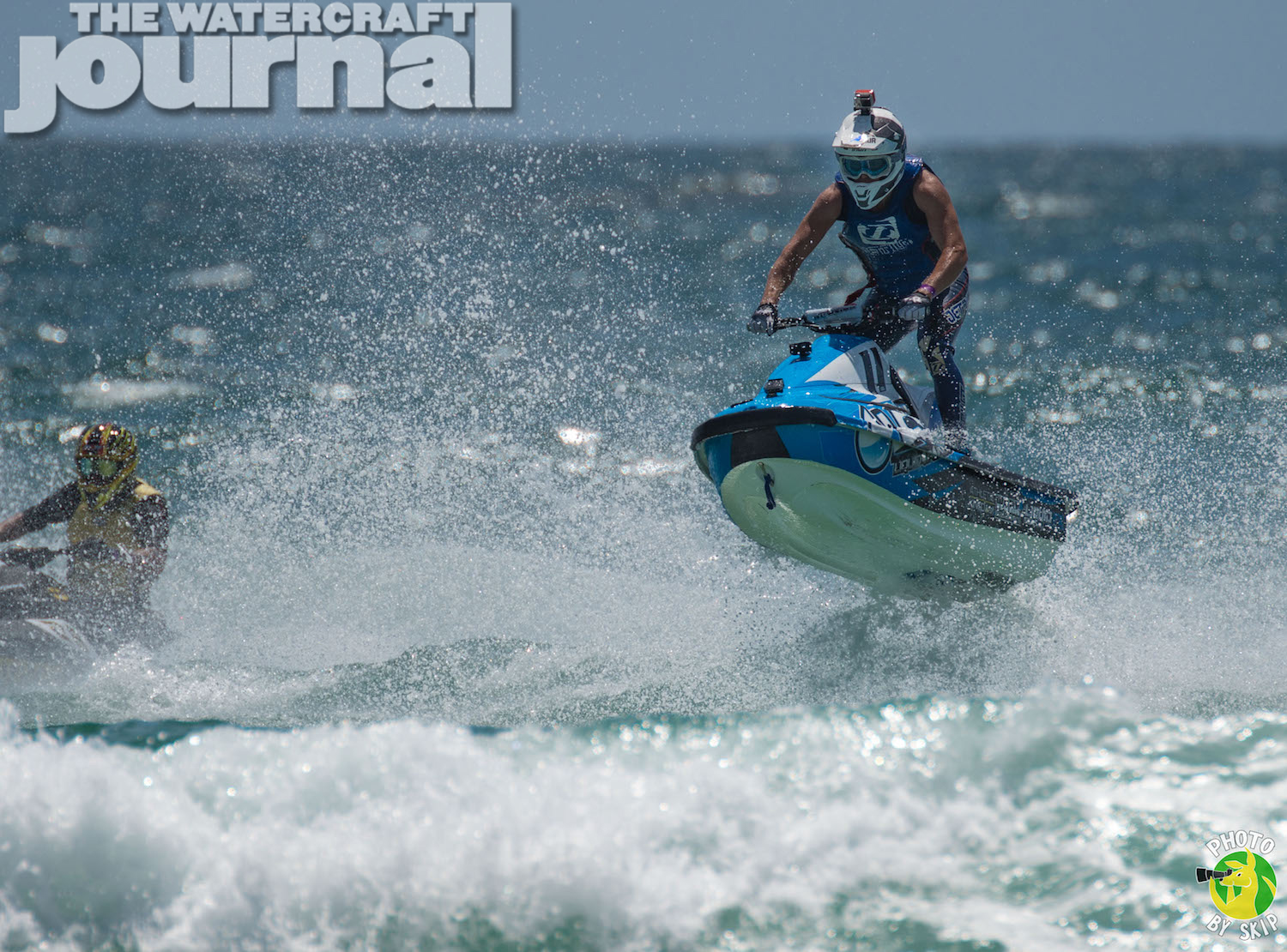
“I continued chasing the best equipment and working with my team and sponsors on developing more performance and I am proud of those results as well. I am proud of these photos that I get to share with you and the spectacular tricks I am able to do flying through the air on my jet ski. Most of all, I am thankful for the doors that have opened and let me run through them. My family, friends, sponsors and supporters. I do it because I love it and it has loved me back. Despite some speed bumps along the way, I stayed focused with my team behind me and I did the absolute best that I could. We took home 6th in the world!
“Now I am getting to the point in my life of wanting different things. I have learned a lot along the way and have more ideas and ambitions than I can even begin to describe to you. As of now I am not sure exactly my plan for jet skiing in the future, but I have to make some changes. I won’t be able to chase events like I have in the past. I plan on still doing special film, demo, or show opportunities. I also plan to keep working with some of my sponsors on product development as I enjoy chasing the best. I also have some business ideas. Starting off with my TanRak Truck Rack system that I have been working with JetLift on. I am hoping to launch that around the first of the year and have my own product available for people to use. That has changed the way my life works and made every one of my season tours possible!”
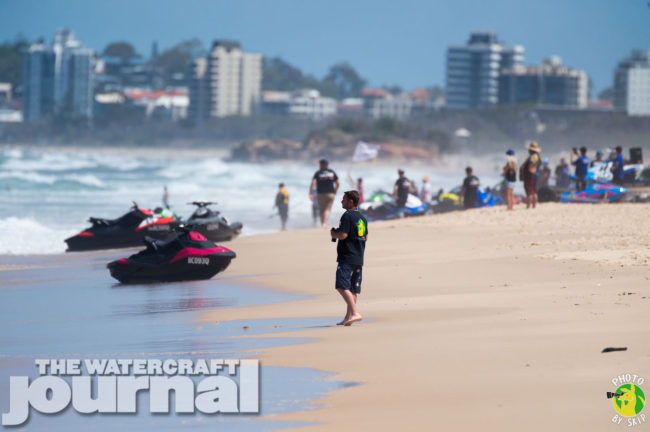
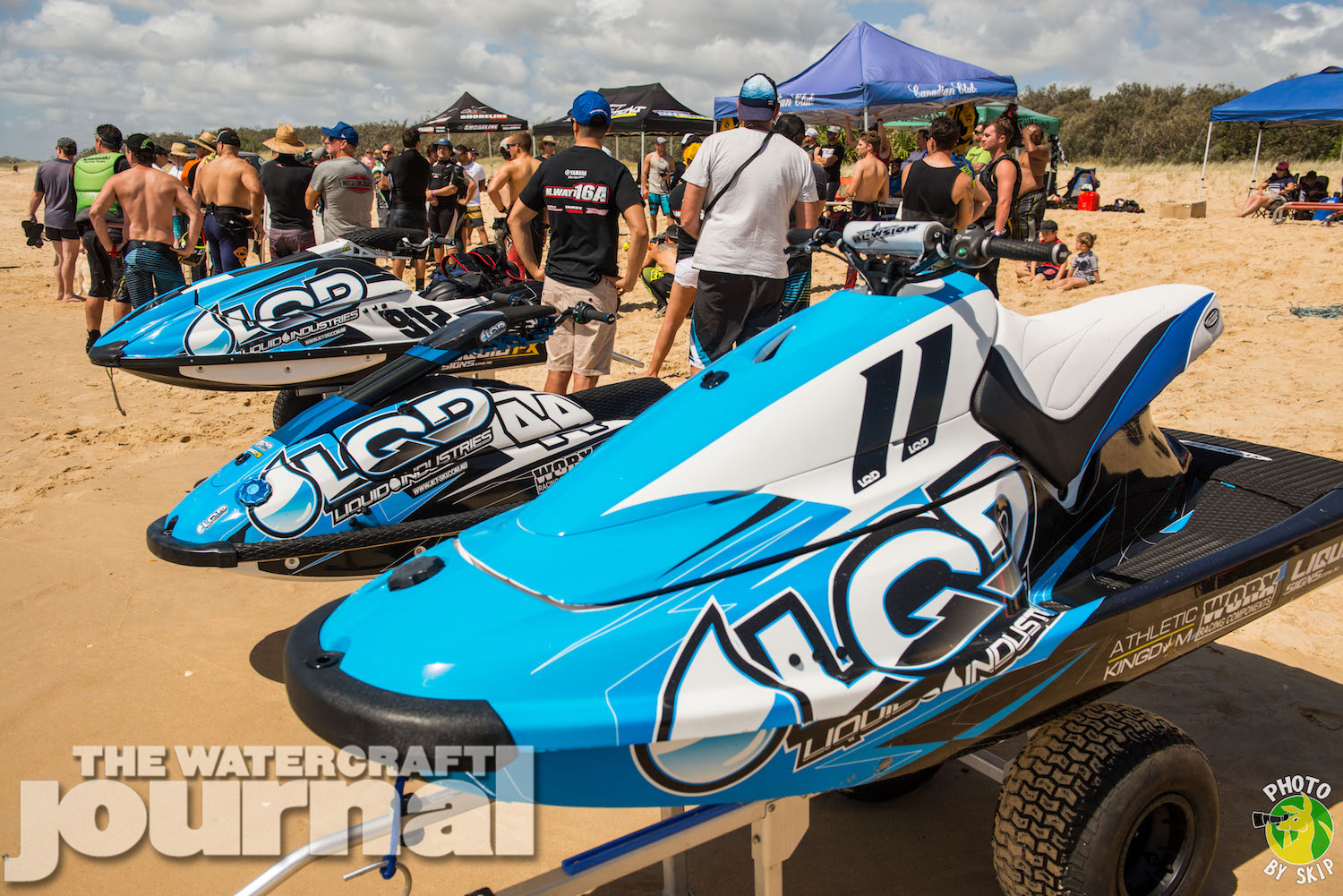
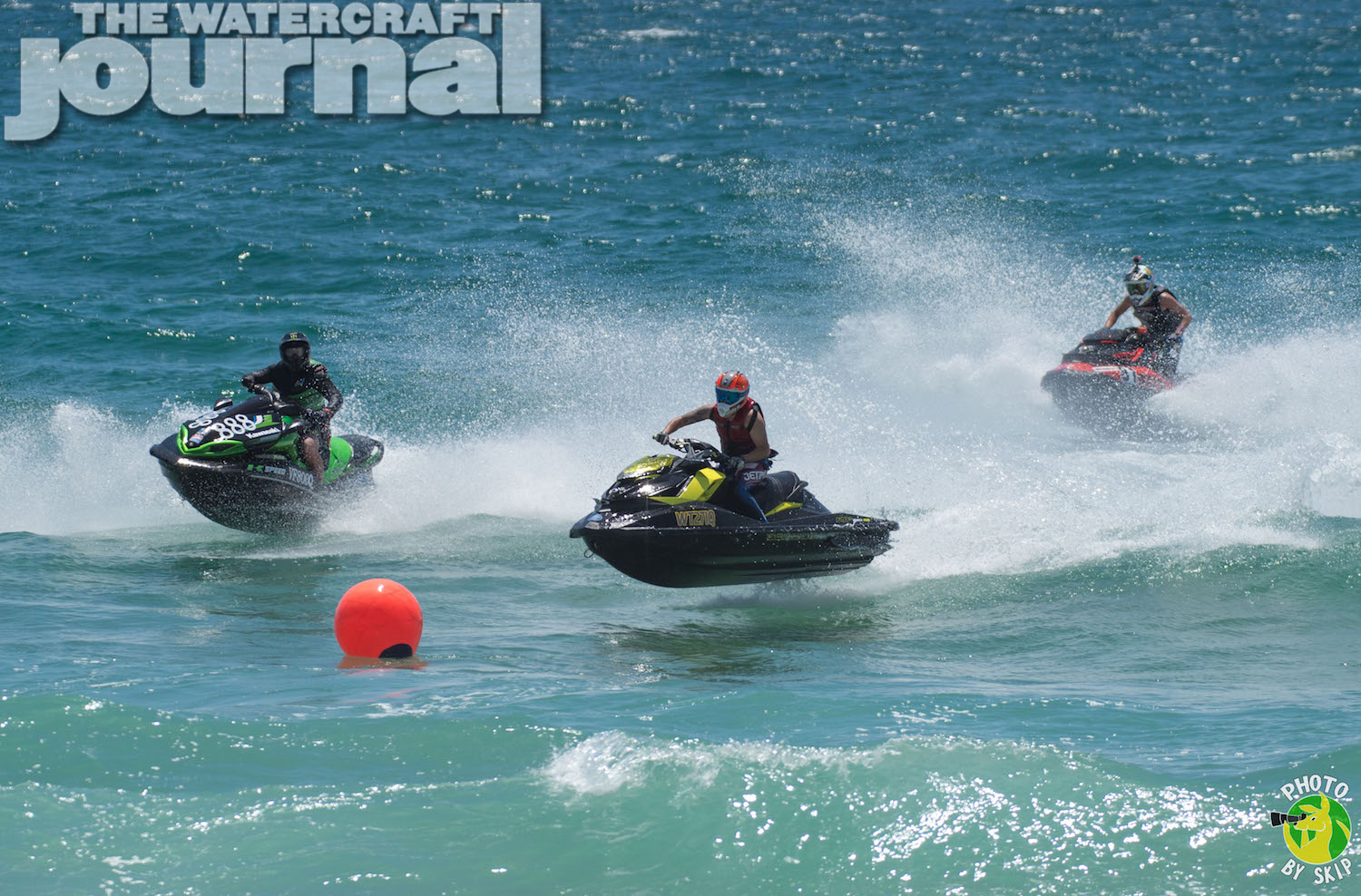
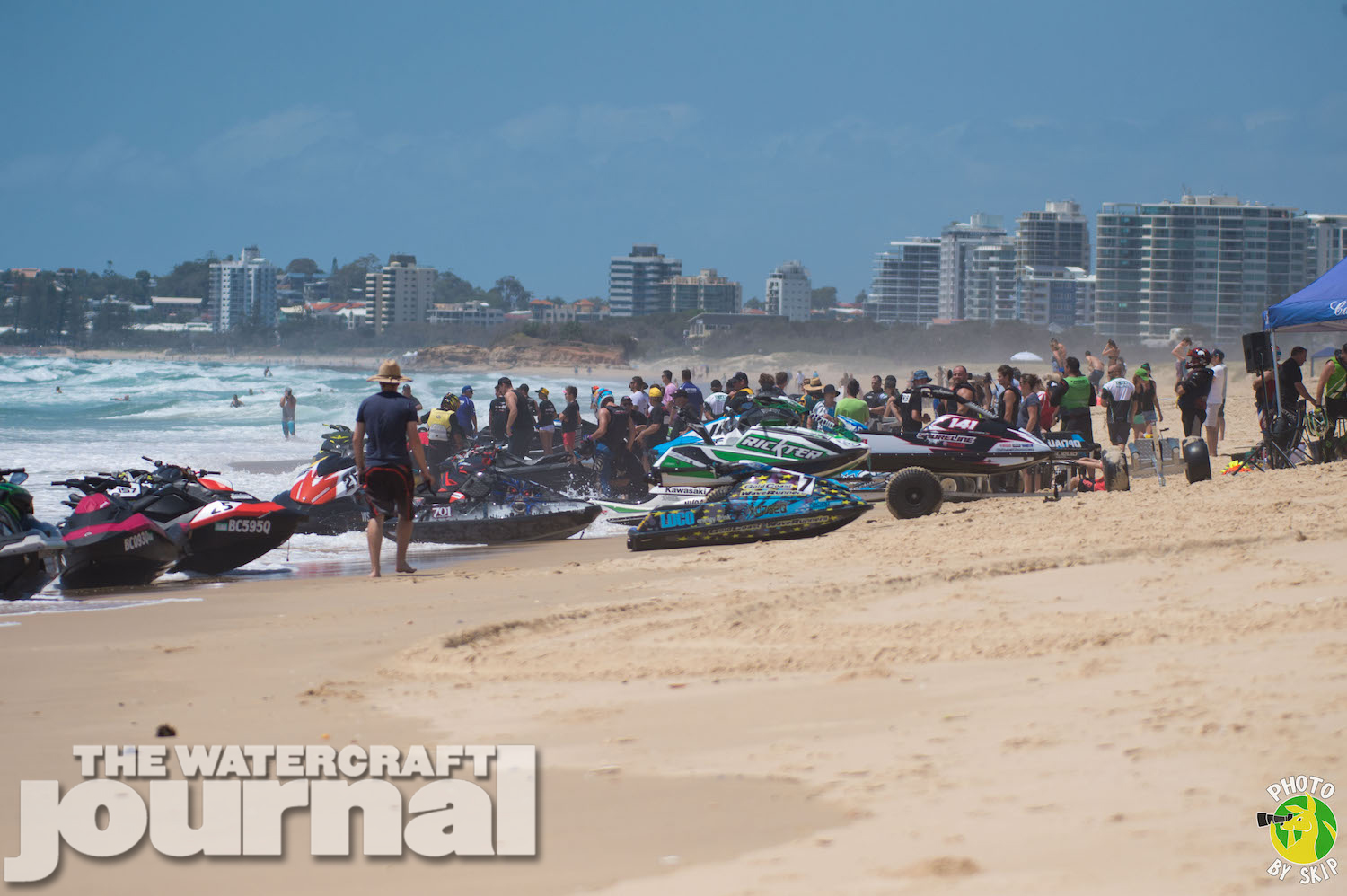
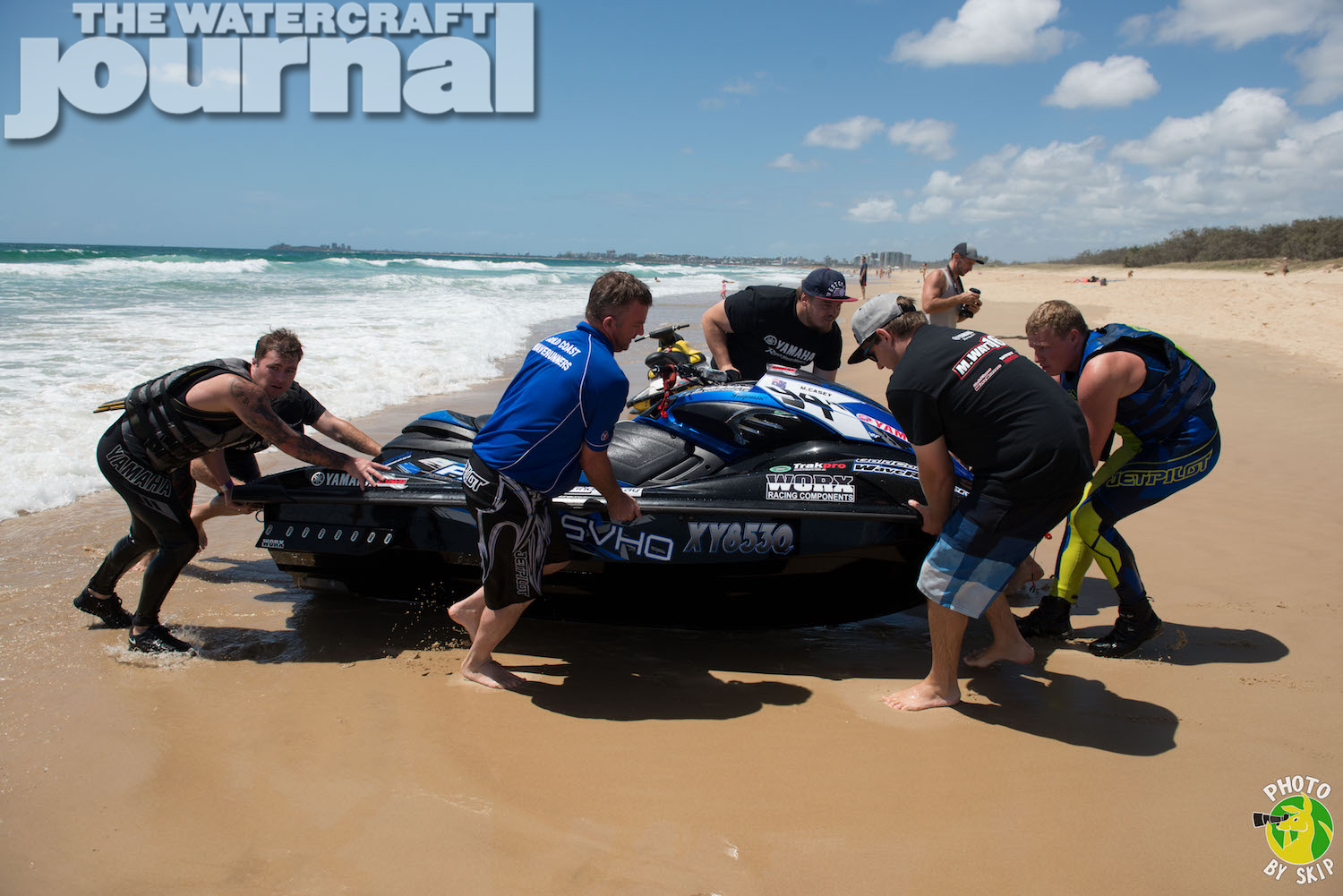
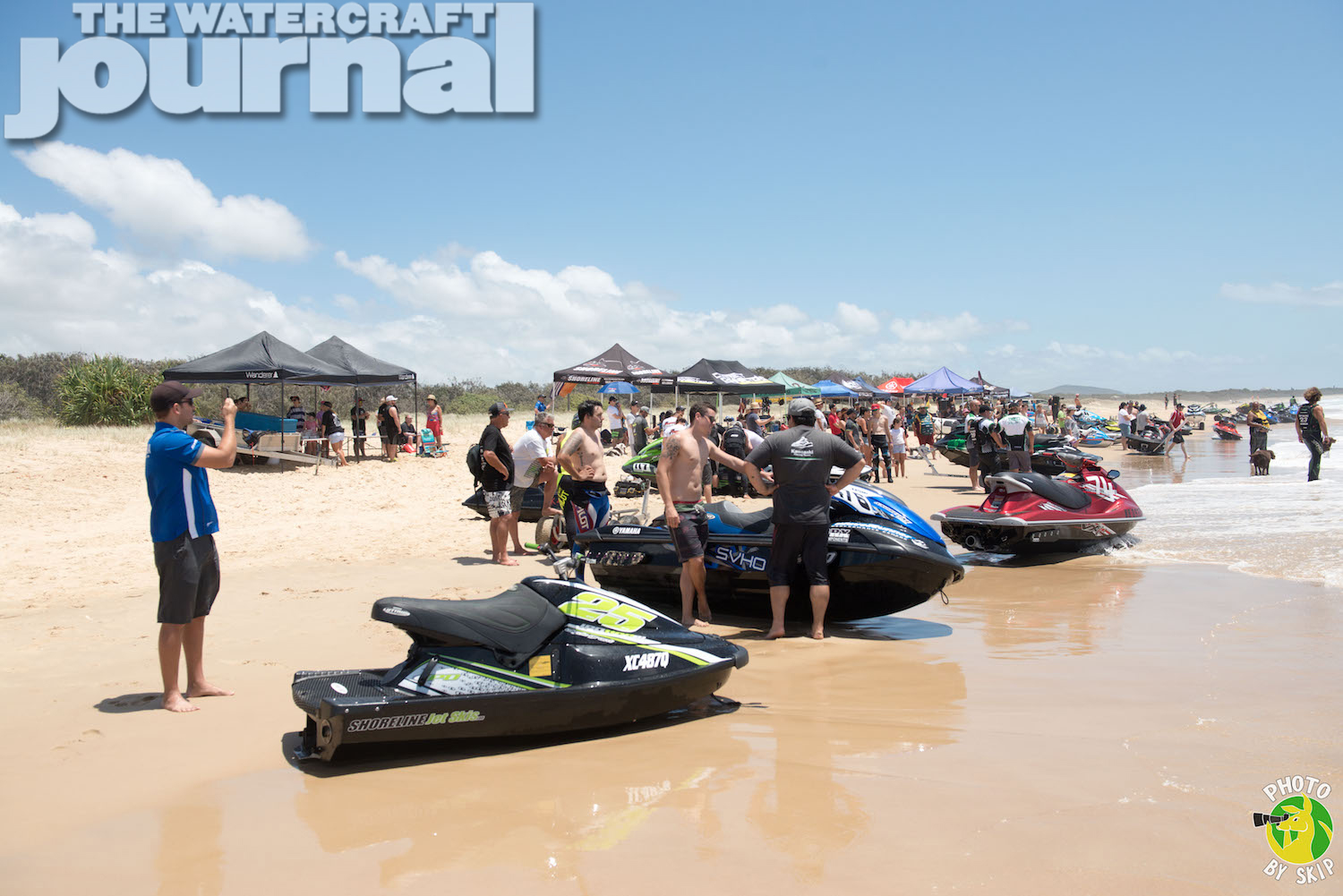
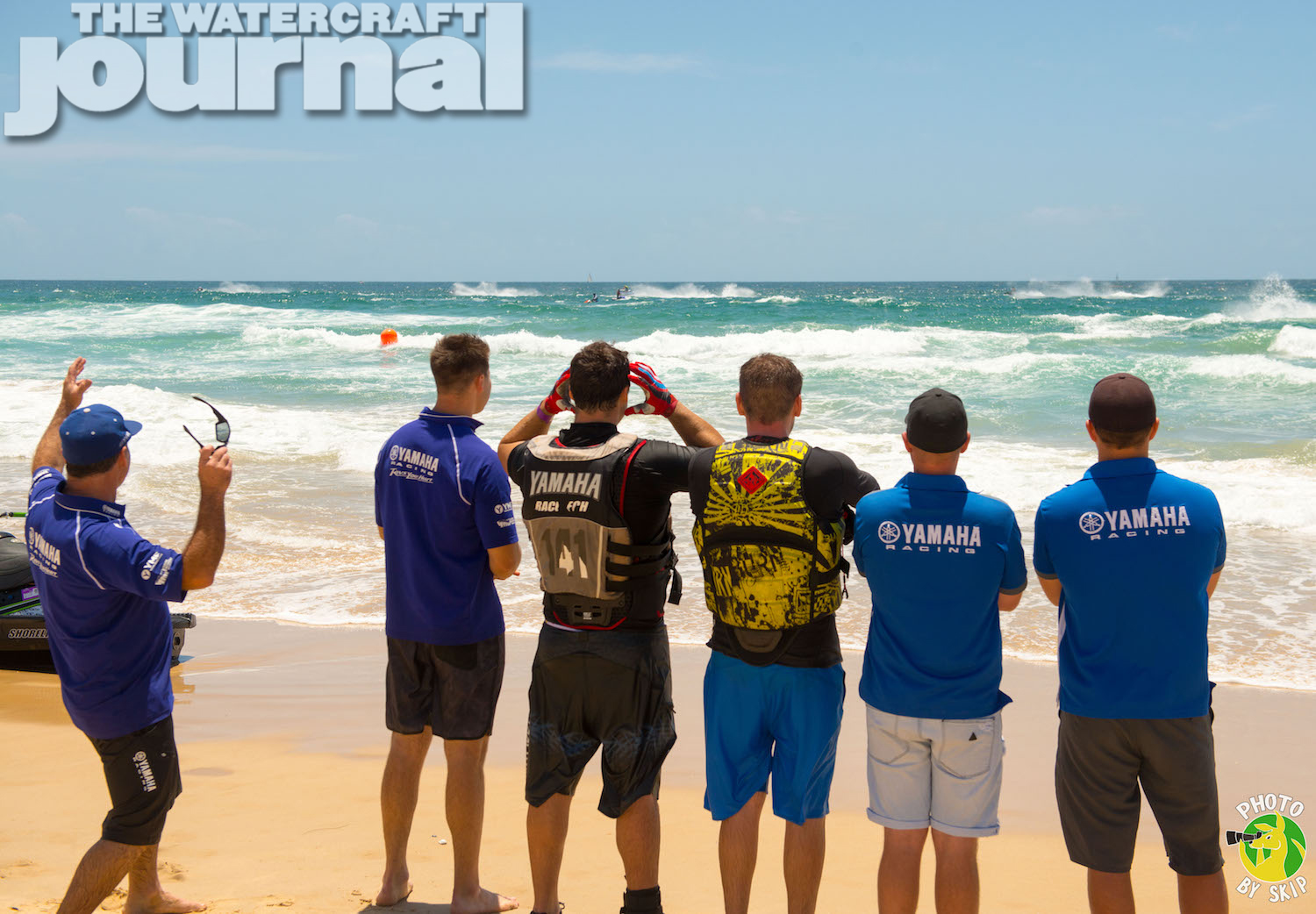
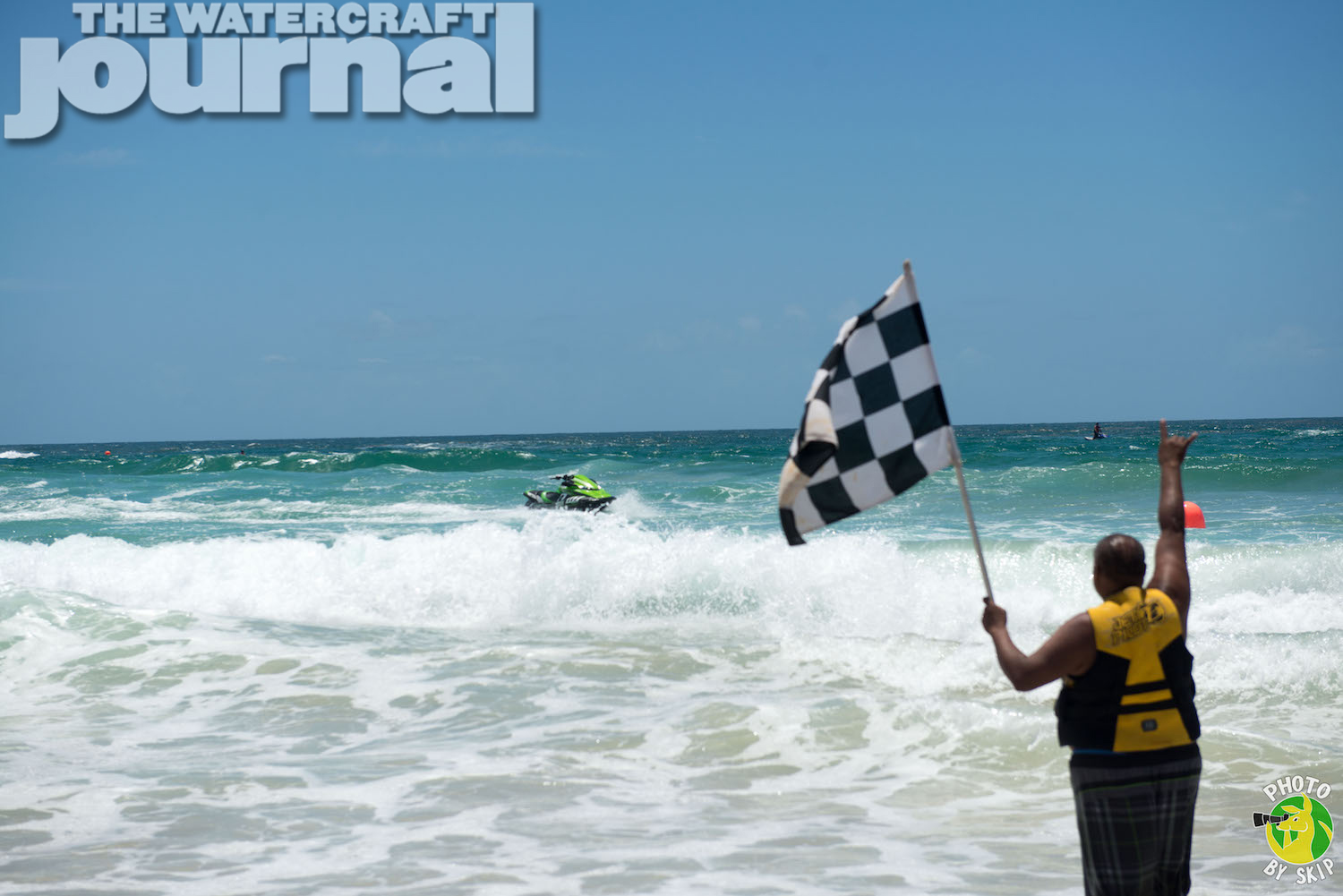
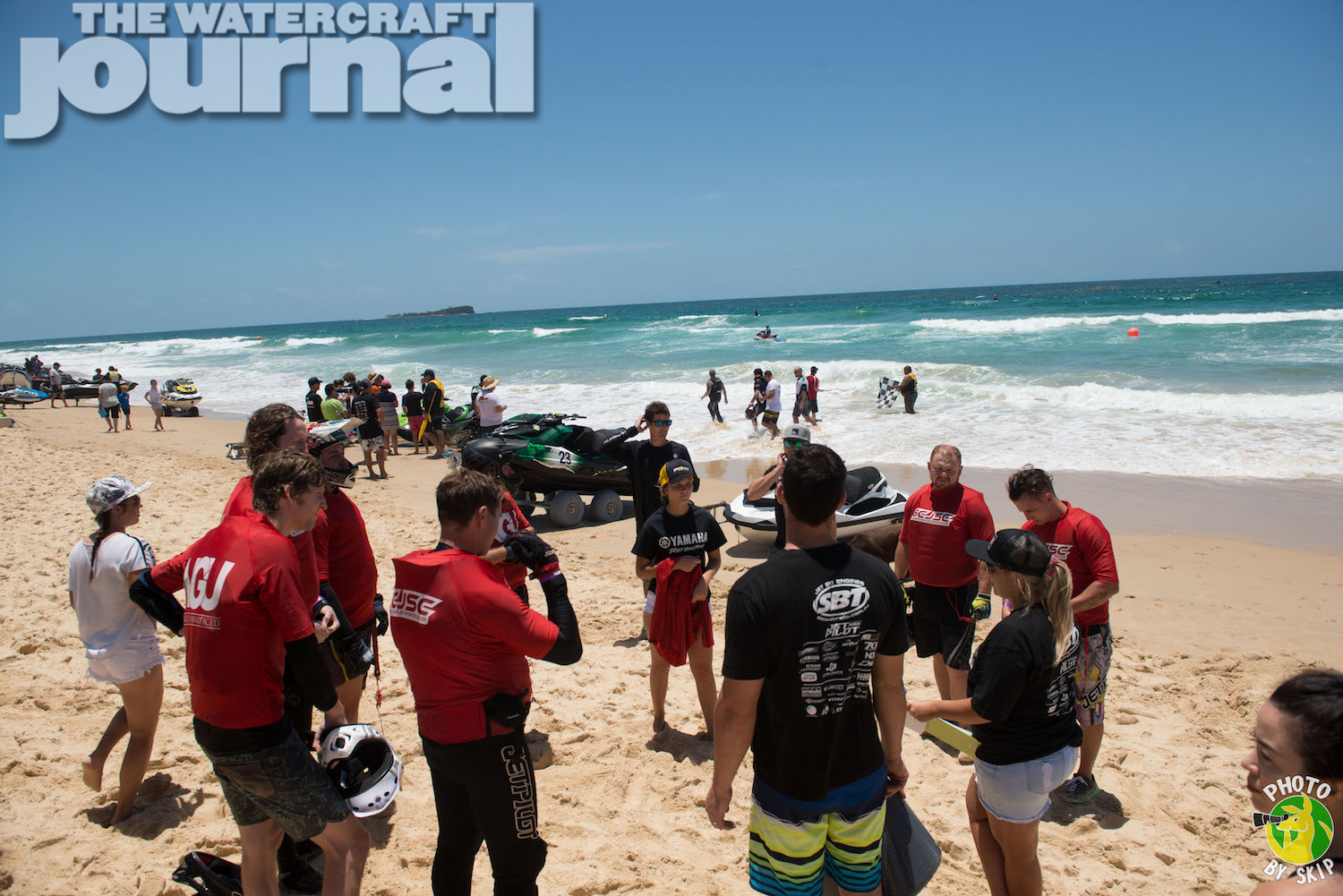
So it’s that time of year again for me to load up the car with all my camera gear and drive to Cronulla in Sydney for the annual Yamaha Rip n’ Ride. This year marks its 9th year that the event has taken place. It’s come a long way from being a BBQ on the beach with a few mates.
The first stop on my way was Yamaha Motor Australia in Brisbane to pick up a couple of safety skis (both being a pair of VX Deluxes) and a foxhole (Yamaha Mt 125 motorcycle) would do the job nicely. I’m like a kid in a candy store with so many cool machines sitting here in the factory. It’s pretty hard to walk out without adding something to your Christmas list.
Back in the car and all loaded up, it was time to crank up the radio and hunker in for the long 10-hour drive to Butch’s house. Butch and his wife, Julie are the two fantastic people that make the RNR happen every year. Everything from organizing the permits, sponsors and riders, to finding room for wayward riders (and photographers) to sleep at their house. The time and effort that goes into organizing this event is huge. It’s not just those two that I would like to thank but everyone from the marshals to the people putting up the scaffolding, the lifeguards to the Yamaha boys that work tirelessly to make it happen.
For those people that haven’t heard of the RNR before, it’s a freeride event that’s open to anyone. Once entering, you go into the draw to win a brand new Yamaha SuperJet and hundreds of other prizes. Numbers are usually capped at about 100 to give everyone plenty of ride time and a good chance to take home a new WaveRunner.
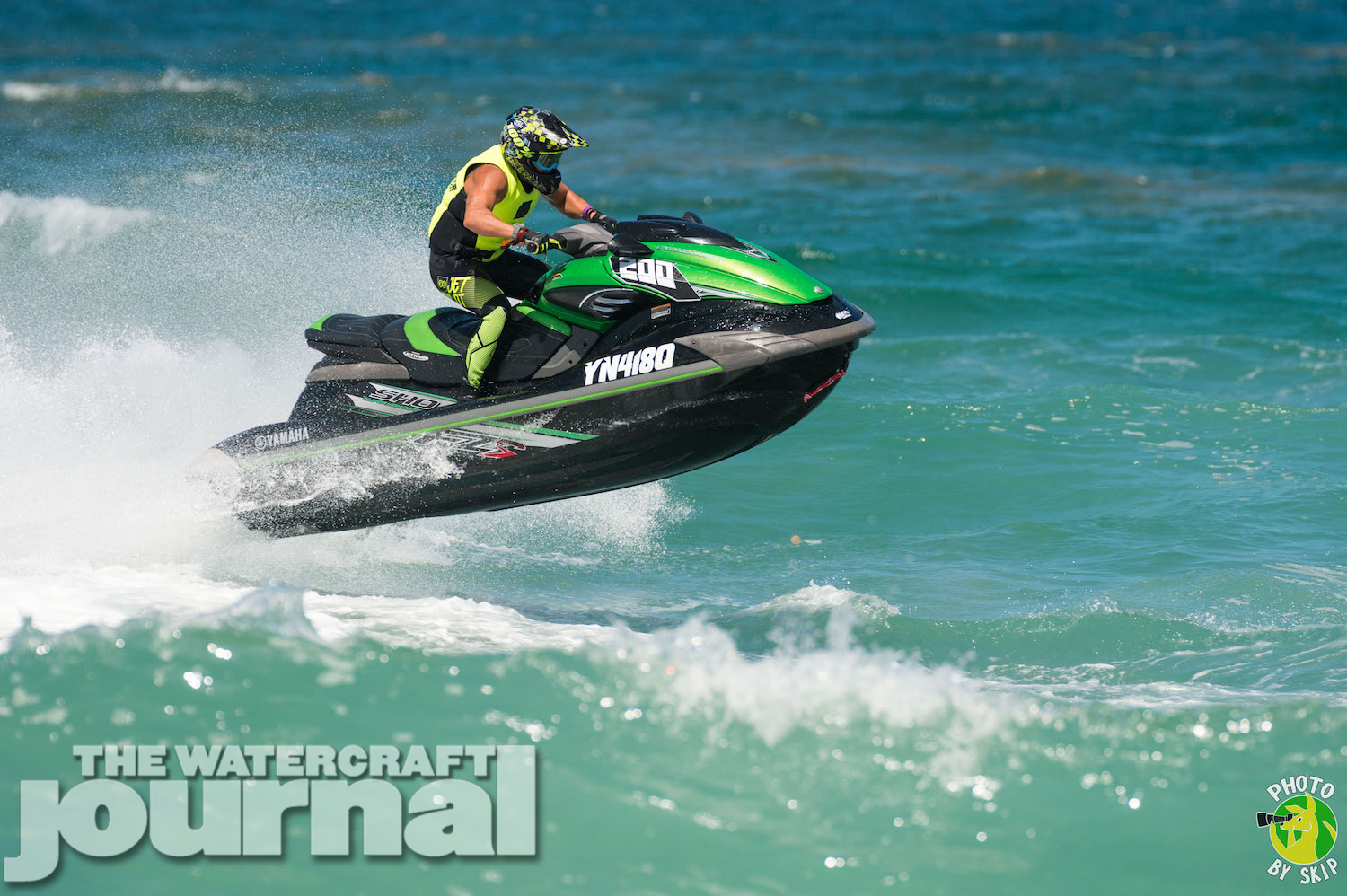
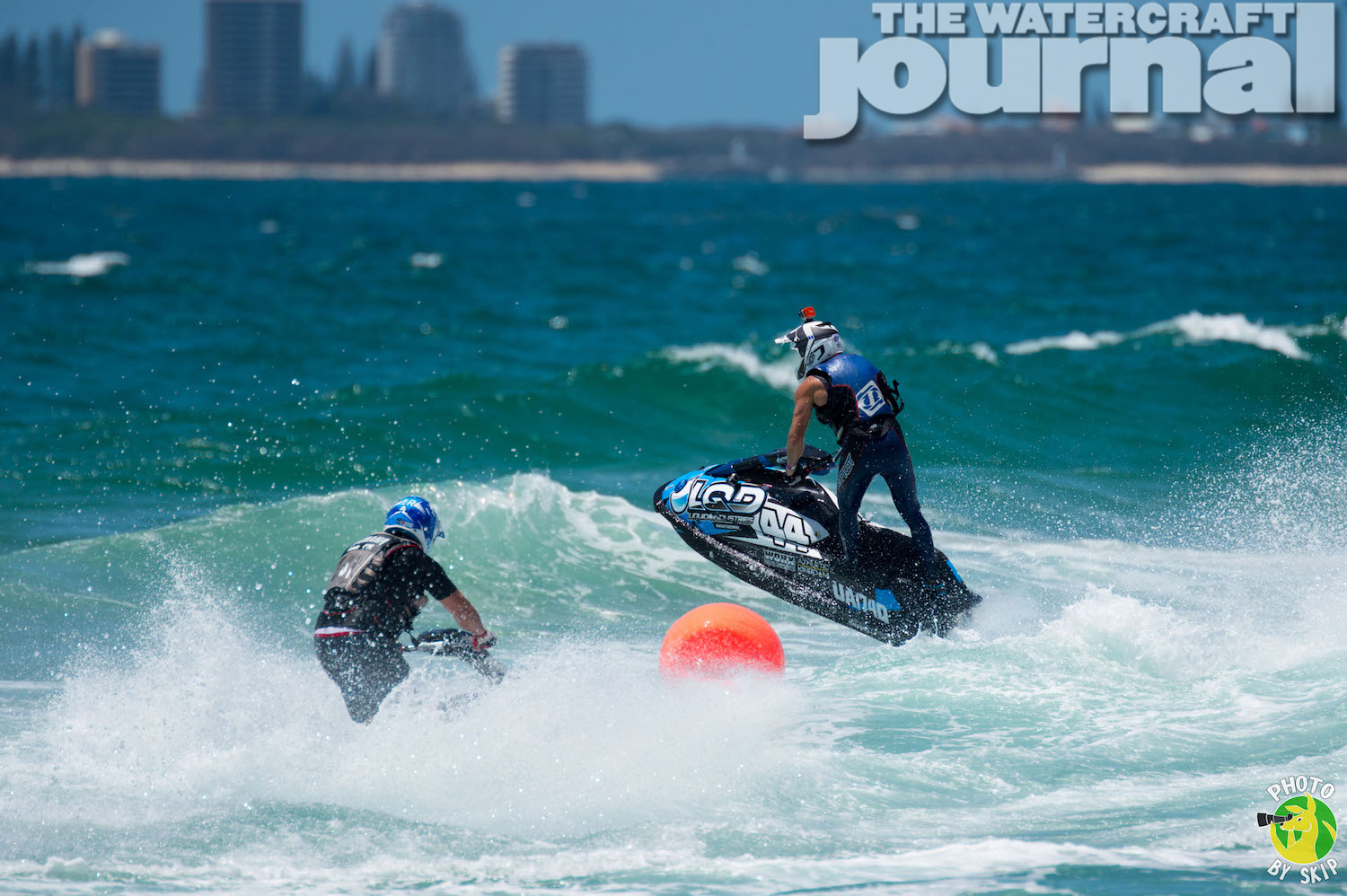
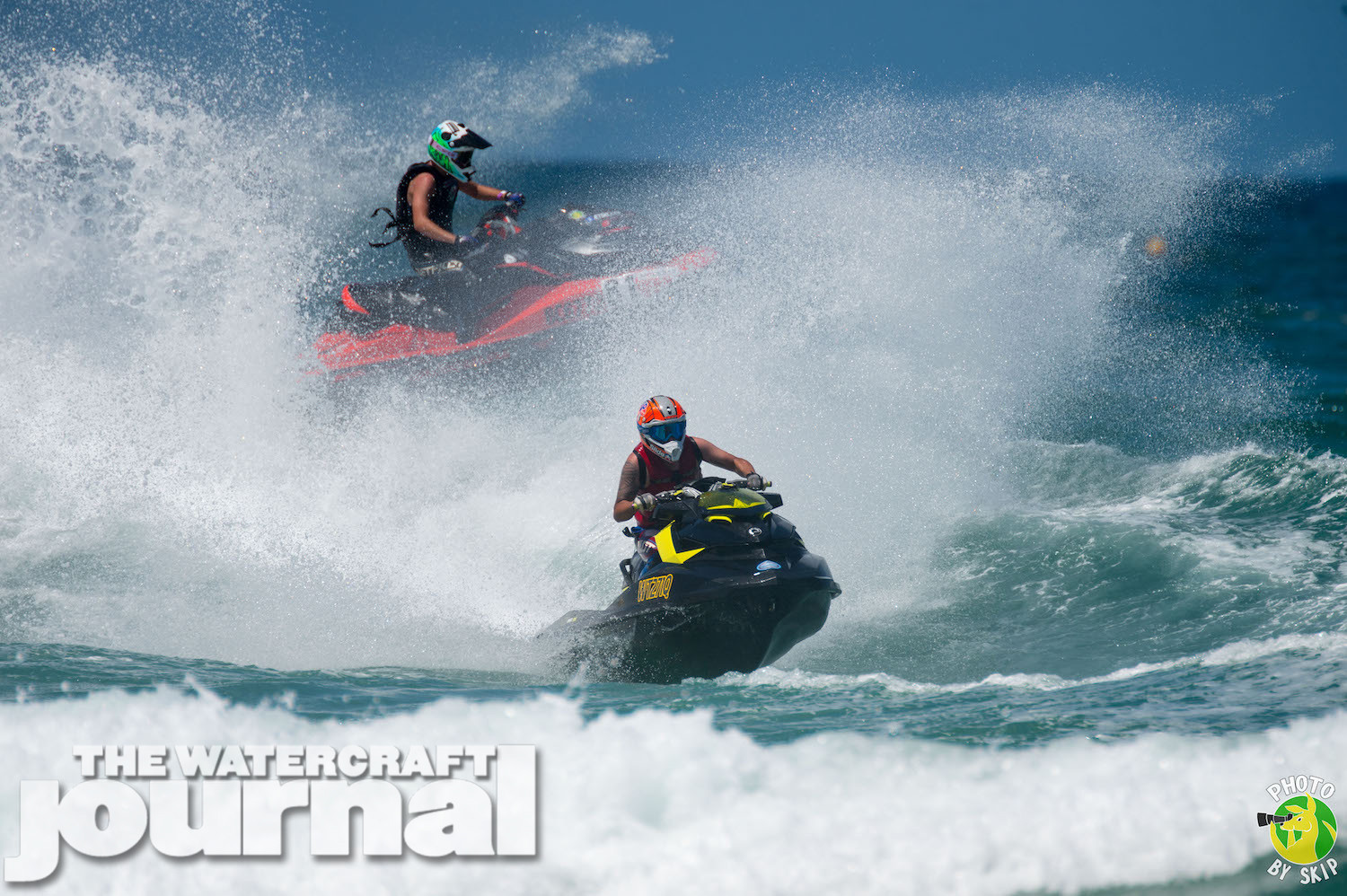
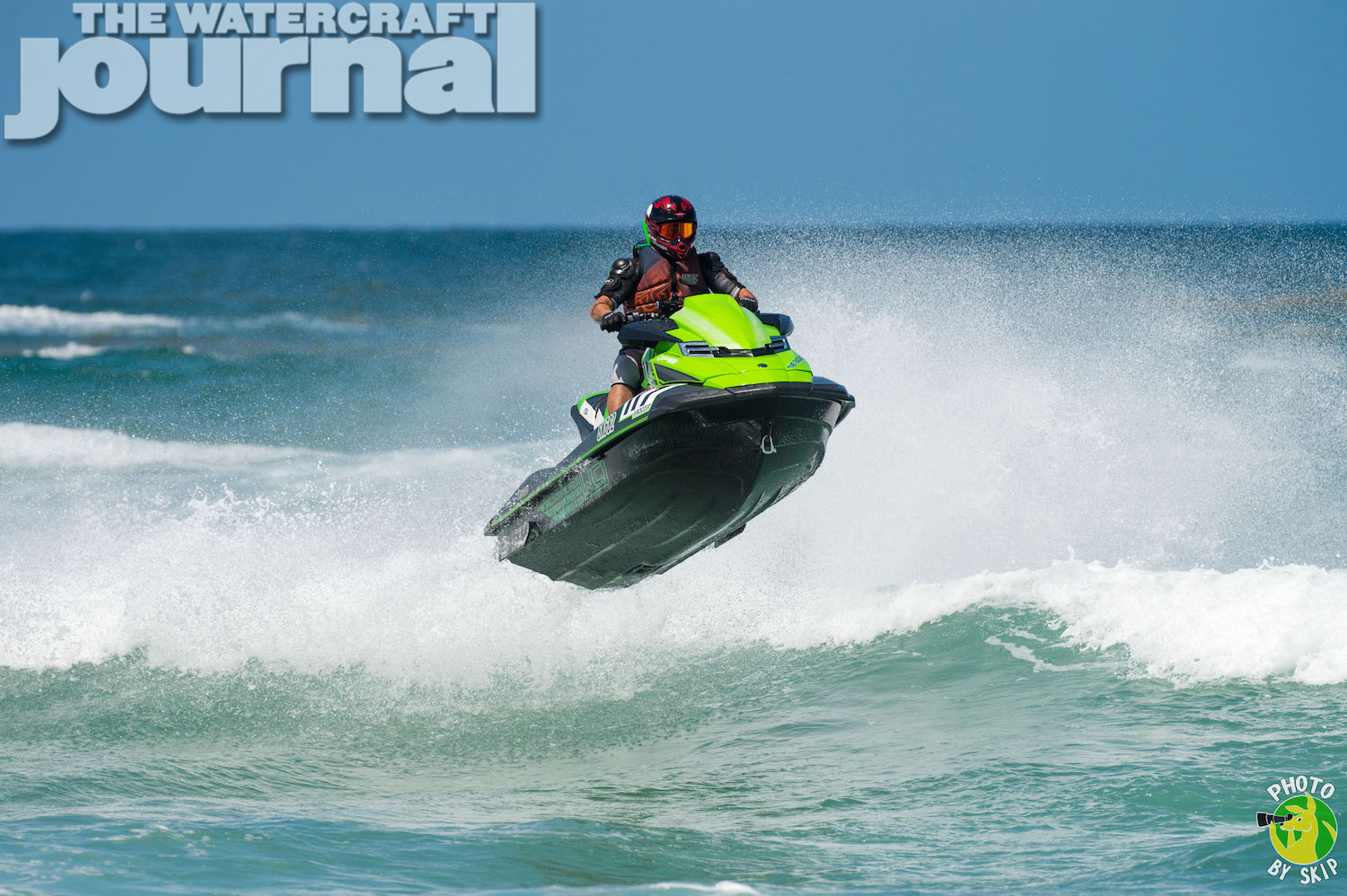
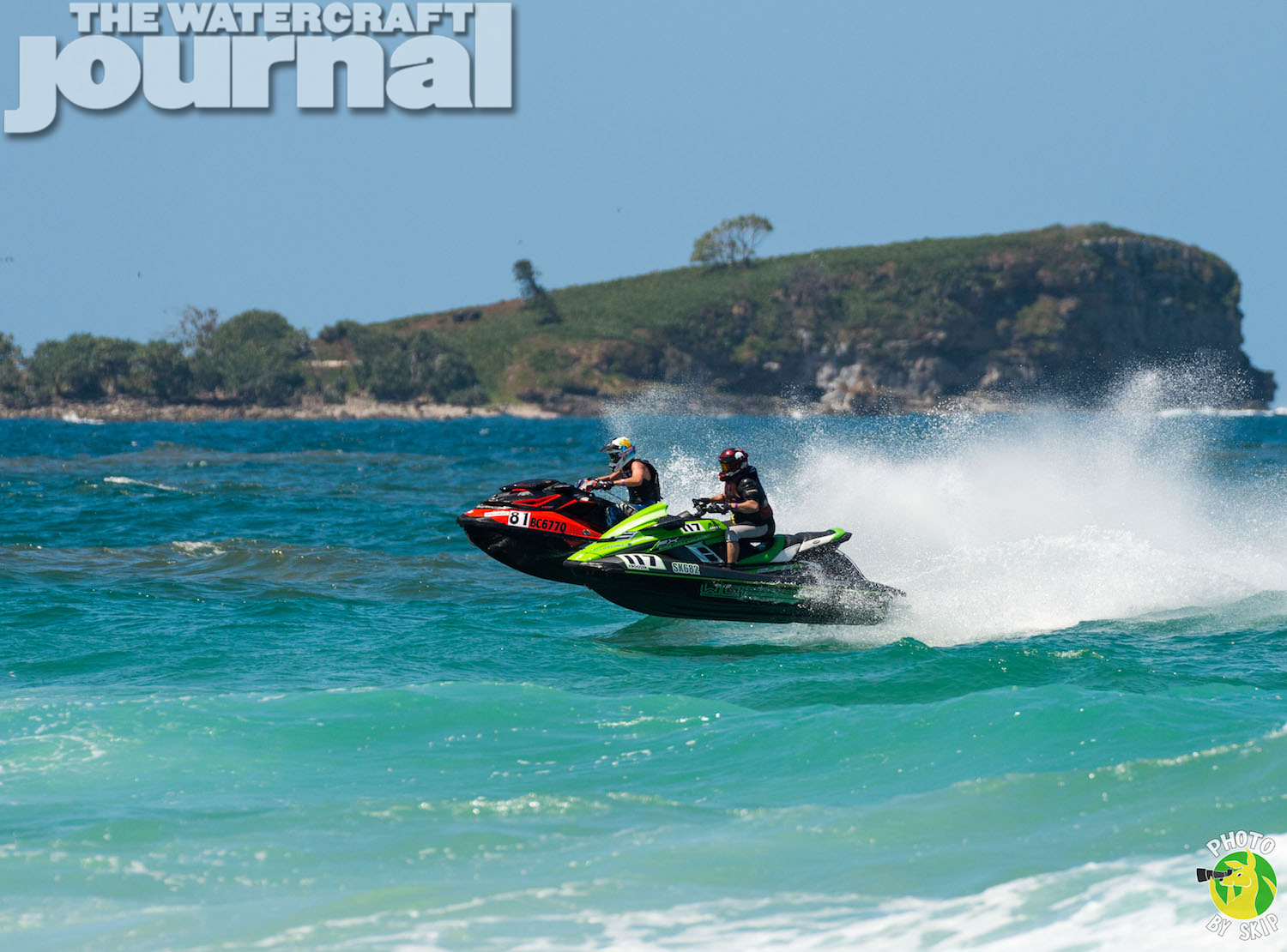
The RNR is a chance for rookie riders to ride with – and not against – some of the best riders in the world. So at one point, you can be checking out a 12-year-old grommet ripping up the waves, and the next thing, you’ll look across to see the world champion Mark Gomez busting out something awesome. That’s one of the major attributes of the RNR. Young up-and-comers can ride, talk and get tips from their heroes. There is some judging that goes on during the day too; things like “Sickest trick,” “Biggest air” and “First to sink.” Awards also go to those people that go above and beyond to help out fellow riders.
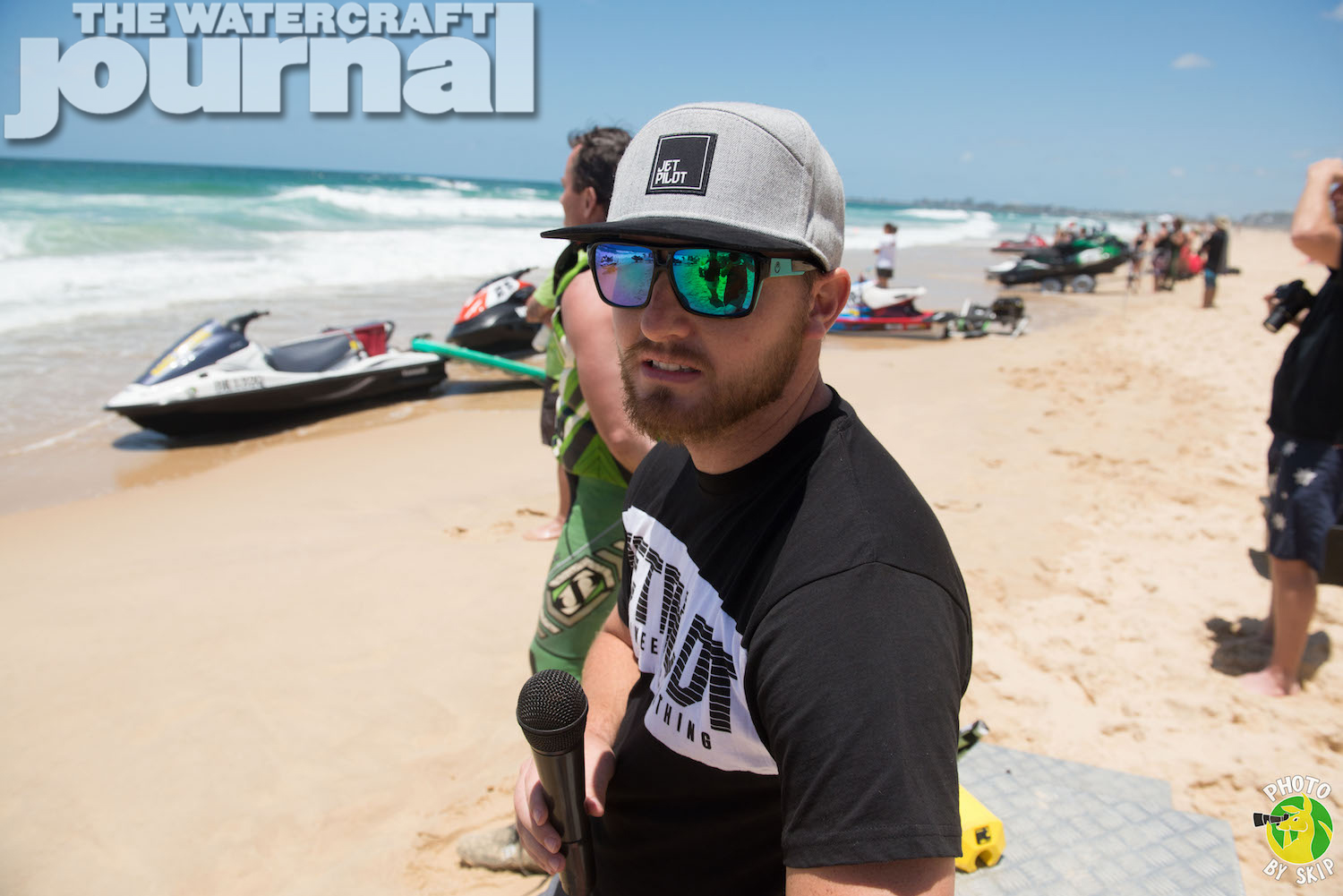
For the last few years, JetPilot has put on a small competition within the RNR: the Battle of the Best. Riders are selected by an official and go head-to-head in a battle that’s judged on “Wow Factor.” So not so much the most difficulty of the tricks but more the reaction from the beach. This year, Ryan Savagee took the title just over Mick Anthony and Zane Taylor. Brock Taylor, last year’s winner, was there to present the trophies. Unfortunately, Brock is out of action with back issues and only came down as a spectator and cooler supervisor.
Every year a challenge goes out to the novice riders that have never flipped a ski: “The Cherry Popper award.” It’s a fun event to watch with a bunch of guys and girls gathering up the courage to try to flip their ski. Some coaching from Mick Anthony and some other pros helped them get around. One of the major tips is “Never let go,” and “It doesn’t hurt to land on you head.” Unfortunately, the conditions were far from ideal for the riders it get it done.
A big effort was made by James Ricardo on the ‘Blaster; he hit three waves in a row but couldn’t quite get it done. Maybe next year, bud. It was good to see a few girls out there as well. Bridget Burt, a first timer to RNR has only been riding a ski for three months and was popping super clean barrel rolls and nice 180s; she had ago at the “Cherry Popper” but couldn’t get any good waves. She is definitely someone to keep an eye on. Also 12-year-old Dean Krouskos is a natural on a ski. He would have ridden in every heat if he could have. Not even the cold weather or the messy surf could keep him from getting out in it.
It wasn’t the best conditions on Saturday, but Friday was a treat. Sunny, warm and clean waves. A great day on the water, flipping and hanging out. That’s the main reason people enter the RNR. A chance to hang out with your mates. People you probably haven’t seen since last year.
So if you would like a chance in 100 to win a new SuperJet, you better get ready for next year’s Yamaha Rip N’ Ride as its rumored to be the last. Yeah, that’s RNRX. The 10th will be the final event at Cronulla. So it’s going to be a massive farewell. Butch and Julie have done such a awesome job over the last 9 years that they deserve a rest. Hopefully, someone else will step up and make another great event for the freeride community to go to. Something just half the success of the RNR would be great.
With the latest bumper crop of Yamaha WaveRunners hitting showroom floors around the globe, it doesn’t matter whether the leaves are turning and the temperature is falling. There’s new watercraft to be checking out. And for Yamaha, the new 2017 FX Cruiser SVHO is showing all the signs of becoming a class leader. Powered by the same SVHO 1.8L supercharged Yamaha Marine Engine that’s clinched dozens of World Titles, the FX Cruiser SVHO will surely pull ahead as a performer while having comfortable ride. The FX Cruiser is every bell and whistle Yamaha has to offer, all to provide you with the ultimate ride. And its sleek design and unique features make a bold statement.
Moreover, the FX Cruiser SVHO features Yamaha’s RiDE (short for Revolutionary Intuitive Driving Experience), first introduced in late 2014 for the 2015 models, and has since been proven to be a very dependable feature that allows the driver to decelerate much quicker and easily switch to neutral and reverse. This technology makes the driving experience, riding experience, and docking experience worry-free and enable them to maintain complete control over the watercraft at all speeds.
Equally, the FX Cruiser SVHO comes with Yamaha’s class-leading lightweight NanoXcel2 hull and deck. It not only looks amazing from the outside and the excellent color choices (Black Metallic or Torch Red Metallic) but what makes it stand out is the power-to-weight ratio, its nimble maneuverability and industry-leading fuel efficiency.
Equipped with every feature possible (besides the Limited accessory package), the 2017 FX Cruiser SVHO has the power to beat your friends in any heads-up race while providing many luxury features to help you stand out. Make sure to hang tight to The Watercraft Journal for a full-length review of the 2017 Yamaha FX Cruiser SVHO, but until then, enjoy the video below:
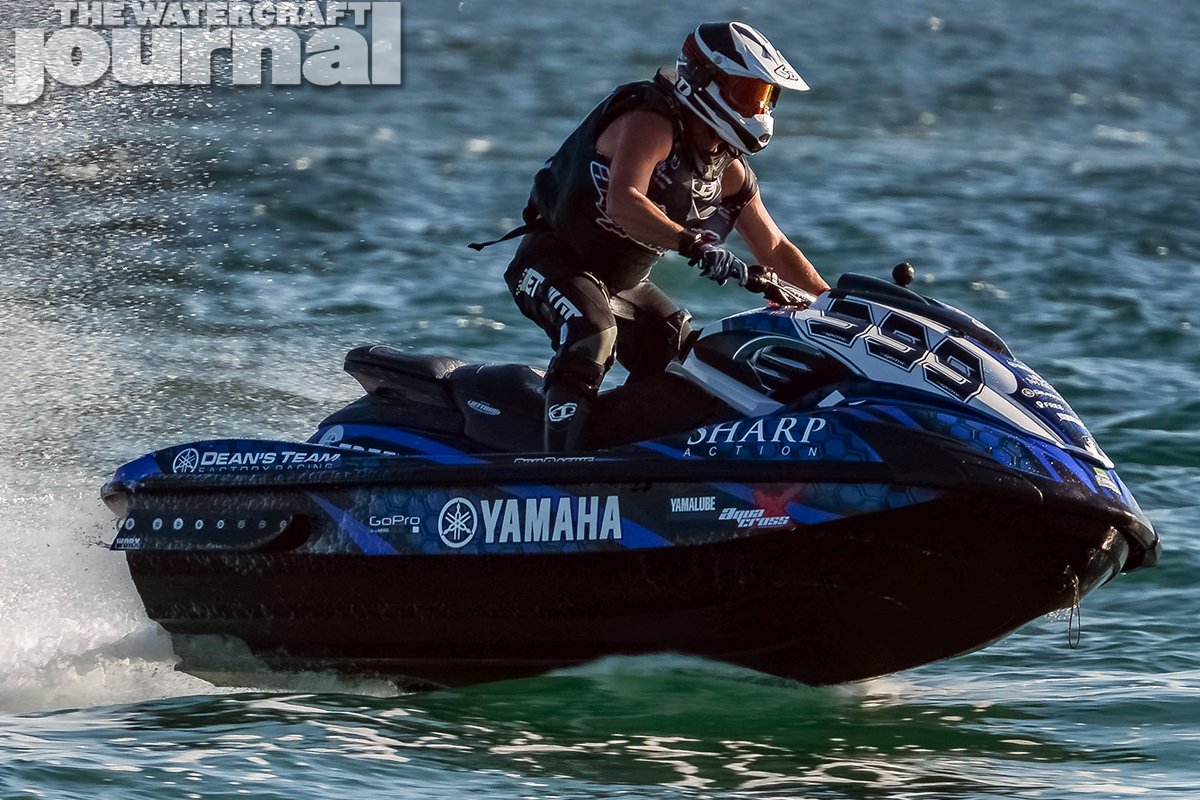
The Watercraft Journal: This past IJSBA World Finals was particularly special for you and Dean’s Team/Factory Yamaha. How many Dean’s Team-sponsored and/or tuned PWC racers were there on the water that week? And more importantly, how many of them came home with a World Championship or podium finish?
Dean Charrier: This year was special, namely because we went in with our focus on the Stock and Spec classes, and especially the Pro Stock class. The Pro Stock class has become the most competitive runabout class as the only one with a full line on Pro weekend.
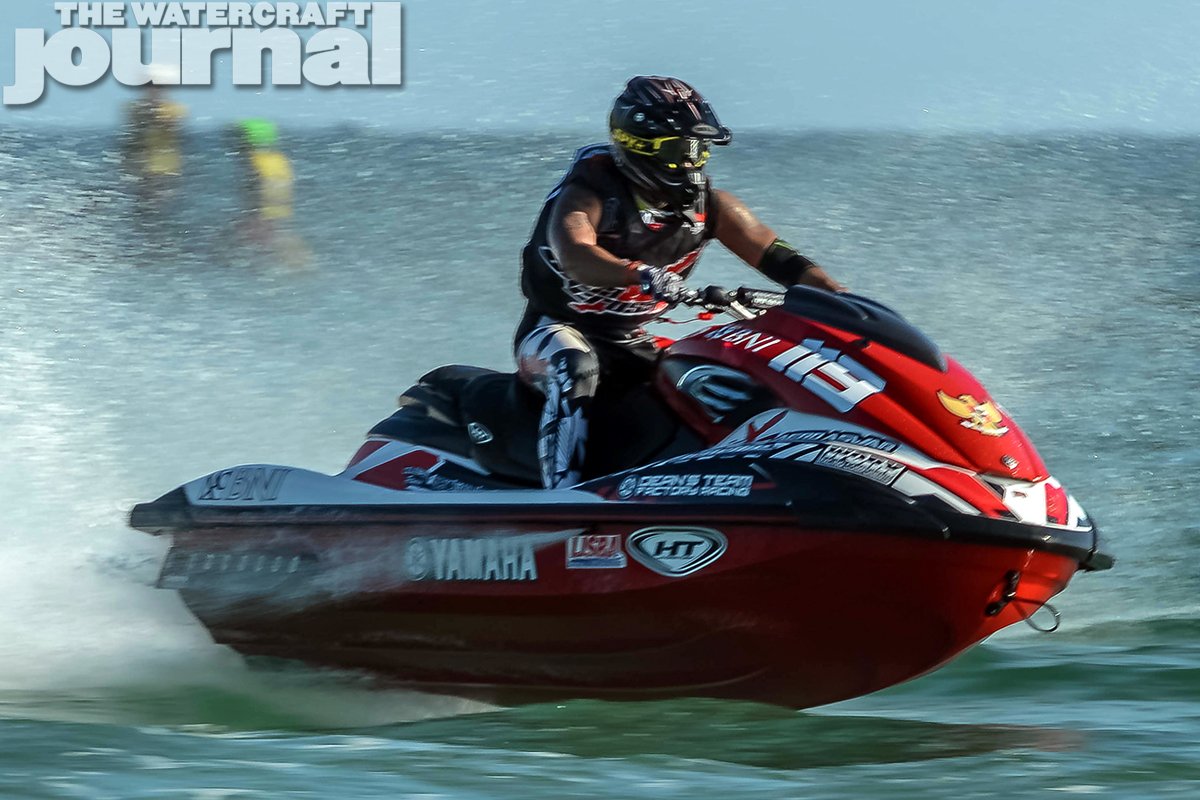
Chris MacClugage won the Pro Stock World Title this year, keeping the title on Dean’s Team and Yamaha for the third year in a row. Abdullah Al-Fadhel won another World Title winning the Pro Am Spec class, to go along with his second place finish in Pro Stock behind Macc.
Aero Aswar had a strong showing in all of his races – he finished third overall in both the Pro Stock and the Spec classes, and finished second in the Endurance race on his FX. Aqsa Aswar finished 5th in Pro Am Spec on a Stock class FZ and also 5th in the Endurance race.
Travis Zielasko won his third World Title, winning the Amateur Spec class this year. He also moved up to the Pro Stock class to give it a shot and finished 10th overall which was impressive in that stacked line up. Ali Allanjawi from Dubai came in and finished second in Amateur Spec on a Stock craft, and finished 4th in Endurance on the same FZ.
We also helped out Shante Bukes, the Women’s Runabout World Champion, and Tyler Hill, the Runabout N/A Stock World Champion on his VXR, with Dean’s Team ECU reflashes and handling components. It’s great seeing young riders like them putting so much effort out there and winning titles riding hard. Renee Hill, Tyler’s mother, grabbed two podium finishes too – third in Runabout N/A Limited on the same Stock VXR that Tyler won on, and third in Women’s Runabout.
WCJ: For many, the Pro Runabout Stock Class was a sight to behold, as Yamaha swept the Top 10 spots, with as many as EIGHT Dean’s Team racers filling the starting line. What makes this class so uniquely successful for Yamaha and Dean’s Team, over say, other manufacturer’s PWC?
DC: I touched on the Pro Runabout Stock class a bit above, about how it is a focus for Dean’s Team and all of our riders. It’s become such a prestigious class running on Pro Weekend with a full line up of quality racers and past National and World Champions. Everyone wants that Stock championship now and everyone is putting all there efforts and focus on that one title.
This year was exciting for us with mystery going into it – the rules changed a bit from last year and this is the first year I’m using my Dean’s Team ECU Peformance Reflash on all our race crafts. We finished with another sweep of the podium with Macc, Abdullah and Aero. The Dean’s Team reflash in total held down the top 4 positions, and 6 of the Top 10 positions.
I’ve been working with Yamaha and the FZ for eight years now and we’ve gotten to a point where I know exactly where the race crafts need to be for each rider. We’ve done more testing and fine tuning on the FZ than anyone in the world and the results reflect the experience and knowledge gained over the years with Yamaha.
WCJ: Dean’s Team works with some pretty stellar athletes already, so welcoming multi-multi-time World Champion Chris MacClugage to the roster must’ve been a nice addition. How did Macc’s presence influence Dean’s Team or his teammates?
DC: All of these guys have been around for years and years of racing and they all know what it takes to win. Aero, Abdullah, and Aqsa all have their World and National Titles and they know the commitment and focus needed to get another one. Travis Zielasko has came on fast and strong these past couple years with his return to racing and he has that passion to win more and more titles. Everyone does get a bit higher on their toes and a bit more off their seats when their racing with Macc.
With Chris MacClugage, it’s just not his ability as the greatest on the track in the sport, he is top of the line off of the course too. Macc takes control of opportunities and makes everything happen himself. Nothing is just handed to him, he works for and earns all of his support and sponsorship and manages everything himself. It goes way behind what you see on the track with him. He puts in as much time and effort in to winning as anyone I’ve ever seen till this day. His love for the sport and winning is really contagious.
I’ve worked with Chris before, helping him win a Pro Runabout Stock title a few years ago with Yamaha and helping him with his skis in the past. He and his family, with Rachel and little Mac and Lily, are always fun to have around the pits. Macc himself has won as much as anyone in this sport, with over 20 world titles and even more national titles. His knowledge and riding experience is unrivaled. Travis has really taken to him and has been training with him this summer since Chris has made the move back down to South Florida. All and all, Macc’s presence is always a positive to have around.
WCJ: With so many Dean’s Team-equipped/tuned skis on the water at the same time, were they all equally built, or were there differences between Macc, Abdullah and Aero’s FZRs? If so, what differences were there between them? Did you have to modify each machine to match each rider’s particular style/preferences?
DC: All of my FZ’s are pretty equally tuned for the Stock class. The main differences are in the handling components. We do testing with each rider and see where their ideal set up is. It takes several trips out to Body Beach working with each rider before the races even start to get everything perfect, but in the end you can see on the track when the set up is just right for them.
WCJ: This year also marks the last year of Yamaha’s FZR platform (since it’s launch in 2008), which is still a difficult pill for many to swallow especially after so many wins the platform earned this year. How is Dean’s Team preparing for 2017 with the GP1800? Are all Dean’s Team racers making the transition from FZR to GP, or just a few?
DC: The FZ has been great and will continue to be great. You’ll still see them out on the race course because of the success they’ve had.
The GP1800 is exciting, and with the testing we’ve done so far, we think a lot of racers will be wanting to switch over. The total weight is lighter and you can feel it in the acceleration and handling. It is more aggressive handling wise which will definitely suit some racers better.
We already have a Stock class GP1800 going 81-plus-MPH in race trim. The Dean’s Team GP1800RS model is going over 83MPH. The acceleration has been even better than what we’ve seen with the World Championship winning FZ’s we’ve built. It’s in and out of a corner faster than any set up we’ve had before.
WCJ: With all the work and preparation into this year’s World Finals behind you, what is next on the horizon for Dean’s Team?
Dean’s Team will be releasing our build of the new GP, the Dean’s Team GP1800 RaceSpec, soon to the public. Units will be available at the beginning of November. We’re working on a new decal kit for it with BP Concepts which we’re excited about releasing with the RS units.
We’re working to bring even more performance products and packages to the public. We want to help out as many riders as possible, whether they spend their weekends racing World Champions around buoys or just drag racing their friends on the lake.
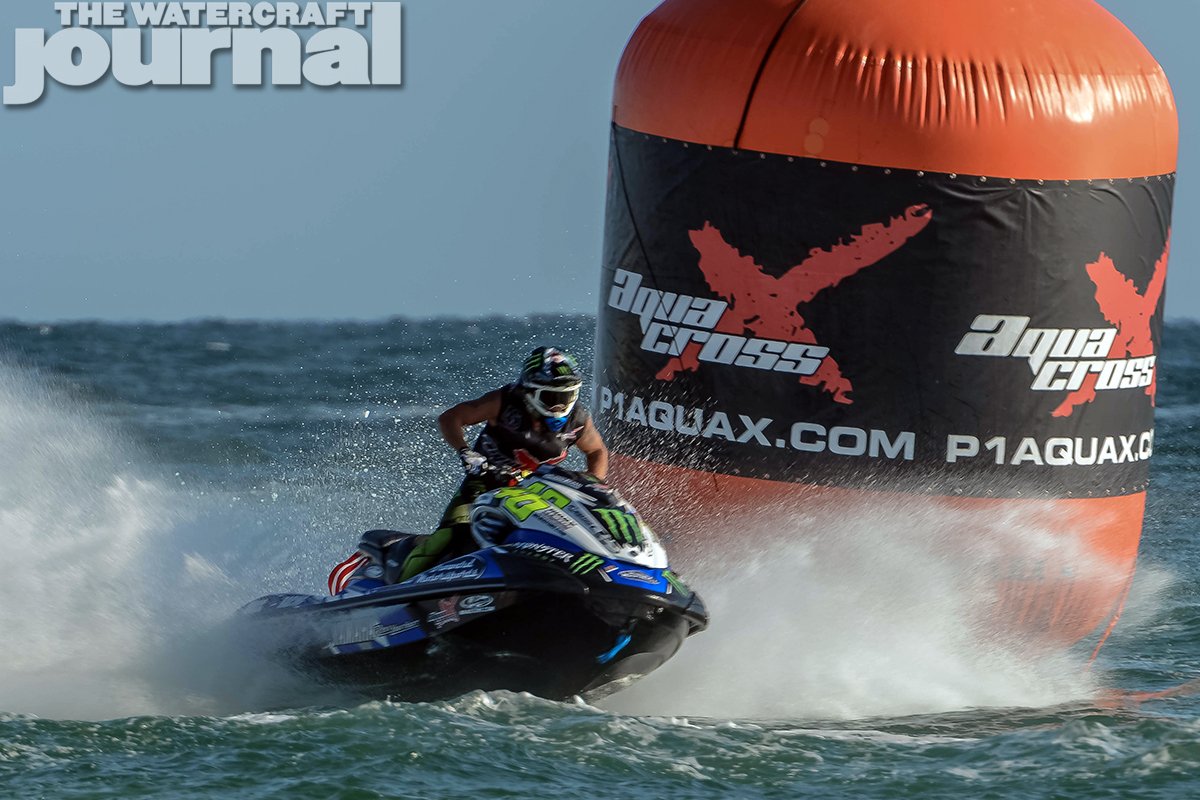
The final two rounds of P1 AquaX Pro Enduro are right around the corner in November. We have Aero Aswar in the lead right now, with Mike Klippenstein also in the Top 5, and Chris MacClugage tied with him in moto wins for the season. Any of them can pull out the championship this season and I’d be willing to bet it comes down to the last moto. Should make for some exciting racing.
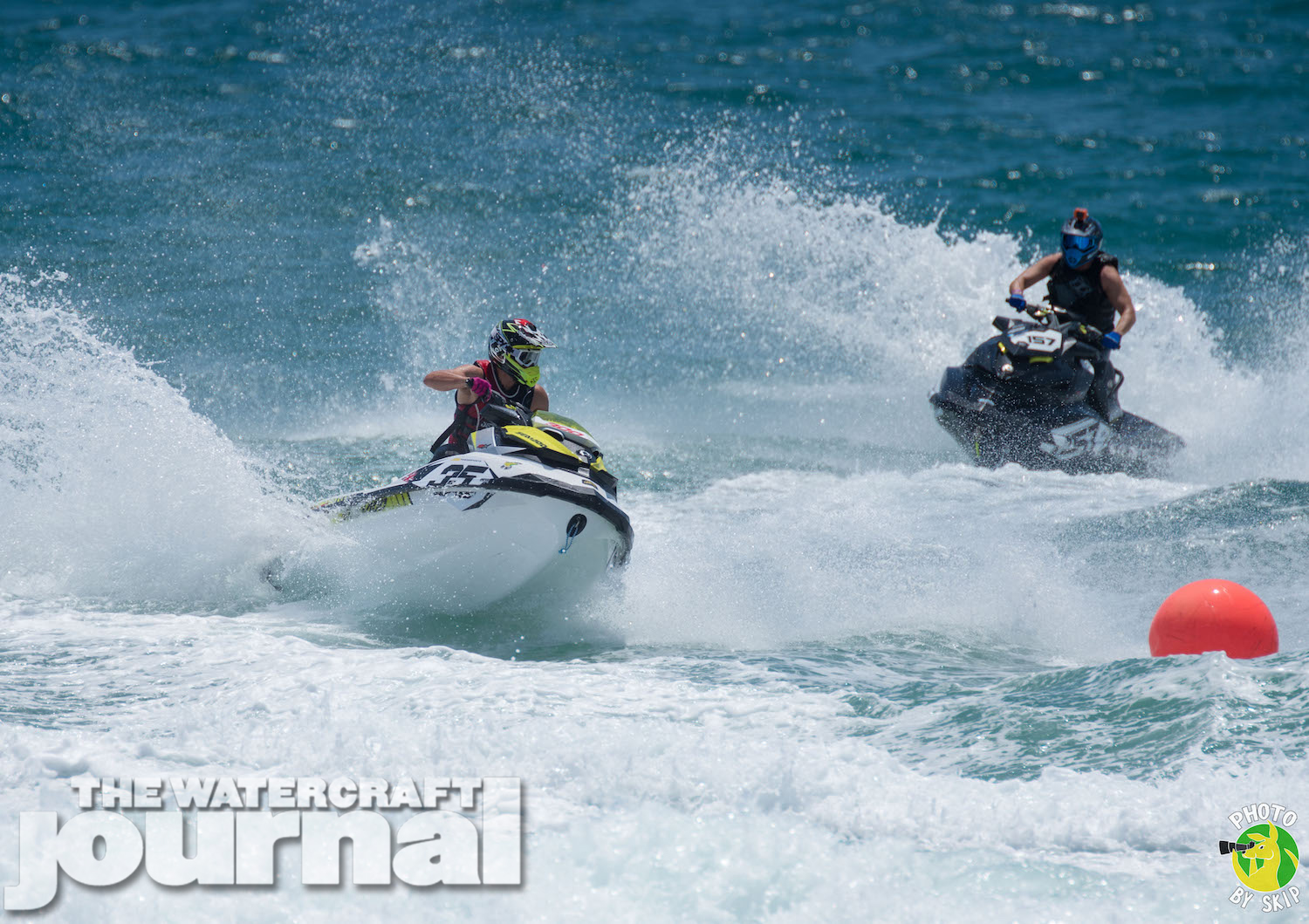
Next season, we have talked with a few of our riders about entering the Pro Open & GP classes. Yamaha has yet to really tap into their potential in these classes on the National Tour or World Finals with the focus being on the Stock and Spec classes. I didn’t want to do anything for Open and GP until I had the time and energy to put a full blown effort into a craft.. now that a couple of racers are showing more interest in building something to compete in those classes, there may be a couple FZ’s or GP’s on top of the podium in some other classes next year too.
WCJ: Dean, obviously there’s a lot of people who made this year’s World Finals so successful for you and Dean’s Team; here’s a chance to thank them publicly; who would you like to thank for making this such a great week?
DC: Scott Watkins and all the guys at Yamaha for all the support and daily communication that goes 365 days a year that makes this great team happen; a special thanks to both Dave Bamdas and the RIVA Racing crew, and Gary Watson and the Worx Racing crew for all their continued support to us and our Team riders, they truly are world class professionals and all their products reflect greatness; the guys that help make it happen in the pits and down on line before the race, especially Omar and my son Dustin; and of course my wife Donna for being the team’s mom and #1 fan of every rider in the pits.
Wait, a what? That’s right, a magalog. Part magazine, part catalog. When the last two major print magazines shuttered their doors – Watercraft World and Personal Watercraft Illustrated – there was a vacuum for family-friendly, consumer-focused magazine content that even the crew at Watercraft Superstore could feel.
The solution came about in an unusual way: why not make our catalog also a magazine? True to their word, each year Watercraft Superstore crams half a dozen full length, feature magazine-quality articles in to their annual catalog. There’s legitimate tech, top notch photoshoots, and some really spot-on PWC reviews in every issue.
Simply go HERE, and you can freely and easily access the whole magalog chocked full of awesome stories, a full recap from the annual Skyway Ski Show, which The Watercraft Journal has attended personally for the past four years, and of course, peruse their seemingly endless variety of watercraft toys, accessories, performance parts and useful tools, all to help magnify your enjoyment from your PWC. Check it out today!
Nowadays, horsepower controls the conversation when a new watercraft arrives on the market. While there are many speed demons out there, many people want to go out and ride in comfort. Sea-Doo has built a machine for those who want a stylish and comfortable machine without sacrificing performance. The 2017 GTX offers five different models that are crafted for you.
What is the secret to a powerful craft with comfort? The answer is providing the market with horsepower ranges from 155hp to 300hp along with the industry’s only suspension seat. Sea-Doo wanted to create a watercraft that could be ridden all day and not have the rider in the pain the next day.
Sea-Doo has spent large amounts of money to research and develop Ergolock, a seat that is both comfortable for most all rider sizes, and a cockpit that is intuitive and uncluttered. Along with that, all models of the 2017 GTX are equipped with the second version iBR. This is the industry’s only on-water brake system, and has been awarded by the United States Coast Guard. With this braking system it will stop up to 160 feet sooner that a watercraft of the same size without a braking system. To top it all off, Sea-Doo has added new handle-grips with a place to rest your palms to prevent cramping when using the throttle.
Not everybody goes out to ride for top run speeds, there is a larger population that enjoys the nice evening cruise which will be even better now with Sea-Doo’s iTC Intelligent Throttle Control that includes ECO, Touring, Sport Modes along with Cruise Control and Slow Mode. With all these intelligent features it only seemed possible with a redesigned S3 hull (Stepped, Stable, and Strong). The technology that was put into this hull has proven to be one of the best all-around full-sized hulls providing an optimal ride without sacrificing performance.
If you opt out and choose to order a non-suspension GTX you will have a much larger glove box, Sea-Doo watertight bins to have a total of 42.8 gallons of storage.
2017 Sea-Doo GTX 230hp and 300hp
This is the craft for the speed enthusiast with an eye for comfort and luxury. Boasting 230hp or 300hp via either the Rotax 1500 HO ACE or 1630 ACE engine (respectively) that has proven to be the best power-to-weight ratio available. Along with buying this top of the line luxurious craft, it comes with all accessories and will bring a smile to your face every time.
2017 Sea-Doo GTX Limited S 260hp
With this Limited GTX S, it comes equipped with 5.5-inches of suspension travel that can absorb the harshest chop. This is something that you really need to ride to fully experience the comfort. This is a great touring watercraft as it comes with everything imaginable to make your experience on the water that much better. This is the perfect watercraft for all you endurance-adventure seeking enthusiasts!
2017 Sea-Doo GTX 155hp and GTX S 155hp
This is the perfect entry watercraft that provides enough power to keep up with others while providing unbelievable comfort. This is the perfect craft because it is great on fuel consumption and is equipped with iBR, iTC and VTS.
To those regular readers of The Watercraft Journal, you’ll know that we fail pretty regularly to hide our personal bias towards the Sea-Doo GTR. Upon its initial introduction five years ago, the application of Sea-Doo’s supercharged-and-intercooled Rotax 1503 producing a wind-blown-smile-inducing 215-horsepower to the then-newly redesigned GTI platform was a match made in watercraft heaven. Whether you’re a fan of the GTR’s stellar power-to-weight ratio; its jack-of-all-trades hull that can either be loosey-goosey playful or track as straight as an arrow; or its awesomely aggressive angular aesthetic, the GTR has maintained itself as an overall favorite.
For 2017, the Sea-Doo GTR gets a little more than just a new suit of clothes (although the Black & Octane Blue livery is very fetching), but a whole new engine as well. As part of the brand’s eventual phasing out of the previous generation 1503 Rotax 4-tec, replacing it with Rotax’s weight-saving and efficiency-increasing ACE (Advanced Combustion Efficiency) technology, the new 2017 Sea-Doo GTR gets a bump from 215 to 230-horsepower. The increase is much more than just a turning up of the wick, but the by-product of streamlining the engine’s overall effectiveness, resulting in a smoother-operating engine.
The in-line three cylinder plant – christened the 1500 HO ACE – replaces the 1503 215-horsepower Rotax 4-tec, yet maintains the same 1,494cc displacement. In fact, the castings of the crankcase and cylinder case are identical as the outgoing engine as well. The devil, as it were, is in the details, as the 1500 HO shines from its use of a redesigned cylinder head featuring four valves-per-cylinder, an all-new combustion chamber (accounting for the ACE head’s superior quench and distribution), and improved intake and exhaust ports.
Likewise, the new 1500 HO ACE employs Sea-Doo’s new plasma coating (applied to the aluminum casing’s cylinder walls via a proprietary thermal spraying process exclusively developed by Rotax’s team in Gunskirchen, Austria), to replace the heavy steel pressed-in sleeves. This new sleeveless cylinder design not only shaves overall engine weight (totaling 194-pounds), but minimizes friction, improving surface durability and heat transference.
Finally, the new 1500 HO comes equipped with Sea-Doo’s newly redesigned “maintenance-free” supercharger and external intercooler. The re-engineered supercharger uses a revised drive shaft that rides on two composite bearing packs at either end of a machined shaft, similar to its bigger 300-horsepower siblings. And, thanks to BRP’s iControl engine management, the 1500 HO is optimized for either regular or premium fuel, although performance is directly reflected in what you feed it.
And equal all 230 and 260 models, the GTR uses the same 159mm pump to process all of that power into water-spouting thrust. Sharing the pump tunnel is Sea-Doo’s USCG-awarded second generation iBR, which is not only more compact and lighter (weighing approximately 16.4-poounds, including the electronic module and all of the mechanical components) but also allows you to stop nearly 160-feet sooner than a PWC without an on-water braking system (*cough* Kawasaki *cough*). Fuel capacity remains identical at 15.9 gallons, and storage is utilitarian 30.8 gallons.
As noted earlier, the GTR 230 rides atop the same 130.6-inch long hull as the GTI SE 130 and 155, as well as the GTI 155 Limited and GTR-X 230. The mild strakes and low-V hull manages a duality of both stable and true when gliding across glass, or playful and loose when pushed without feeling schizophrenic. Unlike the often too-aggressive RXP-X hull, the GTR 230 can comfortably cruise or sweep a wide turn when called on. Obviously, there is a point in the apex where the 230-ponies will overpower the shallow-V hull, but discovering that is part of the fun. It is meant to be playful after all.
Externally, the GTR 230 retains much more of its DNA with the GTI family than its wild new GTR-X 230 sibling, sharing the same fairings, hood and fixed steering system. Yet, being part of Sea-Doo’s Performance segment affords the machine its VTS (Variable Trim System) handlebar-mounted toggles, the easy-to-navigate LCD and twin dial analog gauge system and info center, and iTC (Intelligent Throttle Control) allowing for quick cycling through Touring, Sport and Eco tunes. The grips are Sea-Doo’s new palm rest variety that can be off-putting at first, but surprisingly effective especially over longer rides.
Priced at $11,999, the 2017 Sea-Doo GTR 230 is noticeably trimmed of fat. No retracting swim step, or X-package digital options (including time/distance to empty, top/average speed/RPM, lap timer and engine temperature in-dash features) come with the Performance segment’s lowest rung – but are available options, as well as a bevy of other items. Now, if you’ve read our reviews on two other of Sea-Doo’s GTI-based machines, the 2017 GTI SE ACE HO 900 and the 2017 GTR-X 230, you’ll know that there are some big changes on the horizon. We’re extrapolating here, but we’re thinking this might be the only year of an all traditional SMC fiberglass GTR before receiving either a new CM-Tech deck or *gasp* a Polytec hull (although we foresee the latter as being a little far fetched for now).
Weighing in at 807-pounds, the GTR 230 actually bests the stylish GTR-X’s power-to-weight ratio .29:1 versus .28:1. It’s not much, but a difference of 14-pounds between the two might make all the difference between a showdown among friends. Throwing objectiveness to the wind, we’ve always expressed a bit of favoritism towards the GTR, and now with a smoother running and more powerful engine, there’s even more reason to praise this little machine. Again, it’ll happily serve double duty as a hot toy or a family craft thanks to its standard Eco mode, so there’s no reason why mom or dad can’t enjoy it.
When PWC manufacturers produce new watercraft, they always come with a weight restriction warning label. Typically like most things, the weight restriction is the very maximum weight you can put on it. Sometimes, it can be a bit forgiving if you happen to exceed it by a few pounds. However, when you go waaaaay over that limit, the result usually isn’t good. Sometimes, the result can just be downright hilarious.
In the video you’ll see below, we comically start off with four full grown men riding a single two-man jet ski. Within a few seconds, a fifth man comes into the picture on a jet ski and quickly jumps off of his and joins the four men, now resulting in five men together on one jet ski! With the five men on it, the jet ski is surprisingly handling it pretty well even though it’s hunched down in the water pretty good.
Shortly after, a sixth man joins the party in the same way as the fifth! With the extra weight of the sixth man, you can definitely tell the ski is working hard pulling all of that weight thru the water. While many would be happy with the accomplishment of having six men on one jet ski, this group isn’t. They wave to a seventh man to join them. We’ll let you take a watch to see how that ended up!
As the mercury in the thermometer begins to drop, so does most people’s interest in suiting up in a full body neoprene wetsuit and dipping into the lake for a brisk wintery ride. (Of course, that’s not to say that many of us won’t, but c’mon, there can’t be that many people as crazy as we are.) So what happens when people hang up their lifevests and winterize their watercraft for the next few months? Well, they keep playing of course! And to keep you active powersports lovers up and able, Truckboss – the leader in heavy duty-yet-lightweight truck decks – is offering not one, not two or even three special offers, but FOUR unique packages to meet your needs and riding styles.
The first being their “UTV Savings Bundle,” providing you with everything you need to haul your UTV. This packages promises to save you up to $698 USD, and comes with the Truckboss Base Deck, and the Base Deck Ramp Package (two 10-foot skinny ramps), a winch kit, six tie down rings, and under deck lights. The choice of a 7-foot or 8-foot deck has been reduced to $3599 USD (Regular $4279) for the 7-foot, and $3999 USD (Regular $4697) for the 8-foot, respectively. If you’d like to add on a Flip Extension, it’ll cost you only $399 over the regular $467 price.
The second is their second “ATV Savings Bundle” which is perfect for hunting season, allowing you to haul your ATV’s with style. With a savings up to $881 USD, this package begins with the Truckboss Expandable Deck with an optional upgrade to skinny ramps, six tie down rings and under deck lighting, with three deck length options. At 6-feet you’ll pay $3799 USD (Regular $4486), 7-feet is only $3999 USD (Regular $4719), and 8-feet is $4399 USD (Regular $5280), with an optional winch package for only $499 (Save $96).
Next is Truckboss’ “Snow Base Package” including everything you need to get you there, providing a savings up to $720 USD. It begins with a Truckboss Expandable Deck, a carbide kit, six tie down rings, and three super clamp D-rings. It too has the option of three different deck lengths, 6-feet for $3999 USD (Regular $4595), 7-feet for $4199 USD (Regular $4828), and 8-feet for $4599 USD (Regular $5389). There’s also an option to add a flip extension for only $529 (Reg $606).
Lastly, there’s the “Snow Deluxe Package,” easily the best setup for hauling sleds offering a savings of up to $899 USD. It starts with Truckboss’ Expandable Deck, a winch kit, six tie down rings, and three super clamp D-rings, two Superclamps, a carbide kit and 20″ LED light with under deck lighting. It then offers three deck lengths; 6-feet $5199 USD (Regular $6004), 7-feet $5399 USD (Regular $6237) or 8-feet at $5899 USD (Regular $6798), with the option for either a flip extension for only $529 (Reg $606), or Truckboss’ awesome Flexxloader Snow (cradle, Push Back, and buggy) for only $1099, offering a savings of $507.
So if you’re a powersports enthusiast of all kinds and makes, and for every season, then Truckboss has got the truck deck system for you. But you better act quick because this promotion ends October 31st, 2016.
It’s funny how things come about. Greg Pickren first launched SBT, Inc (Short Block Technologies, incorporated) in 1997, building the company in to the largest supplier of aftermarket jet ski parts in the world. To facilitate a large base of product, accessories and customer’s needs, Pickren launched Watercraft Superstore (WCSS) to accompany SBT in providing everything a PWC enthusiast could need to keep their ski and themselves on the water as much as possible. Shortly after the launch of WCSS, it became apparent that they would need to create their own brand of high quality traction mats and seat covers, birthing Blacktip Jetsports. These proceedings all helped to rise the tide and elevate the other companies, but something was still left on the table.
Blacktip Jetsports began reaching further into the realm of top-of-the-line quality CNC-cut mats, researching superior materials and processes to develop their traction mats. Soon, the brand found itself exploring into various applications and uses of their Elite Series of mats. Pickren and John Salvatore, the then General Manager for Watercraft Superstore came upon a larger idea: What if we offered traction mat kits for larger, recreational boats? The idea had merit, as BlackTip Jetsports’ unique soft, closed cell EVA decking provided a logical replacement to most brands’ carpeted decking. Salvatore explained to The Watercraft Journal, “We saw the opportunity and need in the marine market for another decking supplier.” Yet, it wouldn’t be until the idea was hatched for a proprietary snap-in traction mat kits.
Above: Between two ends of manufacturing is the warehouse stocked with both bare, unlaminated sheets of EVA foam, and finished and ready-to-ship decking kits.Â
Above: Although its Snap It Series mats are what put Marine Mat on the map, they also offer traditional adhesive-backed kits for swim platforms.
Immediately, a new company was formed, Marine Mat, and went to work creating a whole new product for the boating and marine industry. “We’ll be two-years-old in January,” Salvatore continued. Within that short time frame, the newly launched company secured contracts with several manufacturers’ products (including Yamaha jet boats, Orion coolers, Cobalt Boats, Crownline Boats, Hurricane deck boats, Rinker, Scarab, Wellcraft, Fourwinns, Glastron, Seafox, SeaPro, Statement Marine, Midnight Express and quite a few more. “I think we’re over 30 OEMs in total,” he laughed. Currently, Marine Mat is working closely with brands’ art directors and designers to craft stellar, and artfully designed patterns for their latest products. So while your new jet boat might not say “Marine Mat” on it, if its wearing snap-in traction mats you’ll know where they came from.
What makes Marine Mat a superior choice for OEMs is hinged on two key components. As Salvatore explains, its pretty simple: “MarineMat has built our business by introducing our patent-pending Snap It Series removable mats – along with traditional stick down mats. In addition, we have prided ourselves on having the absolutely best customer service and shortest lead times of anyone in our industry.” Turnaround and wait times are nearly non-existent with Marine Mat’s new state-of-the-art facility dedicated specifically to the brand’s development, manufacture and distribution of their Snap It Series mats. Housed within a modest 20,000 square foot building, Marine Mat is staffed by an ever-increasing team that has more than quadrupled in size in its 2 years, from 5 to over 40 and growing.
Above left: Two of the five CNC machines are known as “long deck” machines which can “pendulum” between processes; allowing a worker to set up material on one end while the computer cuts a pattern at the other. Above right: Three other traditional CNCs work non-stop from 7am-to-11pm between two swing shifts of workers 5 days a week.
Above left: “We’re essentially killing this boat on purpose,” John Salvatore joked. “We leave it outside, uncovered all the time just to see what kind of beating our kits can take.” Above center: Other more scientific methods are also being used to stress test Marine Mat’s materials, such as this Xenon Test Chamber, which can recreate a myriad of conditions, from extreme to zero humidity, extreme heat to bitter cold, and anywhere in between. Above right: Marine Mat’s conference center.
“We maintain production two shifts (running from 7am-to-11pm) 5 days a week. This keeps our seven CNC machines in constant operation,” Salvatore explained. “Two of the five CNC machines in the front of the building are double the size – what we call ‘long deck’ machines – that work in ‘pendulum processing’, meaning a worker can set up material to be cut at one end of the table, while the other side is cutting. This means no down time.”
What struck us during our tour was how many Marine Mat employees (and the rest of the SBT, Inc. companies, for that matter) are married, related, or longtime personal friends to each other. When asked regarding this unusual business tactic, Salvatore beamed, stating, “We encourage our employees to refer friends and family. We have many long term employees that have even had their kids and even grandkids come to work for our group of companies. Even though Marine Mat is a new company, we handpicked our core management team from a group of proven long term employees from the Pickren family of companies.”
This familiarity among employees mirrors the family of companies, as they’re all strongly tied one to another, a policy that only adds to the company’s trajectory. “We plan to continue to introduce our innovative products to the marine market both at an OEM level as well as aftermarket,” Salvatore concluded. A plan which we no doubt believe is already in action.