Home Blog Page 307

Yamaha Continues to Dominate P1 AquaX USA Series

0

img_0543

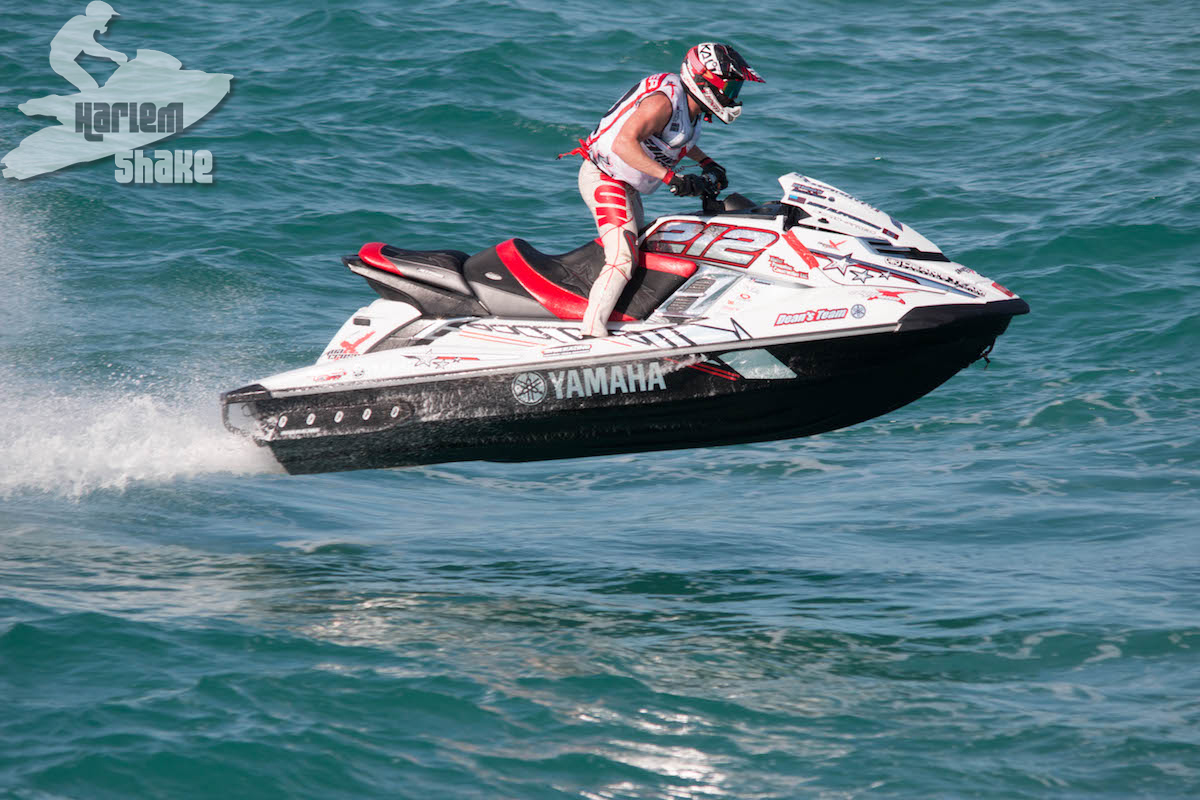
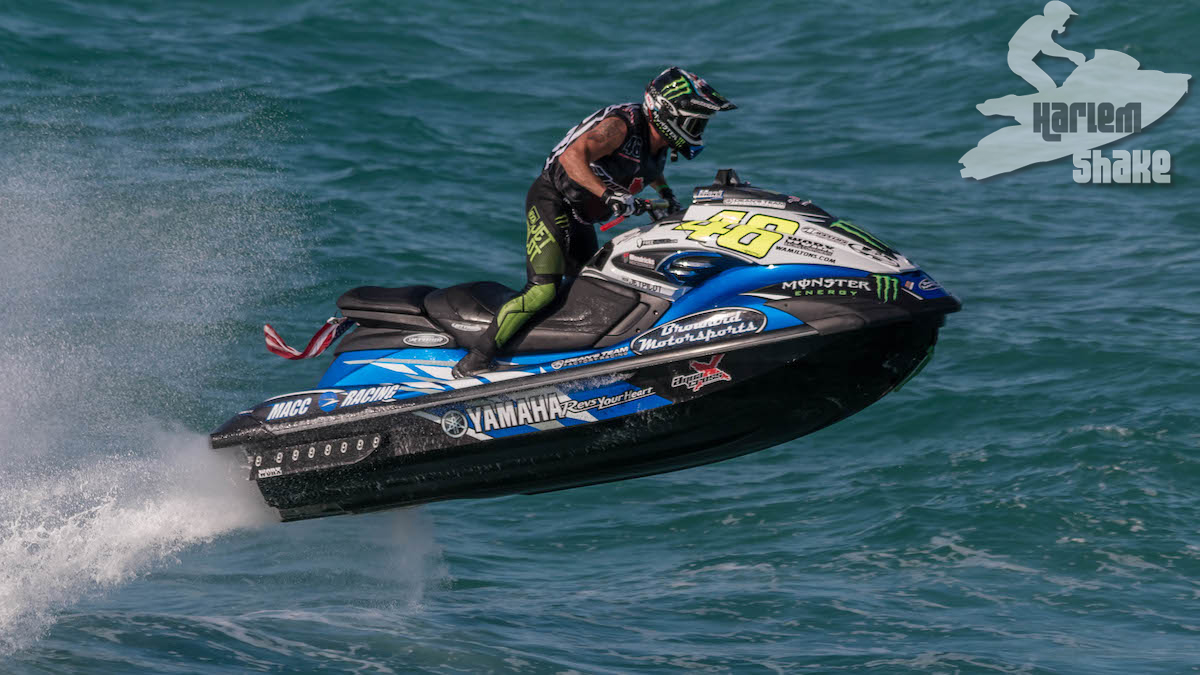
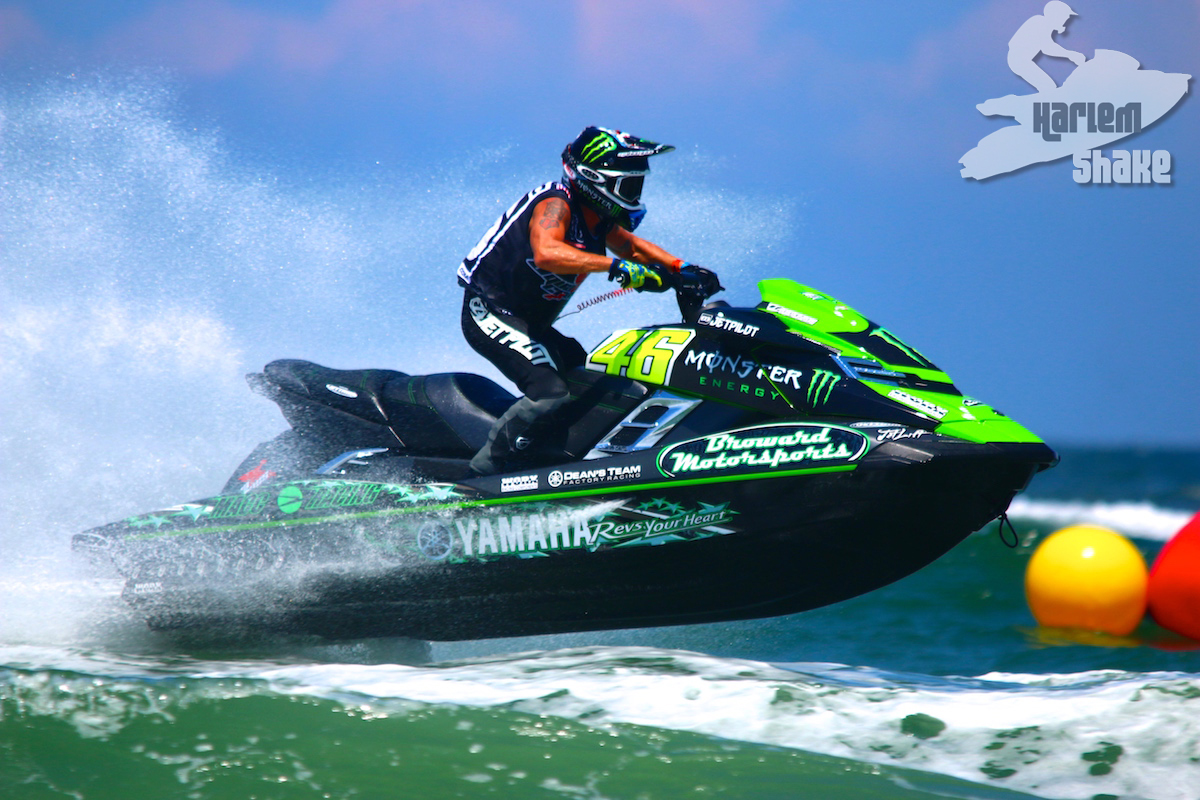
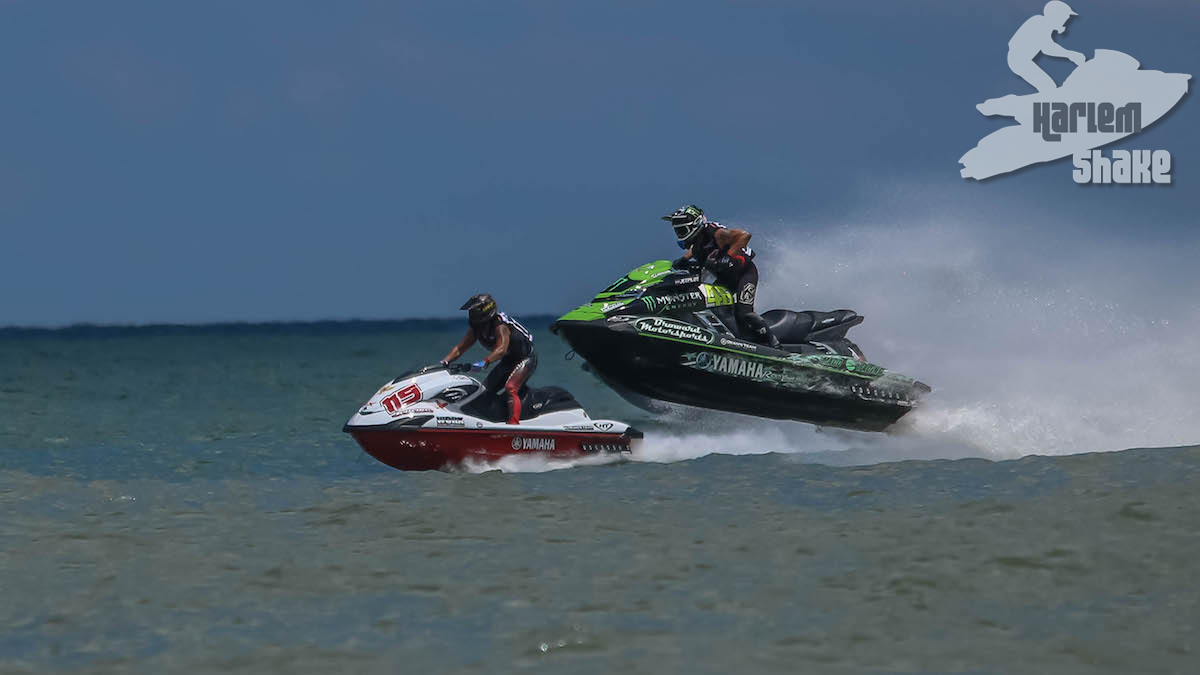
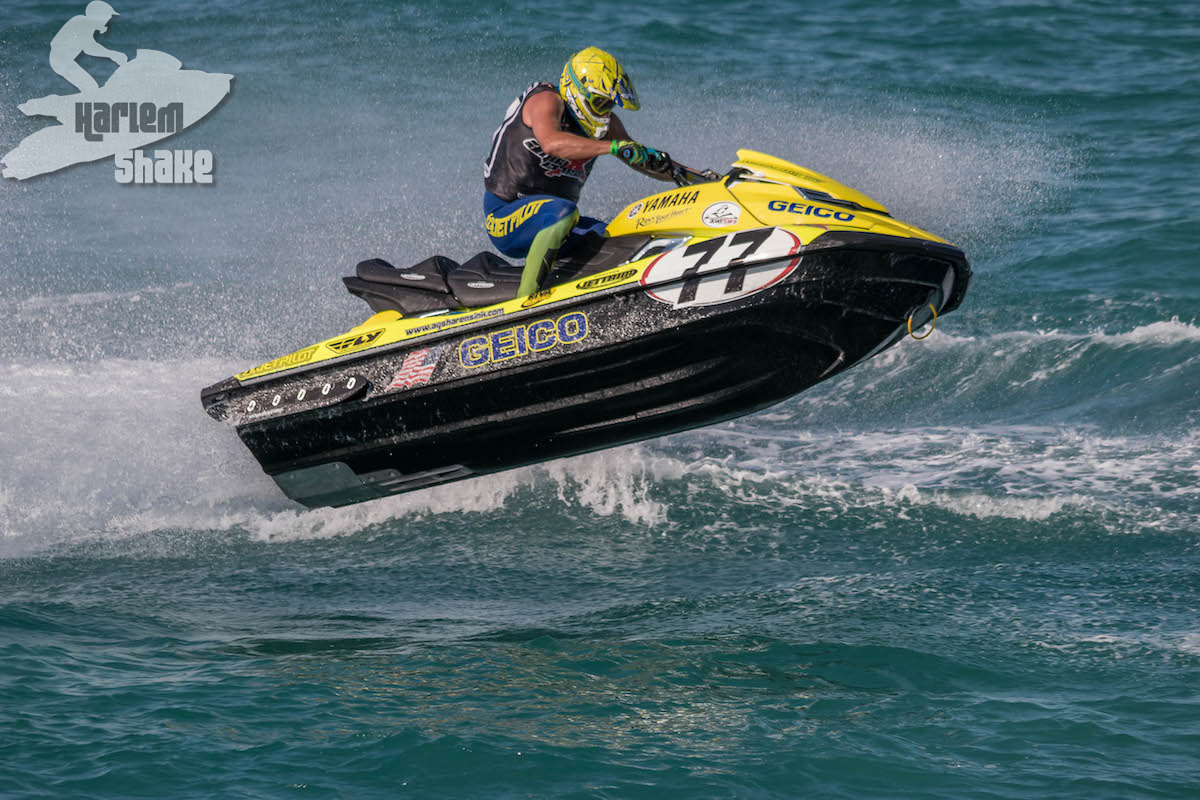
Recently, P1 AquaX shared a post from Yamaha’s Facebook page, offering some stats about the Pro’s racing in Chicago via an infographic made by Yamaha Motor Corp. USA. For all of the manufacturers present at the race, Sea-Doo earned 45 points, Kawasaki earned 84 points and Yamaha came in at a whopping 408 points.

While there are a few variables, the biggest factor towards Yamaha’s dominance is that with Yamaha continuing to stay in the United States and investing millions of dollars into building and revamping their existing factory, Yamaha has truly built a machine to last the rough abusive in an intense race.

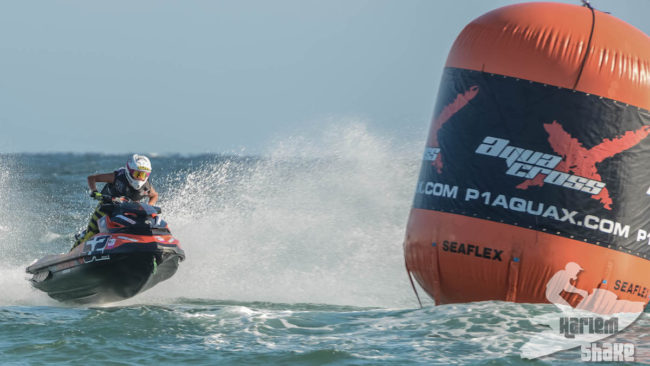
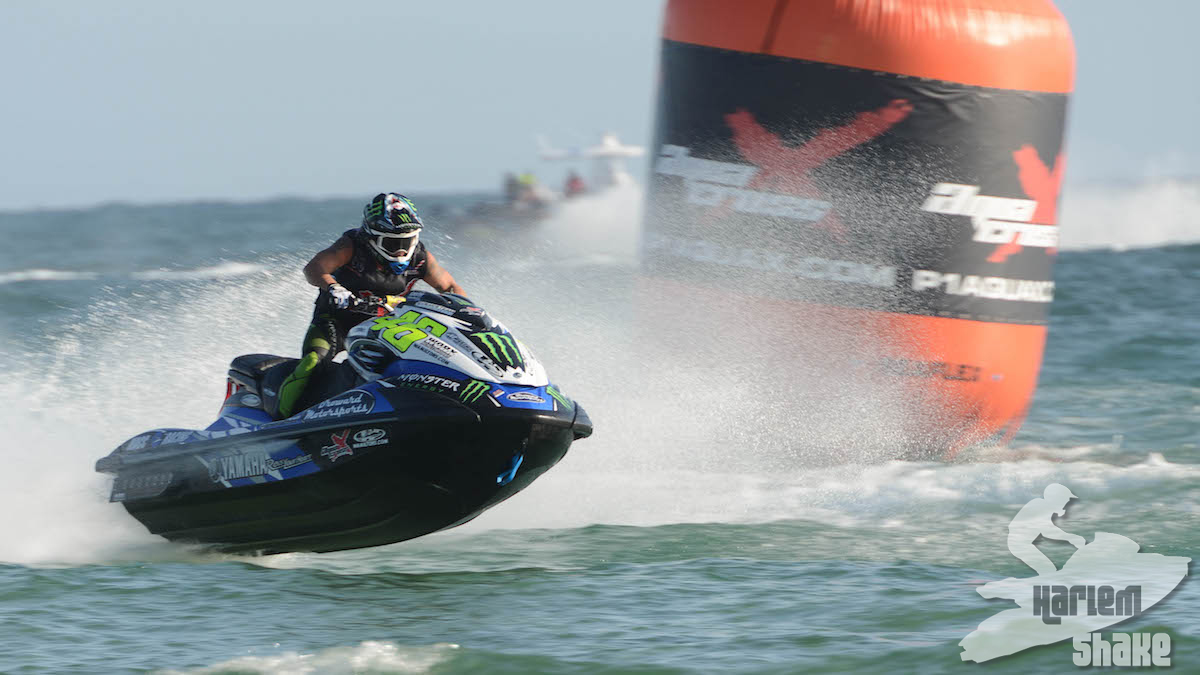
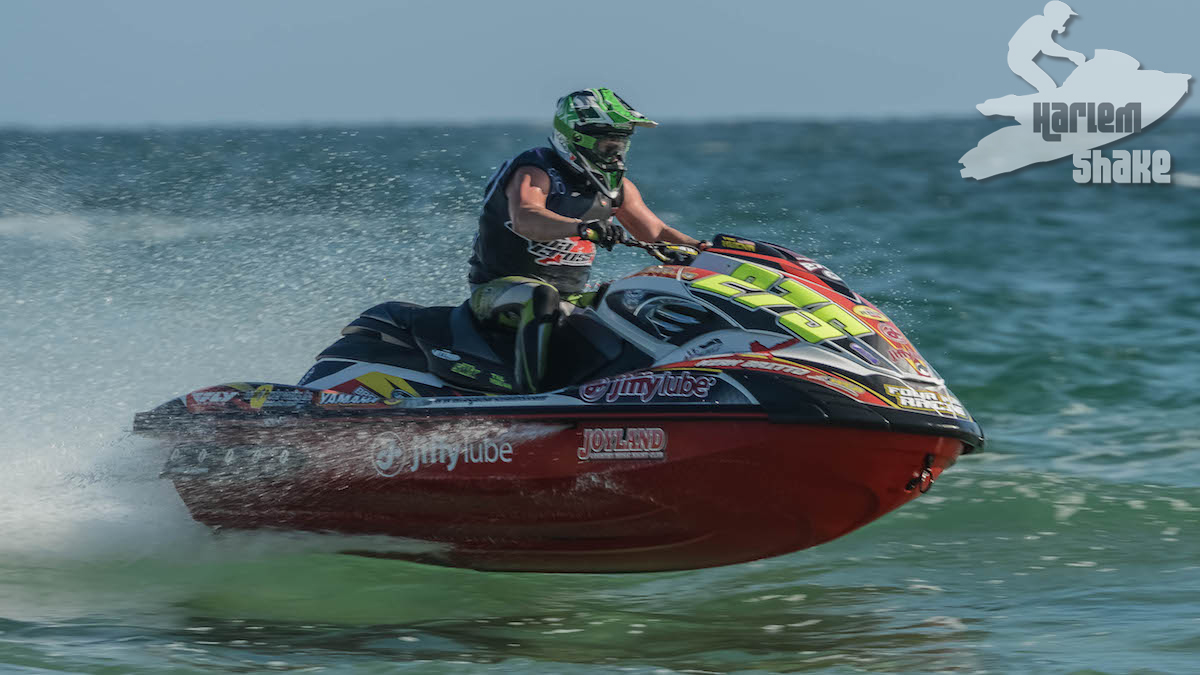
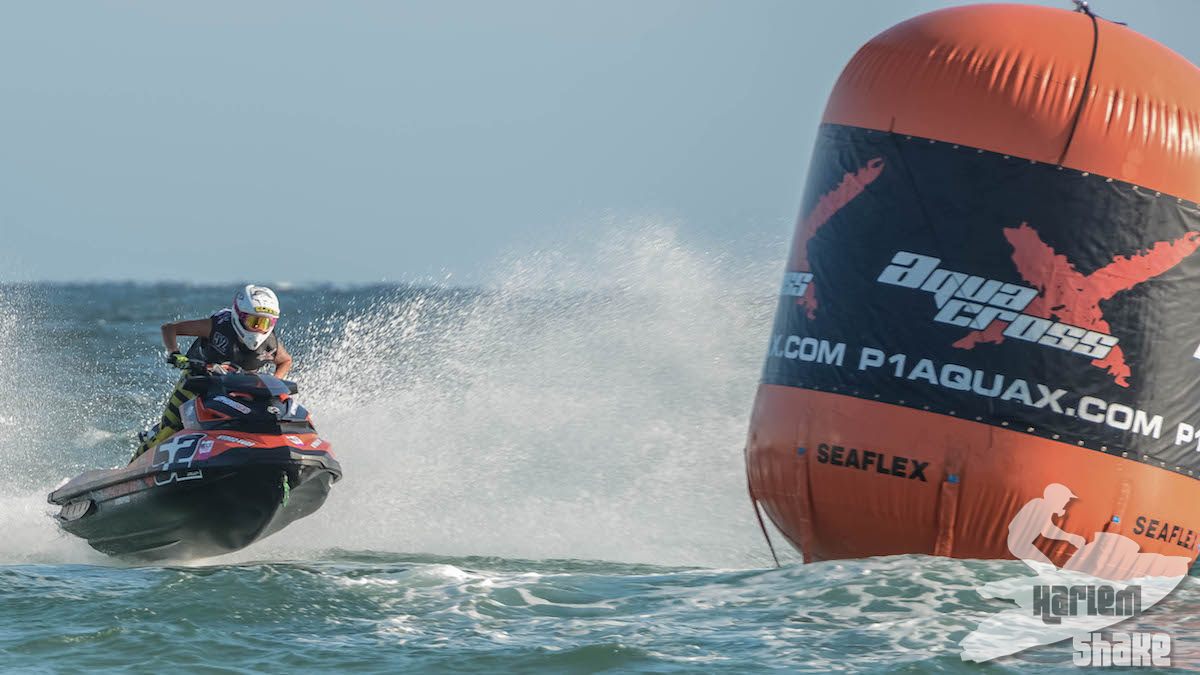
Receiving 408 points is incredible but hearing the stats about how those points came about is what is truly amazing. The fastest lap (which was completed by Chris MacClugage) was 1:26.93. During that fastest lap, his top speed was 71mph, which is very fast considering the restrictions imposed by AquaX’s strict rules, and the brutal Great Lakes conditions.

One of the most amazing accomplishments was that MacClugage led in 47 of the total laps, which allowed him to read out each turn and give it his best. Sadly, it was not enough, as Brian Baldwin was able to clinch the win. Craig Warner did something very exciting too, which was gaining 8 whole positions when there was only 18 racers! This race had some of the best riders representing 6 different countries.

This year has been quite exciting as Yamaha and Sea-Doo have announced their 2017 lineups. We are still waiting to see what Kawasaki has in store, but as of this race, Yamaha has showed that they are building some very durable and fast machines. It makes us look forward to seeing how Sea-Doo and Kawasaki will bounce back in the last remaining AquaX races.

Video: Rep Your Favorite Brand By Wearing Official RIVA Gear

0

f144769738

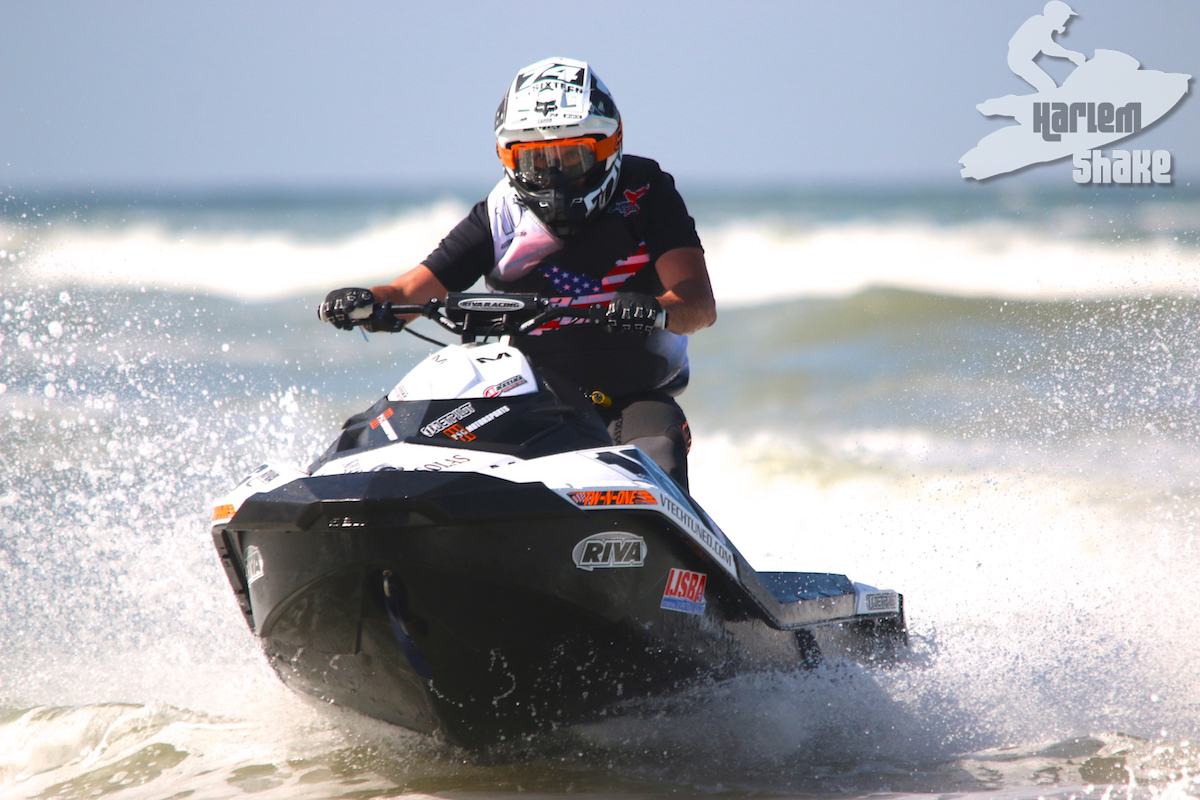
Sure, RIVA Racing is the industry’s biggest and most prolific manufacturer of top-of-the-line performance parts for all makes and models of personal watercraft, but did you know that they also produce a massive selection of awesome apparel? Whether you’re repping RIVA Racing itself, or your favorite OE manufacturer, RIVA’s got a cool new or vintage-looking shirt, hoodie or hat to show your pride.

With sizes, colors and styles to appeal to both men and women, and even kids, RIVA Racing’s apparel line is just way too big for us to fully cover in this article, so make sure to take a look at their selection HERE. The latest addition to their catalog of clothes are their new embroidered snap-back baseball caps. Moreover, there are long-sleeved, water-wicking fishing shirts, tanks, riding shirts, rash guards, high quality pit shirts, water-wicking polos and tees, and sweatshirts.

Again, whether you’re looking to represent RIVA or your favorite OE (they’ve got apparel for Honda, Kawasaki, Sea-Doo and Yamaha), there’s a ton of sizes, colors and designs to choose from. Make sure to stop into RIVA Racing’s online store today and check out all the cool gear!

Gallery: 2016 Hidden Trails/Sea-Doo Pro Watercross World Championships

0

pro

The Pro Watercross season came to an end after an exciting weekend in Sugden Regional Park in Naples Florida with The Hidden Trails/Sea-Doo Pro Watercross World Championships. The beautiful park played host to the Flyboard World Championships to begin the week and that was just the beginning to the high flying action. The extremely calm waters and technical track led to some top notch racing something we have come to expect from the pro show. The Hidden Trails/Sea-Doo Pro Watercross World Championships would not disappoint.

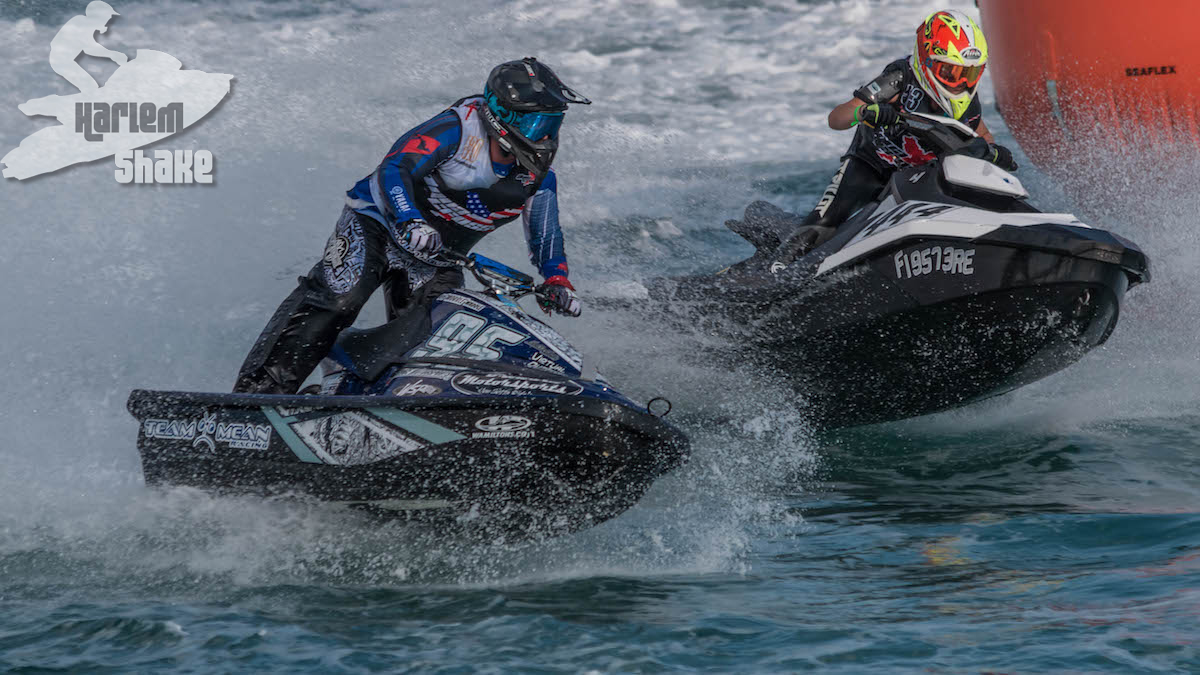
The first class to hit the water was the Pro Am Ski Stock class. Team Mean/Broward Motorsport rider David Cabrera has been staking claim on this class all season and nothing would change in the qualifier after grabbing the huge win setting him up great for the main. In the main, Cabrera jumped out to the early lead but that doesn’t mean there wouldn’t be some suspense. Cabrera thought the race was over with one lap left and young gun, Team Faith rider Gage Schoenher, made the pass for the lead as Cabrera backed out of the throttle.

Schoenher’s luck wouldn’t last long though as Cabrera made the exciting pass on the last corner to lock up the World Championship. Third place went to Apex, North Carolina’s own Callaway Turner after a great weekend of riding. On a side note the only female rider in the pro classes this weekend, UK’s own Sophie Perrin, had a great ride to finish up fourth.

In Pro Am R/A Box Stock, Yamaha FZR rider Jeff Dyckowski put in an amazing heat win after fending off Hidden Trails/Sea-Doo rider Tim Ducat for all ten laps. In the main, it was more of the same but Monster Energy/Kawasaki rider Eric “The Eagle” Francis was added into the mix. It was a three-way battle for 10 laps in the main with mere seconds separating the 3 riders but Dyckowski put in a rock solid performance and locked up the world championship followed on the podium by Ducat and then Francis.

The biggest class of the weekend out of the Pro classes was once again Sport GP. After dominating all season, Broward Motorsports rider Sam Nehme had a rough start to his weekend and red flagged in the heat race pushing him to 10th place. But that opened up the door for a big time heat race win for Rich Taylor out of Christmas, Florida. Nehme had different plans for the main after the rough start to the weekend.

Judge Motorpsorts rider Billly Dearman pulled an amazing hole shot with Nehme in tow. After a bobble by Dearman, Nehme took the lead and never looked back on his way to a world championship. After the bobble, Dearman got back on the gas to finish second. Third place went to heat race winner Taylor.

Pro Am Ski GP was as exciting as ever. Naples’ own Monster Energy/Broward Motorsport rider Chris MacClugage – aboard his K1 hull – grabbed the heat win to set himself up with great line position in the main. MacClugage was dominant this weekend as he has been for the majority of his career and won the main as well in front of his home crowd. Kommander rider Derrick Helm finished second behind Macc and seems to have really caught fire towards the end of the Pro Watercross season, so look out for him in 2017! Third place went to somewhat of a new name to the GP class podium for the year Jordan Carroll.

Pro Am Runabout GP class had another of Naples own and who seemed to be the crowd favorite, Jettribe/Sea-Doo rider Ermino Iantosca. Iantosca broke in the heat and that gave Dean’s Team/Factory Yamaha rider Brian Baldwin the big win in the heat. Iantosca would get his motor back together after a long night of wrenching and gave the crowd something to cheer about in the main on Sunday and he led from wire to wire taking home a world championship, which he dedicated to his hard working father.

Second place went to Baldwin who just couldn’t hunt down Iantosca in the last race of the Pro Watercross season. Third place turned into a battle late in the race after Kawasaki rider Eric Francis pulled his lanyard and gave life to Sea-Doo rider Tim Ducat’s quest for a second podium of the day. Francis missed a buoy late in the race to give Ducat third aboard his stock Sea-Doo RXP-X.

The second annual Hidden Trails/Sea-Doo World Championships was a major hit. There are rumors of a $100,000 purse for next year in 2017, we hope this brings out the brightest stars of the watercraft racing world and allows this to become the pinnacle of the racing season.

All results from the 2016 Hidden Trails/Sea-Doo Pro Watercross World Championships from Naples, Florida can be seen HERE.

img_ img_7311 img_7362 img_7366 img_7402 img_7427 img_7443 img_7645 img_9463 img_9601 img_8034 img_7983 img_9812 img_8383 img_7867 img_7652 img_9241 img_8046 img_7999 img_7621 img_8949 img_9067 img_9012 img_8745 img_7844 img_7754 img_7675 img_7656 img_7638 img_9403
<
>

Case of The Humpdays: Haulin’ Standups In a Hatchback

0

not-a-backie-chan-1

“I hate trailers.”

Recently Jason “Jay” Baxley published a post on Facebook touting his favorite “tow rig,” a ’97 Acura Integra GSR with over 250,000 miles on the odometer. Hanging out of the white Honda’s hatchback was a rough-and-ready Yamaha SuperJet, the next image, a white KLR. He told The Watercraft Journal, “I had [the GSR] for close to 6 years. A friend of mine had it for 10 years before I got it.”
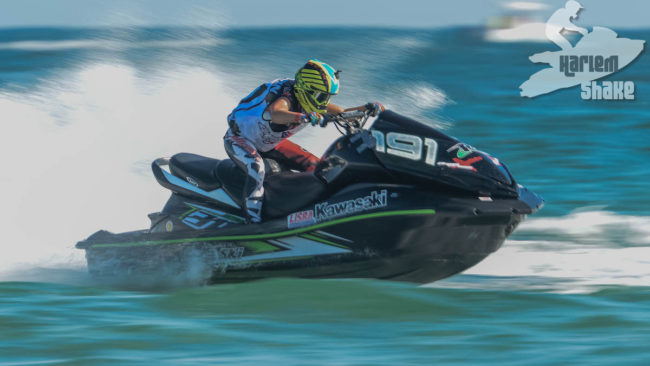
Although Jay has towed with it, admitting, “It has a receiver hitch, and when I moved from Tennessee I put everything in the car and my KLR on a trailer and my SuperJet inside,” he hauls his standups in the car more often than not – and its been that way for some time. “When I first stared riding, I towed my two Kawasaski stand ups.”

An avid standup rider, Jay participates in freeride events and some races. “It is been to the Daytona Freeride. (That was the farthest trip – from Knoxville, Tennessee to Daytona.) It’s been to the Lake Hartwell race (Georgia). And it’s been to Naples twice for both Pro Watercross World Championships.”

His anti-trailer exploits expand beyond the Acura. “I also have put a square nose inside a CRV. I’ve also put ‘Blaster and a Backie Chan into the back of a Suburban. I hate trailers.”

Gallery: Cycle Springs Powersports’ Buying Experience Difference

0

mile

It means quite a bit to earn Yamaha’s highest dealer satisfaction award several times over. It also speaks loudly when a dealership earns Yamaha’s White Diamond Dealer award for both watercraft and boats, the Kawasaki Ichiban Award and BRP’s Platinum Certification awards. In fact, the accolades continue beyond that, but we’re pretty sure you get the point.
Cycle Springs Powersports is one of the highest rated dealers in North America and for a very good reason. In addition to maintaining an inventory of your favorite brands, including Yamaha, Kawasaki, Polaris, Suzuki, Glastron, Sea-Doo and more, Cycle Springs has made a concerted effort to elevate the buying experience.

Above left: Every customer is personally greeted by a trained and helpful member of the Cycle Springs Powersports sales team. Above right: For an undecided buyer, Cycle Springs will question the customer about their wants, desired kind of riding, and more, showing various sales materials to help the customer get a better idea of what products are available.

Above: With a general idea of what the customer is looking for, the sales associate will walk them through the inventory and help introduce the customer to various models, highlighting individual features and attributes.

In previous instances, The Watercraft Journal has documented the various ways Cycle Springs Powersports stands above other dealers, be it through their own Lifetime Engine Warranty, Money Back Guarantee on extended warranties, employee cost on accessories (on the day of sale), 50-percent off Pre-paid Maintenance, and no additional cost protection for 500 miles of pre-owned machines. But those are merely selling points.

We wanted to know what steps Cycle Springs takes to make the personal one-on-one experience all that more enjoyable, whether for the first-time customer, or the returning regular. For better insight, we talked with Cycle Springs’ Watercraft Manager, Dan “Smitty” Smith, who not only walked us through the process, but provided an inside look at the Cycle Springs process.
Above: Unique to Cycle Springs is their provision of added features to all watercraft, specifically the spring-loaded drop-in cleats and engine fogging kit; items that come at no extra cost and aren’t available through other dealers.

Above: The sales associate ensures that the customer’s questions are resolved, as well as permitting the buyer to familiarize themselves with the various features and options.

The Watercraft Journal: What efforts/steps are taken by Cycle Springs’ staff to welcome a new customer?
Dan Smith: Our staff is built from powersports enthusiasts. People who enjoy coming to work and talking about their personal passion. This makes it a more personable, inviting, and informative place to walk into. Not just people filling a position at a job.

WCJ: Particularly for undecided buyers, how are Cycle Springs’ staff taught to best diagnose a customer’s wants/interest?
DS: Part of sales process that other dealerships often ignore is they forget to probe the customer for exactly what they are looking for. A lot of sales personnel like to talk about what they like in a machine instead of trying to find out exactly what the customer needs. Simple questions like: Are they using it at the causeway or beach hopping in the gulf? Do they care more for performance, comfort, or a combination of both.

Above: Often in the case of a first-time buyer, the customer has none of the proper safety equipment to accompany their new purchase. Cycle Springs carries a wide variety of lifevest brands and styles, as well as a well-equipped accessory catalog in their Service Department.

Above: To remove the intimidation of meeting with a finance officer, all Cycle Springs sales associates also serve as the customer’s guide through financing the new purchase.

WCJ: How about those returning customers who might already have a brand their loyal to, or a predisposition already in mind?
DS: Asking customers what they previously have owned is also a huge step into introducing them into their next machine. Some customers have had bad experiences with a certain product or feature of that product; however, on the other hand some customers are completely brand loyal because of an excellent prior ownership. Another huge advantage to Cycle Spring is that we are a dealership of all Personal Watercraft brands. This allows our staff to guide the customer into the right product without personal bias or product availability.

WCJ: We understand that at Cycle Springs, the sales person is also the financier. Please elaborate a little more as this is a unique feature to Cycle Springs:
DS: Most customers come into a dealership with their guard up and it obviously takes a great experience with their salesman to bring that guard down. At this point, the salesman knows exactly what the customer is looking for and what kind of protection they are looking to add to their new purchase. In a general situation, most customers get anxiety having to go into the finance box and dealing with another member of the staff in his suit and tie hiding behind the glass door just waiting for you.

Above: Once the purchase and financing paperwork is completed and submitted, the customer is taken back out to be shown the proper process in hitching their trailer, as well as servicing and maintaining their new watercraft, as well as a final safety check.

WCJ: Once all of the paperwork is signed, the customer is ready to go with their new toy, right?
DS: Once the customer has discovered which unit is right for their lifestyle and the purchase is made, our knowledgeable staff then goes out to the unit for a hands-on delivery experience. We show them everything, from hooking the trailer to the hitch, to how to properly operate the craft, to the flush and care procedure.

1 7 9 15 10 11 12 13 14 4 8 5 6 2 3
<
>

Video: Want an Amphibious PWC Scooter? There Is One

0

triski-876

A hilarious video shows a rider in his underwear riding what appears to be a yellow ’97 Sea-Doo GTI that’s been converted into three-wheeled scooter. He was having a ball and so were the onlookers. Unfortunately, it was impossible to make out what anyone was saying because of the language barrier. It sounded funny though!


While such a Sea-Doo doesn’t actually exist (besides making your own), there is some information on such a vehicle that we’ve published before here, and it’s made by Gibbs Sports Amphibians; several different hybrid machines made for the amphibian in you. The trike is out there along with a two-wheeled hybrid and a Quadski, which we’ve reviewed exclusively before.

Gibbs manufactures its vehicles for excitement so they are built with speed and adrenaline in mind. The Triski is equipped with hybrid handlebars that work well on a motorcycle and a jet ski. These are used to steer its two front wheels. The Triski also has two powerful jets out the back. When the amphibious ski hits the water, the front wheels retract and the central rear wheel is pulled up into a nook beside the exhaust to allow the jets to function.

The Triski appears as though a passenger could come along for the ride. The machine has a 135-horsepower, twin cylinder turbocharged engine and can reach a top speed of 85 mph on land and 40 mph (64 km/h) on the water. The transition between scooter and ski only takes about 5 seconds. We like the idea of the quick change!

We aren’t sure if this is the model that underpants man was riding, however, it had a similar set up so we’re going with it.

Generation EX: 2017 Yamaha EX Series WaveRunner Models

9

ex

Some of the greatest things we enjoy came from direct competition. Oreo cookies were Nabisco’s answer to Hydrox. The Beatles’ “White Album” came as a direct response to The Beach Boys’ opus record “Pet Sounds.” The “Star Wars” franchise came from George Lucas’ initial desire to direct a new Flash Gordon film. So, in many cases, its all but impossible to evaluate or even appreciate the latter without fully acknowledging prior. This was our thought in coming to weigh the 2017 Yamaha EX Series WaveRunner models: EX, EX Sport and EX Deluxe.

First, in choosing to review all three units simultaneously, we at The Watercraft Journal wanted to illustrate that each of the three units, albeit unique in their packaging, are in total, sequential; not just in pricing and optioning, but in their overall value. Moreover, while Yamaha might not wholly enjoy our doing so, it felt almost willfully ignorant for us not to recognize the giant 450-pound PolyTec gorilla in the room, the Sea-Doo Spark (for which, the EX models are a direct response to).

12

First off, it’s worth noting that since its inception nearly 4 years ago, the Sea-Doo Spark has been an unmitigated success, accounting for 62-perent of all new PWC sold in the 2015 being Value/Economy models (ie. Rec-Lite or Sparks), the single-highest percentile since they began tracking PWC sales. This machine single-handedly blew open the doors of a whole new segment of the PWC market that had gone previously untapped, and Yamaha wanted a part of it. More importantly, the recent upward swing in sales over the past two years was due in large part to an increase in first-time buyers.

With these new buyers in mind, Yamaha opted to glean from the Spark all of the appeal, and correct – in their own words – everything the manufacturer saw wrong with it to offer its own low price point watercraft that maintained Yamaha’s commitment to reliability, durability and fun without sacrificing dependability. It was a tall order, and the biggest obstacle to hurdle was in distinguishing the EX from the competition. And as we see, the EX Series – consisting of the base EX ($6,599), the EX Sport ($7,599) and EX Deluxe ($8,599) – are a careful, measured and many would say conservative response to Sea-Doo’s Spark.

Above: Yamaha developed a separate lower seat base allowing for easy engine access. This also allowed for the EX’s narrow-yet-comfortable one-piece saddle. When service is required, the lower seat base is quickly removed with basic hand tools (see image) to access the entire interior of the WaveRunner.

Reliability was first: how to make a low-cost, lightweight machine that can truly hold up to the rigors of use that Yamaha has balanced their reputation upon. ”We found that reliability is the single most important attribute for all customer segments,” Product Manager Scott Watkins explained to The Watercraft Journal. “Of all the customers who considered buying another brand, a quarter of them chose Yamaha [over the rest] because of our reputation for reliability.” For EX, this meant maintaining a level of top level consistency in its manufacturing.

Watkins explained the process wherein the hull and deck’s compression mold process: “All [EX] WaveRunners are manufactured in a High Compression Molding process [consisting of a two-part compression mold that uses heat and pressure to compress the “High SMC Compression FRP” into a hull – Ed]. That results in better fit and finish; a smooth, paintable finish (giving us those automotive-grade metallic finishes); controlled tolerances and consistent results each and every time. And the process creates no VOC emissions.”

4

Above: The EX features a reduced and simplified instrument cluster, generous glove box storage (with wet bow stowage and an underseat bin totaling 10-gallons of storage), and wide swim platform.

Next was dependability: based off of the Marine TR-1 engine that received the 2016 NMMA Innovation Award, the EX models are powered by a slightly detuned 100-horsepower EX TR-1. The drop in horsepower is not found in the ECU tune, but mechanically. The changes to the engine are subtle; a lightened flywheel/coupler combination, and redesigned exhaust manifold and muffler. The EX’s unique jet pump is also unique, as when compared to the MY16 V1 pump, the EX 144mm pump weighs 1.8kg less (14kg vs. 15.8kg), and features a redesigned shaft bearing, a combined impeller housing and stator, and completely eliminates the pump bulkhead.

With a 13.2-gallon fuel tank, the EX also touts a 47-percent longer range (in Yamaha’s private testing) than Sea-Doo’s Spark thanks in large part to the manufacturer’s 14-percent superior fuel consumption claim. Stretching to 10-foot, 3-inches long, the EX is noticeably shorter than the next-model-up-the-line 11-foot VX, but only a scant 3-inches longer than the 3-Up Spark’s 120-inch total length. Interestingly enough, the EX units are three-inches more narrow than the Spark (46-inches versus 43-inches).

2

Above: For the individual models, the EX Series is spaced out generously. The base EX comes in Pure White with Green, and is as spartan as expected, including only deck mats, a tow hook and automatic bilge as standard equipment. The EX Sport ups the ante with dual mirrors, a mechanical reverse, a single-sided folding swim step, improved graphics and a color option of either Azure Blue Metallic and White, or all Black. Finally, the EX Deluxe comes with Yamaha’s RiDE reverse and brake, two-tone Hydro-Turf traction mats and two-color “cut and sew” seats, not to mention a livery option of Silver Metallic with Torch Red Metallic, or Azure Blue Metallic.

Yamaha purposefully chose to keep all EX units as 3-passengers, and while that hinders the EX’s appeal from a portion of total Spark sales, its another conscientious move to keep the Yamaha a little more grounded. With a slightly progressive weight scale of 577-, 584- and 599-pounds (EX base, EX Sport and EX Deluxe, respectively) the EX isn’t the featherweight of the PolyTec-hewn Spark, but still respectable as a Rec-Lite segment craft. To keep the pounds off, Yamaha minimized the amount of body parts (fairings, panels, etc.) by incorporating much of the styling cues into the body itself.

Having spent the better part of a year with a Sea-Doo Spark as a long-term project, we were very familiar with the machine’s ins and outs. The EX isn’t as loose or playful as the Spark, and requires slightly more coaxing to powerslide or spinout. The added oomph of the EX TR-1 is enough to propel the EX aptly, but given its heft over the Spark, makes the seat-of-your-pants throttle response nearly equal. While Yamaha advertises a top speed of 50mph for all three tiers of the EX, less-than-ideal conditions during our testing rendered a top speed of 48.2mph (cooler air and a lighter rider will definitely put the EX into the 50mph range).

16

We found the EX Series are more adapt to spirited cruising, careening through narrow channels and tracing the shoreline. It offers a slightly more “grownup” feeling, which can interpreted in however way you see best. We see the merits in both the Spark and EX Series, but they are as distinct from one another in more ways than they are similar. We see the EX being a worthy competitor for new buyers who are looking for a tamer, more stable option to the Spark. Potentially those with younger children, or are looking for a more leisurely ride.

Where there is panache, flair and rowdiness with the Spark, the EX is by no means dowdy, but reserved. We think that is intentional, and will appeal to a lot of folks who were looking for a Rec-lite unit that was a little bit more their cup of tea.

8 15 6 16 17 5 2 4 14 13 1 10 9 3 11 7 12
<
>

Case of The Mondays: Police Stop Jet Skier For No Real Reason

0

maxresdefault

[This video isn’t a slam on those who faithfully and diligently serve to keep this country safe, but a glimpse of “the man” harassing jet skiers for no good reason – Ed.]

This video is hilarious in an annoying kind of way. A dude is having a good time on a lake swapping out his two ’96 800cc Sea-Doo XPs. He’s gleefully cruising, laughing, and jumping his self-made little 3-foot wake until he pulls up to a dock and gets an earful from a couple of police officers.

The officers proceed to let him know that his registration numbers are backwards and should have space between the letters and numbers, and also remind him that no one under 16 is allowed to ride personal watercraft. They perform what appears as a lackadaisical safety check, with one of the cops asking if the rider has a fire extinguisher on board, so he flips open a front storage bin to show the officer that, yes indeed his boat has one. The other officer comments on the rider’s life jacket, mentioning something about it being a Stearns and the guys discuss it for a moment. The operator says it’s a good jacket and he likes it.

The video rolls on and the conversation can no longer be heard because according to a note at the end, he states that he was tired of listening to law enforcement so he turned up the music so none of us had to hear their voices any longer. All in all, the operator of the two Sea-Doos had a great time on the lake just laughing, talking, and playing. Enjoy!

https://www.youtube.com/watch?v=3Q6A7Olk9lY

Video: T-Rex Steals Jet Ski And Does Insane Backflips

0

screen-shot-2016-09-22-at-8-55-50-pm

The easiest thing for an editor for a jet ski magazine is to plug in Liquid Militia/Hydro-Turf rider Mark Gomez’s name and see what the Internet comes up. He’s always up to something cool and that in and of itself is an editor’s dream. His latest exploit has already been making the rounds with the core freestyle community and we thought we’d like to cap off the week with a giant rubber tyrannosaurs on a freestyle ski. Here’s the scoop:

“When a T-Rex dinosaur hits the lake on a jet ski it’s a show!! Especially when it’s piloted by LM’s own Mark Gomez. While Gomez was still up in the Pacific Northwest last week (after his recent competition at the 2016 Blowsion Surf Slam) he had an opportunity to meet up with fellow freerider Guillermo Casas, who was in town also for the Surf Slam.

“Gomez has had an idea to do something with this T-Rex suit he purchased just for this purpose. But, didn’t have anything solid planned until Guillermo entered the picture. Guillermo was down to launch his drone that he had brought with him from Costa Rica (where he resides) to film a session with Gomez and see what happens. Gomez knew he wanted to incorporate his passion for jet skiing into it, of course. Gomez being the pro he is, just needed to go out and do what he loves, while Guillermo does his thing with the drone.

“All in all, this was a unique experience as the Lake was mostly empty and they had the whole cove to themselves, which is always a plus when filming. Without boring you to death on too much chitchat, the video came out dope. Gomez is always making things look fun and easy. We hope everyone enjoys this video and a massive kudos shout out to Guillermo for taking on the task of filming the entire shoot.”

All The Right Moves: 2017 Sea-Doo GTR-X 230

0

gtrx

Sometimes the best answers are the simplest ones. We knew Sea-Doo was looking to fill specific “market gaps” in its lineup, but was pleasantly surprised when Sea-Doo revealed the new GTR-X 230 into its 2017 presentation. The integration of the Ergolock seat from the RXP-X to the GTR was easy enough; the two models share the same deck, and its only a matter of a hood, seat, fairings and bracketry to make the exchange possible. The GTR (then powered by a supercharged 215-horsepower 1503 Rotax) was already a popular mid-range performance craft, and while the race-inspired T3 hull of the RXP-X might’ve been a little too aggressive for many, the Ergolock cockpit was too good not to share.

At first blush, we mistook the 2017 Sea-Doo GTR-X 230 as being a well-executed parts bin market segment filler, but were quickly proved wrong, as the machine is truly much more than the sum of its parts. Yes, the GTR-X 230 rides atop the same 130.6-inch long traditional SMC fiberglass hull as the GTI SE 130 and 155, as well as the GTI 155 Limited and GTR 230. The gentle strakes and low-V hull is playful and loose when pressed accordingly, but tracks true and can aptly cruise or sweep a turn when called to action.

1

Equal all 215, 230 and 260 models, the GTR-X uses the same 159mm pump and the USCG-awarded second generation iBR, which is not only more compact and lighter (weighing approximately 16.4-poounds, including the electronic module and all of the mechanical components) but also allows you to stop nearly 160-feet sooner

Above the bondline would appear to be the same GTI/RXP-X deck, but there too we were wrong. Solely for the 2017 GTR-X 230 is the first use of Sea-Doo’s all-new (and wildly under-promoted) CM-Tech top deck process and material, which we’ve been told will quickly be implemented throughout the lineup in coming years. Unlike traditional SMC, CM-Tech (Closed Mold Technology) is a molding process designed and manufactured exclusively by BRP. The Watercraft Journal spoke with Sea-Doo Watercraft Global Product Manager James Heintz, who explained:

16

“The main procedural difference is that instead of applying gel coat to the mold before injection, multi-layer thermoformed sheets of Acrylic and ABS are placed into the mold before the fiberglass is injected. This accelerates the process and also improves quality thus reducing the number of rejects. In effect, this creates a high gloss acrylic finish on the top deck that is more resistant to chipping and cracking due to the flexible nature of the acrylic sheets. In addition, the inside of the deck is now smooth, with no protruding sharp pieces of epoxy or fiberglass matting.”

True to his word, the inside of the CM-Tech deck is a smooth, polished surface. While this is a welcomed addition to service technicians everywhere, this is truly a godsend for the performance enthusiast who is all but guaranteed to begin modifying the GTR-X 230 on its second weekend. Gone are evenings picking strands of fiberglass from the tops of your hands and arms. Yet, another aesthetic bonus to CM-Tech is Sea-Doo’s ability to apply rich and layered paint to its watercraft. While not wholly visible in our photography, the GTR-X has an luminescent pearl beneath its California Green Metallic hue that shimmers in the sun.

2

The biggest outlier distinguishing the GTR-X from the GTR is of course, the use of the Ergolock seat, X-steering system, foot wedges, fairings and hood pilfered from the RXP-X. Encompassing a slightly reduced “X-Package” (there’s no adjustable sponsons on the GTR-X 230 unlike the RXP-X and RXT-X), the GTR-X makes good use of the repositioned rider. Racers have found Ergolock to be greatly beneficial in centering the rider forward and over the handlebars, delivering superior posture, weight placement and response. For the RXP-X 300, its nearly the only thing keeping you attached to the seat. For the GTR-X and its 230-horsepower 1500 HO ACE, it places you in complete control.

As mentioned, the GTI/GTR hull is moderate in its grip. When pushed, the GTR-X 230 clearly communicates how hard you can push in a turn before the tail wants to break free. Toggling the electronic VTS trim nose-down only amplifies this, making rider input all that more important. In fact, use of the VTS presets option has never been more useful. Programming double taps for cornering can have the nose down in one second, and at neutral plane the next. It’s not only a testament to Sea-Doo’s technological prowess, but commitment to producing rider-focused watercraft.

15

We had immeasurable amounts of fun pushing the GTR-X 230 hard into corners just to see how far we could go. Riding conditions were less than ideal, with temperatures deep into the 90s, even in the morning, with 2-to-3-foot chop, making top speed passes all but impossible. We rattled off a few low 67mph runs, but again, today just wasn’t the day to break any records. Either way, handling is where the fun lies, and we can say with aplomb that the machine delivers. Of course, the lead we’ve been burying is also the GTR-X’s biggest attraction: its all-new 1500 HO ACE powerplant. Replacing the 1503 215-horsepower Rotax 4-tec is a 1,494cc in-line three cylinder.

Although the castings of the crankcase and cylinder case are identical, the 1500 HO benefits from the redesigned cylinder head sporting four valves-per-cylinder, an all-new combustion chamber, improved intake and exhaust porting – all making for superior quench and distribution – as well as the new sleeveless cylinder coatings. The 1500 HO uses a new plasma coating applied via a proprietary thermal spraying process exclusively developed by Rotax’s team in Gunskirchen, Austria, to replace the heavy steel pressed-in sleeves. This not only shaves overall engine weight (totaling 194-pounds), but improves surface durability and heat transference by minimizing friction.

3

Lastly, the 1500 HO is also equipped with Sea-Doo’s new maintenance-free supercharger and external intercooler. And, thanks to BRP’s iControl engine management, has now been optimized for regular fuel, although we still recommend giving the GTR-X 230 the “good stuff” at the pump. All of this not only makes the GTR-X 230, as Heintz states, “faster and more powerful than its predecessor, but just as fuel efficient.” Fuel capacity remains identical at 15.9 gallons, and storage is on par with the RXP-X rather than the GTR (at 30.7 gallons versus 30.8).

Stepping up from a 2017 GTR 230 to the GTR-X 230 will cost you though, as the X-Package tacks on an additional $1,000, putting the MSRP at $12,999. Of course, the RXP-X is another $2,300 over that, but now you’re comparing apples to oranges. On its own, the 2017 Sea-Doo GTR-X 230 is a wildly enjoyable craft. Its truly the gas-powered, high-speed go-kart your parents kept trying to talk you out of as a kid. It’s fast, fun and squirrelly (when you want it to be). Again, we were surprised at how much we came to enjoy the GTR-X 230 and can not find any other machine comparable to it. It stands out and alone, and that makes it all the more cool to us.

16 13 12 7 3 14 6 15 2 10 9 11 4 8 5 1
<
>