Home Blog Page 313

Gallery: RIVA Racing’s 2017 Sea-Doo RXP-X 350

0

RVA

Yesterday was a big day for Sea-Doo as they launched their complete 2017 lineup before an amphitheater full of dealers from across the globe, as well as digitally and via media outlets such as The Watercraft Journal. And while the buzz of the reveal is far from over, RIVA Racing has added to the earthquake by triggering some seismic activity of its own. Last year (and for several consecutive years), RIVA has whipped up a special, highly-modified version of the RXP-X to display all of the many aftermarket performance products immediately available for dealers to sell, as well as for customers to order for their newest acquisition.

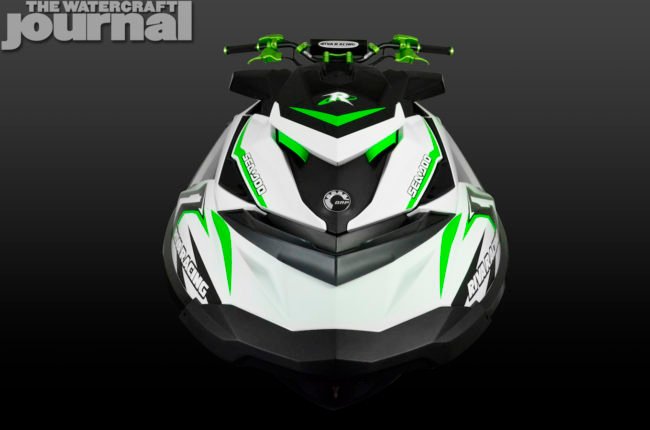
Placed front-and-center at the 2017 Sea-Doo Dealer Show was this incredibly awesome RIVA Racing Sea-Doo 2017 RXP-X 350. The machine in question is purely for demonstrative purposes only, as this true-350-horsepower pump gas RXP-X only displays all of the top-of-the-line performance products made available through RIVA Racing its respective distributors. If you’re a Sea-Doo lover hoping that 2017 would be the year that RIVA would offer a “RIVA Edition” RXP-X 350, sadly you’re going to have to wait a little while longer. RIVA’s own Dave Bamdas walked The Watercraft Journal through the highlights of this high performance personal watercraft:

Green Seadoo RXP 45_degree

“We wanted everyone to know that when they [the new Sea-Doos] hit dealers’ floors in January, that RIVA Racing will have a full line of performance products – including our Stage I, II and III kits – for all [of Sea-Doo’s] 300-horsepower models. Our R&D [research and development – Ed] team are on the water every single day testing, tweaking and gathering data,” Bamdas explained. Much of the difficult work was done last year to accommodate for the new Rotax ACE 300 1630cc engine, particularly in the form of the new intercooler and relocation of key components. Of those changes were modifications to the RIVA/Wilson billet aluminum intake manifold.

“Because of the position of the new pressure sensor in the [300 series] factory intake manifold, we had to made adjustments to our billet Wilson manifold. Now, we’ve relocated the sensor so that it works for both 300 and previous 260 models.” Bamdas noted. “The stock RXP-X 300 is already making a lot of boost. With our components, we increase that so we didn’t want to split the two-piece plastic manifold.” Speaking of which, the RXP-X wields RIVA’s XX Supercharger Kit, increasing boost to an impressive 17.5psi. Additionally, the RXP-X 350 uses a RIVA Power Filter Kit, RIVA Cool Air Vent Kit, and a RIVA Catch Can/Engine Breather Kit.

Green Seadoo RXP steering system

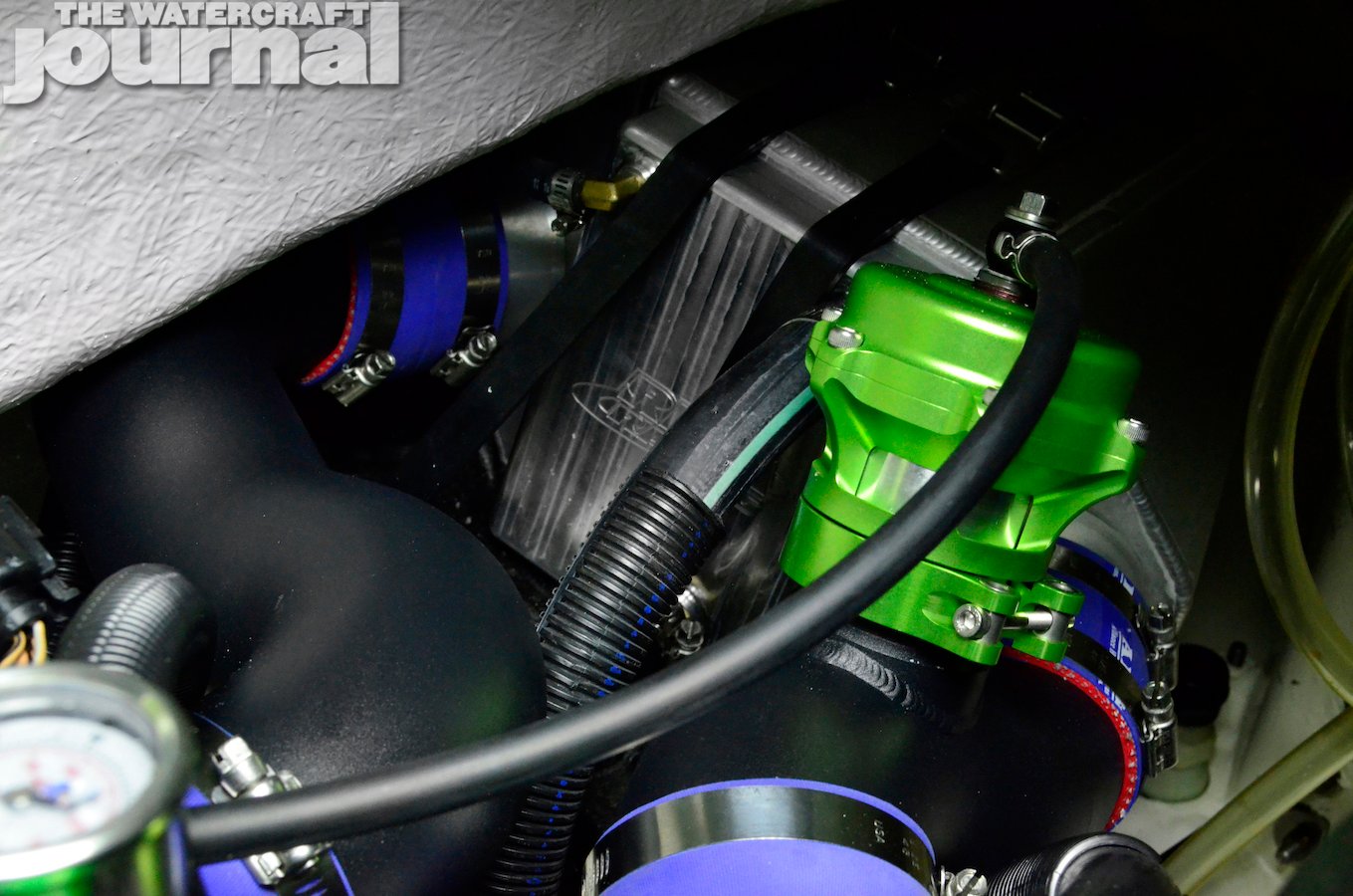
Although the 300 series’ new intercooler is a dramatic step in the right direction, RIVA’s RXP-X 350 features a new RIVA “Gen 4” Power Cooler that is 25-percent larger than the factory intercooler, yet still fits in the factory location (next to the heat exchanger, above the pump tunnel) without the need of replacement brackets. Built with billet end tanks so it won’t swell when hot, RIVA’s intercooler is fitted with their new Intercooler Tubing Upgrade Kit with a cast-in port for a Tial 50mm Blow-Off Valve (BOV) ensuring the intake charge will remain cool and the manifold won’t see excess boost.

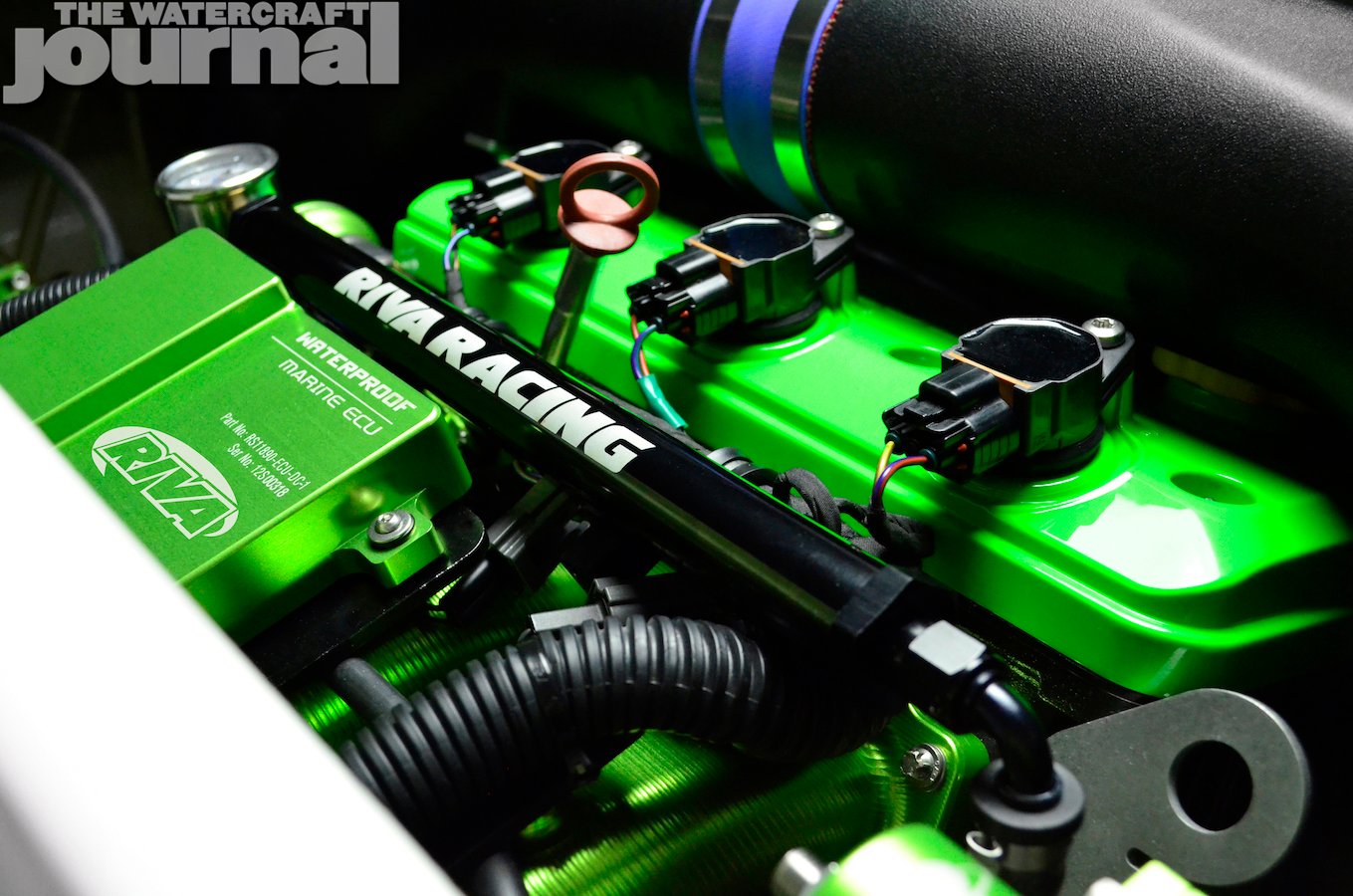
With added boost comes greater thirst, and RIVA’s got the RXP-X 350 covered there too: triple 100lb injectors from RIVA’s Pro-Series Fuel Injector Kit, a new RIVA Fuel Pressure Regulator Kit and the RIVA/Vi-Pec V88R3 Pro-Series iControl ECU all manage to feed this beast (as well as dramatically improve its fuel management). Apart from the RIVA Valve Train Upgrade Kit and XX Supercharger, there is nothing that could be considered “invasive” on this build – in all, it’s rather “bolt on.” Concluding the engine performance add-ons are an all-new RIVA Water Box and RIVA Rear Exhaust Kit, allowing the engine to expel spent gases freely through a billet port drilled into the hull.
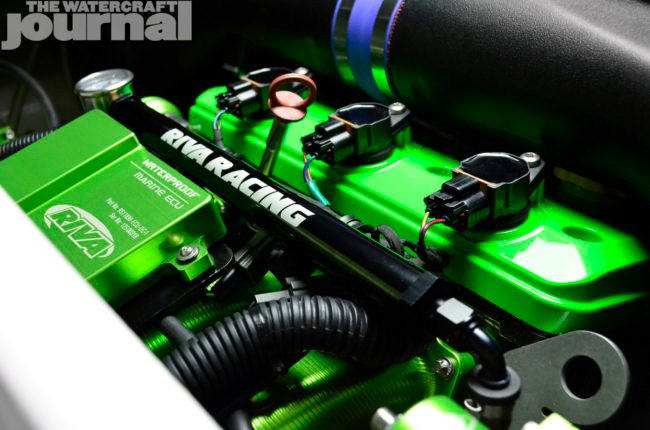
Green Seadoo RXP engine bay

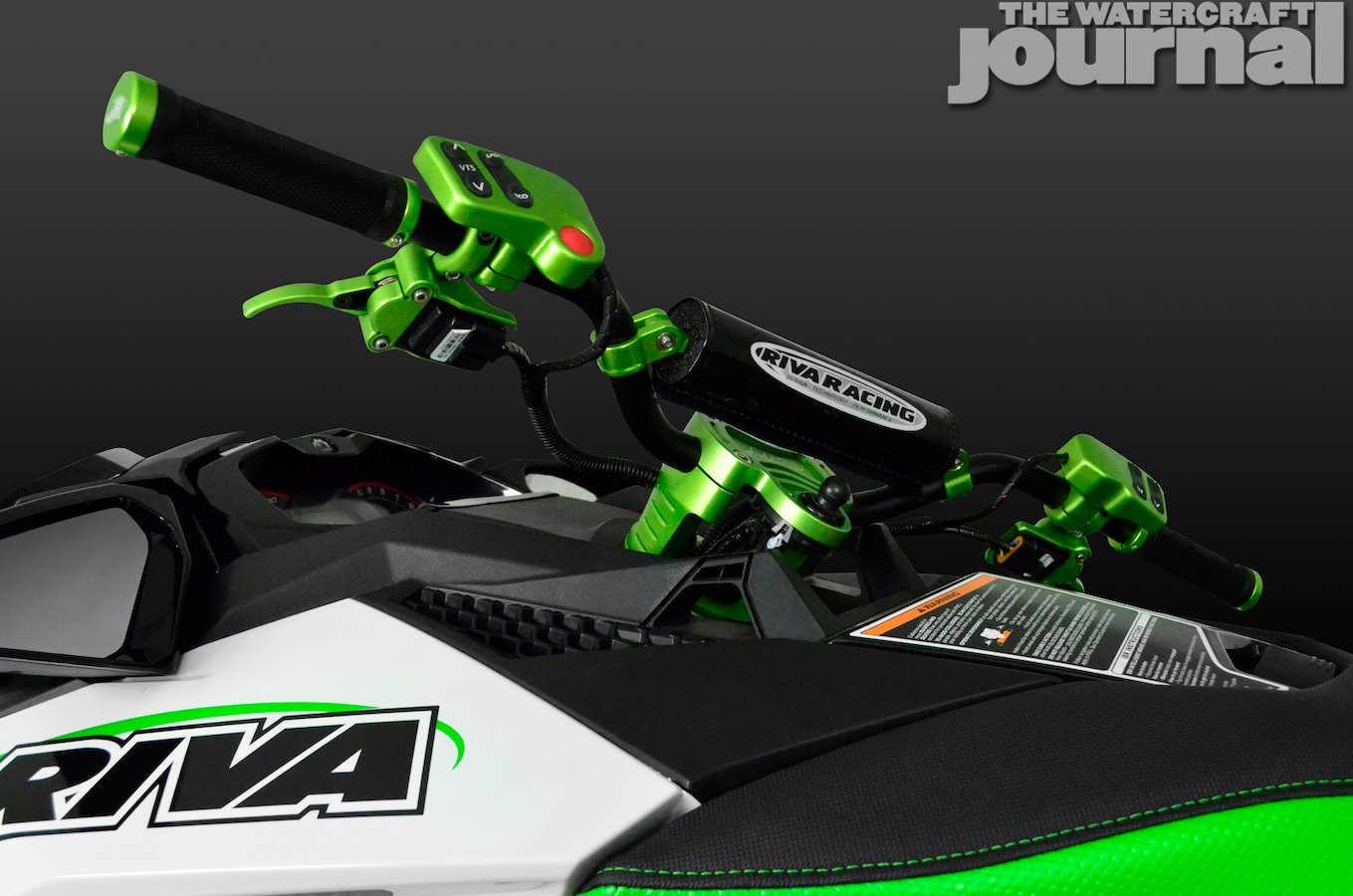
All of the added power in the world doesn’t amount to much if the watercraft isn’t able to translate that into actual working thrust, and RIVA ensures that happens through a RIVA Stainless Steel Top-Loader Intake Grate (RXP-X), RIVA/Solas Race Pump & Nozzle (161mm/14-vein) and RIVA/Solas Concord 13/18R Impeller. With all of this added thrust, the RXP-X 350 needs to be able to handle, and that is achieved via a RIVA Pro-Series Sponson Kit, RIVA Performance Trim Tabs Kit (Fixed), RIVA Pro-Series Steering System Bundle, RIVA Pro-Bar iControl Handlebars and a pair of ODI Rogue Grips.

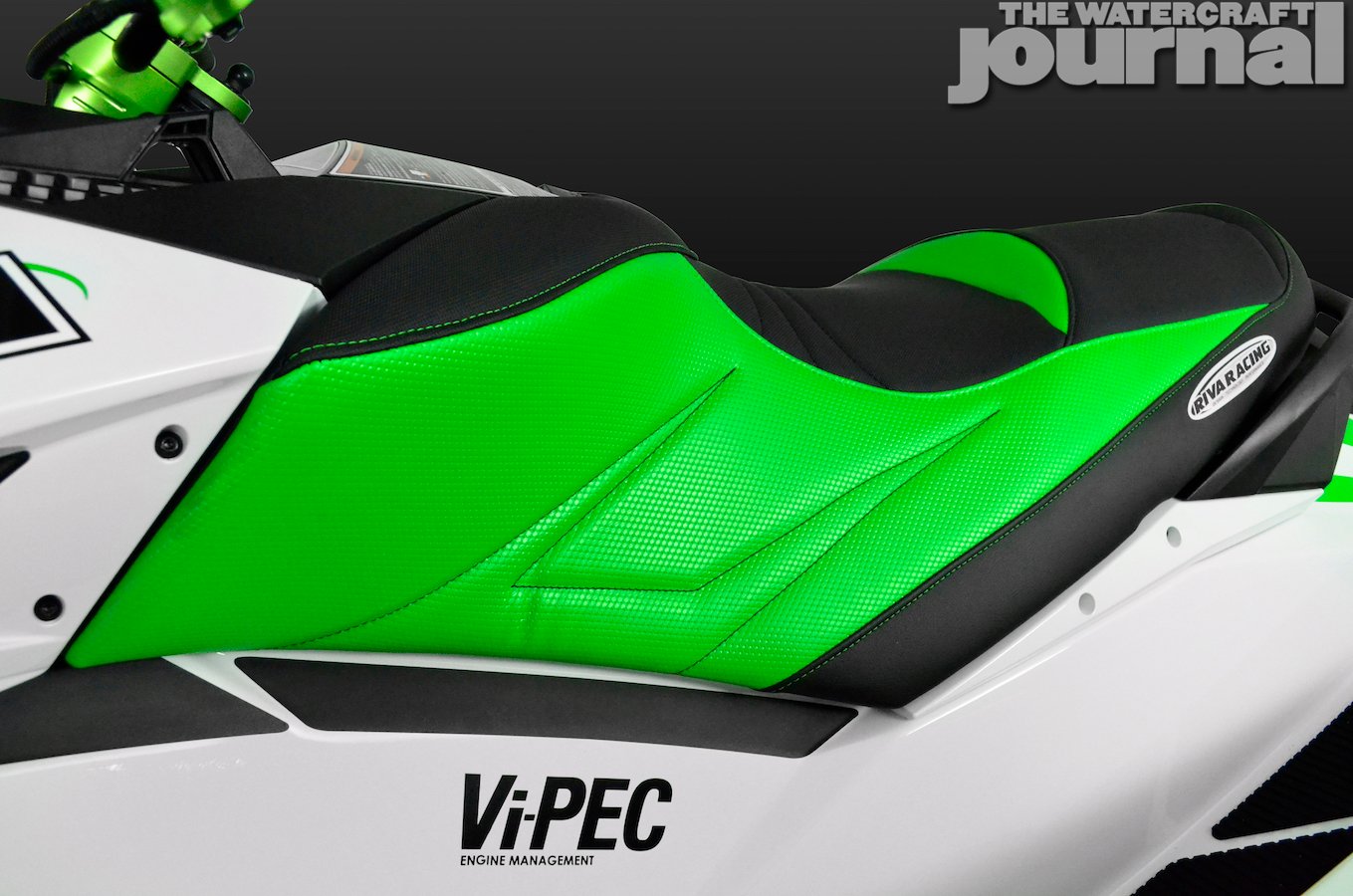
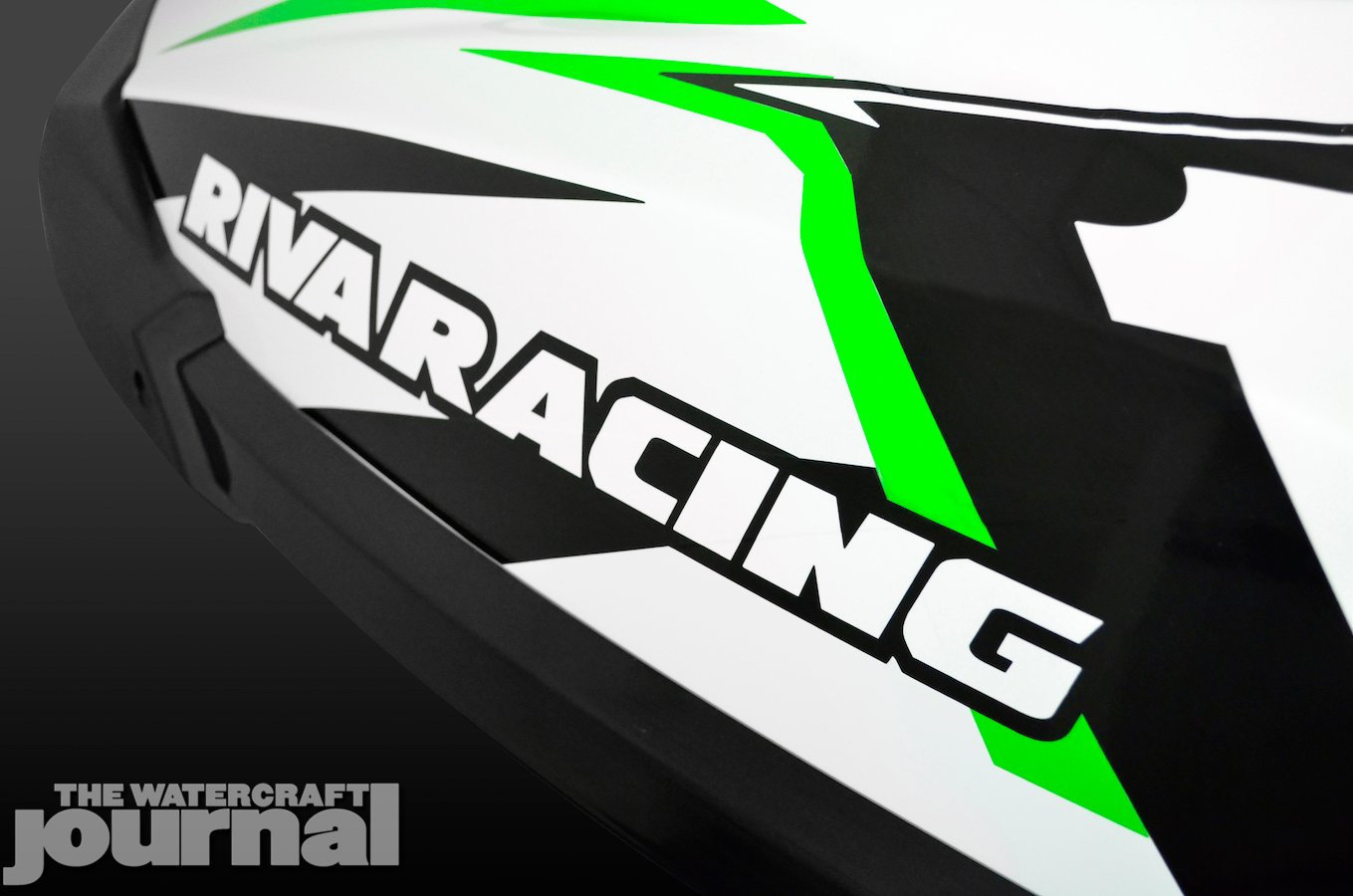
The one-of-none RIVA Racing RXP-X 350 also enjoys some refinement in the form of a custom Hydro-Turf Traction Mat Kit, RIVA/Jettrim Custom Seat Cover and RIVA Race Graphics Kit (from Exotic Signs) all tastefully designed to give the craft a clean-yet-striking eye-catching package. Unlike last year’s RIVA Edition FZR 350 (or next year’s RIVA Edition, which we will exclusively reveal here next week), the RXP-X 350 will not be offered as a limited edition PWC to the public.
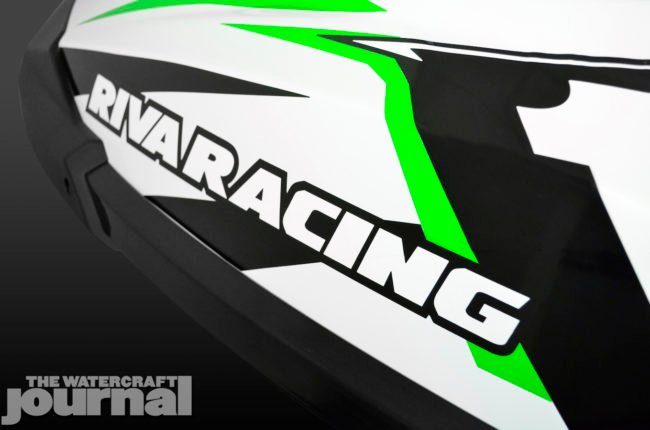
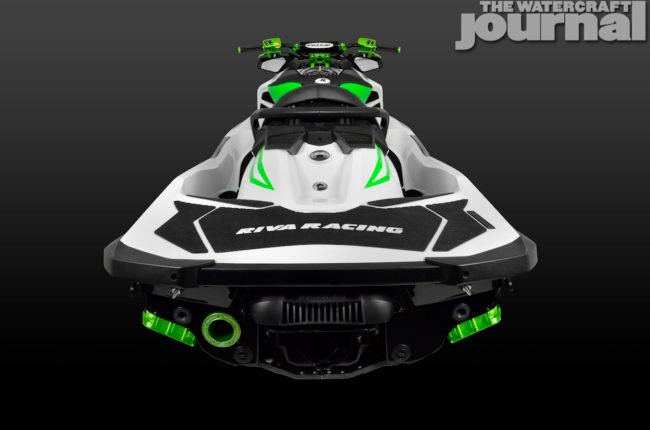
Green Seadoo riva racing logo

Rather, this vehicle exists solely to illustrate how you the enthusiast can create your own custom machine through RIVA’s performance products, all of which are available right now. ((All of the above hyperlinks lead to current Sea-Doo parts by RIVA. – Ed.)

If you’re interested in seeing the RXP-X 350 in person, it along with the yet-to-be-revealed 2017 RIVA Special Edition ski, will be on display at the official RIVA Racing booth at this year’s IJSBA World Finals in Lake Havasu City, Arizona. If you’re thinking about going, then and there will be your chance to see it in person. Otherwise, you’re free to ogle these pictures.
Green Seadoo riva racing logo Green Seadoo RXP front Green Seadoo readr Green Seadoo RXP tial bov Green Seadoo RXP 350 logo Green Seadoo RXP engine bay Green Seadoo RXP_right_side Green Seadoo RXP_left_side Green Seadoo RXP regulator Green Seadoo RXP steering system Green Seadoo RXP riva logo Green Seadoo RXP 45_degree Green Seadoo RXP Exhaust tip Green Seadoo RXP seat Green Seadoo RXP sponson
<
>

Gallery: Hidden Trails Pro Watercross National Tour – Round 6 Lake Hartwell, GA

0

HARTWELL

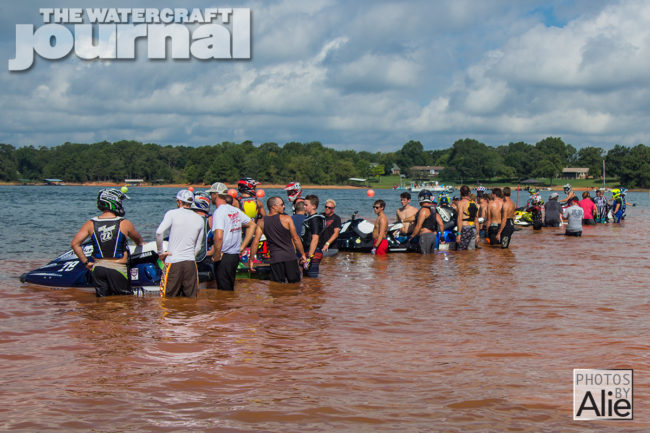
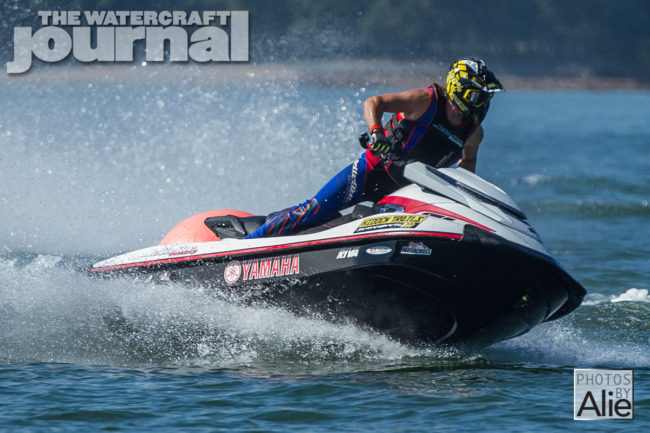
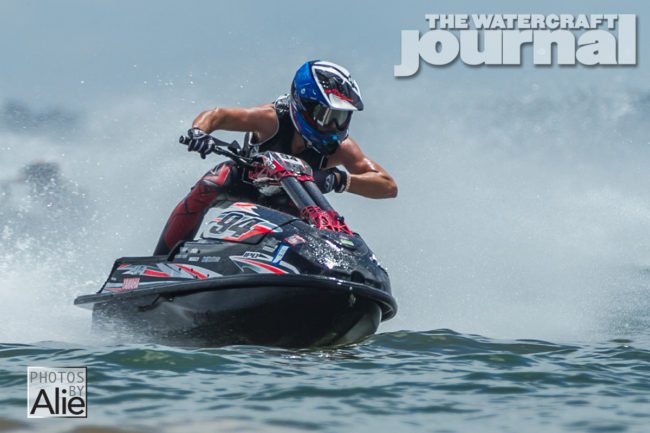
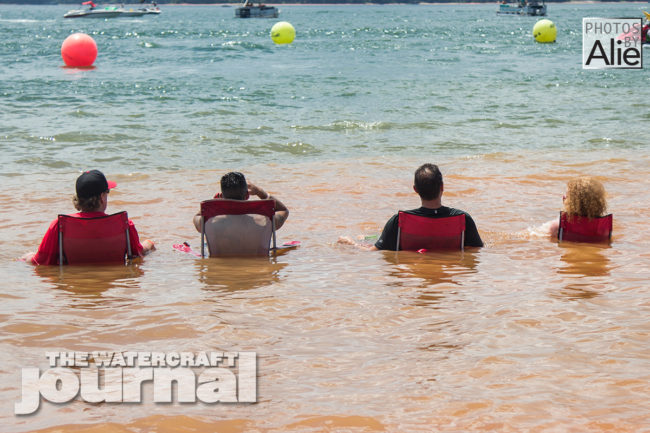
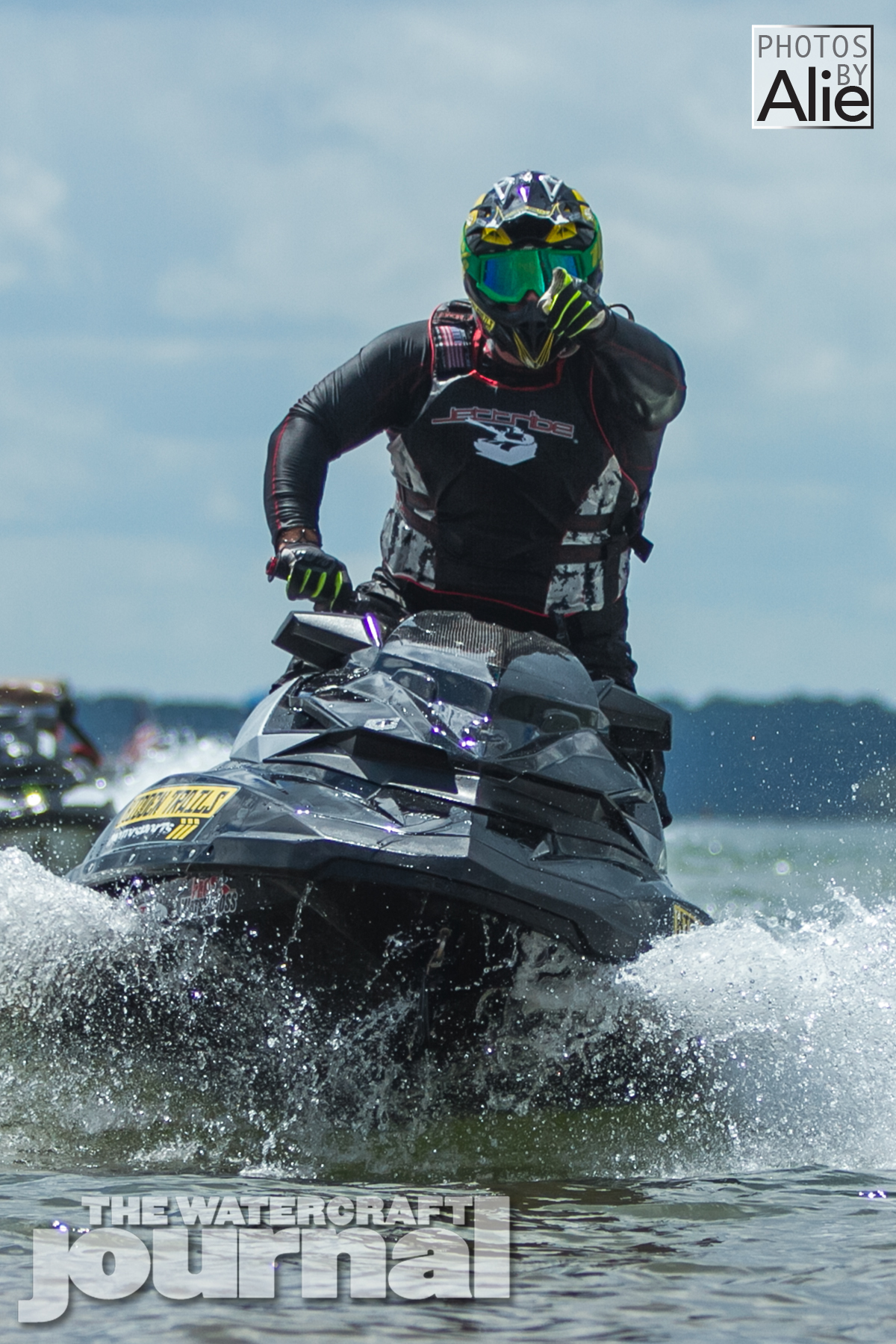
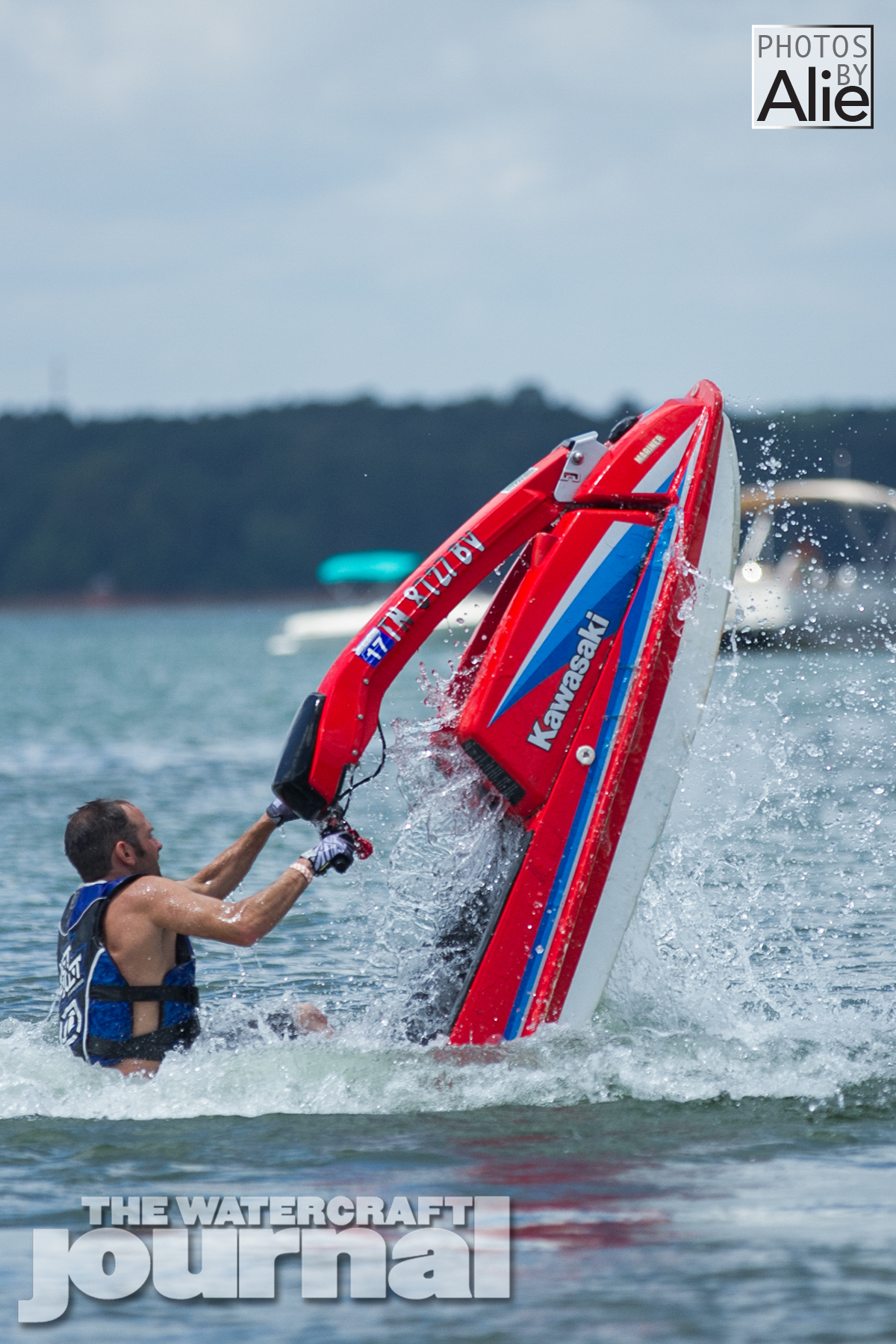
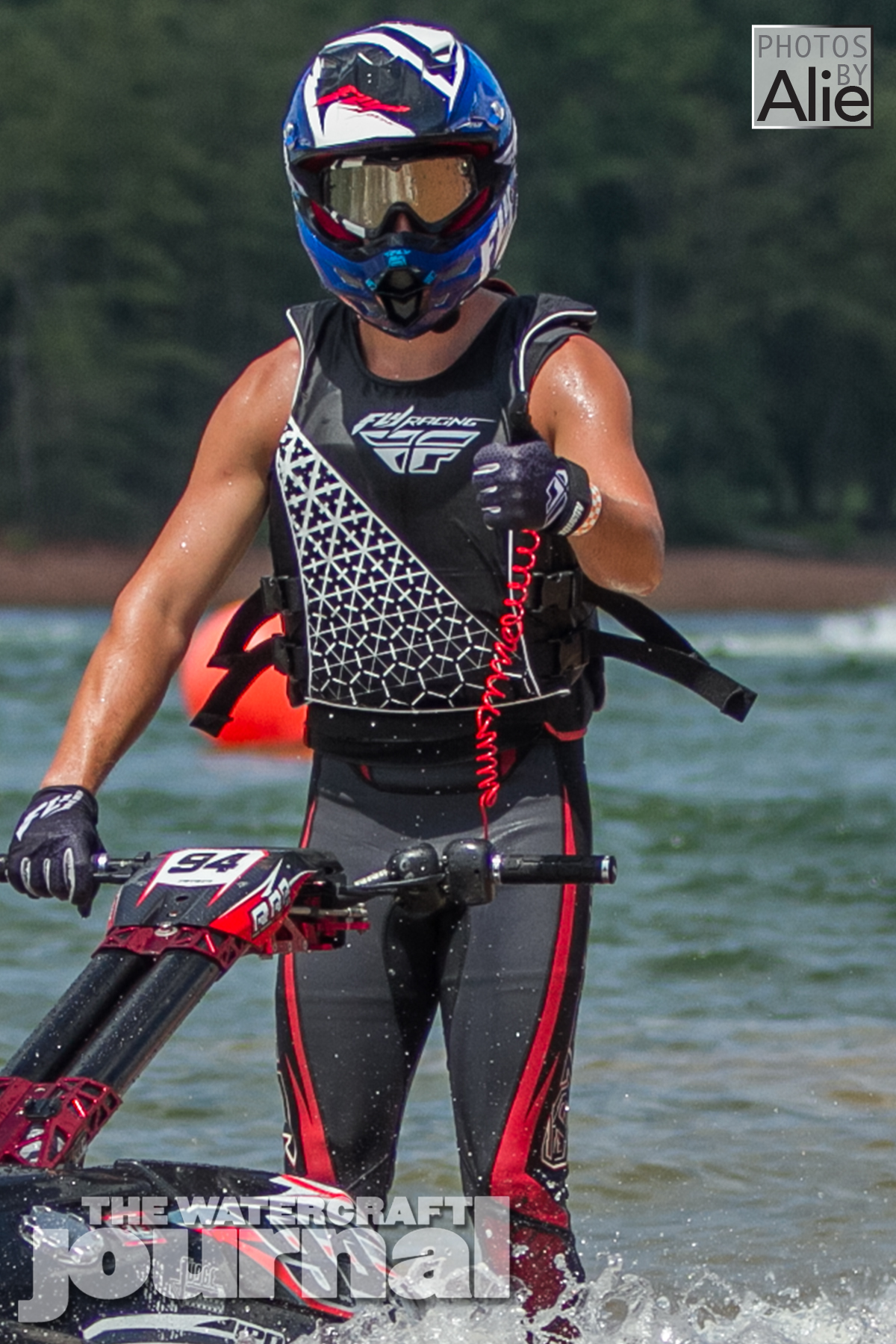
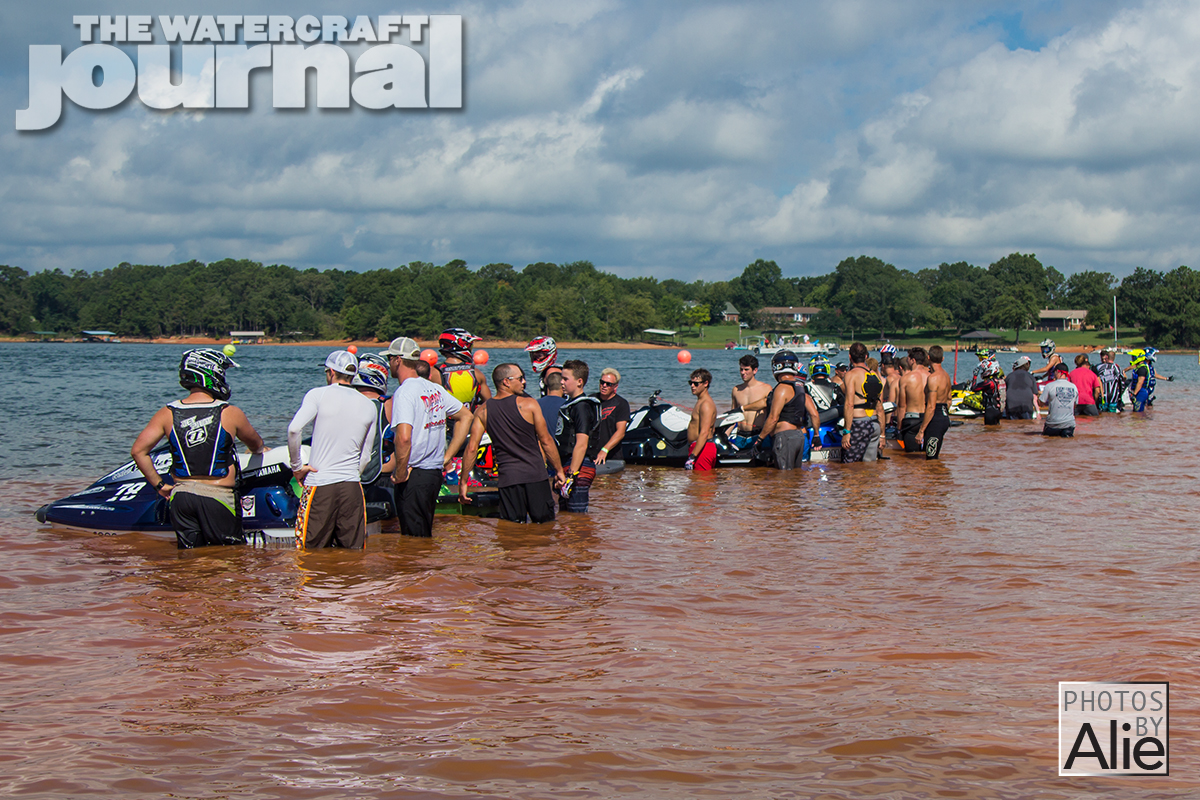
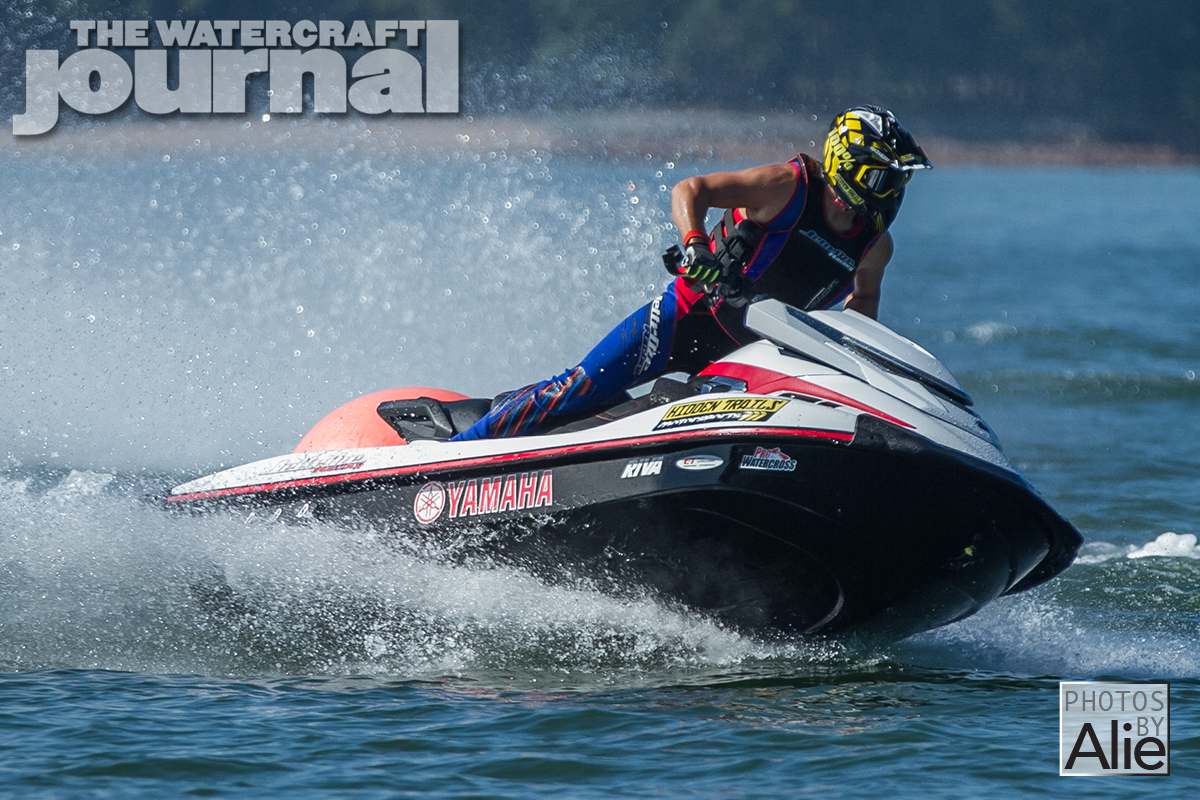
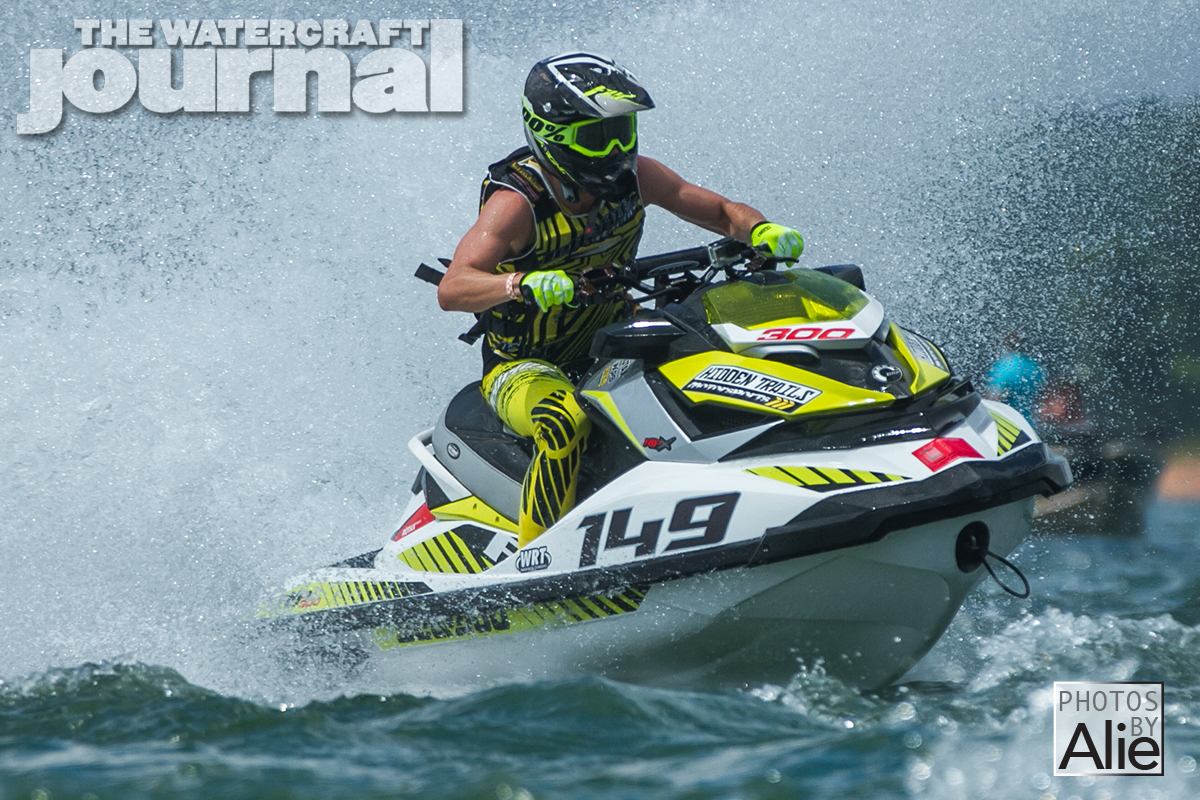
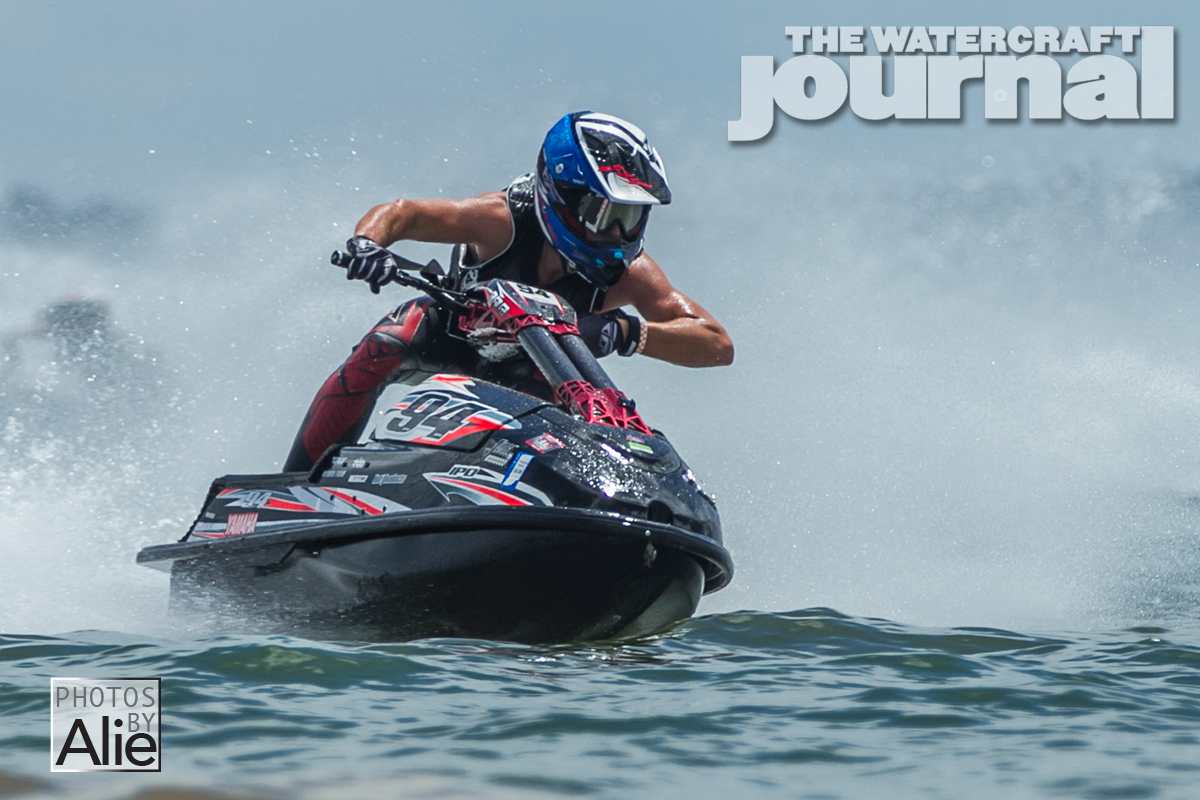
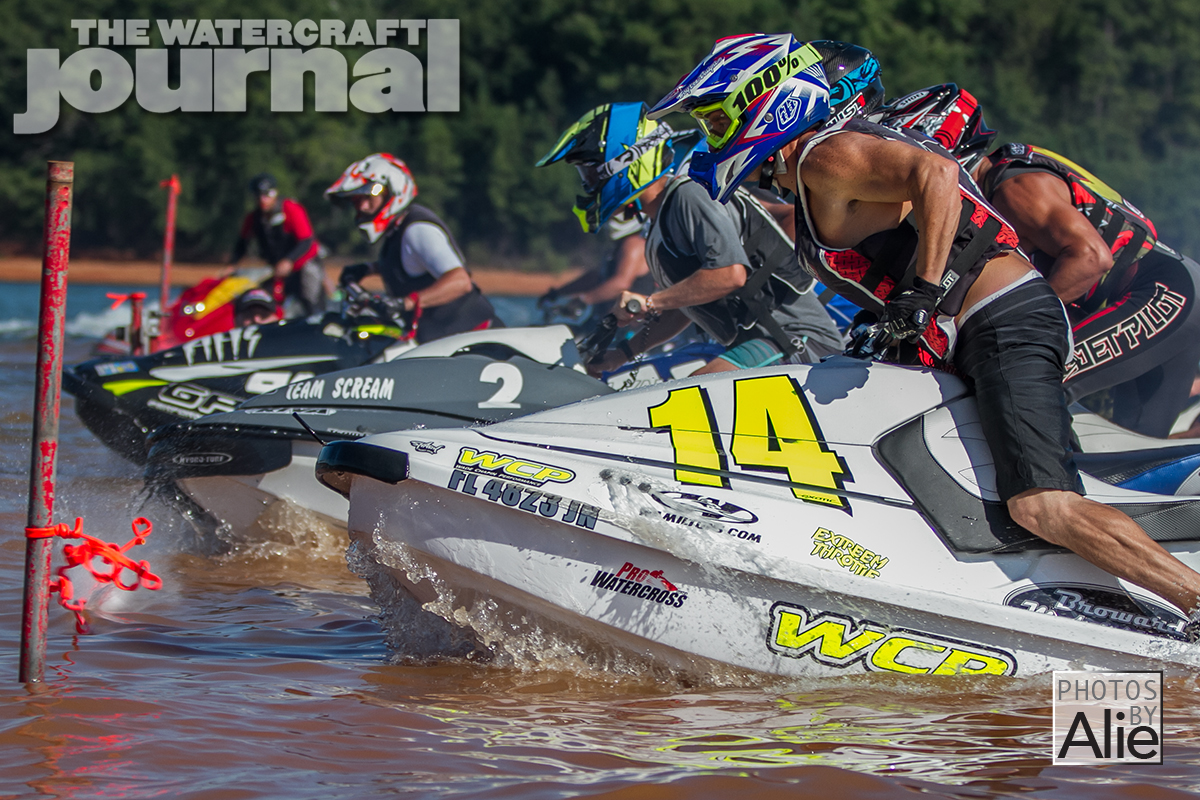
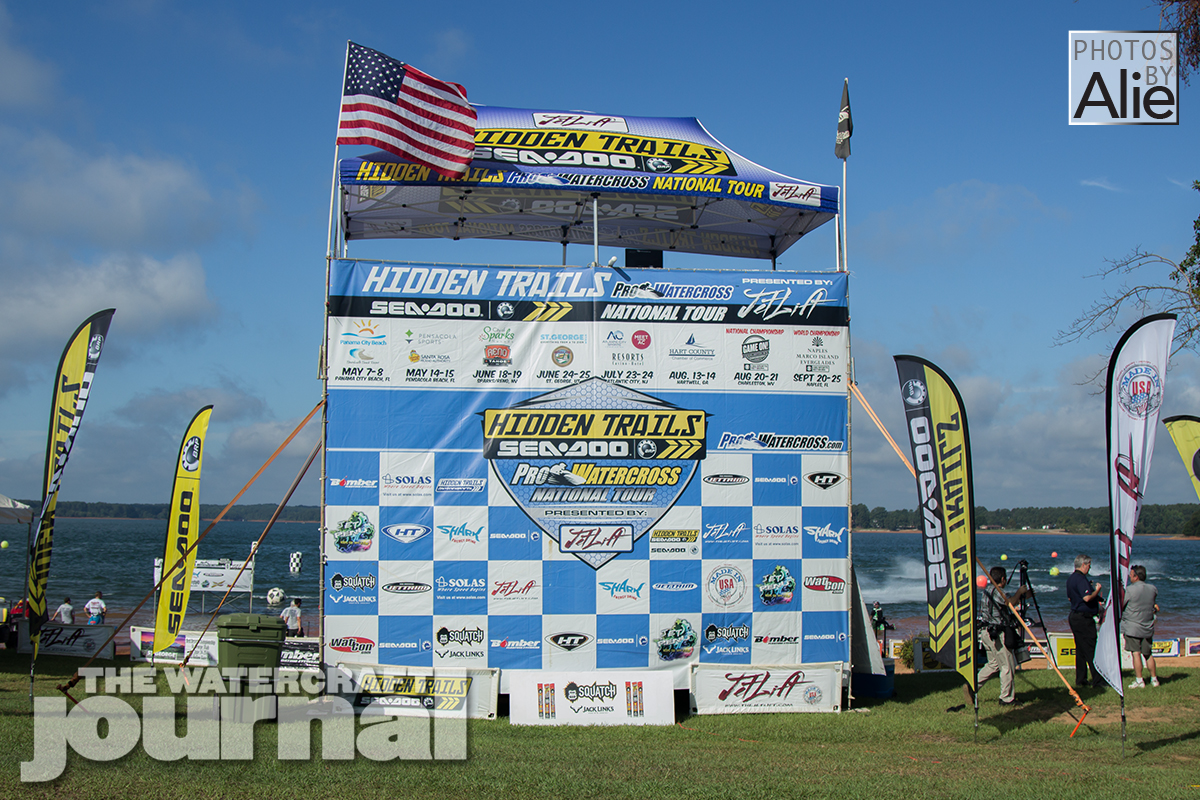
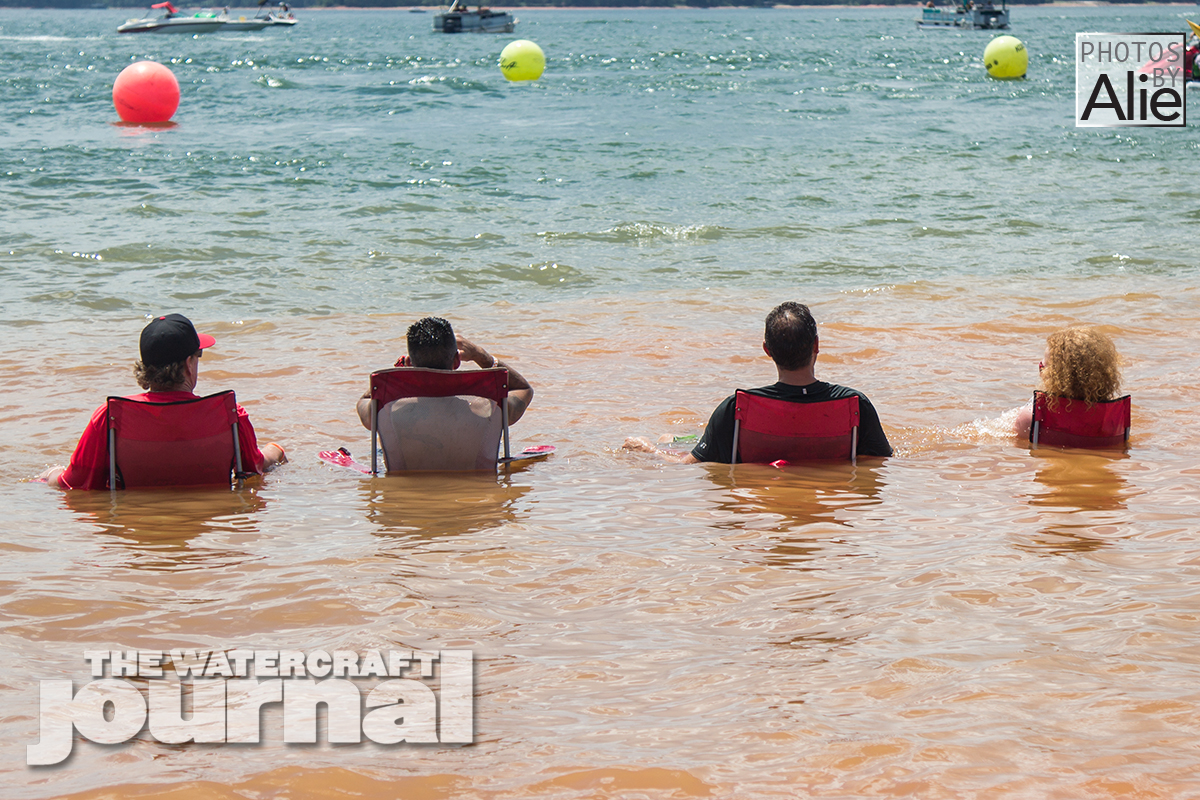
The tents lined the clay shoreline of Georgia’s Lake Hartwell as the Hidden Trails Pro Watercross National Tour came to town. The sun was out and the humidity was high and the table was set for some of the most exciting racing of the year. The racers were ready to put on quite a show for all of the locals that came out to cheer them on.

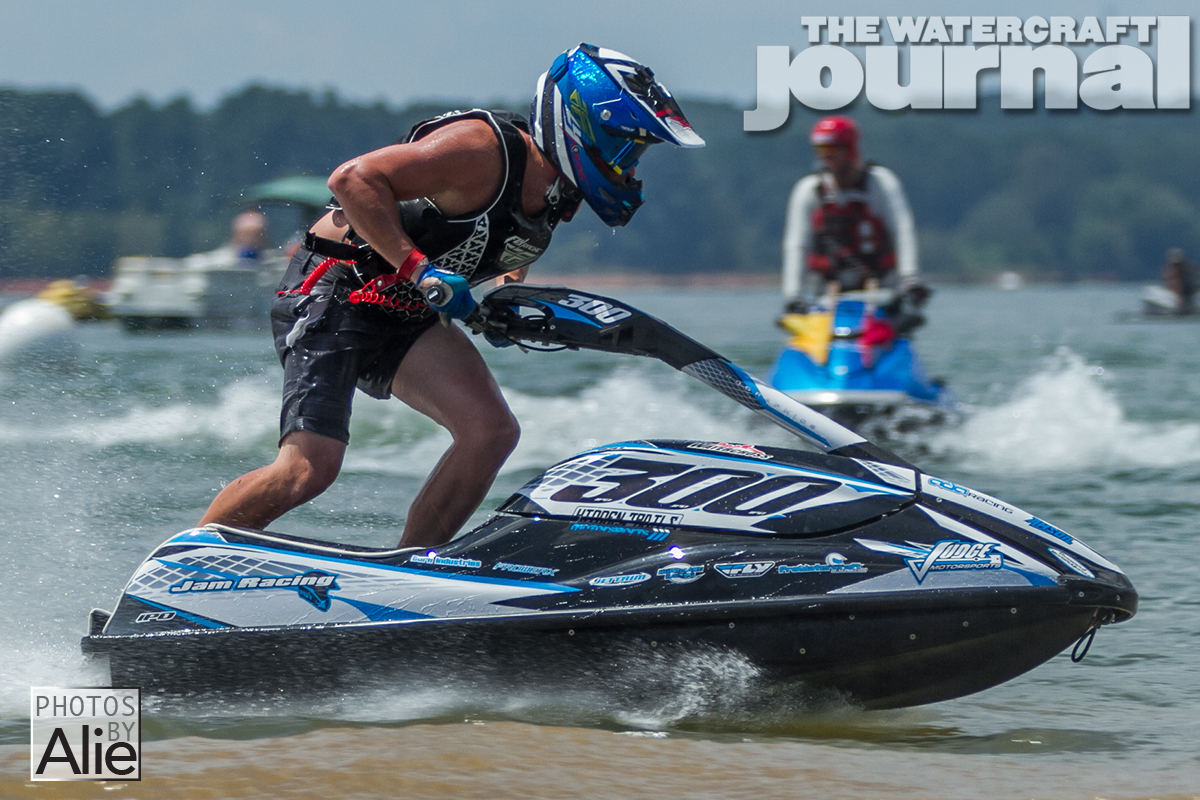
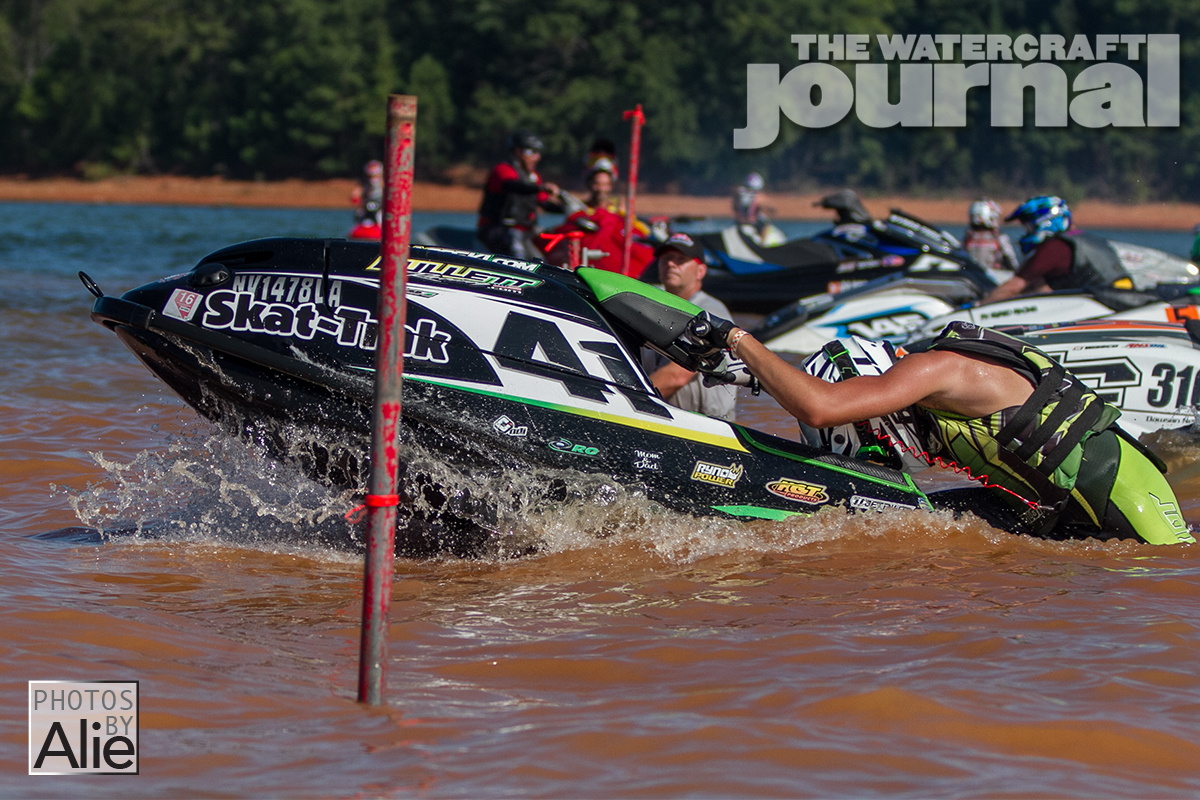
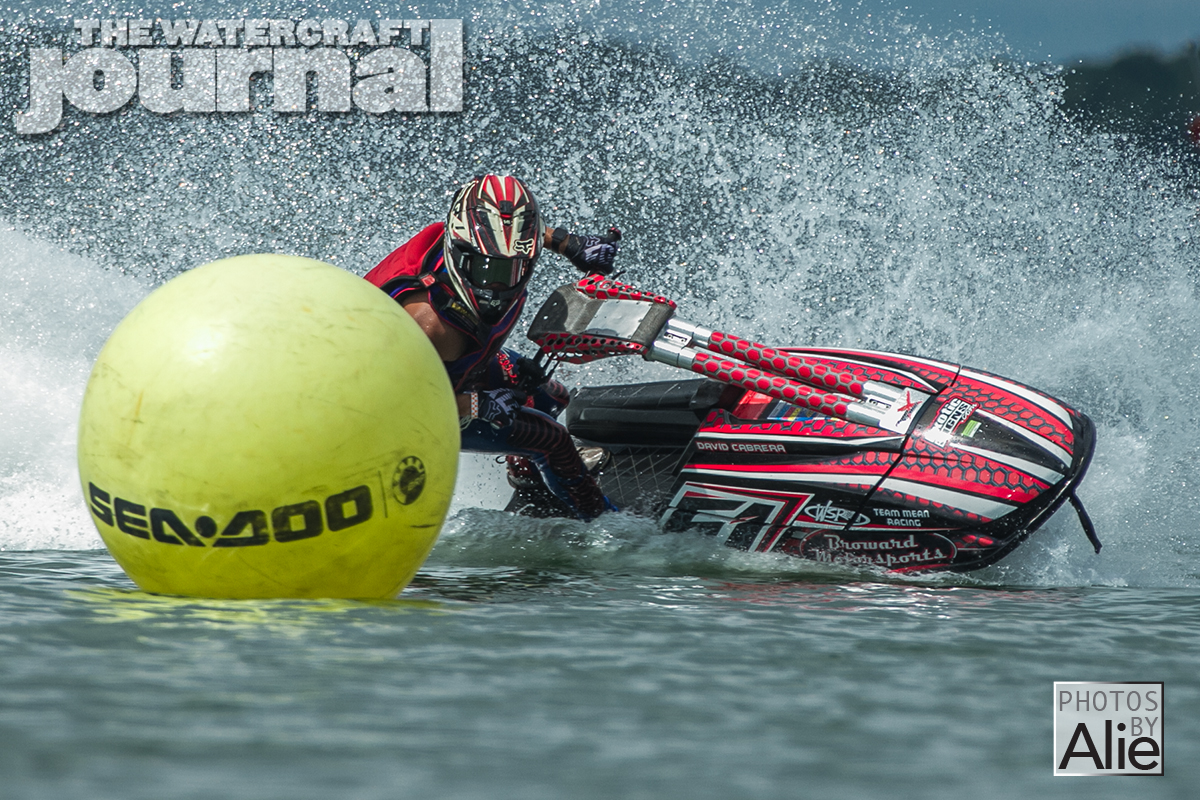
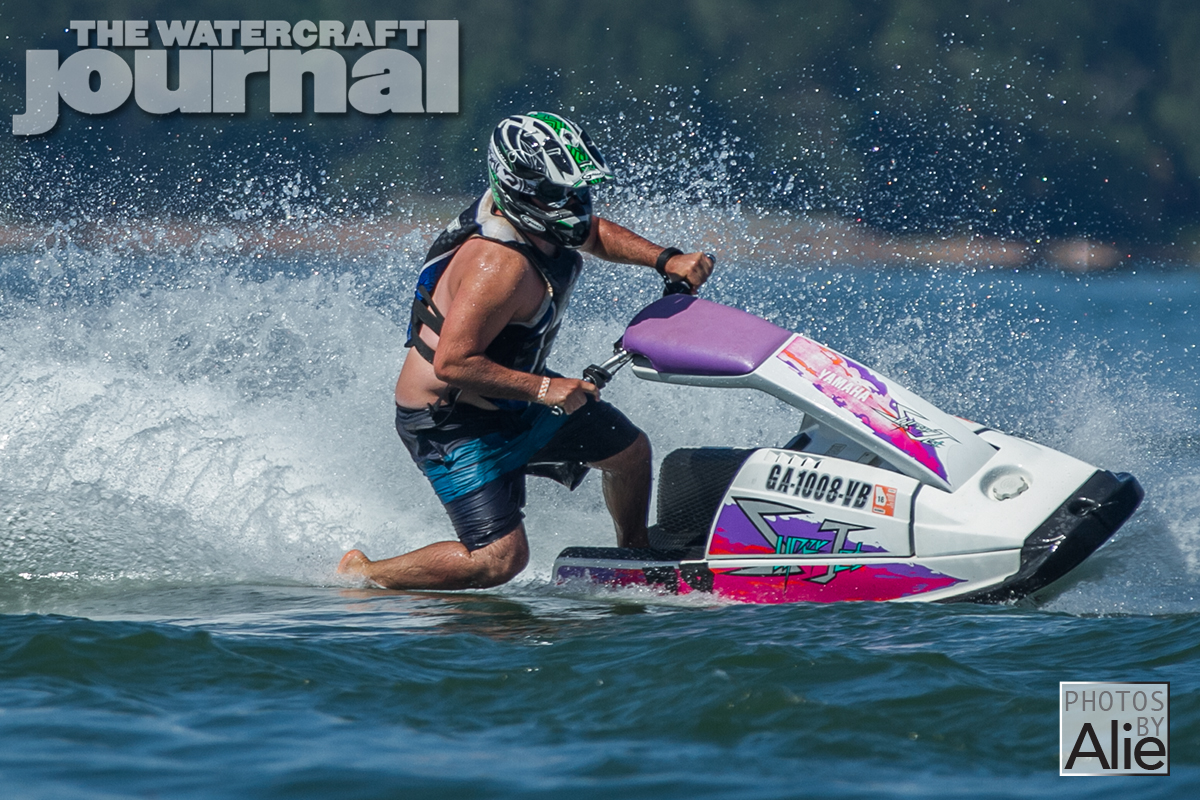
First out of the blocks on Saturday was the Pro-Am Ski Stock class and it had a familiar face out front, Broward Motorsports rider David Cabrera. Cabrera pulled the hole shot but didn’t do so without a fight. Hidden Trails/Judge Motorsports rider Jimmy Wilson was on a mission in Moto 1 to catch Cabrera but just didn’t have enough as laps ran out.

IMG_7473

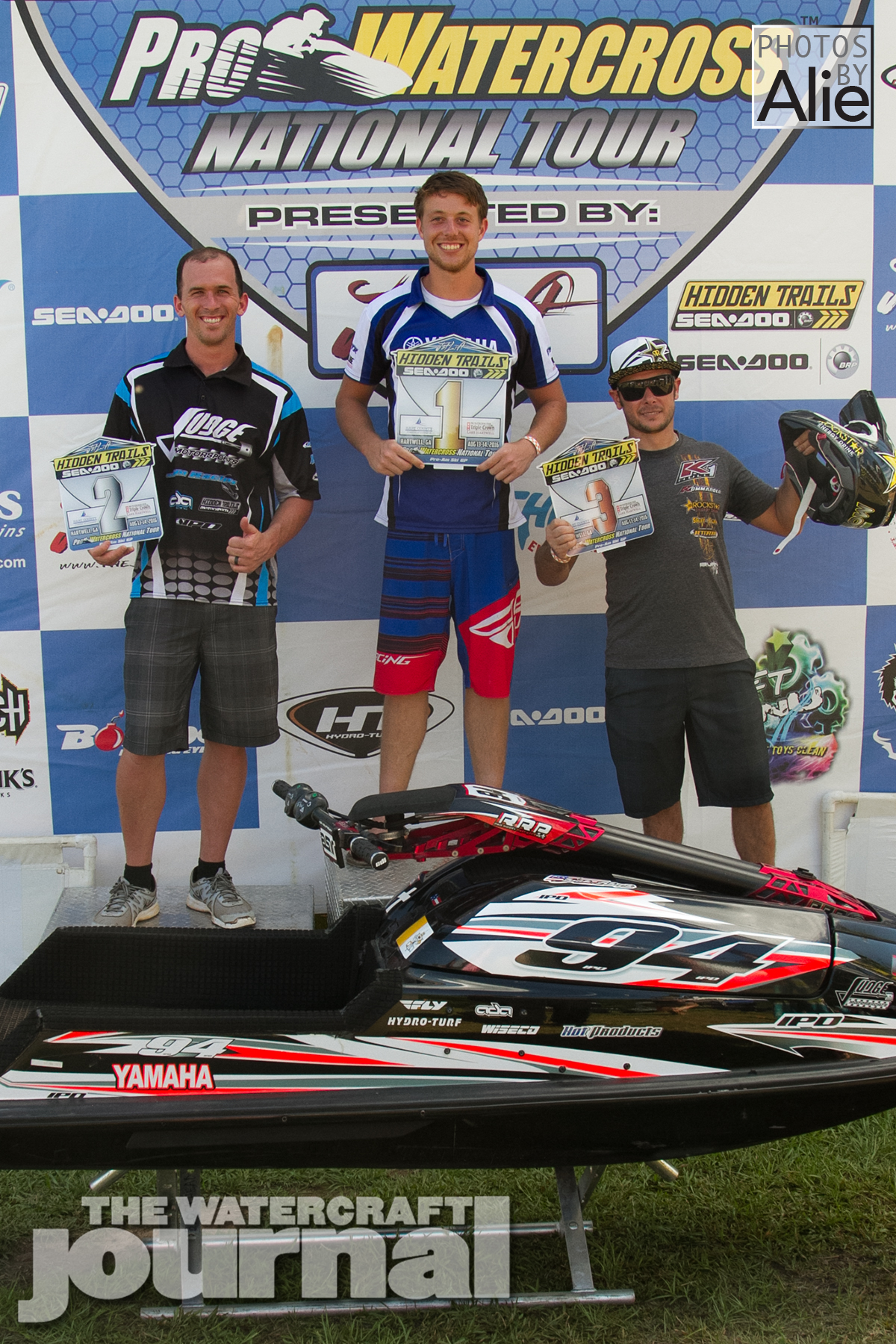
Moto 2 looked to set up a similar battle but a red flag start put Cabrera to the back of the pack allowing Wilson to capture the Moto 2 win. Cabrera was able to salvage the moto with a 5th place finish after a tough charge through the pack. Wilson also captured the Moto 3 win to give him the overall with Cabrera taking second. The last spot on the podium was a great weekend-long battle with Georgia’s own Broc Harris and Clearwater, Florida’s Gage Schoenherr, with Harris edging out Gage for third.

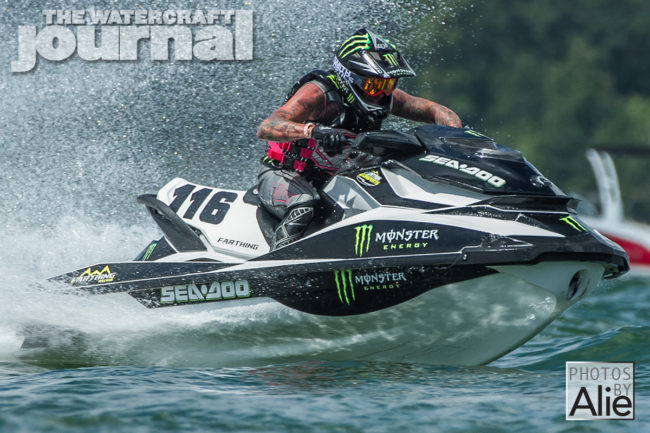
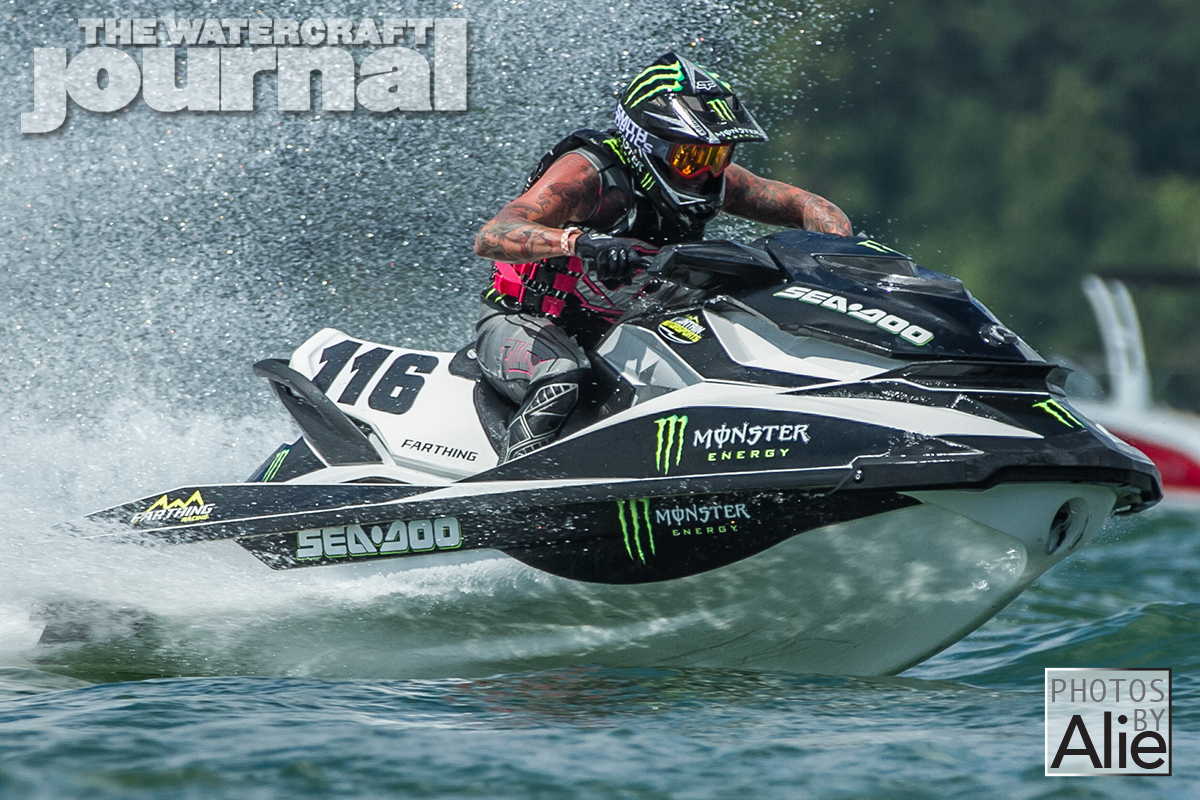
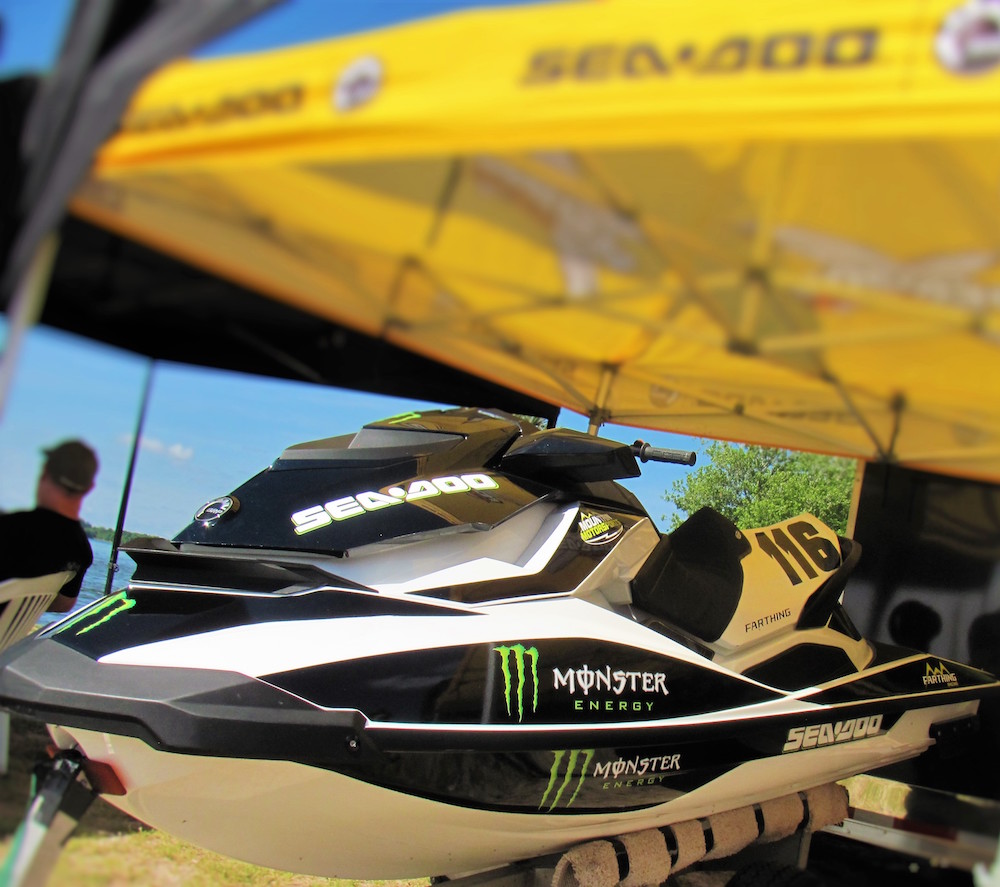
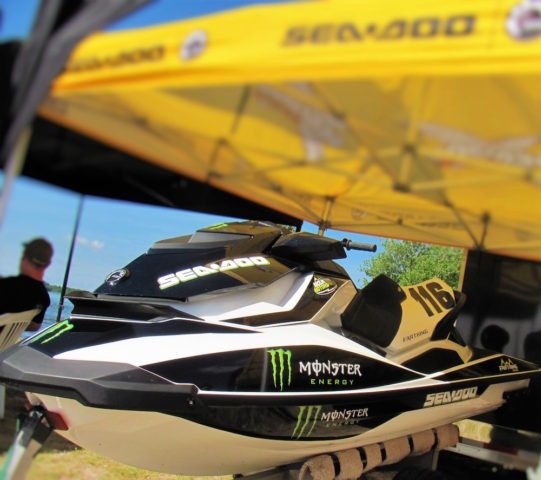
Pro-Am Runabout Box Stock was up next and was sure to be a show with Monster Energy/Mountain Motorsports rider Dustin Farthing on the line. Jeff Dyckowski wanted to put on a show of his own on his Yamaha FZR pulling the Moto 1 hole shot with Hidden Trails/Sea-Doo X-Team rider Tim Ducat hot on his heels. Farthing aboard his RXP-X didn’t like the way things were looking and made a charge through the pack passing both Dyckowski and Ducat for the Moto 1 win. Moto 2 finished with the same outcome, with Farthing out front followed by Dyckowski and Ducat. Farthing went for the weekend three-peat winning Moto 3 and securing the overall. Ducat edged out Dycowski in Moto 3 but it wasn’t enough to steal the second spot on the podium.

IMG_0905

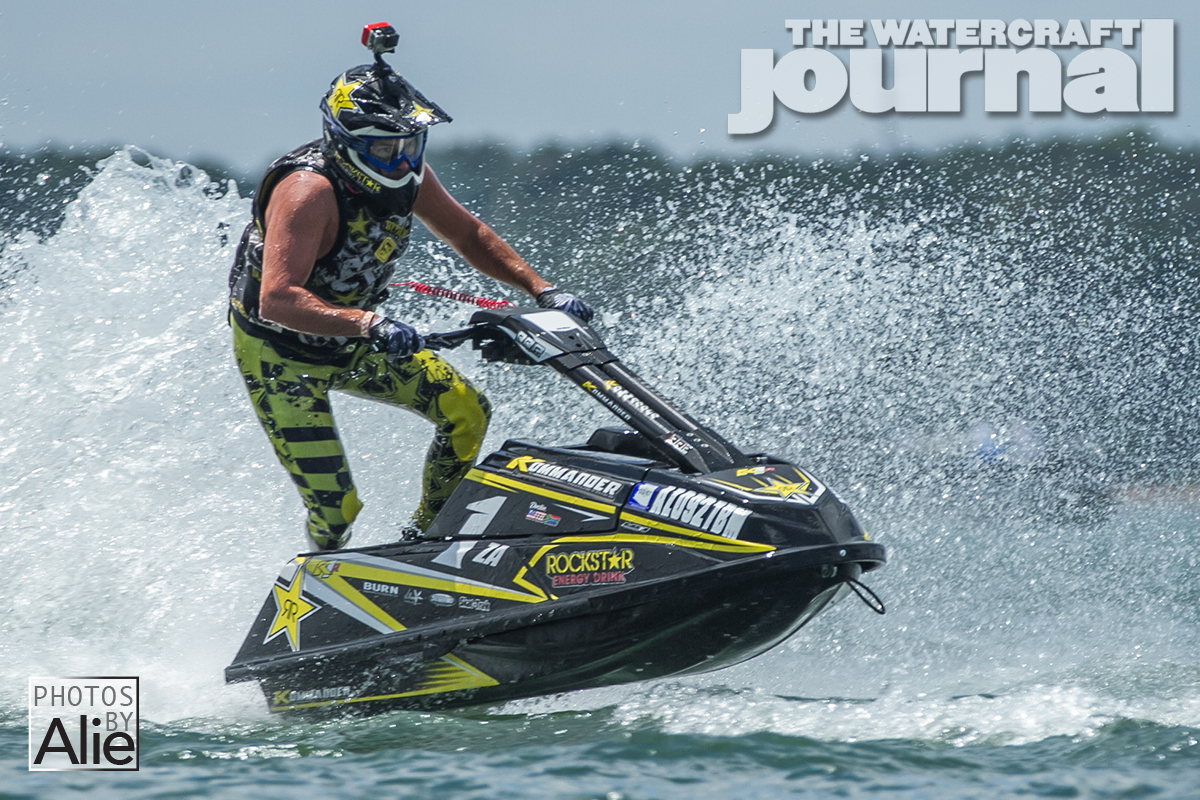
One of the highlights of the “pro show” weekend was once again in the Pro Ski GP class. Josh Block put the GP Class on notice this weekend by winning Moto 1 after a heated battle with Brock Austin. Austin pushed block all moto long but it wasn’t enough. Kommander rider Dustin Motzouris wanted to throw his hat into the ring in the battle for the overall, finishing behind Block in Moto 2 after a Moto 1 third place finish.

Hidden Trails Motorsports’ Jimmy Wilson finished third in Moto 2 after a rough first race of the weekend. Wilson continued his climb back from the bad start winning Moto 3 and securing his second spot on the podium. Block finished second in that moto and the weekend’s consistency got him the overall victory. After a weekend of small problems Motzouris was able to finish out the weekend in third on the podium and pull back into a tie for lead on the National Tour with fellow Kommander rider David Redinger.

IMG_0950

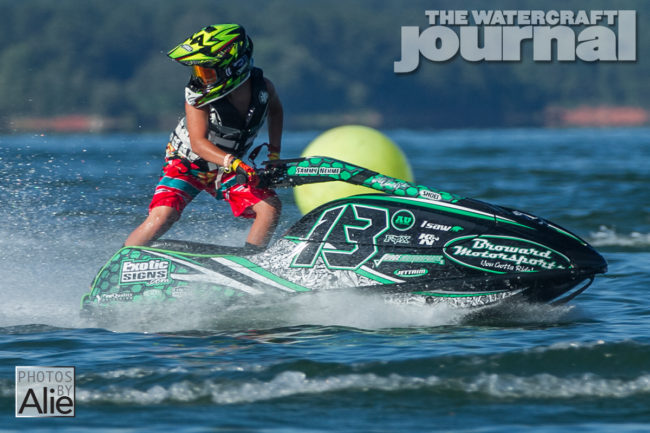
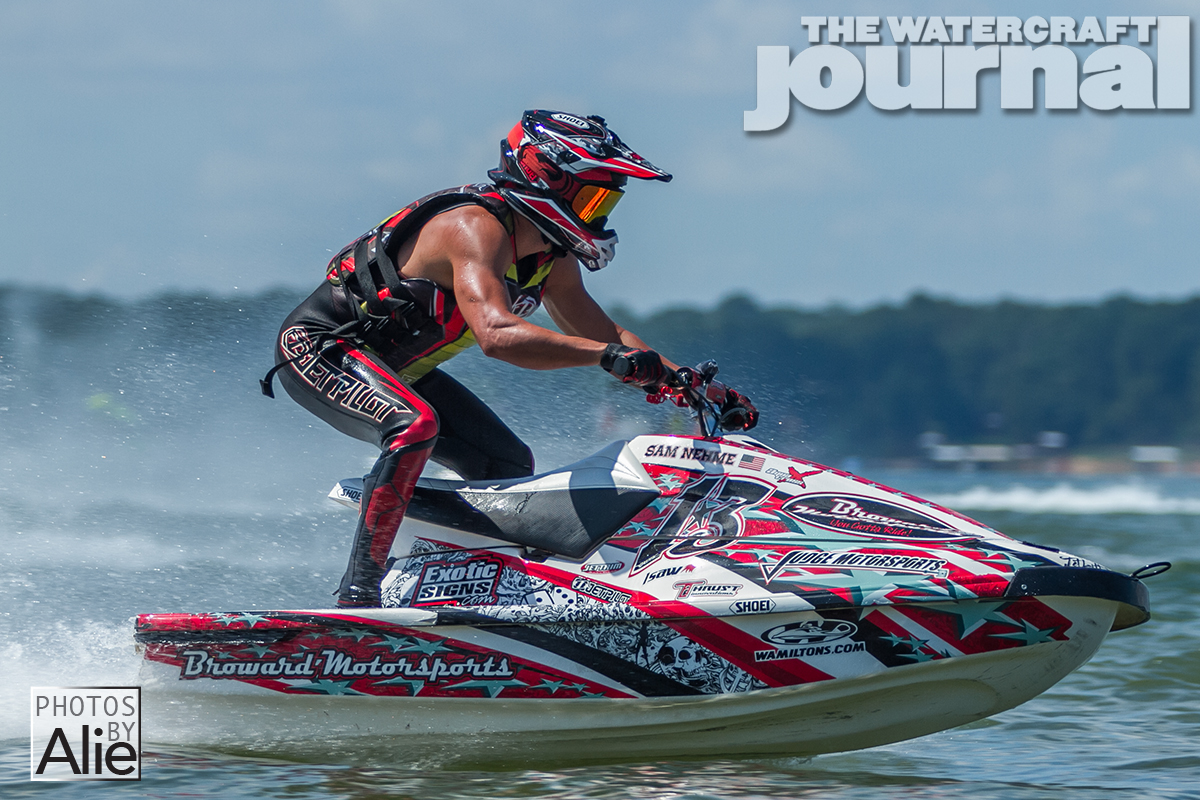
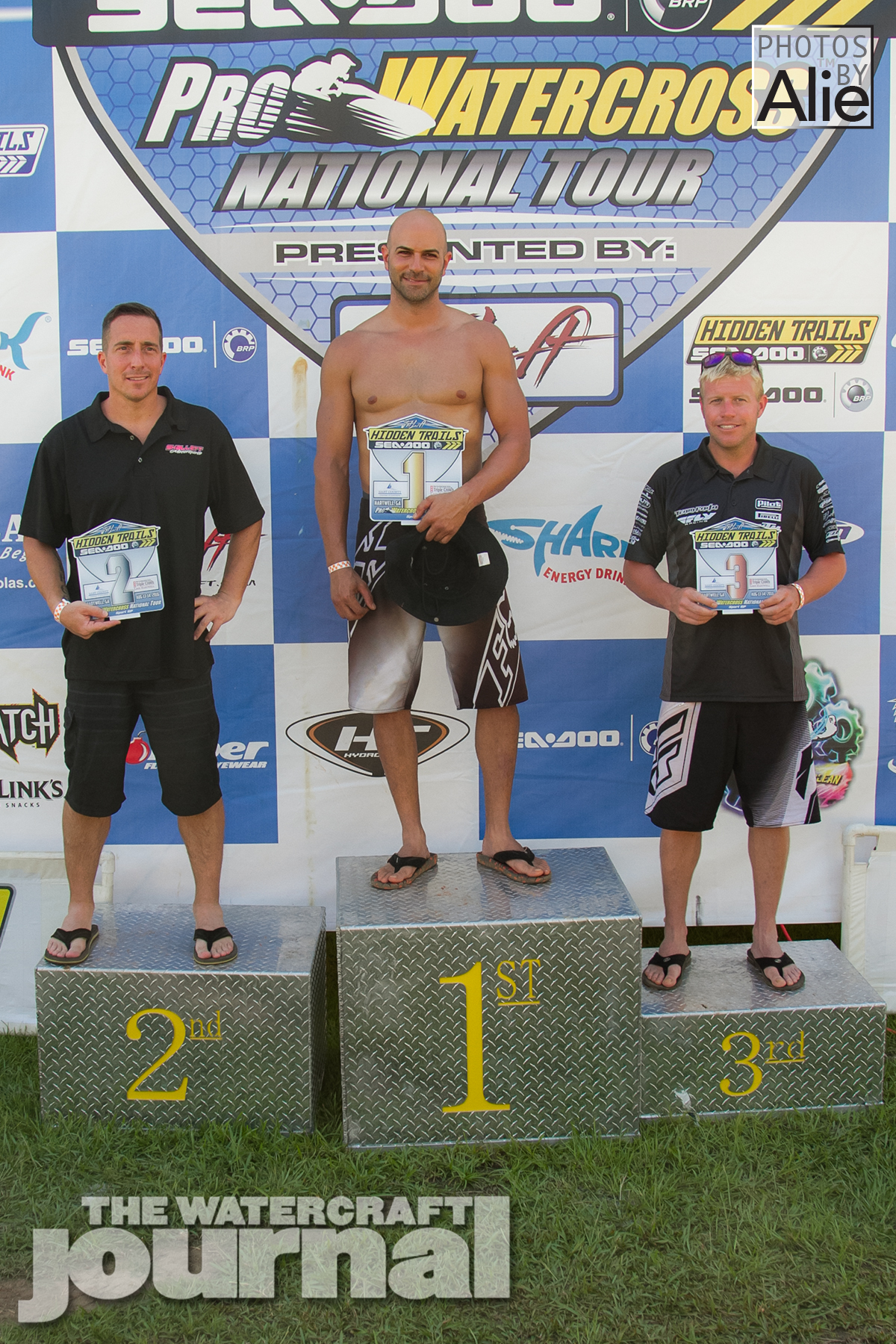
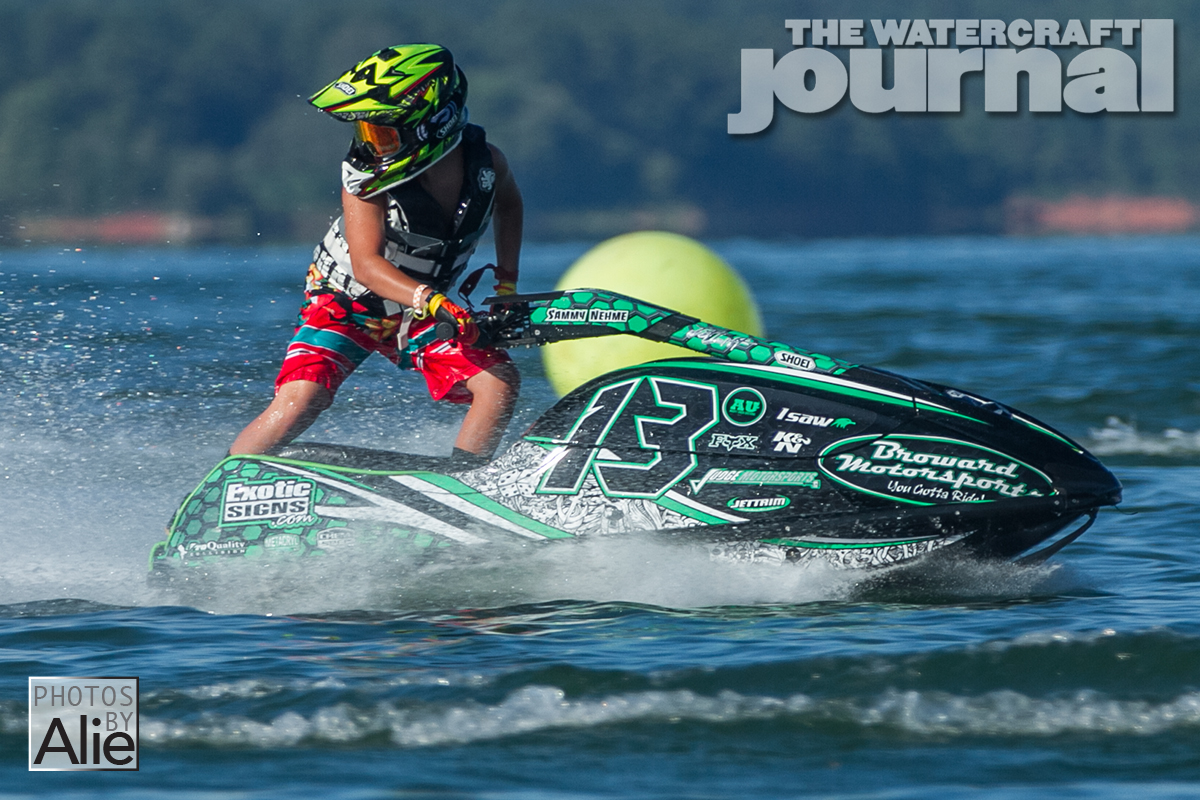
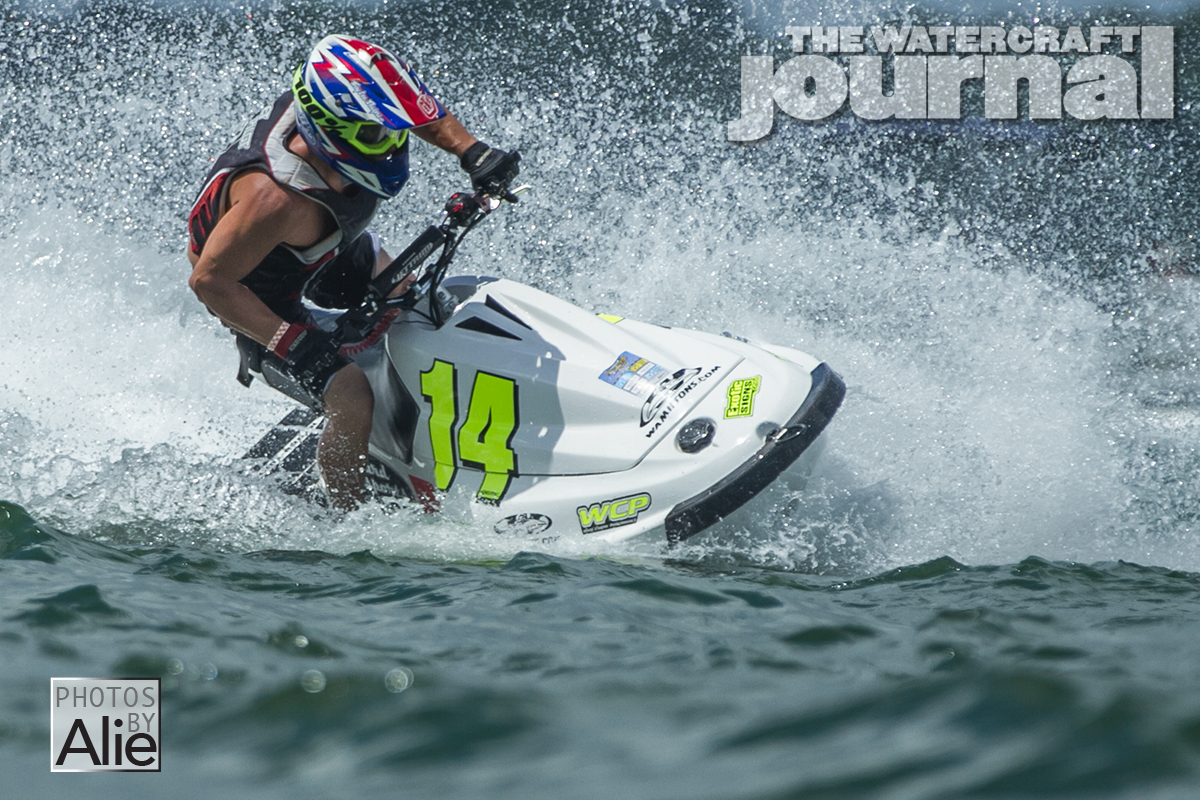
Pro-Am Sport GP was the biggest class of the weekend and had season-long favorite Broward Motorsports rider Sam Nehme highlighting the field. Nehme put together the most dominating performance of the weekend and won all three motos leaving no question is to who is Number 1 in this class. That didn’t mean there wasn’t a great battle just behind him. Naples, Florida rider Keith Dill went to battle with Team Faith/Fly Racing rider Kelly Smith and they didn’t disappoint. They flip-flopped finishes throughout the weekend with Dill edging out Smith for second place on the podium.

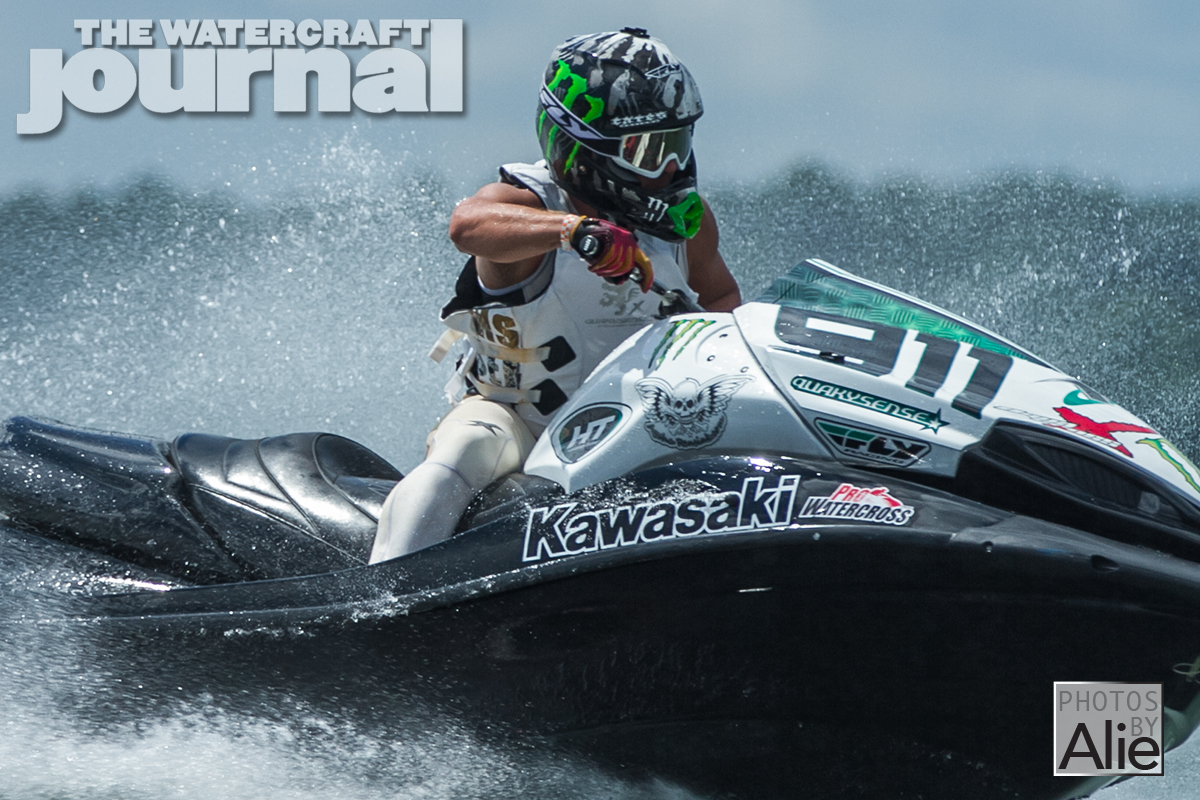
Farthing wanted to continue his dominance in the Pro-Am Runabout GP class in Hartwell but electrical problems in Moto 1 opened the door for the rest of the pack. Hidden Trails Motorsports rider Trey Frame came up huge with the Moto 1 win before some bad luck came his way in motos 2 and 3. Familiar face of National Tour’s past, Kawasaki rider Eric Francis finished second in Moto 1. That became a very familiar place for him as the weekend went on keeping that spot in all three motos. Farthing came back after Moto 1 to win the final two motos but came up short on the podium with Francis taking home the overall and Farthing finishing second. Rounding out the podium was Sea-Doo X-Team/Hidden Trails rider Tim Ducat. Ducat capitalized on others bad luck and used it to propel him to three consistent finishes.

IMG_2429

After a great weekend of racing it leaves us with only one race left, the National Championships in West Virginia where we get to watch these season long battles finish out. Until then, you can find all the results from the tour HERE.

Hidden Trails Pro Watercross National Tour – Round 6 Lake Hartwell, GA
Pro‐Am Runabout GP: 1. Eric Francis, 2. Dustin Farthing, 3. Tim Ducat, 4. Stan Hightower, 5. Trey Frame, 6. Brian Baldwin; Pro‐Am Ski GP: 1. Josh Block, 2. Jimmy Wilson, 3. Dustin Motzouris, 4. Bill Haig, 6. David Redinger, 7. Brock Austin, 8. Pete Zernik, 9. Broc Harris, 10. Derrick Helm, 11. David Cabrera, 12. Jordon Carroll; Sport GP: 1. Sam Nehme, 2. Keith Dill, 3. Kelly Smith, 4. Richard Taylor, 5. Cody Mccallum, 6. Glen Jung, 7. Johnny Smith, 8. Kyle Hayes, 9. Robert Cius, 10. Shawn Reynolds, 11. Jeff Mcphail, 12. Michael Osborn; Pro‐Am R/A Box Stock: 1. Dustin Farthing, 2. Jeff Dyckowski, 3. Tim Ducat, 4. Dylan Osborn, 5. Troy Snyder; Pro‐Am Ski Stock: 1. Jimmy Wilson, 2. David Cabrera, 3. Broc Harris, 4. Gage Schoenherr, 5. Kevin Rowe, 6. Callaway Turner, 7. Kenny Mckenzie; Sport Stock: 1. Keith Dill, 2. Ken Waddle, 3. Phil Mosrie, 4. Eric Gabryel, 5. Sam Nehme, 6. Jeff Mcphail, 7. Gage Schoenherr, 8. Kyle Hayes, 9. Shawn Reynolds, 10. Logan Hayes, 11. Susan Anderson, 12. Kevin Benjamin, 13. Wyatt Hayes, 14. Devin Walker, 15. Dirac Barbee, 16. Taylor Johnson, 17. Rex Hayes; Veteran Ski GP: 1. Pete Zernik, 2. Ralph Mcgregor, 3. Dan Masters, 4. Dustin Higdon, 5. Bill Austin, 6. Tony Cantalamessa, 7. Brian Edwards; Womens Ski Limited: 1. Niki Turner, 2. Carrie Oliver; Junior Ski Stock 13‐15 Yr: 1. Wyat Hayes, 2. Bret Underhill, 3. Avery Underhill; Junior Ski Stock 10‐12 Yr: 1. Haden Skellett, 2. Sammy Nehme, 3. Devin Farthing, 4. Osric Ilar, 5. Taylor Skellett, 6. Johnny Zimmerman, 7. Mason Sagers; Iroc Stock (Runabout Rec): 1. Sean Miles, 2. Eric Gabryel; Runabout N/A Spec: 1. Cameron Frame, 2. Robert Greenwald; Iroc GP (Runabout 1000): 1. Eric Gabryel, 2. Eric Gonzalez; Amateur Ski Stock: 1. Dustin Higdon, 2. Branden Edwards, 3. AJ Luinstra, 4. Jamie Palmer, 5. Kyle Beyer, 6. Clay Jones, 7. Bret Underhill, 8. Dawson Newby, 9. Niki Turner, 10. Chris Wojtal, 11. Hans Krajc; Amateur R/A Box Stock: 1. Victor Bute; Amateur Runabout SS: 1. Stan Hightower, 2. Travis Moore, 3. Bryan Furch; Amateur Ski GP: 1. AJ Luinstra; Ski Superstock: 1. Tony Cantalamessa, 2. Pete Kucinski; Vintage Ski: 1. Kevin Rowe, 2. Rex Hayes, 3. Alex Lancia, 4. Chris Wojtal, 5. Logan Hayes, 6. Kyle Hayes, 7. Wyat Hayes; Amateur Freestyle: 1. David Oski, 2. Kevin Rowe; Beginner Runabout Box Stock: 1. Pietro Vinci; Beginner Ski Stock: 1. Hans Krajc

IMG_1889 IMG_1727 IMG_1157 IMG_0815 IMG_0774 IMG_0997 IMG_1125 IMG_2313 IMG_7473 IMG_1788 IMG_1977 IMG_0923 IMG_1263 IMG_1336 IMG_0950 IMG_1594 IMG_1956 IMG_2036 IMG_2810 IMG_7451 IMG_1585 IMG_2790 IMG_2807 IMG_2429 IMG_0905 IMG_1469 IMG_7483 IMG_1811 IMG_1036 IMG_1086
<
>

Gallery: Introducing the 2017 Sea-Doo Lineup (Videos)

6

2017

Ask any economist, and they’ll tell you that streamlining production is the key to the fiscal success of any company. Producing “limited editions,” “one-offs” and hand-built “specialty units” ramps up overhead and can quickly dry up any equity made in a production run. So for Sea-Doo to continue a four-year strain of introducing one outlier after another, one had to question whether there was a method to the company’s apparent madness. The Spark’s Polytec hull materials, the ACE 900 and newly introduced 300 series engines, and even the RXP-X’s own Ergolock seat cockpit design all distinguished specific models from the rest of the brand’s lineup, if not the industry as a whole.
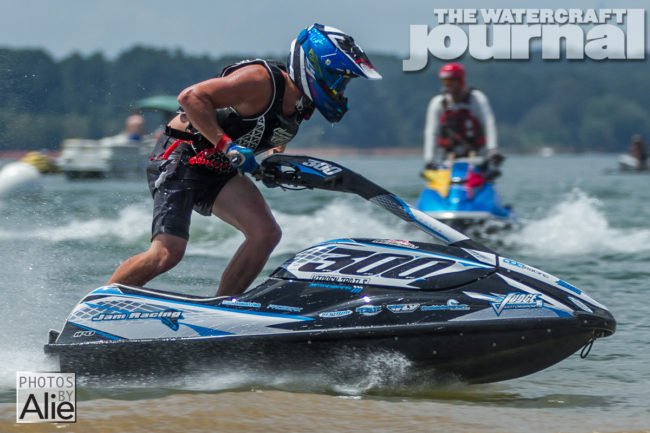
As with last year’s introduction of the 300 series models (RXP-X, RXT-X and GTX Limited), so too came the implementation of Ergolock throughout the entire offering of S3-based (GTX/RXT/Wake Pro) full-sized machines. This not only provided the larger 3-seater runabouts superior ergonomic seating, comfort (via a narrower saddle at the knees) and handling, but also eliminated the need of differing materials from the production line. Incorporating ACE technologies from the 998cc Spark engine to the larger now-1630cc ACE 300 was the next step in a succession of streamlining across the brand. For 2017, Sea-Doo has taken materials, technologies and engineering breakthroughs from its major outliers and disseminated them throughout the product line.
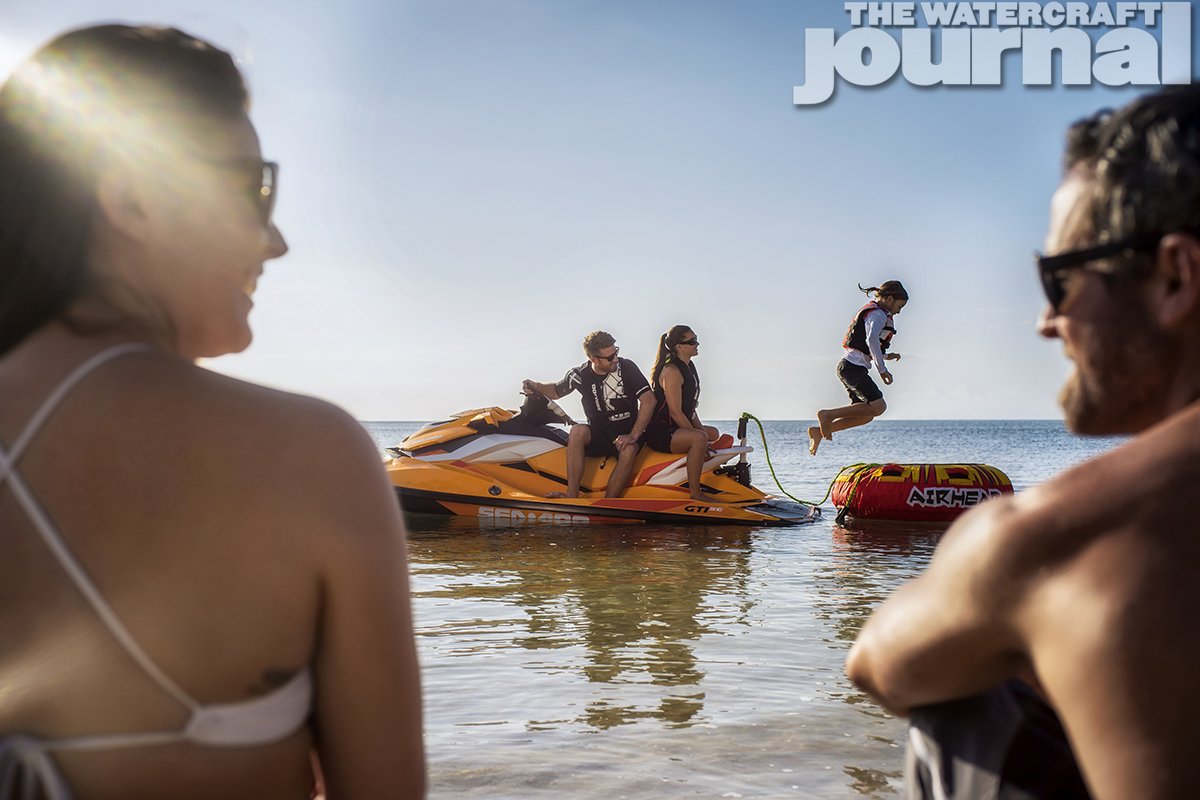
1

“The Sea-Doo watercraft line has never been stronger,” explained Anne Bélec, SVP Global Brand, Communications and PAC at BRP. “By offering new models that continue to focus on rider needs such as affordability and efficiency, and of course fun, more people can find the right model for them and make the dream of owning a Sea-Doo watercraft a reality.” To accomplish this goal, Sea-Doo has not only heavily improved upon 80-percent of the lineup, but added two all-new units, the Spark Trixx, and GTR-X 230. With the latter, so comes the introduction of an all new engine, the Rotax 1500 HO ACE. Benefiting from the same Advanced Combustion Efficiency philosophy used in the ACE 900 and ACE 300 engines, the ACE HO 1500 produces 15 more horsepower than the outgoing 215HP Rotax 1503, all the while maintaining minimal mass for optimal power-to-weight performance.

The Heart of Rock n’ Roll: The ACE HO 1500
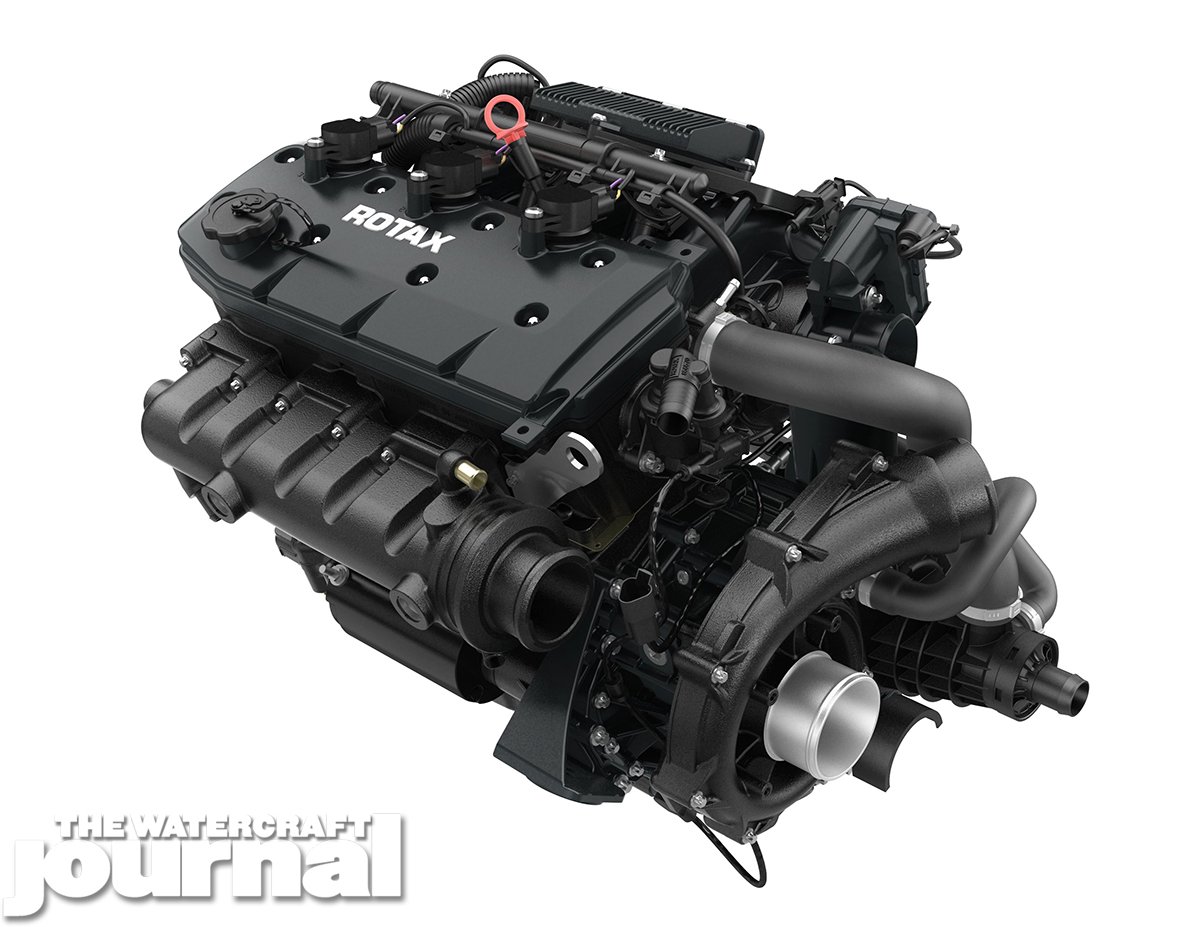
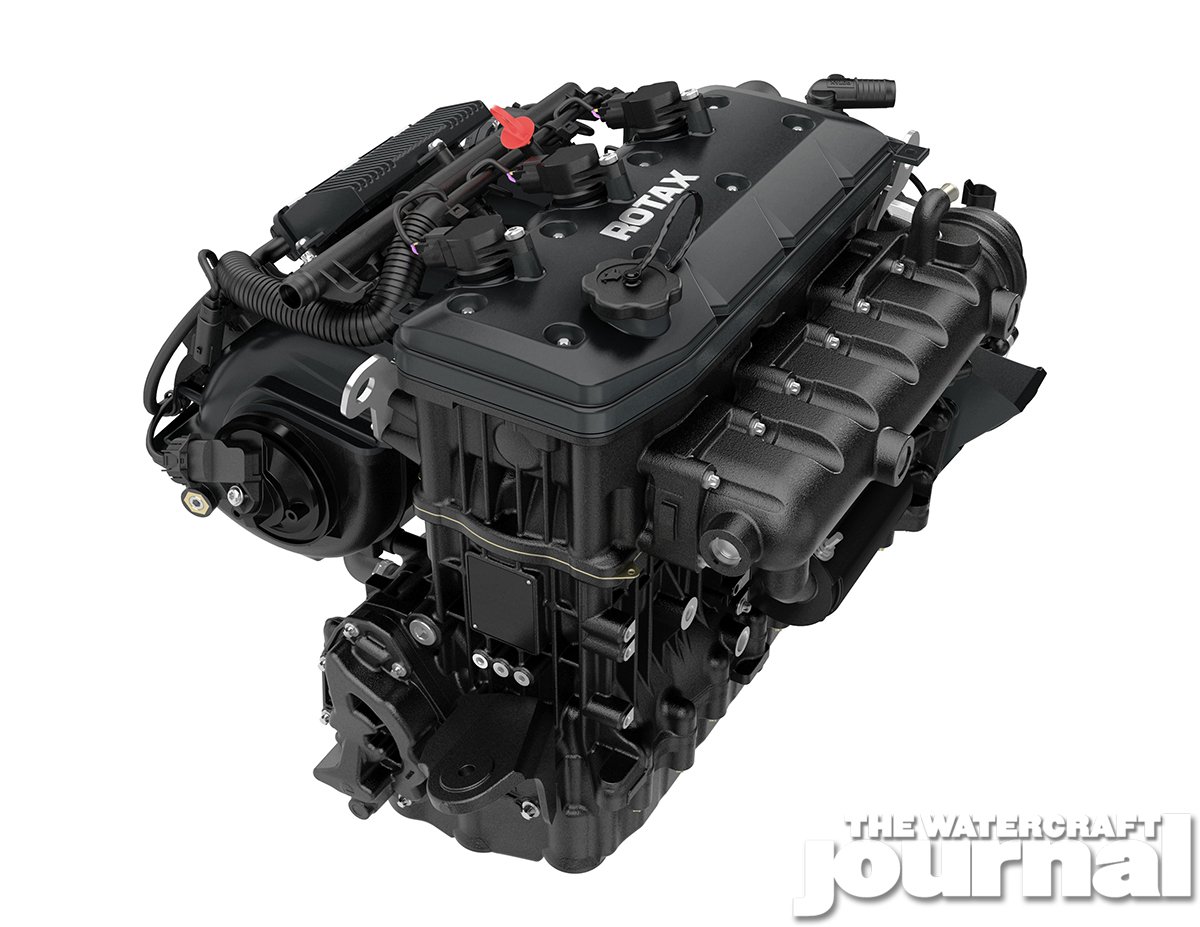
Similar to the larger 1630cc ACE 300, the ACE HO 1500 employs the same “plasma-coating technology for aluminum-block engines developed by a Rotax team in Gunskirchen, Austria,” Sea-Doo explains. Applied via a thermal spraying process that lays a protective coating on the engine’s cylinder walls to create a metallic layer that replaces the heavy, pressed-in steel sleeves, the coating provides a durable surface hard enough to withstand piston friction forces. Not only does it shave off valuable weight, but improves surface durability, and also provides superior heat transfer (ie. reducing heat soak) resulting in greater performance, and reduced use of chemicals.
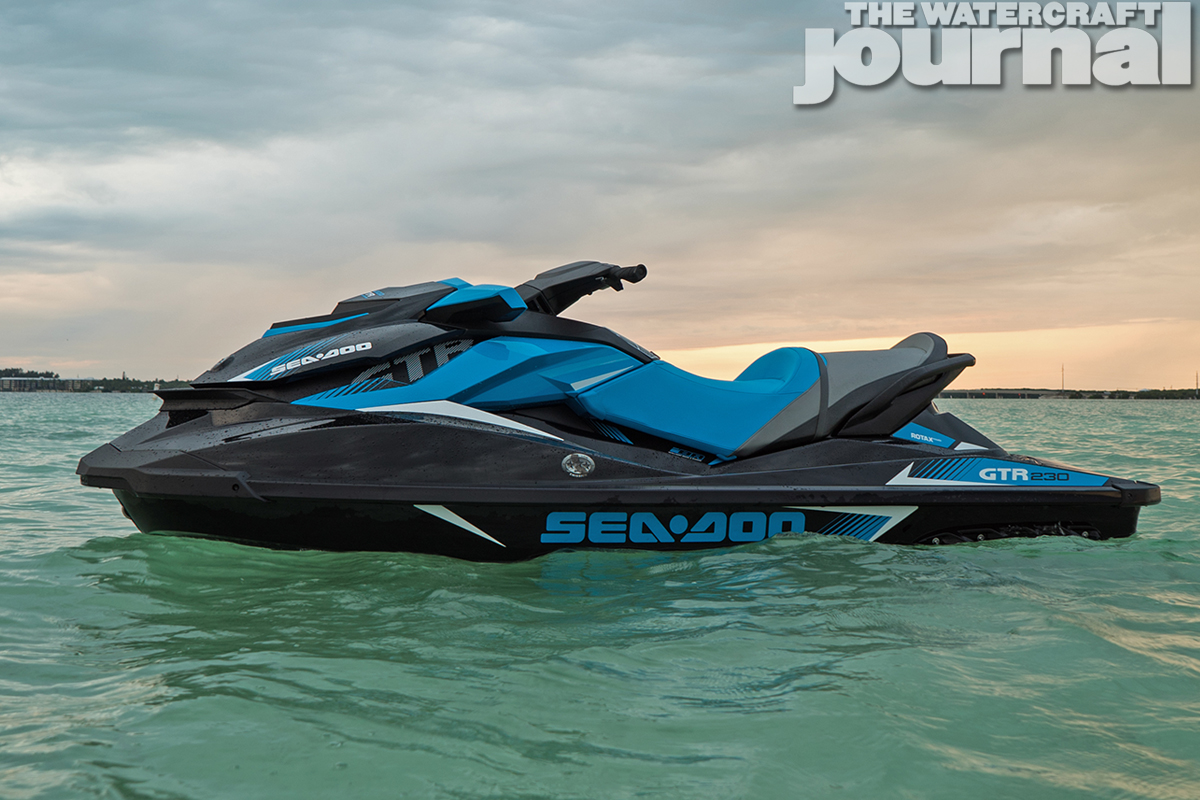
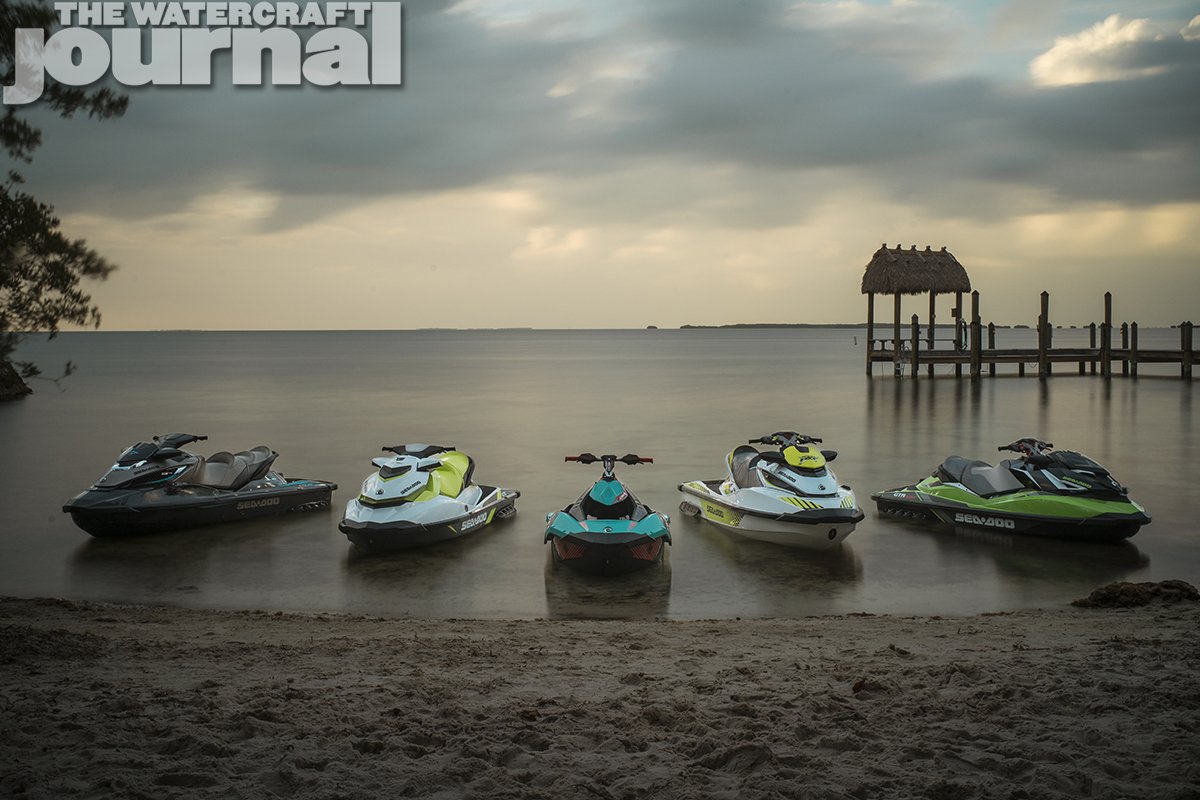
The new ACE also gains the improved cylinder head (combustion) design and greatly improved cooling. To whit, the new Rotax ACE is also equipped with the company’s maintenance-free shaft-driven supercharger. With less mass, improved engine cooling, less friction, and improved efficiency, the ACE HO produces an added 15-horsepower over the outgoing GTR 215 engine – all the while, being optimized to run on regular grade fuel, giving the owner even more to smile about. The ACE HO 1500 not only replaces the aforementioned supercharged GTR 215 engine, but is also found in what Sea-Doo calls the GTR-X 230, as well as the Wake Pro, RXT and GTX Limited (all previously rated at 215-horsepower, now 230).

12

Rubber Soul: Spark Trixx & Spark Lineup
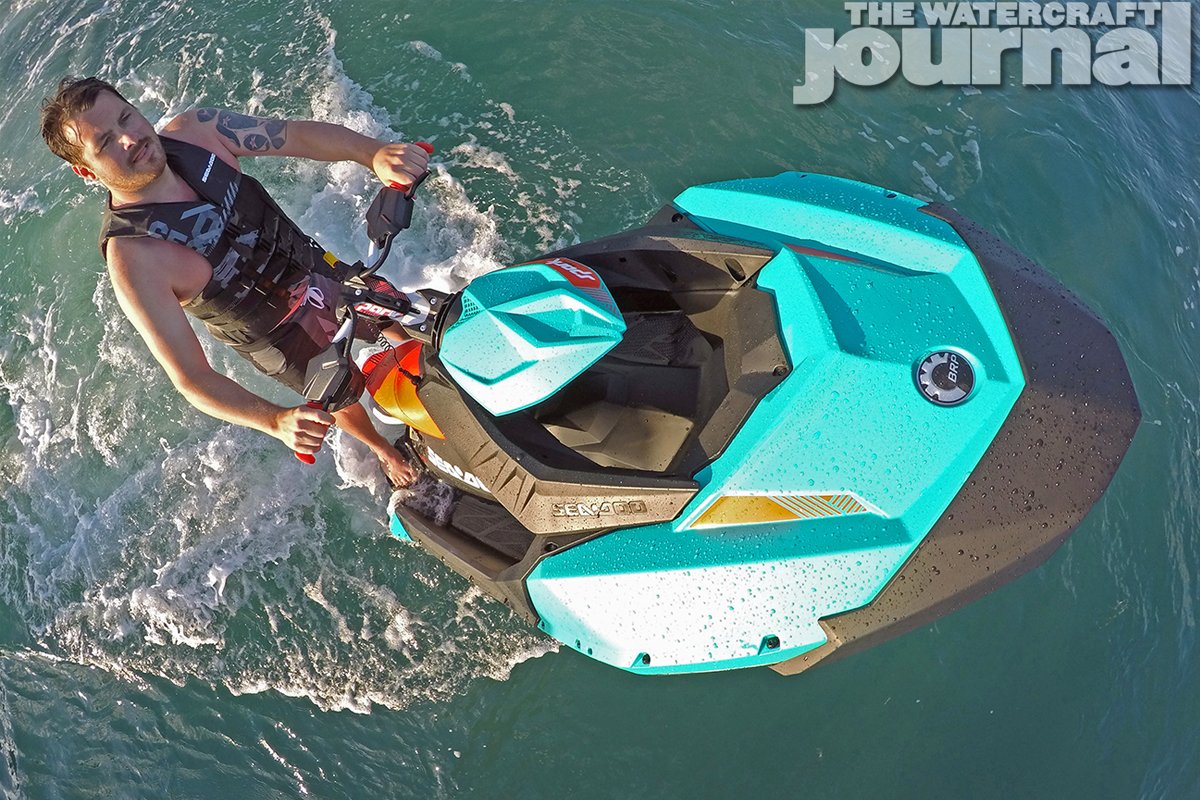
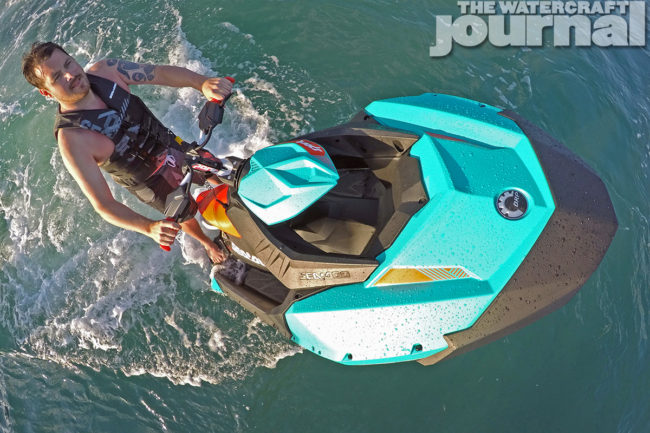
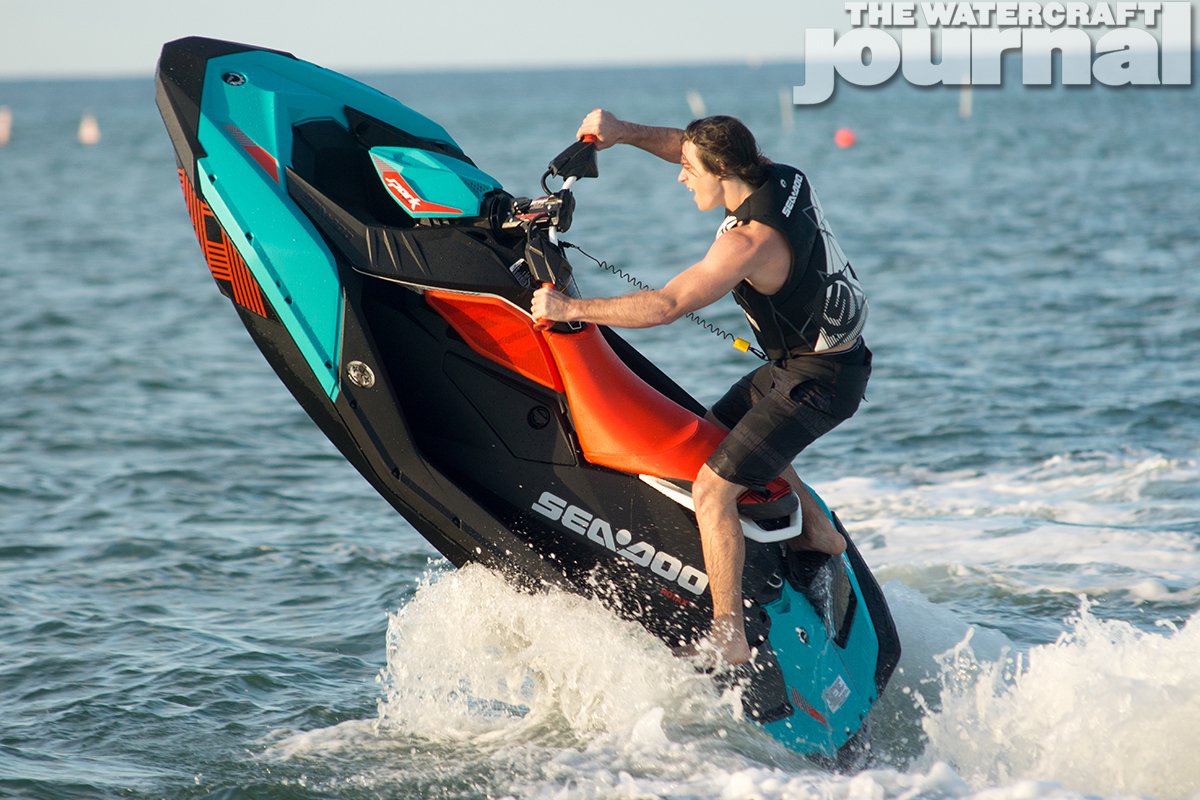
Sea-Doo carries over much of last year’s Spark lineup unchanged, including the selection of colors (Blueberry, Chili Pepper, Pineapple, Vanilla and Key Lime). From all reports The Watercraft Journal has gathered, the single-most popular Spark sold has been optioned as a 3-up with iBR and the 90-horsepower ACE HO. As such, Sea-Doo has created packages to better equip Spark sales, such as “Tow Pro” and its “Convenience Package Plus” including their popular optional items: a Front Storage Bin Kit, a Reboarding Step for easy reboarding, and the DESS key. But that is not the big news for Sea-Doo’s Rec-Lite segment; the Spark Trixx is.

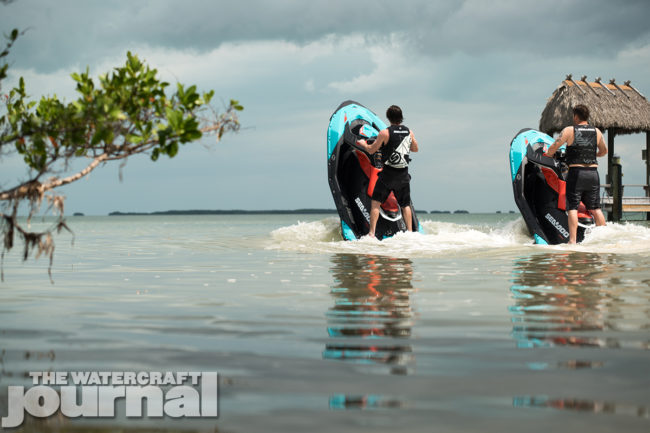
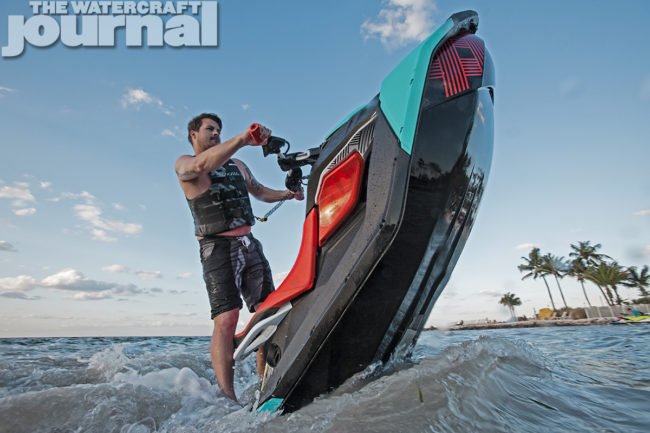
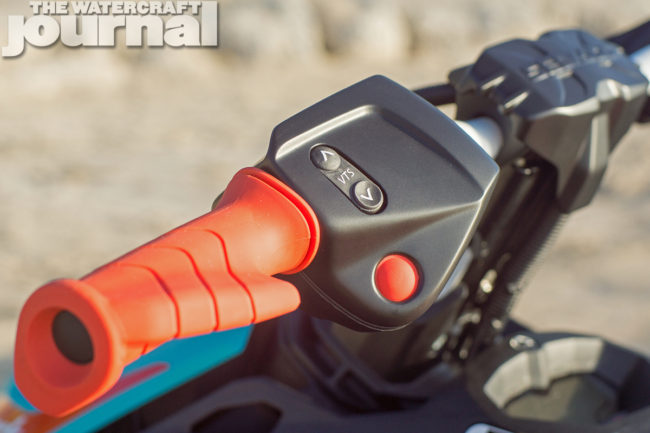
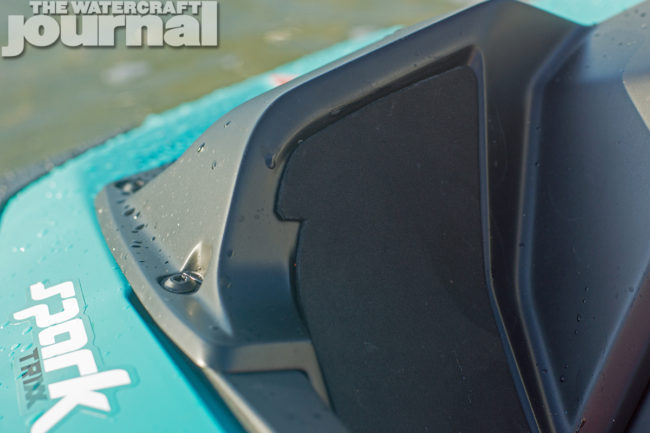
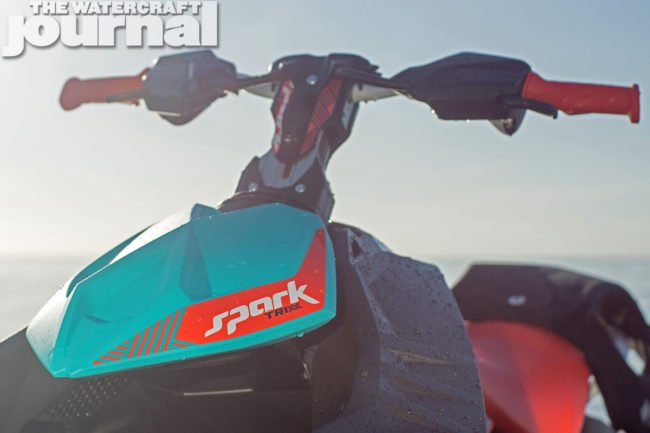
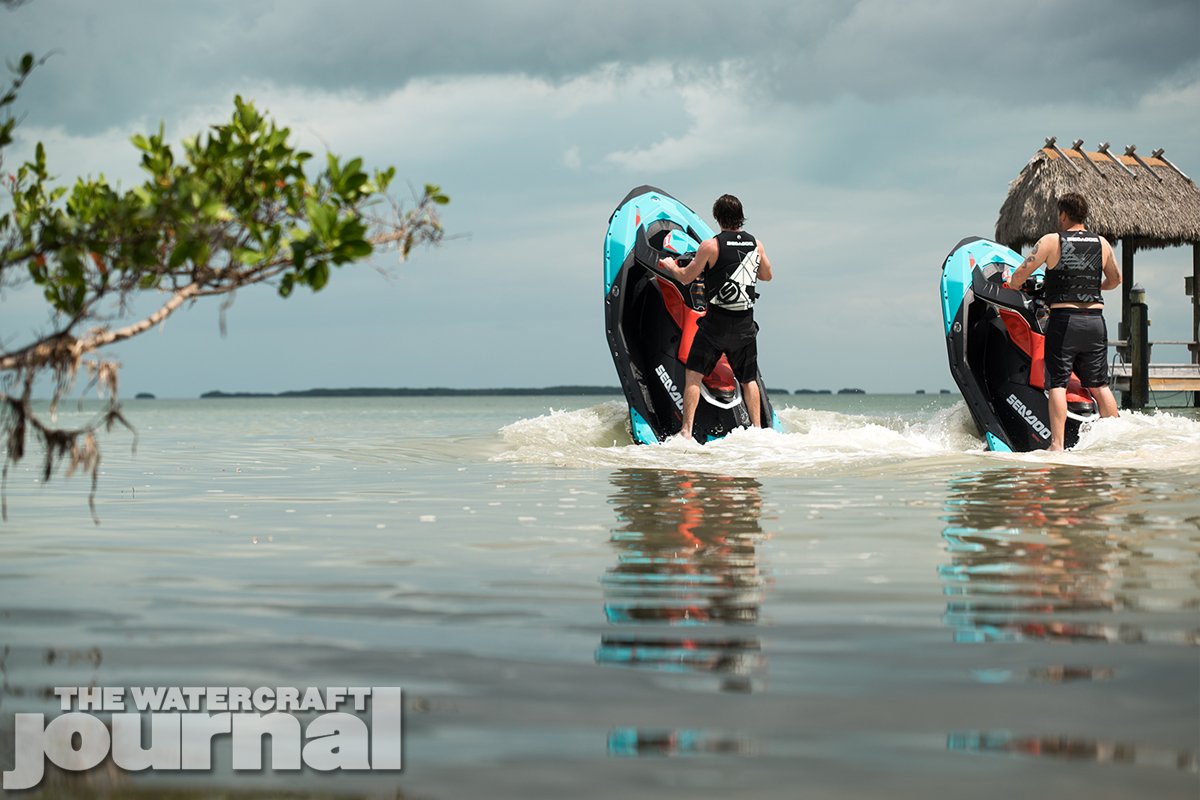
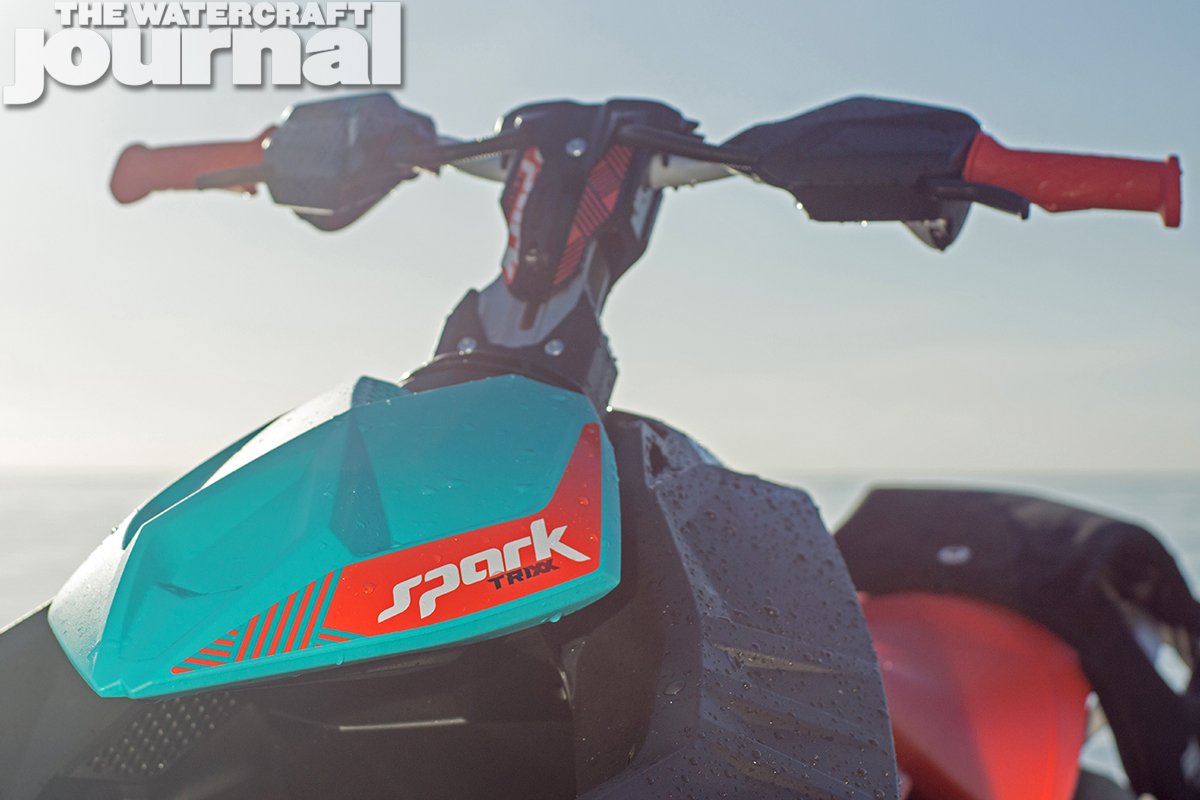
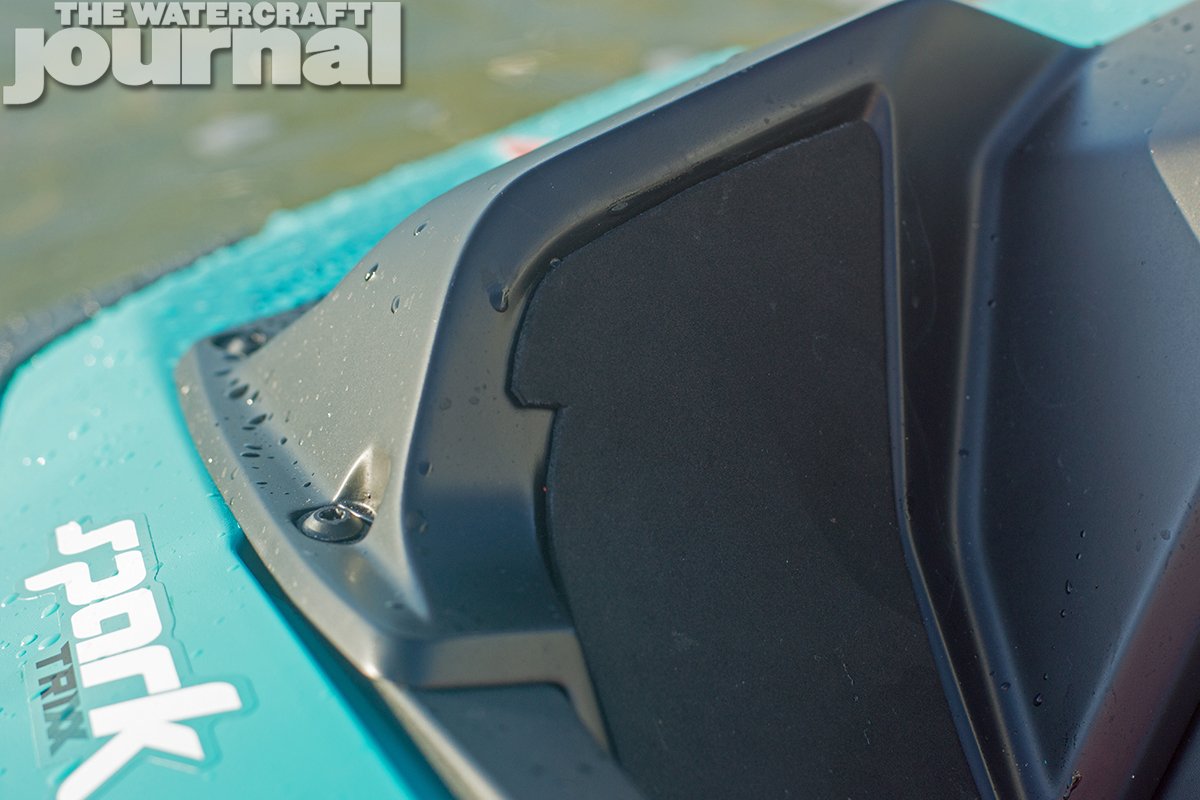
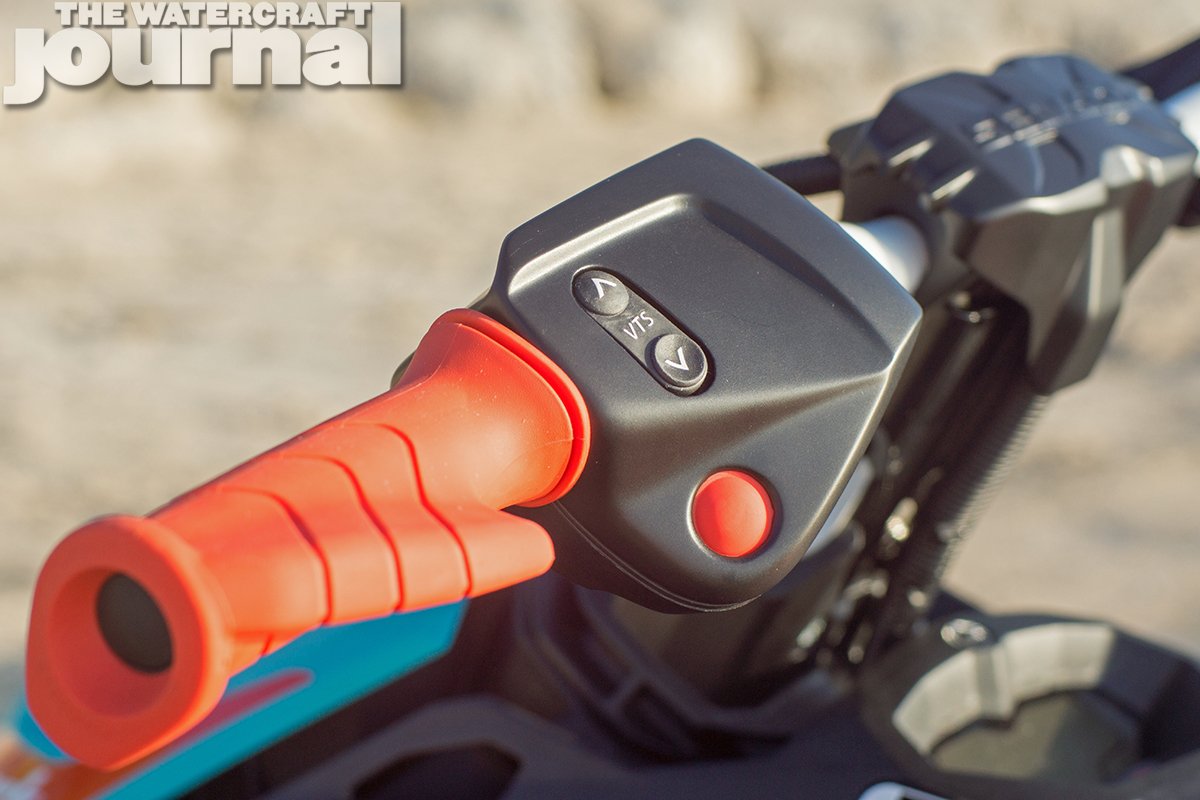
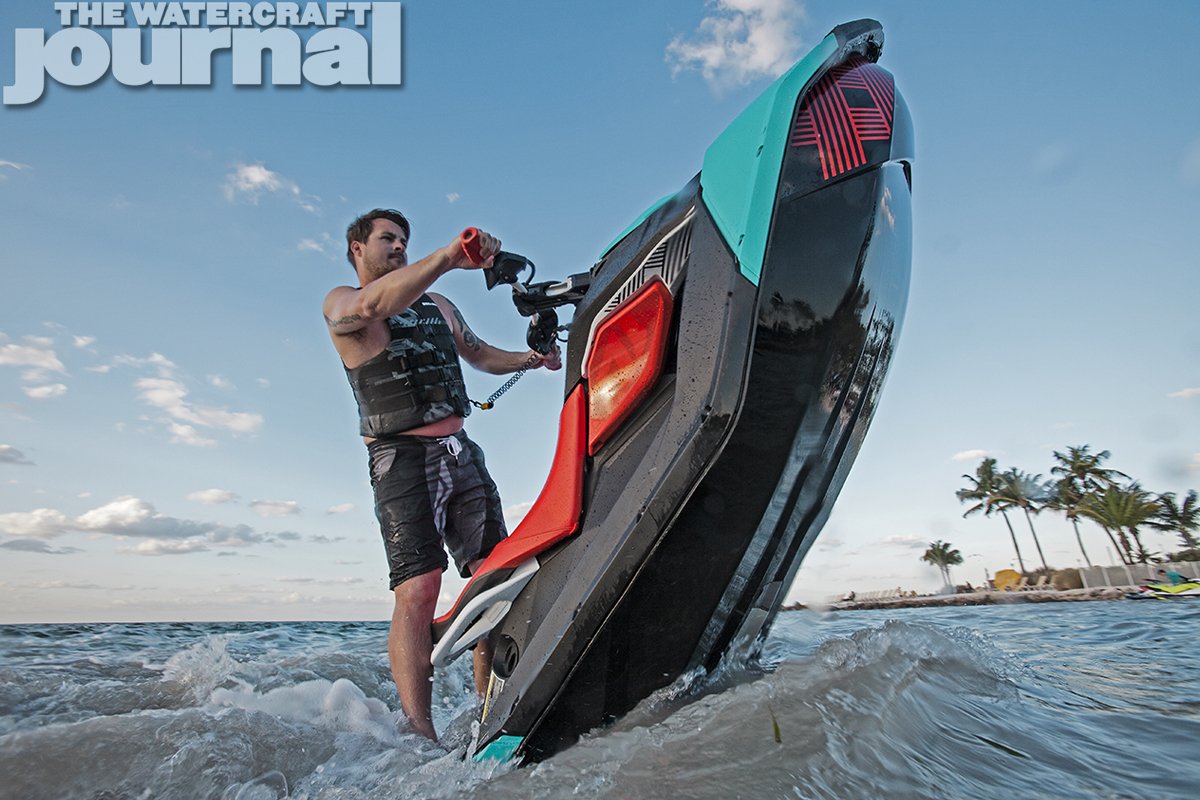
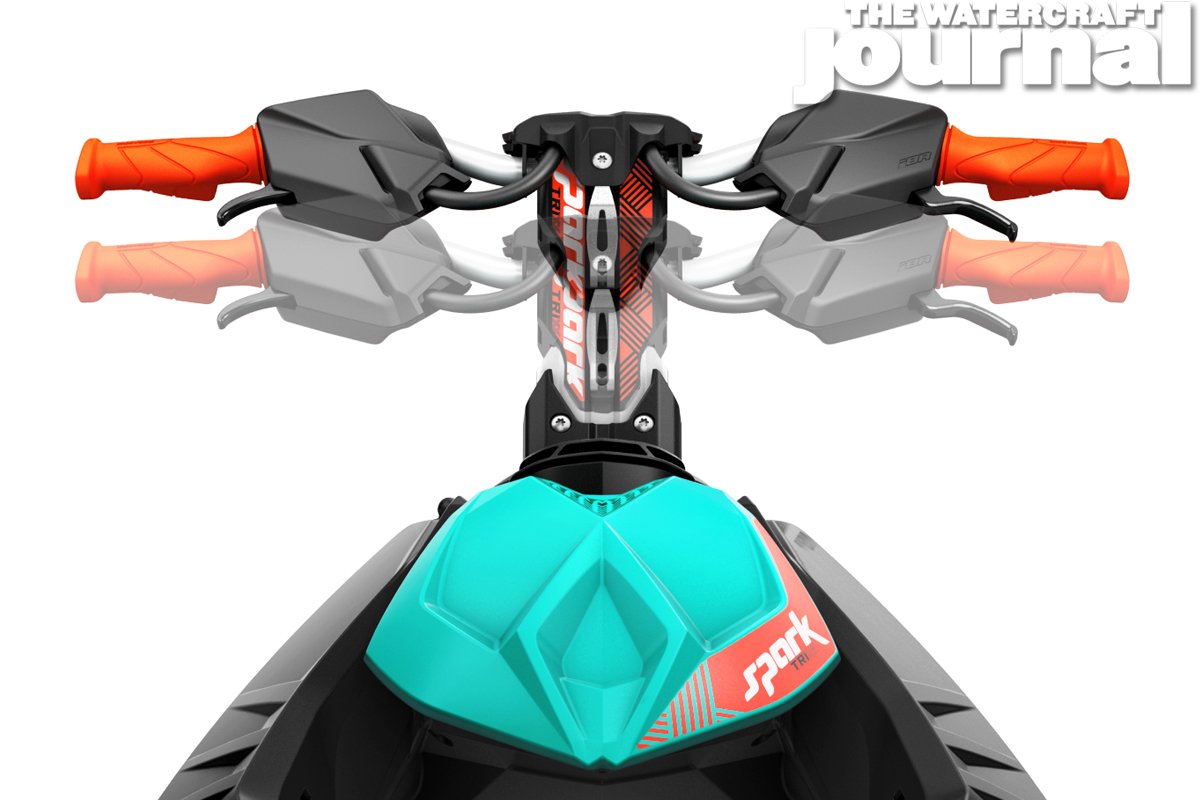
Beginning with a de-optioned 2-up unit, the Trixx is fitted with the 900 HO tune and iBR, as well as a heavily modified digitally-operated Variable Trim System (VTS) with extended range. Next, the Trixx is equipped with a unique handlebar with an aluminum adjustable riser allowing the rider greater leverage for increased rider input, step wedges for better footing while performing tail-stands, power slides, 180 hops, and dozens of other tricks. It also comes in its own unique color package: Candy Blue & Chili Pepper (plus custom graphics including deck and hull decals). Whether the Spark will segue into the world of flatwater freestyle in 2017 remains wholly unseen, but it’s a very unusual move if not wholly unexpected for Sea-Doo to be sure.

26

Tangerine Dream: The GTI Family
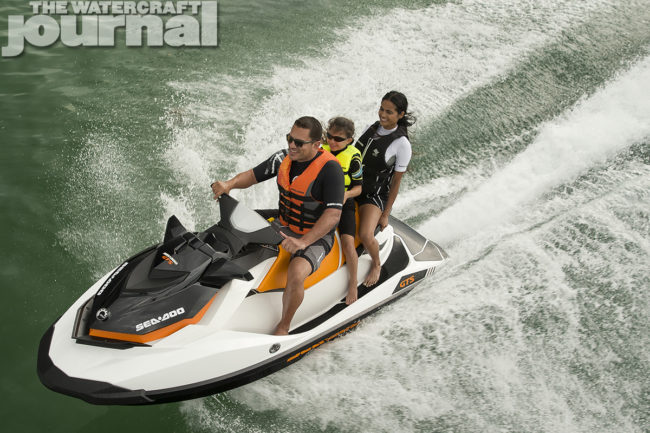
The GTI family, consisting of the GTS, GTI 130, GTI SE 130/155 and GTI Limited 155 have remained some of the brand’s most surefire, reliable machines of its entire lineup. Looking to expand the lineup, as well as dramatically increase value, fuel economy and power-to-weight, Sea-Doo has shaken up the once Recreation segment by replacing both the engine and hull material with those from the Sea-Doo Spark. Yes, you read that right: The GTS, GTI and GTI SE will be equipped with the 90-horsepower ACE HO as all-new Polytec hulls.

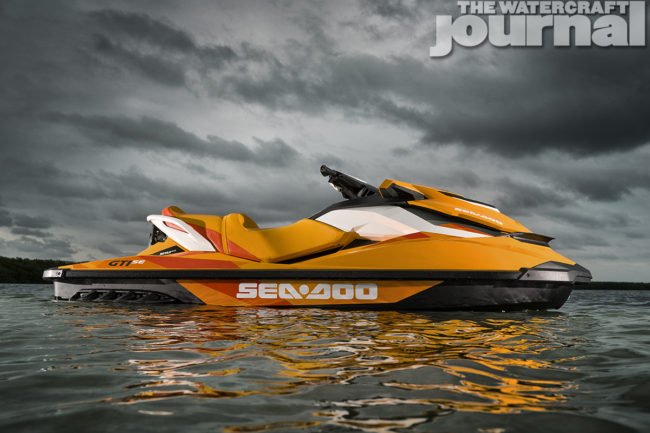
Replacing the traditional fiberglass hull with Polytec (and replacing the engine with the lighter 100-pound ACE HO) shaves off significant weight, making the GTS the lightest full-sized watercraft in the industry with a scant 630 pounds (an incredible 150-pounds less than its previous 780-pound predecessor) and picking up an astounding 30-percent gain in fuel economy. Add another 10-pounds to that, and you’ve got both the GTI and GTI SE offered in new Sunrise Orange. Manta Green is found on the aforementioned GTI model and Orange Crush on the GTS model.

Of course, if you’re looking for more power and options, Sea-Doo’s GTI SE (Special Edition) 130/155 and Limited 155 will still be available with a fiberglass hull and the tried-and-true naturally-aspirated Rotax 1503, where classic Black is the second color option on the GTI SE 130/155 models as Jet Black Metallic and Deep Pewter Satin adorns the GTI Limited 155 model.

16

Ticket To Ride: Performance Lineup
The performance group saw its biggest additions last year with the advent of the new Rotax ACE 300 engine. The heavily reworked powerplant not only dramatically improved the thermodynamics of the 3-cylinder, but also the weight and oil cooling. Of course, the newly re-engineered shaft-driven centrifugal supercharger also heavily increased both boost and longevity. “Measured at 1630.5cc’s, the new engine features a 100mm bore and 69.2mm stroke, providing 9-percent more displacement, and 15-percent more power,” Martin Lachance, BRP’s Engineering Director for the new Rotax ACE 300, explained to The Watercraft Journal last year.

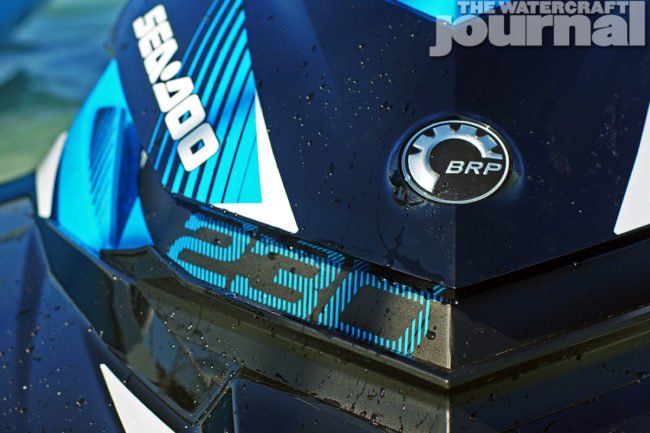
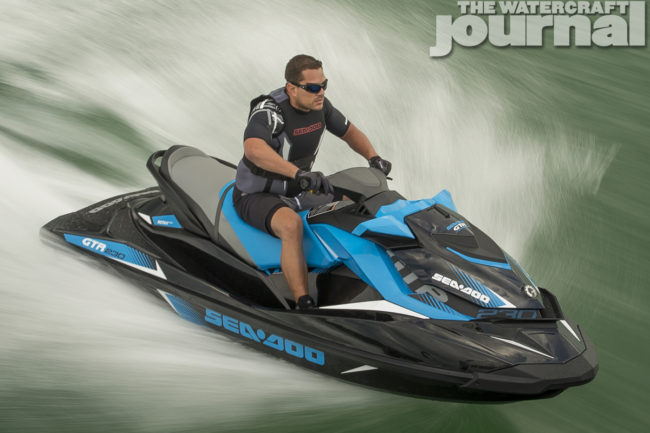
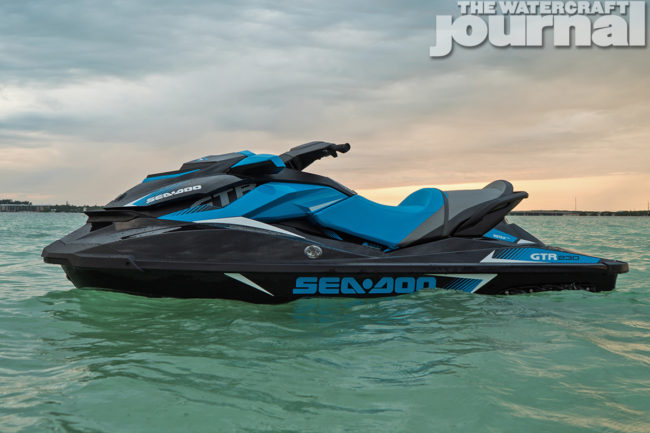
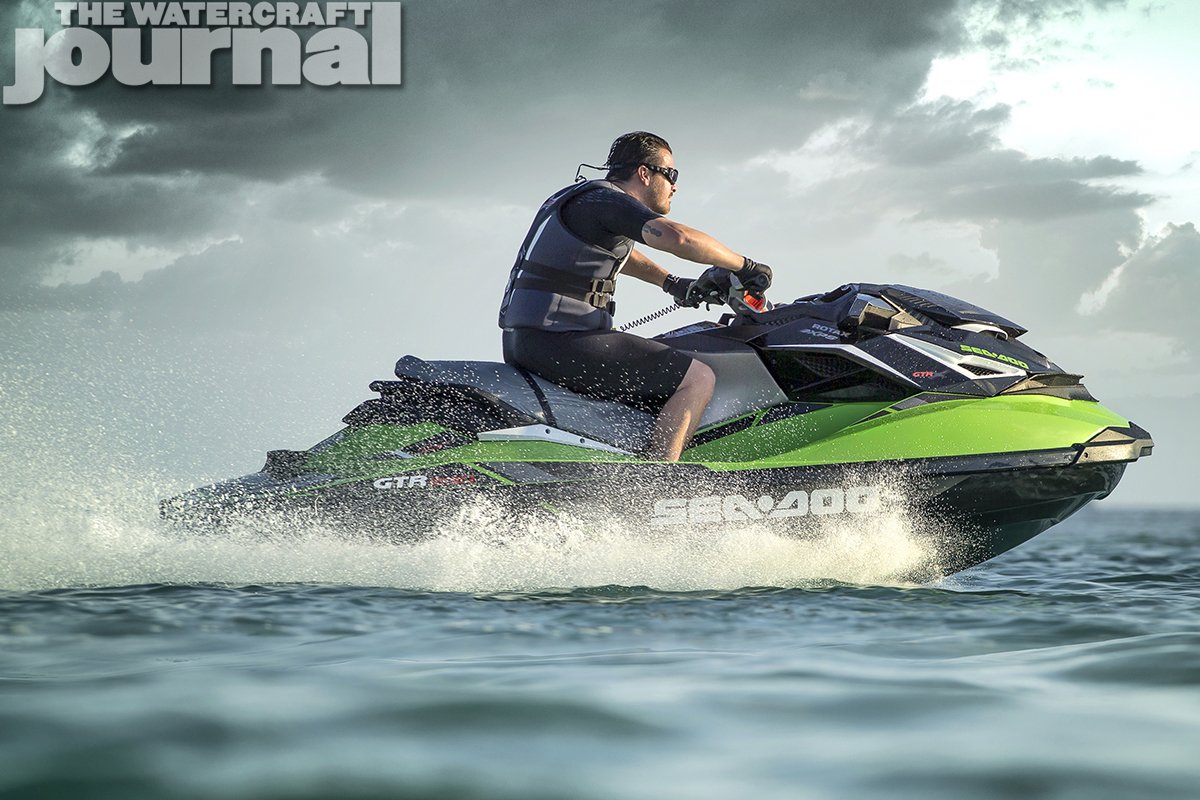
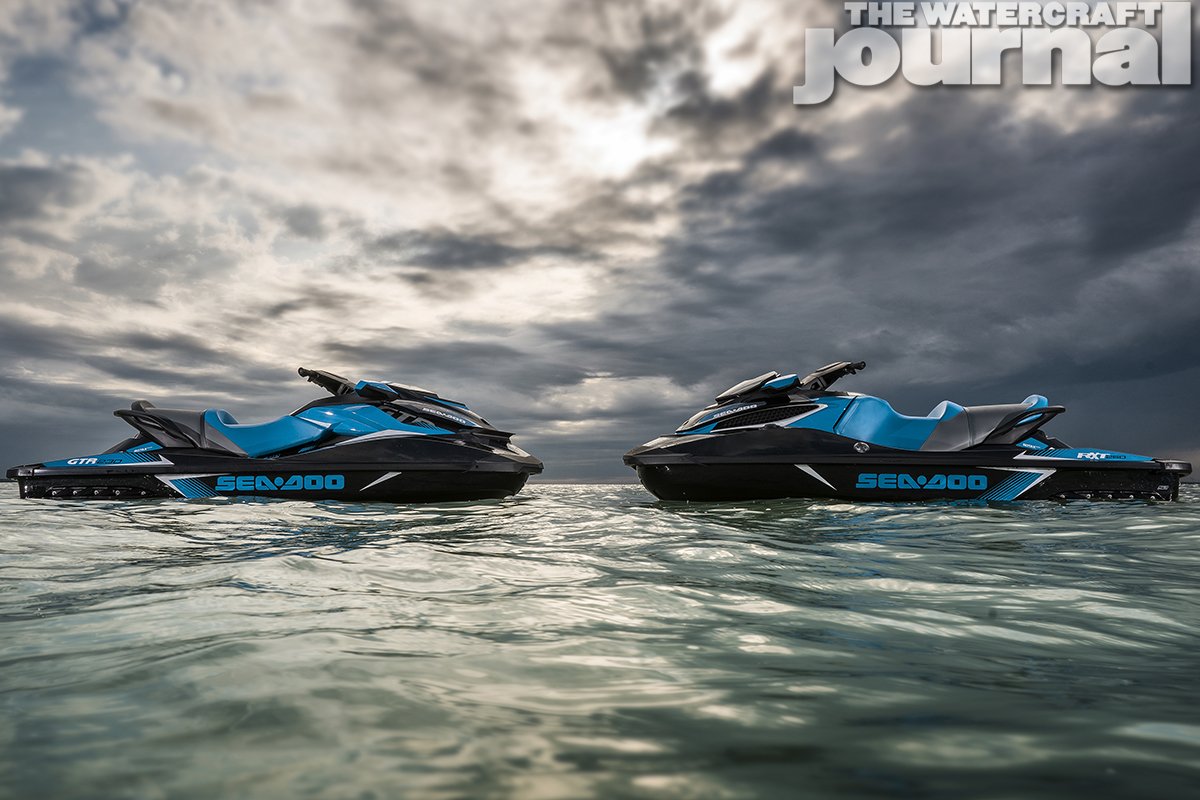
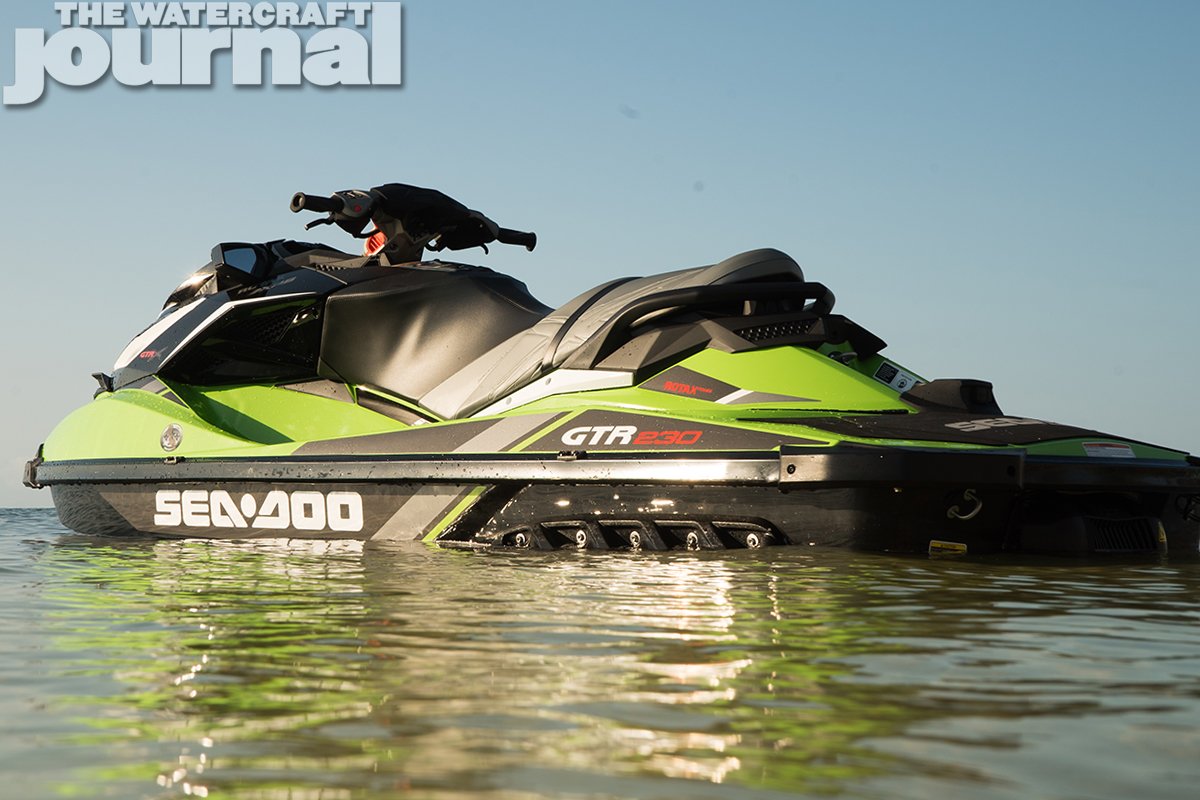
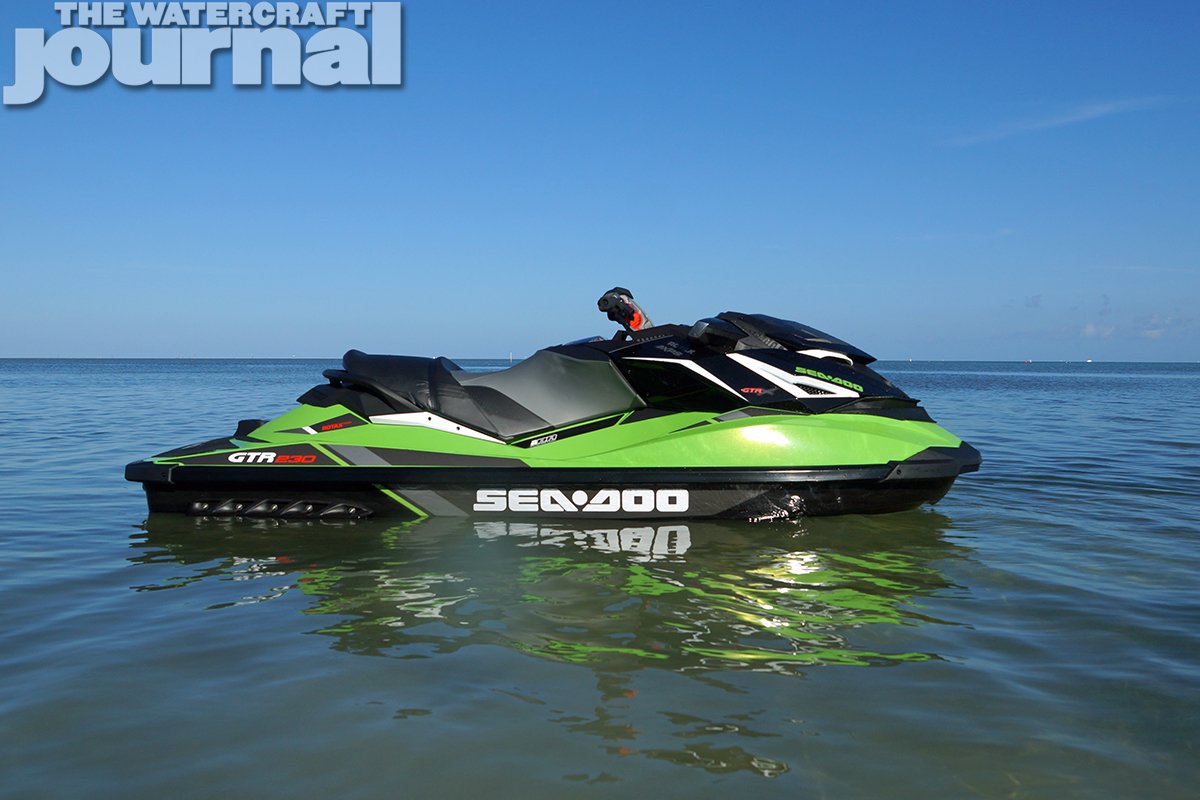
For 2017, the improvements come in the form of the newly re-motivated GTR and the addition of the GTR-X. Powering both craft is the aforementioned Rotax 1500 ACE HO. In the GTR-X 230, the ACE pushes the machine from idle-to-60 mph in 5.3 seconds, which is 2.4 seconds quicker than the closest competitive model. For the GTR 230, this is an increase of 15-horsepower, pushing the already quick craft to new levels. As for the GTR-X, the machine might fool many into thinking its a detuned RXP-X 300. Such is not the case.

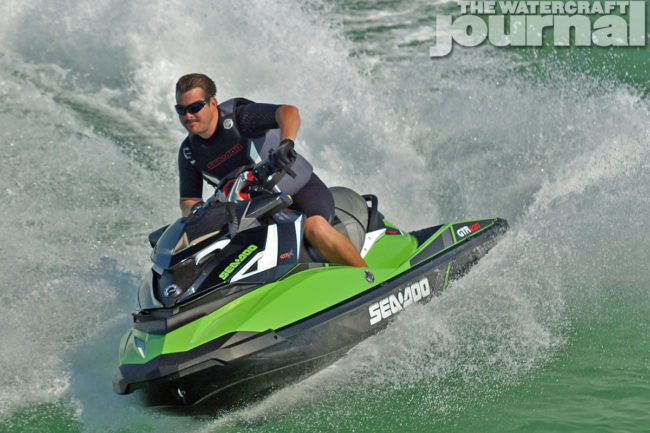
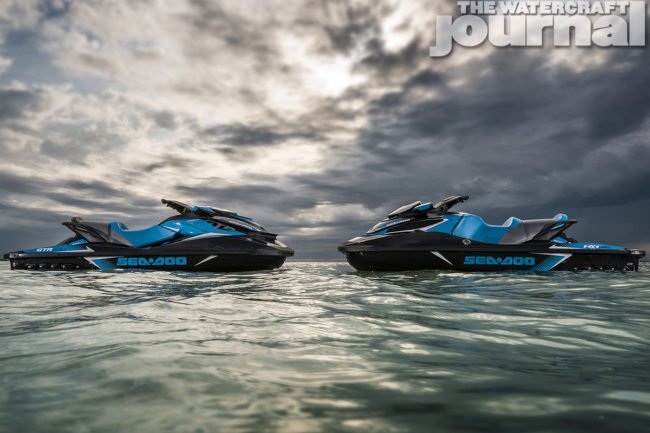
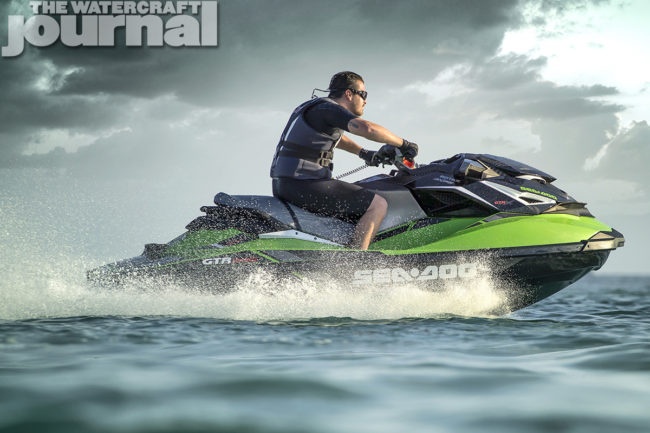
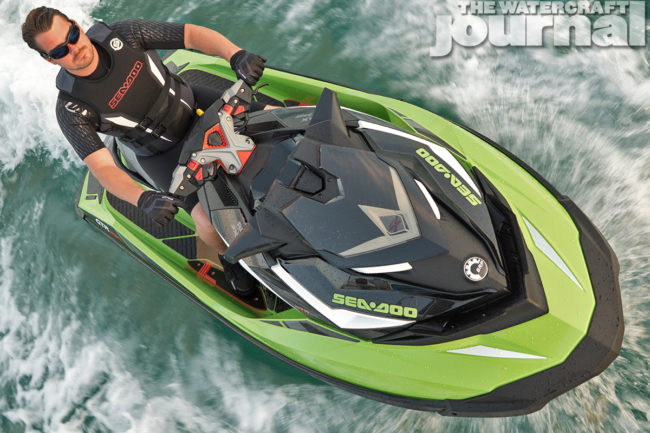
The GTR-X rather, is a GTR 230 with the RXP-X Ergolock seat, fairings and hood (seeing that the two craft share the same top deck). The hull is not the T3 hull, but that shared with the GTI and GTR models. Other carryovers include the Adjustable Ergonomic Steering (AES) handlebar, iBR, VTS and angled footwell wedges, and comes in Black and Manta Green, with the GTR 230 available in Black and Octane Blue (as well as the RXT 260). The RXP-X 300 retains both color options from last year (Lava Red and Monolith Black Satin, and White and Dayglow Yellow), as does the RXT-X 300. Those looking closely will note the loss of the RXT aS 260 from the lineup with only the RXT retaining the old Rotax 4-tec 1503cc plant.

30

Living on The Top Shelf: Luxury and Tow Sports
In a strange reversal, more units were dropped from the Luxury segment than added; specifically the GTX Limited 260 iS – replaced with the standard “S” signifying the manual suspension package. Again, these moves most likely are attributed to both demand and streamlining the production costs in an effort to curb rising MSRP prices. Instead, now the GTX roster is comprised of the GTX 155 and GTX S 155, GTX Limited 230, GTX Limited S 260, GTX Limited 300. Equally, all colors are carried over from 2016 to 2017, retaining the lineup’s Jet Black Metallic and Deep Pewter Satin finish, which we personally feel is some of the brand’s best hues ever. Seriously. If you haven’t seen it in person, you need to.

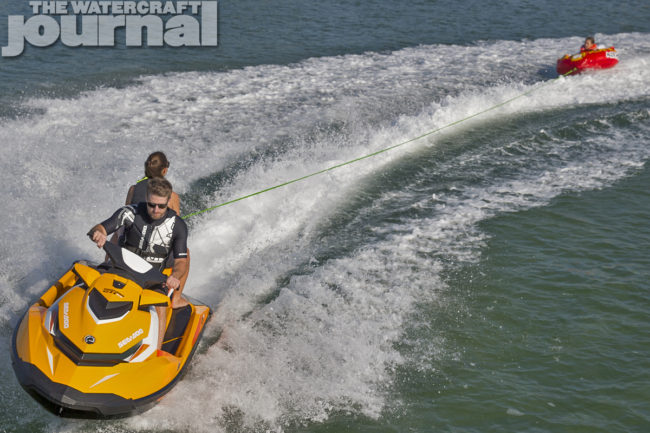
The Wake 215 and Wake Pro models both keep their gorgeous White and Belize Blue colorization (and WAKE graphics), which are almost as striking as the above GTX models. Equally gone is the Wake 215’s outgoing engine, replaced with the new ACE HO 1500, pushing the craft’s output to 230-horsepower (the same goes for the GTX Limited 215, which also sees an increase in horsepower to 230). The bump in horsepower will be duly appreciated by those actively using their Wake models for tow sports and slinging the kids around on a raft. In all, the addition of a new engine was somewhat expect, at least in the form of replacing the now decade-plus-old Rotax 1503, at least in all supercharged applications; the Trixx-package and Polytec-equipped GTS/GTI hulls are pleasant surprises and promise to be big news-makers in the following days and weeks.

28 22 9 30 19 18 25 24 23 16 20 13 11 29 27 26 8 7 6 12 3 2 1 4 5 10 14 15 17 21
<
>

Video: Checking Your Sea-Doo For Supercharger Clutch Slippage

0

maxresdefault

In this video, 3ftDeep shows how to check your supercharger for slippage on your Sea-Doo. It is extremely important to check for slippage between the 50-to-100 hours mark because it can be the difference between a running ski or a ski that is in need of having its supercharger rebuilt (not to mention also having poor engine performance). Most guys recommend that you just rebuild your supercharger every 100 hours but that isn’t always the case in your slippage is minimal.

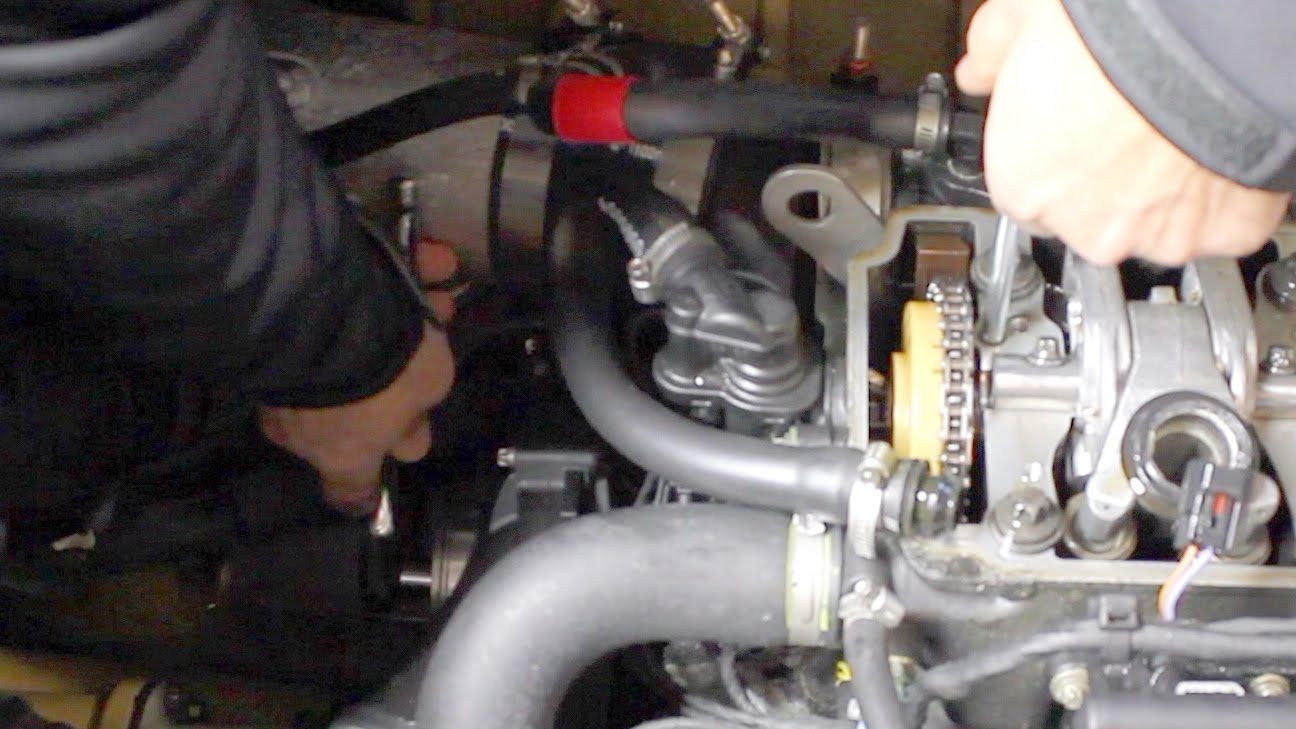
Diagnosing slip from your supercharger is simple and requires few tools. All that’s necessary are a regular screwdriver for hose clamps, spark plug wrench, E8 torx socket, and a torque wrench. If you do not have these tools, ask a friend or invest in them since they will last a long time and are not too expensive. There is no need to buy any gaskets in this process. By doing this investigation by yourself it can be extremely helpful if you don’t have a lot of money to spend and can diagnose if you need to get the charger rebuilt or make it last a few more hours.

Many people may ask why they need to rebuild something that is working just fine at the moment. The answer is that inside of a supercharger there are bearings that spin at extremely fast speeds, washers that after 2 years or 100 hours can become very weak and to make sure that your ski is performing at optimal speeds. By doing all of this maintenance it will extend the life of your motor, cause less head-ache and give you that smile again and again one you feel the boost.

There are a few ways to go about rebuilding your supercharger, taking it to the dealer, sending it to a shop or rebuilding it yourself. Taking it to the dealer can be the most expensive choice but sending it to a jet ski shop can take a while if you are in the summer – busy season. Rebuilding it yourself does require more tools, time, and the chance of a mistake. There are lots of pros and cons but if you feel up to the challenge it can be worth your while to rebuild it on your own. There are lots of videos, instructions, and forum threads to help you out.

Case of The Mondays: Ken Block & Teammate Charge Lake Powell on Sparks

0

Screen Shot 2016-08-15 at 7.55.25 AM

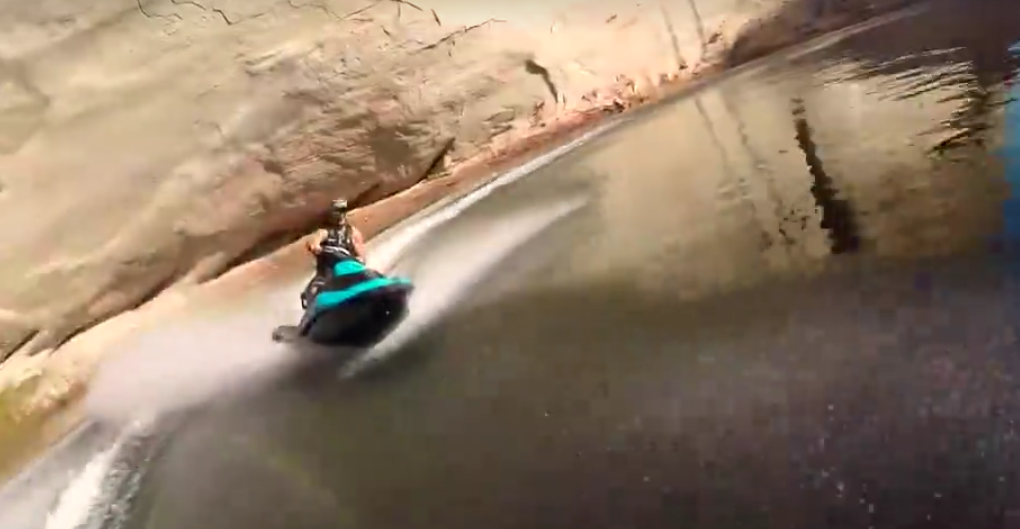
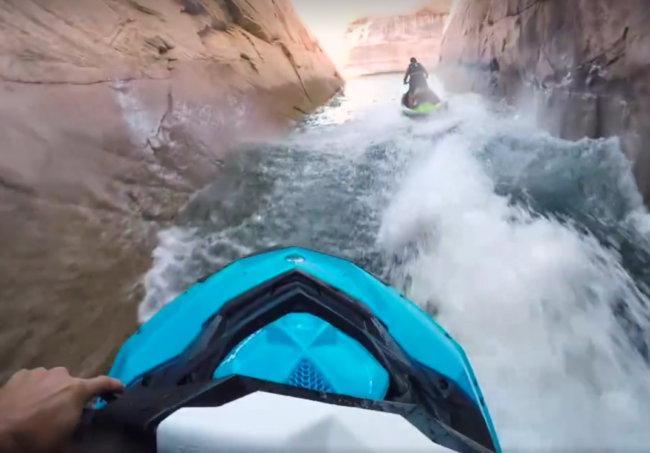
Many will know Ken Block from his insanely viral “Gymkhana” videos, as a “talented World Rally Championship racer, X Games medalist and viral video trailblazer,” but did you know that Block also races for Can-Am (BRP)? In late 2015, BRP announced that Block and his Hoonigan team had partnered with BRP to highlight the performance capabilities of the Can-Am Maverick side-by-side vehicle. This relationship clearly has spread to all of BRP’s product line, as yet another GoPro Hero 4 video has sprung up over the weekend, featuring Block and his Hoonigan Racing teammate Andreas Bakkerud, at Lake Powell shredding up the water.

Powell, of course, has seen better days, as drought and California’s woeful mismanagement of an already dwindling water supply has left the lake several hundreds of feet below normal. Besides exposing miles of new shoreline, it’s also opened up secluded and otherwise unseen channels to explore. Previous videos have shown jet skiers charging the canyons, but the nimble nature and small size of the Sea-Doo Spark perfectly allows Block and Bakkerud access to ribbons of water that otherwise wouldn’t have been accessible.

The video below is a brief one, but shows the fun and playful nature of the Rec Lite craft. Thus far, the Sea-Doo Spark has constituted a serious percentage of total new personal watercraft sales. Its low entry price point, modular design (culminating in an impressive 48 different model options), and ease of use makes it a capable introduction to the sport – or as Ken Block demonstrates, a load of fun even for the experienced powersports enthusiast.


John Dady, Founder of Blowsion Passes at 47 Years Old

1

Screen Shot 2016-08-14 at 3.09.55 PM

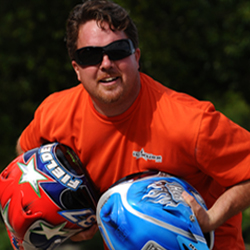
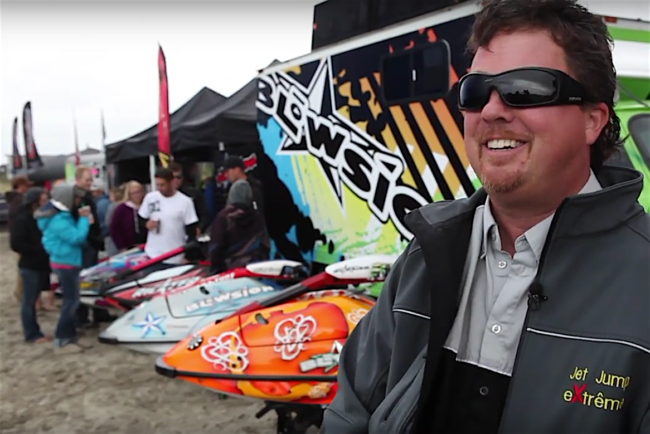
The world of freeride (and the entire PWC industry, for that matter) took a serious blow this weekend when news that 47-year-old John Dady, founder of Blowsion, passed away suddenly this passed Saturday morning at his home from a previously undetected congenital heart condition. Dady was first and foremost a husband and father, and is survived by wife Kristy, and sons Colm and Liam. Dady had shown no previous signs of ailment by all public accounts, carrying about with business as usual and busily planning for this coming September’s “Blowsion Surf Slam” freeride event in Pacific City, OR.

Dady was known publicly as the founder and driving force behind Blowsion, freeriding’s biggest domestic promoter, source of custom paint work for helmets, skis and more, and possibly the industry’s largest source for aftermarket watercraft parts and upgrades, almost exclusively focusing on standup jet skis. Dady leveraged his artistic talents and creativity into a custom paint shop that was quickly cultivated into a resource for “dynamic graphic and product design” and kept the company at the sport’s cutting edge. Dady’s style was bold, aggressive and unapologetic both in his work and in life.

Beginning in 1987, a then 19-year-old Dady painted his first ski in his parents’ unfinished garage. That first job segued into several more, affording the young entrepreneur enough capital to open Blowsion’s doors in 1989. Dady continued his formal artistic training, affording his clientele increasingly superior work as he continued to hone his craft. Reaching beyond MX helmets and standup skis, Dady pushed Blowsion into the design and execution of billet components, traction mats, and handle poles, as well as numerous other products that have become commonplace among standup racers, freestyle and freeride enthusiasts.

Dady was a key figure in the preservation and cultivation of the jet skiing community and will be sorely missed by thousands who knew him, knew of him, or simply benefited from his tireless dedication to the sport and the people who occupied it. Due to the unexpected timing of his passing, no information pertaining to memorial services or places to donate in lieu of flowers have been shared. Updates will be posted on Blowsion’s official Facebook page.

[Editor’s Note: A crowdfunding campaign has been launched at “YouCaring” for John’s two sons Colm and Liam. Any donated assistance will be earmarked specifically for the two boys. You can donate by going HERE.]

Videos: An Inside Look at Farthing’s 600HP Carbon-Fiber Sea-Doo RXP-X

0

RXPX

PWCMuscle’s Joe Zammataro was able to catch time with Dustin Farthing to interview him about his 2016 carbon fiber 600-plus horsepower Sea-Doo race ski. The highest horsepower you can buy from Sea-Doo is now just over 280-horsepower (no, it’s not 300. That’s just the model number), which means Dustin’s Team has modified his ski so much so that it has more than double the normal amount of horses from the factory. To get there he had to install a turbocharger, ported his cylinder head, installed performance rods, pistons, valves, and manifolds.

These parts are what makes him able to reach speeds of upper 80’s during races and lower 90’s when just tearing up the lake. But what really makes this boat stand out from the rest of its class is that in 1.8-seconds from the starting line, Dustin is already going 60mph. That acceleration is faster than a Lamborghini, Ferrari and Bugatti 0-to-60 time. All of these great parts can quickly add up so it is nice that Dustin is backed by a sponsorship from Factory Monster Energy Sea-Doo and Mountain Motorsports along with a few other smaller sponsorships.

High speeds can cause huge adrenaline rushes but you must be able to hold on especially if turning since you can experience G-force if turning hard enough at fast enough speeds.

If you are reading this and want to start modify you craft to start seeing faster speeds Dustin points out a few things that can get you higher numbers. If you are starting with a Sea-Doo RXP-X 300 a V-Tech Tune, SOLAS Impeller, and Air Intake System will get you to see upwards of 80mph. These modifications will keep the reliability of your craft if you plan to use it for racing or just recreational use.

Video: King of Freeride by SBT Australia & Sunshine Coast Jet Sports Club

0

maxresdefault

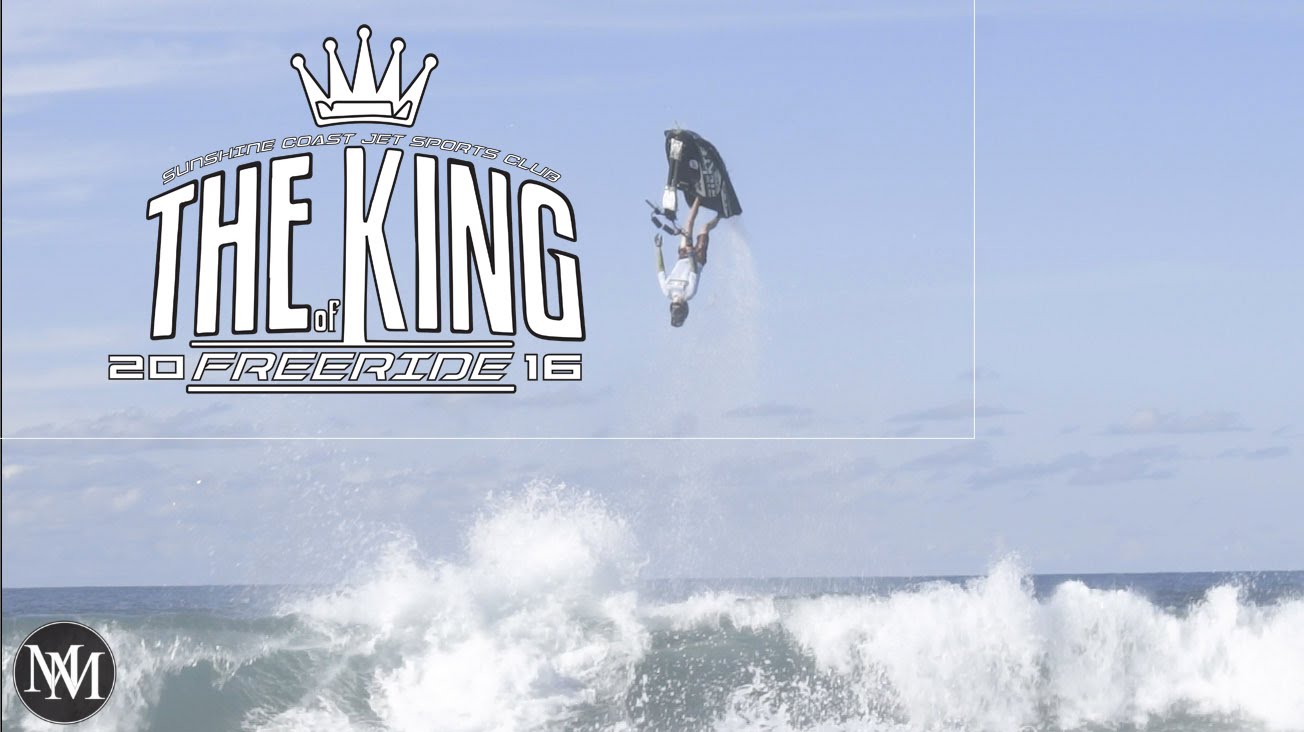
The Sunshine Coast Jet Sports Club put on a great event for its riders earlier this year (which The Watercraft Journal covered in detail here). SBT was the main sponsor of the first annual “The King of Freeride 2016.” This event showcased some of the best freestyle riders around. The club encouraged all riders no matter age or skill level to come out and enjoy this great two day event.

With skis ranging from older stock hulls to full carbon fiber hulls with bored over motors, lightweight handle poles, and high pitched impellers, the audience knew that the king of the competition was sure to turn some heads. It was good to see such a huge turnout for this event, the more people who are able to get exposed to events like this will definitely make this sport grow. While there were some excellent performances by riders doing all sorts and insane tricks and flips, Zane Taylor was crowned the 2016 King of Freeride.

SBT was the title sponsor of this event but there were plenty others such as Jet Pilot, Gold Coast Jet Ski World, Krash Industries, 701 Industries and many others. These companies want this sport to grow and provided parts, tools, advice and guidance which really make this huge event a great success. While it can be expensive to sponsor an event, it can be worth it because you can help grow the sport you love while still getting your business exposure to a new audience. Sunshine Coast Jet Sports Club is a club that has one mission; to grow the sport by providing a safe area, proper riding conditions and to mainly just have fun!

Video: Sea-Doo Wants To Give You A Sneak Peek at Its 2017 Lineup

5

copy1

OK, you’ve heard all of our rumors, gossip and blatant lies – now its time to see the real thing. Sea-Doo is willing to give you a very personal and unique sneak peek at Sea-Doo’s 2017 lineup before anyone else – including The Watercraft Journal. Starting yesterday (oops!), you can enter to become not only some of the rare few to take a look at what Sea-Doo’s got coming for next year, but also enter to win one of the newest machines from the industry leader in PWC!

All you need to do is enter your name and contact info HERE, and you’ll be automatically entered as a contestant – plus you’ll also get a snapshot of one or two of Sea-Doo’s 2017 personal watercraft. It’s really super easy and what you get in return is the chance at a brand new Sea-Doo. What’s there to lose?

Here’s the original press release:
Valcourt, QC, Canada – BRP is preparing to launch the 2017 Sea-Doo watercraft line and is offering fans the opportunity to register to unlock spy shots of the highly-anticipated new models and a chance to win a new 2017 Sea-Doo watercraft° of their own.

BRP is the world leader in watercraft sales, a result of continual industry leading innovation to improve the Sea-Doo watercraft owners’ riding experience. In 2017 BRP will introduce more of what people want to make good days on the water great. The 2017 Sea-Doo watercraft line will be launched Tuesday, August 16th and fans will be able to see the new models live from CLUB BRP in Orlando, Florida through an exclusive Facebook Live video broadcast on the Sea-Doo brand Facebook channel starting at approximately 9:30PM EST– www.facebook.com/seadoo.

Watercraft fans and water lovers alike can go to sea-doo.com/coming-soon starting Wednesday, August 10th to register to unlock spy shots of the new models and get a chance to win a 2017 Sea-Doo watercraft. Plus, get information on the Facebook Live feed.

The excitement builds as the launch of the next line of Sea-Doo watercraft fast approaches. Follow Sea-Doo social media channels as visitors are offered a sneak peek starting on August 12th up to the August 16th launch.

Video: 1100cc Motor-Swapped ’90 Kawasaki Jet Mate is One Wild Ride

1

13895289_10153821977028061_1485075988909791264_n

Connecticut resident Chris Kyttle is getting quite a bit of internet fame with a video he shared earlier this week. He wrote, “My buddy threw an 1100 in his Jet Mate this weekend. Little test run before taking it 60 miles to Atlantic City…” Let’s let that sink in for second, shall we? Classified as a “passenger boat,” the Kawasaki Jet Mate was originally powered by a 650cc two-stroke – the very same plant powering the brand’s 650SX JetSki.

First introduced in 1989, the unique, flat-bottom design featured an open cabin that sat three, with two passengers sharing a rear bench and the pilot occupying a captain’s chair controlling the boat via an articulated joystick. Kawasaki integrated molded-in side ladders for easy re-entry. Under ideal conditions, the Jet Mate was estimated at a top speed of roughly 30 miles per hour.

Because of its low draft and quickness, several Jet Mates found use as patrol and rescue boats, but never high-end performance machines. In addition to the big Kawasaki triple, the Jet Mate was fitted with a 650 pump with a “huge ocean pro nozzle” with a SX-R prop, according to Kyttle. Although some re-shaping went into the hull prior to the build, Kyttle joked, “[It takes a] lot of leaning to make it turn.”

Whether the modded Jet Mate has made the trek to Atlantic City yet remains to be answered, but we look forward to seeing some future video with this machine ejecting riders in the surf.