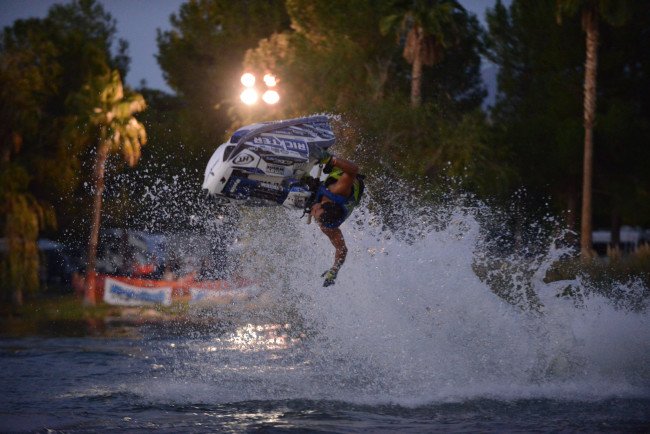
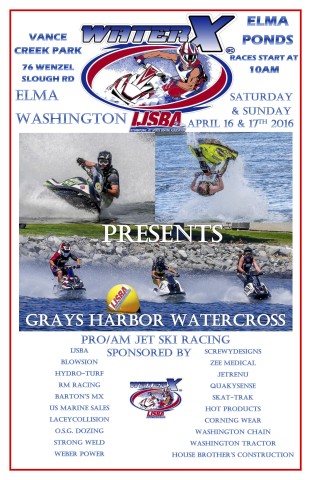
Water X in association with the International Jet Sports Boating Association (IJSBA) is proud to announce that Rounds 1 and 2 of the Northwest Region 3 IJSBA watercraft racing and freestyle championships will be held on April 16th and 17th 2016 at Vance Creek Park in Elma Washington. This exciting event will feature some of the fastest jet ski racers in the nation.
This will be a closed course buoy race on beautiful Bowers Lake. Racers will compete to earn points for the Northwest Region Championships along with earning their spots to compete in the world finals competition that is held in Lake Havasu Arizona in October of 2016.
This event is free to the public and is a fun and family friendly event. Races will start at 10am both days. For more detailed information, please visit our Facebook event page at Grays Harbor Watercross.
For more information, contact Dan Lindgren at (360) 593-0984, or Monte Hughes at (360) 349-1341.
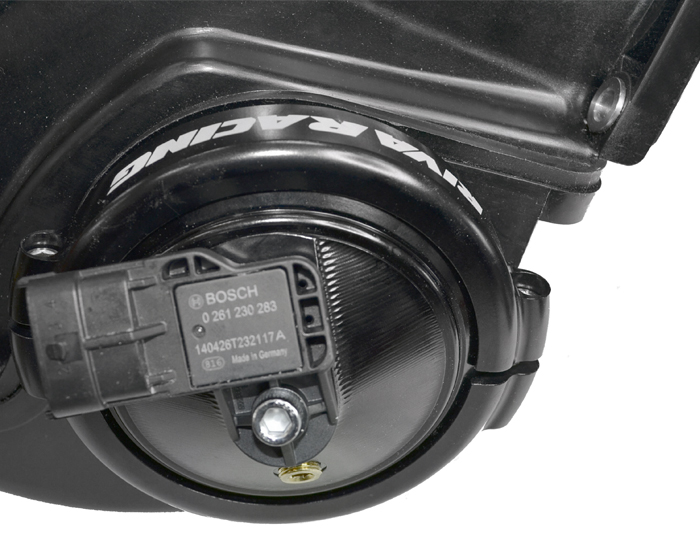
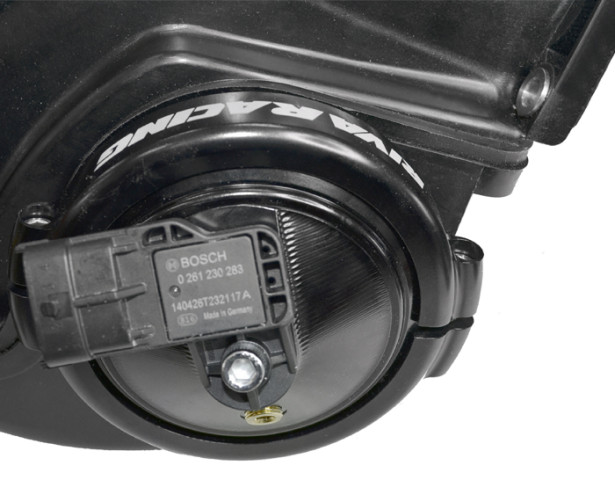
RIVA Racing has released yet another goodie for your PWC owners! With their new Sea-Doo 300 Intake Manifold Upgrade Kit, it enables your engine to produce more horsepower through increased boost pressure (+1 lb). With an installation time of around two hours, this upgrade kit is a must have.
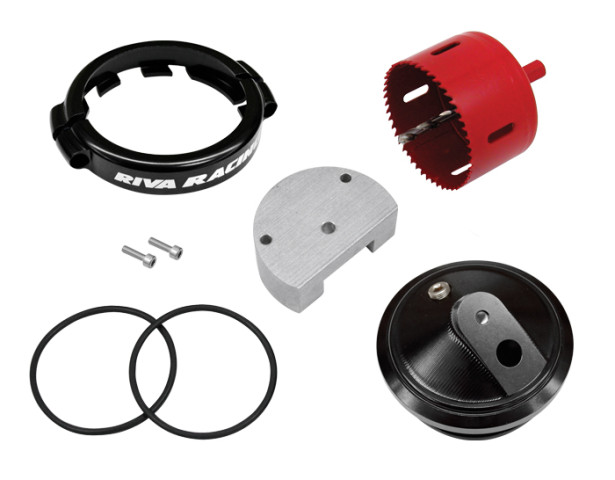
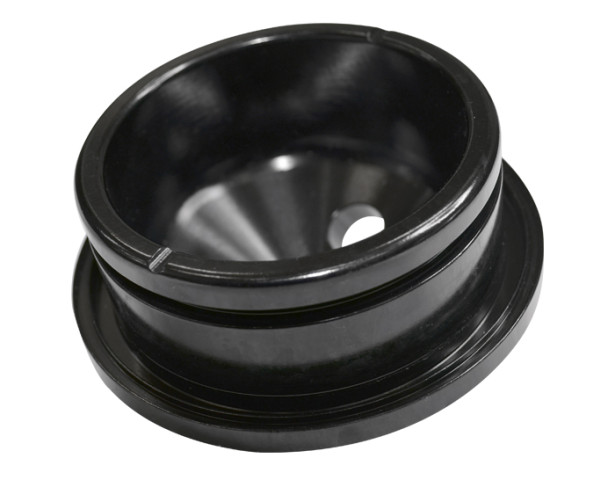
With the kit’s supplied hole saw and cutting fixture, it allows easy removal of the restrictive screen element from the inside of the plastic two-piece intake manifold on your Sea-Doo 300 RXP-X/RXT-X/GTX Limited 300. After that, a special O-ringed, billet block-off plug fills the opening left after removal of the screen element. Every kit includes detailed installation instructions.
Key Features:
Delivers increased boost pressure and performance.
Includes hole saw and aluminum cutting fixture for easy installation.
Billet aluminum block-off attaches with precision machined clamping system.
Accepts OEM MAP/TEMP sensor.
Features 1/8 NPT accessory port with block-off plug
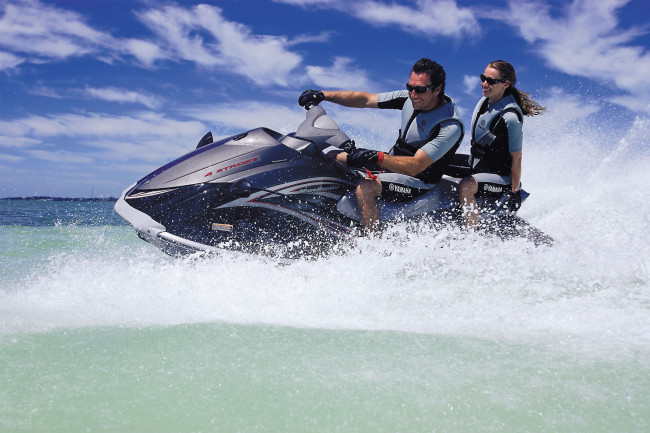
Thirty years ago, Yamaha Watercraft introduced its first WaveRunner; the WR500. Ever since then, Yamaha watercraft have led the boating industry as one of the most innovative, most reliable, and most fun brands on the water!
“From the WR500 to where we are now is quite a jump. We couldn’t have done it without a dedicated and hardworking dealer base and our legion of loyal Yamaha customers who have made Yamaha the #1 marine brand on the water today,” said Yamaha Watercraft general manager Bryan Seti.
To celebrate their 30th anniversary, Yamaha has launched a new photo-sharing website called MyYamahaMemories.com. This new site allows WaveRunner and boat owners to share their favorite memories and pictures from their adventures out on the water. Yamaha Watercraft owners can also add a photo caption with the hashtag #YamahaMoments and their Instagram handle. The best photos will also be featured on the company’s Instagram page.
Summer is coming up quick; if it hasn’t already arrived in your area so get your watercraft out on the water along with your camera and start snapping some great pictures!
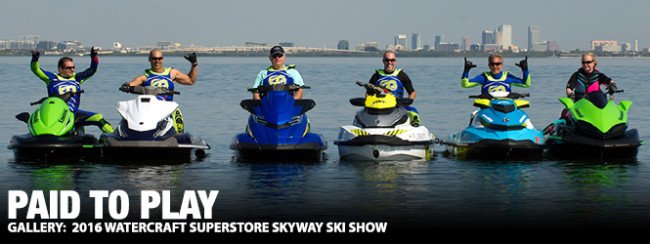
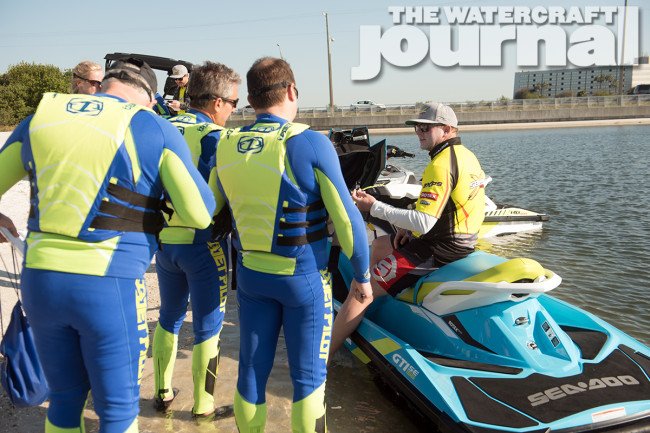
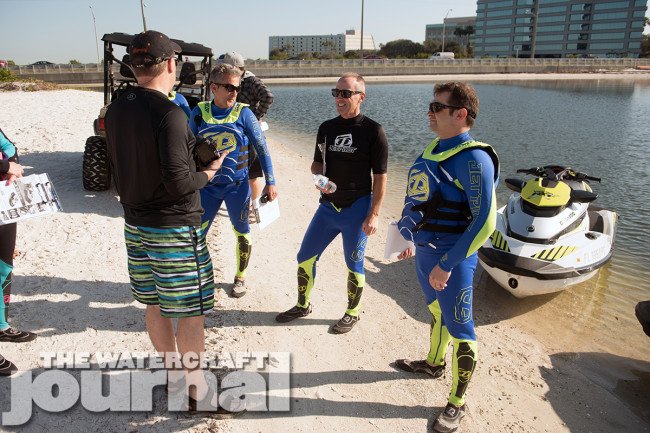
Celebrating its fourth year, the annual Skyway Ski Show is an evolutionary step since the early “Dream Demos” once held by now defunct Watercraft World from nearly a decade ago. The Dream Demo once corralled all of the major manufacturers (Kawasaki, Sea-Doo, Yamaha, Polaris, Tigershark, Honda, etc.) into one central location, where every single unit built that year would be on display for a panel of readers, riders and enthusiasts to test ride and evaluate.
Because of the massive scope that such an undertaking would require, the Dream Demo began to retract. Now adopted and renamed as the Skyway Ski Show for the annual SBT/Watercraft Superstore catalog as a special editorial supplement, the Ski Show invites the remaining three OEs to bring two representatives of a predetermined type or genre.
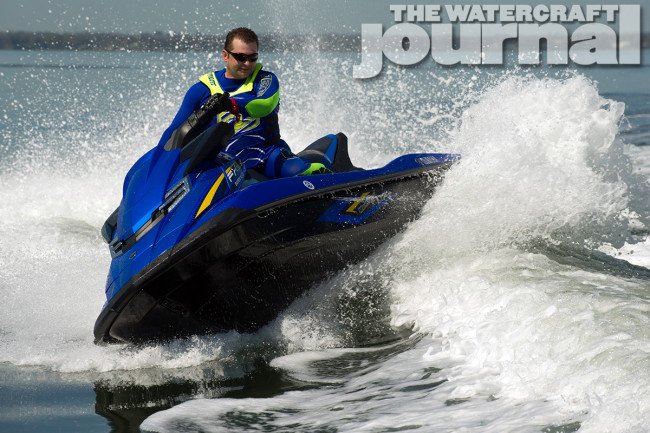
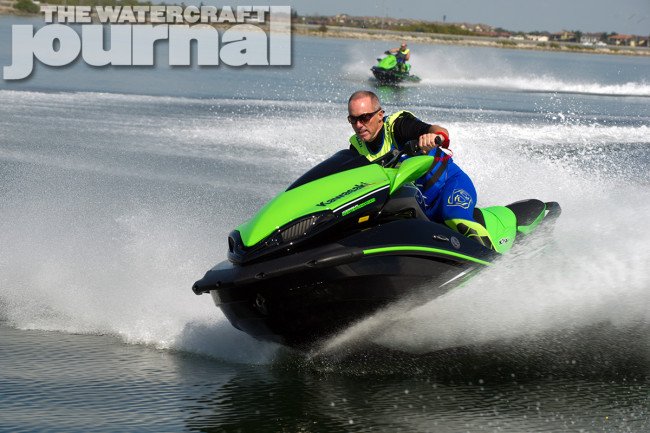
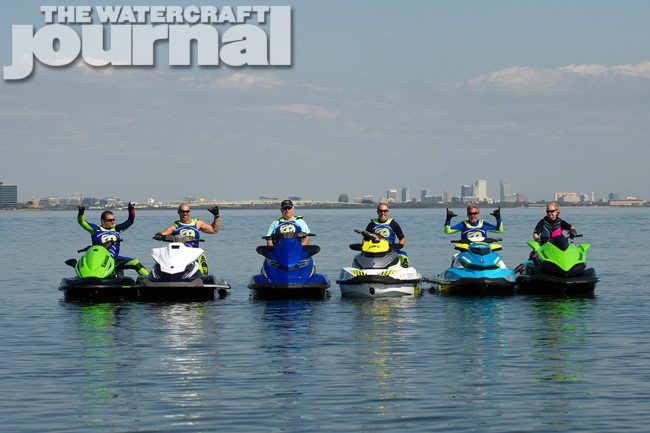
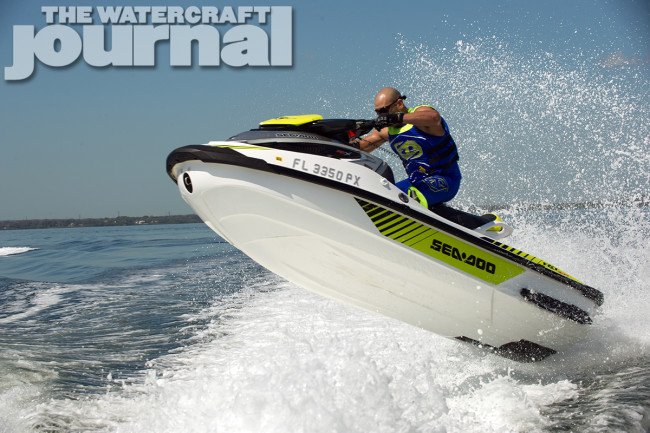
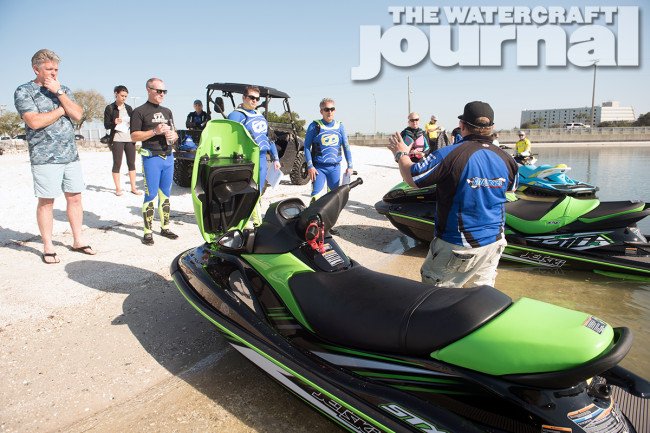
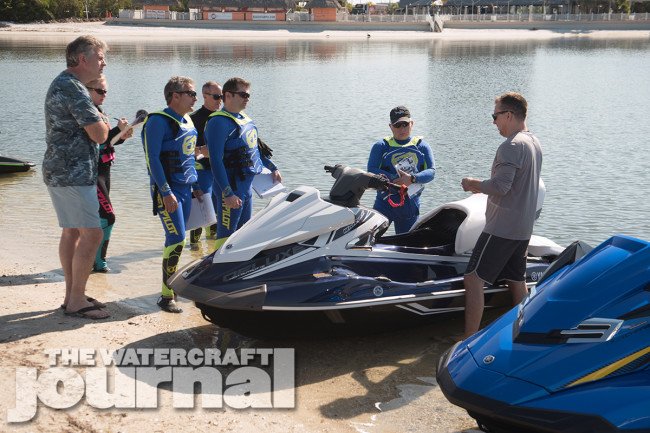
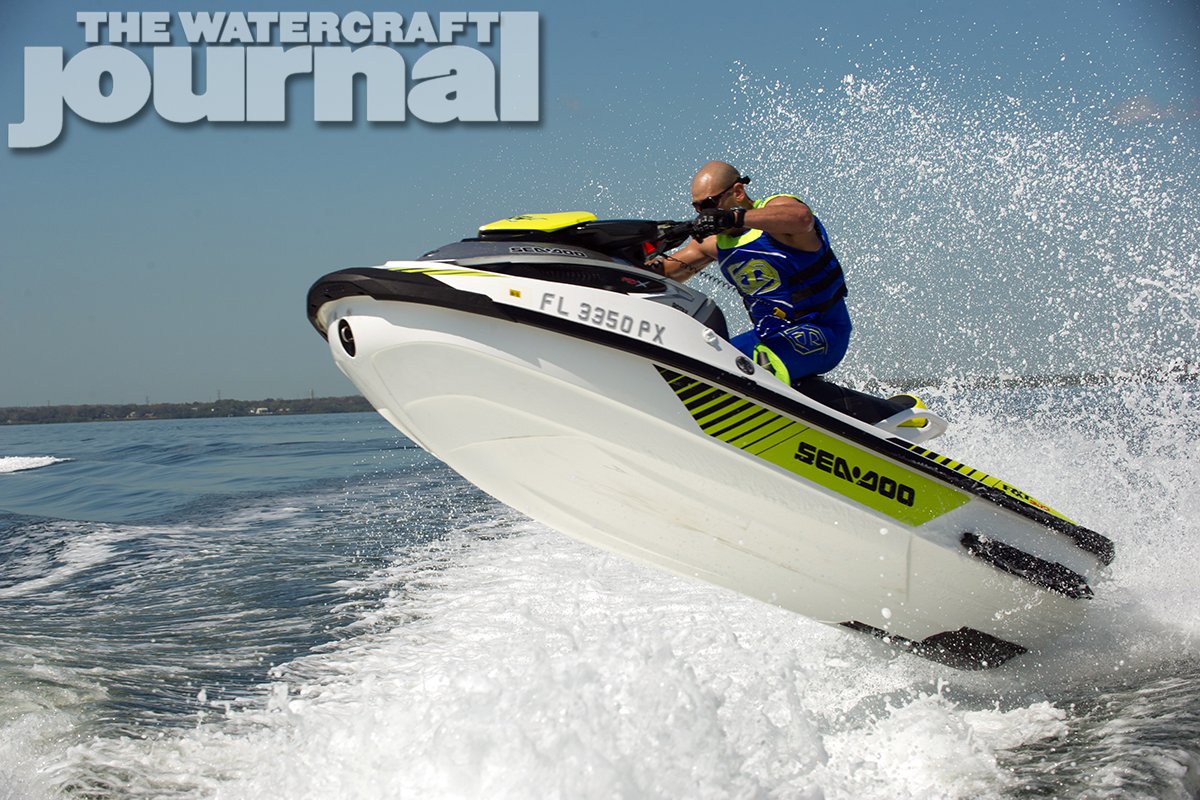
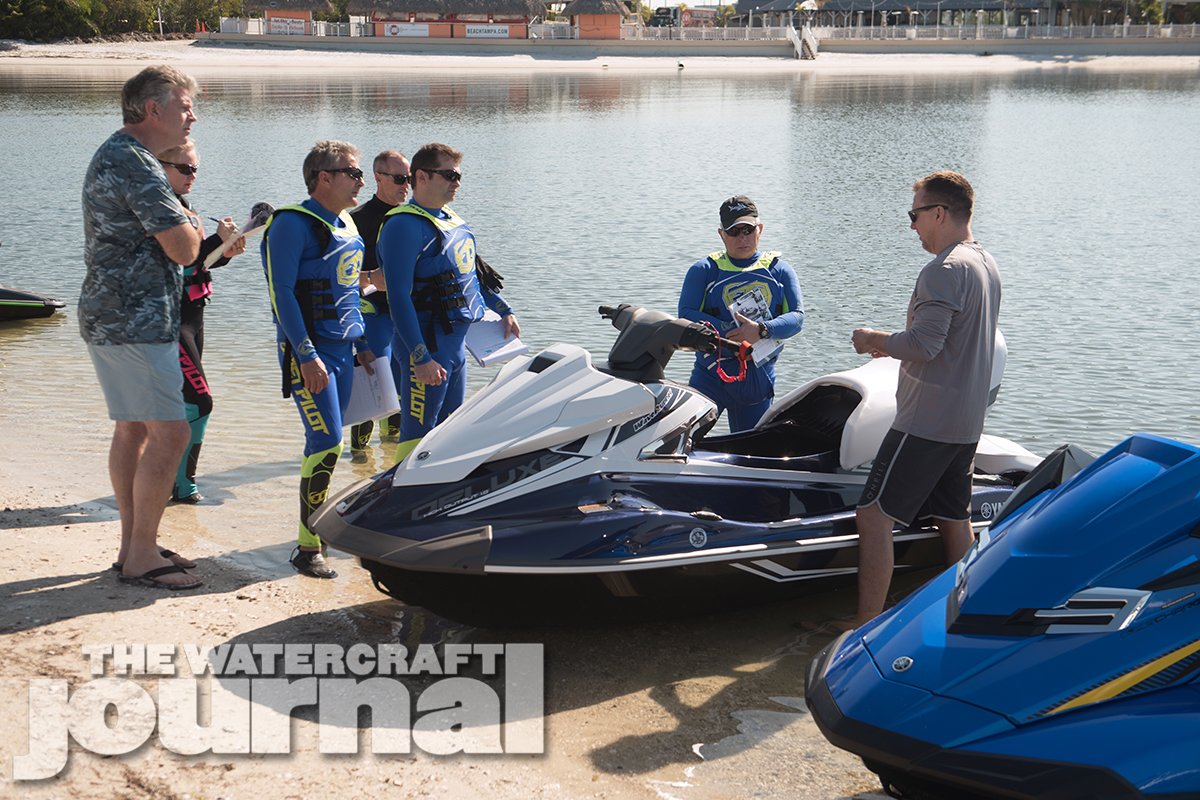
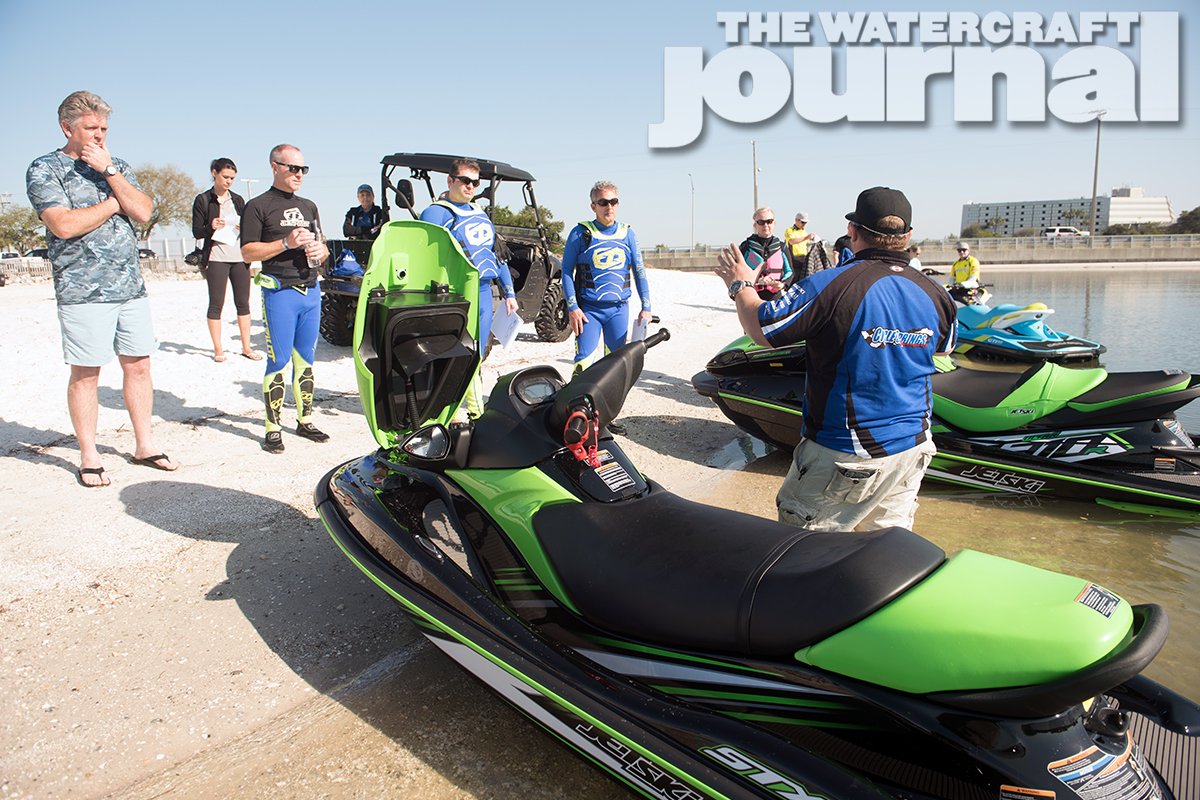
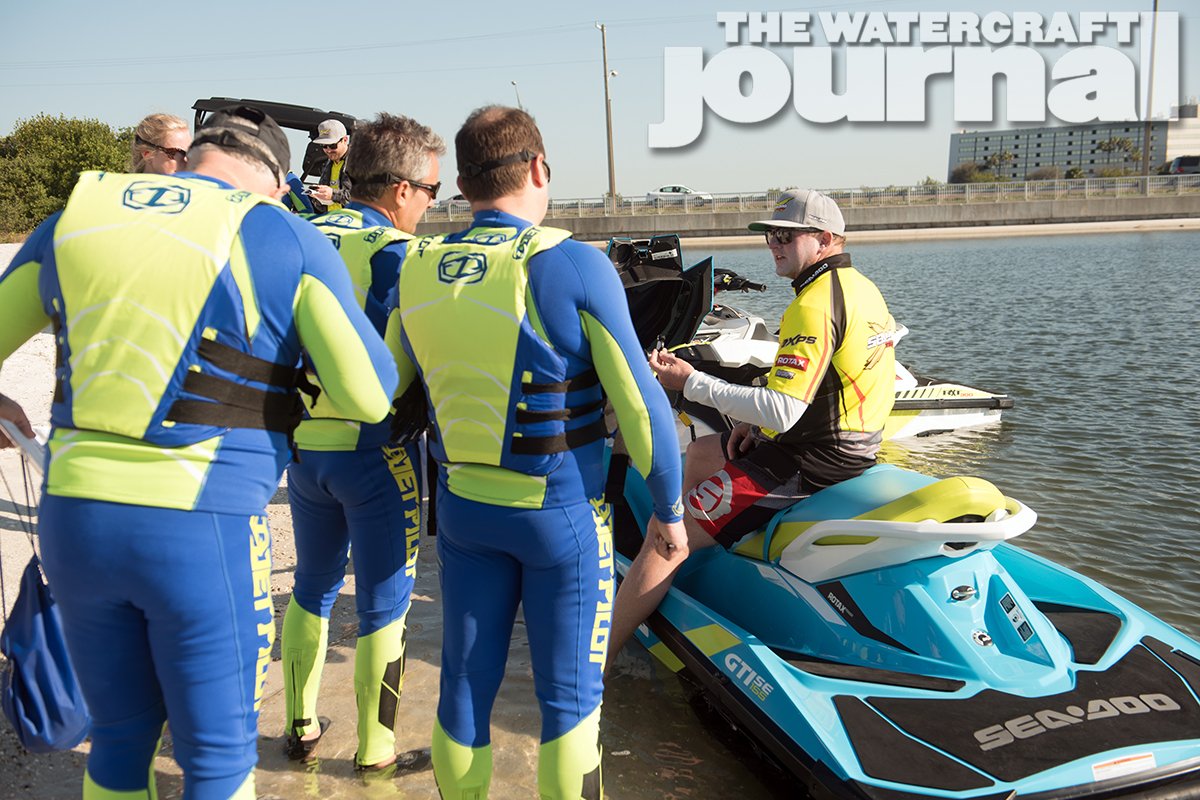
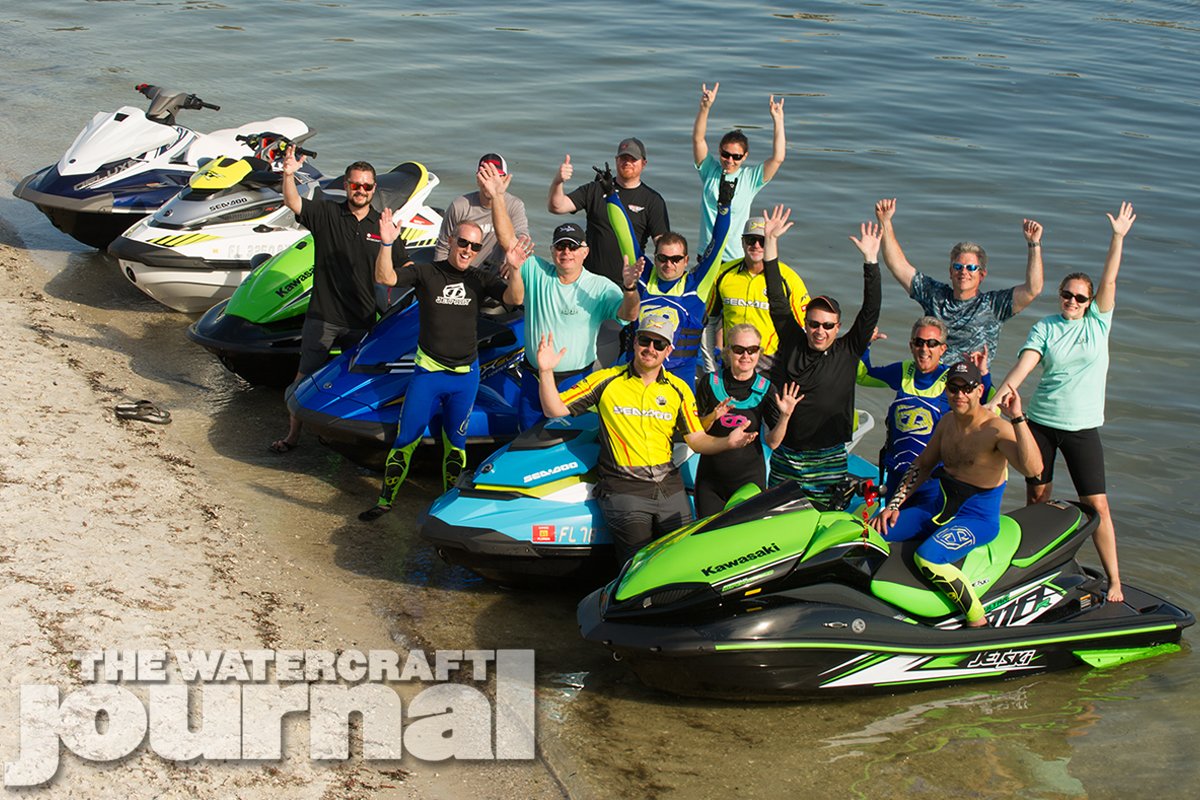
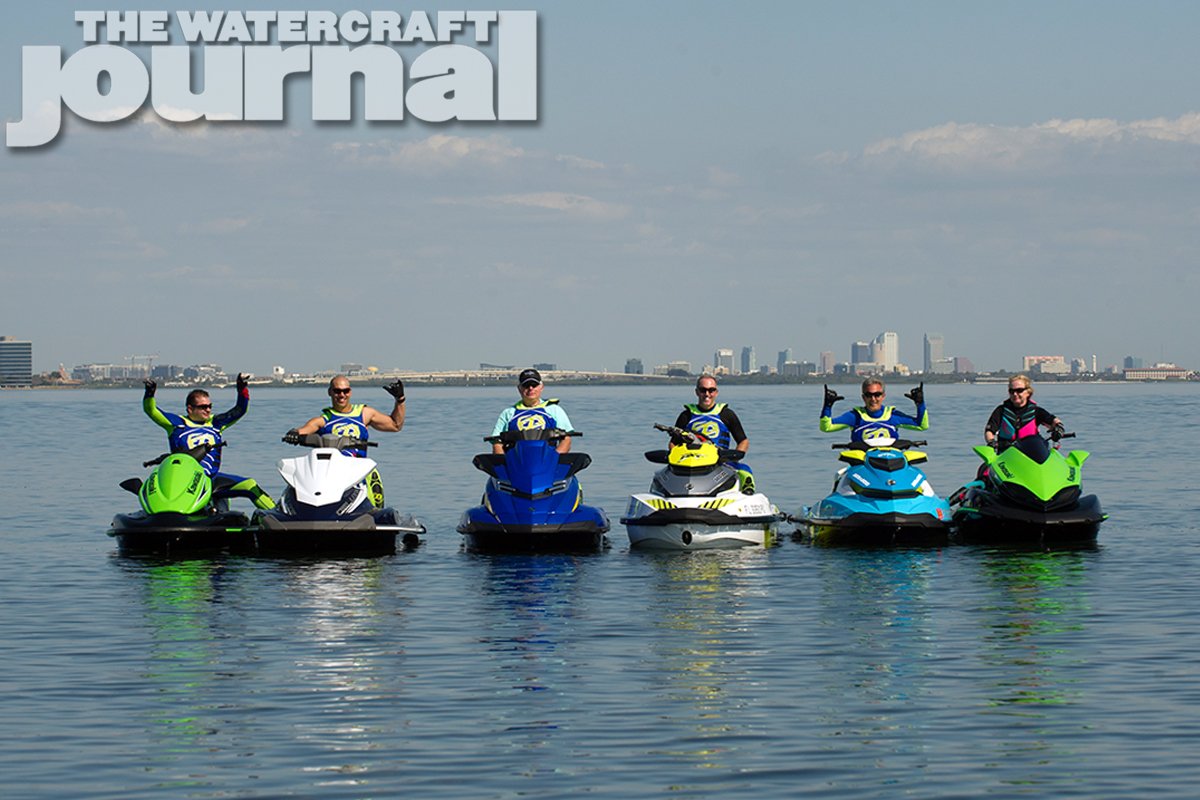
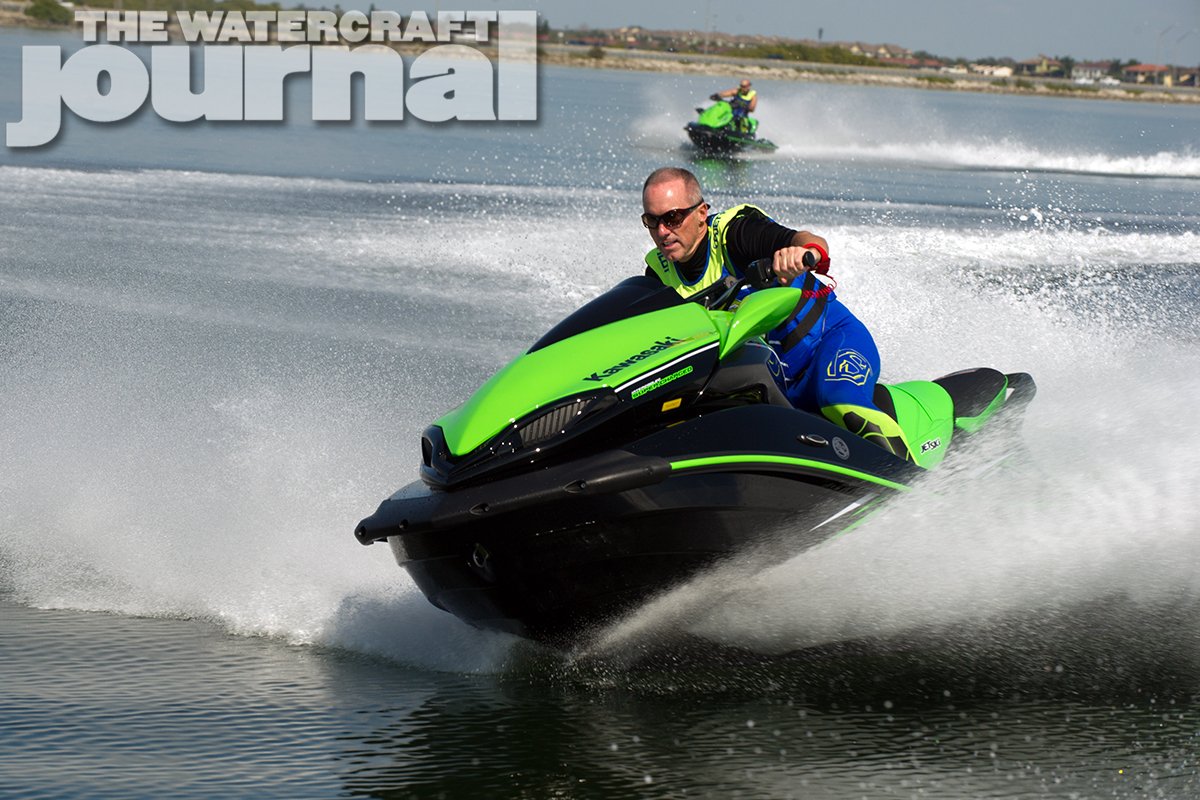
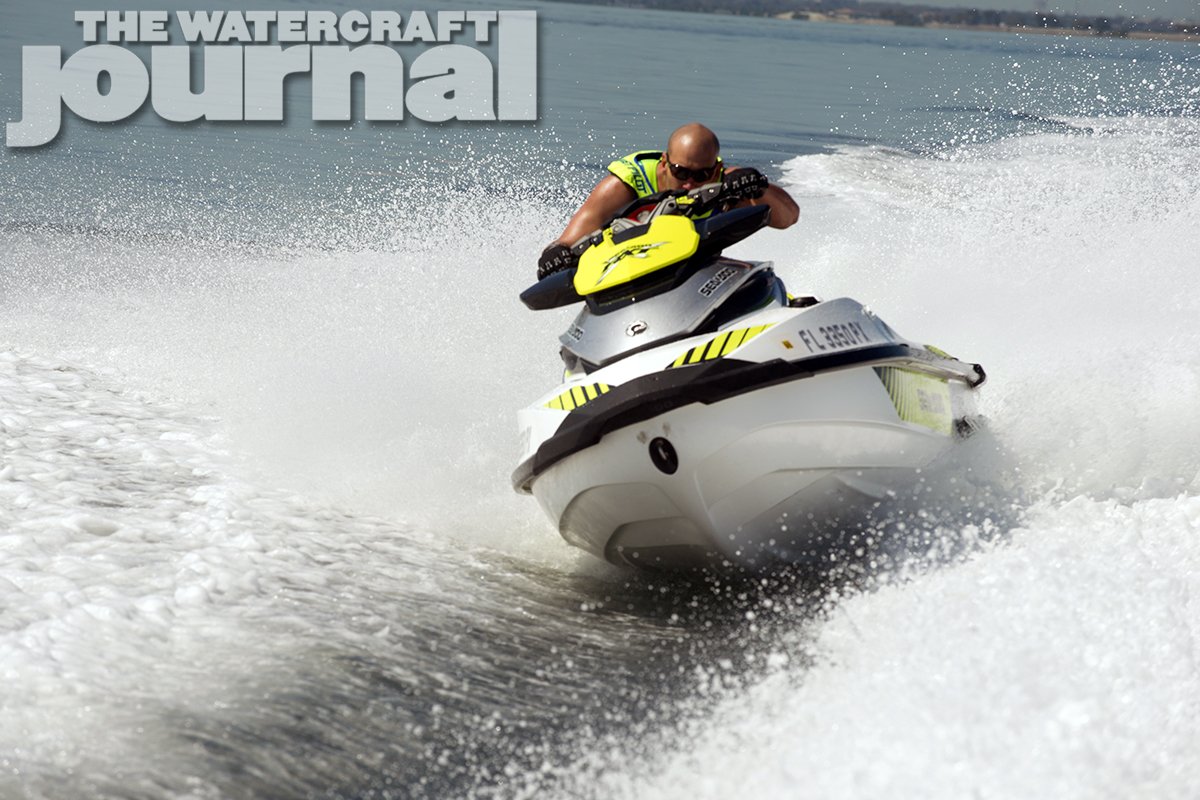
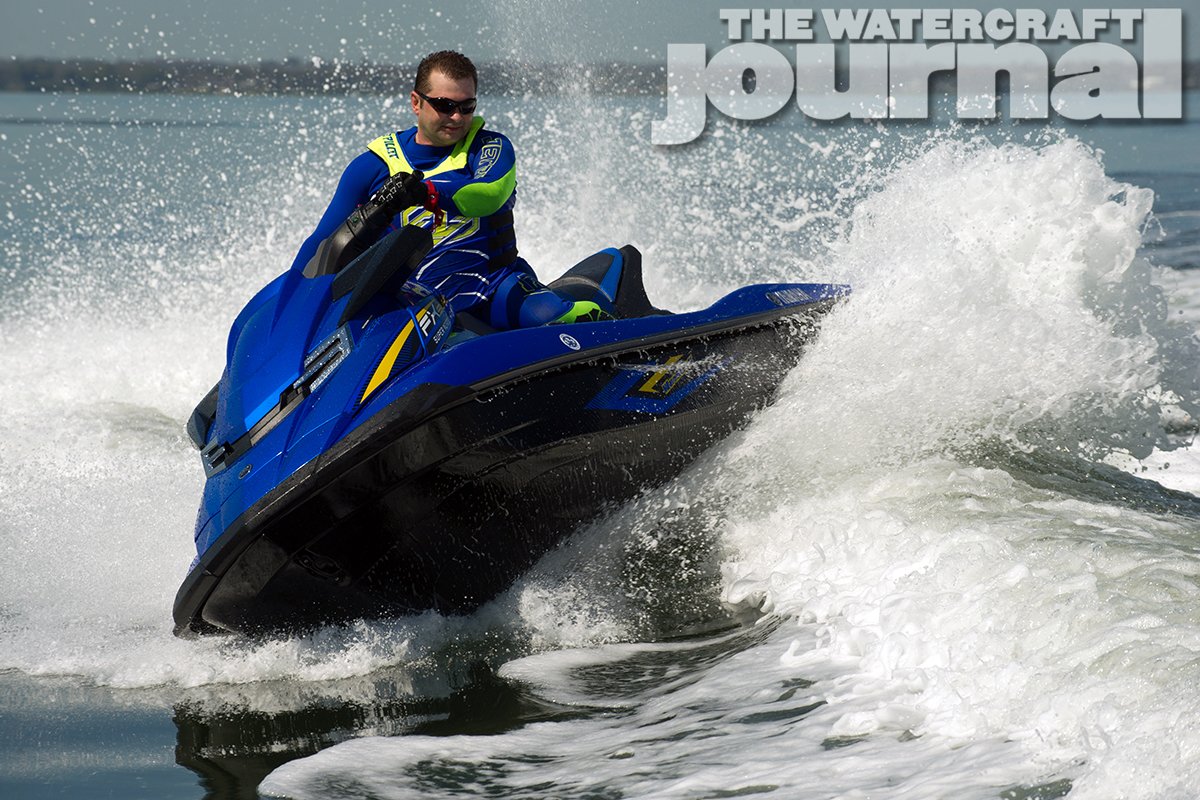
For 2016, manufacturers were asked to provide examples of their full-sized (read 3-seater) performance runabouts and one sample of an entry-level luxury model. For Sea-Doo, the units on hand were its white, silver and dayglow yellow RXT-X 300 and GTI 155 SE; for Yamaha, the mighty FX SVHO, which earned The Watercraft Journal’s “Watercraft of The Year” award and its all-new VX Deluxe; and for Kawasaki, the race-ready Ultra 310R JetSki and the ever-present STX-15F.
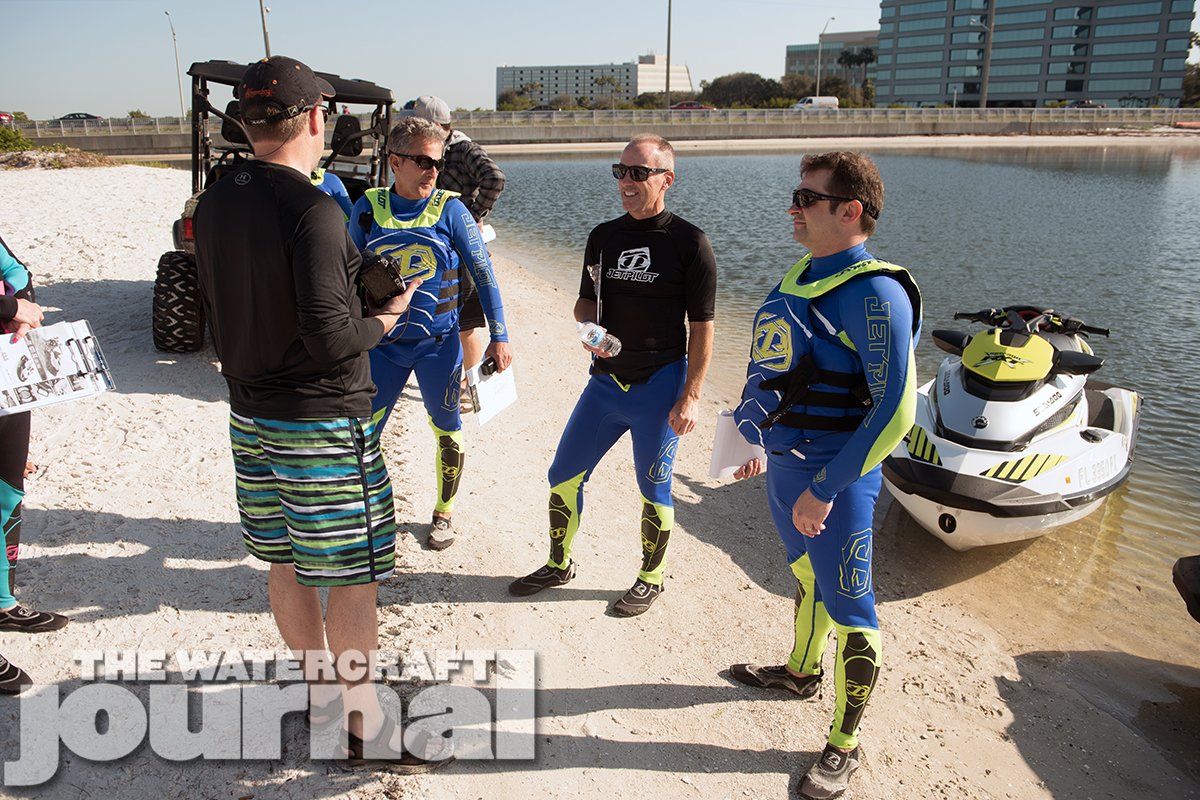
Besides the rotating selection of watercraft, Watercraft Superstore also chose to change up how the panelists were chosen. WCSS’ Carrie Sinwelski also asked that The Watercraft Journal help in selecting a guest panelist from its readership. Through a month-long contest, we announced that Kirk Mauro would not only be entreated to an all-expenses-paid trip to Tampa, Florida, but would also represent The Watercraft Journal as he played on the water.
In addition to Kirk, chief panelist Jeff Hemmel would return to helm the event, recently-signed sponsored racer Anthony Radetic joined the group, as did Grayland Open promoter and organizer Dan Lindgren. WCSS also welcomed Kathleen and Lou Lemire, local PWC enthusiasts who are no strangers to the many waterways throughout the Sunshine State. One final change was to the venue, moving the day from beneath the shadow of the Skyway Bridge, to the private cove behind the Bay Harbor Hotel.
Besides an almost endless procession of delicious food and bags of sweet swag, the panelists were also escorted through Tampa Bay and beyond, regularly trading places on the different skis allowing them to test the various features, options and to familiarize themselves with the individual riding characteristics of each unit. While the final results will be published in this month in the upcoming “magalog” (magazine/catalog hybrid) from Watercraft Superstore, along with a far larger gallery of awesome images provided by KK Photography.
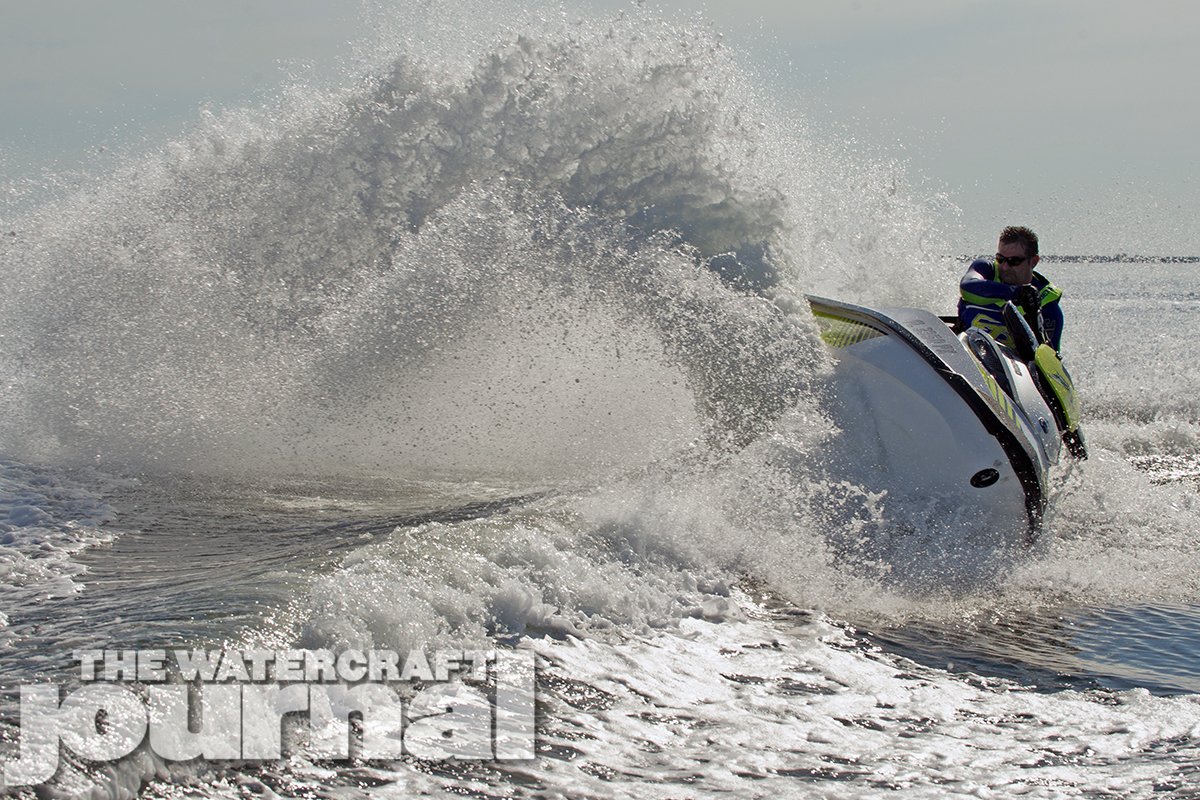
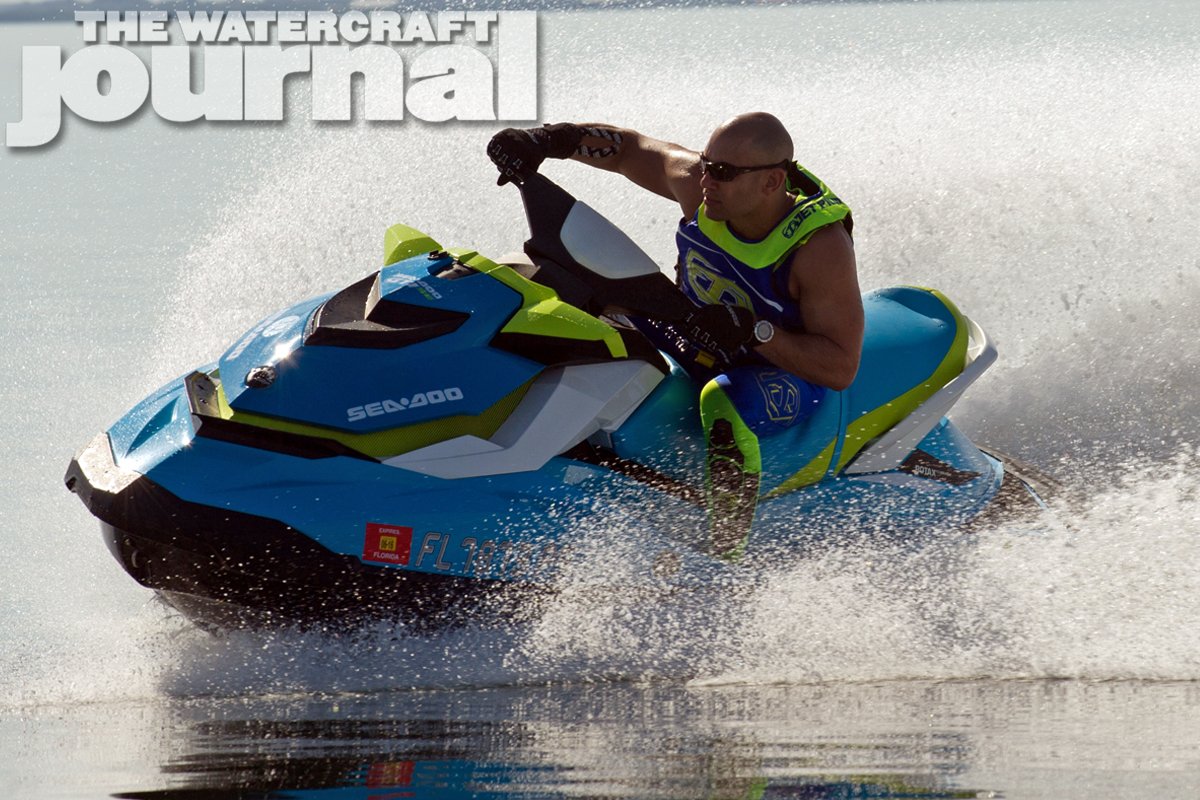
Unlike last year, where The Watercraft Journal stepped in to assist in the judging, we took a backseat this year, opting instead to chat it up on the beach and keep grazing at the ridiculously good all-you-could-eat fajitas/nacho buffet. We did manage to sneak a ski out now and again to romp on the throttle and throw some spray, but longer, more in-depth reviews of the 2016 models will be published here at The Watercraft Journal throughout the year.
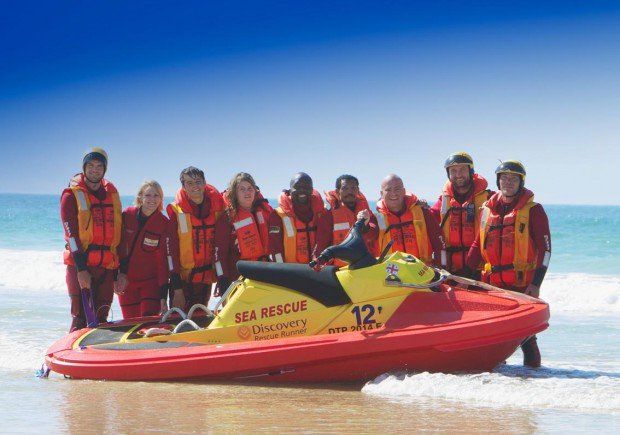
Originally created from the tragic loss of six crew members of the Swedish Armed Forces SuperPuma rescue helicopter H99 that crashed in 2003, the RescueRunner was designed to perform waterborne lifesaving techniques capable of saving those original six crew members.
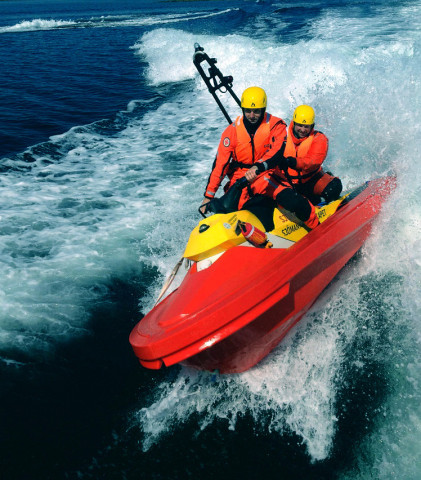
Employing techniques from across the globe – from beach and surf rescue, the RescueRunner was designed by Fredrik Falkman and, working in development with the SSRS (Swedish Sea Rescue Society), used a Yamaha WaveRunner FX140 four-stroke 140HP engine and drivetrain to power the custom-designed hull that features a low aft deck for fast loading and unloading, a safety tower housing a light, and a rugged polyethylene hull that can be quickly replaced if damaged.
The RescueRunner’s design is also incredibly service-friendly, with an inspection hatch allowing for quick access of the jet, and can be equipped with underwater search lights, an AIS-transponder, and much more. More stable than fast, the RescueRunner tops off at 40 knots and can hold up to 70 liters (18-plus-gallons) of fuel. Weighing in at 771lbs., the RescueRunner is also impressively lightweight given its sturdy deck and reinforced hull.
With only a few weeks before the grand kick off of the nation’s racing series begin, the crew at Las Vegas PWC Racing School & Promotions – namely Rob Flores, and Greg and Shawnee Matta – want to whip your sorry butt into shape. The same group who recently announced their Arena Racing events in Parhump, Nevada, is now taking applications for their three-day PWC Racing School. So if you’re looking to get into the sport, wanting to prepare for the arena league, or just hoping to sharpen your craft, this program could prove immensely helpful.
You can read the original press release below:
Las Vegas PWC Racing School & Promotions We will teach you every thing you need to know on how to buy and pick the right one for your needs, operate and ride a Personal Water Craft correct and safely with the maintenance tricks to keep your craft in top shape.
We also teach you to be a winner on and off the jet ski track in every part of racing.
We will teach you which equipment and shops you should use and with nutrition, cross training, training practice, mental coaching, starting line techniques every thing to make you mental, physically ready and mechanically ready to be a winner in racing and life.
Once your a winner, you will all ways be a winner, because we will teach you the winning formula that works in live and business.
With over 25 + years of racing, practices session, building race boats, putting jet ski events and training people and my world champion daughter, we know the in’s and out’s of this sport.
1st Training way We are pleased to announce we have two school days of class to offer on the Friday July 29th and the Friday August 26th, from 8am to 2pm both at The Super Arena Water Cross Track on the day before the races in the sunny suburbs of Las Vegas, 45 minutes from the Las Vegas strip is the Lakeside RV Park in Pahrump, Nevada. There are 15 available spots on each weekend please book now before the spots are gone.
2nd Training way We or I will come to you where ever you need us ? We will travel to almost every where in the world to teach you ,your team, a school or at a race with you covering, our, or my traveling ,room cost and paying us or me for teaching. The teaching cost is and will be determined by our availability, relationship, how many people, how much time, time of the year and what you need.
3rd Training way We also teach and train at body beach, Lake Havasu with no traveling or hotel cost to you .You or team or school can meet us down there and we will train you for a very fair price.
We have great proving results and we would like to make a winner out of you also so please call Greg Maddog Matta 702-292-3647 or email [email protected] to get the conversation going, to all your answer all your question to get you in great health, shape you in to riding, racing and WINNING!!!
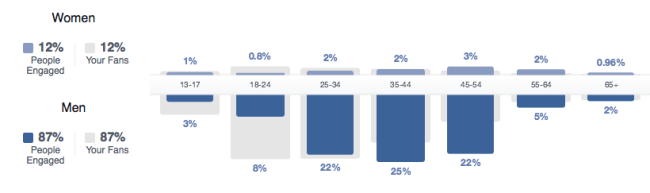
Today’s edition of “By The Numbers” is particularly special. Not just because we’re entering prime riding season not just for the warmer states in the Southwest and Florida, but for the Northern Hemisphere as a whole, but because The Watercraft Journal has also entered into a far stronger position both within our industry, and with the central (and most desirable) demographic in our marketplace. As we welcome Spring, we’ve also welcomed a new thrust of older, more established PWC enthusiasts, elevating our average engaged reader’s age from 35 years old to 45. For those to which it matters, this places our relevancy squarely within the most coveted demographic in powersports.
For those already engaged in an advertising program with The Watercraft Journal, they are reaping the benefits of having their digital advertisements – and the supplementing editorial content assigned to their program – place their brand, products and services before more eyes (eyes belonging to self-described personal watercraft enthusiasts) than anywhere else. For those considering an advertising program with The Watercraft Journal, never before has this media outlet been more prepared to provide your company the utmost in positive, affirming exposure than ever before. Our content blends seamlessly with its advertisers’ marketing efforts providing a smooth transition between content creation and product placement.
And for those who still aren’t exactly convinced that advertising with The Watercraft Journal is right for you; allow us to submit the following: Are you looking for real-time tracking of your advertisement’s performance? Are you looking for a reliable, consistent and honest outlet to actually deliver on its commitments? Are you wanting to place your unique brand, products and services in front of the single-largest, most engaged audience in this niche industry? And lastly, are you prepared to work with a company whose goals match your own? If so, there is no other competitive resource than here at The Watercraft Journal. But don’t take our word for it, read the cold, hard numbers below:
March 2016
Leaping Ahead of The Rest
It’s worth noting that while the temperature outside is steadily climbing, so has the readership of The Watercraft Journal – but not just as the mercury climbs, but even over the winter months. That’s because we produce regular, reliable and consistent editorial coverage of the industry. We reach more enthusiasts (where they are – online) than any other outlet. We are the only outlet providing news, technical content, and product reviews. And more importantly, our performance numbers published here are proof of concept. One might think this level of growth for such a publication is unbelievable, but not so when you compare it against the those few websites, blogs and magazines attempting to compete today. When you do that, there’s simply no comparison.
February 2016
Total number unique readers: 20,622*
Total number of articles read: 45, 465
Percentage of new readers: 61.54%
March 2016
Total number unique readers: 22,765*
Total number of articles read: 50,778
Percentage of new readers: 62.43%
*This number is considered equal to an individual sale of a single copy of a magazine.
Ramping Up Production
As a seasonal industry, it’s indicative when the riding season truly begins. The press releases from companies start pouring in, announcements for new events and race series spring up, and the backdrop in our pictures goes from a little gray and gloomy to bright green tree lines and blossoming hillsides. But never does the daily content end, never a day goes by without new and uniquely-written articles from The Watercraft Journal. Providing coverage from the entirety of the personal watercraft industry – be it touring, fishing, racing, freestyle/freeride, or do-it-yourself tech – we bring the enthusiast the widest array of coverage possible.
News articles published in February: 30
Feature articles published in February: 7
Total feature word count: 5,264 words*
News articles published in February: 25
Feature articles published in February: 11
Total feature word count: 9,164 words*
*When this number is translated to print publication standards equals a 78-page magazine. Please note that this number does not include an average of two uniquely-written news articles published daily.
Jumping A Demographic
It speaks volumes when The Watercraft Journal can leap not only one, but two age brackets in the space of a month. For those taking note and comparing from last month’s “By The Numbers” will see that our recent social media engagement not only shifted a step away from the 13-24 age group, but two, placing our core engaged readership squarely in the prime purchasing age group 35-54 years old. As the first and only source for PWC news, reviews, tech and coverage in this industry, people turn to our Facebook, Twitter, Instagram, YouTube, and weekly newsletters, as a reliable resource. If they’ve got a computer, a laptop, tablet, smartphone or Apple Watch, they’re reading The Watercraft Journal
February Facebook likes: 15,375
Top Five countries: United States, Australia, Canada, Japan, United Kingdom
Making A Change
For those who have been “on the fence” about partnering with The Watercraft Journal, now is the time to act. The prime riding season is ready to strike, and if you haven’t equipped your sales team with all of the forces at your disposal, then you’re doing them and your company a disservice. Only The Watercraft Journal can offer your company the largest degree of exposure to a dedicated, engaged and active audience of PWC enthusiasts. There are literally no others who wield a larger readers. None. Thinking a few updates to your company’s Facebook page or some shared Instagram posts will carry you through the season is a flawed strategy, and many of our own current advertisers will tell you. Advertising with The Watercraft Journal renders results. So, if looking to reach a broader base and spread the word about your brand, product and services, let The Watercraft Journal be your resource and email [email protected] about advertising your company in the single-most popular PWC magazine today.
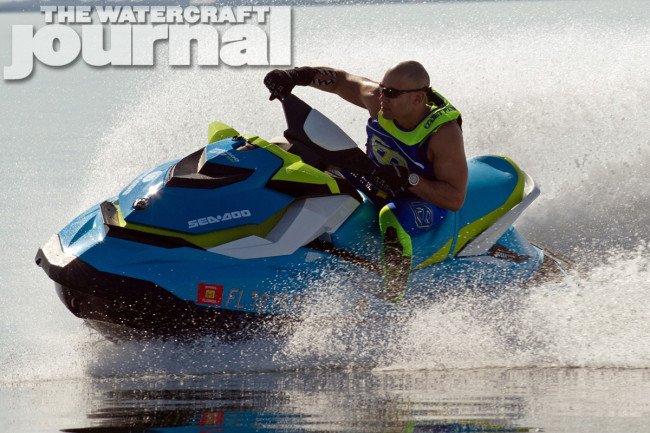
Many are unaware that one of the best (and most consistent) selling Sea-Doo‘s in the entire BRP lineup is the niche-specific Wake models – both the 155 and 215 iterations. The Wake models not only service the wakeskate and wakeboard market, which in itself is a thriving portion of the wakesports industry, but also appeals to the family enthusiast looking to tow the kids on a raft or tube around the local lake. The pre-programmed Launch Control settings unique to the Wake models also permit any level of driver to ease into the throttle to successfully pull up and tow a skier behind.
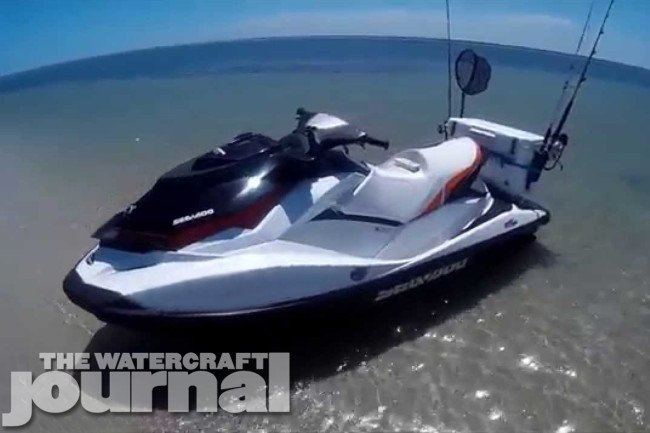
Admittedly, the image provided is of poor quality and shows a prototype of the long-rumored “Sea-Doo Angler 155 SE (Special Edition)” package apparently adapted to a standard GTI 130 or 155 model. Although much cannot be gleaned from this cell phone image, the major addition is prevalent: a completely modular (ie. removable, easy-to-install) cooler/bait tank rack with mounts for several fishing rod holders. Not seen are the yet-to-be-confirmed in-dash depth gauge and rumored GPS/fish finder expected to either replace or occupy most of the glovebox.
The rack is particularly noteworthy, as it has been explained to The Watercraft Journal that it will employ a unique forward mount that attaches to a pylon similar to the Wake models, as well as self-tightening brackets that clip to the rear tow eyes found on all BRP models below the bond line, thus keeping assembly line variations at a minimum and manufacturing costs low. The rack appears to be narrow enough for rearward boarding, which has been a vocalized concern in the past – and can be resolved with the use of a wide swimstep.
Although our efforts to get a confirmation that this is indeed a spy shot of the long-awaited “Sea-Doo Angler 155 SE”, we did speak with BRP’s Ali Monpourchien who explained, “Since the introduction of the Wake nearly a decade ago, Sea-Doo has been exploring how we can expand our reach to different markets in boating and watersports. One key segment was fishing. In fact, outside of North America, fishing from personal watercraft is exceptionally popular – particularly in Australia, New Zealand and South Africa. It would make sense for Sea-Doo to consider all possible avenues for growth.”
While we anticipate that the Angler could be market-ready by Fall of this year, it is very possible that the fishing PWC is still a year or two away, as BRP maintains upwards to 5-to-7 years for development and testing of its future craft. There are still a lot of questions left unanswered and await further details on this groundbreaking machine. For additional information, make sure to click HERE.
Yeah, yeah, we know. Miss Thrust Innovations 2015 contest winner Heidi isn’t really doing a very good job displaying the new Thrust Innovations Performance Stage Kits for Kawasaki Ultra 250X, 260X and 300X JetSkis, but since we couldn’t dig up any, we thought she was a suitable substitute.
But for the Thrust Performance kits, we’re going to focus our energies on the ’11-’13 Kawasaki Ultra 300X package, as it is the newest of the three: While the stock 300X wasn’t exactly perfect, it was a strong and impressive improvement over the previous 250X and 260X models, with a top speed of 66 MPH @ 7,500 RPM. With Thrust Innovations’ Stage I kit, that number jumps up to an impressive 73 MPH @ 7,900 RPM (as tested with a 1/3 tank of fuel). But how is that possible, you ask? Here’s how:
The kit (priced at $1,775) comes with all RIVA Racing performance parts, ensuring that the pieces you’re installing on your Kawasaki are made form the best in the business and have been thoroughly tested.
Consisting of a RIVA Performance Power Filter (which delivers an increase in ingested air volume via a large 4″ diameter intake duct and oversized K&N filter element); a RIVA Speed Control Override Module (to remove the restrictive speed limiter system programmed into the ECU); a RIVA Pro-Series Water Box; RIVA Top-Loader Intake Grate; and a RIVA Performance Ride Plate, which provides quicker planing and increased top speed by trimming nose up for reduced drag.
Lastly, a pair of RIVA Pro-Series Sponsons to dramatically improve the handling through superior blade and backing plate design, concludes the kit. And as Thrust notes, “after extensive testing of aftermarket impellers we have determined that the stock impeller provides the maximum performance for both stock & Stage I applications. We will report updates to our impeller recommendation at such time as we find an aftermarket advantage to the stock impeller.”
We’re only two weeks away from not only one of the best East Coast Freerides of the year – Wavedaze – but also one of the best charity events, with proceeds going to benefit the American Watercraft Association and the Virginia Beach Water Rescue Team. Hosted by the Virginia Beach Wavejunkies, Wavedaze is a three-day recreational jet ski event and family social that “provides an opportunity to showcase the positive aspects of PWC’s as recreation and a sport,” according to the Wavedaze webpage.
Scheduled for this upcoming April 8th-10th, 2016 at the Virginia Beach Oceanfront between 6th and 12th Streets, Wavedaze continues in a strong tradition dating back to 2007 where it raised $2,000 for charity, welcoming 60-plus jet skis. By 2009, the event raised over $5,300 with 135 skis from 20 states and Canada. Today, the event is open to all watercraft enthusiasts and is free to watch, and with more than 100 participants from across the States and Canada expected to show, you’re going to be in for a great show.



 Water X in association with the International Jet Sports Boating Association (IJSBA) is proud to announce that Rounds 1 and 2 of the Northwest Region 3 IJSBA watercraft racing and freestyle championships will be held on April 16th and 17th 2016 at Vance Creek Park in Elma Washington. This exciting event will feature some of the fastest jet ski racers in the nation.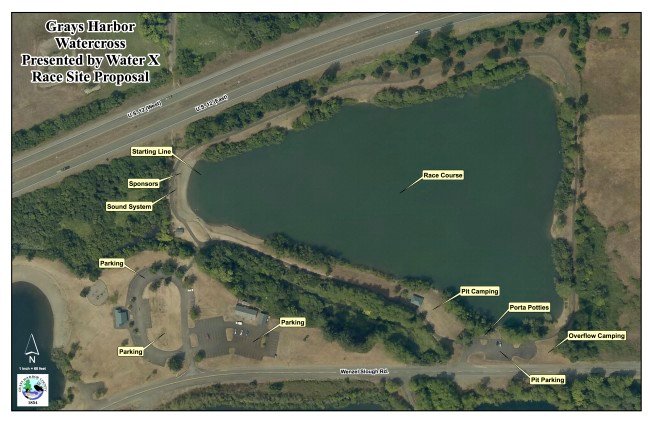



 Nearly exactly a year ago,