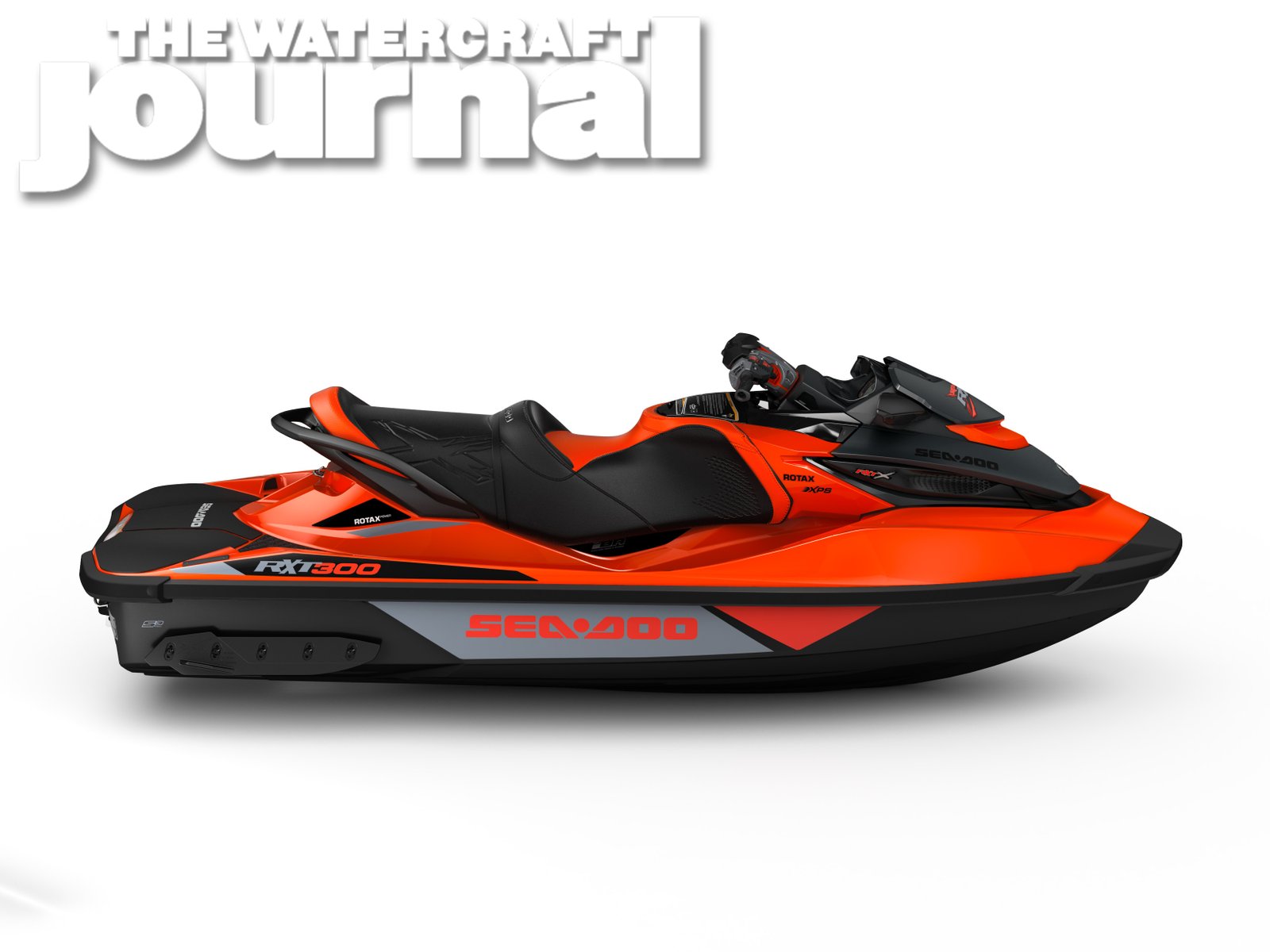
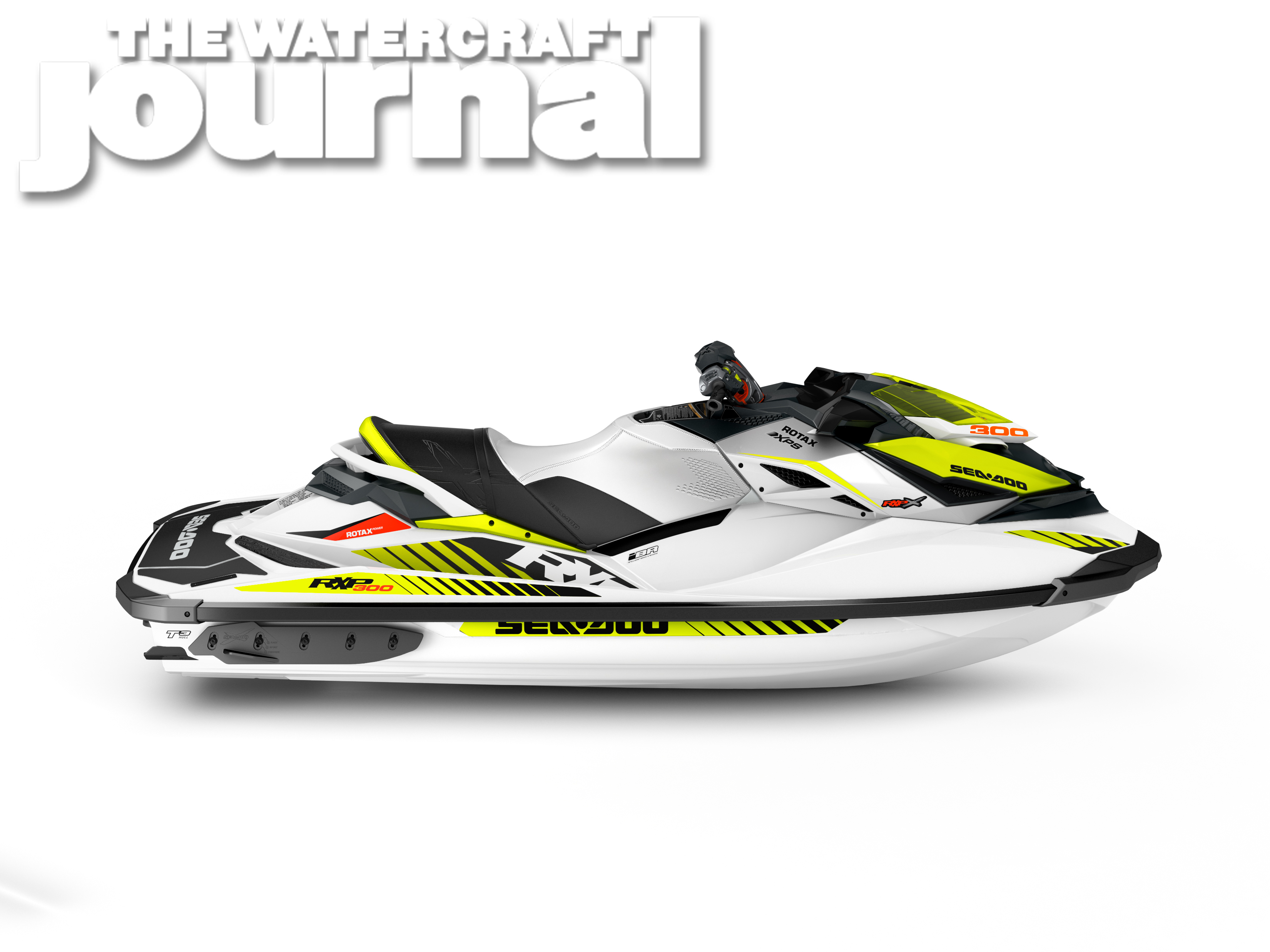
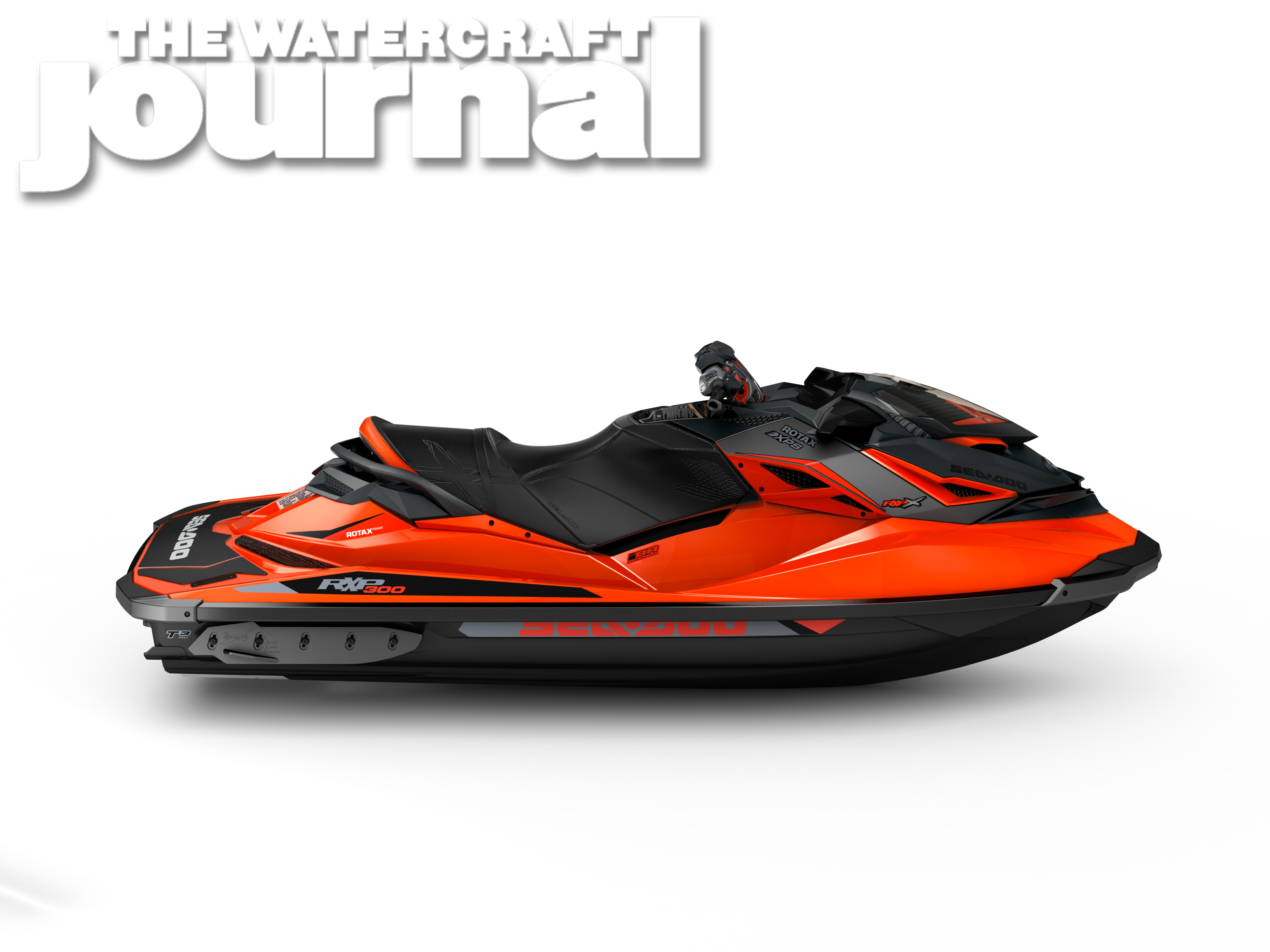
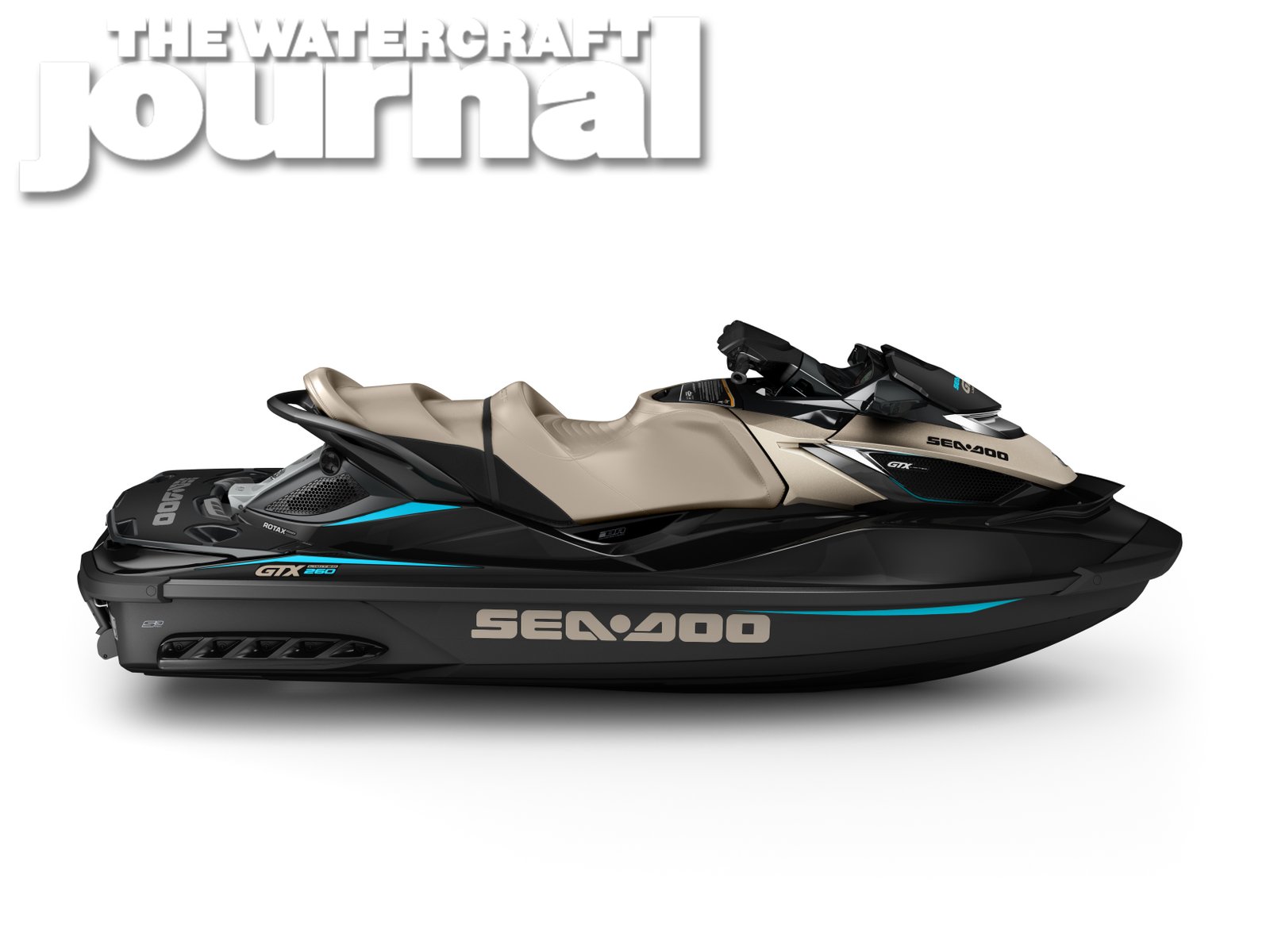
In the first episode of Long Haul, we documented our attempt to set a world record at crisscrossing Florida from west to east and back west again. Although a pair of retirement-age state park workers deciding to skip out of work 10 minutes early thwarted our efforts, it was still a heck of a lot of fun to try (and don’t worry, we’ll try again soon. We’ll keep you posted). As we continue to push the boundaries of personal watercraft enjoyment, so are the mad scientists at Sea-Doo.
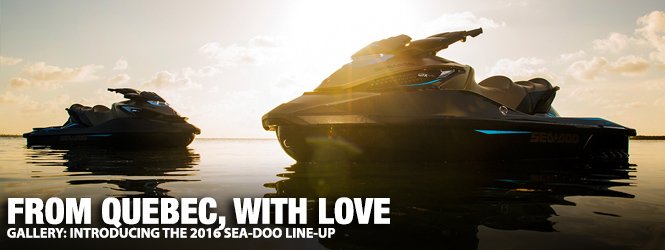
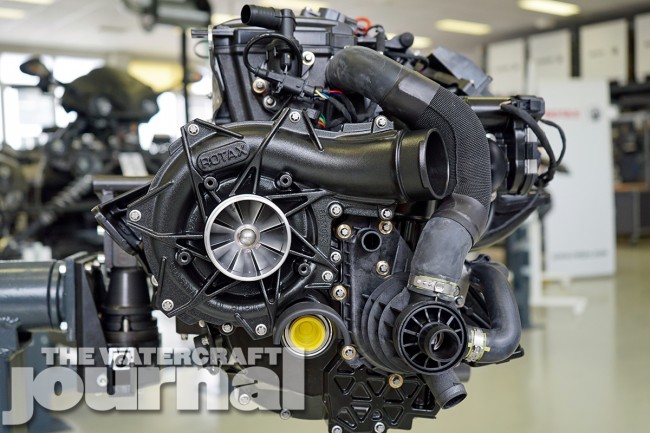
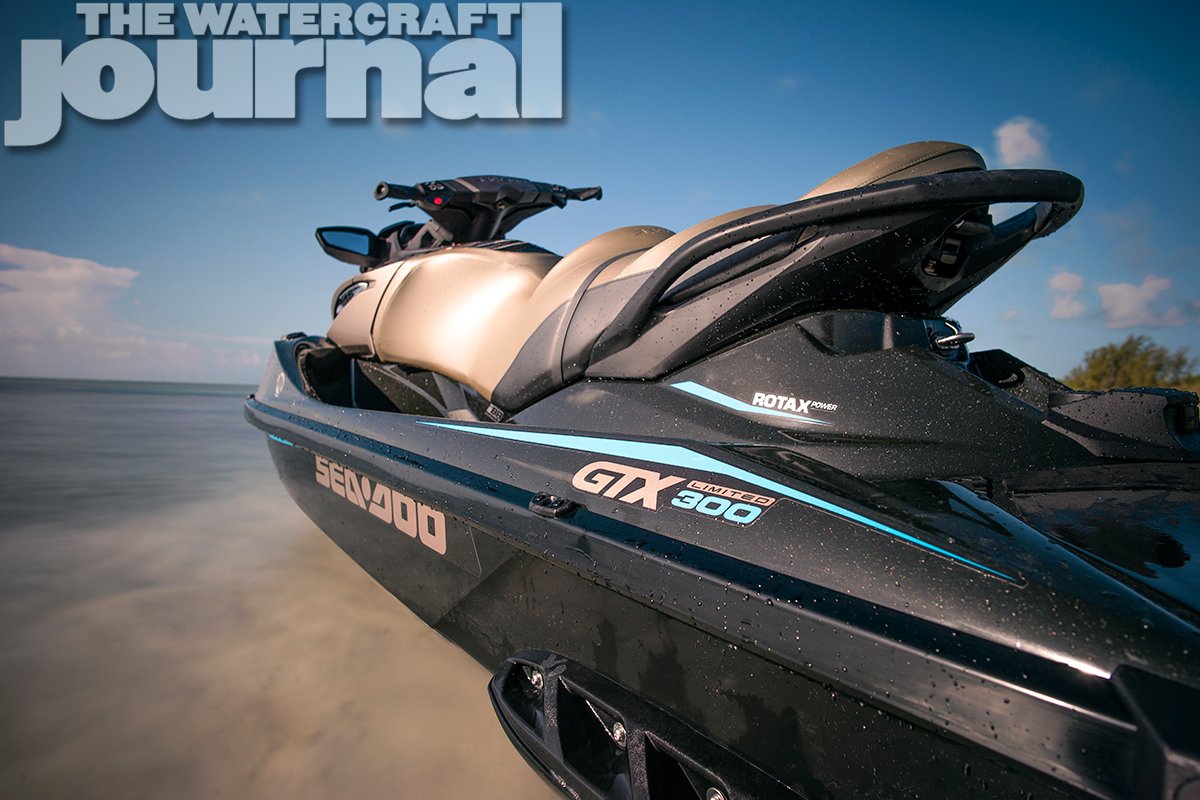
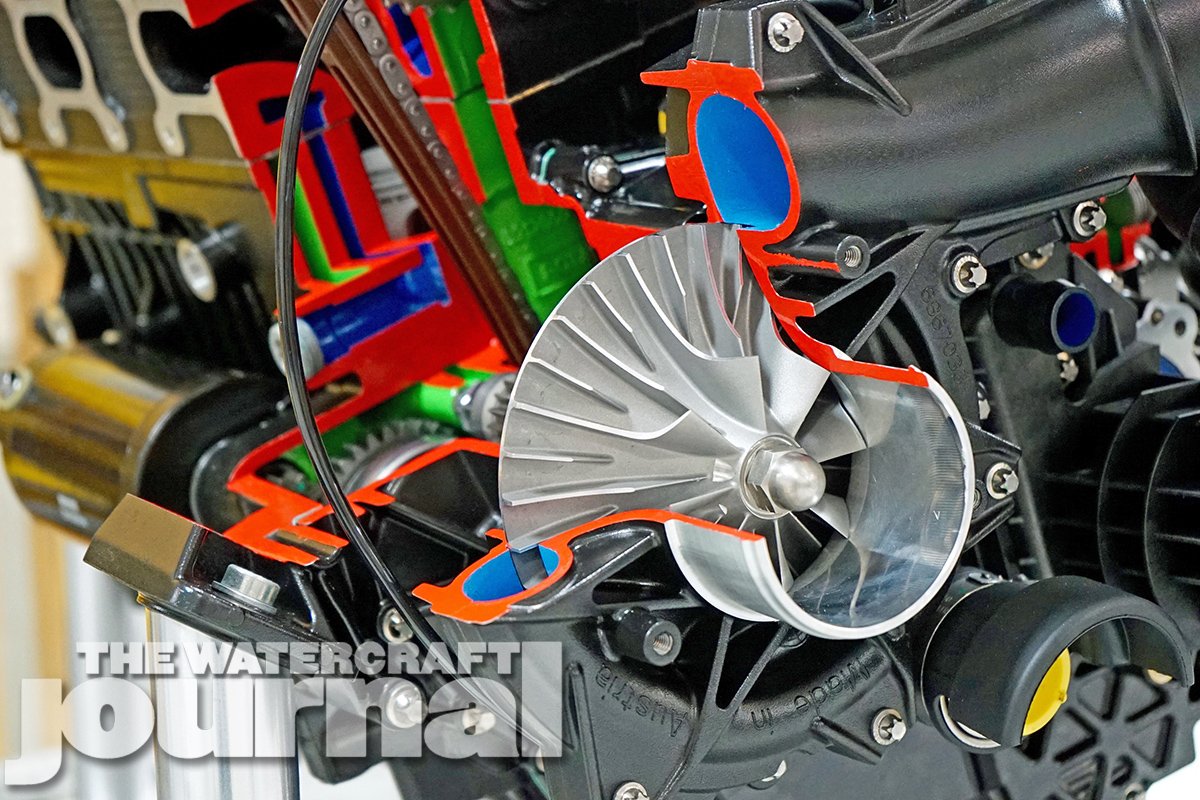
Recently, we drew back the curtain on the new 2016 Sea-Doo lineup, and dove in deep on all the details pertaining to the new Rotax ACE 300 engine powering the awesome RXP-X 300, RXT-X 300 and GTX Limited 300 runabouts. With a longer stroke, revised piston, cylinder head combustion chamber, dramatically improved oiling and cooling circuits, a completely redesigned supercharger with “maintenance free” clutch washers and bearings, not to mention a freakin’ monstrous intercooler, the new ACE powerplant is impressive to say the least.
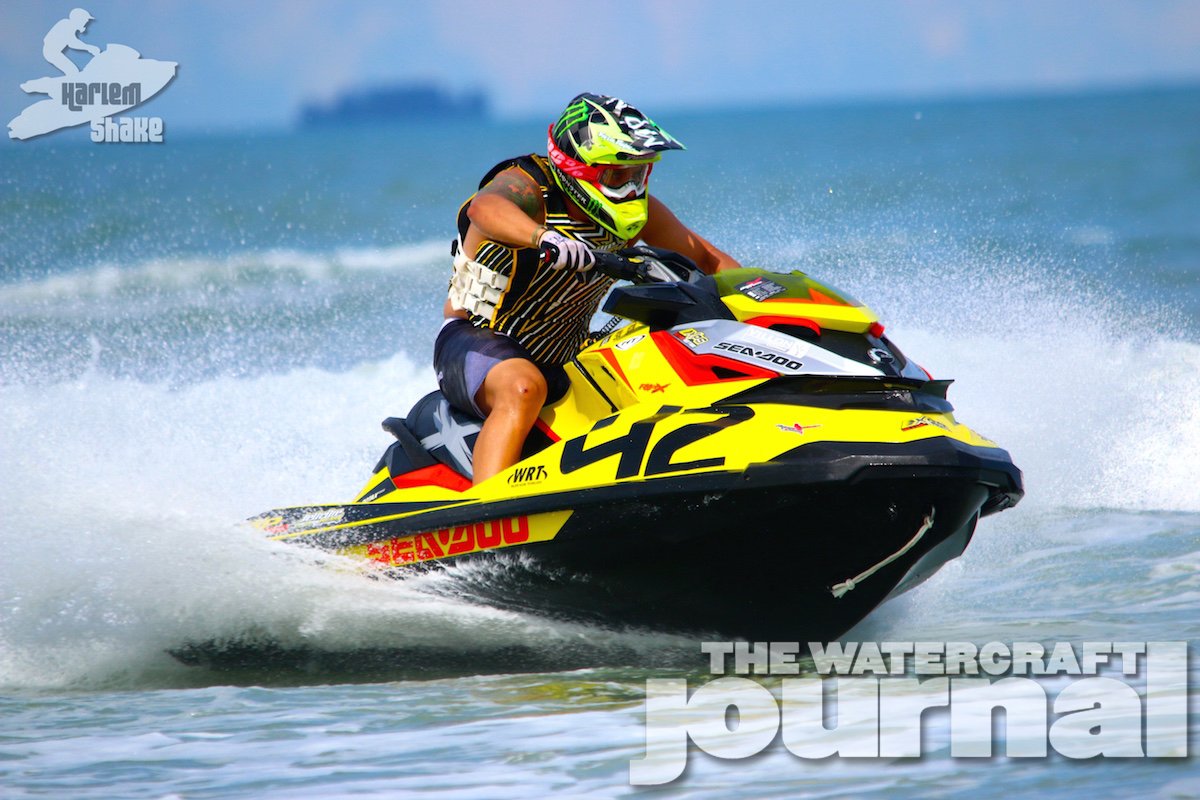
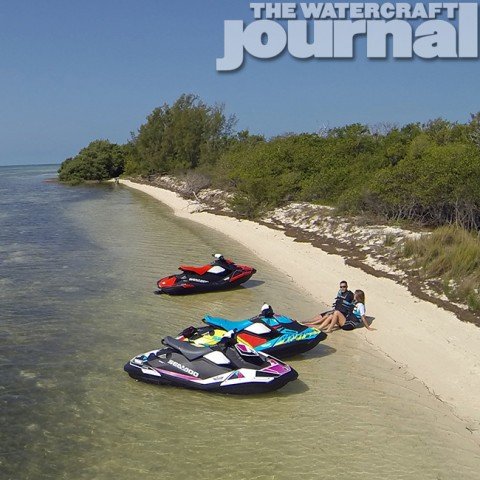
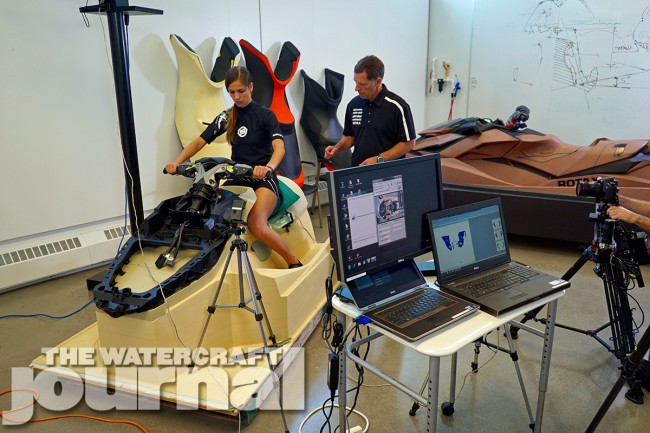
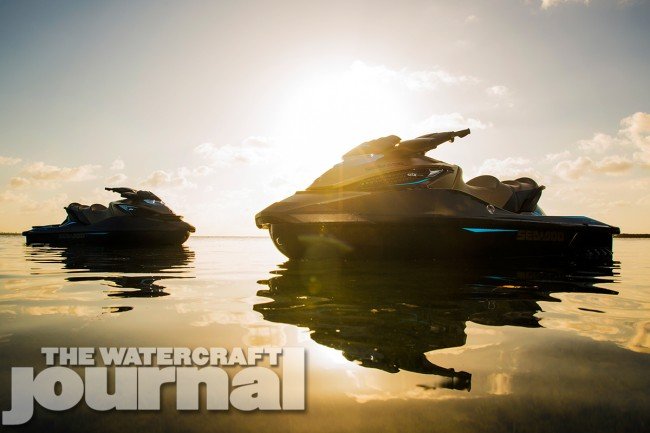
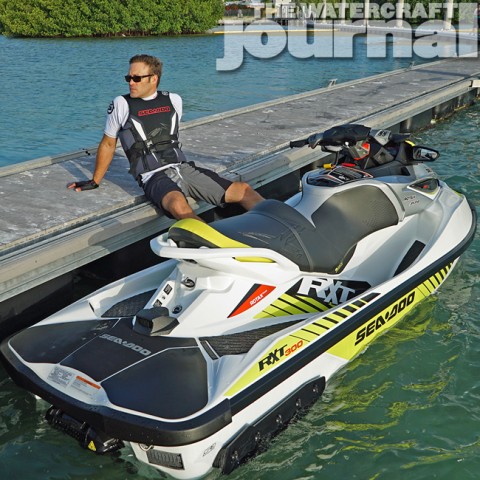
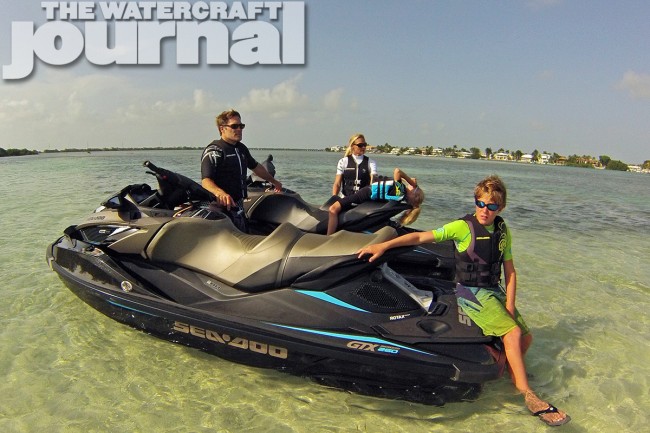
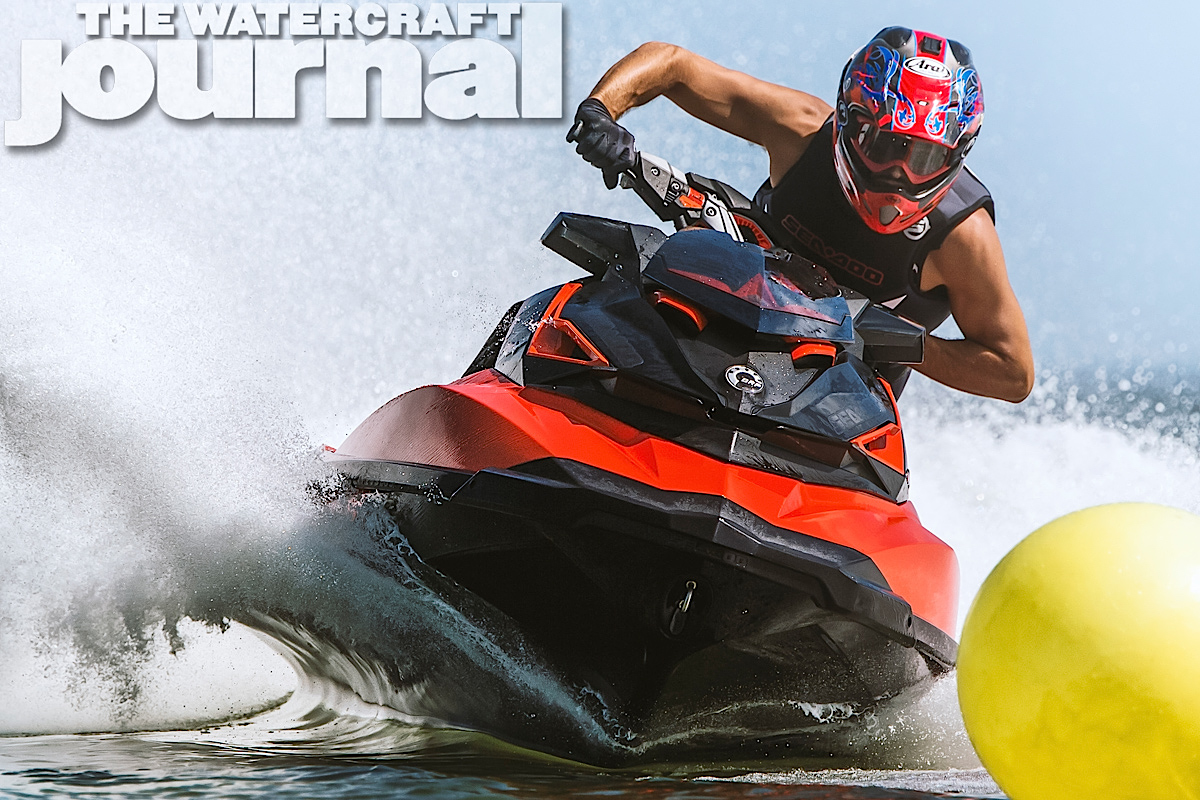
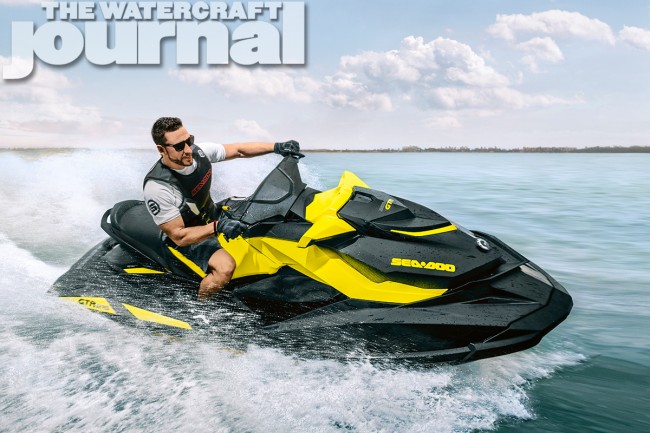
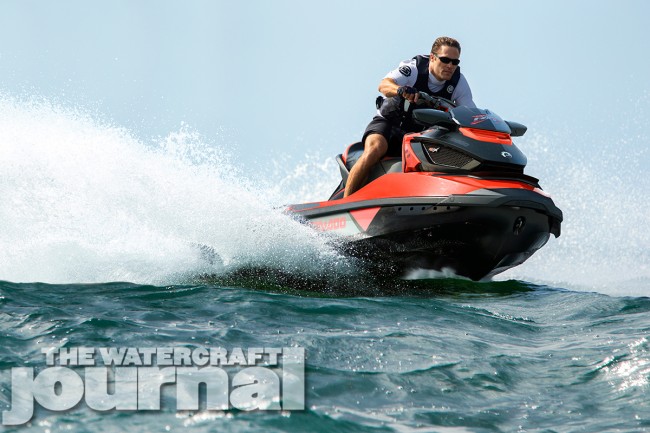
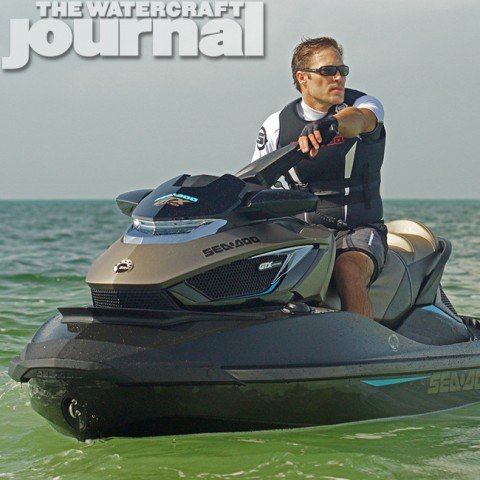
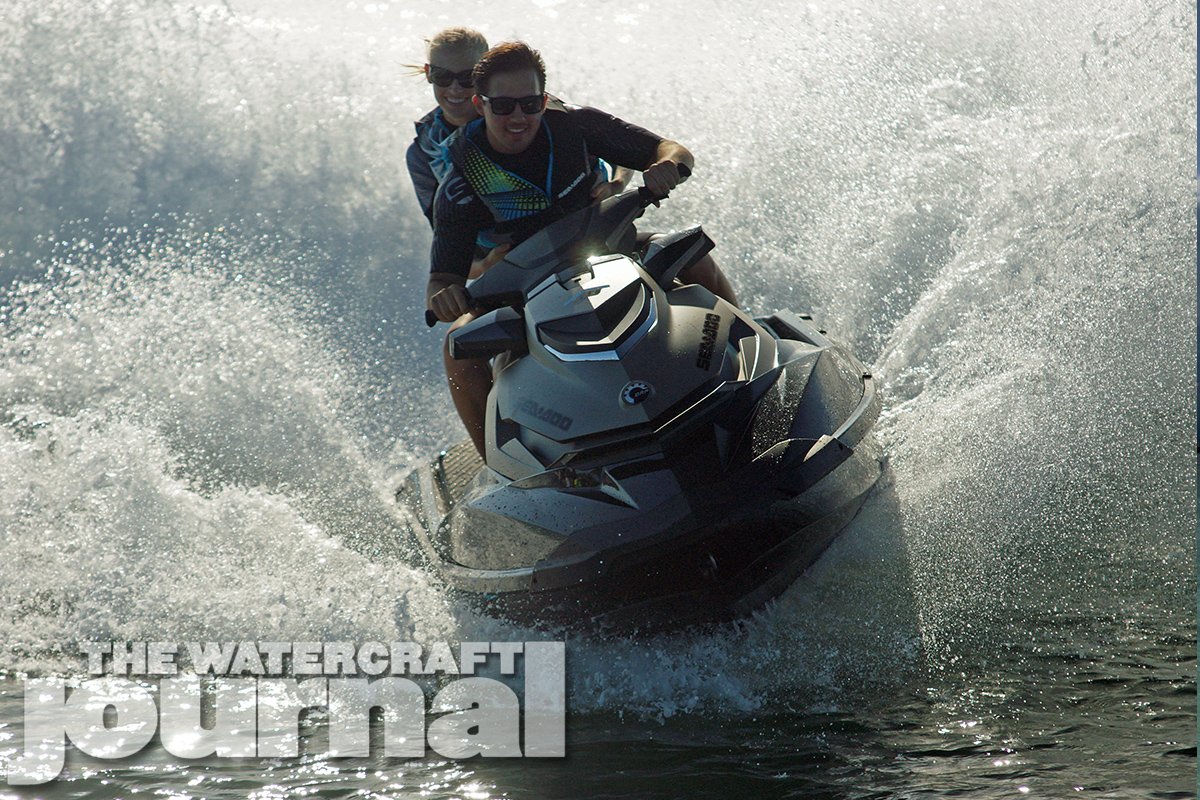
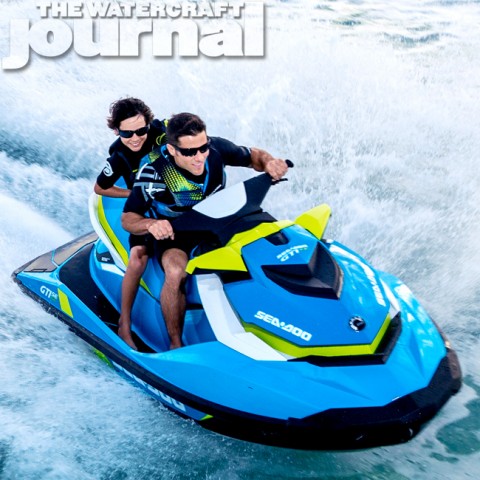
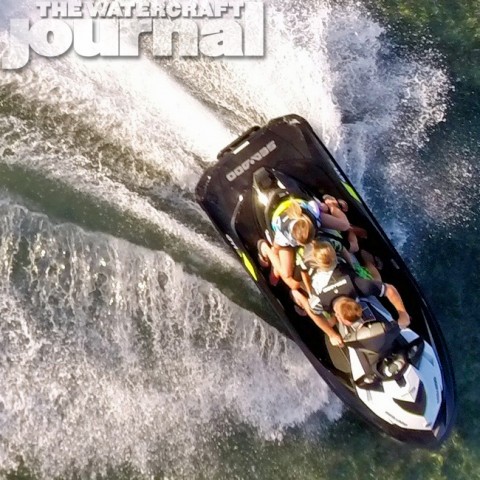
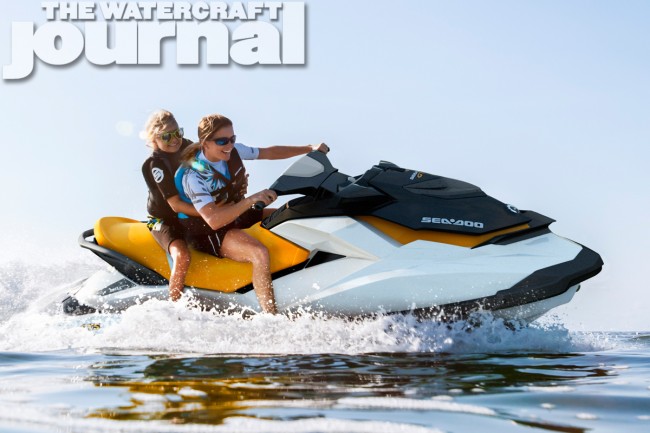
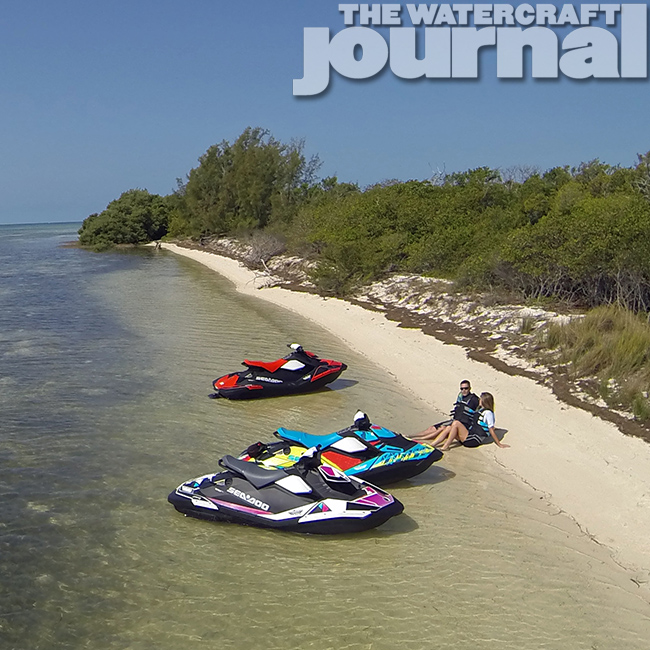
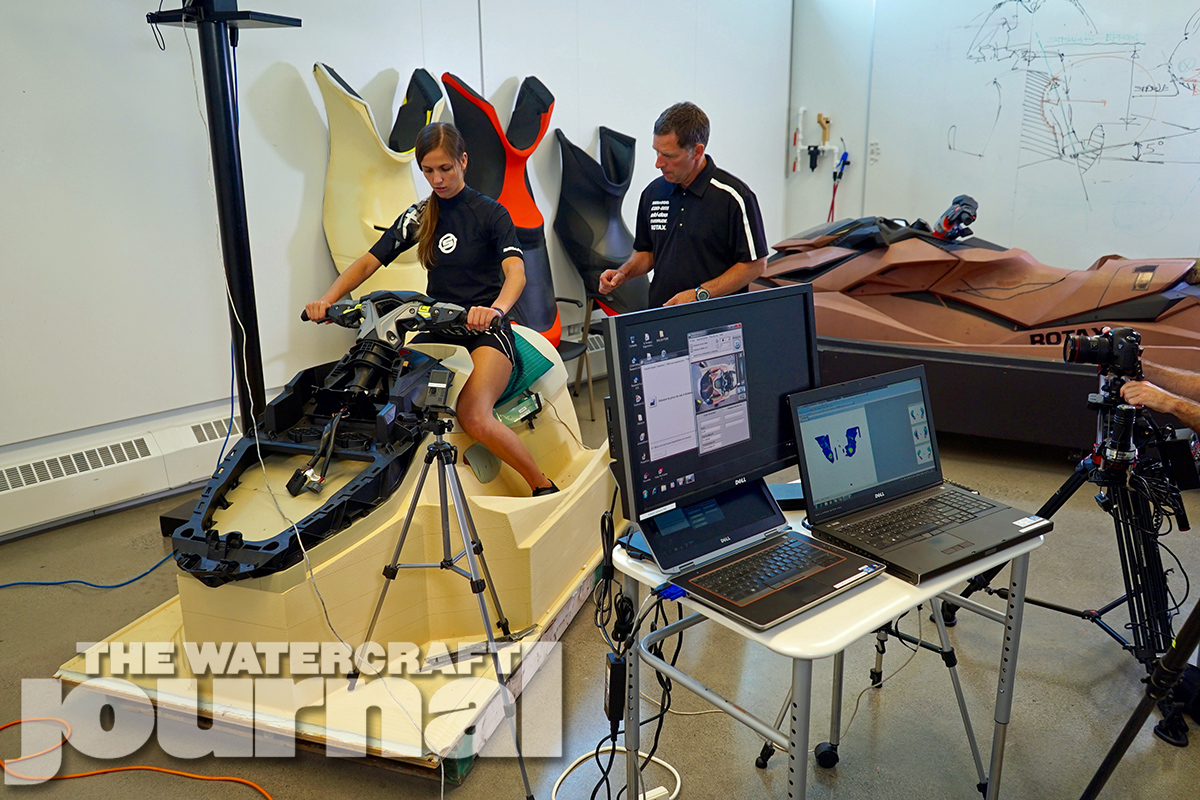
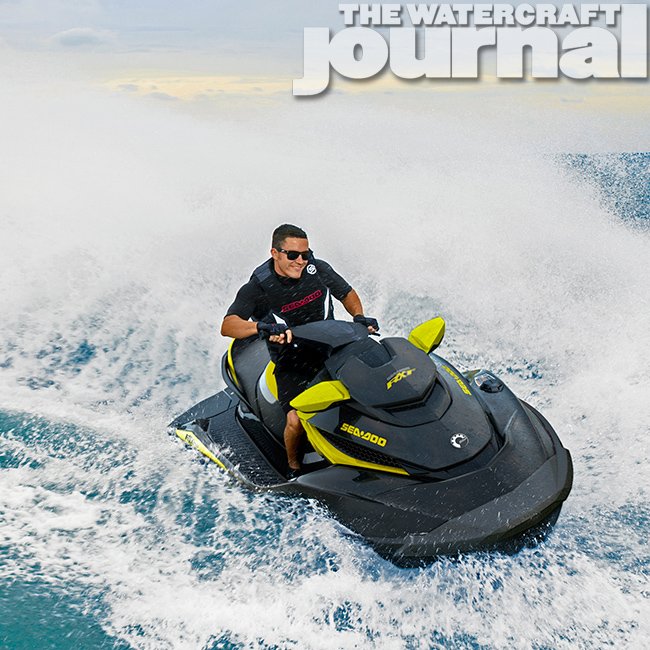
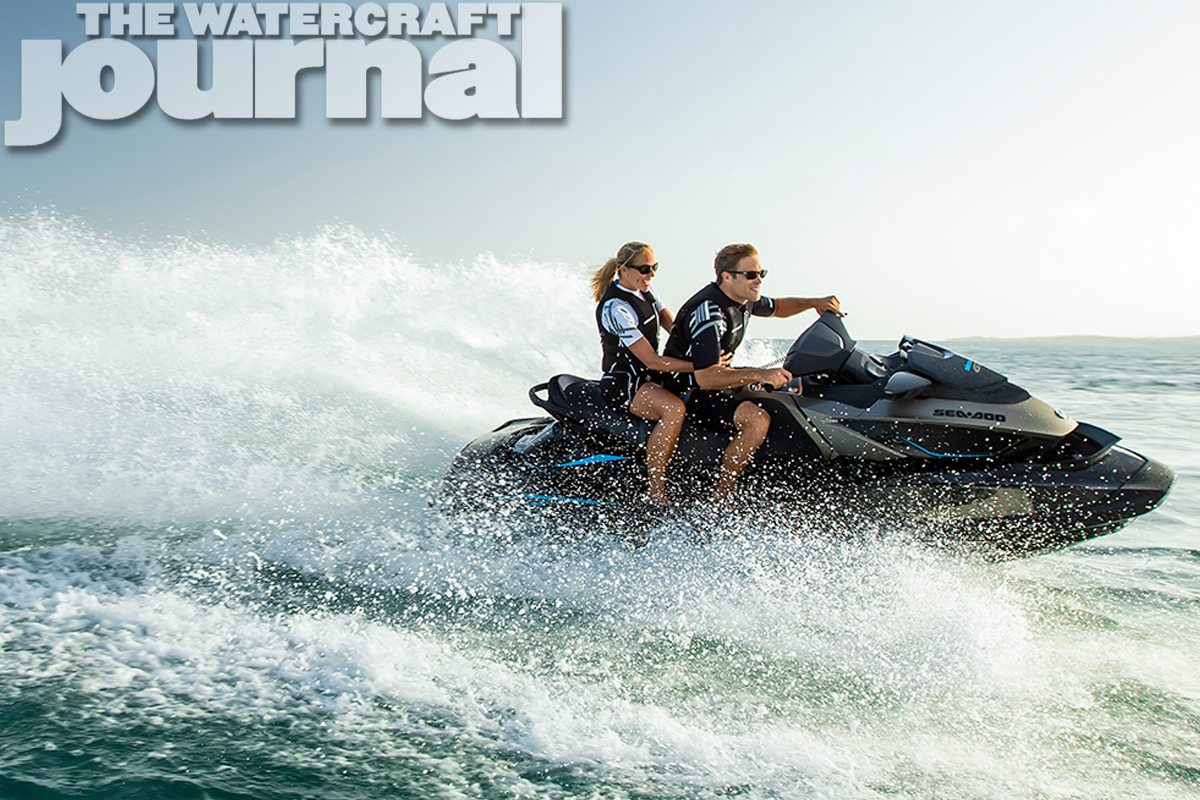
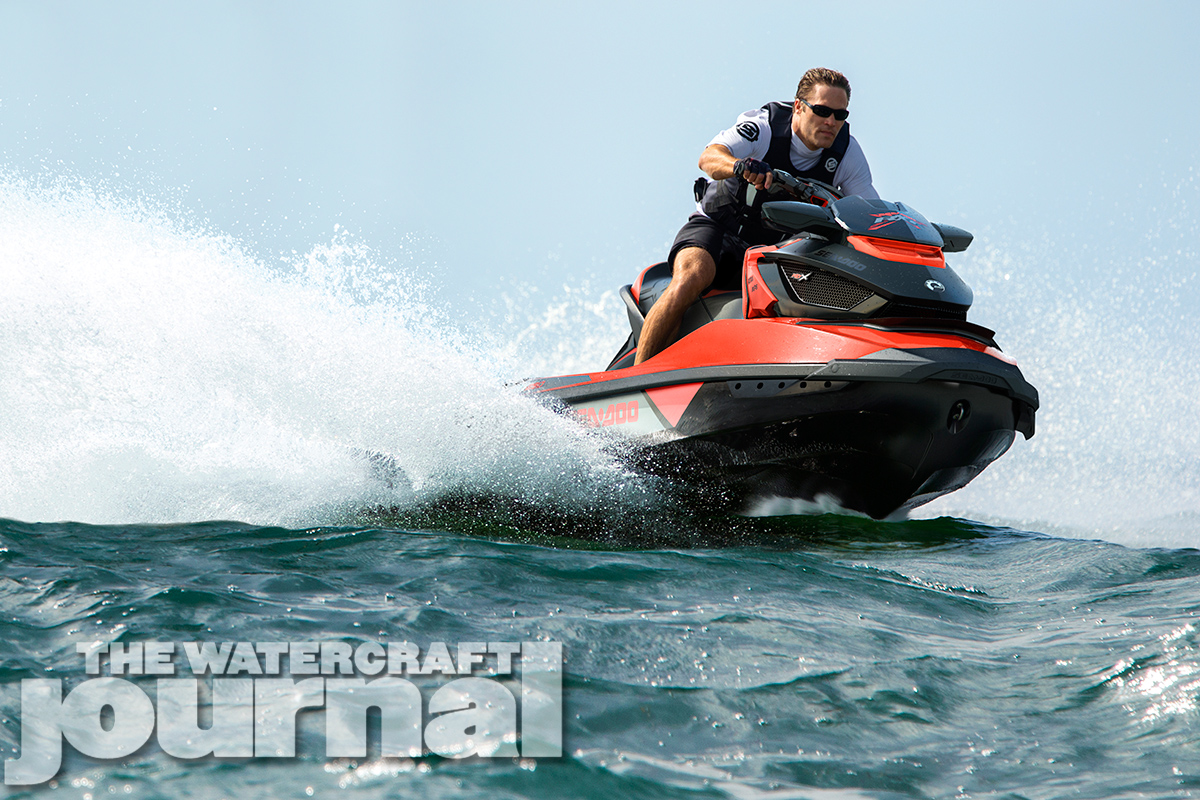
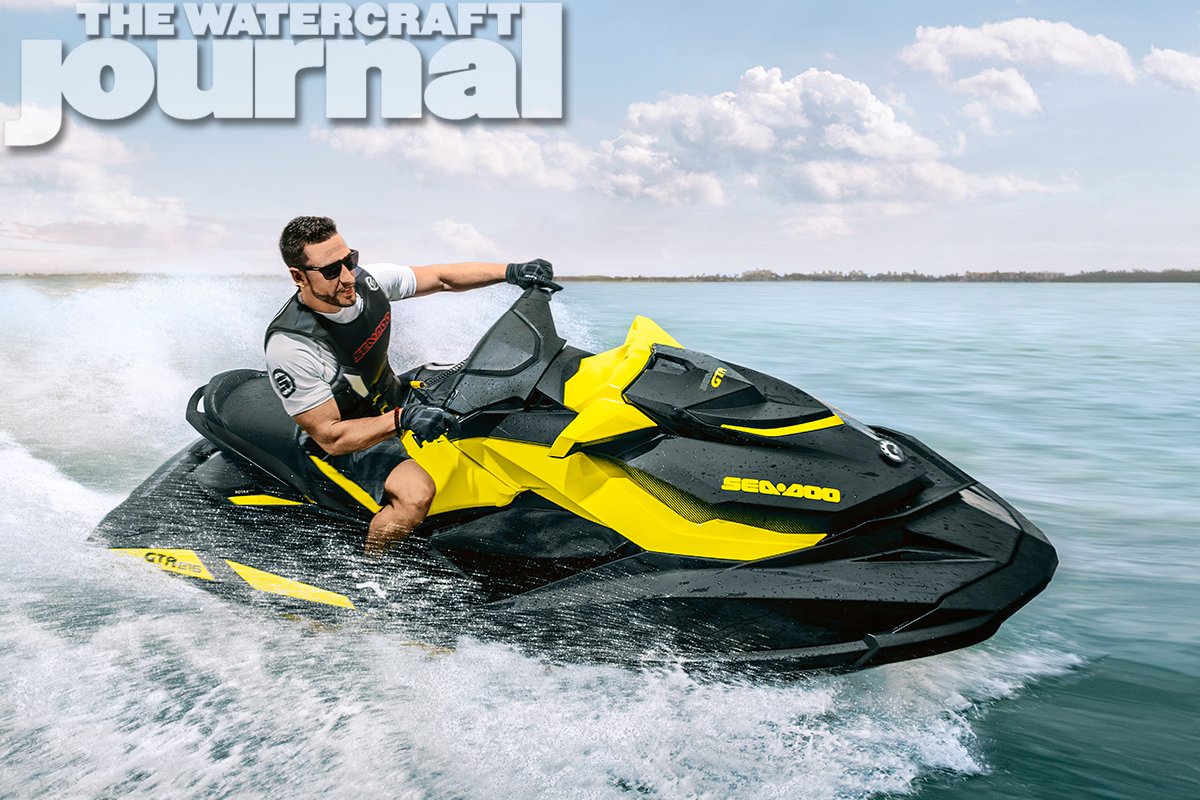
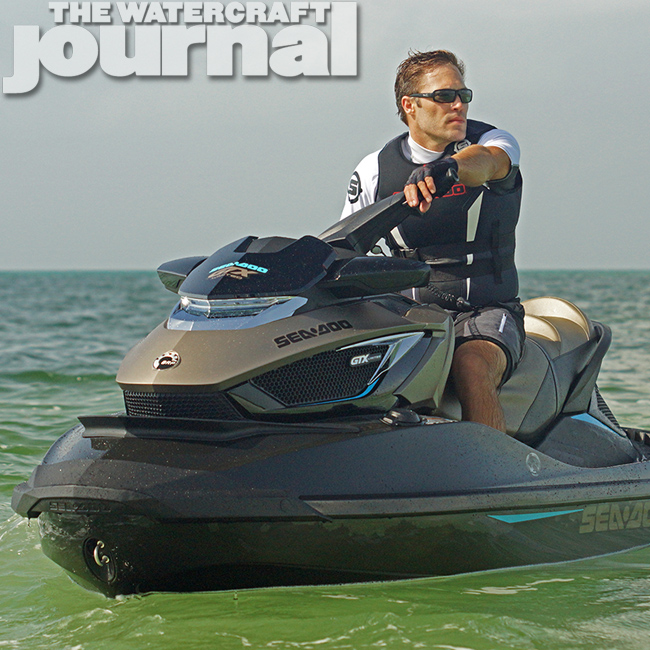
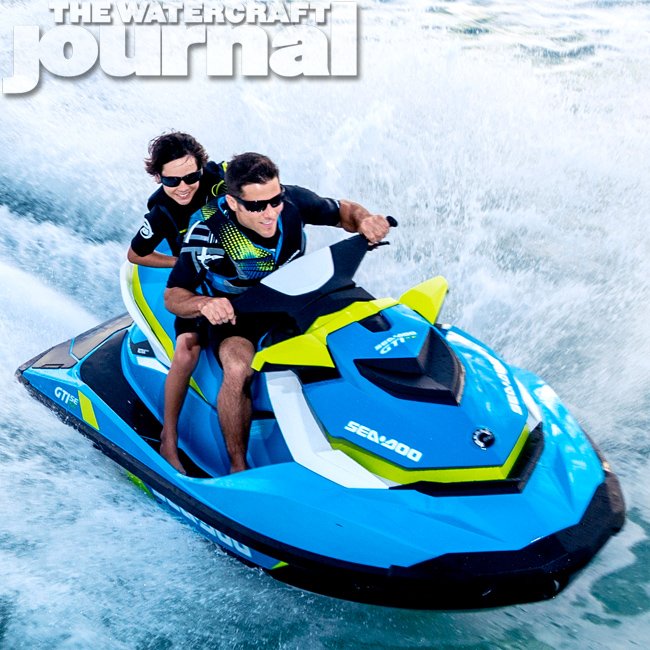
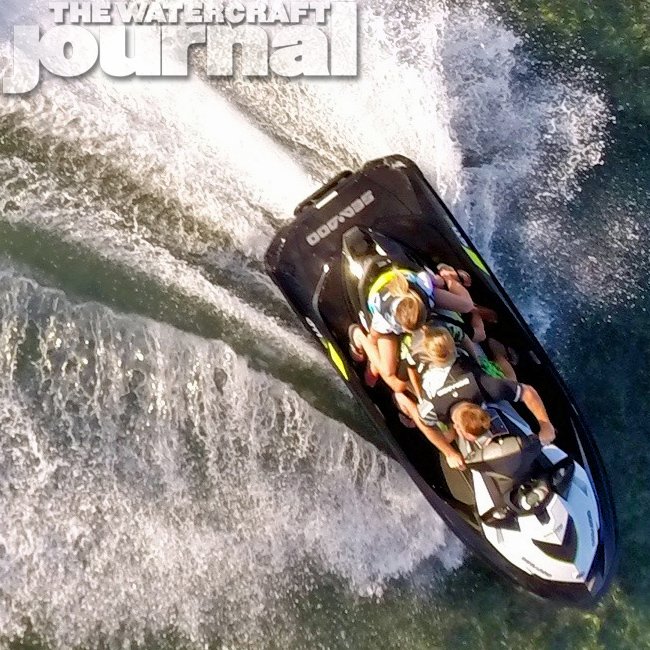
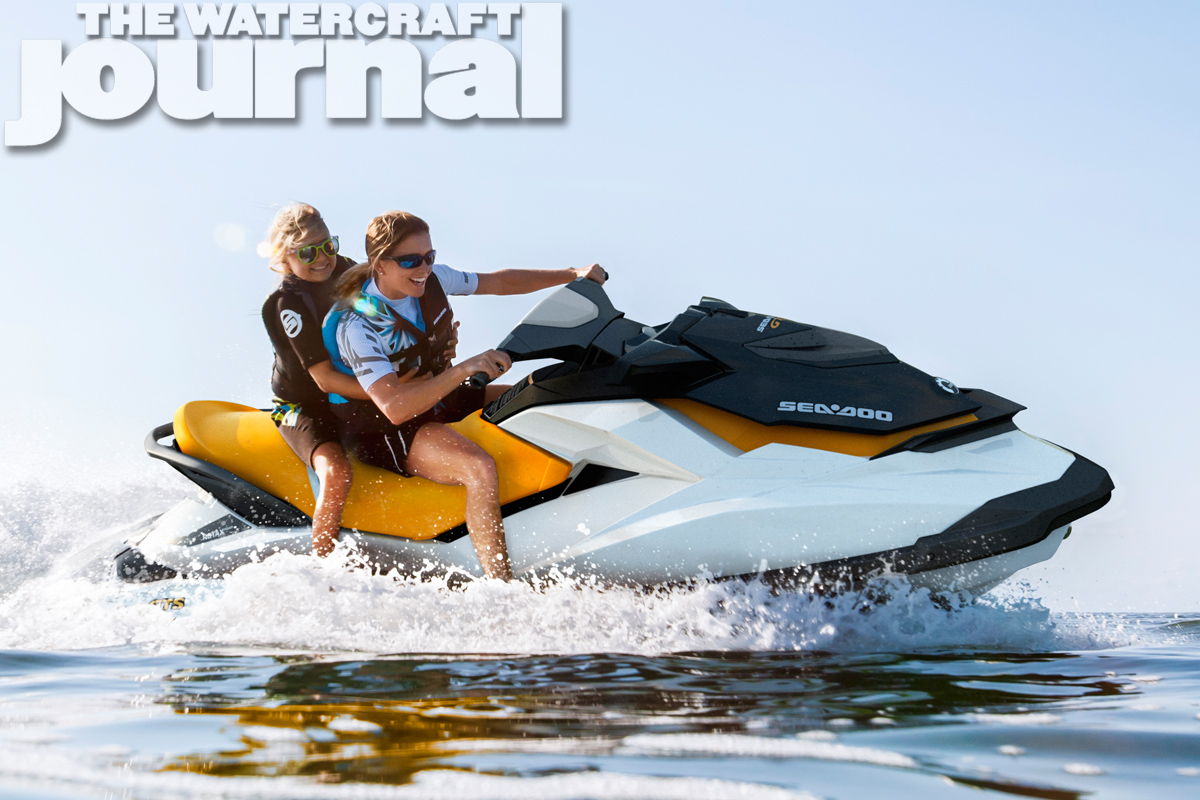
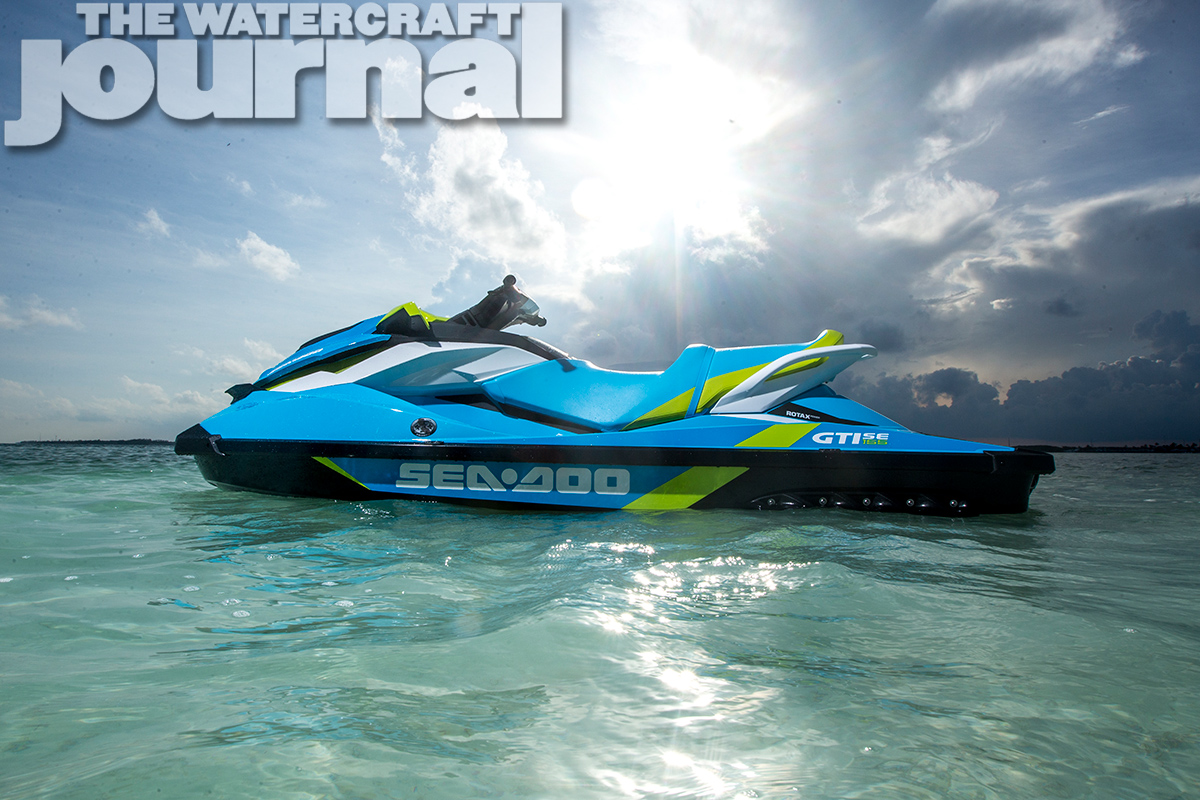
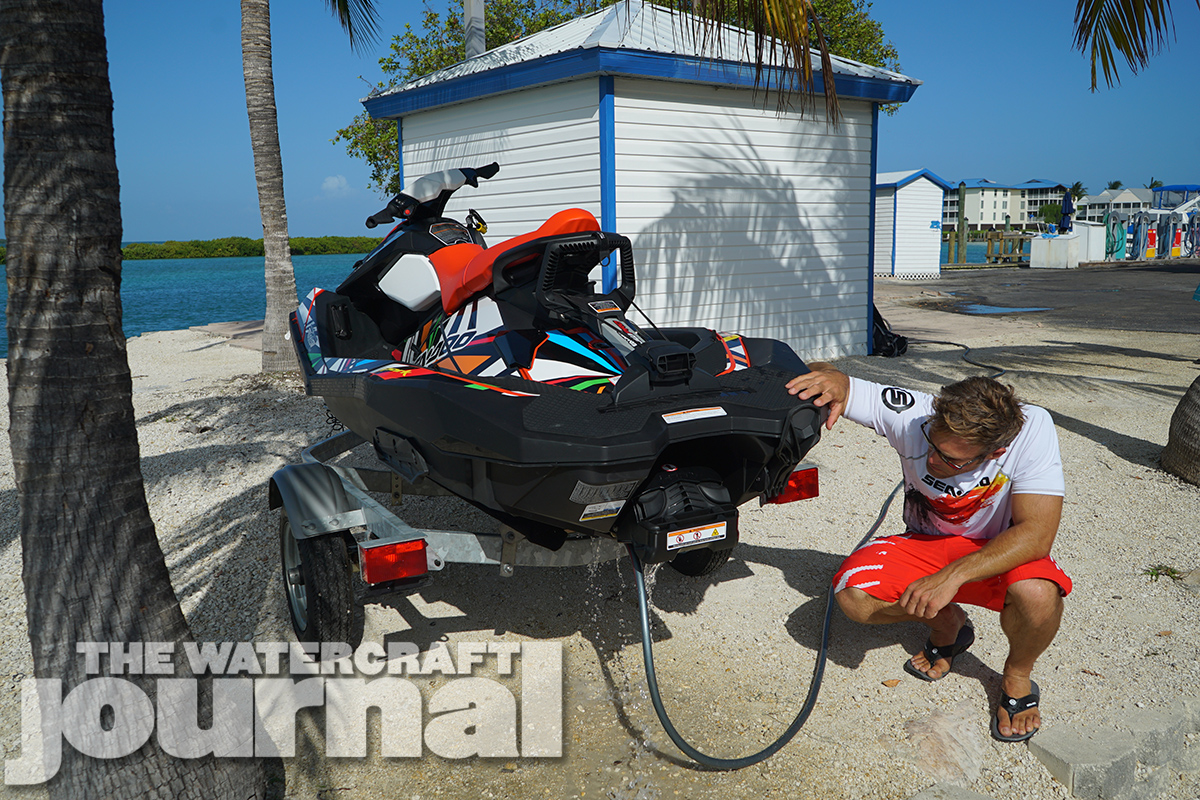
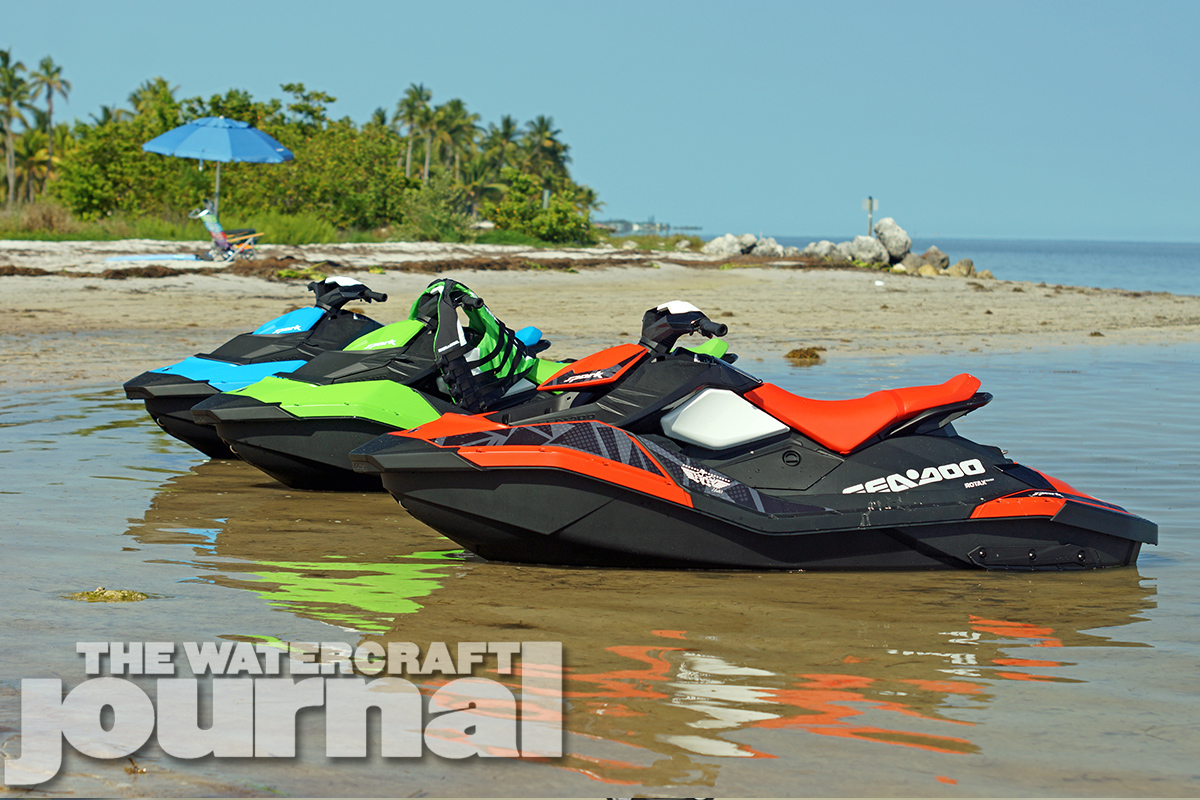
But all the pretty pictures and studio shots just don’t give you a real feeling for how these machines look and behave. For that, we present to you the second episode of Long Haul where we look over the two most exciting skis of Sea-Doo’s 2016 lineup, the RXP-X 300 and RXT-X 300, yank the seat and show you the guts of these new machines before taking them out and carving up the lake. And it wouldn’t be Long Haul if we didn’t screw up something big, but that’s all the bait we’re gonna give to entice you to watch until the end.
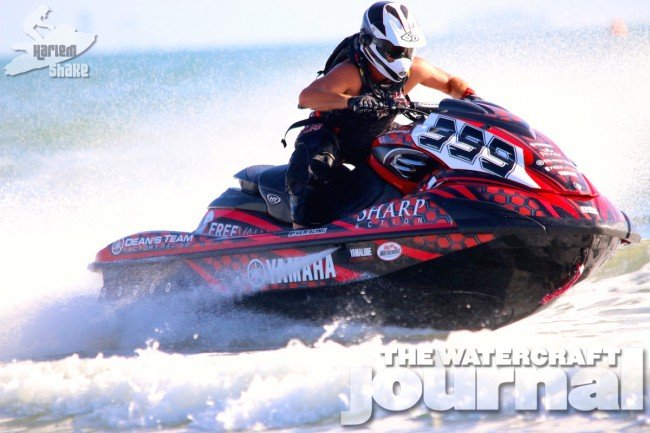
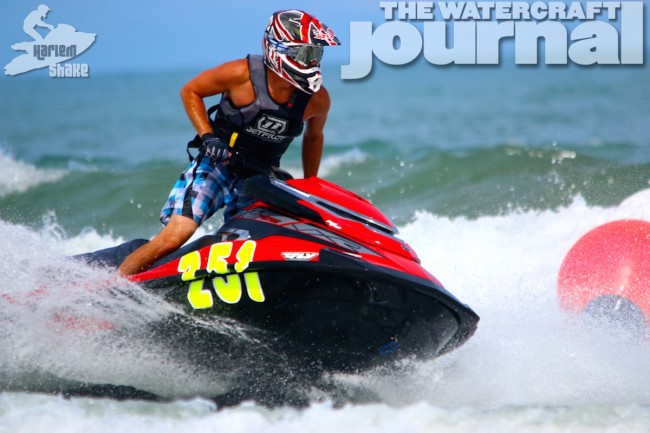
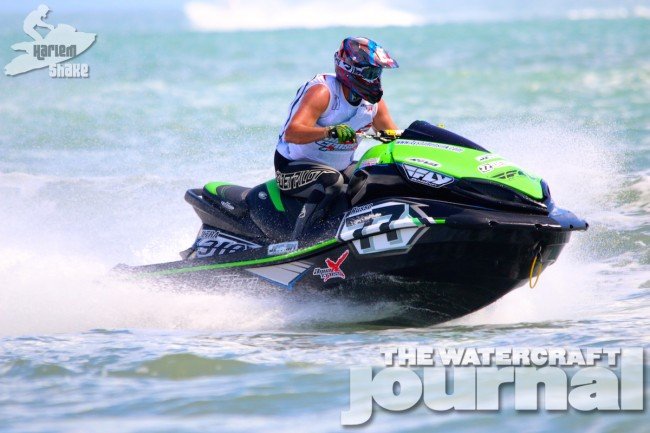
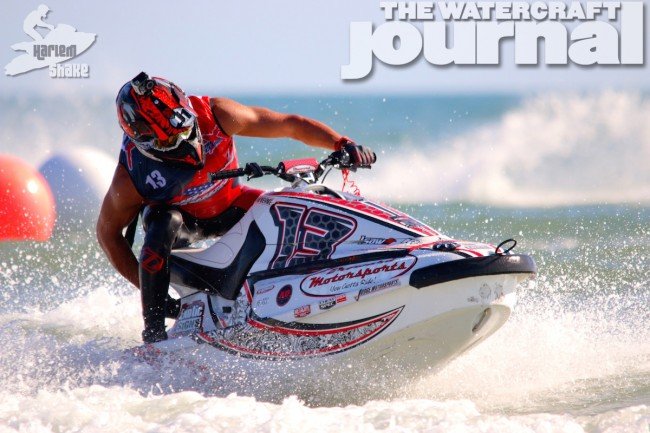
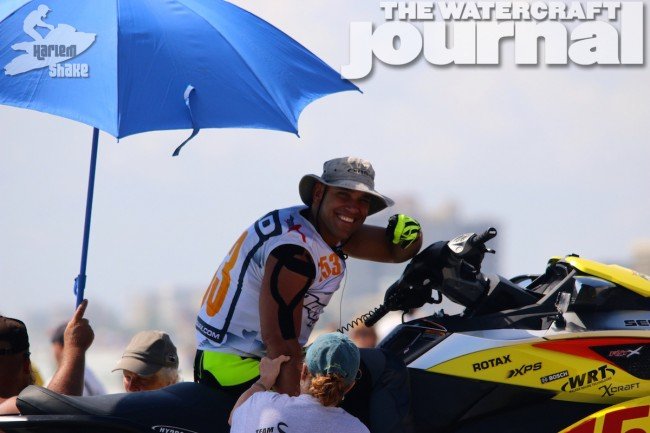
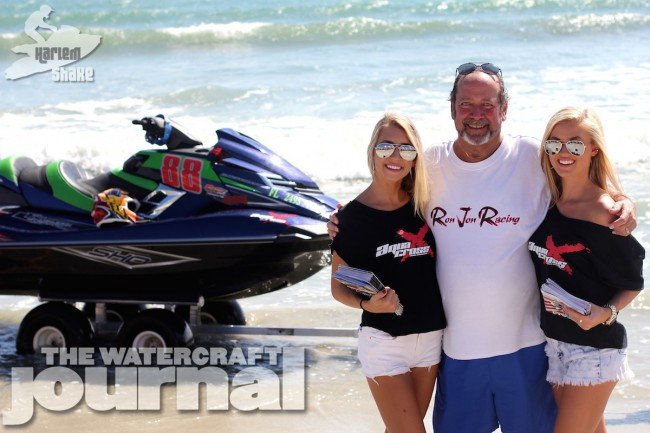
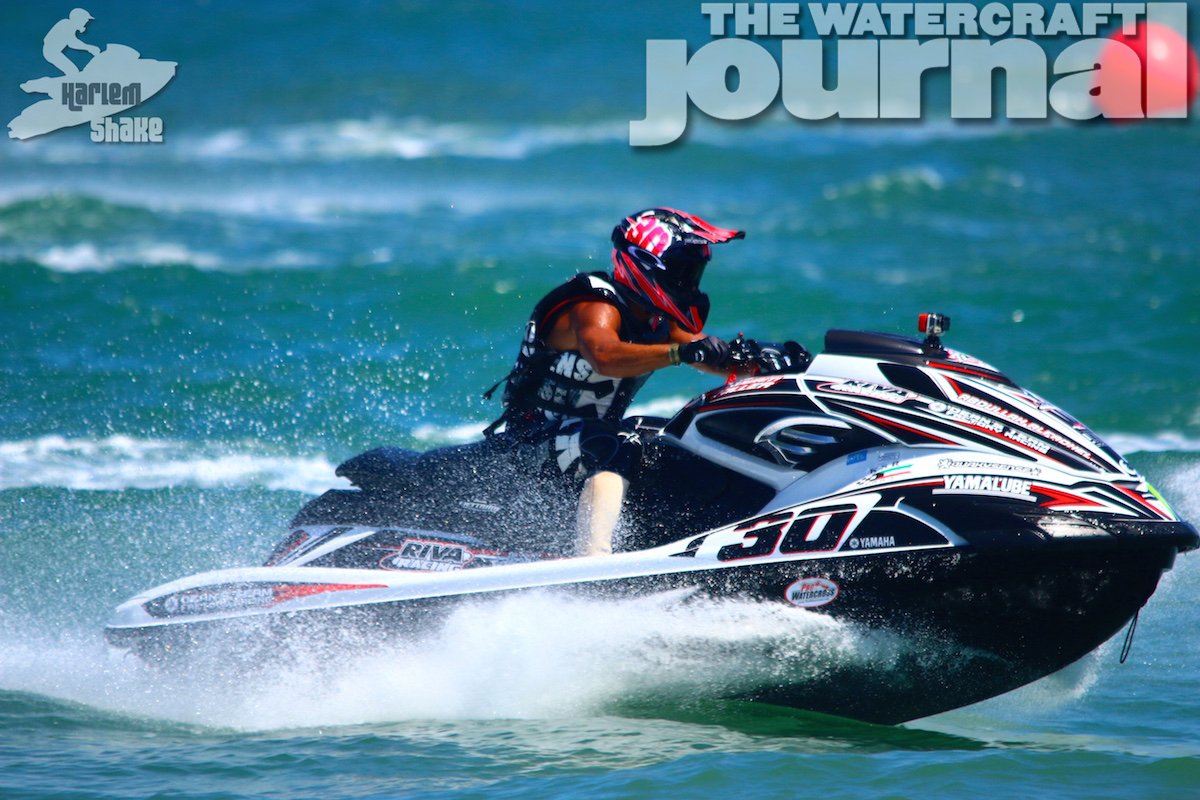
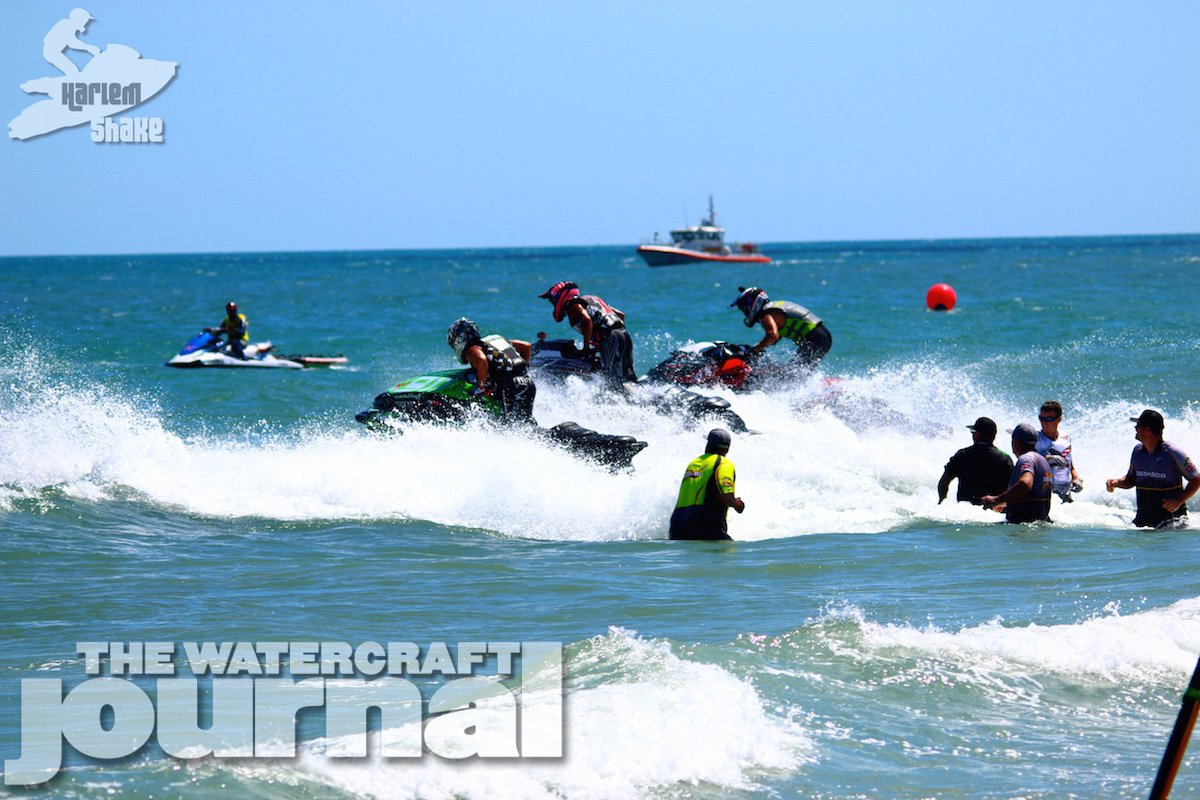
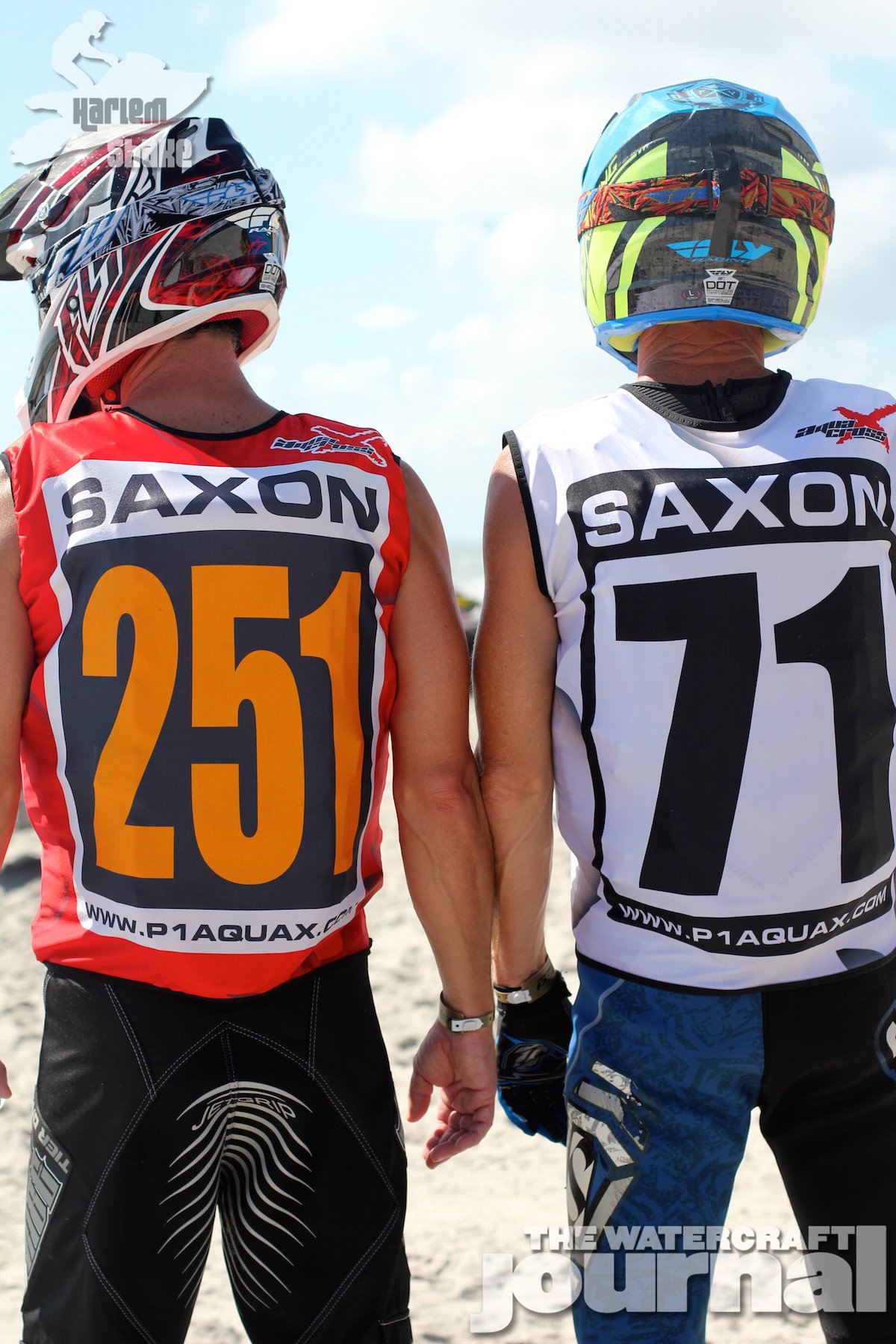
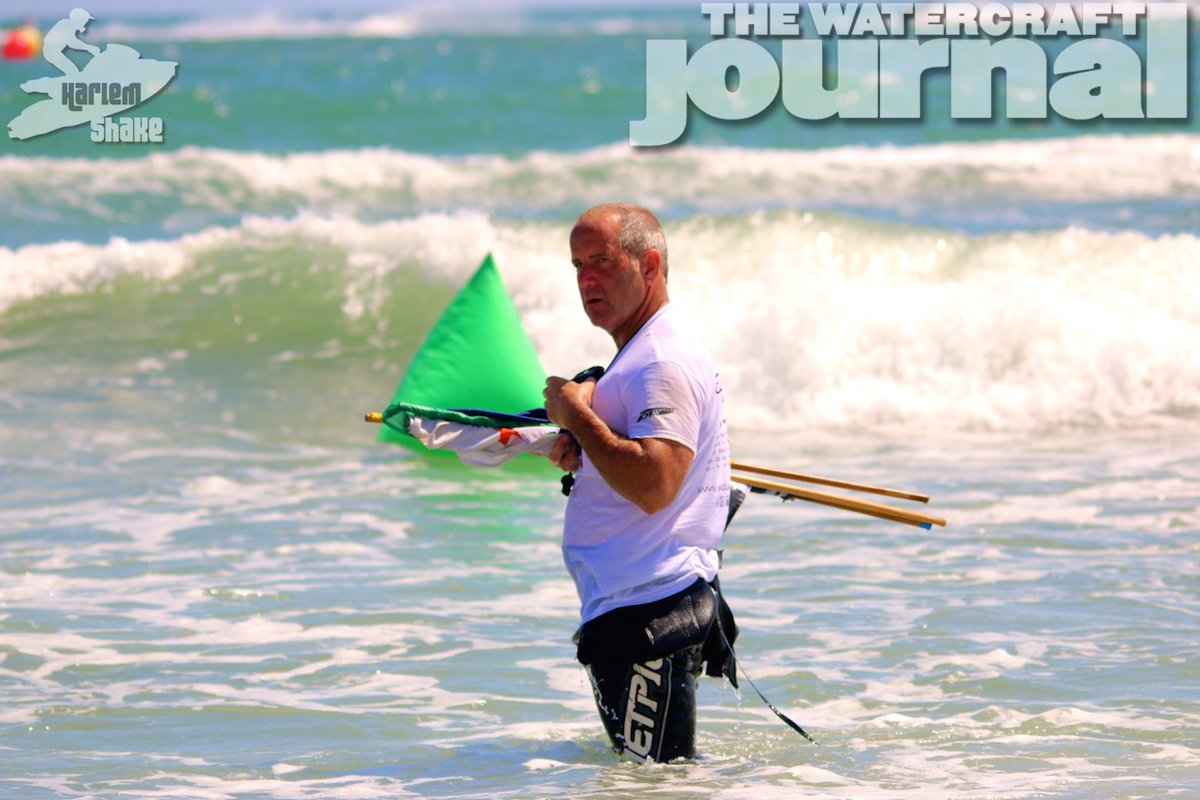
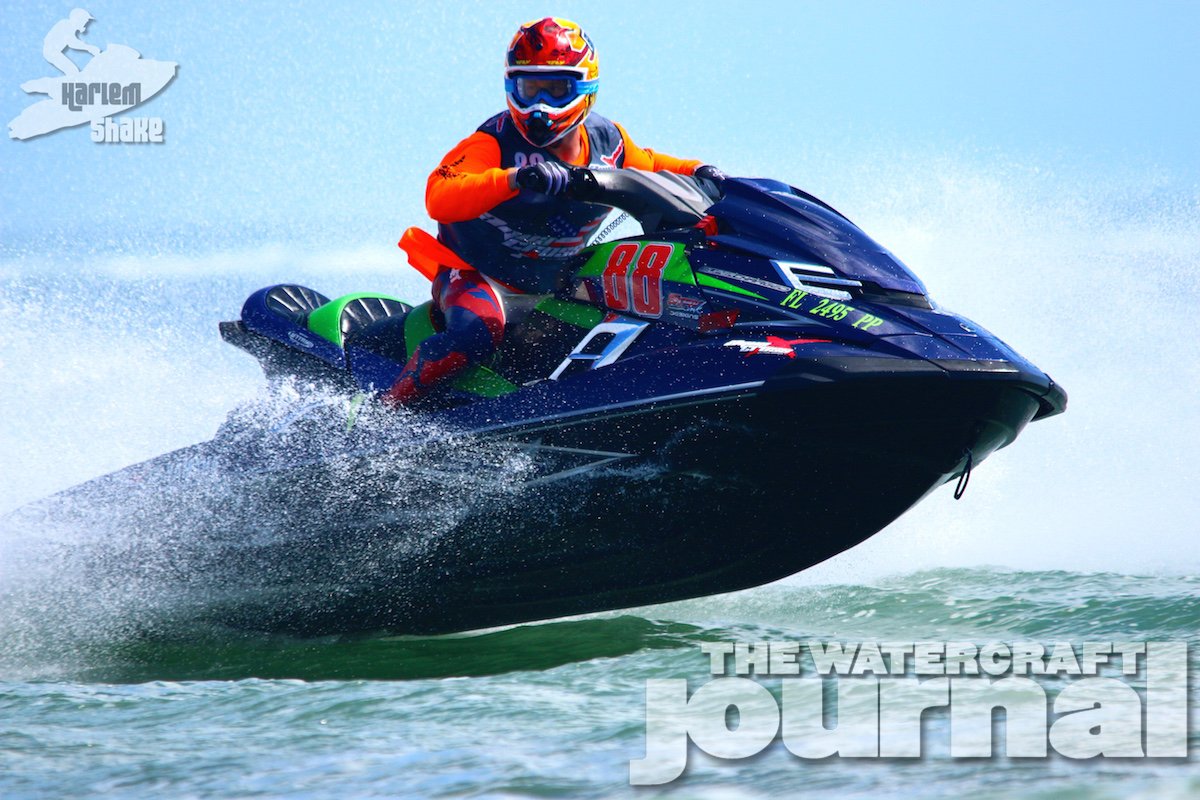
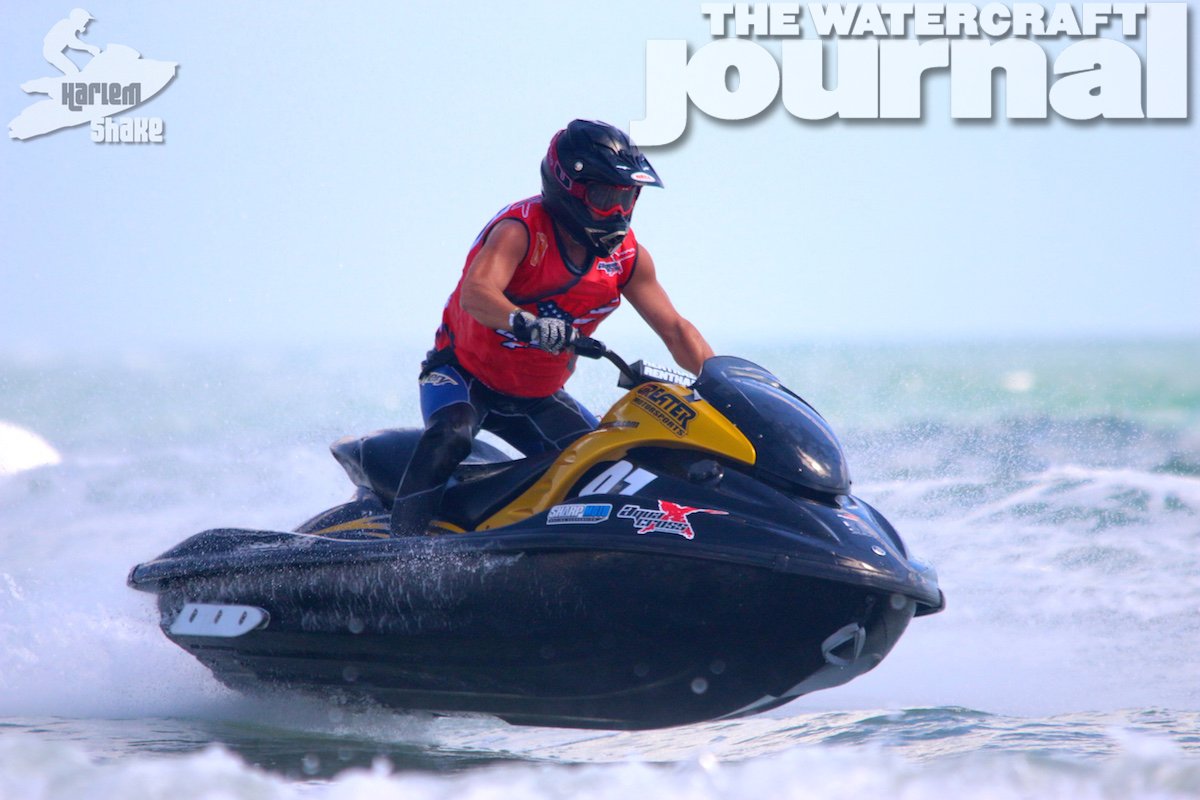
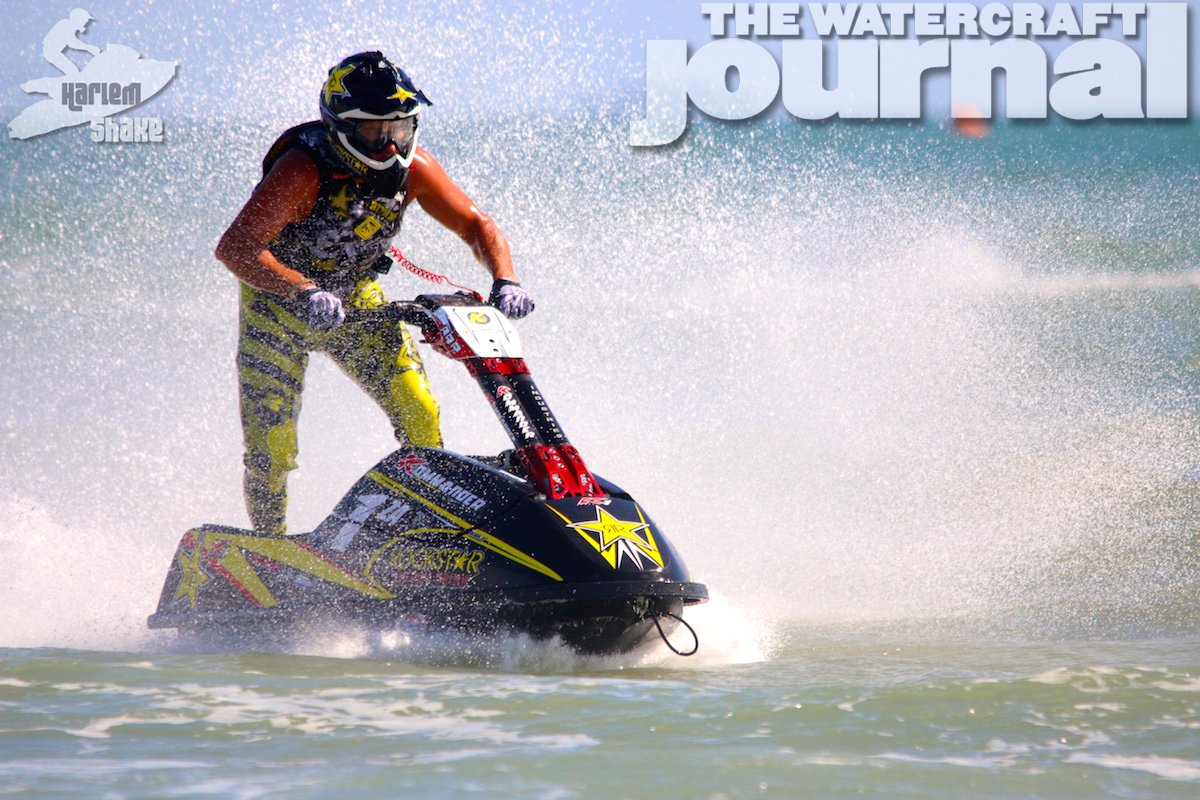
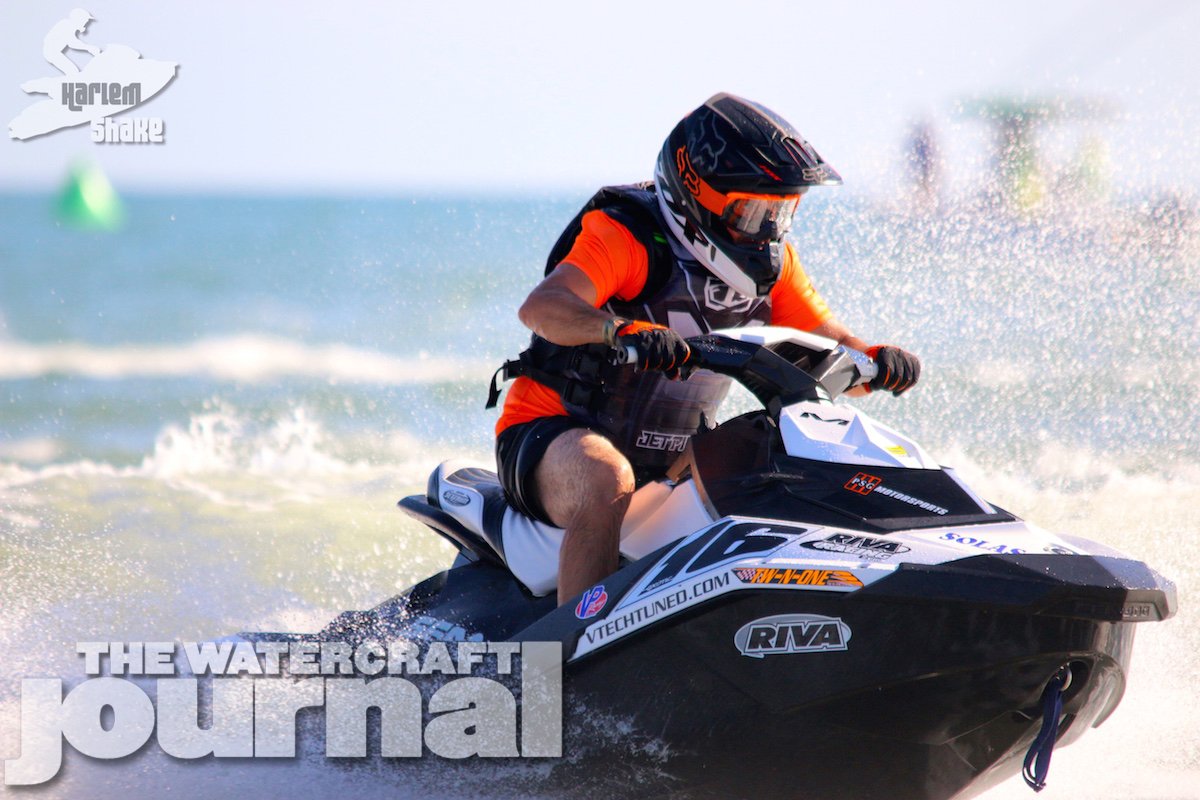
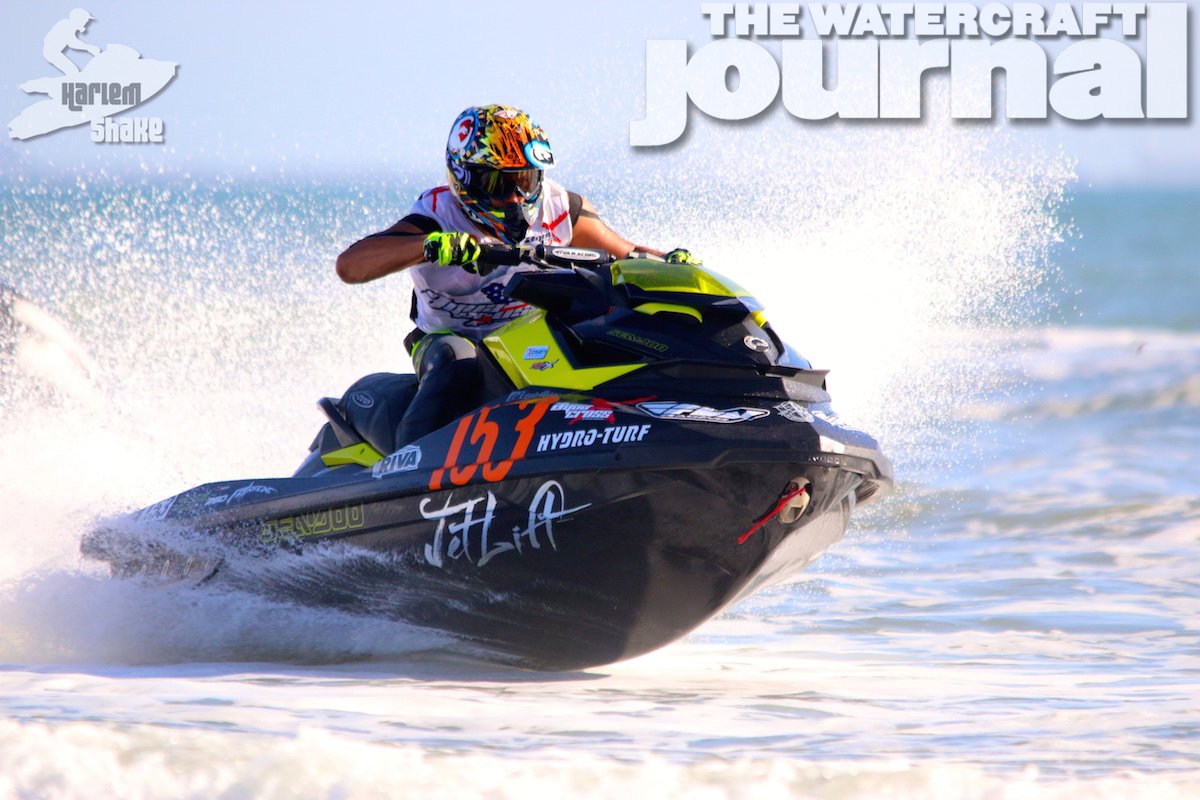
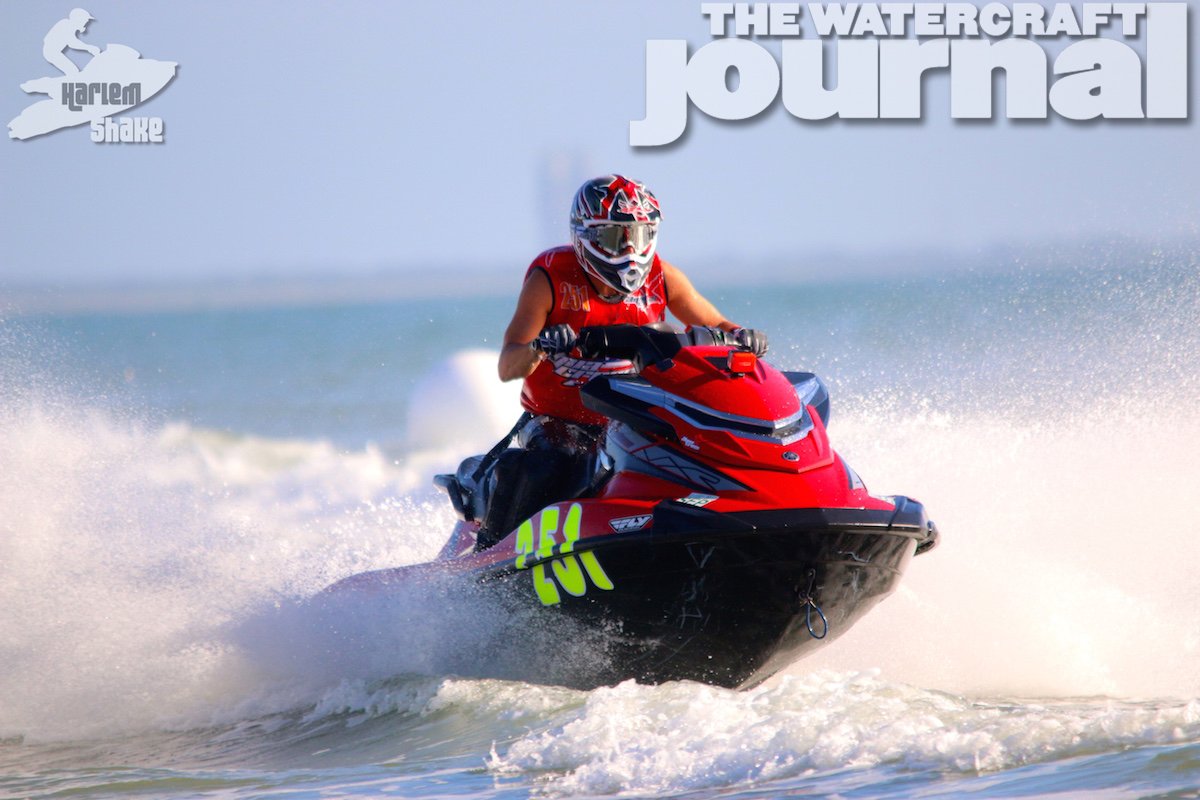
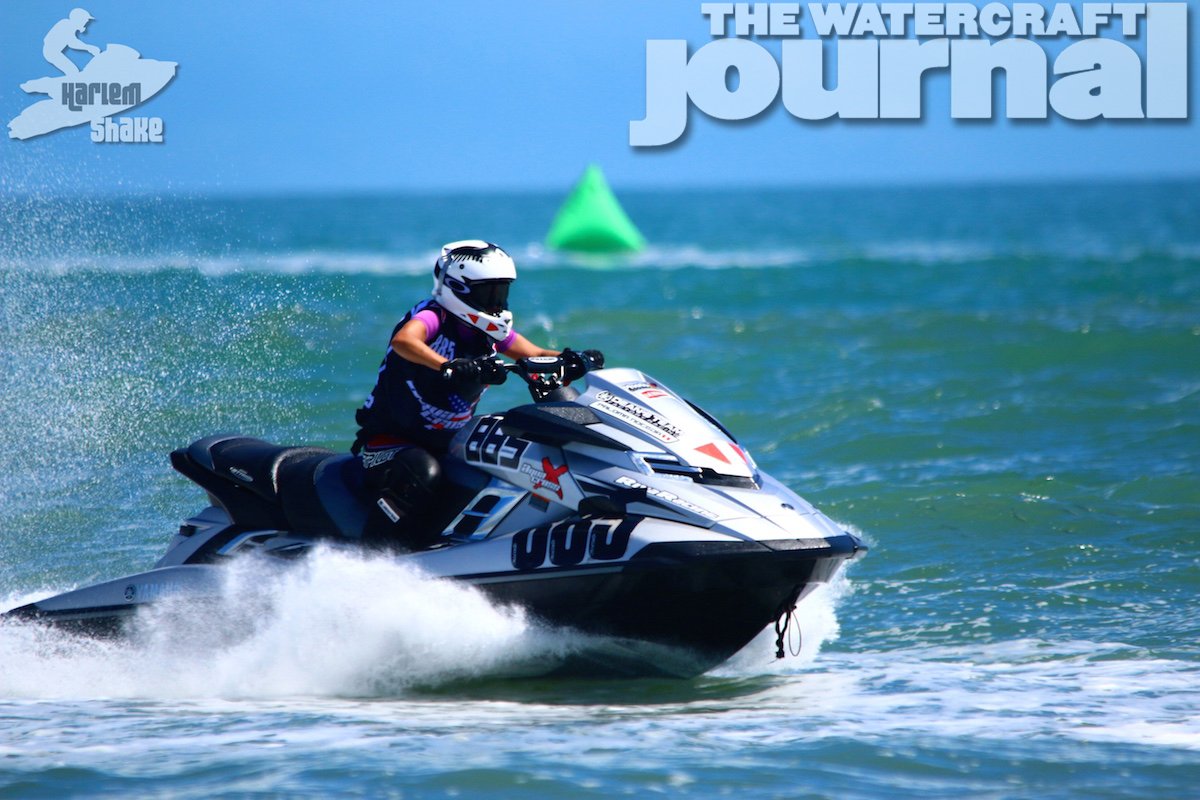
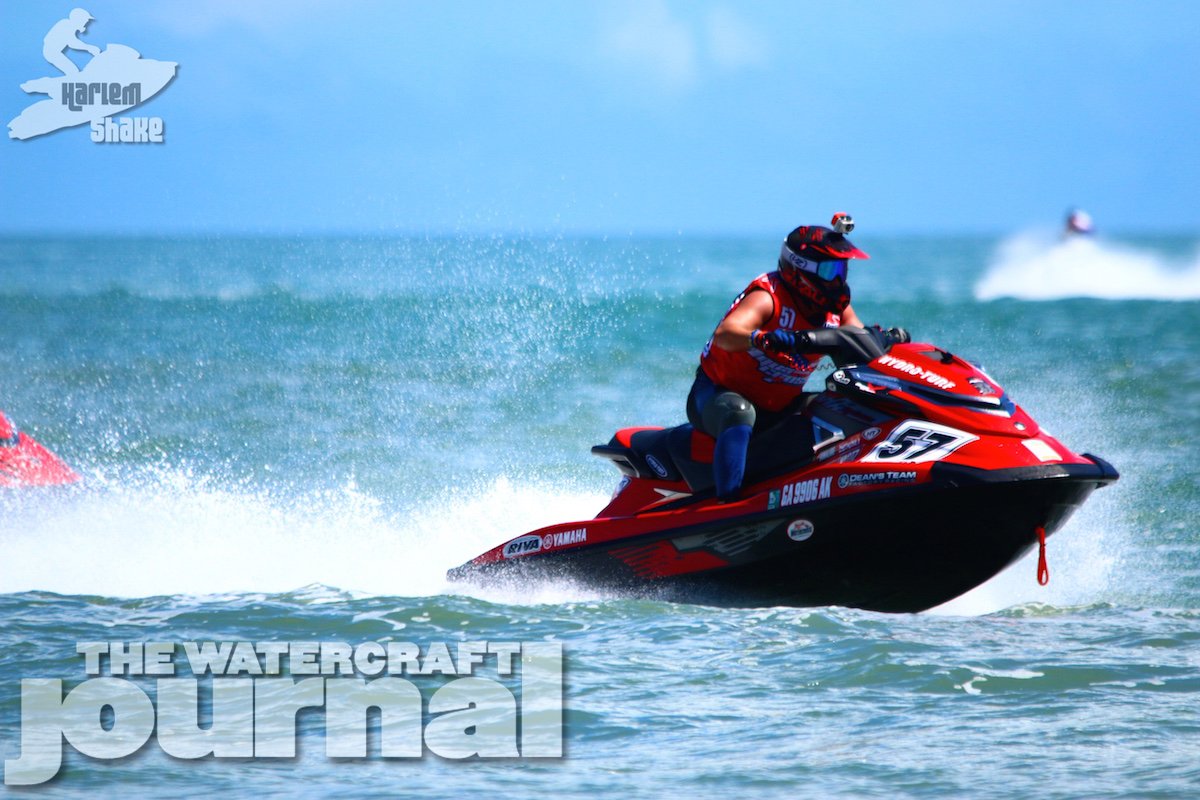
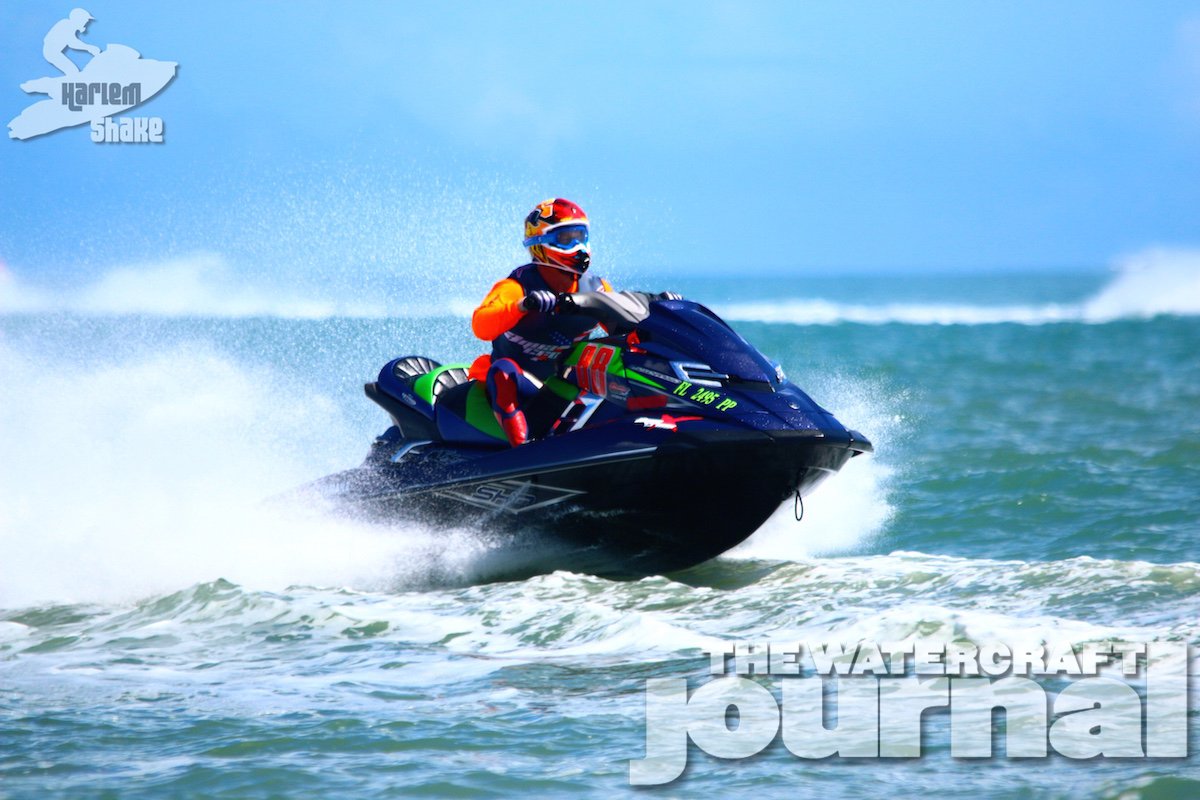
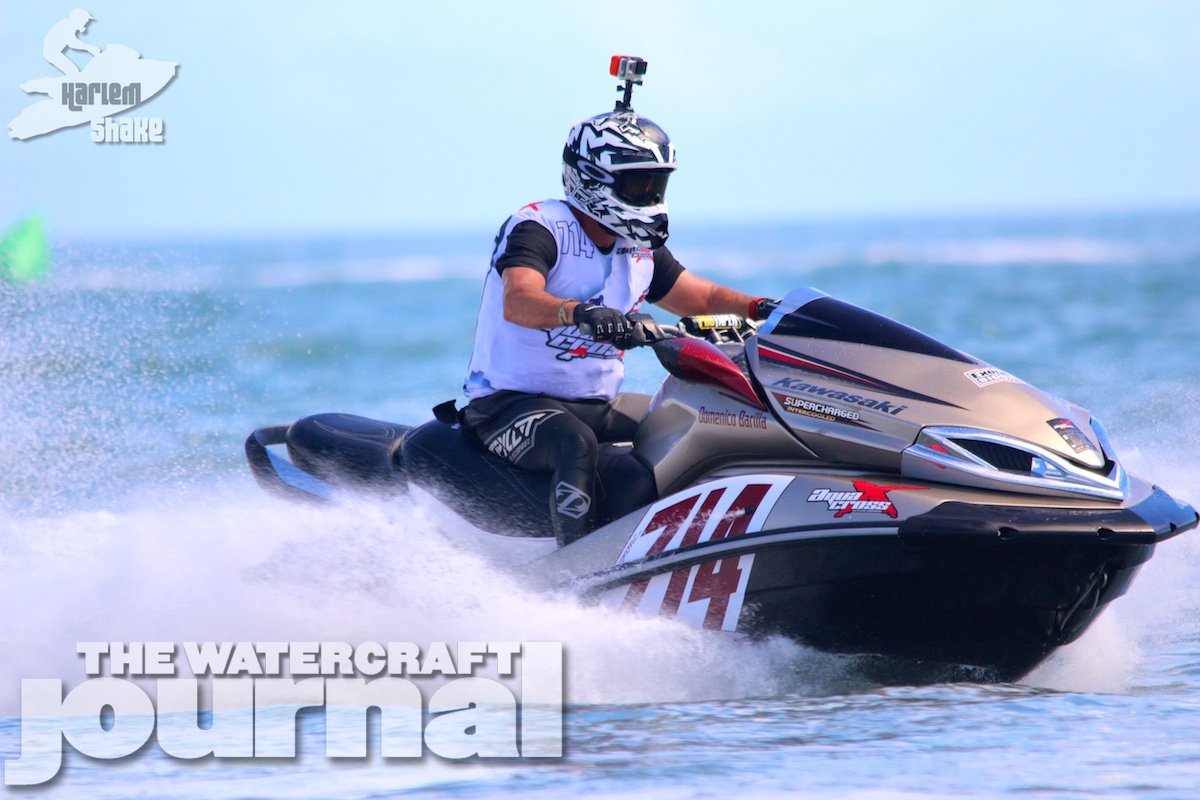
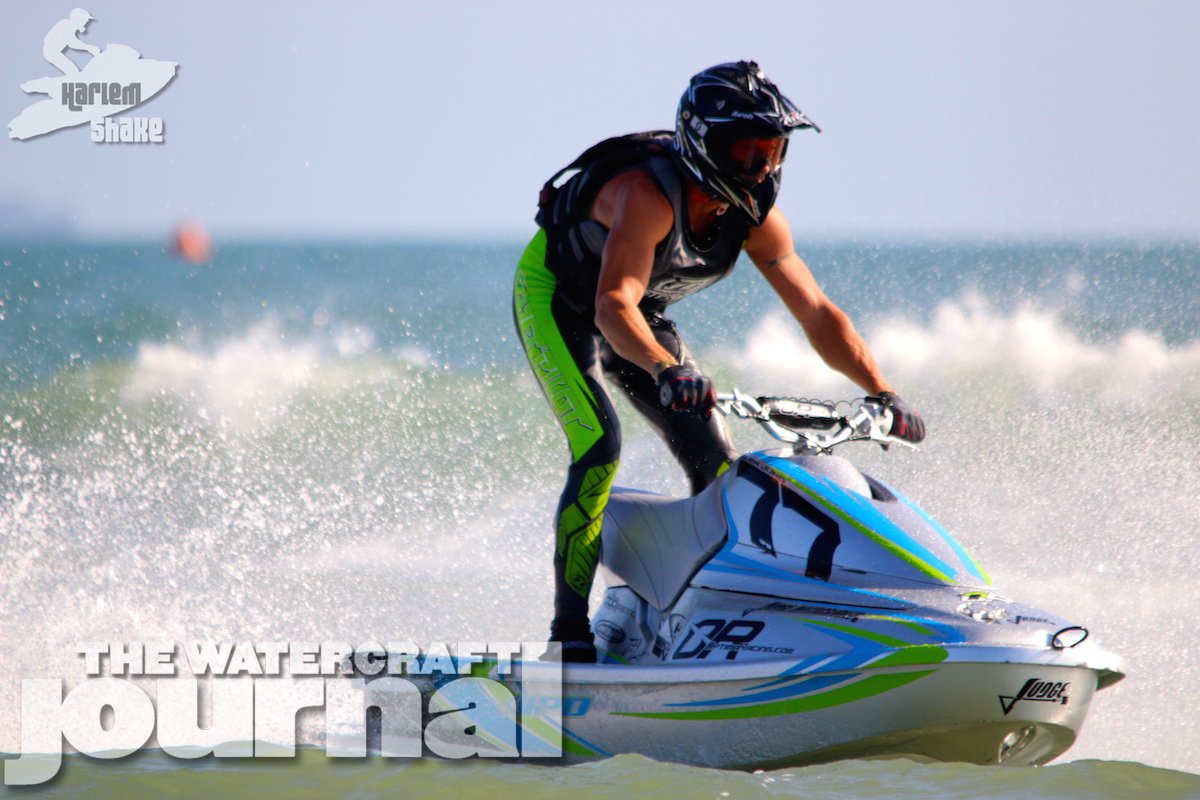
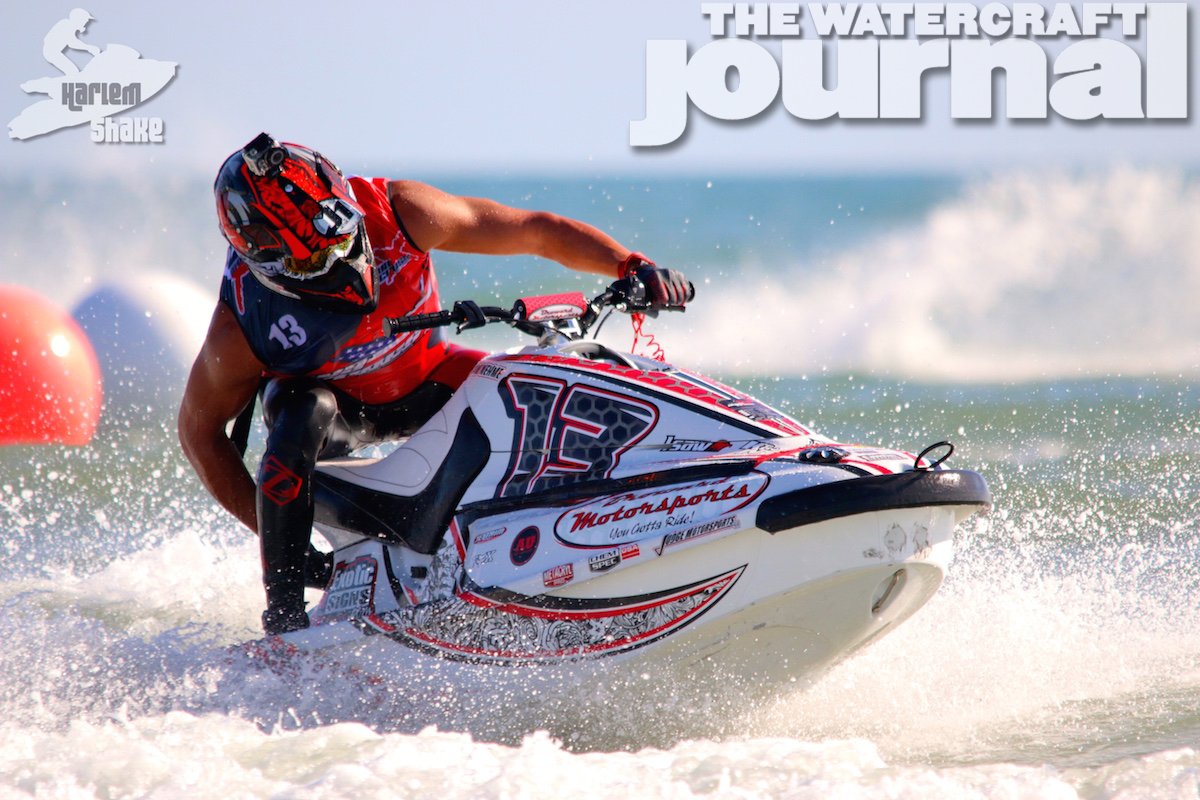
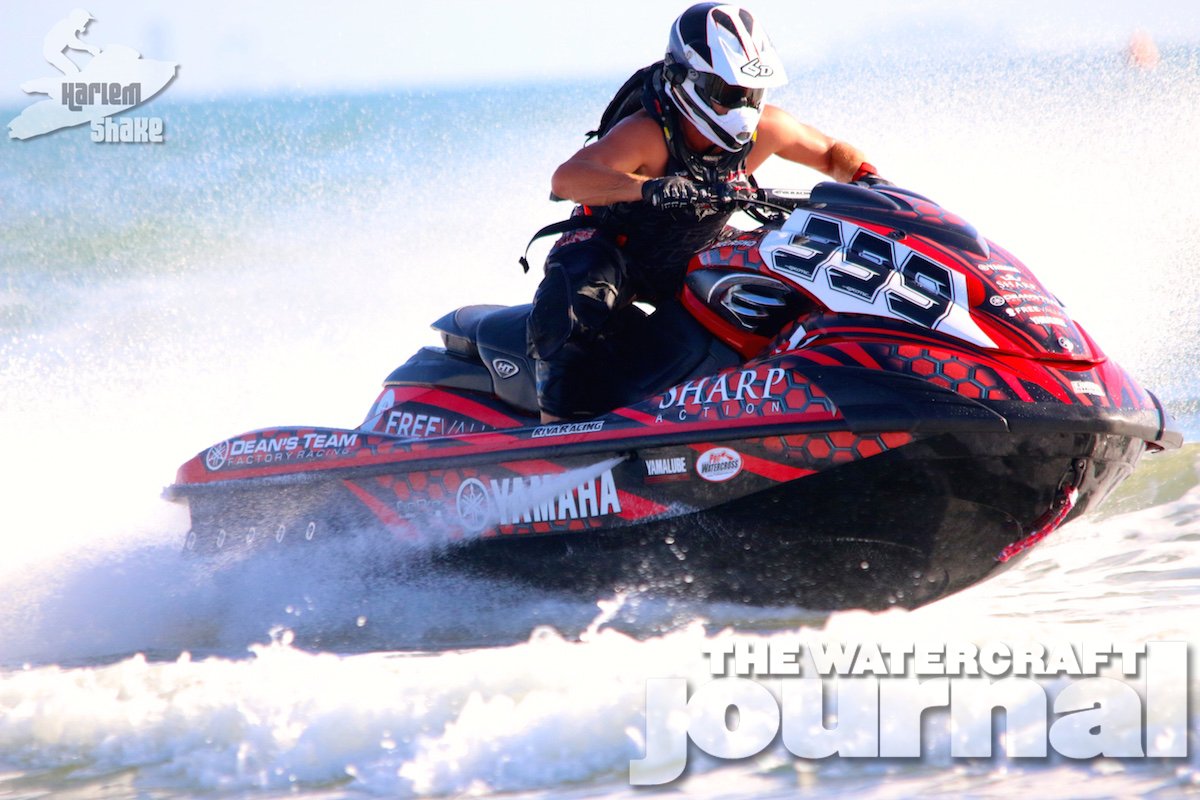
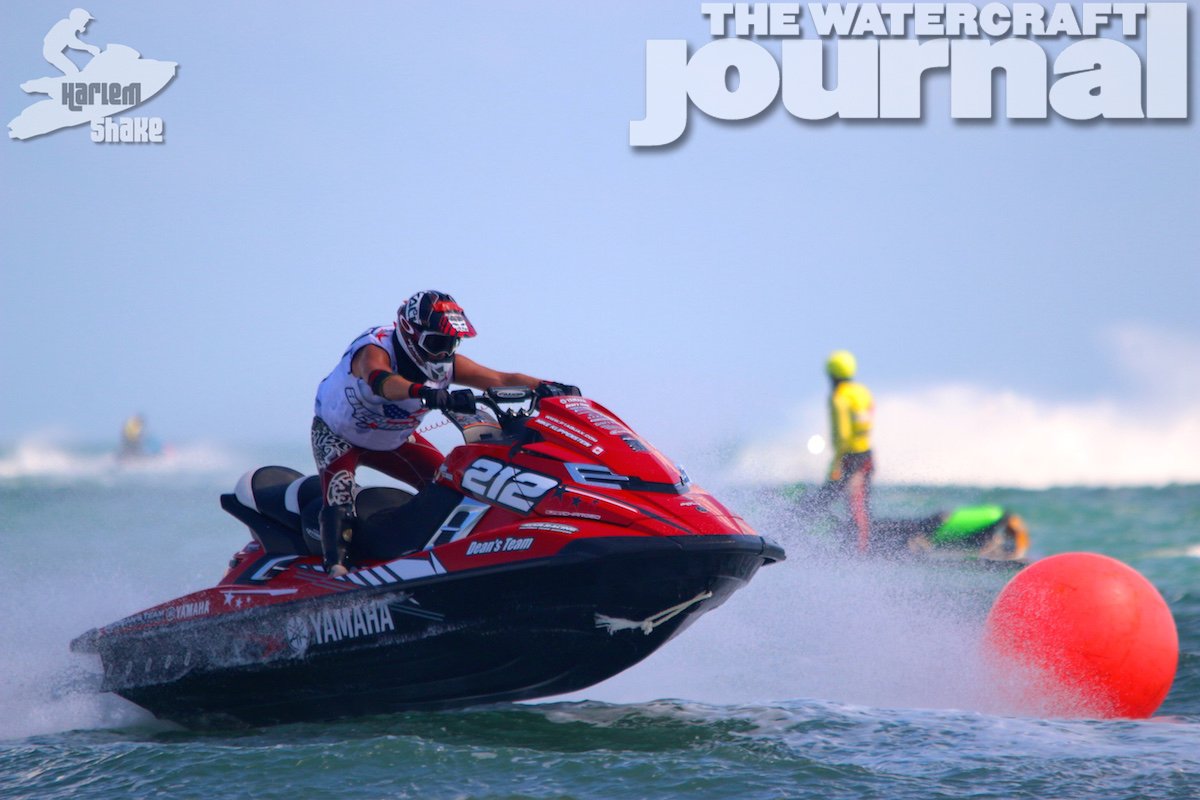
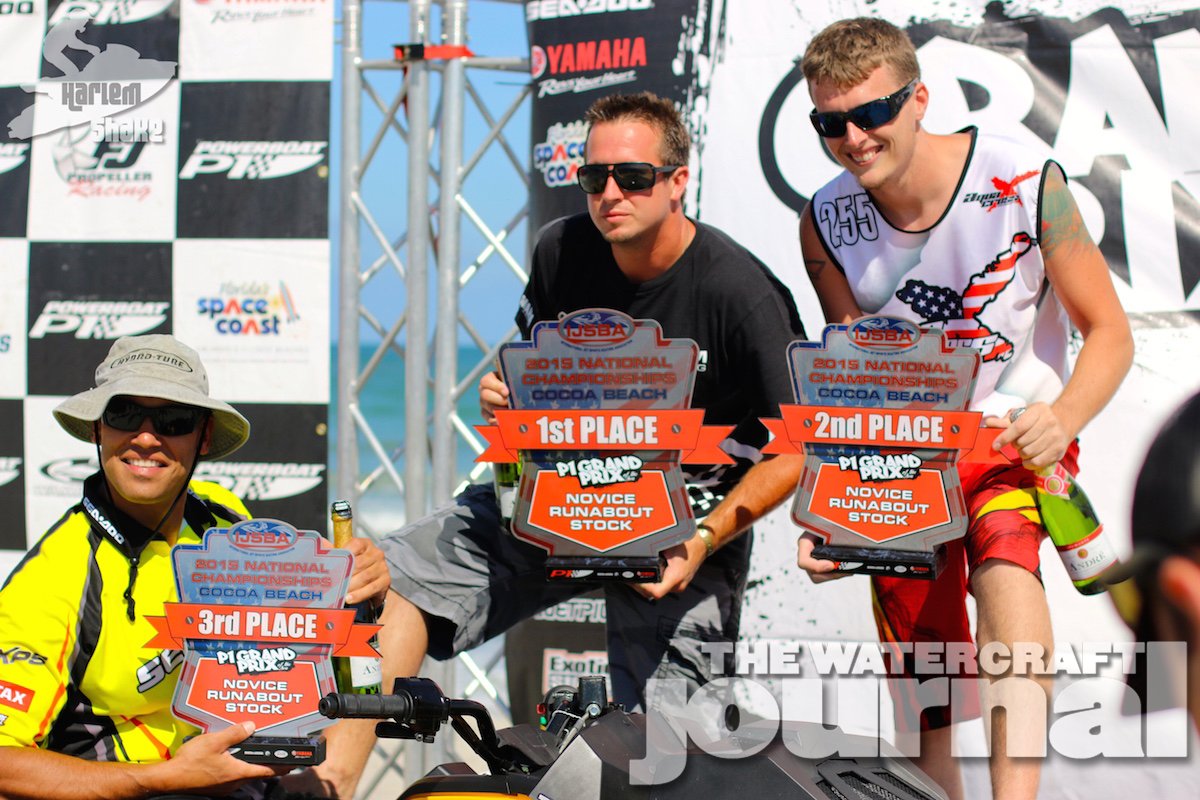
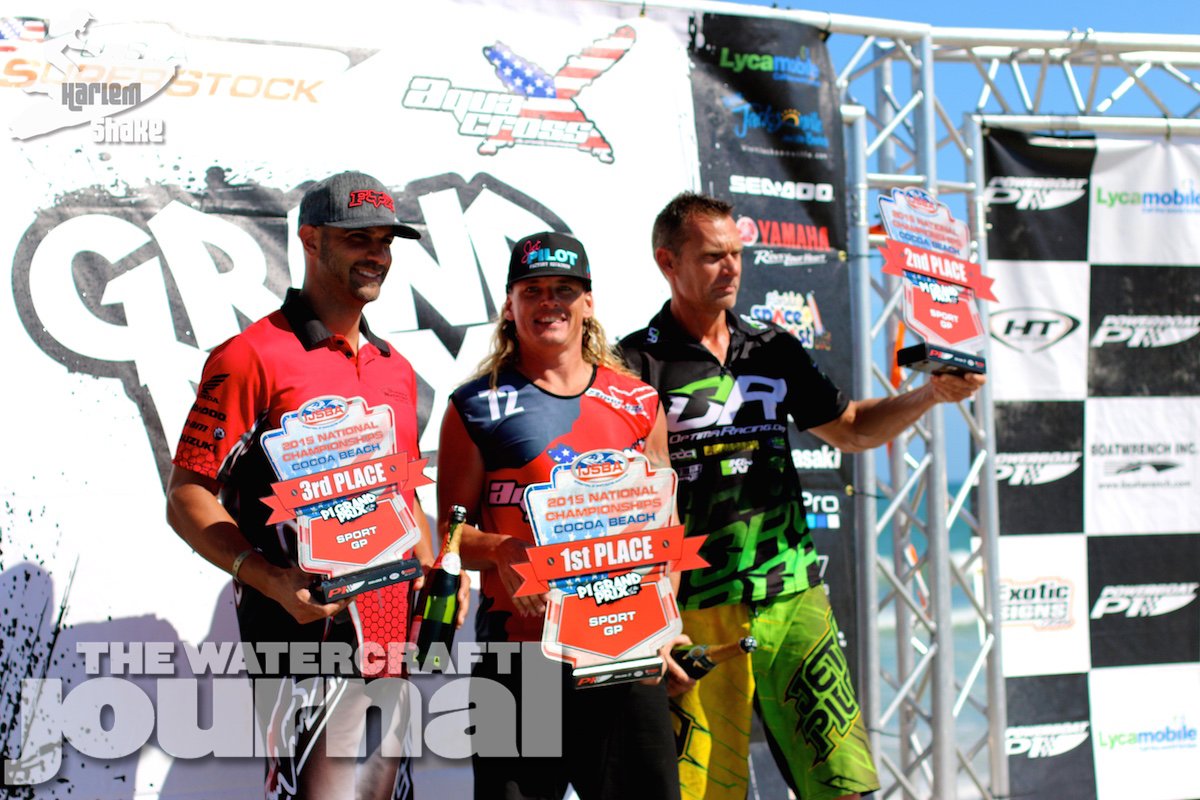
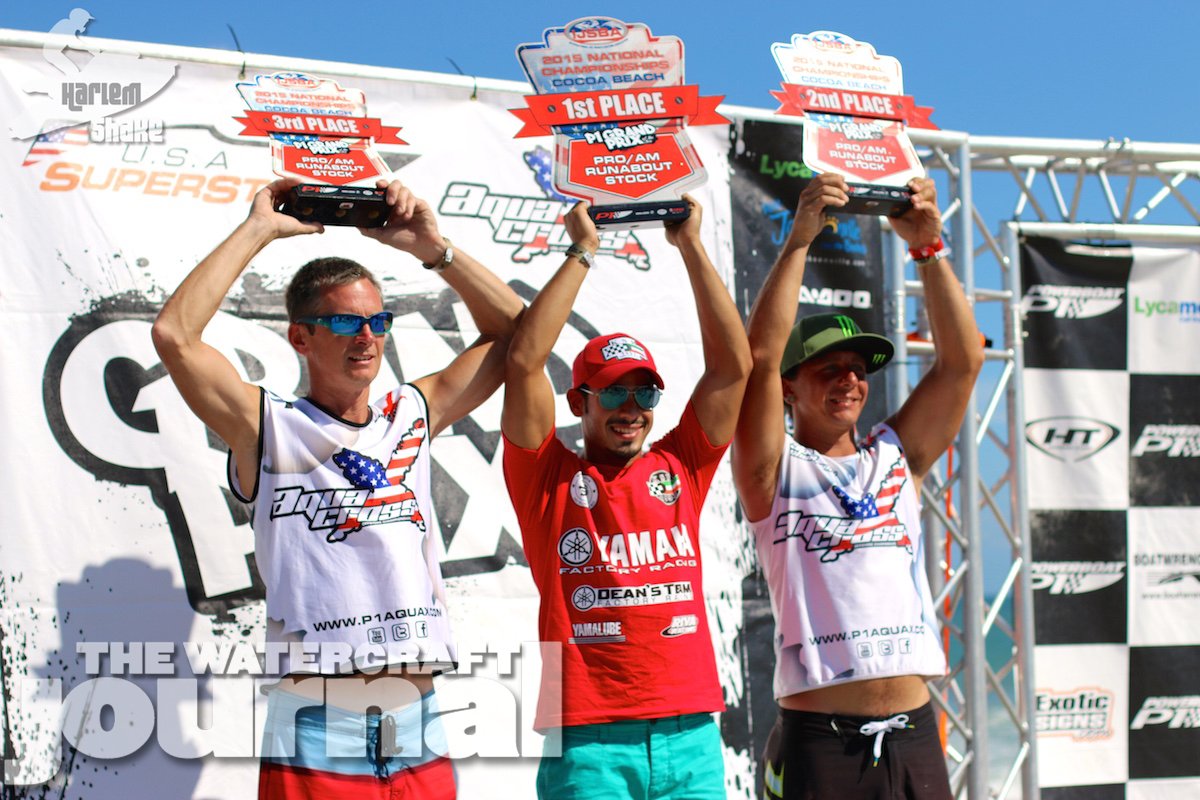
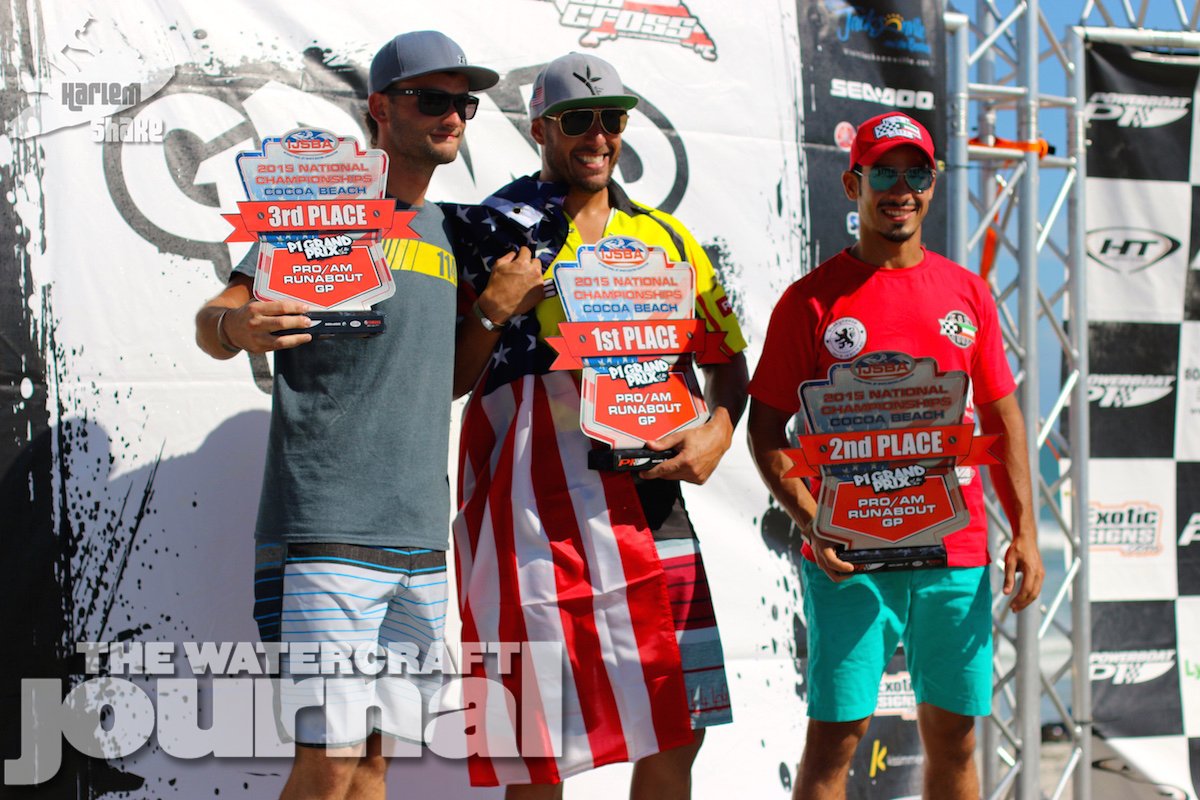
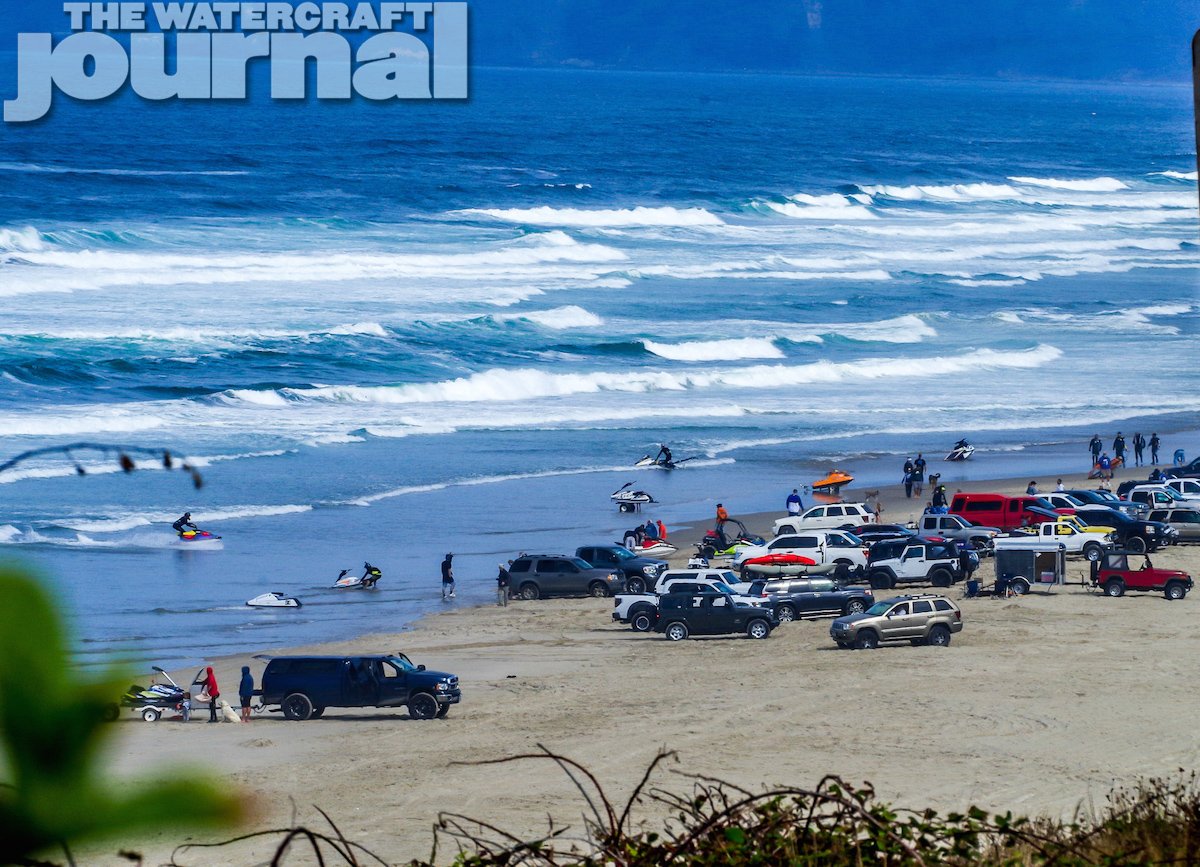
The signs along state road A1A all say “Welcome to Cocoa Beach,” and the town surely was in for some high speed action this weekend as the P1 AquaX Series came into town for the third consecutive year. Cocoa Beach is typically known as the surfing capital of the Eastern United States but it was transformed into a jet ski racer’s haven as the Grand Prix of the Seas event was going to showcase some of the most incredible jet ski riders from around the globe.
This weekend was going to be a huge event as not only was there going to be AquaX racing but also winner-take-all closed course racing. Why was this important, you might ask yourself? It was slated as the winners of the races in their respective classes were going to qualify to attend World Finals this year at Lake Havasu City, AZ.
Many of the locals were concerned if the recent Florida weather was going to play a factor in the weekend events, as it was rainy and gloomy the entire week leading up to this weekend. As Friday arrived, the weather gods decided that they wanted to shine on the beach and keep the sun shinning throughout the weekend’s events, as it was nothing but gorgeous sunny skies. The racers arrived throughout the day and got a chance to practice in Cocoa Beach’s unpredictable waters.
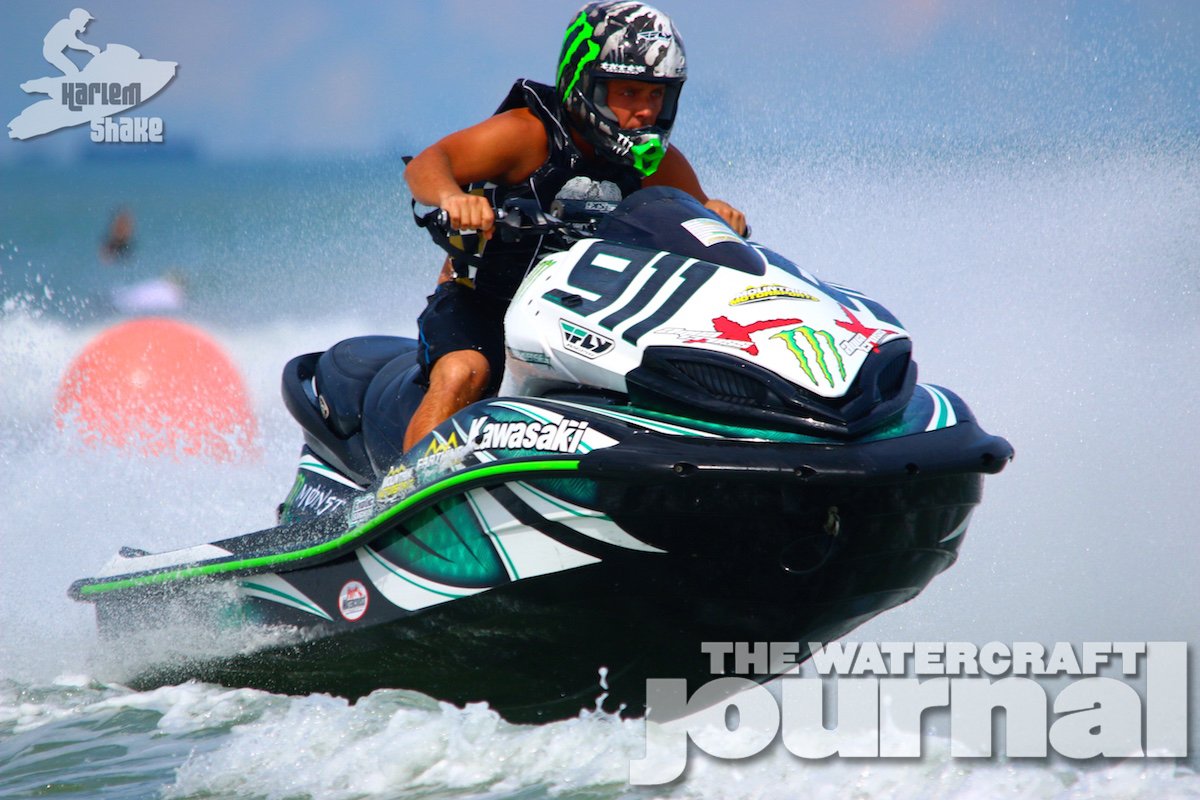
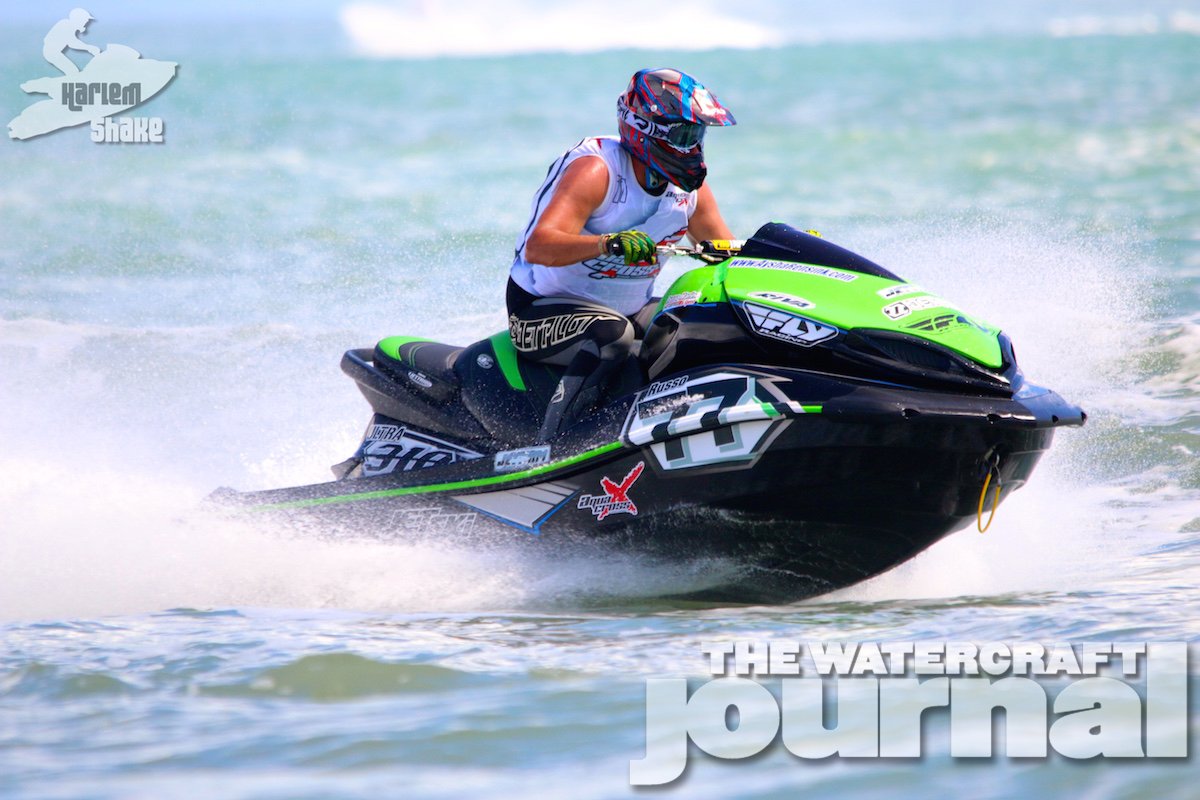
Saturday started off with Moto One of the AquaX Series with all three classes running at the same time. In the 300 Class, it was a battle with Mike Klippenstein taking the lead, with local rider Chris Leo at the start of the race and the other 300 riders were chasing him down. As the race continued, positions changed back and forth but Klippenstein maintained his lead and it was more a question of who was going to come in second and third. At the end it was world points leader Eric “The Eagle” Francis and Jason Russo who finished out the top three respectively.
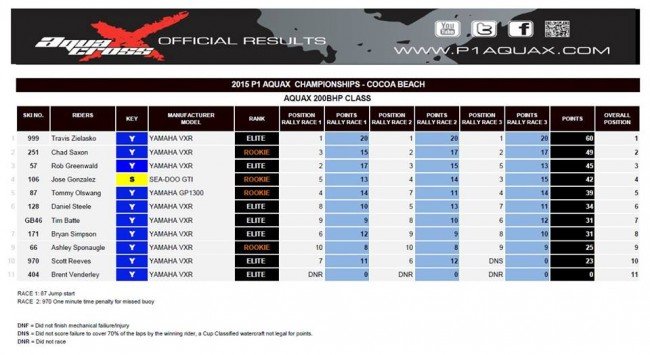
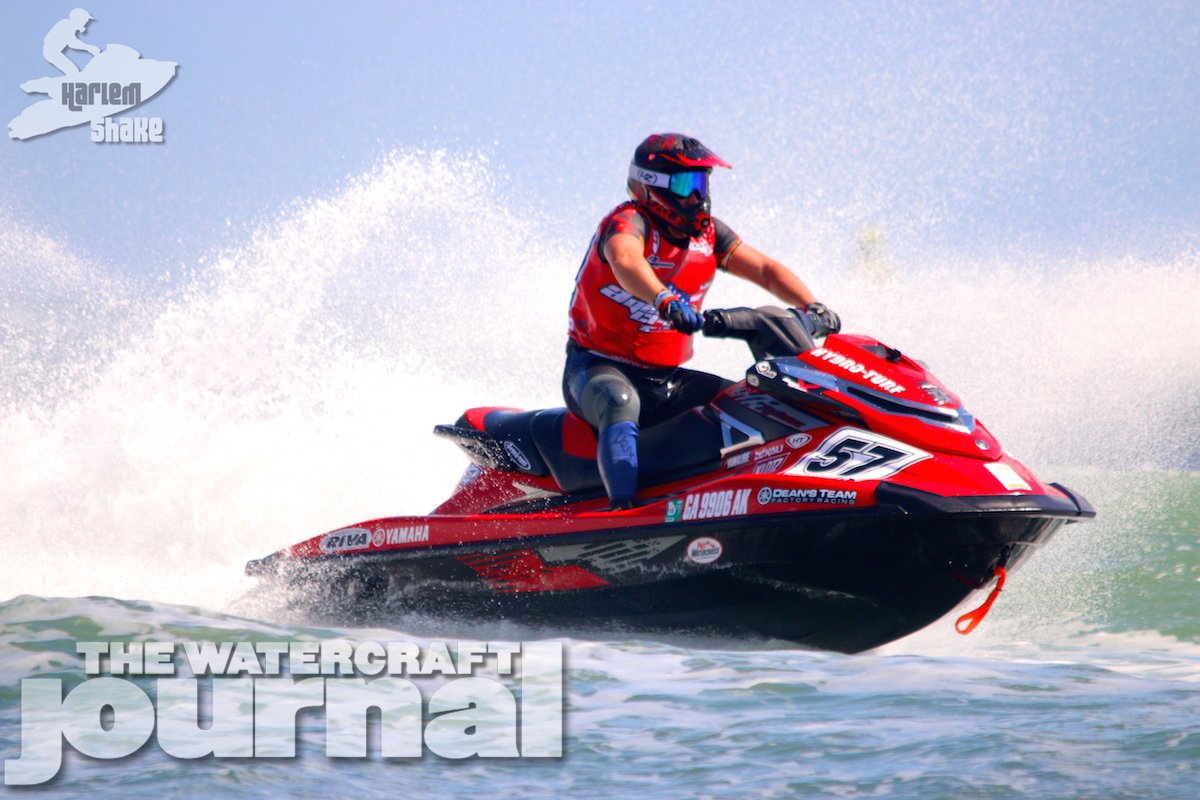
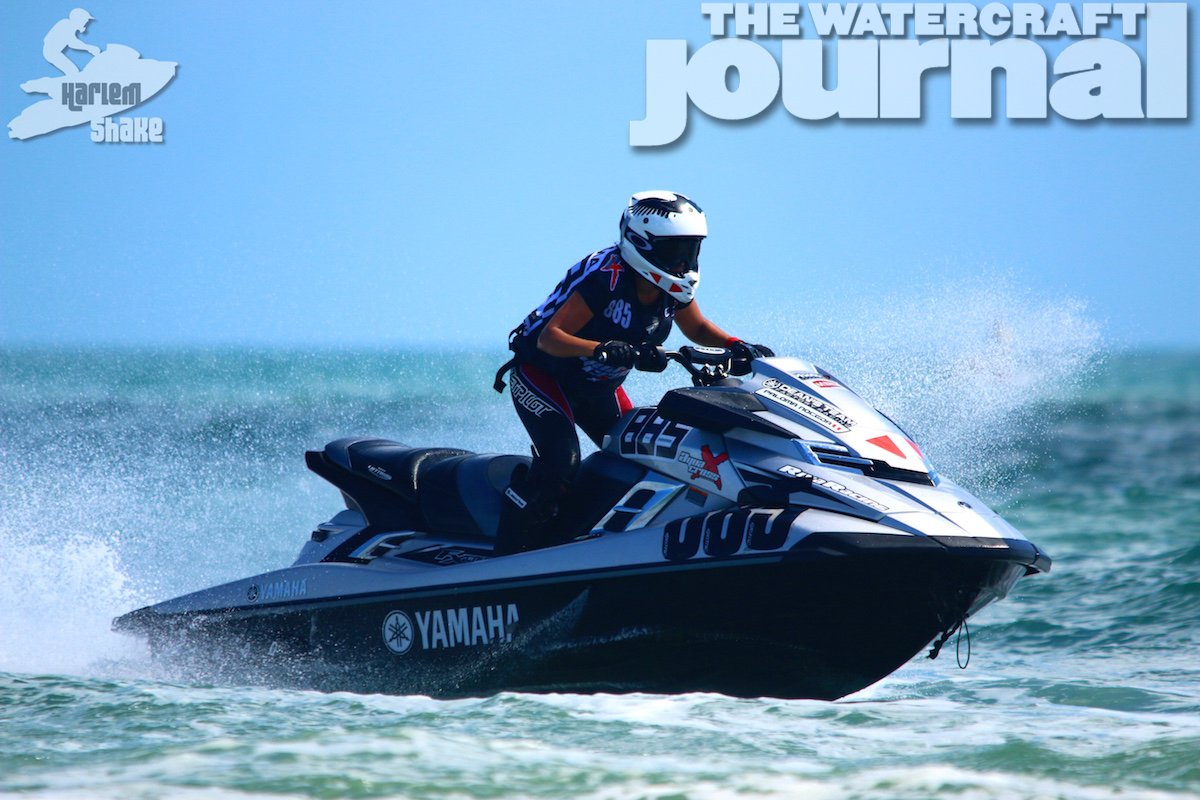
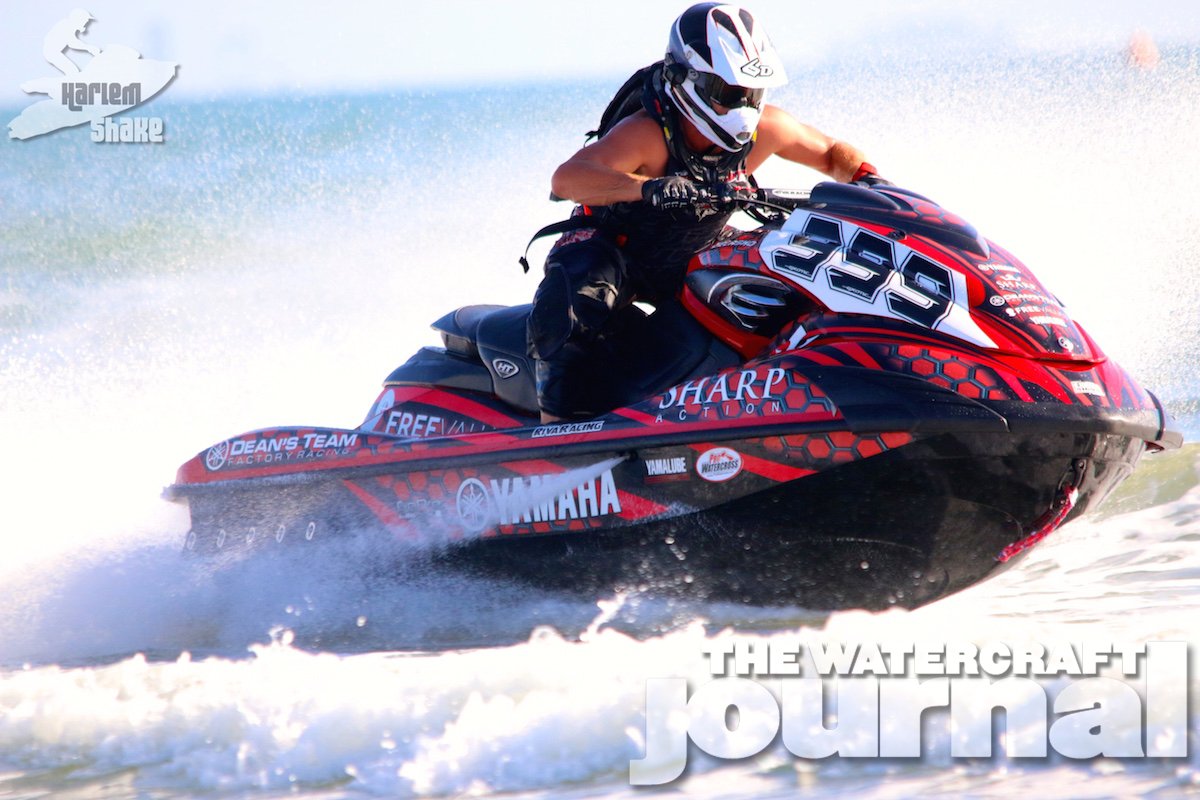
In the 250 Class it was Factory Yamaha/Dean’s Team Brian Baldwin who came across with the win in the first race followed by teammate Paloma Noceda. Rounding off the top three in the 250 Class was Rookie David Gorie. The 200 Class had its usual top rider Travis Zielasko on top for the first race as he has been accomplishing the top spot almost all season long. Tommy Olswang, who rode his GPR1300 to a second place finish followed Travis, and Rob Greenwald rounded out the class for the third spot.
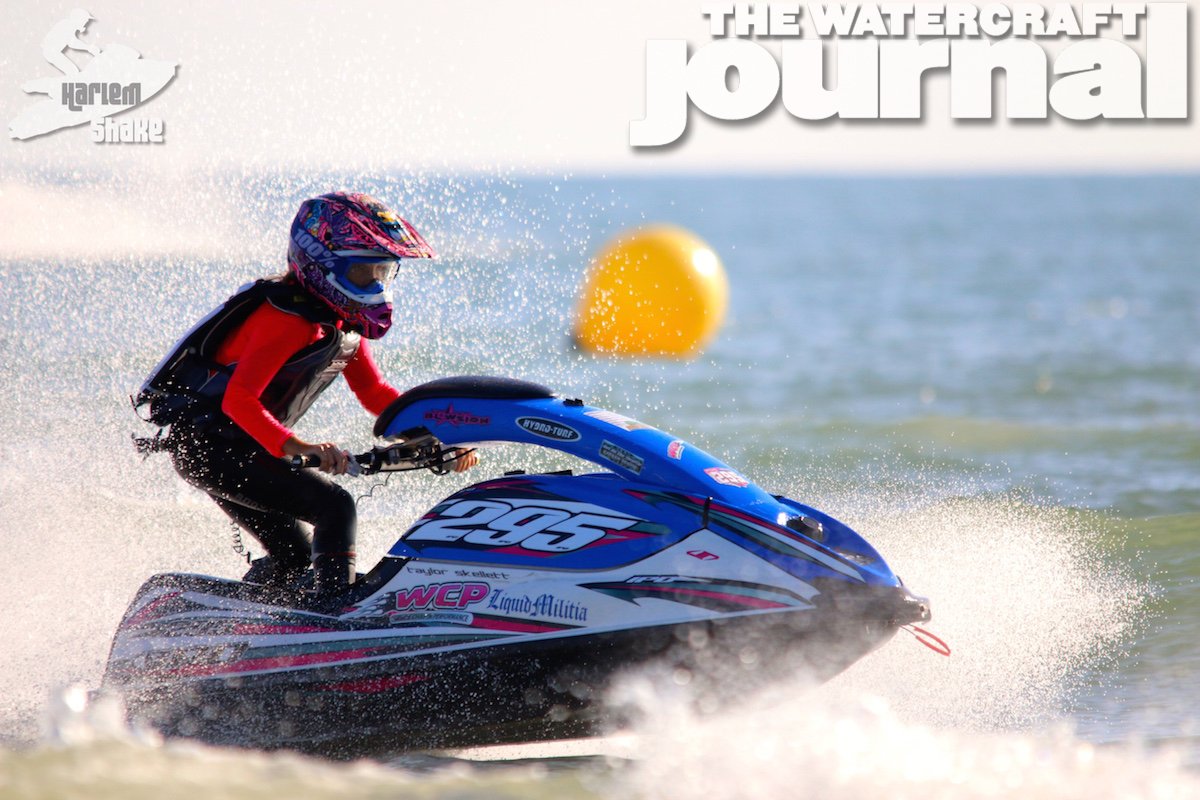
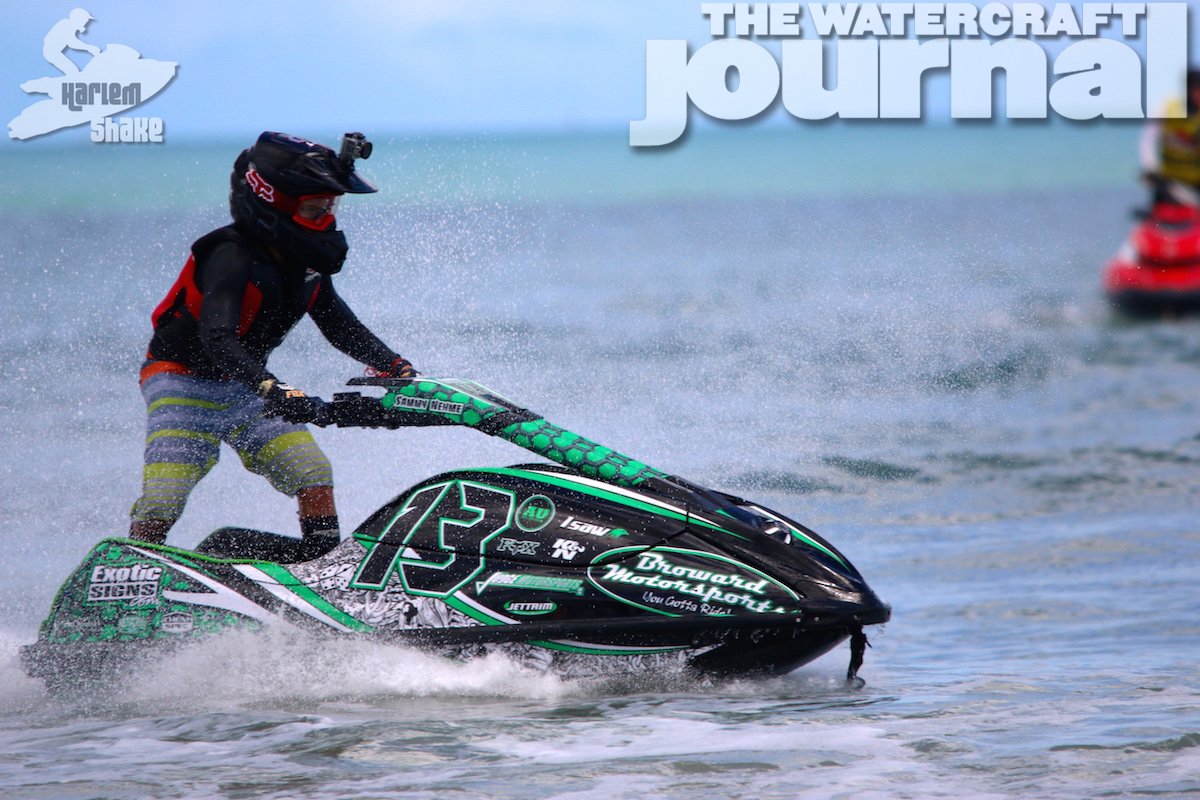
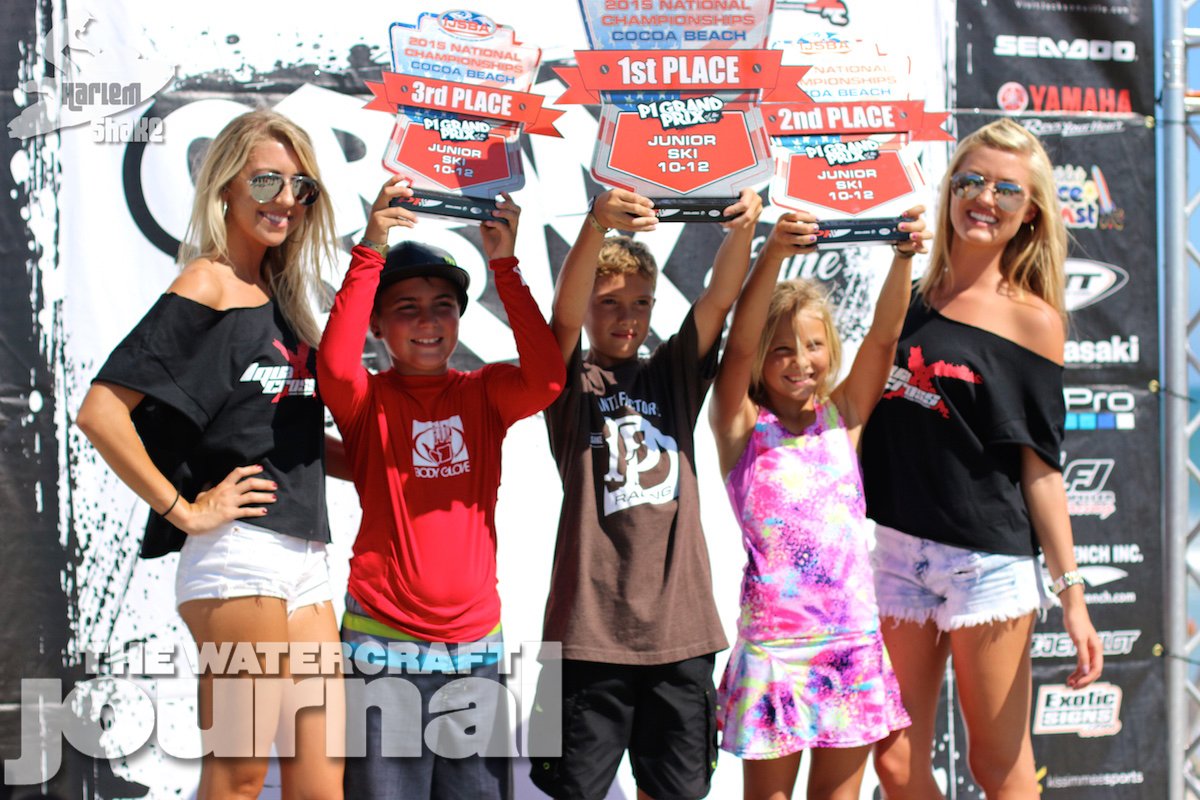
Following the first race of the weekend for AquaX, Cocoa Beach welcomed riders who were participating in the IJSBA races. The Junior skiers started the day of with their race, where Haden Skellet took the win over his sister Taylor Skellet and Sammy Nehme. The kids did an outstanding job and loved racing in the surf. It just shows that these kids are the future of racing.
Following the Junior races, the riders competed in the Novice/NA Runabout where AquaX racers Anthony Radetic, Travis Zielasko, and Jeffrey Thorton were hoping to show off their riding capabilities in the closed course arena. The Sport GP Class, Pro-Am Runabout Open and Stock, and the Pro-Am Ski GP class races followed with familiar racers to the conditions of riding in the surf conditions.
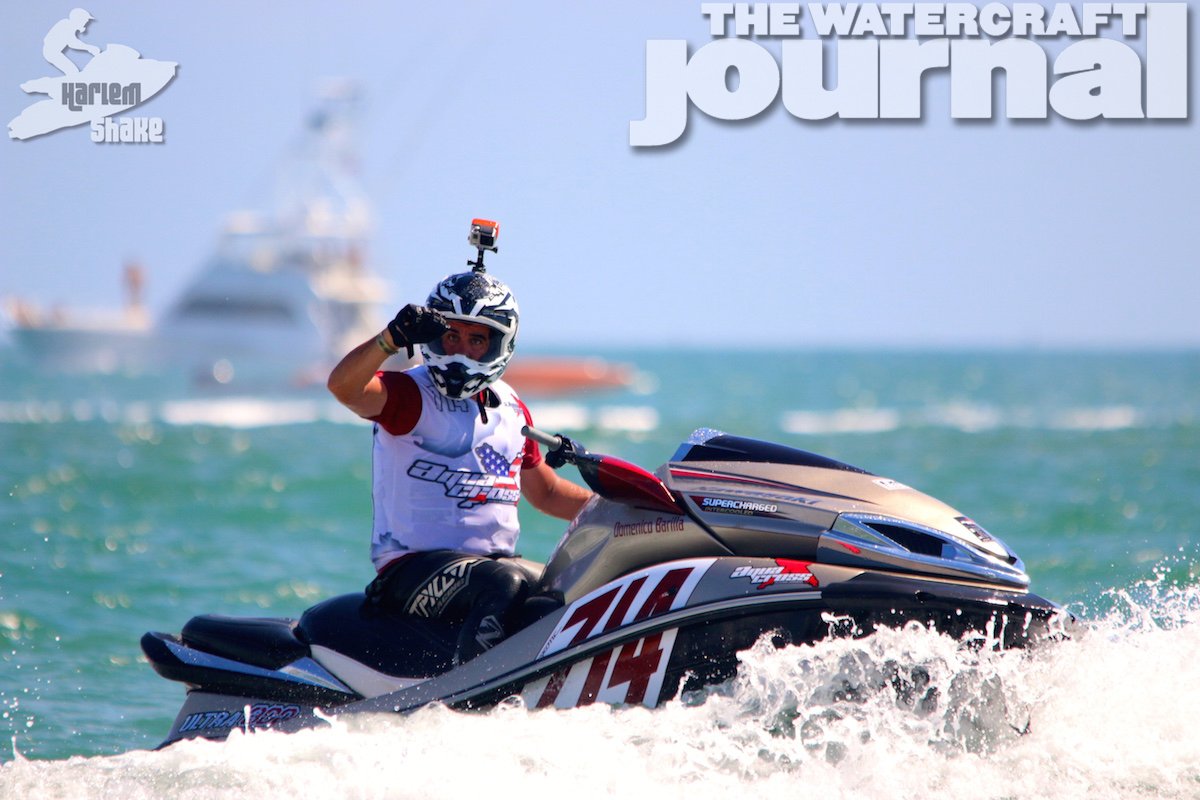
The final event for the first day of racing concluded with the second AquaX race. The 300 Class was won by Mike Klippentsein, and followed by Domenico Barilla and Enrique Chia rounding the top three spots. In the 250 Class Sea-Doo team rider Eric Lagopoulos came away with the top spot followed by David Gorie and Brian Baldwin. In the 200 Class it was Travis Zielasko, Chad Saxon and Rob Greenwald. All had a great first day of racing and everyone was already looking forward to getting back out there on Sunday.
Sunday morning arrived with sun shining bright just over the horizon and the riders getting their morning briefing before the racing began. The Juniors started the day of with their races and followed by the other races in the order that occurred the day before. The final race of the weekend for the AquaX riders then took place. The 300 Class was won by Klippenstein for a sweep of the weekend as Enrique Chia received an overall second for his first podium of the season. Jason Russo came in strong for a third place win to round out the top three.
In the 250 Class the overall winner was Dean’s Team Brian Baldwin followed by Paloma Noceda and Eric Lagopoulos . The 200 Class ended with Travis Zielasko taking the overall win and extending his overall lead for the series. The Class was rounded off with Chad Saxon and Rob Greenwald.
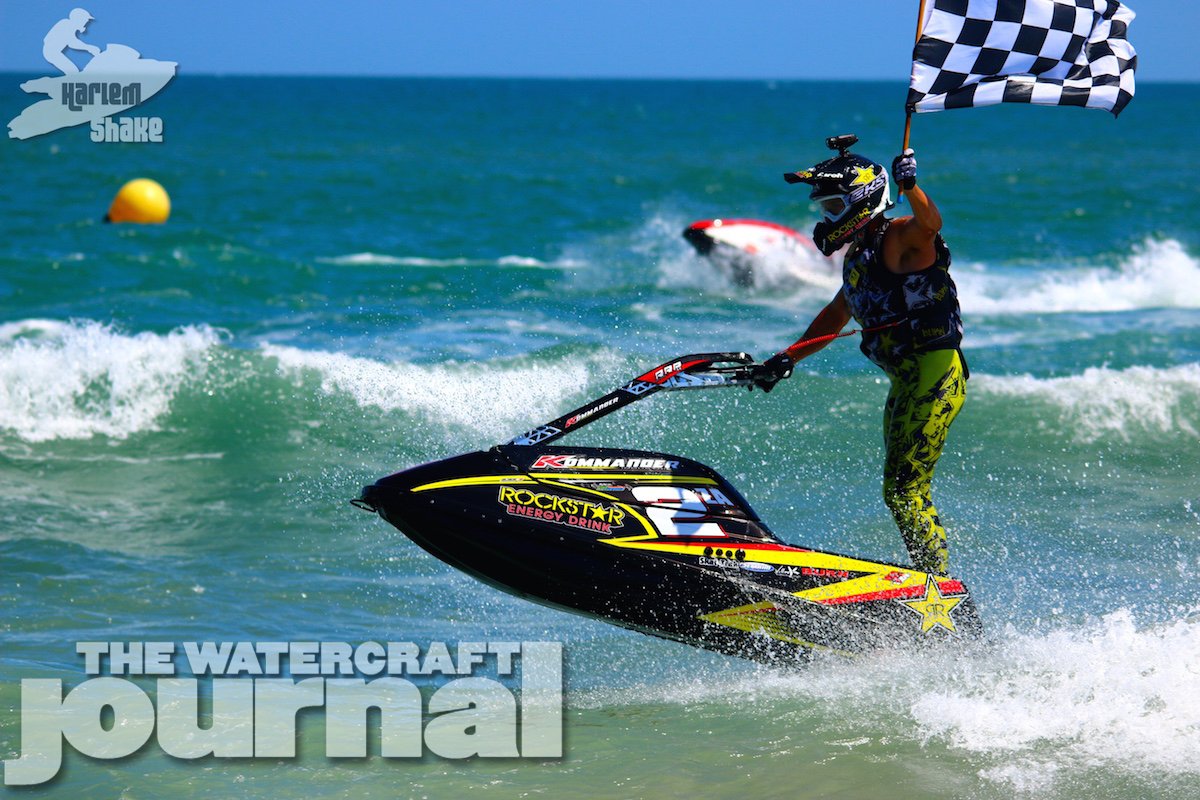
The final set of races for the weekend showed Mike Klippenstein that he was the ironman for placing on top in his races in AquaX and numerous classes in the closed course arena. The closest race of the weekend was the Pro-Am GP as Sea-Doo rider Erminio Iantosca leading the entire race followed by Factory Yamaha/Dean’s Team Abdullah Al-Fadhel and Team Kawasaki’s Eric Francis. The race finished with all three riders finishing within five seconds of each other respectively.
The weekend was a huge success. A lot of the riders focused their eyes on racing on the Gulf Coast of Florida in the city of Naples and the AquaX racers focused their eyes on the next and final round of the year. The final round will be on October 24th and 25th held in the City of Tavares.
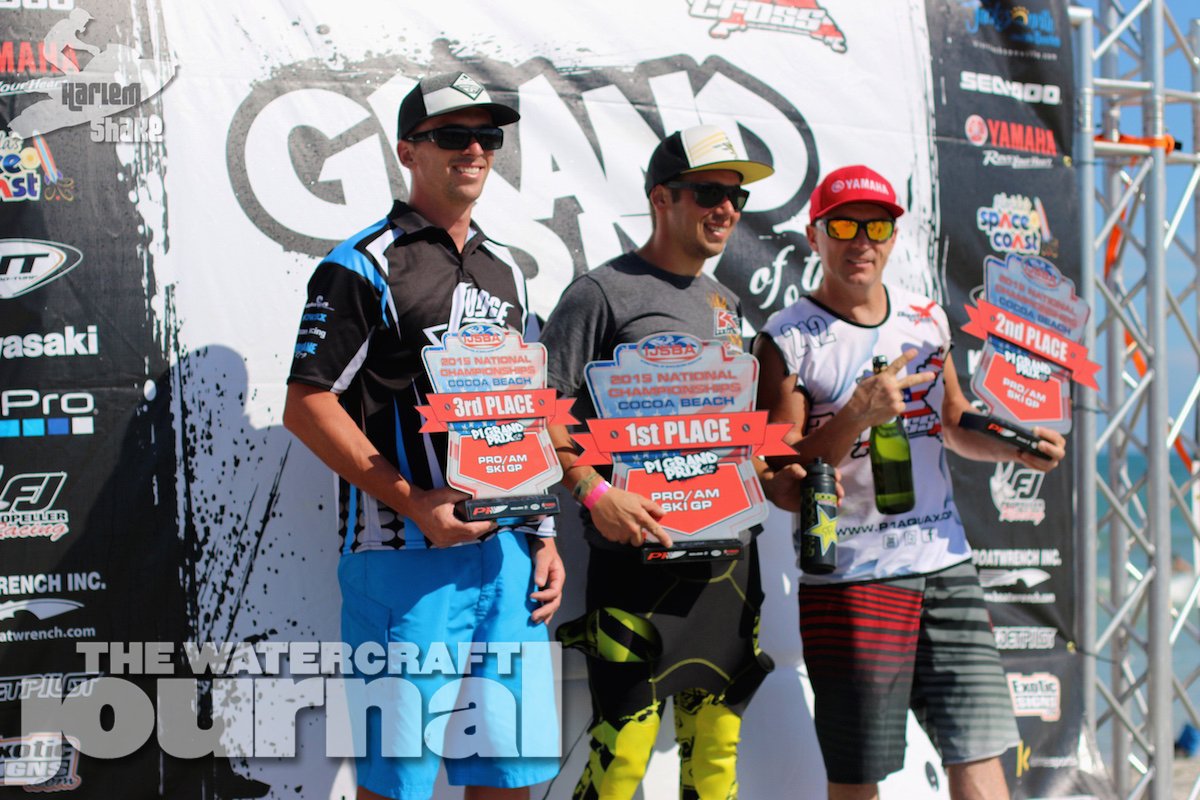
IJSBA National Closed Course Championships Junior Ski: Haden Skellett; Women’s Ski: Bibi Carmouche; Amateur Ski Limited: Bibi Carmouche; Pro Ski GP: Tyron Motzouris; Novice Runabout Stock: Travis Zielasko; N/A Runabout: Chad Saxon; Pro/Am Open Runabout: Erminio Iantosca; Pro/Am Stock Runabout: Abdulla Al-Fadhel; Sport GP: Johnny Smith; Sport Spec: Glen Jung; Rec Lite: Paul Green; Freestyle: Chris Anyzeski
BlackTip has been around the PWC industry for years. Since their opening they have grown into many enthusiasts’ go-to brand for seat covers, traction mats, and even graphics! We are excited to announce their most recently released their latest product, handlebar covers are now available for purchase through BlackTip retailers!
If you’re looking to stand out on the water, BlackTip handlebar covers will surely get you riding in style. They have covers for nearly all PWC models, from the light, playful 2-strokes of the ’90s to the high powered watercraft of today’s market. They even have covers for a number of discontinued skis.
The BlackTip handlebar covers also come in a variety of styles and colors. They come in flat black for their standard covers. BlackTip also offers Elite covers, which feature an exclusive design as well as colored ends. You can choose the color of the ends; the options are black, blue, grey, purple and yellow.
BlackTip handlebar covers are also very easy to install. They should take all of 5 minutes to install if you’re taking your time. They have a simple, yet functional zip up design. They also offer a little protection from hitting the handlebars.
You can find more info on BlackTip handlebar covers as well as other products they offer HERE!
If you’re a Sea-Doo hater then this is definitely not a good time for you. The public reveal of the 2016 Sea-Doo lineup – which was possibly one of the worst-kept secrets in the history of history – absolutely swarmed the Internet (and yes we know, we’re in no small way partially to blame). Wherever you went, leaked pictures were springing up on every forum, Facebook, Twitter, Instagram, Snapchat and even like two or three people on Google+. Seriously, it’s Sea-Doomageddon out there…and it’s only going to get worse/better:
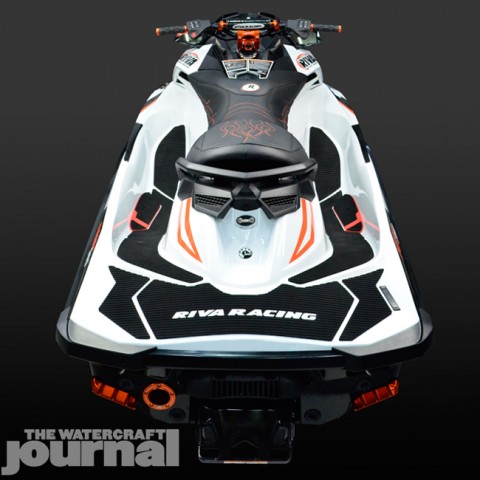
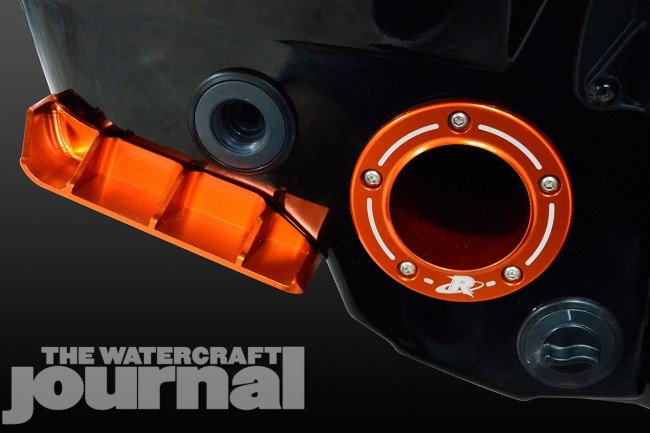
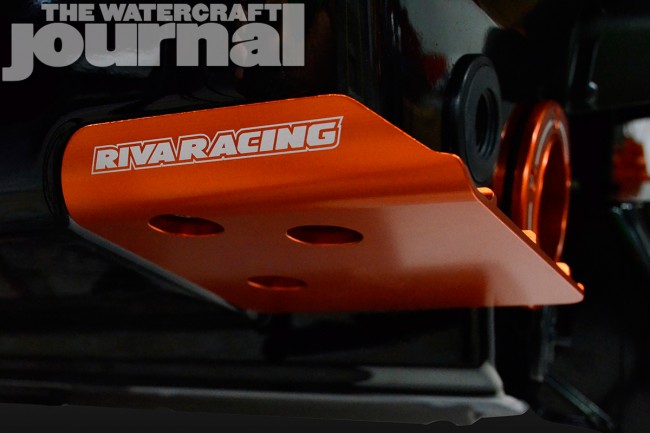
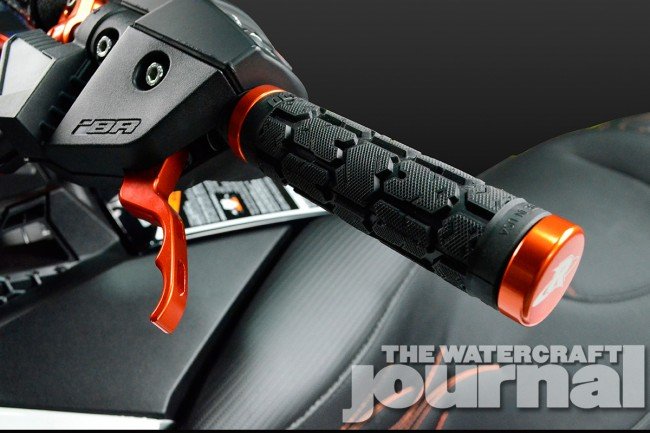
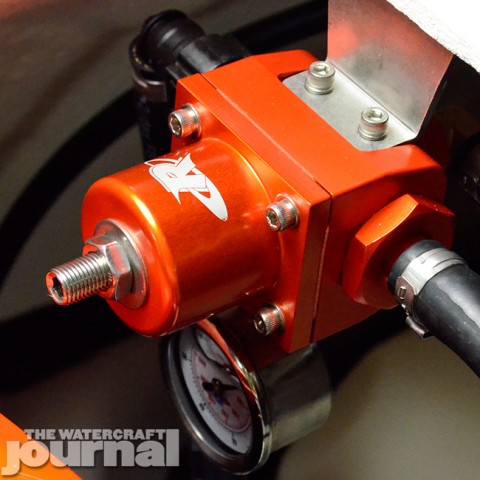
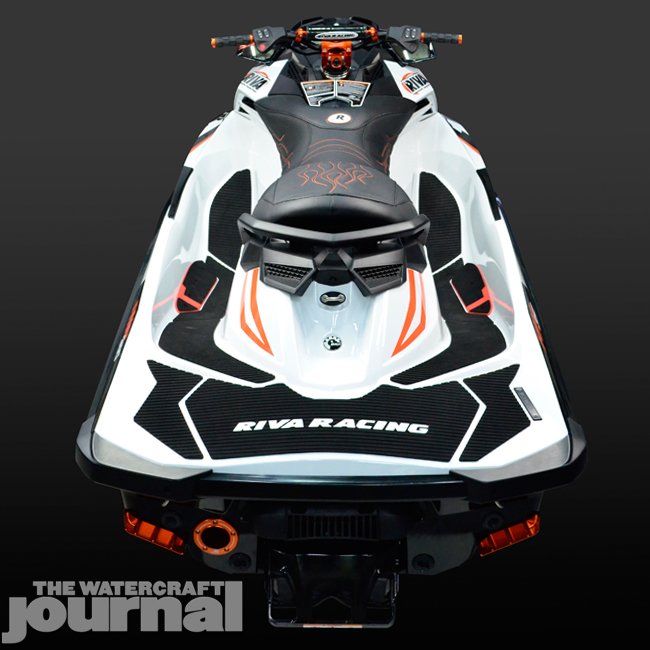
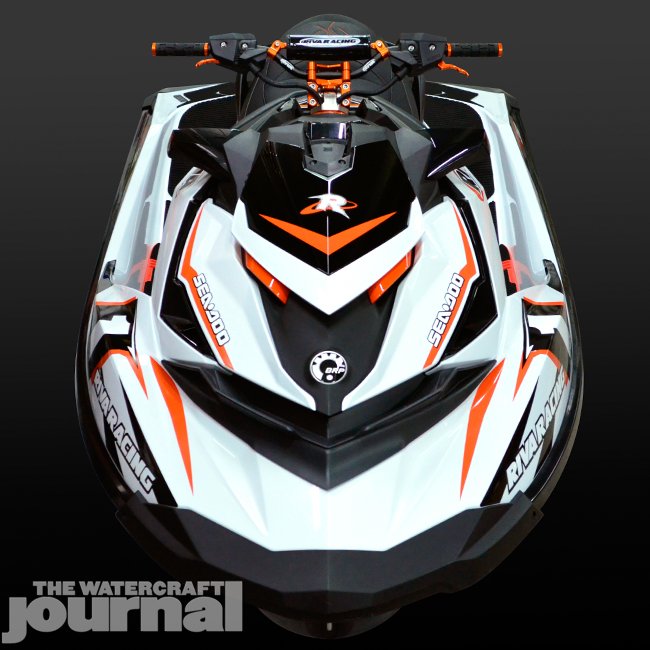
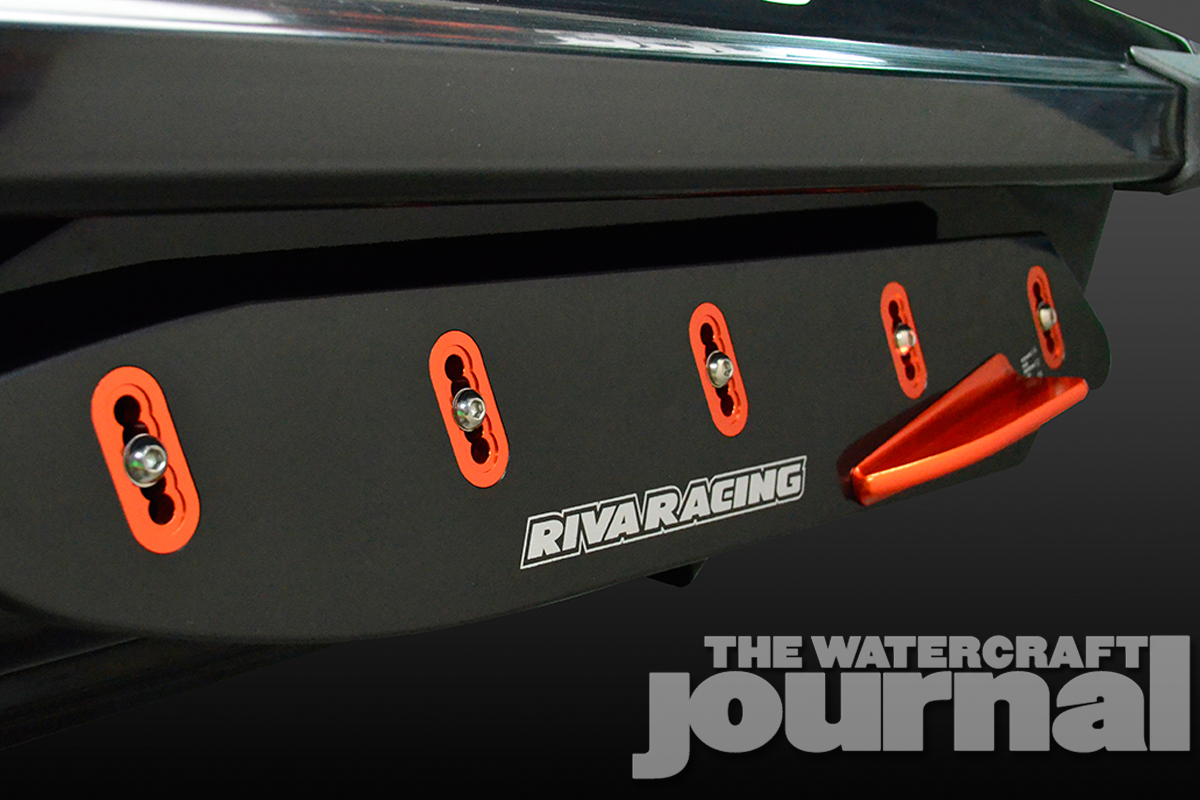
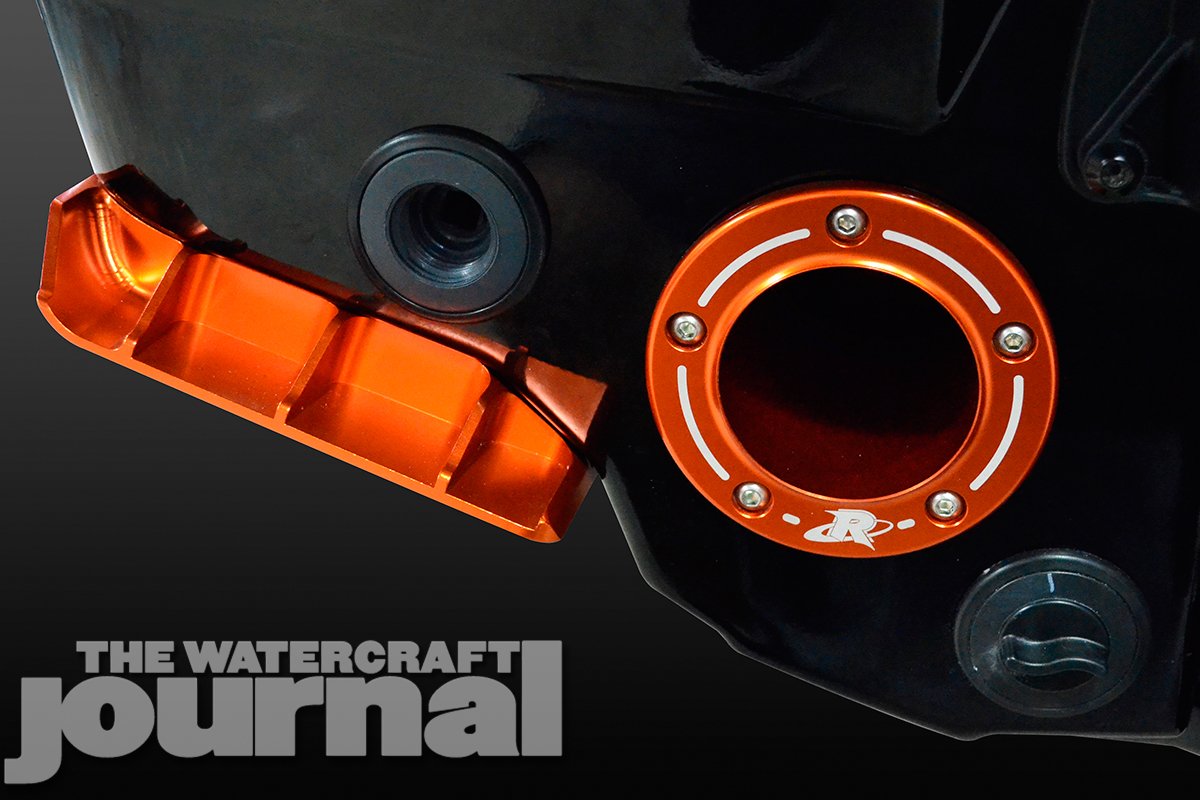
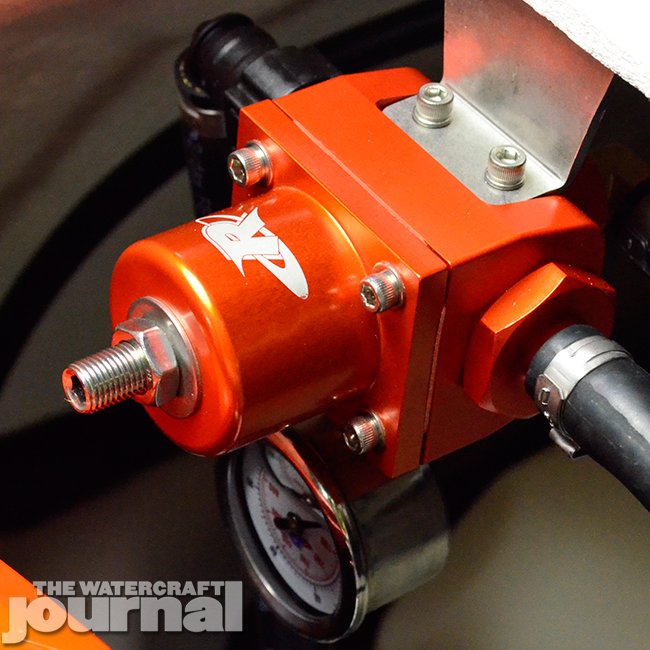
If ever lightning were to strike twice, it would be now: RIVA Racing unveiled at the 2016 Sea-Doo Dealer Show it’s incredibly awesome RIVA Racing Sea-Doo 2016 RXP-X 350. With an unprecedented 2,300 dealer representatives from across the planet on hand at the palatial Gaylord Opryland Resort in America’s Music City, Nashville, Tennessee, this past weekend, RIVA’s own Dave Bamdas was personally on hand to reveal it’s newest special edition top-of-the-line high performance personal watercraft.
“We wanted everyone to know that when they [the new Sea-Doos] hit dealers’ floors in January,” Bamdas explained to The Watercraft Journal, “That RIVA Racing will have a full line of performance products – including our Stage I, II and III kits – for all 300-horsepower models.” RIVA was provided the RXP-X to initiate testing months earlier to allow the aftermarket manufacturer to begin its parts development process in time for the release. The new engine, intercooler and relocation of key components (particularly in the RXT-X and GTX Limited) provided some logistical hurdles:
“We’re very excited about the 300-horsepower models,” Bamdas continued. “Our research and development team are on the water every single day testing, tweaking and gathering data.” Due to the improvements made to the outgoing 1503 Rotax design by the ACE 300, RIVA needed to adjust accordingly. “Because of the position of the new pressure sensor in the factory intake manifold, we had to made adjustments to our billet Wilson manifold. Now, we’ve relocated the sensor so that it works for both 300 and previous 260 models.”
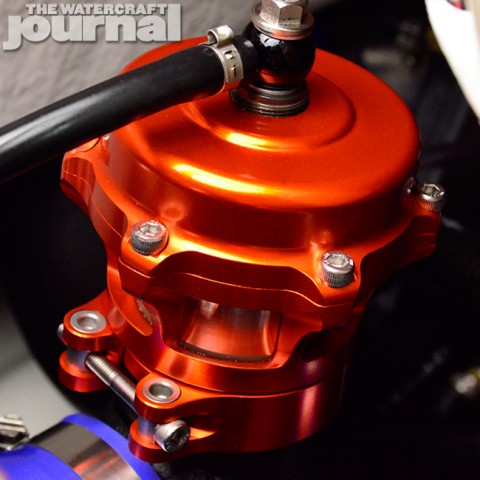
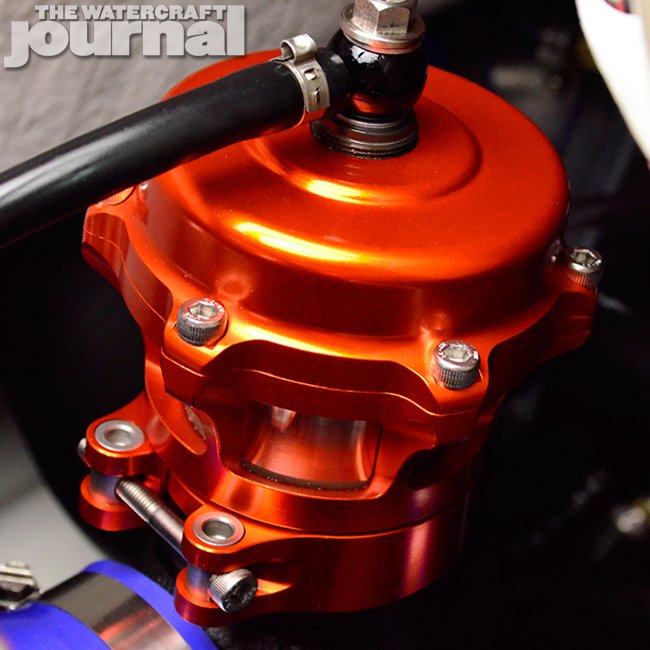
The centerpiece is a new RIVA “GEN-4” Power Cooler that is 25-percent larger than the already stout factory intercooler, features billet end tanks (that won’t swell when hot) and fits in the factory location next to the heat exchanger above the pump tunnel without the need of replacement brackets. RIVA’s new Intercooler Tubing Upgrade Kit features a cast-in port for the Tial 50mm Blow-Off Valve (BOV).
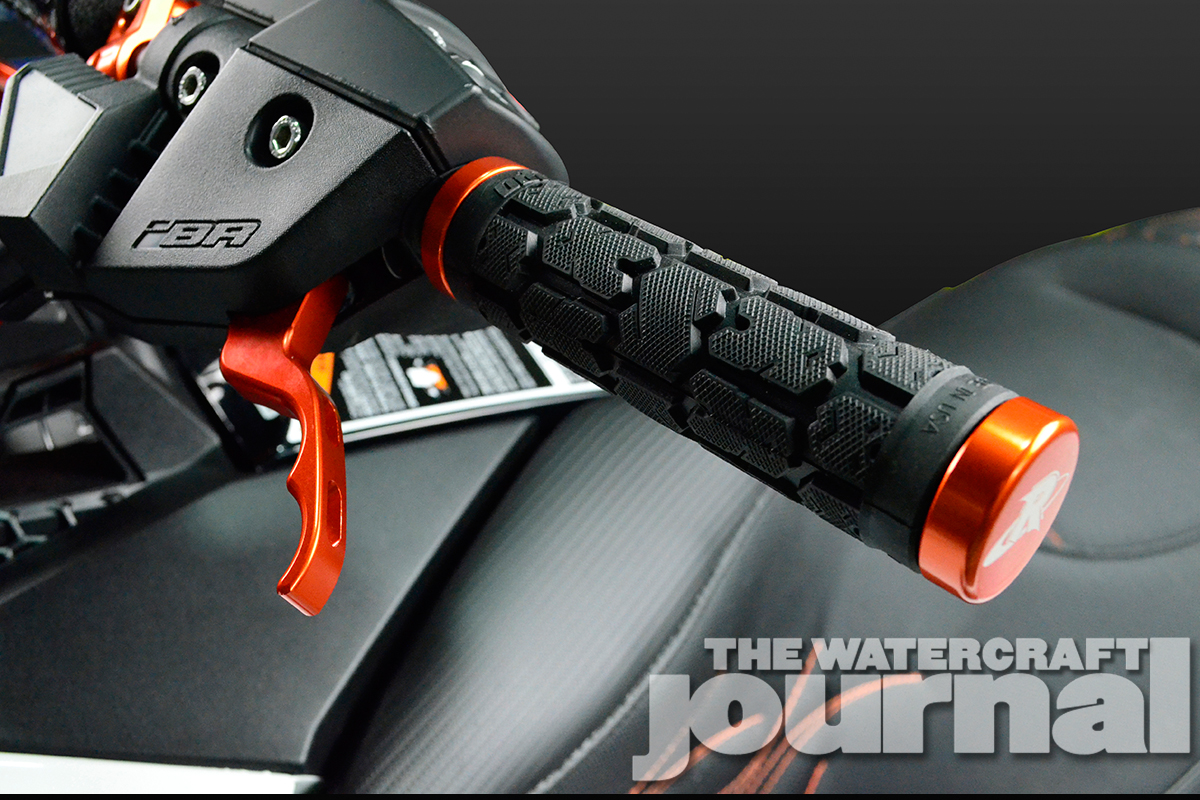
The one-off RXP-X 350 also features a custom Hydro-Turf Traction Mat Kit, RIVA/Jettrim Custom Seat Cover and RIVA Race Graphics Kit (from Exotic Signs) all purposefully designed to parallel the eye-catching orange, white and black RIVA Edition Yamaha FZR 350 unveiled exclusively on The Watercraft Journal late last month. Unlike the FZR 350, the RXP-X will not be offered as a limited edition machine available through RIVA Racing. Rather, the 350-horsepower Sea-Doo is to illustrate what can be built using RIVA’s performance products, many of which are available right now. (All of the above hyperlinks lead to current 215, 255 and 260 Sea-Doo models. – Ed.)
Right now, the RXP-X 350 has been boxed up and is on its way to the official RIVA Racing booth at this year’s IJSBA World Finals in Lake Havasu City, Arizona. If you’re going, there is your chance to see it and the RIVA Edition FZR 350 in person. Otherwise, swoon over these pictures and start saving up for January when you can build your own 350-horsepower RXP-X through RIVA Racing!
“You can’t always get what you want,” Jagger swooned into the microphone that brisk November afternoon in 1968 at Olympic Sound Studios, London. “But sometimes, you get what you neeeed.” Backed by the London Bach Choir, the ‘Stones recorded the 100th greatest song of all time (as published by Rolling Stone magazine in its 2004 list of the “500 Greatest Songs of All Time”). Its message was clear, the words sublime: need will supplant want at the cost of desire – yet satisfy both.
So, what did Sea-Doo need this year? The past three years have witnessed remarkable gains, with explosive sales of the Spark contributing directly to industry-wide growth: 25-percent worldwide, and 30-percent in North America alone. In fact, had Sea-Doo spun off the Spark into its own brand back in 2013, it would have more market share than Kawasaki. With 48 different iterations (due to its modular assembly), the Spark is unequivocally the best selling PWC in the industry.
And there wasn’t much missing from the company’s portfolio of 15 units; from its entry-point Rec Lite (ie. Spark) group, through its Recreation, Sport, Luxury and Performance lines, Sea-Doo looked to satisfy every kind of enthusiast. But what many wanted started to be too loud to ignore: more horsepower. Kawasaki’s Ultra 310X truly reigned as the horsepower king, and Yamaha’s SVHO models shined these past two years both in the closed course and in the larger AquaX offshore arena.
Quite frankly, Sea-Doo needed to do something quick to climb back up the horsepower ladder. It was The Watercraft Journal who first published inside information that Sea-Doo was up to something big for 2016. Sifting through chatter from multiple sources and asking a lot of the right people the right questions, we soon knew the truth from the fiction; namely tales of mystical 2-liter four-cylinder (although Rotax owns zero patents on four-cylinder engines), a fanciful 1200cc “Spark X,” or even a new offshore hull.
And what was later unveiled was that we were nearly exactly spot-on with our predictions. The answer to Sea-Doo’s need was not found in dumping gobs of additional horsepower at their current models, but smartly striking the proper balance of performance, weight distribution, and rider control. “Performance is more than just a number, but a combination of how you use those numbers,” Sea-Doo’s marketing frontman, Tim McKercher explained.
For 2016, Sea-Doo has radically improved its S3 hull-based 3-seater runabouts, the RXT, GTX and Wake Pro 215. Redesigned ergonomics compliment not only a new 300-horsepower ACE 3-cylinder engine, but all S3-based units. The new S3-hulled machines also feature improved weight distribution, storage and in the case of the three 300HP units (RXT-X, RXP-X and GTX Limited), improved pump components as well. And all 2016 Sea-Doos feature a new faster-acting “second generation” iBR system and new handlebar grips.
Martin Lachance, BRP’s Engineering Director for the new Rotax ACE 300 personally walked The Watercraft Journal through the efforts made to bring the outgoing 1503 4tec Rotax (although still found in all non-3ooHP 2016 models) up to snuff: “Measured at 1630.5cc’s, the new engine features a 100mm bore and 69.2mm stroke, providing 9-percent more displacement, and 15-percent more power,” he outlined. The pistons are 20 grams lighter and feature longer, coated skirts, and spin on lighter albeit shorter connecting rods.
Gone from the motor are the heavy, pressed-in steel cylinder sleeves, replaced with a new plasma coating applied via a proprietary thermal spraying process. Similar in its purpose as Nikasil, the plasma coating technology was developed by Rotax’s Gunskirchen, Austria team to replace the steel liners while retaining (and improving) surface durability, minimize friction, improve heat transference, and reduce total engine weight.
The engine also features an additional cooling circuit, a heat sink that has doubled in size, a hybrid dry sump oiling system, and is fed by a new intercooler that is 2.2-times more efficient, producing over double the cooling capacity. RIVA Racing‘s own Dave Bamdas, praised it saying, “We think Sea-Doo did an outstanding job [on the new intercooler]. We really had to step up big time to try to improve it.” Made from new, long life alloys for both weight savings and corrosion protection, the new intercooler, circuit and coating is responsible for 33-percent improved engine cooling.
Unlike other ACE (Advanced Combustion Efficiency) engines found in the Spark and Can-Am snowmobiles, the 1630 ACE 300 retains a single-camshaft valvetrain configuration. The cylinder head though, has been improved beyond the 1503 as well, with a new combustion chamber quench, new larger injectors, and new ignition coils that produce double the ignition energy for a hotter, cleaner and more efficient burn.
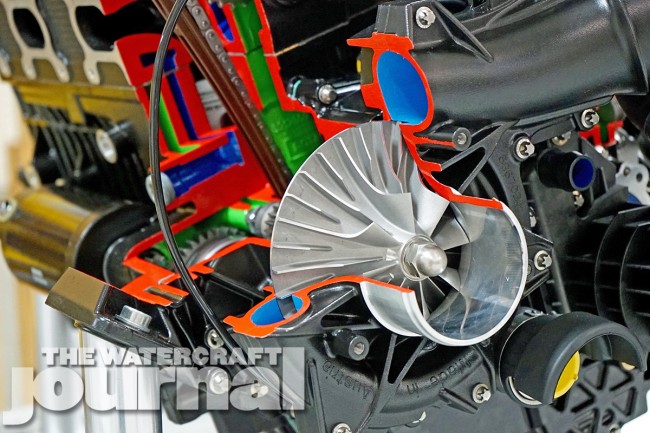
Obviously, the big and final change was the dramatically improved supercharger. The new centrifugal blower produces an impressive 30-percent more boost (18psi) thanks to a more efficient (albeit smaller) wheel that spins 8-percent faster. The new wheel features an aggressive 32 blades – or double the blades of the outgoing design, and features 8 steel washers and two composite bearing packs at either end of a near inch-thick shaft. As per Lachance, all superchargers are individually tested prior to assembly ensuring that this supercharger is 100-percent “maintenance free.”
Backing all 300-horsepower models is a revised pump setup, with a new venturi that has been cast thicker at the ears to thwart any potential breakage, and a thinner wear ring to accommodate the larger, more aggressively-pitched prop, growing slightly from 159mm to 159.5mm.
Improvements not exclusive to the 300-horsepower models, but noteworthy nonetheless include the aforementioned “second generation” iBR (Intelligent Brake & Reverse) system, comprised of a new actuator motor, a redesigned bucket and beefier mechanical harness that straddles over the pump. The setup allows for an impressive 20-percent shorter braking distance – 48.75m (or 160-feet) top speed-to-zero stop without the submersing nose-plowing of the outgoing units.
Moreover, the iBR motor now sits above the pump tunnel between the waterbox and intercooler, with the battery mounted fore of the engine, thus centralizing the craft’s weight distribution and removing the need for the removable deck panels found on previous RXT and GTX models. Additionally, Sea-Doo continued its charge towards superior ergonomics with the incorporation of its Ergolock seating system (with the accompanying foot wedges) on all S3-hulled machines (including all suspension-equipped units as well).
In expanding the fairings to accommodate the hourglass Ergolock seat, Sea-Doo drastically expanded the glovebox, making it nearly a foot deep and as wide. That, together with a new, completely finished and sealed “wet” storage under Sea-Doo’s removable watertight bin equates to three times more total storage capacity than before (42.8 gallons). One final touch is the across-the-line inclusion of Sea-Doo’s palm rest hand grips. The grips’ flared surface and pistol grip-styling is intended to ease strain and supplement comfort during extended riding.
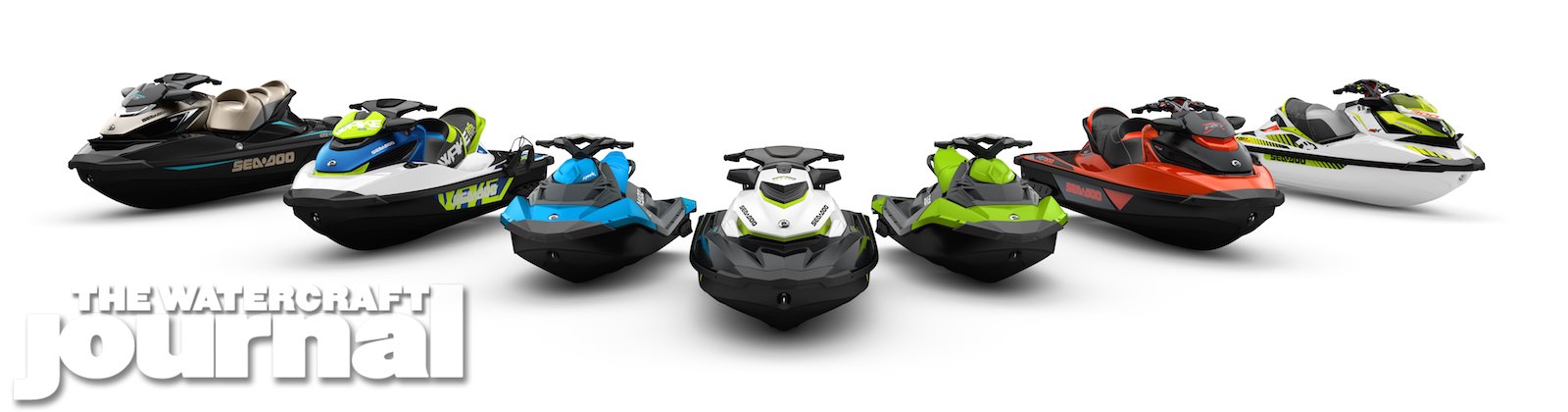
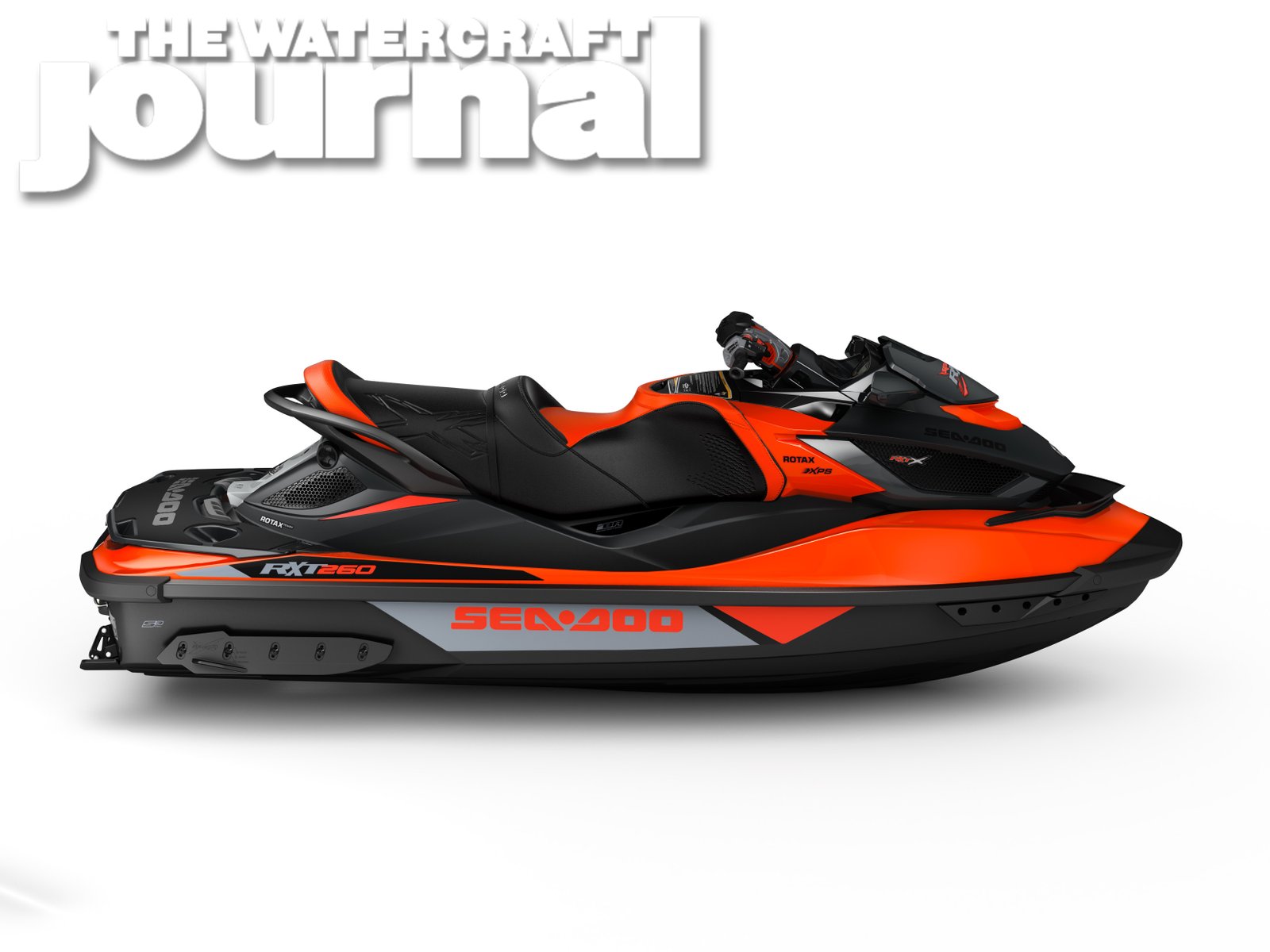
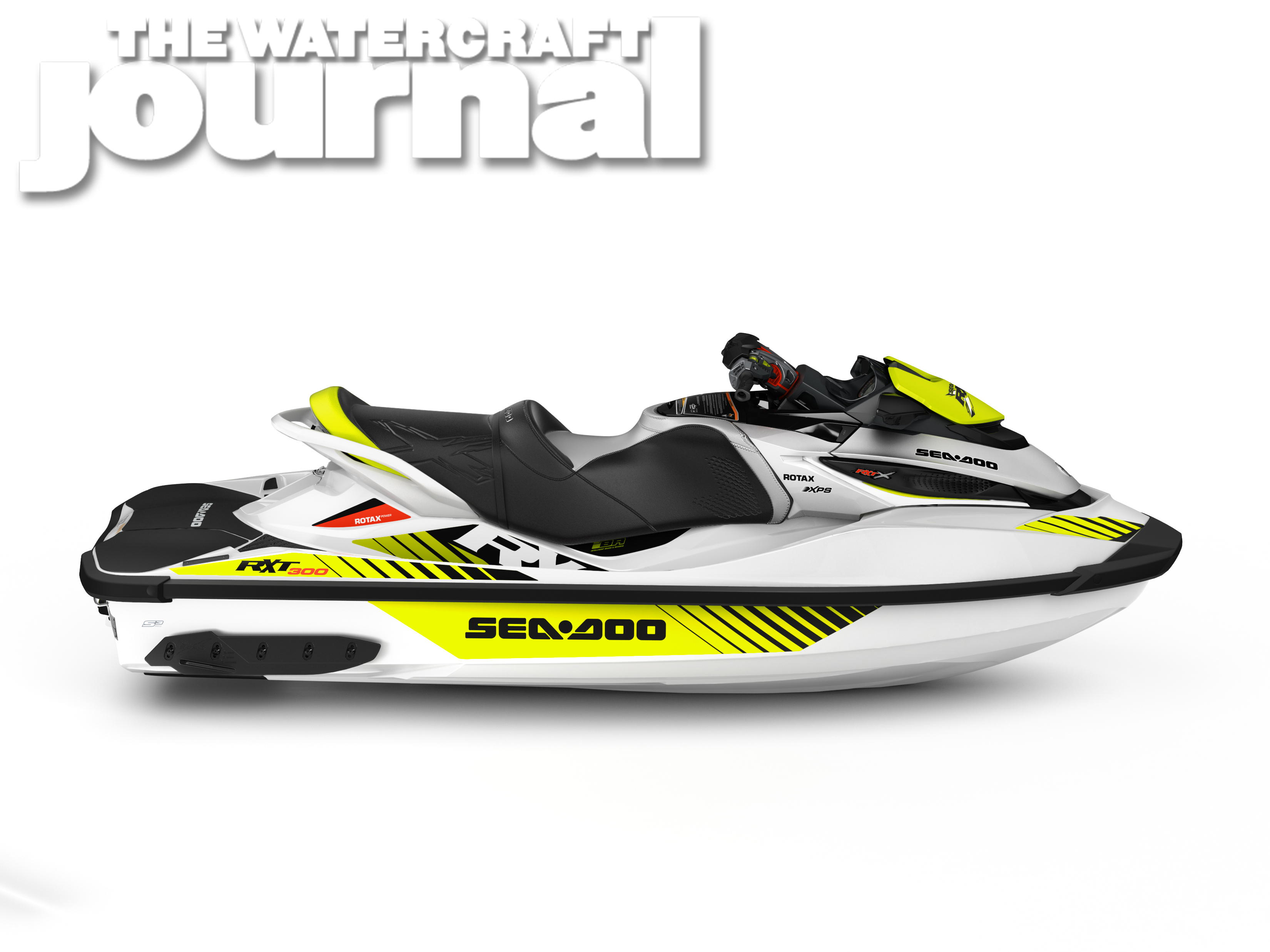
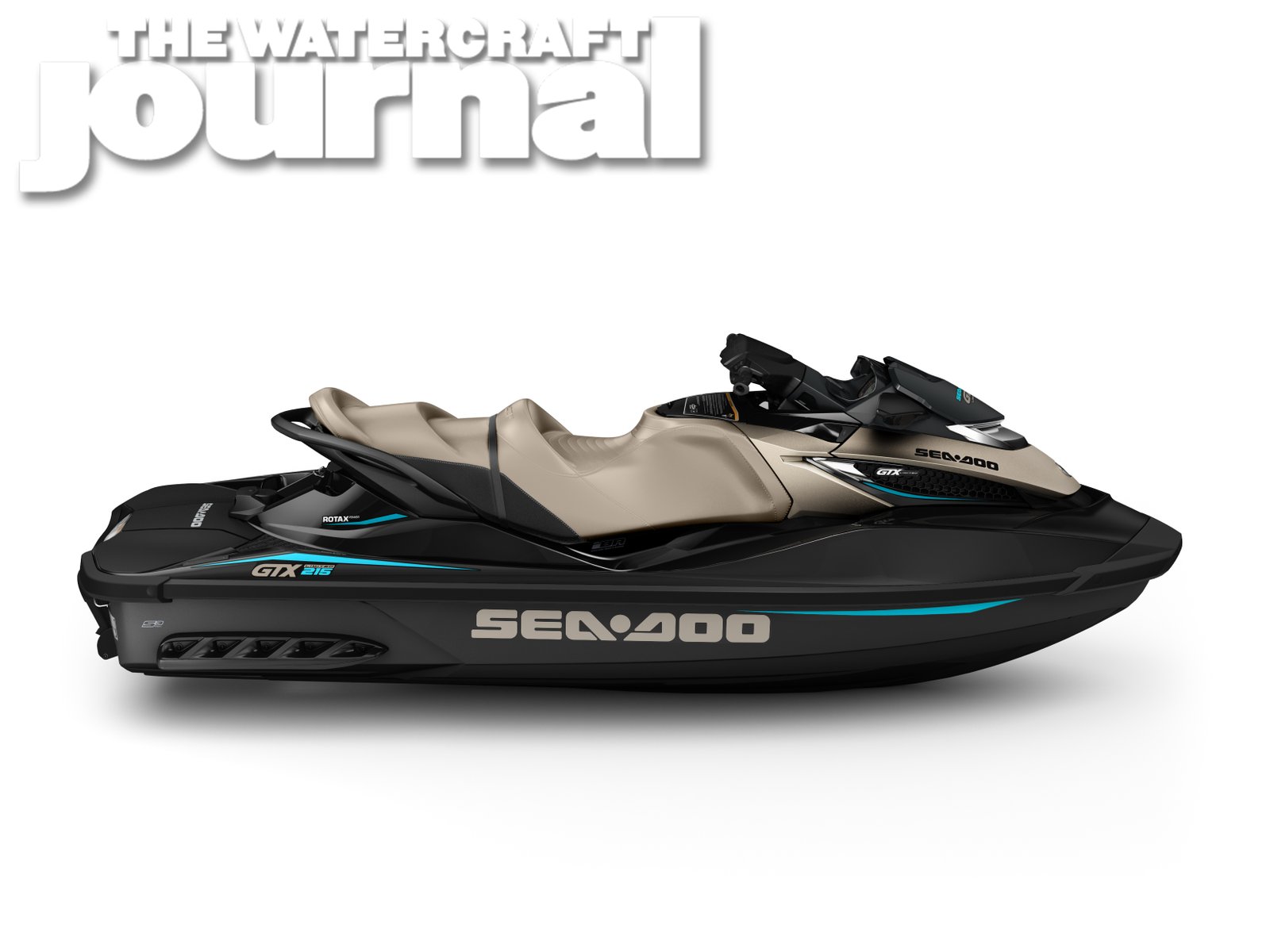
Besides the 300-horsepower RXT-X and RXP-X, which can be had in either Lava Red and Monolith Black Satin livery, or a very James Bushell-inspired White and Dayglow Yellow combination, new colors (or accent colors) can be found on 80-percent of the 2016 units. The rest of the Performance segment wields a brilliant bumblebee yellow-and-black combination (save for the RXT-X aS 260, which shares the Lava Red and Black Satin coloring).
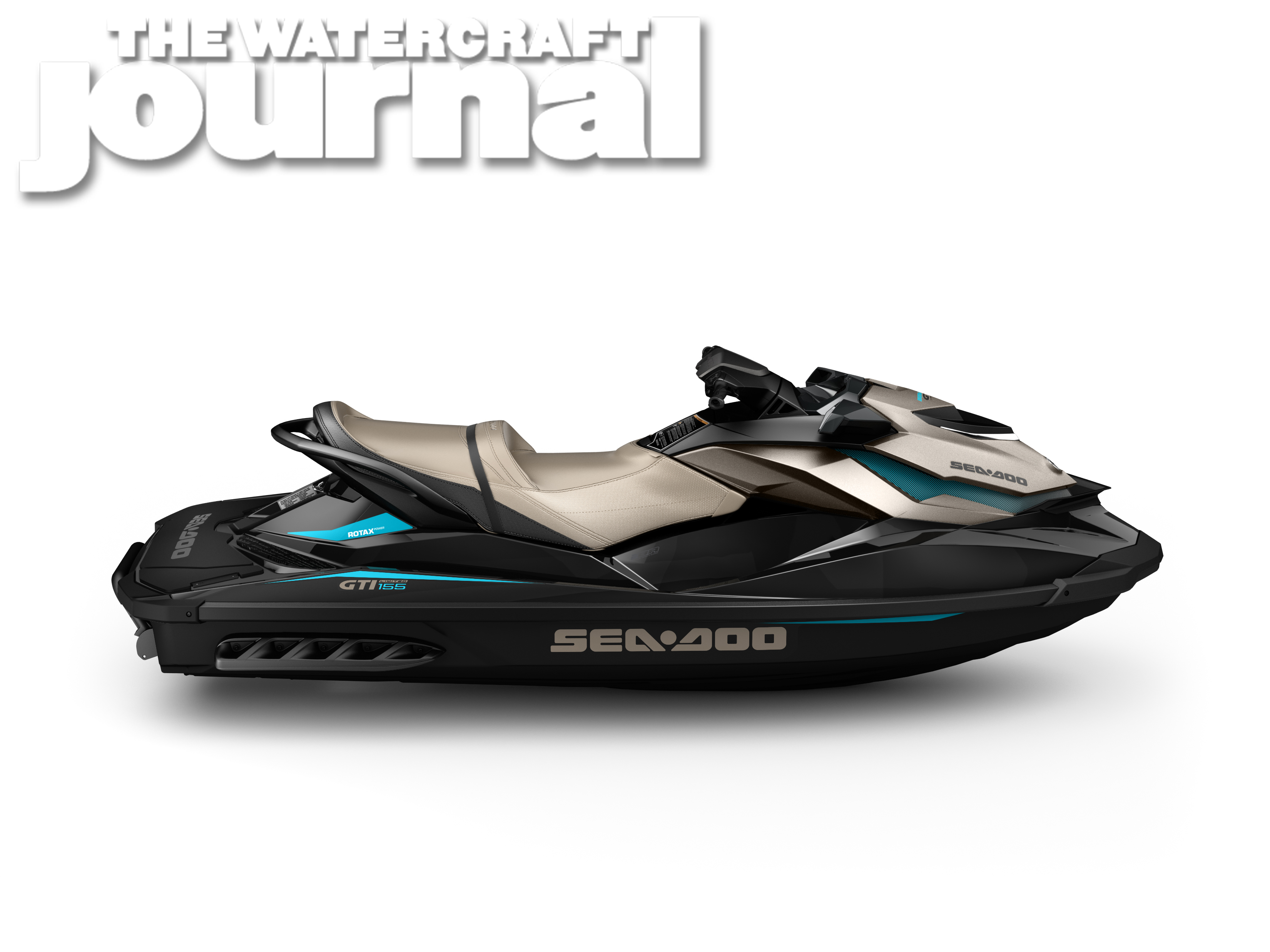
The Luxury group gets a makeover in a deep black metallic deck capped with graphite fairings and seat – all highlighted with the familiar Maldives Blue decals. Although all S3-based models get the new Ergolock treatment (with larger storage capacity and contoured hand grips), only the Luxury models get a new three-tiered stadium-style bench for improved second and third passenger seating. Sharing its platform with the GTX, the larger Wake Pro 215 also receives the Ergolock revision and new aggressive satin blue/green coloring. All other features are carried over from the previous model year reviewed here.
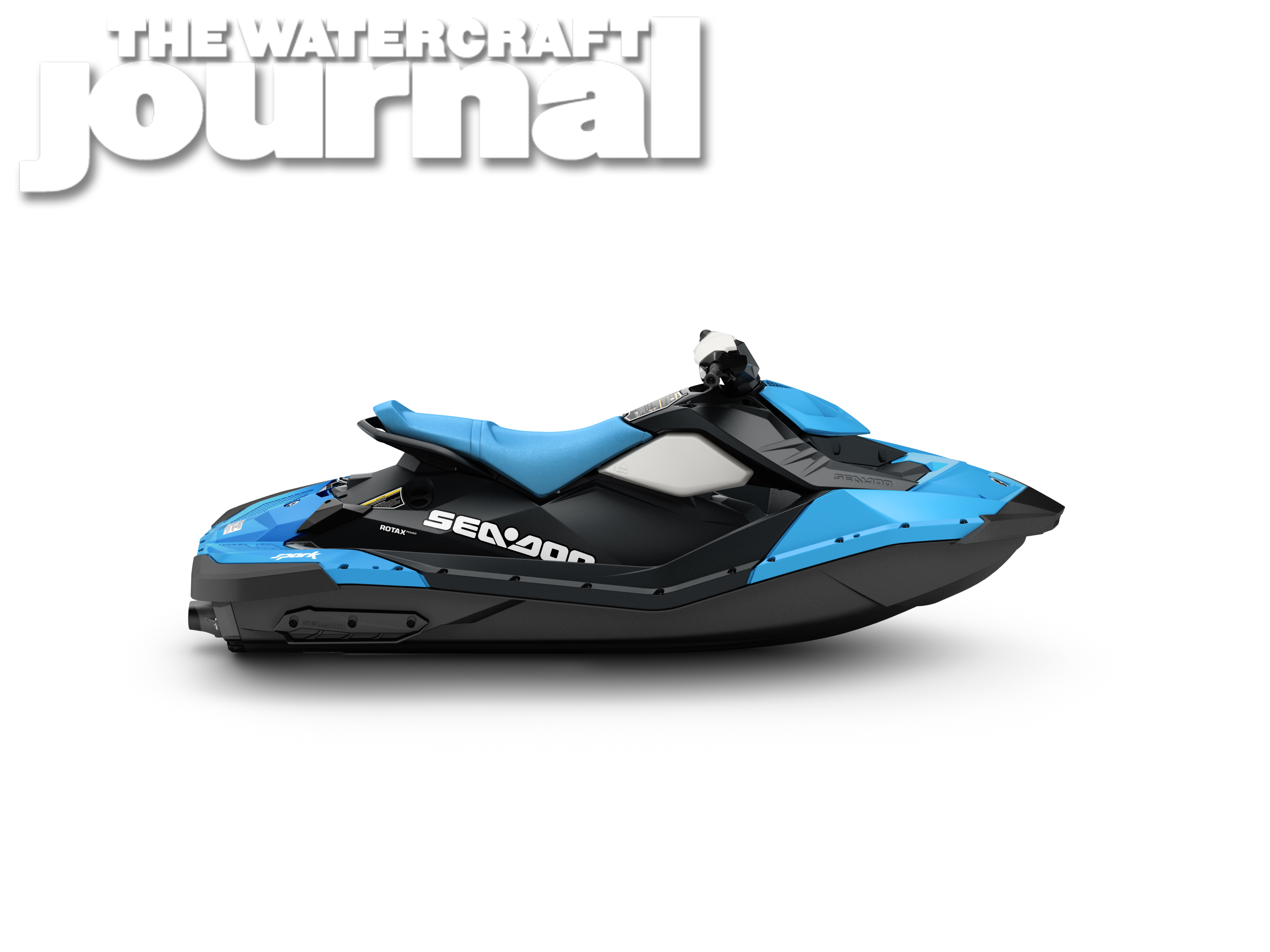
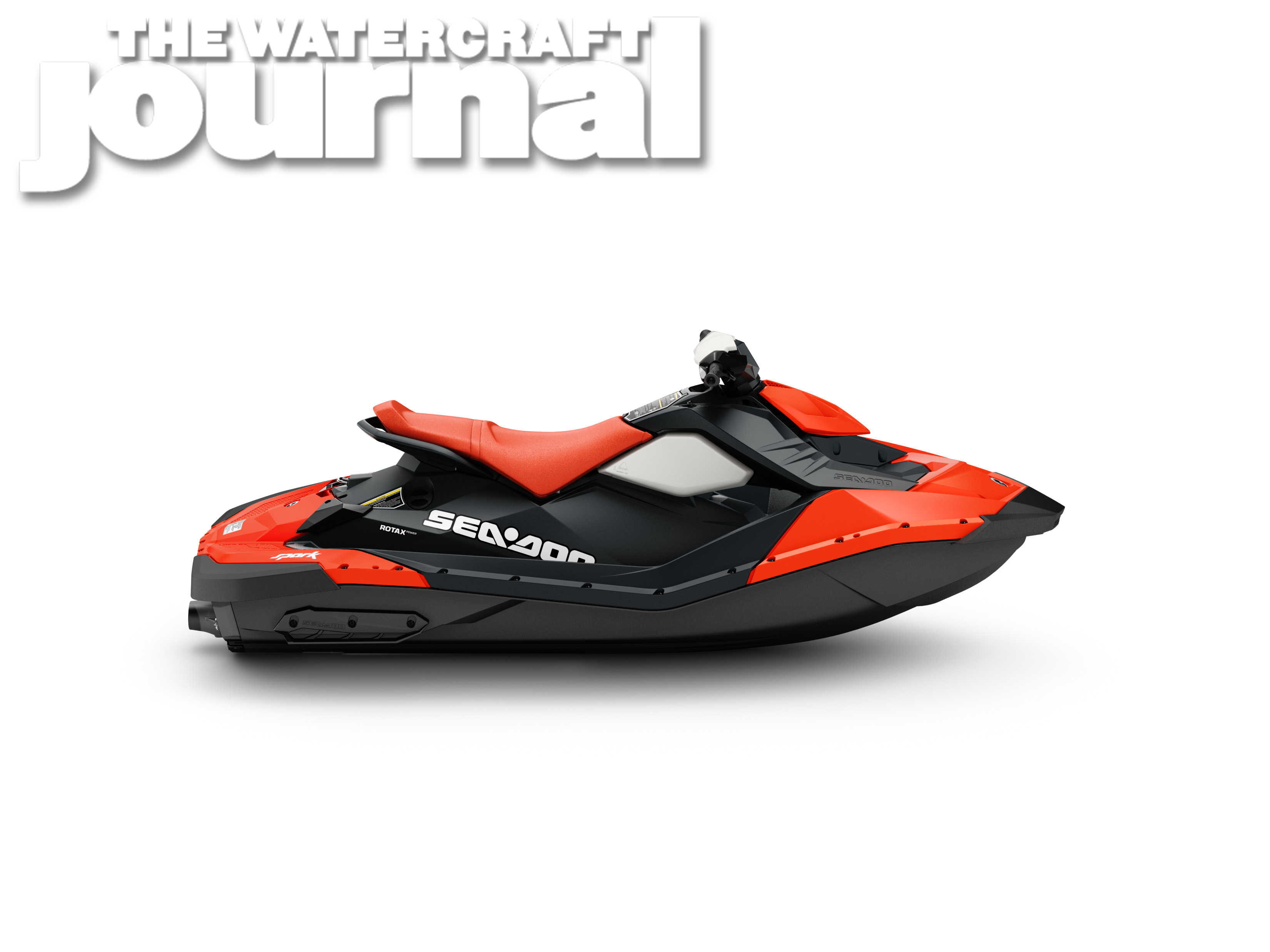
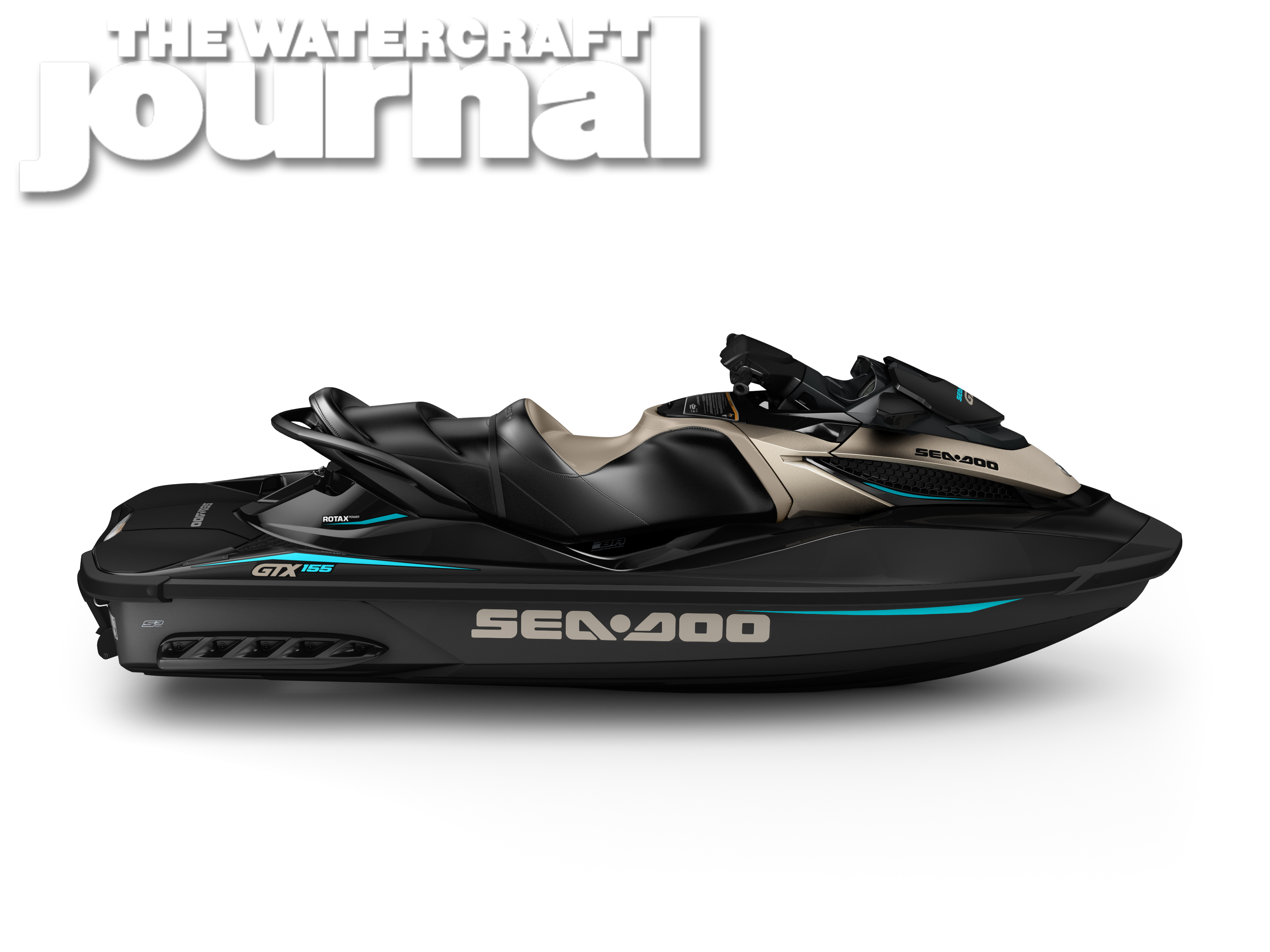
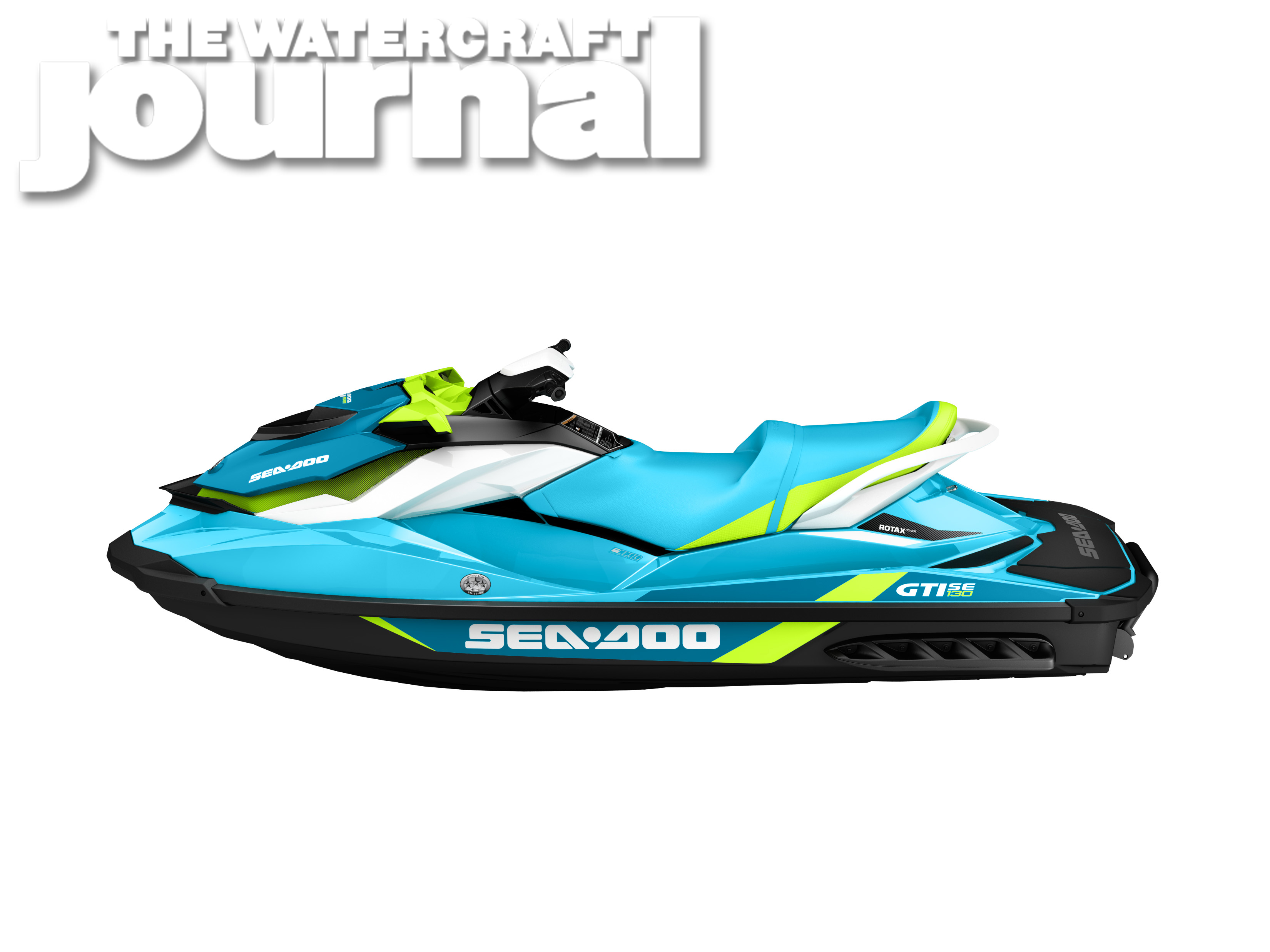
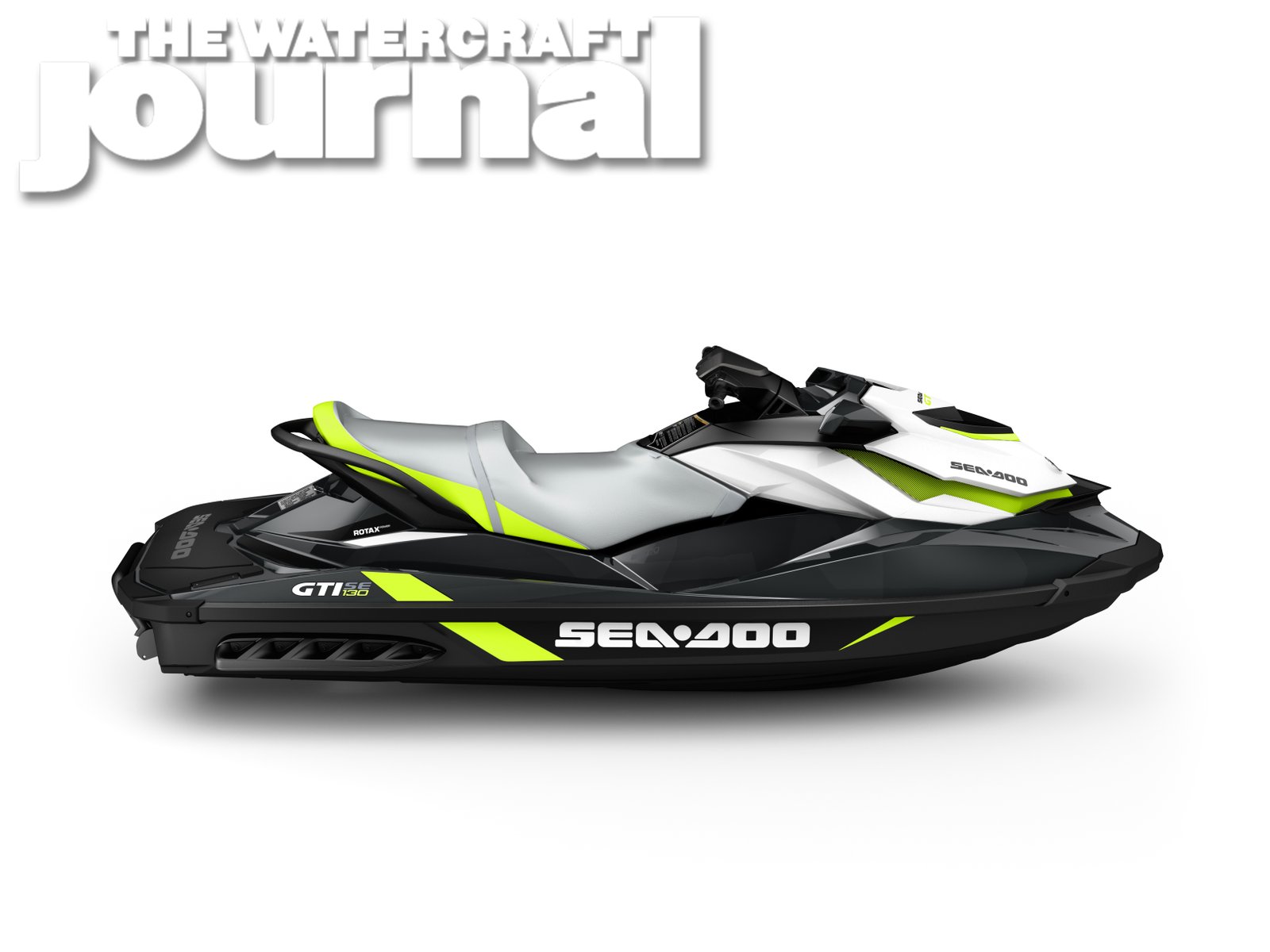
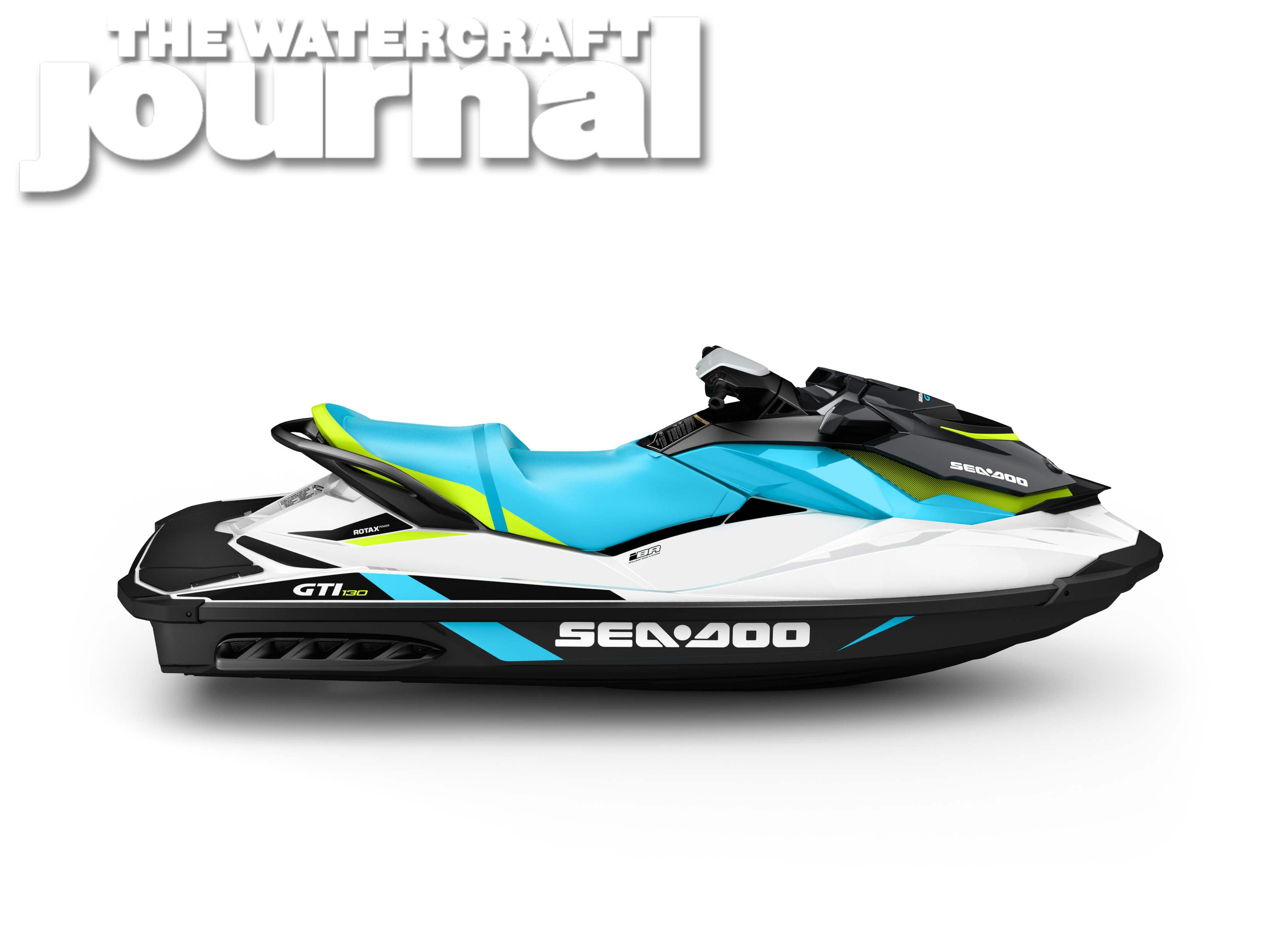
The Recreation segment carries over the successful Maldives Blue packaging for the GTI 130 and 155, both in standard and SE configurations as well as a black/white color option. For the Rec Lite group, the Sparks get the new handlebar grips and iBR system (although it was hinted that the Sparks always had the second generation motor), and bids adieu to three colors: Cotton Candy, Licorice and Orange Creme, replacing them with Key Lime, Chili Pepper and the much anticipated Blueberry. Carryover colors Vanilla and Pineapple remain.
Additionally, 2016 Spark models will also have color-matched seats. For those wishing to trade-in their Sparks for a new color, don’t fret! Sea-Doo’s Parts & Accessories department is making the color panels available as an available kit. Not only can you swap colors with ease, but even mix-and-match various panels for a personalized look. Additionally, BRP is offering a Tow Pro towing package for the Spark as well as 20 new graphic kits to match the new coloring.
The machine that is 35-percent more affordable, offering 35-percent better mpg and 30-percent better power to weight ratio than its nearest competition, Sea-Doo has little sign of Spark sales slowing down. With an average buyer of 40 years old (6-years younger than the average PWC buyer), the Spark satisfying the market’s need to appeal to first-time and second-unit buyers in a big way.
For 2016, Sea-Doo has found a way to meet the needs of several segments while over-delivering in others many didn’t anticipate. The Watercraft Journal will have exclusive hands-on reviews of the RXP-X 300 and RXT-X 300 shortly, as all of us here are very excited for Sea-Doo’s 2016 offerings. But don’t take our word for it. Go to Sea-Doo’s website or your local dealer, and who knows? You just might find you’ll get what you need.
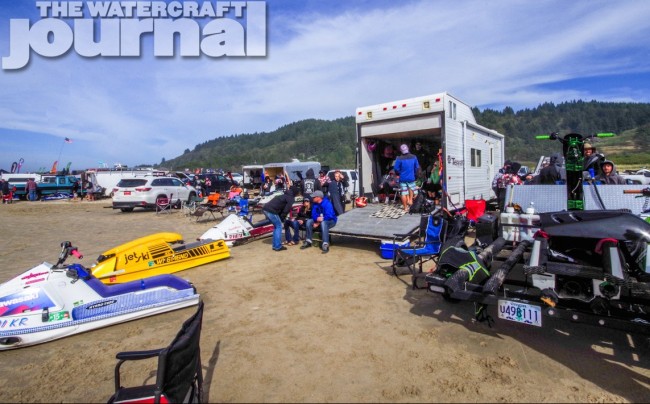
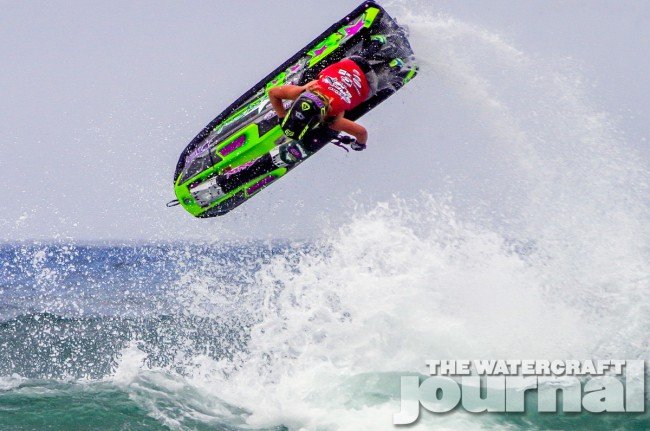
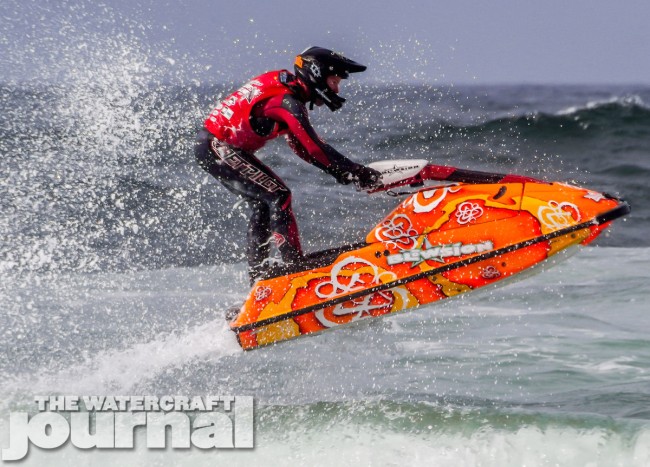
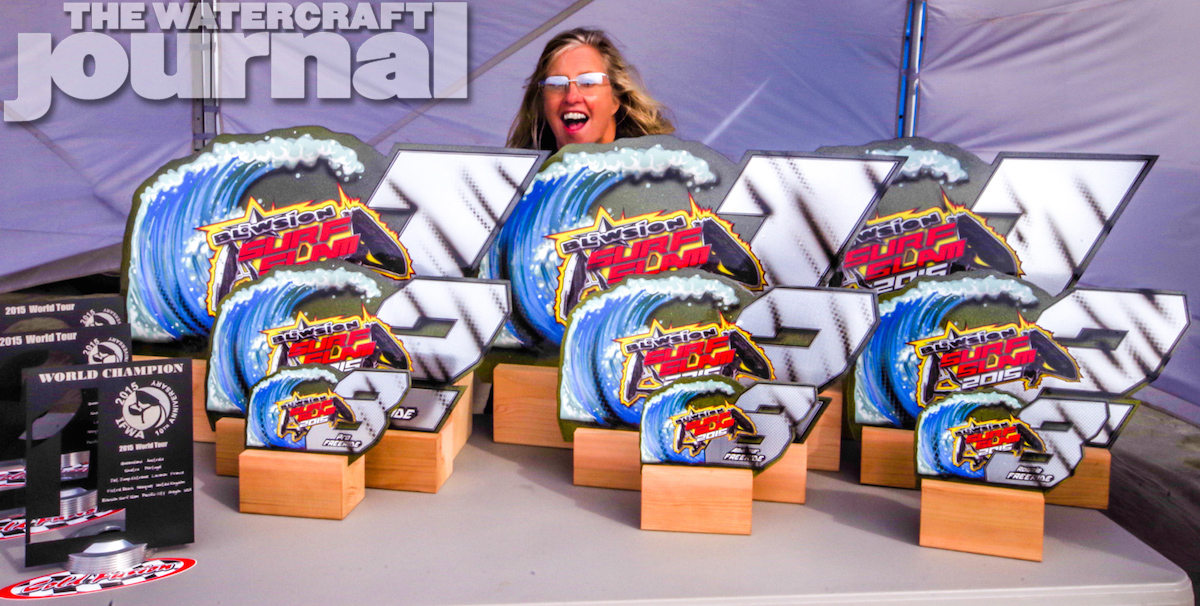
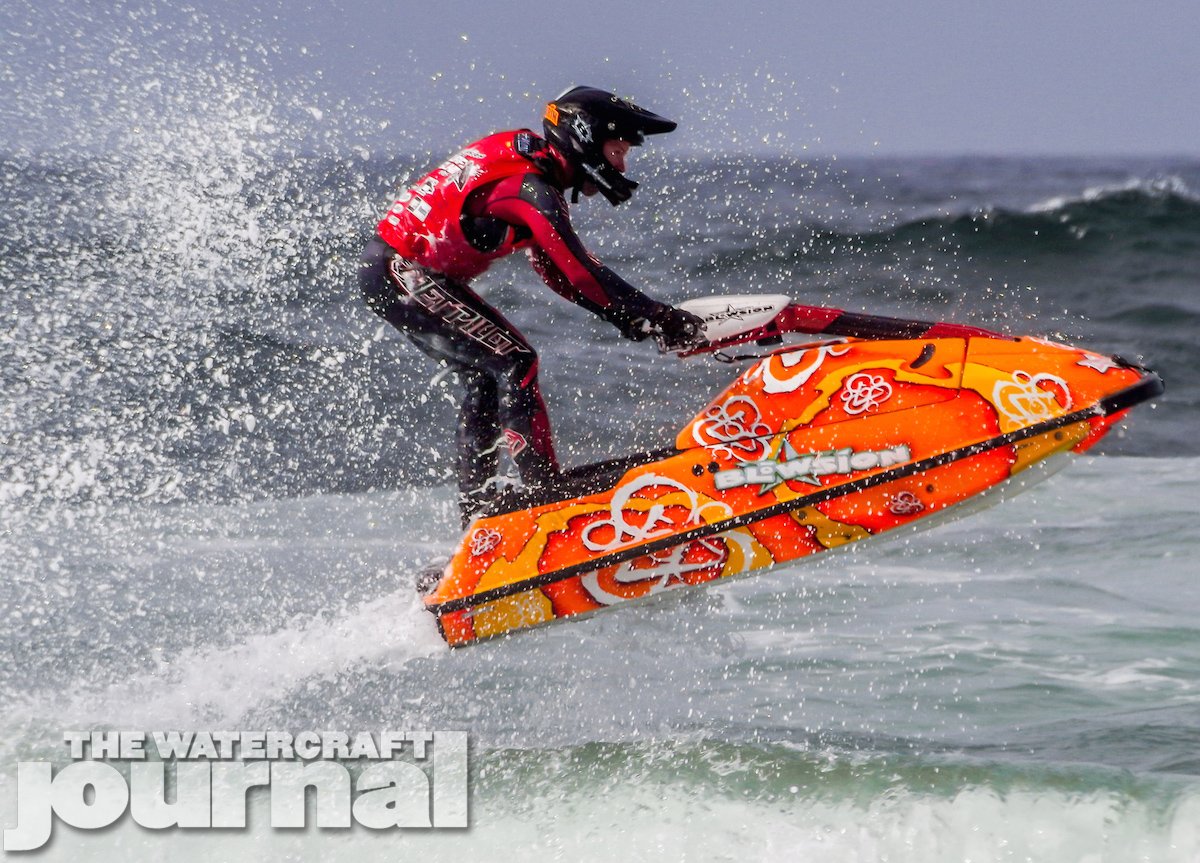
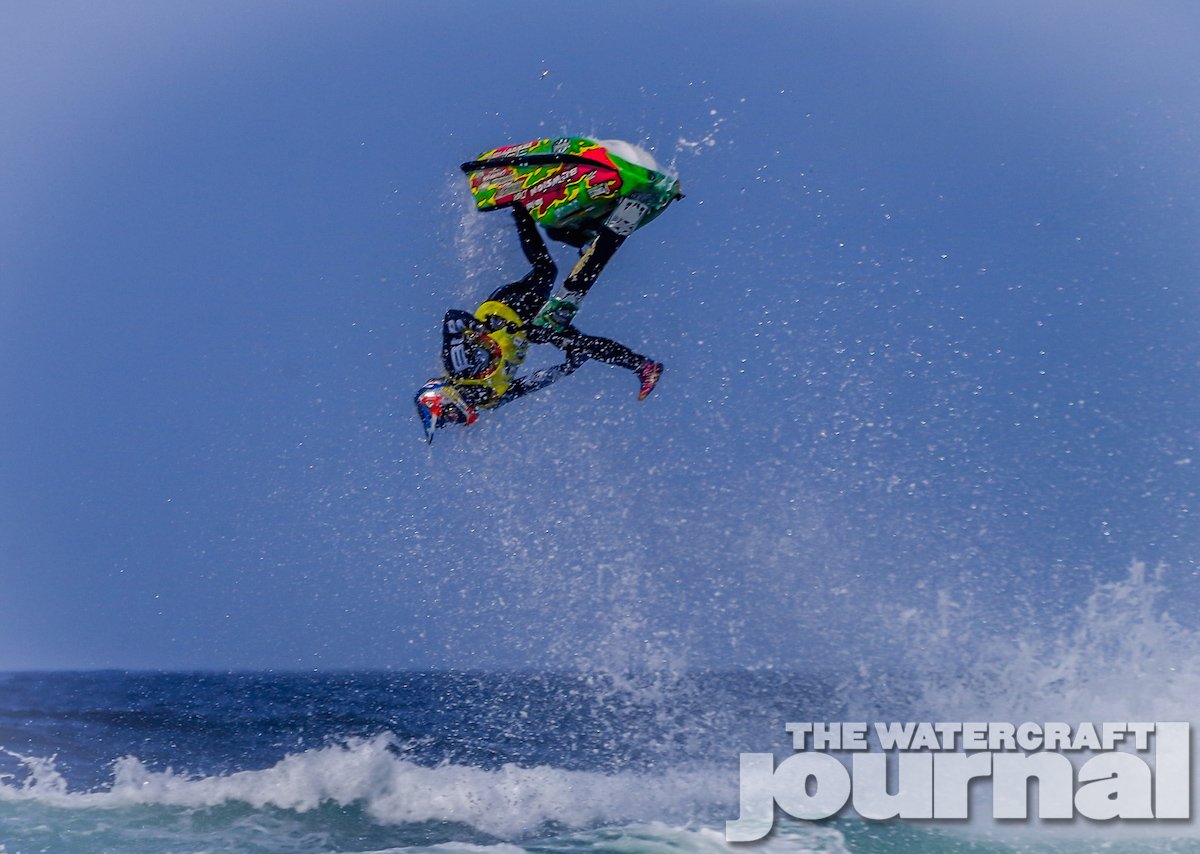
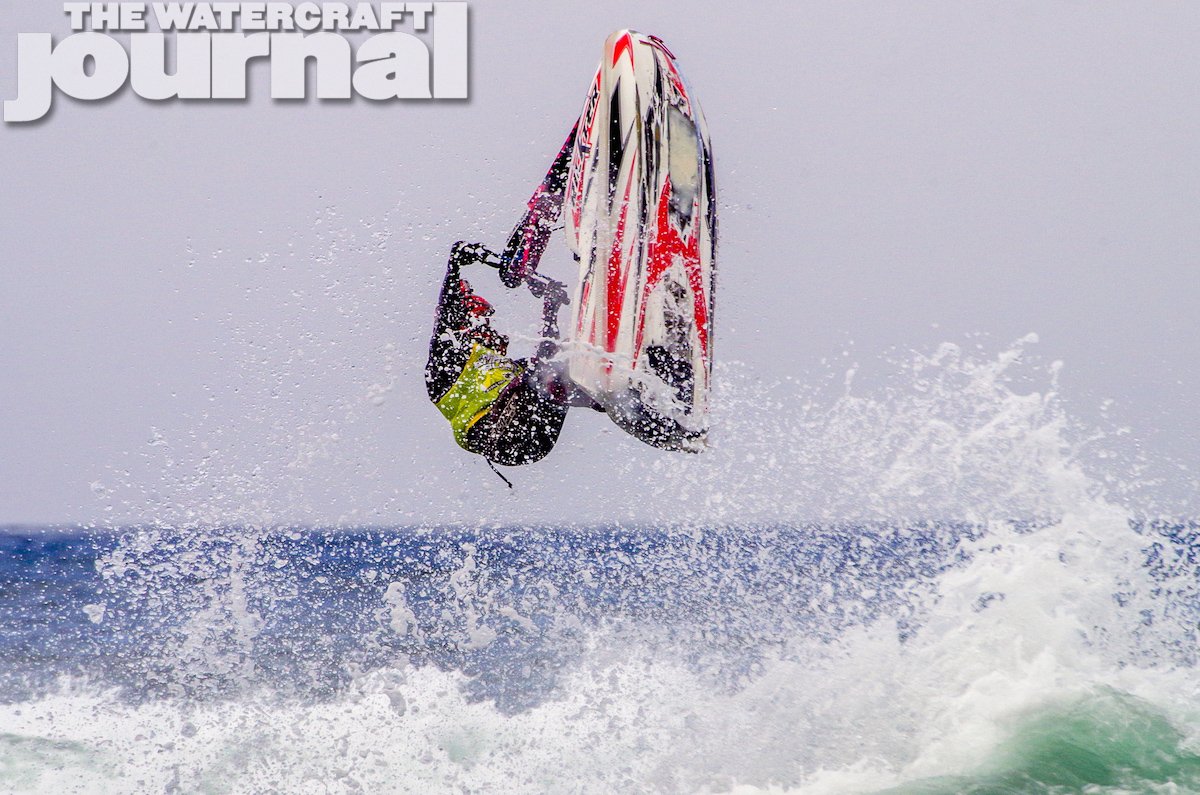
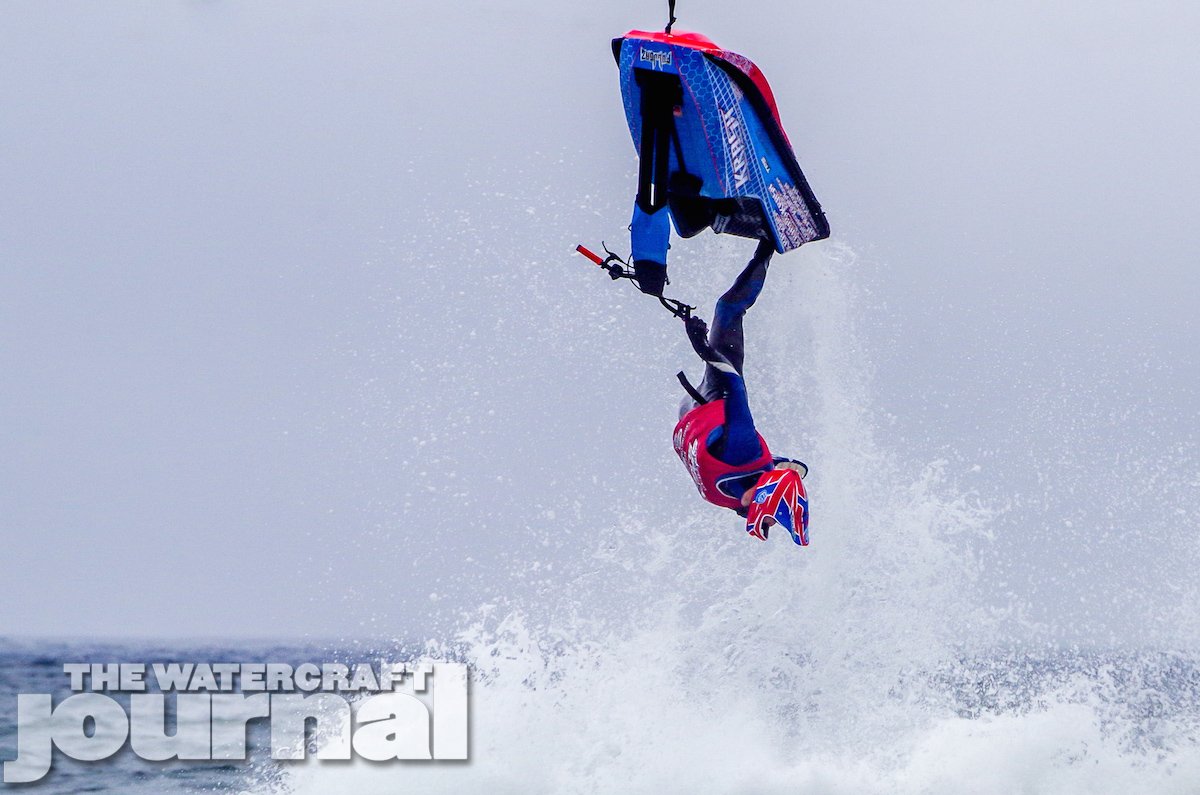
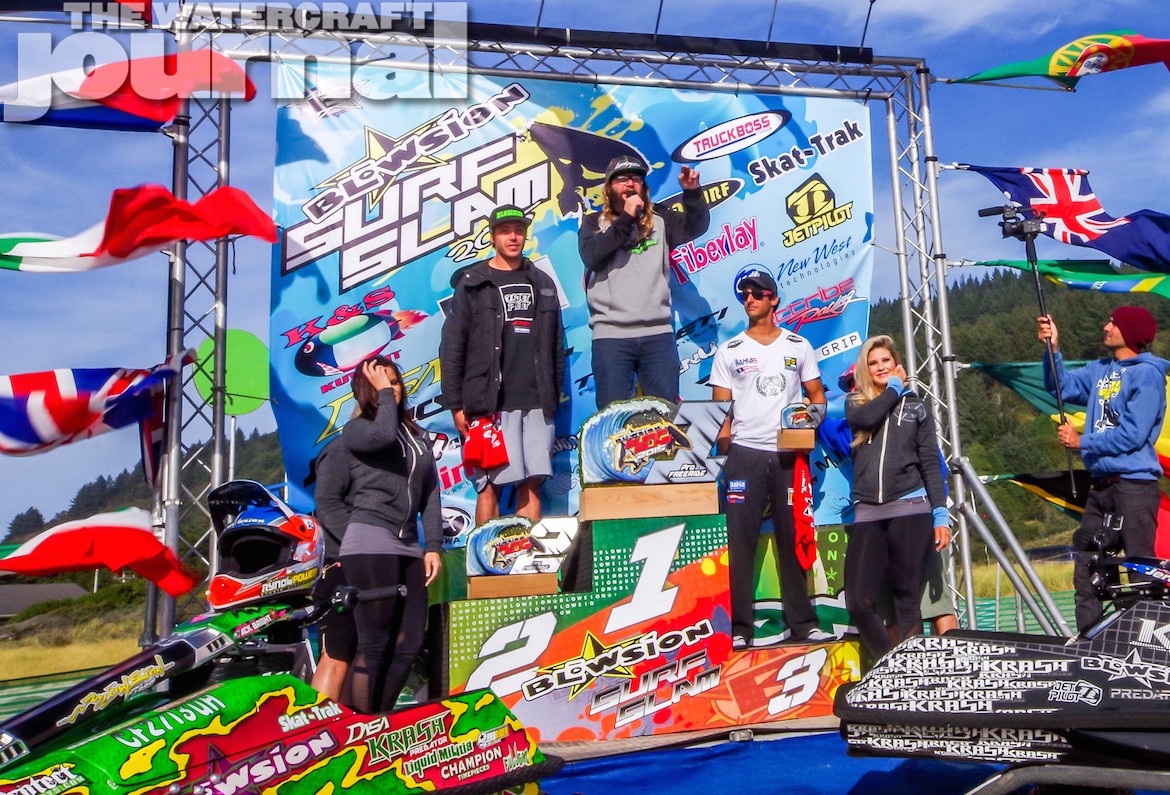
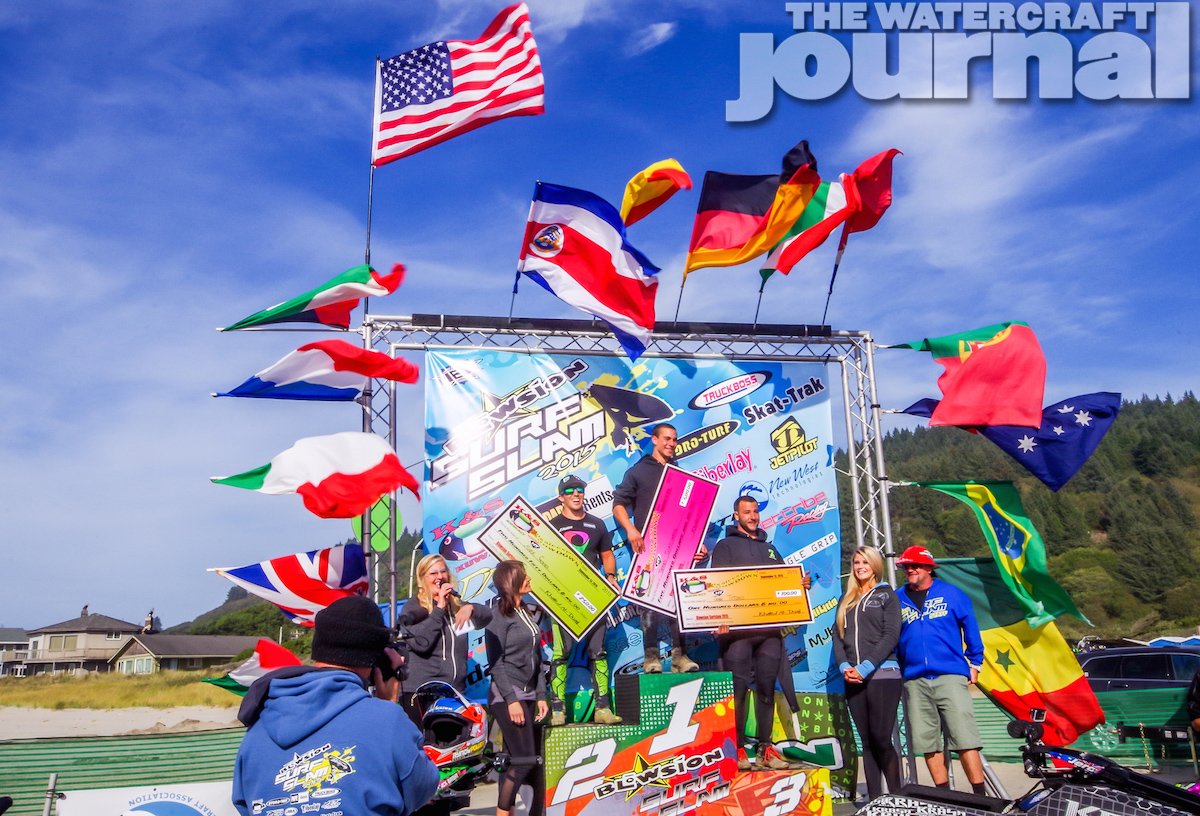
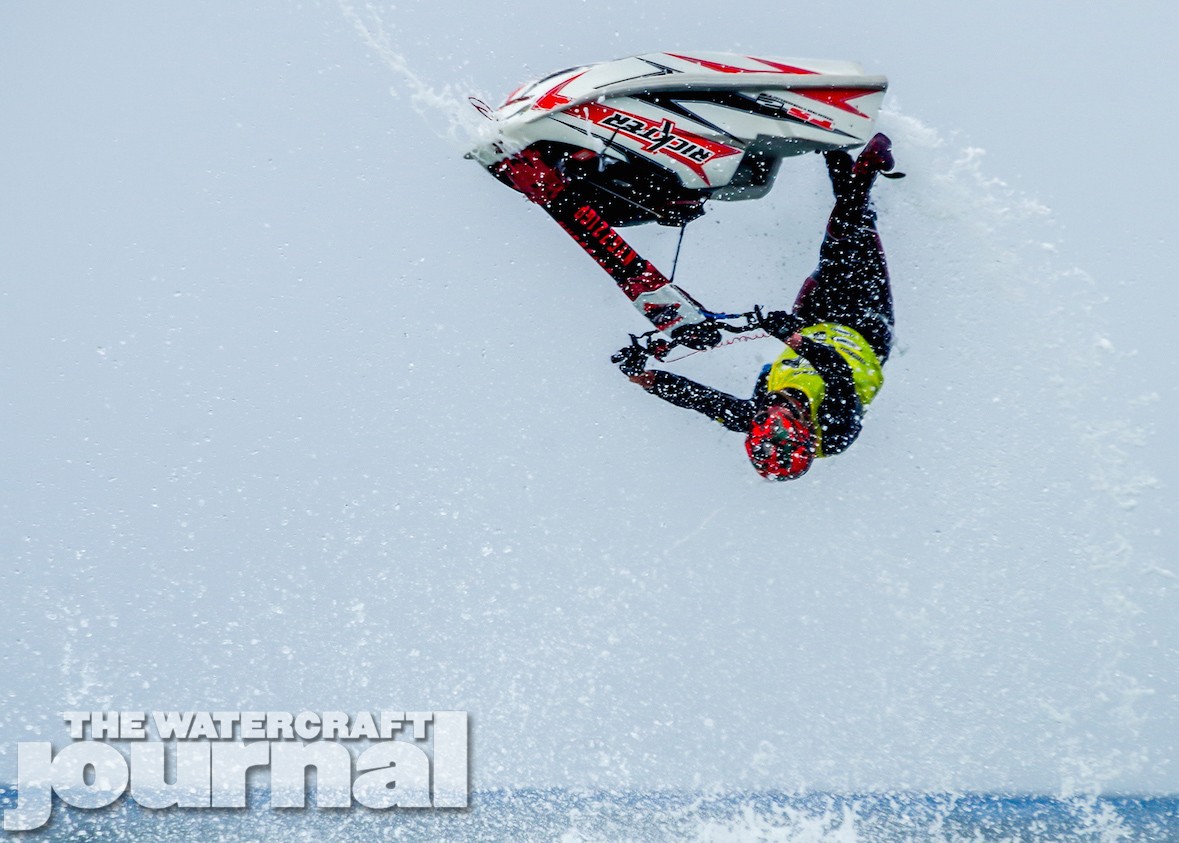
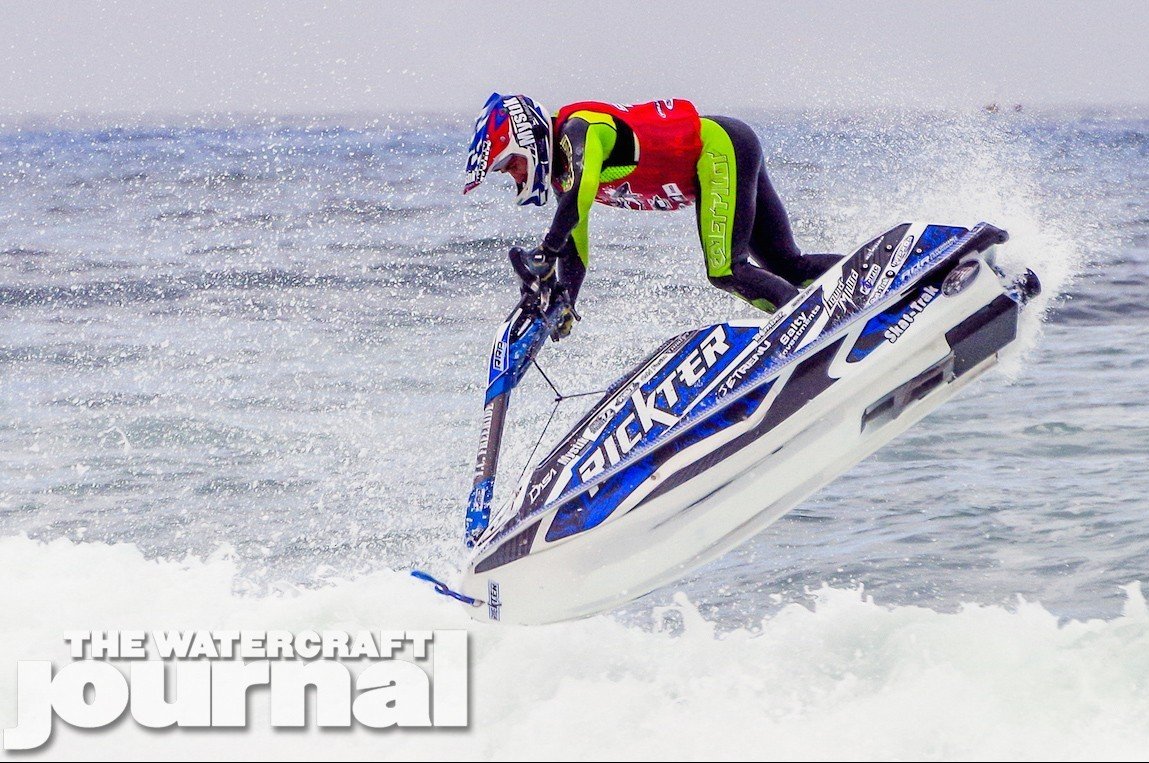
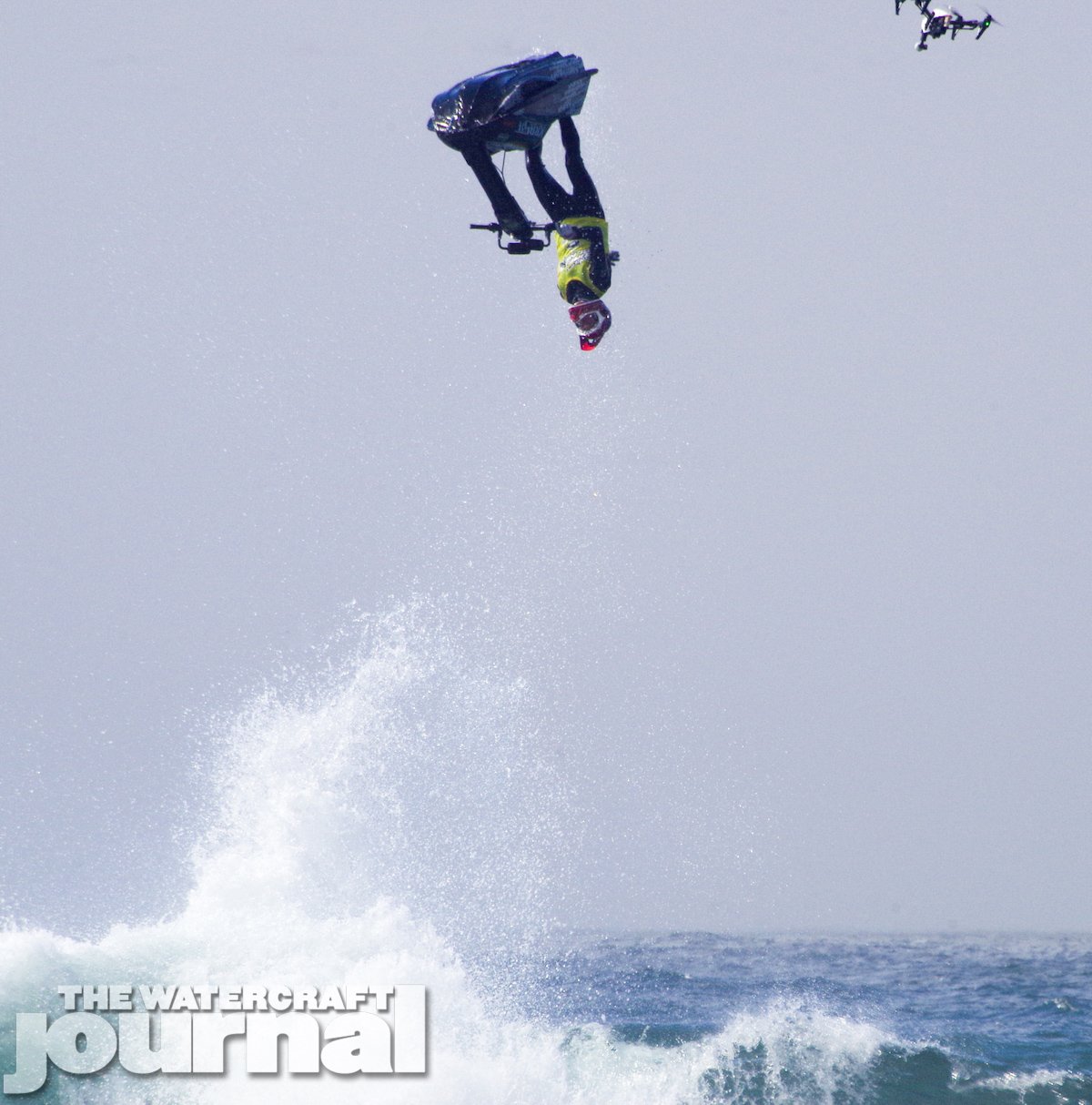
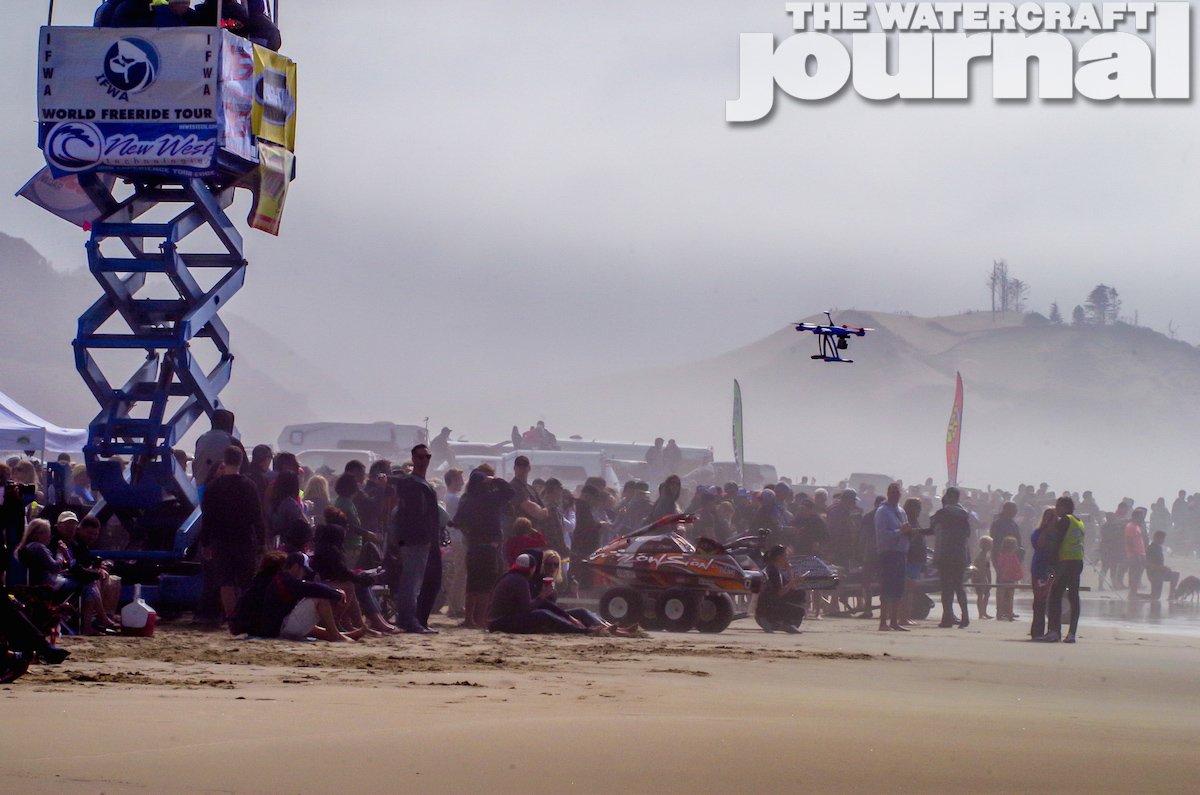
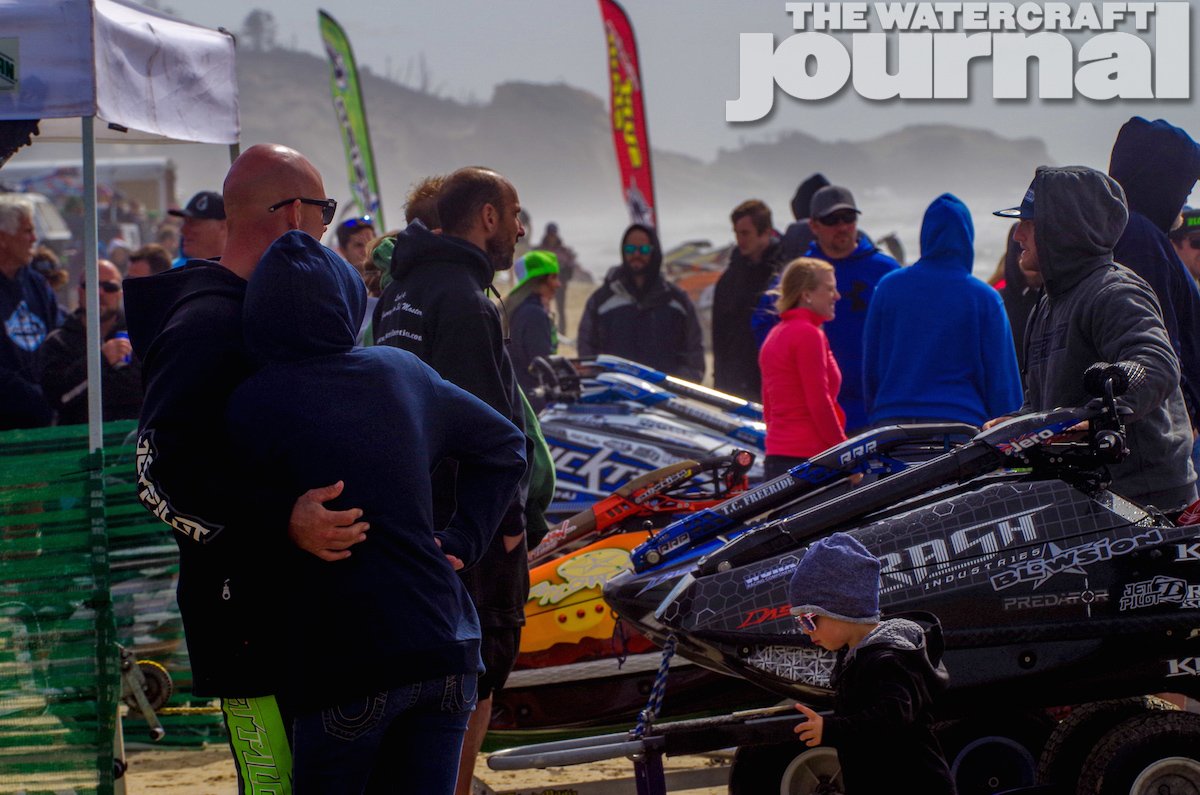
Tierra Del Mar was the place to be September 11th to 13th, big waves, massive air, backflips, barrel rolls and a camaraderie like no other, combined to make one unforgettable weekend! Over 40 competitors from the United States, Mexico, Brazil, United Kingdom, Australia, and Canada came together to compete for cash purses, prizes, and points towards the IFWA World Championship as well as the Blowsion Surf Slam Championship
Surf Slam 2015 kicked off Friday, September 11th with pre-qualifying rounds for all competitors, including the all new Rookie class. This was the first year that a Rookie class was offered at Surf Slam and brought a total of 12 young competitors from the US and Canada to the event.
We had a little morning fog until around 11 am when the sun finally broke through and competition got under way. The surf was powerful in the inner sets with big rollers in the back. There were a lot of new rookie riders at the slam this year, taking advantage of the newly created Rookie class. There were also a lot of new riders in the Amateur class. This made for some great entertainment as most people that follow the sport were not sure what to expect from the young riders. They did not disappoint!
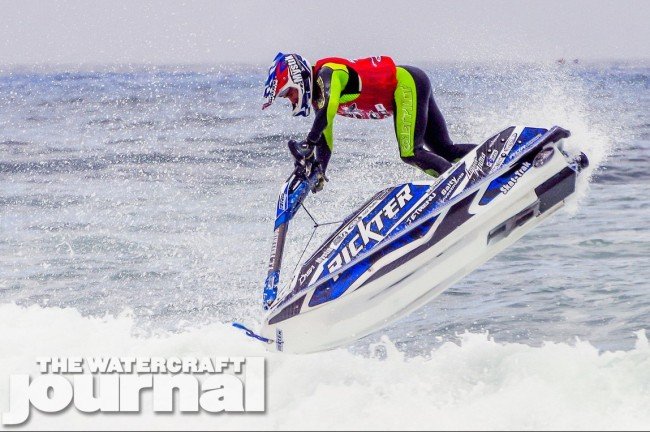
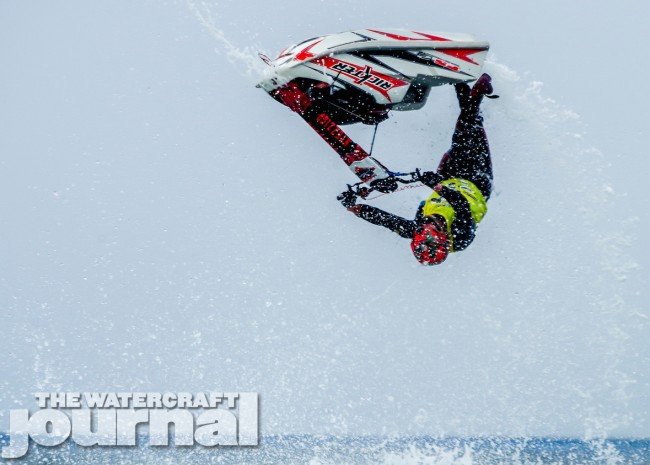
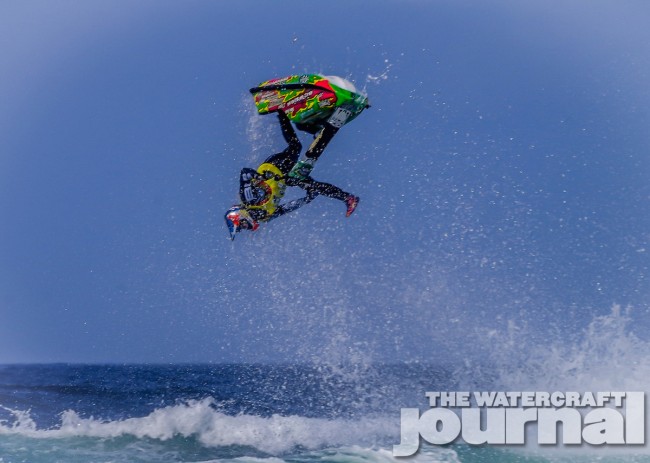
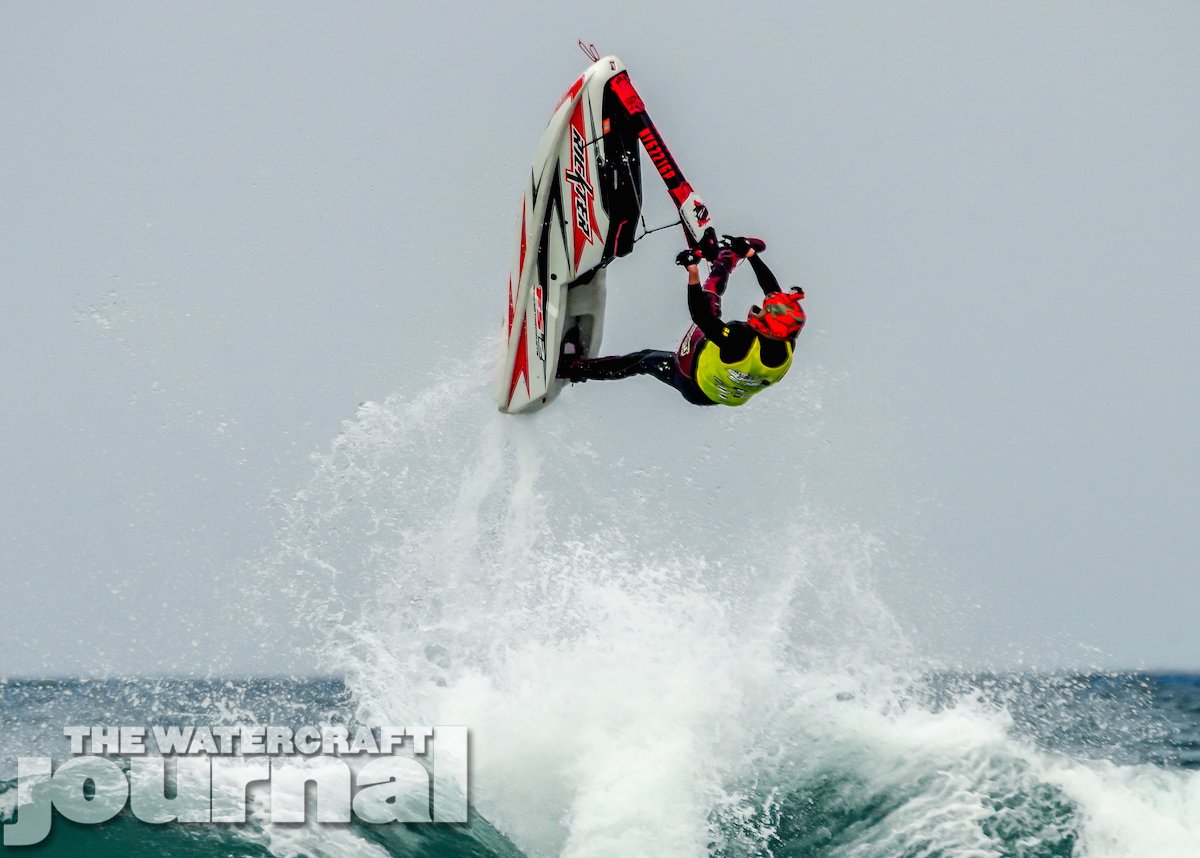
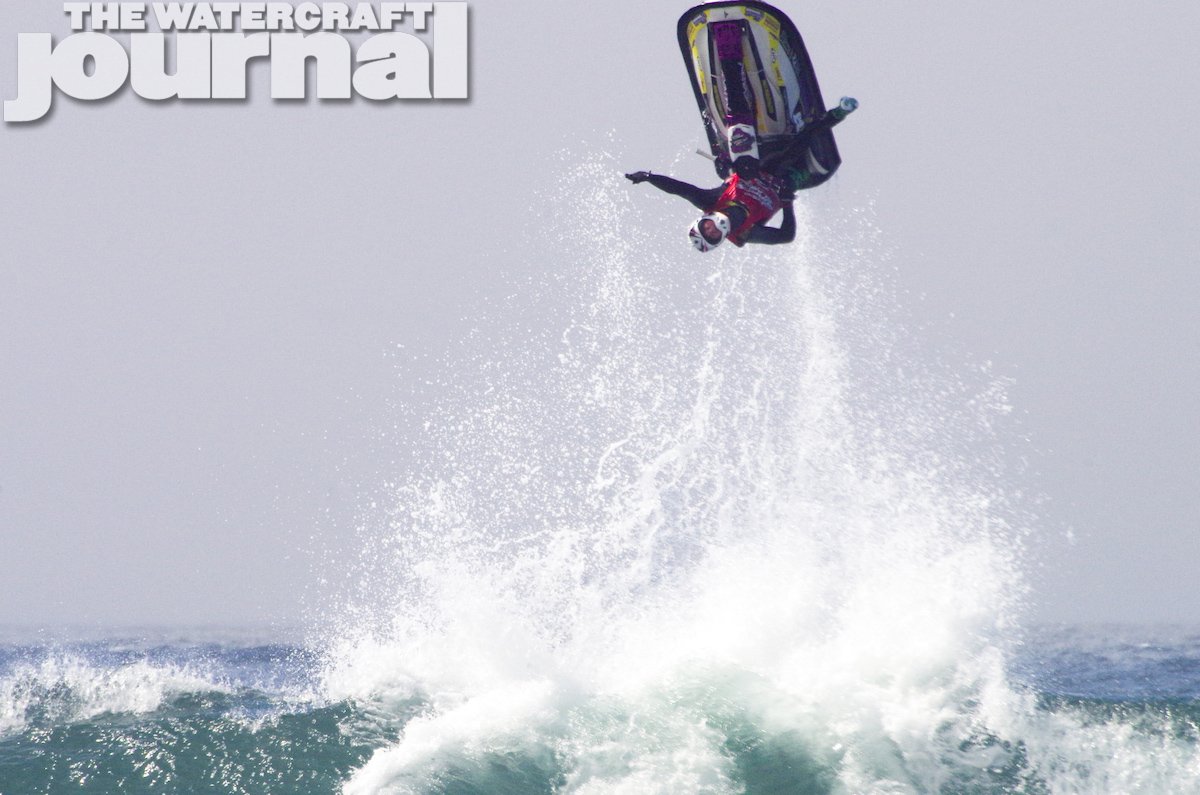
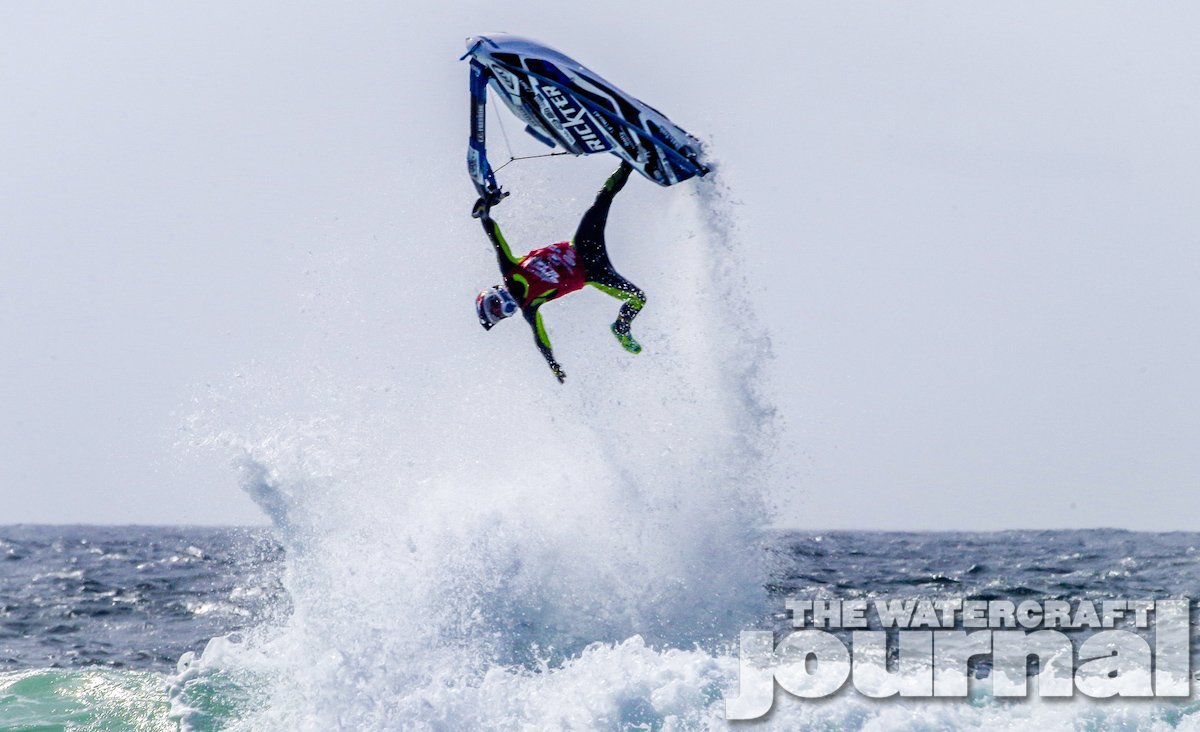
Some honorable mentions for the weekend include the whole ragtag freeride crew that drove over all the way from New York including James Juvet, John Tetenes and Thomas Scaccionoce. Thomas may have thrown the biggest backflip in recent competition history on his water logged stock stroke 850-powered Rickter FR-2. Thomas absolutely sent it during the big air contest! That megaflip would put Thomas on the top podium spot of the K&S Big Air Showdown with a big fat $500 cash prize.
Young Rookie rider Sean Starr of California put a great show on for his first year of competition. The weekend prior to Surf Slam, Sean blew the motor up on his trusty square nose during a practice session in Pismo. He was able to get another motor in his ski in time only to then break his hull with no time to repair. With the help of his friend Trevor and T.C. Freeride, Sean was able to borrow a well set up Rickter Edge and competed all weekend on a borrowed ski. Sean would go on to win the Rookie contest with his aggressive surf style and aired out re-entries and he has already set his sights on the Amateur class for 2016. Watch out guys, he’s coming for you!
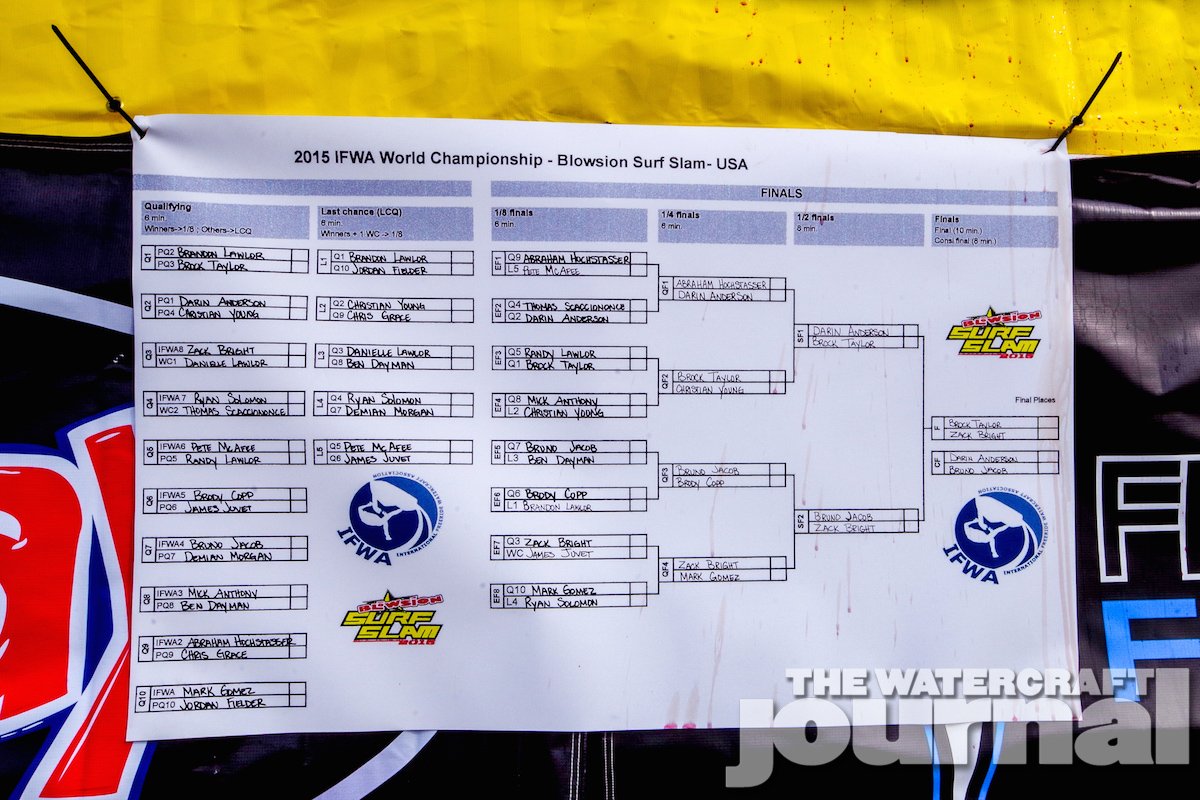
Saturday started bright and early with a rider’s meeting followed by a qualifying round consisting of 10 heats of 6 minutes each. Next was the Last Chance Qualifier, which was 5 heats at 6 minutes each followed by a lunch break. Three of the competitors from the Last Chance Qualifier moved on to the 1/8 final (Brandon Lawlor, Christian Young and James Juvet was the wild card). After lunch was the 1/8 finals and all remaining Amateur heats. Props to the three woman competitors this year; Baylee Jones in the Rookie class and Demian Morgan and Danielle Lawlor competed in both the Amateur and Pro classes.
Another standout rider in the Amateur class was legendary racer and Blowsion mechanic Jordan Fielder from the UK. This was Jordan’s first competition in freeride but you would never know it. He has obviously been practicing and was able to pull out the win in the amateur class among some really talented up and coming and experienced riders. Hopefully Jordan keeps going with freeride and we see more competition in Jordan’s future.
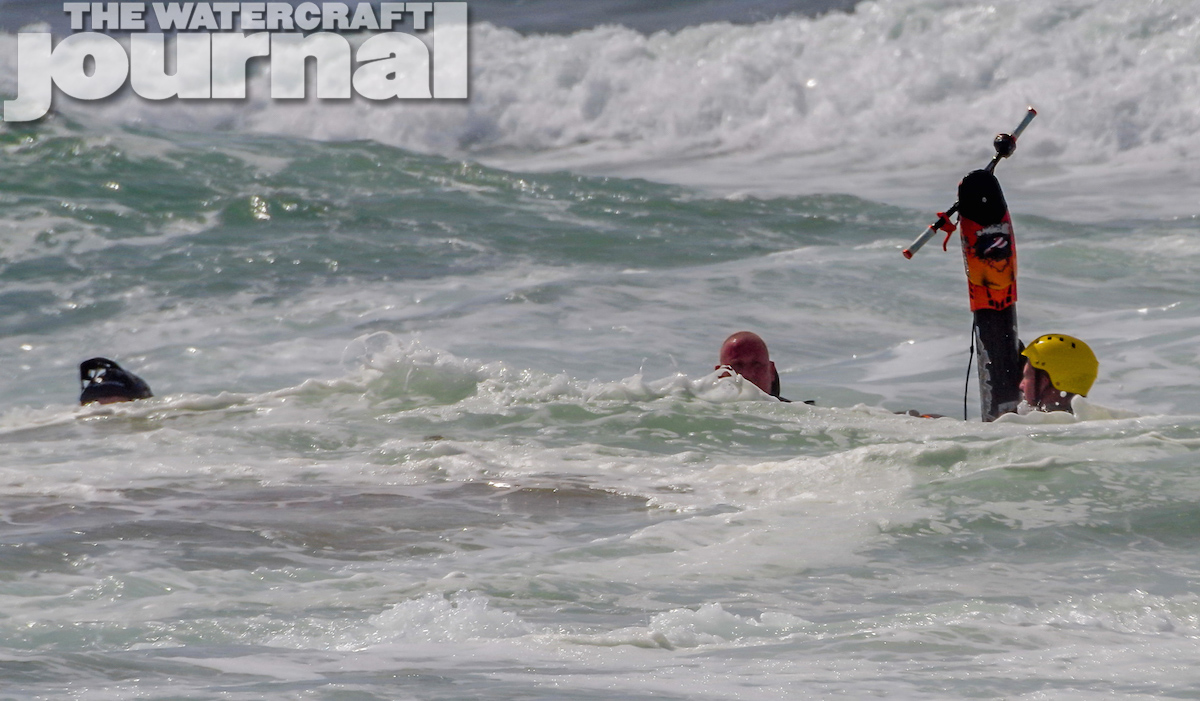
Sunday brought the 1/4 finals, 1/2 finals, final round and consolation as well as the Big Air Showdown. We saw good friends Zack Bright and Mark Gomez battle it out in the quarter finals with Zack advancing to the semis. Sunday also brought the only swamped ski of the weekend. Big shout out to the safety crew for recovering Darin Anderson’s ski after a monster re-entry with an off kilter landing in the mosh pit during the semi final round and to his crew for getting him back on a ski for the remainder of his heat.
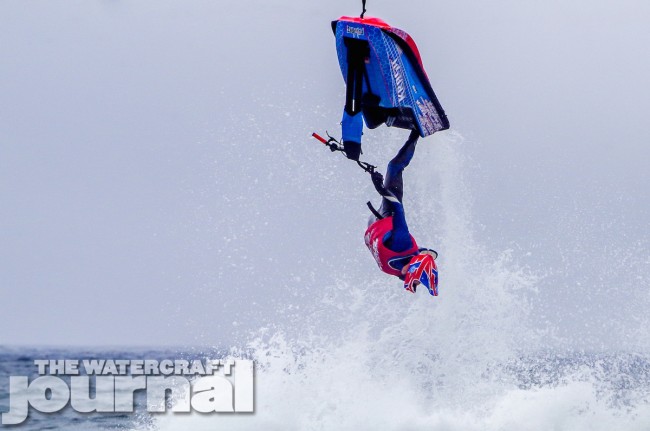
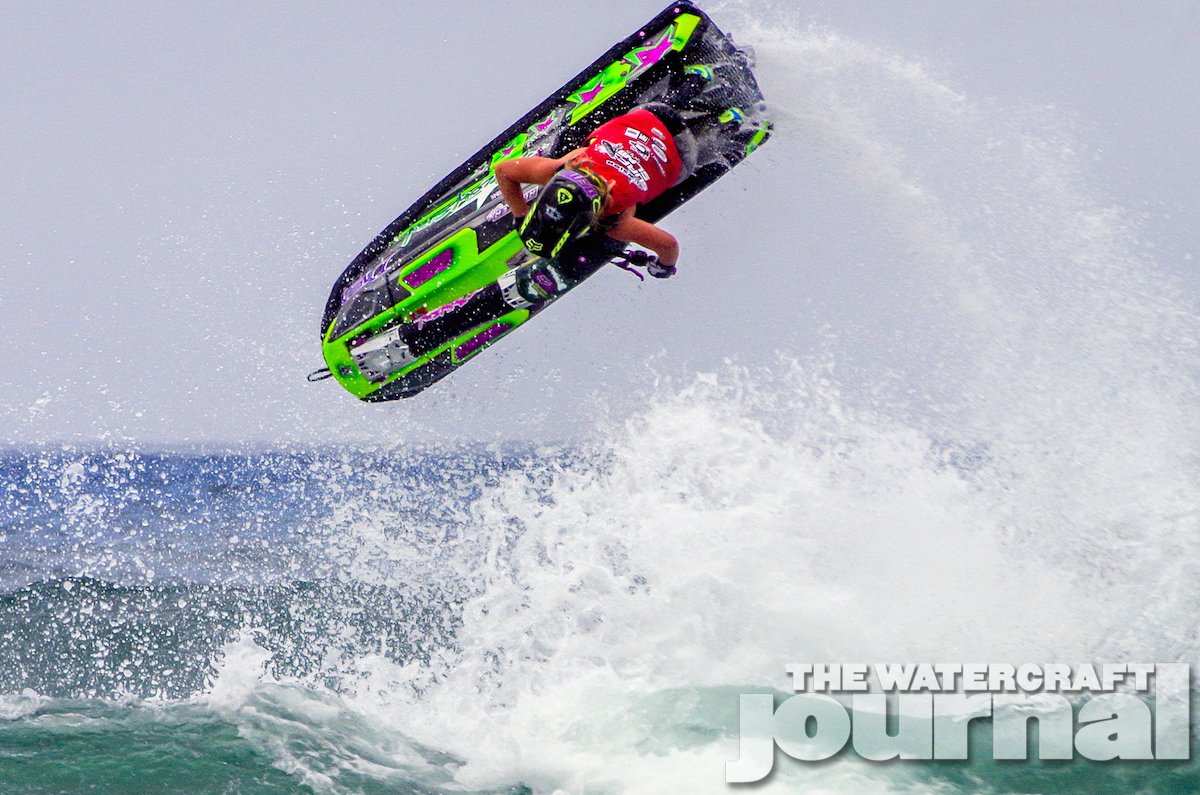
Zack Bright and Brock Taylor advanced to the finals for a showdown between the Aussie and the American. During this 10 minute heat, Brock busted out some huge airs along with a ruler flip. Brock must have a few screws loose or basketballs between his legs because that trick is insane! Pictures do not do the ruler flip justice.
As the heat went on, Zack put on an absolute surf clinic, launching the cleanest big wave re-entries of the weekend and stomping out aerials one after another. It must have been a close heat but when the results were tallied, Zack would come out on top and be crowned champion of surf slam among the best riders in the world.
Zack took some time off from competition and the IFWA this year to start his new business (Ruthless Unlimited) but do not count him out! There is no doubt that Zack is very much still a top rider in the world and he proved that at the 2015 Blowsion Surf Slam. A well deserved congratulations to ZB for finally taking that coveted top spot!
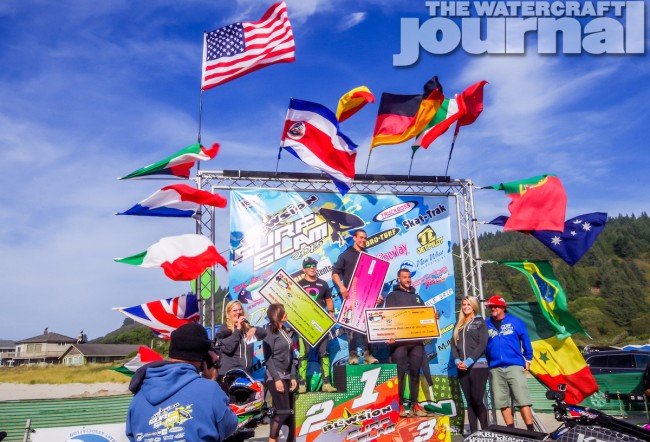
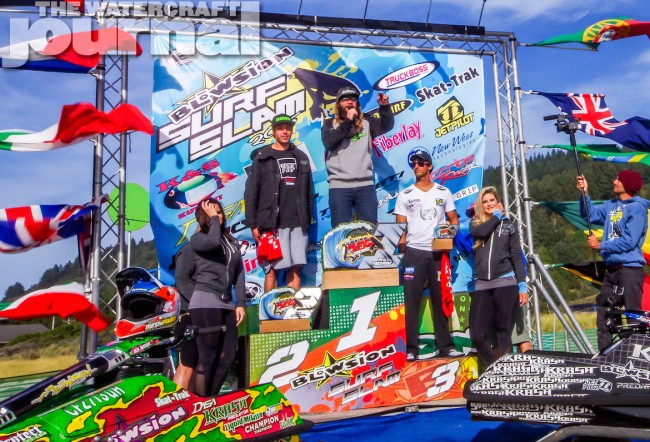
Another big congratulations to all of the IFWA tour competitors that worked so hard all year to claim their spots. This year has had some really crazy progression and one of the innovators and hardest working guys in competition, Mark Gomez was crowned the IFWA 2015 World Champion. No one deserves this more, and Mark is a class act both on and off of the water. Following close behind Mark on the IFWA podium was Abraham Ho (second) and Mick Anthony (third) who have both been working so hard and throwing down at every contest in hopes to place among the top riders in the world. It was pretty awesome to see riders from three different countries taking out the top spots. We have some great riders and people to look up to on the IFWA podium.
It was a great weekend and I can’t wait to see what’s in store for next year! If you have not made this event yet, make plans for next year. You will NOT be disappointed! This year’s sponsors included Blowsion, Pape Rentals, K&S Kuwait, Hydro-Turf, TruckBoss, IJSBA, On Course Events, Jet Tribe, Jet Pilot, Fiberlay, ODI, Fullgaz, New West Technologies, DASA, Jetinetics, Tillamook Country Smoker, Skat-Trak, Jet Import France, Fly Racing,Tau Ceti, Pod4Print, ADA racing, Gasket Technologies, Goggle Grip, Novi Jet, Bogwater Brewery, Jetski Club.AU, MFJfoto.com, DP Producciones, IFWA, HyderGraphics, and PDX wraps.
There were also several local businesses that offered their support A big thank you goes out to On Course events, all of the IFWA crew and judges who also work very hard to make the competition run as smooth as butter. A big thank also you goes out to John Dady and all the crew at Blowsion who work tirelessly leading up to and during Surf Slam to make it the premier freeride competition in the world. Without Blowsion we wouldn’t have this awesome showcase of the sport of freeride.
Final Surf Slam Results: Pro: 1. Zack Bright, 2. Brock Taylor, 3. Bruno Jacob, 4. Darin Anderson, 5. Mark Gomez; Amateur: 1. Jordan Fielder, 2. James Juvet, 3. Thomas Scaccianoce; Rookie: 1. Sean Starr, 2. Edgar Quezada, 3. Nicholas Collins; K&S Big Air: 1. Thomas Scaccionoce, 2. Mark Gomez, 3. John Tetenes; IFWA Pro Class Season Results: 1. Mark Gomez, 2. Abraham Hochstrasser, 3. Mick Anthony, 4. Bruno Jacob, 5. Brody Copp
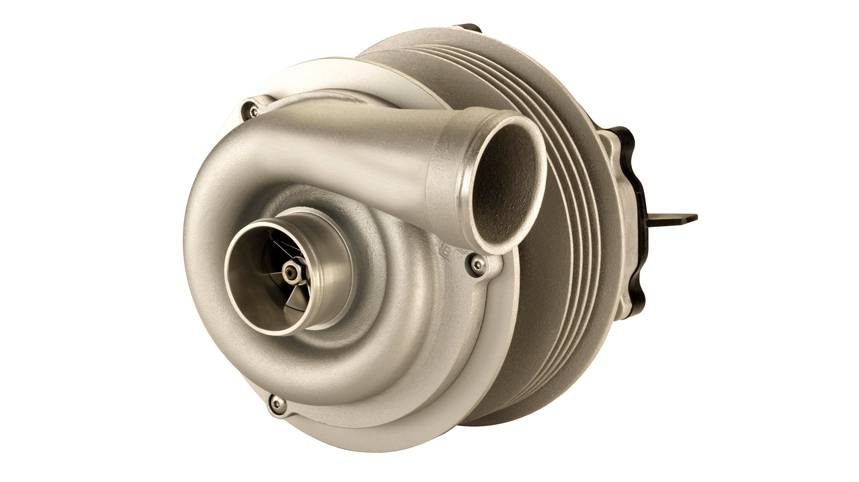
OK, for many of you this article might not make a lot of sense. But for the very vocal few who have been taking to the online performance forums or contacting us directly about the potential of OE manufacturers applying the use of electric turbochargers to production watercraft, we felt it was necessary to discuss the pros and cons, and what it would take to even bring us to this level:
On paper, electric turbochargers sound like a great idea. They provide all of the power of a conventional turbocharger without the lag of pressurized exhaust gases, location-sensitive positioning, or the intrusive plumbing concerns. Automotive manufacturers have been working feverishly to apply the technology to withstand the rigors of daily driven/occasionally raced vehicles. While turbocharger manufacturers – Valeo, Honeywell and Continental – are closing in on having their electric turbos in production vehicles as soon as 2016, the technology is unlikely to see powersports applications for years to come.
Why? Because nearly all applications, be them automobiles, commercial vehicles, motorcycles or personal watercraft, run on a 12-volt (12v) electrical system. Of course, many production automobiles and motorcycles prior to the early 1950s ran on only 6-volts of electricity, when most all features were primarily mechanical (manual window regulators, dash gauges, etc.), thus only requiring a little bit of juice to operate. Also, the added voltage was needed to crank over (electric start) larger and more powerful engines. And in order to power the electric turbos these manufacturers are creating requires a staggering 48-volts of electricity, or four-times the current amount.
Even today’s electric and hybrid cars employ 12v systems. Today’s most advanced automobiles employ inverters to power high discharge headlamps and secondary electrical components like electric-assist steering systems, water pumps and electric air conditioning compressors – thus saving the engine from efficiency-robbing parasitic loss. Now, 48v does come in “just below” the 50-volt threshold of potential bodily harm. Of course, getting zapped with 48v won’t tickle, but you’ll still walk away on your own two feet. Nevertheless, as the move is being rallied by automakers, the powersports industry simply doesn’t require nearly as much juice.
The most-equipped touring bikes don’t need 48v to operate, and even today’s Can-Am Spyders and Polaris’ Slingshots with advanced steering and secondary systems don’t require such voltage either; so converting a PWC to 48v is simply a massive undertaking that is wholly unnecessary. Sea-Doo’s iControl-equipped PWC (with GPS controlled speedometers, and full instrumentation) hardly draw enough current to require more than 12v. With even with Valeo’s promise of a potential 10-to-15 percent increase in MPG, the electricity to power their turbo to operate at its 10,000rpm idle (with a maximum of 70,000rpm) is far too much for current PWC.
Now, on the bright side, the conversion of 12-to-48 volts is achievable, but requires doubling the current electric system; specifically, a 12v battery and 12v generator that feeds a DC/DC converter that then feeds a 48v storage unit, which powers the 48v turbo. Thankfully, technology for 48v storage banks (ie. lithium ion batteries) are quickly advancing (and shrinking in size), so such a system is possible although not exactly practical…yet. But, the physical weight of such a system today would already outweigh the efficiency gained by moving to an electric turbo, even if it was solely applied to supplementing the current supercharger.
Normally, it’s wise to always watch the OE’s moves within their snowmobile and in some part, their motorcycle and side-by-side divisions. (example: Both Sea-Doo’s 900 ACE motor and Yamaha’s TR-1 are directly linked to their snowmobile lines.) Right now, mechanically-driven superchargers will remain en vogue until further notice, and that’s just fine. Why so many anticipate manufacturers opting to replace superchargers with turbochargers is still baffling to us, but such is mob mentality. Until then, keep a close eye on manufacturers’ other hand to keep from being distracted.
OK, we know there’s been a lot of chatter, rumors and junk floating around in the last 24 hours. It’s pretty much an inevitability given the level of anticipation that Sea-Doo’s new 2016 model lineup has drummed up. But what people don’t know is voluminous compared to the total package that Sea-Doo recently introduced to The Watercraft Journal. That’s right. We spent the last three days personally testing half a dozen new models that not only blew our socks off, but will assuredly do the same for you.
Also, it bears noting that while there’s plenty of outlets who will be publishing near exact “cut and paste” press releases issued by Sea-Doo’s marketing department, The Watercraft Journal (together with Greenhulk.net) dug a lot deeper and got quite a bit of “inside baseball” information that others simply won’t have. Namely, modifications to some of Sea-Doo’s most famous models went unmentioned and only we will have the finer details that you hardcore enthusiasts crave. Confirmed GPS speeds? You betcha. Quotes from BRP engineers and aftermarket heavyweights? You can expect that too.
But here’s the rub: The Watercraft Journal is sworn to secrecy until this Friday night, September 18th, at 10:30 EST (Eastern Standard Time). So figure out what time zone you’re in and be prepared. We will delay our weekly newsletter to include the 2016 Sea-Doo release until that very same moment, as well as all of our posts on Facebook, Twitter and Instagram. So you should expect not to do anything Saturday but read up on all the cool new stuff. Oh yeah, and we’ll have exclusive hands-on reviews of some of the new models, video and a new episode of “Long Haul” in the coming weeks.
Well, whether we like it or not, that dreaded time of the year is certainly approaching. Temperatures are dropping, days are getting shorter, and you’re probably thinking about winterization plans already. If you’re anything like us at The Watercraft Journal, you’d do nearly anything to get just one extra ride in before you put the ski(s) up for the season. In a great article by Jeff Hemmel, he outlined several tips that will inform you on all you need to know to safely extend your riding season well into the winter months.
Be Seen
The days are getting shorter, so you will either need to shorten your riding day or stat riding earlier. It would be a good idea to get back in before the sun begins to set. Could you imagine being stuck out at night in below freezing temps and you can’t see how to get back? Also, If you are between another boater and the sun, you will appear as a black silhouette and may be difficult to see. Wearing bright colored clothing would help with this, as well as make you visible to any help, should you need any.
Stay In Touch
Riding in colder temperatures requires being prepared for the worst. Make sure you will be able to get help. Riding with a partner or in a group is a great idea, but that’s not enough. If you run into each other and both get injured, you need to be able to call for help. Always let someone(preferably close to your riding location) know where you plan to go. Go over your planned route with that person before heading out for the day. There aren’t many boaters out on the water during the winter, so make sure you have everything you need to get in touch with help if you get into a bad situation. You should take a flare gun also. You may be hard to find out on the water, especially in the ocean. There are no mile markers or many descriptive landmarks to go by, so a flare gun could literally be a life saver.
Suit Up
The most important by far is to stay warm. The colder water will change body temperature much quicker than cold air will. Wear a neoprene wet suit, gloves, boots, and possibly even a jacket when going out in cold weather. Take a spare change of clothes with you in case you get wet. Most importantly, avoid going for a swim at all costs. 30°F temperatures are not the time to test your riding skills. Falling off could result in hypothermia and possibly even death. If you begin to get tired, ride less aggressively or even stop and rest if you have to.
Go enjoy your extra time on the water! Have fun, plan ahead, and above all, stay safe.
The guys at Pro Watercross have been hard at work all year, with new tour stop locations, Pro Watercross membership, and the first ever Pro Watercross World Finals! Now, another great step forward by the Pro Watercross staff. They have decided to let companies sponsor classes for the Pro Watercross World Finals event in Naples, FL.
This incentive program will allow companies to sponsor individual classes. 100 percent of the money given will go towards incentive for that class. For every $100 contributed to a class, the payout will be $50 for first place, $35 for second, and $15 for third.
The Pro Watercross hopes this incentive program will help get more racers involved as well as more companies. This is a great opportunity for both business owners, racers, and even fans. The sponsor who contributes the most money will be the main logo on the check.
The Pro Watercross staff encourages racers to contact their sponsors and get them involved in this incentive program. This would be a great way for companies to let the racers know they support them. It will more than likely lead to business from racers in that class.
The guys and gals Pro Watercross also want to remind you that this is not just for company owners, but for the fans as well. If you are a fan and just want to contribute money to better the Pro Watercross Tour, you will be able to do that as well.
You can get more info on the Pro Watercross Tour and the incentive program HERE!