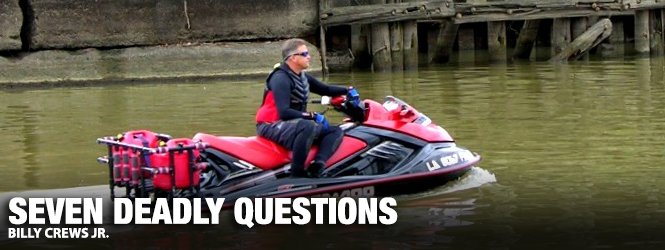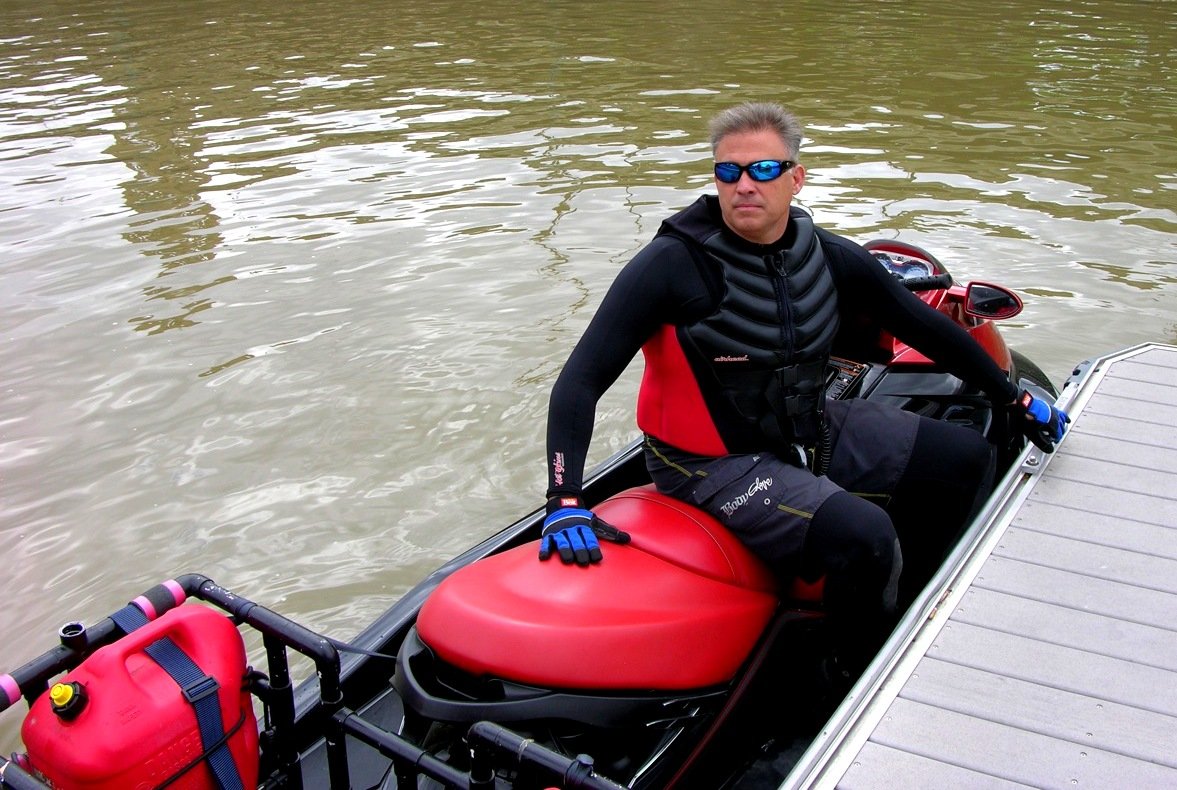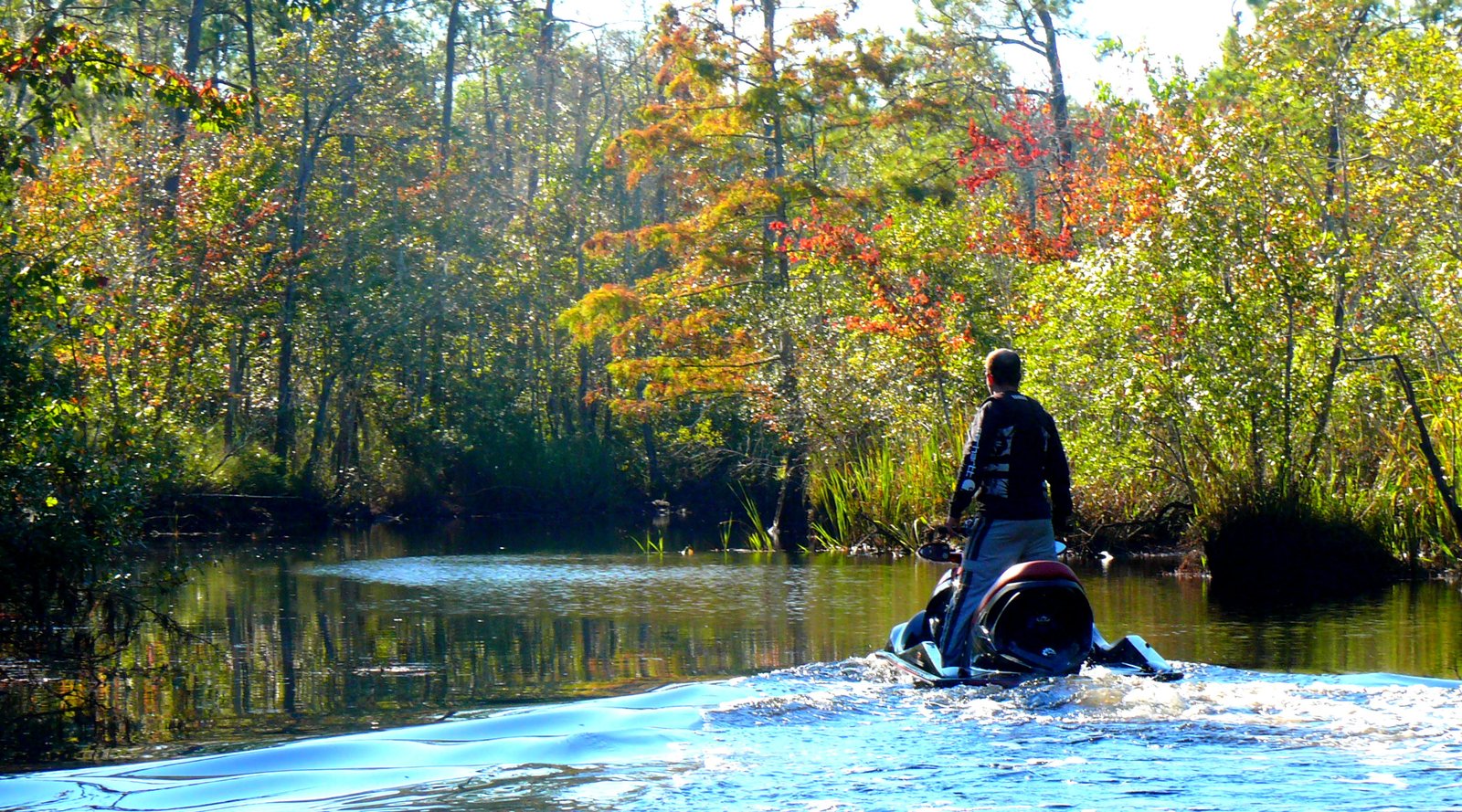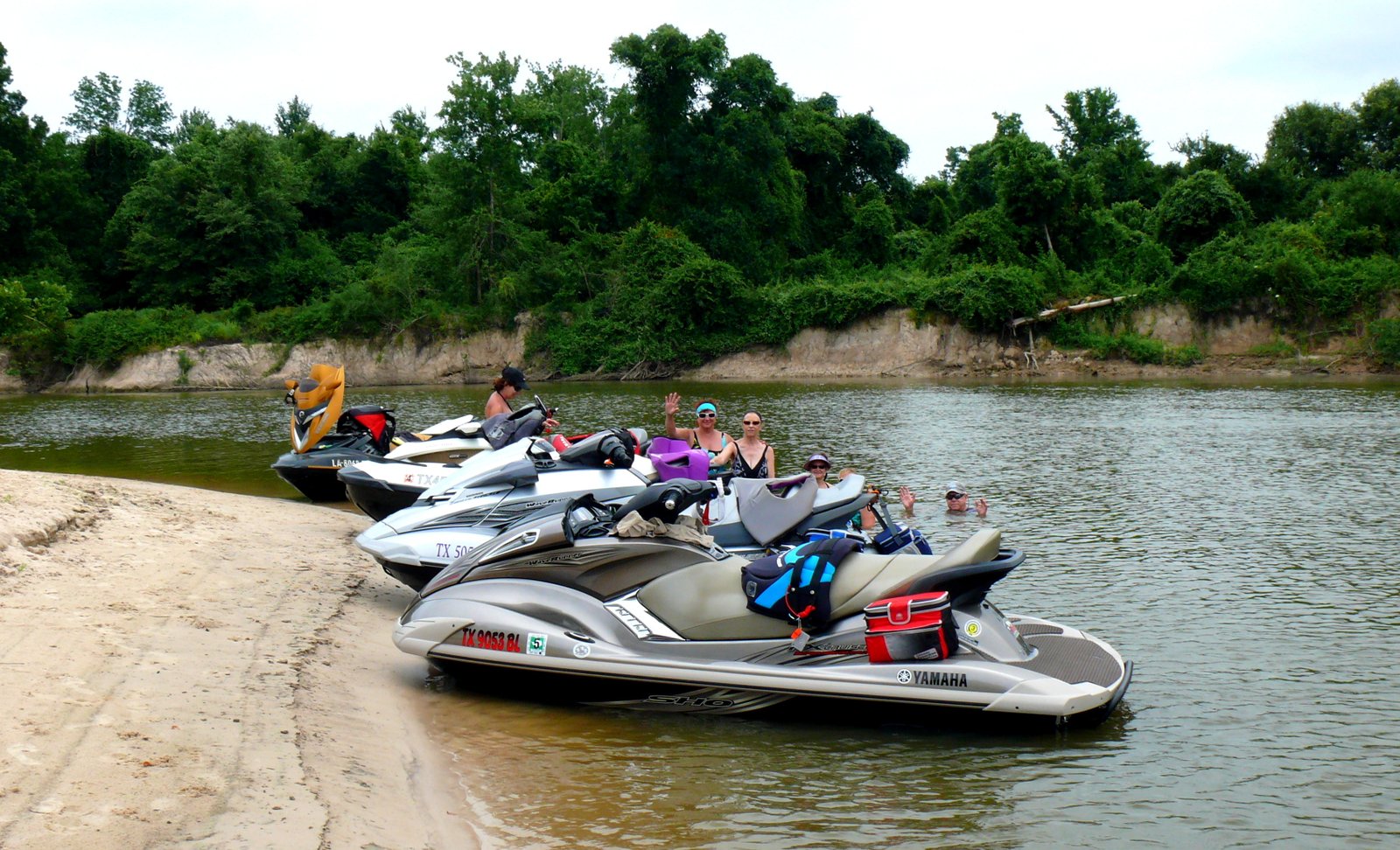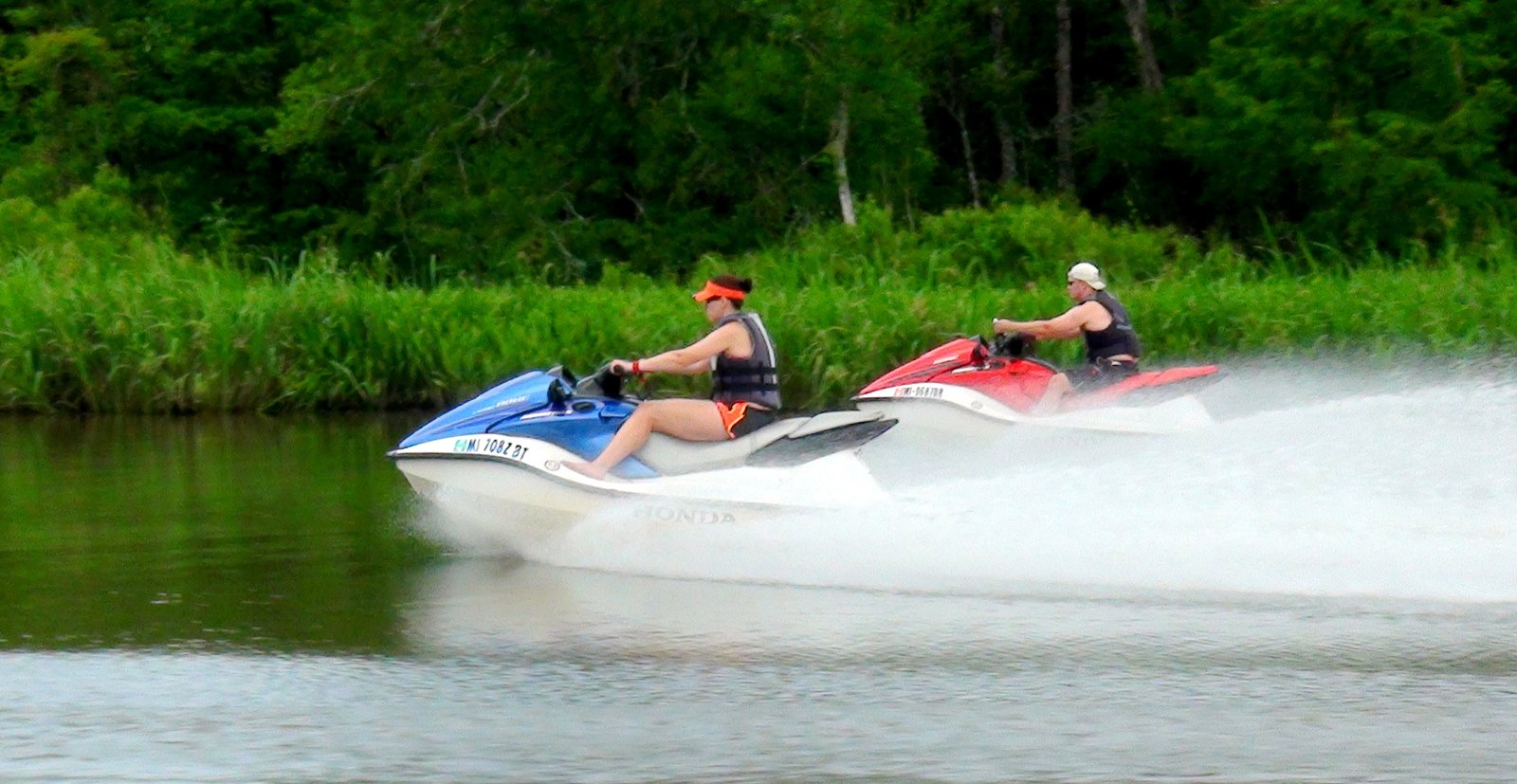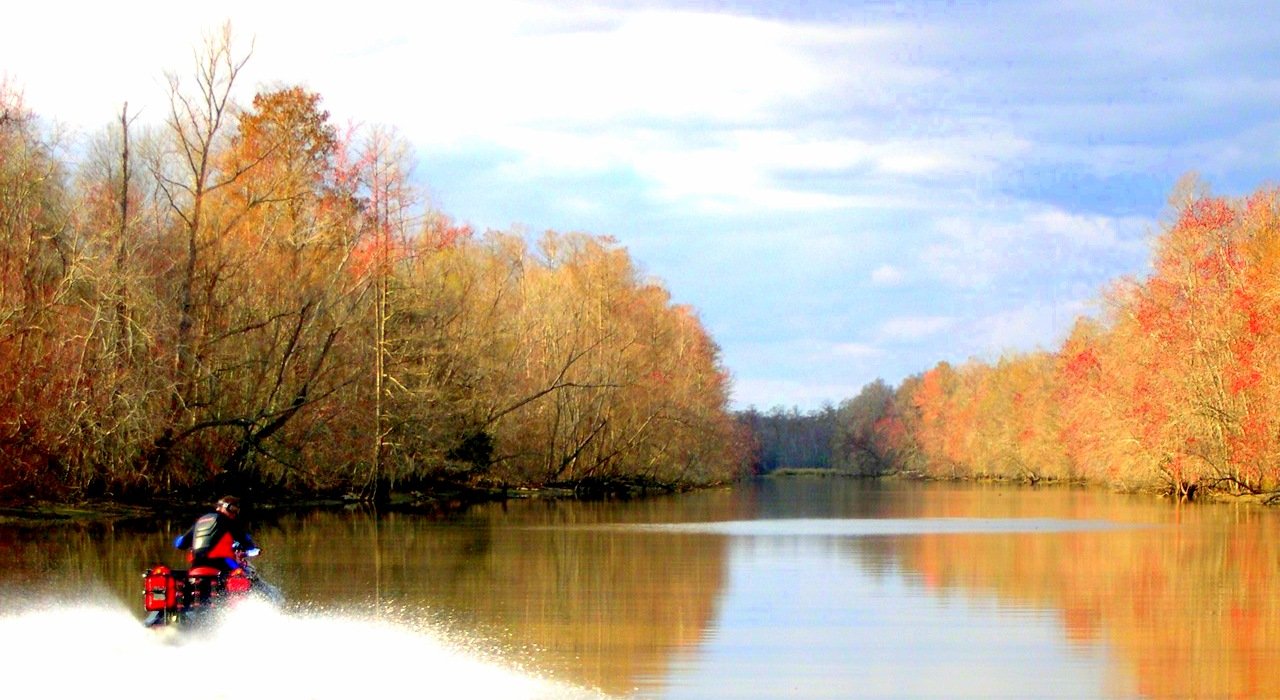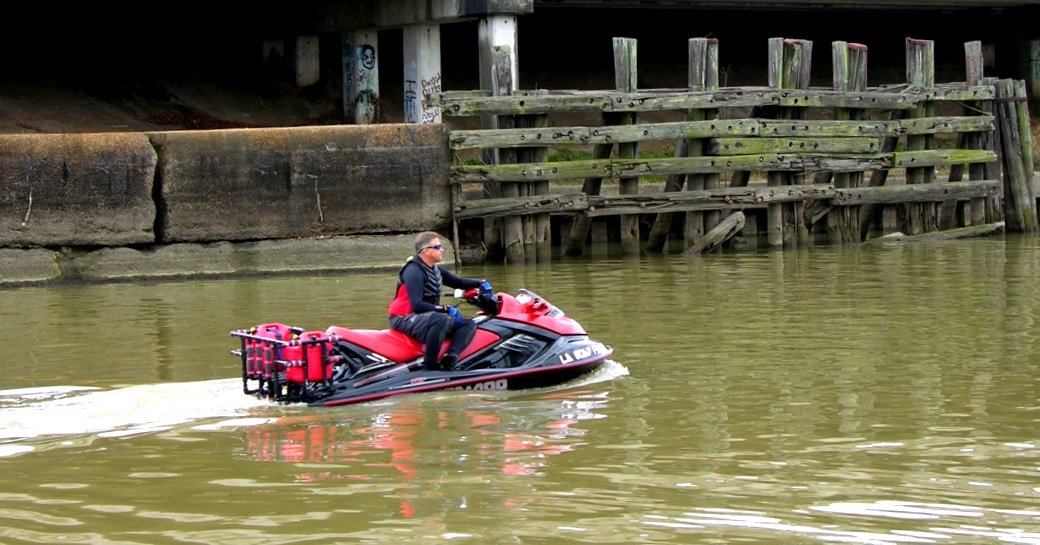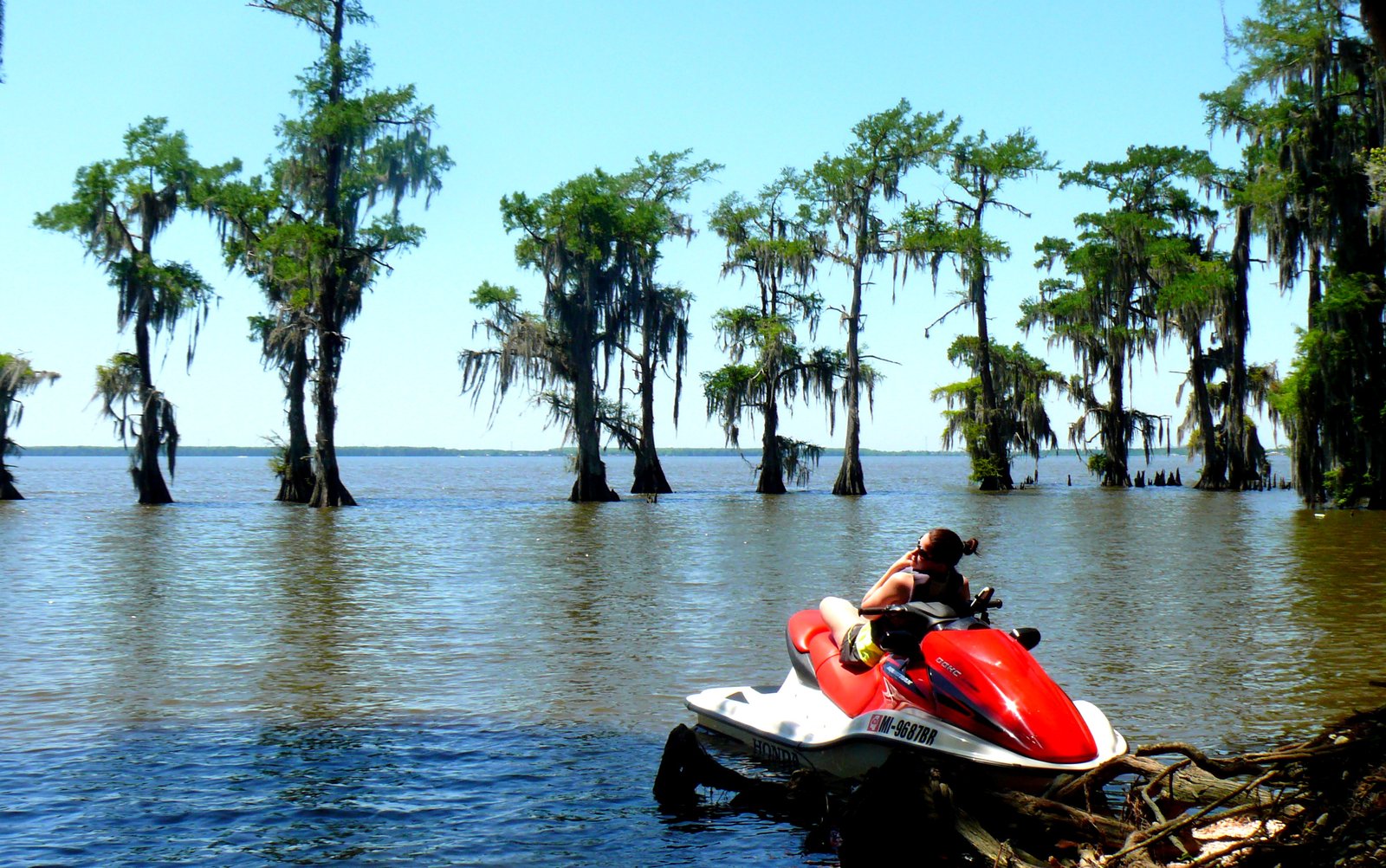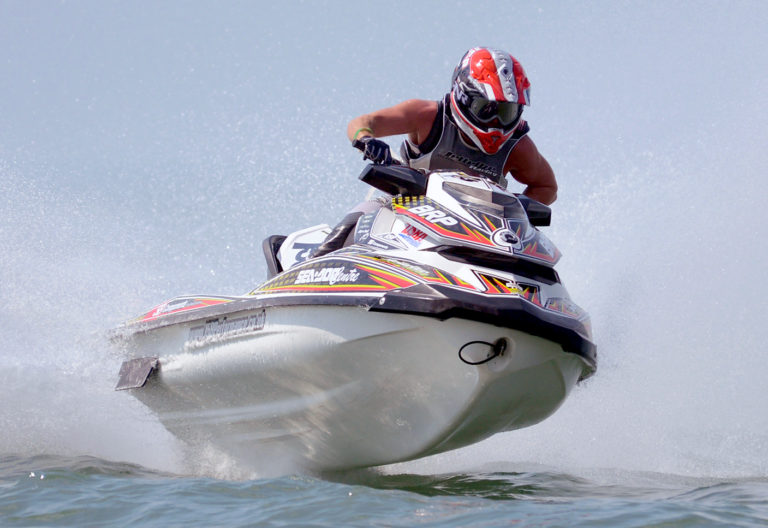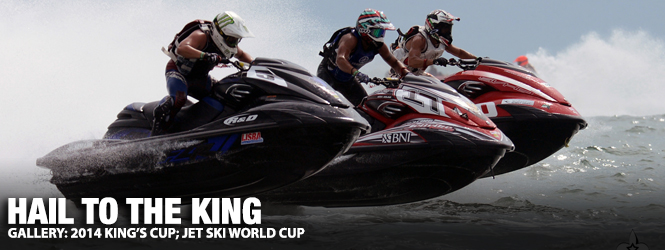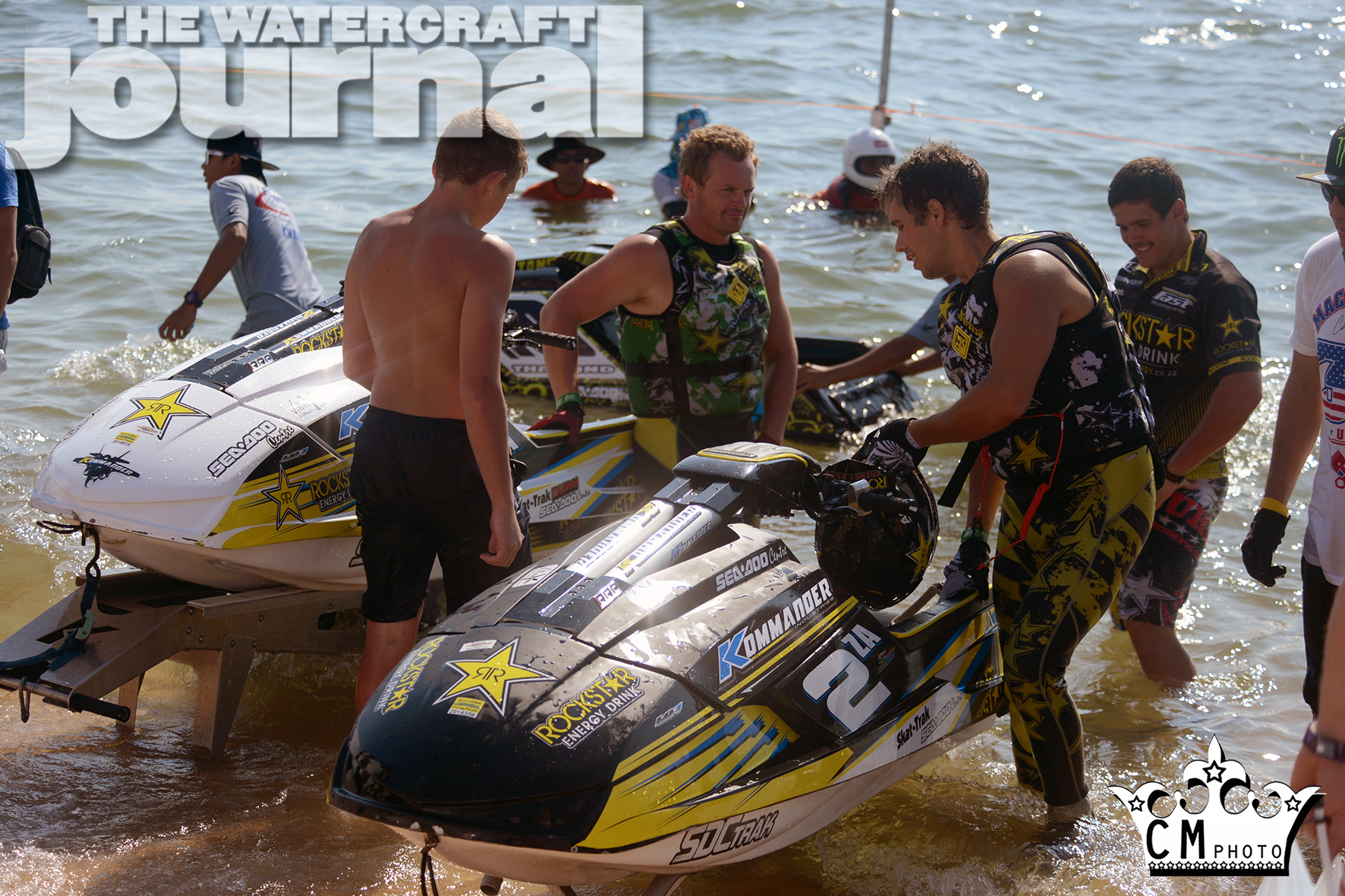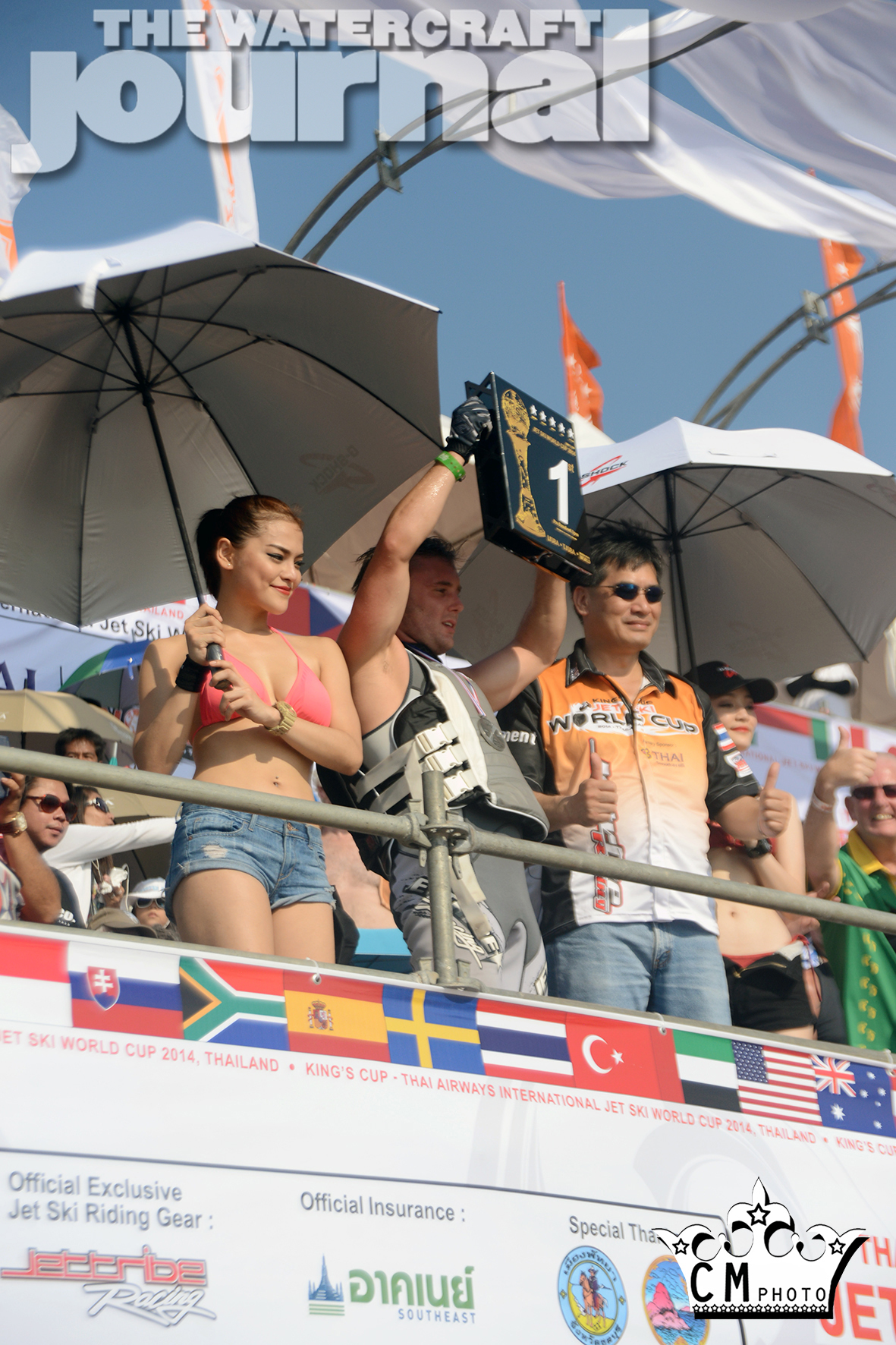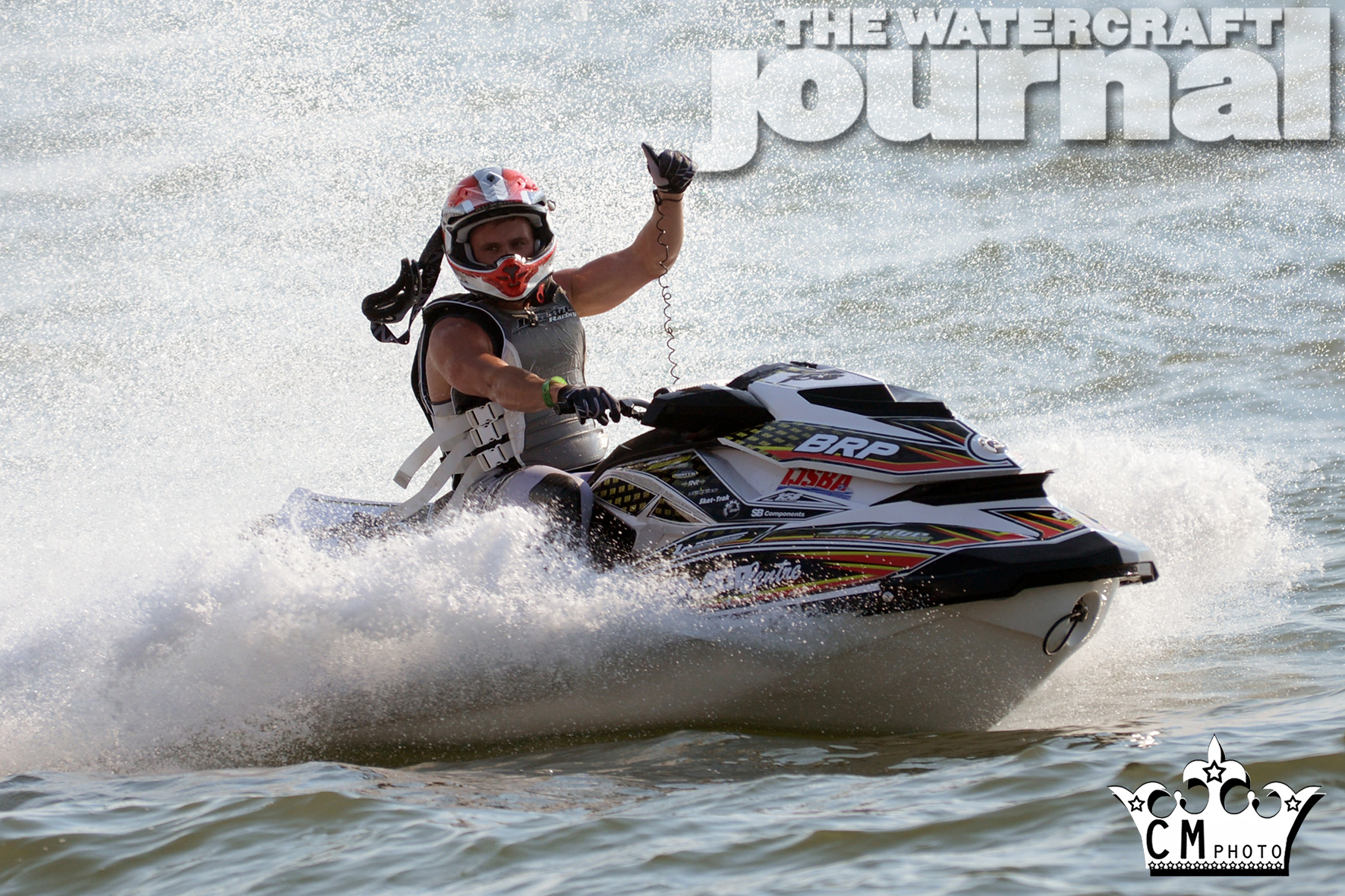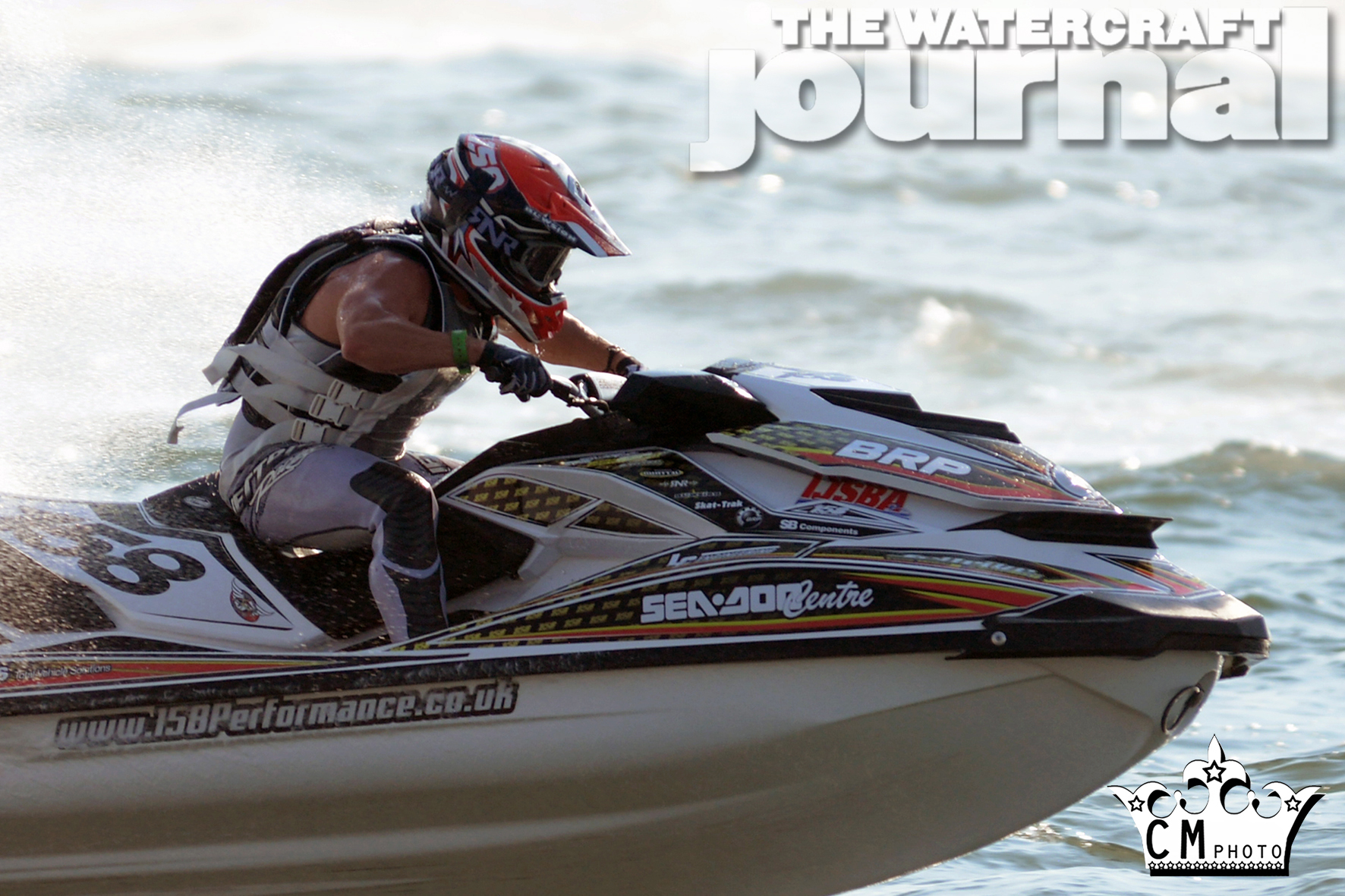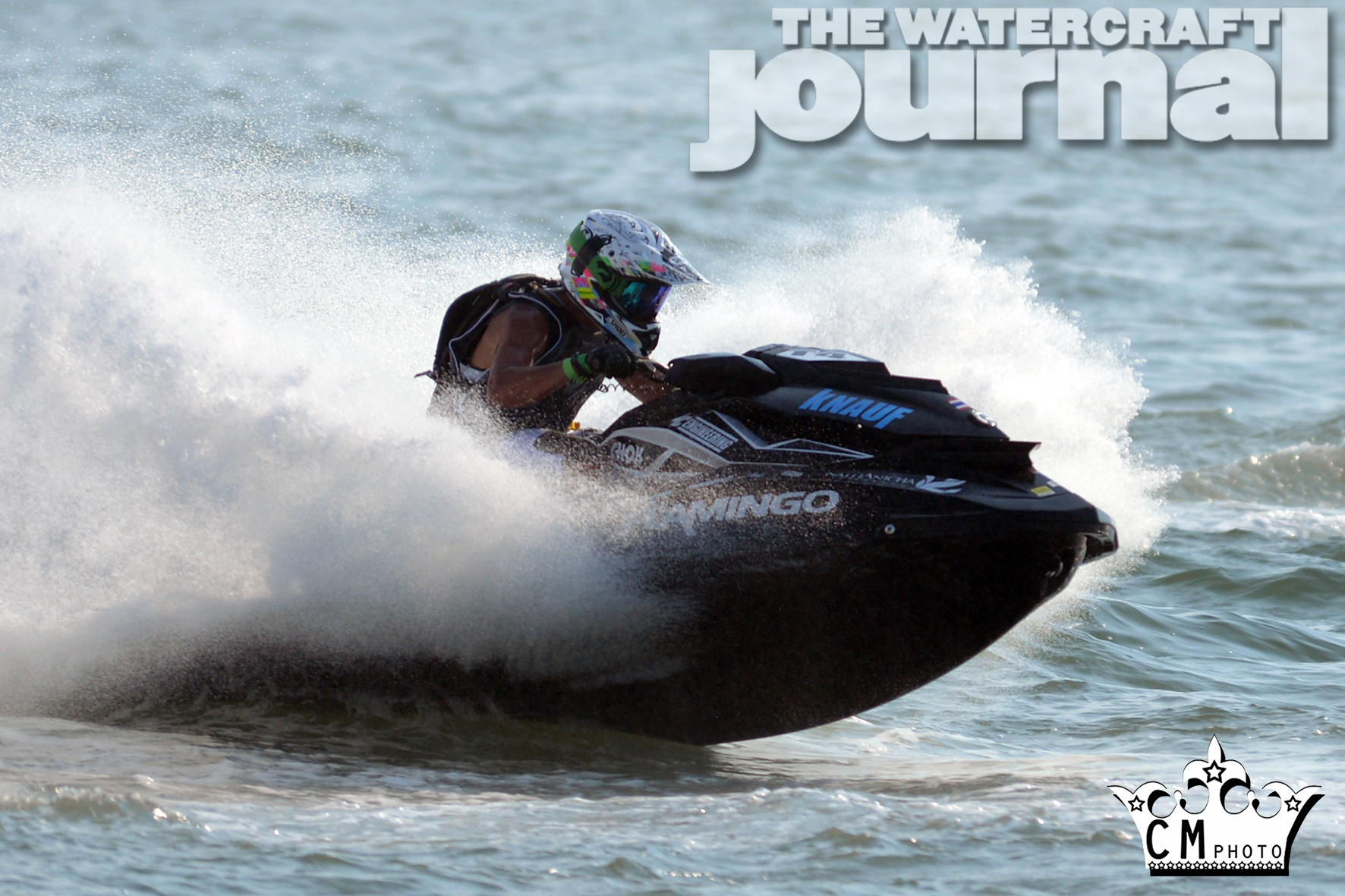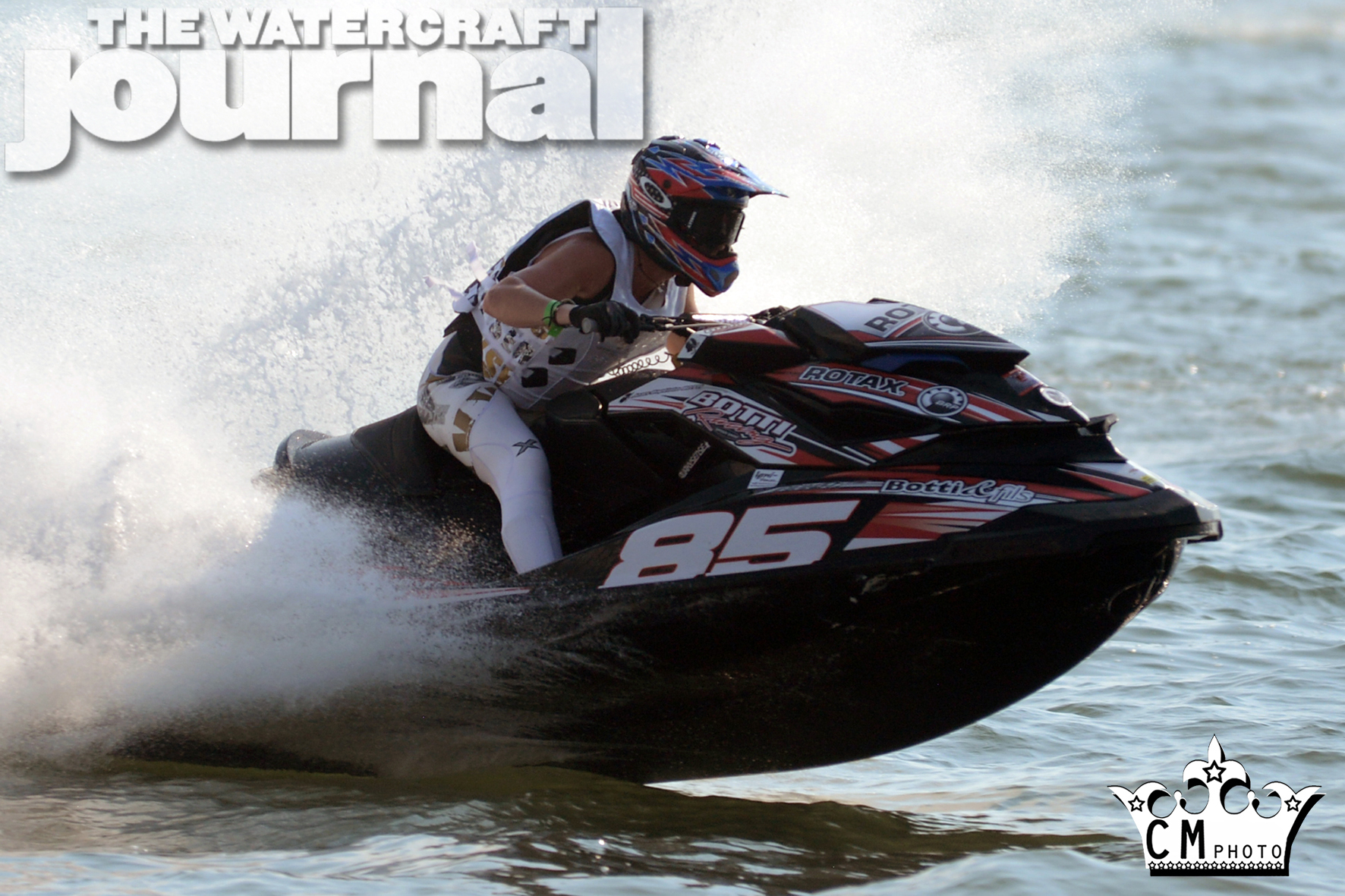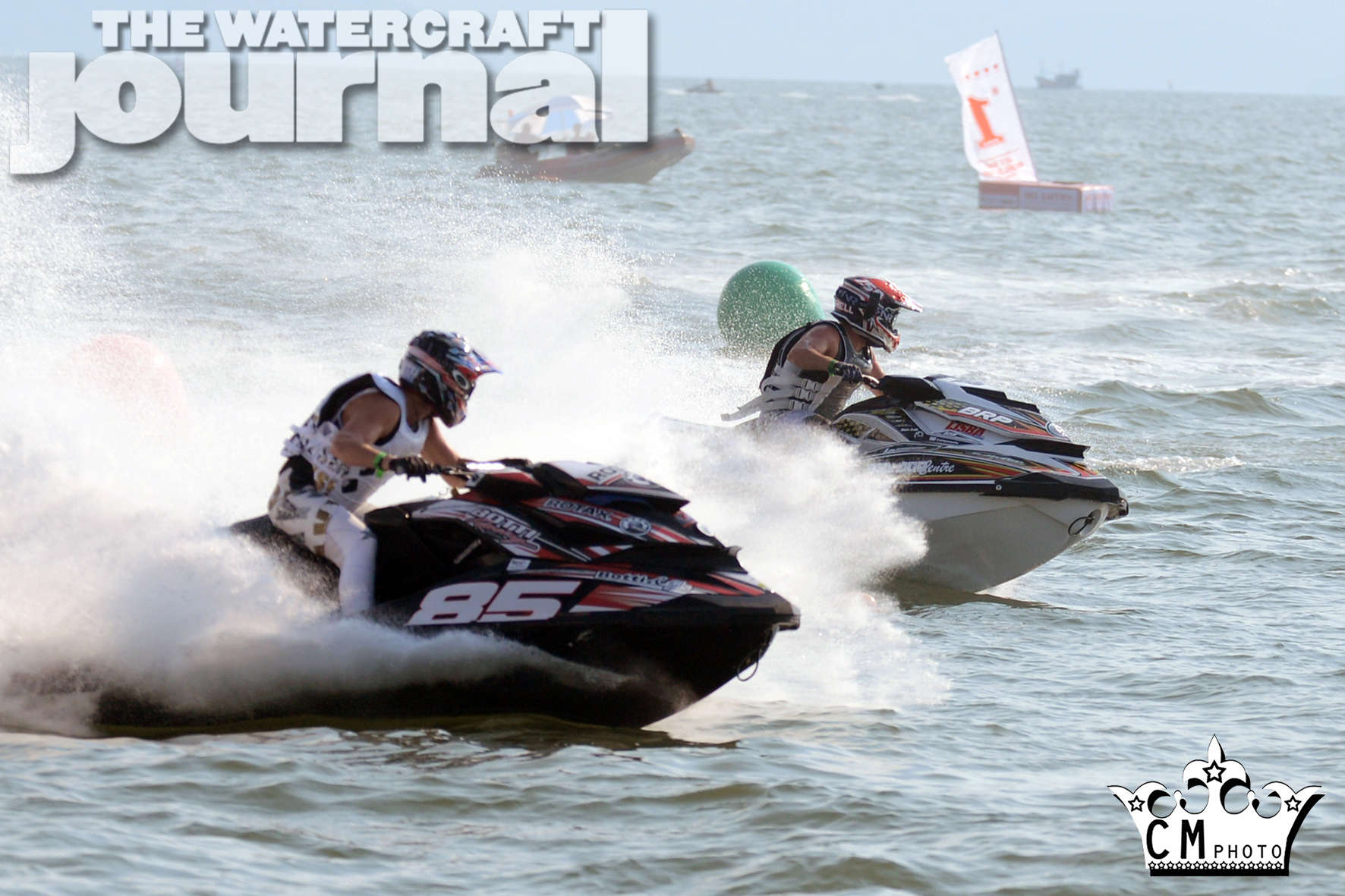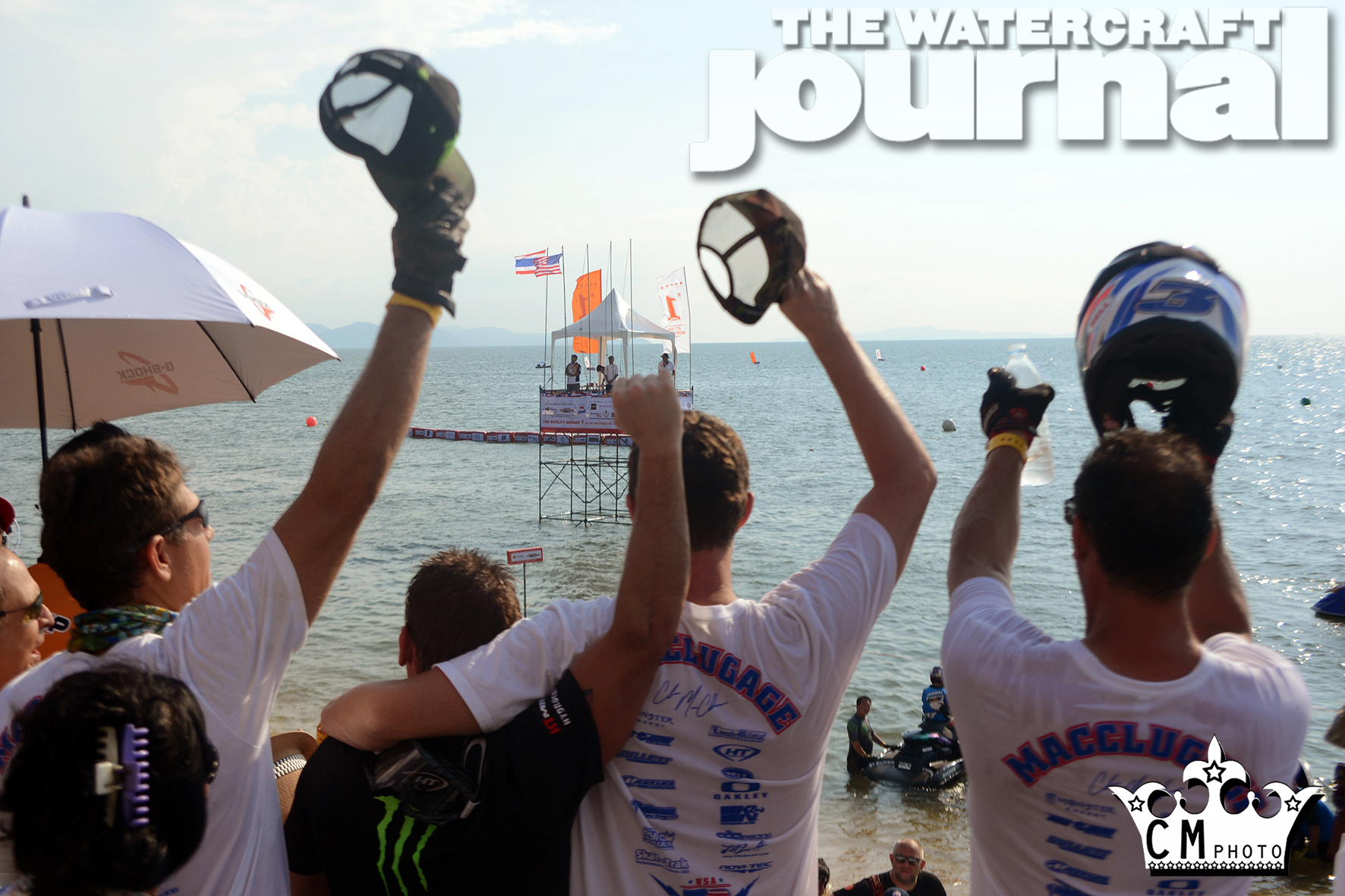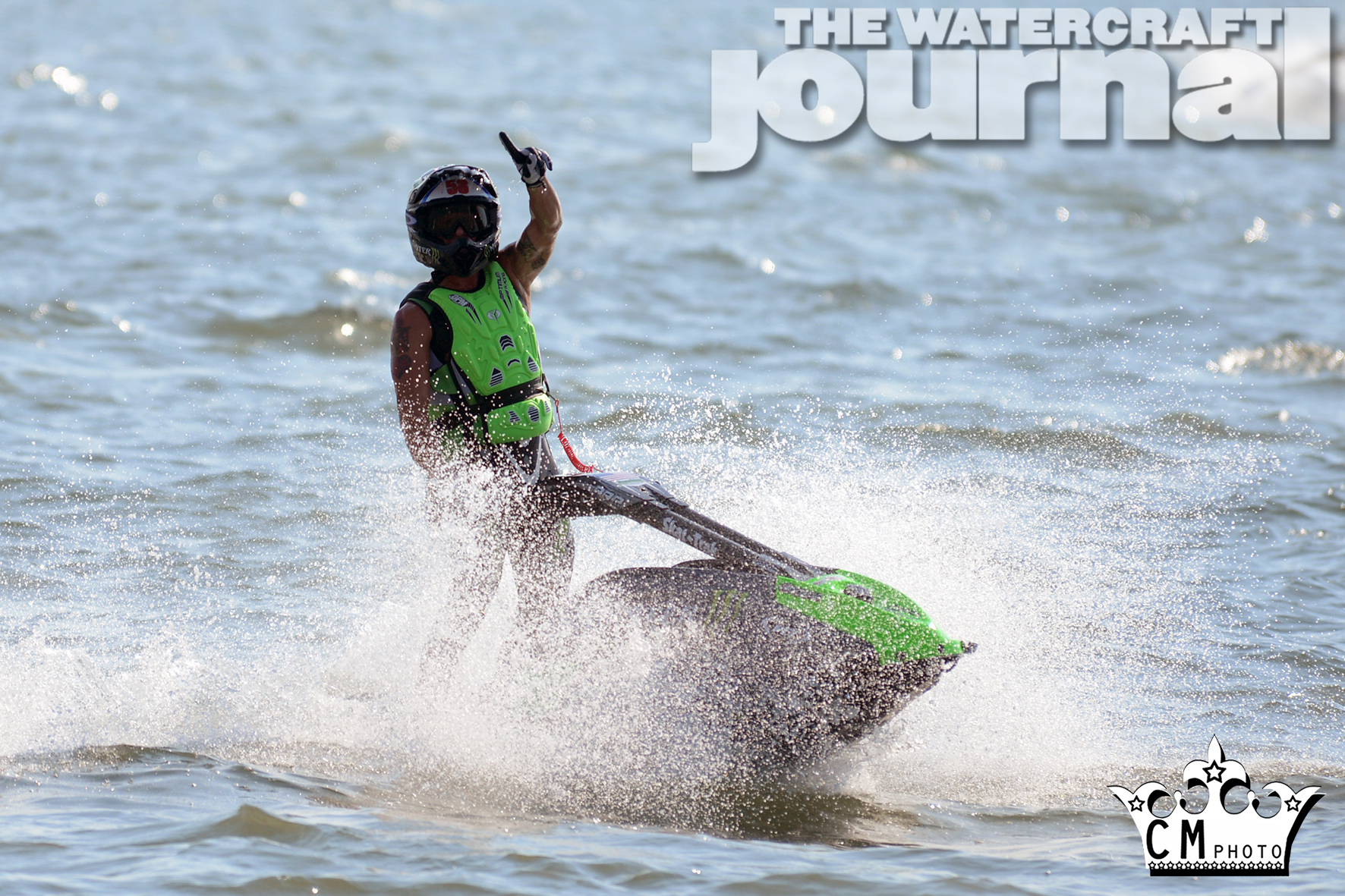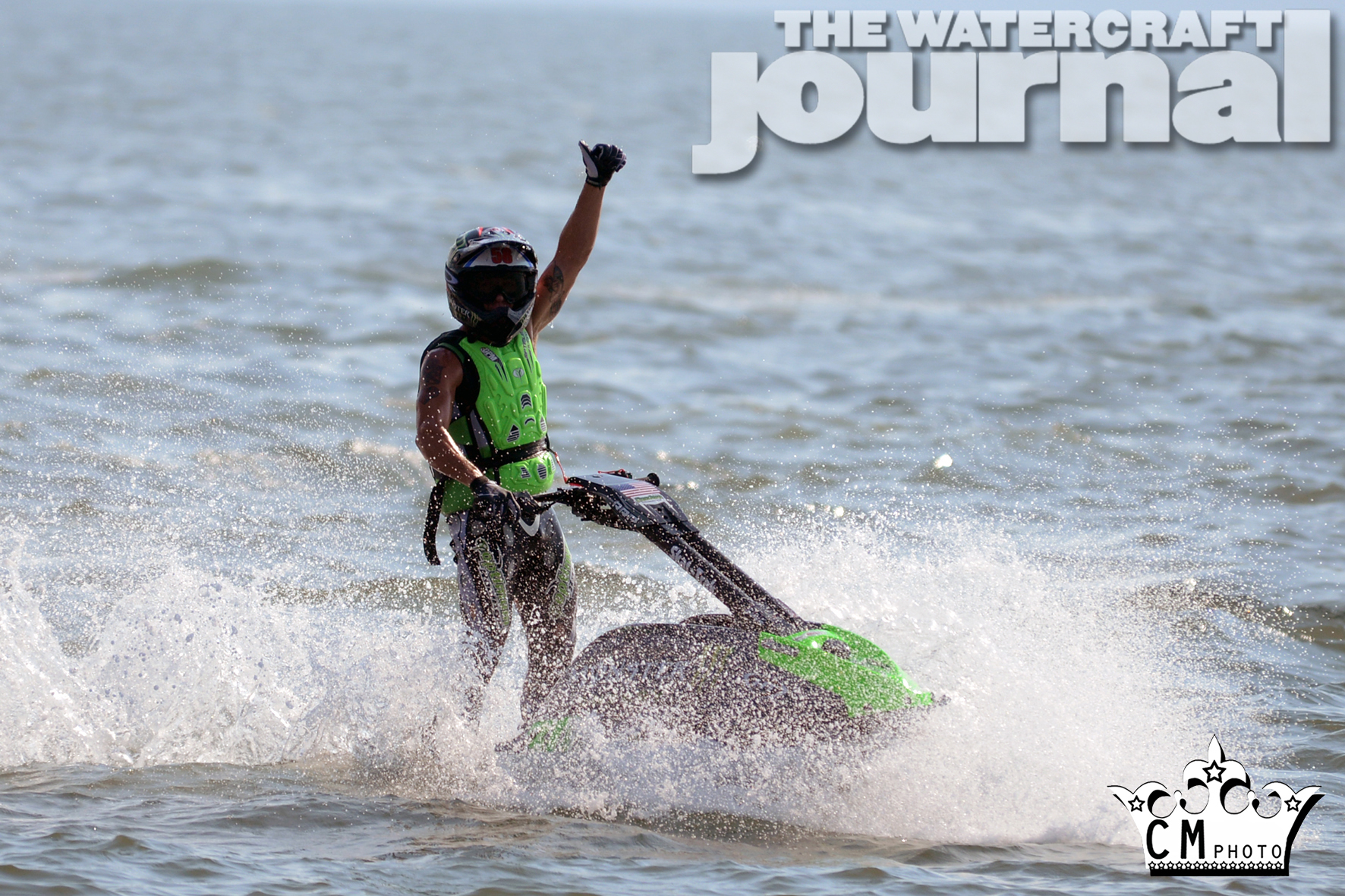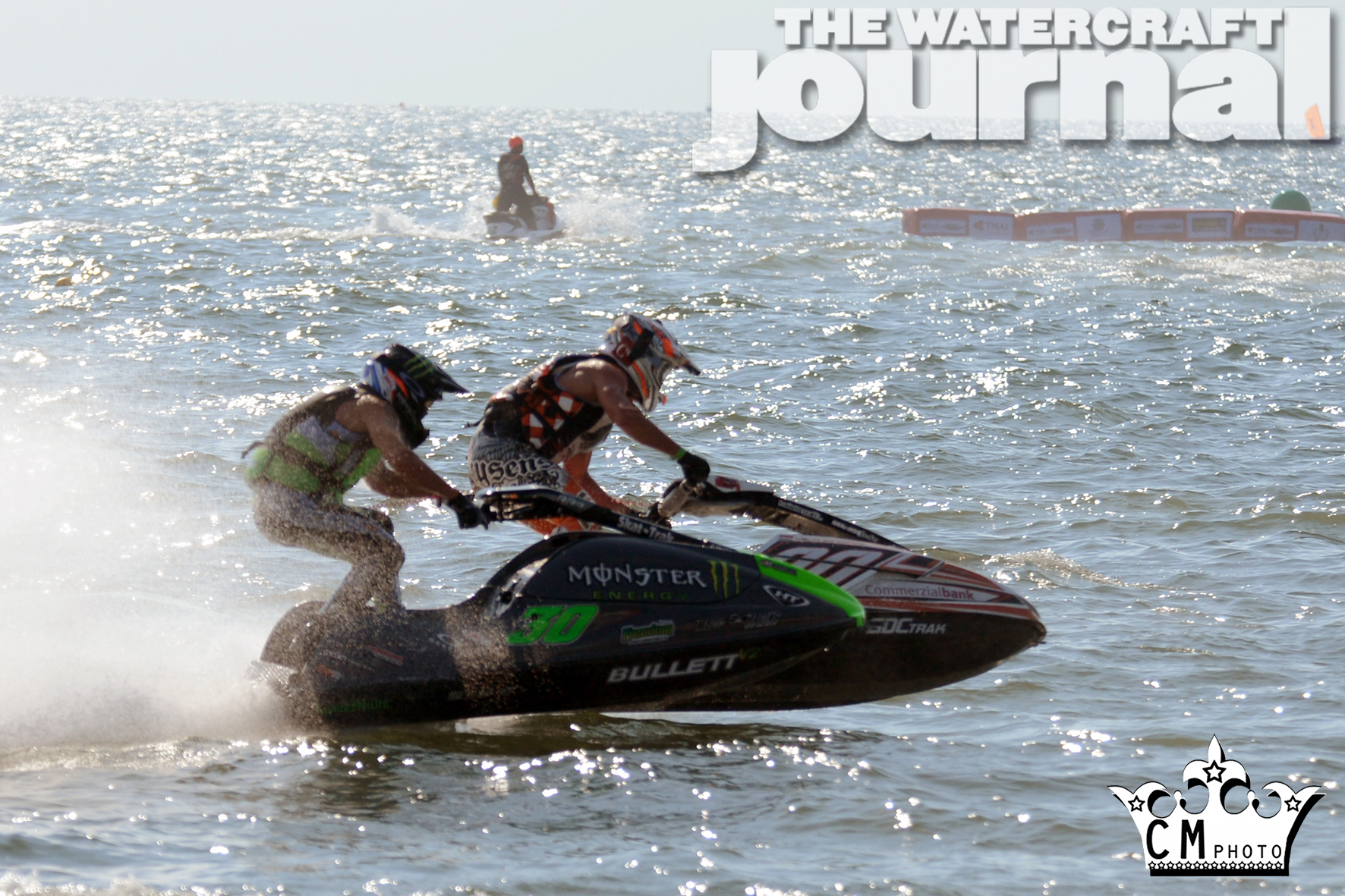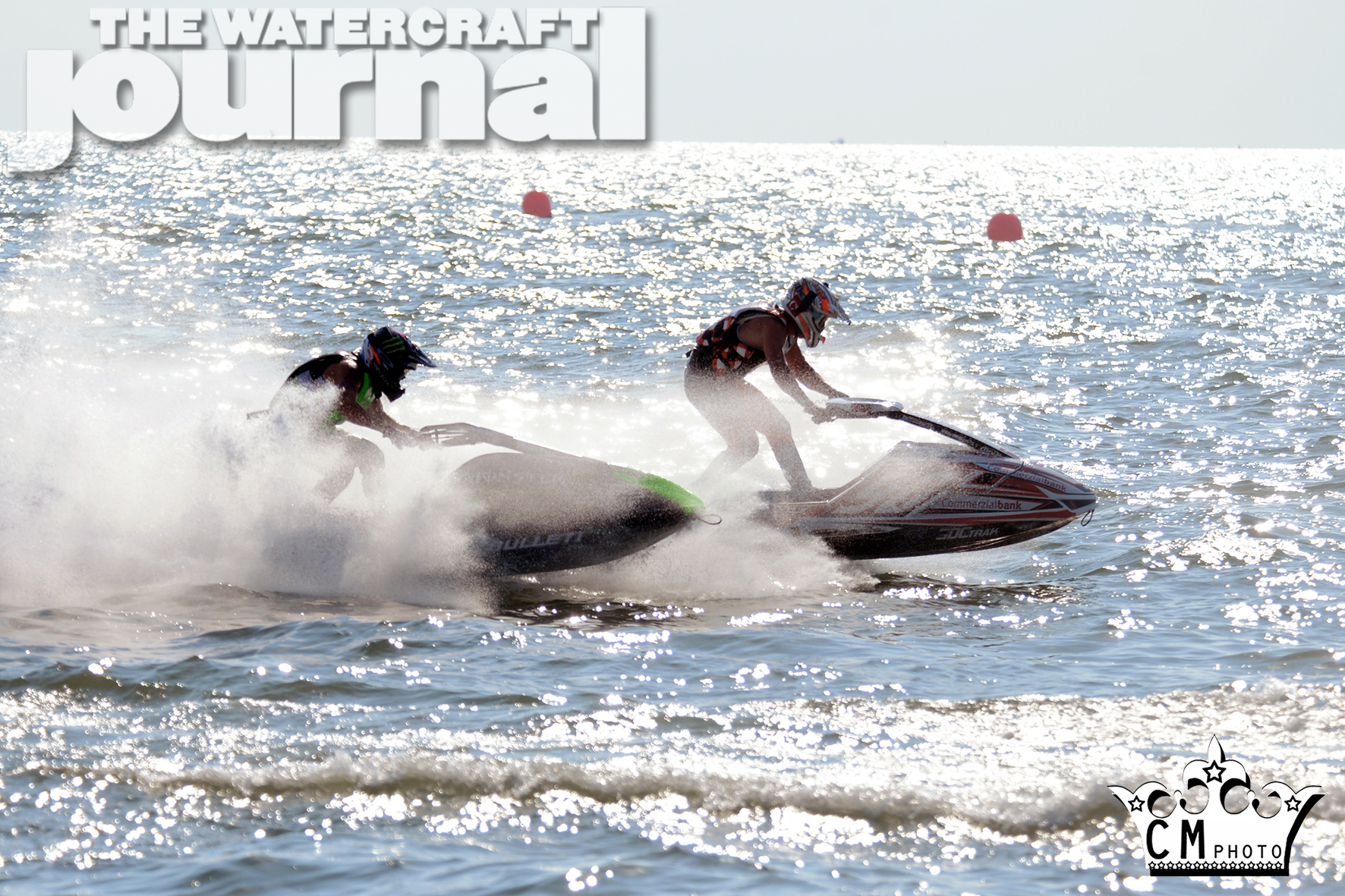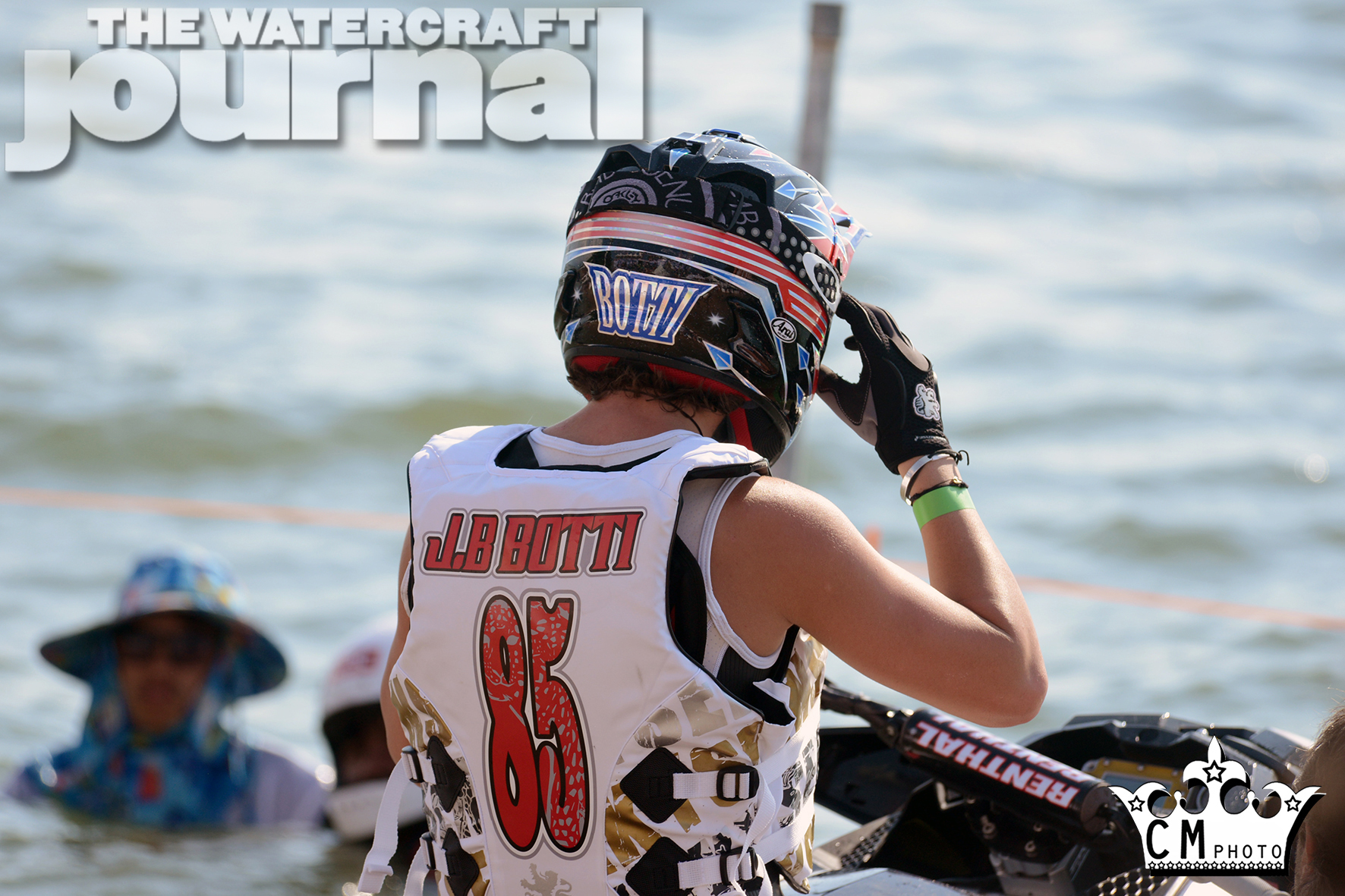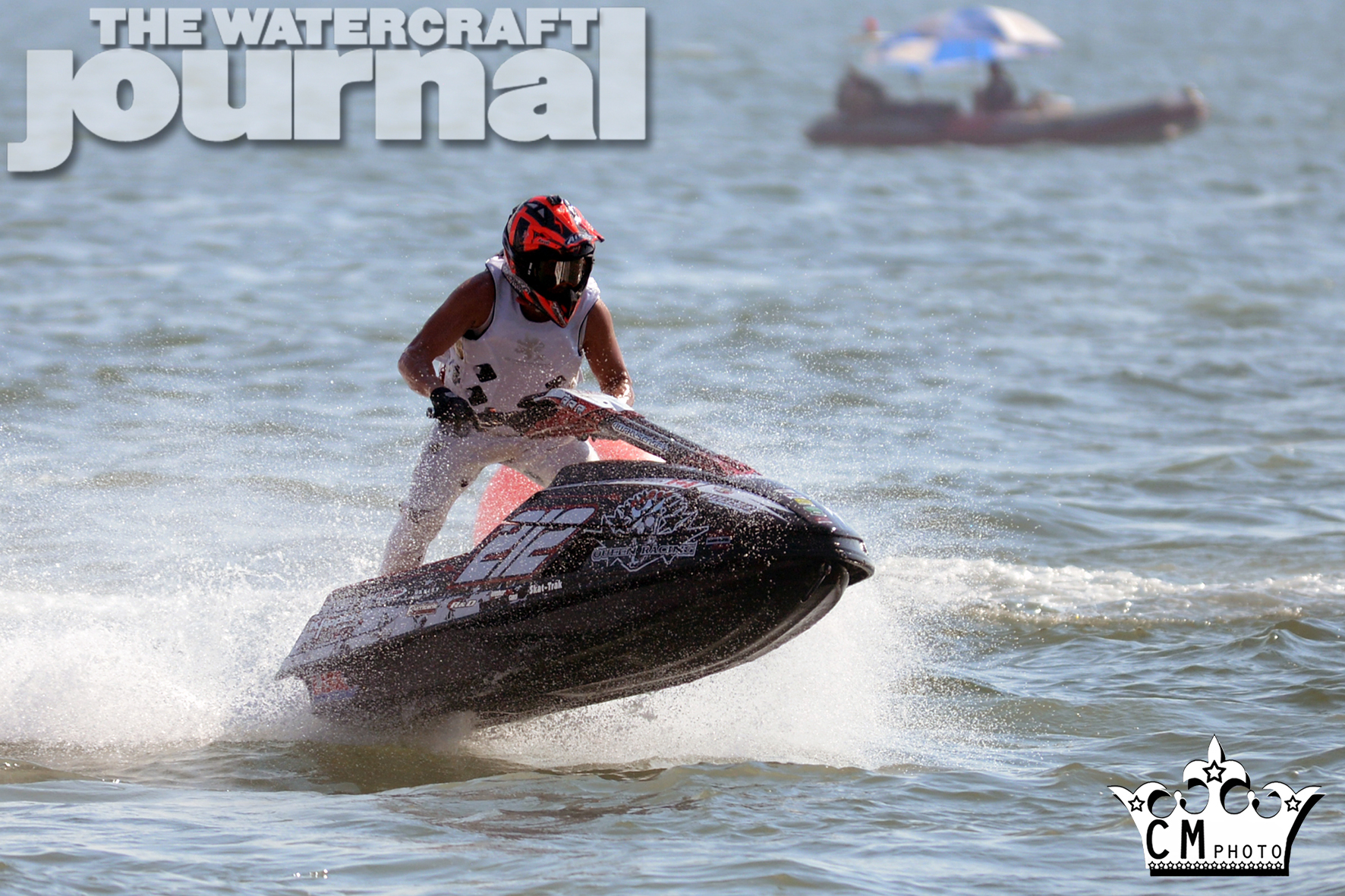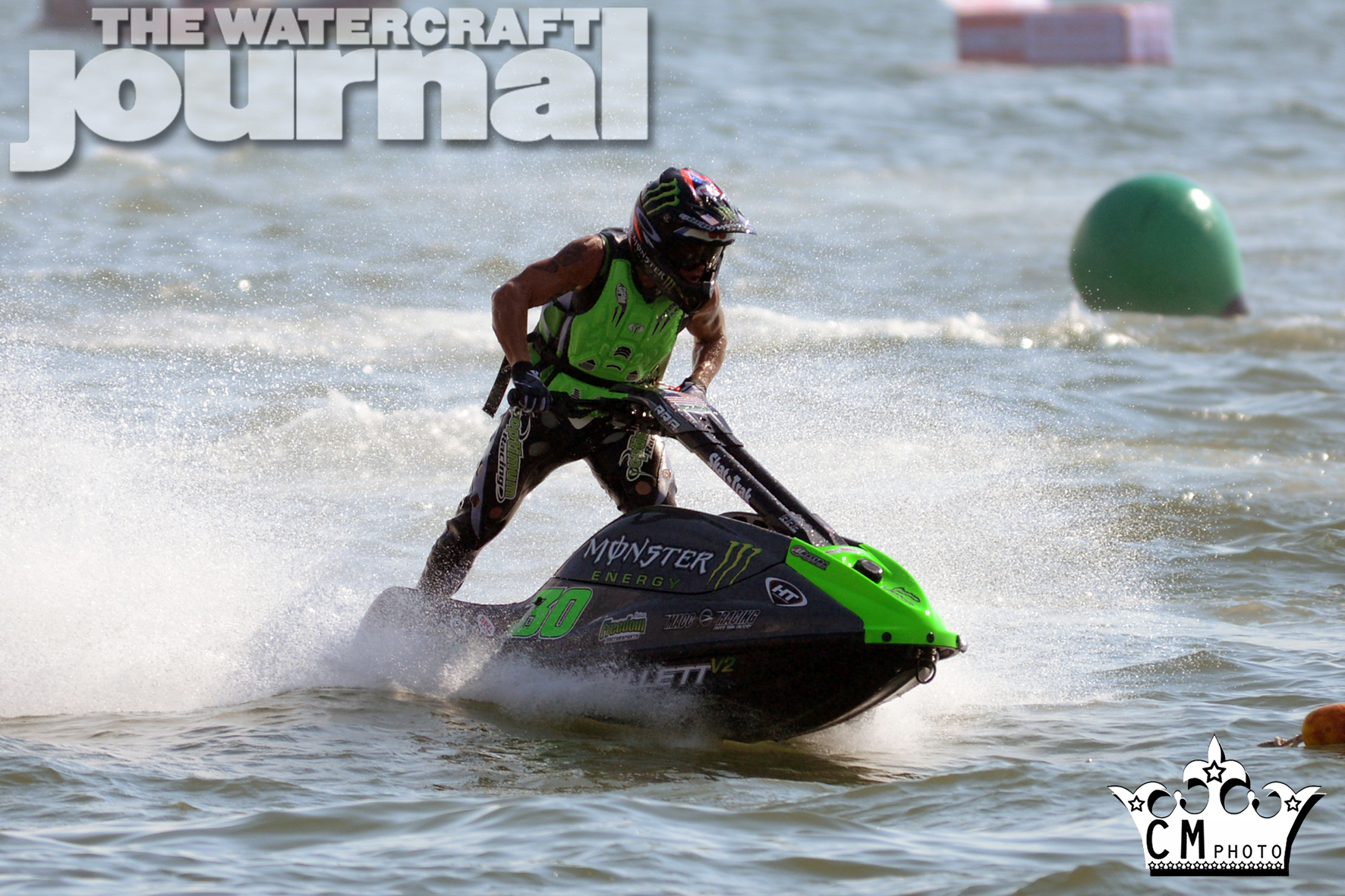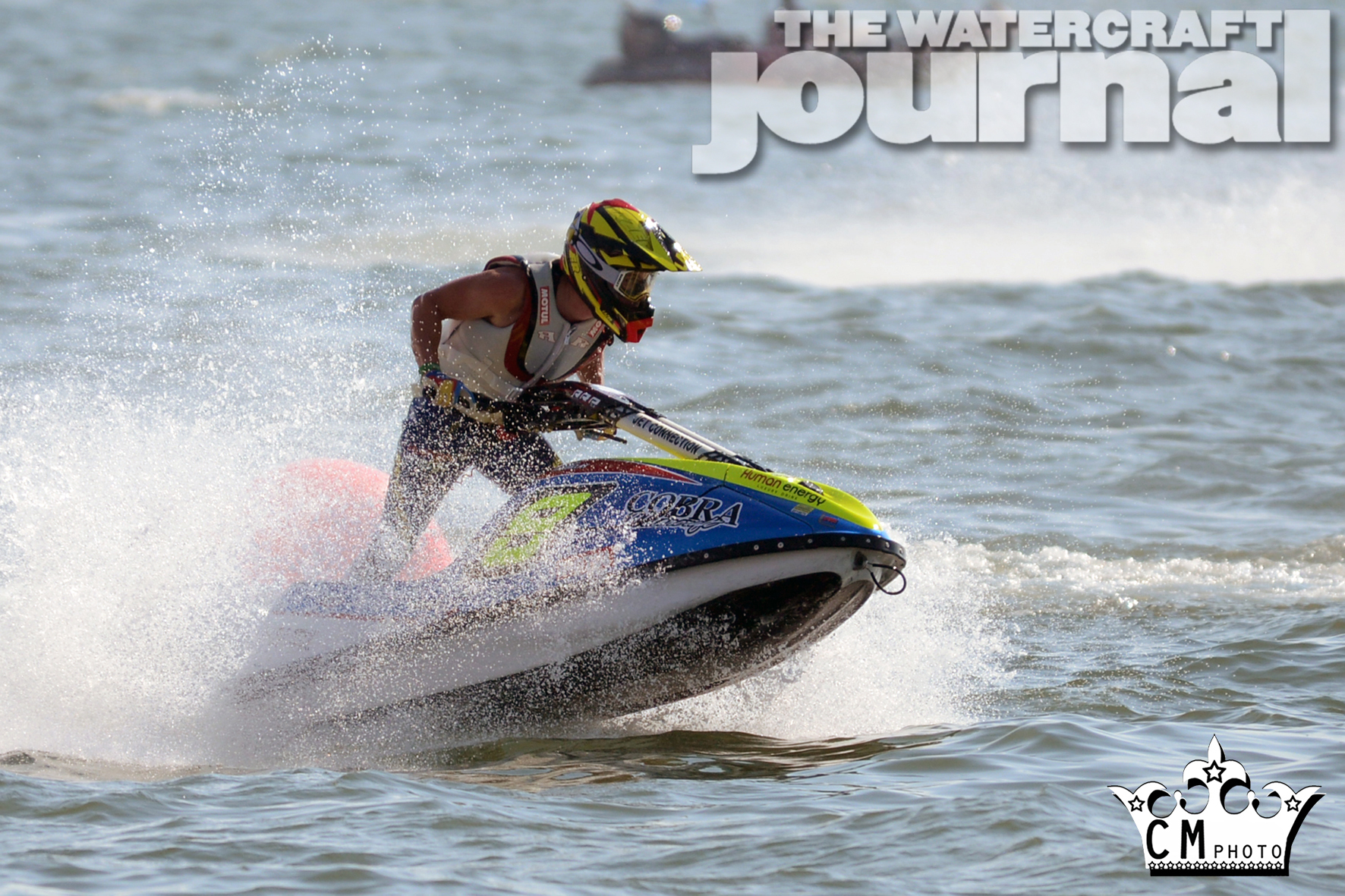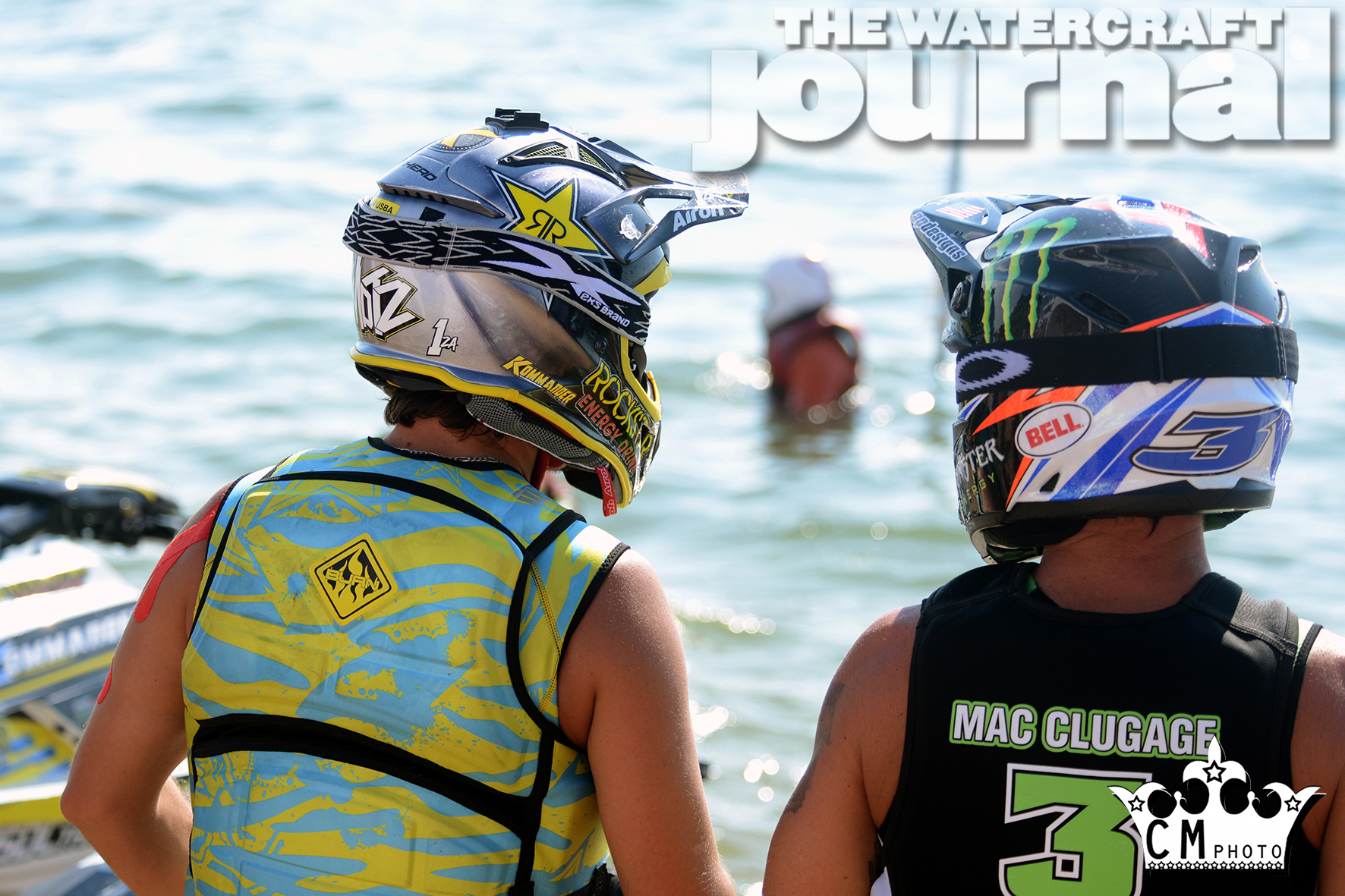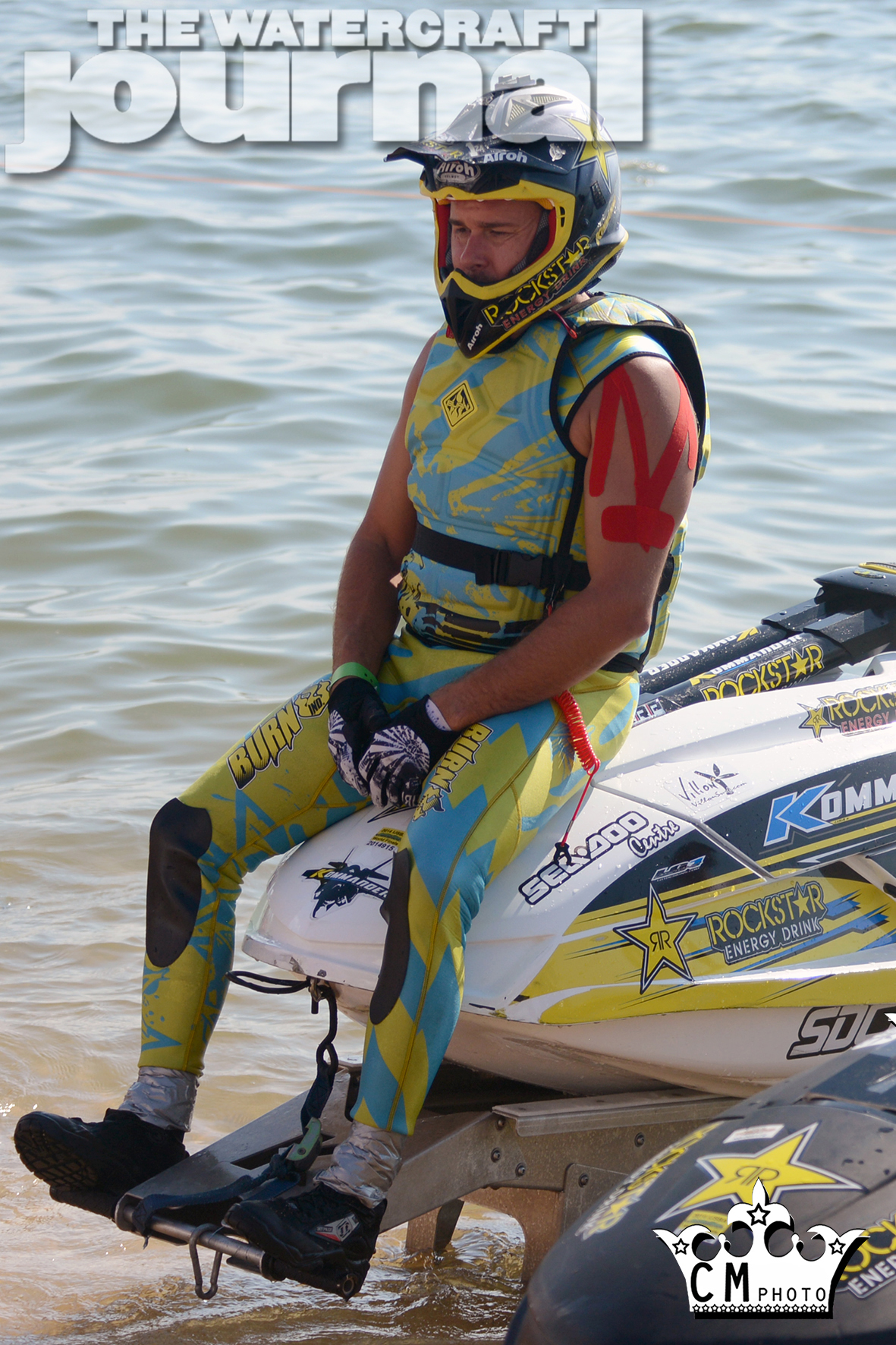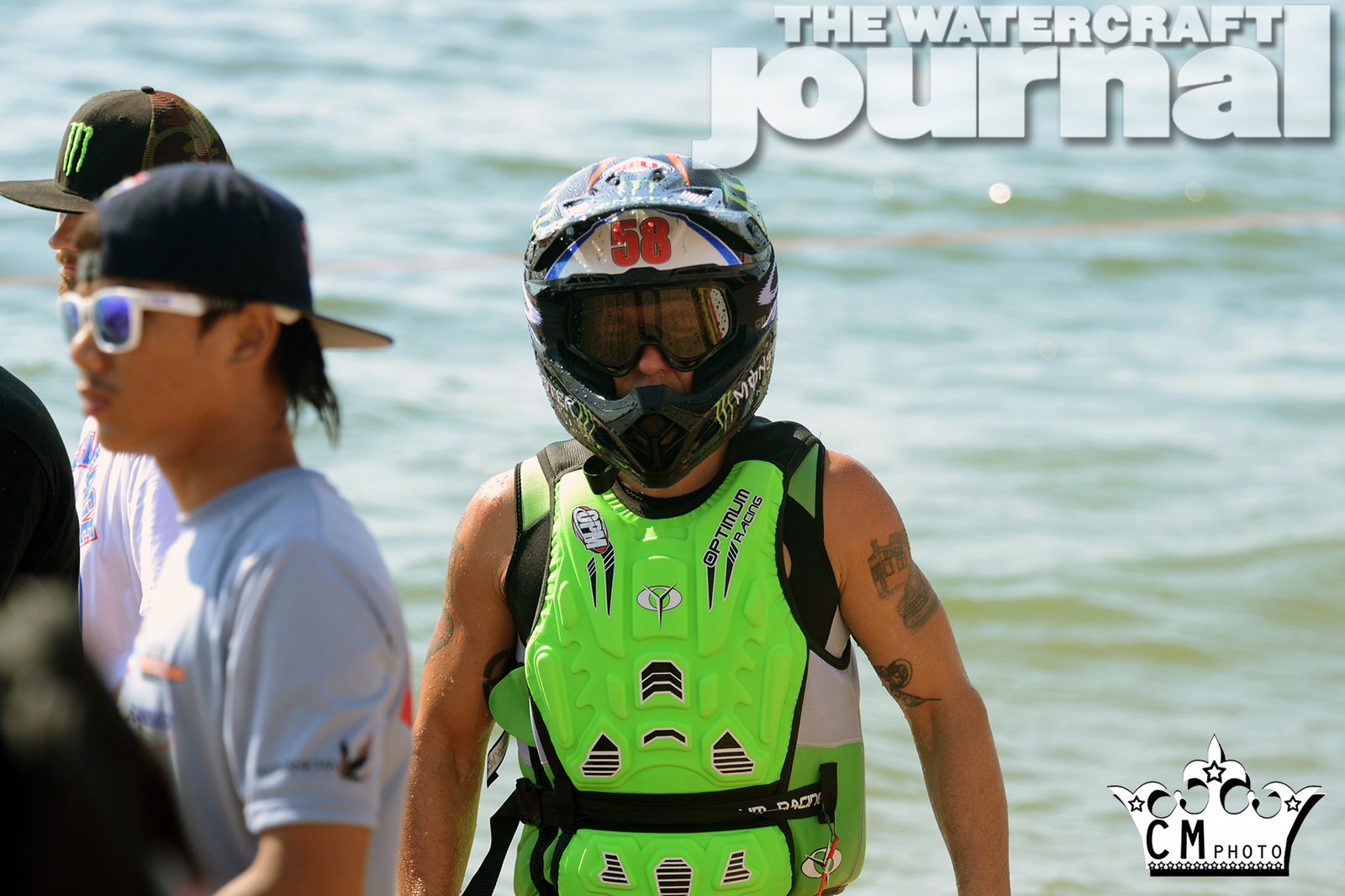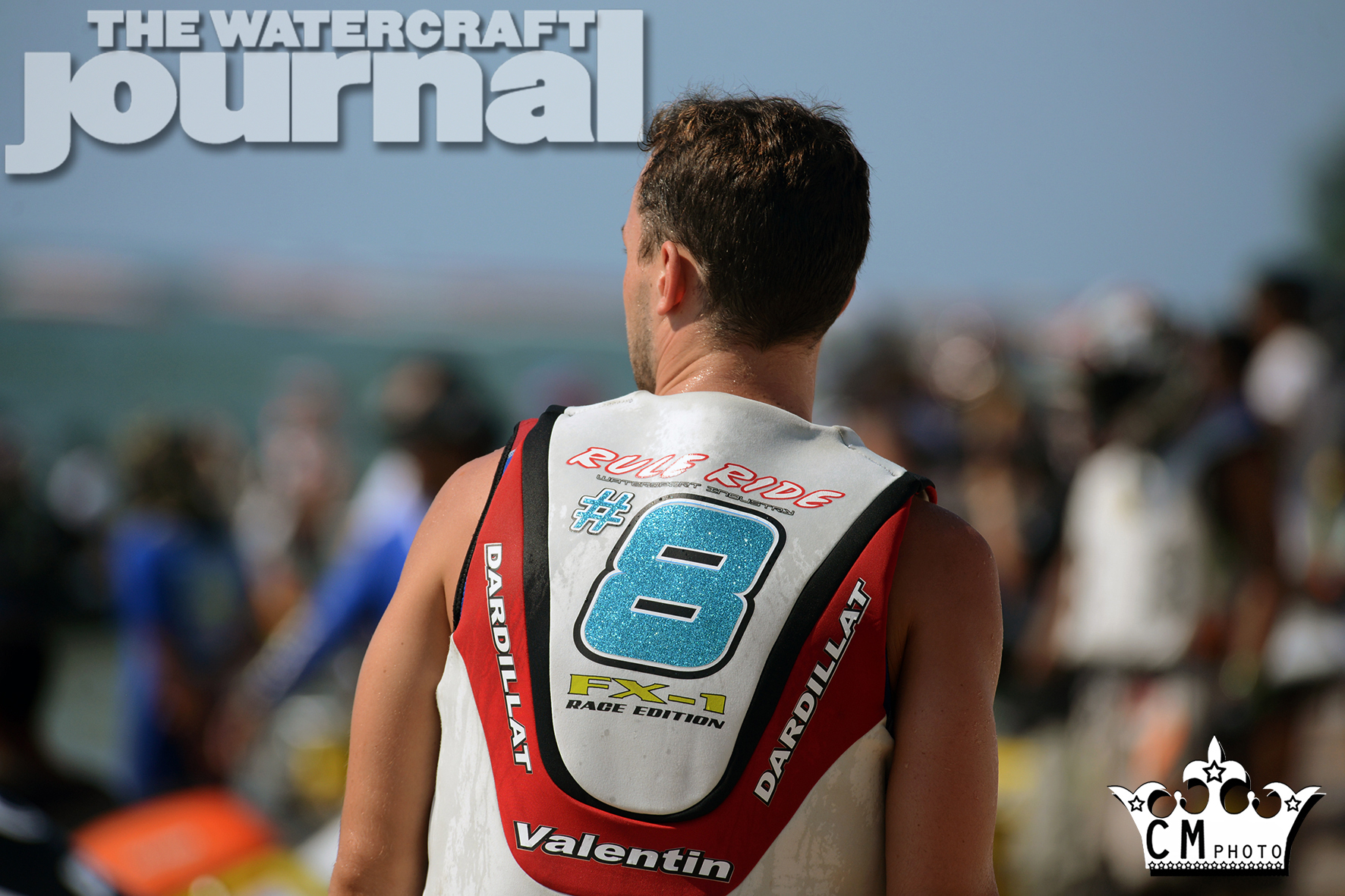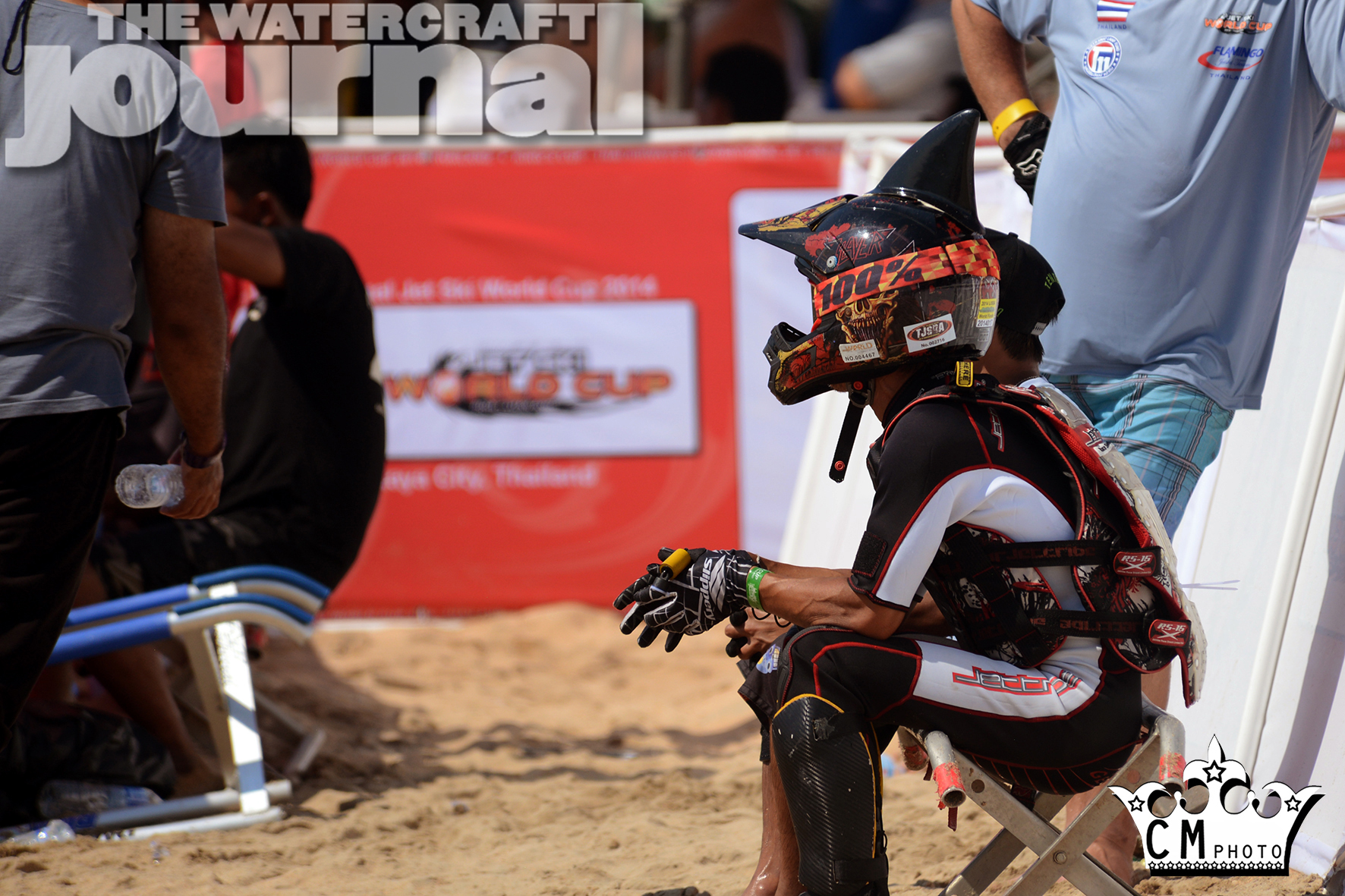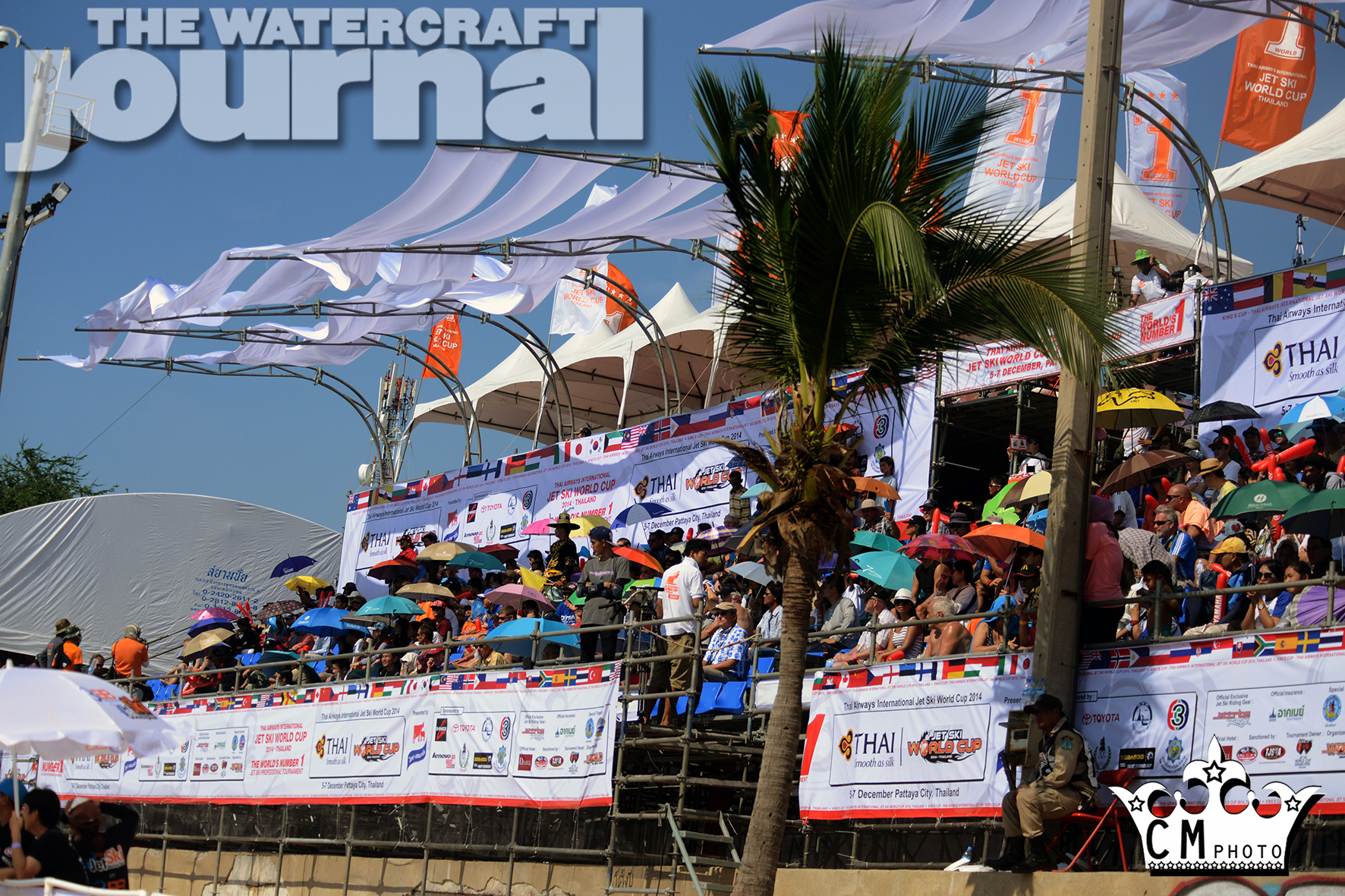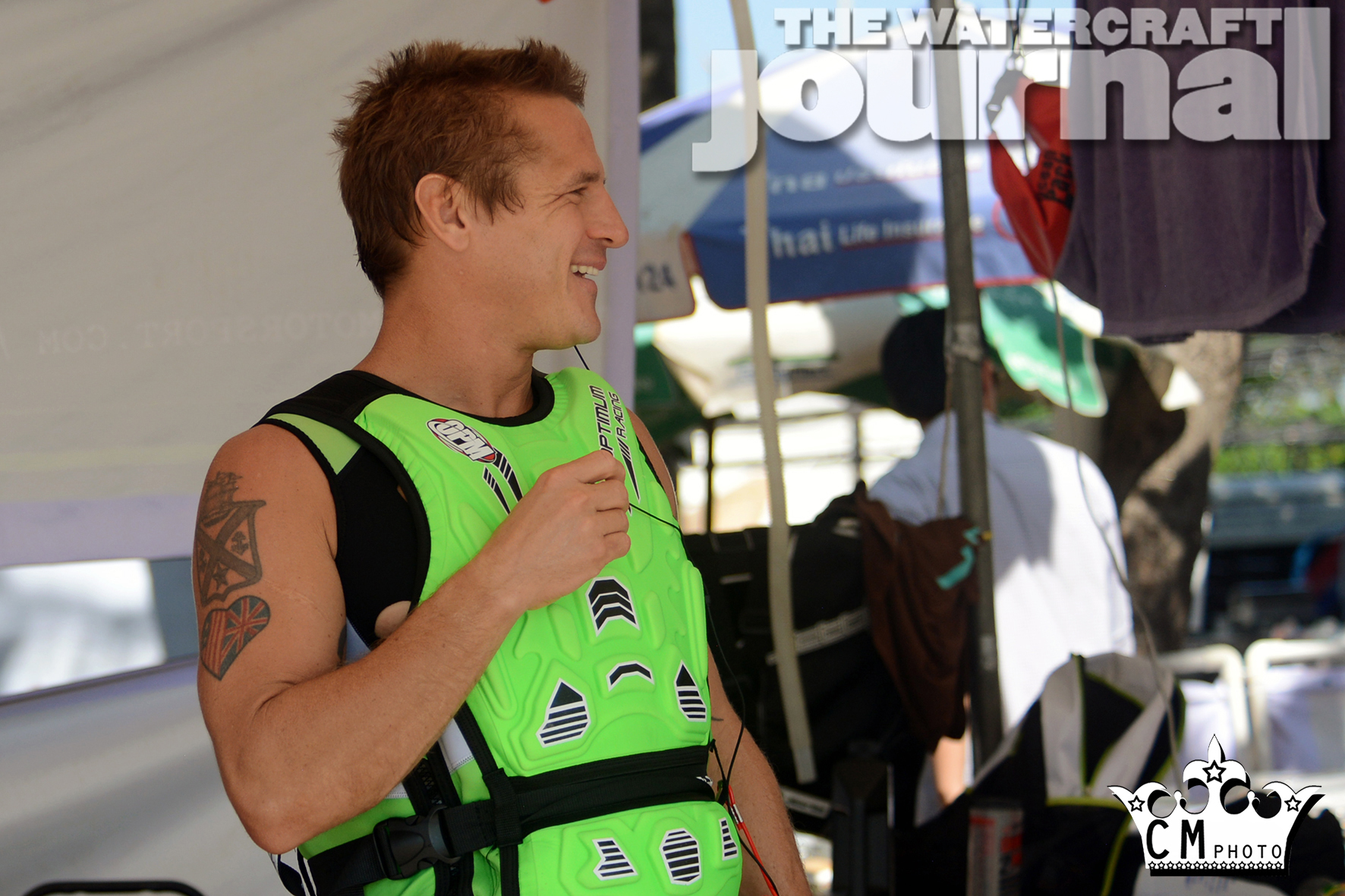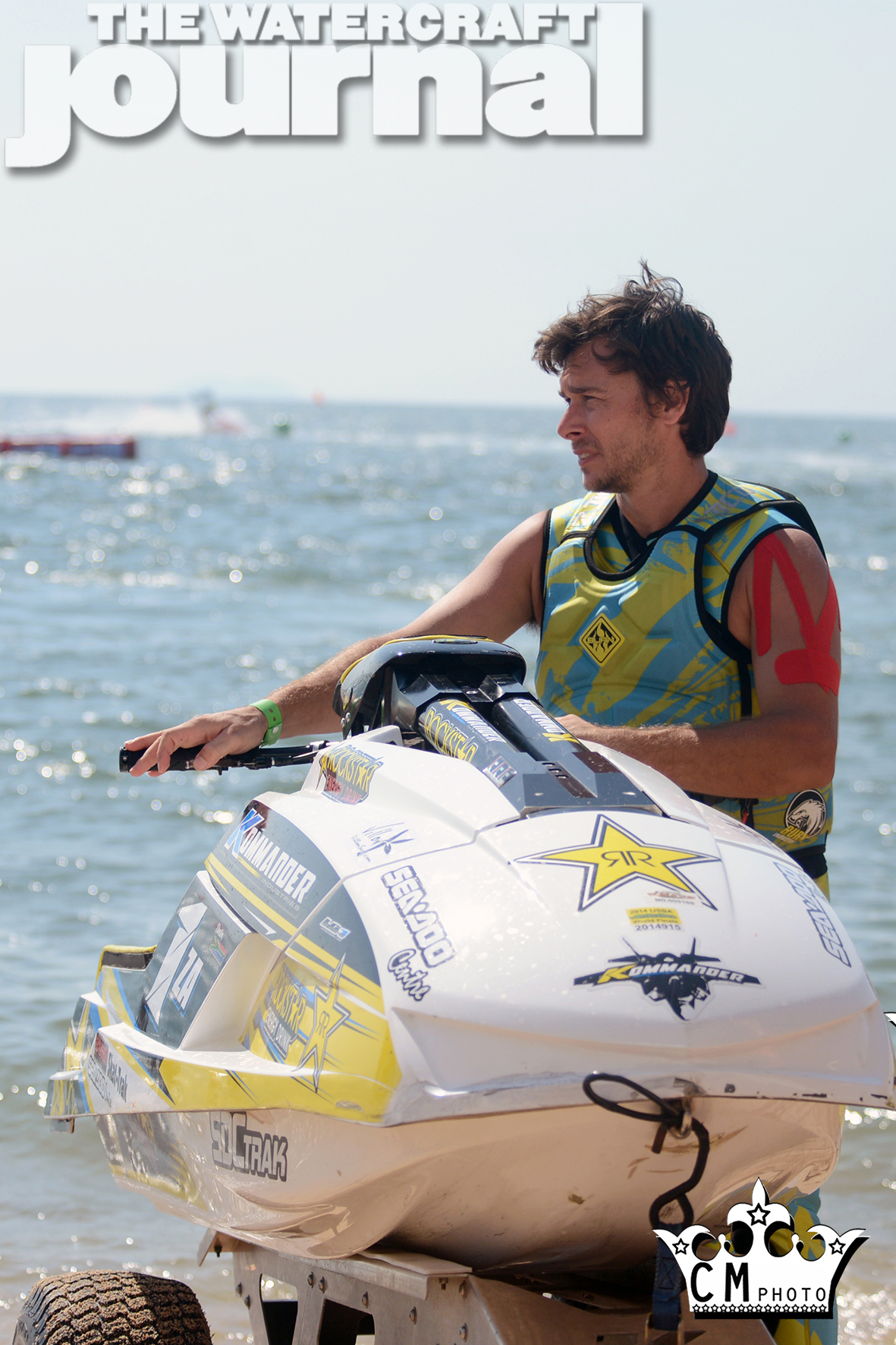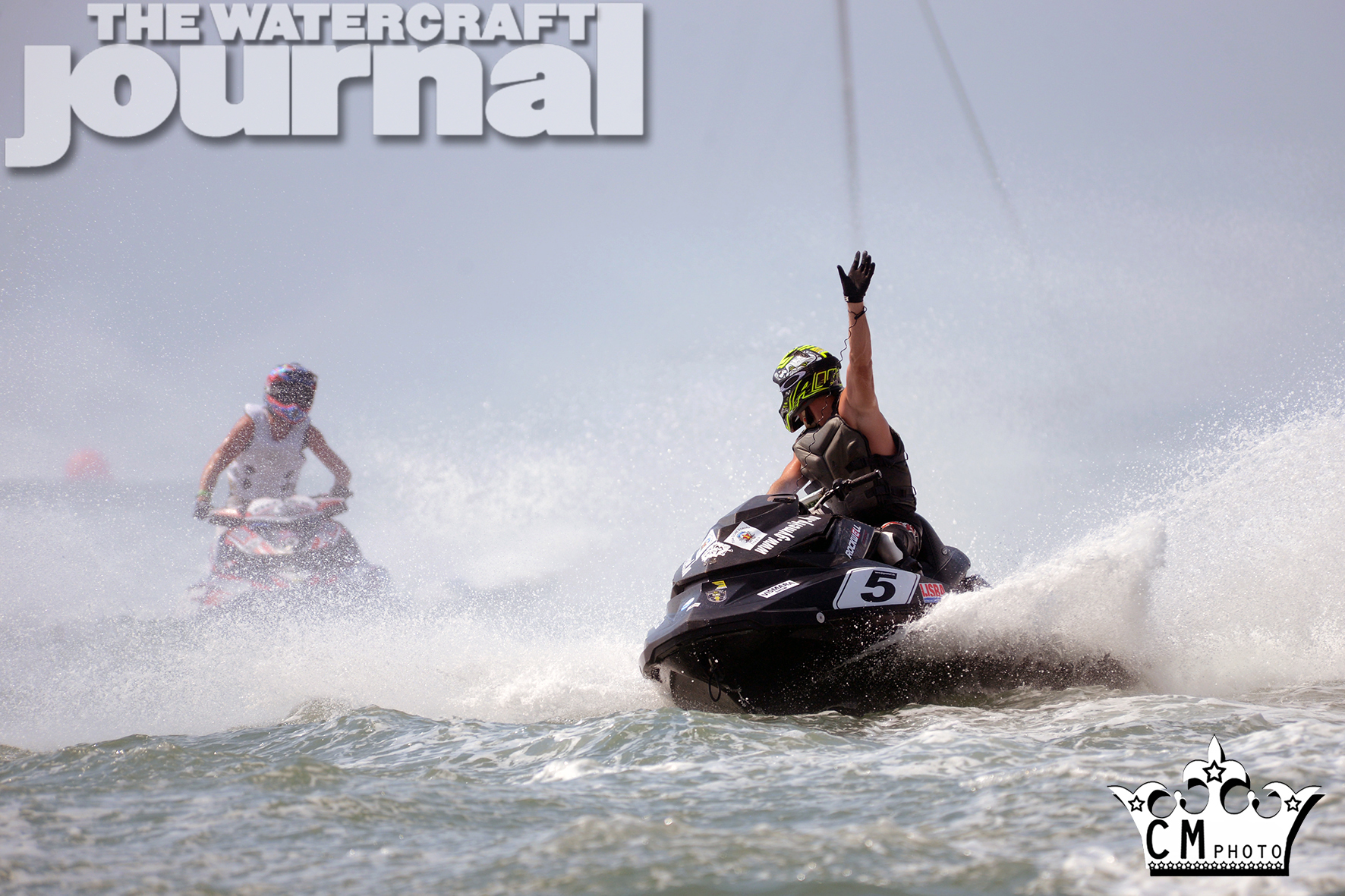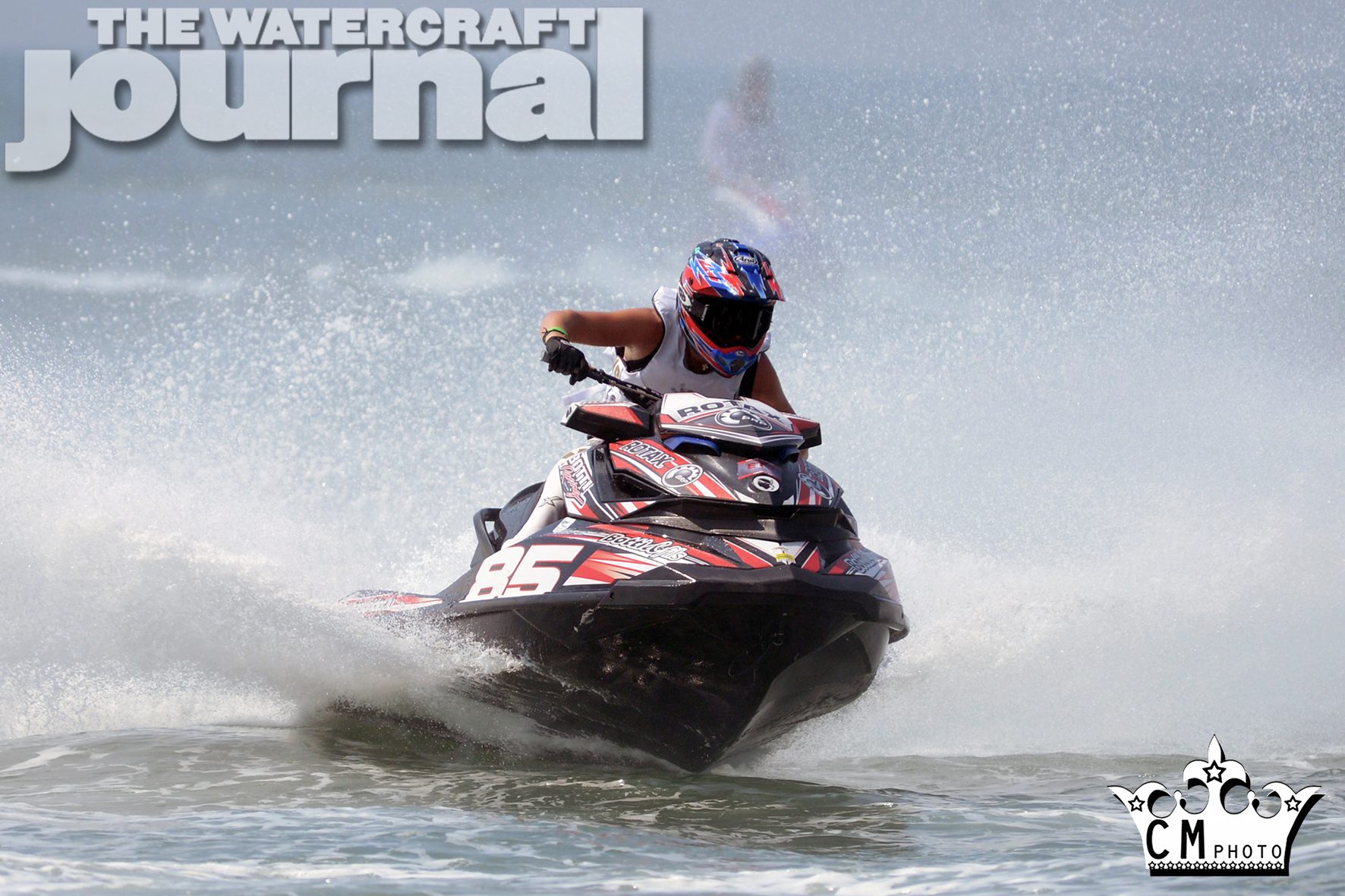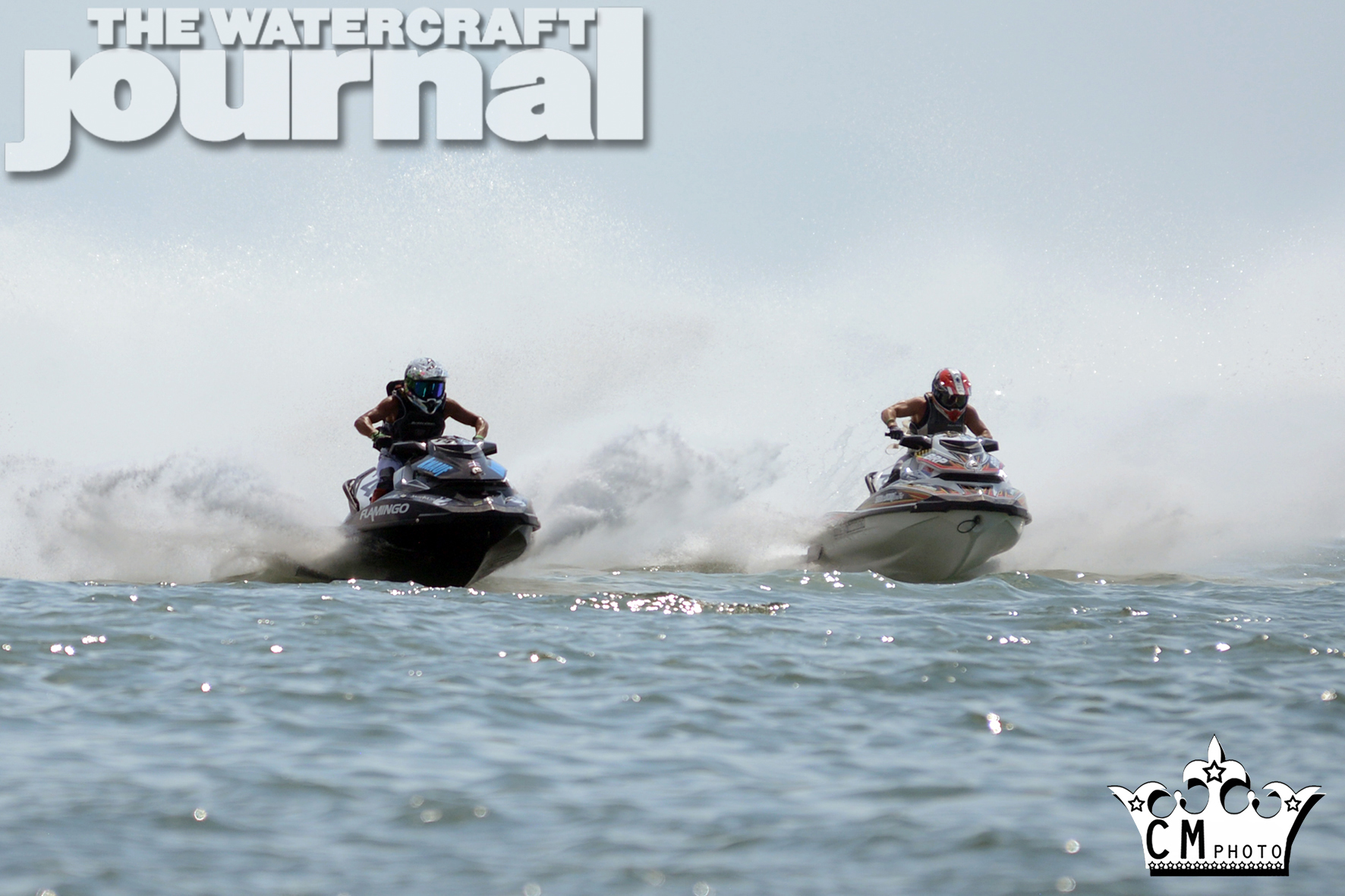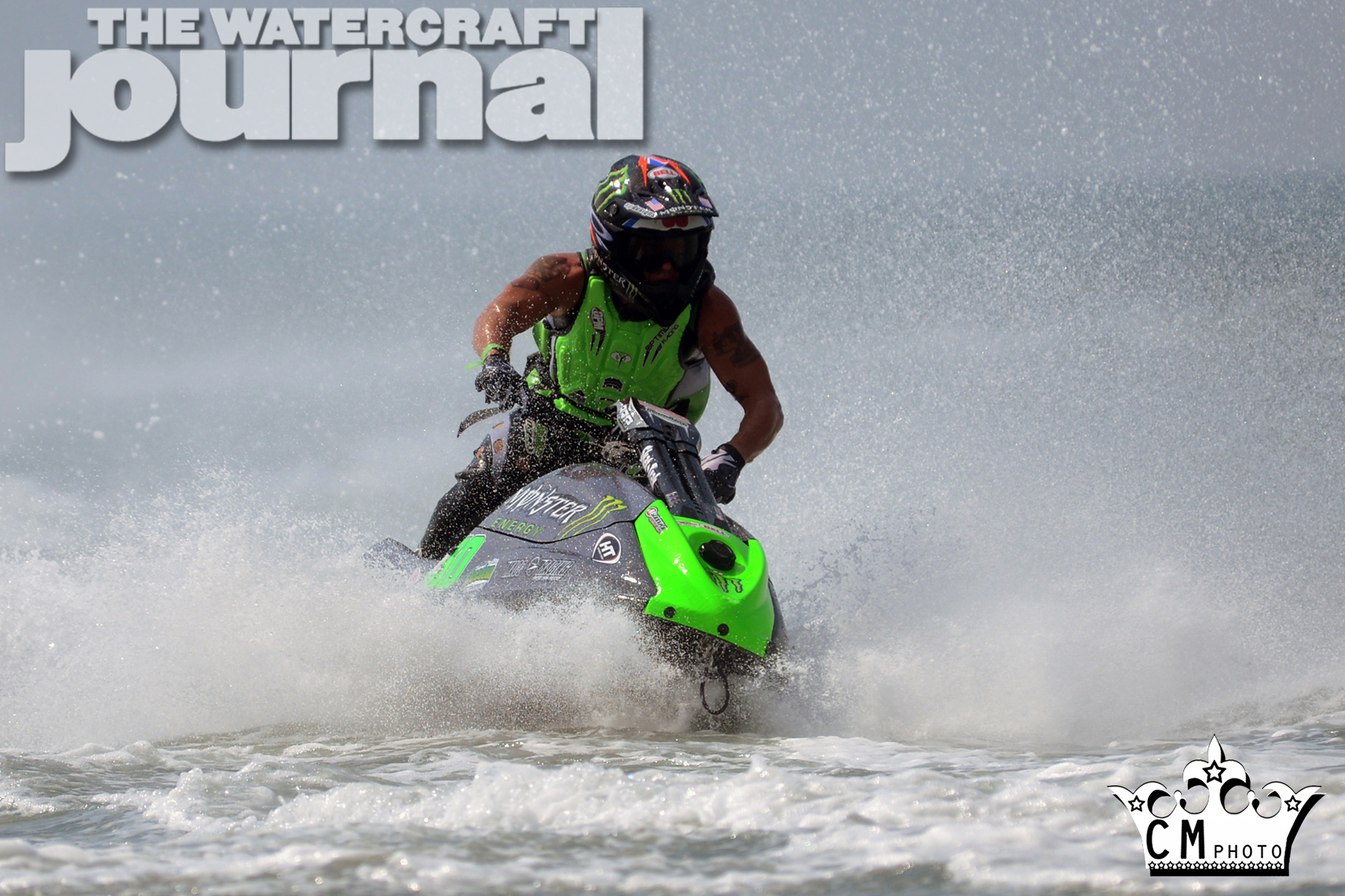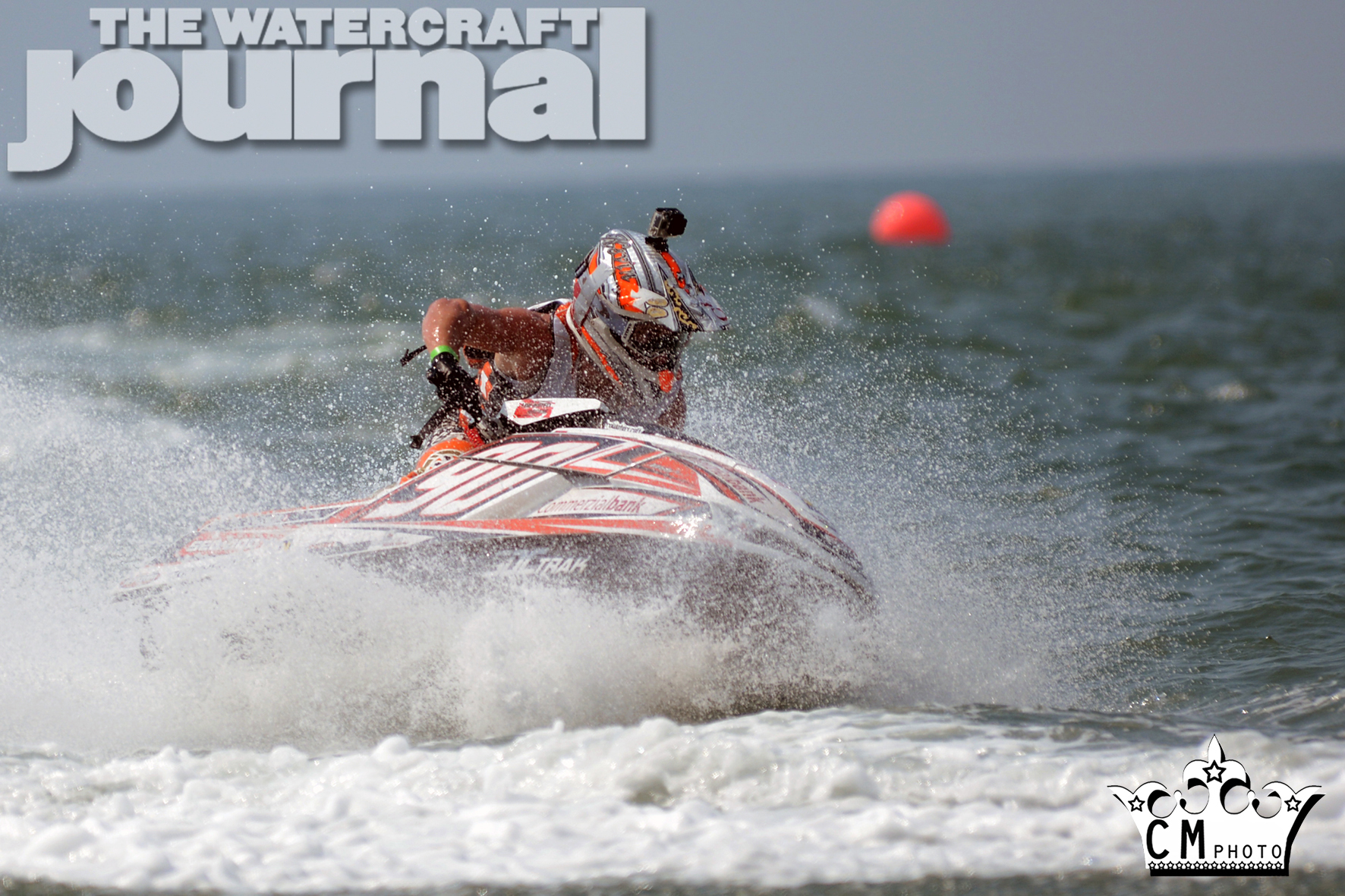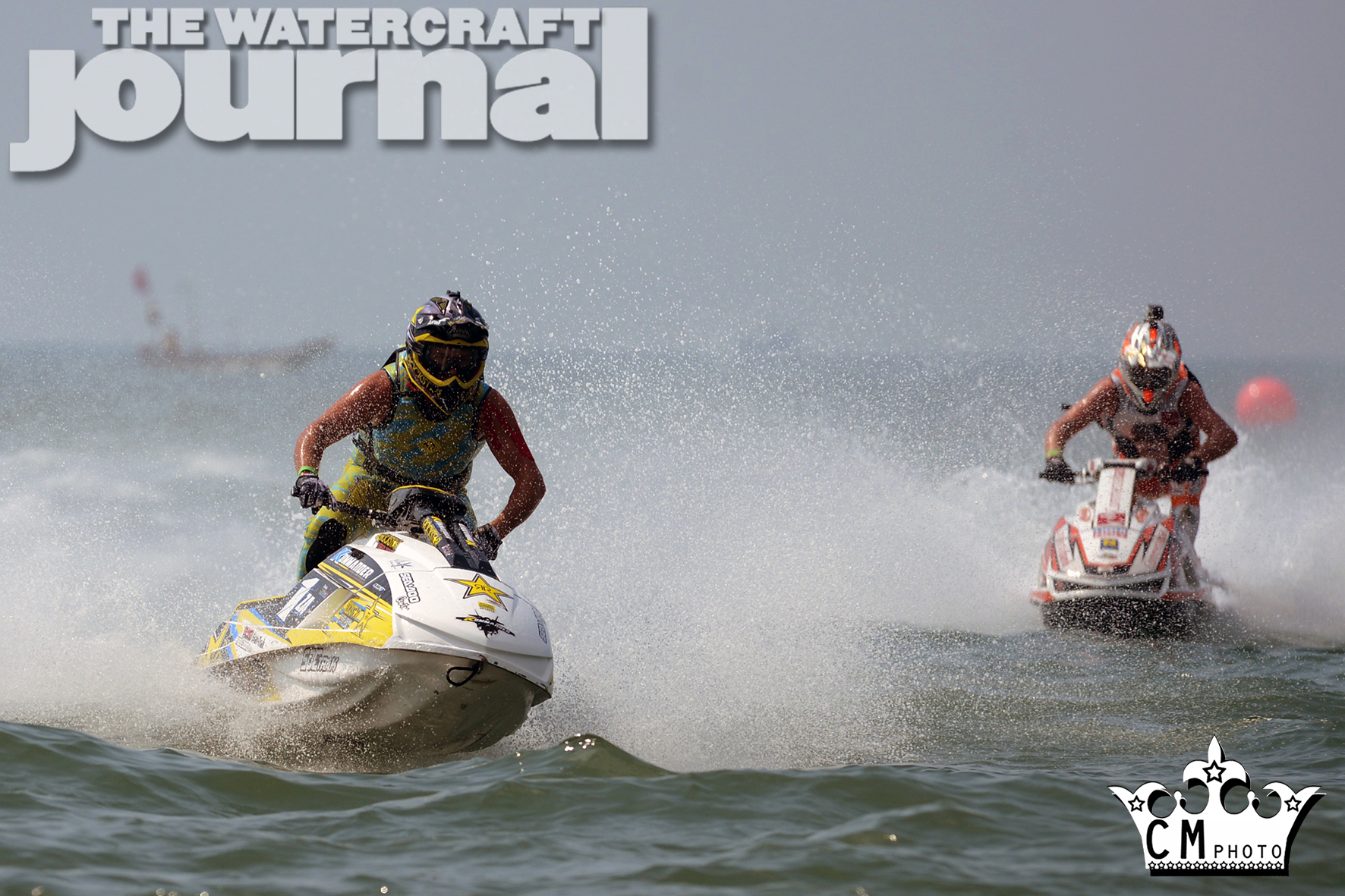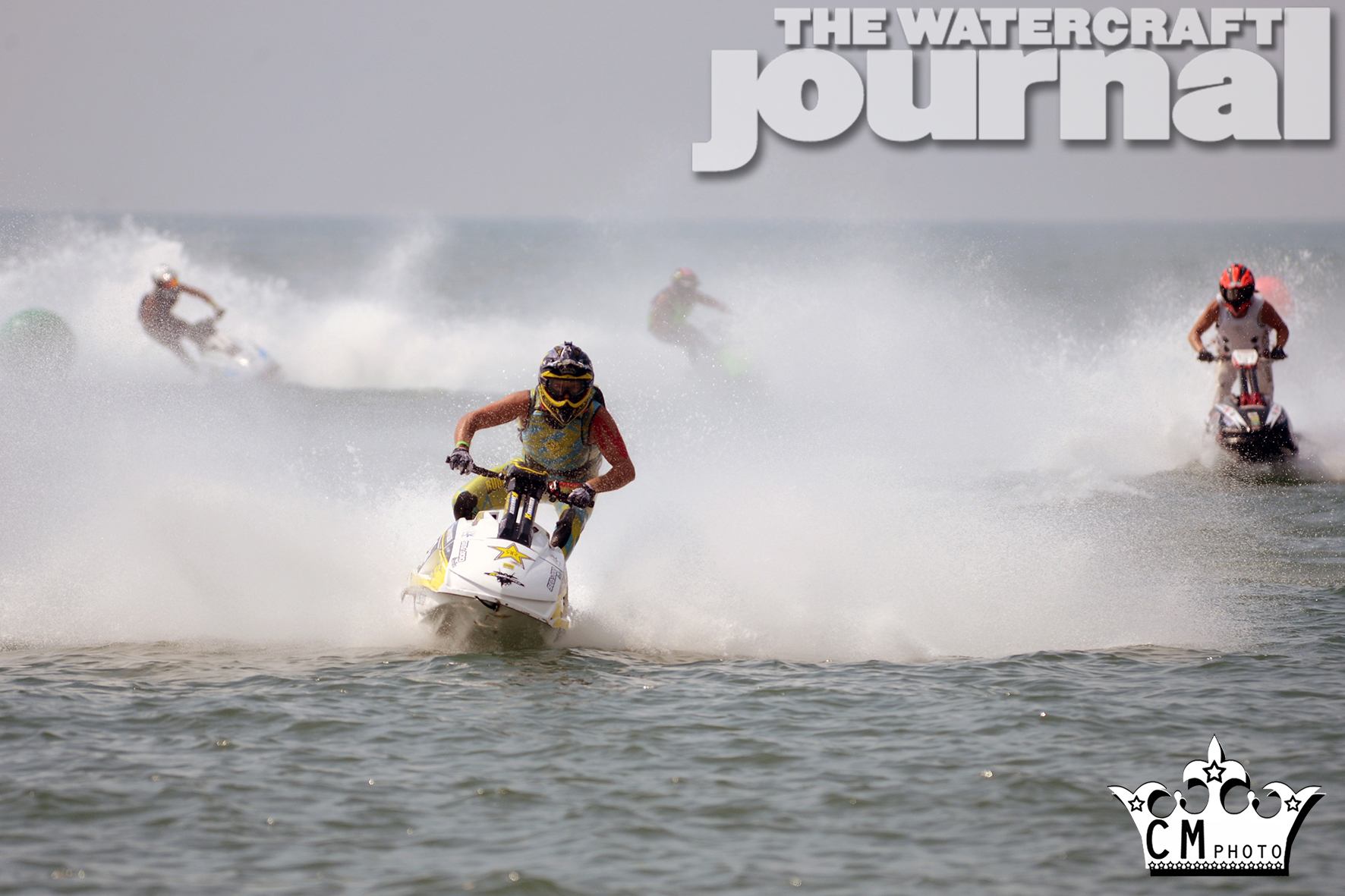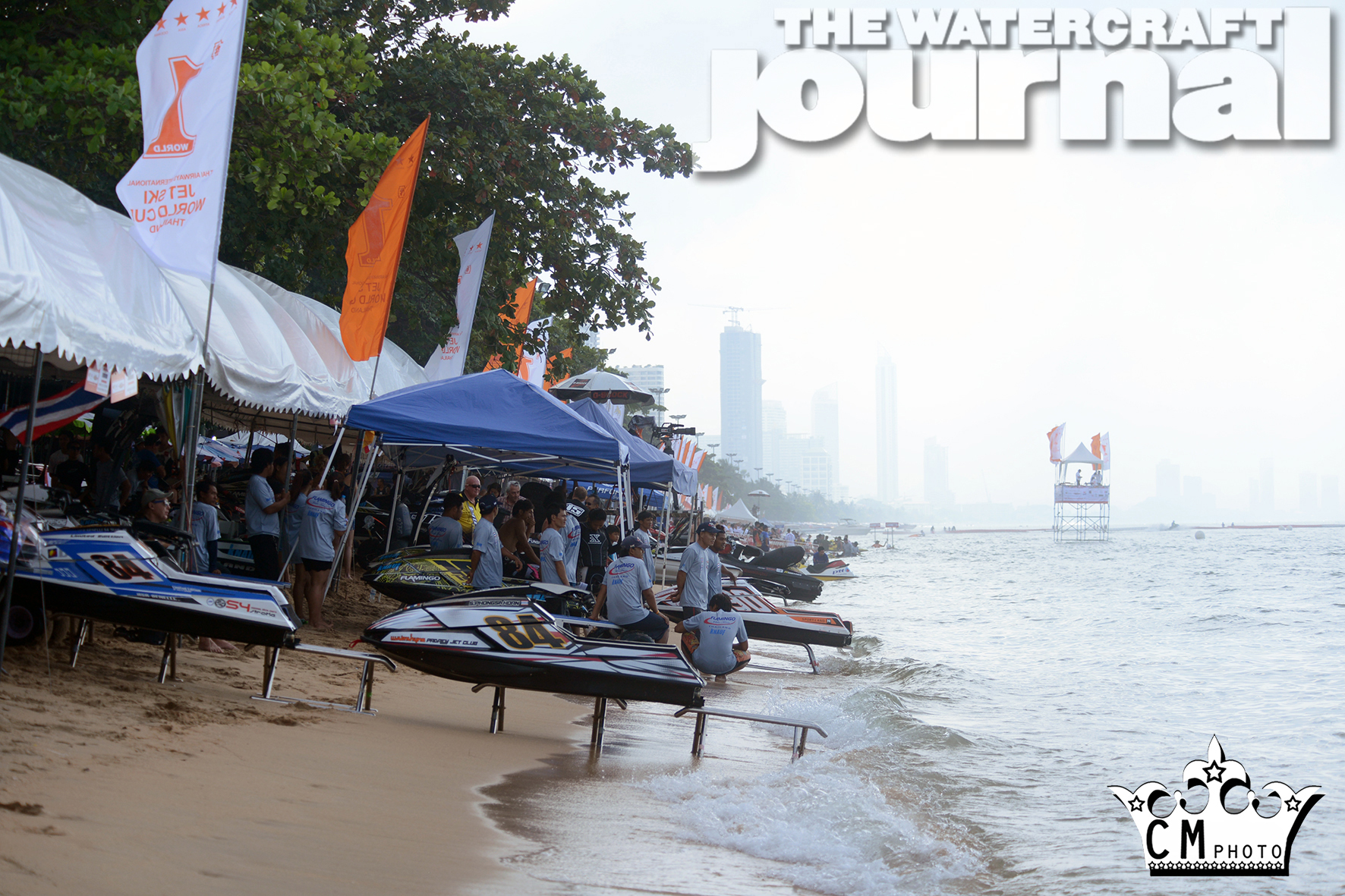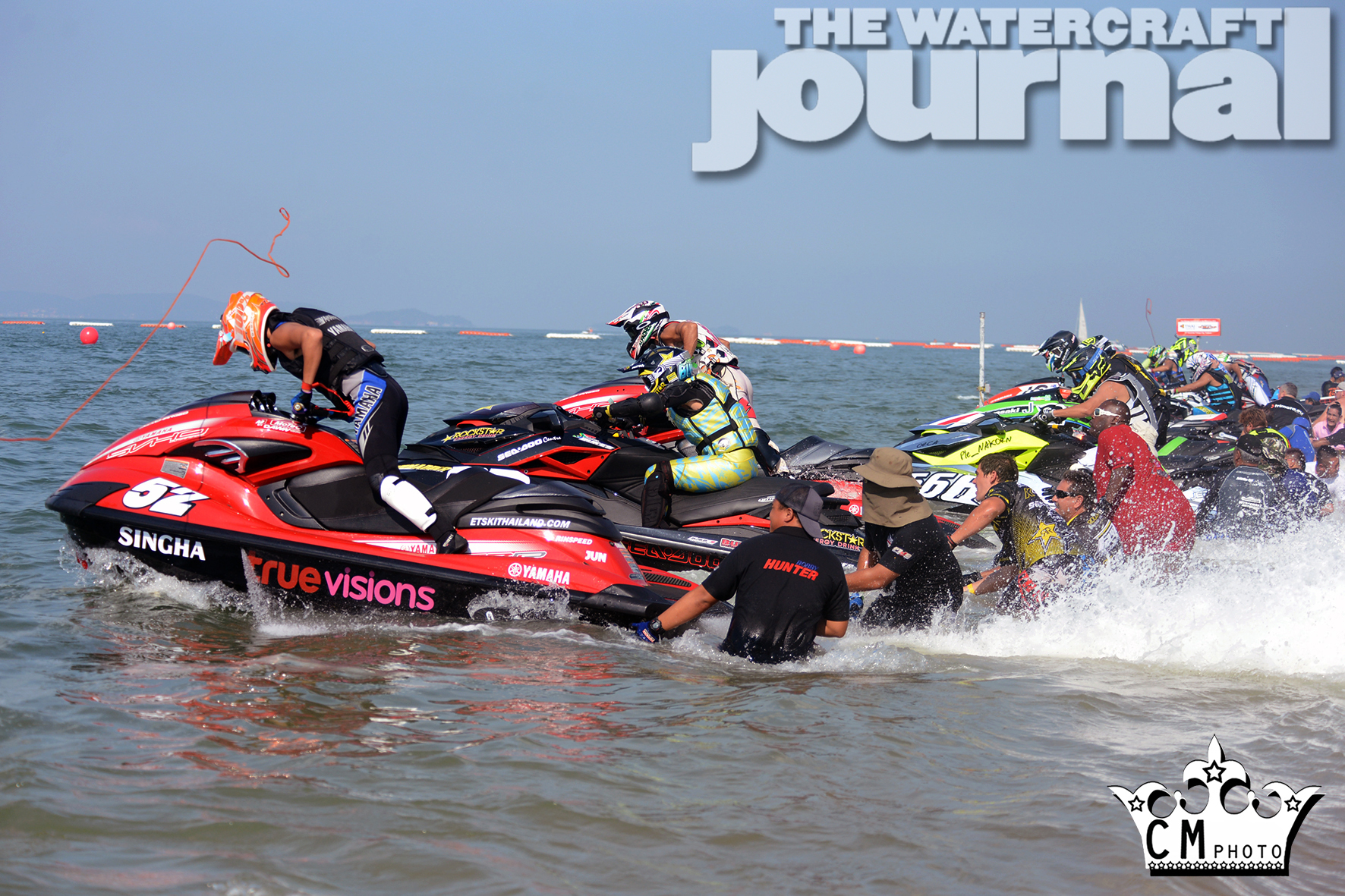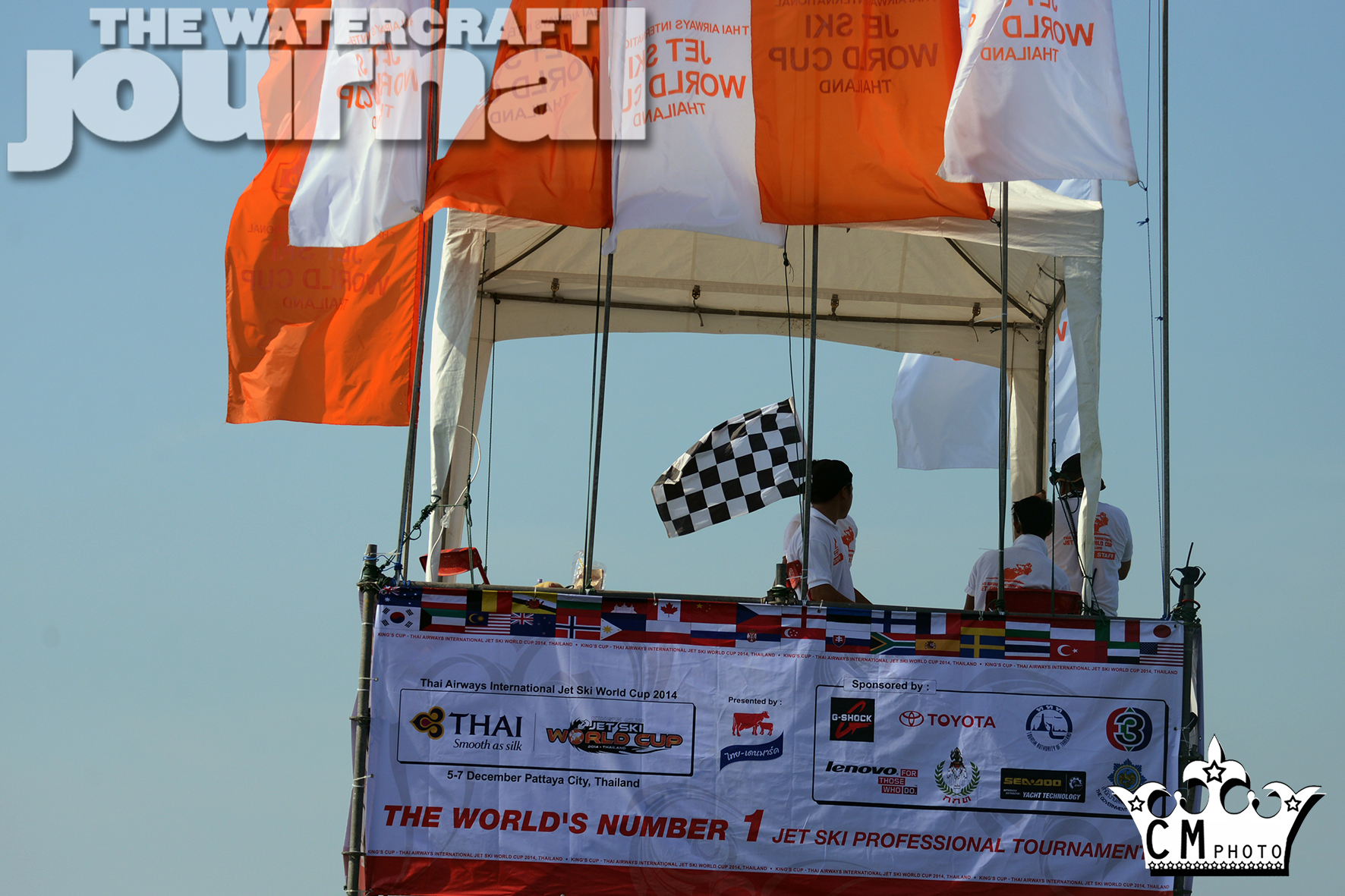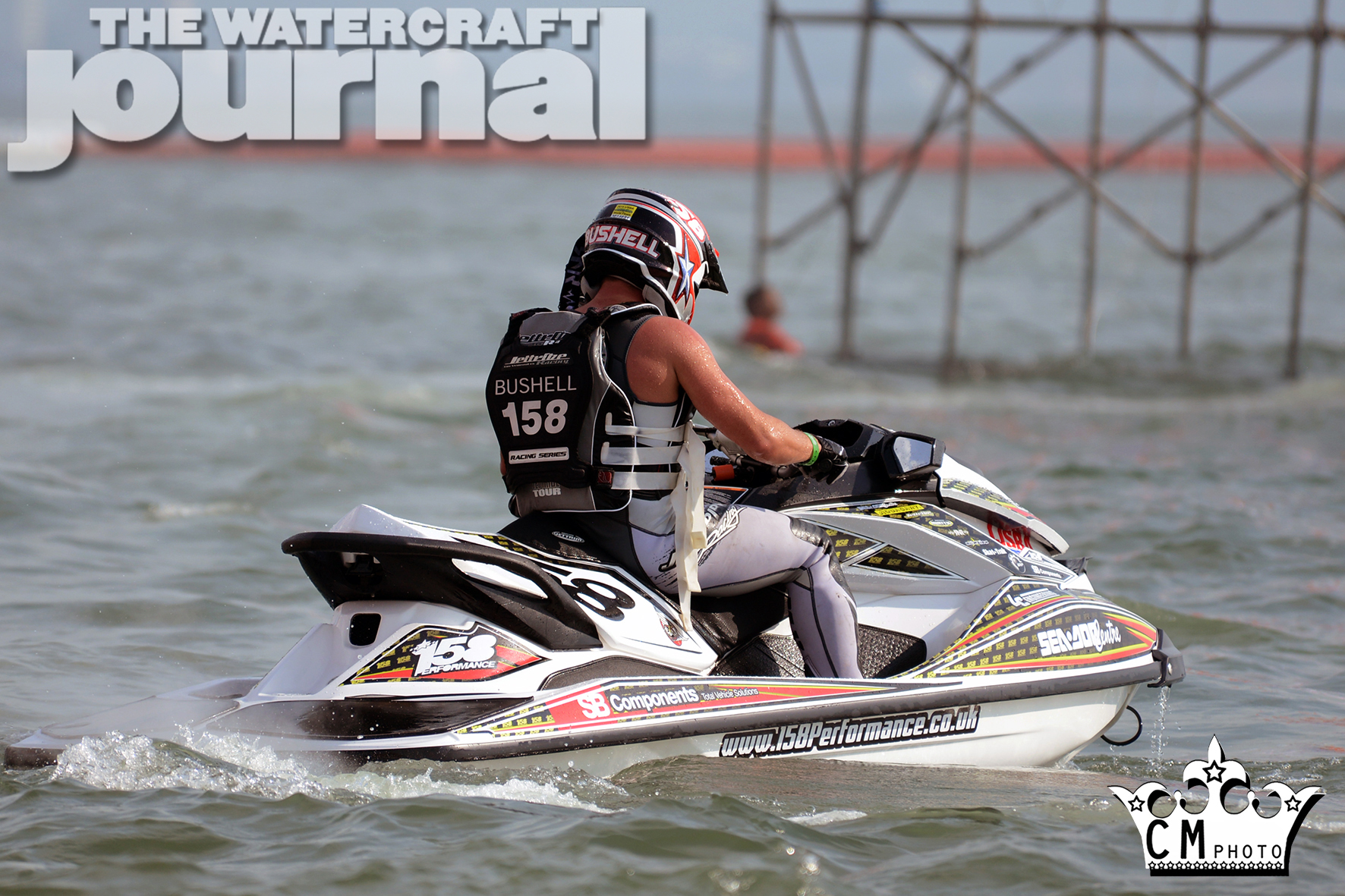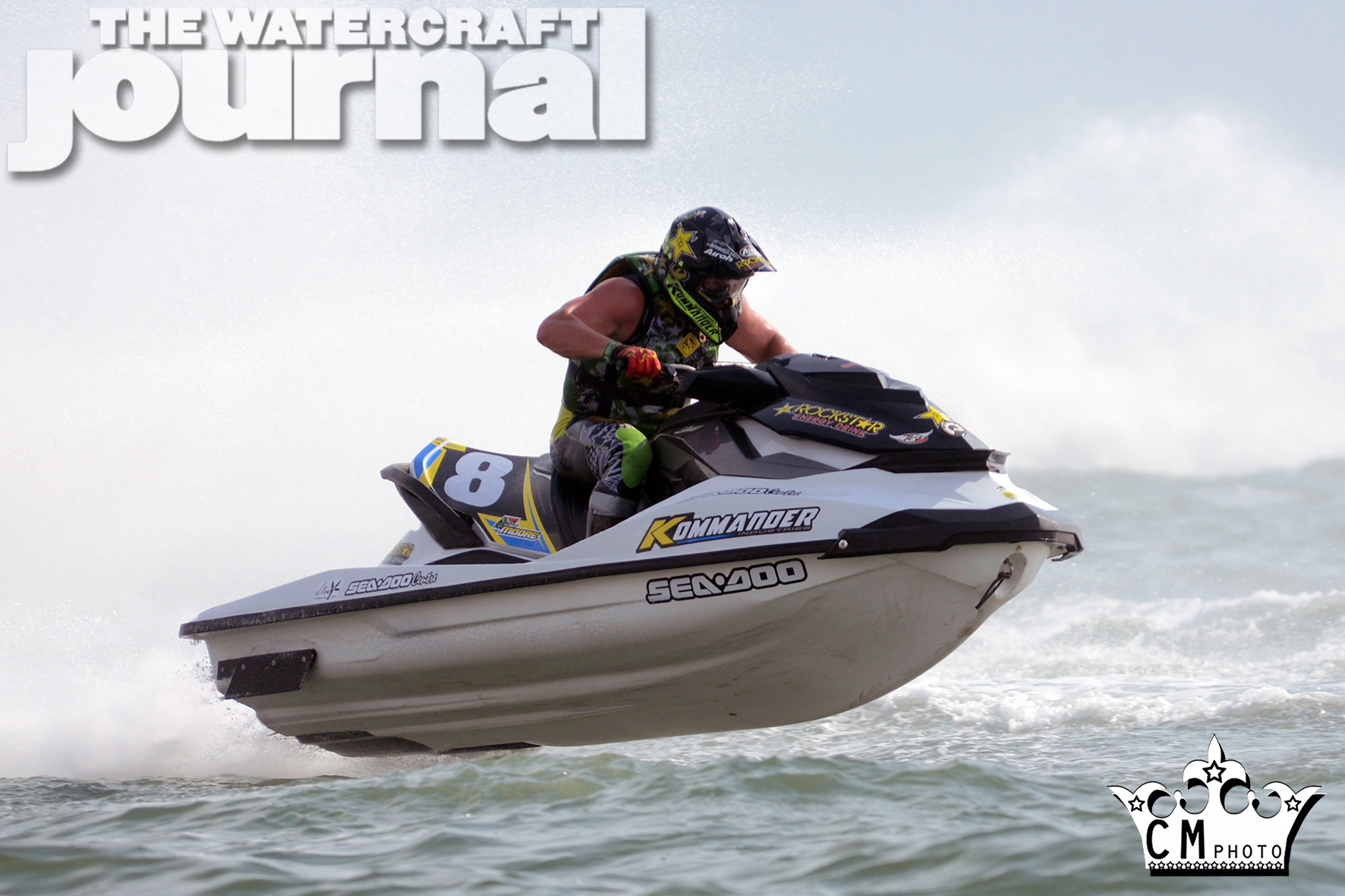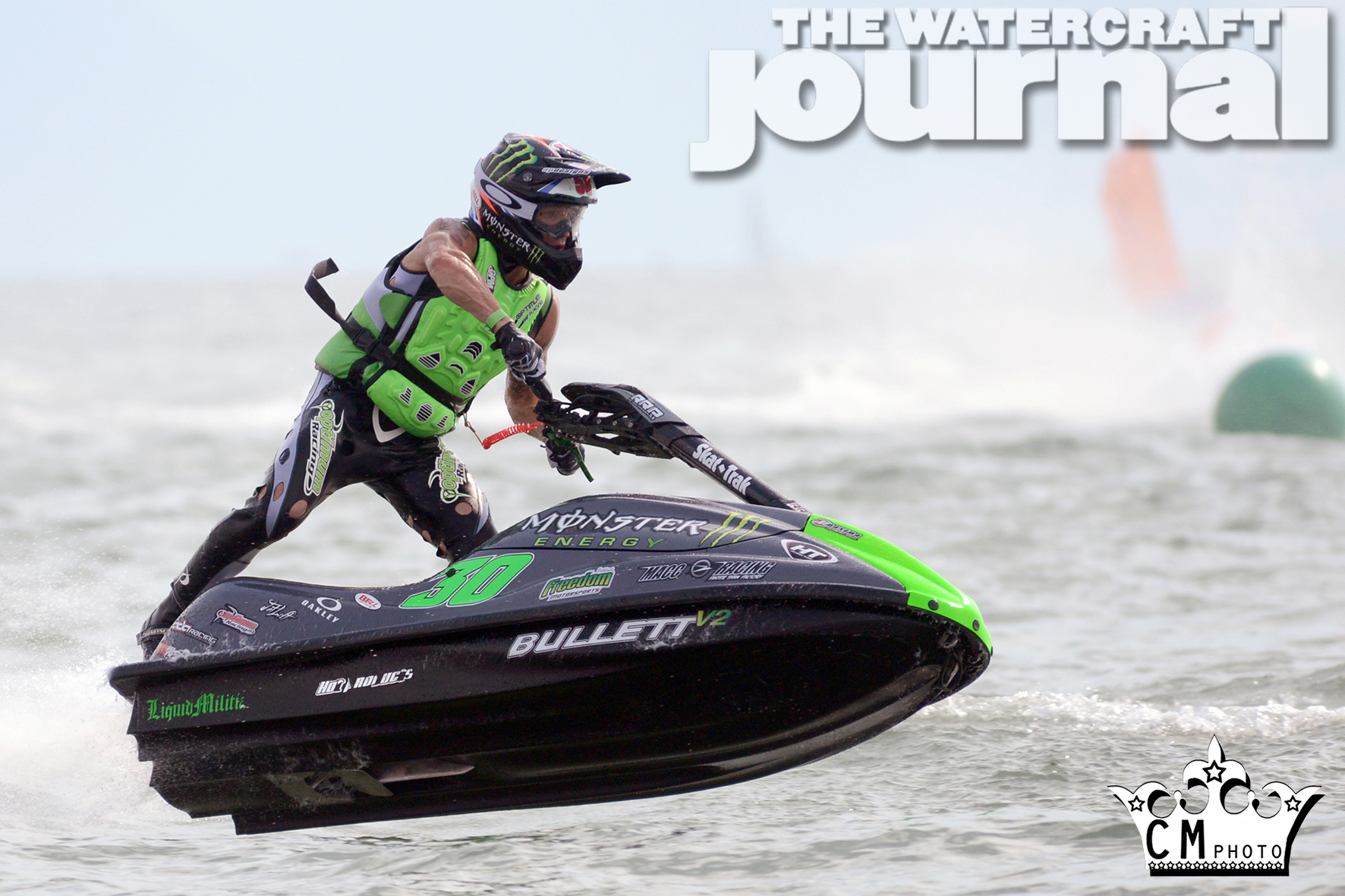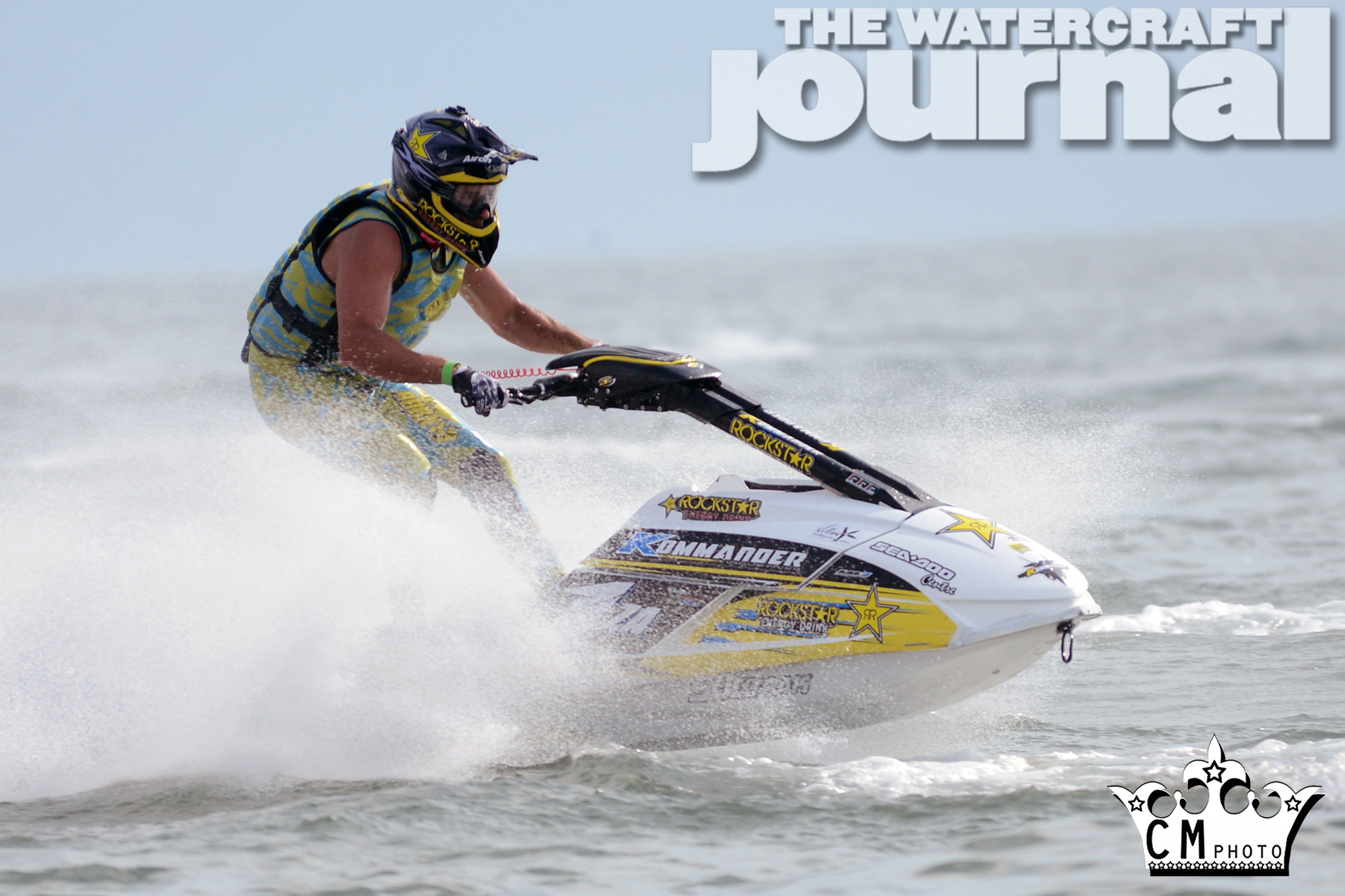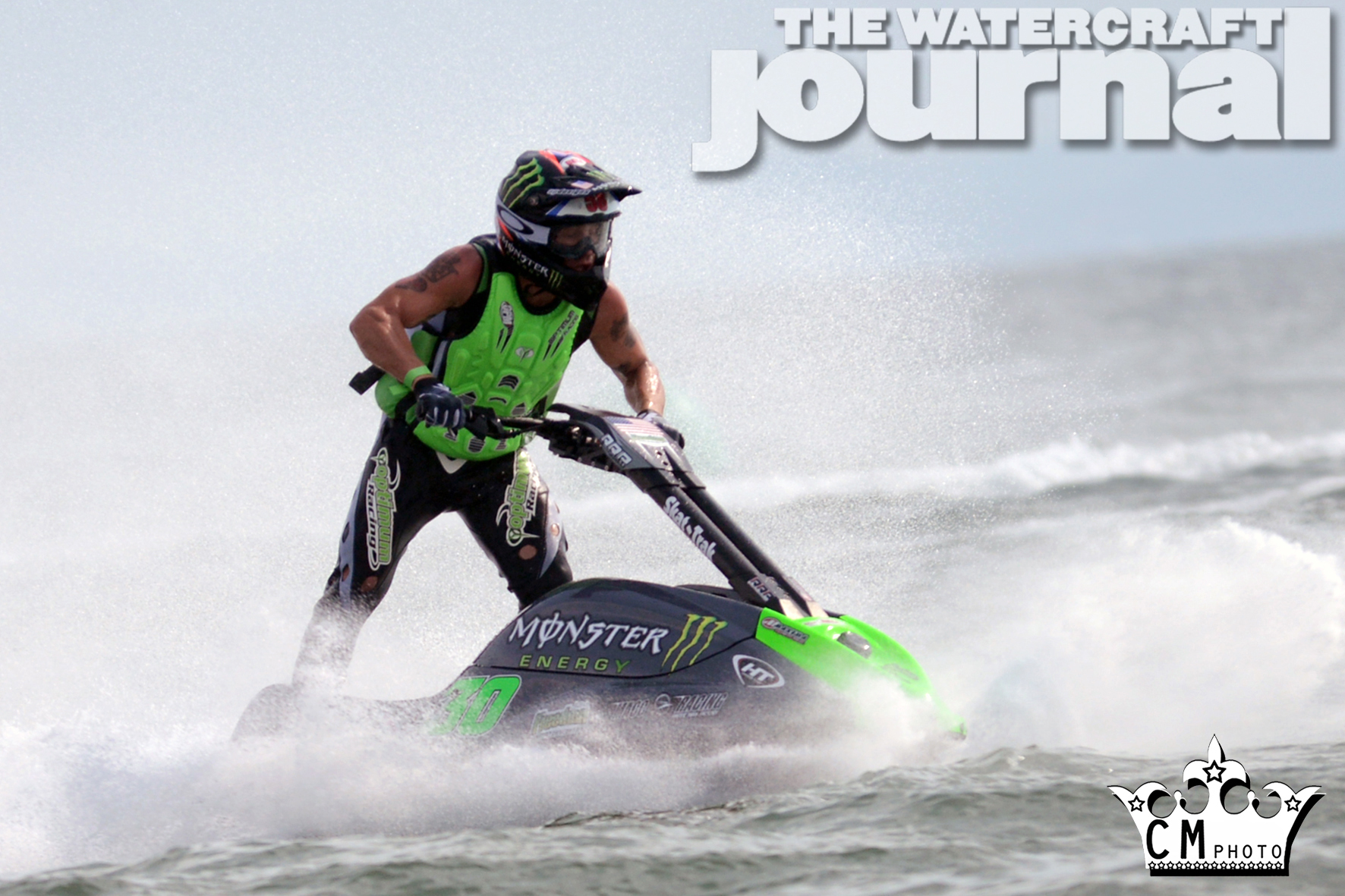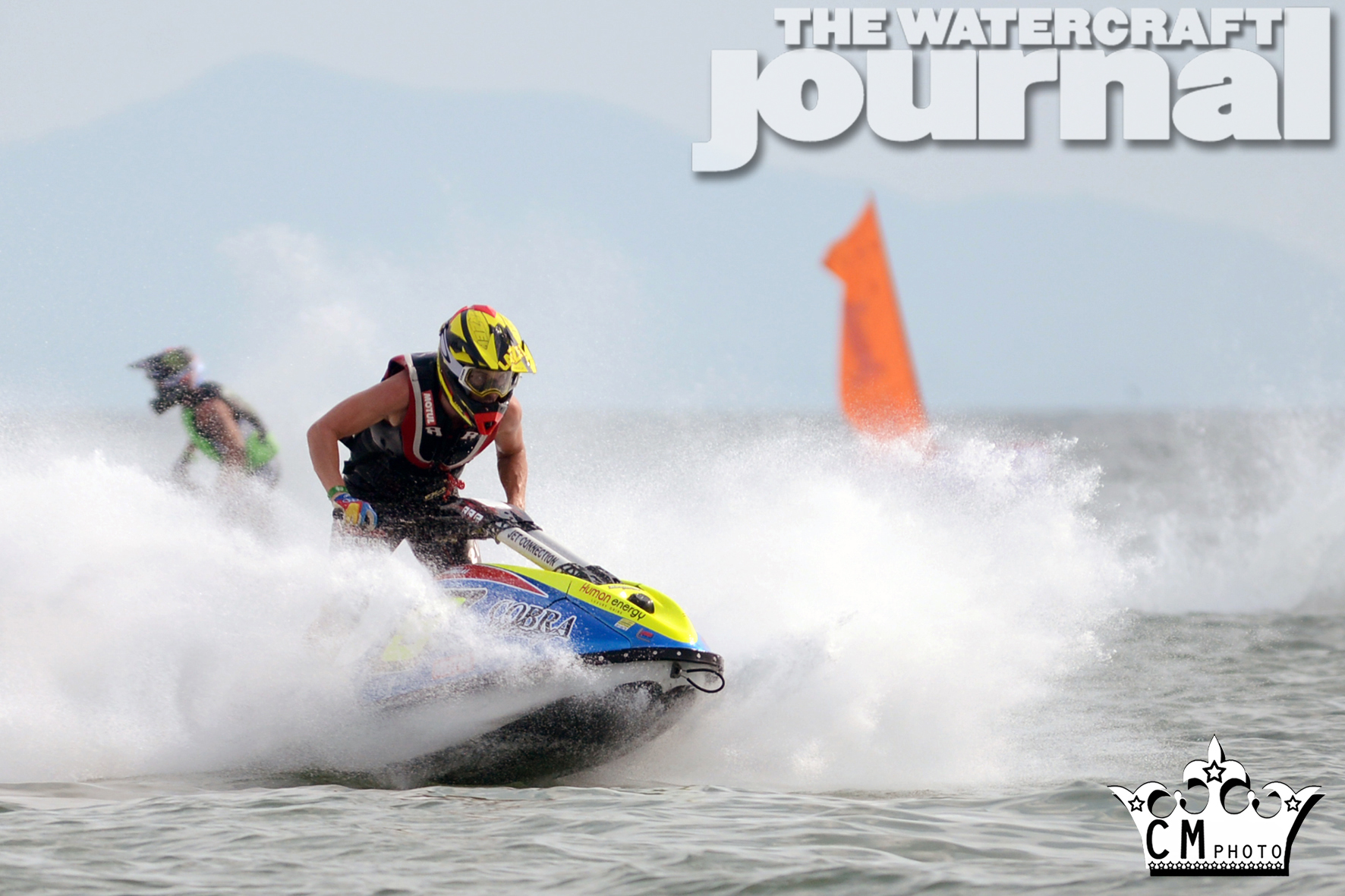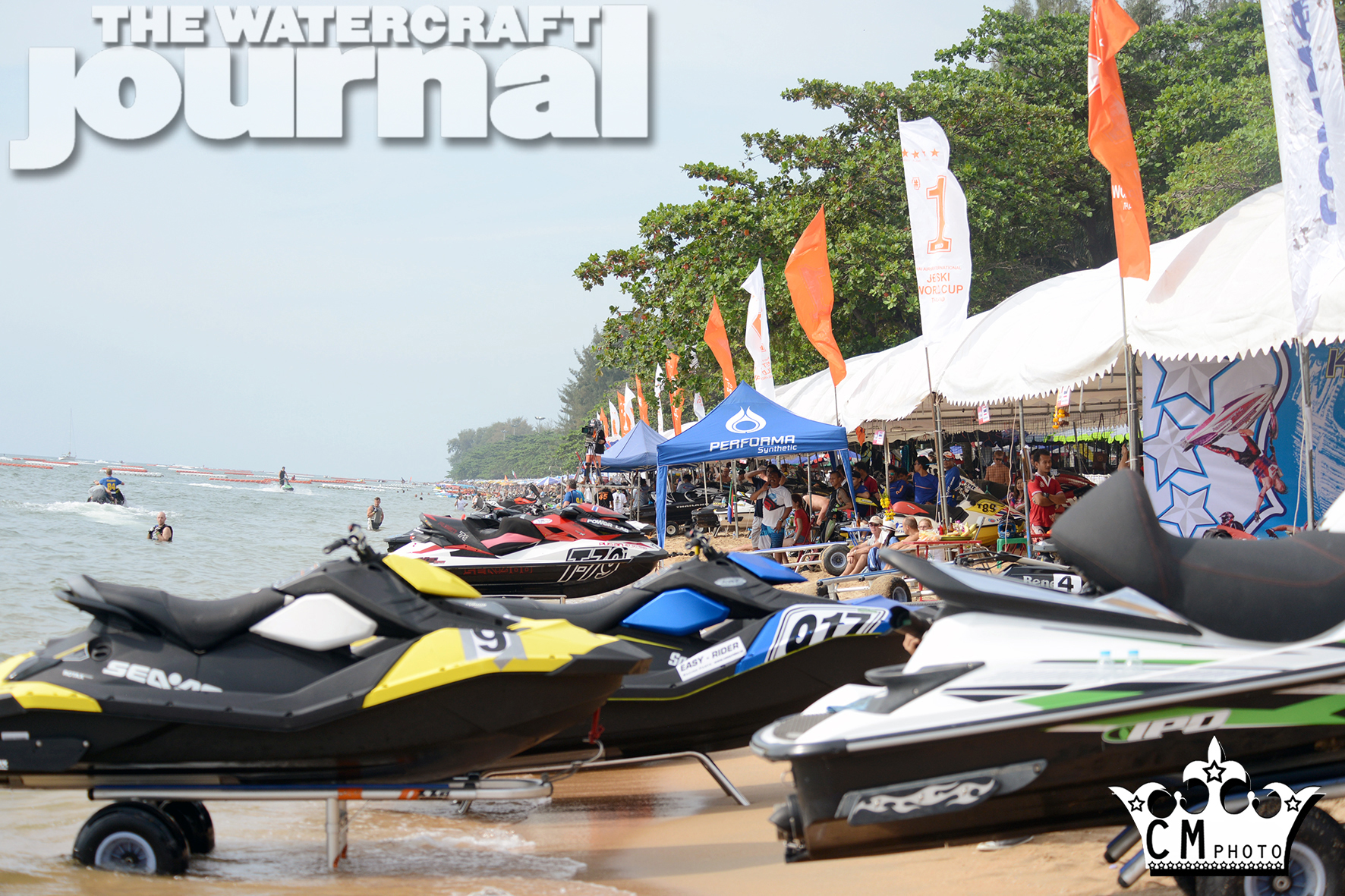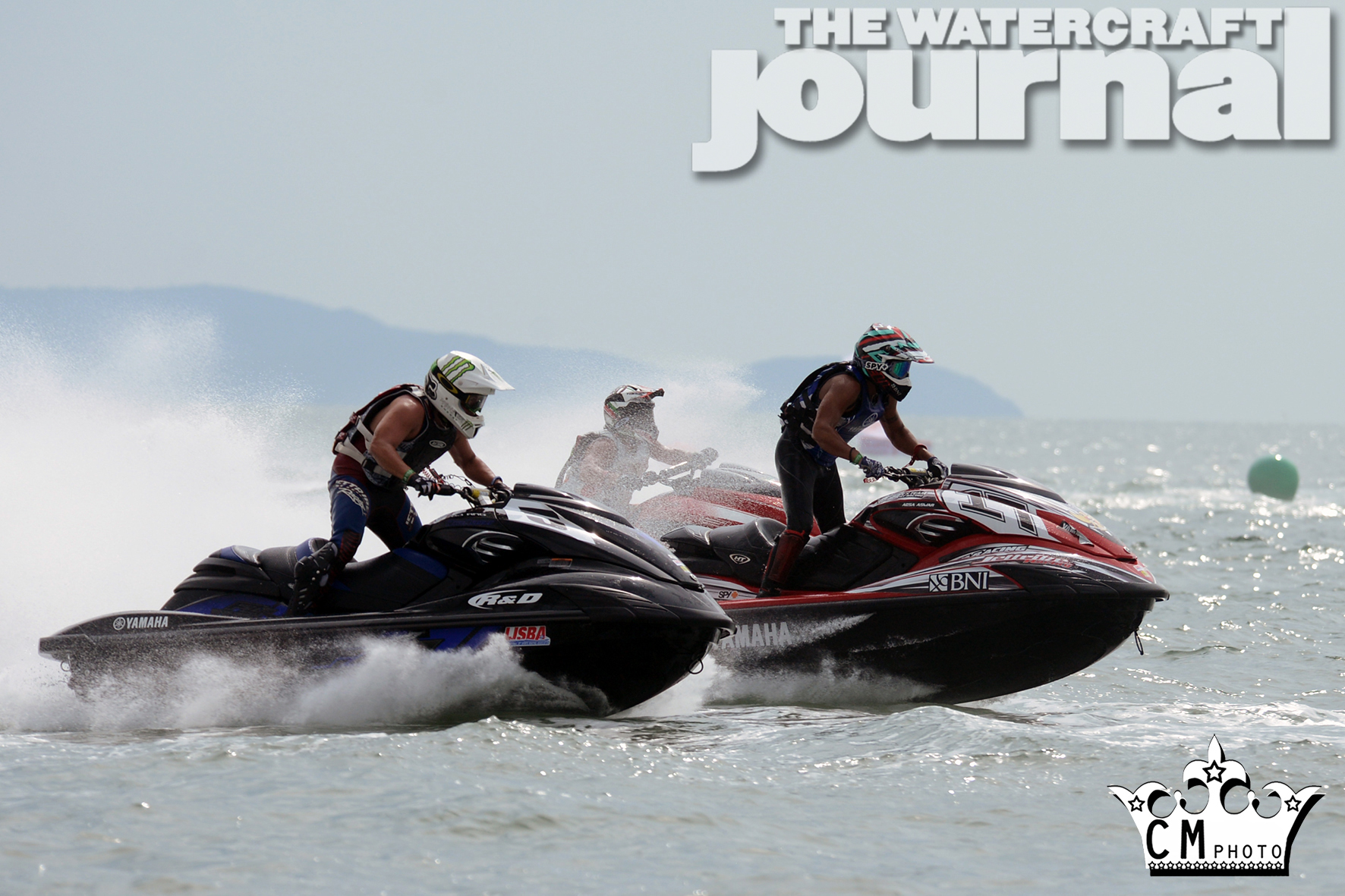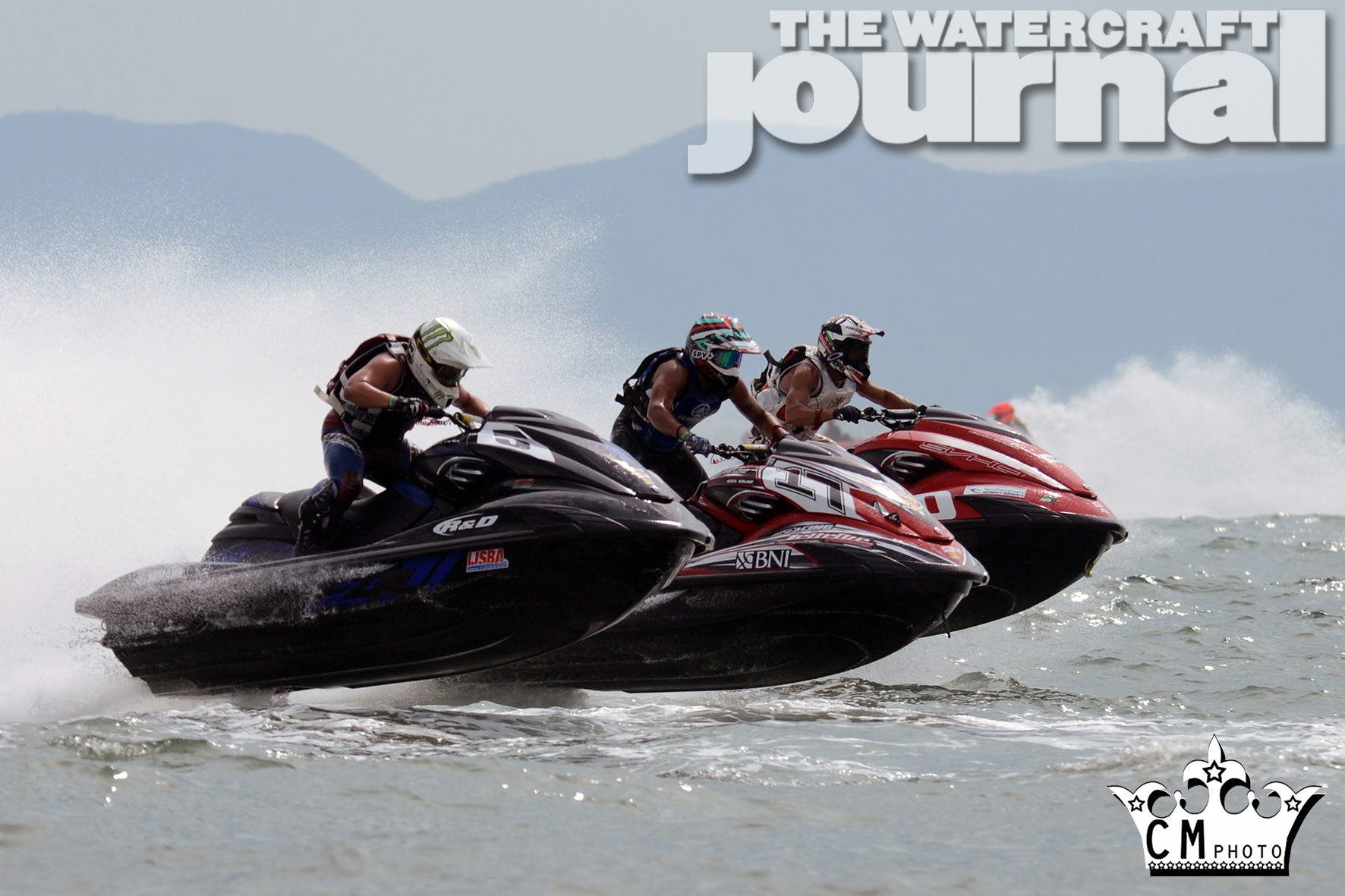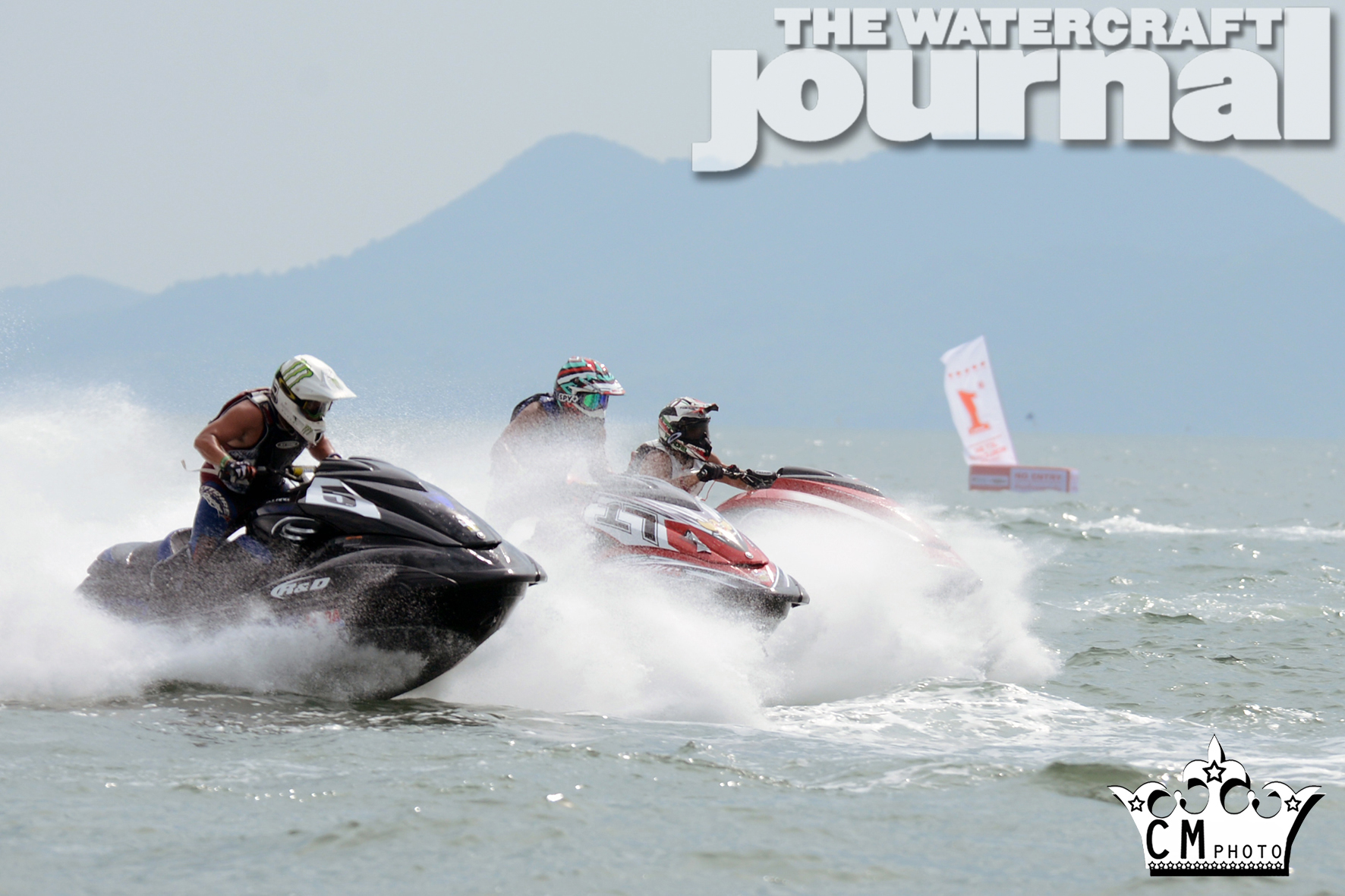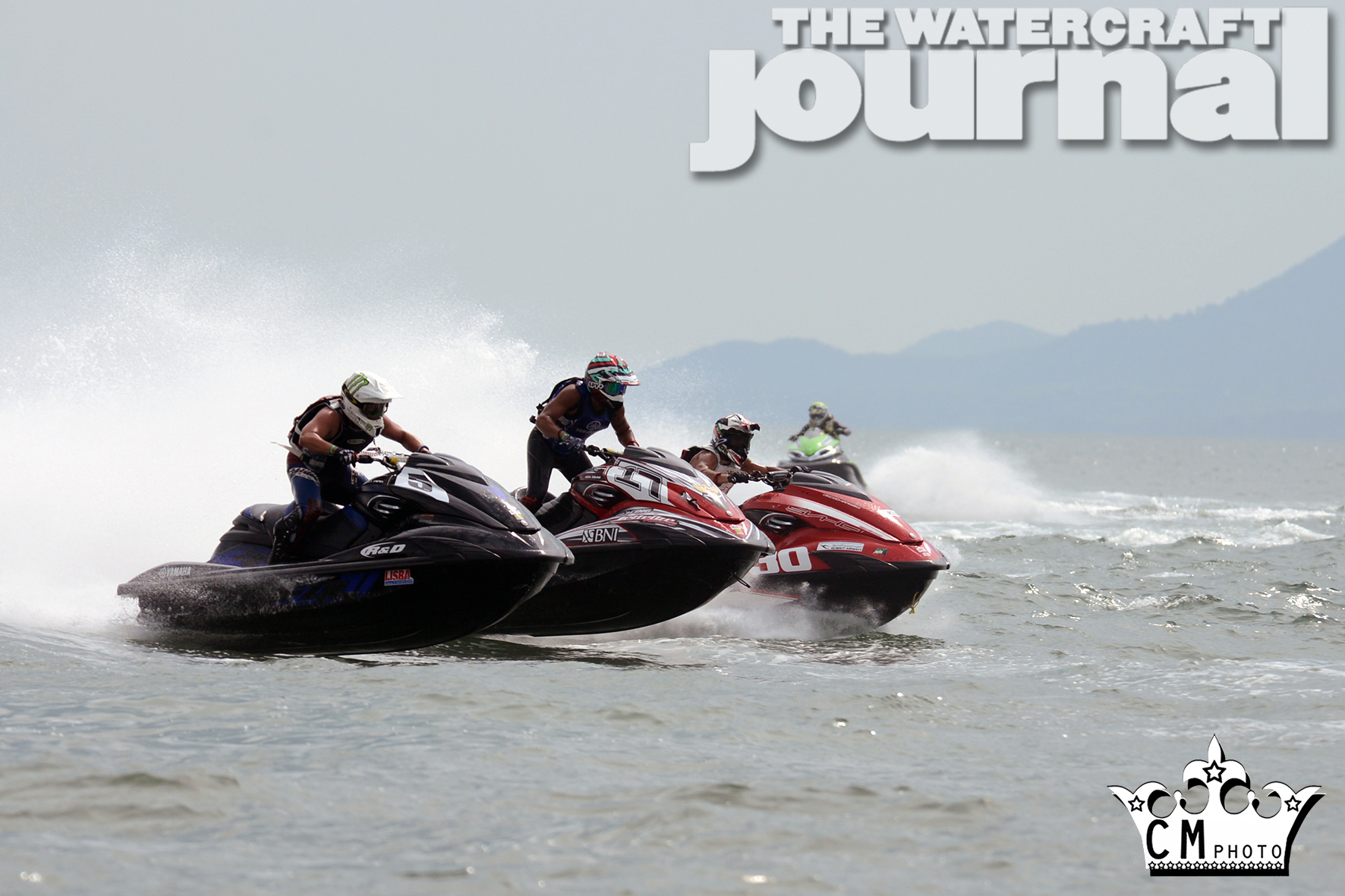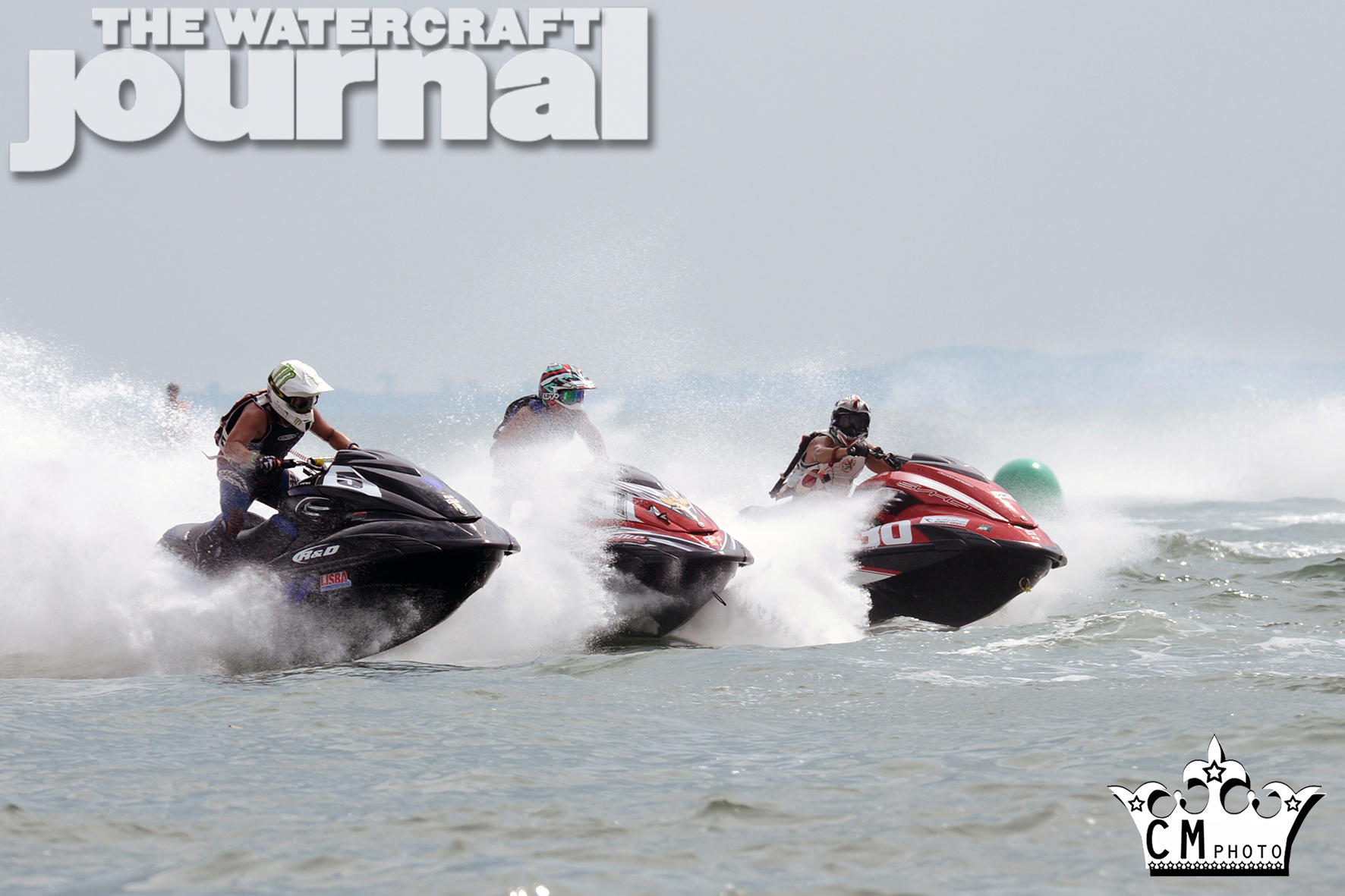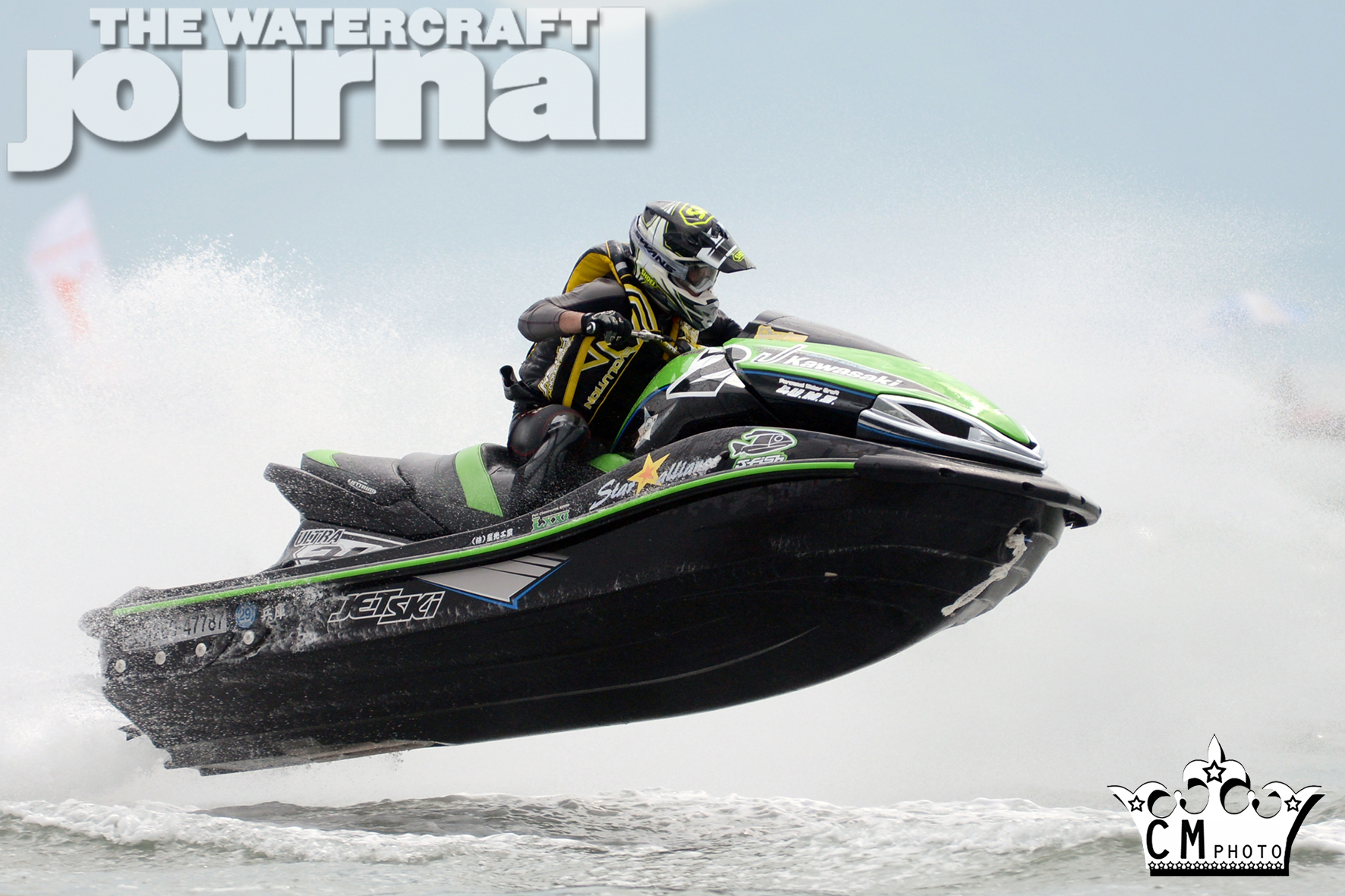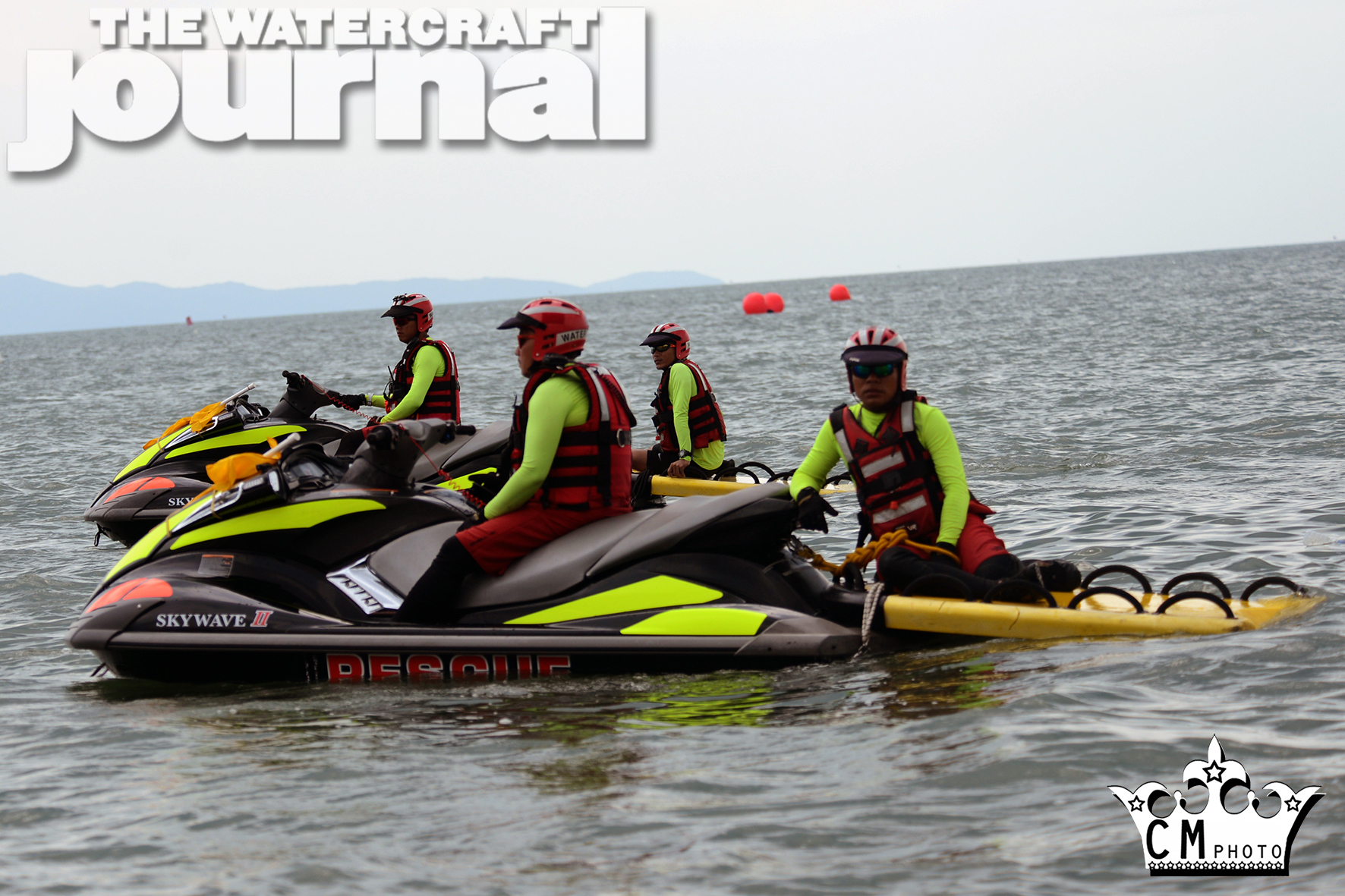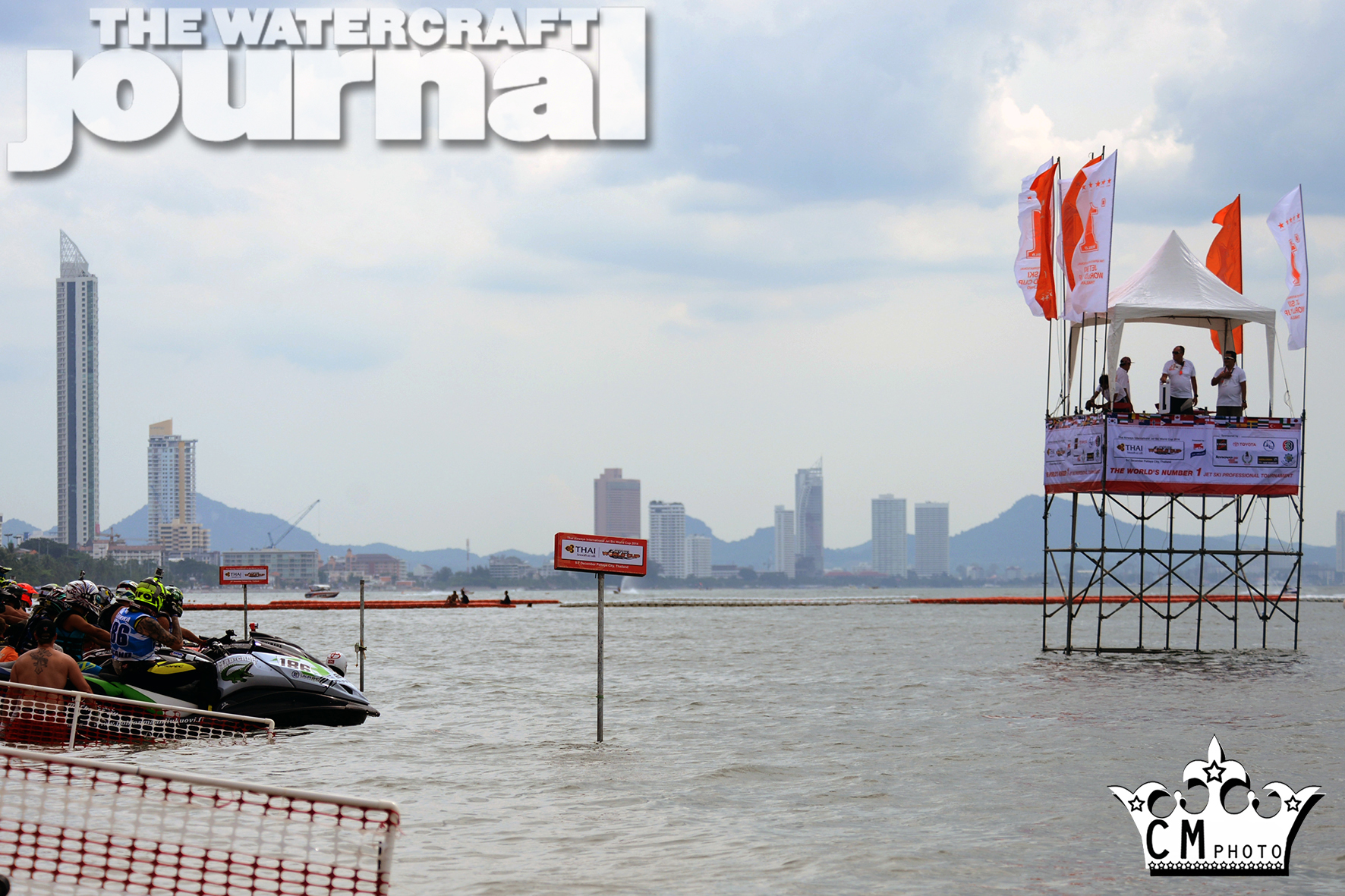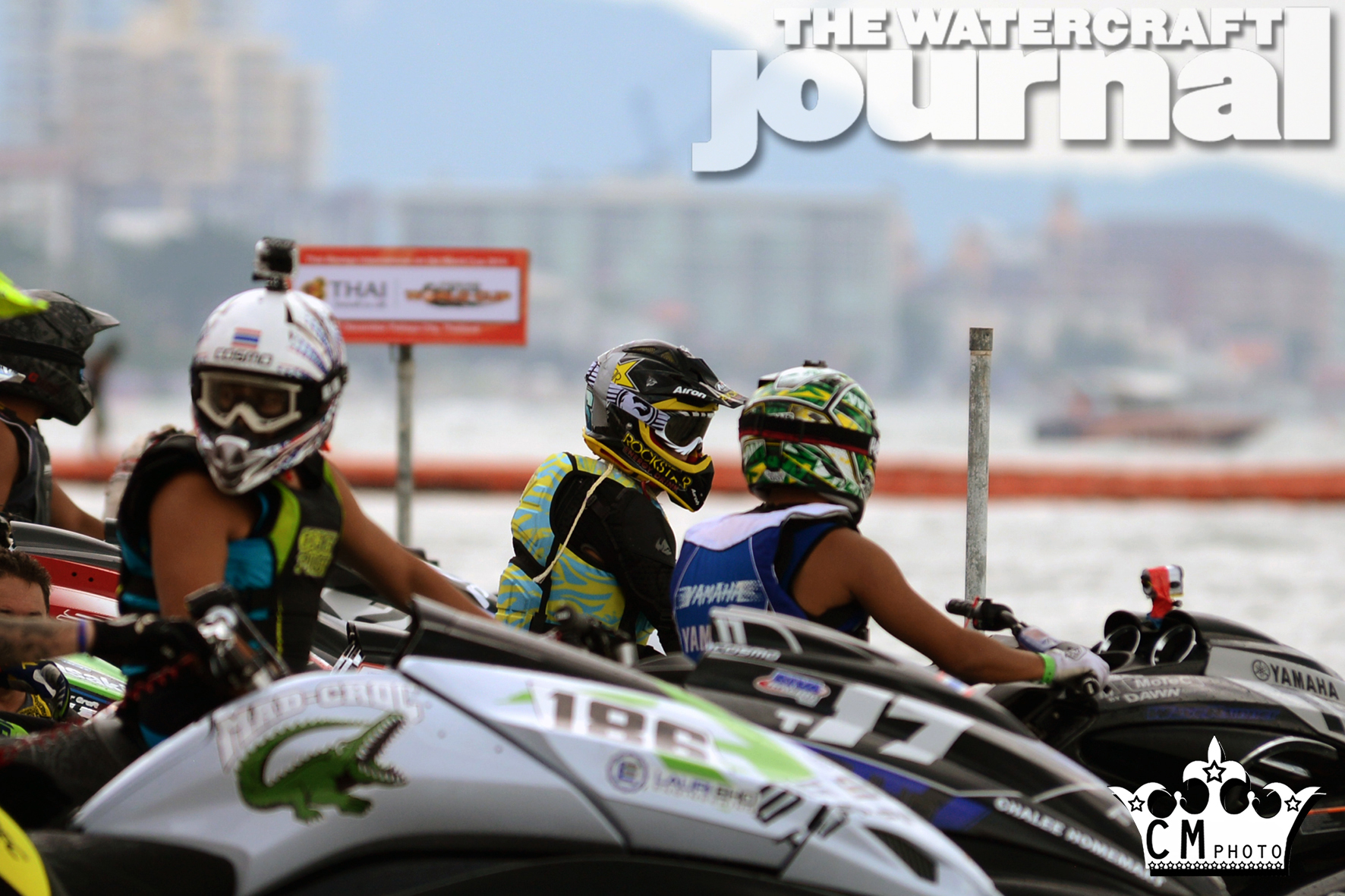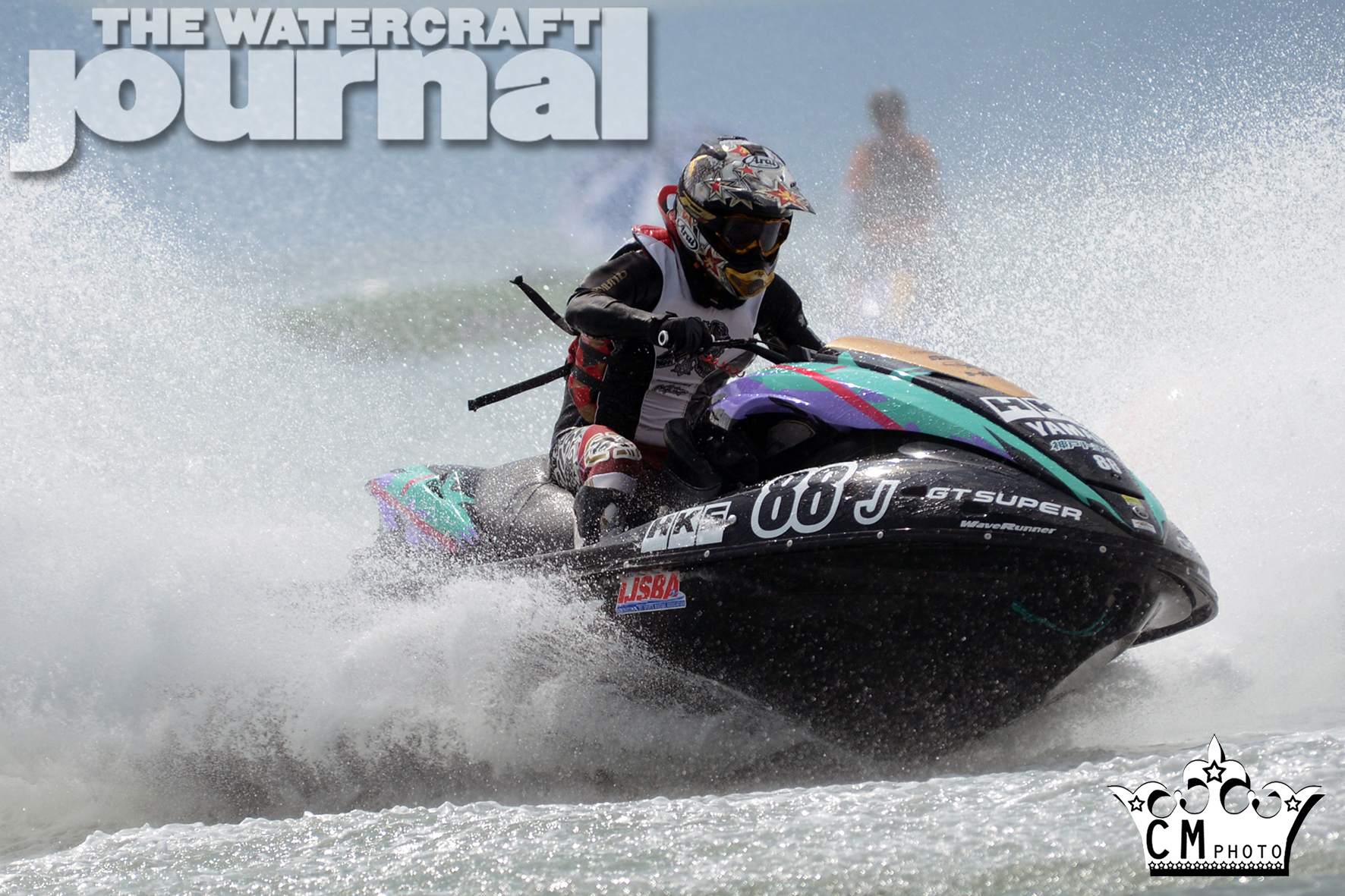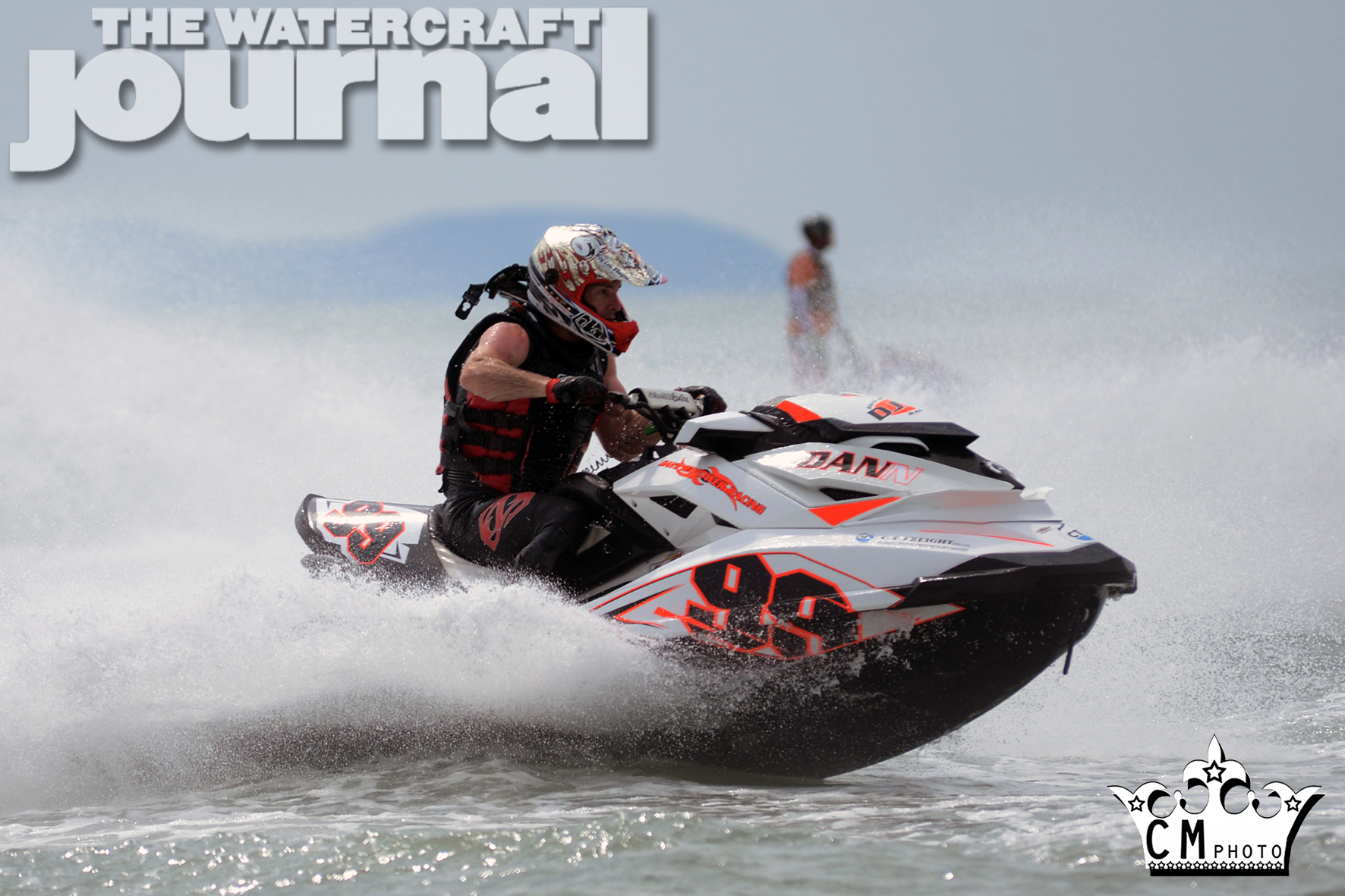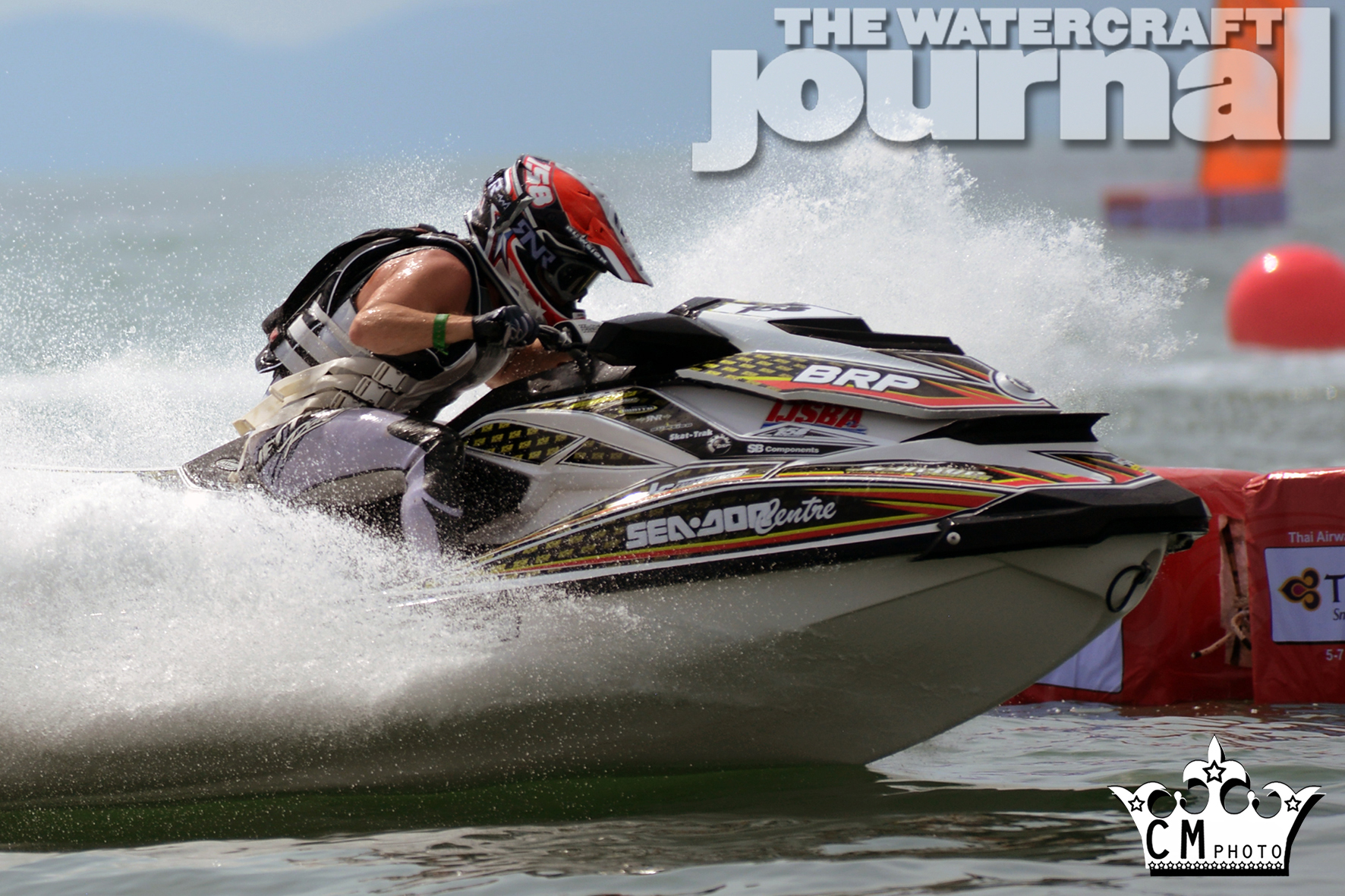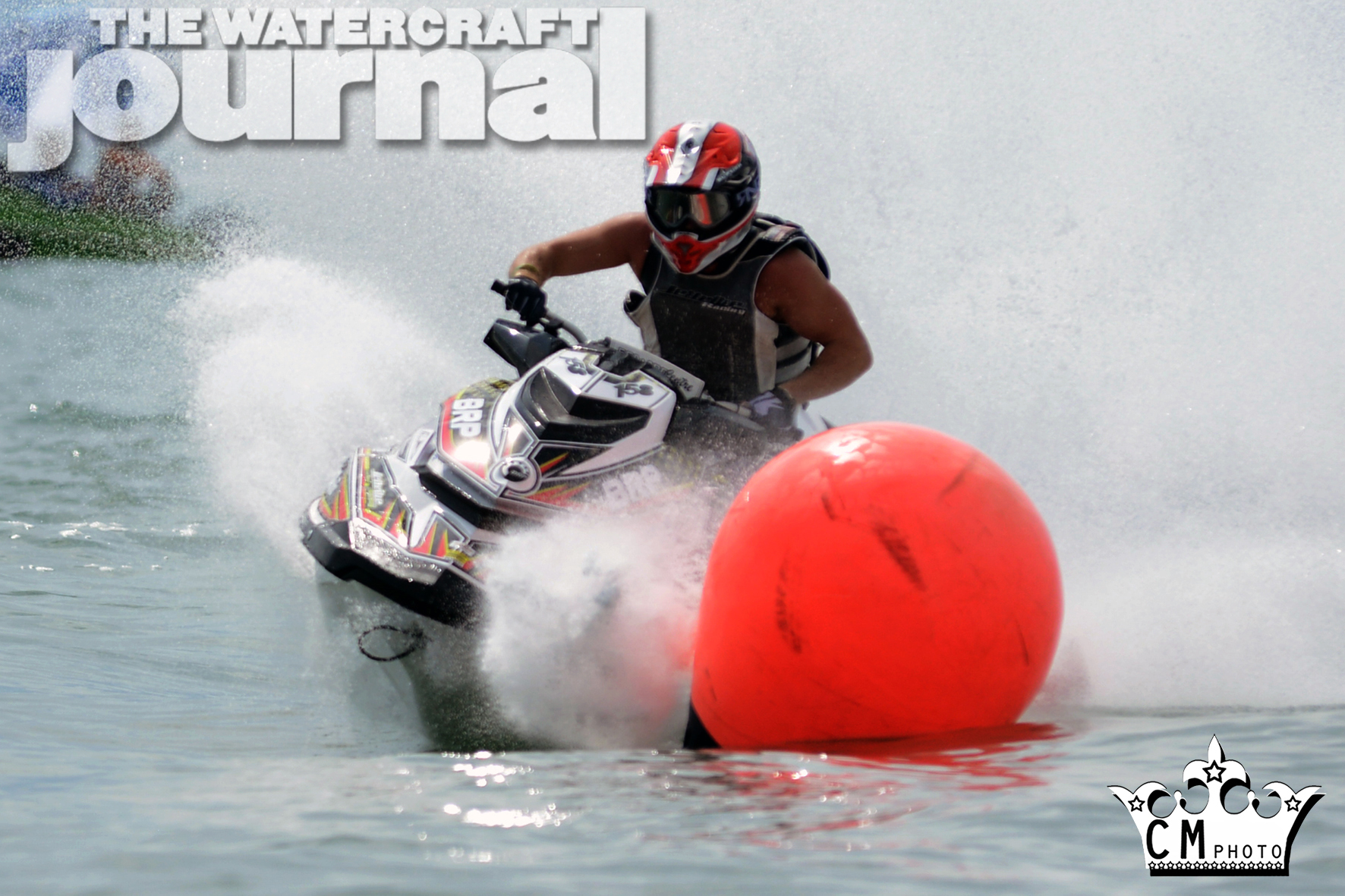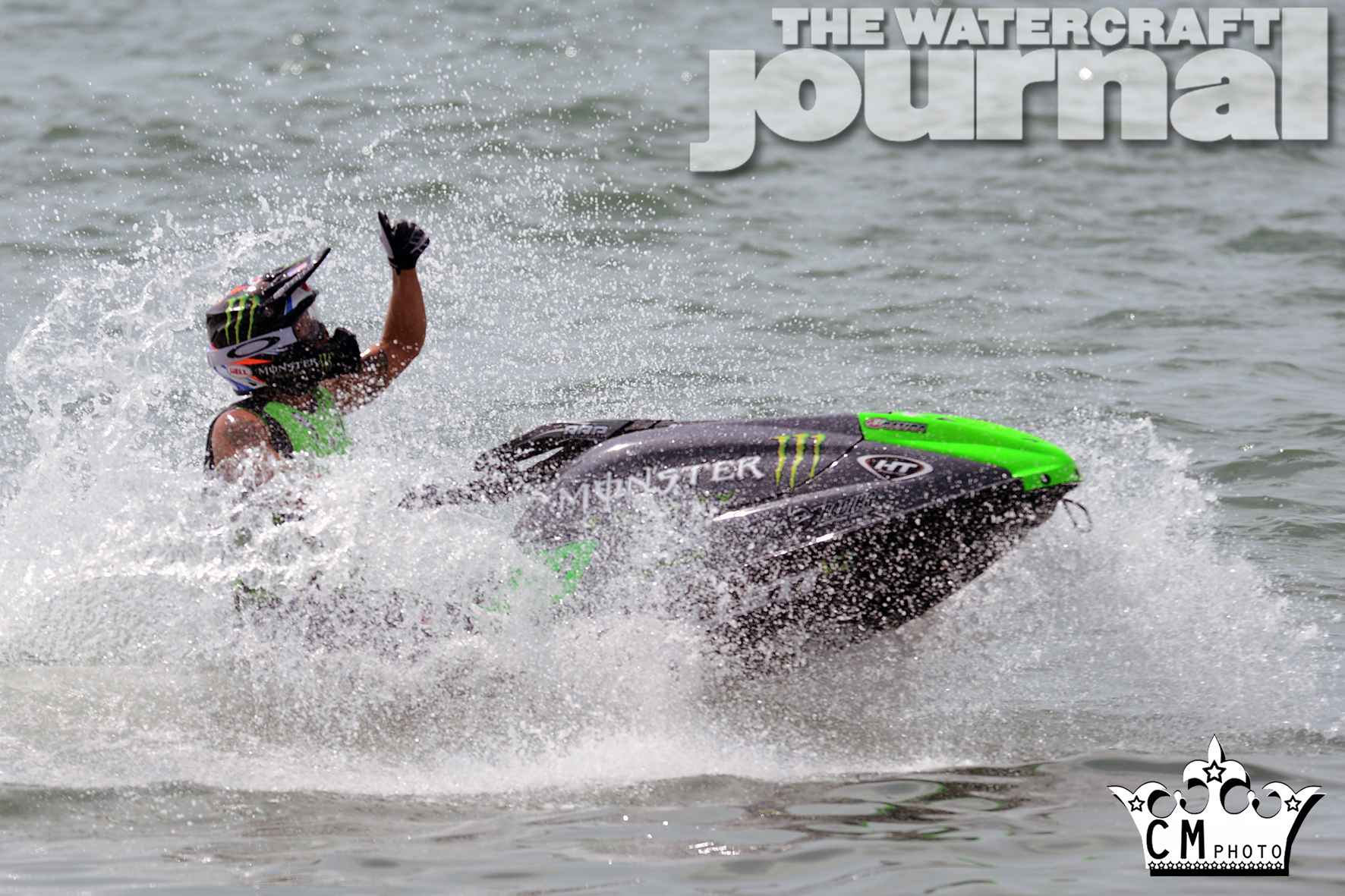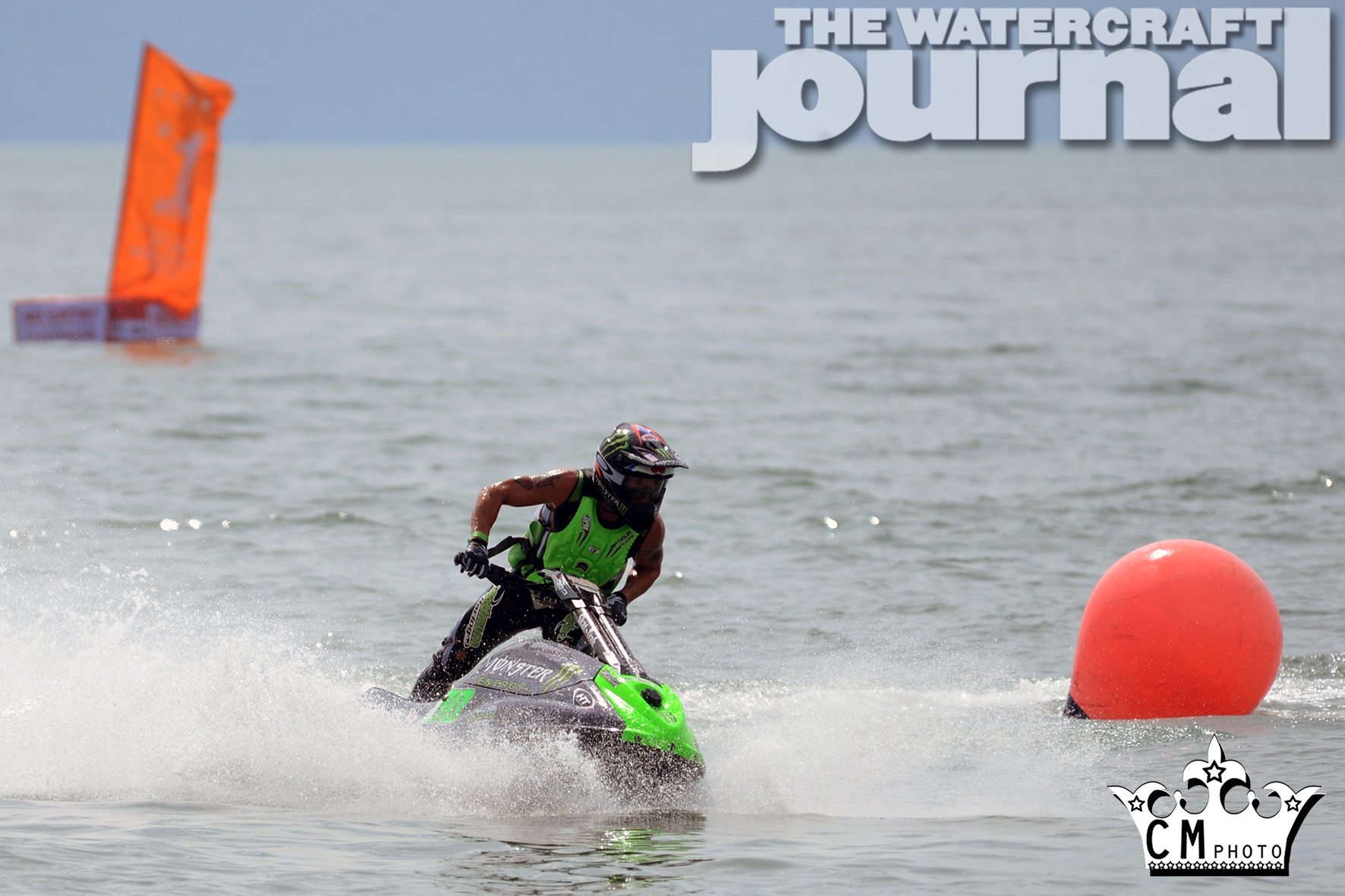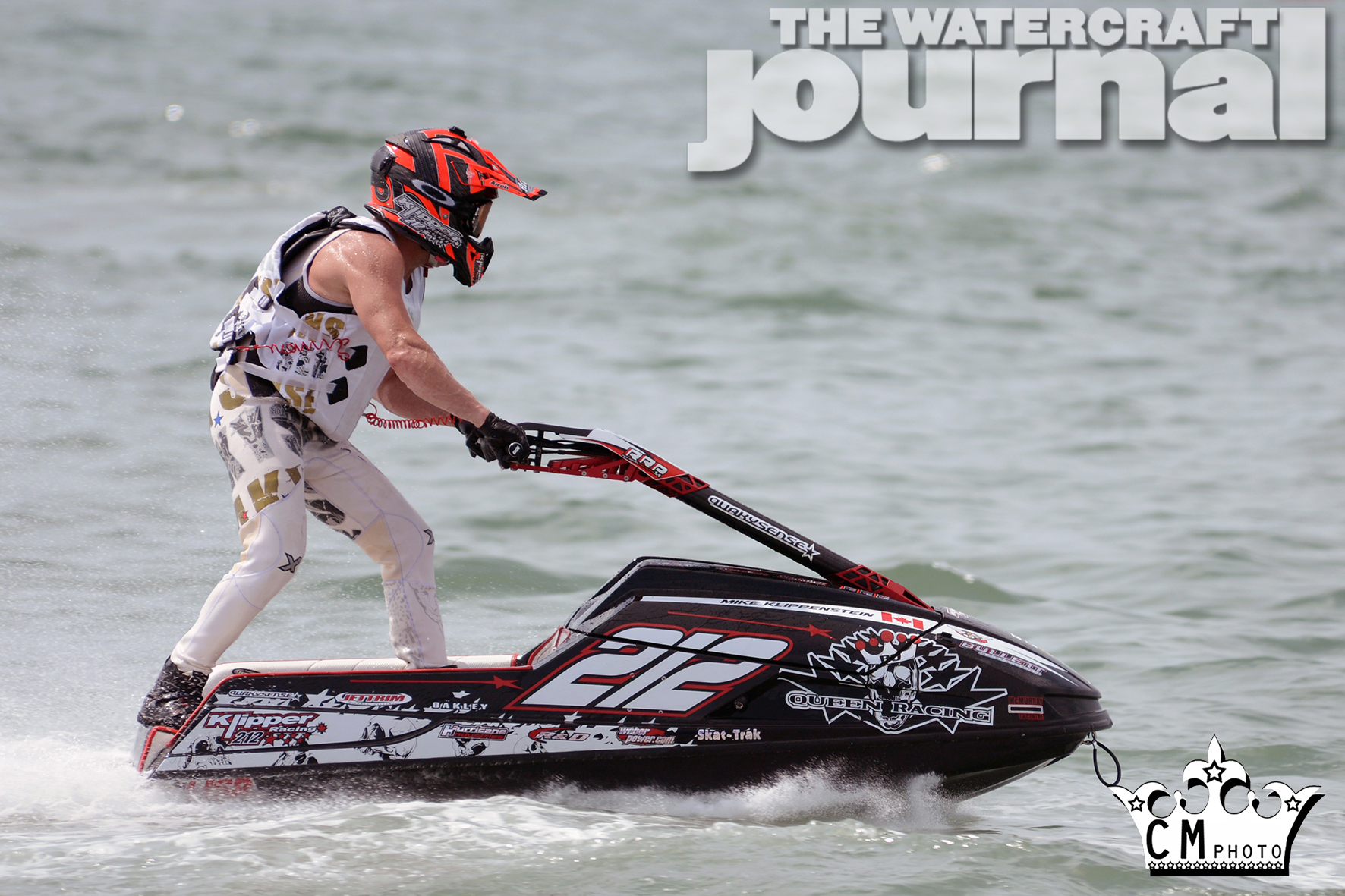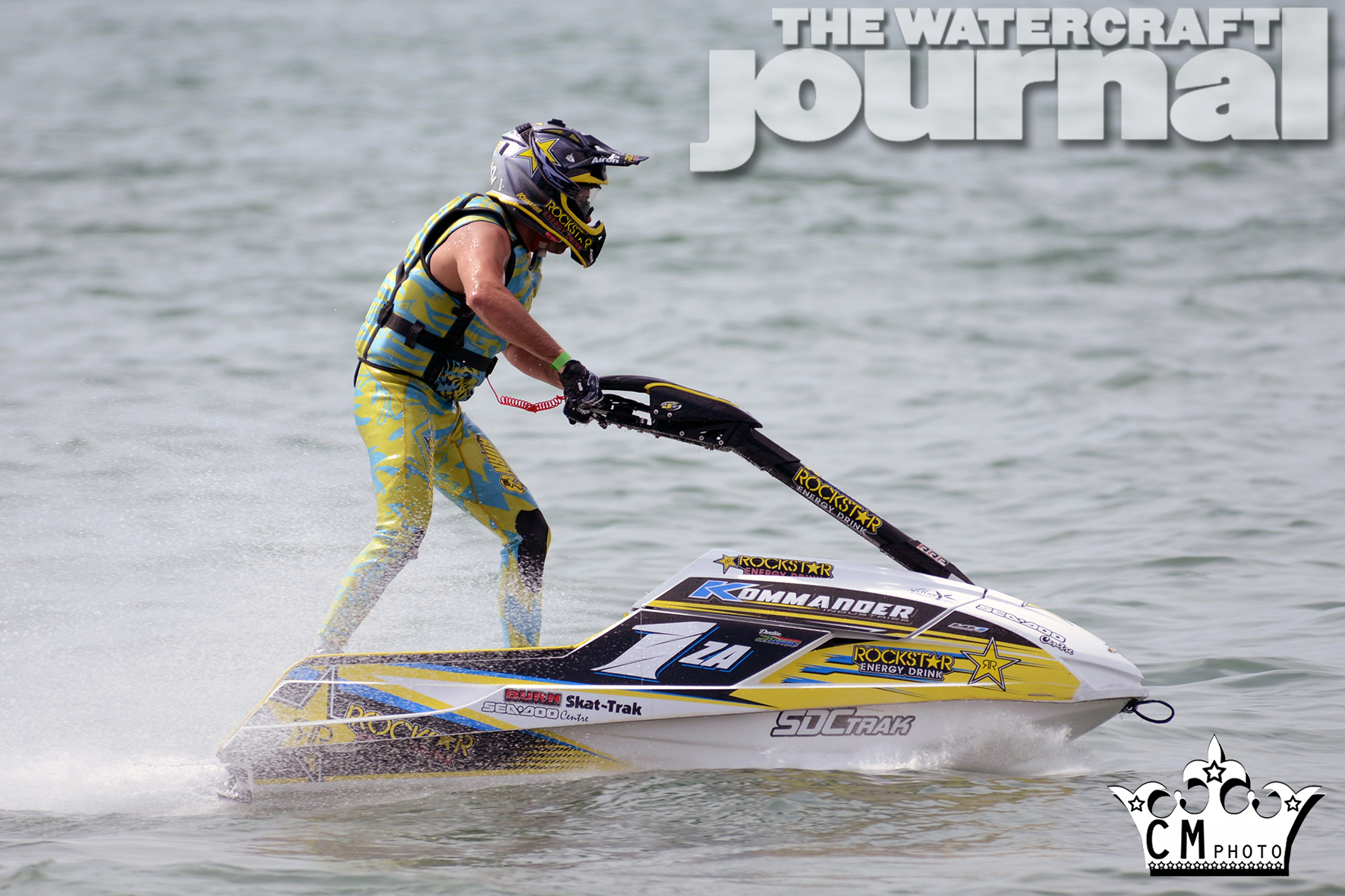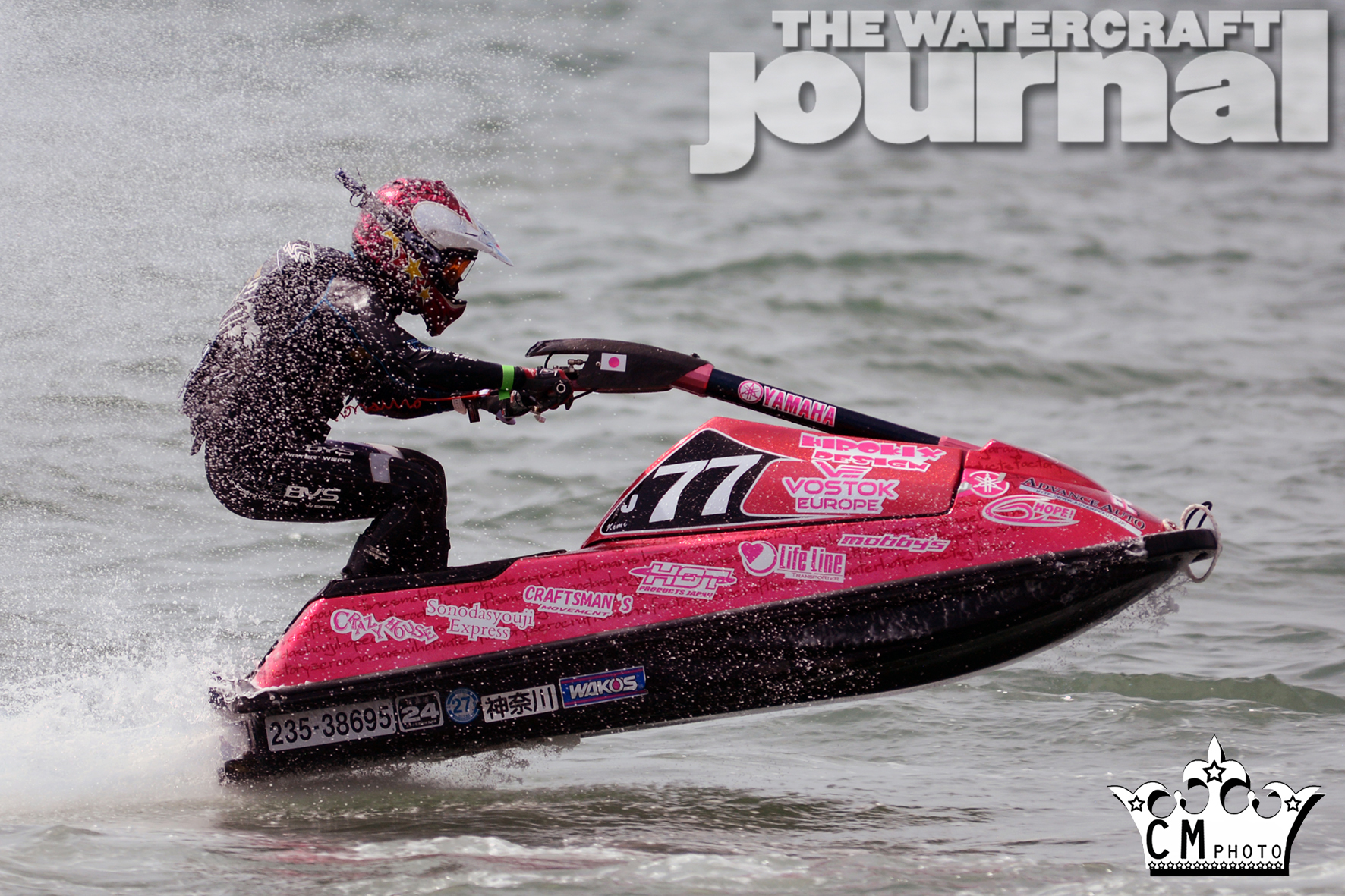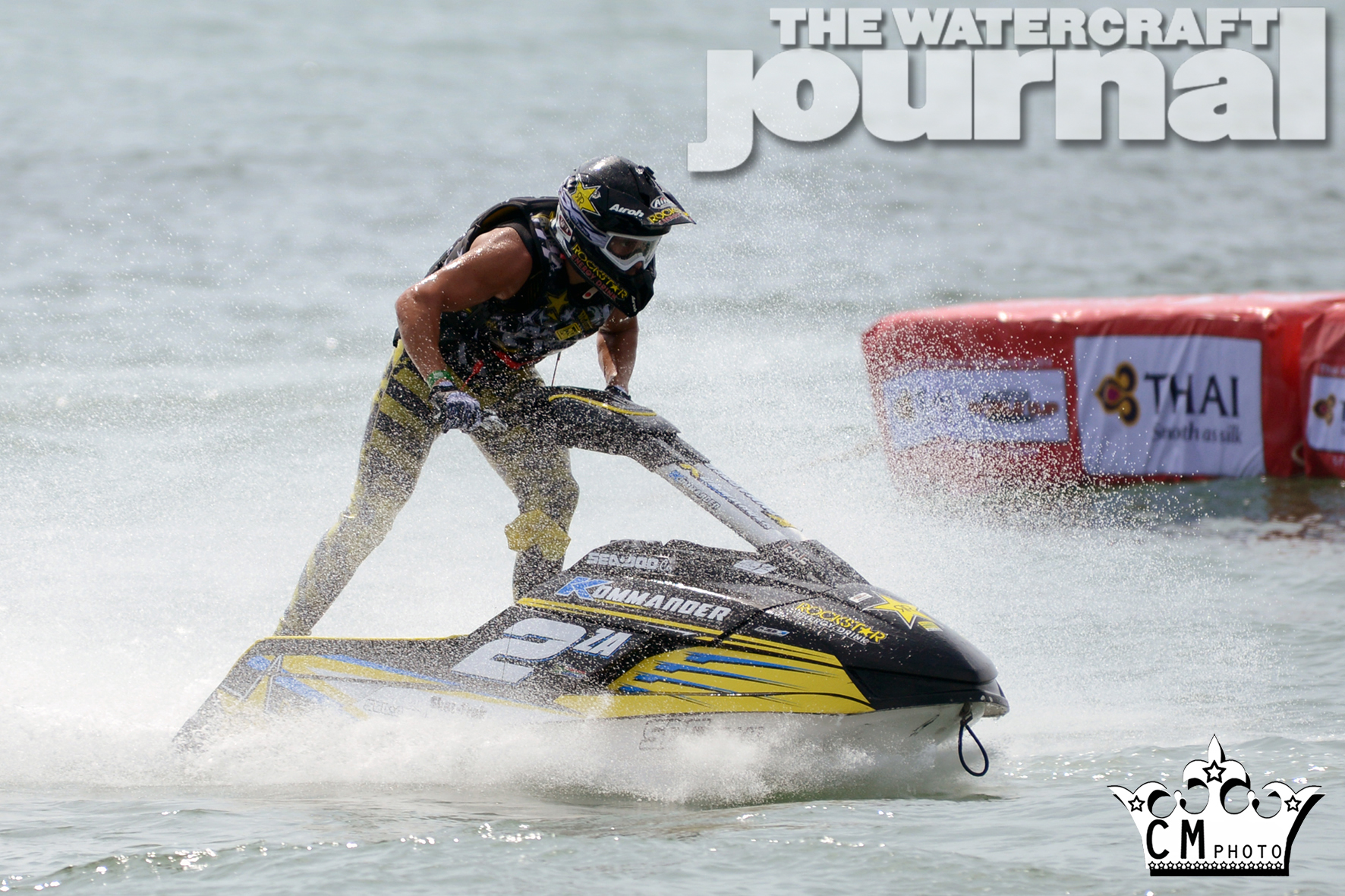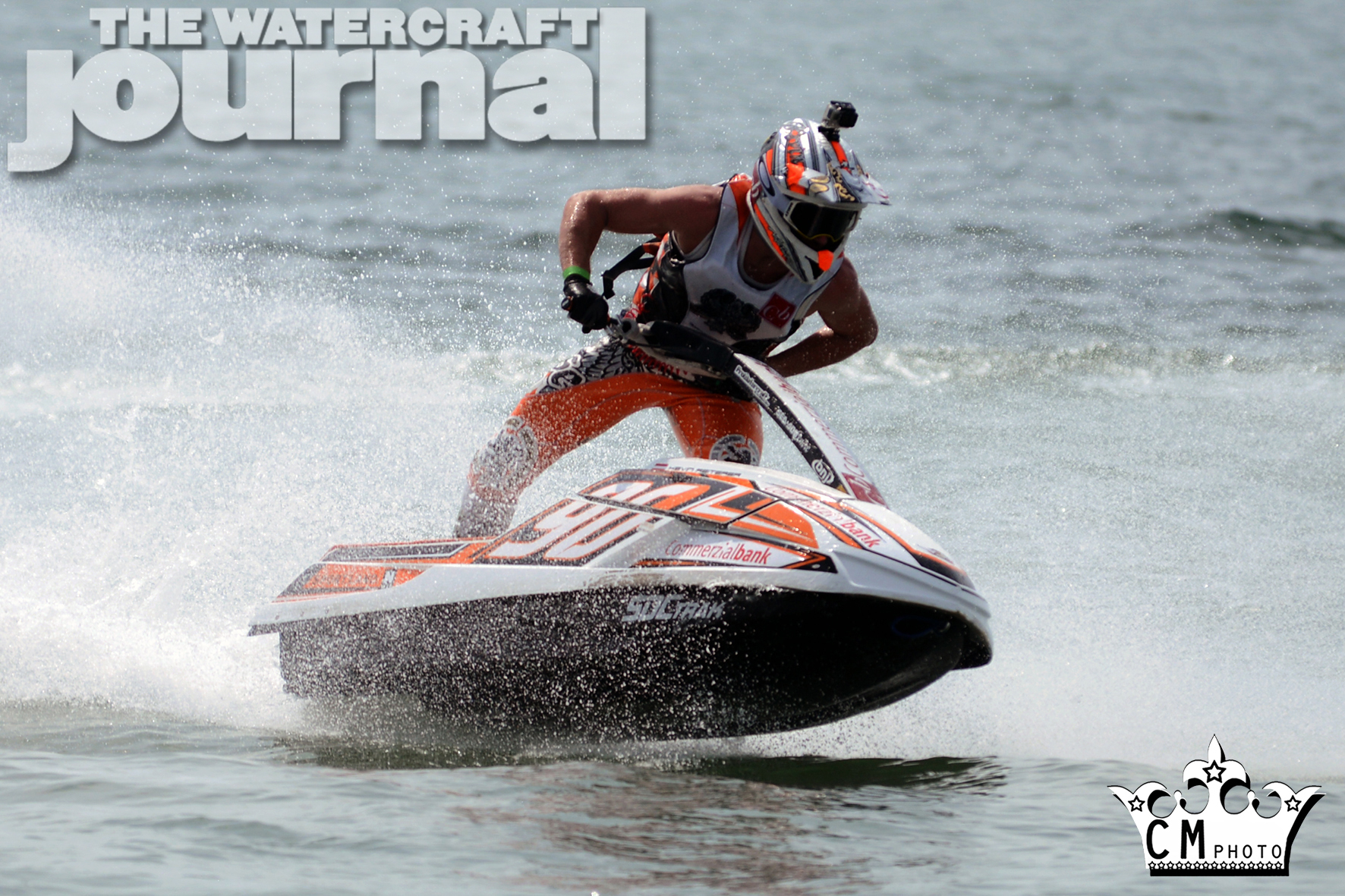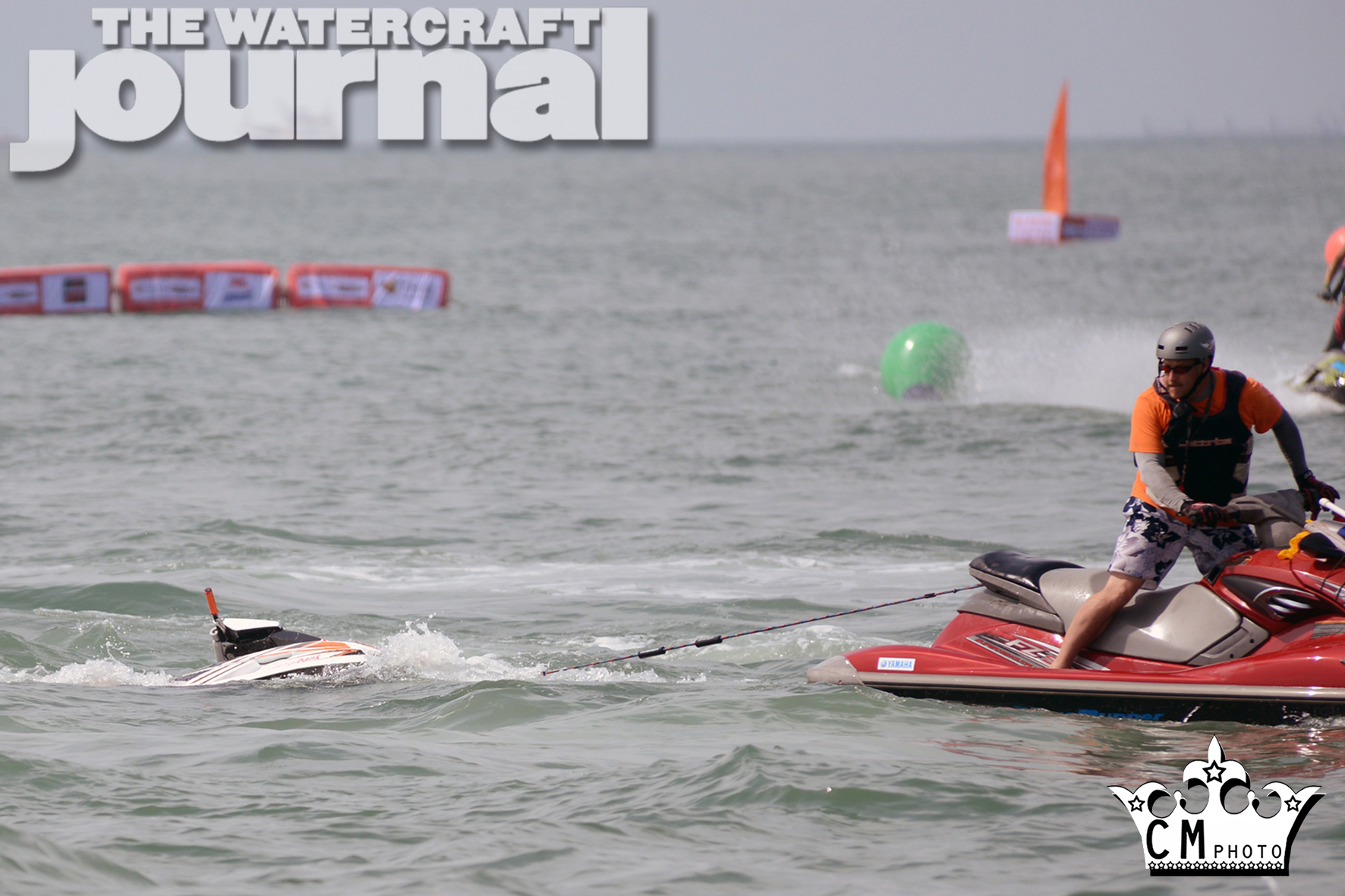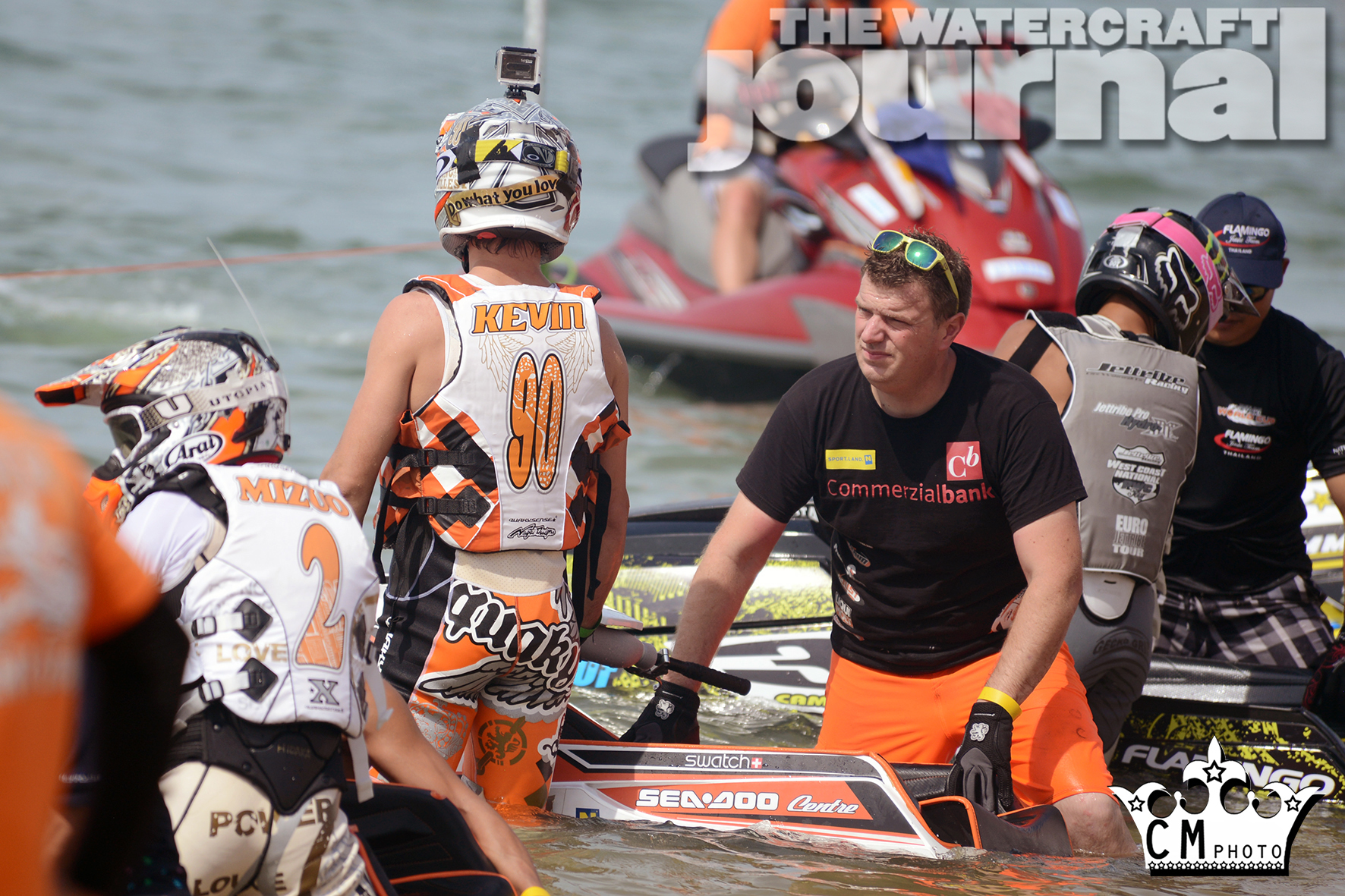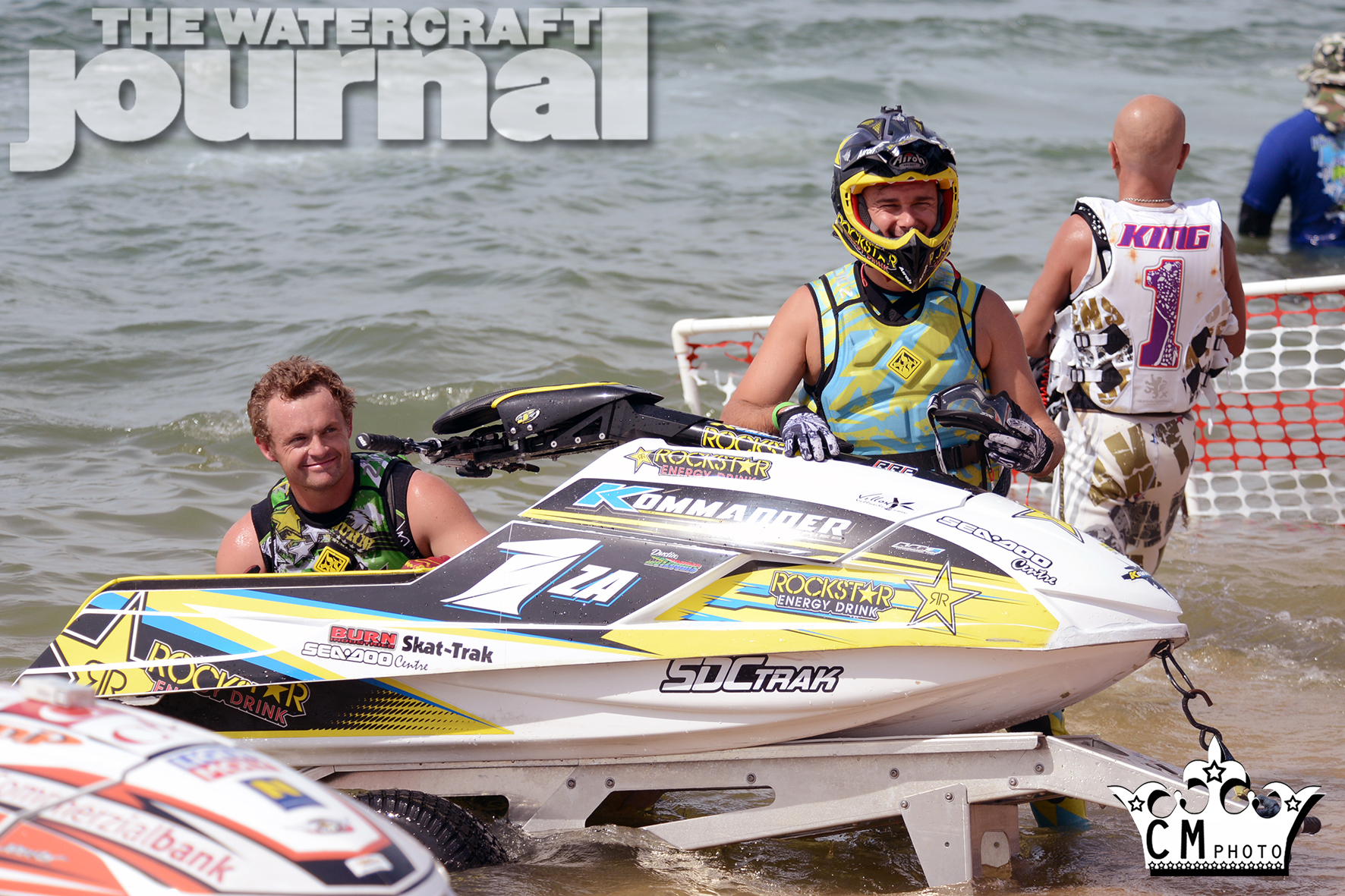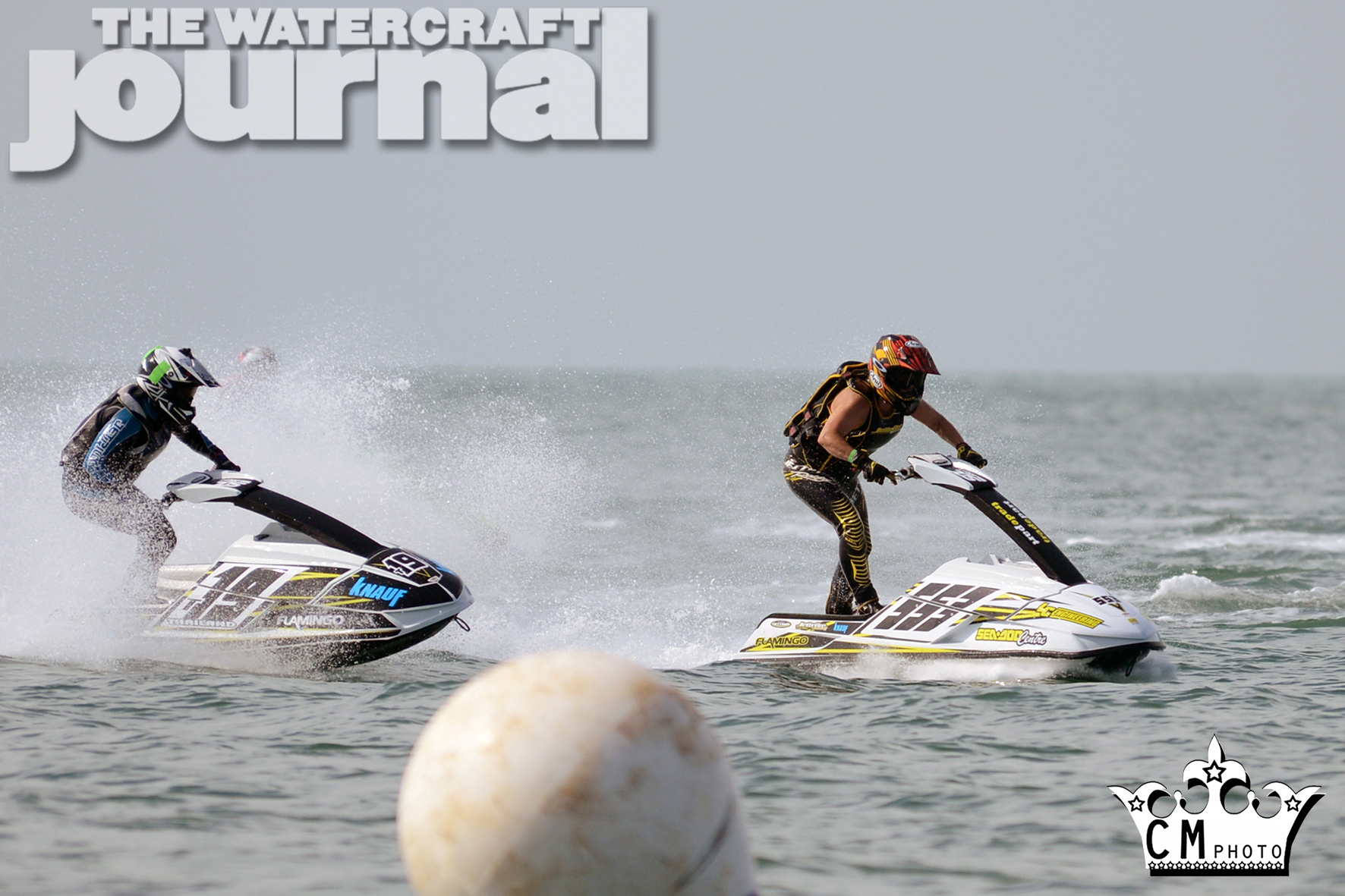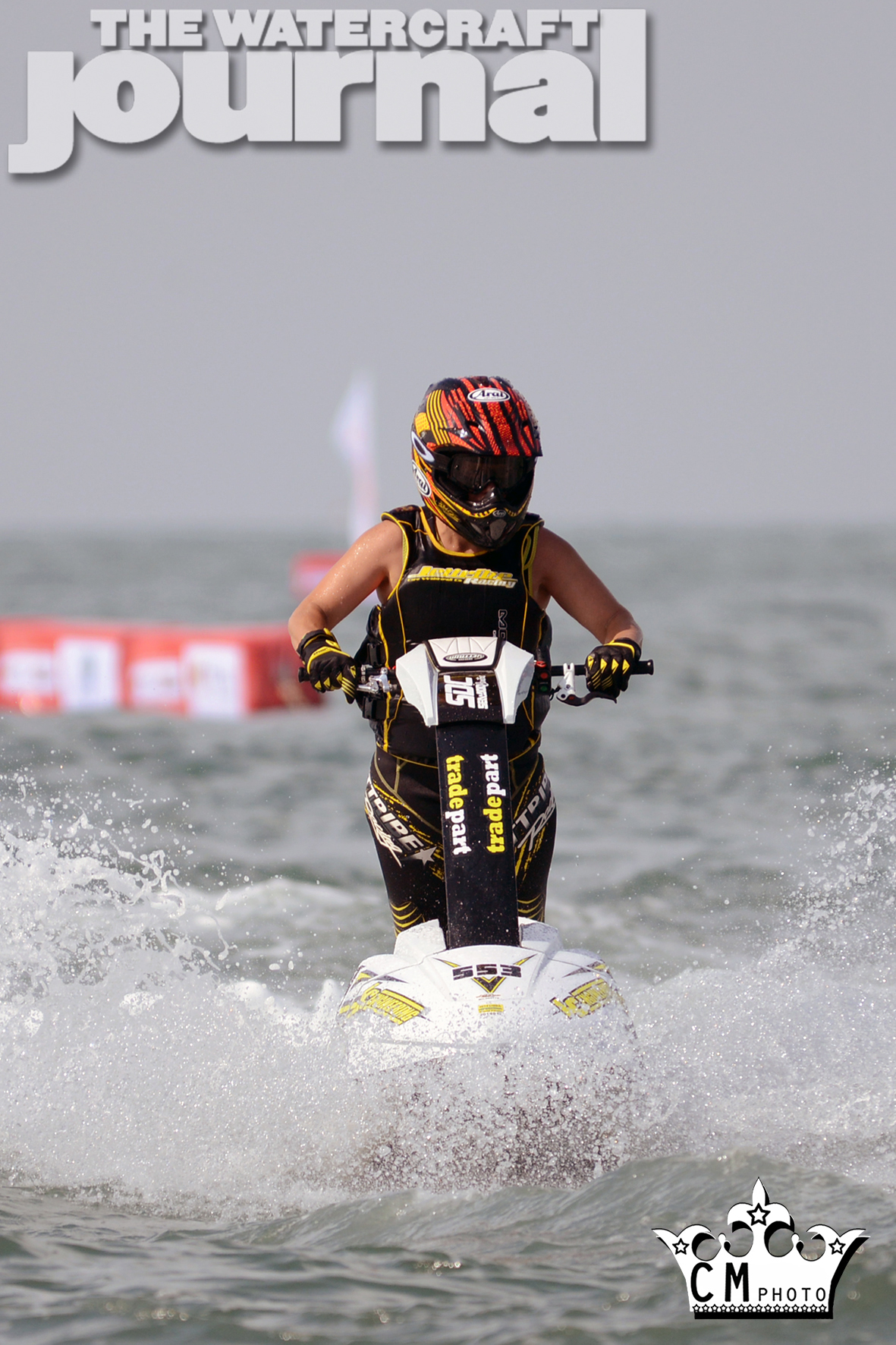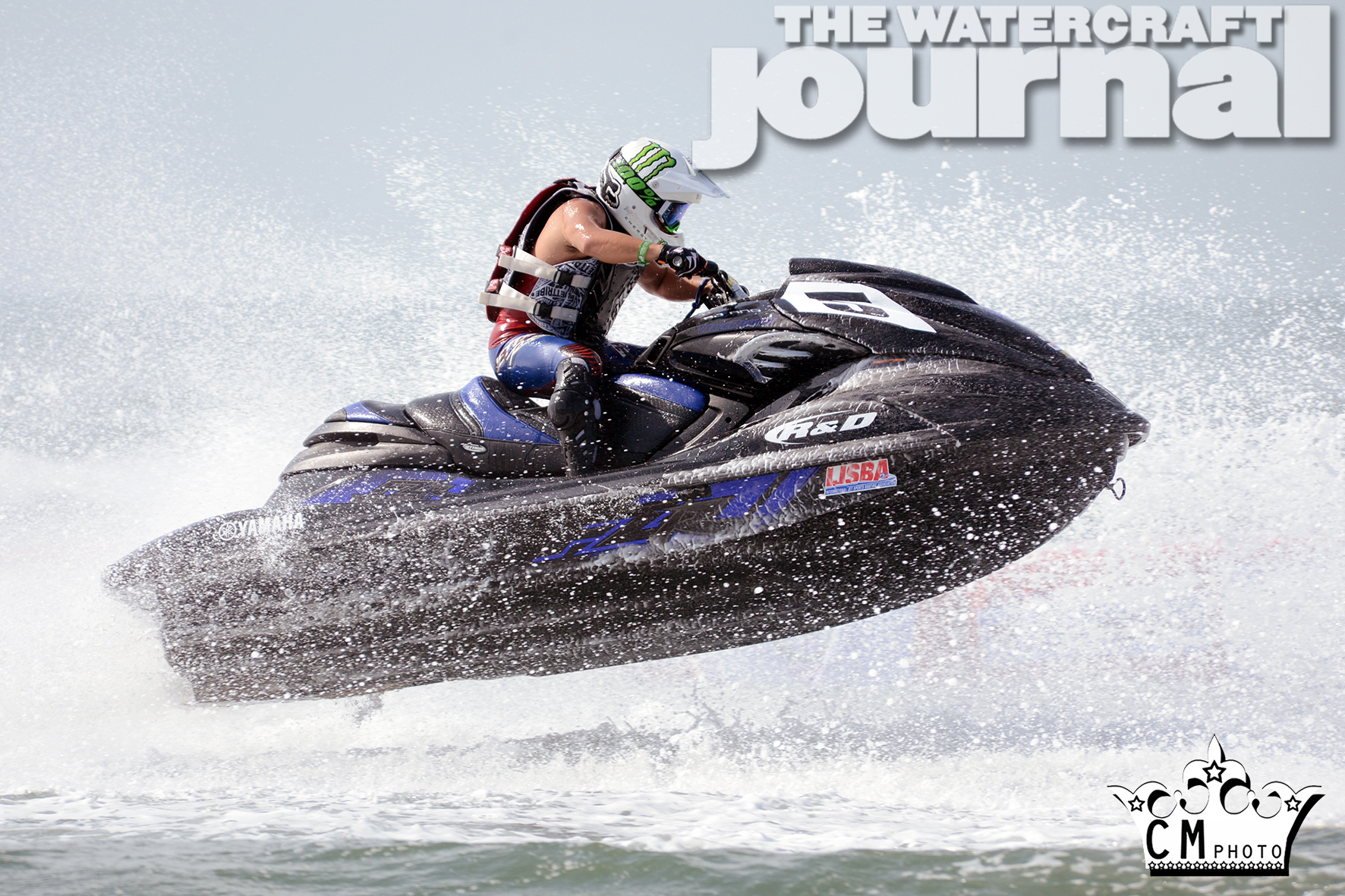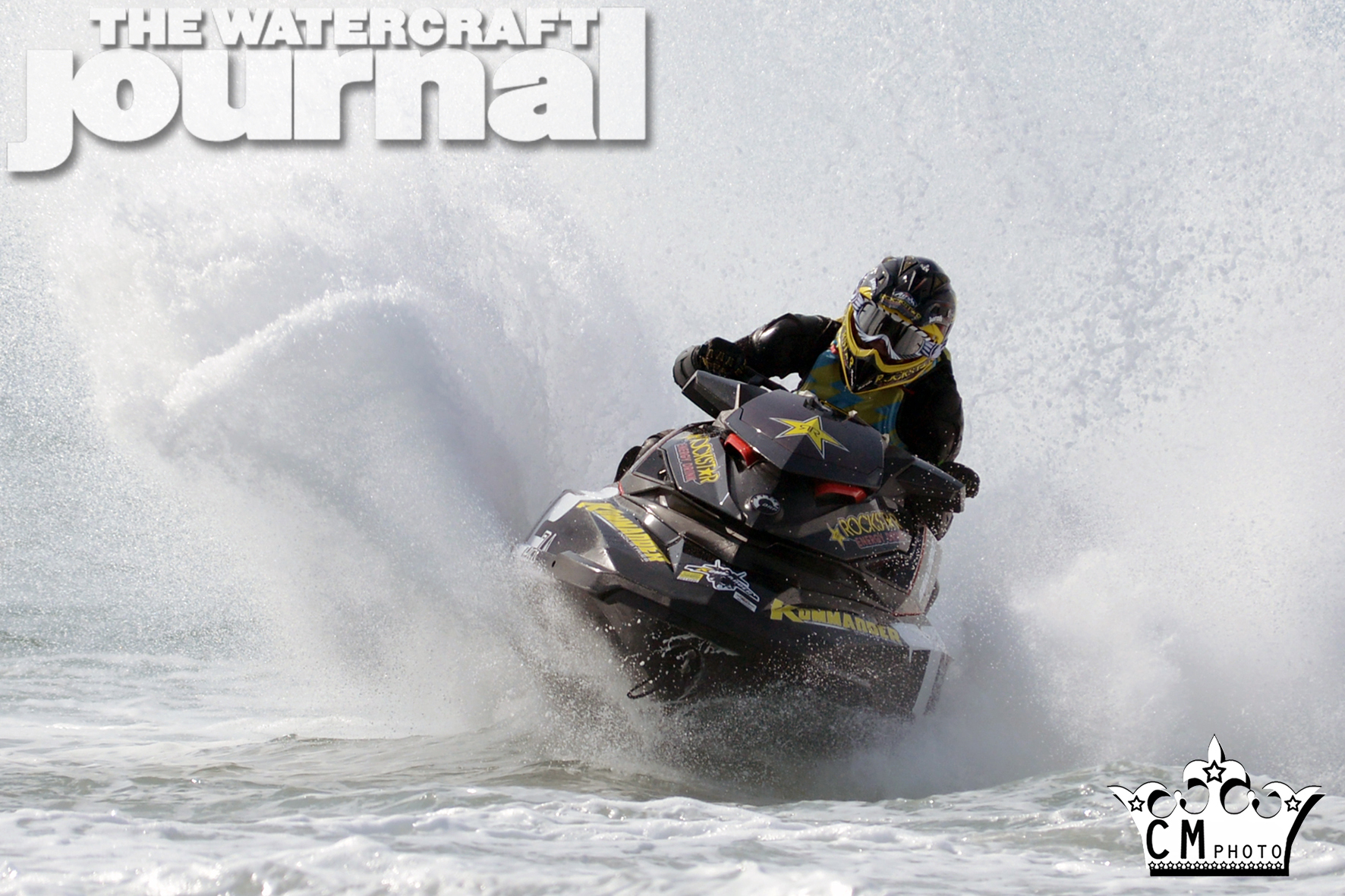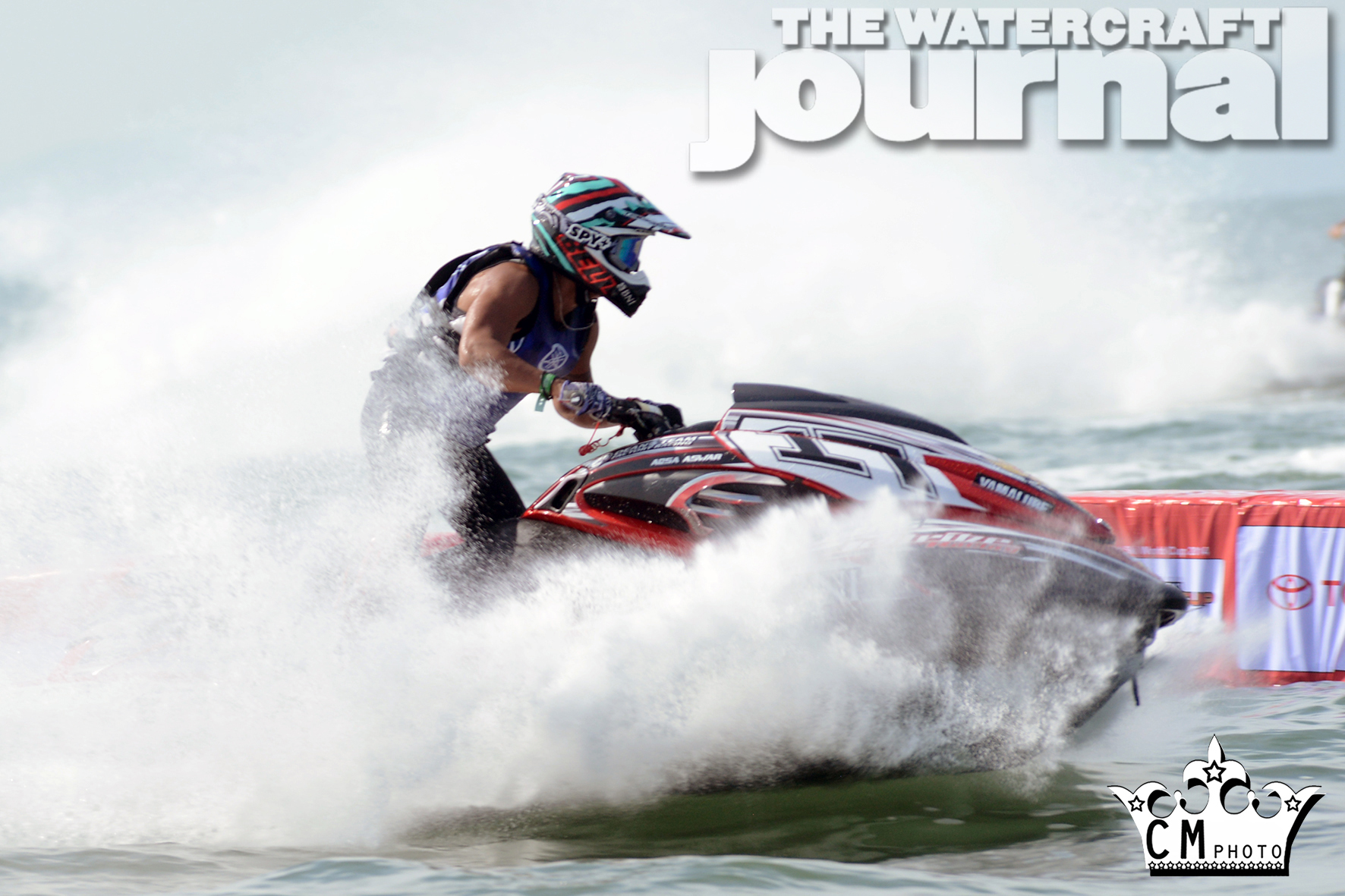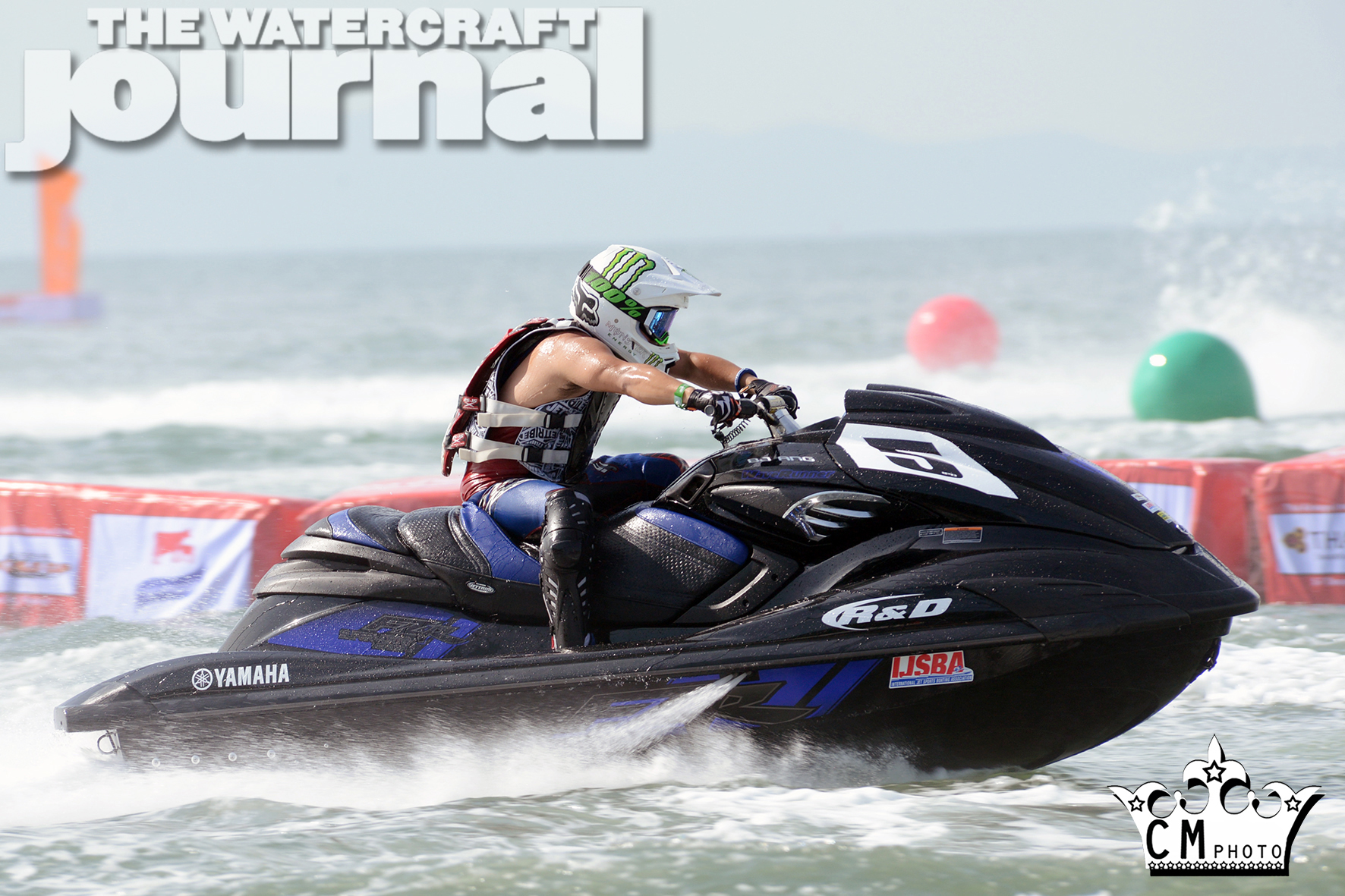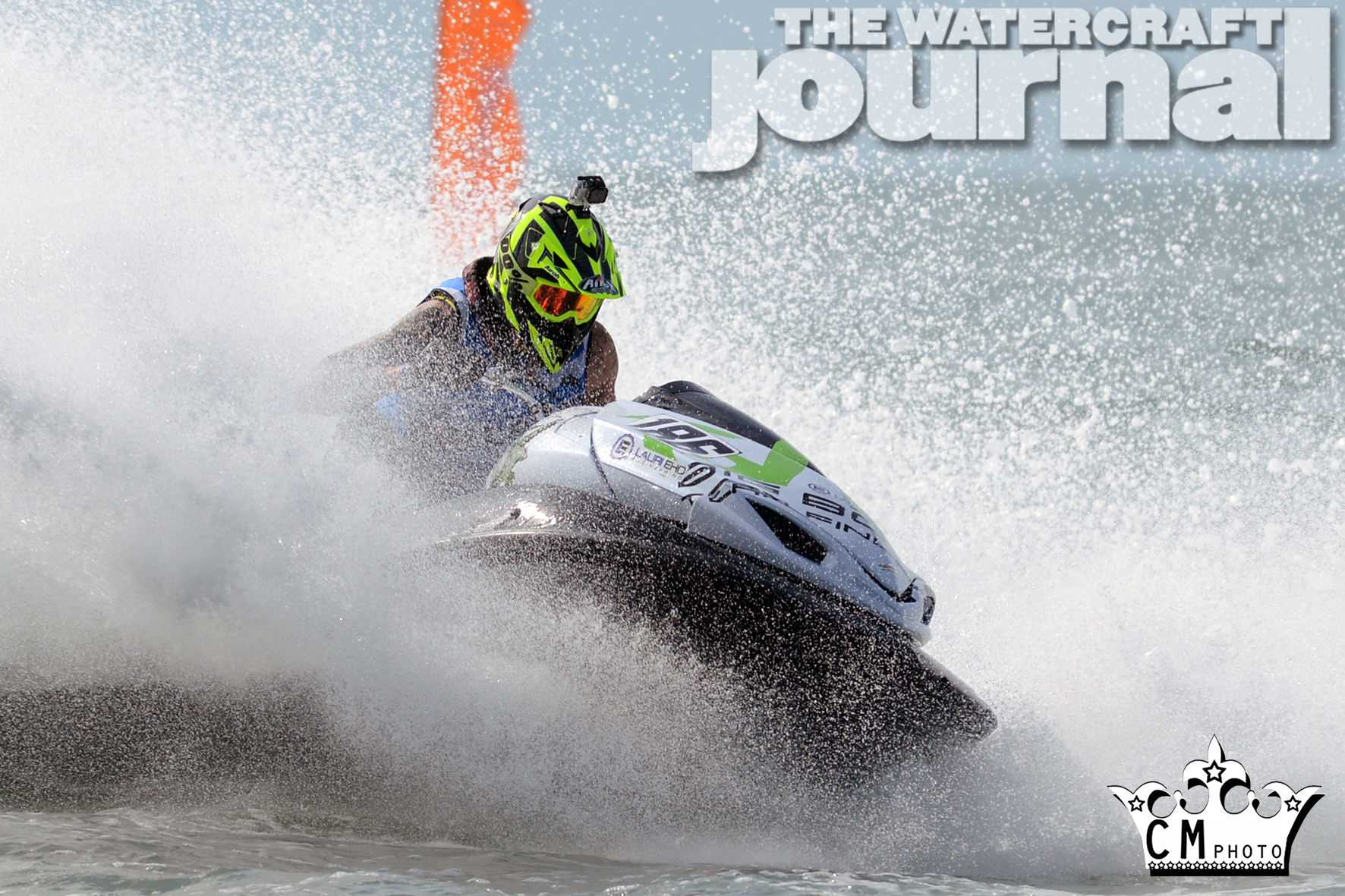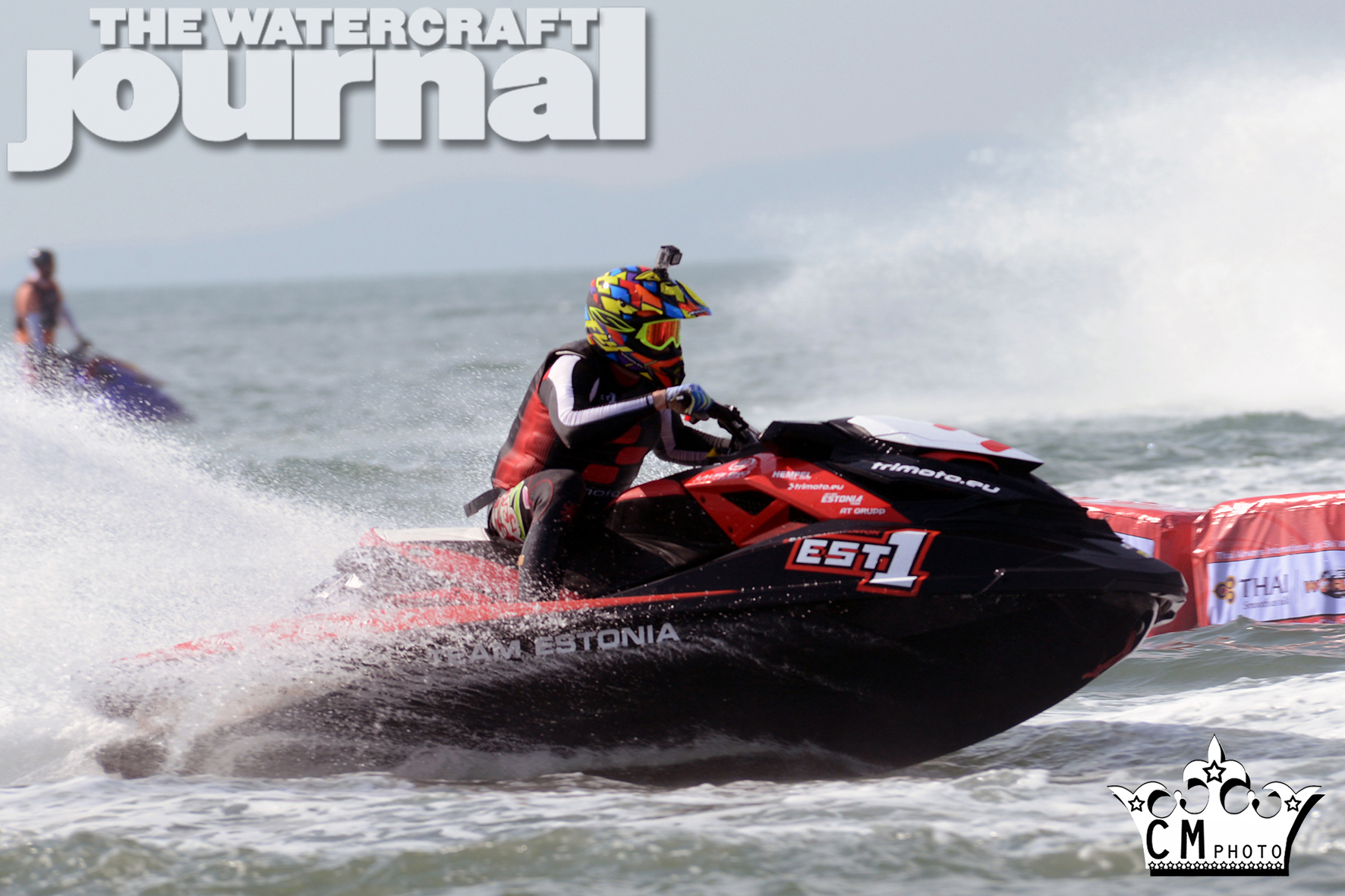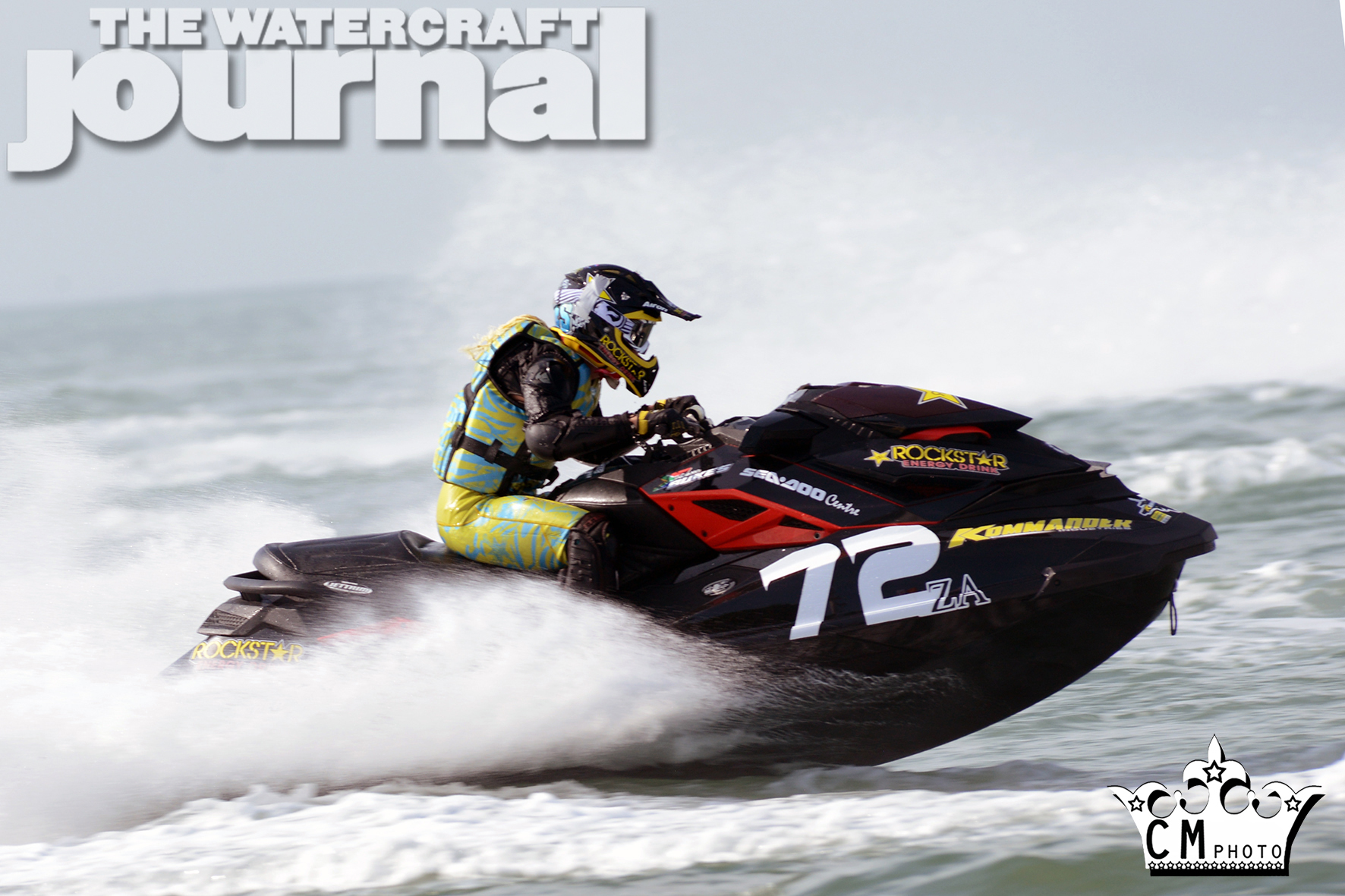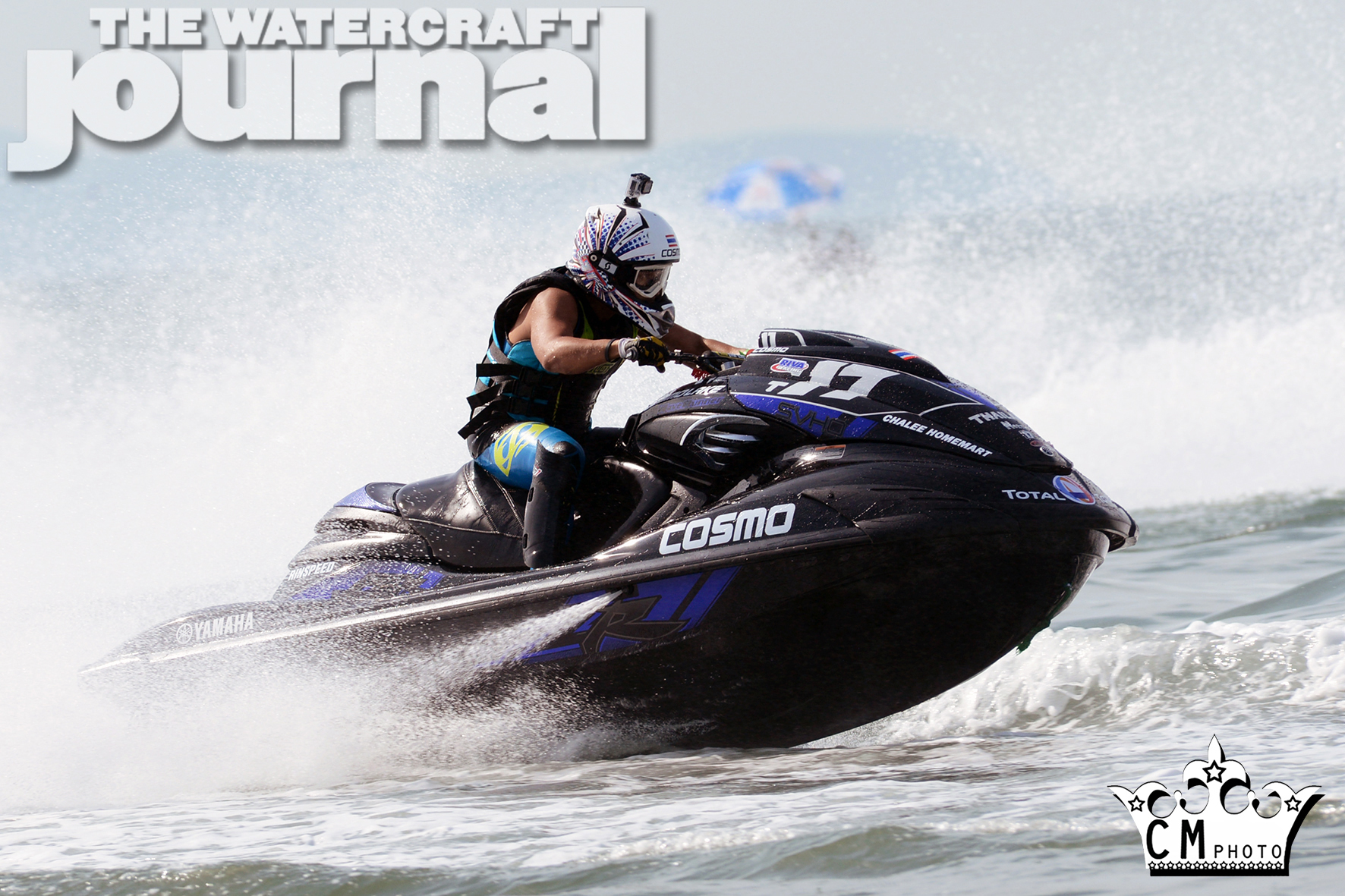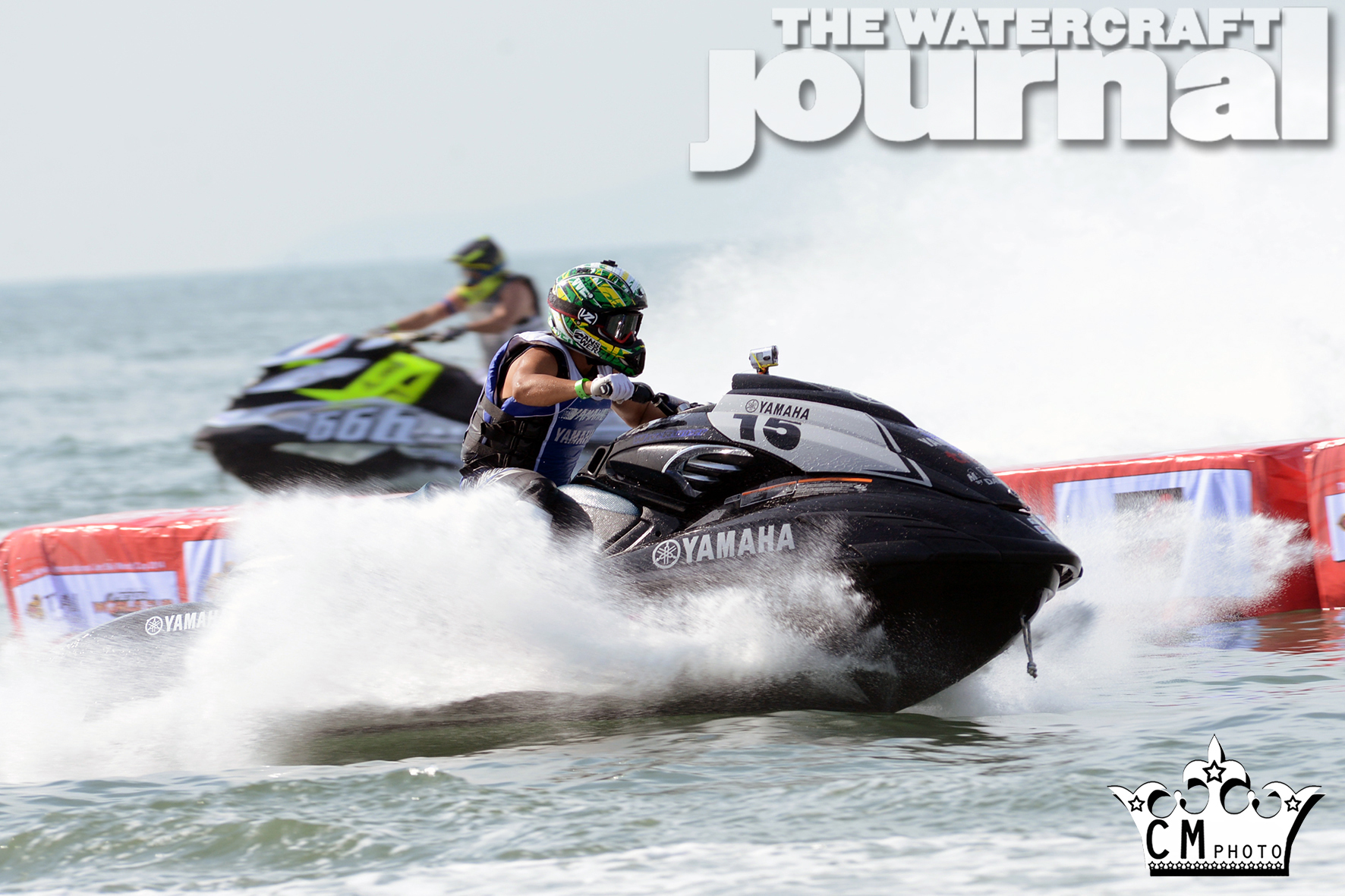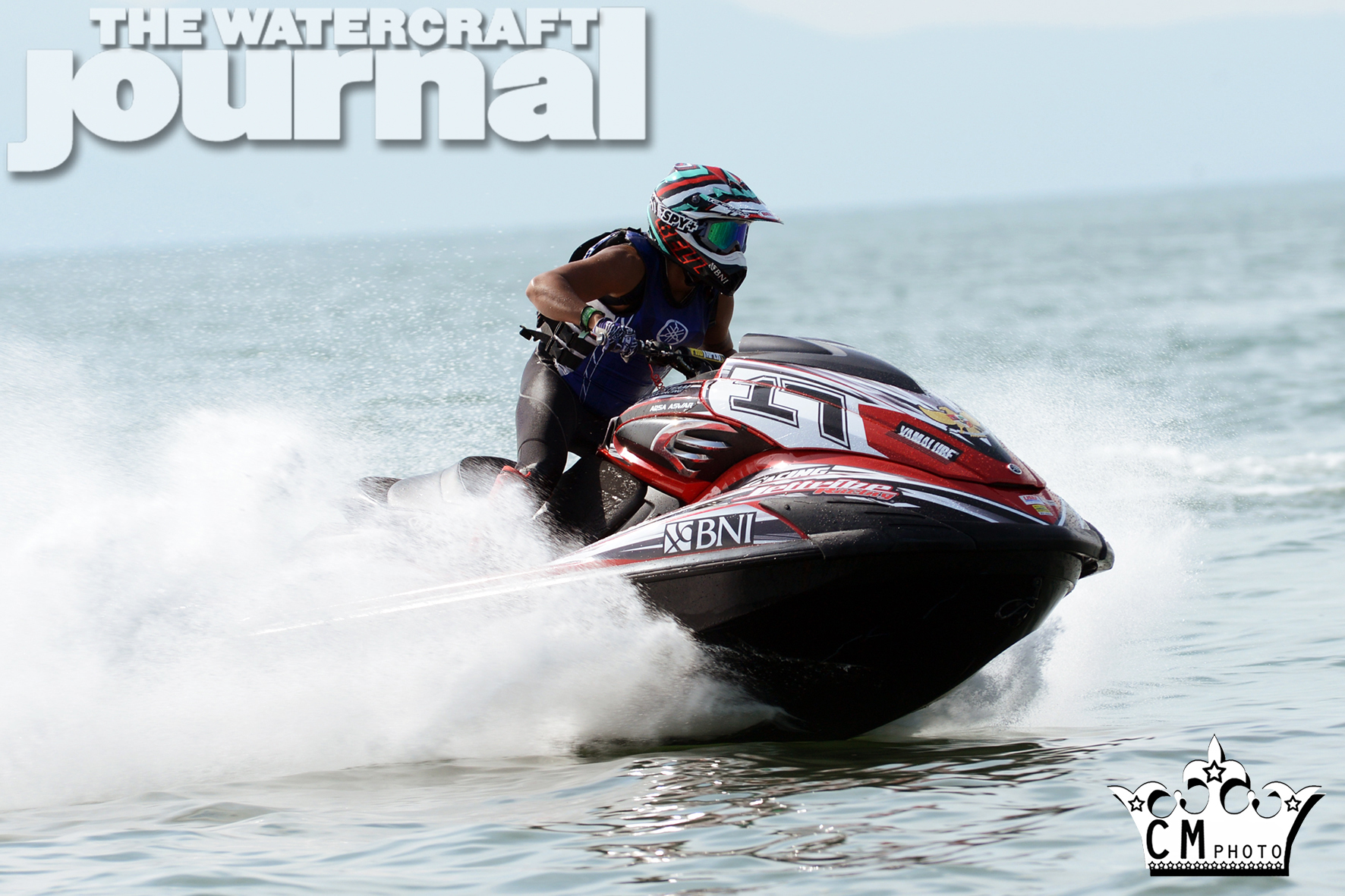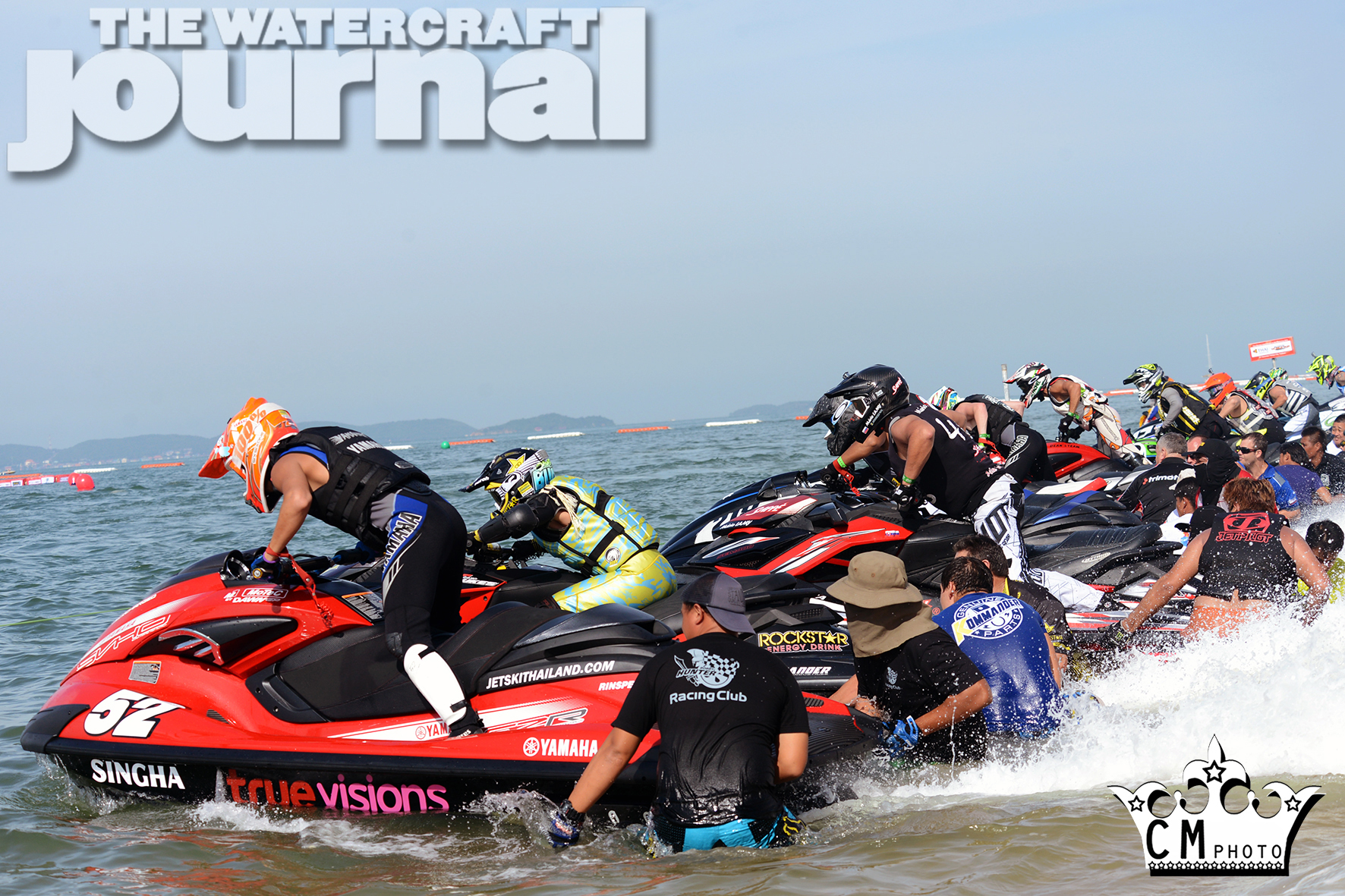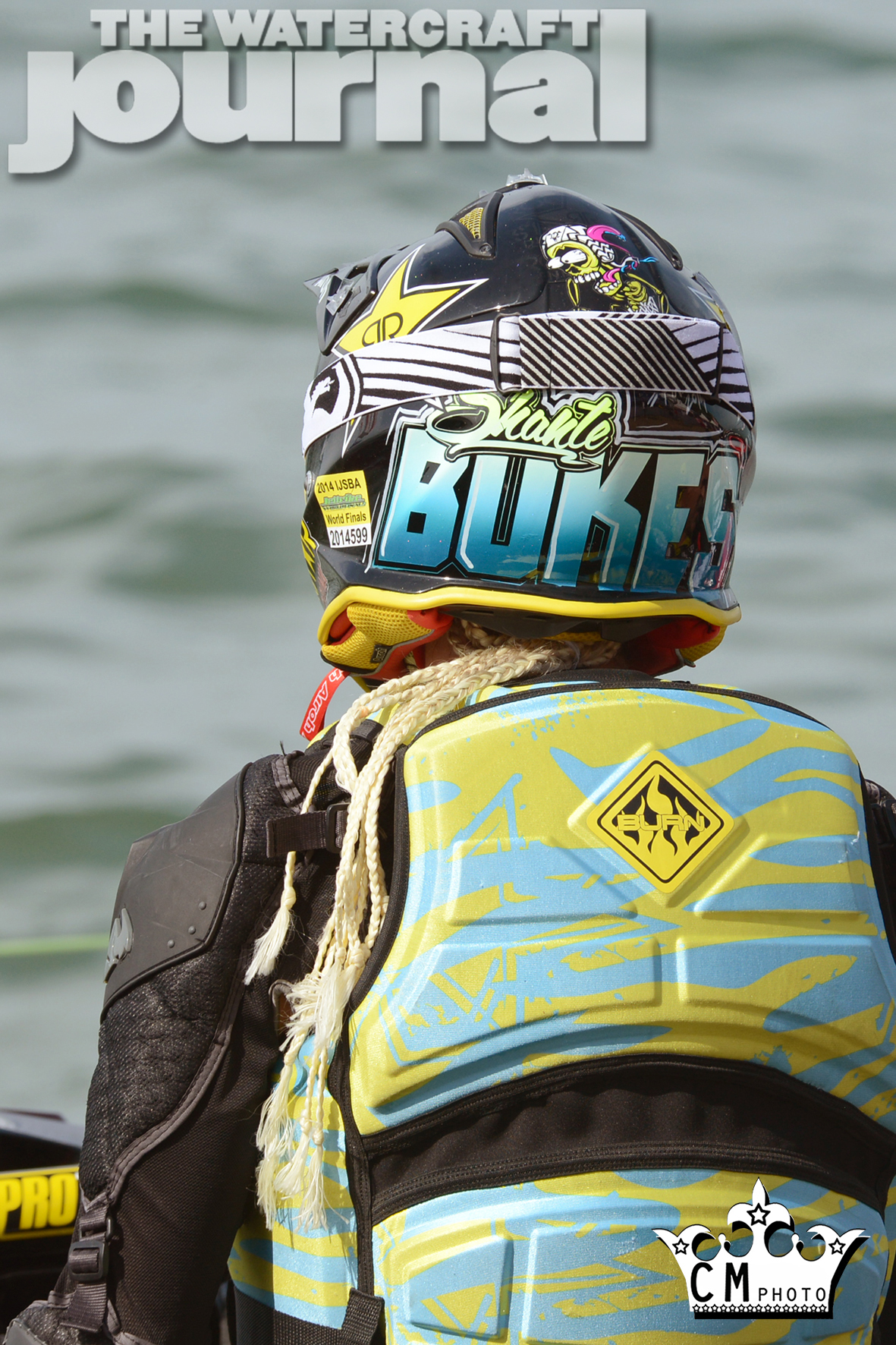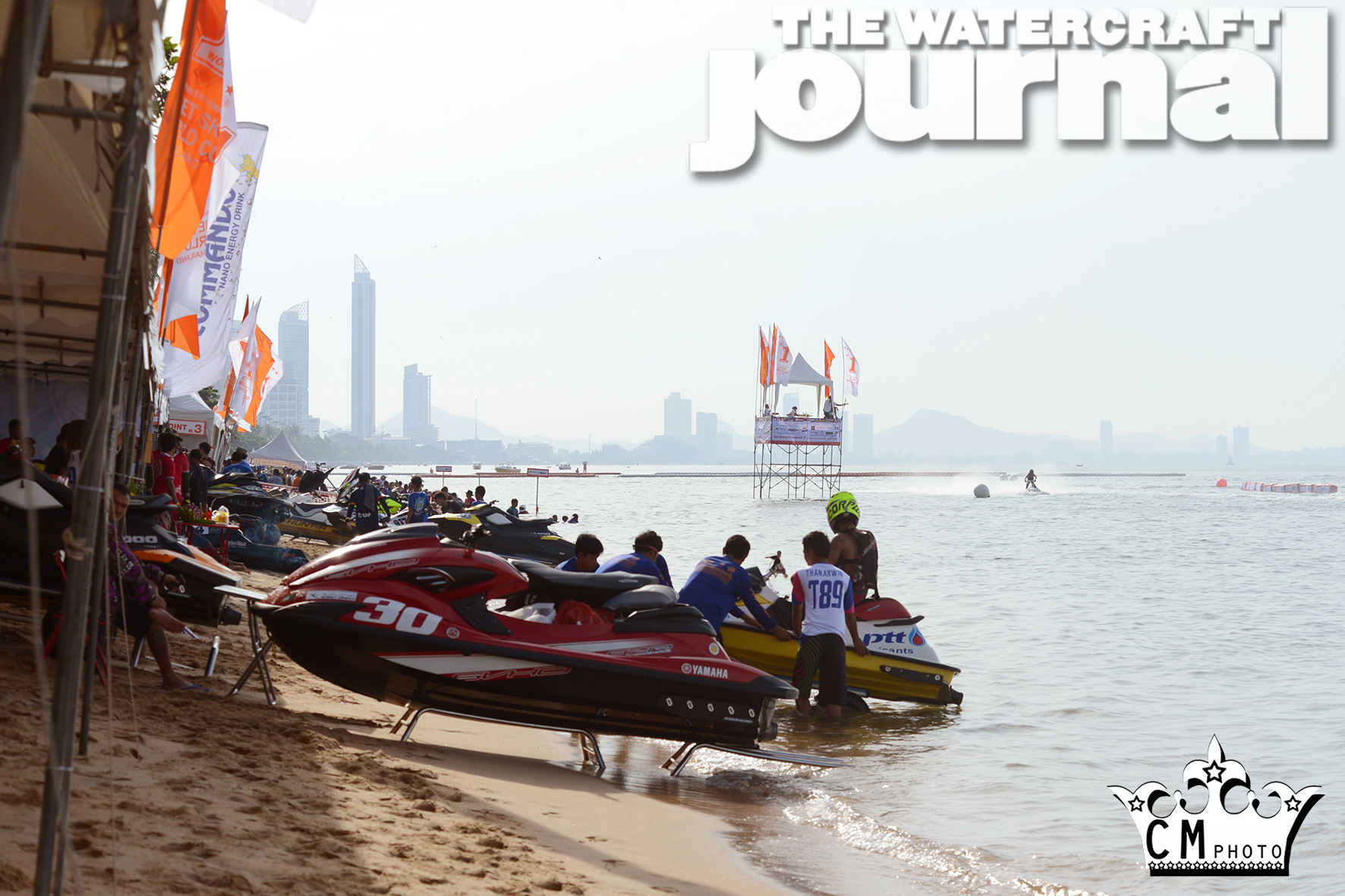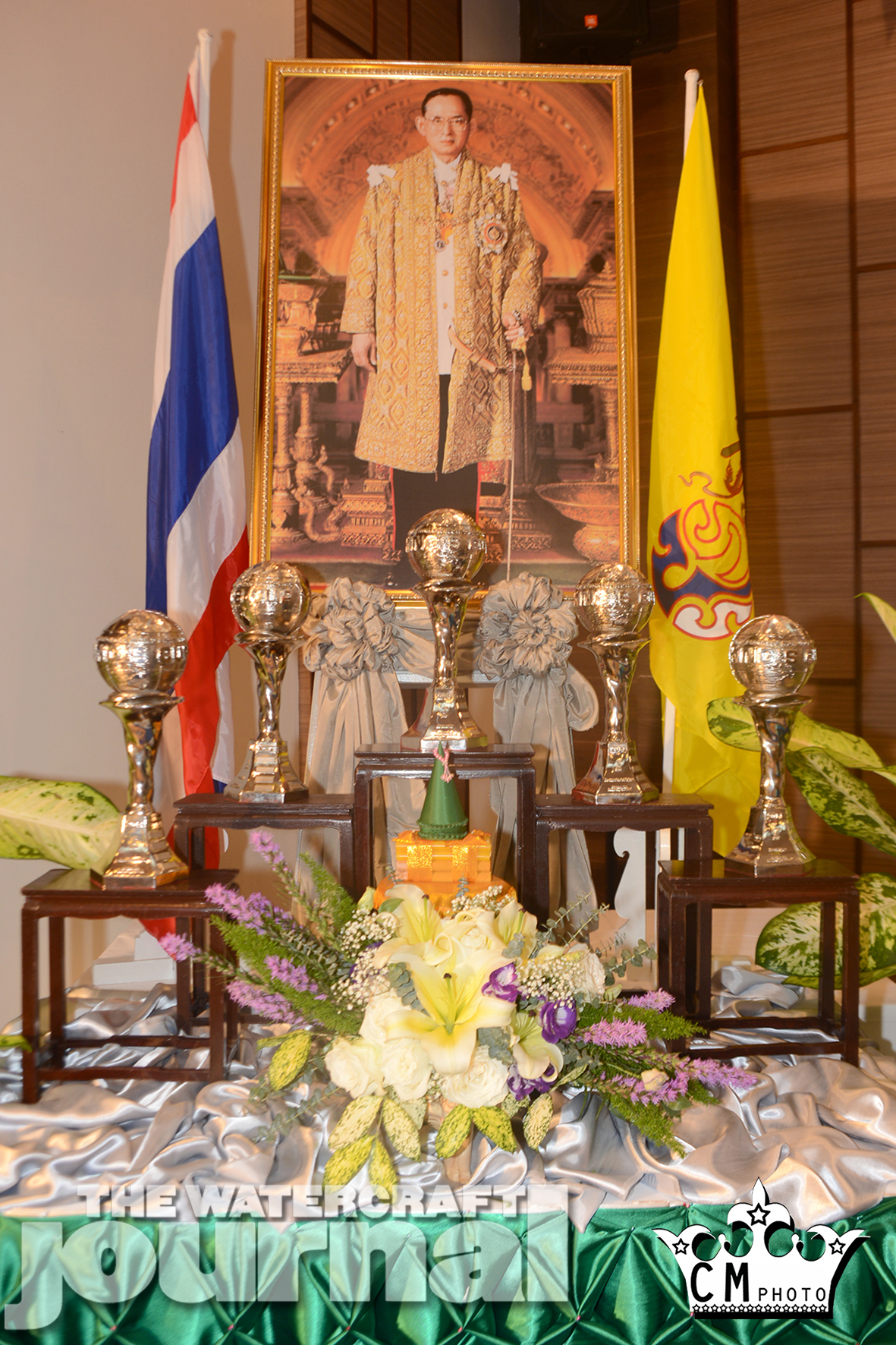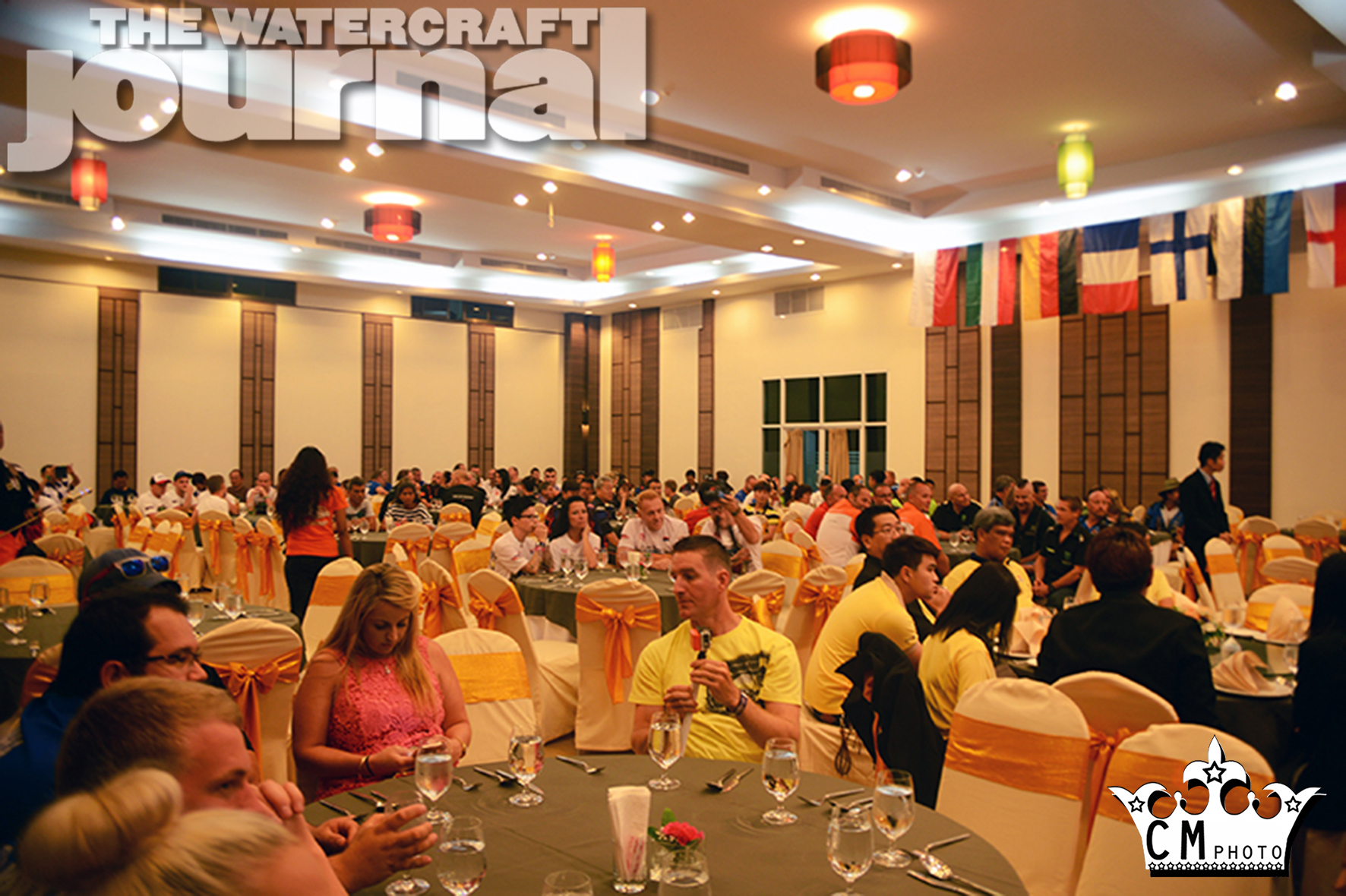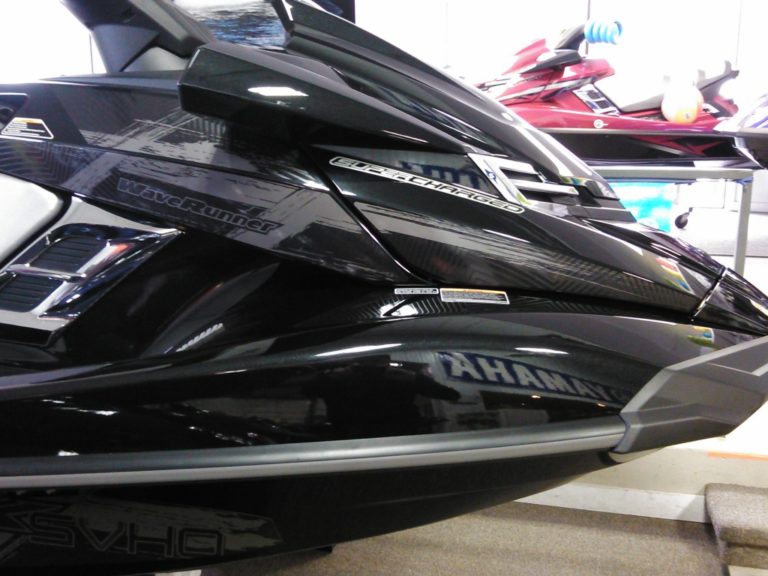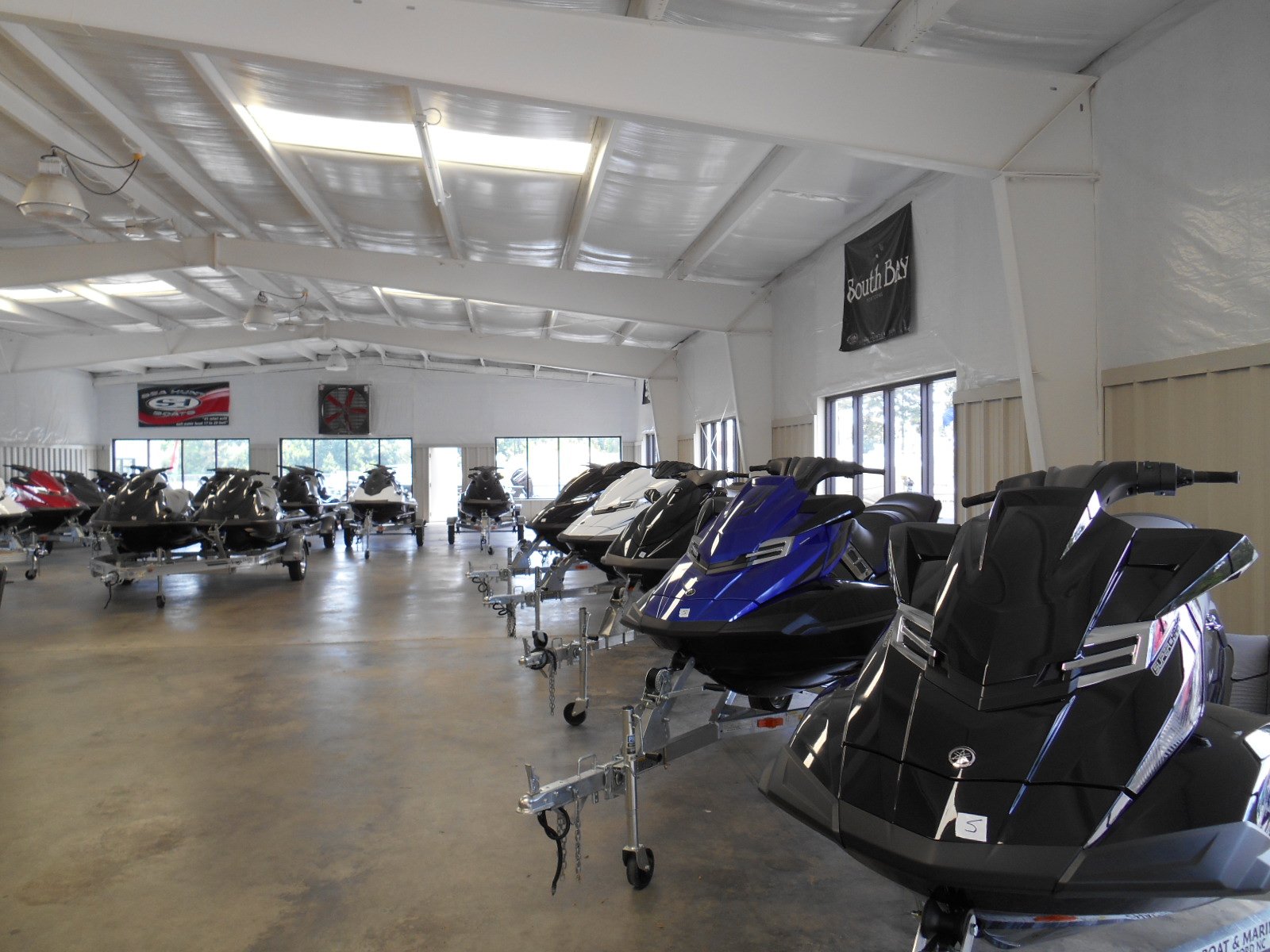

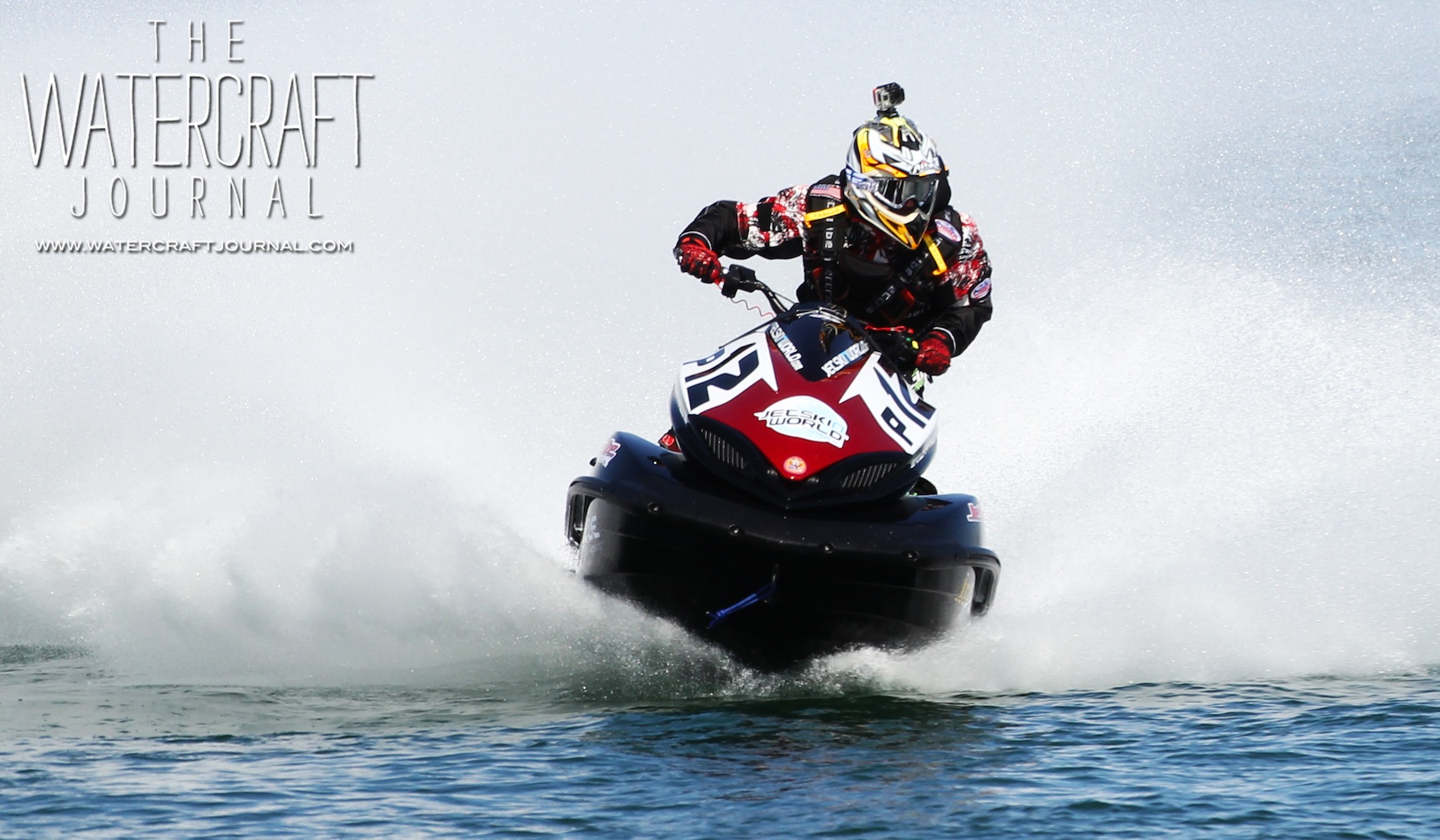
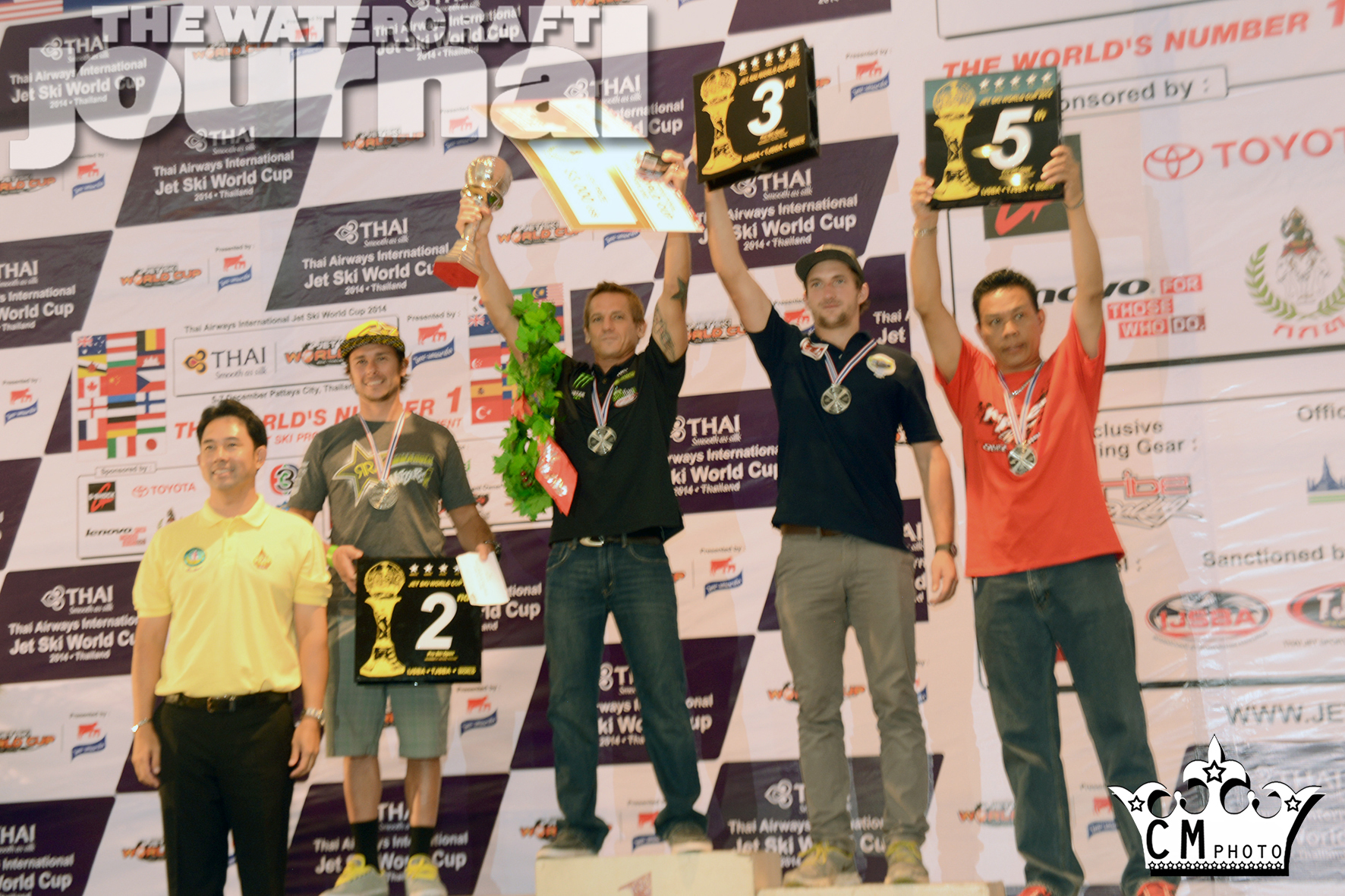
Once again sanctioned by the International Jet Sports Boating Association (IJSBA), the 300-mile endurance race, in memory of fallen PWC endurance racer Mark Hahn, is expected to attract a record number of international teams and top PWC racers from across the United States. Not only will each team compete for top honors in one of six classes, but many will no doubt be pushing themselves and their pit crews to the limits in efforts to break the existing record time set in 2014 by Monster Energy/Kawasaki’s Craig Warner.
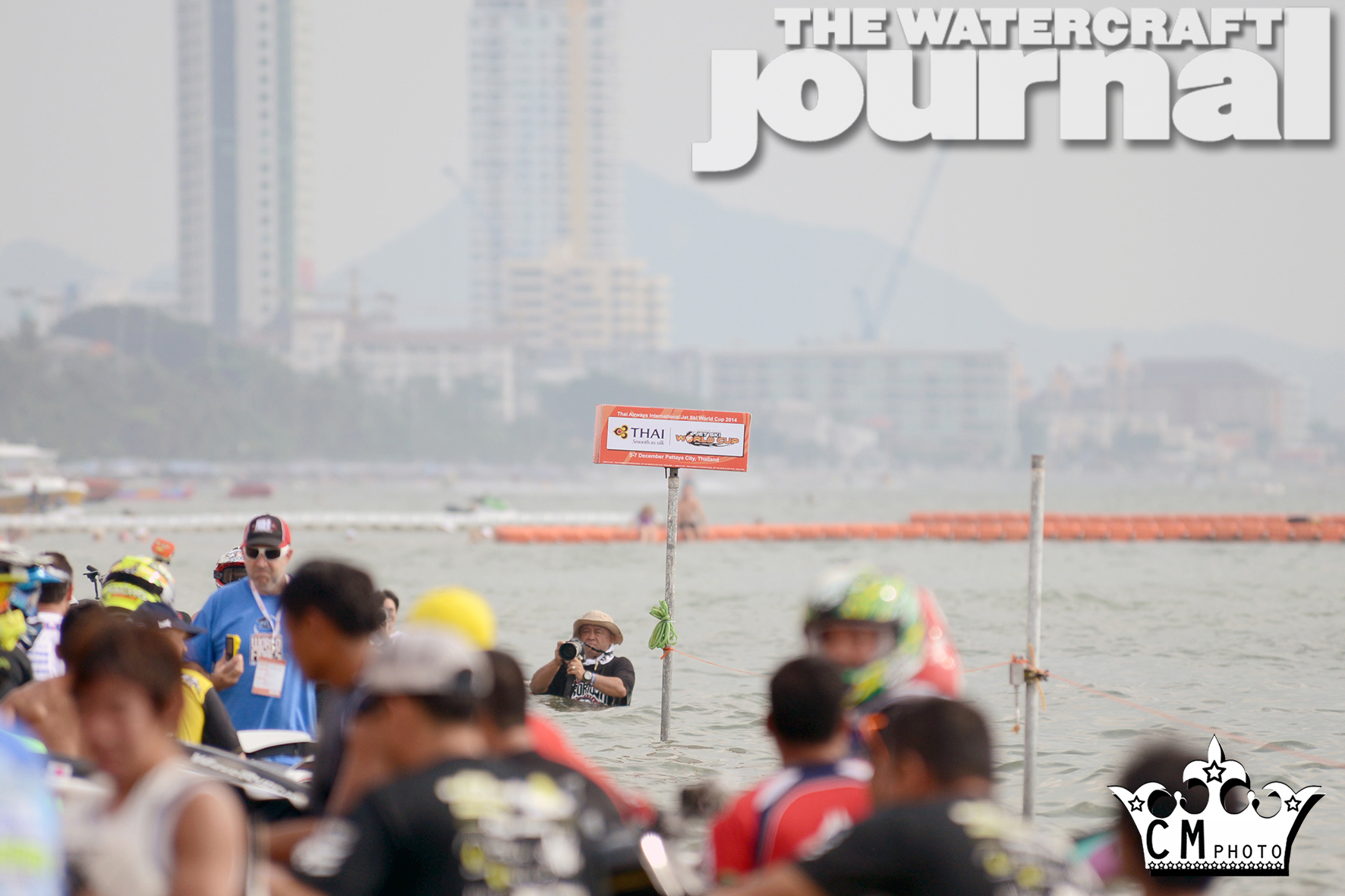
“The race is returning to Crazy Horse Campground’s main beach site for this very important event,” said DSM Events owner Jim Russell, “and the 10-mile course we have approval [on] from the Coast Guard will pit all the teams against the wind, rough water and long runs that this event has become synonymous with.” In addition to the weather conditions, crews will be expected to pit their watercraft and perform several safe refuels and rider changes during the four- to six-hour event.
The 2015 race will again feature the mandatory use of electronic transponders on each race craft. The “team format” will allow up to two alternating riders per runabout (sit-down), and up to three riders per stand-up, with solo “Ironman” racers welcome in either category.
Entry forms and entry information sheets are scheduled to be released soon on the Mark Hahn Memorial 300 website. In the meantime, you can check out the full press release at www.pwcfun.com
While this 24-foot long by 11-foot wide, 3.5 ton behemoth isn’t what you might call a “personal” watercraft, it is remarkably similar in its design (from the bondline down) to a good ol’ PWC runabout. Designed and built by the founders of the Italian Jet Capsule Company, Luca Solla (CEO) and Pierpaolo Lazzarini (Chief Executive Designer), their latest creation is the 2015 Jet Taxi is soon to be made available for major waterfront cities.
Quoted at being “just the first of many next generation water taxis,” the Jet Taxi is projected to become a mainstay of popular cities such as Dubai, Doha, Moscow, Miami, and Saint Petersburg. Able to accommodate 12 passengers and a single pilot (13 persons in total), the Jet Taxi is available with either a single 370HP diesel engine or a pair of 250HP gas engines, though Solla and Lazzarini are working adapting hybrid or even fully-electric power plants into future iterations.
Propelled by a Hamiltonjet waterjet, which delivers a top speed of 32 knots, the Jet Taxi stores an impressive 92-gallon fuel reserve that provides enough go-juice for trips as far as 195 miles. And since its RINA CE certification rates the pod to sail in up to 6-foot-high swells, we’re wondering how the Jet Taxi might fare in next year’s Long Beach-to-Catalina Offshore enduro.
Oh, and don’t worry about being comfortable, the Jet Taxi can be equipped with two rear carbon doors to maintain a constant temperature, be it in one of the coldest cities in the world or one of the hottest. Recently, the Jet Taxi was OK’ed for a public water taxi service in Italy some time next year, which will only pave the way for future cities as well.
BRP continues its commitment to supporting its partnership with Surf Life Saving (SLS); in an effort to improve emergency response at dangerous “Black Spot” locations along Australia’s coastlines, BRP recently provided SLS with its state-of-the-art Sea-Doo personal watercraft, Can-Am off road vehicles and Evinrude outboard engines as part of The BRP Powercraft Equipment Grant. In association with Surf Life Saving Australia’s national partnership with Bombardier Recreational Products (BRP), the grant has delivered $1.26 million worth of essential lifesaving equipment to more than 160 Surf Life Saving clubs and services around Australia since commencing in 2009.
In a report by JSW Powersports, “‘Black Spots’ are locations SLS has specifically identified with having a high concentration of coastal incidents and a high risk of ongoing reoccurrence. SLS has targeted the most treacherous locations, and part of the strategy to help reduce drownings at coastal danger spots is to ensure lifeguards at these locations have the latest technology in rescue craft at their disposal. In 2014 alone, the subsidy based grant which was launched in January, has allocated $360,000 worth of powercraft equipment including the Can-Am Commander 800 all-terrain vehicle (ATV) and the Sea-Doo GTI 155 rescue water craft (RWC). Surf Life Saving is Australia’s major water safety, drowning prevention and rescue authority. It is also one of the largest volunteer movement of its kind in Australia, and a not-for-profit entity that exists only through community donations, government funding, fundraising and corporate sponsorship from companies such as BRP.”
Surf Life Saving Australia Coastal Safety Manager, Anthony Bradstreet was quoted, “All-terrain vehicles and jet skis are powerful lifesaving tools. They enable surf lifesavers and lifeguards to move around the beach and water quickly. This means patrolling and rescues can be performed with greater efficiency and there’s better chances of saving lives on the coast. It’s important to remember that Surf Life Saving is a charity and relies on the community to save lives. BRP assists the SLS movement on a grassroots level. They understand our core business of saving lives and help us in our delivery of this emergency response community service at an operational level.”
Kym Pardey, Marketing Manager for BRP Australia, continued, “There is fantastic alignment with our brands including Sea-Doo and Evinrude with SLS’s rescue equipment needs. We can see no better way in which our company can support the community than by providing SLS lifesavers and lifeguards with products that will help save lives on Australian beaches”. Pardey further commented, “The Page partnership also enables us to showcase how our products offer fantastic performance yet are sensitive to the environment; for example our Sea-Doo PWC’s are exceptionally quiet, provide industry leading fuel efficiency, and offer innovative technology such as our unique on-water braking system that delivers real safety benefits. More than just a great rescue craft, Sea-Doo PWC’s offer families the freedom to have a fun and safe time on our amazing waterways.”
Vice President and Regional General Manager – BRP Asia-Pacific, Gregoire Dupont, was pleased with how the BRP Grant participates in assisting Surf Life Saving, stating, “BRP is proud to extend its support in our sixth year of the Grant. We see no better way for BRP to promote its brands such as Sea-Doo and Can-Am, than by having our product in the community and assisting the many dedicated SLS members perform their important patrol duties.”
It’s hard to argue with results. We got this great note from Marty James stating simply, “I wanted to show you guys something too. It’s a removable fishing rod holder.”
The Queensland, Australia native walked us through what it takes to convert your weekend cruiser into a dual-purpose fishing rig with just a little bit of elbow grease and an extra hour’s worth of time.
“I purchased this 2012 Kawasaki 300LX in February of this year at the JetSkiShop with zero hours, brand new, grey import. I was pissed off when they sold out locally in the white and the ’13 and ’14 didn’t do anything for me.
“I use it for bass fishing at the local lake – Lake Somerset – north of Brisbane. That rod in the picture is my surf rod; I pull up on a beach and have a fish. I just have a kayak fish net for landing anything. I wanted everything to be all removable as we tow tubes more than anything else, and this was a nice package that was low profile when removed.
“[The installation is] very simple, [and allows for] many installation options. The quickest is to use the backing plate it comes with. The profile is about 10mm higher, but all it requires are (4) screws (provided) and you’re done.
“I went for the low profile option which meant die grinding out a recess for the base. Then, I used (2) screws and it was done. I did silicone mine as well so it wouldn’t rattle. You can do rail mount, deck mount, or side mount, so possibilities are endless.”
It’s often a very gray line that separates a full-blown performance watercraft from a top-of-the-line luxury watercraft. While some lean to hard to the prior (Kawasaki 310LX) others list too far in the other direction (Sea-Doo GTX Limited 155). Striking the right balance is not only imperative to establishing the appropriate tone with the vehicle itself, but also communicating to the desired audience.
According to a recent study by Info-Link, the average age of the new PWC buyer has increased nearly 10 years since 1997 (49 years of age); throw in that statistically, those drawn to full-tilt luxury craft rank considerably older, we’re looking at a mature audience. This is why most manufacturers maintain more reserved, adult coloring options for their luxury lineup. Even Sea-Doo’s controversial 2015 color palette retains some very conservative hues for its GTX line.
If a Yamaha WaveRunner could ever be called a “sleeper,” this would be it. With the all-new NanoXcel 2 hull and deck and SVHO powertrain package, this machine looks like a luxury cruiser but packs all the punch of a closed course competitor.
Yamaha Motor Corp‘s fresh batch of luxury watercraft are equally classic in their appearance. For 2015, the surprisingly popular Pure White jumps from the naturally-aspirated FX High Output Cruiser to the top-of-the-food chain SVHO. Equipped with a corpulent amount of bells and whistles, including Pull-Up Cleats, Cruise Assist/No Wake Mode, Command Link instrumentation controls and tiered stadium-style Cruiser seat, we immediately pegged the the the Super Vortex High Output-powered Cruiser was part of the brand’s luxury lineup.
Unfortunately, we erred in thinking so and were quickly corrected by Yamaha Product Manager Scott Watkins, “The Luxury units max out with the SHO (Super High Output) engine. Anything equipped with the SVHO is definitely part of our Performance line.” And right he was. Yamaha’s Performance lineup outweighs its Luxury and Versatility models by no less than two units, and the FX SVHO Cruiser isn’t all that removed from it’s sportier FX SVHO doppelganger.
The FX SVHO Cruiser offers dual screw-top watertight storage bins, the rearward being a removable unit and a carrying handle.
Nevertheless, by wielding the company’s most powerful powertrain as well as nearly every accessory package available, the 2015 FX SVHO Cruiser hardly suffers from a lack of luxury. Of which, the SVHO powertrain remains unvaried from last year’s model, improving the Super High Output (SHO) engine by increasing overall efficiency by 110-percent.
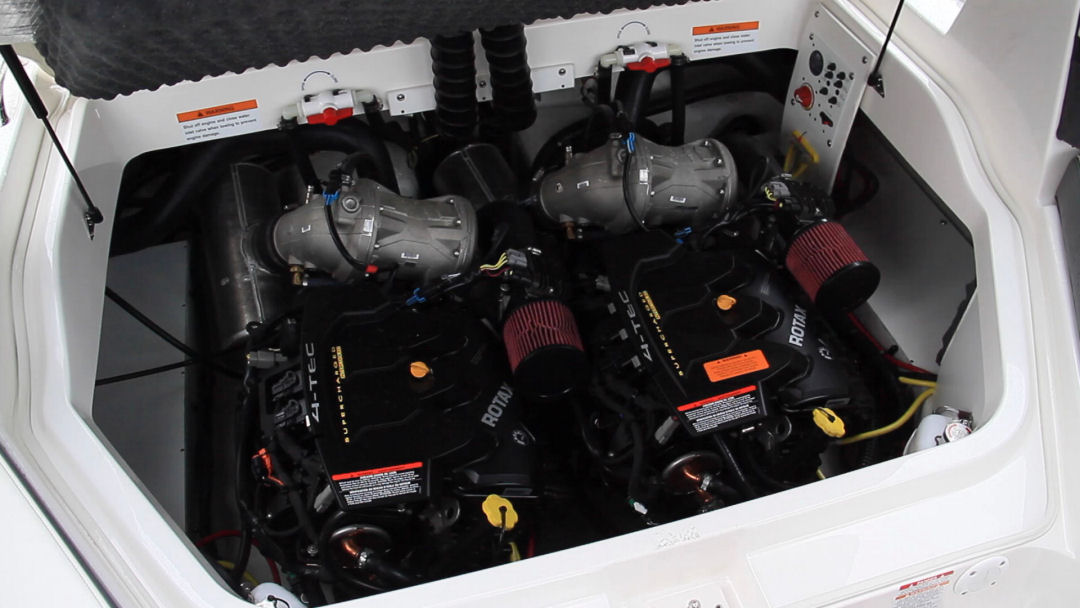
The SVHO engine impressed many with its new 8.5:1 compression forged pistons, larger 60-pound fuel injectors, and a larger intercooler (providing an impressive 22-percent increase in efficiency), and a large 86mm HKS supercharger with a 6-vein impeller presses out 60-percent more boost. A racy 8-vein pump housing hosts a 160mm impeller, churning gobs of thrust.
Thick charcoal gray Hydro-Turf mats cover the wide swim platform and footwells. The folding swimstep has a unique rail that ensures a flush fitment when at rest and a flat surface to step on.
Although the powertrain hasn’t changed, overall performance has increased nominally due to Yamaha’s all-new NanoXcel 2 hull and deck material. The new lightweight material shaves off nearly 50 pounds off of the FX platform, optimizing the runabout’s power-to-weight ratio for quicker acceleration and throttle response.
The weight savings is noticeable too. When unleashed, the FX SVHO Cruiser erupts from a standstill like a cannonball, launching a single rider (with only a gallon or two of fuel in its 18.5 gallon tank) from 0-to-30 in 1.5 seconds, and to 60mph just a blink over a second past that. Of course, once properly broken in (a factory-suggested minimum 10 riding hours), the SVHO-powered FX has been said to creep past 70 miles per hour.
The big news for 2015 is Yamaha’s new RiDE dual-throttle reverse and braking system. The left lever engages immediate reward thrust, which when used gingerly, can be employed in cornering as well as close quarters maneuvering.
Of course, the big news for 2015 is Yamaha’s all-new RiDE dual-throttle brake and reverse system. Rather than acting like a gear lever, left trigger immediately engages reverse thrust, dramatically improving docking, braking and loading/unloading from a trailer. Calibrated for the FX’s 140.2-inch beam and stout 260 (unconfirmed) horsepower, the RiDE system progressively decelerates without pitching forward or lurching suddenly.
When deployed at speed, the braking comes on as hard as you hit it. With some finesse, RiDE actually can be operated intuitively, providing precision braking through turns without overriding the forward throttle like Sea-Doo’s iBR. That being said, RiDE rewards those with a gentle touch, particularly in tight confines like a dock or rocky shore. The dual-outlet reverse bucket directs thrust horizontally, aiding in performing tighter zero-point turns.
Happy with either 87 or 91 octane, the SVHO is one of the few supercharged machines that still manages some pretty civilized fuel economy when the throttle isn’t pinned to its stop all day long (which is a lot harder than you might think it is).
Directional “gears” (Forward, Neutral and Reverse) are displayed in a new LCD screen flanking the centered, white-faced analog gauge. With the new RiDE system also comes Yamaha’s first-ever electronic trim control, which is indicated in the opposite-side in-dash LCD screen.
The FX SVHO Cruiser’s 33.2 gallons of storage is spread throughout the craft, from its large bow galley to twin strew-top watertight bins found in the dash and beneath the rear passenger seat. The “wet storage” is ideal for tow ropes, diving goggles or masks or just a pair of flip flops, which of course, opens up to the large swim platform and wide, folding boarding step.
Supplemental storage is found in the rear of the runabout while the bow is still large enough for a pair of backpacks, some towels or other needful things.
As we’ve come accustomed to, Yamaha’s Cruiser seat is amply cushioned and positions most average-height riders within comfortable distance from the five-way tilt handlebars. The RiDE system does require some added width to the bars (less than an inch total), but carries over its pistol-grip hand grips. Ergonomically, the cabin is thoughtfully designed, requiring very little contorting to reach any in-dash buttons or handlebar controls.
As we hinted before, the RiDE can come on strong if you’re a little too ham-fisted like us. We also found the seat is a little too wide at the knees for our taste and the bolsters are a tad too forward for anyone 6’2″ and above. Additionally, we hoped for slightly more responsive toggle controls, as we found the Cruise, trim and No Wake a bit slow to inputs. But we need to emphasize that those were the only parts of the FX SVHO Cruiser that could ever be called slow.
Possibly the best iteration of the FX platform that we’ve seen to date, the FX SVHO Cruiser pleases on almost every front. For those wanting a little more oomph out of your luxury machine, this is it.
Throttle response is so quick, it’s precognitive. The FX SVHO Cruiser will pin you back into its scalloped seat with pleasure, and happily devours long, sweeping arcs across the water, hungrily accelerating out of the apex when prompted. The FX hull has never been better than under the power of the brutish Super Vortex High Output 1,812cc four-cylinder. And whether sluicing through Pacific Coast chop or serene lakeside glass, the FX tracks smooth and masterfully.
Also available in Torch Red Metallic (although we could never see anybody wanting anything but the Pure White, in our humble opinion), the FX SVHO Cruiser rings up the cash register at $15,799. Again, it’s the very most that Yamaha WaveRunners brings to the table, so be very aware of everything that comes with it. The top of Performance lineup, the FX SVHO Cruiser, with all of its accommodations and refinement, handily owns top billing for Yamaha’s Luxury lineup as well.
It definitely takes a lot for us to want to ride something more than the SVHO-powered FZR, and the FX SVHO Cruiser kept having us come back over our two-days of testing.
Chances are you’ve already seen this video: a fun, first person view of a daring personal watercraft rider shooting the canyons at Lake Powell aboard a turbo-powered Honda F-12X. Powell’s towering walls overshadow thin veins of crystal blue water stretching out like tendrils into the brown desert. Sadly, water levels at Powell continue to slump to record lows. In fact, most all water levels in the Southwest are slinking back because of the ongoing drought in California. Despite warnings, penalties and fines issued by local and state government, Californians seem to be defiant that they’re running out of water.
We mention this not to bring up any sort of political slant, but to prime the pump for what we witnessed in the video’s comment section. Normally, any person who values their sanity avoids the comment section of any YouTube video like a lice-ridden burlap sack full of bubonic plague. The video is fun and we’re sure any one of us would love the chance to recreate it, but a depressing amount of commentators are calling for the public execution of this rider, GoPro, the manufacturers of PWC and well, just check ’em out for yourself.
Particular highlights include, “Good job killing the environment. Go play in traffic, stupid Republican,” “This video is fake. This is a game and no human can drive a Jet Ski this well. You may fool other people uploader but not me. Just take down this video,” and our personal favorite “white people look for new and interesting ways to kill themselves.” We’d pull the racism card but he does kinda have a point. The number of African American males between the ages of 18-to-25 who have died by jumping a snowmobile off the roof of a barn in 2013 is exactly zero. White males? Three.
Anyways, enjoy the video and get a good laugh out of the comments. We did.
The 2015 Kawasaki H2R is a big deal, and not just for the world of motorcycles. (But more on that later.) Introduced at INTERMOT 2014, the motorcycle show in Cologne, Germany, the 2015 Ninja H2R is not only closely tied to Kawasaki’s long praised legacy of H2 (and race-bred R-series H2’s), but works to establish the brand’s strong identity within the world of evermore exotic and technologically advanced motorcycles.
Hellbent on producing the next stage in evolution in supersport motorcycles, Kawasaki devoted untold months and years in development of the race track-only H2R. Drawing heavily from the best trellis construction designs, wind tunnel-honed aerodynamic cues and on-board technologies, the H2R provides “the kind of acceleration no rider has experienced before,” with a chassis and aerodynamics that deliver “unflappable stability,” “cornering performance,” and what Kawasaki calls “an accommodating character.”
So what does that mean? As one could imagine, Kawasaki has included the most, as Cycle World’s Kevin Cameron stated, “civilizing electronics, including KTRC traction control, KEBC engine braking control, and KLCM launch control.” Yet, what will draw your attention more than anything else is the H2R’s 998cc centrifugally-supercharged 1-liter four-stroke plant producing an almost maniacally-laughable 300 horsepower.
We at The Watercraft Journal first jumped on the announcement of this wicked new powerhouse back in November of 2013. Introduced at the Tokyo Motor Show, the compact-yet-familiar design of the ZX-10R engine forgoes the traditional roots-style supercharger for a shaft-driven, scroll-type centrifugal unit.
According to Cameron’s assessment, “They show the supercharger drive packaged into the space behind the cylinder block of a transverse in-line engine. Gear teeth cut into one of the engine’s flywheels turn a jackshaft behind the cylinder block. That shaft in turn drives a shaft above it, ending in a compact planetary step-up drive just before the centrifugal impeller itself. Compressed air output from the blower’s scroll housing flows upward, pressurizing the intake airbox above it. We can expect normal-looking throttle bodies and bellmouth intakes, projecting up into the box from the engine’s cylinder head.”
Although the impeller wheel appears to be compact, the two-speed drive to the supercharger shaft reveals the plant’s potential. Where the blower to deliver a modest 5 psi of boost (that’s 5 psi above atmospheric) at 6,000 rpm, Cameron extrapolates, it would be trying to deliver 20 psi boost at 12,000. And that would make the H2R almost completely unrideable. Hence, the need for all the “torque-flattening” technology.
So again, what does this vünderbike have to do with the future of Kawasaki’s JetSki division? Nothing, yet. Yet, as savvy enthusiasts know, technology has a funny way of trickling down. Sea-Doo’s iBR system, which was first introduced in 2009 on the top-of-the-line RXT 255 iS and GTX Limited 255 iS, is now standard equipment on all Sea-Doo vehicles (besides the GTS and optional equipment for the Spark).
Yamaha too, has upped the technology ante with their user-friendly RiDE dual-throttle braking and reverse system, also making its way through almost every runabout in the company’s lineup (apart from the FZ series and entry-level V1 units). This of course, has done nothing but increase Yamaha’s customer appeal and made the battle for market share dominance all the more heated.
Currently, only the Eaton-supercharged Ultra models benefit from the revised ZX-15R engine architecture introduced for the 2014 models. The increase in engine cooling through larger water jacketing, multi-port under-piston oiling, larger oil galleys and a larger oil cooler (not to mention revised cast pistons, lightweight composite intake manifold and an improved ECU mapping) has not only increased engine efficiency but longevity over the previous 300X model.
Unfortunately, the 310X powerplant remains a hefty piece of equipment. With the compact-yet-equally-potent ZX-10R engine in the H2R weighing a scant 100-pounds (unconfirmed), future Ultras could handily benefit from an immediate weight savings with only losing 10 horsepower. And as the scroll-type centrifugal supercharger produces far less heat than the traditional roots blower, internal engine temperatures would only improve.
Of course, if the H2R and subsequently following street-legal H2 are to become Kawasaki’s “halo” vehicles for the brand, we can only aspire for the H2R’s fighter jet razor-sharp design cues and materials to make their way to the brand’s watercraft division. An all black-and-carbon with Kawasaki Green pin stripping Ultra 300X-R JetSki would be a phenomenal creature to behold. And hope ever springs eternal for a rebirth of the STX-R as a carbon-decked murdered-out 1,000cc centrifugally-supercharged closed course buoy burner.
Alas, we will have to patiently wait and see how well the H2R is received by the motorcycle industry. Yet, if sales of the H2R and eventual H2 are as strong as the attention the bike is receiving from the media, we don’t think we’ll have much to worry about. If and when a ZX-10R powered JetSki is actually realized is another issue altogether. But understanding the brand’s slant towards integrating family DNA in all of its products, we remain positive that good things are coming from the “good times” company.
Because your workweek is almost over, we thought we’d give you something to smile about. Posted last week by Internet comedy video channel Biisoni Mafia, we present to you a wickedly-built snowmobile handily outrunning a supercharged Sea-Doo RXP-X 255 and a 701cc SuperJet because…well, it’s pretty dang cool.
Of course, unless you’ve been living under a rock in a cave inside of a volcano, then you’ve probably already seen how properly equipped snowmobiles can skim across the surface of a lake or river with ease. There’s even video of snowmobiles retaining the necessary surface tension even after landing a jump! It’s all very impressive and encourage you to check it out.
But this time around, we watch this short skit play out with the fugitive snowmobile outrunning a pair of Police watercraft, the aforementioned SuperJet and RXP-X. Most of the footage focuses on the snowmobile which impressively navigates much of the lake almost completely vertical, ripping up the water.
That is before taking a fantastic leap up and over a berm, wherein the snowmobile lands and keeps on speeding away, leaving the two waterborne skis stuck on the other side. It’s a great bit of stuntwork, a lot of fun to watch.
It’s baffling that today is the first of October, particularly as we launched The Watercraft Journal a year ago next month. In our short 11 month run, we have welcomed 100,000 unique individuals to our magazine who have checked out over 315,000 articles, pictures and videos! That’s an incredible amount of people, particularly for a magazine. And with the industry’s biggest forum raked in that kind of traffic each month this summer, we’re very excited for the future of our sport.
From starting from zero, we have welcomed the single-largest readership of a personal watercraft publication since Splash Magazine. For those bemoaning that the “sport ain’t what it used to be” should slap that frown from their face, because we’re seeing some serious upswings in readership, engagement and enthusiast. From May 2013 to May 2014, the sales of new watercraft have increased over 30-percent. That’s a huge jump in market activity, guys. And with nearly 9,000 of that increased unit sales being the all-new Sea-Doo Spark, we’re seeing a lot more entry level and new riders hitting the water, we have plenty of new friends to share the stoke.
Of course, not everything has been smooth sailing these past 11 months here at the ‘Journal, and we had to make some pretty tough decisions. Because of the constant draw of readership to The Watercraft Journal, our old poor little website couldn’t keep up with demand. And for those of you (about 60-percent of you!) who used your phones and tablets to read our stories, our site just plain ol’ sucked. That’s why you’ll notice that The Watercraft Journal is completely redesigned and 150-percent more mobile friendly.
Of course, there’s a lot more going on with the new site too. No more zooming in or holding your phone sideways. Load times are significantly faster, links to other articles are at the ready. Oh, and the single most demanded feature is our all-new photo gallery slideshow at the bottom of every major article. No more opening up new pages or bogging down with load times. Our simple slideshow lets you peruse the hundreds of pictures from event coverage, group rides and personal watercraft reviews with a simple swipe. It wasn’t cheap, so we hope you like it! And of course, make sure to let us know what you like about the new site by leaving a comment on your favorite article!
September 2014
Like Clockwork
Want to know when most people read The Watercraft Journal? Between 7:30am-10am. Sure we see bumps during lunch and after dinner, but day in/day out, we see the majority of our readers in the morning. So what does that mean? It means that like your morning cup of coffee, we’re the first thing people check when they sit down to begin their day. Marketers climb over each other to gain that level of habitual exposure and we’ve got it coming out of our ears because we’re the ONLY magazine in the PWC industry who publishes everyday, Monday through Friday.
News articles published in August: 23
Feature articles published in August: 13
Total feature word count: 14,217 words
News articles published in September: 17
Feature articles published in September: 19
Total feature word count: 16, 757 words*
*When this number is translated to print publication standards equals a 122-page magazine. Please note that this number does not include an average of two uniquely-written news articles published daily.
Not Who You Think They Are
Jerry Gaddis, owner of GreenHulk.net once said that “Over 90-percent of the people on my forum have never worn a helmet while riding a PWC.” This is a significant statement because it speaks to the masses of PWC enthusiasts. Too often magazines want to focus on the tiny sliver of riders and racers who comprise a very vocal minority while ignoring the whole of the industry. Unlike these failed patterns, The Watercraft Journal is the ONLY magazine to provide weekly product and personal watercraft reviews, interviews and entertaining and informative news. Want to know our most popular articles each and every month? Watercraft reviews, beautiful riding spots and fishing stories.
August
Total number unique readers: 17,028*
Total number of articles read: 42,824
Percentage of new readers: 62.4%
September
Total number unique readers: 16,576*
Total number of articles read: 40,028
Percentage of new readers: 60.24%
*This number is considered equal to an individual sale of a single copy of a magazine.
Getting The Word Out
We love our social media friends who follow us, share and like our posts and leave comments on our Facebook, Twitter, Instagram, YouTube, and weekly newsletters. Not only do you help us be a better magazine, but you’re also helping spread the word about our magazine to all your friends and family! For that we owe you the very best personal watercraft magazine possible. With all of the compliments you send our way, we can’t help but feel appreciated so we strive to continue to earn your patronage.
August Facebook readers: 10,026
August Facebook weekly reach: 21,325
Top Five countries: United States, Brazil, Philippines, Argentina, South Africa
September Facebook readers: 10,586
September Facebook weekly reach: 17,588
Top Five countries: United States, South Africa, Brazil, Philippines, Argentina
Ready To Pop
October is going to be a big one for us here at The Watercraft Journal. Sure, we’ll have a massive recap and photo gallery from this upcoming IJSBA World Finals in Lake Havasu City, Arizona, but we’ll also be bringing you the first reviews from the all-new RiDE-equipped Yamaha WaveRunners as well as exclusive coverage from the 2014 Sea-Doo Ultimate Owners Ride happening during World Finals weekend as well! How? Because The Watercraft Journal is the Presenting Sponsor! Oh, and expect a lot more in the way of product reviews that you can actually use and some seriously cool coverage from across the globe.
Yeah OK, the joke’s a little dated but the video here still resonates. JetSkiShop’s James Tod is nothing if not enthusiastic, and this video from a couple of years back was known for its being one of the Melbourne, Australia’s leading Honda Aquatrax dealers (and tuners!) and the Gold Coast’s preferred performance shop for new and used PWC.
For those unaware, James and fellow Aquatrax enthusiasts actively campaigned their turbo-powered Hondas in local and National events. Their Hondas intricately wrapped, painted and tweaked to look as mean as they ran on the water. This video was laced together from some hot action footage gleaned from a few “lazy hours” on a Saturday afternoon at Lake Moogerah – about three hours drive inland, from the Queensland coast.
Obviously, the soundtrack is the hilariously disjointed audio from the infamous Charlie Sheen interview that ultimately cemented everybody’s suspicion that the once Oscar-runner and “Two And a Half Men” co-star was severely off of his nut. We enjoy the footage of just watching one of the best-built but poorly marketing watercraft ever boil up some water in no time flat. And call us nostalgic, but it makes us wish to see the Red Wing brand return to PWC. Hopefully you’ll feel the same.