The new generation Kawasaki Ultra (2022+) platform has a lot of fan favorite features and options. Seems there has been one complaint that has been universal across all new owners; storage.
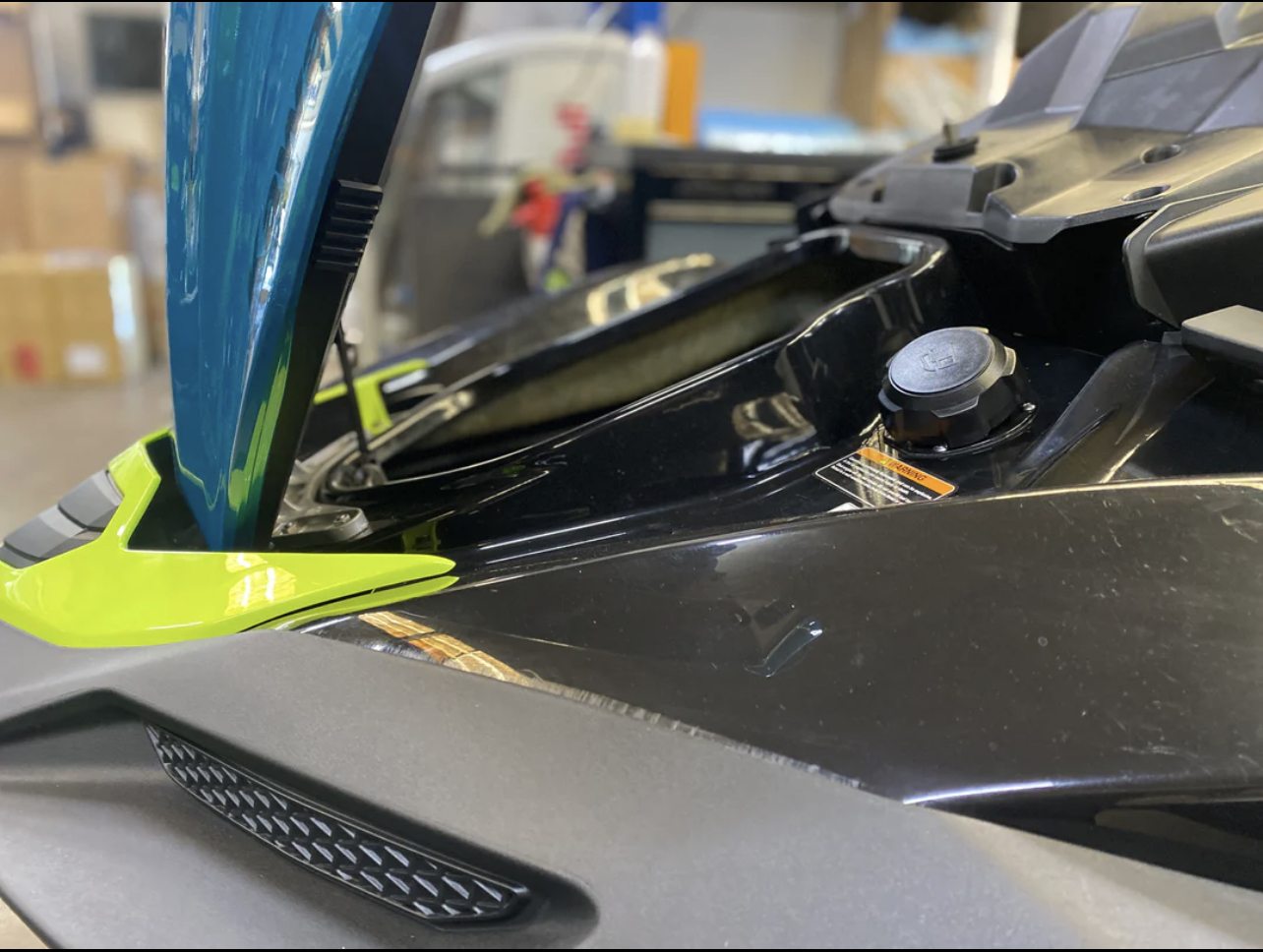
Not only does the new generation have a little less total storage than the previous, but the bow storage tends to be difficult to get in and out as the hood is limited on how far it can open… Until now.
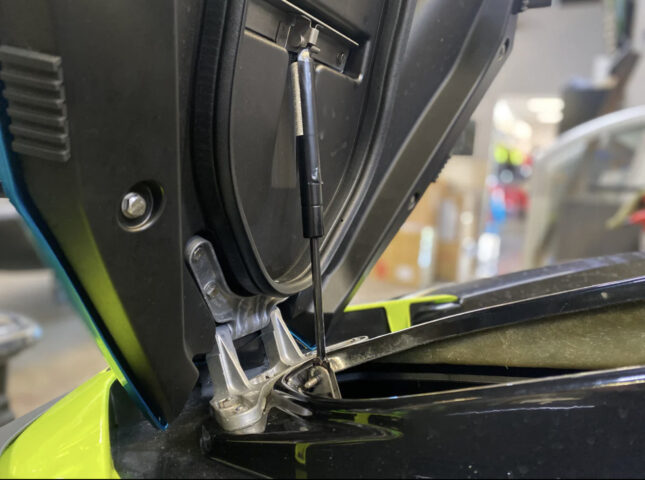
Leave it to the guys at KSPEED to be the first on the market to address issues from the consumer. After months of research and development and then many hours of testing, KSPEED has just released the all new 2022+ Ultra Extended Opening Hood Strut.
This new hood strut will fit in the location of the stock strut with no additional modification. Simply remove the stock strut and replace it with the new KSPEED one. This will increase the opening gap by 4” permitting much easier access to your bow storage area.
For most all PWC enthusiasts, whether leisurely rider or endurance chaser, they all seem to want to find cool things for their skis. Racks, pole holders, more storage options, anchors and anything else available. If only there was a company that not only supplied all kinds of great accessories, but top notch quality.
There is! If you venture over to Kool PWC Stuff’s website, you will notice that they not only is everything made in the USA, but mostly in house. That team creates accessories that are not on the market and what the general industry wants.
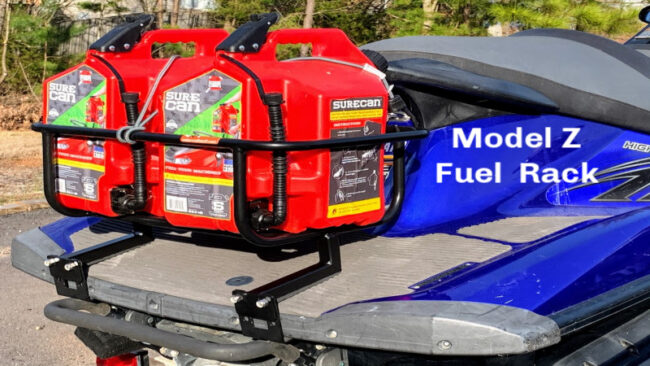
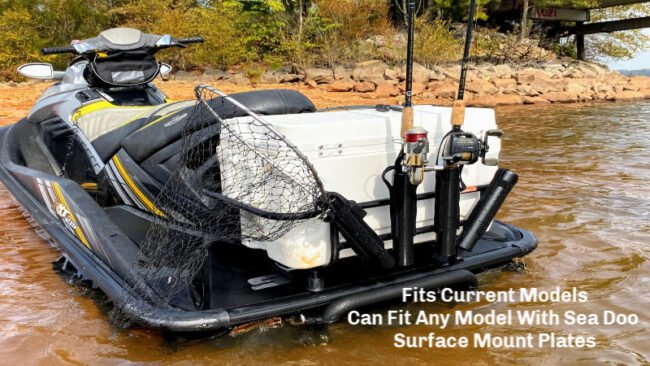
As jet ski fishing becomes bigger and more well known, Kool PWC Stuff has created a number of fishing racks with 3 different types of installations available; the Sea-Doo LinQ System, universal racks with turnbuckles and straps and Model Z racks with turnbuckles and adjustable rear plates.
They have anchors, fishing rod and flag holders and the list goes on. When you order from Kool PWC Stuff, you will usually be contacted by someone from their team to ask if you want anything custom to it. For instance, a rod holder on rack or a couple of jerry can mounts.
RIVA Motorsports in Miami has an updated list of featured inventory that they are ready to move! They’re down to two Yamaha WaveRuners on clearance. The new 2022 FX SVHO with Audio System can be yours for as little as 20% down and $349 a month. The new 7” Connext Infotainment System is included as are many other great features.
The new Torch Red 2022 Yamaha WaveRunner FX Cruiser SVHO is available for $16,888, which is $611 off the retail price. It also has the Connext 7” Infotainment System with touchscreen display and all the latest technology. Get in on these deals while the remaining 2022’s are still in stock.
If you’re in the market for a deal on a Sea-Doo, several models remain on the Featured Inventory list. The 2022 RXP-X 300 iBR with Premium Audio is in stock and ready to go! it is loaded with features, including the LinQ system.
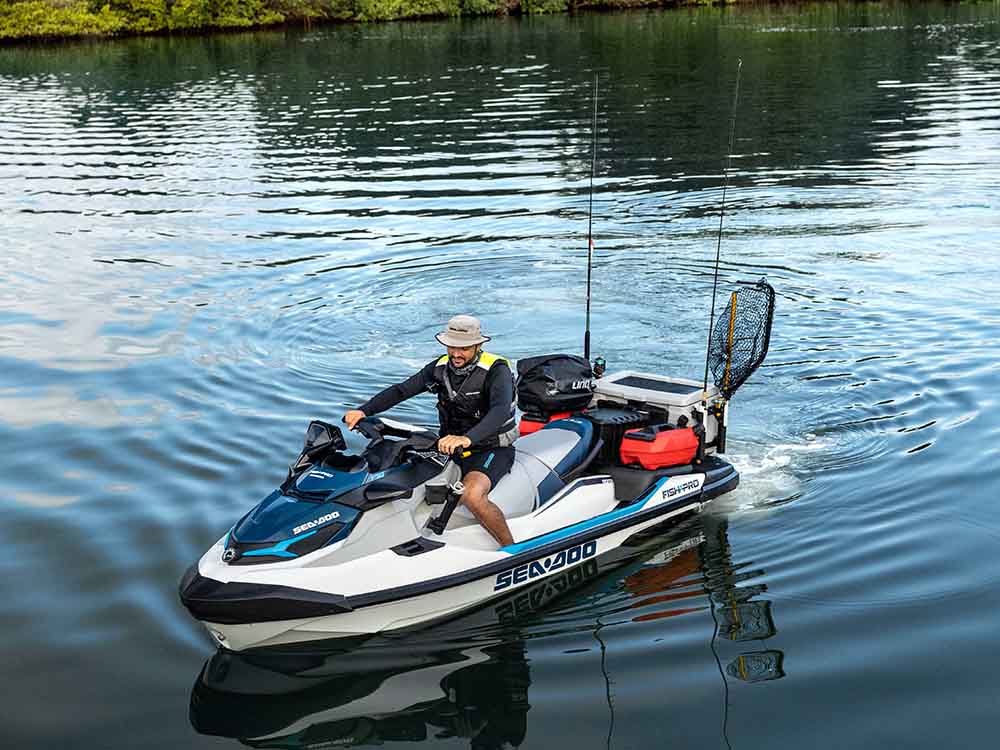
If you’re considering getting into PWC fishing, the 2022 Sea-Doo Fish Pro Sport 170 iBR,iDF, with Audio is almost $1,000 off the retail price. It has almost everything you need to have a successful outing and reeling in the catch of the day! All you have to do is provide the tackle and bait.
A few 2022 Spark Trixx are in the mix if you’re just looking for something fun and under $10,000. There is only one 2022 Sea-Doo GTI SE 170 with Audio in stock. If you hurry, you can probably score an extra good deal on this ride! Head over to the site now for the complete Clearance Inventory and get yourself a good deal!
P1 AquaX has was founded in 1997 and P1 AquaX USA is celebrating it’s 10th year of racing in the United States. This is an exciting milestone for pro and amateur racers around the country.
P1 AquaX USA and Yamaha Motor Corporation have officially announced that they will continue their racing partnership along with a number of other previous and new sponsors. This will ensure that P1 AquaX USA continues to put on some amazing events for their racers, fans and enthusiasts alike.
This year will include five beautiful and exciting venues, which kicks off in Michigan City, Indiana the weekend of July 8-9 with most of the other locations visiting the Sunshine State of Florida.
Please read the official press release below to follow along with venue locations, dates, official quotes and a full list of sponsors.
Image: P1 AquaX
Here’s the press release: As it prepares to celebrate its 10th anniversary of racing in the United States, international personal watercraft promoter P1 AquaX has unveiled sponsorship and partnership agreements for its 2023 National Championship. Featuring both Pro and Am endurance racing, the five-venue series gets underway in Indiana this weekend (July 8-9) and will then visit venues on Florida’s Atlantic and Gulf coasts.
P1 AquaX USA and Yamaha Motor Corporation have jointly announced that they will be continuing their watercraft racing partnership for a seventh year, and AquaX has also unveiled sponsorship agreements with Short Block Technologies (SBT) and Hydro-Turf for the new season.
The relationship with Yamaha is an outstanding example of leading manufacturers using the AquaX race series as a marketing and promotional platform. Bryce Parker, Yamaha WaveRunner Racing Manager, expressed his enthusiasm: “At P1 AquaX events, we’ve seen that they are the leading racing competition in the U.S. and their endurance-style racing format perfectly complements Yamaha FX SVHO and GP1800R WaveRunners’ performance, reliability and durability. We’re proud to again sponsor the P1 AquaX tour this year and defend our World and National titles.”
P1 USA Championship Manager Michelle Petro said: “Strategic partnerships are at the heart of our business and being supported by a world class manufacturer like Yamaha since 2017 speaks volumes for our AquaX race series, which will receive national television coverage on Bally Sports Regional Sports Networks.”
Founded in 1997 and now the largest personal watercraft aftermarket parts company in the world, SBT will continue as the title sponsors of the AquaX series – to be called the 2023 SBT P1 AquaX National Championship – with Hydro-Turf, a leader in the performance traction industry for more than 30 years, returning as an official supporting sponsor.
Speaking from its headquarters in Clearwater, Florida, SBT President CJ Lammers commented: “We’re excited about being the title sponsor of the world class AquaX championship for the second year, with Hydro-Turf as a supporting sponsor. Our aim is to develop the partnership to grow both the sport and our business.”
P1 AquaX also receives backing from FLY Racing, Exotic Signs, RIVA Racing, Icom America and Monster Energy. Founded in 1998 and part of Western Power Sports, FLY Racing is a leading apparel brand offering a wide range of high-quality products that are known for their innovative designs, style and cutting-edge technology. Exotic Signs specialize in custom graphics for watercraft and produce banners, backdrops and buoy branding for all AquaX events.
The partnership agreement with Icom continues, with the international, advanced communications company being the official marine radio communications of P1 AquaX for a third season. Icom has a long record as a trusted manufacturer of land mobile radio, amateur radio, marine and aviation radio and communications receivers that are sold in more than 80 countries.
Announced in April, a multi-year partnership between Powerboat P1 and Monster Energy includes personal watercraft racing, with the brand becoming the Official Energy Drink of the P1 AquaX National Championship Michigan City at the southern end of Lake Michigan will host the opening event of the AquaX season this weekend, when up to sixty riders are expected to compete in the Pro and Am Enduro series.
If you are new to the Kawasaki Ultra world, you will certainly have heard others mention a pump wedge, but may not know what it is or the purpose of such a modification.
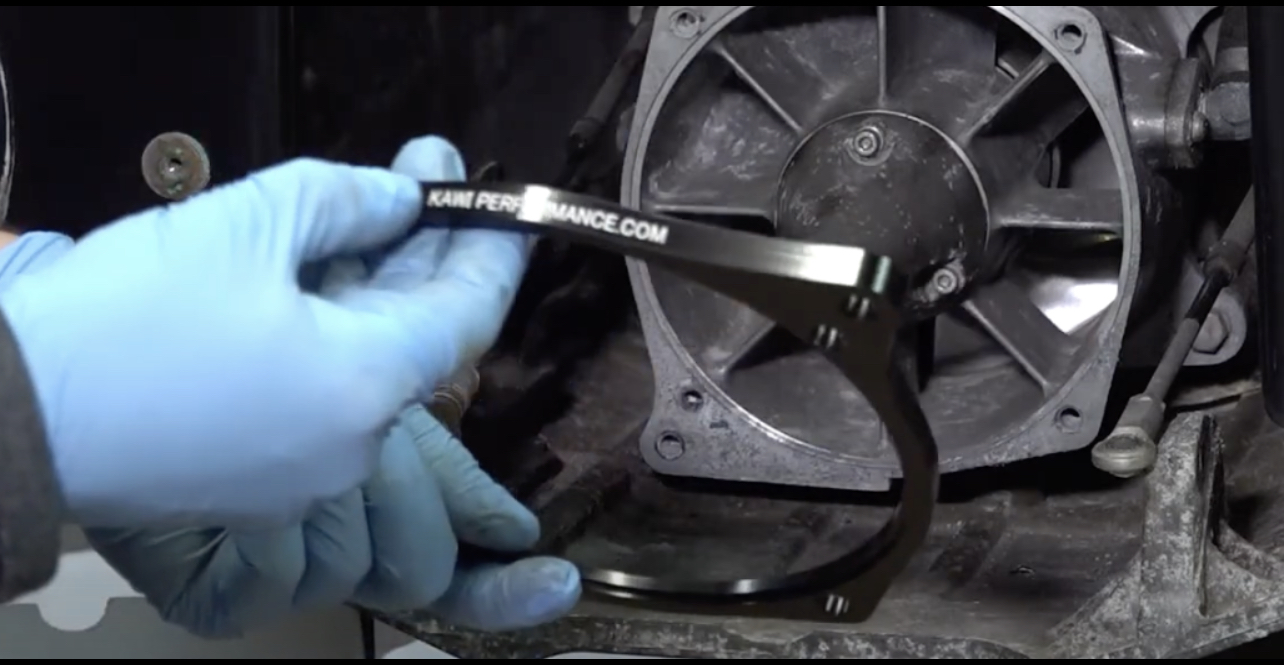
A pump wedge will add a 2 degree lift to the bow getting your vessel up on plane faster. This helps create less drag and potentially give the rider a faster hole shot and acceleration. A pump wedge can also help improve top speed. In addition, you will notice better handling and overall performance.
Kawi Performance has created a pump wedge, not just for the newest Ultra platform, but all Ultra’s, all the way back to the Ultra 250. Interestingly, they haven’t forgotten the other machines and also make a pump wedge for the 15F, 160 and SXR. Whether your Kawasaki is bone stock, or heavily modified, this easy bolt on addition is a must-have.
The Premium Pump Wedge from Kawi Performance is hard coated black for optimal corrosion resistance and strength. The kit includes 316 stainless steel hardware for salt water and ocean riding. This is a simple, bolt on modification that requires no silicone or cutting.
Watch the video below as Steve from Kawi Performance shows you how easy the KP Pump Wedge is to install!
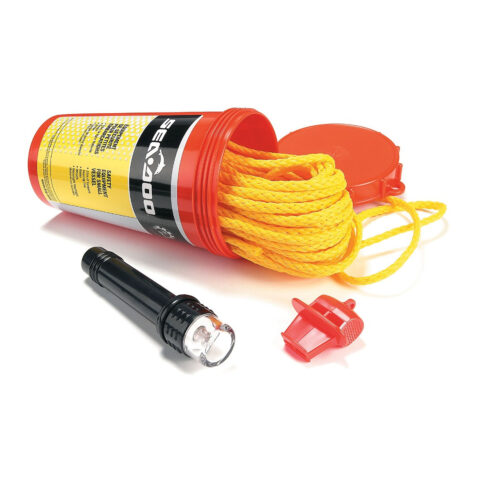
Sea-Doo wants you to be prepared on the water to ensure your ride is fun, safe, and worry free. They offer essential items as well as mandatory safety gear. Check your state’s regulations on safety gear and to make sure you are compliant with its laws on the water. The inexpensive Sea-Doo Safety Kit covers some of the basic gear you must have on your PWC. It comes with 50ft of floating line, whistle, and a watertight flashlight. The gear is packed in a bucket that doubles as a bailer.
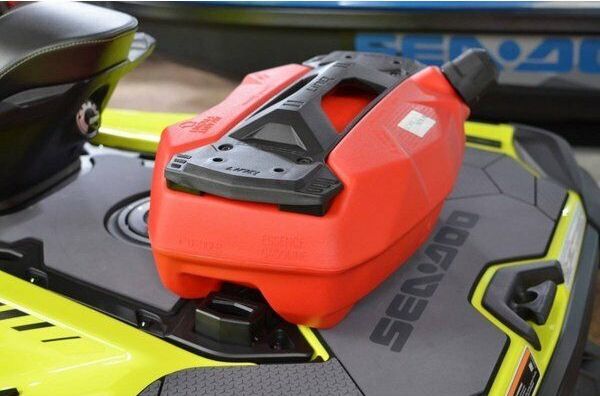
A fire extinguisher is another requirement for all watercraft. The fire extinguisher from Sea-Doo will fit in any fire extinguisher holder. It is US and Canadian Coast Guard approved. The 4-Gallon LinQ Stackable Fuel Caddy makes a great addition for those long days on the water when you’re out towing or exploring. Fill it up before heading out so you can have peace of mind while having a good time. Tow longer and go farther with the extra fuel.
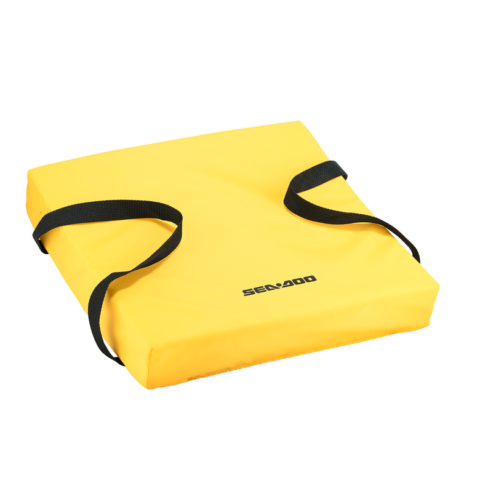
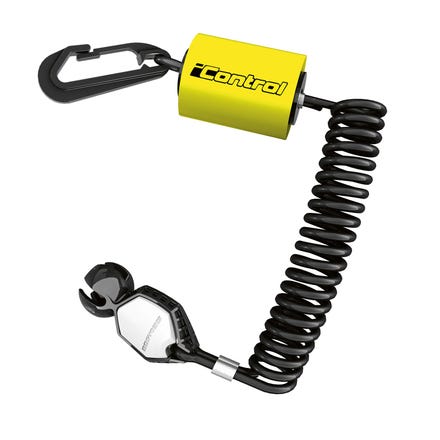
A Throwable Foam Cushion is another great item to have onboard. It comes in bright yellow, making it easy to spot on the water. Sea-Doo also recommends a D.E.S.S. Key, especially if you plan to be in high traffic areas. With its anti-theft technology, you can leave your watercraft at the dock or on the beach without being concerned about it being stolen. The Programmable Key is designed to only start the vehicle its key code matches. Check out these items on the Sea-Doo website for more information and to get yourself set up for the season!
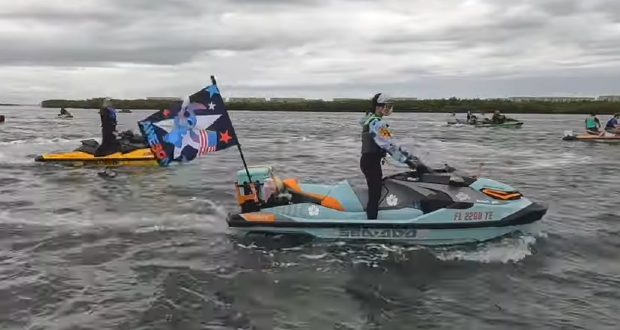
International Female Ride Day took place on May 6th. Sea Doo played a big part in the day with a key ride out of New Smyrna Beach, FL led by Colleen Nieto. They had a great turnout with a group of almost 50 women. They gathered on Disappearing Island to enjoy a live DJ, partake in refreshments, and camaraderie courtesy of BRP.
The ladies had a blast and got to blow off some steam while owning the day and chatting it up with each other. Some of the women shared a few words during the highlight reel. One of them said that getting out on the water is a time to forget about everything that’s going on and focus on yourself, the jet ski, the waves, and the sunshine. She is not wrong. Florida Ski Riders hosted their first ever all ladies ride on Florida’s east and west coasts. How cool is that?
Sea-Doo Ambassadors and riding clubs across the world held group rides to mark the day and to celebrate the growing number of women riders participating in PWC riding. Though International Female Ride Day gives women an awesome reason to get out there on May 6th, Sea-Doo strives to make everyday a female ride day. The company is big on promoting inclusion and diversity and wants women of all backgrounds to get out and ride. Check out the lineup of Sea-Doo PWC for your next ride and get out there and create your own destiny.
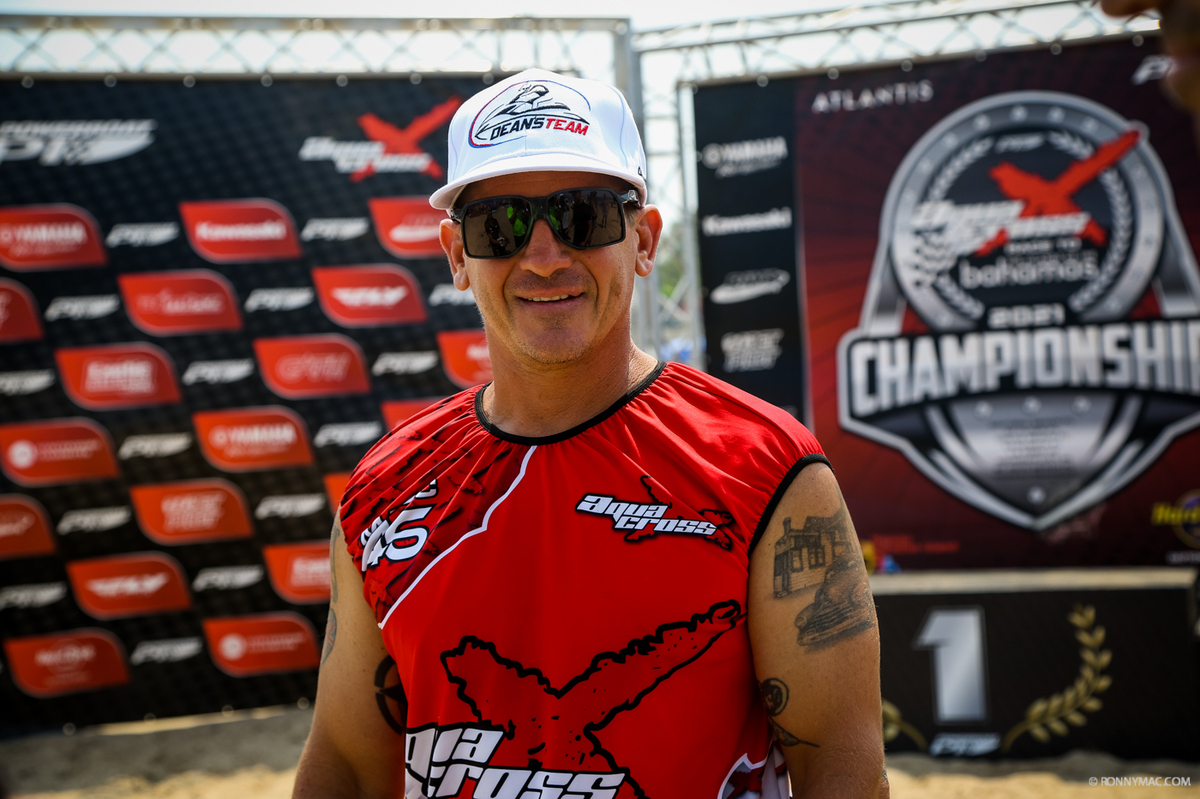
The current Guinness World Record holder for the “Most wins of the IJSBA Pro Runabout 1200 World Championships” and boasting the longest continual career as a professional jet ski racer, Chris MacClugage announced his return to the water this P1 AquaX season.
Touting 25 career championships, MacClugage remains one of the most decorated and highest winning World Champion athlete across multiple classes, including Pro Freestyle, Pro Ski GP, Pro Runabout /GP & AquaX Pro Enduro – and seeks to add to that resume this year as well.
The 18-year Monster Energy athlete is teaming up with former Junior World Champion, Jay Finlinson for 2023 P1 AquaX US National Championship; the two riding supercharged 2023 Sea-Doo RXP-X 300’s from Broward Motorsports of Tequesta that have been given the Dean’s Team treatment, ensuring that these two athletes will have the power to bring them to the podium. Other sponsors include Ignite Racing Fuel, HPL Oil, and Jettribe.
Here’s the complete press release: MACC Racing, has officially joined forces with Monster Energy in a monumental partnership. This exciting collaboration brings together two powerhouses in their respective fields, setting the stage for an exhilarating journey towards victory and unparalleled achievements.
Renowned for their commitment to extreme sports and adrenaline-fueled action, Monster Energy has recognized the extraordinary talent of Chris MacClugage and potential of Jay Finlinson. By signing a contract with Monster Energy under MACC Racing, both Chris & Jay are poised to reach new heights in their already remarkable careers. This partnership marks a significant milestone for both the racers and the energy drink giant.
As part of this collaboration, MACC Racing – Powered by Dean’s Team & Broward Motorsports Of Tequesta will proudly display the iconic Monster Energy logo on their jet skis and race equipment, solidifying the partnership and showcasing the mutual respect and shared values between the two entities. The partnership will also extend off the track, with various joint initiatives planned to engage fans and promote the jet ski racing community.
“This year I’m really excited to be back racing the P1 Aqua X series,” Says Chris MacClugage, “I have made some big changes from the past years. I am now riding a Sea-Doo, RXP-X for Monster Energy and Deans Team. This will be my 18th year representing Monster and one of the biggest. Monster has stepped up their support for my self and Jay Finlinson. I am happy to be back working with Dean’s Team and excited to see what this new project will bring us. Thank you to all who are involved.”
I’m so excited to get the opportunity to partner up with Monster Energy, MACC Racing & Dean’s Team for the 2023 Season,” Says Jay Finlinson, “It’s so cool for these guys to believe in me. We are also bringing back our relationship for the 2023 season with Ignite Racing Fuel, HPL Oil, and Jet Tribe which helped me win a record setting 15 motos in a row winning the National Championship and World Championship in the Bahamas this past season. I think being invited to join the veteran leadership of Chris MacClugage and Dean’s Team along with the P1 AQUA X new title sponsor, Monster Energy will give us a huge advantage.”
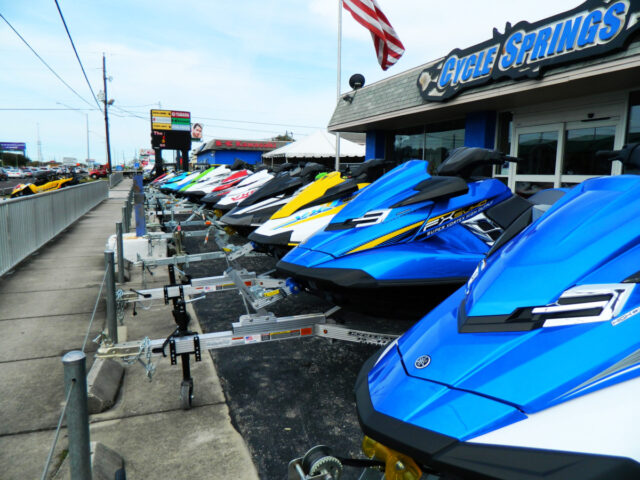
Cycle Springs Powersports has several job openings with excellent benefits. Their Clearwater Location is looking for a full time Sales Consultant. You can earn up to $150,000 a year selling new and pre-owned inventory. You must be highly motivated and energetic to get in with this growing company. This is a great position for an experienced salesperson who is in it for the long haul and willing to work before and after the sale. You must be able to multi-task and the ability to work well with staff and customers. To check out all the requirements and benefits for the job, click here.
The group is also in search of a full time Lot Porter for their Oldsmar Location. This is a good entry level position for someone making their way into the powersports industry. There is plenty of opportunity for growth for the lot porter who is willing to work hard and follow company guidelines. You’re going to be transporting units, washing them down, cleaning, and doing other tasks as needed. The pay is $15-$17 an hour. To apply for the Lot Porter position, click here.
The Clearwater Cycle Springs location is looking for a Tag and Title Clerk. This is a full-time position in the accounting department. You will be responsible for preparing legal transfer documents for the DMV. You must be able to meet deadlines and have knowledge of DMV procedures regarding tag and title. Two years of experience is also required. This position pays $20-$24 an hour. Read the complete list of qualifications here and click apply at the bottom of the page.
Cycle Springs Powersports is now part of the Dimmitt Automotive Group, and the standards remain high, and the team is still tight. If you are in search of a job in the powersports industry, check out Cycle Springs. They offer some of the best benefits in the business!
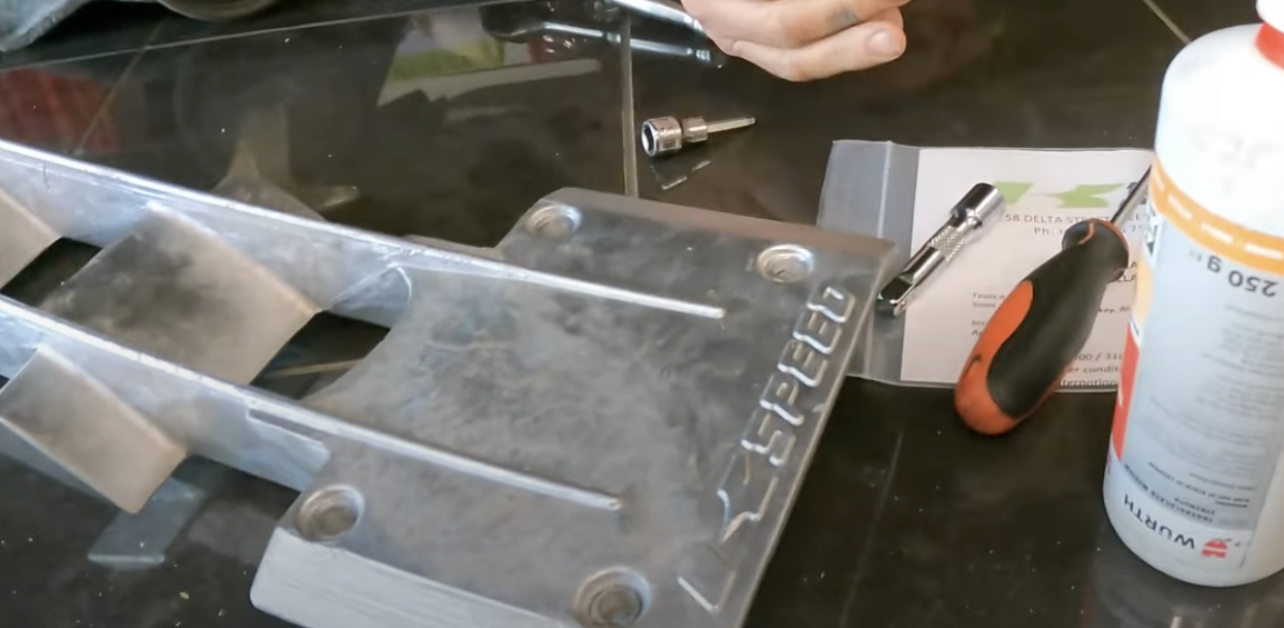
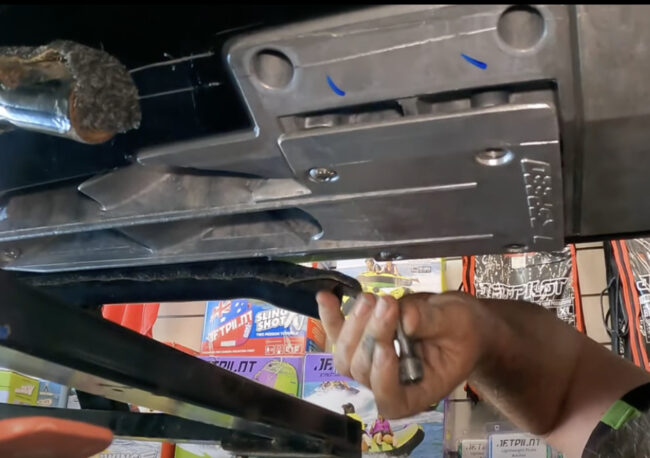
We here at The Watercraft Journal have provided you with many articles and videos on intake grate manufacturers, installs and education. KSPEED makes their intake grates custom for the Kawasaki brand and Jamie Eade the owner himself released a video installing one on a 2022 Kawasaki Ultra 310 LX-S with a couple of extra tips.
In order to take off the stock intake grate, there are 6 bolts; 4 in the back and 1 in the front. Jamie recommends loosening them using a ratchet instead of electric tools so that you can feel the threads and then you can finish them off with your electric tools if you wish.
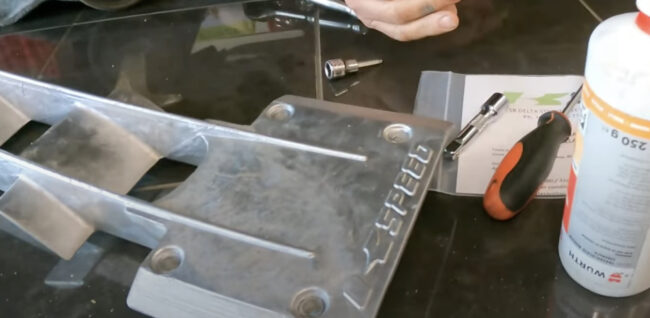
Open up your new install packet that includes installation instruction and hardware. Add a dab of blue locktite to each bolt. Slide your new KSPEED intake grate into place and insert your new Allen bolts into place. Do not reuse the stock bolts.
Just start each bolt so that it holds your intake grate, and then you can tighten the rest of the way with your electric tools. Be sure to check the tightness with your ratchet by hand to ensure everything is properly tight. If you haven’t picked up your KSPEED intake grate for the 2022+ Ultra platform, you can orders yours today HERE!





 P1 USA Championship Manager Michelle Petro said: