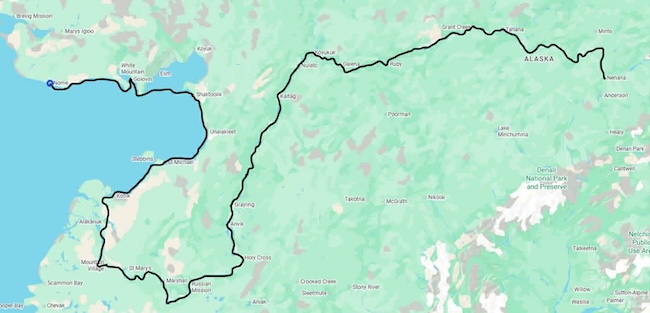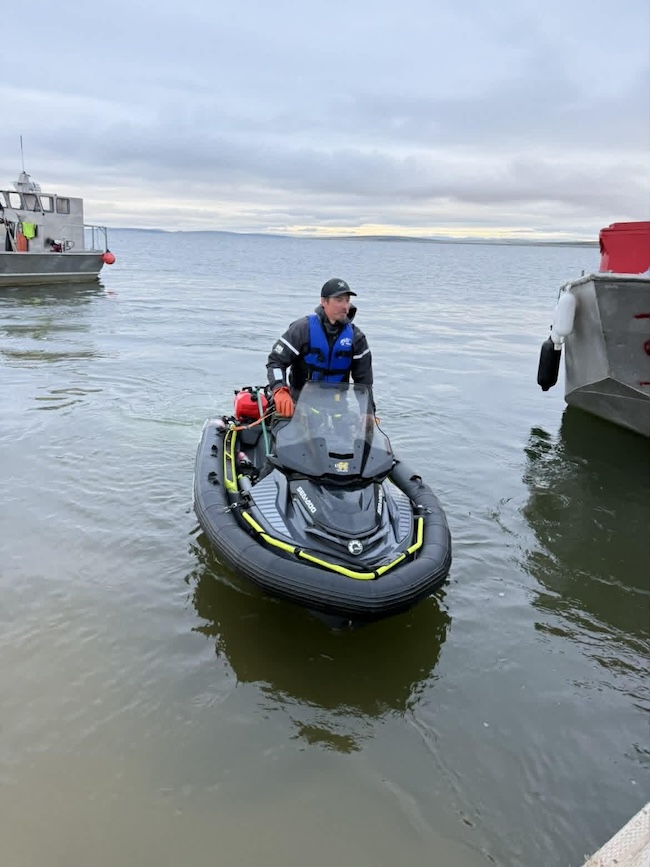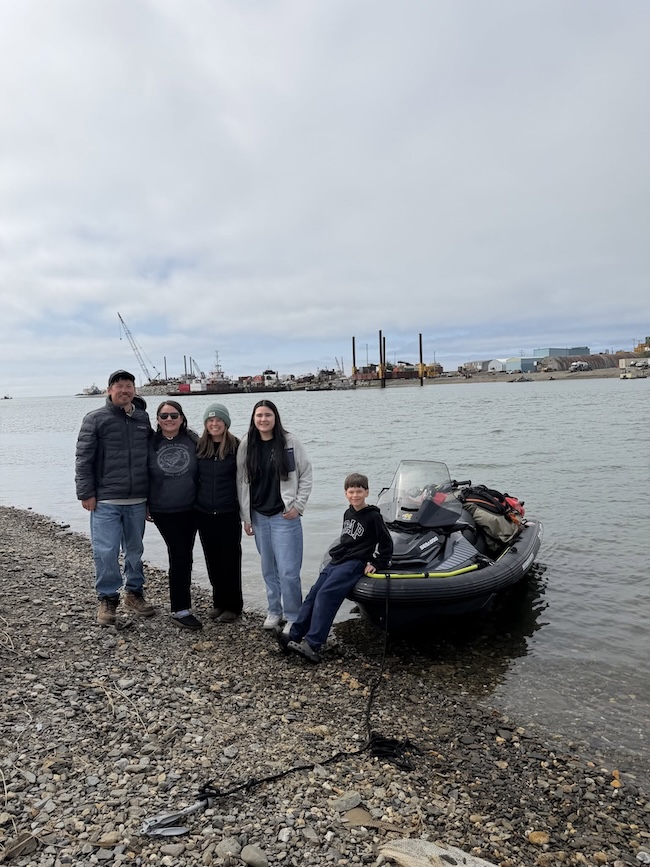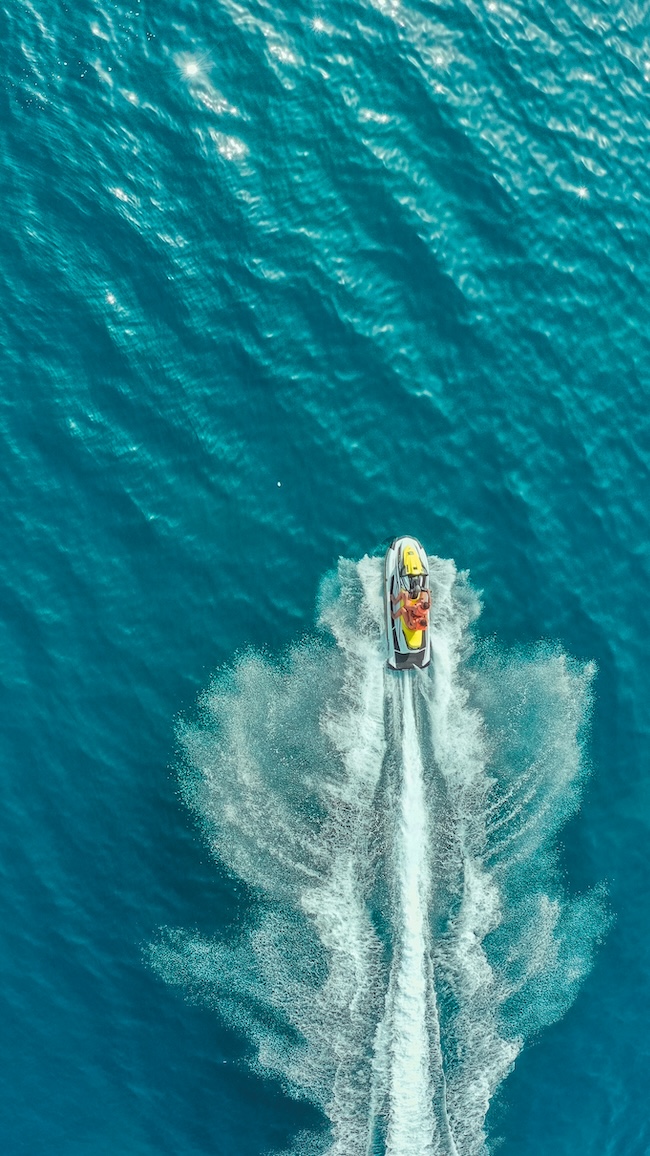

If you’re a Kawasaki rider who actually likes turning wrenches instead of mailing parts to someone else, it’s a good week to be scrolling YouTube. Kawi Performance has not one, but two new how-to videos breaking down real engine work the way enthusiasts actually need it: shot on the bench, no mystery cuts, no missing torque specs, and no “just send it” shortcuts.
First up is their latest upload walking viewers through a full Eaton supercharger assembly using the KP Rebuild Kit and their dedicated install tools. From removing old needle bearings to pressing in new ones with a tool that physically stops you from going too deep, the video is a clean blueprint for anyone rebuilding a blower on 250/260/300/310 or other Eaton-based Kawasaki platforms.
The KP crew lays out every step — adding a light grease reservoir, sealing with Ultra Black, torqueing the stainless hardware to 26 ft-lbs, and finishing with both included bottles of supercharger oil. It’s practical, not flashy, and exactly what DIYers wish more shops would show.
But Steve didn’t stop there. Back on November 26, he dropped an even more detailed teardown-to-install tutorial on Kawasaki Ultra 310 cylinder head installation, with the same process applying to every Kawasaki 250/260/300/310 and even naturally aspirated engines.
The video covers proper prep, why you don’t want shop towel fibers on a sealing surface, how to apply oil only where it’s required, and the torque sequence that prevents warping or blow-by. It dives all the way through gasket orientation, stud vs. bolt decisions, setting cam timing marks, Loctite choices, chain tensioner setup, and even the smart final check: rotating the motor by hand to verify you didn’t just build a valve-bending disaster.
Both uploads reinforce what KP is known for: they don’t just sell parts — they show you exactly how to use them. Clean engines, clear footage, precise specs, and zero ego. Whether you’re building a boosted lake toy or refreshing the top end on a high-hour Ultra, these tutorials are as close as you’ll get to having Steve in your garage.
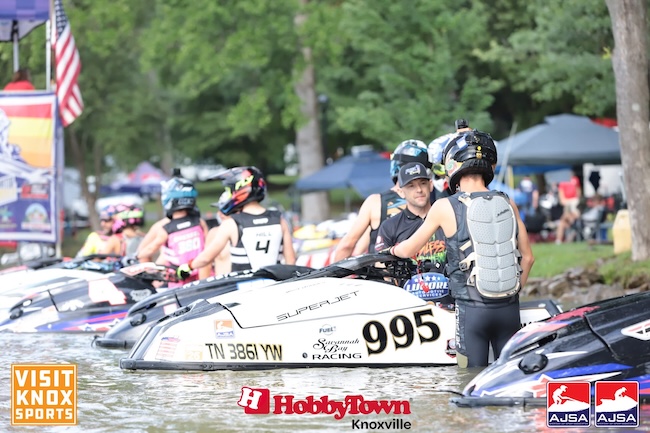
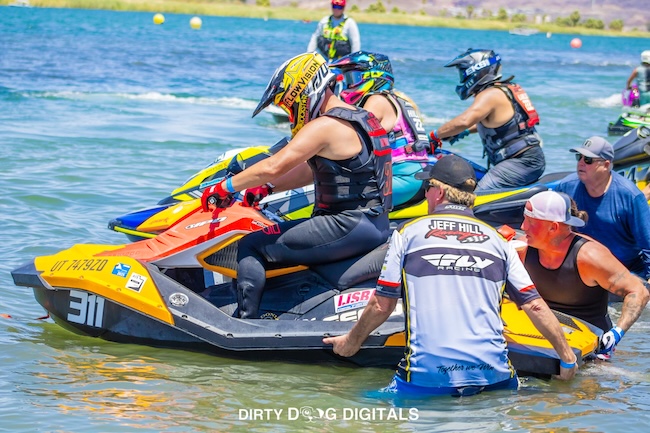
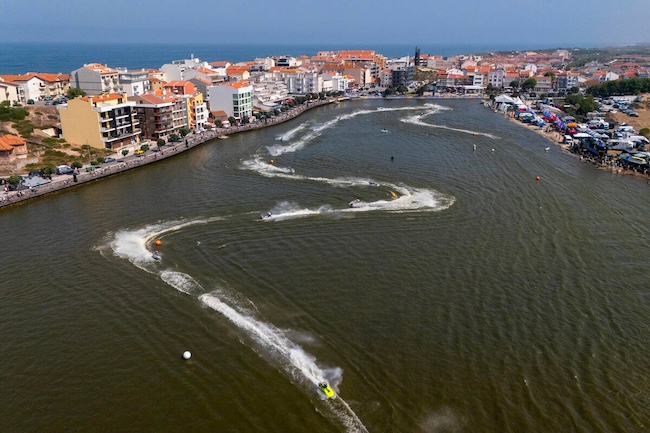
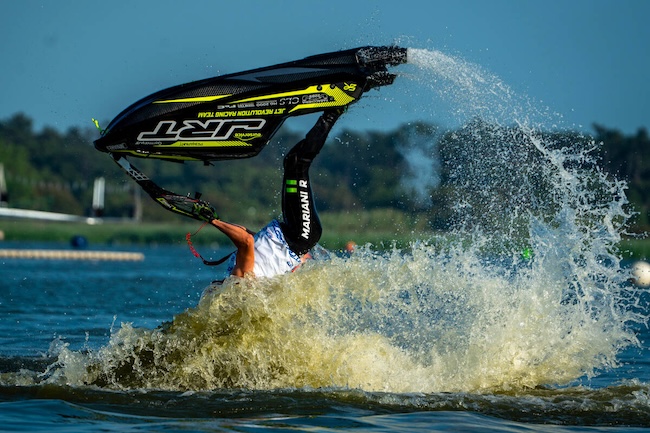
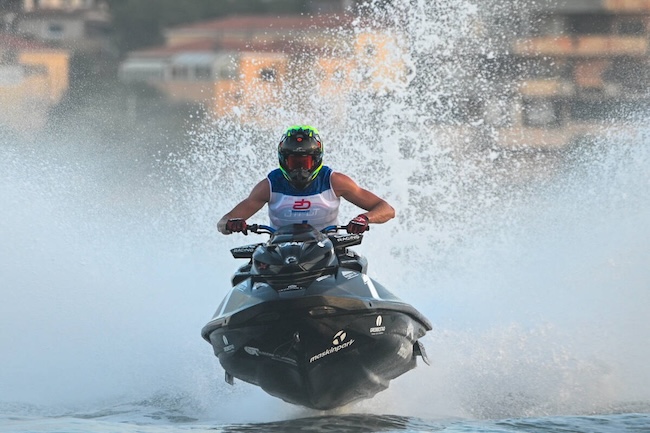
The biggest week in personal watercraft racing is almost here. In just eight days, the world’s fastest, fiercest, and most fearless athletes will descend on Pattaya City, Thailand, for the 2025 WGP#1 Waterjet World Cup, Asian Championships, and final round of the World Series. From December 17–21, the beaches of Jomtien will once again turn into the center of the PWC universe — and this year’s rider list is already stacked with global heavy-hitters and a strong showing from U.S. talent.
Organizers note that another 35–40 riders are still pending final registration, so the fields will only get deeper as opening day approaches. But even at this early stage, fans have plenty to be excited about.
Pro Ski Grand Prix
The premier stand-up class is already loaded with icons — including multiple world champions and some of the biggest names in the sport. Austria’s Kevin Reiterer (#90) returns as the defending World Cup champion after last year’s dominant win, with Quinten Bossche (#98) and Australia’s Jayden Richardson (#111) also back in the mix.
Japan’s Mao Sato (#88) — who finished P2 in Osaka earlier this year — joins a growing roster of podium threats, while the American lineup is one of the strongest we’ve seen yet. U.S. entries include Ryder Wildeboer (#888), Sebastien Girello (#27), Coy Curtis (#155), James Wilson (#300), Jacob Pearce (#6), and Deven Farthing (#116).
This class delivered some of last year’s most intense moments, and 2025 is shaping up to be just as wild.
Pro Runabout GP
Runabout GP always brings the horsepower — and this year’s field is absolutely loaded. Series leader Permphon Teerapatpanich (#T79) arrives with momentum, while a gauntlet of international stars stand ready to challenge him, including:
Guy Greenland (#20)
Francois Medori (#4)
György Kasza (#5)
Mohammad Burbayea (#66)
James Bushell (#158)
The class also marks the return of racing legend Dustin Farthing (#116) — now largely retired from full-time racing but still a major draw at World Cup. He’ll be joined by his son (competing in Pro Ski Grand Prix), giving the Farthing Racing team plenty to cheer for throughout the weekend.
Endurance Open
A massive field of 42 riders is already logged, making Endurance Open one of the largest and most diverse classes on the schedule. Big names include Medori, the Pastorello duo, Aero and Aqsa Aswar, Ou Moeut Saly, and Canada’s Mike Klippenstein.
Several U.S. racers are slated to take on the grind as well, including Anthony Radetic (#22) and Tory Snyder (#110) — both fan favorites with strong long-distance chops.
With the Teerapatpanich family also fielding multiple entries (including Thailand’s celebrated “Iron Woman,” Oraphan Teerapatpanich), this one promises to be a battle of both speed and stamina.
Pro Freestyle
Small field, big impact. America’s Demi Morgan (#13) returns to take on six other pros in what should be another high-energy freestyle showdown. Morgan continues to grow her presence on the international stage, and her performances always draw attention.
Pro-Am Women Ski GP
Another exciting class, highlighted by the U.S.’s Sadie Marie Mir (#335) taking on a field of 12 world-class women, including Japanese standout Mami Kaneko (#9) — last year’s runner-up.
Additional U.S. Racers to Watch
Pro-Am Runabout Stock
Tory Snyder (#110)
Amateur Ski 4-Stroke Lites
Andrew Vo (#160)
Taylor Smith (#515)
Veterans Ski GP
Jonathan Phan (#300)
Novice Ski Stock
Andrew Vo (#T211)
Jr. 13–15 Ski 4-Stroke Lites
Ty Smith (#515)
1-Lap Slalom Jr. 8–13 Ski 1100 Stock
Travis Billings (#515)
Several other classes remain unlisted here, but as more riders finalize their registration, expect additional U.S. names to appear.
Looking Ahead
With just days to go until engines fire in Pattaya, The Watercraft Journal will continue monitoring updates from race organizers as final registration closes and new announcements roll out.
We are also inviting racers, teams, and families interested in providing exclusive freelance photography or race recaps for feature consideration in upcoming WCJ coverage. Submissions must be original and unpublished (nothing previously posted to social media or shared with other outlets). If you’re attending the World Cup and want to contribute, reach out — we’d love to feature on-the-ground perspectives from the PWC community.
Let’s face it — theft remains a real danger. While many watercraft owners take care of keys and mooring security, storage security often gets neglected. Every year, dozens — even hundreds — of PWCs (jet skis, wave-runners, etc.), trailers and boats get stolen, often from driveways or yards.
When a PWC sits on a trailer in an unsecured driveway or yard, it becomes a low-hanging fruit to thieves: easy to hitch, hook up, and tow away. The more layers of deterrence you add, the less likely someone will bother. Often, the goal isn’t to make theft impossible — just to make it hard enough that a thief moves on to an easier target.
Updated & Expanded Security Layers for PWC + Trailer Storage
1. Start with a Trailer Coupler Lock / Hitch Lock
• Use a trailer coupler lock (also sometimes called a hitch lock) to prevent the trailer from being attached to a tow-vehicle. This makes it much harder for a would-be thief to even hitch up and drive away.
• Don’t just rely on the cotter-pin that came with the trailer — most coupler locks completely block the coupler cavity so no hitch ball can attach.
2. Immobilize the Trailer Wheels – Even a coupler lock isn’t always enough. A determined thief can try to load the trailer onto a flatbed or jack it — so adding a wheel lock or chock gives a second line of defense.
• A wheel-chock lock (wheel boot) clamps onto the trailer wheel, preventing it from rolling. This buys time and deters quick-grab thefts.
• For extra security, you can use tandem-wheel locking chocks (for trailers with dual axles), which lock both wheels together and resist motion.
3. Lock the PWC to the Trailer – Even if the trailer gets locked and booted, that doesn’t stop someone from taking the PWC off the trailer (especially smaller jet skis). Lock the craft to the trailer with a cable or chain through a solid anchor point on the hull.
4. Anchor the Trailer to a Fixed Object or Ground Anchor – If possible, chain the trailer to something immovable — a grounded eye bolt in concrete, a heavy post, or a sturdy fence. That way even if a thief removes the wheel lock, they can’t just tow it away.
5. Use a Hidden GPS Tracker (Optional but Highly Recommended) – If someone does manage to steal the rig, a small GPS tracker hidden on the PWC or trailer can help law enforcement track its location. Many theft-prevention guides now include this as a key step.
6. Park Smart & Store Out of Sight – If possible, store your PWC in a locked garage or outbuilding — “out of sight, out of mind” is still the gold standard. If you must leave it outside: park in a well-lit area (ideally under motion-activated lights), put a vehicle in front of the trailer so it can’t be easily towed, or park close to a building or fence so access is constrained.
7. Photograph & Document Everything – Take high-quality photos of your PWC — including hull ID numbers (HIN), trailer serials, unique marks, and any accessories. Store those photos digitally. If theft happens, you’ll have evidence for law enforcement and insurance.
Recommended Security Gear
Here are some of the most effective, widely recommended products — ranging from budget-friendly deterrents to heavy-duty deterrence — to make your PWC + trailer setup much harder to steal.
Universal Guardian Trailer Hitch Lock – A popular universal coupler lock that fits most trailer couplers, preventing any hitching. Great first-line defense.
Trimax TCL75 Wheel Chock Lock – A heavy-duty wheel-chock lock that immobilizes the trailer wheel, making it extremely difficult to roll or tow away.
BAL X‑Chock Tire Locking Chock – Good for trailers with tandem or dual wheels; locks wheels in place by applying opposing force, resisting rolling or shifting.
Master Lock 30 Ft. Looped End Cable – A strong, long cable lock that can be used to tie the PWC to the trailer or trailer to a fixed anchor point.
MaxxHaul Tandem Wheel Chock Lock Pair – For trailers with two axles: locks both sets of wheels to prevent rolling or theft even if coupler is compromised.
Haul‑Master Wheel Chock with Eyebolt– Basic but effective chock; the eyebolt allows it to be chained to a post or ground anchor for extra security.
Many newer jet skis / PWCs built by major manufacturers come with keyed ignitions or electronic “fob” systems designed to prevent someone from starting them without the proper key/fob.
Some aftermarket “cable-lock + alarm” systems also help — these wrap around or attach to parts of the hull or trailer to prevent unauthorized movement or use.
As long as a thief doesn’t have the right key, fob, or ability to bypass electronic locks, the PWC should be un-startable — which removes its main value to a thief.
Some PWCs (especially from big-name brands) offer — or can be fitted with — a handlebar or steering lock that prevents steering or movement unless unlocked.
For additional deterrence (especially if trailer- or driveway-stored), you can treat the PWC like a motorcycle or scooter: using handlebar-grip style locks or grip/steering-locks to make it harder to ride away even if someone gets it started.’
Alarmed Cable Locks, Hull Locks, Security Cabling
A lock with built-in alarm — especially a marine-grade cable lock — can secure your PWC to the trailer or to a fixed object (dock post, anchor, trailer frame, etc.).
These help especially at docks or when leaving the ski outside overnight, when theft risk is highest.
Some owners go the extra mile: disconnecting the battery or installing a keyed/waterproof battery-disconnect switch so the PWC is unstartable.
On older or simpler skis (without modern fob/ECU systems), this can be a reliable “last line” of defense if locked up outside.
Some Extra Tips & Things to Watch Out For
Lock Safety Chains, Too: It’s not just about the coupler. Some thieves might try to tow using safety chains if the coupler is locked. Use a coupler lock design that encloses the chains or lock them securely to the trailer frame.
Make It a Multi-Step Process: The goal isn’t necessarily to make theft impossible — but to make it tedious, noisy, or time-consuming enough that a thief moves on. The more steps required (coupler lock → wheel lock → anchor → cable lock on craft), the better.
Don’t Rely on One Lock: A single lock might slow down a neighbor-hood kid, but a motivated thief may bring a grinder. Combining locks (mechanical + chained + anchored + cable + visibility) dramatically increases your odds.
Visibility & Deterrence Count: Sometimes just making the trailer look “locked up” or difficult to move — e.g. with a wheel boot or chock — is enough. Thieves often look for easy quick hits.
Consider Off-site Storage or Secure Facilities: If you live in a high-theft area or your driveway is obviously visible, look into off-site trailer storage or rental storage facilities — it may be worth the peace of mind.
In today’s environment, taking storage security seriously is not overkill — it’s smart. By combining multiple security measures (coupler lock, wheel lock, cable/chain lock, anchoring, good parking or storage spot), you greatly reduce the odds a thief will target your rig. Most importantly: make it look like a lot of effort so thieves move on to easier prey.
Two of the most respected names in the PWC performance world dropped some welcome news this week as RIVA Racing unveiled its latest run of Modified OEM Ride Plates for 2022 and newer Sea-Doo RXT, GTX, and RXP models—now available directly through GreenHulk PWC Performance Products.
RIVA’s updated plates start life as brand-new OEM units before going through a full overhaul inside RIVA’s own shop. The planing angle is reworked, machining is tightened up, and every plate is inspected before it’s repackaged and shipped. The goal is simple but meaningful: preserve factory quality while sharpening stability, improving grip, and giving riders more lift and responsiveness on the throttle.
The lineup includes the Modified OEM Ride Plate for the RXT/GTX platform (Model RS21120-M) as well as the purpose-built RXP version (Model RS21190-M). Because the upgrades begin with fresh OEM parts, there’s no core exchange to worry about. Riders can bolt on the improvement right away and feel the difference on the very next ride.
For anyone who prefers to keep their original hardware, RIVA is still offering its trusted Ride Plate Modification Service. Send in your plate, let RIVA work its magic, and you’ll get back a refined, performance-focused upgrade tailored to your factory part.
GreenHulk is supporting the launch with full availability, tech guidance, and fitment help—making the whole process seamless whether you’re chasing more confidence in chop, cleaner cornering, or just better efficiency when you pin it.
At first glance, coming across a post on our feed about a Watercross championship in August didn’t seem too noteworthy – other than the fact that I’m only catching wind of it in December. But it didn’t take too long to realize there was more “off” about this story than our oversight.
No skis. No sponsons. No jet pumps. Instead: handlebars, tracks, and what looked suspiciously like snowmobile hoods skimming across open water.
Because that’s exactly what it was.
Earlier this season, the 48th Annual World Championship Snowmobile Watercross went down on Memory Lake in Grantsburg, Wisconsin — and somehow we’ve never covered it. A mistake we’re fixing right now, because this thing is wild in all the right ways.
Born back in 1977 as a “bet-you-can’t-make-it-across” dare, Watercross started with snowmobiles launching from an island and attempting to hydroplane across roughly 300 feet of open water. Most sank. A few made it. And a tradition stuck. Today, it’s a full-blown, multi-class, festival-sized event featuring drag starts, 10-lap oval finals, fireworks, vendors, campgrounds, and thousands of spectators packing the shoreline for a sport that absolutely should not work — yet somehow does.
This year, it also featured something brand new: the Inaugural Jump Competition, complete with timed, distance, and even costume categories. Yes, someone won a world title for jumping a snowmobile across water in costume. And honestly? We’re on board for this one; after all, we already know of a PWC freestyle dinosaur…
The 2025 World Champions
Pro Open: David Fischer — locking in his 7th title Semi-Pro Open: Tim Corrigan Sport Open: Nick Hagemann Pro Stock: Jimmy Marietta Semi-Pro Stock: Chris Johnson
If one name defines modern Watercross, it’s David Fischer. His Pro Open final this year was a masterclass — a clean holeshot into the signature high-speed dog leg toward Turn 1, tight lines, zero hesitation, and a lead he never surrendered. His seventh title places him within striking distance of the sport’s “Godfather,” Mark Maki, whose all-time record still stands above him. After the win, Maki himself called Fischer’s six-in-a-row streak “incredible,” praising his smooth aggression through the course’s trickiest sections. Fischer fired right back: “Not sure if I’ll ever catch your record, but I’m having fun trying.”
Fun — and fearlessness — are kind of the themes here. Because despite how effortless these racers make it look, the physics are, politely, insane. Snowmobiles don’t float. They stay on top of the water the same way a skipping stone does: speed, momentum, and absolutely unbroken throttle discipline. A bobble in the chop or a split-second lift? Straight to the bottom. The racers know it. The crowd knows it. And that tension is part of why the shoreline fills every July.
And speaking of crowds — Executive Directors Kim and Nicki summed it up best: it really does take a village. From volunteers to racers to the families who’ve made Watercross a yearly pilgrimage, the event is as much a community gathering as it is a competition. The cheers, the spray, the fireworks, the festival atmosphere — it’s all part of why Memory Lake transforms into the sport’s unlikely epicenter every summer.
We may have shown up late to this party, but we’re officially fans. And with the 49th running already locked for July 17–19, 2026, we’ll be keeping our eyes on Memory Lake — and the snowmobiles that somehow refuse to sink.
We last caught up with Emmanuel a little over a year ago, following his jet-ski run from Florida to the Bahamas. This time around, instead of chasing waves, he traded the Black Friday madness for one heck of a wreck-fishing day. Taking advantage of the calm, sunny post-Thanksgiving weekend out of Jupiter, he pointed the bow offshore, fired up the GoPro, and dropped lines over known deep-water structure just outside the inlet.
The target: deep wrecks and reefs — classic hotspots off Jupiter where wreck-loving wreck dwellers like amberjack still roam. Most of Jupiter’s go-to wrecks fall under what locals refer to as the Jupiter Wreck Trek — a cluster of decommissioned freighters and barges like Zion Train, Miss Jenny and Esso Bonaire that sit in roughly 85–95 ft of water.It didn’t take long before the first bait hit bottom and the fight was on.
A big amberjack absolutely freight-trained the deep bait, peeling drag and ripping multicolored metered braid off the reel — those bright, shifting colors telling Emanuel exactly how deep the fight was happening. (Amberjack — often called “reef donkeys” — are brutally strong offshore fish known for deep-structure battles and heavyweight runs that routinely humble even seasoned anglers.)
From there, the wreck lit up. Drop after drop, the crew stayed tight. More amberjack. More cardio. More complaining that arms were done… followed immediately by, “Okay, one more drop.” Not every fish made keeper size, but nobody was complaining — on a wreck-drift like this, bites come fast and furious.
Then came jigging chaos. Small kingfish started schooling under the ski, and the speed jigs went off. One hookup turned into two — then three — then full-on jigging mayhem. Keeper kings at 25 inches slid into the box, while the shorts, bonitos and mystery foul-hooked torpedoes went over the rail. At one point, Emanuel hooked a fish without the rod even in his hand. When the kings are thick, they’re thick.By day’s end, the crew never got the “holy grail” monster, but with a stack of amberjacks, a box full of kingfish, and a lot of laugher — it was every bit the escape they hoped for. Off Jupiter, the wrecks are always waiting, and as long as the braid keeps spooling, so are the fish.
More runs, more wrecks, and more chaos are already on deck for iBelongOutdoors — and Emmanuel promises the next GoPro won’t go overboard. Probably.
Black Friday Deals From The Watercraft Journal’s Partners
Black Friday has officially landed, and several of The Watercraft Journal’s partners are dropping their biggest savings of the year. Whether you’re hunting for performance parts, gearing up for a winter build, or just grabbing maintenance essentials at a discount, here’s what’s on the table—and some of these deals won’t last long.
GreenHulk kicked the doors wide open this year with multiple Black Friday specials across the RIVA Racing lineup—and a few heavy hitters in the mix.
Their 20% off deal on the RIVA Pro-Series Steering System for 2018+ Sea-Doo RXT/GTX 230/300 models and the 2024 RXT-X 325 drops the price to $399.96 (normally $499.95). The billet-aluminum system replaces Sea-Doo’s flimsy OEM plastic setup for tighter, more precise steering—especially for aggressive riding or high-horsepower builds.
GreenHulk is also offering 20% off the RIVA/Solas Sea-Doo Concord 15/25R impeller, bringing it down to $239.96. Stage 2 riders can expect +2–3 mph up top and roughly +150 rpm—an easy win for anyone chasing extra speed.
Beyond the spotlight deals, the storewide savings continue:
15% off most RIVA Racing parts with code greenhulk
15% off WORX Racing components
15% off SC Wake SeaDek traction mats
Up to 15% off MaptunerX, tuning licenses, Fizzle Racing parts, Solas impellers, RIVA seat covers, steering bundles, and more
Plus: The first 200 orders over $500 get a free GreenHulk hat
Inventory is already moving quickly, so the earlier you jump in, the better your chances.
Impros Impellers
Impros confirmed this is their biggest sale of the year, though they’re keeping the exact numbers under wraps. Riders can expect discounts across their lineup at Impros.com, including custom reworks, swirl impellers, and model-specific pitching services. If you’ve been waiting to freshen up a pump or dial in a build, this is the weekend to do it.
JetTech Products
As one of The Watercraft Journal’s supporting partners, JetTech dropped a massive sitewide sale up to 50% off, making this easily their largest promotion of 2024.
Even better, JetTech stacked their Black Friday freebies depending on your cart total:
$1000+ → All of the above plus the Intake Recovery Tool
If you need brackets, mounts, hardware, or Salt Shift products, this is the ideal time to stock up for the 2025 season.
Kawi Performance
Kawi Performance rolled out an exclusive Black Friday offer:
10% off all Kawi Performance–brand products
5% off all aftermarket parts
It’s a great across-the-board sale for anyone looking to upgrade, maintain, or finish a winter build before spring rolls around. The sale ends December 1 at 11:59 p.m.—no extensions expected.
RIVA Racing
RIVA is running its own massive Black Friday event with savings up to 40% across accessories, RIVA-branded parts, Solas impellers, factory replacement components, riding gear, and more. Orders over $150 ship free within the continental U.S. Their sale page updates through the weekend as items shift in and out of inventory.
Brisbane Kawasaki (Australia)
For riders down under, Brisbane Kawasaki has launched its 2024/2025 Summer Clearance Sale, with discounts up to $4,500. The Kawasaki Ultra 160LX-S alone carries that full $4,500 savings. All 2024 and 2025 Kawasaki Jet Ski models see reductions, though exact pricing varies and stock is thinning. A solid add for any Australian readers planning a new-ski purchase.
Black Friday only hits once a year, and these deals are one of the easiest ways to head into the holidays with your gift list handled—or to treat yourself to that upgrade you’ve been eyeing all season. Sure, today might be all about leftovers and football, but the real action is waiting out on the water. Grab the gear you need now, build through the winter, and roll into 2025 ready to ride harder than ever.
PWCBrackets is closing out the year with a bang—announcing a full sweepstakes for a completely revived 2014 Yamaha FZS, rebuilt “the PWCBrackets way” and unveiled across their social channels this week. The company, best known for its marine audio brackets and rigging hardware, has spent the past few months teasing the project ski, and now the public finally gets a shot at winning it.
To enter, PWCBrackets is keeping things simple: with each purchase of a towel and sticker kit for $100, the invoice # acts as an entry into the sweepstakes. Entries can also be made on the website without a purchase.
The giveaway is already live and runs until January, with the winner to be drawn live at the Atlanta Boat Show on Jan. 11. Participants must be 18 or older. Full rules are available on their website, and the lucky winner will be responsible for pickup or shipping.
While PWCBrackets hasn’t yet published a full spec sheet for the revived FZS, their video teaser gives a few solid clues. The ski looks every bit the classic 1.8L supercharged bruiser that made Yamaha’s FZ platform a favorite for drag racers and speed-hungry weekend riders alike. Their short clip shows a deep cosmetic refresh and what appears to be a full mechanical once-over—bringing an 11-year-old performance hull back to life in a way that fits the company’s brand: loud, polished, and built to be used.
The “Revive Giveaway” also feels perfectly in line with PWCBrackets’ recent push to expand beyond audio mounts and into more general enthusiast gear. Offering a hull giveaway right at the start of show season is sure to drive attention as crowds descend on Atlanta in January, and the decision to reveal the winner live adds an extra bit of spectacle.
For fans of the now-retired FZS platform, this one’s easy to get excited about. The 2014 model year sits right in the middle of Yamaha’s glory era for the FZ—lightweight, aggressively styled, and famously overbuilt. Whether the revived ski ends up as someone’s winter project, a future race hull, or a perfectly nostalgic weekend ride, it’s a smart, fun promotion that will have plenty of riders throwing in an entry.
To learn more or enter the sweepstakes, visit PWCBrackets.com and look for the FZS Revive Giveaway page. And if you’re headed to the Atlanta Boat Show in January, you might just hear your name called.
The holiday season just got a little more thrilling for the PWC community. Beyond the eggnog and family gatherings, there’s another tradition that brings racers, enthusiasts, and rulebook aficionados together: the chance to weigh in on the IJSBA Competition Rule Book. That’s right—the official suggestion period is now open, giving you two full weeks to submit ideas, tweaks, and improvements that could shape the future of PWC racing.
Through December 8 at 11:59 PM Pacific Standard Time, active members of the PWC community can submit their proposed rule changes. IJSBA compiles and shares the suggestions publicly by December 12, ensuring everyone sees what the community is talking about. This year, there’s an added layer of review: a vice-chair of rule oversight will independently examine the suggestions and offer guidance to the IJSBA Managing Director, whose report will be posted by December 16. From there, the recommendations go to the board for final processing.
How the process works:
According to a release by IJSBA President Scott Frazier, the IJSBA Board of Directors is made up of delegates from Kawasaki, Yamaha, and Sea-Doo, with ex-officio votes from the Managing Director and an industry representative—five votes in total. Consensus is the goal, but the board prioritizes Stock Class Racing and policies that ensure safety, community growth, and the long-term health of PWC racing. Community-based classes, like Vintage 550 and Sport Spec, see their suggestions given extra weight because the board wants to hear from the people who live and breathe those classes.
If you’re an active license-holding participant—or someone deeply involved in PWC racing—this is your chance to have a voice. IJSBA has provided a straightforward format for submitting suggestions, including your name, location, license info or racing involvement, and details about the rule change you’re proposing, the positive outcomes you anticipate, and any potential challenges along with why your suggestion overcomes them.
Even if your idea is bold, unconventional, or just a tweak to existing rules, this is the time to speak up. The window closes quickly, and with only two weeks to get your suggestions in, it’s a sprint to make your ideas count. IJSBA’s stated goal: Safe, fair, and forward-thinking racing that grows the sport for everyone involved.
Scroll down for the full press release with instructions for submitting your suggestions—and don’t miss your chance to shape the next chapter of PWC racing.
The best part about the holiday season is the gathering and sharing with your friends and loved ones engaging in the time honored tradition of discussing changes to the IJSBA Competition Rule Book. The period where IJSBA officially opens the window of opportunity for the public to provide input and make change. This period will be open for two weeks beginning today and ending December 8 at 11:59 PM Pacific Standard Time (California time). These suggestions are tabulated and presented to the public as a list by December 12. This year, IJSBA will engage a vice-chair of rule oversight to prepare an independent review of these rules and advise the IJSBA Managing Director of concurring and divergent findings. The IJSBA Managing Director will post a report of these findings and recommendations by the 16th and will submit everything for processing with in 5 days.
Processing is the vote taken by the IJSBA Board of Directors. The IJSBA is controlled by a delegate from each of the participating OEM Manufacturers Kawasaki, Yamaha, Sea-Doo) with ex-officio votes given to the IJSBA Managing Director and a representative from the industry at large. This totals 5 votes. The board seeks consensus wherever possible. The OEM Board is largely concerned with Stock Class Racing and policies and procedures that are consistent with promoting the safe use of Personal Watercraft and an evolution of racing consistent with the best practices of Personal Watercraft uses, production, and promotion to ensure a stable future for PWC proliferation. This means that suggestions regarding community based classes (Vintage 550, Sport Spec, etc.) are given more deference to community input than those suggestions that affect Stock Classes or the general image of Personal Watercraft.
IJSBA solicits widespread input from the Personal Watercraft Community but, generally, requires that you are an active license holding participant to have a suggestion processed. To make a rule suggestion, please use the following format, including copying the number line and description to begin each paragraph to make a rule and email the suggestion to [email protected] by the deadline imposed above:
1. Full Name and location of residency:
2. IJSBA Racing License Number and country of issue or, a short description of your active involvement in PWC Racing
3. The Rule I would like to make or modify is the following:
4. This is the positive change I believe would result in adopting the rule change I have suggestion:
5. These are the potential issues or oppositions I would expect to my suggestion and how and why I think that the suggestion overcomes those issues and oppositions providing a net benefit:
Please make a separate suggestion using lines 1-5 for each and every rule suggestion made. Thank you for your participation in this process. If you have questions or comments regarding this posting, the IJSBA Rule Change Suggestion Period, or the IJSBA in general then please email [email protected].
Sometimes, the best innovations come from a driveway, a few plastic tubs, and a lot of curiosity. That’s exactly what Steve Ciervo at Kawi Performance proved with his first-ever investment casting experiment — turning a 3D-printed STX trim nozzle into a fully functional aluminum part. And yes, it’s every bit as wild as it sounds.
The experiment began modestly enough. On a cement driveway, Steve laid out two “shells” — hollow forms created from 3D-printed models — alongside buckets of Remasol Adbond JusDip and tubs of fine and coarse casting sand. With a paintbrush and a generous dose of optimism, he began dipping the shells in a neon-yellow ceramic slurry, then rolling them in fine sand to form the first layers of what would become a strong, heat-resistant mold.
“This is the first time I’ve ever done an investment casting,” Steve admitted as he methodically worked on building out the forms — dipping, flipping, sieving sand into the hollow cavity, waiting for each coat to dry “And it’s really messy, as you can see,” he added, with fine sand clinging everywhere.
After multiple coats and days of drying, the shells were ready for their smoky transformation. Into the kiln they went, hollow side down, cut and scraped to let the plastic burn out completely.
When it came time to pour, the experiment entered the “have 911 on speed dial” phase. Aluminum melted in a small furnace, skimmed to remove impurities from a mix of scrap parts — valve covers, fuel rails, and other bits of aluminum lying around the shop — and then carefully poured into the ceramic molds that were super-heated to keep the solidification slow and allow the aluminum to fill into all the nooks and crannies.
Protective gear was a must — thick leather high-cuffed gloves, boot covers, and a duster/apron (worn over shorts, in true PWC style.)
Finally, the moment of truth: chipping away the ceramic revealed a textured, bright aluminum nozzle.
“I can’t believe this came out of a plastic 3D printed mold and actually is a real-life working model. How freaking cool is that, guys? That’s sick. Very sick.”
With threads, mount holes, and trim fittings machined in, these nozzles were ready for action. The process may have started as a playful experiment, but it ended as a fully realized demonstration of ingenuity, persistence, and a touch of controlled chaos — the kind of project that reminds you why we love tinkering with personal watercraft.
Kawi Performance continues to push boundaries, and this first attempt at investment casting shows there’s no limit to what Steve and his team can dream up — even if it involves setting 3D prints on fire in the driveway.