Let Cycle Springs Powersports order your 2023 Yamaha WaveRunners or Superjet. You can order any 2023 model WaveRunner by going on the site and picking your new watercraft. Request more information, apply for financing directly from the website. You can also grab an insurance quote while you’re there.
The End of Season Sales Event is going on until December 31st, so you can get in on that as well and save big with APR financing as low as 4.99% for 36 months. This is about as good it’s going to get for now, so order your new WaveRunner. Cycle Springs has the JetBlaster, the PWC made for those who like to get out there and shred.
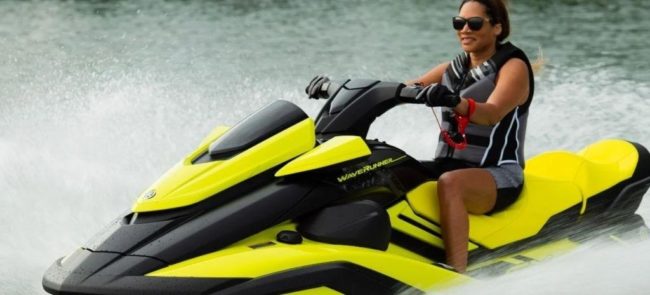
This sporty ski will have you throwing spray as you blast across the water. It is listed at $10,699, which is pretty good price point for this ski. If you’ve got big money and desire luxury and high performance while you’re on the water, then the Yamaha FX SVHO with audio is for you. This has the Connext “Infotainment” touchscreen hub, with features like GPS-ready mapping, Bluetooth technology, audio controls, and much more.
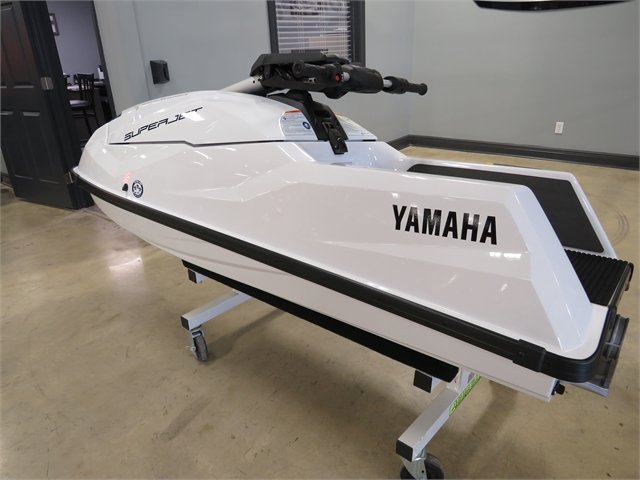
It also offers tons of storage so you can pack some gear and spend the day on the water without a care in the world. This one is priced at $18,899. If you prefer to stand up, order the 2023 Yamaha SuperJet and get your freestyle on! These things are fun and priced to move, coming in at $10,499. Head over to the Cycle Springs website and check out these and all the other models available for ordering.
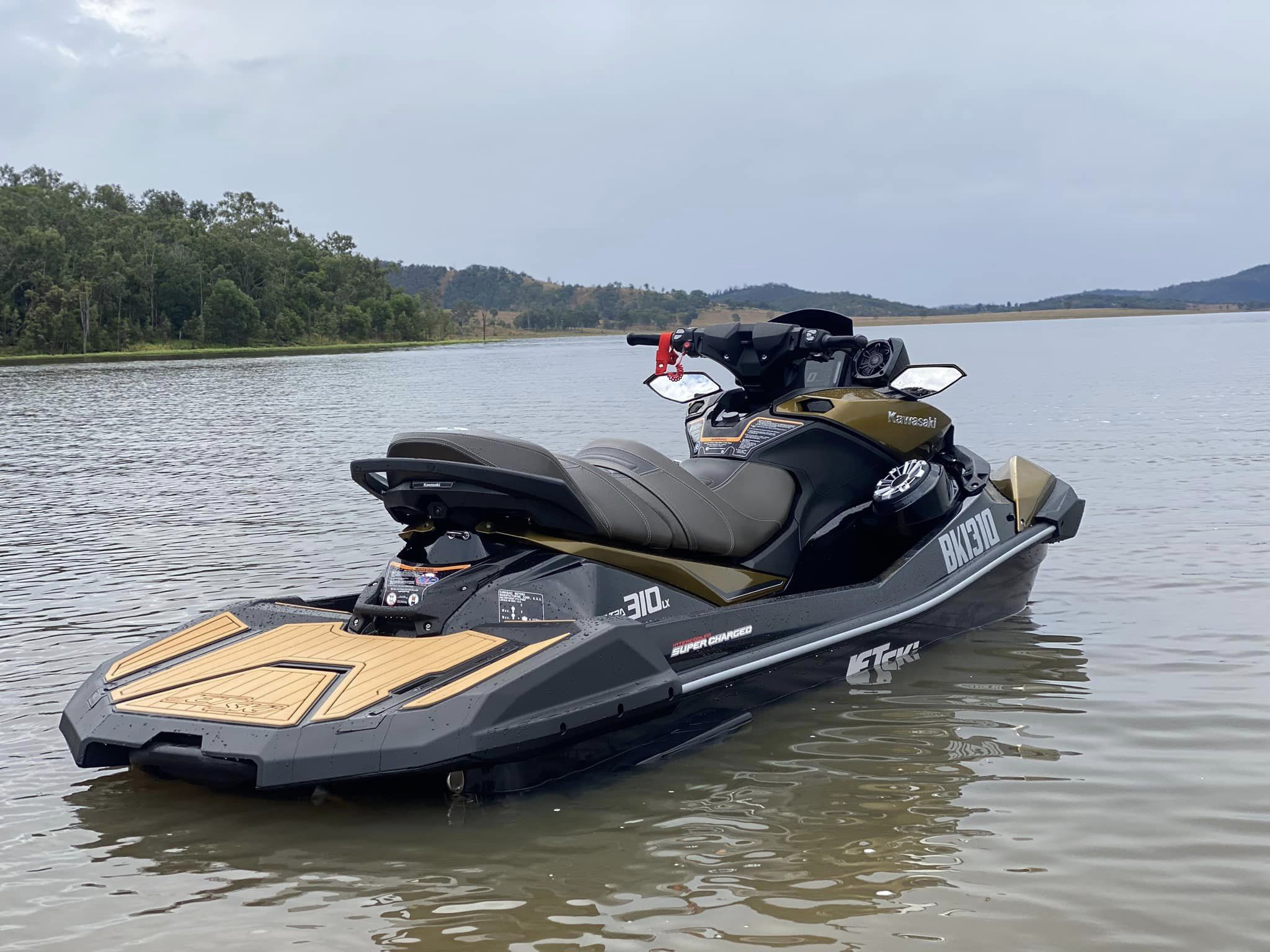
When it comes to performance parts for the 2022 and 2023 Kawasaki Ultra 310 JetSki, look no further than Kspeed out of Brisbane, Australia. “We are team of experts that focuses purely on Kawasaki 4-stroke JetSkis. We work, race, ride, modify and best of all – we go to sleep at night dreaming about them.”
The team at Kspeed got their first 2022 test machine in July 2022, and spent about 3 months “cracking the code” on the new ECU and engine management system. Kspeed’s Stage 1 kit for the previous generation of Ultra 310s was the culmination of nearly a decade of research and development.
These dyno confirmed, race tested breakthroughs in tuning and component design are now available for 2022+ Kawasaki Ultra 310 Series Jet Skis. Kspeed’s initial bench marking of their new Stage 1 was done on a 2022 310X, which logged a top sustained top speed of 73.3 mph, and a 0-65 mph time of 5.37 seconds.
The stock speed of the same 310X was logged as 66.2 mph with a 0-65mph time of 6.97 seconds. With those results, the Stage 1 kit yielded a 7.1 mph improvement and shaved 1.6 seconds off the 0-65mph time.
The $922 USD kit + shipping (price fluctuates with exchange rates) includes a 2-degree aluminum pump wedge, a top-loading intake grate, and an ECU reflash. This is not a grab bag of random components from other manufacturers- these are all high-quality Kspeed branded components that have been developed and tested in-house.
The KSpeed intake grate lacks the restrictive grilles and boxy geometry present on the stock grate. By changing the angle of water entry, Kspeed can get more water into the pump, which improves hook-up in all conditions.
The 2-degree aluminum wedge is installed between the jet pump body and the exit nozzle. Rather than bending the water flow by trimming the nozzle and slowing down the flow of water slightly, this wedge allows 2-degree positive trim in neutral position.
With the factory speed limiter removed, the tuned Kspeed ECU delivers up to 10% more horsepower than stock. Riders will notice increased acceleration as well as a decrease in throttle lag and a faster launch off the line.
While the reflash service itself is included in the purchase price of the Stage 1 kit, buyers must first mail their current stock ECU (with both the Black key and the Yellow SLO key) into Kspeed, at their own expense – or purchase an additional ECU.
The following procedure has been adapted from the official factory method outlined in the OEM Shop Manual for the 2022 Kawasaki Ultra 310. The instructions provided in this article are “by the book.” Different climates require different oil types – please refer to the table in your user manual to determine the correct oil weight for your climate. Synthetic 10W-40 is suitable for most climates, and that is what will be used in this tutorial.
The 2022-up Kawasaki Owner’s Manual, under the “Maintenance and Adjustments” section (pages 158-160) indicates that an oil change should be performed every 25 hours under normal usage. You should change your oil each year even if you do not hit the 25 hour threshold. The manual also indicates that the oil filter should be changed every 100 hours. This author changes the oil and filter every 25 hours.
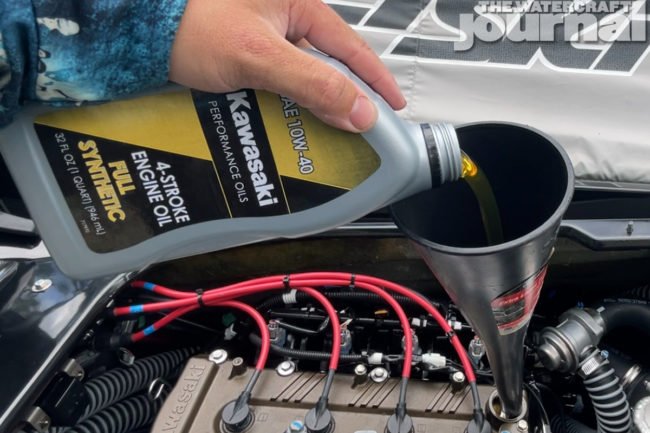
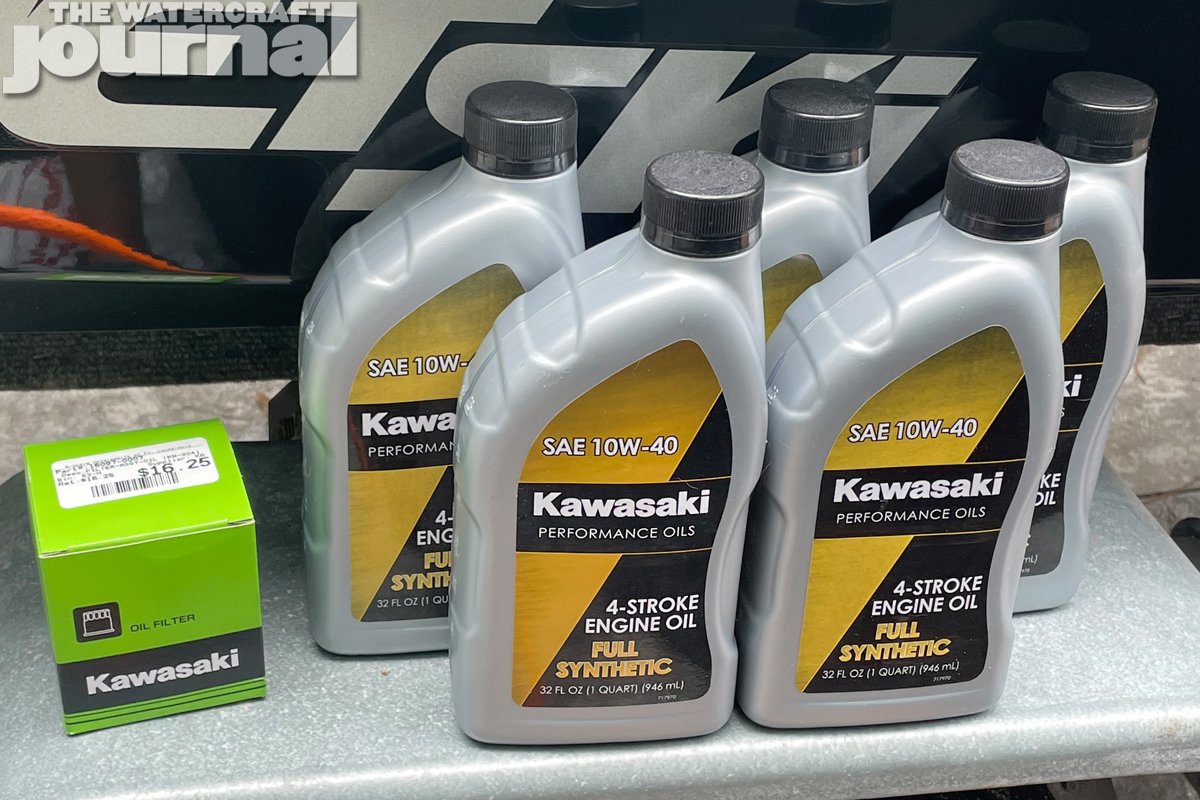
Before starting, ensure that you have the following tools and material available: 5 quarts of Kawasaki 10W-40 full synthetic oil, a Genuine Kawasaki Oil Filter (PT# 16097-0008), a vacuum oil extractor (the author uses an air powered auto-extractor), a small 9-inch level (to ensure that the engine is level), an oil absorbing pad (or paper towels), an oil filter wrench (band type or socket type), and a 10mm socket or nut driver.
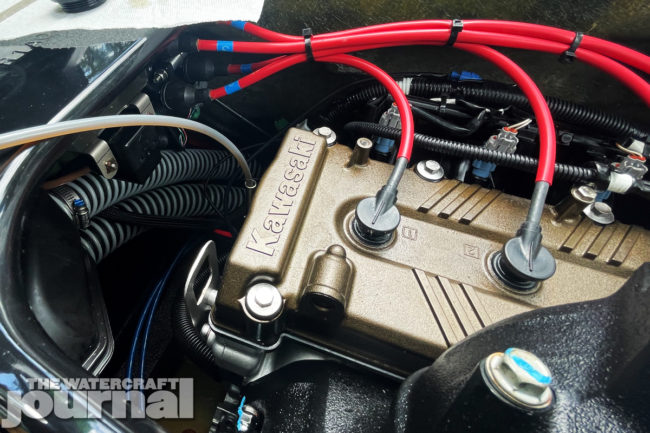
First, remove your seats and place them in a safe place. Next, using your 10mm socket or nut driver, remove the 6 stainless steel acorn nuts and washers holding your engine cover in place. Make sure to keep all hardware accounted for. Remove the engine cover by pulling upwards, and place it away from the ski. (Be sure not to knock the little rubber cap off the supercharger fogging port!)
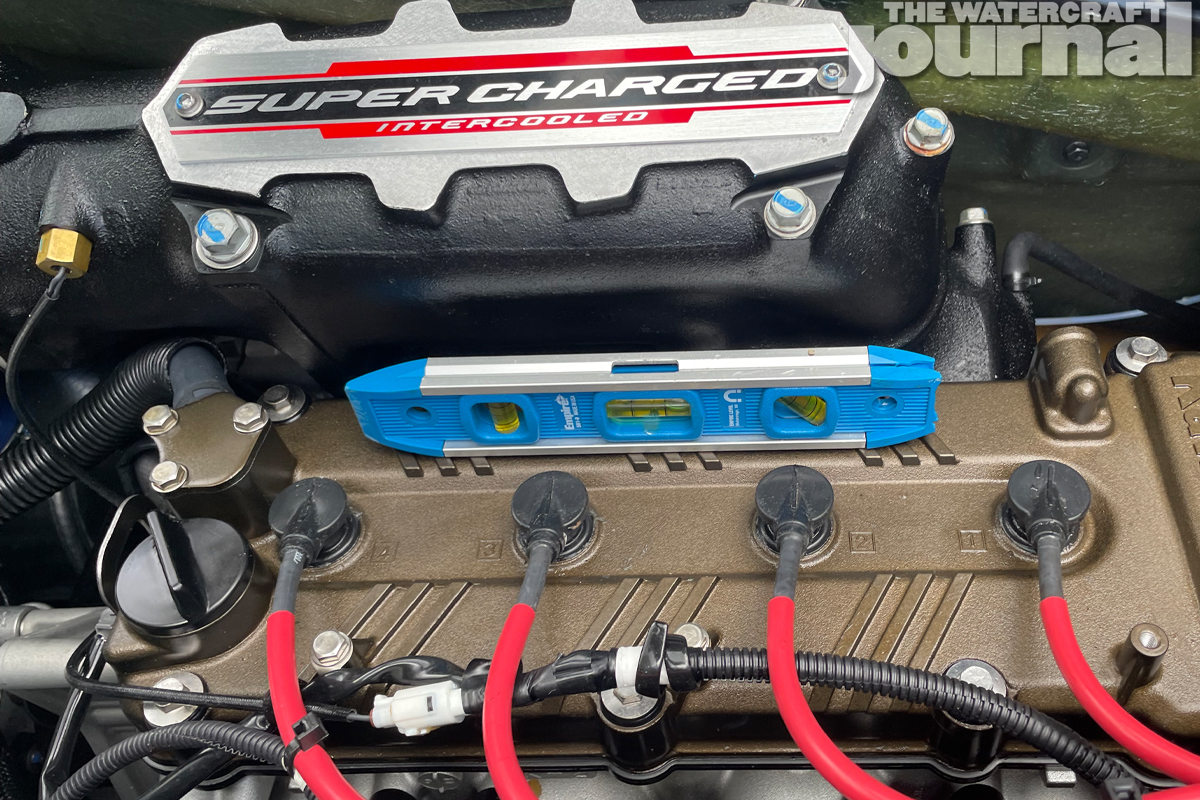
Place your level on the valve cover of the engine, and lower or raise the tongue of your trailer until the engine is level. Ensure that you level the watercraft port to starboard as well as fore to aft. Ensure that you are in a well-ventilated area, and start your ski’s engine. Connect your hose to the engine flush port (the dark grey flush port on the far-left side) and allow the engine to idle for about 2 minutes.
Never run your ski without cooling water for more than 15 seconds. Always ensure that your engine is running before the water is turned on. Once the engine has had ample time to warm up (you can monitor the oil temp rising), turn off the water first, then stop the engine. Now remove the dipstick and oil filler cap from the ski, and place them on a clean paper towel or surface.
Prepare your vacuum extractor, and snake the extraction hose down the dipstick tube. You should be able to extract about 4.8 US quarts of oil from the ski. The manual states that the ski has a total capacity of 5.8 US quarts – you will not be able to extract all of the oil from the engine. Make sure that you don’t allow any foreign material like dirt or sand to enter the engine. This can cause engine damage.
Some videos on the internet recommend punching a small hole in the top of the oil filter so that oil can drain back into the engine. Do not do this! This method may allow sludge or debris trapped in the filter to flow back into your engine. This method is not recommended by Kawasaki.
Place an oil absorbing pad underneath the filter, and proceed to loosen the filter by turning it counter-clockwise with your filter wrench. Remove the filter briskly, and try to limit the amount of oil that spills out. Clean up any spilled oil with absorbing pads (or paper towels) and dispose of them properly. There is a small catch-tray under the filer. Try to place paper towels or an oil absorbing pad in this area. It is a good idea to wear disposable gloves while doing this.
*The Kawasaki manual suggests removing the intake manifold for easier access to the oil filter, however this step is unnecessary and adds an additional 30-to-45 minutes to the job.
Pour a small amount of fresh oil into the new filter to prime the filter element. Next, using your finger, run a small bead of motor oil over the filter’s O-ring. It is a good idea to wear disposable gloves while doing this. Install the new oil filter, tightening it as much as you can by hand. Once the filter is hand tight, use your wrench to tighten the filter another half of an inch or so. Do not over-tighten the filter.
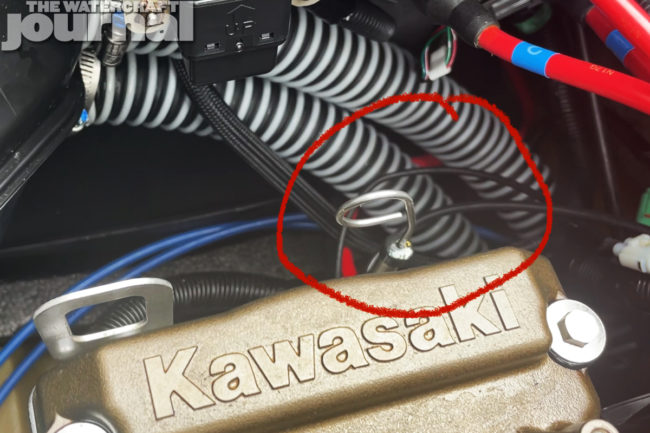
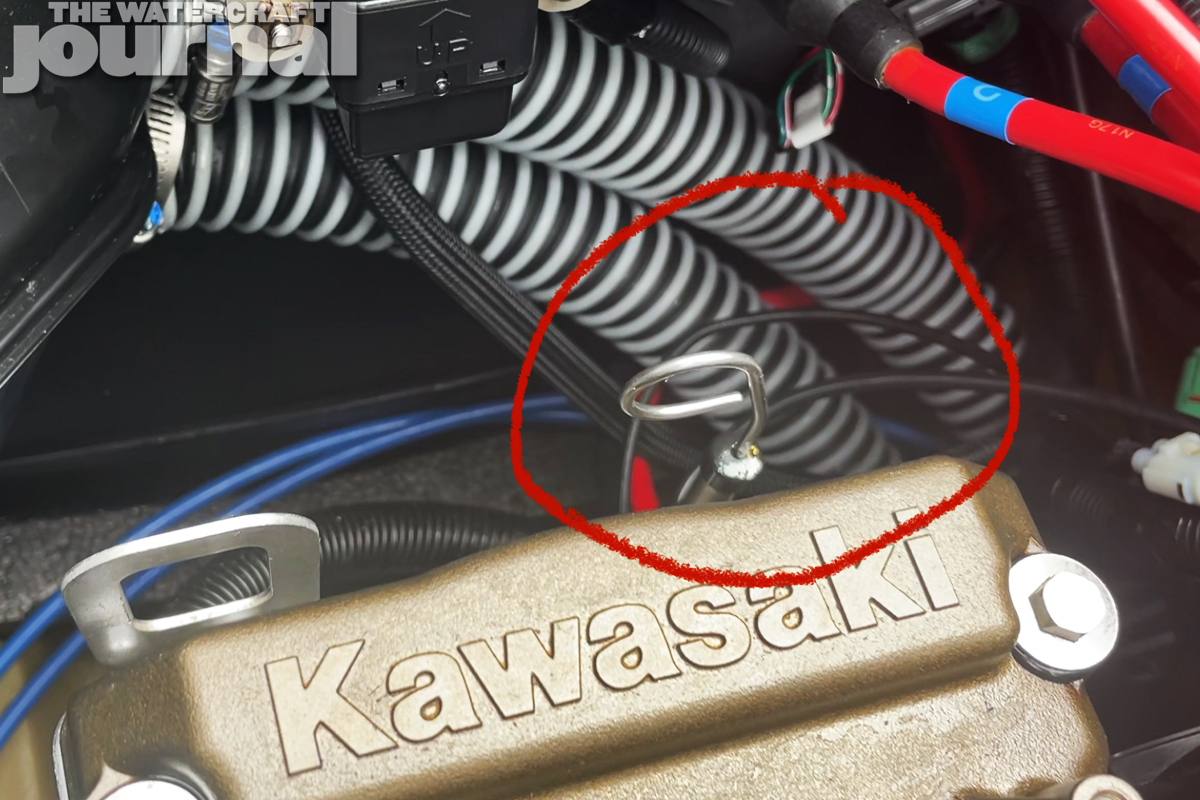
Using a funnel, add an amount of oil equivalent to the amount you removed into the top of the engine, then check the dipstick. The oil level should be just between the high and low levels on the dipstick, and may drop slightly after you run the ski for the first time, due to oil filling the new filter. Add or remove oil as necessary, and reinstall the oil filler cap and dipstick securely. Ensure that the “loop” on the top of the dipstick is facing the left or port side of the JetSki.
Run the engine for several minutes while flushing the cooling system. As mentioned earlier, remember to always turn the water on after the engine is started, and off before the engine is stopped. Shut the engine off, and check the oil a final time. Add or remove oil as necessary. Check that there are no oil leaks from the oil filter, and ensure that any spilled oil is sufficiently cleaned from the bilge. Dispose of all used engine oil, filters, and oil-soaked rags properly.
Kawasaki recommends the following procedure the first time the watercraft is launched after changing the oil: First, run the engine for several minutes. Then ride the JetSki and run the engine at around 5,000 rpm for 5 minutes. Stop the engine, and let the ski cool down for 10 minutes. Make sure the watercraft is securely tied to the dock, and is steady in the water. Ensure the gas tank is full.
Next, remove the seats and open the clear dipstick access port on the engine cover. At this point, there is no need to remove the engine cover. Check the oil level. Adding oil will require you to remove the engine cover- which can be done with a 10mm socket or nut driver. An emergency tool kit is included with the ski, in the bottom part of the front compartment, above the battery. Be sure to keep all hardware secured if you need to remove the cover while at the dock.
Log the oil change in the back of your Kawasaki user’s manual, and save all receipts so that you have proof that the oil change was performed. This author saves the cardboard sleeve from each oil filter, writing the engine hours on the box with a sharpie. If you have a warranty claim down the road, having documentation that proper maintenance was performed is absolutely necessary.
Kawasaki Full Synthetic 10W-40 Watercraft Oil exceeds SAE, SM, NMMA, FC-W, JASO MA and JASO MA2 standards. If you do your own research, you will see that this is one of only a handful or marine synthetic oils that exceeds all the standards listed above.
Note that this oil change procedure requires mechanical skills and special tools. If you are not comfortable with performing an oil change yourself, have an authorized Kawasaki dealer perform the service for you. Regardless of who performs your oil changes, check your oil level often, and keep an extra quart of oil in your ski or in your tow vehicle at all times. Always refer to your Owners Manual for maintenance intervals, oil types and capacities, and other important maintenance information.
We received a press release about riders from the United States, the Caribbean, Western Europe, and Australia making their way to Nassau, Bahamas for the P1 AquaX World Championships. The lineup of over 30 racers also includes two racers from the Cayman Islands. Seth Watler and Cline Glidden are the two riders who will represent the Cayman Islands.
Watler is a veteran of the sport and was the first Cayman Islands national champion. Glidden will compete in the ProAm class. The three-day event runs from November 4th-6th and is hosted by the Atlantis Paradise Island Resort.
Check out the full press release below:
Personal watercraft riders from the United States, the Caribbean, Western Europe and Australia will be heading to Nassau next week for the P1 AquaX Bahamas World Championship and the line-up will include two racers from the Cayman Islands. The iconic Atlantis Paradise Island resort will serve as the host destination for the three-day event (November 4-6) with the opening day including practice, testing and qualifying, followed by six races across the weekend.
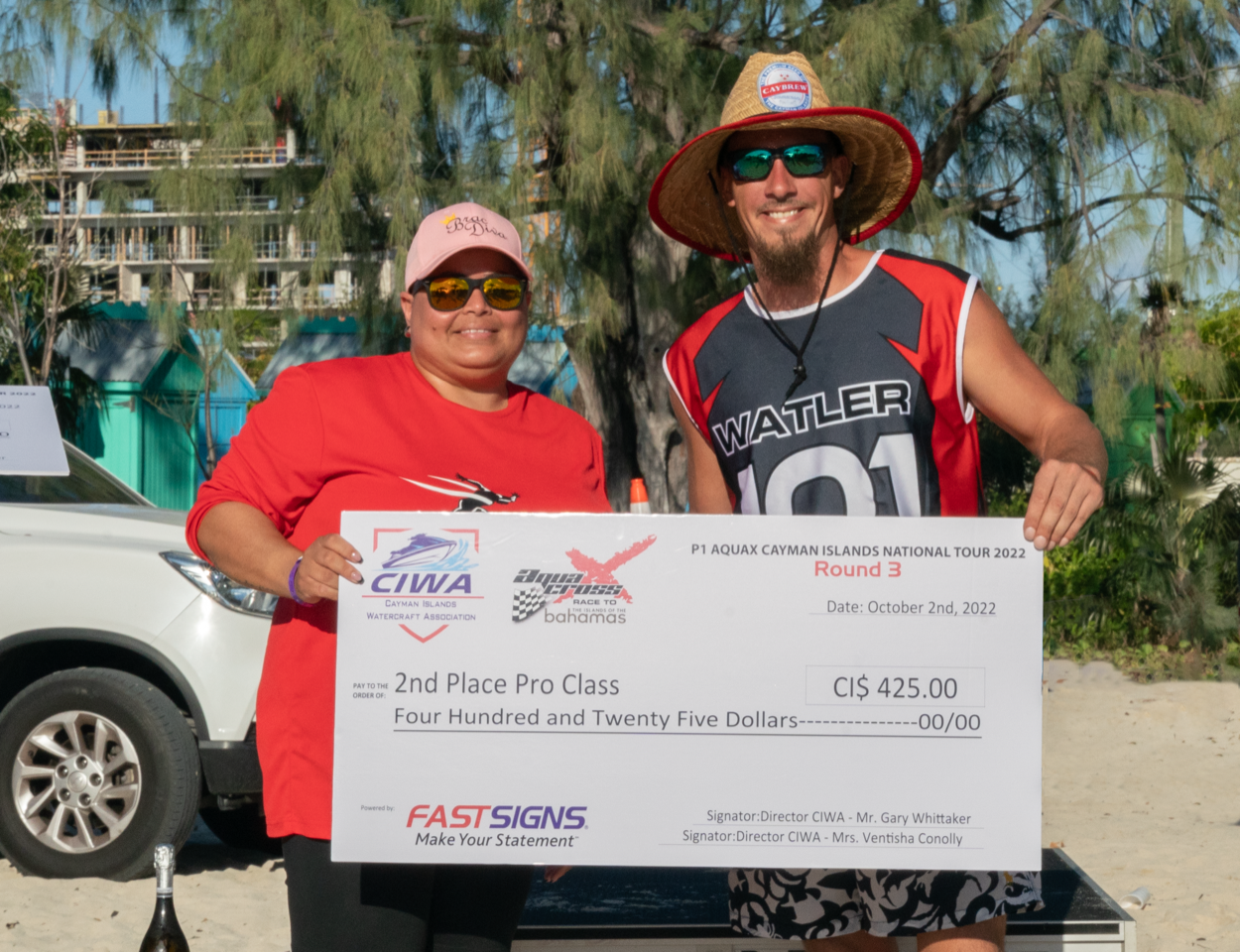
The World Championship will feature a total of more than thirty professional and amateur endurance riders, who have primarily qualified through performances in the USA national race series, and flying the flag for the Cayman Islands will be Seth Watler and Cline Glidden who qualified through the P1 AquaX Cayman Islands National Tour. Pro rider Watler is a veteran in the sport and was the first Cayman Islands Watercraft Association (CIWA) national champion before taking a few years off from racing. Competing in the Pro Am class will be Cline Glidden who has been at the top of amateur racing in the Cayman Islands for past few years.
CIWA President Chris Bodden said: “We partnered with P1 AquaX this year to stage a three-round series on Grand Cayman and we knew that this affiliation would push our riders and give them the opportunity to compete with the best endurance racers in the world. We know Seth and Cline will do Cayman proud and we will all be tuned into the action next week to cheer them on. I want to thank all of our sponsors, partners and supporters who made this all possible. Go Team Cayman!”
Ventisha Conolly, Events Manager at Cayman Islands Ministry of Youth, Sports, Culture and Heritage, was very pleased with this season’s National Tour and commented: “We saw some great competition on the water and the Ministry is looking forward to welcoming more young Caymanian racers, including female riders, to the sport.”
Thirty-year-old Watler was born and grew up in New Orleans and moved to the Cayman Islands when he was 11-years-old. He began racing in 2008 and became national champion two years later. He explains: “I grew up with the need for speed and rode dirt bikes back in Louisiana. I practice on the water at least once a week and do fitness training three times a week. In addition, I incorporate a supplemented nutrition programme into my fitness schedule.” This will be my first overseas race event and I have prepared well to compete in The Bahamas.”
Born and raised in the Cayman Islands, 25-year-old Cline Glidden started racing ten years ago and became the Am class national champion this year. “I attribute my success to being consistent and having a good team around me,” he commented. “I’ve competed overseas in a number of sports but not in personal watercraft racing, so I’m nervous but looking forward to racing against the best in the world.”
The Pro Enduro riders will be competing for the P1 AquaX world title, with the amateur racers battling for the P1 AquaX Amateur International Cup. The action will be broadcast in the United States on the Bally Sports Regional Networks and CBS Sports Network, with international coverage on leading sports channels in more than 100 million homes in over 50 countries.
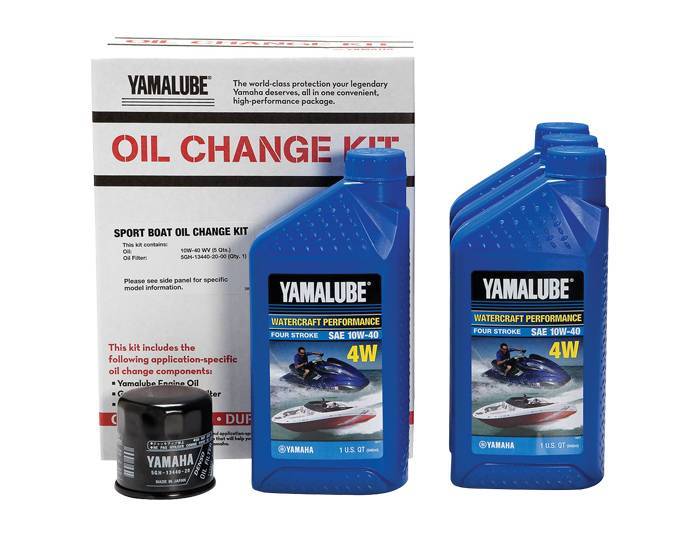
Broward Motorsports Racing has a sale on oil and oil change kits. The season is winding down for a lot of us with winter coming in fast. This sale is right on time for winterizing your PWC. The Yamalube Oil Change Kit is on sale for $43.99. The kit includes four quarts of 10W-40 Oil. Genuine Yamaha oil filter, and the necessary drain gasket. Everything is packed in the box for your convenience.
This kit is for Yamaha WaveRunners equipped with the four-cylinder 1.8 Liter engine only. If you only need oil for your WaveRunner, they have it on sale by the gallon or the quart. The Yamalube 10W-40 Mineral 4Q Watercraft Engine Oil is marked down to $20.99.
This oil is made for and approved for high revving powerful four-stroke WaveRunners. It will keep your engine from corroding and wearing out when riding in harsh marine environments. Purchase the Yamalube 10W-40 Mineral 4W Watercraft Engine Oil by the quart for $8.99.
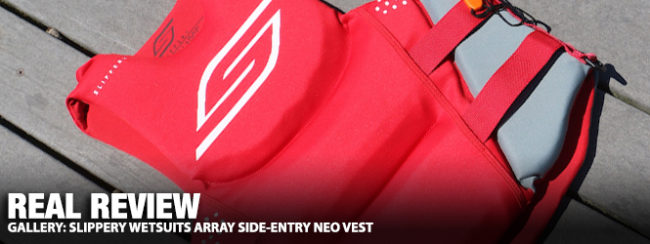
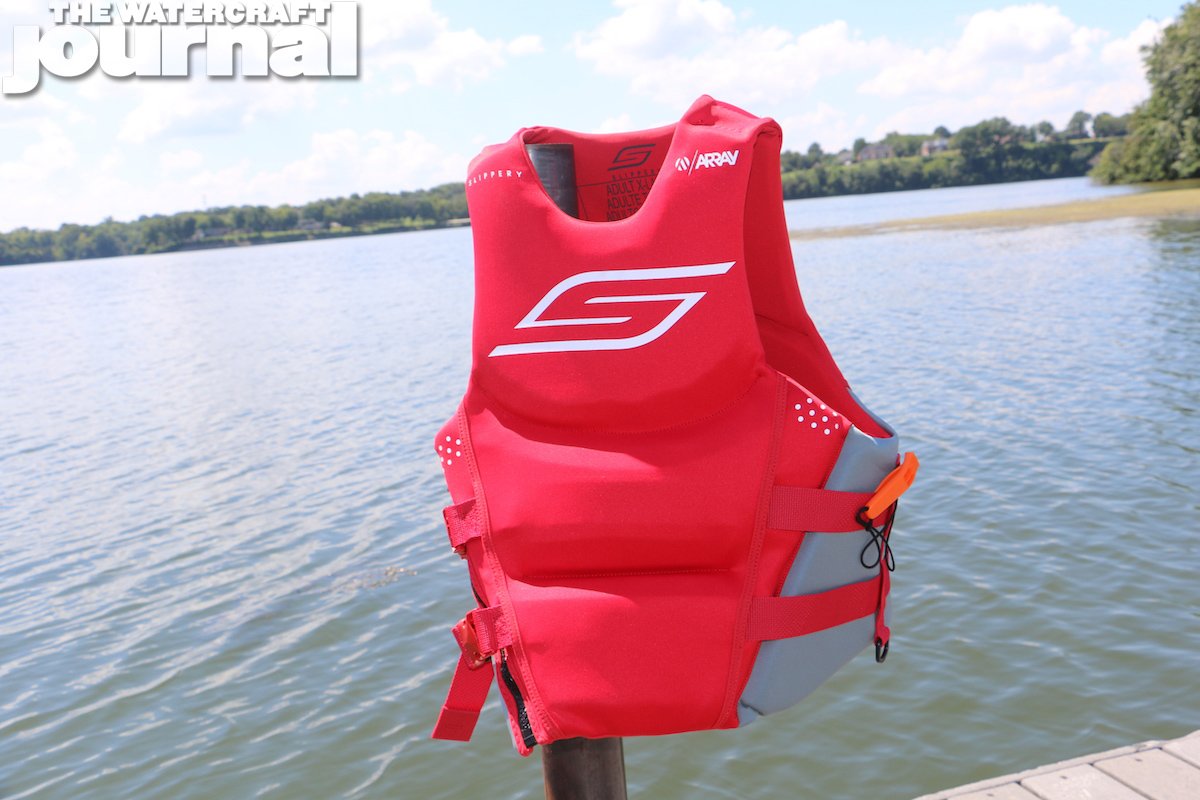
Competitors side-entry vests are often clunky, made from uncomfortable materials or brutally ill-fitting. And worse yet, they’re adorned with distracting doodads and features that distract from the single-most important characteristic of any riding gear: is it comfortable? It isn’t a difficult question to answer, but dang if people will continue to defend their poor choice because they’ve already paid for it, or they think they gain some sort of brand credibility when none are the case. A poor fitting, uncomfortable vest just plain sucks.
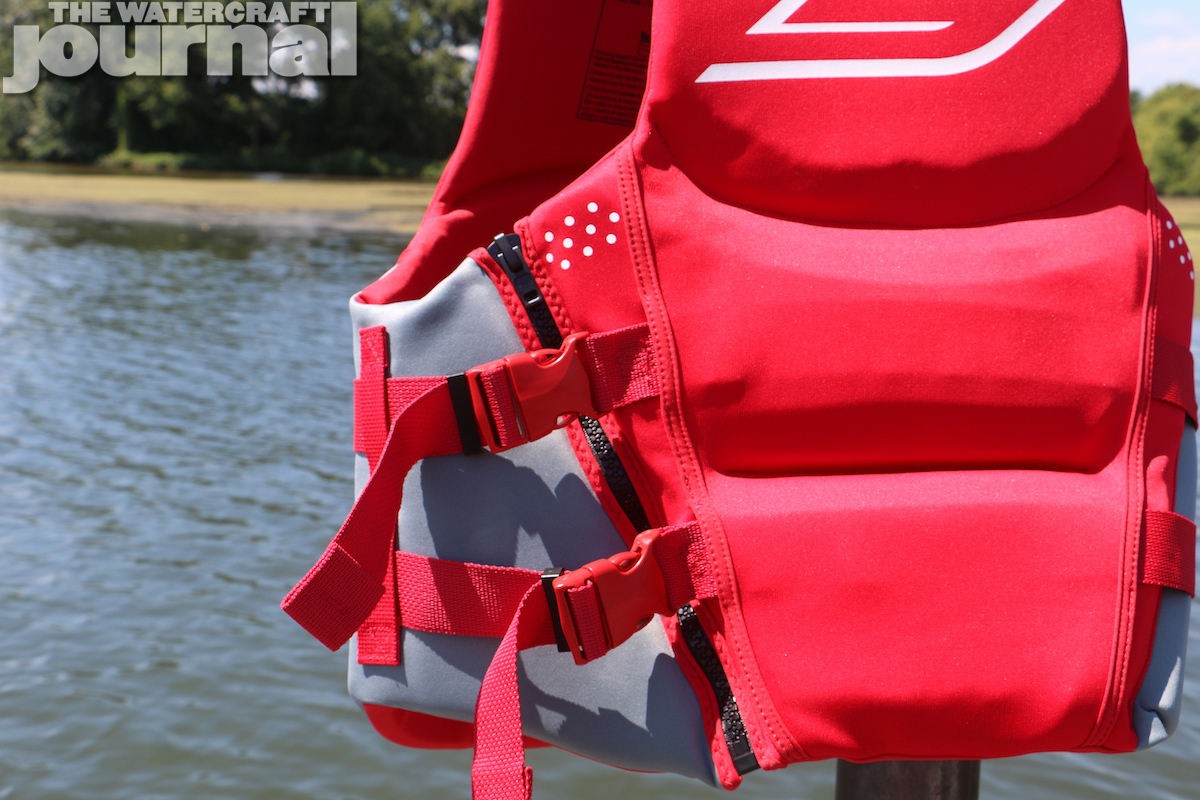
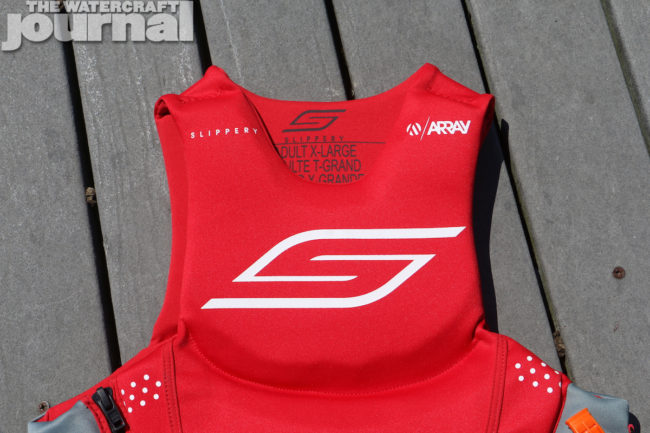
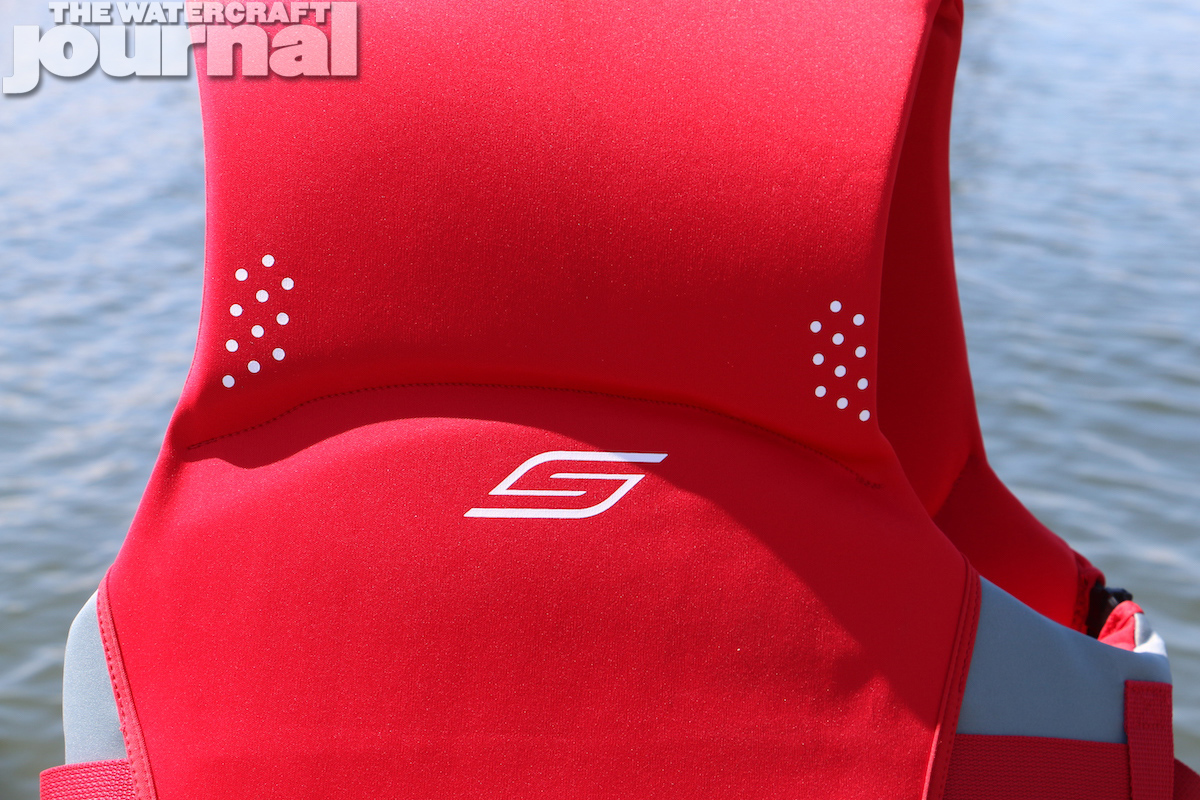
Over the years, Slippery has made several improvements to the Array’s construction, using super-comfortable, stretchy neoprene providing plenty of give and being comfortable on bare skin. Despite being a USCG-approved Type 3 vest – meaning its required to provide sufficient flotation to keep an unconscious person’s head above water – the Array Side-Entry is surprisingly slim and smartly cut.
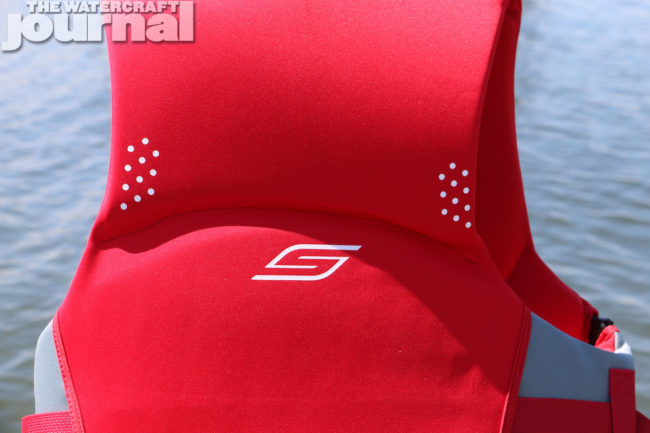
Optimal flexibility while seated is achieved via multiple hinge points molded into the EV foam panels. By breaking up the larger panels, Slippery designed a vest that looks more like flexible body armor than two slabs of foam strapped around your torso (again, like some other guys’ vests). The segmentation gives the Array Side-Entry fantastic range of motion; doubling over the handlebars to reach inside the front storage bin isn’t such an ordeal as many more cumbersome vests make it.
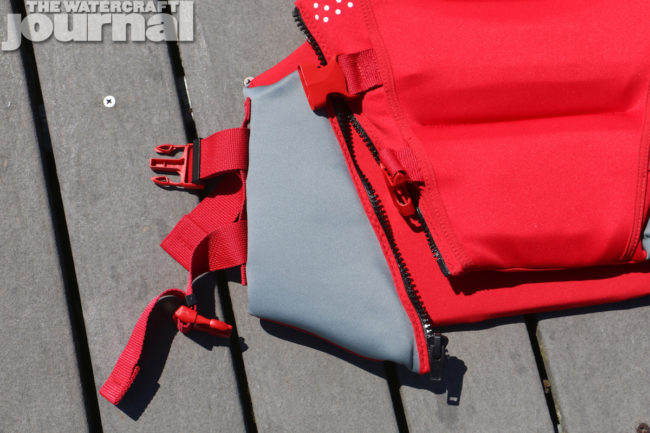
Large, open armholes and narrow shoulder straps gives the vest its wide range of arm motion. A wide neckline at the collar gives the head and neck a similarly wide range of motion too. Large 1-and-a-half-inch wide belts are tucked under the soft neoprene skin, capped with buckle closures that cinch tight. These snap over a thick-toothed, coated zipper, securing the opened side for easy entry. Slippery added a D-ring sown into the net webbing, and has included a tethered emergency rescue whistle too.
Personally, bright full-colored vests (and most riding gear) isn’t really our style but in preparation for riding the you’ll-never-find-me-out-on-the-ocean-Metallic-Mist-Green Sea-Doo GTX Limited 300 in the Intracoastal Waterway this summer, the bright red Array matched our Sunset Red UV-blocking Riding Jersey and helped us stand out like a landing beacon. Priced at $99.95, the Slippery Array Side-Entry Neo Vest offers a far superior fit and feel than the scratchy canvas-wrapped vests, is far less cumbersome and is surprisingly comfortable – all things we thought we’d never use to describe a life vest.
Powerboat P1 made the official announcement back in August that the 2022 P1 AquaX Bahamas World Championship would once again be hosted in Nassau at the Atlantis Paradise Island resort.
The three-day event is scheduled from November 4-6 2022, and marks the climax of the P1 AquaX personal watercraft race season. The event will feature a mix of more than 30 professional and amateur riders from North America, the Caribbean, and Western Europe. The opening day will include practice, testing, and qualifying, followed by six races across the weekend.
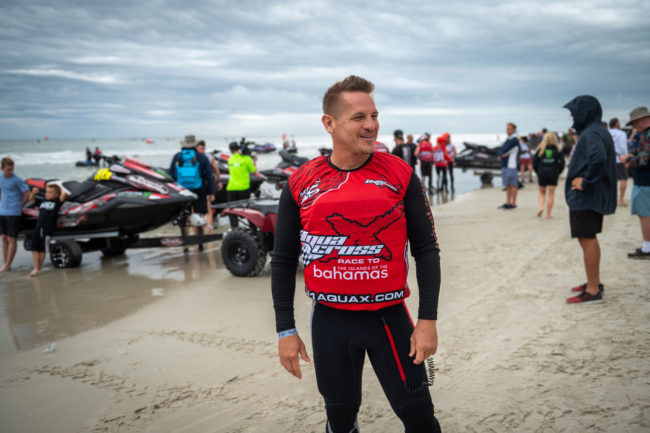
“Dubbed the GOAT or the Greatest of All Time by friends, colleagues and fellow competitors, veteran rider Chris MacClugage is the sport’s most decorated and highest winning world champion. He will be one the favorites in Nassau along with this year’s P1 AquaX Pro Enduro champion Jimmy Wilson from North Carolina.” According to an AquaX press release.
Image: P1 AquaX
Jimmy Wilson’s Broward Motorsports team-mate Dustin Farthing from Georgia and 2021 Pro class champion Erminio Iantosca will also be serious contenders at the event, according to AquaX.
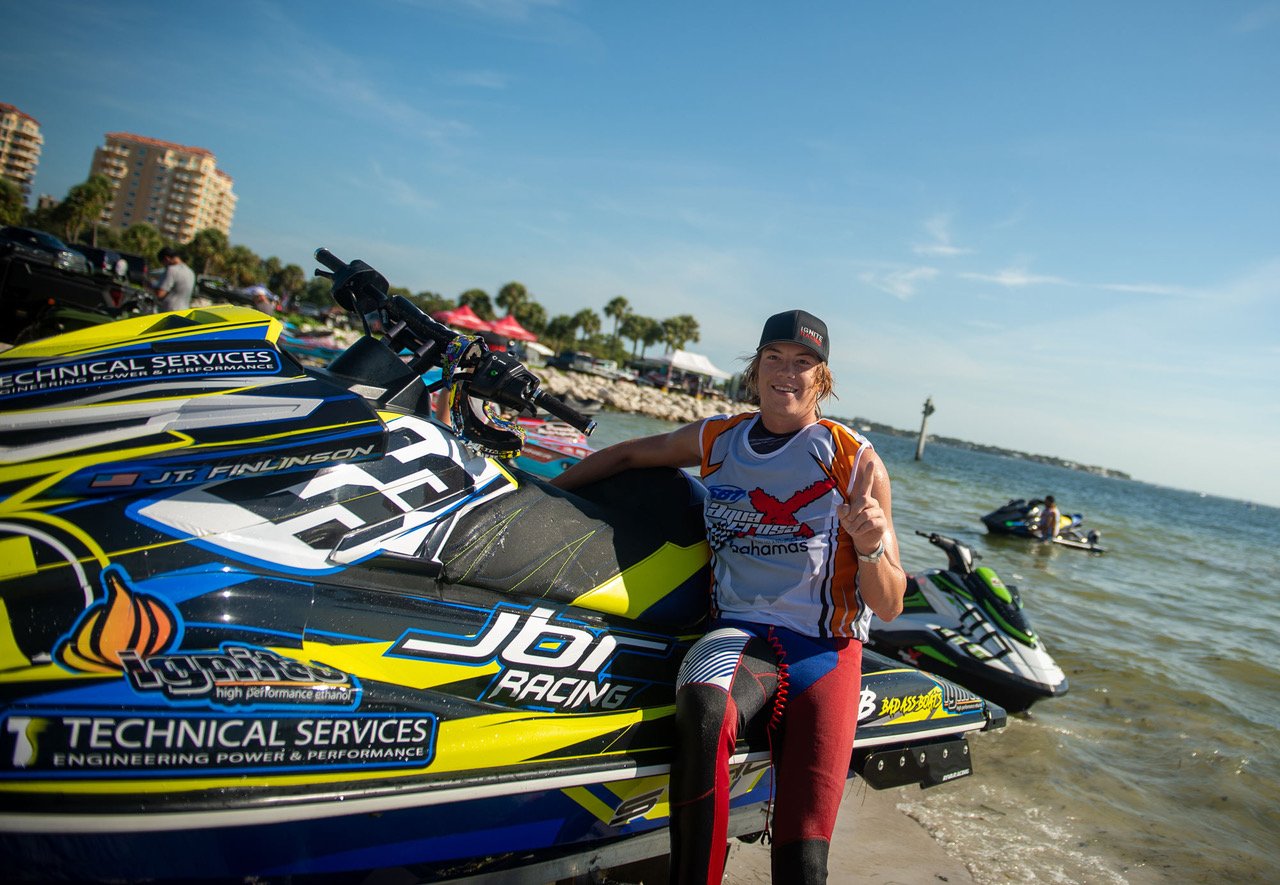
Thomas Favolini “The Flying Frenchman” returns to Nassau after the 2019 World Championship where mechanical problems knocked out his ski, while Jay Finlinson from Northern Indiana will be vying for the Amateur International Cup in the AM 300 Class.
The event will be broadcast in the United States on the Bally Sports Regional Networks and CBS Sports Network, with international coverage on leading sports channels in more than 100 million homes in over 50 countries.
Pro Watercross announced that the 2022 World Championships will be postponed until 2023; Hurricane Ian damaged the event venue and surrounding area, and local businesses and infrastructure would not be back online in time for the event.
Hurricane Ian made landfall in Southwest Florida on September 28, 2022 as a destructive Category 4 hurricane, causing widespread damage and flooding to the area.
Collier County/Naples in Florida drove the decision, as they manage Sugden Regional Park where the event was scheduled to be held this October.
Sugden Regional Park encompasses Lake Avalon – a 60-acre man-made lake & freshwater beach where the 2022 World Championship matches were scheduled to take place.
According to event organizers, “The storm surge caused inland flooding; Sugden Regional Park and area hotels and restaurants would not be ready for the event.”
“As you can imagine, these businesses are facing many obstacles and are working hard to open their doors again. We look forward to 2023 in Naples and wish everyone our best and a quick recovery,” PWX published in a written statement on their website.
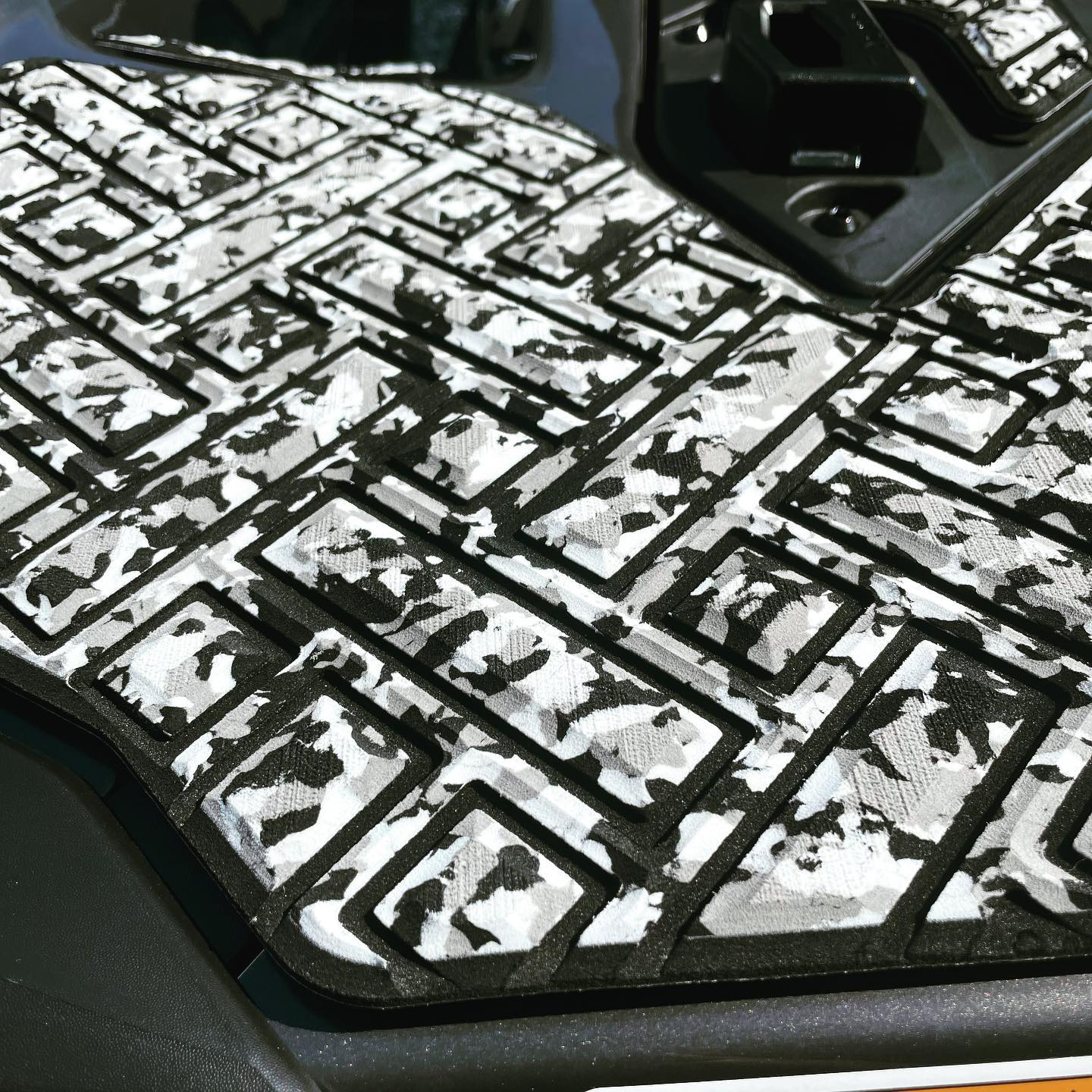
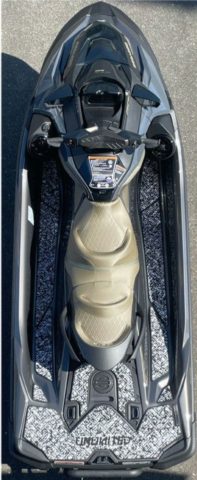
Unlimited Personal Watercraft Performance recently received some new products to customize your ski and to also make it hold the line better. New camo traction deck mats arrived for Sea-Doo models from 2019 and newer.
The mats are available for the RXT, GTX, GTX LTD, and Wake Pro 230. You can choose from black/gray, black/white, white/black, and brown/black.
These colors are in stock, however if you desire an out-of-stock color combo, it can be made to order. The fifteen-piece kit comes with an extremely durable, wrinkle resistant tape with excellent adhesive properties.
The mats have superb cushioning properties’ and are super grippy when wet. They are priced to move at $234.00.
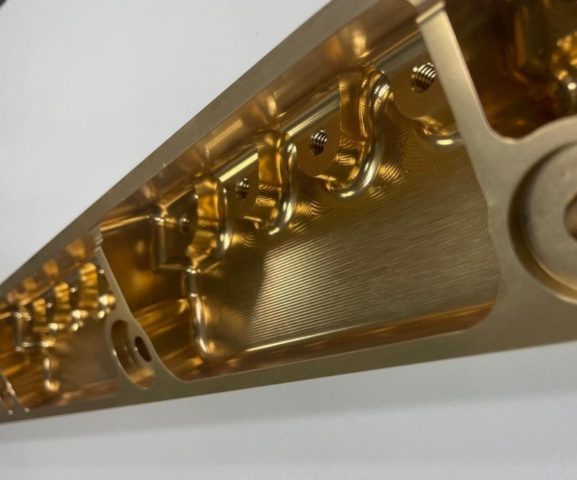
We covered Unlimited PWC’s new traction mats for the Kawasaki’s last month and he now has the new sponsons for the Kawasaki Ultra’s from 2007 and newer models. Improve your watercraft’s handling capabilities with a set of these shiny new full billet X-Sponsons.
The angle on the aluminum fins will provide the ability to hold your line better and with the stability of the wide fin, you should be able to shave off some time!
The sponsons can be adjusted to suit your style with their 12 different positions. All hardware is included in the package. The full billet X-Sponsons are available in silver, black, gold, red, and green and they look sharp!
The premium grade sponsons come in at $686 for a set. Check out the Unlimited PWC site for these products and other great stuff for your jet ski.
JetBrada Inc.has brought Radinn Jetboards to Canada as the authorized supplier. According to their website, JetBräda is an amazing group of people who got together to build a brand, but not just a brand… a brand that inspires people to explore nature through eco-friendly choices and having an absolute blast doing it.
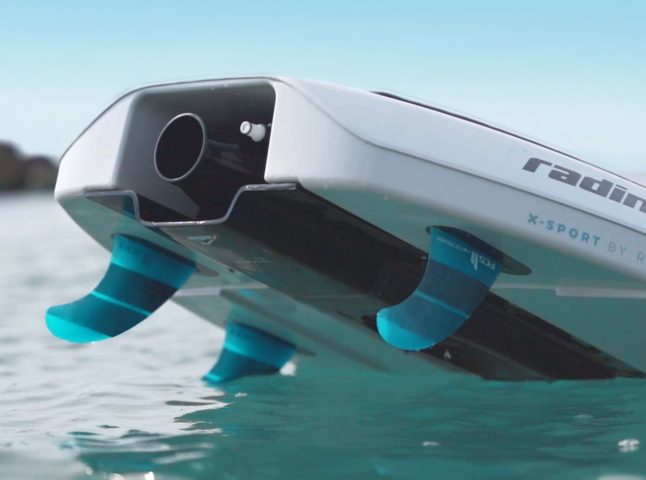
Radinn electric jetboards was a logical choice, with their 100% electric powered boards and zero noise output, which means less impact on nature.
Canada has hundreds of lakes to check out and explore with a Radinn jetboard. JetBrada offers the complete lineup of Radinn Jetboards and accessories, including a limited line of Radinn apparel.
The site offers the “build your board” feature and offers financing for your new ride. Financing is a great idea, especially if you want to purchase a top of the line Carve with the Pro upgrade and opt for the extended battery. It will cost you over $20,000. The jetboard kit has everything you need to get out there.
You get your board, battery, jetpack, charger, FCS fins, wireless hand controller, leash, and a bag. You can also opt for the all-purpose X-Sport and get on the water for around $13,000. This is the board that can take a beating and keep on cruising.
The Radinn crew and JetBräda are stoked to have Radinn Jetboards available and making new waves in Canada. This partnership further solidifies Radinn’s top spot in the electric jetboard category.
If you’re in western Canada, check out the JetBräda surf shop for your jetboard needs and they’ll be happy to turn you onto a Radinn electric jetboard. You might even get to go on for a demo ride before making your purchase.


 The stock speed of the same 310X was logged as 66.2 mph with a 0-65mph time of 6.97 seconds. With those results, the Stage 1 kit yielded a 7.1 mph improvement and shaved 1.6 seconds off the 0-65mph time.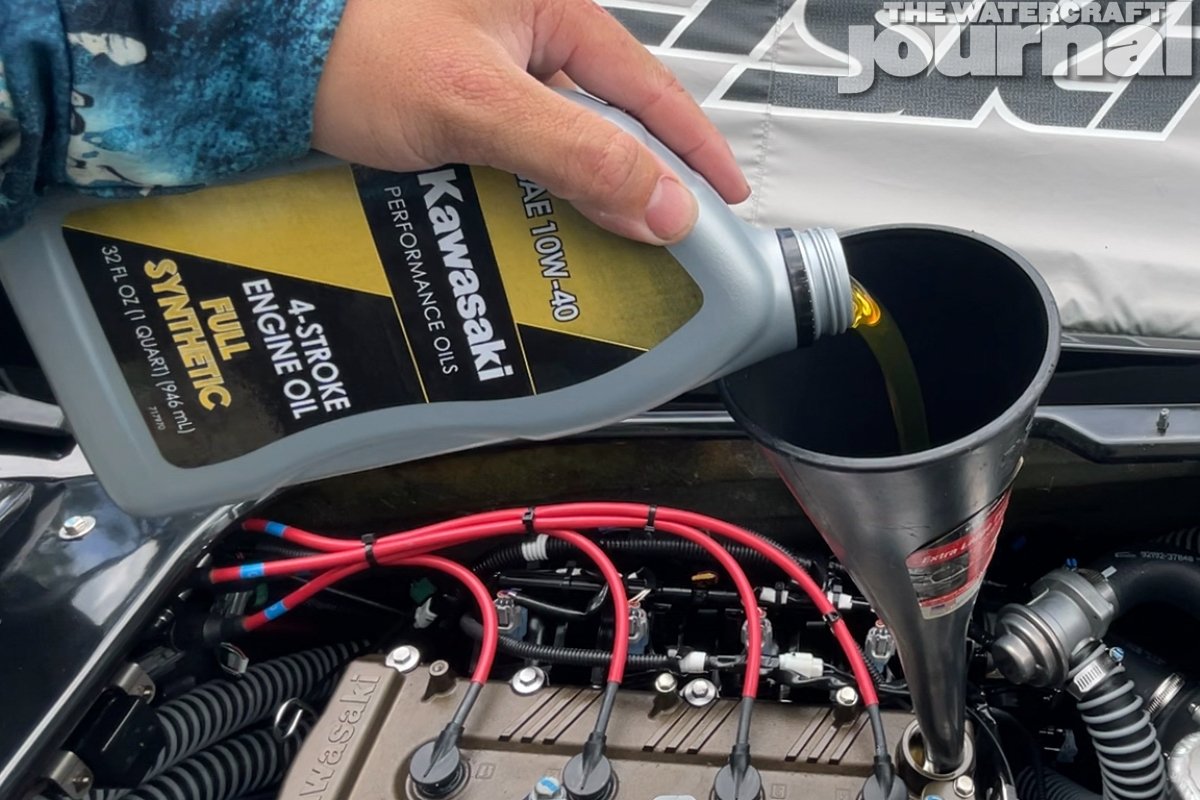













 The mats are available for the RXT, GTX, GTX LTD, and Wake Pro 230. You can choose from black/gray, black/white, white/black, and brown/black.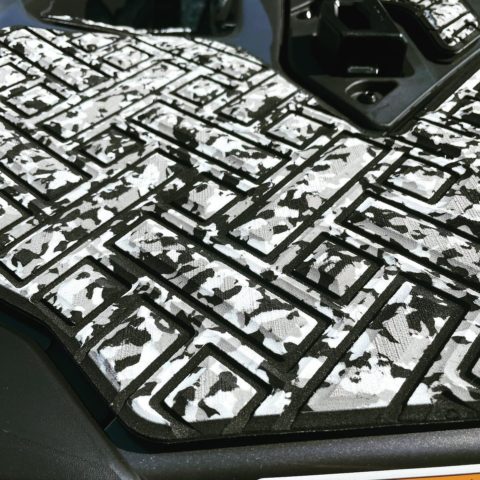

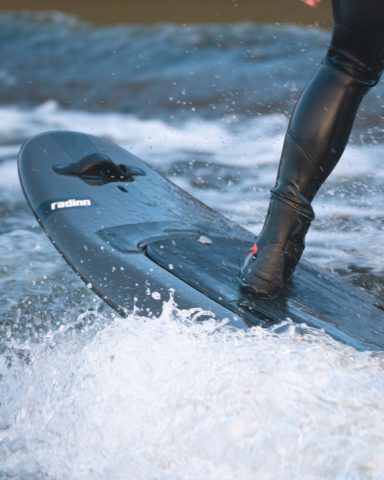 Radinn electric jetboards was a logical choice, with their 100% electric powered boards and zero noise output, which means less impact on nature.