Close-up Of Businessman Filling Customer Survey Form
It’s often said that “the squeaky wheel gets the grease,” so do the big manufacturers actually listen when customers give their honest feedback? As owners of both Yamaha and Kawasaki watercraft, we have dealt with both companies “customer research” departments and surveys.
The fact is that manufacturers are eager to accommodate buyers’ wants and desires, and are constantly trying to come up with the “next big thing.” By providing OEs with an honest evaluation of your new ski, you are helping them refine and improve their products and offerings.
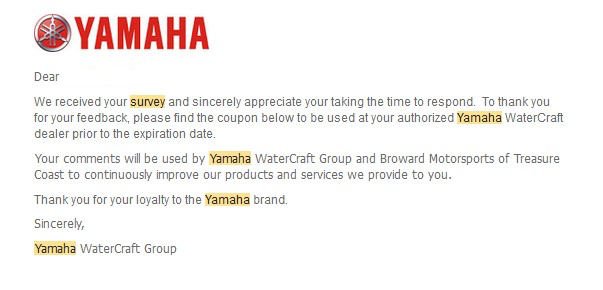
In 2020, after purchasing a 2021 Yamaha FX HO this author received a customer satisfaction survey from Yamaha. They were curious to know not only about our demographics and the expected use of our new WaveRunner, but they also wanted to know how we felt about the dealer experience, financing, and most importantly, the unit itself.
Yamaha offered a “$25 off a purchase of $100” coupon for completing the survey. While the offer itself was redeemable only in person at a Yamaha dealership, we were nevertheless eager to let Yamaha know how we felt about the new WaveRunner. The offer expired and we never redeemed it.
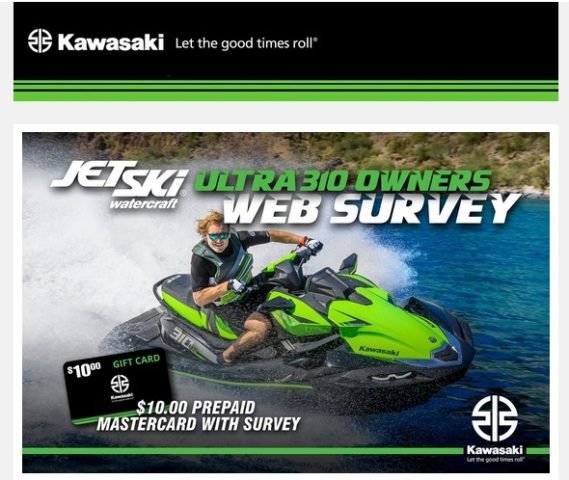
In 2022, after the purchase of our Kawasaki Ultra 310LX-S JetSki, we received a total of three separate consumer satisfaction surveys. The first survey offered a $10 gift card for completion, so naturally, we jumped at the chance to get some extra “pocket change” to spend on the new ski.
The next survey we received focused on the performance and functionality of the JetSki, asking very specific questions about the engine’s responsiveness, the comfort of the seat, and the position of the handlebars. This particular survey offered the chance to win a $1,000 gift card for completing the survey. Sadly, we were not a winner.
We were pretty surprised when a third Kawasaki customer survey arrived, promising another $10 Mastercard for completion. This survey collected a variety of demographic information, as well as asking us to rate a wide variety of features, functions, and components. They provided a text box to provide feedback about any issues we were having with the new ski.
Between Kawasaki and Yamaha, Kawasaki sent out the most detailed surveys with the best incentives for completion. This shows us – as a customer – that Kawasaki values our opinion and is eager to provide customers with the best possible product. While Yamaha was first to reach out for an opinion, their incentive to complete the survey was less enticing and the inquiries far less in-depth.
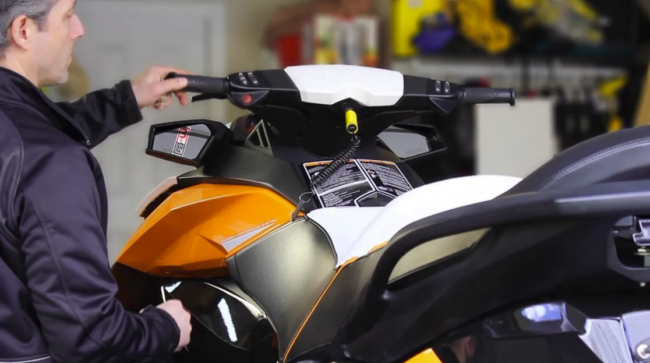
The season is ending for a lot of us and it’s time to store the Sea-Doo until next year. A recent article in Sea-Doo Life provides an easy step by step guide on how to winterize your Sea-Doo. It’s important to properly prepare your PWC for long-term storage. If you don’t do it right, you could be looking at serious problems like battery failure, gummed up fuel systems, and other damages can occur.
Winterizing is especially important if you live an area where temperatures drop below freezing. Do it yourself winterization isn’t too complicated, and many people can perform it themselves. Follow the steps and if you run into trouble, consult your local Sea-Doo dealer for assistance.
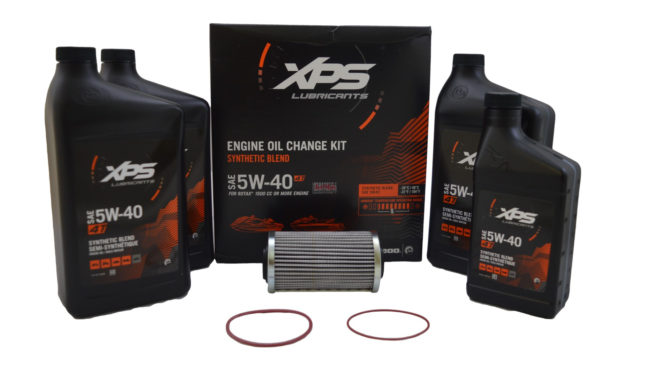
You’re going to need a few items before you get going. XPS Anti-Corrosive Lubricant will do wonders for your jet pump, plugs, and spark plug holes. XPS Fuel Stabilizer will keep your fuel system clean and ready to go for next season. An XPS Oil Change Kit is also necessary for you to be ready ride again.
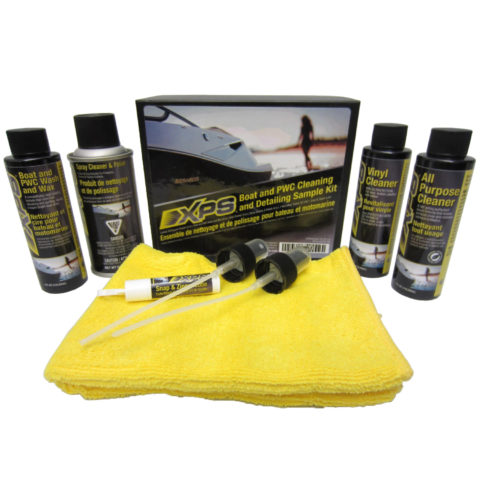
For maintaining a charge on your battery, purchase a battery charger and hook it up. You’ll also need XPS cleaning products for your watercraft. If you plan to store your Sea-Doo outside, a proper cover or tarp is necessary to protect it from the hot sun, weather, and mold. Following all the winterization instructions will have you ready to ride when that first nice day arrives next season.
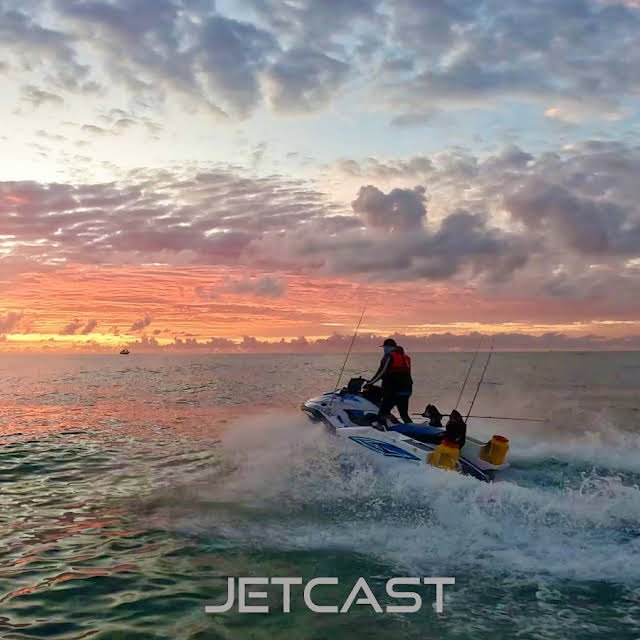
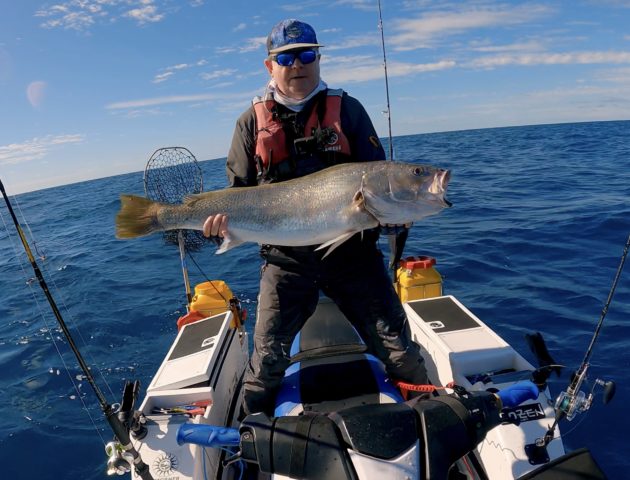
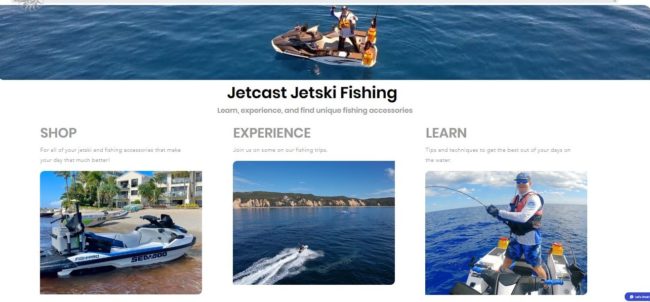
When it comes to PWC fishing, Jetcast out of Queensland, Australia pushes the limits of this growing sport. Paul “Hayzey” Hayes and his team share their passion through a massive library of videos, articles, tutorials, and training, while their online store features an exclusive catalog of purpose-based PWC fishing essentials.
You can usually find Paul out on his 2019 Yamaha Waverunner FX HO, equipped with “Tubbies” fishing pods, Garmin Sounder/GPS, a GME 25W Marine VHF radio, and a variety of other specially installed accessories.
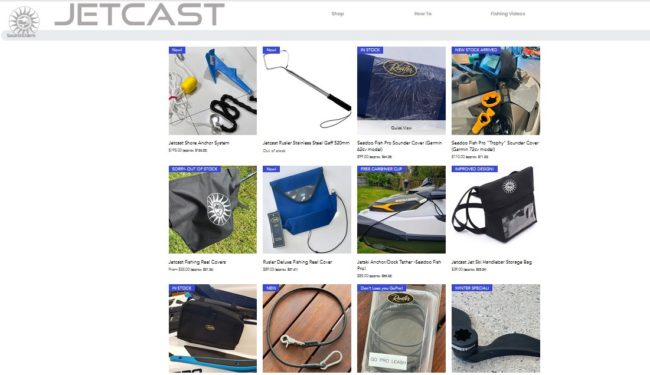
Many of these purpose-based accessories are now available on Jetcast’s new website, which “includes products from other great manufacturers, several who are increasingly listening to our needs and making unique products specifically for the Jetski Fishing market,” says Paul.
Some of the quality items featured on the Jetcast store include Rusler custom-made sounder covers, storage bags, and deluxe reel covers. They also feature a wide variety of Railblaza mounts, accessories, and navigation kits for both Yamaha and Sea-Doo watercraft.
Many of you reading this article have likely lost rods and reels – not to mention expensive GoPro cameras! Don’t become a statistic; Jetcast offers quality bungee rod tethers to secure your valuable gear, plus durable leashes for your GoPro.
While Paul and team were sad to see the “Jetfisher” brand go, they wanted to avoid any conflicts with Yamaha Motor Corporation, who holds the “Jet Fish” and “JetFish” trademarks.
Whether you ride Sea-Doo, Yamaha, or Kawasaki, or fish from a boat, Jetcast has something for everyone and is sure to enhance your experience out on the water. Check them out on YouTube, Instagram, and Facebook, and visit their new website at www.jetcast.au.
It’s time to gear up with Sea-Doo apparel and while you’re at it, replace some of your old life jackets. Sea-Doo has a limited time offer of 20% off their apparel and PFDs. Take advantage of the timing of this sale and mark some people off your Christmas list or buy some stocking stuffers. They have sunglasses and goggles that would fit nicely in a stocking. A new wetsuit or riding jacket and pants can be picked up for a steal.
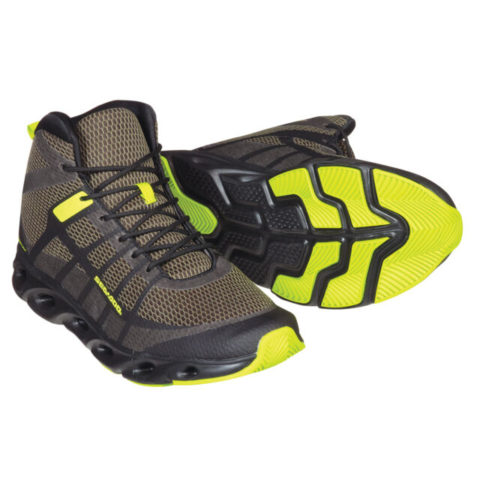
They have a couple of styles of lace up mid-cut boots and also heavy duty 5mm neoprene boots marked down to $47.99. It’s cooling off and a new hoodie is nice to have during those crisp mornings in the fall. They’re great to throw on for a morning surf check or loading up the jet ski to get that last bit of water time in before the season ends.
The price points for men’s hoodies are $43.99 for the standard cotton blend zip up hoodie with the kangaroo pocket. You can splurge on the Sea-Doo Sunset Tech Zip-up with the nice chest zip and polyester/Spandex blend. It will cost you $79.99. Don’t wait to grab some new Sea-Doo gear because this sale won’t last long! Head over to the Sea-Doo website right now or hit up your local Sea-Doo for new goods.
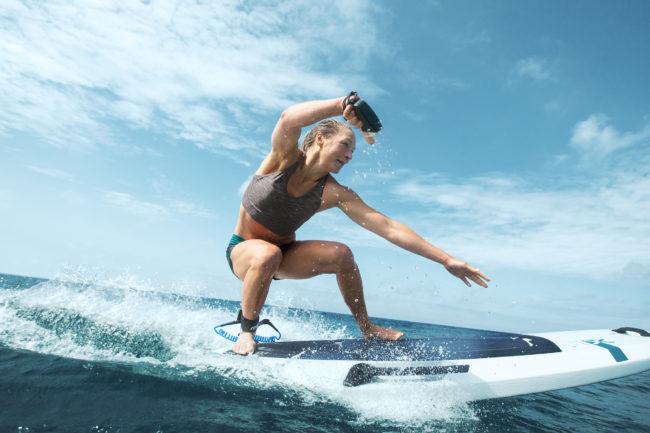
The Watercraft Journal received a press release from Radinn announcing their approval to bring the X-Sport to market as a rental, making Radinn the first to bring an electric jetboard into the rental industry. The crew spent years testing and developing the Radinn X-Sport model to get it ready for the rental market.
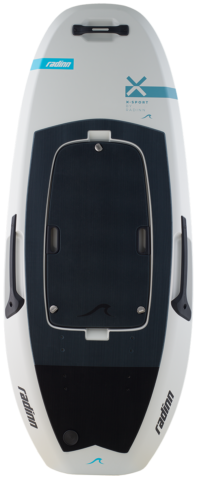
The X-Sport is the company’s most durable and stable model, which makes it perfect for rental purposes. The battery is on point as well, as it is the only battery in the industry that can withstand multiple charges per day. Radinn’s venture into the rental business brings them closer to their goal of bringing surfing to everyone.
“Our vision as a company is to bring the dream of surfing to the people, regardless of weather, surf experience or location,” says Chief Product Officer Martin Malmqvist. “We are excited to increase access to the sport and become the first company in the world to offer a rental-ready and warranty-backed jetboard.”
Read the full press release below:
Malmö, Sweden: Radinn, the world’s first mass-produced jetboard company, today announced that their X-Sport model is approved for rental purposes. The news, which comes after years of extensive testing, developing a surf club proof of concept and R&D protocols, opens up new possibilities within the tourism and water sport markets.
“Our vision as a company is to bring the dream of surfing to the people, regardless of weather, surf experience or location,” says Chief Product Officer Martin Malmqvist.
“We are excited to increase access to the sport and become the first company in the world to offer a rental-ready and warranty-backed jetboard.”
Released late last year, the X-Sport has seen continuous improvements to its driveline and software. This has increased the overall stability of the jetboard, specifically when it comes to safety and the lifetime of the battery.
Says Malmqvist, “Our latest electronics and software development means more resistance to duress of different types. We’re currently the only player in our sector that offers a battery capable of withstanding charging and depleting several times a day, as is common in a rental situation. Our new warranty reflects this use case, so rental companies can feel confident in expanding their portfolio with this completely new and fun activity.”
The Radinn X-Sport starts at $12,995 / €13.145 excluding VAT and is available for purchase online.
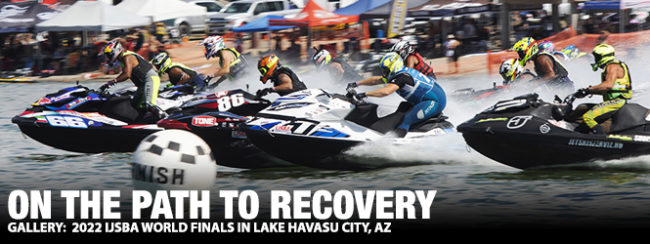
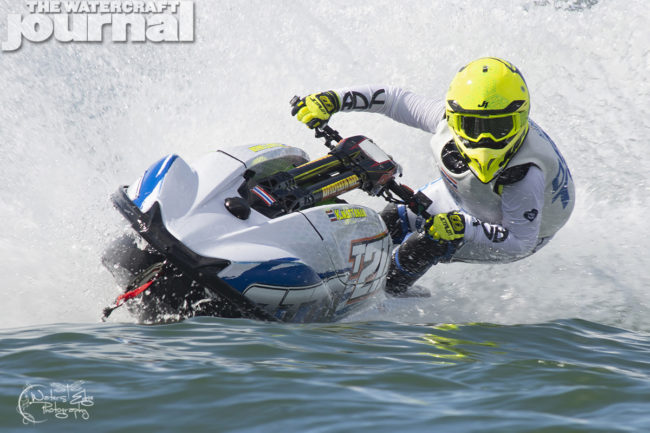
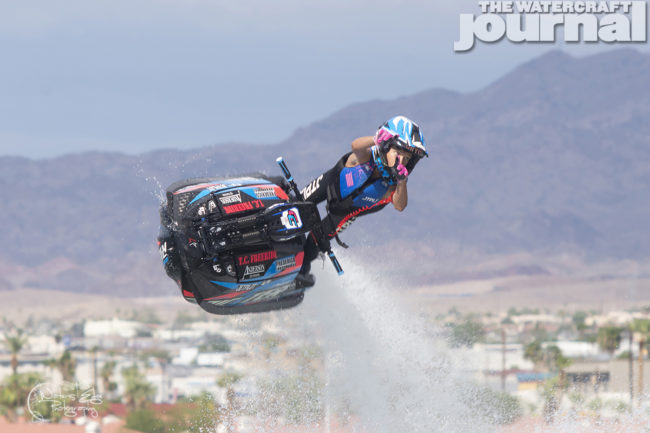
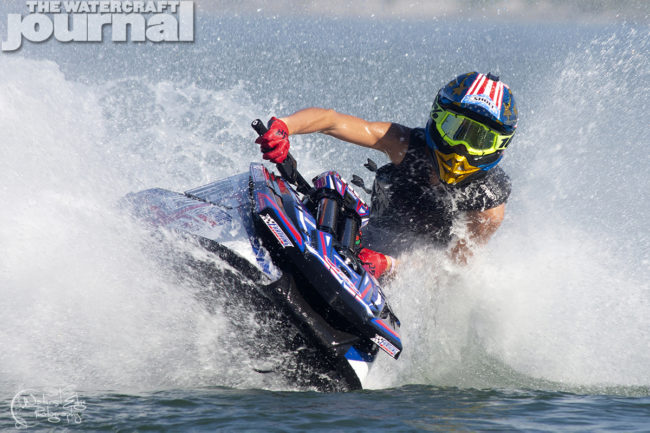
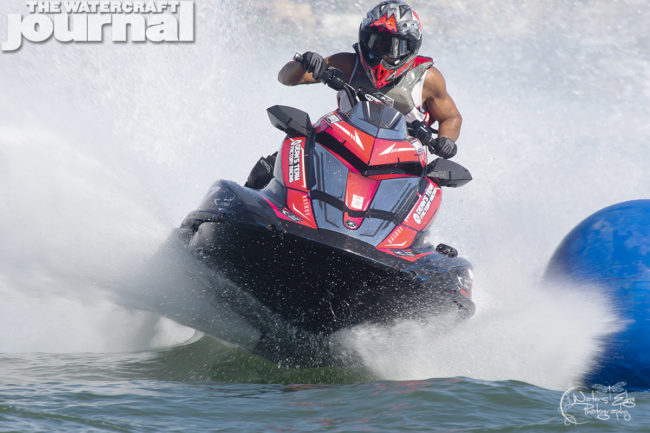
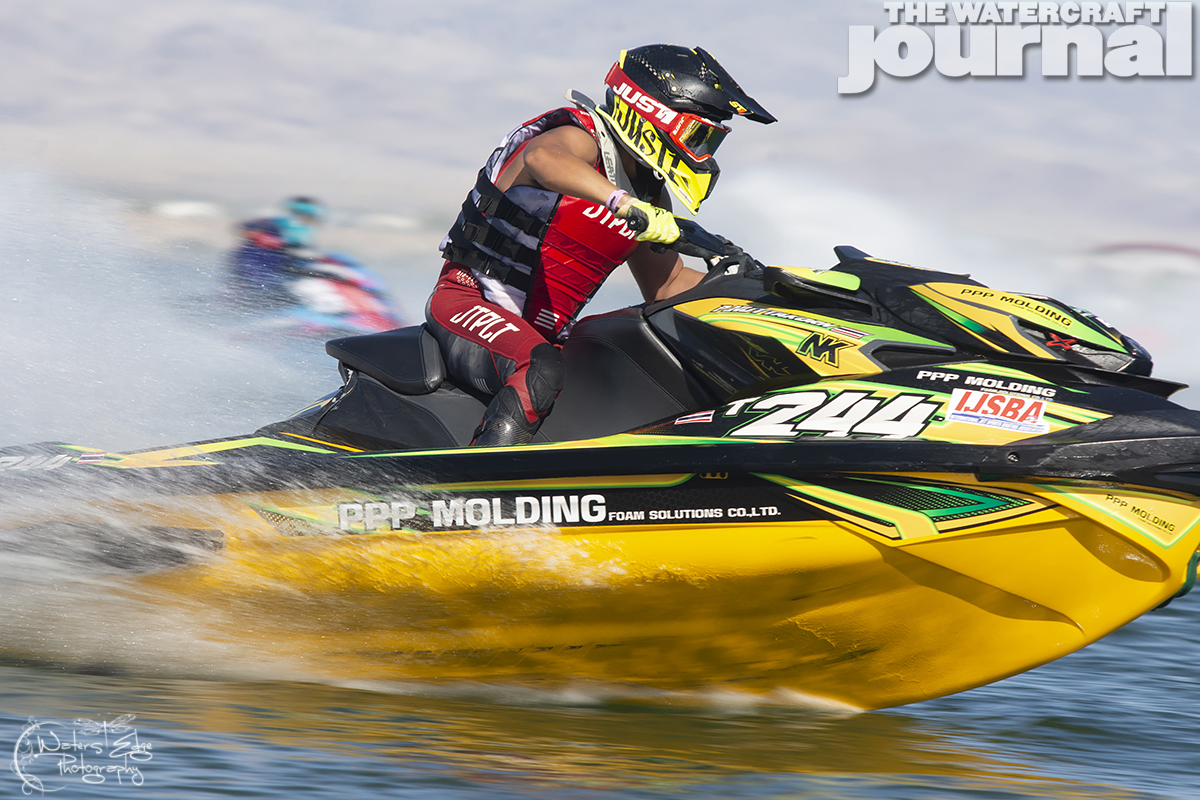
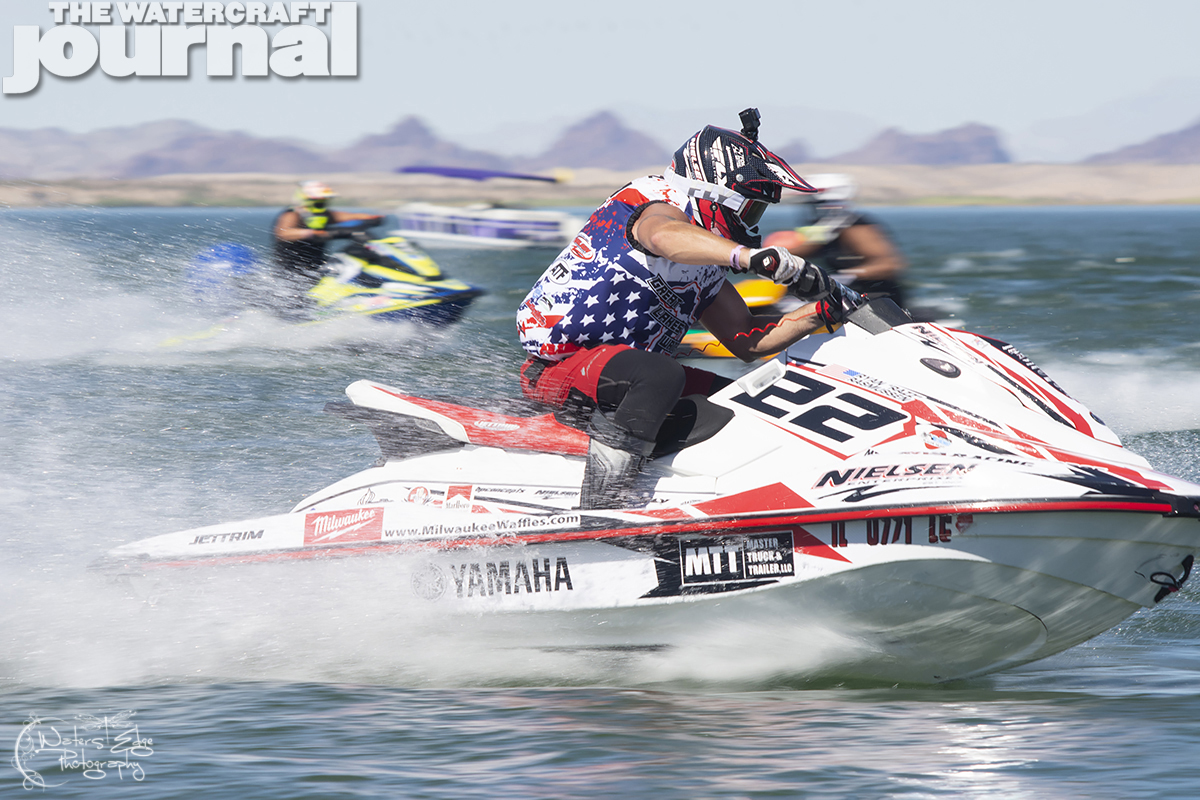
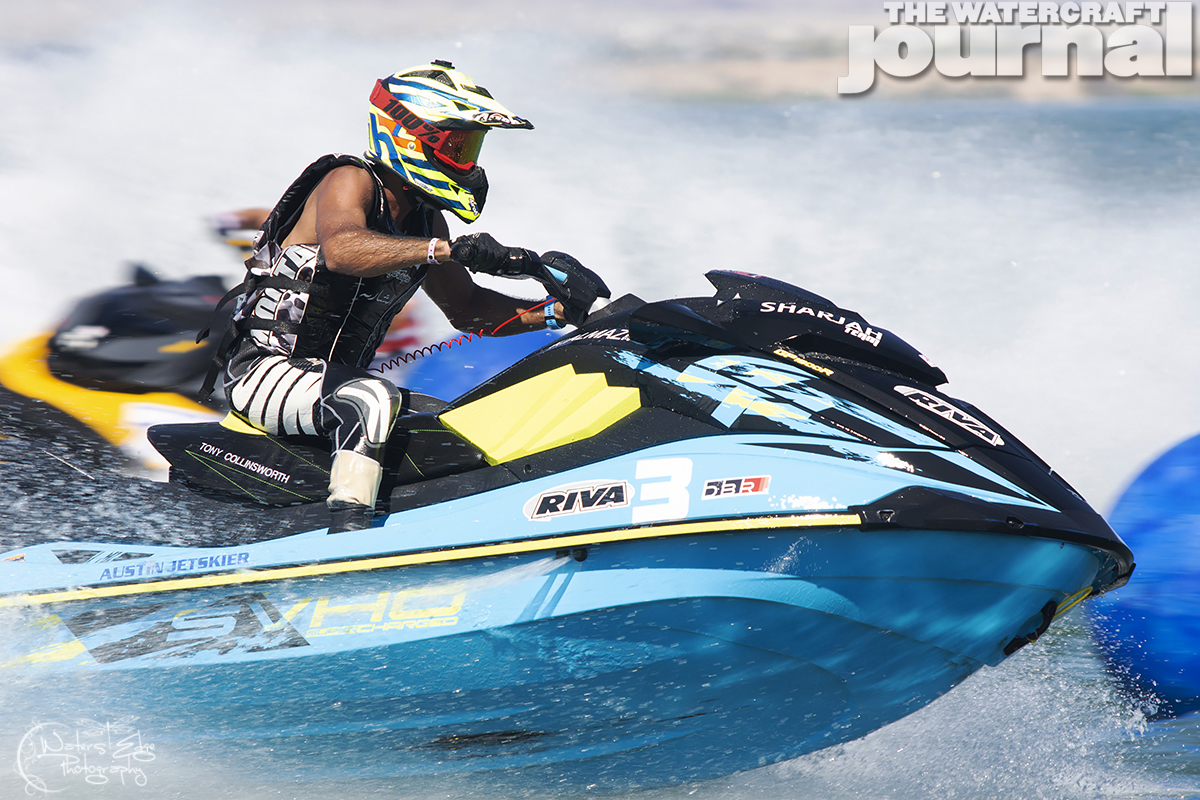
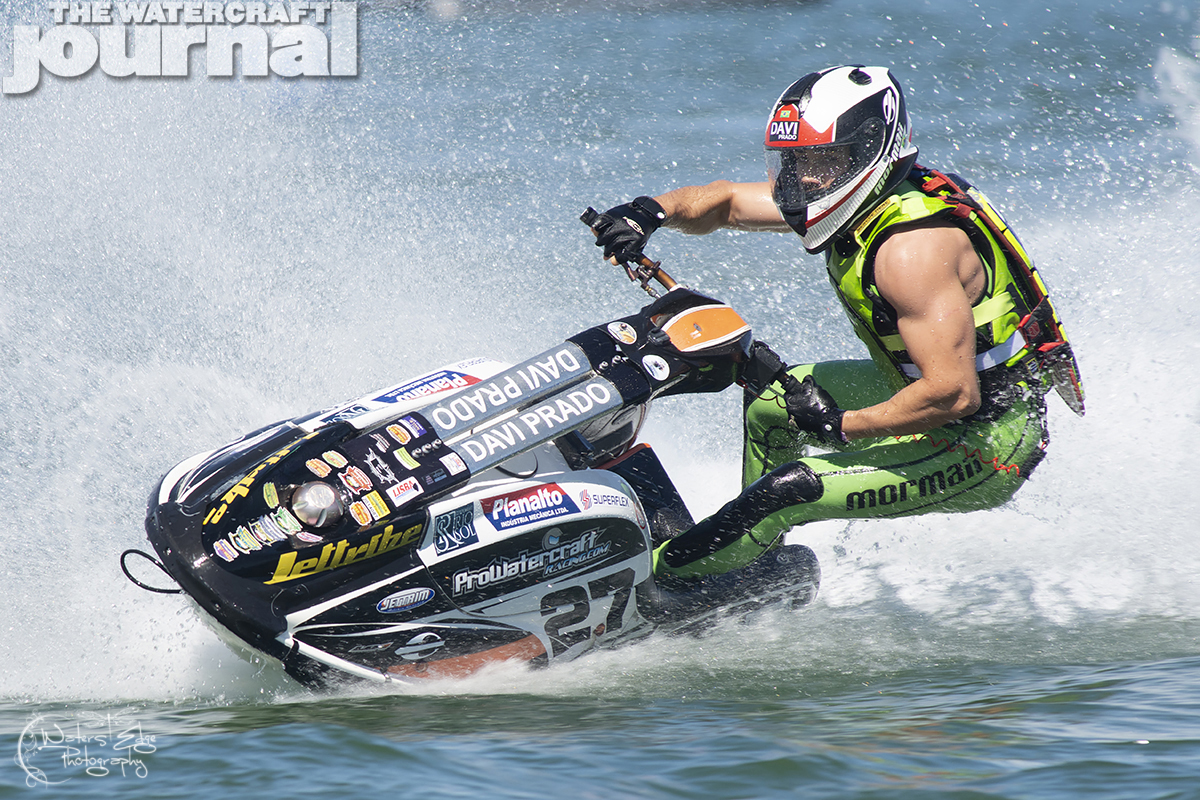
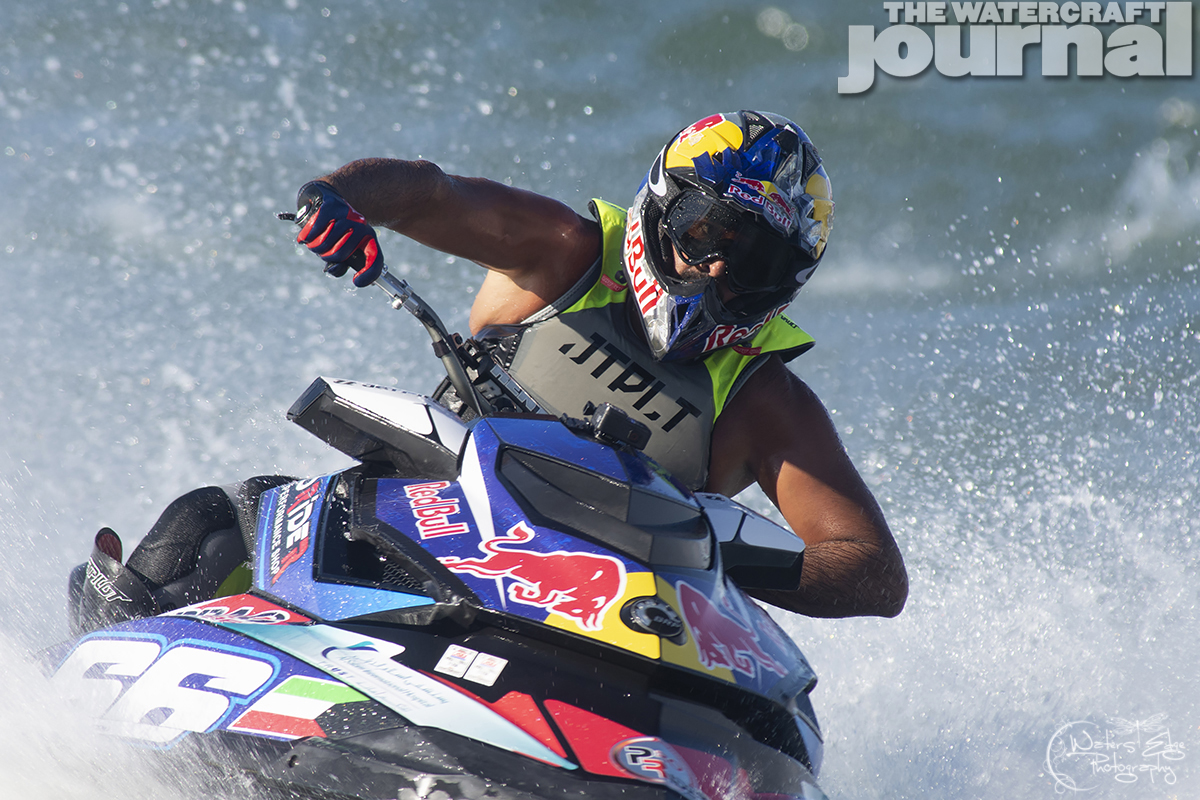
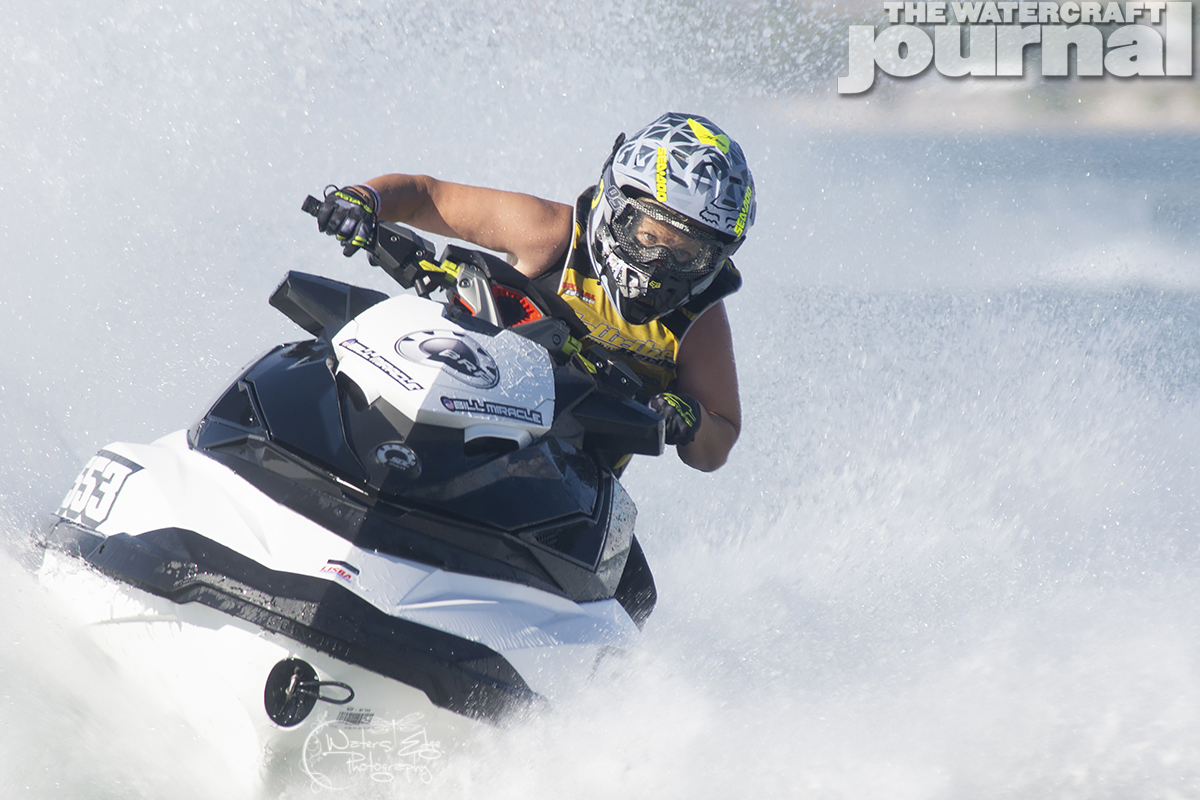
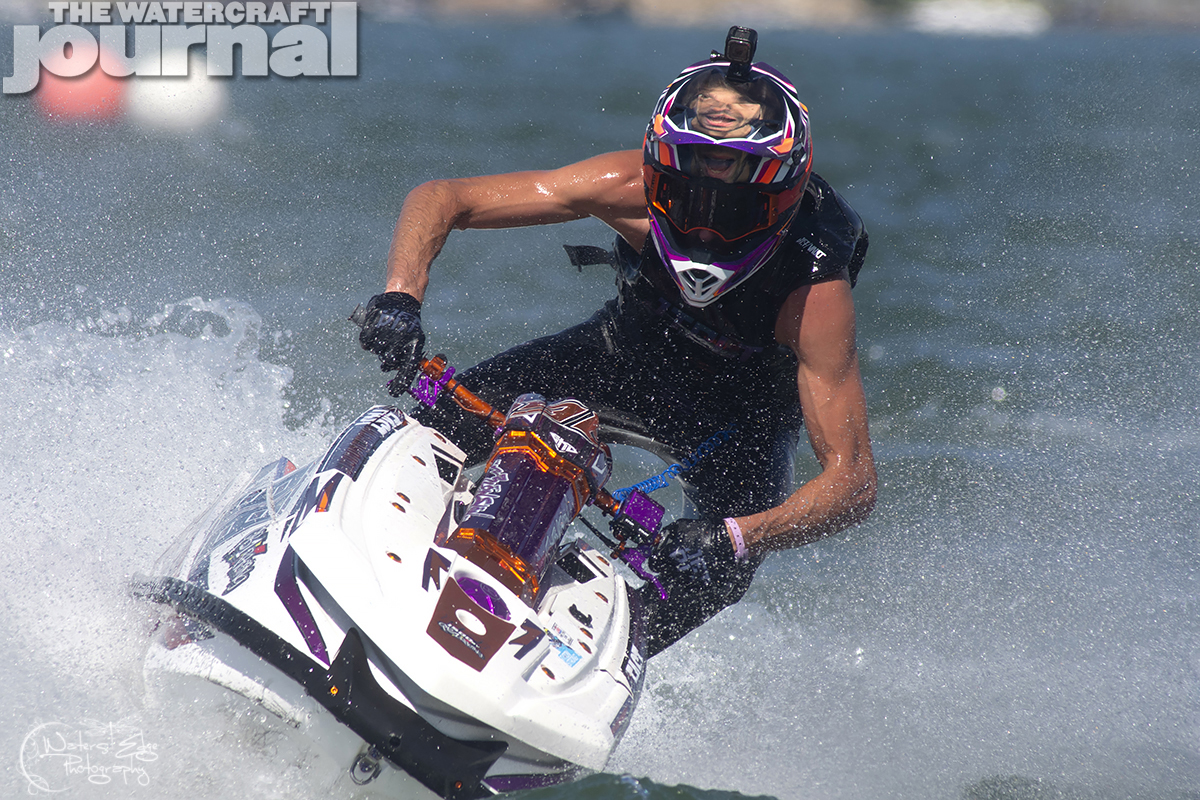
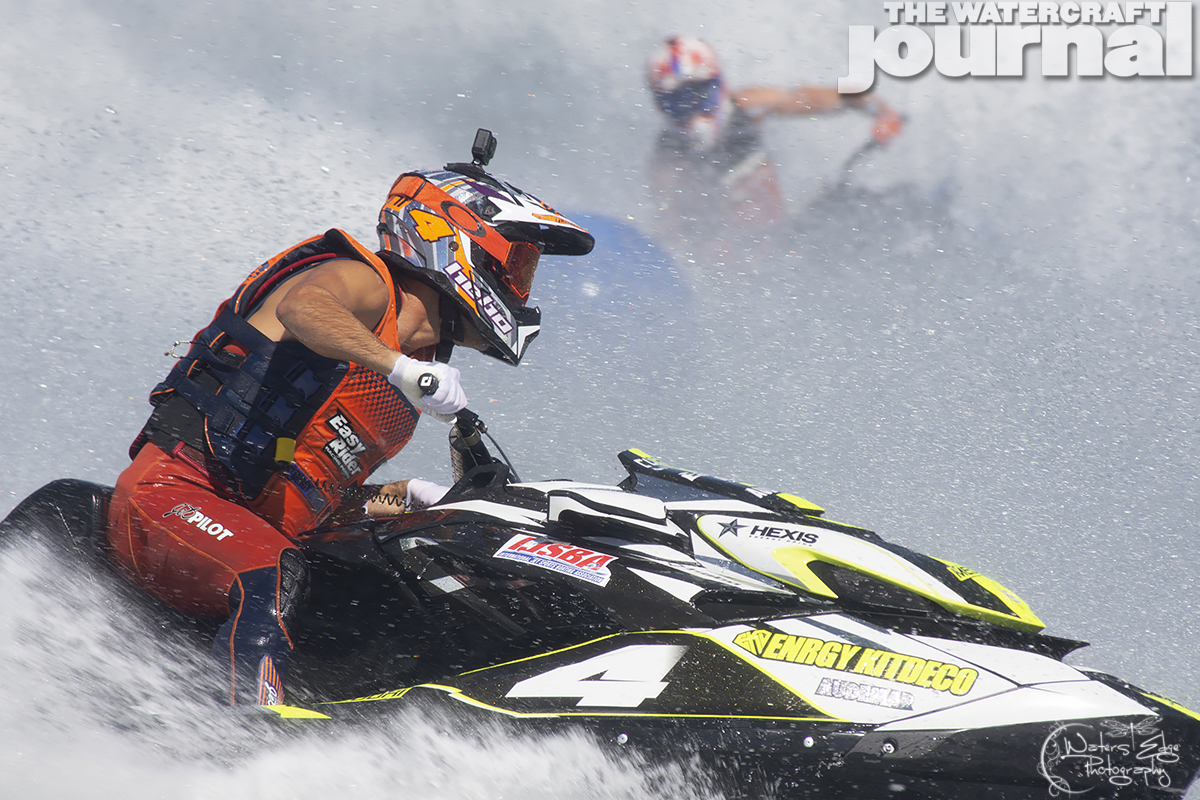
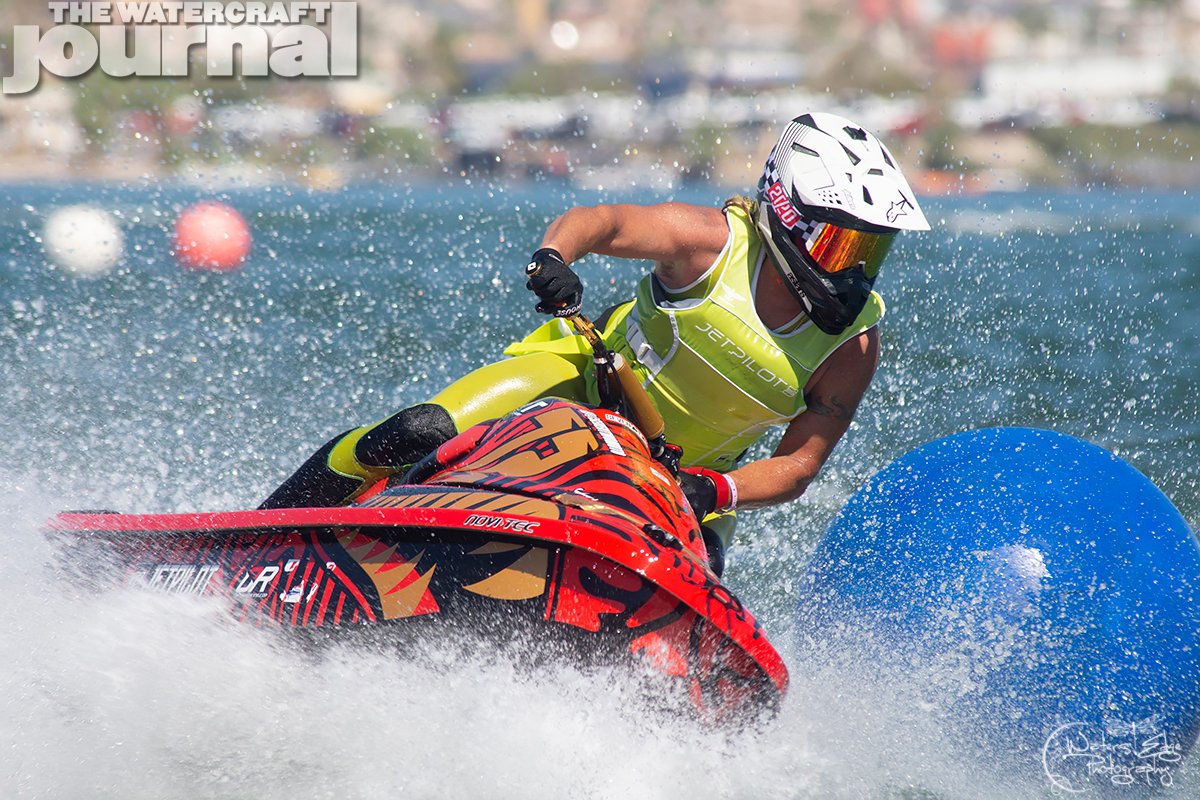
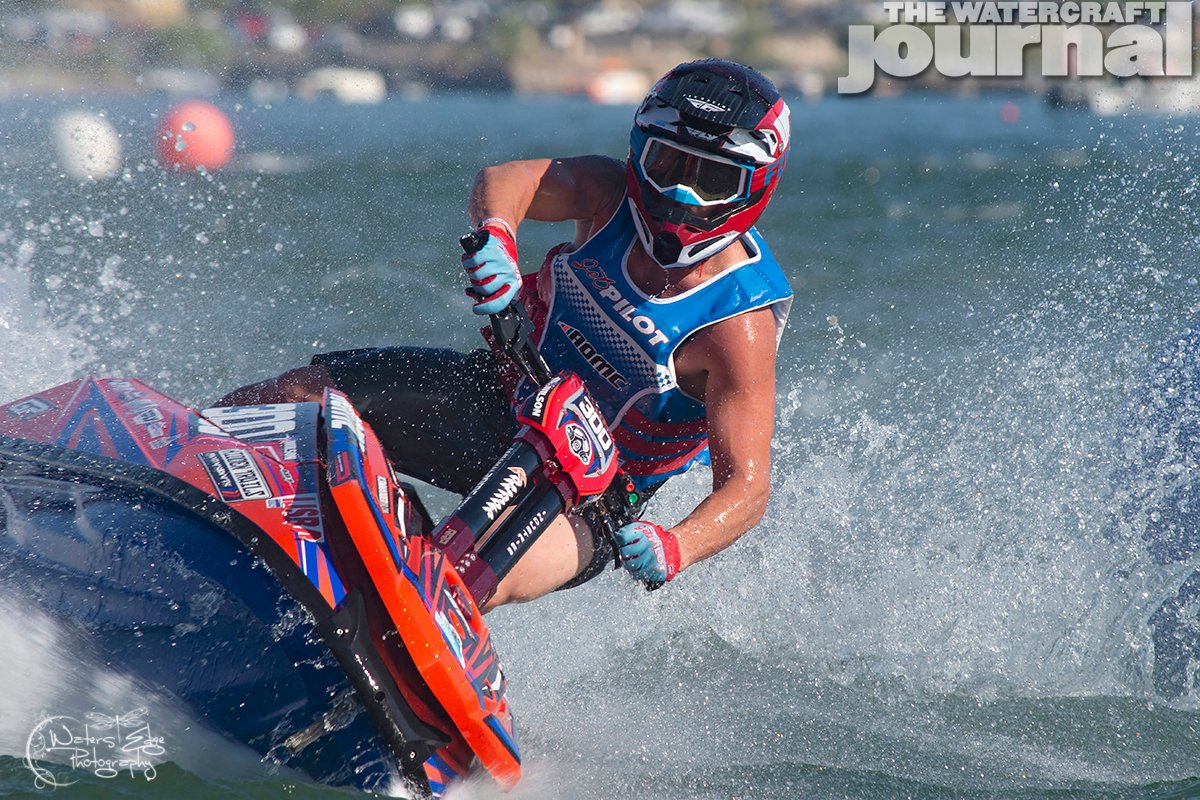
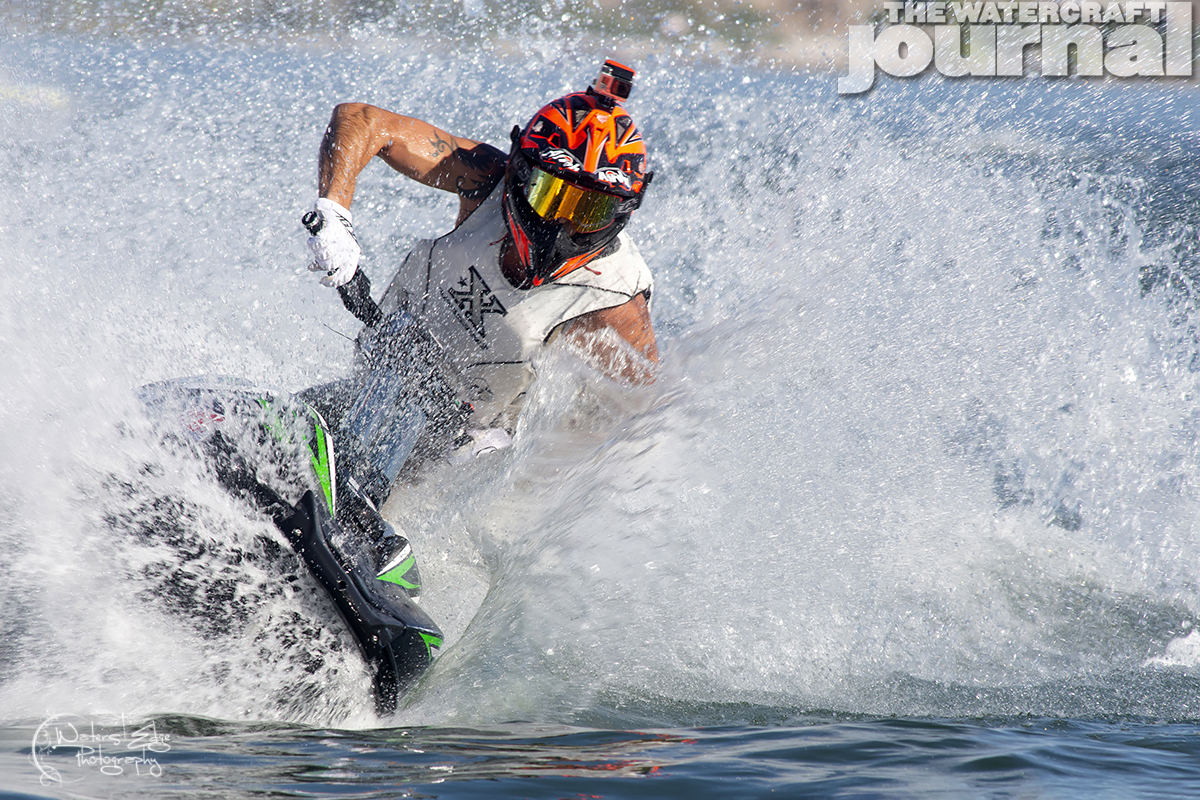
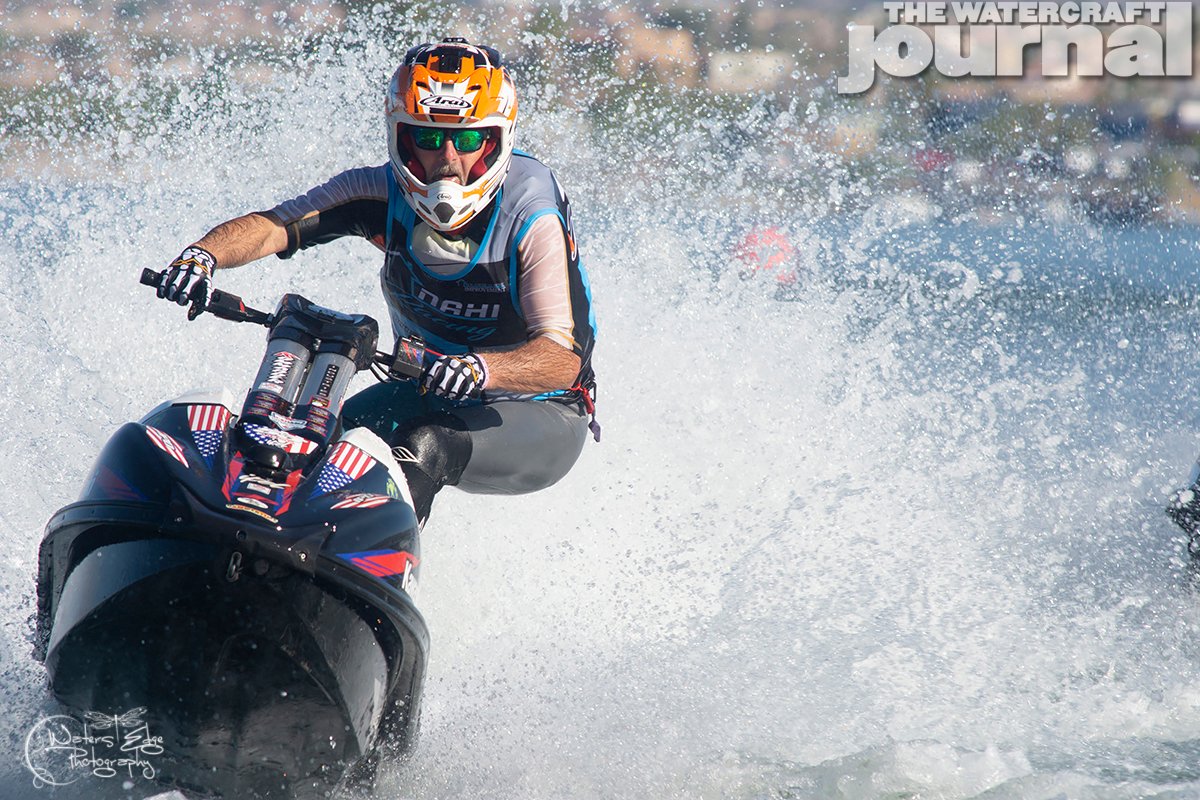
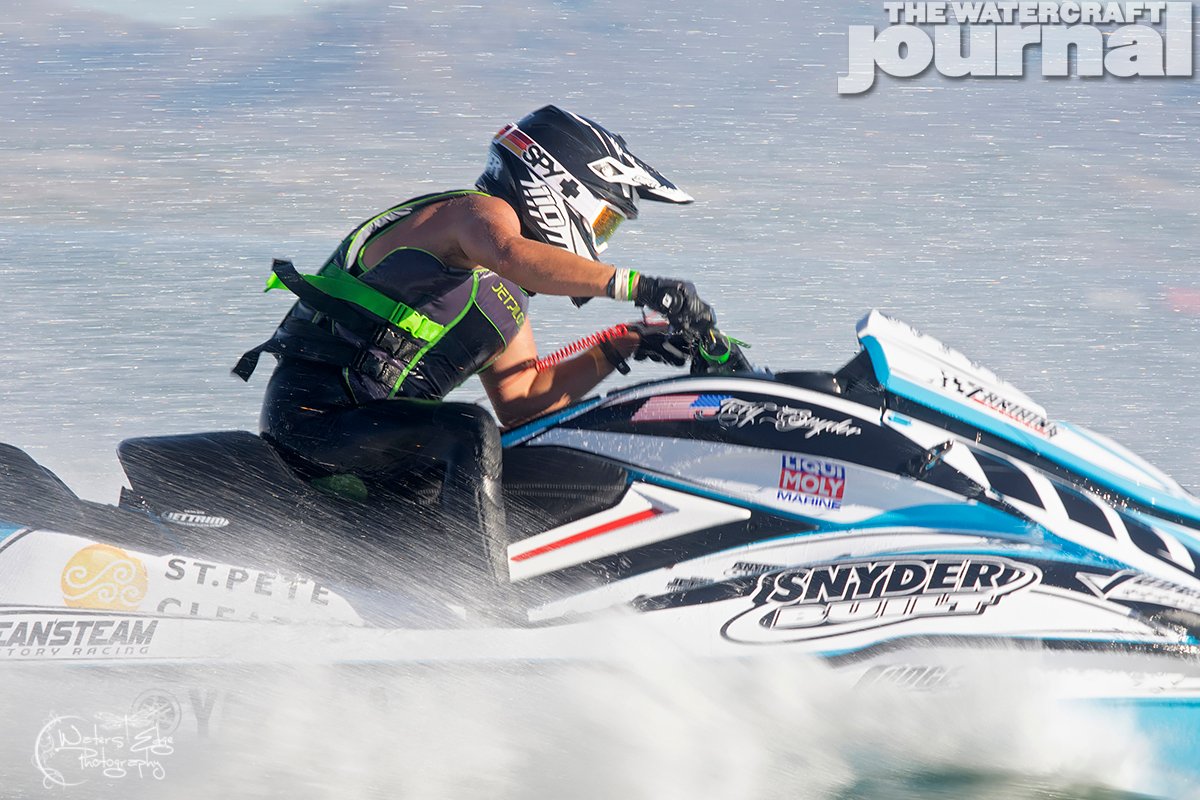
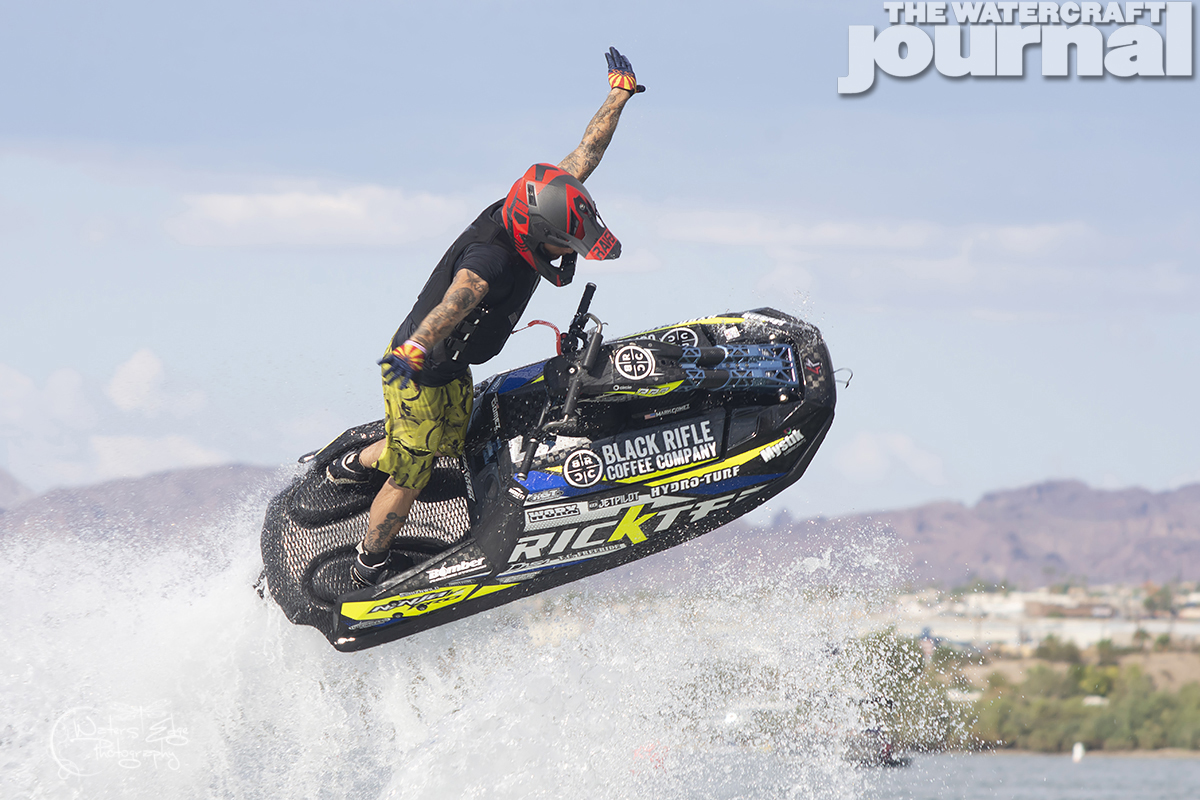
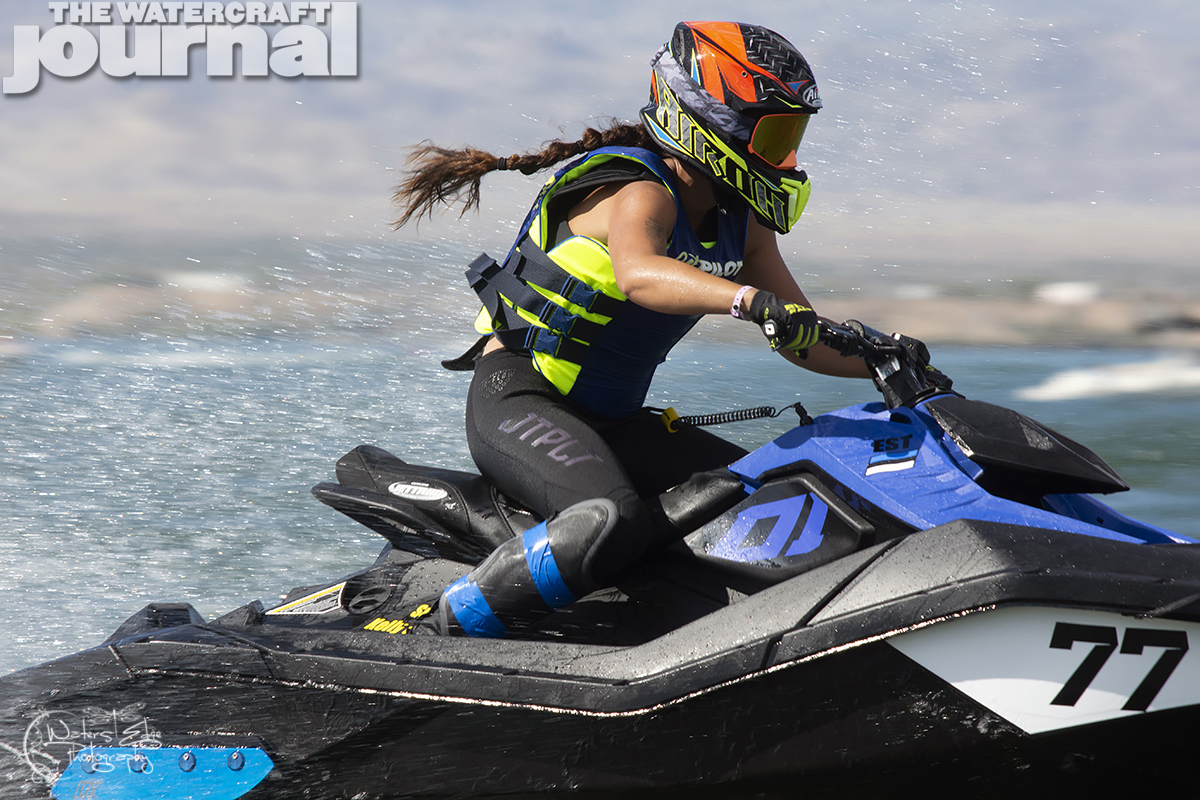
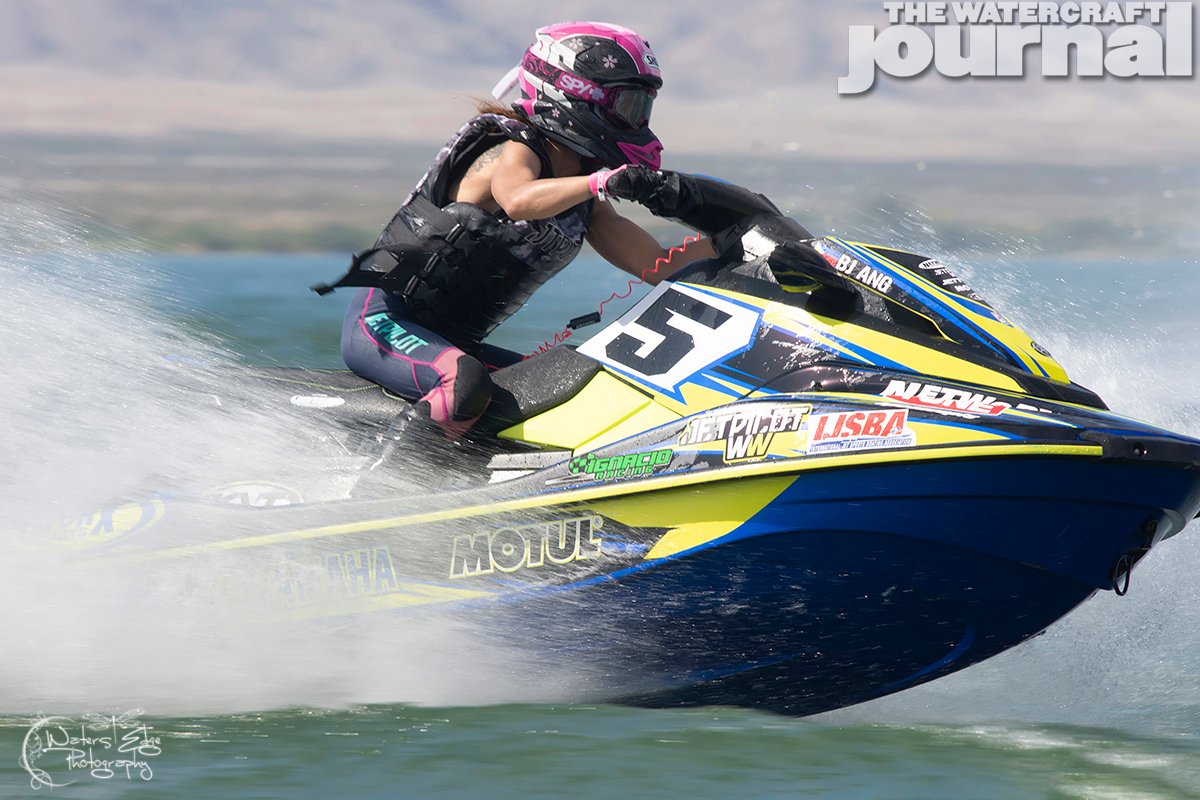
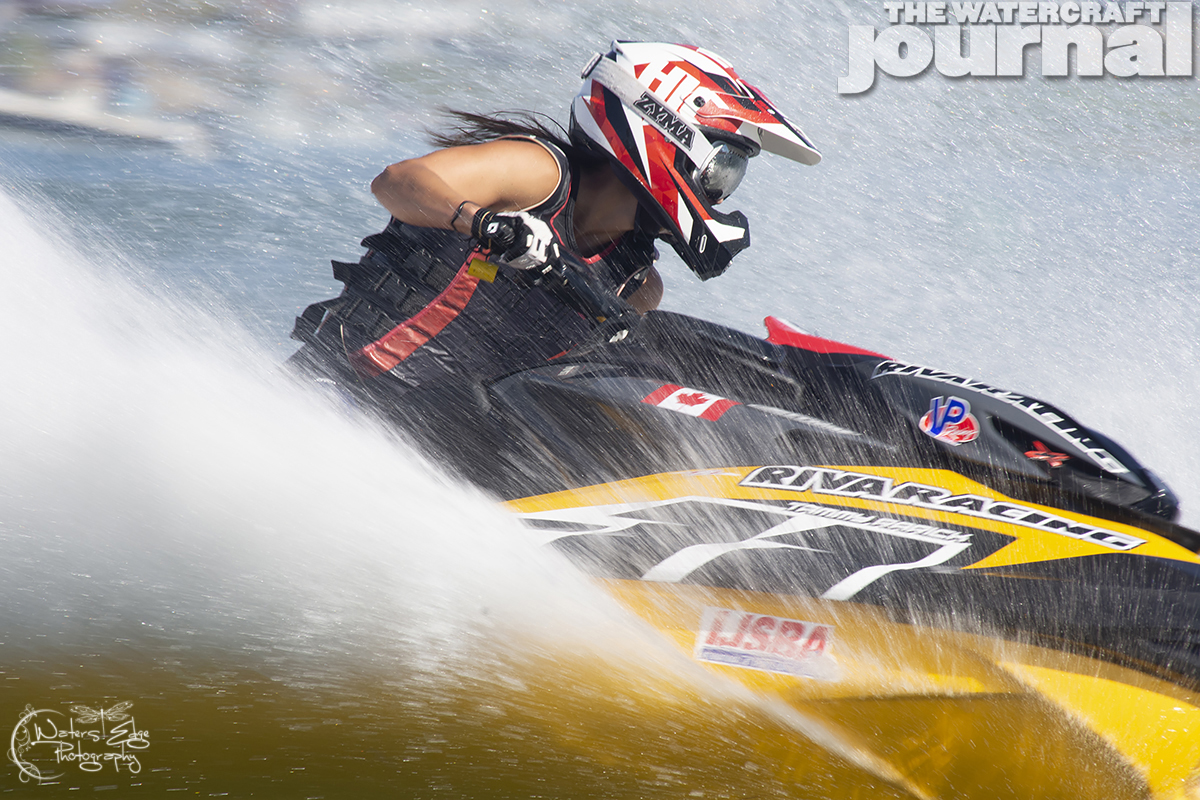
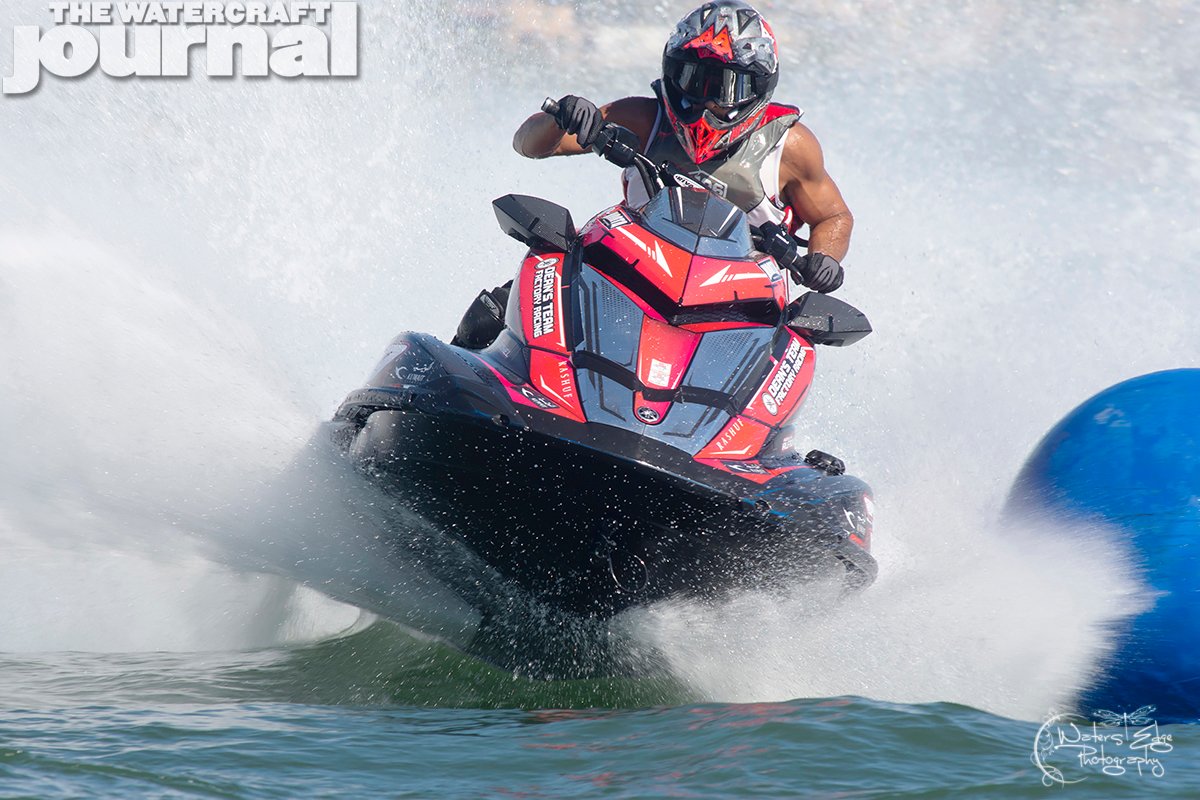
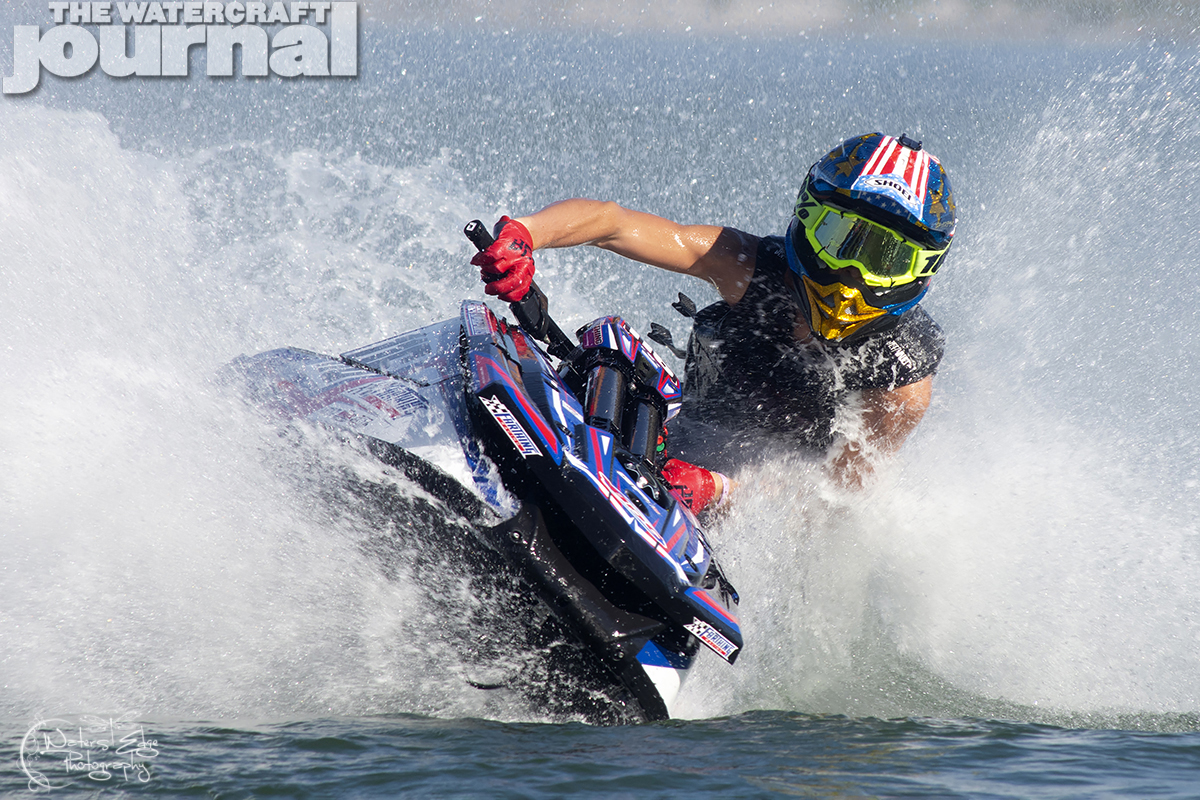
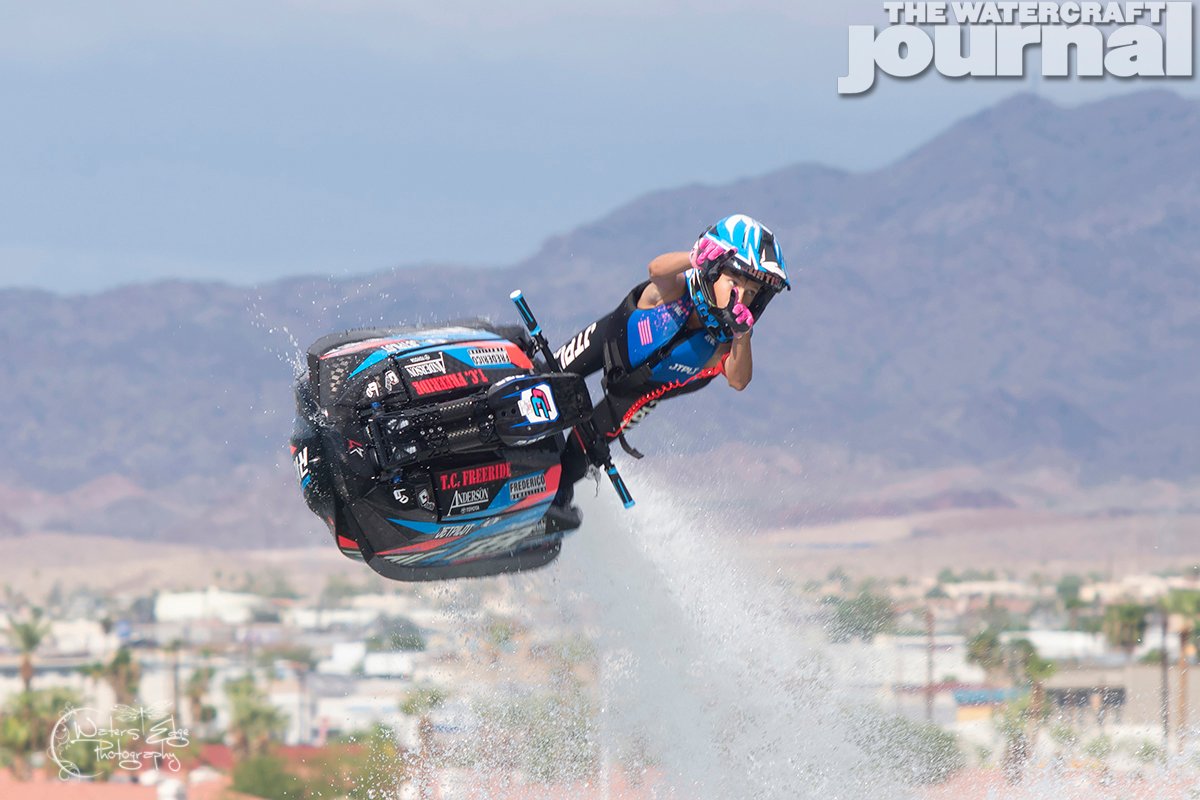
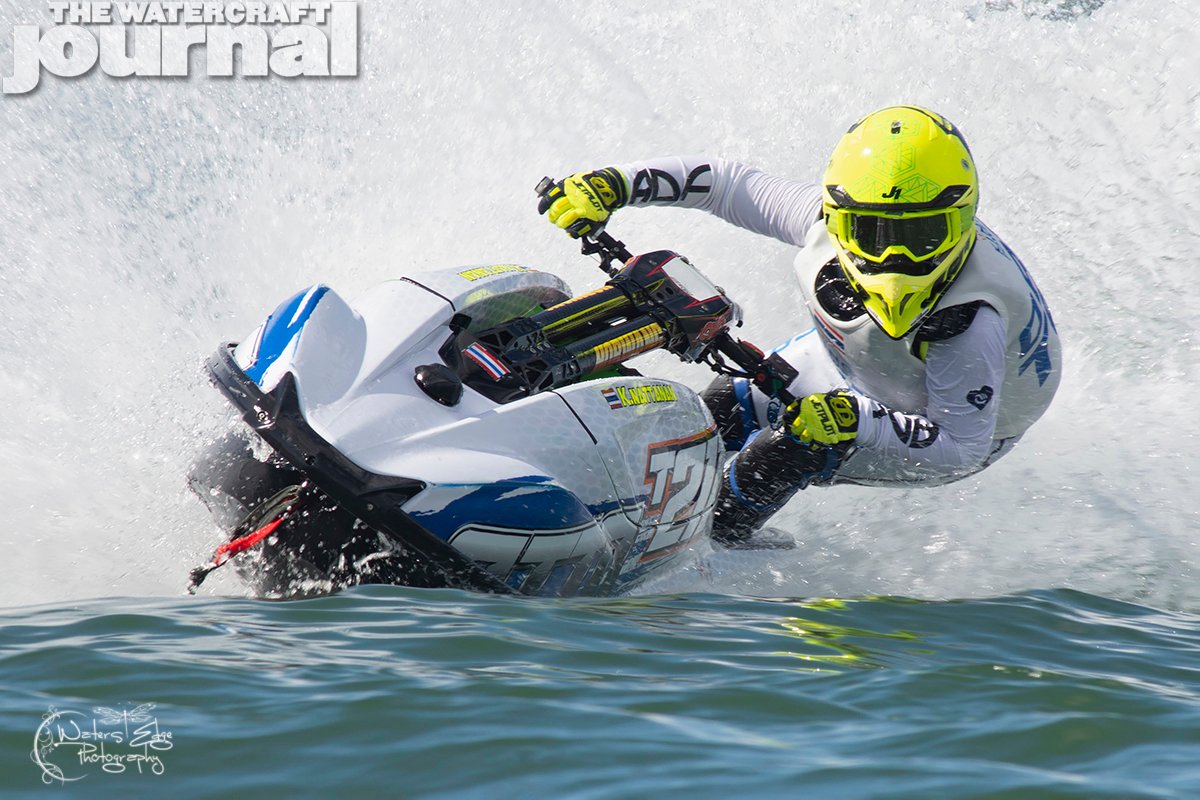
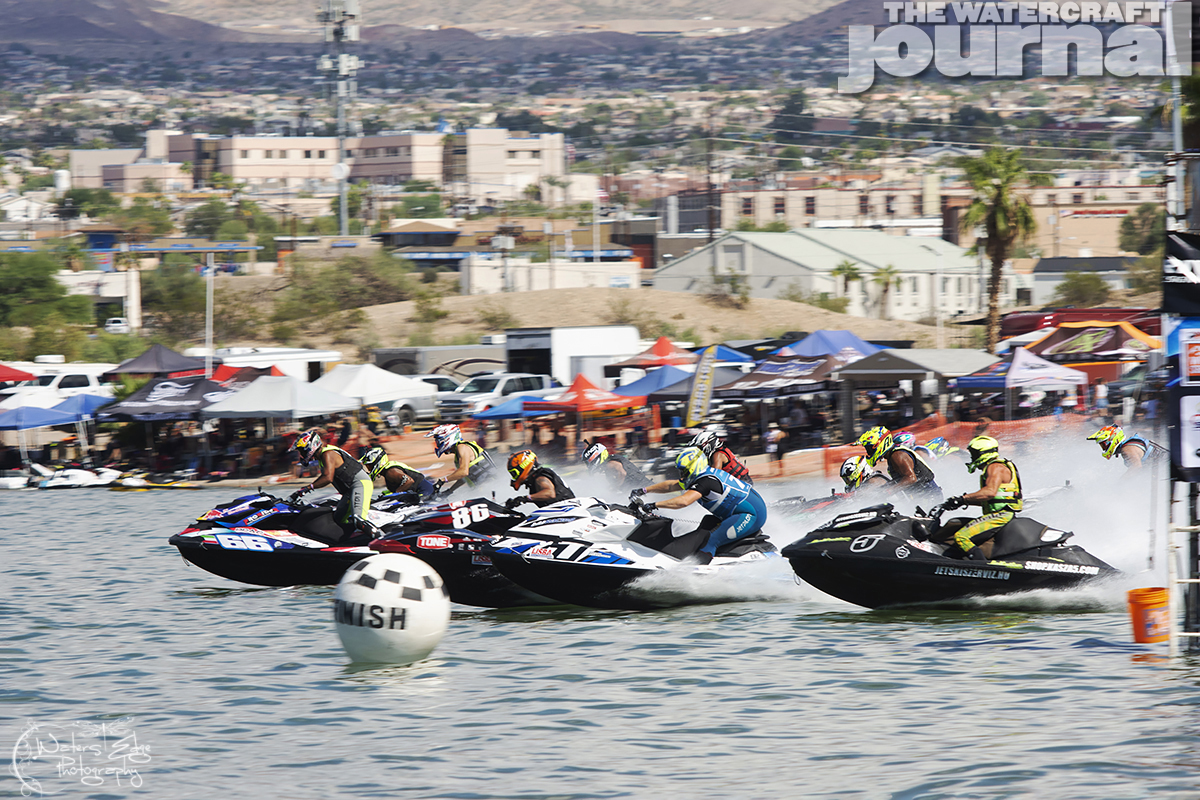
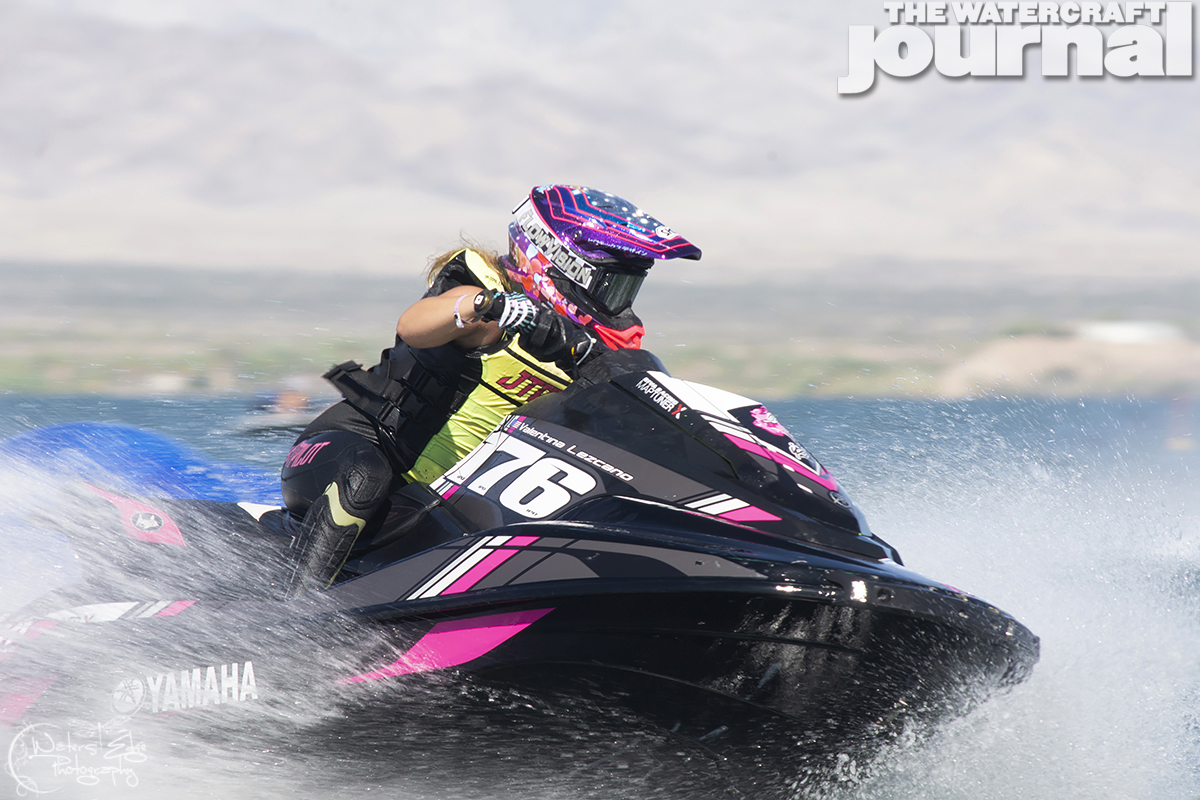
The 2022 IJSBA World Finals, as always, showcased the best the sport has to offer – not only in terms of the fast boats and fine-tuned instincts of the champions, but in the grit, determination and passion of every first-time novice, every never-say-die veteran and every perennial challenger. A common theme of conversations throughout the pits and Vendor Alley was the apparent upswing in interest and attendance after the past several COVID-impacted years.
According to IJSBA statistics, slightly more than 400 riders from 30-plus countries made the journey to Lake Havasu City despite hyper-inflated gas prices and weather-delayed air transportation. In typical fashion, a large number of racers nosed up to the band in multiple classes as those 400-plus racers accounted for nearly 750 class entries over six days of world-class racing.
“This marks a return to IJSBA’s pre-pandemic numbers with many classes having full lines with several having qualifiers,” IJSBA announced, “The pits were completely full. Parking reached a high not seen since 2016.” Behind the band was not the only place a resurgence was noted. Numbers were significantly up for other World Finals benchmarks, also.
Another key point for the 2022 World Finals, according to IJSBA Executive Director Scott Frasier, was the four-day live streaming effort. “The WGP-1 series partnership helped ensure that persons abroad were able to enjoy the event. The life stream reached 271,100 views and this wasn’t the final number,” Frasier reported on Tuesday following the event. “This amazing footage and professional live coverage have never before been delivered to the World Finals.”
Despite the encouraging numbers, this year’s World Finals was not smooth sailing, with the week being a technical, logistical and emotional rollercoaster for many event staff, racers, crew members and spectators. An unexpected storm early in Finals week was the first in a line of unfortunate events, with high winds and torrential rain wreaking havoc in the pits and delaying practice schedules.
Several non-race related medical emergencies in the pits caused equally unexpected delays in racing due to on-site ambulance response to those incidents, which meant waiting for replacement ambulance service to be put in place (as required by both insurance, and common sense).
The deepest low came early on Saturday as the first moto of the Pro Ski GP got underway. Nearly 20 of the most skilled, experienced and well-known racers in the industry filled the lineup. Add to that the popularity of the log jump, and spectators were glued to the race course as racers battled for position throughout the first lap. Then tragedy struck as the two front-runners collided, catapulting both riders from their skis.
While the collision itself did not appear to be severe at the outset, the bunched-up nature of the racers – exceedingly typical during the first laps of a highly-contested race packed with top-level racers – led to horrific consequences. Tyron Moztouris was struck by several skis, including a blow that cracked his helmet. Motzouris was transported to the Las Vegas for emergency medical treatment, with his family, including brother and fellow racer, Dustin Motzouris by his side.
“Thanks for all the thoughts and prayers. Tyron is stable and having a good day […] but it’s a long long road ahead, truthfully the doctors don’t know what will happen or to what level Tyron can recover, I know him so I don’t put limitations on him, but I am aware this is a marathon not a sprint and you mentally have to be ready for the grind ahead. We are ready for this and determined to have the best out come possible. Thank you for all the messages and prayers, this has made all the difference,” stated Dustin in a Facebook post.
“Overall, and from an event perspective, 2022 was a great year of racing except for Tyron Motzouris getting hurt on Saturday morning. The Pro GP Ski excitement was really high this year, with a solid international field and mixed-in local Lake Havasu talent; but of course everything changed with Tyron’s crash,” Bill Scott at Works H20Designs told The Watercraft Journal. “In that regard, along with everyone in the community, we are praying and thinking of the Motz family and Tyron’s recovery.”
Delays in racing, caused by the on and off-course medical emergencies, prompted Frasier to cancel two motos on Sunday, which brought about some concern and criticism from racers, which Frasier responded to in a IJSBA website post, explaining his decision making process and requesting for input from racers on future policies to avoid similar situations:
“As the IJSBA Executive Director, I would like to personally make some direct statements about the decision on Sunday to end racing two motos early. This was my decision and I understand some people are disappointed. I will accept the criticism levied by those who disagree while standing by the decision as the right one to make. IJSBA will open up a review process to invite competitors to formally weigh in this topic and help set ground for future policies,” Frasier wrote.
“Please think through the talking points so we can work out all the potential for positive change when we come together and discuss them. Most of all, please keep Tyron in your hearts and thoughts. If there really is any kind of spiritual energy that exists we definitely want to send it his way. With your guidance IJSBA will continue to deliver you the very best of our ability.”
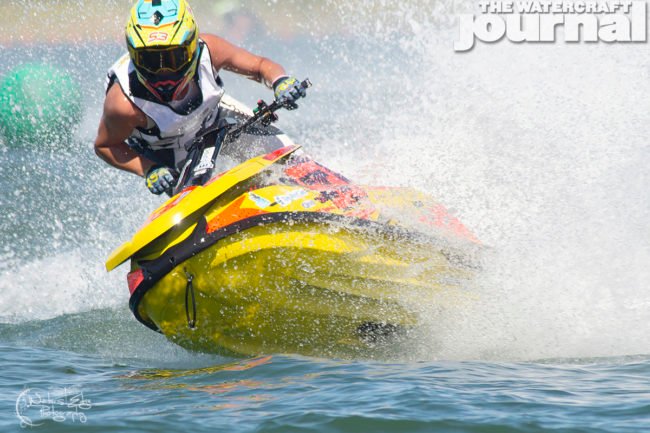
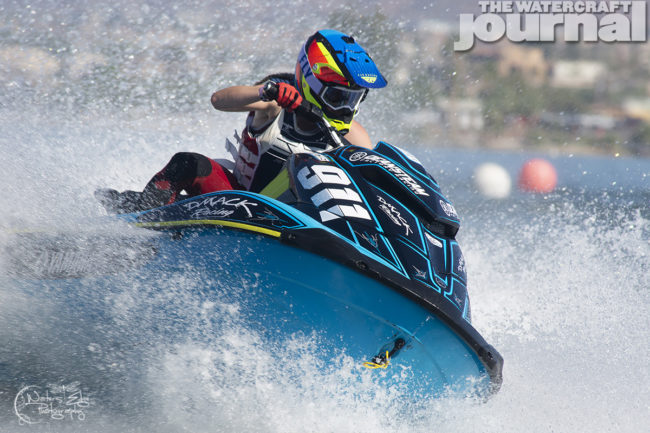
During the first day of racing, Tucson, Arizona’s Dave Zipperian nailed down the first podium spot in a packed Amateur Veteran Ski Stock class, while fan favorite Johnny Smith locked down the Blaster GP championship despite a rough second moto. Tory Snyder overcame a disappointing Moto 1 with a win in Motos 2 and 3 to claim to Amateur Runabout 1100 Limited championship.
Returning for Day 2, Snyder once again snagged a top podium spot, this time in a talent-packed lineup of 18. Jake Zier claimed the silver, and Christopher Landis took the bronze. The Amateur Runabout 1100 stock class was dominated by Thailand with the top 4 spots locked down by Thai racers. Master Ski GP was a battle between more than a dozen veteran racers. Despite Mike Klippenstein’s wins in Motos 2 and 3, a rough Moto 1 allowed David Cabrera to walk away as 2022 class champion with solid performances in all 3 motos.
The third day of racing saw Sebastian Girello indeed, “go fast” claiming the top podium spot in Amateur Ski GP over second and third place Thai finishers, Tanaid Molee and Tanawin Molee. In Junior Ski Lites 10-12, Havasu natives Britton Reinhar (1) and Ty Smith took top spots, while fellow Lake Havasu City youths also took spots 5, 6, 7, 12 and 16 out of the 19-racer lineup.
The Junior Ski Lites 13-15 class was also packed with young Havasu talent, but none were able to outmaneuver Jayden Richeardson (1) of Australia or Lauri Ander-Hubert (2) of Estonia. In Master Ski Stock, Mike Klippenstein again nailed down a win in Motos 2 and 3, but this time, his second place finish in Moto 1 was enough to take home the championship ahead of Dufaud Phillipe (2) and David Zipperian (3).
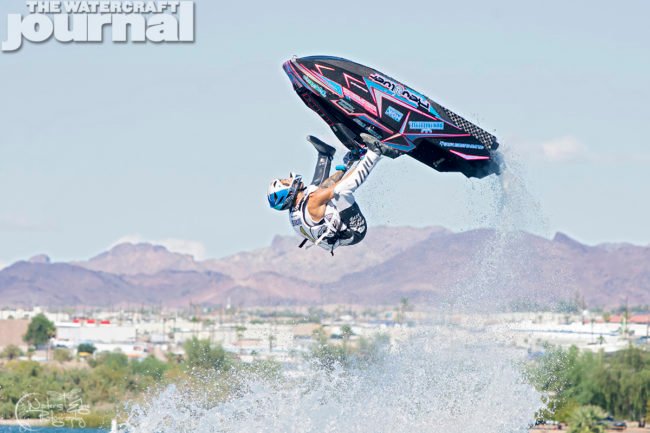
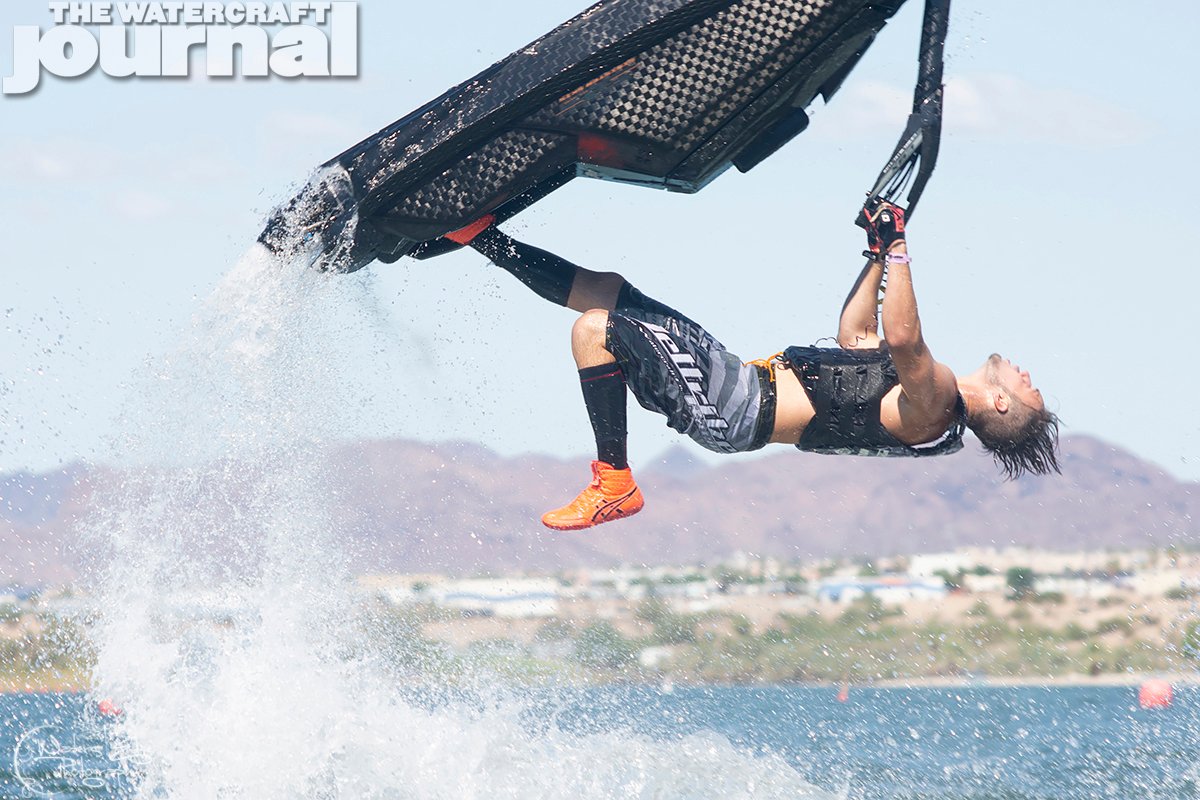
On Friday, Thailand was able to take the top two spots in Pro-Am Runabout 1100 Stock as well as the Top 4 spots in Pro Runabout 1100 Open. In Amateur freestyle, Michigan competitor Jack Ziegler walked away with the championship out of a field of 10 followed by Brody Shakely of Havasu (2) and Parker Scholand (3).
During Saturday and Sunday’s racing, in a class filled with familiar names and fast skis, Nuttakorn Pupakdee of Thailand secured the win with Abdullah Alfadhel taking the second spot and Permpon Teerapatpanich taking third. But many eyes were on the battle for 4th and 5th where Deven Farthing managed to rank one spot ahead of his father, Dustin Farthing.
In Pro-Am Women’s Ski Stock, Sweden’s Emma-Nellie Ortendahl managed to edge out UK’s Lucy Gadsby for the championship, while in Amateur Women’s Runabout 1100 Stock, Thailand again ran the top 3 spots with Sasina Phiwngam (1), Chanapa Phollamai (2) and Orphan Teerapatpanich (3) overcoming an amazing race and crowd inspiration, Sophie Francis (4).
In Pro Sport GP, Georgia’s Deven Farthing turned the tables, topping Thailand racers Wuttipong Suwanthongkhao (2) and Supak Settura (3). In the Pro-Am Endurance Runabout class, France’s Jean Bruno Pastorello locked down the championship ahead of Aqsa Aswar (2) and Theerapong Pimpawat (3). Full results from all classes can be found at www.ijsba.com. Visit www.watersedgephoto.online for more photos from the 2022 IJSBA World Finals.
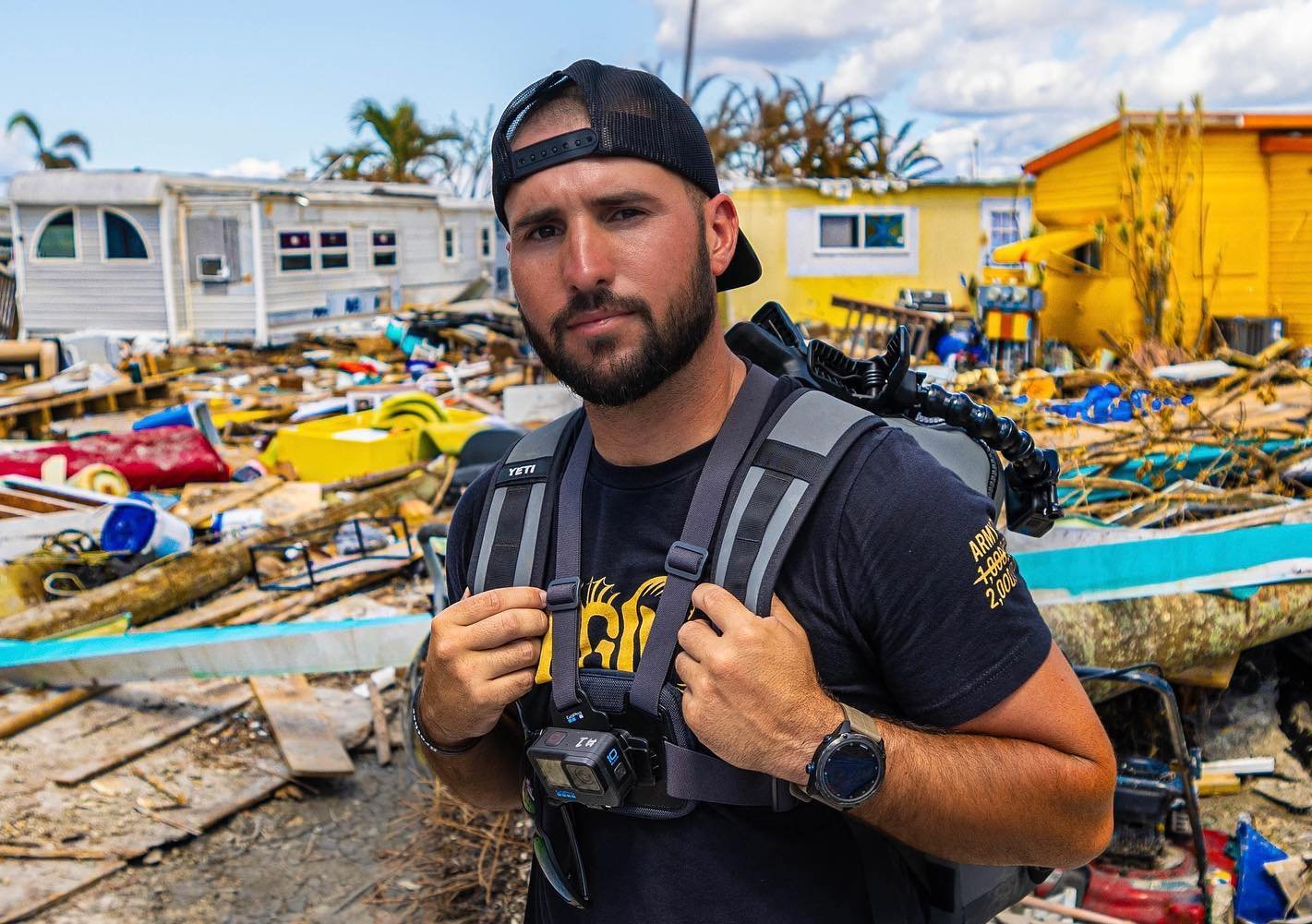
YouTube content creator Jiggin’ with Jordan puts things into perspective in his video about helping the victims of Hurricane Ian. The hurricane was initially forecast to make landfall where his mom lives on the water, putting her at ground zero.
Emotions were running high with her in the cone’s bullseye. The track shifted and hit a few hours south. Jordan was emotionally tied to this storm and loaded up a trailer after cleaned up some of the mess at his place. The dude is full of gratitude. He still has a home with a few downed trees and a little flooding.
Jordan loaded his trailer with supplies, including generators, gasoline, tarps, and other goods for the people devastated by the storm. He headed to southwest to meet with Captain Marco to see where they could be of service at the real ground zero.
hey traveled by boat through canals and other waterways, passing the wreckage of boats, homes, bridges, and other structures that were wiped out by the massive storm surge and winds from Hurricane Ian.
Jordan needed someone like Captain Marco to navigate the waterways in southwest Florida. They motored to Captiva, Cape Coral, and Fort Myers Beach, the true ground zero and dropped off fuel and other supplies to the people in need.
Jordan and the guys have awesome attitudes making them perfect for bringing help and moral support to the people. It’s tough and the video is very sobering. We’re grateful for guys like Jordan and others who help in a time of need. As someone who has lived in FLA and NC for over 30 years combined and been through some rough hurricanes, I felt this video to my core.
Pennzoil announced the release of a new line of engine oils for outdoor vehicles at the SEMA Show. The oils are formulated for outdoor vehicles in North America. These include ATVs/UTVs, watercraft, motorcycles, and snowmobiles.
The synthetic has been specially formulated for the extreme conditions these recreation vehicles are often subjected to. The VP of Lubricants Marketing at Shell Lubricants said they wanted to take the technology that Pennzoil customers are accustomed to and provide the same for those who love the outdoors.
Read the complete press release below: Pennzoil® has announced the new Pennzoil Outdoors line of engine oils designed for the vehicles of outdoor enthusiasts at the SEMA Show. The new portfolio includes engine oils formulated for outdoor recreation vehicles in North America including ATVs/UTVs, watercrafts, motorcycles, and snowmobiles.
“Whether it’s enjoying the backcountry on an ATV or enjoying time boating with the family, we’re excited to bring this new line to outdoor enthusiasts to give them peace of mind during their adventures,” said Bree Sandlin, Vice President of Lubricants Marketing at Shell Lubricants. “It’s important for us to continue to innovate to meet the needs of our consumers. We’ve taken the technology that Pennzoil customers are accustomed to in their passenger cars and formulated these small engine oils to provide the same performance and protection for those who love the outdoors.”
ATVs/UTVs, boats, motorcycles, and snowmobiles are among the most popular outdoor recreation vehicles for exploration, each driven by traditionally smaller engines that require unique engine oil formulations. The current full synthetic offering from Pennzoil is well suited for the often-extreme conditions of these recreational vehicles, allowing the Pennzoil technology team to translate these benefits for the Pennzoil Outdoors portfolio.
New Product Details:
Pennzoil ATV/UTV SAE 10W-40 Engine Oil:
Pennzoil ATV/UTV engine oil has wet-clutch compatibility and a smooth-shifting, consistent clutch feel to help riders focus on the fun and encounter fewer bumps along the way
The engine oil cleans engines in dusty environments and protects in extreme temperatures
Suitable for use where API SN and JASO MA2 specifications are required
Pennzoil Marine 4-cycle SAE 10W-30 and SAE 25W-40 Engine Oil:
Pennzoil Marine ® engine oil is formulated with performance-boosting additives, which target critical needs in marine engines to provide greater fuel efficiency as compared to 2-stroke marine engine oil
Surpasses the American Petroleum Institute’s (API) requirements for SI, SL, and SM specifications and exceeds OEM requirements and FC-W® Catalyst Compatible specifications, and meets all 4-stroke outboard manufacturer’s requirements
Can be used in inboard, outboard, and stern drive engines
Pennzoil Motorcycle SAE 10W-40 Engine Oil:
Pennzoil Motorcycle engine oil creates more efficient power delivery for motorcycles and reduces engine noise and vibration for an enjoyable ride to enhance the riding experience
Optimizes wet-clutch performance, protects in extreme heat and low temperatures, and provides enhanced responsiveness and maximum acceleration to keep riders comfortable on the road
Meets the requirements of API SN and JASO MA2 specifications which are standard for most American, European, and Japanese motorcycles including V-Twin, 4-stroke engines found in high-performance and race-tuned bikes
Pennzoil Motorcycle SAE 20W-50 Engine Oil:
Pennzoil Motorcycle engine oil provides smooth clutch engagement, keeps the engine clean, and reduces engine noise and vibration for a smooth ride
Formulated specifically to prevent dirt particles from sticking together to form deposits and protects standard air and water-cooled 4-stroke motorcycle engines with integral gearboxes and wet clutch assembly
Meets the API SL and JASO MA2 specifications which are standard for most American, European, and Japanese motorcycles including V-Twin, 4-stroke engines found in high-performance bikes
Pennzoil Snowmobile 2-Stroke Engine Oil:
Pennzoil Snowmobile engine oil boasts a low-ash formula to help prevent spark plug fouling, ring deposits, and combustion chamber deposits, and prevents exhaust power valve sticking and piston scuffing
Provides exceptional cold-flow performance and overall helps keep the engine clean and running efficiently
Suitable for use where API TC, JASO FD, ISO-L-EGD specifications are required
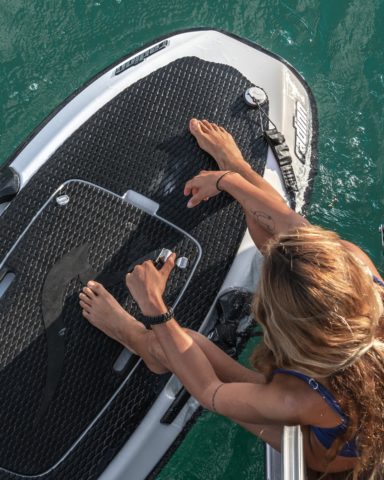
Radinn Electric Jetboards has a cool video series titled Make Waves and they’ve come out with a new video collaboration with The Missfits, who are twins Alie and Liza Toppa.
The Toppa’s chase waves along the Eastern Seaboard, sharing stoke along the way. Their mom got them into surfing when they were eight years old and living in Newport, Rhode Island. Now they hope to capitalize on their love for the water and board sports by building their Missfitts brand.
They want to create a community of Missfits who like to have fun and dare to be different. Their mission to take surfing, skating, and sailing to the masses extends from Rhode Island all the way to south Florida. The ladies are looking to make friends and meet cool people while enjoying board sports.
Riding Radinn Electric Jetboards has added another dimension to their surfing. No waves no problem because waves aren’t needed to get moving on a jetboard. Any open water will do, and you make your own waves with Radinn Jetboards.
Alie and Liza love the fact that they don’t have to wait for swell or even be in position to catch a wave. With a Radinn Jetboard, you can just squeeze the remote and go! Keep up with The Missfits brand on Instagram and follow while you’re at it. They’re always making waves!
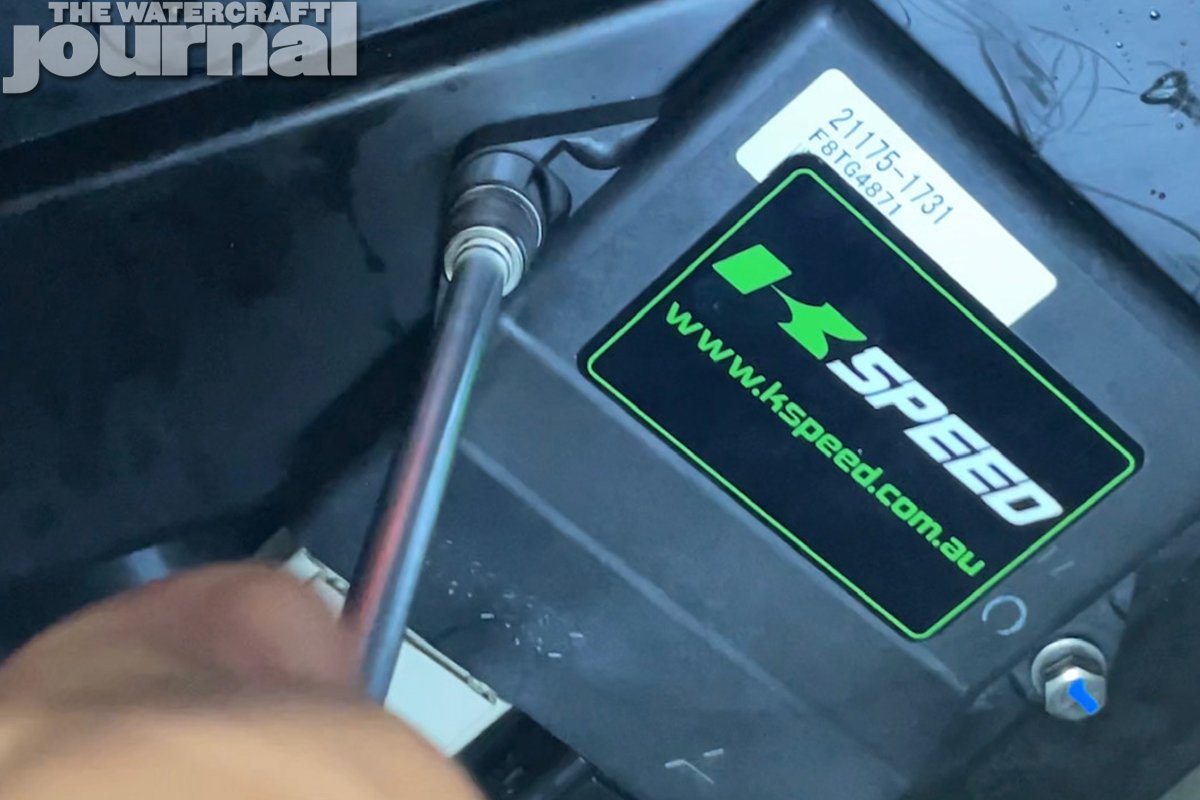
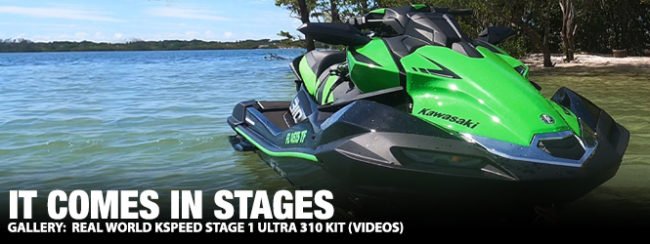
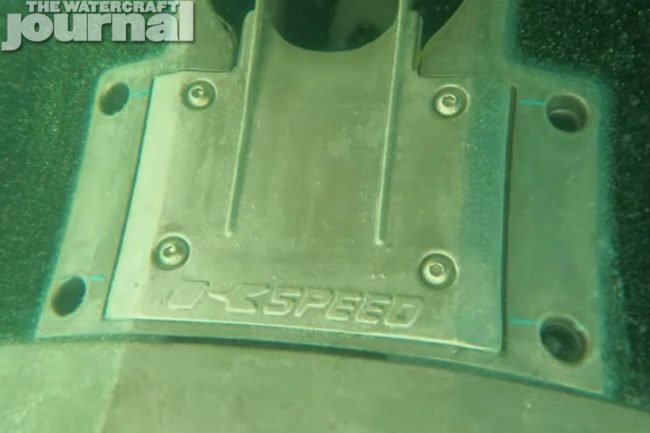
The day that KSpeed announced that they had “cracked the code” on the 2022 Ultra 310 ECU was the same day I placed my order for their 2022+ Stage 1 Kit. The kit is relatively easy to install, and includes just three components – a 2-degree pump wedge, a top-loading intake grade, and a remapped ECU.
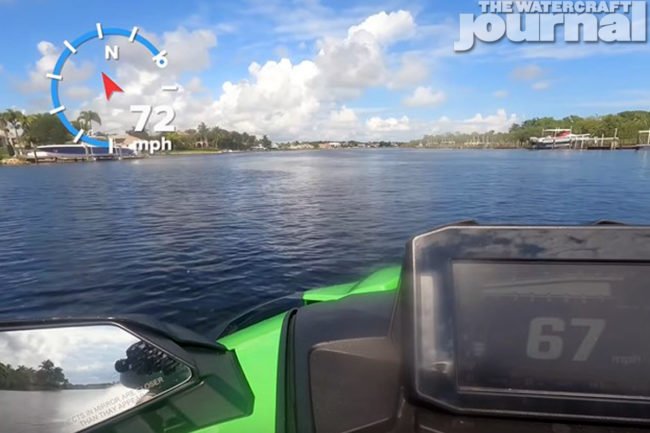
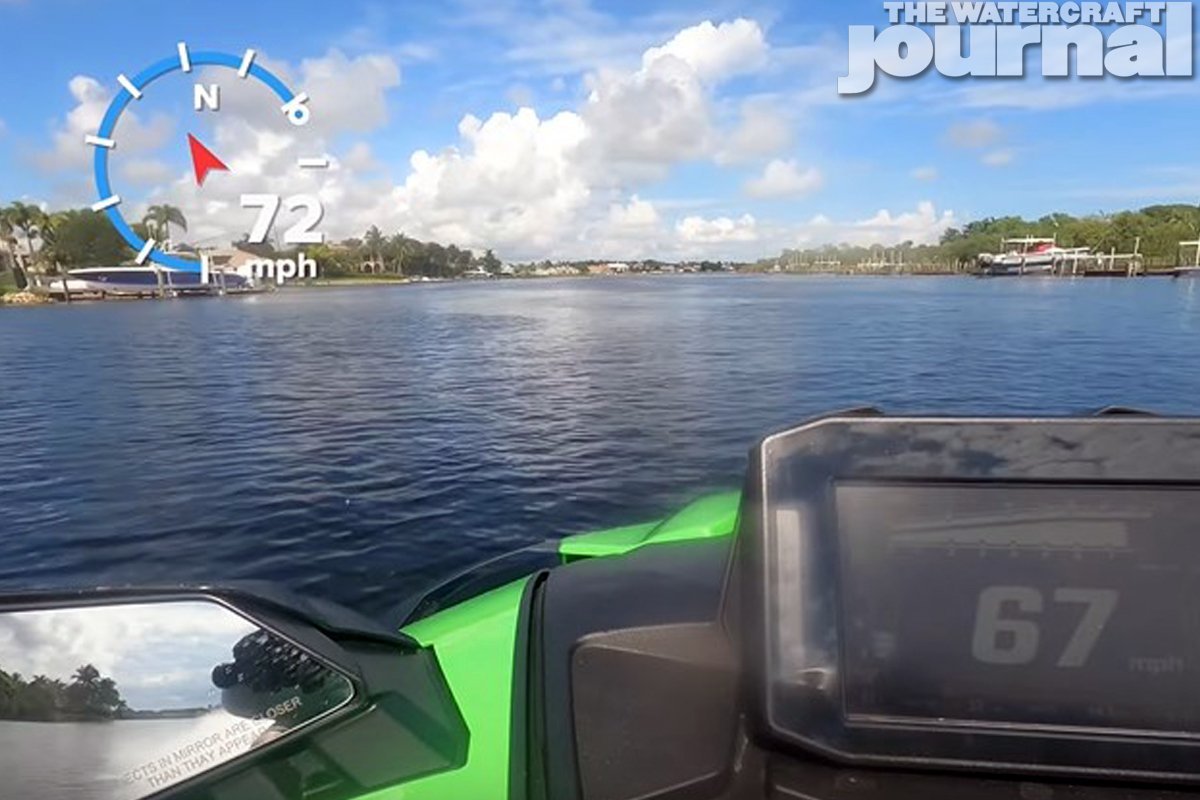
On my Ultra 310 LX-S, during more than 5 hours of testing, I saw a consistent sustained GPS confirmed top speed of 72 mph @ 7950 RPM with 15lbs of boost – a 5mph improvement over my stock top speed of 67 mph. Acceleration and hook-up were greatly improved in both inshore and offshore conditions.
For those interested in operating parameters, my water temp was 132 degrees, oil temp 239 degrees, and intake temp was 104 degrees. The outside temperature was 90 degrees, and the ocean water temp was 81 degrees Fahrenheit. My ski has 60 hours on the meter, and is running Kawasaki KPO 15W-40 full synthetic oil.
My “real world” testing was done in salt water, with 50 lbs of gear, three-quarters of a tank of fuel, and a 200lb 6’3” rider with a helmet. While these conditions are not ideal for logging bench marked competition-level speed runs, they are typical conditions I encounter during weekly rides, and paint a solid picture of how the ski will perform for most recreational riders.
You don’t buy an Ultra 310 to compete in hydro-drags or race around the buoy course- you buy an Ultra 310 if you’re someone who wants a solid made-in-USA (assembled in Lincoln, NE since 1981) deep-v fiberglass ski designed to plow through offshore chop. The KSpeed Stage 1 kit serves to enhance the Ultra 310’s offshore abilities even further.
Previous Ultra 310 generations could be easily fitted with a relatively cheap “SCOM” or speed control override module. The latest generation has a GPS-based speedometer and advanced CANbus engine management system that cannot be modified or “cheated” with a SCOM.
The GPS chipset for the speedometer is integrated into the “meter control unit” which is not a user-serviceable item. As of this publication, the only way to remove the factory speed limiter on the 2022+ Ultra 310 Jet Skis is with a remapped KSpeed ECU.
After I placed my order, KSpeed was very quick to fulfill and ship. I received multiple update emails throughout the process, and it only took 5 days for my order to arrive via DHL delivery. Marty James with KSpeed was very responsive and helpful in responding to my questions and concerns.
If you own a set of Allen wrenches and a basic metric socket set, the entire KSpeed Stage 1 kit can be installed in less than an hour. I chose to purchase an additional ECU for my ski, rather than mail my stock OEM one back to Australia for programming. Most buyers will likely not opt to spent the additional $1200+ for an extra ECU, but I wanted the option to go back to my stock setup and tune.
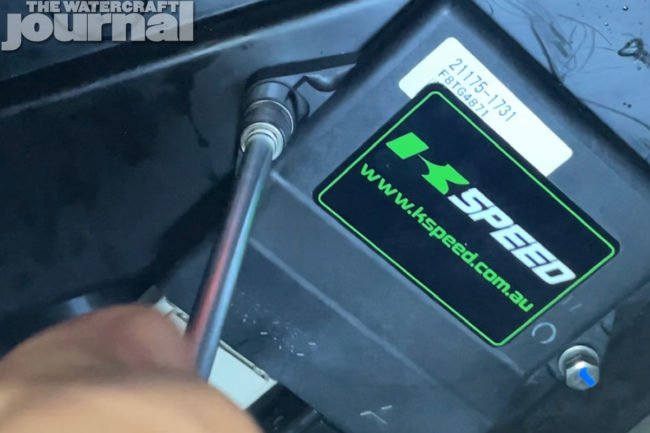
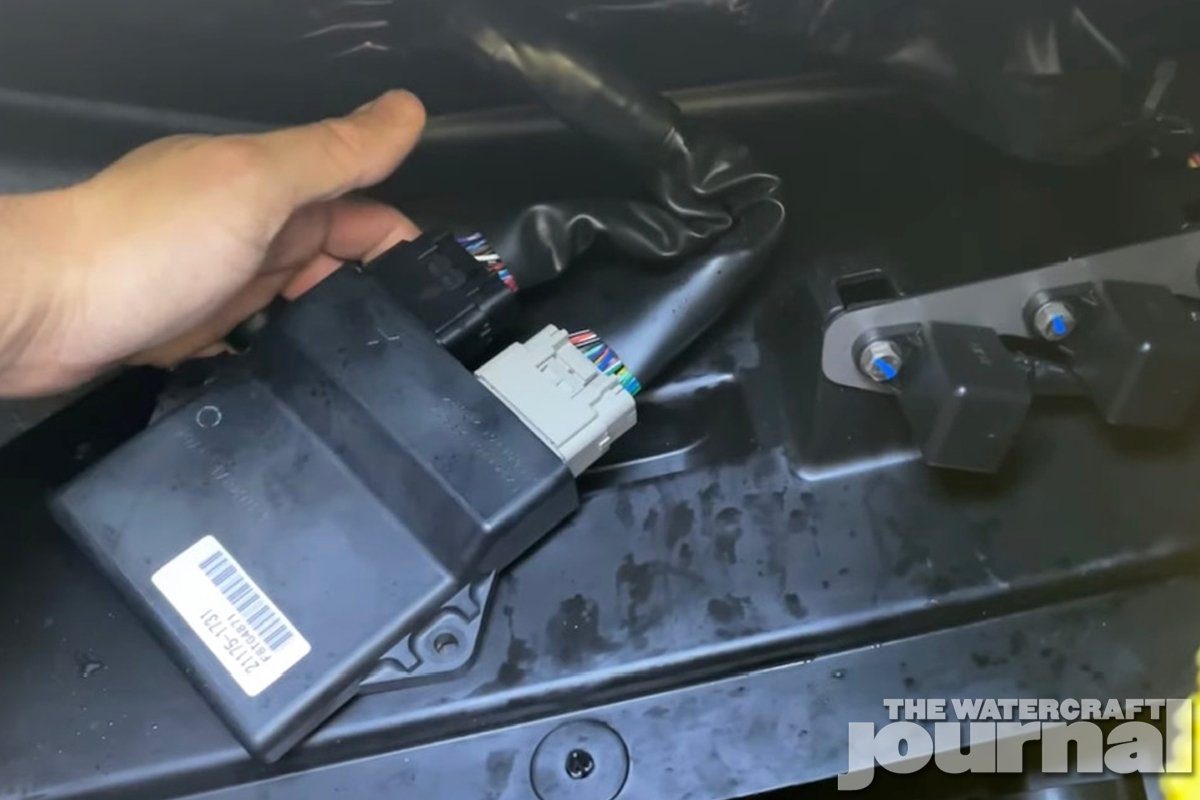
Swapping the ECU is the easiest of the 3 components, taking about 5 minutes to complete. Make sure your safety lanyard and immobilizer key are removed. Next, pop out the plastic push-rivets holding the ECU and relay panel in place- this is located in the front compartment on the starboard (right) side of the ski.
The ECU is held in place with two 10mm bolts: remove these two bolts. Next, there are two 39-pin connectors one grey and one black. Carefully unclip both ECU connectors and remove your OEM stock ECU from the ski. Make sure to grip the connectors and not the wire harness itself.
Once your remapped ECU is securely installed and both the grey and black 39-pin connectors are reconnected, you must now initialize the ECU. This can be done by inserting and removing your immobilizer key three (3) times – allowing the main meter display to boot up and shut down each time.
Make sure you are outside for the final step. Once you have completed the initialization, insert your key and verify that the red “GPS signal” light on the left side of the dash panel goes out. Then start up the ski and let it run for no more than 10 seconds. Blip the throttle a few times, and then you are good to go.
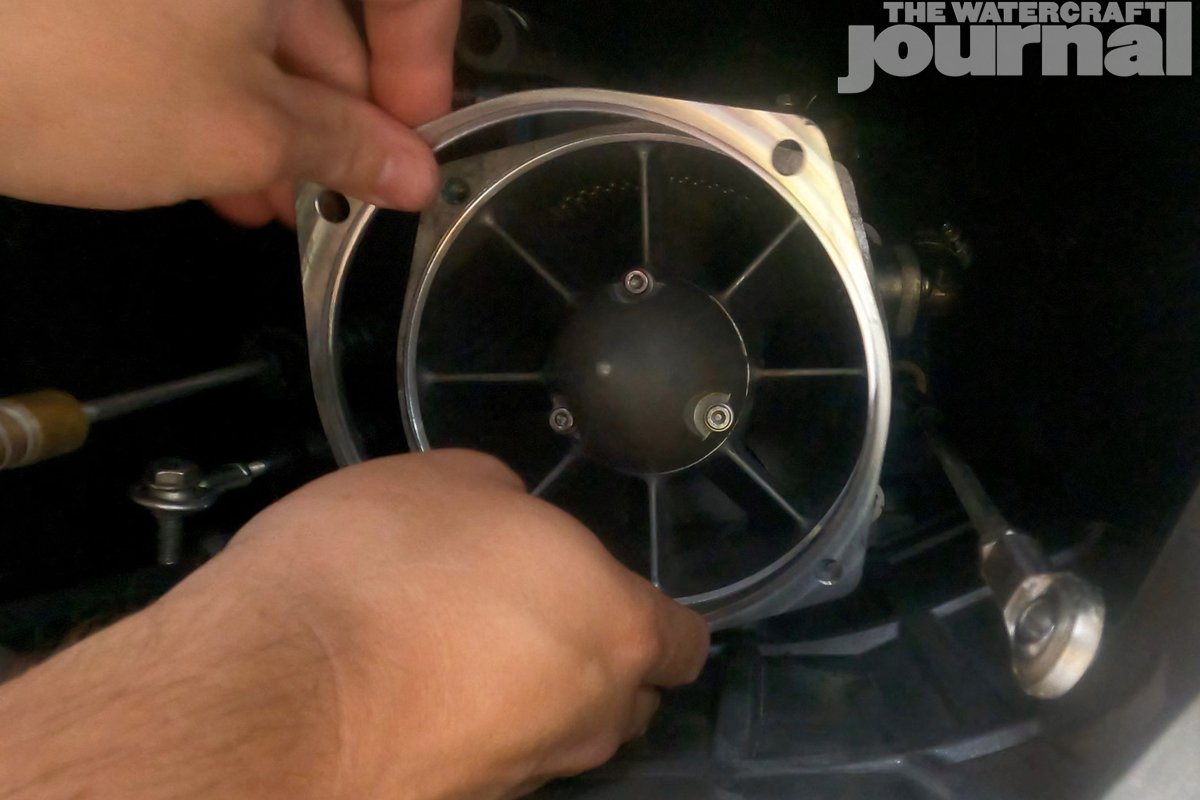
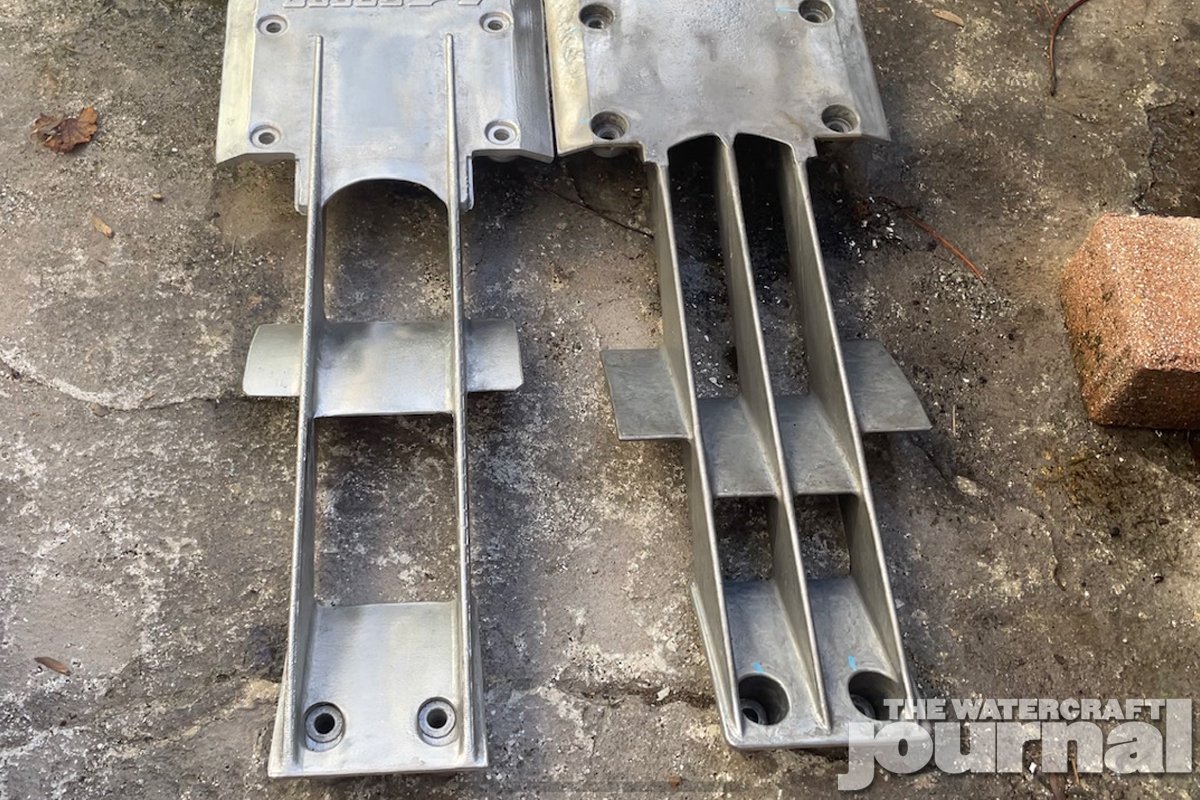
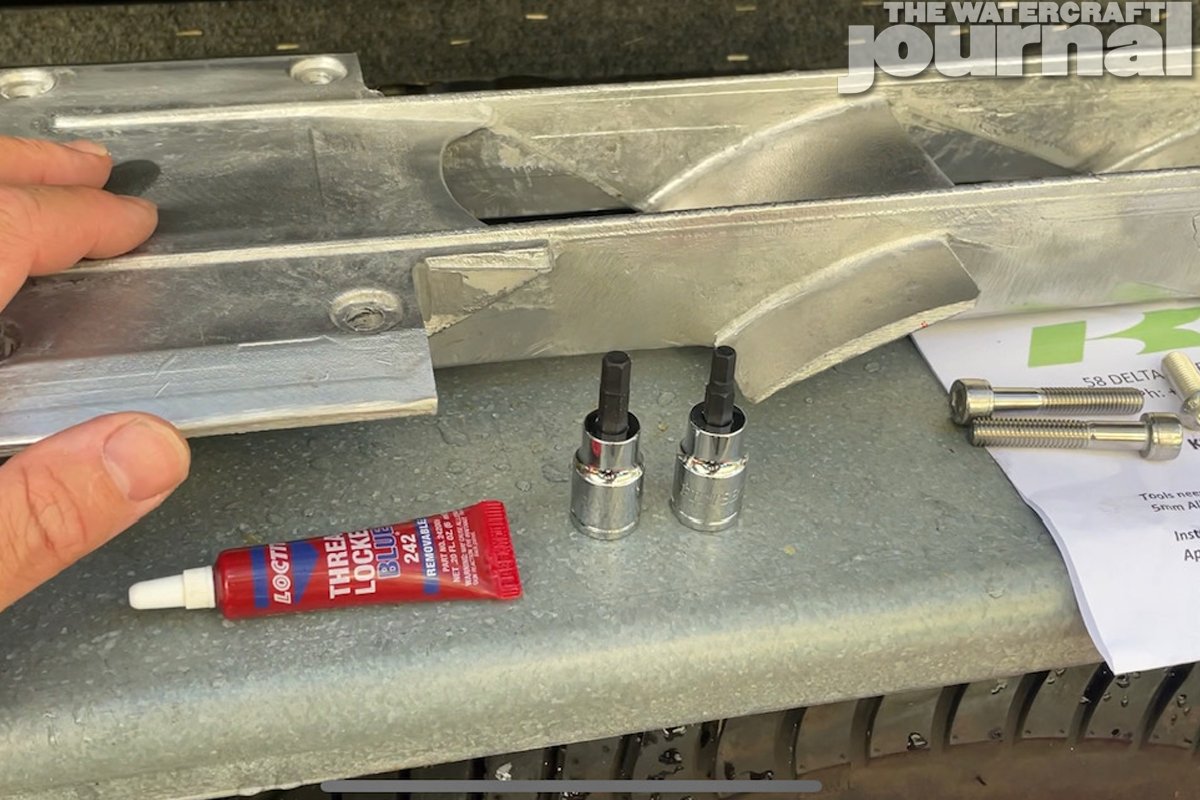
Installing the intake great requires 5mm and 6mm Allen wrenches, and a bottle of blue removable Loctite. The stock grate is secured with six (6) 6mm Allen bolts – remove these and the accompanying washers.
After removing the stock grate, line-up the KSpeed grate underneath the ski, and loosely install the included hardware. Make sure to add a small dab of blue Loctite to each bolt before threading them into the ski.
Two (2) 6mm Allen bolts are used to mount the front of the grate, while four (4) 5mm Allens are used for the rear part of the grate. Note that the stock bolts and washers are not re-used for this installation.
My testing revealed that the KSpeed grate is about 9.3 oz lighter than the stock unit, and provides better hole shot and less loss of speed in rough conditions. After numerous launches, I found that there is no discernable cavitation or loss of traction when launching from a standstill.
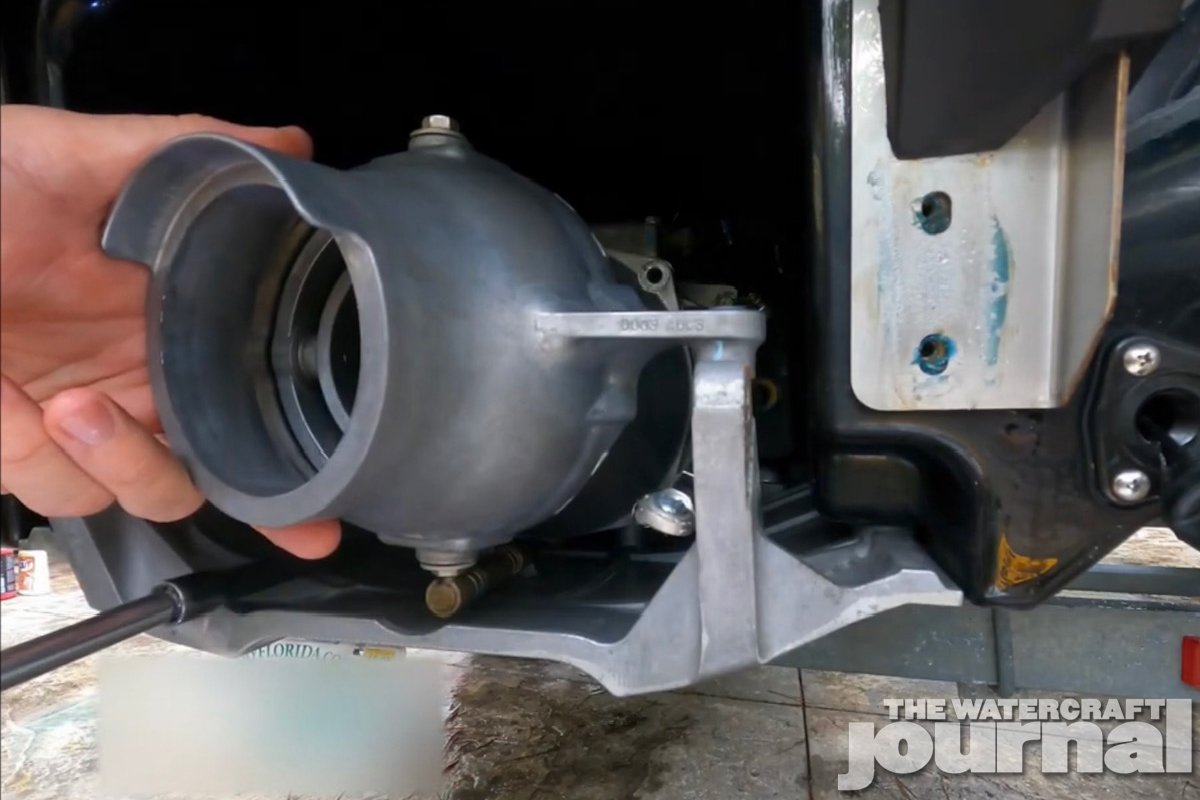
The 2-degree pump wedge is the most involved to install, but can be done with just a few basic tools. The entire jet pump does not have to be removed from the ski- just the exit nozzle. KSpeed recommends removing the ride plate for this process, although I have found that step is not necessary.
The first step is to remove the rear fold-down step (four 5mm Allen bolts), followed by detaching the reverse bucket (two 12mm bolts with washers and bushings). You then must disconnect the steering and trim linkages (10mm bolts), followed by the bilge pump discharge hose. There are four 12mm bolts holding the jet pump exit nozzle in place – remove those 4 bolts using a 12” extension on your 3/8 ratchet.
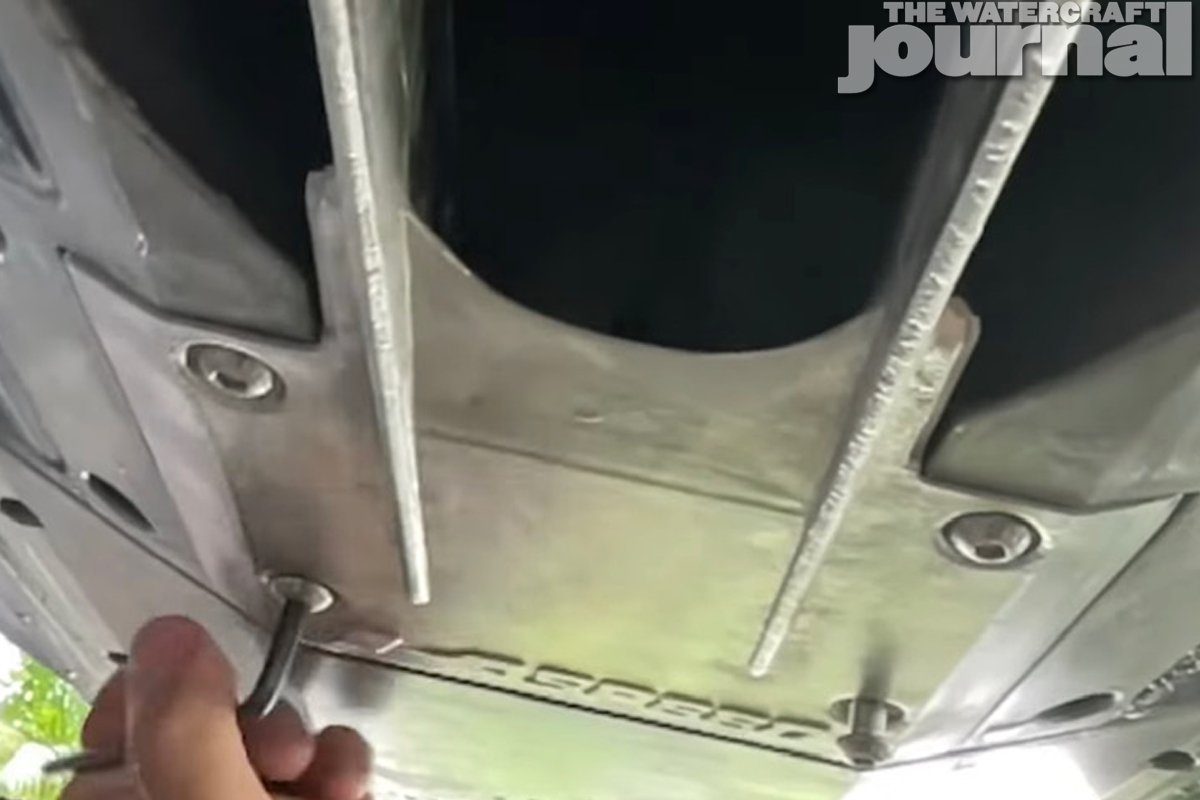
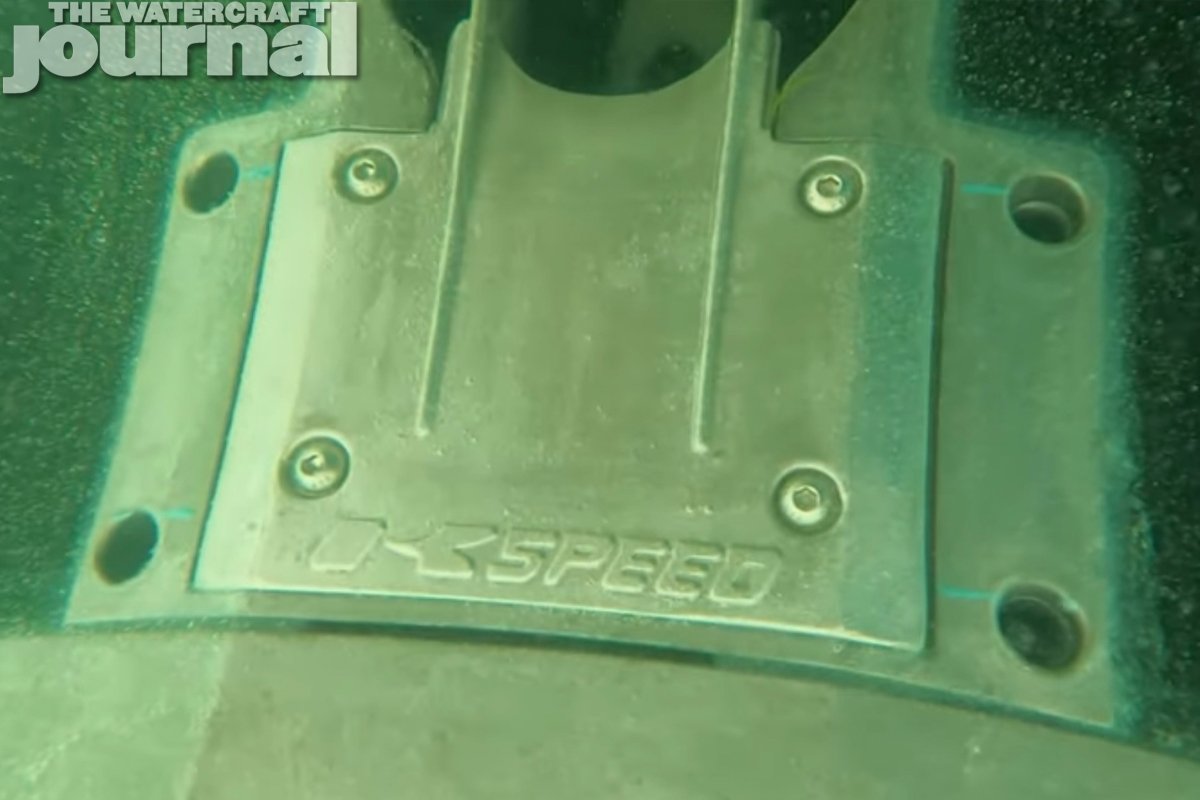
When installing the aluminum pump wedge ensure that the thick part of the wedge is at the bottom of the pump, and the thin part is at the top. Make sure that the text stamped onto the wedge “KSpeed 2 Degree” is facing the jet pump or toward the front of the ski
Two of the OEM 12mm bolts that you removed will be re-used to secure the top of the exit nozzle, while two new longer 13mm bolts provided with the Stage 1 kit will be used to secure the bottom (now thicker due to the wedge) part of the nozzle.
Ensure that you use non-permanent blue Loctite when securing all bolts. It is a good practice to make sure that all linkages, bushings, and spring-loaded quick-connect fittings are thoroughly greased with waterproof marine grease upon reassembly.
The most difficult part of this process is recalibrating the trim and steering linkages to accommodate the additional thickness of the pump wedge. I found that using a digital caliper made this process easier. If your initial adjustment is off, you can make additional adjustments in the future without having to remove the jet pump again.
The increased bow rise offered by the 2 degree wedge is noticeable even at slower speeds. Getting the bow higher at neutral trim makes for a drier and more comfortable ride by allowing the Ultra 310 to pass more easily over wake from boat traffic in slow-speed and no-wake zones.
https://youtu.be/ZeNTMpsuXak
Overall, I am very pleased with the performance of the KSpeed Stage 1 kit, and would recommend it to anyone looking to take their Ultra 310 to the next level. There are no major modifications needed to the engine, exhaust, intake, supercharger, intercooler, catch can, jet pump, BOV, or cooling system. The modifications you must make for this kit are 100% removable, allowing you to return your ski to stock condition without much effort.










 Malmö, Sweden: Radinn, the world’s first mass-produced jetboard company, today announced that their X-Sport model is approved for rental purposes. The news, which comes after years of extensive testing, developing a surf club proof of concept and R&D protocols, opens up new possibilities within the tourism and water sport markets.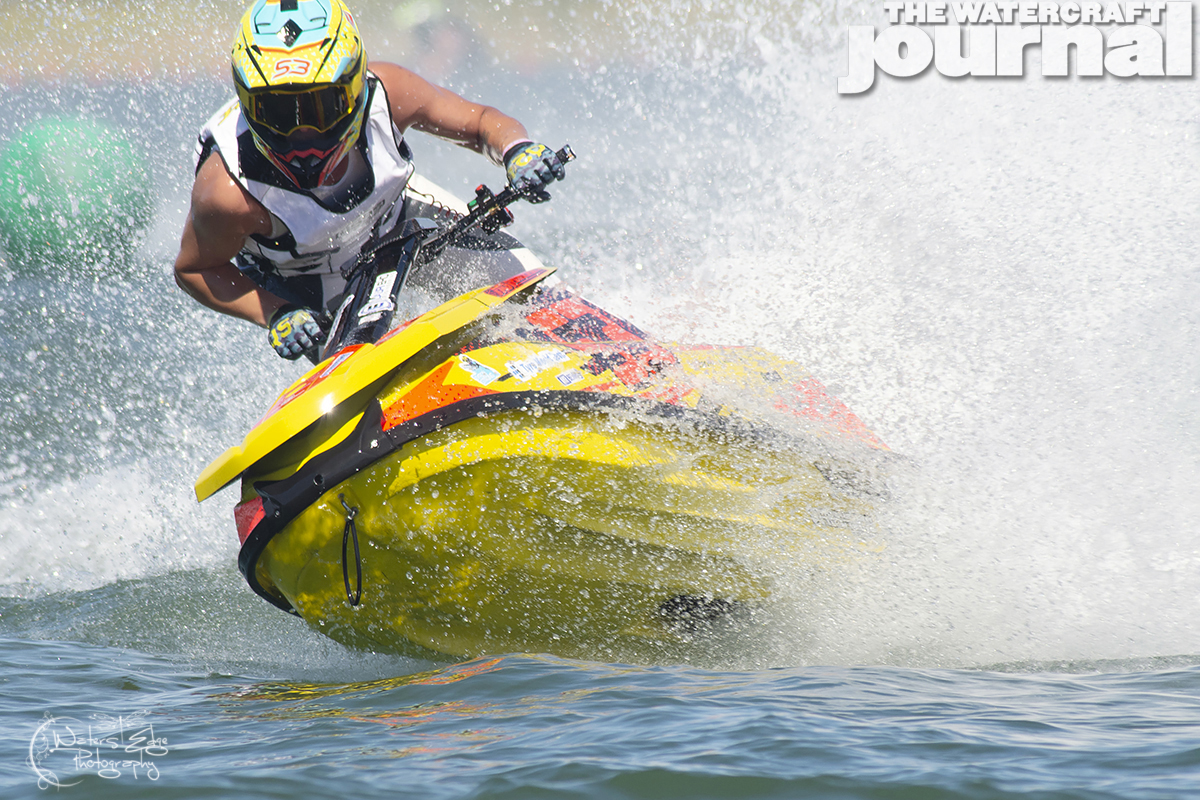














 Emotions were running high with her in the cone’s bullseye. The track shifted and hit a few hours south. Jordan was emotionally tied to this storm and loaded up a trailer after cleaned up some of the mess at his place. The dude is full of gratitude. He still has a home with a few downed trees and a little flooding.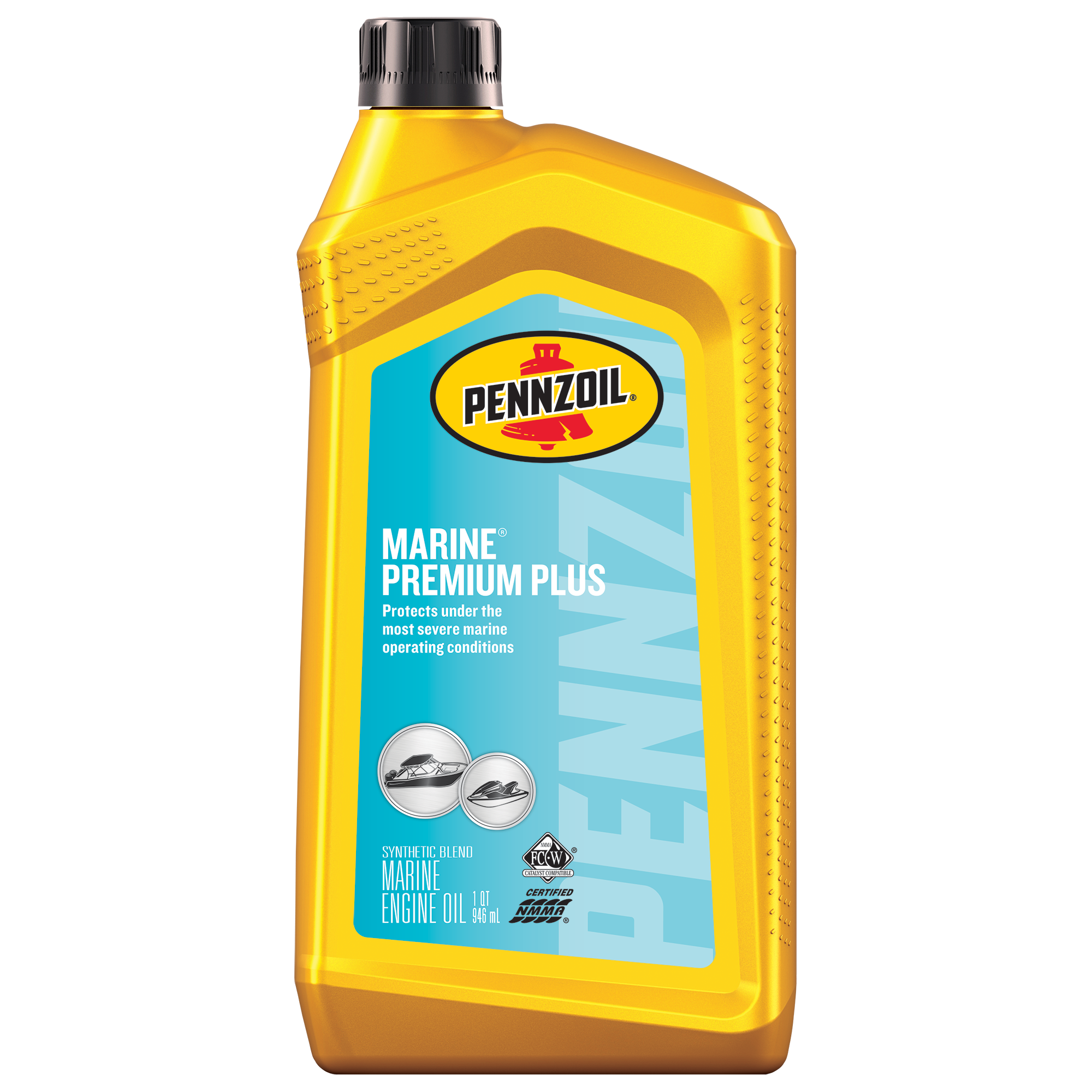
 Pennzoil announced the release of a new line of engine oils for outdoor vehicles at the SEMA Show. The oils are formulated for outdoor vehicles in North America. These include ATVs/UTVs, watercraft, motorcycles, and snowmobiles.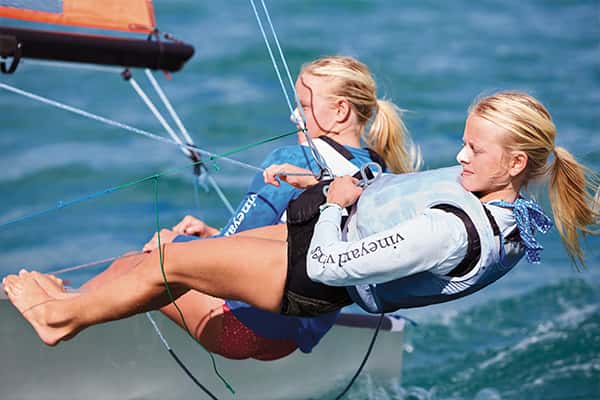
 Radinn Electric Jetboards